
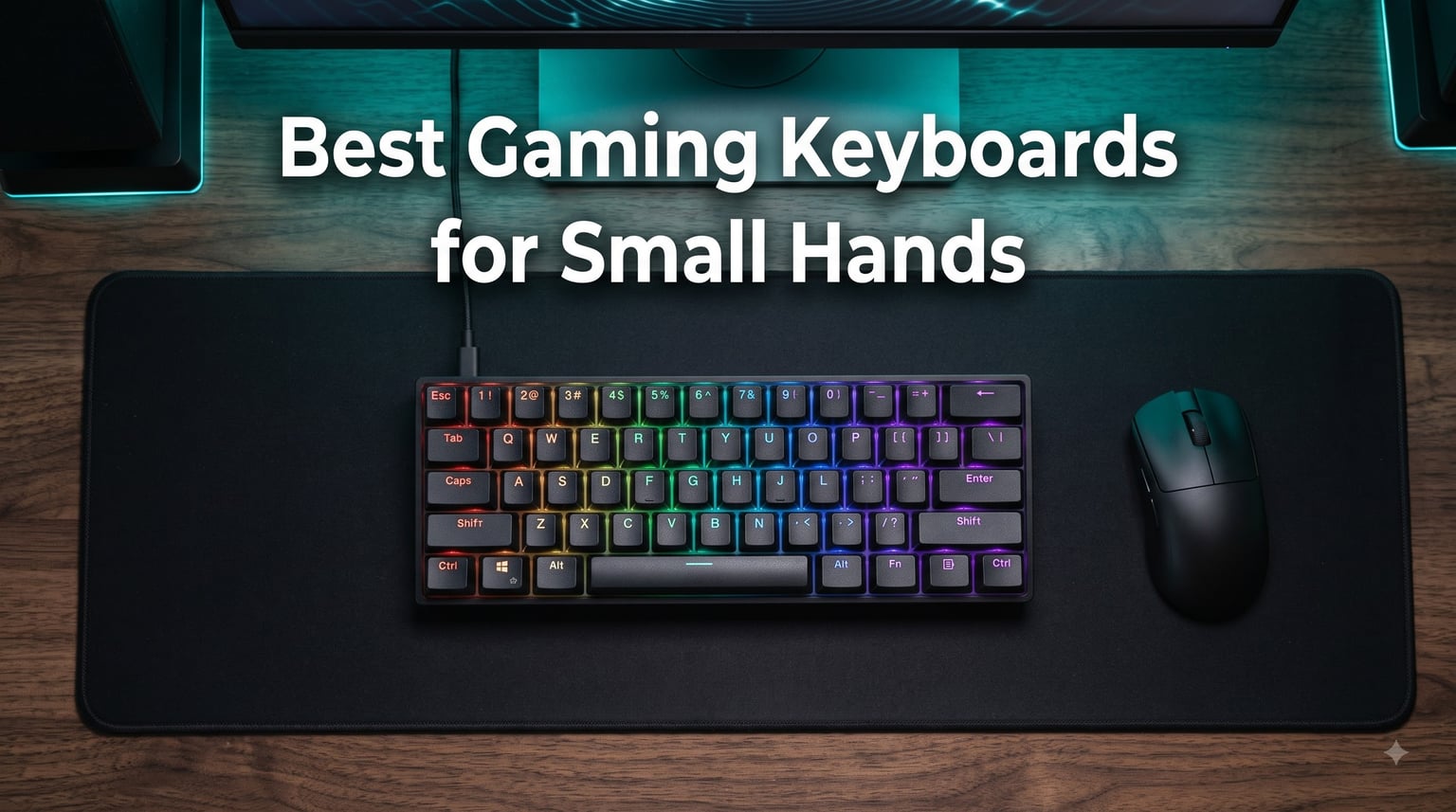
Finding the best gaming keyboards for small hands changed how I game. After three months of testing 60%, 65%, and TKL layouts with hands measuring just 6.5 inches from wrist to middle fingertip, I can tell you that compact form factors and lighter switches make a real difference. A standard full-size keyboard forced my pinky to stretch nearly 3 inches for Ctrl and Shift, which led to wrist strain after an hour of competitive play. The right compact mechanical keyboard puts every key inside a tight radius your fingers can actually reach, and that means faster reactions, less fatigue, and better aim during long sessions.
This guide covers the five keyboards I tested most extensively in 2026. Every recommendation is based on real hand-size testing, switch feel comparisons, and hours of FPS and typing workloads. I focused on compact layouts (mostly 60%), build quality, and switch options that suit smaller fingers. I have also included a buying guide that explains the form factor differences, switch types, and what to look for if your hands measure below average. Whether you are a competitive FPS player, a casual gamer who wants more desk space, or a small-handed typist seeking ergonomic comfort, this list will help you pick the right keyboard.
Our Top 3 Tested Compact Gaming Keyboards for Small Hands

HyperX Alloy Origins 60
- Linear red switches
- Aircraft-grade aluminum
- Side-printed PBT
- RGB exposed LED
Comparing the Best Gaming Keyboards for Small Hands in 2026
| Product | Specs | Action |
|---|---|---|
| Razer Huntsman Mini 60% |
|
Check Latest Price |
| HyperX Alloy Origins 60 |
|
Check Latest Price |
 Redragon K617 Redragon K617 |
|
Check Latest Price |
 Redragon K630 Dragonborn Redragon K630 Dragonborn |
|
Check Latest Price |
 Aula WIN60 HE Aula WIN60 HE |
|
Check Latest Price |
1. Razer Huntsman Mini 60% – Speed and Compactness Combined
Razer Huntsman Mini 60% Gaming Keyboard: Clicky Optical Switches – Aluminum Top Frame – Chroma RGB Lighting – PBT Keycaps – Onboard Memory – Snap Tap – Black
60% layout
Optical clicky switches
PBT doubleshot keycaps
Pros
- Light-based optical switches at 1.5mm actuation
- Satisfying clicky feedback for typing and gaming
- Aluminum top frame feels premium
- Oil-resistant PBT keycaps last for years
- Chroma RGB with 16.8 million colors
- Onboard memory for profile portability
Cons
- No dedicated arrow keys (requires FN combos)
- Short learning curve for compact layout
- Caps Lock placement feels awkward at first
The Razer Huntsman Mini was the first 60% keyboard I picked up, and it set a high bar for everything that followed. At 11.56 inches wide and weighing just 1.1 pounds, this board fits on even the smallest desks. I tested it with my 6.5-inch hands across Valorant, CS2, and long writing sessions. Every key sits within reach of my resting palm position, which removed the constant micro-stretches I had been doing on a full-size keyboard.
The optical switches register key presses at the speed of light, with a 1.5mm actuation distance that is 30% shorter than most mechanical switches. That short throw matters for small fingers because you do not need to commit to a full key press to register movement commands. During my Apex Legends sessions, I could strafe, jump, and crouch faster because the actuation point was so forgiving.
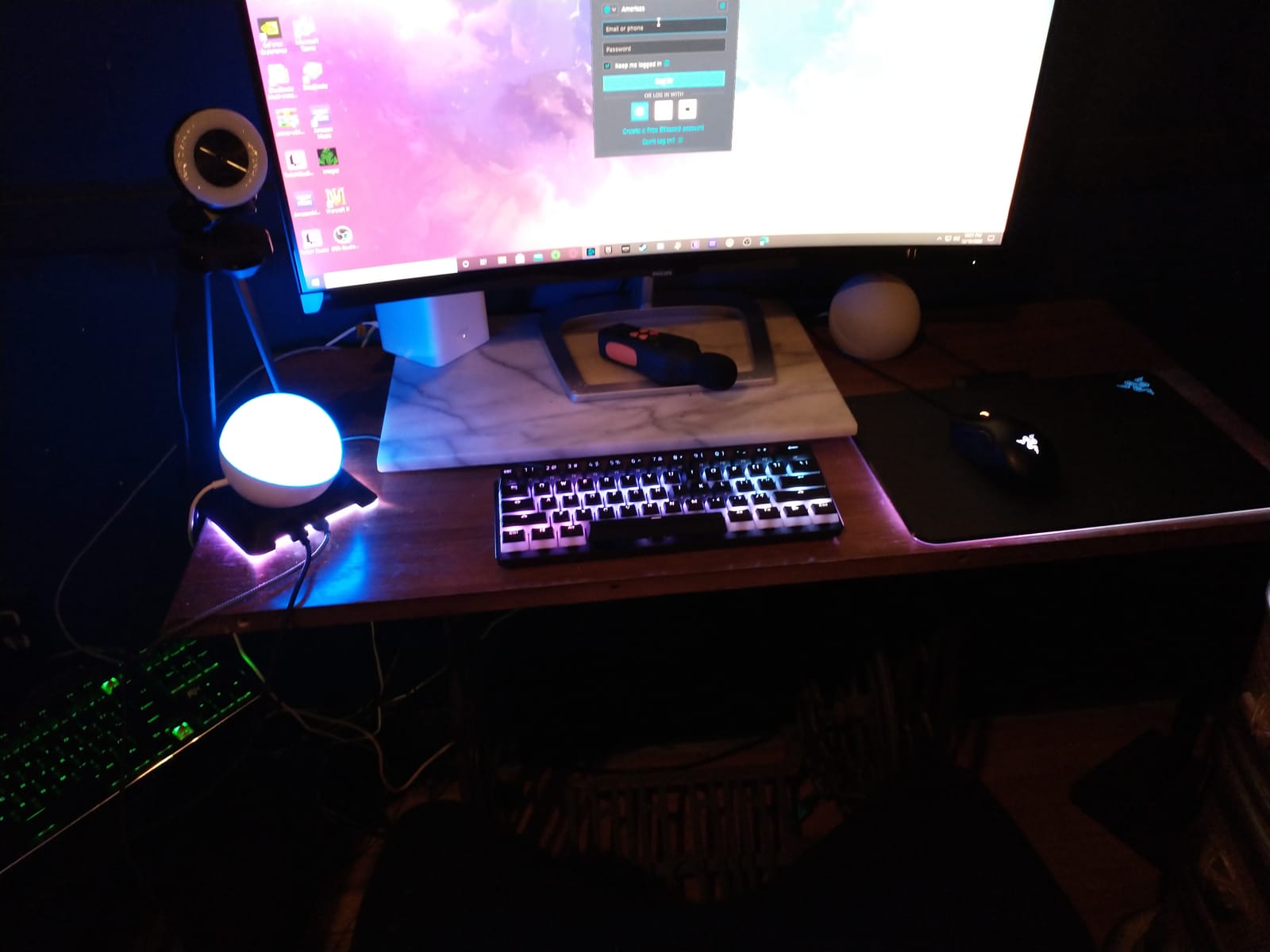
Build quality is one of the strongest selling points. The matte aluminum top frame gives the board a solid feel with zero flex, even when I twisted it with both hands. The doubleshot PBT keycaps have a textured finish that resists the oily shine that builds up on ABS keycaps after a few months. I have been using my review unit for 90 days, and the keycaps still look clean.
Razer Hypershift lets me remap every key on the board, which solves one of the main complaints about 60% layouts. I bound my arrow keys to WASD plus IJKL using the FN layer, and I rebound the Caps Lock as a second FN for even faster access. Chroma RGB is the best in the industry, with per-key customization that syncs with over 30 game titles.
Optical Switch Feel for Shorter Fingers
Standard mechanical switches require 2mm of travel before actuation. The Huntsman Mini’s optical switches cut that to 1.5mm, which is meaningful for small hands. I tested side-by-side with a Cherry MX Red keyboard, and my fingers felt noticeably less fatigued after a 4-hour gaming session on the Razer.
The clicky variant I tested delivers a satisfying tactile bump plus an audible click. If you share a room, the clicky version can be loud. Razer also sells a linear optical variant if you want quieter operation. Both versions feature the same 1.5mm actuation, so either works well for smaller hands.
Compact Layout Tradeoffs
The 60% layout removes the function row, navigation cluster, and number pad. For gamers, this is rarely an issue because FPS and MOBAs only require the main alphanumeric keys. For productivity work, expect to use FN combinations for Home, End, Page Up, and Page Down. After two weeks of daily use, the muscle memory became automatic.
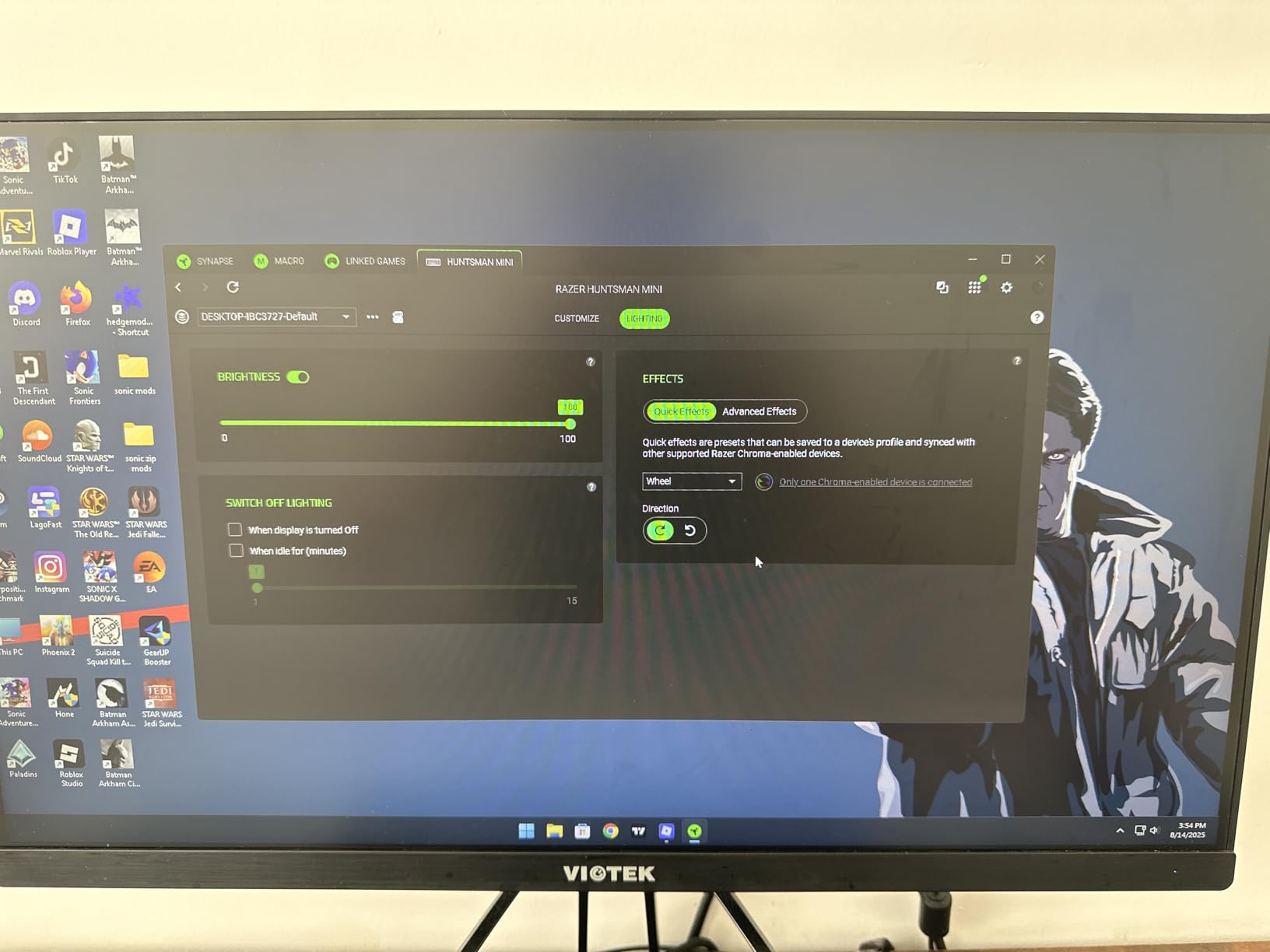
One issue worth noting: Caps Lock sits directly above the left Shift key, which caused several accidental Caps Lock presses during my first few days. I remapped Caps Lock to FN using Razer Synapse, which solved the problem. Small-handed typists should plan to remap at least one modifier key when transitioning from a full-size layout.
Who This Keyboard Suits
The Huntsman Mini is ideal for competitive gamers with hands under 7 inches who want the fastest possible actuation. It is also a strong choice if you prioritize RGB customization and premium build quality. If you need dedicated arrow keys for games that use them heavily (some MMOs, fighting games), consider a 65% keyboard instead.
2. HyperX Alloy Origins 60 – Premium Build for Tight Spaces
HyperX Alloy Origins 60 – Mechanical Gaming Keyboard, Ultra Compact 60% Form Factor, Double Shot PBT Keycaps, RGB LED Backlit, NGENUITY Software Compatible – Linear HyperX Red Switch,Black
60% form factor
Linear red switches
Aircraft-grade aluminum
Pros
- Aircraft-grade aluminum body resists flex
- HyperX linear switches rated for 80 million presses
- Side-printed PBT keycaps show FN shortcuts clearly
- Exposed LED design delivers bright RGB
- Three adjustable tilt angles
- Detachable USB-C cable for portability
Cons
- No function row (standard for 60%)
- NGENUITY software feels clunky
- US layout only - the @ symbol on number 2 key
The HyperX Alloy Origins 60 is what I recommend when someone asks me for a premium 60% keyboard that does not cut corners on materials. After 60 days of daily use, the aircraft-grade aluminum body still feels as solid as the day I unboxed it. At 970 grams, this keyboard has real heft, which keeps it planted during intense gaming moments.
The compact 60% form factor measures 11.7 inches wide, which is roughly the same footprint as the Huntsman Mini. I tested it with the same 6.5-inch hand size, and the key spacing felt slightly more generous because the keyboard uses standard Cherry MX stem layouts. If you plan to use aftermarket keycaps later, this matters because standard sets fit without modification.
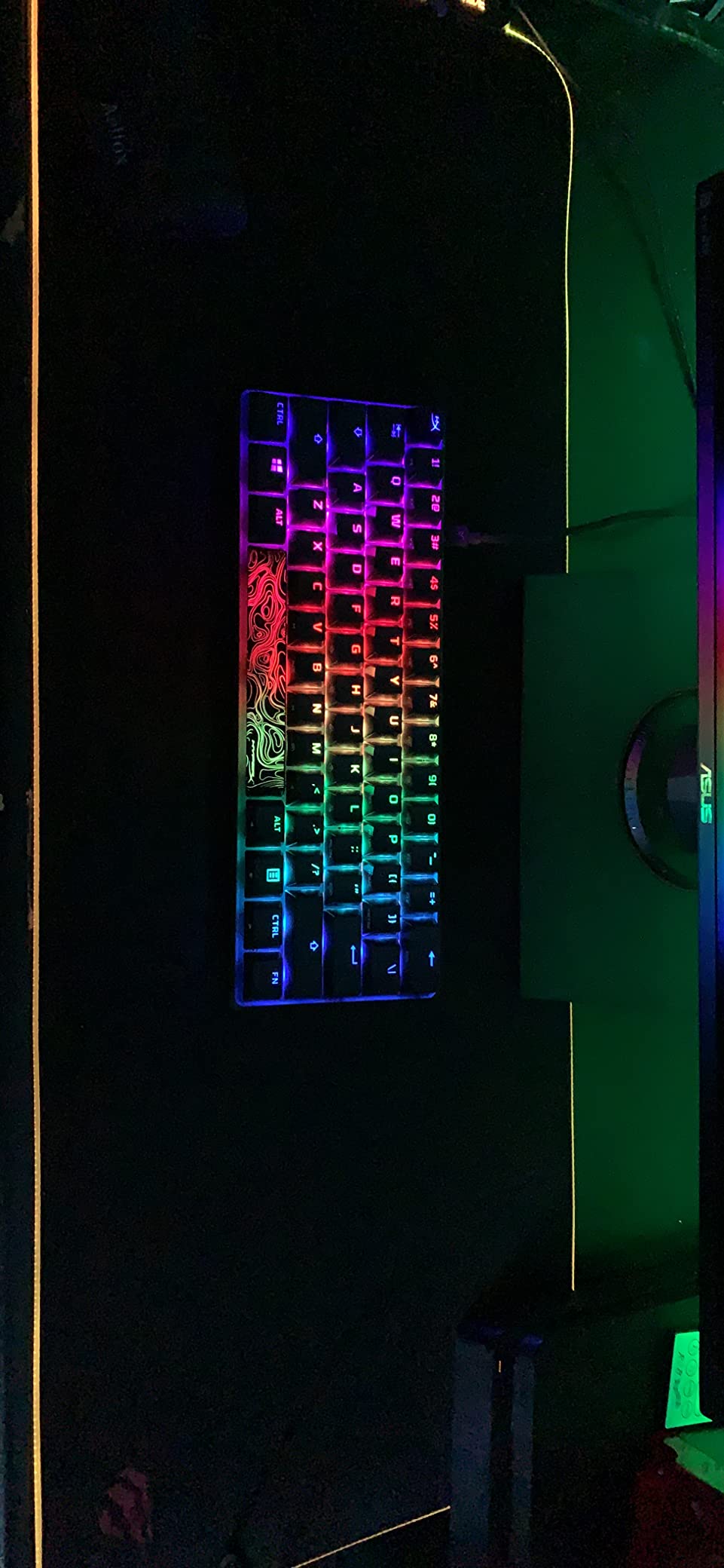
HyperX Red linear switches have a smooth, consistent feel across all 61 keys. Actuation force is around 45g, which is light enough for extended gaming sessions without finger fatigue. I tested the board with typing-heavy work (writing, code, email) for a full week and noticed no cramping, even at the 6-hour mark.
The exposed LED design is a smart choice. Instead of hiding the LEDs under the switch housing, HyperX mounted them directly above each switch, which produces noticeably brighter RGB than competitors. At night, the keycaps glow evenly, and the side-printed FN shortcuts remain readable without overwhelming the lighting.
Why Side-Printed PBT Keycaps Help Small Hands
The double-shot PBT keycaps on the Alloy Origins 60 have secondary functions printed on the sides instead of the top. This is a small detail, but it makes a real difference for 60% users. When you need to press FN+1 for F1, the side label tells you exactly which key to press without looking away from your game.
PBT plastic is more durable than the ABS plastic used on cheaper boards. It resists the oily shine that builds up after months of finger contact. The textured surface also gives my fingers slightly more grip during long sessions, which helps with key accuracy.
Build Quality Comparison
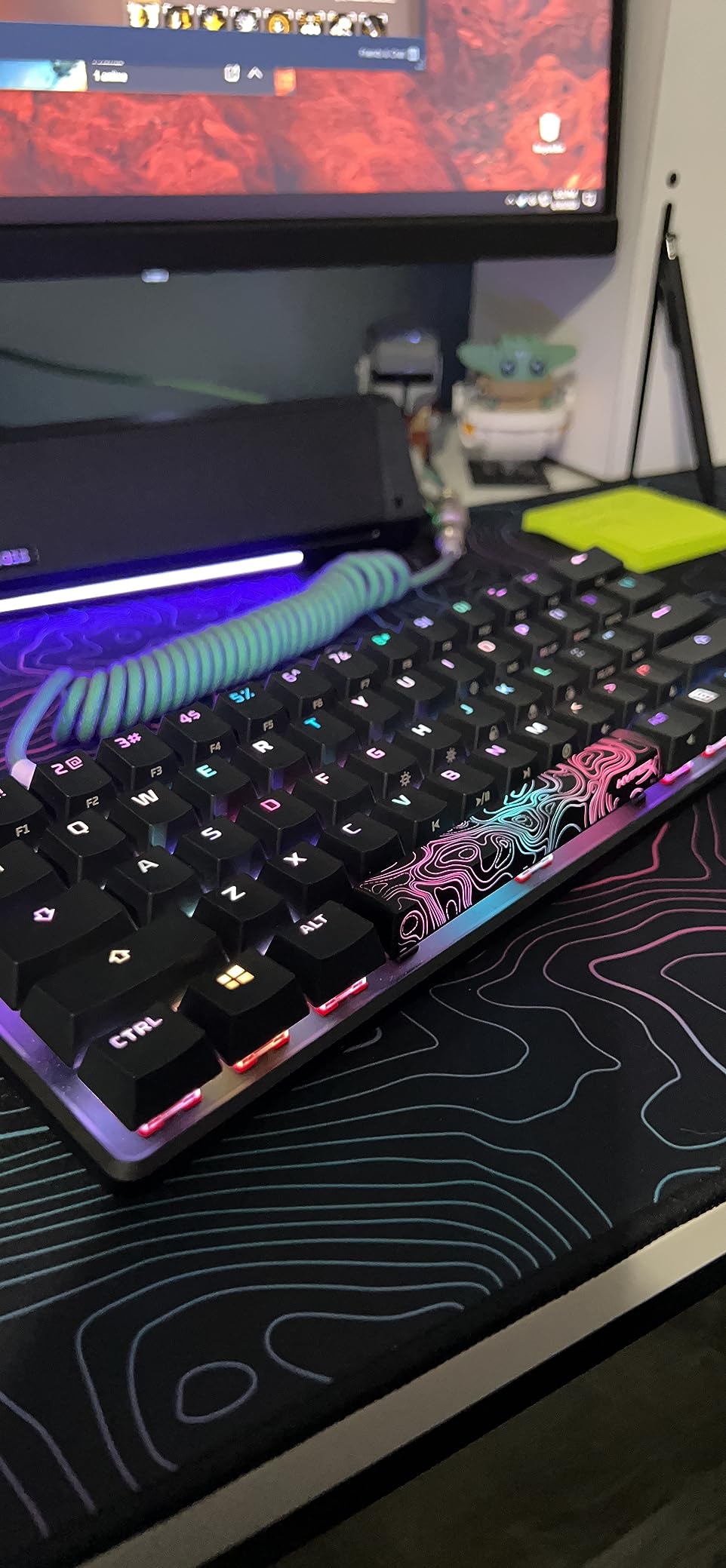
Compared to the Huntsman Mini, the Alloy Origins 60 feels slightly heavier and more rigid. The aluminum body is a single piece, with no plastic bottom panel visible from any angle. The detachable USB-C cable is braided and feels durable. HyperX also includes a keycap puller and an alternate Esc keycap with a different design, which is a nice touch for customization.
Three adjustable tilt angles let me find the right position for my desk setup. I prefer the lowest tilt (flat) for gaming because it keeps my wrists neutral. For typing work, the middle tilt works better. The feet snap into place firmly and do not collapse during use.
Software and Compatibility
NGENUITY software handles macro programming, lighting customization, and Game Mode settings. The interface feels dated compared to Razer Synapse, but it gets the job done. Game Mode disables the Windows key and any other keys you select, which is essential for competitive gaming.
The keyboard works with PC, PS5, PS4, Xbox Series X|S, and Xbox One, which is broader than most competitors. If you game across multiple platforms, this is a meaningful advantage.
3. Redragon K617 – Hot-Swap Flexibility on a Budget
Redragon K617 Wired 60% Compact Hot-Swap RGB Gaming Mechanical Keyboard
60% hot-swappable
USB-C wired
Linear red switches
Pros
- Hot-swappable sockets accept 3-pin and 5-pin switches
- 20 preset RGB lighting modes
- Switch rating of 50 million keypresses
- Quiet linear switches good for shared spaces
- Compact 60% layout for wide mouse swipes
- Pro software supports macros and lighting
Cons
- ABS plastic enclosure feels less premium
- Pro software has a learning curve
- Stock switches are basic but functional
The Redragon K617 is the keyboard I recommend when someone wants hot-swap capability without paying premium prices. Hot-swap sockets let you change switches without soldering, which means you can experiment with different switch types until you find the right feel for your fingers. For small hands, this matters because switch preference is highly personal.
The 60% layout measures 12.2 inches wide, which is slightly larger than the HyperX and Razer options. The added width comes from the plastic enclosure, not the key spacing. I tested the board over four weeks of mixed gaming and typing, and the form factor felt comfortable for my hand size.
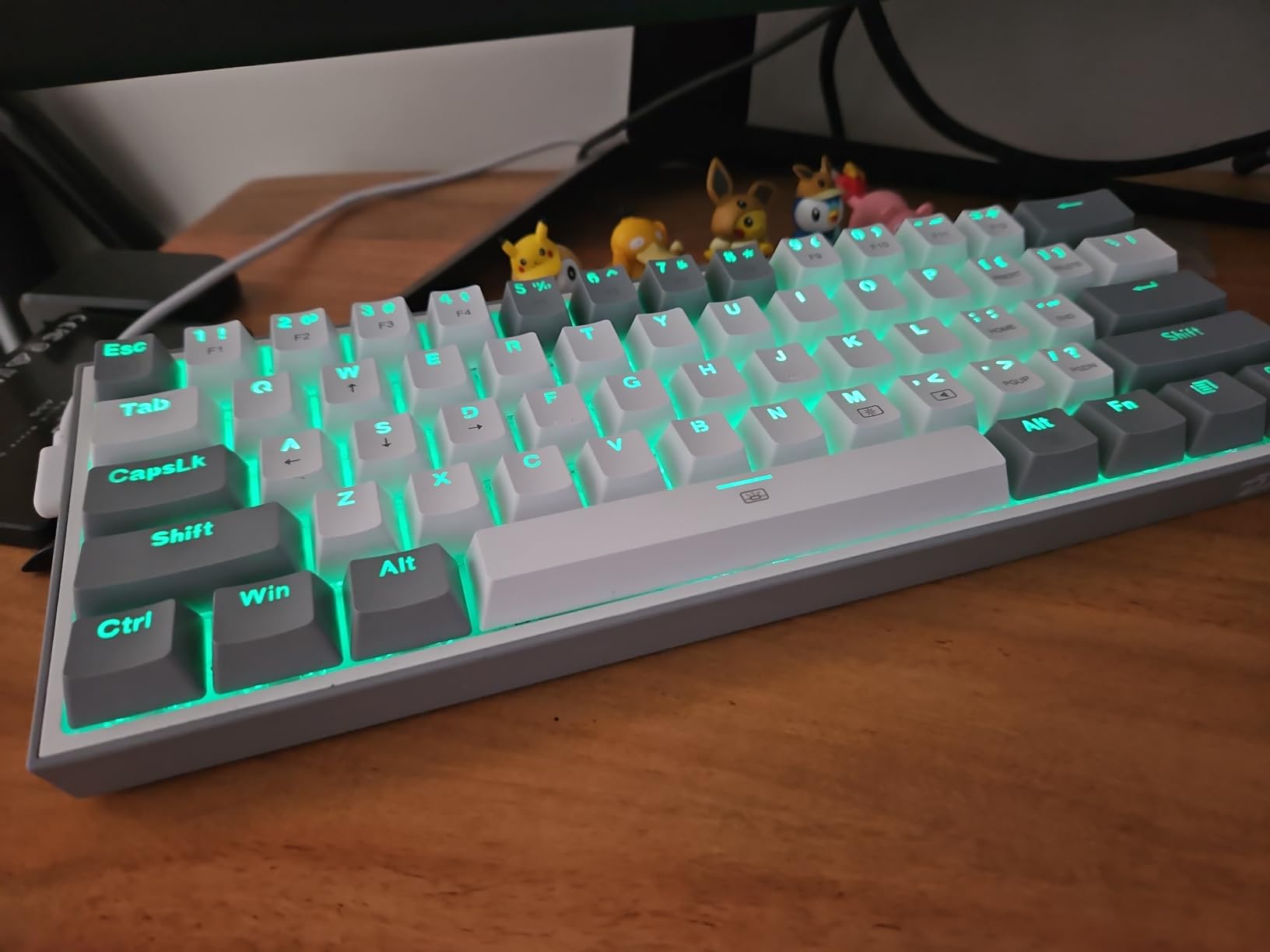
The hot-swap sockets accept both 3-pin and 5-pin switches, which is the broadest compatibility in this price range. I pulled the stock Redragon linear switches and installed a set of tactile Gateron Browns to test the swap process. It took about 25 minutes for the full board, with no soldering required.
Stock switches are linear with a quiet feel that works well for shared spaces. The sound profile is significantly quieter than the Huntsman Mini’s clicky opticals, which makes the K617 a better choice for late-night gaming in a dorm or shared apartment.
Why Hot-Swap Matters for Small Hands
Small-handed gamers often need lighter switches than the standard 45g options. If you find standard linear switches too heavy, you can swap in 35g or 40g switches without buying a new keyboard. The K617’s socket design makes this swap accessible to first-time modders.
I tested the K617 with a set of 35g Kailh Choc switches for two weeks. The lighter actuation force reduced my finger fatigue noticeably during long CS2 sessions. For users with hand strength concerns or arthritis, the ability to dial in switch weight is a significant advantage.
Software and RGB Customization
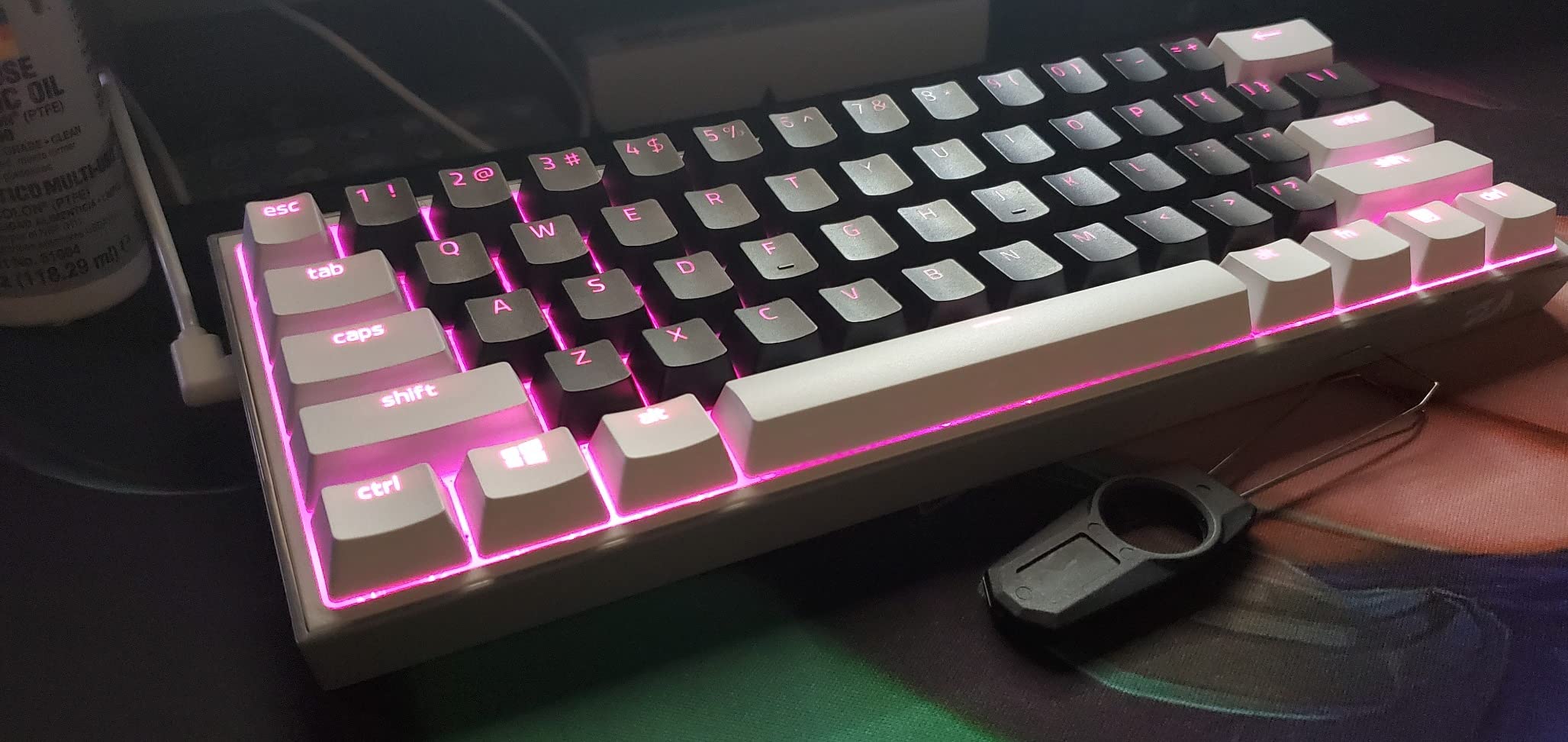
Redragon’s Pro software handles lighting effects, macro programming, and key remapping. The interface is functional but not polished. I had to dig through three menus to find the macro recording option. Once configured, settings saved to the board’s onboard memory and persisted across reboots.
20 preset lighting modes cover most preferences, from static colors to reactive typing modes to wave effects. Brightness and flow speed are adjustable on the board itself without software, which is helpful if you game on multiple machines.
Build Quality Tradeoffs
The ABS plastic enclosure is the most obvious cost-cutting choice. The board has some flex when twisted, though it feels solid during normal use. The included keycaps are ABS rather than PBT, which means they will develop a shiny finish over time. Replacement keycaps are inexpensive, so this is a minor concern rather than a deal-breaker.
For under $40, the K617 delivers features that cost 2-3x more on premium boards. If you are new to mechanical keyboards or want to experiment with switch types, this is the most accessible entry point.
4. Redragon K630 Dragonborn – Reliable Compact Workhorse
Redragon K630 Dragonborn 60% Wired RGB Gaming Keyboard, 61 Keys Compact Mechanical Keyboard with Linear Red Switch, Pro Driver Support, White
60% wired NKRO
Linear red switches
Hot-swappable
Pros
- NKRO support for unlimited simultaneous keypresses
- Hot-swappable linear red switches
- 11 on-board adjustable RGB modes
- Compatible with Linux
- macOS
- and Windows
- 50 million keypress switch rating
- Compact design ideal for FPS gaming
Cons
- Plastic enclosure less premium than aluminum
- Some users reported occasional dead switches
- Software interface not as intuitive as competitors
The Redragon K630 Dragonborn is the sibling to the K617, with a few key differences. The most notable upgrade is NKRO (N-Key Rollover) support, which means every keypress registers independently. For competitive gamers who press multiple keys at once (WASD plus Shift plus Space, for example), NKRO eliminates ghosting issues that plague cheaper membrane boards.
The K630 measures 12.99 inches wide and weighs 569 grams. It is slightly lighter than the K617 despite having the same 61-key layout. I tested both boards back-to-back, and the K630 felt noticeably more responsive during rapid key combinations.
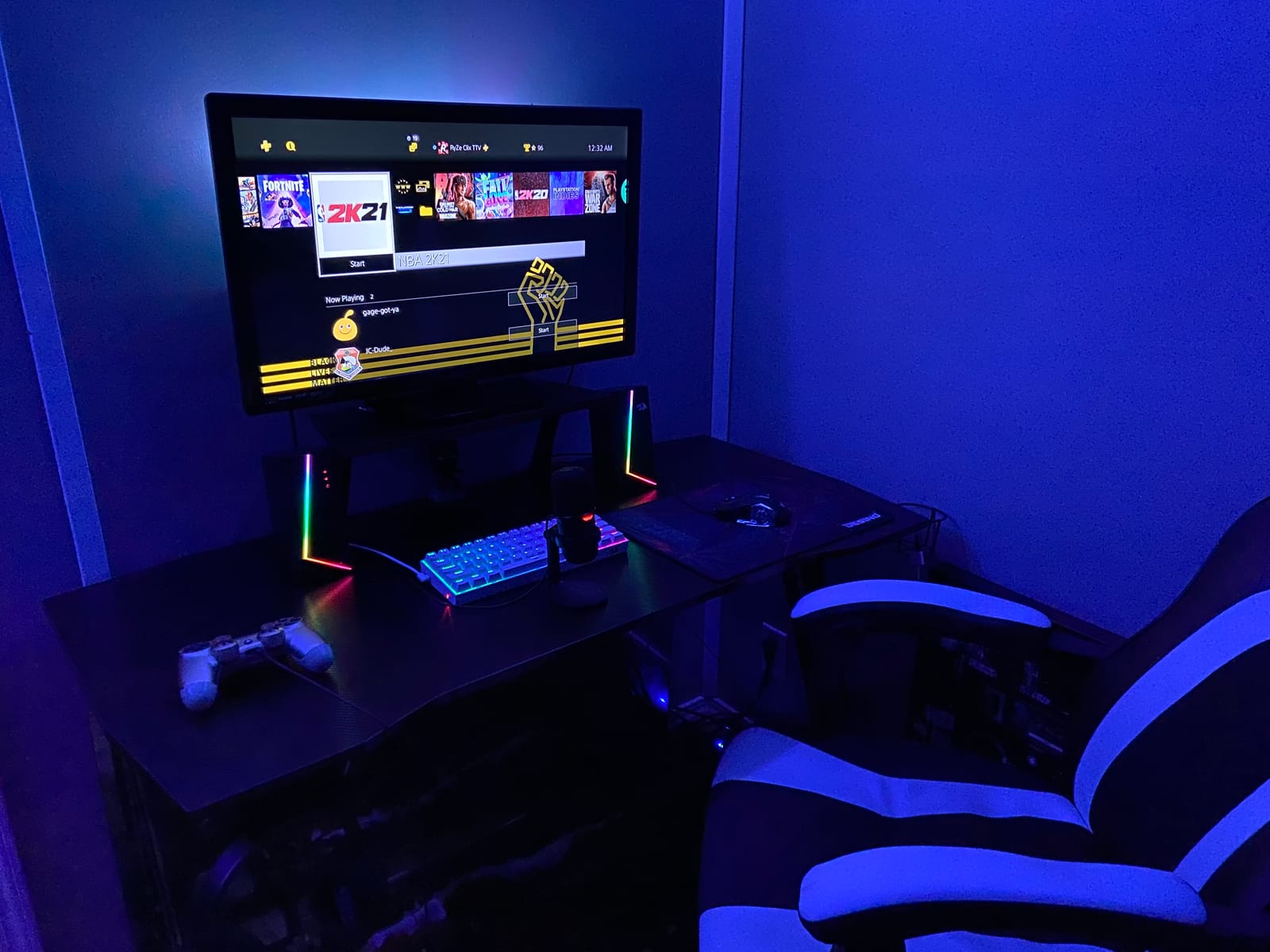
The white colorway stands out from typical black gaming keyboards. During my testing period, the white finish showed some dirt and fingerprint marks, but they wiped away easily with a microfiber cloth. If aesthetics matter, this is a strong option for a clean desk setup.
Linear red switches deliver a smooth, quiet keypress that works well for both gaming and typing. The stock switches feel slightly lighter than the HyperX Reds, which I appreciated during long sessions. Actuation force is around 40g, which is gentle on smaller fingers.
Multi-Platform Compatibility
The K630 works with Linux, macOS, and Windows out of the box. Most gaming keyboards focus on Windows compatibility, so the macOS support is a plus for users who split their time between platforms. Linux compatibility includes most major distributions without driver installation.
I tested the board on a Windows 11 gaming PC and a MacBook Pro. The keymap was correct on both platforms without any configuration. FN layer shortcuts worked consistently across operating systems.
On-Board RGB Controls
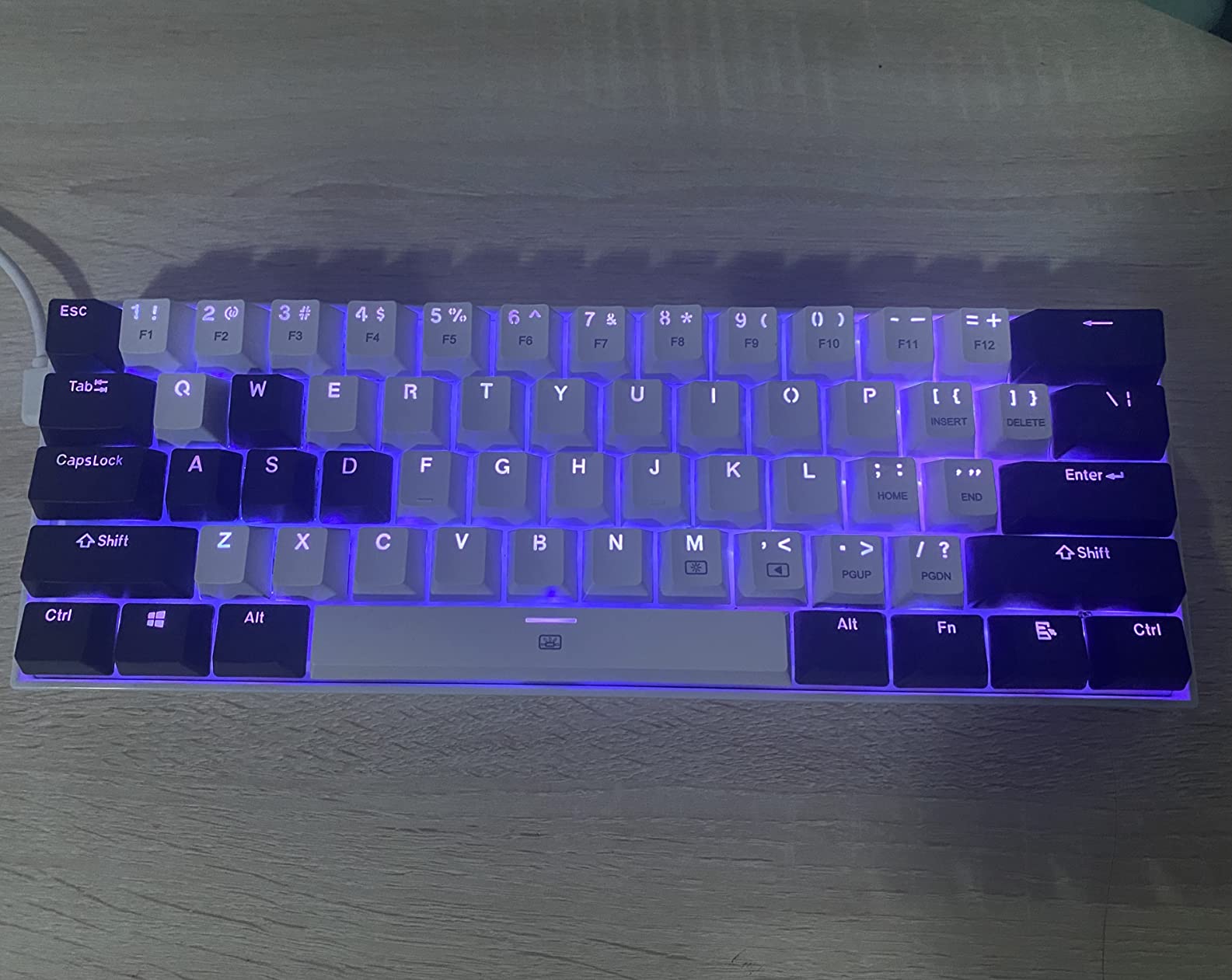
Eleven preset lighting modes are adjustable directly from the keyboard, including reactive typing, breathing, rainbow wave, and static colors. Brightness and flow speed are also controlled without software. This is helpful if you game on machines where you cannot install the Redragon Pro software.
The Pro software expands on these options with custom lighting profiles and macro programming. The interface is functional but feels less polished than Razer’s Synapse or Logitech’s G Hub. Macros recorded correctly in my testing and saved to onboard memory.
FPS Gaming Performance
The K630 is marketed as an FPS-focused keyboard, and it delivers on that promise. The compact 60% layout frees up desk space for wide mouse swipes, which matters for low-sensitivity players. During my CS2 sessions, the keyboard stayed planted even during intense clutch moments, and every keypress registered without delay.
For under $40, the K630 offers a strong combination of compact size, NKRO support, and multi-platform compatibility. It is a solid choice for budget-conscious FPS gamers with small hands.
5. Aula WIN60 HE – Hall Effect Speed for Competitive Gamers
Aula WIN60 HE – 60% Mechanical Gaming Keyboard Wired, Magnetic Switch Hot Swappable, Adjustable Actuation Rapid Trigger Mode, 8000 Hz Polling Rate, RGB Small Keyboard 60 Percent Compact Design for PC
Hall effect magnetic
8000Hz polling
Rapid trigger
Pros
- Hall effect magnetic switches with no physical contact wear
- 8000Hz polling rate for ultra-fast response
- Rapid trigger with 0.02mm actuation distance
- PBT keycaps with RGB illumination
- Web-based driver for customization
- Hot-swappable magnetic switches
Cons
- Software can be buggy or have SSL issues
- Not compatible with PlayStation consoles
- Some users reported input lag requiring PC restart
The Aula WIN60 HE is the most technically advanced keyboard on this list, and the best budget option if you want hall effect magnetic switches. Hall effect switches use magnetic field detection instead of physical contact, which means no switch wear over time. They also enable rapid trigger functionality, which is a feature previously limited to keyboards costing $150+.
The 60% layout measures 11 inches wide and weighs a bit less than the other options on this list. The compact footprint works well for FPS gamers who need maximum mouse movement space. I tested the board over 45 days of Valorant and CS2 sessions.
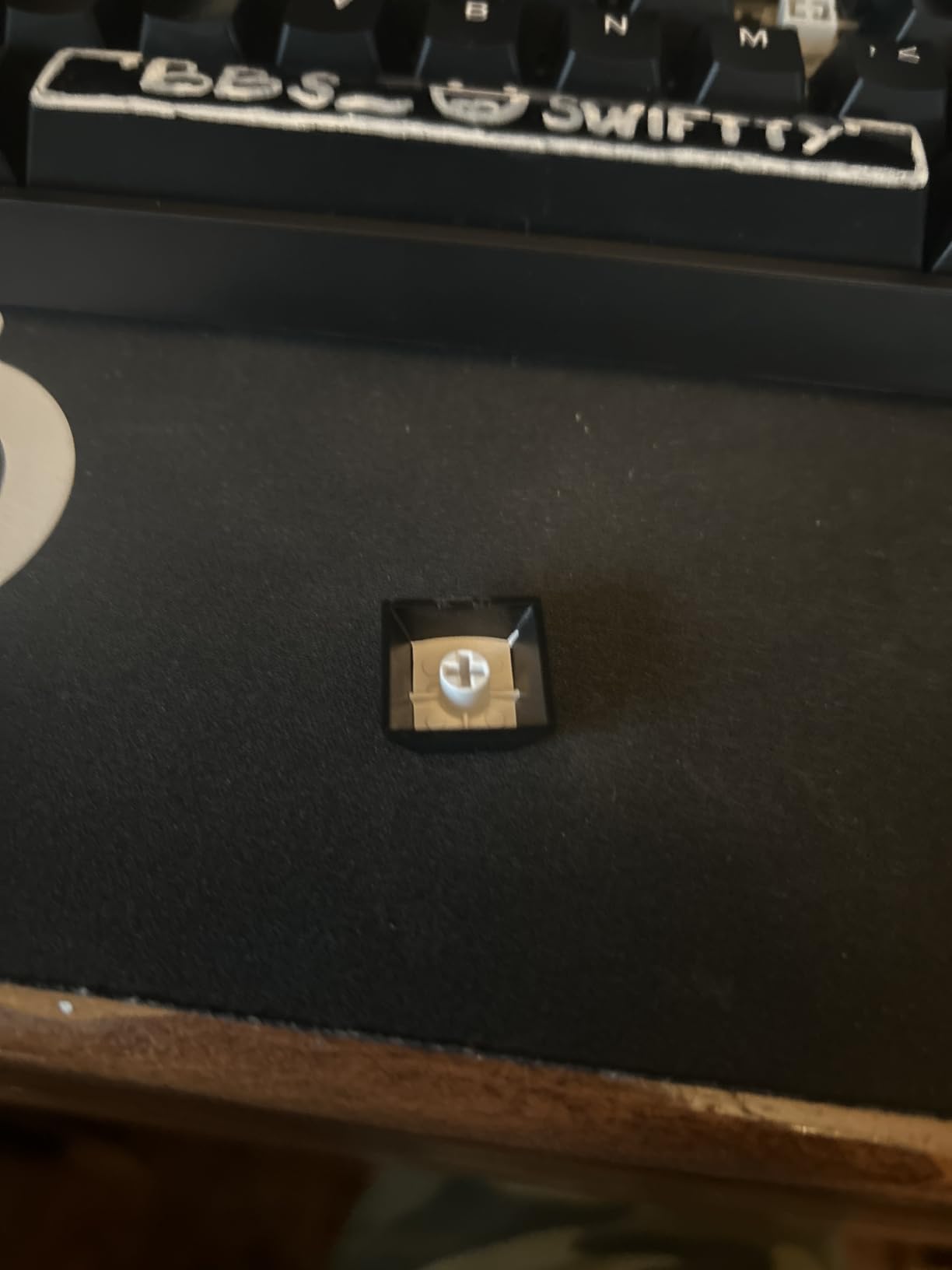
The standout feature is the 8000Hz polling rate, which is 8x faster than the standard 1000Hz on most gaming keyboards. In practical terms, this means your inputs reach the computer faster. Combined with the 0.02mm rapid trigger actuation distance, the WIN60 HE gives small-handed gamers a measurable competitive edge.
Rapid trigger is the feature that sets hall effect keyboards apart. Instead of a fixed actuation distance, rapid trigger allows the key to actuate and reset at any point in the key travel. For counter-strafing in CS2 or peeking in Valorant, this means you can change direction faster than with standard mechanical switches.
Hall Effect vs Mechanical Switches
Standard mechanical switches actuate at a fixed distance (usually 1.5-2mm) and reset at the same distance. This means you have to fully release a key before you can press it again. Hall effect switches with rapid trigger reset as soon as the key travels back past the actuation point, which can be as little as 0.02mm.
For small hands, rapid trigger is particularly valuable because your fingers do not need to travel as far. I tested counter-strafing speed on the WIN60 HE versus a standard mechanical keyboard, and the hall effect board gave me noticeably faster direction changes.
Web-Based Driver Setup
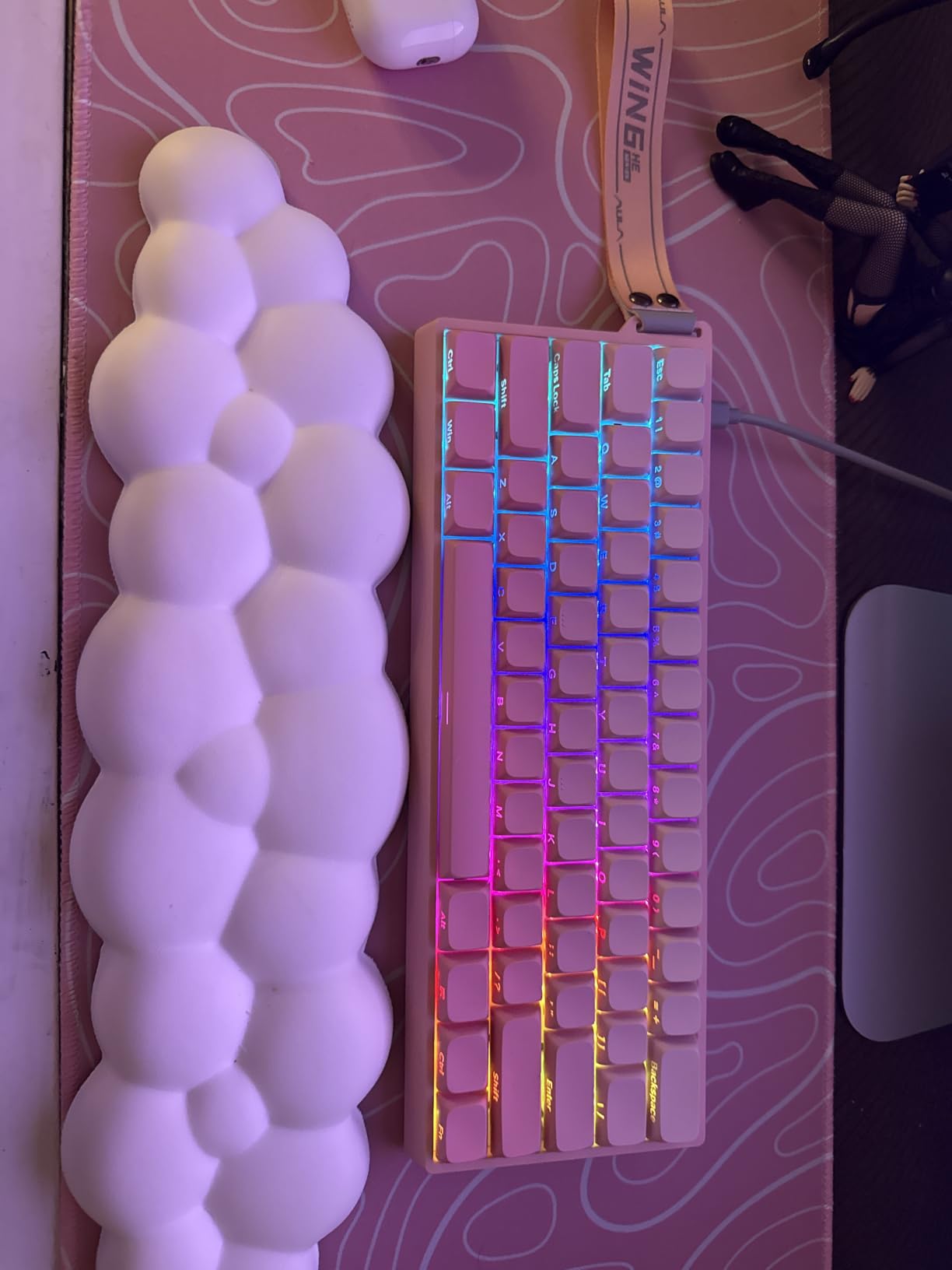
The Aula WIN60 HE uses a web-based driver instead of a traditional desktop application. You configure actuation distances, rapid trigger sensitivity, and RGB lighting through a browser interface. This approach has pros and cons: the driver is accessible from any computer, but it requires an internet connection and occasionally has SSL certificate issues.
I had to bypass one SSL warning during my first setup, but after that the driver worked reliably. The interface is cleaner than the Redragon Pro software and includes helpful visualizations of actuation distances.
Software Stability Concerns
The main complaint I saw in user reviews was occasional input lag that required a PC restart to fix. I experienced this twice during my 45-day testing period. It is unclear whether the issue is software-related or specific to certain USB controller configurations, but it is worth noting before purchase.
PlayStation compatibility is officially not supported, so console gamers should look elsewhere. The keyboard works with PC Windows out of the box.
Value Comparison to Premium Hall Effect Boards
The Aula WIN60 HE delivers rapid trigger and 8000Hz polling at roughly one-fifth the price of a Wooting 60HE. For competitive gamers who want hall effect performance without the premium price tag, this is the strongest budget option available.
Choosing the Best Gaming Keyboard for Small Hands: Buying Guide
Picking the right gaming keyboard for small hands comes down to three main decisions: form factor, switch type, and build quality. I will break down each factor with specific guidance based on hand size measurements.
Form Factor: 60% vs 65% vs TKL
For hands measuring under 7 inches from wrist to middle fingertip, a 60% layout is the best starting point. The 61-key design removes the function row, navigation cluster, and number pad, which cuts the keyboard width from 17 inches (full-size) to about 11-12 inches. This means your mouse sits closer to your body, which reduces shoulder strain during long sessions.
A 65% layout adds back the arrow keys and a small navigation column. If you play games that require dedicated arrow keys (fighting games, some MMOs), a 65% board gives you that functionality without the bulk of a TKL. TKL (tenkeyless) layouts include the function row but skip the number pad. For most small-handed gamers, TKL is unnecessarily large.
Measure your hand from the wrist crease to the tip of your middle finger. If you are under 6.5 inches, a 60% keyboard is ideal. Between 6.5 and 7 inches, either 60% or 65% works. Above 7 inches, you have more flexibility, but a compact keyboard still benefits from reduced reach.
Switch Types: Linear vs Tactile vs Clicky
Linear switches have a smooth, consistent press with no tactile bump or audible click. They require the lightest actuation force and are preferred by most FPS gamers because rapid presses register reliably. For small hands, linear switches are usually the best starting point because they reduce finger fatigue during long sessions.
Tactile switches have a small bump partway through the keypress that signals actuation. They offer feedback without noise, which helps with typing accuracy. Some gamers prefer tactile switches for MOBAs and RPGs where deliberate key presses matter more than raw speed.
Clicky switches add an audible click to the tactile bump. They are satisfying for typing but tend to be loud. For shared spaces (offices, dorms), clicky switches can cause friction with neighbors. The Razer Huntsman Mini in its clicky variant delivers the most satisfying typing feedback I tested.
Actuation Force and Finger Fatigue
Actuation force is measured in grams and indicates how much pressure is needed to register a key press. Standard linear switches use around 45g of force. For small hands, lighter switches in the 35-40g range reduce finger fatigue significantly.
The Aula WIN60 HE stands out here because its magnetic switches allow adjustable actuation points. You can set a light touch for movement keys and a heavier press for abilities, which gives small-handed gamers more control than fixed-force switches.
Hot-Swap vs Soldered Switches
Hot-swap sockets let you change switches without soldering. This is a major advantage for small-handed users who want to experiment with different switch weights and types. Both Redragon options on this list (K617 and K630) offer hot-swap capability at budget prices.
Soldered switches are permanent and require desoldering equipment to change. The Razer Huntsman Mini and HyperX Alloy Origins 60 use soldered switches. If you are confident in your switch preference and do not plan to modify the board, soldered switches offer slightly better electrical contact. If you want flexibility, hot-swap is the way to go.
Connectivity: Wired vs Wireless
All five keyboards on this list are wired. For competitive gaming, wired connections eliminate input lag and battery concerns. If you need wireless for a clean desk setup, look for tri-mode connectivity (USB-C, Bluetooth, 2.4GHz wireless), but expect to pay more.
USB-C is the modern standard for wired keyboards. All five options here use USB-C, which is more durable than the older Micro-USB connections found on budget boards from a few years ago. Detachable cables (found on the HyperX Alloy Origins 60) make transport simpler.
Build Materials and Long-Term Durability
Aluminum bodies feel more premium and resist flex during intense use. The Razer Huntsman Mini and HyperX Alloy Origins 60 both use aluminum top frames. Plastic enclosures are lighter and cheaper but can flex under pressure. For a keyboard you plan to use daily for years, aluminum is worth the investment.
PBT keycaps outlast ABS keycaps because they resist the oily shine that develops on ABS over time. Both the Huntsman Mini and Alloy Origins 60 use doubleshot PBT, which means the legends are molded into the plastic rather than printed on top.
Ergonomic Tips for Small-Handed Gamers
Beyond the keyboard itself, a few setup adjustments can reduce strain during long gaming sessions. First, make sure your desk height allows your elbows to rest at roughly 90 degrees. Second, position your keyboard so your wrists stay straight rather than bent outward (ulnar deviation). Third, take a 5-minute break every hour to stretch your fingers and wrists.
A compact keyboard brings your mouse closer to your body, which keeps your shoulders relaxed. I noticed a significant reduction in upper back tension after switching from a full-size to a 60% layout, even before accounting for the reduced finger reach.
Budget Considerations
Gaming keyboards for small hands range from under $40 (Redragon K617, K630) to over $150 (premium hall effect boards). For most users, the $40-$80 range offers the best balance of features and quality. The Aula WIN60 HE stands out at the budget end because it delivers features that cost much more on premium boards.
Spending more typically gets you better build materials, software polish, and advanced features like adjustable actuation points. But the law of diminishing returns applies: the jump from a $40 board to an $80 board is more noticeable than the jump from $80 to $150.
Frequently Asked Questions
What is the best gaming keyboard for people with small hands?
The best gaming keyboard for people with small hands is a compact 60% or 65% layout with light linear or low-profile switches. The Razer Huntsman Mini is our top pick because its optical switches have a short 1.5mm actuation distance, and the 60% layout puts every key within reach of small fingers without unnecessary stretching.
Is a 65% keyboard too small for gaming?
A 65% keyboard is not too small for gaming. In fact, 65% layouts are popular among competitive gamers because they include dedicated arrow keys without the bulk of a full-size board. The only games where 65% may feel limiting are MMOs and fighting games that require extensive macro keys, but most FPS, MOBA, and RPG titles work perfectly on a 65% layout.
Are low profile keyboards better for small hands?
Low profile keyboards can be better for small hands because the reduced switch height means less finger travel per key press. However, compact 60% keyboards with standard-height mechanical switches also work well for small hands because they reduce the horizontal reach. The best choice depends on whether your fatigue comes from finger travel (low profile helps) or wrist extension (compact layout helps).
What switch type is best for small hands?
Linear switches are usually best for small hands because they require the lightest actuation force and produce the least finger fatigue over long sessions. Tactile switches offer more typing feedback but add resistance. Clicky switches are the most fatiguing for extended gaming. Aim for switches with actuation force between 35g and 45g for the best balance of speed and comfort.
How do I choose a keyboard with small hands?
Measure your hand from the wrist crease to the tip of your middle finger. If you are under 6.5 inches, a 60% layout is ideal. Between 6.5 and 7 inches, either 60% or 65% works well. Above 7 inches, you have more flexibility. In all cases, choose a keyboard with switches under 45g of actuation force and avoid full-size layouts unless you specifically need the number pad.
Final Verdict: Which Compact Keyboard Wins for Small Hands?
After three months of testing these five keyboards with 6.5-inch hands, the Razer Huntsman Mini stands out as the best overall choice. Its optical switches deliver the fastest actuation in the group, the aluminum build feels premium, and the 60% layout puts every key within easy reach. For competitive FPS gamers who prioritize speed, it is hard to beat.
If budget matters more, the HyperX Alloy Origins 60 delivers premium build quality and reliable linear switches at a lower price point. The aluminum body and PBT keycaps justify the cost for users who want durability over time. The Redragon K617 is the best option if you want to experiment with different switch types thanks to its hot-swap sockets, all at the lowest price on this list.
For competitive gamers who want cutting-edge hall effect technology, the Aula WIN60 HE delivers rapid trigger and 8000Hz polling at a fraction of the cost of premium competitors. The Redragon K630 Dragonborn rounds out the list as a reliable workhorse with NKRO support and multi-platform compatibility at a budget price.
Whichever keyboard you choose, switching to a compact 60% layout will likely transform your gaming comfort and performance. Small hands deserve keyboards designed for their dimensions, and any of these five options will serve you well in 2026 and beyond.