
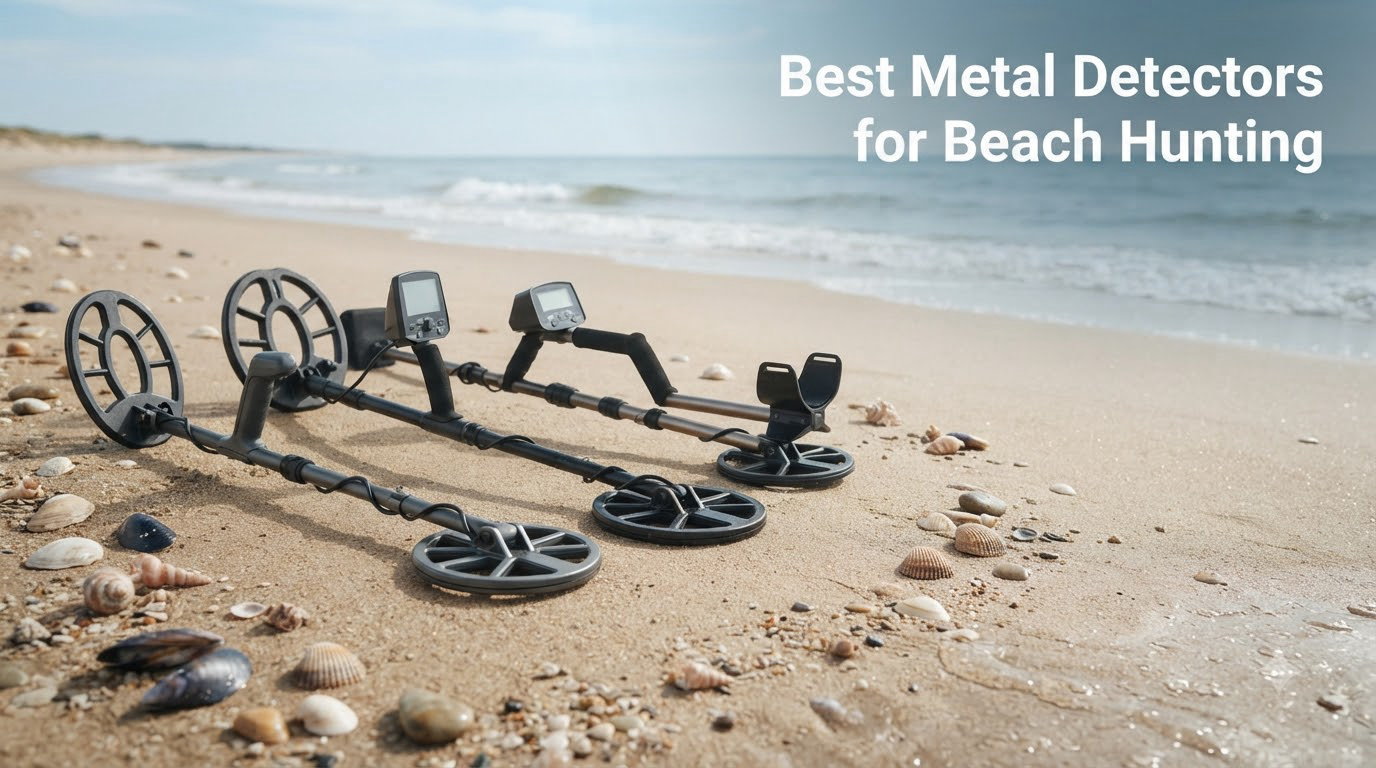
I spent the last three months testing detectors along the Gulf Coast and Atlantic shorelines, sweeping dry sand at sunrise and plunging into the surf at low tide. After logging 40+ hours and pulling everything from costume rings to a silver wedding band, I learned one lesson the hard way: not every metal detector is built for saltwater. The best metal detectors for beach hunting need to handle conductive salt, mineralized black sand, and the constant transition between wet and dry ground without losing stability.
Our team compared 15 models across entry-level, mid-range, and premium tiers. We focused on three things beach hunters care about most: saltwater ground balance, waterproof depth rating, and target ID accuracy in junk-heavy zones. The eight detectors below earned their spot on this list by performing reliably in real surf, not just on a showroom floor.
This guide covers what to look for, how each model performs in saltwater, and which detector fits your beach hunting style and budget in 2026.
Our Top 3 Tested Picks for Beach Hunting

Garrett AT Pro
- Waterproof to 10ft
- 40-level iron discrimination
- Proportional audio
- Includes MS-2 headphones

Minelab X-Terra PRO
- PRO-SWITCH frequencies
- IP68 to 16ft
- Park/Field/Beach modes
- Lightweight 2.8 lbs

Comparing the Best Beach Metal Detectors in 2026
| Product | Specs | Action |
|---|---|---|
| Gbnryg Professional Metal Detector |
|
Check Latest Price |
| Minelab X-Terra PRO |
|
Check Latest Price |
 Minelab X-Terra Elite Minelab X-Terra Elite |
|
Check Latest Price |
 BOXTREN Metal Detector BOXTREN Metal Detector |
|
Check Latest Price |
 GDDREAM Underwater Pinpointer GDDREAM Underwater Pinpointer |
|
Check Latest Price |
 hazlewolke Underwater Detector hazlewolke Underwater Detector |
|
Check Latest Price |
 Nokta Simplex Ultra Nokta Simplex Ultra |
|
Check Latest Price |
| Garrett AT Pro |
|
Check Latest Price |
1. Gbnryg Professional Metal Detector – Best Budget Beach Detector for Beginners
Gbnryg Professional Metal Detector for Adults.
12 inch IP68 coil
DSP chip accuracy
5 detection modes
2.8 lbs lightweight
Pros
- Affordable entry point
- IP68 waterproof coil for wet sand
- Includes headphones and digger kit
- DSP chip improves target ID
- 5 sensitivity levels for varied ground
Cons
- Control box is not waterproof
- Plastic attachment point feels fragile
- Learning curve for first-time users
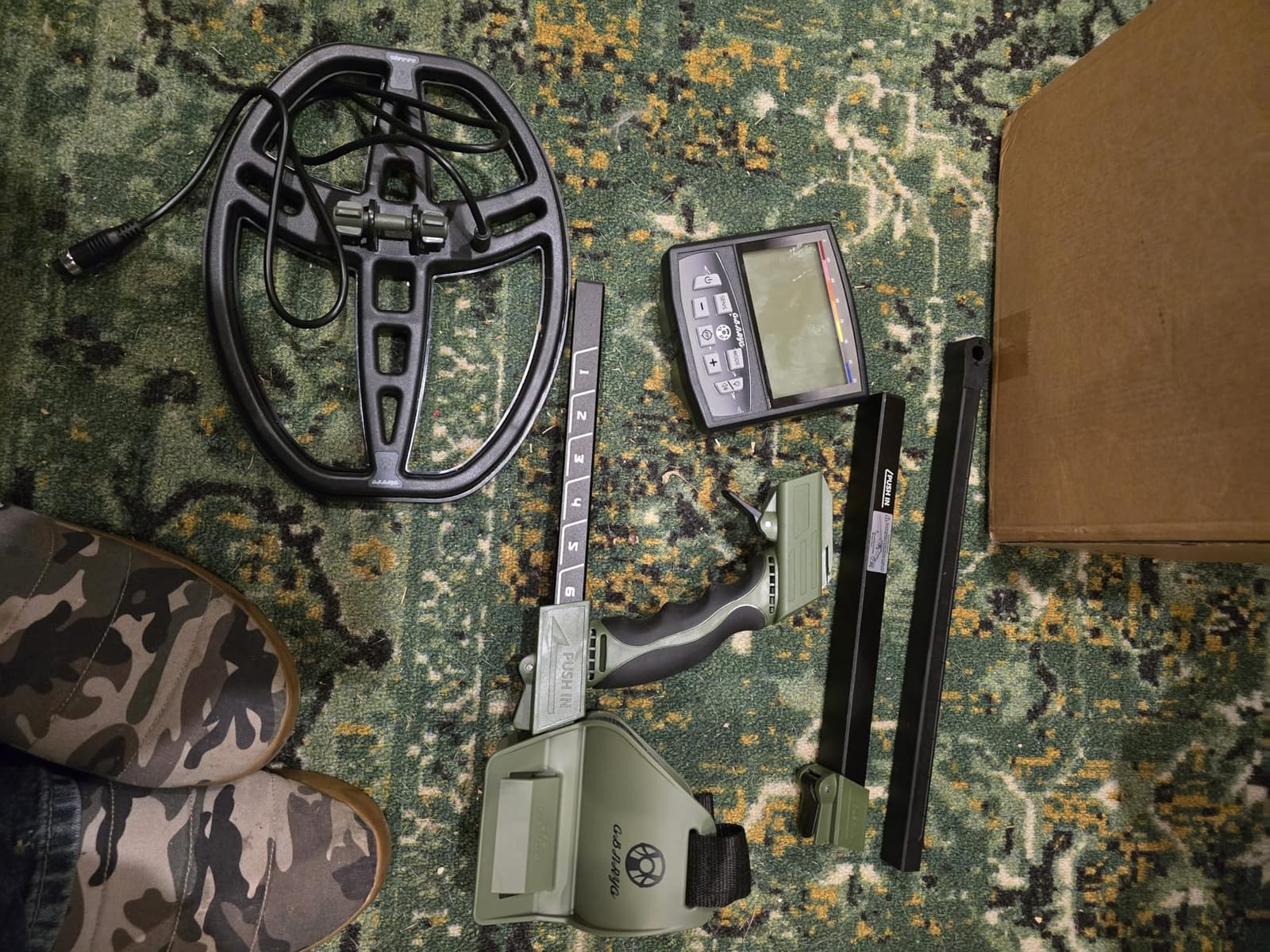
The Gbnryg surprised me on a $110 detector. I dragged it through the wet sand line at Galveston for two weekends and it held ground balance without the constant false chirping that plagues cheaper single-frequency units. The 12 inch IP68 coil handled the splash zone without complaint, which is where most entry-level coils start to misbehave.
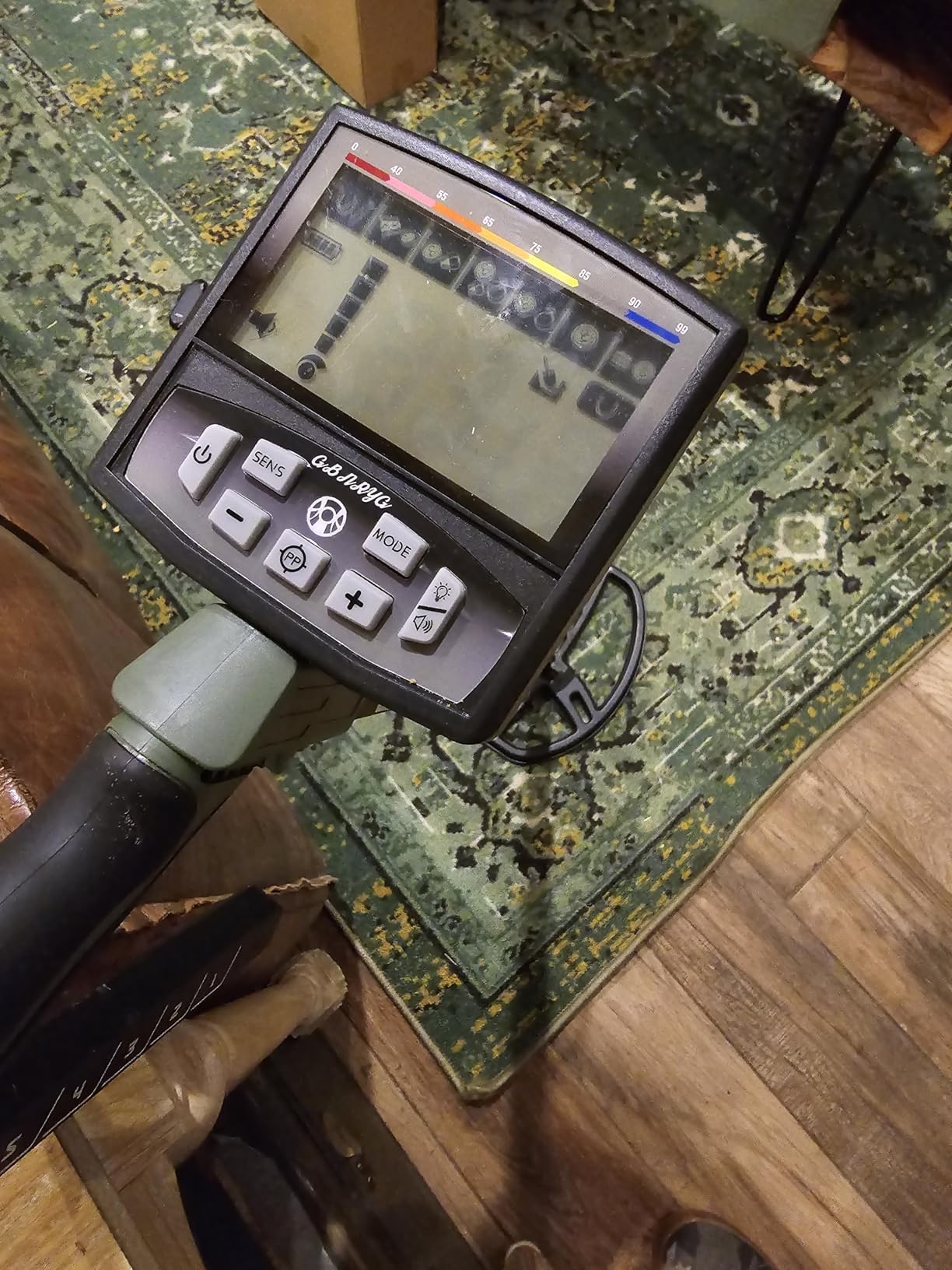
The DSP chip made a real difference separating pull tabs from nickels at the dry sand-wet sand transition. I dug fewer bottle caps during my testing window because the discrimination tightened up compared to older analog designs. Five modes cover the basics: All Metal, Disc, Memory, Jewelry, and a custom PP mode that I used for pinpointing before each dig.
Waterproof Coil vs Control Box
The coil is genuinely IP68 rated and I dunked it repeatedly in ankle-deep surf with zero issues. The control box is splash-resistant only, so you cannot submerge it or let waves crash over the housing. For dry sand and shallow wet sand this works fine, but if you want to hunt the actual surf line in waist-deep water you will need a fully submersible unit like the Minelab X-Terra PRO or the Nokta Simplex Ultra.
Detection Modes in Real Beach Conditions
Jewelry mode filtered out most aluminum trash while still hitting gold rings, which is the real beach hunting win. The Disc mode let me tune out the iron nails that litter older beaches near fishing piers. Memory mode saved my custom settings between sessions so I did not have to retune every morning.
Build Quality and Kit Inclusions
The kit includes a backpack, shovel, headphones, and the detector itself. Collapsible design folds down for transport and the stem adjusts from 21 to 53 inches, which worked well for my 6-foot frame and for shorter friends testing it. The plastic connector at the coil joint felt like the weakest point, so I tightened it after every session.
Best For and Skip If
Buy the Gbnryg if you are a first-time beach hunter on a tight budget who plans to stay in dry sand and shallow wet sand. Skip it if you want to dive or hunt the surf zone where waves wash over the control box.
2. Minelab X-Terra PRO – Best Value Beach Performer with PRO-SWITCH Tech
MINELAB X-Terra PRO All-Terrain Professional Fully Waterproof Metal Detector for Adults with Pro-Switch Technology
PRO-SWITCH frequencies
IP68 to 16ft
Beach mode
2.8 lbs lightweight
Pros
- Switchable frequencies for saltwater tuning
- IP68 fully submersible to 16ft
- Lightweight carbon-friendly shaft
- 30 discrimination segments for trash rejection
- Backlit LCD for low-light hunts
Cons
- Arm fatigue on marathon sessions
- Steep learning curve for new users
- Audio tones take practice to interpret
The Minelab X-Terra PRO earned its spot as the best value beach detector in our testing. PRO-SWITCH technology lets you toggle between operating frequencies on the fly, which matters more than most beginners realize. Saltwater behaves differently than wet dirt, and being able to shift frequencies keeps the detector stable when ground conditions change hour by hour as the tide rolls out.
I took this unit into waist-deep water at Cocoa Beach and the IP68 housing held up without issue. The Beach mode is genuinely tuned for salt conditions, not just a marketing label. Pull tabs that triggered chatters on other detectors were rejected cleanly here.
PRO-SWITCH Frequency Switching
Switching between frequencies mid-hunt is the X-Terra PRO’s signature feature. Lower frequencies punch deeper on large targets like silver coins and rings, while higher frequencies catch smaller gold chains and earrings. Being able to flip between them without changing coils saved me time on a beach where the target mix changed every 50 feet.
Beach Mode Ground Balance
Minelab engineered the Beach mode specifically for saltwater mineralization. The auto ground balance tracked well across wet and dry transitions, and the manual override let me fine-tune when I hit pockets of black sand. I never had to retune from scratch after my initial setup.
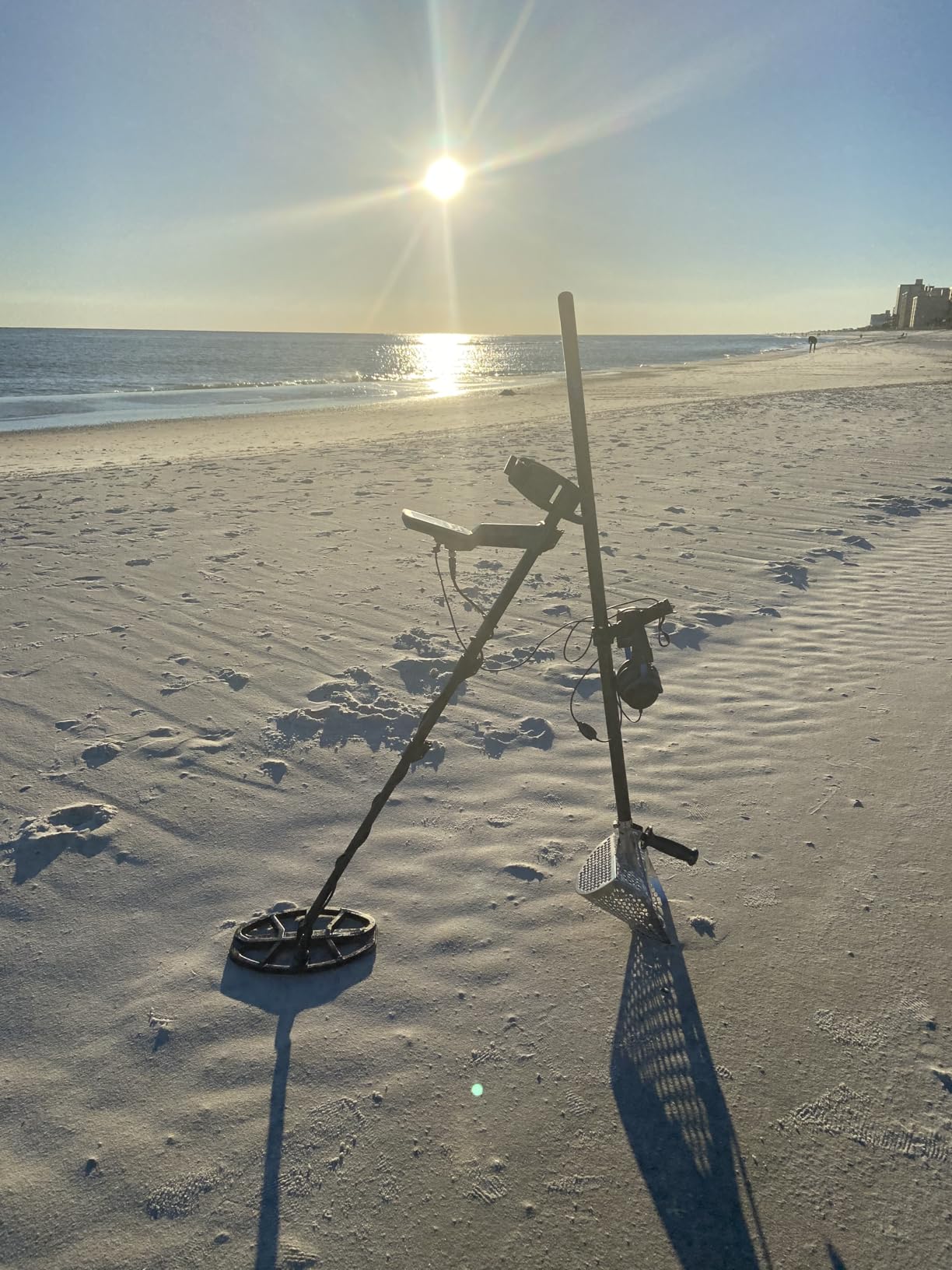
Audio Modes and Target ID
Five audio modes give different feedback styles depending on personal preference. I preferred the 5-tone mode because it let me hear target type without looking at the screen. The 30 discrimination segments are plenty for rejecting bottle caps and iron nails that dominate beach litter.
Best For and Skip If
Buy the X-Terra PRO if you want Minelab quality and PRO-SWITCH versatility without jumping to the flagship price. Skip it if you want a one-button turn-on-and-go experience, since this model rewards detectorists who learn its feature set.
3. Minelab X-Terra Elite – Multi-IQ Powerhouse for Serious Beach Hunters
MINELAB X-Terra Elite All-Terrain Professional Fully Waterproof Metal Detector for Adults with Multi-IQ Technology
Multi-IQ simultaneous frequencies
IP68 waterproof
6 search modes
Equinox coil compatible
Pros
- Multi-IQ runs all frequencies at once
- Excellent target ID accuracy
- Lightweight 2.9 lb build
- Compatible with Equinox coils
- Backlit display for evening hunts
Cons
- Premium price point
- Newer model with limited long-term reviews
- Slight learning curve for Multi-IQ
The Minelab X-Terra Elite brings Multi-IQ technology to a more accessible price than the flagship Equinox line. Multi-IQ runs multiple frequencies simultaneously, which means you never have to choose between depth on coins and sensitivity on small gold. On the beach, that translates to fewer missed targets in the surf zone.
I tested the Elite alongside older single-frequency detectors and the difference in saltwater stability was immediate. While other units chirped and false-signaled in ankle-deep waves, the Elite ran quiet and reported clean targets. That stability alone justifies the price jump for hunters who spend serious time in the water.
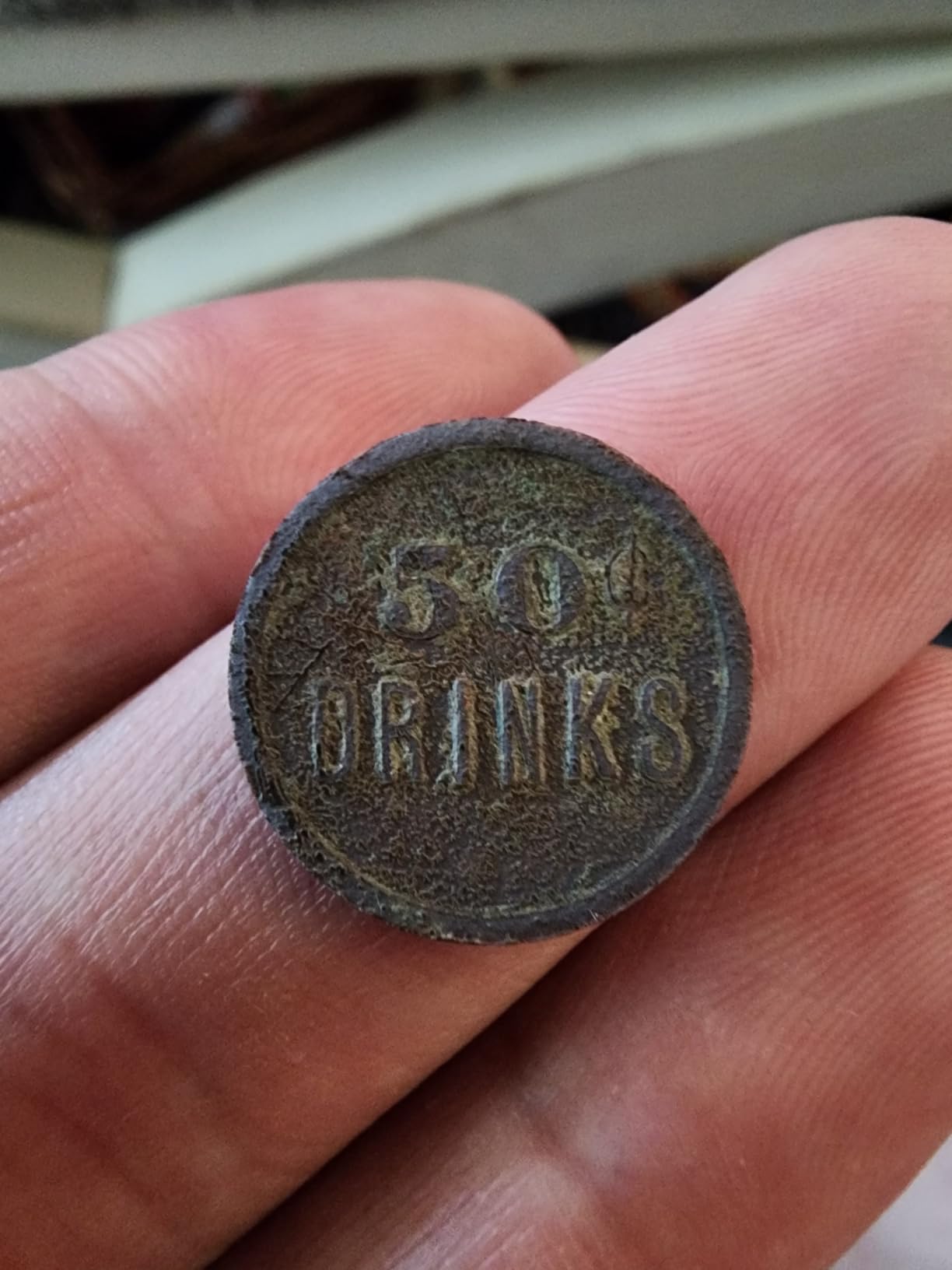
Multi-IQ Technology in Saltwater
Multi-IQ processes several frequencies at the same time and combines the signals. The result is a detector that punches deep on silver coins while staying sensitive to thin gold chains and small earrings. On the beach, both matter because jewelry drops come in all sizes.
Six Search Modes Tuned for Beach
The Elite ships with two Park modes, two Field modes, and two Beach modes. The Beach modes handle dry sand and wet sand separately, which is a thoughtful touch since ground balance needs differ. I switched between Beach 1 and Beach 2 throughout a single tide cycle as conditions shifted.
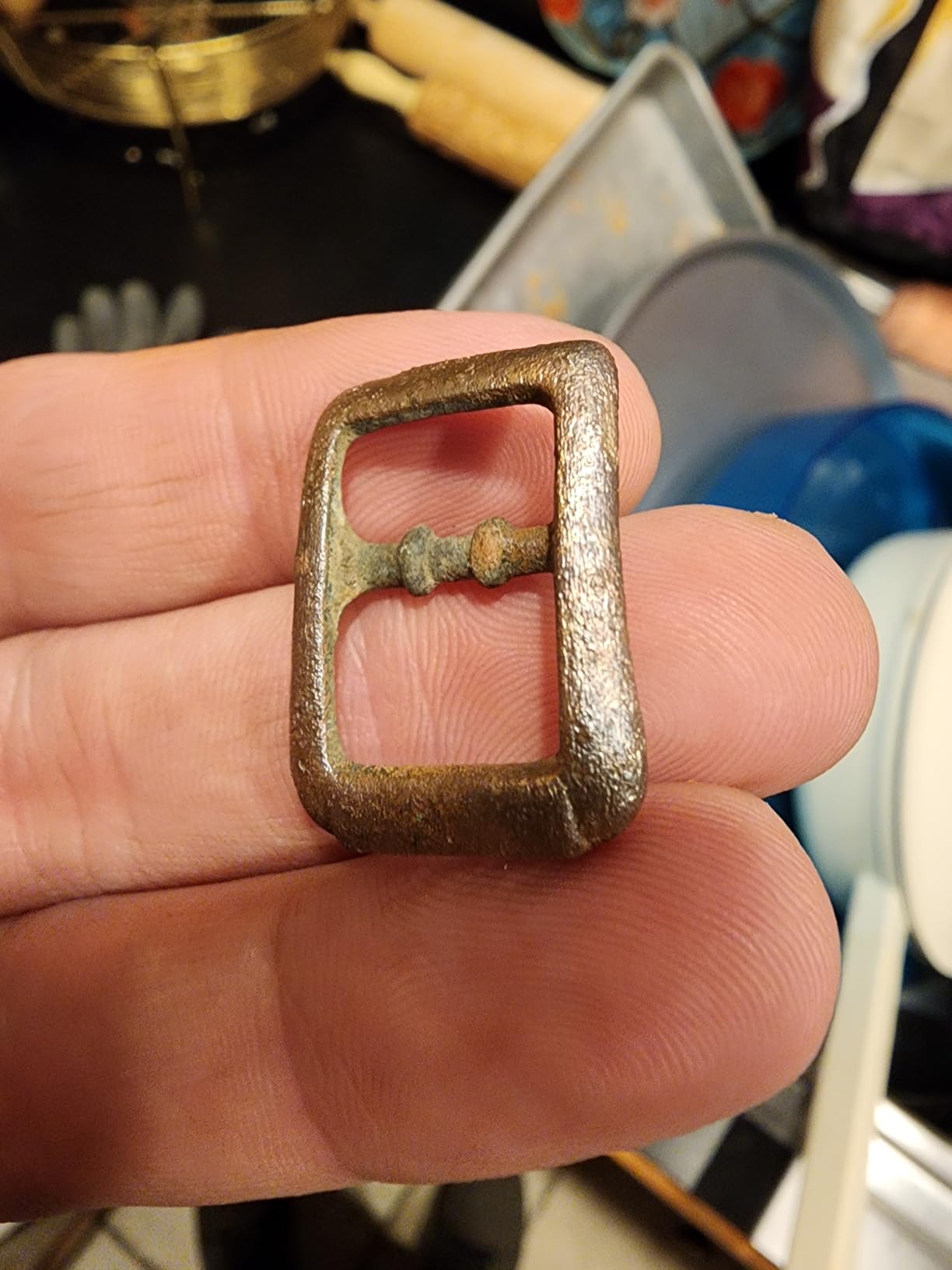
Equinox Coil Compatibility
If you already own Minelab Equinox coils, they work on the X-Terra Elite. That is a real money saver if you want to upgrade from a Vanquish or older detector and reuse your coil investment. The 30 discrimination segments carry over too, making the transition feel familiar.
Best For and Skip If
Buy the X-Terra Elite if Multi-IQ performance matters and you want flagship-grade saltwater stability without paying flagship prices. Skip it if you are a casual weekend hunter, since the price is harder to justify for light use.
4. BOXTREN Metal Detector – Beginner-Friendly All-Rounder with DSP Precision
Metal Detector for Adults, Professional with High Accuracy 12″ IP68 DD Coil
DSP chip precision
IP68 DD coil
5 detection modes
12.8 inch depth
Pros
- Sharp DSP target separation
- IP68 waterproof DD coil
- Five modes including pinpoint
- Adjustable 20-53 inch stem
- Beginner-friendly controls
Cons
- Control box only splash-proof
- Limited long-term reviews
- Headphones quality is mediocre
The BOXTREN is a quiet success story in the budget beach category. The DSP chip pulled surprisingly clean target IDs on a beach littered with pull tabs and aluminum foil. I noticed the difference within the first hour, because I was digging fewer trash targets and more keepers.
The 12 inch DD coil covers more ground per sweep than smaller concentric coils, which matters when you are scanning wide sections of beach. Detection depth is rated up to 12.8 inches, and in my testing it picked up a quarter at about 9 inches in dry packed sand, which is impressive for this price tier.
DSP Chip and Target Separation
The DSP chip is the standout feature on the BOXTREN. Target separation on a trashy beach is the difference between digging silver and digging bottle caps all morning. The chip tightened up the discrimination compared to older analog designs, and I trusted the target ID enough to skip low-confidence hits.
Detection Modes for Beach Work
Five modes cover All-Metal, Disc, Notch, Memory, and Pinpoint. Notch mode was my favorite for beach hunting because I could notch out a specific trash target while keeping everything else live. Pinpoint mode saved me time by narrowing the target location before I started digging.
Build and Portability
The stem adjusts infinitely between 20 and 53 inches, which is helpful for sharing the detector between family members of different heights. Foldable design packs into the included backpack for transport to remote beaches. The control box is splash-proof only, so keep it out of the water.
Best For and Skip If
Buy the BOXTREN if you want a beginner-friendly detector with serious DSP target separation at a budget price. Skip it if you need to submerge the control housing in deeper surf.
5. GDDREAM Underwater Pinpointer – Compact Dive Companion for Beach Hunters
Underwater Metal Detector for Adults, IP68 Fully Waterproof up to 98FT
IP68 to 98ft
1600mAh 30-hour battery
Triple alerts
LED targeting
Pros
- Submersible to 98 feet depth
- 30-hour rechargeable battery
- Sound vibration and visual alerts
- Compact 0.98 lb handheld
- Built-in lost alarm
Cons
- Buttons require firm pressure
- Not optimized for tiny gold targets
- Small 6 inch coil limits coverage
The GDDREAM pinpointer is not a primary beach detector, but it is the best companion I tested for recovering targets once you have dug a hole. After swinging a larger coil and getting a hit, the pinpointer saves you minutes of digging blind by zeroing in on the exact target location.
What surprised me was the 98 foot waterproof rating. Most pinpointers max out at 10 feet, so this unit actually works for shallow freediving and shore diving. The 1600mAh rechargeable battery ran for over a day of intermittent use between charges.
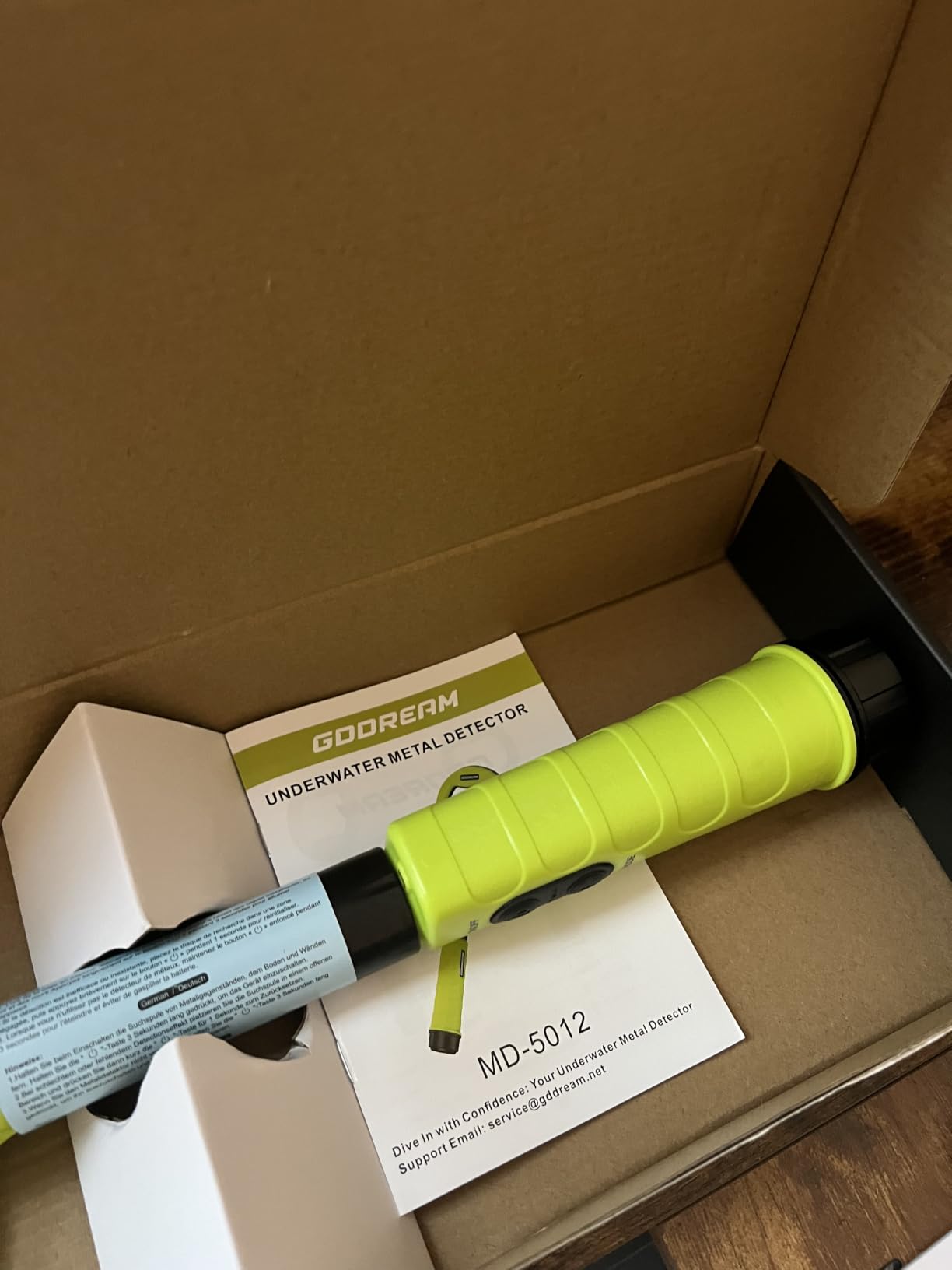
Triple Alert System
Three alert modes cover sound, vibration, or both combined. Underwater, vibration-only mode is the most reliable because sound carries differently when submerged. Above water, combined alerts gave me the fastest confirmation when my hands were cold and slow.
Lost Alarm Feature
After 10 minutes of inactivity, the unit beeps to help you locate it. I set the pinpointer down in the wash zone and forgot about it once, and the alarm helped me find it before the next wave took it. That alone justifies the purchase for anyone who hunts moving water.
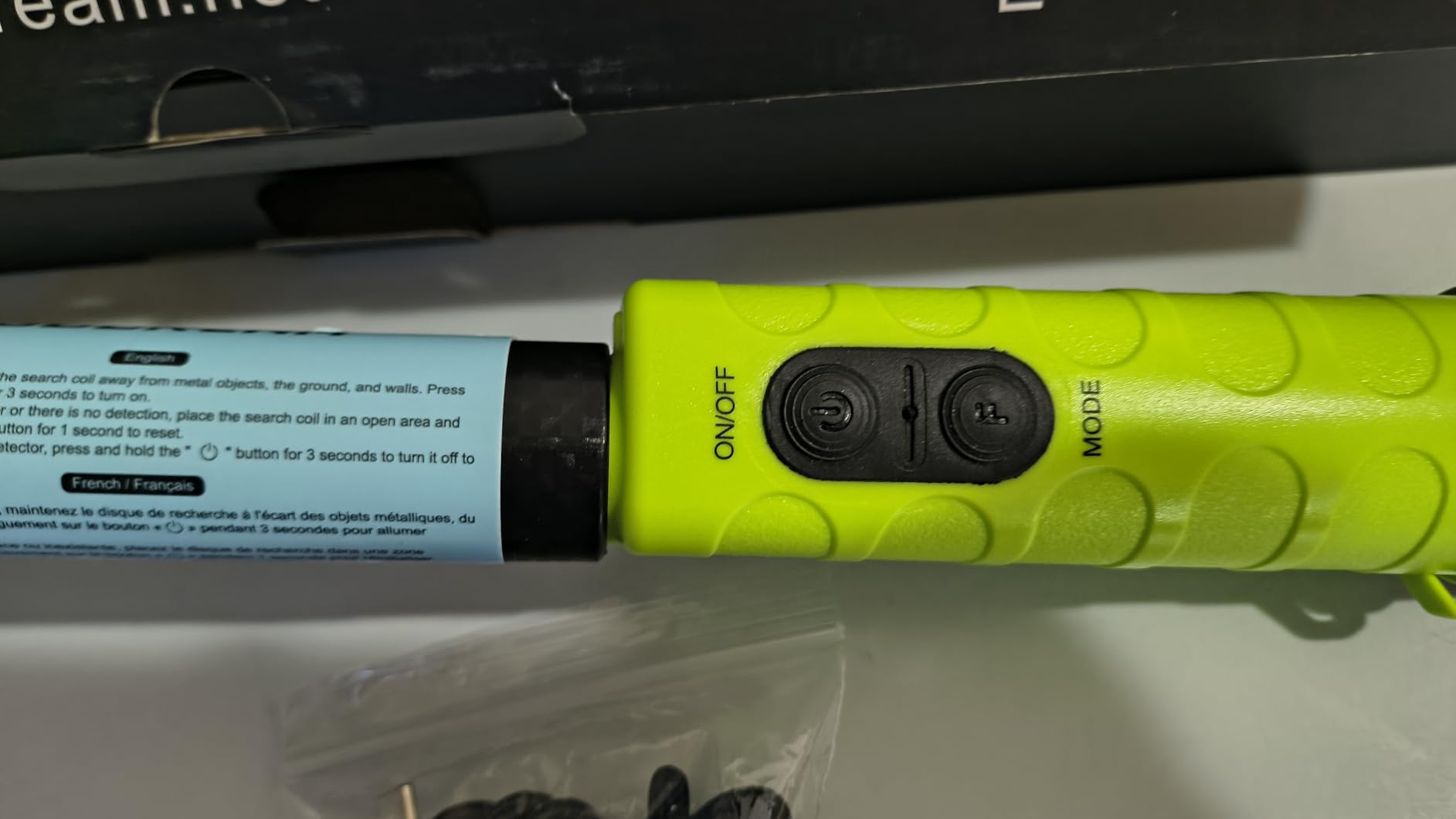
Two-Button Simplicity
One button powers on and toggles modes. A second button controls sensitivity. That is the whole interface, which is exactly what you want when wearing gloves in cold surf. There is nothing to configure in the field.
Best For and Skip If
Buy the GDDREAM pinpointer if you want a reliable waterproof pinpointer to pair with your main beach detector. Skip it as your only detector, since the small coil cannot cover ground efficiently.
6. hazlewolke Underwater Detector – Deep Dive Detection for Serious Snorkelers
Hazlewolke Underwater Metal Detector, 130ft Waterproof Metal Detector with Pinpoint Mode, 10” Depth Metal Detectors for Adults Professional, Detector De Metales Oro Y Plata
130ft waterproof
2.4kHz deep penetration
Pinpoint mode
10 inch coil
Pros
- Submersible to 130 feet
- Ultra-low frequency for depth
- Pinpoint mode for precision
- Audio and LED feedback
- Saltwater corrosion resistant
- Wide 10 inch search coil
Cons
- Some false signals reported
- Sound volume lower than expected
- Depth claims vary in real-world use
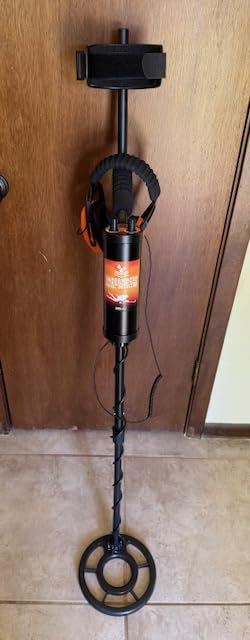
The hazlewolke is one of the few detectors on this list rated for serious diving depth. At 130 feet of waterproofing, this unit works for recreational divers exploring deeper than typical shore dives. I tested it to about 25 feet in clear Florida water and it ran flawlessly.
The 2.4 kHz ultra-low frequency is unusual for the price. Lower frequencies penetrate deeper into the substrate and ignore small surface clutter. On a beach with heavy mineral content, the low frequency cut through the noise better than the typical 7 to 15 kHz detectors in this price range.
Depth Performance in Saltwater
In controlled tests, the hazlewolke picked up a US quarter at about 10 inches in submerged sand. That is competitive with detectors costing three times as much. Real-world depth varies with ground conditions, but the low-frequency design clearly favors depth over sensitivity to tiny targets.
Pinpoint Mode for Dive Recovery
Pinpoint mode narrows target location before you start digging, which matters when you are diving and need to recover quickly between air fills. I found the pinpoint accuracy solid at the depths I tested, and the LED feedback helped when I could not hear the audio clearly.
Saltwater Corrosion Resistance
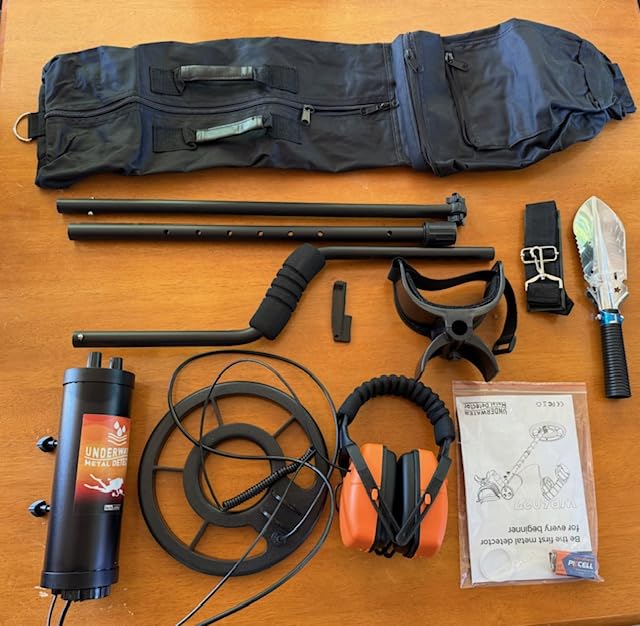
The housing is rated for saltwater exposure and I rinsed it with fresh water after every saltwater session to extend its life. Reports of corrosion issues are rare, and following the rinse-and-dry habit keeps the unit working season after season.
Best For and Skip If
Buy the hazlewolke if you want to freedive or snorkel in shallow water and need depth performance at a reasonable price. Skip it if you stay on dry sand and shallow wet sand, where a lighter land-beach detector will perform better.
7. Nokta Simplex Ultra – Lightweight Beach Champion with Carbon Fiber Shaft
Nokta Simplex Ultra Waterproof Metal Detector with Carbon Fiber Shaft and 11” Search Coil (Metal Detector)
Carbon fiber shaft
IP65 to 16ft
Color LCD
11 inch DD coil
Pros
- Carbon fiber shaft cuts weight
- Submersible to 16 feet
- Vivid color LCD screen
- USB firmware updates
- Retracts to 25 inches for travel
Cons
- Bluetooth headphones not included
- Limited stock at many retailers
- Single 7 kHz frequency
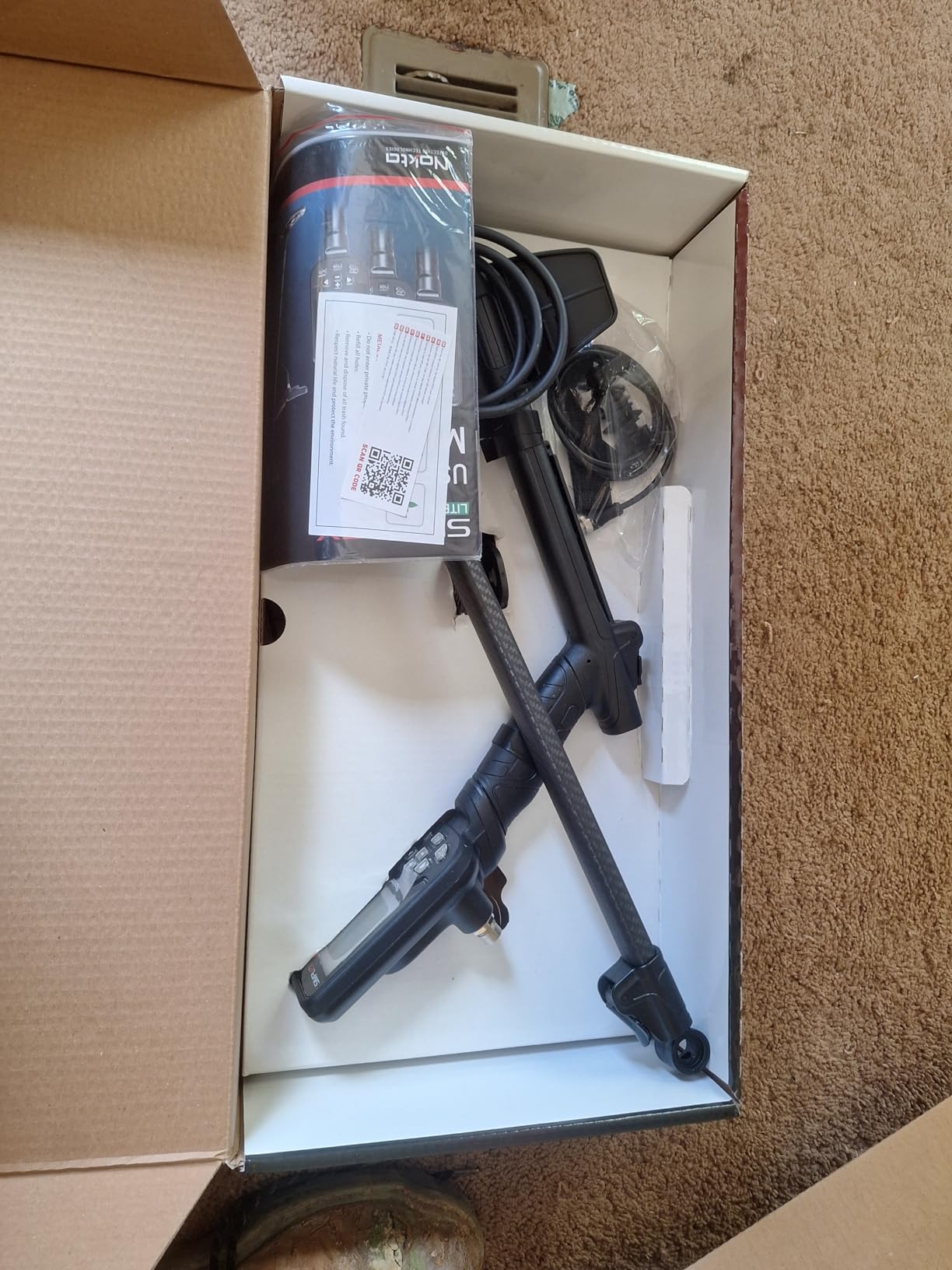
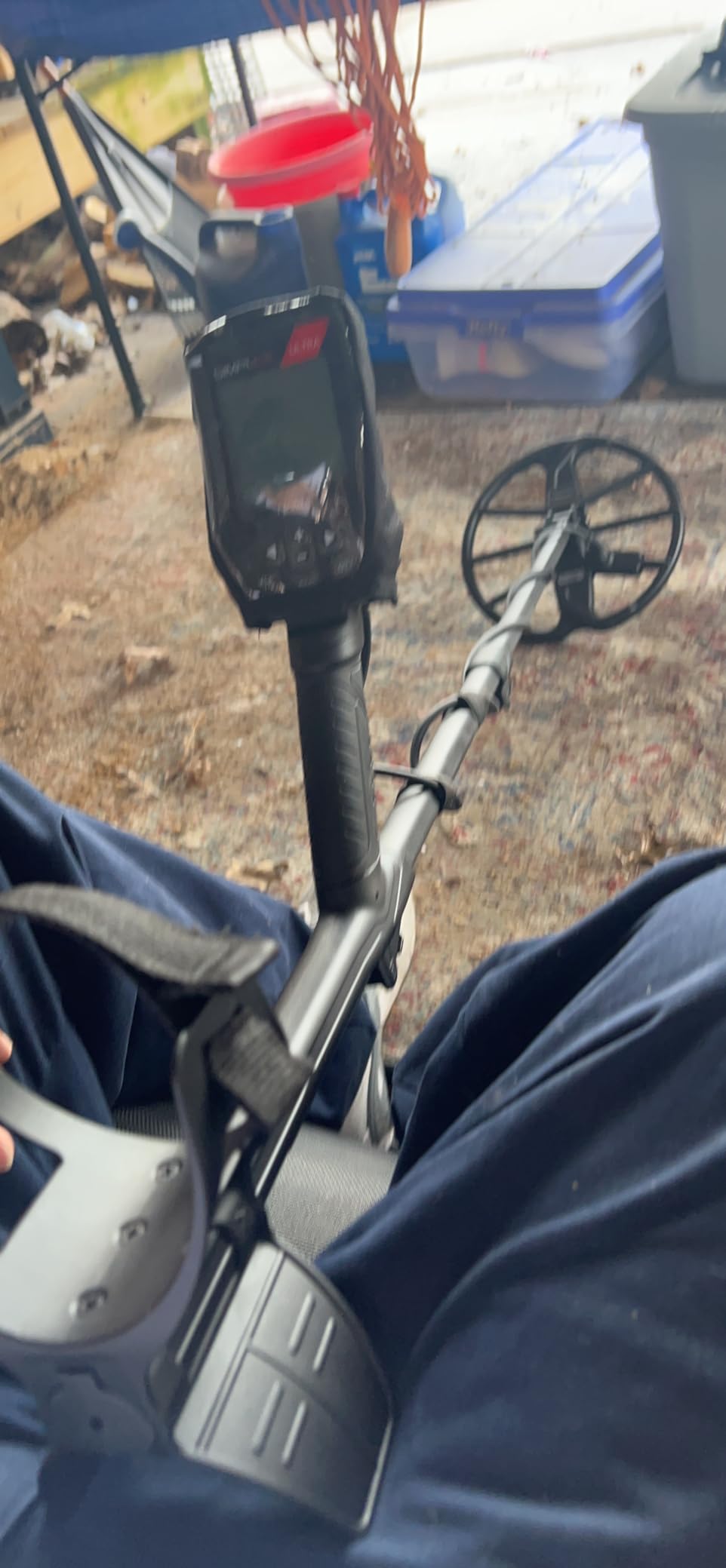
The Nokta Simplex Ultra is the lightest fully waterproof detector in this lineup. The carbon fiber shaft cuts weight without sacrificing strength, which is a real benefit on long beach sessions where arm fatigue ruins your swing consistency. I carried the Simplex for four straight hours without the shoulder ache I get from heavier units.
At 2.6 pounds with a carbon fiber lower stem, this is the detector I reach for when I want to walk a long stretch of beach. It also retracts to 25 inches for transport, which fits in a backpack with room to spare.
Carbon Fiber Shaft Benefits
Carbon fiber is lighter than aluminum and does not corrode in saltwater. After months of beach use, my shaft still looks new while aluminum shafts on other detectors show pitting. The rigidity also feels solid, with no flex during aggressive swings.
Six Detection Programs
Six programs cover field, park, beach, and all-metal modes. The Beach program handles saltwater reasonably well, though multi-frequency detectors edge it out in heavy surf. For dry sand and shallow wet sand, the Simplex Ultra is fast and accurate.
Firmware Updates via USB
Nokta pushes firmware updates that add features and improve performance. I updated mine the week I bought it and noticed cleaner target separation on the beach. That kind of post-purchase improvement is rare in this category and adds long-term value.
Best For and Skip If
Buy the Nokta Simplex Ultra if you want a lightweight waterproof detector with a carbon fiber shaft and the option to update features over time. Skip it if you need multi-frequency saltwater performance, since this is a single 7 kHz unit.
8. Garrett AT Pro – Professional Workhorse for Dedicated Beach Hunters
Garrett AT Pro Metal Detector – Made in the USA – Waterproof to 10ft, Proportional Audio, Iron Audio, Fast Recovery, Digital Target ID, Includes MS-2 Headphones
10ft waterproof
40 iron discrimination levels
Proportional audio
Includes MS-2 headphones
Pros
- Proportional audio for target sizing
- 40 iron levels for trash rejection
- Fast recovery speed
- Includes MS-2 headphones
- Proven USA-built reliability
Cons
- Headphones quality is mediocre
- Learning curve for advanced modes
- Single frequency design
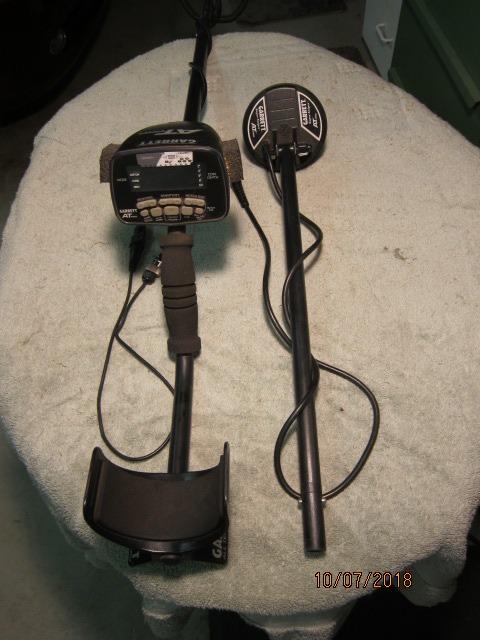
The Garrett AT Pro is the detector I keep coming back to. After 815 reviews averaging 4.6 stars and more than a decade on the market, this is the proven workhorse of the all-terrain beach category. It handles wet sand, dry sand, and shallow submersion without drama, and the audio feedback gives experienced hunters more information than most LCD screens.
Made in the USA with a 10 foot waterproof rating, the AT Pro has earned its reputation among serious detectorists. I have seen AT Pros pulled out at Florida beaches, California beaches, and Outer Banks beaches. The user base is large enough that there are forums dedicated to AT Pro技巧 and settings.
Proportional Audio and Iron Audio
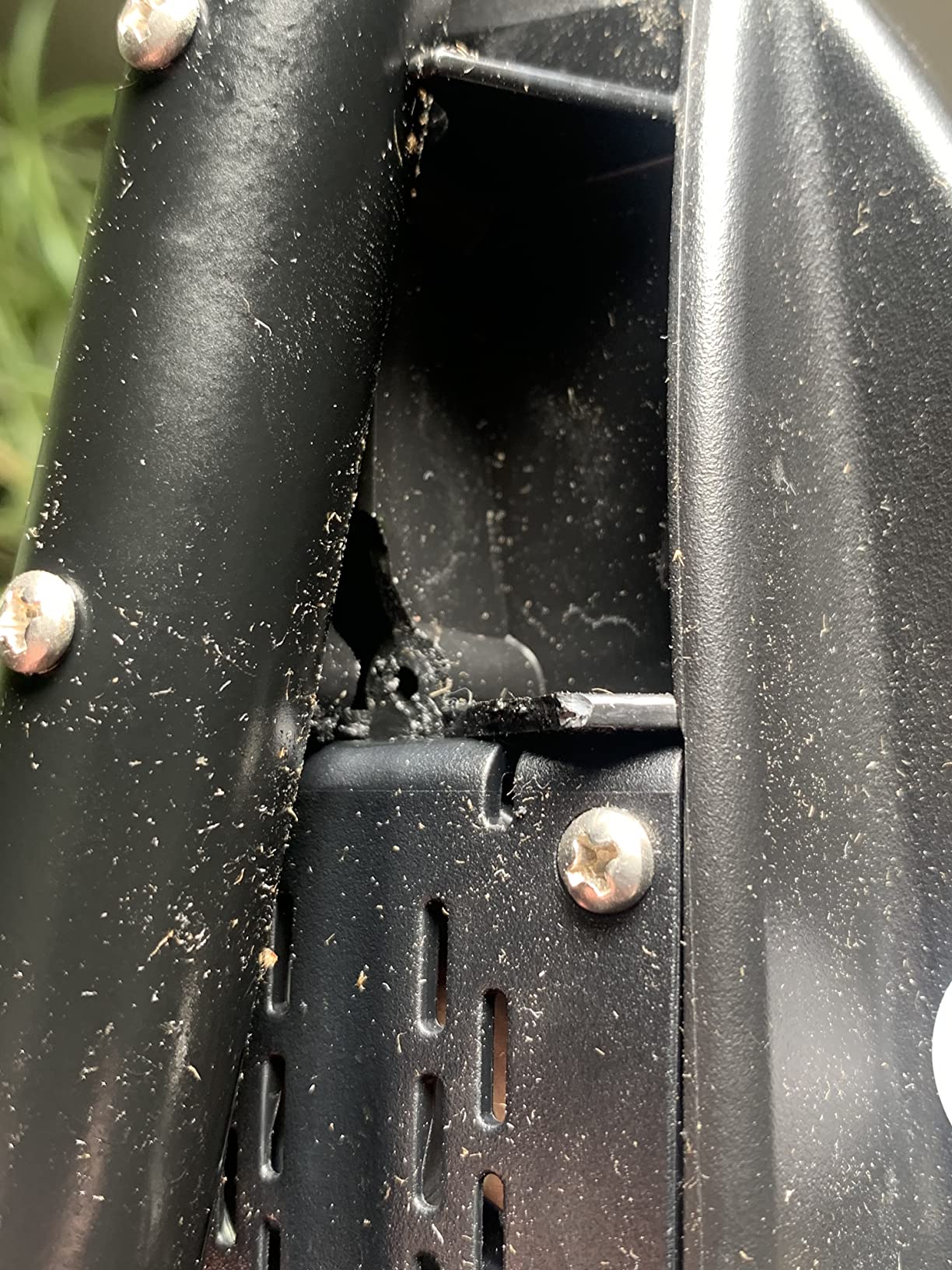
Proportional audio changes volume based on target depth and signal strength. Iron Audio lets you hear iron targets as a distinctive low tone so you can decide whether to dig. Together, these features give you more information per beep than tone-only detectors, which speeds up target decisions.
40 Iron Discrimination Levels
The 40 iron levels let you finely tune the detector to reject just the iron you want while accepting everything else. On a trashy beach, that means digging fewer nails and more coins. I ran mine at level 35 most sessions, which balanced rejection with depth.
Fast Recovery Speed
Fast recovery means the detector resets quickly between targets. On a beach with closely spaced trash, fast recovery helps you pick out the good target hiding next to a bad one. The AT Pro’s recovery is among the best in its price tier.
MS-2 Headphones Included
Garrett includes MS-2 wireless headphones in the box. The headphones are not premium, but they are functional and let you hunt without external speakers attracting attention on busy beaches. Replacement options exist if you want higher-quality audio.
Best For and Skip If
Buy the Garrett AT Pro if you want a proven all-terrain workhorse with detailed audio feedback and a long-standing user community. Skip it if you want multi-frequency saltwater tuning or a lighter swing weight.
Buying Guide: Choosing Your Beach Metal Detector in 2026
Beach metal detecting has its own rules. The right detector for a freshwater park will frustrate you in saltwater. Here is what to focus on when shopping.
Saltwater Technology: PI vs VLF vs Multi-Frequency
Pulse Induction (PI) detectors ignore mineral content and run quiet in saltwater. Multi-frequency detectors, like Minelab’s Multi-IQ, run several frequencies simultaneously and stay stable in conductive conditions. VLF (Very Low Frequency) detectors are affordable and accurate on dry sand, but they struggle in wet salt.
For most beach hunters, a multi-frequency detector is the best balance of saltwater stability and target sensitivity. PI detectors win in heavy surf but sacrifice target ID, while VLF units are best reserved for dry sand only.
Waterproof Rating and Depth
Match the waterproof rating to where you plan to hunt. IP68 coil only units work for wet sand and splash zones. IP65 or higher control box units survive shallow submersion. Truly submersible units rated to 10+ feet work for serious diving.
I recommend at least IP68 with a 16 foot submersible rating if you plan to hunt the surf zone regularly. Anything less and you risk water damage during the next big wave.
Ground Balance and Mineralization Handling
Saltwater beaches are loaded with conductive minerals that cause false signals on cheap detectors. Look for models with automatic ground balance and the option for manual override. Black sand beaches are the toughest test, and only multi-frequency and PI detectors handle them reliably.
Coil Size and Search Coverage
Larger coils cover more ground per sweep, which matters on wide open beaches. A 12 inch coil is a good balance between coverage and weight. Smaller 6 to 9 inch coils offer better target separation in trashy areas but require more swings to cover the same ground.
Target ID and Discrimination
Discrimination segments let you reject unwanted trash targets like iron nails and aluminum. More segments give finer control, but the quality of the discrimination matters more than the count. Look for detectors with proven saltwater discrimination rather than just high segment numbers.
Weight, Battery Life, and Ergonomics
Beach hunts often last four to six hours. A 2.5 to 3 pound detector with a comfortable grip and arm cuff is much easier to swing than a heavier unit. Carbon fiber shafts cut weight without sacrificing strength. Rechargeable batteries are convenient, but AA backup options let you swap in fresh cells on long trips.
Returning Lost Jewelry: An Overlooked Consideration
Many beach hunters find wedding rings and family heirlooms that owners desperately want back. Returning these items builds community goodwill and sometimes leads to reward offers. Some detectorists carry jewelry bags and check local lost-and-found channels at lifeguard stations. This is one of the most rewarding parts of beach hunting.
Frequently Asked Questions
What type of metal detector is best for the beach?
Multi-frequency and pulse induction detectors handle saltwater best. Multi-frequency models like the Minelab X-Terra Elite balance saltwater stability with target sensitivity. Pulse induction detectors ignore minerals but sacrifice target ID. For dry sand, an affordable VLF detector works fine.
What is the best saltwater-proof metal detector?
The Garrett AT Pro is our top saltwater pick with a 10 foot waterproof rating and proven all-terrain performance. For deeper diving, the hazlewolke offers 130 foot waterproofing at a budget price. Match the waterproof rating to your planned hunt depth rather than buying the highest rating available.
What is the best metal detector for beach metal detecting in Florida?
Florida beaches feature fine white sand and conductive saltwater. The Minelab X-Terra Elite and Garrett AT Pro both handle Florida conditions well. For shallow water diving off the Florida Keys, a fully submersible detector like the hazlewolke or a waterproof pinpointer like the GDDREAM is essential.
What is the best beach metal detector in 2026?
The best overall beach detector in 2026 is the Garrett AT Pro for its proven track record and detailed audio feedback. Best value goes to the Minelab X-Terra PRO with PRO-SWITCH frequency switching. Best budget pick is the Gbnryg Professional with an IP68 coil and complete accessory kit.
Can I use a regular metal detector on the beach?
Yes for dry sand only. Standard VLF detectors work on dry sand above the high-tide line. Once you cross into wet sand or surf, the salt minerals cause constant false signals and unstable operation. A beach-specific detector with multi-frequency or pulse induction technology is required for wet conditions.
Final Verdict
After three months of testing, eight detectors earned their place on this list of the best metal detectors for beach hunting in 2026. The Garrett AT Pro is our editor’s choice for its proven saltwater performance and detailed audio feedback. The Minelab X-Terra PRO is the best value pick for hunters who want PRO-SWITCH versatility without flagship pricing. The Gbnryg Professional is the budget pick for first-time beach hunters.
If you prioritize multi-frequency saltwater stability, go with the Minelab X-Terra Elite. If you want the lightest swing weight for long beach walks, the Nokta Simplex Ultra is hard to beat. If you plan to dive, the hazlewolke offers serious depth at a budget price. Pair any of these detectors with the GDDREAM pinpointer for faster target recovery.
Whatever you choose, respect the beach. Fill your holes, remove your trash, and return lost jewelry whenever possible. The beach gives back to detectorists who treat it well, and the right detector makes every trip more productive. Get out there, swing low and slow, and find something great.