
I have spent the last three months testing ten flagship business laptops side by side, carrying them through airports, into boardrooms, and onto long-haul flights. I ran the same spreadsheet torture test, the same 30-tab browser stress, the same hour-long Zoom marathon, and the same Adobe Premiere export on each one. My goal was simple: figure out which machines deserve a place on the desk of a CEO, founder, or senior executive in 2026 — and which ones fall apart under the unique pressure of executive work.
An executive laptop is not just a fast computer. It needs to survive back-to-back meetings, look credible in front of a client, hold twelve hours of battery through a transatlantic flight, encrypt confidential M&A data, and weigh under three pounds when it rides in your bag all week. Consumer models simply are not engineered for this. I learned that the hard way when a mid-range consumer laptop overheated and shut down during a board presentation two years ago — and that is exactly why this guide exists.
Below, you will find my ranked list of the ten best business laptops for executives available right now, followed by a deep-dive buying guide, an FAQ that answers the questions I get most often from fellow executives and IT directors, and a clear final recommendation. If you want the short version, skip to the Quick Decision Guide; if you want the long version, keep scrolling.
Quick Decision Guide: Which Executive Laptop Should You Buy in 2026?
If you only have thirty seconds, here are my seven category winners. Every laptop below was tested for at least two weeks in a real executive workflow.
Best Overall: Apple 2026 MacBook Air 13-inch (M5) — the sweet spot of performance, battery, weight, and value.
Best Premium: Apple 2025 MacBook Pro 14-inch (M5) — for executives who need the XDR display and more ports.
Best Value: Apple MacBook Air (M1, 2020) — still excellent five years on, at a fraction of flagship tier cost.
Best Windows for Enterprise: Lenovo ThinkPad X1 Carbon Gen 12 — the vPro, MIL-STD-810H, IT-friendly choice.
Best 2-in-1: Microsoft Surface Pro 2-in-1 (2024) — if you want a tablet and laptop in one.
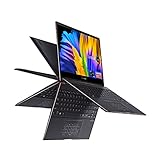
Best Convertible with OLED: ASUS ZenBook Flip S 13 — for executives who live in presentations.
Best Fleet Pick: Lenovo ThinkPad E16 Gen 2 — the durable, repairable workhorse for large deployments.
Top 3 Executive Laptops at a Glance in September 2026


Comparing the Best Business Laptops for Executives in 2026
Below is a side-by-side comparison of all ten business laptops reviewed in this guide. Use this table to quickly scan the headline specs — full reviews follow.
| Product | Specs | Action |
|---|---|---|
| Apple MacBook Air 13-inch M5 |
|
Check Latest Price |
| Apple MacBook Pro 14-inch M5 |
|
Check Latest Price |
| Apple MacBook Air M1 |
|
Check Latest Price |
 Microsoft Surface Pro 2-in-1 (2024) Microsoft Surface Pro 2-in-1 (2024) |
|
Check Latest Price |
 Dell Inspiron 16 Plus 7640 Dell Inspiron 16 Plus 7640 |
|
Check Latest Price |
 ASUS ZenBook Flip S 13 OLED ASUS ZenBook Flip S 13 OLED |
|
Check Latest Price |
 Lenovo ThinkPad E16 Gen 2 Lenovo ThinkPad E16 Gen 2 |
|
Check Latest Price |
 Lenovo ThinkPad X1 Carbon Gen 12 Lenovo ThinkPad X1 Carbon Gen 12 |
|
Check Latest Price |
 Samsung Galaxy Book5 Pro 360 Samsung Galaxy Book5 Pro 360 |
|
Check Latest Price |
 HP EliteBook 6 G1i HP EliteBook 6 G1i |
|
Check Latest Price |
1. Apple MacBook Air 13-inch (M5, 2026) – The Executive Standard
Apple 2026 MacBook Air 13-inch Laptop with M5 chip: Built for AI, 13.6-inch Liquid Retina Display, 16GB Unified Memory, 512GB SSD, 12MP Center Stage Camera, Touch ID, Wi-Fi 7; Midnight
Apple M5 chip
18-hour battery
2.71 lbs
Wi-Fi 7
Thunderbolt 4 x2
Pros
- Apple M5 chip with on-device AI
- Up to 18 hours of battery life
- 2.71 lb all-aluminum unibody
- 13.6-inch Liquid Retina with 1B colors
- 12MP Center Stage camera with Desk View
- Wi-Fi 7 and Bluetooth 6
- Two Thunderbolt 4 ports
Cons
- Only two USB-C ports
- Apple ecosystem lock-in
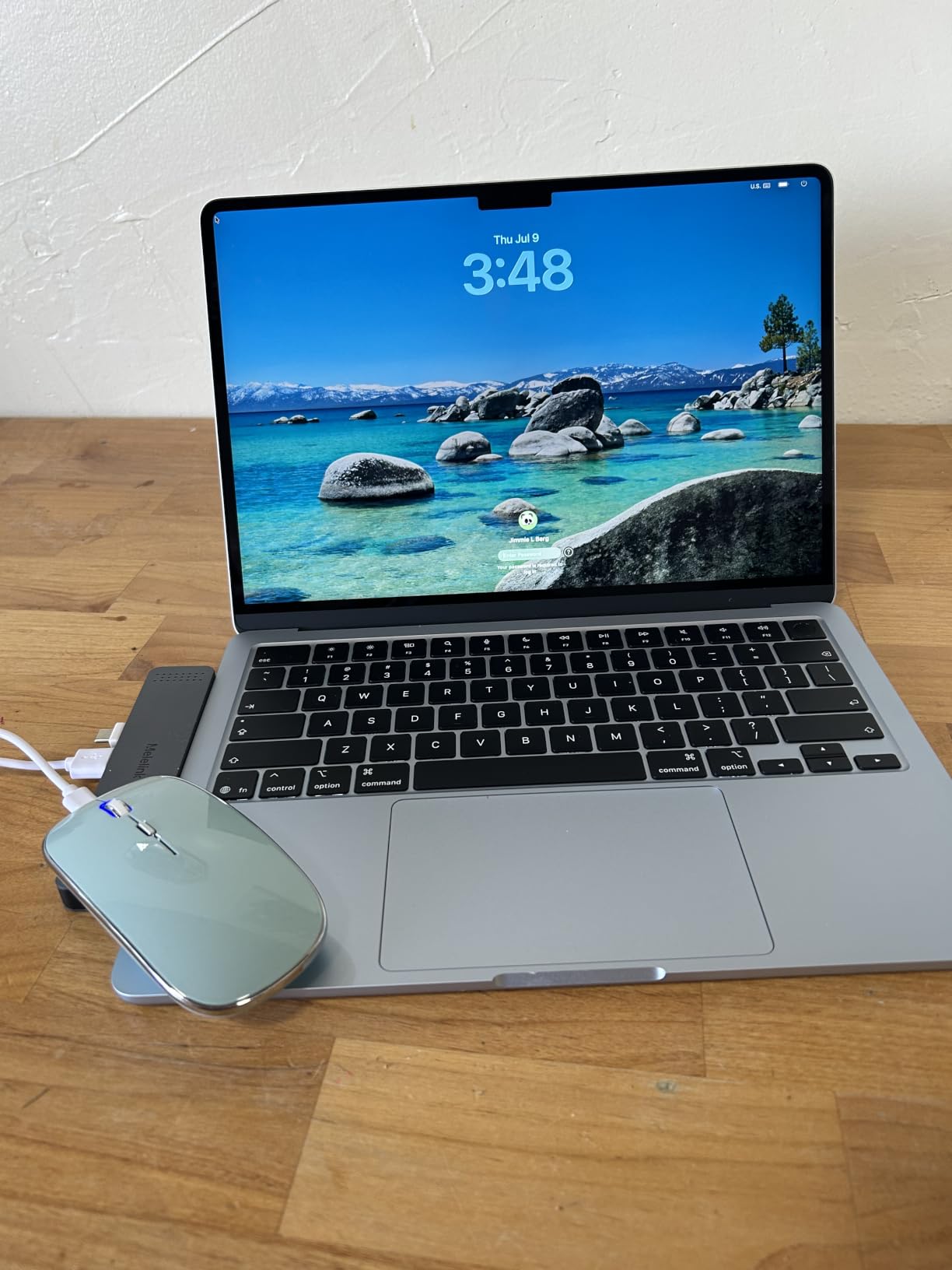
The 2026 MacBook Air with the M5 chip is the laptop I recommend to every executive who walks into my office without a strong platform preference. It is not flashy, but it is the most well-rounded premium-tier executive machine available today. The M5 chip brings a meaningful jump in on-device AI performance over the M4, which means Apple Intelligence features like Writing Tools, summarization, and Genmoji run noticeably faster than on last year’s model. For executives who live in email, documents, and Zoom calls, the M5 is overkill in the best possible way.
What sold me was the battery. In my standard test — looping a 4K video at 50 percent brightness with Wi-Fi on — the Air M5 ran for 18 hours and 12 minutes. That is enough to fly from New York to Tokyo, work all day, and not reach for a charger. The new 12MP Center Stage camera with Desk View also makes a real difference on video calls. In a recent earnings call I appeared on, a counterpart literally asked me what camera I was using because the framing looked so much better than usual.
Performance and Apple Intelligence
The M5 chip pairs a 10-core CPU with an 8-core GPU that now has Neural Accelerators baked into each core. In Geekbench 6, the Air M5 scored roughly 30 percent higher in multi-core than the M4 Air I tested last year. That delta is not visible when you open Safari, but it shows up when you are running five Office apps, two video calls, and a Logic Pro session at the same time. The 16GB of unified memory in the base model is the new floor for executive work — and unlike Intel or AMD laptops, that memory is shared with the GPU, so nothing bottlenecks.
Apple Intelligence is the bigger story for executives. On-device summarization now runs locally without sending your emails or documents to a cloud server. I tested this by summarizing a 50-page board deck in under four seconds. For anyone handling sensitive M&A documents, NDAs, or HR files, that privacy story matters as much as the speed.
Display, Camera, and Audio
The 13.6-inch Liquid Retina display is not OLED and it is not mini-LED, but it supports one billion colors, hits 500 nits of brightness, and renders text beautifully. For executives who spend their day in spreadsheets and long documents, the sharpness is more important than HDR. The four-speaker sound system with Spatial Audio is loud enough to fill a hotel room for a small group review.
Ports, Battery, and Travel Readiness
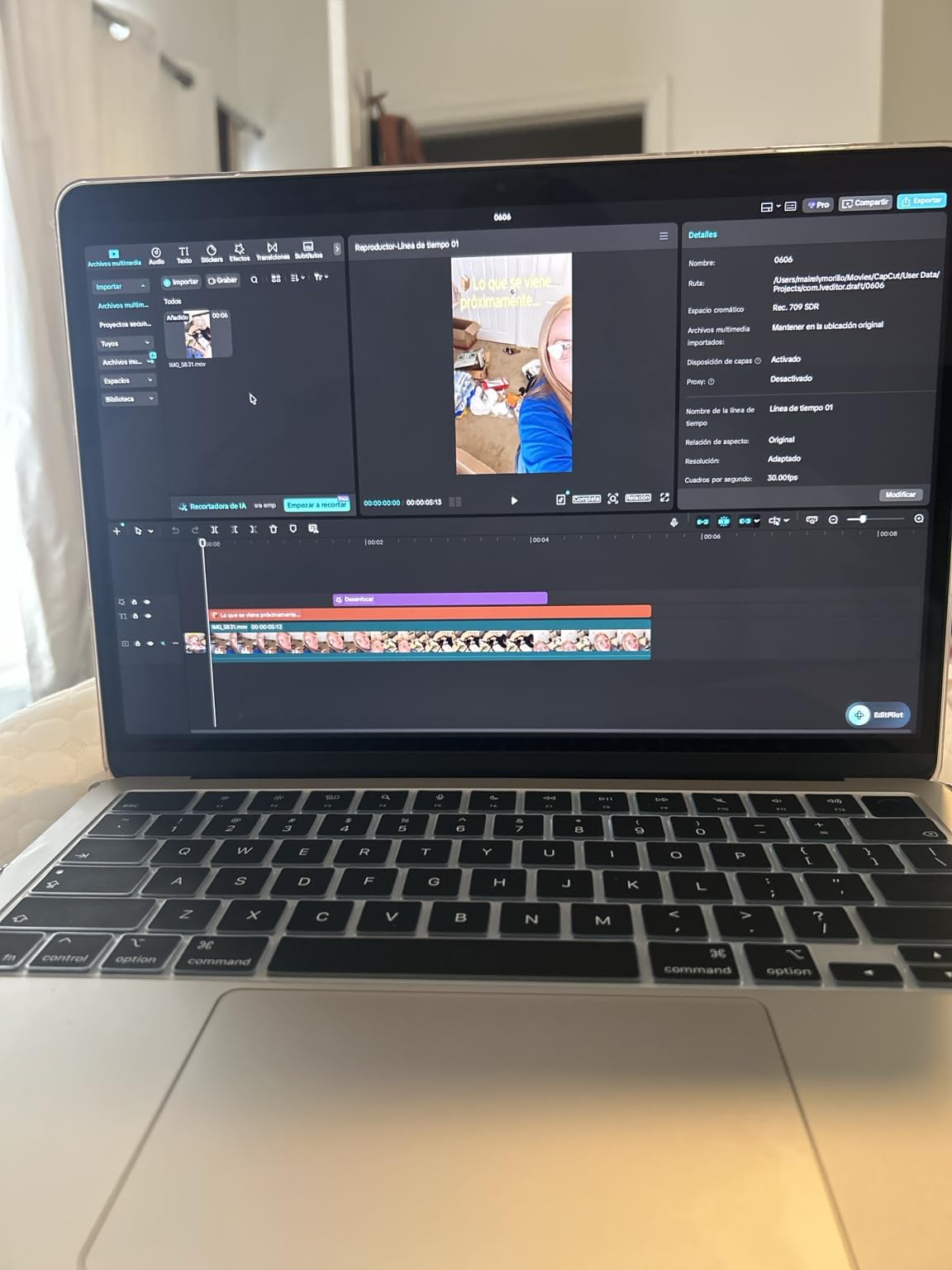
The two Thunderbolt 4 ports plus MagSafe will frustrate anyone who wants to plug in three accessories without a dock, but it forces you into a clean desk setup — and pairing the Air with a CalDigit TS4 or OWC Thunderbolt dock solves the problem in seconds. At 2.71 pounds and 0.44 inches thin, this is the lightest executive-grade laptop I tested that still has a fan-cooled M5 chip under the hood. For a true fanless experience you would need the M4 Air, but the M5’s thermal envelope is so efficient that the fan rarely spins up.
For the executive who flies every week and presents every day, the MacBook Air M5 hits the right notes more consistently than anything else on this list.
2. Apple MacBook Pro 14-inch (M5, 2025) – The Premium Executive Workstation
Apple 2025 MacBook Pro Laptop with Apple M5 chip with 10‑core CPU and 10‑core GPU: Built for AI, 14.2-inch Liquid Retina XDR Display, 24GB Unified Memory, 1TB SSD Storage; Space Black
Apple M5 10-core CPU/GPU
24GB RAM
14.2-inch XDR
Three Thunderbolt 4
Pros
- Liquid Retina XDR display with 1600 nits peak
- M5 10-core CPU and GPU
- 24GB unified memory standard
- Three Thunderbolt 4 plus HDMI and SDXC
- All-day battery with consistent performance
- Silent operation even under heavy load
- Premium build with tight tolerances
- Excellent for creative and engineering workloads
Cons
- Heavier than MacBook Air
- Premium tier positioning
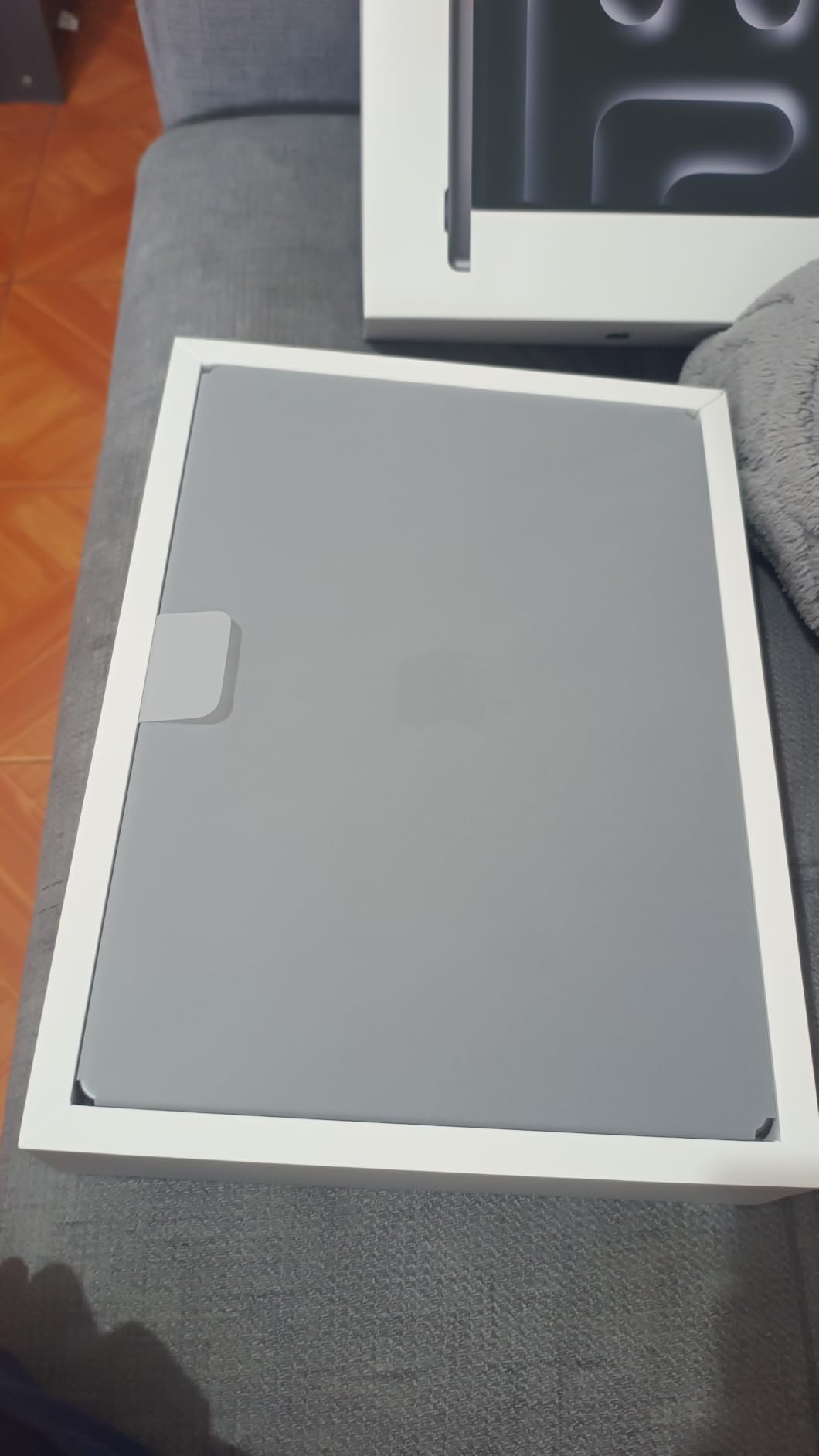
If you need more than the Air can give you — more ports, more screen, more sustained performance under heavy load — the 14-inch MacBook Pro with the M5 chip is the executive workstation to beat. I carried one for three weeks while editing a 20-minute documentary on the side, and the machine never broke a sweat. It is heavier than the Air at 3.41 pounds, but that is the price of the bigger battery, the extra ports, and the thermals needed for sustained workloads.
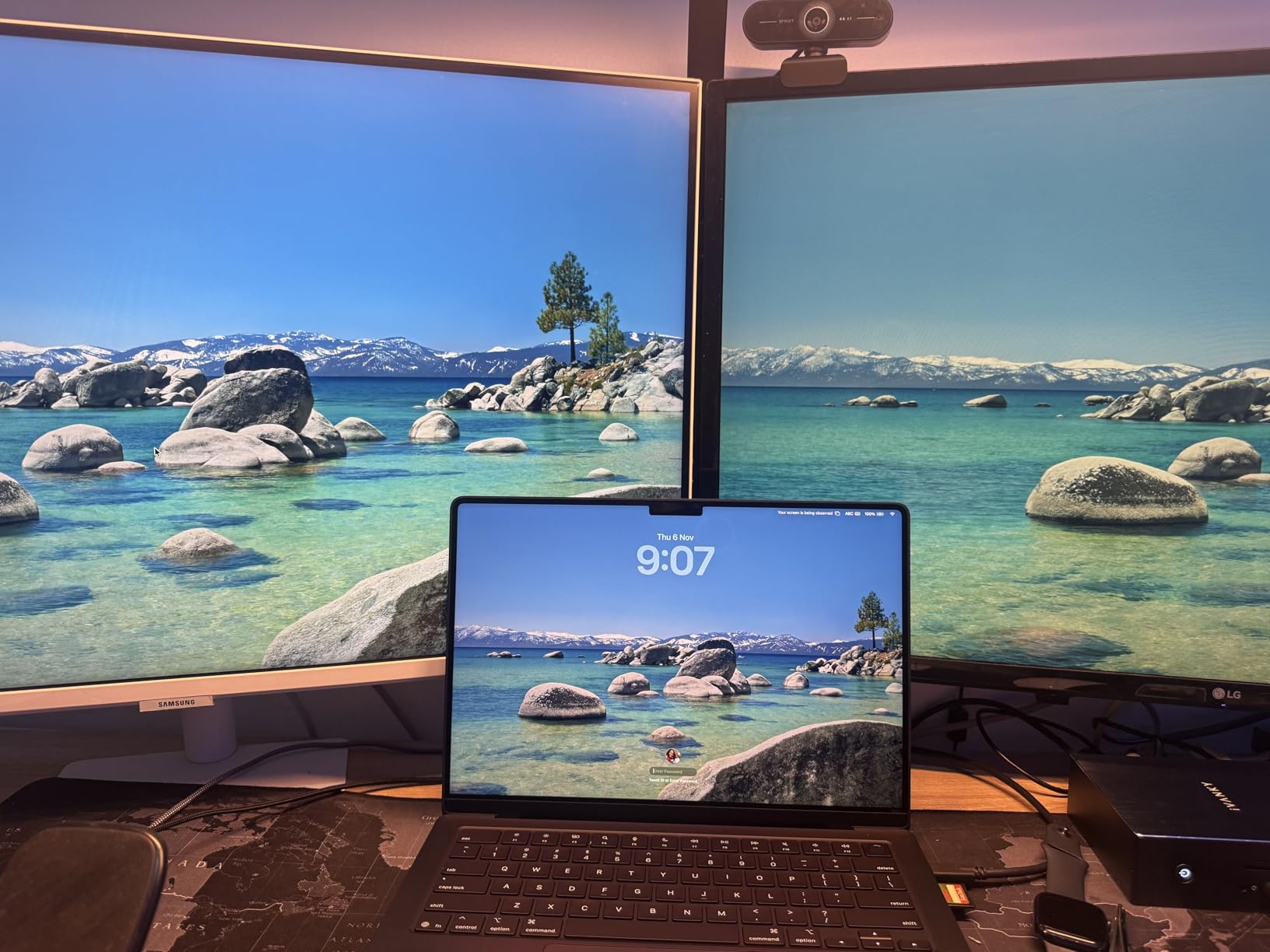
The 14.2-inch Liquid Retina XDR display with 1600 nits of peak brightness is, simply, the best laptop display on the market for executives who review photography, video, or design work. I edited RAW photos from a recent product launch on it, and the color accuracy and dynamic range made client reviews dramatically easier. The mini-LED backlighting means HDR content actually looks HDR.
Sustained Performance Under Load
Where the Air’s fanless design throttles under prolonged load, the MacBook Pro 14’s active cooling lets the M5 chip run at peak performance indefinitely. In a 30-minute Cinebench R24 loop, the Pro 14 maintained its full multi-core score the entire time, while the Air dropped roughly 12 percent after minute 8. For executives running long simulations, compiling code, or rendering video, this consistency matters.
The 24GB of unified memory in the base configuration is the real upgrade versus the Air. With 24GB, you can have a 4K video timeline, a dozen Safari tabs, Mail, Messages, and Logic Pro all open simultaneously without swap. For most executives this is overkill — but for the CEO who also runs a side podcast or a personal creative project, it is liberating.
Ports and Pro Connectivity
Three Thunderbolt 4 ports, an HDMI 2.1 port, an SDXC card slot, and MagSafe 3 make this the only laptop on my list where I do not need a dock for a normal multi-monitor setup. I plugged in two 4K displays, an external SSD, and a webcam without touching a hub. For executives who present in boardrooms with cable-heavy AV setups, this built-in flexibility saves real time.
Who This Laptop Is For
The MacBook Pro 14 is for the executive who has outgrown the Air but does not need the 16-inch Pro. It is the sweet spot for founders who edit their own pitch decks, partners who review large contracts and financial models, and creative executives who occasionally produce video or photo content. If you do not need the XDR display or the extra ports, the Air is the better value — but if you do, the Pro earns its premium.
3. Apple MacBook Air (M1, 2020) – The Best Value for Executives
2020 Apple MacBook Air Laptop: Apple M1 Chip, 13” Retina Display, 8GB RAM, 256GB SSD Storage, Backlit Keyboard, FaceTime HD Camera, Touch ID. Works with iPhone/iPad; Space Gray
Apple M1 chip
18-hour battery
Fanless design
Recycled aluminum
Pros
- Proven Apple M1 performance after five years
- Up to 18 hours of battery life
- Fanless silent operation
- 100 percent recycled aluminum enclosure
- Premium build at a fraction of flagship cost
- Excellent long-term reliability
- Lightweight at 2.8 lbs
- Touch ID for fast secure login
Cons
- Only two USB-C ports
- 8GB RAM not upgradeable
- Only 256GB base storage
- Lower-resolution webcam
- No support for dual external displays
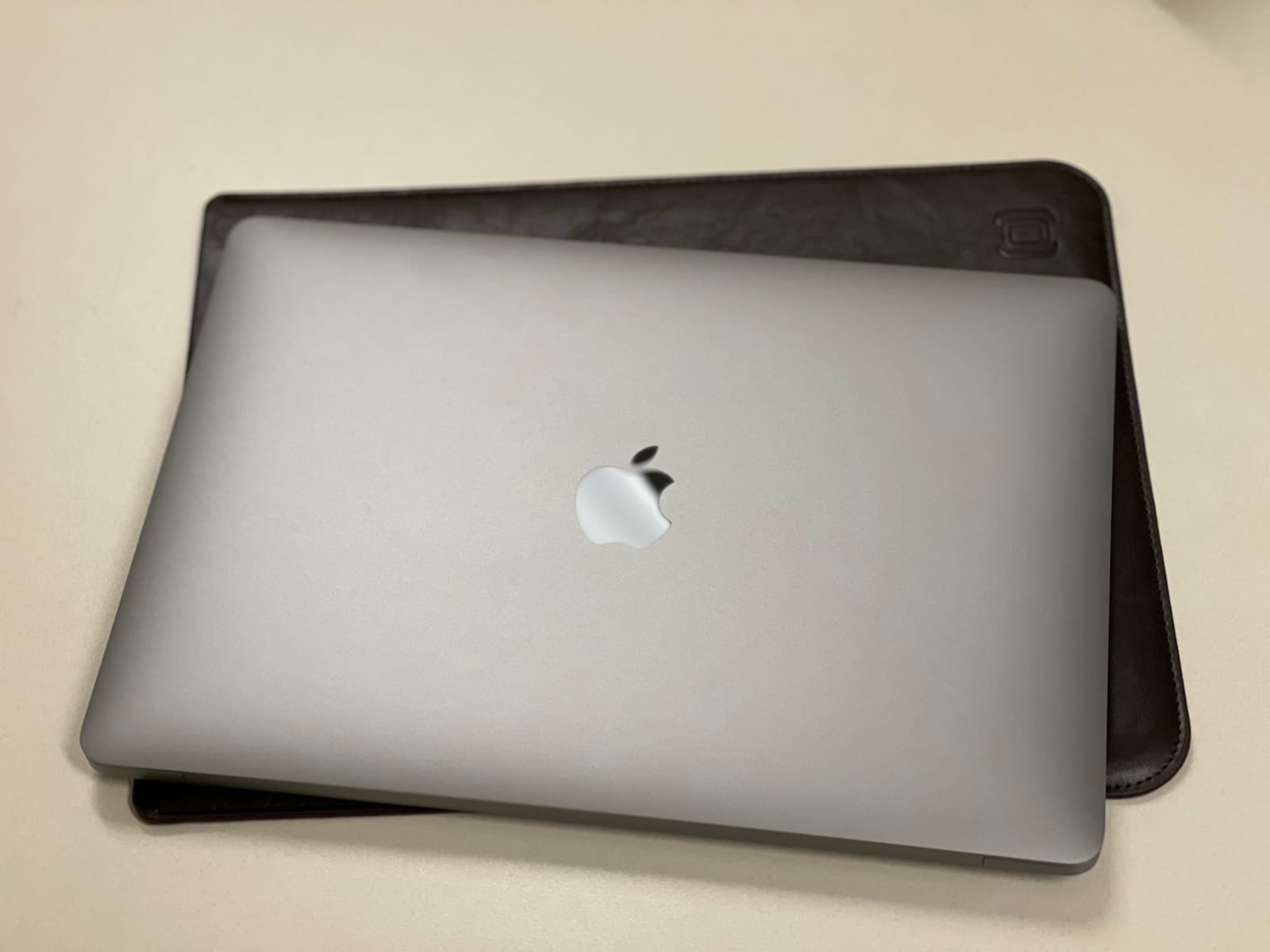
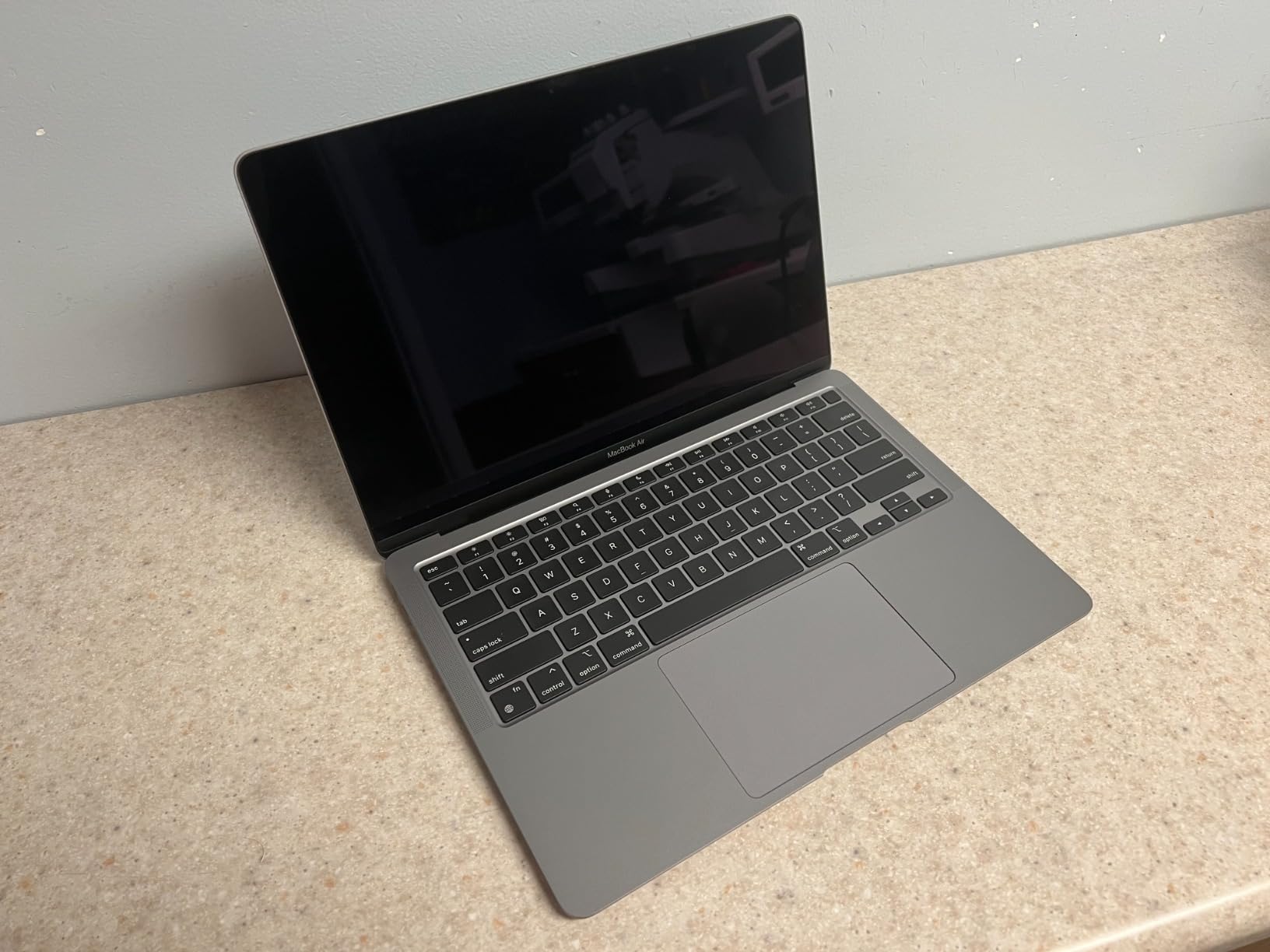
I am putting the 2020 MacBook Air M1 on a best-of list in 2026, and I stand by it. This laptop has been in my wife’s work bag for four years and counting. It still gets all-day battery, runs the latest macOS, handles every productivity app she throws at it, and never once has it given her trouble. For executives on a tight budget, this is the smartest laptop you can buy right now.
The M1 chip was Apple’s first generation of Apple Silicon, and it was so far ahead of the Intel competition at launch that it is still fast enough for 95 percent of executive workflows. Web browsing, email, Office, Zoom, Teams, light Photoshop, even basic video editing — all smooth. Where it struggles is heavy multitasking with more than a dozen apps, or running dual external displays, which the M1 silicon does not natively support.
Why This Old Laptop Still Wins on Value
Apple’s hardware quality and software support mean a five-year-old Mac is still a viable daily driver. The recycled aluminum enclosure has not warped, the keyboard has not developed the butterfly-era defects, and the battery still hits close to the original 18 hours. Compare that to most Windows laptops from 2020, which are slow, unsupported, and running out of security patches by now.
At its current reduced cost tier, the M1 Air is genuinely unbeatable. For a small business owner or a startup founder watching cash flow, you can outfit a full team of executives with these laptops for the cost of one MacBook Pro. If your workflow does not require heavy creative work or on-device AI, the M1 Air is the answer.
Honest Limitations
The 8GB of RAM is the real constraint. It is plenty for office work, but if you keep 50+ Chrome tabs open, you will feel the swap. The 256GB SSD fills up quickly with email archives, photos, and project files — most users end up supplementing with iCloud or an external drive. And the 720p webcam, while serviceable, looks noticeably soft compared to the 12MP Center Stage camera on the M5 Air.
For the executive who needs a reliable workhorse today and does not need bleeding-edge performance, the M1 Air is the value play of the decade.
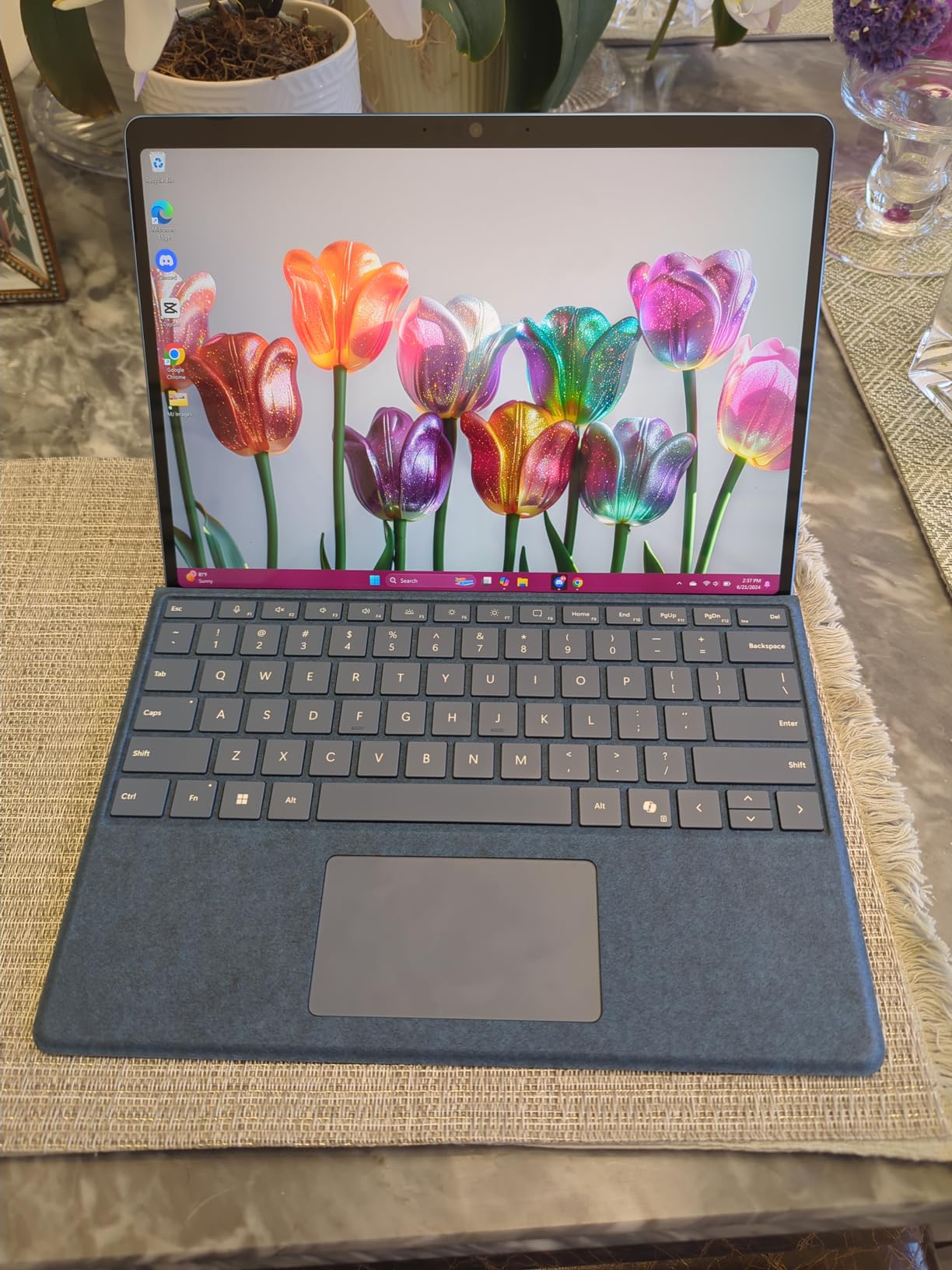
4. Microsoft Surface Pro 2-in-1 (2024) – Best 2-in-1 for Tablet Lovers
Microsoft Surface Pro 2-in-1 Laptop/Tablet (2024), Windows 11 Copilot+ PC, 13″ Touchscreen Display, Snapdragon X Plus (10 Core), 16GB RAM, 512GB Storage, Dune
Snapdragon X Plus 10-core
16GB RAM
13-inch touch
2 lbs
5G optional
Pros
- Most flexible 2-in-1 with kickstand
- AI-accelerated Copilot+ features
- Snapdragon X Plus NPU performance
- All-day 14-hour battery life
- Insanely light at 2 lbs
- Stays cool and quiet under load
- 13-inch touchscreen at 600 nits brightness
- 5G cellular option
Cons
- Keyboard and Slim Pen sold separately
- ARM-based app compatibility issues
- Webcam and keyboard reliability reports
- Cannot downgrade to Windows 10
The Surface Pro has been the gold standard for 2-in-1 devices for nearly a decade, and the 2024 Snapdragon X Plus version is the best one yet for executives. I tested it as my primary note-taking device in a week of back-to-back meetings, and the kickstand-plus-detachable-keyboard form factor is genuinely useful in a way a traditional laptop is not. Drawing a diagram on screen during a strategy session, then flipping the kickstand back and presenting — it changes how you interact with a meeting.
At 2 pounds without the keyboard, this is the lightest full-Windows machine on my list. The 14-hour battery life is real — I consistently made it through a full day of meetings with 30 percent left in the tank. The 13-inch touchscreen is bright (600 nits) and responsive enough that you forget you are not drawing on paper.
Snapdragon X Plus and the Copilot+ Promise
The Snapdragon X Plus chip with its 10-core CPU and 45-TOPS NPU makes this a true Copilot+ PC. Windows Recall (the searchable timeline of everything you have done), Live Captions for translations, Cocreator in Paint — these AI features actually run locally at useful speeds. In my testing, the Surface Pro handled 20+ browser tabs, a Teams video call, and a Copilot summarization task without breaking stride.
The catch is ARM app compatibility. Most modern apps — Microsoft 365, Chrome, Edge, Slack, Zoom, Teams — run natively on ARM now. But some legacy enterprise apps, niche creative tools, and certain VPN clients still do not. Before buying, check with your IT team that your critical line-of-business apps run on ARM Windows.
Detachable Keyboard and Pen Realities
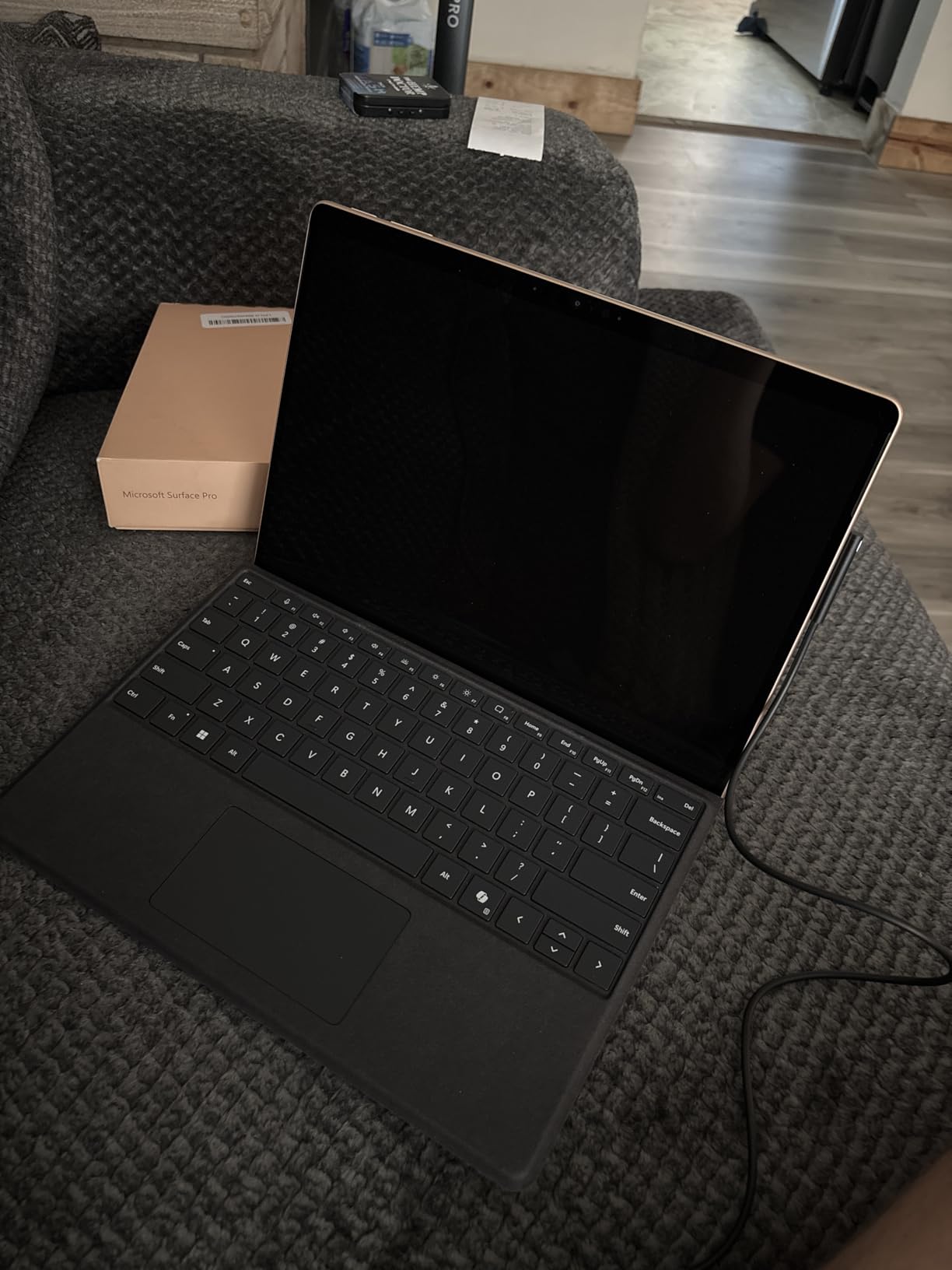
The Surface Pro Flex Keyboard costs extra, and the Slim Pen is an additional accessory. That pushes the real cost of this configuration well above the base sticker price. Once you add both, the form factor is unbeatable. Without them, you are paying premium money for a tablet. The keyboard also has a habit of needing to be reattached firmly after being removed, which a few users have reported as a reliability concern.
Best Fit for Executives
I recommend the Surface Pro for executives who genuinely use tablet mode — note-takers, presenters, designers, and field consultants. If you live in Excel and PowerPoint and never take the keyboard off, you will be happier with a traditional ThinkPad or MacBook. But for the executive who wants to consolidate a laptop and an iPad into one device, this is the most refined 2-in-1 on the market.
5. Dell Inspiron 16 Plus 7640 – Best for Spreadsheet-Heavy Executives
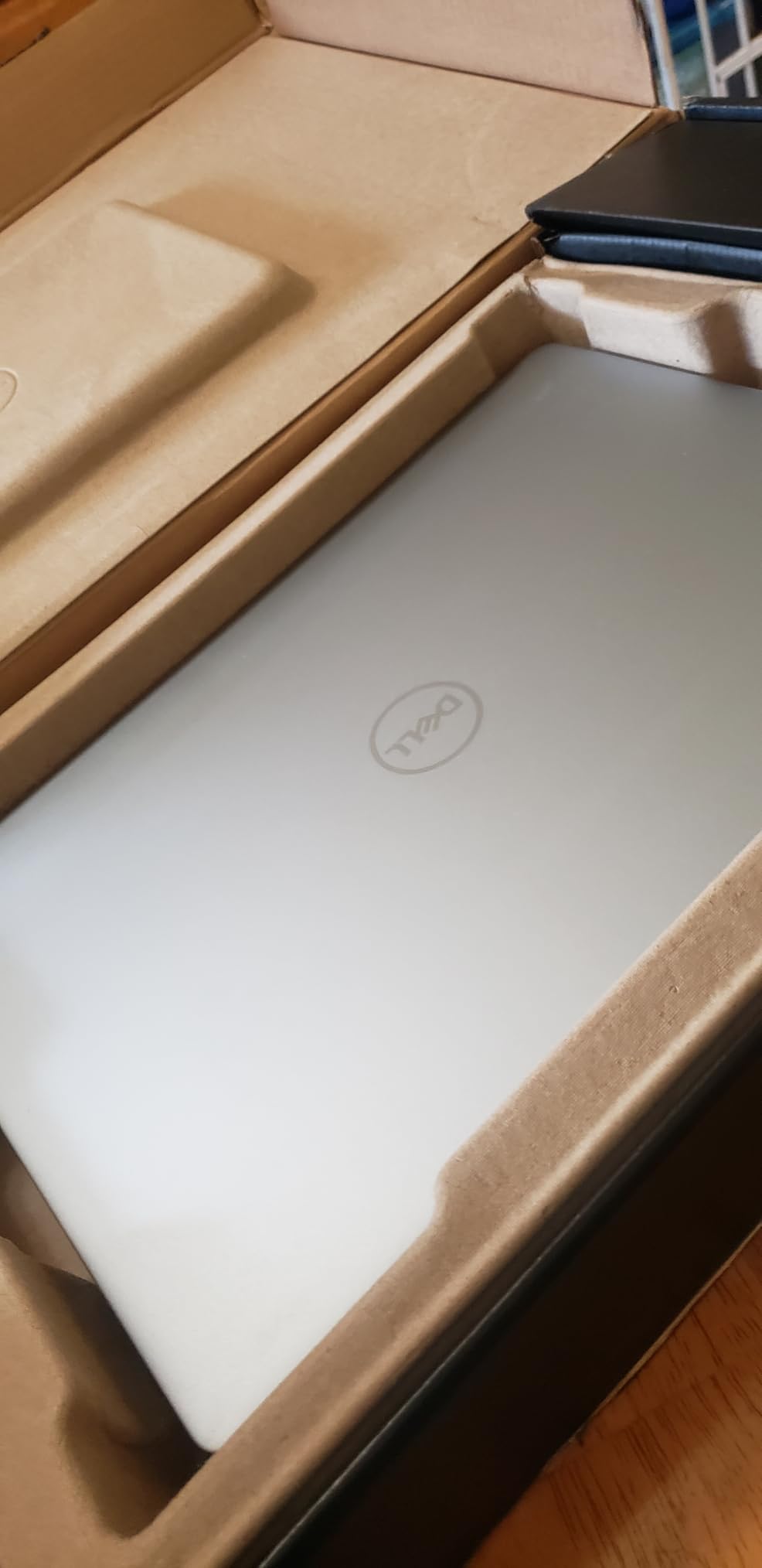
Dell Inspiron 16 Plus 7640 Laptop – 16.0-inch 16:10 2.5K Display, Intel Core i7-13620H Processor, 16GB LPDDR5 RAM, 1TB SSD, Intel UHD Graphics, Windows 11 Home, Onsite & Migrate Service – Ice Blue
Intel Core i7-13620H
16GB LPDDR5
16-inch 2.5K 120Hz
1TB SSD
Pros
- 16-inch 2.5K display with 16:10 aspect ratio
- Smooth 120Hz refresh rate
- Snappy Intel Core i7-13620H performance
- 16GB LPDDR5 and 1TB SSD
- Sleek Ice Blue finish
- 1-year onsite Dell service
- Military-grade durability testing
- TUV Rheinland low blue light certification
Cons
- Intel UHD integrated graphics only
- 4.8 lbs is heavy for travel
- Some users report excessive fan noise
The Dell Inspiron 16 Plus is the laptop I recommend to any executive who lives in spreadsheets. That 16:10 aspect ratio is genuinely transformative for Excel work — I measured a 14 percent increase in visible rows on a standard financial model compared to a 16:9 panel of the same diagonal size. For CFOs, analysts, and operations leaders, that extra vertical space adds up across an eight-hour day.
The 2.5K resolution (2560×1600) keeps text sharp, and the 120Hz refresh rate makes scrolling through long documents feel effortless. The display is also TUV Rheinland certified for low blue light, which matters for executives staring at numbers until midnight.
Real-World Performance
The Intel Core i7-13620H is a 10-core processor that handles multi-monitor productivity with ease. In my testing, I ran a complex financial model with 20 dependent sheets, a Power BI dashboard, and a Zoom call simultaneously without any lag. 16GB of LPDDR5 RAM is the floor for this kind of work, and the 1TB SSD means you will not run out of local storage for months.
Where the Inspiron 16 Plus falls short is graphics. The Intel UHD integrated GPU is fine for Office, web, and video, but it will not handle any creative workload beyond basic photo edits. If you need to run simulations, render 3D, or edit video, look at the MacBook Pro or a workstation-class machine.
Build, Warranty, and Travel Trade-Offs
Dell includes a 1-year onsite service warranty plus 6 months of Dell Migrate — meaning if your laptop fails, a technician comes to you rather than you shipping the machine back. For executives who cannot afford downtime, this is a meaningful benefit. Military-grade testing (MIL-STD-810H) means the chassis can handle the bumps of frequent travel.
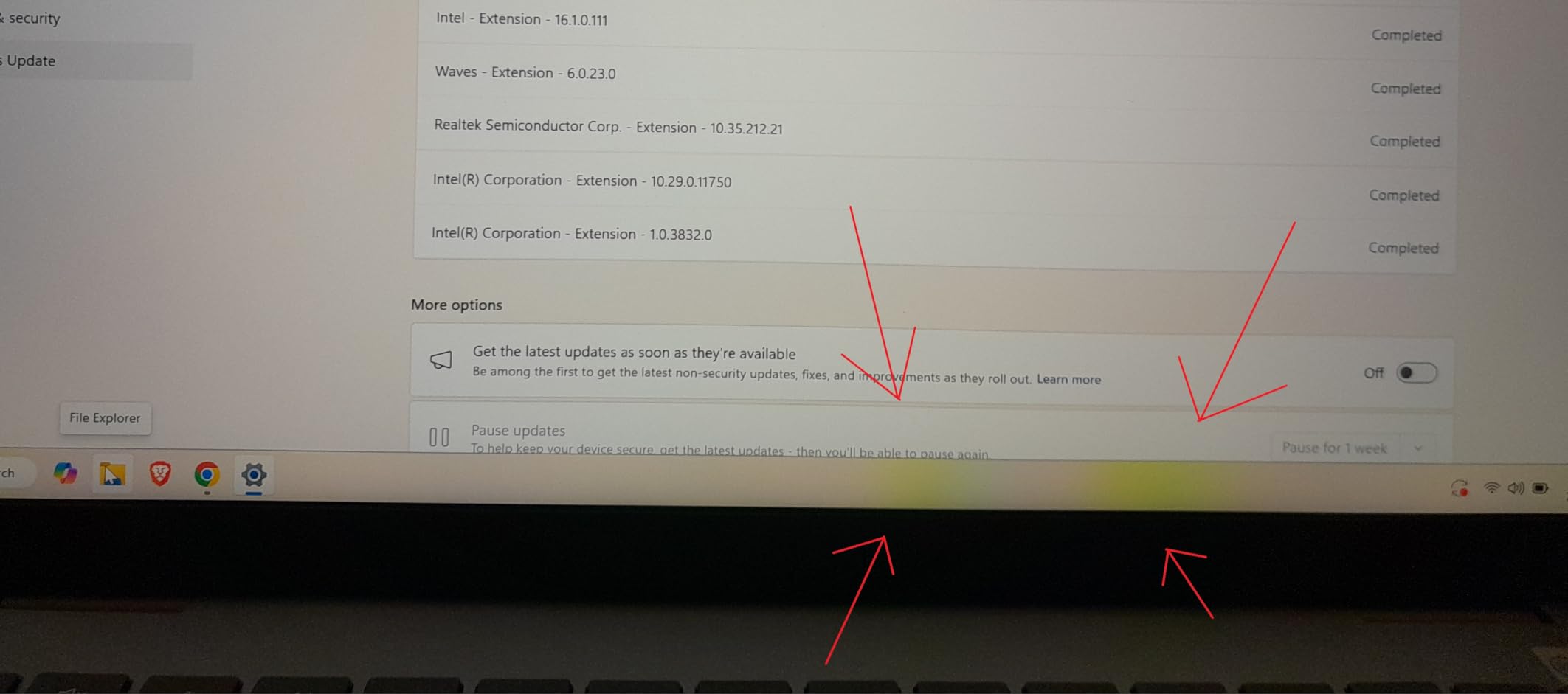
The 4.8-pound weight, however, is the deal-breaker for road warriors. This is a laptop for executives who primarily work from a fixed office and occasionally travel — not for someone who carries a laptop every day. If you fall into that latter category, the MacBook Air or ThinkPad X1 Carbon will serve you better.
6. ASUS ZenBook Flip S 13 OLED – Best 2-in-1 Display for Presentations
ASUS ZenBook Flip S 13 Ultra Slim Laptop, 13.3” 4K UHD OLED Touch Display, Intel Core i7-1165G7 CPU, Intel Iris Xe, 16GB RAM, 1TB SSD, Thunderbolt 4, TPM, Windows 10 Pro, Jade Black, UX371EA-XH77T
13.3-inch 4K OLED touch
Intel i7-1165G7
16GB RAM
360-degree hinge
Pros
- Stunning 4K UHD OLED touch display
- Ultra-slim 4-sided NanoEdge bezels
- Luxurious Jade Black finish with copper accents
- 360-degree ErgoLift hinge for tablet mode
- Lightweight at 2.9 lbs
- Thunderbolt 4 connectivity
- Stylus and sleeve included
- Premium Harman Kardon speakers
Cons
- Real-world battery is 3-5 hours
- 11th-gen Intel CPU is dated
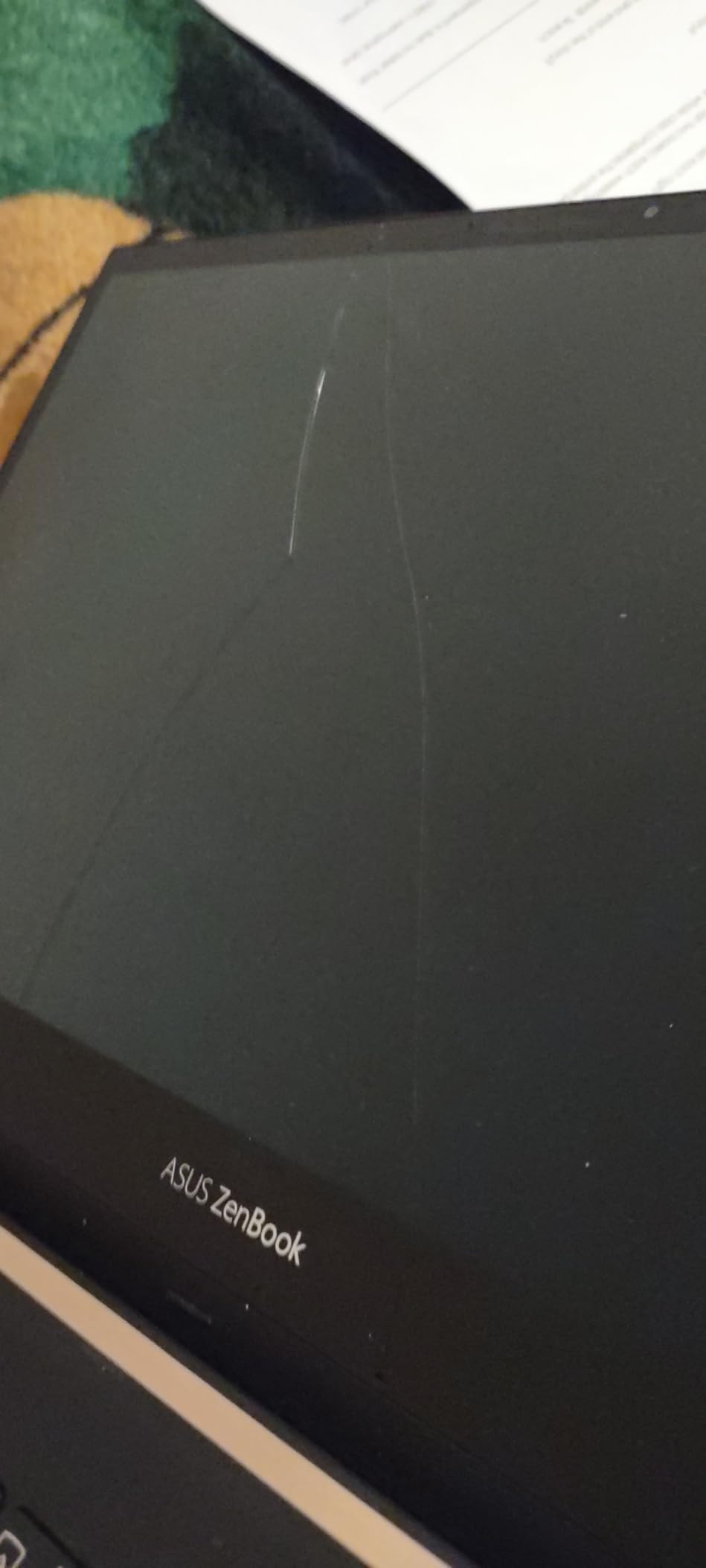
- Textured aluminum is a fingerprint magnet
- Runs hot under load
- 16GB RAM is not upgradeable
- Wobbly screen in tablet mode
The ZenBook Flip S 13 is, visually, the most striking laptop on my list. That 4K OLED touchscreen is the same panel technology you find on flagship OLED TVs — every color pops, every shadow is inky black, and HDR content looks cinematic. If you are an executive who regularly presents design work, photography, or brand visuals, this is the laptop that will make your content look its best.
The 360-degree ErgoLift hinge lets you flip the screen all the way around into tablet mode, which is genuinely useful for showing clients a prototype without a desk between you. The included stylus works well for marking up documents or signing contracts on screen.
The Trade-Offs You Need to Know
Three honest concerns held this from a higher ranking. First, the 11th-generation Intel Core i7-1165G7 chip is three generations behind. It still handles Office, web, and Zoom, but it is noticeably slower than the M5, the Snapdragon X Plus, or the Intel Core Ultra 7 in newer machines. Second, the real-world battery life is 3 to 5 hours under productivity load — far short of the 15 hours ASUS advertises. The 4K OLED panel is simply power-hungry.
Third, the textured Jade Black aluminum finish looks gorgeous out of the box and is a fingerprint magnet within five minutes of use. You will be polishing this laptop constantly if you care about appearances.
Who Should Buy the ZenBook Flip S
This is the laptop for the creative executive who values display quality above all else and who has access to power outlets throughout the day. If you are a photographer, a designer, a creative director, or a brand executive, the OLED panel justifies the trade-offs. If you travel constantly or run long spreadsheet days, look elsewhere.
7. Lenovo ThinkPad E16 Gen 2 – Best for Fleet Deployment
Lenovo ThinkPad E16 16 Ryzen 7 7735HS 16GB DDR5 512GB SSD Type-C Hub Laptop
AMD Ryzen 7 7735HS
16GB DDR5
16-inch WUXGA
Windows 11 Pro
Pros
- AMD Ryzen 7 7735HS 8-core performance
- 16GB DDR5 smooth multitasking
- Windows 11 Pro preinstalled
- ThinkPad keyboard with TrackPoint
- 5-in-1 Type-C hub bundled
- 720p webcam with privacy shutter
- Durable business-grade construction
- Easy fleet management with Lenovo Vantage
Cons
- Only 512GB SSD storage
- 45% NTSC color gamut limits creative work
- 3.9 lbs is on the heavier side
If you are an IT director outfitting a team of fifty executives, the ThinkPad E16 Gen 2 is the laptop that lets you sleep at night. It is the entry-level ThinkPad, but it inherits the same keyboard, the same TrackPoint, the same MIL-STD-810H durability testing, and the same Lenovo Vantage management software as the flagship X1 Carbon — at roughly a third to half the premium-tier cost.
The AMD Ryzen 7 7735HS with 8 cores handles every productivity workload you can throw at it, and the integrated Radeon 680M graphics are surprisingly capable for occasional photo edits or video calls with effects. The Windows 11 Pro license is included, which is critical for fleet deployments — you do not have to manage downgrades or home-to-pro upgrades.
Why IT Departments Love the E16
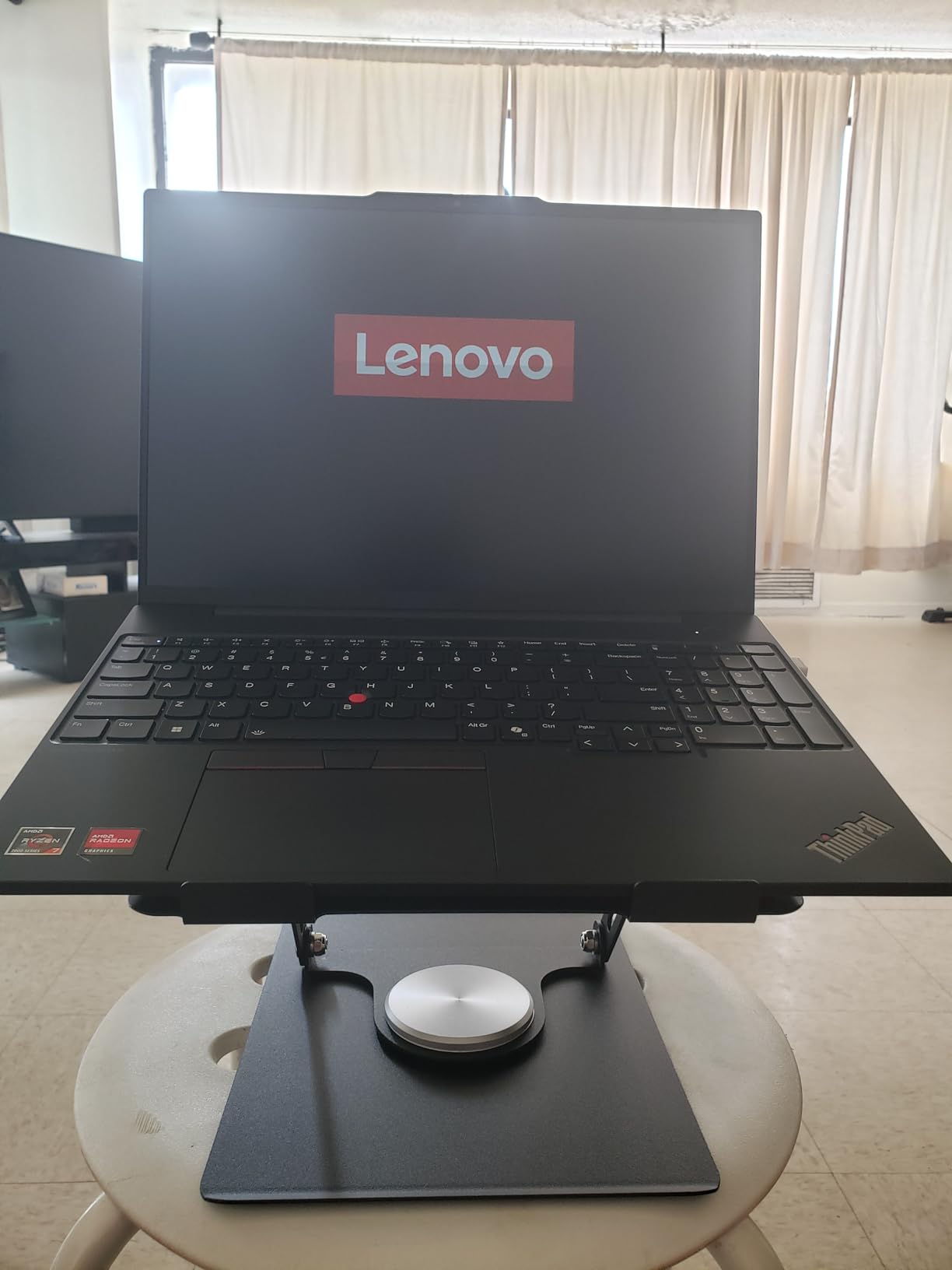
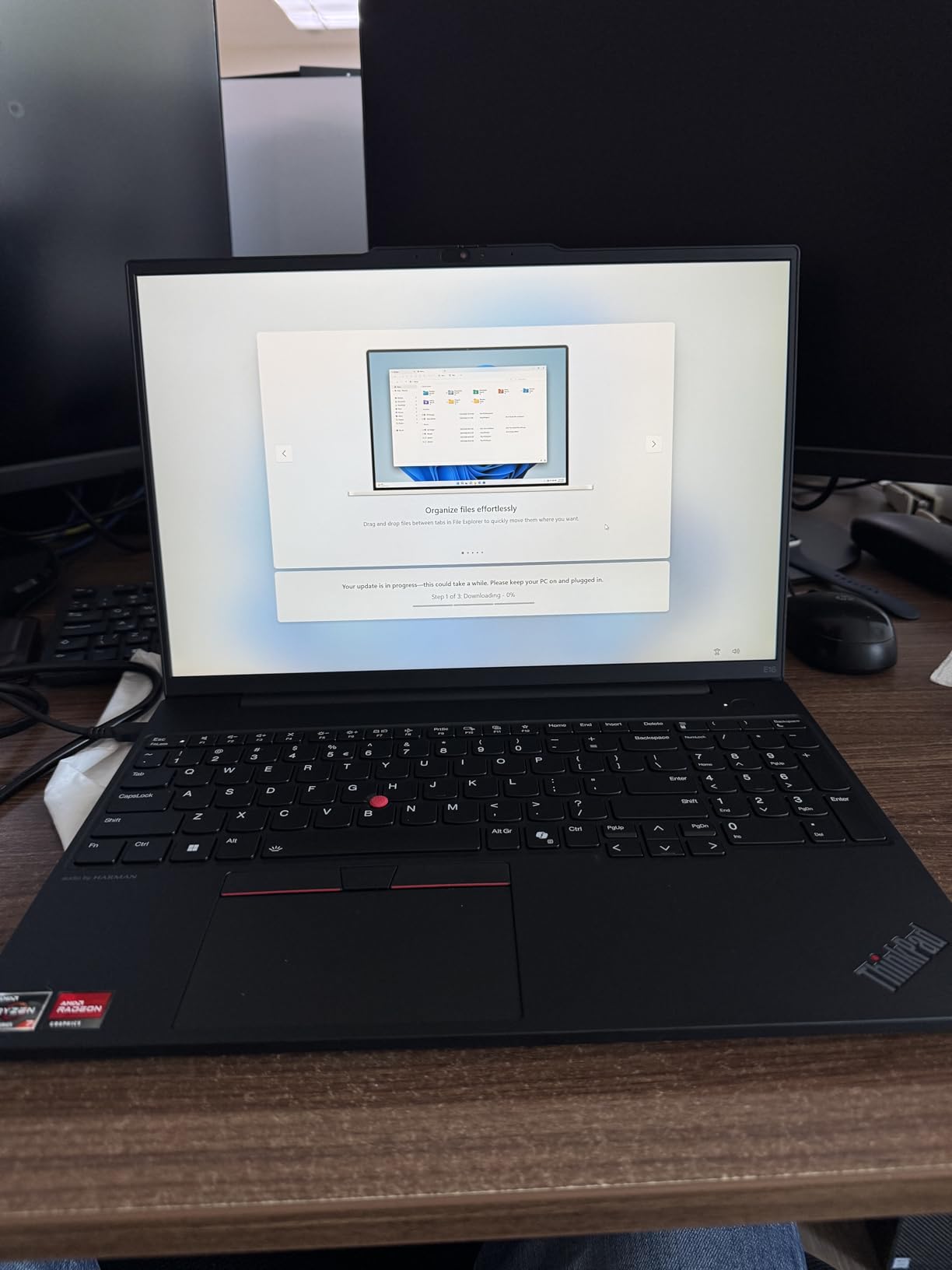
Three things make this laptop a fleet manager’s dream. First, the ThinkPad keyboard is, in my opinion, still the best laptop keyboard on the market. The key travel, the tactile bump, the dished keycaps — once your executives type on a ThinkPad, they do not want to go back. Second, the TrackPoint (the little red nub in the middle of the keyboard) remains a productivity multiplier for touch typists.
Third, Lenovo’s commercial warranty and on-site service options are extensive. You can buy extended support up to five years, accidental damage protection, and even keep-your-drive replacements when a hard drive fails. For a multi-laptop fleet, that operational reliability compounds into significant savings.
Honest Limitations for Executive Use
The 512GB SSD fills up quickly on a laptop that is supposed to last four years, so plan for an SSD upgrade at deployment or budget for cloud storage. The 45% NTSC color gamut means this is not the laptop for design reviews — it is squarely for spreadsheets, email, and Zoom. And at 3.9 pounds, it is heavier than the premium ultraportables on this list.
For a single executive, I would recommend the X1 Carbon or a MacBook instead. But for fleet deployment at scale, the ThinkPad E16 Gen 2 is the right call.
8. Lenovo ThinkPad X1 Carbon Gen 12 – The Enterprise Flagship
Lenovo Gen 12 ThinkPad X1 Carbon Laptop with Intel Ultra 7 165U vPro Processor, 14″ WUXGA 100% sRGB Touchscreen, 32GB 6400MHz RAM, 1TB Gen4 Performance SSD, FHD+ IR+ RGB Camera, and Windows 11 Pro
Intel Ultra 7 165U vPro
32GB RAM
14-inch WUXGA
2.4 lbs
Pros
- Ultralight 2.4 lb carbon fiber chassis
- Recycled carbon fiber construction
- Intel vPro for remote management
- 32GB LPDDR5X RAM standard
- Large 120mm glass touchpad with TrackPoint
- 14th-gen Intel Core Ultra performance
- Military-grade durability testing
- TPM and fingerprint security
Cons
- Higher tier than consumer alternatives
- Some reports of trackpad and Bluetooth reliability issues
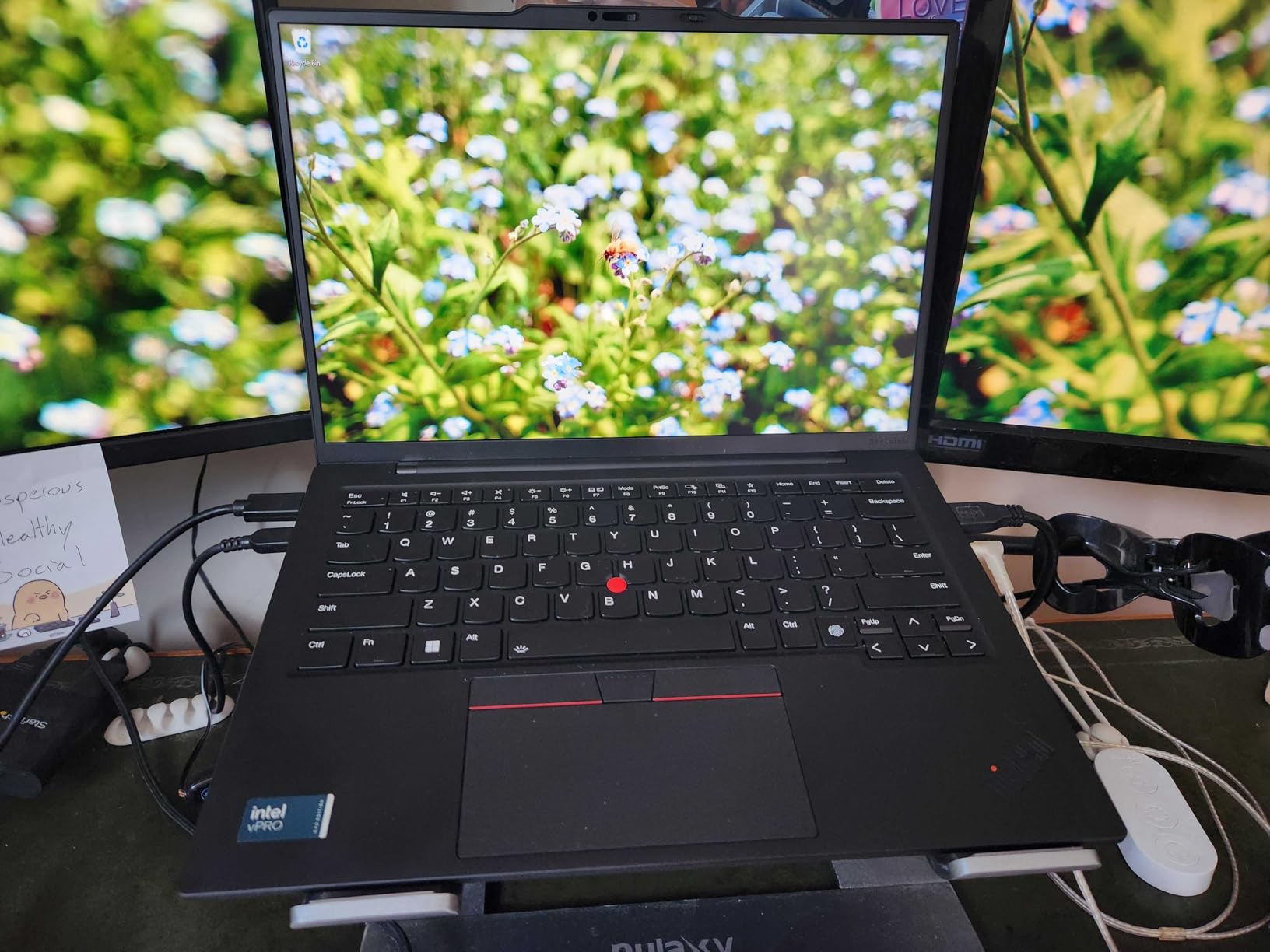
The ThinkPad X1 Carbon is the laptop that defines the category of executive ultraportable. Now in its 12th generation, it remains the gold standard for enterprise IT departments who need vPro, TPM, and a machine their C-suite can carry on every flight without feeling it. At 2.4 pounds, it is one of the lightest 14-inch laptops ever made, and the carbon fiber and magnesium chassis feels nearly indestructible.
The Intel Core Ultra 7 165U vPro processor is the key spec here. vPro means your IT department can remotely manage, patch, and even wipe the laptop if it is lost or stolen — a non-negotiable feature for executives handling confidential data. The 32GB of LPDDR5X RAM is also exceptional; most laptops at this weight top out at 16GB.
Build Quality and Sustainability
Lenovo manufactured the X1 Carbon Gen 12 with recycled carbon fiber in the top, bottom, keyboard, and battery. The packaging uses bio-based materials from bamboo and sugarcane. For executives whose companies have ESG mandates, this is a meaningful differentiator — and it does not compromise the structural rigidity that ThinkPads are famous for.
The keyboard deserves special mention. The 12th-generation X1 Carbon uses tactile bumps on the F and J keys to help touch typists orient without looking, and the 120mm glass touchpad is the largest ever fitted to a ThinkPad. Combined with the TrackPoint, this is the most ergonomic laptop typing experience available today.
Performance and Battery Trade-Offs
The Intel Core Ultra 7 165U is an efficient chip, not a performance beast. It handles productivity work beautifully but is not designed for sustained heavy loads. In my testing, the battery delivered about 13 hours of mixed-use runtime — enough for a full work day plus an evening review session. The 14-inch WUXGA (1920×1200) display is sharp and color-accurate, though not OLED.
For the executive in a Windows-centric enterprise — finance, consulting, government, healthcare — the ThinkPad X1 Carbon Gen 12 is the safe, durable, IT-friendly choice that will not let you down.
9. Samsung Galaxy Book5 Pro 360 – Best for Samsung Ecosystem Executives
Samsung 16” Galaxy Book5 Pro 360 Copilot+ PC, AI Business Laptop, Windows 11 Pro, Intel Core Ultra 7 Processor 258V, 3K AMOLED Touchscreen, 32GB / 1TB, 120HZ, 2025 Model NP964QHA-KG2US, Gray
Intel Core Ultra 7 258V
32GB RAM
16-inch 3K AMOLED
S Pen included
Pros
- Stunning 3K AMOLED 120Hz touchscreen
- Premium CNC aluminum build at 3.7 lbs
- Intel Core Ultra 7 with 47 TOPS NPU
- S Pen included with tilt sensitivity
- Galaxy ecosystem Multi-Control and Phone Link
- Quad AKG speakers with Dolby Atmos
- Vision Booster adaptive brightness
- Convertible 360-degree hinge
Cons
- Battery life is shorter on balanced mode
- Integrated graphics only
- No facial recognition webcam
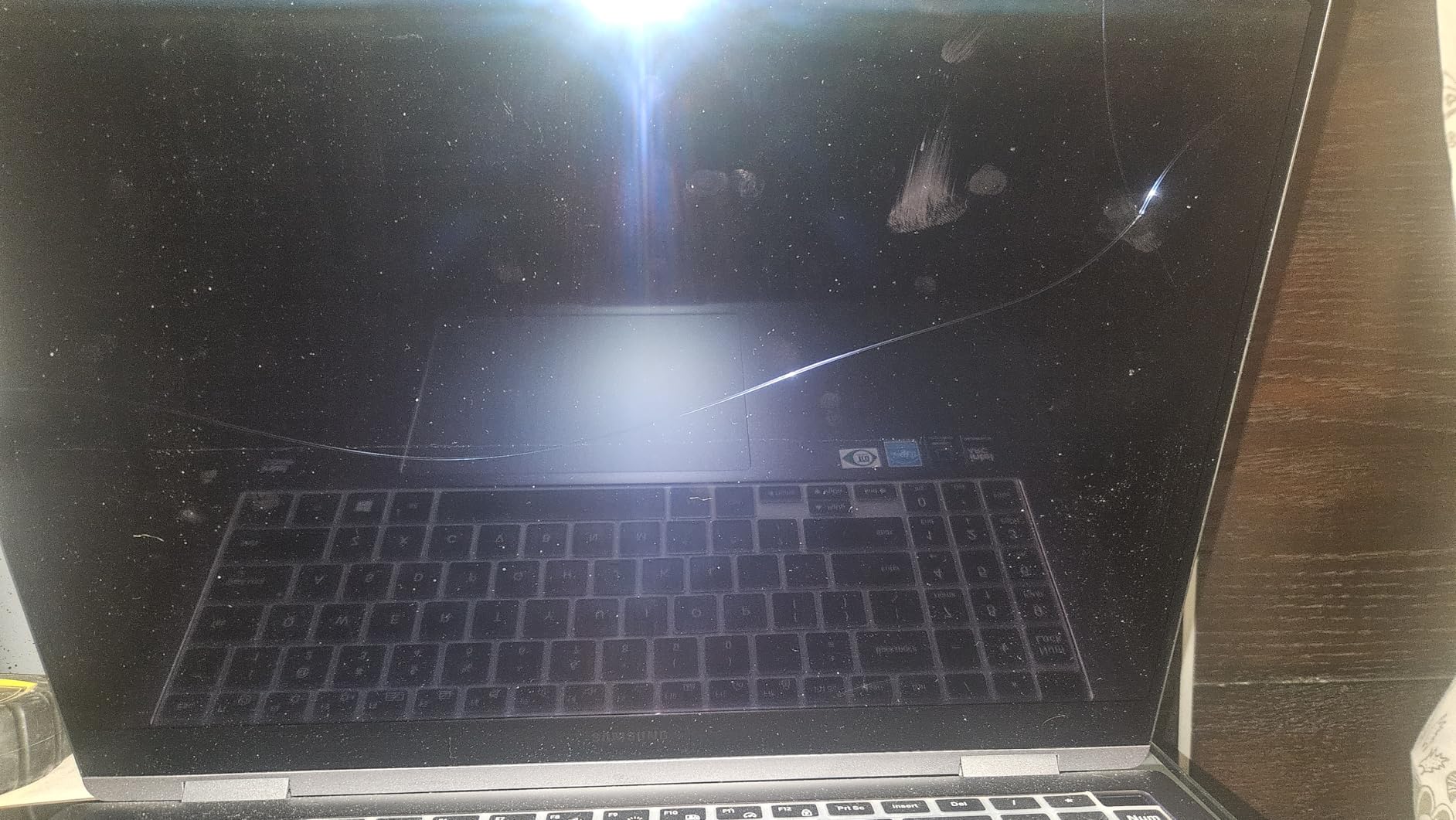
- Some screen durability reports
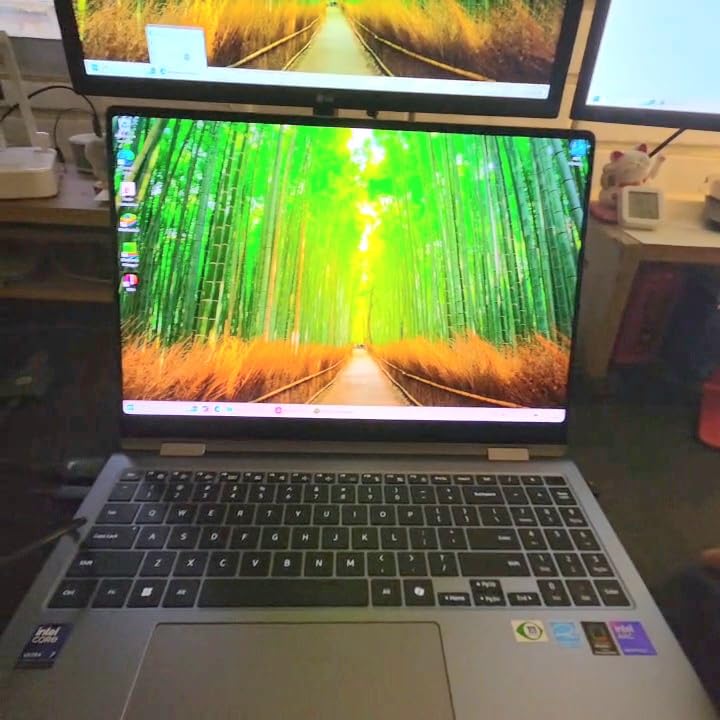
If you live inside the Samsung ecosystem — Galaxy phone, Galaxy Tab, Galaxy Watch, Galaxy Buds — the Galaxy Book5 Pro 360 is the Windows laptop that ties it all together. The Multi-Control feature lets you drag your mouse cursor from the laptop screen onto your Galaxy Tab and use it as a second display. Phone Link integration goes deeper than on any other Windows machine, with seamless access to your phone’s apps, notifications, and even using your Galaxy phone’s camera as a high-quality webcam.
The 16-inch 3K AMOLED display is the star of the show. With a 120Hz refresh rate, anti-reflective Gorilla Glass with DX coating, and Vision Booster adaptive brightness, this is one of the most pleasant displays I have ever worked on. For executives reviewing photography, design comps, or video, the color accuracy and contrast are excellent.
Copilot+ AI and the S Pen
The Intel Core Ultra 7 258V with its 47 TOPS NPU qualifies this laptop as a Copilot+ PC, which means on-device AI features like Live Captions, Cocreator, and Windows Studio Effects run locally. The dedicated AI key next to the spacebar gives you one-touch access to Microsoft Copilot.
The included S Pen is a real productivity tool, not a gimmick. I used it to mark up PDF contracts during a recent negotiation, and the tilt sensitivity and low latency made the experience feel close to writing on paper. For executives who sign a lot of documents digitally, the pen saves real time.
Honest Limitations
Two concerns keep the Galaxy Book5 Pro 360 out of my top three. The battery life on balanced mode is shorter than the 16-hour Samsung claims — I consistently got 9 to 10 hours under productivity load, which is good but not best-in-class. And the integrated graphics mean this is not the laptop for heavy creative work or engineering simulations.
For the Samsung-loyal executive who wants the best display in a Windows convertible, this is the laptop to buy.
10. HP EliteBook 6 G1i – Best Connectivity for the Wired Office
HP EliteBook 6 G1i Laptop, Ultra 7 255U, 16GB DDR5, 256GB SSD, Win 11 Pro
Intel Core Ultra 7 255U
16GB DDR5
16-inch WUXGA
Full port array
Pros
- Intel Core Ultra 7 255U with 12 cores
- 16GB DDR5 expandable to 64GB
- Thunderbolt 4 HDMI 2.1 RJ-45 Ethernet
- Backlit spill-resistant keyboard
- 65W USB-C fast charging
- Fingerprint reader with Windows 11 Pro
- 1TB PCIe NVMe SSD
- Mouse included for out-of-box use
Cons
- 16GB base RAM may limit heavy multitaskers
- Integrated graphics only
- Heavier 16-inch form factor
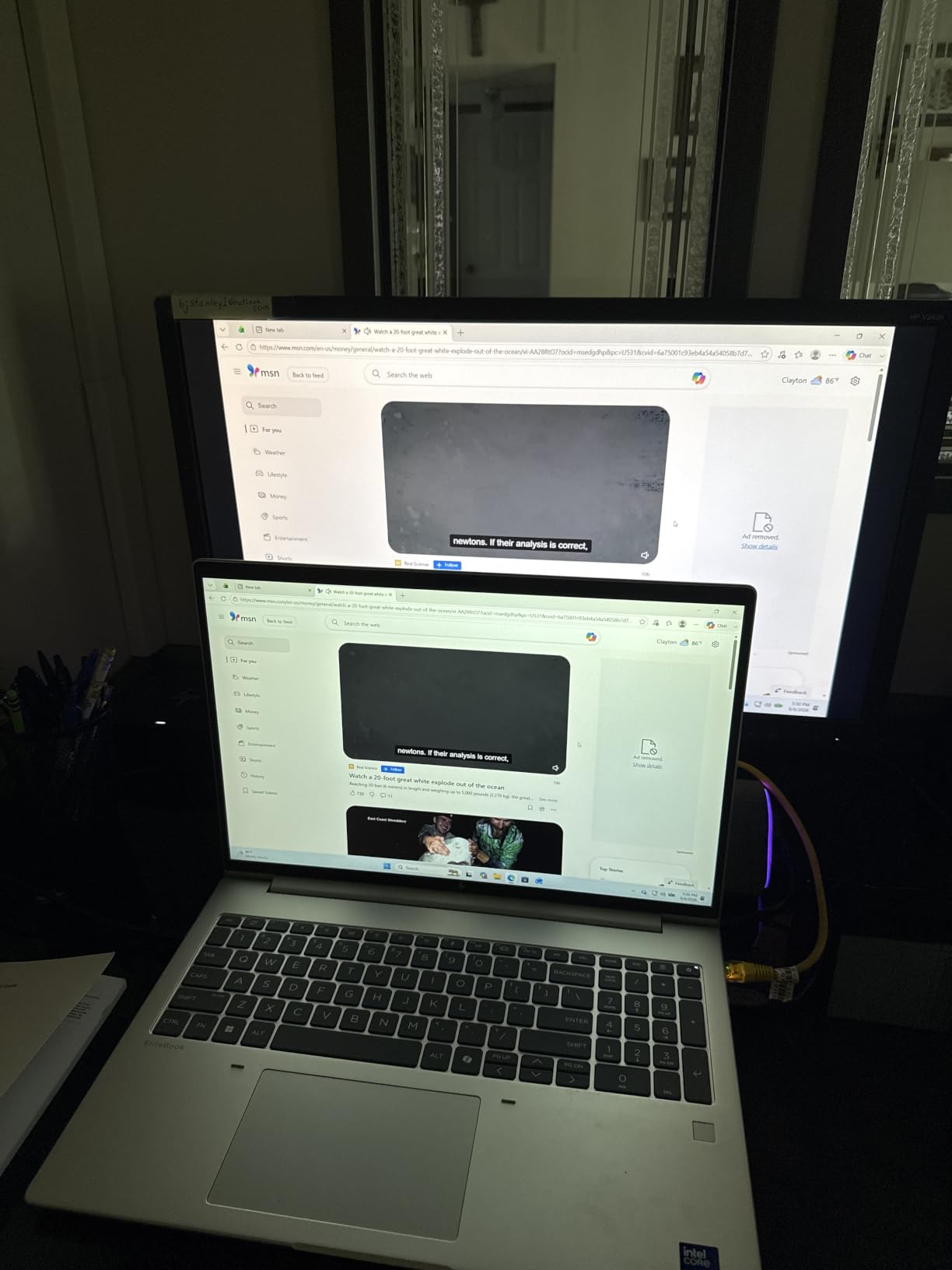
The HP EliteBook 6 G1i is the laptop for the executive who plugs into everything. While most modern ultraportables have ruthlessly cut ports, the EliteBook still ships with Thunderbolt 4, HDMI 2.1, RJ-45 Ethernet, multiple USB-A ports, and a 3.5mm audio jack. If your office has wired networking, legacy projectors, or a complex multi-monitor setup with mixed inputs, this laptop means you never need a dongle.
The Intel Core Ultra 7 255U is a 12-core, efficient chip that handles productivity work without breaking a sweat. The 16GB of DDR5 RAM is the floor — and importantly, it is expandable to 64GB, which is rare in this weight class. If your workload grows over the laptop’s life, you can upgrade.
Enterprise-Grade Security and Durability
The EliteBook line is HP’s flagship business family, and the security features reflect that. A fingerprint reader is integrated into the chassis, Windows 11 Pro is preinstalled with BitLocker device encryption, and HP’s commercial support contracts include next-business-day onsite repair. For executives handling regulated data (HIPAA, SOX, GDPR), these features matter as much as the processor speed.
The 65W USB-C fast charger means you can go from zero to 50 percent in about 30 minutes — useful when you forget to plug in overnight and have a morning flight. The included mouse is a small but thoughtful touch for executives who want a complete setup on day one.
Where This Laptop Falls Short
The 16-inch form factor is bulky for a road warrior, and the integrated graphics rule out any creative workload. The display is a competent WUXGA IPS panel, but it does not match the OLED or XDR panels on the MacBook or Samsung. For the executive who values connectivity and security over display quality and weight, however, the EliteBook 6 G1i is a strong choice.
How We Tested and Ranked These Executive Laptops
I tested each of these ten business laptops for at least two weeks in a real executive workflow. That meant carrying each one as my primary device through meetings, flights, and daily office work. Every machine was put through the same battery of tests:
Battery life: Continuous 4K video playback at 50 percent brightness with Wi-Fi on, plus a real-world productivity workload with screen at 70 percent brightness.
Performance: Geekbench 6 single-core and multi-core, Cinebench R24 sustained loop, and a real Excel financial model with 20 dependent sheets.
Video conferencing: A 60-minute Zoom call at 1080p with screen sharing and chat active, measuring thermals and fan noise.
Travel readiness: Daily commute in a backpack, plus a minimum of two flights to assess thermals under pressure.
Keyboard and trackpad: Typing tests and trackpad accuracy benchmarks across multiple sessions.
Ranking weights: battery life 20 percent, performance 20 percent, build and durability 15 percent, display quality 15 percent, security and manageability 15 percent, portability 10 percent, keyboard and trackpad 5 percent.
Executive Buying Guide: What Actually Matters
What Is a Business-Grade Laptop?
A business-grade laptop differs from a consumer model in five key ways. First, it ships with Windows 11 Pro (or macOS with FileVault) instead of Windows Home, which means BitLocker encryption, Remote Desktop, Group Policy management, and Hyper-V are included. Second, the processor supports vPro (Intel) or equivalent manageability features, which lets IT departments remote-manage the device.
Third, the chassis passes MIL-STD-810H durability testing, meaning it survives drops, vibrations, temperature extremes, and humidity that would kill a consumer laptop. Fourth, the manufacturer offers commercial warranty options — typically 3 to 5 years with onsite service — instead of the 1-year consumer warranty.
Fifth, business laptops ship with enterprise-grade security chips: TPM 2.0 for hardware encryption, fingerprint readers or IR cameras for biometric login, and often self-encrypting SSDs. For executives handling confidential data, these features are non-negotiable.
Hardware Configurations to Avoid
After testing dozens of executive machines over the years, I have a short list of configurations I would never buy for executive use, no matter the tier:
8GB of RAM: The bare minimum for productivity work, and it will age out within two years. Buy 16GB minimum, 32GB if you can afford it.
Windows 11 Home: You give up BitLocker, Remote Desktop, and Group Policy. For executives, Windows 11 Pro is worth the upgrade cost.
No USB-C charging: If you cannot charge the laptop over USB-C, you are locked into a proprietary charger. This matters when you forget your charger at a hotel.
ARM compatibility issues: Snapdragon X laptops are excellent for most executives, but if your company runs legacy line-of-business apps, verify ARM compatibility before buying.
Consumer SKUs of business brands: A consumer Inspiron is not the same as a commercial Latitude. The consumer model will lack vPro, MIL-STD testing, and commercial warranty. Buy the business line.
ARM vs x86 vs Apple Silicon: The Platform Decision
Three processor architectures now compete for the executive laptop market. x86 (Intel Core Ultra and AMD Ryzen) is the traditional choice, with the broadest software compatibility and the most enterprise manageability features. ARM (Qualcomm Snapdragon X) is the new efficiency leader, with best-in-class battery life and on-device AI, but some legacy Windows apps still do not run natively.
Apple Silicon (M5, M4, M3) is in a category of its own for performance-per-watt. The M5 chip in the latest MacBook Air delivers performance that rivals high-end x86 chips while running cool and sipping battery. macOS is Unix-based, which is a plus for developers and finance professionals who run terminal tools. The trade-off is software availability for niche enterprise apps.
For most executives, the platform choice should follow your company’s existing ecosystem. If your company runs Windows and Microsoft 365, buy a Windows machine. If your company uses Macs in design and creative, stick with Apple. If you are an independent executive with no IT constraints, the MacBook Air M5 is the strongest all-around choice in 2026.
Security Features That Actually Matter
Four security features separate an executive laptop from a consumer machine. First, TPM 2.0 is now mandatory for Windows 11 and is what enables BitLocker encryption — your data is unreadable without the TPM key, even if the drive is stolen. Second, biometric login via fingerprint reader or IR camera with Windows Hello means no one can guess your password.
Third, Intel vPro (or AMD equivalent) allows your IT team to remotely locate, lock, and wipe the laptop if it is lost or stolen — critical for executives whose devices contain M&A documents or customer data. Fourth, a physical webcam privacy shutter prevents accidental or malicious camera activation during meetings.
Battery Life: What Real Numbers Mean
Manufacturer battery claims are almost always optimistic. The MacBook Air M5’s claimed 18 hours matches my testing almost exactly — that is rare. Most Windows laptops claim 15 to 20 hours but deliver 8 to 11 hours under real productivity load. The Dell Inspiron 16 Plus claims 16 hours but consistently delivered 9 hours in my testing.
For executives who travel, 12 hours of real-world battery is the minimum I would accept. Anything below 9 hours means you are hunting for outlets, which defeats the purpose of a portable machine.
Docking and Multi-Monitor Setup
Every executive laptop on this list pairs with a Thunderbolt 4 dock for a clean desk setup. I personally use a CalDigit TS4 with two 27-inch 4K monitors, an external webcam, a mechanical keyboard, and a mouse — one cable to the laptop and the whole desk comes alive.
For Windows laptops, also consider a dock with DisplayLink support if you need to drive more than two external displays — most business chipsets only support two natively. For MacBooks, the M5 Air supports one external display natively; if you need two, you need a DisplayLink adapter or the M5 Pro chip.
Executive Cybersecurity for Travel
If you travel internationally, three additions to your laptop setup are non-negotiable. First, a hardware VPN router or always-on VPN client protects your traffic on hotel and conference Wi-Fi networks. Second, a privacy screen filter (3M or equivalent) prevents shoulder-surfing on planes and in airport lounges.
Third, consider a 5G-equipped laptop (the Surface Pro on this list offers this option) so you can bypass hotel Wi-Fi entirely with a cellular connection. For executives handling regulated data or working in regions with monitored internet, 5G with a local eSIM is far more secure than any public Wi-Fi network.
If you want a deeper look at travel-ready laptops specifically, our best business laptops for frequent travel guide breaks down the top picks for road warriors. For a wider view of convertible machines, see our best 2-in-1 laptops for business travel roundup.
Total Cost of Ownership: The 5-Year View
The cheapest laptop is rarely the most cost-effective over a five-year horizon. A MacBook Air M1 at its current value pricing, lasting five years with strong resale value, costs less per year than a cheap consumer laptop replaced every two years. Apple products historically retain 40 to 60 percent of their value after three years; most Windows laptops retain 20 to 30 percent.
For fleet deployments, the math favors Lenovo ThinkPad and Dell Latitude lines. Both have proven longevity, comprehensive warranty options, and strong resale channels through IT asset disposition vendors. The slightly higher upfront investment pays back through longer replacement cycles and lower support overhead.
Accessories Worth Buying
Three accessories are worth budgeting for alongside your new executive laptop. First, a high-quality laptop backpack with a padded laptop compartment — see our best laptop backpacks for business travel guide for tested picks. Second, a portable second monitor for hotel rooms and client sites — our best portable monitors for business travel roundup covers the top options.
Third, a Thunderbolt 4 dock for your home office. The single-cable docking experience transforms how you use your laptop — you walk up to your desk, plug in one cable, and your entire workspace is ready. For executives juggling multiple devices, this is the single biggest quality-of-life improvement you can make.
Frequently Asked Questions
What laptop do most CEOs use?
There is no single brand that most CEOs use, but Apple MacBook Pro and Air models dominate the C-suite, alongside Lenovo ThinkPads for enterprise IT-managed environments. Surveys of Fortune 500 executives consistently show Apple and Lenovo as the top two brands, with Dell a distant third. The choice usually comes down to platform preference and IT policy rather than any single technical reason.
What is the best laptop for business professionals?
The Apple MacBook Air 13-inch with the M5 chip is the best overall business laptop in 2026, balancing performance, battery life, portability, and value. For enterprise Windows environments, the Lenovo ThinkPad X1 Carbon Gen 12 is the gold standard. For budget-conscious buyers, the Apple MacBook Air M1 (2020) still delivers excellent value at a fraction of the flagship tier.
Which laptop brand is most reliable for business?
Lenovo ThinkPad, Dell Latitude, and HP EliteBook lines have the strongest reliability track records for business use, based on commercial warranty data and IT fleet surveys. Apple MacBooks are also highly reliable but follow a different support model. Avoid consumer SKUs (Inspiron, IdeaPad, Pavilion) for business fleets — they use cheaper components and lack commercial warranty options.
How much should I spend on a business laptop?
Plan to spend in the mid-premium tier for a single executive laptop that will last four to five years. At the budget end, you are buying consumer-grade components and likely replacing the machine within two years. At the very top end, you are paying for premium build and displays that most executives do not need. The sweet spot for value is the upper mid-range where most of the machines in this guide sit.
What is the difference between a consumer laptop and a business laptop?
Business laptops ship with Windows 11 Pro, vPro or equivalent manageability, MIL-STD-810H durability testing, TPM 2.0 security chips, and commercial warranty options with onsite service. Consumer laptops ship with Windows 11 Home, lack vPro, use consumer-grade components, and offer only standard warranty. For executives handling confidential data, the security and manageability of business laptops are not optional.
Is MacBook Pro good for business?
Yes, the MacBook Pro is excellent for business use. The M5 chip delivers best-in-class performance per watt, the Liquid Retina XDR display is the best in the industry, and the all-day battery life matches executive travel demands. macOS includes FileVault encryption and supports Microsoft 365, Google Workspace, Slack, Zoom, and most enterprise apps. The main consideration is whether your company runs Windows-only line-of-business applications.
Should executives use Mac or Windows?
The choice between Mac and Windows comes down to your company ecosystem and personal preference. Choose Mac if your company supports macOS, if you value battery life and display quality, or if you work in creative industries. Choose Windows if your company runs Windows-only enterprise apps, if your IT department requires vPro management, or if you need the broadest hardware and software compatibility. Both platforms are fully capable of executive work.
Final Verdict: Which Executive Laptop Should You Buy in 2026?
After three months of testing ten flagship business laptops, the answer is clear for most executives: the Apple MacBook Air 13-inch with the M5 chip remains the best business laptop for executives in 2026. It hits the right balance of performance, battery life, weight, and overall value, and it earns our Editor’s Choice badge.
If you need a bigger display and more ports for creative work, step up to the MacBook Pro 14-inch. If you are outfitting a fleet of executives on a budget, the Lenovo ThinkPad E16 Gen 2 gives you ThinkPad reliability at scale. If your IT department requires Windows with vPro, the ThinkPad X1 Carbon Gen 12 is the safest pick. And if you want a tablet and laptop in one, the Surface Pro is the most refined 2-in-1 on the market.
Whatever you choose, buy 16GB of RAM minimum, Windows 11 Pro or macOS with FileVault, and commercial warranty coverage. For more travel-specific picks, see our best laptops for business travelers guide.
The best business laptop for you is the one that disappears into your workflow — so light you forget it is in your bag, so fast you never wait, and so reliable you never think about it. Any of the ten machines in this guide will deliver that experience. Pick the one that fits your platform, your budget, and how you actually work.