
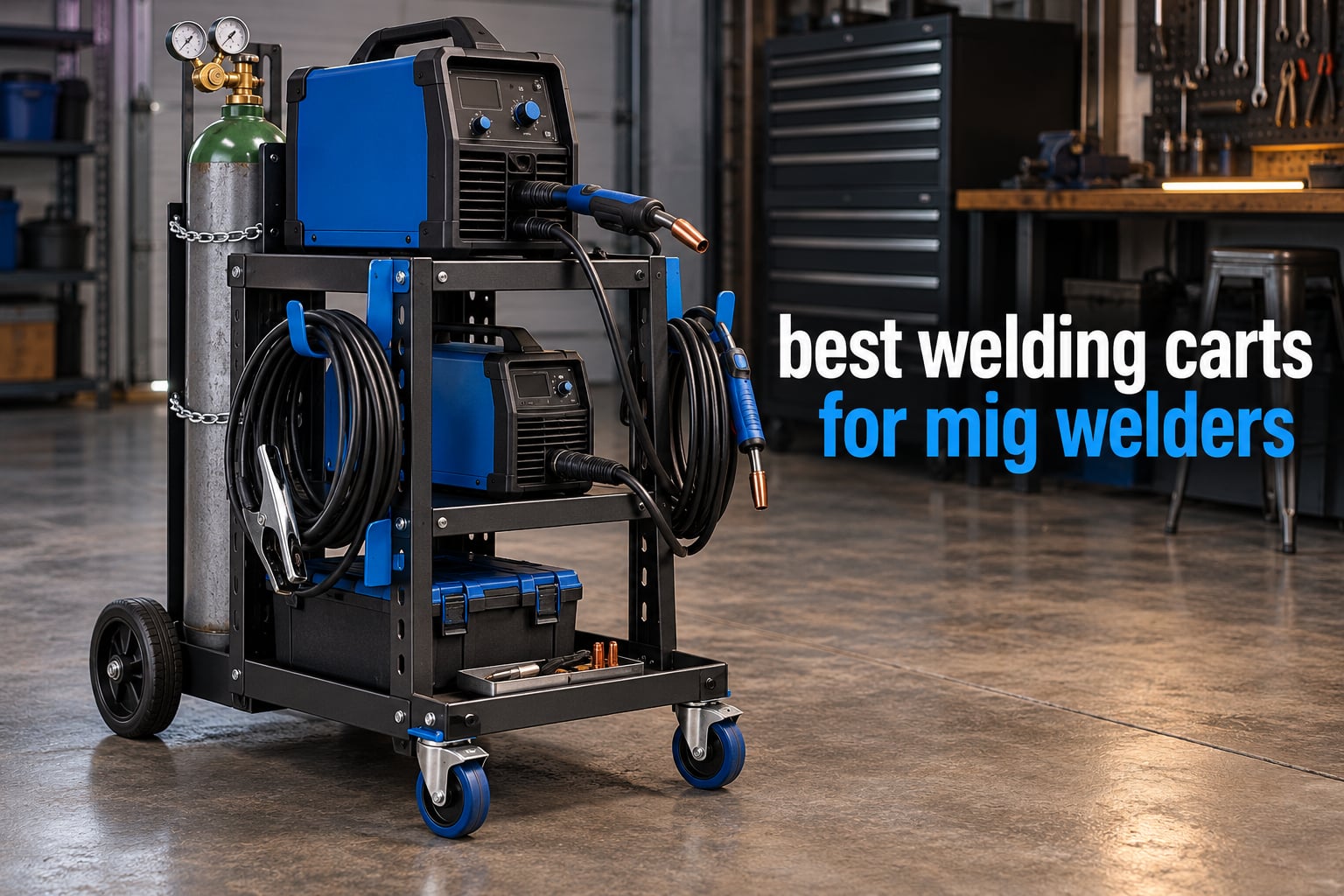
The best welding carts for MIG welders are not all that complicated to pick, but two details decide whether you love or regret the purchase: whether your gas bottle actually fits the rack, and whether the cart stays upright when the bottle, the welder and a plasma cutter are all loaded. I have been chasing both problems through shop floors for years, and they are the two questions welders argue about most on Garage Journal and r/metalworking.
That is exactly why the roundup below exists. Instead of listing the biggest names, I compared ten MIG welder carts by static load capacity, cylinder fit, wheel configuration, shelf geometry and assembly pain, then wrote up what each one is genuinely good at and where owners report friction. Specs and ratings were checked on September 30, 2026.
Here is the short version. If you want the single most proven cart in the group, the VEVOR 3-Tier is it, with 400 lbs of static capacity and by far the largest review base. If your welder is a small inverter and your bay is tight, the ZIXNEXKOO tilt-table cart is the one I would look at first. If you want drawers, the YESWELDER and TOOLIOM carts are the two worth comparing.
One more framing note before we start. If you run flux core wire, you do not need a cylinder rack at all, and that single fact changes what you should buy. A compact three-shelf frame with good casters will serve you better than any dual-bottle cart. Everything below covers the shielding gas case, since that is the harder problem to solve.
Our Top 3 Welding Carts for MIG Welders in 2026
The VEVOR wins this list because it is the least risky purchase of the ten. More than sixteen hundred reviews give you a realistic picture of what breaks, and the recurring complaints are all fixable in an afternoon with a hex key. The Weldpro takes the premium slot because its trays are genuinely larger and its assembly time is measured in minutes rather than an evening. The YESWELDER earns the value slot because four drawers plus a 245 lb frame is a combination nothing else in this price band offers.
Comparing All 10 Welding Carts for MIG Welders in 2026
| Product | Specs | Action |
|---|---|---|
| VEVOR 3-Tier Welding Cart |
|
Check Latest Price |
 YESWELDER 4-Drawer Welding Cart YESWELDER 4-Drawer Welding Cart |
|
Check Latest Price |
 Weldpro 3-Tier Heavy Duty Cart Weldpro 3-Tier Heavy Duty Cart |
|
Check Latest Price |
 Eastwood 3-Shelf Welding Cart Eastwood 3-Shelf Welding Cart |
|
Check Latest Price |
 Lincoln Electric K2275-3 Cart Lincoln Electric K2275-3 Cart |
|
Check Latest Price |
 Foxngear 3-Tier Welder Cart Foxngear 3-Tier Welder Cart |
|
Check Latest Price |
 AQNIEGEP 3-Tier Welding Cart AQNIEGEP 3-Tier Welding Cart |
|
Check Latest Price |
 TOOLIOM 4-Drawer Welding Cart TOOLIOM 4-Drawer Welding Cart |
|
Check Latest Price |
 ZIXNEXKOO Tilt-Table Welding Cart ZIXNEXKOO Tilt-Table Welding Cart |
|
Check Latest Price |
 DIY HOME 3-Tier Welding Cart DIY HOME 3-Tier Welding Cart |
|
Check Latest Price |
Read that table as a filter rather than a ranking. The capacity column tells you how much machine you can put on top, the cylinder figures tell you whether your bottle drops in or does not, and the wheel numbers tell you how it behaves on a concrete floor with a full load.
1. VEVOR 3-Tier Welding Cart – The Most Proven Cart for a Garage MIG Setup
VEVOR Welding Cart, 3-Tier Welder Cart Heavy Duty 400 LBS Weight Capacity
400 lbs static / 370 lbs dynamic
3 tiers plus 2 cylinder slots
2.9 inch front casters, 7 inch rear
28 x 11.4 x 23.6 inch footprint
Pros
- 400 lbs static capacity handles a welder
- plasma cutter and full bottle
- Three tiers plus side brackets for guns and tools
- Cylinder slots with stainless steel safety chains
- 360 degree swivel front casters with large stable rear wheels
- Holds up well for the money
Cons
- Flat-pack assembly takes an hour or more and instructions can be unclear
- Top shelf lip and handle can interfere with opening a welder side door
- Included bolts and hardware are soft and can strip
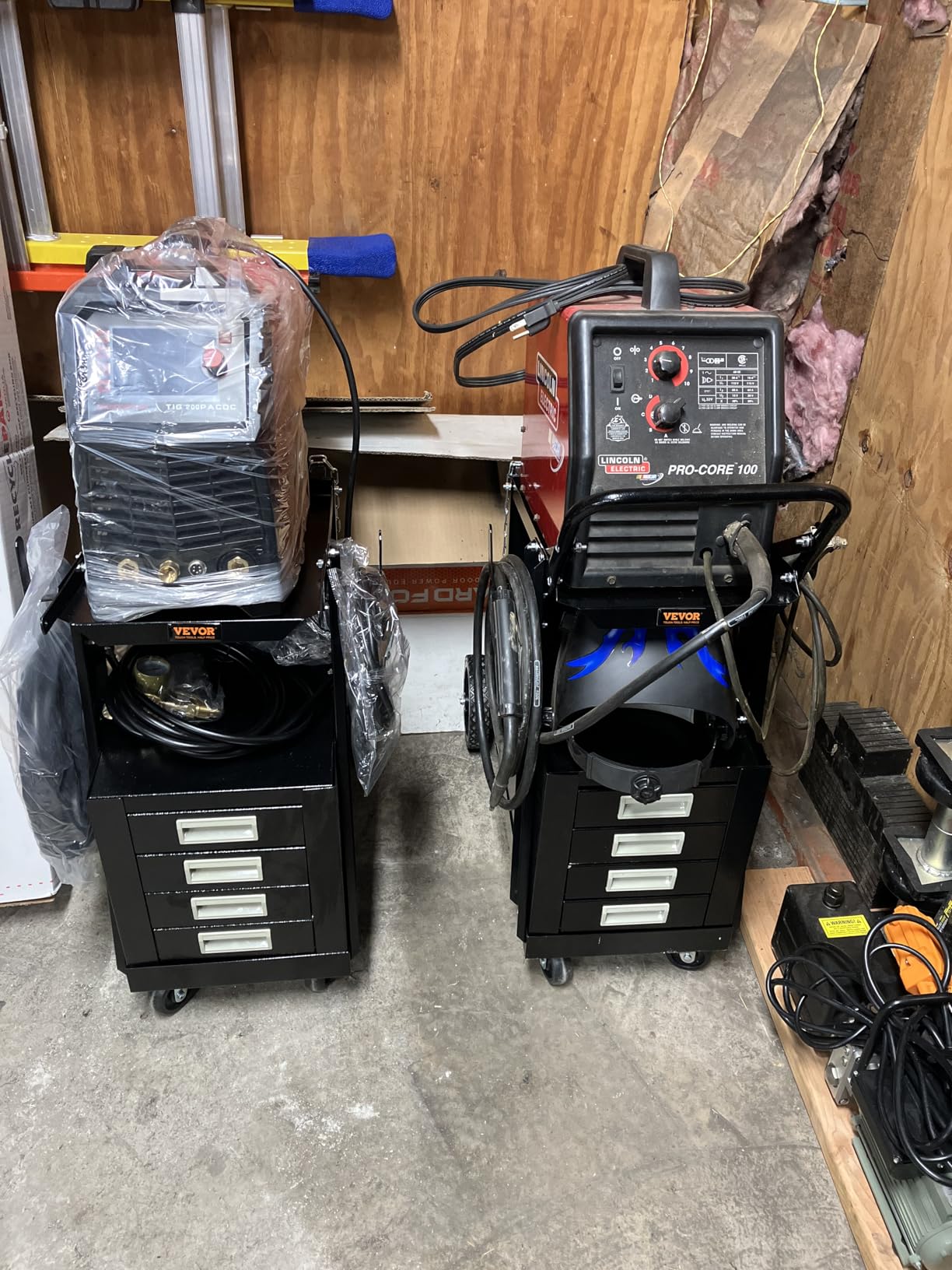
This is the cart I put on a Miller-sized machine in a two-car garage and forgot about, and that is the highest compliment I can pay a piece of shop equipment. Sixteen hundred owners have now said roughly the same thing, which makes it the least risky option in the group by a wide margin.
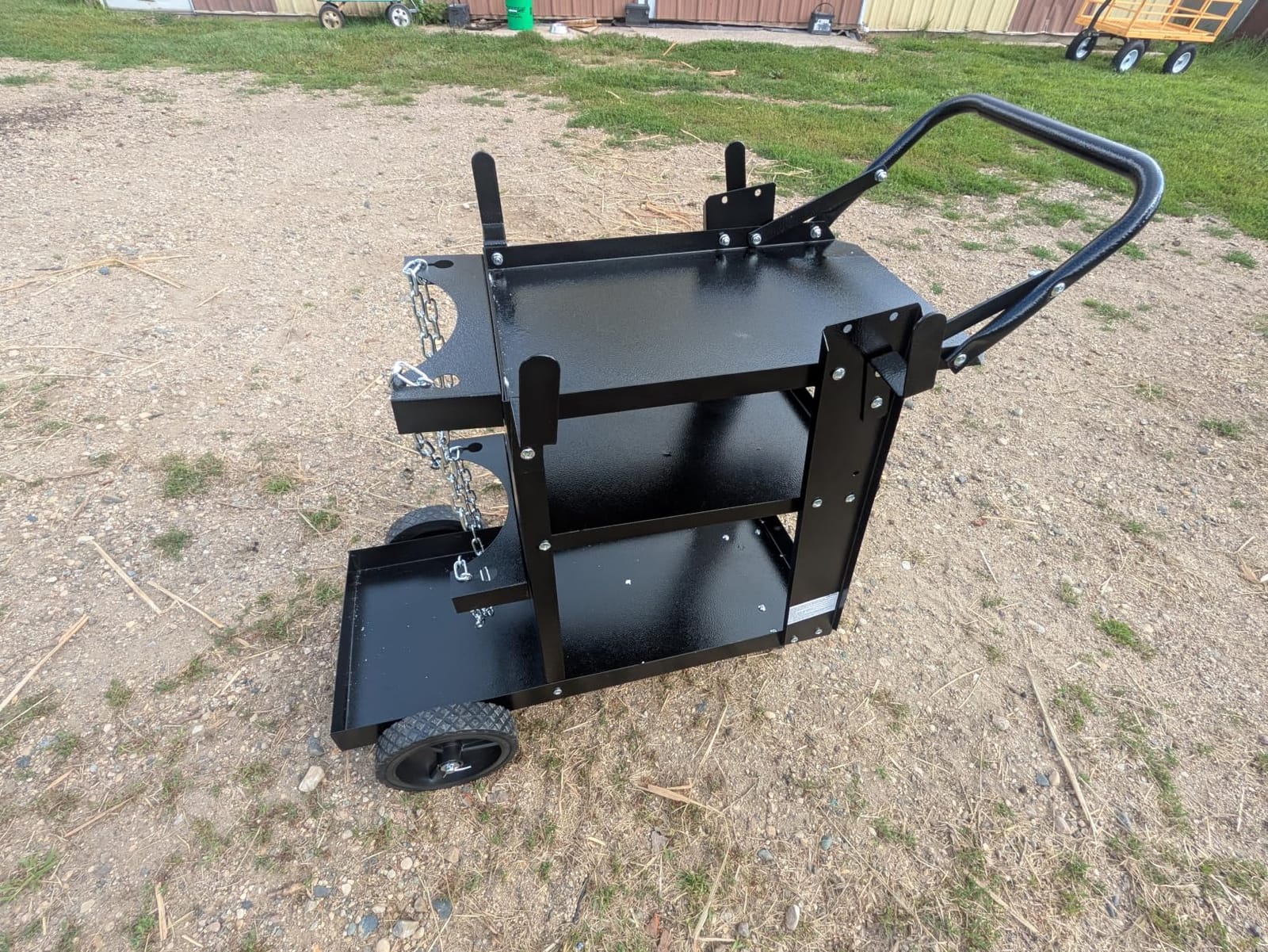
The frame is Q195 steel with a claimed 400 lbs static and 370 lbs dynamic rating. In practice a 45 lb inverter welder, a plasma cutter and a full bottle still leaves plenty of headroom, and the narrow-top, wide-bottom tray arrangement keeps the center of gravity low even when everything is aboard.
Load capacity and tray layout in real use
The upper and middle trays measure 11 by 18.1 inch, which fits most inverter MIG welders without overhang. The bottom tray is 28 by 11.4 inch, and that is where the real storage wins come from, because it holds the plasma cutter, the gas bottle rack hardware and bulk consumables without crowding the top.
The adjustable inclined top shelf is the feature owners mention most when they describe adjusting a machine. A tilted top puts the amperage and wire feed controls at a reachable angle instead of forcing you to crouch behind the frame.
Cylinder fit and the two-slot layout
There are two gas cylinder slots with two stainless steel safety chains, and both slots sit toward the rear of the frame. Owners running a single bottle commonly use one slot and store a second bottle or a chip cart in the other, which is exactly how a two-station shop gets around needing a dual-bottle cart.
Forum advice that I agree with: weld or lay a small rubber mat under the bottle slot. Owners repeatedly report the cylinder sliding and scuffing the paint during transit, and a mat solves it in a way no chain ever will.
Wheels, casters and shop floor behavior
Two 2.9 inch swivel casters up front and two 7 inch rear casters is the standard layout in this category, and it works. The rear wheels carry the load and roll over thresholds and gravel driveways, while the small front casters let you steer the loaded cart rather than pivot it.
This is also where top-heaviness bites. A full bottle sits high on the rear axle, and pushing the cart too quickly across a floor joint can make it wander. Slow down through doorways and you will never notice.
Assembly reality and the known fixes
Owners consistently report an hour or more of flat-pack assembly, and the instructions are the weak point rather than the parts. Two fixes come up over and over: hand-tighten the hardware rather than using a power driver, because the included bolts are soft enough to strip, and check the top shelf lip against your welder’s side door before you commit.
That second point is the one real compatibility complaint. If your machine has a side-loading door that swings past the shelf edge, you may need to slide the welder to one side to reach it. Measure the door swing before ordering and you will avoid the whole issue.
2. YESWELDER 4-Drawer Cart – Best Value for Shops That Want Organized Consumables
YESWELDER 2-Tier Welding Cart with 4 Drawers and Dual Cylinder Slots
245 lb weight capacity
4 drawers plus 2 cylinder slots
Cylinders up to 10 inch diameter
27.8 x 11.02 x 27.17 inch
Pros
- Sturdy enough to hold a welder and a full CO2 bottle
- Four smooth drawers keep consumables organized
- Rolls smoothly even over gravel driveways
- Side hooks for cables
- tape measures and cords
- Rust-proof paint finish
Cons
- Top shelf is only large enough for a small welder
- Assembly takes about an hour and instructions are imperfect
- Included screws are soft and strip if a power tool is used
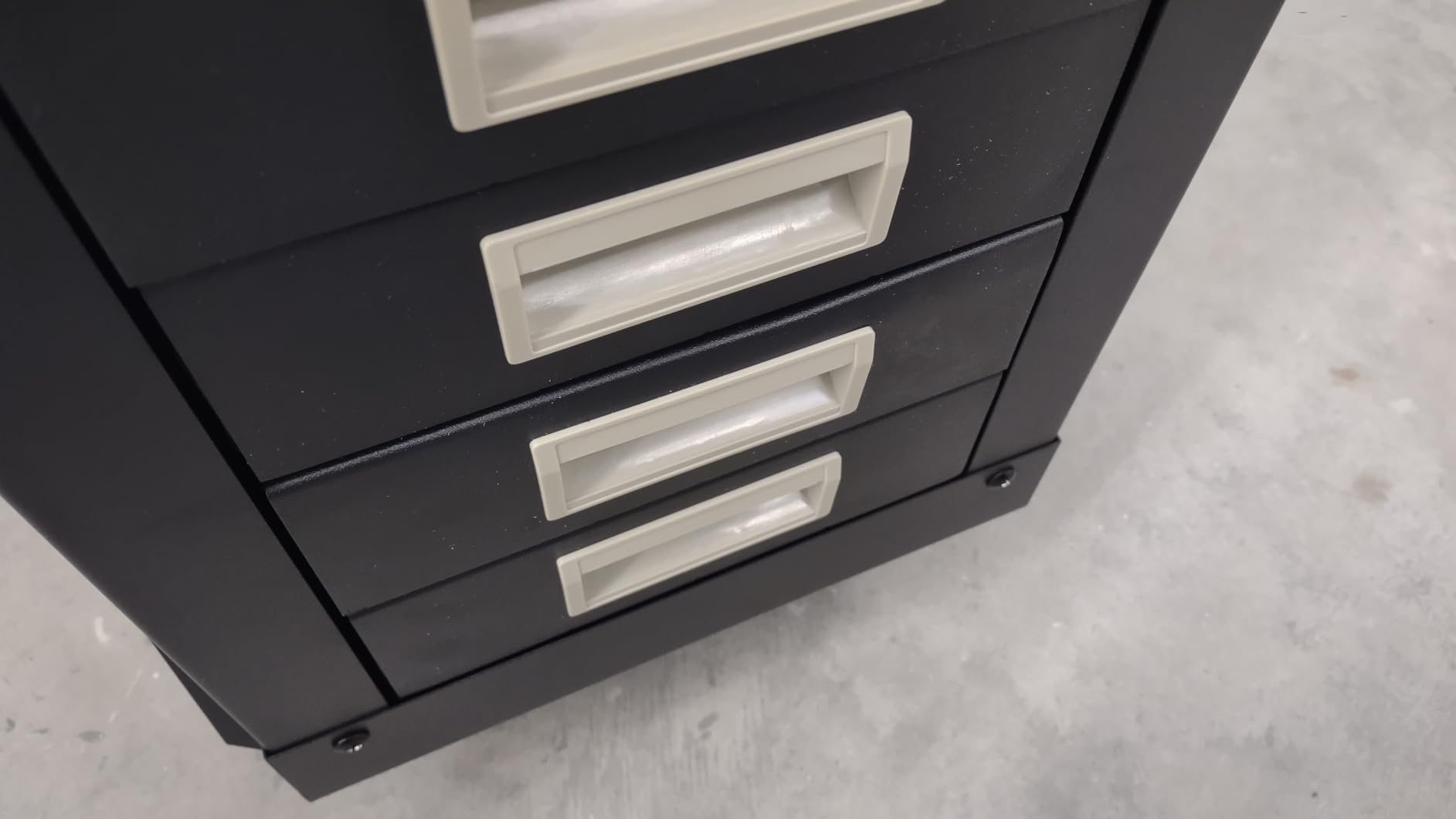
Drawers are the reason to buy this cart instead of an open-shelf frame. If your consumables problem is wire spools, contact tips, nozzles and gloves scattering across a bench, four sliding drawers change the way you work rather than just where you store things.
The frame is alloy steel with a 245 lb rating, which is honest for a machine plus a bottle. It is not the number you want if you are stacking a plasma cutter on the middle tier as well, so treat the capacity as a real ceiling rather than a marketing figure.
Why the four drawers matter more than the shelf count
Each drawer measures 11.22 by 8 inch, which is deep enough for contact tips, nozzles, rolls of wire and a welding helmet laid flat. Owners report the slides run smoothly even when the cart is fully loaded, and that is the difference between a cart you use and a cart you fill once.
Veteran fabricators on forums often argue against overbuying storage, saying experienced welders keep very little with the machine. That argument is fair, and this cart answers it better than open shelves, because a drawer you never open stays shut instead of turning into a junk drawer.
Cylinder slots sized for larger bottles
The slots measure 11.2 by 10.47 inch with a 29.5 inch chain, and the manufacturer states that cylinders up to 10 inch diameter are accommodated. That is the widest published cylinder figure in this roundup, and it comfortably covers both 7 inch and 9 inch bottles.
Two reinforced slots mean you can carry a shielding gas bottle and a second cylinder, or a bottle plus a spare, without adding a second cart. For a shop running more than one station, that flexibility is genuinely useful.
Top shelf width is the limiting factor
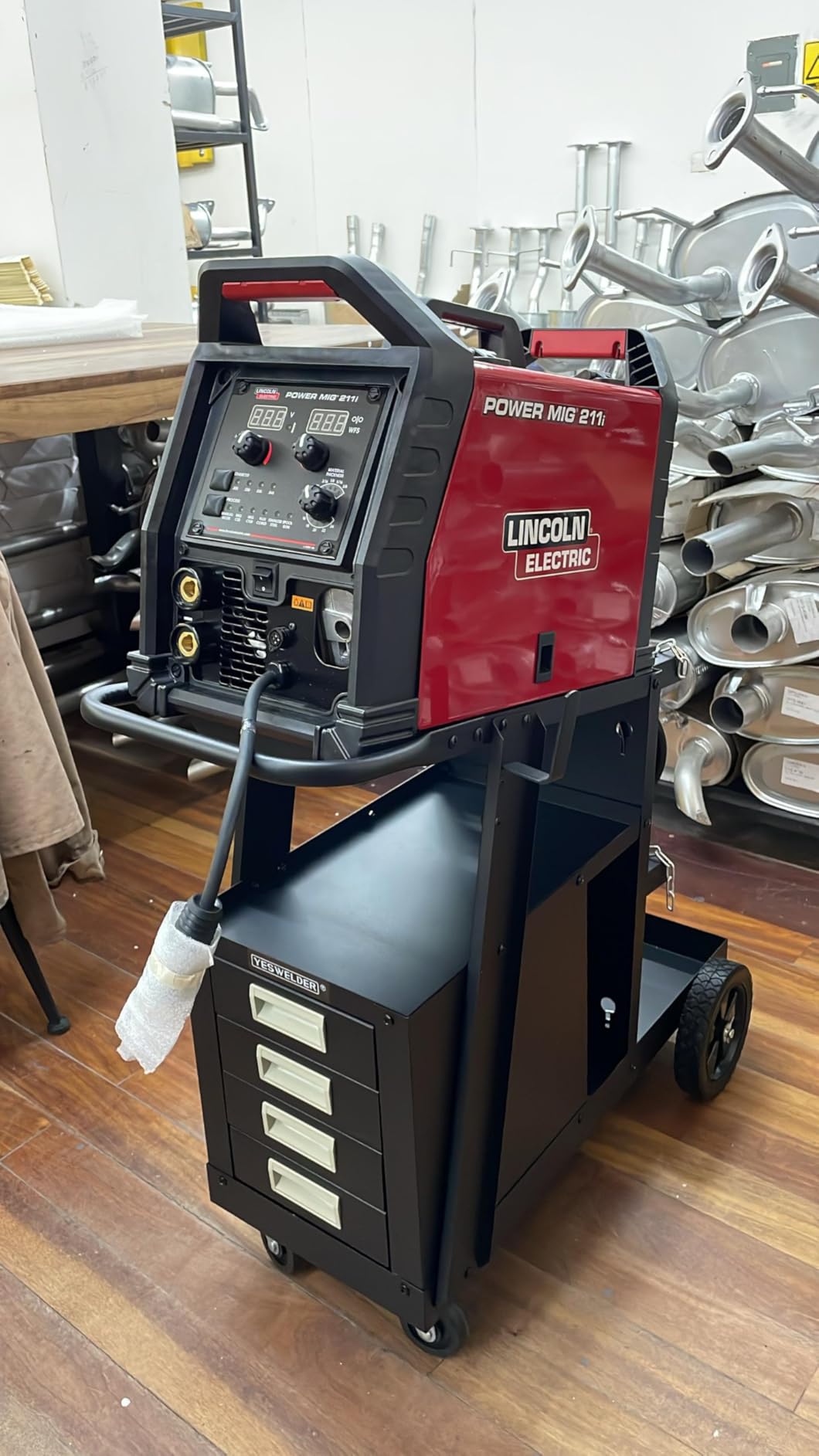
The top layer measures 11.3 by 17.7 inch with a maximum placement width of 10.6 inch, and that is the constraint to plan around. Owners report it comfortably holds a Lincoln 140 class machine but gets tight with anything wider, including some mid-size inverter welders with side doors.
Measure your machine including the door swing, not just the body. If your welder is wider than 10.6 inch, this cart will fight you every time you open the wire compartment, and a three-shelf open frame will serve you better.
Rolling behavior and assembly
Two swivel casters and two heavy-duty rear wheels roll smoothly over concrete and gravel, which owners specifically call out. Expect roughly an hour of assembly, and hand-drive the included screws, because they strip if you use a power driver.
Drawers that pop open over bumps are a reported issue, so latch them before you move the cart over rough ground. It is a small habit that prevents bent drawer slides.
3. Weldpro 3-Tier Heavy Duty Cart – Premium Pick for Large Welders and Plasma Cutters
Weldpro 3-Tier Heavy Duty Welding Cart, Welder Cart for MIG/TIG Welder & Plasma Cutter, 400Lbs Capacity Rolling Welding Trolley with 360°Swivel Wheels & Safety Chains
400 lbs static load capacity
Upper trays 20.9 x 13 inch
125 CF cylinder safety chains
40.5 x 13.3 x 30.7 inch
Pros
- Thickened steel plate with anti-rust textured finish
- Large 3-tier layout fits most standard welders
- Stability with no wobble even at full load
- Smooth quiet wheels on concrete and gravel
- Clear instructions and quick assembly
Cons
- Cable hooks and cylinder strapping are laid out around Weldpro machines
- Longer footprint takes more floor space than a two-tier cart
This is the cart I recommend when a full-size welder and a plasma cutter have to live on the same frame. Sixty-six percent of its reviews are five star, and the most common theme in the rest is tray size, which is the thing that actually limits you in this category.
At 40.5 inch long by 13.3 inch wide by 30.7 inch tall, it is a large cart. If your garage is tight, that footprint is the tradeoff you accept for never again hunting for a free corner to set the plasma cutter down.
Tray dimensions that swallow a full-size machine
The upper and middle trays measure 20.9 by 13 inch, and the bottom tray is 33.1 by 13.8 inch. Compare that to a typical two-tier cart with an 11 inch wide top tray, and the difference in what fits is obvious rather than marginal.
That tray size is why owners report holding a full-size welder on one tier and a plasma cutter on the next without overhang. If you have ever had to leave a machine on the floor because the shelf was too narrow, this is the specification that fixes it.
Stability at the 400 lb rating
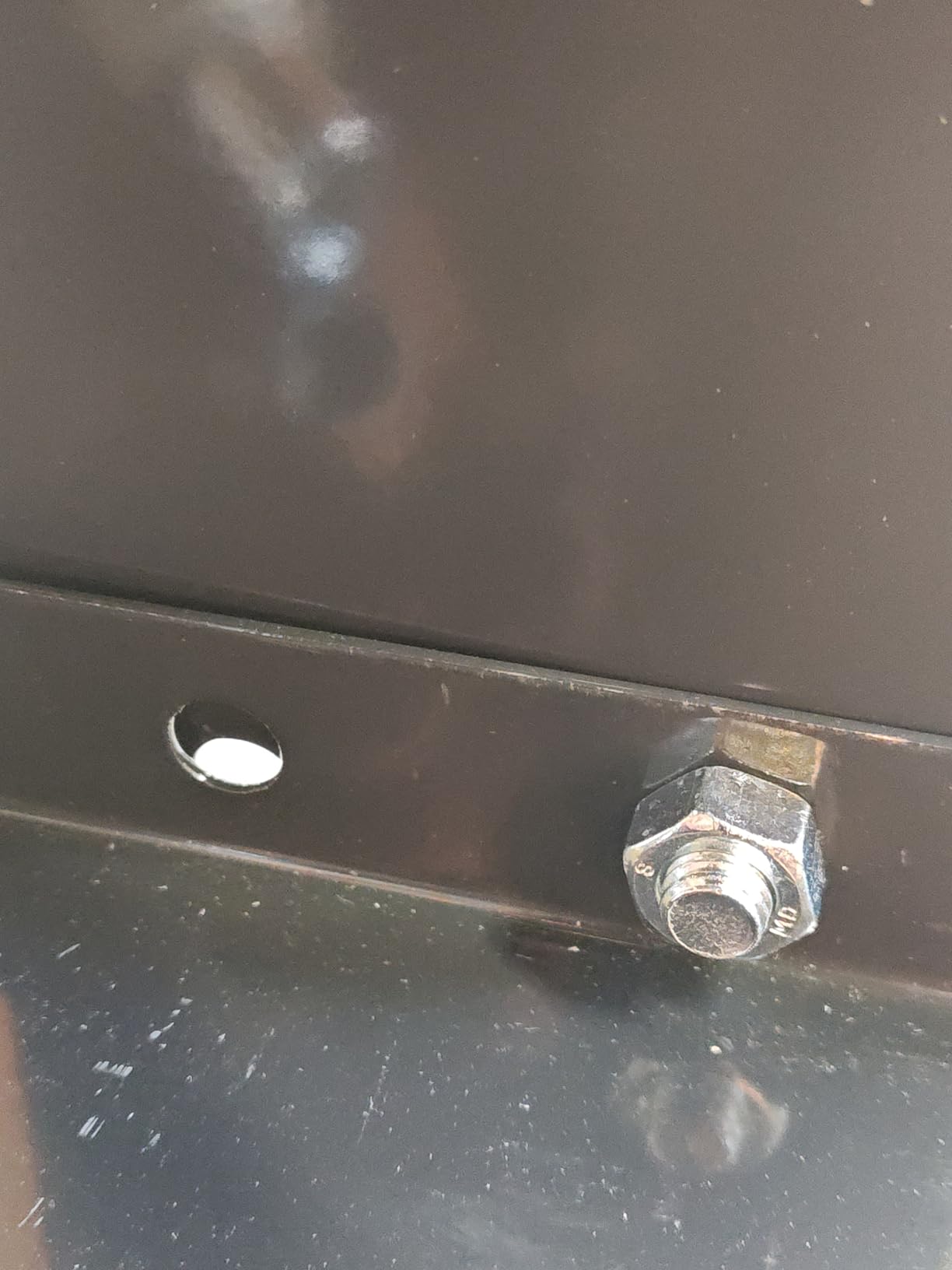
The 400 lb static rating comes from thickened steel plate with an anti-rust textured finish, and owners report no wobble at full load. That matters more than the headline number, because a cart that flexes under a loaded bottle feels unsafe even when it is technically within spec.
Two 360 degree swivel universal wheels at the front and two fixed heavy-duty rear wheels give predictable straight-line tracking. You push it rather than steer it, which is exactly the feel you want when a full bottle is riding at the back.
Cylinder chains rated for 125 CF bottles
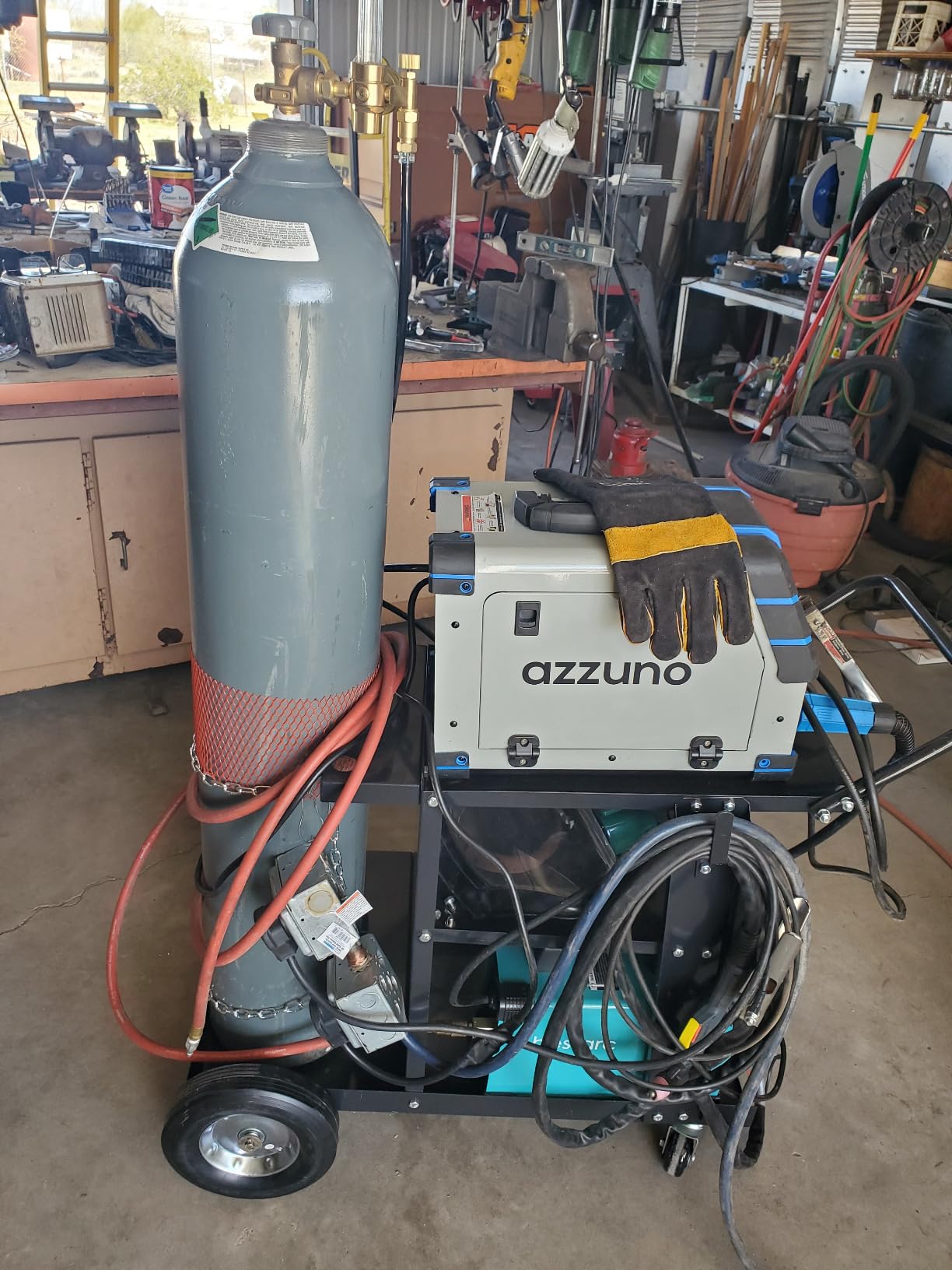
The two stainless steel safety chains are specified for cylinders up to 125 CF, which is the largest bottle in common use. That is the number to look for if you lease 9 inch bottles rather than swapping smaller ones, and it is a genuine step above the chains on the budget carts here.
As with every cart in this roundup, add a rubber mat under the bottle. The chains stop the cylinder from tipping; they do not stop it from creeping during transit.
Assembly time and layout caveats
Owners put assembly at 15 to 20 minutes with basic tools, and the instructions are described as clear. That alone puts it ahead of several competitors in this list on first-build experience.
The one caution is layout-specific. The cable hooks and cylinder strapping are arranged around the Weldpro machine range, so if you run a Miller or Lincoln, plan where your leads will actually hang before you buy. The hooks are metal brackets you can reposition, but not without tools.
4. Eastwood 3-Shelf Welding Cart – Best for Buyers Who Want Brand Support Behind the Design
Eastwood Welding Cart for MIG Welder | MIG TIG Plasma Table Durable Carts with 350 Lbs Weight Capacity 3 Shelves Cable and Gas Bottle & Accessory Storage
350 lbs maximum capacity
3 shelves for welder and plasma cutter
Gas mount with TIG rod holder
Built for 125 CF bottles
Pros
- Holds a welder and a plasma cutter in one load
- Brand-backed design with in-house engineering and lifetime tech support
- Built-in rod holder and side cable hooks
- Backed by a satisfaction guarantee and 1-year warranty
Cons
- Bulky 36 lb frame is heavier to move than lighter carts
- Three shelves take up more floor space than a two-tier design
Eastwood is the only brand in this roundup that engineers the cart in house and stands behind it with a warranty and tech support, and that changes how the purchase feels. When something rubs or a bracket is wrong, you have a company to ask rather than a marketplace listing.
Model 11616 is built around a very specific idea: one machine, one plasma cutter and one 125 CF bottle, all in one trip. Owners buy it for exactly that reason.
Shelf planning for a welder plus a plasma cutter
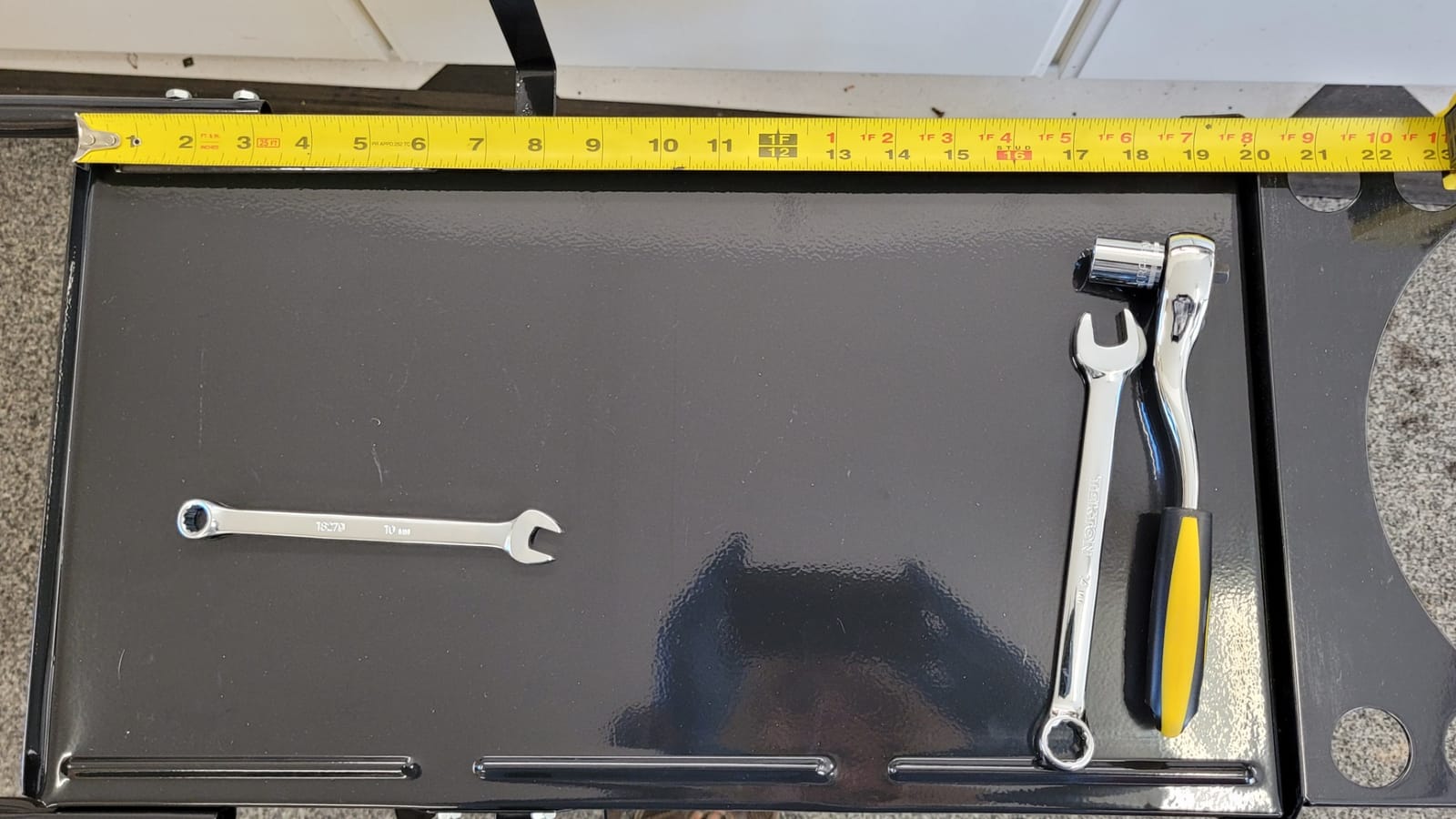
The top shelf is specified to hold MIG135, MIG250, MIG175 or TIG-200 class machines, and the bottom shelf is sized for the Versa Cut plasma cutter. That pre-planned pairing is the reason this cart exists, and it removes the guesswork from where a second piece of equipment goes.
The middle shelf takes consumables, which keeps wire spools and gas off the floor. In a working shop that is the difference between a tidy station and a pile of parts beside the machine.
The TIG rod holder nobody else includes
The gas bottle mount incorporates a TIG rod holder sized for up to six filler rod tubes. It is a small detail, but it uses space that would otherwise be dead, and it keeps long consumables vertical and out of the way of the bottle slot.
Two side hooks handle cable storage, which keeps leads off the floor and off your feet. On a long torch lead, that is a safety improvement rather than a convenience.
Weight and footprint are the real costs
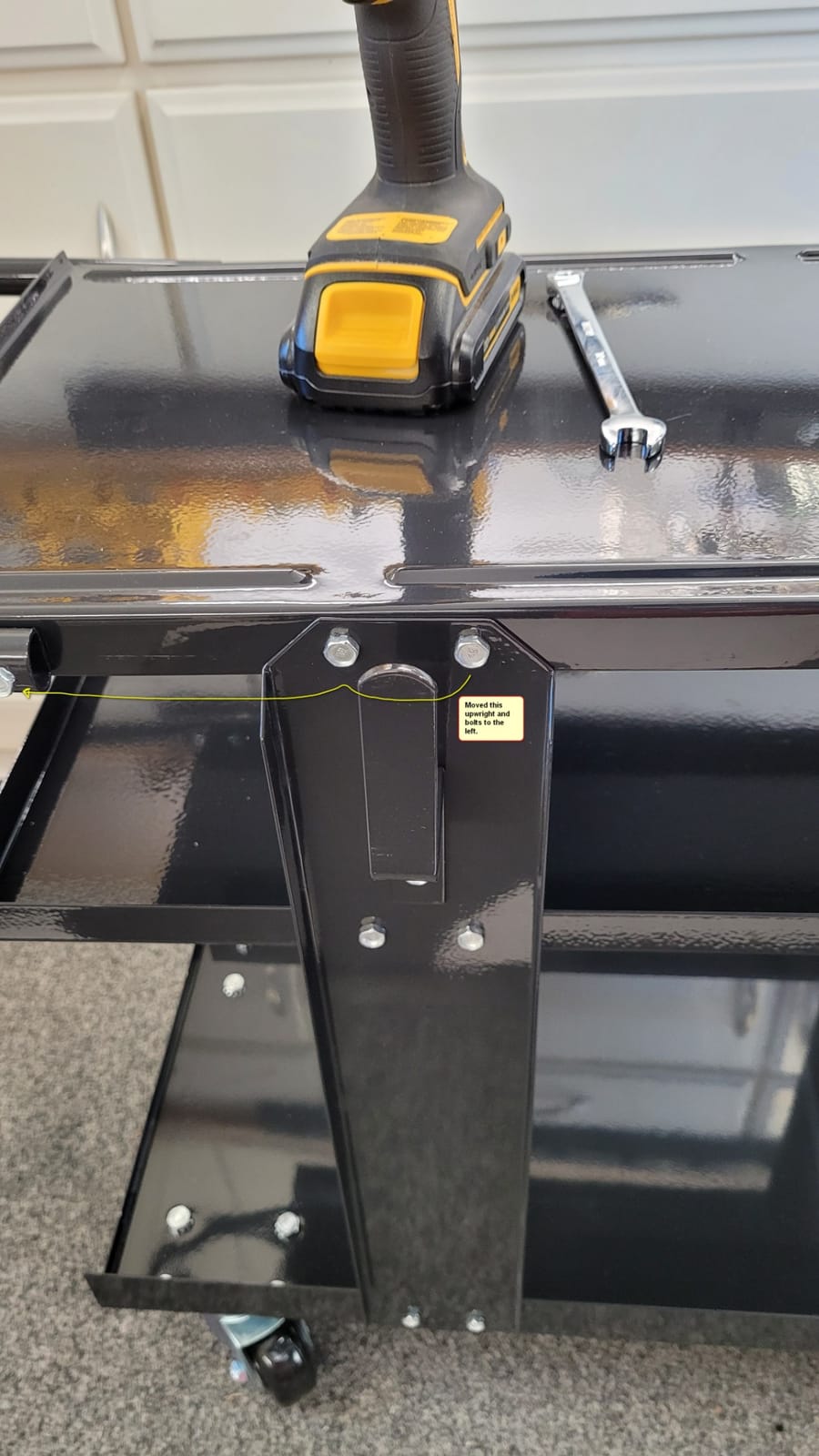
At 36 lb, this is the heaviest frame in the group, and owners note it is noticeably harder to move empty than the lighter carts. Loaded with a welder and a bottle, that weight is a feature. Rolling it across a flat floor, it is a chore.
Three shelves also take more floor space than a two-tier design. If your bay is a single-car garage, measure first. This cart rewards a shop with room, and frustrates a shop without it.
Warranty and support as the deciding factor
Backed by a 1-year limited warranty, a 90-day return window and a satisfaction guarantee, the paperwork here is more generous than most of the marketplace carts in this roundup. For a first-time buyer, that is worth real weight in the decision.
The brand also supports the machines the cart is designed around, so if you already own Eastwood gear, the fit is the most predictable in the group.
5. Lincoln Electric K2275-3 Cart – Best Fit for Lincoln Wire-Feed and MIG Machines
Lincoln Electric Welding Cart K2275-3, Easy Transport for Welder, 80 Cu Ft Gas Cylinder, Weld Cables and Accessories, Dual Tier with Angled Top Shelf, Two Wheels, Heavy Duty Steel, Black, 14
Angled two-tier top shelf
Holds 80 cu ft gas cylinder
14 x 21 x 28 inch footprint
24.8 lb frame weight
Pros
- Pre-drilled mounting holes line up with compatible Lincoln welders
- Angled top shelf keeps machine controls accessible
- Holds a large argon or CO2 bottle with a cable wrap hook
- Simple assembly with mostly identical fasteners
Cons
- Compact footprint can cause the gas bottle to rub against the welder
- Low shelf height means bending down to adjust machine settings
- Some units reported crooked stampings and an uneven platform
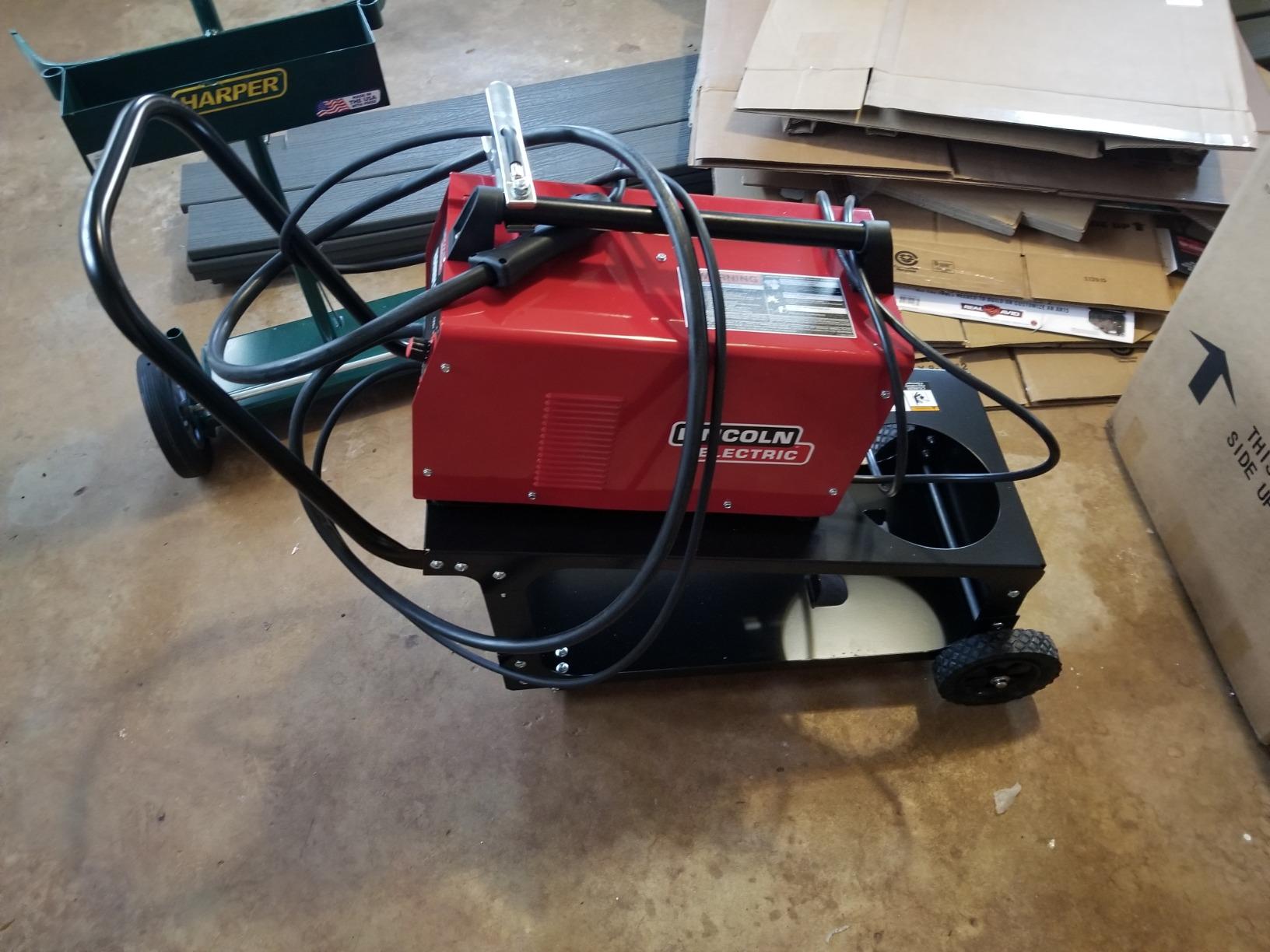
If you run a Lincoln 140HD, 180HD or LE31MP, this cart has been in production since 2014 and still fits those machines to the millimeter. Pre-drilled mounting holes mean the machine drops into position and stays there, which no generic cart in this roundup can promise.
It is a two-tier design rather than a three-tier, and that is not a downgrade. For a single welder and one bottle, two tiers is all the storage you need, and the smaller footprint is the reason it fits a modest garage bay.
Why the angled top shelf is a Lincoln-specific win
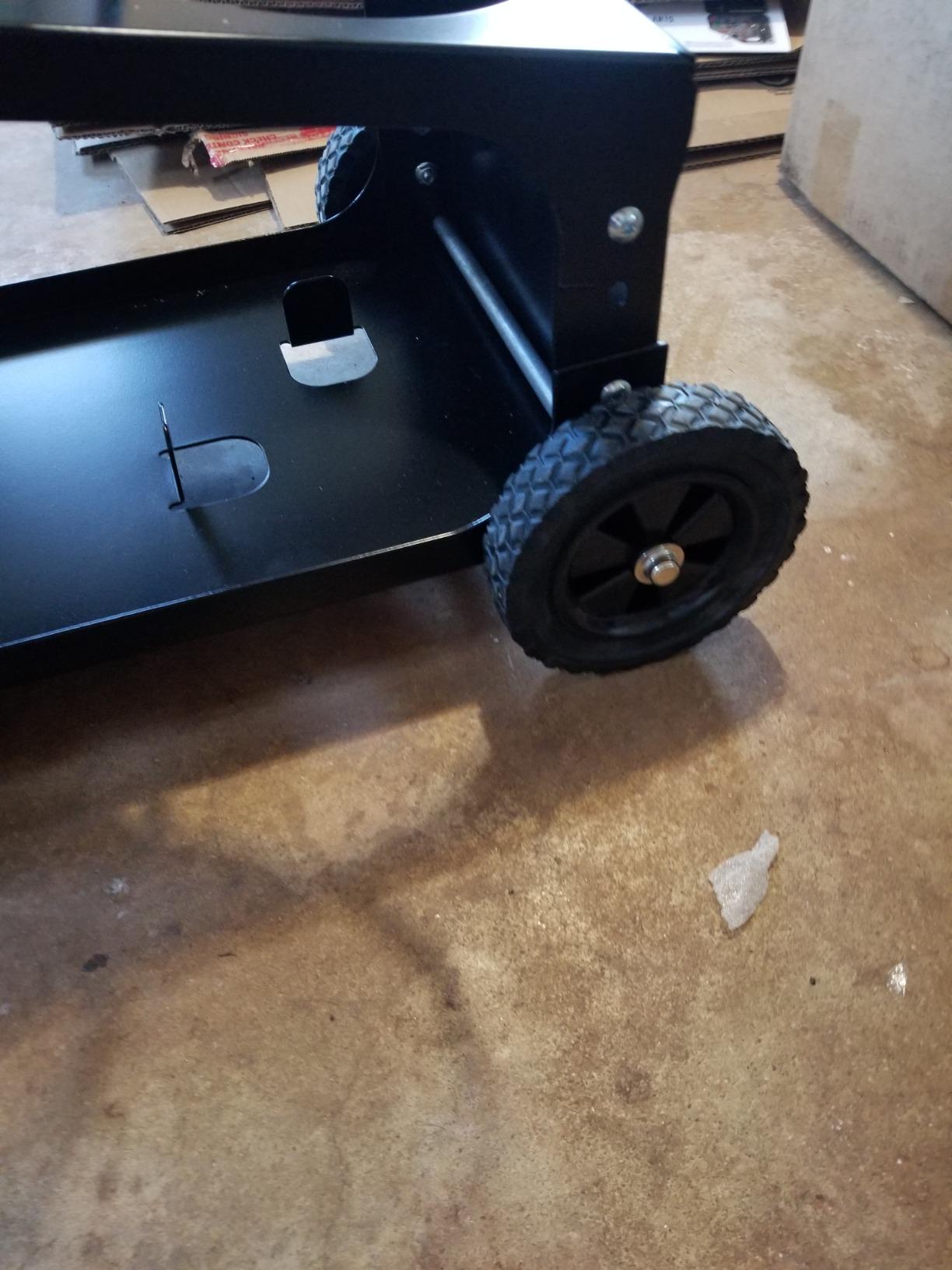
The two-tier layout uses an angled top shelf so the machine controls face the operator rather than sitting flat. On a Lincoln with a front-mounted wire feed and display, that angle is the difference between adjusting settings standing up and crouching behind the frame.
Owners consistently single this out as the reason the cart feels designed rather than assembled. It is a small geometric decision that pays off every time you change wire or amperage.
Cylinder and cable management in a small footprint
The cart holds an 80 cu ft gas cylinder along with welding cables and accessories, which is the common shop bottle size and a sensible match for this frame. A sturdy handle and cable wrap hook keep the torch lead coiled instead of dragging.
The wrap hook is a small detail that owners mention approvingly. In a small bay, a lead that stays off the floor is a lead you do not trip over at night.
Where the compact footprint bites
At 14 by 21 by 28 inch, the cart is smaller than most buyers expect, and that is the main complaint in reviews. A tighter frame means the gas bottle can rub against the welder body, and some owners report needing to reposition the machine to work around it.
The low shelf height is the second issue. Adjusting machine settings means bending down, which is a real annoyance over a full day of production work.
Build quality variance to check on arrival
A small number of owners reported crooked stampings and an uneven platform. It is not a widespread pattern, but it is worth checking the frame for flatness and squareness before you load a bottle onto it.
Assembly is described as near foolproof, with mostly identical fasteners, which is exactly what you want on a cart that has been built for two decades. If you own a Lincoln, this is the cart that will fit without modifications.
6. Foxngear 3-Tier Welder Cart – Best for Carrying a Full 9 Inch Cylinder
Foxngear Heavy Duty Welding Cart Blue for TIG MIG Welder Plasma Cutter, Large 3-Tier Welder Cart with Gas Bottle Storage, Swivel Caster Wheels, Steel Welding Table, 38.5″ L x 15.5″ W x 26″ H
350 lb load capacity
Cylinder rack fits 9.6 inch tanks
20-gauge alloy steel, powder coated
38.5 x 15.5 x 26 inch overall
Pros
- Thicker steel and better paint than the price suggests
- Holds a 23 inch long 45 lb welder and rolls stably
- Cylinder mount is centered under the tank for balance
- Compatible with Miller
- Lincoln and Hobart machines
- Wide-grip handle is comfortable to push and pull
Cons
- Published shelf and cart dimensions do not always match the product
- Handle bolts can reduce usable top shelf width
- Instructions are minimal
- Some bolts are soft and may need upgrading
The 9.6 inch cylinder figure is the headline here. If you lease full-size 9 inch bottles rather than swapping 7 inch ones, this is one of only two carts in the roundup with a published figure that comfortably clears a 9 inch diameter tank.
Experienced welders describe it as sturdy and well finished for the price, and several compare it favorably to carts costing considerably more. That comparison comes from people who own the alternatives, which is why I weight it.
Balanced cylinder mounting and 350 lb capacity
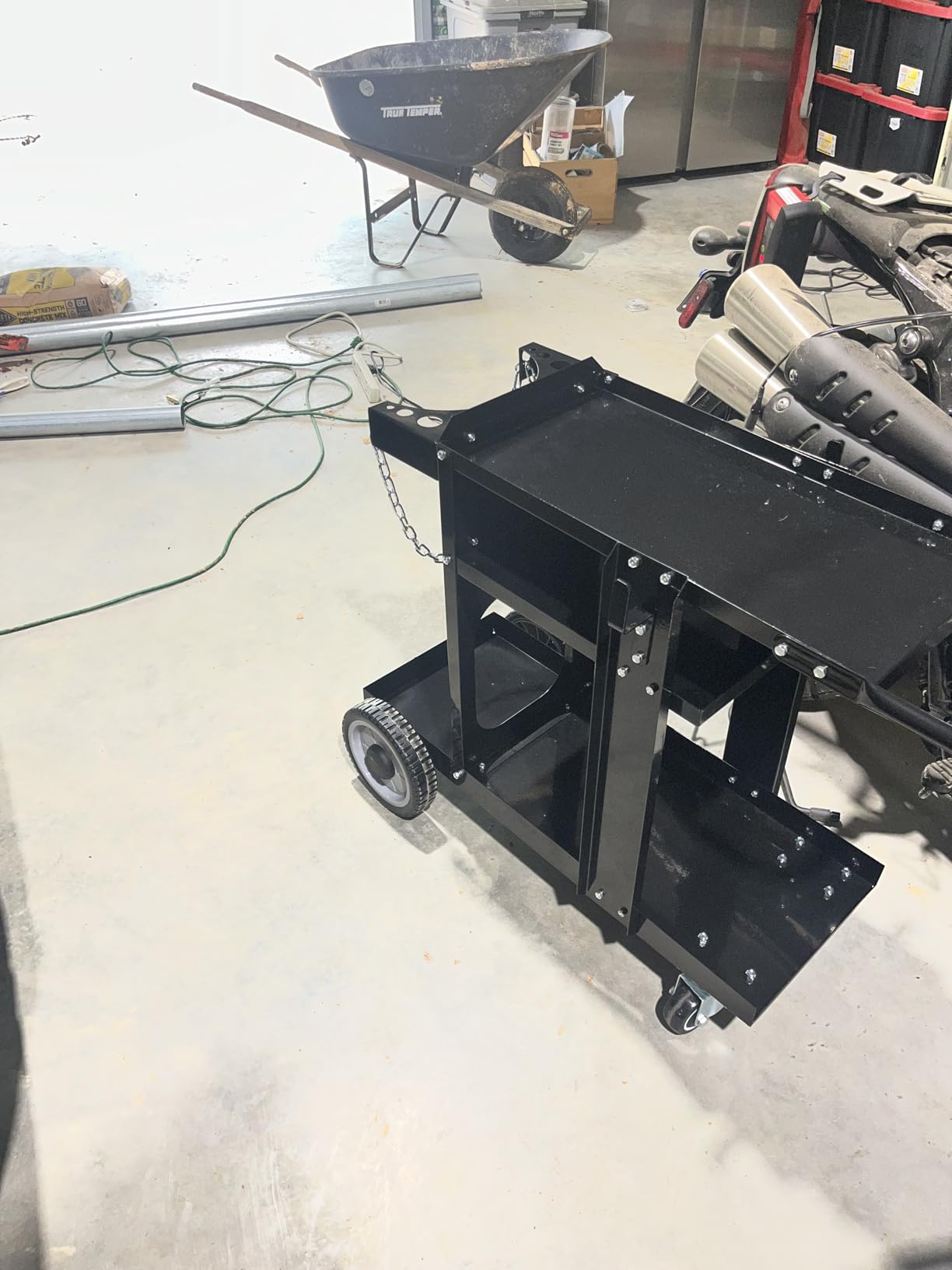
The cylinder mount is centered under the tank rather than offset to one side, and owners specifically praise the balance it produces. On a cart that carries a 45 lb welder and a full bottle at the same time, centering the heaviest single item is the stability decision that matters most.
Capacity is 350 lb from 20-gauge alloy steel with a glossy powder-coated finish. The paint quality is a repeated positive, and in a welding shop that is not cosmetic, because it is the difference between a cart that looks good in year two and one that looks like a garage project.
Three shelves at genuinely different sizes
The top shelf is 21.7 by 11.8 inch, the middle is 15.7 by 11.8 inch, and the bottom is 27.6 by 11.8 inch. The graduated sizing is a deliberate design rather than an accident, putting the machine where it is easy to load and the heavy storage low.
Owners report holding a 23 inch long, 45 lb welder on the top tier with stable rolling behavior. Side hooks carry cables, torches and helmets, which keeps the consumables that are actually used off the floor.
Published dimensions are the big warning
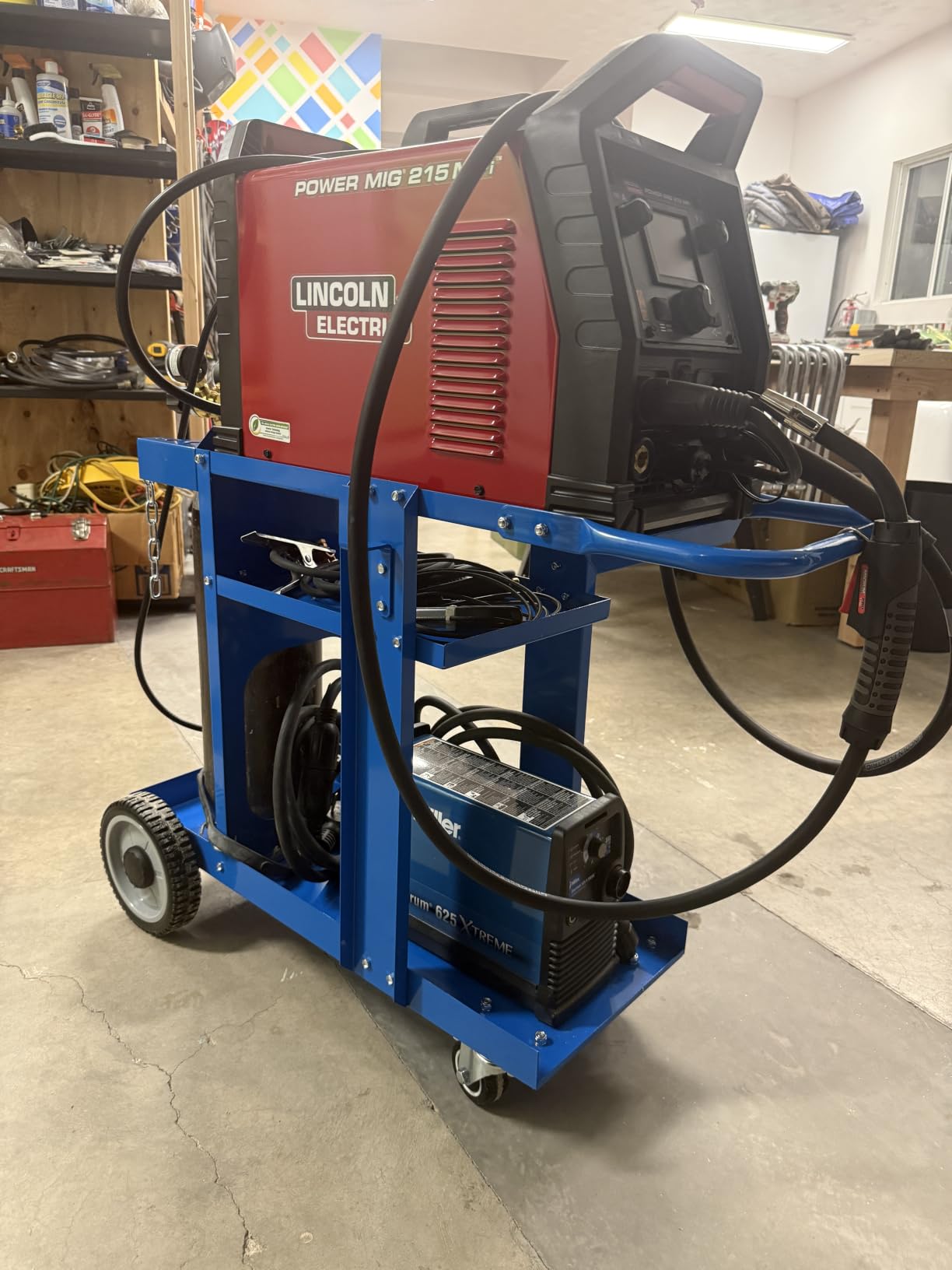
The most common complaint is that listed shelf and cart dimensions do not always match what arrives. That is not a minor annoyance, because it is the specification you are using to decide whether your welder fits in the first place.
My advice is simple: measure your machine, then measure the delivered top shelf, and confirm the handle bolts are not eating into the usable width. Owners report that the handle hardware reduces usable top shelf width for wider welders, which is exactly the failure mode the fitment question is about.
Assembly, hardware and brand flexibility
Instructions are minimal, consisting of a diagram and a parts list, and some bolts are described as soft enough to warrant upgrading. Budget an extra box of hardware and thirty minutes, and you will be fine.
The upside is machine flexibility. Owners running Miller, Lincoln and Hobart machines use it without complaint, so you are not locked into one brand ecosystem. Two front swivel plate casters and two large rear wheels handle concrete and shop floors well.
7. AQNIEGEP 3-Tier Welding Cart – Most Versatile With a Tall Frame and Included Tools
AQNIEGEP Welding Cart, Heavy Duty Welding Cart for Tig Mig Welder and Plasma Cutter, Welder Cart with Upgrade Handles and Increase Storage Space Tank Storage 400 lbs 3 Tiers
400 lbs static capacity
33.5 inch tall 3-tier frame
Cylinder carrier with 2 safety chains
Quiet universal wheels at 2.8 and 7 inch
Pros
- Holds a Lincoln 140 class MIG welder and a gas bottle
- Matte paint finish resists scratching and rust
- All hardware included with detailed instructions and tools
- Tall frame with side hooks keeps hoses organized
Cons
- Top shelf is tight and some mid-size welders overhang or block the door
- Steel and hardware feel thin compared with older carts
- Gas cylinder can feel insufficiently secured in some setups
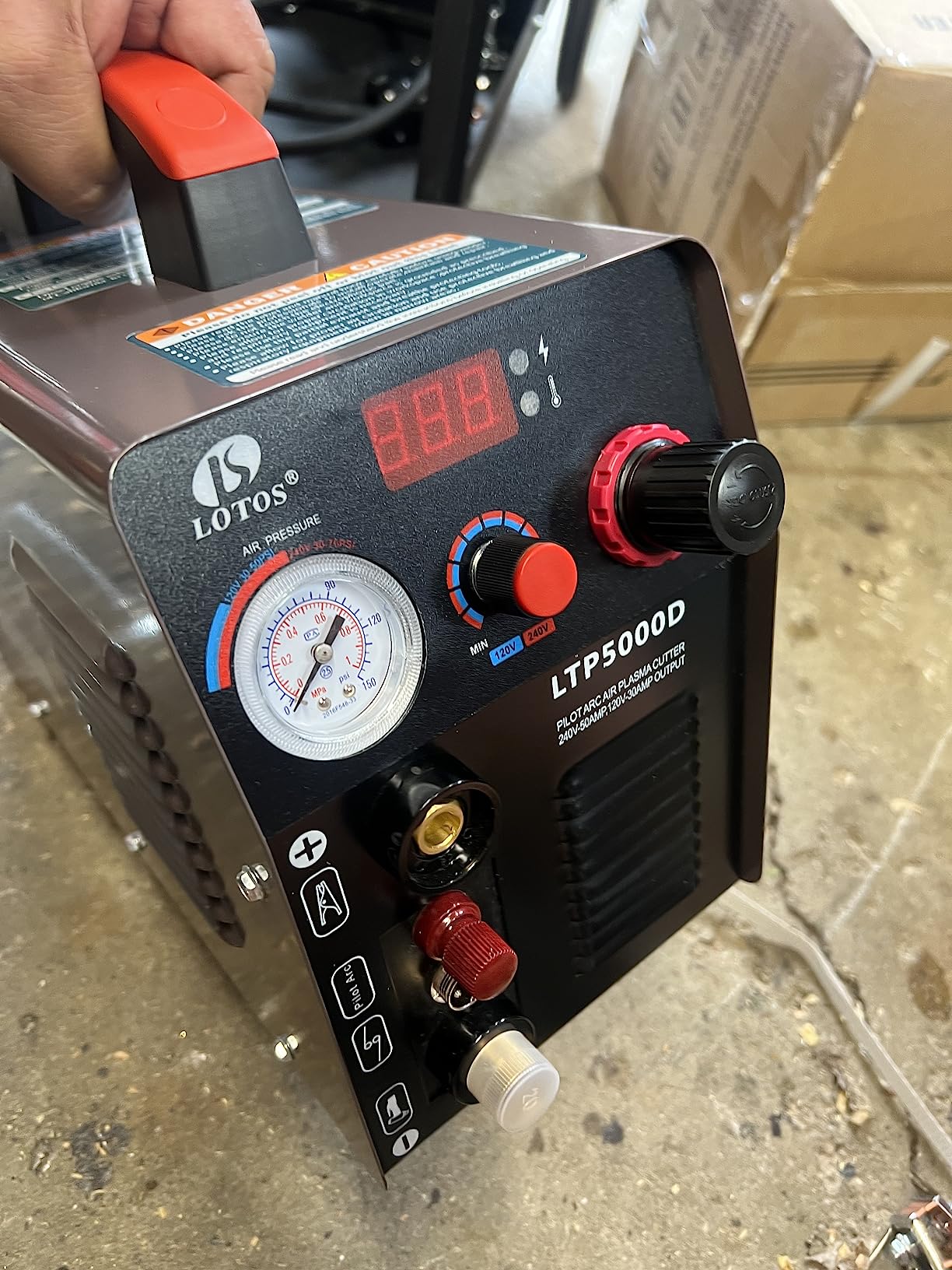
At 33.5 inch tall, this is one of the tallest frames in the roundup, and that height is its whole personality. It is built for small and mid-size inverter welders where a low top shelf would not clear the machine at all.
Owners like the matte paint finish and report it resists scratching and rust better than they expected. The included tools and hardware are a genuine convenience for a first-time builder assembling in a garage with limited equipment.
Height as the defining feature
Three layers with an inclined top, a narrow top and a wider base give you 400 lbs of static capacity in a narrow 27.9 by 12.6 inch footprint. The narrow top and wide base combination keeps the center of gravity sane on a frame this tall, which is the right engineering call.
That tall frame is what lets the top shelf clear a Lincoln 140 class machine, which several owners call out by name. If your welder has a tall body or raised handle, a short cart will not work regardless of its capacity rating.
Where the top shelf gets tight
Several buyers report that mid-size machines overhang the top shelf or block the door. This is the same limitation the fitment question keeps surfacing, and it is the one specification to check before buying any cart in this category.
Measure your machine’s body and its door swing separately. A cart that fits the body but blocks the wire compartment door will frustrate you every single time you change a spool.
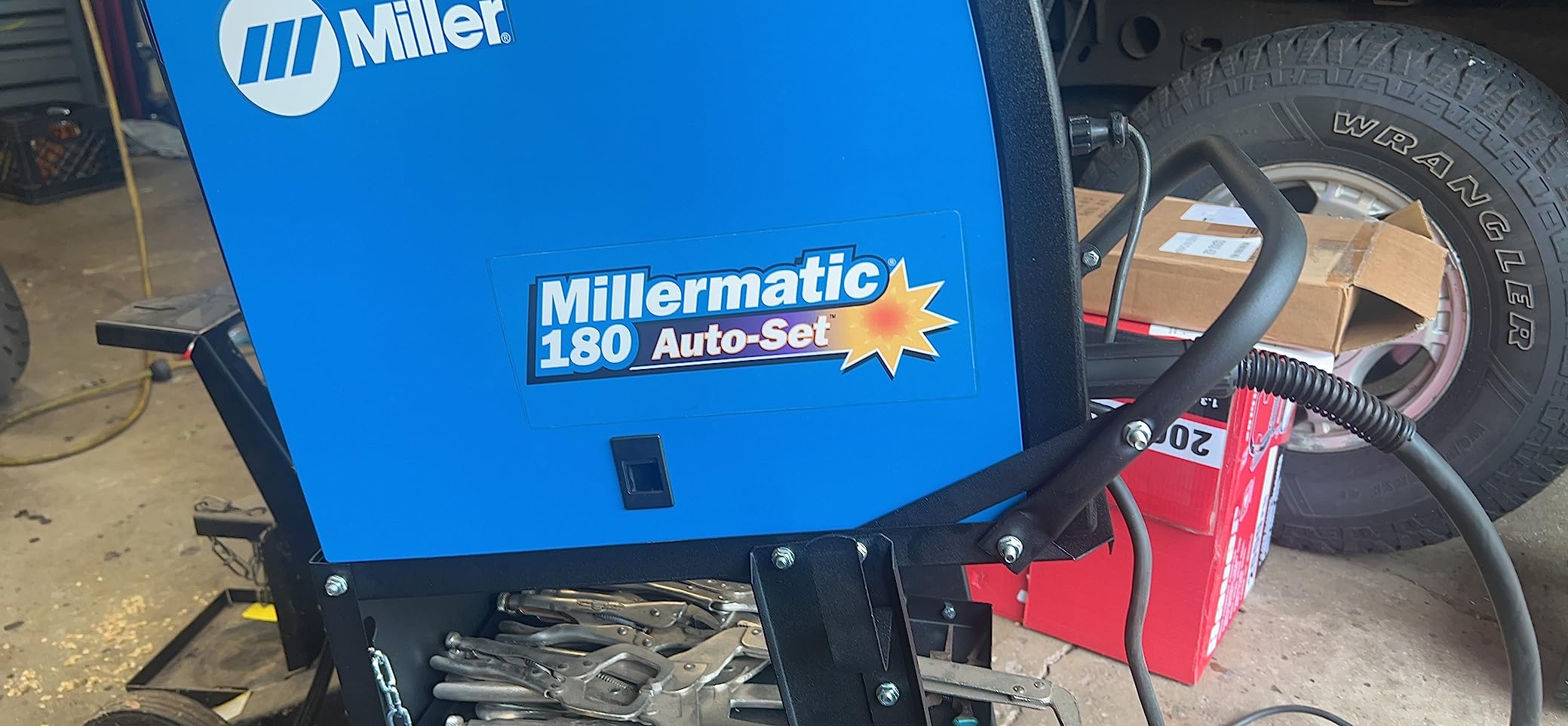
Wheels, finish and cylinder security
Four silent universal wheels at 2.8 inch and 7 inch sizes are a good combination. Owners notice the quietness on concrete, which matters more than it sounds when you are moving a loaded cart through a shared shop.
The cylinder carrier uses two safety chains, and the recurring criticism is that the bottle can feel insufficiently secured in some setups. A rubber mat and a second strap are inexpensive fixes if you regularly move over rough ground.
Build feel and hardware quality
Owners describe the steel and hardware as thinner than older carts, and that is a fair description of a cart at this level. It is not a heavy shop cart, but for a Lincoln 140 class machine and a bottle it holds up.
What you get that many competitors skip is detailed installation instructions and included tools. For a first build in a garage, that removes the most common source of frustration, and it arrives already assembled enough to be useful that same afternoon.
8. TOOLIOM 4-Drawer Welding Cart – Best for Compact Garage Organization
TOOLIOM Welding Cart with 4 Drawers, 245 lb Capacity
245 lb load capacity
4 sliding drawers
Sloped top shelf for control access
27.8 x 11.02 x 27.17 inch
Pros
- Sturdy and easy to assemble with all nuts and bolts included
- Drawers slide smoothly and are handy for consumables
- Sloped top shelf gives easy access to controls and data
- Good compact cart for a single TIG or MIG welder
Cons
- Drawers are small and some owners find them too small to be useful
- Frame can flex and loosen on rough floors if bolts are not retightened
- Directions are less than ideal
This is the compact answer to the YESWELDER, sharing its 27.8 by 11.02 by 27.17 inch footprint and 245 lb rating while leaning harder on the sloped top shelf. For a single welder in a small bay, that footprint discipline is the feature.
Sixty-four percent of its reviews are five star, and the recurring theme is smooth drawer operation for the price. The most common criticism is simply that the drawers are small, which is a real limitation worth understanding before you buy four of them.
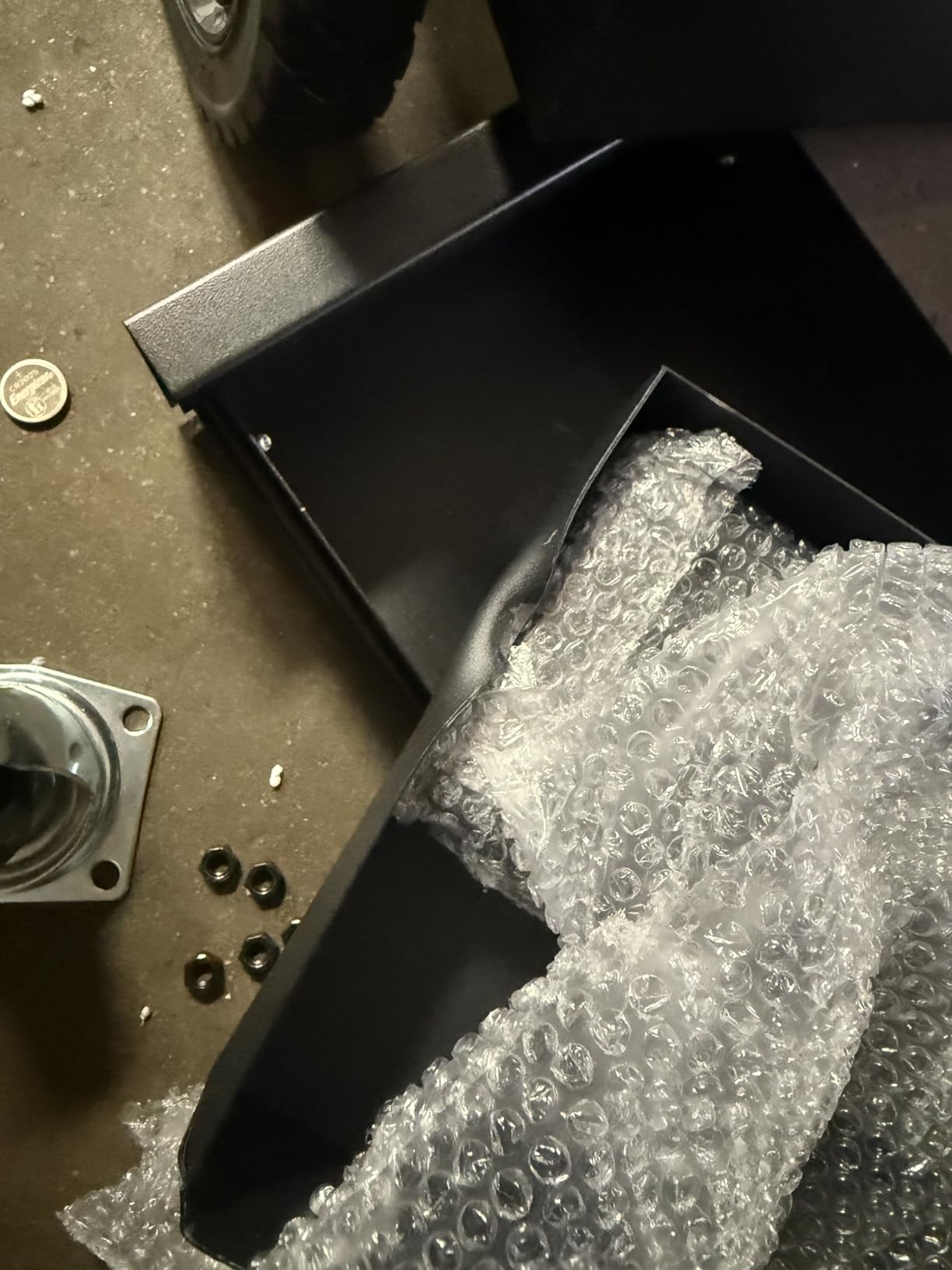
Sloped top shelf and single-welder focus
The sloping top shelf angles the machine so the control panel and data display face you. Owners mention control access as a specific benefit, and on a compact cart that vertical efficiency is what lets a small footprint work so well.
Unlike the open three-shelf carts here, this one is designed around one machine. That is not a limitation so much as a scope decision, and for a garage with a single TIG or MIG machine it is exactly the right scope.
Drawers: useful, but measure your consumables
Four sliding drawers for tools and consumables is the headline feature, and they run smoothly. The honest caveat is size. Owners report the drawers are small, and long consumables such as filler rod tubes or oversized nozzles do not fit, which is a problem forums raise across this whole category.
Use them for contact tips, nozzles, wire, gloves and small hand tools. If your storage problem is long stock, add a side rack rather than expecting the drawers to absorb it.
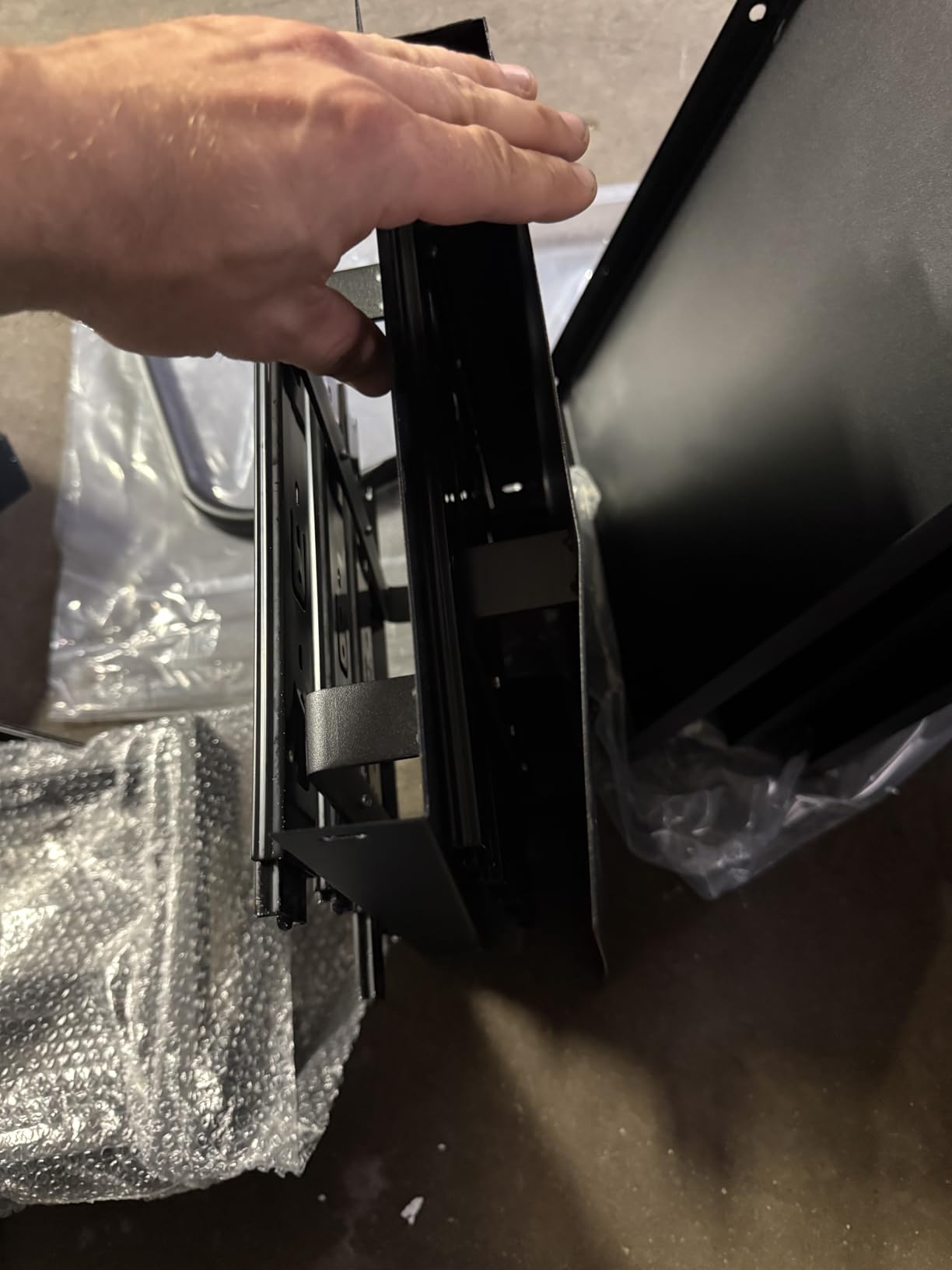
Rear shelf chains and wheel setup
The rear shelf carries two safety chains for gas cylinders, which is the essential safety provision on any cart that holds a shielding gas bottle. Chains are not optional, and a cart without them is a projectile waiting for a ramp.
Two universal front wheels and two heavy-duty rear wheels give predictable rolling, and the cart is specified for MIG, ARC welders and plasma cutters indoors and out.
Frame flex on rough floors is manageable
One owner reported frame flex on rough flooring, and the practical fix is straightforward: retorque the bolts after the first few loaded moves. Bolted frames settle under real loads, and a ten minute check keeps the cart square.
Assembly is described as easy with all nuts and bolts included, although the directions are less than ideal. Budget an extra fifteen minutes reading the parts list before you start.
9. ZIXNEXKOO Tilt-Table Welding Cart – Best Compact Cart for Small Inverter Welders
ZIXNEXKOO Welding Cart Heavy Duty with 360 Swivel Wheels, Original Design Rolling Welding Carts for MIG/TIG Welder and Plasma Cutter Upgraded, Tilt-Table Large Storage
143 lbs static / 99 lbs dynamic
3 shelves plus 2 side hooks
Tilt-table top platform
19 x 27 x 28 inch footprint
Pros
- Three shelves plus side hooks give good organization
- Cylinder slot with safety chains keeps tanks in place
- Swivel casters glide smoothly across different surfaces
- Compact footprint and a convenient handle for moving
Cons
- Lowest weight capacity in this group at 143 lbs static
- Not sized for larger multi-machine setups
This is the smallest footprint in the roundup at 19 by 27 by 28 inch, and for a small inverter welder in a tight garage that compactness is worth more than a 400 lb headline capacity. Owners rate it highly for storage, cylinder retention and smooth rolling.
The tilt-table top is the design idea worth understanding. Instead of a flat tray, the platform angles so the machine’s controls face up toward you, which is helpful on a small cart where you would otherwise be looking at the underside of a panel.
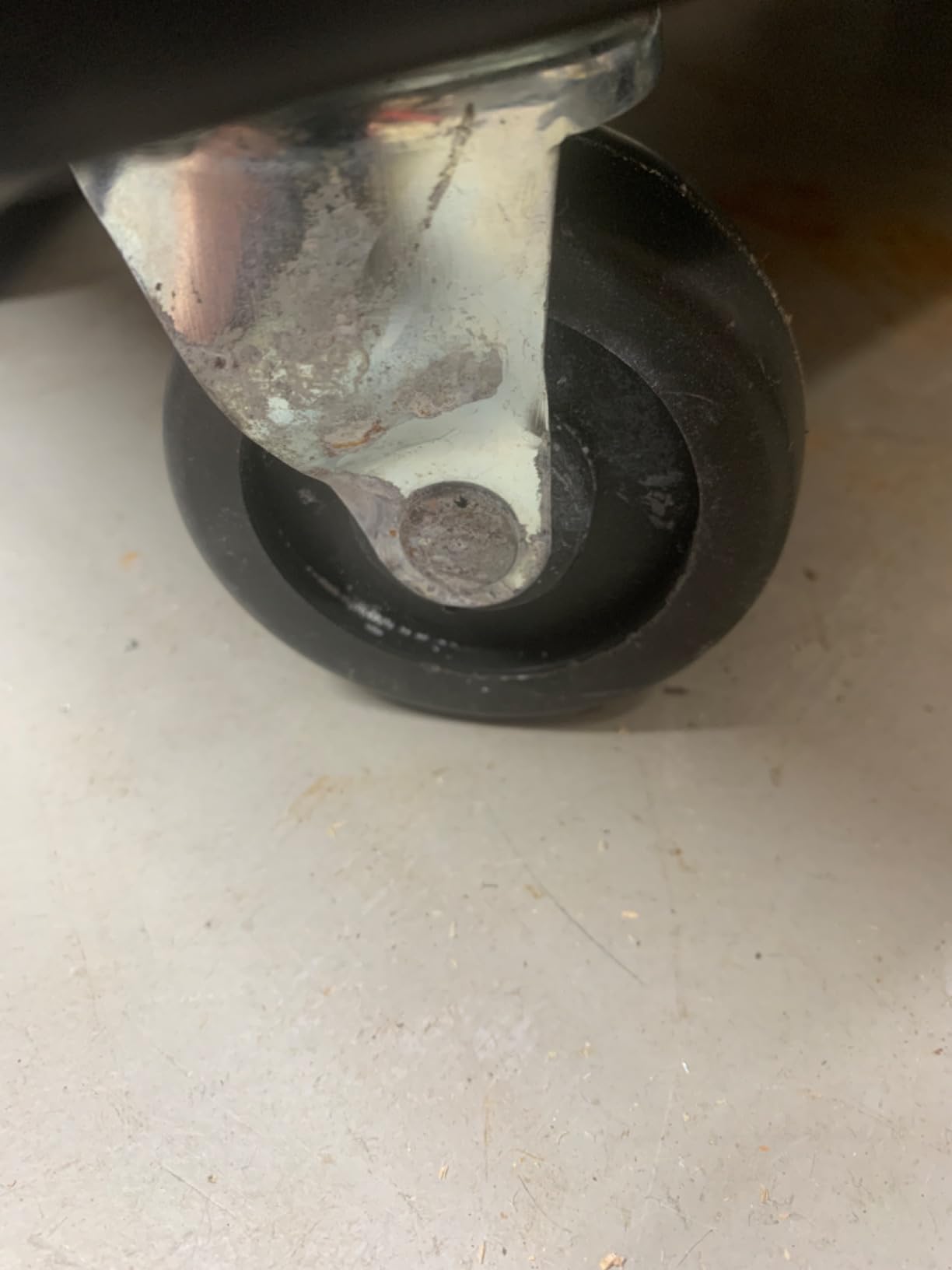
Capacity is the honest limit
Static load capacity is 143 lbs with a dynamic rating of 99 lbs, the lowest in this group by a wide margin. That is enough for a compact inverter MIG welder and a small shielding gas bottle, and it is not enough for a full-size machine plus a plasma cutter.
Treating the number honestly is the point. Plenty of buyers pair this cart with a small inverter, and it performs exactly as intended. Pair it with a 45 lb machine and a 125 CF bottle and you are near or past the limit, which is where wobble starts.
Three shelves in a compact frame
Three shelves plus two side hooks for hoses, helmets and torches is more usable storage than the footprint suggests. The powder-coated carbon steel frame resists corrosion, and the hooks keep the leads and PPE that you actually use within reach.
This is the argument for the cart in a one-car garage. A large three-tier cart becomes a stationary roadblock once it is parked, and a compact one lets you roll the whole station against the wall when you are not welding.
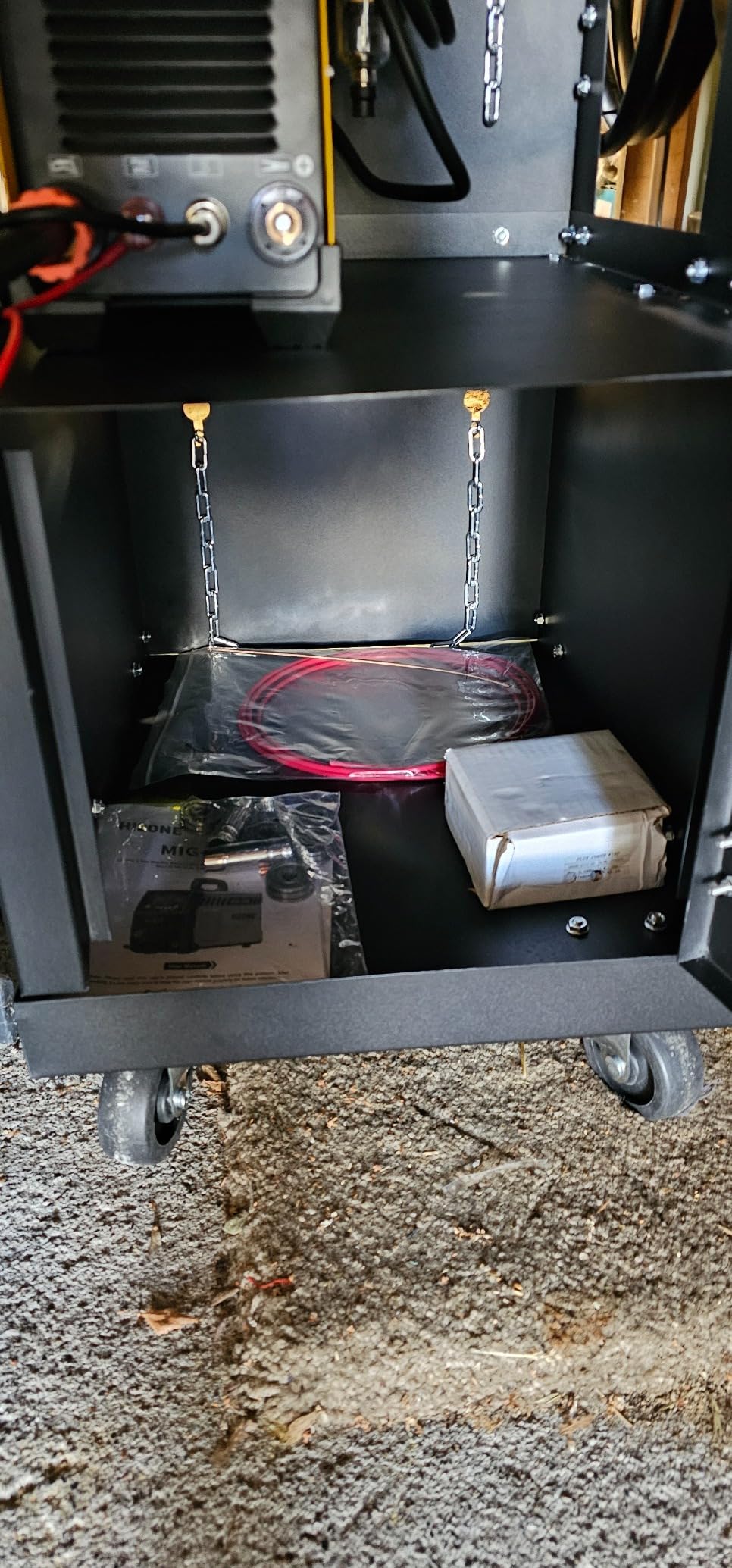
Cylinder slot and casters
The gas cylinder slot comes with two durable safety chains, so the safety provision is present even at this capacity level. Add a rubber mat under the slot, because a lighter cart is more sensitive to a bottle creeping during transit.
Two 360 degree swivel casters and two large anti-slip rear wheels glide smoothly across different surfaces, and owners call this out specifically. The ergonomic handle gives you directional control when maneuvering between a workbench and a car hood.
Who should skip it
Skip this cart if you run a full-size machine, a plasma cutter and a large bottle at the same time. The 99 lb dynamic rating is the number that will disappoint you, and the shelves are not sized for a second piece of equipment.
Buy it if you are pairing a small inverter with a compact cylinder and working in a small space. Within that use, owners report the cart does exactly what they need.
10. DIY HOME 3-Tier Welding Cart – Best for Roll Stability on Uneven Shop Floors
3-Tier Welding Cart with Swivel Wheels, MIG TIG Plasma Cutter Welder Cart
176 lb weight capacity
36.2 inch tall 3-tier frame
3 inch swivel front wheels, 8 inch rear wheels
15.7 x 15.7 inch footprint
Pros
- Tall 3-tier frame holds a TIG welder and gas bottle
- Assembles in roughly 30 minutes
- Large 8 inch rubber rear wheels for stability
- Reasonable price for a three-tier cart
Cons
- Safety chain is thin and the tank can slip out of the grooves
- Many bolts make assembly tedious
- Listed dimensions sometimes do not match the product and metal is light gauge
The 8 inch rubber rear wheels are the reason this cart is on the list. In a category where rear wheels are usually 6 to 7 inch, larger rubber wheels roll over floor joints, cords and shop debris with noticeably less resistance.
Owners who build it find it sturdy for the price and easy to assemble in roughly half an hour. The tall frame suits small inverter welders, and the 15.7 by 15.7 inch footprint is a square, which is unusual in a category dominated by long rectangular carts.
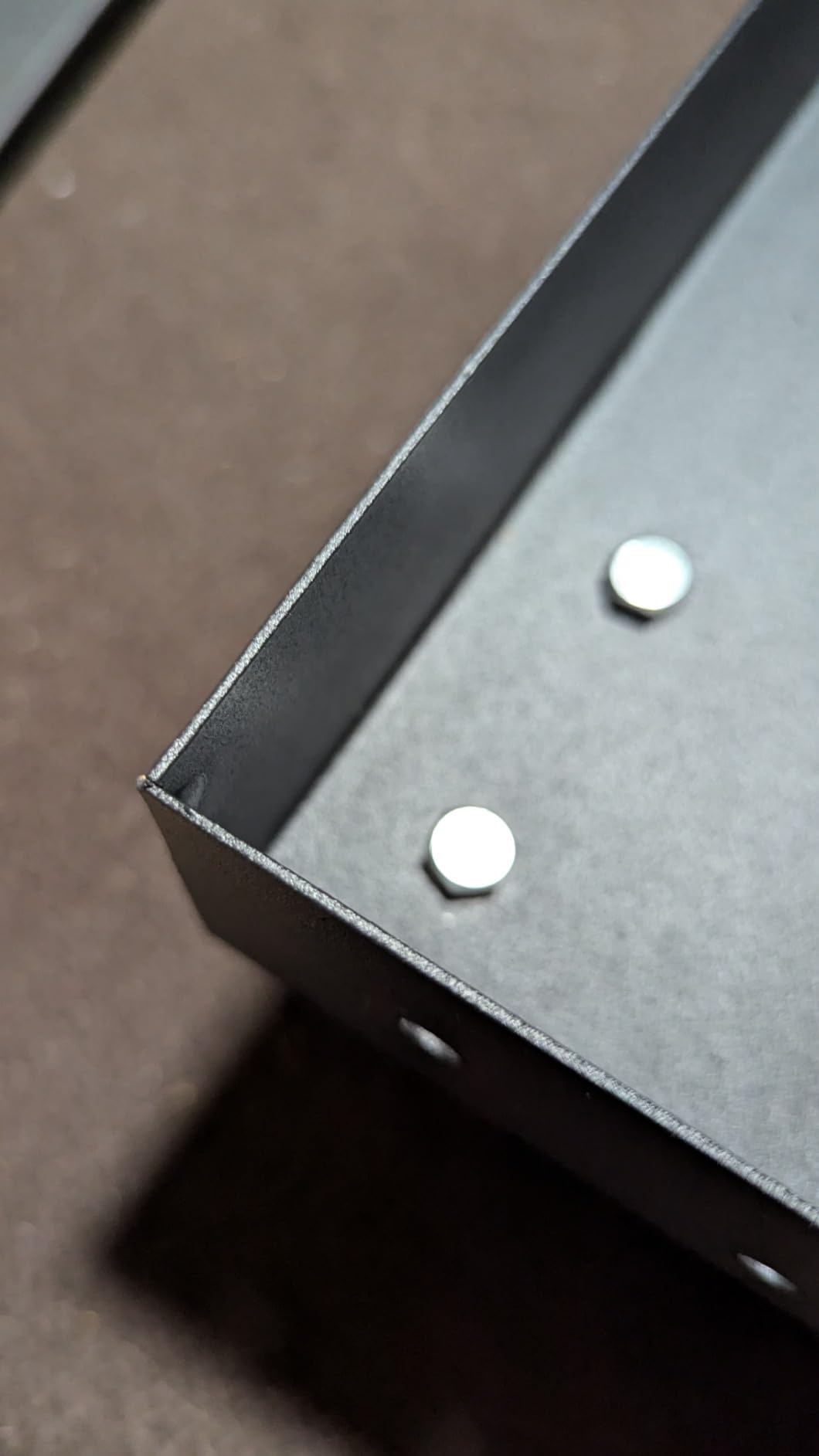
Wheel size is the real differentiator
Two 3 inch 360 degree front swivel wheels and two 8 inch rubber rear wheels give this cart a rollover threshold well above most competitors. Bigger rear wheels climb small obstacles instead of catching on them, which is what keeps a loaded cart tracking straight.
The square footprint also changes handling. Narrow front, narrow back means you steer the cart properly rather than pivoting it, and a 176 lb capacity with a 36.2 inch tall frame is a sensible ratio of load to base.
Tall three-tier layout and tilt-table design
Three tiers with wide shelf spacing give a TIG welder and a gas bottle a comfortable home, and the universal tilt-table design angles the machine platform for control access. Owners of small inverter machines particularly like the vertical room the tall frame provides.
The aluminum alloy frame with black powder coating is described as rust and abrasion resistant, which matters on a shop floor with grinding dust and tracked-in water.
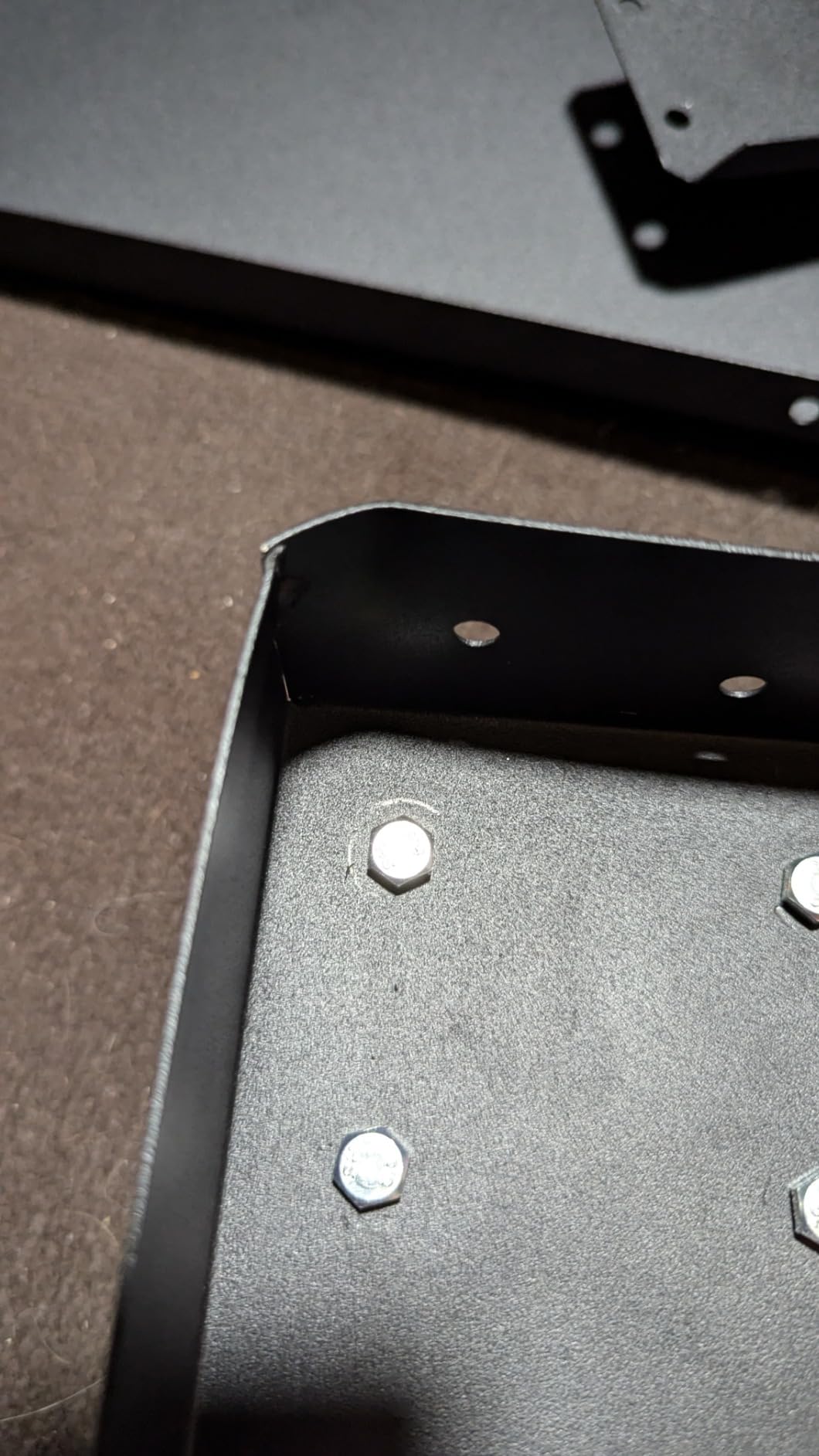
The safety chain needs replacing
Owners are blunt about the two safety chains, describing them as thin and noting the tank can slip out of the grooves. That is the single most important thing to fix on this cart, and the fix costs almost nothing.
Replace both chains with proper load-rated safety chains before the first loaded move. A cylinder that can walk out of its slot is a serious hazard regardless of how good the cart is otherwise.
Assembly effort and spec accuracy
Expect around thirty minutes of assembly, but budget more because of the fastener count. Numerous bolts make the build tedious, and hand-driving them avoids stripping the hardware.
Some owners also report listed dimensions not matching the product and light-gauge metal. Measure the delivered frame against your machine before committing a full bottle to the top tier, which is the same fitment discipline that applies to every cart here.
How to Choose a Welding Cart for Your MIG Welder
Shopping for a welding cart looks simple until you realize the manufacturers all publish the same five numbers, and the differences that matter are buried in tray width, shelf lip height and the size of the cylinder slot. Here is the framework I use.
What makes a good welding cart?
A good welding cart does six things. First, it carries your machine with weight capacity to spare after the gas bottle is aboard, not just at headline rating. Second, it has a cylinder rack with real safety chains sized for the bottle you actually use. Third, it has a wide top tray and an angled or tilted platform so the machine controls face you.
Fourth, the wheels are a combination of 360 degree swivel front casters and large fixed rear wheels, typically 6 to 8 inch, so it steers rather than drags. Fifth, there is somewhere to hang the torch lead, cables and hoses off the floor. Sixth, the footprint fits your bay, because a cart you cannot park is a cart that becomes furniture.
If a cart misses any one of those, it is a tool box with wheels. If it hits all six, it is a mobile welding workstation.
Will your gas bottle fit? 7 inch vs 9 inch cylinders
This is the number one real-world fitment question, and almost nobody answers it clearly. Bottle diameters cluster around 7 inch and 9 inch, with tank sizes of 80, 100 and 125 cubic feet. A 7 inch bottle needs a slot at least that wide; a 9 inch bottle needs noticeably more, and many compact carts simply do not clear it.
From this roundup, published cylinder figures run from about 9.6 inch on the Foxngear cart to 10 inch on the YESWELDER, while several carts publish no figure at all. Measure the slot opening on the cart and measure the diameter of your bottle collar, not the tank body, because the collar is the widest part.
There is also a loading question that reviewers raise constantly: a shelf lip too high to lift a full bottle onto the cart. Test this in a showroom if you can, or check the bottle shelf height against your own lifting position. A cart you cannot load without tipping is a cart you will resent.
Static load capacity explained
Static capacity is the weight the cart holds while stationary. Dynamic capacity is lower and describes the load while moving. A 400 lb static rating typically means something like 370 lb dynamic, and that gap is why a cart can feel fine parked and wobble when rolled.
The practical calculation is simpler than the spec sheet. Add your welder, your gas bottle, your plasma cutter and your consumables, then check the total against the dynamic figure rather than the static one, because that is the number that governs the roll.
Capacity claims also vary in honesty. Carts in this roundup range from 143 lbs to 400 lbs, and the difference reflects steel gauge as much as engineering. Thicker plate and larger rear wheels are what separate a cart that stays square under load from one that flexes.
Casters, rear wheels and shop floors
The layout to look for is two small swivel casters at the front and two large fixed or semi-fixed wheels at the rear. Front casters let you steer; rear wheels carry the load and roll over obstacles. Carts with four identical small casters roll badly under weight because every wheel is trying to steer at once.
Rear wheel size varies from about 5.5 inch to 8 inch in this category. Bigger rubber rear wheels handle floor joints, cords and gravel better, which is why the DIY HOME cart earns its stability badge despite a lower capacity rating.
If you work on bare concrete, check what the wheels are made of. Polyurethane and rubber run quietly and do not scratch sealed floors the way hard plastic casters can.
Drawers versus open shelves
Drawers win on consumable organization and lose on long items. Wires, contact tips, nozzles, gloves and a helmet fit well in a drawer, while filler rod tubes, long leads and large plasma cutters do not. Reviews in this category repeatedly describe shallow drawers as a disappointment.
Open shelves win on volume and simplicity. Three open tiers will swallow a plasma cutter, a bottle and a box of wire without complaint, and they are far easier to wipe down after a grinding job.
My rule: drawers if your problem is small consumables, open shelves if your problem is big equipment. The YESWELDER and TOOLIOM carts cover the first case, the three-tier carts cover the second.
Footprint, assembly time and top-heaviness
Measure your bay before you measure anything else. Carts here range from a 19 by 27 inch footprint to over 40 inch long, and in a single-car garage the difference determines whether the cart is a tool or an obstruction.
Assembly time ranges from about 15-20 minutes on the Weldpro cart to over an hour on flat-pack models. Hand-tighten soft hardware, keep the included bolts, and build it where you want it to live, because these carts are awkward to move through doorways fully assembled.
Finally, watch the top-heaviness. A full shielding gas bottle sits high on the rear axle, and a tall frame with a bottle on top of a loaded welder is the combination that tips in the forums. Wide rear track, a low storage tier for heavy items, and moving slowly over thresholds are the mitigations that actually work.
Beyond the cart: extension leads and cable management
The real limit on how mobile a cart can be is your torch lead length, not the cart. A standard lead runs about 12 to 15 feet, which is genuinely short. If your cart exists so you can weld a car in the driveway from the garage, add an extension lead and route it so it does not cross a walkway.
Side hooks, cable clips and a wrap hook keep leads off the floor, and every cart in this roundup has some version of them. Use them, because a lead across a walkway is the most common trip hazard in a home shop.
Build vs buy is worth one honest paragraph too. Forum builders commonly take a discount five-drawer tool cart, cut the lid off and weld on a tank mount, and welded-in kits with single 9 inch or dual 7 inch bottle options exist for people who want a permanent solution. That route makes sense if you already have a good tool chest and a welder. If you do not, a factory cart is faster and the chains and racks are already certified to the load.
One related habit: check that the extension lead and cable management gear you need is on hand before you move the cart away from the wall. Our guide to portable audio for the shop covers the other end of that idea, keeping the reference material audible while you work.
Frequently Asked Questions
What is the best welding cart for the money?
The best welding cart for the money is the VEVOR 3-Tier model. It carries a rated 400 lbs static and 370 lbs dynamic load, has two gas cylinder slots with stainless steel safety chains, and rolls on 2.9 inch swivel front casters with 7 inch rear casters. More than sixteen hundred owners have reviewed it, which makes it the most proven cart in this category. Expect about an hour of flat-pack assembly.
What is the best welding trolley brand?
Brand matters less than fitment, but Eastwood stands out for engineering the cart in house and backing it with a 1-year limited warranty and lifetime tech support. Lincoln Electric is the safest bet if you own a 140HD, 180HD or LE31MP, because the pre-drilled mounting holes line up exactly. For everything else, compare cylinder slot dimensions and top tray width before choosing a brand.
What makes a good welding cart?
A good welding cart carries your machine plus a full gas bottle with capacity to spare, has a cylinder rack with real safety chains, offers a wide top tray with an angled or tilted platform for control access, uses small swivel front casters with large rear wheels, includes hooks or clips to keep leads off the floor, and fits your available floor space.
Do all welding carts come with a tank rack?
No. Most carts in this category include a cylinder slot with two safety chains, but the slot size varies dramatically. Published figures here run from about 9.6 inch to 10 inch diameter, and several carts publish no figure at all. Measure the slot opening and the diameter of your bottle collar before buying, especially if you use 9 inch bottles.
Can any welding machine fit on a welding cart?
Most machines fit, but the top shelf width is the limiting factor. Compact carts list a maximum placement width of about 10.6 inch, which suits small inverter welders but not wider machines. Larger three-tier carts offer top trays around 20.9 by 13 inch, which fits most standard machines. Always check the door swing too, since a welder that fits the shelf can still have a side door blocked by the shelf lip.
Are welding carts difficult to assemble?
They range from easy to genuinely tedious. Some carts assemble in 15 to 20 minutes with clear instructions, while flat-pack models can take over an hour with unclear directions. Hand-tighten the included hardware rather than using a power driver, because the bolts on budget carts are often soft enough to strip. Check the frame for square before loading a bottle.
Are carts with drawers better than open-shelf carts?
Drawers are better for small consumables such as contact tips, nozzles, wire and gloves, because the contents stay contained and upright. Open shelves are better for large equipment like a plasma cutter, filler rod tubes and long leads, which will not fit in a typical drawer. Owners commonly report the drawers on these carts as small, so measure your longest consumable first.
How much weight can a welding cart hold?
Ratings in this category run from 143 lbs to 400 lbs of static capacity. For a MIG welder plus a full shielding gas bottle you generally want 245 lbs or more, and for a full-size machine with a plasma cutter you want 350 to 400 lbs. Check the dynamic rating, which is lower than static, because that is the number that governs how the cart behaves while rolling.
Which Welding Cart Should You Buy in 2026?
If you want the safest general purchase, choose the VEVOR 3-Tier. Its 400 lb rating, two cylinder slots and huge review base mean very few surprises, and the known issues are all fixable with hand tools.
If you run a full-size machine and a plasma cutter together, the Weldpro 3-Tier has the tray space to do it properly. If you want the widest published cylinder fit plus four drawers, the YESWELDER is the stronger all-round package. For organized consumables in a compact bay, the TOOLIOM 4-Drawer cart is the pick.
If you own Lincoln wire-feed machines, the K2275-3 fits them exactly. If you lease 9 inch bottles, check the Foxngear or YESWELDER cylinder slots. If your garage is small, the ZIXNEXKOO tilt-table cart rolls the whole station against the wall when you are done, and if you want brand support behind the design, the Eastwood cart comes with a warranty and real tech help.
Whichever one you pick, measure your welder, measure your bottle collar and measure your bay before you order. Those three measurements decide more than any rating on the box, and they take five minutes.
For the way we test and compile these picks, see how we approach reviews at Manbolo, and use the buttons above to check the latest listings for the carts in this roundup.