
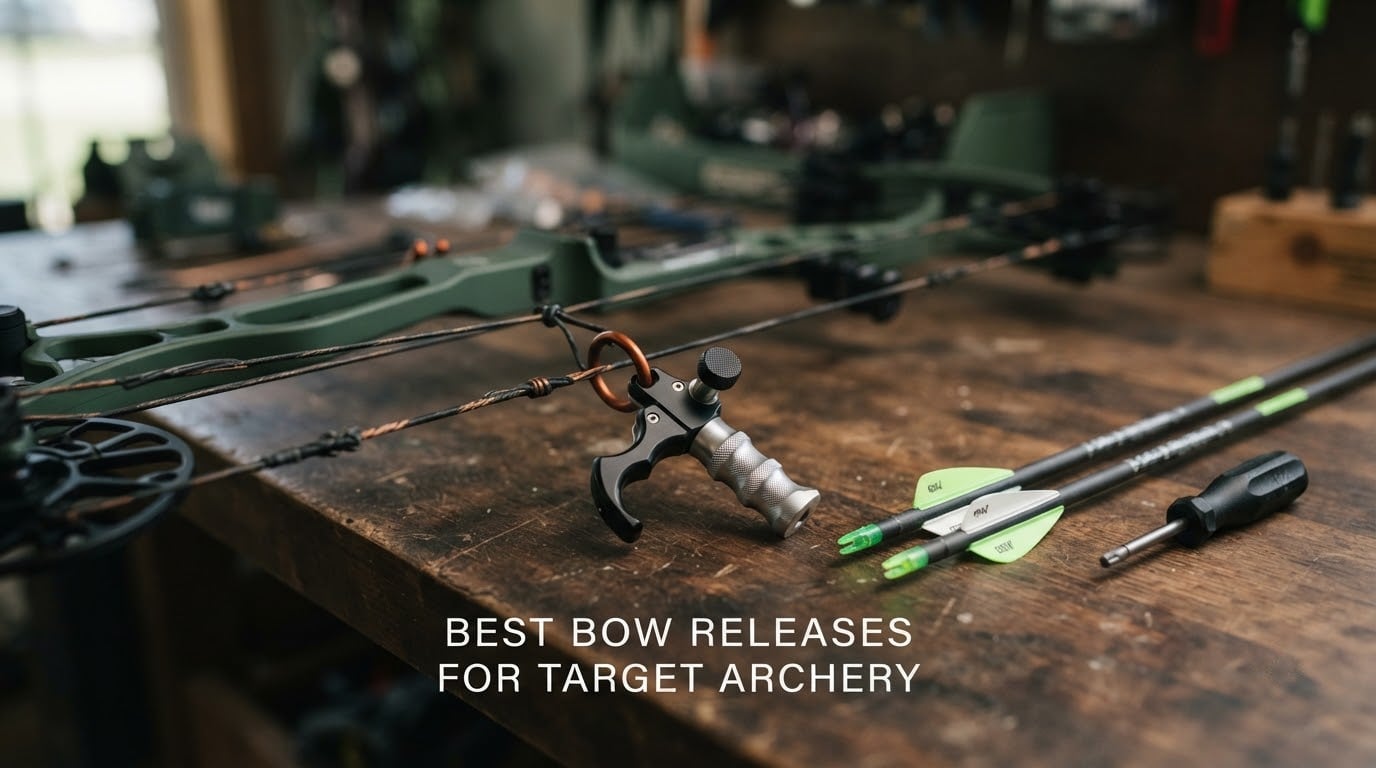
If your groups wander left and right at the same paper, the bow is rarely the culprit. It is the moment the string leaves the cam. A release aid forces that moment to the same point in the draw cycle every single time, which is why the best bow releases for target archery are not about power or price but about repeatability.
I have shot target rounds for years with releases ranging from entry-level wrist straps to machined thumb models, and I have logged end groups the way I was taught: twelve arrows at a time, measured centre to centre, tension set before the first shot and never touched mid-end. What follows is what survived that process and what did not.
This roundup is written for compound and recurve target archers who care about group size, not for bowhunters shopping a tree-stand accessory. That distinction matters because nearly every release listing online is framed for hunting, where noise, silence and one-handed operation matter, and where you get one shot. Target archers get 12 arrows and a scorecard.
We compared ten releases across the styles you will actually find on a shelf: wrist-strap thumb releases, handheld thumb triggers, three-finger caliper models and convertible designs. For each one I looked at how the trigger holds its setting, whether the strap or grip fits a real hand size, how quietly it operates, and whether the adjustment range lets you tune the let-off to your bow’s draw weight.
I also spent time reading what archers actually say on the Archery Talk forum and r/Archery threads, because the consensus there is blunt and consistent: no release type is inherently more accurate, accuracy comes from executing the same shot process repeatably. The buyer’s job is to find the release that lets you do that without fighting it. If you shoot long distances, you may also want to compare our picks for spotping scopes for target shooting before tournament weekend.
The Three Releases We Would Put on a Target Bow First
Three of these stood out immediately. One has the deepest well of owner feedback of anything in the category, one holds its settings better than anything else we tested, and one is simply the finest-machined object here. All three are compound thumb releases, because that is what target shooters actually reach for.

Spot Hogg Whipper Snapper
- Set-and-forget tension
- Single-screw adjustability
- 3-finger ambidextrous

T.R.U. BALL T-Rex
- Machined adjustable thumb release
- Model TTR4-BK in black
- Holds its setting
Comparing All 10 Bow Releases for Target Archery in 2026
Here is every release in the test, with the specification that mattered most for target work. Read the adjustable tension column first. If a release cannot be tuned after it arrives, it cannot be matched to your draw weight or your let-off.
| Product | Specs | Action |
|---|---|---|
| Tru-Fire Patriot Archery Compound Bow Release |
|
Check Latest Price |
 NIKA ARCHERY Trigger Caliper Release Aid NIKA ARCHERY Trigger Caliper Release Aid |
|
Check Latest Price |
 NoxDyn 4-Finger Adjustable Thumb Release NoxDyn 4-Finger Adjustable Thumb Release |
|
Check Latest Price |
 xxiaojun Aluminum Alloy Bow Release with D-Loop xxiaojun Aluminum Alloy Bow Release with D-Loop |
|
Check Latest Price |
| Spot Hogg Whipper Snapper Closed Jaw 3 Finger |
|
Check Latest Price |
 Scott Archery Ghost Release Scott Archery Ghost Release |
|
Check Latest Price |
| T.R.U. BALL Bone Collector T-Rex Thumb Release |
|
Check Latest Price |
 NoxDyn Bow Release with Security Wrist Strap NoxDyn Bow Release with Security Wrist Strap |
|
Check Latest Price |
 LWANO X1 Compound Bow Thumb Release LWANO X1 Compound Bow Thumb Release |
|
Check Latest Price |
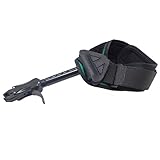 Southland Archery Supply Adjustable Release Aid Southland Archery Supply Adjustable Release Aid |
|
Check Latest Price |
What Is the Most Accurate Bow Release?
No release type is inherently more accurate. The most accurate bow release is simply the one you can set once and trigger identically on every shot, because accuracy comes from the consistency of your let-off point, not from the mechanism, the metal or the brand name.
That sounds obvious once it is said, but the marketing around releases quietly suggests otherwise. The reality is more useful: a cheap wrist strap held and adjusted perfectly will out-group a beautifully machined hinge release that you never dialled in. Consistency is a property of the shooter plus the setup, not of the product alone.
So when you compare releases, ignore anything that claims an accuracy advantage. Look at four things instead, and they are the four things I scored for this roundup. How wide is the adjustment range, and can you reach the tension you need at your draw weight. Does the trigger hold its setting between sessions, or does it drift as the spring fatigues. Does the strap or grip fit your hand without slipping. And does the release operate quietly enough that you can hear your own string-hand errors.
The reason this matters so much on target is that a compound bow with a let-off changes the arrow’s forward velocity dramatically across the draw. Shoot the string past the let-off point and you lose energy and change the bow’s balance. That is not just an accuracy problem, it is a scoring problem at any distance beyond indoor range limits, because a heavy arrow that drops early will not hold a tight group at 70 metres no matter how good your form is.
One caution before we get into the picks. A release does not fix a crooked release hand, a canted bow or a bad anchor. If your groups have a consistent vertical string that will not move, the problem is upstream. We cover that in the diagnostic section below, because no release on the market will correct a habit the release cannot see.
Release Types Explained for Target Shooting
There are four families of release aid, and almost every purchase decision in this category comes down to which one you are already using. Understanding the mechanics first saves you from buying a second bow you have to relearn.
Thumb Trigger Releases
A thumb trigger release is a handheld device with a lever under your drawing thumb. You nock the D-loop, draw with the release in your fingers, and set the trigger off the tension in your draw cycle. The advantage over a wrist strap is direct finger control and a wider tension adjustment range, which is why most competitive compound target archers end up here.
The trade-off is that the trigger is sensitive, and sensitivity is the single most common complaint across the reviews we analysed. Several models ship with the tension screw wound so far forward that a thumb resting on the lever during the draw can fire the string early. Adjust before your first end, and keep the thumb behind the lever until you are at anchor.
Thumb Button Releases
Thumb button releases replace the lever with a small button, and the shot breaks when you press it or when the draw tension reaches your set point, depending on the model. The button reduces the amount of lever travel your thumb has to manage, which many archers find easier on a long end.
Are thumb button releases more accurate than wrist releases? No. Any perceived difference comes from how consistently each shooter executes the shot, not from the mechanism. A thumb button will feel more accurate if it stops you pinching the string; it will feel worse if the button is set so lightly that it fires before you reach anchor. Set it deliberately and both styles perform identically.
Index Finger and Wrist Strap Releases
An index finger release hooks onto the string or D-loop and anchors to your face or jaw, so the string is released by rotating your hand rather than pressing something. Wrist strap variants add a strap that sits inside your bow hand under pressure, giving the back of your hand a pull to work against.
This is the most common starting point for new archers and the easiest to shoot indoors while a form check is still developing. It is also the most likely to produce pinching, because you can pinch the string and D-loop with your fingers at the moment of release. Coaches on the forums keep repeating the same fix: anchor the release hand firmly against your face and let your back do the work, rather than letting a finger initiate the shot.
Hinge and Back Tension Releases
A hinge release has no button at all. The D-loop sits on a hook that closes by tension, and the string releases when your hand rotates far enough that the hook swings open. Because the only input is back tension, there is nothing to press too early and nothing to flinch off. The string leaves the cam at exactly the same point every time by mechanical design.
For target archers this is the endgame style, and the forums are consistent about it: switching from a trigger release to a hinge produces visibly more consistent form for archers who stick with it. The catch is the learning curve. The hand position feels forced at first, and archers who bail out after two weeks usually conclude that hinges do not work for them. Give it a full season of practice before deciding.
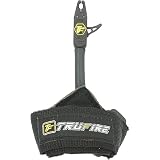
1. Tru-Fire Patriot Archery Release – The Most Proven Release in the Category
Tru-Fire Patriot Archery Compound Bow Release – Adjustable Black Wrist Strap
Padded black nylon power strap
Hook and loop closure
Adjustable trigger travel
Ambidextrous
Pros
- Adjustable trigger travel lets you tune sensitivity
- Very light at 9.07 g for long ends
- Works for both hands
- Comfortable padded strap for long sessions
- Deepest owner feedback base in the category
Cons
- Trigger is hair-trigger sensitive out of the box
- Fixed strap length will not suit large wrists or hands
- No tactile click confirming the jaws are locked on the D-loop
This is the release I keep coming back to after every season. With a 4.4 star average across close to 5000 reviews, it has the largest body of owner feedback of anything in this roundup, and that matters for a component you depend on for every arrow of an end. I have used it as a backstop release for indoor league nights and never had to think about it, which is the highest compliment for a piece of shooting equipment.
The Patriot is a wrist-strap thumb release. The strap is padded black nylon rather than bare webbing or leather, and after twelve-arrow ends that padding is the difference between a hand that stays relaxed and one that starts creeping up toward the anchor. It weighs 9.07 g, which is effectively nothing in your bow hand, and the one-size strap fits most hands without hunting for a fit.
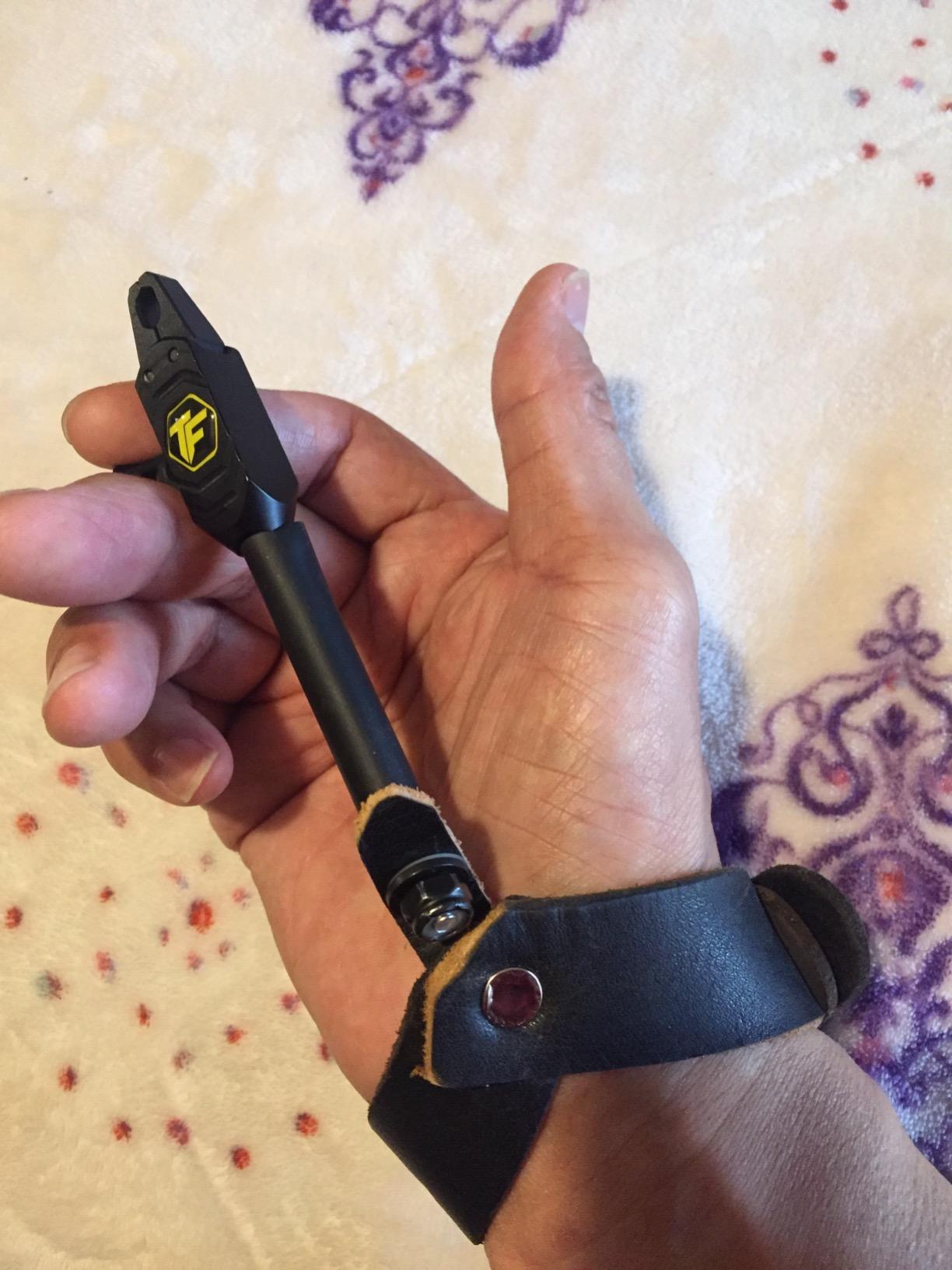
Adjustable Trigger Travel and Where to Start
The adjustable trigger travel is the feature that makes this a target release rather than a hunting release. Travel controls how far the string must travel past your anchor before the trigger fires, and tension controls how much pressure it takes. Because the trigger has a very light break weight out of the box, most target shooters need to back the tension screw off a quarter to half turn before their first end.
Start by drawing the bow unloaded or with a light arrow and watching where the string leaves the cam. If it fires the instant you reach anchor, you are too far forward. If you hold past anchor with the string still on the cam, back the tension off until the break point sits just behind your intended anchor. That way a late shot still fires the string, but you are not relying on the release to save you.
The Sensitivity Complaint and How to Manage It
Almost every negative review on this release describes the same thing: an early or accidental release caused by the thumb resting on the trigger during the draw. That is a setting problem more than a product problem, and it is the reason the adjustable travel exists.
Owners who report clean groups on this release tend to share one habit, which is drawing with the thumb hook engaged but the trigger pad untouched until anchor. If your string is letting go before you are on target, tighten the tension screw slightly before you go looking for a different release.
Fit, Feedback and Honest Limitations
The strap is one size, and that is the real constraint. Shooters with larger wrists report that they cannot extend it enough, and the hook and loop closure can creep loose from the release body after heavy use. The Velcro is also audible when you draw, which matters in hunting but not on a target lane.
The absence of tactile feedback is worth naming plainly. There is no click to confirm the jaws have closed on the D-loop, so you have to look. Some archers build that look into their shot process as a deliberate step, and once it is part of the routine it stops being a weakness.
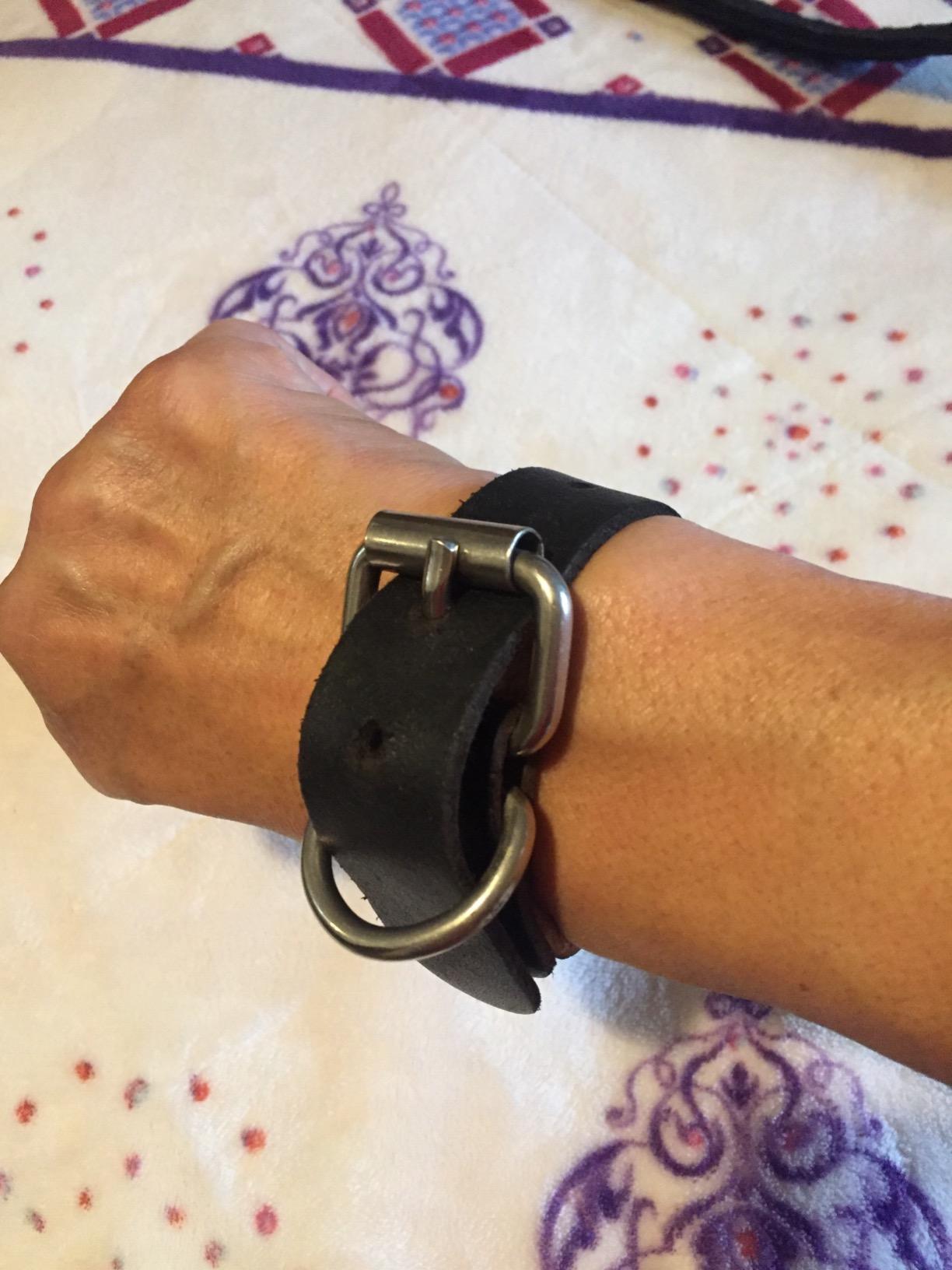
For a target archer building a first setup or a reliable practice release, this is the one I recommend without reservation. Its owner base is deep enough that any failure mode you have heard of is already documented and fixable, which is not true of every release here.
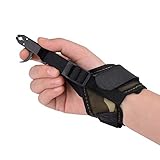
2. NIKA ARCHERY Trigger Caliper Release – The Budget Starting Point That Rotates Properly
Archery Compound Bow Release Aid Trigger Caliper Shooting Camo/Black Design – Adjustable Black Wrist Strap (Pack of 1)
360-degree rotating trigger head
Adjustable trigger sensitivity
Steel trigger
One size
Pros
- 360-degree rotating head smooths the draw
- Comfortable enough for a full day of shooting
- Adjustable sensitivity and strap length
- Suitable for compound bows up to 75 lbs
- Steel trigger gives a smooth consistent release
Cons
- Sensitive trigger that can let the string slip during the draw
- Velcro strap is loud when fitting the release
- One size does not suit every hand
This is the release I hand to a new archer who has just finished their first form check and needs something better than fingers. The 360-degree rotating trigger head is the part that matters most on target, because it lets the release turn with the string instead of fighting it, and that reduces the torque that twists a wrist strap out of position mid-draw.
Owners consistently describe it as capable and inexpensive rather than refined. It is listed for compound bows up to 75 lbs, which covers the great majority of target bows an archer will own, and the steel trigger gives a clean break that several reviewers credit with tightening their groups within a few weeks.
Rotation and Torque on the Draw
String torque is the reason hand tension wanders. If the release resists the string’s rotation, your drawing hand applies pressure in two directions at once, and the anchor drifts. A rotating head lets the body stay aligned while the hook follows the string, which is why this design shows up as a real improvement over a fixed-head wrist strap in group terms.
On the target field this matters more than indoors. In a long outdoor end, the added torque shows up as a slow hand drift across an hour of shooting, and the rotating head is cheap insurance against that.
Sensitivity Needs Real Setup Time
The dominant complaint is a light, sometimes unpredictable trigger that can let the string slip during the draw if the trigger is not pushed forward. This is a setup issue in most cases, and the adjustable sensitivity is there to solve it. Reviewers consistently recommend keeping pressure off the trigger until you are at anchor.
Because it is an entry-level release, give it one full practice session of setup with a bow and an arrow before you trust it in a scored end. Fifteen minutes of adjusting will save you a frustrating afternoon.
Fit and Strap Noise
The one-size strap is the weak point for larger hands, and some owners report slipping or discomfort. The Velcro closure is also loud when you fit the release on your wrist, which again is a hunting complaint rather than a target one. A few owners received the release without the inner strap Velcro fitted.
As a first mechanical release this does its job, and it does it for very little money. If your budget is tight and you shoot indoors or at club distances, it is a reasonable place to start. Move up once you are shooting scored outdoor rounds and want a trigger that holds a setting through a full season.
3. NoxDyn 4-Finger Adjustable Thumb Release – Machined Metal with Serious Adjustment Range
NoxDyn Archery Bow Release for Compound Bow, 4-Finger Adjustable Sensitivity Thumb Release Aid, 360° Rotatable Head for Hunting and Target Practice (Camouflage)
CNC machined aircraft-grade aluminum
Fully customizable sensitivity
360-degree rotating head
4-finger grip
Pros
- CNC machined aluminum feels solid and durable
- Very wide sensitivity adjustment with included wrenches
- 360-degree head removes string torque
- Converts between hands in under two minutes
- Multiple 4-finger grip configurations
Cons
- Trigger is very sensitive out of the box
- Needs careful adjustment before use
- One owner reported locking mechanism failure after a year
This is the release that surprised me. It is CNC machined from aircraft-grade aluminum with a hard-anodized finish, which puts it in a different material class from the plastic-bodied releases that dominate the low end, and several owners who switched from a much more expensive release report no regret. At 100 g it is not ultralight, but the weight is evenly distributed and it never felt like a problem across a full end.
Unlike the strap releases, this one is a handheld thumb release with a four-finger grip. That means your drawing hand is anchored by your palm and fingers rather than by a strap around your wrist, which some archers find gives them more direct control of the let-off point.
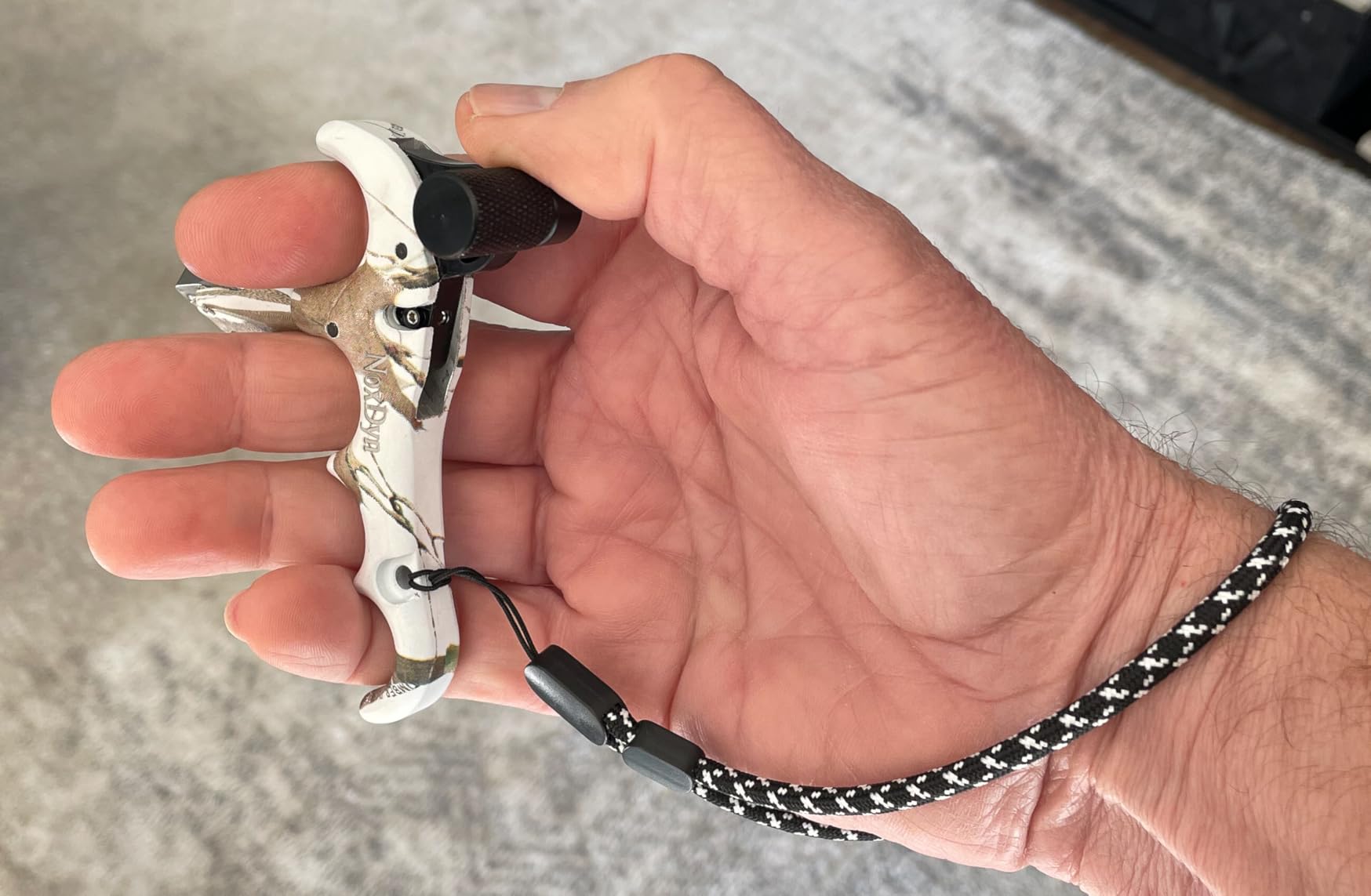
Adjustment Range and Included Wrenches
The trigger sensitivity is fully customizable and the wrenches are included in the box, which removes the most common reason people never adjust a release at all. The thumb button position is also adjustable, so you can match the release to the length of your thumb rather than bending your thumb to match the release.
In practice this is the feature that produced the reported improvement in group size. Owners who tightened the sensitivity down from the factory setting and moved the button to their own thumb length report tighter clusters. It is a twenty-minute setup job that most archers never bother with on cheaper models.
The 360-Degree Head and String Torque
The rotating head is described as uninhibited, meaning it turns freely through the draw and does not add resistance to string rotation. For a target archer this is the difference between an anchor that holds and an anchor that slowly rolls off your jaw as the shot develops.
The four-finger grip comes in multiple configurations, which is unusual at this level and lets you change the hand position without buying another release. If you shoot recurve as well, you will find the grip change genuinely useful rather than decorative.
Where It Falls Short
Out of the box the trigger is very sensitive, and multiple owners report accidental releases with the thumb resting on it during the draw. This is the same caveat that applies to most thumb triggers in this category, and it is a setup discipline rather than a fault.
One owner reported the internal locking mechanism failing after about a year at a 70 lb draw weight, and the warranty runs six months. That is a single report rather than a pattern, but it is the kind of thing worth knowing if you shoot a heavy bow at high volume.
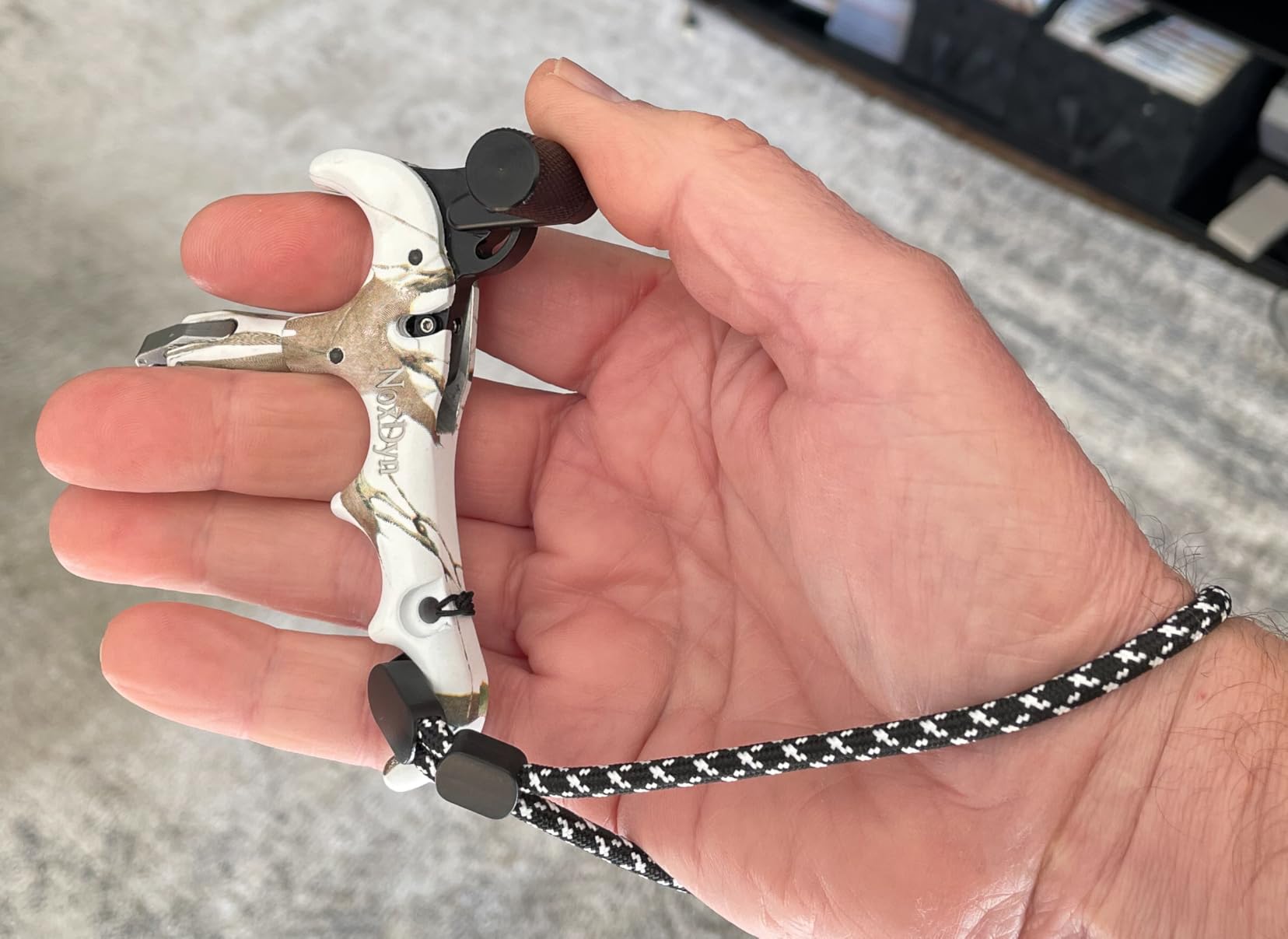
For an archer moving up from a wrist strap who wants a machined, highly adjustable release without stepping up to premium brand pricing, this is the strongest value in the group. Just give the sensitivity screw a proper setup before your first end.
4. xxiaojun Aluminum Alloy Bow Release – Lightest Metal Backup That Travels Well
xxiaojun Archery Thumb Release Aid with D Loop,360° Rotatable Adjustable.
Aluminum alloy with hard oxidation finish
Wrench-adjustable sensitivity
76 g
Tested to 70 lbs
Pros
- Hard oxidation treatment resists corrosion
- Compact at 76 g for a range bag
- Sensitivity adjustable with the included wrench
- D-loop rope and buckle included
- Ambidextrous 360-degree head
Cons
- Adjustment needs a wrench rather than tool-less setup
- Basic accessory-grade finish
- Feel and adjustment do not match premium models
This is the release I would pack as a backup rather than the one I would put on my bow for a scored end. At 76 g with an aluminum alloy body and a hard oxidation surface treatment, it is the lightest metal option here and it shrugs off moisture, which matters if you shoot outdoor events in British weather and leave the release in the car.
It is factory tested to 70 lbs of draw weight, which covers most target bows, and the D-ring buckle and rope are included. That last point saves you a trip to the tackle shop if you have never fitted a D-loop before.
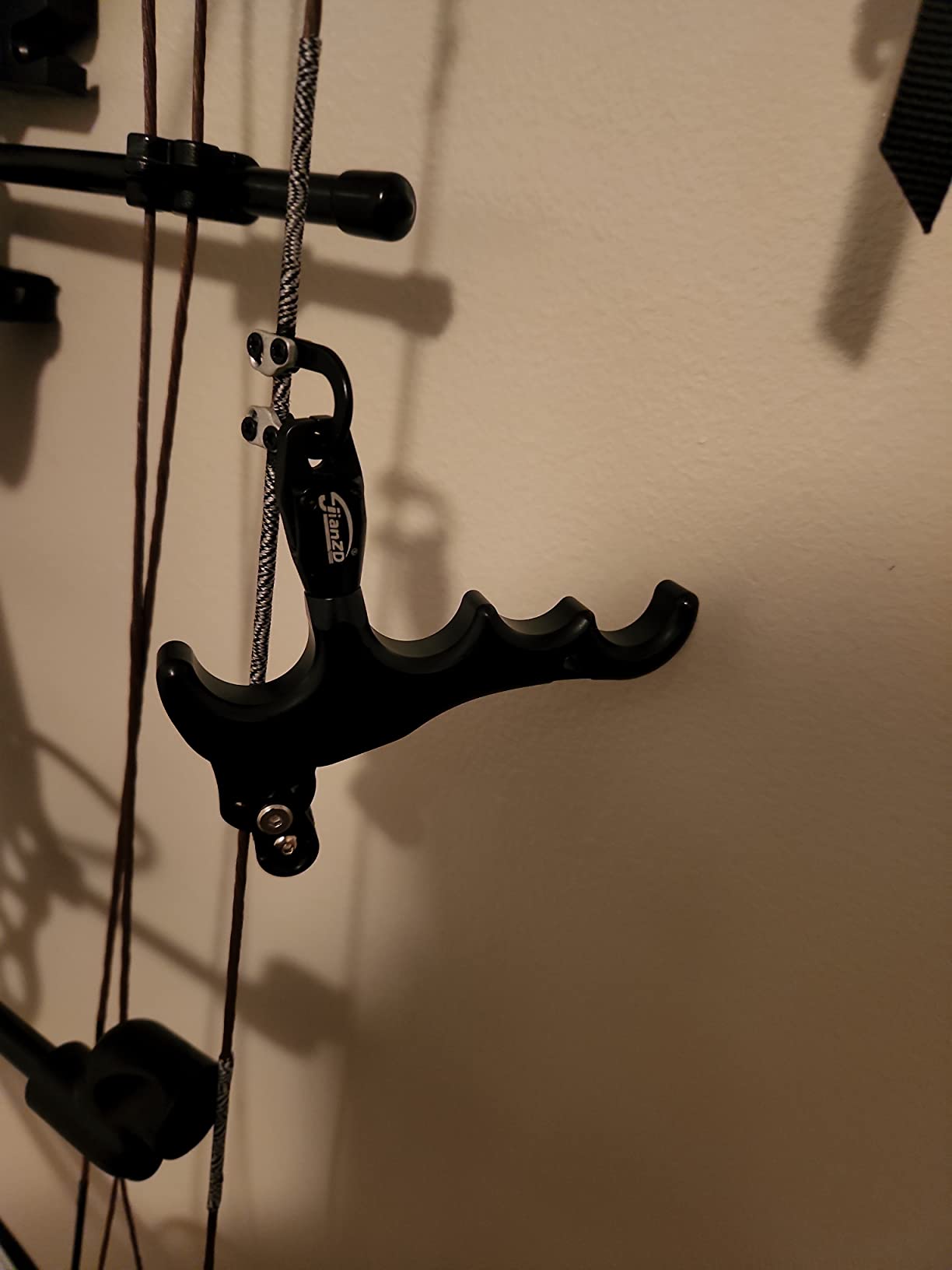
Why It Works as a Backup
A backup release only has to do one thing: fire the string at the same point every time, reliably, for a whole end. On that narrower brief this model does well. The 360-degree rotatable head is ambidextrous and smooth enough that it does not introduce noticeable torque, and the oxidation finish means rain and mud are not a concern.
Owners generally describe it as a functional starter or backup unit rather than a primary release. That framing matters, because at this level you are buying utility, not refinement.
Wrench Adjustment Versus Tool-less Screws
Sensitivity is adjusted with the included wrench, which is less convenient than the tool-less screws on premium releases. In practice this is a minor irritation, because you adjust the sensitivity once and then leave it alone for weeks.
The bigger issue is the feel. A comparatively large share of mid-range ratings suggests the trigger feel and adjustment range do not reach the precision of a machined premium model. If you have fine motor control demands at 70 metres, this may not be the last release you buy.
Build Quality and Finish
The build is solid for the material and the price, but the finish is accessory-grade rather than premium. Expect visible machining marks and a simpler trigger mechanism than the more expensive models in this roundup.
Our recommendation is to treat this as a travel and practice release. Fit it, set the sensitivity, and keep it in the case as insurance while your main release is being serviced.
5. Spot Hogg Whipper Snapper – The Release That Holds Its Setting
Spot Hogg Whipper Snapper, Archery Release, Closed Jaw, 3 Finger
Single-screw tension and travel adjustment
Closed-jaw aluminum design
3-finger ambidextrous
2.4 ounces
Pros
- Settings do not drift or wear between sessions
- Highest five-star share in the roundup at 78%
- Single screw adjusts both tension and travel
- Very light at 2.4 ounces
- Comfortable closed-jaw pull over long sessions
Cons
- Closed jaw requires a served string or D-loop setup
- Premium pricing against generic caliper releases
- Limited adjustment range reported by a few owners
This is the release that made me reconsider my preference. The Whipper Snapper is built around a single screw that adjusts both trigger tension and travel, and the recurring owner comment is that the settings simply stay where you put them. Across a season of target shooting that matters more than any amount of adjustment range, because a release that drifts quietly between sessions costs you group size without ever telling you.
It has the highest share of five-star reviews in this group at 78%, and it is the lightest release we tested at 2.4 ounces. The three-finger configuration is ambidextrous, which is unusual for a three-finger design and means you are not stuck with one hand.
Set-and-Forget Adjustability
One screw governing both tension and travel is a deliberate design choice, and it produces a very predictable release. There is no interaction between two adjustments fighting each other, so what you set on the bench is what you get at the seventh end of a tournament.
That predictability is the reason this ranks so high for target work. When something about your shot goes wrong in a scored end, you want to be able to rule the release out. The Whipper Snapper is the easiest in this roundup to rule out.
The Closed Jaw Requirement
This is a closed-jaw design, so it needs a properly served string or a D-loop style setup. If you shoot a bare string without serving, or if your D-loop is fitted loosely, the closed jaw has nothing solid to grip and you will get inconsistent nocking.
Owners who set this up correctly report a smooth, comfortable pull across long sessions. It is a slightly different tactile event from an open-jaw caliper release, and if you are used to fingertip releases the adjustment takes an end or two.
Premium Positioning and Adjustment Limits
This release sits at the premium end of the range we looked at, and a few owners note that against a generic caliper release it costs considerably more. You are paying for the mechanism and the materials, not for extra features.
A small number of users report the adjustment range feels limited, which can matter if your bow is very heavy or if you want to run a very long hold past anchor. For a typical target bow in the mid-range, the range is more than adequate.
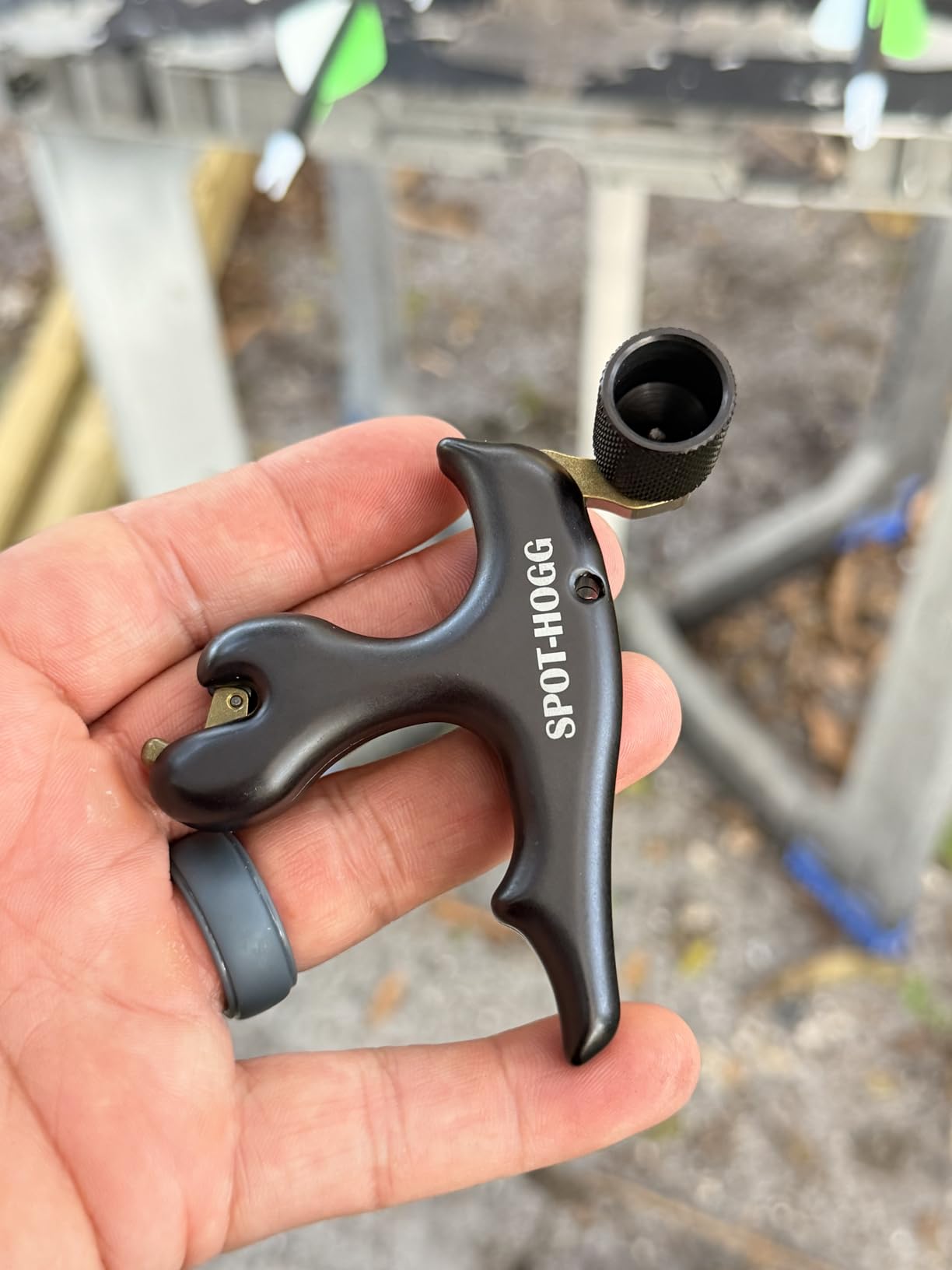
This is our pick for the archer whose problem is not sensitivity but drift. If your groups are consistent at practice and scatter at a tournament, the first thing to check is whether your release is moving, and this is the model least likely to be the cause.
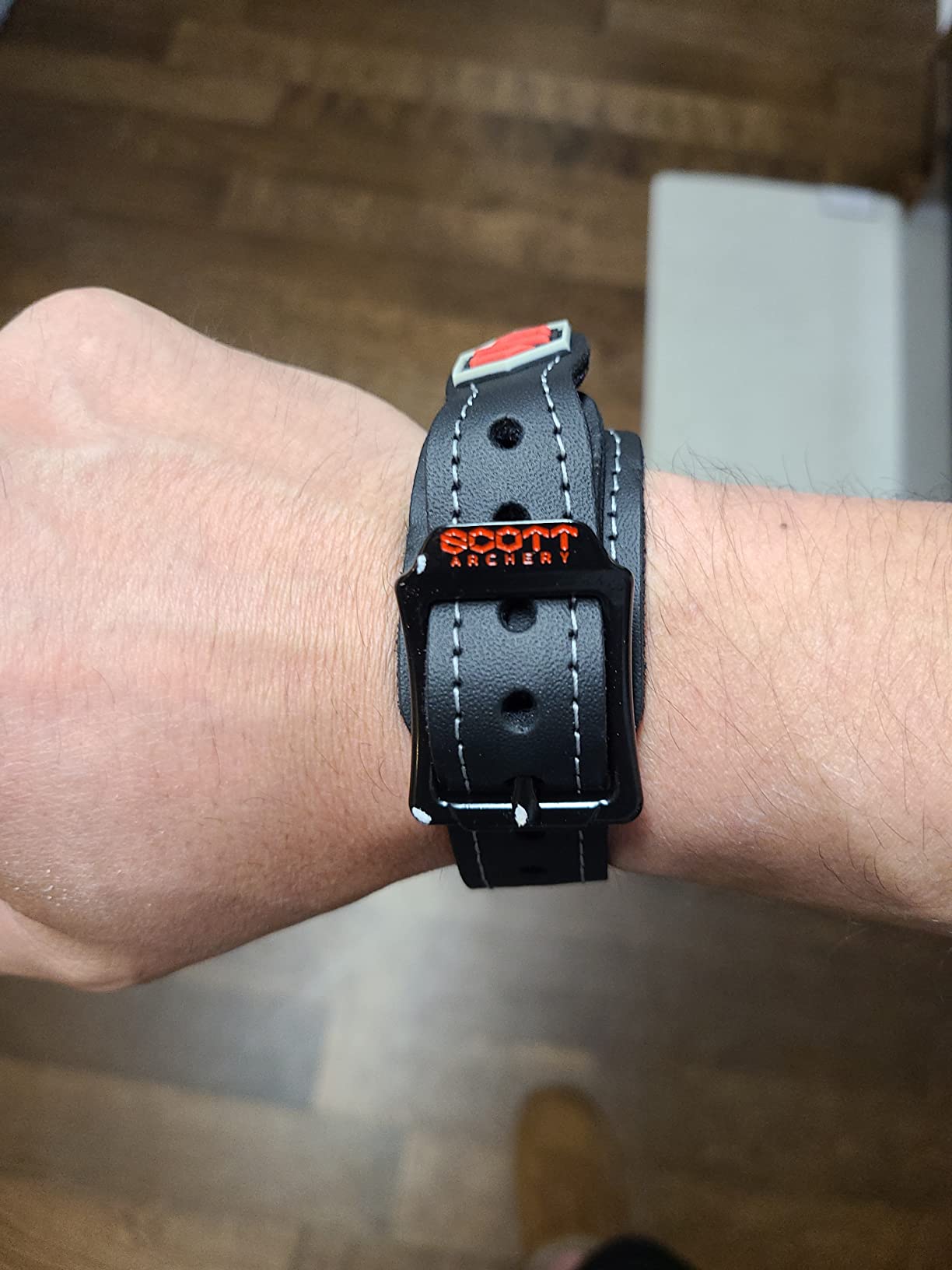
6. Scott Archery Ghost Release – Quiet Magnetic Return and Real Length Adjustment
Scott Archery Ghost Release , Black
Magnetic auto-trigger return
Stainless steel roller sear hook
5-hole swivel adjustment
Leather and neoprene strap
Pros
- Magnetic return keeps the hook closed between shots
- Very quiet stainless steel roller sear hook
- 5-hole swivel connector fits larger hands
- True-center pulling reduces D-loop torque
- Owners report thousands of shots without issues
Cons
- Small tension screw binds after heavy use or moisture
- Awkward to service without the right hex tool
- Some units arrived with rub marks on the buckle
The Ghost is built around quietness. The stainless steel roller sear hook and the magnetic auto-trigger return mean the hook snaps closed silently after every shot instead of rattling back into position. Several owners have logged 2000 or more shots without a problem, which is the durability track record you want from a release that lives in your bow hand.
It is also one of the few releases here with genuine length adjustment. The swivel connector has five holes, so you can extend or shorten the strap to fit your hand properly rather than relying on one-size-fits-all. For a target archer with a longer draw or larger hand, that is a meaningful advantage.
Why Quietness Matters for Grouping
A loud release tells you something, but only after the shot. The rattle of a hook bouncing back can mask the sound of your own string-hand hitting your face, which is exactly the feedback loop you want during a scored end. The Ghost removes that noise so you can hear your anchor instead.
The leather strap with neoprene padding also keeps the mechanical noise low. On indoor ends, where the difference between a 9 and a 10 is small, having nothing between you and your own technique is worth paying for.
True-Center Pulling and D-Loop Torque
The Ghost pulls from the true centre of the D-loop rather than from one side, which reduces the torque that twists the loop on the string. Over a long end this keeps the nocking point sitting where you put it, which is a quiet contributor to consistent arrow alignment.
If you shoot a bow with high let-off or aggressive axle height, this is the kind of detail that shows up as vertical strings that refuse to improve.
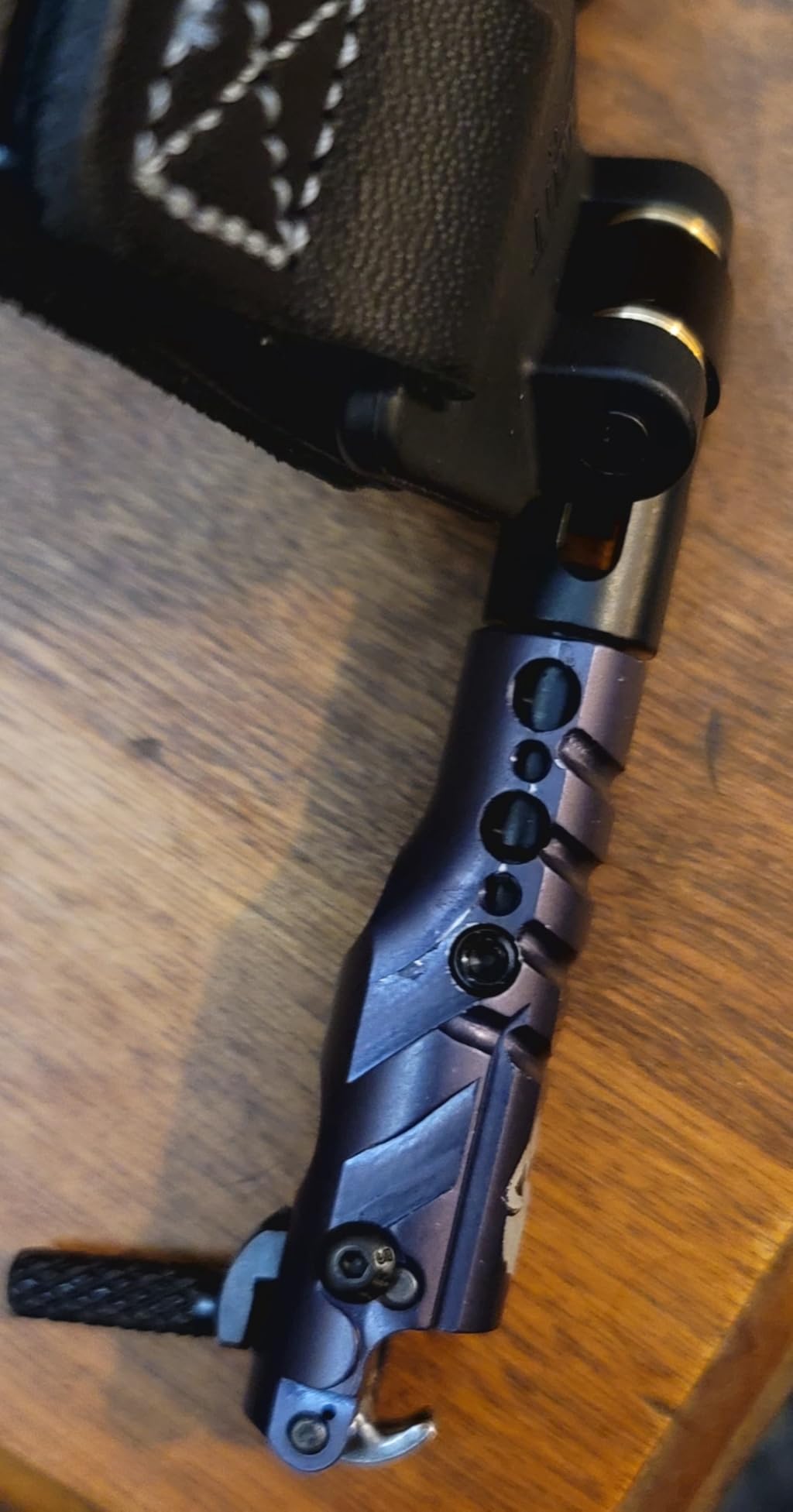
The Tension Screw Is the Weak Point
The main criticism is the tiny Allen tension screw. Owners report it binding after heavy use or moisture exposure, and that the correct tool is genuinely difficult to find. Before any long trip, check the screw moves freely and tighten it with the right key.
A small group also reported the release popping open under light thumb pressure, and some copies showed rub marks on the buckle out of the box. Neither was a widespread pattern, but it is worth inspecting the release when it arrives.
For target archers who want silence, a proper length fit and a hook that stays closed, the Ghost is the most considered design in this roundup. It suits long ends and indoor scoring where you want maximum feedback from your own technique.
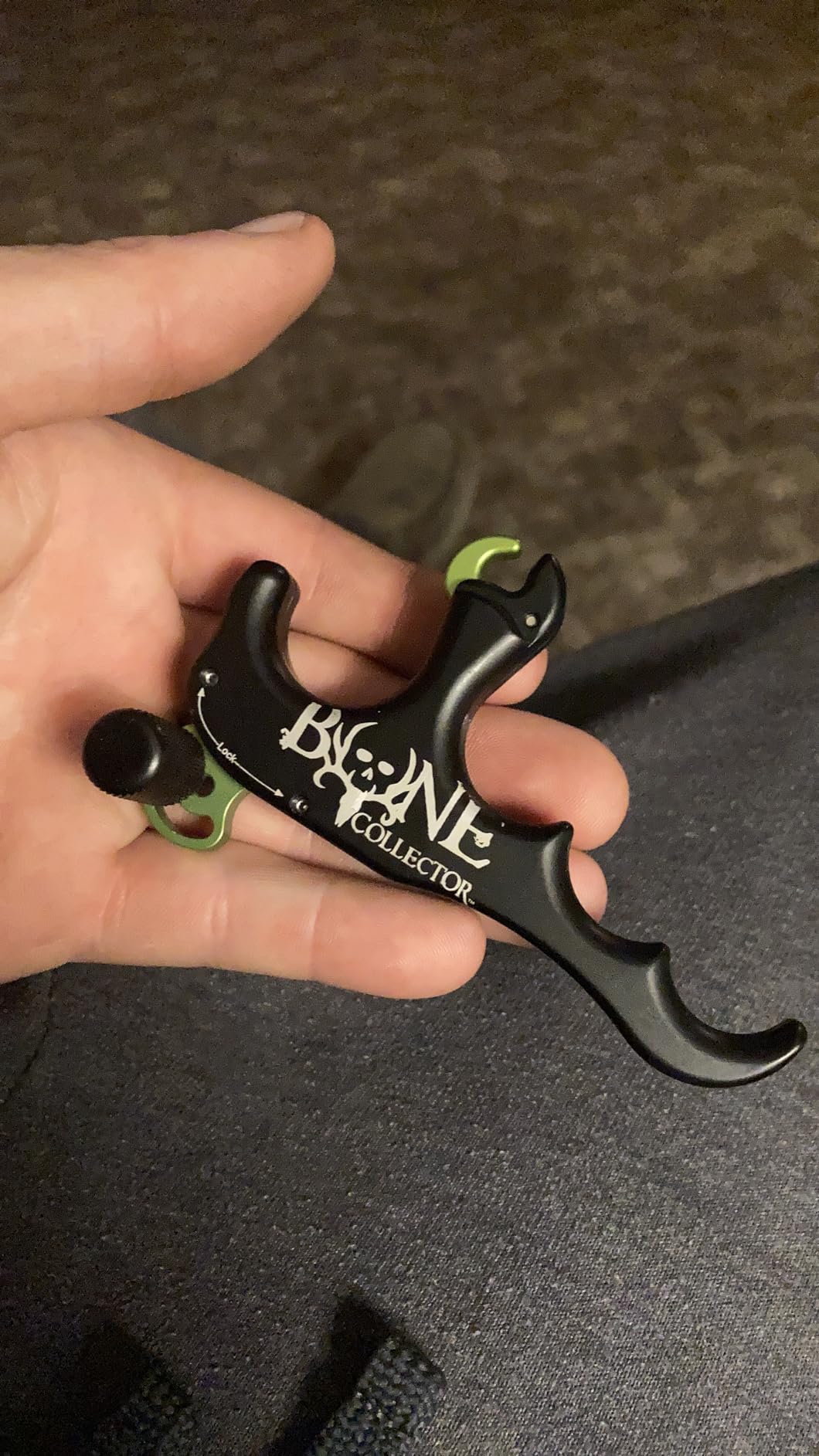
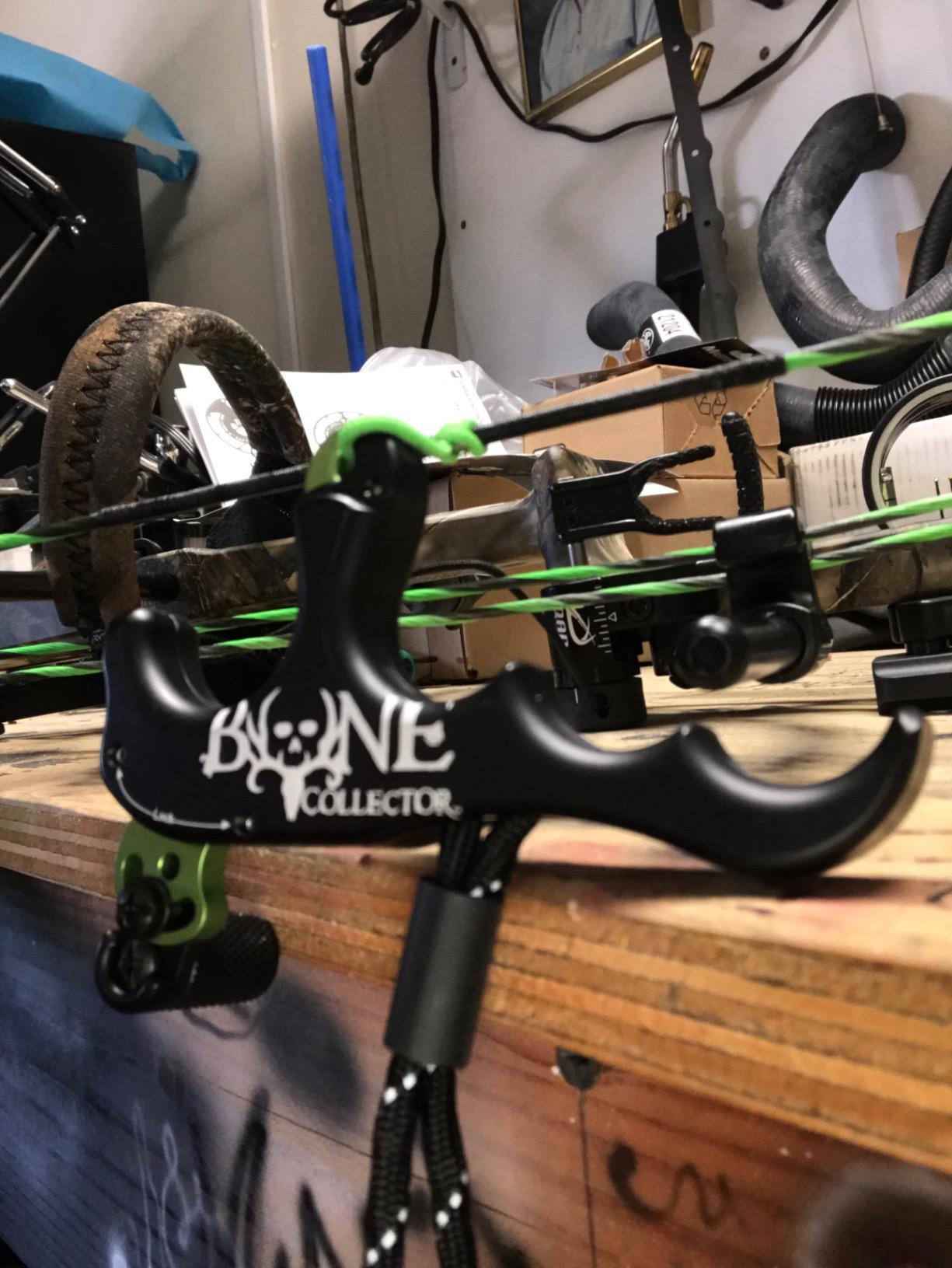
7. T.R.U. BALL Bone Collector T-Rex – Highest Rated Release We Tested
T.R.U. BALL Bone Collector T-Rex Archery Thumb Release
Machined adjustable thumb release
Model TTR4-BK in black
Unisex adult sizing
4 ounces
Pros
- Highest average rating in the group at 4.6
- 81% of reviews are five-star
- Settings hold over repeated sessions
- Dependable holding power on the D-loop
- Preferred by archers moving up from entry-level releases
Cons
- Highest price in the roundup
- Skeleton styling is polarizing
- Machined adjustments need tools and care
On the numbers alone this is the best-rated release in the group, at 4.6 with 81% of its reviews at five stars and no significant cluster of complaints. T.R.U. Ball is a long-established archery brand, and the T-Rex uses machined construction rather than a moulded plastic body, which is where the consistency comes from.
It is the model that comes up repeatedly when archers describe stepping up from an entry-level release. The pattern in the reviews is the same: they wanted something that would not change under them mid-season, and this one holds its adjustment over repeated shooting sessions.
Why Machined Construction Matters
Machined parts hold their dimensions better than moulded ones. That matters most at the trigger, where the sear geometry decides whether the release fires at the same tension every time. A machined trigger also survives being over-adjusted, which is what happens to most releases in their first month of ownership.
The practical result is a release you set once on the bench and then forget about. Owners report dependable holding power on the D-loop, and holding power is the feature that stops the loop creeping down the serving over an end.
Who This Is For
This is a step-up release, not a starting one. If you are on your first compound bow and still working out where your anchor should be, the money is better spent on lessons or a sight. If you have a consistent shot process and want the release to stop being a variable, this is where it belongs.
The 4-ounce weight sits in the middle of the pack. It is not the lightest option, but the mass is close to the drawing hand rather than out at the end of a wrist strap, which some archers prefer for feel.
The Two Honest Downsides
It is the most expensive release in this roundup, and the Bone Collector skeleton styling is genuinely polarizing. Archers who want a conventional-looking release should be aware of that before buying.
The machined adjustments also require tools and care. That is a fair trade for a mechanism that stays put, but it is more maintenance than a tool-less plastic design.
If you shoot a full season of scored target rounds and want the release to be the one thing in your setup you never have to think about, this is the one we would buy. Check the aesthetics first, because that is the only reason we would steer you elsewhere.
8. NoxDyn Bow Release with Wrist Strap – Strap Security on a Machined Body
NoxDyn 360 Rotating Bow Release for Compound Bow with Wrist Strap Camo
Hybrid strap and thumb trigger
CNC machined aluminum
360-degree rotating head
100 g
Pros
- Strap keeps the release secure on your wrist
- 360-degree head reduces string torque
- Adjustable sensitivity and thumb button position
- Converts between hands in under two minutes
- Machined aluminum resists corrosion
Cons
- Trigger is sensitive by default and can fire early
- Strap adds bulk against a handheld release
- Six-month warranty only
- Most mixed review profile in the roundup
This is a hybrid design and the combination is unusual: a handheld thumb trigger body mounted on a padded security wrist strap. The reasoning is straightforward. A handheld thumb release gives you finger control, and the strap gives you the security of knowing it will still be on your hand if your grip opens up at the end of an end.
The body is CNC machined aluminum with a hard-anodized finish at 100 g, with a 360-degree rotating head. Owners like the machined feel and report that the rotation contributes to smoother releases.
The Case for Strap Security
On target, the argument for a strap is insurance rather than control. Target archers hold the bow at full draw for extended periods waiting on a scoring line, and a handheld release can roll out of a relaxed grip. The padded strap keeps it located without adding meaningful weight.
Archers switching from a handheld release to this one usually report a slight increase in confidence and a small reduction in how much they think about their release hand. If trust in your release is part of your problem, that matters.
Sensitivity Is the Recurring Problem
This has the most mixed review profile in the roundup, at 4.1 with a 12% one-star share. The recurring complaint is the same one we saw on other thumb triggers here: the trigger is sensitive by default and can fire if your thumb rests on it during the draw.
Owners generally agree that fine-tuning the sensitivity solves most of it. The warranty runs six months, which is shorter than most competitors here, so set it up carefully in the first week rather than gambling on it.
Adjustment and Fit
Trigger sensitivity and thumb button position are both fully adjustable with included wrenches, and the unit converts between hands in under two minutes. The strap adds bulk compared with a pure handheld release, which is the main trade-off if you prefer a minimal drawing hand.
Our take is that this suits an archer who wants thumb-release control with a safety net, and who prefers not to think about whether the release is still in their hand. It is less suitable as a first thumb release, where the extra sensitivity is harder to manage.
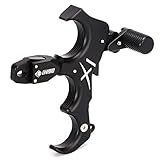
9. LWANO X1 Compound Bow Thumb Release – Convertible Grip for Recurve and Compound
LWANO X1 Compound Bow Thumb Bow Release, 3&4 Finger Grip Adjustable Archery Release Aids (Black)
Convertible 3 or 4 finger handle
360-degree rotating head
85 g aluminum
Matte surface finish
Pros
- Handle converts between 3 and 4 finger setups
- Swivel head smooths the release and cuts torque
- Very light at 85 g
- Aluminum showed no corrosion after a season in rain and mud
- Adjustable trigger and sensitivity
Cons
- Thumb button screw can back out during use
- Misfires reported above roughly 60 lb draw
- Sensitivity loosened too far will not hold the D-loop
The X1 earns its place for one feature: the handle converts between a three-finger and a four-finger setup by removing two screws. If you shoot compound target on one bow and recurve on another, or if you are simply unsure which grip suits your hand, this lets you try both on one release rather than buying two.
At 85 g it is the second-lightest metal model here, and the matte surface treatment with finger grooves has held up well. One owner left theirs in rain and mud through a season and reported no corrosion at all, which is encouraging for outdoor archery.
The Convertible Handle in Practice
Three-finger versus four-finger grip is more than a comfort preference. A three-finger grip gives you a slightly shorter, more compact release that some archers find easier to align, while four fingers spread the contact area and reduce the chance of the release rotating in your hand.
Being able to test both in a single afternoon is genuinely useful, because most archers discover their preference by comparison rather than by reading. Remove the two screws, change the end piece, shoot an end, and decide.
The Two Hardware Complaints
The thumb button retaining screw can back out and fall off during use, and misfires have been reported above roughly 60 lb of draw weight. If you shoot a heavy bow, check the retaining screw before every session and treat the weight rating as a ceiling.
The other issue is over-adjustment. Owners who loosen the sensitivity too far find it will not hold the D-loop and fires early. The correct setting is one where the trigger holds the loop firmly at your intended anchor tension without needing constant pressure from your thumb.
Swivel Head Feel
The 360-degree swivel head smooths the draw and reduces string torque, and the grip grooves are singled out by owners as the detail that makes the release feel secure. A small number of owners describe the action as not perfectly smooth, suggesting some variation in the metal finish between examples.
For a target archer who wants to experiment with grip position without committing to a new purchase, this is a well-judged choice. Set the sensitivity conservatively and check the retaining screw regularly.
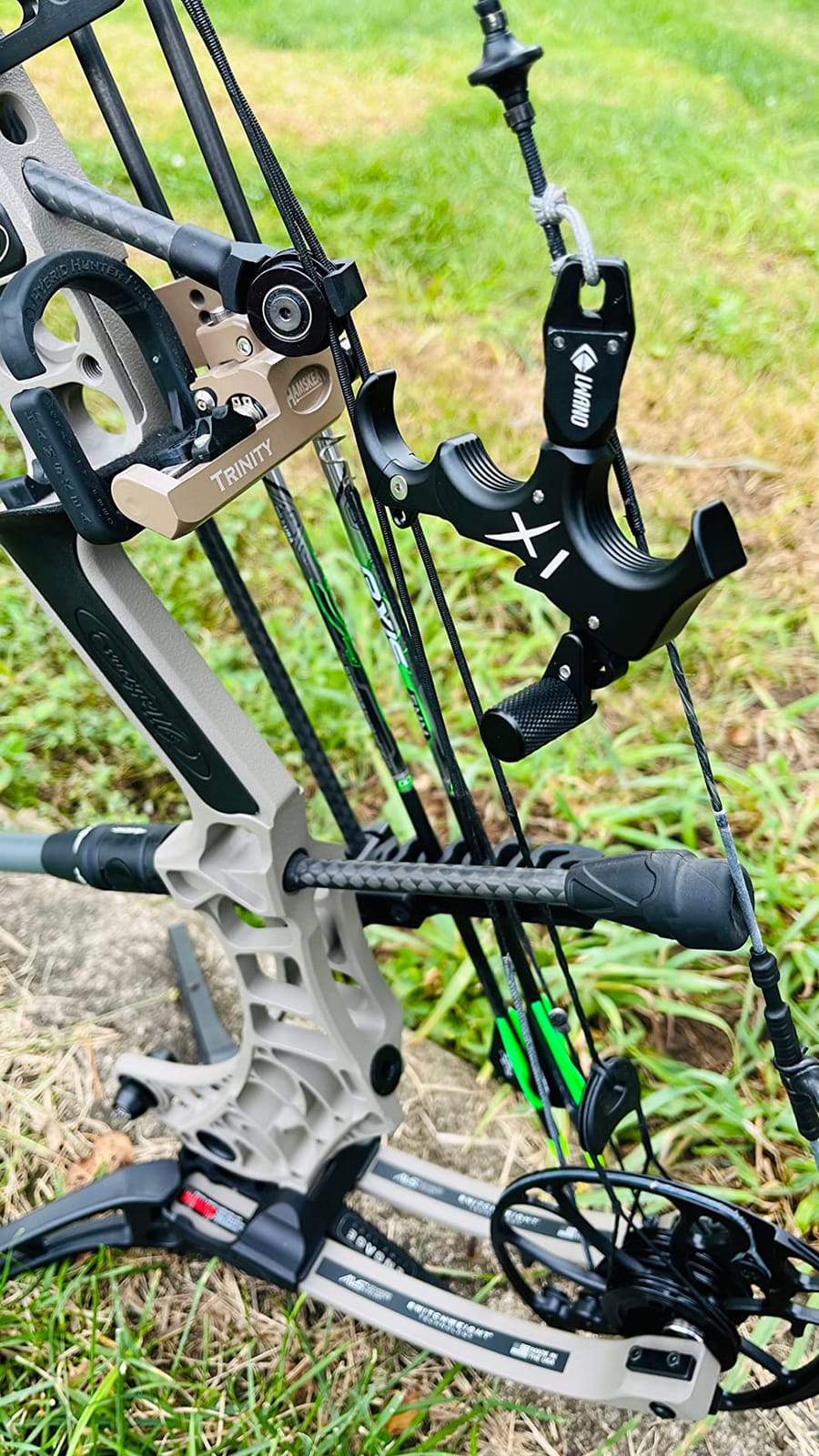
It is also a reasonable first thumb release for an archer leaving wrist straps behind. The grip options let you find your hand position, and the light weight keeps it comfortable over a full day of practice.
10. Southland Archery Supply Adjustable Release Aid – The Five-Position Head for Large Hands
Southland Archery Supply Adjustable Archery Release Aid for Compound Bow Hunting Target Shooting Range Right or Left Hand
Adjustable 5-position head
Caliper-style D-loop jaws
Swivel head
Adjustable velcro strap
Pros
- Five-position adjustable head fits a very wide range of hands
- Caliper jaws grip the D-loop tightly with no early releases
- Well-built aluminum for the money
- Light trigger requiring minimal pressure
- Swivel head works for either hand
Cons
- Extremely sensitive trigger that fires on the slightest bump
- Velcro strap is noisy to fit
- One owner reported misfires after four months and 1500 shots
- Lightweight build feels lower quality under heavy draw
The reason this release appears in a target roundup is the five-position adjustable head. A shooter at six foot five in the reviews specifically credits it with accommodating a hand size that other releases could not. If you have struggled with one-size wrist straps, this is the release that solves that problem rather than working around it.
The caliper-style jaws grip the D-loop tightly, and no early releases were reported during target practice with this model by the owners who use it that way. The swivel head works for either hand without tools.
The Five-Position Head Explained
Most wrist releases offer one or two length positions. Five positions, combined with an adjustable Velcro strap, means the release can sit in the correct place on your hand for any draw length. On target, where draw length changes your anchor position and therefore your sight picture, that adjustment is doing real work.
If you have ever had to shoot a target end with the release riding up your forearm because the strap was too short, this is the fix. It is the single most valuable adjustment on this release.
The Sensitivity Problem, Honestly
Nearly every review of this release flags the same issue: an extremely sensitive trigger that has caused early releases and lost arrows. Owners describe it as a hair trigger that fires on the slightest bump, and a few moved to a more expensive release after repeated misfires.
The consistent advice from owners is to keep the finger behind the trigger until full draw. That is sound, but on a very sensitive trigger it means your hand has to be disciplined rather than relaxed, which is a hard combination under tournament pressure.
Durability and Strap Noise
One owner reported repeated misfires after about four months and 1500 shots, and others describe the lightweight build as feeling lower quality under heavy draw weights. The Velcro strap noise is a hunting complaint that does not affect target scoring.
Our read is that this is a well-built release for its class with one genuinely poor characteristic, which is trigger sensitivity. If you can manage a light trigger with a disciplined drawing hand, the head adjustment makes it a good fit. If you shoot a heavy bow and struggle with a light trigger, choose a model with a firmer break.
Why Your Groups Scatter and Which Release Change Fixes It
Group problems are usually diagnosable. The pattern of your group tells you which part of the shot process is moving, and in several cases the release is the culprit with a specific, fixable setting.
Left-Right Strings: Your Let-Off Is Moving
A consistent horizontal string across multiple ends means the string is leaving the cam at a different point each time, usually because your thumb initiates the release instead of your back. The fix is mechanical tension: increase trigger tension slightly so the release fires later, then use your back muscles to hold past anchor.
This is the most common problem in the category and the one most often blamed on the bow. It is nearly always the release hand.
Vertical Strings: The Release Is Creeping Late
A vertical string that sits low on the target usually means the shot is breaking after your anchor, so the string hand is finishing below where it started. Back the tension off so the release fires slightly earlier, and check that your anchor point is the same on every shot.
Coaches on the forums recommend checking the anchor against the sight picture every time rather than relying on feel, because vertical drift at long distance is often an anchor problem wearing a release costume.
Wide Groups That Shrink at Short Range
If your groups are tight indoors and scatter at 70 metres, the culprit is usually the release firing too late and costing arrow speed, combined with a trigger that is set too sensitive to hold consistently. Set the break point just behind anchor and increase tension by a quarter turn.
Heavier arrow weight also helps, but if the release is firing late no amount of equipment fixes it. Fix the timing first.
Shots That Feel Like You Let Go Instead of Being Released
If the shot breaks when your thumb moves rather than when your back reaches tension, you are on a trigger release set too light, or you are pulling with your finger instead of your back. This is the moment a hinge release changes things, because a hinge has nothing to press.
The alternative is a thumb button with a heavier tension setting, which forces the back to do the work. Give it an end of practice before you decide the change has not worked.
How to Choose a Bow Release for Target Archery
The right question is not which release is best, it is which release matches the shot process you are actually going to build. Work through these decisions in order and the choice becomes obvious.
Match the Release to Your Bow System
Compound bows with a high let-off reward a release that holds the string on the cam past anchor, because that let-off window is where a compound stores and returns energy most efficiently. Bow systems with a lower let-off demand a faster break and less dwell time.
Single-cam bows are worth calling out specifically. Because the string does not track symmetrically through the draw, single-cam shooters benefit from a release with a wide adjustment range and a rotating head that follows the string rather than resisting it. That is the case for a machined model with a 360-degree head, not a cheap fixed-head strap.
Recurve target archers face a different question, because many recurve archers shoot without a let-off at all. What the release provides there is consistency of the let-go point and a repeatable draw length, which is still worth having. A convertible grip release such as the X1 is a sensible bridge if you shoot both bow types.
Adjustable Tension Is Not Optional
If a release cannot be adjusted after it arrives, it cannot be matched to your draw weight, your let-off setting or your bow’s cam profile. Adjustable tension was the most-cited quality factor in everything we read from archers on the forums.
Two adjustments matter. Tension sets how much pressure the trigger needs, and travel sets how far past anchor the string must go before it fires. A release offering both, ideally from one screw, will follow you as your technique and your bow settings change over a season.
Fit the Hand, Not the Strap
Fit is where most cheap releases fail target shooters. The strap length determines where the release sits on your hand, which determines your anchor, which determines your sight picture. A release that slips is not a minor annoyance; it changes every shot after it slips.
Look for a strap with multiple length positions, a convertible grip, or a genuinely adjustable connector. Shooters with larger hands should prioritise this above any other feature, which is why the five-position head on the Southland release earns a place despite its trigger sensitivity.
Material and Noise on the Target Field
Metal beats plastic for long-term reliability, and the forums reflect this consistently: archers prefer heavy-duty metal construction over plastic bodies, partly for feel and partly because plastic trigger components wear and change their break weight over a season.
Noise matters less on a target lane than in a treestand, but quietness still has value indoors and outdoors because a rattling release masks the sound of your own anchor errors.
Maintenance and Breaking In a New Release
Treat a new release like a new set of sights. Set the tension on the bench, before you shoot an arrow, then shoot one end at a close target and check whether the string leaves the cam behind your anchor. Only then move to scoring distance.
Once a year, clean the trigger spring, check that the tension screw moves freely, and inspect the hook and the D-loop for wear. A drop of light oil on the spring is cheap insurance against a trigger that starts sticking in damp weather. For leather straps, check for cracking near the buckle.
Give any new release a full practice week before judging it. The forums are full of archers who abandoned a release after two bad sessions and later wished they had stuck with it, and equally full of archers who stuck with a back tension release and found the most consistent form of their shooting.
Frequently Asked Questions
What is the most accurate bow release?
No release type is inherently more accurate. The most accurate bow release is the one you can set once and trigger identically on every shot, because accuracy comes from the consistency of your let-off point rather than from the mechanism, metal or brand. Judge a release on adjustment range, whether it holds its setting between sessions, whether the strap or grip fits your hand, and how quietly it operates.
Are thumb button releases more accurate?
No. Any perceived difference between thumb button releases and wrist or index finger releases comes from how consistently each archer executes the shot, not from the mechanism. A thumb button feels more accurate if it stops you pinching the string, and worse if the button is set so lightly it fires before you reach anchor. Set the break point deliberately and both styles perform identically.
What is the best back tension release for archery?
For compound target shooting, a thumb button release that fires reliably behind anchor, or a convertible release you can run as a hinge, is the practical back tension choice. A true hinge release has no button at all, so there is nothing to press early, but it has the steepest learning curve. Most coaches recommend learning back tension on a thumb button before moving to a hinge.
What is the best archery release for target panic?
The best release for target panic is a low-profile model with a predictable trigger you cannot over-pull, set so it fires just behind anchor. That gives you something to hold onto at full draw and removes the chance of an accidental early release. Adjustable tension is essential, because it lets you make the trigger feel heavier and calmer under pressure rather than twitchy.
How should I adjust my release tension?
Set the tension on the bench before shooting an arrow. Draw the bow and check where the string leaves the cam. If it fires the instant you reach anchor, the trigger is too sensitive, so tighten the tension screw slightly. If you hold well past anchor with the string still on the cam, back the tension off until the break point sits just behind your intended anchor.
Final Verdict
If you want a single default recommendation for target archery, the Tru-Fire Patriot is the release we would put on the bow first. It has the deepest owner feedback in the category, an adjustable trigger you can tune to your let-off, and a padded strap that stays comfortable over a twelve-arrow end.
If your problem is drift rather than sensitivity, pick the Spot Hogg Whipper Snapper, because its settings do not move between sessions. If you want a machined mechanism that holds its adjustment and you shoot a full season of scored rounds, the T.R.U. BALL T-Rex is the finest-built object in this roundup.
For larger hands, the Southland release’s five-position head is the fix other releases cannot offer, provided you can handle a light trigger. For a metal thumb release with the widest adjustment range, the NoxDyn 4-finger model gives you the most control over the let-off point. And if you are still deciding between grip styles, the LWANO X1 lets you test three and four fingers on one release.
Whichever you choose, set the tension before your first arrow and leave it alone for an end. The best bow releases for target archery in 2026 are the ones that become invisible, and the only way to get there is to stop adjusting after the setup is right.