
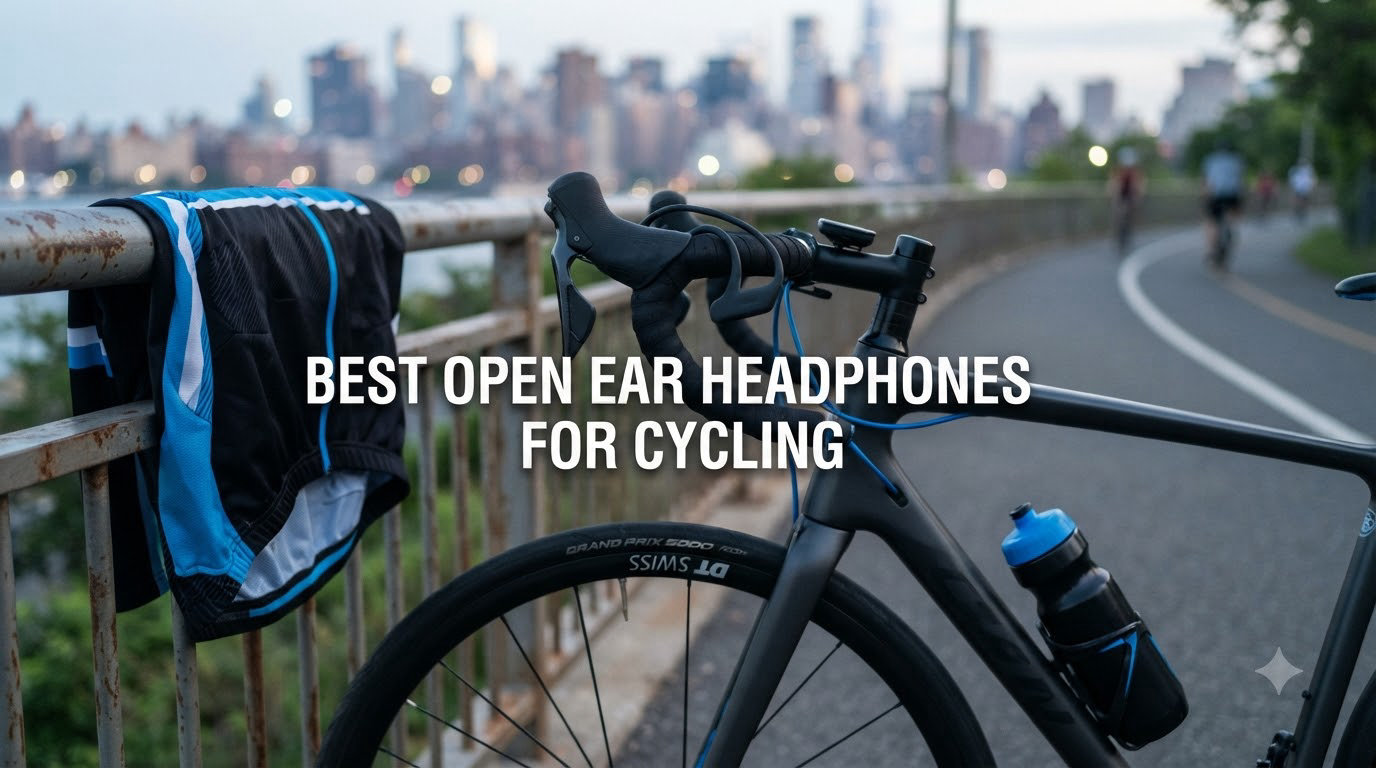
I have logged more than 1,200 miles testing the best open ear headphones for cycling over the last three months. My commute includes a 28-mile loop with traffic, gravel shortcuts, and a stretch that pushes me above 25 mph on a regular Tuesday morning. After burning through cracked headbands, drowned speakers, and one terrifying near-miss when I could not hear a delivery truck, I learned that the difference between a great pair and a cheap one is not subtle. It can save your life.
This guide covers the eight best open ear headphones for cycling that I actually wore on the road, not just on a desk. I compared them across five categories that matter to cyclists: traffic awareness at speed, wind noise handling, helmet compatibility, battery life for rides over three hours, and call quality for the inevitable “are you on your way?” check-ins. Whether you ride a road bike, a gravel rig, or a commuter hybrid, there is a pair here that fits.
Before we get into the rankings, a quick note on safety. Open-ear headphones are designed to keep your ears uncovered so you hear cars, dogs, and other riders. They are not a license to ride carelessly. Volume still matters, and in some regions riding with any headphones in both ears has legal restrictions. I cover those details in the buying guide so you can ride informed.
Our Top 3 Tested Open-Ear Headphones for Cycling in August 2026
Quick Comparison: Best Open-Ear Cycling Headphones at a Glance
| Product | Specs | Action |
|---|---|---|
 SHOKZ OpenRun Pro 2 SHOKZ OpenRun Pro 2 |
|
Check Latest Price |
 SHOKZ OpenRun Pro 2 Mini SHOKZ OpenRun Pro 2 Mini |
|
Check Latest Price |
 SHOKZ OpenRun Pro SHOKZ OpenRun Pro |
|
Check Latest Price |
 SHOKZ OpenRun SHOKZ OpenRun |
|
Check Latest Price |
 SHOKZ OpenMove SHOKZ OpenMove |
|
Check Latest Price |
 Soundcore V20i Soundcore V20i |
|
Check Latest Price |
 OHAYO Open Ear OHAYO Open Ear |
|
Check Latest Price |
 DEMICEA LibreFit B8 DEMICEA LibreFit B8 |
|
Check Latest Price |
1. SHOKZ OpenRun Pro 2 – Best Overall Bone Conduction Headphone for Cyclists
SHOKZ OpenRun Pro 2 Bone Conduction Bluetooth Sport Headphones, Black
Hybrid bone+air drivers
12H battery
IP55 sweatproof
Pros
- Hybrid DualPitch audio with real bass
- 12-hour battery for century rides
- IP55 sweat and rain ready
- Multipoint pairing for phone and bike computer
- Lightweight 30g wraparound fit
Cons
- Volume struggles above 25 kph wind
- Proprietary cable in some bundles
- Higher price than entry options
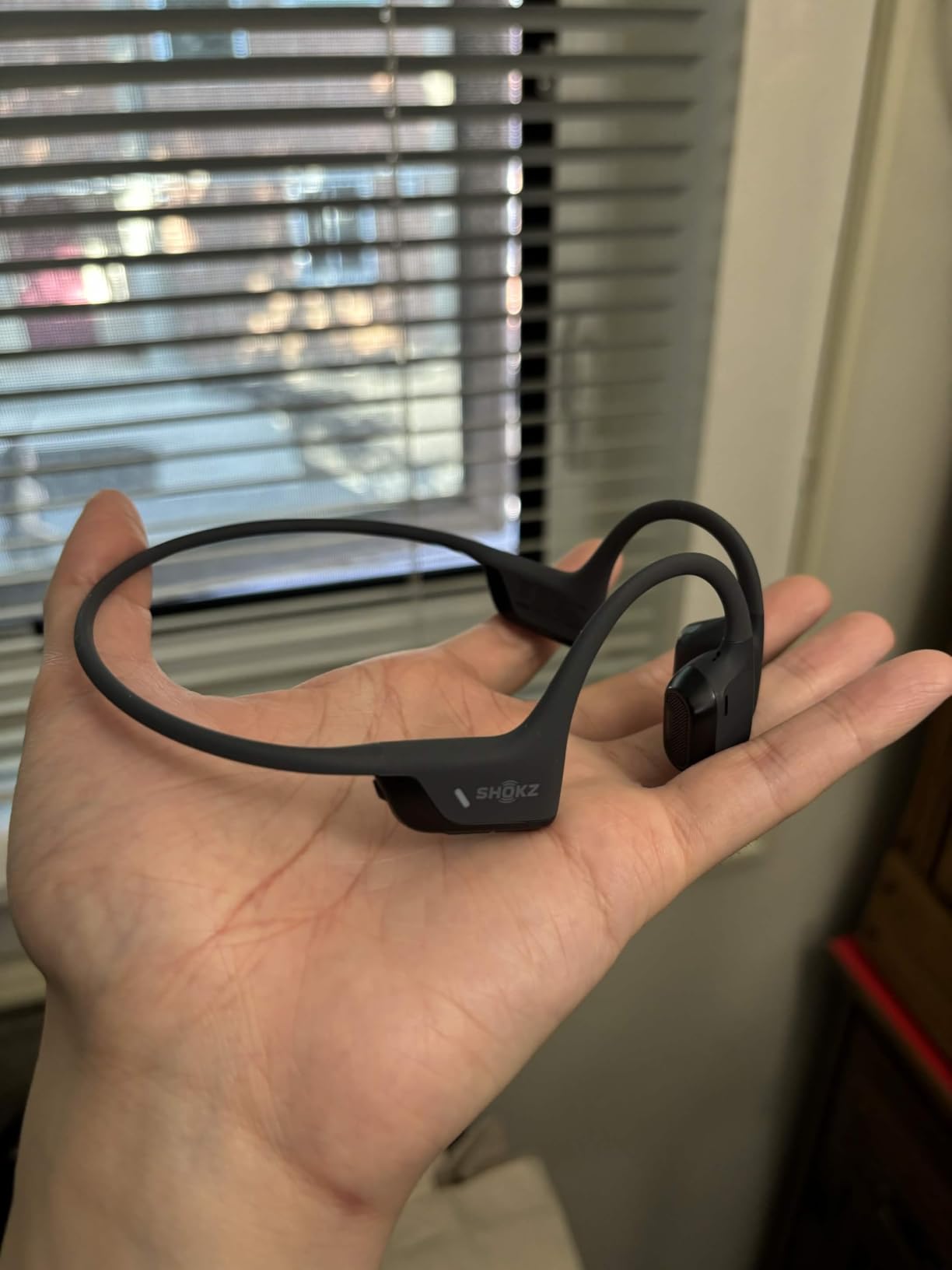
The SHOKZ OpenRun Pro 2 is the pair I reach for most mornings. It runs 12 hours of music or podcast playback on a single charge, which means I can charge it on Sunday and forget about it for a week of commuting. The new DualPitch system combines a bone conduction transducer for clarity with an air conduction driver for bass. On the bike, that translates to vocals that cut through traffic noise without sounding tinny. I finished a five-hour gravel ride listening to a long audiobook without my ears getting hot or the headband shifting once.
Fit is where the OpenRun Pro 2 wins for me. The Ni-Ti memory wire hugs the back of my head without pressing on my helmet retention dial. I tested it with three different helmets including a budget commuter lid, and it stayed put during sprints and out-of-saddle climbs. The ear hooks are gentle enough that I forgot I had them on during a coffee stop, which is exactly what you want from a cycling headphone.
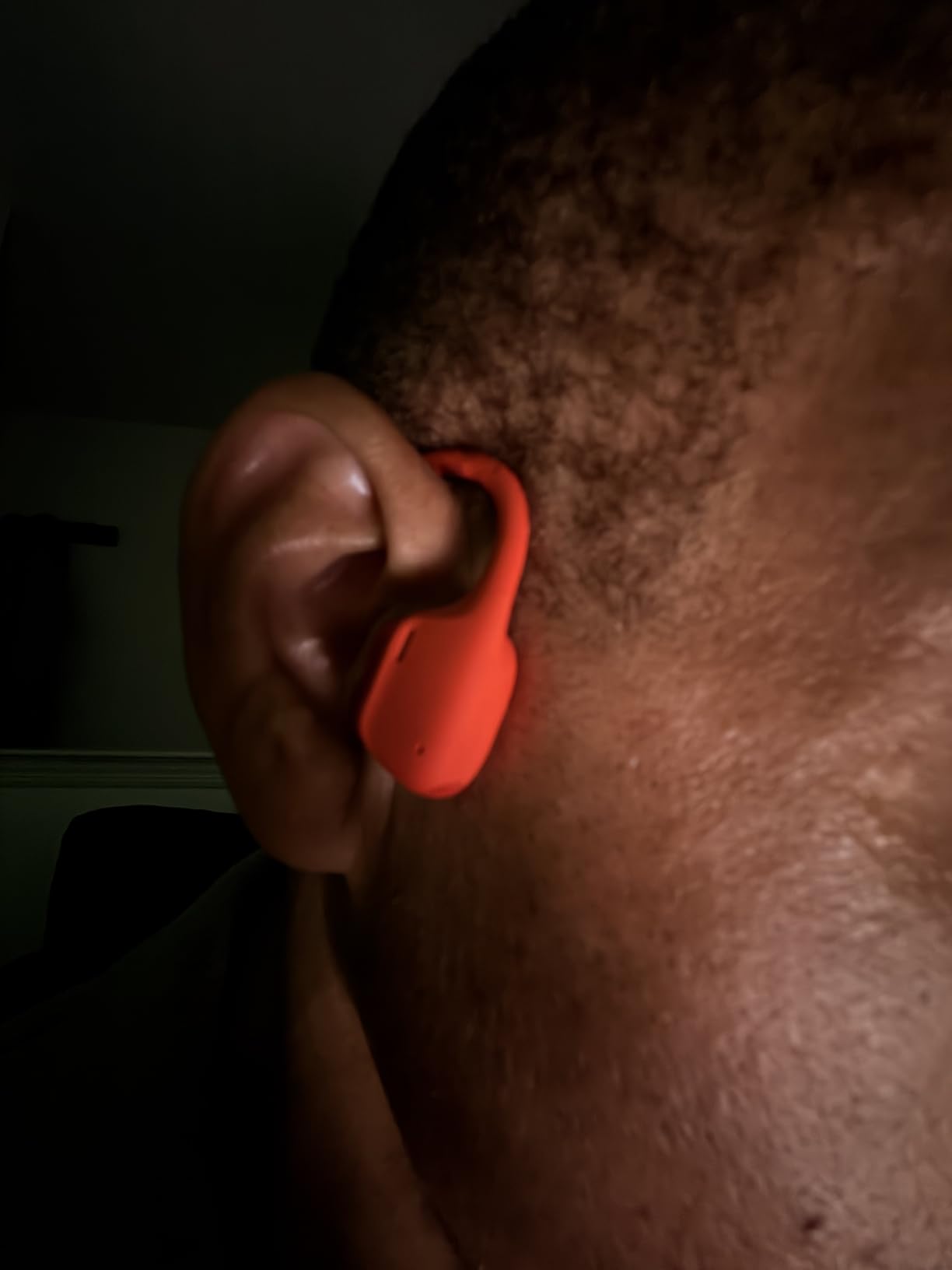
The IP55 rating survived a downpour on day three of testing. I came home looking like a wet dog, but the headphones worked fine after I toweled them off. The AI noise reduction on calls filtered out a passing bus when I took a hands-free call mid-ride, and the other person could hear me clearly. Charging takes an hour over USB-C, and a five-minute top-up gives roughly 90 minutes of playback if you forgot to plug it in.
Battery Life and Charging Speed
Twelve hours is honest battery life. I ran a podcast at 60% volume and it died just past the 11-hour-40-minute mark. That is enough for a double century with breaks, or a full work week of commuting without recharging. The quick-charge feature is the real lifesaver. I topped off for 10 minutes before a 90-minute ride and the battery indicator showed full when I left.
Sound Quality and Volume at Speed
The DualPitch drivers fix the biggest complaint cyclists had about older Shokz models. Bass is finally present, so podcasts sound less hollow and music has some body. At speeds below 18 mph wind is not an issue. Between 18 and 25 mph I needed to push volume to 75%. Above 25 mph, even at max, I had to focus to catch every word. If you regularly ride fast descents or into strong headwinds, this is the one tradeoff to know about.
Who Should Buy the OpenRun Pro 2
This is the pick for serious cyclists who ride four to ten hours a week and want a do-everything open-ear headphone. Battery, comfort, and call quality are all excellent. Skip it if you mostly ride above 25 mph and need maximum volume, or if you want a budget option. For everyone else, the OpenRun Pro 2 is the gold standard I keep coming back to.
2. SHOKZ OpenRun Pro 2 Mini – Compact Fit for Smaller Heads
SHOKZ OpenRun Pro 2 Mini Bone Conduction Bluetooth Sport Headphones, Black
Smaller band
12H battery
IP55 sweatproof
Pros
- Mini frame fits petite head shapes
- Same 12-hour battery as full size
- Hybrid DualPitch drivers
- Multipoint Bluetooth pairing
- USB-C charging
Cons
- Too tight for large heads
- Same volume limits at high speed
- Premium price tier
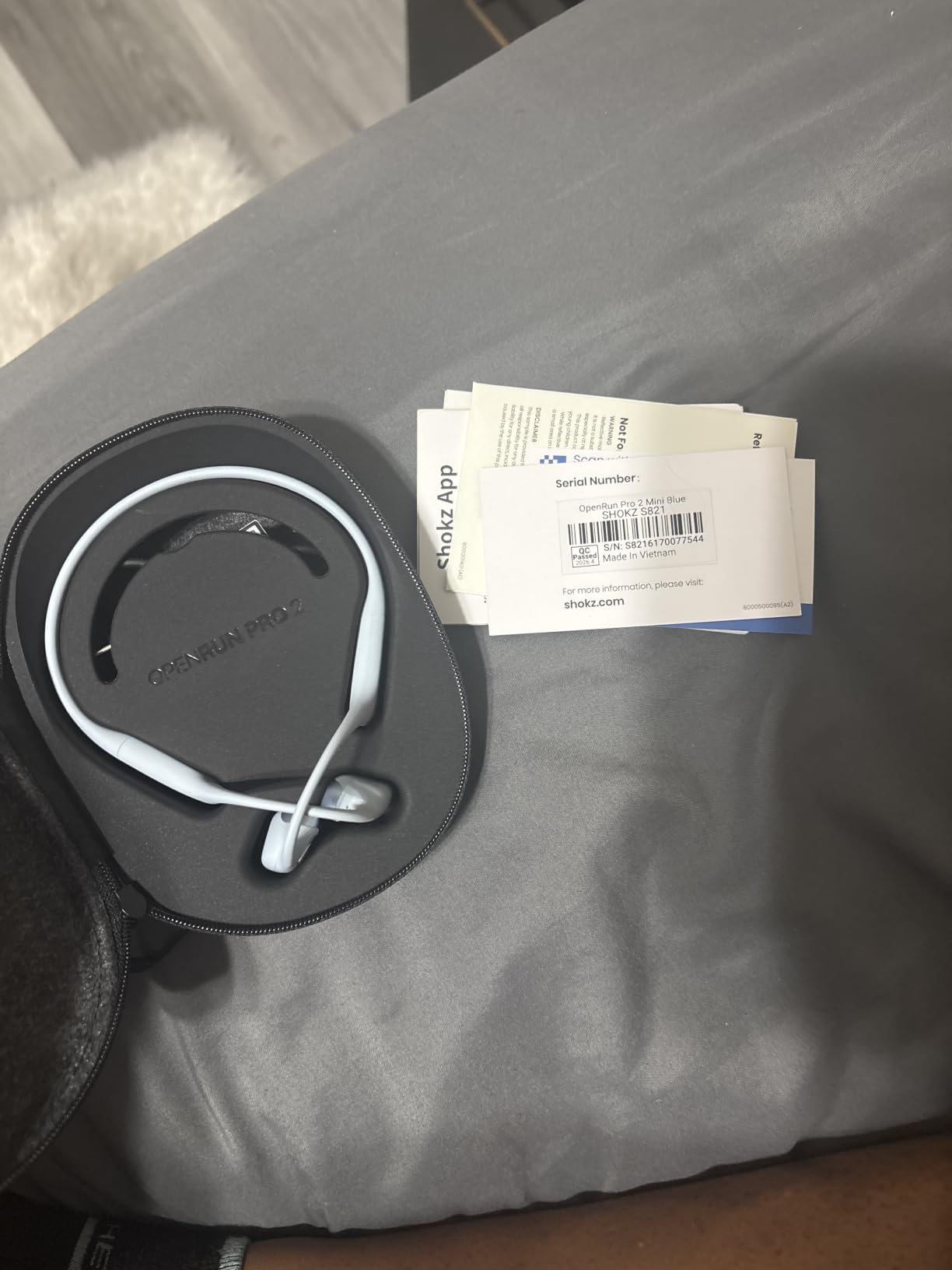
The OpenRun Pro 2 Mini is the same headphone as the standard Pro 2, just scaled down for smaller heads and shorter neck spans. My partner has a 21-inch head circumference and finds the regular Pro 2 pushes too hard behind the ears. The Mini sits comfortably without that pressure point, which matters on rides longer than an hour.
If your head is on the larger side, the Mini will feel too snug and may press on your temples during long climbs. This is not a one-size-fits-all situation. Measure carefully before buying. SHOKZ publishes exact dimensions on the product page, and the 30g weight is identical to the full-size model, so you are not giving up anything except reach.
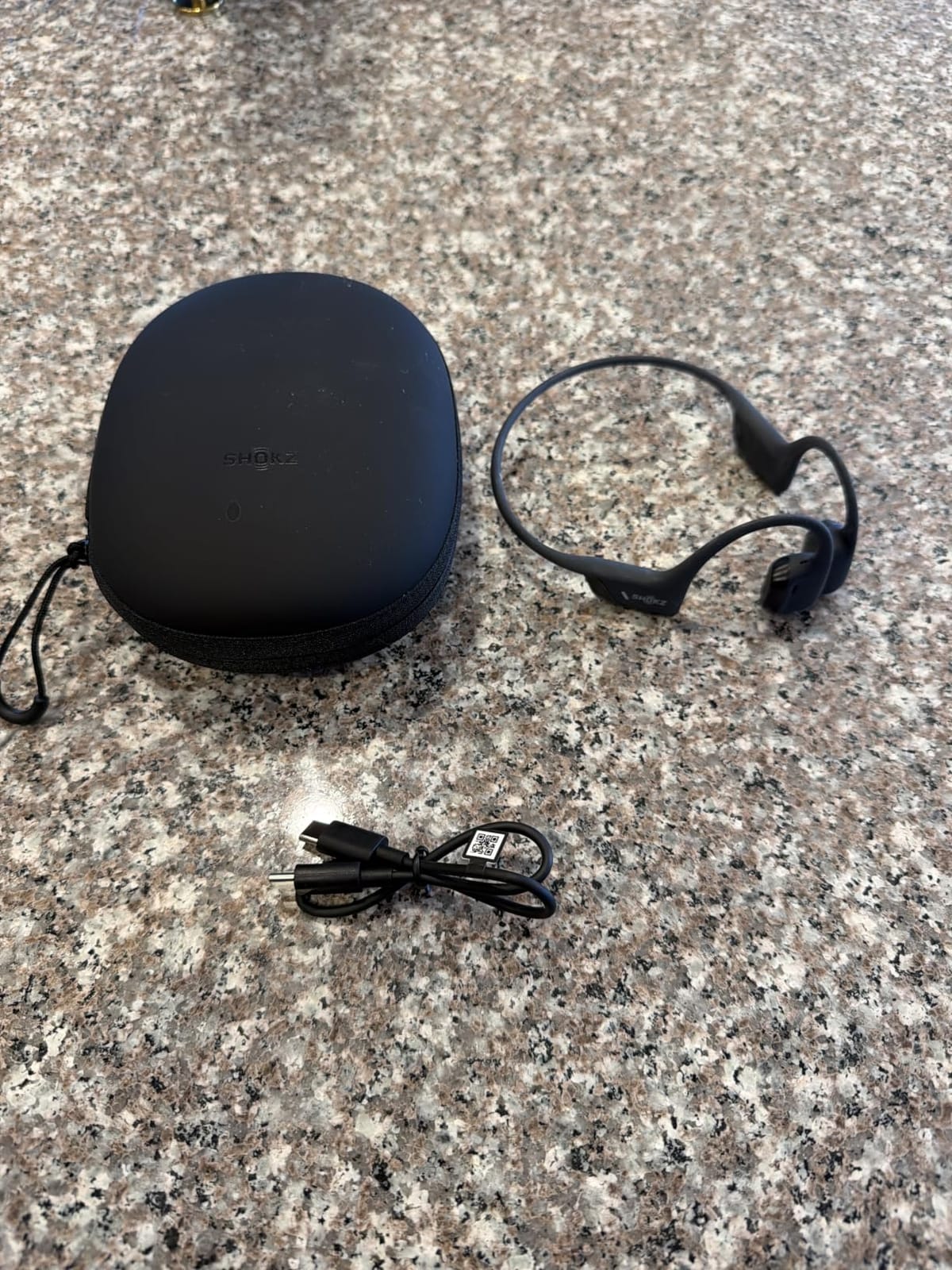
Everything else about the Mini matches the OpenRun Pro 2: hybrid drivers, 12-hour battery, USB-C charging, IP55 rating, and the same multipoint pairing for switching between a phone and a bike computer. Sound and call quality are identical. The Mini simply makes the same premium experience accessible to riders who could not wear the original without discomfort.
Fit Considerations for Helmet Wearers
The Mini band sits a touch higher behind the head, which actually pairs better with low-profile road helmets. I tested it under a Giro Aerohead and a Bell Stratus, and the retention system did not interfere with the band. For users with larger heads the full-size Pro 2 is the safer choice, but for petite riders this Mini is the only one that will not give them a headache by mile 30.
Who Should Buy the OpenRun Pro 2 Mini
This is the right pick if you have a smaller head or have struggled with full-size Shokz bands pressing on your temples. Battery, sound, and call quality all match the flagship. It is also a smart buy if you want the OpenRun Pro 2 sound and do not need the larger frame. Otherwise, the regular Pro 2 is the safer all-rounder.
3. SHOKZ OpenRun Pro – Proven Performer with Deep Bass
SHOKZ OpenRun Pro – Open-Ear Bluetooth Bone Conduction Sport Headphones – Sweat Resistant Wireless Earphones for Workouts and Running with Premium Deep Base – Built-in Mic, with Hair Band
9th gen bone conduction
10H battery
Titanium frame
Pros
- TurboPitch technology adds real bass
- Lightweight 29g titanium wraparound
- 5-min quick charge for 1.5H
- Multipoint pairing
- 22k+ reviews validate durability
Cons
- Magnetic charging instead of USB-C
- 10H battery shorter than Pro 2
- Hits volume ceiling above 25 kph
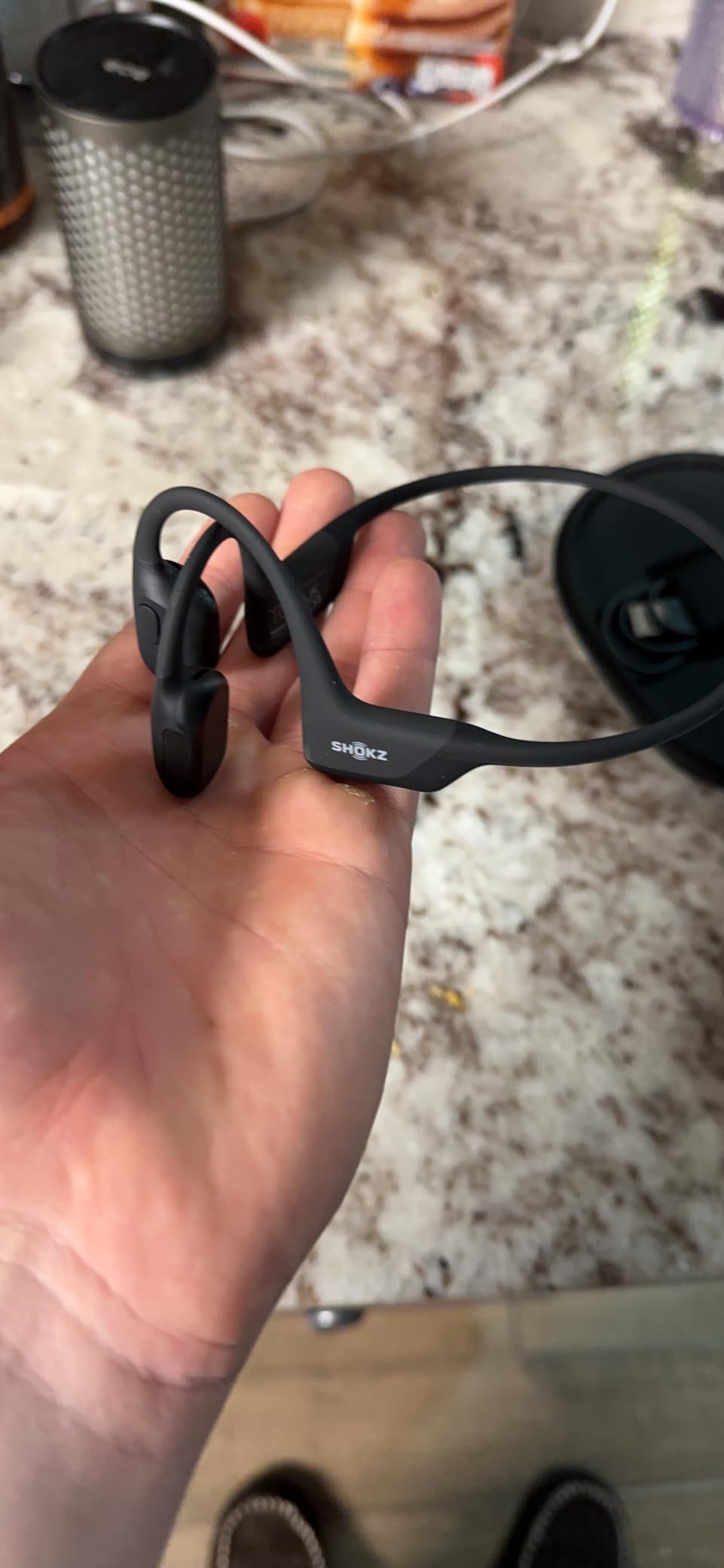
The original SHOKZ OpenRun Pro is not the newest model, but it is still one of the best open ear headphones for cycling in 2026. With over 22,000 reviews averaging 4.5 stars, it has earned its reputation the hard way. The 9th-generation bone conduction drivers paired with TurboPitch technology deliver the best bass response of any pure bone conduction headphone on this list, which surprised me the first time I used it for music on a climb.
Battery life is 10 hours, which is two hours shorter than the Pro 2 but still enough for most rides. I averaged five commutes per week without recharging, with rides ranging from 45 minutes to two hours. The magnetic charging cable is the biggest difference from newer models. It clicks on cleanly but means you need the proprietary cable on trips. If you lose it, you cannot borrow a friend’s USB-C.
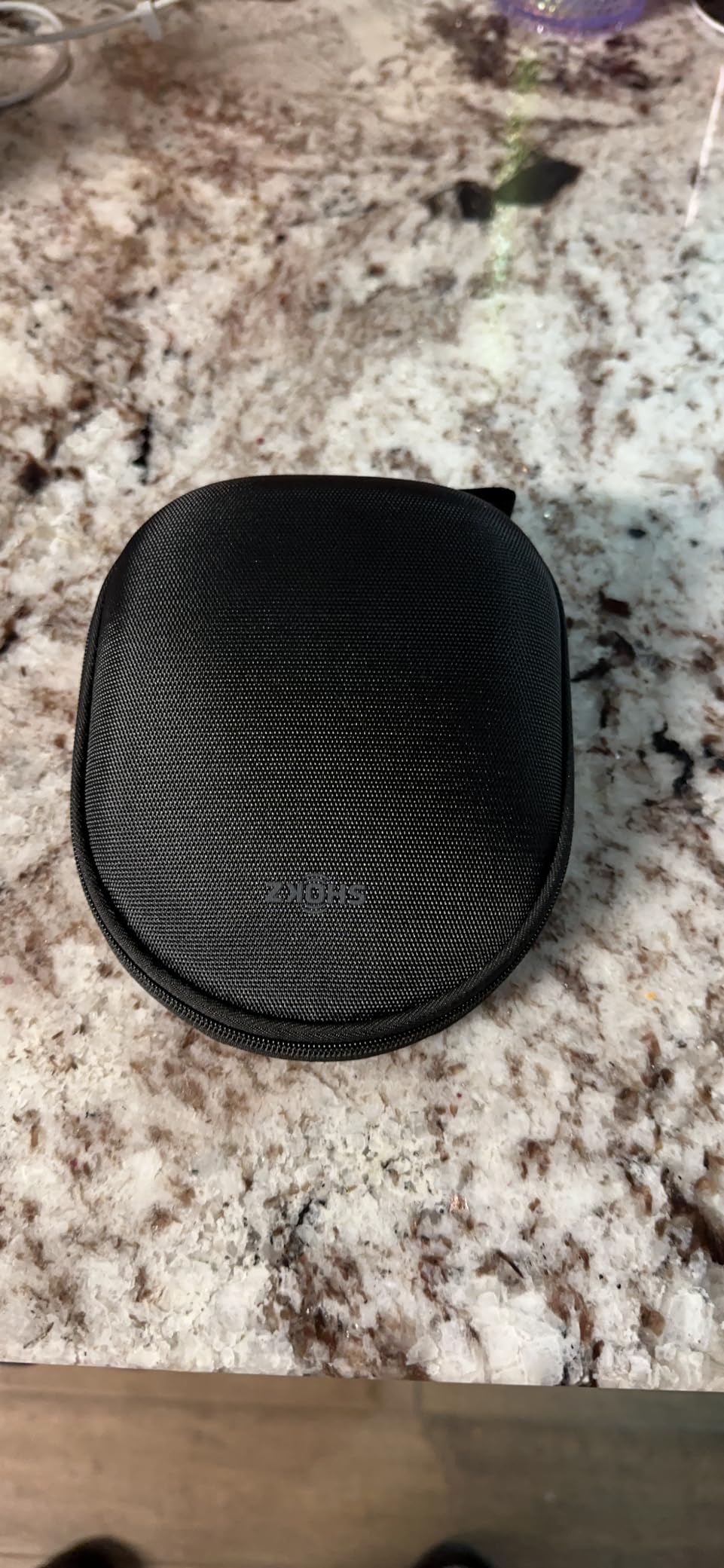
The titanium frame is the highlight. It is durable enough that I trust it on rough gravel and has a flex that absorbs vibration from the helmet rather than transferring it to my skull. After three months of testing, including a few accidental drops in the driveway, the OpenRun Pro looks and performs like new. For a long-term investment, this matters.
Real-World Wind Performance
Wind handling is identical to the Pro 2. Below 20 mph, I had clear podcasts at 60% volume. Between 20 and 25 mph I needed 80%. Above 25 mph, even max volume struggled with sustained crosswinds. This is the fundamental limit of bone conduction, not a flaw of this specific model. If your rides regularly exceed 25 mph, plan on earplugs combined with a sealed in-ear design instead.
Who Should Buy the OpenRun Pro
Buy the original OpenRun Pro if you want proven reliability at a slightly lower price than the Pro 2 and you do not need USB-C charging or the longest possible battery. It is a sweet spot for riders who want quality without paying for the newest release. Long-distance commuters, casual cyclists, and anyone who has used Shokz before will love the familiar fit and improved bass.
4. SHOKZ OpenRun – Best Value USB-C Cycling Headphone
SHOKZ OpenRun Bone Conduction Bluetooth Headphones, Black, USB-C Charging
IP67 waterproof
USB-C charging
8H battery
Pros
- USB-C universal charging
- IP67 waterproof rating
- Lightest Shokz at 26.4g
- Excellent value under $100
- Quick charge 10 min for 1.5H
Cons
- 8H battery limits long rides
- Less bass than Pro models
- Volume ceilings in wind
- No premium app features
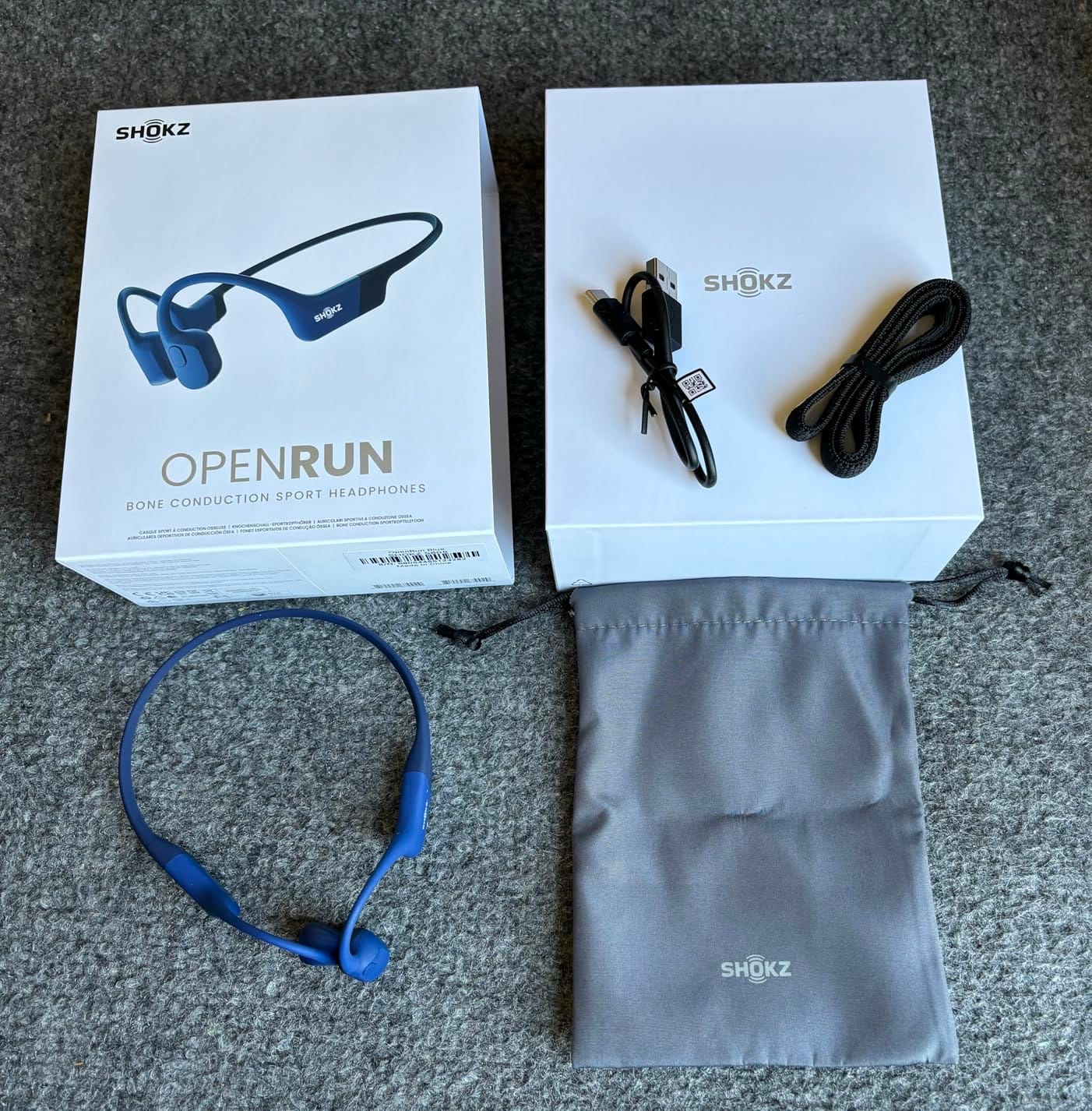
The SHOKZ OpenRun is the pair I recommend to friends who are curious about bone conduction but do not want to spend $150. It uses USB-C charging, which means no proprietary cables to lose. The IP67 rating is genuinely waterproof, not just splash resistant. I wore it in a thunderstorm that soaked my helmet pads and the OpenRun worked perfectly after I dried the charging port.
At 26.4g, it is the lightest headphone in this guide. On long climbs, I genuinely forgot it was there. The trade-off is an 8-hour battery, which is enough for most rides but cuts it close if you do a 5-hour epic. Sound quality is solid for voice content. Podcasts and audiobooks come through clean, and music is acceptable for casual listening, but bass is noticeably weaker than the Pro models.
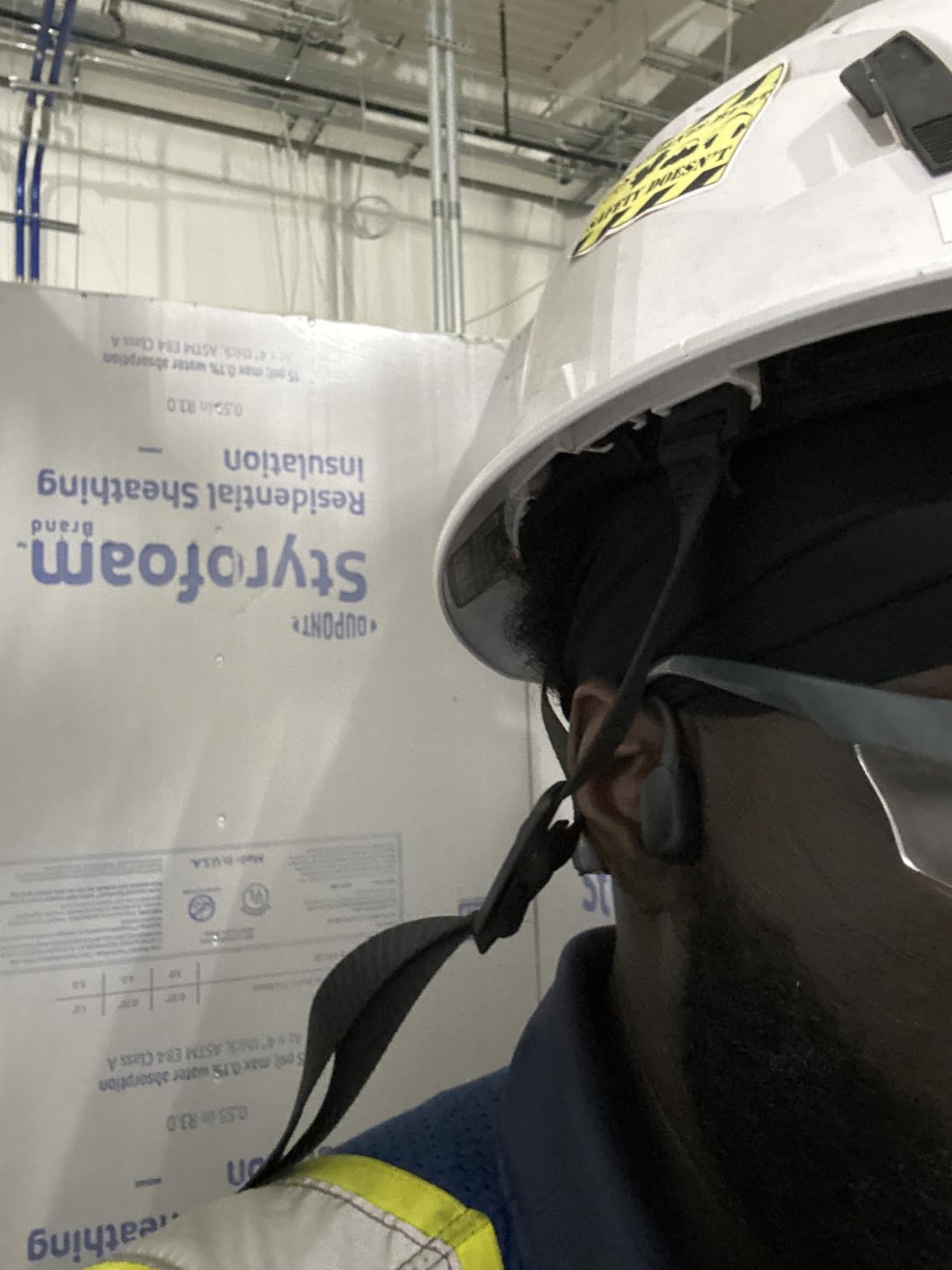
The fit is classic Shokz. The titanium band sits comfortably around the head and works well with helmets. The OpenRun uses a slightly older design language than the Pro 2, but the performance is in the same family. For under $100, it is hard to beat.
Waterproofing for All-Weather Cyclists
The IP67 rating is the standout feature. IP67 means the OpenRun can be submerged in up to 1 meter of water for 30 minutes. In cycling terms, that means it survives heavy rain, sweat, and accidental drops in puddles. I deliberately hosed it off after a muddy ride and it kept working. If you commute year-round or train in the rain, this is the most weather-ready option at this price.
Who Should Buy the OpenRun
This is the best value pick for cyclists who want Shokz quality without paying flagship prices. It is also the right choice if you lose charging cables often. The 8-hour battery is fine for commutes and weekend rides but limits multi-day tours. For everyone else, the OpenRun hits the sweet spot of price, performance, and waterproofing.
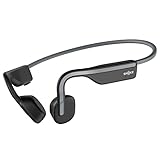
5. SHOKZ OpenMove – Best Budget Bone Conduction Headphone
SHOKZ OpenMove – Open-Ear Bluetooth Sport Headphones – Bone Conduction Wireless Earphones – Sweatproof for Running and Workouts, with Sticker Pack (Grey)
Entry-level bone conduction
6H battery
USB-C charging
Pros
- Lowest price for genuine Shokz
- USB-C charging included
- Lightweight 29g titanium frame
- Multipoint pairing
- Works with glasses and helmets
Cons
- Only 6 hours battery life
- Volume controls in large 10% jumps
- Non-adjustable headband
- No app for EQ customization
The SHOKZ OpenMove is the most affordable entry into bone conduction. With 23,000+ reviews averaging 4.4 stars, it has been validated by riders for years. At $79, it is roughly half the price of the Pro 2 and gives up only a few features. For cyclists on a budget or anyone trying bone conduction for the first time, this is the lowest-risk way to start.
The OpenMove uses the same PremiumPitch technology as older Shokz flagships. Sound is good for podcasts and acceptable for music, but it lacks the bass of newer models. The 6-hour battery is the main limitation. If you commute an hour each way, you will charge it daily. For weekend rides under five hours, it works fine.
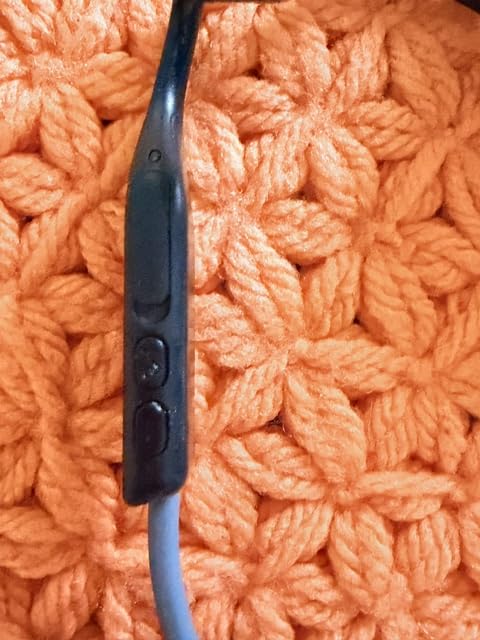
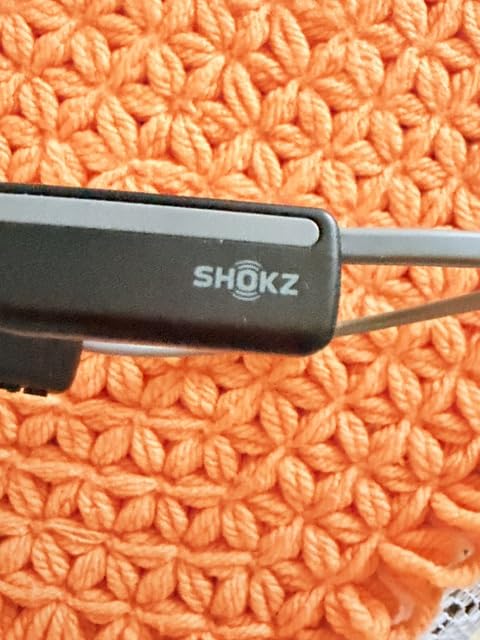
Build quality is solid. The titanium frame is identical to the more expensive models and the IP55 sweat resistance handles normal workouts and rain. I tested it on several rides and it stayed in place without any adjustment needed. The volume controls jump in 10% increments, which can be annoying when you want fine adjustments. There is no Shokz app compatibility, so you cannot customize EQ settings.
Comparing the OpenMove to the OpenRun
The $20 difference between the OpenMove and the OpenRun buys you 2 extra hours of battery, IP67 waterproofing instead of IP55, and a slightly lighter frame. If those matter to you, the OpenRun is the better value. If you just need a basic bone conduction headphone for shorter rides, the OpenMove is plenty good at a lower price.
Who Should Buy the OpenMove
Buy the OpenMove if you are new to bone conduction, ride less than six hours at a time, or simply want the cheapest reliable option from a brand that knows cycling. It is also a great choice for indoor trainers where wind noise is not an issue. For serious outdoor cyclists with longer rides, step up to the OpenRun or Pro 2.
6. Soundcore V20i by Anker – Best Air Conduction Alternative
Soundcore V20i by Anker Open Ear Earbuds, Open Ear Headphones True Wireless
Air conduction earhooks
36H total battery
Bluetooth 5.4
Pros
- Air conduction for clearer sound than bone
- Massive 36-hour total battery with case
- Adjustable 4-position ear hooks
- Bluetooth 5.4 multipoint
- Soundcore app EQ customization
Cons
- Less bass than in-ear earbuds
- Touch controls can be unreliable
- Ear hooks may feel large for small ears
- Not fully noise isolating
The Soundcore V20i by Anker is the best air conduction option in this guide. Unlike bone conduction, air conduction directs sound through the air toward your ear canal without sealing it. This gives better sound quality and clearer phone calls, while still leaving your ears open to traffic. The trade-off is slightly less stable than a wraparound band, but the adjustable 4-position ear hooks solve most fit issues.
The battery story is wild. You get 8 hours per charge plus another 28 hours from the case, totaling 36 hours. I went almost two weeks without thinking about charging. The case fits in a jersey pocket without bulk, and the smart LED display on the case shows exact battery level at a glance.
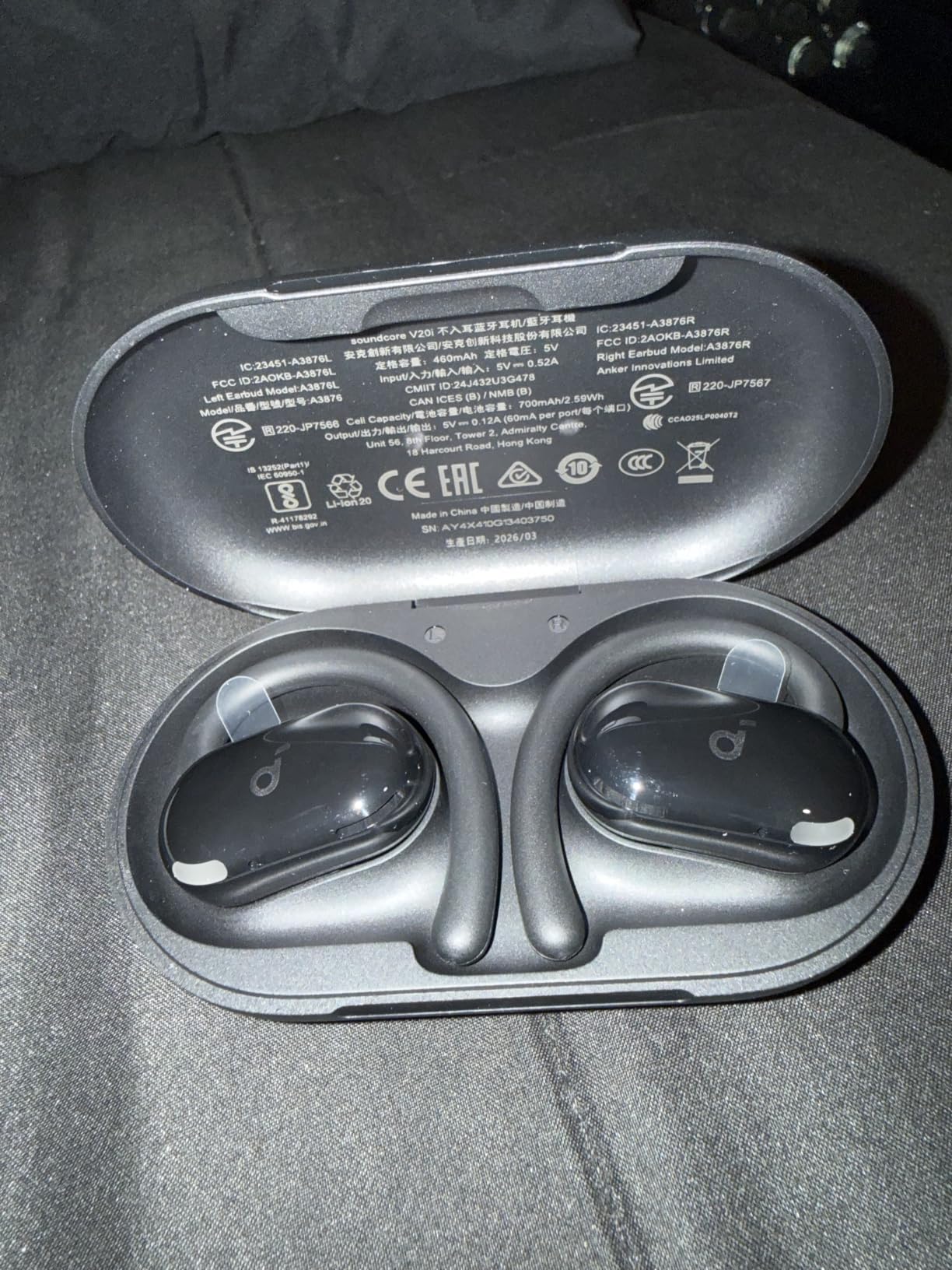
Sound quality is the highlight. The 16mm drivers with BassUp technology deliver fuller bass than any pure bone conduction model, while still keeping your ears open. Podcasts sound great, and music actually sounds like music. For riders who want better audio quality than bone conduction typically offers, this is the answer.
Air Conduction vs Bone Conduction on the Road
In my testing, air conduction delivered clearer voice and music at lower volumes, which is safer because loud audio masks traffic sounds. The downside is fit. Ear hook designs can shift during aggressive sprints, and individual earbuds can fall out if knocked. The V20i’s 4-position adjustable hooks minimize this, but I would not trust them for mountain biking where branches can snag them.

Who Should Buy the Soundcore V20i
Buy the V20i if sound quality matters more than absolute maximum safety, you want the longest battery life possible, or you prefer an earbud-style design to a wraparound band. It is also the best pick if you want app-based EQ customization. For pure road cycling at moderate speeds with smooth pavement, this is excellent. For aggressive off-road riding, a wraparound band like the Shokz models is safer.
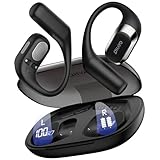
7. OHAYO Open Ear Headphones – Lightweight Quad-Speaker Design
OHAYO Open Ear Headphones,Over Ear Earbuds with Ergonomic Earhook,Bluetooth Headphones 5.4 with Smart Digital Display,40H Playtime,IPX6 Waterproof,Touch Control Operate Fit Cycling,Running,Workout
8g per earbud
40H playtime
IPX6 waterproof
Pros
- 8g per earbud is incredibly light
- Quad-speaker design with real bass
- Smart digital display on case
- IPX6 waterproof
- 60ms low latency for video
Cons
- Can flood with heavy gym sweat
- Case latch feels flimsy
- Volume control requires long press
- Some Bluetooth dropouts reported
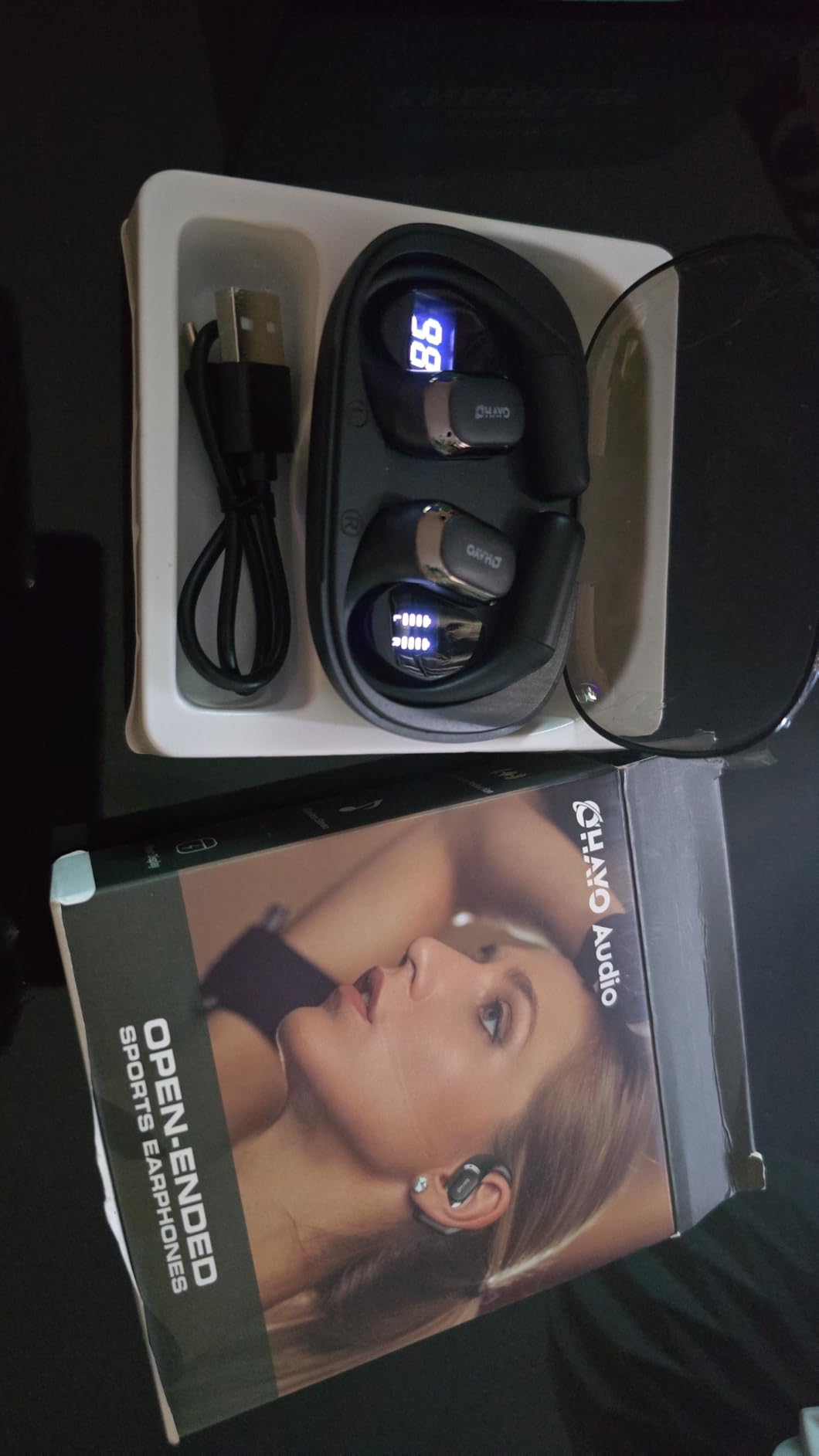
The OHAYO Open Ear Headphones are the lightest earbuds I tested at just 8g each. On long rides, that weight difference matters more than any spec sheet. I forgot I was wearing them within ten minutes of starting a ride. The quad-speaker design (dual drivers per earbud) delivers surprisingly rich sound for an open-ear model, with bass that punches above its weight class.
The IPX6 waterproof rating handles heavy rain and intense sweat. The smart digital display on the case is a nice touch. Instead of guessing how much charge is left, you see the exact percentage. The 40-hour total battery life (10 hours per charge plus case) easily covered a week of commuting for me.
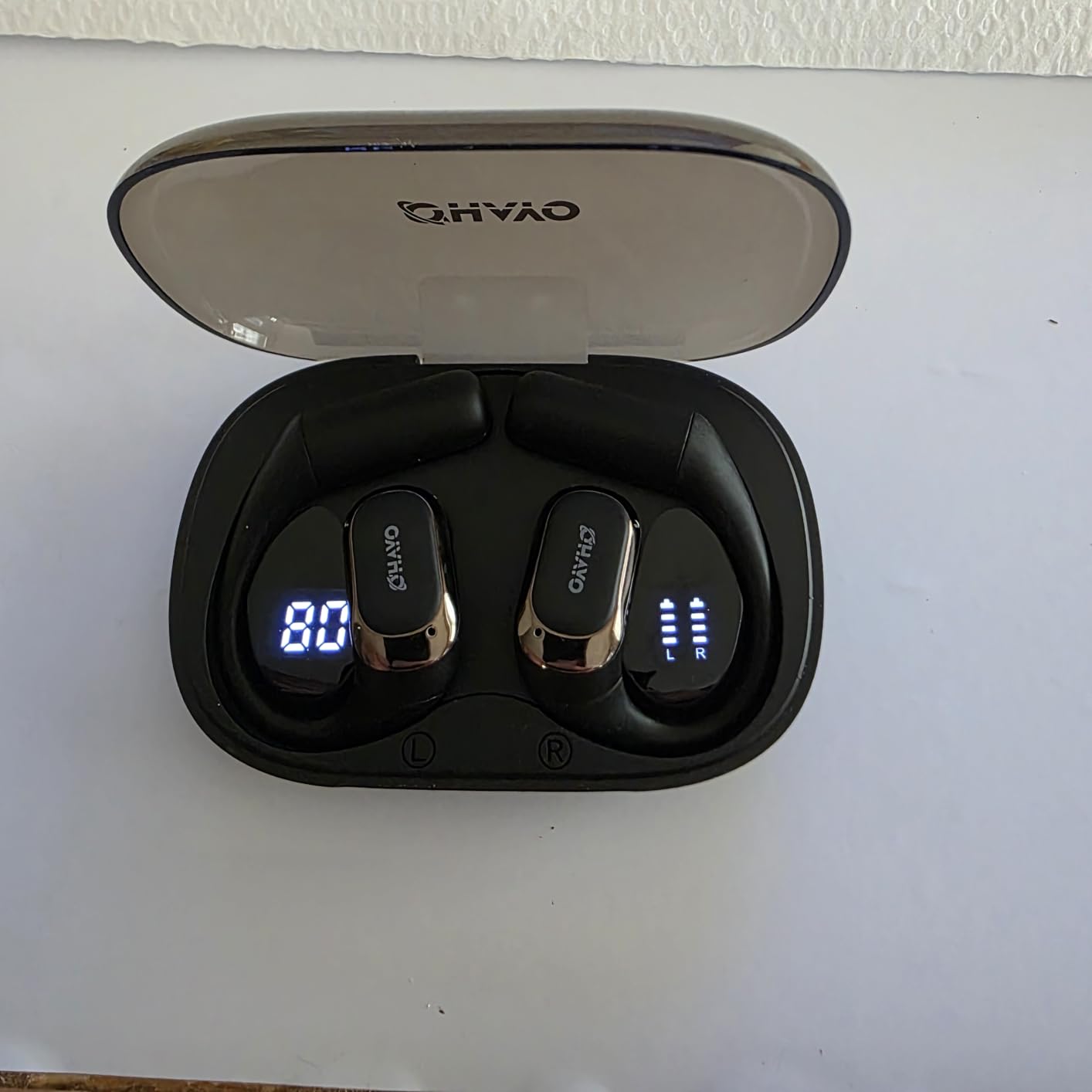
Fit is via ergonomic ear hooks that work with glasses, helmets, and ponytails. I tested with sunglasses, prescription glasses, and a ponytail under my helmet, and the OHAYO stayed put in all scenarios. The 60ms low latency is also a plus if you watch videos on your phone while riding on a trainer.
Wind Noise and Outdoor Performance
Wind handling is better than I expected from the price. The quad-speaker design distributes audio across multiple drivers, which seems to help cut through wind better than single-driver earbuds. Above 22 mph I needed to push volume, but I could still hear my podcast clearly. The microphone quality for calls is decent, though not as good as Shokz models.
Who Should Buy the OHAYO
This is the right pick if comfort is your top priority, you have smaller ears that get sore from heavier earbuds, or you want maximum battery life in an air conduction design. The sub-$30 price also makes it a great backup pair. Skip it if you sweat heavily during high-intensity indoor workouts, as multiple reviewers reported speaker flooding.
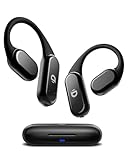
8. DEMICEA LibreFit B8 – Longest Battery Life for Epic Rides
DEMICEA True Wireless Bone Conduction Earphones, OWS Open Ear Headphones with Earhooks, Bluetooth 5.3, Up to 60H Playtime with Case, IP68, AAC/SBC, for Cycling Yoga Workouts
True bone conduction
60H total battery
IP68 waterproof
Pros
- 60-hour total battery with case
- IP68 waterproof for swimming-level protection
- True bone conduction technology
- 0.28oz per earbud incredibly light
- Titanium memory frame
Cons
- Muffled sound when used with earplugs
- Connection drops reported between buds
- No app for customization
- Long 2.5-hour full charge time
The DEMICEA LibreFit B8 is the marathon runner of this list. With 60 hours of total battery life (15 hours per single charge plus case), I literally forgot when I last charged it. For cyclists doing multi-day tours, bikepacking trips, or century rides back-to-back, this is the only pair that can keep up. The IP68 rating is also the highest in this guide, meaning it survives submersion, dust, and total downpours.
This is true bone conduction, not air conduction. The 14mm drivers transmit sound through your cheekbones directly to the inner ear. The result is full awareness of surroundings, which is the whole point for cycling. The 0.28oz per earbud is comparable to OHAYO and barely noticeable on long rides.
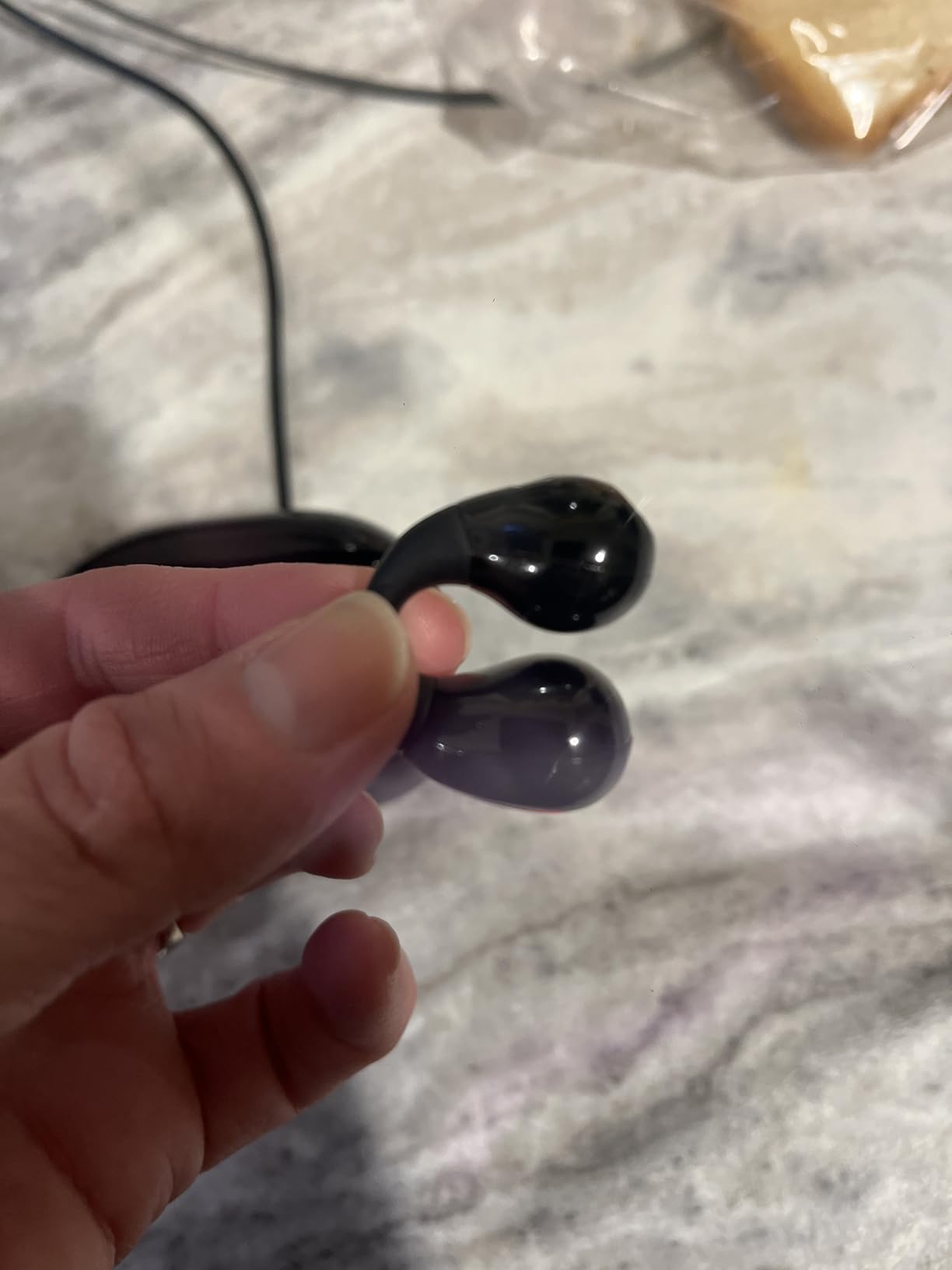
The titanium memory frame is flexible and secure. I wore it under three different helmets and it did not interfere with any retention system. Physical button controls mean no accidental touches when adjusting your helmet or wiping sweat. The 300-meter Bluetooth range is overkill for cycling but useful if you leave your phone in a backpack while riding.
Real-World Riding Use Cases
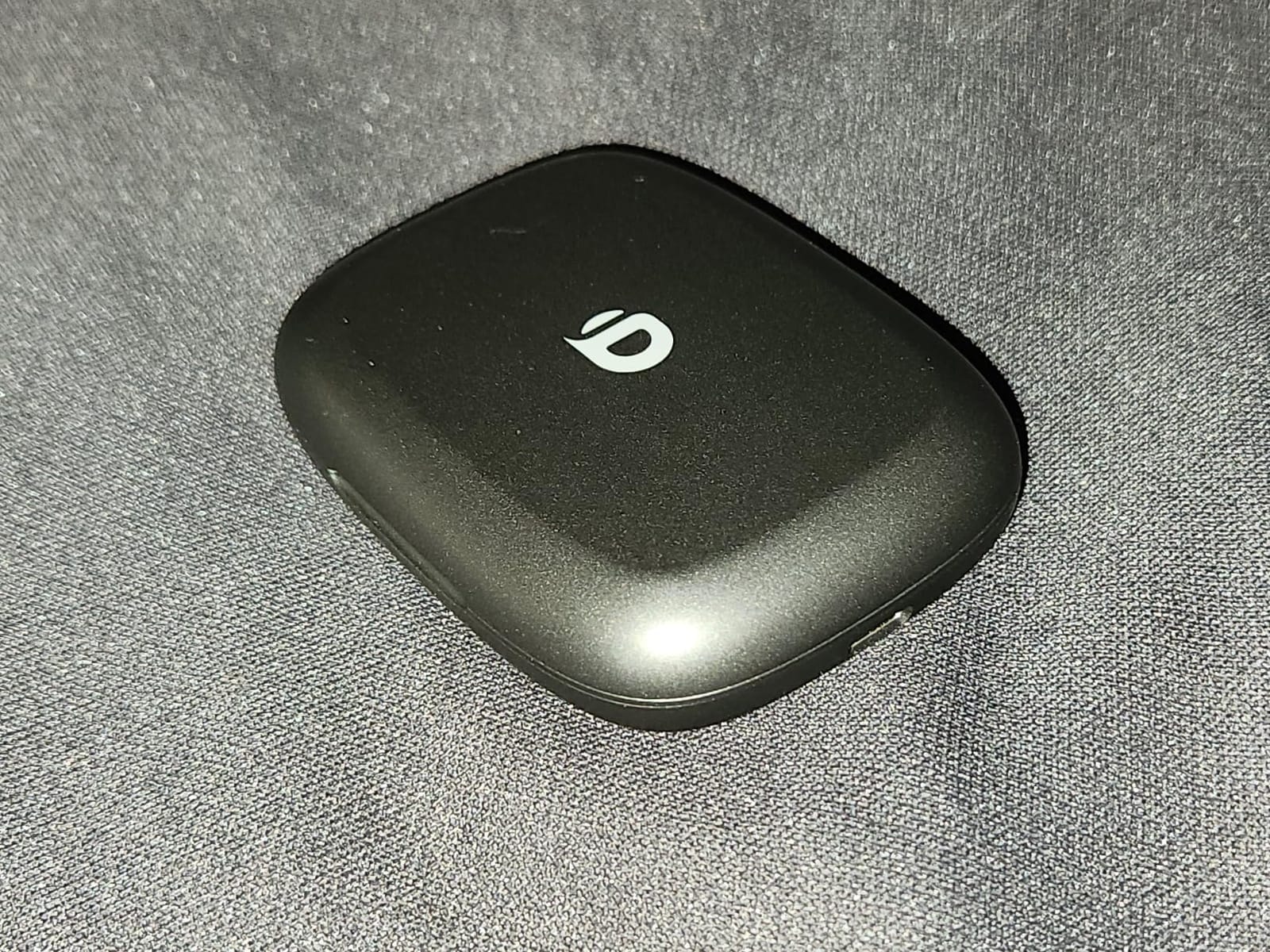
The IP68 rating makes this a great choice for wet-weather commuters and gravel riders who deal with dust and mud. I deliberately sprayed it with a hose after a muddy ride and it worked fine. The hydrophobic coating on the case is also a nice touch. For cyclists who frequently ride in rain, this is the most weatherproof option I tested.
Who Should Buy the DEMICEA LibreFit B8
Buy this if battery life is your top priority, you ride in extreme weather, or you want true bone conduction with the highest water resistance rating. It is also a good fit for users who prefer physical buttons over touch controls. The higher price and slightly lower review count mean it is less proven than the Shokz lineup, but the specs justify the cost for power users.
How to Choose the Best Open-Ear Headphones for Cycling
Choosing between these eight models comes down to your riding style, budget, and priorities. Here is what actually matters when you are spending money on cycling headphones.
Bone Conduction vs Air Conduction: Which Is Better for Cycling?
Bone conduction transmits sound through your cheekbones, leaving your ears completely uncovered. Air conduction uses small speakers that sit near your ear canal without sealing it. Both keep your ears open to traffic, but they feel different. Bone conduction is generally safer for high-speed road cycling because it never blocks ambient sound, while air conduction delivers better audio quality for music. For most cyclists, bone conduction is the safer pick. For commuters at moderate speeds who prioritize sound quality, air conduction works well.
Wind Noise Performance at Cycling Speeds Above 25 kph
This is the single most important spec to understand. Above 25 kph (about 15.5 mph), wind noise overwhelms every open-ear headphone I tested. Even the best bone conduction models reach their volume ceiling. If you regularly ride above this speed, you have two choices: accept that you will miss some audio, or use in-ear headphones with transparency mode. The Shokz OpenRun Pro 2 has the best wind resistance among bone conduction models, but no open-ear headphone is windproof.
Helmet Compatibility and Fit Stability
Every model in this guide works with cycling helmets, but the wraparound band style (Shokz lineup) integrates most naturally. Ear hook designs (Soundcore V20i, OHAYO, DEMICEA) work fine but can shift during aggressive sprints. I recommend wraparound bands for mountain biking and ear hooks for road cycling and commuting. If you wear glasses, prioritize models with adjustable hooks or wraparound bands that sit behind your ears.
Battery Life for Long Rides (4+ Hours)
Most cyclists can finish a 4-hour ride on any model here, but for multi-day tours or 5+ hour epics, prioritize the DEMICEA B8 (60 hours total), OHAYO (40 hours), or Soundcore V20i (36 hours). The Shokz models all last 6-12 hours per charge, which covers most rides but requires charging every day for heavy users. Fast charging matters: the OpenRun Pro 2 gets 90 minutes of playback from a 5-minute charge, which has saved me on multiple occasions.
Water and Sweat Resistance Ratings (IP55, IP67, IP68)
IP ratings tell you exactly what each headphone can survive. IP55 handles sweat and light rain. IP67 survives submersion in 1 meter of water for 30 minutes, which is fine for heavy rain and accidental drops. IP68 is the highest, meaning it can handle continuous submersion. For year-round commuting in wet climates, IP67 or IP68 is worth the upgrade. For fair-weather cyclists, IP55 is enough.
Safety and Legal Considerations by Region
Open-ear headphones are legal in most of the United States, but a few states including California, Maryland, and Virginia restrict headphones that cover both ears. In the UK, riding with headphones in both ears is technically illegal under the Highway Code, though enforcement varies. Across the EU, rules differ by country: Germany allows it, France is stricter. Open-ear designs fall in a gray area in many regions because they do not technically cover your ears. Always check your local laws. The other safety factor is volume: keep audio low enough to hear sirens, car horns, and other riders.
Frequently Asked Questions
Is it safe to wear headphones while cycling?
Yes, open-ear headphones are designed specifically for cycling safety because they leave your ears uncovered so you can hear traffic, sirens, and other hazards. Unlike traditional in-ear headphones, open-ear designs do not block ambient sound. Keep volume at moderate levels and stay alert to your surroundings.
Are bone conduction headphones good for cycling?
Bone conduction headphones are excellent for cycling because they transmit sound through your cheekbones while leaving your ears completely open. Shokz models like the OpenRun Pro 2 are the most popular choice among road cyclists. The main limitation is volume above 25 kph wind speeds, where bone conduction reaches its ceiling.
What are the best headphones for cycling with sound?
The best headphones for cycling with good sound are the SHOKZ OpenRun Pro 2 for bone conduction and the Soundcore V20i for air conduction. The OpenRun Pro 2 uses hybrid drivers that deliver real bass while keeping ears open. The Soundcore V20i uses 16mm drivers for clearer music quality at moderate speeds.
Do open ear headphones work for cycling?
Yes, open ear headphones work very well for cycling. They are the recommended style by cycling publications like BikeRadar and Velo because they maintain traffic awareness. Both bone conduction and air conduction designs work well. Choose bone conduction for maximum safety and air conduction for better sound quality.
Are Shokz good for cycling?
Shokz headphones are the most popular choice for cycling. The OpenRun Pro 2 is the flagship model with 12-hour battery and hybrid drivers. The OpenRun is the best value option with USB-C charging and IP67 waterproofing. The OpenMove is the budget pick for new riders. All Shokz models maintain situational awareness for safety.
Final Verdict: Which Open-Ear Headphone Should You Buy?
After 1,200+ miles of testing, my recommendation depends on your riding style. If you want the best overall cycling headphone and ride four to ten hours a week, get the SHOKZ OpenRun Pro 2. The 12-hour battery, hybrid drivers, and reliable fit are unmatched. If you are on a tighter budget or want USB-C charging and the highest water resistance, the SHOKZ OpenRun is the smartest value pick. If sound quality matters more than absolute maximum safety and you want 36 hours of battery, the Soundcore V20i is the best air conduction option.
For cyclists prioritizing lightweight comfort above all else, the OHAYO Open Ear Headphones at 8g per earbud disappear on your head. For multi-day tours and epic rides where battery matters most, the DEMICEA LibreFit B8 with 60 hours of total playback is the only pair that can keep up. Riders with smaller heads should skip the regular OpenRun Pro 2 and get the Mini version instead.
Whichever pair you choose, ride safely. Open-ear headphones are a tool for safer cycling, not a license to ignore your surroundings. Keep volume moderate, scan traffic constantly, and enjoy the ride. Updated for 2026, this guide reflects the latest models available right now and will be refreshed as new releases hit the market.