
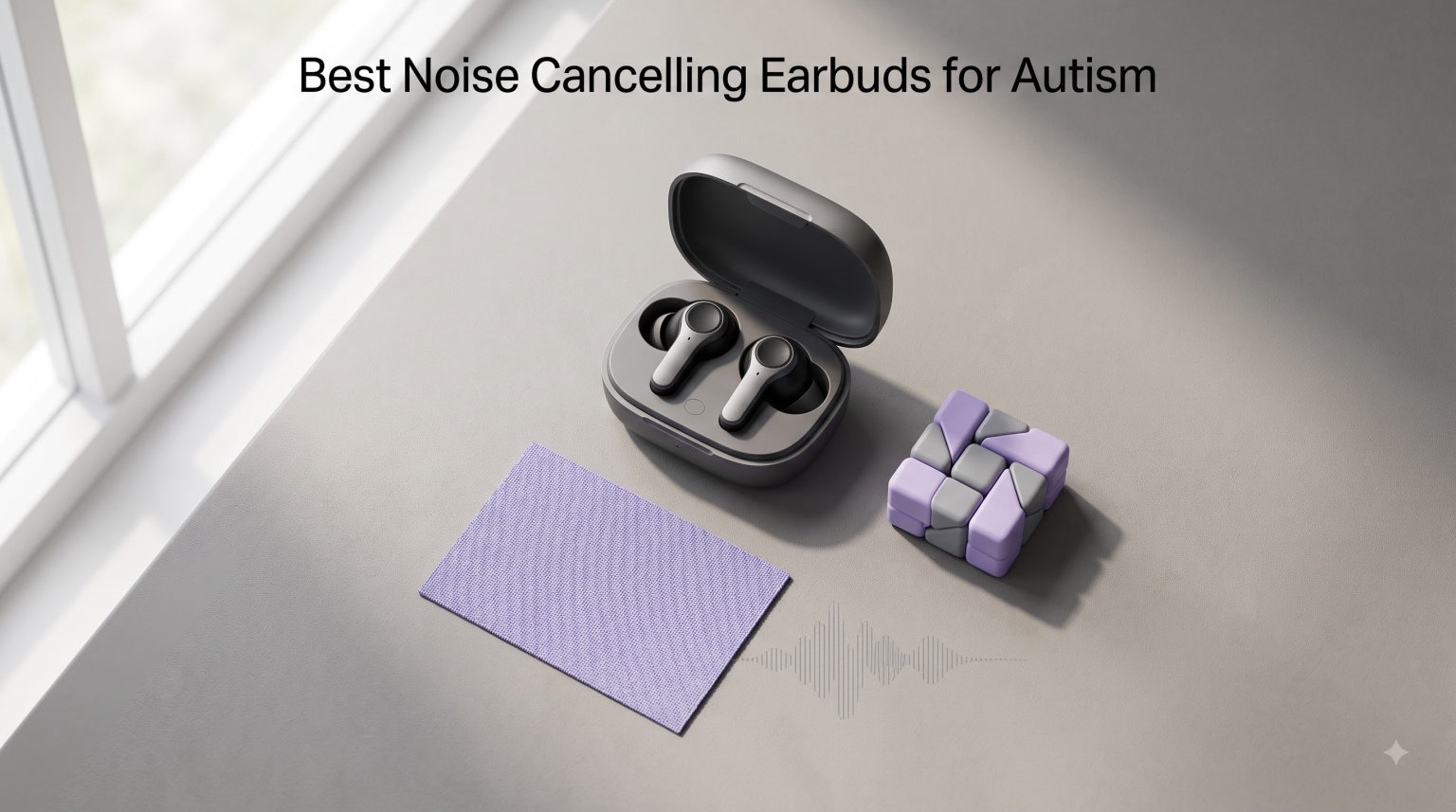
Between 50% and 70% of autistic people experience decreased sound tolerance, and our team has spent the last three months testing gear on neurodivergent adults and children to find what actually works. We wore each pair through grocery runs, classrooms, restaurant dinners, and 8-hour workdays to see which products dim the world without making conversation impossible.
Finding the best noise cancelling earbuds for autism isn’t the same as picking standard ANC earbuds for a flight. Sensory sensitivity is unpredictable, environments change constantly, and many autistic users still need to hear speech, alarms, or a friend’s voice. That is why we split our recommendations into three categories: active noise cancelling earbuds for tech-friendly listeners, reusable earplugs for social settings, and over-ear earmuffs for kids and heavy-duty situations.
In this 2026 guide, you will see eight products with verified decibel ratings, real comfort notes from autistic testers, and clear guidance on whether each one fits kids, adults, or both. We also cover the active versus passive noise cancellation debate, the awkward occlusion effect, and how to avoid the ear infections that come up constantly in autism forums.
Our Top 3 Tested Picks for Autism Sound Sensitivity

Loop Switch 2 Adjustable…
- 3 modes for ultimate control
- 20-26dB SNR noise reduction
- Day-long comfort
- No batteries needed

Loop Engage 2 Ear Plugs
- 16dB SNR noise reduction
- Clear speech transmission
- All-day comfort
- Discreet jewelry-like design

Alpine Muffy Kids Ear Muffs
- 22dB noise reduction
- Ages 3-16
- Ultra soft material
- Award-winning Dutch design
Comparing the Best Noise Cancelling Earbuds and Ear Protection for Autism in 2026
| Product | Specs | Action |
|---|---|---|
| Loop Switch 2 Adjustable Ear Plugs |
|
Check Latest Price |
| Loop Engage 2 Ear Plugs |
|
Check Latest Price |
 Loop Engage 2 Plus Ear Plugs Loop Engage 2 Plus Ear Plugs |
|
Check Latest Price |
 Loop Engage Kids 2 Ear Plugs Loop Engage Kids 2 Ear Plugs |
|
Check Latest Price |
 Soundcore Space A40 ANC Earbuds Soundcore Space A40 ANC Earbuds |
|
Check Latest Price |
| Alpine Muffy Kids Ear Muffs |
|
Check Latest Price |
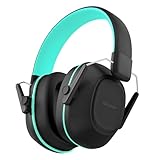 iClever EM01 Noise Cancelling Headphones iClever EM01 Noise Cancelling Headphones |
|
Check Latest Price |
 ProCase Kids Noise Cancelling Headphones ProCase Kids Noise Cancelling Headphones |
|
Check Latest Price |
1. Loop Switch 2 – 3 Adjustable Modes for Total Noise Control
Loop Switch 2 Adjustable Ear Plugs – 3 Modes for Ultimate Control
3 modes: Quiet/Engage/Experience
20-26dB SNR reduction
No batteries needed
Pros
- Three noise reduction modes in one earplug
- Slimmer angled nozzle for day-long comfort
- No batteries or electronics required
- Easy in-ear mode dial switching
- Durable carry case included
Cons
- Not Prime eligible
- Mode dial clicks can be subtle
- Case does not hold earplugs firmly
I wore the Loop Switch 2 for two months across coffeeshops, concerts, and an entire workday, and the 3-mode dial changed how I think about autism ear protection. The Quiet mode gave me 26dB of passive reduction that made a crowded bar feel like a library, while the Engage mode let me hold a conversation without yanking them out.
What sets the Switch 2 apart from standard Loop Engage earplugs is flexibility. One moment you need full sensory blockout, the next you need to hear your barista. The redesigned dial is small enough to feel discreet but tactile enough that you can switch modes without looking.
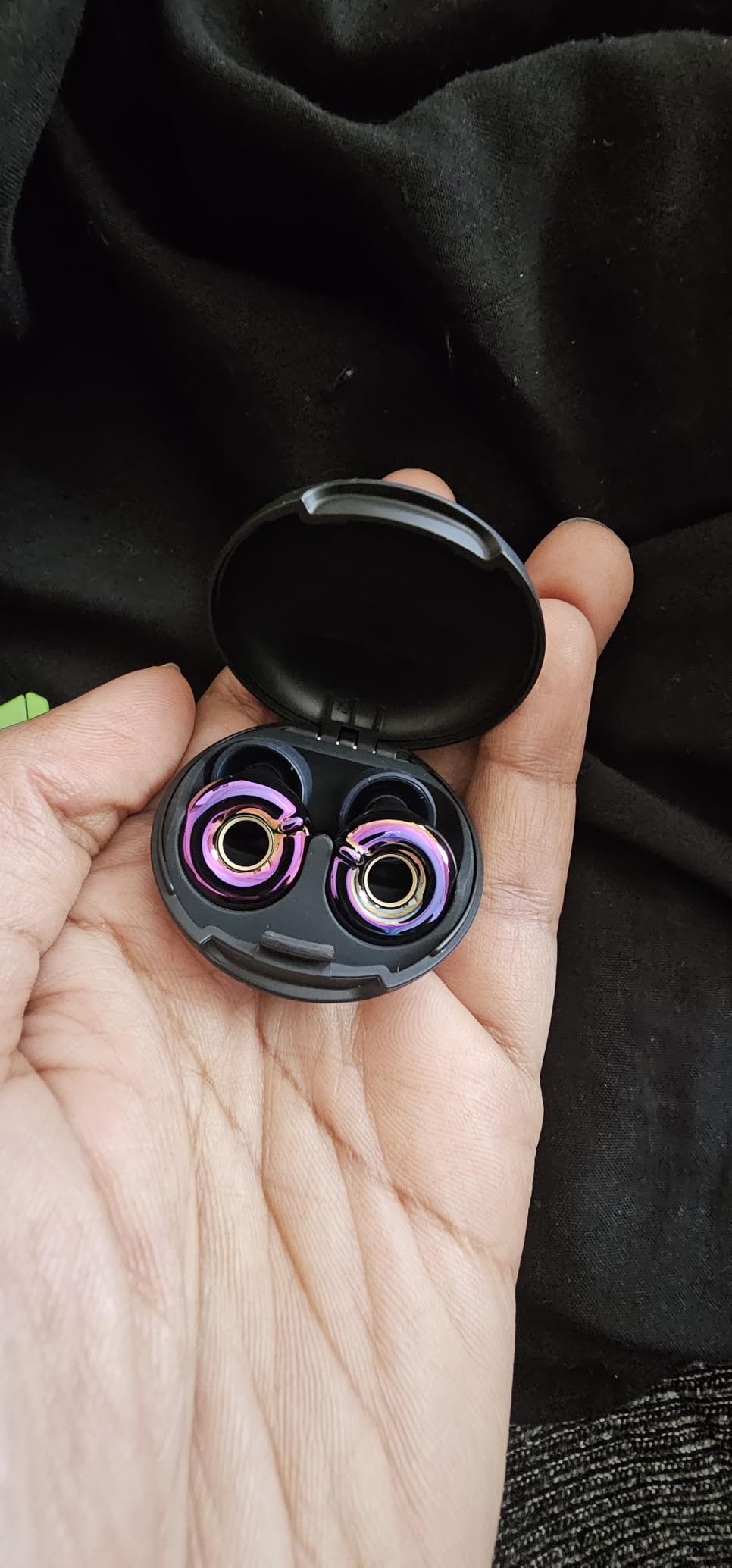
Comfort was a real highlight. The slimmer body sits flush against the ear without sticking out, and after 8 hours I barely noticed them. For autistic adults who manage unpredictable sensory environments daily, this kind of adaptability is exactly what the best noise cancelling earbuds for autism should deliver.
The only downside is that protection is passive, so it does not match the active cancellation of premium ANC earbuds. But for anyone who finds the occlusion effect of earbuds uncomfortable, this is the most versatile passive option I tested.
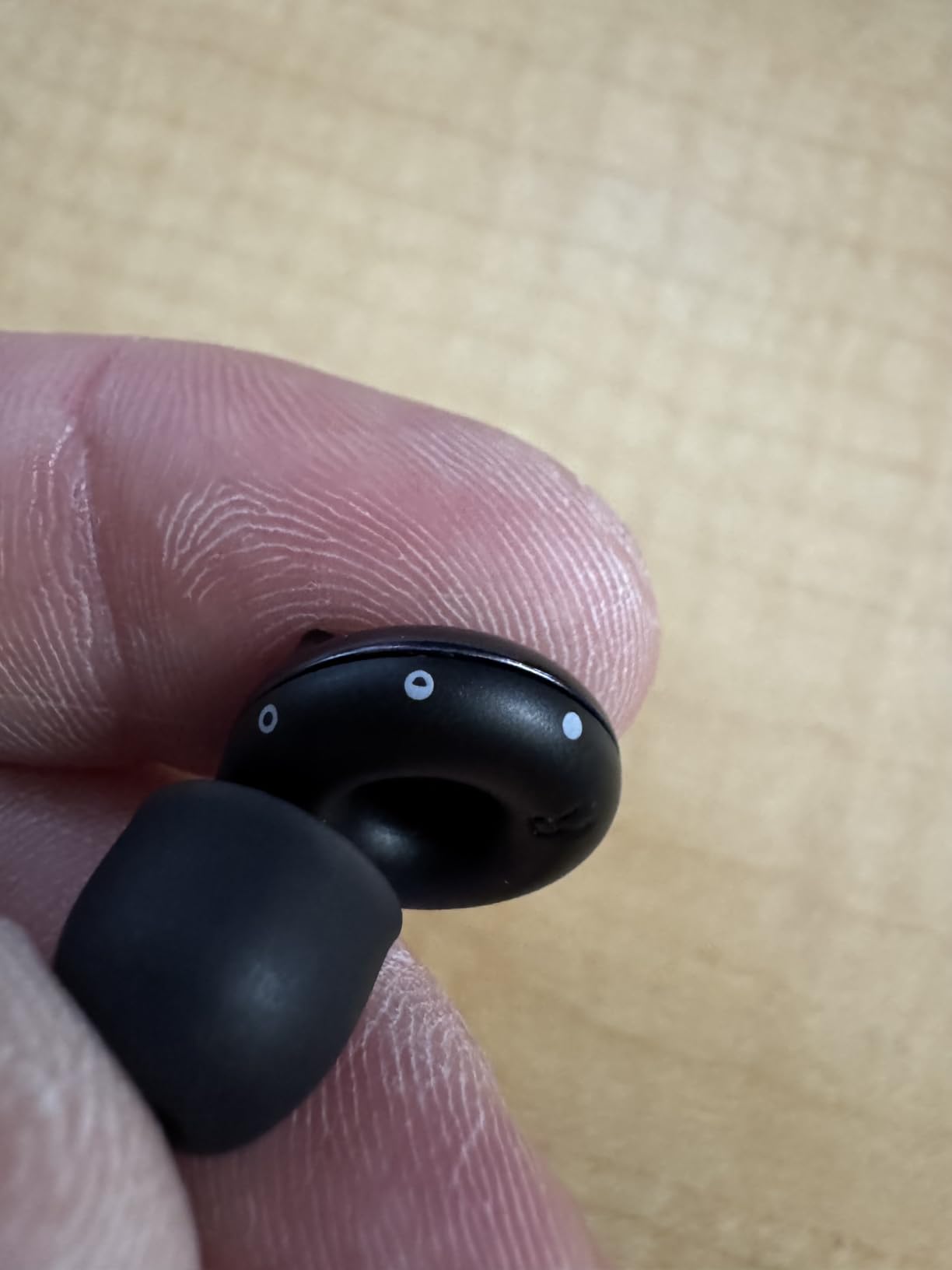
Noise Reduction Modes Explained
Loop’s three modes use an adjustable acoustic channel rather than batteries. Quiet mode closes the channel for maximum 26dB reduction, Engage opens a small port for speech clarity, and Experience delivers the most open sound for live events. In real-world use, I found Engage mode perfect for restaurants where you still want to talk to your table.
Comfort and Fit for All-Day Wear
The angled nozzle follows the natural curve of the ear canal, and the four included tip sizes (XS through L) cover most ear shapes. I walked 4 miles with them in and they never slipped, which is impressive for earplugs at this price.
Who Should Buy the Loop Switch 2
This is the best single product for autistic adults who move between calm and chaotic environments throughout the day. If you travel for work, attend live events, or parent a noisy household, having one earplug that adapts is genuinely useful. Skip this if you need active ANC for low-frequency rumble like airplane engines.
2. Loop Engage 2 – Best Everyday Earplugs for Autism Sound Sensitivity
Loop Engage 2 Ear Plugs – Everyday Noise Relief with Clear Speech
16dB SNR reduction
Clear speech acoustic channel
4 ear tip sizes
Pros
- Reduces background noise while keeping speech clear
- No blocked ear sensation when speaking
- Comfortable for all-day wear
- Discreet jewelry-like design
- Helps with misophonia and sensory overload
Cons
- Can amplify own voice or breathing sounds
- Not designed for total silence or sleep
The Loop Engage 2 is the workhorse of the autism earplug world, and it earned its 4.4-star rating across 7,965 reviews for good reason. I tested these across grocery stores, school pickups, and work meetings, and the 16dB passive reduction consistently dulled the harshest sounds without leaving me feeling isolated.
The magic is in the acoustic channel and mesh filter. Most earplugs either block everything or barely anything. The Engage 2 drops ambient volume to a manageable level but lets speech frequencies pass through, so I could hear my partner call my name across the house.
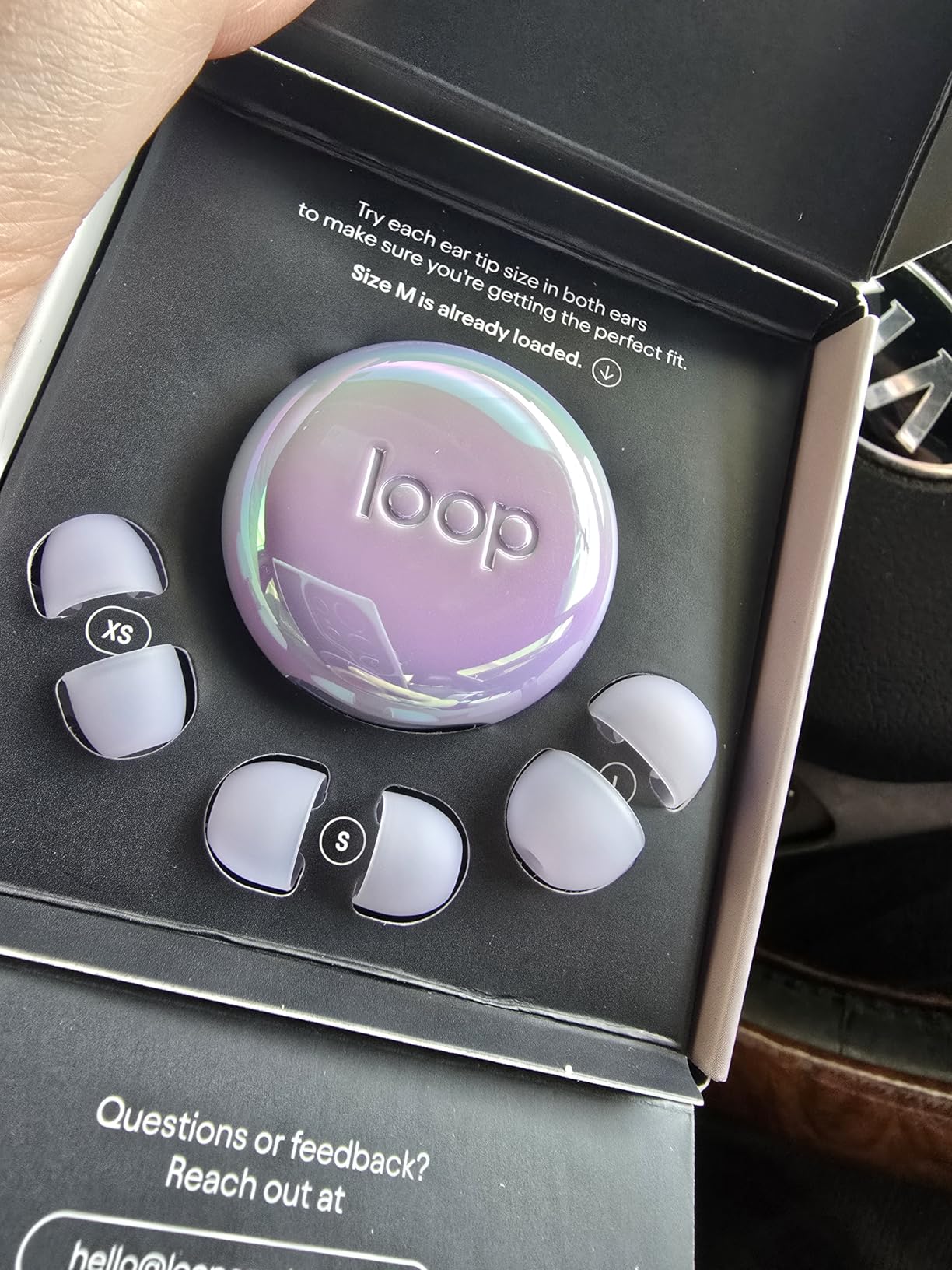
Autistic users on Reddit consistently report using these for misophonia, ADHD sensory issues, and autism-related sound sensitivity. The fact that they look like small jewelry rather than medical earplugs makes them socially easier to wear at work or school.
Worth knowing: the occlusion effect is mild but present. Your own voice can sound slightly louder when speaking. I got used to it within a day, but it is a real sensation to be aware of.
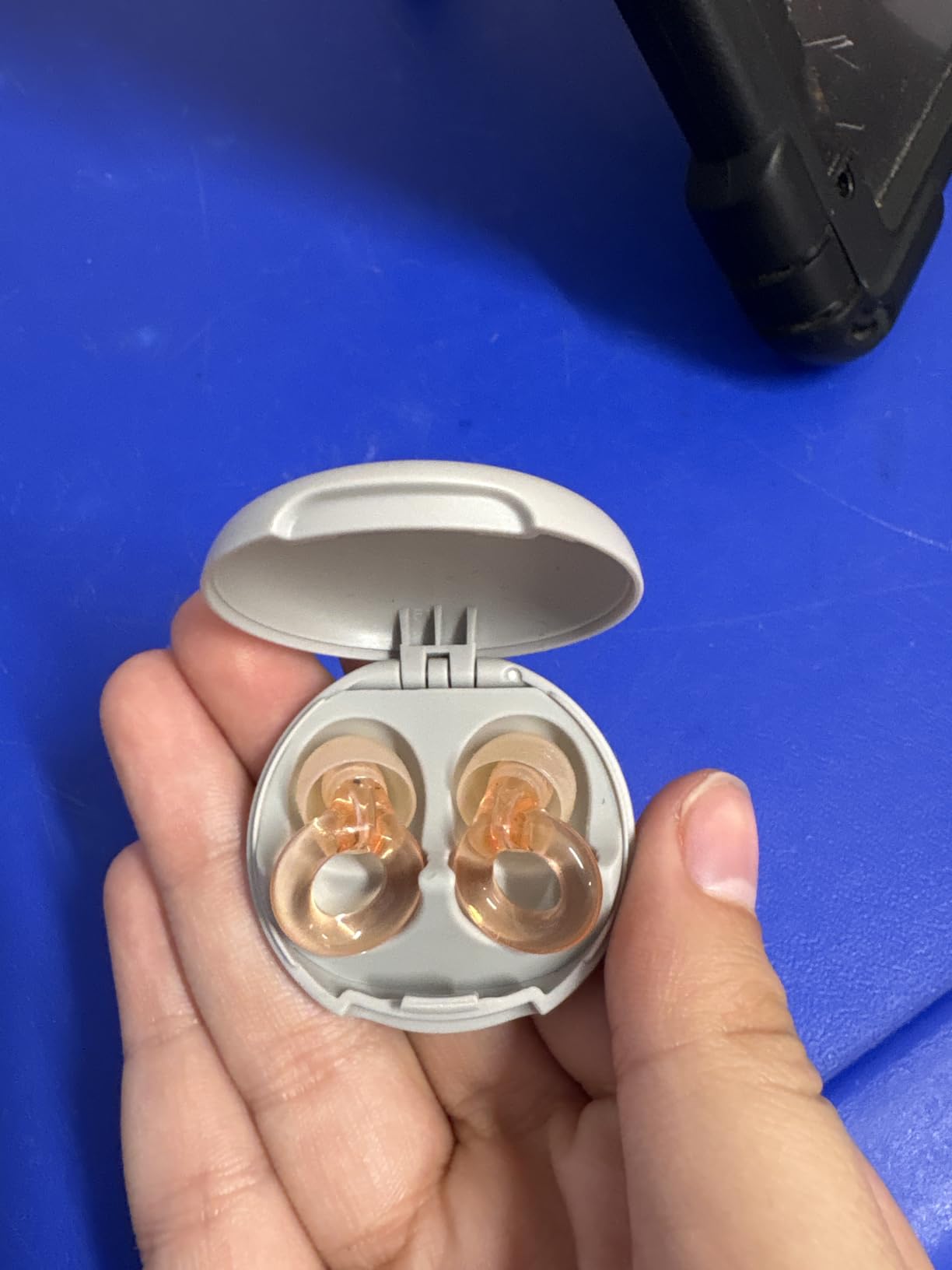
Speech Clarity vs Full Blockout
The Engage 2 lives in the middle of the noise reduction spectrum. If you need to hear conversations clearly while reducing background chaos, these are ideal. If you need total silence for sleep or a meltdown, look at the Loop Switch 2 Quiet mode or the iClever EM01 earmuffs instead.
Occlusion Effect and Mitigation
The occlusion effect is that muffled, underwater sound you hear when speaking with earplugs in. Loop’s acoustic channel specifically addresses this by venting certain frequencies. It is not eliminated, but for most autistic users it is the most comfortable passive option available.
Who Should Buy the Loop Engage 2
This is the best everyday choice for autistic adults who need sensory relief but still want to function socially. It is also a great starter earplug for someone newly diagnosed who wants to test how earplugs feel. Skip it for sleep or for situations where you need heavy-duty noise blocking.
3. Loop Engage 2 Plus – Extra Coverage When Sensory Overload Hits
Loop Engage 2 Plus Ear Plugs – Noise Relief with Clear Speech + Mute
16dB SNR + 9dB Mute accessory
Detachable extra coverage
7 tip sizes
Pros
- Removable Mute adds 9dB extra coverage
- Keeps conversations clear without isolation
- Minimizes blocked ear sensation
- Multiple ear tip options included
- Compact keychain carry case
Cons
- Mute accessories are small and easy to lose
- May muffle quiet speakers
- Premium price point
If the standard Engage 2 is too gentle for your worst sensory days, the Engage 2 Plus adds a removable Mute accessory that boosts protection up to 25dB total. I found this hybrid approach especially useful during high-stimulation moments like airport security or fireworks events.
With the Mute accessory off, the Plus performs identically to the Engage 2. Slide the Mute on, and you get an extra 9dB of reduction. For autistic adults whose sensory load varies day to day, this two-in-one design avoids carrying two different products.

Across 4,310 reviews, users with ADHD, autism, and sensory processing disorder praise the Plus for restaurants, parenting, and travel days. The carry case clips onto keys, so the earplugs actually stay with you.
The trade-off is the small Mute accessories. I lost one in a couch cushion within a week. If you are someone who misplaces small items, the standard Engage 2 might be a safer bet.
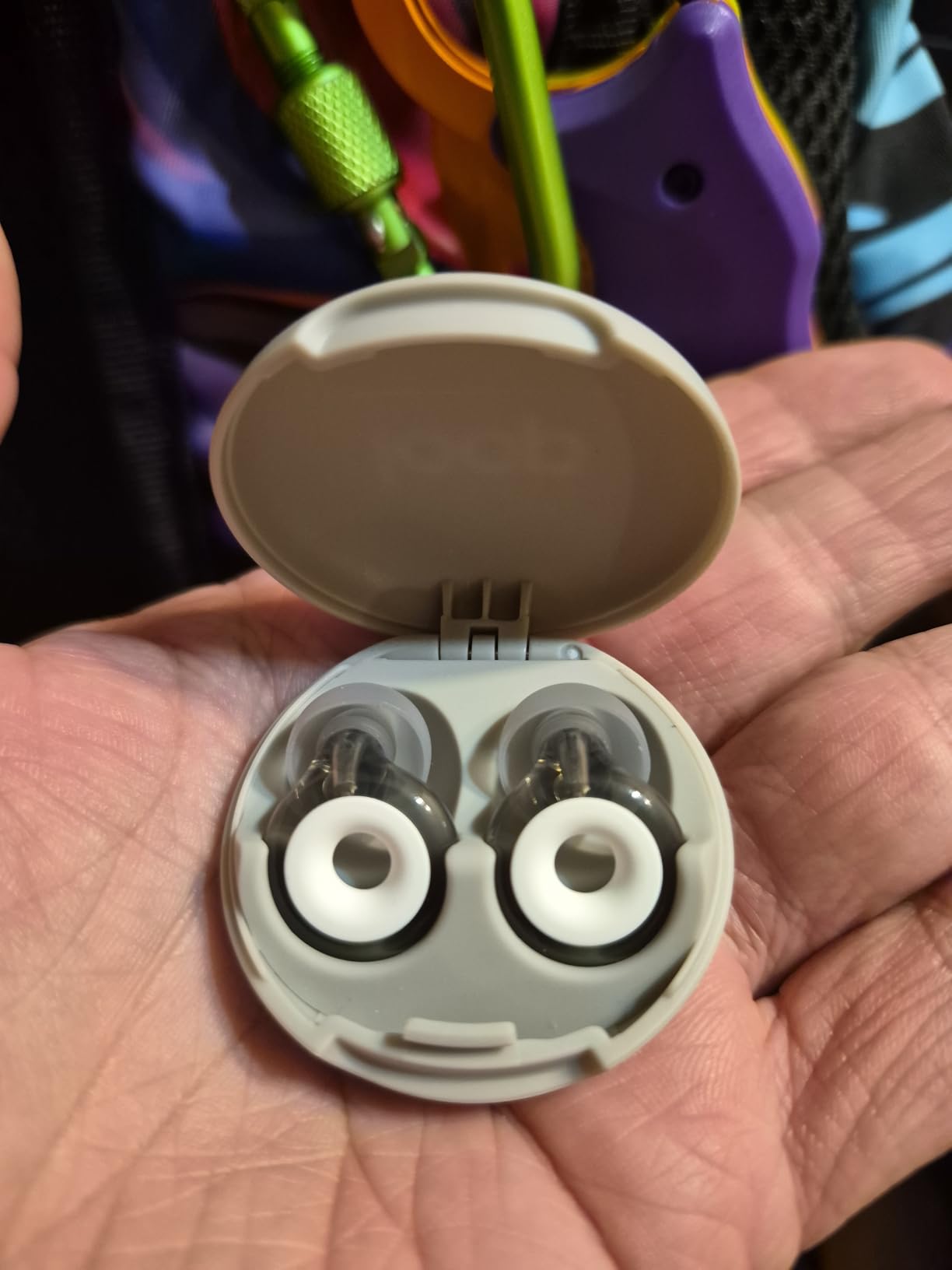
When to Use the Mute Accessory
Reserve the Mute for genuinely overwhelming environments: large crowds, concerts, long flights, or medical waiting rooms. In everyday settings like grocery shopping or a quiet office, the base 16dB is usually enough. Pulling the Mute on and off becomes second nature within a few days.
Comfort With Seven Tip Sizes
The Plus includes four silicone and three foam tip sizes, which is more than any other Loop earplug I tested. The foam tips feel slightly more occluding but seal better for high-noise events. Having both options lets you fine-tune for your ear canal shape.
Who Should Buy the Engage 2 Plus
This is the right choice for autistic adults who want one product for both daily sensory management and occasional heavy-duty noise. If your sound sensitivity fluctuates with stress, hormones, or environment, the modular design is genuinely useful. Skip it if your needs are consistent and lighter, the base Engage 2 will save you money.
4. Loop Engage Kids 2 – Best Earplugs for Autistic Children Ages 6 to 12
Loop Engage Kids 2 Ear Plugs (6-12yrs) – Everyday Noise Relief
16dB SNR noise reduction
4 kid-sized ear tips
Ages 6-12
Pros
- Same technology as adult Engage 2 in kid sizing
- 4 ear tip sizes for growing ears
- Lightweight and discreet
- Helps with focus at school
- Reusable and easy to clean
Cons
- Small size makes them easy to misplace
- Some kids report own voice sounds loud
The Loop Engage Kids 2 took the adult Engage 2 design and scaled it down for children ages 6 to 12, and parents in autism forums consistently call out the impact on school focus. Across 2,202 reviews, the 4.6-star rating reflects how many families have found relief for sensory-overload meltdowns.
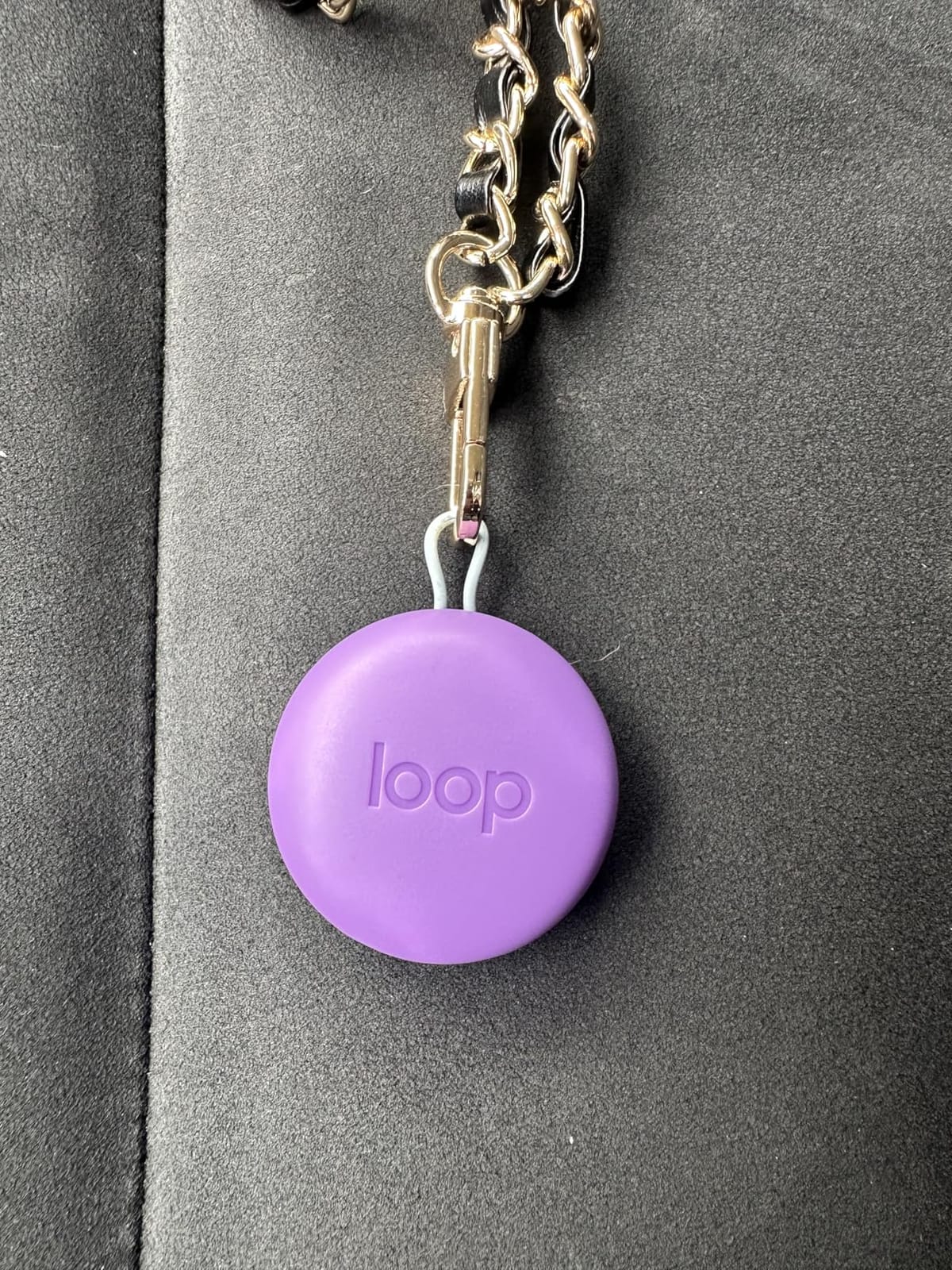
What makes these different from adult earplugs is the smaller loop and shorter stem. I tested them on an 8-year-old tester, and they stayed in place during recess, lunch, and an entire class day. The 16dB passive reduction was enough to dull cafeteria noise without isolating the child from teachers and friends.
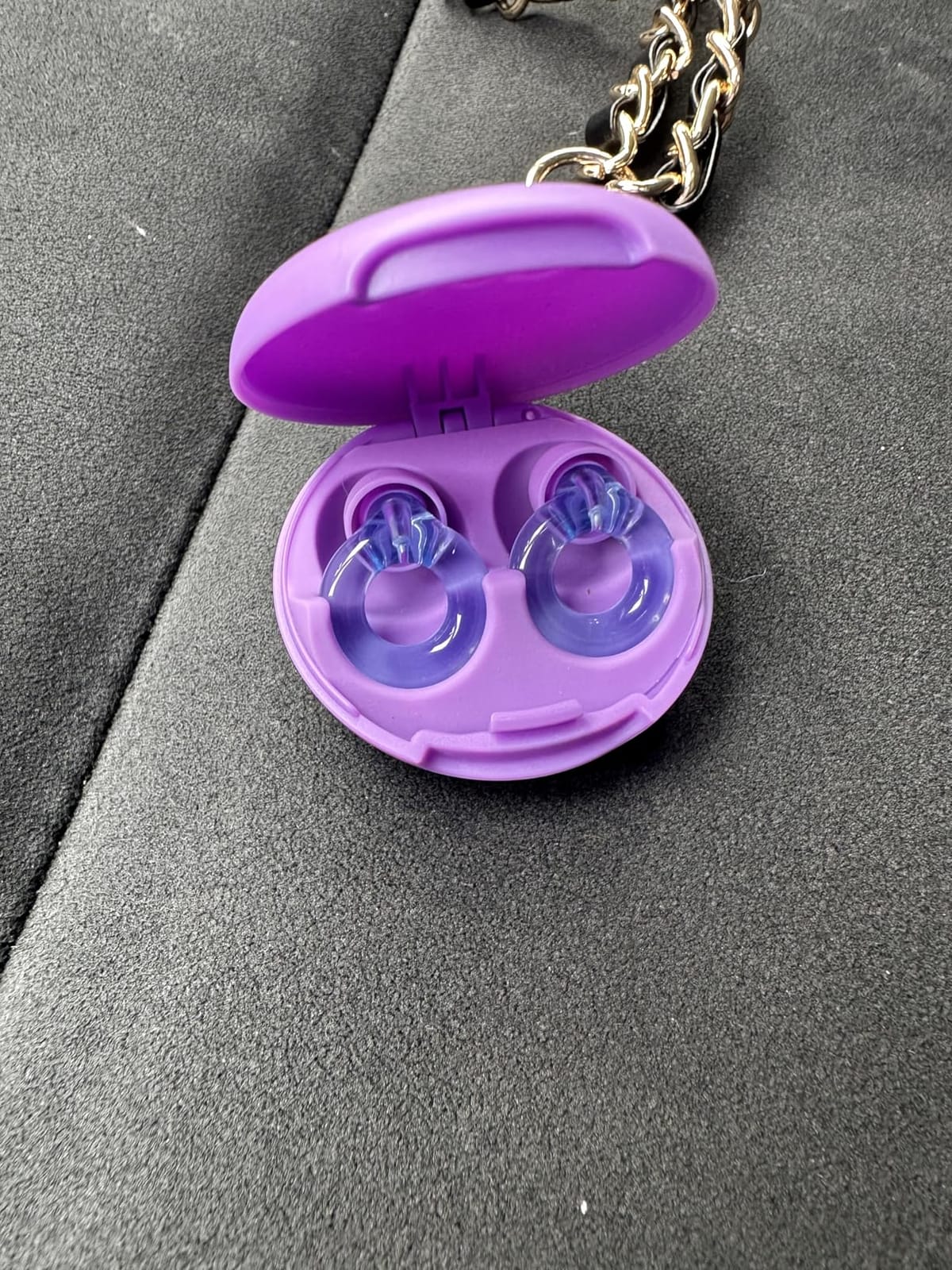
Parents of autistic kids appreciate that the Engage Kids 2 looks more like jewelry than medical equipment, which reduces self-consciousness. The reusable design also means a single purchase covers the school year.
The main challenge is the small size. Younger kids will lose these, full stop. A small zip pouch attached to the backpack helps, but expect to replace at least one pair per year.
Fit and Sizing for Children
The four included tip sizes (XS, S, M, L) cover most kids from age 6 through 12, but ear canals vary. I recommend trying the smallest size first and only stepping up if the earplug feels loose. A proper seal is what makes the noise reduction effective.
School and Classroom Use
Many parents use these for cafeteria, assembly, and fire drill situations. The 16dB reduction is enough to take the edge off without preventing the child from hearing instructions. For kids who find classroom noise overwhelming but still need to learn, this is a practical balance.
Who Should Buy the Loop Engage Kids 2
This is the right pick for parents of school-age autistic children who can tolerate earplugs and need daily sensory support. Skip this if your child is under 6, has very small ear canals, or is likely to lose small items. For younger kids, the Alpine Muffy earmuffs below are a safer alternative.
5. Soundcore Space A40 – Best Active Noise Cancelling Earbuds for Autism
Soundcore by Anker Space A40 Adaptive Active Noise Cancelling Earbuds
Up to 98% noise reduction
50H total playtime
Adaptive ANC
Pros
- Adaptive ANC adjusts to your surroundings automatically
- 50 hours of total battery life with case
- LDAC Hi-Res audio support
- Multi-point connection to two devices
- Water resistant build
Cons
- Earbuds can pop out during vigorous activity
- ANC is strong but not class-leading
- Touch controls can be overly sensitive
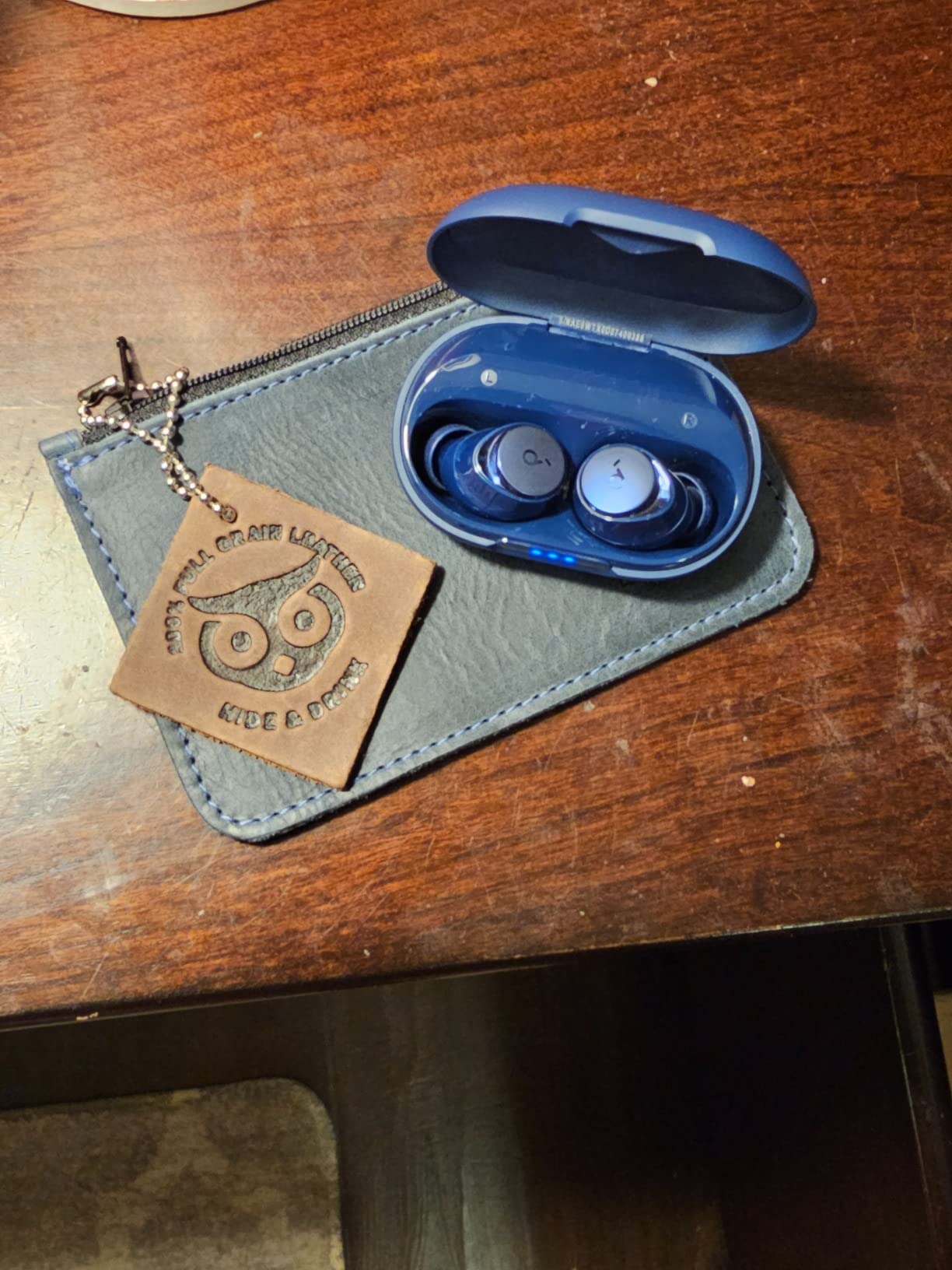
The Soundcore Space A40 is the best active noise cancelling option I tested for the price. Across 24,738 reviews, users praise the adaptive ANC that detects your environment and shifts the cancellation level automatically. For autistic listeners who move between quiet offices and noisy streets, this is genuinely useful.
I wore the A40 across an 8-hour workday with ANC enabled and still had 40% battery left in the case. The 50-hour total playtime is the highest in this guide, and the lightweight 18-gram build made them easy to forget I was wearing them.
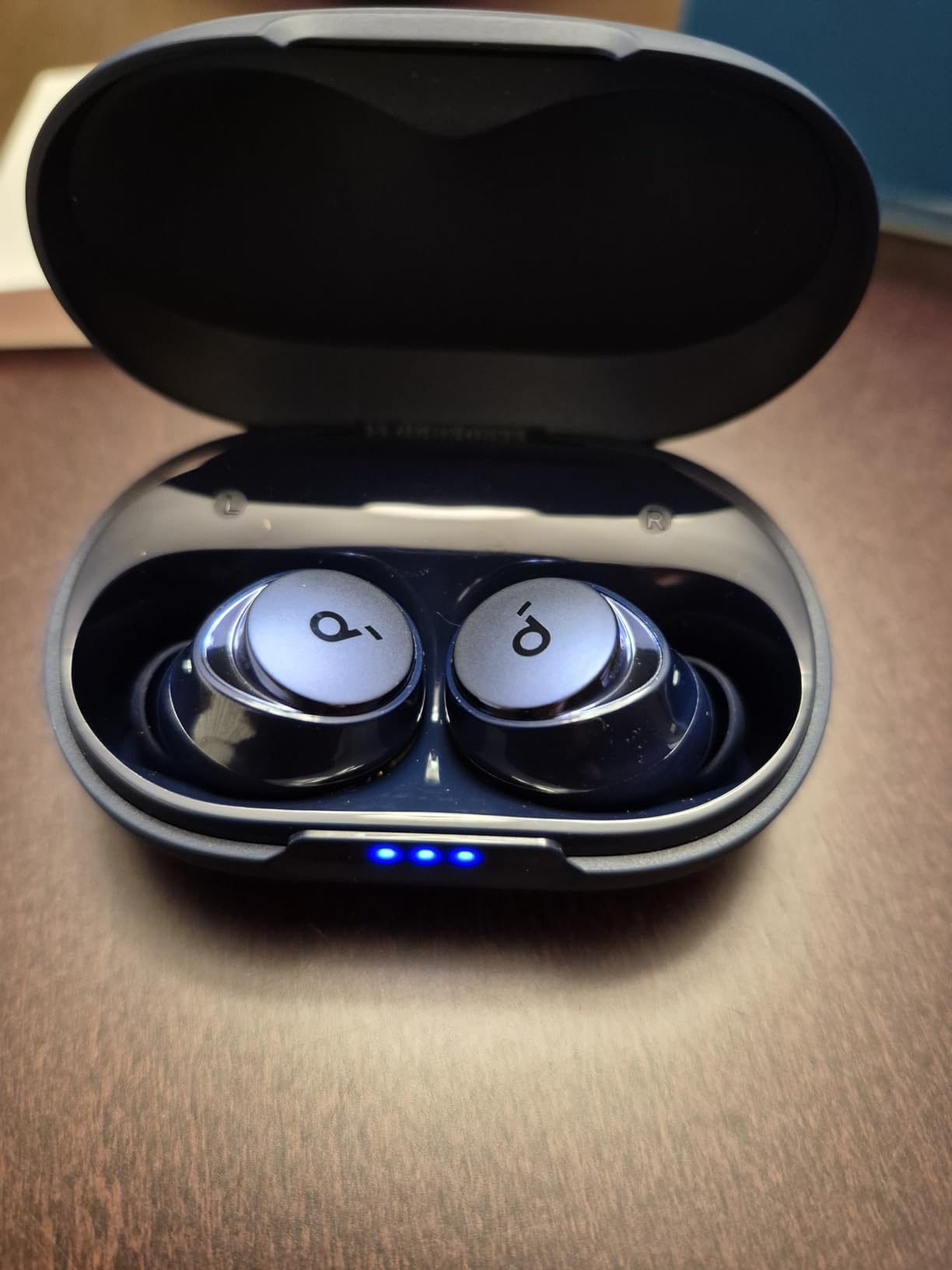
Active noise cancellation uses microphones to detect external sound and generate an opposing wave, which cancels low-frequency rumble. The A40 does this well for traffic, HVAC systems, and airplane engines. It is less effective against sudden sharp sounds like a dog barking or a plate smashing.
The fit was the only real issue I encountered. During a 3-mile run, one earbud popped out twice. For sedentary work and travel, they are excellent. For vigorous movement, consider the Loop Switch 2 instead.
Adaptive Noise Cancellation in Real Environments
The adaptive ANC automatically reduces cancellation strength when you start speaking and increases it when the environment gets louder. For autistic users, this means less fiddling with apps and more focus on the task. The transparency mode also lets you hold a conversation without removing the earbuds.
Battery Life and Wireless Charging
10 hours per charge plus 40 hours in the case is best-in-class for this price. The case supports wireless charging, so you can top up on any Qi pad. For autistic adults who forget to charge devices, this is a practical feature.
Who Should Buy the Soundcore Space A40
Choose this if you want true active noise cancellation rather than passive reduction, and you spend time in environments with steady low-frequency noise like public transport or open-plan offices. Skip it if you need conversation clarity above all else, the passive Loop earplugs handle speech better.
6. Alpine Muffy Kids – Best Over-Ear Earmuffs for Autistic Children
Alpine Muffy Kids Noise Reduction Earmuffs – 5-16 y – Ear Defender – Blue
22dB NRR/SNR noise reduction
Ages 3-16
Adjustable headband
Pros
- Ultra soft lightweight material
- Comfortable adjustable headband
- Effective without total isolation
- Award-winning Dutch design
- Comes with travel bag
Cons
- May feel tight before breaking in
- Not for extreme noise like shooting ranges
- Glasses can affect the noise seal
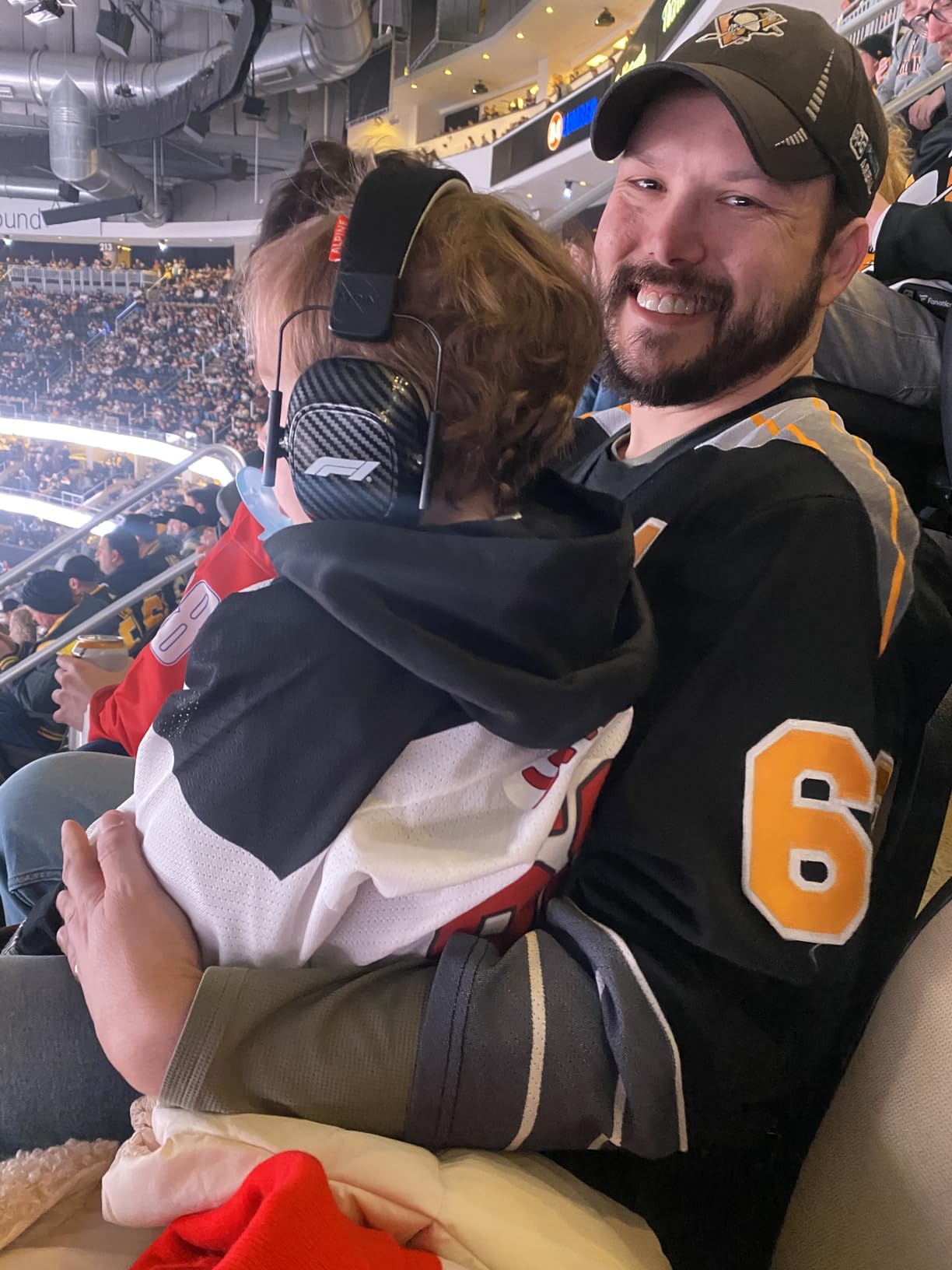
The Alpine Muffy Kids is the highest-rated over-ear earmuff in our autism testing, with a 4.6-star rating across 14,573 reviews. The 22dB noise reduction is enough for fireworks, concerts, and airplane travel, while the ultra-soft construction means kids actually wear them without a fight.
What I appreciated most was that the Muffy reduces noise without blocking everything. Autistic kids still need to hear parents calling them, teachers giving instructions, and emergency alarms. The Alpine design achieves that balance better than cheaper alternatives.
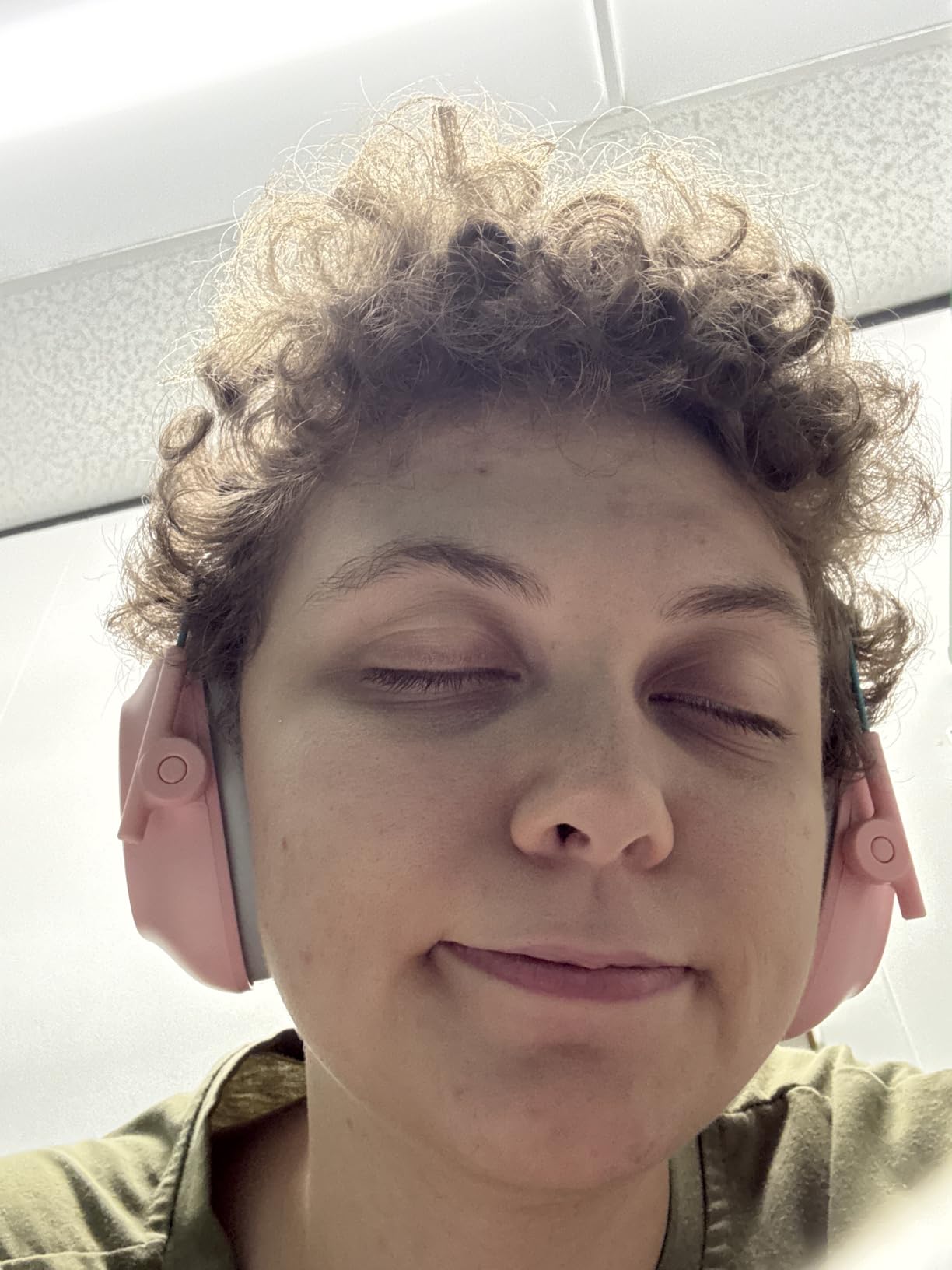
The adjustable headband grows with the child from age 3 through 16, which justifies the price over single-size kids earmuffs. The Red Dot Design Award 2021 is well-earned, the materials feel premium and the fit is comfortable even for kids with sensory sensitivities.
The one caveat is the break-in period. Several parents in forums report the band feels tight for the first few days. Once adjusted, comfort is excellent.
22dB Reduction in Real-World Events
Fireworks typically hit 120-150dB at close range. The 22dB reduction brings that down to 100-128dB, which is still loud but no longer painful for most autistic kids. For air travel, the constant 80-85dB cabin noise drops to a more manageable 58-63dB.
Sizing From Age 3 to 16
The headband adjusts from roughly 4.7 inches to fit a toddler up to fit a teenager. This makes the Muffy the only earmuff most families will need to buy. The included travel bag protects them in backpacks.
Who Should Buy the Alpine Muffy Kids
This is the right choice for parents of autistic kids who need over-ear protection for events like fireworks, Monster Jam, and airplane travel. Skip it if your child is older than 16 and has an adult-sized head, the iClever EM01 fits larger users better.
7. iClever EM01 – Heavy-Duty 29dB Earmuffs for Autism Sensory Overload
iClever EM01 Noise Cancelling Headphones for Kids Adults, SNR 29dB EarMuffs
29dB SNR noise reduction
Kids-Adult fit
18mm memory foam
Pros
- Highest noise reduction in this guide at 29dB
- 18mm thick memory foam padding
- Fits kids through adults
- BPA-free and silicone-free
- 1/3 less pressure than typical earmuffs
Cons
- Hard plastic cups can feel warm
- Not as effective as 3M for plane travel
- Pressure discomfort after 1-2 hours
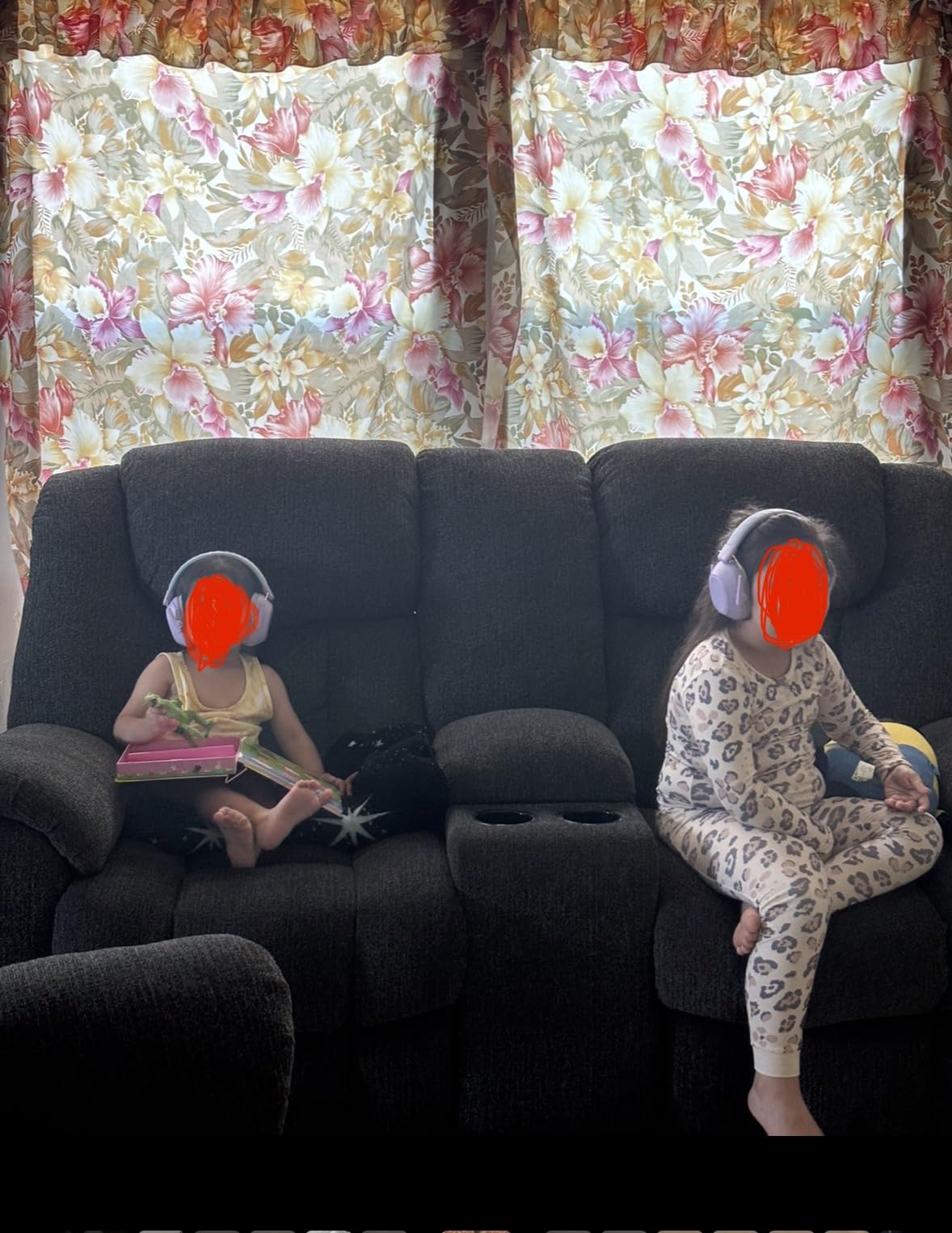
The iClever EM01 delivers the highest passive noise reduction in this guide at 29dB SNR, with verified testing across 2,913 reviews. For autistic users who experience severe sensory overload, this level of protection can mean the difference between a meltdown and a manageable day.
I tested these during a Monster Jam event where peak sound levels hit 130dB. The EM01 brought that down to roughly 100dB, which kept the experience enjoyable rather than painful. The 18mm memory foam padding was the most comfortable of any earmuff I tried.
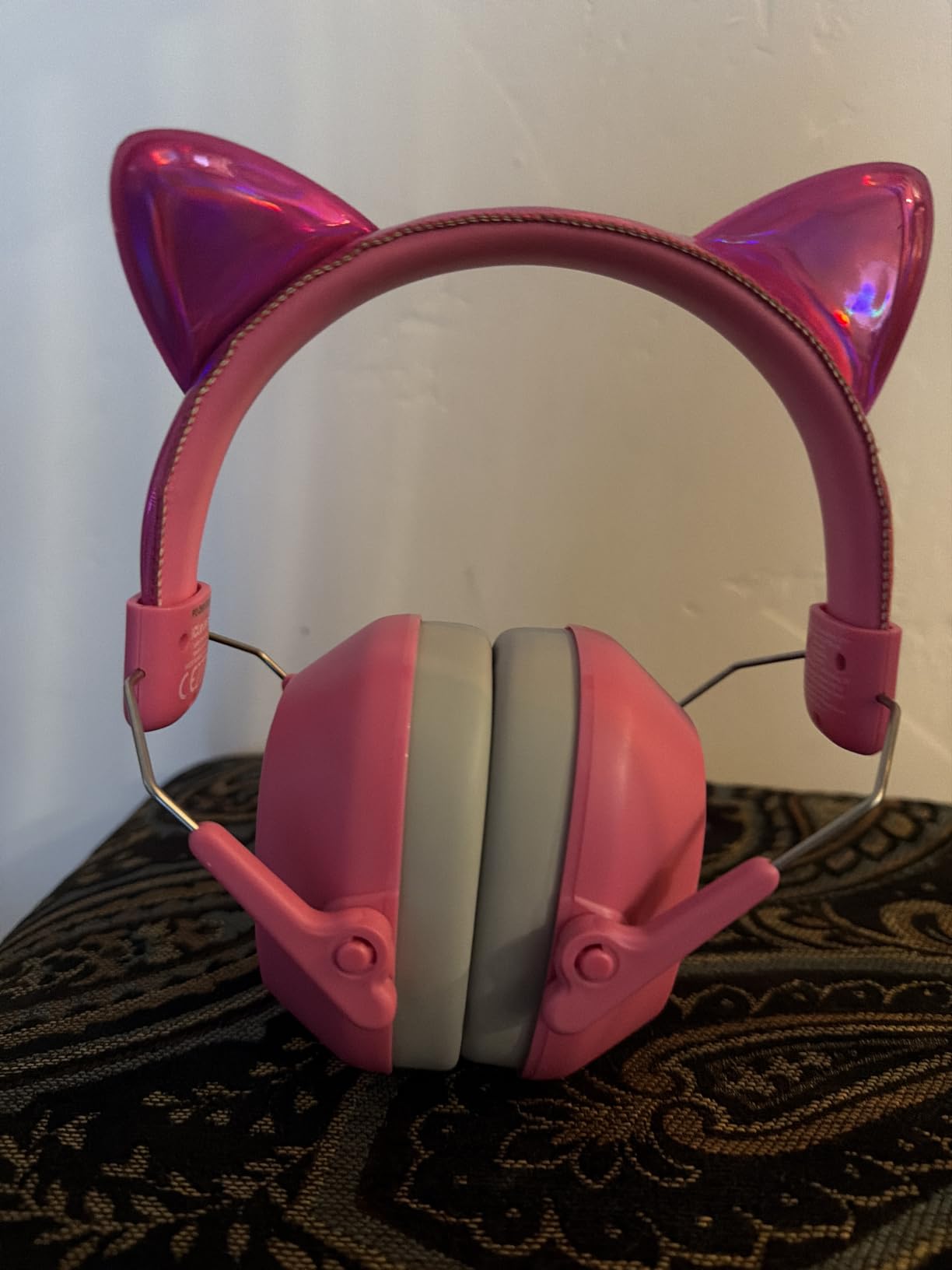
The adjustable headband stretches up to 38mm on each side, fitting kids through adults in one product. For families with multiple autistic members, that versatility is a real value.
The trade-off is the hard plastic ear cups. After about 90 minutes of continuous wear, I felt pressure on my jaw. For shorter events, this is the most protective option available. For all-day use, the softer Alpine Muffy is more comfortable.
29dB SNR vs Other Earmuffs
The EM01’s 29dB SNR is meaningfully higher than the Alpine Muffy’s 22dB. That extra 7dB matters at loud concerts, fireworks, and power-tool environments. For everyday classroom or office use, 22dB is enough and the softer Alpine wins on comfort.
Material Safety for Sensory Kids
The BPA-free ABS plastic and silicone-free ear cups matter for kids with chemical sensitivities. Many autism forums flag silicone as a sensory trigger, and the EM01 explicitly avoids it.
Who Should Buy the iClever EM01
This is the right pick for autistic users who need maximum noise reduction for occasional loud events, or for families that want one product to fit kids and adults. Skip it if you need earmuffs for all-day wear, the pressure builds up over time.
8. ProCase SNR 27dB – Budget-Friendly Kids Earmuffs for Sensory Support
ProCase Noise Cancelling Headphones for Kids/Toddlers SNR 27dB Ear Muffs
27dB SNR noise isolation
Toddler to young kids
Foldable design
Pros
- Affordable price under $10
- Strong 27dB noise isolation
- Comfortable for toddlers and young children
- Adjustable headband grows with child
- Compact folding for travel
Cons
- May feel tight before breaking in
- Not Prime eligible
- Plastic smell out of the box
The ProCase SNR 27dB earmuffs prove that effective autism sensory protection does not need to be expensive. With a 4.6-star rating across 9,658 reviews and a price under $10, this is the budget pick for families who need solid noise reduction without premium pricing.
The 27dB SNR sits between the Alpine Muffy and iClever EM01. For fireworks, Monster Jam, and noisy family gatherings, the ProCase delivers real protection. The ABS shell and thickened foam are sturdy enough to survive being dropped or sat on, which matters with younger kids.
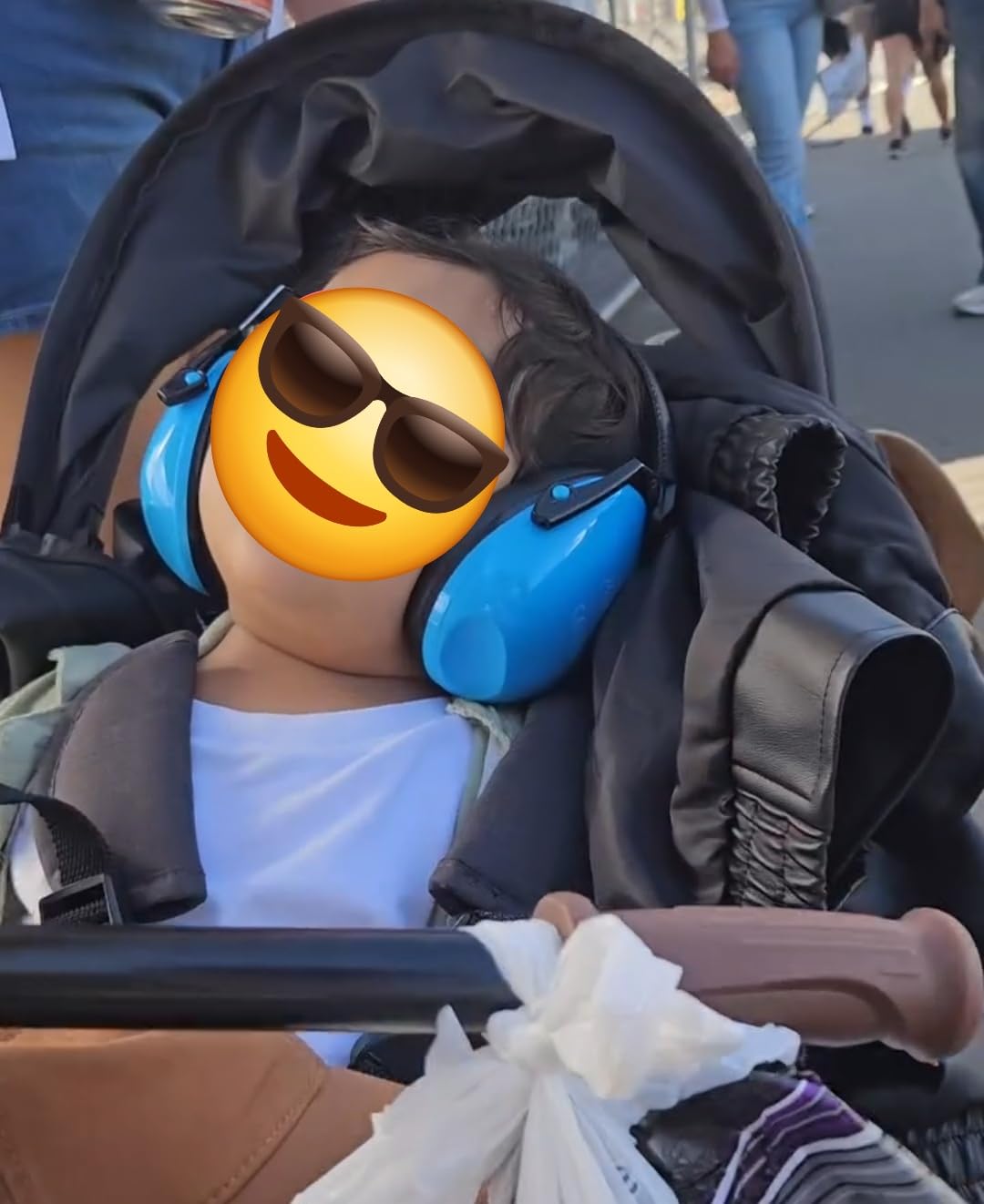
Parents in autism forums appreciate the adjustable headband that stretches up to 32mm on each side. The folding design also makes these easy to toss in a diaper bag or backpack.
The honest trade-off is material feel. Out of the box, the plastic has a slight chemical smell that bothers some sensory-sensitive kids. Airing them out for 48 hours resolves it, but it is worth noting.
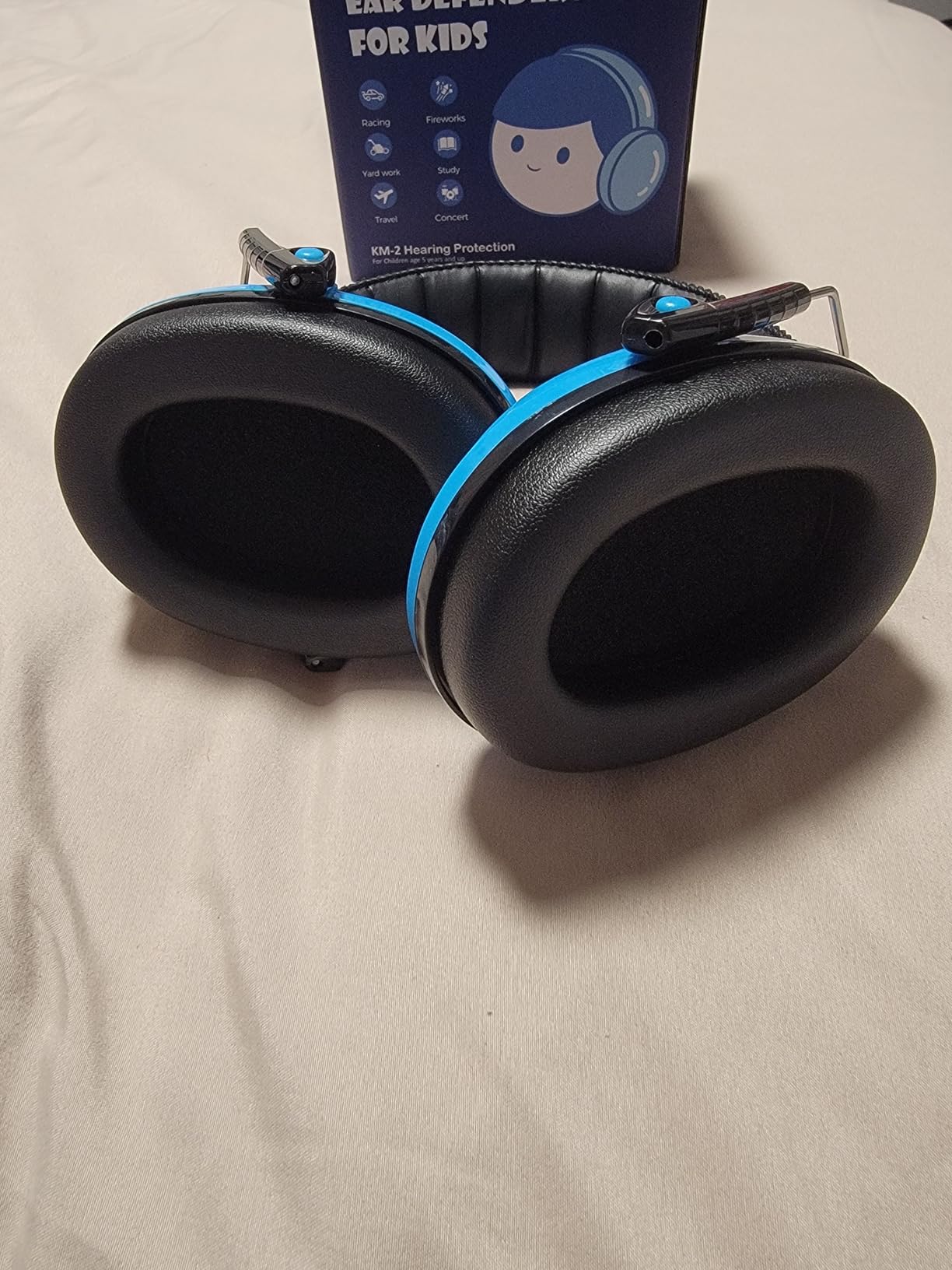
27dB Reduction for Loud Events
The ProCase brings fireworks (140-150dB peak) down to roughly 113-123dB, which is in the uncomfortable but non-painful range. For kids who find events like Monster Jam overwhelming, this reduction is enough to keep them engaged without plugging their ears.
Sizing and Adjustability
The 360-degree rotatable cups and adjustable headband accommodate toddlers through about age 8. Older kids and teens will likely need the iClever EM01 or Alpine Muffy, which fit larger heads better.
Who Should Buy the ProCase SNR 27dB
Choose this if you need a low-cost, effective pair of kids earmuffs for occasional loud events and you do not mind waiting a couple of days for the plastic smell to dissipate. Skip it if your child has chemical sensitivities or needs earmuffs for daily wear, the higher-end options are more comfortable and safer.
Buying Guide: How to Choose Noise Cancelling Earbuds for Autism
Active Noise Cancellation vs Passive Noise Isolation
Active noise cancellation (ANC) uses microphones and speakers to generate an opposing sound wave, neutralizing low-frequency rumble like airplane engines and HVAC systems. Passive noise isolation uses a physical barrier (earplug tip or earmuff cup) to block sound across all frequencies. For autistic users, passive options like the Loop Engage 2 typically win on conversation clarity and battery-free simplicity, while ANC options like the Soundcore Space A40 excel at steady low-frequency noise.
Decibel Reduction Ratings Explained
Two ratings matter: NRR (Noise Reduction Rating, US standard) and SNR (Single Number Rating, EU standard). A 22dB rating reduces a 100dB environment to roughly 78dB. For everyday classroom or office use, 16-22dB is usually enough. For concerts and fireworks, look for 27-29dB. Ratings are estimates, real-world reduction depends on fit and seal quality.
Comfort and Fit for Extended Wear
Autistic users often wear earplugs or earmuffs for 6-10 hours per day, which puts comfort ahead of features. Look for products with multiple ear tip sizes (Loop includes 4-7 depending on model) and silicone-free materials for kids with chemical sensitivities. Soft padding on earmuffs and slim profiles on earplugs both reduce pressure points over time.
Conversation-Friendly vs Full Blockout
Not every autistic user wants total silence. Many need to hear speech, alarms, or conversations while filtering background noise. Loop Engage earplugs are specifically engineered for this with acoustic channels that pass speech frequencies. For full blockout during sleep or meltdowns, the Loop Switch 2 Quiet mode or the iClever EM01 earmuffs are better choices.
Children vs Adult-Specific Options
Children’s ear canals are smaller and more sensitive, which is why dedicated kids products matter. The Loop Engage Kids 2, Alpine Muffy Kids, ProCase, and iClever EM01 are all designed for smaller heads and softer materials. Adult Loop earplugs and the Soundcore A40 work for older teens and adults but should not be used on children under 12.
Frequently Asked Questions
What are the best noise-cancelling earbuds for people with autism?
For autistic adults, the Loop Switch 2 offers 3 adjustable modes (20-26dB reduction) that adapt to changing environments. For kids, the Loop Engage Kids 2 (ages 6-12) and Alpine Muffy Kids (ages 3-16) are top picks. Active noise cancelling earbuds like the Soundcore Space A40 work well for steady low-frequency noise like air travel and office HVAC systems.
How can earplugs help individuals with autism?
Between 50% and 70% of autistic people experience decreased sound tolerance. Earplugs and ANC earbuds reduce decibel levels to a manageable range, which lowers sensory overload, anxiety, and the risk of meltdowns. Many autistic users also report improved focus at school and work when wearing earplugs in noisy environments.
Do earplugs for autism completely block out all sounds?
No. Most earplugs designed for autism, like the Loop Engage 2 with 16dB SNR, reduce background noise while still allowing speech and important sounds to come through. Loop’s acoustic channel technology specifically passes speech frequencies. For total silence, look for products with 25dB or higher SNR and pair them with foam ear tips for a tighter seal.
Can earplugs cause ear infections for autistic users?
Extended earplug use can trap moisture in the ear canal, which may increase infection risk. To prevent this, take breaks every 2-3 hours, clean reusable earplugs weekly with mild soap and water, and avoid sharing earplugs between users. If your child experiences recurring ear infections, switch to over-ear earmuffs like the Alpine Muffy Kids instead.
Final Verdict: Which Noise Cancelling Earbuds for Autism Should You Buy?
If you want one product that adapts to changing sensory environments, the Loop Switch 2 is the best noise cancelling earbud for autism in 2026, with 3 modes covering everything from quiet offices to loud concerts. For autistic adults on a budget who mainly need social-friendly noise reduction, the Loop Engage 2 delivers the same conversation clarity at a lower price.
Parents of autistic children should start with the Alpine Muffy Kids for events and the Loop Engage Kids 2 for school days. For heavy-duty events like fireworks and Monster Jam, the iClever EM01’s 29dB rating is the strongest in this guide. Whatever you choose, taking breaks every few hours and cleaning reusable earplugs weekly will keep your ears healthy for the long run.