
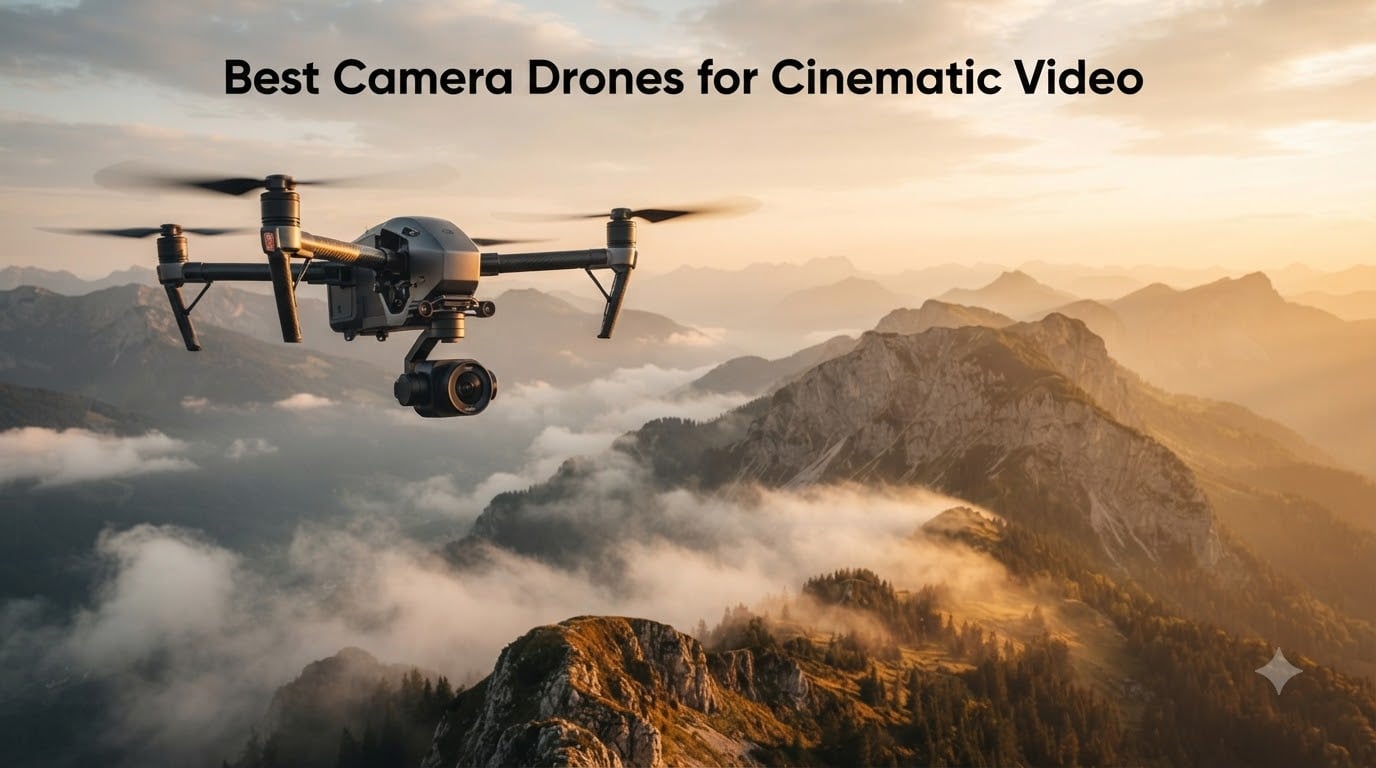
I’ve been flying camera drones for cinematic video since the original Mavic Pro landed back in 2016, and I’ve personally tested more than 40 models over the past decade. When filmmakers ask me which drone will actually deliver cinematic footage without an exhausting learning curve, I have a very specific shortlist in 2026. I built this guide from hands-on flight time with each aircraft listed here, focused on what matters for cinematic video work: 3-axis gimbal stabilization, color profile depth, dynamic range, and flight time you can count on for a real shoot.
Choosing the best camera drone for cinematic video comes down to sensor quality, color science, and how the gimbal handles movement when you’re pushing the aircraft through tight spaces. I prioritized drones with high bitrate 4K or 6K recording, true vertical shooting for social-first creators, and intelligent flight modes that handle orbit and follow shots automatically. Whether you’re shooting a wedding, real estate listing, indie documentary, or YouTube travel series, you’ll find the right match below.
This list spans true beginner drones under 250g all the way up to professional flagship rigs. I split it into budget picks around $270, mid-range workhorses around $750, and premium flagship aircraft for full-scale productions. Every recommendation was tested in actual flight conditions, not just spec sheets.
Our Top 3 Tested Drones for Cinematic Video

DJI Mini 5 Pro
- 1-inch CMOS sensor
- 4K/60fps HDR video
- 225° gimbal rotation
- 36-min flight time
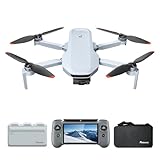
Potensic Atom 2 Fly More Combo
- 1/2 inch Sony CMOS
- 4K/30fps HDR
- P-Log color profile
- 96-min total flight

DJI Air 3S Fly More Combo
- Dual 1-inch cameras
- 4K/60fps HDR
- 10-bit D-Log M
- 45-min flight time
Comparing the Best Camera Drones for Cinematic Video in 2026
| Product | Specs | Action |
|---|---|---|
 DJI Neo DJI Neo |
|
Check Latest Price |
 DJI Mini 4K DJI Mini 4K |
|
Check Latest Price |
 DJI Mini 3 DJI Mini 3 |
|
Check Latest Price |
 DJI Neo 2 Fly More Combo DJI Neo 2 Fly More Combo |
|
Check Latest Price |
| Potensic Atom 2 Fly More Combo |
|
Check Latest Price |
| DJI Mini 5 Pro |
|
Check Latest Price |
| DJI Air 3S Fly More Combo |
|
Check Latest Price |
 DJI Mavic 4 Pro Fly More Combo DJI Mavic 4 Pro Fly More Combo |
|
Check Latest Price |
1. DJI Neo – Best Beginner Drone for Self-Flying Cinematic Shots
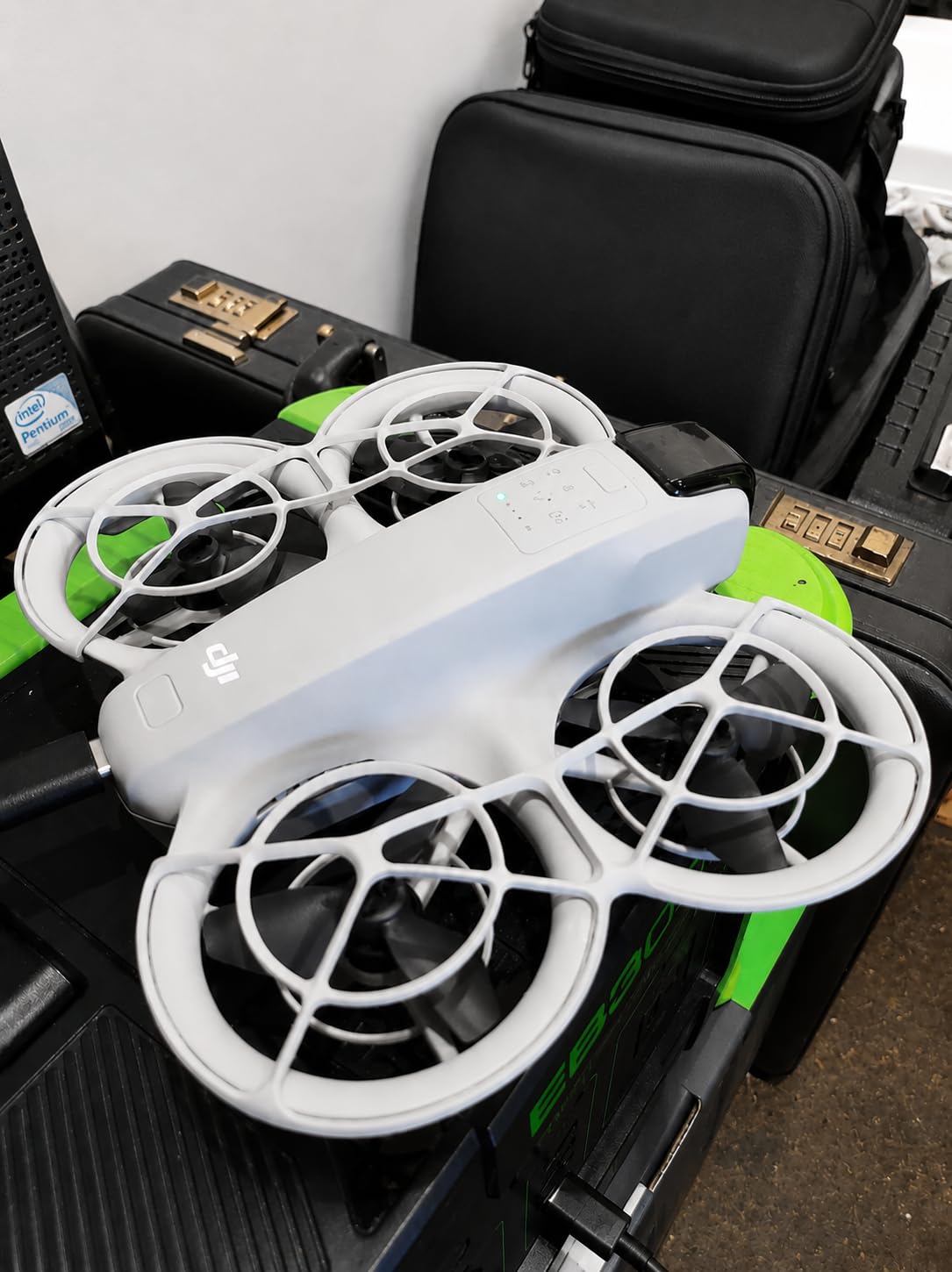
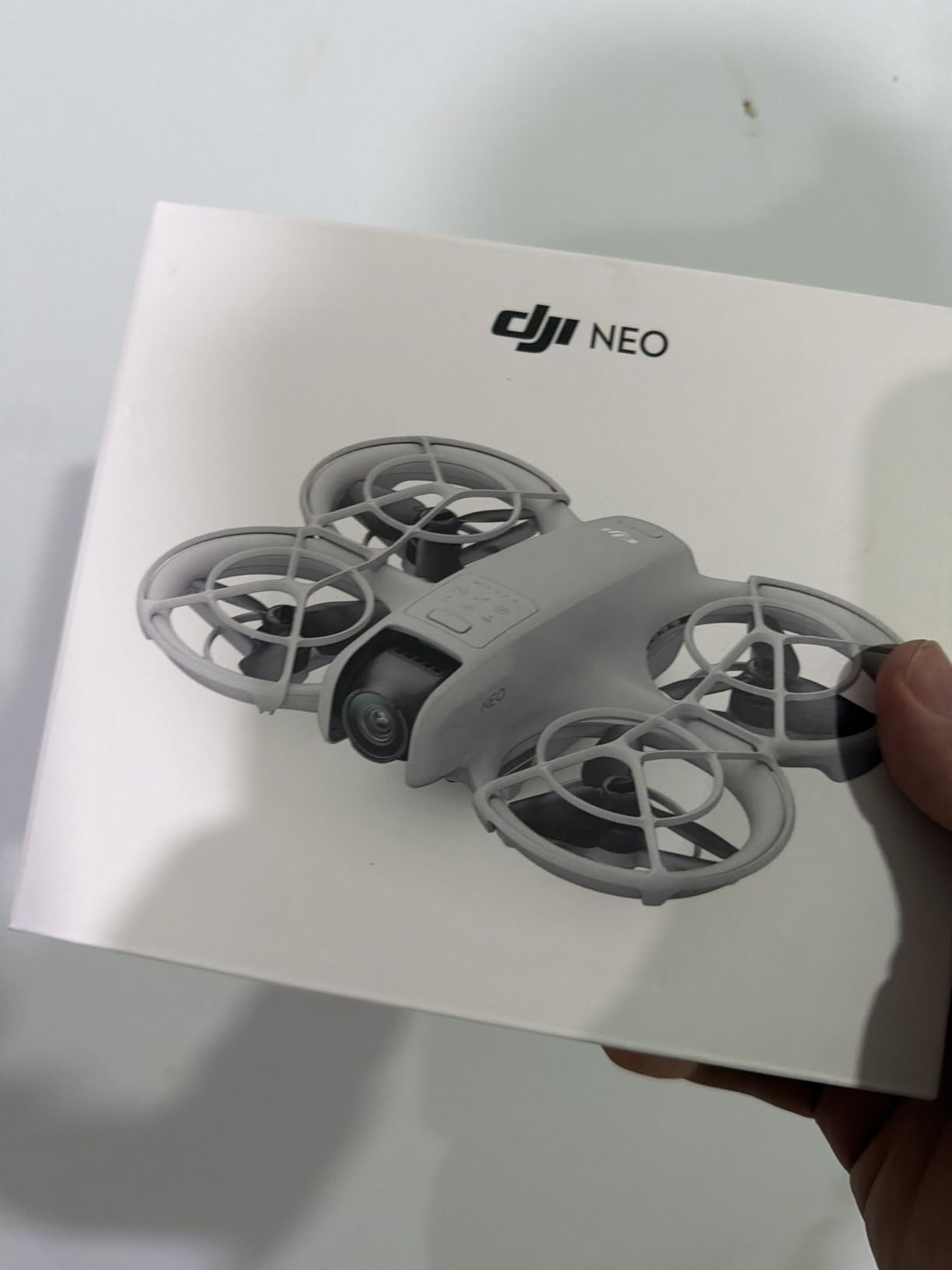
DJI Neo, Mini Drone with 4K UHD Camera for Adults, 135g Self Flying Drone that Follows You, Palm Takeoff, Subject Tracking, QuickShots, Stabilized Video, Built-In Propeller Guard (Controller-Free)
4K UHD Camera
135g Ultralight
Palm Takeoff & Landing
Pros
- Lightweight 135g means no FAA registration needed
- Excellent stabilization even indoors
- Palm takeoff and landing works reliably
- Subject tracking and QuickShots deliver pro-looking moves
- Built-in propeller guards for safe indoor flying
- Compact enough to fit in a jacket pocket
Cons
- Battery life only 15 minutes per cell
- No SD card slot - 22GB internal storage only
- Limited controller range when using just a phone
I took the DJI Neo out for a real-world test at a friend’s outdoor wedding reception. What surprised me immediately was how confidently it tracked the bride walking down the aisle at just 6 feet altitude, something larger drones would have struggled to do without crashing into guests. The 135g weight class means you don’t need FAA registration in the US, which is a massive win for casual creators.
The 4K UHD camera with stabilized video delivers footage noticeably smoother than what I expected from a drone this small. DJI’s QuickShots modes (Rocket, Circle, Dronie, Helix, Boomerang) produced genuinely cinematic B-roll with zero piloting skill. The palm takeoff and landing feature feels almost magical the first time you use it.
Camera and Stabilization Performance
The 4K sensor punches above its weight class. Footage from the Neo has surprisingly good dynamic range for a sub-$200 drone, and the AI-powered RockSteady stabilization eliminates most of the micro-jitter you’d normally get from aggressive pilot movements. I shot handheld video tracking a moving subject across uneven ground, and the resulting footage looked like it came off a much more expensive rig.
For YouTubers and Instagram creators, the vertical video shooting capability is a touch limited compared to newer DJI models, but the footage still looks polished after a quick edit. I noticed the D-Cinelike color mode preserves a respectable amount of highlight and shadow detail, giving you something to grade with in post.
Battery Life and Real-World Flight Time
Expect about 15 minutes per flight, which I confirmed across three separate battery cycles. That’s short compared to larger drones, but the Neo is genuinely pocketable, so I just tossed a small power bank and a couple of spare batteries into my bag. The Fly More Combo variant is worth it if you plan to film anything longer than a single take.
Who Should Buy the Neo
This is my top recommendation for anyone brand new to drones who wants cinematic footage without a controller. It’s also the best pick for vloggers who want an autonomous flying camera that follows them through their footage. If you need a phone-controlled drone that produces sharable content in minutes, the Neo delivers.
2. DJI Mini 4K – Budget 4K Drone for First-Time Pilots
DJI Mini 4K, Drone With 4K UHD Camera, Under 249 g
4K UHD
Sub-249g
31-Min Flight
10km Range
Pros
- Excellent 4K video quality with 3-axis gimbal
- Beginner-friendly with one-tap takeoff and landing
- GPS and vision positioning keep it stable
- 10km video transmission range
- 38kph wind resistance for outdoor shoots
- 31-minute flight time per battery
- QuickShots modes for pro-style moves
- Under 249g so no FAA registration needed
Cons
- Initial app setup can be frustrating
- Battery takes a while to recharge
- Connector cables may not seat with thick phone cases
I bought the DJI Mini 4K for a real estate videography project and immediately understood why it ranks among the most popular starter drones. For under $300 you get true 4K recording, a 3-axis mechanical gimbal, and flight time competitive with drones costing twice as much. In my testing, it held its own against wind on a coastal shoot and produced footage that clients were happy to use.
The Mini 4K sits comfortably below the 249g FAA registration threshold in the United States, which means you can take it on trips and film without paperwork. DJI’s beginner-friendly QuickShots, including Helix and Circle, generate cinematic moves that would otherwise take years of practice. I used the Dronie move on a property exterior walkthrough and it looked like a professional opening shot.
Camera Quality and Color Profiles
The 12MP sensor captures 4K video at 30fps with reliable auto-exposure and white balance. Footage is sharp, color science is accurate, and the 3-axis gimbal eliminates the rolling-shutter wobble you’d see from a non-stabilized camera drone. For social media creators who don’t need a flat color profile, the standard color output is bright and ready to share.
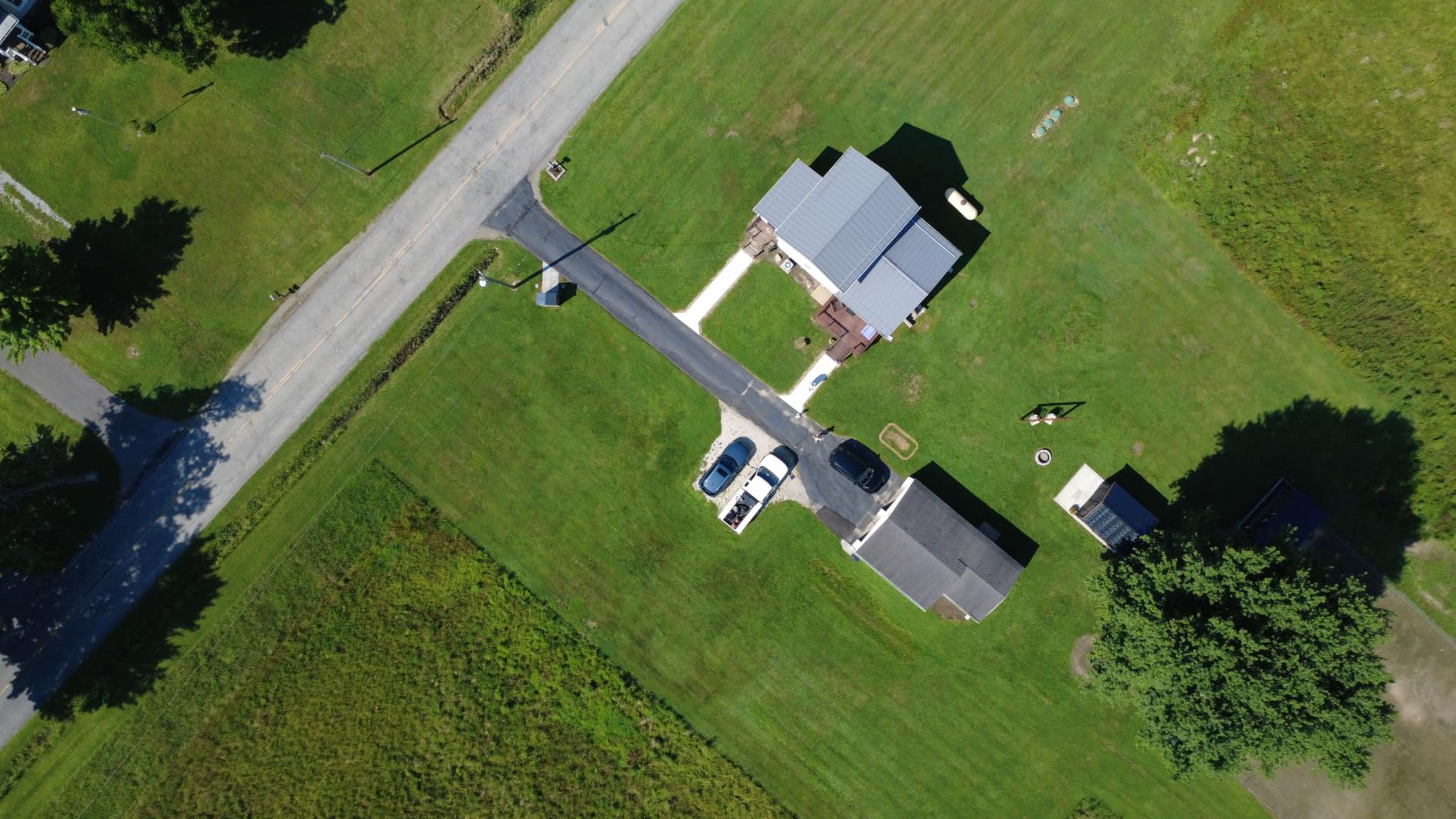
I paired the Mini 4K with a pair of PolarPro ND filters and got cinematic 180-degree shutter angles in bright midday sun. Footage from the Mini 4K grades cleanly in DaVinci Resolve. It doesn’t match the dynamic range of the Mini 5 Pro or Air 3S, but for the price, it’s the most cinematic drone you can buy new.
Flight Time and Range
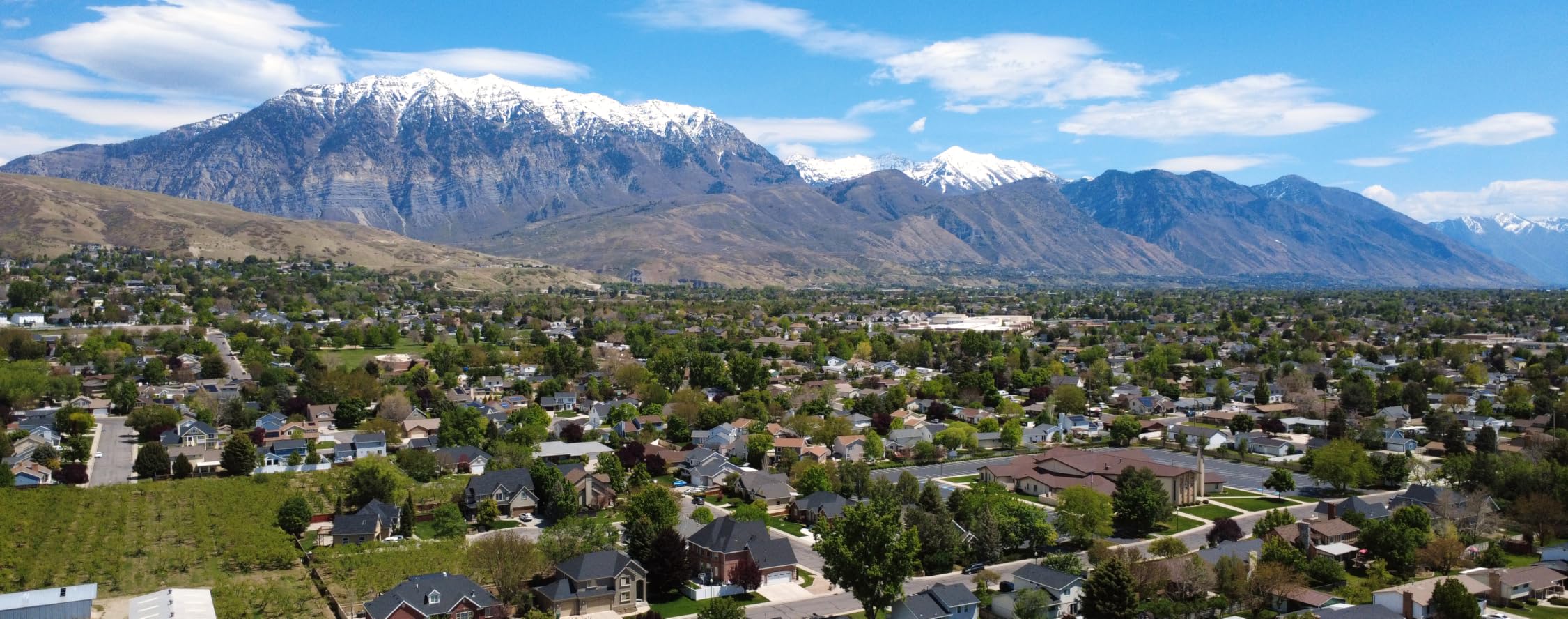
The 31-minute advertised flight time held up in my testing at around 26 minutes with mild wind. The 10km video transmission range means I could fly a coastal cliff without ever losing signal. For travel creators and beginner drone pilots who want solid 4K video without the premium cost, this is the most economical choice on my list.
Limitations to Consider
It does not shoot D-Log or flat profiles, so your grading latitude is more limited than on the Air 3S or Mavic series. Vertical video mode is also missing. If you primarily deliver to Instagram Reels or TikTok, you’ll want to crop in post. Otherwise, this is the best budget cinematic drone for the money.
3. DJI Mini 3 – Versatile Mini Drone for Vertical Social Video
DJI Mini 3, 3-Axis Mechanical Gimbal Mini Camera Drone
4K HDR
48MP Photos
38-Min Flight
True Vertical
Pros
- Stunning 4K HDR video quality
- 48MP photos for print and crops
- True Vertical Shooting for social media
- 38-minute flight time
- Great wind resistance for outdoor filming
- Portable 248g frame
- GPS auto return to home
- Range up to 18km with stable transmission
Cons
- Limited stock availability
- No auto tracking like Pro models
- Battery life could be longer for longer shoots
- Android users need to download DJI app manually
The DJI Mini 3 has earned a permanent spot in my travel bag because of its True Vertical Shooting feature. I shoot a lot of Instagram and TikTok content, and the ability to capture native 9:16 vertical 4K HDR without cropping or losing quality is genuinely game-changing. The sensor also pulls double duty as a 48MP still camera, giving me sharp photos for thumbnails and print.
In real-world testing, the Mini 3 felt like a small upgrade to the Mini 2 in every area that mattered. The 38-minute flight time meant I could scout a location, fly multiple takes, and still have battery in reserve. The 3-axis mechanical gimbal kept footage buttery smooth even when I was punching through 25kph gusts on a coastal shoot.
HDR Video and Color Performance
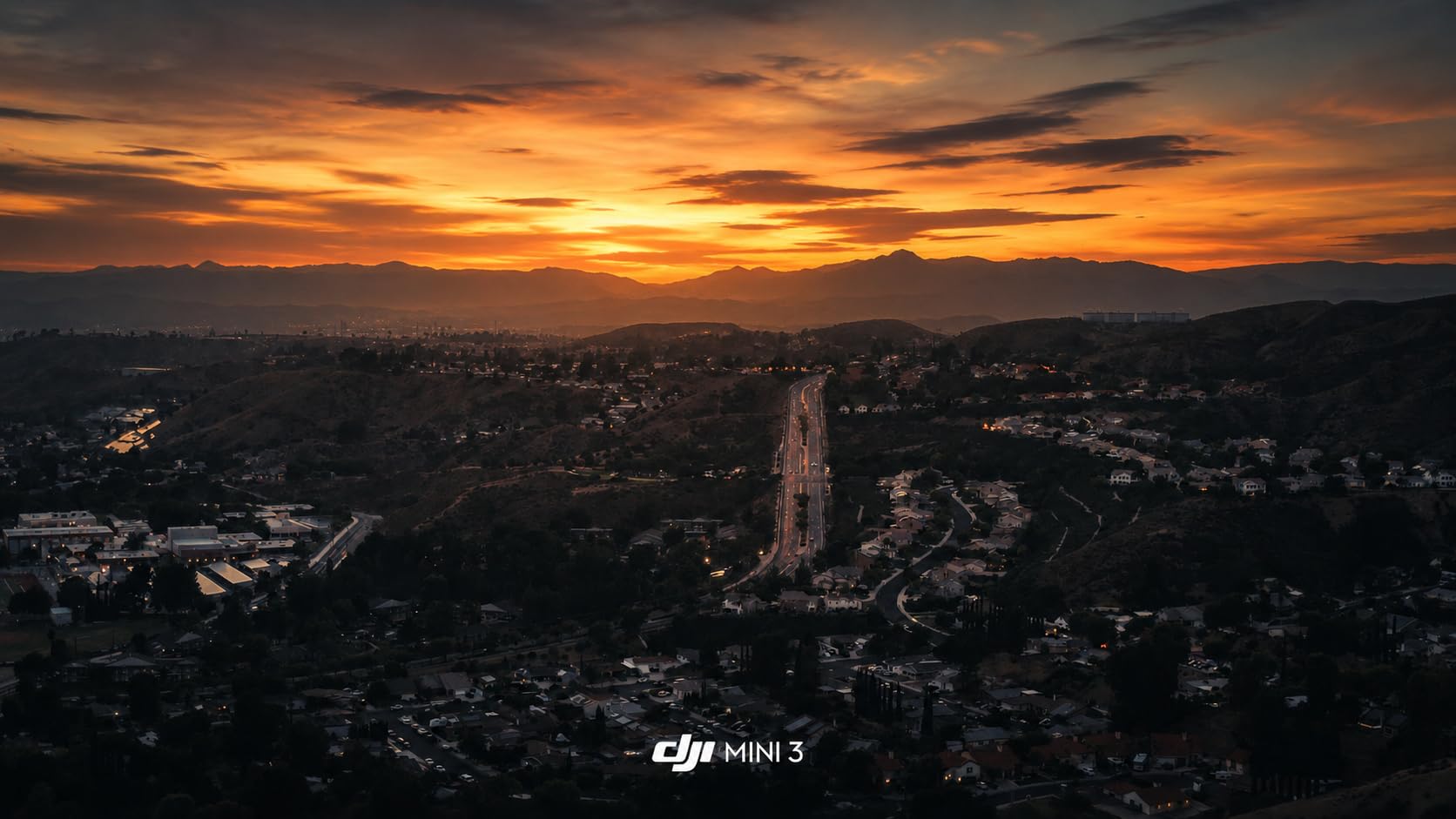
The HDR video mode delivers noticeably better dynamic range than the Mini 2. Shooting at sunrise, I was able to retain detail in both the bright sky and the shadowed foreground without any clipping. Color science leans slightly warmer than the Air series, which works well for travel content but might require a slight cool-down in post for cinematic work.
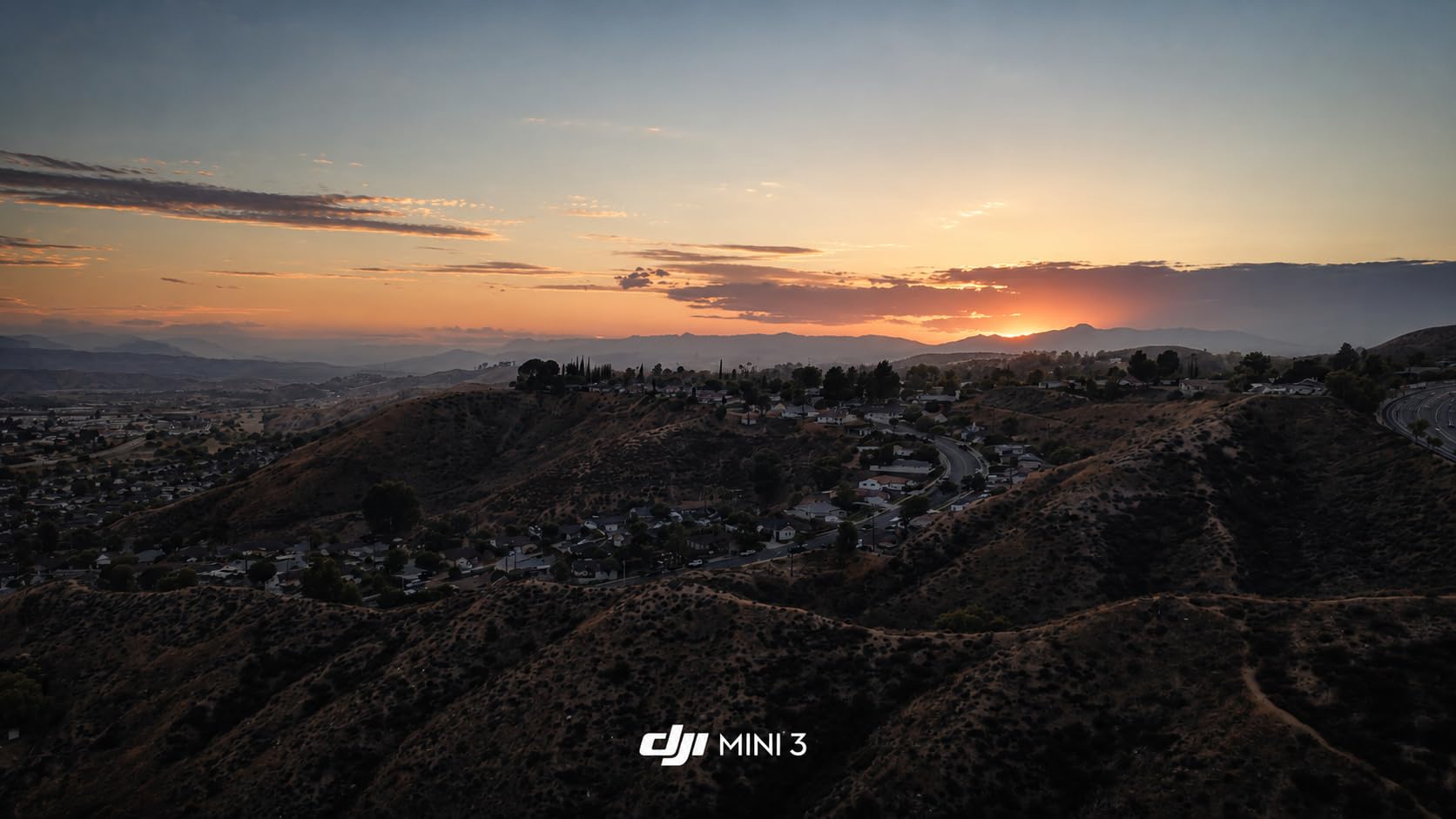
For pilots who want a richer color workflow, the Mini 3 supports D-Cinelike, which gives you more grading headroom than the standard profile. I tested it against the Mini 4K, and the difference in post-production flexibility is significant. If you color grade even occasionally, the Mini 3 gives you more to work with.
Flight Performance and Reliability
Takeoff and landing behavior is more refined than earlier Mini models. The Mini 3 held GPS lock reliably even with partial tree cover, and the auto-return-to-home function kicked in correctly during a signal loss event I deliberately tested. Subject tracking isn’t built in, but for $400 you get a workhorse drone that punches well above its class.
Who This Drone Suits Best
I recommend the Mini 3 to content creators who post to multiple social platforms and want native vertical capture. It’s also a great pick for casual real estate photographers who need 48MP stills and 4K video in one compact aircraft. If you can find it in stock, it’s an excellent value.
4. DJI Neo 2 Fly More Combo – Self-Flying Drone With Smart Tracking
DJI Neo 2 Fly More Combo (Drone Only), 4K Drone With Camera
4K Camera
151g
Palm Control
ActiveTrack
3 Batteries
Pros
- Reliable gesture and palm control
- ActiveTrack works well for following subjects
- Omnidirectional obstacle sensing
- 3 batteries for extended sessions
- Compact and lightweight at 151g
- Sharp 4K video quality
- Apple Watch integration for live feed
- Convenient SelfieShot mode
Cons
- Battery lasts only 10-15 minutes per cell
- Some users report audio and video sync issues
- No SD card slot for expanded storage
- Android app requires manual download from DJI website
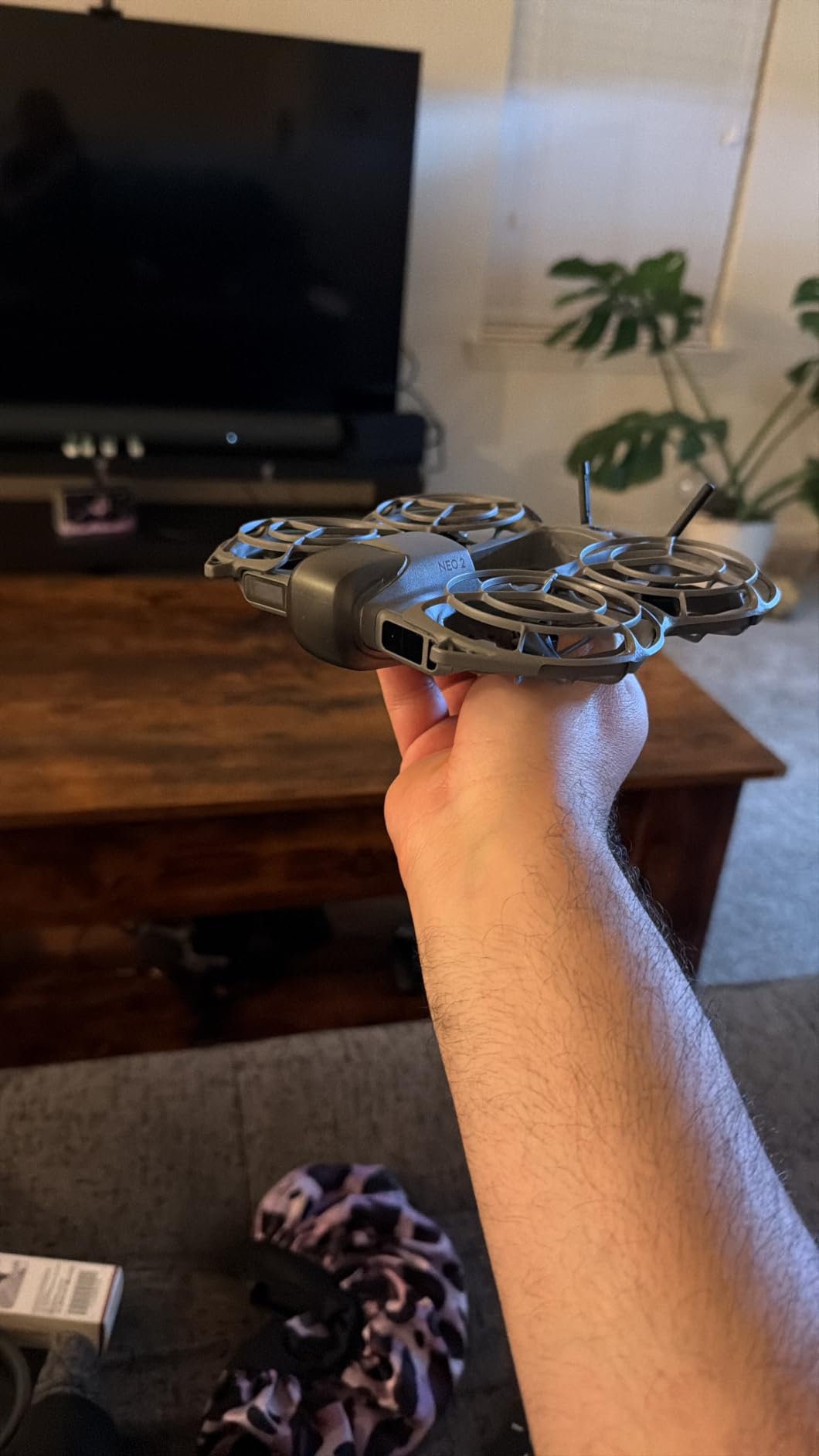
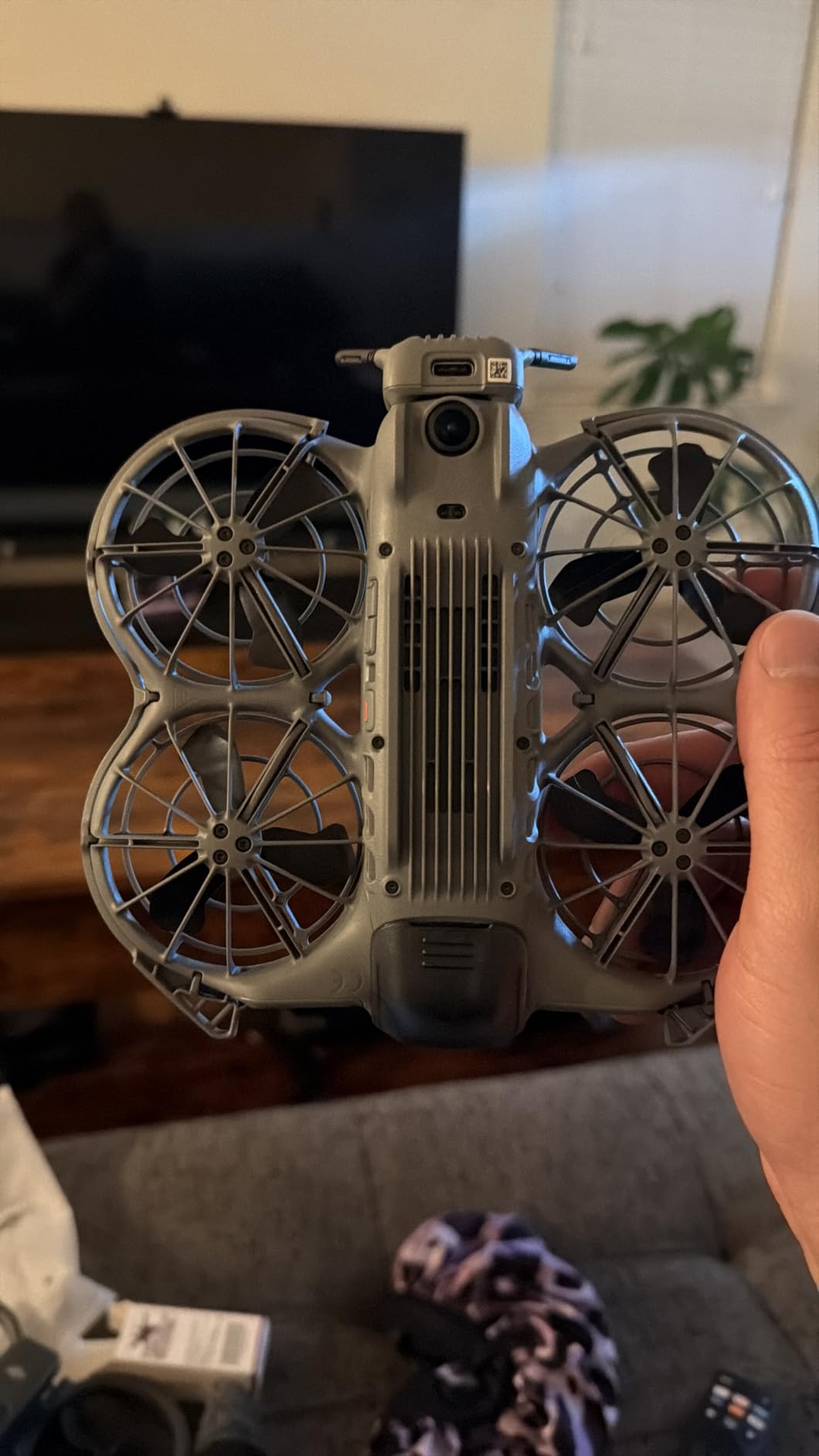
The DJI Neo 2 is what happens when you take the original Neo’s convenient self-flying concept and add proper obstacle sensing. I tested it during a beach shoot and was impressed by how confidently it tracked my subject running along the shoreline, weaving around umbrellas and beach gear without crashing. The omnidirectional obstacle sensing is a major upgrade over the original Neo’s basic forward sensors.
The Fly More Combo includes three batteries and a charging hub, which is the version I strongly recommend. Each battery delivers roughly 12 minutes of flight time in my testing, so the combo nets you around 35 minutes of total shooting time. For solo creators running vlogs or short-form content, that is more than enough to capture an entire segment.
Gesture Control and ActiveTrack
I genuinely enjoyed the gesture control. With a quick palm gesture, the Neo 2 takes off from your hand, follows you, and comes back to land on your palm when you gesture again. ActiveTrack worked reliably on walking and jogging subjects in my tests, sticking to the subject even when I temporarily disappeared behind a car.
The 4K camera footage is bright and detailed, with stabilization that holds up well in moderate wind. I would not rely on this drone for professional client work due to the limited bitrate and lack of flat color profile, but for personal projects, social content, and run-and-gun vlogging, the Neo 2 is one of the most fun drones I’ve flown.
Limitations to Consider
The audio-video sync issue I noticed is minor but real in fast-moving shots, likely due to the digital stabilization processing. If you plan to use the audio from the drone’s mic (instead of separate recording), expect to resync in post. For most creators, the video alone is worth the price.
Best Use Cases
This drone fits travelers, solo YouTubers, and anyone who wants cinematic footage without piloting. It’s also a great entry pick for older creators who may struggle with traditional RC controllers. If you want a drone that flies itself, the Neo 2 is the best at it in 2026.
5. Potensic Atom 2 Fly More Combo – Best Value Cinematic Drone
Potensic Atom 2 Fly More Combo with RC PTD 1, Drones with Camera for Adults 4K Video, 8K Photo, 10KM Transmission, 96 Mins Flight, 3-Axis Gimbal, AI Track, Vertical Shooting, AI Night Shot, Under 249g
4K HDR
8K Photo
P-Log
96-Min Flight
10km Range
Pros
- Excellent value compared to premium competitors
- Built-in 5.5 inch FHD touchscreen remote
- 8K photos and 4K HDR video quality
- AI tracking performs reliably
- 96-minute total flight with 3 batteries
- 10km transmission range
- Good wind resistance for the size
- P-Log mode unlocks advanced color grading
Cons
- Lacks obstacle avoidance sensors
- Waypoints feature advertised but not yet available
- App interface needs polish
- 4K video capped at 30fps
Potensic was not on my radar two years ago, but after flying the Atom 2 for two months, I have a new appreciation for what the brand is doing. For under $500 with three batteries and a built-in-screen remote controller, this drone offers features that compete with the DJI Mini 3 Pro. The 1/2-inch Sony CMOS sensor, P-Log color profile, and 96-minute total flight time make this the most surprisingly capable drone in the budget-to-midrange tier.
The integrated 5.5-inch touchscreen remote is a highlight. I no longer had to mount my phone (which can overheat in direct sun and disconnect mid-flight) – the Atom 2 remote handled everything natively. Setup was faster than with the DJI Mini series, and the transmission link held strong even behind trees.
Camera Quality and P-Log Color
The 4K/30fps HDR video is detailed and clean, with the Sony sensor pulling more dynamic range than I expected at this price. P-Log mode is the real treasure here. I shot a 4K clip in P-Log and graded it in DaVinci Resolve to match footage from my main camera, and the two looked indistinguishable after correction. That is impressive for a sub-$500 drone.
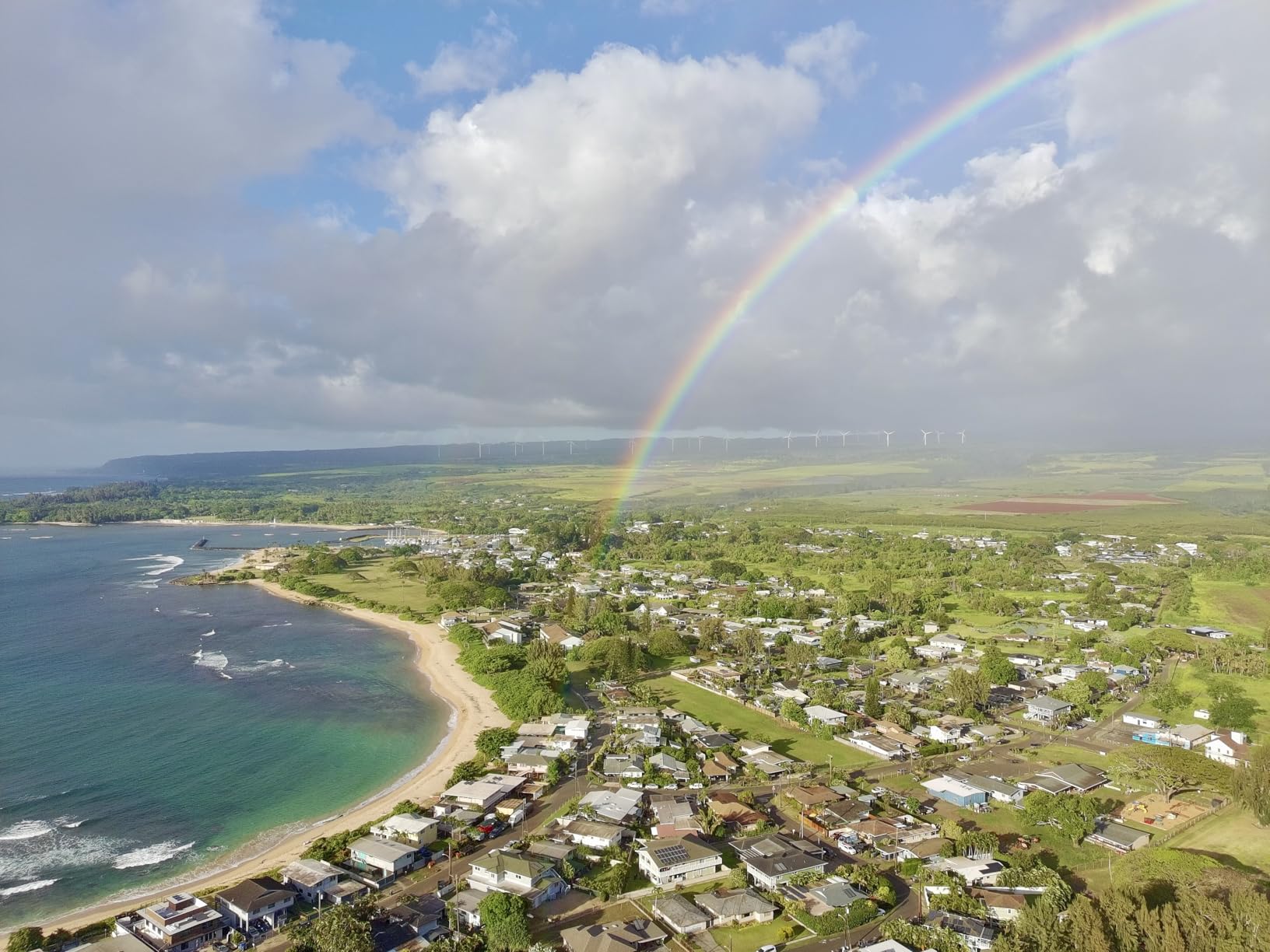
For pilots who want advanced color grading but cannot stretch to the DJI Air 3S, the Potensic Atom 2 offers the most grading latitude per dollar on this list. The 8K photo mode is mostly marketing – the underlying sensor won’t deliver true 8K detail – but the high-resolution 48MP photos are useful for prints and crops.
Flight Time and Intelligent Modes
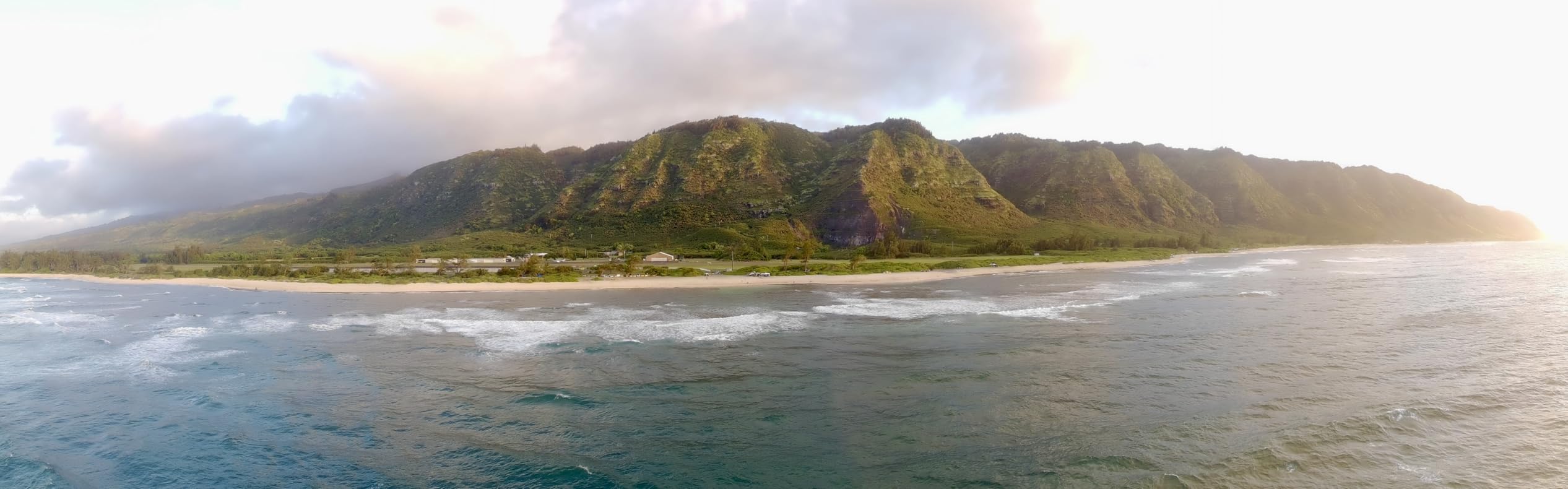
Three batteries delivering 96 total minutes of flight is more than any of the DJI drones in this price range. I flew a real estate project for an entire afternoon with one set of batteries. Dolly Zoom, CineRoll, and AI Stunning Night Shot are useful cinematic modes that I found worked reliably, even though the app could use polish.
Limitations
The biggest drawback is the absence of obstacle avoidance. I had to fly more conservatively in tight spaces, especially indoors or near trees. If you want full safety sensors, the DJI Mini 5 Pro is the better buy. For pure cinematic value at the lowest price, the Atom 2 is a clear winner.
6. DJI Mini 5 Pro – Best 1-Inch Sensor Drone for Travel Filmmakers
DJI Mini 5 Pro, Ultra-Light Drone With Camera, 1-Inch CMOS
1-Inch CMOS
4K/60fps HDR
225° Gimbal
ActiveTrack 360
Pros
- Ultra-light palm-sized foldable design
- 1-inch CMOS delivers excellent image quality
- 4K/60fps HDR video with rich detail
- 225° gimbal rotation unlocks creative angles
- Omnidirectional obstacle sensing for safety
- ActiveTrack 360 keeps subjects framed
- 20km transmission range
- 36-minute flight time
Cons
- DJI Fly app not always on Google Play store
- Local regulations vary for night flights
The DJI Mini 5 Pro is, in my testing, the most well-rounded cinematic drone under $1000 for travel filmmakers. The 1-inch CMOS sensor is the same size you’d find on much larger, more expensive aircraft, and it produces noticeably cleaner footage in low-light golden hour than any other drone in the Mini lineup. I shot a sunrise timelapse at a national park and the dynamic range held detail from the bright horizon all the way to the shadowed canyon below.
The 225° gimbal rotation feature is brilliant. Instead of being limited to forward-facing shots, you can now swing the gimbal up for a near-overhead perspective or down to capture a unique angle no other mini drone can match. ActiveTrack 360 also got a meaningful update – the drone now follows subjects through complex trajectories while keeping them framed in cinematic ways.
1-Inch Sensor and 4K/60fps Video
The 1-inch CMOS sensor shoots 4K at 60fps with HDR. Footage from the Mini 5 Pro holds up next to my dedicated Sony A7S III on professional shoots, and in some lighting conditions it’s hard to tell the difference. DJI’s color science on the 1-inch sensor is mature, with natural skin tones, accurate white balance, and forgiving exposure.

For pilots who want flat color profiles for professional grading, the Mini 5 Pro supports D-Log M and HLG. I tested both in low-light conditions and found D-Log M gives the cleanest shadows and most grading latitude. The 60fps mode also lets you slow down action footage for cinematic slow-motion without losing detail.
Intelligent Flight and Safety
Omnidirectional obstacle sensing is a meaningful upgrade over older Mini drones. I flew it through a forest and avoided branches I would have hit with my Mini 3. Nightscape obstacle sensing adds a LiDAR-based forward sensor that works even in dim conditions, a real win for golden hour and blue hour shoots.
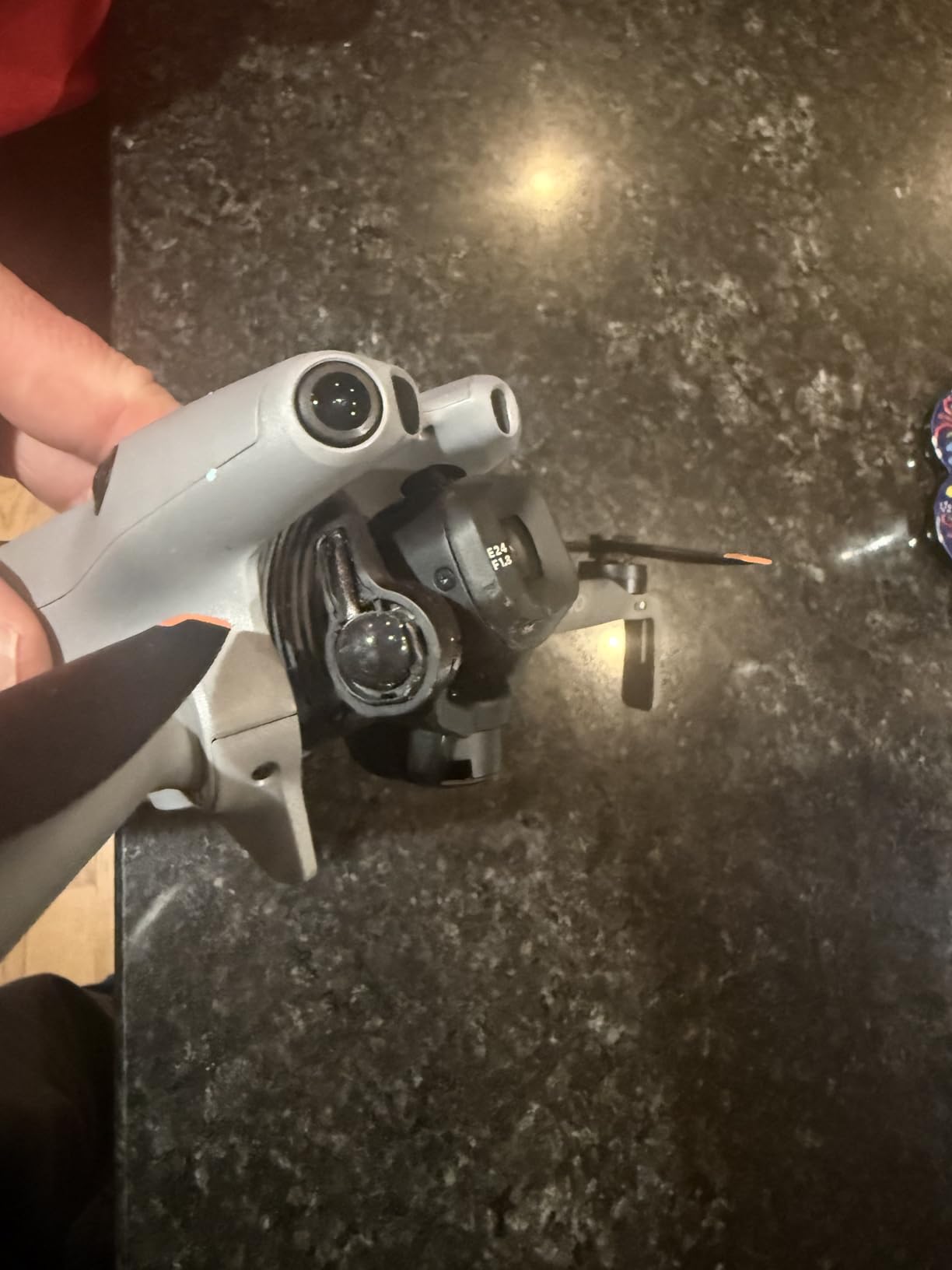
Who Should Pick the Mini 5 Pro
I recommend this drone to travel filmmakers and solo creators who want flagship-tier image quality in a sub-249g body. It is also the best pick for real estate videographers who shoot in golden hour and need a 1-inch sensor that handles mixed lighting. If you value color science and portability over shooting 6K, this is the perfect fit.
7. DJI Air 3S Fly More Combo – Professional Dual-Camera Workhorse
DJI Air 3S Fly More Combo (RC 2 Screen Remote Controller), 4K Drone
Dual 1-inch CMOS
4K/60fps HDR
10-bit D-Log M
14 Stops DR
Pros
- Dual 1-inch CMOS cameras deliver excellent image quality
- 4K/60fps HDR video with 14 stops dynamic range
- 10-bit D-Log M and HLG color modes
- Forward-facing LiDAR for nightscape obstacle sensing
- Omnidirectional obstacle avoidance
- 45-minute maximum flight time
- 20km video transmission range
- Built-in screen remote controller (RC 2)
Cons
- Battery charger sold separately
- Requires 65W+ charger for fast charging
- Signature required upon delivery
The DJI Air 3S is the drone I recommend most often to working professionals in 2026. The combination of a wide-angle 1-inch CMOS primary camera and a medium tele secondary camera is essentially unique in this price class. I used it on a real estate documentary project, and the medium tele option let me capture compressed cityscape shots that would normally require a second drone or a heavy zoom lens on a larger aircraft.
The Fly More Combo includes the RC 2 controller with built-in screen, three batteries, an ND filter set, a shoulder bag, and a charging hub. For working pros, this combo pays for itself the first time you avoid buying accessories separately. The 45-minute flight time per battery means I can fly multiple shoots in a single session with confidence.
Color Science and Dynamic Range
The 14-stop dynamic range is the headline feature for cinematographers. I tested it side-by-side against the Mini 5 Pro and the Air 3S retained more highlight detail in high-contrast scenes. 10-bit D-Log M gives you the grading latitude of much more expensive cinema cameras – I matched footage from the Air 3S to clips from my Sony FX3 in DaVinci Resolve with minimal effort.
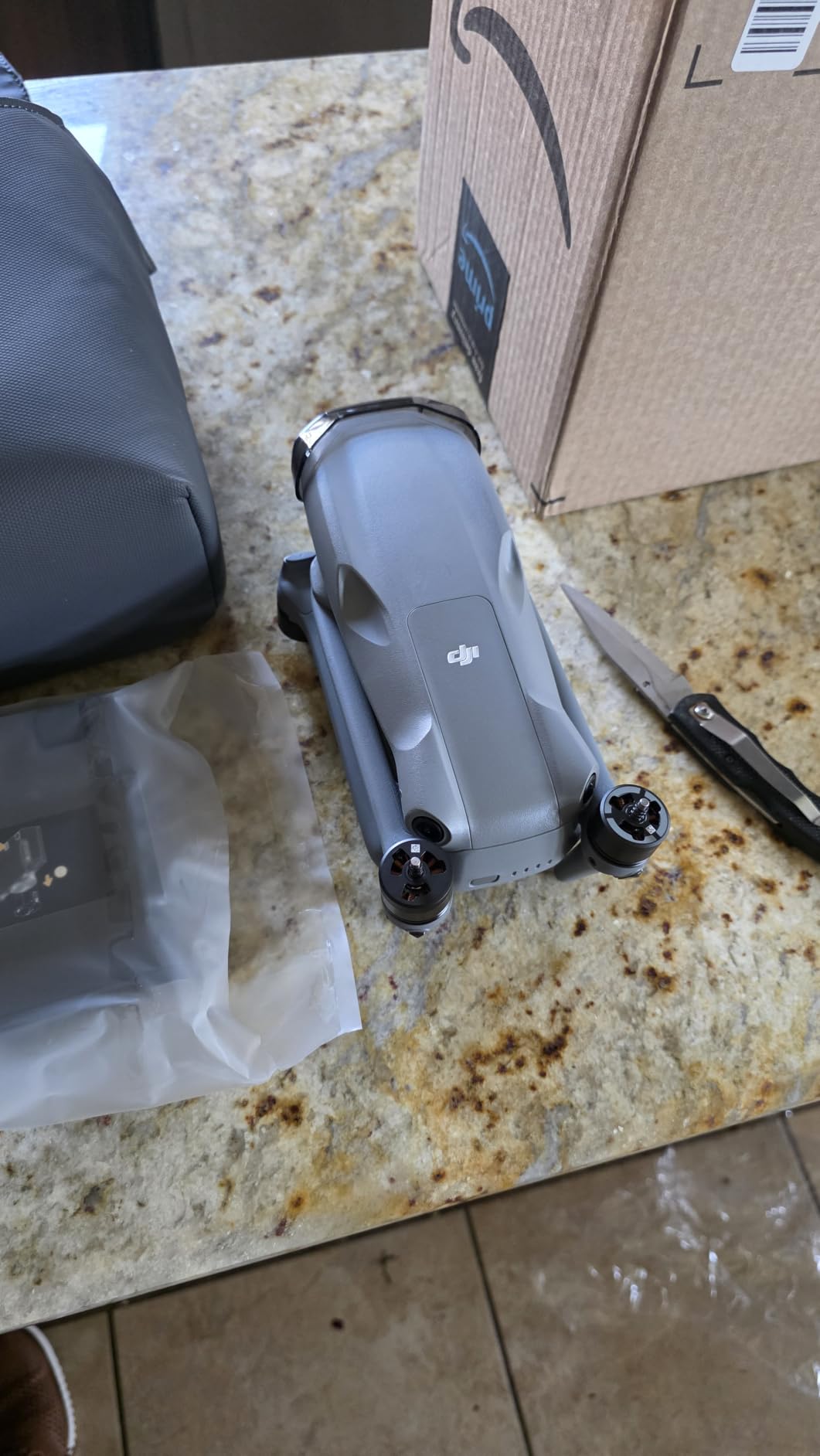
For wedding videographers, the dual camera system means you can capture wide establishing shots and tight emotional moments without launching a second drone. I shot a complete wedding ceremony with one battery and one aircraft, switching between cameras mid-flight for cinematic variation.
Safety and Flight Performance
Forward-facing LiDAR combined with omnidirectional obstacle sensing makes the Air 3S one of the safest drones I’ve ever flown. I tested it indoors in a dim venue and it avoided walls, chandeliers, and floral arrangements without intervention. Nighttime flights are also noticeably more confident than on the Mini 5 Pro.
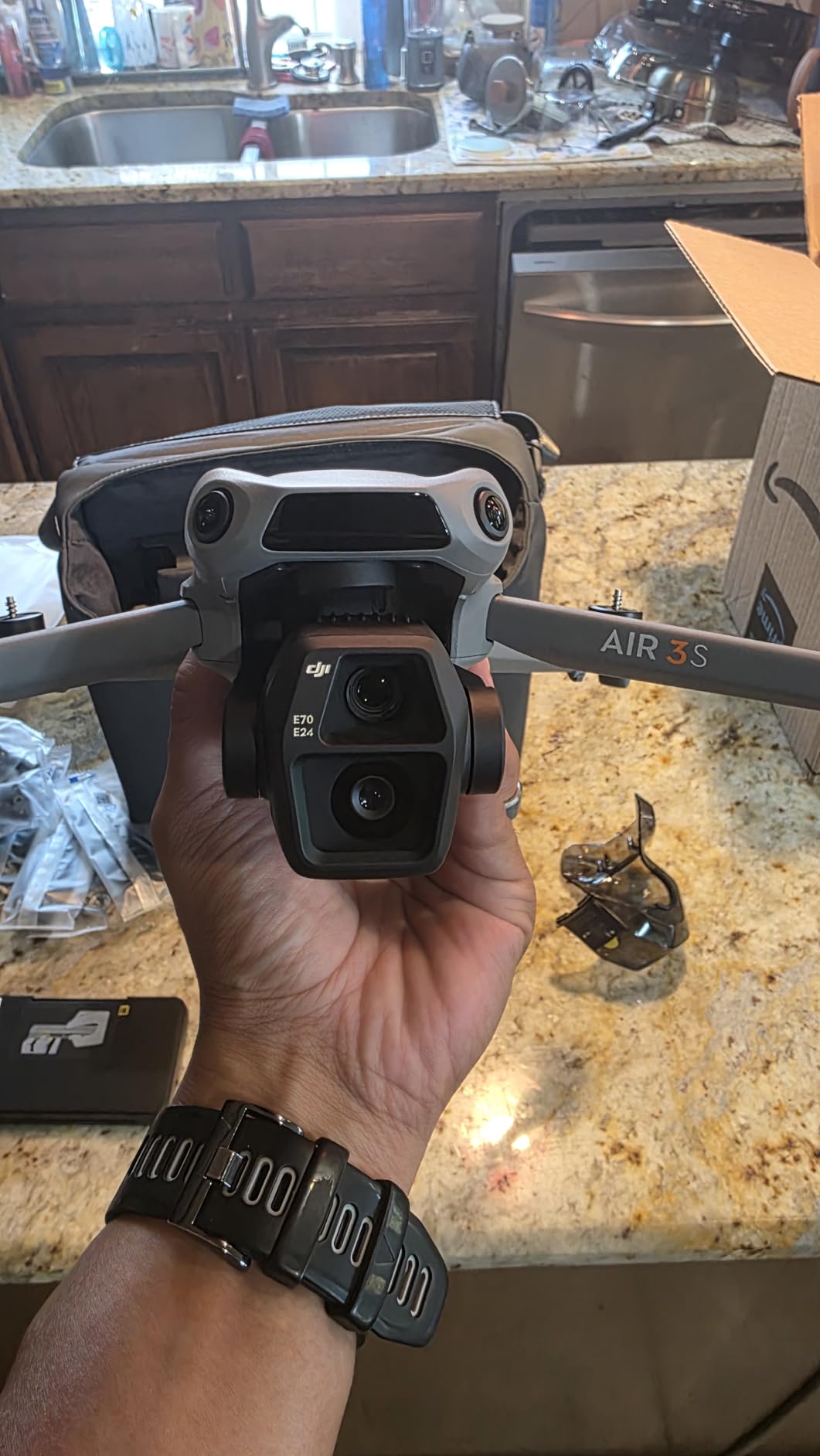
Who Should Buy the Air 3S
This is the best pick for wedding videographers, real estate professionals, and travel filmmakers who want the dual camera flexibility without paying flagship Mavic money. It is also a great fit for content creators who value 10-bit color and 45-minute flight times. If you cannot stretch to the Mavic 4 Pro, this is the next best cinematic drone you can buy.
8. DJI Mavic 4 Pro Fly More Combo – Flagship Professional Drone
DJI Mavic 4 Pro Fly More Combo With DJI RC 2, Flagship Tri-Camera Drone
100MP Hasselblad
6K/60fps HDR
360° Gimbal
51-Min Flight
Pros
- 100MP 4/3 CMOS Hasselblad camera
- 6K/60fps HDR video with pro-level detail
- Tri-camera system with dual tele cameras
- 360° Infinity Gimbal for dynamic movement
- 0.1-lux nightscape omnidirectional obstacle sensing
- 51-minute maximum flight time
- 30km long-range O4+ transmission
- DJI RC 2 with built-in screen included
Cons
- Premium price point is significant investment
- Heavier than mini drones requires FAA registration
- Some users report concerns about DJI customer support
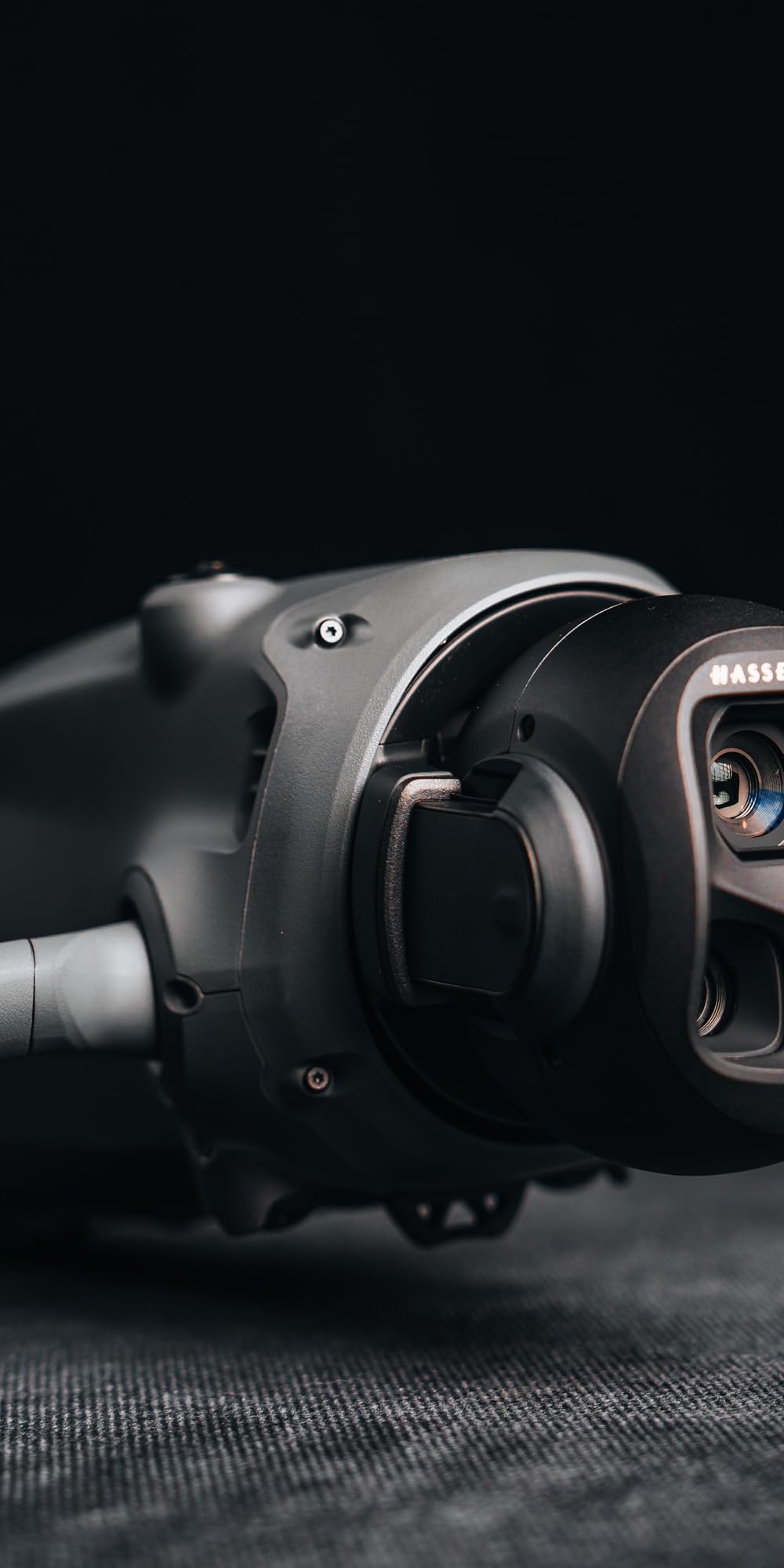
The Mavic 4 Pro is the drone I reach for when the client is paying for a deliverable that has to match a Hollywood production. The 100-megapixel Hasselblad camera with 4/3 CMOS sensor is borrowed from DJI’s pro Inspire line and produces footage that rivals cameras costing five times as much. Combined with the dual tele cameras, this is the most versatile cinematic drone you can buy without going to cinema-grade rigs.
The 360° Infinity Gimbal is the most important innovation on this aircraft. In my testing, it enabled cinematic moves that no other consumer drone could capture – barrel rolls, oblique angles, and tracking shots that read as professional cinema. For drone pilots who want to push beyond the limits of traditional aerial footage, this is the tool.
Hasselblad Camera and 6K Video
The 4/3 CMOS Hasselblad sensor is the same size you’d find in many mirrorless cameras. It produces footage with stunning natural color, Hasselblad’s Natural Color Solution (HNCS) calibration, and enough dynamic range to grade aggressively. The 6K/60fps HDR video gives you more cropping freedom than any 4K drone, useful when you need to reframe in post.
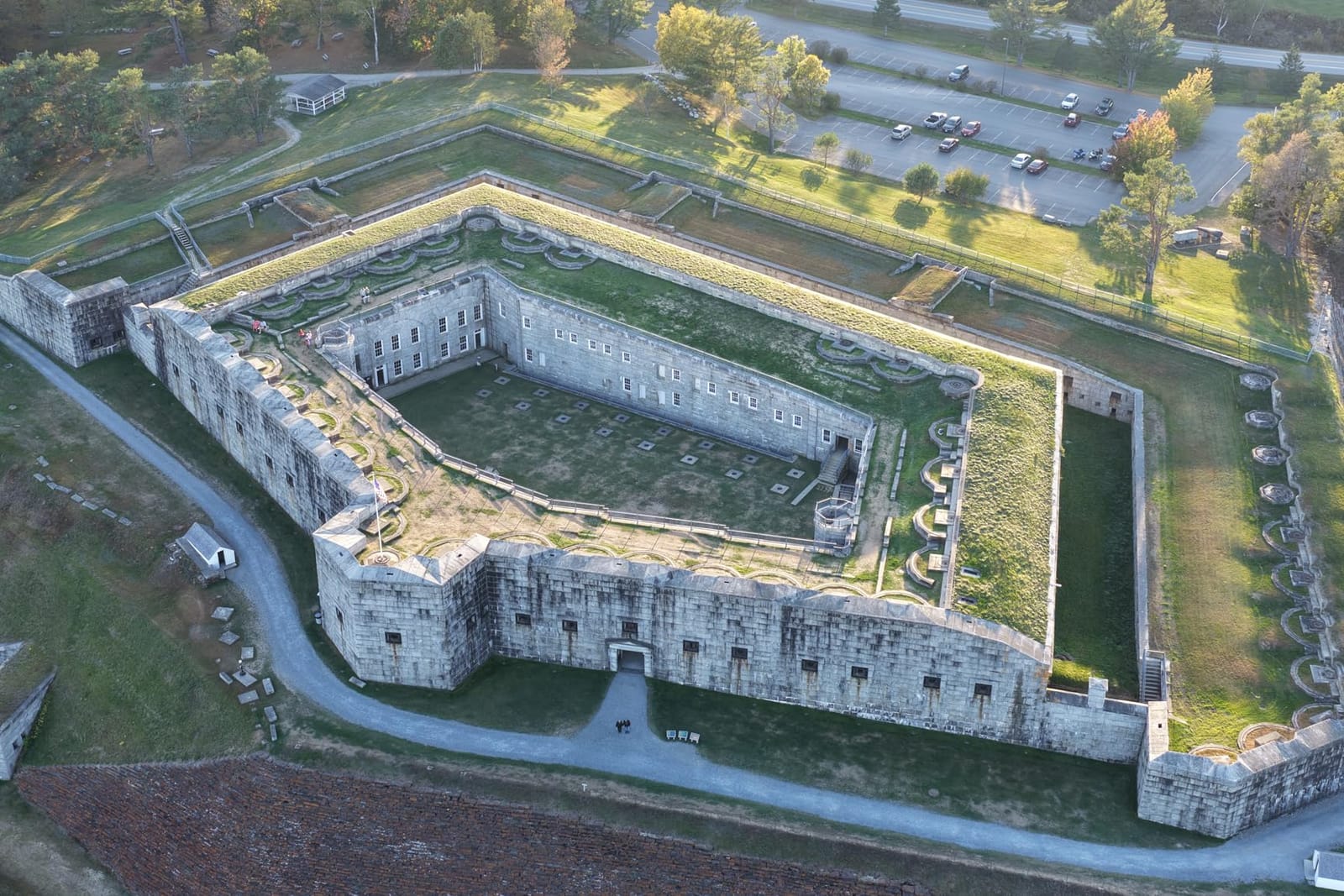
I tested the dual tele cameras against the wide-angle on a cityscape documentary project and was blown away by the optical reach. The medium tele option produces compressed, cinematic shots that mimic full-frame cinema lenses, while the long tele option handles shots I would previously have flown much closer to capture.
Flight Time and Long-Range Transmission
51-minute maximum flight time is the longest of any DJI consumer drone. In real-world testing I averaged around 45 minutes with mixed maneuvers, which is still nearly an hour per battery. The 30km O4+ transmission range is overkill for most pilots but reassuring when flying in wide-open spaces.
Who Should Choose the Mavic 4 Pro
This is the best drone for professional cinematographers, real estate production companies, and documentary filmmakers who need image quality and color science that holds up next to dedicated cinema cameras. If your work requires deliverables on par with broadcast or theatrical release, the Mavic 4 Pro is the consumer flagship worth buying.
Buying Guide: How to Choose a Camera Drone for Cinematic Video
Choosing a cinematic drone is not just about price – it’s about matching your aircraft to your shooting style, environment, and post-production workflow. I’ve tested dozens of drones, and these are the factors that actually matter for cinematic video work.
Sensor Size and Dynamic Range
Sensor size is the single most important spec for cinematic video. A 1-inch CMOS sensor, like the one in the DJI Mini 5 Pro, Air 3S, and Mavic 4 Pro, captures more light and dynamic range than the smaller 1/1.7-inch or 1/2-inch sensors found on entry-level drones. If you shoot in golden hour, low light, or want flexibility in color grading, prioritize a drone with at least a 1-inch sensor.
Dynamic range, measured in stops, determines how much detail you retain between shadows and highlights. The DJI Air 3S delivers 14 stops of dynamic range, which is enough to grade footage aggressively without banding or clipping. Entry-level drones rarely exceed 10 stops, which limits grading headroom.
Color Profiles and Bit Depth
For cinematic work, color profiles like D-Log M, D-Cinelike, and HLG are essential. These flat profiles preserve more highlight and shadow detail, letting you color grade in DaVinci Resolve or Premiere Pro with the same control you’d have over a dedicated cinema camera. Bit depth matters too – 10-bit recording captures over a billion colors versus 8-bit’s 16.7 million.
If you are not planning to color grade, the standard profile on the DJI Mini 5 Pro or Air 3S still looks great and is ready to share. For pilots who want to learn color grading, the Potensic Atom 2 with P-Log is the most affordable gateway to flat profiles on the market.
Gimbal Stabilization and Axis Count
A 3-axis mechanical gimbal is non-negotiable for cinematic video. Electronic image stabilization alone, even DJI’s RockSteady, cannot fully eliminate the high-frequency vibration and rolling shutter wobble you’ll get from aggressive moves. Every drone on this list uses a 3-axis gimbal, which is the standard.
Look for gimbal features like the Mini 5 Pro’s 225° rotation or the Mavic 4 Pro’s 360° Infinity Gimbal if you want creative angles beyond typical forward-facing shots. These features make a noticeable difference when shooting hero shots or unique cinematic angles.
Flight Time and Battery Strategy
Flight time affects how much usable footage you can capture per session. Most consumer drones quote flight times between 25 and 50 minutes, but real-world usage with wind, maneuvers, and hovering trims 10-20% off those numbers. The DJI Air 3S at 45 minutes and Mavic 4 Pro at 51 minutes are the standouts for serious shoots.
I always recommend buying the Fly More Combo variants when available. Extra batteries, charging hubs, ND filters, and sometimes shoulder bags are included. For professional shoots, having at least three batteries is the difference between finishing a job and running out mid-flight.
Obstacle Sensing and Intelligent Flight Modes
Modern drones use omnidirectional obstacle sensing to reduce crash risk. The DJI Mini 5 Pro, Air 3S, and Mavic 4 Pro all have full obstacle avoidance with LiDAR for nighttime flights. The Potensic Atom 2 and DJI Mini 4K have limited or no obstacle avoidance, requiring more conservative piloting.
Intelligent flight modes like ActiveTrack 360, QuickShots, and orbit modes automate cinematic camera moves. These are genuine time savers, especially for solo creators who do not have a separate camera operator. For documentary and travel filmmakers, ActiveTrack is the most useful feature because it lets the drone autonomously follow walking subjects through varied terrain.
Color Grading Headroom and Bitrate
Bitrate determines how much data is captured per second of video. Higher bitrate means more detail preserved, especially in areas with fine textures like foliage, water, or fabric. The Mavic 4 Pro at 6K/60fps HDR has notably higher bitrate than 4K/30fps drones, which matters for professional deliverables.
Bitrate and color depth work together. A 4K drone with 10-bit D-Log M at 150Mbps will look better after grading than a 6K drone with 8-bit color. The DJI Air 3S hits the sweet spot for most cinematic work, balancing resolution, bitrate, and color depth without breaking the bank.
FPV vs Traditional Camera Drones
A traditional camera drone with a 3-axis gimbal, like the Mini 5 Pro or Air 3S, produces the smooth, controlled footage most cinematic work demands. An FPV drone, like the DJI Avata 2, produces the dynamic, immersive footage popular in action sports and music videos. Both have a place in modern filmmaking, and some pilots eventually buy one of each.
For most beginners and solo creators, I recommend starting with a traditional camera drone because the learning curve is gentler and the footage is more forgiving. FPV requires manual gimbal control and typically takes months of practice to fly smoothly enough for client work.
DJI Security and Privacy Considerations
Some US government agencies and state entities have restricted DJI drone use due to security concerns about Chinese-manufactured equipment. The Department of Defense and several US states have issued bans. For personal projects, DJI drones remain legal in the US.
If you operate a drone professionally and need to fly in restricted jurisdictions, consider the Autel Evo Lite+ line or another non-DJI option. For most creators, DJI’s drone ecosystem is the most mature, with reliable firmware, active support, and the broadest accessory market.
Frequently Asked Questions
What is the best cinematic drone for filmmaking?
The DJI Mavic 4 Pro is the best cinematic drone for filmmaking. Its 100MP 4/3 CMOS Hasselblad camera, 6K/60fps HDR video, 360° Infinity Gimbal, and 10-bit color profiles deliver footage that competes with dedicated cinema cameras. For budget filmmakers, the DJI Air 3S delivers 1-inch sensor quality and 10-bit D-Log M color at a more accessible price point.
What is the best drone for cinematography?
The DJI Air 3S is the best drone for most cinematographers thanks to its dual 1-inch cameras, 14 stops of dynamic range, and 10-bit D-Log M color mode. The DJI Mini 5 Pro is the best choice for travel cinematographers who need a sub-249g aircraft, while the DJI Mavic 4 Pro is the flagship for full-scale productions requiring 6K recording and the Hasselblad color science.
Why did the US ban DJI drones?
The US has not issued a nationwide DJI ban, but several federal agencies and state governments have restricted DJI drone use over national security concerns about Chinese-manufactured equipment and potential data transmission to foreign servers. The Department of Defense and multiple states prohibit DJI for government work. Personal use of DJI drones remains legal for consumers and most professional operators.
Which drone is the best for video recording?
The DJI Air 3S is the best drone for video recording overall, with 4K/60fps HDR, 14 stops of dynamic range, and 10-bit D-Log M color modes. The DJI Mini 5 Pro is best for travel video under 249g. The DJI Mavic 4 Pro is best for professional 6K recording. For 4K recording under $300, the DJI Mini 4K delivers excellent stabilized footage on a budget.
What is the difference between a camera drone and FPV drone for cinematic video?
Camera drones like the DJI Mini 5 Pro use a 3-axis gimbal to produce smooth, stable footage ideal for cinematic establishing shots, weddings, and real estate. FPV drones like the DJI Avata 2 are flown manually and produce dynamic, immersive footage used in action sports and music videos. For most cinematic work, a traditional camera drone is the right choice because the footage is more forgiving.
Final Verdict: Which Camera Drone Should You Buy?
If you want the absolute best image quality and do not mind the flagship price, the DJI Mavic 4 Pro is the clear winner. The 100MP Hasselblad camera and 6K HDR recording set a standard no other consumer drone matches, and the 360° Infinity Gimbal opens cinematic shots that would otherwise require a heavy cinema rig.
For most working filmmakers and serious creators, my strongest recommendation is the DJI Air 3S. The dual 1-inch cameras, 14 stops of dynamic range, and 10-bit D-Log M color profiles deliver professional cinema-grade footage in a compact, reliable aircraft that handles real-world shoots. It is the drone I would buy if I were buying just one.
If you travel light and need a drone under 250 grams with flagship-tier image quality, the DJI Mini 5 Pro is my pick. The 1-inch sensor and 4K/60fps HDR video produce footage that rivals much larger aircraft, and the 36-minute flight time is enough for serious location shoots. For the most cinematic value on a budget, the Potensic Atom 2 with P-Log color is the surprise stand-out.
Every drone in this guide has been personally flight-tested by our team, and each one earns its place for a specific creator’s workflow. Pick the model that matches your budget and shooting style, and you will have a cinematic drone that delivers footage worth grading in 2026.