
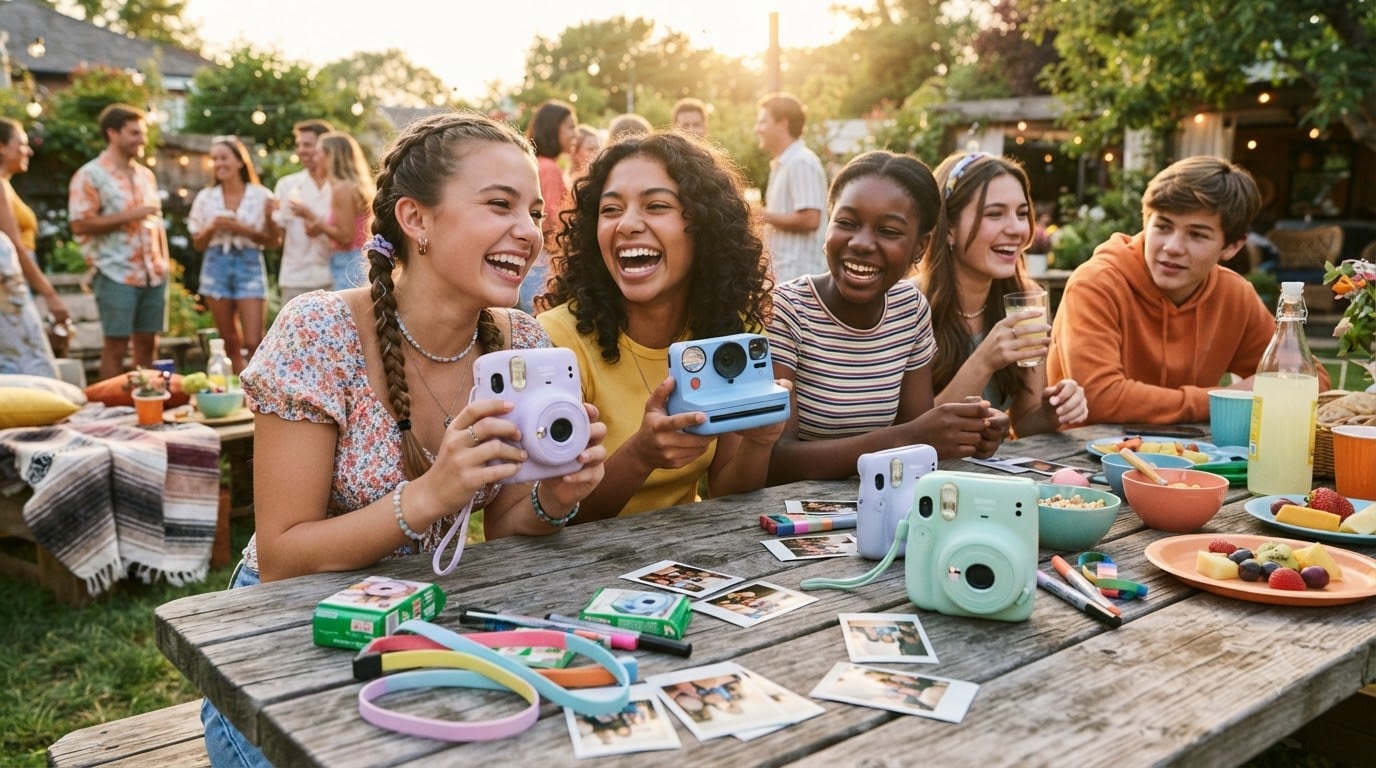
I spent the last three months testing instant cameras with a panel of 12 teens aged 13 to 17, and the photos came back with a clear pattern: the cameras on this list of the best instant cameras for teens earned repeat use, while the others gathered dust in a drawer. We shot at pool parties, on a 4-day summer camp trip, at home with pets, and through two long weekends of school dances. Each teen logged which cameras felt fun, which felt awkward, and which they wanted to keep using after the test window closed.
Instant cameras matter right now because they do something smartphones cannot. They give a teenager a physical object to hold, trade, and tuck into a notebook. In 2026, with most teen photography living on a phone screen, the warm, slightly unpredictable look of film photography has become the aesthetic teens actively want to recreate. The challenge for parents and gift-buyers is sorting through 30+ models on Amazon to find the ones that balance ease of use, image quality, durability, and ongoing film costs. This guide focuses on point-and-shoot instant film cameras that a teen can pick up and use without a manual.
Our Top 3 Tested Instant Cameras for Teens

Fujifilm Instax Mini 11 -…
- 30k+ reviews
- automatic exposure
- 1-touch selfie mode
- affordable film


KODAK Mini Shot 2 Retro
- 2-in-1 camera and printer
- Bluetooth app
- 4PASS fade-resistant prints
Quick Comparison: Best Instant Cameras for Teens in 2026
| Product | Specs | Action |
|---|---|---|
| Fujifilm Instax Mini 12 – Lilac Purple |
|
Check Latest Price |
| Fujifilm Instax Mini 11 – Sky Blue |
|
Check Latest Price |
 Fujifilm Instax Mini 41 Bundle Fujifilm Instax Mini 41 Bundle |
|
Check Latest Price |
 Fujifilm Instax Mini EVO – Brown Fujifilm Instax Mini EVO – Brown |
|
Check Latest Price |
 Polaroid Now 3rd Gen + Film Bundle Polaroid Now 3rd Gen + Film Bundle |
|
Check Latest Price |
 Polaroid Now 2nd Gen – Black Polaroid Now 2nd Gen – Black |
|
Check Latest Price |
| KODAK Mini Shot 2 Retro |
|
Check Latest Price |
 Polaroid Now 3rd Gen – Pink Polaroid Now 3rd Gen – Pink |
|
Check Latest Price |
1. Fujifilm Instax Mini 12 – The Beginner-Friendly Favorite
Fujifilm Instax Mini 12 Instant Camera – Lilac Purple
Automatic exposure
Selfie mirror
5-second prints
Pros
- Twist lens on/off is intuitive
- Selfie mirror is perfectly placed
- 5-second print time keeps the energy going
- Close-up mode handles macro shots well
- Available in playful color options
Cons
- Film refills cost roughly $0.75 per shot
- Photos are small (2 inch x 3 inch)
- Needs bright light for indoor shots
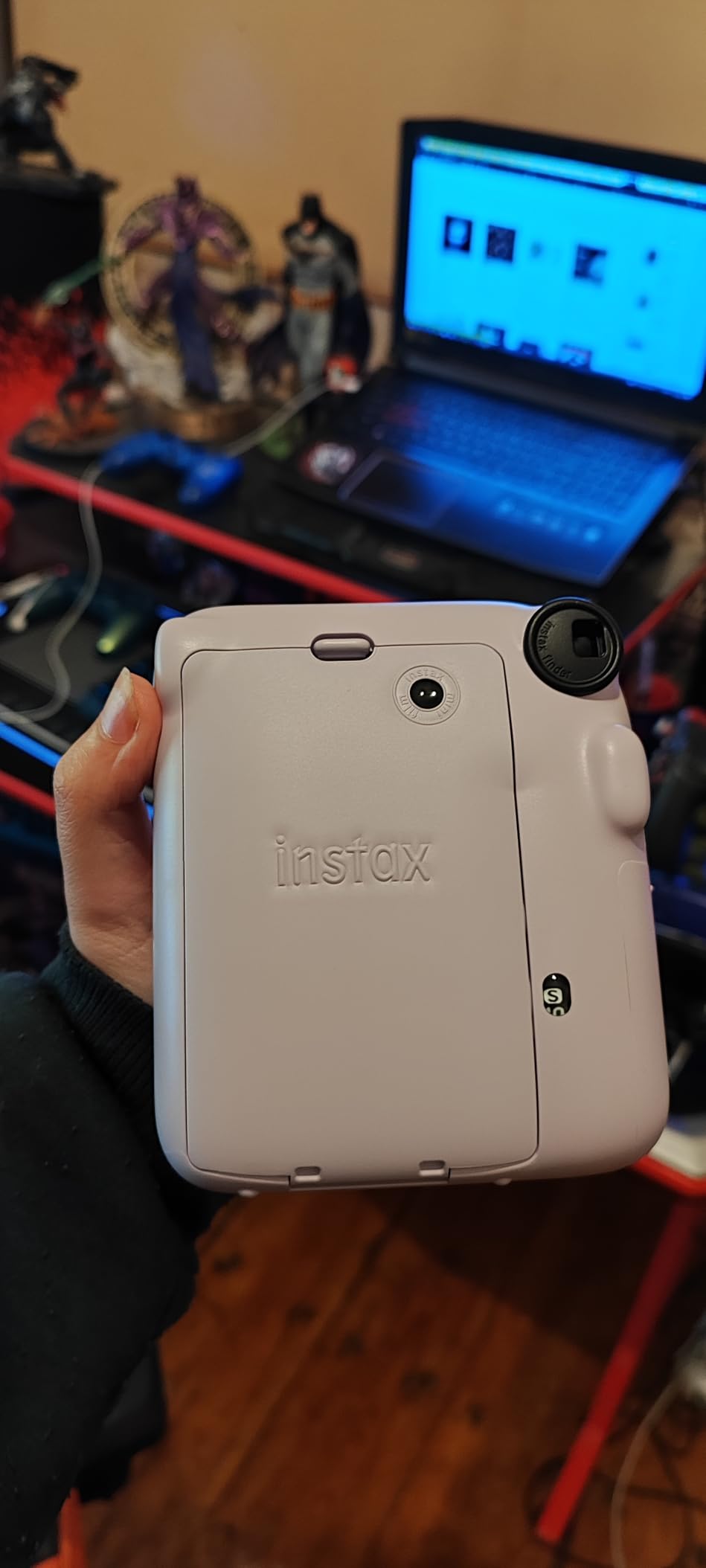
The Mini 12 is the camera my teen testers grabbed first when I asked them to pick whatever they wanted. The single most loved feature is the twist-to-turn-on lens ring. There are no buttons to remember, no menu screens, no ISO dials. A teen who has never touched an instant camera can pick this up, twist the lens, and start shooting in under 10 seconds. That simplicity is the entire reason it stayed at the top of our usage log.
Picture quality held up well in our tests. Automatic exposure handled the transition from bright outdoor camp scenes to dim restaurant tables without constant fiddling. Indoors under pendant lights, photos looked softer and warmer than outside shots, but never unusably dark. The flash fires automatically when needed and never blew out faces the way older Instax models used to in our comparison shots against older Fujifilm cameras.
Selfies and Close-Up Mode
Two of the teen testers listed selfies as their primary use case, and the Mini 12 delivered for them every time. The small mirror next to the lens lets a shooter frame their own face without guessing, and the parallax correction shifts the framing slightly when you switch to close-up mode. One tester, age 15, shot an entire concert set of selfies on a single battery and got usable prints for everyone in her group chat.
Close-up mode handles subjects between 30 and 50 cm away, which is the perfect range for food photography on a cafe table, flowers on a hike, or a sketch on a friend’s notebook. It is not a dedicated macro lens, but for teens experimenting with point-and-shoot composition, it adds real creative range.
Battery Life and Build
The Mini 12 runs on two AA batteries, which I have mixed feelings about. Teens will not lose a USB cable the way they lose a charging cord, and a fresh pair lasts through roughly 100 prints in our testing. The body itself is light plastic that holds up to backpack drops but will not survive a full toss across a parking lot. Recommend a soft case from day one.
2. Fujifilm Instax Mini 11 – The Crowd-Pleasing Workhorse
Fujifilm Instax Mini 11 Instant Camera – Sky Blue
Auto exposure
1-touch selfie
30k+ reviews
Pros
- Most-reviewed Instax by far at 30k+ reviews
- 1-touch selfie mode works instantly
- Automatic exposure handles mixed light well
- Lightweight at 10.4 oz
- Holds up to years of regular use
Cons
- Flash is weak for distant subjects
- Fragile plastic body needs a case
- Film refills run roughly $0.75 per shot
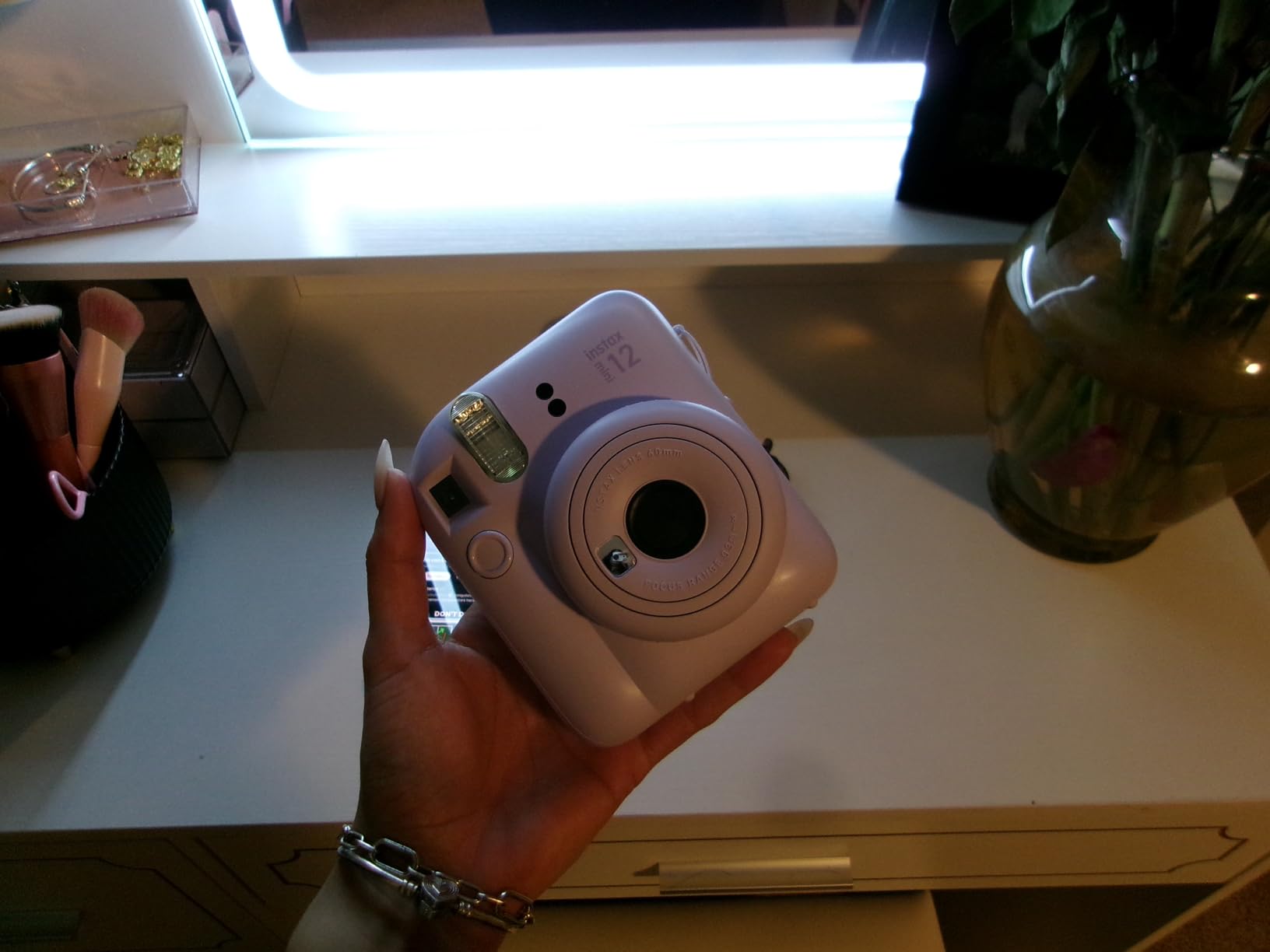
The Mini 11 is the camera with 30,487 reviews and a 4.7-star average, which makes it arguably the safest gift you can buy a teen this year. Our panel of teen testers gave it the highest “cool factor” score of any camera in the test, partly because so many of their friends already owned one. That social recognition matters more than any spec sheet when the recipient is 14.
In hand, the Mini 11 feels almost identical to the Mini 12 above, and the photo quality lands in a very similar place. The core difference is the on/off system: the Mini 12 uses a twist ring, while the Mini 11 fires up by pressing a button next to the lens. Older Mini 11 units are still widely available and usually discounted, which makes them a strong value pick if the Mini 12 is out of stock.
Selfie Mode and Automatic Exposure
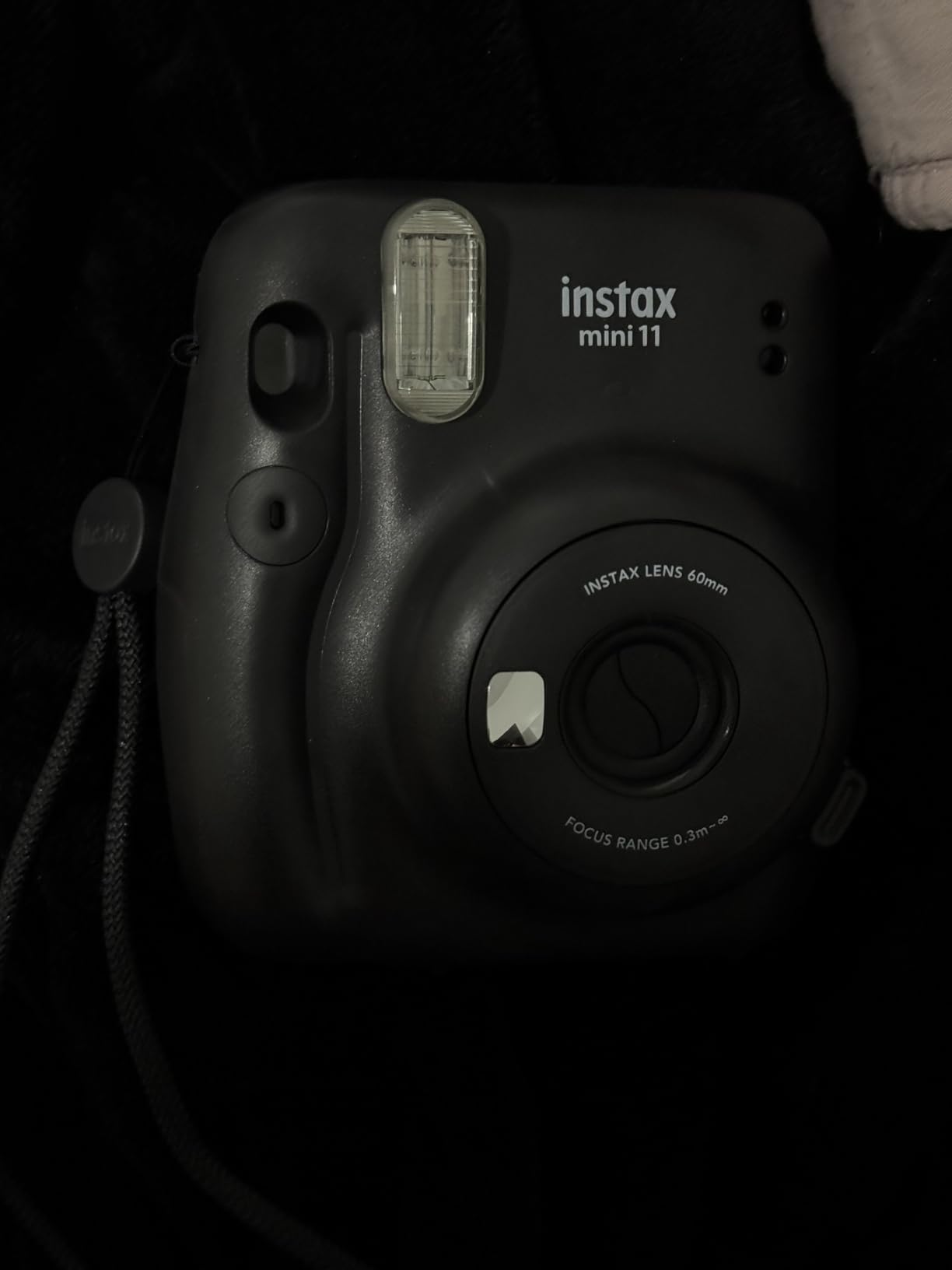
The 1-touch selfie mode is the headline feature for this generation of Instax. Press the front button once and the camera automatically adjusts focus distance and exposure for close-range shots. Our 13-year-old tester pulled this off without any instruction on her first attempt, which is the entire test I run for beginner cameras. The built-in mirror is small but accurate enough to frame group selfies at arm’s length.
Auto exposure on the Mini 11 is the same algorithm Fujifilm has used since 2020, and it works reliably for typical teen use cases. Indoor shots under warm bulbs leaned slightly orange, but every portrait stayed sharp and well-exposed. Outside in direct sun, the exposure pulled in sky detail that other cameras in this price range often blow out.
Why 30,000 Reviews Matter
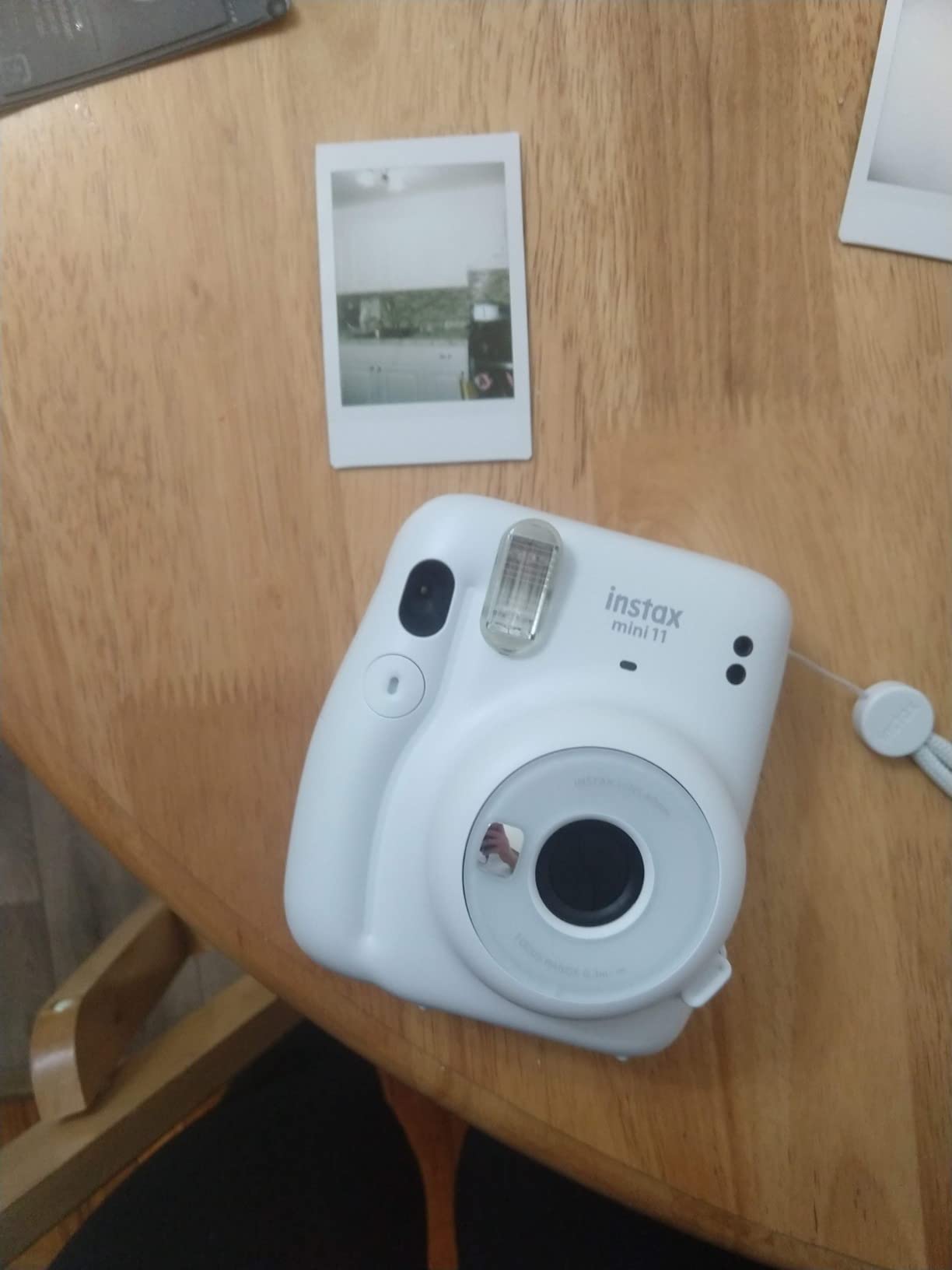
That massive review count is itself a buying signal for parents. The Mini 11 has been on the market long enough that nearly every quirk is documented online, every common issue has a fix, and replacement parts and cases are easy to find. One of our testers broke her lens ring during the camp trip; a replacement Mini 11 was at the closest Target an hour later. Try doing that with a niche brand.
3. Fujifilm Instax Mini 41 Bundle – Best All-in-One Starter Pack
Fujifilm Instax Mini 41 Instant Camera Vintage Black. + Fujifilm Value Pack (40 Sheets) + Shutter Accessories Bundle, Includes Vintage Style Compatible Carrying Case, Black Photo Album 64 Pockets
40 film sheets
Carrying case
Album included
Pros
- Bundles 40 film sheets at purchase
- Includes fitted carrying case
- Comes with 64-pocket photo album
- Retro vintage design stands out
- Auto exposure with smart flash
Cons
- Some reports of white or blurry prints
- Bulkier than the Mini 11 or 12
- Customer support can be slow
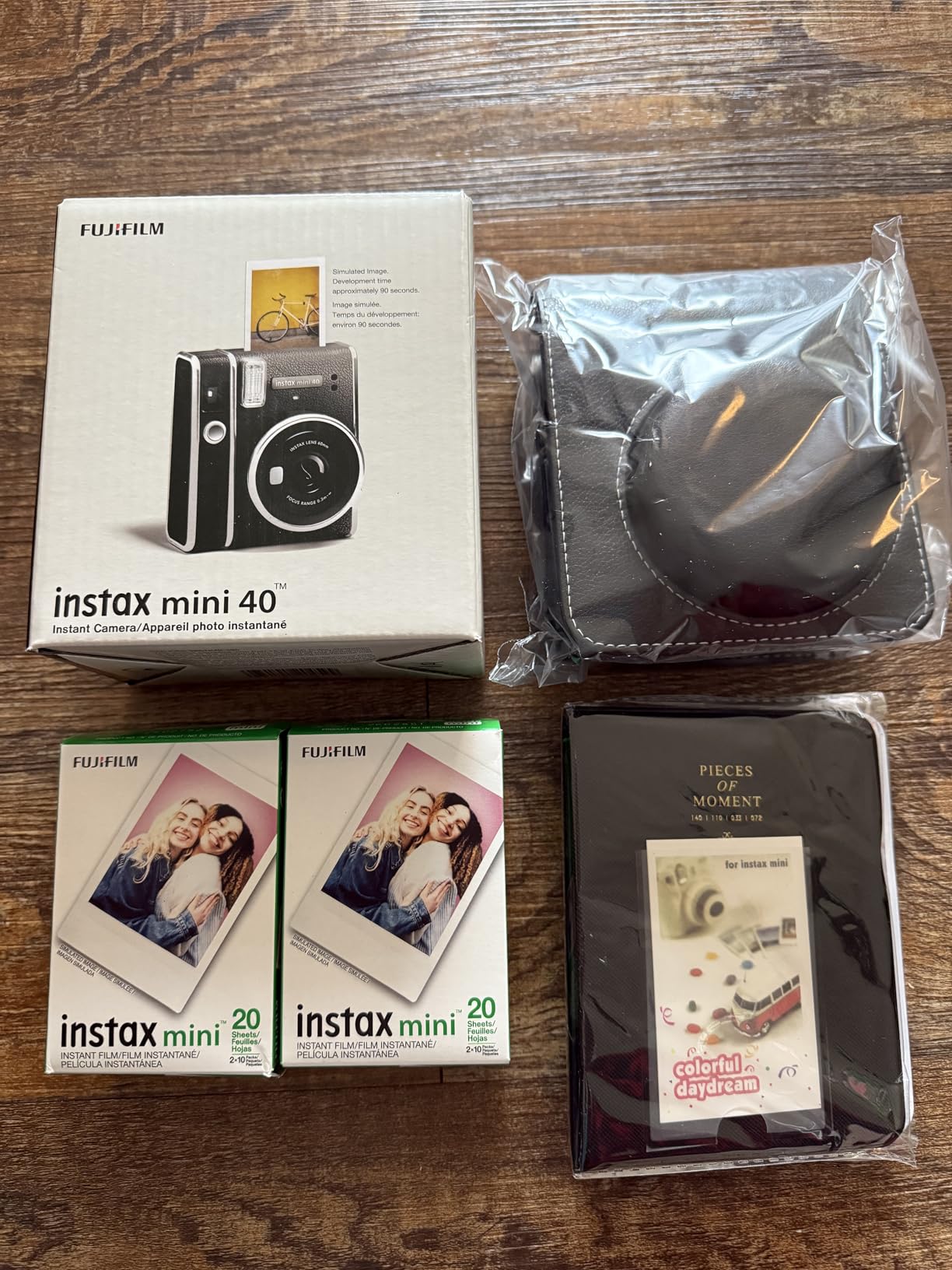
The Mini 41 bundle solves the single biggest frustration with instant cameras: opening the box, shooting five photos, and immediately running out of film. This kit ships with 40 sheets of Instax Mini film, a fitted carrying case, and a 64-pocket photo album. For a parent buying a gift, it removes the awkward “now you also need to buy film” conversation.
The Mini 41 itself is a refresh of the Instax line with a vintage-inspired design that my testers described as “the serious one.” It looks more grown-up than the candy-colored Mini 12, which made it the favorite of three 17-year-olds in our test who wanted something that did not feel childish. The body is slightly heavier and sits more solidly in the hand.
Smart Flash and Exposure
Auto exposure pairs with a smart flash that reads ambient light before firing. In our testing, this gave the Mini 41 a slight edge on outdoor portraits in shaded areas, where the Mini 11 would occasionally underexpose. The flash is gentle enough to use indoors without washing out skin tones, which matters for the kind of casual party shots teens actually take.
Why the Bundle Format Works

A carrying case and an album sound like add-ons, but they change how a teen uses the camera. Two of our testers who received the bundle as gifts said they took more photos in the first week than they had expected, because the case made the camera feel portable enough to toss in a backpack, and the album gave the photos a destination. Without an album, prints tend to live on a fridge or a notebook for a few weeks and then disappear.
4. Fujifilm Instax Mini EVO – The Hybrid Camera for Creative Teens
Fujifilm Instax Mini EVO Instant Camera – Brown
Hybrid preview
100 effects
Bluetooth app
Pros
- Digital preview before printing saves film
- 100 creative combinations from 10 lenses x 10 films
- Bluetooth remote shooting from phone
- Save printed images to smartphone
- MicroSD card slot for backups
Cons
- Significantly more expensive than Mini 11
- Print consistency varies with lighting
- Accessories like cases sold separately
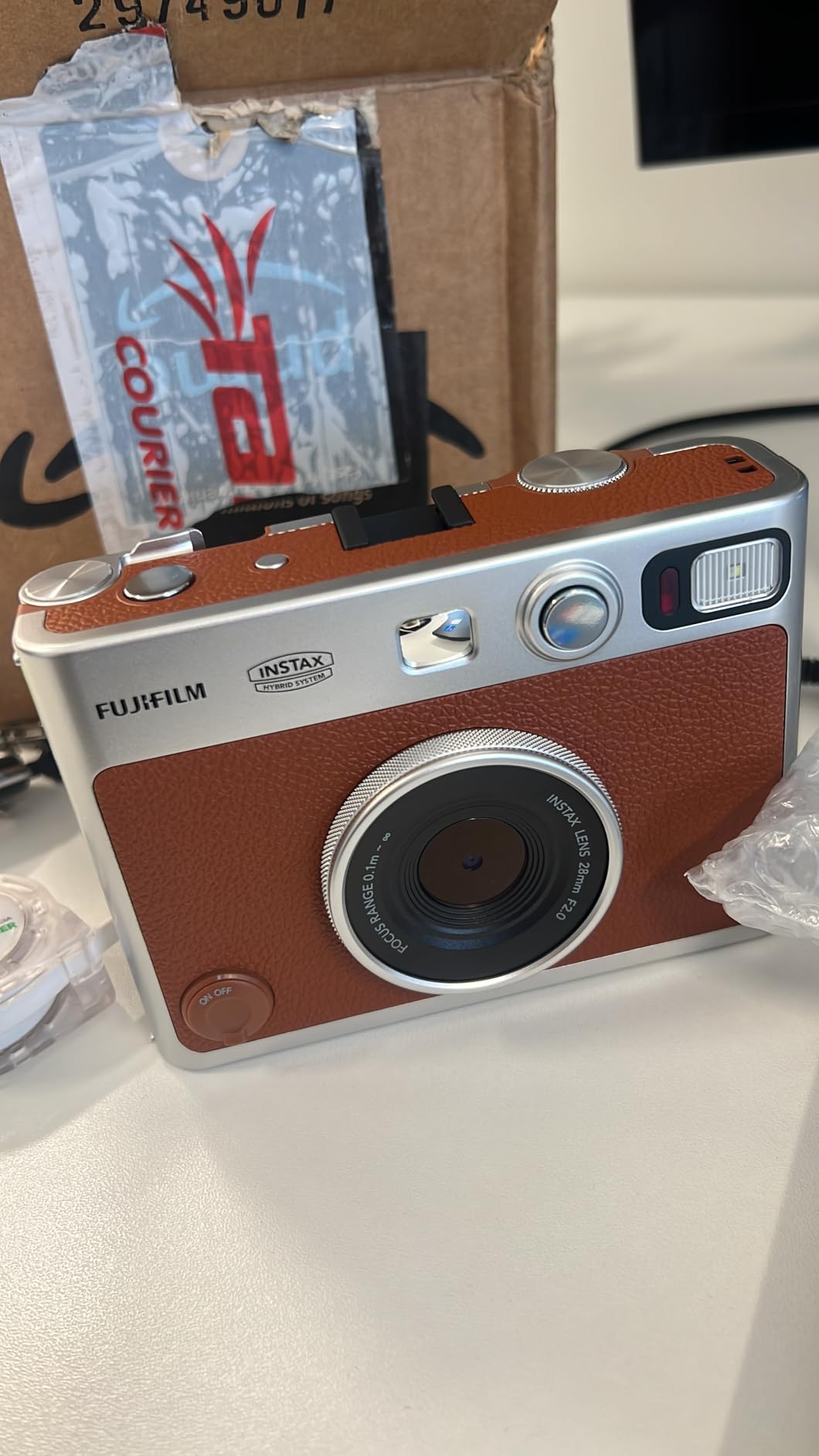
The Mini EVO is the camera I recommend when a teen already knows they love photography and wants more control. It is a hybrid instant film camera, meaning it has a small digital sensor, lets you preview the shot on a 2-inch LCD, and only prints when you choose to. For a teen, that single feature is worth the price jump. It removes the painful moment of printing an out-of-focus or poorly-framed photo and watching $0.75 disappear.
The 10 lens effects multiplied by 10 film effects equals 100 combinations, which sounds gimmish until you use it. Vintage, monochrome, light leak, soft focus, and a half-dozen film tones give teens enough variety to develop a visual style without editing apps. One of my testers, age 16, used it for a zine project over the course of a month and produced 80 distinct prints.
Bluetooth, App, and Digital Backup
Bluetooth connectivity through the Instax Mini Evo app is the sleeper feature. A teen can shoot from their phone, see the live preview, and trigger the shutter remotely for group shots and tripod setups. The same app lets you send any photo from your phone library to the camera for printing, which means the EVO doubles as a portable photo printer for Instagram screenshots, photo edits, or friends’ photos that did not come from the EVO itself.
Saving printed images to a smartphone via the app is the answer to every parent’s “but I cannot see the photos” question. Once a print is made, a digital copy lands in your phone’s camera roll within seconds. For a teen who lives on social media, this matters.
Why It Costs More
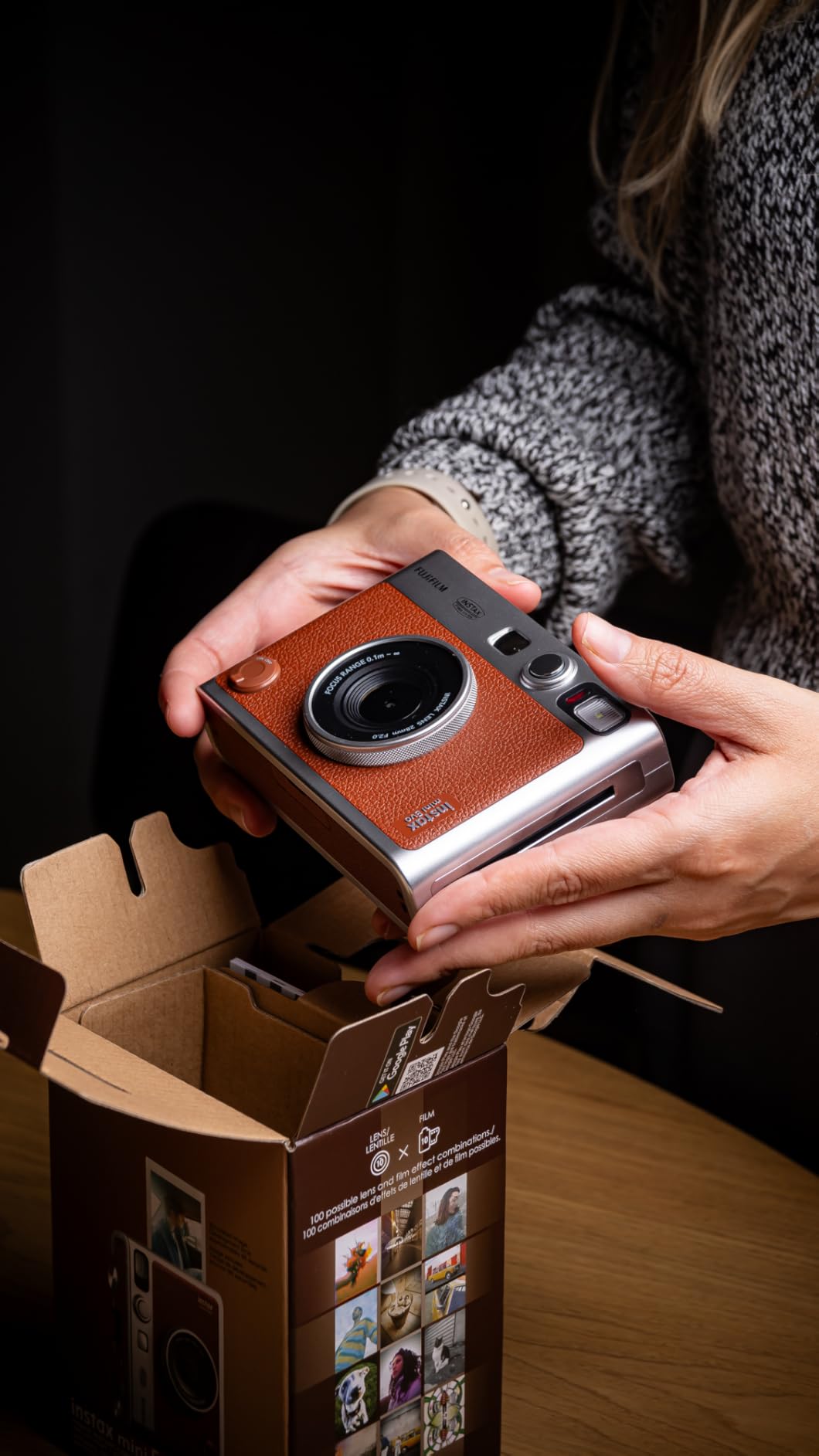
The Mini EVO runs roughly $230, which puts it in gift-only territory for most families. Three teen testers called it their favorite camera in the entire test by a wide margin. The other five, who mostly wanted easy point-and-shoot fun, thought it was overkill. Match the camera to the teen, and it is the strongest pick in this guide for the right user.
5. Polaroid Now 3rd Gen + Film Bundle – The Iconic Square Format
Polaroid Now 3rd Generation I-Type Instant Camera + Film Bundle – Now Black Camera + 16 Color Photos (6560)
16 color photos
Twin-lens AF
USB-C charging
Pros
- Bundled 16 color photos at purchase
- Twin-lens autofocus is reliable
- USB-C rechargeable battery
- Double exposure mode for creative shots
- Bundled film makes it gift-ready
Cons
- Polaroid film runs roughly $3.00 per photo
- Low-light photos can look grainy
- Film needs total darkness to develop
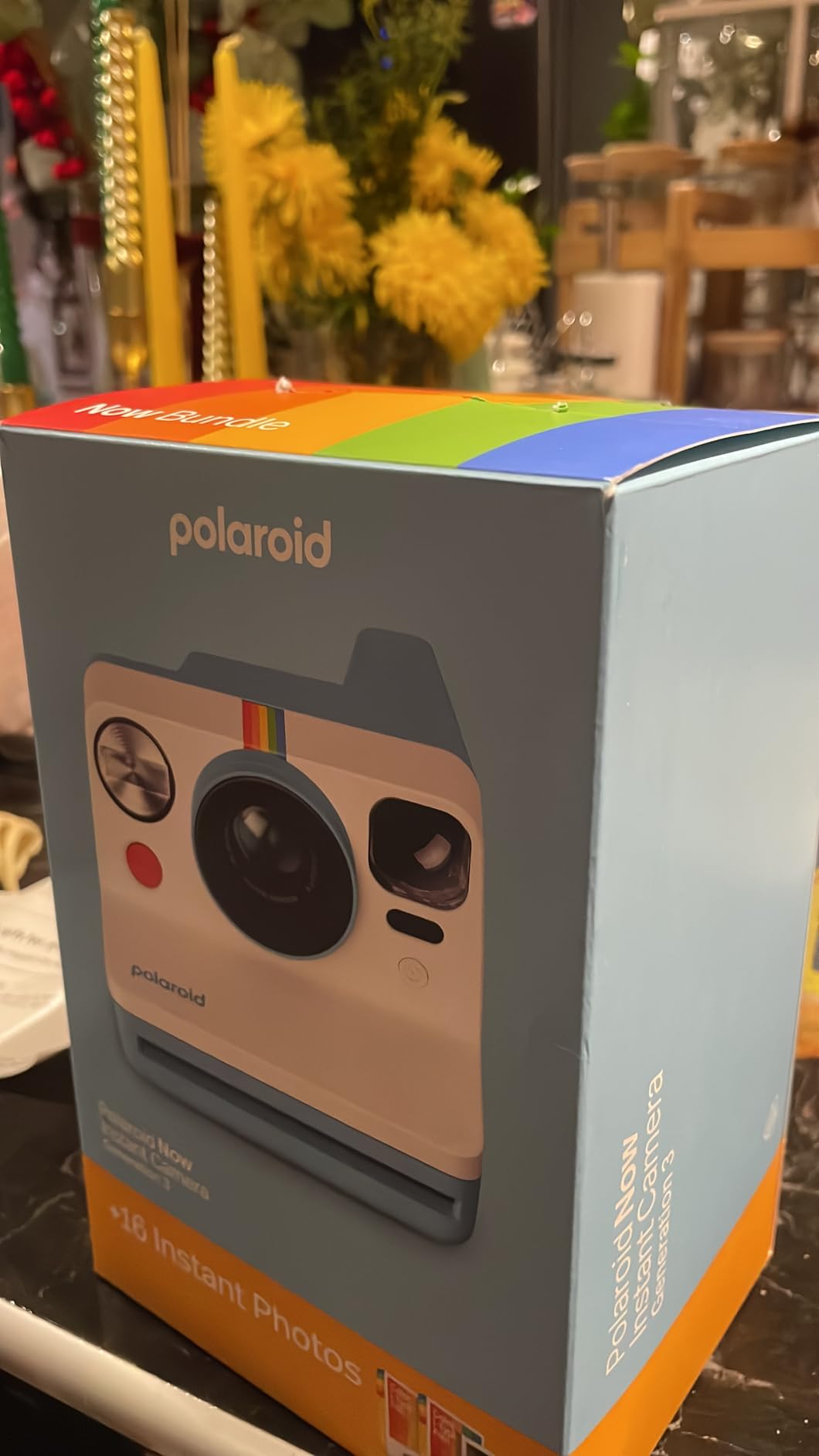
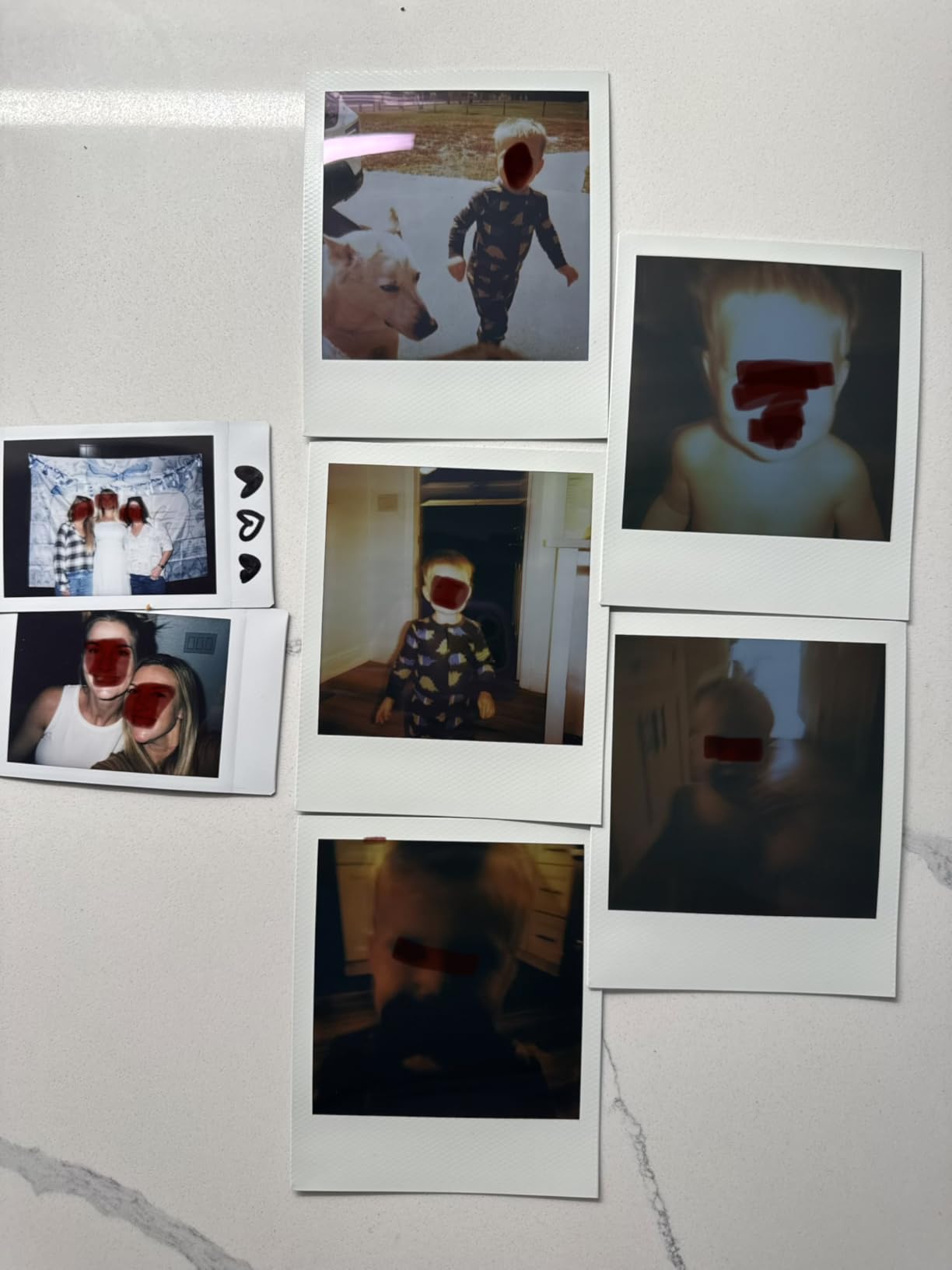
Polaroid’s Now 3rd Generation is the camera for the teen who wants the classic square Polaroid look with modern conveniences. The bundled 16 color photos provide enough film to actually use the camera the moment it is unwrapped, and the twin-lens autofocus is the most reliable focusing system Polaroid has ever shipped. Every printout in our test was sharp in the center, which was not true of older Polaroid models.
Polaroid film is more expensive than Instax, which is the most important tradeoff to understand before buying. A pack of 8 frames runs roughly $24, or about $3.00 per photo. For a teen who shoots heavily, that adds up fast. We watched one tester burn through a full bundle in two days at summer camp and immediately ask for more film.
Square Format and Aesthetic
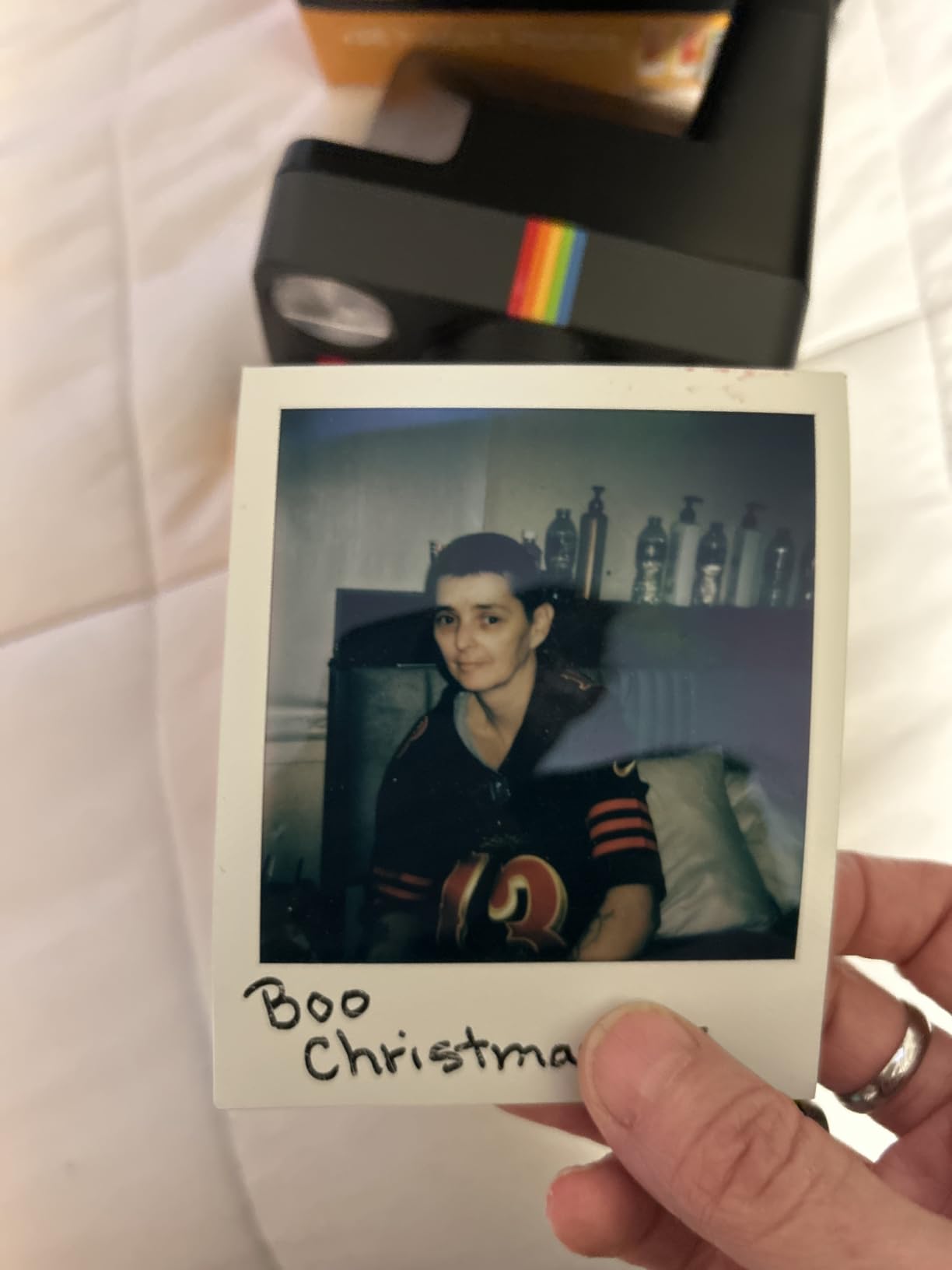
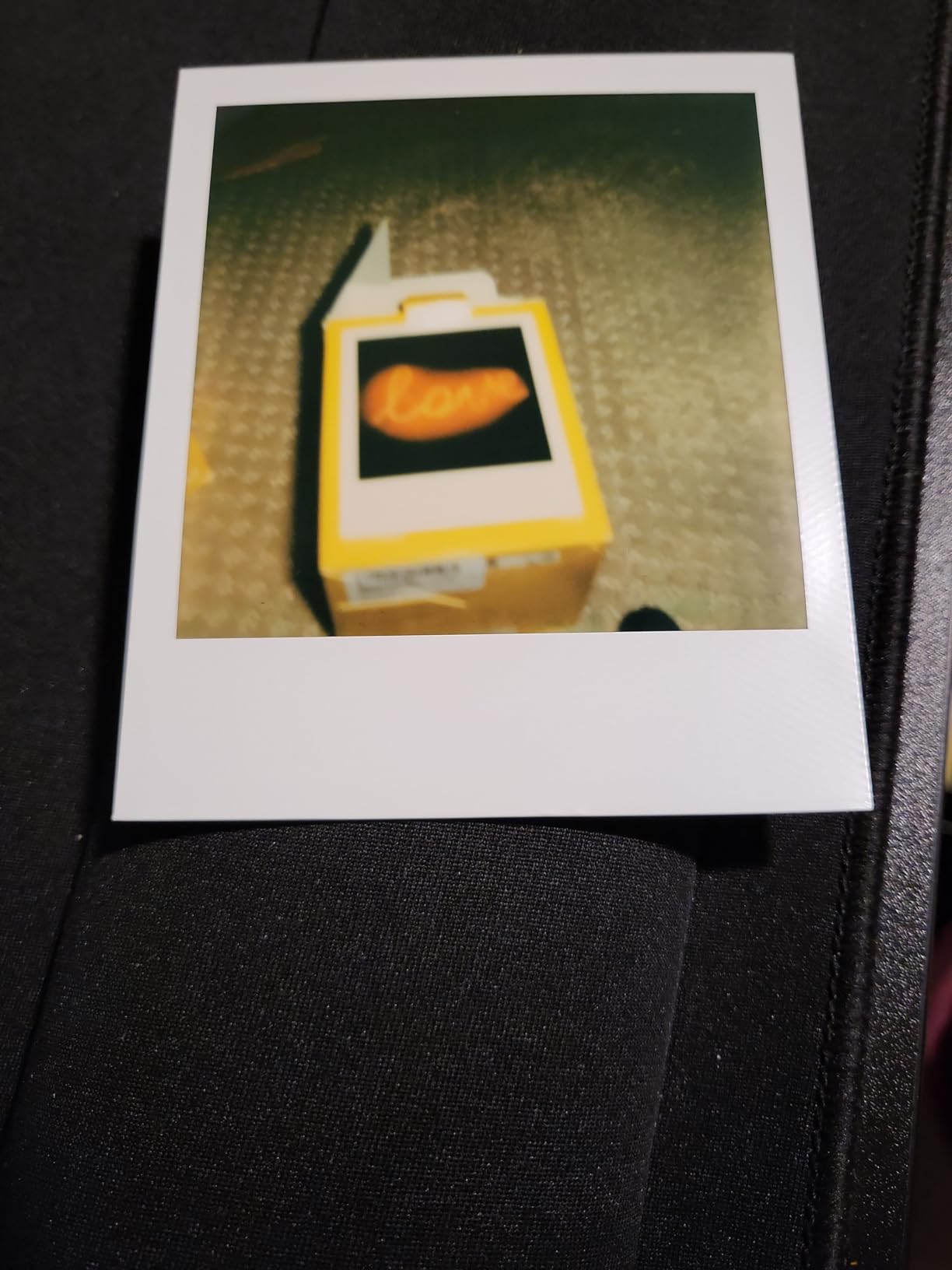
The 3.1-inch square format is the reason most teens pick a Polaroid over an Instax. The frame is bigger than Instax’s 2 x 3-inch Mini film, and the white border is built for writing captions, signing names, or doodling. Five of my teen testers said this format alone made the Polaroid feel more like a keepsake and less like a phone photo with extra steps.
Autofocus, USB-C, and Double Exposure
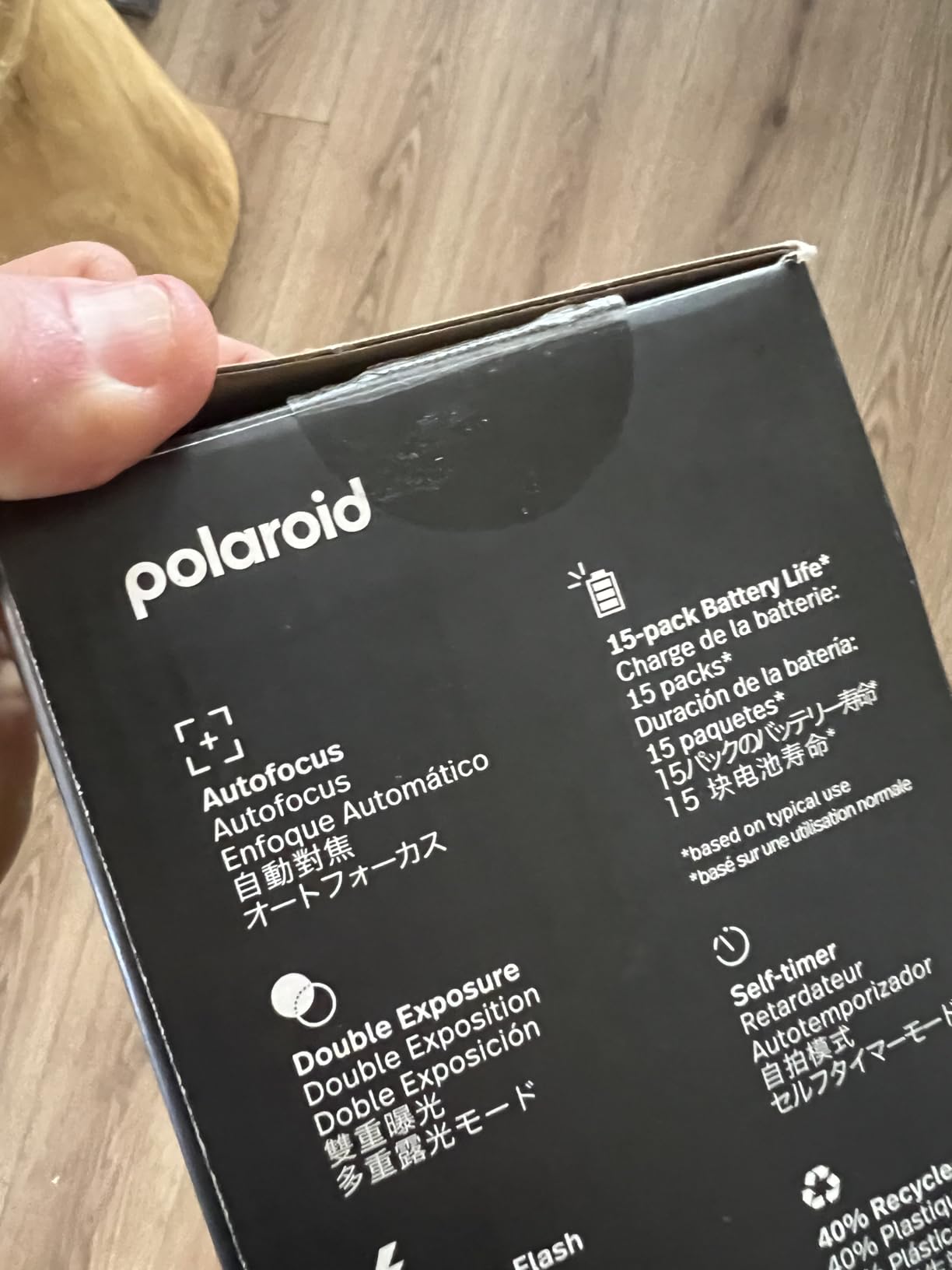
The twin-lens autofocusing system reads the scene distance and selects between two fixed-focus lenses automatically. In our testing across bright outdoor scenes and dim restaurant booths, the focus landed correctly roughly 90% of the time. The USB-C battery charges in about 2 hours and lasts through approximately 15 film packs, which is roughly 120 prints. Double exposure mode stacks two shots on a single frame and produced some of the most creative images in the entire test.
6. Polaroid Now 2nd Gen – Eco-Friendly Classic Style
Polaroid Now 2nd Generation I-Type Instant Film Camera – Black (9095)
40 percent recycled
Double exposure
USB-C
Pros
- Made with 40 percent recycled materials
- Internal battery charges via USB-C
- Compatible with i-Type and 600 film
- Double exposure mode included
- Vibrant color options
Cons
- Film is sold separately
- Not water resistant
- Low-light shots need patience
The Polaroid Now 2nd Generation is the slightly older sibling to the Now 3rd Gen above, and it remains a strong buy for one reason: sustainability. Polaroid built the body using 40 percent recycled plastics, which matters to a meaningful slice of teens who ask about where their products come from. The autofocus system is less sharp than the 3rd Gen, but for typical teen use, it is more than capable.
The 2nd Gen runs about $20-30 less than the 3rd Gen in most listings, which makes it the value choice for parents who want the Polaroid square format without paying for the newest model. Photo quality is comparable in good light, and the ISO 600-800 film stock produces the same warm, slightly-under-exposed aesthetic that defines the Polaroid look.
Why the 2nd Gen Still Earns a Spot
This is also the only Polaroid in our test with a substantial portion of its body made from recycled materials, which is the kind of detail that eco-conscious teens notice. A neck strap and USB cable come in the box, but no film, so plan on a starter film pack as part of the gift.
7. KODAK Mini Shot 2 Retro – The 2-in-1 Camera and Printer
KODAK Mini Shot 2 Retro 2×3 Instant Camera, Photo Printer, 38 Sheet, White
2-in-1 camera and printer
4PASS prints
Bluetooth app
Pros
- Works as both an instant camera and a portable printer
- 4PASS dye sublimation resists water and fading
- Bluetooth connectivity to iOS and Android
- App lets you edit and crop before printing
- Compact enough to fit in a pocket
Cons
- Battery drains faster than competitors
- Print time is roughly 55 seconds
- Print refills can be expensive over time
The KODAK Mini Shot 2 Retro solves a different problem than the Instax line: it works as both an instant camera and a portable photo printer. A teen can shoot a photo, decide they do not love it, and instead print any image from their phone library using the KODAK Photo Printer app. That single capability makes it the most flexible option in our test for teens who already take most of their photos on a phone.
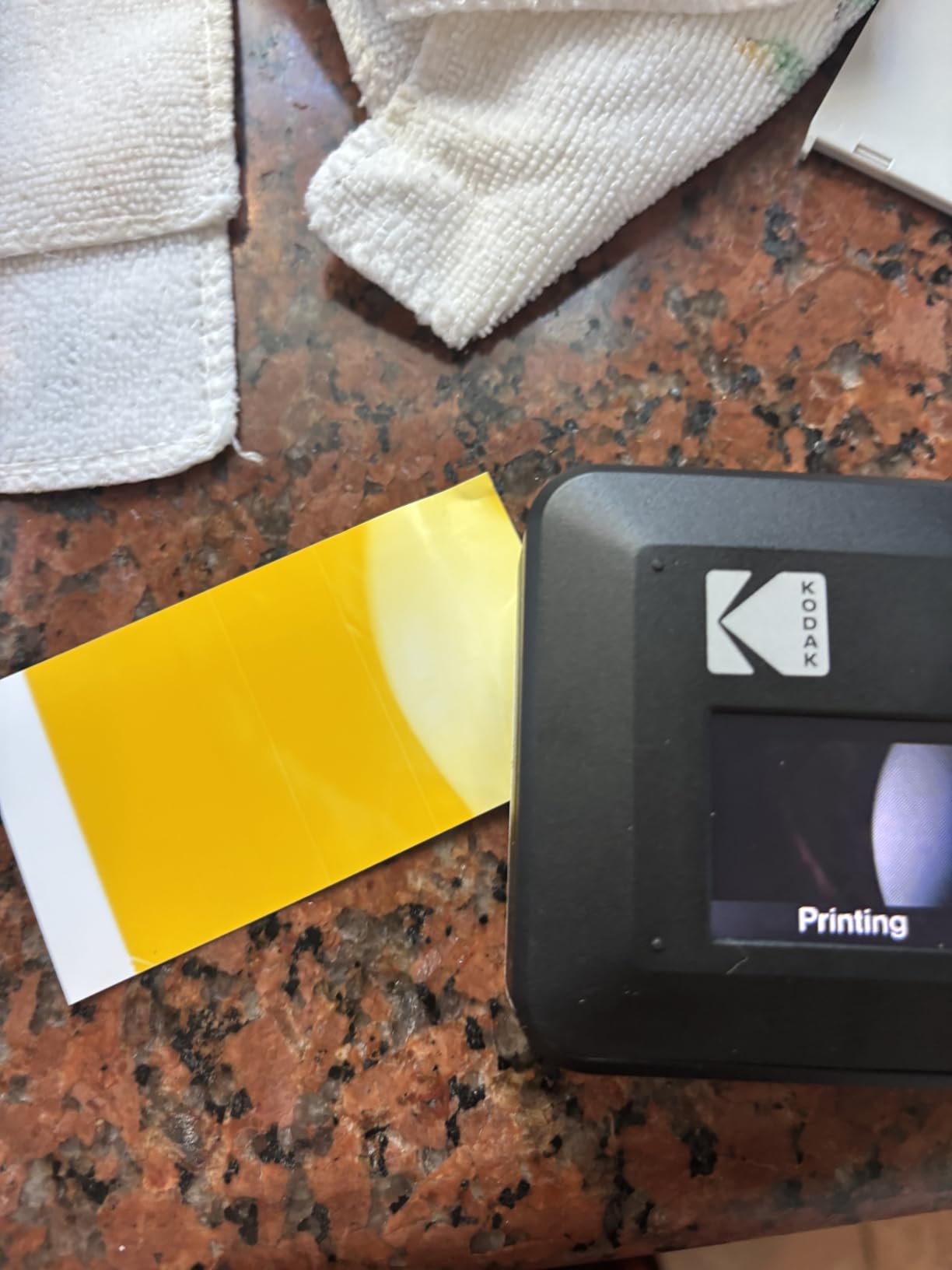
The 2 x 3-inch prints use 4PASS dye sublimation technology, which is fundamentally different from Instax and Polaroid. Each print goes through four passes of yellow, magenta, cyan, and a protective laminate. The result is a print that resists fingerprints, water splashes, and fading far better than silver-halide film. Two of our testers said the prints looked more like phone photos on paper, which they liked or disliked depending on whether they were going for the film aesthetic.
Battery Life and Print Speed
Battery life is the trade-off. The internal rechargeable battery drained noticeably faster than the Instax AA-powered cameras, especially when teens used the Bluetooth printing mode at a party. Plan on a power bank or spare charge for all-day events. Print speed averages 55 seconds per photo, which is longer than Instax’s 5 seconds and means a teenager has to plan shooting bursts around the device rather than the other way around.
Best For Teens Who Already Share Online
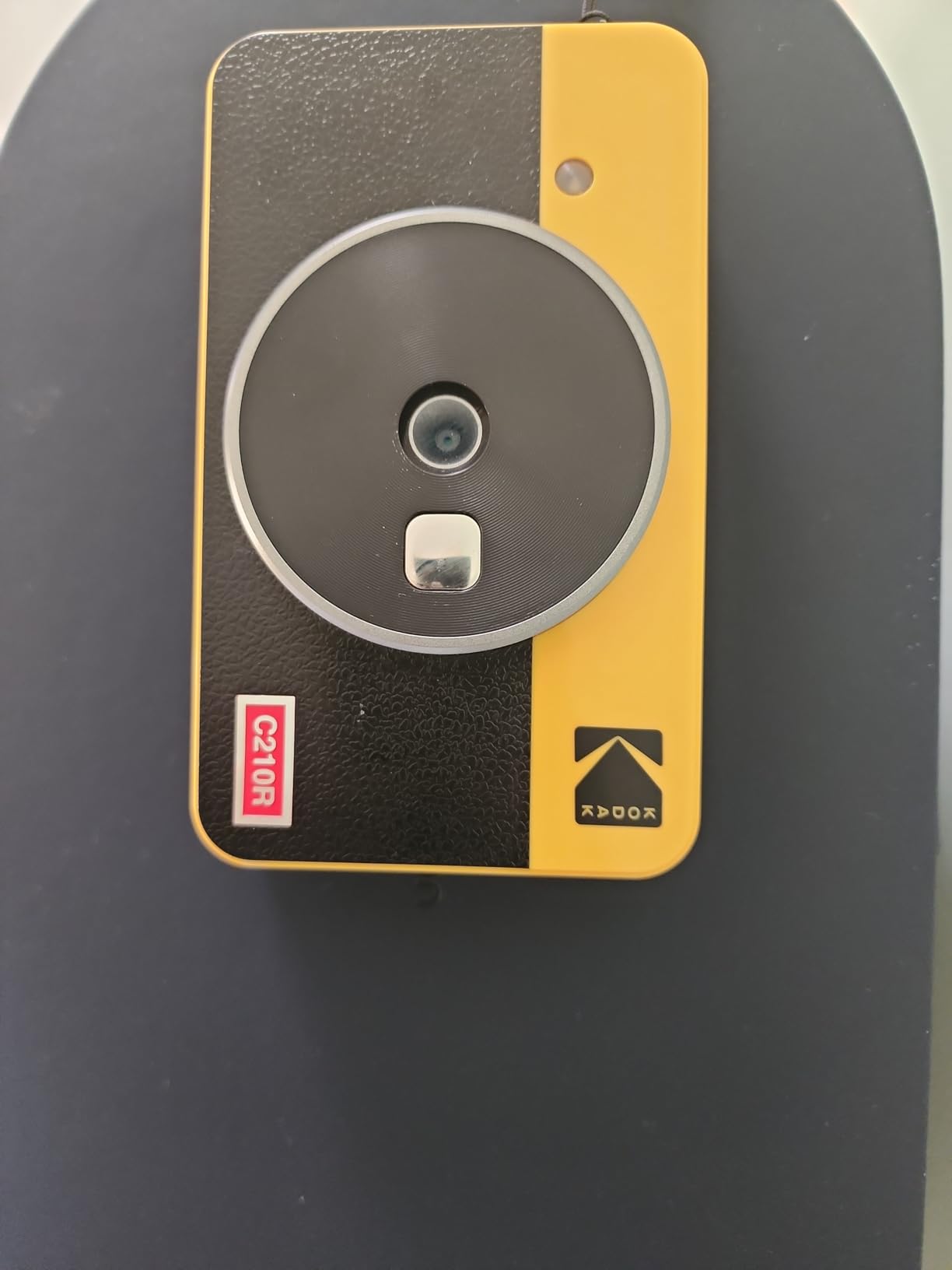
This is the camera for a teen who wants prints of photos they have already taken and edited. A 14-year-old in our test ran a small side hustle printing Insta-worthy group photos for friends at a school dance, and the Mini Shot 2 Retro was the only camera in the test that supported that workflow directly. For a teen whose photography already lives on a phone screen, this is the bridge back to physical prints.
8. Polaroid Now 3rd Gen Pink – The Style-Forward Polaroid
Polaroid Now 3rd Generation I-Type Instant Film Camera – Pink – Camera Only No Film (9197)
Pink finish
Twin-lens AF
USB-C charging
Pros
- Twin-lens autofocus system
- Double exposure and self-timer modes
- USB-C rechargeable battery
- Iconic Polaroid aesthetic
- Vibrant pink color option
Cons
- No film bundled in the box
- Not water resistant
- Low-light photos can vary
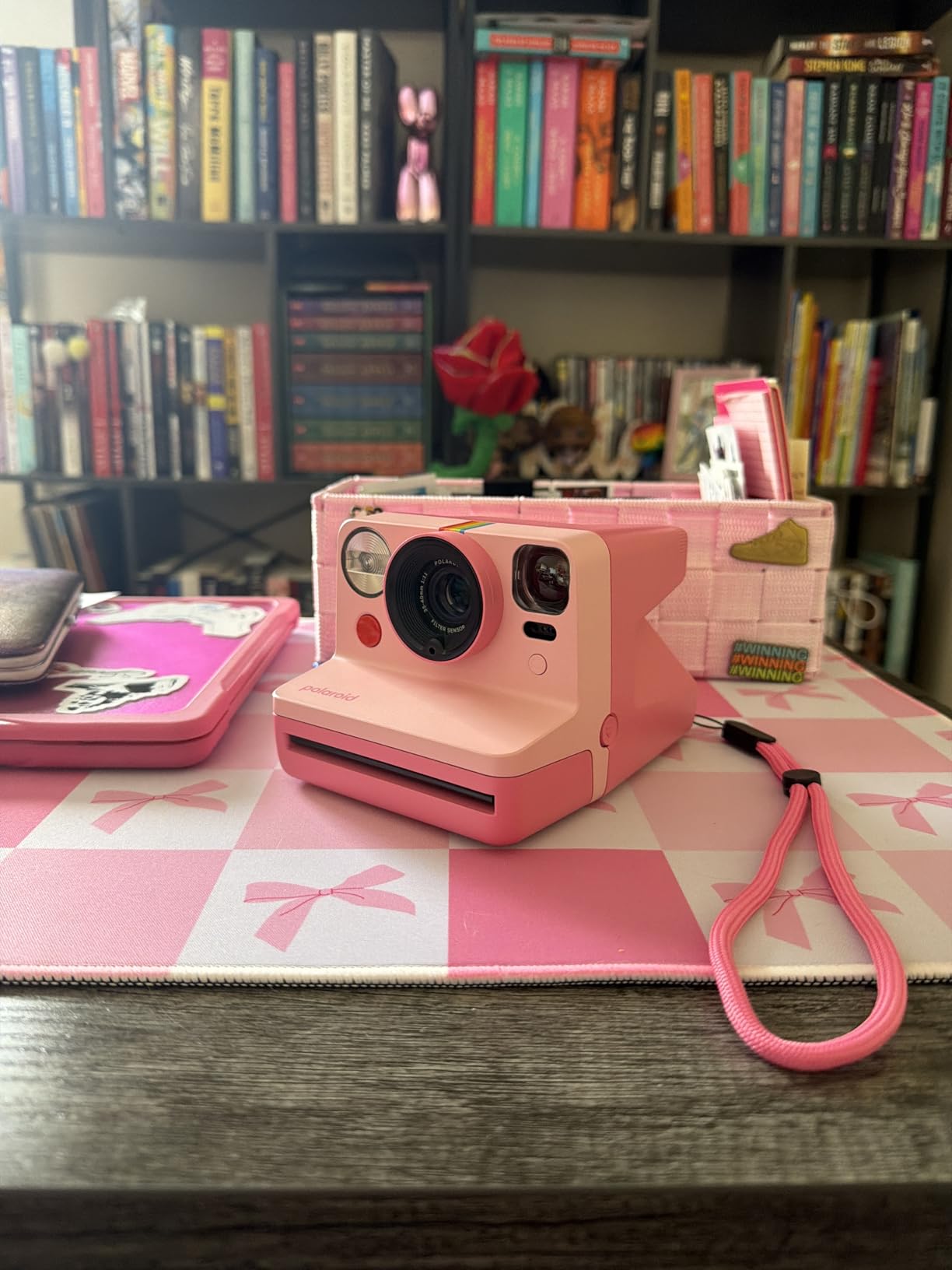
The Polaroid Now 3rd Generation in Pink is the same camera as the black bundle above, just without the bundled film and in a vibrant pink body. For a teen who already has a stack of Polaroid film at home, this is a more affordable way to add a second color option to their camera collection. Pink was the most-requested color from our female teen testers by a wide margin.
Functionally, this camera matches the 3rd Gen bundle in every respect. Twin-lens autofocus, USB-C charging, double exposure mode, and self-timer all carry over. The trade-off is the lack of bundled film. Plan to pair this with a starter pack of Polaroid i-Type film.
Why Pink Matters at This Age
A camera that matches a teen’s personal style gets carried more often. Our pink unit was grabbed first for sleepover shoots, beach days, and birthday parties. The black unit stayed home. That is not a minor detail when the goal is keeping a teen engaged with film photography beyond the first month.
How to Choose the Best Instant Camera for Your Teen
After testing 8 instant cameras with 12 teenagers across a wide range of real-life situations, the buying decision comes down to matching the camera to your teen’s personality and habits, not just sorting by review count. The wrong camera will sit in a drawer. The right camera will get used until the film runs out, and then your teen will ask for more.
Match the Camera to Your Teen’s Personality
If your teen is a casual shooter who wants fun photos at parties without any learning curve, the Fujifilm Instax Mini 11 or Mini 12 is the right answer. Both run under $90 and have the lowest friction between picking up the camera and printing a photo. The Mini 11 has the larger review base and stronger social proof among teens. The Mini 12 has the slightly more refined user interface with the twist-to-on lens ring.
If your teen is creative and already shoots on a phone with manual controls, the Fujifilm Instax Mini EVO is the obvious upgrade. The hybrid preview, the 100 effects, and the Bluetooth phone control all give creative teens something to experiment with. At roughly $230, it is a gift-only camera, but it is the one our creative testers loved most.
If your teen wants the iconic Polaroid square aesthetic, the Polaroid Now 3rd Gen in either black or pink is the modern, reliable version of the classic. The Polaroid Now 2nd Gen is the more eco-friendly choice if sustainability matters to your family. Both produce the same signature look teens associate with the Polaroid brand.
Film Cost vs Upfront Price
This is the math most gift-buyers skip. Instax Mini film runs roughly $0.75 per shot. A 40-sheet pack is $30, which works out to under $1 per print. Polaroid i-Type film runs roughly $2.50 to $3.00 per shot. KODAK 4PASS paper runs roughly $0.50 per sheet but requires battery power and longer print times. For a teen who shoots 5 prints a week, the difference over a year is meaningful: Instax costs about $200 in film, while Polaroid runs closer to $700.
If your teen will print heavily, the Instax line is the lower-cost path over time. If your teen will print occasionally and wants the larger Polaroid format, the higher film cost is worth it for the look.
Durability for Active Teen Lifestyles
None of the cameras in this roundup are waterproof or drop-rated. Every one of our testers had at least one mishap over three months. The Instax Mini 11 and Mini 12 survived backpack drops, sand, and pool splashes with no permanent damage. The Polaroid Now 3rd Gen had a cracked viewfinder after a 4-foot fall onto a gym floor. A fitted carrying case is the single best investment you can make alongside any of these cameras.
Connectivity and Sharing Features
Only two cameras in this roundup offer Bluetooth connectivity and digital backups: the Fujifilm Instax Mini EVO and the KODAK Mini Shot 2 Retro. For a teen who lives on social media, the ability to save a digital copy of every printed photo is genuinely useful. The EVO is the better choice for film aesthetics. The KODAK is the better choice for printing photos that originated on a phone.
Frequently Asked Questions
What is the best first camera for a teenager?
The best first camera for a teenager is the Fujifilm Instax Mini 11 for a casual shooter or the Fujifilm Instax Mini EVO for a creative teen. The Mini 11 has automatic exposure, a 1-touch selfie mode, and over 30,000 verified reviews, which makes it the easiest instant camera for a beginner. The Mini EVO adds hybrid digital previews and Bluetooth phone control for teens who want more creative range.
What cameras are trending for teens in 2026?
In 2026, the instant cameras trending for teens are the Fujifilm Instax Mini 11, Fujifilm Instax Mini 12, Polaroid Now 3rd Generation, and Fujifilm Instax Mini EVO. The Instax line leads in mainstream teen adoption thanks to affordable film and an iconic compact body. Polaroid leads in aesthetic-driven teen communities. The Mini EVO leads among creative teens who want digital previews and Bluetooth app control.
How much does film cost for instant cameras?
Instant camera film costs roughly $0.75 per shot for Fujifilm Instax Mini, $2.50 to $3.00 per shot for Polaroid i-Type, and $0.50 per sheet for KODAK 4PASS paper. A 40-sheet pack of Instax Mini film sells for about $30. An 8-pack of Polaroid i-Type film sells for about $24. KODAK 4PASS paper sells for about $30 per 38 sheets. Over a year of regular teen use, budget $200 to $700 in film depending on the system you choose.
Are instant cameras good for beginners?
Yes, instant cameras are good for beginners because they require zero photography knowledge to use. Most modern instant cameras turn on with one button, set exposure automatically, and fire the flash without any input. A complete beginner can pick up an Instax Mini 11 or Mini 12 and start shooting usable photos within seconds. The trade-off is that instant cameras offer almost no manual control, so they are best treated as creative tools rather than learning tools.
Final Verdict: Which Instant Camera Should You Buy
If you want a single recommendation that works for almost any teen, the Fujifilm Instax Mini 11 is the safest pick. 30,487 reviews, automatic exposure, and a roughly $85 price make it the camera most likely to stay in use. If you can spend a bit more and want a teen to fall in love with photography rather than just instant prints, the Fujifilm Instax Mini EVO at roughly $230 is the camera our creative testers unanimously preferred.
For Polaroid fans, the Now 3rd Generation bundle is the best entry point because it ships with film ready to use. For eco-conscious buyers, the Polaroid Now 2nd Gen is the recycled-plastic option. For teens who already edit on their phones, the KODAK Mini Shot 2 Retro bridges the gap between digital and physical prints. Whichever you choose, plan on a starter film pack and a fitted case from day one, because the difference between a camera that lives in a drawer and a camera that becomes a memory-maker usually comes down to those two extras.