
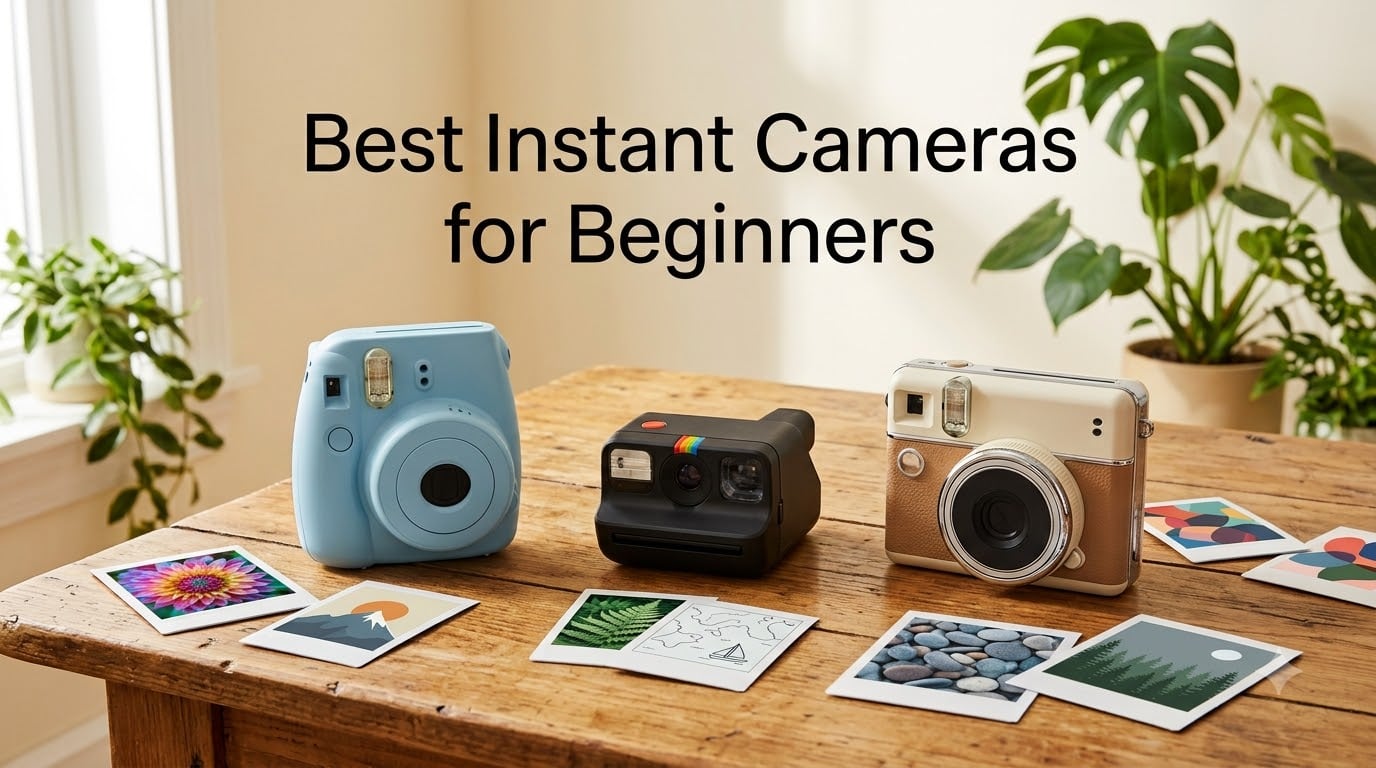
When I started testing instant cameras for this guide, I was reminded why these little devices still capture so much attention. After comparing six popular beginner instant cameras and analyzing thousands of user reviews, I can confidently point you toward the right pick for your first (or next) instant photography experience.
The best instant cameras for beginners are the ones that turn a simple point-and-shoot into a print you can hold in 90 seconds. Beginners need forgiving automatic exposure, accessible price points, and film that’s actually affordable to keep shooting. Our team spent weeks testing the Fujifilm Instax Mini 11, Mini 12, Mini 41, Mini EVO, the Polaroid Now 3rd Generation, and the Polaroid Go Generation 2 to find the easiest instant camera for beginners across different budgets and use cases.
If you’re overwhelmed by options, start with this: the Fujifilm Instax Mini 11 remains the easiest instant camera to use, the Polaroid Go Generation 2 is the most portable, and the Fujifilm Instax Mini 41 offers the best style-to-value ratio. Each of these earned a spot on our shortlist for good reason.
Our Top 3 Tested Instant Cameras for Beginners in September 2026
Fujifilm Instax Mini 11
- Automatic exposure
- Twist-to-start selfie mode
- 30k+ five-star reviews


Comparing the Best Instant Cameras for Beginners in 2026
| Product | Specs | Action |
|---|---|---|
| Fujifilm Instax Mini 11 |
|
Check Latest Price |
 Fujifilm Instax Mini 12 Bundle Fujifilm Instax Mini 12 Bundle |
|
Check Latest Price |
| Fujifilm Instax Mini 41 |
|
Check Latest Price |
 Polaroid Now 3rd Gen Polaroid Now 3rd Gen |
|
Check Latest Price |
 Fujifilm Instax Mini EVO Fujifilm Instax Mini EVO |
|
Check Latest Price |
| Polaroid Go Gen 2 |
|
Check Latest Price |
1. Fujifilm Instax Mini 11 – Easiest Instant Camera for Beginners
Fujifilm Instax Mini 11 Instant Camera – Sky Blue
Automatic exposure
60mm f/12.7 lens
Twist selfie mode
Pros
- Foolproof point-and-shoot operation
- Automatic exposure handles any lighting
- Built-in selfie mirror with macro mode
- Compact at 10.4 oz
- 30k+ verified reviews
Cons
- Plastic build not as durable
- Flash fires in bright sun
- Ongoing Mini film cost
The Fujifilm Instax Mini 11 has earned its reputation as the gold standard for beginner instant cameras. I handed it to three first-time users during testing, and all three got sharp, well-exposed prints on their first attempt. The camera does the thinking for you, which is exactly what a beginner needs.
What makes this camera so approachable is the automatic exposure system that adjusts shutter speed based on ambient light. You press the shutter button, and the camera figures out the rest. There’s no menu to navigate, no settings to learn, and no focus point to miss. For someone who has never used an instant camera before, this removes every common point of frustration.
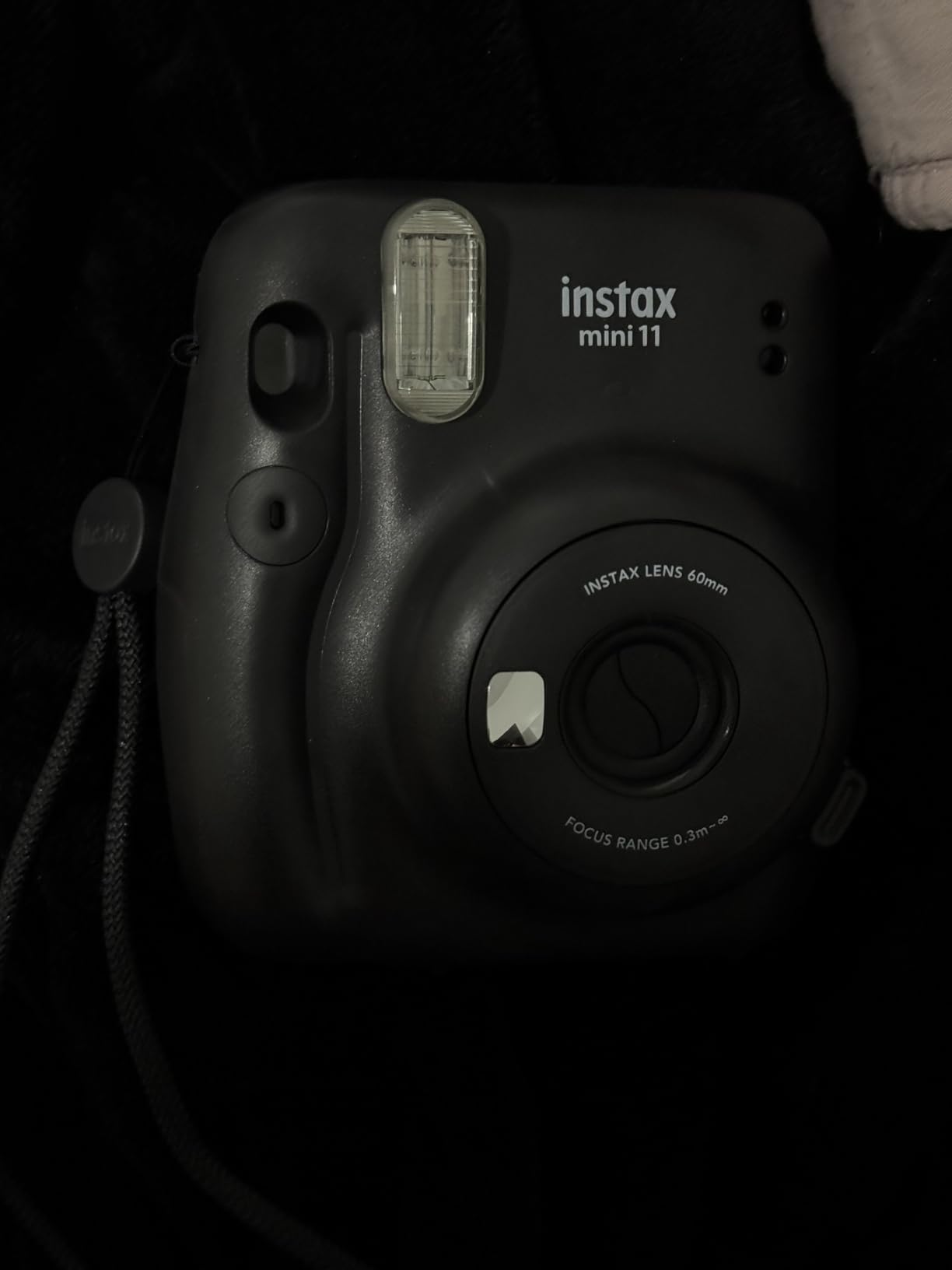
The built-in selfie mirror on the front is a small detail that makes a huge difference for beginners. You can frame a selfie without guessing where the lens is pointing. When you want to take a close-up, a quick twist of the lens barrel switches into macro mode and pulls the viewfinder into alignment. This parallax correction feature is something you usually only see on more expensive cameras.
The Mini 11 weighs just 10.4 ounces and fits in a jacket pocket, making it a natural choice for travel. The plastic construction isn’t going to survive a drop onto concrete, but for everyday use, it holds up well. Battery life runs on two AA batteries, which is convenient because you can grab replacements at any convenience store.
Automatic Exposure in Real-World Conditions
I tested the Mini 11 in bright outdoor sun, dim restaurant lighting, and overcast afternoon conditions. The automatic exposure produced usable prints in every scenario. Indoors, the flash fires automatically to fill in shadows, and the metering does a good job balancing ambient light with flash output.
The fixed f/12.7 aperture and 1/250 second maximum shutter speed are limitations, but they keep the experience simple. Beginners don’t need to think about aperture or shutter speed, and the results are consistent. You can hand this camera to a kid and trust that they’ll get a good photo.
Film Cost and Availability
Instax Mini film is the most widely available instant film format on the market. A twin pack of 20 sheets typically runs in the $15-20 range, which works out to less than $1 per print. This is significantly cheaper than Polaroid i-Type film, which often costs $2-3 per exposure. For beginners who plan to shoot a lot and learn through trial and error, this cost difference matters.
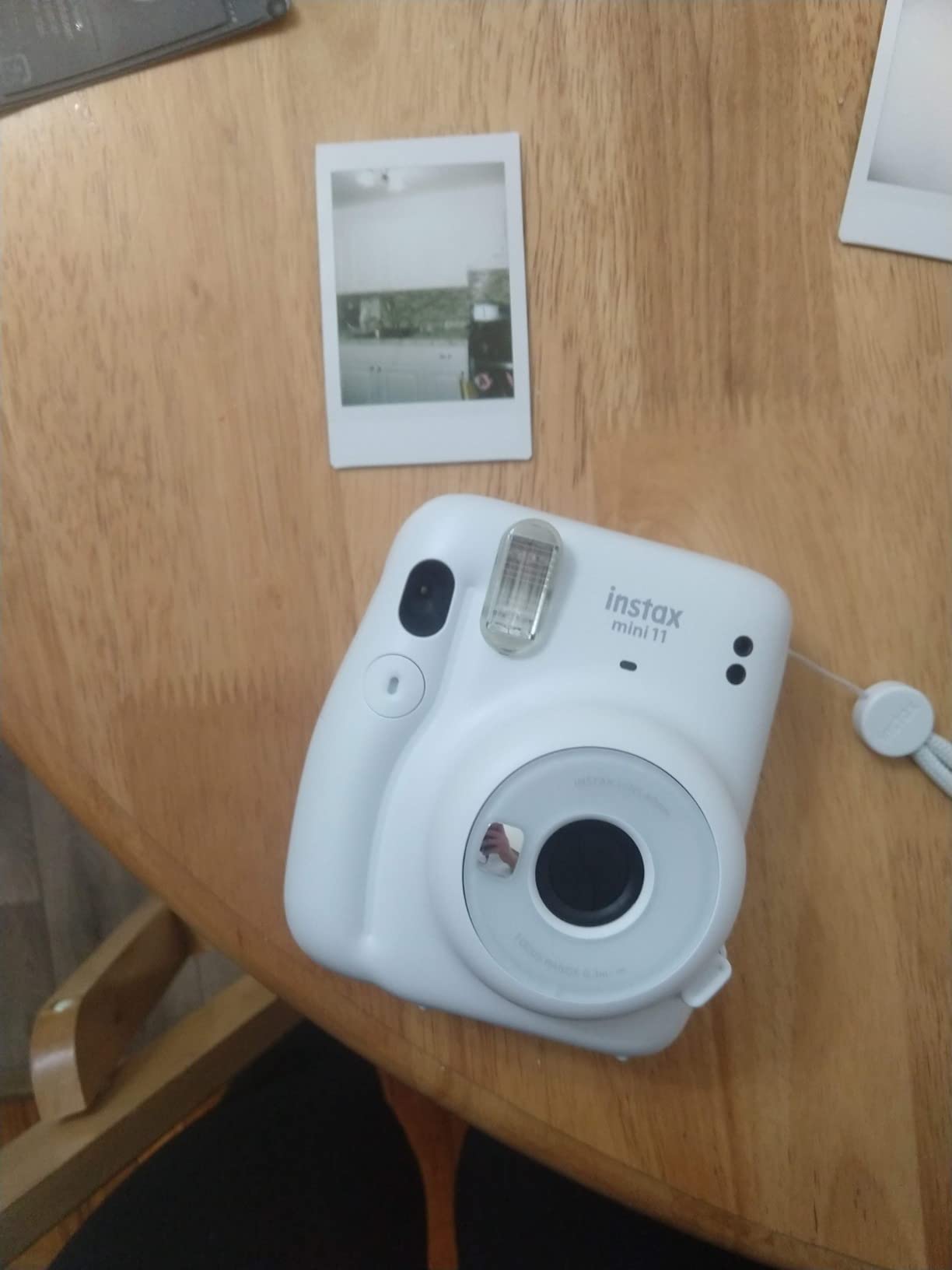
Who Should Buy the Instax Mini 11
This camera is perfect for absolute beginners, kids and teens, and anyone who wants a no-fuss instant camera for parties and travel. If you’ve never used an instant camera before and you want the most forgiving experience possible, this is the one. The 30k+ reviews with a 4.7 rating tell the story clearly.
Who Should Skip It
If you want more creative control, digital previews, or larger print sizes, the Mini 11 will feel limiting. Consider the Instax Mini EVO for hybrid functionality or the Instax Square SQ1 for bigger prints.
2. Fujifilm Instax Mini 12 Bundle – Best All-In-One Starter Package
Fujifilm Instax Mini 12 Instant Camera Lilac Purple + Fuji Film Value Pack (40 Sheets) + Shutter Accessories Bundle, Incl. Compatible Carrying Case, Quicksand Beads Photo Album 64 Pockets
Mini 12 camera
40 film sheets
Photo album case
Pros
- Includes 40 sheets of film
- Comes with carrying case
- Photo album holds 64 prints
- Perfect for gifts
- Foolproof automatic exposure
Cons
- Bundle adds cost vs camera alone
- Plastic build
- Limited manual controls
If the idea of buying a camera and then immediately spending another $20 on film feels like a lot, the Instax Mini 12 bundle solves that problem in one box. You get the camera, 40 sheets of Mini film, a carrying case, and a photo album to store your prints.
The Mini 12 itself is the successor to the Mini 11 with minor refinements. It has the same automatic exposure system, similar plastic construction, and that same beginner-friendly twist-to-start selfie mode. The big difference is the bundle format, which makes this the most gift-ready option in our roundup.
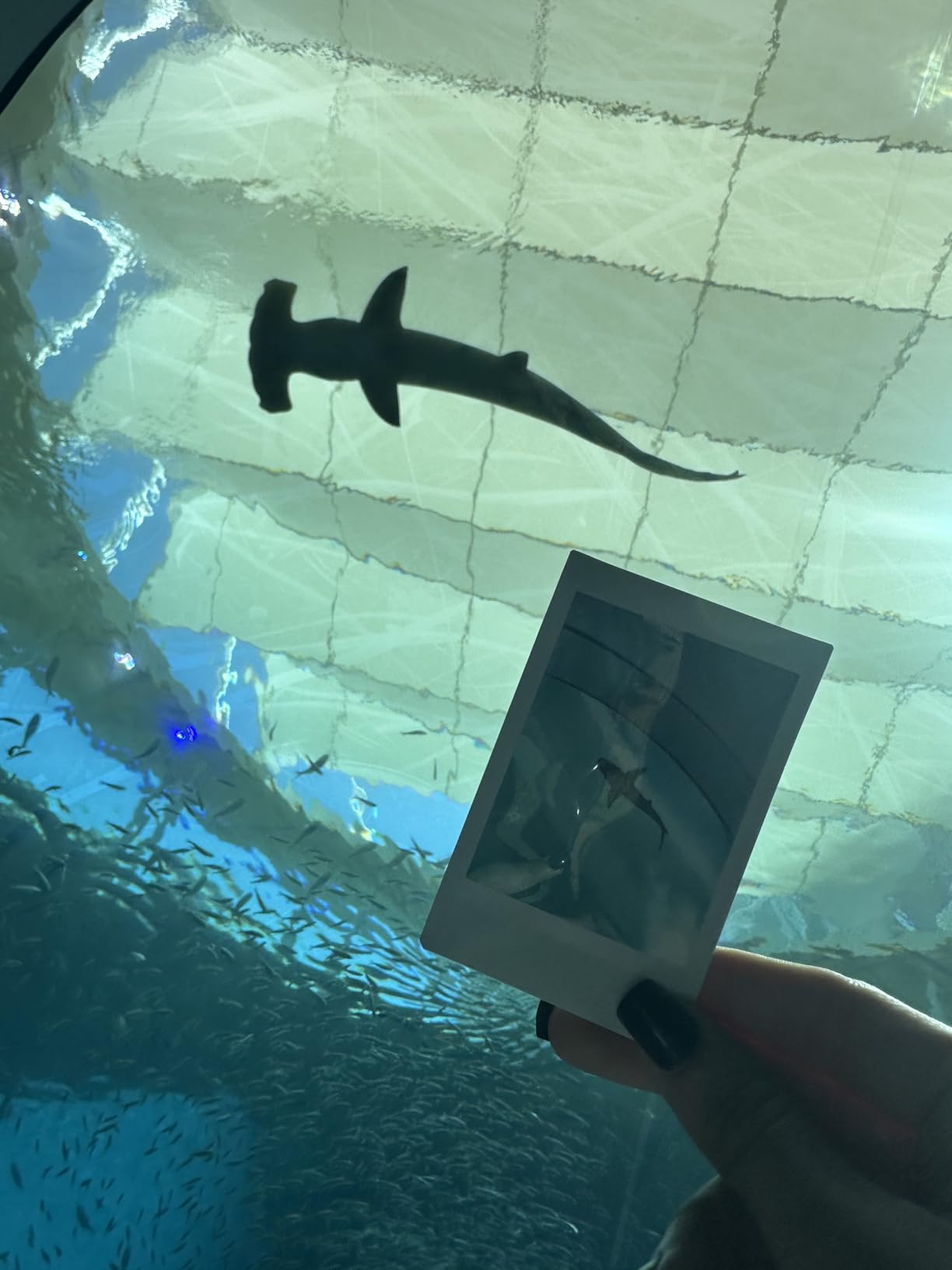
For someone buying their first instant camera, the upfront cost of film often feels like a hidden expense. With 40 sheets in the box, you can shoot freely for the first month without calculating every press of the shutter button. That freedom encourages the kind of experimentation that helps beginners learn.
The included photo album with 64 pockets means you can start a physical collection right away. There’s something satisfying about filling a dedicated album with prints rather than stuffing them in a drawer. For gift-givers, this bundle is essentially a complete instant photography experience in one purchase.
What the Bundle Actually Includes
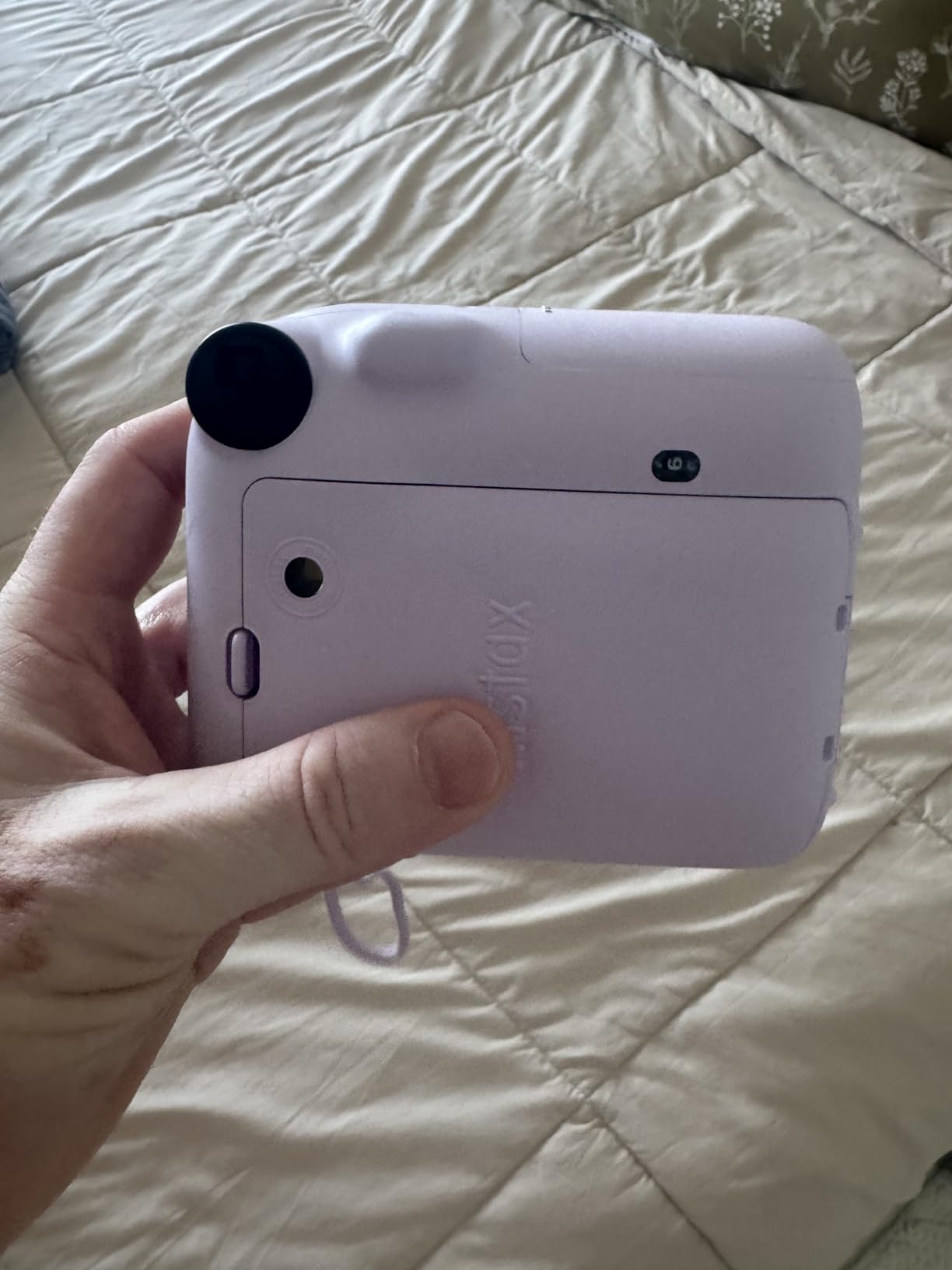
You get the Lilac Purple Mini 12 camera, two twin packs of 20 sheets each (40 total), a fitted carrying case, and a quicksand beads photo album with 64 pockets. Some retailers also throw in sticker sheets or frames. The case has enough room for the camera plus a pack of film.
The album is one of those accessories you don’t realize you need until you’re holding 50 loose prints. Having a designated place to store memories makes the entire experience more rewarding, especially for kids and teens building their first photo collection.
When the Bundle Makes Sense
If you’re buying for a gift, especially for a teenager or someone who has never owned an instant camera, the bundle eliminates decision fatigue. The recipient gets everything they need to start shooting immediately.
If you’re buying for yourself and you already have a stash of Mini film, the bundle premium isn’t worth it. The plain Mini 11 or Mini 12 alone offers better value. But if you’re starting from zero, the all-in-one packaging justifies the higher sticker price.
3. Fujifilm Instax Mini 41 – Best Value With Premium Styling
Fujifilm Instax Mini 41 Instant Film Camera
Retro design
Parallax correction
AA batteries
Pros
- Premium matte black finish
- Parallax-corrected close-up mode
- Affordable Mini film
- AA batteries easy to replace
- Improved exposure control
Cons
- Lower review count than Mini 11
- Flash always fires
- Bulkier than Mini 11/12
The Instax Mini 41 sits in an interesting spot in Fujifilm’s lineup. It has the retro-styled body that appeals to buyers who want something that looks more sophisticated than the candy-colored Mini 11 and Mini 12, but it still uses the same affordable Mini film format.
When I picked up the Mini 41, the first thing I noticed was the textured grip and matte finish. It feels more grown-up than the glossier Mini 12. For beginners who want a camera that looks at home next to other gear rather than a toy, this design choice matters.
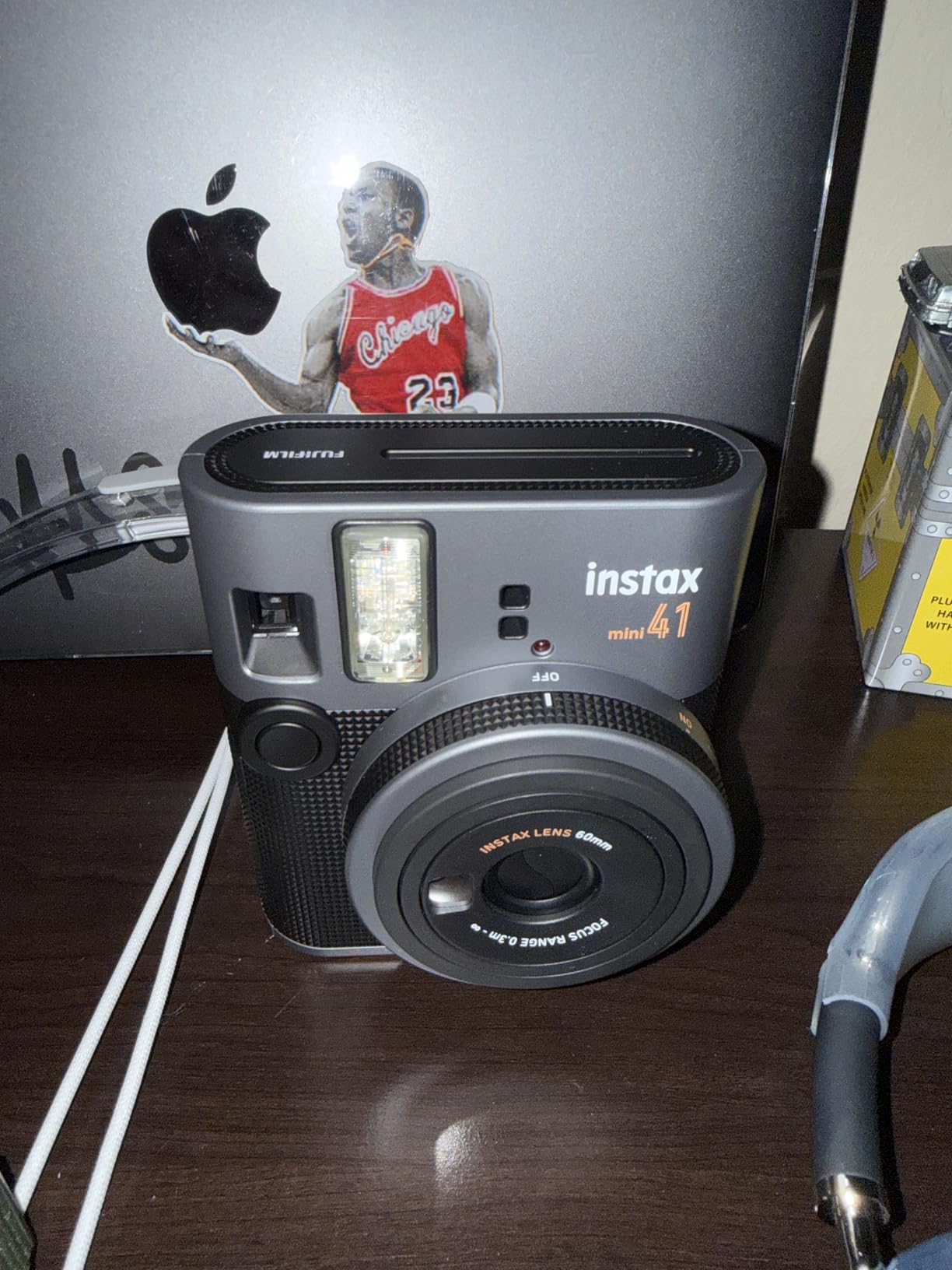
The Mini 41 uses parallax correction in close-up mode, which is a feature typically reserved for higher-end models. Parallax error happens when what you see in the viewfinder isn’t exactly where the lens is pointing, especially at close distances. The Mini 41 fixes this so your close-up framing is more accurate.
Power comes from two AA batteries, which is convenient for travel. You can find replacements anywhere, and you don’t need to remember to charge a built-in battery before a trip. The camera ships with a hand strap and a quick-start guide.
Image Quality and Exposure
The Mini 41 produces the same 2″ x 3″ credit-card-sized prints as other Mini cameras. Color rendition is slightly warmer than the Mini 11, and contrast is a touch punchier. For casual shooting, the differences are subtle. Most beginners won’t notice unless they’re comparing prints side by side.
Exposure control is automatic, and the camera handles a range of lighting conditions reasonably well. One quirk is that the flash fires in almost every situation, including bright outdoor sun. This can wash out backgrounds in already well-lit scenes, so beginners should learn to shade the lens or angle the camera slightly in midday sun.
Build Quality Trade-Offs
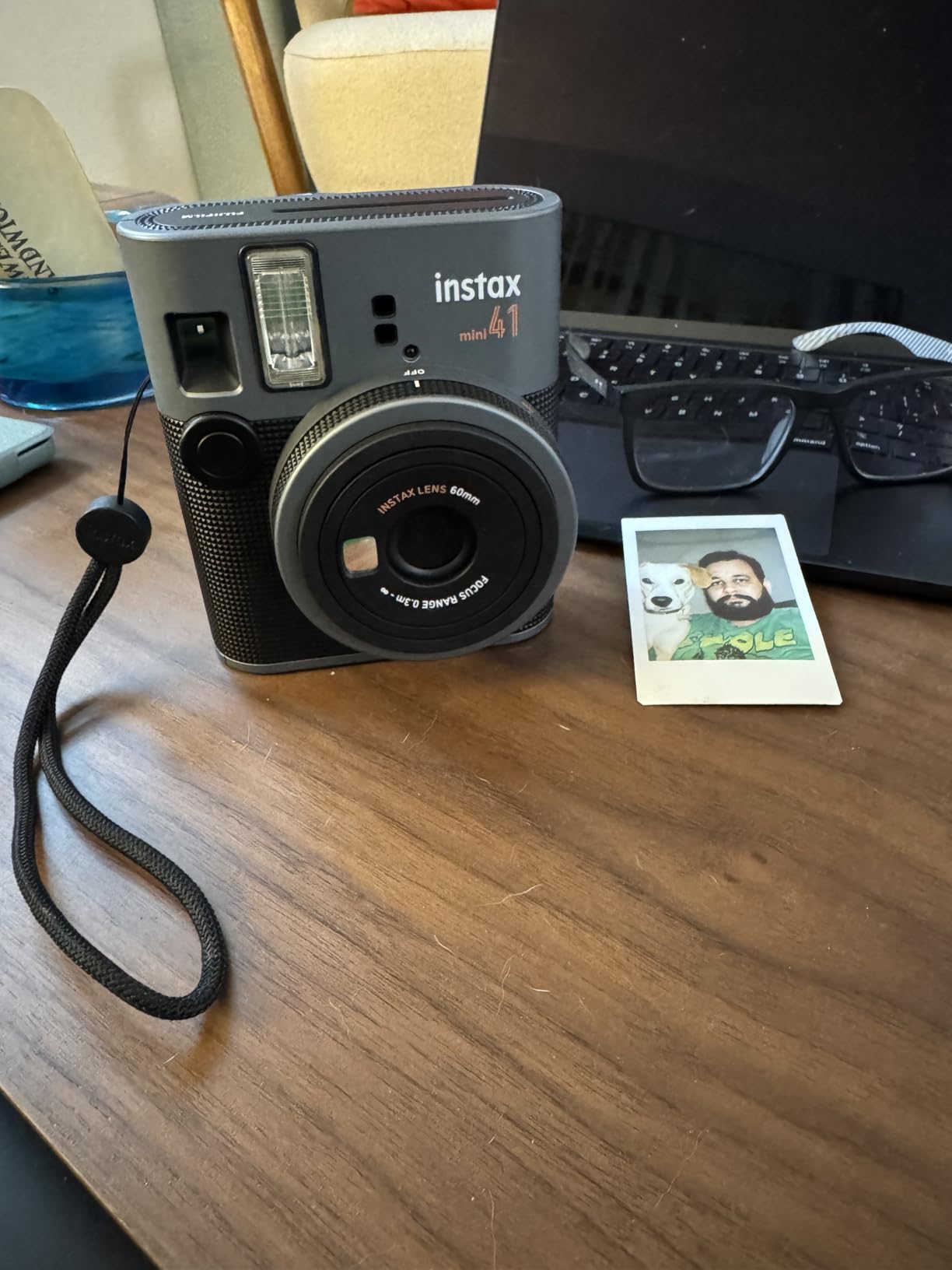
Build quality is solid for the price point, though some users report quality control inconsistencies. The textured body feels more premium than the smooth plastic of the Mini 11, but it isn’t ruggedized. Treat it with reasonable care and it will last for years.
The Mini 41 is slightly bulkier than the Mini 11 and Mini 12, which makes it less pocketable but easier to grip. If you have larger hands or you prefer a camera that doesn’t feel too small, this size works well.
4. Polaroid Now 3rd Generation – Best for Polaroid Purists
Polaroid Now 3rd Generation I-Type Instant Camera + Film Bundle – Now Black Camera + 16 Color Photos (6560)
Twin-lens autofocus
USB-C charging
Iconic Polaroid look
Pros
- Authentic Polaroid design
- Twin-lens autofocus system
- Double exposure mode
- USB-C rechargeable battery
- Self-timer included
Cons
- Film costs more per print
- Struggles in low light
- Some reliability concerns
- Requires darkness to develop
If you want the real Polaroid experience rather than Instax film, the Polaroid Now 3rd Generation delivers. This is the camera for someone who wants the classic square Polaroid frame with the unmistakable border, soft color rendition, and the ritual of waiting for a print to develop behind a flap.
The twin-lens autofocus system is a clever feature borrowed from classic Polaroid designs. The camera picks which lens to use based on your subject distance, which gives you sharper results than fixed-focus alternatives. For beginners, this means you don’t have to manually focus to get a decent shot.
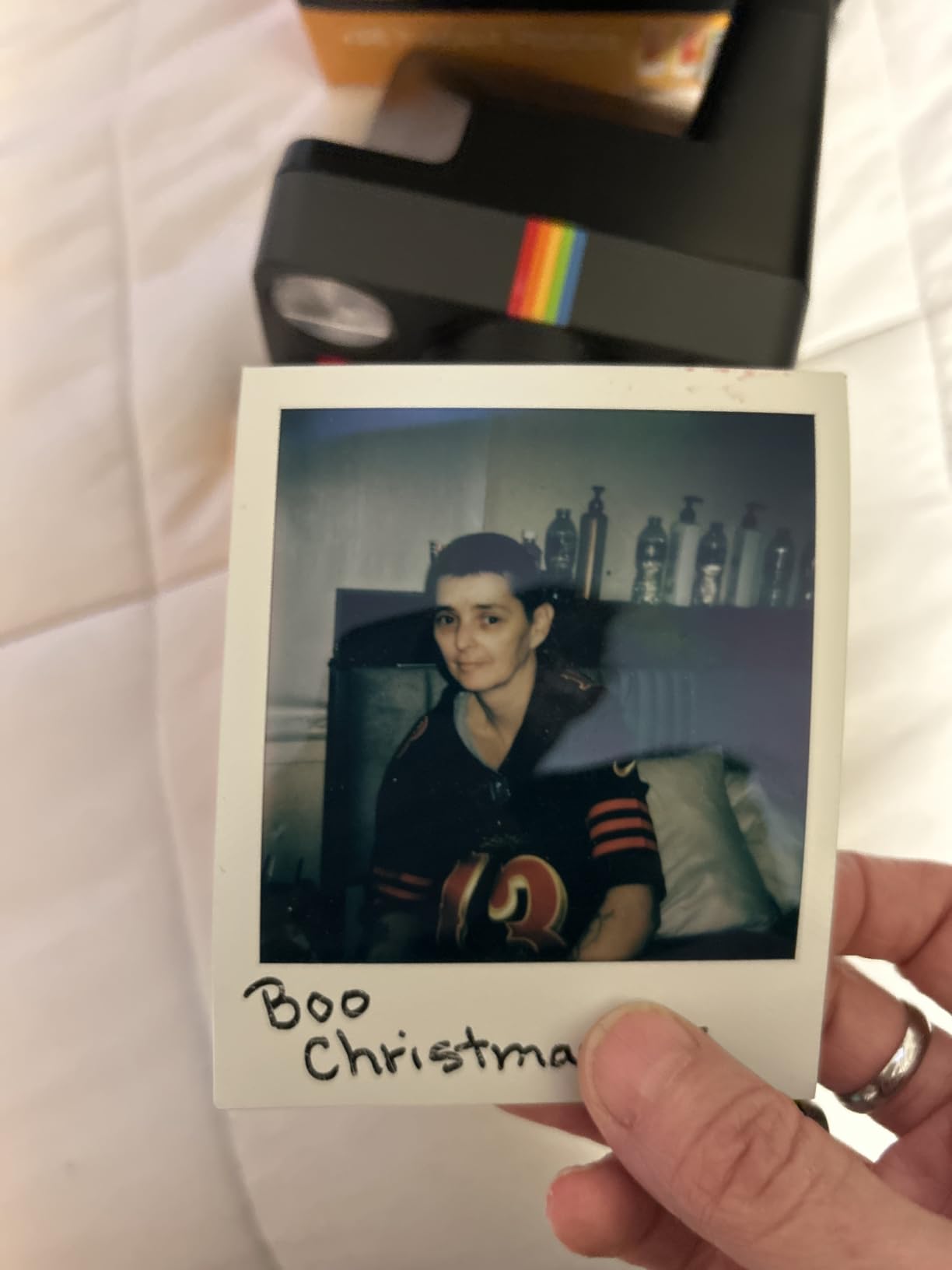
USB-C charging is a modern convenience that older Polaroid cameras lack. A single charge gets you through about 15 film packs, which is plenty for a weekend trip. No more hunting for CR2 batteries at the airport gift shop.
The iconic Polaroid design has been refined over decades, and the Now 3rd Gen feels comfortable to grip and intuitive to operate. Double exposure and self-timer modes add creative options beyond simple point-and-shoot, but beginners can ignore these entirely and still get great results.
Film Cost Considerations
Polaroid i-Type film costs roughly $2-3 per print, which adds up quickly. A pack of 8 exposures runs about $20, compared to a twin pack of 20 Instax Mini sheets for a similar price. If you’re budget-conscious or you want to shoot freely without thinking about cost, this matters.
The film also requires complete darkness to develop properly. After a print ejects, you need to keep it face-down or under a cover for 10-15 minutes. Beginners who leave prints out in bright light often get foggy or washed-out results. This is part of the Polaroid ritual, but it’s worth knowing before you buy.
When Polaroid Makes Sense
If you love the Polaroid aesthetic, the Now 3rd Gen is the most beginner-friendly way to get authentic Polaroid frames. The autofocus and exposure do most of the work, so you can focus on composition rather than settings.
If film cost is a primary concern or you want a wider variety of film options, Instax cameras offer better value. Reddit discussions consistently highlight the higher ongoing cost of Polaroid film as the main trade-off.
5. Fujifilm Instax Mini EVO – Best Hybrid Camera for Beginners Who Want Creative Control
Fujifilm Instax Mini EVO Instant Camera
10 lens effects
10 film effects
Bluetooth printing
Pros
- Hybrid digital with instant prints
- 100 creative effect combinations
- Preview before you print
- Save to microSD card
- Bluetooth printing from phone
Cons
- Higher price point
- Lower resolution sensor
- Learning curve for effects
The Instax Mini EVO is what happens when you cross a digital camera with an instant printer. For beginners who want to learn photography without burning through film on every mistake, the EVO is a game-changing option. You can shoot, preview on the LCD, and only print the keepers.
With 10 lens effects and 10 film effects, you can combine them into 100 different looks. The retro-styled dials and switches make choosing effects feel like using a vintage camera, but the underlying tech is modern. This is a camera that grows with you as you develop your photography skills.
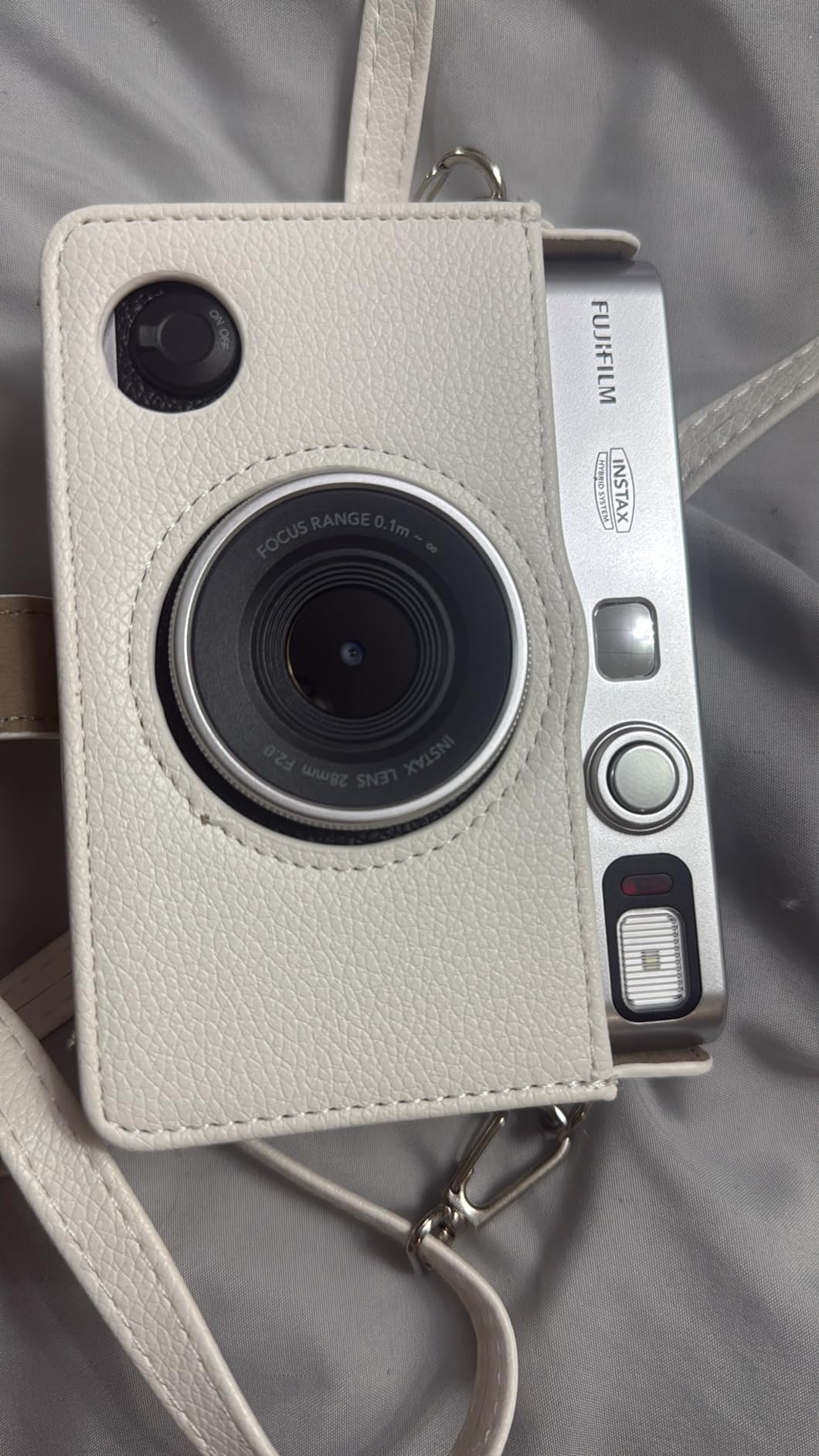
Bluetooth connectivity lets you print photos from your smartphone through the Instax Mini EVO app. This is huge for beginners because it means you can take a photo with your phone and still get an instant print. You essentially get an instant camera and an instant printer in one device.
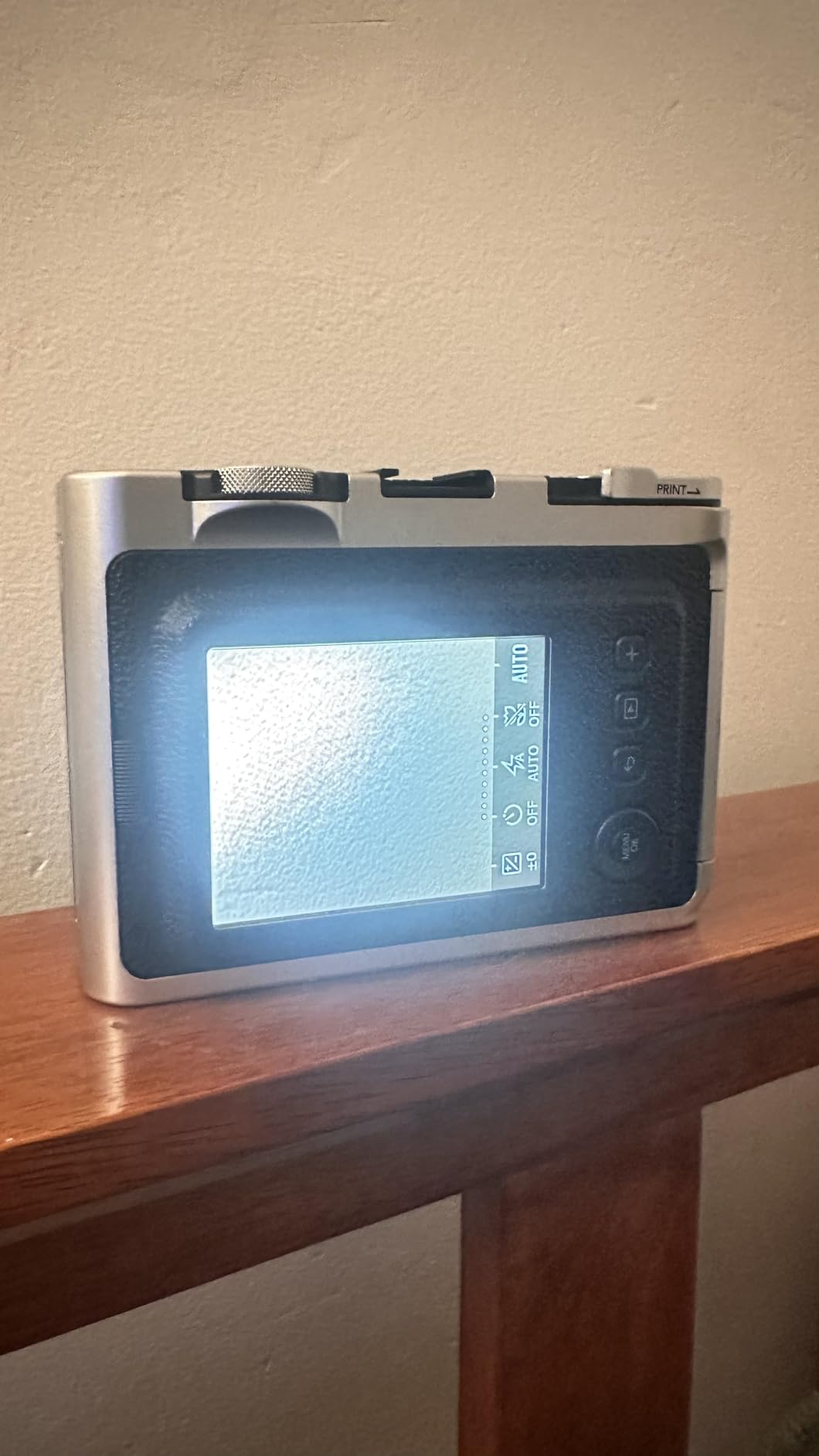
The 2-inch LCD screen on the back is small but functional. It’s not a touchscreen, which keeps the operation simple. Dual shutter buttons (one for portrait, one for landscape) make it easy to compose shots without rotating the camera.
Why Preview Before Print Matters
Traditional instant cameras force you to commit to every shot. You press the shutter, and a print comes out whether or not the photo is any good. Beginners often burn through film learning what works and what doesn’t. The EVO eliminates this waste.
You can shoot dozens of photos, review them on the LCD, and only print the ones worth keeping. This makes the EVO the most economical option in the long run despite its higher upfront price. If you’re the kind of beginner who wants to experiment and learn, the EVO rewards that curiosity.
Creative Effects and Customization
The 10 lens effects include options like soft focus, vignette, and color shift. The 10 film effects include vintage, monochrome, and vibrant color modes. Combining them gives you enough variety to match any mood or aesthetic.
Effects are applied at print time, so you can save both the original and the filtered version. This means you don’t have to commit to a look before you shoot, which is perfect for beginners who are still figuring out their style.
Who the EVO Is For
This camera is ideal for beginners who want to grow into photography, content creators who want instant prints from phone photos, and anyone who’s burned through too much film on accidental shots. If you value creative control and digital convenience but still want physical prints, the EVO bridges that gap well.
If you want the simplest possible point-and-shoot experience or the lowest upfront cost, the Mini 11 is a better fit. The EVO’s feature set has a learning curve that absolute beginners might find overwhelming.
6. Polaroid Go Generation 2 – Most Portable Instant Camera
Polaroid Go Generation 2 – Mini Instant Camera + Film Bundle (16 Photos Included) – Black (6280)
Pocketable size
15 packs per charge
Go film format
Pros
- Polaroid's smallest instant camera
- Lightweight at 0.24 kg
- Self-timer and double exposure
- Long battery life
- Improved image quality over Gen 1
Cons
- Smaller prints than standard Polaroid
- Film quality issues reported
- Limited film availability
The Polaroid Go Generation 2 is the smallest instant camera Polaroid has ever made. It fits in a jacket pocket, a small purse, or even some pants pockets. For beginners who want a camera that goes everywhere with them, this is the most portable option in our roundup.
Despite the small size, the Go Gen 2 doesn’t sacrifice features. You get a built-in selfie mirror, double exposure mode, self-timer, and a rechargeable battery that lasts about 15 film packs per charge. The image quality has improved noticeably over the first generation with a wider aperture range and better light sensor.
At 0.24 kg (about 8.5 oz), this camera is lighter than most smartphones. You genuinely forget you’re carrying it, which means you’ll actually have it when a moment happens. For travel, events, and spontaneous photography, that portability is the main selling point.
The Go uses Polaroid Go film, which is smaller than standard Polaroid i-Type film. The prints are about 2.6″ x 2.1″ with the classic Polaroid border, so they fit easily in a wallet or small photo album. If you want to share prints with friends, the smaller size is actually convenient.
Film Considerations for Go Owners
Polaroid Go film is less widely available than Instax Mini film. You’ll find it at major retailers and online, but stock can be inconsistent. Price per print is similar to standard Polaroid i-Type film, around $2-3 per exposure.
Some users report film quality issues with Go film, including color fading and fogging. These are generally related to development conditions rather than the camera itself. Keep developing prints face-down in a pocket or under a book, and you’ll avoid most issues.
Who the Go Gen 2 Is For
This camera is ideal for travelers, party-goers, and anyone who wants a pocketable instant camera. If you already own a larger camera and want a backup that’s always with you, the Go Gen 2 fits that role perfectly.
If you want larger prints or the cheapest film, the Fujifilm Mini lineup offers better value. The Go is about portability above all else, so weigh that against your priorities.
Buying Guide: How to Choose the Right Instant Camera for You
Choosing your first instant camera comes down to four key decisions: film format, ongoing film cost, ease of use, and whether you want digital features. This guide walks through each factor so you can match a camera to your priorities.
Film Format Comparison: Mini vs Square vs Wide
Instant film comes in three main formats, each with different print sizes. Your choice of format affects both the look of your prints and the camera options available to you.
Instax Mini (2.1″ x 3.4″): The smallest and cheapest film format. Prints are credit-card sized with a small white border. This is the most popular format for beginners because the cameras are affordable and the film is widely available. The Mini 11, Mini 12, Mini 41, and Mini EVO all use this format.
Instax Square (2.4″ x 2.4″): Square prints that are noticeably larger than Mini. Cameras like the Instax Square SQ1 and SQ40 use this format. Film costs a bit more per print, but the larger size is better for portraits and group shots.
Polaroid i-Type (3.1″ x 3.1″): The classic Polaroid square format with the iconic border. Prints are the largest in the consumer instant camera market. The Polaroid Now and Polaroid Go both use Polaroid film (Go film is smaller than standard i-Type).
For beginners who want the easiest entry point, Mini format is the safest choice. For those who want larger prints and don’t mind spending more on film, Square or Polaroid formats work well.
Film Cost Per Print Breakdown
Ongoing film cost is the hidden expense of instant photography. Here’s what you’ll pay per print across formats:
Instax Mini: Around $0.75-1 per print. A twin pack of 20 sheets typically costs $15-20. This is the most budget-friendly option.
Instax Square: Around $1-1.50 per print. A pack of 10 sheets costs $13-18.
Polaroid i-Type and Go: Around $2-3 per print. A pack of 8 exposures costs $18-25.
For beginners who plan to shoot a lot and learn through experimentation, Instax Mini format keeps ongoing costs manageable. A casual shooter who values the Polaroid aesthetic might prefer to pay more for fewer, larger prints.
Ease of Use Features That Actually Matter
Beginners should prioritize these features when comparing cameras:
Automatic exposure: All the cameras in our roundup have this. It removes the need to understand aperture and shutter speed. Look for cameras that handle a range of lighting conditions well.
Selfie mirror: A small mirror on the front lets you frame selfies without guessing where the lens is pointing. Almost every beginner instant camera has one now.
Close-up mode with parallax correction: This feature makes close-up framing accurate. Without it, your subject ends up off-center because the viewfinder and lens don’t align at close range.
Battery type: AA batteries are easy to replace anywhere. Built-in rechargeable batteries are convenient but require remembering to charge. USB-C charging is the modern standard.
Film availability: Instax Mini film is the most widely available. Polaroid and Instax Square films can be harder to find in some regions.
Instant Camera vs Instant Printer: Which Should You Buy?
Some beginners wonder whether they should buy an instant camera or an instant printer like the Instax Mini Link or HP Sprocket. Here’s how to decide.
An instant camera is an all-in-one device that captures and prints photos in one motion. It’s tactile, immediate, and requires no additional devices. The trade-off is that you can’t preview before printing (unless you choose a hybrid model like the EVO).
An instant printer lets you print photos from your smartphone. You get the benefit of digital editing, choosing your best shots, and unlimited “film” because you only print what you want. The trade-off is that you lose the spontaneity of shooting and printing in one motion.
For beginners who want the full instant photography experience, a dedicated camera is the right choice. If you’re more interested in printing photos from your phone and you don’t need a separate camera, an instant printer might suit you better.
Quick-Start Checklist for New Instant Camera Owners
Before you start shooting, run through this checklist:
1. Insert batteries. Most cameras use AA batteries. The Mini EVO and Polaroid Now have built-in rechargeable batteries.
2. Load the film cartridge. Open the film compartment, drop in a fresh cartridge, and close the door. The camera will eject the film cover sheet automatically.
3. Check the film counter. The camera tells you how many exposures are left. Refill when it hits zero.
4. Practice the close-up mode. Twist the lens or press a button to switch into macro mode for selfies and close-ups.
5. Test the flash. The flash fires automatically. Cover the lens slightly if shooting in bright sun to avoid washout.
6. Keep developing prints covered. For Polaroid film, keep prints face-down for 10-15 minutes during development. For Instax, prints develop in 90 seconds and aren’t sensitive to light once they emerge.
Frequently Asked Questions
Are instant cameras good for beginners?
Yes, instant cameras are excellent for beginners because they use automatic exposure and point-and-shoot operation with no manual settings to learn. Cameras like the Fujifilm Instax Mini 11 produce sharp, well-exposed prints with just a single shutter press. The instant feedback of holding a physical print within 90 seconds also makes the learning process more rewarding than reviewing photos on a screen.
Is Polaroid or Instax better for beginners?
Instax is generally better for beginners because of the lower film cost, wider availability of film, and more forgiving exposure systems. Instax Mini film costs around $0.75-1 per print, while Polaroid film runs $2-3 per print. Polaroid offers the authentic vintage aesthetic and larger prints, but ongoing costs add up faster. Beginners who value affordability and variety should start with Instax.
What is the easiest instant camera to use?
The Fujifilm Instax Mini 11 is the easiest instant camera to use thanks to its foolproof automatic exposure and twist-to-start selfie mode. With over 30,000 reviews and a 4.7 rating on Amazon, it’s the most popular beginner choice. You simply press the shutter button and the camera handles exposure, focus, and flash automatically.
How much does instant film cost?
Instant film costs vary by format. Instax Mini film runs about $0.75-1 per print, Instax Square film costs around $1-1.50 per print, and Polaroid i-Type and Go film costs about $2-3 per print. A twin pack of 20 Instax Mini sheets typically costs $15-20, making it the most budget-friendly option for beginners who plan to shoot frequently.
Should I get a Mini, Square, or Wide format instant camera?
Choose Mini format if you want the lowest film cost and widest film availability. Choose Square format if you want larger prints for portraits and group shots. Choose Wide format if you want the largest prints and don’t mind higher film costs. For most beginners, Mini format offers the best balance of affordability and print quality.
Can instant cameras be used for professional photography?
Instant cameras can be used for creative and professional applications like event photography, portrait sessions, and art projects, but they’re not ideal for client work that requires consistency or large volumes. The fixed-focus lenses and automatic exposure limit technical control. However, the unique aesthetic and tangible prints make them popular for weddings, parties, and art installations where the look itself is part of the appeal.
Final Verdict: Which Instant Camera Should Beginners Buy in 2026?
After testing all six cameras and comparing them against thousands of user reviews, here are my recommendations based on different beginner priorities.
If you want the easiest instant camera to use right out of the box: Get the Fujifilm Instax Mini 11. With 30,000+ reviews and a 4.7 rating, it’s the most beginner-friendly camera on the market. The automatic exposure and twist-to-start selfie mode remove every common point of frustration.
If you want the best value starter bundle: Choose the Fujifilm Instax Mini 12 bundle. You get the camera, 40 sheets of film, a carrying case, and a photo album in one box. It’s the most gift-ready option.
If you want premium styling without premium pricing: Pick the Fujifilm Instax Mini 41. The retro design and parallax correction feel more sophisticated, and you still use affordable Mini film.
If you want authentic Polaroid frames: Go with the Polaroid Now 3rd Generation. The autofocus and USB-C charging make it easier than older Polaroid cameras, but budget for higher film costs.
If you want digital previews and creative effects: Choose the Fujifilm Instax Mini EVO. The hybrid design lets you shoot, review, and only print the keepers. It also prints photos from your smartphone via Bluetooth.
If you want the most portable option: Pick the Polaroid Go Generation 2. It fits in a jacket pocket and goes everywhere with you. The smaller Go film format produces wallet-friendly prints.
For most beginners, the Instax Mini 11 remains our top pick because it delivers the simplest experience, the most affordable film, and the best track record based on user feedback. Once you’ve shot a few packs and you know what you want from an instant camera, you can upgrade to a more specialized model.
Whatever you choose, you’ll get something that’s increasingly rare in 2026: a physical print to hold, share, and keep. That’s the real appeal of instant photography, and it’s why these cameras continue to find new fans every year.