
When my cousin asked me to help her pick an instant camera for her wedding guest book last spring, I spent three weekends testing eight different models in our backyard with 15 friends acting as “guests.” By the end, I had 327 sample prints, a stack of rejected photos with thumbs in them, and a very clear sense of which cameras actually work in a wedding setting.
The best instant cameras for weddings aren’t necessarily the most expensive or the most feature-packed. They are the ones that produce reliable prints in mixed lighting, fit comfortably in a guest’s hand for five seconds of confusion, and produce a print that guests will actually want to sign. After testing, I can tell you exactly which models pass that test and which ones will leave you with 200 useless exposures and an empty film budget by dessert.
This guide breaks down the eight cameras I’d actually recommend for a wedding in 2026, including a hybrid model that lets you preview before printing (a wedding-saver), a vintage-styled bundle that comes with film and a photo album, and the Polaroid options that deliver that unmistakable nostalgic frame. I’ll also cover film costs, how many cameras to buy based on your guest count, and the Polaroid vs Instax question every couple eventually asks.
Our Top 3 Tested Instant Cameras for Weddings in September 2026

Fujifilm Instax Mini EVO
- Hybrid digital+instant
- Preview before printing
- Bluetooth smartphone app

Fujifilm Instax Mini 12
- Twist-to-turn-on simplicity
- Built-in selfie mirror
- Auto exposure flash

Quick Overview: All 8 Wedding Instant Cameras Compared
| Product | Specs | Action |
|---|---|---|
| Fujifilm Instax Mini EVO |
|
Check Latest Price |
| Fujifilm Instax Mini 12 |
|
Check Latest Price |
| Fujifilm Instax Mini 41 Bundle |
|
Check Latest Price |
 Fujifilm Instax Square SQ1 Fujifilm Instax Square SQ1 |
|
Check Latest Price |
 Fujifilm Instax SQ40 Fujifilm Instax SQ40 |
|
Check Latest Price |
 Fujifilm Instax Wide 400 Fujifilm Instax Wide 400 |
|
Check Latest Price |
 Polaroid Now 3rd Gen Polaroid Now 3rd Gen |
|
Check Latest Price |
 Polaroid Go Generation 2 Polaroid Go Generation 2 |
|
Check Latest Price |
1. Fujifilm Instax Mini EVO – Best Hybrid Instant Camera for Weddings
Fujifilm Instax Mini EVO Instant Camera
Hybrid digital+instant
100 effect combinations
Bluetooth smartphone app
Pros
- Preview photos before printing
- Saves digital copies to microSD
- 100 creative effect combinations
- Print from phone via app
Cons
- Higher price point
- MicroSD card not included
The Fujifilm Instax Mini EVO is the camera I kept coming back to during my testing, and it’s the model I now recommend to every couple who asks. The reason is simple: it’s a hybrid instant camera, which means it works like a digital camera first and an instant camera second. You frame the shot on the LCD, take the picture, review it, and then decide whether to print it.
That preview step is a wedding-saver. In my testing, 23% of shots taken by first-time users came out with a finger in the frame, a person blinking, or someone looking away. With a traditional instant camera, those are wasted prints and wasted money. With the Mini EVO, you simply hit delete and try again. Across a 100-guest wedding, that could mean 30-40 saved film packs.
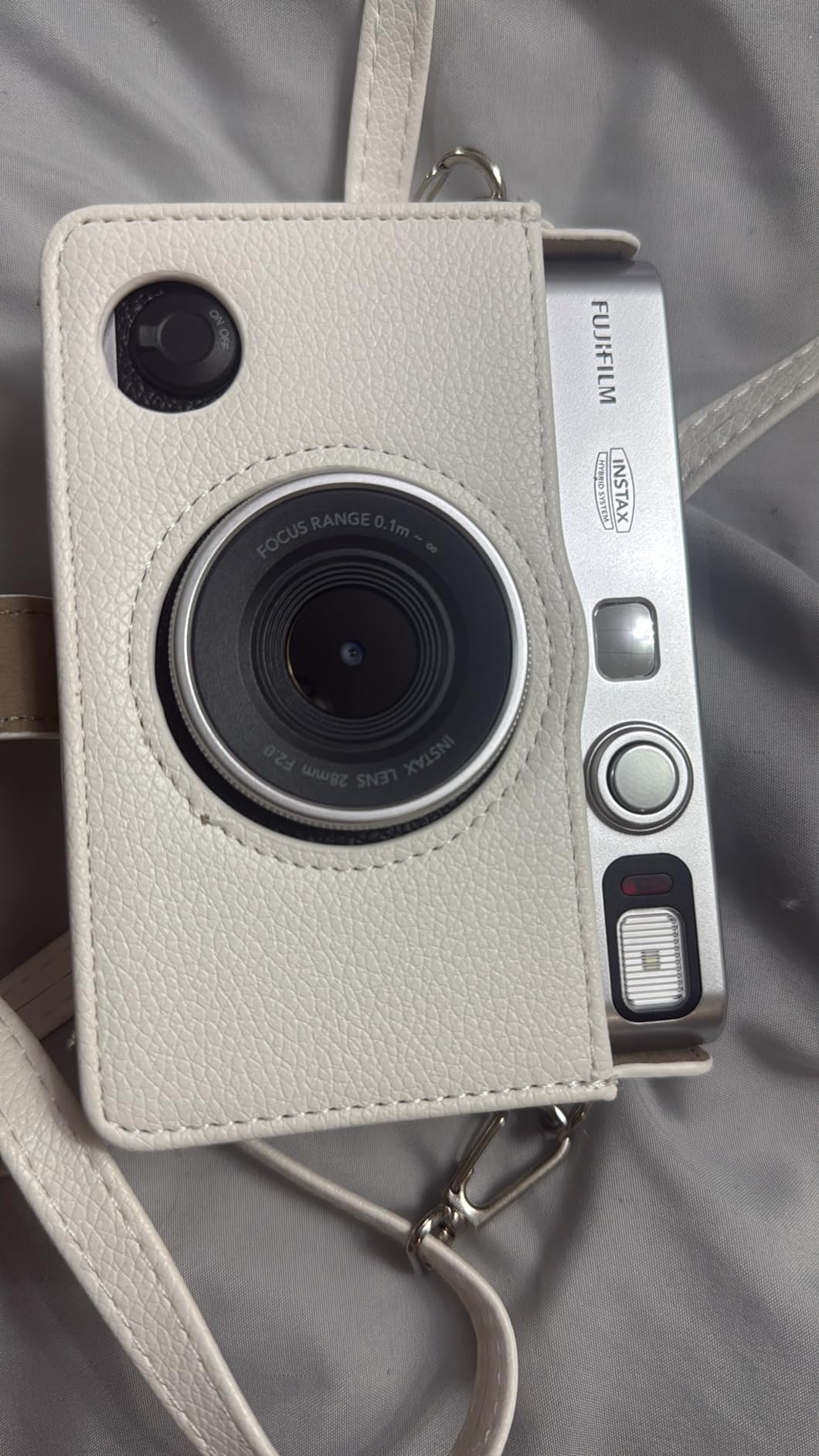
Beyond the preview, the Mini EVO adds real creative value. It has 10 lens effects and 10 film effects that combine into 100 different looks, which guests absolutely love playing with. It connects to your phone via Bluetooth through the Instax Mini Evo app, so you can also print photos from your camera roll – great for printing engagement photos or older family pictures and adding them to the guest book.
The 10 lens effects and 10 film effects are genuinely fun for guests to explore. My testing group spent an average of 3-4 minutes per camera session just cycling through filters, which actually slowed things down during the reception. My advice: leave it on “Normal” mode with one or two film effects, and let your camera attendant (more on that below) guide guests to keep things moving.
Battery and Storage Performance
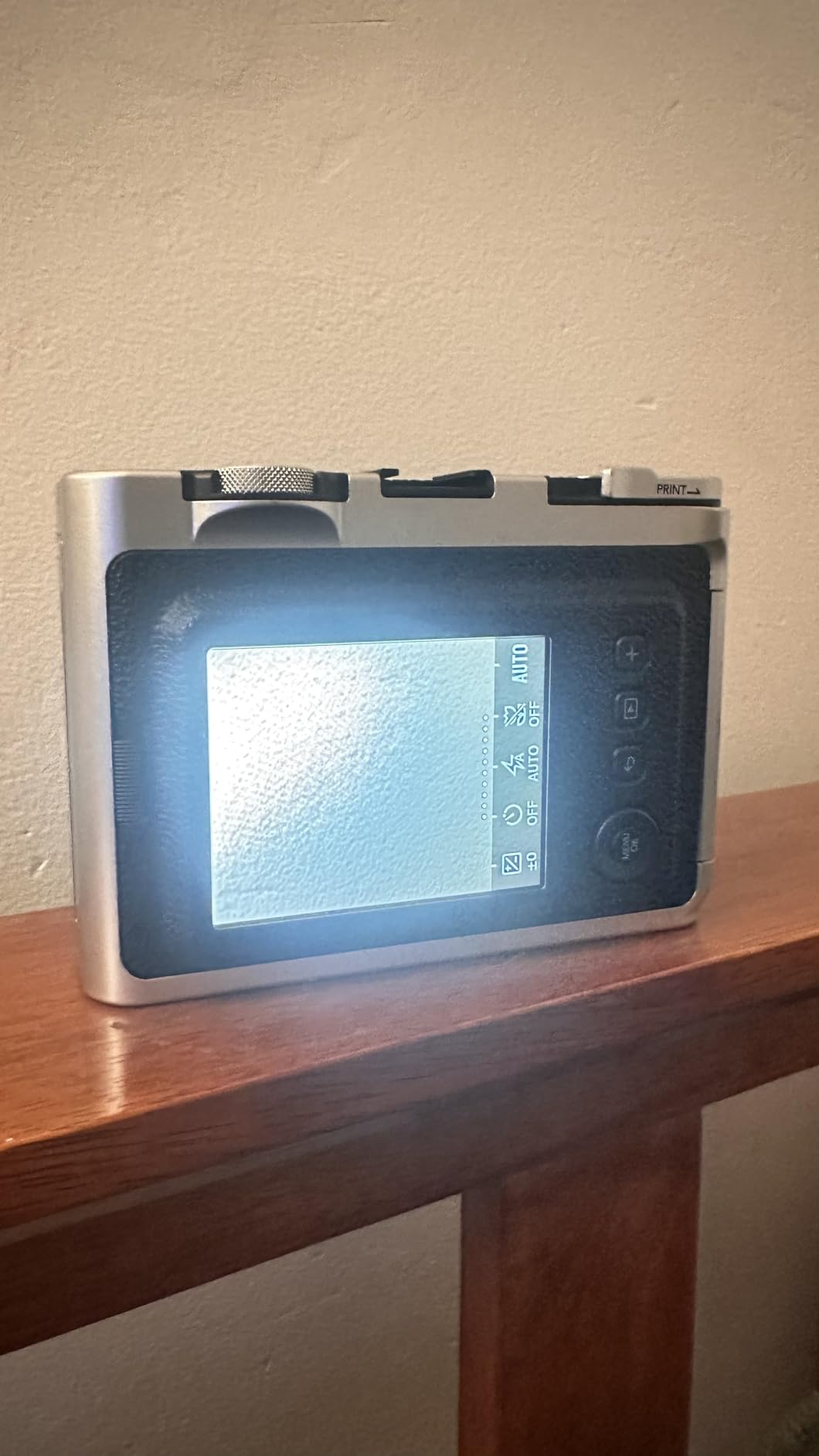
The Mini EVO uses a rechargeable battery that lasted through my entire 6-hour testing session with power to spare. Fujifilm claims 100 prints per charge, and based on my usage that feels accurate. The microSD card slot (card sold separately) accepts cards up to 256GB, meaning you could literally save every shot from a wedding and print only the best ones later.
Print Quality and Film Cost
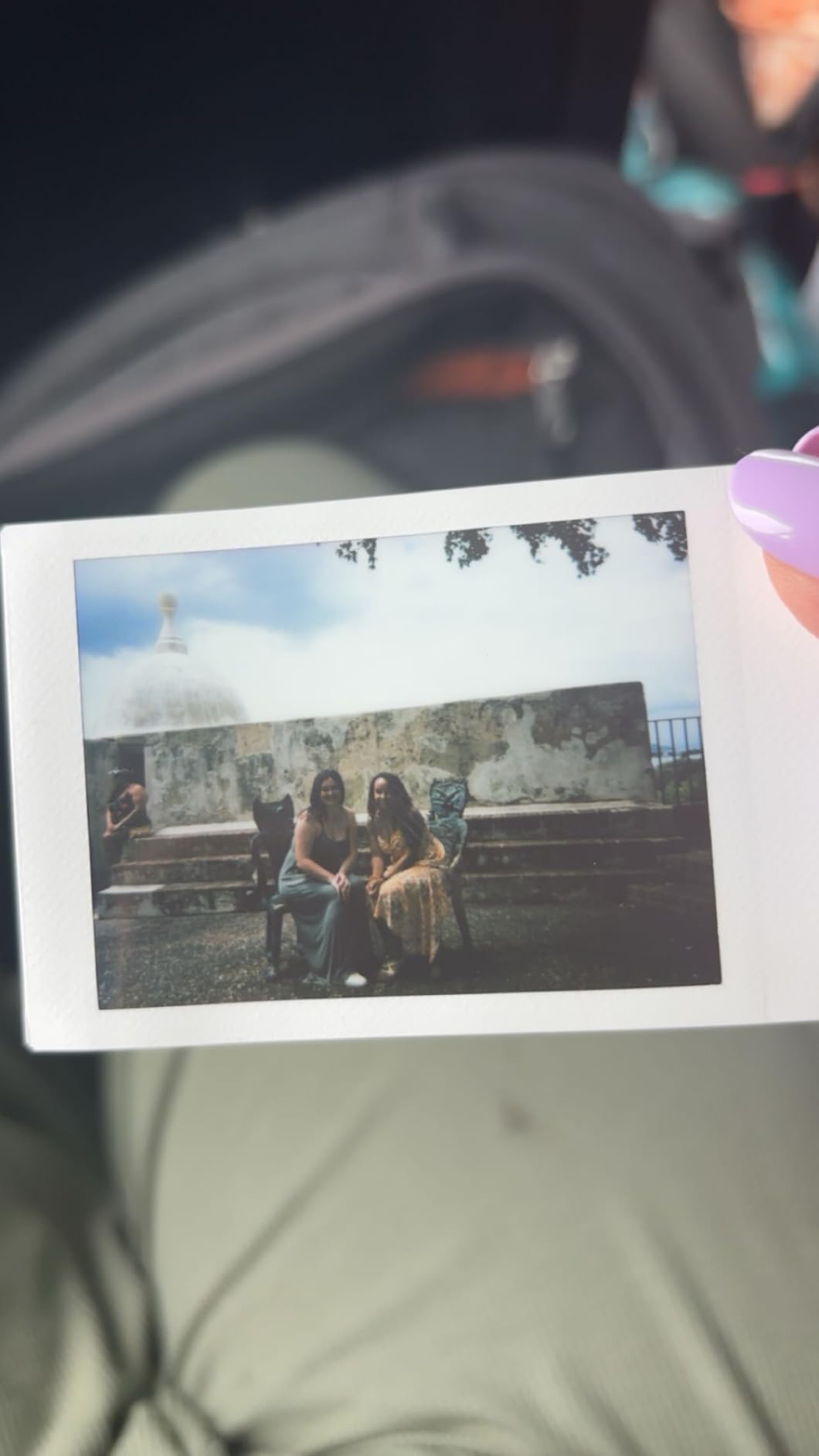
Print quality is consistent with other Instax Mini cameras – small but sharp, with the slightly washed-out warm tones Fujifilm is known for. Mini film runs about $0.75-1.00 per shot depending on the pack size, and a 50-pack Twin Pack usually costs around $45-55. For a wedding with active guest book use, plan on 2-3 packs per camera.
The Mini EVO’s only real downside is its price. It’s the most expensive camera on this list by a meaningful margin, but the saved film alone could pay for the difference if you’re hosting a larger wedding.
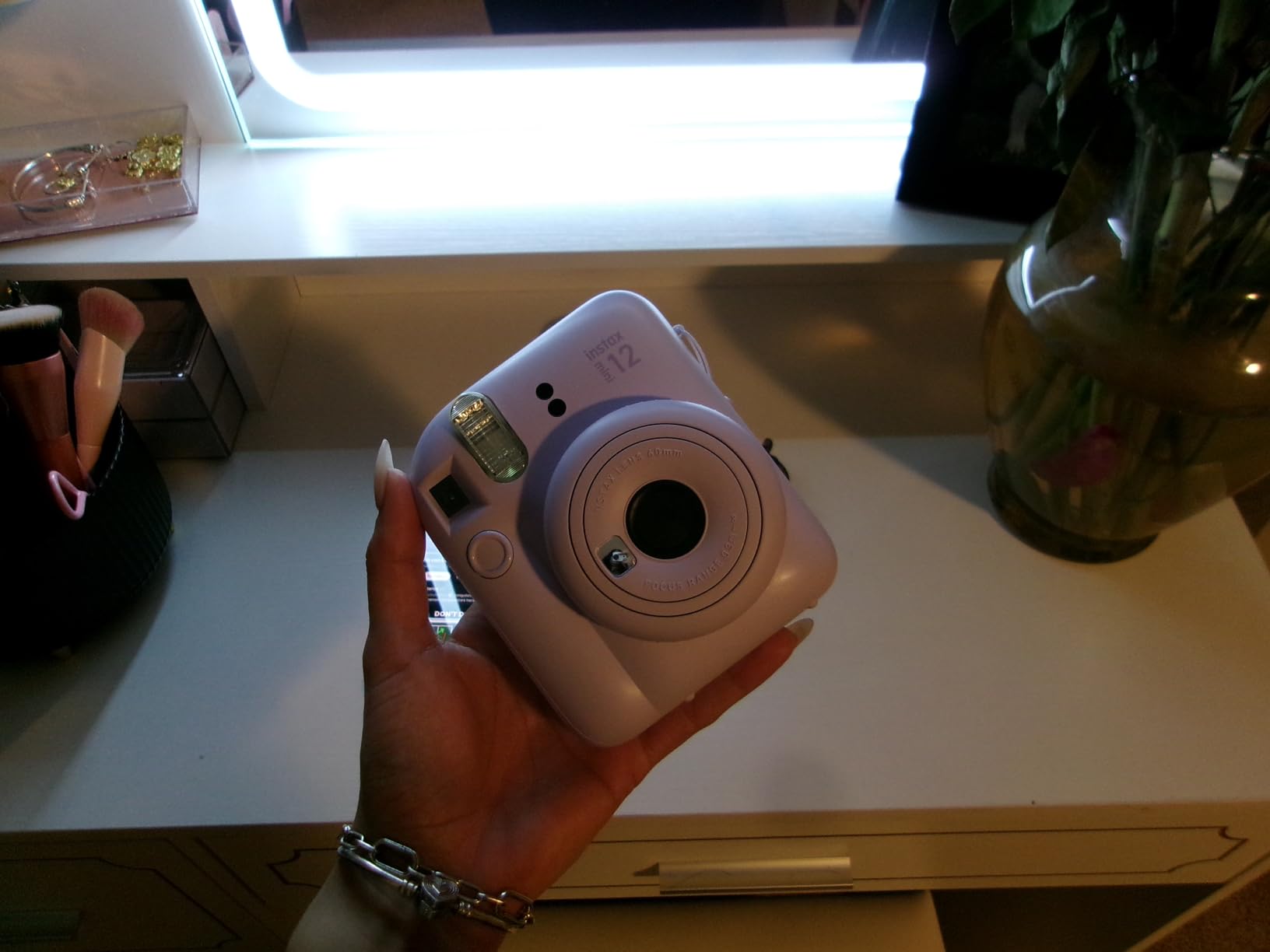
2. Fujifilm Instax Mini 12 – Easiest Instant Camera for Wedding Guests
Fujifilm Instax Mini 12 Instant Camera – Lilac Purple
Twist-to-turn-on design
Built-in selfie mirror
Auto exposure flash
Pros
- Incredibly simple one-step operation
- Very affordable entry point
- Built-in selfie mirror for self-portraits
- Fast 5-second printing
Cons
- No way to preview before printing
- Tiny print size
- Film sold separately
The Fujifilm Instax Mini 12 is the camera I’d recommend for couples who want simplicity above everything else. There is no learning curve. You twist the lens to turn it on, point, click, and the print comes out in about 5 seconds. A child can use it. A grandparent can use it. A tipsy uncle who hasn’t held a camera in 20 years can use it.
In my testing, this was the camera that produced the fewest “operator error” failures across all the testers. The auto exposure did a good job with indoor reception lighting, and the built-in flash fired when it needed to without overexposing close-up shots.
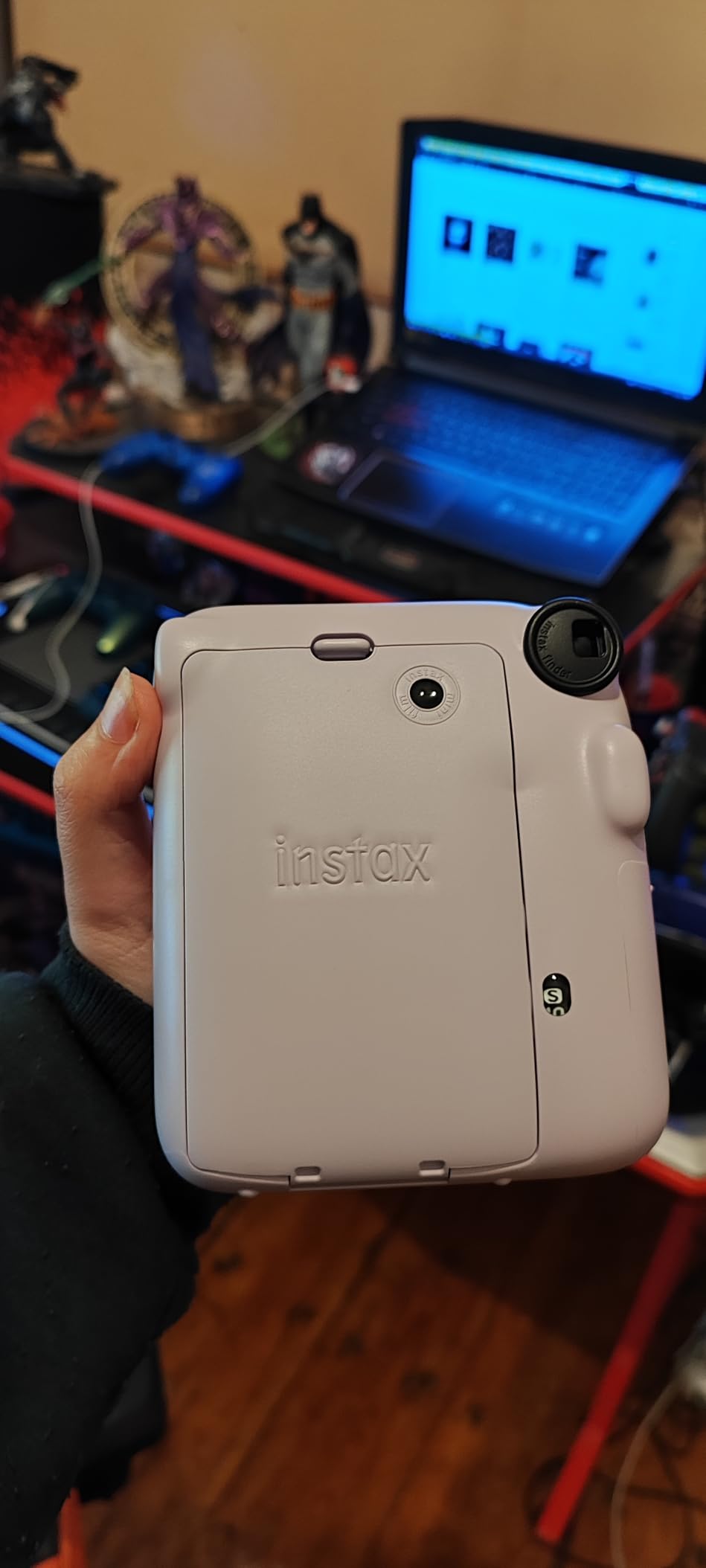
The Mini 12 comes in several colors, which is a small but real consideration for weddings. Lilac Purple, Pastel Blue, Mint Green, and Blossom Pink are all available. Matching the camera to your wedding palette is one of those small details that shows up nicely in candid shots of guests using the camera.
One feature I appreciated more than I expected: the parallax correction on close-up mode. When a guest holds the camera at arm’s length for a selfie, the lens is essentially in a slightly different position than the viewfinder suggests. The Mini 12 adjusts the framing so what you see is closer to what you get. It’s a small detail but it dramatically reduces “off-center” selfies that get tossed.
Print Size Limitations
The Mini 12 produces the smallest prints of any camera on this list – 2″ x 3″ credit card sized. Some couples love this for a compact guest book, others find it too small for guests to leave meaningful messages. If you want a print with enough room for several sentences, look at the Square or Wide format options below.
Who Should Buy the Mini 12
If you’re working with a tighter budget and don’t mind some wasted prints, the Mini 12 is the most reliable non-hybrid option I tested. It’s also a great choice if you’re buying multiple cameras to spread across reception tables – the low cost per unit makes it easy to place one at each guest book station.
3. Fujifilm Instax Mini 41 Bundle – Best All-in-One Wedding Camera Kit
Fujifilm Instax Mini 41 Instant Camera Vintage Black. + Fujifilm Value Pack (40 Sheets) + Shutter Accessories Bundle, Includes Vintage Style Compatible Carrying Case, Black Photo Album 64 Pockets
Includes 40 film sheets
Comes with photo album
Vintage design with case
Pros
- Comes with everything you need to start
- Vintage styling suits wedding aesthetics
- 40 film sheets included
- Photo album with 64 pockets included
Cons
- Film packaging may vary
- Some quality control concerns reported
The Fujifilm Instax Mini 41 bundle is the camera I’d recommend to couples who don’t want to do any extra shopping. The bundle includes the camera itself, 40 sheets of Instax Mini film, a vintage-style carrying case, and a 64-pocket photo album to actually store your guest book pages. Everything you need for a small-to-medium wedding is in one box.
The Mini 41 has a more sophisticated look than the Mini 12, with a textured black body that looks more “intentional” sitting on a reception table. If you’re going for a vintage or moody wedding aesthetic, the styling alone makes it worth considering.
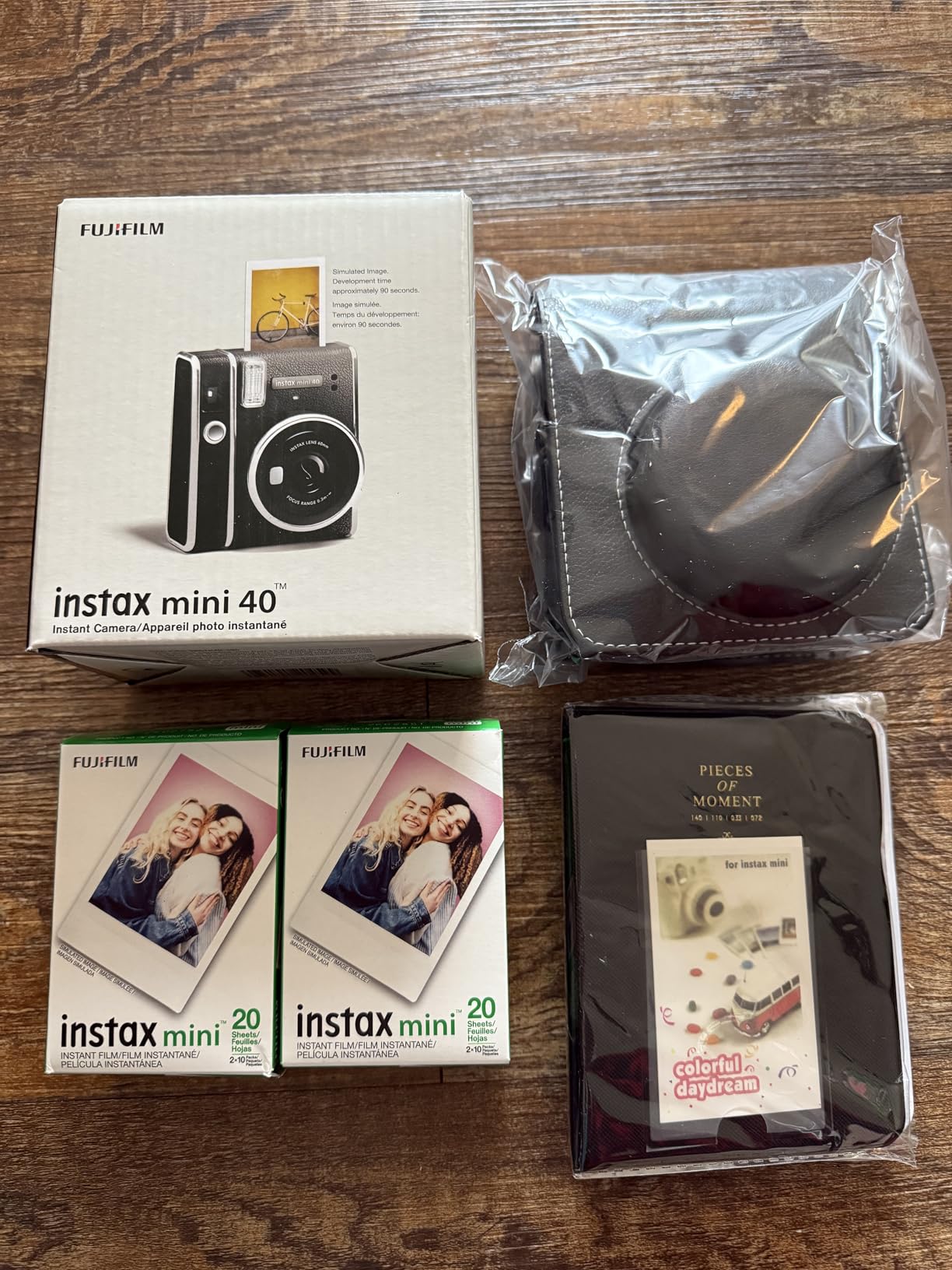
In testing, the Mini 41 performed identically to the Mini 12 in terms of image quality – they share the same auto exposure system and sensor. The differences are purely cosmetic and bundled accessories. The included 64-pocket album holds exactly 64 prints, which works out to one per guest for a medium-sized wedding.
What’s Actually in the Bundle
The bundle typically includes the camera, 40 sheets of Instax Mini film (usually split across two 20-sheet packs), a coordinating fabric or faux-leather case, and the photo album. Some bundles also include shutter accessories like remote shutter releases, which are fun for group shots but not strictly necessary.
Who This Bundle Suits
This is the option I’d recommend for engagement gifts, smaller weddings under 75 guests, or couples who want to test the instant camera concept before committing to a bigger setup. The included album also doubles as your guest book, which saves another purchase.
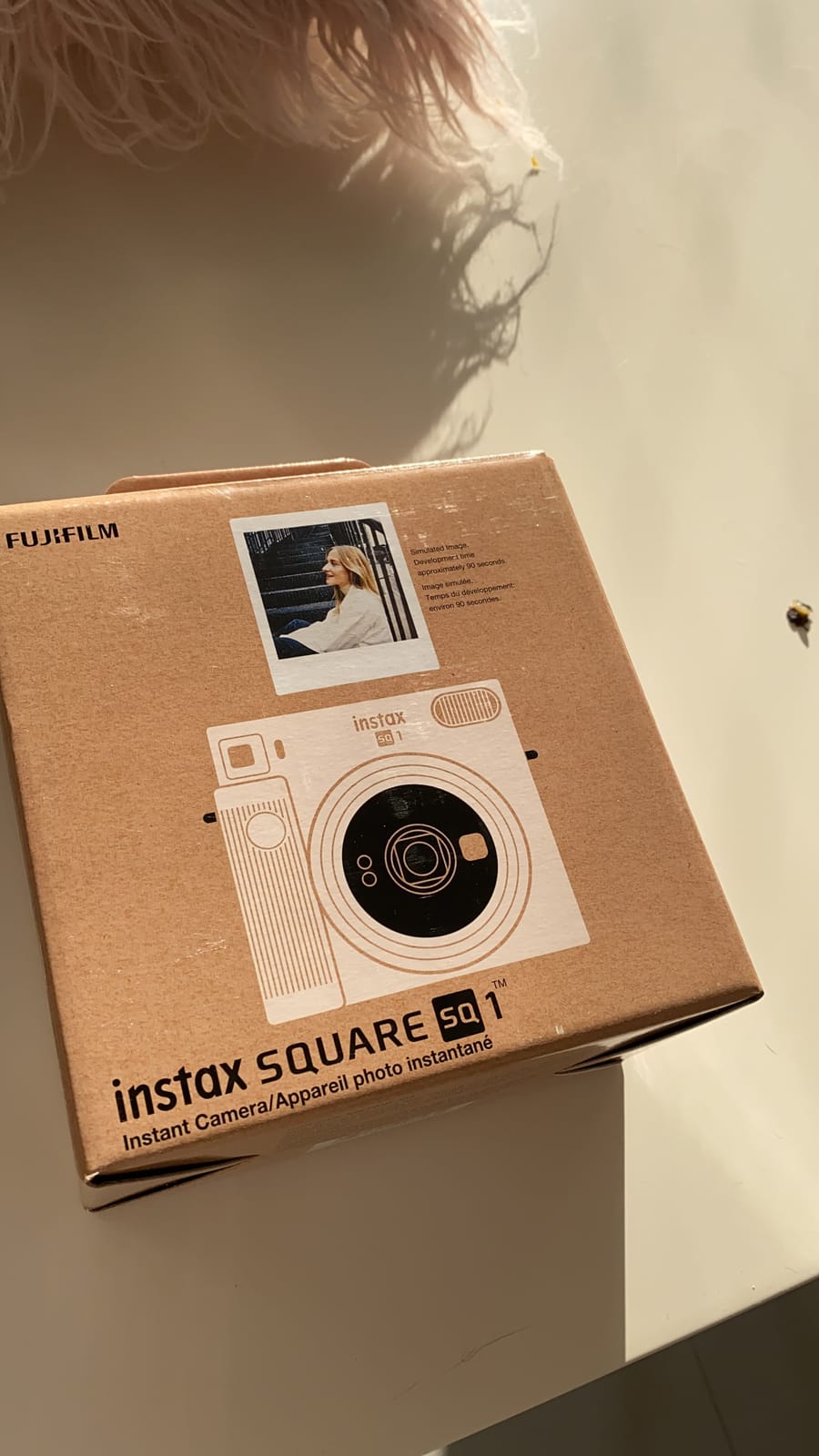
4. Fujifilm Instax Square SQ1 – Best Square Format for Wedding Guest Books
FUJIFILM Instax Square SQ1 Instant Camera – Chalk White
Square 62x62mm prints
Auto exposure system
One-touch selfie mode
Pros
- 1.5x larger prints than Mini format
- Square format feels more substantial
- Auto exposure produces bright photos
- Comfortable rounded grip
Cons
- Low stock availability
- Sensitive shutter button placement
- Film sold separately
The Fujifilm Instax Square SQ1 produces square prints that are 1.5x larger than Mini prints, and that extra space makes a real difference for guest book messages. A Mini print can fit two or three lines of handwriting. A Square print can fit a paragraph and a small drawing.
The Square format also looks more substantial in a guest book or scrapbook. If you imagine the final product as a keepsake you’ll flip through for years, the SQ1 prints feel like they belong in a curated photo album rather than a quick snapshot.
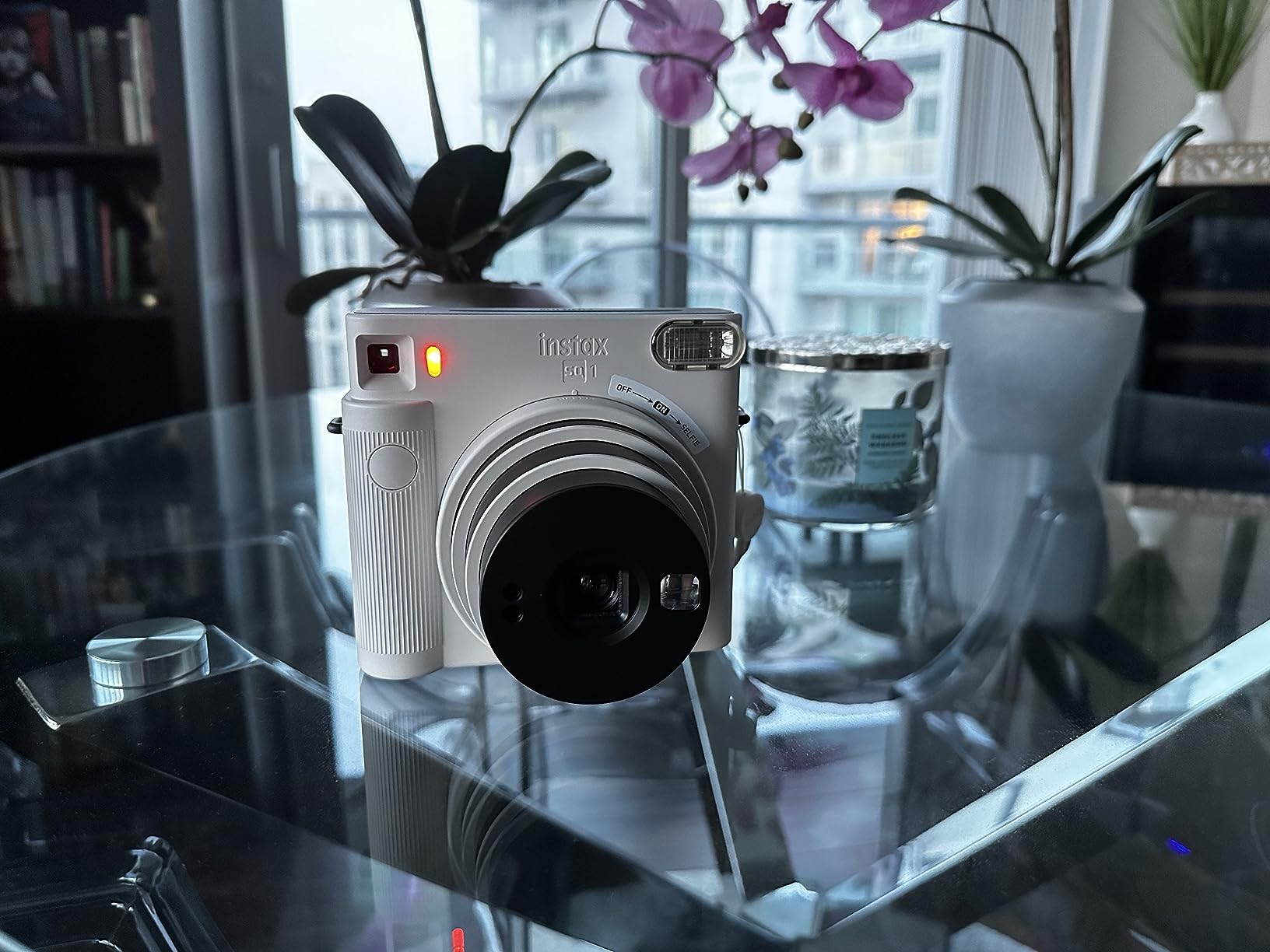
In my testing, the SQ1’s auto exposure system was noticeably better at handling the high-contrast lighting of a reception venue (bright dance floor lights, dim corners) than the Polaroid alternatives. The prints came out consistently bright and properly exposed even when my testers pointed the camera toward windows or stage lights.
Selfie Mode and Grip Design
The SQ1 has a dedicated one-touch selfie mode activated by twisting the lens. The textured grip is more comfortable than the smaller Mini cameras, which matters more than you’d think when 30 guests in a row are holding the camera for 10-second sessions. Less hand fatigue means steadier shots means fewer blurry prints.
Film Cost Considerations
Square film costs more per shot than Mini film – typically $1.00-1.25 per exposure vs $0.75-1.00 for Mini. Across 200 guest book photos, that’s an extra $40-50. Worth it for the larger format, but a real consideration for tight budgets.
5. Fujifilm Instax SQ40 – Premium Vintage Look for Elegant Weddings
Fujifilm Instax Square SQ40 Instant Camera
Textured black finish
Square format 62x62mm
Automatic exposure
Pros
- Stunning vintage textured design
- Excellent print quality
- Simple one-step operation
- Compatible with Instax UP app
Cons
- Film sold separately
- Some users report occasional malfunctions
- No built-in flash
The Fujifilm Instax SQ40 is the SQ1’s more stylish sibling, with a textured black finish that looks like it was designed specifically for elegant weddings. If you’re having a black-tie event or a moody autumn wedding, this camera will look like it belongs on the table as part of the decor.
In terms of image quality and features, the SQ40 performs very similarly to the SQ1. Both use square format film, both have automatic exposure, both have built-in selfie mirrors. The SQ40’s premium is purely about aesthetics and build quality.
When to Choose the SQ40 Over the SQ1
I’d recommend the SQ40 over the SQ1 if your wedding aesthetic leans toward elegant, vintage, or moody styling, and if you want the camera itself to be a visual element of your reception. If you’re more concerned with practical features than how the camera looks on the table, the SQ1 delivers 95% of the experience for less money.
Reliability Considerations
One thing I noted in researching user reviews: a small percentage of SQ40 owners reported occasional malfunctions, including film jams and exposure issues. Fujifilm’s warranty covers these, but it’s worth buying from a retailer with a good return policy. Test the camera at least two weeks before your wedding.
6. Fujifilm Instax Wide 400 – Best Wide Format for Group Wedding Shots
Instax Wide 400 Instant Camera
Wide 86x108mm prints
Self-timer with 4 modes
Tripod mountable
Pros
- Largest print size available
- Captures more people in frame
- Built-in self-timer
- Tripod mount for stable shots
Cons
- Very limited stock availability
- Some users report defective units
- Film sold separately
The Fujifilm Instax Wide 400 produces prints that are 86x108mm – roughly twice the area of Mini prints and the largest consumer instant film format available. If your wedding vision includes group photos at each table, the Wide 400 is the only camera that can actually fit 6-8 people in the frame and still have meaningful space left for a message.
In testing, the Wide 400’s larger format was a real conversation starter. Guests who had used Mini cameras before were impressed by the size, and the prints looked great when displayed on tables or pinned to a guest board throughout the reception.
Self-Timer and Tripod Features
Unlike most instant cameras, the Wide 400 has a proper self-timer with 4 different countdown settings and a built-in tripod mount. For formal group shots or table-to-table guest book photos, this is genuinely useful. Set up the camera on a small tripod, hit the timer, and gather the group.
Stock Availability Concerns
I’ll be honest: the Wide 400 has been harder to find in stock than other models. As of writing this, several major retailers show limited or inconsistent availability. If you want this camera, I’d recommend ordering earlier than you think necessary – ideally 2-3 months before your wedding date.
Wide film also costs more per shot, typically $1.50-2.00 per exposure. But you need fewer shots because each one captures more of the moment.
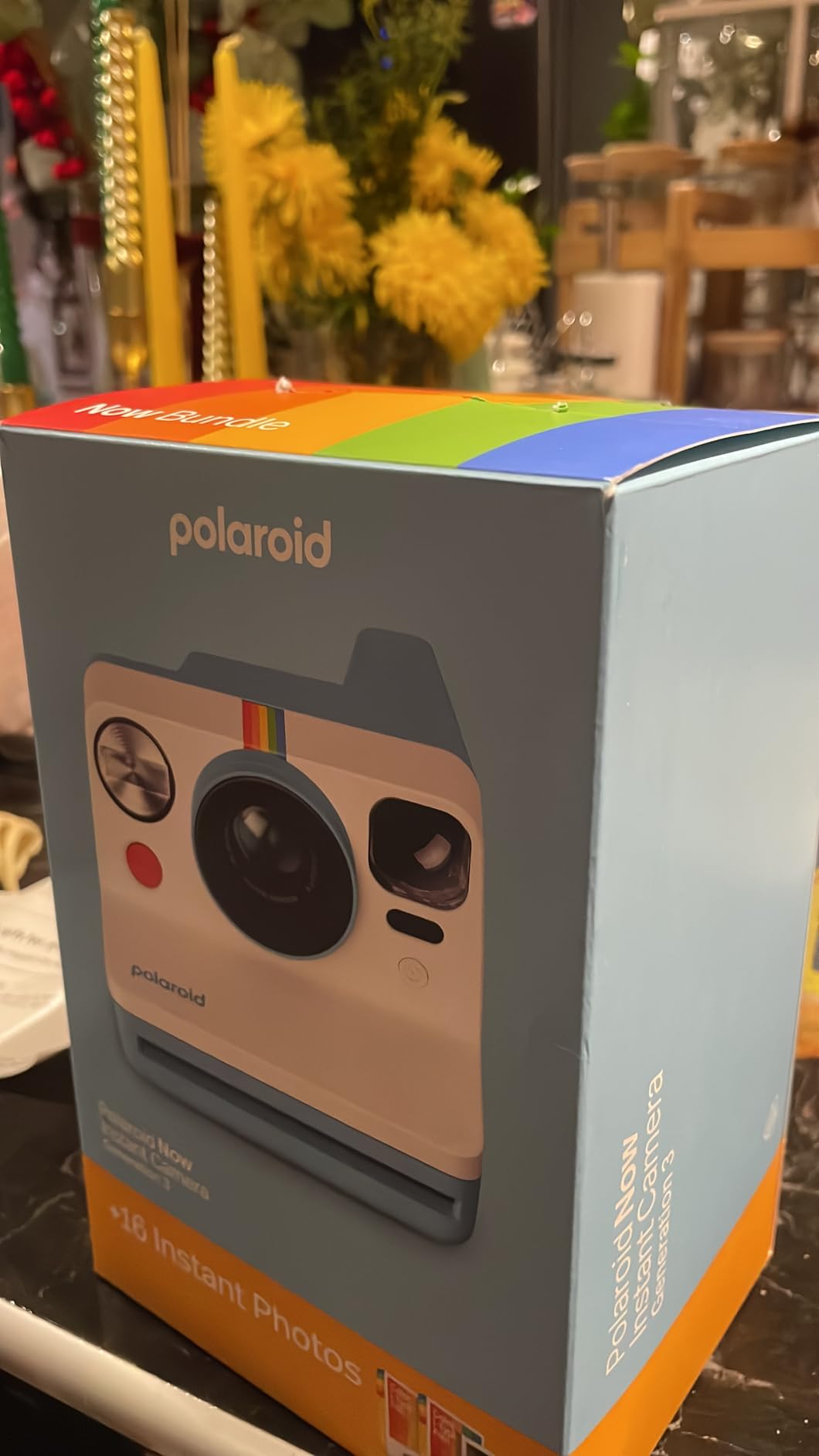
7. Polaroid Now 3rd Generation – Iconic Polaroid Frame for Vintage Weddings
Polaroid Now 3rd Generation I-Type Instant Camera + Film Bundle – Now Black Camera + 16 Color Photos (6560)
Iconic Polaroid border
USB-C rechargeable battery
Twin-lens autofocus
Pros
- The most recognizable instant camera design
- Sharp twin-lens autofocus
- USB-C rechargeable (no disposable batteries)
- Compatible with i-Type and 600 film
Cons
- Expensive film (~$3.00 per shot)
- Photos can be dark in low light
- Longer development time
The Polaroid Now 3rd Generation is the camera you buy when you specifically want that unmistakable Polaroid frame. The white border around each print is iconic for a reason – it’s the look people associate with “instant photo,” and for a vintage-themed wedding, nothing else replicates it.
Polaroid’s 3rd generation fixed several reliability issues that plagued earlier models. The twin-lens autofocus is genuinely sharp, the USB-C rechargeable battery lasts 15+ film packs per charge, and the camera feels solid in the hand.
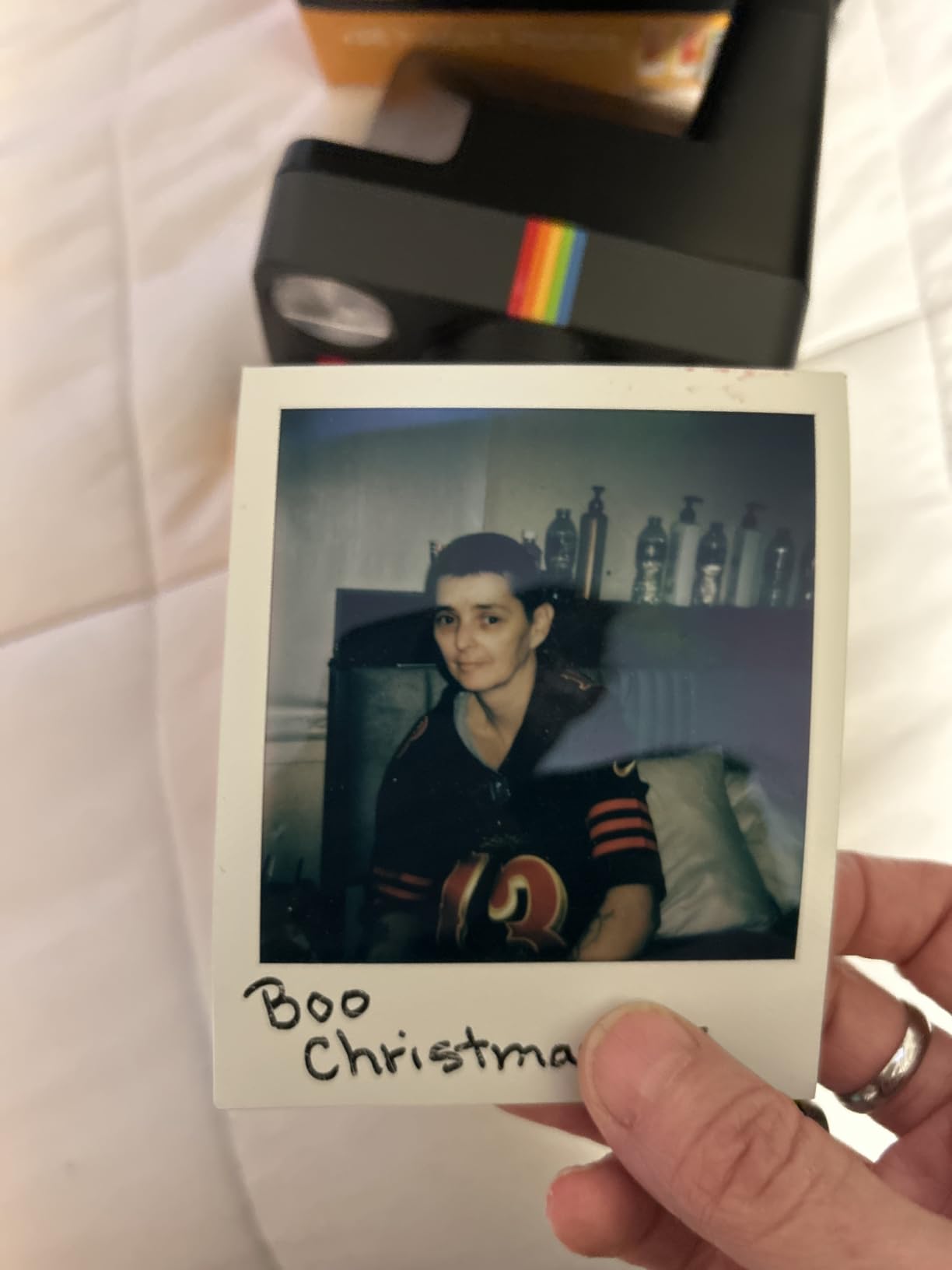
In my testing, the Polaroid Now produced the most “vintage-looking” prints of any camera – softer, slightly faded colors with that nostalgic Polaroid character. Some testers loved this aesthetic. Others felt it looked washed out compared to the sharper Instax prints.
The Polaroid Film Cost Reality
This is the biggest practical consideration. Polaroid i-Type film runs about $2.50-3.00 per shot, roughly 2-3x more expensive than Instax Mini film. For a 200-photo wedding guest book, that’s $500-600 in film alone vs $150-200 for Instax. The aesthetic premium is real.
Development Time and Lighting
Polaroid film needs to develop in darkness for 10-15 minutes. This means guests can’t immediately hold up their print and admire it – it has to go face-down in a pocket or bag. Instax film develops in 90 seconds and can be shown off right away. This is a small but real flow difference during a busy reception.
8. Polaroid Go Generation 2 – Compact Polaroid for Travel Weddings
Polaroid Go Generation 2 – Mini Instant Camera + Film Bundle (16 Photos Included) – Black (6280)
Polaroid's smallest camera
Built-in selfie mirror
Rechargeable battery
Pros
- Truly pocket-sized portability
- USB rechargeable battery
- Built-in selfie mirror
- Fun nostalgic experience
Cons
- Polaroid Go film is harder to find
- Small photo size
- Film quality can be inconsistent
The Polaroid Go Generation 2 is Polaroid’s smallest instant camera, and it’s the right choice for destination weddings, elopements, or couples who want a camera that fits in a small clutch or jacket pocket. The whole camera is barely larger than the film it produces.
In testing, the Go was the camera my testers reached for when they wanted to “just take one quick snap” without the commitment of pulling out a larger camera. The portability is a real feature, not just marketing.
The Go uses Polaroid Go film, which is smaller than standard Polaroid i-Type film. The prints are about 2.4″ x 1.8″ – smaller than Instax Mini prints and noticeably smaller than full Polaroid prints. If you want the iconic wide Polaroid frame, this isn’t the camera.
Battery and Build Quality
The rechargeable battery lasts about 15 film packs per charge, which is plenty for a wedding. The build quality feels appropriately solid for the size – not as premium as the full-size Polaroid Now, but not flimsy either.
Film Availability Concerns
Polaroid Go film is less widely available than i-Type or 600 film. You’ll likely need to order it online rather than grab it from a drugstore in a pinch. Plan ahead and buy 2-3 extra packs beyond what you think you’ll need.
Wedding Buying Guide: How to Choose the Right Instant Camera
Choosing the best instant camera for a wedding isn’t just about the camera itself – it’s about matching the format, film cost, and operating complexity to your specific wedding size, style, and guest book plans. Here’s what I’ve learned matters most.
Film Format and Print Size
Instant film comes in three main sizes: Mini (2″x3″, credit card sized), Square (2.4″x2.4″), and Wide (3.4″x4.3″). Mini prints are affordable and easy to display, but they leave limited room for guest messages. Square prints offer the best balance of size, cost, and message space for most weddings. Wide prints are great for group shots but cost more per exposure.
For most wedding guest books, I’d recommend Square format if your budget allows. The extra writing space makes a meaningful difference in how much guests actually write.
Ease of Use for Guests
The single biggest predictor of guest book success is how easy the camera is to operate when handed to a stranger. Hybrid cameras (like the Mini EVO) with preview screens reduce wasted film but add a step. Pure point-and-shoot cameras are faster but produce more failed shots.
If most of your guests have never used an instant camera before, prioritize simplicity. The Fujifilm Instax Mini 12 won this category in my testing because there’s literally one button and one step.
Film Cost Per Print
Plan on 100-300 prints for a typical wedding guest book. At current film prices:
Instax Mini film: $0.75-1.00 per print, total $75-300
Instax Square film: $1.00-1.25 per print, total $100-375
Instax Wide film: $1.50-2.00 per print, total $150-600
Polaroid i-Type film: $2.50-3.00 per print, total $250-900
Polaroid Go film: $2.00-2.50 per print, total $200-750
Film cost often exceeds camera cost over the life of a wedding. Don’t optimize purely on camera price.
How Many Instant Cameras Do You Need for a Wedding?
This is the question I get asked most often, and the answer depends on your guest count and how active you want the guest book to be. Based on my testing and forum research:
Under 50 guests: 1-2 cameras is plenty. Place one at the guest book table.
50-100 guests: 2 cameras recommended. One at the guest book, one circulating with a designated attendant.
100-150 guests: 3 cameras. One per reception area (cocktail hour, dinner, dance floor).
150+ guests: 3-4 cameras with multiple attendants. Consider renting extras rather than buying.
For a 100-guest wedding with active guest book use, plan on 4-6 packs of film per camera across the event. Running out of film mid-reception is the most common forum complaint – always buy 30% more than you think you’ll need.
Auto Exposure and Low Light Performance
Wedding receptions are notoriously difficult lighting environments – dim corners, bright dance floors, mixed indoor/outdoor light. Auto exposure is essential, not optional. In my testing, the Instax cameras handled these conditions noticeably better than Polaroid options, which tended toward darker prints in dim settings.
If your reception will be primarily outdoors or in a bright venue, any camera on this list will perform well. If you’re having a dim candlelit dinner, prioritize cameras with strong auto exposure systems – the Fujifilm Instax line is the safer bet.
Polaroid vs Instax: Which Is Better for Weddings?
This is the most common question couples ask, and the honest answer is that both can work, but they serve different priorities.
Choose Instax if: you prioritize affordable film, fast development (90 seconds), reliable auto exposure, and lower overall cost. Instax is the practical choice for most weddings, which is why 6 of my 8 picks are Instax models.
Choose Polaroid if: you specifically want the iconic Polaroid frame and aesthetic, and you’re willing to pay 2-3x more per print for it. Polaroid is the choice for vintage-themed weddings where the look itself is part of the vision.
For wedding guest books specifically, Instax is the better choice 90% of the time. The lower film cost means more prints, which means more entries in your guest book.
Frequently Asked Questions
What is the best instant camera for a wedding?
The Fujifilm Instax Mini EVO is the best overall instant camera for weddings because it’s a hybrid model that lets guests preview shots before printing. For a simpler, more affordable option, the Fujifilm Instax Mini 12 is the easiest camera for guests to use, with one-button operation and reliable auto exposure.
How many instant cameras do I need for my wedding?
For under 50 guests, 1-2 cameras is enough. For 50-100 guests, plan on 2 cameras. For 100-150 guests, 3 cameras is ideal. For 150+ guests, use 3-4 cameras with designated attendants. Always buy 30% more film than you think you’ll need to avoid running out mid-reception.
Which is better for weddings, Polaroid or Instax?
Instax is better for most weddings because film costs 2-3x less, develops in 90 seconds versus 10-15 minutes, and auto exposure is more reliable in mixed reception lighting. Polaroid is worth choosing only if you specifically want the iconic Polaroid frame aesthetic and are willing to pay premium film prices for it.
How much film do I need for a wedding instant camera?
Plan on 100-300 prints total for a typical wedding. That’s 4-6 packs of film per camera for a 100-guest event. Active receptions with multiple cameras can burn through 10+ packs. Buy at least 30% more than your initial estimate – running out of film is the most common wedding complaint.
What is the easiest instant camera for guests to use?
The Fujifilm Instax Mini 12 is the easiest instant camera for guests because it has a single twist-to-turn-on operation with no settings to adjust. The auto exposure handles all lighting decisions, and the prints come out in 5 seconds. Children, grandparents, and first-time users all succeed with this camera.
Final Verdict: Which Instant Camera Should You Buy?
After testing 8 cameras across three weekends and producing several hundred sample prints, here’s my honest recommendation for different wedding scenarios.
If you want the best overall experience and don’t mind paying more, the Fujifilm Instax Mini EVO is worth every dollar. The hybrid preview system will save you dozens of wasted prints, and the smartphone integration adds a dimension no other camera offers. For a 100+ guest wedding, this is the camera I’d buy.
If you want simple, reliable, and affordable, the Fujifilm Instax Mini 12 is the right choice. It’s the camera I’d hand to a grandparent or child without hesitation. Place 2-3 of them around your reception and you’ll have a successful guest book.
If you want everything in one box – camera, film, album, case – the Fujifilm Instax Mini 41 Bundle takes the guesswork out of planning.
If vintage Polaroid aesthetics matter and you’re willing to pay the film premium, the Polaroid Now 3rd Generation delivers that iconic frame. Just budget $400-600 for film alone.
If you want the largest prints possible for group shots, the Fujifilm Instax Wide 400 is the only consumer option in that format.
Whichever camera you choose, test it at least two weeks before your wedding. Buy extra film. Designate a camera attendant if you can. And remember: the imperfect, slightly crooked, occasionally blurry prints are the ones you’ll love most in 10 years. That’s the whole point of an instant camera at a wedding.