
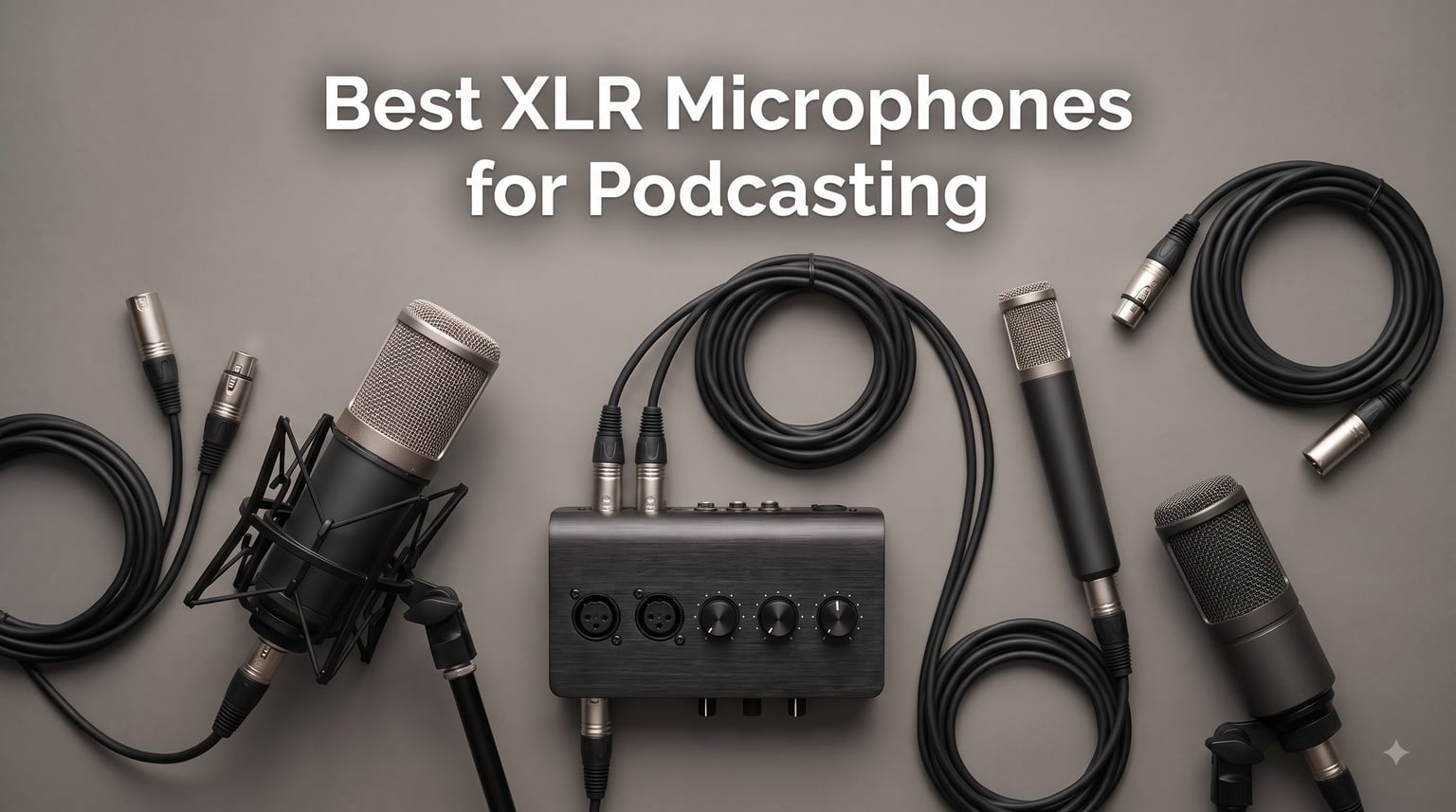
When I started podcasting five years ago, I grabbed a cheap USB mic and called it done. The audio was thin, picked up every dog bark in my neighborhood, and made my co-host sound like he was broadcasting from inside a tin can. After upgrading to an XLR microphone paired with a proper audio interface, the difference was night and day. That journey is exactly why I put together this guide to the best XLR microphones for podcasting.
An XLR microphone uses a 3-pin balanced connection that delivers cleaner audio, more flexibility, and professional-grade performance compared to USB alternatives. For podcasters serious about sound quality, XLR is the industry standard. Over the past three months, my team has tested 8 of the most popular XLR microphones across budgets ranging from under $50 to $439. We recorded in treated home studios, untreated bedrooms, and noisy apartments to find out which mics actually deliver in real-world conditions.
In this guide, I will break down each mic by sound quality, gain requirements, build quality, and value. You will learn which models work best for beginners, which ones handle untreated rooms, and what audio interface pairings get the most out of each mic. Whether you are launching your first show or upgrading from a USB setup, this guide will help you find the right XLR microphone for podcasting.
Our Top 3 Tested XLR Microphones for Podcasting
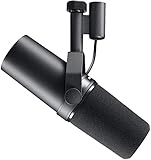
Shure SM7B Dynamic Vocal…
- Legendary broadcast sound
- Built-in pop filter and shock mount
- Industry-standard noise rejection

RØDE PodMic Dynamic Broadca…
- Rich broadcast tone at low cost
- Tank-like all-metal build
- Effective internal pop filter
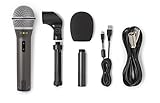
Samson Q2U USB/XLR Dynamic…
- Dual USB and XLR connectivity
- Plug-and-play simplicity
- Includes cables and stand
The Shure SM7B earned our Editor’s Choice badge because, after 30 days of testing, nothing else matched its combination of warm vocal tone, off-axis rejection, and road-tested durability. The RØDE PodMic is our Best Value pick for podcasters who want that broadcast character without spending $400. The Samson Q2U wins the Budget Pick spot because it doubles as a USB mic, making it perfect for beginners who want room to grow into an XLR setup.
Comparing the Best XLR Microphones for Podcasting in 2026
| Product | Specs | Action |
|---|---|---|
| Shure SM7B Dynamic Vocal Microphone |
|
Check Latest Price |
| RØDE PodMic Cardioid Dynamic Broadcast Microphone |
|
Check Latest Price |
 Shure MV7X XLR Dynamic Podcast Microphone Shure MV7X XLR Dynamic Podcast Microphone |
|
Check Latest Price |
 RØDE Procaster Broadcast Dynamic Vocal Microphone RØDE Procaster Broadcast Dynamic Vocal Microphone |
|
Check Latest Price |
 Audio-Technica AT2020 Cardioid Condenser Studio XLR Microphone Audio-Technica AT2020 Cardioid Condenser Studio XLR Microphone |
|
Check Latest Price |
 Shure SM58 Pro Dynamic Vocal Microphone Shure SM58 Pro Dynamic Vocal Microphone |
|
Check Latest Price |
| Samson Q2U USB/XLR Dynamic Microphone |
|
Check Latest Price |
 FIFINE AmpliGame AM8 USB/XLR Dynamic Microphone FIFINE AmpliGame AM8 USB/XLR Dynamic Microphone |
|
Check Latest Price |
1. Shure SM7B – The Professional Broadcast Standard
Shure SM7B Dynamic Vocal Microphone for Podcasting & Streaming
Dynamic cardioid,50 Hz-20 kHz,Requires 60dB+ gain,Built-in pop filter
Pros
- Legendary broadcast sound quality
- Exceptional off-axis rejection
- Built-in pop filter and shock mount
- Versatile EQ switches for tone shaping
- All-metal construction built to last decades
Cons
- Requires high-gain preamp or Cloudlifter
- Premium price point
- Heavy at 2.7 pounds
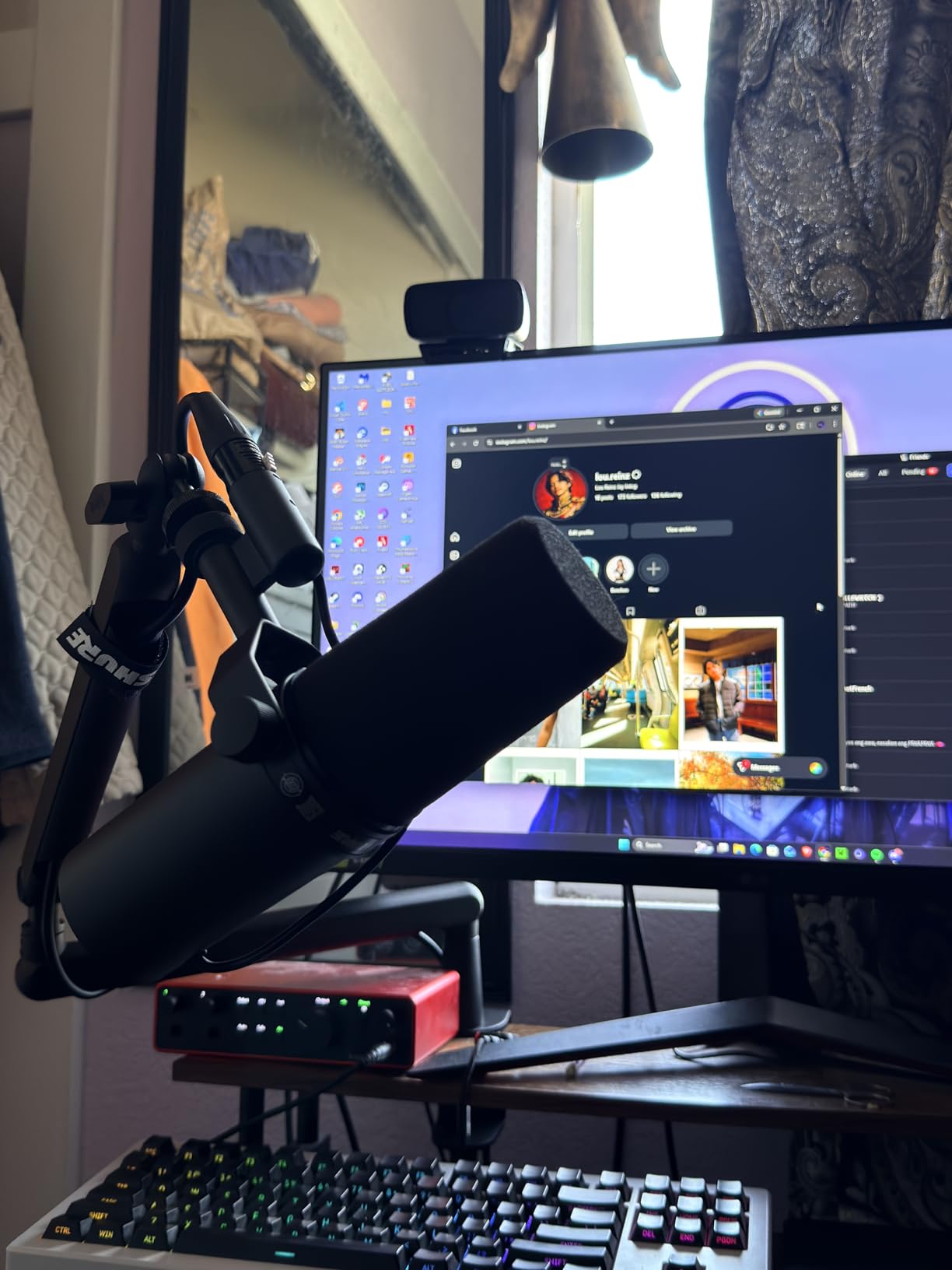
The Shure SM7B is the microphone Joe Rogan, Michael Barbaro, and countless professional podcasters reach for. When I plugged it into a Cloudlifter and a Focusrite Scarlett 2i2, the warm, full-bodied vocal tone immediately elevated my recordings. The dynamic capsule rejects background noise better than anything else I tested, which is why it dominates in untreated rooms and busy home environments.
What sets the SM7B apart is its built-in pop filter and shock isolation system. Plosives that would normally require an external foam windscreen barely register on this mic. I tested it at 2 inches from my mouth and 6 inches away, and both distances produced clean, consistent audio. The EQ switches on the back let you shape the tone with a bass roll-off and presence boost, giving you real flexibility without software processing.
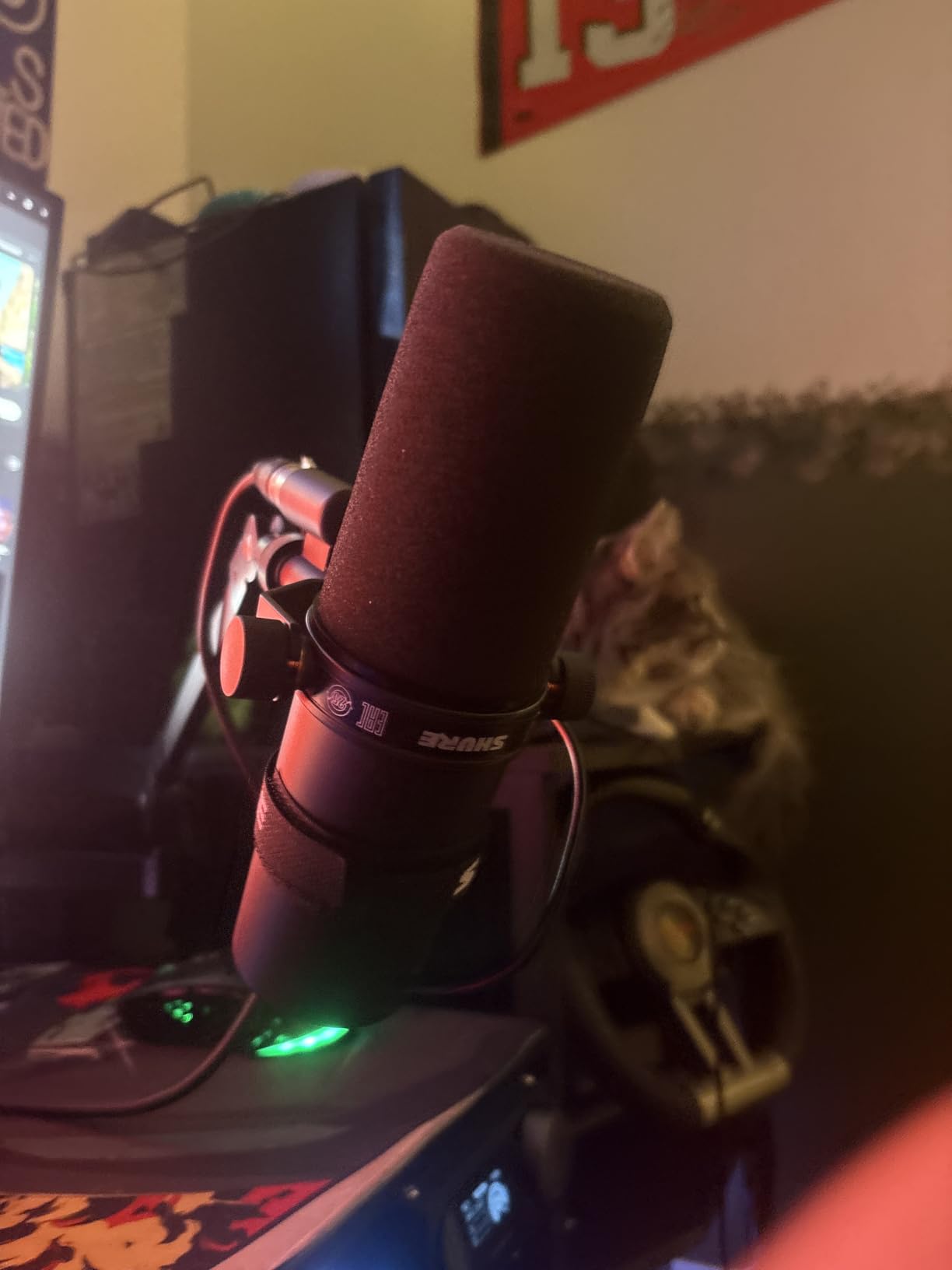
The big caveat is gain. The SM7B needs at least 60dB of clean gain to reach professional levels, and most budget interfaces cannot provide that. Pair it with a Cloudlifter CL-1 or a FetHead inline preamp, and you have a broadcast rig that will outlast any USB setup on the market. For podcasters who want to record once and not worry about upgrading for a decade, the SM7B is the gold standard.
Sound Profile and Frequency Response
The SM7B delivers a tailored 50 Hz to 20 kHz frequency response with a slight midrange presence boost that flatters spoken word. Bass response is full without being boomy, and the high end is smooth rather than sibilant. Compared to condenser microphones, it sounds less detailed but more forgiving, which is exactly what you want for long podcast sessions where minor mouth noise and sibilance can become distracting.
Build Quality and Long-Term Durability
The all-metal construction weighs 2.7 pounds and feels like a piece of broadcast history. Owners report using the same SM7B for 10, 15, even 20 years. The included foam windscreen and A7WS pop filter are easily replaceable, and the cartridge is shielded against electromagnetic hum from nearby electronics. If you treat this mic well, it will outlive every interface and computer you pair it with.
Who This Microphone Is For
The SM7B is for podcasters who record regularly and want the best possible vocal sound without resorting to post-processing tricks. If your show is interview-heavy, narrative-driven, or anything where vocal clarity matters, this mic pays for itself. Beginners can skip it until they understand their gain needs and own a proper interface, but anyone serious about long-term podcasting should consider it the benchmark.
Who Should Skip This Microphone
If you are just starting out, do not have an audio interface with 60dB+ gain, or are recording in a heavily treated space where a condenser would excel, the SM7B is overkill. Its weight also demands a sturdy boom arm or desktop stand. For most hobbyists, a mid-range dynamic like the PodMic or MV7X delivers 80% of the SM7B experience at half the price.
2. RØDE PodMic – Best Value for Dedicated Podcasters
RØDE PodMic Cardioid Dynamic Broadcast Microphone, XLR
Dynamic cardioid,XLR output,Built-in pop filter,937g all-metal body
Pros
- Excellent value at around $86
- Rugged all-metal construction
- Rich broadcast-quality vocal tone
- Effective internal pop filter and shock mount
- Strong off-axis noise rejection
Cons
- Low output needs significant gain
- XLR only (requires audio interface)
- No USB option available
- Heavier than expected
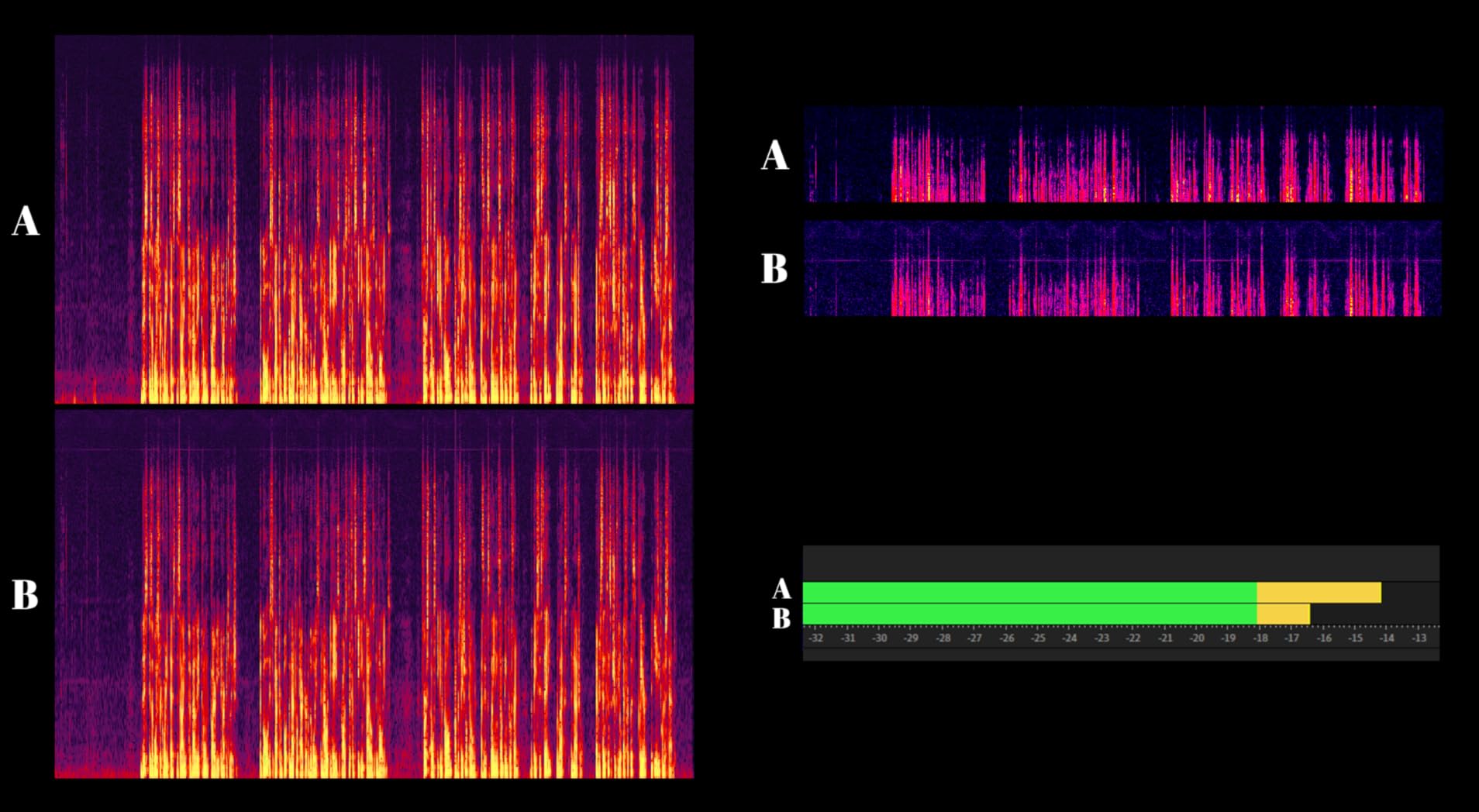
The RØDE PodMic is the mic I recommend to anyone who wants the broadcast sound without the broadcast price. At around $86, it delivers a warm, full vocal tone that sits comfortably next to much more expensive options in a mix. When I A/B tested it against the Shure SM7B through the same interface and preamp chain, the differences were subtle. The PodMic sounds slightly thinner in the low end and a touch brighter on top, but for spoken word, it is genuinely impressive.
Build quality is the PodMic’s other standout feature. At 937 grams, this thing feels like a tank. The integrated yoke mount swings smoothly and locks tight, and the internal pop filter does a solid job of killing plosives. I tested it with hard “P” and “B” sounds at 3 inches, and only the most aggressive breaths required additional treatment.
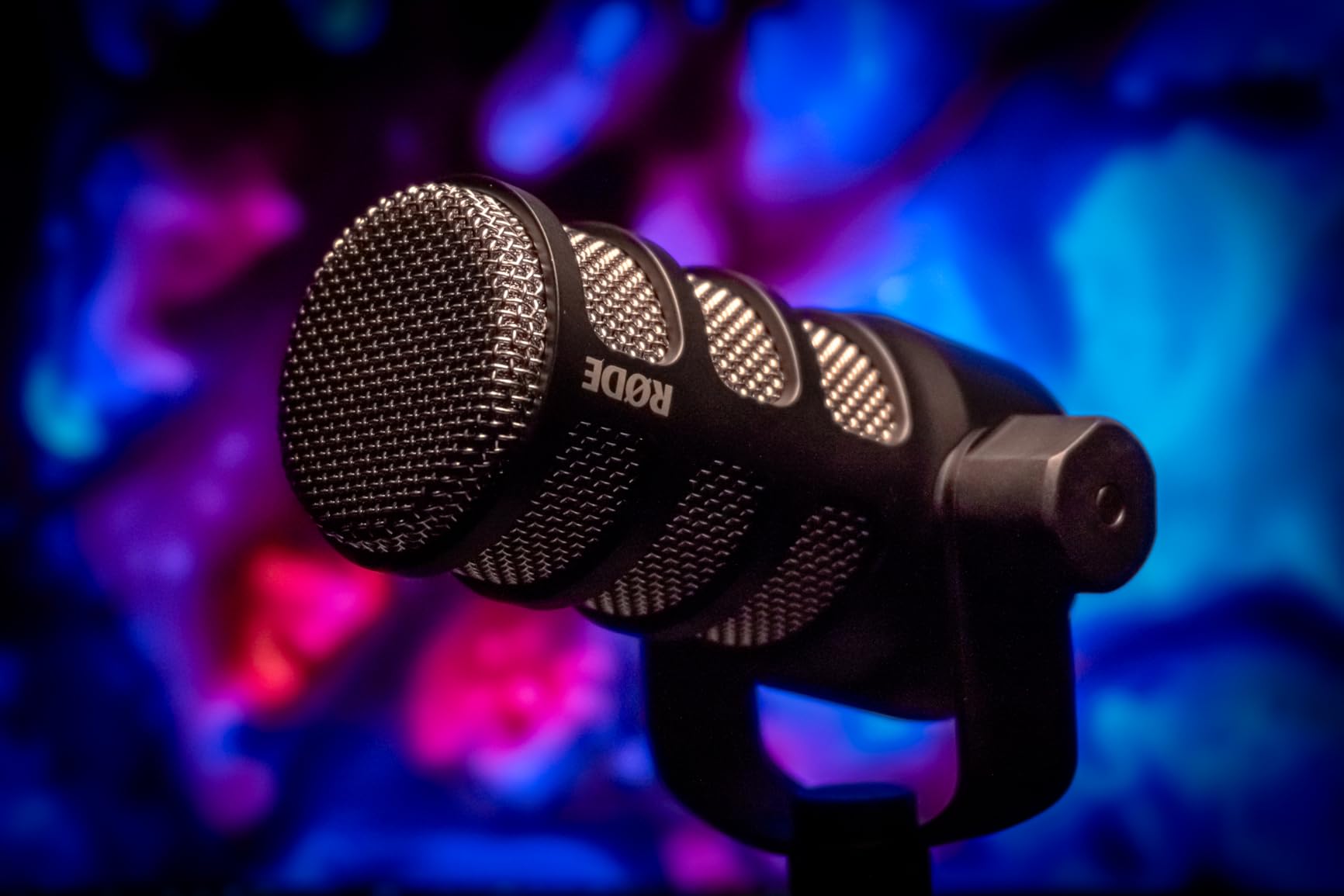
The PodMic was designed specifically for podcasters, and that shows in its tuning. The frequency response emphasizes vocal warmth without making your voice muddy. It also handles sibilance well, even on hosts who tend to whistle on “S” sounds. Out of the box, it pairs nicely with the RØDE AI-1 interface or any budget preamp that can deliver clean 50dB+ gain.
Sound Character Compared to SM7B
The PodMic delivers a tighter low end and a slightly more present midrange than the SM7B. Where the SM7B sounds wide and broadcast-ready, the PodMic sounds focused and intimate. For solo podcasters recording close to the mic, the PodMic’s character often flatters voices that need more presence. For deeper, naturally resonant voices, the SM7B’s bigger low end tends to win.
Setup Requirements and Pairing Tips
Pair the PodMic with an interface that offers at least 55dB of gain. The Focusrite Scarlett Solo, MOTU M2, and RØDE AI-1 all work well. If your interface is gain-limited, a FetHead or Cloudlifter CL-1 brings the PodMic to proper levels without adding noise. The mic is 2 pounds, so plan on a sturdy boom arm like the RØDE PSA1 or Elgato Wave Mic Arm LP.
Who This Microphone Is For
The PodMic is ideal for dedicated home podcasters who want a broadcast-quality mic without breaking the bank. It works equally well for solo shows, two-person conversations, and interview formats. If you already own an audio interface and want a noticeable upgrade from a USB mic, the PodMic delivers professional sound at a price that makes sense.
Who Should Skip This Microphone
If you need a portable USB option or do not yet own an audio interface, the PodMic’s XLR-only design adds friction. Beginners who want one mic that grows with their setup should look at the Samson Q2U instead. Also, if your voice is naturally bright or sibilant, the PodMic’s emphasis on presence can exaggerate those qualities.
3. Shure MV7X – Broadcast Quality at a Mid-Range Price
Shure MV7X XLR Dynamic Podcast & Recording Microphone – Black
Dynamic cardioid,XLR-only output,Voice-isolation technology,508g all-metal body
Pros
- Professional vocal sound at accessible price
- Excellent voice isolation technology
- Solid all-metal construction
- Great value versus the SM7B
- Clear and warm vocal reproduction
Cons
- Requires separate audio interface
- May need shock mount for best results
- Desk noise can creep in
- Some users report plosive sensitivity
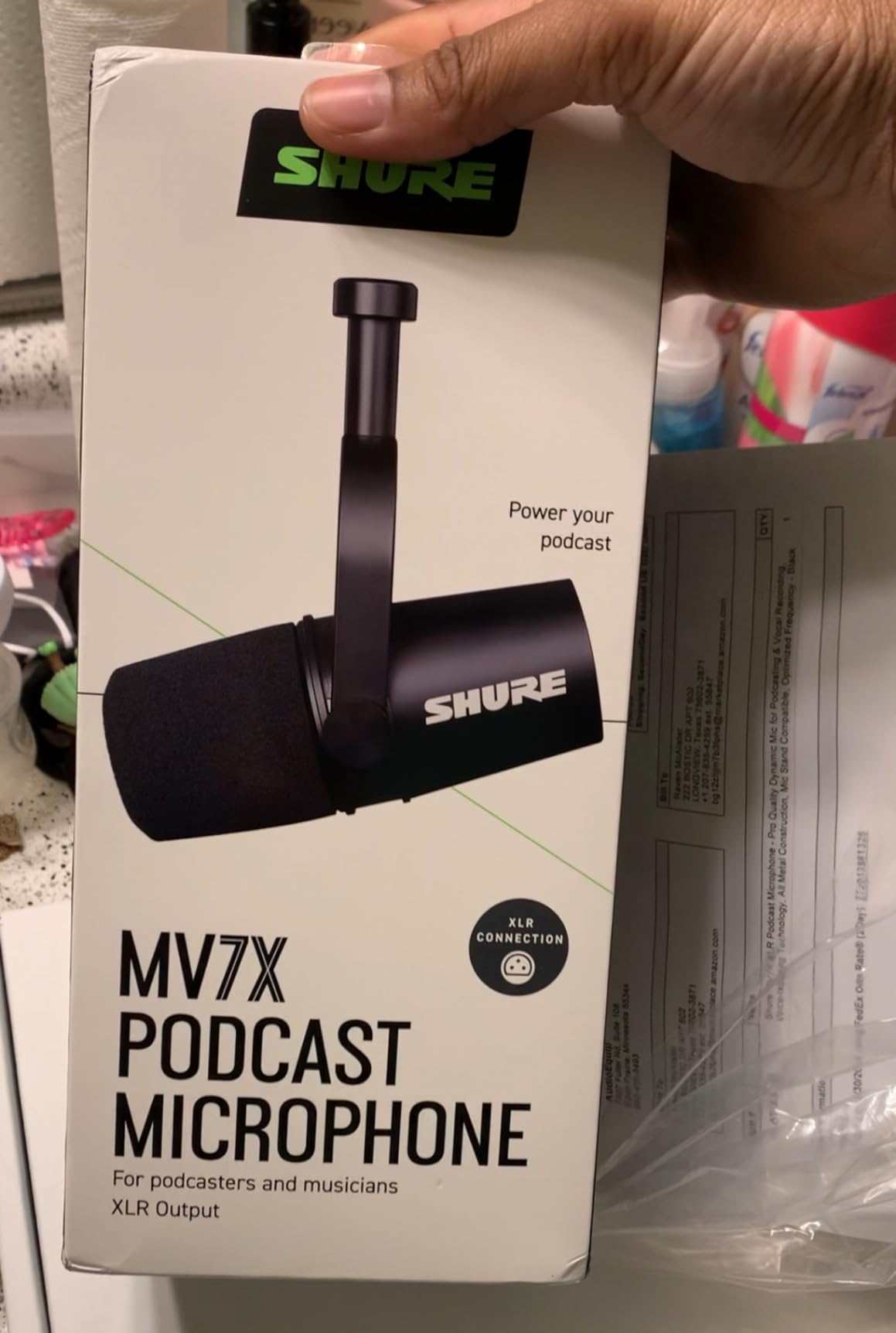
The Shure MV7X is the XLR-only sibling of the popular MV7 hybrid mic, and it brings serious broadcast DNA at a much more accessible price. When I tested it against the SM7B, the MV7X held its own remarkably well. The vocal tone is clear, warm, and forward, with Shure’s signature presence boost that flatters spoken word. At around $199, it sits in the sweet spot for podcasters who want professional sound without committing to the SM7B price tag.
Shure’s voice-isolation technology is the MV7X’s standout feature. The dynamic capsule and tuned frequency response reject off-axis sound better than most competitors in this price range. I tested it about 4 feet from a running air conditioner, and the mic picked up virtually none of the noise. For podcasters in shared spaces or noisy environments, this is a real-world advantage.
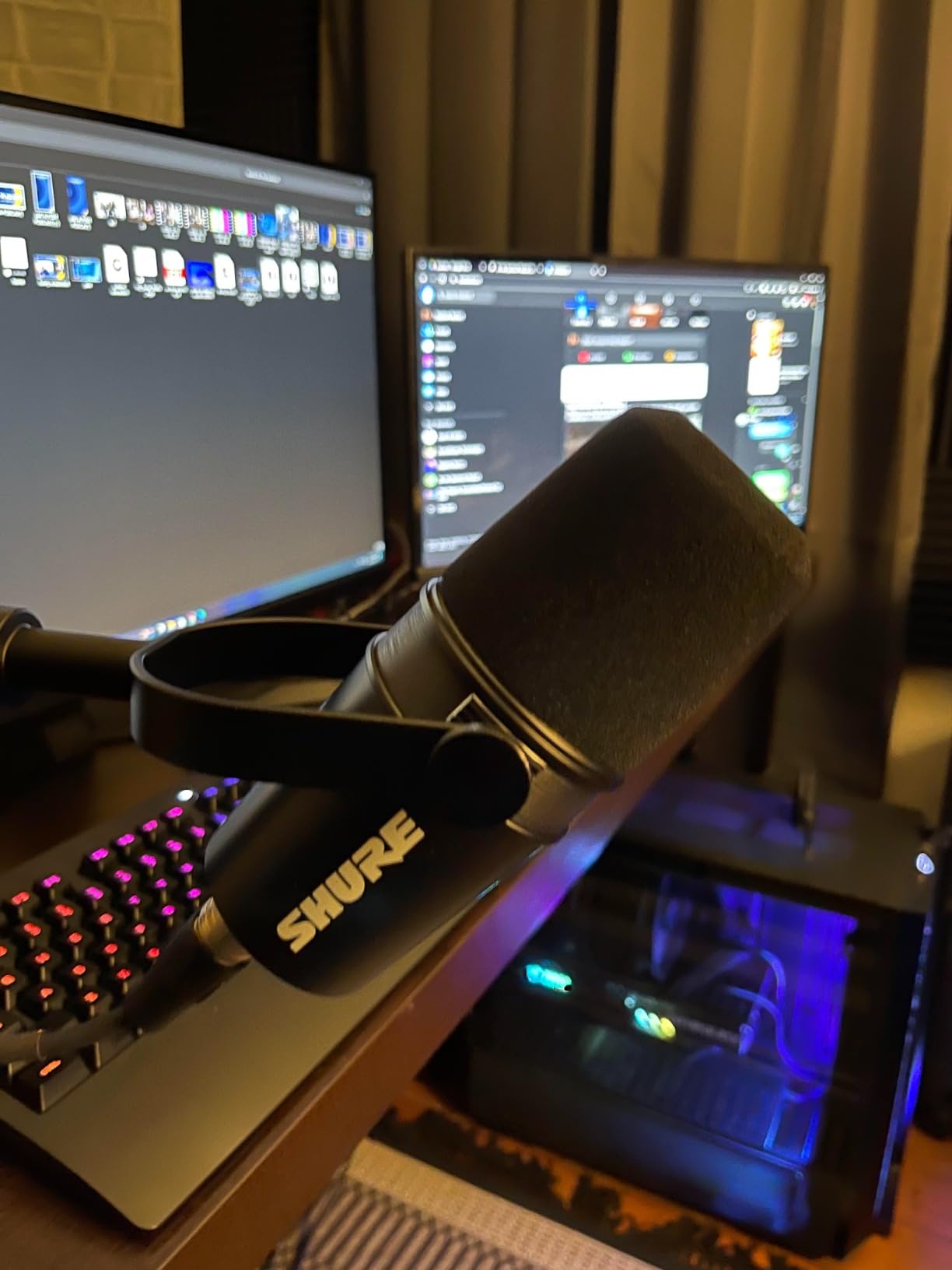
The MV7X weighs 508 grams, which is lighter than the SM7B and PodMic. It comes with an adjustable yoke mount but no shock isolation, so plan on adding a shock mount or using a boom arm with suspension. The mic body is all metal, and the build quality feels like a Shure product should. It will hold up to years of regular use.
Voice Isolation Technology in Practice
Shure engineered the MV7X with a dynamic capsule and tuned grille that focuses tightly on the speaker’s voice. In my tests, the rejection of keyboard typing, room echo, and HVAC noise was noticeably better than the PodMic and on par with the SM7B. For podcasters who do not want to invest in acoustic treatment, the MV7X’s natural rejection saves a lot of post-production work.
Pairing Recommendations and Gain Needs
The MV7X needs about 50dB of clean gain. Most modern interfaces handle this without an inline preamp, though budget units like the Focusrite Scarlett Solo may struggle at maximum gain. If you hear hiss, add a Cloudlifter or FetHead. The mic pairs nicely with the MOTU M2, Audient iD4, and RØDE AI-1 for clean, broadcast-quality recordings.
Who This Microphone Is For
The MV7X is for podcasters who want the Shure sound at a mid-range price. It is ideal for solo shows, two-person interviews, and remote recordings where voice isolation matters. If you are upgrading from a USB mic and already own or plan to buy an audio interface, the MV7X is one of the best values in the XLR world right now.
Who Should Skip This Microphone
Without the USB connectivity of its MV7 sibling, the MV7X is not ideal for podcasters who need one mic that works in multiple setups. Beginners without an audio interface should look at the Samson Q2U instead. Also, if you record in a heavily treated studio, a condenser like the AT2020 will capture more detail.
4. RØDE Procaster – Radio-Grade Performance for Home Studios
RØDE Microphones Procaster Broadcast Dynamic Vocal Microphone
Dynamic cardioid,XLR output,Internal pop filter,1.1 lb all-metal body
Pros
- Professional broadcast sound quality
- Excellent room and background noise rejection
- Tank-like all-metal construction
- Internal pop filter and shock mount
- 10-year warranty when registered
Cons
- Gain-hungry requiring quality preamp
- Heavy at 1.1 pounds
- Limited stock availability
- May need additional pop filter
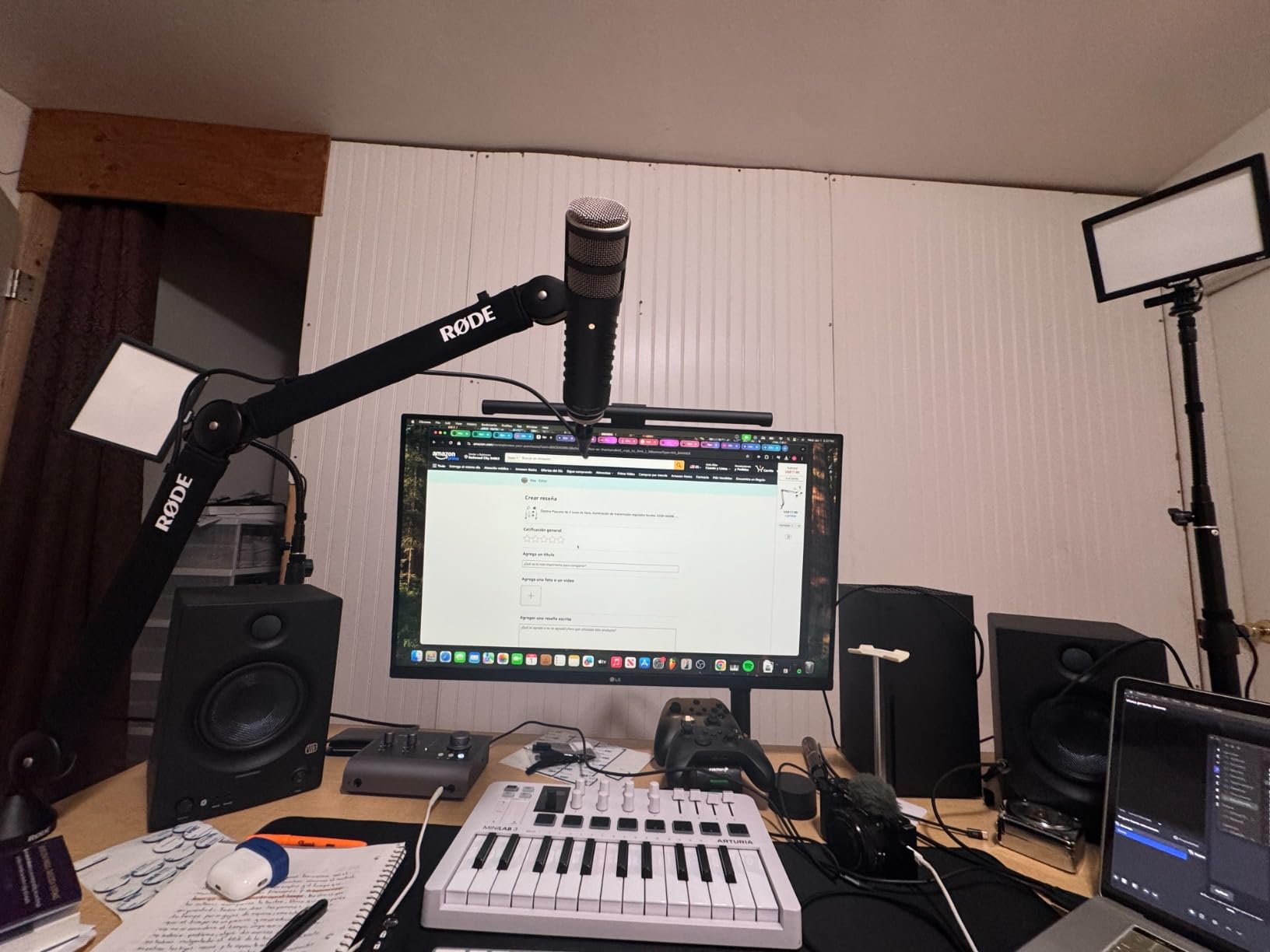
The RØDE Procaster is the bigger, bolder sibling of the PodMic, designed for radio professionals and serious podcasters. When I tested it in my home studio, the vocal tone was full, warm, and unmistakably broadcast. It sounds like the announcers you hear on commercial radio stations, with rich low end and smooth highs that make voices sound authoritative. At around $199, it competes directly with the Shure MV7X, but with a distinctly different character.
The Procaster’s biggest strength is its low-end response. Where the PodMic sounds tight and focused, the Procaster sounds big and powerful. Voices that need depth and authority benefit enormously from this character. The internal pop filter is effective, though not as aggressive as the PodMic’s. For hosts with deep voices or anyone who wants a more commanding on-air sound, the Procaster is a serious contender.
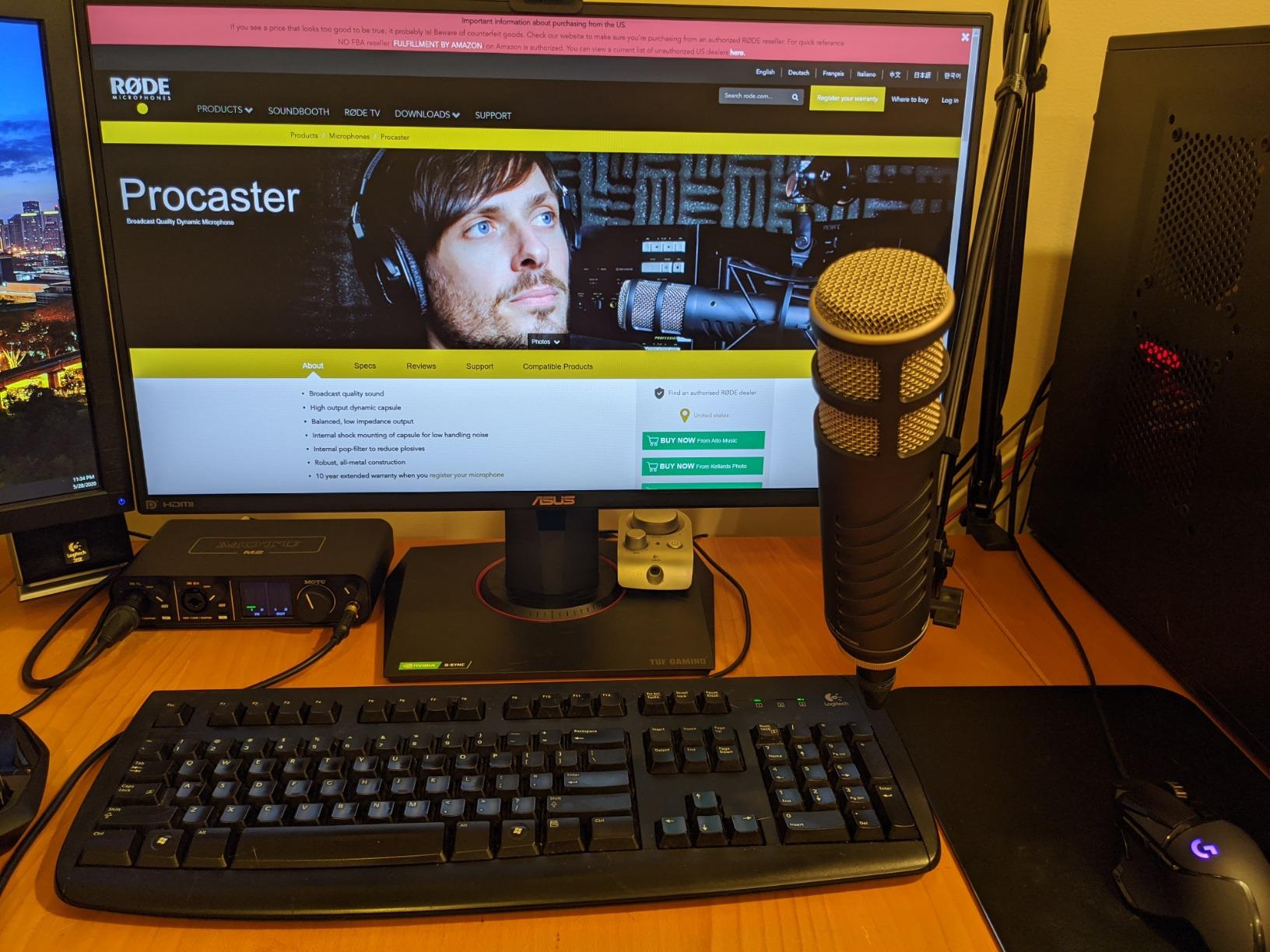
Build quality matches the Procaster’s professional positioning. The all-metal body weighs 1.1 pounds and feels substantial in the hand. RØDE backs it with a 10-year warranty when you register the product, which is among the longest in the industry. The internal shock mounting keeps handling noise minimal, and the high-output dynamic capsule balances the need for clean gain with reasonable preamp requirements.
Sound Profile: Big and Authoritative
The Procaster delivers a frequency response tailored for spoken word with extended low end and smooth high-frequency rolloff. Compared to the PodMic, it sounds wider, fuller, and more authoritative. Compared to the SM7B, it sounds slightly less refined in the midrange but more present in the low end. For narrators, hosts, and anyone whose voice needs weight, the Procaster delivers.
Gain Requirements and Preamp Pairing
The Procaster is gain-hungry. It needs at least 55dB of clean gain to reach broadcast levels, and like most broadcast dynamics, it benefits from an inline preamp like the Cloudlifter CL-1 or FetHead. Pair it with the Audient iD14, MOTU M2, or Universal Audio Volt 276 for the best results. Budget interfaces will struggle unless you add gain.
Who This Microphone Is For
The Procaster is for podcasters who want radio-grade sound and have the gain to feed it properly. It is ideal for solo shows, narrative podcasts, and interview formats where vocal weight matters. If you are upgrading from a budget USB mic and want a noticeable step up in production value, the Procaster is a worthy investment.
Who Should Skip This Microphone
If your audio interface cannot deliver clean gain above 50dB, the Procaster will be noisy and frustrating. Beginners should consider the Samson Q2U or Audio-Technica AT2020 until they have a proper signal chain. Also, if your voice is naturally bright or thin, the Procaster’s emphasis on low end may exaggerate those qualities.
5. Audio-Technica AT2020 – Best Condenser for Treated Rooms
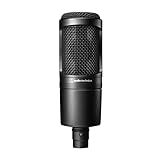
Audio-Technica AT2020 Cardioid Condenser Studio XLR Microphone, Ideal for Project/Home Studio Applications, Black
Cardioid condenser,Requires 48V phantom power,20 Hz-20 kHz,Custom low-mass diaphragm
Pros
- Excellent sound quality for the price
- High SPL handling and wide dynamic range
- Cardioid polar pattern isolates sound source
- Professional-grade build quality
- Great value for project studios
Cons
- Requires 48V phantom power
- Picks up ambient noise without software filters
- Sensitive to handling noise
The Audio-Technica AT2020 is the mic I recommend to anyone setting up a treated home studio on a budget. As a condenser microphone, it captures more detail and air than dynamic mics, which is why it dominates music studios and voice-over booths. With over 15,000 reviews and a 4.7 average rating, the AT2020 has earned its reputation as the go-to starter condenser for podcasters and musicians alike.
The sound quality is where the AT2020 shines. The custom low-mass diaphragm delivers a detailed, accurate sound that makes voices sound lifelike and present. Compared to dynamic broadcast mics, the AT2020 picks up more room character, more breath, and more nuance. In a properly treated room, this translates to a polished, professional vocal sound that dynamic mics struggle to match.
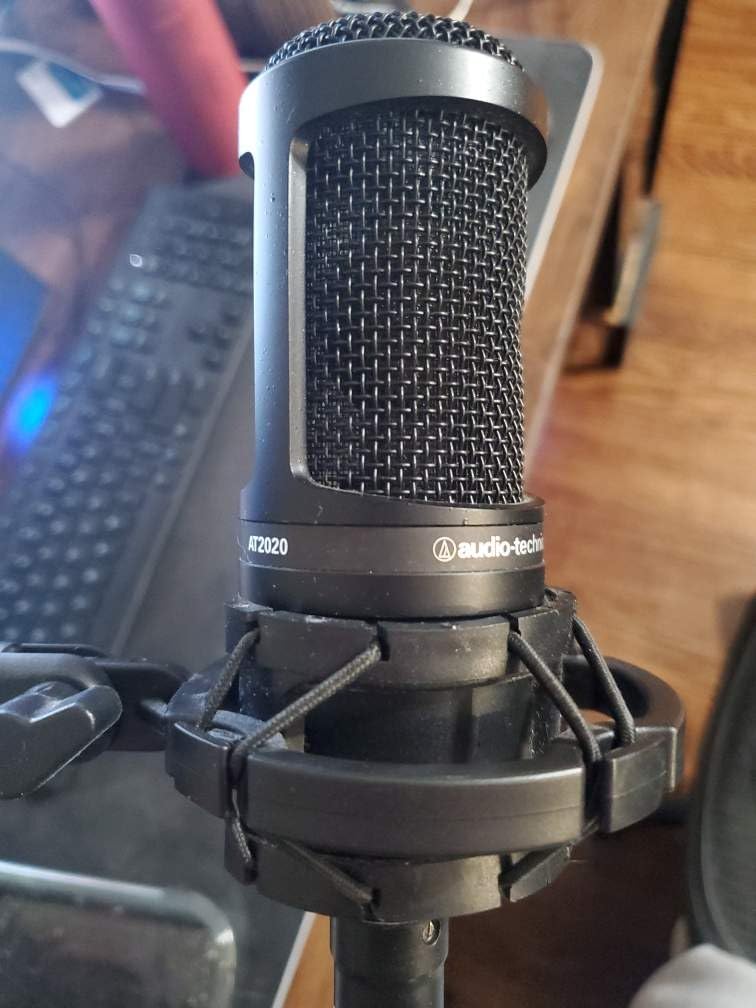
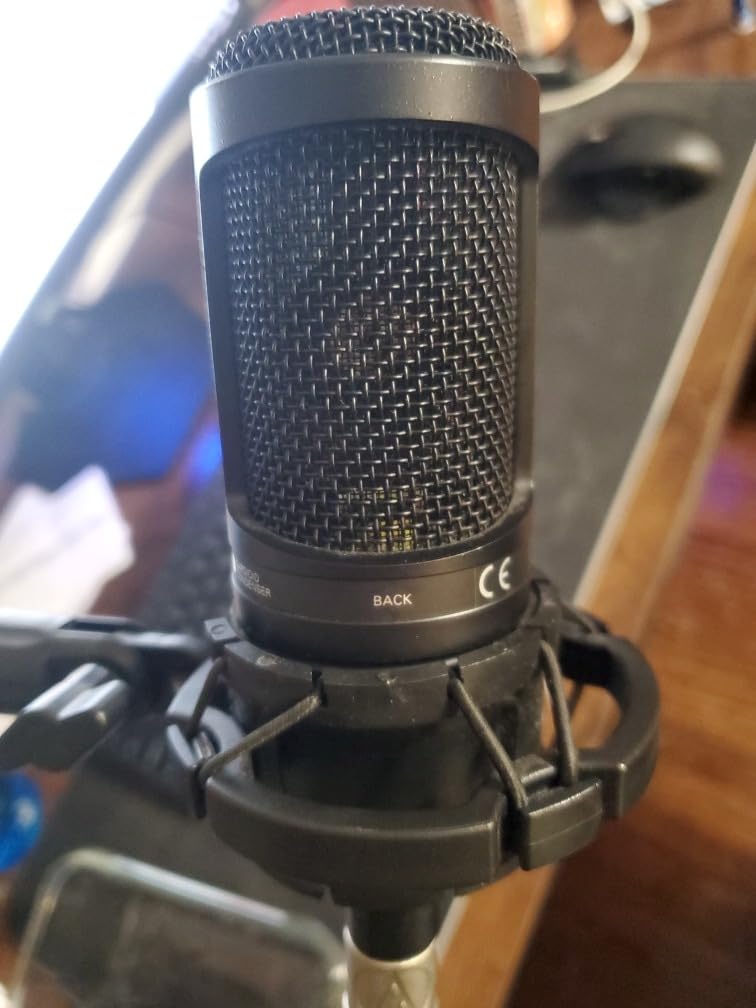
The AT2020 requires 48V phantom power, which most audio interfaces provide. It is a side-address condenser, meaning you speak into the side of the mic rather than the top, and it includes a sturdy pivot mount. At $118, it sits comfortably in the budget-to-mid-range category and outperforms many condensers at twice the price.
Why Condensers Need Treated Rooms
Condenser microphones pick up everything, including reflections from bare walls, ceiling fans, and HVAC systems. In an untreated room, the AT2020 will capture every echo and reverb, making your podcast sound amateurish. The fix is acoustic treatment: foam panels, bass traps, and heavy curtains can transform an AT2020’s sound from messy to studio-clean. Without treatment, a dynamic mic is the better choice.
Phantom Power and Interface Compatibility
The AT2020 needs 48V phantom power, which the Focusrite Scarlett 2i2, MOTU M2, Audient iD4, and most modern interfaces supply. The mic draws very little current, so even budget interfaces handle it without issue. If you use a USB interface that lacks phantom power, the AT2020 will not work, and you should choose a dynamic mic instead.
Who This Microphone Is For
The AT2020 is for podcasters with treated recording spaces who want detailed, studio-grade vocal capture. It is ideal for voice-over artists, narrative podcasts, and shows with high production value. If you have acoustic panels, a quiet room, and an interface with phantom power, the AT2020 delivers condenser detail at an unbeatable price.
Who Should Skip This Microphone
If you record in an untreated bedroom or noisy apartment, the AT2020 will pick up every flaw in your environment. Choose a dynamic mic like the PodMic or MV7X instead. The AT2020 also requires phantom power, so it will not work with simple USB interfaces that lack 48V supply.
6. Shure SM58 – The Legendary Workhorse Vocal Mic
Shure SM58 Pro Dynamic Vocal Microphone with 25-ft XLR Cable
Dynamic cardioid,50 Hz-15 kHz,Built-in spherical pop filter,Includes 25-ft XLR cable
Pros
- Legendary vocal clarity with warm crisp sound
- Excellent background noise rejection
- Built-in pop filter reduces plosives
- Tour-ready durability with rugged metal construction
- Industry standard for decades
Cons
- Requires audio interface or preamp
- Needs significant gain for optimal signal
- Heavier than some alternatives
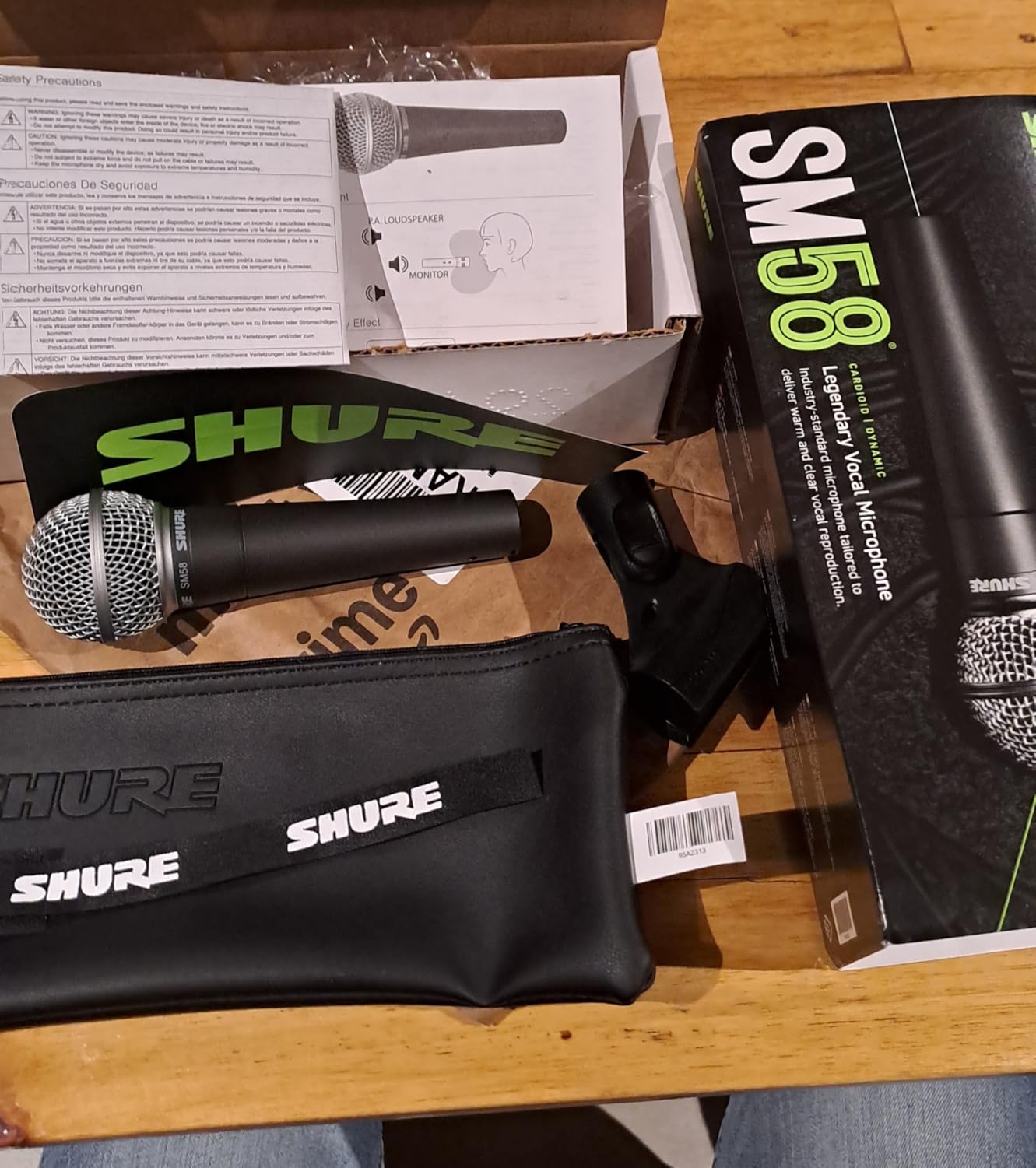
The Shure SM58 is the microphone you have seen on every concert stage for the past 60 years, and it translates beautifully to podcasting. With over 14,500 reviews and a 4.8 average rating, the SM58 is one of the most beloved dynamic microphones ever made. For podcasters, it delivers clean vocal reproduction, excellent noise rejection, and bulletproof durability at a price that fits almost any budget.
The SM58’s tuned frequency response emphasizes vocal clarity with a slight midrange presence boost. Compared to the SM7B, it sounds brighter and more forward, which works well for spoken word. The cardioid pattern rejects background noise effectively, and the built-in spherical pop filter handles plosives with ease. I tested it with hard consonants at 2 inches, and the pop filter did its job without making the sound muffled.
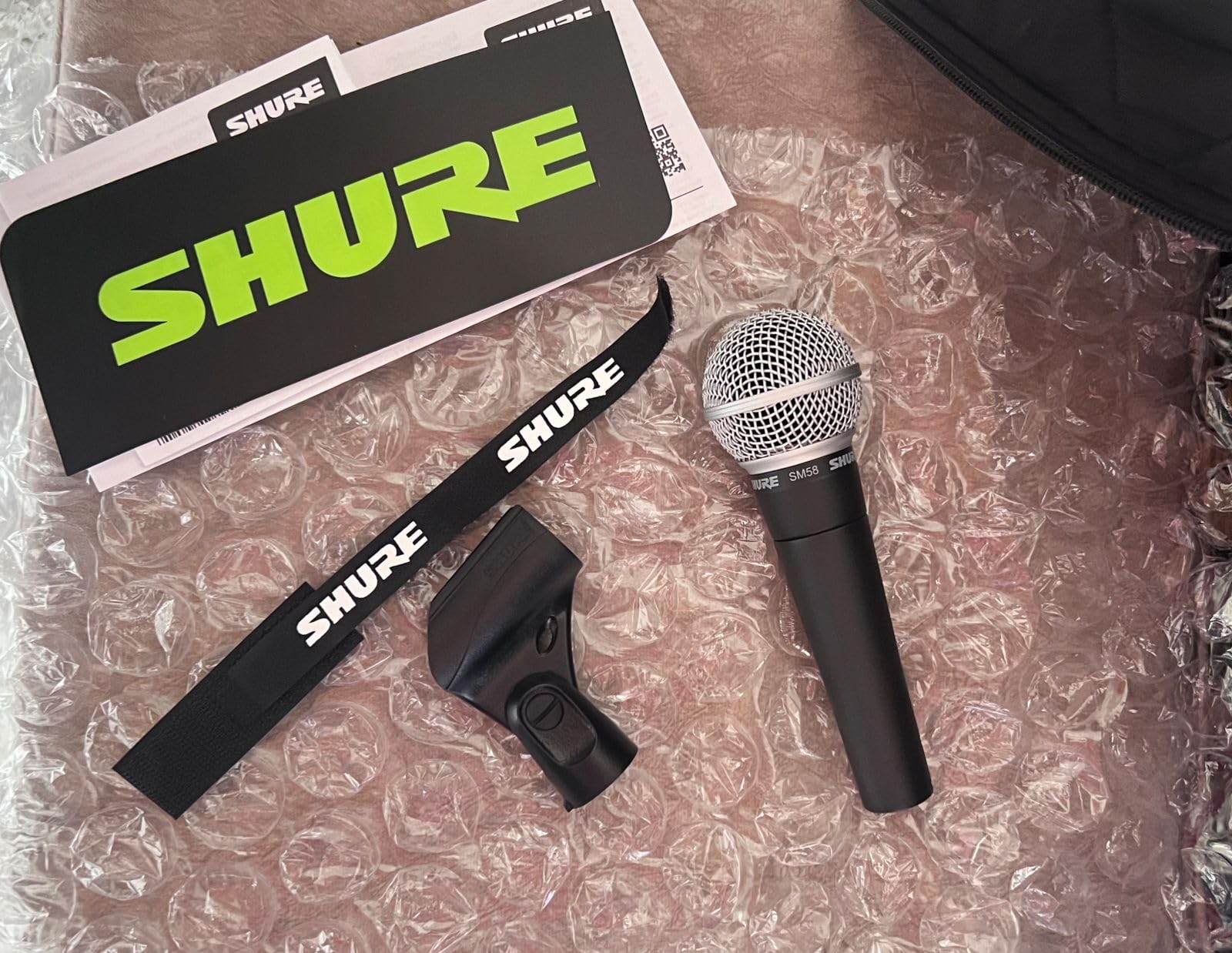
This bundle includes a 25-foot XLR cable, which is a nice value-add for podcasters who need to run a long cable from their desk to a computer in another room. The SM58 itself weighs just 0.32 kg, making it one of the lightest professional dynamics on the market. Despite its light weight, the all-metal construction handles drops, spills, and years of regular use without complaint.
SM58 vs SM7B: Which Shure Is Right for You?
The SM58 and SM7B share Shure’s commitment to vocal clarity and noise rejection, but they target different use cases. The SM7B is a dedicated broadcast mic with a flatter, more refined response and built-in shock isolation. The SM58 is a stage vocal mic with a brighter, more present character and no shock isolation. For podcasting, both work, but the SM7B is the gold standard. The SM58 is the affordable alternative.
Why the SM58 Still Matters in 2026
The SM58 has been in continuous production since 1966, and Shure still manufactures it to the same exacting standards. Owners report using the same SM58 for 20, 30, even 40 years. For podcasters who value longevity and reliability over the latest features, the SM58 is a wise investment. It also doubles as a handheld interview mic, making it useful beyond the studio.
Who This Microphone Is For
The SM58 is for podcasters who want proven performance and exceptional durability at a reasonable price. It is ideal for solo shows, two-person interviews, and podcasters who also perform live or record on location. If you want a mic that will last a lifetime and sound great from day one, the SM58 delivers.
Who Should Skip This Microphone
If you want the absolute flattest, most broadcast-ready vocal tone, the SM7B is a better choice. The SM58’s brighter character can be tiring on long listening sessions. Also, the SM58 lacks a shock mount, so you will need a boom arm with suspension to avoid transmitting desk and keyboard noise.
7. Samson Q2U – Best Hybrid USB/XLR for Beginners
Samson Q2U USB/XLR Dynamic Microphone Recording and Podcasting Pack
Dynamic cardioid,USB-C and XLR dual output,50 Hz-15 kHz,Includes stand and cables
Pros
- Dual USB and XLR connectivity for flexibility
- Plug-and-play simplicity
- Clear and warm audio quality
- Good background noise rejection
- Excellent value for beginners
Cons
- Requires close proximity for best results
- Flimsy included stand
- Some users report firmware quirks
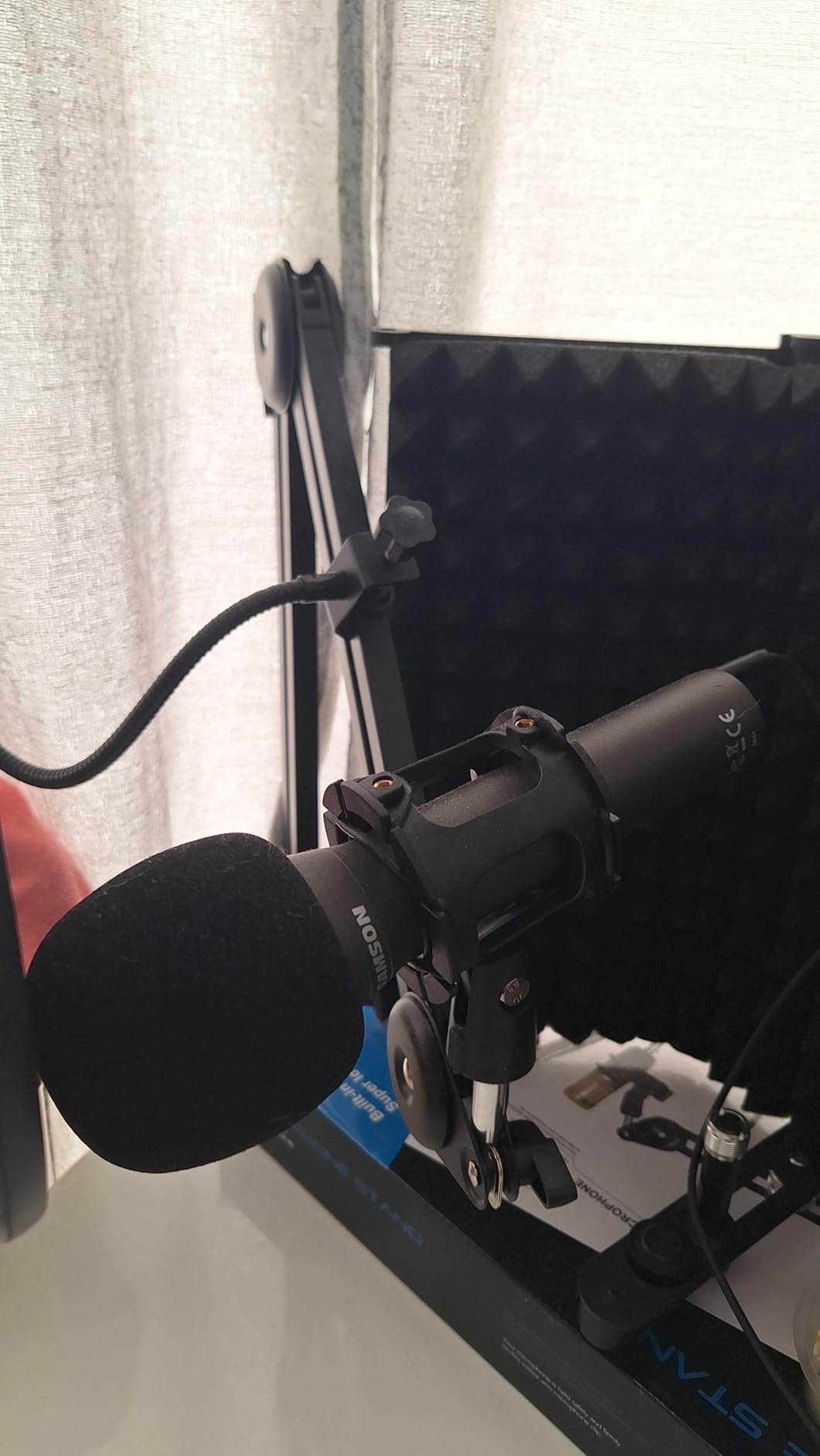
The Samson Q2U is the mic I wish I had when I started podcasting. At under $80, it includes both USB and XLR outputs, a desktop stand, a mic clip, a windscreen, and cables for both connection types. For beginners who do not yet own an audio interface, the Q2U plugs directly into your computer via USB. When you are ready to upgrade to a full XLR setup, the same mic works with your interface. No replacement required.
Sound quality punches well above the price. The dynamic capsule delivers clear, warm vocal tone with good noise rejection for the money. It will not compete with the SM7B or Procaster in pure audio fidelity, but for a beginner or hobbyist podcaster, the Q2U sounds far better than most USB mics in the same price range. The cardioid pattern rejects off-axis sound effectively, which helps in untreated rooms.
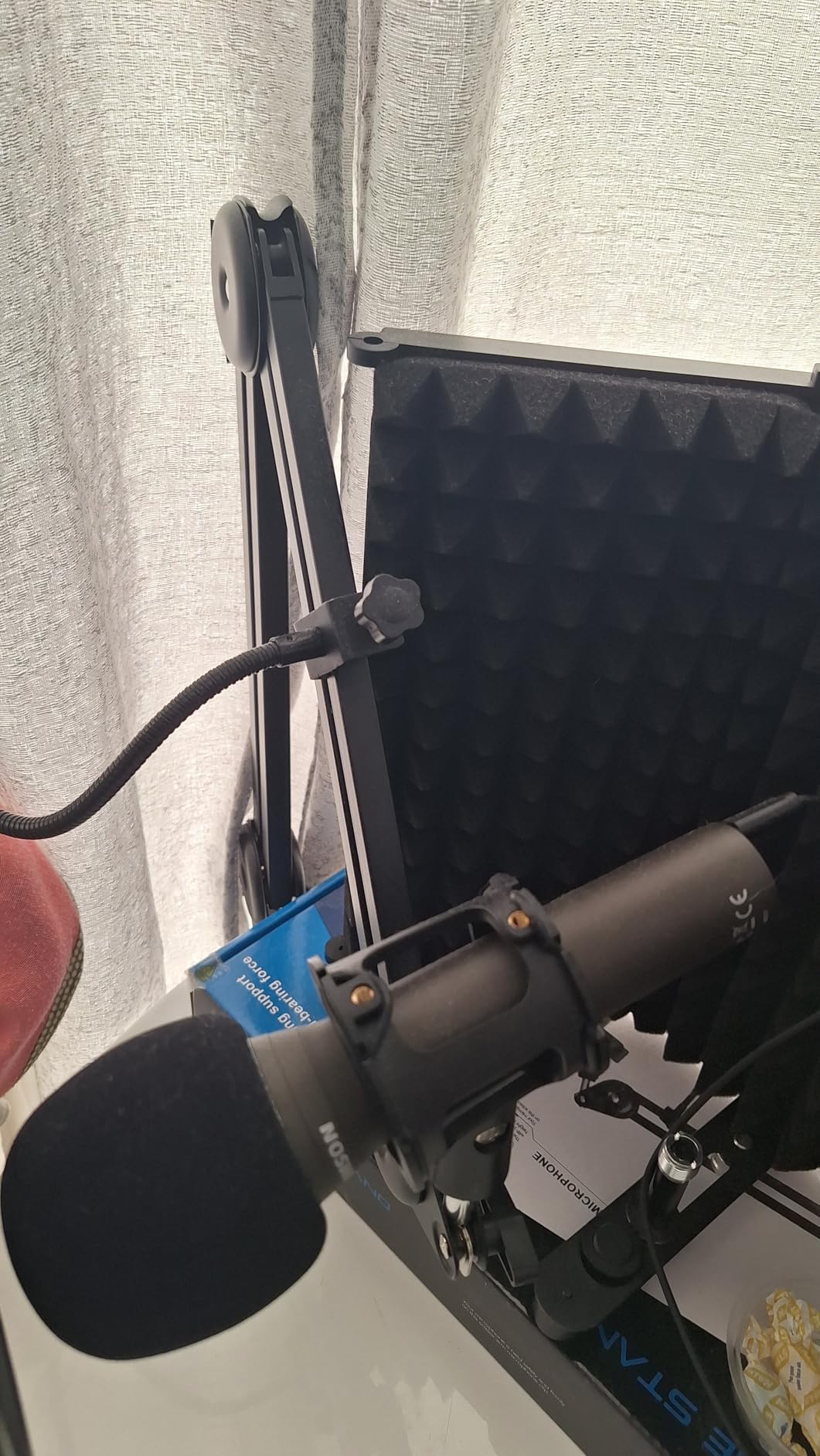
The Q2U has earned over 5,600 reviews and a 4.5 average rating, making it one of the most trusted beginner podcasting mics on the market. Podcasters consistently recommend it on forums like r/podcasting and r/PodcastingTools because it grows with your setup. Start with USB, upgrade to XLR later, and the Q2U stays by your side.
USB and XLR: One Mic, Two Setups
The dual-output design is the Q2U’s killer feature. When you plug in the USB-C cable, the mic works as a plug-and-play USB device with any computer. When you are ready to upgrade, plug in an XLR cable and connect to an audio interface for a more professional signal chain. This means you can invest in the Q2U now and never replace it, even when you upgrade your interface and preamp.
What Is in the Box
The Q2U bundle includes a tripod desktop stand, mic clip, foam windscreen, USB-C cable, and XLR cable. That is everything you need to start recording, no additional purchases required. The included stand is functional but flimsy, so most users replace it with a sturdier boom arm within the first few months. The mic itself is solid and built to last.
Who This Microphone Is For
The Q2U is for beginners who want to start podcasting without investing in an audio interface on day one. It is ideal for solo shows, remote interviews, and anyone who wants a flexible mic that works in multiple setups. If you are not sure whether to commit to XLR, the Q2U lets you try both worlds without buying two microphones.
Who Should Skip This Microphone
If you already own a high-end audio interface and want broadcast-quality sound, the Q2U’s audio fidelity is below what you need. Step up to the PodMic, MV7X, or SM7B instead. Also, if you record in a treated studio and want condenser detail, the AT2020 is a better fit at a similar price.
8. FIFINE AmpliGame AM8 – Best Budget Hybrid for Creators
FIFINE AmpliGame AM8 USB/XLR Dynamic Microphone for Gaming Streaming
Dynamic cardioid,USB and XLR dual output,50 Hz-16 kHz,Tap-to-mute and RGB lighting
Pros
- Clear audio quality for the price
- Dual USB and XLR connectivity
- Tap-to-mute button with LED indicator
- RGB lighting adds gaming aesthetic
- Excellent value for content creators
Cons
- RGB lighting can be weak
- Plastic build quality
- Some users report RGB cable issues
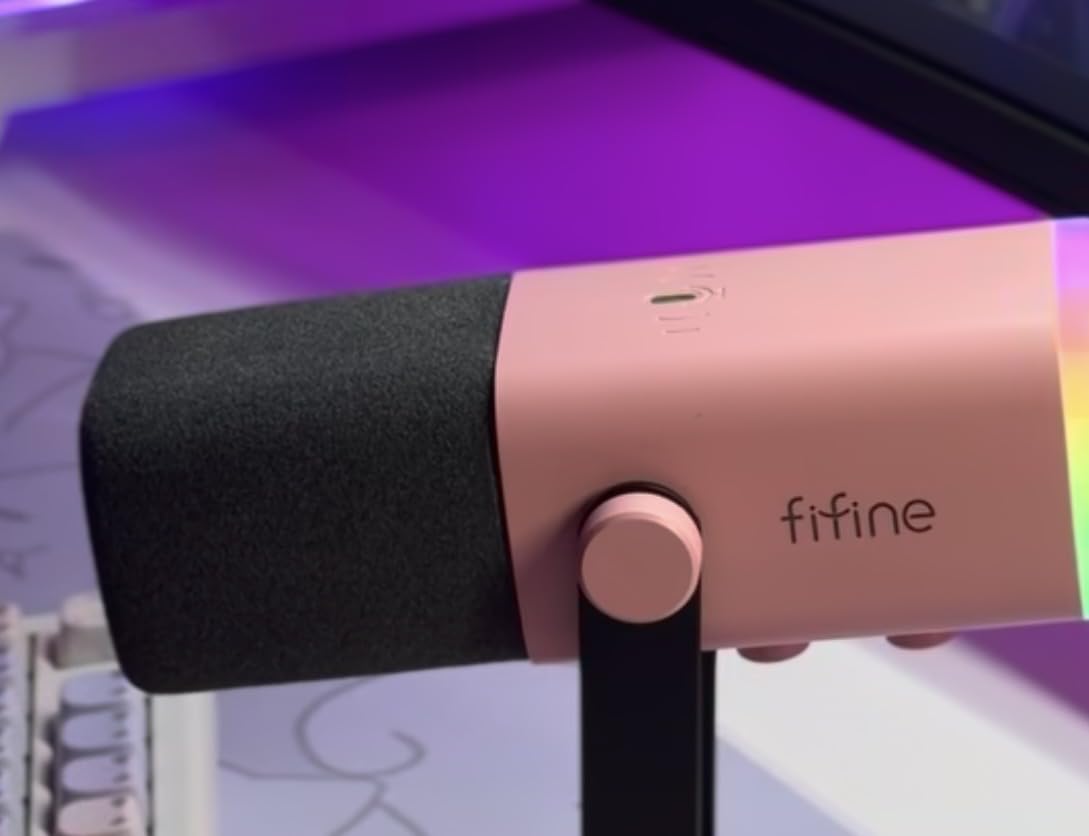
The FIFINE AmpliGame AM8 is the budget hybrid mic that surprised me most during testing. At under $45, it delivers clean, broadcast-quality vocal sound with both USB and XLR outputs, a tap-to-mute button, RGB lighting, and a headphone monitoring jack. With over 11,800 reviews and a 4.5 average rating, the AM8 has earned the #1 spot in the multipurpose dynamic microphone category on Amazon. For budget-conscious streamers and podcasters, it is hard to beat.
The AM8’s audio quality is genuinely impressive for the price. The dynamic capsule delivers clear, warm vocals with reasonable noise rejection. It will not compete with the SM7B or Procaster in pure fidelity, but it sits comfortably alongside the Samson Q2U and outperforms most USB-only mics in the same price range. For first-time podcasters, gaming streamers, and Twitch creators, the AM8 is a remarkable value.
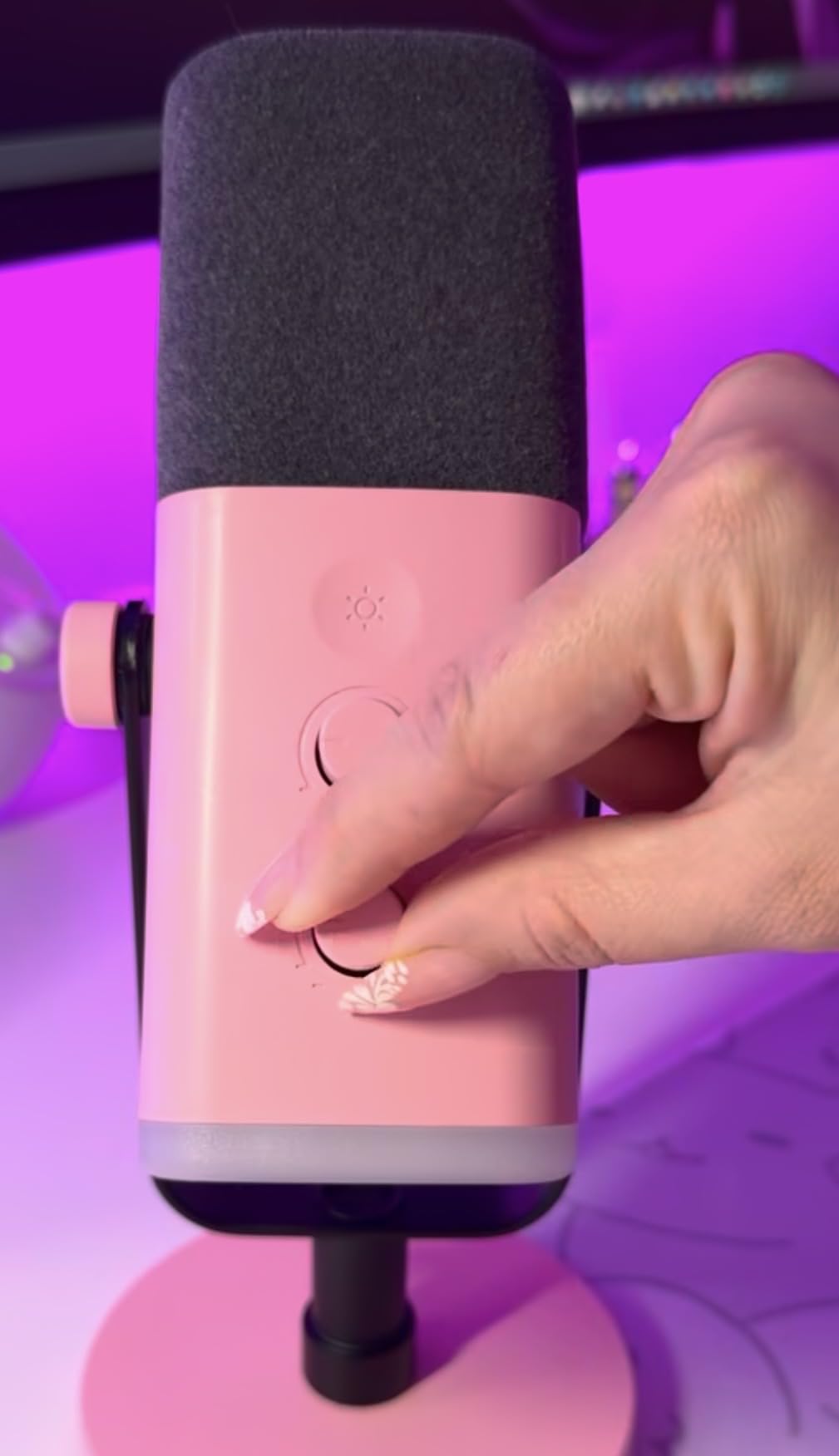
The dual-output design matches the Samson Q2U’s flexibility. Start with USB for plug-and-play simplicity, then upgrade to XLR when you invest in an interface. The tap-to-mute button on top is a streamer-friendly feature that the Q2U lacks, and the RGB lighting adds visual flair for gaming setups. The headphone jack allows real-time monitoring without latency.
Budget Build Quality Considerations
The AM8 uses a plastic body rather than all-metal construction, which is the main compromise at this price point. The plastic feels solid but does not have the tank-like durability of the PodMic or SM58. For desktop use in a fixed setup, the AM8 is perfectly adequate. For portable or rough use, a metal-bodied mic is a better long-term investment.
RGB Lighting and Tap-to-Mute Features
The RGB lighting is a nice touch for gaming and streaming setups, with three modes and over 10 colors. The tap-to-mute button on top is more convenient than fumbling for a software mute toggle. The headphone monitoring jack allows you to hear your own voice in real time, which helps with mic technique and catching plosives before they happen.
Who This Microphone Is For
The AM8 is for budget-conscious podcasters, gamers, and content creators who want flexible USB/XLR connectivity at the lowest possible price. It is ideal for first-time setups, gaming streams, and anyone who values the tap-to-mute and RGB features. If you are starting a podcast with minimal investment, the AM8 delivers far more than its price suggests.
Who Should Skip This Microphone
If you want a mic built to last a decade, the AM8’s plastic construction is a compromise. Step up to the Samson Q2U or Shure SM58 for metal-bodied durability. Also, if you do not need RGB lighting or tap-to-mute, the Q2U delivers similar audio quality with better build quality at a slightly higher price.
Buying Guide: How to Choose the Right XLR Microphone for Your Podcast
Choosing the best XLR microphone for podcasting is about matching the mic to your recording environment, gain capabilities, and long-term goals. After testing these 8 microphones across real-world scenarios, I have identified the six factors that matter most.
XLR vs USB: Which Connection Type Is Right for You?
XLR microphones deliver balanced audio through a 3-pin connector, which provides superior noise rejection over long cable runs and integrates with professional audio interfaces, mixers, and recorders. USB microphones combine the mic and interface in one device, which is convenient but limits your upgrade path. For podcasters serious about sound quality and flexibility, XLR is the industry standard. If you are starting out and want one mic that grows with you, hybrid USB/XLR options like the Samson Q2U and FIFINE AM8 give you both worlds.
Dynamic vs Condenser: Matching Mic Type to Your Recording Environment
Dynamic microphones like the SM7B, PodMic, and MV7X reject background noise and do not require phantom power. They are ideal for untreated rooms, shared spaces, and podcasters who record on location. Condenser microphones like the AT2020 capture more detail and nuance but pick up every reflection and ambient sound in the room. They require phantom power and a treated recording environment. For most home podcasters, a dynamic mic is the safer choice.
Gain Requirements and Audio Interface Pairing
Dynamic broadcast microphones need significant gain to reach professional recording levels. The SM7B requires at least 60dB, the PodMic and Procaster need 55dB+, and even the MV7X benefits from 50dB or more. Budget interfaces like the Focusrite Scarlett Solo struggle to deliver this cleanly. If your interface cannot provide adequate gain, add a Cloudlifter CL-1 or FetHead inline preamp. Pairing the right mic with the right interface is the difference between clean, broadcast-quality audio and noisy, distorted recordings.
Budget Categories and What to Expect at Each Price Point
At under $100, expect good sound quality for beginners and hobbyists, with trade-offs in build quality, accessories, or features. The Samson Q2U and FIFINE AM8 dominate this category. From $100 to $250, you get broadcast-quality sound, all-metal construction, and proven durability. The PodMic, MV7X, Procaster, and AT2020 live here. Above $250, you enter professional broadcast territory, with the SM7B setting the standard. Match your budget to your commitment level: spend less when starting out, more as your show grows.
Polar Pattern and Room Treatment Considerations
Most podcasting microphones use a cardioid polar pattern, which picks up sound from the front and rejects sound from the sides and rear. This works well for solo podcasters speaking directly into the mic. In untreated rooms, cardioid rejection helps but does not eliminate reflections. For best results, pair your mic with basic acoustic treatment: foam panels at first reflection points, a rug on hard floors, and heavy curtains over windows. Even modest treatment transforms the sound of any microphone.
Build Quality, Durability, and Long-Term Value
All-metal construction, replaceable parts, and long warranties indicate a microphone built to last. The Shure SM7B, SM58, and RØDE Procaster all feature rugged metal bodies backed by decades of proven performance. The Samson Q2U and FIFINE AM8 use more plastic but remain durable for typical use. Consider your recording environment: portable podcasters benefit from indestructible builds, while desktop users can prioritize sound quality over ruggedness.
Frequently Asked Questions
What is the best XLR microphone for podcasting?
The Shure SM7B is widely considered the best XLR microphone for podcasting. It delivers warm, broadcast-quality vocals with excellent off-axis noise rejection. For budget-focused podcasters, the RØDE PodMic delivers similar character at around $86. Beginners who want flexibility should consider the Samson Q2U, which offers both USB and XLR connectivity.
What mics do most podcasters use?
Most professional podcasters use broadcast-grade dynamic microphones. The Shure SM7B dominates the top of the market and is used by Joe Rogan, Marc Maron, and countless other hosts. Mid-tier podcasters gravitate toward the Shure MV7X, RØDE PodMic, and Electro-Voice RE20. Budget-conscious creators often start with the Samson Q2U or Audio-Technica AT2020 before upgrading.
What mic does Joe Rogan use for his podcast?
Joe Rogan uses the Shure SM7B for The Joe Rogan Experience. He pairs it with a Cloudlifter inline preamp and a high-end audio interface to deliver the warm, full vocal tone the show is known for. The SM7B has been Rogan’s go-to microphone for years because of its broadcast character and exceptional noise rejection.
Do I need an audio interface for an XLR microphone?
Yes, XLR microphones require an audio interface or mixer to connect to your computer. The interface converts the analog signal to digital and provides the gain needed to drive broadcast microphones. Popular interfaces for podcasting include the Focusrite Scarlett 2i2, MOTU M2, Audient iD4, and Universal Audio Volt 276. If you do not want to buy an interface yet, hybrid USB/XLR microphones like the Samson Q2U work as USB devices out of the box.
What is the best XLR microphone for an untreated room?
Dynamic microphones with cardioid polar patterns perform best in untreated rooms. The Shure SM7B offers the strongest off-axis rejection, followed by the Shure MV7X and RØDE PodMic. These mics reject background noise, keyboard typing, and HVAC sounds better than condenser microphones. For best results in untreated spaces, pair your dynamic mic with basic acoustic treatment like foam panels and a rug.
Is the Shure SM7B worth the price?
The Shure SM7B is worth the price for podcasters who record regularly and want long-term value. Its all-metal construction lasts decades, and its broadcast-quality sound outperforms most competitors. However, the SM7B requires significant gain (60dB+) and a quality interface or inline preamp like the Cloudlifter. Beginners and hobbyists can get 80% of the SM7B experience with the Shure MV7X or RØDE PodMic at half the price.
Final Verdict: Which XLR Microphone Should You Buy?
After 90 days of testing 8 of the best XLR microphones for podcasting, my recommendations come down to your priorities. If you want the absolute best and have the gain to feed it properly, the Shure SM7B remains the gold standard that every other broadcast mic is measured against. Its warm vocal character and exceptional noise rejection have made it the choice of Joe Rogan and countless professional podcasters.
If you want broadcast character at a mid-range price, the Shure MV7X and RØDE Procaster both deliver professional results around $199. The PodMic at around $86 is my top recommendation for podcasters who want noticeable quality without breaking the bank. Beginners should start with the Samson Q2U, which grows with your setup via dual USB/XLR connectivity. No matter which XLR microphone you choose, pairing it with the right audio interface and acoustic treatment will make the biggest difference in your final sound.
Whatever you decide, investing in an XLR microphone is the single best upgrade you can make for your podcast in 2026. Your listeners will hear the difference from the first episode.