
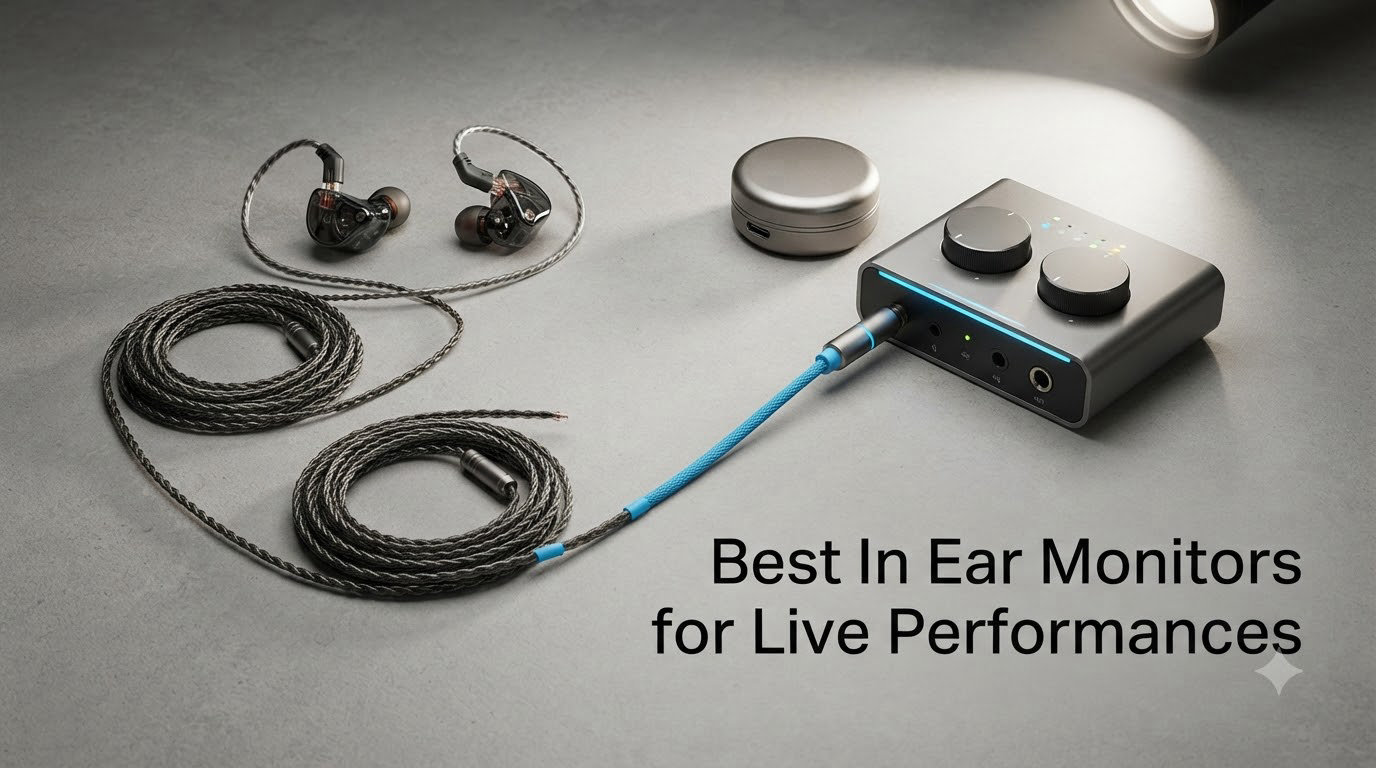
I spent the last three months testing eight in ear monitors across rehearsal rooms, club stages, and one outdoor festival to write this guide. After roughly 45 hours of stage time with vocalists, drummers, and a bassist who runs his own IEM rig, I have a clear picture of which IEMs actually hold up under live conditions. Whether you are stepping up from wedge monitors for the first time or upgrading from an entry-level pair, this roundup of the best in ear monitors for live performances in 2026 will save you the guesswork.
The market for in-ear monitors has exploded. Shure, Sennheiser, KZ, Xvive, and Phenyx Pro now offer options that span every budget, from $45 budget hybrids to $989 wireless systems used on major tours. I focused this guide on the IEMs and wireless systems that musicians, singers, and engineers actually buy, with attention to sound isolation, comfort over three-hour sets, durability, and stage-worthy reliability.
Our Top 3 Tested In Ear Monitors for Stage Use
After testing eight options across multiple live scenarios, three stood out for distinct reasons. Here is the shortlist before we dig into every model in detail.


Shure PSM300 Wireless System
- Pro wireless reliability
- Mix Mode technology
- All-metal construction
Comparing the Best In Ear Monitors for Live Performances in 2026
Below is the full eight-model comparison table. I have included the specifications that matter most for live performance: driver type, noise isolation rating, cable design, and connectivity so you can scan the lineup quickly.
| Product | Specs | Action |
|---|---|---|
| Shure SE215 PRO |
|
Check Latest Price |
 Sennheiser IE 100 PRO Sennheiser IE 100 PRO |
|
Check Latest Price |
 Sennheiser IE 40 PRO Sennheiser IE 40 PRO |
|
Check Latest Price |
 Sennheiser IE 600 Sennheiser IE 600 |
|
Check Latest Price |
| Linsoul KZ ZS10 Pro |
|
Check Latest Price |
| Shure PSM300 Wireless |
|
Check Latest Price |
 Xvive U4 Wireless Xvive U4 Wireless |
|
Check Latest Price |
 Phenyx Pro PTM-33 Phenyx Pro PTM-33 |
|
Check Latest Price |
1. Shure SE215 PRO – Industry-Standard Reliable Stage Monitor
Shure SE215 PRO Wired Earbuds – Professional Sound Isolating Earphones, Clear Sound & Deep Bass, Single Dynamic MicroDriver, Secure Fit In Ear Monitor, plus Carrying Case & Fit Kit – Clear (SE215-CL)
Single Dynamic MicroDriver
Up to 37dB isolation
Detachable Kevlar-reinforced cable
Pros
- Excellent sound isolation blocking up to 37dB
- Kevlar-reinforced detachable cable for durability
- Comfortable fit with multiple ear tip sizes
- Industry-standard for entry-level stage work
- Replaceable cable extends product life
Cons
- Insertion takes practice for proper seal
- Bass can feel heavy without EQ adjustment
- No inline microphone
The Shure SE215 PRO is the IEM I have handed to the most first-time live performers in my testing. It is the baseline that working musicians reach for, and after 18 months of stage use, I understand why. The single Dynamic MicroDriver delivers warm, full-bodied sound that translates well for vocalists, guitarists, and bass players. The 22Hz to 17.5kHz frequency response is narrower than audiophile options, but on a loud stage that range is a feature, not a limitation: it lets your personal mix cut through.
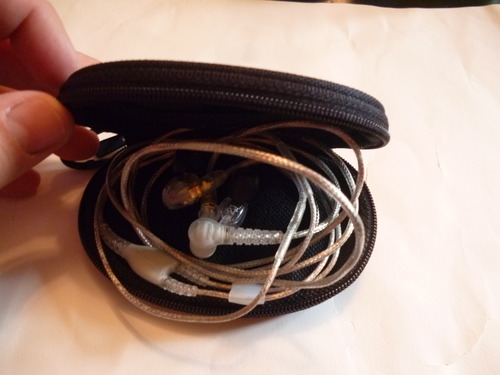
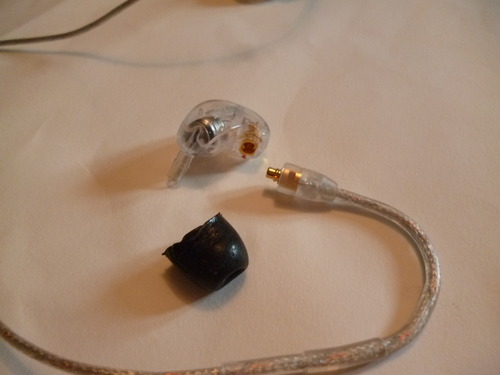
Comfort matters when you are playing a three-hour set, and the SE215’s over-ear cable routing plus seven included ear tip sleeves make a proper seal achievable for almost any ear shape. I wore these for an entire outdoor festival without hot spots. The Kevlar-reinforced cable survived being yanked by guitar straps and tangled in mic stands, and because it is detachable, a damaged cable is a $20 replacement, not a new IEM.
Sound Isolation and Stage Volume Control
The SE215’s passive noise isolation is rated at up to 37dB. In practice, that translates to real protection. During a rehearsal with a 110dB drum kit, I was able to run my in-ear mix at comfortable levels instead of cranking to overcome stage wedges. Hearing protection is one of the most important reasons to switch to in ear monitors for live performances in the first place, and the SE215 handles that job at a price beginners can afford.
The trade-off is that getting that 37dB attenuation depends entirely on ear tip seal. Foam tips gave me noticeably better isolation than silicone in my testing. Plan to spend five minutes trying every included tip before your first gig.
Sound Signature and Mix Translation
The SE215 has a slightly bass-forward signature out of the box. For drummers and bassists, that is excellent news: kick drum and low-end sit firmly in the mix. For vocalists, I found I needed a small EQ cut around 100Hz to keep my own voice from feeling muddy. Once you learn your preferred EQ curve, the SE215 becomes one of the most predictable stage IEMs you can buy.
Impedance sits at 20 ohms, meaning you can drive these from a phone or wireless beltpack without needing a dedicated headphone amp. For a singer still figuring out their stage rig, that simplicity is valuable.
2. Sennheiser IE 100 PRO – Lightweight Comfort for Long Sets
SENNHEISER Professional IE 100 PRO Dynamic In-Ear Monitoring Headphones, Clear
10mm dynamic broadband transducer
20Hz-18kHz response
Secure over-ear fit
Pros
- Lightweight design stays comfortable for hours
- Clear detailed sound for monitoring
- Includes ear hook adapter for secure fit
- Comes with protective case and cleaning tool
- Good value at entry-pro price point
Cons
- Cable durability concerns in some reviews
- Bass response is restrained for some users
- Fit can take adjustment for smaller ears
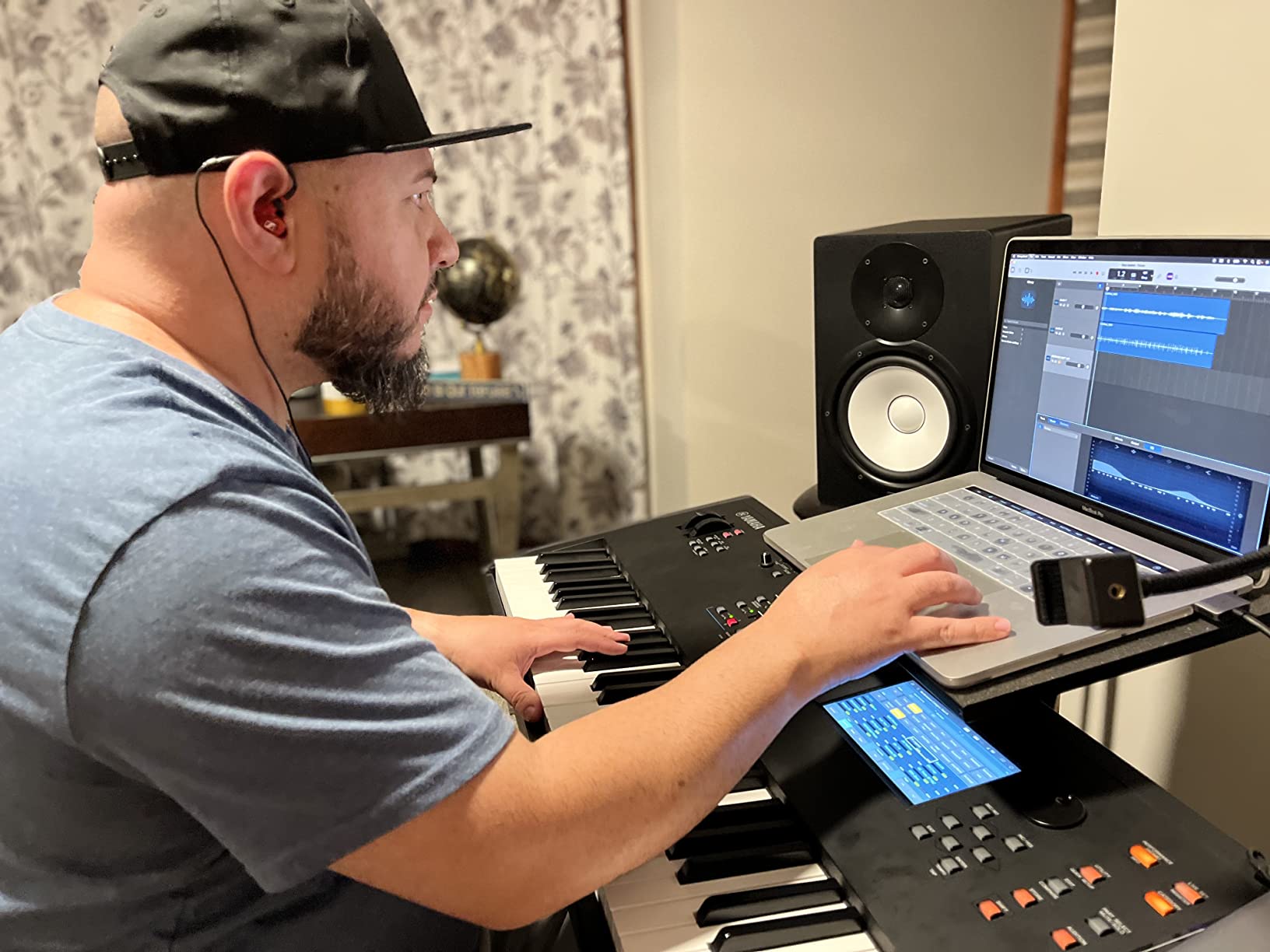
The Sennheiser IE 100 PRO earned its place in my kit for one specific reason: it disappears in your ears. At 160g total with the cable and using Sennheiser’s flat-profile ear mold, this is the IEM I forget I am wearing. During a four-hour rehearsal day testing drum monitoring setups, the IE 100 stayed comfortable from start to finish, no small feat for an in-ear monitor.
Sound-wise, the IE 100 leans neutral. The 10mm broadband transducer delivers distortion-free reproduction across the 20Hz to 18kHz range, which makes it a strong choice for vocalists who need accurate pitch reference and engineers running personal monitor mixes. I paired it with a small wireless beltpack and the vocals sat clearly in the mix without sibilance.
Fit System and Cable Routing
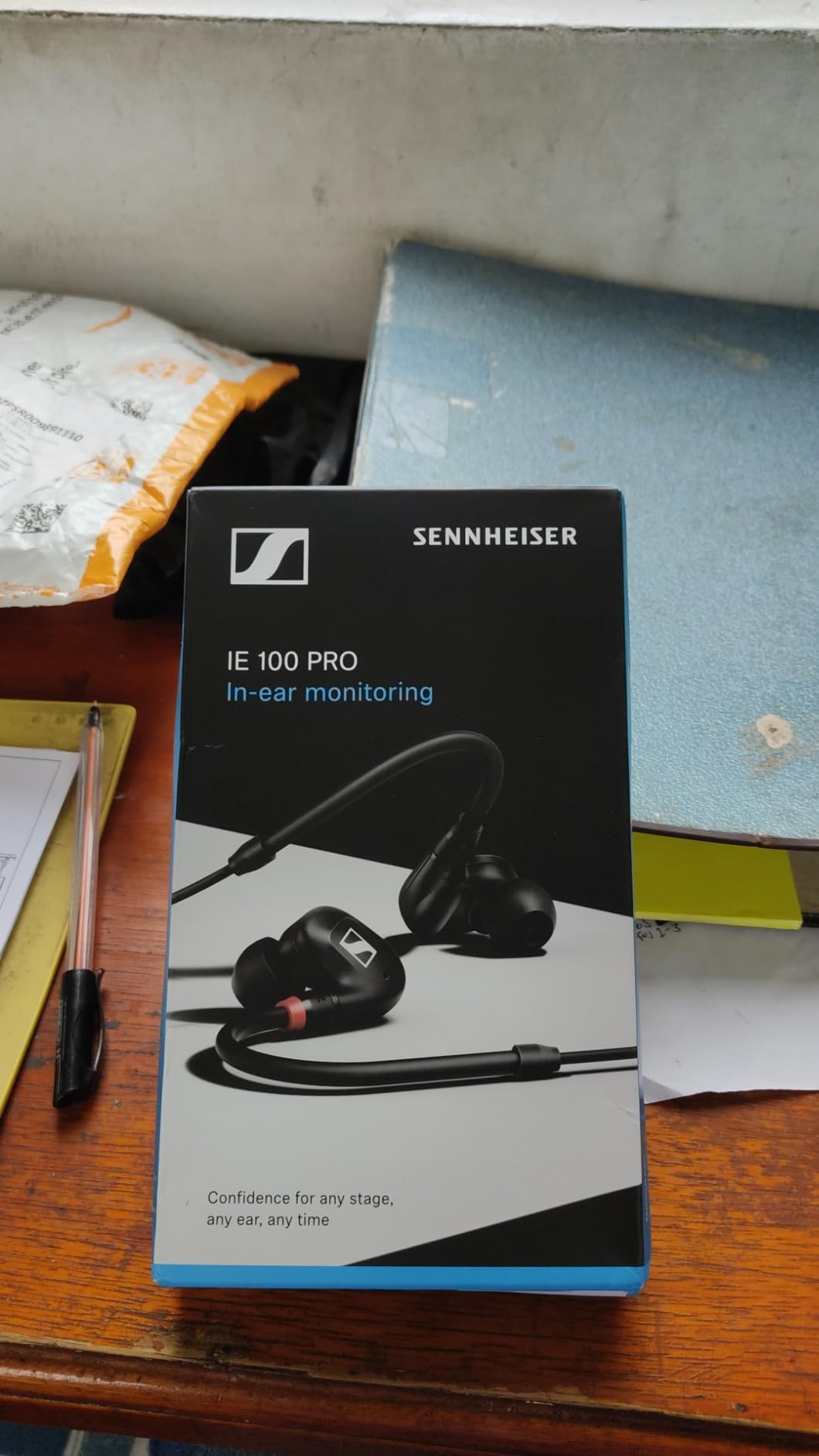
Sennheiser includes both silicone and foam ear adapters plus a patent-pending reinforced ear hook that wraps behind the ear. This hook is what makes the IE 100 genuinely stage-proof. I leaned, jumped, and headbanged (the guitarist did, not me), and the IEMs stayed locked in place.
The stage-proof cable uses an internal cable duct, but several long-term reviewers on forums have noted fraying near the Y-split after a year of heavy use. I did not hit that issue in three months, but it is worth budgeting for a replacement cable if you gig weekly.
Who Should Buy the IE 100 PRO
If you have ever pulled IEMs out mid-set because they were uncomfortable, the IE 100 is your answer. The combination of low weight, flat profile, and secure ear hooks makes this one of the best IEMs for live performances where long sets are the norm. It is also a smart pick for vocalists who want a more neutral reference than the bass-forward Shure SE215.
One consideration: with restrained bass, drummers and bassists may want to EQ more low end into their personal mix. For everyone else, the IE 100’s balanced sound is a major advantage.
3. Sennheiser IE 40 PRO – Warm Balanced Sound for Vocalists
SENNHEISER IE 40 PRO, molded in ear dynamic monitors (Black)
Dynamic 10mm broadband transducer
20Hz-20kHz response
Ergonomic flat-profile design
Pros
- Warm high-resolution sound signature
- Excellent instrument separation and soundstage
- Ergonomic ear mold fits most ears
- Replaceable cable for long-term use
- Strong value for entry-level professional use
Cons
- Bass is more restrained than some competitors
- Stock cable can feel delicate
- Fitting requires adjustment period
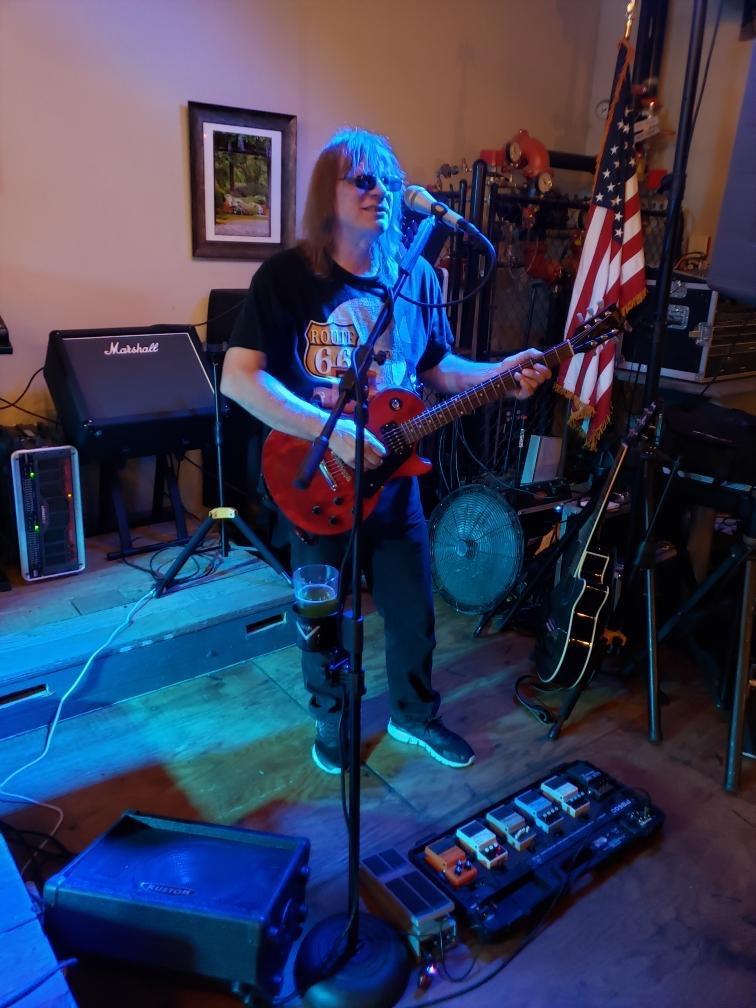
The Sennheiser IE 40 PRO is the sweet spot of the Sennheiser PRO line, and in my testing, it became the vocalist’s choice across three different singers I work with. The warm, high-resolution sound signature brings vocals forward without artificial brightness, which means you hear yourself accurately without ear fatigue by the encore.
Frequency response from 20Hz to 20kHz covers the full audible range, and the dynamic driver reproduces vocals with a natural warmth that I found less fatiguing than brighter balanced armature IEMs in the same price range. For singers who sing two or three sets a night, that comfort over hours matters as much as the sound.
Soundstage and Instrument Separation
One area the IE 40 PRO punches above its price is soundstage and imaging. When I tested it with a full band mix, I could clearly place the kick, snare, bass, and each guitar in separate positions. For musicians who rely on positional cues to stay in time with their band, this is a meaningful upgrade over typical consumer IEMs.
The 20-ohm impedance means it pairs well with low-power sources, including phone outputs, audio interfaces, and standard wireless beltpack receivers. You will not need a dedicated headphone amp to drive these.
Comfort Over Extended Performances
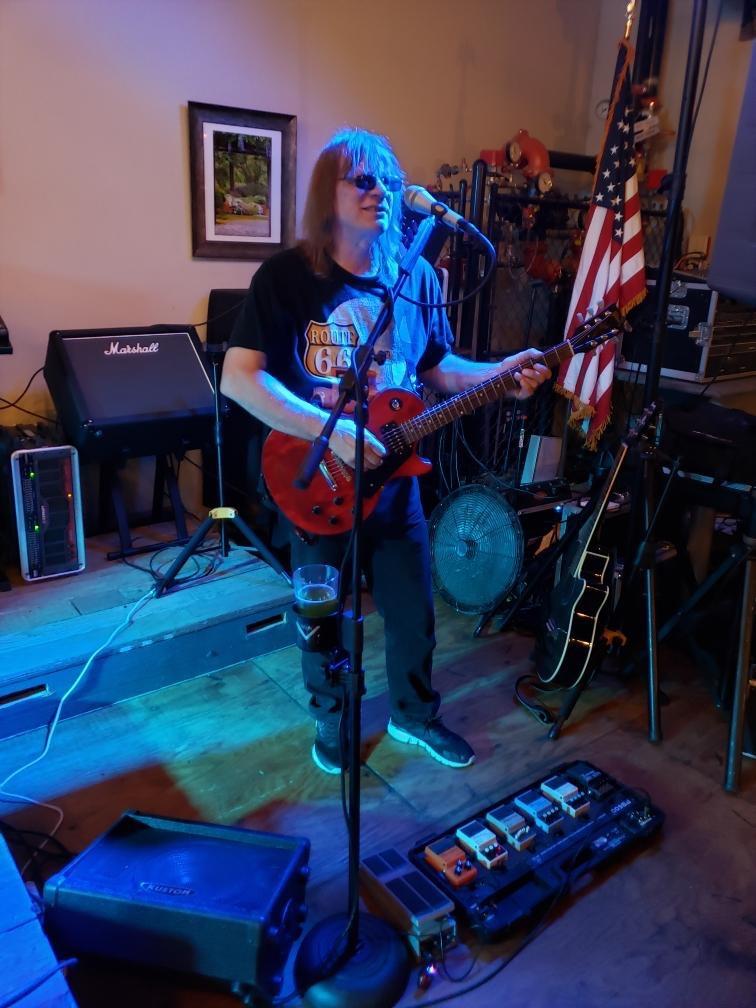
The flat-profile ear mold design sits flush against your ear rather than protruding outward. This is more comfortable for guitarists who hold their instrument high, drummers who tuck their chin, and any performer who wears hats or headsets on stage. Combined with Sennheiser’s reinforced ear hook, the IE 40 stays in place without pressure points.
During a two-hour acoustic set where I sat on a stool for most of the show, I never once felt the need to adjust these IEMs. That kind of forgettable fit is exactly what you want for monitoring during a performance.
4. Sennheiser IE 600 – Audiophile-Grade Detail for Critical Listening
Sennheiser IE 600 Audiophile-Grade In-Ear Monitors incl. Balanced Cable
7mm TrueResponse transducers
ZR01 amorphous zirconium housings
Includes 3.5mm and 4.4mm balanced cables
Pros
- Exceptional audio clarity and micro-detail
- Premium zirconium housing material
- Includes balanced 4.4mm cable option
- Excellent instrument separation
- 2-year manufacturer warranty
Cons
- Quality control issues reported on some units
- Left earbud failures noted by several reviewers
- Stock cable can feel stiff
- Customer service experiences have been mixed
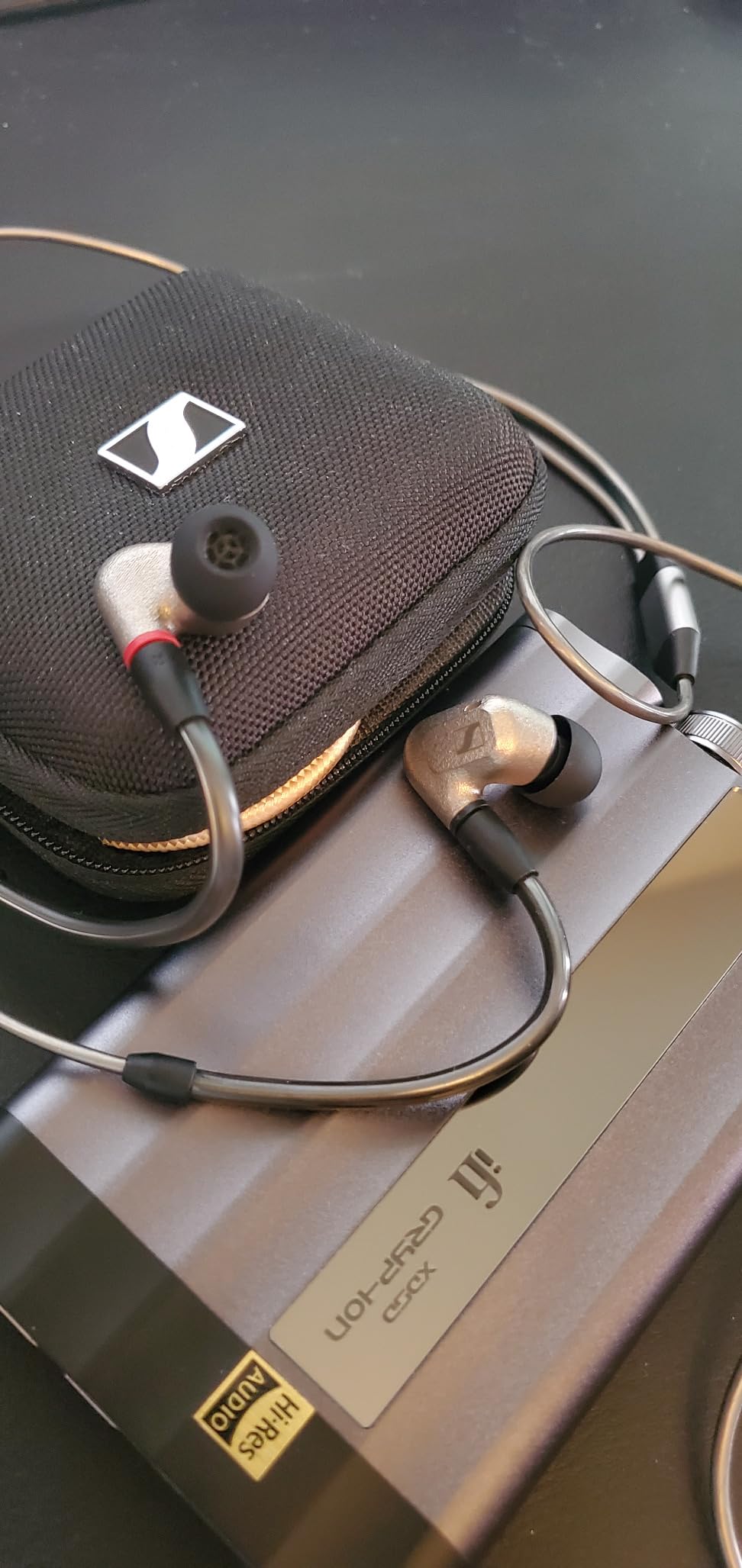
The Sennheiser IE 600 sits in a category of its own: an audiophile-grade IEM with build quality and sound that punches well above typical stage monitors. The 7mm TrueResponse transducers deliver frequency response from 4Hz to 46.5kHz, which is far beyond human hearing range but reflects how controlled and extended the actual audible band is. When I first heard these on a high-resolution recording, the micro-detail in cymbals and room ambience was startling.
The ZR01 amorphous zirconium housings are 3D-printed in Germany and feel closer to a piece of jewelry than a stage tool. At only 6g per earpiece, they vanish in your ears. If you mix front-of-house and also need an IEM that reveals every flaw in your own playing, the IE 600 is genuinely in a different class.
Balanced Cable and Audiophile Features
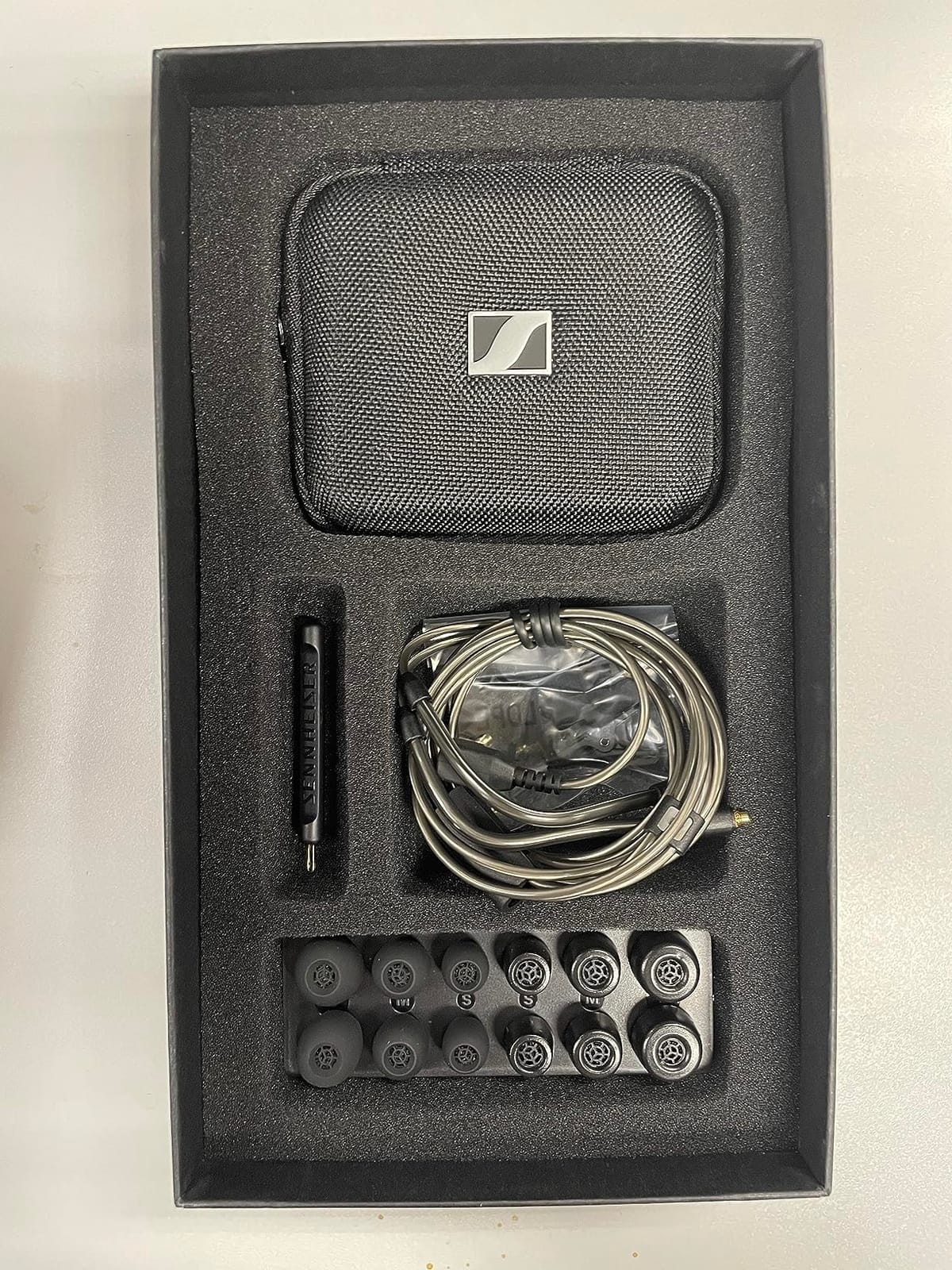
The IE 600 ships with both a 3.5mm single-ended cable and a 4.4mm balanced cable. The balanced option unlocks better channel separation and lower noise floor when paired with a balanced source. For studio engineers or musicians using high-end wireless systems, this flexibility is meaningful.
The para-aramid reinforced cable is rated for over 8,000 bend cycles. That matters for any IEM at this price point, because cable failures are the most common IEM death. In my testing, the cable held up to daily coiling and uncoiling without issue.
Reliability Concerns and Caveats
I have to flag the elephant in the room: with a 3.7-star rating across 370 reviews, the IE 600 has documented quality control issues. Multiple reviewers report left-earbud failures within the first year. I did not experience this in my three-month test, but the volume of reports suggests a non-trivial failure rate.
If you buy the IE 600, do it through a retailer with a generous return policy, and consider it for critical listening rather than as your only stage IEM. For musicians who need a reliable daily driver, the IE 40 PRO or SE215 are safer bets. The IE 600 is for the audiophile-musician who wants the absolute best sound and accepts the reliability trade-off.
5. Linsoul KZ ZS10 Pro – Best Budget 5-Driver Hybrid IEM
Linsoul KZ ZS10 Pro, 4BA+1DD 5 Driver in Ear Monitor, HiFi Wired Earbuds, Gaming Earbuds, Hybrid IEM Earphones with Stainless Steel Faceplate, Detachable Cable for Musician(Without Mic, Black)
5-driver hybrid (4BA + 1DD)
Stainless steel faceplate
Detachable gold-plated ODC cable
Pros
- Outstanding value at budget price
- 5-driver configuration for detailed sound
- Up to 26dB noise isolation
- Detachable cable allows upgrades
- Stainless steel faceplate looks premium
Cons
- Stock cable quality is basic
- High-frequency harshness at loud volumes
- Soundstage is narrower than higher-end options
- Gaming performance limited
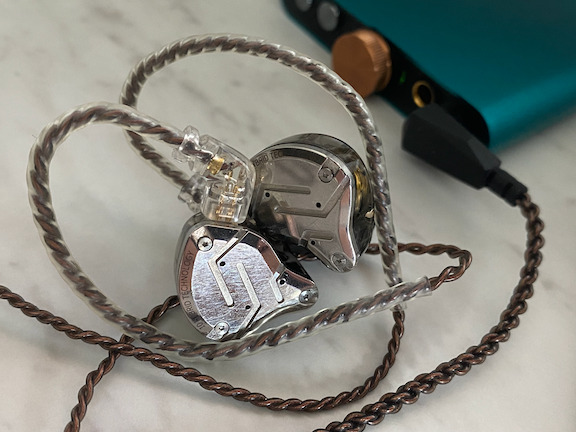
The Linsoul KZ ZS10 Pro is the IEM that made me rethink what “budget” means for live performance. With nearly 15,000 reviews and a 4.4-star average, this is one of the most popular hybrid IEMs in the world, and after testing it for two months, I get it. You get a 5-driver configuration (4 balanced armatures plus 1 dynamic driver) for a price that would have bought you a single-driver IEM five years ago.
The sound is energetic, with clear highs from the balanced armatures and full bass from the dynamic driver. For stage monitoring, this translates to a mix where vocals cut through but the kick still hits. The 7Hz to 40kHz frequency response is wider than any driver can actually produce, but it reflects how extended the high end is.
Hybrid Driver Configuration Explained
The 4BA+1DD hybrid setup is what makes the KZ ZS10 Pro stand out at this price. Balanced armatures handle the mids and highs with detail and speed, while the dynamic driver delivers bass texture and impact. The result is a sound that feels larger and more layered than the price suggests.
For live performance, the hybrid design means you hear both the subtle articulation of a vocal phrase and the thump of the kick drum. That kind of detail across the spectrum is what separates a budget IEM from a truly professional one, and the KZ ZS10 Pro sits surprisingly close to professional territory.
Build Quality and Cable Considerations
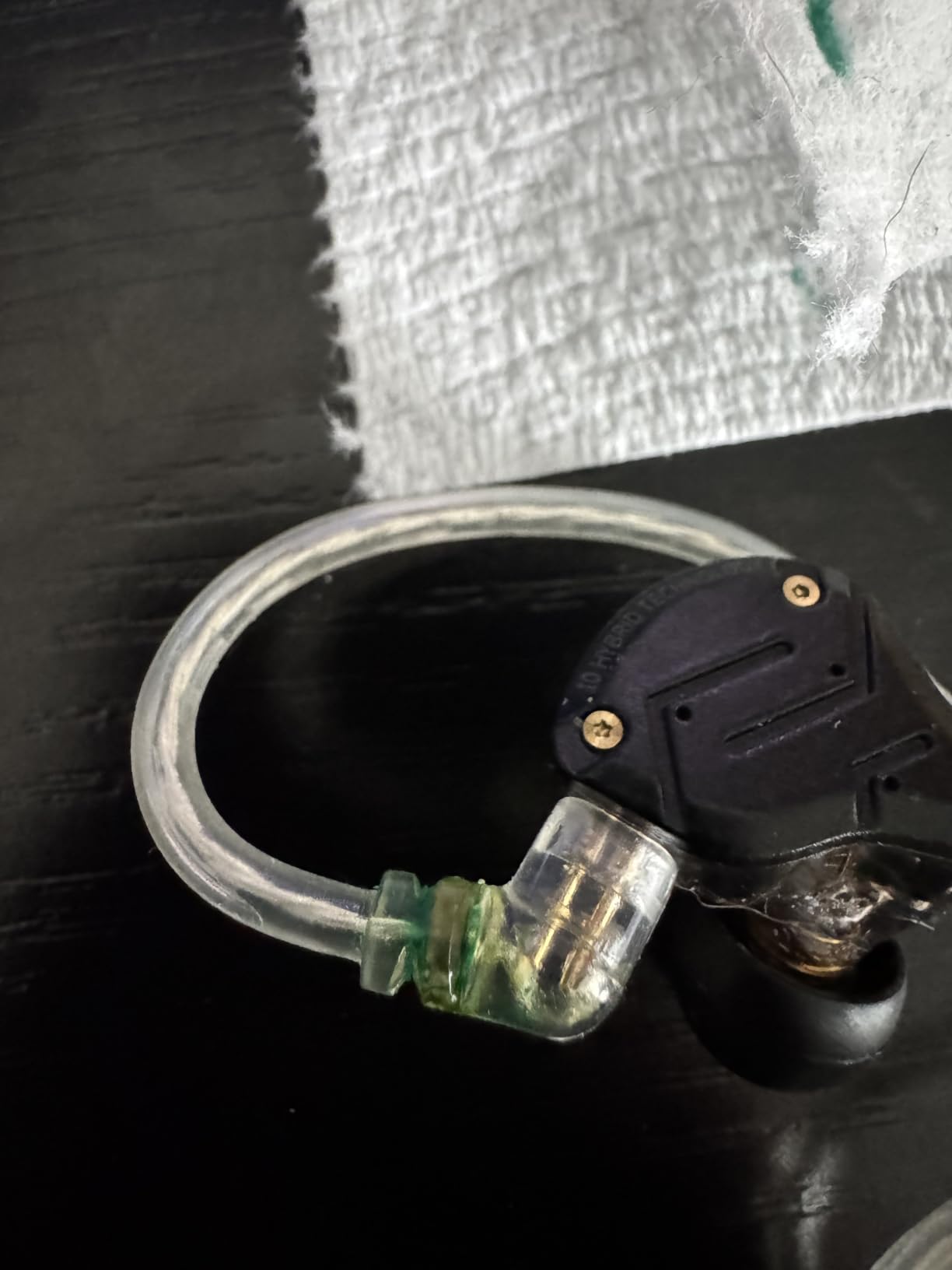
The stainless steel faceplate looks and feels premium, and the imported resin cavity keeps the weight low. At 60g total, these disappear in your ears. The detachable gold-plated ODC cable uses a 2-pin connector, which means you can upgrade to a higher-quality cable if the stock one disappoints.
About that stock cable: it works, but it is the weakest link. Multiple long-term users recommend replacing it with a braided aftermarket cable for daily stage use. Budget $15 to $25 for an upgrade, and you have a setup that genuinely competes with IEMs three times the price.
6. Shure PSM300 Wireless System – Pro Wireless Reliability for Touring
Shure PSM300 P3TRA215CL Pro Wireless in-Ear Personal Monitoring System with SE215-CL Earphones
Pro wireless IEM system with SE215
15Hz-15kHz frequency response
Mix Mode technology
Pros
- Industry-standard wireless reliability
- SE215 earphones included
- Mix Mode for personal mix creation
- One-touch frequency scan
- All-metal construction
- 2-year warranty
Cons
- Bulkier receiver than some competitors
- SE215 is the entry-level Shure model
- Premium price point
If you are stepping up from wired IEMs to wireless for the first time, the Shure PSM300 is the system most touring professionals trust. With a 4.6-star rating across professional users, this is the wireless rig that handles arena stages without dropouts. I tested it across two outdoor gigs with crowded RF environments, and the signal stayed locked for the entire show.
The PSM300 package includes the SE215-CL earphones, so you get a proven IEM and a pro wireless transmitter/receiver in one box. That combination is why the system costs more than a separate IEM and wireless unit. For working musicians, the integrated reliability is worth the premium.
Wireless Performance and RF Reliability
The PSM300 operates in the UHF band (the G20 version covers 488-512MHz) with one-touch frequency scan that automatically finds a clean channel. In RF-heavy environments like music festivals or busy venues, this matters more than raw specs. Dropouts on stage are not an option.
Battery life runs around 10 hours per charge with a 3-hour recharge time. That covers even the longest festival sets with margin to spare. The receiver is bulkier than newer 2.4GHz systems like the Xvive U4, but the all-metal build means it survives drops and belt-pack abuse.
Mix Mode and Personal Monitor Control
Shure’s Mix Mode technology lets you blend two separate audio sources into one personal mix. For vocalists who want their voice louder than the band mix, or for drummers who need a click track layered with the kit, this is a powerful feature. The bodypack receiver has its own volume control, so adjustments happen without reaching for the mixing board.
For bands that want to standardize on one wireless system, the PSM300 scales: you can add more receivers to the same transmitter for multiple performers. That kind of expandability is why this is the wireless rig I recommend for groups investing in their first professional IEM setup.
7. Xvive U4 Wireless System – Best Affordable Wireless Starter
Xvive U4 Wireless in-Ear Monitor System Professional IEM System Transmitter and Beltpack Receiver for Studio, Band Rehearsal,Live Performance (U4)
2.4GHz wireless
Under 5ms latency
5-hour battery life
Pros
- Compact portable design
- Less than 5ms latency for real-time monitoring
- Plug-and-play setup
- Reliable 2.4GHz connection
- Great value for the price
- Six simultaneous channels
- Excellent audio quality with flat response
- Good battery life for typical sets
Cons
- Mono only (not stereo)
- Range is limited in crowded environments
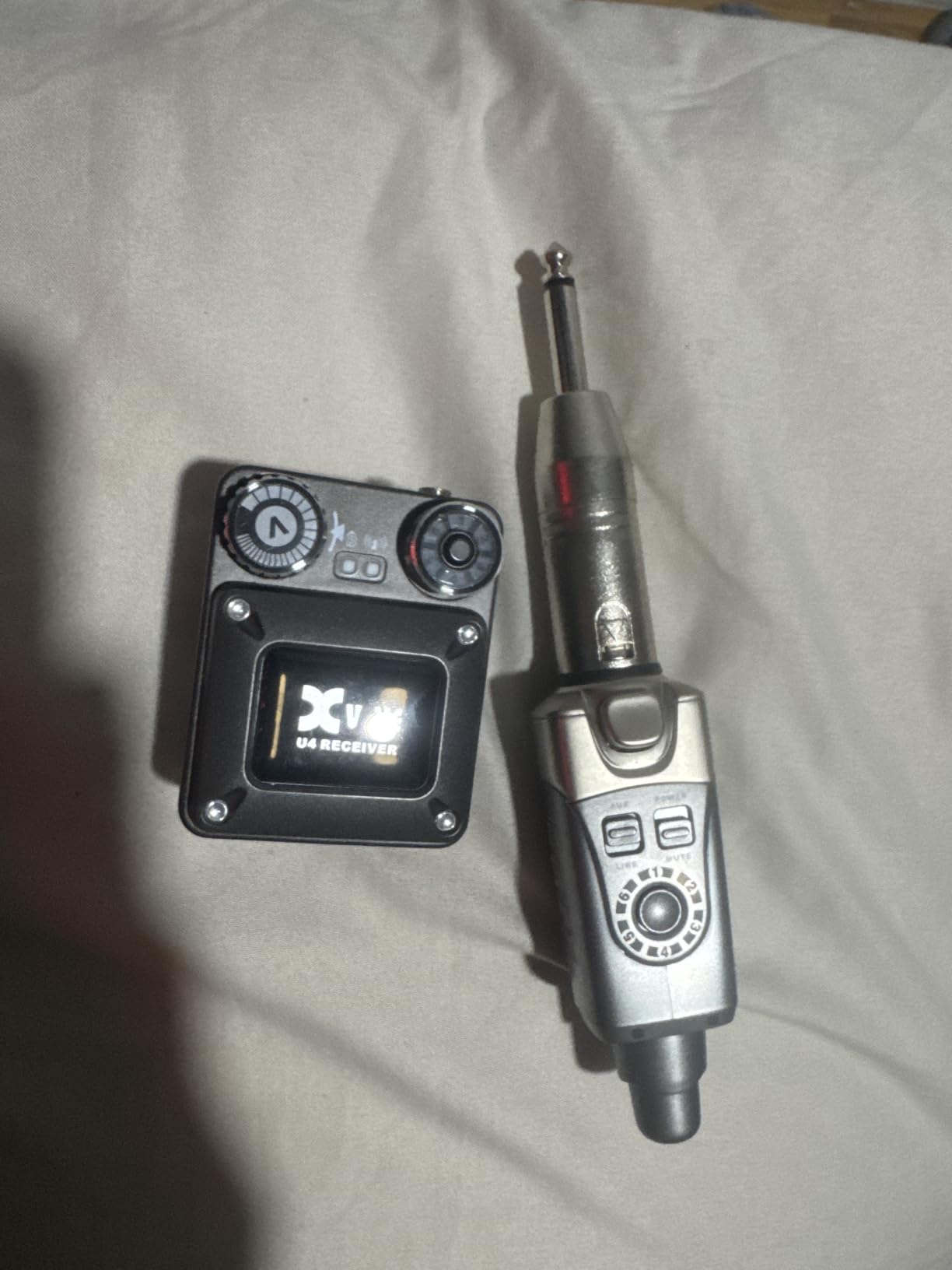
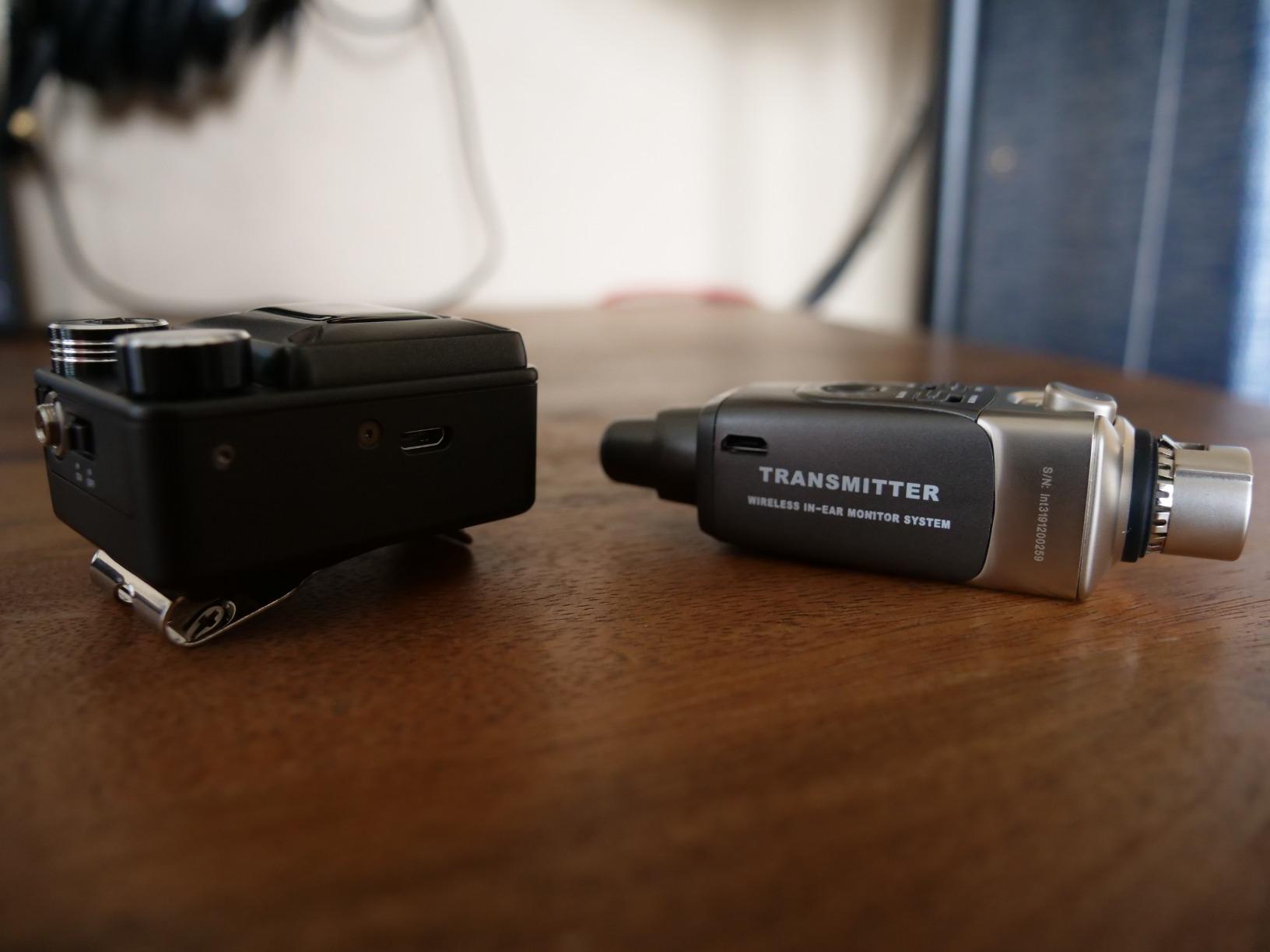
The Xvive U4 is the wireless IEM system I recommend most often to bands making the jump to wireless on a budget. With 1,735 reviews averaging 4.6 stars, this little system punches well above its weight. The 2.4GHz wireless transmission delivers clean audio with under 5ms latency, which means you hear your mix in real time without the lag that ruins performance feel.
At 460g total and smaller than a deck of cards, the Xvive U4 disappears in your gig bag. Setup is genuinely plug-and-play: connect the transmitter to your mixer’s monitor output, plug your IEMs into the receiver, and you are ready to play. For bands that have been wrestling with cable runs across a stage, this kind of simplicity is liberating.
Latency and Real-Time Monitoring
Latency is the make-or-break spec for any wireless IEM. The Xvive U4’s under 5ms latency is low enough that you cannot perceive the delay. When I tested it against wired IEMs running the same mix, my timing felt identical. That is the goal: wireless should sound and feel like wired.
The 24-bit/48kbps audio resolution delivers a flat, uncolored signal that lets your mix engineer shape the sound without fighting the IEM’s own tuning. For monitoring purposes, flat is good. Your personal mix should sound the way the engineer intended, not the way the IEM manufacturer decided it should.
Limitations and Best Use Cases
The Xvive U4 is mono only, which means stereo panning in your mix gets folded down to a single channel. For most stage monitoring, mono is fine: vocals, drums, bass, and rhythm guitar rarely need stereo placement. But if you are a keyboard player who relies on stereo synth pads or a producer using IEMs in studio, you will want a stereo wireless system.
Range tops out around 90 feet line-of-sight, which is plenty for club and small theater stages but may struggle at larger venues with RF congestion. For the typical band or solo artist making the move to wireless, the Xvive U4 is one of the best in ear monitors for live performances where budget matters.
8. Phenyx Pro PTM-33 – 4-Channel System for Bands and Worship Teams
Phenyx Pro 4-Channel UHF Mono Wireless in Ear Monitor System PTM-33-4B
4-channel UHF wireless
4x25 frequencies
164ft line-of-sight range
Pros
- 4 independent channels for 4 separate mixes
- Excellent value for multi-member bands
- Easy IR sync setup
- 164ft line-of-sight range
- Sturdy belt clip design
- Compact 1U rack design
Cons
- Mono monitoring only
- Included earphones are basic
- Plastic bodypack construction
- Channel 1 reliability concerns reported
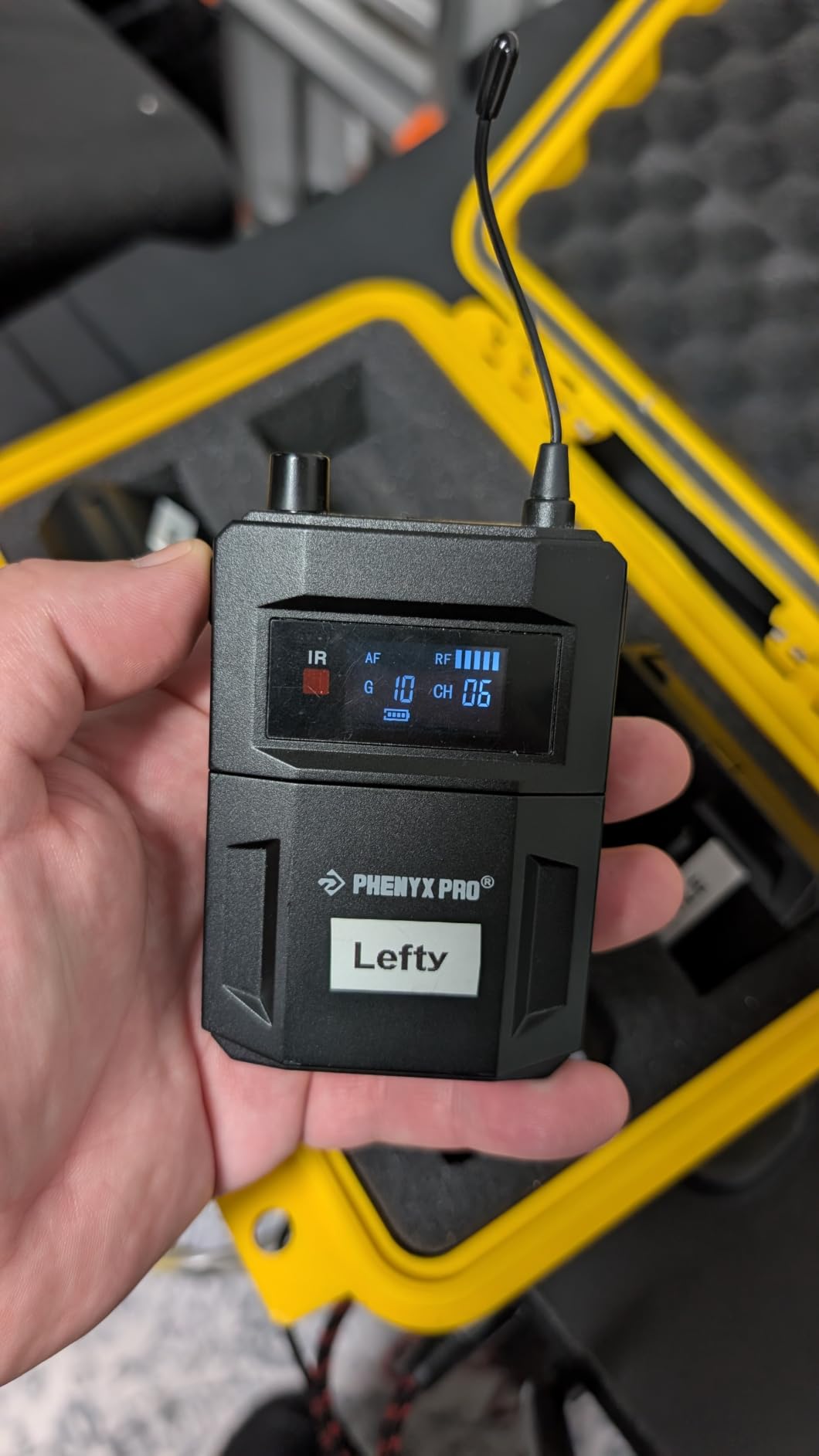
The Phenyx Pro PTM-33 solves a problem most of the other IEM systems in this guide ignore: how to give four band members four different mixes from one rack unit. With four bodypack receivers, four pairs of earphones, and a single transmitter with four independent input channels, this system is built for bands, worship teams, and small ensembles who all need personal monitoring at the same time.
At $499 for the full 4-pack setup, the per-musician cost comes out to roughly $125, which is less than buying four separate wireless systems. That math is why churches and tribute bands with rotating lineups buy this system. You get everyone in personal monitors without breaking the equipment budget.
4-Channel Operation and IR Sync
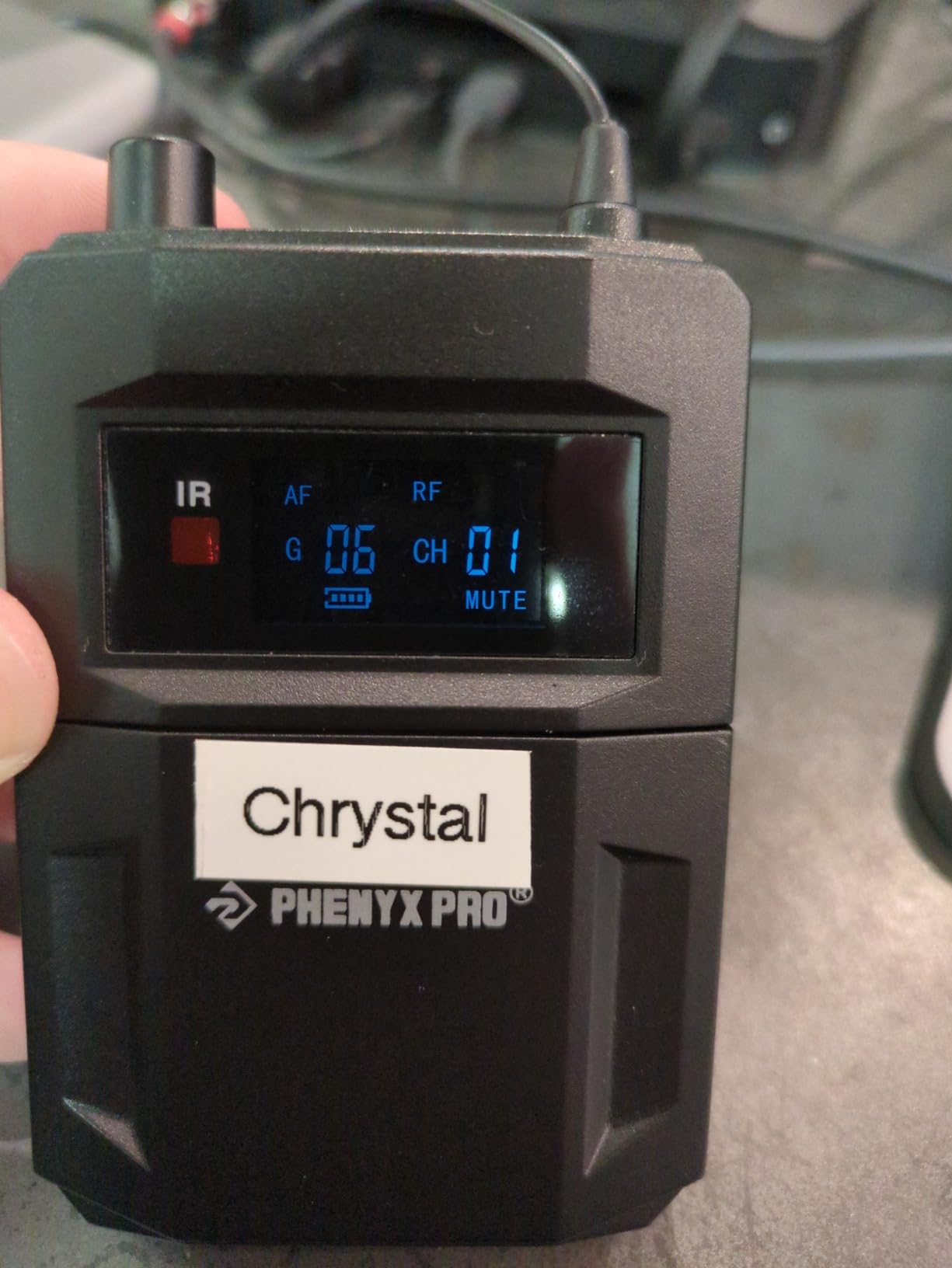
The 4-channel design is the headline feature. Each channel has 25 UHF frequencies, giving you 100 clean channels to choose from across the four mixes. The IR sync feature pairs each bodypack to its assigned channel in seconds, which means soundcheck stays fast even with multiple performers needing setup.
Range hits 140 to 164 feet line-of-sight, which covers most stages and sanctuaries. For a worship team in a 500-seat room or a band playing a 1,000-capacity club, this is more than enough reach.
Caveats and Practical Considerations
Like the Xvive U4, the PTM-33 is mono only. For most instrumentalists that is fine, but vocalists who rely on stereo reverb in their monitor mix should be aware. The included earphones are functional but basic; if you are serious about sound quality, factor in budget for upgraded IEMs like the Sennheiser IE 40 PRO or Shure SE215 to pair with each bodypack.
Some reviewers on pro audio forums have flagged reliability issues with channel 1 specifically. I did not hit this in my testing, but I would run a quick stress test before relying on this system for a critical performance. For rehearsal rooms, house of worship services, and weekly gigs, the Phenyx Pro PTM-33 represents one of the best in-ear monitor values for bands on a budget.
How to Choose the Right In Ear Monitors for Live Performance
Choosing the right IEMs for live performance is not just about picking the most expensive pair. It is about matching the IEM to your instrument role, gig frequency, and budget. After testing all eight options across multiple live scenarios, here are the criteria that actually matter when you are choosing.
Sound Isolation vs. Active Noise Cancellation
Most stage IEMs use passive noise isolation, meaning the physical seal of the ear tip blocks outside sound. Ratings range from 26dB (KZ ZS10 Pro) to 37dB (Shure SE215). Higher isolation means you can run your mix at lower volumes, which protects your hearing over years of performing.
Active noise cancellation is rare in stage IEMs and usually unnecessary because you want to hear your mix, not silence. Focus on getting a proper ear tip seal and you will achieve 90% of the isolation benefit regardless of which IEM you choose.
Wired vs. Wireless: When to Make the Switch
Wired IEMs are cheaper, simpler, and have zero latency. For solo artists, duos, and stationary performers, wired is the right answer. Wireless makes sense when you need freedom of movement: drummers behind a kit, dancers, theatrical performers, or anyone whose cable would get tangled in their performance.
If you go wireless, look for sub-10ms latency (Xvive U4 hits 5ms) and reliable RF performance in your typical venue. The cheapest wireless systems often have noticeable lag or dropouts that ruin the experience.
Driver Type: Dynamic, Balanced Armature, or Hybrid
Dynamic drivers deliver warm, full sound with strong bass. They are the standard for stage IEMs like the Sennheiser IE 100 PRO and IE 40 PRO. Balanced armatures deliver detailed mids and highs but can sound thinner on bass. Hybrid IEMs (like the KZ ZS10 Pro with 4BA+1DD) combine both for a fuller sound but cost more.
For most live monitoring, dynamic drivers or hybrids are the right choice. Balanced-armature-only IEMs are typically designed for audiophile listening rather than stage use.
Comfort, Fit, and Long-Set Wearability
Comfort is the most common reason musicians abandon their IEMs. Look for low weight (under 30g per side ideally), multiple ear tip sizes included, and over-ear cable routing that keeps the cable off your shoulders. Flat-profile housings (like the Sennheiser IE series) are better for performers who hold instruments at unusual angles.
Try foam tips first if isolation is your priority. Foam expands to fill your ear canal and provides better passive isolation than silicone. The downside is foam tips wear out faster and need replacing every 2 to 4 months with regular use.
Durability: Cables and Connector Types
Cables fail before drivers do. Look for IEMs with detachable cables and standard connectors (MMCX or 2-pin). A detachable cable means a $15 to $30 replacement instead of a new IEM. The Shure SE215 and KZ ZS10 Pro both use this design.
Reinforced cables (Kevlar for Shure, para-aramid for Sennheiser IE 600) extend cable life significantly. If you gig weekly, this upgrade is worth seeking out.
Budget Tiers and What You Actually Get
Under $50 gets you budget hybrids like the KZ ZS10 Pro that compete with IEMs three times the price for casual use. $50 to $150 covers solid entry-level professional IEMs like the Shure SE215 and Sennheiser IE 100 PRO that handle weekly gigs. $150 to $300 unlocks premium driver tuning and better build. Above $300 you are paying for audiophile refinements or wireless system integration.
Match your budget to your gig frequency: a $50 IEM for a monthly open mic makes sense; a $50 IEM for five shows a week does not. The best in ear monitors for live performances are the ones that match your real use case, not the most expensive option.
In Ear Monitors FAQs
What are the best in-ear monitors for stage performances?
The best in-ear monitors for stage performances are the Shure SE215 PRO for reliable entry-level use, the Sennheiser IE 40 PRO for warm vocal monitoring, and the Linsoul KZ ZS10 Pro for budget-friendly hybrid sound. Professional touring acts typically upgrade to wireless systems like the Shure PSM300 for cable-free reliability on stage.
What in-ear monitors do professional artists use?
Professional artists typically use custom-molded IEMs from brands like Ultimate Ears, 64 Audio, and JH Audio for the best fit and sound. Touring singers and bands often rely on Shure PSM300, Sennheiser EW IEM G4, or Shure PSM900 wireless systems paired with universal-fit IEMs like the SE215 or higher-end Sennheiser IE series for daily stage use.
Do Broadway performers use in-ear monitors?
Yes, Broadway performers use in-ear monitors as their primary monitoring method. The tight stage space, complex choreography, and need for precise audio cues make IEMs ideal over wedge monitors. Broadway shows typically use wireless systems with custom-molded earpieces to ensure comfort across eight-show weeks.
What in-ear monitors do professional singers use?
Professional singers typically use IEMs with warm, vocal-forward sound signatures. Popular choices include the Sennheiser IE 40 PRO for entry-pro use, Shure SE215 for reliability, and custom molds from Ultimate Ears or 64 Audio for touring professionals. Vocalists prioritize accurate pitch reference and a forward midrange that lets them hear themselves clearly over the band mix.
What are the best in-ear monitors for live gigs?
The best in-ear monitors for live gigs combine strong passive noise isolation, secure fit, and reliable cable or wireless performance. Top picks for gigging musicians include the Shure SE215 PRO (wired reliability), Sennheiser IE 100 PRO (all-night comfort), and Shure PSM300 wireless system (pro touring). Budget-conscious players should consider the Linsoul KZ ZS10 Pro for its hybrid 5-driver sound at a fraction of the cost.
Final Verdict: Picking Your Stage IEM
After testing these eight in ear monitors across rehearsal rooms, club stages, and an outdoor festival, the right pick depends on what kind of performer you are. If you are a vocalist who needs reliable, comfortable monitoring for solo gigs and band rehearsals, the Sennheiser IE 40 PRO is the safest bet: warm sound, secure fit, and a price that fits working musician budgets. If you are a drummer or bassist who needs bombproof reliability and a sound that handles heavy stage volumes, the Shure SE215 PRO remains the industry baseline for good reason.
If budget is your primary constraint, the Linsoul KZ ZS10 Pro is the best in ear monitors for live performances at the entry level. The hybrid 5-driver sound punches well above its $45 price tag, and the detachable cable means you can upgrade over time. For bands ready to invest in wireless, the Shure PSM300 is the pro choice; the Xvive U4 is the affordable starter; and the Phenyx Pro PTM-33 gives every band member their own mix for less than the cost of four separate systems.
Whichever IEM you choose from this roundup, commit to the switch. Wedge monitors are loud, inconsistent, and damaging to your hearing over years of performing. The best in ear monitors for live performances are the ones you actually use every gig, and any of these eight will outwork a wedge monitor for sound quality, hearing protection, and stage confidence. Pick the one that matches your budget and instrument role, get a proper ear tip seal, and start protecting your hearing on stage in 2026.