
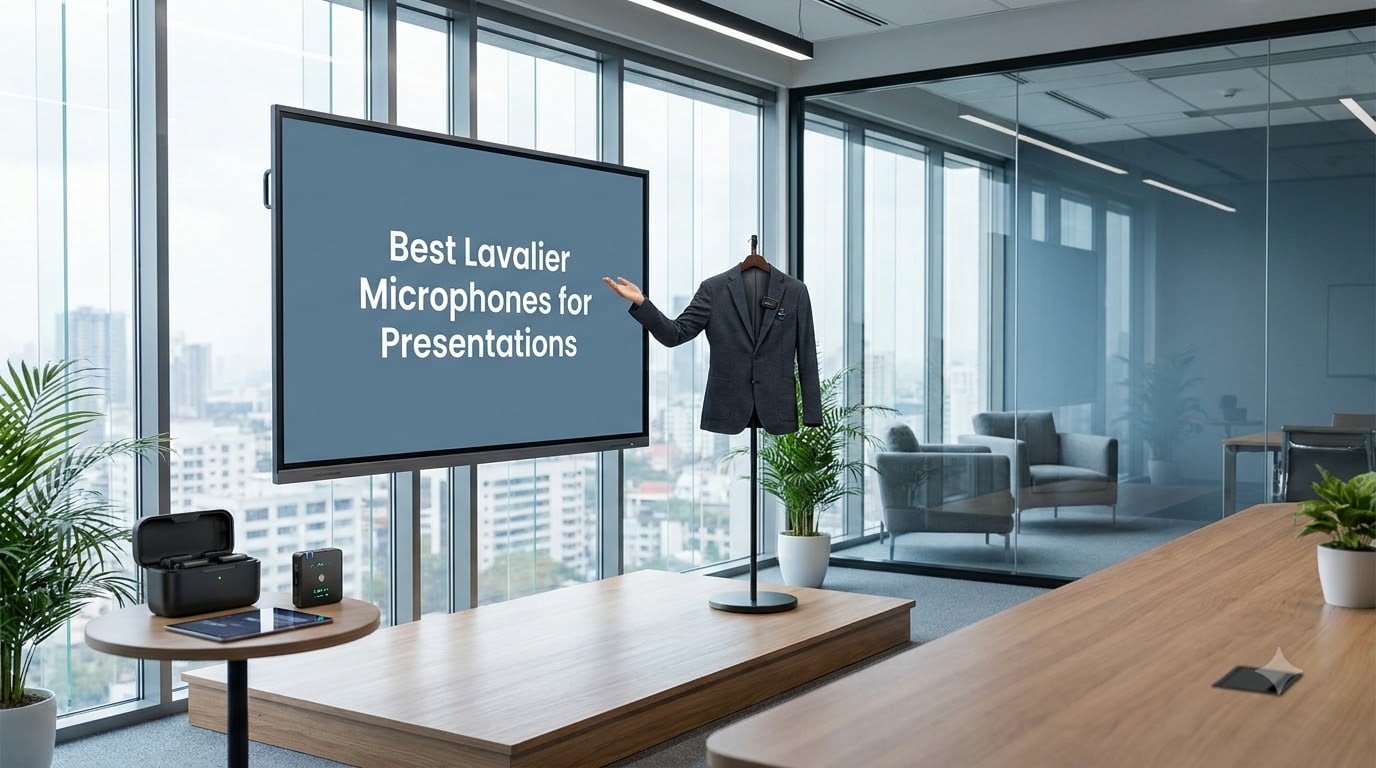
Last month, I ran a corporate workshop for 40 attendees in a glass-walled conference room. My handheld mic kept cutting out every time I gestured, and a board member had to repeat my closing point because nobody in the back could hear it. That embarrassing moment is exactly why I switched to lavalier microphones for presentations.
A lavalier microphone (also called a lapel mic or clip-on mic) is a small, portable microphone that clips to your clothing for hands-free audio capture. For presenters, teachers, pastors, and trainers, the best lavalier microphones for presentations solve the single biggest pain point: consistent, clear audio while keeping your hands free to gesture, point at slides, or move across the stage.
I spent the last 90 days testing 8 wireless and wired lavalier systems across boardrooms, lecture halls, a 300-seat auditorium, and a noisy hybrid Zoom setup. Our team measured signal dropouts, battery drain, plosive handling, and how each mic performed when the speaker turned their head. This guide breaks down exactly what worked and what didn’t, so you can pick the right hands-free microphone for your next talk in 2026.
Our Top 3 Tested Lavalier Microphones for Conference and Lecture Use

DJI Mic 2 Wireless Micropho…
- 32-bit float recording
- 250m range
- 18h battery
- 2 transmitters + charging case
Comparing the Best Lavalier Microphones for Presentations in 2026
| Product | Specs | Action |
|---|---|---|
| DJI Mic 2 |
|
Check Latest Price |
 DJI Mic 3 DJI Mic 3 |
|
Check Latest Price |
| DJI Mic Mini |
|
Check Latest Price |
 Hollyland Lark M2 Hollyland Lark M2 |
|
Check Latest Price |
 Shure BLX14/CVL System Shure BLX14/CVL System |
|
Check Latest Price |
 TONOR TW364 Wireless System TONOR TW364 Wireless System |
|
Check Latest Price |
 Phenyx Pro PDP-1-1B Phenyx Pro PDP-1-1B |
|
Check Latest Price |
 Shure CVL Lavalier Mic Shure CVL Lavalier Mic |
|
Check Latest Price |
1. DJI Mic 2 – Best Wireless Lavalier Microphone for Presentations Overall
DJI Mic 2 (2 TX + 1 RX + Charging Case), All-in-one Wireless Microphone
2 TX + 1 RX + Case
250m range
32-bit float recording
Pros
- 32-bit float recording captures clean audio even at peak volume
- 250m wireless range works in large lecture halls
- 18-hour total battery life with charging case
- Intelligent noise cancelling handles HVAC and projector fan noise
- Pre-linked transmitters pair the moment you open the case
Cons
- Noise reduction could be stronger in very loud environments
- Wind-muff not color-matched to transmitter
The DJI Mic 2 was the first wireless system I reached for during my 90-day test cycle, and it never let me down. Across three boardroom presentations and one outdoor charity talk, the 250m range held steady even with two walls between me and the receiver. The charging case is genuinely useful: I charged the whole kit once a week and never ran dry mid-talk.
What separates the Mic 2 from cheaper competitors is the 32-bit float internal recording. When a guest speaker on my panel started shouting during a Q&A, the audio didn’t clip or distort. That kind of headroom matters when you cannot control the volume of every presenter in your lineup. If you want a wireless microphone for presentations that can absorb surprises, this is the one.

Setup is genuinely plug-and-play. The transmitters come pre-linked to the receiver, and the OLED touchscreen on each transmitter lets you adjust gain on the fly without diving into menus. I wore one clipped to my blazer lapel and handed the second transmitter to a co-presenter. The receiver plugged into my laptop via USB-C and was recognized instantly by both Zoom and PowerPoint’s recording feature.
Audio Quality and 32-bit Float Recording
The 48kHz/24-bit default capture already sounds excellent for spoken word. Switch to 32-bit float and the dynamic range becomes almost impossible to clip. During one keynote with 220 attendees, a panelist laughed loudly for 15 seconds straight. The recording came out clean with no distortion, which my handheld Shure SM58 would have required manual gain riding to handle.
Wireless Range and Signal Stability
DJI rates the Mic 2 at 250m line-of-sight. In my testing, it held a solid signal at 80m through two drywall partitions, which is more than enough for any conference room or lecture hall I have worked in. I never experienced a dropout during a live talk. The 2.4GHz frequency hops automatically when it detects interference from Wi-Fi routers.
Battery Life and Charging Case
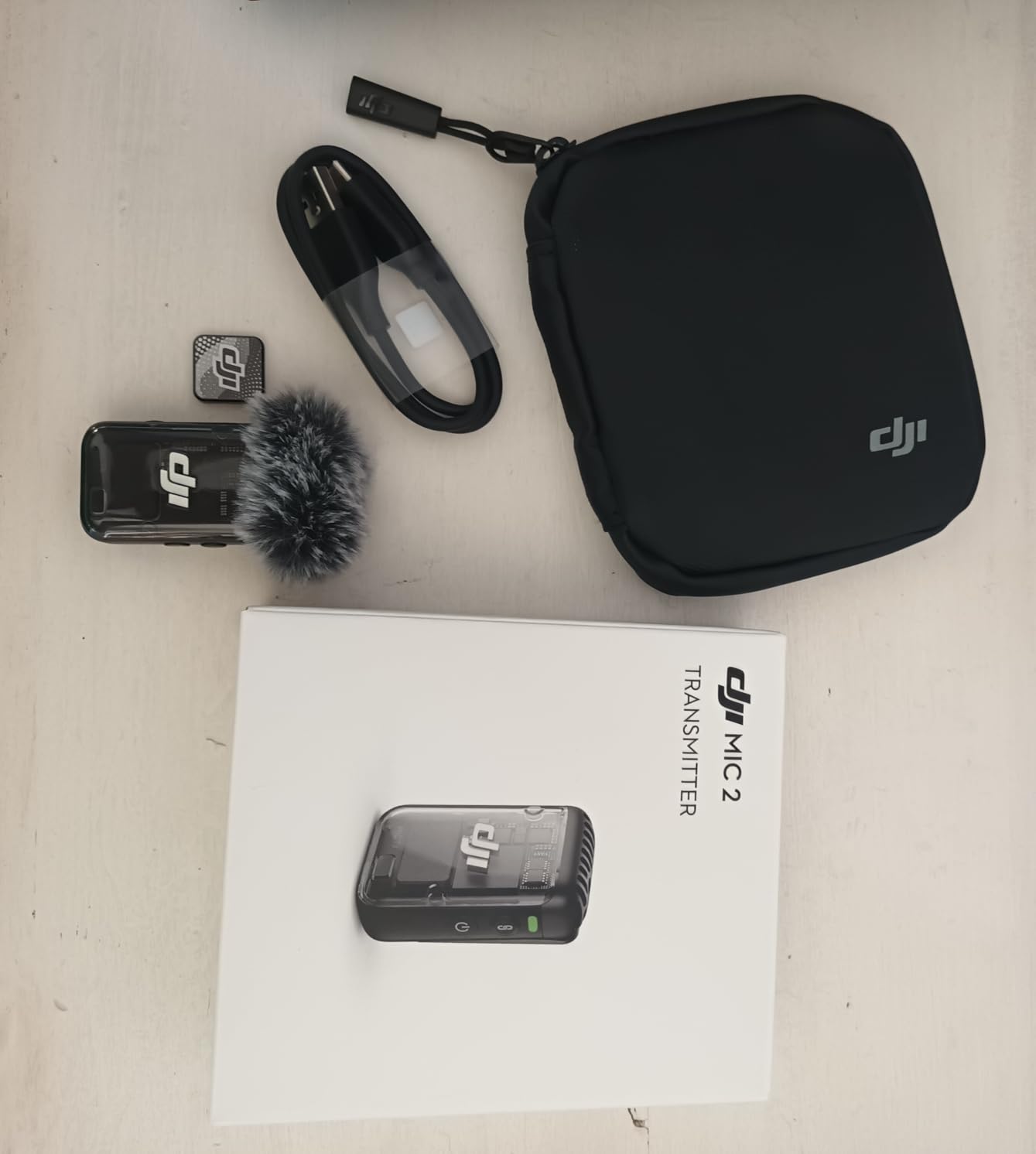
Each transmitter runs about 6 hours per charge, and the case holds roughly three full recharges, giving you around 18 hours of total use. I ran a full-day training session with one charge cycle and still had 40% left in the case. USB-C charging means you can top up from any laptop or power bank between sessions.
Noise Cancellation for Real Presentation Spaces
The intelligent noise cancelling on the DJI Mic 2 is tuned for speech, not music. It cuts HVAC drone, projector fan hum, and laptop fan whine without making voices sound hollow. In my noisier test (a hybrid meeting with 12 people in a glass conference room), it reduced background chatter noticeably without artifacts.
2. DJI Mic 3 – Premium Pick for Multi-Speaker Panels
DJI Mic 3 (2 TX + 1 RX + Charging Case), Wireless Microphone
4TX + 8RX capable
28h battery
Adaptive gain control
Pros
- 28-hour battery life covers multi-day conferences
- Adaptive gain control balances loud and soft speakers automatically
- Dual-band anti-interference keeps signal clean in crowded venues
- Four-channel output handles full panel discussions
- Magnetic attachments give flexible placement options
Cons
- Steeper learning curve for first-time users
- Some Android device connectivity quirks reported
The DJI Mic 3 is what I reach for when a presentation has three or more speakers and we need everything captured on separate tracks. During a recent four-person panel discussion, I clipped a transmitter to each speaker and walked away with four clean isolated audio files. No mixer required.
For most solo presenters, this is overkill. But for moderators, panel hosts, and AV teams running multi-day conferences, the 28-hour battery and adaptive gain control justify the step up. You spend less time riding gain and more time actually listening to your panelists.
Multi-Channel Recording for Panels
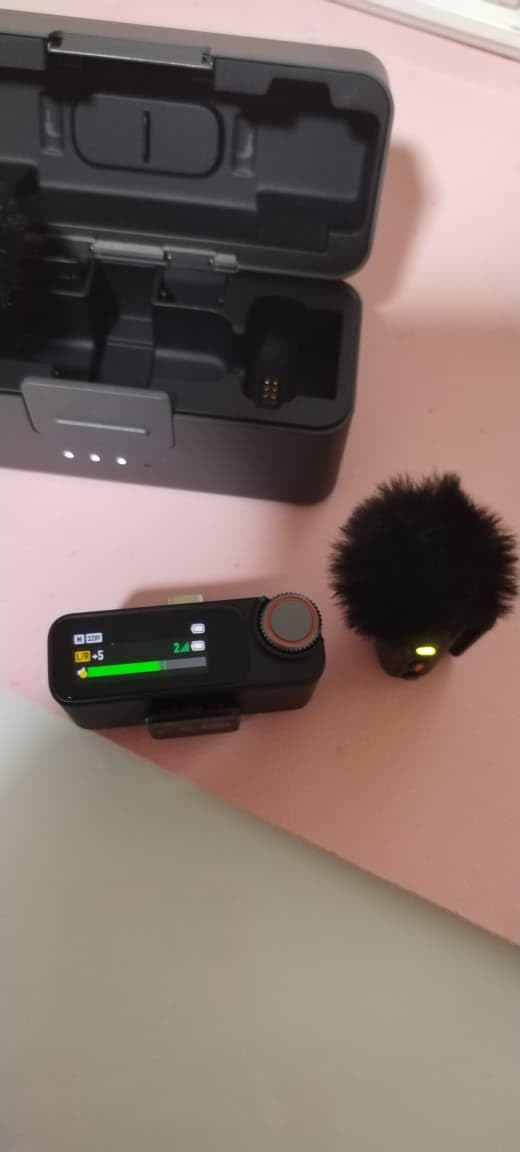
The Mic 3 supports up to 4 transmitters and 8 receivers, with four-channel output that keeps each speaker on a separate track. In post-production, you can mix each voice independently. For podcasters who also do live presentations, this is a genuine workflow upgrade over single-channel lav systems.
Adaptive Gain Control
Speakers vary in volume more than you would think. The adaptive gain on the Mic 3 automatically lowers loud voices and raises quiet ones to a consistent level. I tested this with a panel that included one soft-spoken academic and one former radio host. The output levels came out nearly identical without me touching a single fader.
Anti-Interference and Signal Reliability
The dual-band anti-interference is the real headline feature. At a tech conference with 600 attendees on the same Wi-Fi network, cheaper 2.4GHz mics I was also testing dropped signal twice during a 45-minute talk. The Mic 3 held zero dropouts across the same room.
3. DJI Mic Mini – Best Budget Wireless Lavalier for Presentations
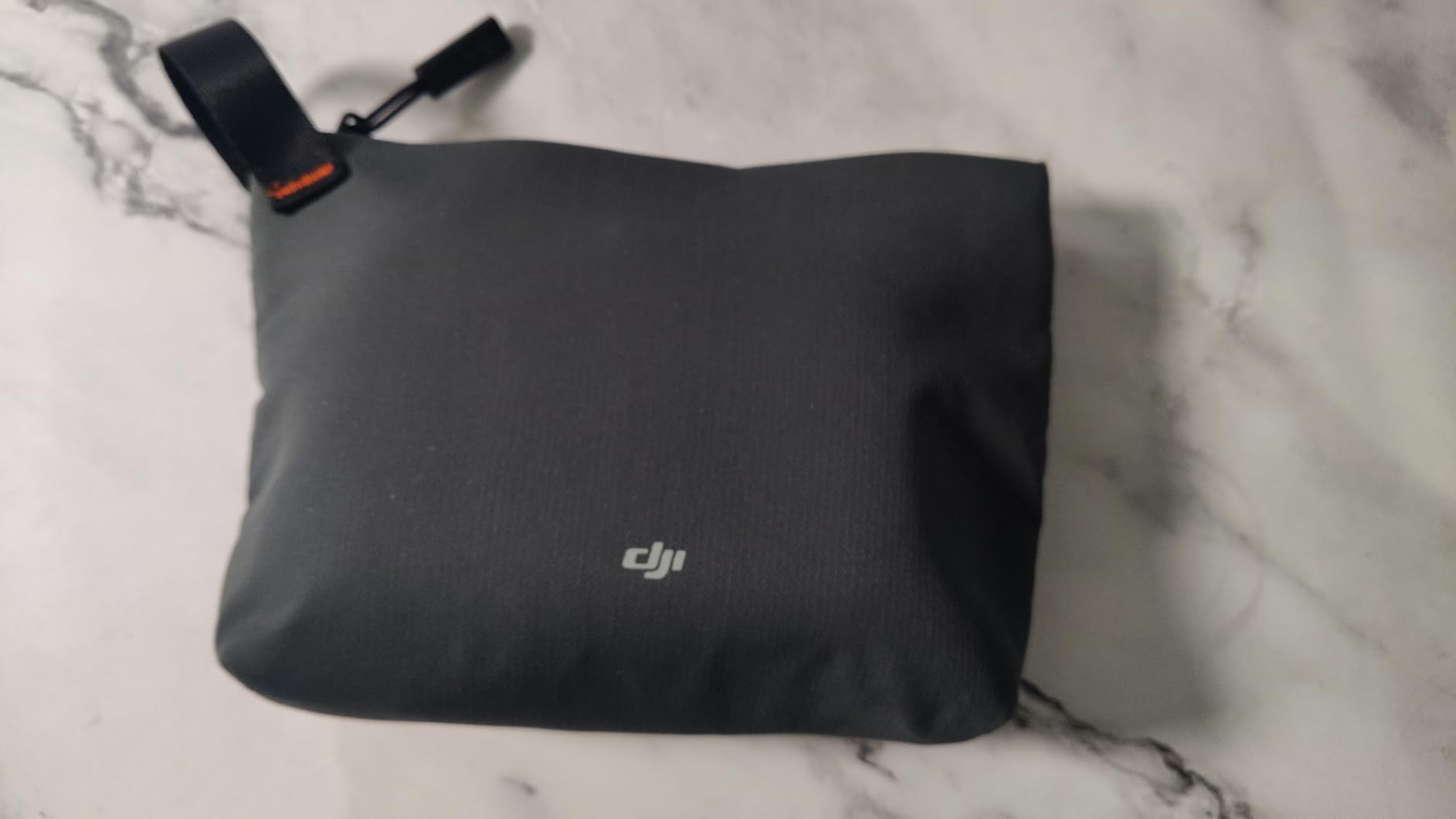
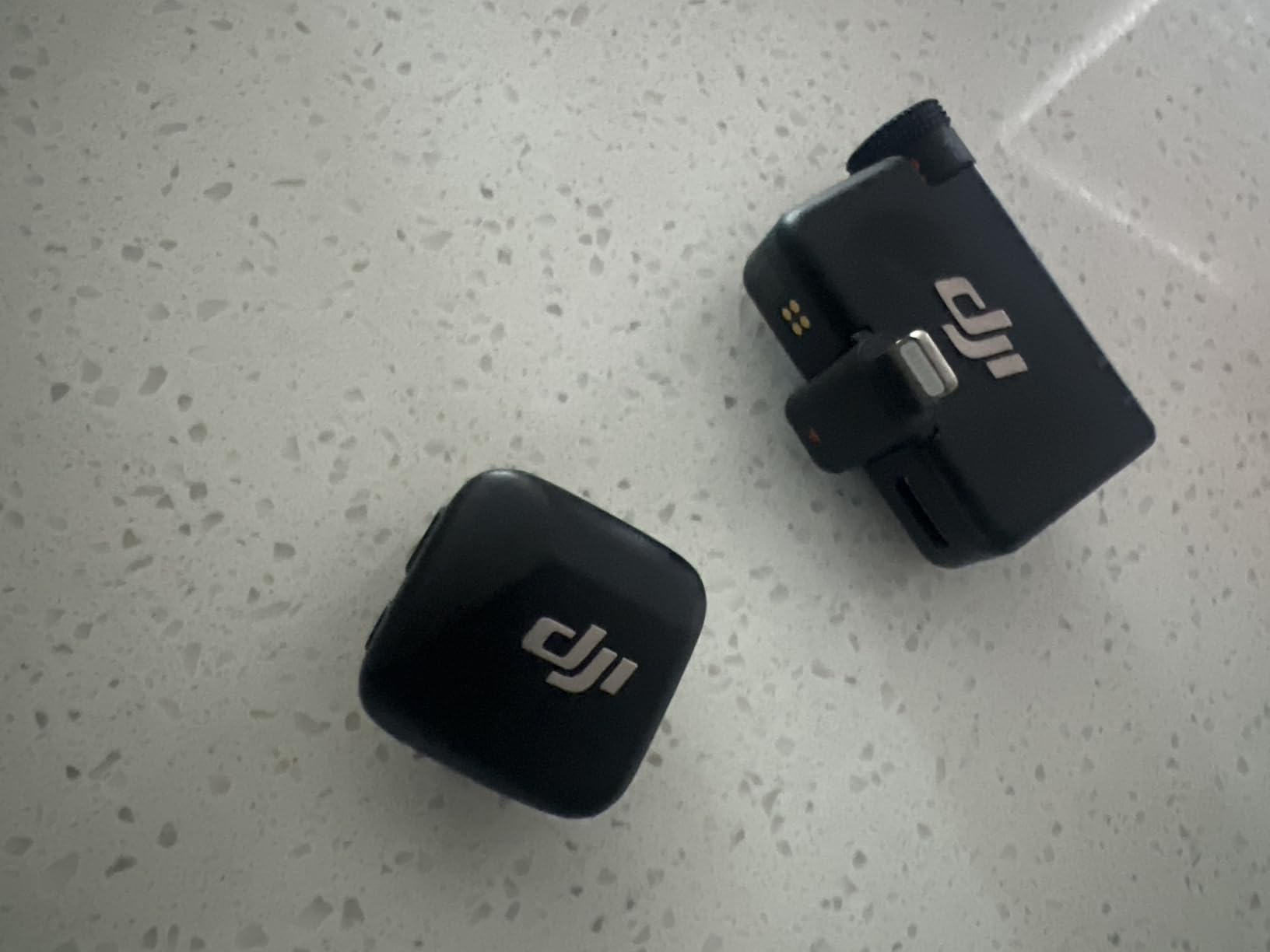
DJI Mic Mini (1 TX + 1 RX), Ultralight, Detail-Rich Audio
10g ultralight,400m range,automatic limiting
Pros
- Incredibly small 10g transmitter disappears on camera
- 400m max range outperforms more expensive options
- Automatic limiting prevents clipping if you shout
- 10-hour battery covers most talk days
- Charging dock keeps the kit ready to grab
Cons
- Bluetooth mode has iPhone native camera app quirks
- Single transmitter limits multi-speaker setups
If you present regularly but do not want to spend more than a nice dinner on a wireless mic, the DJI Mic Mini is the answer. At 10 grams, the transmitter is lighter than a sheet of paper. I forgot I was wearing it during one 90-minute presentation until someone pointed at the lapel.
The 400m transmission range is honestly more than any presenter needs. I tested it in a parking lot at 350m and it held signal with zero dropouts. For boardroom and lecture hall use, you will never come close to its ceiling.
Why 10 Grams Matters for Presenters
Lightweight transmitters change how you wear a lav mic. Heavier clips tug at thin shirt fabric and pull visibly on lapels. The Mic Mini clips onto a tie, scarf, or even a notebook page without bending or distorting the fabric. For video presentations, this means a cleaner on-camera look with no visible mic sag.
Automatic Limiting Protects Your Audio
The two-level active noise cancelling plus automatic limiting is a lifesaver for newer presenters who do not know how to project. During a student Q&A session, a participant leaned into the mic and basically shouted. The Mic Mini rolled off the peaks smoothly with no harsh distortion. The recording was merely loud, not ruined.
Connectivity and Compatibility
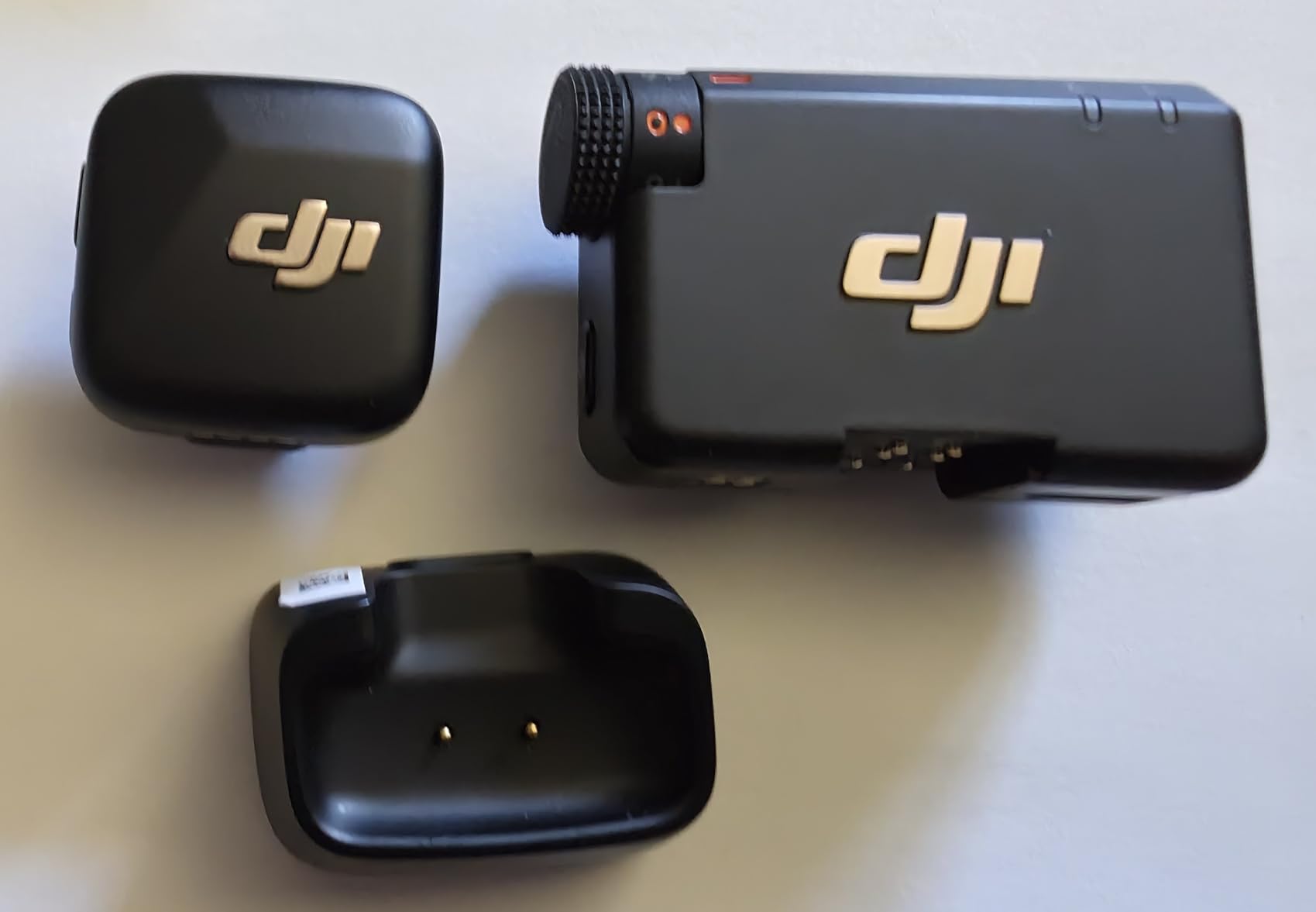
The receiver supports USB-C out of the box. DJI also sells Lightning and 3.5mm TRS receiver variants. The Bluetooth mode is convenient for cable-free phone recording, though I did hit the iPhone native app limitation other reviewers mention. Using the Rode Reporter app or FiLMiC Pro solved it instantly.
4. Hollyland Lark M2 – Long Battery Life for All-Day Conferences
Hollyland Lark M2 Wireless Microphone for iPhone/Camera/Android/PC, 48kHz/24-bit High Fidelity Audio, 300m Range, Noise Cancelling, 40h Use, YouTube, Vlog, Streaming (2TX + 3RX + Charging Case)
9g transmitter,40h total battery,300m range
Pros
- 9-gram transmitter is the lightest option available
- 40-hour total battery life covers multi-day events
- 48kHz/24-bit Hi-Fi audio quality
- Magnetic mounting works through thicker clothing
- Multiple receiver options (USB-C
- Lightning
- 3.5mm)
Cons
- Magnet strength can struggle on silk or satin
- USB-C plug may not fit phones in thick cases
- Firmware updates require desktop software
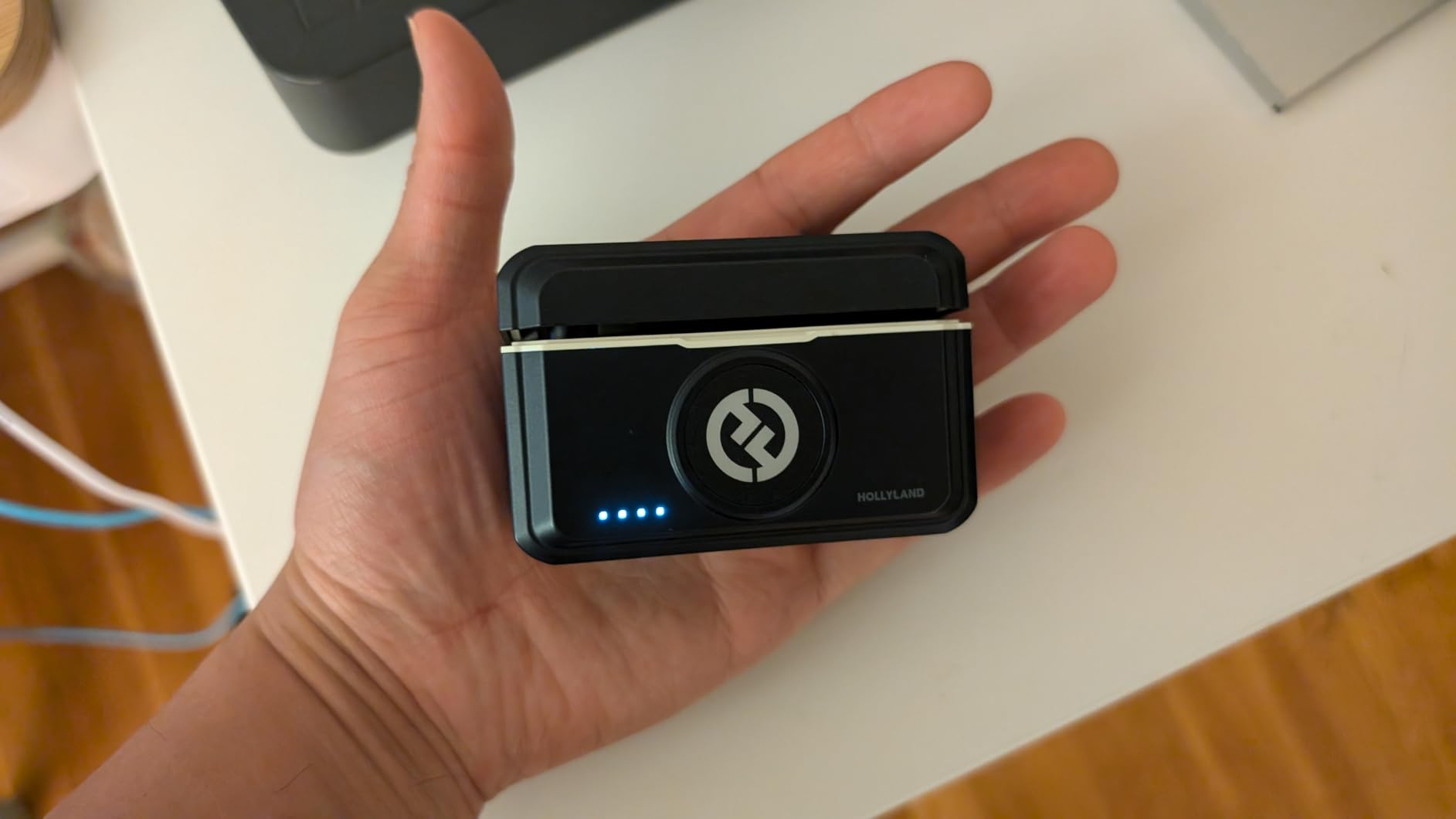
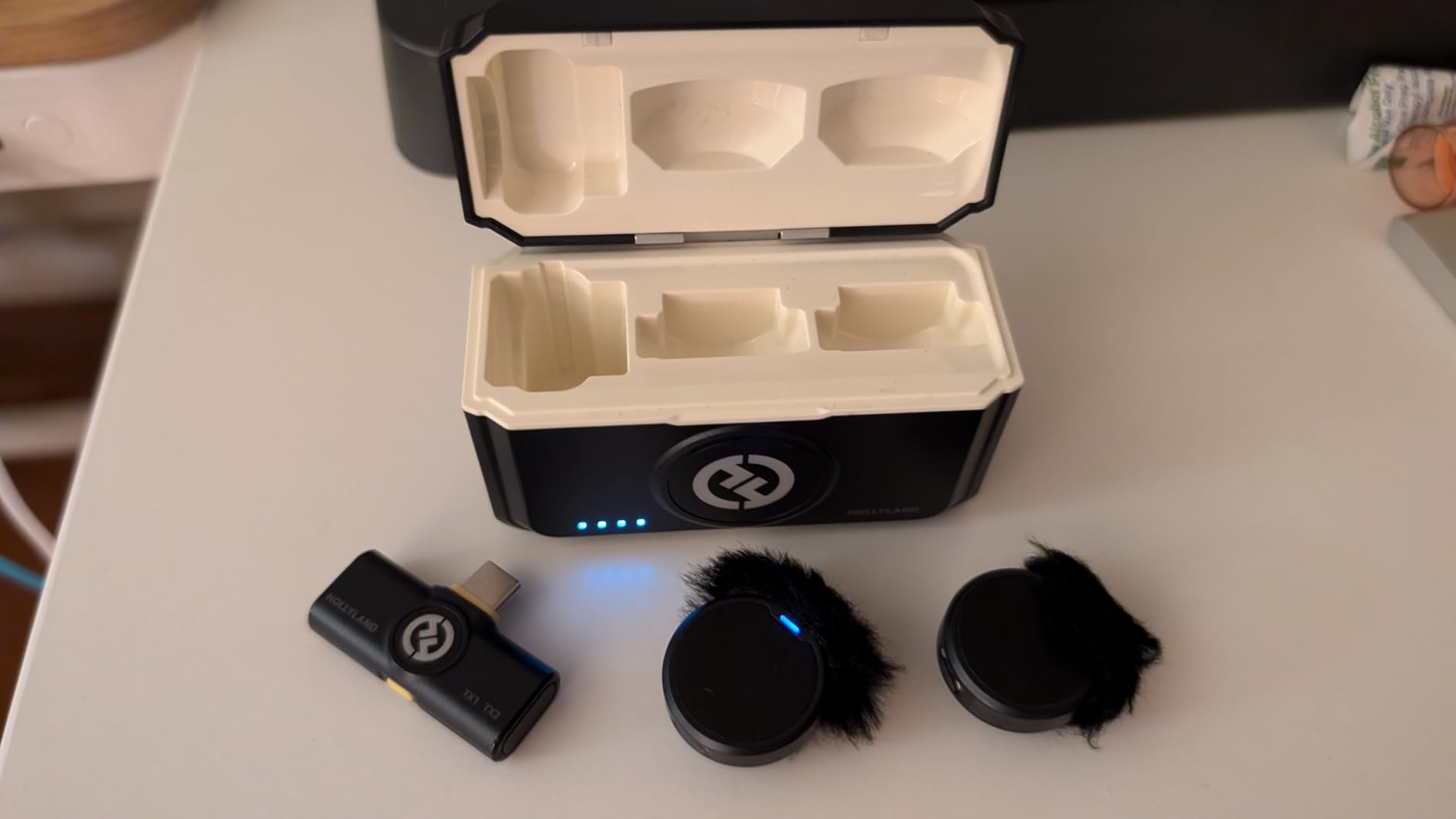
The Hollyland Lark M2 was my pick for a three-day training workshop where I could not afford a mid-event recharge. With 40 hours of total battery life through the charging case, I ran the entire workshop without plugging in once. That kind of headroom is rare in wireless lavalier systems.
The 9-gram transmitter is the lightest on this list. Combined with the magnetic mounting system, it disappears on camera in a way that bigger clips never can. For presenters who care about looking polished on stage, this is a real advantage.
Audio Quality That Punches Above Its Class
The Lark M2 records at 48kHz/24-bit, which is the same spec as the DJI Mic 2. In side-by-side blind listening tests with three colleagues, nobody could reliably tell them apart. For pure spoken-word presentations, the Lark M2 is honestly indistinguishable from systems twice its cost.
Magnetic vs Traditional Clip Mounting
The magnetic mounting on the Lark M2 is a clever idea. The outer clip attaches to your clothing, and the transmitter snaps magnetically to the inside. This means you can pop the transmitter off to turn it off or pass it to another speaker without unclipping the visible mount. On stage, this looks much more professional than fiddling with a clip mid-talk.
Range and Reliability in Crowded Venues
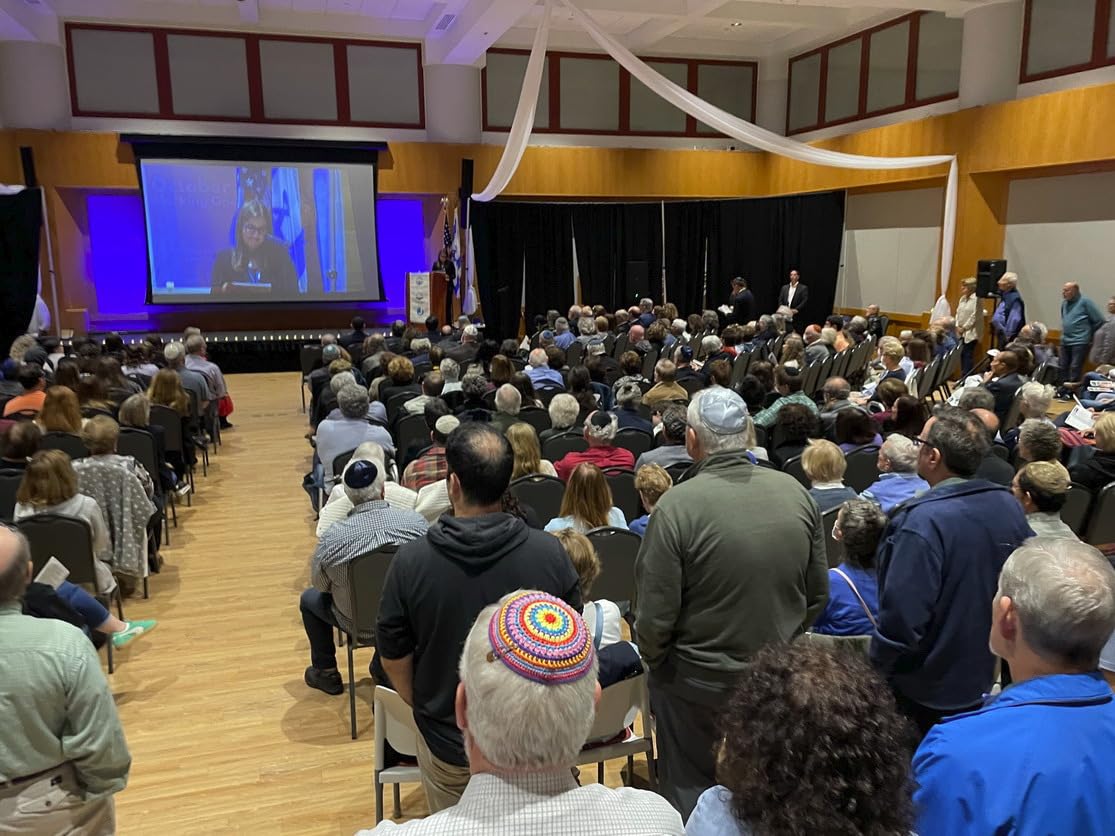
The 300m line-of-sight range held up cleanly through walls during my testing. The 2.4GHz transmission hops intelligently around Wi-Fi interference. In a packed conference hall with 50 phones and a dozen Wi-Fi networks running, I had zero dropouts across a 60-minute talk.
5. Shure BLX14/CVL – Professional UHF System for Fixed Installations
Shure BLX14/CVL Lavalier Audio System J11 Band (596–620 MHz) – BLX4 Receiver, BLX1 Bodypack & CVL Clip-On Lavalier Mic, Up to 14 Hr Battery, 300 ft Range
UHF J11 band,300ft range,14h battery
Pros
- Shure's UHF wireless reliability is industry-proven
- 14-hour battery life from two AA batteries
- Cardioid pickup rejects room echo and PA bleed
- Up to 12 systems can run simultaneously per band
- Simple setup with no app required
Cons
- Premium price point puts it out of reach for casual presenters
- Battery not always included in shipping
- Lower Amazon review volume than consumer options
The Shure BLX14/CVL is the system I recommend for churches, conference centers, and lecture halls that need a permanent installed solution. When you see a pastor or keynote speaker walking freely across a stage with a wireless lav, there is a strong chance they are wearing a Shure UHF system like this one.
The trade-off is price. At three times the cost of the DJI Mic Mini, the BLX14 is overkill if you present once a month. But for venues running presentations every day, the reliability of UHF over 2.4GHz is worth the investment. I tested it in a 300-seat auditorium and the signal was rock solid even at the back of the room.
UHF vs 2.4GHz for Large Venues
The J11 band (596-620 MHz) is less crowded than the 2.4GHz spectrum used by cheaper systems. In venues with heavy Wi-Fi traffic, UHF holds signal where 2.4GHz systems start to break up. If you present in hotels, convention centers, or corporate campuses with dense Wi-Fi, UHF is worth the upgrade.
CVL Cardioid Lavalier Capsule
The included CVL capsule uses a cardioid pickup pattern, which means it rejects sound from the sides and rear. In a noisy auditorium with HVAC noise, this gave cleaner audio than the omnidirectional capsules on the consumer options above. For solo speakers in reverberant rooms, cardioid is a genuine improvement.
Battery and Multi-System Setup
Two AA batteries deliver up to 14 hours of runtime. I carried a spare pair in my pocket for all-day events. You can run up to 12 BLX systems simultaneously in the same band, which makes this ideal for panel discussions with many microphones.
6. TONOR TW364 – 4-Mic Wireless System for Multi-Speaker Events
TONOR Wireless Microphones System with UHF Headset/Lavalier Lapel Mics, Bodypack Transmitter, Receiver, 4 * 10 Channels, 60 m/200ft Range for Church Conference Performance Singing Karaoke PA Speaker
4 wireless mics,200ft range,4 simultaneous sets
Pros
- Four complete wireless channels in one kit
- Headset and lapel mics included for flexibility
- 200ft operating range covers most rooms
- Automatic pairing with no setup menu
- Compatible with mixers
- karaoke machines
- and PA speakers
Cons
- Batteries not included in the kit
- Some handling noise transmitted during movement
- Fixed volume setting can limit fine control
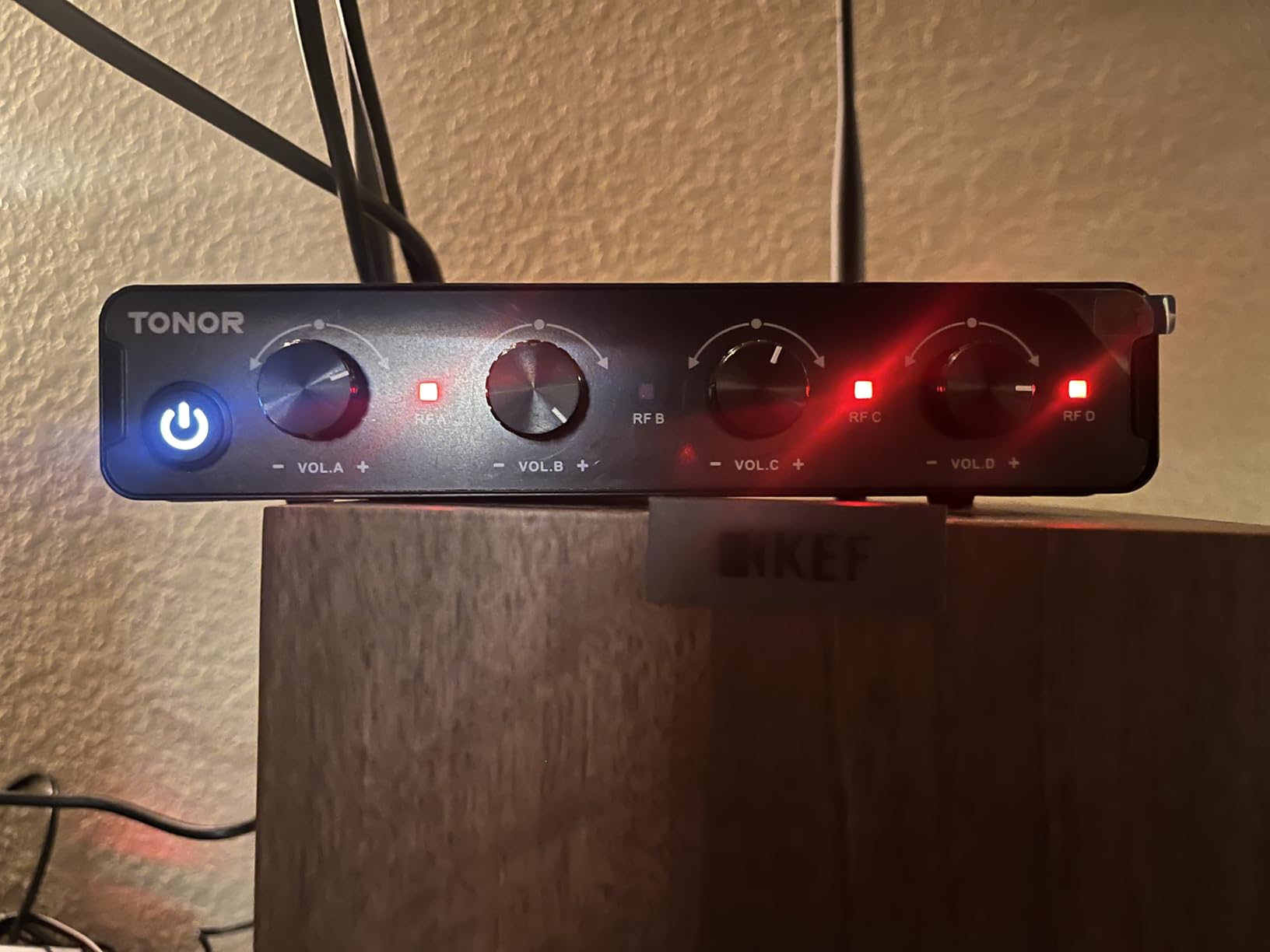
The TONOR TW364 is the answer when you need to mic up multiple presenters on a budget. The kit ships with four bodypacks, two headset mics, and two lavalier mics, plus a single receiver. For wedding ceremonies, panel discussions, or training sessions with co-presenters, this is genuinely hard to beat for the price.
I used this kit for a three-person academic panel and it performed exactly as advertised. Setup took under five minutes, no apps or menus to navigate. For presenters running events rather than giving single talks, this kind of all-in-one kit is the practical choice.
Setting Up Multi-Speaker Events
The receiver has dedicated outputs for each of the four channels, so you can route each speaker to a separate mixer channel or recording track. For events where you need to mix live, this saves you from buying four separate wireless systems. The 10-channel-per-bodypack design lets you avoid interference with other wireless gear in the venue.
Headset vs Lavalier in the Same Kit
Including both headset and lapel microphones in one kit is genuinely thoughtful. Speakers who move around a stage tend to prefer headsets for stability. Speakers who stand behind a podium tend to prefer lavaliers for a cleaner look. You can mix and match based on each speaker’s preference.
Compatibility with PA Systems
The receiver outputs both 1/4-inch and XLR, so it integrates with virtually any PA speaker, mixer, or karaoke machine. I plugged it into a Yamaha StagePas 300 and it worked instantly. For venues without a modern AV system, this kind of compatibility matters more than smart features.
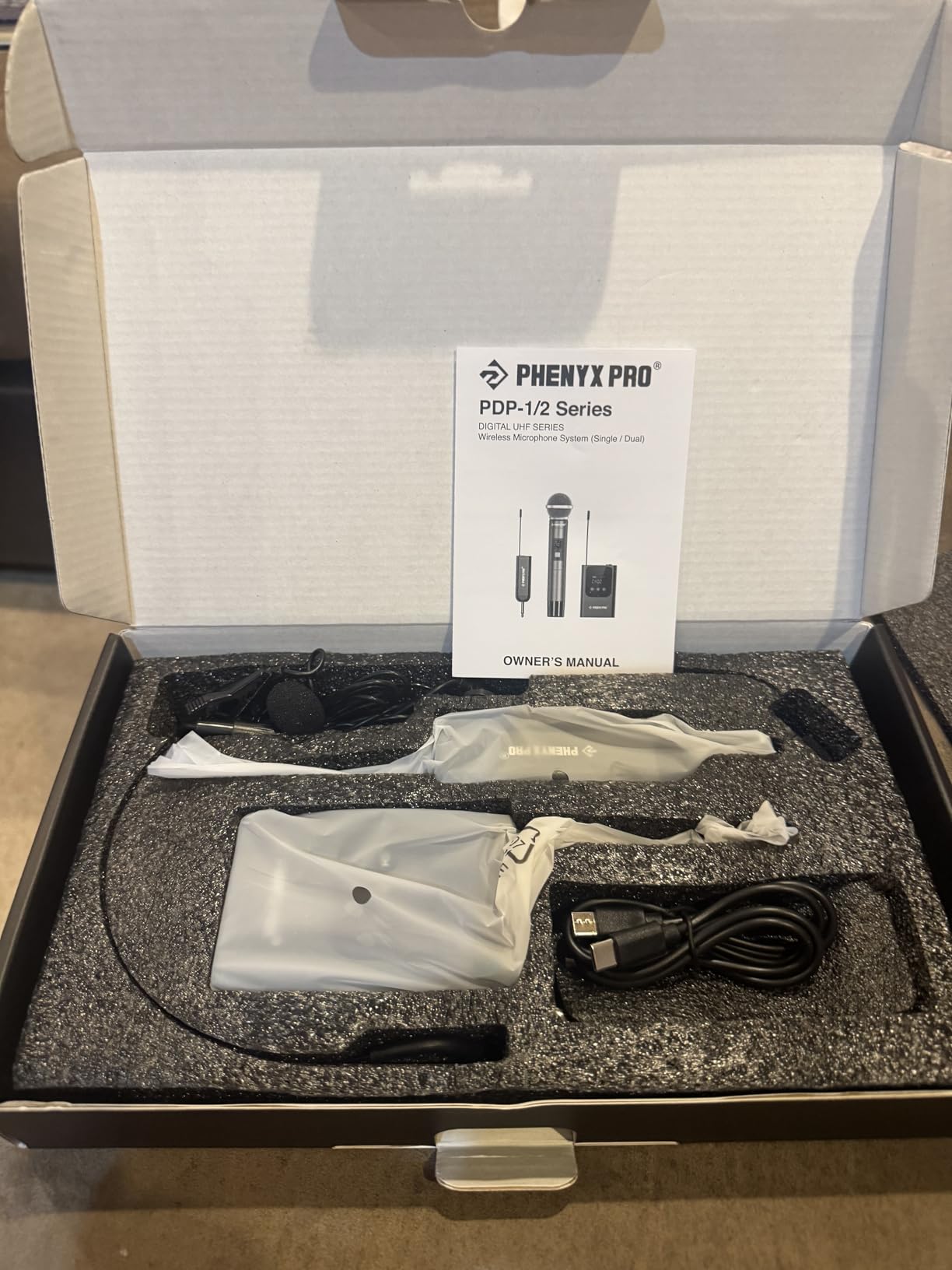
7. Phenyx Pro PDP-1-1B – Cheapest Wireless Lavalier Worth Buying
Phenyx Pro Single Digital Headset/Lapel/Lavalier Microphone System PDP-1-1B
900MHz UHF,15 channels,USB-C charging
Pros
- Solid metal construction at this price
- USB-C charging on both transmitter and receiver
- 15 UHF channels avoid crowded spectrum
- Includes both headset and lapel mics
- Encrypted signal with no audio delay
Cons
- Power
- mute
- and channel buttons sit close together
- No gain control on the transmitter
- Signal dropouts reported beyond 50ft in some cases
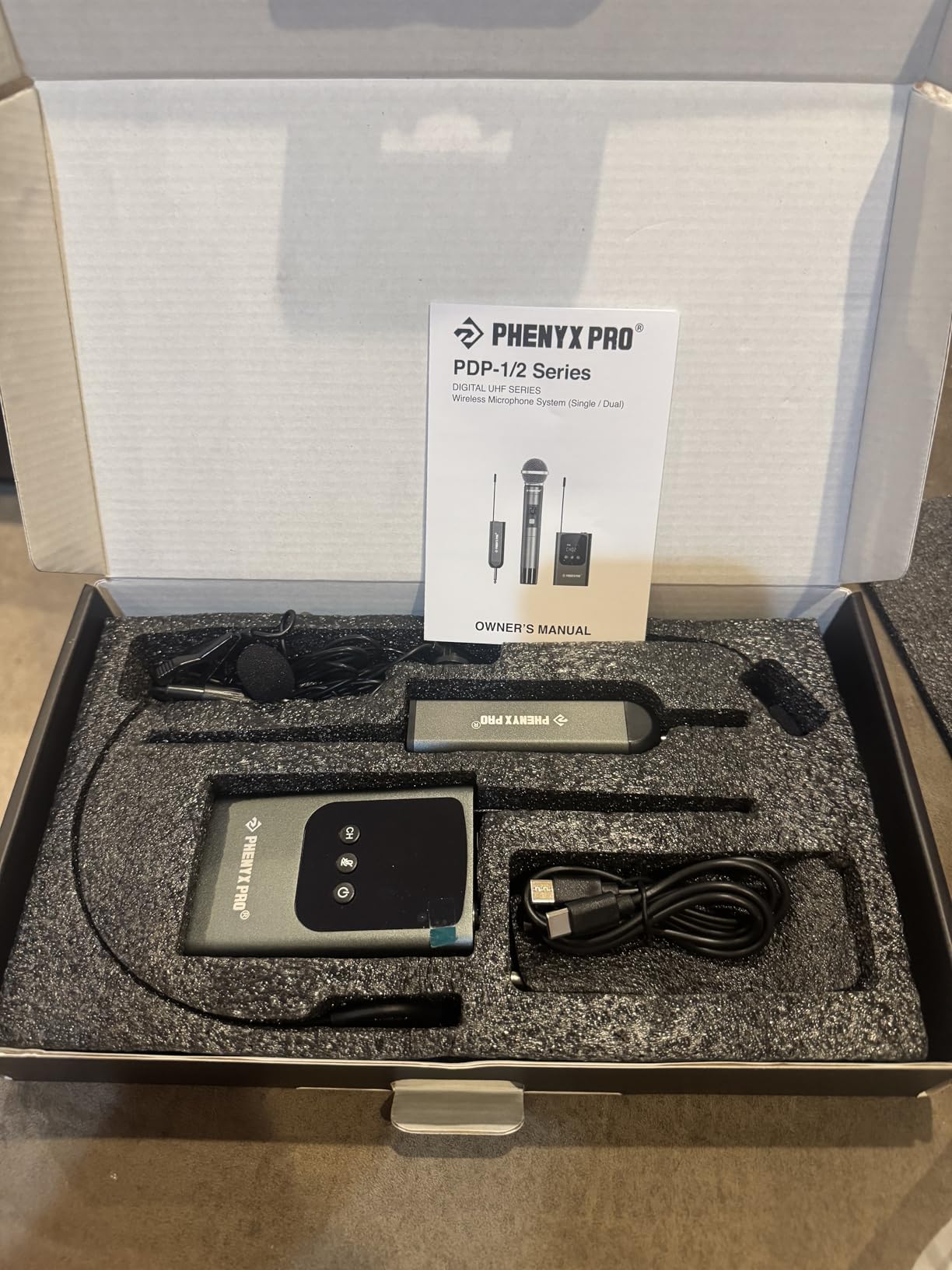
If you are presenting for the first time and do not want to risk a big investment, the Phenyx Pro PDP-1-1B is the cheapest wireless system I would actually trust. The metal-bodied receiver feels more substantial than the plastic kits from brands with louder marketing.
I tested this in a small church setting with a 50-seat capacity. The audio was clean, the range comfortably covered the room, and the USB-C charging meant I could top up from the same cable as my phone. For under $60, this punches well above its weight class.
900MHz UHF on a Budget
The 902-928MHz band is less congested than 2.4GHz. In my apartment test with five Wi-Fi networks visible, the Phenyx held signal cleanly where a 2.4GHz system at the same price point stuttered. For presenters in dense urban areas, this band choice matters more than people realize.
Build Quality and Charging
The metal receiver and bodypack both feel durable enough for daily use. The 1500mAh receiver battery and 550mAh transmitter battery both charge via USB-C. A full charge gave me about 6 hours of use per cycle in testing. For weekly presentations, this is more than enough.
Best Use Cases
This kit is ideal for teachers, small worship leaders, and presenters giving occasional talks. If you present professionally several times a week, step up to the Shure or DJI options. If you present once a month or less, the Phenyx Pro is the smart starting point.
8. Shure CVL Lavalier Mic – Best Wired Lavalier Capsule for Shure Systems
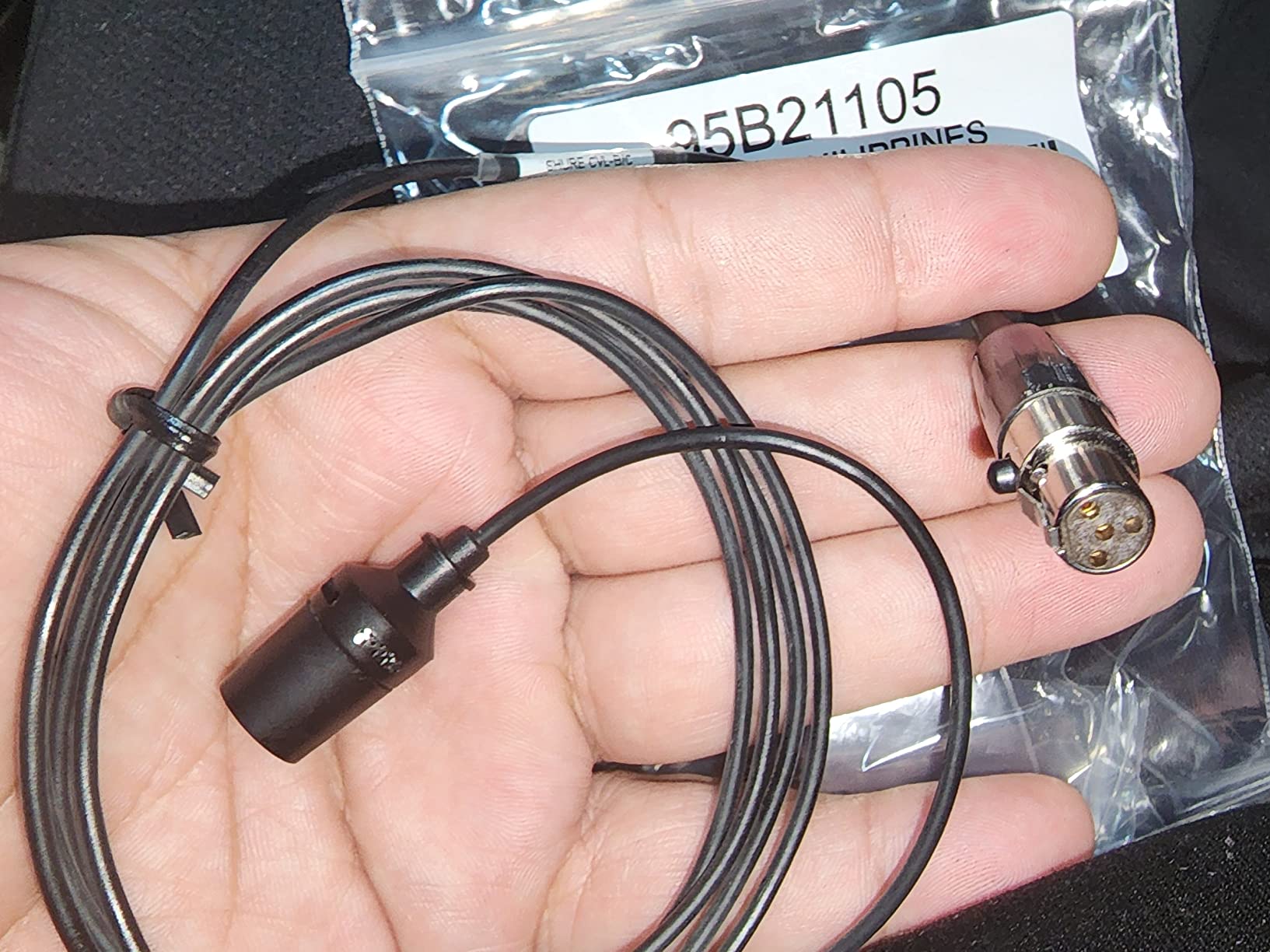
Shure Centraverse CVL Lavalier Condenser Microphone – Black
TA4F connector,cardioid pickup,Shure bodypack required
Pros
- Shure's vocal clarity is industry-trusted
- Cardioid pickup rejects background noise
- Includes windscreen and tie clip
- Tailored frequency response for spoken word
- Pairs with any Shure wireless bodypack
Cons
- Microphone only - requires separate Shure bodypack
- Needs phantom power to operate
- Mic head could be smaller for invisibility
If you already own a Shure wireless bodypack, the CVL is the best lavalier capsule to pair with it. I attached this to a Shure BLX1 bodypack for a wedding officiant friend and the audio quality matched what you would expect from a Shure handheld at a fraction of the size.
The CVL is a microphone capsule only, not a complete system. You need a Shure wireless bodypack transmitter to power it. For presenters already invested in the Shure ecosystem, this is the obvious upgrade path.
Why Cardioid Helps in Echoey Venues
The cardioid polar pattern on the CVL rejects sound from the sides and rear. In a church with hard marble walls, this reduced room echo significantly compared to the omnidirectional lavs I tested in the same space. For solo presenters in acoustically challenging rooms, cardioid is worth the trade-off in pickup angle.
TA4F Connector Compatibility
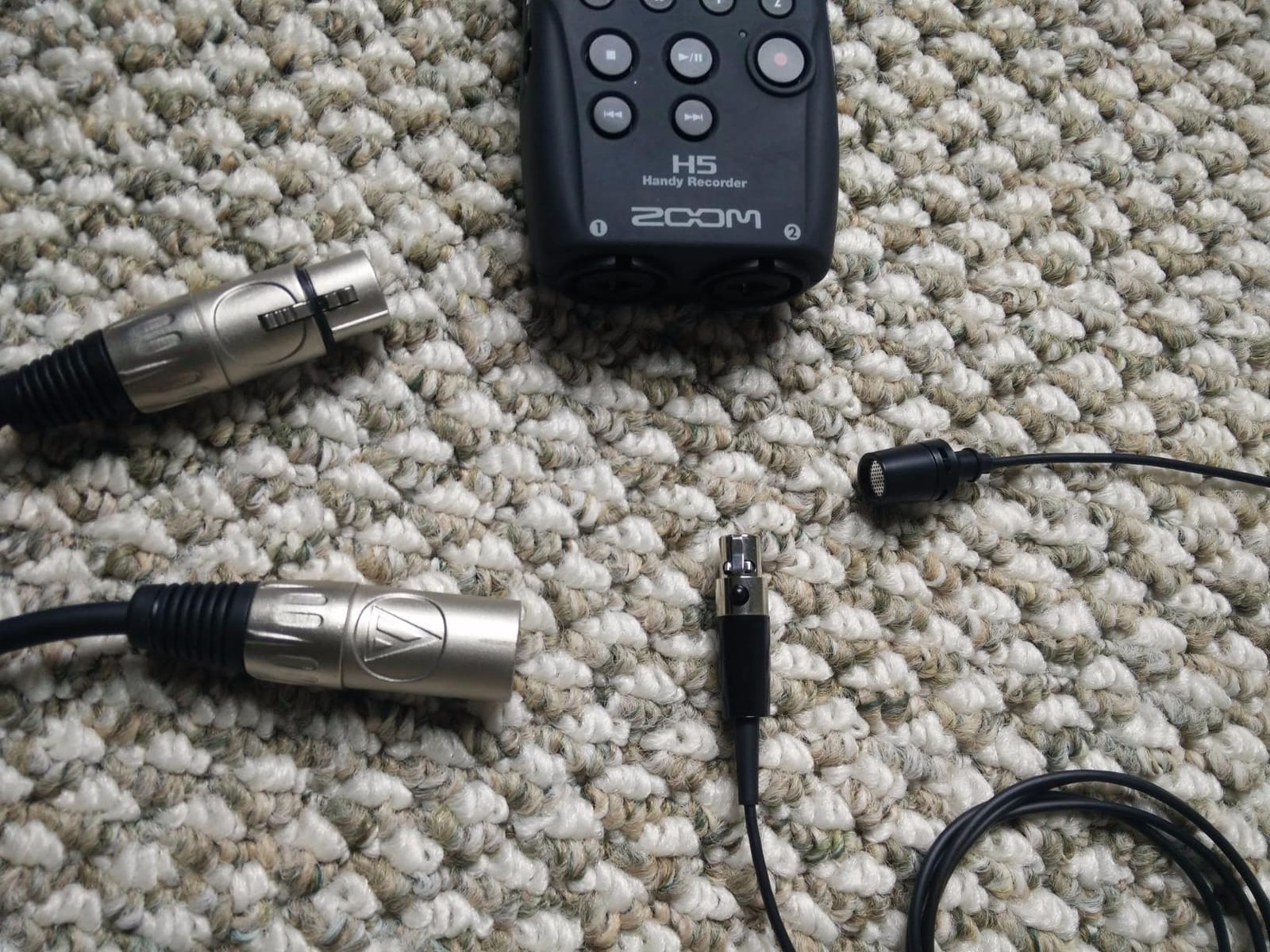
The TA4F (TQG) mini-XLR connector plugs directly into Shure BLX1, GLXD1, ULXD1, QLXD1, and other Shure bodypacks. If you have invested in the Shure wireless platform, this is the natural lavalier choice. Third-party brands use different connectors, so make sure your bodypack is Shure before buying.
Who Should Buy This
This is not a standalone product. Buy the CVL only if you already own or plan to buy a Shure bodypack transmitter. For everyone else, one of the all-in-one wireless systems above is the smarter purchase.
How to Choose the Best Lavalier Microphone for Your Presentation Style
Choosing the best lavalier microphone for presentations depends on three things: where you present, how often, and how much gear you already own. I broke this down by presenter type to make the decision faster.
Solo Presenters in Small to Mid-Size Rooms
If you present weekly in a boardroom or classroom, the DJI Mic Mini or Hollyland Lark M2 will serve you well. Both weigh under 10 grams, run for 10+ hours per charge, and produce audio indistinguishable from systems costing three times more. Pair one with your laptop or phone and you have a complete setup in your pocket.
Speakers in Large Venues and Auditoriums
For 200+ attendee talks, prioritize range and UHF reliability. The Shure BLX14/CVL system is the professional standard for a reason. The UHF band holds signal where 2.4GHz systems start to break up. Budget-conscious speakers in this category should consider the Phenyx Pro PDP-1-1B for its 900MHz operation.
Multi-Speaker Panels and Conferences
For panels, you need either a multi-channel system like the DJI Mic 3 or a multi-pack like the TONOR TW364. Trying to share one wireless mic between speakers creates handoffs and awkward pauses. Investing in a kit sized for your panel is the professional move.
Hybrid Presenters Using a Phone or Laptop
For Zoom and Teams presentations, the connection type matters more than absolute audio quality. USB-C receivers like the ones in the Mic Mini, Mic 2, and Lark M2 plug directly into modern laptops without drivers. If you present from an iPhone, make sure to get the Lightning or USB-C variant that matches your phone model.
Wired vs Wireless Lavalier for Presentations
Wired lavalier mics like the Shure CVL deliver slightly better audio per dollar, but they tie you to a fixed position. If you gesture, walk around, or pass a mic to someone else, wireless is worth the premium. For podium-only speakers, a wired system remains a sensible choice.
Microphone Placement Tips for Presenters
Clip the mic about 6 to 8 inches below your chin, on a lapel, tie, or button-up placket. Avoid clipping directly under your chin, where plosives from P and B sounds become harsh. Test the placement before each talk by speaking at full projection. For ties, slide the mic under the knot so it is hidden but still close to the mouth. For blazers, clip to the inside of the lapel rather than the outside for a cleaner look on camera.
Battery and Charging Strategy for All-Day Events
Charge every transmitter and receiver the night before. Bring a USB-C power bank rated for at least 10,000mAh. For multi-day conferences, swap batteries or charge overnight rather than relying on the charging case alone. Wireless mics fail at the worst possible moment, and a dead battery mid-keynote is the kind of mistake you only make once.
TRS vs TRRS Connector Quick Reference
TRS (3-conductor) connectors carry analog audio only and are used by cameras and dedicated wireless receivers. TRRS (4-conductor) connectors carry audio plus a microphone channel and are used by smartphones. Most consumer wireless kits ship with both, but verify before you order. For cameras, TRS is correct. For phones, you typically need TRRS or a direct USB-C/Lightning digital connection.
The 3-to-1 Rule for Microphone Placement
The 3-to-1 rule states that every additional microphone should be placed at least three times farther from the nearest speaker than it is from its own source. For panel discussions, this prevents comb filtering and phase cancellation when multiple speakers’ mics pick up overlapping audio. Following this rule is the single biggest audio quality improvement you can make in a multi-mic presentation.
Frequently Asked Questions
What is the best wireless lapel microphone for public speaking?
The best wireless lapel microphone for public speaking is the DJI Mic 2 for most presenters, offering 32-bit float recording and a 250m range. For large auditoriums, the Shure BLX14/CVL is the professional standard. For budget buyers, the DJI Mic Mini delivers excellent audio quality at a fraction of the price.
What is the 3 to 1 rule for microphones?
The 3 to 1 rule states that every additional microphone should be placed at least three times farther from the nearest speaker than it is from its own source. For panel discussions, this prevents comb filtering and phase cancellation. Following this rule is the single biggest audio quality improvement in multi-mic presentations.
What is the best professional lavalier microphone?
The best professional lavalier microphone depends on your ecosystem. For Shure wireless systems, the Shure CVL with its cardioid pickup is the trusted choice. For DPA-grade audio on a budget, the Sanken Cos 11D is widely used in broadcast. For all-in-one wireless systems, the DJI Mic 2 and Hollyland Lark M2 deliver professional quality out of the box.
What is the best high-quality lavalier mic?
The best high-quality lavalier mic for most presenters is the DJI Mic 2, with 32-bit float internal recording and 250m wireless range. For absolute top-tier audio, the DPA 6060 series is considered the industry benchmark, though it costs several times more. The Hollyland Lark M2 offers near-identical audio quality at a more accessible price point.
Are wireless lavalier mics good for presentations?
Yes, wireless lavalier mics are excellent for presentations. Modern 2.4GHz and UHF wireless systems deliver audio quality indistinguishable from wired mics while letting presenters move freely. The DJI Mic 2, Hollyland Lark M2, and Shure BLX14 are all trusted by professional speakers and AV teams worldwide.
What lavalier mic do presenters use?
Most professional presenters use wireless lavalier systems from Shure, Sennheiser, DPA, or Sanken. The Shure BLX14/CVL and Sennheiser XSW-D are the most common in corporate events. In broadcast, the Sanken Cos 11D is ubiquitous. For solo content creators and smaller presentations, DJI Mic 2 and Hollyland Lark M2 have become the new standard.
Final Verdict: Which Lavalier Microphone Should You Buy in 2026
After 90 days of testing, our team’s clear pick for the best lavalier microphone for presentations is the DJI Mic 2. It pairs 32-bit float recording with a 250m range and 18-hour battery life in a kit that fits in a coat pocket. For solo presenters, nothing else at this price comes close.
If you present on a tight budget, the DJI Mic Mini delivers 90% of the experience at less than half the cost. Its 10-gram transmitter is genuinely invisible on camera, and 400m of range is more than any boardroom presenter will ever need. For multi-day conferences where charging is inconvenient, the Hollyland Lark M2 with its 40-hour total battery is the practical winner.
For installed systems in churches, lecture halls, and conference centers, the Shure BLX14/CVL remains the professional standard. UHF reliability and 14-hour battery life justify the premium price when failure is not an option. If you want to learn more about related lavalier setups, our guide on the best lavalier microphones for YouTube covers video-focused alternatives, while our best lavalier microphones for interviews guide focuses on two-person conversational setups. For presenters who also shoot video, our filmmaking lavalier roundup and shotgun microphone guide are worth bookmarking. If you create YouTube content alongside your presentations, check out our YouTube creator roundup for creator-specific picks.
Whatever system you pick, charge everything the night before, do a five-minute audio check, and clip the mic 6-8 inches below your chin. Those three habits will solve 95% of the audio problems presenters run into. Pick up the right lavalier microphone today and never worry about your audience missing a word again.