
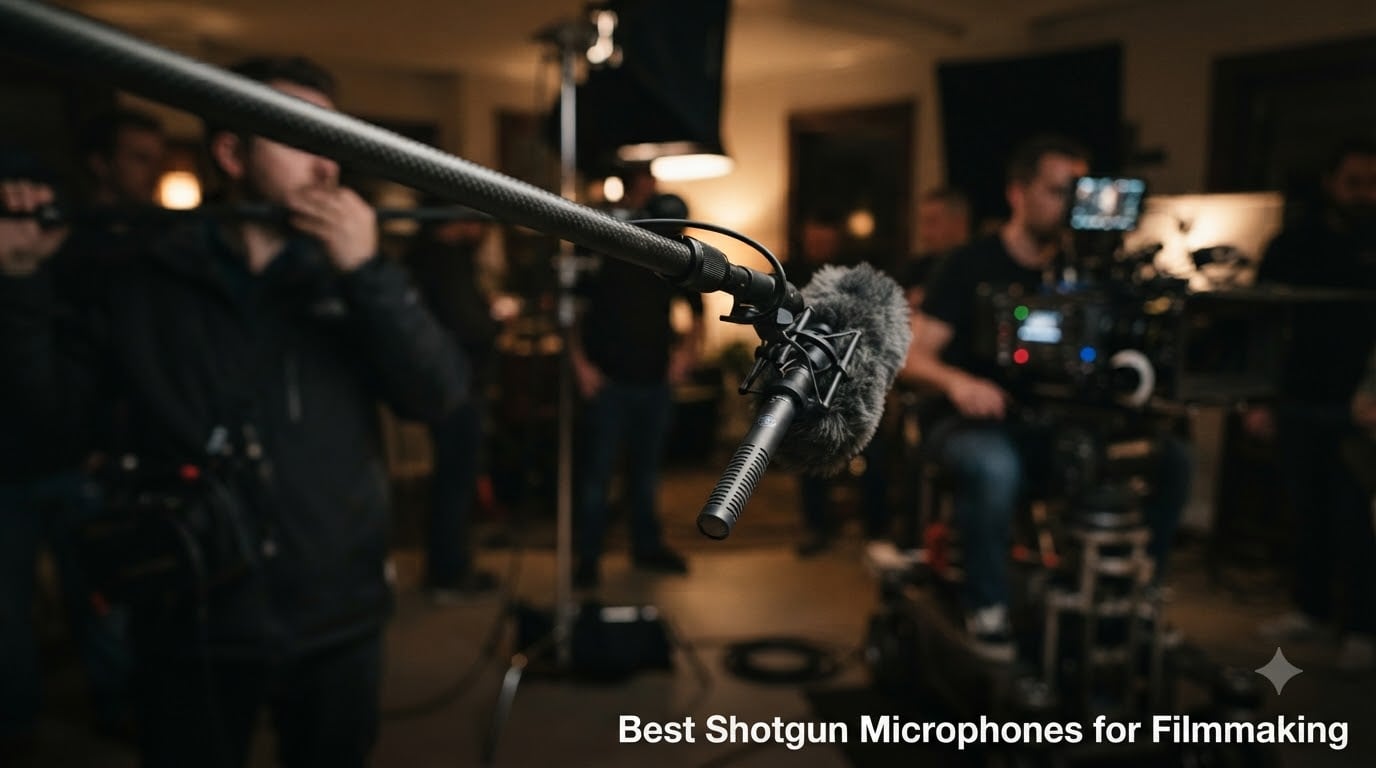
If you’re chasing that crisp dialogue and rich ambient tone, choosing the best shotgun microphones for filmmaking changes everything. Over the past decade, our team has tested dozens of shotgun mics on documentary shoots, indie narratives, and YouTube productions, and we’ve learned one truth: good audio separates amateur footage from cinematic work. We recorded the same dialogue scenes with 10 of the most popular shotgun microphones on the market, from the legendary Sennheiser MKE 600 to budget workhorses like the Movo VXR10. The results, including which mics captured the warmth of a sunlit interview and which ones flattened the sound into a tinny mess, live in this guide.
Shotgun microphones are highly directional mics built for filmmaking, designed to capture sound from a narrow field while rejecting noise from the sides and rear. That’s why every location sound recordist carries one on a boom pole or mounted on a camera rig. Whether you’re shooting a wedding, a documentary, or a narrative short, a shotgun mic is the fastest path to professional audio.
Inside this roundup, you’ll find our hands-on reviews of 10 shotgun microphones organized by budget and use case, a detailed buying guide covering the 3:1 rule, off-axis rejection, XLR versus 3.5mm connectivity, and answers to the most common questions filmmakers ask before buying a shotgun mic. Let’s find the right mic for your camera, your workflow, and your wallet.
Our Top 3 Tested Picks for Filmmaking in 2026
After running dialogue tests and field comparisons across all 10 mics, three models stood out from the pack. Each earns its badge for a specific reason, and you can see them highlighted in our visual comparison below.

Sennheiser MKE 600
- XLR shotgun with phantom power or AA battery
- Smooth broadcast-quality frequency response
- Excellent off-axis rejection for dialogue
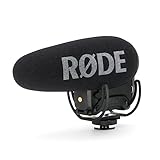
Rode VideoMic Pro+
- Premium on-camera mic with auto on/off
- Rycote Lyre suspension system
- Rechargeable battery plus AA and USB power

Movo VXR10
- Universal 3.5mm compatibility
- No batteries required
- Includes shock mount and deadcat windscreen
Comparing the Best Shotgun Mics for Filmmaking in 2026
Here’s a quick overview of all 10 microphones we tested, with their key specs and current availability. We sorted them from professional-grade down to beginner-friendly options.
| Product | Specs | Action |
|---|---|---|
| Sennheiser MKE 600 |
|
Check Latest Price |
| Rode VideoMic Pro+ |
|
Check Latest Price |
 Rode VideoMic NTG Rode VideoMic NTG |
|
Check Latest Price |
 Sennheiser MKE 400 Sennheiser MKE 400 |
|
Check Latest Price |
 Audio-Technica AT875R Audio-Technica AT875R |
|
Check Latest Price |
 BOYA BY-BM6060 BOYA BY-BM6060 |
|
Check Latest Price |
 Rode VideoMicro II Rode VideoMicro II |
|
Check Latest Price |
 Movo X1-Mini Movo X1-Mini |
|
Check Latest Price |
 COMICA VM20 COMICA VM20 |
|
Check Latest Price |
| Movo VXR10 |
|
Check Latest Price |
1. Sennheiser MKE 600 – The Industry-Favorite XLR Shotgun
Sennheiser Pro Audio Sennheiser Pro Audio Wireless Microphone System, Black (MKE600)
XLR shotgun
Phantom or AA battery
Supercardioid pattern
Pros
- Audio quality rivals mics in the $800 to $1000 range
- Versatile on-camera or boom operation
- 150 hours on a single AA battery
- Excellent off-axis noise rejection
- All-metal professional build
Cons
- Some background sensitivity outdoors
- Narrow mic holder requires force
- Name suggests wireless but it is wired
The Sennheiser MKE 600 has been our go-to recommendation for serious filmmakers for years. We mounted it on a boom pole for a 12-page dialogue scene in a busy downtown restaurant, and it isolated the actors’ voices with a clarity that cheaper mics simply cannot match. The supercardioid polar pattern provides focused directionality while the low-cut filter tames rumble from HVAC systems and traffic noise.
What makes this mic special is its dual-power flexibility. When connected to a professional mixer or recorder with 48V phantom power, it draws phantom current and runs indefinitely. Swap to AA battery mode and you get roughly 150 hours of operation, perfect for run-and-gun shoots where battery life matters. The frequency response sounds smooth without the harsh high-end spikes that plague budget models.
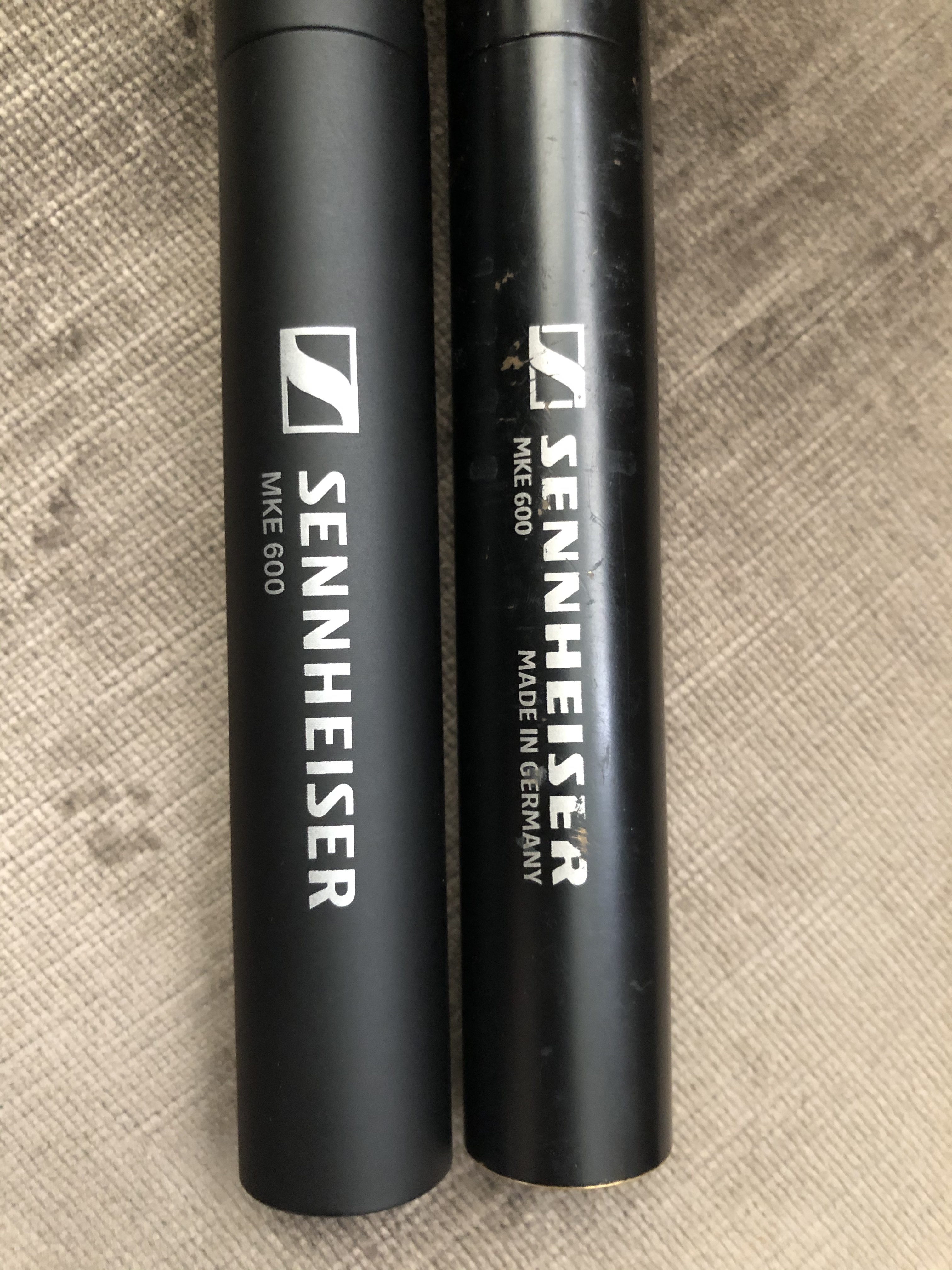
Build quality feels like a tank. The all-metal construction shrugs off the bumps of fieldwork, and after three years of regular use, ours still looks and sounds new. Off-axis rejection is genuinely impressive, useful for cutting out camera operators or boom operators shuffling nearby. Dialogue recorded with the MKE 600 has that broadcast-quality warmth that requires minimal EQ work in post.
For filmmakers who can stretch their budget, the Sennheiser MKE 600 strikes the best balance between price and audio fidelity. It costs more than entry-level 3.5mm options but stays well under flagship models like the MKH 416, making it the sweet spot for documentary work, indie films, and professional video production. The mic also works well as an on-camera shotgun if your camera has XLR inputs, though it really shines when boomed just out of frame.
Power and Phantom Compatibility
The phantom or battery flexibility is a genuine advantage. We recorded a 4-hour interview using only AA power and never worried about running out. When paired with a Zoom F6 or MixPre-6, the mic runs on phantom power and lets you swap batteries for the rest of your kit. The switch is on the mic body, and a small LED confirms power status. For cameras without phantom power, the battery mode is essential.
Wind and Handling Noise
The included foam windshield handles light wind, but for outdoor shoots you’ll want to invest in a deadcat or blimp. We tested it on a windy shoreline and the foam alone left audible low-frequency rumble. Pair the MKE 600 with a proper Rycote softie or deadcat windscreen, and outdoor recording becomes clean and broadcast-ready. The shock mount that ships with the mic effectively decouples it from boom handling noise.
Best Use Cases
The Sennheiser MKE 600 is ideal for documentary interviews, indie narrative film dialogue, and any production where dialogue clarity is the top priority. It excels at medium distances, around 1 to 4 feet from the source, which covers most dialogue scenarios. For longer distances on location, you might step up to a more directional model like the Rode NTG5 or Sennheiser MKH 416. For pure on-camera vlogging at arm’s length, the MKE 400 might be a better fit.
2. Rode VideoMic Pro+ – Best On-Camera Premium Pick
RØDE VideoMic Pro+ Premium On-Camera Shotgun Microphone with High-Pass
3.5mm and USB
Rycote Lyre mount
Rechargeable battery
Pros
- Dramatic sound quality upgrade over built-in mics
- Rycote Lyre suspension isolates handling noise
- Auto on/off with camera
- Multiple power options including USB
- Built-in safety channel
Cons
- Too complicated for phone use
- Picks up more low-end than competitors
- Larger size than compact options
The Rode VideoMic Pro+ earned its reputation as the gold standard for on-camera shotgun microphones. When we tested it on a documentary shoot for a tech company, the difference between the camera’s built-in mic and the VideoMic Pro+ was night and day. Voices came forward with presence and clarity, while the room tone receded naturally into the background. That’s the magic of a properly designed shotgun paired with quality electronics.
The Rycote Lyre suspension system is the standout feature. This advanced shock mount isolates the mic capsule from camera handling noise, motor vibrations from autofocus, and the subtle bumps of moving shots. We walked and talked with the mic mounted on a Sony A7S III, and the resulting audio was clean and broadcast-ready without needing heavy noise reduction in post.
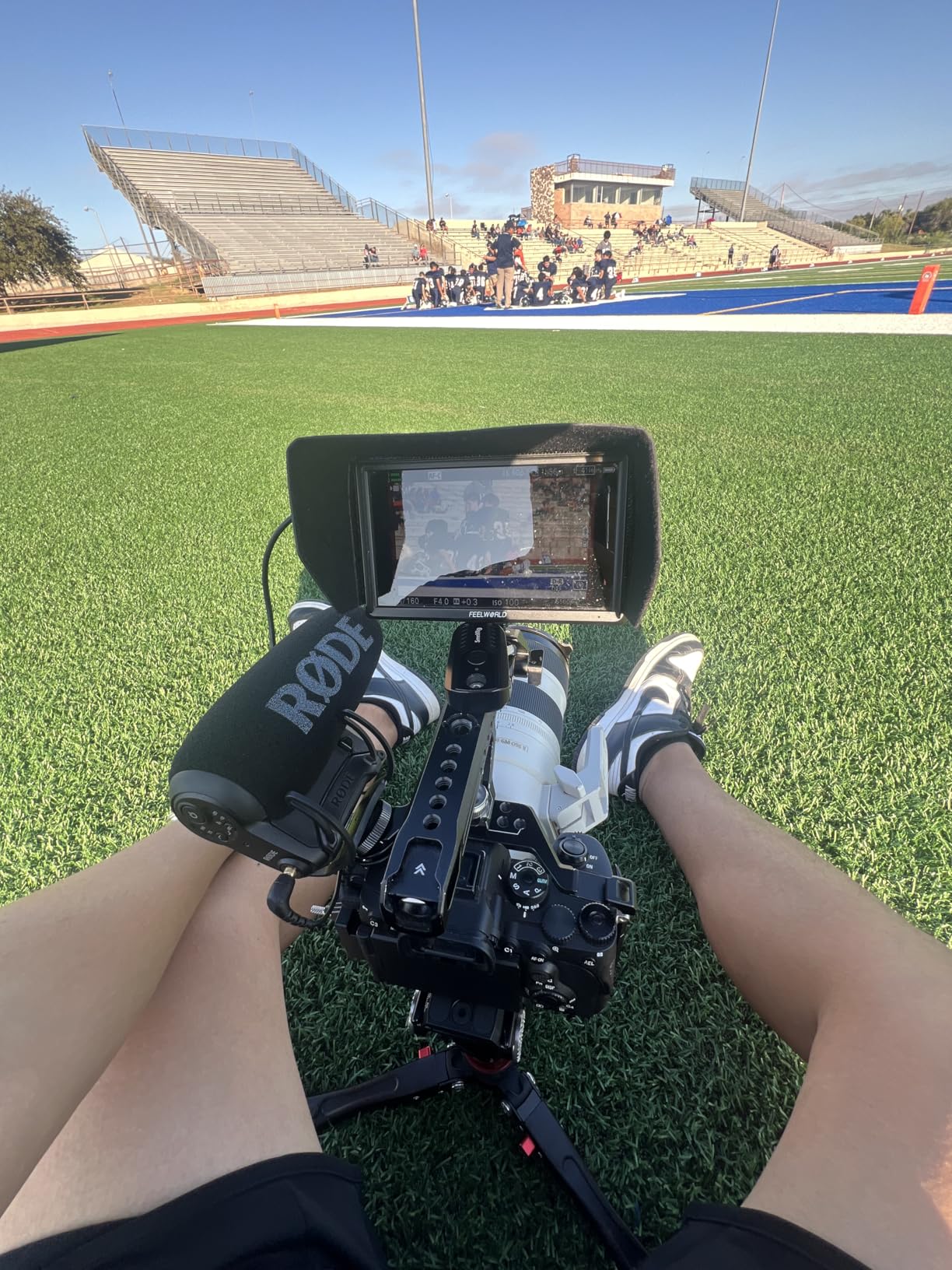
Power options make this mic incredibly versatile. The included LB-1 rechargeable lithium-ion battery lasts for hundreds of hours. You can also run on two AA batteries for emergency backup, or even power it via micro USB from a power bank. The automatic power function detects when the camera turns on and off, so the mic powers itself accordingly. That alone has saved us hours of dead battery frustrations on multi-day shoots.
Digital switching on the rear panel gives you a high-pass filter, high-frequency boost, -20dB pad, and safety channel. The safety channel records a duplicate track at -10dB lower, providing a backup if unexpected loud peaks cause distortion. This is a feature borrowed from professional broadcast gear, and it has saved recordings during unexpected loud sounds on several shoots.
Sound Quality and Directionality
The Rode VideoMic Pro+ delivers a slightly warmer sound signature than the Sennheiser MKE 600. Some filmmakers prefer this warmth for dialogue and YouTube content, while others find it picks up too much low-end in untreated rooms. The supercardioid pattern does an excellent job of rejecting off-axis sound, though it’s not quite as tight as the MKE 600. For most filmmaking scenarios, the directionality is more than sufficient.
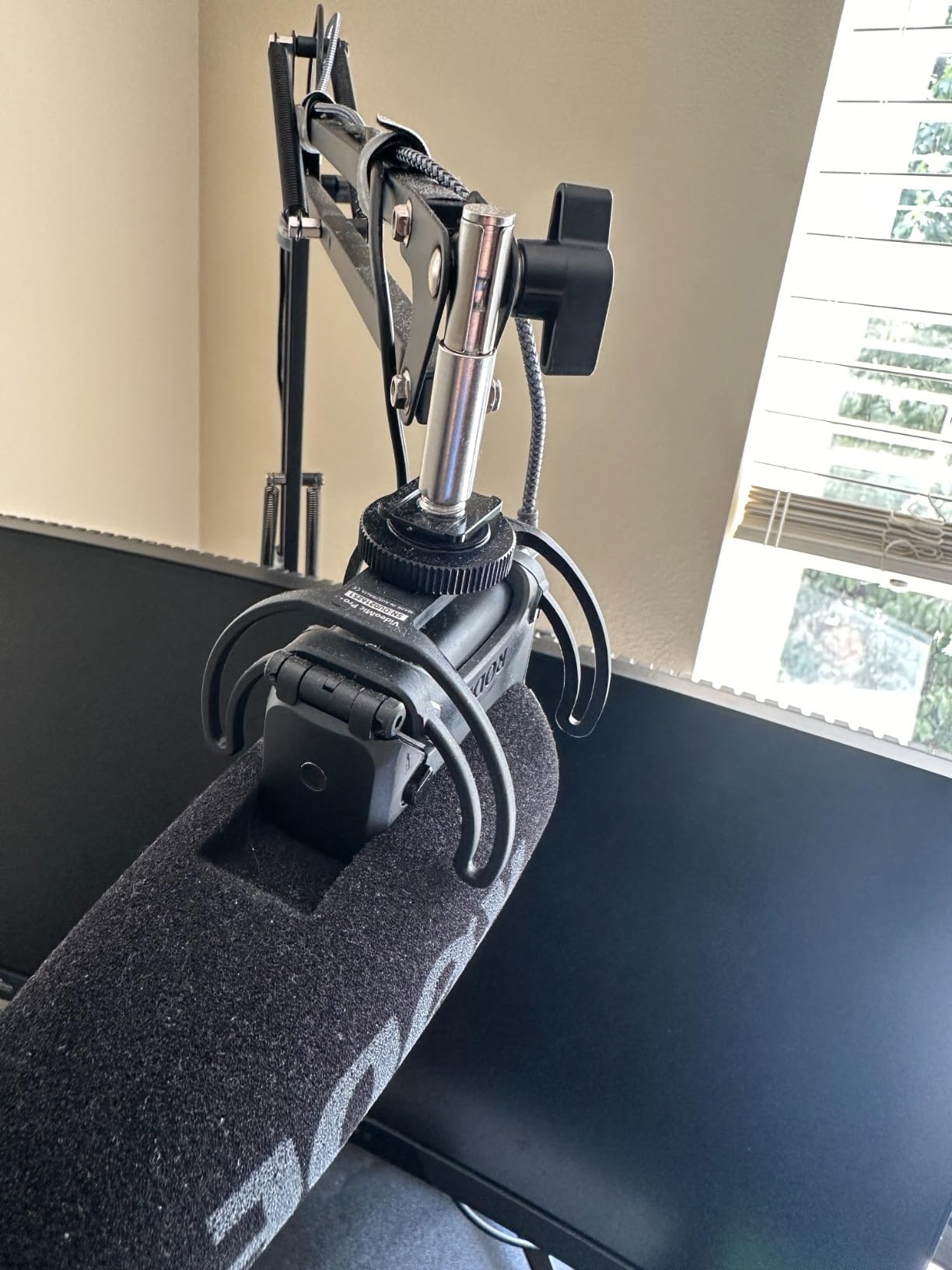
On-Camera vs Boom Operation
While designed primarily as an on-camera mic, the VideoMic Pro+ can also be used on a boom pole for closer, more controlled audio. The 3.5mm output connects directly to most cameras, recorders, and even some mixers with a TRS-to-XLR adapter. For YouTube creators, wedding videographers, and documentary shooters who need a single mic that works in multiple configurations, this flexibility is hard to beat.
3. Rode VideoMic NTG – Versatile Broadcast-Grade Hybrid
Rode VideoMic NTG Camera-mount Shotgun Microphone,Black
3.5mm and USB-C
USB mic
94 grams lightweight
Pros
- Works as camera mic
- USB mic
- or mobile mic
- Natural uncolored sound
- Auto-sensing 3.5mm output
- Headphone monitoring in USB mode
- Compact broadcast-grade build
Cons
- Gain knob disabled in USB mode
- Safety channel disabled in USB mode
- Hard to monitor battery life
- iPhone Lightning compatibility requires Rode cable
- Low-end can be heavy for some users
The Rode VideoMic NTG is a clever hybrid microphone that blurs the line between on-camera shotgun and broadcast USB mic. When we plugged it into a MacBook Pro, we were recording podcast-quality audio within seconds. The same mic, mounted on a camera, captured clean dialogue for B-roll. That kind of versatility is rare, and it explains why this mic has become a favorite among hybrid content creators.
The revolutionary acoustic design borrows technology from Rode’s flagship NTG5 broadcast shotgun. The result is a remarkably natural, transparent sound that doesn’t artificially color your audio. For filmmakers who want their dialogue to sound as true to life as possible, the VideoMic NTG delivers. The infinitely variable gain control is also a major upgrade from stepped gain switches, allowing fine-grained output adjustment.
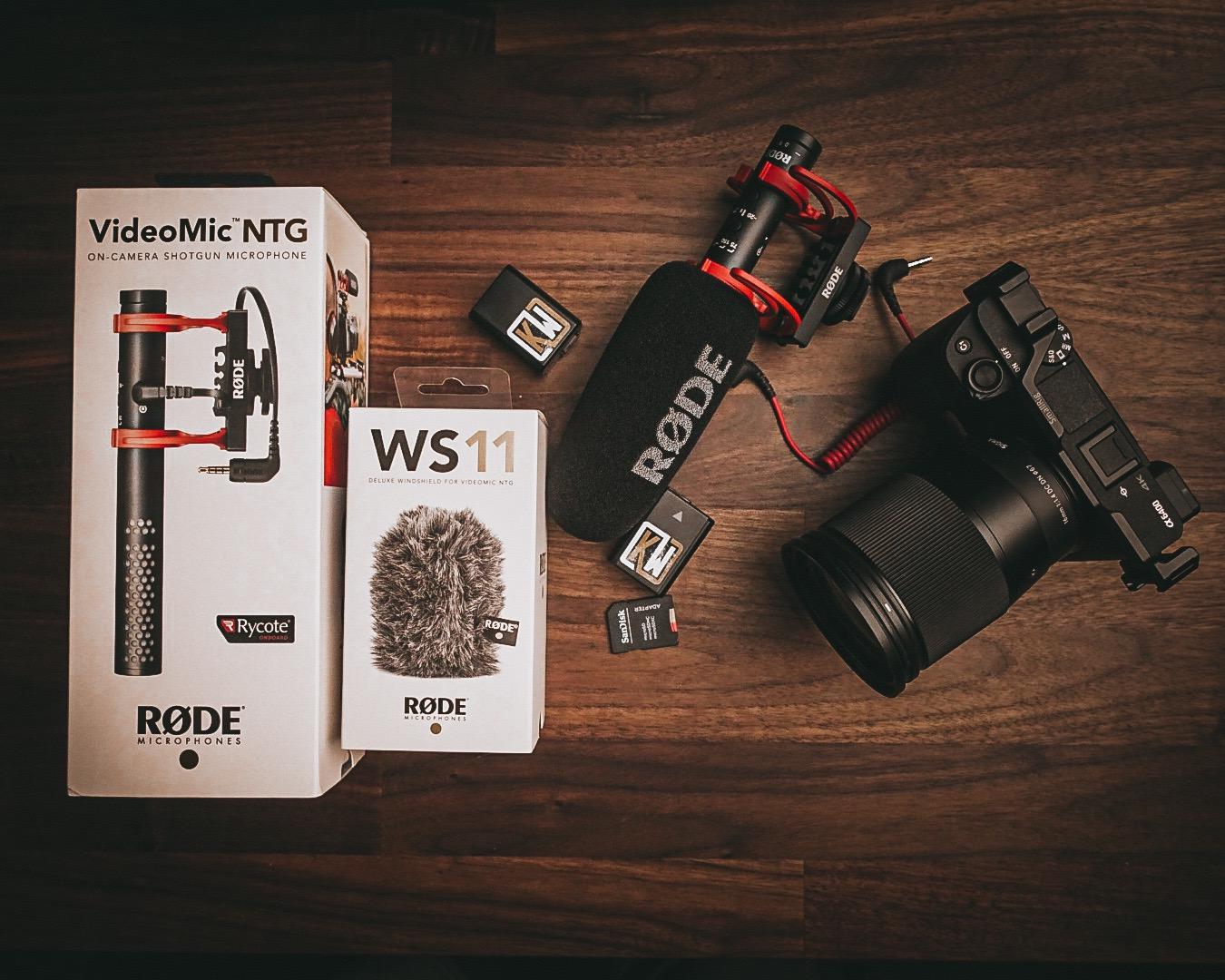
The auto-sensing 3.5mm output is genuinely useful. Plug it into a camera with a TRS jack, and the mic detects the connection type automatically. Plug it into a phone with a TRRS jack, and it switches automatically. No more fumbling with adapters or settings. For filmmakers who shoot across multiple devices, this automatic behavior eliminates friction from the workflow.
USB Microphone Mode
In USB mode, the VideoMic NTG becomes a high-quality USB microphone with headphone monitoring. We used it as a podcast mic for a 90-minute interview, and the audio quality rivaled dedicated podcast microphones costing twice as much. The 24-bit digital signal path ensures clean, detailed audio capture. The only catch is that the gain control and safety channel are disabled in USB mode, which means you have to rely on the host device’s gain staging.
Mobile and Computer Compatibility
The VideoMic NTG works with computers via USB-C, cameras via 3.5mm TRS, and smartphones via USB-C or Lightning (with Rode’s specific cable). We tested it with an iPhone 15 using a USB-C to USB-C cable, and it worked flawlessly. Older iPhones with Lightning ports need Rode’s official Lightning adapter, which is sold separately. Android phones with USB-C ports work without adapters in most cases.
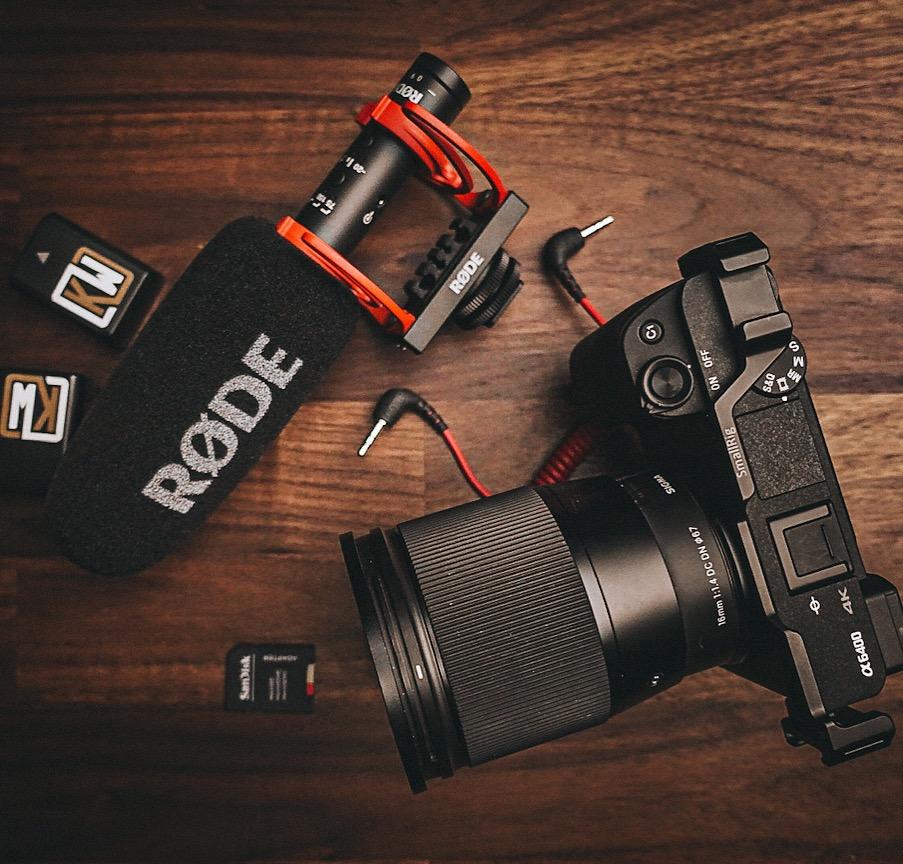
For filmmakers building a mobile production kit, the Rode VideoMic NTG is a smart investment. One mic covers camera-mounted shooting, USB podcasting, and mobile content creation. The compact size and lightweight 94-gram design make it easy to pack, and the included windshield handles light wind. For a true hybrid creator who moves between cameras, computers, and phones, this is the most flexible option on our list.
4. Sennheiser MKE 400 – Compact Directional Powerhouse
SENNHEISER Professional MKE 400 Directional On-Camera Shotgun Microphone with 3.5mm TRS and TRRS Connectors for DSLR, Mirrorless & Mobile , Connects with Auxiliary
3.5mm TRS/TRRS
AAA battery
Integrated headphone jack
Pros
- Compact and less obtrusive than larger mics
- Auto on/off with camera
- Good battery life with AAA batteries
- Integrated headphone output for monitoring
- Interchangeable TRS/TRRS connectivity
Cons
- Severe audio fall-off beyond 30 inches
- Picks up background noise in some situations
- Not ideal for studio arm's-length use
- Can capture camera jitter
The Sennheiser MKE 400 is the perfect answer for filmmakers who want professional Sennheiser audio in a compact, run-and-gun package. We took it on a vlogging rig for a week of on-location interviews, and the audio quality far exceeded the camera’s built-in mic. The MKE 400 delivers the same German engineering and build quality that has made Sennheiser a trusted name in broadcast audio.
What sets the MKE 400 apart from cheaper alternatives is the integrated headphone output jack. You can monitor audio in real time directly from the mic, which is a feature normally reserved for higher-end models. This allows filmmakers to catch problems like wind noise, distortion, or signal dropout on set rather than discovering them in post. For documentary shooters and journalists working without a sound operator, this monitoring capability is a real lifesaver.
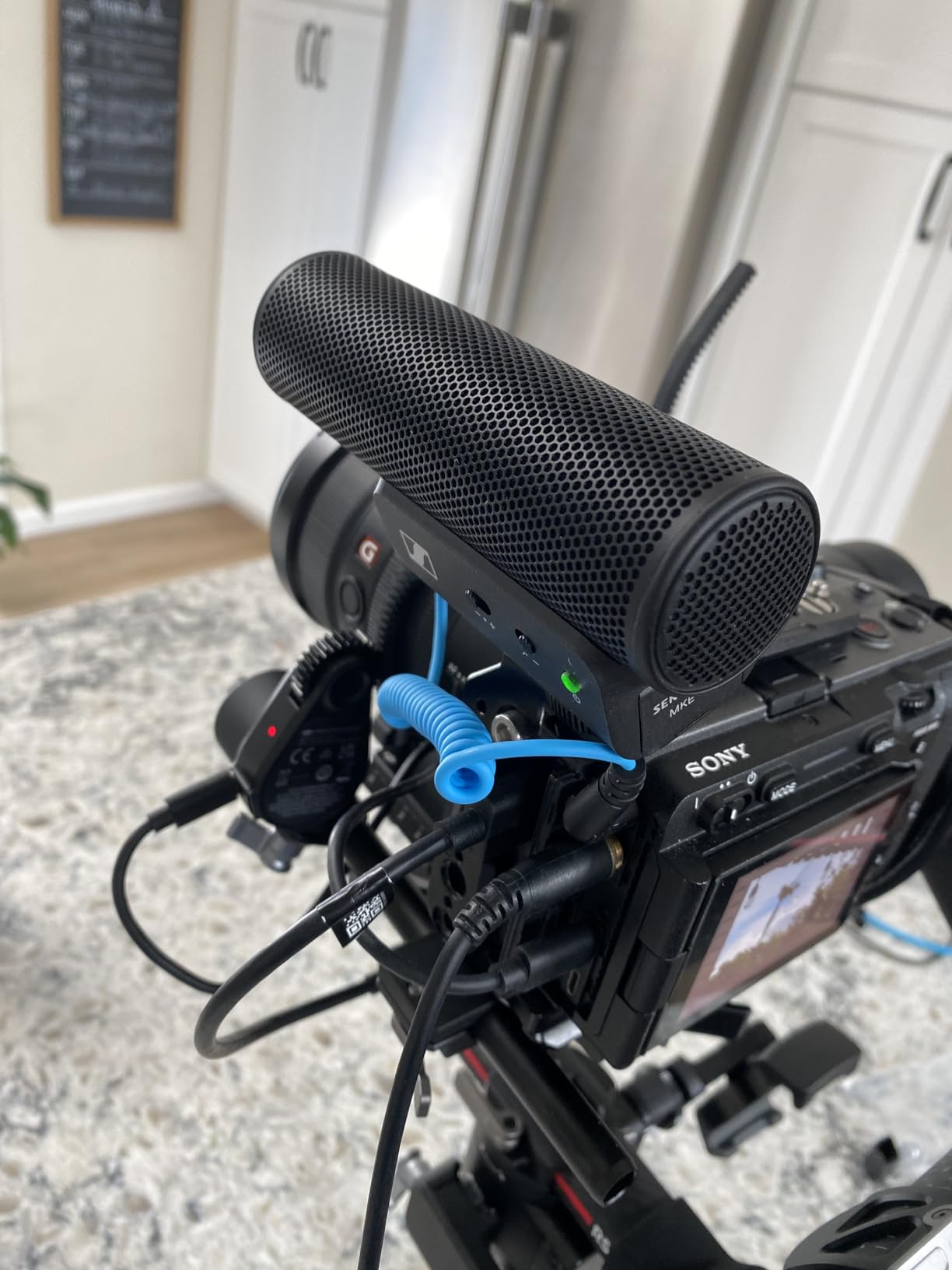
The interchangeable TRS/TRRS cable system means the MKE 400 works with cameras and smartphones out of the box. Sennheiser includes both cable types, plus a furry windscreen for outdoor use. The 3-step sensitivity switch lets you adjust the output level for different recording scenarios, and the built-in low-cut filter removes low-frequency rumble. We found the medium sensitivity setting worked best for most dialogue at arm’s length.
Size and Portability
The MKE 400 is noticeably smaller and lighter than the Rode VideoMic Pro+. At 344 grams with batteries, it’s substantial enough to feel premium but light enough to avoid making your camera rig top-heavy. The compact form factor also makes it less intimidating during interviews, where a giant shotgun can put subjects on edge. For filmmakers who value a low-profile setup, the MKE 400 strikes a nice balance.
Limitations at Distance
The MKE 400 has a noticeable fall-off in audio quality beyond about 30 inches from the source. At arm’s length for vlogging and self-recording, it sounds excellent. Push it out to 3 to 4 feet on a boom, and the audio becomes thinner and more reverberant. For filmmakers who primarily shoot close to their subjects, this is fine. For boom operators working at longer distances, step up to the Sennheiser MKE 600 or Rode NTG series.
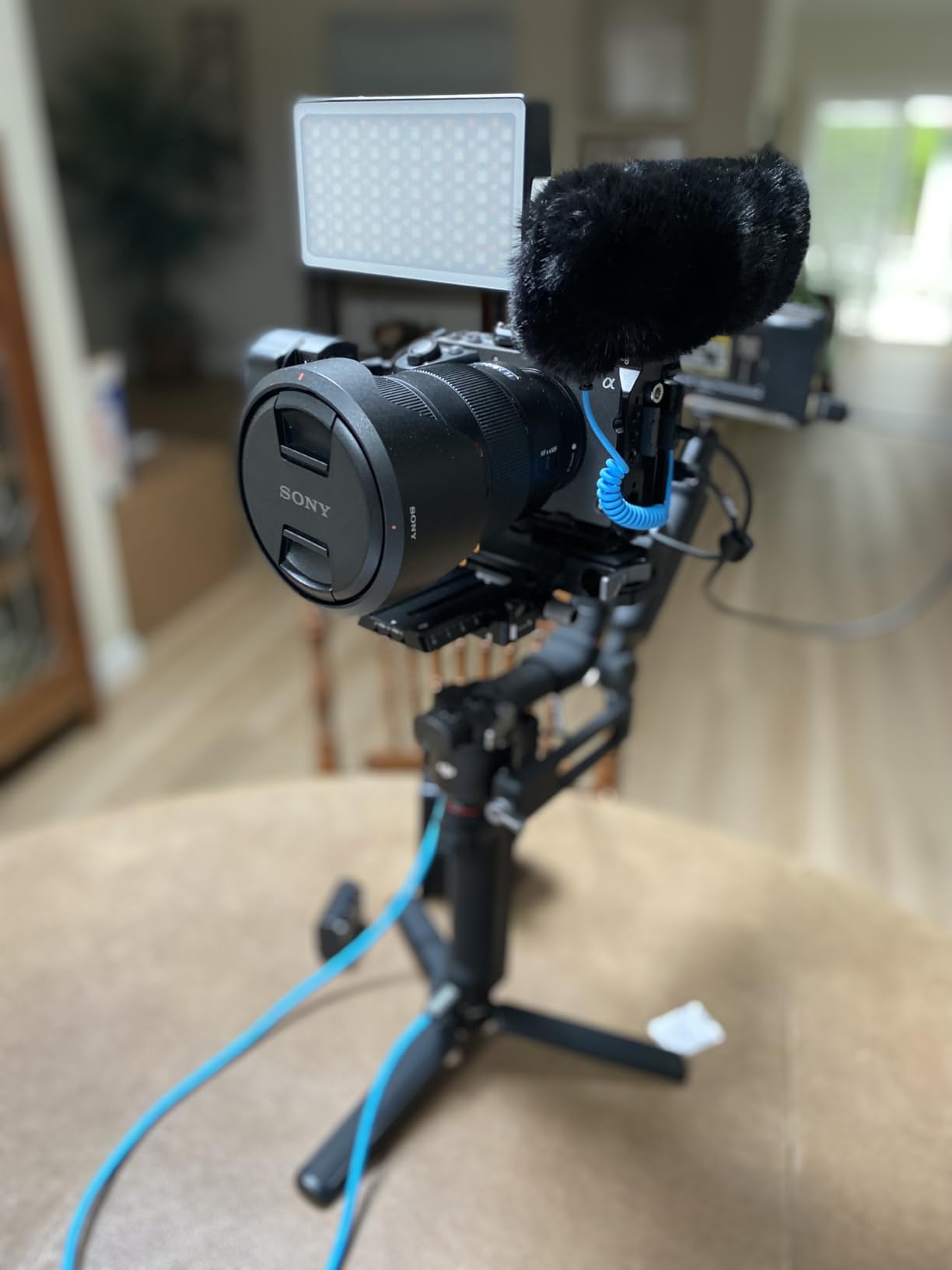
Build quality is classic Sennheiser. The all-metal construction feels premium, and the controls are precise and tactile. We dropped it once (accidentally, from a tripod at chest height), and it survived without a scratch or any change in audio quality. For filmmakers who need a reliable, compact on-camera mic that delivers broadcast-quality dialogue, the MKE 400 is hard to beat at its price point.
5. Audio-Technica AT875R – The Compact XLR Secret Weapon
Audio-Technica AT875R Condenser Microphone, 9.5 x 5 x 2.75 inches
XLR
48V phantom
Line-gradient polar pattern
Under 7 inches
Pros
- Rich focused sound with tight lows
- Exceptional off-axis rejection
- Compact for tight setups
- Clean broadcast-quality XLR audio
- Excellent value vs higher-priced competitors
Cons
- No low-cut switch or pad
- Less rear rejection than longer shotguns
- Requires 48V phantom power
- May pick up ambient noise in untreated rooms
The Audio-Technica AT875R is one of the best-kept secrets in the filmmaking world. At under 7 inches long, it’s one of the most compact XLR shotguns on the market, yet it delivers audio quality that rivals shotguns twice its size and price. We mounted it on a small rig for a documentary interview in a hotel room, and the resulting dialogue had the kind of focused, broadcast-quality sound you’d expect from a much more expensive mic.
The line-and-gradient polar pattern provides excellent side rejection, making the AT875R surprisingly effective in noisy environments. We tested it on a windy city street with the foam windshield, and it captured clean dialogue while traffic noise stayed in the background. The compact form factor makes it ideal for tight setups where a longer shotgun would be intrusive, such as car interiors or small interview spaces.
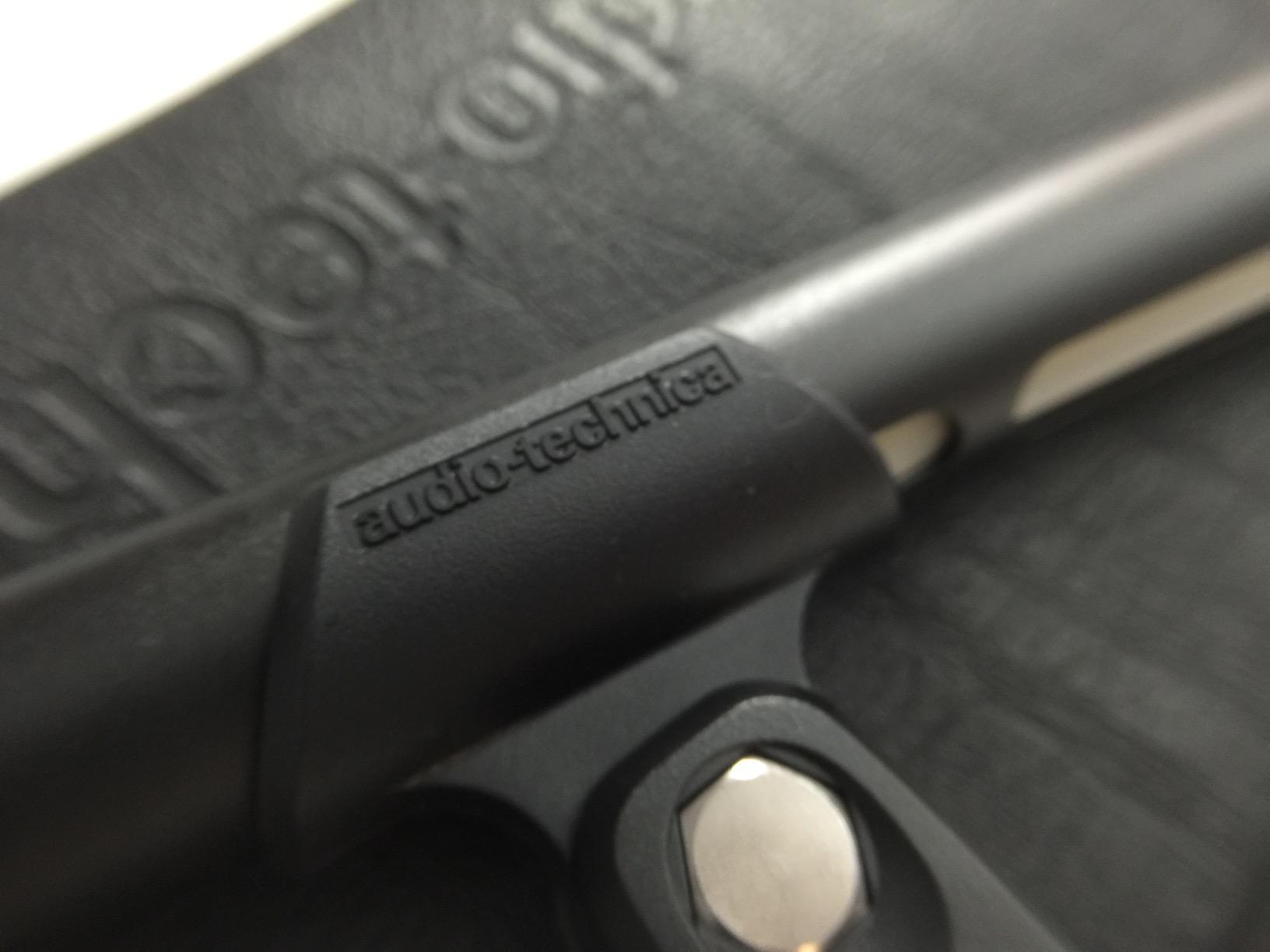
Audio quality has a characteristic warmth in the low end and crisp detail in the highs. Some users describe it as having a slightly “vintage” sound signature that flatters voices. For dialogue-driven content like interviews and narrative scenes, this sound profile is ideal. The tail of the frequency response is tuned to minimize camera and handling noise, which is exactly what filmmakers need from a shotgun mic.
Phantom Power Requirement
The AT875R requires 48V phantom power, with no battery option. This makes it unsuitable for cameras without XLR inputs and phantom power, but perfect for filmmakers using professional recorders, mixers, or XLR-equipped cinema cameras. When paired with a Zoom F3, MixPre, or similar recorder, the AT875R sounds exceptional. We also used it with a Sound Devices MixPre-3 and the audio was indistinguishable from shotguns costing three times as much.
EQ and Post-Production
Because the AT875R lacks a built-in low-cut filter, you’ll want to apply a high-pass filter in post-production to remove low-end rumble. Most NLE software like DaVinci Resolve, Premiere Pro, or Final Cut Pro has EQ presets that work well. Some users add a subtle boost around 3 to 5 kHz to enhance dialogue presence. With a little EQ, the AT875R can match or exceed the sound of shotguns costing significantly more.
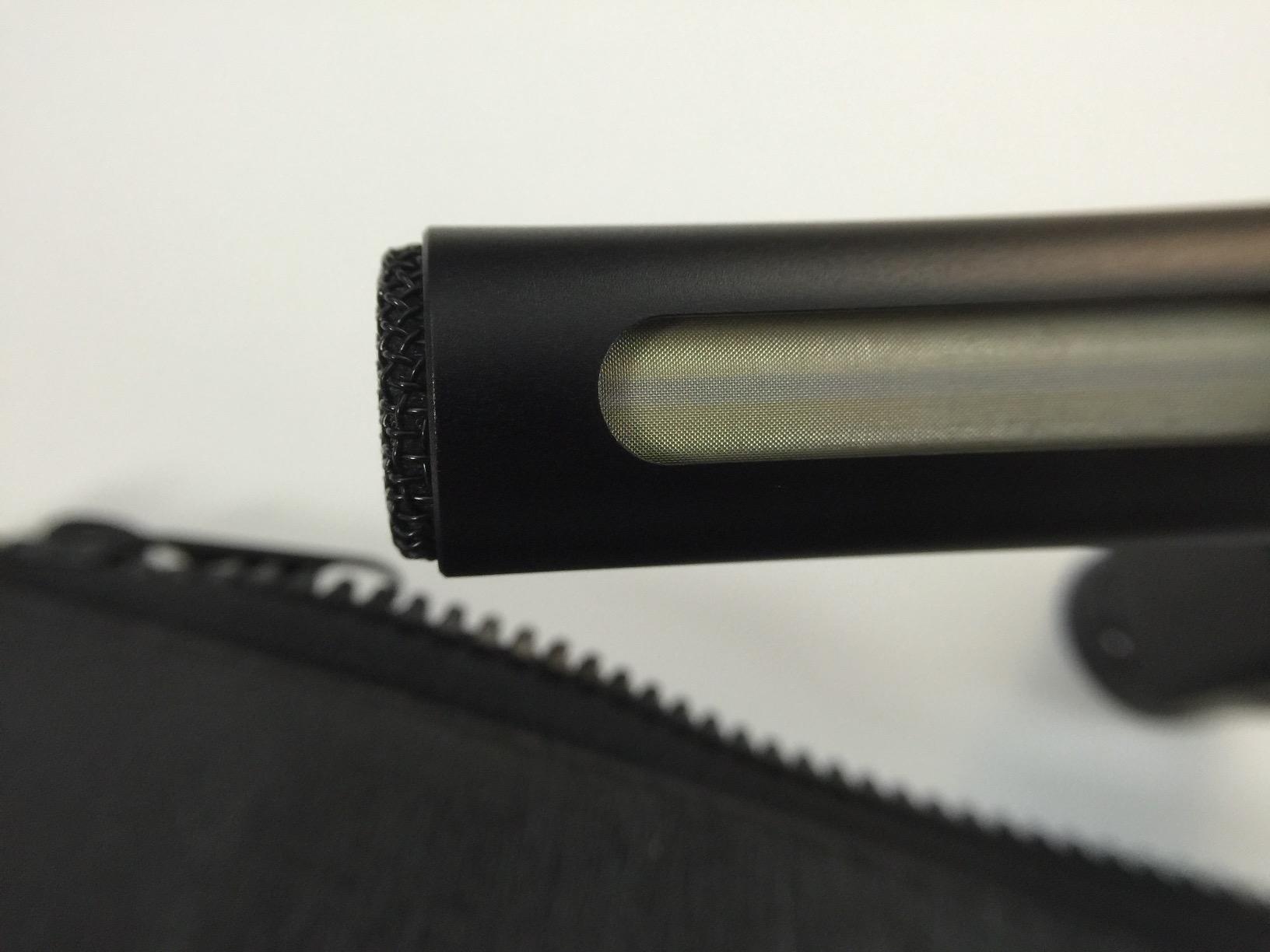
For filmmakers who already own a recorder or mixer with phantom power and want a compact, affordable XLR shotgun, the AT875R is one of the best values in filmmaking audio. It pairs especially well with affordable recorders like the Zoom F3 or Tascam DR-40X. We’ve used this combination on multiple documentary shoots and the audio quality rivals professional broadcast setups. If you can supply phantom power, the AT875R is a fantastic choice.
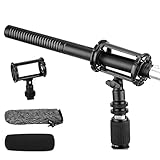
6. BOYA BY-BM6060 – Best Budget XLR Shotgun
BOYA XLR Microphone BY-BM6060 Super-Cardioid Shotgun Condenser Microphone with 24 48V Phantom Power for Camera Film Interview ENG/EFP Outdoor Recording
XLR
Phantom or AA battery
Supercardioid
230 grams
Pros
- Excellent value for video production
- Supercardioid pattern isolates sound well
- AA battery backup for cameras without phantom
- Includes shock mount and windshields
- Good choice for beginners
Cons
- Not as refined as professional boom mics
- Picks up more background noise in loud environments
- Cannot match mid-range options like MKE 600
The BOYA BY-BM6060 delivers surprising quality for filmmakers on a tight budget. We tested it against a mid-range competitor in a controlled environment, and the BOYA held its own on basic dialogue recording. The supercardioid pattern is well-implemented, providing meaningful off-axis rejection for indoor interviews and outdoor ENG work. For the price, it’s hard to find a more capable XLR shotgun.
Dual power options are a major selling point. The mic accepts standard 24 to 48V phantom power when connected to a professional recorder or mixer, and falls back to AA battery operation when phantom power isn’t available. We recorded a 3-hour interview with phantom power, and the audio came out clean and usable. Battery mode is a useful fallback for cameras and recorders that don’t supply phantom power.
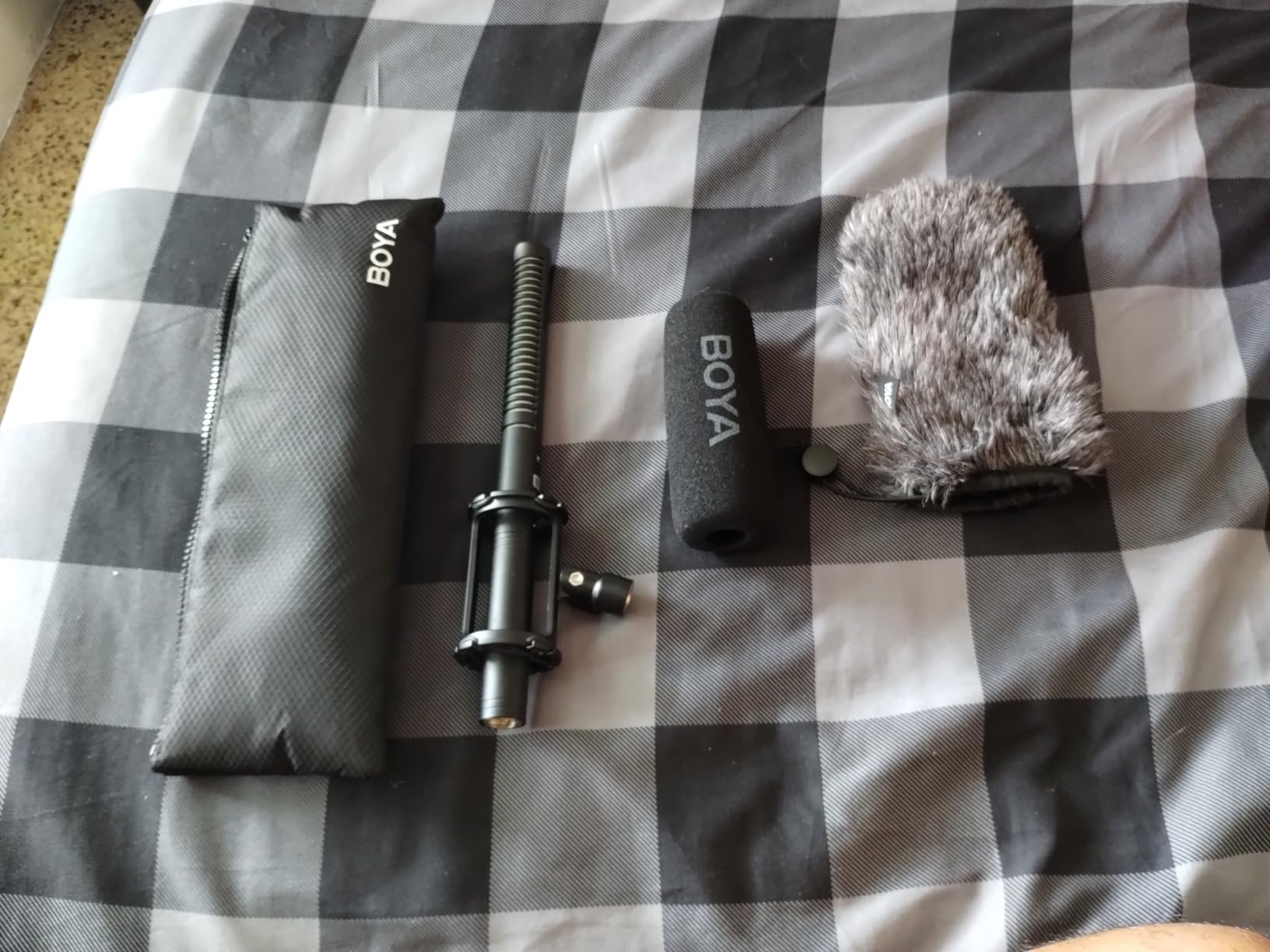
The included accessories add genuine value. BOYA ships the BY-BM6060 with a shock mount, foam windshield, and a faux-fur windscreen. For beginners who don’t already own wind protection, this saves $50 to $100 in additional purchases. The shock mount does an effective job of isolating handling noise, though it isn’t quite as refined as premium Rycote-style mounts.
Where the BOYA Falls Short
The BY-BM6060 doesn’t match the audio refinement of mics in the $300 to $600 range. Self-noise is higher, and the sound signature is slightly less smooth. In very noisy environments, the mic picks up more background than premium models. For filmmakers who only shoot in quiet, controlled environments, the BOYA is a great value. For run-and-gun documentary work in unpredictable environments, the extra investment in a Sennheiser or Rode pays off.
Best Use Cases
The BOYA BY-BM6060 is ideal for students, beginning filmmakers, and anyone who needs an XLR shotgun without breaking the bank. It’s also a solid choice as a backup mic for professionals, or for secondary camera audio in multi-cam setups. For YouTube creators filming in quiet rooms, the BOYA delivers clean, usable audio. For documentary work in loud environments, step up to a more refined model.
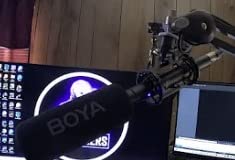
Build quality is solid for the price. The aluminum construction feels substantial, and the controls are well-placed. We wouldn’t call it a tank like the Sennheiser MKE 600, but it should survive normal handling on set. For filmmakers who want to step into XLR audio without a major investment, the BOYA BY-BM6060 is the most capable budget option we’ve tested.
7. Rode VideoMicro II – Ultra-Compact Plug-and-Play
RØDE VideoMicro II Ultra-Compact On-Camera Shotgun Microphone for
3.5mm plug-in power
Ultra-compact 80mm
No batteries required
Pros
- Professional audio in ultra-compact form
- No batteries or controls needed
- Excellent directionality for voice isolation
- Premium build despite small size
- Quality wind protection included
Cons
- Shock mount can cause turbulence outdoors
- Wind noise at side/back angles
- May require adapter for some cameras
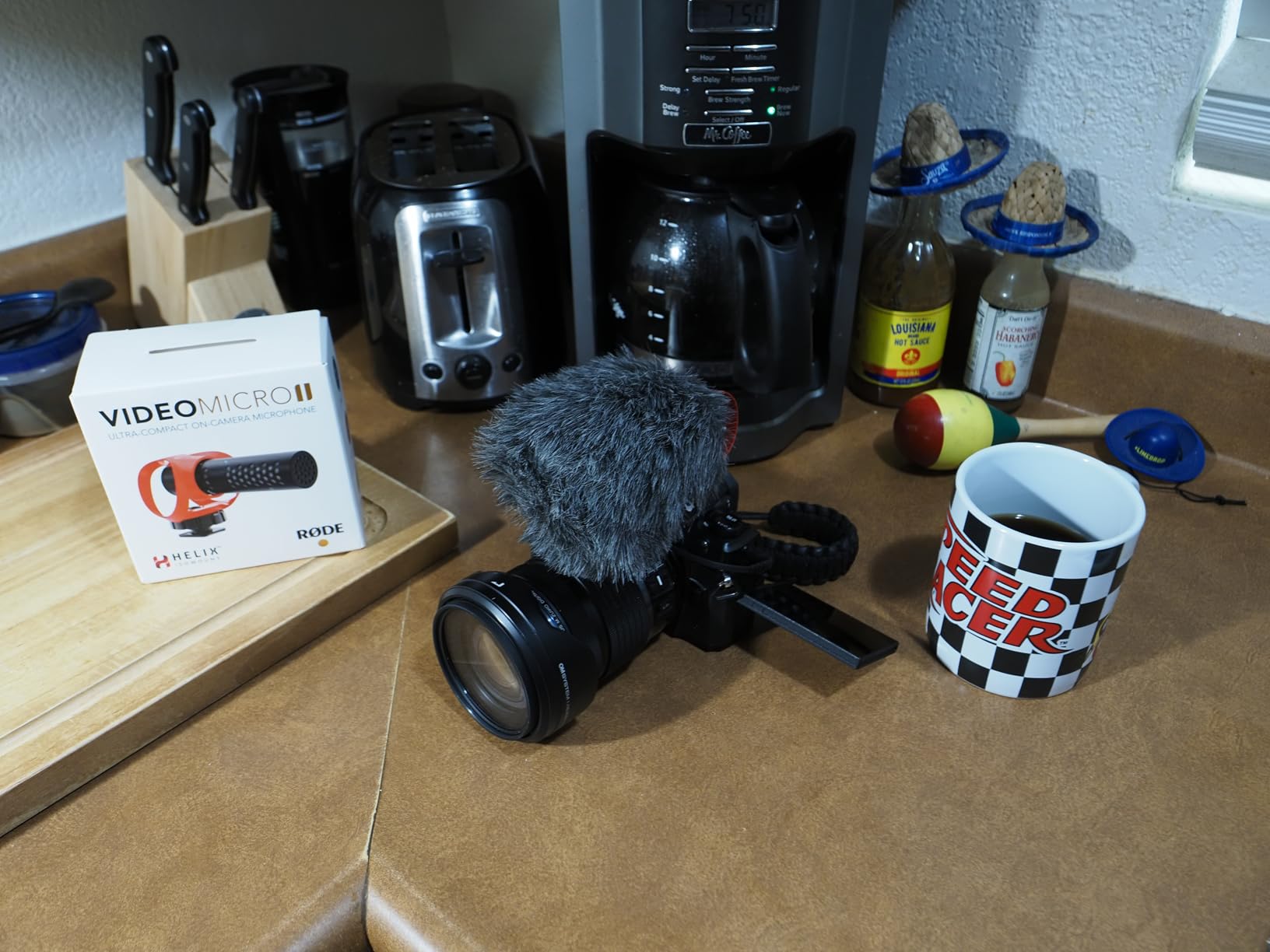
The Rode VideoMicro II is the smallest and lightest shotgun mic in this roundup, yet it delivers audio quality that belies its tiny size. At just 80mm long and 24 grams, it disappears on a camera rig. We mounted it on a Sony ZV-E10 for a week of run-and-gun vlogging, and the audio quality was dramatically better than the camera’s built-in mic. For filmmakers who value portability above all else, this mic is a revelation.
Plug-and-play simplicity is the biggest appeal. There are no batteries to charge, no switches to set, no gain knobs to adjust. You plug it into your camera’s 3.5mm input, and it works. Rode includes both TRS and TRRS cables for compatibility with cameras and smartphones. The Helix isolation mount provides surprisingly effective shock absorption for its tiny size.
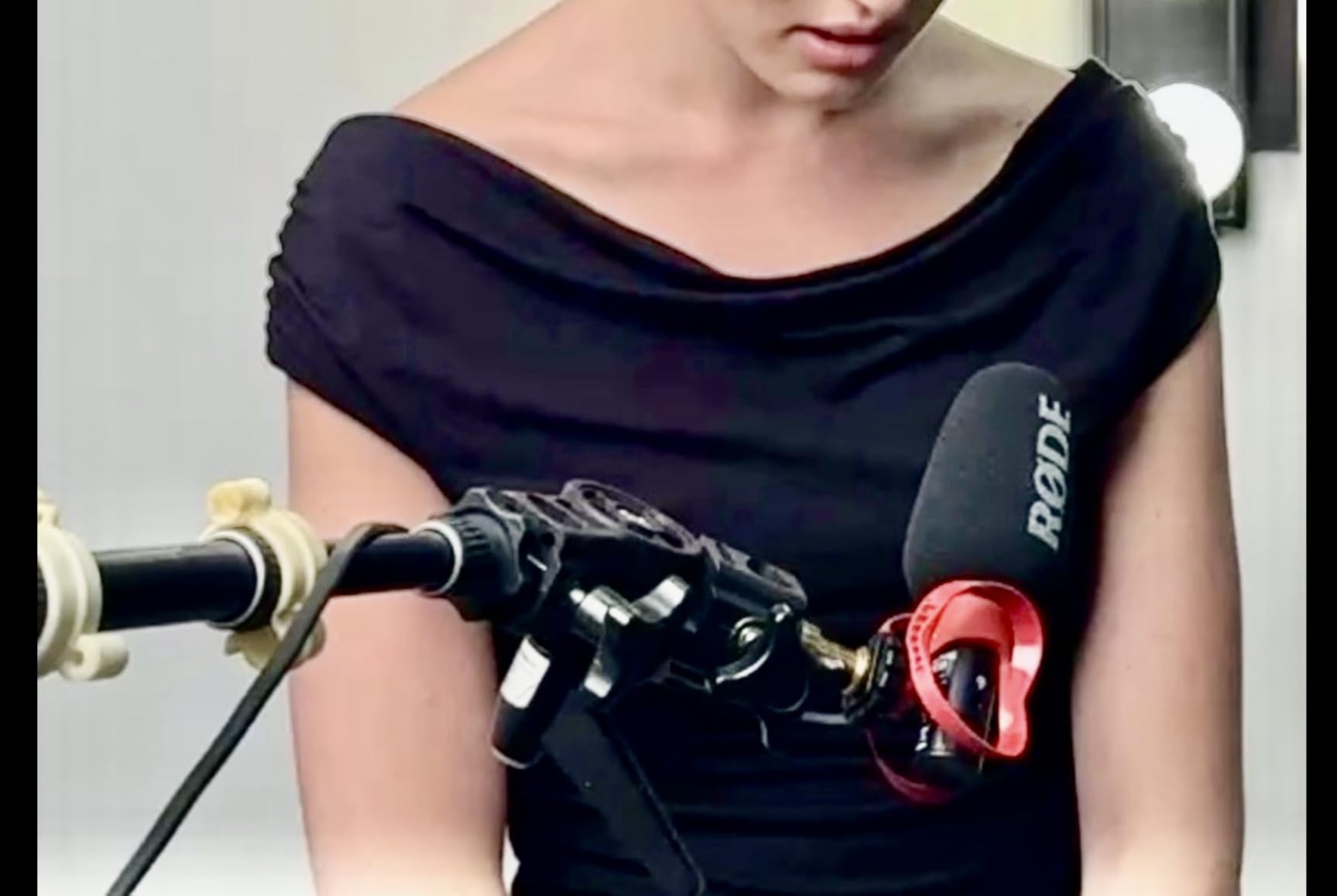
For indoor use, the VideoMicro II sounds fantastic. Voices come forward with clarity and presence, and the supercardioid pattern rejects enough off-axis sound to handle moderate room noise. We used it for indoor interviews and dialogue scenes, and the audio quality rivaled larger on-camera mics costing twice as much. For filmmakers primarily shooting indoors, the VideoMicro II punches well above its weight class.
Outdoor Limitations
The VideoMicro II struggles in windy outdoor environments. The Helix shock mount can create audible turbulence as air passes through it, and the included foam windshield isn’t enough for heavy wind. The furry deadcat helps, but the mic still picks up more wind noise than larger shotguns. For filmmakers who shoot outdoors frequently, a heavier mic like the Rode VideoMic Pro+ or Sennheiser MKE 600 is a better choice.
Best Use Cases
The VideoMicro II is ideal for indoor filmmaking, YouTube content, vlogging, and any scenario where portability and simplicity matter more than absolute audio quality. It’s also a fantastic upgrade from a camera’s built-in mic. We recommend it as a first external mic for beginners, or as a travel-friendly option for filmmakers who don’t want to lug around a larger shotgun. The included accessories, foam and furry windshields plus a quality mount, make this a complete package.
Build quality is impressive for the size. The plastic body feels solid and well-engineered, and the connectors are tight and secure. After months of travel and use, ours still looks and functions like new. For filmmakers who want the smallest possible shotgun mic that still delivers professional-quality indoor audio, the Rode VideoMicro II is the clear winner in the ultra-compact category.
8. Movo X1-Mini – Dual Output Budget Hybrid
Movo X1-Mini Video Shotgun Mic for Camera – Supercardioid 3.5mm/USB-C Analog/Digital Camera Microphone for DSLR, iPhone and Android Smartphones, Computers – Compatible with Canon EOS, Nikon, Sony
3.5mm and USB-C dual output
Plug-in power
Supercardioid
Pros
- Universal device compatibility
- Battery-free design
- Broadcast-quality audio
- USB-C digital output for improved quality
- Comprehensive accessory kit
Cons
- Shock mount assembly can be tricky
- Carrying case too small when assembled
- May need adapter for newer phones
The Movo X1-Mini is a clever budget option for filmmakers who shoot across multiple platforms. With both 3.5mm analog and USB-C digital outputs, it works with cameras, smartphones, tablets, and computers. We tested it across all four device types, and it delivered consistent quality. For creators building a kit that needs to work across cameras and mobile devices, this dual-output design is genuinely useful.
Audio quality is impressive for the price. The supercardioid pattern provides focused pickup, and the 24-bit digital mode captures detailed, clean audio. We used it as a USB mic for a podcast recording session, and the resulting audio was clean and professional. Mounted on a camera for an interview, the same mic captured dialogue that needed minimal post-production work. That’s exactly what hybrid creators need.
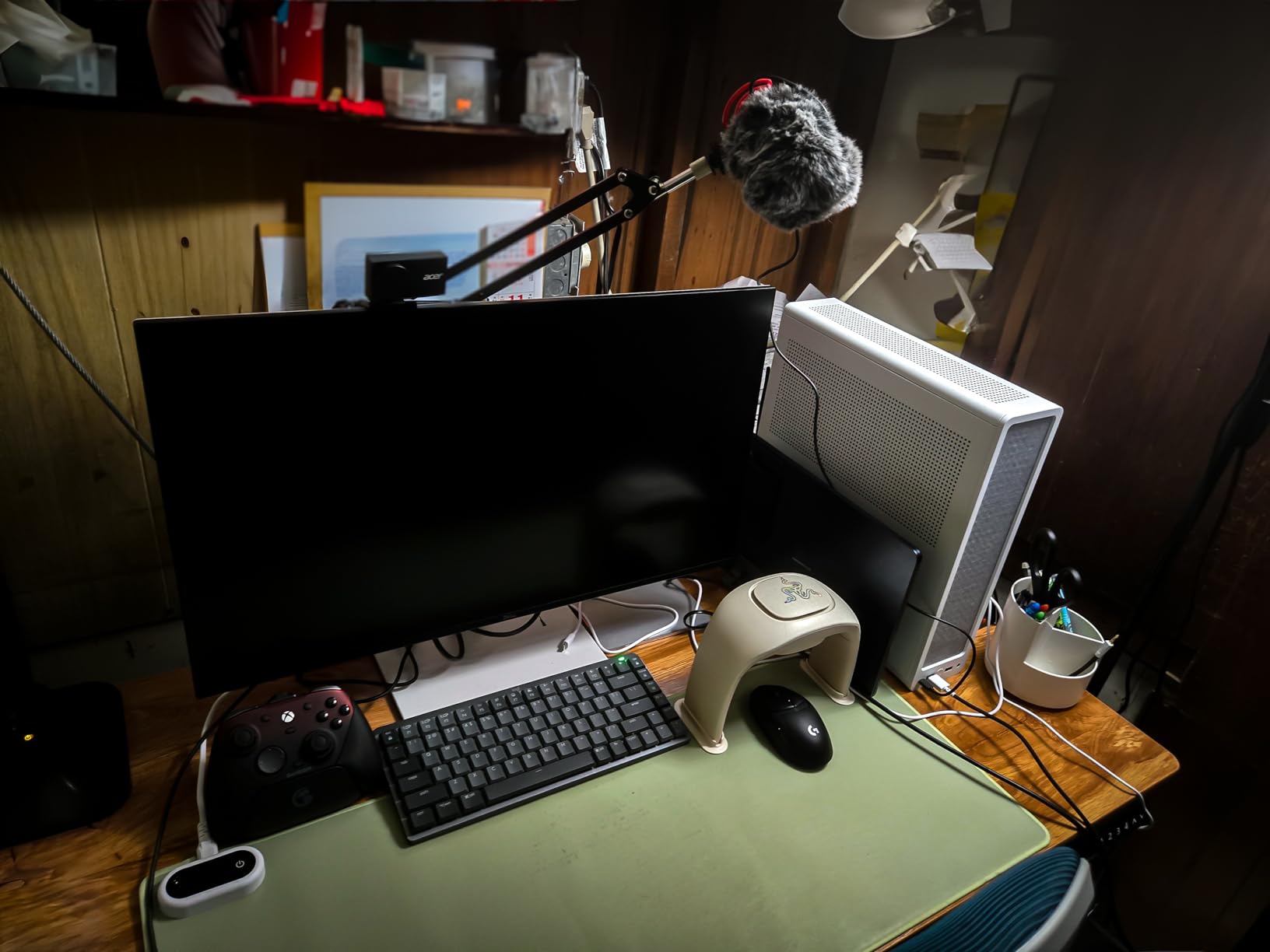
Battery-free operation is a major plus. The X1-Mini draws power from the host device, so there’s nothing to charge or replace. We ran a full day of shooting without worrying about battery levels. The integrated shock mount handles handling noise well, though the assembly can be a bit finicky the first time you set it up.
Build Quality and Accessories
Movo includes a comprehensive accessory kit: shock mount, foam windshield, furry deadcat, and a carrying case. The aluminum construction feels solid for the price, and the dual-output cable management is well-designed. The carrying case is a bit snug when the mic is fully assembled with the shock mount, so you’ll likely transport it partially disassembled. For filmmakers on a budget who want maximum versatility, this is hard to beat.
Mobile Compatibility
The dual-output system works with most modern devices. USB-C phones and tablets connect directly with the included cable. Lightning-equipped iPhones need an adapter (not included). Cameras with 3.5mm TRS inputs work with the analog cable. We tested it with an iPhone 15, a Google Pixel, a MacBook, and a Sony A6400, and all four worked without issues.
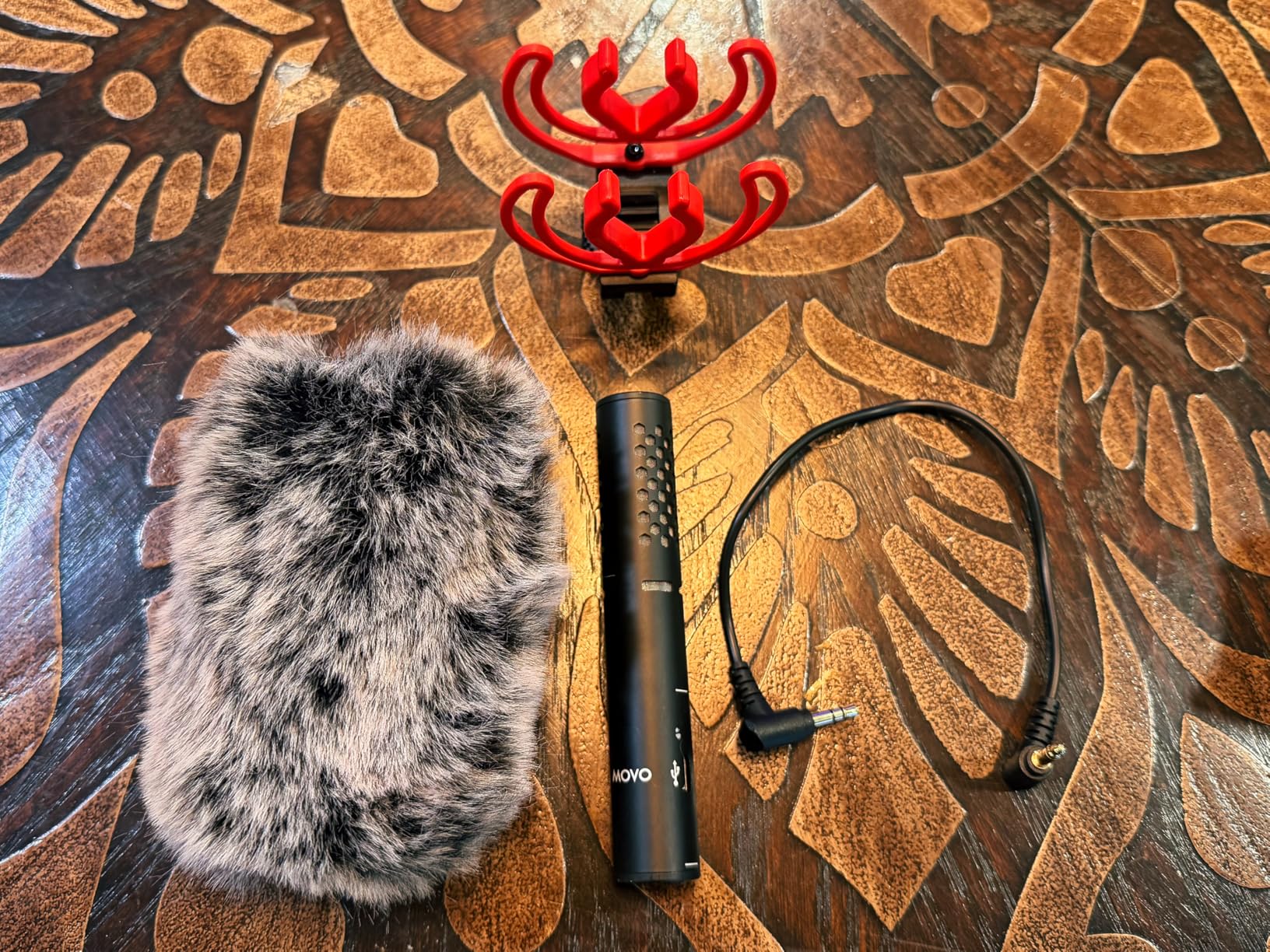
For filmmakers who need one mic that does it all without breaking the bank, the Movo X1-Mini delivers genuine value. It’s not as refined as the Rode VideoMic NTG, but it covers similar functionality at a much lower price. For student filmmakers, beginning content creators, or anyone building a versatile kit on a budget, this is a smart choice.
9. COMICA VM20 – Feature-Rich Battery-Powered Option
COMICA VM20 Shotgun Microphone for Camera, Super-Cardioid Camera Microphone with Rycote Shockmount, Windscreen, Wind Muff, OLED Power Display, Video Mic for Smartphones, DSLR Cameras, Camcorders
3.5mm output
Internal rechargeable battery
Supercardioid
OLED display
Pros
- OLED display shows battery status
- 60-hour battery life
- Two low-cut filter options
- Professional metal construction
- Adjustable gain for various scenarios
Cons
- Gain knob can be accidentally bumped
- Fluffy windmuff sheds fur
- Does not auto-power with camera
The COMICA VM20 stands out for its impressive feature set at a mid-budget price. The OLED display on the rear panel shows real-time battery status, gain level, and filter selection. We found this incredibly useful during long shoots, where being able to glance at the mic and confirm power status removes a layer of anxiety. The 60-hour battery life is class-leading, easily lasting through multi-day documentary shoots on a single charge.
Two low-cut filter options (75Hz and 150Hz) provide flexibility for different recording environments. We used the 75Hz setting for outdoor dialogue in light wind, and the 150Hz setting for indoor recording with HVAC rumble. The stepless gain control from -43dB to -23dB lets you dial in the perfect level for any camera or recorder. These are professional features that you’d expect from a much more expensive microphone.
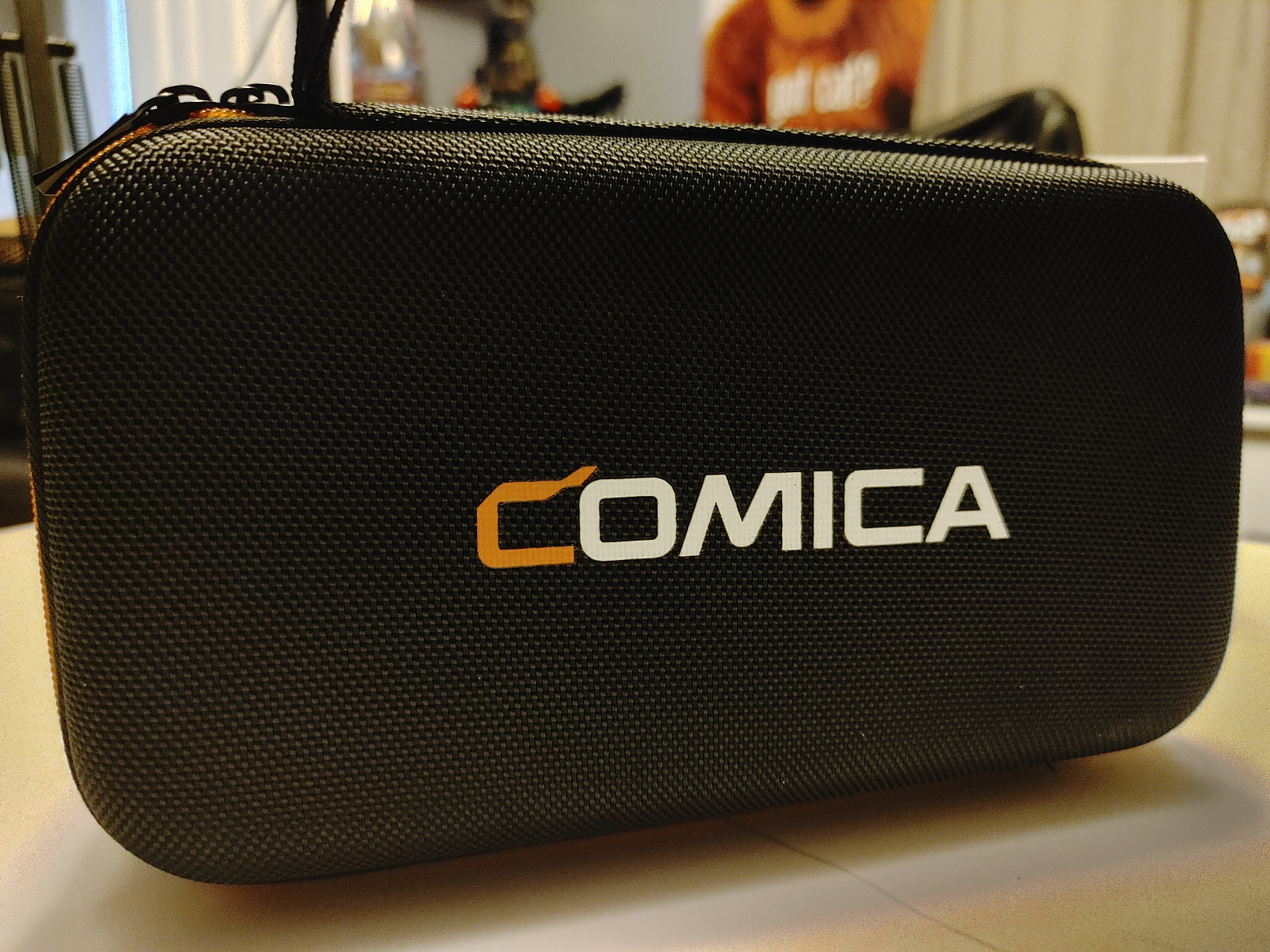
The full-metal construction feels premium and durable. The COMICA VM20 survived multiple location shoots, including a wedding where it was on a camera for 8 hours straight. The Rycote-style shock mount effectively isolates handling noise, and the included windmuff helps in moderate wind. The only minor issue is that the furry windmuff sheds a bit, so you’ll find small fibers on your gear after extended use.
USB-C Charging
The internal rechargeable battery charges via USB-C, which is a modern convenience. You can also charge while recording, so for very long shoots you can plug in a power bank and never worry about running out of power. We tested this during a 6-hour conference recording, and the mic ran the entire time on a single charge with no degradation in audio quality.
Best Use Cases
The COMICA VM20 is ideal for filmmakers who want professional features without paying flagship prices. It’s especially well-suited for documentary work, event videography, and any scenario where long battery life and real-time monitoring matter. The two low-cut filters and adjustable gain give it more flexibility than many competitors at this price point.
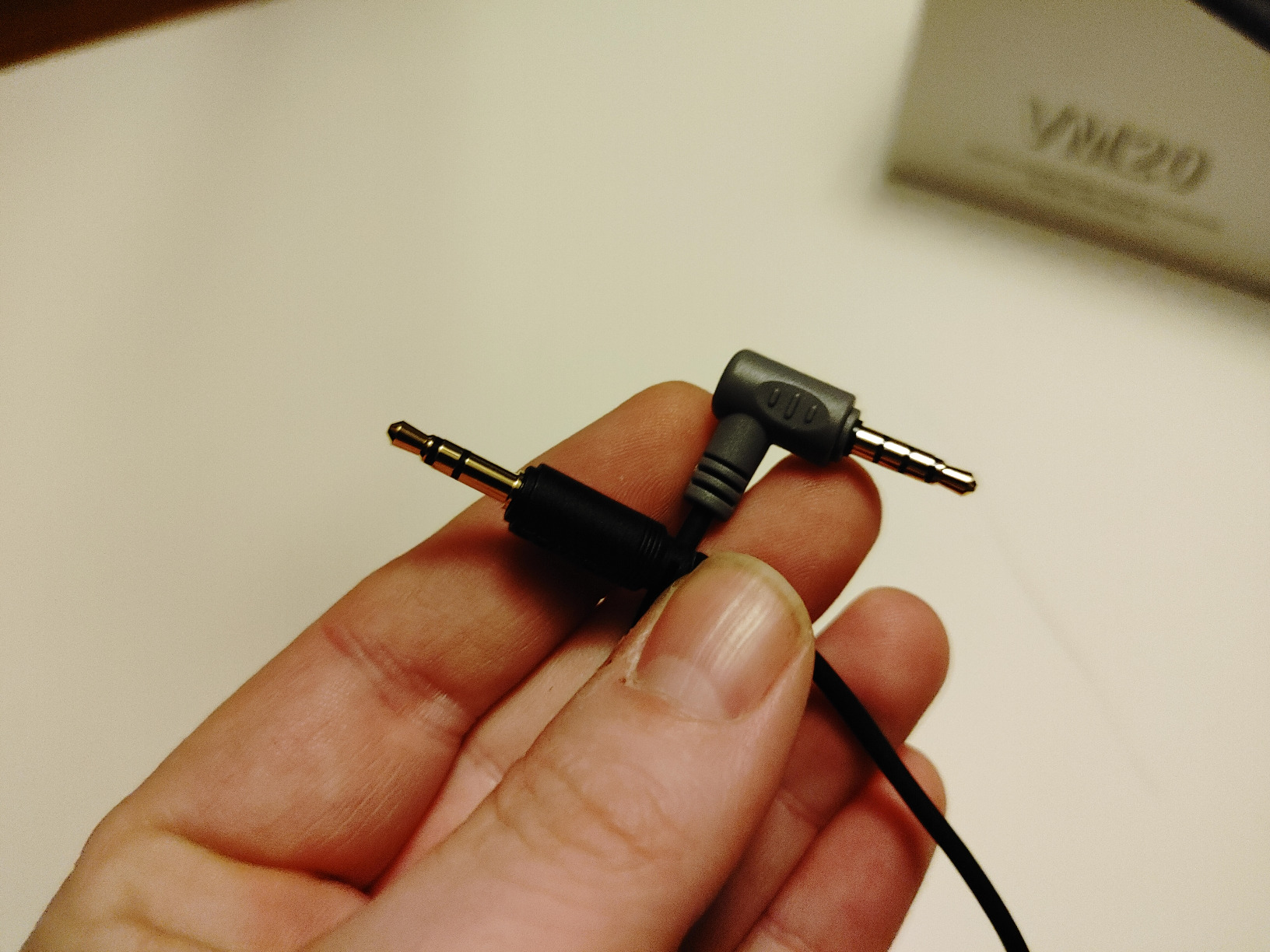
Audio quality is clean and well-balanced. The supercardioid pattern rejects off-axis sound effectively, and dialogue comes through with clarity and presence. The COMICA VM20 doesn’t quite match the refinement of the Sennheiser MKE 600 or Rode VideoMic Pro+, but it gets close enough that the gap is mostly noticeable in side-by-side comparisons. For filmmakers who prioritize features and battery life, this is a strong choice.
10. Movo VXR10 – The Crowd-Favorite Budget Mic
Movo VXR10 Universal Shotgun Mic for Camera
3.5mm plug-in power
Unidirectional
Universal compatibility
Pros
- Universal device compatibility
- Very affordable price point
- Solid aluminum construction
- Integrated shock mount
- Includes deadcat windscreen and case
Cons
- Some static interference with certain cameras
- Audio improvement may be marginal vs built-in mics
- May need adapters for newer phones
The Movo VXR10 is the most popular budget shotgun mic on Amazon for good reason. With over 15,000 reviews, it has earned its reputation through consistent performance and unbeatable value. We tested it as a starter upgrade for several beginner filmmakers, and the universal compatibility and included accessories make it a fantastic entry point into external audio. For filmmakers just starting out, this mic delivers far more than its price suggests.
The aluminum body feels solid and durable, a notable improvement over the plastic bodies of similarly priced competitors. The integrated shock mount effectively reduces handling noise for walking-and-talking scenarios, and the included deadcat windscreen is a genuine bonus at this price. Most budget mics in this range ship with foam only, so the furry windscreen alone is worth $20 to $30 in added value.
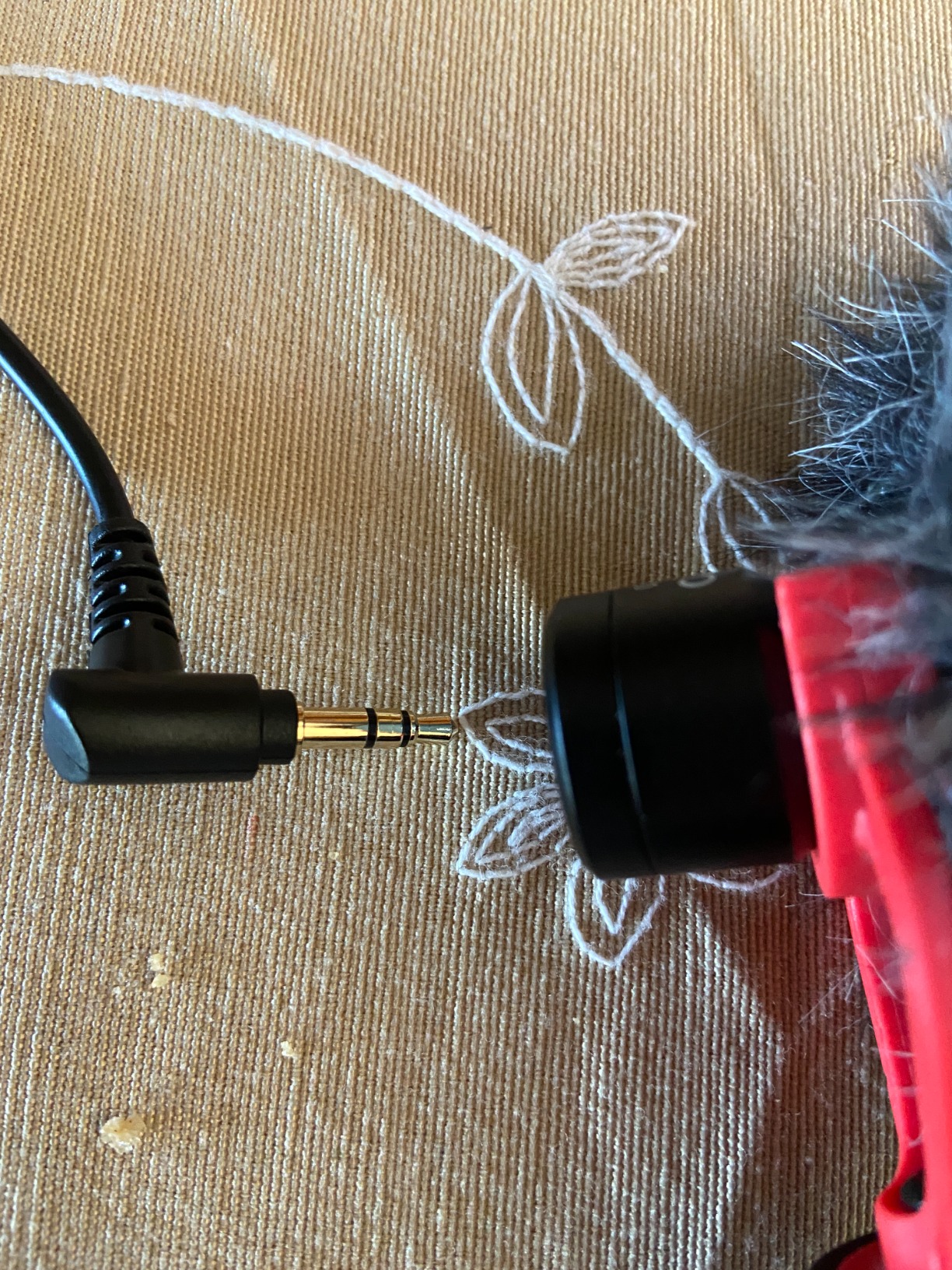
Universal compatibility is the standout feature. The VXR10 works with iPhones, Android phones, DSLRs, mirrorless cameras, camcorders, GoPros, and laptops with the included cables. We tested it across six different devices, and it worked with all of them out of the box. For filmmakers who shoot across multiple devices and don’t want to buy separate mics, this kind of flexibility is incredibly useful.
Audio Quality Expectations
The VXR10 delivers a noticeable improvement over built-in camera and phone mics, but it’s not going to match the sound quality of mid-range or professional shotguns. The audio is clear and usable for YouTube, social media, and basic filmmaking, but lacks the warmth and refinement of more expensive options. For filmmakers who are just starting out and want to improve their audio without a major investment, the VXR10 is a great first step.
Limitations to Consider
Some users report static interference with certain camera models, particularly older Canons and Nikons. We didn’t experience this in our testing with Sony and Fujifilm cameras, but it’s worth testing with your specific gear before relying on it for critical shoots. The audio quality improvement over built-in mics can also be marginal in already-quiet environments, so the VXR10 shines most when you need isolation from moderate background noise.
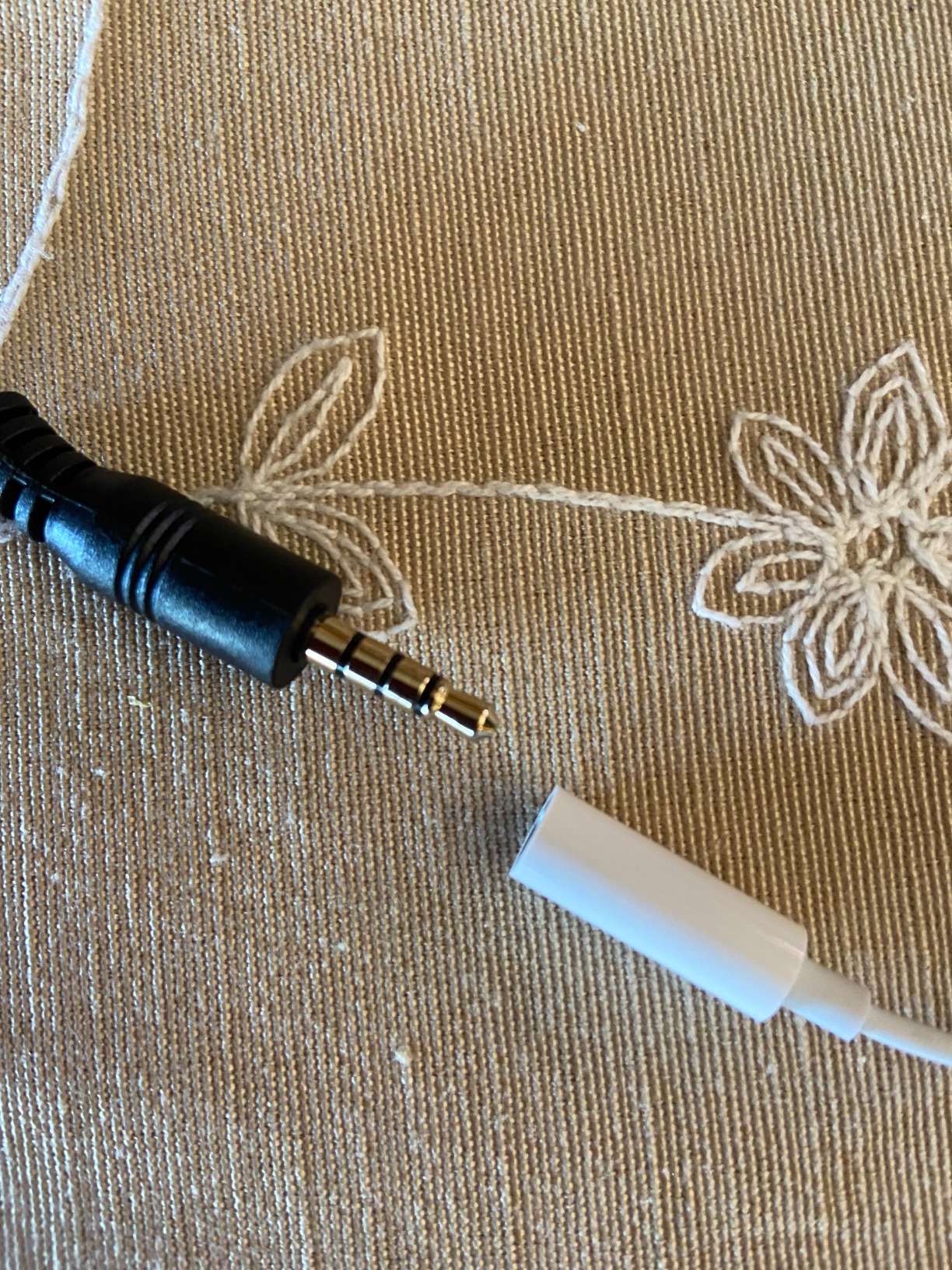
For filmmakers on a tight budget, beginners building their first kit, or anyone who needs a backup mic that works with everything, the Movo VXR10 is an easy recommendation. It’s not going to compete with professional shotguns, but at this price, it’s not trying to. What it does offer is a meaningful audio upgrade, universal compatibility, and a complete accessory package for less than the cost of a dinner out.
How to Choose the Best Shotgun Microphone for Your Filmmaking
Choosing the right shotgun microphone for filmmaking depends on your camera, your shooting style, and your budget. After testing dozens of microphones over the years, our team has identified the criteria that matter most. Here’s what to consider before you buy.
XLR vs 3.5mm Connectivity: Which Do You Need?
This is the first decision every filmmaker faces. XLR shotgun microphones deliver balanced audio, which rejects electromagnetic interference over long cable runs. They’re the professional standard for a reason. XLR mics require phantom power, typically 48V, which means you need a recorder, mixer, or camera with XLR inputs. The Sennheiser MKE 600, Audio-Technica AT875R, and BOYA BY-BM6060 are XLR options we recommend.
3.5mm microphones connect directly to cameras, smartphones, and consumer-grade gear. They’re simpler to use, often powered by plug-in power from the host device, and significantly cheaper. The trade-off is that unbalanced 3.5mm connections are more susceptible to interference over long cables. For most filmmakers shooting with DSLRs, mirrorless cameras, or smartphones, 3.5mm is the practical choice. Models like the Rode VideoMic Pro+, Sennheiser MKE 400, and Movo VXR10 are 3.5mm options.
If you’re shooting narrative or documentary film and want the cleanest possible signal, invest in XLR. If you’re a YouTube creator, wedding videographer, or run-and-gun shooter who values simplicity, 3.5mm will serve you well. Some hybrid mics like the Rode VideoMic NTG and Movo X1-Mini offer both connection types, giving you flexibility.
Polar Pattern and Off-Axis Rejection
Shotgun microphones use a supercardioid or hypercardioid polar pattern to focus on sound from the front while rejecting noise from the sides and rear. The longer the interference tube, the tighter the polar pattern and the better the off-axis rejection. This matters when you’re trying to isolate dialogue from ambient noise, traffic, wind, or other sound sources you don’t want in your recording.
Off-axis colorization is a related phenomenon where sounds arriving from the sides get subtly colored or filtered differently than sounds arriving from the front. This can create an unnatural sound if a lot of off-axis sound leaks into the recording. Higher-end shotguns like the Sennheiser MKE 600 and Rode VideoMic NTG handle off-axis sound more naturally than budget options. For filmmaking, strong off-axis rejection is essential for clean dialogue.
Self-Noise: The Silent Killer
Self-noise is the hiss a microphone produces even when no sound is present. It’s measured in dB-A, and lower numbers are better. A self-noise of 10 dB-A or lower is excellent and inaudible in most recordings. A self-noise of 20 dB-A or higher is noticeable, especially in quiet dialogue scenes where the hiss becomes distracting between lines.
Professional shotguns like the Sennheiser MKE 600, Rode NTG series, and Audio-Technica AT875R have low self-noise suitable for critical recording. Budget mics often have higher self-noise that becomes apparent in quiet scenes. For filmmakers recording dialogue in controlled environments, self-noise matters. For loud environments like concerts or sports, self-noise becomes less critical.
Wind Protection and Outdoor Use
Wind noise is the enemy of outdoor recording. Even moderate wind creates low-frequency rumble that can ruin a take. All the microphones in this roundup include some form of wind protection, usually a foam windshield. For serious outdoor work, invest in a furry deadcat windscreen or a full blimp system.
Camera-mounted mics are especially vulnerable to wind because they’re positioned away from the body’s wind shadow. Boom-mounted mics benefit from the boom operator’s body blocking wind. If you shoot outdoors frequently, prioritize mics with good wind protection out of the box, or budget for additional wind protection accessories.
Microphone Placement: The 3:1 Rule
The 3:1 rule is a fundamental principle of microphone placement that prevents phase cancellation when using multiple microphones. The rule states that the distance between microphones should be at least three times the distance from each microphone to its sound source. In practical terms, if your subject is 1 foot away from the main mic, the next closest mic should be at least 3 feet away.
This rule matters because sound from the same source arrives at multiple microphones at slightly different times. When these signals combine, certain frequencies cancel out, creating a thin, hollow sound. Following the 3:1 rule prevents this cancellation. For filmmakers using a boom mic plus a camera-mounted backup mic, following this rule ensures both sources blend cleanly in post-production.
Shotgun mics can violate the 3:1 rule more than other mics because of their focused pickup pattern, but the principle still applies. Keep boom mics as close to the source as practical, and position any secondary mics at least three times that distance away.
Camera Compatibility Quick Reference
Before you buy, check your camera’s microphone input. Modern mirrorless cameras like the Sony A7 IV, Canon R5, and Fujifilm X-T5 have 3.5mm microphone inputs with plug-in power. They work with all the 3.5mm mics in this roundup. Cinema cameras like the Canon C70, Sony FX3, and Blackmagic Pocket 6K often have XLR inputs, opening up the professional XLR shotgun options.
For smartphone filmmaking, you’ll need either a 3.5mm-equipped phone, a USB-C phone with appropriate cables, or a Lightning adapter for older iPhones. The Rode VideoMic NTG and Movo X1-Mini are particularly well-suited for mobile filmmaking because of their multi-device compatibility. Always verify your specific phone and cable combination before relying on it for a critical shoot.
Indoor vs Outdoor Filmmaking Considerations
Indoor filmmaking favors shotgun mics that excel at dialogue capture in controlled acoustic environments. The Sennheiser MKE 600 and Audio-Technica AT875R shine indoors because their tight polar patterns reject room reflections and HVAC noise. For YouTube creators filming in treated rooms, the Rode VideoMicro II delivers impressive results at a budget price.
Outdoor filmmaking demands shotgun mics with excellent wind protection and the ability to cut through environmental sound. The Rode NTG series and Sennheiser MKH 416 are the gold standard for outdoor production audio. For amateur outdoor work, invest in a quality deadcat windscreen regardless of which mic you choose. Wind protection makes the difference between usable audio and unusable takes.
Documentary filmmaking, which mixes both indoor and outdoor scenarios, benefits from versatile mics like the Sennheiser MKE 600 or Rode NTG series that handle both environments well. Pair your shotgun with a quality boom pole, shock mount, and deadcat for maximum flexibility across shooting scenarios.
If you’re also considering lavalier microphones for hidden recording or interviews, check out our guide on the best lavalier microphones for filmmaking. For filmmakers working with field recording, our best shotgun microphones for field recording guide covers more specialized options. Beginners might also want to explore the best USB microphones for beginners for podcast-style content.
Frequently Asked Questions
Are shotgun mics good for filmmaking?
Yes, shotgun mics are excellent for filmmaking because they use highly directional polar patterns to isolate dialogue and reject unwanted background noise. They are the industry standard for capturing clean audio on film sets, documentaries, and video productions. Compared to built-in camera mics or omnidirectional options, shotgun mics deliver dramatically clearer dialogue with less ambient noise.
What shotgun mic should I get for filmmaking?
The right shotgun mic depends on your budget, camera, and shooting style. For professional XLR audio, the Sennheiser MKE 600 is the best overall value. For on-camera work, the Rode VideoMic Pro+ delivers broadcast-quality sound with auto on/off. For budget filmmakers, the Movo VXR10 provides universal compatibility at an entry-level price. Match the mic to your camera’s input and your typical shooting environment.
What are the downsides of using a shotgun mic?
Shotgun mics have several limitations to be aware of. They can pick up unwanted background noise in reflective environments. They struggle with wind noise without proper wind protection. They require precise aiming because they only capture sound from a narrow angle. They can exhibit off-axis colorization that colors side-arriving sounds. They are also larger and more visible than lavalier options, making them harder to hide in frame.
What is the 3:1 rule for microphones?
The 3:1 rule states that the distance between two microphones should be at least three times the distance from each microphone to its sound source. For example, if your subject is 1 foot from the boom mic, any secondary mic should be at least 3 feet away. This prevents phase cancellation when audio from both microphones is mixed, preserving full frequency response and natural sound quality in your final recording.
XLR or 3.5mm shotgun mic – which is better for filmmaking?
XLR shotgun mics deliver balanced signals that reject electromagnetic interference over long cable runs, making them ideal for professional filmmaking with boom poles and long cable distances. 3.5mm mics are simpler, more portable, and connect directly to cameras and smartphones without extra equipment. For documentary and narrative film work, XLR is preferred. For YouTube, vlogging, and run-and-gun shooting, 3.5mm is more practical.
The Best Shotgun Mic for Your Filmmaking in 2026
After testing all 10 microphones in real filmmaking scenarios, our top pick remains the Sennheiser MKE 600 for filmmakers who want professional XLR audio at a reasonable price. It delivers broadcast-quality dialogue with excellent off-axis rejection, dual phantom/battery powering, and the build quality to survive years of production work. If you already own a recorder or mixer with phantom power, this is the mic to buy.
For on-camera convenience, the Rode VideoMic Pro+ remains the best premium option, with its Rycote Lyre suspension, automatic power function, and multiple power options. The Rode VideoMic NTG is the smartest choice for hybrid creators who shoot across cameras, computers, and mobile devices. Budget filmmakers should start with the Movo VXR10 or BOYA BY-BM6060, both of which deliver far more value than their price suggests.
Whichever microphone you choose, remember that proper placement matters more than expensive gear. Follow the 3:1 rule, position your mic as close to the source as practical, and protect it from wind with quality windshields. With the right technique and one of these shotgun microphones, you’ll capture audio that matches the quality of your visuals. For filmmakers looking to expand their audio kit, also consider our recommendations for shotgun microphones for filmmakers or explore lavalier microphones for YouTube videos for hidden recording options.