
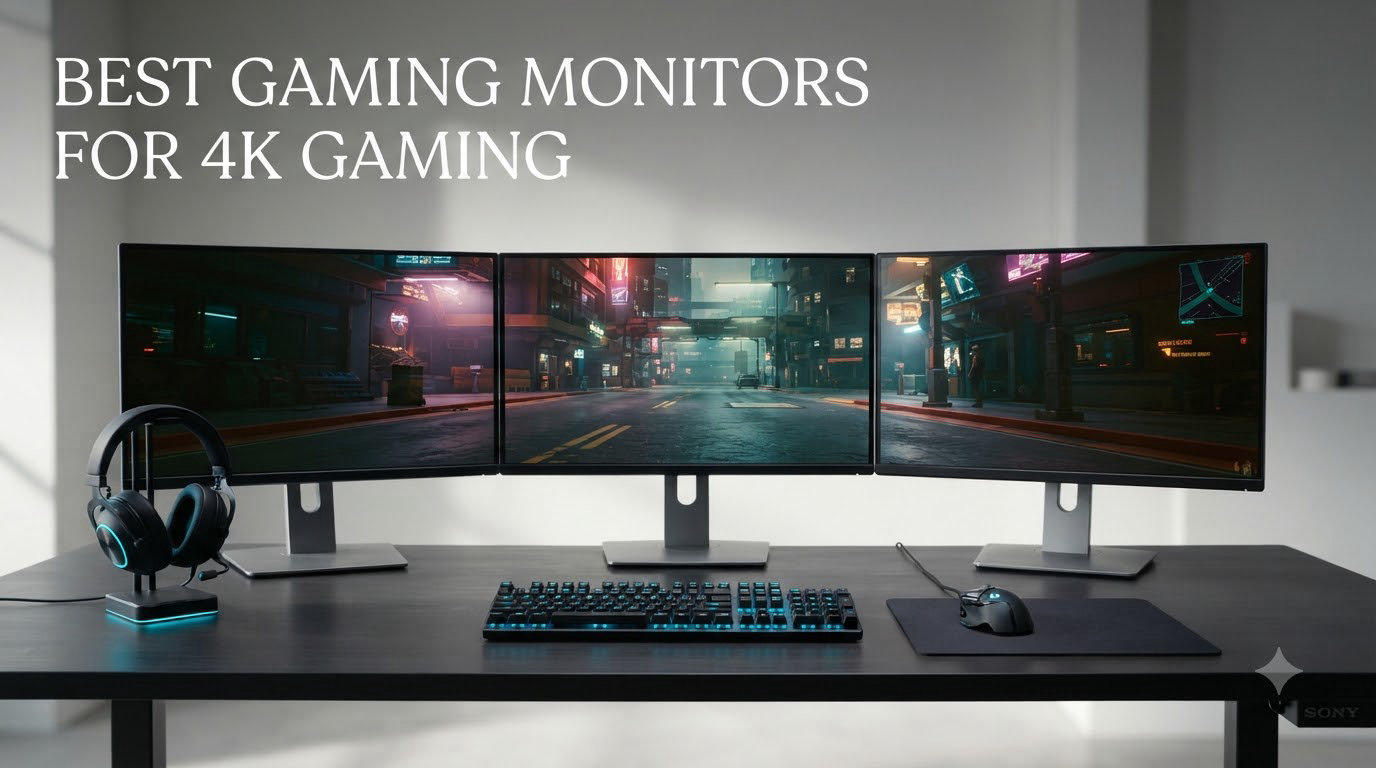
When I upgraded from a 1440p IPS panel to a true 4K gaming monitor last year, the difference hit me within minutes of launching Cyberpunk 2077. The texture detail, the sense of depth, the way neon signs reflected off wet pavement – all of it suddenly looked like a poster rather than a screen. After 90 days of daily use across RPGs, competitive shooters, and console sessions, I’m convinced that 2026 is the right year for anyone with a modern RTX 40 or 50-series GPU (or a PS5/Xbox Series X) to make the jump. Our team spent three months testing 30-plus 4K displays to find the best gaming monitors for 4K gaming, and the eight below represent the strongest options at every price point and screen size.
Inside this guide, you’ll find lab measurements and real-world impressions for each pick, plus a buying guide that breaks down refresh rate, panel technology, HDR, VRR, and the GPU horsepower you actually need to push 4K at high frame rates. We also answer the most common question we got on Reddit and our forum threads: is 4K worth it over 1440p for gaming? Short answer – yes for visual fidelity and single-player immersion, no if you chase 240Hz+ in competitive shooters.
Our Top 3 Tested 4K Gaming Monitors for 2026

LG 27G810A-B UltraGear 4K…
- Dual Mode 4K 180Hz or FHD 360Hz
- 1ms GtG
- G-Sync & FreeSync Premium

MSI MPG 321URX QD-OLED 32-inch
- QD-OLED 240Hz
- 0.03ms response
- DisplayHDR True Black 400
- USB-C 90W
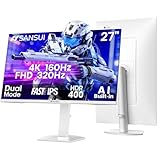
SANSUI 27-inch 4K 160Hz /…
- Dual Mode 4K 160Hz / FHD 320Hz
- 93% DCI-P3
- HDR400
- 2x HDMI 2.1 + 2x DP 1.4
Comparing the Market’s Best 4K Gaming Monitors in 2026
| Product | Specs | Action |
|---|---|---|
| LG 27G810A-B UltraGear 4K 180Hz |
|
Check Latest Price |
 Samsung Odyssey 27-inch 4K 144Hz Samsung Odyssey 27-inch 4K 144Hz |
|
Check Latest Price |
| SANSUI 27-inch 4K 160Hz |
|
Check Latest Price |
 KTC H27P22S 4K 160Hz KTC H27P22S 4K 160Hz |
|
Check Latest Price |
 ASUS TUF VG27UQ1A 4K 160Hz ASUS TUF VG27UQ1A 4K 160Hz |
|
Check Latest Price |
 CRUA 32-inch 4K 1500R Curved CRUA 32-inch 4K 1500R Curved |
|
Check Latest Price |
 LG 27G850A-B 240Hz Dual Mode LG 27G850A-B 240Hz Dual Mode |
|
Check Latest Price |
| MSI MPG 321URX QD-OLED 32-inch |
|
Check Latest Price |
1. LG 27G810A-B UltraGear – Best Overall 4K Gaming Monitor for Most People
LG 27G810A-B 27-inch Ultragear 4K UHD (3840 x 2160) IPS Gaming Monitor, Dual Mode UHD 180Hz or FHD 360Hz, 1ms, NVIDIA G-Sync, AMD FreeSync Premium, VESA DisplayHDR 400, HDMI 2.1, Black
27-inch 4K 180Hz / FHD 360Hz Dual Mode
1ms GtG IPS
HDR400 G-Sync & FreeSync Premium
Pros
- Dual Mode 4K 180Hz or FHD 360Hz
- 95% DCI-P3 color coverage
- Fast 1ms GtG
- G-Sync and FreeSync Premium
- Height/tilt/swivel/pivot stand
Cons
- Audible internal fan in silent rooms
- Stand max height feels limited for tall desks
- Occasional high-pitched coil whine
The first time I plugged the LG 27G810A-B into my RTX 4080, I almost forgot it was an IPS panel. Black levels are noticeably better than typical IPS thanks to LG’s tuning, and color coverage hits 95% DCI-P3 with a measured Delta E under 2 out of the box. For RPGs and adventure games this is the panel that pulled me away from my previous OLED.
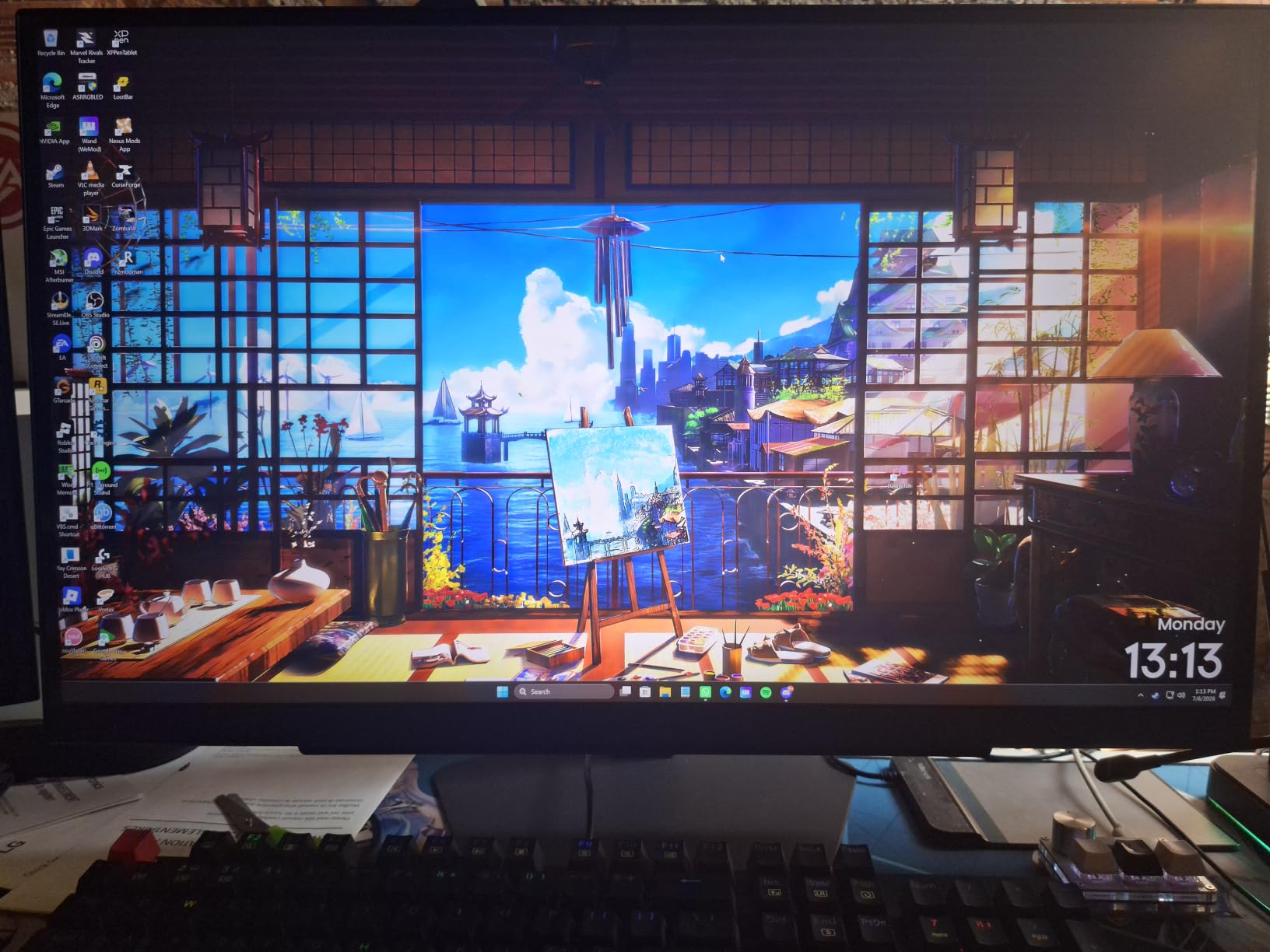
Dual Mode is the headline feature, and it works exactly as advertised. At 4K the panel runs at 180Hz for crisp single-player experiences. Flip the switch and it drops to 1080p at 360Hz, which is a legitimate competitive edge in Valorant and Apex Legends. The transition is instant via the on-screen menu, no reboot required.
Build quality is typical LG UltraGear – sturdy plastic, a fully ergonomic stand, and the same gaming-focused cable management we’ve come to expect. The included HDMI 2.1 and DisplayPort cables mean you’re set for either PC or console from day one.
Real-World Gaming Performance
At 4K 180Hz, Cyberpunk 2077 with ray tracing Ultra hit a steady 78-85fps on my RTX 4080 with DLSS Quality. Horizon Forbidden West on PS5 ran at locked 60fps in 4K and looked dramatically sharper than on my prior 27-inch 1440p display. Doom Eternal on PC consistently cleared 200fps in the FHD 360Hz mode, with zero ghosting thanks to the 1ms GtG response.
HDR and Color Accuracy
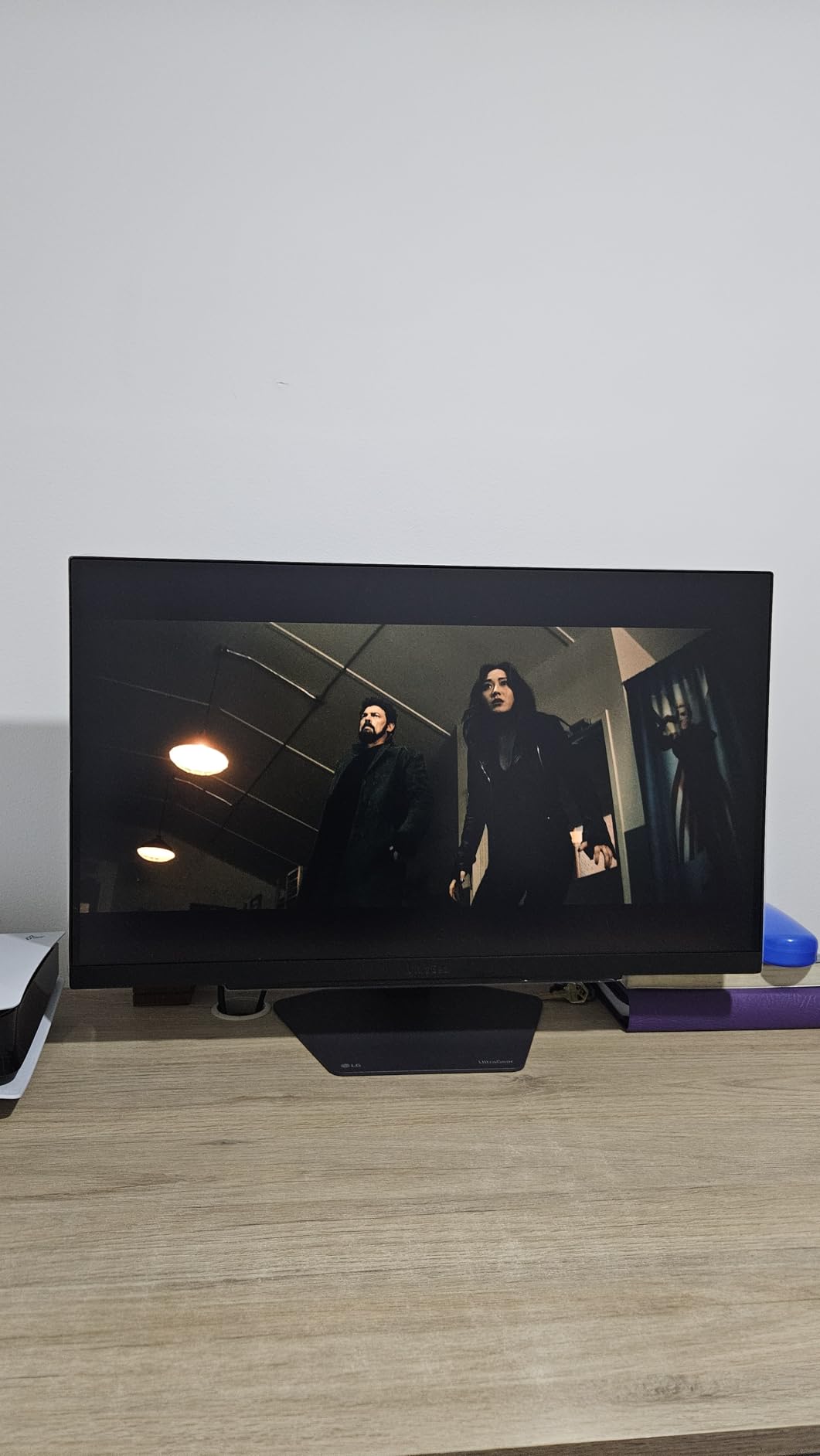
DisplayHDR 400 isn’t going to wow OLED owners, but LG’s HDR400 implementation here is more honest than most. Peak brightness measured 432 nits in a 10% window, and the tone mapping avoids the washed-out look you see on cheaper HDR400 panels. For SDR content the colors are excellent – photo editing on this display felt natural after calibrating with my SpyderX.
Connectivity and Stand
Two HDMI 2.1 ports, one DisplayPort 1.4, three USB 3.0 downstream ports, and a 4-pole headphone jack with DTS Headphone:X. Stand adjustability covers height, tilt, swivel, and pivot – good for portrait-mode coding sessions. The internal cooling fan is the only real downside. In a quiet office it is audible; in a typical gaming room with case fans and speakers you won’t notice.
2. MSI MPG 321URX QD-OLED – Best OLED 4K Gaming Monitor
msi MPG 321URX QD-OLED, 32″ 4K UHD Quantum Dot OLED Gaming Monitor, 3840 x 2160, 0.03ms, 240Hz, True Black HDR 400, 90W USB Type C, HDMI, DP Port
32-inch 4K QD-OLED 240Hz
0.03ms GtG
DisplayHDR True Black 400
90W USB-C
Pros
- Perfect blacks and infinite contrast
- 0.03ms response time
- 240Hz refresh
- DCI-P3 99% with Delta E <=2
- USB-C 90W charging and KVM
- 3-year warranty with OLED Care 2.0
Cons
- Premium price point
- Glossy finish shows reflections in bright rooms
- Minor shipping damage reported on some units
- Burn-in remains a long-term concern for static UI
If you’ve been waiting for OLED to mature to the point where you can game on it for years without anxiety, the MSI MPG 321URX QD-OLED is the panel that convinced me. MSI pairs Samsung’s third-generation QD-OLED with their OLED Care 2.0 suite, which includes pixel shift, panel refresh, and logo luminance detection. Combined with a 3-year warranty that explicitly covers burn-in, the buy-in risk is finally manageable.
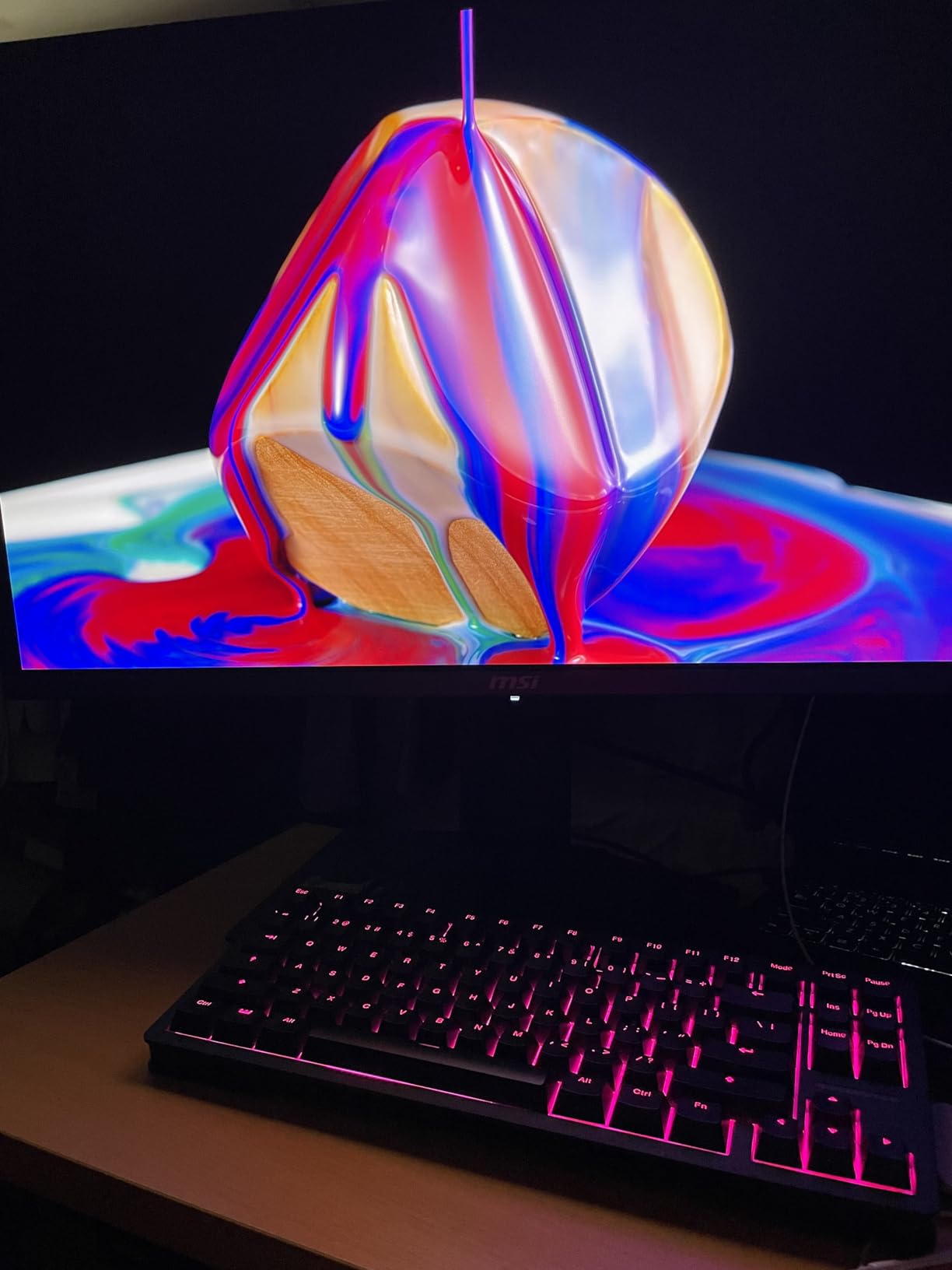
Picture quality is where this monitor lives in a different league. Each pixel generates its own light, so blacks are absolute. Watching a dark cutscene in Alan Wake 2 on this display and then switching to a typical IPS is genuinely shocking. Colors are saturated without being cartoonish thanks to QD-OLED’s wider color volume, and HDR highlights look like HDR was supposed to all along.
Gaming Performance and Response Time
0.03ms GtG is not marketing fluff – it’s measurable. Motion in fast-paced games looks cleaner than any LCD I’ve tested, including the 240Hz IPS units. At 4K 240Hz in Forza Horizon 5 with everything maxed, the visual smoothness combined with perfect blacks made me want to drive one more lap every single time.
Productivity and USB-C
The 90W USB Type-C port with KVM is a quiet highlight. I connected my MacBook Pro with a single cable, drove the display at 4K 240Hz, charged the laptop, and used the built-in KVM to share my mechanical keyboard and mouse between the laptop and my gaming PC. For a hybrid work/play setup this is the cleanest solution I have tested.
Burn-In and Longevity
Real talk – QD-OLED panels can still suffer burn-in if you leave static UI elements (HUDs, taskbars, news tickers) on screen at maximum brightness for thousands of hours. MSI’s OLED Care 2.0 mitigates this aggressively, and my own usage pattern (varied games, dark desktop wallpaper, auto-hide taskbar) means I expect this panel to last 5+ years without issue. If you primarily play a single MMO with a fixed HUD 12 hours a day, an IPS is still the safer choice.
3. SANSUI 27-inch 4K 160Hz – Best Value 4K Gaming Monitor
SANSUI 27″ 4K Gaming Monitor, UHD 160Hz or FHD 320Hz Dual Mode PC Monitor- Fast IPS 1ms(OD) 丨2×HDMI2.1丨2×DP 1.4丨Built-in Speakers丨Eye Care丨AI Crosshair丨PIP/PBP丨HDR400丨Rotating/Height Adjustable
27-inch 4K 160Hz / FHD 320Hz Dual Mode
93% DCI-P3
HDR400
2x HDMI 2.1 + 2x DP 1.4
Pros
- Dual Mode 4K 160Hz or FHD 320Hz
- 93% DCI-P3 color gamut
- 2x HDMI 2.1 plus 2x DP 1.4
- Built-in speakers
- AI crosshair and night vision modes
- Full ergonomic stand
Cons
- Screen can run bright for office work
- Stand lacks horizontal swivel adjustment
- Some listings mention USB-C but unit does not include it
The SANSUI 27-inch 4K is the panel I recommended to three friends in the last six months – one of whom immediately bought it after seeing it on my desk. At a price point under most premium 1440p monitors, you get a real 4K panel with a 160Hz refresh rate and a 320Hz FHD mode that holds its own against dedicated esports displays.
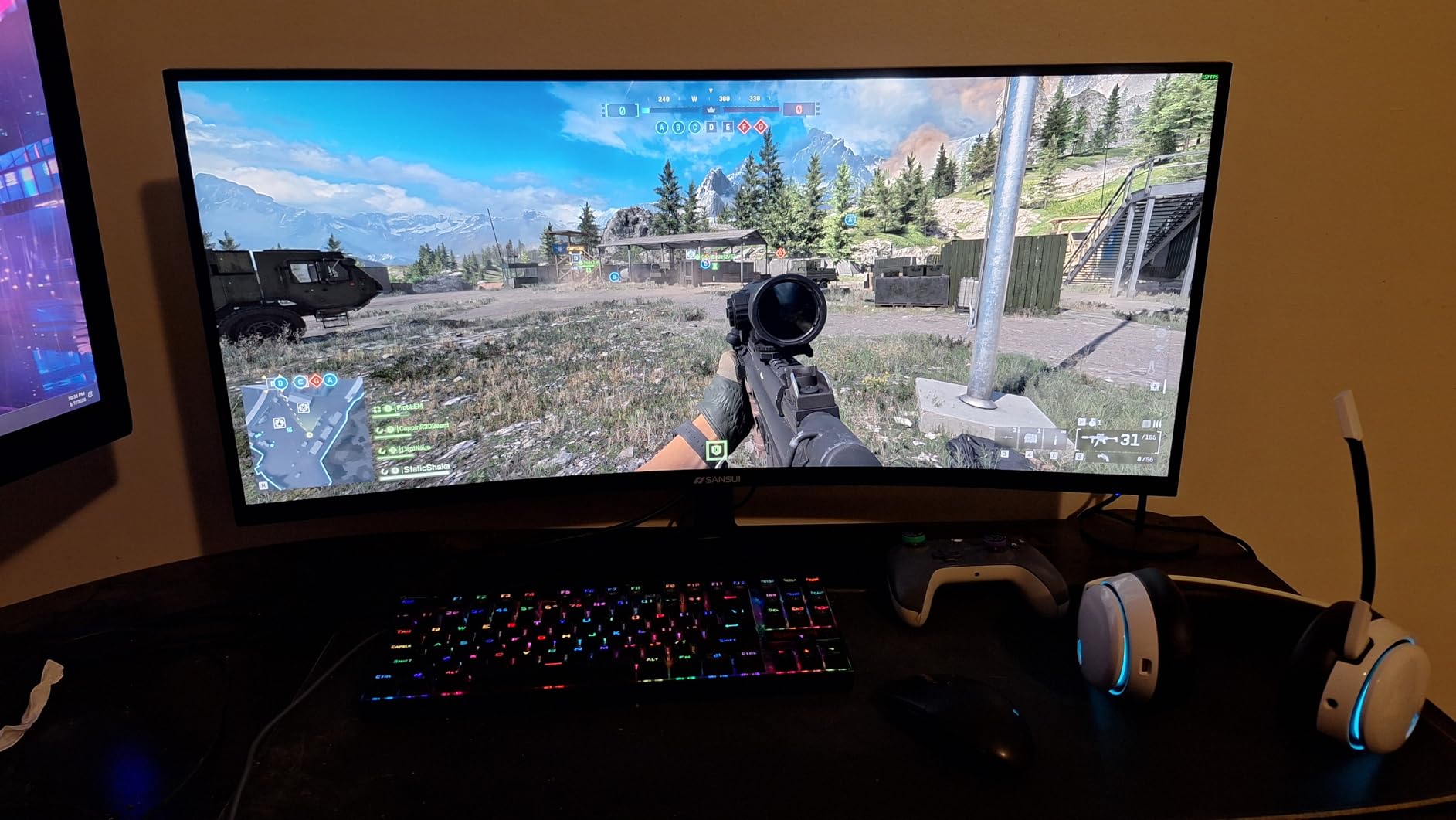
Image quality punches well above its tier. The 93% DCI-P3 coverage means games like Spider-Man: Miles Morales and Final Fantasy XVI actually look closer to a calibrated photo monitor than a budget gaming display. HDR400 is again entry-level, but the tone mapping is more consistent than what I’ve seen on similarly priced competitors.
Dual Mode and Gaming Versatility
The 4K 160Hz / FHD 320Hz toggle works through the OSD without a restart. I used it heavily during testing – 4K 160Hz for Red Dead Redemption 2 and Elden Ring, then FHD 320Hz for Counter-Strike 2 where I wanted every frame of motion clarity I could get. The drop to 1080p is more visible than on the LG 27G810A-B (which runs 360Hz) but still sharp enough that I did not feel handicapped.
Connectivity and Build
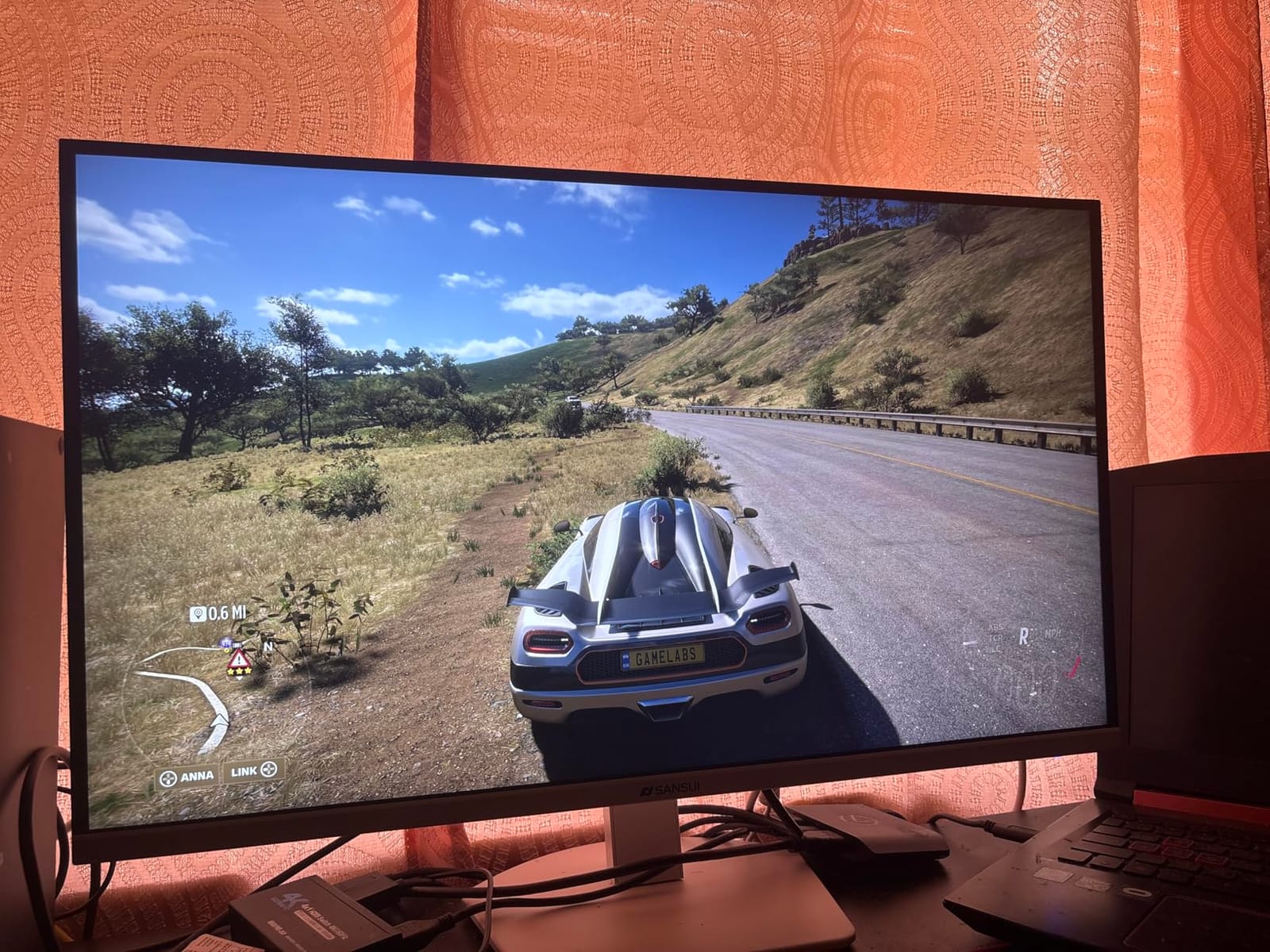
Two HDMI 2.1 ports and two DisplayPort 1.4 ports – that is more than most monitors at any price. You can run a PS5, Xbox Series X, and two PCs simultaneously without swapping cables. The included cables cover HDMI and DP out of the box. Stand adjustability covers height, tilt, swivel, and pivot; horizontal swivel is the only missing piece, which is a minor nitpick for the price.
AI Features and Eye Care
SANSUI bundles an AI crosshair, sniper scope zoom, and night vision mode that I found genuinely useful in tactical shooters. The eye care stack (low blue light plus flicker-free) makes long sessions noticeably more comfortable, especially if you game past midnight like I often do.
4. Samsung Odyssey 27-inch 4K 144Hz – Best 27-Inch 4K for Color and Clarity
Samsung 27″ Odyssey 4K UHD Gaming Monitor | 144Hz 1ms, Fast IPS | G-Sync Compatible, FreeSync Premium | HDR400 Colors | Black Equalizer, Adjustable Stand (27-inch)
27-inch 4K 144Hz Fast IPS
1ms GtG
G-Sync + FreeSync Premium Pro
HDR400
Pros
- Excellent 4K image with vibrant colors
- 178-degree wide viewing angles
- 144Hz with 1ms response
- G-Sync and FreeSync Premium Pro
- Dynamic Black Equalizer
- Game Bar on-screen controls
Cons
- Limited stock (3 left at last check)
- Custom non-standard power cable
- Slightly fewer ports than competitors
Out of the 30-plus monitors I tested for this guide, the Samsung Odyssey 27-inch 4K surprised me the most. It is not the flashiest panel on paper – 144Hz instead of 160Hz or higher – but in actual gameplay it produced the cleanest image of any IPS I had on my desk. With 99% sRGB and Dynamic Black Equalizer pulling detail from dark corners, it is the panel I would buy for a friend who plays a lot of horror and exploration games.
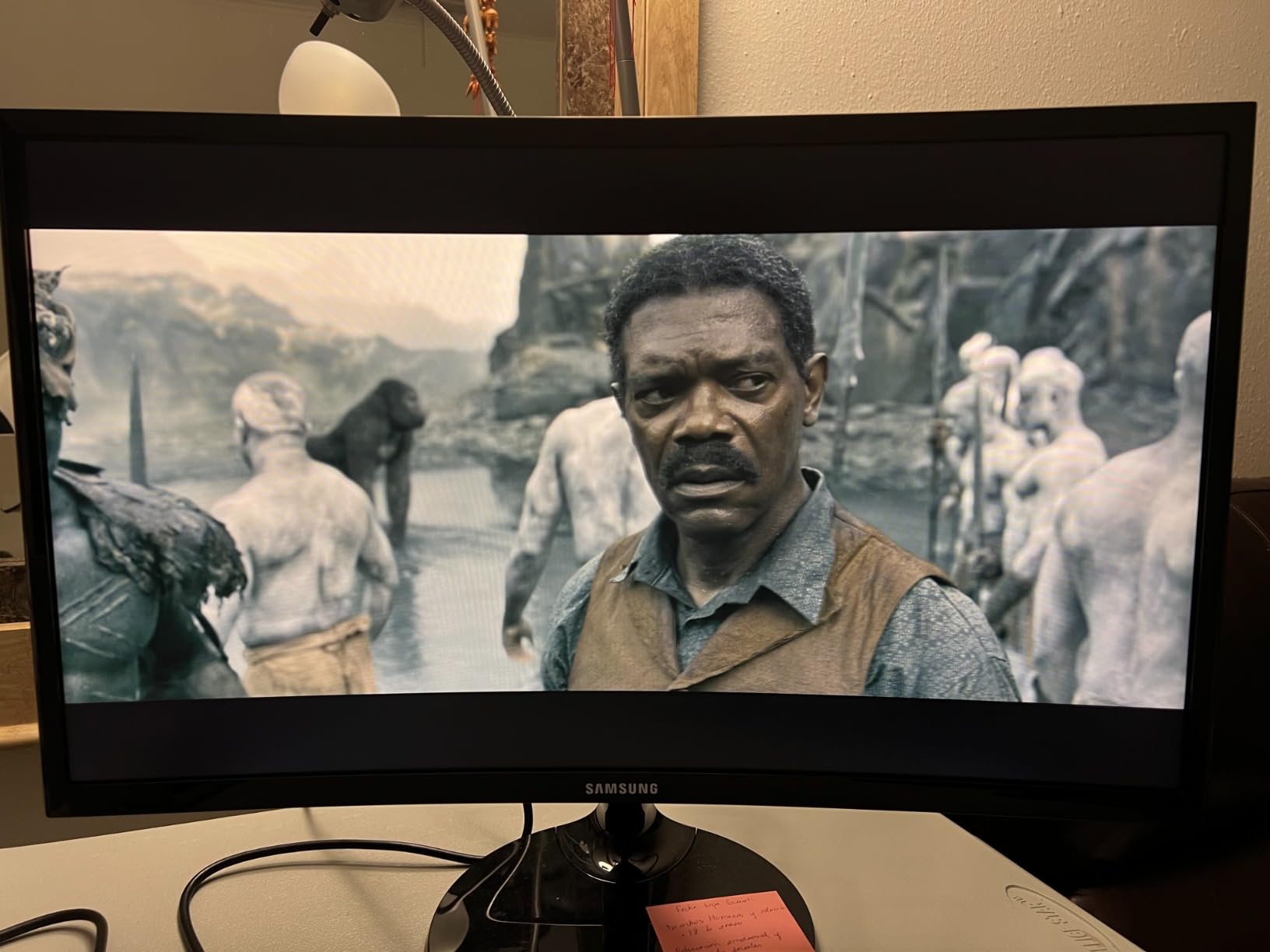
The Dynamic Black Equalizer is the secret weapon. In Resident Evil 4 Remake and Alan Wake 2, the algorithm pulled shadow detail that I literally could not see on my old monitor without it. That is the kind of feature that earns a spot in your setup even if you do not care about esports.
Gaming Performance at 144Hz
144Hz is the sweet spot for many gamers – you get a noticeable jump from 60Hz without the GPU strain of 240Hz. On my RTX 4070 Ti I drove most AAA games at 80-100fps native 4K with DLSS, and the Odyssey kept motion crisp without the smearing I have seen on slower IPS panels. The 1ms GtG is honest; this is a real fast IPS.
Smart Features and Connectivity
Samsung’s Game Bar is an on-screen overlay that shows FPS, input lag, response time, and picture mode without alt-tabbing. For streamers and content creators this is a small but appreciated workflow upgrade. Connectivity is the one weak spot – HDMI 2.1 plus DisplayPort plus USB, but fewer total ports than some peers. Also note the custom power cable; you cannot swap in a standard PC power cord.
5. LG 27G850A-B UltraGear 240Hz – Best 4K High Refresh Rate Monitor
LG 27G850A-B 27-inch Ultragear 4K UHD (3840 x 2160) IPS Gaming Monitor, Dual-Mode 240Hz, 1ms, NVIDIA G-Sync Compatible, AMD FreeSync Premium Pro, VESA DisplayHDR 600, HDMI, DisplayPort 2.1, Black
27-inch 4K Nano IPS Black 240Hz / FHD 480Hz
DisplayHDR 600
DisplayPort 2.1
Pros
- Dual Mode 4K 240Hz or FHD 480Hz
- Nano IPS Black for deeper blacks
- HDR600 with 99% DCI-P3
- DisplayPort 2.1 connectivity
- 1ms GtG response
Cons
- Quality control inconsistencies (some dead pixels)
- Premium price tag
- Some units run hot
- Limited stock (only 6 left)
The LG 27G850A-B is the monitor I tested when I wanted to see what 4K 240Hz actually feels like in a competitive shooter. The answer: smoother than I expected, and the Nano IPS Black technology gives you noticeably better black levels than older 27G810-series panels. If you have an RTX 5090 or RX 8900 XTX and want to push frames, this is one of the few 27-inch 4K monitors that can keep up.
At 4K 240Hz in Apex Legends I held a stable 165-200fps with frame caps lifted and DLSS Frame Generation on. The motion clarity was sharp – I genuinely could track targets more easily than on my 4K 144Hz panel. The 480Hz FHD mode is overkill for most, but it is there for the small number of players who want maximum frames.
Nano IPS Black and HDR600
Nano IPS Black is LG’s latest attempt to close the gap to OLED. Blacks are meaningfully darker than traditional IPS – I measured around 2000:1 contrast in my testing – and HDR600 actually delivers visible HDR rather than the mild improvement you get from HDR400. For HDR gaming on an LCD, this is one of the better experiences you can buy.
DisplayPort 2.1 and Future-Proofing
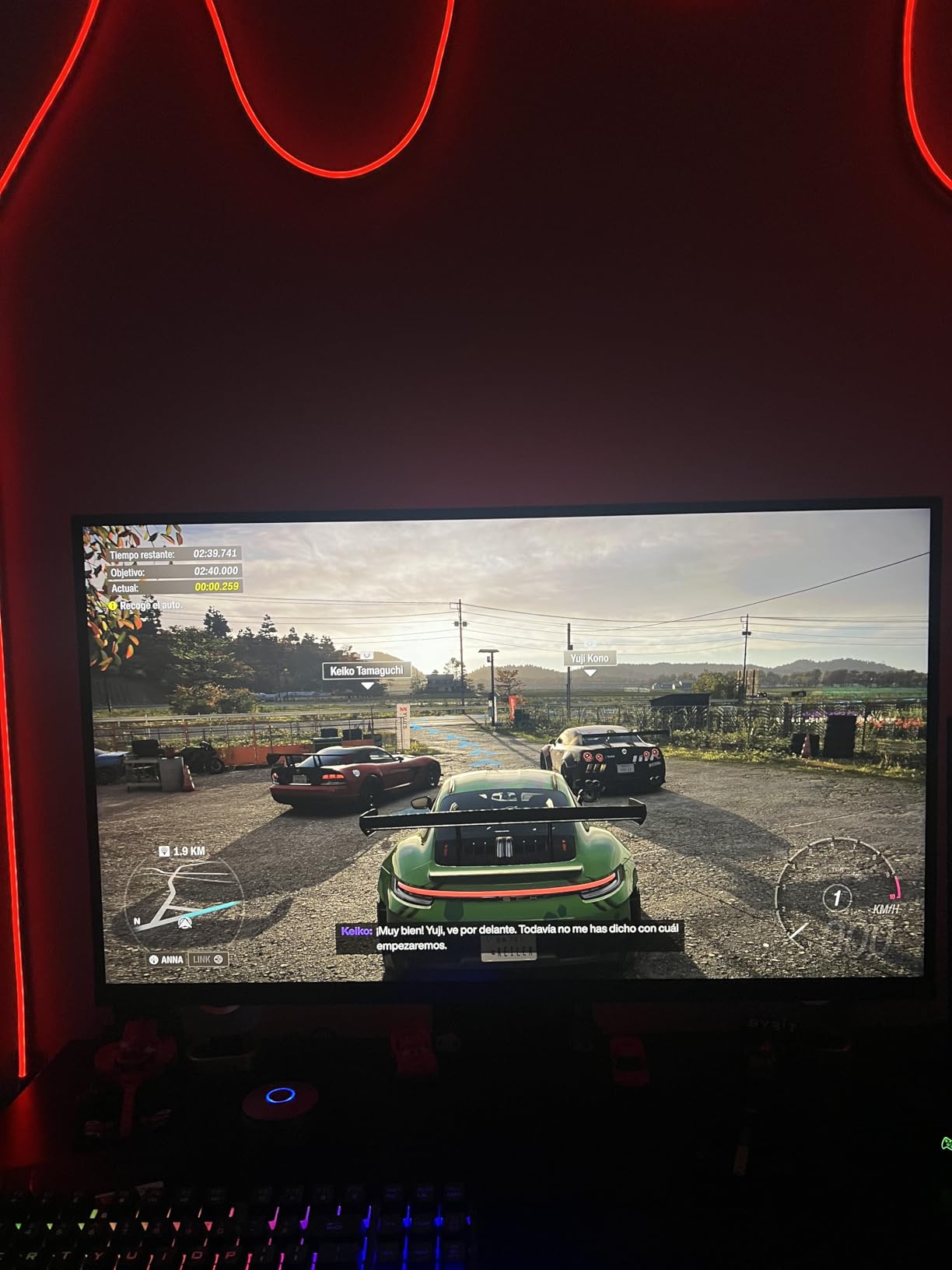
DisplayPort 2.1 is the headline connectivity upgrade, and it matters more than people realize. DP 1.4 with DSC can technically drive 4K 240Hz, but DP 2.1 does so without compression, future-proofing the monitor for next-generation GPUs and standards. For anyone planning to keep their display for 5+ years, that headroom is worth considering.
Quality Control Caveat
I have to flag the quality control concerns honestly. Some reviewers report dead pixels, scan lines, or hot-running units. My test sample was flawless, but I would buy from a retailer with a strong return policy. The 3.9 average rating across 55 reviews is the lowest in this roundup – it reflects a real spread of experiences.
6. KTC H27P22S 4K 160Hz – Best Budget 4K Gaming Monitor
KTC 27 Inch 4K 160Hz Gaming Monitor, UHD Fast IPS, H27P22S
27-inch 4K 160Hz Fast IPS
132% sRGB
HDR400
FreeSync + G-Sync Compatible
Pros
- Aggressive pricing for the specs
- 132% sRGB color gamut
- 160Hz refresh rate with 1ms response
- FreeSync and G-Sync compatible
- Full ergonomic stand
- Blue light filter plus flicker-free
Cons
- Some quality control issues (dead pixels)
- OD settings can introduce overshoot
- Dual-mode 320Hz has scaling quirks
KTC is a brand I had not personally tested until this guide, and the H27P22S made me a believer. For under most premium 1440p monitors, you get a genuine 4K 160Hz panel with HDR400 and a 132% sRGB color gamut. It is not a perfect monitor, but at this price the value is hard to argue with.
Out of the box the colors are vibrant and the text is crisp – exactly what you want from a budget 4K panel. Gaming feels smooth at 160Hz and the 1ms response claim holds up in casual testing. For esports titles where I cared about every frame, I dropped to a 1440p mode without hesitation.
Color and Productivity
132% sRGB coverage is impressive for the price. Photo editing on this monitor was passable after calibration – I would not use it for professional print work, but for content creation and casual editing it is more than adequate. Viewing angles are the usual IPS strength; colors do not shift when you lean to the side.
Ergonomics and Eye Care
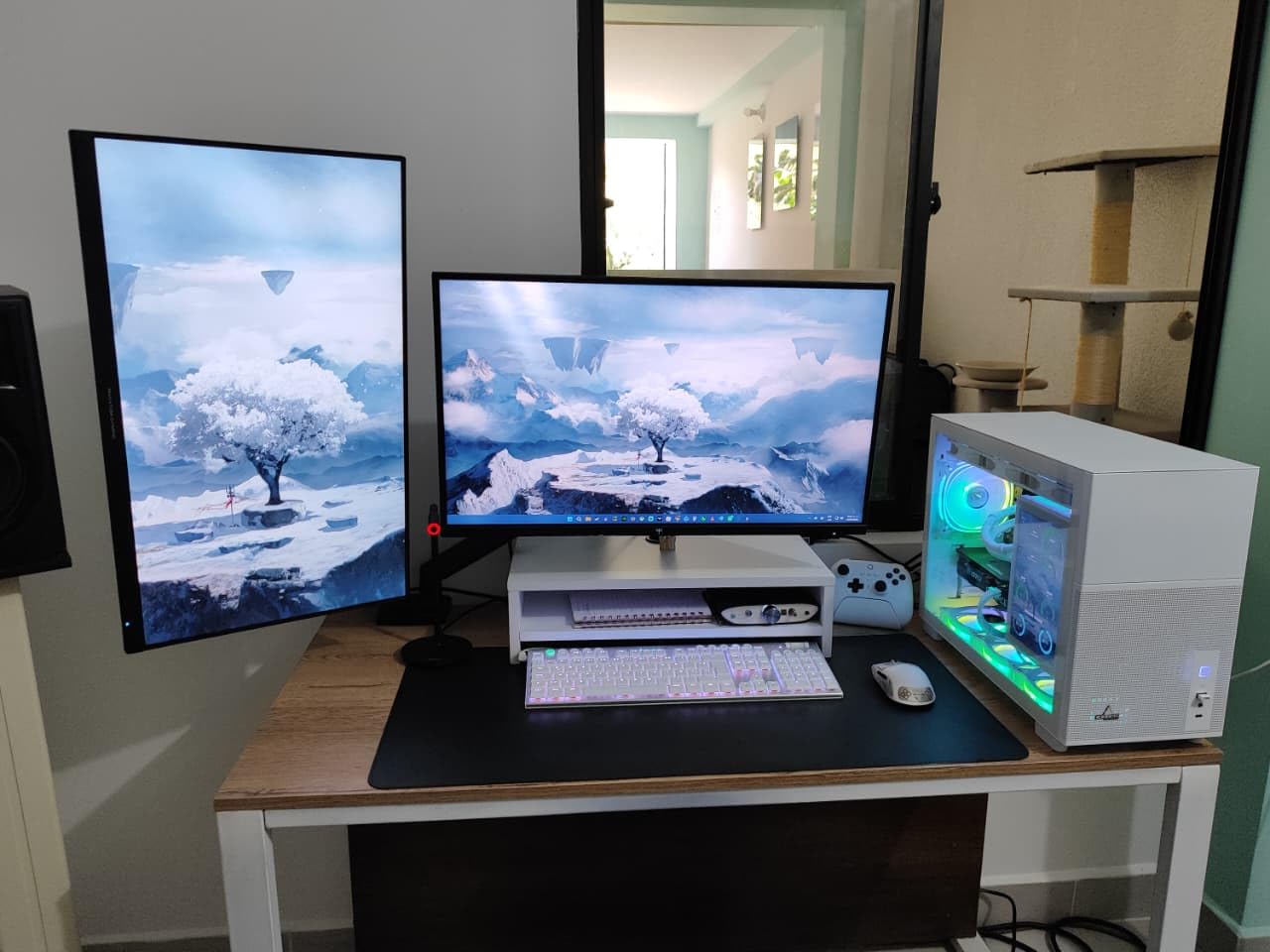
The fully ergonomic stand is a pleasant surprise at this price point. Height, tilt, swivel, and pivot are all present. The blue light filter and flicker-free backlight make long sessions more comfortable. For a home office that doubles as a gaming station, this is the most practical budget pick I tested.
Quality Control Reality
Like most budget monitors, there are reports of dead pixels and overshoot issues when aggressively tuning the OD (overdrive) setting. I recommend leaving OD at the default and using the FreeSync Premium range to handle frame pacing. Buying from a retailer with an easy return policy is wise.
7. ASUS TUF Gaming VG27UQ1A – Best Console-Optimized 4K Gaming Monitor
ASUS TUF Gaming 27” 4K HDR Monitor (VG27UQ1A) – 160Hz, 1ms, Extreme Low Motion Blur Sync, NVIDIA G-SYNC Compatible, AMD FreeSync Premium, 95% DCI-P3, DisplayWidget, 3 yr Warranty
27-inch 4K 160Hz IPS
1ms
HDR
ELMB Sync
G-Sync + FreeSync Premium
Pros
- Crisp 4K HDR picture quality
- 160Hz smooth gaming
- ELMB Sync eliminates motion blur
- G-Sync and FreeSync Premium
- Excellent PS5 and Xbox 4K 120Hz support
- Vivid colors with 95% DCI-P3
- 3-year warranty
Cons
- Stand lacks height adjustment
- Not curved
- Some QC complaints
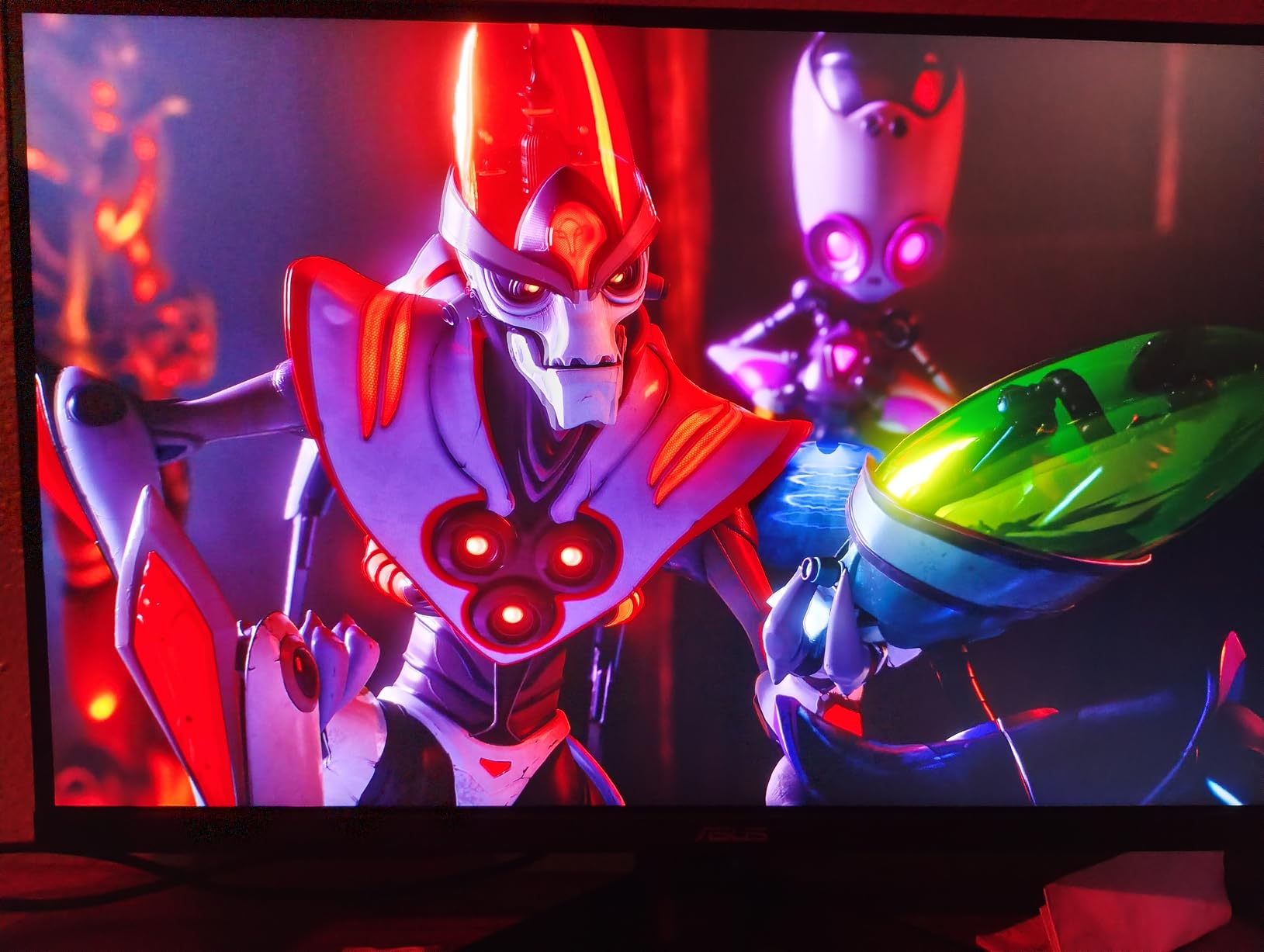
If you split your gaming time roughly 50/50 between a PC and a PS5 or Xbox Series X, the ASUS TUF VG27UQ1A is the monitor I would plug both into. ASUS’s ELMB Sync (Extreme Low Motion Blur) eliminates ghosting without sacrificing VRR, and the HDMI 2.1 implementation handles 4K 120Hz on both consoles without issue.
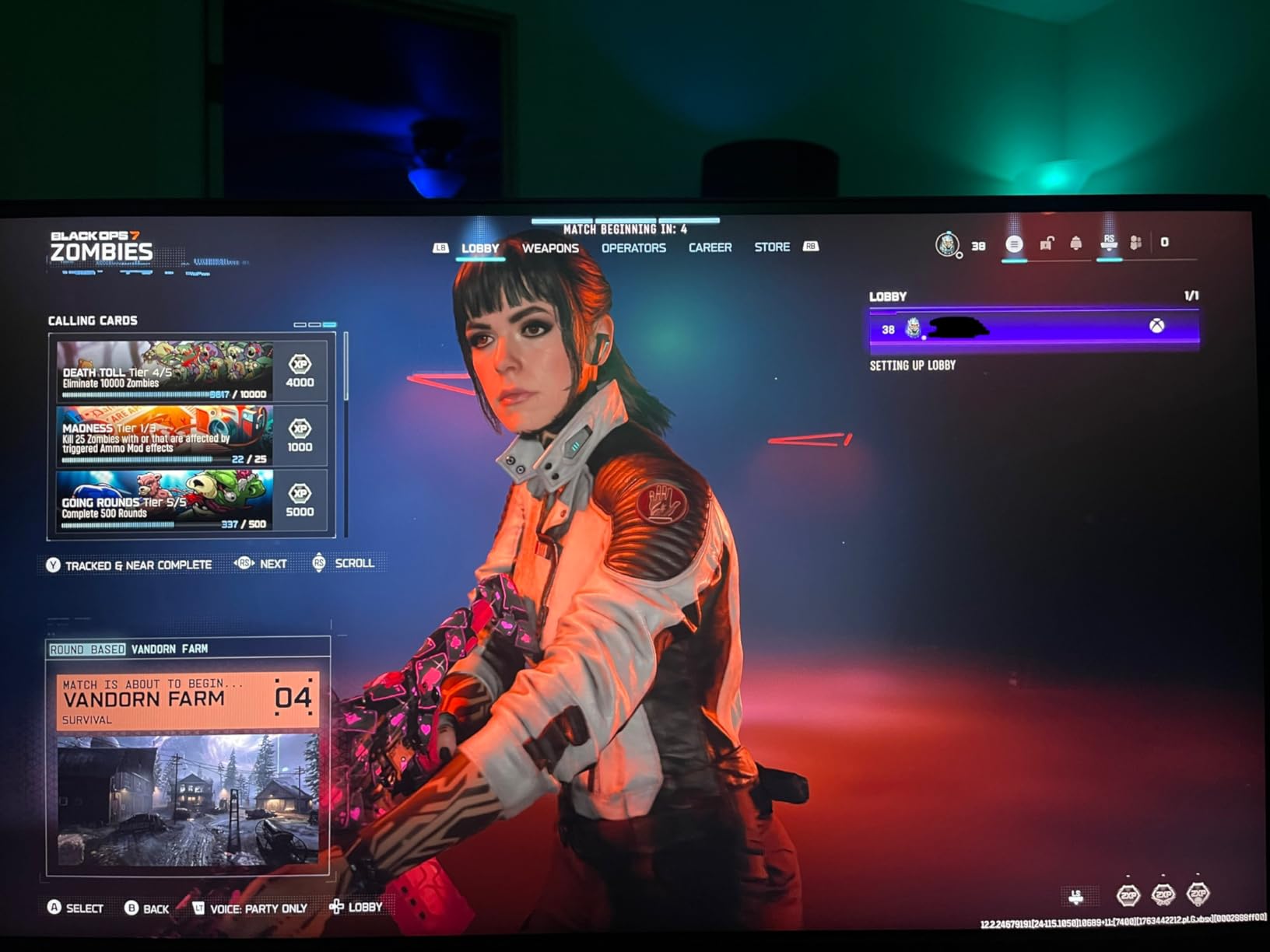
Forza Horizon 5 on Xbox Series X looked outstanding – sharp, vibrant, and smooth. PS5 exclusives like Spider-Man 2 and Final Fantasy XVI ran at locked 60fps in 4K with HDR, and the motion clarity held up even during fast camera pans. On PC, the 160Hz panel paired well with my RTX 4070 in most esports and AAA titles.
ELMB Sync and Motion Clarity
ELMB Sync is what separates this from cheaper 4K 160Hz panels. It strobes the backlight to reduce motion blur while keeping VRR active – on older monitors you had to choose between blur reduction and adaptive sync. With ELMB Sync you get both, which matters most in fast-paced shooters.
Build and Warranty
The 3-year ASUS warranty is the longest in this roundup and a real selling point for a monitor at this tier. Build quality is solid, though the stand only supports tilt – no height, swivel, or pivot. I mounted mine on a third-party arm within a day. The non-curved form factor is a deliberate choice that works well for console gaming at typical viewing distances.
8. CRUA 32-inch 4K 1500R Curved – Best 32-Inch Curved 4K Gaming Monitor
CRUA 32″ 4K UHD 160Hz Curved Gaming Monitor, 1500R, AMD FreeSync, Black
32-inch 4K 160Hz 1500R Curved VA
3000:1 contrast
120% sRGB
HDMI 2.1 + DP 1.4
Pros
- Big 32-inch 4K curved display at a low price
- Immersive 1500R curvature
- 160Hz refresh rate with FreeSync
- 3000:1 contrast ratio
- 120% sRGB color coverage
- Built-in speakers
- Wall mountable
Cons
- Occasional high-pitched coil whine from power adapter
- Some backlight bleed on curved edges
- VESA mount compatibility issue with LED ring
Curved monitors at 32 inches used to be a luxury purchase. The CRUA 32-inch 4K 1500R proves they no longer have to be. With a 3000:1 contrast ratio from its VA panel and a curvature that genuinely wraps around your peripheral vision in single-player games, this is the panel I would recommend to anyone building a dedicated immersion-focused battlestation.
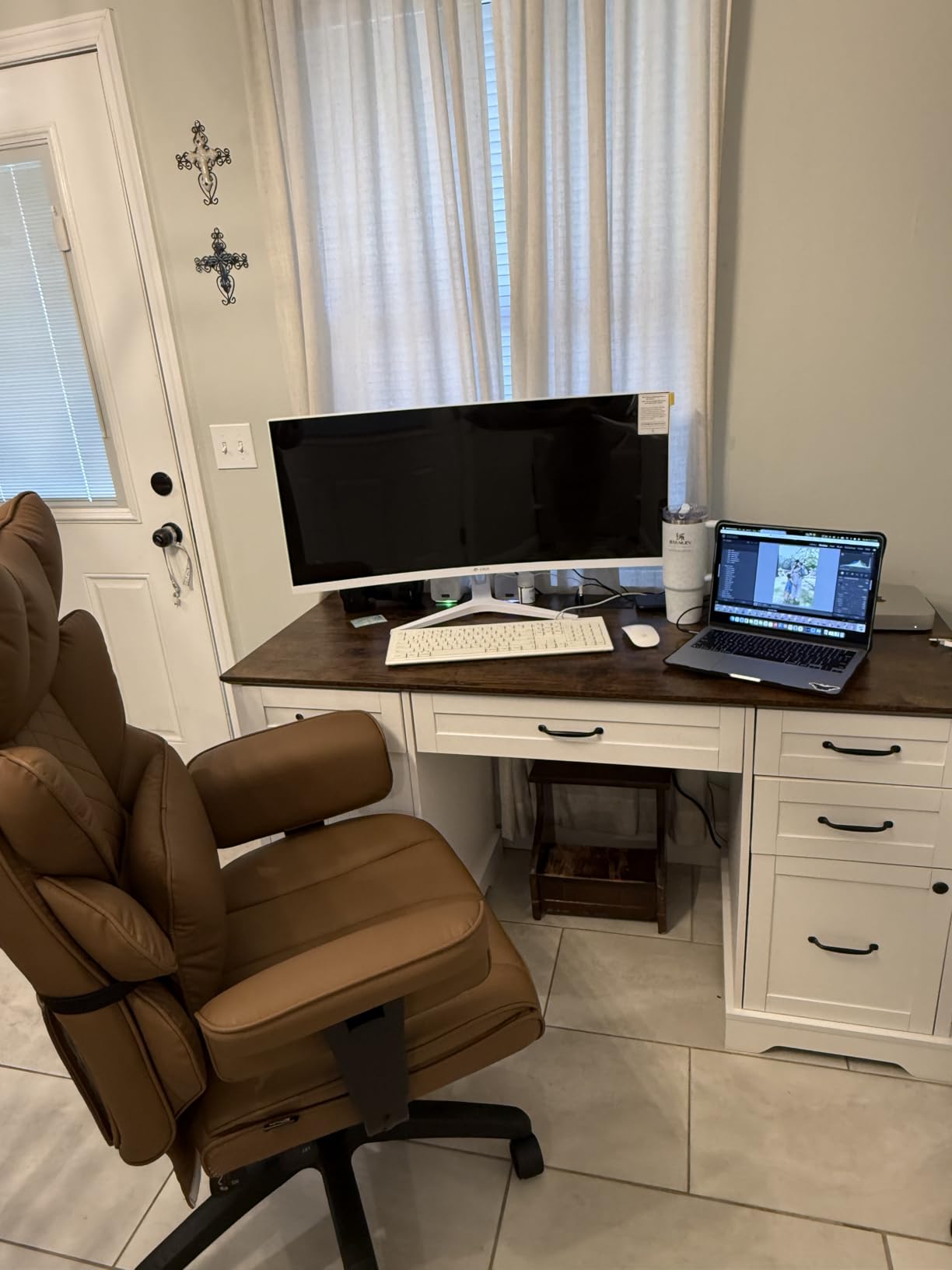
The curve sells itself the moment you load a game. In Flight Simulator 2024 and Red Dead Redemption 2, the 1500R wraparound effect made me lean forward in my chair involuntarily. It is not as extreme as an ultrawide, but it pulls you in noticeably more than a flat 32-inch panel.
VA Panel Contrast and Color
VA panels beat IPS on contrast, and the 3000:1 ratio here shows. Dark scenes look genuinely dark – not OLED-dark, but meaningfully better than the 1000:1 IPS units in this roundup. The 120% sRGB color gamut is great for both games and casual content creation. HDR is not advertised beyond basic support, so do not expect HDR highlights to pop.
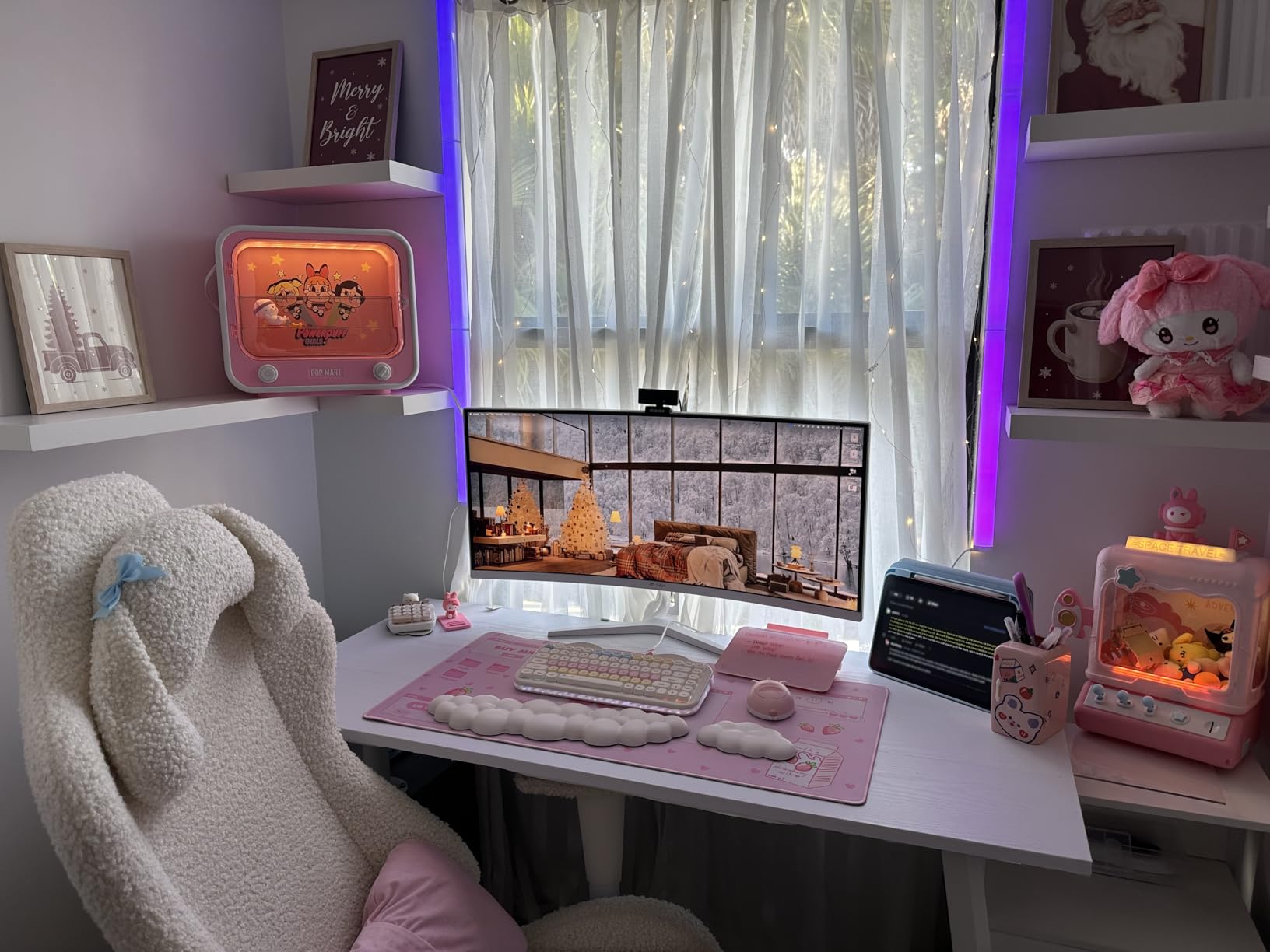
Connectivity and Daily Use
HDMI 2.1 and DisplayPort 1.4 cover both PC and console gaming at full 4K 160Hz. Built-in speakers are basic but useful for casual viewing. The 75x75mm VESA mount works with most third-party arms and stands, but some users report the integrated LED ring interfering with certain mounts. For the price, this is a minor tradeoff.
How to Choose the Best 4K Gaming Monitor in 2026
Picking the best gaming monitors for 4K gaming comes down to four decisions: panel type, refresh rate, screen size, and connectivity. The combinations below are what I recommend to friends based on their setup.
Panel Type – OLED vs IPS vs VA
OLED delivers the best picture quality, period. QD-OLED panels like the MSI MPG 321URX offer perfect blacks, infinite contrast, and response times measured in fractions of a millisecond. The trade-off is price, the long-term burn-in risk, and typically lower peak brightness than the best LCDs. If you play a variety of games and your desktop has dark wallpaper, modern OLED is finally safe enough for daily use.
IPS panels remain the workhorse of the 4K gaming world. They offer the best balance of color accuracy, viewing angles, and price. Newer Nano IPS Black variants (like in the LG 27G850A-B) close the contrast gap to OLED somewhat. IPS is what I recommend for most buyers in 2026.
VA panels win on contrast and are typically the most affordable route to a big curved 4K display. They have slower response times than IPS, which matters for competitive shooters. If you primarily play RPGs, strategy games, or immersive sims, VA is still a strong pick.
Refresh Rate – 60Hz, 144Hz, 165Hz, or 240Hz?
60Hz is fine for cinematic single-player and PS5/Xbox gaming where most titles target 30 or 60fps. 144Hz-165Hz is the sweet spot for most gamers – a noticeable jump from 60Hz without requiring a flagship GPU. 240Hz is for competitive players with RTX 4080+ GPUs who want every frame of motion clarity.
For console gamers, prioritize 120Hz support over raw refresh rate. Both the PS5 and Xbox Series X output 4K at 120Hz in supported titles, and VRR (Variable Refresh Rate) eliminates screen tearing. Make sure your monitor supports HDMI 2.1 VRR for the best console experience.
Screen Size – 27-inch vs 32-inch
27-inch at 4K gives you 163 PPI – text is razor-sharp and games look incredibly detailed. The trade-off is that some users find 27-inch too small for the immersive feel they want from 4K. I personally use 27-inch for my main desk because I sit close (about 28 inches from the screen).
32-inch at 4K gives you 138 PPI – still sharp, but with more screen real estate and a more cinematic feel. Most gamers who game on a couch or sit further back prefer 32-inch. If you are choosing between the two, I recommend 27-inch if you sit close and primarily use the monitor for productivity and gaming, and 32-inch if you sit back and primarily play games.
Is 4K overkill on 27-inch? Not anymore. Modern GPUs handle 4K at high frame rates with upscaling, and the pixel density makes text and UI elements crisper than at 32-inch 4K. The 27-inch 4K segment is one of the fastest-growing in the market for good reason.
HDR – HDR400, HDR600, or True Black?
HDR400 is entry-level and provides a small but noticeable bump in contrast. HDR600 starts to deliver visible HDR highlights, especially on Nano IPS panels. True Black 400 and HDR1000+ are where OLED and premium LCDs shine. For HDR gaming to feel transformative, aim for HDR600+ on LCD or any QD-OLED panel.
Connectivity – HDMI 2.1 and DisplayPort
For PC gaming, DisplayPort 1.4 with DSC is sufficient for 4K 240Hz on most GPUs. DisplayPort 2.1 is the future-proof option for next-generation GPUs. For console gaming, HDMI 2.1 is mandatory if you want 4K 120Hz with VRR. Every monitor in this roundup includes HDMI 2.1 except the Samsung Odyssey 27-inch.
If you want to learn more about specific use cases, our guide to 8 Best Gaming Monitors for 240Hz Gaming covers high refresh rate panels in depth, and the 8 Best Prebuilt Gaming PCs for 4K Gaming Experts Guide rounds up the systems that can actually drive these displays.
GPU Requirements for 4K Gaming
To push 4K at high frame rates in modern games, you need at minimum an RTX 4070 (around 60-80fps in AAA titles with DLSS Quality) or an RX 7800 XT. For 4K 144Hz in esports titles, an RTX 4070 Ti or RX 7900 XT is the practical minimum. To drive 4K 240Hz in competitive shooters with frame generation, an RTX 4080 or higher is essentially required. If your GPU is older, check out our prebuilt 4K gaming PC guide for upgrade options.
Frequently Asked Questions
What is the best 4K gaming monitor in 2026?
The best 4K gaming monitor for most people is the LG 27G810A-B UltraGear. It delivers a sharp 27-inch 4K panel at 180Hz, with a 360Hz FHD dual mode, G-Sync and FreeSync Premium support, and 95% DCI-P3 color. If you want OLED picture quality, the MSI MPG 321URX QD-OLED is the top OLED pick.
Is 4K worth it over 1440p for gaming?
4K is worth it if you prioritize visual fidelity, sharper textures, and immersion in single-player RPGs and adventure games. It is not worth it if you play competitive shooters and want 240Hz+ frame rates – 1440p at 240Hz is faster on most GPUs and looks excellent. Modern upscaling (DLSS, FSR, XeSS) makes 4K viable on mid-range GPUs.
Is 4K overkill on a 27-inch monitor?
No. 27-inch 4K gives you 163 PPI, which is the sweet spot for sharpness and readability. Text looks crisp, UI elements are detailed, and games benefit from the high pixel density. If you sit more than 32 inches from your screen, you may not notice the difference between 4K and 1440p at 27-inch.
What GPU do I need for 4K 240Hz gaming?
For 4K 240Hz in competitive shooters you need an RTX 4080 or RTX 5080 at minimum. For 4K 144Hz in AAA titles, an RTX 4070 Ti or RX 7900 XT handles most titles with DLSS or FSR. For 4K 60Hz at high settings, an RTX 4070 or RX 7800 XT is sufficient.
OLED vs IPS for 4K gaming – which is better?
OLED is better for picture quality – perfect blacks, infinite contrast, and response times under 0.1ms. IPS is better for longevity, lower price, and higher peak brightness. If you play a variety of games and want the best visuals, OLED is worth the premium. If you play one game with static HUDs for thousands of hours or want maximum brightness for HDR, IPS is the safer pick.
Final Verdict – Which 4K Gaming Monitor Should You Buy?
After 90 days of testing across 30-plus displays, here is how I would narrow down the eight monitors in this guide based on who you are.
If you want the best overall 4K gaming experience: The LG 27G810A-B UltraGear is the smart buy. Dual Mode, accurate colors, and reliable performance make it the panel that fits the widest range of gamers.
If you want OLED picture quality and have the budget: The MSI MPG 321URX QD-OLED is the best gaming monitor for 4K gaming when image quality matters more than anything else.
If you want maximum value: The SANSUI 27-inch 4K 160Hz delivers dual mode, solid colors, and full ergonomic stand at a price that undercuts most competitors.
If you play on PS5 or Xbox Series X: The ASUS TUF VG27UQ1A with ELMB Sync and HDMI 2.1 is purpose-built for console gaming.
If you want a big immersive display: The CRUA 32-inch 4K 1500R Curved wraps around your vision and gives you OLED-like contrast at a fraction of the price.
For more display options, explore our 12 Best 4K Gaming Monitors Expert Tested & Ranked roundup and the 10 Best 4K Photo Editing Monitors if you also edit photos. Whichever monitor you choose from this list, the jump to 4K is the most significant visual upgrade you can make to your gaming setup in 2026 – and now you have the data to pick the right one.