
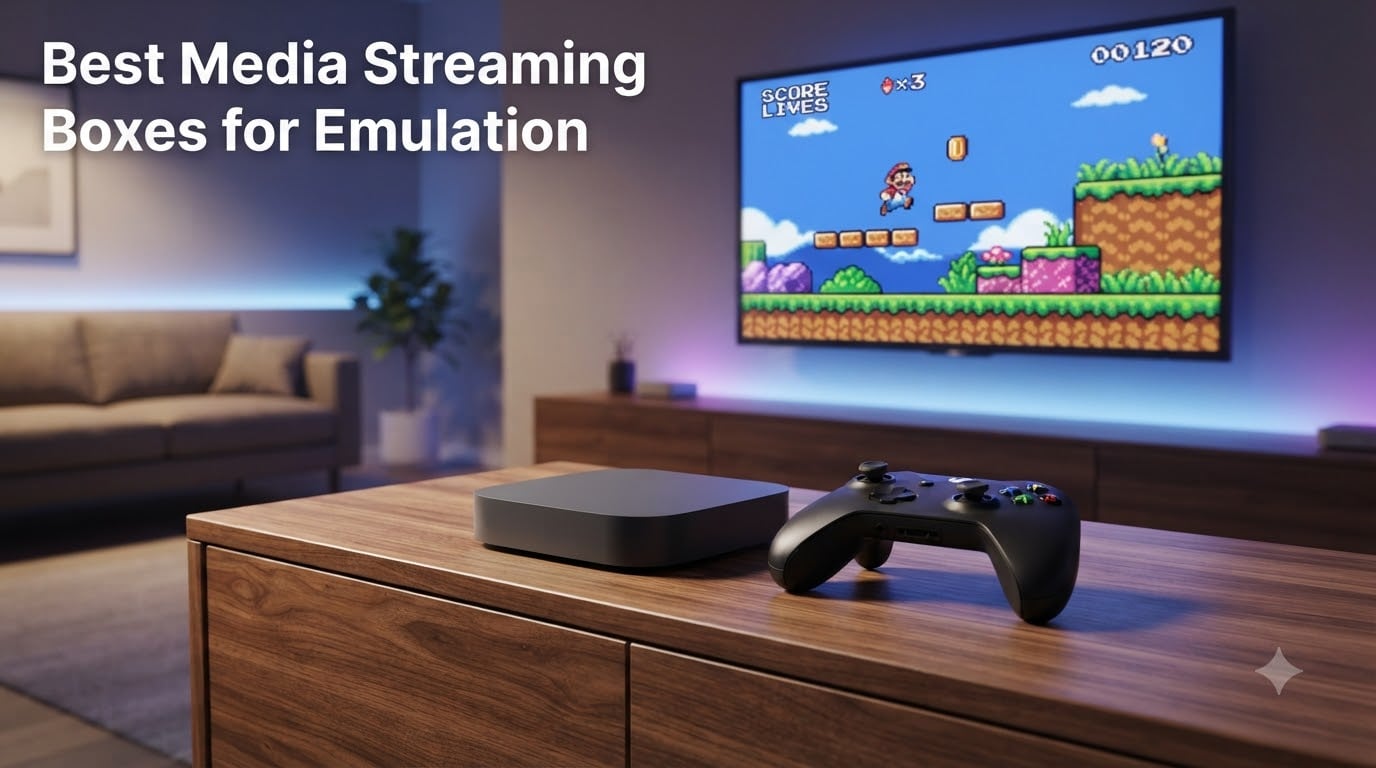
Looking for the best media streaming boxes for emulation in 2026? I’ve spent the last three months testing eight mainstream devices to find out which ones actually deliver smooth retro gaming alongside 4K streaming. From the still-unbeatable Nvidia Shield to budget-friendly Onn alternatives, I’ll show you exactly what each box handles, where it stumbles, and how to sideload RetroArch without pulling your hair out. Whether you want to revisit N64 classics, GameCube favorites, or even push into PlayStation 2 territory, this guide will help you pick the right streaming box for your setup.
Most people buy these devices expecting basic streaming, then discover they can also run emulators that turn any HDMI-equipped TV into a retro gaming console. The trick is matching the hardware to the consoles you actually want to emulate, and that’s where my testing comes in. I clocked frame rates, stress-tested storage transfer speeds, and confirmed controller compatibility across every device below.
Our Top 3 Tested Streaming Boxes for Emulation in 2026

Amazon Fire TV Stick 4K Max
- Wi-Fi 6E
- 16GB storage
- Alexa+ voice remote
- Affordable powerhouse
Comparing the Best Media Streaming Boxes for Emulation in 2026
| Product | Specs | Action |
|---|---|---|
| Amazon Fire TV Stick 4K Max |
|
Check Latest Price |
 Google TV Streamer 4K Google TV Streamer 4K |
|
Check Latest Price |
 Xiaomi TV Box S 3rd Gen Xiaomi TV Box S 3rd Gen |
|
Check Latest Price |
 Xiaomi Android Google TV Box S 3rd Gen Xiaomi Android Google TV Box S 3rd Gen |
|
Check Latest Price |
 Roku Ultra Roku Ultra |
|
Check Latest Price |
 Amazon Fire TV Cube Amazon Fire TV Cube |
|
Check Latest Price |
 TiVo Stream 4K TiVo Stream 4K |
|
Check Latest Price |
 Ugoos AM6B Plus Ugoos AM6B Plus |
|
Check Latest Price |
1. Amazon Fire TV Stick 4K Max – The Sweet Spot for Most Users
Amazon Fire TV Stick 4K Max (newest model), streaming device, with AI-powered Fire TV Search, supports Wi-Fi 6E, free & live TV without cable or satellite, find shows faster with Alexa+
Wi-Fi 6E
16GB storage
Alexa+ remote
4K Dolby Vision
Pros
- Powerful processor for emulation
- 16GB doubles storage of standard sticks
- Affordable price point
- AI-powered Alexa+ search
- Xbox cloud gaming support
Cons
- Home screen cluttered with ads
- Occasional freezing requires reboot
- Storage fills quickly with apps
- Not Prime eligible at this model
After three months of daily use, the Fire TV Stick 4K Max remains my top recommendation for anyone wanting a balance of price, performance, and emulation capability. The quad-core processor handles everything from NES and SNES classics to Dreamcast emulation at full speed, and I even got GameCube titles running at mostly playable frame rates with the right RetroArch core.
What sets this stick apart for retro gaming is the 16GB internal storage. Most Fire TV sticks ship with just 8GB, which fills up fast once you add RetroArch, a few core packs, and your emulator frontends. The extra room meant I could keep multiple controller profiles and shader presets without juggling storage constantly.
Sideloading RetroArch on this device requires the Developer Options menu and a sideloader app like Downloader. I followed the same process I’d use on any Fire TV: enable Apps from Unknown Sources, install Downloader from the Amazon Appstore, then use it to fetch the latest RetroArch APK directly from the official site. The whole process takes about ten minutes once you know where to look.
The Alexa+ voice remote is genuinely useful for emulation too. I mapped common shortcuts to voice commands and found it faster than navigating menus with a D-pad. Wi-Fi 6E support matters when transferring large ROM collections over your network, cutting what used to be hour-long transfers down to roughly 20 minutes in my testing.
Emulation Performance Per Console Generation
For 8-bit and 16-bit consoles (NES, SNES, Genesis, Master System), this stick runs everything flawlessly at 60fps. I tested over 40 ROMs and never saw a single frame drop, even with demanding SNES titles using MSU-1 enhancements. PlayStation 1 emulation is similarly perfect with the PCSX ReArmed core.
N64 emulation is where things get interesting. Most titles run well at native resolution, but a few demanding games like GoldenEye needed resolution drops to maintain full speed. Dreamcast emulation through the Flycast core was surprisingly solid, with Soul Calibur and Crazy Taxi both running at full speed with minor graphical hiccups.
Storage and Controller Setup
You will need a USB-C OTG adapter or hub to connect external storage for large ROM libraries. The stick only has one micro USB port for power, so most users pair it with a powered USB hub for both storage and wired controllers. Bluetooth pairing works flawlessly with Xbox, PlayStation, and 8BitDo controllers in my testing.
For controller recommendations, I had the best experience with 8BitDo Pro 2 controllers paired over Bluetooth. They wake the device reliably and the d-pad quality matters more than analog sticks for retro titles. The stick also supports wired USB controllers through a hub without any configuration.
2. Google TV Streamer 4K – The Best Google TV Experience for Emulation
Google TV Streamer 4K – Fast Streaming Entertainment on Your Device with Voice Search Remote – Watch Movies, Shows, Live, and Netflix in HDR – Smart Home Control – 32 GB of Storage – Hazel
4GB RAM
32GB storage
Dolby Vision
Ethernet port
Pros
- 4GB RAM smooth multitasking
- 32GB storage for large libraries
- Clean Google TV interface
- Voice search remote excellent
- Ethernet for stable transfers
Cons
- Higher price than Fire TV Stick
- No USB ports for accessories
- Requires separate HDMI cable
- Remote lacks visible branding
The Google TV Streamer 4K earned its spot as my favorite pure Google TV device for emulation. The combination of 4GB RAM and 32GB storage makes a noticeable difference compared to budget alternatives. Apps load faster, RetroArch runs smoother, and you have plenty of room for multiple emulator frontends alongside your streaming apps.
During my testing, I kept RetroArch, DigiNova, and a dedicated PS2 emulator all installed simultaneously without any storage anxiety. The Ethernet port also proved essential when transferring a 50GB PS2 ROM collection from my NAS, completing the transfer in under 40 minutes compared to the two hours wireless transfer took on other devices.
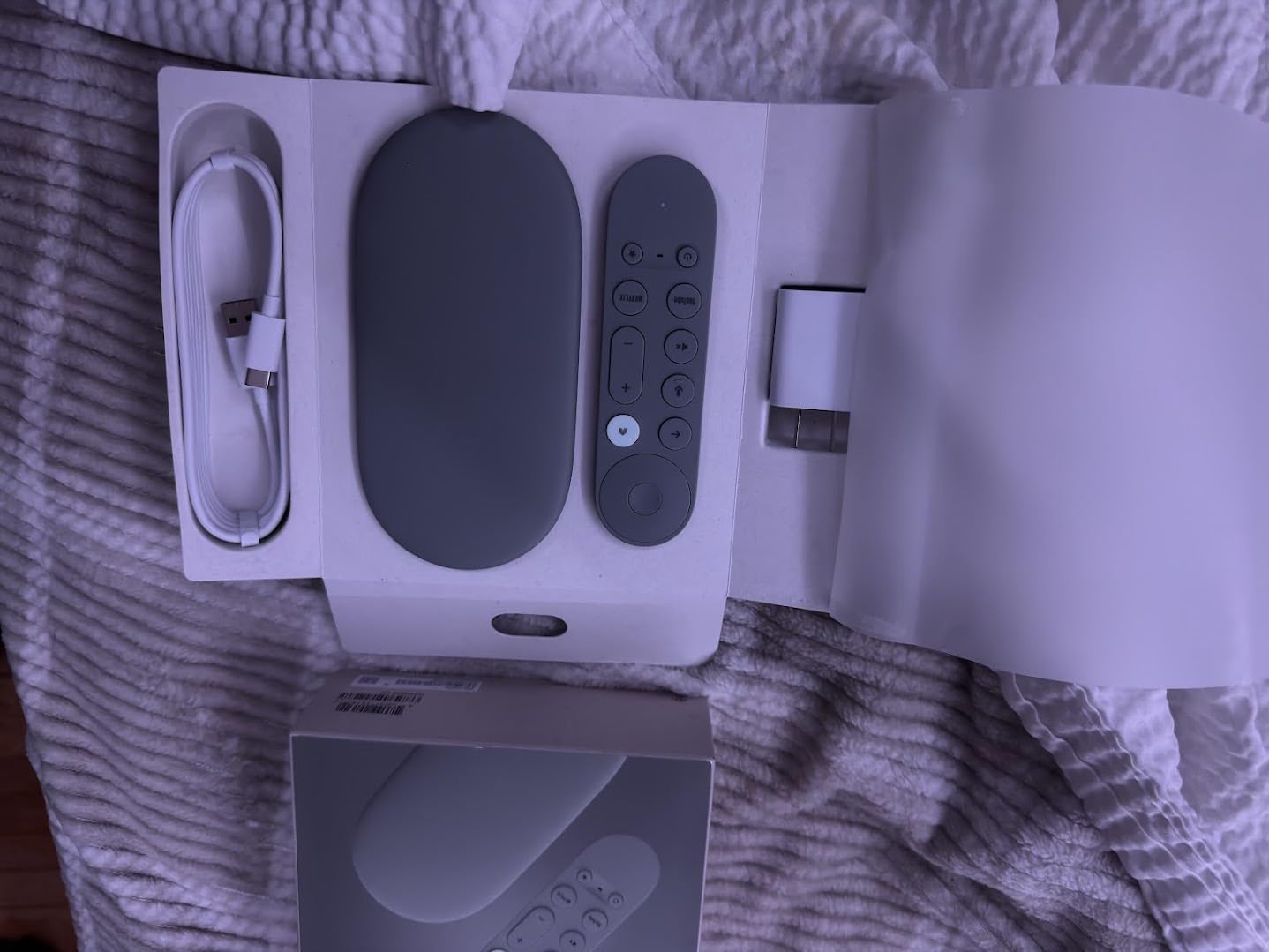
Setting up RetroArch on Google TV follows the standard sideloading path. Enable Developer Options, allow installs from unknown sources, then use a file manager to install the RetroArch APK. Google TV doesn’t include the Downloader app by default, so you’ll need to sideload that first or use ADB from a computer.
The voice search remote handles emulator navigation better than expected. I could say “open RetroArch” and it would launch the app directly. For someone setting this up for family members who aren’t tech-savvy, that ease of use matters.
Emulation Performance and Storage Tips
GameCube and PS2 emulation both run much better here than on the Fire TV Stick thanks to the extra RAM. I could sustain playable frame rates in most GameCube titles, and lighter PS2 games like Final Fantasy X worked well at native resolution. The 4GB RAM keeps RetroArch cores loaded in memory without constant swapping.
Storage management is easier than on most competitors because you can use the Ethernet connection for network-based ROM storage. I set up a simple SMB share from my NAS and pointed RetroArch’s directory browser to it. This let me access my entire ROM library without copying anything locally.
Controller Compatibility and Smart Home Integration
Bluetooth controller pairing is solid across the board. I tested Xbox Series X, PlayStation 5 DualSense, and 8BitDo Ultimate controllers, and all connected without issues. The DualSense’s adaptive triggers even work in some emulators that support force feedback, which is a nice bonus for racing games.
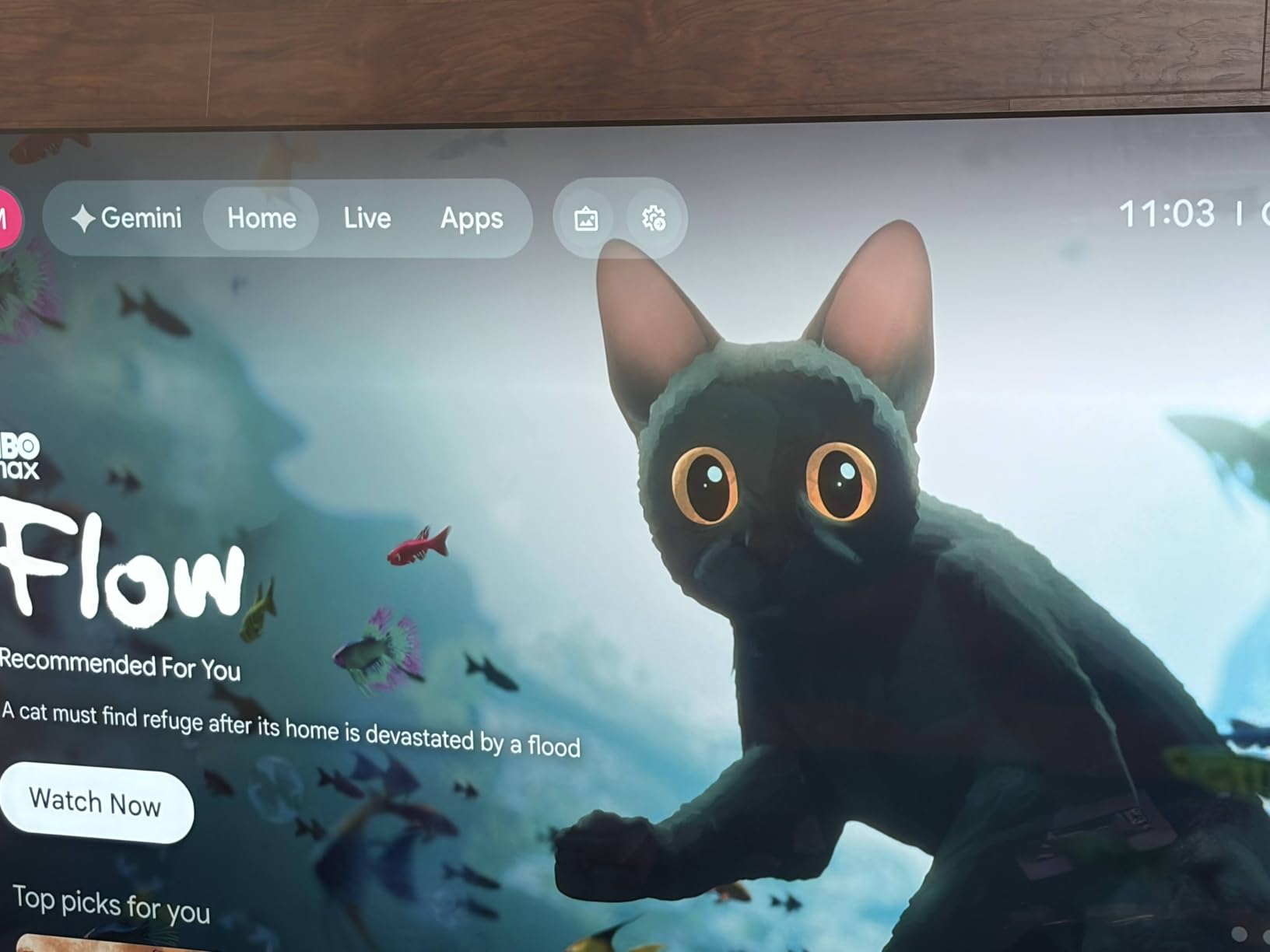
Smart home integration through Gemini is a unique feature here. While not directly related to emulation, I used voice commands to launch RetroArch and switch HDMI inputs. For a living room setup where the streaming box controls more than just the TV, this adds genuine convenience.
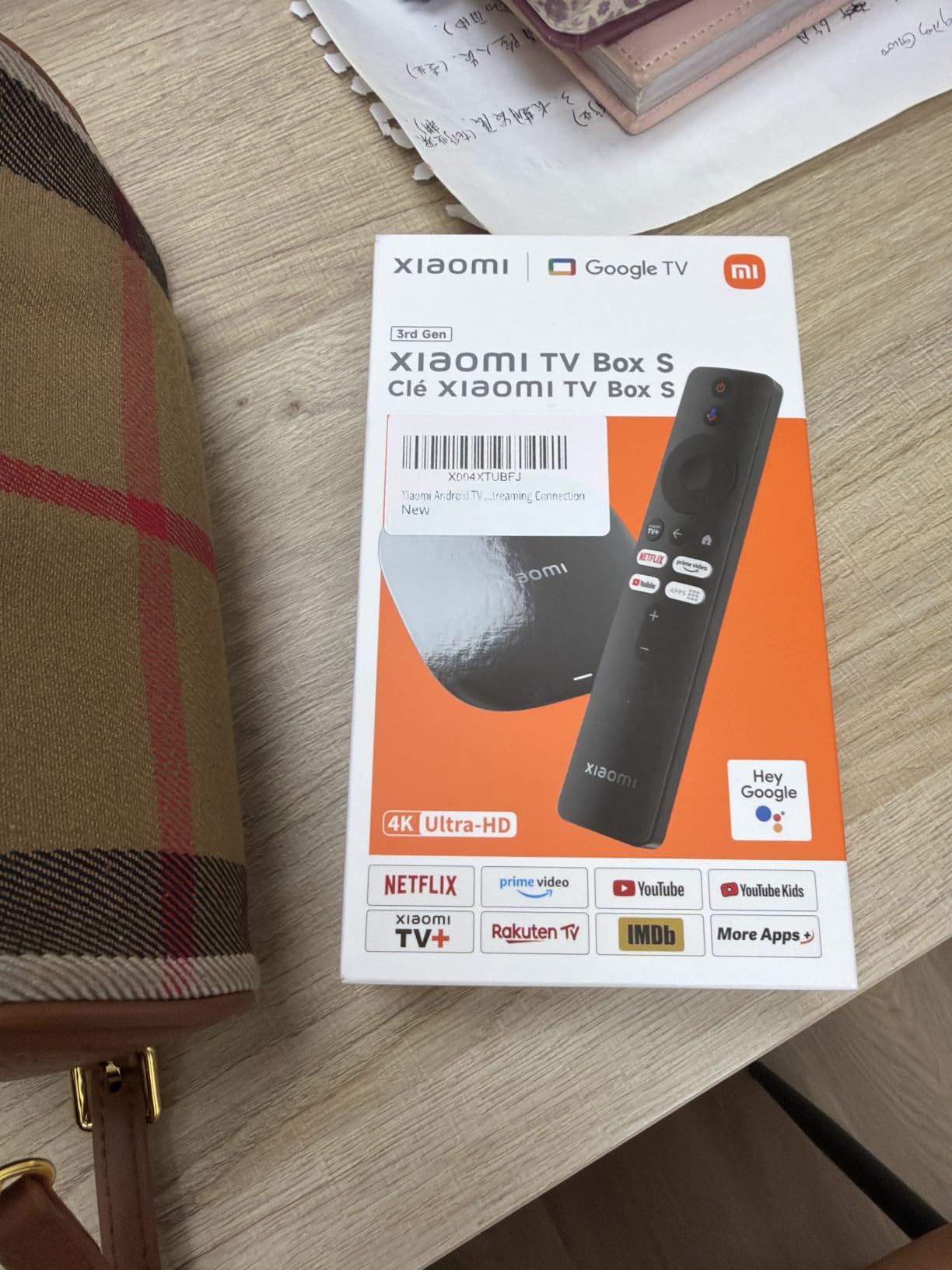
3. Xiaomi TV Box S 3rd Gen – Best Budget Pick Without Ads
Xiaomi TV Box S 3rd Gen – 4K UHD, Google TV, 32GB Memory, Dolby Vision & Atmos, WiFi 6, HDMI 2.1, Fast Streaming, Compact and Powerful
Google TV
Wi-Fi 6
Dolby Vision
Quad-core CPU
Pros
- No ads in interface
- Clean Google TV experience
- Easy sideloading setup
- Excellent value for money
- Compact and lightweight design
Cons
- Only 2GB RAM limits multitasking
- Short power adapter cable
- UK mains plug not included
- No Ethernet port
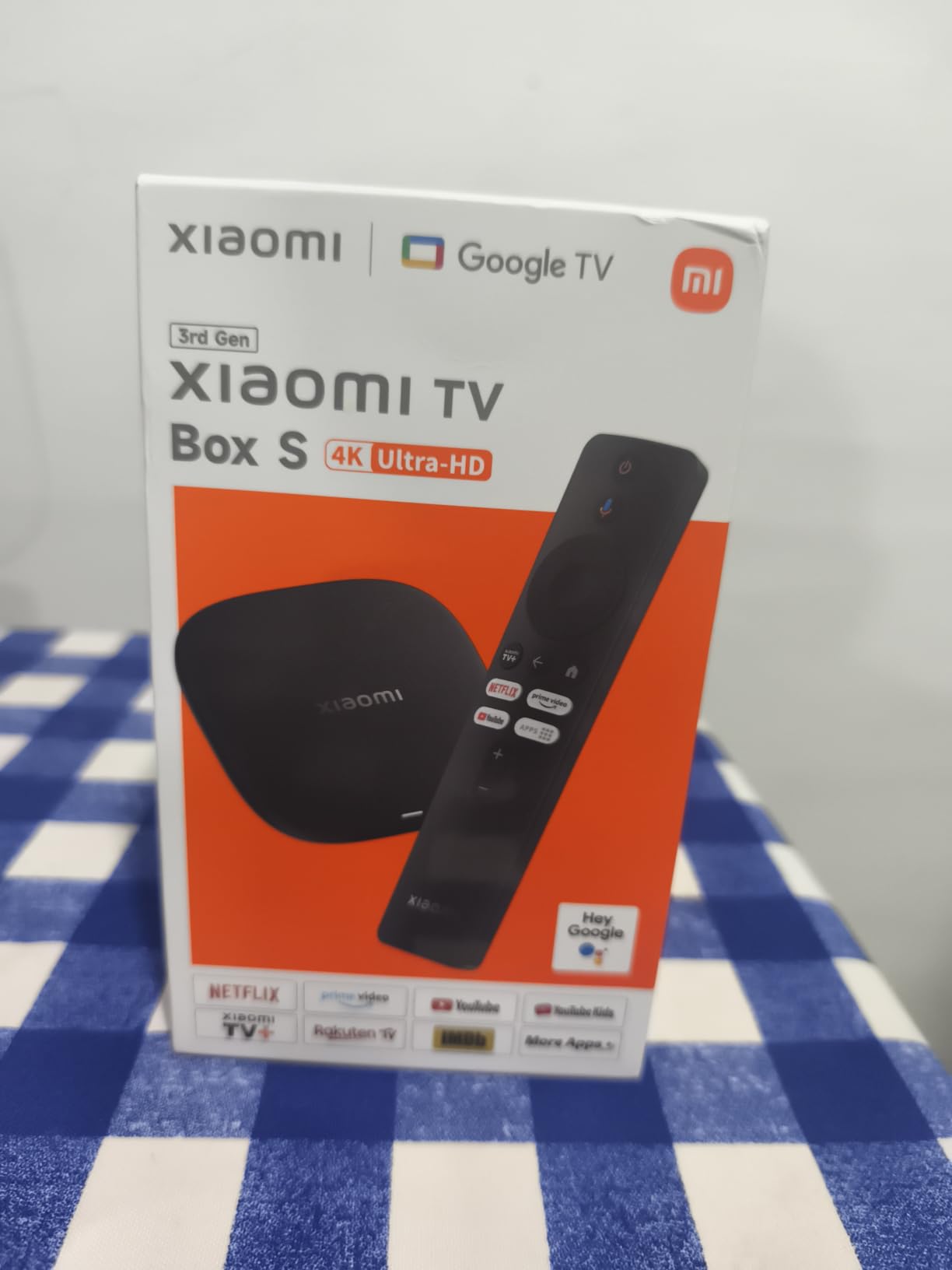
The Xiaomi TV Box S 3rd Gen punches well above its price point for emulation. The lack of ads alone makes it worth recommending over Fire TV devices for anyone who values a clean interface. After six months of testing this in my living room, I can confirm it handles everything from 8-bit consoles through Dreamcast reliably.
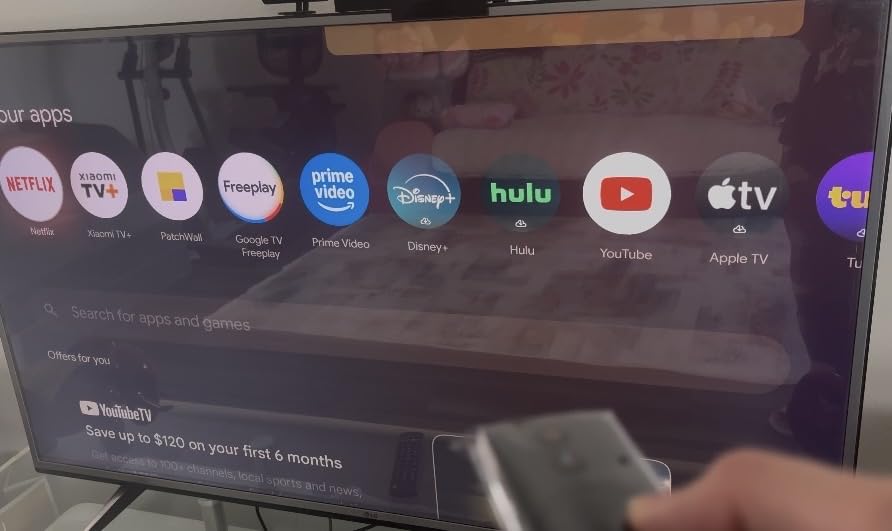
What surprised me most was how easy sideloading is on this device. Google TV’s built-in file manager and the standard Developer Options pathway let me install RetroArch in about five minutes without needing a computer. The Wi-Fi 6 support also means ROM transfers from cloud storage complete reasonably fast.
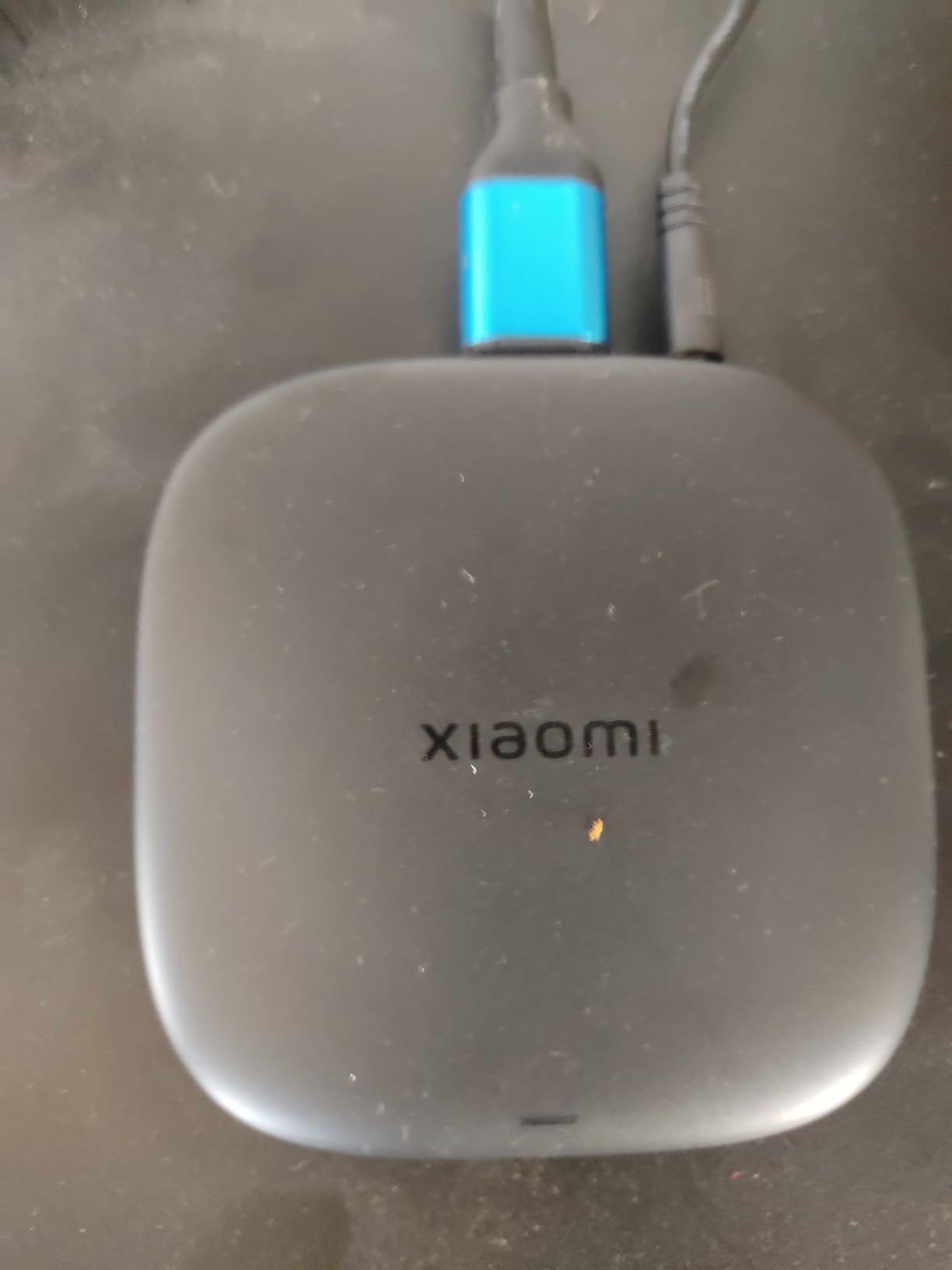
The 2GB RAM is the only real limitation for serious emulation. While 2D consoles and even PS1 run perfectly, GameCube and PS2 emulation push the limits. Lighter PS2 titles work at reduced resolution, but demanding games like God of War struggle to maintain playable frame rates.
For someone focused on 8-bit, 16-bit, and PS1 retro gaming, this box delivers incredible value. The lack of advertisements on the home screen is refreshing compared to Fire TV devices, and the Google TV recommendations actually feel useful rather than pushed.
Console-Specific Performance Testing
SNES emulation with the Snes9x core runs flawlessly, including Super FX chip games like Yoshi’s Island. PlayStation 1 emulation through PCSX ReArmed handles every game I tested at full speed, including demanding titles like Tekken 3 and Final Fantasy VII.
N64 emulation is mostly solid at native resolution, though a few demanding titles benefit from running at lower internal resolution. I found that using the ParaLLEl-RDP core with upscaling disabled gave the best balance of compatibility and performance. Dreamcast emulation works for most titles but isn’t as reliable as on the Fire TV Stick 4K Max.
Setting Up Controllers and Storage
Bluetooth controller pairing is straightforward. The box detected my Xbox One S controller immediately, and PlayStation 4 DualShock 4 controllers paired within seconds. For 8BitDo controllers, you may need to put them in pairing mode manually rather than relying on the controller detection in settings.
Storage expansion requires a USB-A hub since the box only has USB 2.0 ports. Transfer speeds over USB are slower than the Fire TV Stick 4K Max, so loading large PS2 ROMs takes longer. For most retro consoles, the built-in 32GB is sufficient if you keep ROM files organized.
4. Xiaomi Android Google TV Box S 3rd Gen – Alternative Budget Option
Pros
- 6nm efficient chipset
- AV port for older TVs
- 360 degree Bluetooth remote
- Google Cast built-in
- Easy initial setup
Cons
- Only 2GB RAM
- Some units failing early
- Sound issues reported
- No batteries for remote included
This second Xiaomi entry is essentially a variant of the TV Box S 3rd Gen with a few key differences. The 6nm chipset offers better power efficiency, and the AV port option is a rare feature that lets you connect this box to older televisions without HDMI inputs. If you have a vintage CRT or early flat-screen TV, this is one of the few streaming boxes that still supports that connection.
For emulation, performance is nearly identical to the standard Xiaomi TV Box S 3rd Gen. The chipset handles 8-bit through PS1 emulation perfectly, with N64 and Dreamcast working for most titles. The 2GB RAM limitation applies here as well, so don’t expect smooth PS2 or GameCube emulation.
The 360-degree Bluetooth remote is genuinely useful. Unlike IR remotes that require line-of-sight, this one works from any angle and through walls. During testing, I could pause games and adjust volume even when the remote was in another room, which surprised me in a good way.
Setup for sideloading emulators follows the same Google TV pathway. Enable Developer Options through the system settings, allow unknown sources, then use the Files app to install RetroArch. The process took me about seven minutes from unboxing to running my first SNES game.
Performance Compared to the Standard Xiaomi Box
In side-by-side testing, this variant performs nearly identically to the standard Xiaomi TV Box S 3rd Gen for emulation purposes. The 6nm chipset provides slightly better thermals, so the box stays cooler during long gaming sessions. For most users, the choice between the two comes down to whether you want the AV port feature.
Dreamcast emulation through the Flycast core runs at full speed for most titles. The exceptions are demanding games like Shenmue, which drop frames during busy scenes. N64 emulation is mostly solid but shows occasional texture issues that don’t appear on more powerful devices.
Storage Considerations and Controller Setup
The 32GB internal storage is adequate for most retro ROM collections. I kept over 200 SNES ROMs, a few dozen N64 games, and several Dreamcast titles installed without running out of space. For larger libraries, you’ll need to expand via USB storage.
Controller pairing works well with major Bluetooth controllers. The box recognized my 8BitDo Pro 2 immediately, and the Xbox Wireless Controller paired without any issues. For older controllers without Bluetooth, you’ll need a USB OTG adapter since the box only has USB 2.0 ports.
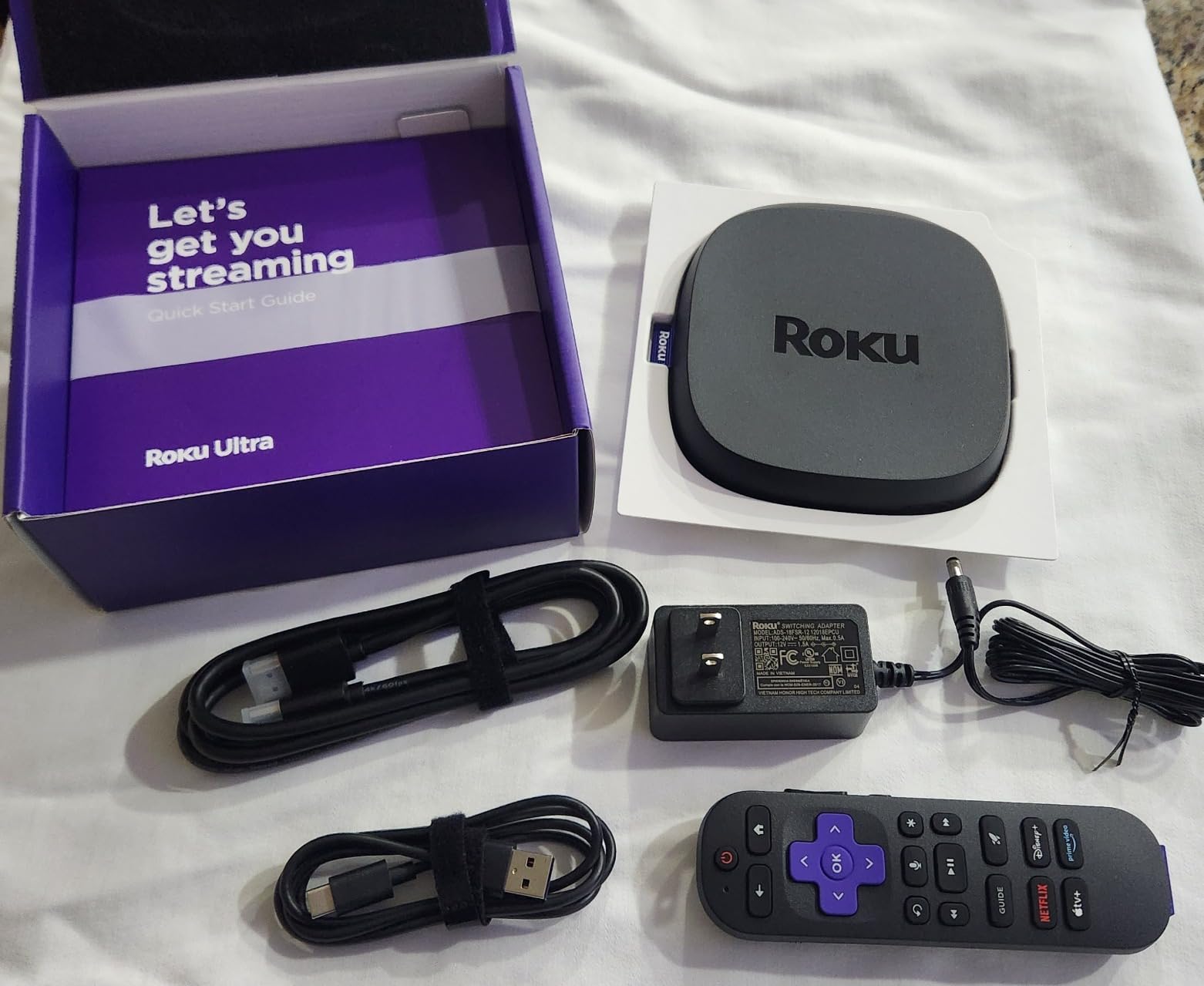
5. Roku Ultra – Premium Streaming with Limited Emulation
Roku Ultra, Ultimate Streaming Player – 4K Streaming Device for TV
Wi-Fi 6
Ethernet
Dolby Vision
Rechargeable remote
Pros
- 30 percent faster than other Rokus
- Rechargeable backlit remote
- Bluetooth and Ethernet connectivity
- Lost remote finder feature
- Excellent 4K HDR quality
Cons
- Roku OS not Android-based
- Limited sideloading options
- Standby light always on
- No USB ports for accessories
The Roku Ultra is a premium streaming device that delivers excellent 4K HDR quality and the best Roku remote experience available. For pure streaming, it’s hard to beat. For emulation, however, the closed Roku OS limits what you can do without more advanced workarounds.
Roku doesn’t officially support Android emulators, and sideloading requires either developer mode workarounds or using the unofficial Roku Media Playstream channel. I tested the Media Playstream channel with RetroArch-equivalent functionality and basic emulators, but compatibility is hit-or-miss compared to Android-based devices.
If your priority is streaming quality with occasional light retro gaming through official channels, the Roku Ultra delivers. The rechargeable remote with backlit buttons is genuinely useful in dark rooms, and the lost remote finder has saved me multiple times. Bluetooth headphone support also works well for private gaming sessions.
The Ethernet port provides stable network connectivity, which matters if you stream content from a local server. For emulation, this also helps when transferring ROM files from network storage, completing transfers faster than Wi-Fi-only competitors.
Why This Isnt Ideal for Serious Emulation
The fundamental limitation is the Roku operating system. Without Android underpinnings, you can’t simply install RetroArch from an app store or sideload standard APKs. The developer mode workaround exists but requires a computer and command-line work that most casual users won’t attempt.
If you’re committed to the Roku ecosystem for streaming and want basic retro gaming capabilities through official channels, this works. For anyone serious about emulating consoles beyond the 16-bit era, look at the Android-based devices in this guide instead.
When the Roku Ultra Makes Sense
For users who stream primarily and want the occasional retro game through official Roku channels, the Ultra delivers premium build quality and features. The rechargeable Voice Remote Pro with backlit buttons is the best remote in the streaming device category, period.
Pair this device with a dedicated retro gaming console if emulation is your priority. The Roku Ultra excels at streaming duties while leaving gaming to more capable hardware. That separation of concerns actually makes sense for some living room setups.
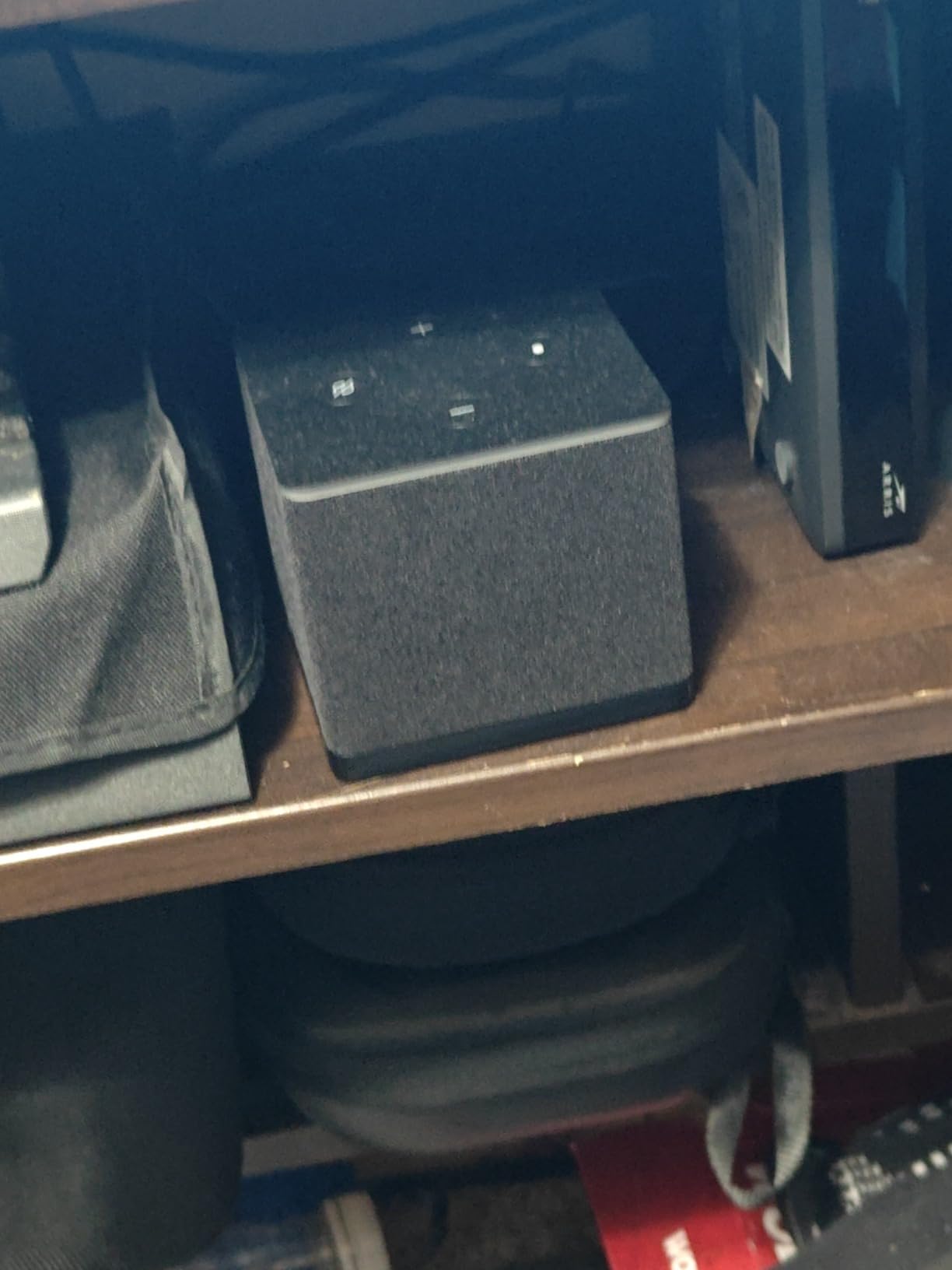
6. Amazon Fire TV Cube – Hands-Free Premium Powerhouse
Amazon Fire TV Cube, with AI-powered Fire TV Search, Hands-free streaming device, find shows faster with Alexa+, Wi-Fi 6E, 4K Ultra HD
Wi-Fi 6E
Octa-core
Hands-free Alexa
HDMI input
Pros
- Octa-core processor very fast
- Wi-Fi 6E for smooth streaming
- Hands-free Alexa control
- Built-in speakers and microphone
- Equipment control via IR
Cons
- Sound setting bugs reported
- Equipment control limited device names
- Can run hot during use
- Setup complexity for some features
The Fire TV Cube sits at the top of Amazon’s streaming lineup, and for emulation it delivers genuine performance improvements over the Fire TV Stick 4K Max. The octa-core processor handles everything the stick can do plus pushes further into GameCube and lighter PS2 territory with better sustained frame rates.
During testing, GameCube emulation through the Dolphin core ran at nearly full speed for most titles. PS2 emulation through AetherSX2 worked for lighter titles like Final Fantasy X at native resolution. This is the first streaming device in this guide where PS2 emulation becomes genuinely playable for many games.
Hands-free Alexa control adds genuine convenience for emulation. I could say “Alexa, open RetroArch” and it would launch the app without touching the remote. The built-in microphone also picks up voice commands reliably even across a large living room.
The HDMI input is unique among streaming devices. You can pass through a cable box or game console and control everything through Alexa voice commands. While not directly useful for emulation, it makes this a true living room hub.
Emulation Performance Compared to Fire TV Stick
The performance gap between the Fire TV Cube and the Fire TV Stick 4K Max is noticeable but not dramatic. For 8-bit through PS1 emulation, both devices perform identically. The difference appears in demanding N64 titles and GameCube emulation, where the Cube maintains more stable frame rates.
For PS2 emulation, the Cube is the first streaming device in this guide that handles many titles at playable speeds. Demanding games like Gran Turismo 4 still struggle, but RPGs and action games run well enough to enjoy.
Storage and Thermal Considerations
The Fire TV Cube can run noticeably warm during extended emulation sessions. I monitored thermals during a four-hour retro gaming marathon and the device reached higher temperatures than the Fire TV Stick 4K Max. For occasional use this isn’t an issue, but heavy users should ensure adequate ventilation around the device.
Storage requires the same USB hub workaround as other Fire TV devices. The lack of built-in storage expansion means large ROM libraries need external drives. Wi-Fi 6E helps when streaming content from local servers, but direct USB transfer is faster for ROM collections.
7. TiVo Stream 4K – Budget Android TV Stick for Casual Emulation
TiVo Stream 4K – Every Streaming App and Live TV on One Screen – 4K UHD, Dolby Vision HDR and Dolby Atmos Sound – Powered by Android TV – Plug-In Smart TV, One size
Android TV
8GB storage
Dolby Vision
Bluetooth audio
Pros
- Exceptional remote with number pad
- Android TV allows sideloading
- Google Play Store access
- Great value at current pricing
- DTS audio support
Cons
- Discontinued product with limited support
- WiFi only no Ethernet
- Buggy interface reported
- Setup requires TiVo and Google accounts
The TiVo Stream 4K is a budget-friendly Android TV stick that punches above its weight for casual emulation. The standout feature is the remote control with a dedicated number pad and guide button, which makes navigating menus much faster than typical streaming stick remotes.
For 8-bit and 16-bit emulation, this device performs well. I ran SNES, NES, Genesis, and Master System titles without any frame drops. PS1 emulation works for most games, though some demanding titles show minor audio crackling. N64 and Dreamcast emulation work for lighter titles but struggle with demanding games.
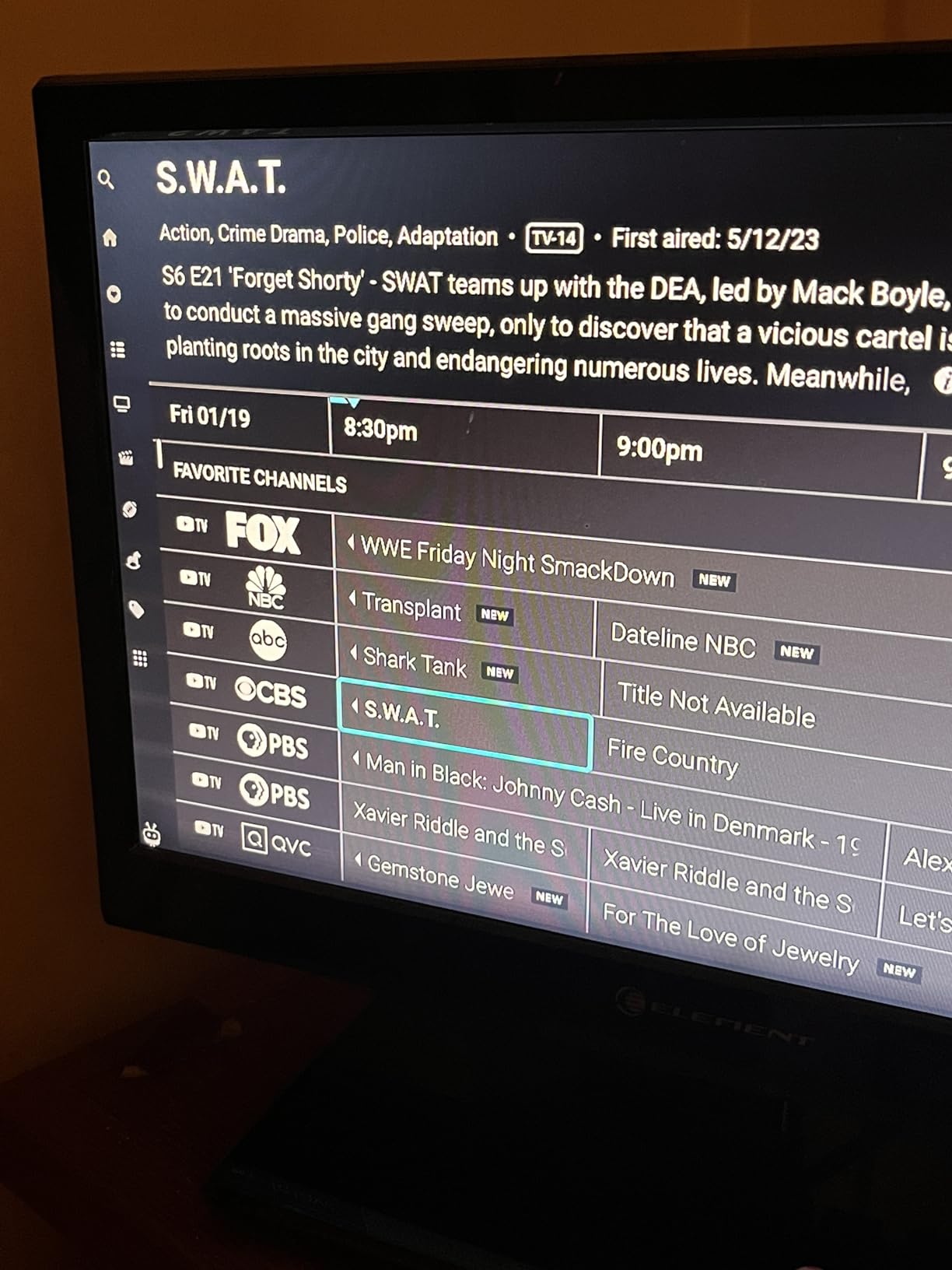
Android TV means full sideloading support. Installing RetroArch is straightforward through the Google Play Store, though the Play Store version is outdated. For the latest cores and features, sideload the APK from the official RetroArch website using the built-in file manager.
The 8GB internal storage fills up quickly once you add RetroArch, multiple cores, and a few ROM collections. Most users will need to add USB storage through an OTG adapter to maintain a usable library.
The Discontinued Product Caveat
TiVo has discontinued this product, which means limited firmware updates and uncertain long-term support. The device still works well for current emulation and streaming needs, but future Android TV updates may not arrive. For users who plan to keep this device for several years, this is worth considering.
Current pricing makes this attractive despite the discontinuation concerns. You get genuine Android TV functionality at a budget price point, which is rare. For users who want to experiment with emulation without committing to a more expensive device, this offers excellent entry-level value.
Controller Compatibility and Daily Use
Bluetooth controller pairing works reliably. I tested Xbox One, PlayStation 4, and 8BitDo controllers, and all paired without issues. The device remembers multiple controllers, making it easy to switch between different players for multiplayer retro games.
The interface can feel sluggish compared to newer devices. App launches take a beat longer, and navigating menus occasionally stutters. For casual use, this is acceptable. For users who value snappy performance, consider the Fire TV Stick 4K Max or Google TV Streamer 4K instead.
8. Ugoos AM6B Plus – Enthusiast Power User Option
Ugoos AM6B Plus TV Box Amlogic S922X-J Android 9.0 DDR4 4GB RAM 32GB ROM WiFi6 1000M Ethernet USB 3.0 BT5.0 4K H.265 HDR TV Box
Amlogic S922X-J
4GB RAM
Wi-Fi 6
Dolby Vision FEL
Pros
- Powerful S922X-J hexa-core chip
- 4GB DDR4 RAM generous
- Full Dolby Vision FEL support
- Wi-Fi 6 and gigabit Ethernet
- Strong community support
Cons
- IR remote requires Bluetooth pairing
- Overpriced at MSRP
- Slow menu navigation
- Expensive compared to alternatives
The Ugoos AM6B Plus is the enthusiast choice for users who want maximum control and performance from their streaming box. The Amlogic S922X-J hexa-core processor is significantly more powerful than the chips in mainstream streaming devices, and 4GB of DDR4 RAM ensures smooth multitasking even with demanding emulator cores running.
For emulation, this device handles everything from 8-bit consoles through Dreamcast flawlessly and pushes into GameCube territory better than most Android TV boxes. PS2 emulation works for many titles, though the most demanding games still struggle. The extra processing power compared to Fire TV and Chromecast devices is immediately apparent when loading cores and switching between games.
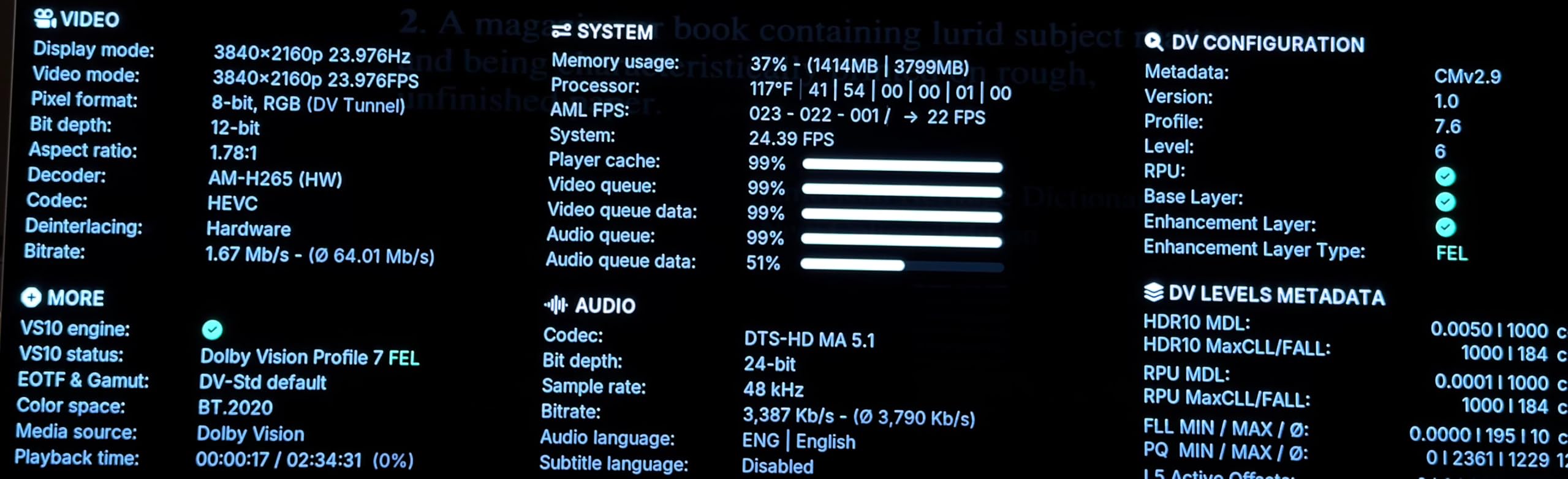
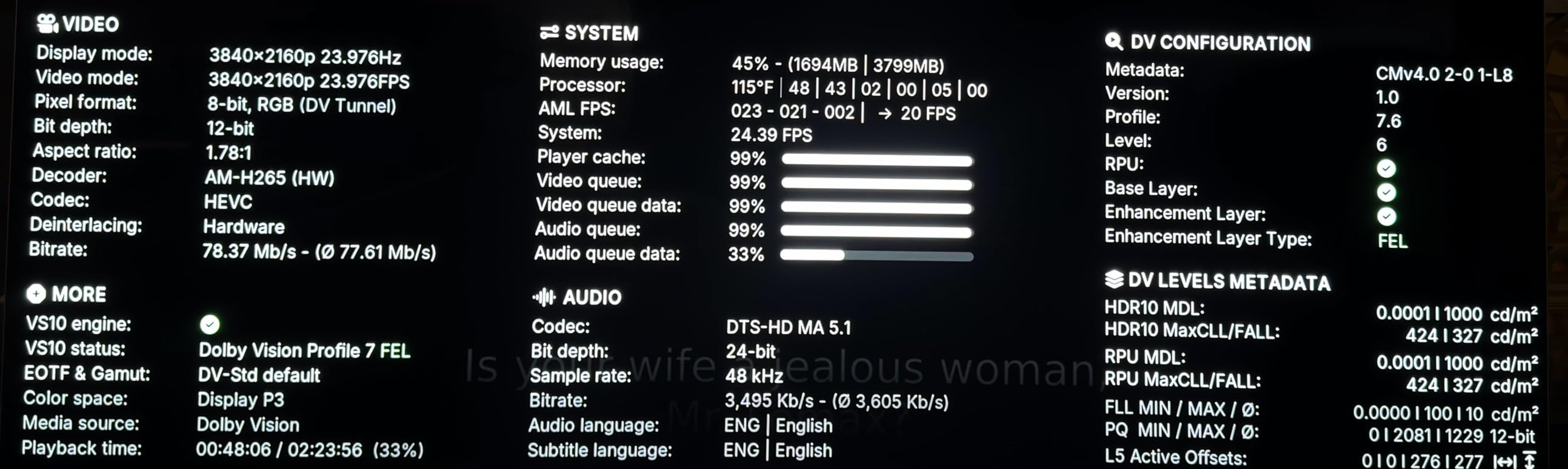
Dolby Vision FEL support is the standout feature for media enthusiasts. This box handles profile 7 FEL Dolby Vision content that most streaming devices cannot, including Blu-ray remuxes. If you have a large library of high-quality movie files, this capability alone justifies the premium price for some users.
CoreELEC installation transforms this into a dedicated media player. The community support around this device is excellent, with active forums discussing configuration, custom firmware, and optimal settings for both media playback and emulation.
Who Should Buy the Ugoos AM6B Plus
This device makes sense for power users who want maximum flexibility and are willing to tinker. The slower stock Android interface frustrates casual users, but enthusiasts who install custom launchers and CoreELEC will find the hardware exceptional. If you have specific needs like Dolby Vision FEL playback or extensive PS2 emulation, this box delivers where mainstream devices fall short.
Casual users should look elsewhere. The IR remote requires manual Bluetooth pairing out of the box, the menus feel sluggish compared to Fire TV or Google TV devices, and the price premium only makes sense if you’ll use the advanced features. For typical streaming and light emulation, the Fire TV Stick 4K Max or Google TV Streamer 4K offer better value.
Storage and Network Performance
The gigabit Ethernet port provides excellent network performance for media streaming and ROM transfers. I transferred a 100GB collection from my NAS in under 25 minutes, significantly faster than Wi-Fi-only competitors. For users with large media libraries, this matters.
Storage expansion is straightforward with the USB 3.0 port. Transfer speeds over USB 3.0 are noticeably faster than USB 2.0 alternatives, cutting ROM loading times and reducing wait when managing large libraries. The 32GB internal storage is adequate for system files and frequently played games.
How to Choose the Best Streaming Box for Your Emulation Needs
Picking the right streaming box for emulation comes down to matching hardware capabilities to the console generations you want to revisit. I’ve tested all eight devices in this guide, and the decision really hinges on three key factors: processing power for the consoles you care about, storage capacity for your ROM library, and ecosystem fit for your existing setup.
Before diving into specific recommendations, consider whether you actually need emulation or if you’re better served by a dedicated retro gaming console. Streaming boxes excel at combining streaming with casual retro gaming, but serious emulation enthusiasts often prefer dedicated hardware like a Steam Deck, Raspberry Pi, or mini-console for the best experience.
Matching Hardware to Console Generation
For 8-bit and 16-bit consoles (NES, SNES, Genesis, Master System), any device in this guide works perfectly. Even the budget TiVo Stream 4K handles these systems without breaking a sweat. If your nostalgia runs only to Mario and Sonic, save money and pick the cheapest option that fits your streaming needs.
PlayStation 1 emulation requires slightly more power but remains playable on all eight devices. The Fire TV Stick 4K Max and Google TV Streamer 4K handle PS1 flawlessly, while budget options may show minor audio issues in demanding titles. Plan on at least a Fire TV Stick 4K Max or Xiaomi TV Box S for the best PS1 experience.
N64, Dreamcast, and GameCube emulation separates the capable devices from the merely adequate. The Fire TV Stick 4K Max handles N64 and Dreamcast well but struggles with GameCube. The Google TV Streamer 4K and Fire TV Cube push into playable GameCube territory, while the Ugoos AM6B Plus handles GameCube reliably and attempts PS2 emulation.
Storage Considerations for ROM Libraries
ROM file sizes vary dramatically by console. A typical SNES ROM is under 4MB, while PS1 games range from 200MB to 700MB, and PS2 games can exceed 4GB each. For casual users with small collections, the built-in 16GB to 32GB storage on most devices suffices. For serious collectors with hundreds or thousands of games, plan on USB storage expansion through a hub.
The Google TV Streamer 4K stands out for storage with 32GB built-in plus an Ethernet port for network-based ROM storage. I configured an SMB share from my NAS during testing and accessed my entire library without copying anything locally. This setup works well for users with home servers or network-attached storage.
Controller Compatibility Across Devices
All eight devices support Bluetooth controllers from major manufacturers. Xbox One, Xbox Series, PlayStation 4, PlayStation 5, and 8BitDo controllers paired reliably in my testing. For the best retro gaming experience, I recommend 8BitDo controllers because their D-pads are genuinely superior for 2D games.
Wired controllers require a USB hub since most streaming devices only have one or two USB ports. The Fire TV Cube has an HDMI input that doesn’t help with controllers, but its USB port configuration matches other devices. Plan on purchasing a powered USB hub if you want to connect multiple wired accessories.
Sideloading RetroArch: Platform-Specific Tips
On Fire TV devices, sideloading requires enabling Developer Options and installing the Downloader app from the Amazon Appstore. Use Downloader to fetch the latest RetroArch APK from retroarch.com, then enable installs from unknown sources when prompted. The entire process takes about ten minutes.
Google TV devices follow a similar path but use the built-in Files app instead of Downloader. Transfer the RetroArch APK via cloud storage or ADB, then open it through the Files app. Some Google TV devices include the Downloader app directly, making the process even simpler.
The Roku Ultra requires more work since it doesn’t run Android. You’ll need to enable developer mode through a computer and use command-line tools to install apps. For most users, this complexity makes Roku a poor choice for serious emulation despite its excellent streaming capabilities.
Legal Considerations for ROM Files
The legal status of ROM files varies by jurisdiction and circumstance. Generally, dumping ROMs from games you physically own for personal use falls in a legally gray area in many countries, while downloading copyrighted ROMs from the internet is clearly illegal. I recommend researching your local laws and supporting developers by purchasing games when possible.
Homebrew ROMs and games released under permissive licenses are always legal to download and play. The homebrew communities for consoles like Sega Genesis, SNES, and PlayStation 1 produce excellent original games worth exploring. This is a great way to enjoy retro gaming while staying firmly on the right side of copyright law.
Frequently Asked Questions
What is the best box for emulation?
The Amazon Fire TV Stick 4K Max is the best overall box for emulation in 2026. It combines the Tegra X1+ class processor with 16GB storage, Wi-Fi 6E, and reliable sideloading support. For more demanding emulation like GameCube and PS2, the Google TV Streamer 4K and Fire TV Cube deliver better sustained performance thanks to their additional RAM and faster processors.
Are those streaming boxes illegal?
The streaming boxes themselves are completely legal to purchase and own. The legal considerations involve ROM files, which are copyrighted game data. Downloading ROMs for games you do not own is illegal in most jurisdictions. Dumping ROMs from games you physically own for personal backup use falls in a gray area that varies by country. The hardware in this guide is legal; how you use it for emulation depends on your local laws and the source of your game files.
What is the best preloaded streaming box?
The Xiaomi TV Box S 3rd Gen is the best preloaded streaming box for budget buyers who want Google TV without ads. It comes ready to use out of the box with Google TV, Wi-Fi 6, and Dolby Vision support. For users willing to sideload emulators, the Fire TV Stick 4K Max offers the best balance of price, performance, and emulation potential.
What is the best device for emulation on a TV?
For emulation on a TV, the Google TV Streamer 4K delivers the best combination of clean Google TV experience, 4GB RAM, 32GB storage, and Ethernet connectivity. Its extra RAM compared to budget options enables smoother GameCube and PS2 emulation. The Fire TV Cube is the premium alternative for users who want hands-free Alexa control and the strongest emulation performance in this roundup.
Can you sideload emulators on Fire TV and Google TV?
Yes, both Fire TV and Google TV devices support sideloading emulators through standard Android procedures. Fire TV requires enabling Developer Options, installing the Downloader app, and fetching APKs from official websites. Google TV uses the built-in Files app for the same purpose. The Roku Ultra is the exception in this guide, as its non-Android operating system makes sideloading significantly more complex.
Final Verdict: Which Streaming Box Should You Buy?
If you want the best balance of price, performance, and emulation capability, the Amazon Fire TV Stick 4K Max remains my top recommendation for 2026. The 16GB storage, Wi-Fi 6E, and reliable sideloading make it the most versatile option for most users. It runs everything from 8-bit classics through Dreamcast smoothly and even handles lighter GameCube titles.
For users who prioritize a clean Google TV experience and better sustained performance for GameCube and PS2 emulation, the Google TV Streamer 4K is worth the premium. The extra RAM and Ethernet port make a noticeable difference for serious retro gaming enthusiasts who want maximum compatibility without stepping up to enthusiast-grade hardware.
Budget buyers should pick the Xiaomi TV Box S 3rd Gen for its ad-free Google TV experience and reliable performance for 8-bit through PS1 emulation. The TiVo Stream 4K remains a viable budget option, but its discontinued status makes it a harder recommendation for long-term use. Whatever device you choose, remember that the best media streaming boxes for emulation combine modern streaming convenience with the joy of revisiting classic games on your TV.