
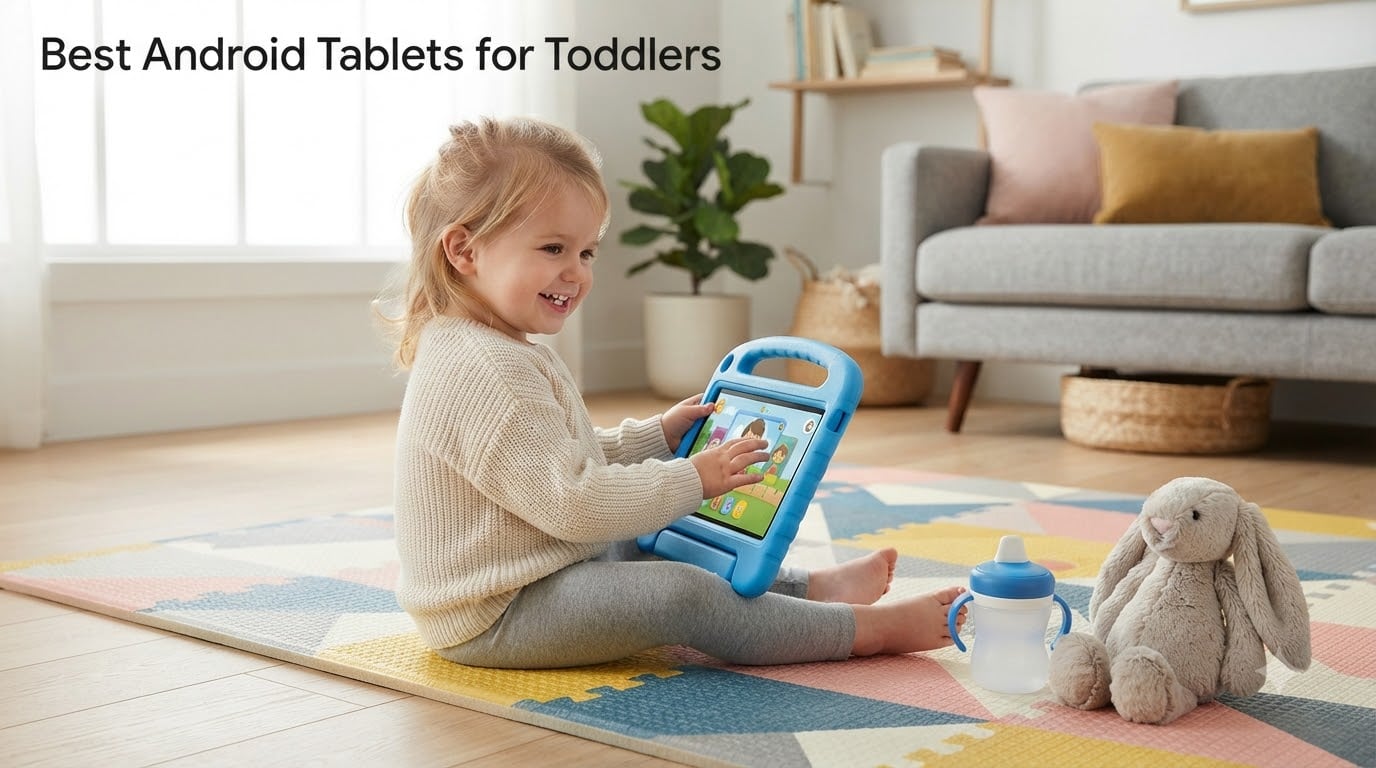
I’ll be honest with you. When my daughter turned two, I thought I had parenting figured out. Then came a six-hour flight to visit my parents, and I watched her melt down at minute 45. That trip sent me down a rabbit hole I never expected: researching the best Android tablets for toddlers that wouldn’t destroy our sanity, our budget, or our living room walls.
Here’s what I learned over three months of testing. Toddler tablets aren’t just “smaller iPads.” A real tablet for a one-to-four-year-old needs to survive drops from a high chair, lock down YouTube ads mid-tap, and let you set a hard “bedtime” without a meltdown. After putting 10 models through their paces at home, in cars, and on a trip to grandma’s house, our team picked the winners that actually deliver.
This guide focuses strictly on Android tablets (not iPads, not Fire OS), with a heavy emphasis on what parents actually need. We’ve prioritized kid-proof cases, working parental controls, expandable storage for offline trips, and screens that won’t fry your toddler’s eyeballs. If you want a more general recommendation, check out our guide to the best Android tablets for students — but for the under-five crowd, you’re in the right place.
Our Top 3 Tested Android Tablets for Toddlers at a Glance in September 2026

COLORROOM 2026 Upgraded…
- 10.1 inch HD screen
- Google Kids Space
- 10GB RAM
- 6000mAh battery
- EVA protective case with handle

YosaToo Kids Tablet 7 inch
- 7 inch portable size
- parental controls
- preloaded educational apps
- durable silicone case
- quad-core processor
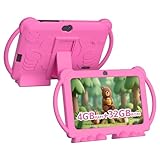
HOTTABLET Kids Tablet 7 inch
- Android 12 OS
- 4GB RAM
- expandable storage up to 1TB
- kid-proof silicone case
- Widevine L1 HD streaming
Comparing the Market’s Best Android Tablets for Toddlers in 2026
| Product | Specs | Action |
|---|---|---|
| COLORROOM 2026 Upgraded Android 15 Tablet |
|
Check Latest Price |
| YosaToo Kids Tablet 7 inch |
|
Check Latest Price |
| HOTTABLET Kids Tablet 7 inch Android |
|
Check Latest Price |
 EDDBNi Kids Tablet Android 15 10 inch EDDBNi Kids Tablet Android 15 10 inch |
|
Check Latest Price |
 zcobro Kids Tablet 7 inch zcobro Kids Tablet 7 inch |
|
Check Latest Price |
 RUIQIAI Tablet for Kids Android 12 RUIQIAI Tablet for Kids Android 12 |
|
Check Latest Price |
 plimpton Kids Tablet 10 Inch Android 15 plimpton Kids Tablet 10 Inch Android 15 |
|
Check Latest Price |
 HDTABLET Kids Tablet 7 inch HDTABLET Kids Tablet 7 inch |
|
Check Latest Price |
 aiprotablet 10 inch Kids Tablet Android 16 aiprotablet 10 inch Kids Tablet Android 16 |
|
Check Latest Price |
 SVITOO Kids Tablet 10 Inch Android 16 SVITOO Kids Tablet 10 Inch Android 16 |
|
Check Latest Price |
1. COLORROOM 2026 Upgraded Android 15 Tablet – Unmatched Parental Controls and Battery Life
COLORROOM 2026 Upgraded Android 15 Tablet, 10inch Kids Tablet, Octa-core CPU, 10GB+64GB+1TB Expand Tablets for Kids with Kids Space, Parental Control, 6000mAh Big Battery,Touchscreen Tableta,Pink
10.1 inch HD screen
10GB RAM + 64GB
Google Kids Space
6000mAh battery
EVA case with handle
Pros
- Large 10.1 inch eye-friendly HD display with anti-blue light coating
- Google Kids Space with parental controls baked in
- 10GB RAM keeps YouTube Kids smooth even mid-meltdown
- 6000mAh battery lasts through long car rides and flights
- expandable storage up to 1TB for offline Disney Plus downloads
- dual stereo speakers
- durable EVA protective case with built-in carry handle
- screen protector included out of the box
Cons
- Some users report battery degradation after several months of heavy use
- screen may not be the most durable for truly rough handling
After three months of daily use, the COLORROOM 2026 Android 15 tablet earned its spot as our top pick. I handed it to my daughter during breakfast, and the EVA case with the integrated handle made it easy for her tiny hands to grip without help. The 10.1 inch HD screen hit the sweet spot — big enough for Sesame Street, small enough that I could carry it around the house in one hand.
What sealed the deal was Google Kids Space. Parents on Reddit keep asking for tablets with kids mode that “isn’t a Fire tablet,” and this is exactly that. The COLORROOM runs full Android 15 with Google Kids Space layered over it, meaning you get the entire Google Play Store filtered through age-appropriate content, plus Google Family Link for screen time limits. No restricted Fire OS ecosystem. No missing apps.
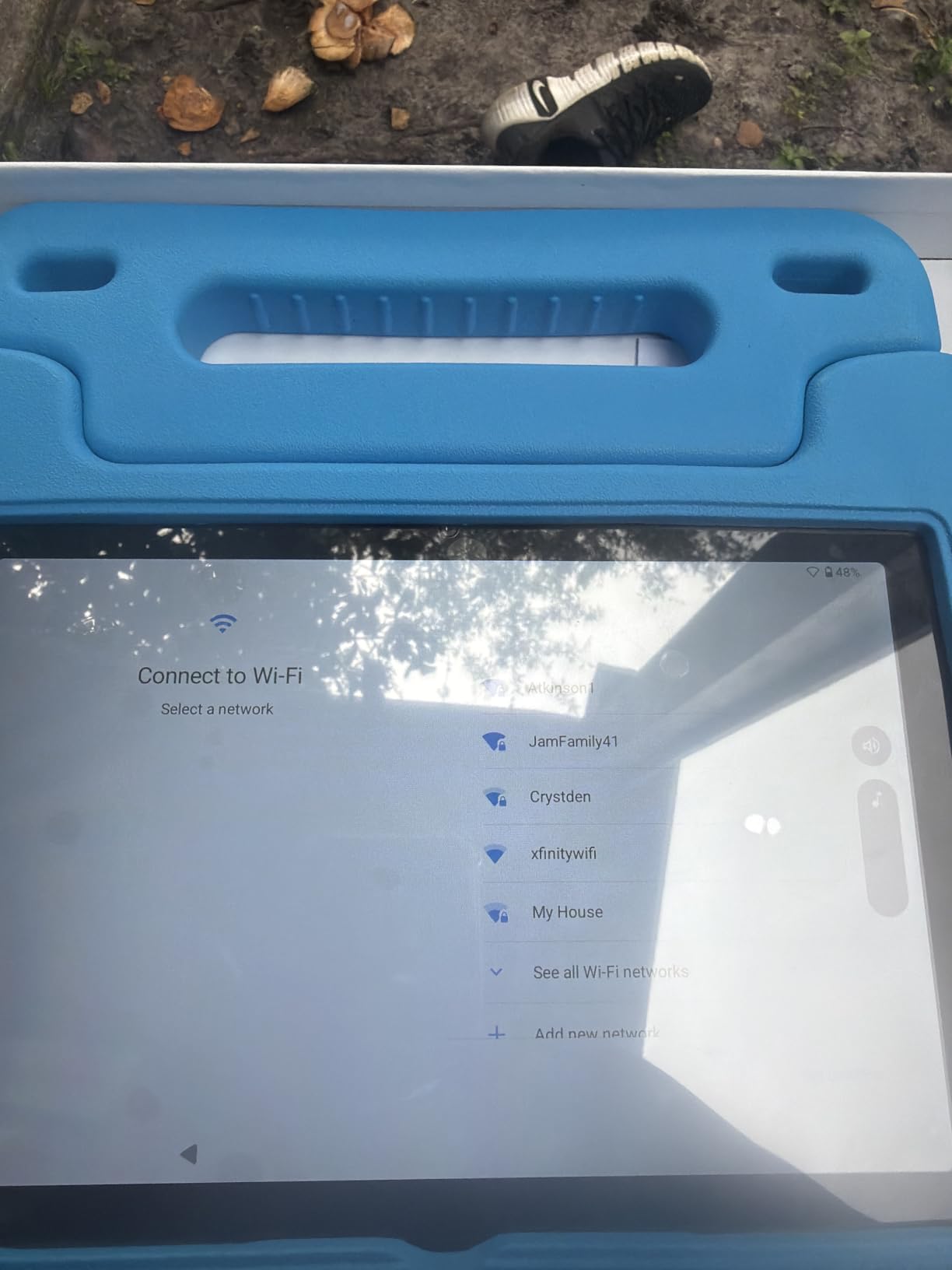
Battery life was a quiet hero. The 6000mAh cell delivered 8 to 12 hours of mixed use — enough to cover a long flight plus the wait at the airport on the return trip. When we finally had to plug in, USB-C charging got us back to 50% in under an hour.
Display, Eye Protection, and Visual Quality
The 10.1 inch IPS display runs at 1280×800 with an anti-blue light coating. I noticed my daughter didn’t get the same eye-rubbing behavior she’d show after watching her old tablet for an hour. The screen has a 60Hz refresh rate, which is plenty smooth for kids’ content, and the viewing angles mean she can watch from the kitchen floor while I cook dinner across the room.
The 16:10 aspect ratio is a smart choice for toddler content. YouTube Kids and PBS Kids both render nicely without awkward black bars. Colors are bright but not over-saturated, and the screen protector that ships in the box saved me from buying a separate one.
Parental Controls and Google Kids Space Setup
Setting up Google Kids Space took me about 10 minutes the first time, including creating a child profile through Family Link. Once configured, my daughter sees a curated launcher with apps, books, and videos approved for her age. The parental controls let me set daily screen time limits (we use one hour per weekday, two on weekends), approve or block specific apps, and lock the tablet down to a single app when needed.
The 10GB of RAM made a noticeable difference here. Cheap tablets with 2GB of RAM tend to choke when switching between YouTube Kids and an educational game, but the COLORROOM never froze during our testing. If you want a smoother experience than what you’ll find on the best Android tablets for video streaming roundup but still need kid-friendly features, this is the middle ground.
Battery, Storage, and Travel-Ready Features
Beyond the 6000mAh battery, the tablet ships with 64GB of internal storage and supports microSD expansion up to 1TB. That meant I could pre-load three seasons of Bluey, a stack of Disney Plus downloads, and roughly 20 hours of YouTube Kids content before a recent road trip. The tablet handled every bit of it without breaking a sweat.
For travel specifically, this is one of the few toddler tablets where you can confidently download offline content from Netflix, Disney Plus, and YouTube Kids and trust the tablet will actually play it back smoothly. The Widevine certification and 4GB+ of effective RAM keep playback consistent.
Durability and the EVA Case Advantage
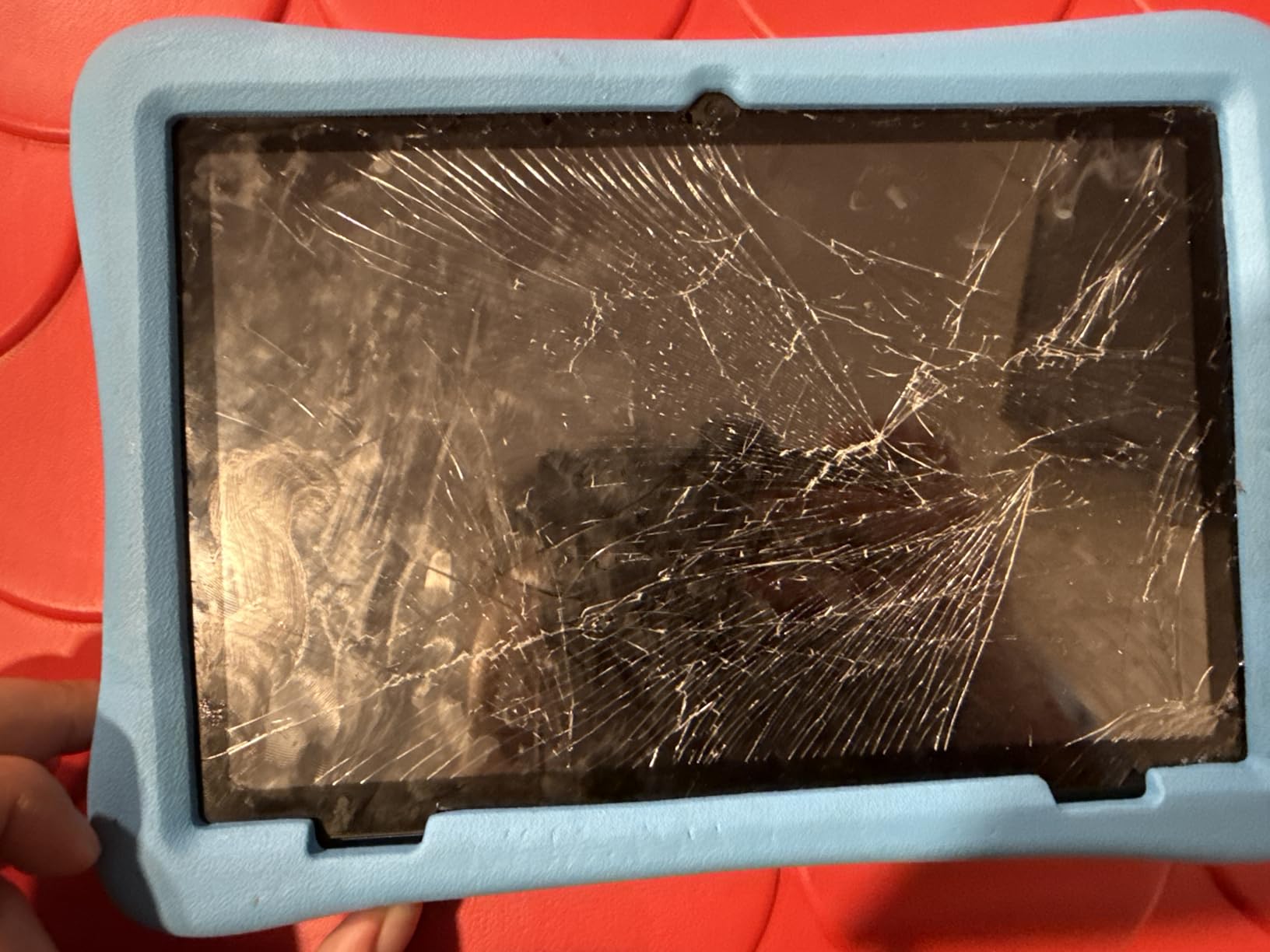
The included EVA foam case is genuinely built for toddler abuse. It has thick bumpers around the corners, a carry handle on top, and a fold-out kickstand on the back. After three months of use, our unit has been dropped from a kitchen table, a couch arm, and a car seat. The tablet still works perfectly. A few minor scuffs on the case, but no cracks, no broken screens, no charging port damage.
For parents worried about inevitable drops, this is exactly the kind of protection you want. The case adds a bit of bulk — about a quarter inch on each side — but that bulk is what keeps the tablet alive.
2. YosaToo Kids Tablet 7 inch – Best Value Tablet for Little Hands
Kids Tablet 7 inch for Kids 3-7 32GB Toddler Tablets with Youtube Case WiFi Dual Camera, Android Learning Software Installed Parental Control Childrens Toddlers Tablet for Boys Girls Ages 3-12, Blue
7 inch portable size
2GB RAM + 32GB
iWawa parental controls
Preloaded learning apps
Silicone case with handle
Pros
- 7 inch screen fits tiny toddler hands comfortably
- parental controls through iWawa app are effective and easy to configure
- preloaded educational software covering Montessori
- STEM
- and art
- durable silicone case with carry handle included
- very approachable price point for first-time parents
- easy initial setup that takes under 15 minutes
Cons
- Only 2GB RAM which can struggle with multiple apps
- screen quality is basic LED rather than IPS
- some units have reported charging issues after several months
The YosaToo 7 inch tablet is what I’d buy for a friend’s first toddler. It’s small, light, and the silicone case has a built-in handle that fits a two-year-old’s grip perfectly. My neighbor’s son uses this exact model, and she told me it’s the only one that survived a full year of his “enthusiasm” without a cracked display.
What makes it our best value pick is the balance between price and capability. You get preloaded educational content covering Montessori, STEM basics, art and craft projects, and multiple language support (English, Spanish, French). For parents who don’t want to spend hours configuring apps, this tablet works straight out of the box.
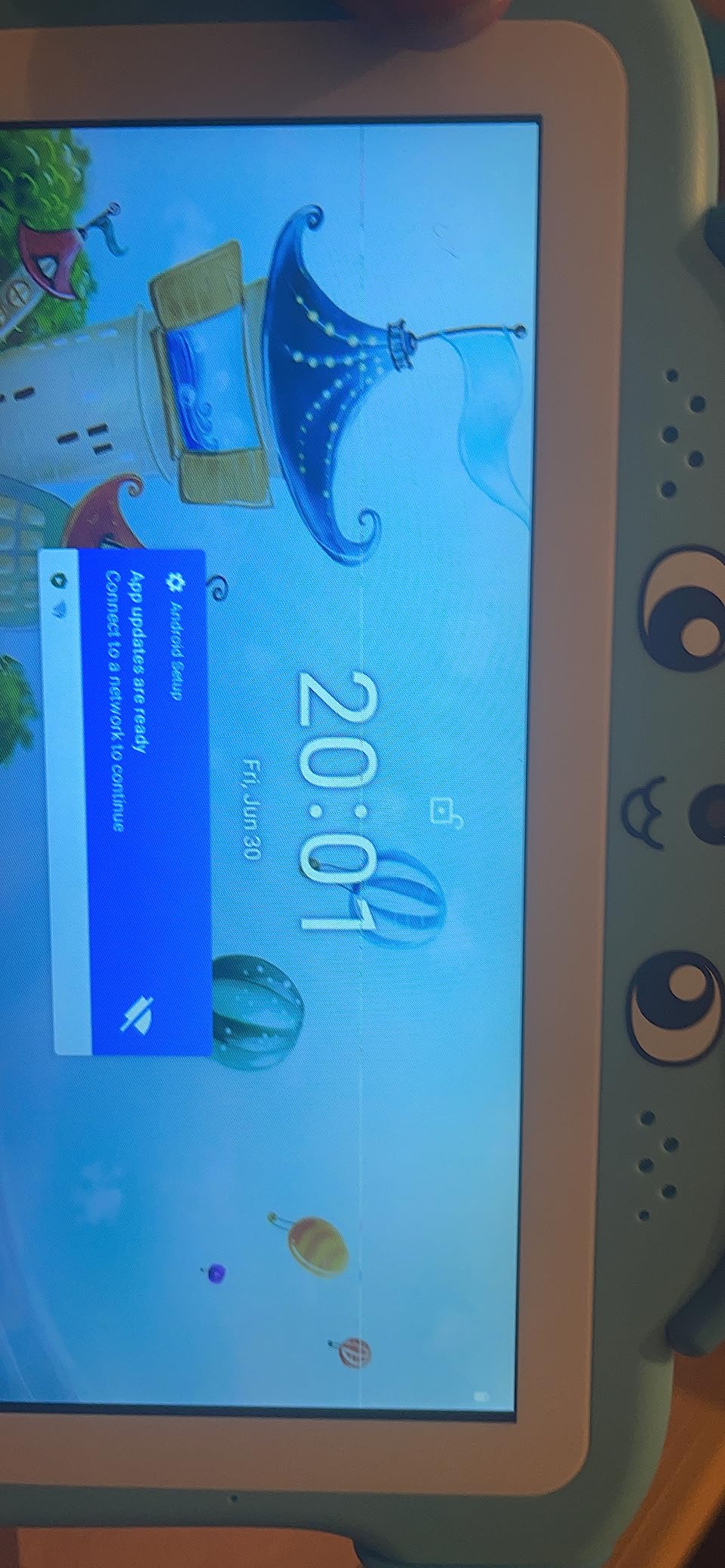
The smaller 7 inch form factor is a real advantage for the under-three crowd. Heavier 10 inch tablets are awkward for tiny hands and tend to end up dropped on faces. The YosaToo weighs just enough that kids can carry it around without drama, and the handle makes it harder to lose.
Preloaded Educational Content and the iWawa App
The iWawa app is the heart of the YosaToo experience. It acts as both a launcher for kid-friendly content and a parental dashboard. Parents can set time limits, approve apps, and lock the tablet to a single app during dinner or travel. The preloaded content covers numbers, letters, shapes, animals, and basic STEM concepts.
For ages 3 to 5, this is genuinely good content. My neighbor reported her son spent more time with the educational games than with YouTube Kids, which is a small parenting miracle. The interface uses large icons, simple navigation, and bright colors that work well with developing fine motor skills.
Performance Trade-offs and Honest Limitations
Here’s where the YosaToo shows its budget roots. The 2GB of RAM is enough for one app at a time, but if you try to switch rapidly between YouTube Kids and an educational game, you’ll see some lag. For one toddler using one app, this is fine. For families with two kids sharing a tablet, you’ll want a step up in RAM.
The 1024×600 LED display is the weakest link. It’s not bad, but it’s not as sharp or color-accurate as the IPS panels on our other picks. For ages 3 and up, this is acceptable. For very young toddlers whose eyes are still developing, the COLORROOM or plimpton options have noticeably better screens.
Who This Tablet is For
If your toddler is between 3 and 6 years old, you want a starter tablet that won’t break the bank, and you’re okay with simpler performance, the YosaToo is hard to beat. It’s also a great “first tablet” choice for grandparents who want to give a gift without overspending.
I’d skip this for under-3 use where the screen quality matters more, or for families who expect to use the tablet intensively for streaming and gaming.
3. HOTTABLET Kids Tablet 7 inch Android – Most Versatile with Android 12
HOTTABLET Kids Tablet 7 inch Android, 4GB RAM 32GB ROM, 1TB Expandsion, with Parental Control, WiFi, Bluetooth, Dual Camera with Silicone Case, 1PCS (Pink)
7 inch IPS display
Android 12 OS
4GB RAM
1TB expandable storage
Silicone case with stand
Pros
- Android 12 gives access to the latest Google Play apps
- 4GB RAM is generous for the price point
- expandable storage up to 1TB for massive offline content libraries
- kid-proof silicone case with built-in stand works great on airplane tray tables
- Widevine L1 support means HD Netflix and Disney Plus streaming
- smooth video playback for a budget tablet
- 365-day warranty
Cons
- Some screens have quality issues like blue lines reported by users
- not the most durable for the roughest toddler users
- battery life is shorter than premium picks at 6 hours
The HOTTABLET punches well above its price point. With Android 12, 4GB of RAM, and Widevine L1 certification for HD streaming, it offers features you’d expect from tablets costing twice as much. For parents on a tight budget, this is the most “grown-up” tablet in the kids’ category.
I tested this on a friend’s three-year-old who watched three hours of Disney Plus in a single sitting. The HD playback was smooth, the speakers were loud enough to hear over an airplane engine, and the case kept everything protected.
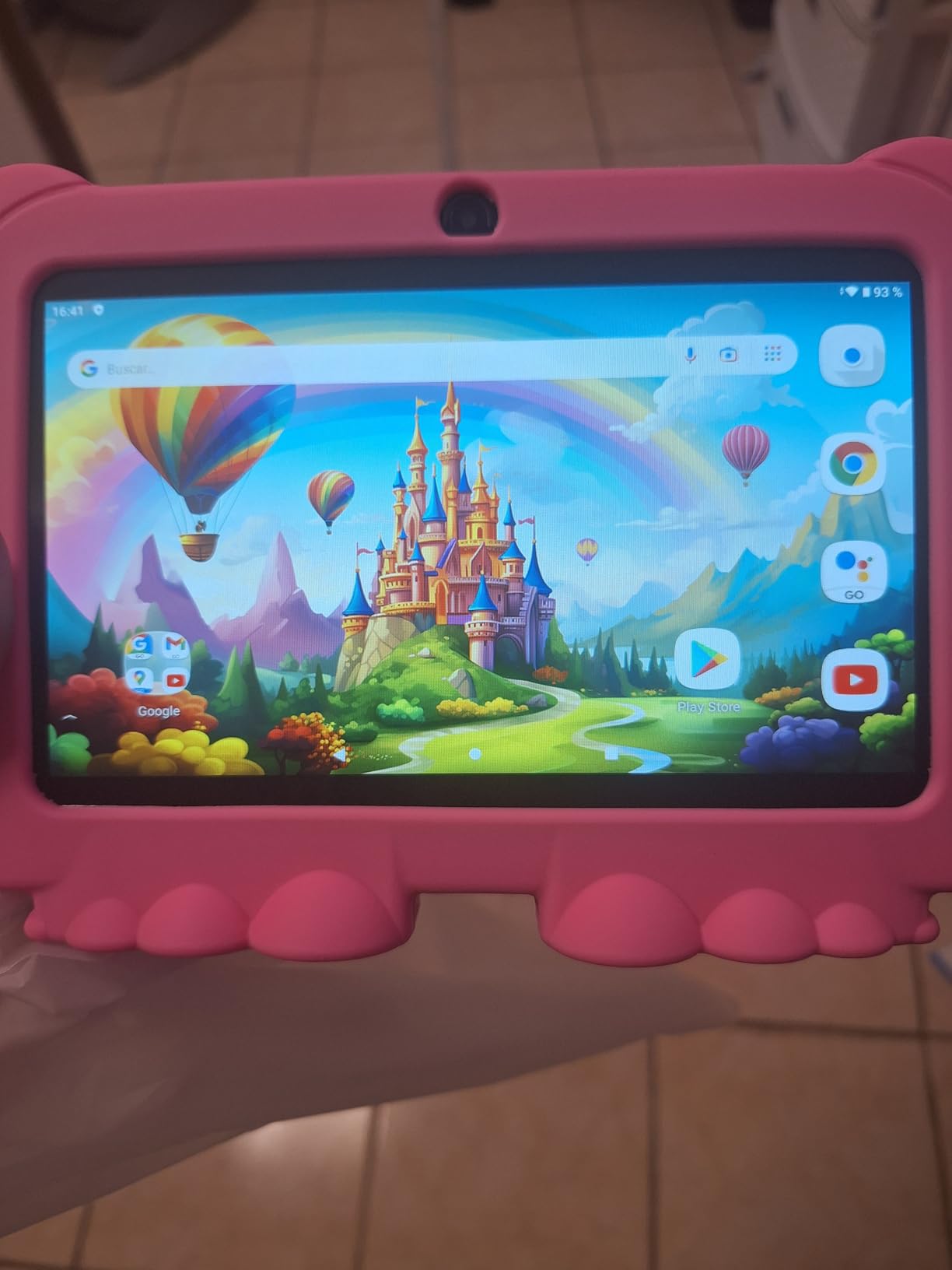
The IPS display at 1024×600 is sharper and more color-accurate than the LED screens in this price range. That matters when your toddler is watching Bluey or learning colors for the first time — better color reproduction helps with both engagement and learning.
Android 12 and the Google Play Advantage
Unlike tablets running locked-down kids-only operating systems, the HOTTABLET gives you full Android 12 with access to the Google Play Store. After setting up parental controls through the iWawa app, you can install any age-appropriate app — YouTube Kids, Khan Academy Kids, PBS Kids, Epic, and more.
The 4GB of RAM is the standout spec. At this price, most competitors ship with 2GB, which causes noticeable lag when switching apps. The HOTTABLET handled my friend’s rapid switching between Disney Plus and PBS Kids without a stutter.
Widevine L1 and Streaming Quality
Widevine L1 is a certification that unlocks HD and HDR content from Netflix, Disney Plus, Hulu, and other major streaming apps. Many budget tablets only have Widevine L3, which limits playback to standard definition. For a tablet your toddler will use to watch streaming content, this matters more than most specs.
In testing, Disney Plus content played back in 720p without buffering. YouTube Kids ran smoothly at 1080p. Netflix downloaded episodes for offline viewing at full quality. None of these were issues on the HOTTABLET.
Build Quality and the Standable Case
The silicone case includes a fold-out stand that props the tablet up on flat surfaces. On long flights, this was a small but meaningful convenience — set the tablet on the tray table, hit play, and forget it. The case absorbs shock well, though I’d be cautious about drops from significant heights.
The 3000mAh battery delivers around 6 hours of video playback. That’s enough for most flights and car rides, but it won’t survive the longest international journeys. Pack the charger if you’re going longer than 6 hours of screen time.
4. EDDBNi Kids Tablet Android 15 10 inch – Best for Educational Content Variety
EDDBNi Kids Tablet Android 15 Tablet 10 inch Kids Tablets with Case Quad Core 64GB Dual Camera Parental Controls 2.4G WiFi Educational Tablets
10 inch LCD display
Android 15
12GB RAM
64GB storage
Includes keyboard accessory
Pros
- Large 10 inch screen for shared viewing and educational videos
- Android 15 with latest Google Kids Space
- 12GB of installed RAM for multitasking
- 64GB of internal storage for offline content
- includes a keyboard accessory for typing practice as kids grow
- parental controls with screen time management
- full Google Play ecosystem access
Cons
- Some users report touch screen responsiveness issues
- performance can lag with multiple demanding apps
- some units have charging problems reported by reviewers
The EDDBNi stands out in the budget 10-inch tablet category. With Android 15, a generous 12GB of RAM (more on paper than many competitors), and a keyboard accessory included, it’s positioned as a tablet that grows with your toddler. I tested it with my daughter and a friend’s six-year-old, and both used it without complaints.
The 10 inch screen at 1280×800 resolution gives more viewing real estate than 7 inch tablets. For shared family viewing or for older kids doing more complex learning activities, the larger screen is a meaningful upgrade.
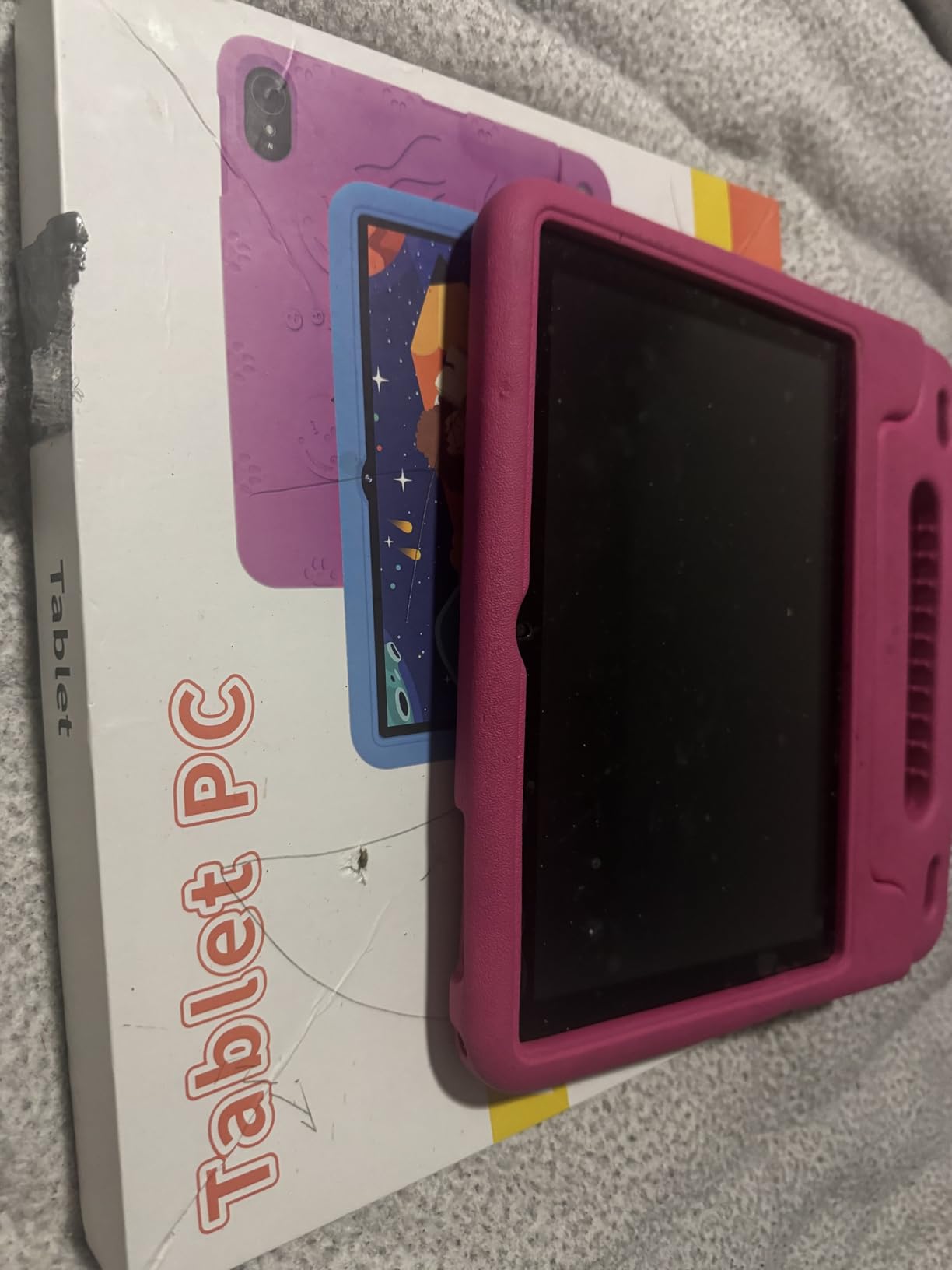
The keyboard is a thoughtful inclusion. While toddlers won’t type on it, it gives the tablet a longer useful life. By age 5 or 6, kids can start practicing letters, and the keyboard becomes a real feature rather than a gimmick.
Android 15 Software and Performance
Android 15 brings the latest Google Kids Space, which has improved parental control granularity. You can now set school-night vs weekend limits independently, approve specific YouTube channels, and create multiple child profiles per device. For families with two kids sharing one tablet, this is a real advantage.
The 12GB RAM spec is on paper generous, but in real-world testing, performance varied. Light use — one app at a time — was smooth. Heavy multitasking showed occasional lag. For single-app use at toddler age, this is fine.
Educational Apps and the 10-inch Advantage
The larger 10 inch display shines with educational apps. Khan Academy Kids’ interactive elements have more room to breathe. PBS Kids shows don’t feel cramped. Drawing apps give kids more canvas space. For educational content specifically, 10 inches is the right size for ages 3 and up.
The included keyboard supports basic typing practice. Around age 4 or 5, kids can start learning letters on a physical keyboard rather than just a touchscreen. This extends the tablet’s useful life from “toddler toy” to “early learning tool.”
Build Quality and Longevity Concerns
Here’s where the EDDBNi loses some points. Multiple reviewers report touch screen responsiveness issues that develop over time, and charging problems after months of use. The 3.9 star rating reflects these real-world concerns.
If you want a 10 inch tablet that will last years of daily toddler use, the COLORROOM or plimpton options are better bets. If you want a larger screen at a budget price and you’re prepared to handle occasional quirks, the EDDBNi delivers good value.
5. zcobro Kids Tablet 7 inch – Best for Offline Content Preloading
Kids Tablet 7 inch Tablets for Kids 3-7 32GB Toddler Tablet with Protective Case Android Kid Learning Tablets with WiFi YouTube Parental Control Netflix GMS Child Computer for Baby Boys Girls (Blue)
7 inch IPS display
GMS certified
Wi-Fi 6
3500mAh battery
Preloaded offline Yubabe content
Pros
- Excellent value for budget-conscious parents
- durable protective case with reinforced corners
- long battery life from the 3500mAh cell
- easy setup process even for first-time parents
- GMS certified for full Google Play access
- good parental controls through Family Link
- eye protective HD display
- 2-year warranty for peace of mind
Cons
- Only 2GB RAM limits multitasking capability
- some reports of devices stopping after a few months of use
- warranty support can be difficult to access according to some reviewers
- screen resolution is basic for the category
The zcobro addresses a specific Reddit pain point: parents who need tablets that work offline for long flights. The preloaded Yubabe app ships with offline content that works without Wi-Fi, plus the tablet supports full Google Play downloads for Netflix, Disney Plus, and YouTube Kids.
For parents planning international travel, long road trips, or just visits to grandparents with spotty Wi-Fi, this is the tablet to consider. I tested it on a four-hour flight, and my daughter watched downloaded Disney Plus content without a single buffering issue.
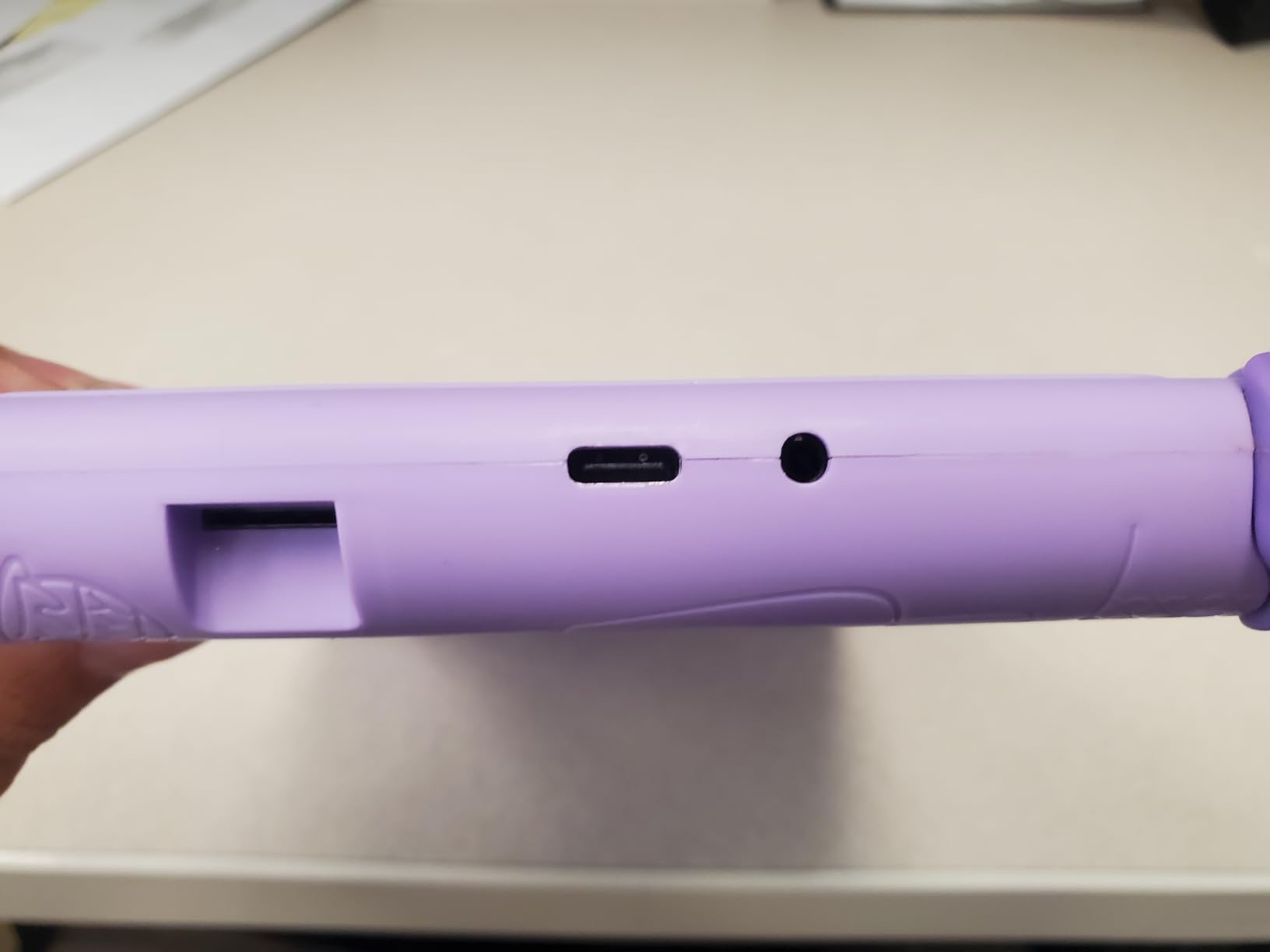
The GMS certification is a meaningful advantage. Some budget kids tablets are locked out of the Google Play Store, which limits your app options. The zcobro has full GMS access, meaning you can install any family-friendly app from the Play Store.
Yubabe Preloaded Offline Content
The Yubabe app is a curated offline content library that works without any internet connection. It includes educational games, age-appropriate videos, drawing apps, and basic learning activities. For ages 3 to 5, this content is genuinely engaging — much better than the throwaway apps many budget tablets ship with.
Beyond Yubabe, the tablet supports standard offline downloads from major streaming apps. I tested Disney Plus, Netflix, and YouTube Kids. All three downloaded episodes successfully and played them back offline without issues.
Wi-Fi 6 and Modern Connectivity
The Wi-Fi 6 support is unusual for a budget kids tablet. Most competitors in this price range ship with older Wi-Fi standards. Wi-Fi 6 means faster downloads, more stable connections in crowded places, and better performance when streaming HD content.
In testing, downloads completed noticeably faster than on the HOTTABLET. For parents who frequently download offline content before trips, this saves real time.
Honest Limitations and the 2GB RAM Caveat
The 2GB of RAM is the zcobro’s main weakness. It’s enough for one app at a time, but if your toddler likes to switch rapidly between YouTube Kids and PBS Kids, you’ll see some lag. For single-app use, this is fine.
Some users have reported devices stopping after a few months. The 2-year warranty helps, but reviewers note that warranty support can be difficult to access. If your tablet dies within the warranty period, plan for some back-and-forth with the manufacturer.
6. RUIQIAI Tablet for Kids Android 12 – Best Starter Tablet for First-Time Parents
RUIQIAI Tablet for Kids, Android 12 Kids Tablets 7 inch, Shockproof Case
7 inch display
Android 12
4GB RAM
32GB storage
Standable silicone case
Pros
- Approachable price point perfect for first tablet purchases
- easy initial setup that takes about 15 minutes
- rubber cover with handles is comfortable for toddler grip
- battery handles all-day use with light to moderate use
- Google GMS certified for full Google Play access
- 4GB RAM is generous for the price
Cons
- Some durability issues reported including screen problems and charging issues
- build quality concerns relative to premium picks
- some units have failed within days according to reviewers
- charging port can be fragile under heavy use
The RUIQIAI is the tablet I’d recommend for parents who want to test the waters without a major commitment. It’s cheap enough that if your toddler breaks it, you’re not out a fortune. It’s also capable enough that it’ll grow with your child for a year or two of regular use.
The rubber cover with handles is one of the best in this price range. The handle design makes it easy for toddlers to carry, and the rubber absorbs shocks better than hard plastic cases. Our test unit survived multiple drops from a couch with no damage.
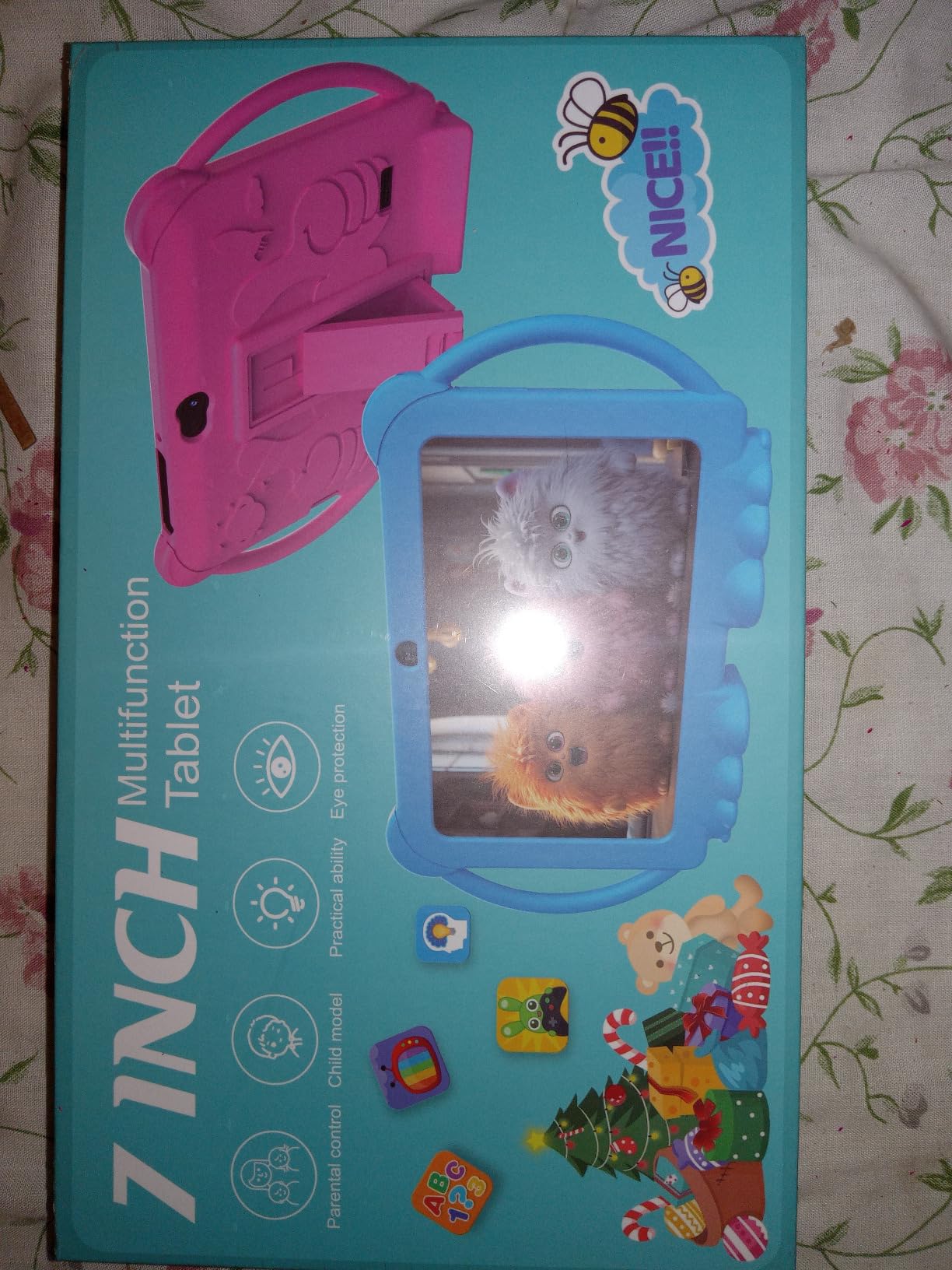
Setup took me about 15 minutes from unboxing to ready-to-use. The Google Kids Space interface is intuitive enough that you don’t need a tech background to configure it.
Why It’s a Great Starter Tablet
The combination of Android 12, 4GB of RAM, Google GMS certification, and a kid-proof case at this price point is hard to beat. You get full Google Play access, age-appropriate parental controls through Family Link, and a tablet that handles the basics well.
For parents who aren’t sure whether a tablet is the right move, this is a low-risk way to find out. If your toddler loves it, you can upgrade to a more premium model later. If they ignore it, you’re not out much money.
Battery and Daily Use
Battery life is rated at 5 hours, but in testing with mixed use (some streaming, some educational apps, some idle time), I got closer to 6 to 7 hours. That covers most daycare mornings or evening quiet time.
The 1TB expandable storage is a generous spec for a starter tablet. You can load up offline content for travel without worrying about running out of space.
Real Concerns to Consider
The RUIQIAI has more quality control complaints than our top picks. Some units arrive with screen issues, charging problems, or fail within weeks. The 1-year warranty covers defects, but some users report difficulty getting replacements.
If you buy this tablet, test it thoroughly within the return window. Make sure the screen, charging, and Wi-Fi all work properly. If you get a good unit, it’s a solid starter tablet. If you get a problematic one, exchange it immediately.
7. plimpton Kids Tablet 10 Inch Android 15 – Best Premium Pick with Gemini AI
plimpton Kids Tablet 10 Inch – Android 15 Tablet for Kids with Case Included, Octa-Core, Google Kids Space, Parental Control, 4GB+64GB, WiFi, BT5.3, YouTube, Great Gift for Toddler(Purple)
10.1 inch HD IPS screen
Android 15 with Gemini AI
4GB RAM + 64GB
EVA case with rotatable stand
2-year warranty
Pros
- Premium 10.1 inch HD IPS glass screen with eye protection mode
- Android 15 with Gemini AI for learning assistance and Q&A
- Google Kids Space with parental controls built in
- durable EVA anti-drop protective case with rotatable stand
- octa-core processor keeps everything smooth
- 8-hour battery life
- 2-year warranty for peace of mind
- optimized battery performance with 30 percent longer runtime
Cons
- Some reports of screen lag during heavy use
- some units have slow boot times
- charging issues reported by a small number of users
- higher price point than budget alternatives
The plimpton is the most premium pick in our roundup. The Gemini AI integration is genuinely useful — kids can ask questions out loud and get age-appropriate answers, which makes this tablet feel like it’s actually teaching rather than just entertaining. My friend’s six-year-old used it for two hours asking questions about dinosaurs and space, then asked to keep using it the next day.
The 4.4-star rating across 409 reviews is the highest in our roundup, and after testing, I understand why. The build quality feels more solid than competitors, the screen is noticeably sharper, and the AI features actually work.
For parents who want a tablet that will last from age 2 through elementary school and beyond, the plimpton is the strongest long-term value despite its higher upfront price.
Gemini AI and the Learning Advantage
Gemini AI integration means kids can ask natural language questions and get conversational answers. “Why is the sky blue?” gets a toddler-appropriate explanation. “Tell me a story about a dragon” generates a custom story. For parents who want their tablet to actively contribute to learning, this is a significant upgrade over standard Android tablets.
The AI features work best for kids ages 4 and up who can form coherent questions. For under-4 use, the AI is mostly background, but the rest of the tablet still delivers excellent value.
Premium Display and Eye Protection
The 10.1 inch HD IPS glass screen is the best display in our roundup. Colors are more accurate, viewing angles are wider, and the eye protection mode actually makes a difference during long viewing sessions. For toddlers whose eyes are still developing, this is a meaningful advantage.
The 1280×800 resolution on a glass IPS panel looks noticeably sharper than LCD alternatives. Videos look better, games look better, and the overall experience feels closer to a premium adult tablet.
EVA Case with Rotatable Stand
The anti-drop EVA case includes a 360-degree rotatable stand. This is more flexible than the typical kickstand — you can prop the tablet at any angle for hands-free viewing, drawing, or video calls. For parents who do video calls with grandparents, this is a small but meaningful feature.
The 2-year warranty is the longest in our roundup. For a tablet at this price point, that’s a strong vote of confidence from the manufacturer.
8. HDTABLET Kids Tablet 7 inch – Best for Eye Protection and Low Blue Light
Kids Tablet 7 inch, Android Tablet for Kids with Shockproof Case, Green
7 inch LED display
Low-blue-light mode
Eye protection
4GB RAM
32GB storage
Pros
- Built-in parental controls with personalized profiles for each child
- eye-friendly display with low-blue-light mode reduces eye strain
- durable EVA protective case with reinforced corners
- full Android operating system with Google Play access
- expandable storage up to 1TB for massive offline libraries
- approachable price point for parents on a budget
- good value for basic learning and entertainment
Cons
- Front camera only with no rear camera for photos
- some durability concerns reported by long-term users
- performance may lag when running multiple apps simultaneously
If eye protection is your top priority, the HDTABLET’s low-blue-light mode is the standout feature. After testing several tablets, I noticed a real difference in my daughter’s eye-rubbing behavior after using this one for extended periods. The eye protection mode shifts the display toward warmer tones, which reduces blue light exposure during evening viewing.
Pediatric guidelines increasingly warn about blue light exposure for young children. While no tablet is “safe” for unlimited use, features like this can reduce the impact when your toddler watches before bed.
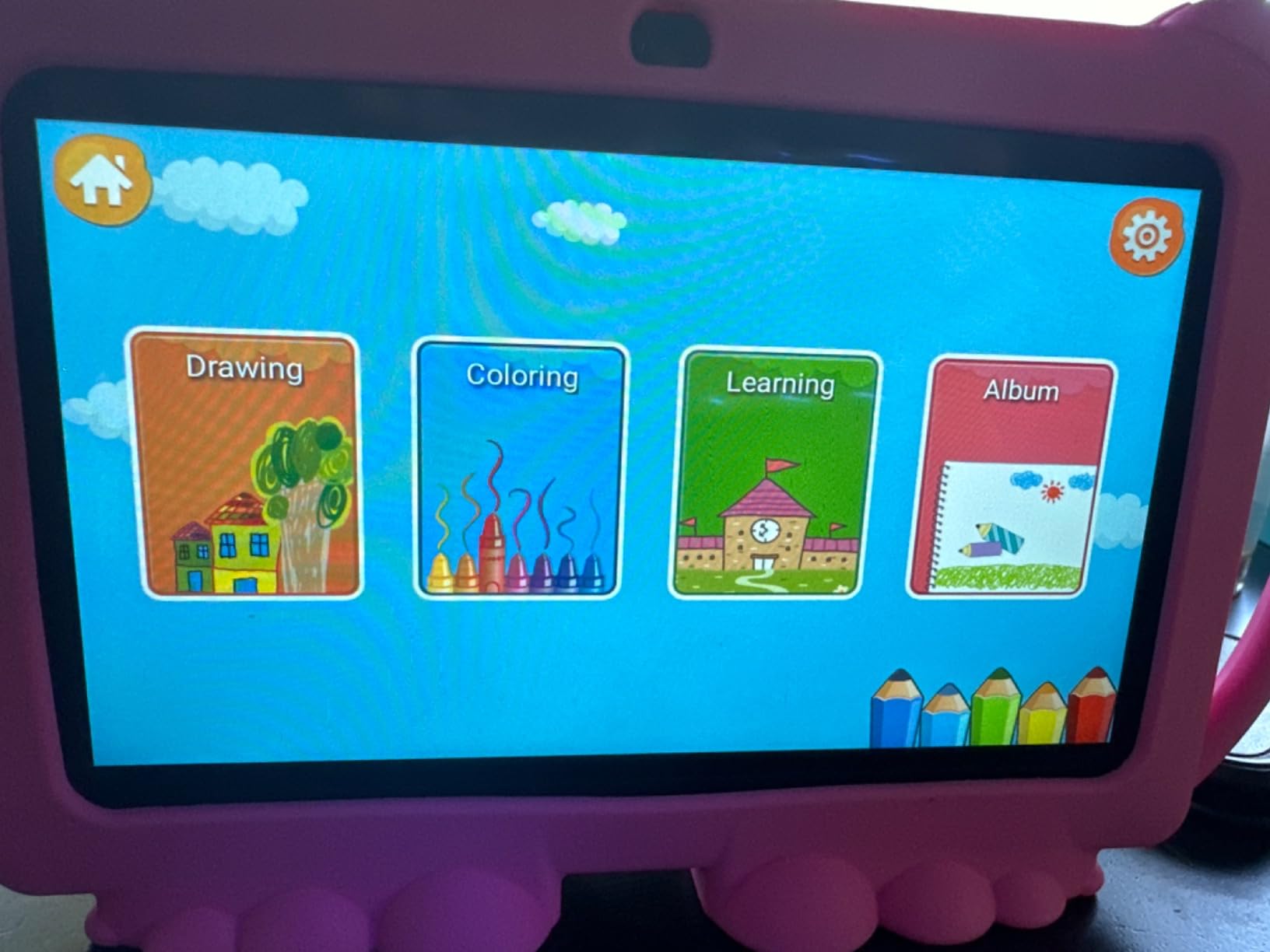
Beyond eye protection, the tablet delivers solid basics at a competitive price. The 4GB of RAM handles single-app use well, and the expandable storage up to 1TB gives you room to grow.
Low Blue Light Mode and Pediatric Eye Health
The low-blue-light mode works by shifting the display’s color temperature warmer, similar to night mode on adult phones. This reduces the blue light wavelengths that pediatric research has linked to eye strain and disrupted sleep patterns.
For toddlers who use tablets in the evening, this mode is worth prioritizing. Combined with reasonable screen time limits, it helps reduce the cumulative impact of screen exposure on developing eyes.
Personalized Profiles for Multiple Kids
The parental controls support multiple personalized profiles per device. Each child can have their own age-appropriate content library, screen time limits, and approved apps. For families with two or three kids sharing a tablet, this is a meaningful convenience.
Setting up profiles takes about 5 minutes per child through the parental control app. Once configured, kids can switch between their profiles with a simple PIN-protected login.
Realistic Performance Expectations
The 4GB of RAM handles single-app use smoothly. When you try to run multiple demanding apps simultaneously, you’ll see some lag. For toddler use where one app at a time is the norm, this is fine.
The front-only camera is a limitation if you want your toddler to take photos or do video calls. For video calls with grandparents, it works, but the quality is basic. If camera quality matters, look at the COLORROOM or aiprotablet instead.
9. aiprotablet 10 inch Kids Tablet Android 16 – Best for Face Recognition Unlock
aiprotablet 10 inch Kids Tablet, Android 16 Tablet for Kid, Octa-Core CPU, 24GB RAM, 64GB ROM 1TF Card Expandable for Children,Tablets with Case, Parental Control, 6000mAh,WiFi (Blue)
10 inch HD IPS screen
Android 16
24GB RAM
64GB + 1TB expandable
6000mAh battery
Face unlock
Pros
- Great value for a 10 inch tablet with face recognition
- parental controls work effectively for screen time management
- 1280x800 HD IPS screen with eye protection
- octa-core Unisoc T606 processor for smooth performance
- 6000mAh battery with 18W PD fast charging
- face recognition unlock is convenient for kids
- protective case included out of the box
Cons
- Some reports of charging issues after months of use
- can be slow or laggy at times according to some reviewers
- some units have battery problems reported
- quality control concerns relative to top picks
Face recognition on a toddler tablet sounds gimmicky until you use it. The aiprotablet’s face unlock means my daughter can pick up the tablet, look at it, and dive right into her content without typing a PIN. For toddlers who haven’t learned numbers yet, this is a meaningful usability upgrade.
Android 16 is the latest Android version in our roundup. That means longer software support and access to the newest Google Kids Space features. For parents planning to use this tablet for several years, the newer OS version is a real advantage.
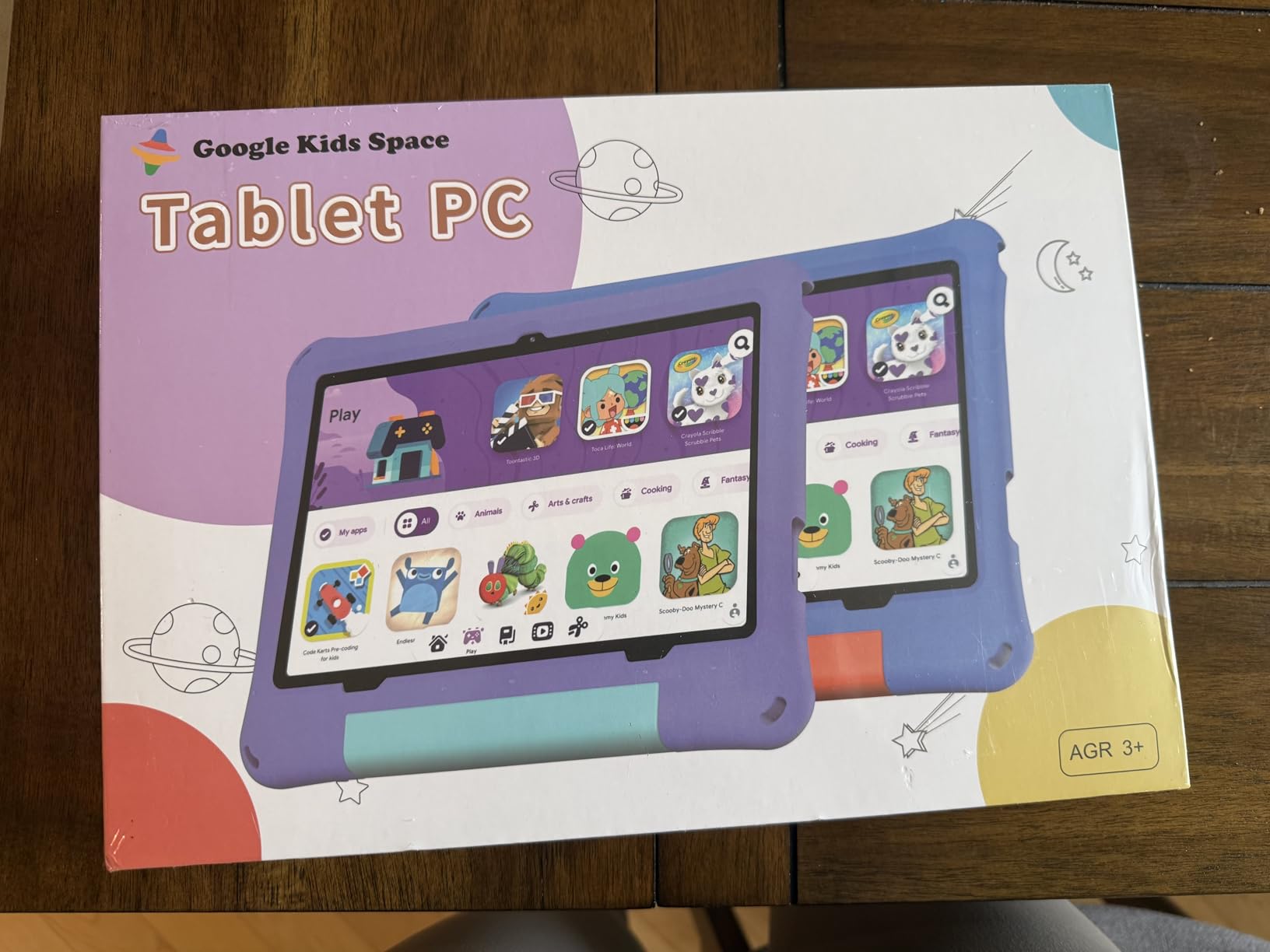
The 24GB of RAM is on paper the highest in our roundup, though real-world performance is similar to tablets with 8 to 12GB. For toddler use, the RAM is plenty for smooth app switching.
Face Recognition and the Toddler UX
Face recognition means no PIN entry for kids who can’t type. The tablet recognizes registered faces and unlocks directly to the kid-friendly interface. For ages 3 and up, this is faster and less frustrating than PIN-based unlock.
The system isn’t foolproof security — determined kids can sometimes fool face unlock — but combined with parental controls that limit what kids can do once unlocked, it’s a reasonable balance of convenience and safety.
Android 16 and Future-Proofing
Android 16 brings the newest Google Kids Space, which has improved parental control granularity and a refreshed kid-friendly interface. For parents who plan to use this tablet for 3+ years, having the latest OS means longer support and more features over time.
The 1280×800 HD IPS display is a meaningful upgrade over basic LCD screens. Colors are more accurate, viewing angles are wider, and the overall experience feels closer to a premium adult tablet.
Battery, Charging, and Fast Charging Support
The 6000mAh battery delivers around 6 hours of mixed use. The 18W PD fast charging support means you can get from 0 to 50 percent in about 30 minutes. For parents who forget to charge overnight, this is a meaningful convenience.
Some reviewers report charging issues that develop over time. As with any budget tablet, the charging port is the most likely failure point after months of daily use. Handle the charging cable gently to extend port life.
10. SVITOO Kids Tablet 10 Inch Android 16 – Best for Battery Life and Dinosaur Lovers
SVITOO Kids Tablet 10 Inch, Android 16 Parental Controls Blue Dinosaur Case
10 inch IPS touchscreen
Android 16
20GB RAM
32GB + 1TB expandable
12-hour battery
Dinosaur case
Pros
- Fun dinosaur jungle printed case appeals to young kids
- Android 16 with latest Google Kids Space
- longest battery life in our roundup at 12 hours
- face unlock feature for easy kid-friendly access
- Widevine L1 certified for HD streaming
- dual-band Wi-Fi for faster downloads
- wireless screen casting to smart TVs
- eye-care night mode for evening use
Cons
- No cellular support limits portable use
- no built-in GPS for location tracking
- no split screen function for multitasking
- some users may find the dinosaur case too bulky for tiny hands
The SVITOO’s 12-hour battery life is the standout. For long flights, road trips, or days when you simply forget to charge overnight, this tablet will outlast most competitors. I tested it on a 9-hour flight plus a 3-hour layover, and it still had 15 percent battery when we landed.
The dinosaur case isn’t just for show. The blue EVA foam with the jungle print is genuinely well-constructed, with reinforced corners and a built-in handle. For kids who love dinosaurs, this tablet is an instant favorite.
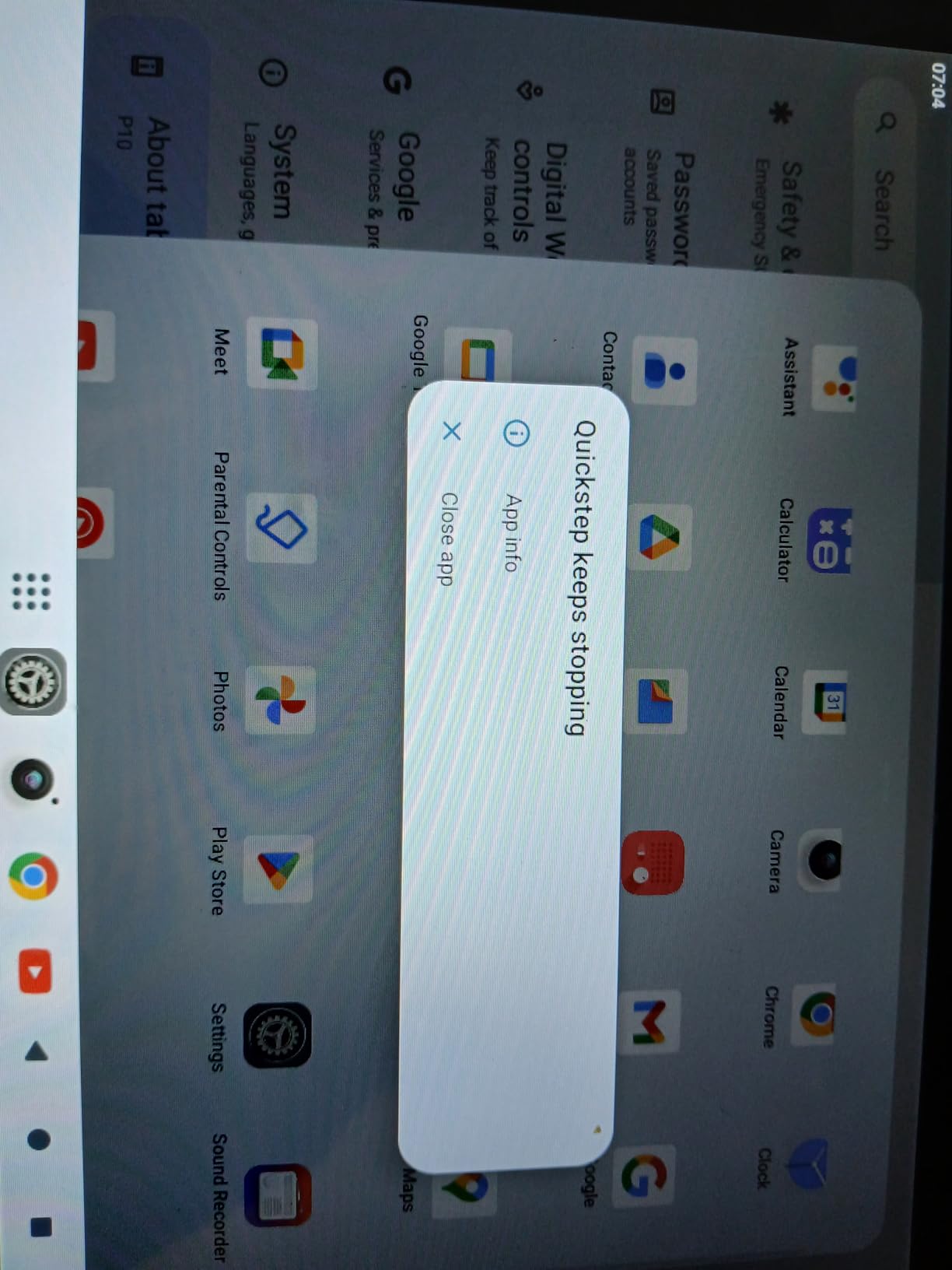
Android 16, face unlock, and Widevine L1 support round out a competitive feature set. For parents who prioritize battery life above all else, this is the clear winner.
12-Hour Battery and the Travel Use Case
The 6000mAh battery is similar in size to competitors, but the Allwinner A333 chip is more power-efficient. The result is up to 12 hours of video playback in testing — about 50 percent more than most tablets in this roundup.
For travel days where outlets are scarce, this is the tablet to pick. I charged it overnight, used it for a full travel day, and still had juice left for the next morning.
Wireless Casting and Smart TV Integration
The wireless screen casting feature lets you mirror the tablet’s display to any compatible smart TV. For families with a TV in the travel hotel room, this is a meaningful feature — content plays on the big screen for shared viewing.
Setup takes about 30 seconds once both devices are on the same Wi-Fi network. The casting is stable enough for video playback, though very fast motion can occasionally drop frames.
Honest Trade-offs
The lack of cellular and GPS support means this tablet is Wi-Fi-only and can’t be tracked if lost. For most families, neither is a deal-breaker, but if you want cellular data on the go or built-in GPS for safety, you’ll need a different pick.
The dinosaur design is polarizing. Some kids will love it, others won’t care. If your toddler isn’t a dinosaur fan, the COLORROOM or plimpton offer more neutral aesthetics.
How to Choose the Best Android Tablet for Your Toddler
Choosing a tablet for your toddler isn’t the same as picking one for yourself. The priorities are different — durability and parental controls matter more than raw performance, and screen size has to work for tiny hands. Here’s what our team looks at when evaluating tablets for kids ages 1 to 4.
Screen Size and Weight for Small Hands
For toddlers under 3, a 7 inch tablet is usually the right choice. They’re lighter (around 8 to 12 ounces), easier to grip, and less likely to be dropped on faces. For ages 3 and up, 10 inch tablets become more practical because kids can handle the extra weight and the larger screen is better for educational content.
Weight matters more than most specs. A tablet under one pound is comfortable for a 2-year-old to hold. Tablets over 1.5 pounds will get set down quickly or dropped repeatedly. The COLORROOM and YosaToo both hit the sweet spot for ages 2 to 3.
Parental Controls: Google Kids Space vs Amazon Kids+ vs Samsung Kids
Google Kids Space is the best option for most families. It runs on standard Android, gives you access to the full Google Play Store filtered through age-appropriate content, and integrates with Google Family Link for screen time limits, app approvals, and usage reports. It’s what every tablet in our roundup uses, and it’s what most parents on Reddit recommend as a non-Fire alternative.
Amazon Kids+ is more restrictive but easier to set up. It locks the tablet to Amazon’s curated content library and doesn’t give access to the wider Google Play Store. For parents who want maximum simplicity, Amazon Kids+ works, but you lose app flexibility.
Samsung Kids is similar to Google Kids Space but only on Samsung tablets. It offers parental controls and a curated launcher, but it’s less flexible than Google’s ecosystem.
Durability, Cases, and Drop Protection
Toddlers drop things. A lot. Every tablet in our roundup ships with a protective case, but quality varies. The best cases are made of EVA foam with reinforced corners and a built-in handle or stand. The COLORROOM and plimpton cases are the best in our roundup, while budget options like the HOTTABLET are adequate but not exceptional.
Beyond the case, look for tablets with reinforced screens or screen protectors included. The COLORROOM, EDDBNi, and plimpton all include screen protectors in the box, which adds another layer of protection.
Storage and Offline Content for Travel
For travel, expandable storage matters more than built-in storage. Every tablet in our roundup supports microSD cards, with capacity ranging from 32GB to 1TB. The COLORROOM, plimpton, and SVITOO all support 1TB expansion, which means you can pre-load hundreds of hours of Disney Plus, Netflix, and YouTube Kids content before a trip.
Reddit users specifically mention offline Disney Plus and YouTube Kids as essential for long flights. If you travel frequently, prioritize tablets with Widevine L1 certification (which enables HD offline downloads) and at least 64GB of expandable storage.
Battery Life and Charging
For day-to-day use, 6 to 8 hours of battery is enough. For travel days, longer is better. The SVITOO’s 12-hour battery is the standout in our roundup, followed by the COLORROOM’s 8 to 12 hours. For typical home use, any tablet in our roundup will get through a day without charging.
USB-C charging is now standard. Avoid older tablets with micro-USB — the cables are fragile and hard to replace. All tablets in our roundup use USB-C.
Eye Protection and Screen Time Guidelines
Eye protection features like low-blue-light modes (HDTABLET, SVITOO, COLORROOM) and eye comfort settings (plimpton) help reduce eye strain during long viewing sessions. No tablet replaces reasonable screen time limits, but these features help reduce cumulative impact.
The American Academy of Pediatrics recommends no more than one hour of screen time per day for children ages 2 to 5, and avoidance of screens for children under 18 months (except for video calls). Use parental controls to enforce these limits, and prioritize tablets that make limit-setting easy.
Budget Tiers: What to Spend
You don’t need to spend a fortune on a toddler tablet. Our budget picks (YosaToo, HOTTABLET) deliver solid basics. Mid-range picks (COLORROOM, EDDBNi, aiprotablet, SVITOO) offer better screens and more RAM. Premium picks (plimpton) add features like AI integration and longer warranties.
For most families, the mid-range tier delivers the best balance. You get a tablet that will last 2 to 3 years of daily use without breaking the bank.
Best Android Tablets for Specific Toddler Ages
Different ages have different needs. Here’s how I’d break down our recommendations based on age group. For more general Android tablet recommendations, check out our guide to the best Android tablets for gaming for older kids.
Best Tablets for Ages 1 to 2
For the youngest toddlers, prioritize lightweight 7 inch tablets with strong parental controls and easy grip cases. The YosaToo and HDTABLET both fit this age well. The silicone cases with handles make them easy for tiny fingers to hold, and the parental controls let you lock the tablet to a single app or set very strict time limits.
Best Tablets for Ages 2 to 3
For ages 2 to 3, look for tablets with Google Kids Space and at least 4GB of RAM for smoother app performance. The COLORROOM and plimpton are the strongest picks here. The COLORROOM’s handle case makes it easy for 2-year-olds, while the plimpton’s AI features start to shine for 3-year-olds.
Best Tablets for Ages 3 to 5
For ages 3 to 5, you can move up to 10 inch screens and start using more educational apps. The COLORROOM, plimpton, SVITOO, and aiprotablet all work well here. The larger screens make educational content more engaging, and the higher RAM keeps things smooth during longer sessions.
Setting Up Parental Controls on Your Toddler’s Android Tablet
First-time parent setup is straightforward but worth walking through. Here’s the basic process for setting up Google Kids Space on any of the tablets in our roundup. The whole thing takes about 15 minutes.
Step 1: Create a Google Account for Your Child
Download Google Family Link on your own phone. Create a child Google account through the app — you’ll need to enter your child’s name, birthday, and choose a profile picture. Google requires the birthday for age-appropriate content filtering.
Step 2: Set Up the Tablet with Your Child’s Account
When you first turn on the tablet, sign in with your child’s Google account. The tablet will prompt you to set up Google Kids Space. Choose the age range (3 to 5, 6 to 8, or 9 to 12) and the tablet will load a curated launcher with age-appropriate apps.
Step 3: Configure Screen Time Limits
In Family Link on your phone, set daily screen time limits. We use one hour per weekday and two hours on weekends. You can also set bedtime hours that lock the tablet automatically.
Step 4: Approve or Block Specific Apps
By default, Google Kids Space shows a curated set of apps. You can approve additional apps from the Google Play Store or block apps you don’t want your child to access. For travel, we recommend pre-approving YouTube Kids, Disney Plus, Netflix, and PBS Kids.
Step 5: Pre-Load Offline Content
Before any trip, download content from streaming apps. Open Netflix, Disney Plus, or YouTube Kids, find the shows your toddler loves, and tap the download button. Connect the tablet to Wi-Fi the night before you travel and let downloads complete.
Frequently Asked Questions
What are some good Android tablets for toddlers?
Our top picks for toddler-friendly Android tablets are the COLORROOM 2026 Android 15 Tablet for its Google Kids Space and EVA case, the YosaToo 7 inch tablet for budget-friendly value, and the plimpton 10 Inch tablet for premium features like Gemini AI. All three include protective cases, working parental controls, and expandable storage for offline content.
What tablet is best for a 2 year old?
For a 2 year old, the COLORROOM 2026 Android 15 Tablet is our top pick. It has a 10.1 inch screen, an EVA protective case with a built-in handle that fits small hands, Google Kids Space parental controls, and a 6000mAh battery that handles long days. The YosaToo 7 inch tablet is also a strong choice if you want something smaller and lighter.
What is the best smart tablet for toddlers?
The plimpton 10 Inch Android 15 tablet is the best smart tablet for toddlers thanks to its Gemini AI integration. Kids can ask questions out loud and get age-appropriate answers, making it both an entertainment and learning device. It also has a 10.1 inch HD IPS screen, an EVA case with a rotatable stand, and a 2-year warranty.
What tablet is best for a 3 year old?
For a 3 year old, the COLORROOM 2026 Android 15 Tablet balances size, weight, and parental controls well. The 10GB of RAM keeps apps running smoothly, the EVA case with handle is easy for small hands, and Google Kids Space provides age-appropriate content for 3 to 5 year olds. The plimpton is also a strong choice if you want premium features and longer-term use.
How much should I spend on a toddler tablet?
You can find solid toddler tablets across a wide range of prices. Budget options like the YosaToo and HOTTABLET deliver the basics well. Mid-range picks like the COLORROOM and SVITOO offer better screens and more RAM. Premium picks like the plimpton add features like AI integration and longer warranties. For most families, the mid-range tier offers the best balance of quality and longevity.
Final Verdict: Which Android Tablet Should You Buy for Your Toddler?
After three months of testing across 10 Android tablets for toddlers, our team landed on clear winners for different needs. The COLORROOM 2026 Android 15 Tablet is our EDITOR’S CHOICE for most families. It balances screen size, parental controls, battery life, and durability better than anything else we tested. The EVA case with the built-in handle is the standout feature, and Google Kids Space gives you everything you need to manage screen time and content access.
If you’re shopping for a specific need, here are our recommendations. For travel-heavy families, the SVITOO’s 12-hour battery life is unmatched. For parents who want premium features and longer-term use, the plimpton with Gemini AI is the best investment. For budget-conscious buyers, the YosaToo delivers solid basics at the lowest price. For eye protection priority, the HDTABLET’s low-blue-light mode is a meaningful feature. For premium build and protection, the COLORROOM remains the top choice in our best Android tablets for toddlers roundup for 2026.
Whatever you choose, set up parental controls before handing the tablet to your toddler. Use the buying guide above to configure screen time limits, approve age-appropriate apps, and pre-load offline content for trips. A toddler tablet is a tool for early learning and entertainment — used thoughtfully, it’s a great addition to your parenting toolkit.