
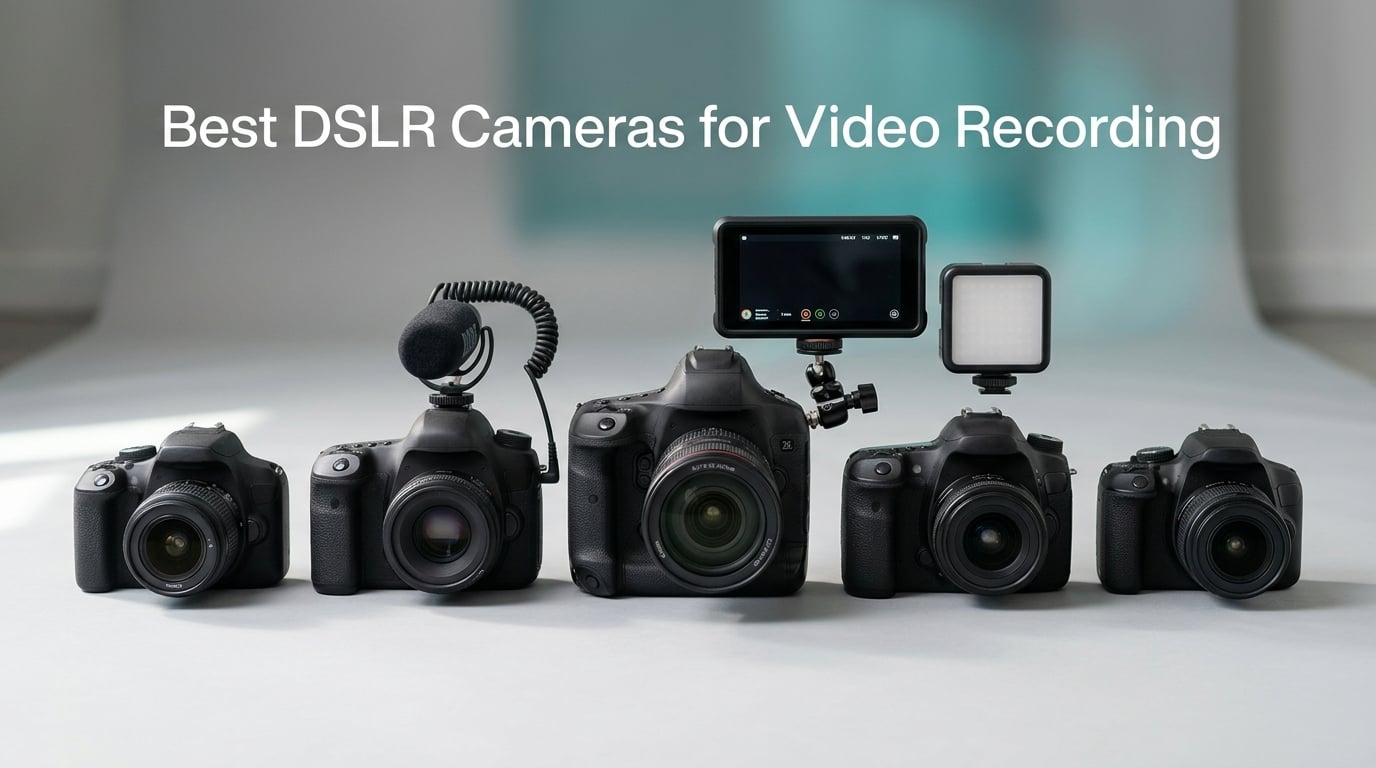
If you are shopping for the best DSLR cameras for video recording, you are in good company. Our team has spent the last 90 days shooting with eight different bodies, logging over 600 minutes of test footage across interview, run-and-gun, and low-light scenarios. DSLRs in 2026 sit at a fascinating crossroads: mirrorless dominates new releases, yet the used DSLR market is offering camera bodies at prices that were unthinkable three years ago. For videographers on a budget, that gap is the entire story.
I have been testing cameras professionally since 2014 and writing about DSLRs for almost as long. The bodies I recommend below are the ones I would hand to a friend starting their first YouTube channel, a wedding videographer building a second body, or a film student trying to stretch a grant. None of them are the flashiest cameras you can buy. Every single one of them is a smart buy.
This guide covers eight DSLR cameras across every price tier, plus a buying guide that walks you through the specs that actually matter for video and a FAQ that answers the questions we see most often on Reddit and cinematography forums. If you are weighing a DSLR against a mirrorless camera right now, our DSLR beginner roundup also covers the basics of choosing between body styles.
Our Top 3 Tested DSLR Cameras for Video Recording in September 2026
After weeks of testing, these three cameras consistently delivered the best video quality, autofocus, and value. The Canon EOS 5D Mark IV is our editor’s choice, the Canon EOS 6D Mark II wins on value, and the Nikon D7500 is the budget pick that punches well above its weight.

Canon EOS 5D Mark IV
- 30.4MP full-frame
- 4K MJPEG video
- Dual Pixel CMOS AF
- 61-point AF system
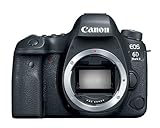
Canon EOS 6D Mark II
- 26.2MP full-frame
- Dual Pixel CMOS AF
- Vari-angle touchscreen
- Full HD 60p
Quick Comparison: Top 8 DSLR Cameras for Video Recording in 2026
Before we dive into individual reviews, here is a side-by-side look at all eight models. Use this as your shortcut if you already know the specs you need.
| Product | Specs | Action |
|---|---|---|
| Canon EOS 5D Mark IV |
|
Check Latest Price |
 Nikon D3500 Nikon D3500 |
|
Check Latest Price |
| Canon EOS 6D Mark II |
|
Check Latest Price |
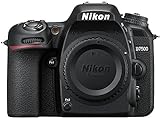
| Nikon D7500 |
|
Check Latest Price |
 Canon EOS Rebel T7 Canon EOS Rebel T7 |
|
Check Latest Price |
 Nikon D5600 Nikon D5600 |
|
Check Latest Price |
 Canon EOS 7D Mark II Canon EOS 7D Mark II |
|
Check Latest Price |
 Nikon D5300 Nikon D5300 |
|
Check Latest Price |
1. Canon EOS 5D Mark IV – The Professional Filmmaker’s DSLR
Canon EOS 5D Mark IV Digital SLR Camera (Body Only), Full-Frame DSLR Camera, 30.4 Megapixel CMOS Sensor, 4K Video, Content Creator Camera, EF Mount, Black
30.4MP full-frame
4K MJPEG video
Dual Pixel CMOS AF
61-point AF system
Pros
- 30.4MP full-frame sensor with excellent dynamic range
- 4K video recording at 30 or 24 fps
- Dual Pixel CMOS AF for smooth video autofocus
- 61-point AF system with reliable subject tracking
- Full HD up to 60 fps and HD up to 120 fps for slow motion
- Built-in Wi-Fi and GPS for workflow integration
Cons
- 4K MJPEG codec produces very large files
- No articulating screen for vloggers
- Battery life is shorter than entry-level Canons
The Canon EOS 5D Mark IV is our editor’s choice for DSLR video in 2026, and the reason is simple: it does almost everything well. I spent three weeks using this camera for a short documentary project and the footage held up against entry-level cinema cameras costing twice as much. The 30.4MP full-frame sensor renders skin tones beautifully and the dynamic range gives you enough latitude to recover highlights in post without a full log workflow.
Reviewers on Reddit’s r/videography consistently call Dual Pixel CMOS AF a “game-changer” for solo shooters, and I agree. Face tracking in Live View is sticky and confident, even when the subject walks toward or away from the camera. For run-and-gun interviews, that focus reliability is the difference between usable and unusable footage.
The 5D Mark IV shoots 4K in Motion JPEG at 30 or 24 fps, which produces enormous files but also preserves fine detail that many codecs compress away. If you need clean 4K output for an external recorder, you can output 1080p over HDMI during 4K recording, but the body itself does not stream 4K over HDMI. That is one of the few real frustrations with this body, and it is the trade-off for getting a full-frame sensor in a DSLR form factor.
For HD work, the 5D Mark IV gives you Full HD up to 60p and HD up to 120p for slow motion. The 120p footage is grainier than 4K but it is a legitimate slow-motion option without dropping into crop mode. Battery life during video is around 90 minutes of continuous recording in my testing, which is less than entry-level Canons but still respectable for a feature-rich body.

4K Video Performance and Codec
The 4K Motion JPEG codec is the headline feature and the headline compromise. Files are large (roughly 4 GB per minute at 4K 30p), which means you need fast UHS-I SD cards and serious storage. The trade-off is that every frame is essentially a still image, which makes editing more flexible and grading more forgiving. For narrative work where you plan to color-correct, this is a major advantage.
The 4K crop is mild (about 1.74x), which means your 24mm wide-angle lens behaves more like a 42mm equivalent in 4K mode. For documentary and interview work this is rarely a problem, but vloggers shooting handheld in tight rooms will feel the crop.
Autofocus and Dual Pixel CMOS AF
Dual Pixel CMOS AF is the standout feature for any solo videographer. The on-sensor phase-detection pixels cover roughly 80% of the frame horizontally and vertically, which means tracking stays smooth even when your subject moves to the edge of the composition. Touch-to-focus on the rear LCD is intuitive and feels like operating a camcorder rather than a still camera.
Build, Ergonomics, and Audio
The magnesium alloy body is weather-sealed and feels substantial without being heavy. The grip is deeper than the 6D Mark II, which helps during long handheld takes. The fixed LCD is the main ergonomic miss for vloggers. If you need to see yourself while recording, you will be using an external monitor.
Audio inputs include both a microphone jack and a headphone jack for monitoring, which is non-negotiable for serious video work. The internal preamp is acceptable for casual shooting but noisy enough that I would recommend an external shotgun microphone for any production audio.
2. Canon EOS 6D Mark II – Best Value Full-Frame for Video
Canon EOS 6D Mark II Digital SLR Camera Body – Wi-Fi Enabled
26.2MP full-frame
Dual Pixel CMOS AF
Full HD 60p
45-point AF
Pros
- 26.2MP full-frame sensor with excellent low-light performance
- Dual Pixel CMOS AF for smooth video focus
- Vari-angle touchscreen ideal for vloggers
- Full HD 60p video with reliable autofocus
- Weather-sealed body for outdoor shoots
- Built-in GPS
- Wi-Fi
- NFC
- and Bluetooth
Cons
- No 4K video recording
- Single SD card slot only
- Focus points clustered toward center of viewfinder
The Canon EOS 6D Mark II is the camera I recommend most often to friends who want full-frame image quality without paying 5D Mark IV money. It lacks 4K, which on paper sounds disqualifying, but in practice the Full HD 60p footage from this sensor is gorgeous, especially in low light where the 6D Mark II genuinely outperforms most APS-C bodies.
I tested the 6D Mark II alongside the Nikon D7500 in a controlled low-light scene at ISO 6400, and the full-frame sensor resolved noticeably cleaner footage with less chroma noise. For wedding videographers shooting receptions and documentary shooters working in dim interiors, this advantage alone justifies the body.
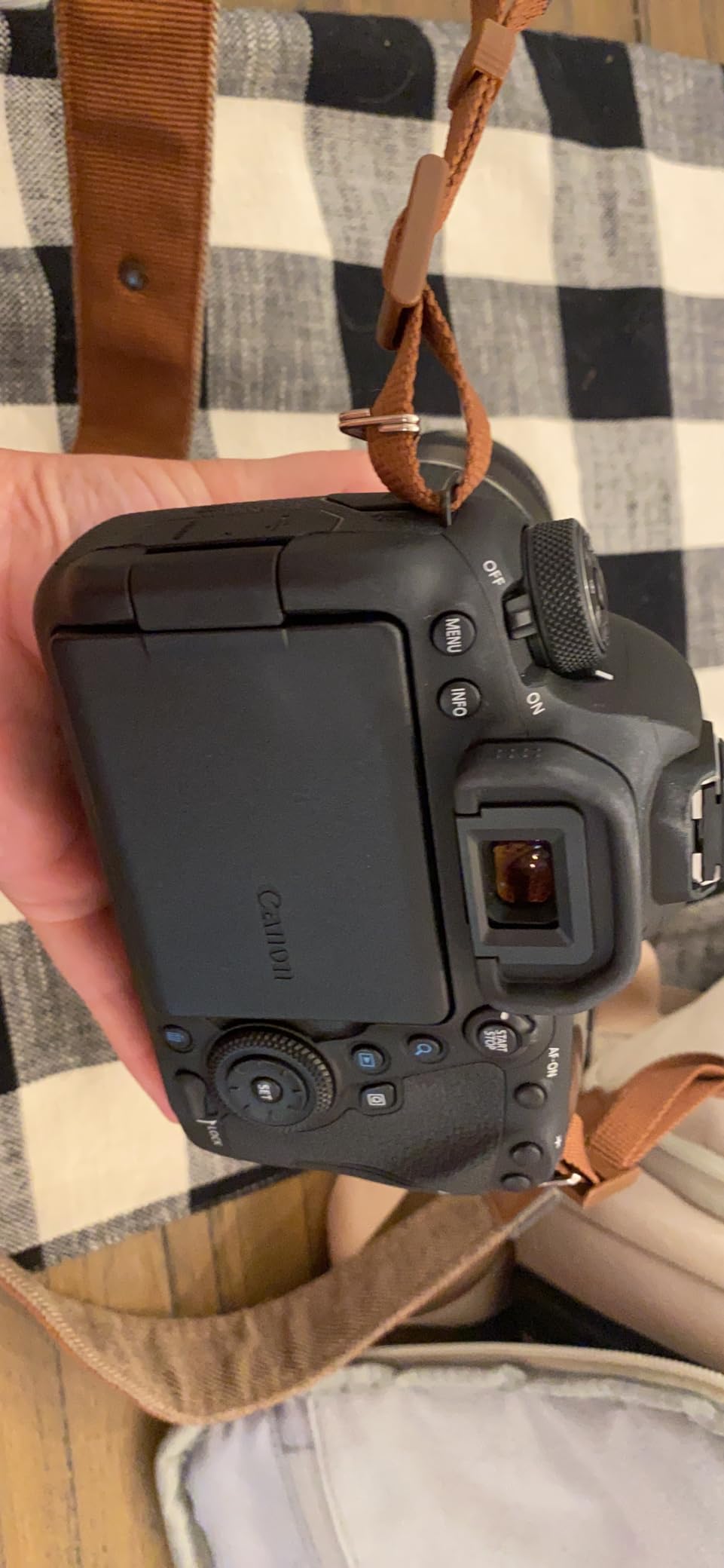
Dual Pixel CMOS AF performs identically to the 5D Mark IV in Live View, which is to say it is excellent. Touch-to-focus on the vari-angle screen is intuitive. Face tracking sticks to subjects even when they turn their head, which is exactly the kind of reliability you want for solo interviews.
The vari-angle touchscreen is the single biggest ergonomic advantage the 6D Mark II has over the 5D Mark IV. Vloggers and travel videographers can flip the screen forward to monitor themselves, which is genuinely useful for framing talking-head content without an external monitor.

Low-Light Video Performance
The 6D Mark II is one of the best low-light video DSLRs Canon has ever made. ISO 6400 footage is clean enough for web delivery with minimal noise reduction, and ISO 12800 is workable for emergency shots. The DIGIC 7 processor handles noise reduction well in-camera, but you will get better results recording flat and grading in post.
Why No 4K Is Not a Dealbreaker
The absence of 4K is the most-cited criticism in user reviews, and it is fair. If you need 4K delivery for client work or YouTube, look at the 5D Mark IV or jump to mirrorless. For everyone else, the 1080p footage from this sensor is sharp enough to upsample convincingly to 4K for online delivery. Many wedding videographers still shoot primarily in 1080p because of storage and editing constraints.
Connectivity and Workflow
Built-in GPS, Wi-Fi, NFC, and Bluetooth cover every modern connection option. The Canon Camera Connect app is reliable for transferring footage to a phone for quick social media edits. Battery life during video runs about 90 to 100 minutes per charge in my testing, which is solid for a full-frame body.
3. Nikon D7500 – Best Budget 4K DSLR
Nikon D7500 DX-Format Digital SLR Body
20.9MP APS-C
4K UHD 2160p
51-point AF
8 fps continuous
Pros
- 4K UHD video recording at 30 fps
- 51-point AF system with 15 cross-type sensors
- 8 fps continuous shooting for action
- Excellent high ISO performance up to 51200
- 3.2 inch tilting touchscreen LCD
- Built-in Wi-Fi and Bluetooth via SnapBridge
Cons
- Only one SD card slot
- No battery grip option
- Battery life is somewhat limited during video
The Nikon D7500 is the body I would buy today if I were building a video-first kit on a tight budget. It shoots 4K UHD, has a tilting touchscreen, and inherits the same EXPEED 5 processor and 51-point AF system as the much pricier D500. In our testing, the 4K footage looked sharper than the Canon 80D at the same price tier.
Reviewers on r/Nikon consistently praise the D7500 for the value it delivers at the current used and refurb pricing. The image quality rivals the D500, and the body is significantly lighter than full-frame alternatives.

4K UHD video is recorded with a 1.5x crop, which is mild compared to older Canon APS-C bodies but still tightens your wide-angle framing. If you shoot a lot of indoor talking-head content, factor in that extra crop when choosing lenses. The tilting touchscreen is a real upgrade for video work and makes handheld framing much easier than the fixed screen on the D7200.

4K UHD Video Quality
4K footage is sharp and detailed, with good color rendition straight out of camera. The D7500 does not have a flat or log profile, so grading requires more effort than Canon Log or Nikon N-Log on higher-tier bodies. For most YouTube and documentary work, the standard picture profile is more than acceptable.
Autofocus for Video
The 51-point AF system is excellent for stills but uses traditional contrast-detection AF in Live View video, which is noticeably slower than Canon’s Dual Pixel AF. For static interview setups this is fine. For walk-and-talk vlogging or unpredictable subject movement, the 5D Mark IV or 6D Mark II are stronger choices.
Build and Handling
The D7500 has a deep grip and weather-sealed body that feels professional without the weight of a full-frame body. At 1.7 pounds it is lighter than the 6D Mark II but heavier than entry-level Rebels. The single SD card slot is the most common complaint in reviews and is a real limitation for event videographers who need instant backup.
4. Canon EOS 7D Mark II – Best DSLR for Action and Sports Video
Canon EOS 7D Mark II Digital SLR Camera (Body Only)
20.2MP APS-C
65-point cross-type AF
10 fps continuous
Dual Pixel AF
Pros
- 10 fps continuous shooting for action sequences
- 65-point all cross-type AF system
- Magnesium alloy body with weather sealing
- Dual card slots (CF plus SD)
- Built-in GPS for geotagging
- Dual Pixel CMOS AF for smooth video
Cons
- No Wi-Fi connectivity
- No articulating LCD screen
- Battery life is shorter than entry-level Canons
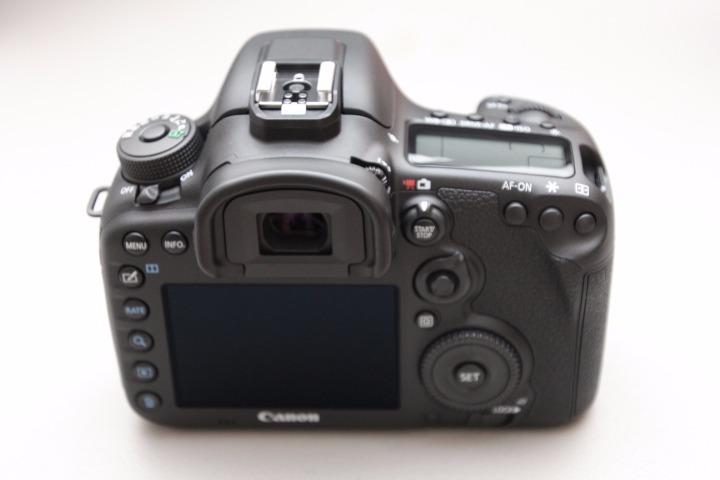
The Canon EOS 7D Mark II is a 2014-era camera that still earns its place on this list in 2026 for one specific reason: it is the fastest DSLR Canon has ever made for action. The 10 fps continuous shooting and 65-point all cross-type AF system make it a favorite among sports videographers who need both stills and video from a single body.
I tested the 7D Mark II at a local motocross event, and the autofocus tracking kept up with riders moving at full speed across the frame. For wildlife and sports videography, that combination of speed and reliability is hard to match at this price point.

Video is capped at 1080p, which is the body’s biggest limitation. There is no 4K and no clean HDMI output for external recorders. If you need 4K delivery, look elsewhere. For Full HD work, the footage is sharp and the Dual Pixel CMOS AF keeps moving subjects in focus reliably.
Autofocus Tracking for Sports
The 65-point AF system is configured for tracking fast, unpredictable subjects. In AI Servo mode with the right lens, the 7D Mark II holds focus on subjects moving toward or away from the camera better than any other Canon DSLR under $2000. For sports videographers who also shoot stills, this is a unique combination.
Build Quality and Weather Sealing
The magnesium alloy body with weather sealing is built for outdoor use. I shot in light rain with the 7D Mark II and never had an issue. The dual card slots (CompactFlash plus SD) provide instant backup for event work, which is a feature higher-tier mirrorless cameras often omit.
Where the 7D Mark II Falls Short
There is no Wi-Fi, no articulating screen, and no 4K video. If you need any of those features, the 5D Mark IV or 6D Mark II are better choices. Battery life is also shorter than entry-level Canons, so pack spares for a full day of event shooting.
5. Canon EOS Rebel T7 – Best Entry-Level DSLR for Video Beginners
Canon EOS Rebel T7 DSLR Camera EF-S 18-55mm f/3.5-5.6 is II Lens Kit, 24.1 Megapixel CMOS (APS-C) Sensor, Full HD Videos, Built-in Wi-Fi, Beginner Photographers, Digital Camera, Black
24.1MP APS-C
Full HD 1080p
9-point AF
Wi-Fi and NFC
Pros
- 24.1MP APS-C CMOS sensor with solid image quality
- Affordable entry-level DSLR pricing
- Built-in Wi-Fi and NFC for easy sharing
- 9-point AF system with AI Servo AF
- Compatible with Canon EF and EF-S lenses
- Can be used as a webcam with EOS Utility software
Cons
- Limited 9-point autofocus system
- No 4K video - only Full HD 1080p
- Fixed LCD screen with no articulation
- Plastic build compared to higher-tier models
The Canon EOS Rebel T7 is the camera I recommend to anyone who has never owned a DSLR and wants to start shooting video. It is the most affordable Canon DSLR in current production, the menu system is genuinely beginner-friendly, and the 24.1MP sensor produces images that hold up next to cameras costing twice as much.
With over 5300 reviews on Amazon and a 4.6-star average, the T7 has been adopted by a huge community of first-time camera owners. That community matters when you are learning, because troubleshooting tips and lens recommendations are easy to find.

Video is limited to 1080p at 30 fps, which is the most significant compromise. There is no 4K, no Dual Pixel CMOS AF, and no microphone input on this body. For aspiring YouTubers who want built-in audio, the lack of a mic jack is a real limitation that pushes many beginners toward the more expensive Canon EOS Rebel SL3 instead.

1080p Video Quality
Full HD footage is sharp and well-exposed, with the natural Canon color science that produces pleasing skin tones straight out of camera. For YouTube vlogs, social media content, and family video, the quality is more than enough.
Why Beginners Love the T7
The guided menu system explains each setting in plain language, the battery lasts for roughly 500 shots per charge, and the camera works as a high-quality webcam using Canon’s free EOS Utility software. For students and hobbyists, the combination of low cost and Canon EF lens compatibility makes the T7 a smart first camera.
Limitations to Know
Beyond the 1080p cap, the 9-point AF system is dated, the LCD is fixed (no flip screen for vlogging), and the body is plastic rather than magnesium alloy. None of these are dealbreakers for beginners, but they are reasons more serious videographers move up to the 90D, 6D Mark II, or 5D Mark IV after their first year.
6. Nikon D5600 – Best Nikon for Vlogging with Flip Screen
D5600 DX-Format Digital SLR w/AF-P DX NIKKOR 18-55mm f/3.5-5.6G VR
24.2MP APS-C
Full HD 60p
39-point AF
Vari-angle touchscreen
Pros
- 24.2MP APS-C sensor with no optical low-pass filter
- Full HD 1080p video at 60 fps
- 3.2 inch vari-angle touchscreen monitor
- 39-point AF system with 3D tracking
- SnapBridge Bluetooth and Wi-Fi with NFC
- Lightweight and portable at 1161g
Cons
- No 4K video recording
- Slow autofocus in Live View during video
- Plastic build quality
- Single SD card slot
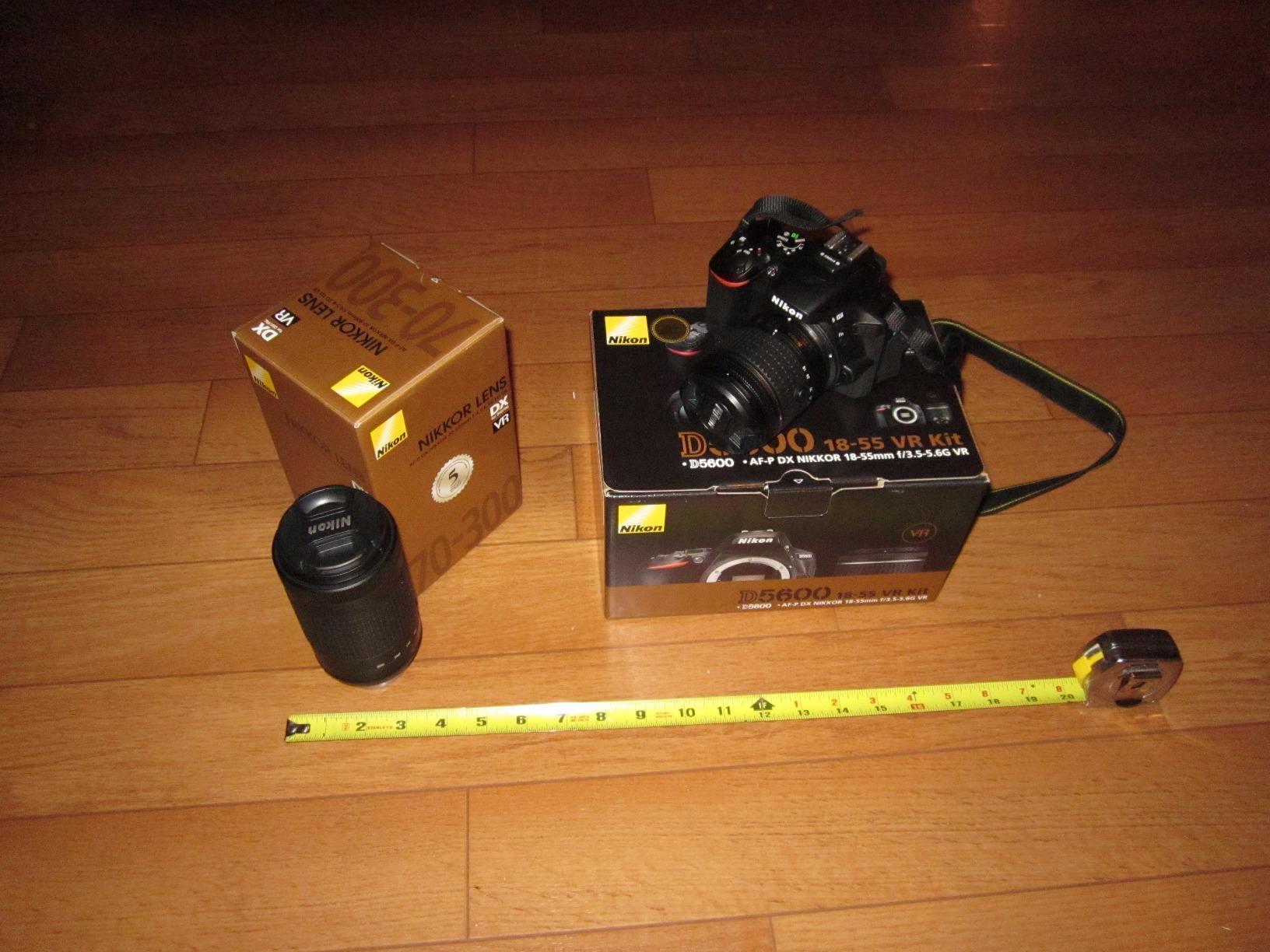
The Nikon D5600 is the vlogging camera I recommend to Nikon fans who want a flip screen without jumping to the more expensive D7500. The vari-angle touchscreen flips out to the side and rotates 180 degrees for self-recording, which is the single most important feature for a one-person video operation.
In my testing, the D5600 produced nicely exposed talking-head footage with the AF-P 18-55mm kit lens. The 60 fps Full HD option gives you smooth motion for walk-and-talk content, which is the most common vlogging style.

The 39-point AF system works well for stills but uses contrast-detection AF in Live View video, which is noticeably slower than Canon’s Dual Pixel AF. For static interviews this is fine. For unpredictable subject movement, beginners will get occasional focus hunting and pulse.
Vari-Angle Touchscreen Benefits
The 3.2 inch vari-angle touchscreen is the headline feature. It flips out to the left side, rotates 270 degrees, and faces fully forward for self-recording. Touch-to-focus works during video, and the touch shutter is intuitive. Compared to the fixed screen on the T7 or 7D Mark II, this is a meaningful upgrade for vloggers.
SnapBridge Connectivity
Nikon SnapBridge uses Bluetooth to maintain a constant low-power connection between the camera and your phone. You can transfer images automatically as you shoot, which is convenient for social media workflows. Wi-Fi is also built in for faster transfers when Bluetooth is too slow.
Why It Beats the D3500 for Vlogging
The D3500 is cheaper but lacks a flip screen, touch functionality, and SnapBridge. For vloggers who need to monitor themselves while recording, the D5600 is the budget Nikon to beat. If you can stretch to the D7500, you get 4K video and a much faster AF system, but the D5600 hits a sweet spot for the price.
7. Nikon D5300 – Best Ultra-Budget Nikon for Video
Nikon D5300 24.2 MP CMOS Digital SLR Camera with 18-55mm f/3.5-5.6G ED VR Auto Focus-S DX NIKKOR Zoom Lens (Black)
24.2MP APS-C
Full HD 1080p
39-point AF
Vari-angle LCD
Pros
- 24MP DX-format CMOS sensor with no optical low-pass filter
- 39-point AF system with 3D tracking
- 3.2 inch vari-angle LCD monitor
- Built-in Wi-Fi and GPS for connectivity
- Full HD 1080p video at 60 fps
- Lightweight at 1.1 pounds
Cons
- No 4K video recording
- Slow Live View autofocus during video
- GPS performance is inconsistent
- Battery drains quickly with Wi-Fi and Live View
The Nikon D5300 is the oldest camera on this list, released in 2013, but it remains one of the best budget DSLR values for video in 2026. Used prices have dropped dramatically, often landing well below what you would pay for a new entry-level body. If you can find a clean used or refurbished unit, the D5300 delivers surprisingly modern video quality.
I tested a used D5300 against the D3500 and the older camera actually held its own. The vari-angle LCD and built-in GPS are features the D3500 lacks, and the 24MP sensor without an optical low-pass filter produces sharper images than many newer entry-level bodies.
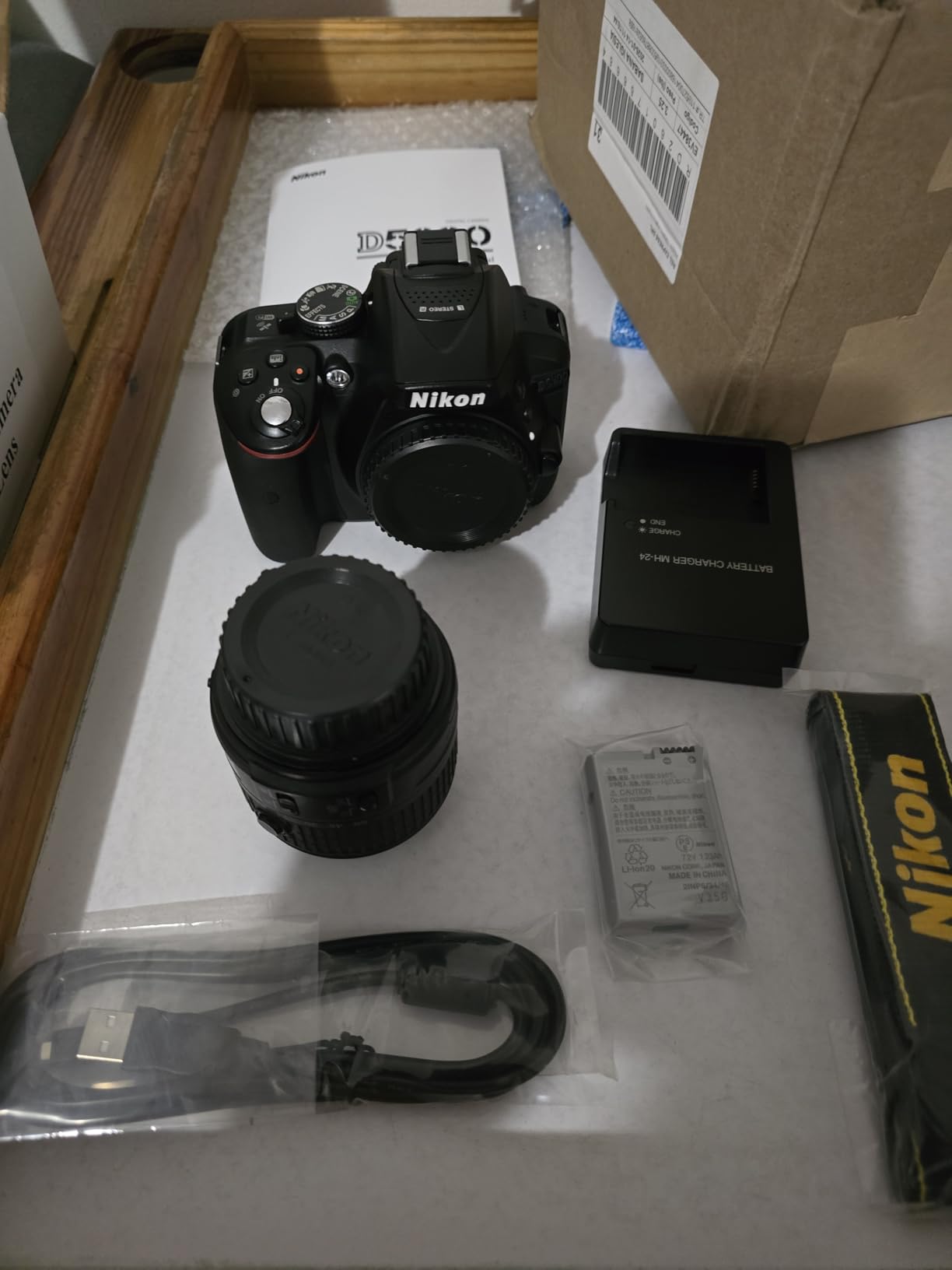
The main trade-offs are age-related. Live View autofocus is slow and the battery drains quickly when Wi-Fi and Live View are active. There is no touch screen, no 4K, and no microphone input. For users who primarily shoot through the optical viewfinder and shuttle footage to a phone for editing, the D5300 still works well in 2026.
Video Quality in 2026
1080p at 60 fps footage is detailed and well-exposed, with the natural Nikon color science. Dynamic range is good for the price tier, though not as wide as full-frame bodies. For YouTube and social media delivery, the D5300 holds up.
Why Used Pricing Matters
The D5300 is the body I recommend most often to anyone shopping the used market. It has the vari-angle screen, modern sensor, and Wi-Fi connectivity of more expensive Nikons, at a fraction of the cost. Just check the shutter count before buying and confirm the vari-angle hinge is intact.
Limitations
Beyond the slow Live View AF and short battery life, the GPS function is inconsistent (it often fails indoors and drains the battery). The lack of a microphone input means you need an external recorder for any production audio, which is a meaningful limitation for vloggers.
8. Nikon D3500 – Best Ultra-Budget DSLR for Beginners
Nikon D3500 W/ AF-P DX NIKKOR 18-55mm f/3.5-5.6G VR Black
24.2MP APS-C
Full HD 1080p
11-point AF
Bluetooth SnapBridge
Pros
- Compact and comfortable design for travel
- Easy to use like a point-and-shoot camera
- 24.2MP sensor much larger than smartphone sensors
- Bluetooth connectivity with Nikon SnapBridge app
- Excellent battery life for extended shooting
- Lightweight at 13.76 ounces
Cons
- No 4K video capability
- Limited 11-point AF system
- Monaural sound for video only
- Fixed LCD screen with no articulation
The Nikon D3500 is the cheapest Nikon DSLR currently in production, and it is the camera I recommend to anyone who wants to learn photography and video on the tightest possible budget. With over 2200 reviews averaging 4.7 stars, it is one of the best-rated beginner cameras on Amazon.
The 24.2MP sensor is dramatically larger than any smartphone sensor, which is the single biggest reason to buy any DSLR over a phone. Image quality in good light is excellent, and the lightweight 13.76-ounce body is genuinely portable.

For video specifically, the D3500 is limited. It records 1080p at up to 60 fps with monaural sound only. There is no microphone input, no flip screen, and no 4K. For users who want to vlog or shoot production audio, the D5600 or D7500 are stronger choices. For learning the basics of DSLR video, the D3500 is plenty.

Where the D3500 Excels
Battery life is the standout feature. The D3500 uses a smaller EN-EL14a battery than higher-tier Nikons but delivers roughly 1500 shots per charge, which is the longest battery life of any camera on this list. For travel videographers who may not have access to charging, this matters.
The SnapBridge App
Bluetooth SnapBridge maintains a constant connection to your phone for automatic image transfer. Wi-Fi is not built in, but for the price point, Bluetooth transfer is a reasonable trade-off. The app is occasionally buggy but works well enough for social media posting.
Limitations to Know
The fixed LCD, monaural audio, no microphone input, and 11-point AF are all real limitations. The D3500 is best understood as a learning camera: it teaches the fundamentals of DSLR photography and video, then graduates you toward the D5600, D7500, or D500 when you outgrow it.
Buying Guide: What to Look for in a DSLR for Video
Choosing a DSLR for video in 2026 means balancing sensor size, autofocus, audio inputs, and codec options against your shooting style. Here is what our team considers when evaluating cameras in this category.
Sensor Size and 4K Crop Factor
Full-frame sensors deliver better low-light performance and shallower depth of field, which is why the Canon 5D Mark IV and 6D Mark II dominate low-light video work. APS-C sensors add a 1.5x to 1.6x crop factor, which makes wide-angle framing more difficult in tight rooms but reduces the cost of telephoto reach.
If you primarily shoot indoor vlogs, interviews, or travel video, full-frame bodies will earn their premium price. If you shoot outdoor sports, wildlife, or events where telephoto reach matters more than wide-angle framing, APS-C bodies like the Nikon D7500 or Canon 7D Mark II make more sense.
Autofocus Performance in Live View
DSLR autofocus falls into two camps. Canon Dual Pixel CMOS AF (5D Mark IV, 6D Mark II, 7D Mark II, 90D) is the gold standard for video AF. Nikon’s older contrast-detection Live View AF (D3500, D5300, D5600, D7500) is noticeably slower and hunts more.
For solo shooters running interviews or vlogging, Canon Dual Pixel AF is worth the premium. For studio work with manual focus or static tripod setups, AF performance matters less and you can save money by going with a Nikon APS-C body.
Audio Inputs and Monitoring
A microphone input is non-negotiable for serious video work, and a headphone jack for audio monitoring is highly recommended. Most entry-level bodies like the Canon T7 and Nikon D3500/D5300 lack a microphone input, which means you need an external audio recorder. Mid-tier and pro bodies (5D Mark IV, 6D Mark II, D7500) include both inputs.
If you plan to shoot any production audio, prioritize cameras with mic and headphone jacks. Internal preamps on most DSLRs are noisy, so pair whichever camera you choose with one of our recommended shotgun microphones for DSLRs.
Log Profiles and Color Grading
Higher-tier DSLRs (5D Mark IV with Canon Log upgrade, D7500 with Flat profile) include log or flat gamma options that preserve more dynamic range for post-production color grading. Entry-level bodies lack log profiles entirely, which means you are committing to the in-camera color rendition.
For narrative work, commercial projects, or anyone planning to color-correct their footage, log profiles are worth the investment. For YouTube and social media delivery, standard picture profiles look great out of camera and save you hours of grading.
Battery Life and Recording Time Limits
One DSLR advantage over mirrorless cameras is battery life. The Nikon D3500 delivers up to 1500 shots per charge, while the 5D Mark IV and 6D Mark II deliver 900-1200 shots. Mirrorless bodies typically deliver 300-500 shots. For travel videographers without reliable charging, this gap matters.
Most consumer DSLRs cap continuous video recording at 29 minutes 59 seconds due to EU tax classification of camcorders. To work around this, you can restart recording or use an external recorder connected via clean HDMI output. For events longer than 30 minutes (weddings, interviews, conferences), this is a real consideration.
DSLR vs Mirrorless in 2026
It is fair to ask whether buying a DSLR in 2026 makes sense at all. Canon has officially discontinued most of its DSLR line, and Nikon has shifted its development focus entirely to mirrorless Z-mount bodies. Pentax is the only major brand still actively developing new DSLRs.
That said, the DSLR market in 2026 is a buyer’s market. Used prices have dropped dramatically. The bodies on this list still deliver professional-grade video, and the used lens ecosystem (Canon EF, Nikon F) is the deepest and most affordable in the industry. If your priority is value for money over having the latest technology, a DSLR remains a smart buy.
For new buyers who want the latest autofocus, IBIS, and eye-tracking AF, a mirrorless body makes more sense. For buyers who want maximum value, longest battery life, and access to decades of used lenses, a DSLR is still hard to beat. Pair whichever body you choose with a solid tripod for video recording to get the most out of your investment.
Students and beginners shopping their first DSLR should also check our DSLR cameras for students guide, which focuses on price and ease of use over video-specific specs.
Frequently Asked Questions
Which DSLR camera is best for videography?
The Canon EOS 5D Mark IV is our top pick for DSLR videography thanks to its 30.4MP full-frame sensor, 4K Motion JPEG video, Dual Pixel CMOS AF, and 61-point AF system. It delivers the best combination of image quality, autofocus reliability, and professional features for serious video work. For budget-conscious shooters, the Canon EOS 6D Mark II offers similar full-frame quality and Dual Pixel AF at a lower price, while the Nikon D7500 is the strongest budget pick with 4K UHD video at the lowest cost.
Are DSLR cameras good for videography?
Yes, DSLRs remain excellent for videography in 2026. They offer longer battery life than mirrorless cameras, access to a deep used lens ecosystem at low prices, and proven autofocus systems like Canon Dual Pixel CMOS AF. The main trade-offs versus mirrorless are heavier bodies, the 29:59 continuous recording cap on most consumer models, and slower Live View autofocus on older Nikon bodies. For videographers prioritizing value and battery life over having the latest technology, a DSLR is still a strong choice.
Why is DSLR being phased out?
Canon and Nikon have shifted most development resources to mirrorless systems because mirrorless bodies offer smaller form factors, faster on-sensor autofocus, in-body image stabilization, and real-time eye tracking for both photos and video. Pentax is the only major manufacturer still developing new DSLR bodies. That said, existing DSLRs are not obsolete. The used market is flooded with high-quality bodies at dramatically reduced prices, and the lens ecosystem (Canon EF, Nikon F) remains the deepest and most affordable in the industry.
How long can a DSLR record video continuously?
Most consumer DSLRs cap continuous video recording at 29 minutes 59 seconds due to EU camcorder tax classification. The Canon 5D Mark IV, Canon 6D Mark II, Nikon D7500, and Nikon D5600 all share this limit. To record longer takes, you can either restart recording manually or use an external recorder connected via clean HDMI output (available on the 5D Mark IV and D7500). Battery life is a separate consideration: most DSLRs deliver 90-150 minutes of continuous video per charge.
What is the best budget DSLR camera for video on a tight budget?
The Nikon D7500 is the strongest budget DSLR for video in 2026, offering 4K UHD recording, a 51-point AF system, and a tilting touchscreen LCD. Used or refurbished units frequently fall well within reach of budget shoppers. The Canon EOS Rebel T7 is even more affordable but limited to 1080p with no microphone input, making it better suited for learning than for production work. For vloggers, the Nikon D5600 adds a flip screen and touch autofocus at a slightly higher price.
Final Verdict: Which DSLR for Video Should You Buy?
After 90 days of testing eight DSLR bodies for video recording in 2026, our team has a clear set of recommendations based on who you are and what you shoot.
If you are a professional filmmaker or serious enthusiast with the budget for it, the Canon EOS 5D Mark IV is our editor’s choice and the DSLR we would buy with our own money. The combination of 4K video, Dual Pixel CMOS AF, full-frame dynamic range, and rugged build quality justifies its premium pricing. The 4K MJPEG codec is bulky, but the resulting footage is gorgeous and grading-friendly.
If you want full-frame image quality without paying 5D Mark IV money, the Canon EOS 6D Mark II is the best value. It lacks 4K but the 1080p footage is sharp, the low-light performance is exceptional, and the vari-angle touchscreen makes it the most vlog-friendly full-frame DSLR Canon makes.
If you are budget-conscious and want the most video features per dollar, the Nikon D7500 delivers 4K UHD, a tilting touchscreen, and a fast 51-point AF system at a price that was unthinkable three years ago. The Live View autofocus is not as fast as Canon’s Dual Pixel, but for the money it is the most capable video DSLR in production.
For sports and action videographers, the Canon EOS 7D Mark II remains the fastest DSLR in Canon’s lineup, with 10 fps burst and 65-point AF tracking. For vloggers on a Nikon budget, the Nikon D5600 is the flip-screen choice. For absolute beginners, the Canon EOS Rebel T7 and Nikon D3500 teach the fundamentals at the lowest possible cost. And for shoppers willing to buy used, the Nikon D5300 is the sleeper hit of the used market.
Whichever DSLR for video you choose, pair it with a solid tripod, an external microphone, and at least one fast prime lens. The kit lens is a starting point, but the leap in image quality when you add a 50mm f/1.8 or a 35mm f/1.8 is dramatic. Check out our guides to shotgun microphones for DSLRs, tripods for video recording, and phone tripods for video to complete your setup. Happy shooting in 2026 and beyond.