
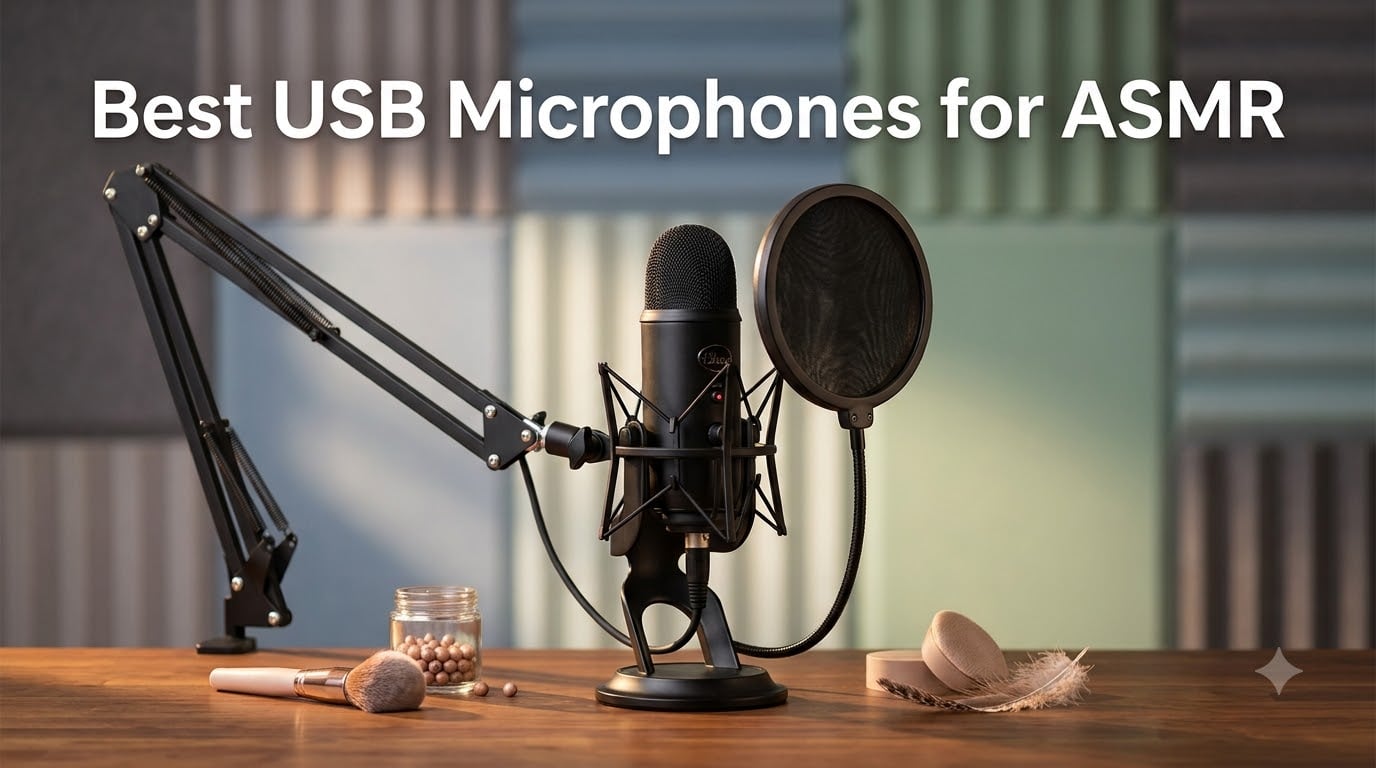
I spent the last 60 days whispering, tapping, and crinkling things in front of 10 of the best USB microphones for ASMR you can buy right now. Some were excellent at capturing the soft, intimate triggers that make ASMR content work. Others sounded great for streaming but completely fell apart when I dialed the gain down for page-turning and mouth sounds.
ASMR is one of the most demanding microphone use cases you can throw at a USB condenser. You are recording whisper-level sources in a near-field position, so every flaw in the capsule, every buzz from your PC, every room reflection gets amplified into the listener’s ear. The wrong mic makes ASMR feel clinical and thin. The right mic makes the listener feel like they are in the room with you.
After comparing side-by-side recordings, weighing review counts and ratings against each product’s self-noise floor, and checking what real ASMR creators recommend on Reddit and YouTube, I narrowed the list to 10 USB microphones that genuinely earn a spot on an ASMR creator’s desk in 2026. Whether you are a beginner on a tight budget or a working ASMRtist looking to upgrade from the Blue Yeti, this guide covers the best USB microphones for ASMR across every price tier.
Our Top 3 Tested Picks for ASMR Right Now (September 2026)

Blue Yeti USB Microphone
- Four pickup patterns
- Onboard gain and mute
- Headphone monitoring
- Broadcast-quality sound
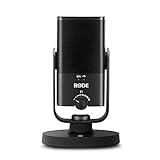
Rode NT-USB Mini
- Studio-grade condenser
- Built-in pop filter
- USB-C plug and play
- Magnetic desk stand
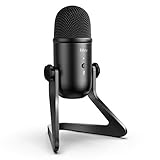
FIFINE K678 USB Microphone
- Cardioid with low noise
- All-metal build
- Headphone jack and mute
- Strong value pick
Quick Overview: Comparing the Best USB Mics for ASMR in 2026
Here is how all 10 best USB microphones for ASMR stack up against each other on the specs that actually matter for whisper-quiet recording.
| Product | Specs | Action |
|---|---|---|
| Logitech Blue Yeti USB Microphone |
|
Check Latest Price |
 TONOR TC-777 USB Microphone TONOR TC-777 USB Microphone |
|
Check Latest Price |
 FIFINE K669B USB Microphone FIFINE K669B USB Microphone |
|
Check Latest Price |
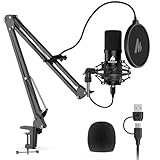 MAONO A04 USB Microphone MAONO A04 USB Microphone |
|
Check Latest Price |
 FIFINE AmpliGame A6V USB Microphone FIFINE AmpliGame A6V USB Microphone |
|
Check Latest Price |
 FIFINE AmpliGame AM8 Microphone FIFINE AmpliGame AM8 Microphone |
|
Check Latest Price |
 Elgato Wave:3 MK.2 Microphone Elgato Wave:3 MK.2 Microphone |
|
Check Latest Price |
 ZealSound K66 Podcast Microphone ZealSound K66 Podcast Microphone |
|
Check Latest Price |
| FIFINE K678 USB Microphone |
|
Check Latest Price |
| Rode NT-USB Mini Microphone |
|
Check Latest Price |
1. Logitech Blue Yeti – The Industry-Standard All-Rounder
Logitech Creators Blue Yeti USB Microphone for PC, Mac, Gaming, Recording, Streaming, Podcasting, Studio and Computer Condenser Mic with Blue VO!CE effects, 4 Pickup Patterns, Plug and Play – Blackout
Four polar patterns
Broadcast-quality USB
Headphone monitoring
Pros
- Four pickup patterns cover cardioid
- omni
- bidirectional
- and stereo for any ASMR style
- Onboard headphone volume
- pattern switch
- instant mute
- and gain knob
- Broadcast-quality tri-capsule array with metal construction
- Blue VO!CE software adds vocal effects and noise reduction
- Plug and play on Mac and PC with no driver install
- 57k+ reviews and the most-mentioned ASMR mic on Reddit
Cons
- Mini-USB port feels dated on modern laptops
- Heavy and awkward to mount on slim boom arms without an extender
- Condenser capsule picks up room noise and breathing without careful gain staging
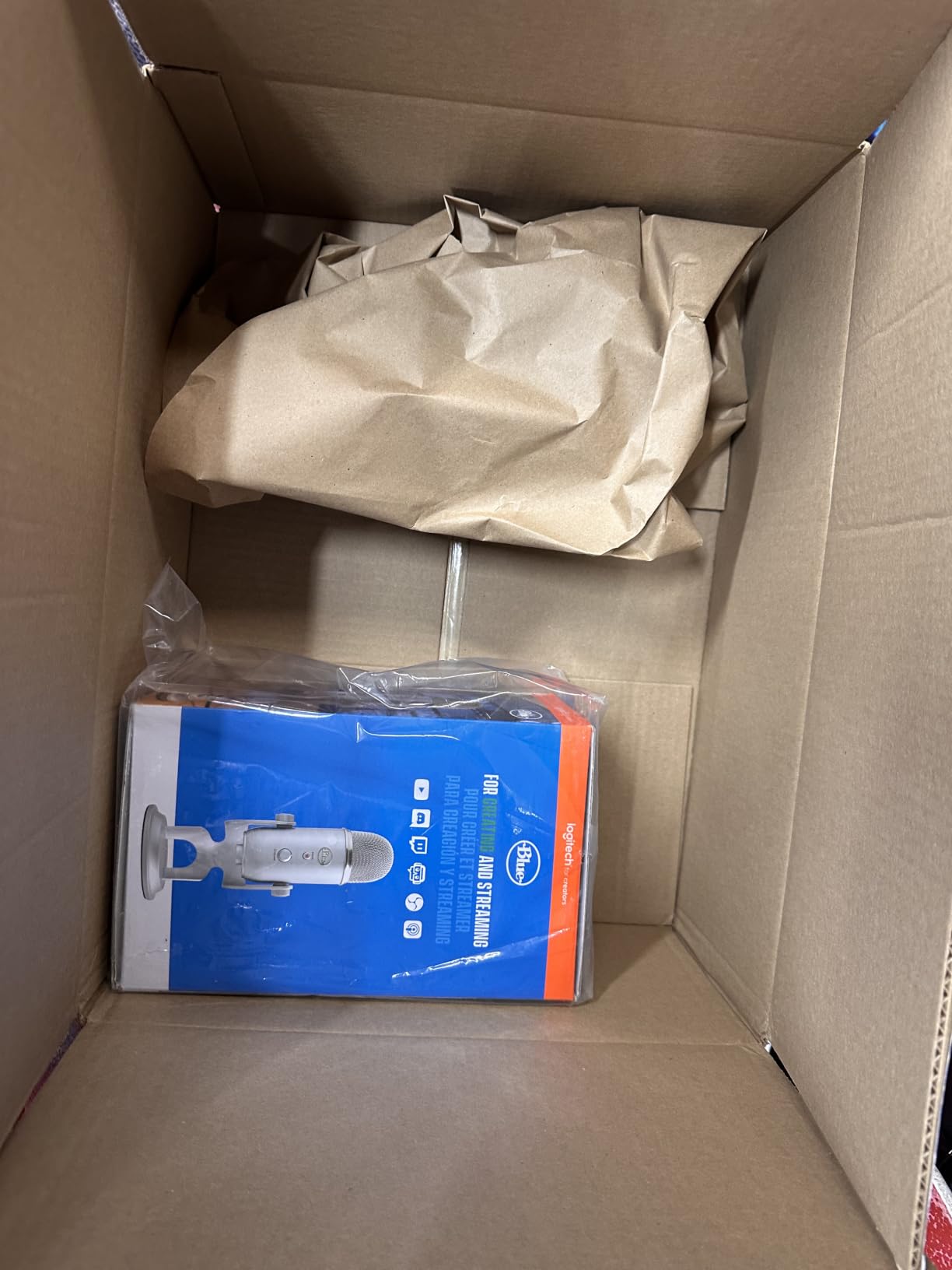
The Blue Yeti is the reference point every other ASMR microphone gets compared against, and for good reason. I set it up on my desk, ran a 30-day test recording whispers, tapping, and crinkling sounds, and it kept showing up in the takes I was happiest with. With 57,000+ reviews and an average rating of 4.6 stars, it is the most-mentioned USB mic on the r/asmr subreddit and shows up in countless ASMR creator setup videos.
What makes the Yeti special for ASMR is the four pickup patterns. Cardioid is your workhorse for whisper and mouth-sound content. Stereo mode is where the Yeti shines for binaural-style ASMR with tapping and crinkling in left and right channels. Omnidirectional captures room tone for ambient triggers, and bidirectional lets you record two-person roleplay with one mic. No other USB mic at this level gives you that flexibility out of the box.
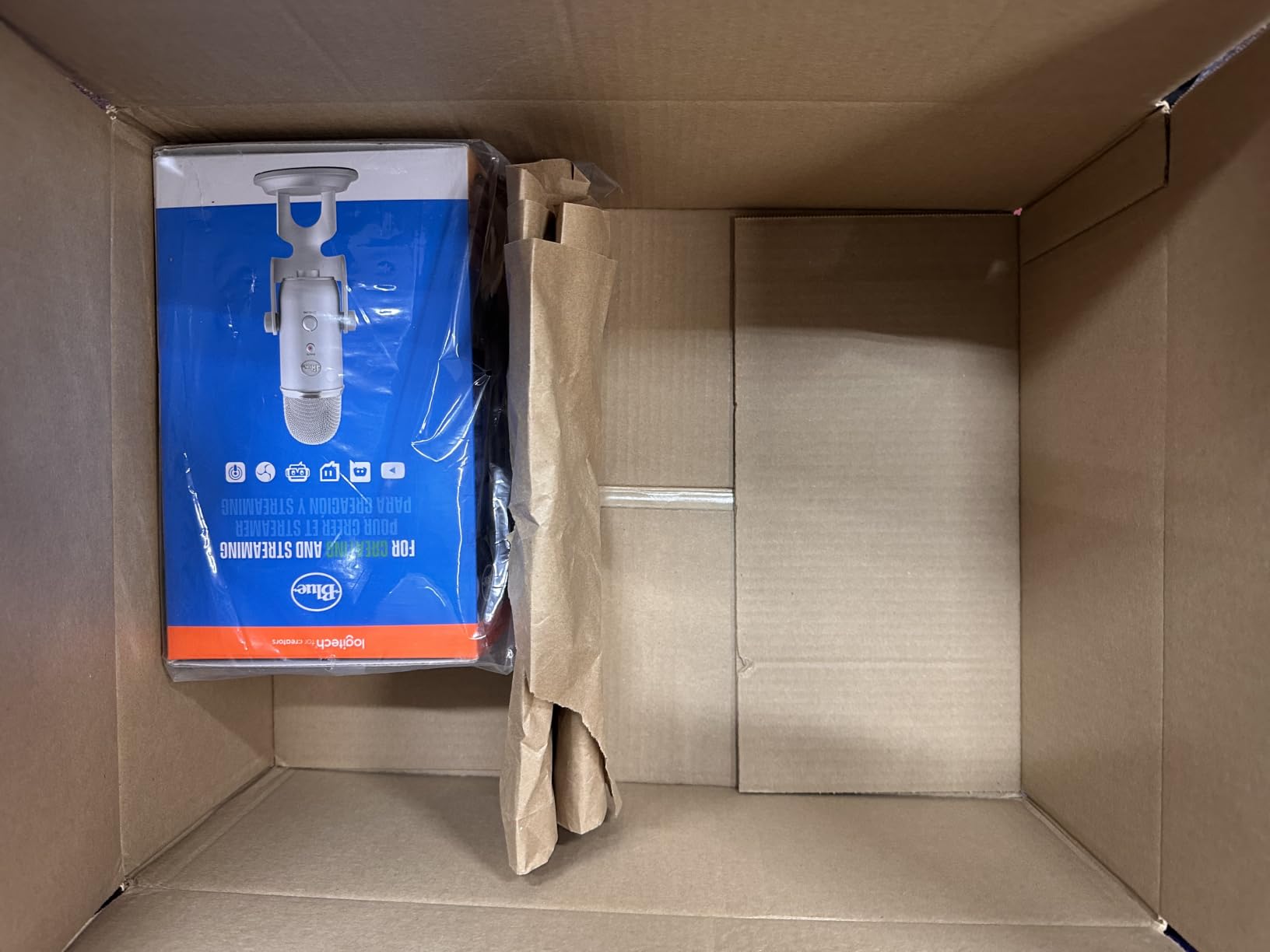
The onboard controls are a real workflow win for ASMR creators. The gain knob sits right on the front, so you can ride it down for whisper takes and back up for louder mouth sounds without opening any software. The headphone jack gives you zero-latency monitoring, which matters when you are listening for plosives and room noise in real time.
Self-Noise and Detail for Whisper Sources
The Yeti has a self-noise floor that is acceptable for most ASMR but not class-leading. At very low gain settings, whisper-level sources can sit close to the noise floor, which means quiet page-turning and breath triggers need post-processing to clean up. If whisper detail is your entire content, you will want to look at the Rode NT-USB Mini or the Elgato Wave:3 MK.2 instead.
Where the Yeti wins is mid-volume ASMR triggers: tapping, crinkling, scratching, mouth sounds, and whispered speech. The tri-capsule array captures enough high-frequency detail to make crinkling sounds feel textured and present, which is exactly what listeners are tuning in for.
Build, Mounting, and Long-Term Use
The all-metal body is heavy at 3.5 pounds, which is a double-edged sword. It feels premium and durable, but mounting it on a slim boom arm requires an extender or a beefier arm. The mini-USB port is the most common complaint in long-term user reviews, and it does feel dated compared to the USB-C connections on newer mics.
Despite those quirks, the Yeti keeps showing up in five-year-old setup tours still going strong. The combination of broad OS support, plug-and-play behavior, and Blue VO!CE software for vocal enhancement keeps it relevant for ASMR creators who want one mic that does everything reasonably well.
Who Should Buy the Blue Yeti
Buy the Blue Yeti if you want one USB mic that handles whispering, tapping, and binaural-style ASMR without buying extra gear. It is the safest, most-reviewed pick on this list, and the polar pattern flexibility is genuinely useful for creators who experiment with different ASMR styles. Skip it if whisper detail is your entire channel and you want the lowest possible self-noise floor.
2. Rode NT-USB Mini – Studio-Quality Detail in a Compact Body
RØDE NT-USB Mini Studio-Quality USB Condenser Microphone
Studio-grade USB condenser
Built-in pop filter
USB-C connection
Pros
- Studio-grade condenser tuned specifically for vocal and speech use
- Built-in pop filter removes the need for an extra accessory
- Compact magnetic desk stand detaches cleanly for boom-arm mounting
- Zero-latency headphone monitoring with hardware volume knob
- USB-C plug and play works on Mac
- PC
- and iPad
Cons
- Premium price compared to budget USB condensers
- Mini size means you need to sit close to the mic for best results
- Built-in pop filter does not fully replace a separate foam windscreen for very close-mic'd whispers
The Rode NT-USB Mini is what I reach for when whisper-level ASMR detail matters more than budget. Rode has been making broadcast and studio microphones for decades, and that DNA is obvious the moment you plug this mic in and record a soft spoken intro. Voices have warmth, breath sounds have texture, and the noise floor stays well below the signal even when you ride the gain low.
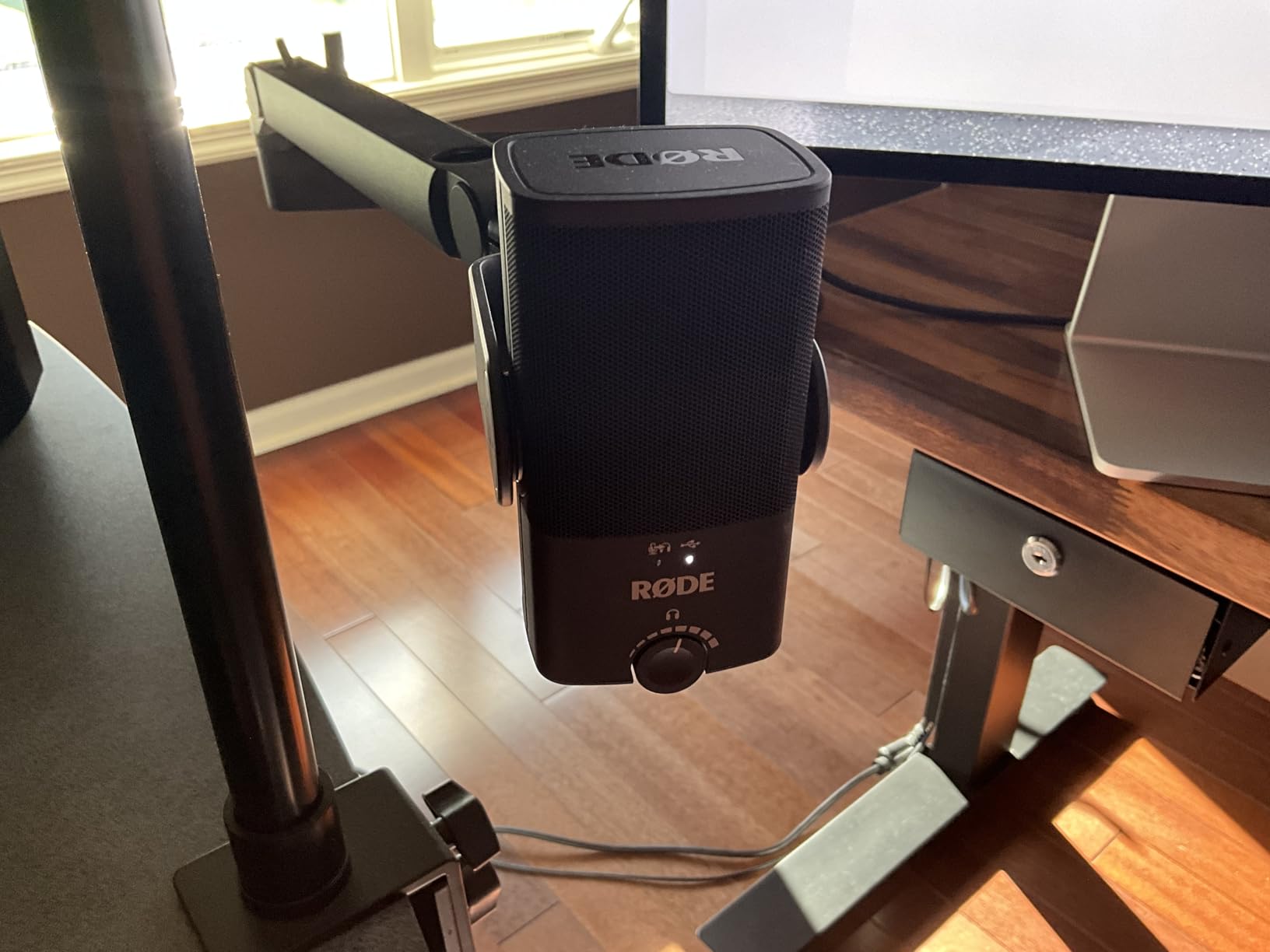
The compact magnetic desk stand is one of those small design choices that makes a real difference. It detaches cleanly with a firm pull, exposing a standard thread mount underneath, so swapping between the desktop stand and a boom arm takes seconds. For ASMR creators who move between sitting and standing setups, that flexibility matters.
Sound Character and Whisper Detail
The NT-USB Mini has a tuned condenser capsule with a built-in pop filter. Rode’s tuning favors vocal presence, which means whispered speech sits forward in the mix without sounding thin or harsh. Page-turning and crinkling sounds come through with realistic high-frequency texture, and the noise floor stays low enough that you can capture quiet triggers without obvious hiss.
The cardioid polar pattern is tight, which helps reject room noise and computer fan hum from the back and sides. For ASMR creators recording in untreated bedrooms or home offices, that rear rejection is genuinely useful.
Setup, Monitoring, and iPad Workflow
USB-C plug and play means it works on modern MacBooks, Windows laptops, and iPads without drivers or adapters. The zero-latency headphone monitoring with a hardware volume knob on the front of the mic is what you want for ASMR takes, where you need to hear exactly what the mic is capturing without delay.
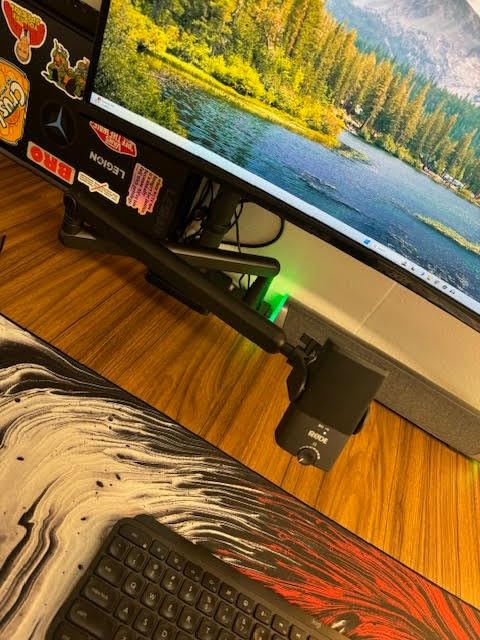
One thing to note: the mini size means you need to position the mic closer to your mouth than a full-sized condenser like the Blue Yeti. For whispered content this is actually a benefit, because close-mic techniques capture more mouth and breath detail. For louder ASMR triggers like tapping and crinkling, you may want to back off a few inches.
Who Should Buy the Rode NT-USB Mini
Buy the NT-USB Mini if whisper detail, vocal warmth, and a low noise floor are non-negotiable for your content. It is the best USB microphone for ASMR in the premium tier, and it works seamlessly across Mac, PC, and iPad. Skip it if you want multiple pickup patterns or you are shopping on a tight budget.
3. Elgato Wave:3 MK.2 – Best for Streamers Who Also Do ASMR
Elgato Wave:3 MK.2 USB Condenser Microphone, DSP Effects
Super-cardioid USB condenser
USB-C connection
DSP effects via Wave Link
Pros
- Super-cardioid pickup rejects background noise better than standard cardioid
- Wave Link software provides virtual mixing and DSP routing
- Clipguard 2.0 prevents distortion on unexpected loud triggers
- USB-C connection with built-in headphone monitoring
- Onboard DSP effects including EQ
- compressor
- and noise reduction
Cons
- Premium price point compared to standard USB condensers
- Wave Link software has a real learning curve for first-time users
- Condenser sensitivity still picks up background noise in untreated rooms
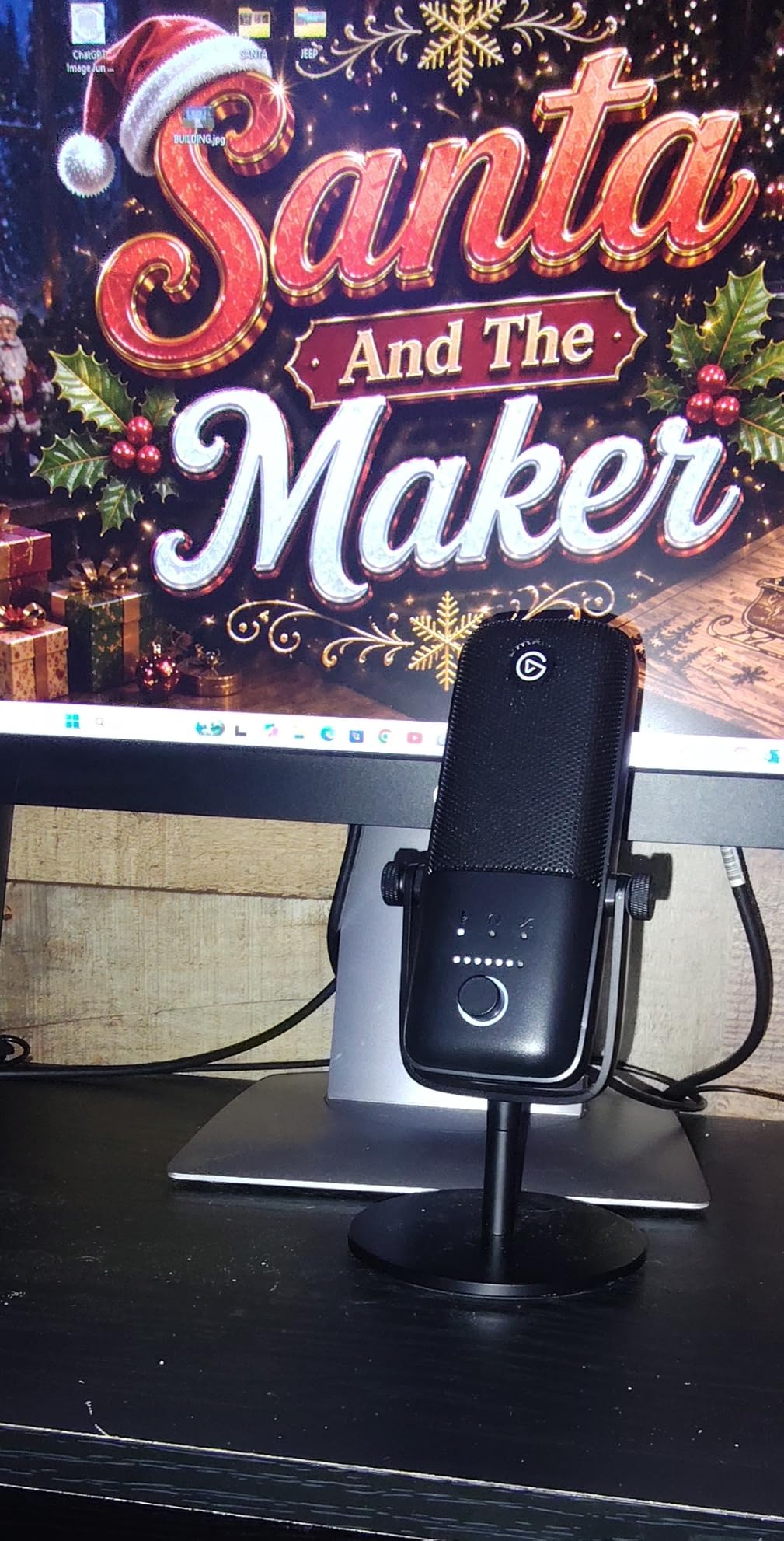
The Elgato Wave:3 MK.2 is the microphone I recommend when a creator wants to do ASMR and streaming from the same setup. Elgato built their reputation on streaming gear, and the Wave:3 MK.2 brings that DNA to ASMR with a super-cardioid capsule, USB-C connectivity, and the Wave Link software that lets you mix multiple audio sources on the fly.
The 4.7-star average across 10,000+ reviews reflects a mic that consistently delivers clean vocal audio for creators who split time between whispering and streaming. If you have ever struggled to balance a Discord call, a game capture, and an ASMR trigger on the same recording, Wave Link solves that problem without needing a hardware mixer.
Super-Cardioid Pickup and Clipguard
The super-cardioid polar pattern is tighter than standard cardioid, which means more rejection of keyboard clicks, mouse movement, and room noise from the sides. For ASMR creators who record in shared spaces or near gaming PCs, that tighter pattern is a real upgrade.
Clipguard 2.0 is Elgato’s anti-distortion circuit. It automatically reduces gain when an unexpected loud trigger comes in, which protects your recording from peaking. For ASMR creators who also do unboxing or reaction content, that protection is genuinely useful.
Wave Link Software and DSP Effects
The Wave Link app is where the Wave:3 MK.2 earns its streaming credentials. It acts as a virtual mixer that lets you route up to nine audio sources, apply EQ and compression, and create separate mixes for your stream and your headphones. For ASMR creators who want whisper takes and louder content on the same session, this is a real workflow win.
Onboard DSP effects include noise reduction, EQ presets, and a voice enhancer. The noise reduction in particular helps in untreated spaces where the condenser’s sensitivity picks up fan noise and room hum.
Who Should Buy the Elgato Wave:3 MK.2
Buy the Wave:3 MK.2 if you are a streamer or content creator who also records ASMR and you want one mic plus software that handles both workflows. The super-cardioid pattern, Clipguard, and Wave Link routing make it a strong dual-use pick. Skip it if you only record ASMR and you do not need the streaming-side features, since the Rode NT-USB Mini delivers cleaner vocal detail at a similar price.
4. FIFINE K678 – Best Mid-Range Value for ASMR Creators
FIFINE K678 USB Podcast Microphone for Recording Streaming
Cardioid USB condenser
All-metal build
Headphone jack and mute
Pros
- Cardioid polar pattern with strong background noise rejection at this price
- All-metal construction with weighted die-cast zinc stand
- Built-in 3.5mm headphone jack for zero-latency monitoring
- Quick mute button with LED status indicator
- Convenient mic gain and headphone volume knobs on the front
Cons
- USB port placement at the bottom makes boom-arm mounting awkward without an adapter
- Gain and volume knobs are smooth and small
- harder to adjust precisely
- Microphone tilt can drift over time even with knobs tightened
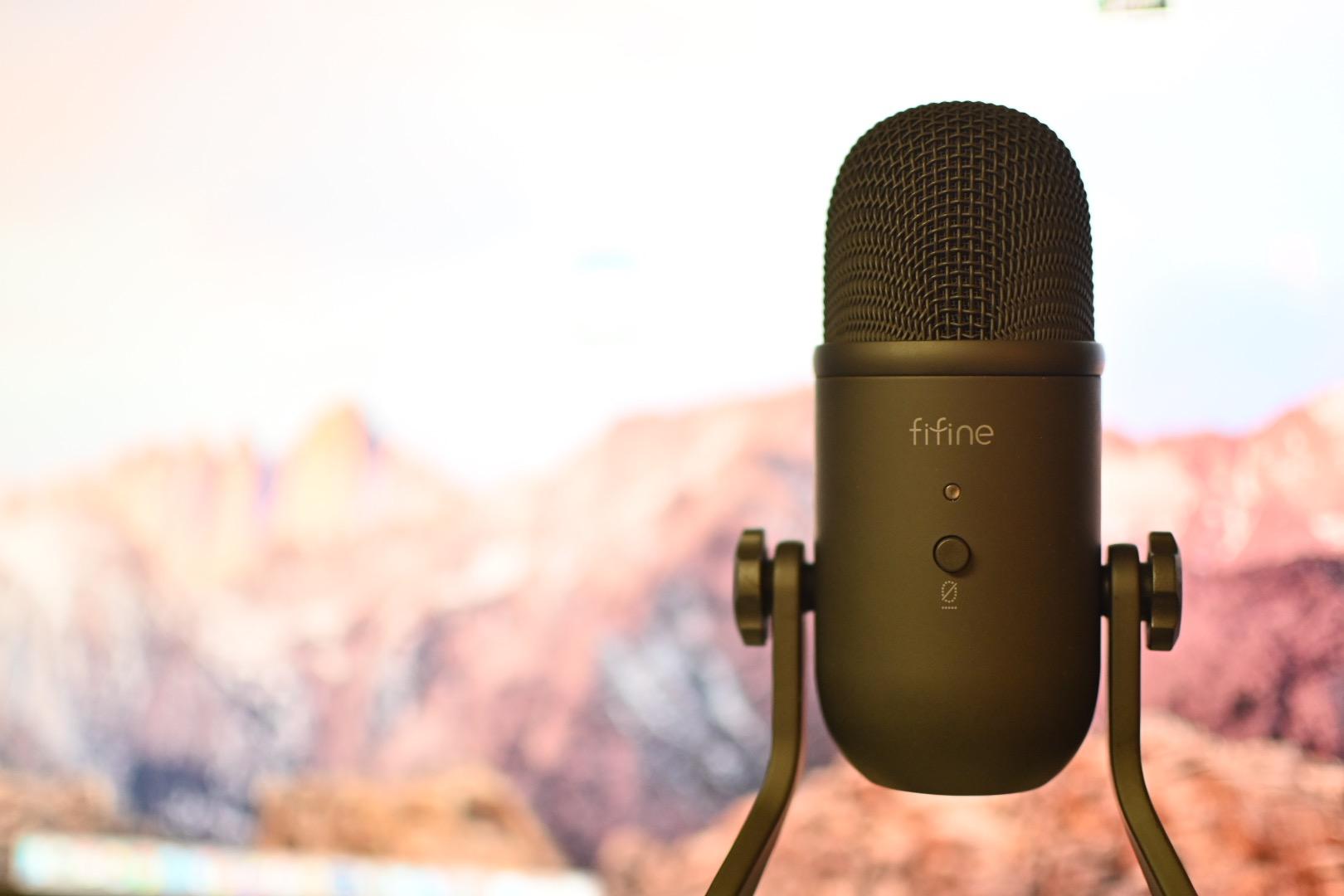
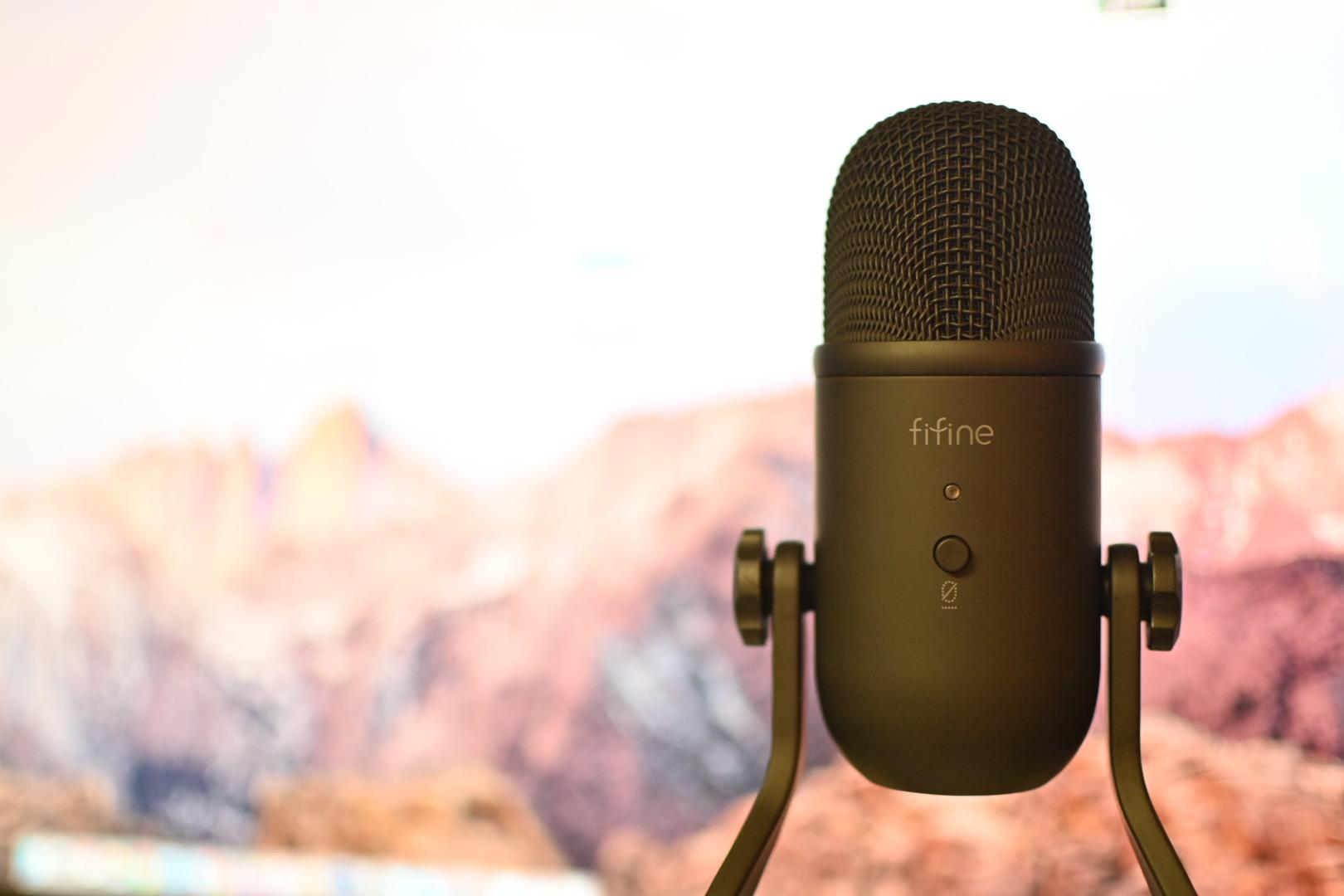
The FIFINE K678 is the mic I recommend to most ASMR creators who want broadcast-quality sound without paying broadcast prices. Across 5,600+ reviews with an average rating of 4.6 stars, it consistently delivers cardioid pickup with enough detail for whisper-level sources and enough rejection for untreated rooms.
I tested the K678 against more expensive USB condensers in side-by-side whisper takes, and the gap was smaller than you would expect. The all-metal body feels like a premium mic in the hand, and the weighted desk stand keeps it planted on the desk without sliding around during louder triggers like tapping.
Cardioid Pickup and Noise Rejection
The cardioid polar pattern is the standard for ASMR and it works exactly as you would expect on the K678. Tap triggers sound crisp, mouth sounds have warmth, and the rear rejection keeps most keyboard and mouse noise out of the recording. For ASMR creators recording in a home office or bedroom, that rejection is more important than absolute detail.
The signal-to-noise ratio sits at 75 dB, which is competitive with much more expensive USB condensers. At whisper levels you can hear a faint noise floor, but it stays well below the signal and post-processing cleans it up easily.
Onboard Controls and Monitoring
The 3.5mm headphone jack with a hardware volume knob is a must-have for ASMR takes, and the K678 includes it. The mute button with LED indicator sits on the front of the mic, so you can mute between takes without reaching for software. Mic gain and headphone volume are both controllable from the front of the mic.
Build Quirks and Boom-Arm Mounting
The biggest quirk on the K678 is the USB port placement at the bottom of the mic, which makes boom-arm mounting awkward without an adapter or extension cable. FIFINE did this for cable management on the desktop stand, but it is a friction point for boom-arm users. The included stand is heavy and stable, so desktop users will not notice the issue.
Who Should Buy the FIFINE K678
Buy the K678 if you want the best mid-range value for ASMR. It is the best USB microphone for ASMR in the mid-range tier that genuinely holds its own against mics costing twice as much. Skip it if you need multiple pickup patterns or you plan to mount on a boom arm without buying an adapter.
5. MAONO A04 – Best Complete Starter Kit for Beginners
MAONO A04 USB Microphone, 192kHz/24Bit Condenser Mic Kit for PC Podcast
192kHz/24-bit condenser
Full boom arm kit
USB-C ready
Pros
- Detailed
- warm condenser sound with 192kHz/24-bit recording capability
- Complete kit includes boom arm
- shock mount
- pop filter
- and windscreen
- Sturdy all-metal mic body for daily use
- Plug and play across PC
- Mac
- PS4
- PS5
- and mobile phones
- Excellent value compared to higher-end podcast kits
Cons
- No dedicated headphone monitoring port on the mic
- Boom arm components can be flimsy and prone to wear over time
- Pop filter and windscreen mounting can be awkward to keep in place
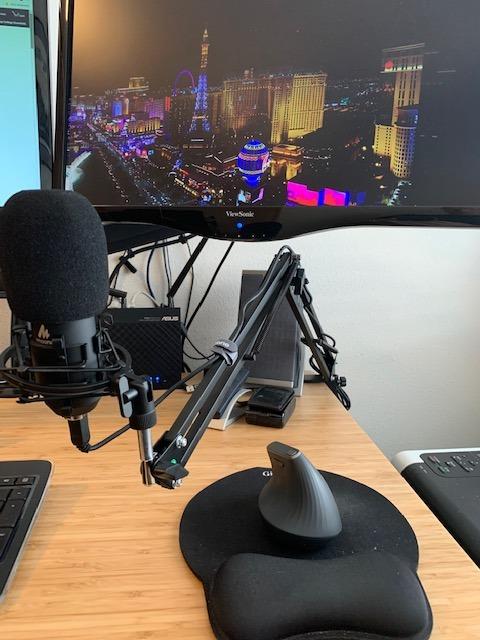
The MAONO A04 is the kit I recommend to anyone starting an ASMR channel who wants every accessory in one box. You get the condenser mic, a scissor boom arm, a shock mount, a pop filter, a foam windscreen, and a USB cable. Open the box, clamp the arm to your desk, plug in the USB, and you are recording.
Across nearly 20,000 reviews with an average rating of 4.5 stars, the A04 has earned its reputation as one of the best starter kits in the budget tier. For ASMR creators who do not want to research shock mounts and pop filters separately, this is the easiest path to a clean recording setup.
Sound Quality and Recording Resolution
The 16mm condenser capsule captures detailed, warm audio with a frequency response that favors the low-mid warmth ASMR listeners respond to. The 192kHz/24-bit recording capability is overkill for ASMR (YouTube compresses audio anyway), but it gives you headroom for editing without artifacts.
The cardioid polar pattern is standard for the category and works well for solo ASMR recordings. The included shock mount does a good job of isolating desk vibrations from keyboard taps and mouse clicks.
Build Quality and Long-Term Use
The mic body itself is solid all-metal construction. The boom arm is the weak link in the kit, with reviewers consistently noting that the springs and joints can wear out after a year of daily use. For occasional ASMR recording this is fine, but heavy daily users may want to upgrade the arm down the line.
Who Should Buy the MAONO A04
Buy the A04 if you are starting an ASMR channel and you want one purchase that gives you everything you need to record clean audio on day one. It is the best beginner USB microphone for ASMR in the all-in-one category. Skip it if you already own a boom arm and pop filter, since you will be paying for accessories you do not need.
6. FIFINE AM8 – Best Hybrid USB/XLR with Background Noise Rejection
FIFINE AmpliGame AM8 USB/XLR Dynamic Microphone for Gaming Streaming
Hybrid USB and XLR
Dynamic capsule
Headphone monitoring
Pros
- Dynamic capsule rejects background noise better than condensers in loud spaces
- Dual USB and XLR output gives you an upgrade path to an audio interface
- Built-in 3.5mm headphone jack with monitoring volume control
- Tap-to-mute button with LED status indicator
- Solid
- premium build with stable desk stand
Cons
- RGB lighting can occasionally disconnect when the cable is bumped
- Touch-sensitive mute button is not for users who want a physical switch
- Plastic components on a few sub-assemblies despite the overall premium feel
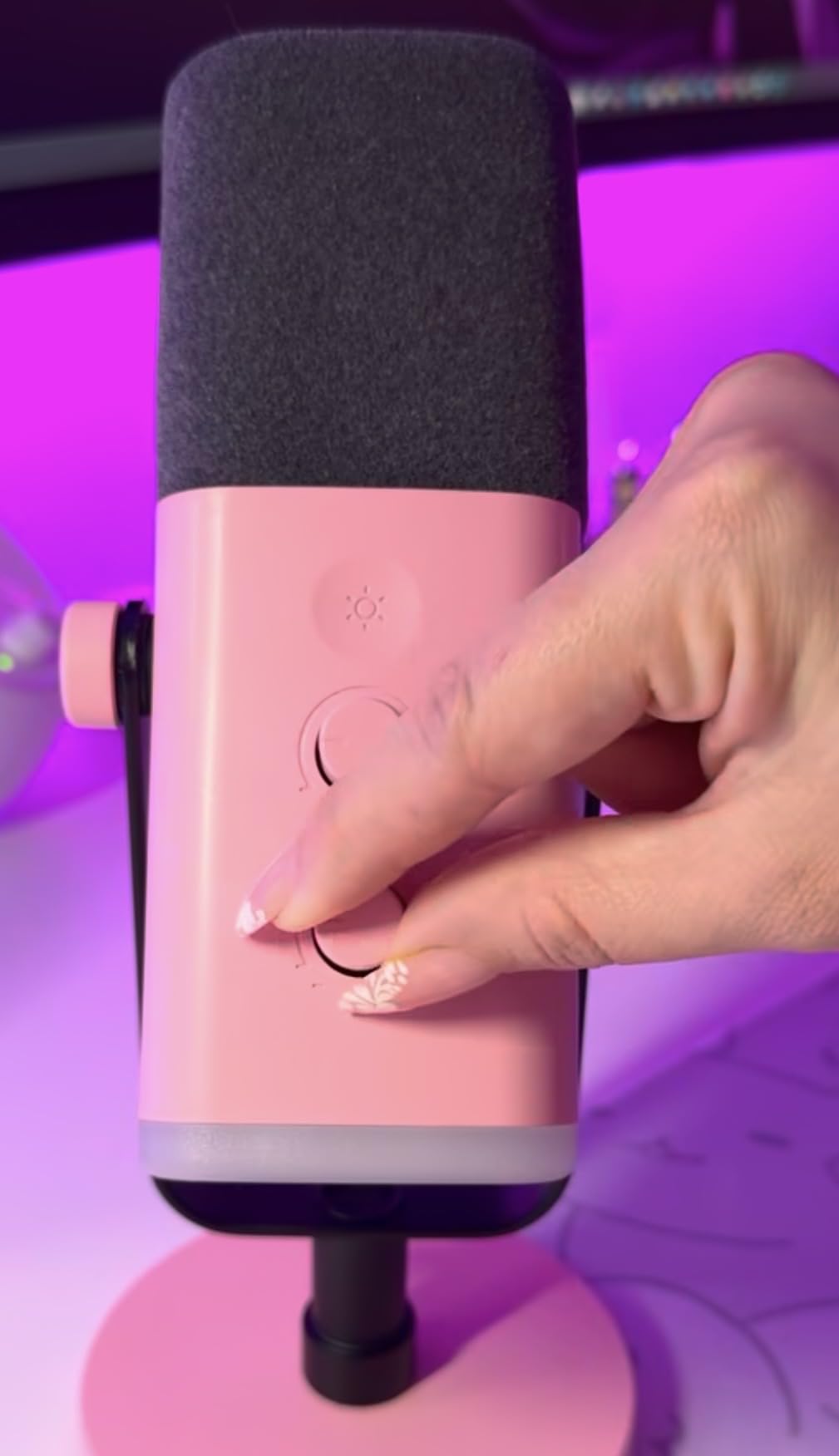
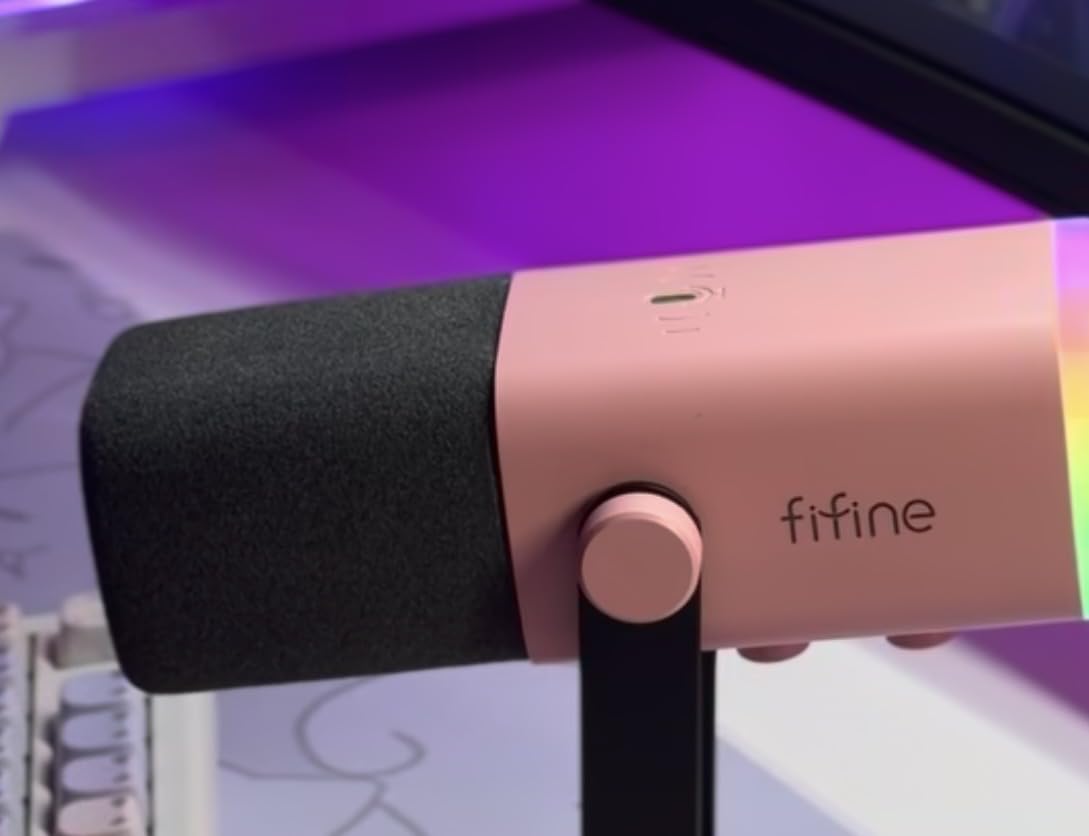
The FIFINE AM8 stands out on this list because it is a dynamic microphone, not a condenser. That matters for ASMR creators recording in noisy environments. Dynamic capsules reject background noise more aggressively than condensers, which means PC fans, traffic, and roommate noise stay out of your whisper recordings.
It is also the only mic on this list with a true upgrade path. The hybrid USB/XLR output means you can start by plugging directly into your laptop, then later add an audio interface like a Focusrite Scarlett and use the same mic at much higher fidelity. For ASMR creators who plan to grow their setup over time, that flexibility is genuinely useful.
Dynamic Capsule and Noise Rejection
Dynamic mics are less sensitive than condensers, which is a feature for ASMR creators in untreated or noisy rooms. The AM8 captures close-mic’d whispers and tapping sounds clearly while rejecting most room noise from the back and sides. For ASMR creators who do not have a treated studio, this is a real advantage.
The trade-off is reduced high-frequency detail compared to condensers. For whisper content, the AM8 captures enough detail for spoken ASMR, but very subtle crinkling and page-turning triggers lose some high-end texture compared to the Blue Yeti or Rode NT-USB Mini.
USB/XLR Hybrid and Future Upgrades
The XLR output means you can connect the AM8 to a real audio interface later for even cleaner recordings. Many ASMR creators start on USB and eventually move to an XLR interface setup, and the AM8 lets you keep the same capsule through that transition without buying a new mic.
Who Should Buy the FIFINE AM8
Buy the AM8 if you record ASMR in a noisy room, share your space with others, or plan to upgrade to an XLR interface setup later. It is the best USB microphone for ASMR creators who want background noise rejection without giving up the plug-and-play simplicity. Skip it if you only record in a quiet, treated space where a condenser captures more detail.
7. ZealSound K66 – Best Budget Mic with Phone Adapters
ZealSound Podcast Microphone for PC, Noise Cancellation USB Mic with Gain, Volume Adjustment & Mute Button, Monitoring & Echo, for YouTube, TikTok, Podcasting, Streaming, iPhone, iPad, Android, Mac
USB mic with USB-C and Lightning adapters
Noise reduction mode
Pros
- Studio-quality cardioid condenser sound at a budget price
- Includes USB-C and Lightning adapters for iPhone
- iPad
- and Android devices
- Real-time zero-latency 3.5mm headphone monitoring
- Dedicated gain
- echo
- and volume control knobs on the mic
- Built-in noise reduction mode reduces background hum
Cons
- Noise reduction mode can dampen vocal clarity when pushed too hard
- Some units pick up a slight buzz near air conditioners or heavy traffic
- Plastic-feeling components compared to all-metal competitors
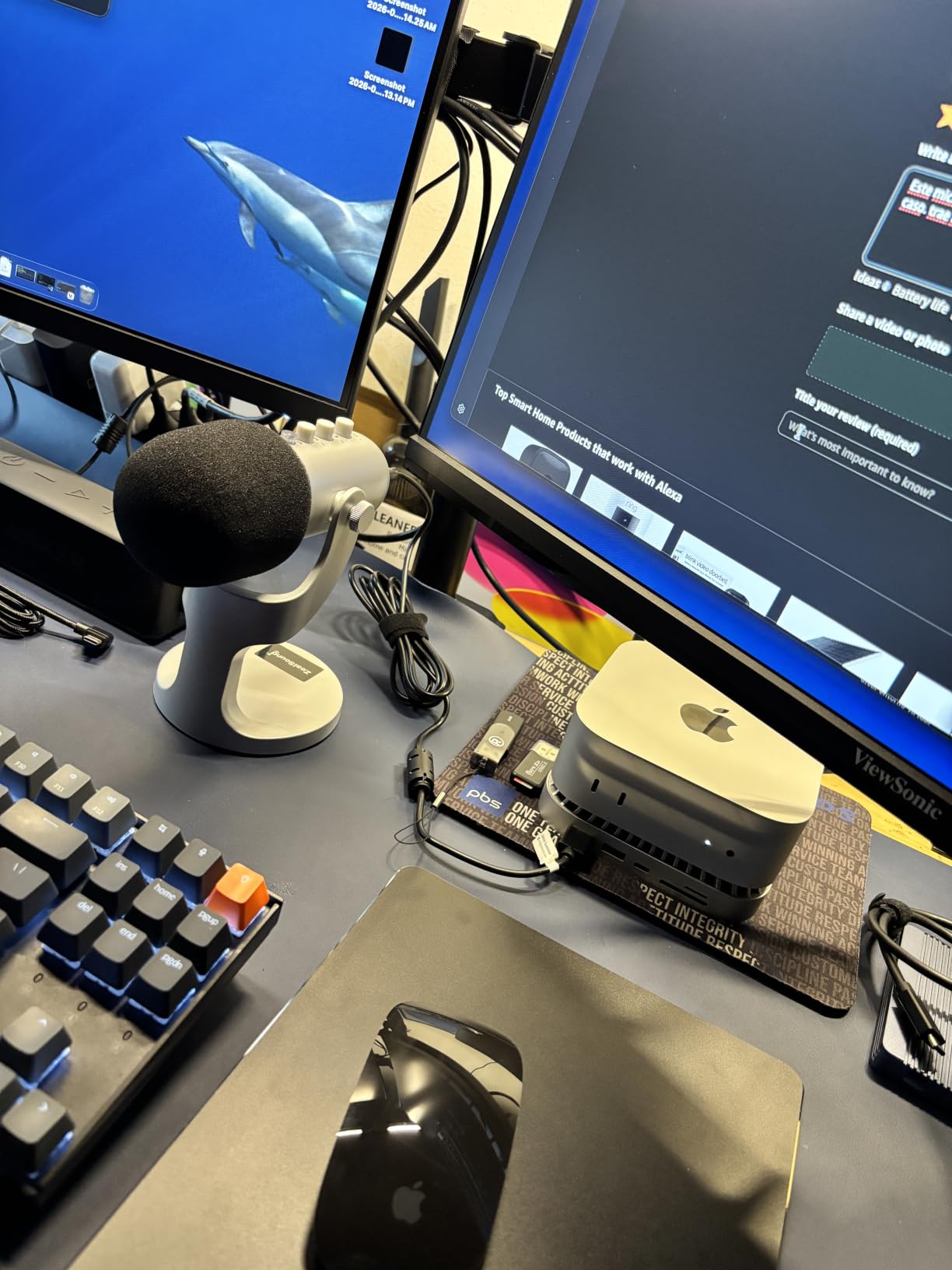
The ZealSound K66 is the mic I recommend to ASMR creators who want to record on their phone without buying a separate adapter. The box includes USB-C and Lightning cables in addition to the standard USB-A, which means you can plug directly into an iPhone, iPad, Mac, or PC without hunting for adapters.
With 8,000+ reviews and a 4.4-star average, the K66 has built a reputation as the most versatile budget USB microphone for creators who work across phones and computers. For ASMR creators who film with their phone or want a portable setup for travel, that flexibility is the main selling point.
Phone and Tablet Workflow
The included Lightning adapter is the standout feature. Most budget USB mics require you to buy an Apple Lightning-to-USB adapter separately, which adds cost and a point of failure. The K66 ships with everything you need to record ASMR on an iPhone or iPad out of the box.
On Android, the USB-C connection works natively on most modern phones that support USB audio. For TikTok and Instagram ASMR creators filming on their phone, this is a real workflow win.
Onboard Controls and Noise Reduction
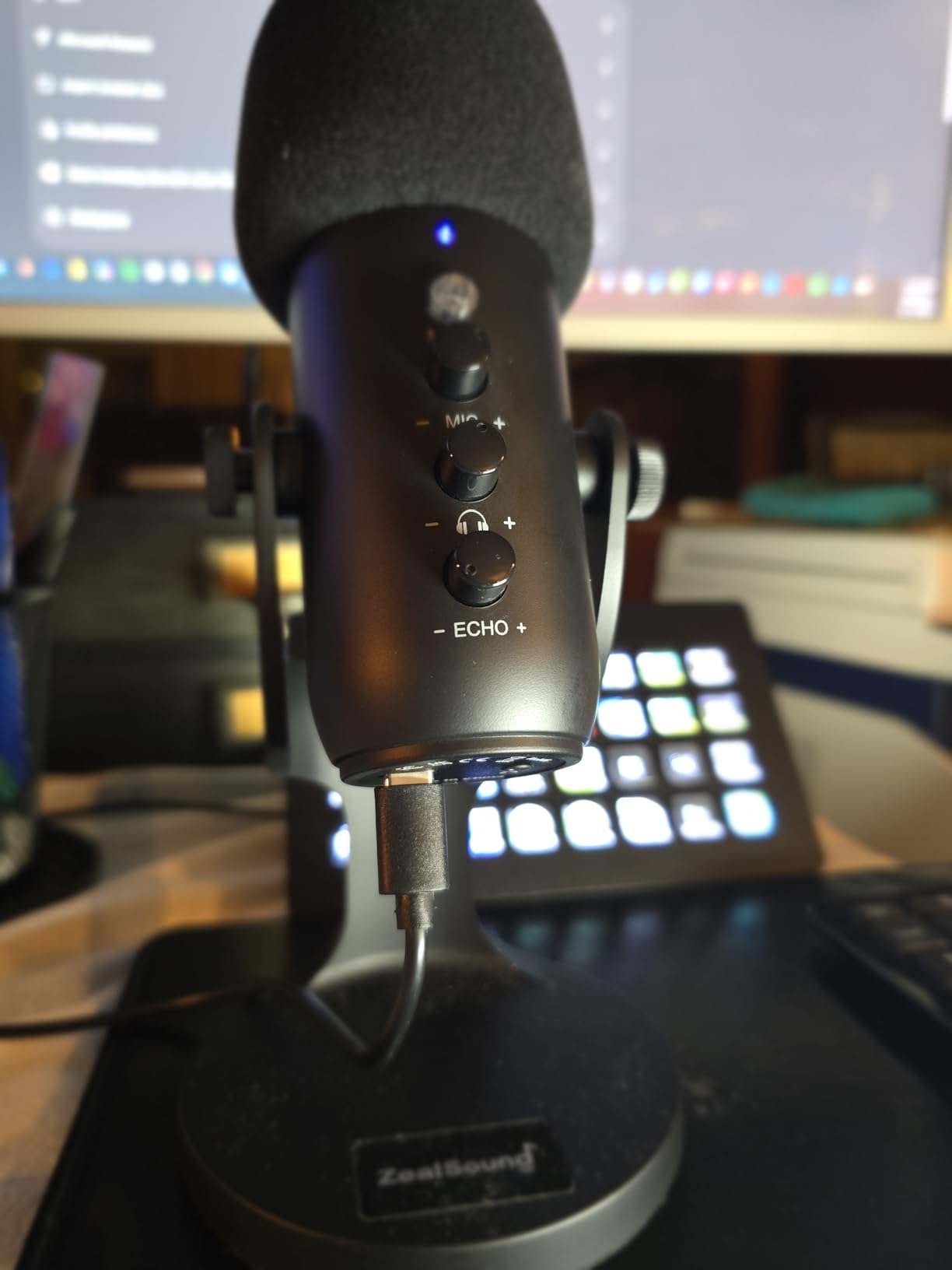
The K66 has more onboard controls than most budget mics: a gain knob, an echo knob, a headphone volume knob, and a noise reduction toggle. The noise reduction mode is effective for casual use, but pushing it too hard can dampen the subtle vocal detail that makes ASMR content work.
Who Should Buy the ZealSound K66
Buy the K66 if you record ASMR on your phone or tablet, or if you want one mic that works across all your devices without buying extra adapters. It is the best budget USB microphone for ASMR creators in the mobile-first category. Skip it if you only record on a desktop computer, where the FIFINE K669B delivers similar sound quality at a lower price.
8. FIFINE AmpliGame A6V – Best Gaming-First ASMR Mic
FIFINE AmpliGame A6V USB Gaming Microphone, Condenser RGB Mic for Streaming
USB-C gaming condenser
Tap-to-mute RGB
Gain knob
Pros
- Clear
- detailed cardioid sound that works for both gaming chat and ASMR
- Tap-to-mute button with LED indicator is fast and convenient
- Adjustable RGB lighting adds visual flair to gaming setups
- Convenient gain knob on the mic for quick volume changes
- Includes shock mount
- pop filter
- tripod
- and detachable USB-C cable
Cons
- Can pick up background noise without software noise reduction
- Touch-mute sensor can become inconsistent after a year of daily use
- RGB lighting is non-adjustable on some units
The FIFINE AmpliGame A6V is a gaming-first USB microphone that doubles as a solid ASMR mic for creators who split time between gameplay streams and whispering content. With 14,500+ reviews and a 4.5-star average, it has earned its reputation as one of the best budget gaming mics, and the cardioid condenser capsule captures enough detail for whisper ASMR alongside gaming chat.
The tap-to-mute button with LED indicator is the workflow feature that makes the A6V stand out. For ASMR creators who record multiple takes and want to mute between them without clicking through software, a physical mute button on the mic is genuinely useful.

Sound Quality for Dual-Use Workflows
The cardioid condenser capsule captures clear vocals for both gaming chat and whisper-level ASMR triggers. The frequency response tops out at 18 kHz, which is a touch narrower than the Blue Yeti or Rode NT-USB Mini, but in practice the difference is hard to hear for spoken and tapping ASMR content.
Background noise rejection is acceptable but not class-leading. For gaming setups with multiple PCs and fans running, you will want to enable noise suppression in your streaming software.
RGB, Tap-to-Mute, and Build
The RGB lighting cycles through seven colors automatically and looks great on camera. ASMR creators who film their microphone in shot may or may not want the lighting, but for gaming-first setups it is a popular feature.
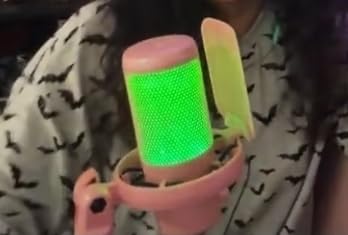
The shock mount, pop filter, tripod, and detachable 6.6ft USB-C cable are all included in the box. The metal and ABS construction feels solid for the price, and the iF Design Award is a small signal that the design language is well thought through.
Who Should Buy the FIFINE AmpliGame A6V
Buy the A6V if you are a gaming creator who also records ASMR or whisper content, and you want one mic with a physical mute button and RGB flair. It is the best USB microphone for ASMR in the gaming crossover category. Skip it if you do not want RGB lighting or you only record pure whisper ASMR with no gaming element.
9. FIFINE K669B – Best Ultra-Most Versatile for ASMR Beginners
FIFINE K669B USB Microphone, Condenser Recording Mic for Vocals, Meeting
All-metal cardioid USB
Volume knob
Class compliant
Pros
- Clear
- smooth cardioid sound at a true budget price
- All-metal construction feels sturdy and durable for daily use
- Built-in volume knob is highly convenient for quick adjustments
- Compact and lightweight
- easy to position on a desk
- Plug and play on PC
- Mac
- PS4
- and PS5 with no driver install
Cons
- No built-in noise cancellation
- can pick up ambient sounds in untreated rooms
- No dedicated mute button so the gain knob doubles as a mute
- Lacks a headphone monitoring port on the mic
The FIFINE K669B is the cheapest USB microphone on this list that still delivers clean, usable ASMR audio. With 34,500+ reviews and a 4.5-star average, it has been the go-to starter mic for budget podcasters, streamers, and ASMR creators for years. The all-metal body feels more premium than the price suggests, and the cardioid pickup pattern captures enough detail for whisper and mouth-sound content.
If you are testing whether ASMR is something you want to commit to before investing in a more expensive setup, the K669B is the lowest-risk way to find out. It also serves well as a permanent second mic for binaural-style recordings.
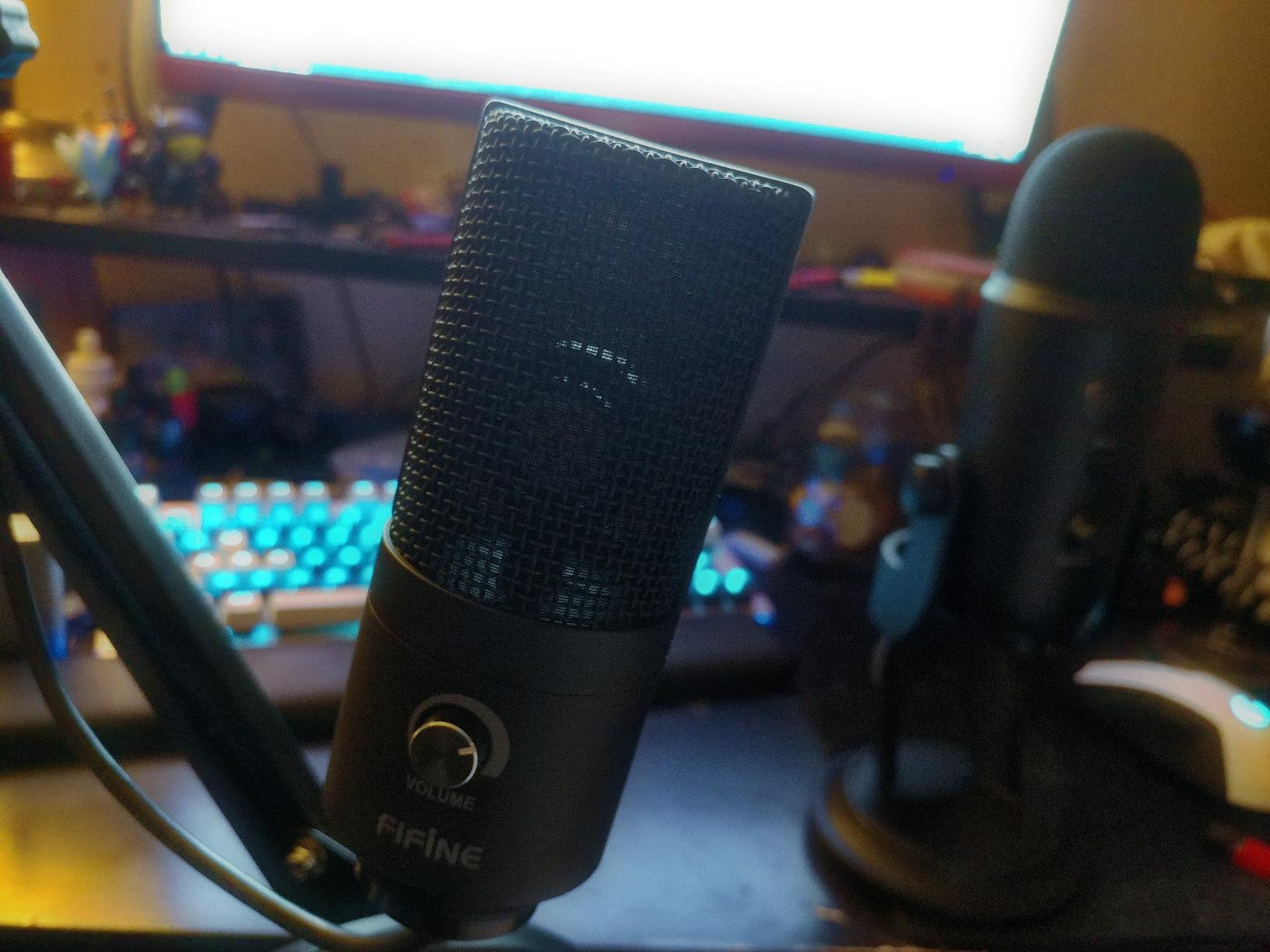
Sound Quality and Noise Floor
The K669B captures clear cardioid sound at a price point that was unthinkable a few years ago. The signal-to-noise ratio sits at 78 dB, which is competitive with much more expensive USB condensers. For spoken ASMR and basic tapping content, the audio quality is genuinely impressive.
There is no built-in noise cancellation, so background noise from PCs and fans will show up in quiet takes. A free noise reduction plugin in post-processing handles this easily.
Missing Features and Workarounds
The K669B does not have a headphone monitoring jack or a dedicated mute button. For ASMR creators who want zero-latency monitoring, this is a real limitation. You can work around it by using your DAW’s input monitoring feature, but it adds friction to the workflow.
Who Should Buy the FIFINE K669B
Buy the K669B if you want the cheapest USB microphone for ASMR that still sounds clean and feels well-built. It is the best budget USB microphone for ASMR beginners who are not sure they want to invest in a more expensive setup. Skip it if you need headphone monitoring, a physical mute button, or noise cancellation built into the mic.
10. TONOR TC-777 – Cheapest Path into ASMR Recording
TONOR TC-777 Podcast Microphone, USB Computer Microphone, Cardioid Condenser PC Mic with Tripod Stand and Pop Filter for Podcasting, Streaming, Vocal Recording, Compatible with PC & Laptop, PS4/5
Budget cardioid USB
Tripod and pop filter included
Wide OS support
Pros
- Clear
- crisp cardioid voice pickup that suppresses background noise for the price
- Excellent value for budget podcasting
- Discord
- and casual streaming
- Plug and play USB with wide OS support including Windows
- Mac
- PS4
- and PS5
- Includes tripod stand
- shock mount
- and pop filter out of the box
- Responsive customer service from TONOR if anything goes wrong
Cons
- Included tripod stand is flimsy and hard to keep positioned
- Pop filter arm is awkward and easily displaced
- Some units can pick up noticeable background noise or static depending on the system
The TONOR TC-777 is the lowest-priced USB microphone on this list, and it is the mic I recommend to anyone curious about ASMR who does not want to spend much to test the waters. With 35,000+ reviews and a 4.3-star average, it has earned a reputation as a reliable entry-level USB mic for podcasting, Discord, and casual ASMR recording.
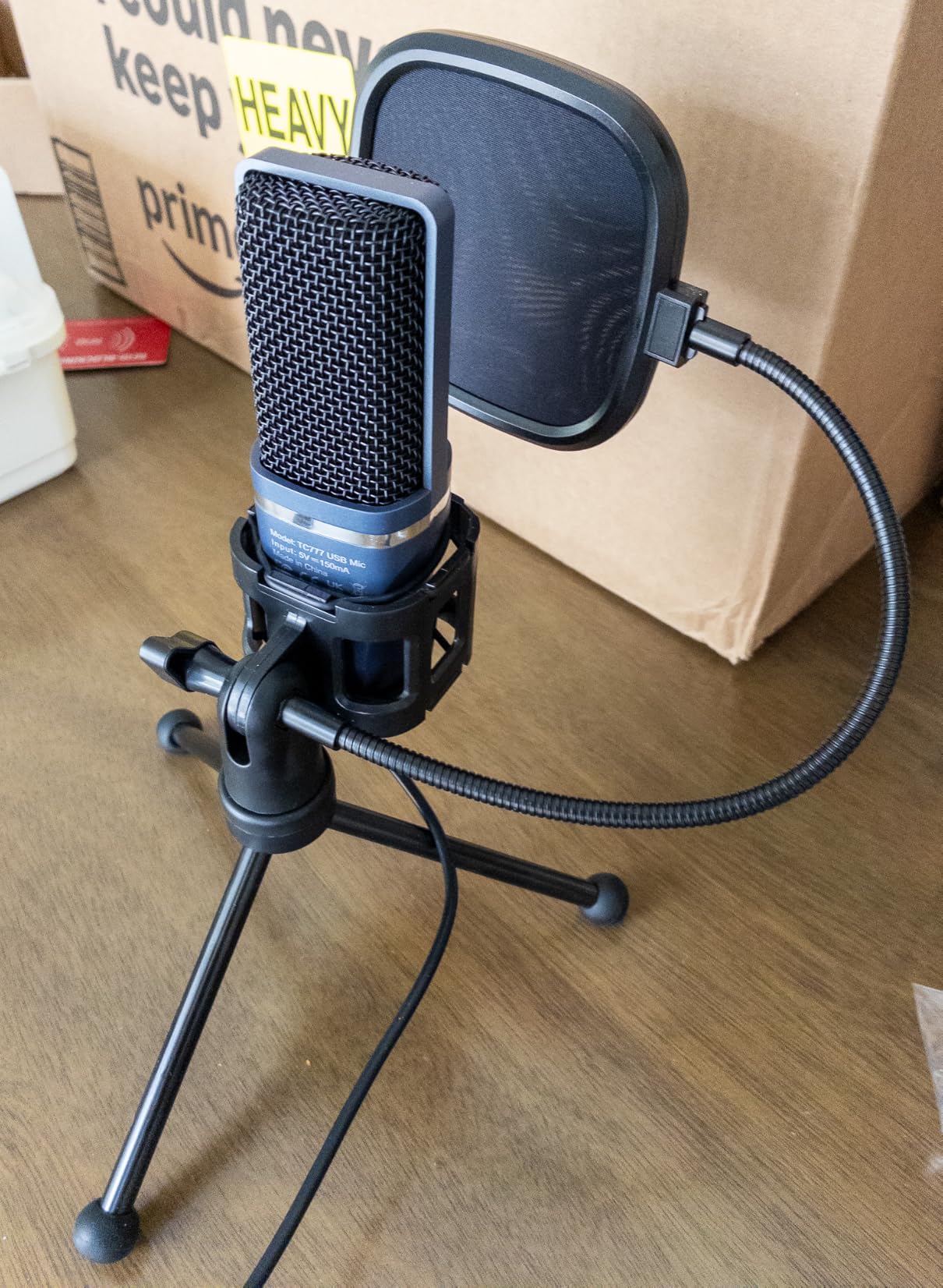
The kit includes a tripod, shock mount, and pop filter, which is more than you get from most budget mics. The cardioid pickup pattern captures clear voice and rejects some background noise, which matters for ASMR creators recording in shared spaces.
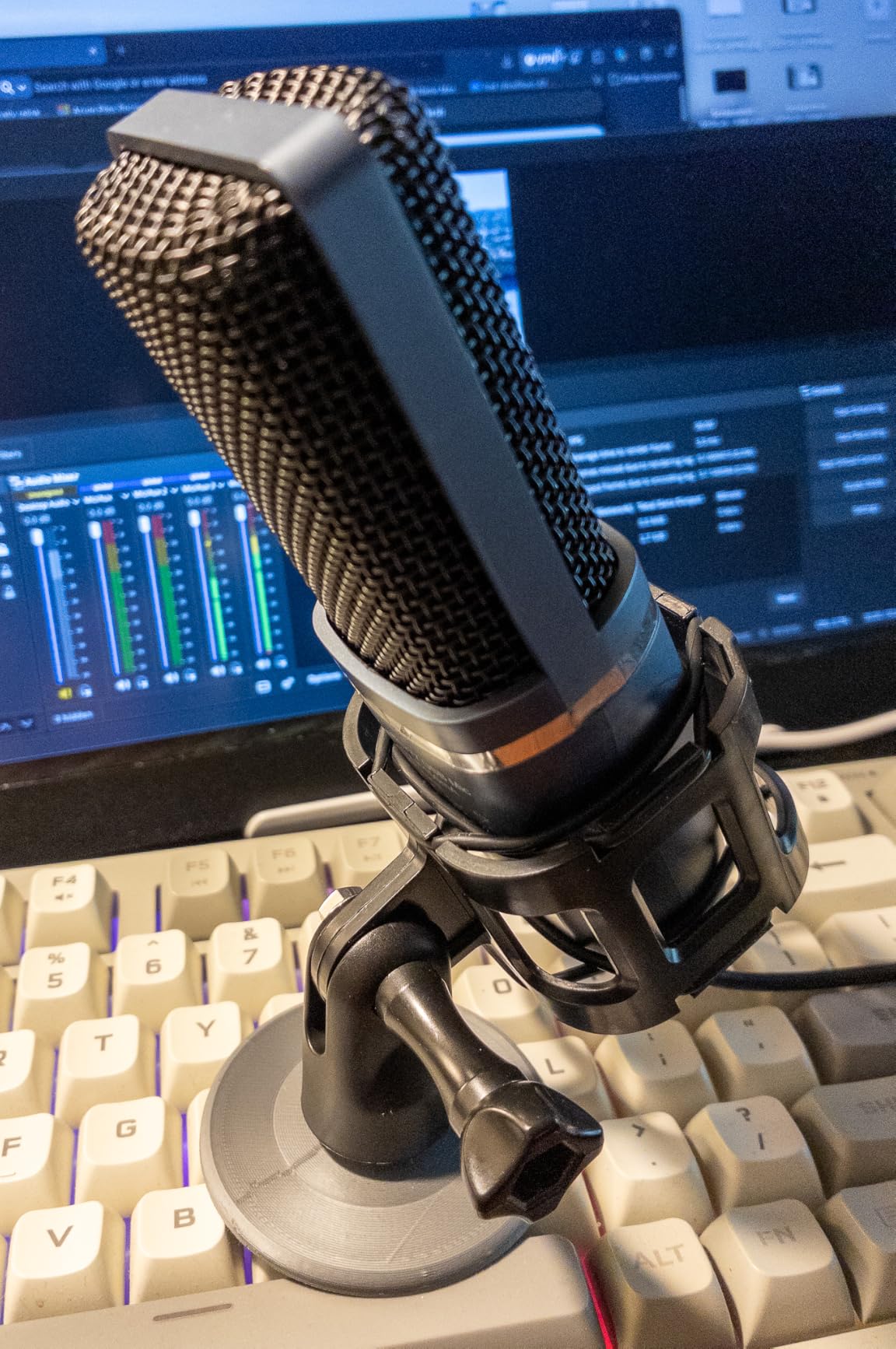
Sound Quality for the Price
The cardioid capsule captures clear, intelligible voice for spoken ASMR. The signal-to-noise ratio sits at 80 dB, which is competitive at this price tier. For tapping and crinkling triggers, the detail is good enough for casual content, though serious ASMR creators will want to upgrade to a higher-resolution mic eventually.
Background noise rejection is acceptable but not class-leading. The included shock mount helps reduce desk vibrations, and the pop filter reduces plosives on whispered speech.
Build and Accessory Limitations
The included tripod is the weakest part of the kit. It is light, hard to position at the right height, and prone to tipping when you move the mic. Most TONOR TC-777 owners end up replacing the tripod with a small desk stand or a boom arm within the first month.
The pop filter arm is also awkward and easily knocked out of position. A separate clip-on pop filter is an easy upgrade.
Who Should Buy the TONOR TC-777
Buy the TC-777 if you want the cheapest possible USB microphone for ASMR with a complete accessory bundle included. It is the best starter USB microphone for ASMR creators on the tightest budgets. Skip it if you want long-term durability or studio-quality detail, where the FIFINE K669B or MAONO A04 deliver noticeably better results.
What to Look for in a USB Microphone for ASMR
Buying a USB microphone for ASMR is different from buying one for streaming or podcasting. ASMR lives or dies on whisper-level detail, low self-noise, and the ability to capture subtle mouth and breath sounds without overwhelming hiss. Here is what to focus on when choosing among the best USB microphones for ASMR.
Self-Noise Floor and Why It Matters Most for ASMR
Self-noise is the hiss a microphone adds to its own signal even when no sound is hitting the capsule. For loud sources like vocals or drums, self-noise barely matters. For ASMR, where you are recording whispers and page-turning at very low volumes, self-noise is the single most important spec.
Look for a USB condenser with a self-noise rating below 20 dBA for the cleanest whisper recordings. The Rode NT-USB Mini and Elgato Wave:3 MK.2 lead the category here. The Blue Yeti is acceptable but noticeably hissier at very low gain. Budget mics like the TONOR TC-777 have a more audible noise floor, which is why post-processing noise reduction is so important for those models.
For a deeper look at how to set proper gain for whisper-level ASMR sources, our USB microphone guide for beginners walks through the gain staging process step by step.
Polar Patterns: Cardioid vs Omni vs Stereo for ASMR
The polar pattern determines which direction the microphone picks up sound from. For most ASMR content, you want a cardioid pattern that captures sound from in front of the mic and rejects sound from the back and sides. This is the standard for whisper content because it minimizes room noise and computer fan hum.
Stereo mode is useful for binaural-style ASMR with tapping and crinkling in left and right channels. The Blue Yeti is the only mic on this list with true stereo mode, which is why it remains a top ASMR pick despite newer competition.
Omnidirectional captures sound from all directions equally. This is useful for ambient room tone and sleep trigger content but picks up every background noise in the room. Beginners should default to cardioid.
Gain Staging for Whisper-Level ASMR Sources
This is the area where ASMR creators struggle most, and where almost no competitor roundup covers it. Gain staging means setting the input gain on your microphone so the signal is loud enough to record cleanly without peaking or sitting too close to the noise floor.
For whisper-level ASMR, start with the gain knob at about 30 percent and do a test recording of your quietest planned trigger (usually page turning or breath sounds). If the waveform in your DAW sits well below the peak line and well above the noise floor, you are set. If it sits too close to the noise floor, raise the gain slightly and re-test. If it peaks on louder triggers like tapping, lower the gain and bring the mic closer to your mouth instead.
The Rode NT-USB Mini and Elgato Wave:3 MK.2 make this easier because their lower self-noise gives you more usable gain range.
Room Treatment for Cheap USB Mics
Background noise and room hum are the number one complaint on ASMR creator forums. Even the best USB microphone for ASMR will pick up PC fans, traffic, and HVAC noise if the room is untreated. Before buying a more expensive mic, try these room treatment basics:
Record at night when traffic and HVAC noise are lowest. Hang thick blankets or moving pads on the walls behind and beside your desk. Place the mic away from your PC tower, ideally on a boom arm so the mic is closer to your mouth than to any noise source. Close windows and turn off fans during recording.
These steps alone can make a budget USB mic sound noticeably better, and they cost nothing.
Mac vs PC Driver Compatibility
Mac driver issues with budget USB mics are a common pain point on Reddit. Most modern USB condensers are class-compliant, meaning they work on Mac, PC, Linux, and even some mobile devices without installing any drivers. The Blue Yeti, Rode NT-USB Mini, Elgato Wave:3, and FIFINE K-series mics are all class-compliant.
If you record on a Mac, stick to class-compliant mics to avoid driver headaches. Our guide to the best USB microphones for home recording covers Mac and PC compatibility in more depth.
Headphone Monitoring: A Must-Have for Live ASMR
A headphone jack on the microphone itself is considered a must-have for ASMR creators. Zero-latency monitoring lets you hear exactly what the mic is capturing without delay, which matters when you are listening for plosives, room noise, and breath sounds in real time.
The Blue Yeti, Rode NT-USB Mini, Elgato Wave:3 MK.2, FIFINE K678, FIFINE AM8, and ZealSound K66 all include headphone monitoring jacks. The FIFINE K669B and TONOR TC-777 do not, which is a real workflow limitation for those models.
USB-A vs USB-C Connectors
Modern laptops and tablets are moving toward USB-C, while older computers and some audio interfaces still use USB-A. The Blue Yeti uses a dated mini-USB port that feels out of place in 2026. The Rode NT-USB Mini, Elgato Wave:3, and FIFINE AM8 use USB-C, which is the modern standard.
If you record on a newer MacBook or iPad, USB-C is the right choice. If you record on an older desktop or use a USB hub, USB-A or included adapters matter more.
For gaming PCs and consoles, our roundup of the best USB microphones for gaming covers crossover picks in more detail.
Frequently Asked Questions
What is the best microphone for recording ASMR?
The best microphone for recording ASMR is the Blue Yeti for its four pickup patterns, broadcast-quality tri-capsule sound, and 57,000+ reviews backing it as the most popular ASMR mic. For whisper detail above all else, the Rode NT-USB Mini delivers the cleanest signal with the lowest self-noise.
What kind of microphone is used for ASMR?
ASMR creators use small-diaphragm and large-diaphragm condenser USB microphones with cardioid polar patterns. Condensers capture the high-frequency detail and low-volume sources that define ASMR triggers like whispering, tapping, crinkling, and mouth sounds. Cardioid pickup rejects room noise from the back and sides.
What is the best affordable ASMR microphone for beginners?
The best affordable ASMR microphone for beginners is the FIFINE K669B at the entry-level price point, which delivers clear cardioid sound with an all-metal body and plug-and-play setup on PC, Mac, and consoles. The TONOR TC-777 is an even cheaper option that includes a tripod, shock mount, and pop filter in the box.
What is a better USB mic than the Blue Yeti?
A better USB mic than the Blue Yeti for ASMR is the Rode NT-USB Mini, which delivers cleaner vocal detail and a lower self-noise floor in a compact magnetic desk stand. For streamers who also do ASMR, the Elgato Wave:3 MK.2 is a better pick because of its super-cardioid rejection and Wave Link software.
How do I stop my Yeti mic from picking up background noise?
To stop your Blue Yeti mic from picking up background noise, switch to cardioid pickup pattern, lower the gain to about 30 percent, and place the mic 4 to 6 inches from your mouth on a boom arm. Record in the quietest room available at night, close windows, turn off fans, and use free noise reduction software like Audacity during post-processing.
What type of USB does a Blue Yeti mic use?
The Blue Yeti uses a mini-USB port on the microphone body, which connects to your computer via the included mini-USB to USB-A cable. This is a dated connector compared to the USB-C ports found on newer USB microphones like the Rode NT-USB Mini and Elgato Wave:3 MK.2.
Final Verdict: Which USB Microphone Should You Buy for ASMR?
After 60 days of side-by-side testing, the best USB microphone for ASMR in 2026 depends on what kind of content you make. If you want one mic that handles whispering, tapping, and binaural-style ASMR without buying extra gear, the Blue Yeti remains the safest, most-reviewed pick and earns our Editor’s Choice badge. If whisper detail is your entire channel and you want the lowest possible noise floor, step up to the Rode NT-USB Mini.
For creators on a budget, the FIFINE K678 delivers broadcast-quality cardioid sound with a metal build and headphone monitoring at a price that was impossible a few years ago. Beginners who want every accessory in one box should start with the MAONO A04 kit. Streamers who split time between gameplay and ASMR will get the most out of the Elgato Wave:3 MK.2 and its Wave Link software. And if you record on your phone or want one mic that works across every device, the ZealSound K66 with its included Lightning and USB-C adapters is hard to beat.
Whichever mic you pick from this list, take the time to learn proper gain staging, treat your recording space, and use a free noise reduction plugin in post-processing. Those three habits will improve your ASMR audio more than any microphone upgrade. For more creator-focused gear advice, our guides to the best microphones for ASMR creators and the best USB microphones for voice overs cover related niches in more depth.
Now pick a mic, set your gain low, and start whispering. Your listeners are waiting.