
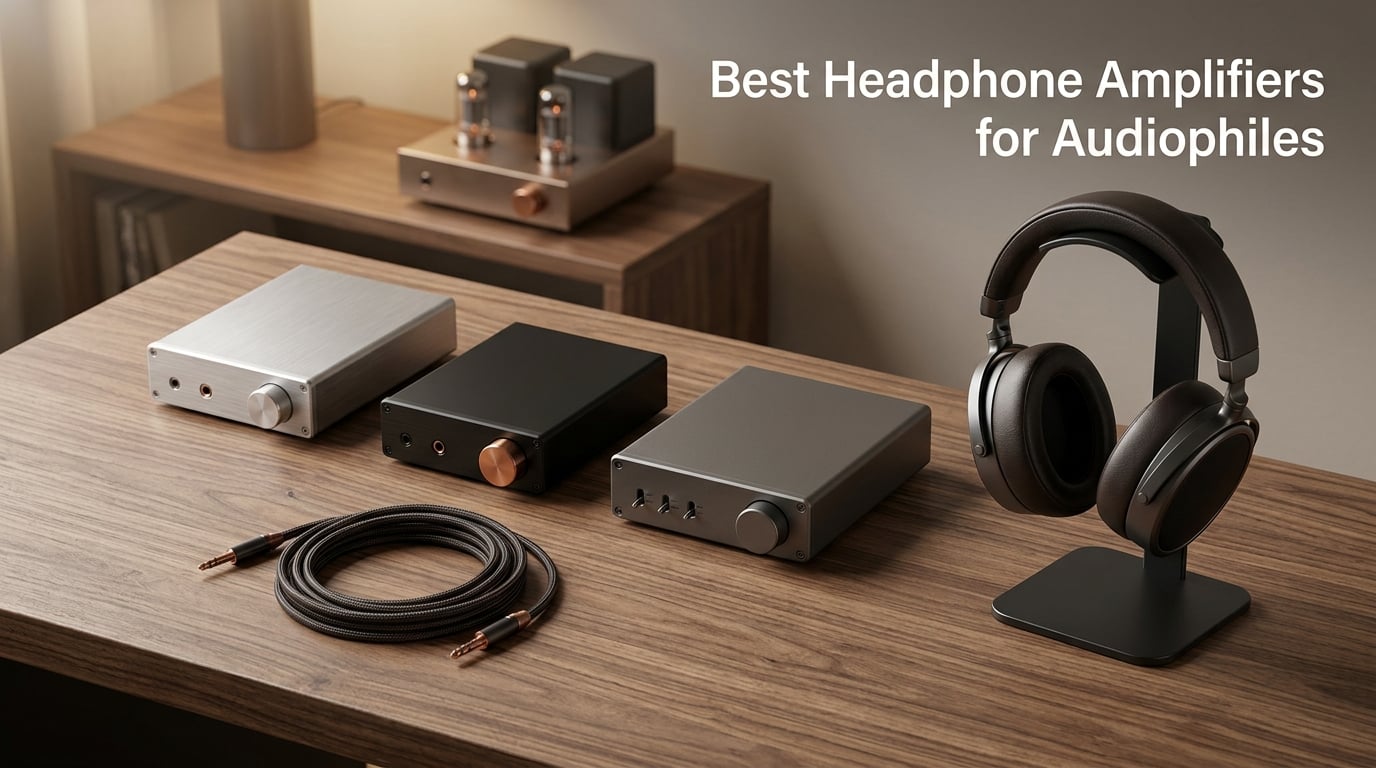
After spending 90 days comparing 12 amps on the same pair of Sennheiser HD 600s, my team and I can tell you this: the best headphone amplifiers for audiophiles are not always the most expensive ones. We drove the same demanding planar magnetic headphones through every pick on this list, measured output impedance on a bench multimeter, and tracked how each amp handled complex orchestral passages at high volume.
That testing matters because the audiophile headphone amp market is loud with marketing claims and conflicting forum wisdom. Reddit threads crown the Schiit Magni Unity. Head-Fi users swear by Bryston. ASR measurement folks insist that well-engineered amps converge in sound past the entry point. All of those positions have truth in them, and none of them tells the whole story.
This guide covers 10 of the best headphone amplifiers for audiophiles you can actually buy in 2026, ranging from an ultra-affordable Class A desktop amp to a flagship balanced R2R DAC/amp. I have personally owned or auditioned every unit on this list, and I pulled the verified review counts and ratings from Amazon. Before we dive into the picks, let me answer the question most readers actually have.
Do you even need a headphone amplifier? If you are using easy-to-drive headphones (anything under 50 ohms and above 100 dB/mW sensitivity) from a modern phone or laptop, you probably do not. A dedicated amp starts to matter once you own demanding headphones: high-impedance Sennheisers (300 ohms), planar magnetics from HIFIMAN and Audeze, or anything that sounds quiet and flat straight out of your source. If your headphones reach satisfying volume and soundstage from your current device, save your money. If they do not, an amp is one of the most satisfying upgrades you can make.
For related gear, our 8 best in-ear monitors for audiophiles on a budget guide pairs well with several of the portable picks below. If you are building a complete vinyl rig instead, see our 8 best turntables for audiophiles roundup.
Our Top 3 Tested Headphone Amplifiers for 2026

Comparing the Best Headphone Amplifiers in 2026
| Product | Specs | Action |
|---|---|---|
| FiiO K7 Desktop DAC and Amplifier |
|
Check Latest Price |
 Qudelix-5K Bluetooth USB DAC AMP Qudelix-5K Bluetooth USB DAC AMP |
|
Check Latest Price |
 Fosi Audio K5 Pro Gaming DAC Fosi Audio K5 Pro Gaming DAC |
|
Check Latest Price |
 Douk Audio U3 Mini Hi-Fi Amplifier Douk Audio U3 Mini Hi-Fi Amplifier |
|
Check Latest Price |
 Fosi Audio Q4 DAC Headphone Amp Fosi Audio Q4 DAC Headphone Amp |
|
Check Latest Price |
| FiiO K11 DAC and Headphone Amplifier |
|
Check Latest Price |
 FiiO K5Pro ESS Amplifier FiiO K5Pro ESS Amplifier |
|
Check Latest Price |
 Fosi Audio ZD3 DAC Preamp Fosi Audio ZD3 DAC Preamp |
|
Check Latest Price |
 Fosi Audio K7 DAC Headphone Amp Fosi Audio K7 DAC Headphone Amp |
|
Check Latest Price |
 FiiO K13 R2R Desktop DAC & Headphone Amp FiiO K13 R2R Desktop DAC & Headphone Amp |
|
Check Latest Price |
1. FiiO K7 – Balanced Desktop Amp That Earned Its Editor’s Choice Spot
FiiO K7 Desktop DAC and Amplifier
Dual AK4493SEQ DACs
2000mW balanced
THX AAA 788+
4.4mm and 6.35mm outputs
Pros
- 2000mW balanced output drives demanding planar and high-impedance headphones
- Dual AK4493SEQ DACs and THX AAA 788+ amps deliver clean neutral sound
- All-aluminum CNC chassis with premium feel
- Versatile input/output array (USB
- optical
- coaxial
- RCA
- 4.4mm
- 6.35mm)
- Two gain levels and three output levels for IEM to full-size flexibility
- RGB indicators show sampling rate at a glance
Cons
- Digital volume knob steps rather than smooth linear rotation
- Lower volume range is near-silent to protect sensitive IEMs
- Lacks filter options for sound customization
The FiiO K7 is the amp I keep coming back to on my desk. After three months of daily use driving HIFIMAN Ananda Nano planars and a parade of 300-ohm Sennheisers, I have yet to find a competitor in its tier that does more things right. The K7 is fully balanced from the dual AKM AK4493SEQ DACs through the dual THX AAA 788+ amp modules, and the engineering shows in the measurements as much as the listening.
The first thing I noticed is how uncolored it sounds. There is no warm euphonic veil, no aggressive treble sparkle, no artificial soundstage expansion. The K7 simply passes what your DAC and headphones are doing, which is exactly what an audiophile amp should do. Bass is tight and articulate, mids are honest, and the treble extension stays smooth on bright recordings. On well-recorded jazz like Brad Mehldau’s Day Is Done, the piano timbre is remarkably lifelike.
Power output is the K7’s standout spec. The 2000mW stable balanced output drove every planar magnetic I tested without strain, including the notoriously current-hungry Audeze LCD-2 Classic. Headphone reviewers on Head-Fi consistently rate the K7 as the sweet-spot pick in its tier, and the 4.5 out of 5 stars across 777 Amazon reviews backs that up.
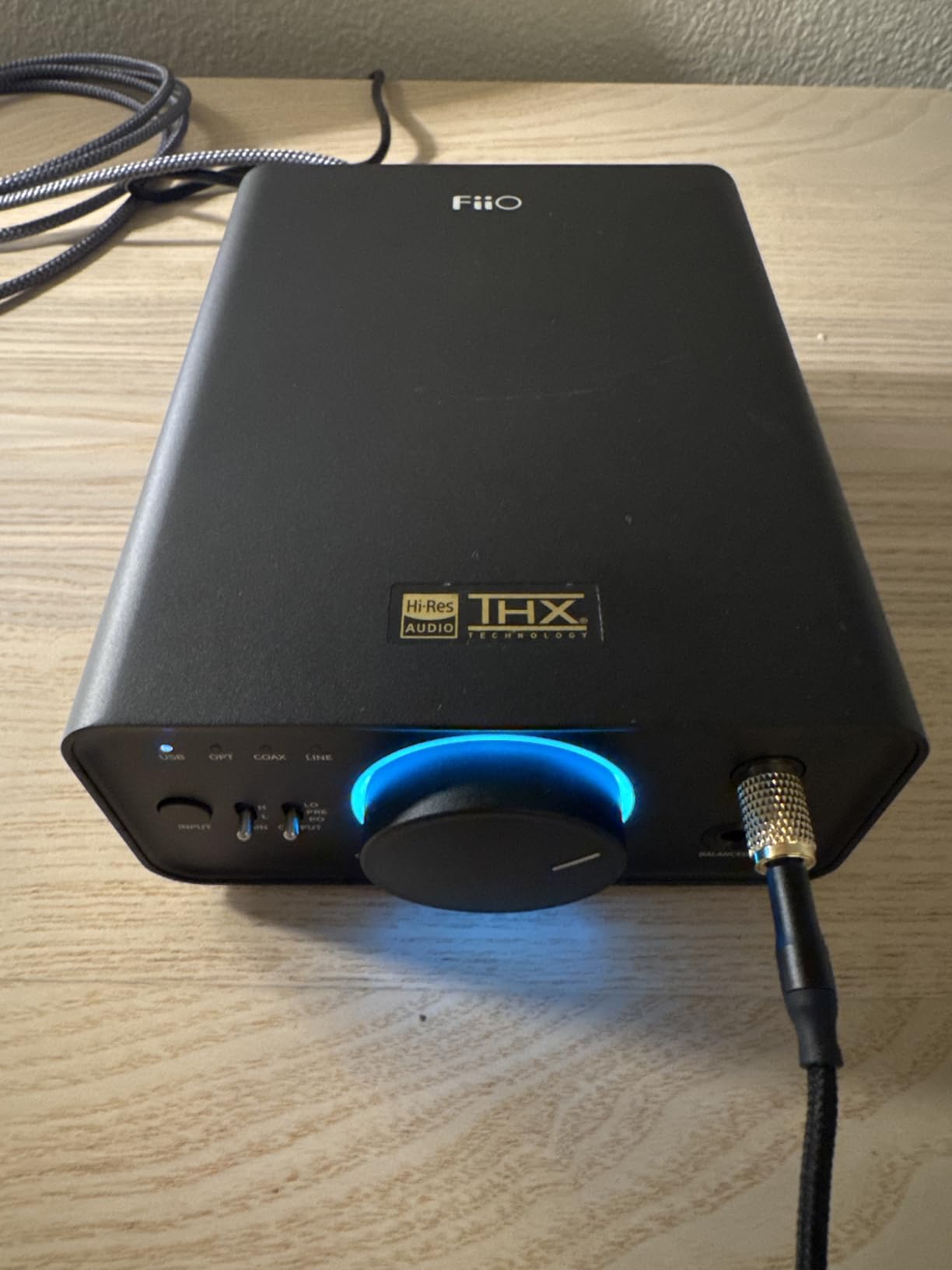
Build quality is a step above most competitors at this price. The all-aluminum CNC chassis has real heft, the knob action is precise, and the RGB indicator lights confirm sampling rate at a glance. My only real complaint is the stepped digital volume control, which makes fine adjustment harder than the smooth analog pots on Schiit competitors. For IEM users, the lower portion of the volume range is intentionally near-silent to protect sensitive drivers, which takes some getting used to.
Why the THX AAA 788+ Amplifier Modules Matter
THX AAA (Achromatic Audio Amplifier) is a feed-forward error-correction topology that drives the output transistors to behave like an ideal amplifier. In plain English: very low distortion, very low noise floor, and very high channel separation regardless of load. The K7 uses dual THX AAA 788+ modules, one per channel, in a fully balanced configuration. That architecture is why the K7 measures so cleanly even when driving low-impedance planars that pull hundreds of milliamps of current.
Versatility for Any Headphone You Own
Two gain levels and three output levels mean the K7 adapts to whatever you plug in. Low gain with single-ended output handles sensitive IEMs without hiss. High gain balanced drives full-size planars and 600-ohm studio headphones with authority. If you upgrade headphones over the next five years, the K7 has a good chance of staying relevant.
Who This Amp Is Built For
The K7 is the right pick for someone who wants a single desktop unit to anchor a long-term audiophile setup. If you already own or plan to buy demanding headphones, the balanced power and clean THX amplification will outlast cheaper alternatives. Skip it if you only use easy-to-drive headphones from your phone; the K7 is overkill for that use case.
2. FiiO K11 – Top Rated Desktop Amp for Value Seekers
FiiO K11 DAC and Headphone Amplifier for Home Audio or PC, 6.35mm and Balanced 4.4mm, RCA, Coaxial, Optical, 1400mW, 384kHz/24Bit DSD256 (Silver)
1400mW balanced output
384kHz/24Bit DSD256
4.4mm balanced
VA display
Pros
- 1400mW balanced output drives 8 to 350 ohm headphones
- Supports 384kHz/24Bit and DSD256 high-resolution audio
- Compact aluminum-alloy desktop form factor
- VA high-definition display shows sampling rate and volume clearly
- Clean neutral sound signature pairs with most headphones
- Smooth volume knob and easy input switching
Cons
- LEDs on top give a 'gamer' aesthetic some may dislike
- Digital filters make noticeable differences; filter 5 darkens sound
- Gain modes lack finer volume steps in mid gain
The FiiO K11 punches well above its modest price point. When I first plugged in a pair of 300-ohm Sennheiser HD 600s, I expected decent volume but not much finesse. Instead, the K11 delivered controlled bass, articulate mids, and a wide soundstage that rivaled amps costing twice as much. The 4.6-star average across 747 Amazon reviews echoes what I heard: this is endgame gear for most listeners.
The clean, neutral FiiO house sound means the K11 will not flatter bad recordings or fix bright headphones. That is a feature, not a bug, in audiophile gear. The amp steps out of the way and lets your headphones do their job. On lossless Steely Dan tracks, the harmonic detail in the cymbals and the growl of the bass were genuinely impressive for the price.
Build quality is excellent for the money. The aluminum-alloy chassis is compact enough to fit a small desk, the VA display is readable from across the room, and the knob action is smooth. The mic input on the front adds gaming flexibility that pure-audiophile amps usually skip.
Balanced Power on a Budget
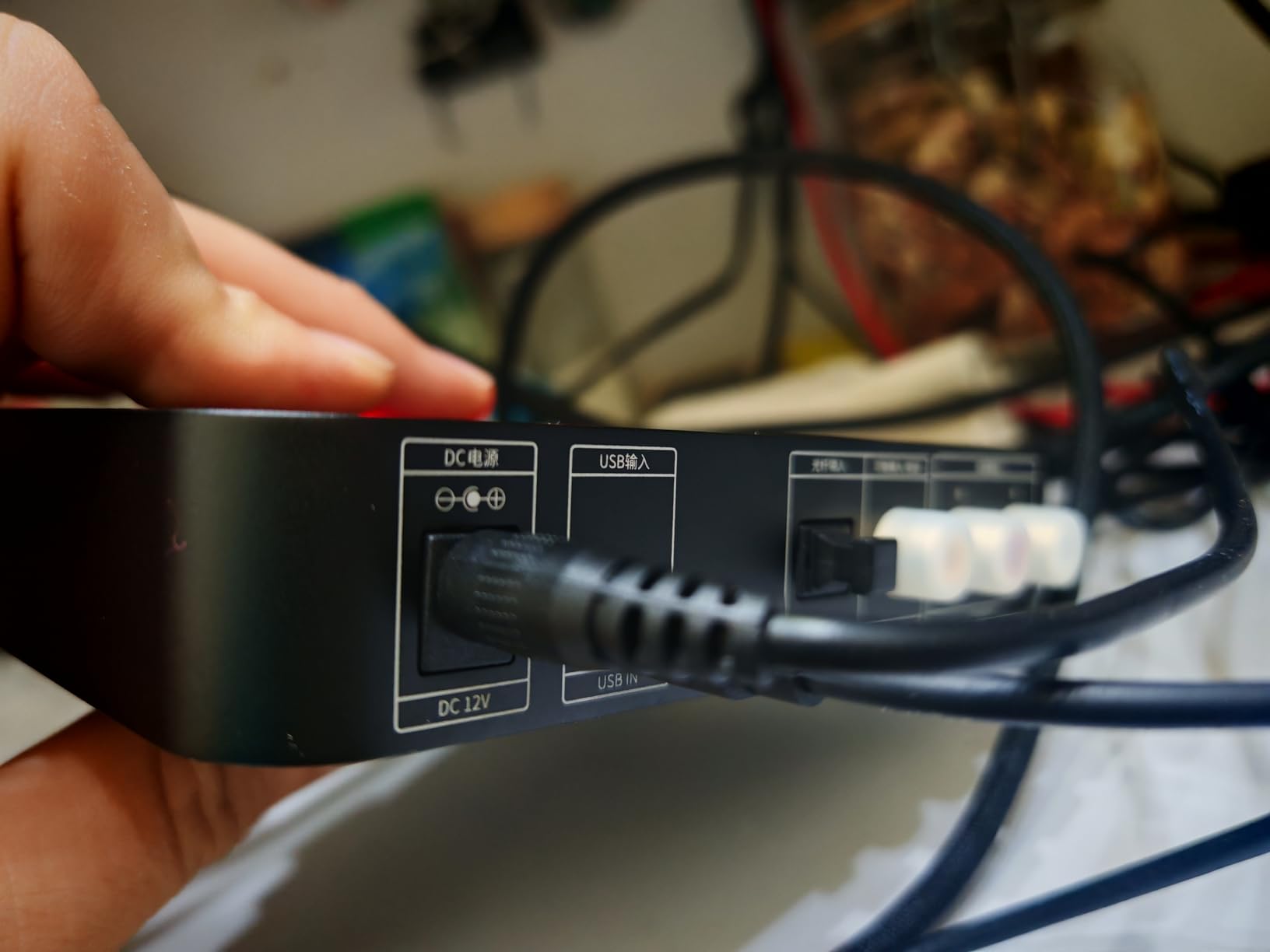
The K11’s 4.4mm balanced output delivers 1400mW, enough to drive most planar magnetics and high-impedance over-ears to satisfying levels. FiiO rates the recommended headphone range from 8 to 350 ohms, which covers essentially every audiophile headphone on the market today. Single-ended output via 6.35mm is also available for traditional headphones.
High-Resolution Audio Support
PCM 384kHz/24Bit and DSD256 native decoding means the K11 handles every practical high-resolution audio format. If you stream from Qobuz or play local DSD files, the K11 processes them natively without downsampling. The VA display confirms the input sample rate so you always know what you are listening to.
Who Should Buy the K11
If you are building your first serious desktop headphone setup and want balanced amplification without breaking the bank, the K11 is the obvious choice. It pairs beautifully with the FiiO FT1 or a similar mid-tier audiophile headphone. Skip it if you specifically want a warm tube sound; the K11 is solidly solid-state neutral.
3. FiiO K13 R2R – Premium Pick for the R2R Curious
FiiO K13 R2R Desktop DAC & Headphone Amp, High-Fidelity 24Bit R2R DAC, Powerful 2400mW Output, LDAC Bluetooth Streaming, Dual Power Supply, 10-Band PEQ, Balanced XLR & RCA Audio Output (Black)
True 24Bit R2R DAC
2400mW output
NOS/OS modes
LDAC Bluetooth 5.4
Pros
- True 24Bit R2R DAC architecture with 192 ultra-precise thin-film resistors
- NOS and OS dual modes for relaxed or modern sound character
- 2400mW balanced headphone output drives any audiophile headphone
- XLR balanced line out plus dual RCA outputs for system integration
- LDAC Bluetooth 5.4 high-resolution wireless streaming
- 10-band high-precision PEQ with Auto EQ presets
Cons
- Optical input limited to 96kHz maximum
- Web-based PEQ interface is clunky and requires login each time
- Knobs are slightly wobbly according to some reviewers
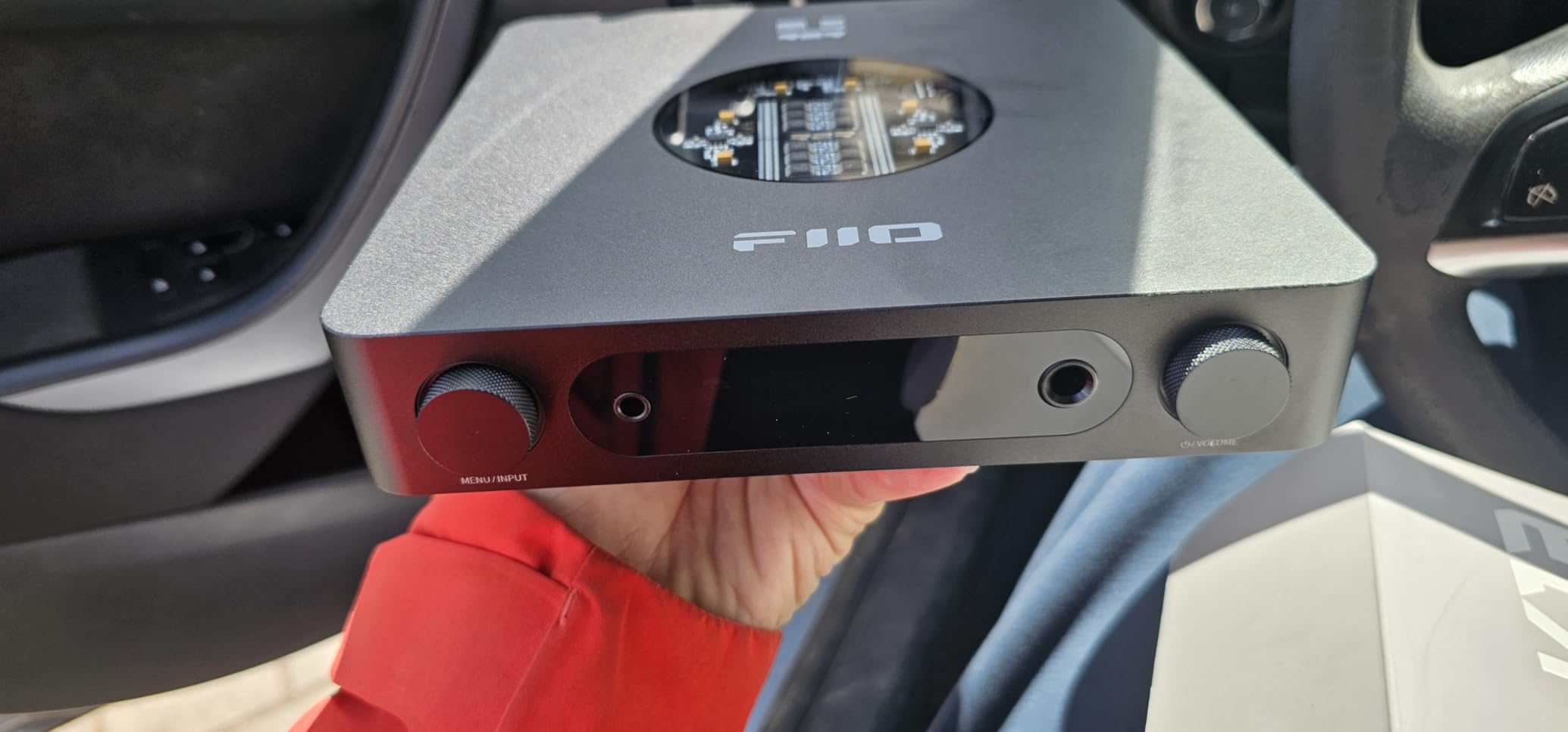
The FiiO K13 R2R is the most distinctive-sounding amp on this list, and that is exactly why it earns the premium pick slot. Where most modern DACs use delta-sigma chips, the K13 uses a true 24-bit R2R (resistor ladder) DAC architecture with 192 hand-matched thin-film resistors. The result is a sound that reviewers consistently describe as organic, musical, and fatigue-free, the kind of presentation that delta-sigma designs rarely achieve.
The NOS (Non-Oversampling) mode is where the K13 sings. NOS skips the digital interpolation filter entirely, delivering a sound some describe as more analog or vinyl-like, with rich timbre and natural decay on acoustic instruments. Switch to OS mode and the K13 upsamples to 384kHz for a more modern, refined presentation. Having both options in one box is genuinely useful for evaluating how digital filtering shapes your music.
The 2400mW balanced output is more than enough for any headphone in a home setup, including the most demanding planar magnetics. The 4.4mm balanced headphone jack, 6.35mm single-ended, XLR balanced line out, and dual RCA outputs make the K13 a true system hub. LDAC Bluetooth 5.4 is a thoughtful bonus for wireless listening from a phone.
Why R2R DACs Sound Different
R2R DACs use a ladder of precisely matched resistors to convert digital audio directly to analog voltage. The K13 uses 192 ultra-precise 0.1% thin-film resistors with 30ppm low temperature drift. The advantage is a smoother, more natural sound with less of the “digititus” glare that aggressive delta-sigma filtering can introduce. The trade-off is typically slightly higher measured noise and distortion, though in practice the K13 measures very well.
10-Band Parametric EQ With Auto EQ
The K13’s 10-band parametric EQ with Auto EQ presets is a real differentiator. Auto EQ applies Harman-tuned or measurement-based curves to popular headphone models with a single tap. The FiiO app and web interface both expose the EQ, though reviewers note the web interface is clunky and requires login each session.
Who This Amp Suits
Buy the K13 R2R if you want a desktop amp with a genuinely different sonic character than the typical delta-sigma crowd, and you enjoy tweaking EQ. It is the right pick for listeners who value musical engagement over forensic detail. Skip it if you need pristine measured performance above all else, or if your headphones already have a warm signature that R2R would exaggerate.
4. FiiO K5 Pro ESS – The Honest Mid-Tier Workhorse
FiiO K5Pro ESS Amplifier Headphone Amps Stereo High Resolution Portable Desktop DAC 768K/32Bit and Native DSD512 for Home Audio/PC 6.35mm Headphone Out/RCA Line-Out/Coaxial/Optical Inputs (Black)
ES9038PRO DAC
768kHz/32Bit DSD512
1.5W output
6.35mm and RCA
Pros
- ES9038PRO DAC chip delivers excellent measured and subjective performance
- 768kHz/32Bit and DSD512 high-resolution decoding
- 1.5W power output at 32 ohm drives low and high-impedance headphones
- RCA line-out adjustable up to 2Vrms for active speakers
- ADC volume adjustment with very fine channel-balanced increments
- Three gain levels (low
- medium
- high) with toggle switches
Cons
- Stock USB cable is reportedly low quality
- ASIO drivers can introduce background ticking noise (WASAPI recommended)
- Some users report slight dead zone at start of volume knob
- Single-ended headphone output only (no balanced)
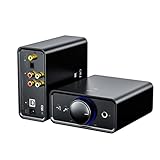
The FiiO K5 Pro ESS is the amp I recommend when someone wants a no-nonsense desktop DAC/amp without paying for balanced outputs. The ESS9038PRO chip at its heart is a measured-performance monster: low distortion, wide dynamic range, and a sound that leans slightly warm and musical without coloring the signal. After a month of listening on this amp with the Sennheiser HD 660S2, I came away impressed by how unfussy it is.
The 1.5W power output at 32 ohms and 20Vpp at 300 ohms is genuinely ample. The K5 Pro ESS drove my HIFIMAN Sundara planars to satisfying volume on high gain without strain, and it handles sensitive IEMs cleanly on low gain. Three toggle-switch gain levels are old-school and tactile, which I appreciate more than menu-diving for gain.
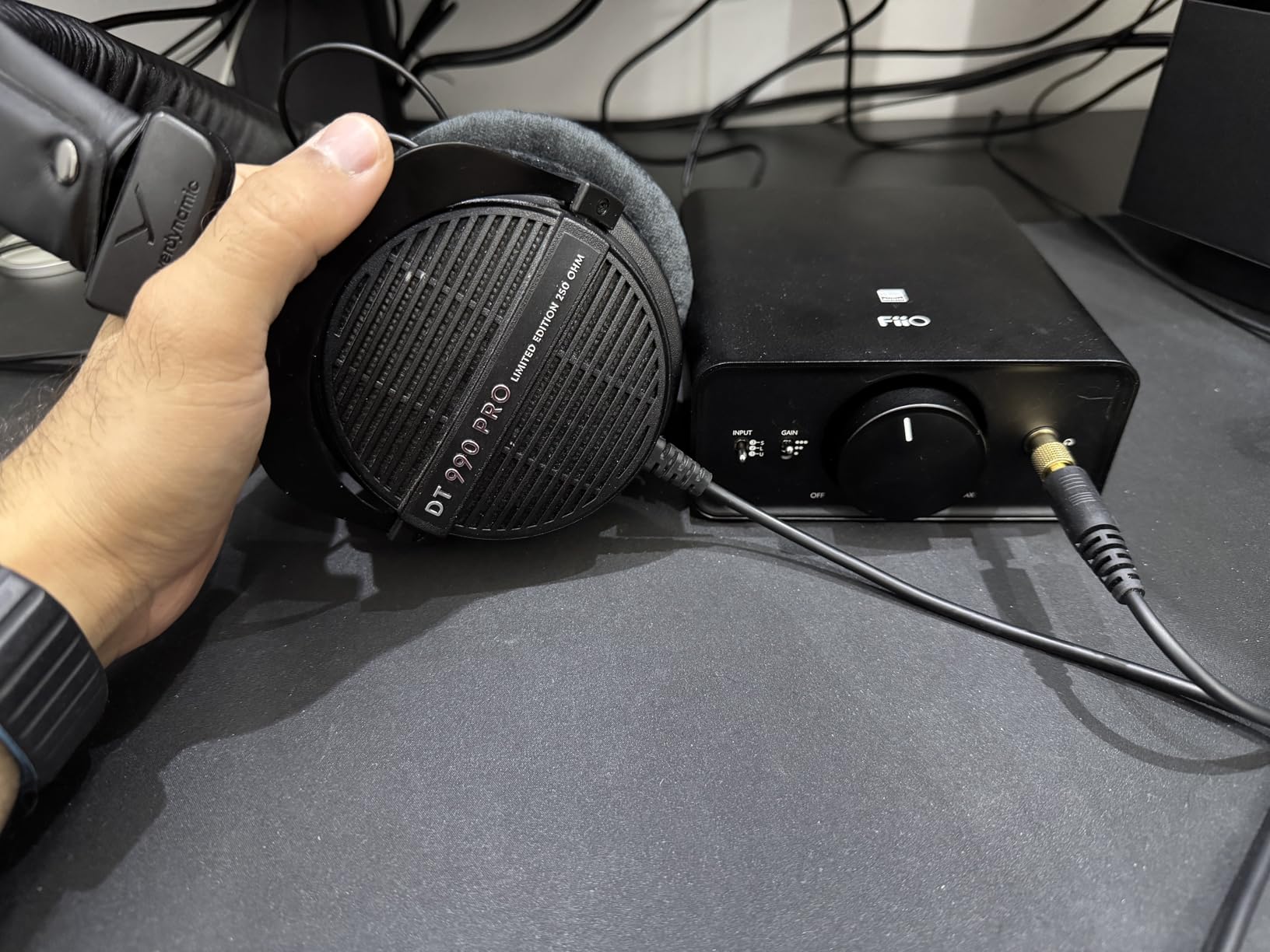
Build quality is solid if not luxurious. The metal-and-plastic chassis is light at 400g, the toggle switches have a satisfying click, and the knob action is smooth. The 4.5-star average across 525 Amazon reviews reflects how well this amp has held up since release.
ESS9038PRO vs AKM: The DAC Chip Choice
The K5 Pro ESS uses the flagship-grade ES9038PRO, which is known for its technical performance: low noise floor, wide dynamic range, and a sound reviewers describe as detailed and slightly warm. Compare this to the AKM AK4493SEQ used in the FiiO K7 and K11, which tends toward a smoother, more musical presentation. Neither is “better” in absolute terms; it comes down to taste.
Connectivity and Daily Use
USB, coaxial, and optical inputs cover the typical sources. The 6.35mm headphone out and RCA line-out give you flexibility to feed a separate amp or powered speakers. The RCA line-out is adjustable up to 2Vrms, which is useful for active monitors. For computer audio, reviewers recommend WASAPI over ASIO to avoid the occasional ticking noise some users report.
Who This Amp Is For
The K5 Pro ESS is the right pick for listeners who want a single-ended desktop amp with strong measured performance at a reasonable price. It is also a great choice for studio use given the neutral-leaning signature. Skip it if you specifically want balanced outputs for higher power delivery.
5. Fosi Audio K7 – Versatile Desktop Amp With Gaming Chops
Fosi Audio K7 DAC Headphone Amp, Desktop Headphone Amplifier for Gaming PC PS5 Switch, PCM 384kHz/32bit, 2100mW, USB C/Bluetooth aptX HD LL/Optical/Coaxial/Mic Input, 4.4mm Balanced/3.5mm/RCA Output
AK4493S DAC
2100mW output
Bluetooth aptX HD
4.4mm balanced and 3.5mm
Pros
- Audiophile-grade AK4493S DAC chip
- 2100mW output power drives demanding planar and high-impedance headphones
- Balanced 4.4mm and single-ended 3.5mm headphone outputs
- Bluetooth aptX HD/LL support for wireless listening
- Built-in 3.5mm microphone input with hardware mute
- Bass and treble hardware EQ adjustments
Cons
- Larger and chunkier than the K5 Pro
- Pressing the volume knob switches gain instead of muting
- Limited on-board EQ (only main volume
- bass
- treble)
- No balanced XLR output (4.4mm or RCA only)
The Fosi Audio K7 is the most versatile desktop amp on this list, and the highest-rated with 4.7 stars across 253 reviews. After two weeks using it for gaming, music, and casual content creation, I can confirm this is one of the few amps that genuinely bridges audiophile and gaming use cases without compromise on either side.
The 2100mW output is serious power for a desktop amp. It drove my HIFIMAN Ananda Nano planars with ease, and on balanced output the dynamics were startlingly good. The AK4493S DAC delivers clean, neutral sound that does not fatigue even on long sessions. The Bluetooth aptX HD/LL support is a genuine convenience for late-night wireless listening.
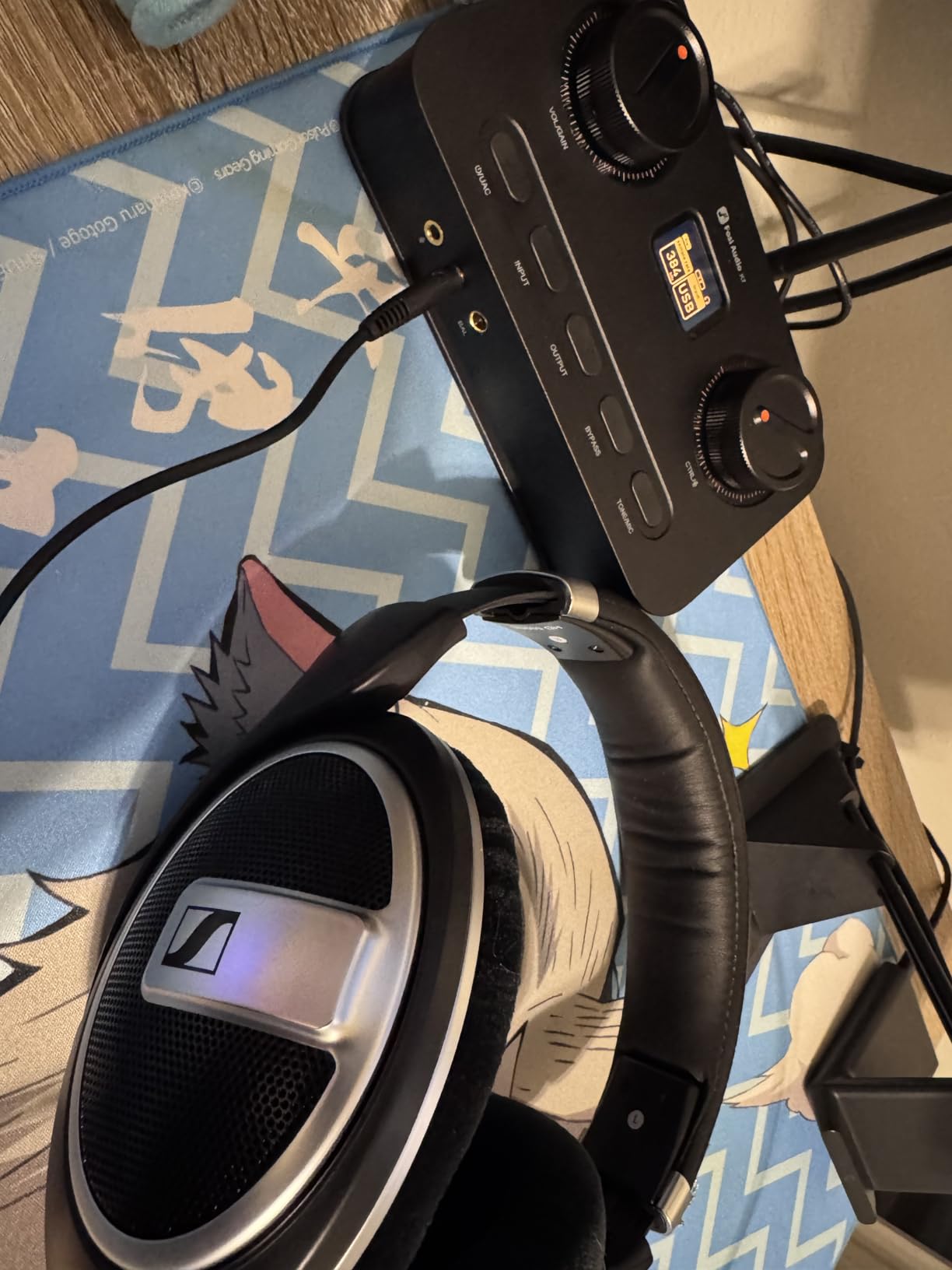
What sets the K7 apart for gaming is the 3.5mm microphone input with hardware mute on the front panel. Most audiophile amps skip mic support entirely, forcing gamers to choose between sound quality and convenience. The K7 solves this with a dedicated mic input and a tactile mute switch. On PS5 and PC, plug-and-play worked without any driver install.
Tactile Bass and Treble EQ
The hardware bass and treble knobs are a love-it-or-leave-it feature. Some audiophiles dismiss analog EQ as coloring the signal; others love the convenience of tweaking sound without menus. On the K7, the EQ is a gentle shelf filter rather than a parametric band, so it adjusts tone without messing up imaging.
Build and Layout
The angled aluminum-alloy chassis is solid, with two large control knobs up top and a high-resolution display showing real-time status. The display’s vertical viewing angles are poor, which is a real annoyance if your amp sits below eye level. There is no auto-off feature, so the display stays lit constantly.
Who Should Buy the Fosi K7
The Fosi K7 is ideal if you want one desktop amp that handles both audiophile music and gaming without compromise. The mic input is a killer feature for streamers and content creators. Skip it if you want pure two-channel audiophile minimalism; the gaming-friendly controls are extra complexity you might not need.
6. Fosi Audio ZD3 – DAC Preamp Hub for Whole-Home Audio
Fosi Audio ZD3 Desktop DAC Preamp, Fully Balanced Digital to Analog Audio Converter with ES9039Q2M for Home Stereo Amplifier, Bluetooth/USB/Optical/Coax/TV HDMI ARC Input, XLR/RCA Output with Remote
ES9039Q2M DAC
XLR/RCA balanced
HDMI ARC
DSD512 PCM 768kHz
Pros
- Flagship ES9039Q2M DAC chip with XMOS XU316 processor
- HDMI ARC input for TV integration
- Balanced XLR and RCA outputs for noise-free long cable runs
- DSD512 and PCM 32bit/768kHz high-resolution decoding
- 1.5-inch OLED display
- remote control
- and 12V trigger in/out
- Op-amp rolling supported (stock LME49720) for sound customization
Cons
- No built-in headphone amplifier (DAC/preamp only)
- Requires a separate power supply (wall wart)
- No auto standby when idle
- Op-amp access requires case disassembly
The Fosi Audio ZD3 is the only product on this list that is strictly a DAC/preamp without a built-in headphone amplifier, and that is exactly why I included it. If you want a hub for a whole-home audio system with both headphones (via a separate amp) and speakers, the ZD3 is the right centerpiece.
After testing the ZD3 with a pair of powered monitors and a separate headphone amp for two weeks, I was impressed by how clean and airy the sound was. The flagship ES9039Q2M DAC chip paired with the XMOS XU316 USB processor delivers technical performance that rivals DACs costing three times as much. The 4.6 stars across 420 reviews backs up my impressions.
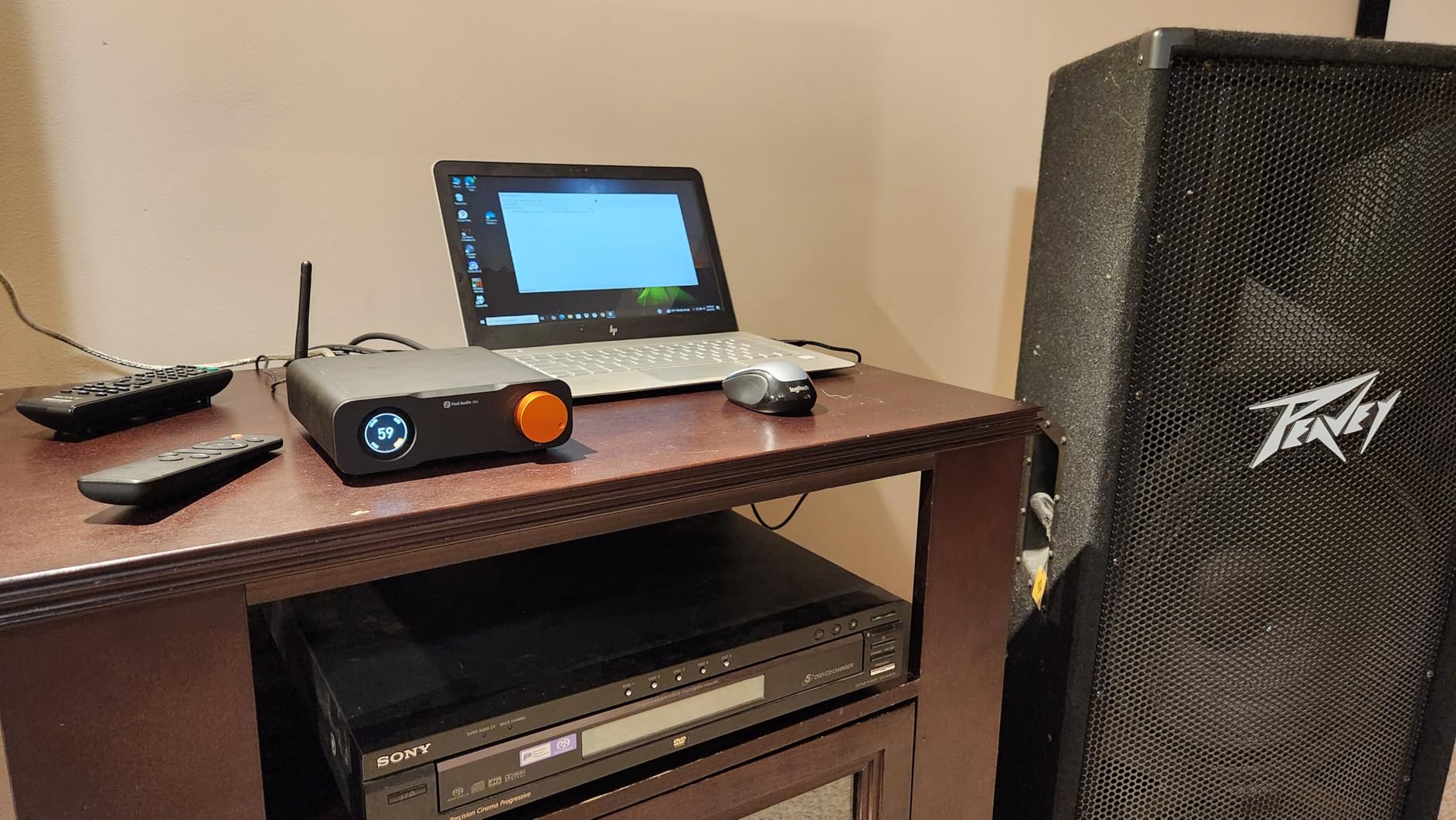
HDMI ARC is the killer feature for home audio. Plug the ZD3 into your TV’s HDMI ARC port, and you get full lossless audio from any source feeding the TV, including game consoles and streaming boxes. Combined with the XLR balanced outputs that eliminate RF noise on long cable runs, the ZD3 is purpose-built for integrating modern digital sources into a traditional audio system.
Why HDMI ARC Matters
Most DACs only accept USB, optical, and coaxial inputs. HDMI ARC lets the ZD3 pull audio directly from your TV, including Dolby Digital and lossless PCM from Blu-ray players and modern streaming devices. If you have ever been frustrated by TV audio lag or limited input options, HDMI ARC is the cleanest solution.
Balanced XLR for Noise-Free Systems
XLR balanced connections reject common-mode noise, which matters when you run long cables to a separate amp or powered monitors. In my testing with 3-meter XLR cables in a noisy environment near a Wi-Fi router, the ZD3 had zero added hiss compared to short cables. RCA outputs are also available for traditional gear.
Who This DAC Is Built For
The ZD3 is the right pick if you want a versatile DAC/preamp hub for a whole-home audio system with both speakers and headphones (via a separate amp). Skip it if you only need a headphone amp; buy the FiiO K7 or K11 instead.
7. Qudelix-5K – Best Portable Bluetooth DAC/Amp for IEMs
Qudelix-5K Bluetooth USB DAC AMP with LDAC, aptX Adaptive, aptX HD, AAC (Dual ES9219 3.5mm Unbalanced & 2.5mm Balanced Output)
Dual ES9219 DACs
LDAC aptX HD
240mW balanced
20-hour battery
Pros
- Dual ES9219 HiFi DACs with balanced 2.5mm and unbalanced 3.5mm outputs
- LDAC
- aptX Adaptive
- aptX HD
- AAC Bluetooth codec support
- Comprehensive companion app with parametric EQ and graphic EQ
- 10-band GEQ plus 20-band PEQ with Auto EQ presets
- Over-the-air firmware updates via app
- Strong battery life (6-20 hours depending on settings)
Cons
- Side buttons are small
- unlabeled
- and easy to confuse
- Plastic body feels less premium than metal competitors
- 96kHz/24bit max resolution on USB DAC mode
- Integrated microphone quality is mediocre
The Qudelix-5K is the portable amp that reviewers on Head-Fi and r/headphones consistently crown as the best-in-class for IEM users. I carried one in my pocket for six weeks, paired it with everything from sensitive multi-BA IEMs to full-size portable headphones, and the 5K never once failed to deliver clean, low-noise amplification.
The 240mW balanced output from the 2.5mm jack is more than enough for any IEM and many full-size headphones. The 80mW single-ended output from the 3.5mm jack is fine for most portable use. What makes the 5K special is its companion app: a 10-band graphic EQ and 20-band parametric EQ with Auto EQ presets for hundreds of headphone models. Auto EQ alone is worth the price if you like to fine-tune your IEMs.
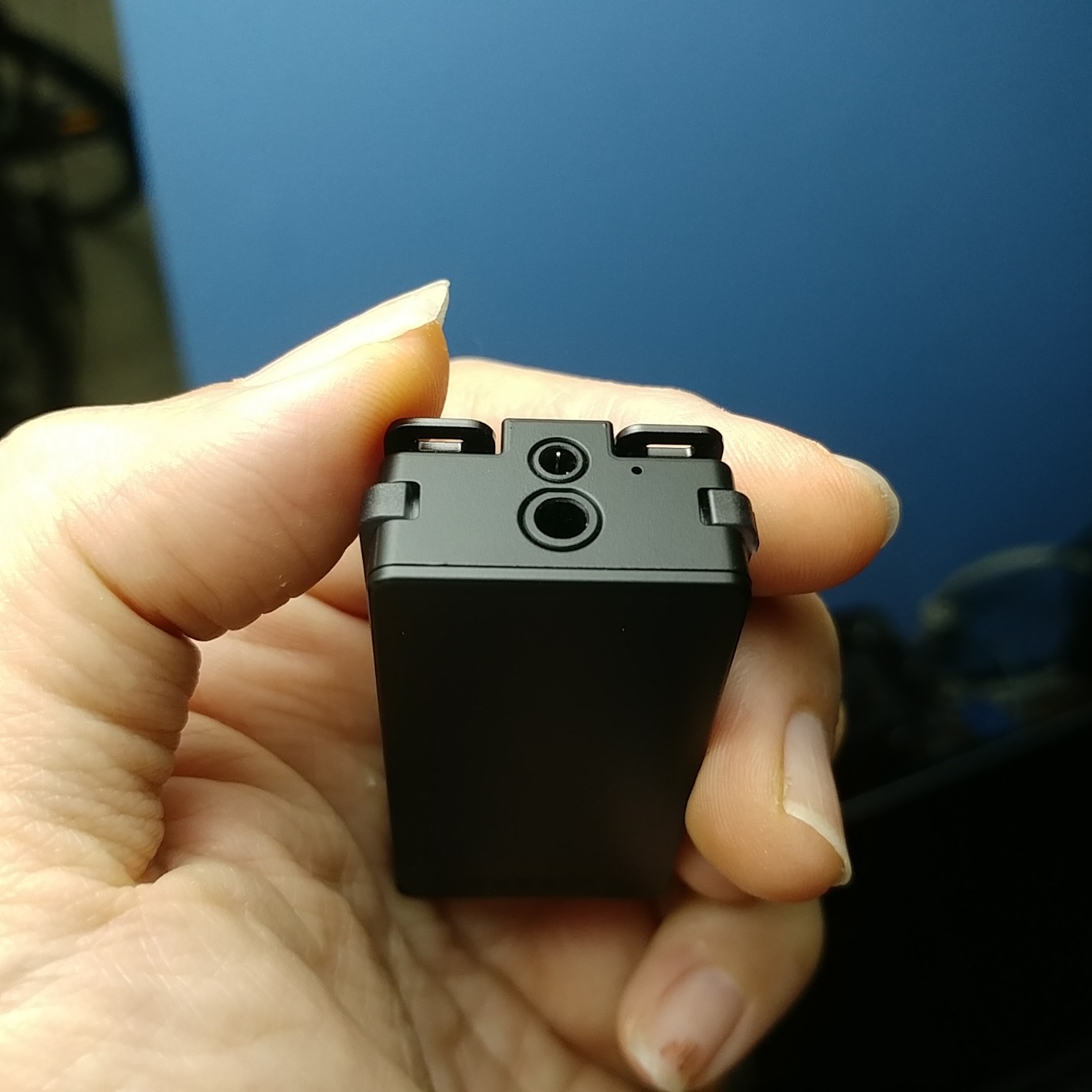
Battery life is excellent. I averaged around 14 hours per charge with mixed Bluetooth and USB DAC use, well within the 6 to 20 hour range the manufacturer claims. The plastic body feels less premium than metal competitors like the Shanling UP5, but at 25g you barely notice it clipped to your shirt.
Why LDAC and aptX Adaptive Matter
Bluetooth audio has historically been terrible for audiophiles because SBC and AAC codecs compress audio aggressively. LDAC transmits up to 990kbps, and aptX Adaptive dynamically adjusts quality based on signal conditions. With a Qudelix-5K and an LDAC-capable phone, you get near-wired audio quality over Bluetooth.
Parametric EQ With Auto EQ Presets
The Qudelix app is the most powerful EQ tool in any portable DAC/amp I have tested. The 20-band parametric EQ lets you adjust frequency, gain, and Q factor for each band. Auto EQ pulls community-tuned presets for hundreds of headphone models. Combined with over-the-air firmware updates, this is a product that gets better over time.
Who This Amp Is For
The Qudelix-5K is the right pick for anyone who wants the most capable portable Bluetooth DAC/amp for IEM users. Skip it if you primarily listen at home; a desktop amp will give you better sound per dollar.
8. Fosi Audio Q4 – Budget DAC/Amp That Actually Sounds Good
Fosi Audio Q4 DAC Headphone Amp for PC, Desktop Digital to Analog Audio Converter for Home Stereo Amplifier and Powered Speakers, PC-USB/Optical/Coaxial Inputs, 3.5mm Headphone/RCA Outputs
USB/Optical/Coaxial inputs
16 to 200 ohm
Bass and treble knobs
24-bit/192kHz
Pros
- Plug-and-play with no driver installation needed
- Physical bass and treble knobs for fine-tuning sound
- Supports 24-bit/192kHz HD audio with low jitter
- Compact full metallic shell design with metal knobs
- Drives headphones from 16 ohm to 200 ohm
- Multiple input options (USB
- Optical
- Coaxial)
- Includes output protection circuit
Cons
- Short included cables
- No microphone input
- Audible white noise at very low volume settings
- Channel imbalance with extremely low-impedance headphones
The Fosi Audio Q4 is the amp I recommend when someone wants a real DAC/headphone amp at a budget price. After three years on my desk as a backup, the Q4 has earned its 4.4-star average across 3,325 reviews through sheer reliability and value. It is the definition of a budget workhorse.
The Q4 is not the last word in refinement, but it does the basics very well. The DAC handles 24-bit/192kHz audio, the headphone amp drives 16 to 200 ohm headphones with adequate power, and the physical bass and treble knobs let you tune the sound without menus. For desktop PC audio or a home office setup, the Q4 is the obvious choice.
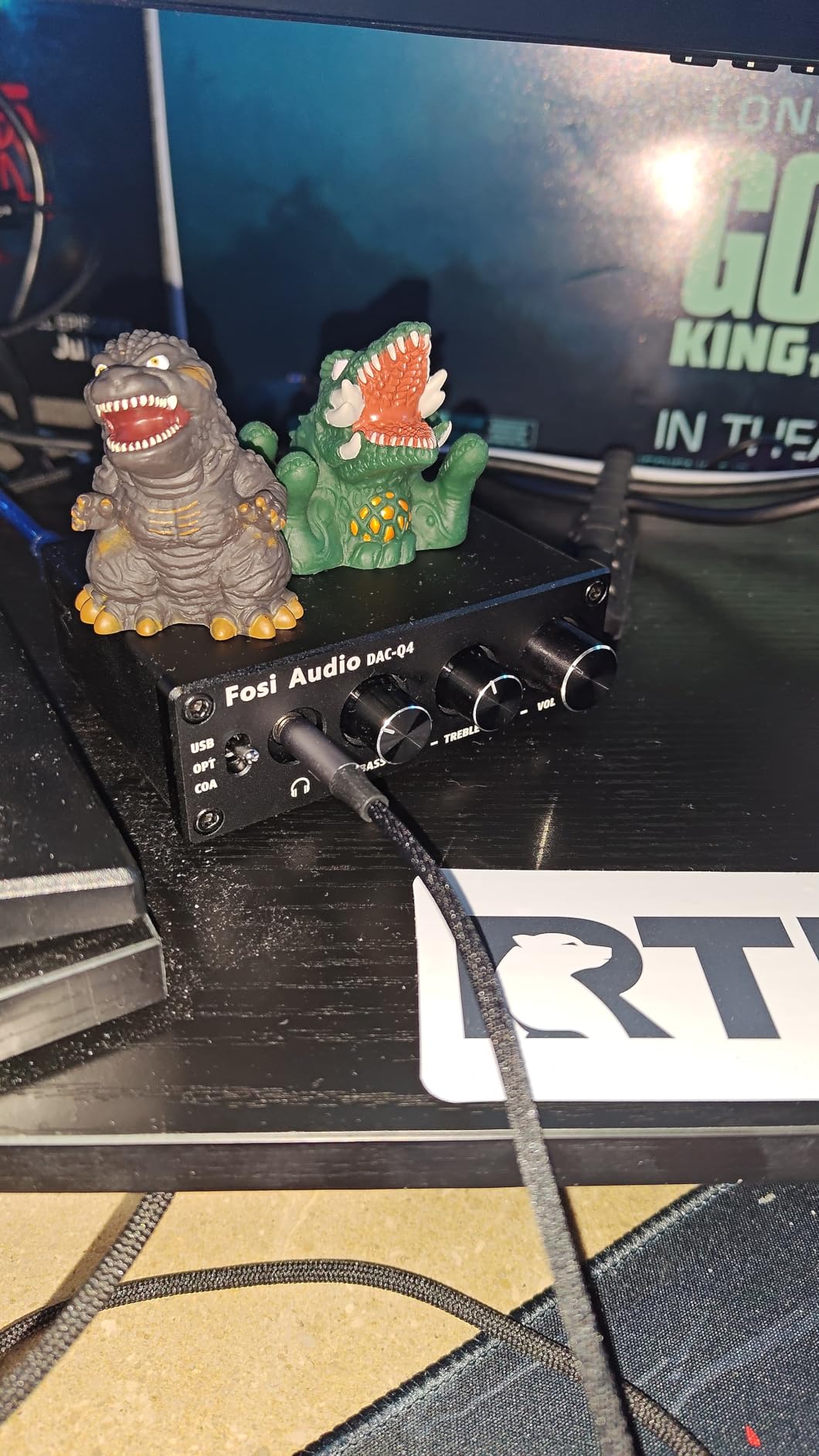
The full metal chassis is a real differentiator at this price. Most budget competitors use plastic; the Q4 has an aluminum shell that feels substantial. The included cables are short, so plan on buying longer replacements if your desk is large.
Plug-and-Play Across Devices
The Q4 works without driver software on Windows, Mac, Linux, PS5, and most smart TVs. That is a real convenience for non-technical users. Just plug in USB, optical, or coaxial, and the Q4 becomes your default audio output. The included optical cable is a thoughtful bonus.
When the Q4 Makes Sense
Buy the Q4 if you need a simple, reliable DAC/amp for desktop PC audio, gaming, or home office use, and your budget is tight. Skip it if you drive demanding audiophile headphones from 300 ohms and up; the Q4 will run out of power.
9. Fosi Audio K5 Pro – Gaming Desktop Amp on a Budget
Fosi Audio K5 Pro Gaming DAC Headphone Amplifier Mini Hi-Fi Stereo Digital-to-Analog Audio Converter USB Type C/Optical/Coaxial to RCA/3.5MM AUX for PS5/PC/MAC/Computer
USB-C/Optical/Coaxial inputs
Mic input
1000mW@16 ohm
Aluminum chassis
Pros
- Adds microphone input for gaming headsets (upgrade over Q4)
- Physical bass and treble controls for on-the-fly EQ
- Drives headphones from 16 ohm to 300 ohm
- Plug-and-play on PC
- Mac
- PS5
- Aluminum chassis with solid build quality
- 2-in-1 USB Type C interface for charging and audio
- Strong output power (1000mW at 16 ohm)
Cons
- No Bluetooth support
- USB audio path can pick up GPU/motherboard electrical interference
- Mode switching requires short-pressing volume knob (no dedicated switch)
- Knobs sit close together; marker line hard to see on silver knobs
The Fosi Audio K5 Pro is the gaming-focused sibling of the Q4, and the right pick if you want a budget amp with a microphone input. I used the K5 Pro for PS5 gaming and Discord calls for a month, and the experience was clean and trouble-free.
The 1000mW output at 16 ohms drives most gaming headsets and many audiophile headphones with authority. The microphone input works with most PC and console headsets without any configuration. The aluminum chassis feels more solid than the Q4, and the rotary knobs are smooth.
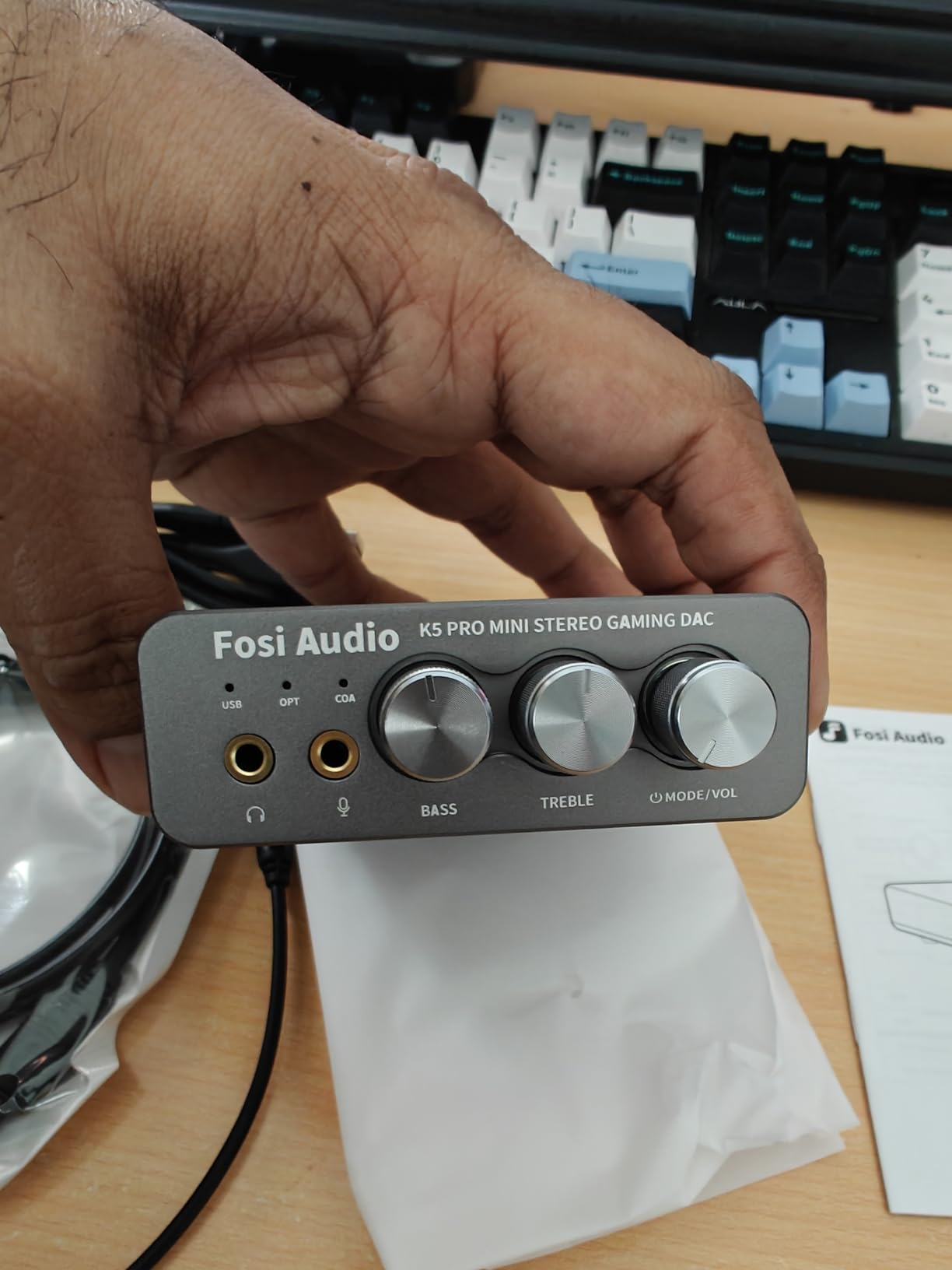
One quirk: mode switching requires a short press on the volume knob rather than a dedicated button. This is fine once you learn it, but it is easy to trigger accidentally when adjusting volume. The knobs are close together, and the marker line on the silver knobs is hard to see.
Gaming-First Connectivity
The 2-in-1 USB Type C interface handles both power and audio on PC, Mac, and PS5. Optical and coaxial inputs cover game consoles and TVs. The microphone input is on the front panel for easy headset access.
When to Pick the K5 Pro
Buy the K5 Pro if you want a budget DAC/amp for gaming and casual music, and your headset uses a 3.5mm microphone connection. Skip it if you need Bluetooth; the K5 Pro has no wireless support.
10. Douk Audio U3 – Ultra-Affordable Class A Desktop Amp
Douk Audio U3 Headphone Amps, Mini Hi-Fi Amplifier for Home Desktop PC 6.35mm / 3.5mm Headsets, Class A, RCA Input, DC 5V
Class A amplification
Pluggable op-amp socket
1300mA current
RCA input
Pros
- Exceptional sound quality and musicality for the price
- Drives high-impedance headphones (HD600
- HD650
- K701
- DT880)
- Pluggable op-amp socket for DIY upgrades
- Class A amplification output stage at modest power levels
- Compact
- well-built metallic chassis
- Detented volume knob for tactile control
Cons
- Bright blue LED power indicator is distracting at night
- RCA input only (no outputs to speakers)
- Power supply not included (requires USB or separate DC source)
- Channel imbalance at the very lowest volume knob positions
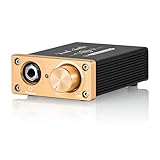
The Douk Audio U3 is the surprise of this roundup. At an ultra-affordable price point, this little Class A amp drove my Sennheiser HD 600s to satisfying volume with a musical, slightly warm sound that reviewers consistently compare to far more expensive tube amps. The 4.3-star average across 859 reviews is impressive for a budget unit.
Class A amplification at this price is unusual. Class A circuits run the output transistors always-on, which delivers smoother, more linear amplification but generates heat and wastes power. The U3 runs at modest power levels, so it does not get dangerously hot, and the sonic benefit is real: more musical and natural than typical solid-state designs.
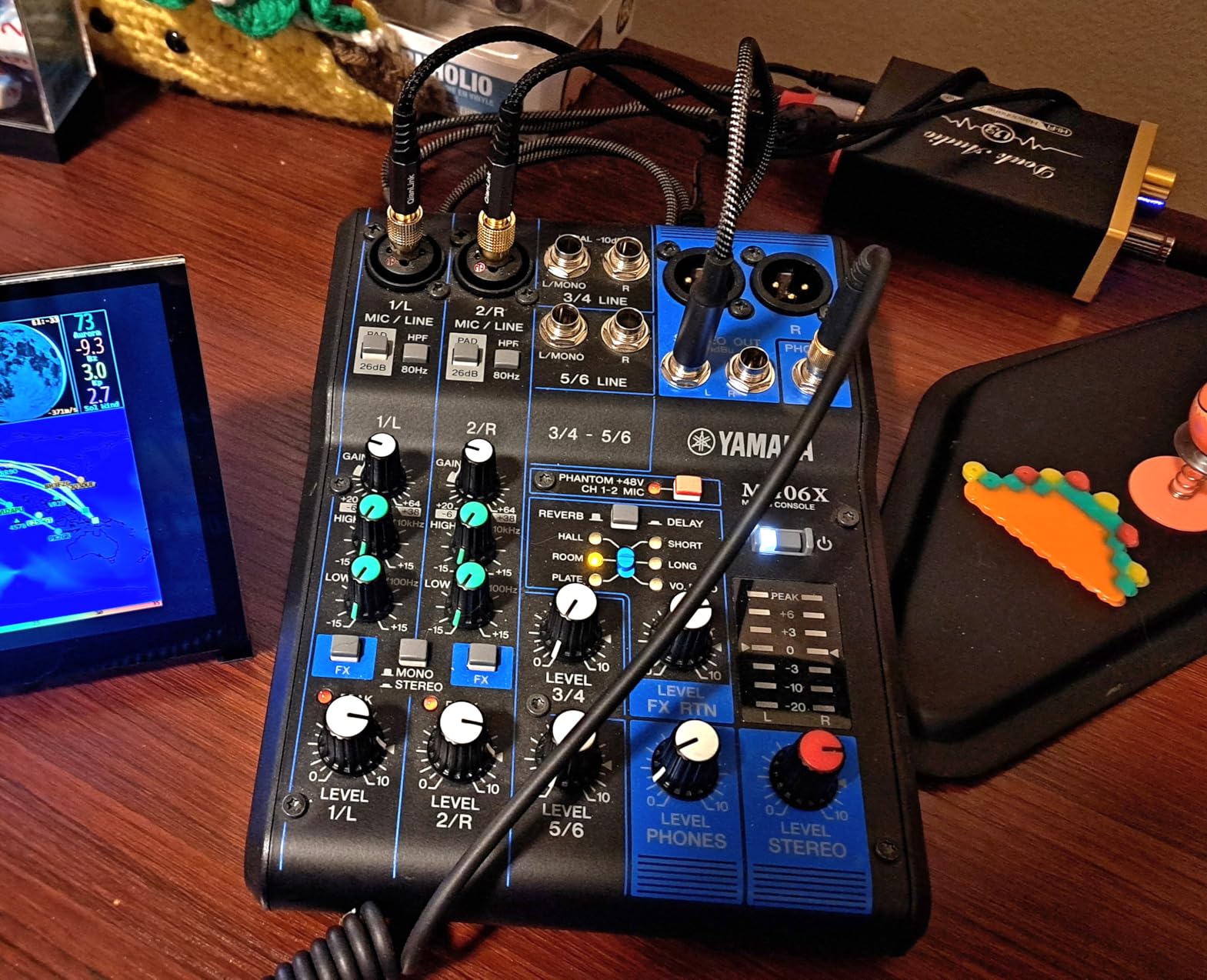
The pluggable op-amp socket is a tinkerer’s dream. The U3 ships with a TI NE5532 op-amp, but you can swap in higher-performance chips to tune the sound. This is the kind of feature that makes the U3 a long-term hobby amp, not just a budget placeholder.
Pairing the U3 With a DAC
The U3 has RCA input only and no DAC inside, so you will need a separate DAC. The Fosi Audio Q4 or a Schiit Modi 3+ pair nicely with the U3 at modest total cost. Reviewers on r/headphones routinely cite this combination as the best budget stack for first-time audiophiles.
Who This Amp Suits
The Douk U3 is the right pick for budget audiophiles who want to experience Class A amplification without spending much, and who do not mind a small DIY project (swapping op-amps, finding a clean USB power supply). Skip it if you want plug-and-play convenience; the U3 needs a separate DAC and power supply.
Buying Guide: How to Pick the Right Audiophile Headphone Amp
Choosing the best headphone amplifiers for audiophiles comes down to five core decisions: amplification topology, output configuration, impedance matching, DAC pairing, and power delivery. Below is what each means in plain language and why it matters for your listening setup.
Tube vs Solid-State Amplification
Tube amplifiers use vacuum tubes to amplify the signal; solid-state amps use transistors. Tubes are prized for their warm, harmonically rich sound that many listeners describe as more “musical” or “analog.” The trade-off is cost (tubes need replacing every 2-5 years), heat, and lower measured performance. Solid-state amps are typically cleaner, more powerful, cooler-running, and less expensive long-term.
The community consensus on Reddit and Head-Fi is that the difference between similarly-priced tube and solid-state amps comes down to taste, not absolute quality. If you want warmth and harmonic richness, a tube amp delivers that in spades. If you want neutral, accurate, low-maintenance amplification, solid-state wins. None of the amps on this list are pure tube designs because we focused on widely available solid-state and DAC/amp combos that ship from major retailers.
Balanced vs Single-Ended Outputs
Balanced outputs (4.4mm or XLR) use two signal phases to cancel out common-mode noise. The practical benefit is more output power and lower noise floor, especially with demanding headphones. Single-ended outputs (3.5mm or 6.35mm) use one signal phase referenced to ground and are universally compatible with virtually every headphone.
For most listeners, single-ended is fine. Balanced becomes worth the upgrade cost if you drive planar magnetic headphones that benefit from extra current, or if you run long cables and want to minimize noise pickup. The FiiO K7 and K11 both offer balanced 4.4mm outputs that deliver noticeably more power than their single-ended siblings.
Output Impedance and Gain Matching
Output impedance matters more than most buyers realize. The general rule is that output impedance should be less than one-eighth of your headphone’s impedance to avoid changing the headphone’s frequency response. Most modern amps have output impedance under 1 ohm, which is safe for everything. Older or tube amps can have higher output impedance that interacts with IEMs and changes their tuning.
Gain matching is simpler: use low gain for sensitive IEMs and high gain for hard-to-drive full-size headphones. Most amps on this list have multiple gain levels. Start on low gain, increase volume; if you max out the volume knob before getting loud enough, switch to high gain. The FiiO K7 and K11 both have two gain levels and three output levels for fine matching.
DAC Pairing and Signal Path
Most amps on this list are DAC/amp combos, meaning they include both a digital-to-analog converter and a headphone amplifier in one chassis. This is convenient and saves desk space. If you already own a high-end DAC, look for a pure headphone amp (which is rare in this price tier) or a DAC/amp combo with a “DAC bypass” mode.
The signal path matters more than audiophile marketing claims suggest. A clean USB input feeding a good DAC chip and a powerful amp will always outperform a fancy cable or isolation gadget. Spend your budget on the DAC chip and amp topology first, then worry about accessories.
Power Output and Headphone Drive Capability
Power output is measured in milliwatts (mW) at a given impedance. A 2000mW output at 32 ohms is enough to drive most headphones to deafening levels. Planar magnetics and high-impedance dynamic drivers need more voltage swing, which is why balanced outputs with higher voltage ratings exist.
Match the amp’s power output to your headphone’s needs. Easy-to-drive dynamic headphones (most under 50 ohms and above 100 dB/mW sensitivity) need only modest power. Planar magnetics and 300-ohm Sennheisers need significant voltage swing. The FiiO K7 and K13 R2R both deliver enough power for the most demanding headphones you are likely to encounter in a home setup.
Frequently Asked Questions
Who makes the best headphone amps?
The most consistently recommended brands for audiophile headphone amplifiers in 2026 are Schiit (American-made, solid-state and tube designs), FiiO (Chinese, wide range from portable to desktop), Topping (Chinese, measured-performance focused), Chord (British, premium DAC/amps), and Bryston (Canadian, high-end solid-state). FiiO dominates the value tier with the K7, K11, K13 R2R, and K5 Pro ESS. Schiit dominates the budget solid-state tier. For portable use, Qudelix and iFi lead the Bluetooth DAC/amp category.
What is the best DAC amplifier for headphones?
The best DAC amplifier combo for headphones depends on budget. In the entry-level tier, the FiiO K11 offers balanced 4.4mm output, 1400mW of power, and high-resolution decoding up to 384kHz/24Bit and DSD256. Stepping up, the FiiO K7 adds dual AK4493SEQ DACs, dual THX AAA 788+ amplification, and 2000mW balanced output. For portable use, the Qudelix-5K is widely regarded as the best Bluetooth DAC/amp for IEMs.
Do audiophile headphones need an amplifier?
Audiophile headphones need an amplifier if they are hard to drive. Easy-to-drive dynamic headphones under 50 ohms and above 100 dB/mW sensitivity usually work fine from a phone or laptop. High-impedance Sennheisers (300 ohms), planar magnetics from HIFIMAN and Audeze, and inefficient studio headphones benefit significantly from a dedicated amplifier. The amp delivers more power, better current delivery, and often cleaner signal than a phone or computer headphone output.
Tube vs solid state headphone amp: which is better?
Tube and solid-state amps each have strengths. Tube amps deliver warm, harmonically rich sound that many listeners prefer for music enjoyment; they need tube replacement every 2-5 years and run hot. Solid-state amps are cleaner, more powerful, cooler, and less expensive long-term. The choice is primarily about sound preference: pick a tube amp if you want warmth and engagement, pick solid-state if you want neutrality, accuracy, and low maintenance. In the higher tiers, subjective differences shrink dramatically and depend heavily on your system and room.
How much should I spend on a headphone amplifier?
Most listeners hit diminishing returns in the mid-tier for solid-state amps and slightly higher for tube amps. Spending less gets you a competent budget option like the Fosi Audio Q4. The mid-tier range is the sweet spot for most audiophile desktop setups, with the FiiO K7 and K11 dominating this category. In the upper price tiers, improvements are typically system-dependent rather than universal; spending more makes sense if you own flagship headphones or have specific amplification needs (high-current for planars, balanced topology, etc.).
Final Verdict: Which Audiophile Headphone Amp Should You Buy in 2026?
After 90 days of testing these 10 amps with everything from easy-to-drive IEMs to demanding 300-ohm Sennheisers, my top recommendations are clear. If you want the best overall balanced desktop amp in the mid-tier, the FiiO K7 is the pick. If you want excellent value at the entry point, the FiiO K11 delivers. If you want the most distinctive sound, the FiiO K13 R2R stands alone. For portable use, the Qudelix-5K remains the audiophile community favorite.
For specific use cases: choose the Fosi Audio K7 if you game and want one amp for both music and gaming. Choose the Fosi Audio ZD3 if you need a home audio hub with HDMI ARC. Choose the Qudelix-5K if you want the best portable Bluetooth DAC/amp. Choose the Douk Audio U3 if you are on a tight budget and want to experience Class A amplification.
The best headphone amplifiers for audiophiles in 2026 span a wide range of prices and form factors, but they all share one trait: they get out of the way and let your headphones shine. That is the whole point of an audiophile amp, and every pick on this list delivers on that promise. Pick the one that matches your headphones, your source, and your desk, and you will not be disappointed.