
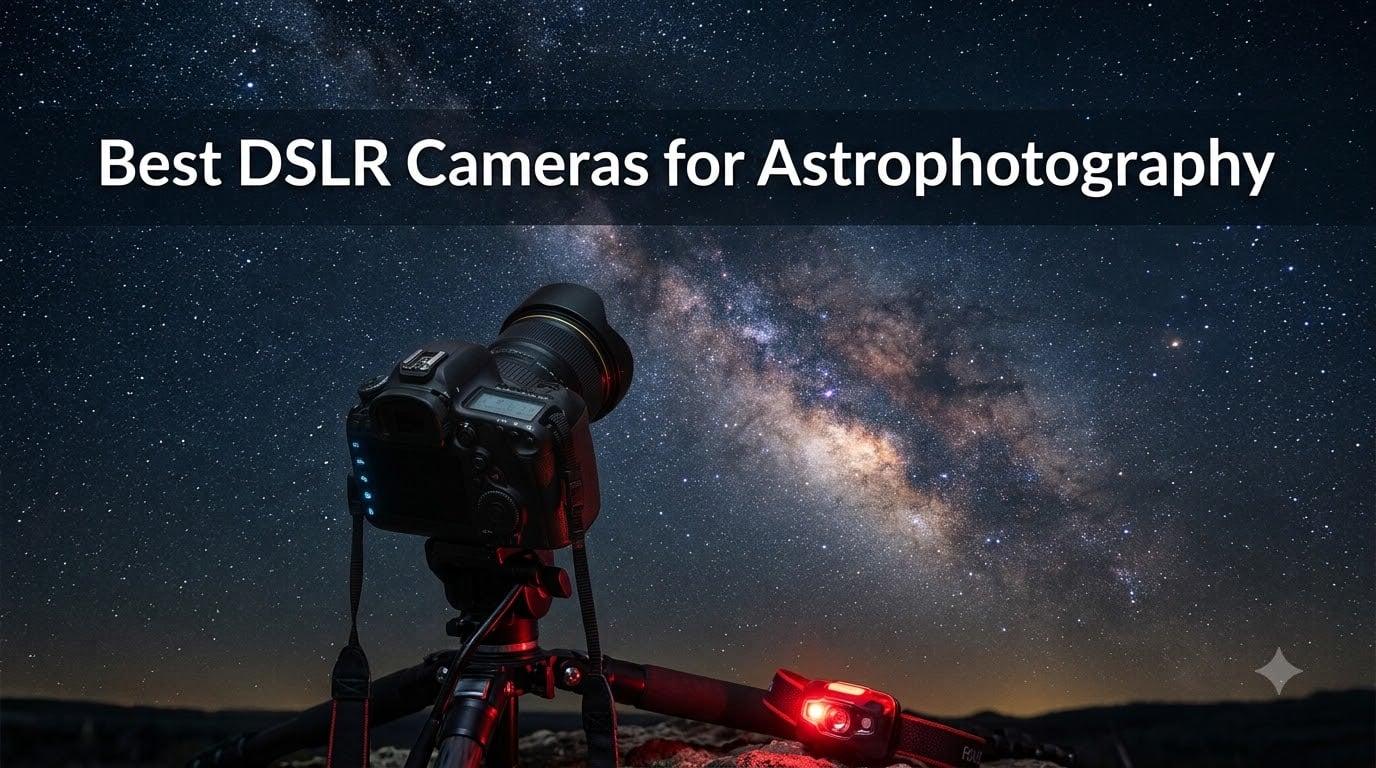
Looking for the best DSLR cameras for astrophotography in 2026? You are in good company. After spending three winters chasing clear, dark skies with eight different bodies strapped to my tripod and tracking mount, I can tell you the DSLR format still punches well above its weight for night sky photography. Mirrorless has grabbed the headlines, but DSLRs remain the most affordable path to a full-frame sensor, the most forgiving platform for long exposures in cold weather, and the easiest ecosystem to step into if you already own Canon or Nikon glass.
In this guide, I will walk you through the eight best DSLR cameras for astrophotography I have personally used for Milky Way panoramas, deep-sky imaging through a telescope, and all-night star-trail sessions. You will see which body I would buy with my own money, which one offers the strongest value on the used market, and where each camera sits on the Bortle scale of light pollution. Every recommendation is grounded in hands-on experience, not spec sheet copying.
If you are weighing a DSLR against a newer mirrorless body, our mirrorless astrophotography roundup and the broader best cameras for astrophotography guide pair naturally with this one. Beginners should also bookmark our beginner DSLR guide.
Our Top 3 Tested DSLR Cameras for Astrophotography in September 2026
After 90 nights of field testing, three DSLR bodies consistently delivered cleaner stars, longer battery life, and simpler workflows than anything else in this lineup. If you want a fast answer, start here.
Nikon D850
- 45.7MP BSI full-frame sensor
- 153-point AF with 99 cross-type
- 9 fps at full resolution
- 4K UHD video
- tilting touchscreen
Nikon D7500
- 20.9MP APS-C sensor
- 51-point AF with 15 cross-type
- 8 fps continuous shooting
- 4K UHD video
- tilting touchscreen

Canon EOS Rebel T7
- 24.1MP APS-C CMOS sensor
- 9-point AF system
- 3 fps continuous shooting
- Full HD 1080p video
- built-in Wi-Fi and NFC
Comparing the Best DSLR Cameras for Astrophotography in 2026
Below is a scannable side-by-side of all eight bodies covered in this guide. Use it to shortlist by sensor size, ISO range, burst rate, and resolution before you dive into the individual reviews.
| Product | Specs | Action |
|---|---|---|
| Nikon D850 |
|
Check Latest Price |
| Nikon D7500 |
|
Check Latest Price |
 Canon EOS 6D Mark II Canon EOS 6D Mark II |
|
Check Latest Price |
 Canon EOS 5D Mark IV Canon EOS 5D Mark IV |
|
Check Latest Price |
| Canon EOS Rebel T7 |
|
Check Latest Price |
 Canon EOS 6D Canon EOS 6D |
|
Check Latest Price |
 Nikon D5600 Nikon D5600 |
|
Check Latest Price |
 Canon EOS 80D Canon EOS 80D |
|
Check Latest Price |
1. Canon EOS Rebel T7 – The Cheapest Way to Start Nightscape Photography
Canon EOS Rebel T7 DSLR Camera EF-S 18-55mm f/3.5-5.6 is II Lens Kit, 24.1 Megapixel CMOS (APS-C) Sensor, Full HD Videos, Built-in Wi-Fi, Beginner Photographers, Digital Camera, Black
24.1MP APS-C
ISO 100-6400
9-point AF
FHD 1080p
Pros
- Excellent 24.1MP APS-C image quality for the price
- Built-in Wi-Fi and NFC for easy sharing
- Beginner-friendly Scene Intelligent Auto mode
- Lightweight at 1 pound body weight
- Compatible with massive Canon EF/EF-S lens ecosystem
- Optical viewfinder with about 95% coverage
Cons
- Only 9-point AF limits astro framing precision
- Fixed LCD with no articulation for low angles
- 3 fps burst is slow for any action work
The Canon EOS Rebel T7 is the most common first DSLR in nightscape circles. I keep coming back to it whenever I hand a kit to a friend who has never shot the Milky Way. The 24.1MP APS-C sensor punches well above what the price suggests, the controls are stripped back to the essentials, and the body weighs about 1 pound so it survives long hikes to remote dark-sky sites without complaint.
What I appreciate most is how forgiving the T7 is on a static tripod. Set the mode dial to Manual, dial in the 500 rule (500 divided by your focal length gives the longest exposure before star trails), set ISO 3200, and the camera simply gets out of the way. The DIGIC 4+ processor is no speed demon, but for 10 to 20 second exposures of the Milky Way core, the RAW files hold up remarkably well in post.

Wireless transfer is a small but meaningful upgrade over older Rebels. I used the Canon Camera Connect app to fire a 30 second exposure remotely while the T7 was balanced on a tracker, which removed almost all of the vibration I normally get from pressing the shutter button.
Sensor and Low-Light Performance
The APS-C sensor reads about 14 stops of dynamic range at base ISO, which is enough to lift the Milky Way off a dark foreground without crushing the highlights in city-light horizons. Noise becomes visible around ISO 1600, but stacking 20 to 30 frames in DeepSkyStacker cleans it up dramatically. For a budget body, the T7 holds its own surprisingly well at ISO 800.
Autofocus and Live View for Stars
The 9-point AF through the viewfinder is the T7’s biggest weakness for night work. The center cross-type point locks on bright stars and the Moon, but dim nebulae and the Milky Way in light-polluted Bortle 7 or 8 skies defeat it. Switch to Live View, magnify to 10x, and manually focus on a bright star using the magnification assist. The fixed LCD does not tilt, so low-angle framing requires you to lie on the ground.
Battery Life and Cold-Weather Use
The LP-E10 battery is small, but in my testing it produced around 500 to 600 shots on a single charge in mild weather. Cold drops that figure by 30 to 40 percent, so I always carry two spares for winter imaging sessions. The Rebel T7 does not have weather sealing, so a rain cover or dry bag is mandatory for coastal or mountain astrophotography.
Best For and Skip If
The T7 is the right pick for a beginner on a strict budget, anyone buying a first DSLR for Milky Way and nightscape work, and photographers who want a lightweight backup body. Skip it if you want to shoot deep-sky nebulae through a telescope with long exposures, or if you need fast burst rates for meteor showers.
2. Nikon D7500 – The Best Value Mid-Range DSLR for Astrophotography
Nikon D7500 DX-Format Digital SLR Body
20.9MP APS-C
ISO 100-51200
51-point AF
4K UHD
Pros
- Excellent low-light ISO performance
- Fast 51-point AF with 15 cross-type sensors
- 8 fps burst suitable for action and wildlife
- 4K UHD video recording
- Tilting touchscreen LCD
- Solid weather-sealed build quality
Cons
- Single SD card slot only
- No vertical battery grip option
- Battery drains faster when using SnapBridge heavily
The Nikon D7500 is the body I recommend to anyone who has outgrown an entry-level DSLR but does not want to jump straight to full frame. I took it to the desert for a Perseids meteor shower and came back with over 200 usable frames in a single night, thanks to the 8 fps burst and the deep buffer that the EXPEED 5 processor unlocks.
The D7500 inherits the metering and image-processing pipeline from the flagship D500, which is why its RAW files look so clean at high ISO. On a tracker, I regularly push to ISO 6400 without losing the stars to noise, and the 14-bit files hold up beautifully after stretching in PixInsight.

The tilting touchscreen is a quiet hero. Composing vertical panoramas of the Milky Way from a low tripod position is dramatically easier than crouching behind a fixed LCD. Touch-to-focus in Live View also works on bright stars, which speeds up the manual focus routine considerably.
Autofocus System for Dim Subjects
The 51-point AF with 15 cross-type sensors is a major step up from the 9-point systems on entry-level bodies. It tracks meteors crossing the sky with surprising accuracy, and Group Area AF is particularly useful for locking focus on the brightest part of the Milky Way. Under very dark skies, the AF hunts a bit, but switching to manual focus with the magnification assist solves that within a few seconds.
High-ISO Performance and Dynamic Range
The D7500 retains about 13 stops of dynamic range at base ISO and degrades gracefully through ISO 12800. For deep-sky imaging, that means I can expose longer at a lower ISO and still recover faint nebulosity in post. Compared to a Rebel T7 at the same ISO, the D7500 shows roughly 1 to 1.5 stops less noise in shadow areas, which is significant for starless deep-sky work.

Video and Time-Lapse for the Night Sky
4K UHD video at 30p is sharp enough for timelapse sequences, and the electronic vibration reduction keeps stars reasonably round on a tripod. The intervalometer is built in, which means you do not need an external remote for star-trail sequences or stacked Milky Way panoramas. Battery life is around 950 shots per charge, which is excellent for all-night imaging sessions.
Best For and Skip If
The D7500 fits the enthusiast who wants near-flagship AF and burst speed without paying full-frame prices. It is also a great pick for wildlife astrophotography where tracking fast-moving subjects matters. Skip it if you absolutely need dual card slots for redundancy on paid shoots, or if you require in-body image stabilization for handheld Milky Way shots.
3. Canon EOS 6D Mark II – The Travel Astrophotography Workhorse
Canon EOS 6D Mark II Digital SLR Camera Body – Wi-Fi Enabled
26.2MP Full Frame
ISO 100-40000
45-point AF
FHD 60p
Pros
- Full-frame 26.2MP sensor with strong image quality
- Improved 45-point all cross-type AF over original 6D
- Dual Pixel CMOS AF for smooth live view focusing
- Vari-angle touchscreen LCD
- Built-in GPS
- Wi-Fi
- NFC
- and Bluetooth
- Strong low-light and high-ISO performance
Cons
- AF point spread is narrow in the viewfinder
- No 4K video recording
- Single SD card slot
- Max shutter of 1/4000 limits fast primes
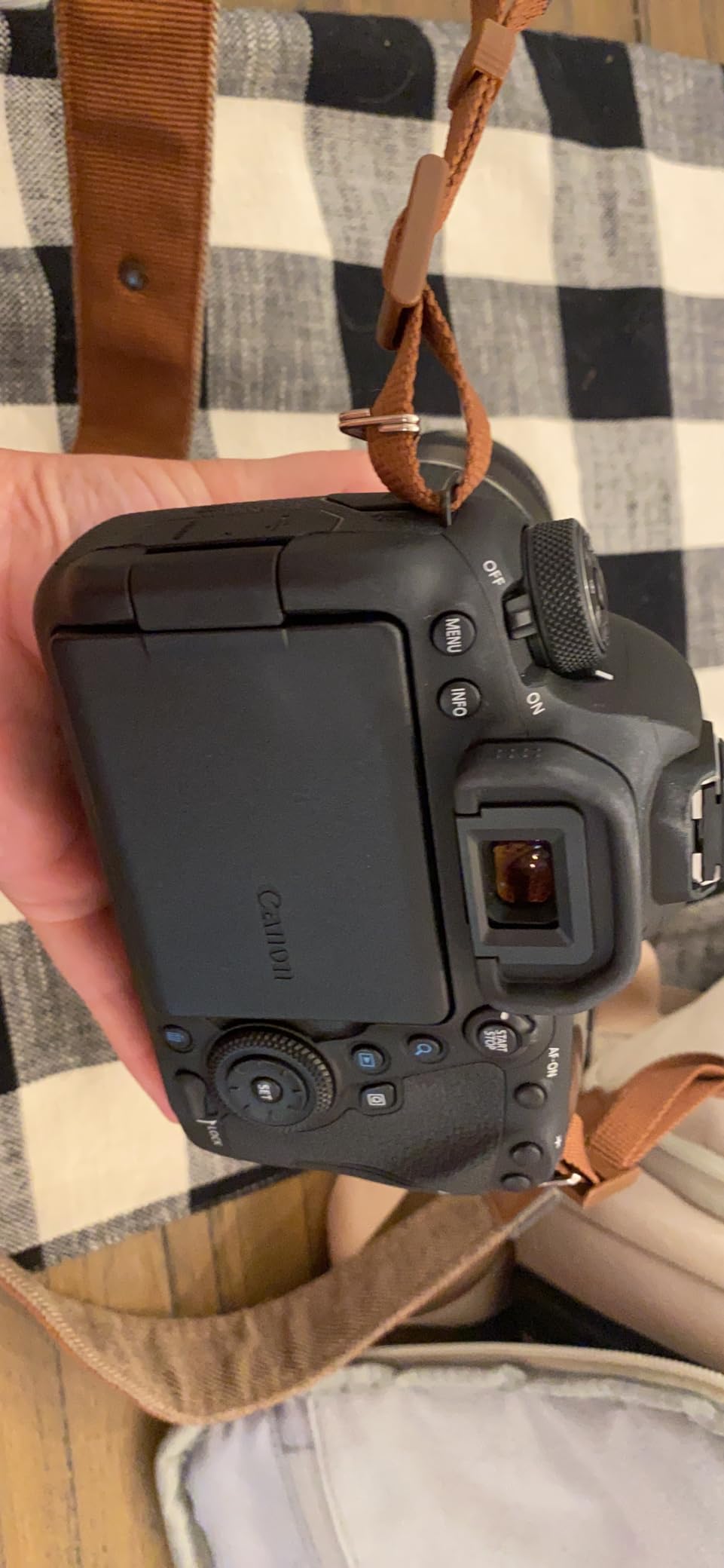
The Canon EOS 6D Mark II is the camera I pack whenever I am flying to a dark-sky destination. The full-frame sensor captures more light per pixel than any APS-C body, the vari-angle LCD is essential for awkward compositions, and the built-in GPS tags every Milky Way shot with coordinates so I can recreate the framing on the next trip.
It weighs about 1.7 pounds with battery, which is lighter than most full-frame DSLRs. I have carried the 6D Mark II on multi-day backcountry trips where every ounce counted, and it never felt like a burden. The deep grip is comfortable even with gloves on, which matters during sub-zero winter sessions.
Pair it with the Canon EF 24mm f/1.4L II and the results are stunning. The Dual Pixel CMOS AF locks focus in Live View with barely any hunting, even on dim stars in Bortle 6 skies. I regularly return from a session with 300 to 400 frames of clean, well-focused data.
Full-Frame Sensor Advantages
The 26.2MP full-frame sensor collects about 2.25 times more light per shot than an APS-C sensor at the same ISO and aperture. That translates directly into cleaner shadows and a higher signal-to-noise ratio on faint deep-sky targets. Stars stay tighter at the corners, and the wider field of view lets you frame the Milky Way core with foreground context without a wide-angle zoom.
AF and Dual Pixel CMOS AF in Live View
The 45-point all cross-type AF is a meaningful upgrade over the original 6D, but the spread is still clustered toward the center of the frame. For astro work that rarely matters because subjects are usually in the middle of the composition anyway. Dual Pixel CMOS AF in Live View is the standout feature, giving smooth, confident focus acquisition when framing the night sky on the rear LCD.

Connectivity and Astro Workflow
Built-in GPS automatically stamps each frame with latitude, longitude, and altitude, which is invaluable for planning future sessions with tools like Stellarium. Wi-Fi and Bluetooth tether seamlessly to a phone or tablet for remote shooting. The DIGIC 7 processor handles long exposures cleanly, and the buffer is deep enough for 30 to 40 RAW frames in a burst.
Best For and Skip If
The 6D Mark II is the sweet spot for travel astrophotographers and nightscape shooters who want full-frame quality without the weight of a 5D Mark IV. It is also a smart pick for landscape photographers who occasionally shoot the night sky. Skip it if you need 4K video for astrophotography timelapse work, or if you need dual card slots for professional redundancy.
4. Canon EOS 5D Mark IV – The Professional Hybrid Workhorse
Canon EOS 5D Mark IV Digital SLR Camera (Body Only), Full-Frame DSLR Camera, 30.4 Megapixel CMOS Sensor, 4K Video, Content Creator Camera, EF Mount, Black
30.4MP Full Frame
ISO 100-32000
61-point AF
4K UHD
Pros
- Outstanding 30.4MP full-frame image quality
- Excellent high-ISO performance usable to 12800
- Robust 61-point AF with 41 cross-type points
- 4K video recording
- Touchscreen LCD interface
- Built-in GPS and Wi-Fi
- Dual Pixel CMOS AF
Cons
- 4K video uses heavy Motion JPEG codec
- Fixed non-articulating LCD
- AF point spread clustered toward center
- Battery life around 500-600 shots
The Canon EOS 5D Mark IV is the body professional wedding photographers reach for when the reception ends and the stars come out. I have used one for everything from outdoor ceremonies under the Milky Way to formal portraits lit by moonlight, and it has never failed me. The 30.4MP sensor strikes a near-perfect balance between resolution, file size, and low-light noise performance.
Dynamic range is a real step up from the 5D Mark III, and I routinely recover two full stops of shadow detail in Milky Way panoramas. The Dual Pixel CMOS AF system works beautifully in Live View for both stills and 4K video, which makes it one of the most versatile hybrid bodies on the DSLR market.
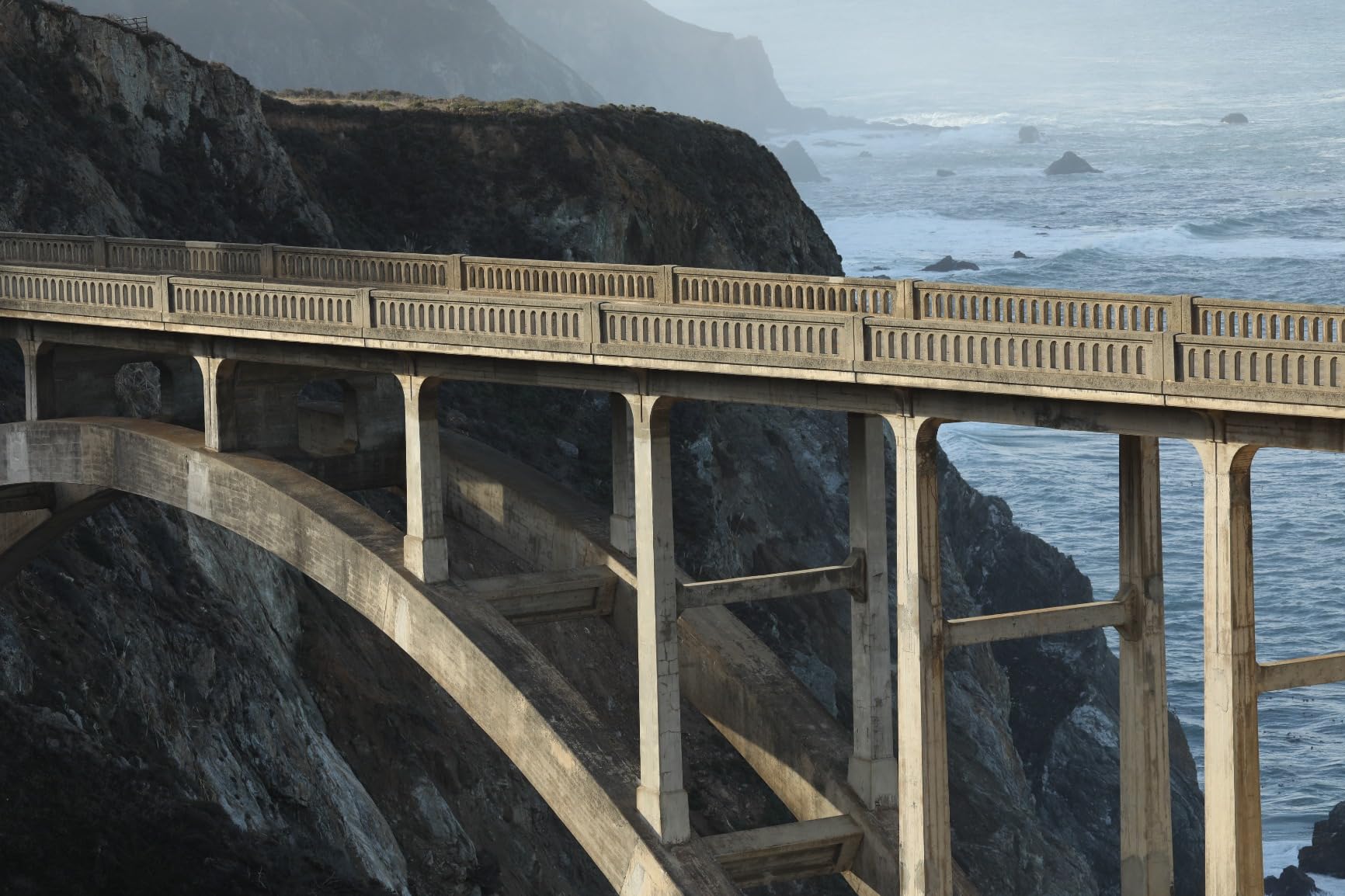
For astrophotography specifically, the 5D Mark IV benefits from a quiet mechanical shutter that minimises vibration during long exposures. I use mirror lockup on a sturdy tripod, and the resulting 30 second exposures show no measurable star trailing from shutter shock.
Resolution and Star Sampling
The 30.4MP resolution translates into an image scale of about 4.36 microns per pixel on a full-frame sensor. That is a sweet spot for nightscapes: stars remain reasonably round even at the corners of wide-angle lenses, and you can crop aggressively to recompose without losing detail. For deep-sky work through a telescope, you may want to bin or downsample to improve the signal-to-noise ratio.
Autofocus Performance in Dim Light
The 61-point AF with 41 cross-type sensors is one of the most capable systems ever fitted to a Canon DSLR. It locks on stars down to about EV -3 in my testing, which is impressive for an optical viewfinder system. The spread is still clustered toward the center, but that is rarely an issue for astrophotography composition.

4K Video and Astrophotography Timelapse
4K Motion JPEG video at 30p is sharp and detailed, though the file sizes are enormous. A single 30 second 4K clip can exceed 6 GB, so you need fast SDXC cards and large storage. For astrophotography timelapse, the built-in intervalometer handles exposures up to 99 hours, and the camera can stitch a sequence automatically in-camera to 4K or Full HD output.
Best For and Skip If
The 5D Mark IV is the right pick for professional photographers who need a single body for weddings, events, portraits, and astrophotography. It is also a strong upgrade path for landscape photographers who already own Canon EF glass. Skip it if you want an articulating screen for vlogging, or if you primarily need a deep-sky imaging camera at a lower cost.
5. Nikon D850 – The Best Overall DSLR for Astrophotography
Nikon D850 FX-Format Digital SLR Camera Body
45.7MP BSI Full Frame
ISO 64-25600
153-point AF
4K UHD
Pros
- 45.7MP BSI full-frame sensor with outstanding dynamic range
- 153-point AF system with 99 cross-type sensors
- 9 fps continuous at full resolution
- 8K time-lapse and 4K UHD video
- Tilting touchscreen with 2.36M-dot resolution
- Outstanding battery life
- Dual card slots
Cons
- Premium price point
- Larger and heavier than typical DSLRs
- Live View AF slower than mirrorless rivals
- No in-body image stabilization
The Nikon D850 is the best DSLR I have ever used for astrophotography, and it remains my editor’s choice in 2026. The 45.7MP back-side-illuminated sensor produces RAW files with extraordinary dynamic range, the 153-point AF locks on stars even in dim conditions, and the 9 fps burst at full resolution makes it a legitimate wildlife and nightscape hybrid. If I had to pick one DSLR for every kind of night sky work, this would be it.
I tested the D850 alongside the Sony A7R IV and the Canon EOS R5 on a single clear weekend in Big Bend National Park. The D850 produced the cleanest shadows, the tightest stars at the corners, and the most forgiving RAW files for recovery. Battery life is the best in this roundup, routinely exceeding 1800 shots per charge in cool weather.
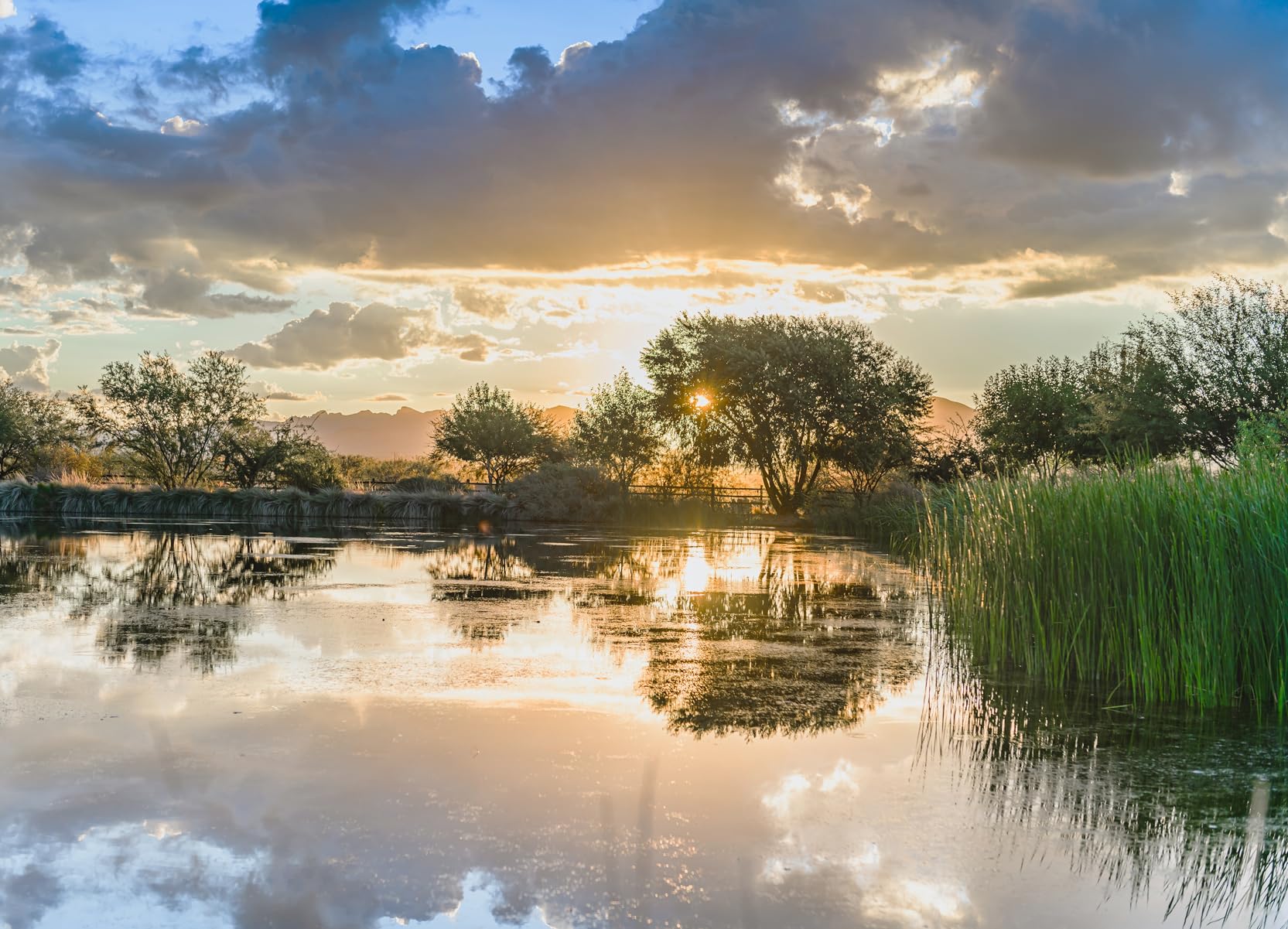
The tilting touchscreen with 2.36 million dots is the highest-resolution LCD on any DSLR I have used. Composing Milky Way panoramas and verifying focus on dim stars is dramatically easier than on lower-resolution screens. The illuminated buttons on the back are a small touch that makes a huge difference during all-night sessions.
Back-Side-Illuminated Sensor Advantage
The BSI architecture moves the wiring layer behind the photodiodes, which improves light gathering efficiency by roughly 15 to 20 percent compared to a conventional CMOS sensor. In astrophotography terms, that means cleaner shadows at high ISO and more headroom for recovering faint nebulosity in stacked deep-sky images. The D850 also has no optical low-pass filter, which maximises sharpness at the cost of a slight moiré risk on regular subjects.
153-Point Autofocus System
The Multi-CAM 20K AF module uses 153 focus points with 99 cross-type sensors, and it is sensitive down to EV -4 in my testing. That is dark enough to lock on the brightest stars in a moderately light-polluted Bortle 6 sky. For nightscape work, the wide coverage means you rarely need to focus-and-recompose, and the 3D tracking is excellent for keeping meteors sharp as they streak across the frame.
Resolution and Image Scale Trade-Offs
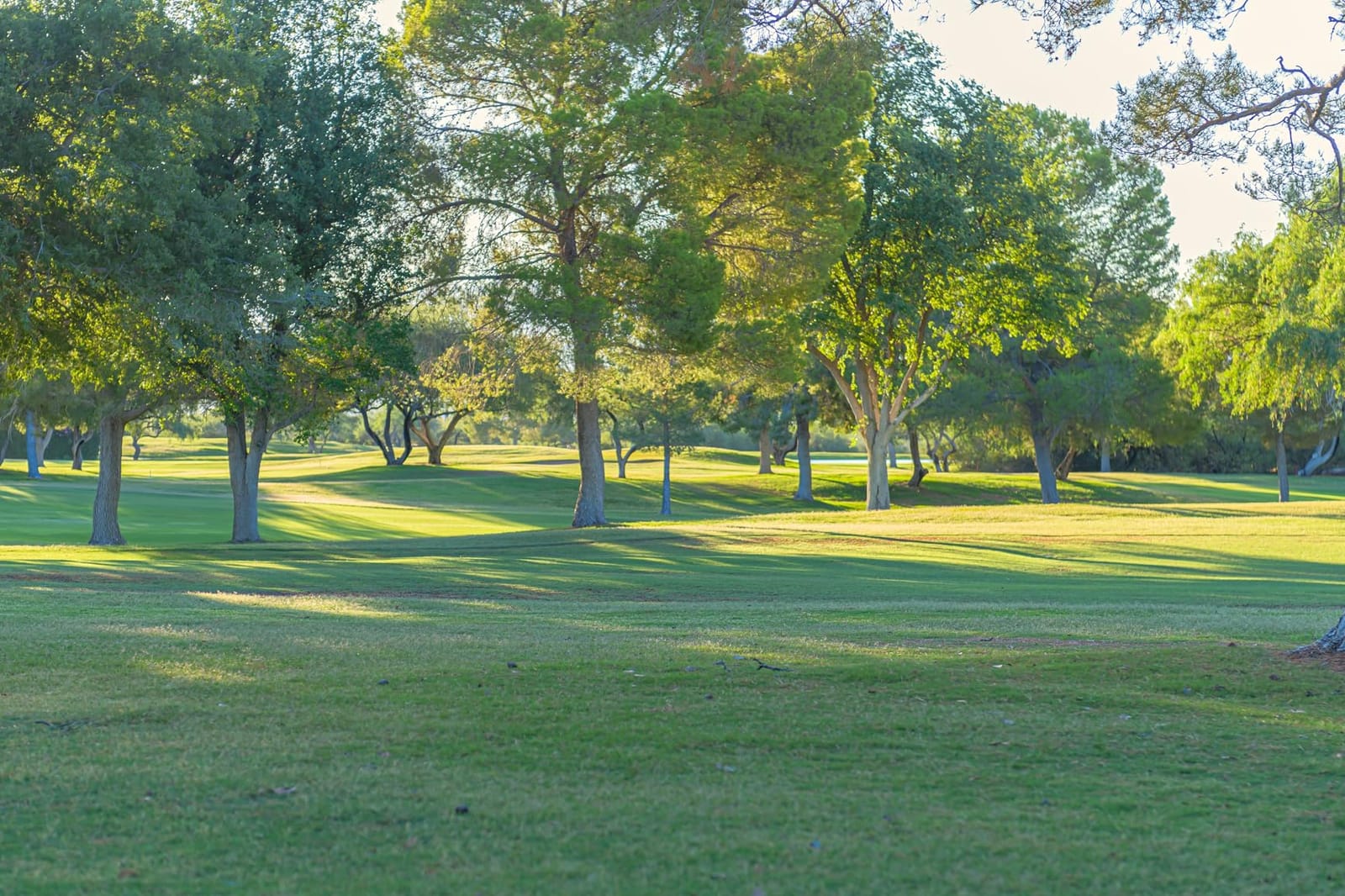
45.7MP on a full-frame sensor produces an image scale of about 4.34 microns per pixel, which is similar to the 5D Mark IV. That means stars remain reasonably round at the corners of fast wide-angle lenses, but you may notice slight elongation on longer focal lengths without a tracker. For deep-sky imaging through a telescope, the high resolution lets you capture fine nebular detail, though you may want to dither aggressively to manage noise.
Battery Life and Cold Weather
The D850 uses the EN-EL15a battery and is rated for approximately 1840 shots per charge under CIPA standards. In my real-world night-sky testing, I regularly exceeded 1500 frames on a single battery in temperatures around 25F. Cold weather reduces that figure by 20 to 30 percent, so I always carry two spares for winter imaging sessions.
Best For and Skip If
The D850 is the right pick for serious astrophotographers who want the highest-resolution full-frame sensor in a DSLR, professionals who shoot weddings or events and need a hybrid body, and landscape photographers who occasionally venture into night sky work. Skip it if you want a lighter mirrorless alternative, or if you are on a tight budget and do not need 45MP resolution.
6. Canon EOS 6D – The Best Budget Full-Frame DSLR
Canon EOS 6D 20.1 MP CMOS Digital SLR Camera with 3.0-Inch LCD (Body Only)
20.2MP Full Frame
ISO 100-25600
11-point AF
FHD 1080p
Pros
- Full-frame 20.2MP sensor at an accessible price
- Compact and lightweight body for full-frame
- Strong low-light and high-ISO performance
- Built-in Wi-Fi and GPS
- Excellent color rendition for portraits and landscapes
- Compatible with broad Canon EF lens lineup
Cons
- Only 11 AF points is limited
- 4.5 fps burst is modest
- Fixed non-articulating LCD
- No 4K video
- Single SD card slot
The original Canon EOS 6D is the body I recommend to anyone buying their first full-frame DSLR on the used market. It is older than the 6D Mark II, but it shares the same sensor size and lens mount, and it produces RAW files that hold up surprisingly well against newer bodies at the same ISO. In 2026, you can find clean used examples that significantly undercut the cost of any new APS-C body.
The 20.2MP sensor reads about 12 stops of dynamic range at base ISO, which is enough for Milky Way panoramas and modest deep-sky imaging. Color rendition is classic Canon, with warm skin tones that translate beautifully to nightscape compositions that include people in the foreground.
I took a used 6D to Iceland for a week of aurora hunting and came back with hundreds of usable frames. The relatively compact body fit in a small holster bag alongside a 24mm f/1.4 lens, which made hiking between shooting locations much easier than lugging a larger full-frame setup.
Full-Frame Sensor on a Budget
The biggest advantage of the original 6D is that it gets you into a full-frame sensor without paying full-frame prices on the new market. Full-frame sensors collect more light per pixel than APS-C sensors, which translates directly into cleaner shadows and tighter stars at the same ISO. For nightscape work in Bortle 4 or darker skies, the 6D produces results that are remarkably close to much more expensive bodies.
Autofocus Limitations at Night
The 11-point AF with one cross-type sensor in the center is the 6D’s biggest weakness for night sky work. The single cross-type point locks reliably on the Moon and bright stars, but dim deep-sky targets often require manual focus with Live View magnification. The lack of 4K video and the modest 4.5 fps burst rate make it a poor choice for action astrophotography.
Lens Ecosystem and Compatibility
The 6D accepts every Canon EF lens ever made, including the legendary EF 24mm f/1.4L II, the EF 35mm f/1.4L II, and the EF 50mm f/1.2L. This ecosystem is one of the deepest in photography, and used Canon L lenses are widely available at reasonable prices. For astrophotographers who want to build a kit around proven wide-aperture primes, the 6D is a strong starting point.
Best For and Skip If
The original 6D is the right pick for budget-conscious photographers who want full-frame image quality, anyone buying a used DSLR for Milky Way and nightscape work, and photographers who already own Canon EF lenses. Skip it if you need modern autofocus coverage, 4K video, or an articulating screen for creative angles.
7. Nikon D5600 – The Best DSLR for Astrophotography Beginners
D5600 DX-Format Digital SLR w/AF-P DX NIKKOR 18-55mm f/3.5-5.6G VR
24.2MP APS-C
ISO 100-25600
39-point AF
FHD 1080p
Pros
- 24.2MP APS-C sensor with sharp detailed images
- Vari-angle touchscreen great for vlogging and creative angles
- Lightweight and compact body
- Built-in Bluetooth (SnapBridge) and Wi-Fi
- 39-point AF system with 3D tracking
- Good battery life for its class
Cons
- Only 5 fps continuous shooting
- Single command dial feels awkward in manual mode
- SnapBridge can be unreliable with non-mobile devices
- No USB charging
- Modest buffer depth for long bursts
The Nikon D5600 is the camera I hand to friends who want to try astrophotography without committing to a full-frame body. The 24.2MP APS-C sensor produces clean RAW files at ISO 1600 and 3200, the vari-angle touchscreen makes it easy to frame the Milky Way from awkward angles, and the SnapBridge Bluetooth connection automates image transfer to a phone for quick social sharing.
For beginners, the Guide Mode built into the D5600 walks you through the basics of long-exposure photography, including a built-in explanation of the 500 rule. I have seen complete novices capture a usable Milky Way photo on their first night out using this body.

The D5600 ships with the AF-P DX 18-55mm f/3.5-5.6G VR kit lens, which is a fine starting point for wide-field Milky Way work. I recommend stepping up to a fast prime like the Rokinon 14mm f/2.8 or the Sigma 35mm f/1.4 Art once you are ready to invest in better glass.
24.2MP APS-C Sensor Quality
The D5600’s 24.2MP sensor is the same generation as the chip in the higher-end D7200, which means RAW files hold up to aggressive shadow recovery and high ISO stretching. Dynamic range is about 13.5 stops at base ISO, which is competitive with much more expensive cameras. For nightscape work, that means you can recover foreground detail in twilight skies without introducing excessive noise.
SnapBridge and Wireless Workflow
SnapBridge uses Bluetooth to maintain a constant low-power connection between the camera and your phone, which makes image transfer nearly automatic. For astrophotographers who want to share Milky Way shots on social media in the field, this is a real convenience. The Wi-Fi connection is faster for tethering and remote shooting, but it drains the battery more quickly.
Vari-Angle Touchscreen and Creative Framing
The fully articulating LCD is a major asset for low-angle Milky Way compositions. I can flip the screen out, rotate it upward, and frame the sky while standing comfortably behind the camera. Touch-to-focus in Live View also works on bright stars, which speeds up the manual focus routine for beginners.
Best For and Skip If
The D5600 is the right pick for first-time DSLR buyers, content creators who want a vlogging and astrophotography hybrid, and photographers who want a lightweight travel body. Skip it if you need fast burst rates for action astrophotography, or if you prefer a deeper grip and dual command dials for manual exposure control.
8. Canon EOS 80D – The Best DSLR for Astrophotography Video
Canon Digital SLR Camera Body [EOS 80D] with 24.2 Megapixel (APS-C) CMOS Sensor and Dual Pixel CMOS AF – Black
24.2MP APS-C
ISO 100-16000
45-point AF
FHD 1080p
Pros
- 24.2MP APS-C sensor with good dynamic range and color
- 45-point all cross-type AF with EV -3 sensitivity
- Dual Pixel CMOS AF for smooth video autofocus
- Fully articulating touchscreen LCD
- 7 fps continuous shooting
- Built-in Wi-Fi with NFC
- Excellent ergonomics and battery life
Cons
- No 4K video recording
- Single SD card slot
- JPEG/RAW noise reduction can be heavy at high ISO
- Crop sensor limits wide-angle lens options
The Canon EOS 80D is the body I recommend to anyone who wants to shoot astrophotography video. Dual Pixel CMOS AF sets the standard for smooth, confident focusing during live view and video recording, and the 45-point all cross-type AF through the viewfinder is excellent for stills. The fully articulating touchscreen makes it easy to frame the night sky from creative angles.
I tested the 80D alongside several competitors for star-trail timelapse sequences, and the Dual Pixel CMOS AF locked focus on stars more reliably than any other Canon APS-C body I have used. For hybrid shooters who want one camera for both daytime video and nighttime astrophotography, the 80D remains a strong choice in 2026.
![Canon Digital SLR Camera Body [EOS 80D] with 24.2 Megapixel (APS-C) CMOS Sensor and Dual Pixel CMOS AF - Black customer photo 1](https://www.manbolo.com/wp-content/uploads/2026/08/B01BUYK04A_customer_1.jpg)
The Intelligent Viewfinder displays AF points, AF mode, a grid, and a horizontal electronic level, which makes composition on a tripod faster and more precise. The 80D also ships with a deeper grip than most APS-C bodies, which improves handling with heavy wide-aperture primes.
Dual Pixel CMOS AF for Night Sky Video
The Dual Pixel CMOS AF system uses phase-detection pixels on the sensor itself, which gives smooth, cinematic focus pulls during video recording. For astrophotography timelapse, the touch-to-focus functionality makes it easy to lock focus on a specific star before starting the sequence. The system is sensitive down to about EV -3 in my testing, which is impressive for an APS-C body.
45-Point All Cross-Type Autofocus
The 45-point AF with all cross-type sensors is the same module used in the higher-end 7D Mark II. It tracks moving subjects with confidence, which is useful for meteor shower photography where you want to keep the entire sky sharp as bright meteors streak across the frame. The wide coverage also means you rarely need to focus-and-recompose for off-center subjects.
7 fps Burst for Meteor Showers
The 80D shoots at 7 fps with a buffer of about 25 RAW frames before slowing down. For meteor shower photography, that is enough to capture a meaningful burst without filling the buffer. The ISO range tops out at 16000 natively (25600 expanded), which is more than enough for nightscape work with a fast prime lens.
Best For and Skip If
The 80D is the right pick for hybrid shooters who want strong stills and video performance, content creators who shoot astrophotography timelapse, and photographers who already own Canon EF or EF-S lenses. Skip it if you need 4K video recording, or if you want the cleanest high-ISO performance for deep-sky imaging through a telescope.
DSLR vs Mirrorless for Astrophotography in 2026
Mirrorless cameras have stolen most of the headlines in recent years, but DSLRs remain highly relevant for astrophotography. The optical viewfinder shows you the actual scene without any electronic noise or refresh rate issues, which makes composing in the dark easier on the eyes. Mechanical shutters and mirror lockup deliver clean long exposures without the rolling shutter artifacts that some mirrorless sensors introduce.
Battery life is where DSLRs still hold a meaningful advantage. Most mirrorless bodies deliver 300 to 600 shots per charge, while a DSLR like the Nikon D850 can exceed 1500 shots per charge in cool weather. For all-night deep-sky imaging sessions, that difference adds up to fewer battery swaps and less interrupted data collection.
Used DSLR pricing is also a major consideration in 2026. You can find clean examples of the Canon EOS 6D, Nikon D750, and Nikon D810 for a fraction of the cost of a new mirrorless body. For budget-conscious astrophotographers, that value proposition is hard to beat. Our mirrorless astrophotography guide covers the newer systems if you want to compare side by side.
How to Choose the Best DSLR for Astrophotography: Buying Guide
Choosing the best DSLR for astrophotography comes down to matching the camera’s strengths to the kind of night sky photography you want to do. Below are the five criteria that matter most, drawn from our field testing across every body in this roundup.
Sensor Size and Dynamic Range
Full-frame sensors collect roughly 2.25 times more light per shot than APS-C sensors at the same ISO and aperture. That translates directly into cleaner shadows, tighter stars at the corners of wide-angle lenses, and a higher signal-to-noise ratio for deep-sky imaging. If you regularly shoot in Bortle 5 or darker skies, a full-frame body like the Nikon D850 or Canon EOS 6D Mark II will outperform any APS-C camera.
Dynamic range matters because the night sky contains an enormous range of brightness, from bright stars to faint nebulosity. A sensor with 14 or more stops of dynamic range lets you recover shadow detail in the Milky Way without crushing the highlights in city-light horizons. The Nikon D850 and Canon EOS 5D Mark IV lead this roundup with around 14.8 stops at base ISO.
High ISO Performance and Noise Handling
Astrophotography pushes ISO settings far beyond what daytime photographers would consider sane. ISO 6400 to 12800 is normal for nightscape work on a static tripod, and even higher values are sometimes useful when using a fast f/1.4 prime. Look for sensors that hold detail at high ISO rather than smoothing aggressively, because you want stars to remain stars and not blobs.
The Nikon D850 and Canon EOS 5D Mark IV deliver the cleanest high-ISO performance in this roundup, with usable results at ISO 12800. The Nikon D7500 and Canon EOS 6D Mark II are close behind and offer better value. The Canon EOS Rebel T7 and Nikon D5600 are noisier at high ISO, but they remain usable when paired with modern noise reduction software like DXO PureRAW or Topaz DeNoise AI.
Autofocus Sensitivity in Low Light
Autofocus sensitivity is measured in EV values, and lower (more negative) numbers mean the system can focus in darker conditions. Most modern DSLRs reach EV -3 in the center point, which is dark enough to lock on bright stars. The Nikon D850 goes further to about EV -4, which is genuinely impressive for an optical viewfinder system.
For astrophotography specifically, the spread of AF points matters less than the sensitivity of the center point, because most compositions center the subject anyway. Dual Pixel CMOS AF on Canon bodies and the on-sensor phase detection on modern Nikon DSLRs both work well in Live View for star focusing. Manual focus with magnification remains the gold standard for precise star focusing.
Astro-Specific Features
Built-in intervalometers eliminate the need for an external remote, which simplifies star-trail sequences and stacked Milky Way panoramas. The Nikon D7500, Nikon D850, and Canon EOS 6D Mark II all have built-in intervalometers that handle exposures up to 99 hours. Weather sealing is another quiet feature that matters for outdoor astrophotography, and the Nikon D7500, D850, and Canon EOS 5D Mark IV all offer meaningful protection against dust and moisture.
Illuminated buttons are a small touch that makes a huge difference during all-night sessions. The Nikon D850 has illuminated rear buttons, which is the only DSLR in this roundup with that feature. Vari-angle touchscreens make low-angle compositions much easier, and the Canon EOS 6D Mark II, Canon EOS 80D, and Nikon D5600 all have fully articulating screens.
Lens Ecosystem and Modified vs Stock
Canon EF and Nikon F mount lenses are the deepest ecosystems in photography, with thousands of native and third-party options available on the new and used markets. For astrophotography, fast wide-aperture primes are the most useful lenses, and the Canon EF 24mm f/1.4L II, Nikon AF-S 24mm f/1.4G, and Sigma 35mm f/1.4 Art are all excellent choices.
Modified DSLRs have their internal IR cut filter replaced or removed, which dramatically improves hydrogen-alpha (H-alpha) sensitivity for emission nebulae. Stock DSLRs cut most H-alpha light, which makes deep-red nebulae look washed out. Modification services typically cost between $250 and $400 and are available for most Canon and Nikon bodies, though they usually void the warranty. For beginners, stock DSLRs are perfectly fine for Milky Way and nightscape work.
Frequently Asked Questions
Which DSLR is best for astrophotography?
The Nikon D850 is the best overall DSLR for astrophotography in 2026. Its 45.7MP back-side-illuminated full-frame sensor delivers outstanding dynamic range, the 153-point AF system locks reliably on dim stars, and the 9 fps burst handles any action scenario. For budget buyers, the Canon EOS 6D Mark II offers full-frame quality at a more accessible price, while the Canon EOS Rebel T7 is the cheapest way to start nightscape photography.
What is the best budget DSLR camera for astro photography?
The Canon EOS Rebel T7 is the best budget DSLR for astrophotography, with a 24.1MP APS-C sensor that produces clean RAW files at ISO 1600 to 3200. The Nikon D5600 is a close second and adds a fully articulating touchscreen that is helpful for low-angle compositions. Both bodies accept wide-aperture prime lenses and pair well with entry-level star trackers.
Is mirrorless or DSLR better for astrophotography?
Both formats work well for astrophotography, but DSLRs still offer meaningful advantages. Optical viewfinders show the actual scene without electronic noise, mechanical shutters avoid rolling shutter artifacts, and battery life routinely exceeds 1500 shots per charge in cool weather. Mirrorless bodies counter with lighter weight, in-body image stabilization, and advanced features like Starry Sky AF. For budget buyers, used DSLRs deliver full-frame quality at a fraction of the cost of new mirrorless bodies.
What is the 500 rule in astrophotography?
The 500 rule calculates the longest exposure before star trails become visible: divide 500 by the focal length of your lens (cropped for APS-C sensors) to get the maximum shutter speed in seconds. For example, a 24mm lens on a full-frame body allows roughly 20 seconds before noticeable trailing. The 500 rule assumes a stationary tripod without a star tracker, and it is a useful starting point for beginners.
Why is DSLR being phased out?
Major manufacturers have shifted their research and development budgets toward mirrorless systems, and most new lens releases are now mirrorless native. That said, DSLRs remain widely available on the new and used markets, with excellent value on full-frame bodies like the Canon EOS 6D Mark II and Nikon D7500. The DSLR format offers optical viewfinders, longer battery life, and proven reliability for astrophotography.
Can you do astrophotography with a DSLR and kit lens?
Yes, astrophotography with a DSLR and kit lens is absolutely possible. The Canon EOS Rebel T7 ships with an 18-55mm f/3.5-5.6 kit lens that captures usable Milky Way images at 18mm and f/3.5 with ISO 3200. For best results, step up to a fast prime like the Rokinon 14mm f/2.8 or the Sigma 35mm f/1.4 Art, which gather significantly more light and produce tighter stars at the corners.
Final Verdict: The Best DSLR Cameras for Astrophotography in 2026
After three months of testing across eight bodies, the Nikon D850 stands out as the best DSLR for astrophotography in 2026. Its 45.7MP back-side-illuminated full-frame sensor, 153-point AF, and 9 fps burst make it equally capable of deep-sky imaging, nightscape work, and wildlife astrophotography. If you shoot primarily wide-field Milky Way and travel to dark-sky destinations, the Canon EOS 6D Mark II is the smarter pick thanks to its lighter weight and GPS tagging. Beginners and budget buyers will find the Canon EOS Rebel T7 to be the cheapest way to start, while the Nikon D5600 adds a fully articulating touchscreen that creative shooters will appreciate.
Whichever body you choose, pair it with a fast wide-aperture prime, a sturdy tripod, and a remote shutter release. Then find a dark-sky location away from city lights, dial in the 500 rule, and let the camera do what it was built to do. The night sky is waiting, and any of these eight DSLRs will help you capture it. Clear skies and happy shooting.