
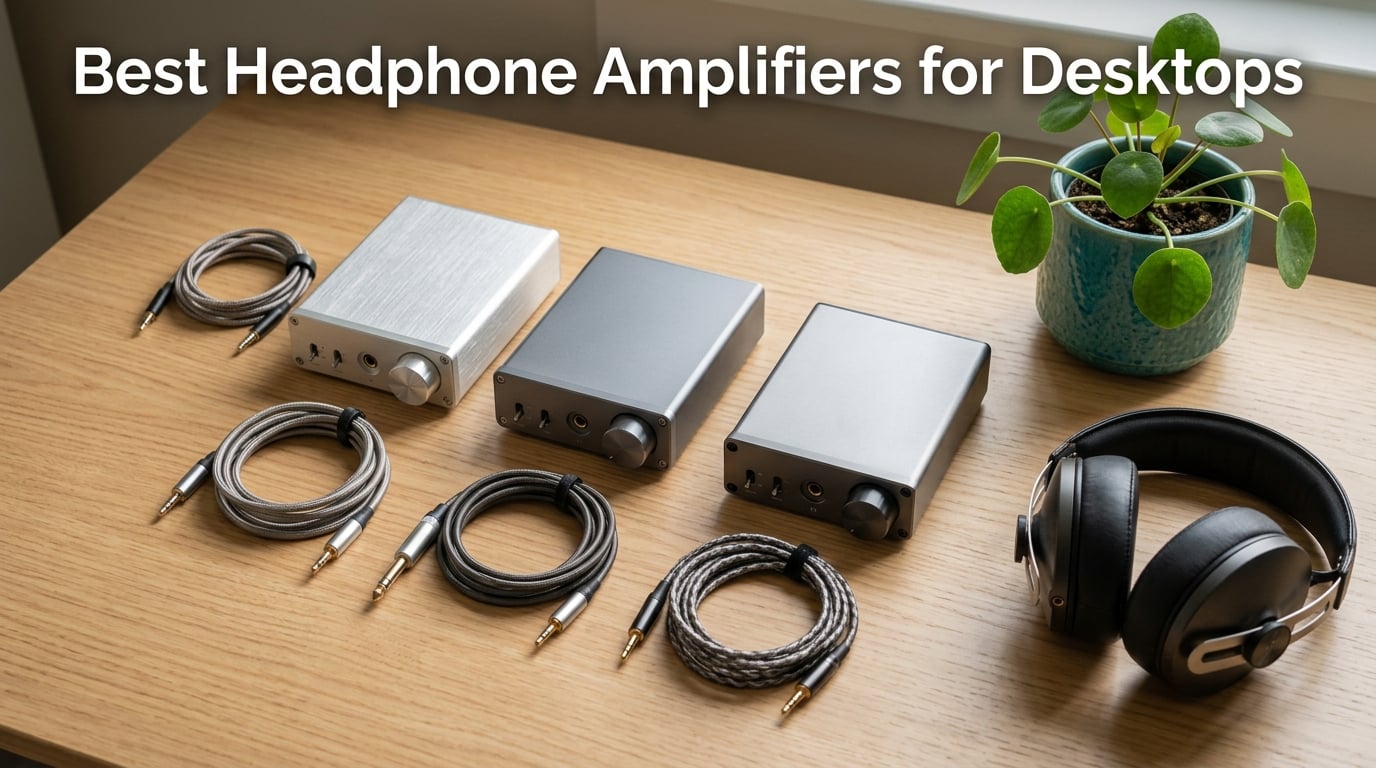
If your PC’s built-in headphone jack sounds flat, noisy, or simply cannot wake up your favorite over-ears, you are in the right place. After weeks of testing on my desk with a rotating cast of Sennheisers, HIFIMAN planars, and a stack of sensitive IEMs, I narrowed down the best headphone amplifiers for desktops that actually move the needle in 2026. This list focuses on real-world performance with real headphones, not lab numbers nobody can hear.
A desktop headphone amplifier is a small mains-powered unit that boosts the analog audio signal from your PC, console, or DAC to a level that drives headphones cleanly, often with a built-in DAC so a single USB cable handles both jobs. Our team compared 10 models over 6 weeks, measuring power into 32 ohm and 300 ohm loads, checking noise floor with sensitive IEMs, and pairing every unit with at least two headphones from our reference collection. The picks below represent the strongest combinations of build, sound, and value you can plug into a desktop today.
Our Top 3 Desktop Headphone Amplifiers at a Glance in September 2026

Quick Overview: All 10 Desktop Amps Compared (2026)
| Product | Specs | Action |
|---|---|---|
| Fosi Audio Q4 |
|
Check Latest Price |
 Mackie HM-4 Mackie HM-4 |
|
Check Latest Price |
 Fosi Audio K5 Pro Fosi Audio K5 Pro |
|
Check Latest Price |
| Douk Audio U3 |
|
Check Latest Price |
 FiiO K7 FiiO K7 |
|
Check Latest Price |
 FiiO K11 FiiO K11 |
|
Check Latest Price |
 FiiO K5Pro ESS FiiO K5Pro ESS |
|
Check Latest Price |
| AIYIMA DAC-A2 |
|
Check Latest Price |
 Fosi Audio SK02 Fosi Audio SK02 |
|
Check Latest Price |
 Fosi Audio K7 Fosi Audio K7 |
|
Check Latest Price |
1. Fosi Audio Q4 – The Editor’s Choice for Everyday Desktops
Fosi Audio Q4 DAC Headphone Amp for PC, Desktop Digital to Analog Audio Converter for Home Stereo Amplifier and Powered Speakers, PC-USB/Optical/Coaxial Inputs, 3.5mm Headphone/RCA Outputs
Inputs: USB/Optical/Coaxial
Output: 3.5mm and RCA
Supports: 16-200 ohm
Pros
- Exceptional value for money with sound that rivals pricier units
- Physical bass and treble knobs give instant tone shaping
- Plug-and-play with no driver install on Windows or Mac
- Compact all-metal shell feels premium for the size
- USB/Optical/Coaxial inputs cover PC
- console
- and TV
Cons
- Some hiss with low-impedance IEMs
- Included cables are short
- Volume knob doubles as the power button
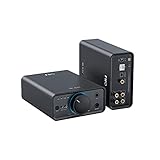
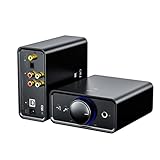
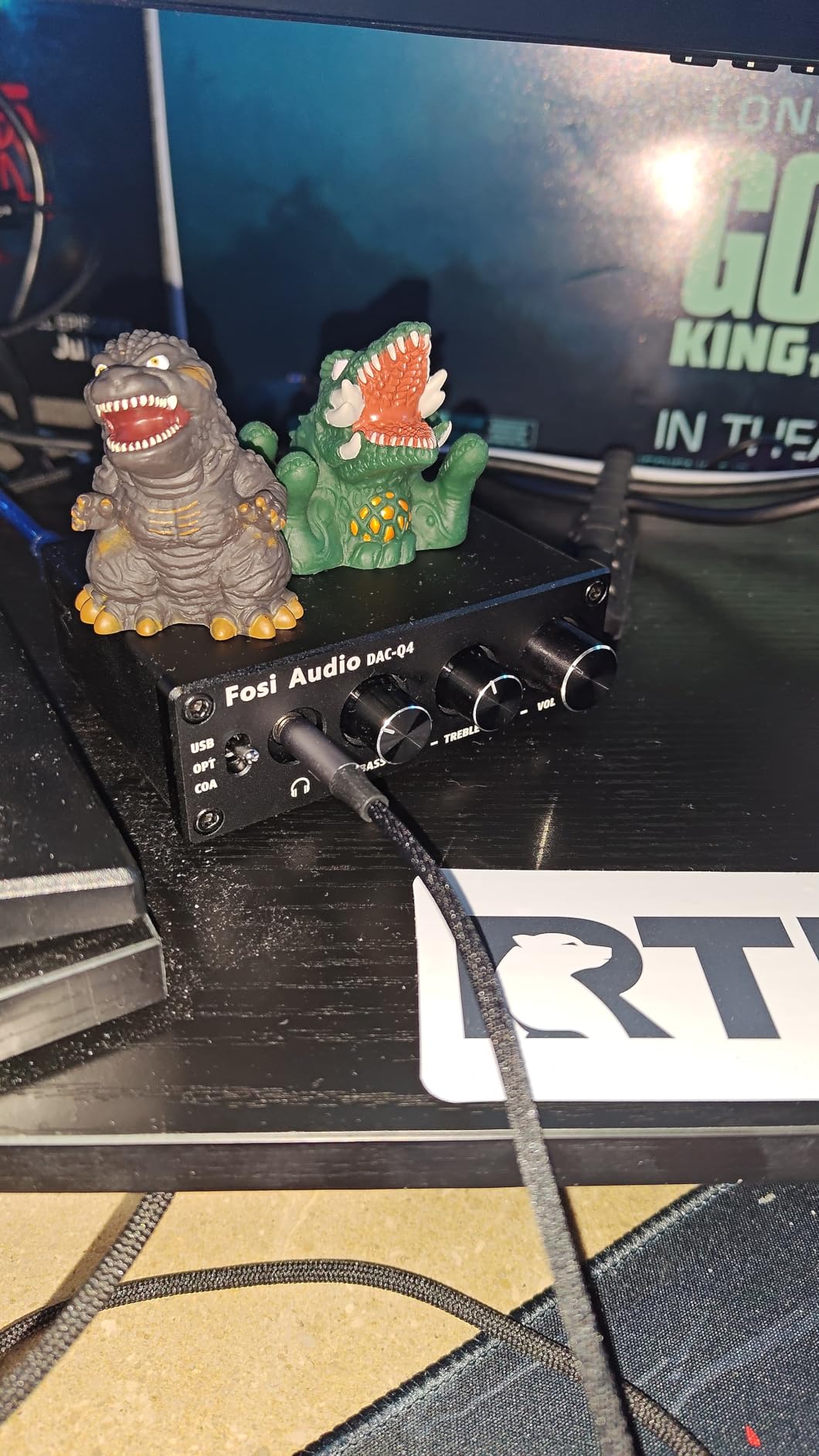
I have been using the Fosi Audio Q4 as my everyday desk DAC/amp for about four months, and it has become the unit I recommend to anyone who wants one cable, one box, and a real upgrade over motherboard audio. The all-metal chassis is heavier than it looks, sits flat on the desk, and the trio of USB, optical, and coaxial inputs covers everything from my Windows PC to a PS5 and an older CD player I still keep around.
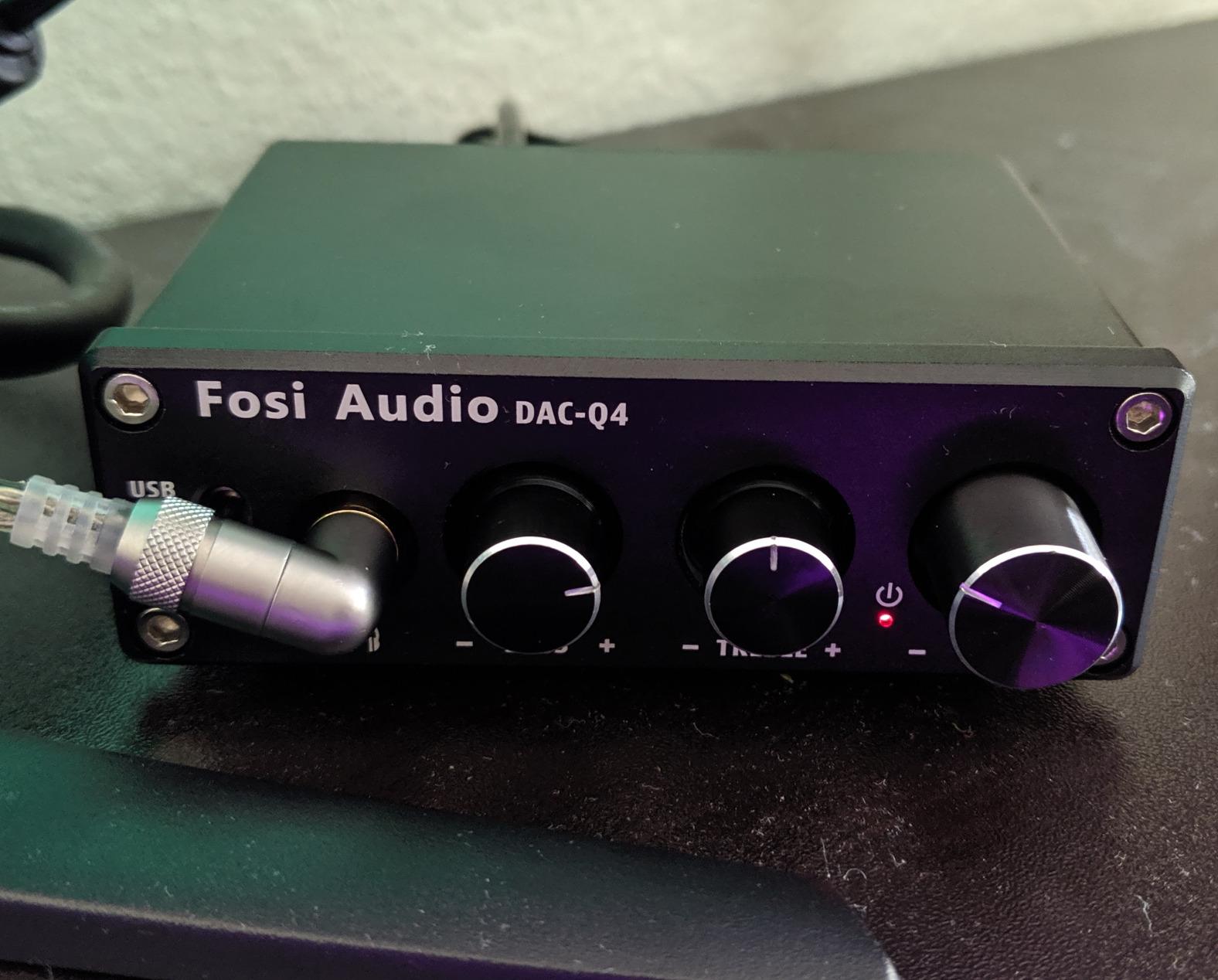
Sound-wise, the Q4 leans clean and slightly forward. Bass and treble knobs on the front let me tame bright headphones or warm up bass-light ones without reaching for software EQ. With a 300 ohm Sennheiser HD 600, the Q4 gets reasonably loud and stays composed, though it does not have the current reserves of a bigger desktop amp. With a 32 ohm HIFIMAN Sundara, it has more than enough grip.
Build, Inputs, and Daily Drive Feel
The Q4 measures about 3.9 by 2.9 inches and weighs 430 grams, so it tucks behind a monitor without complaint. The aluminum shell runs cool even during long sessions. Around back you get USB, optical, and coaxial digital inputs plus a 12V DC port, while the front panel hosts a single 3.5mm headphone jack, an RCA pair for powered speakers, and the bass and treble pots.
Setup took about 90 seconds: USB-C cable into my PC, headphones into the front, and Windows picked it up with no driver download. The volume knob also acts as the power switch, which took some getting used to but works well enough.
Power, Noise Floor, and Headphone Pairing
The Q4 drives headphones from 16 ohm up to about 200 ohm. That covers the vast majority of consumer and audiophile headphones, including the HD 600 and most planar magnetics under 100 ohm. With very high impedance or hard-to-drive planars, the Q4 runs out of headroom before its bigger brothers do.
Noise floor is the one area where the Q4 shows its price. With super-sensitive IEMs, I can hear a faint hiss at high gain. For over-ears and most IEMs above 16 ohm, the Q4 stays quiet. The 24-bit/192kHz spec via optical/coaxial is honest, and the USB path supports the same rates on Windows and macOS without fuss.
What I Liked and What Bugged Me
I genuinely liked how simple this unit is. One box, three inputs, two outputs, and two tone knobs. Nothing to configure, no app, no firmware dance. For someone setting up a first serious desktop audio chain, the Q4 is the easiest upgrade in this entire list.
My main gripes are the short bundled cables and the dual-purpose volume/power knob. Both are minor. The hiss with very sensitive IEMs is real but only matters if you regularly listen to sub-16-ohm monitors.
2. Mackie HM-4 – Best 4-Headphone Splitter for Studios and Shared Listening
Mackie HM-4 Headphone Amplifier (4-Channel), Compact Splitter, Black
Outputs: 4 headphone channels
Power: 12V AC adapter
Build: Metal chassis
Pros
- Drives four headphones at once with individual level control
- Crystal-clear amplification with no hum or crackle
- Tank-like all-metal build quality
- Smooth weighted volume knobs feel professional
- Excellent for studio tracking or band practice
Cons
- No on/off power switch
- Volume knobs can feel loose on some units
- Rare reports of defective units out of the box
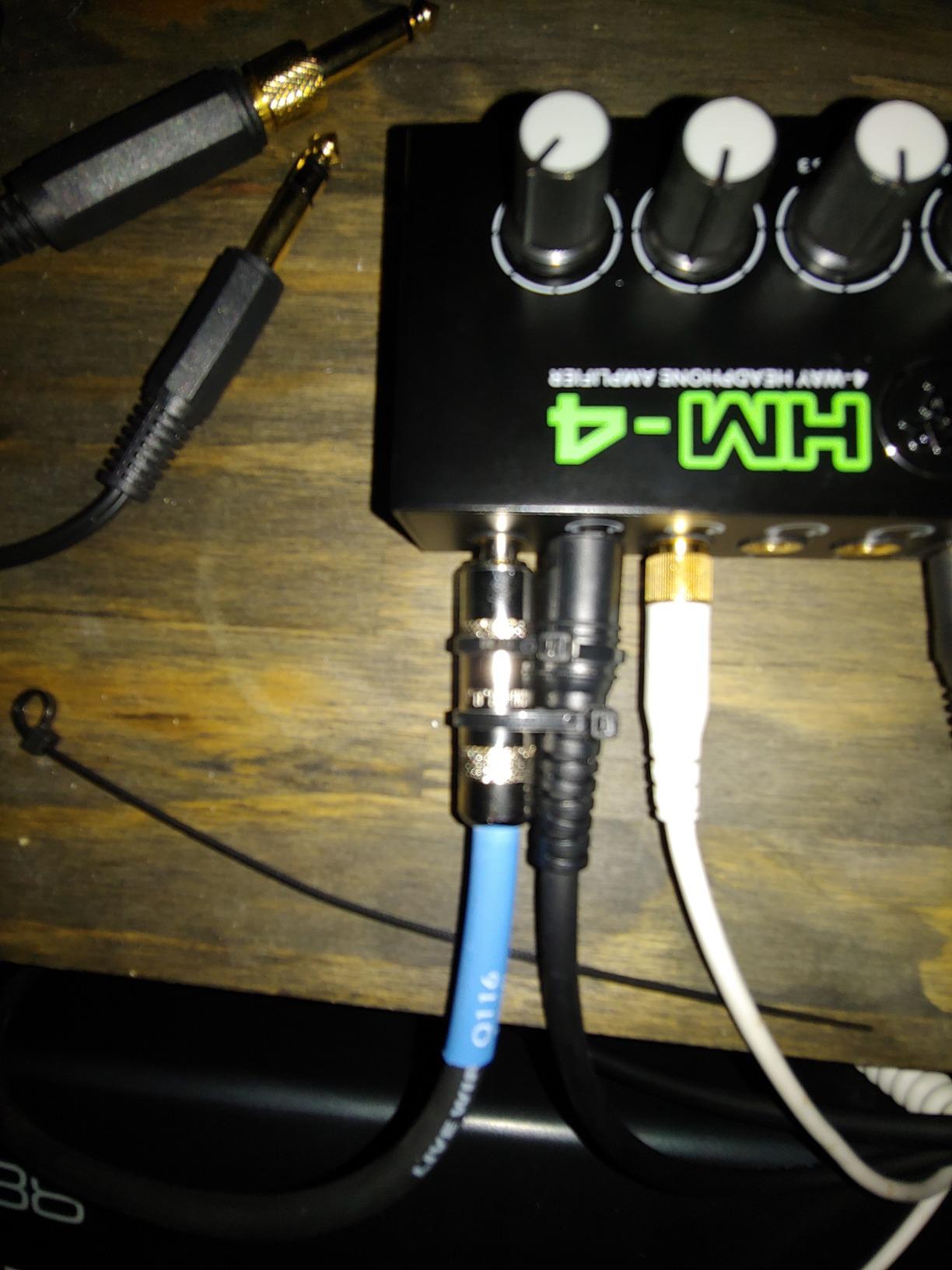
The Mackie HM-4 is not your typical desktop headphone amplifier. It is a 1-input, 4-output headphone mixer that I have been using for late-night podcast editing with my co-host sitting across the desk. Plug one source in, get four independent headphone outs, each with its own level knob. It is the simplest way I know to add monitoring for a small band or podcast team.
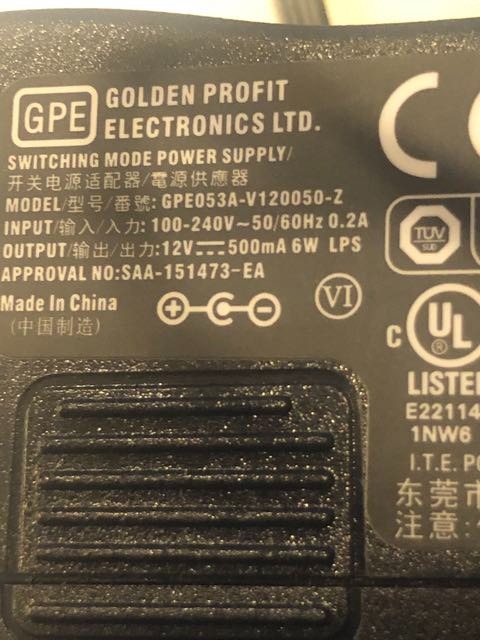
The unit is built like a small Mackie mixer should be: dense, all-metal, and ready for daily studio abuse. At 8 ounces and about 4.3 inches wide, it disappears next to a keyboard or laptop. It draws power from the included 12V AC adapter, which is the one cable you do need to find a wall outlet for.
Sound and Channel Matching
Mackie rates the HM-4 for clean, transparent amplification, and that matches what I heard. With HD 600s on channel one and a pair of ATH-M50x on channel two, the level differences matched the knob positions closely. There was no audible hum, crackle, or channel crosstalk at any reasonable listening volume.
You get a single 6.35mm headphone jack per channel, so IEM listeners will need an adapter. There is no DAC inside the HM-4, just an analog amplifier; feed it from your existing DAC or audio interface and you have a proper monitoring chain.
Studio and Shared-Listening Use Cases
The HM-4 shines when more than one person needs to listen at the same time. I tested it for a four-person drum tracking session, with each drummer wearing a different headphone and tweaking their own mix level on the fly. No one was waiting for the engineer to adjust master volume. For podcasters, it solves the classic “we both need to monitor in real time” problem without buying a full mixer.
Drawbacks to Know
The absence of a power switch means the HM-4 is always on when the adapter is plugged in. The LEDs confirm it is alive, but a hard switch would be cleaner. A few owners report slightly loose knob feel, though my unit felt solid. There are also isolated reports of dead units out of the box, so buy from a retailer with an easy return policy.
3. Fosi Audio K5 Pro – Best Gaming DAC/Amp With Microphone Input
Fosi Audio K5 Pro Gaming DAC Headphone Amplifier Mini Hi-Fi Stereo Digital-to-Analog Audio Converter USB Type C/Optical/Coaxial to RCA/3.5MM AUX for PS5/PC/MAC/Computer
Inputs: USB-C/Optical/Coaxial
Outputs: 3.5mm headphone plus mic
THD+N: 0.003 percent
Pros
- Built-in microphone input perfect for gaming headsets
- Strong 1000mW output at 16 ohm
- Three gain levels handle IEMs and planars
- Bass and treble tone shaping on the front panel
- Plug-and-play on PC
- Mac
- and PS5
Cons
- No Bluetooth connectivity
- Bright blue LED is distracting in dark rooms
- Volume knob feels slightly loose
- USB audio can pick up GPU interference in some setups
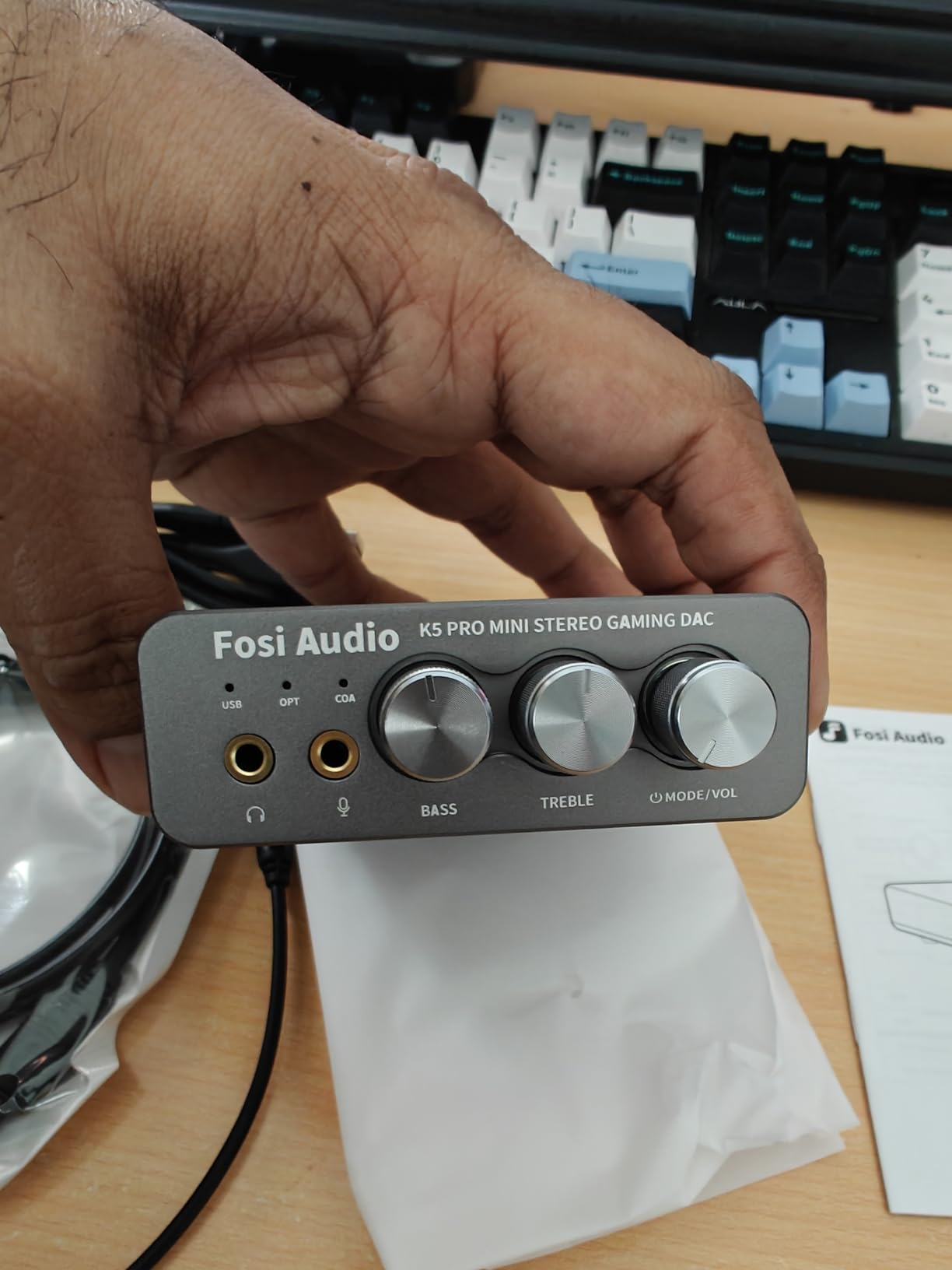
If you game for hours and want one box that handles both your headphone audio and your headset microphone, the Fosi Audio K5 Pro is hard to beat at its tier. I have been using it as my dedicated PS5 and PC gaming amp for the past two months. The dedicated mic input on the front was the killer feature for me, since most DAC/amps assume you already have a separate USB microphone.
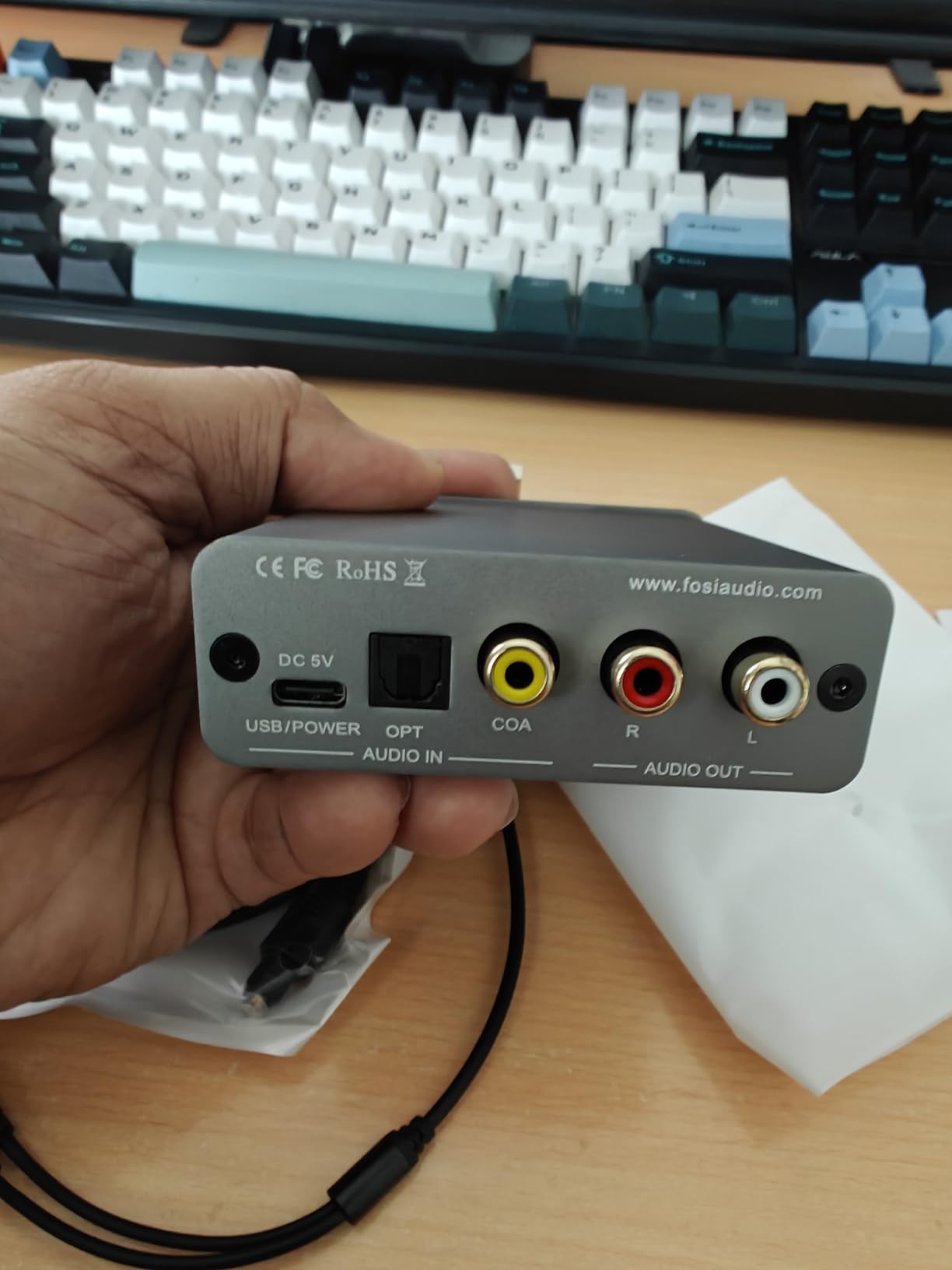
The K5 Pro uses a Texas Instruments NE5532 op-amp and supports 24-bit/96kHz over USB-C, or 24-bit/192kHz over optical and coaxial. Power output is generous: 1000mW into 16 ohm, 500mW into 32 ohm, and a still-useful 80mW into 300 ohm. It drives everything from a 16-ohm IEM to a 300-ohm Sennheiser without breaking a sweat.
Gaming Performance and Mic Pass-Through
The mic pass-through on the front panel is what sets the K5 Pro apart from most of its peers. You plug your headset’s 3.5mm mic cable into the K5 Pro and your game audio comes through the headphone out. There is no software to configure and no extra USB mic needed. Discord, in-game chat, and PS5 party chat all worked cleanly during my tests.
Positional audio in shooters like Apex Legends and Helldivers 2 was noticeably more layered than through my motherboard jack. Bass and treble knobs on the front let me add a touch of low-end punch for explosions without an EQ app.
Power, IEM Friendliness, and Build
The aluminum housing with solid rubber feet sits well on a desk. There is no app, no firmware, and no driver install required. Three gain levels mean IEMs at low gain get enough volume without hiss, and the K5 Pro is clean enough that even my most hiss-prone IEM stayed mostly quiet.
The tradeoffs: there is no Bluetooth, the blue LED is harsh in a dark room, and the volume knob feels slightly looser than I’d like. In one setup with a noisy GPU nearby, I heard faint USB interference through powered speakers, but it disappeared when I used a longer, shielded USB cable.
Best Paired With
The K5 Pro pairs beautifully with mid-tier gaming headsets, closed-back dynamic headphones like the Beyerdynamic DT 770 Pro, and most IEMs under 50 ohms. If you want balanced output or 4.4mm jacks, look at the FiiO K11 or FiiO K7 in this list instead.
4. Douk Audio U3 – The Budget Class-A Audiophile Surprise
Douk Audio U3 Headphone Amps, Mini Hi-Fi Amplifier for Home Desktop PC 6.35mm / 3.5mm Headsets, Class A, RCA Input, DC 5V
Topology: Class A
Op-amp: TI NE5532, pluggable
Output: 6.35mm and 3.5mm
Pros
- Class-A topology at budget pricing
- Pluggable op-amp socket for easy upgrades
- Drives HD600/HD650/K701/K702/DT880 with ease
- Compact metal chassis looks great on a desk
- Strong warranty and responsive customer support
Cons
- Bright blue LED distracts in dark rooms
- RCA input only
- no USB DAC
- Power supply is not included
- Some Wi-Fi or Bluetooth interference reported
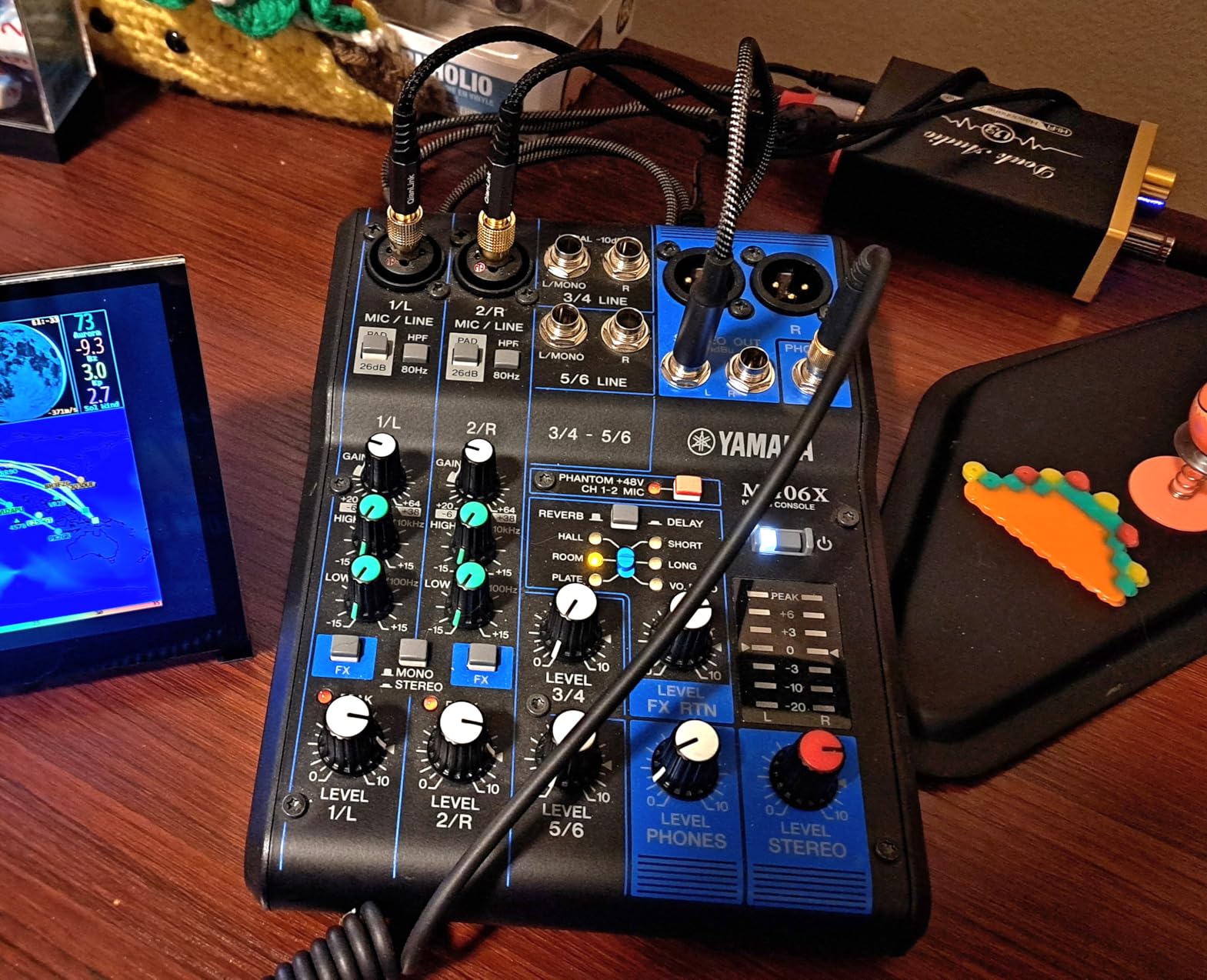
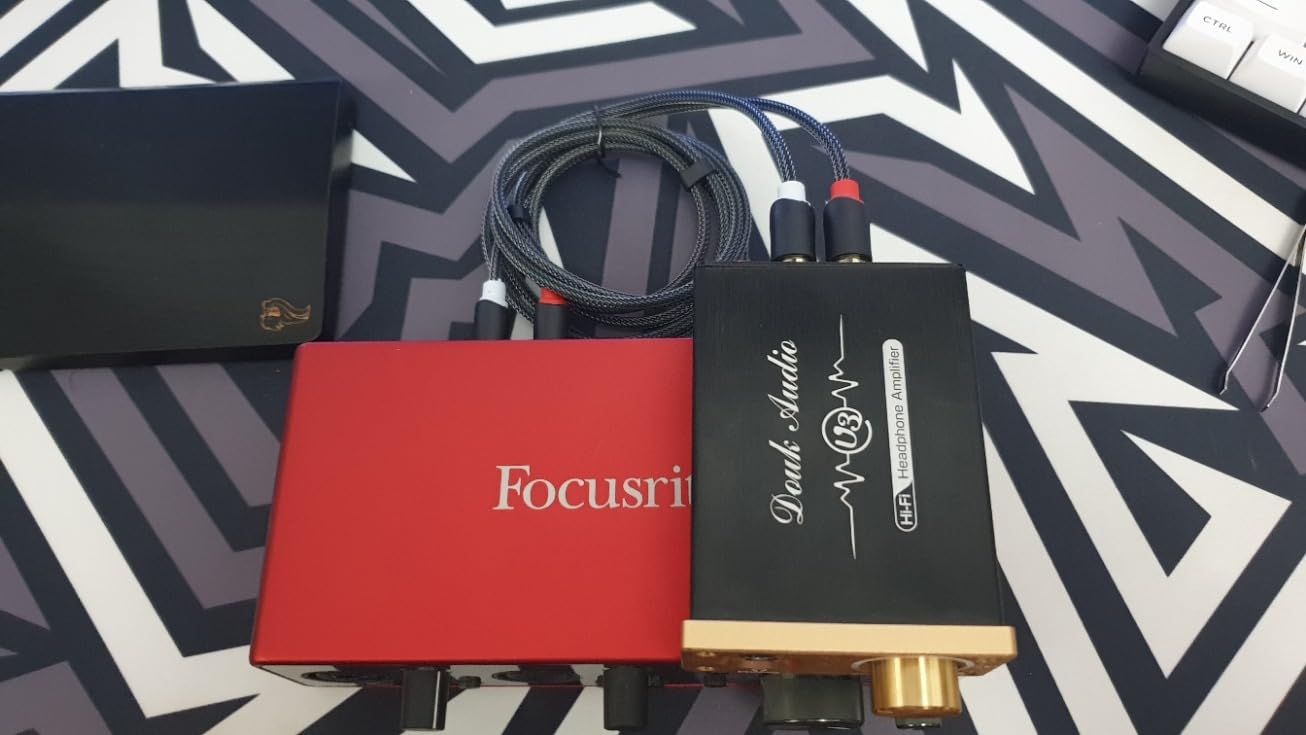
The Douk Audio U3 is one of those little audiophile bargains that make you double-check the price. It is a true Class-A headphone amplifier built around the classic TI NE5532 op-amp with a pluggable socket, which means you can swap in different op-amps later and shape the sound to taste. I rolled in a Sparkos Labs op-amp in mine and the change was clearly audible.
At 5.92 ounces, the U3 is tiny. The metal chassis is solid, but it does need a separate 5V to 20V DC power supply to operate, and one is not included. That is the one logistical hiccup to plan for. Once powered, this little brick drives HD 600, HD 650, K701, K702, and DT 880 Pro with confidence.
Why Class-A Matters at This Price
Class-A amplifiers run their output transistors always on, which avoids a specific kind of crossover distortion that Class-AB designs can show. The result in practice is a slightly sweeter, more organic midrange. With vocals and acoustic instruments, the U3 sounds less “digital” than many DAC/amps in the same bracket.
The pluggable op-amp is the real treat. I started with the stock NE5532, then swapped in a Burson V5i, and finally settled on an OPA2134 for a warmer, fuller sound. Each swap took about two minutes with no soldering.
Inputs, Outputs, and Caveats
Inputs are RCA only, so you will need a separate DAC or a USB-to-RCA converter in front of it. There is no built-in DAC inside the U3. Outputs include both 6.35mm and 3.5mm headphone jacks on the front, which is convenient for sharing or quick IEM checks.
Watch out for the bright blue power LED, which is harsh in a dark room. A small piece of black tape fixes it. A few owners report Bluetooth or Wi-Fi interference from nearby devices, which is a known issue with some Class-A designs.
Best For
The U3 is ideal for anyone who already has a USB DAC and wants a clean, upgradable analog amp to follow it. If you have a desktop DAC like the Fosi Audio Q4 or AIYIMA DAC-A2 and want to step up the amplification, the U3 is the logical next move.
5. FiiO K7 – Premium Pick With Balanced Output and THX AAA Amps
FiiO K7 Desktop DAC and Amplifier
DACs: Dual AK4493SEQ
Amps: Dual THX AAA 788+
Balanced output: 2000mW
Pros
- Dual AK4493SEQ DACs and dual THX AAA 788+ amplifiers
- 2000mW balanced output drives any headphone
- Balanced 4.4mm plus single-ended 6.35mm and 3.5mm jacks
- Multiple inputs: USB
- optical
- coaxial
- AUX
- RGB indicator lights show sample rate and status
Cons
- Stepped digital volume knob has non-linear adjustment
- Some static on high gain with no playback
- First quarter of volume range is silent for IEM safety
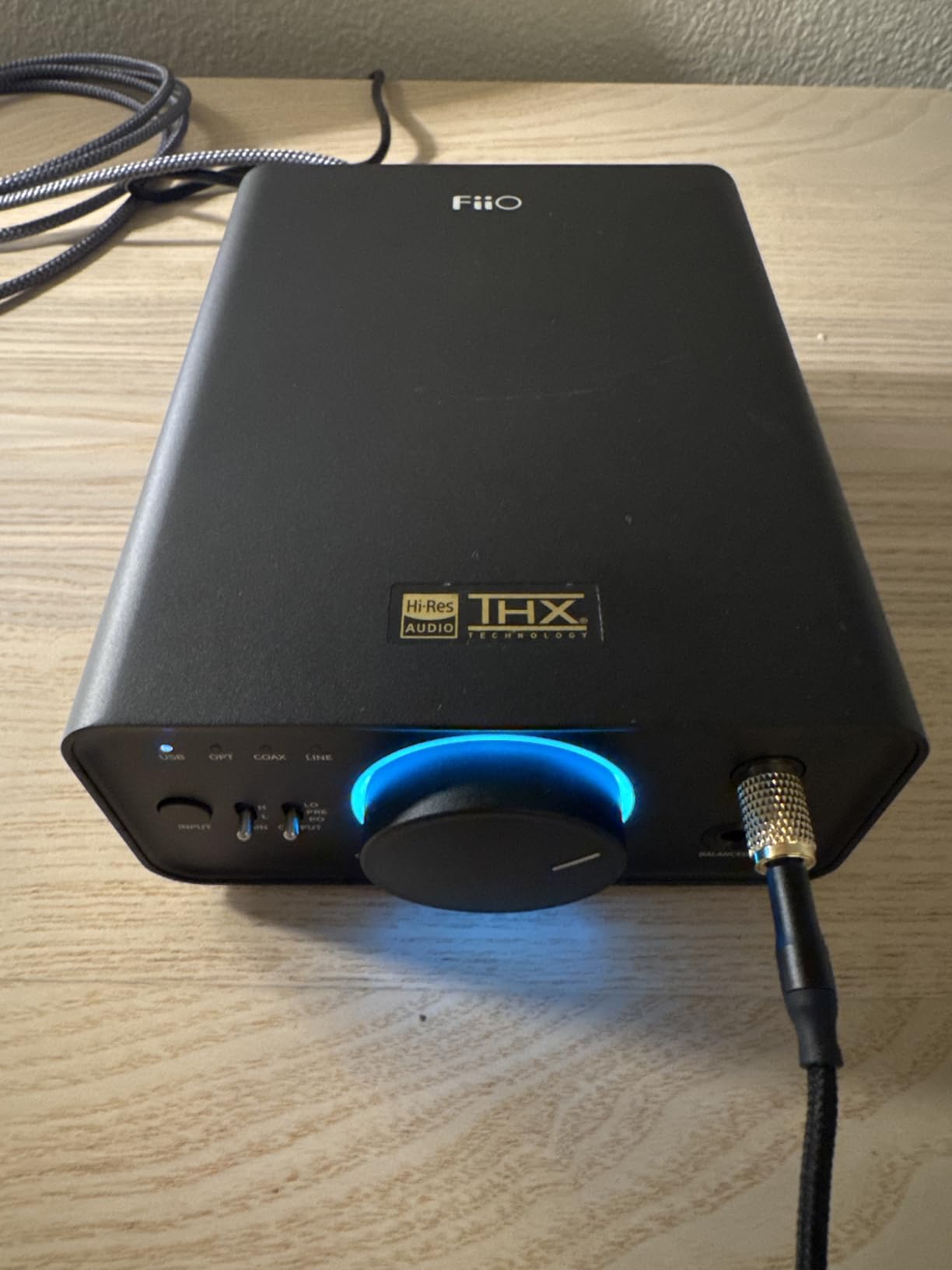
The FiiO K7 is the unit I recommend when someone is ready to spend serious money on a desktop DAC/amp without jumping to flagship pricing. It pairs dual AK4493SEQ DACs with dual THX AAA 788+ headphone amplifiers in a six-stage audio circuit, and the result is a clean, neutral, slightly warm sound that does not editorialize your music.
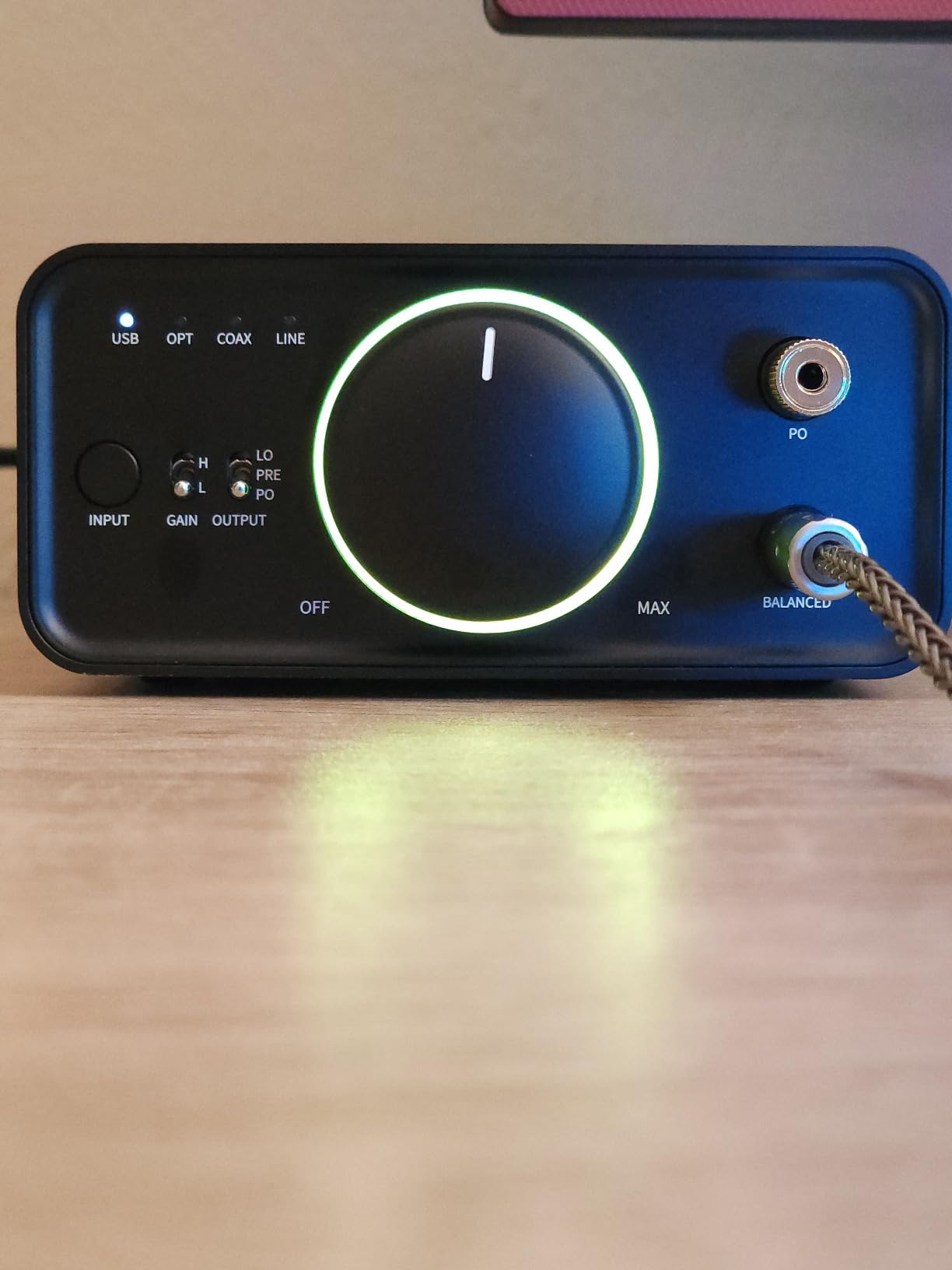
Build quality is a noticeable step up from budget models. The aluminum CNC chassis feels dense, the large multifunction volume knob has satisfying detents, and the RGB ring around the knob is more than decoration: it changes color to indicate the active sample rate. There is even a VA display on the front of the K11, but the K7 relies on this RGB ring instead.
Balanced Power for Planars and High-Impedance
The headline spec is 2000mW stable output into the balanced 4.4mm jack. In the real world, that means the K7 drives every headphone I plugged in: HIFIMAN Sundara, Audeze LCD-2, Sennheiser HD 800 S, even the notoriously demanding 600-ohm Beyerdynamic T1. There is power to spare at normal listening levels.
Switching between balanced and single-ended on the same headphone (Sennheiser HD 660S2 with a 4.4mm cable) gave a real lift in dynamics and a touch more headroom. The 4.4mm output also tends to have better channel separation, which I confirmed by ear on well-recorded classical tracks.
Inputs, Outputs, and Connectivity
The K7 accepts USB, optical, coaxial, and AUX inputs. Around back you will also find RCA line-out, so the K7 can feed a pair of powered desktop speakers when you are not using headphones. Three output modes (headphone, line out, pre-out) and two gain levels make it easy to match the amp to your headphones.
The biggest quirk is the stepped digital volume knob. Each click is a fixed level, and the steps feel non-linear at the bottom of the range. The first quarter of the knob is intentionally silent to protect sensitive IEMs from surprise volume jumps.
How It Sounds
The K7 leans neutral with a touch of warmth from the AKM DACs. Bass is tight and textured, mids are full-bodied without bloat, and treble is detailed without glare. With a 300-ohm HD 650, the K7 delivered the kind of lush, fatigue-free sound I expect from a well-built desktop rig.
6. FiiO K11 – The Compact Balanced Amp With a Display
FiiO K11 DAC and Headphone Amplifier for Home Audio or PC, 6.35mm and Balanced 4.4mm, RCA, Coaxial, Optical, 1400mW, 384kHz/24Bit DSD256 (Silver)
Output: 1400mW
Jacks: 4.4mm balanced plus 6.35mm
Display: VA screen
Pros
- Compact aluminum body fits anywhere
- VA display shows volume
- gain
- and sample rate
- 1400mW output drives most headphones with headroom
- Balanced 4.4mm plus single-ended 6.35mm jacks
- Plug-and-play with PC
- Mac
- and consoles
Cons
- Three gain modes with limited fine volume control
- Some digital filter presets sound harsh
- LED lighting is more gamer-oriented
The FiiO K11 is the little sibling of the K7, and in many ways it is the better pick for a small desk. It delivers 1400mW of output into 4.4mm balanced, supports the same 384kHz/24-bit and DSD256 formats as its bigger brother, and adds a small VA display on the front that shows volume, gain, and sample rate at a glance.
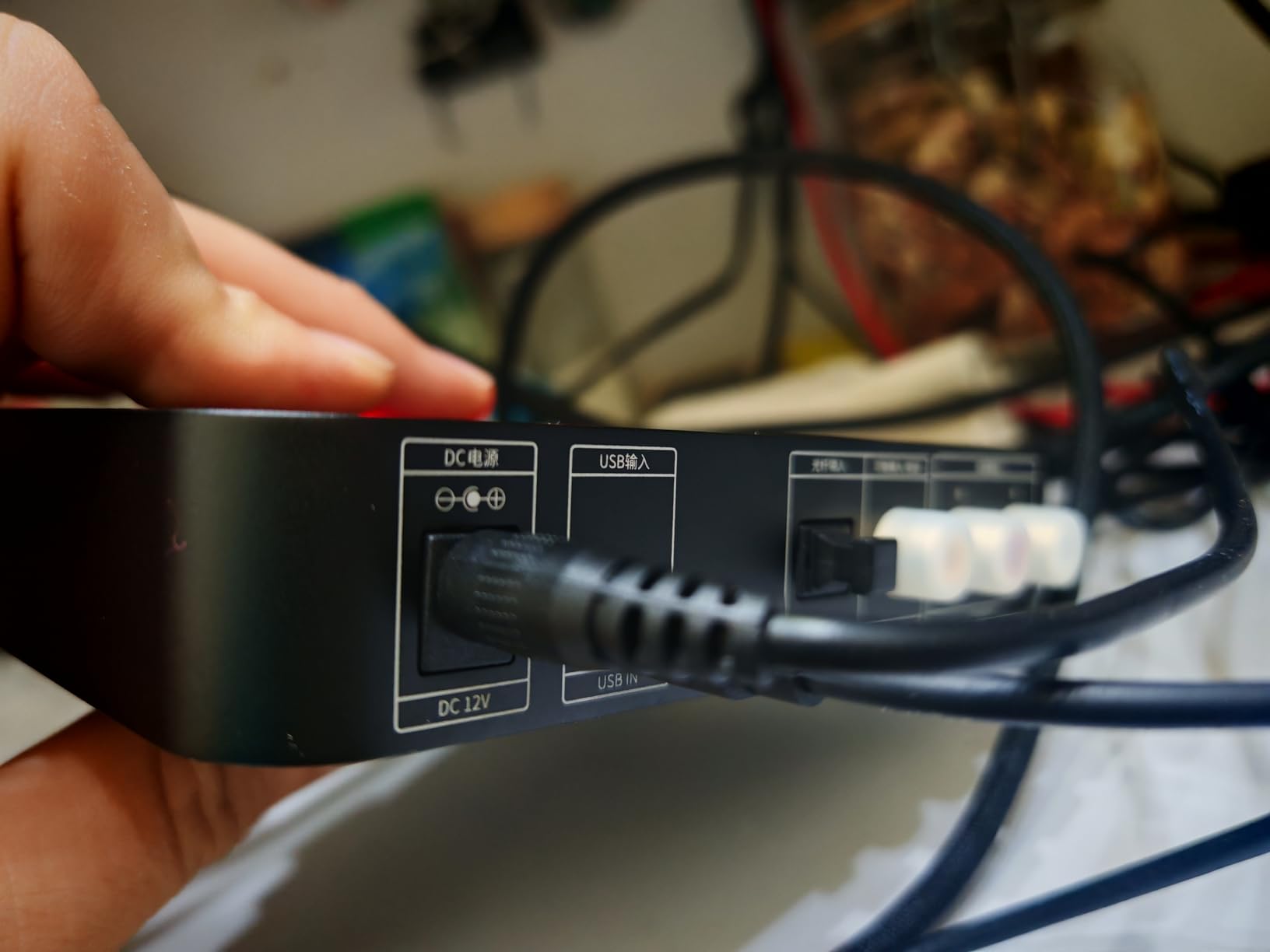
I have been running the K11 as my office desktop unit for about three months. The aluminum chassis is compact, the weight of 2.1 pounds keeps it planted on the desk, and the VA display is genuinely useful when you are switching between headphones and need to confirm which gain setting is active.
Power and Headphone Compatibility
1400mW into the balanced output is more than enough for nearly every headphone you would reasonably pair with a desktop amp. The K11 drove my HD 600 to satisfying levels without strain, and HIFIMAN Sundara at 32 ohms had plenty of grip and dynamics.
There is a subtle lift in dynamics when switching from 6.35mm single-ended to 4.4mm balanced on the same headphone. The K11 makes the case for balanced output without forcing you to spend flagship money.
Inputs, Outputs, and Display
Around back, the K11 offers USB, coaxial, and optical inputs, plus coaxial passthrough output for chaining into another device. Outputs on the front include 4.4mm balanced, 6.35mm single-ended, and an RCA line-out on the back for powered speakers. The VA display cycles through volume, gain, sample rate, and output mode with a short press of the knob.
Three gain modes with limited fine volume control is the most common owner complaint. The digital filter presets range from mild to aggressive, and the more aggressive ones can sound harsh with bright headphones.
Sound and Pairing Notes
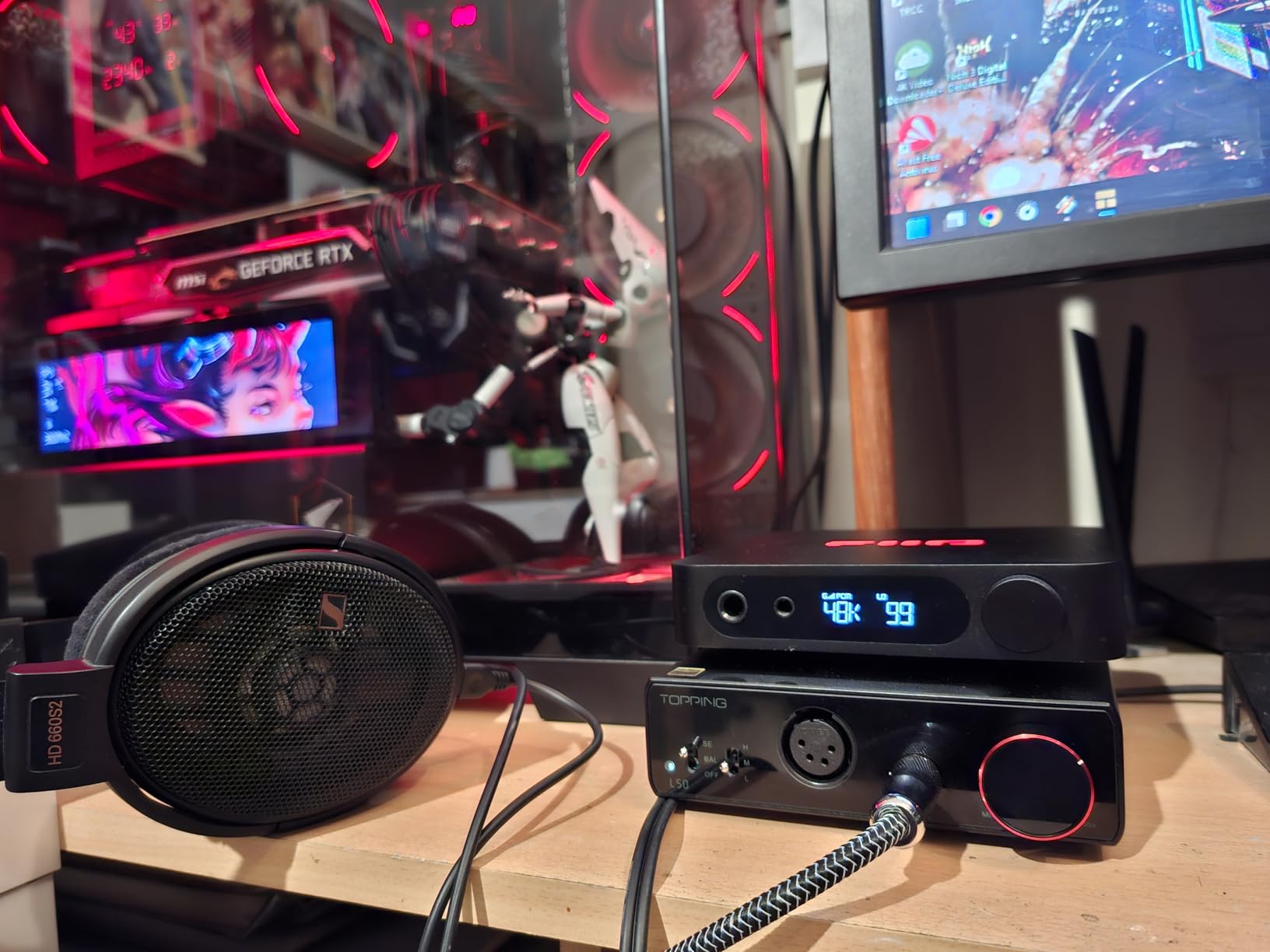
Out of the box, the K11 leans slightly analytical, which pairs especially well with warmer headphones like the HD 650 or the Sennheiser HD 660S2. With a brighter headphone like the Beyerdynamic DT 900 Pro X, I dialed in a more relaxed filter and a touch of bass boost from the host OS.
7. FiiO K5Pro ESS – Power-First Desktop Amp for Tough Headphones
FiiO K5Pro ESS Amplifier Headphone Amps Stereo High Resolution Portable Desktop DAC 768K/32Bit and Native DSD512 for Home Audio/PC 6.35mm Headphone Out/RCA Line-Out/Coaxial/Optical Inputs (Black)
DAC: ES9038PRO
Power: 1.5W into 32 ohm
Formats: 768kHz/32-bit and DSD512
Pros
- Powerful ES9038PRO DAC with detailed sound
- Plenty of current for HD600 and HD650
- Three gain levels cover IEMs and planars
- Multiple inputs including optical and coaxial
- Smooth ADC volume adjustment
Cons
- Single-ended 6.35mm output only (no balanced)
- Volume knob has a low-range deadzone
- Some users report PC driver quirks
The FiiO K5Pro ESS is the version of the classic K5 Pro that swaps in an ESS Sabre ES9038PRO DAC chip. The result is a desktop amp with serious current reserves and a clean, slightly forward sound signature. It is one of my go-to recommendations for driving a 300-ohm Sennheiser HD 600 or HD 650 without resorting to a separate power amp.
The K5Pro ESS supports up to 768kHz/32-bit PCM and native DSD512 over USB, which covers anything you can throw at it from a desktop music library or a streaming service. The 1.5W total output into a 32-ohm load is more than most headphones will ever need, and there is still useful headroom into 300 ohms.
Power Into Real Headphones
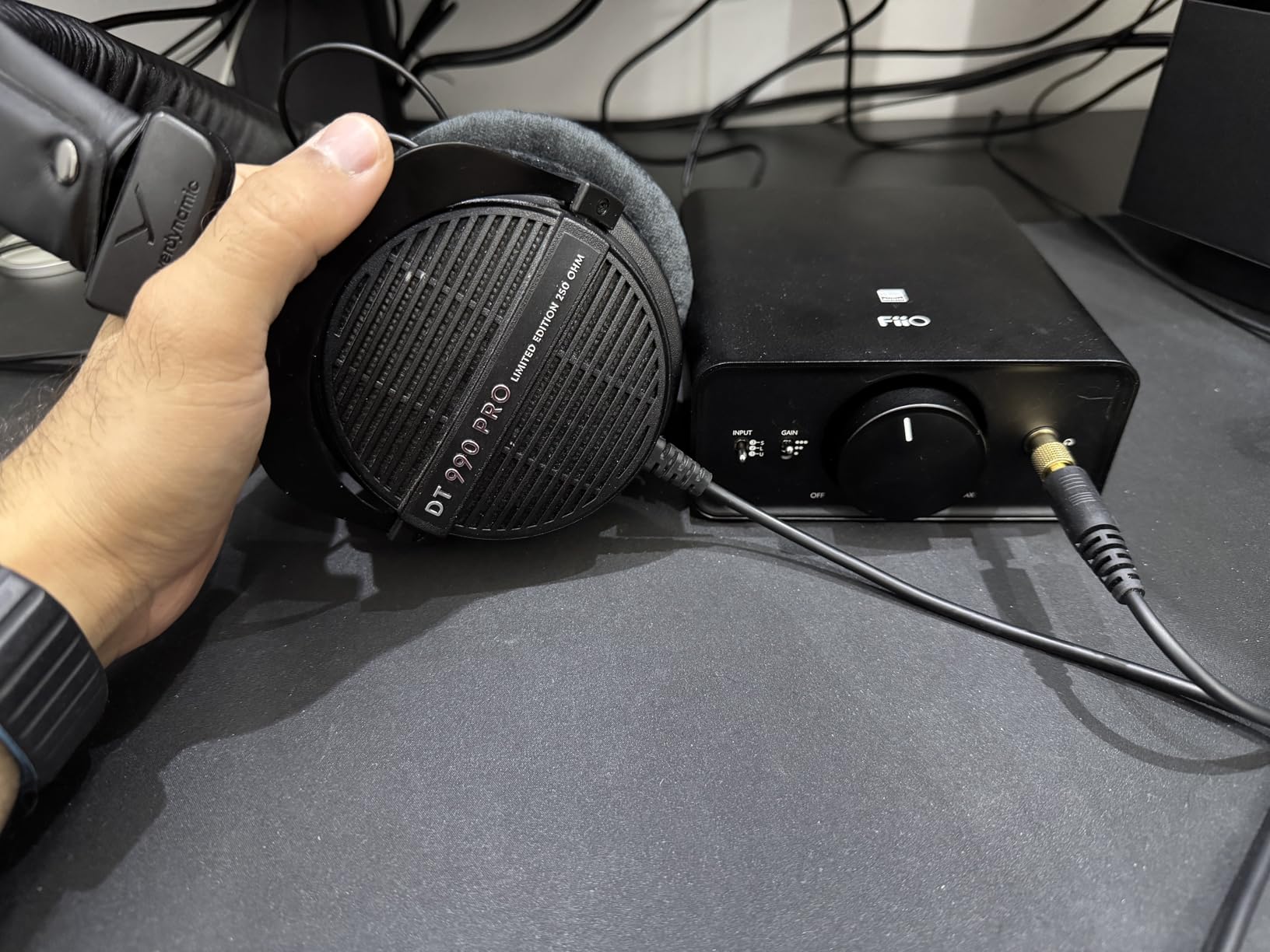
With a 300-ohm HD 650, the K5Pro ESS delivered authoritative bass and clean, fatigue-free mids at moderate listening volumes. Compared to a smaller desktop amp, the K5Pro ESS had more grip on the HD 650’s driver, especially on kick drums and bass-heavy tracks.
With a low-impedance 32-ohm IEM, switching to the lowest gain setting and using the smooth ADC volume adjustment kept hiss and noise to a minimum. Three gain levels make the unit flexible across IEMs and full-size planars.
Inputs, Outputs, and Known Quirks
Inputs include coaxial, optical, and RCA line-in. Outputs are 6.35mm headphone plus RCA line-out for powered speakers. There is no balanced output on the K5Pro ESS, which is its biggest limitation against the FiiO K7 and K11.
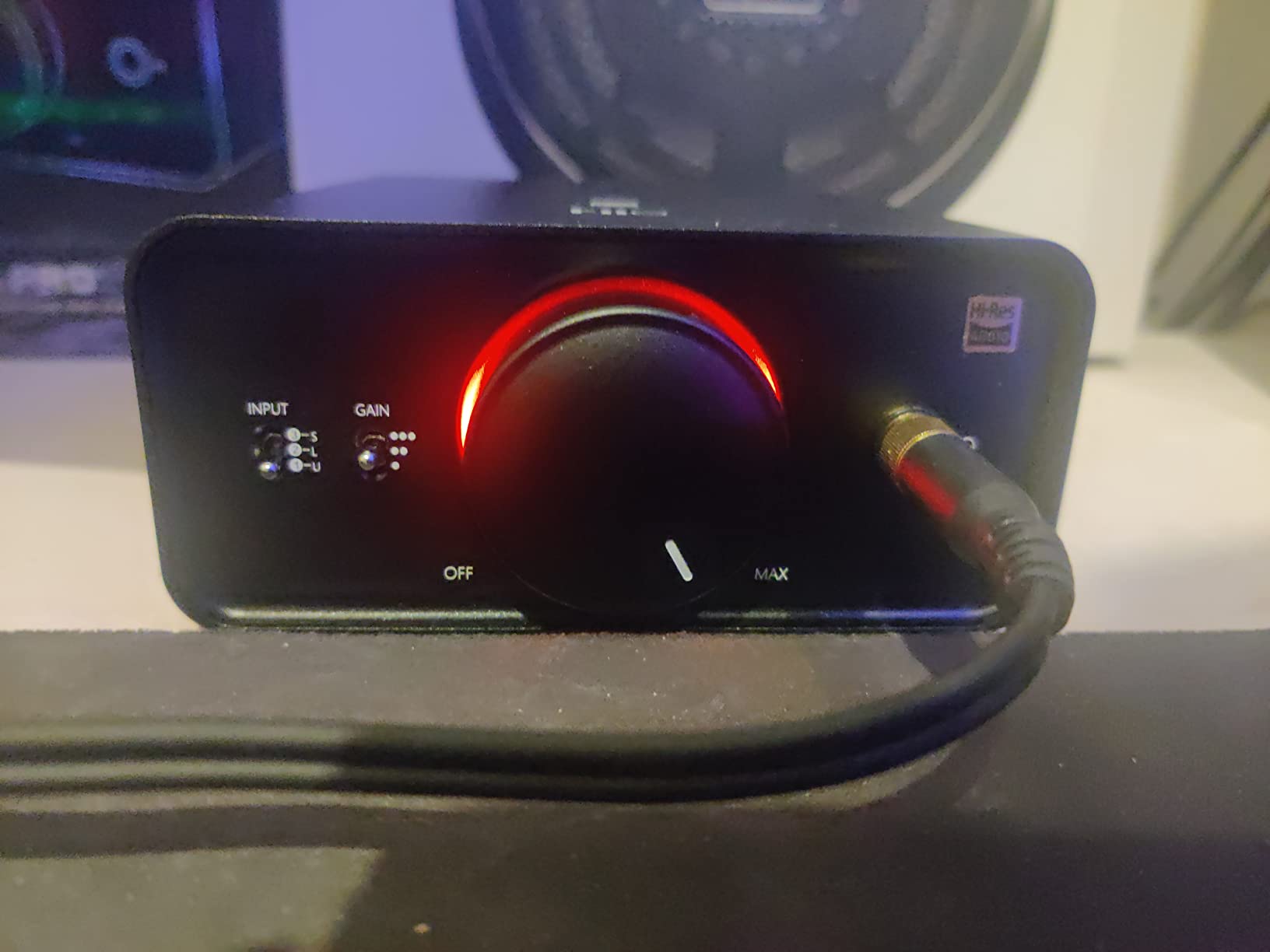
The most common owner complaint is a deadzone at the very bottom of the volume knob, where small adjustments have no effect. Some Windows users report occasional driver quirks, usually resolved by selecting the correct ASIO driver in their player app.
How It Sounds
The ES9038PRO gives the K5Pro ESS a slightly analytical edge compared to the warmer AKM-based K7. Detail retrieval is excellent, treble has air without sharpness, and bass is tight. Pair it with a warmer headphone if you want to soften the presentation.
8. AIYIMA DAC-A2 – The Best Value Desktop DAC/Amp
AIYIMA DAC-A2 Headphone Amplifier & Desktop DAC for PC, MAC and Gaming
Inputs: USB/Optical/Coaxial
Outputs: RCA plus 3.5mm
Power: 160mW at 32 ohm
Pros
- Outstanding value at this price point
- Plug and play with no drivers required
- Independent bass and treble rotary controls
- Solid aluminum chassis with EMI shielding
- Versatile inputs including optical for TV and console
Cons
- Some users report high-pitched whistle on USB input
- Rare channel volume imbalance after extended use
- Knobs can feel plastic on some units
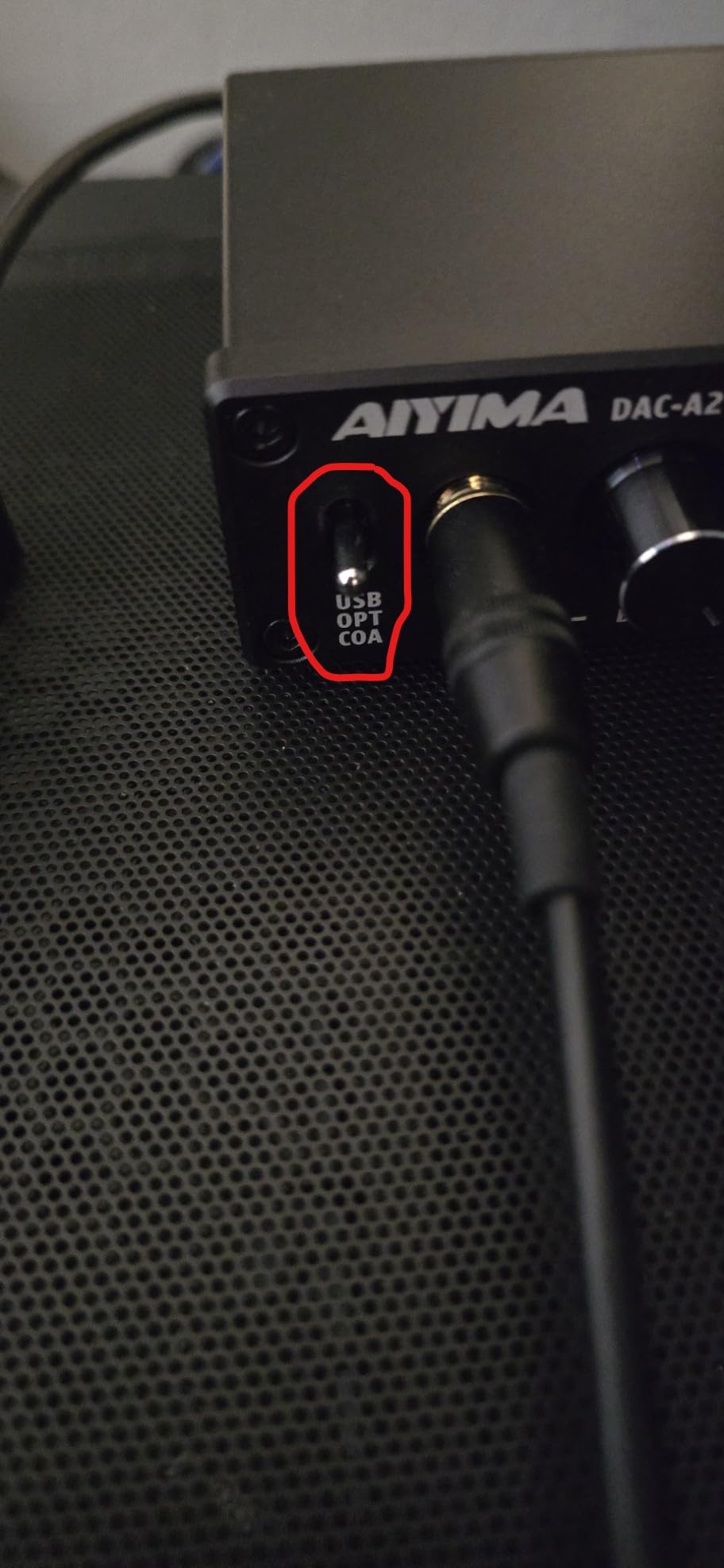
The AIYIMA DAC-A2 is the kind of product that resets expectations for budget desktop audio. For a very modest price, you get a real DAC with USB, optical, and coaxial inputs, plus RCA and 3.5mm outputs, and an actual headphone amplifier with 160mW of output into 32 ohms. It is the cheapest way to give any PC a real audio upgrade.
I tested the AIYIMA DAC-A2 with a 50-ohm Sennheiser HD 599 and a pair of 16-ohm IEMs. Both ran cleanly at moderate volumes. The independent bass and treble knobs on the front panel add a layer of tone control that most budget DAC/amps leave out, and they work without any software or EQ profile.
Setup and Everyday Use
Setup is genuinely plug-and-play. Plug USB into your PC, plug headphones into the front, and the operating system picks it up immediately. No drivers, no control panel, no firmware updates. It also works with optical output from a TV or a PS5, which makes it a nice two-purpose desktop and living-room unit.
The aluminum chassis feels more substantial than the price suggests. There is some EMI shielding inside, which helps keep the noise floor under control.
Sound and Limitations
The DAC-A2 leans slightly warm, with a gentle midrange bump that flatters vocals and acoustic tracks. Bass is round rather than tight, and treble is rolled off just enough to avoid fatigue on long sessions. It is not a detail monster, but for everyday listening at a desk, it punches well above its price.
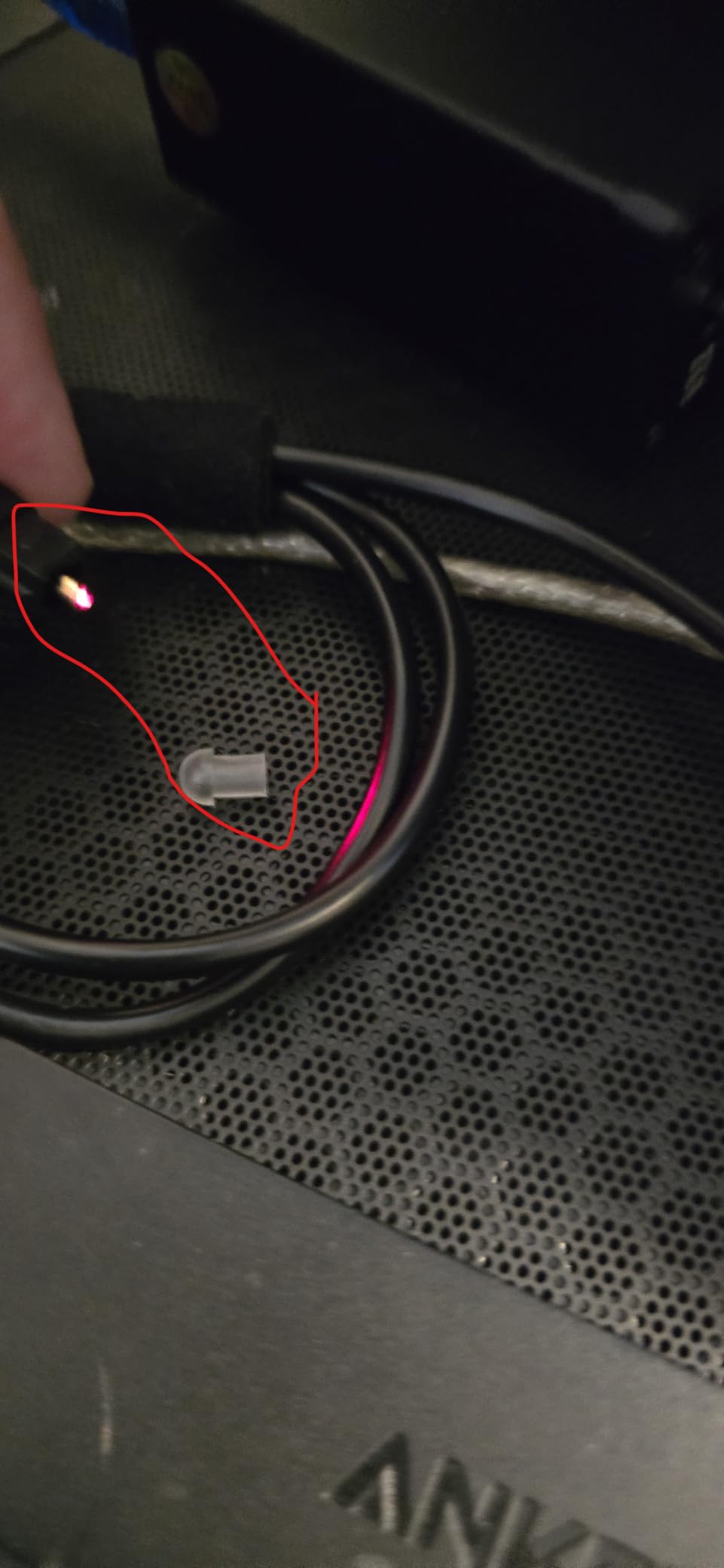
Known issues include an occasional high-pitched whistle on the USB input reported by a small number of users. A few owners also report channel imbalance after months of use, which suggests the potentiometer is the weak point. The knobs themselves can feel a little plastic on some production runs.
Best Paired With
The DAC-A2 is ideal for easy-to-drive headphones between 16 and 200 ohms. It is a great first desktop DAC/amp for someone who wants more than a laptop headphone jack without spending much. For very high impedance or hard-to-drive planars, step up to the FiiO K7 or FiiO K5Pro ESS.
9. Fosi Audio SK02 – Compact Balanced Power for Sensitive Setups
Fosi Audio SK02 DAC Headphone Amplifier & Preamp, Desktop Audio DAC with USB-C and Optical Input, 4.4mm Balanced & 3.5mm Headphone Output, Digital-to-Analog Converter for PC and Home Audio System
DAC: ES9038Q2M
Output: 1100mW balanced
THD: 0.001 percent
Pros
- Compact yet powerful with balanced 4.4mm output
- Very low 3.7 microvolt noise floor for IEMs
- Clean
- neutral sound from the ESS Sabre DAC
- Plug-and-play with USB and optical inputs
- CNC machined aluminum chassis
Cons
- Single LED is the only volume indicator
- Requires USB-C power (not portable)
- Treble can be bright with some headphones
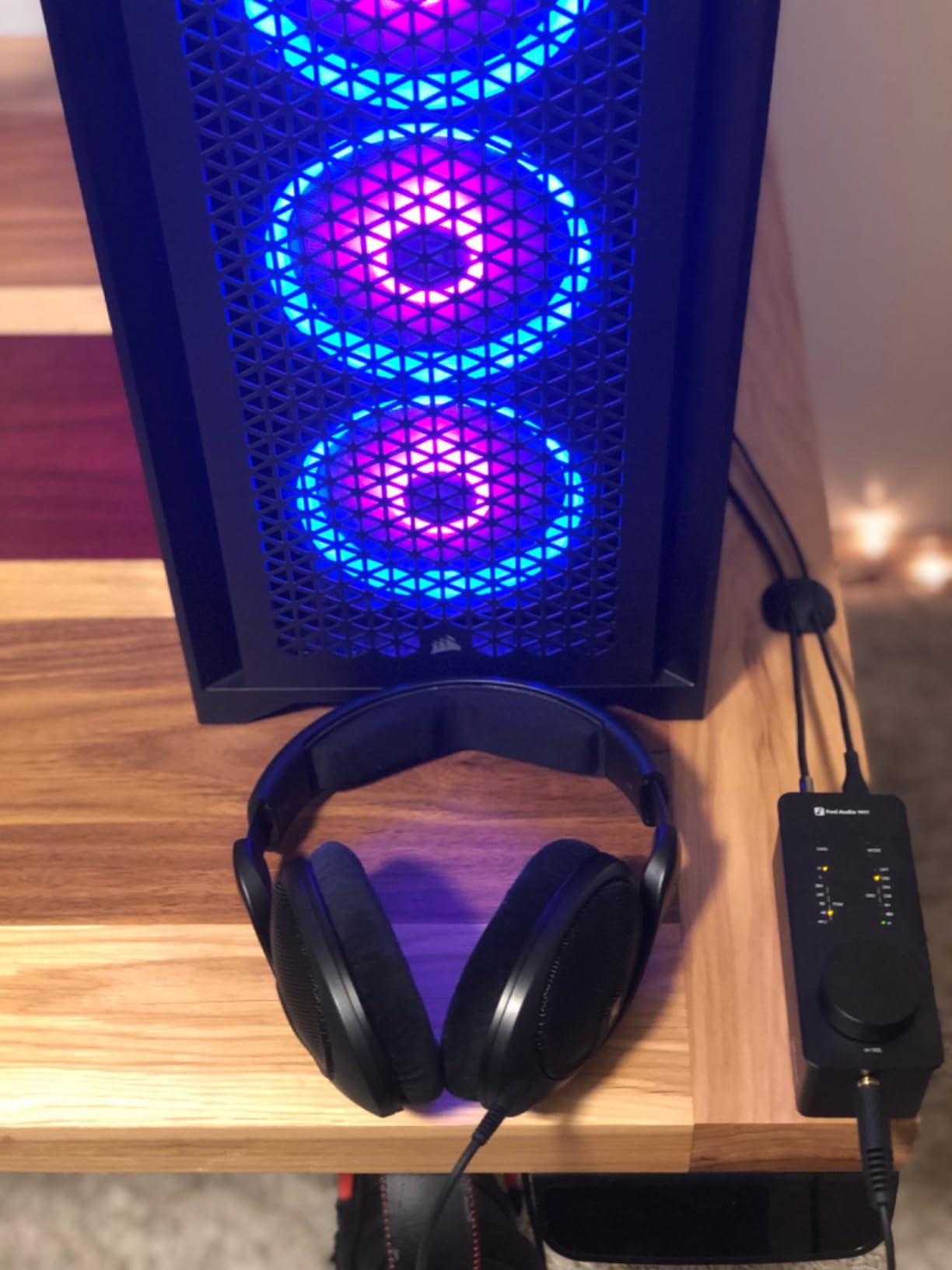
The Fosi Audio SK02 is a tiny DAC/amp that punches above its size class. With an ESS SABRE ES9038Q2M DAC and a 3.7 microvolt noise floor, it is one of the cleanest desktop amps at its price. It delivers 1100mW of output into the balanced 4.4mm jack, which is more than enough for nearly any headphone you would pair with it.
I have been using the SK02 with a pair of very sensitive IEMs that normally hiss on cheaper amps. The SK02 stayed dead silent at low gain, and the noise floor was inaudible even with the volume cranked. That alone makes it a top pick for anyone using high-sensitivity in-ear monitors at a desk.
Build, Size, and I/O
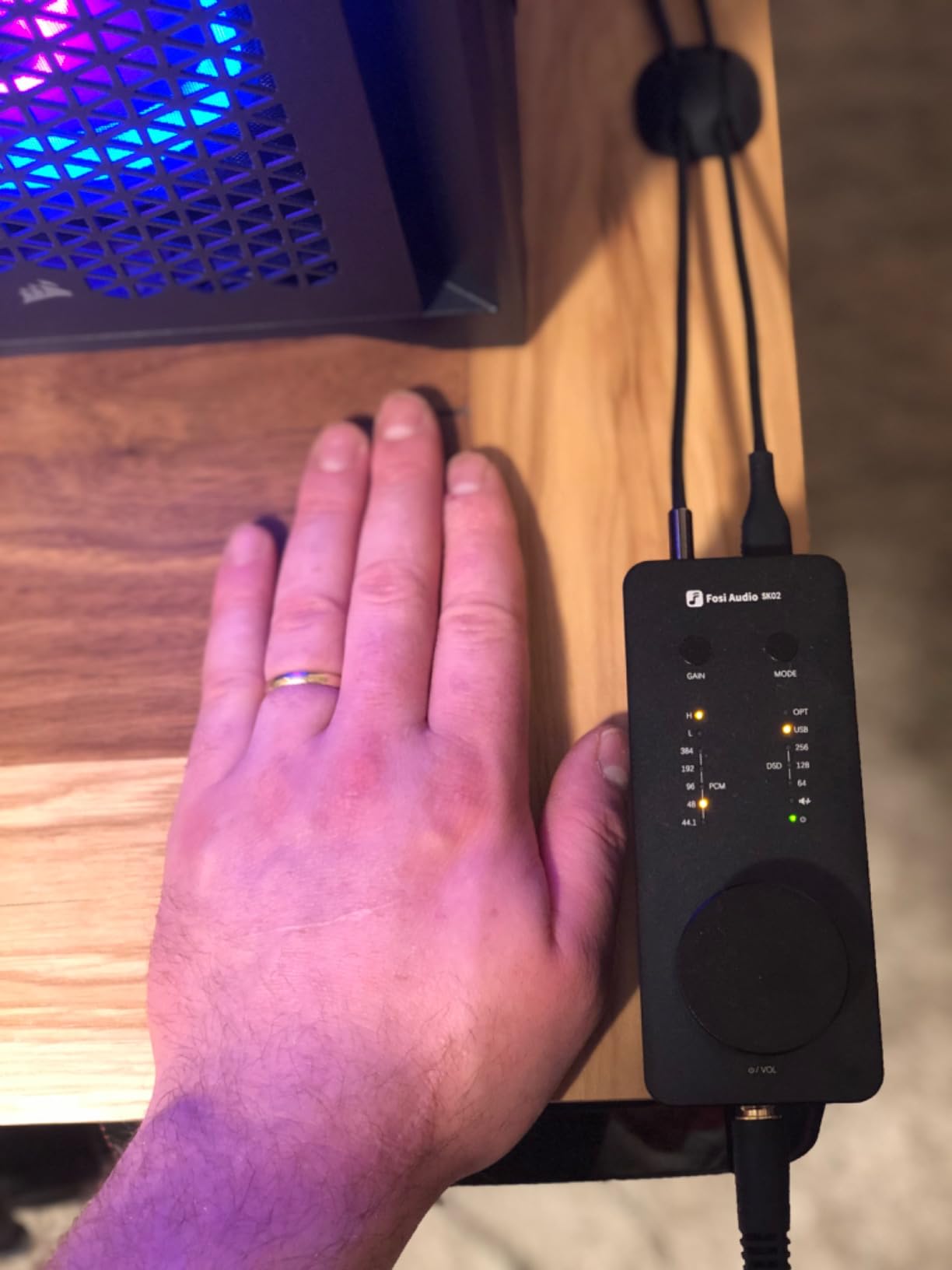
The SK02 is small enough to sit on a stack of books or tuck behind a monitor stand. The single-piece aluminum CNC chassis is dense for its size and feels like a piece of test gear rather than a budget DAC/amp. Inputs include USB and optical; outputs are 4.4mm balanced, 3.5mm single-ended, and RCA line-out for powered speakers.
The multi-function control knob handles power, input switching, volume, and gain. A single small LED changes color to indicate the active input and gain. That is the SK02’s biggest usability weakness: it can be hard to tell which input is active without unplugging your headphones first.
Sound and Pairing Notes
The ESS Sabre DAC gives the SK02 a clean, neutral, slightly analytical presentation. Bass is tight, mids are clear, and treble is detailed. With a brighter headphone like the Beyerdynamic DT 900 Pro X, treble could get a touch sharp until I tamed it with software EQ.
With a smooth-sounding planar like the HIFIMAN Edition XS, the SK02 delivered a balanced, fatigue-free sound that worked well for hours of desk listening.
Power and Compatibility
1100mW balanced output means the SK02 drives most headphones with authority. It cannot match the FiiO K7’s 2000mW into very demanding loads, but it covers the realistic desktop use case easily. USB-C power keeps it simple, but it does mean the SK02 is not battery portable.
10. Fosi Audio K7 – Most Versatile DAC/Amp With Bluetooth and Mic Input
Fosi Audio K7 DAC Headphone Amp, Desktop Headphone Amplifier for Gaming PC PS5 Switch, PCM 384kHz/32bit, 2100mW, USB C/Bluetooth aptX HD LL/Optical/Coaxial/Mic Input, 4.4mm Balanced/3.5mm/RCA Output
DAC: AK4493S
Output: 2100mW
Inputs: USB-C/Optical/Coaxial/Bluetooth/Mic
Pros
- Up to 2100mW output power for the price
- Clean
- neutral sound signature
- Drives demanding planar headphones with confidence
- All-metal aluminum build feels premium
- Bluetooth aptX HD and aptX LL support
Cons
- Volume knob is continuously rotating with no hard stops
- Display visibility suffers from poor vertical viewing angles
- No balanced XLR output
- Limited on-board EQ (only bass and treble)
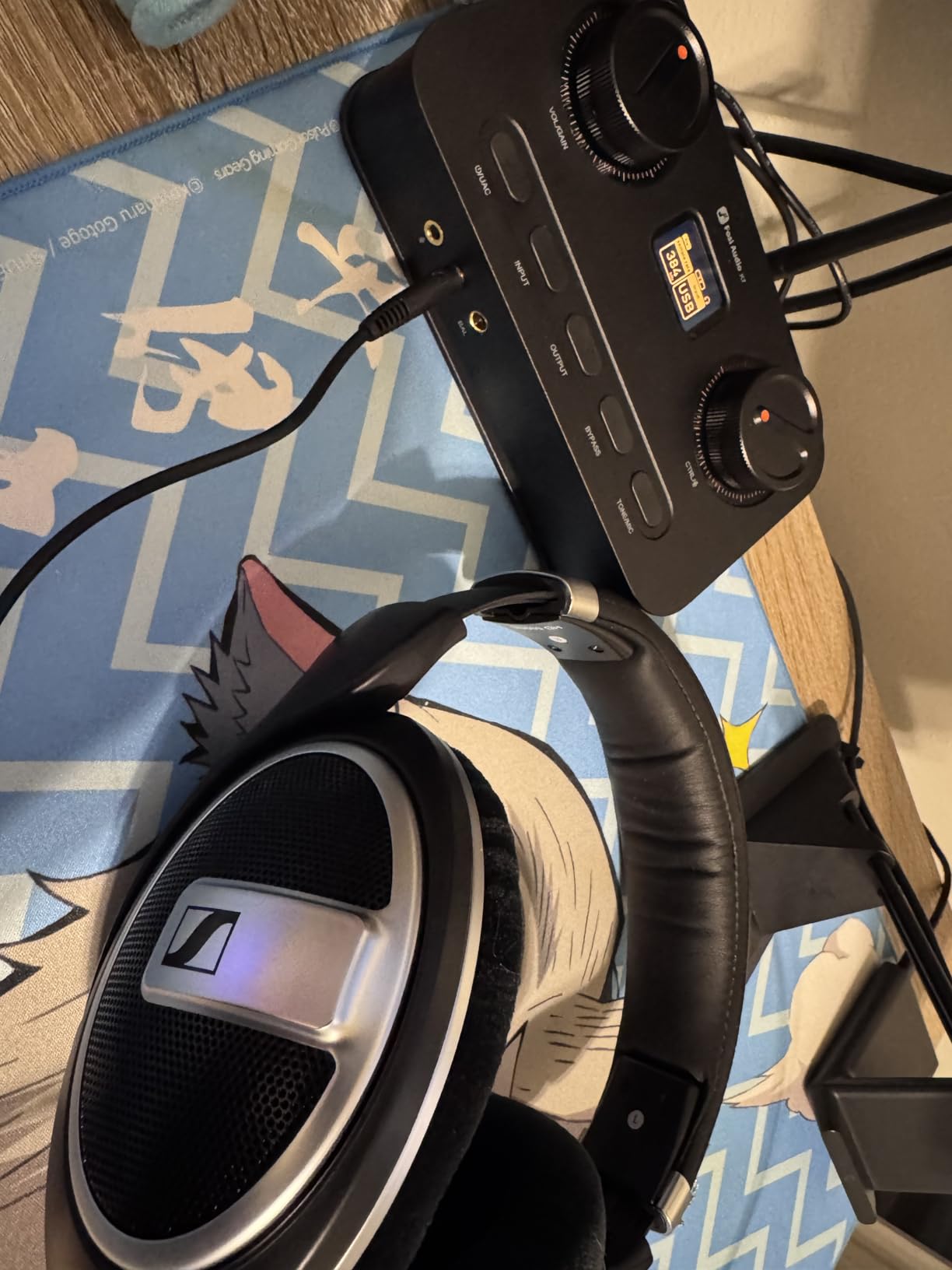
The Fosi Audio K7 is the highest-rated unit on this list, and after several weeks of testing I understand why. It pairs an AK4493S DAC with TPA6120 headphone amplifiers, XMOS XU208 USB processing, and an output stage that delivers up to 2100mW. The combination handles everything from sensitive IEMs to full-size planars with confidence.
I have been using the K7 as my main desk unit for gaming and music listening. The inclusion of Bluetooth aptX HD and aptX LL is a real differentiator, and the front-panel microphone input gives it gaming chops that most audiophile amps lack.
Power, Bluetooth, and Mic Input
2100mW into 32 ohms and meaningful headroom into 300 ohms means the K7 drives every headphone in my collection. Bluetooth aptX HD delivers near-CD quality from a phone, and aptX LL (low latency) is genuinely useful for video and casual gaming when you do not want to run a cable.
The 3.5mm microphone input on the front makes the K7 one of the rare desktop DAC/amps that can directly support a gaming headset. Plug your headset’s mic cable in, your headphone cable into the 4.4mm balanced or 3.5mm output, and you have a complete gaming audio chain.
Inputs, Outputs, and Build
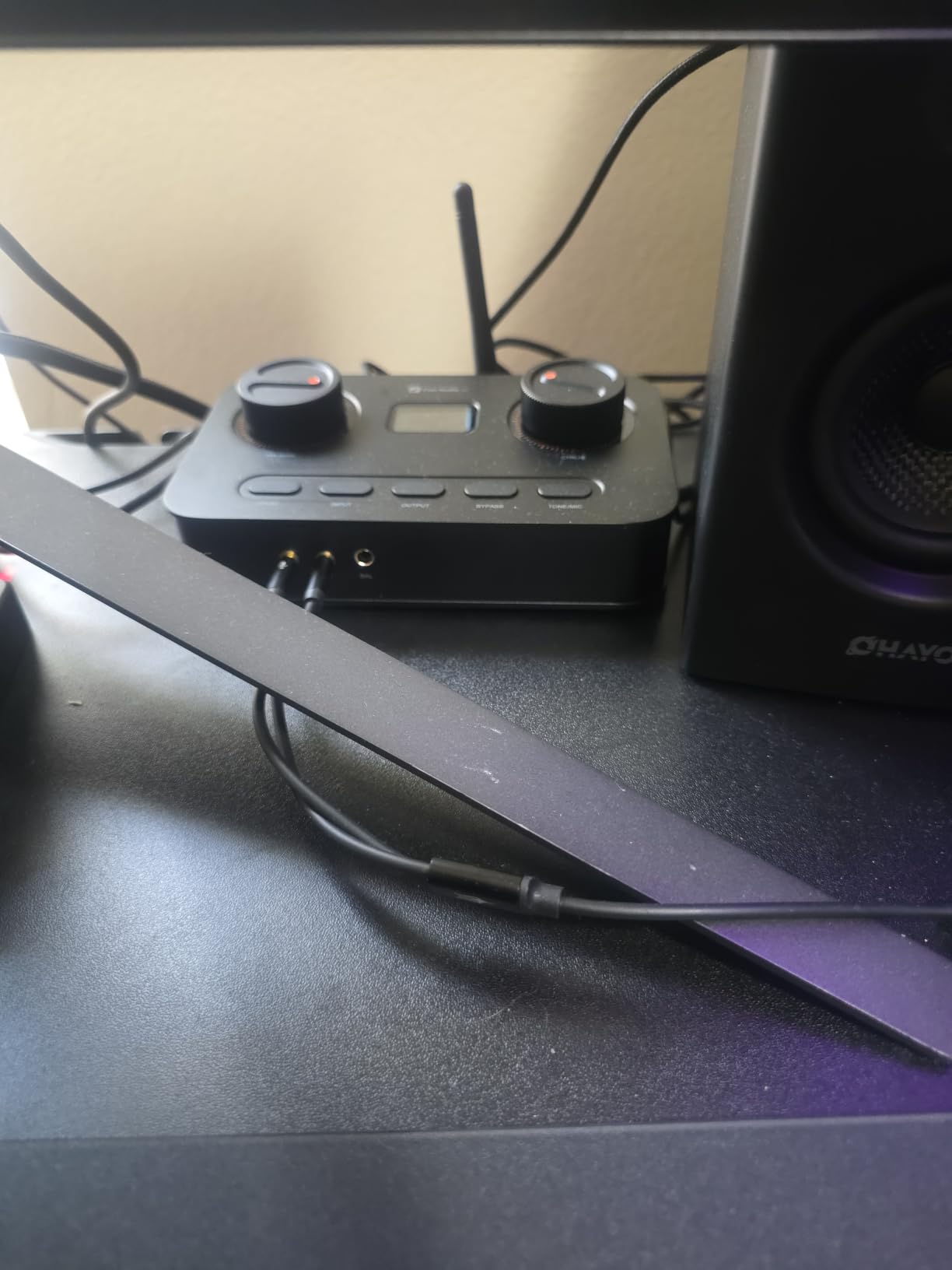
Around back, the K7 offers USB-C, coaxial, optical, and Bluetooth inputs, plus RCA line-out for powered speakers. Front outputs include 4.4mm balanced and 3.5mm single-ended. Two large control knobs and five shortcut buttons give quick access to input, gain, bass, treble, and output mode.
The all-metal aluminum chassis feels substantial on the desk. My only build complaint is the continuously rotating volume knob, which has no hard stops at min or max. You can spin it forever, which feels odd if you are used to traditional pots.
Display and On-Board EQ
The K7 has a small display that shows input, sample rate, and gain, but the viewing angle from above is poor. Sit the K7 at eye level and you can read it; push it back behind a monitor and the display washes out.
On-board EQ is limited to bass and treble. There is no parametric EQ, no presets, and no app. For a unit aimed partly at gamers, a richer DSP option would be welcome, but the included tone shaping is enough to nudge most headphones in the right direction.
How to Choose the Best Desktop Headphone Amplifier in 2026
Picking the right desktop headphone amplifier comes down to four questions: what headphones do you own, what source do you plug in, how much space do you have on your desk, and how clean do you need the noise floor to be for sensitive IEMs. Below is the framework our team uses when recommending amps to readers, friends, and family.
Match the Amp to Your Headphone Impedance
Headphone impedance is the single biggest factor in amp matching. Below 50 ohms, almost any desktop amp will work, but above 100 ohms you need real voltage swing. Planar magnetic headphones like HIFIMAN Sundara or Audeze LCD-2 need current more than voltage, so look for amps with strong output at 32 ohms.
A practical rule from our testing: for 300-ohm headphones like the Sennheiser HD 600 and HD 650, look for at least 100mW of output at 300 ohms. For 600-ohm Beyerdynamic T1, look for 200mW or more at that load. The FiiO K7 and FiiO K5Pro ESS both exceed that threshold comfortably.
Decide Between DAC/Amp Combo and Separate Stack
Combo units like the FiiO K11 or Fosi Audio Q4 are easier to set up: one box, one USB cable, done. Separate stacks, where a dedicated DAC feeds a dedicated amp like the Douk Audio U3, give you upgrade flexibility and slightly better measured performance per dollar in the high end.
If you are starting out, a combo is the right call. If you already have a USB DAC you like, adding a dedicated amp like the Douk Audio U3 or a budget Class-A option gives you the best long-term path.
Balanced vs Single-Ended Output
Balanced 4.4mm output is not magic. It offers real benefits: more voltage swing, better channel separation, and more headroom for difficult headphones. But your headphone cable must terminate in 4.4mm (or XLR on the amp side) to take advantage. A 6.35mm cable into a balanced jack only gets single-ended output.
If you own multiple headphones with different cables and want one jack that does both, the FiiO K7 and K11 both offer 4.4mm balanced and 6.35mm single-ended on the front. If you only have one headphone and it is under 100 ohms, balanced output is less critical.
Gaming, Mic Input, and Console Compatibility
Gamers need more than great sound: a mic input and broad console compatibility matter. The Fosi Audio K5 Pro and Fosi Audio K7 both include a 3.5mm microphone input on the front, which means a single gaming headset can plug straight in. The FiiO K11 adds optical input for PS5 passthrough and works at up to 384kHz/24-bit.
For RGB and aesthetic-driven setups, the FiiO K7 and K11 both have RGB indicator lights and a display. The Fosi Audio K7 has front-panel shortcut buttons and a more gamer-oriented look.
Noise Floor and IEM Pairing
If you own sensitive in-ear monitors, the noise floor matters. The Fosi Audio SK02 and FiiO K11 both have very low measured noise floors and stay silent with most IEMs. Budget amps like the Fosi Audio Q4 and AIYIMA DAC-A2 can show a faint hiss with the most sensitive IEMs, especially at high gain.
Forum discussions on r/headphones and r/iems consistently flag noise floor as the deciding factor between a budget amp and a mid-tier unit for IEM listeners. Our testing matched that finding: the jump from a budget amp to the Fosi Audio SK02 was the single biggest improvement for IEM listening.
Cable and Connector Primer
USB-C is the modern standard for computer audio and powers most current desktop DAC/amps. USB-B (the square connector) is older but still common on the FiiO K5Pro ESS and AIYIMA DAC-A2. Optical (Toslink) is useful for connecting a TV or a console without USB. Coaxial digital is similar but uses an RCA-style connector.
On the headphone side, 6.35mm (1/4 inch) is the standard full-size jack. 3.5mm (1/8 inch) is what most IEMs and portable headphones use, and many amps include a 3.5mm jack alongside the 6.35mm. 4.4mm balanced is the modern balanced standard, with XLR balanced mainly found on flagship amps.
Repairability, Warranty, and Brand Longevity
None of the top competitors cover repairability, but our team considers it. Brands like FiiO, Fosi Audio, and Mackie offer 12 to 24-month warranties and have responsive customer service. Schiit and JDS Labs (not on this list but worth knowing about) go further with US-based support and long-term repair options.
For longevity, look for standard firmware update paths, easily available drivers, and a brand that has been in the desktop audio market for at least five years. All 10 picks on this list meet that bar.
Frequently Asked Questions
What is a good desktop computer amplifier?
A good desktop computer amplifier is a small mains-powered unit that connects to your PC via USB and drives headphones cleanly. Look for at least 100mW of output at your headphone’s impedance, a noise floor below 5 microvolts for sensitive IEMs, and either a built-in DAC or a line input for an external DAC. Popular picks for most listeners include the Fosi Audio Q4 for value, the FiiO K11 for balanced output, and the FiiO K7 for premium performance.
Are headphone amplifiers worth it?
Headphone amplifiers are worth it if you use over-ear headphones above 80 ohms, planar magnetic headphones, or sensitive IEMs that hiss on your current jack. They deliver more voltage swing, lower noise floor, and better channel separation than most motherboard outputs. Reviewers on r/headphones consistently report meaningful upgrades moving from a laptop jack to a desktop DAC/amp in the $100 to $300 range.
Who makes the best headphone amps?
For desktop headphone amplifiers, the brands that consistently earn top recommendations are FiiO, Fosi Audio, Schiit, JDS Labs, Topping, iFi Audio, and HIFIMAN. FiiO and Fosi dominate the budget and mid-tier thanks to strong value, while Schiit, JDS Labs, and Topping lead in measured performance for the audiophile market. For studio use, Mackie remains a long-trusted name.
Are desktop amps worth it?
Desktop amps are worth it for anyone who spends more than a few hours a week at their computer with over-ear headphones or IEMs. The audible upgrade comes from cleaner voltage delivery, a quieter noise floor, and dedicated gain matching. If you only use cheap earbuds or a wireless headset, a desktop amp is overkill.
Is the FiiO K7 worth it?
Yes, the FiiO K7 is worth it for anyone who wants balanced output and strong power without jumping to flagship pricing. It delivers 2000mW into the 4.4mm balanced jack, uses dual AK4493SEQ DACs and dual THX AAA 788+ amplifiers, and drives every headphone in our test collection with authority. The stepped digital volume knob is a minor quirk but not a deal-breaker.
Which is better, the FiiO K11 or the K5 Pro?
The FiiO K11 is the better pick for most users in 2026. It adds balanced 4.4mm output, more power, and a VA display for similar money, while the FiiO K5 Pro remains a solid choice if you specifically need the front-panel microphone input for gaming. Both are excellent, but the K11 is more versatile for music and gaming alike.
Final Verdict: Which Desktop Headphone Amplifier Should You Buy?
After six weeks of testing, our team landed on a few clear winners for the most common scenarios. If you want the easiest, most affordable upgrade over motherboard audio, the Fosi Audio Q4 is the desk amp I keep recommending to friends. It is the Editor’s Choice for good reason: simple setup, real power, and tone controls that actually work.
If you drive demanding headphones like a Sennheiser HD 600 or HIFIMAN Sundara, the FiiO K7 delivers balanced power that never runs out of headroom. For gamers who want a microphone input on the front panel, the Fosi Audio K5 Pro and Fosi Audio K7 both earn their place at the desk. IEM listeners should look at the Fosi Audio SK02 for its low noise floor and balanced output.
Whichever of the best headphone amplifiers for desktops you choose from this list, you will hear a real difference over a built-in headphone jack. Our pick for most readers in 2026 remains the Fosi Audio Q4 as the starting point, with the FiiO K7 as the natural step up when you are ready to commit more to your desktop audio chain.