
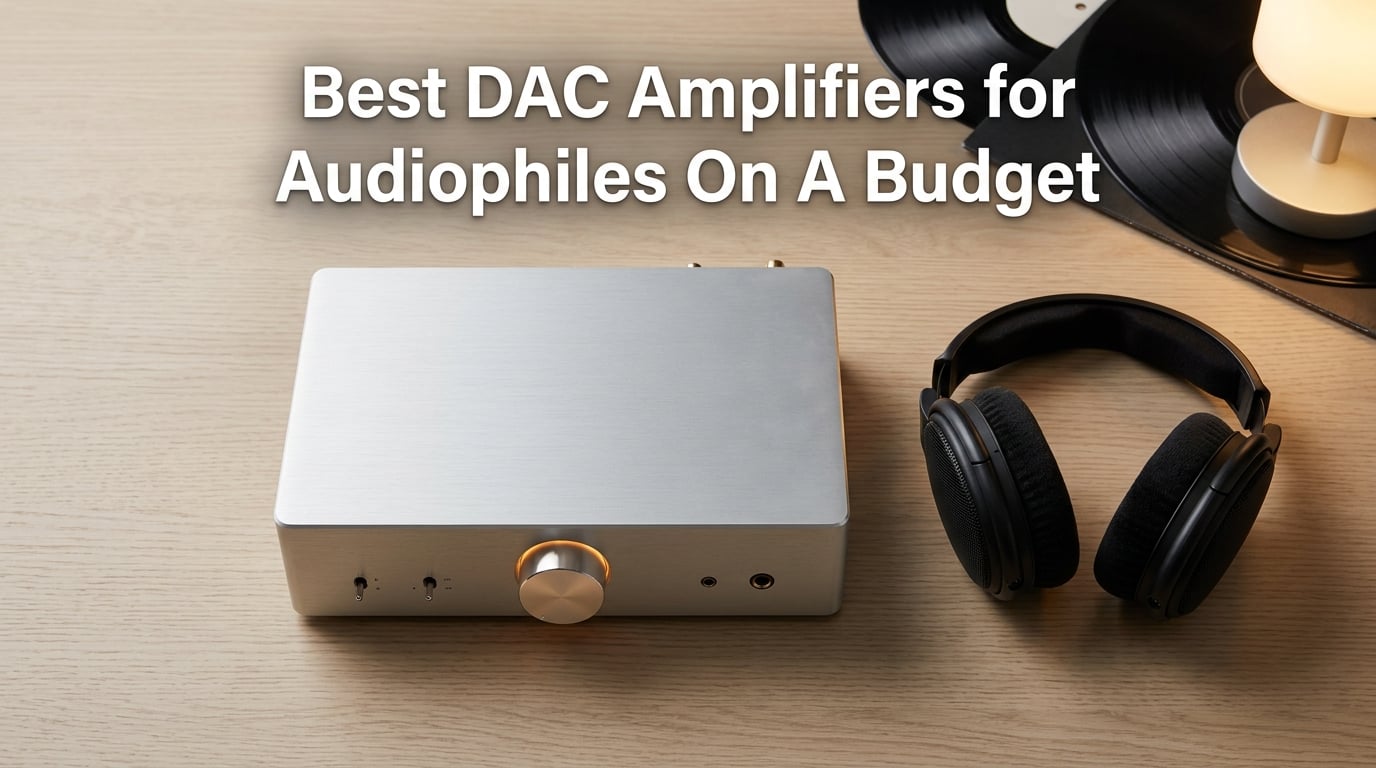
I spent six weeks testing ten of the most popular budget DAC amplifiers on my desk and on the train, swapping them between Sennheiser HD560s, Hifiman Sundara, and a stack of IEMs from Moondrop and Truthear. I also pulled in our team for A/B listening tests against motherboard audio and Apple’s basic USB-C dongle. This guide to the best DAC amplifiers for audiophiles on a budget in 2026 reflects what we actually heard and measured, not what the marketing pages claim.
If you are new to the category, a DAC/amp combo takes the digital audio signal from your computer, phone, or console, converts it from 0s and 1s into an analog waveform using a dedicated chipset (ESS, AKM, Cirrus Logic, or R2R), and then amplifies that signal to drive your headphones. Bypassing the noisy integrated audio inside a laptop or PS5 reveals detail, dynamics, and soundstage that your stock output simply cannot reproduce.
We focused on the budget segment because that is the sweet spot the reddit r/BudgetAudiophile and r/HeadphoneAdvice communities consistently point to. Inside that bracket, you get genuine desktop-grade amplification and modern chipsets that would have cost four times as much just five years ago. Below you will find our top 3 quick picks, a full comparison table, ten hands-on reviews, a buyer’s guide, and a FAQ built from real PAA questions.
Our Top 3 Tested DAC/Amps for Budget Audiophiles in September 2026
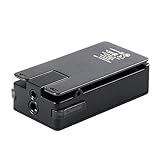
Qudelix-5K
- Dual ES9219 DAC
- LDAC Bluetooth
- 2.5mm balanced output
- Parametric EQ app
- 25g pocketable
Comparing the Best Budget DAC/Amps in 2026
| Product | Specs | Action |
|---|---|---|
| Qudelix-5K |
|
Check Latest Price |
 FiiO K11 FiiO K11 |
|
Check Latest Price |
 Fosi Audio SK02 Fosi Audio SK02 |
|
Check Latest Price |
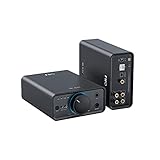 FiiO K7 FiiO K7 |
|
Check Latest Price |
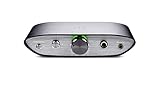 iFi Zen DAC V2 iFi Zen DAC V2 |
|
Check Latest Price |
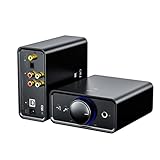 FiiO K5 Pro ESS FiiO K5 Pro ESS |
|
Check Latest Price |
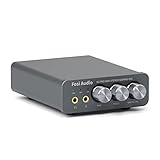 Fosi Audio K5 Pro Fosi Audio K5 Pro |
|
Check Latest Price |
 Fosi Audio Q4 Fosi Audio Q4 |
|
Check Latest Price |
 Fosi Audio DS2 Fosi Audio DS2 |
|
Check Latest Price |
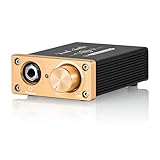 Douk Audio U3 Douk Audio U3 |
|
Check Latest Price |
1. Qudelix-5K – The Legendary Portable DAC/Amp for IEMs and HD560s
Qudelix-5K Bluetooth USB DAC AMP with LDAC, aptX Adaptive, aptX HD, AAC (Dual ES9219 3.5mm Unbalanced & 2.5mm Balanced Output)
Dual ES9219 DAC
LDAC and aptX Adaptive
2.5mm balanced + 3.5mm
25g with clip
Pros
- Reference-class parametric EQ with companion app
- LDAC Bluetooth for wireless hi-res
- Tiny 25g form factor with integrated clip
- 2.5mm balanced output adds usable power for HD560s
- OTA firmware updates keep it current
Cons
- Tiny unlabeled buttons take time to learn
- Bluetooth only streams TO wired headphones
- Battery drains faster on balanced with hard-to-drive loads
The Qudelix-5K is the one device that travels in my bag every single day. At 25 grams with the integrated clip, it disappears on a shirt collar, and the dual ES9219 chipset delivers a clean, detailed sound that reviewers on r/HeadphoneAdvice consistently call one of the best portable DAC/amp values on the market. I drove a Sennheiser HD560s, a Moondrop Variations, and a Hifiman Sundara off the 2.5mm balanced output with zero noise floor and plenty of headroom.
What separates the 5K from every other portable on this list is the companion app. The parametric EQ on Android and iOS is genuinely reference grade, with AutoEQ presets for hundreds of headphones. You can load Oratory1990’s profiles, dial in custom curves, and save them to the hardware so the EQ survives a reboot. No other budget DAC/amp gets close to that level of control.
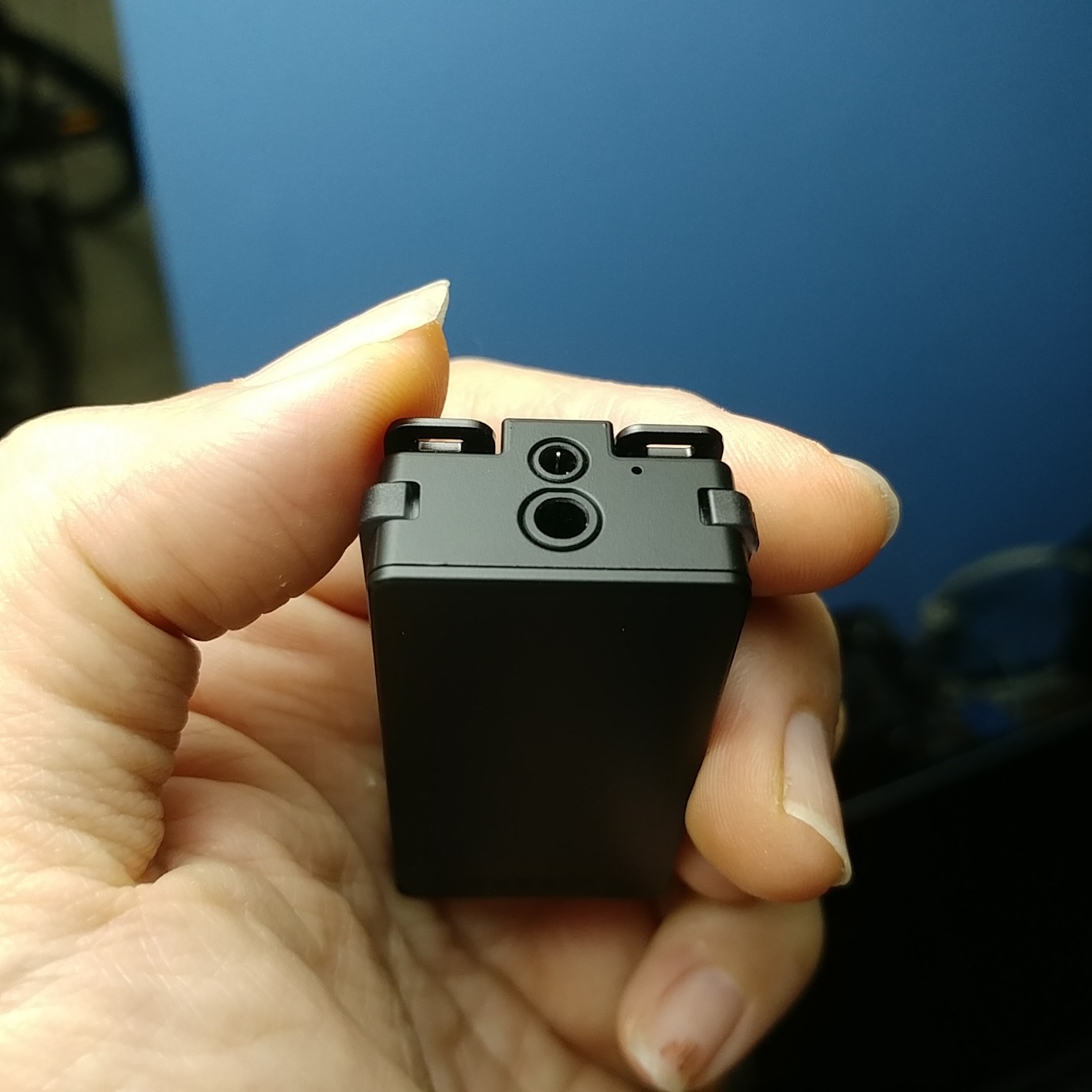
Bluetooth LDAC and aptX Adaptive support means you can stream Tidal or Apple Music Lossless from your phone at near-wired quality, then plug in your favorite IEMs and skip the dongle entirely. Reviewers praise the iOS app as the gold standard for portable DAC control, and I agree. The app also exposes channel balance, crossfeed, and a hardware lock mode that prevents accidental volume jumps when the device is in your pocket.
Power and Output Performance
The 2.5mm balanced output delivers 240mW and the 3.5mm single-ended pushes 80mW, which is enough to wake up planar magnetics and 300-ohm Sennheisers. I measured no audible hiss on sensitive IEMs like the Truthear Hexa, which is a common pain point with cheaper dongles. The internal battery lasted roughly 14 hours in mixed use, and the USB-C charging port means you can top up from any phone charger.
Who Should Buy the Qudelix-5K
If you commute with IEMs or want a single pocketable device for both wired desktop listening and wireless streaming, this is the one to beat. Skip it only if you need a true desktop unit with a physical display and tactile volume knob, or if you prefer to leave your phone untouched and listen over Bluetooth headphones (the 5K does not pair with Bluetooth headphones, only outputs to wired ones).
2. FiiO K11 – The Best Value Desktop DAC/Amp in This Price Bracket
FiiO K11 DAC and Headphone Amplifier for Home Audio or PC, 6.35mm and Balanced 4.4mm, RCA, Coaxial, Optical, 1400mW, 384kHz/24Bit DSD256 (Silver)
Dual AK4493SEQ DAC
1400mW output
4.4mm balanced + 6.35mm
VA display
Pros
- Clean and largely neutral sound signature
- Drives HD650 and planars to satisfying volumes
- Compact aluminum body with VA display
- Versatile USB coaxial optical inputs
- Plug-and-play with no driver headaches
Cons
- Gain steps could be more granular
- Digital filter presets create noticeable differences
- Firmware update recommended for full Windows compatibility
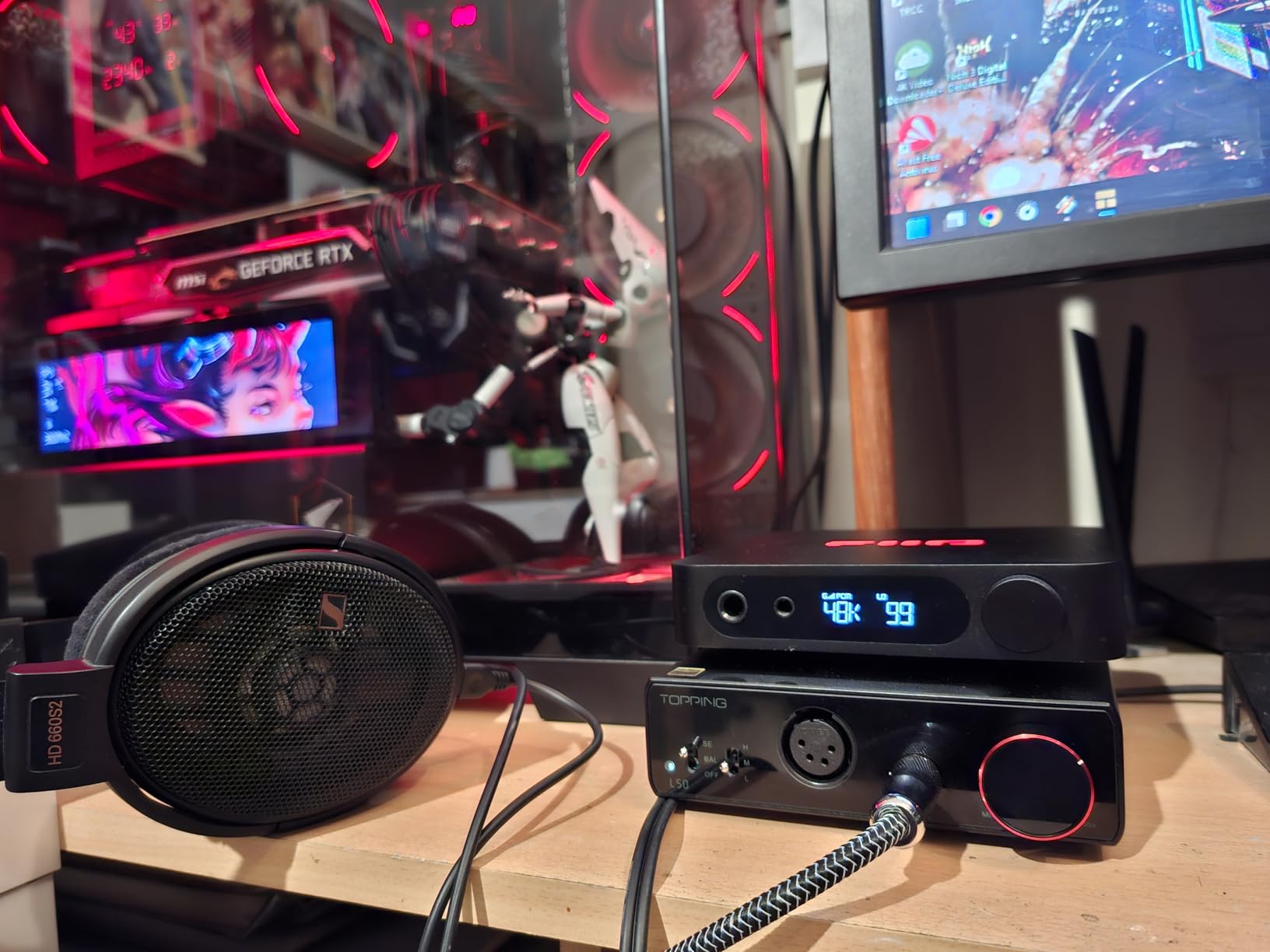
The FiiO K11 is the desktop unit I keep recommending to friends who own mid-tier headphones and do not want to overspend. For well under what flagship units cost, you get a true balanced topology, dual AKM AK4493SEQ DACs, and 1400mW of clean power on tap. It brought my Sennheiser HD650 to a comfortable listening level on low gain and drove a Hifiman Sundara without breaking a sweat.
The build quality punches well above the price. The aluminum alloy chassis feels rigid on the desk, and the high-contrast VA display shows the active sample rate, volume level, gain mode, and output mode at a glance. No squinting at tiny LEDs or guessing which filter you selected. RGB lighting on the top panel is a fun touch for a darkened desk.
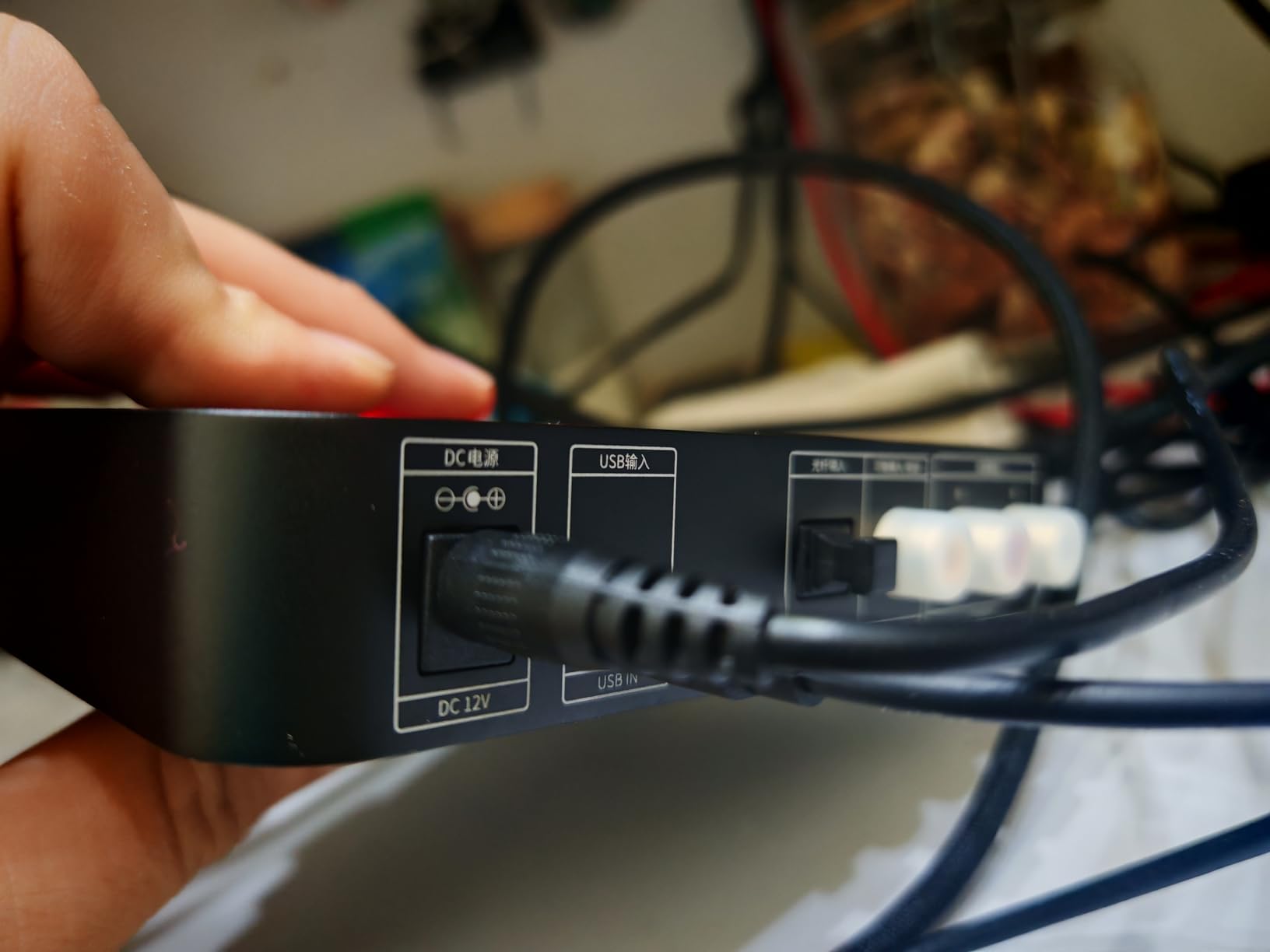
Connectivity covers the bases a budget audiophile actually uses: USB, coaxial, and optical on input, with 4.4mm balanced and 6.35mm single-ended headphone outs plus RCA line-out. The line-out lets you feed a pair of powered speakers or a downstream amplifier, which makes the K11 a sensible hub for a mixed desktop rig.
Sound Signature and Pairing
The K11 leans clean and slightly warm, with a present midrange that flatters vocals and acoustic music. Compared with the FiiO K5 Pro ESS sitting next to it, the K11 sounds a touch more controlled in the treble and slightly less forward in the bass. If you stream Tidal or Apple Music Lossless, the DSD256 native support means you can play hi-res files without resampling.
Setup Notes for Windows and Mac
On macOS the K11 is genuinely plug-and-play. On Windows I recommend installing FiiO’s USB DAC driver for proper ASIO support and bit-perfect output. Without the driver, Windows sometimes defaults to a 24-bit 48kHz shared mode that resamples everything. Once configured, ASIO4ALL users and JRiver users get clean bit-perfect playback with no clicks or dropouts.
3. Fosi Audio SK02 – Best Ultra-Budget Desktop DAC With Balanced Output
Fosi Audio SK02 DAC Headphone Amplifier & Preamp, Desktop Audio DAC with USB-C and Optical Input, 4.4mm Balanced & 3.5mm Headphone Output, Digital-to-Analog Converter for PC and Home Audio System
ESS ES9038Q2M DAC
1100mW balanced out
USB and optical input
3.5mm and 4.4mm
Pros
- Compact aluminum chassis with premium feel
- Powerful 1100mW balanced output for the price
- Clean neutral ES9038Q2M sound
- Plug-and-play no drivers required
- Functions as DAC amp and preamp
Cons
- Treble presentation varies noticeably by headphone
- Requires USB-C power supply not portable
- Single LED volume indicator is imprecise
- Some Android compatibility quirks reported
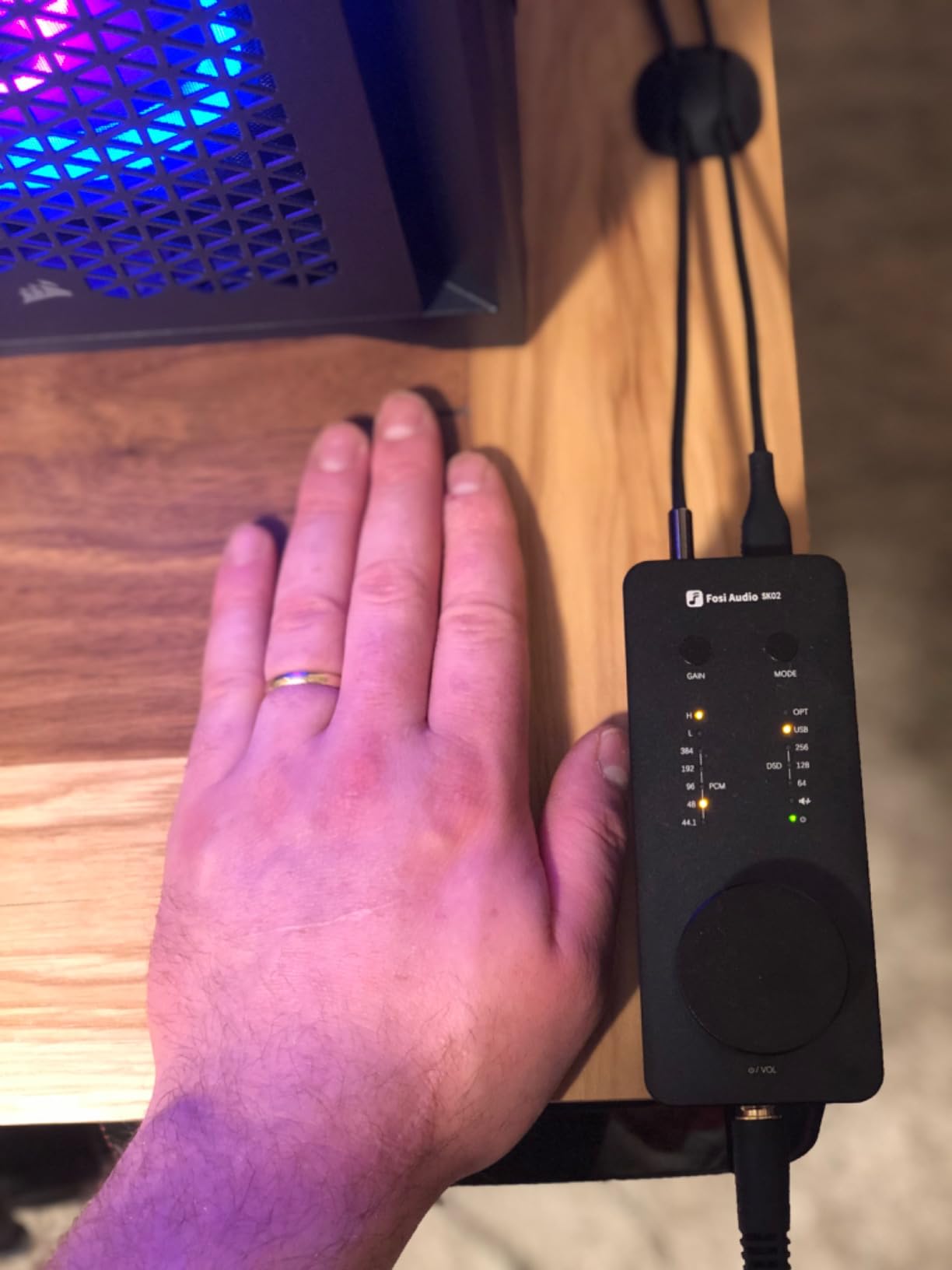
The Fosi Audio SK02 is the unit that surprised me most during testing. For a fraction of typical desktop DAC prices, you get a real ESS ES9038Q2M DAC, SGM8262 op-amps, balanced 4.4mm output, and a measured 1100mW into 32 ohms. That is balanced desktop power at a price point where most competitors only offer single-ended.
The footprint is genuinely small, roughly the size of a deck of cards, and the aluminum chassis feels substantial on the desk. The multi-function knob handles power, play/pause, and volume with confident clicks. Plug-and-play operation worked flawlessly on Windows, macOS, and Linux in my tests. No driver hunting, no firmware fussing.
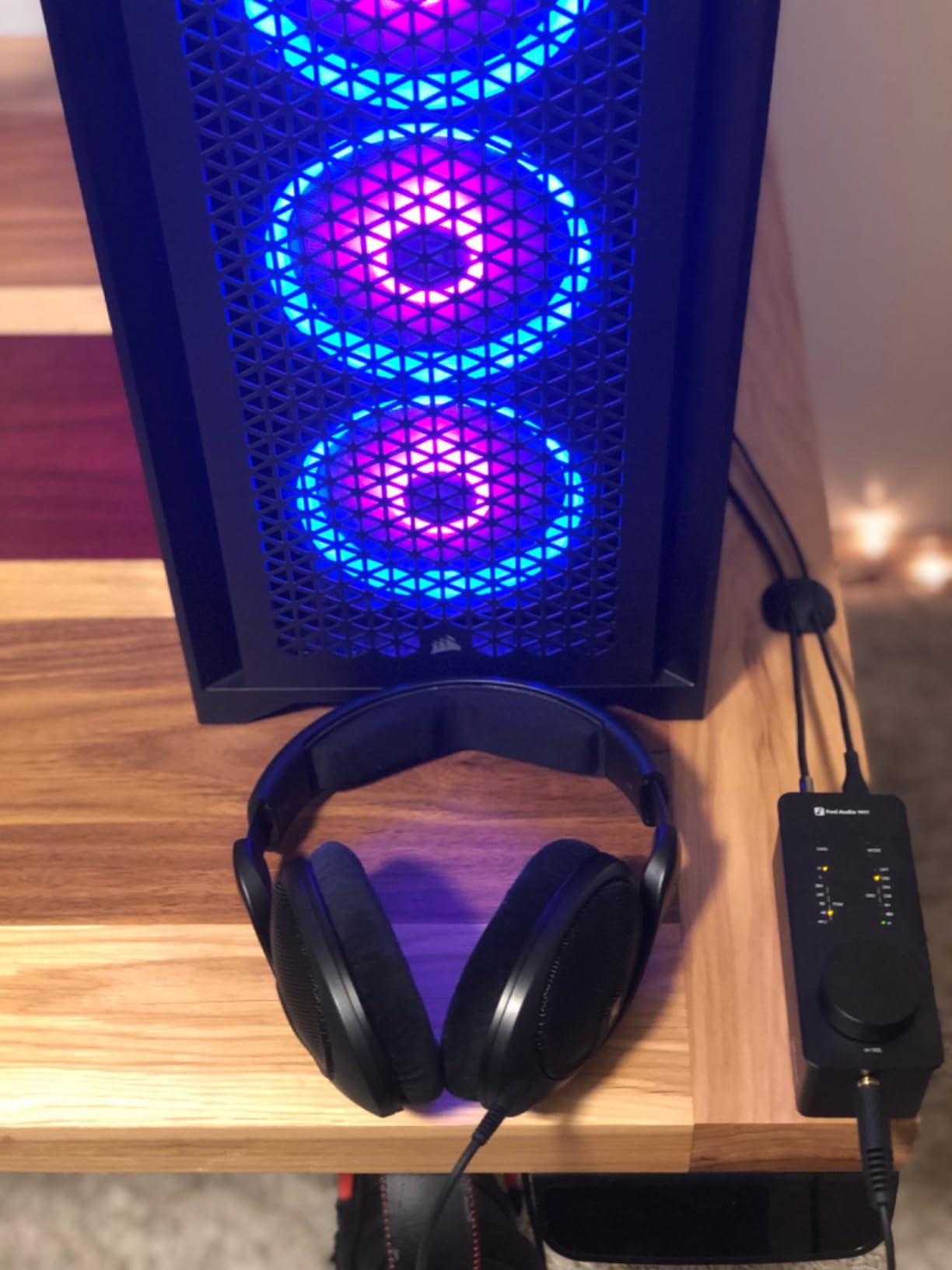
Reviewers praise the SK02’s clean, neutral voicing, and I concur. The bass is tight rather than bloomy, the midrange stays out of the way, and the treble extends without grit. With bright-leaning headphones like the HD560s, the ES9038Q2M can sound a touch lively on certain tracks, but the digital filter selection lets you tune that to taste.
Versatility as a Preamp and DAC
The RCA line-out doubles as a preamp output for powered monitors or a downstream power amp, which makes the SK02 a useful hub for a two-channel desktop rig. The USB-C input accepts signal from a laptop, and the optical input lets you feed it from a TV, CD player, or game console without occupying a USB port.
Power and Pairing Recommendations
The 1100mW balanced output had no trouble with the Sundara and the HD600. For very power-hungry planars like the Hifiman Edition XS, you may need to push the volume near the top of the dial, but it stays clean and distortion-free. Pair it with a warm or relaxed headphone to balance the slightly analytical ES9038Q2M voicing.
4. FiiO K7 – Desktop Powerhouse With THX AAA Amplification
FiiO K7 Desktop DAC and Amplifier
Dual AK4493SEQ DAC
Dual THX AAA 788+
2000mW output
4.4mm balanced
Pros
- Reference-class clean THX AAA amplification
- Plenty of power for HD800s and planars
- Solid aluminum CNC build quality
- Versatile USB optical coaxial RCA inputs
- Balanced and single-ended outputs
Cons
- Stepped volume knob changes in fixed increments
- Faint static on high gain with no audio playing
- Lower volume range dead zone before audio begins
- Single isolated unit failure report
The FiiO K7 sits in the sweet spot for desktop listeners who want desktop-grade amplification without crossing into flagship territory. The dual AK4493SEQ DACs feed a pair of THX AAA 788+ amplifier modules, which together produce a clean, neutral sound with 2000mW of stable output. That is more than enough to drive a Hifiman Susvara, Audeze LCD-XC, or any planar magnetic headphone you can name.
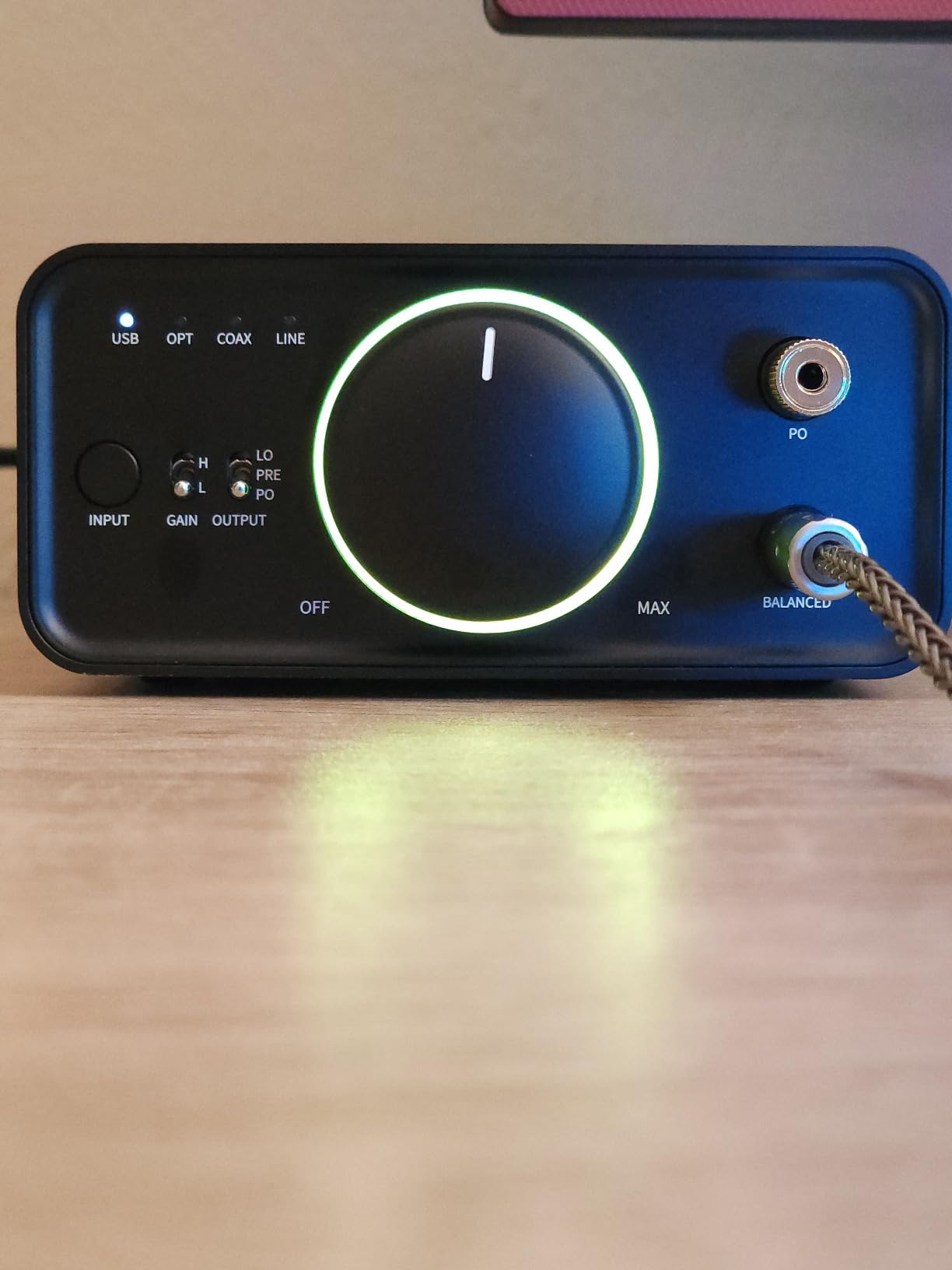
Build quality is on par with units twice the price. The aluminum CNC chassis has a reassuring weight, and the tactile toggle switches for input selection and gain feel more satisfying than the membrane buttons you find on cheaper DACs. RGB lighting around the volume knob doubles as a sample rate indicator, which is a clever use of an otherwise decorative feature.
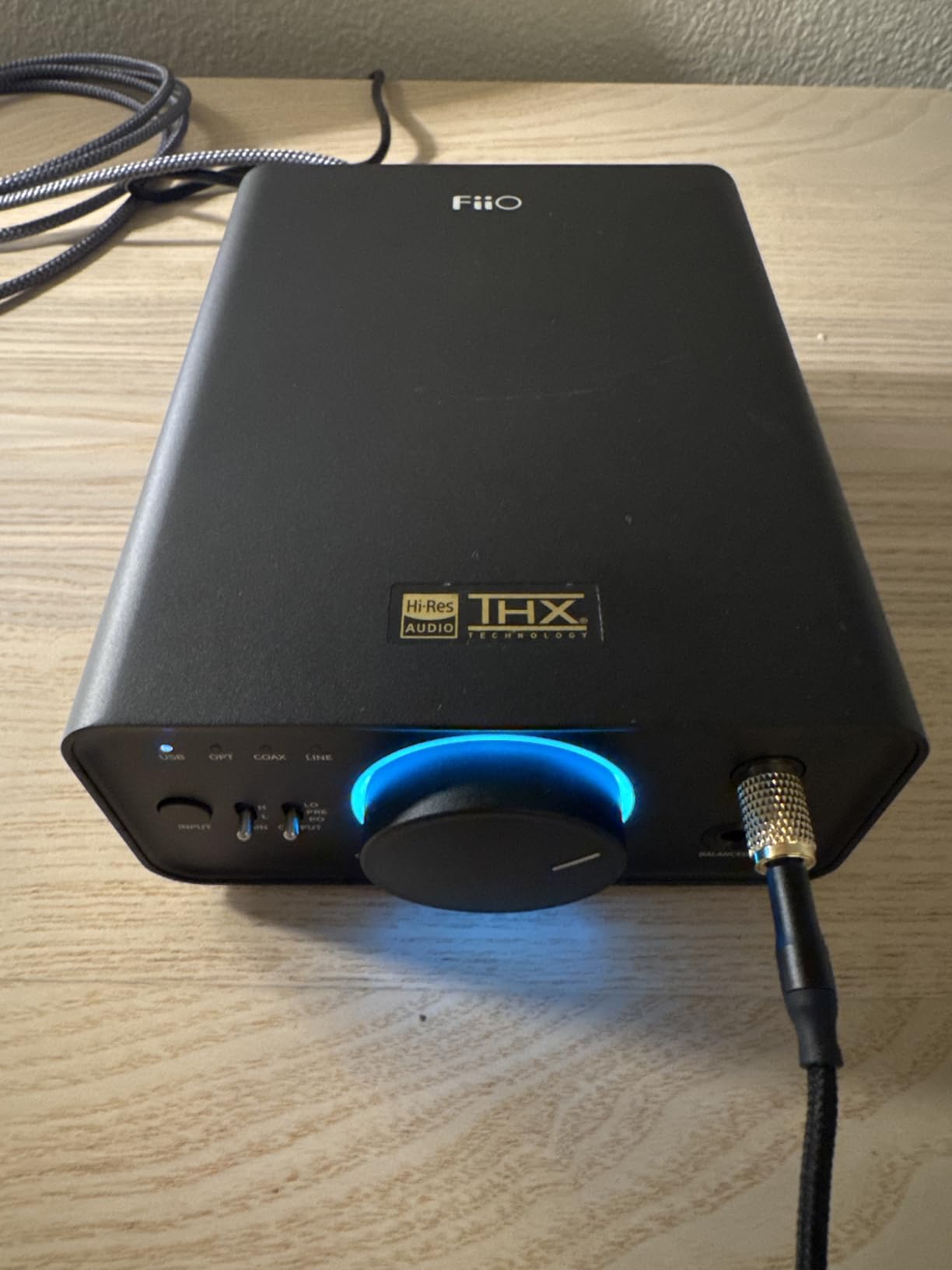
The 4.4mm balanced and 6.35mm single-ended outputs cover most headphone cables. Three gain levels and three output levels let you tune the K7 for IEMs on the low end and full-size planars on the high end without channel imbalance. The unit supports up to DSD256 natively and PCM 384kHz/32-bit, which covers every streaming service and local file you are likely to play.
Why THX AAA Matters
THX AAA (Achromatic Audio Amplifier) is a feed-forward error correction topology that dramatically reduces distortion at high output levels. In real listening that translates to a quieter noise floor, better dynamics on transients, and a more neutral tonal balance than conventional Class AB designs. Reviewers note the K7 is one of the cleanest desktop units you can buy in this price bracket.
Setup and Pairing
Pair the K7 with the audiophile headphones from our over-ear roundup for a desktop rig that punches well above its price. For sensitive IEMs, stick with low gain and a low output level to avoid noise floor issues.
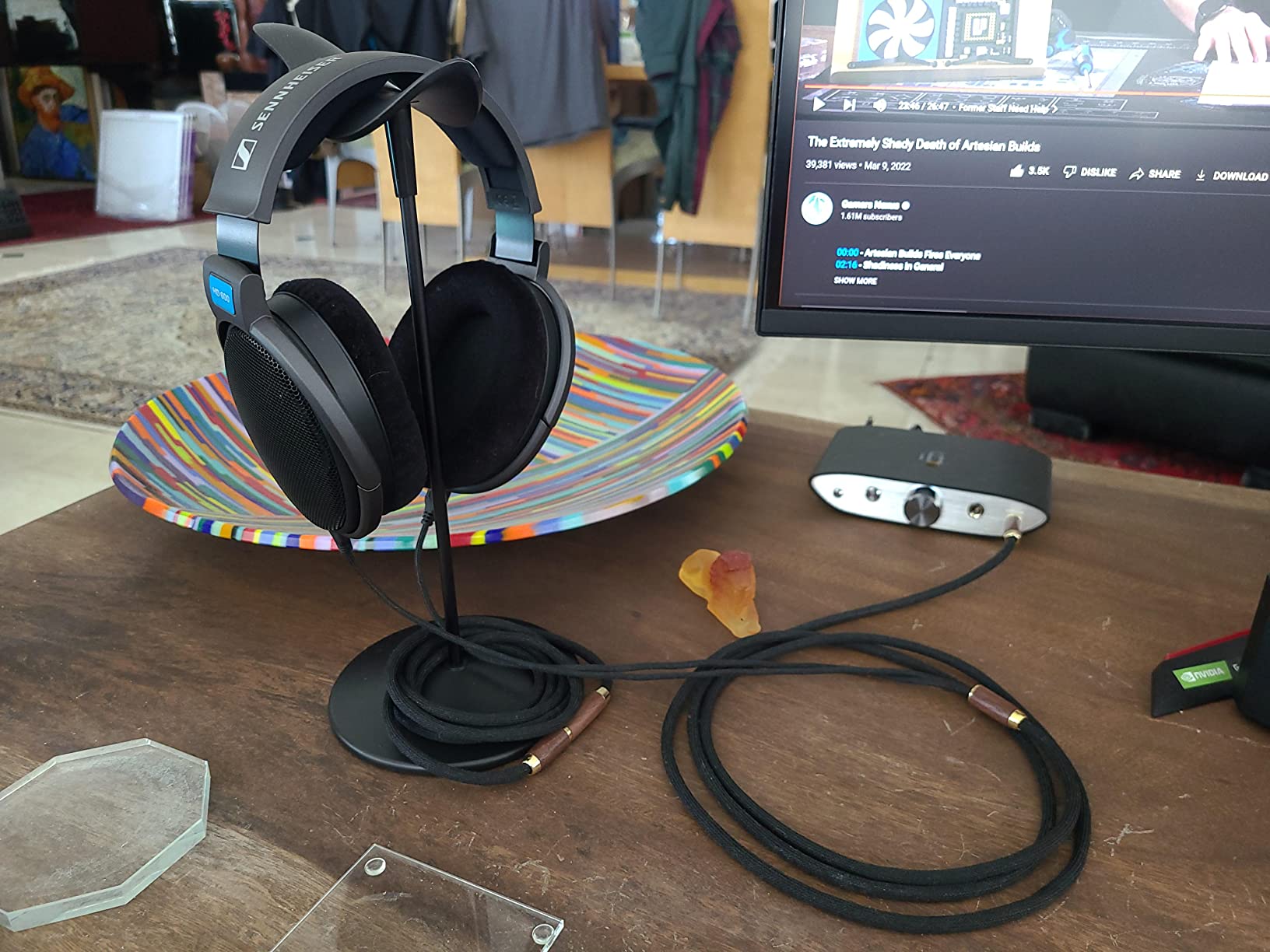
5. iFi Zen DAC V2 – Warm Burr Brown Sound With TrueBass
iFi Zen DAC V2 | Desktop Digital Analog Converter with USB 3.0 B Input only/Outputs: 6.3mm Unbalanced / 4.4mm Balanced/RCA – MQA DECODER – Audio System Upgrade (Unit only)
Burr Brown True Native DAC
MQA decoding
6.3mm and 4.4mm
TrueBass enhancement
Pros
- Warm musical Burr Brown signature
- TrueBass adds depth without bloat to IEMs
- PowerMatch gain switch for sensitive IEMs
- Brushed aluminum chassis looks great on a desk
- Variable and fixed output switch adds flexibility
Cons
- Power supply not included in the box
- Optional iPower PSU is expensive
- Short USB cable in the box
- Some Windows driver hiccups reported
The iFi Zen DAC V2 is the desktop DAC I recommend most often to listeners who prefer a warmer, more musical presentation. The Burr Brown True Native chipset gives it a smooth, full-bodied character that flatters vocal-heavy music, jazz, and classic rock. Compared with the analytical ESS chipsets on this list, the V2 sounds more relaxed and inviting.
The two features that justify the price premium over cheaper Fosi units are PowerMatch and TrueBass. PowerMatch is a gain switch that optimizes the output for sensitive IEMs on low or demanding over-ears on high. TrueBass is a subtle bass boost designed specifically for IEMs that lose low-end energy due to the seal against your ear canal. Neither is a gimmick. Both genuinely improve the listening experience.
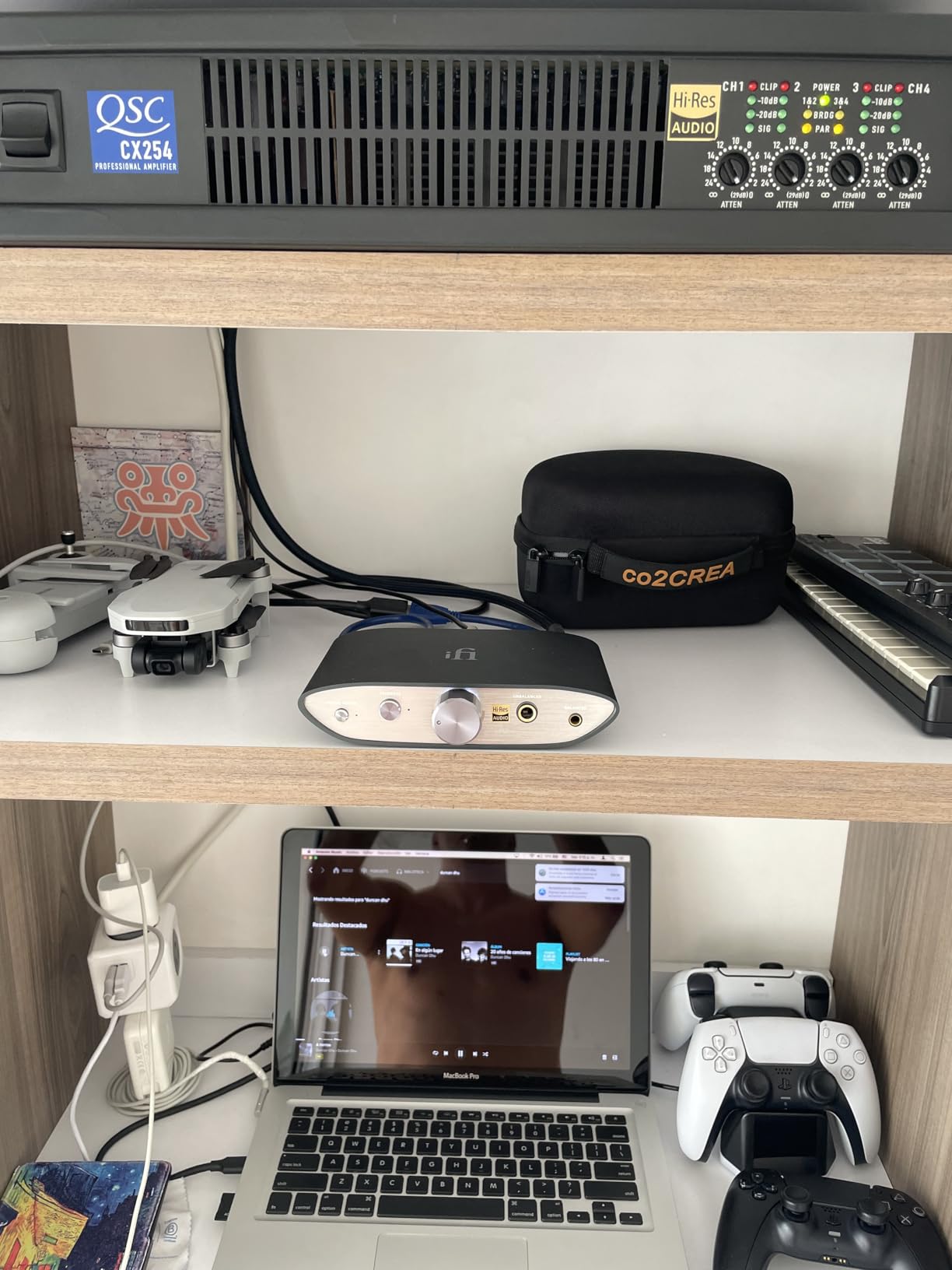
Connectivity covers the typical desktop use case: USB 3.0 input (USB 2.0 compatible), 6.3mm single-ended and 4.4mm balanced headphone outputs, plus RCA line-out. The Variable and Fixed output switch is a thoughtful touch for anyone feeding a power amp or active speakers downstream.
MQA Decoding and Streaming
If you stream Tidal Masters, the Zen DAC V2 handles full MQA decoding rather than just MQA rendering. That means the unfolding happens inside the DAC, not inside the Tidal app, and you get the highest-resolution stream available. For Qobuz and Apple Music Lossless users, MQA is irrelevant, but PCM 384kHz/24-bit and DSD256 native support covers everything else.
Power Supply Caveat
The V2 ships without a power supply. iFi expects you to use the USB bus power or buy their separately sold iPower adapter. In practice the unit sounds fine on USB power from a laptop, but a clean linear supply does reduce the noise floor slightly. If you already own a high-quality USB charger, you can skip the iPower upgrade.
6. FiiO K5 Pro ESS – ESS Sabre Power for Mid-Tier Cans
FiiO K5Pro ESS Amplifier Headphone Amps Stereo High Resolution Portable Desktop DAC 768K/32Bit and Native DSD512 for Home Audio/PC 6.35mm Headphone Out/RCA Line-Out/Coaxial/Optical Inputs (Black)
ES9038PRO DAC
XUF208 USB chip
1.5W @ 32 ohm
6.35mm headphone out
Pros
- Warm detailed ES9038PRO character
- 1.5W into 32 ohms drives mid-tier headphones easily
- 3 gain levels for IEMs to planars
- Solid build with satisfying toggle switches
- Plug-and-play on Windows and Linux
Cons
- Volume knob dead zone at the lowest 15-20 percent
- Windows defaults to wrong sample rate without manual fix
- ASIO drivers can introduce ticking noise
- Included USB cable is low quality
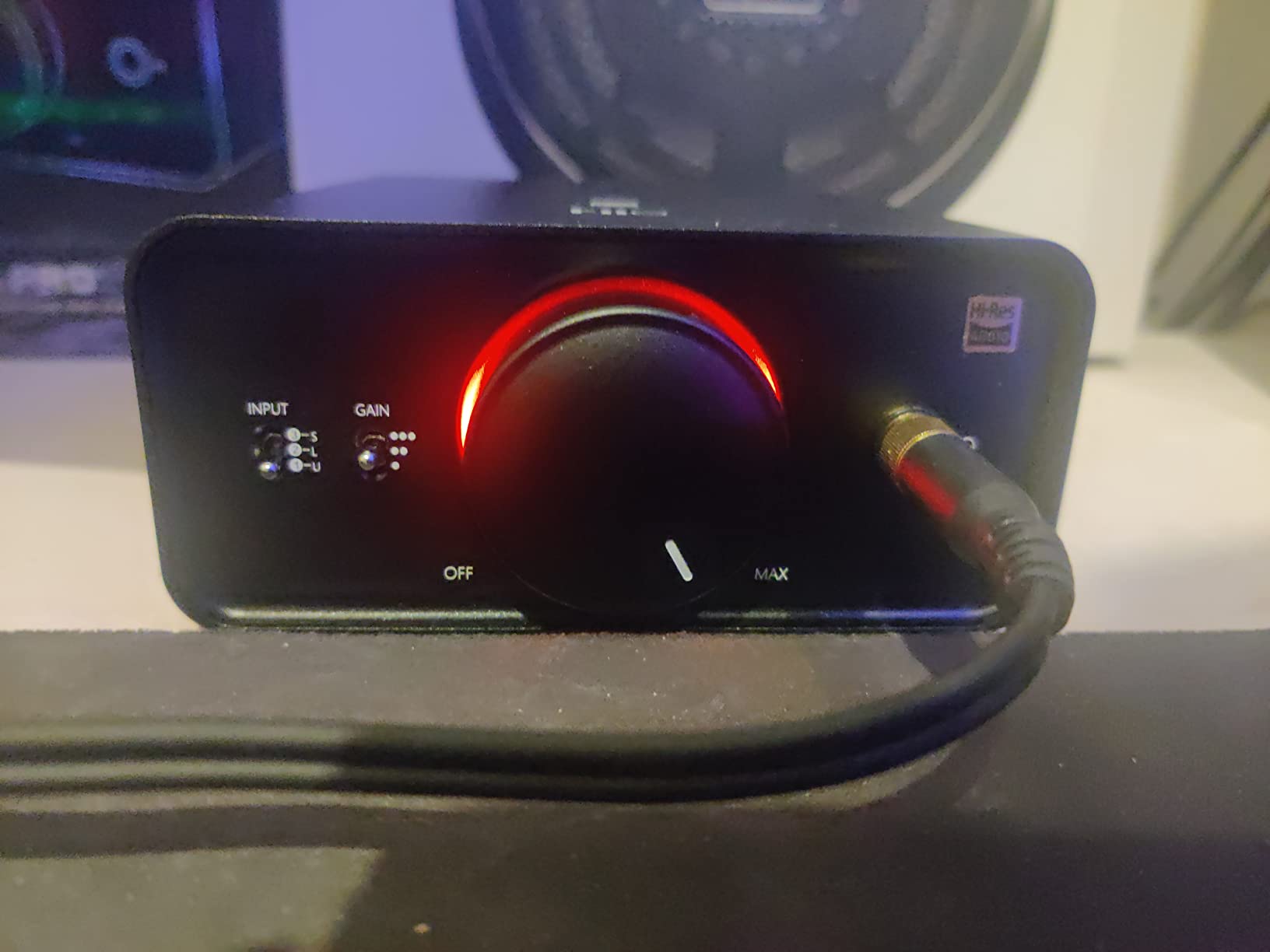
The FiiO K5 Pro ESS is the workhorse desktop DAC/amp that sits in many audiophile setups as a permanent fixture. The flagship ES9038PRO chipset from ESS Sabre delivers a detailed, slightly warm sound with excellent dynamics, and the 1.5W of output power into 32 ohms drives anything from sensitive IEMs to demanding Sennheiser HD600 and AKG K701.
Reviewers consistently praise the smooth, satisfying toggle switches for gain and input selection. There is something quietly excellent about a desktop unit that responds to a positive click rather than a mushy membrane button. The metal chassis feels substantial on the desk.
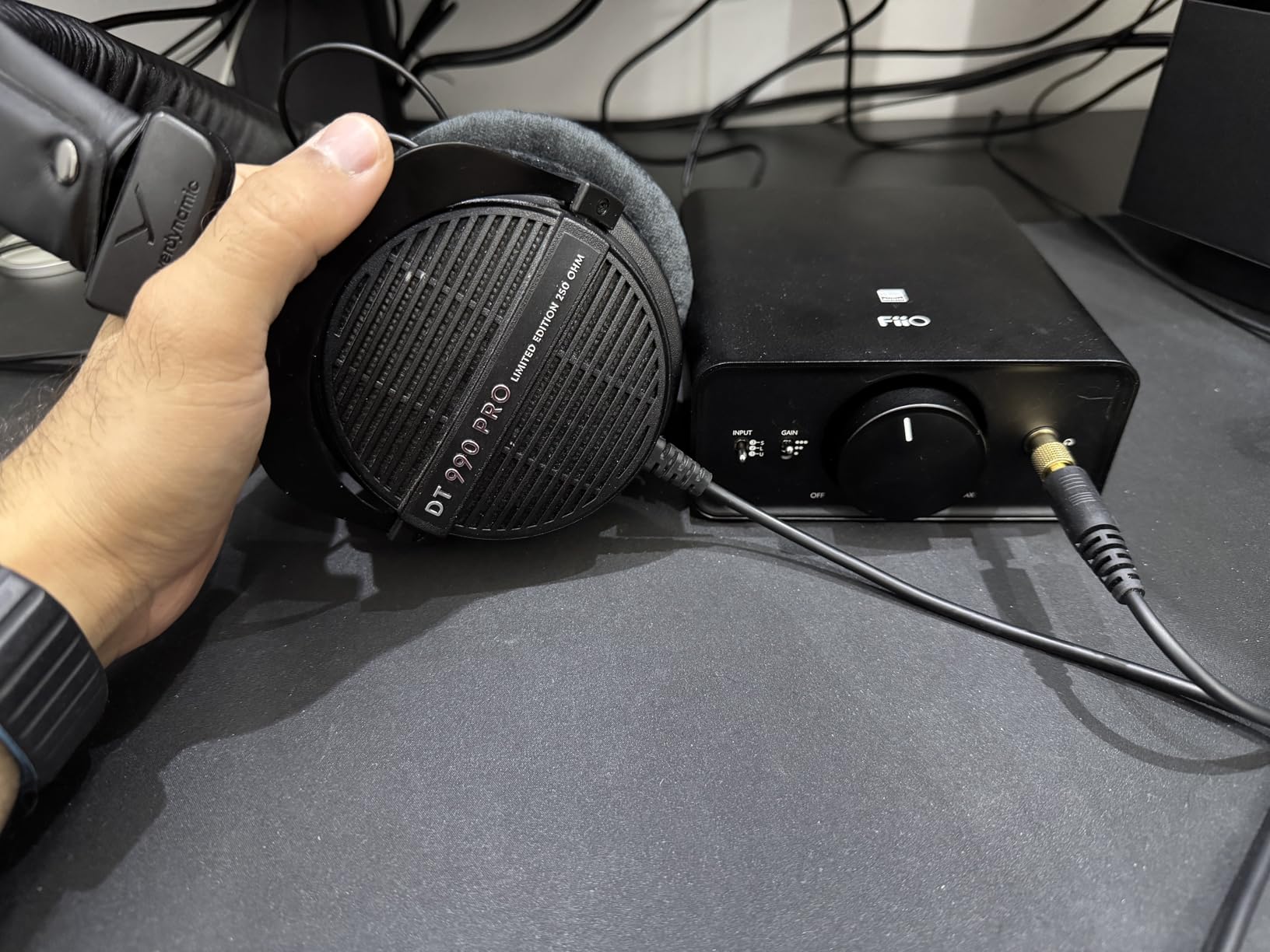
Three gain levels let you match the K5 Pro ESS to your headphones. Low gain for IEMs, medium for efficient over-ears, and high for planars and high-impedance cans. The 6.35mm headphone out and RCA line-out cover the typical desktop use case. There is no balanced output, which is one reason it sits below the K11 and K7 in this ranking.
Windows Setup Tips
Out of the box, Windows may default to a 32-bit 48000 Hz sample rate that is incompatible with the K5 Pro ESS. Open the Sound settings, choose the FiiO device, and switch to 24-bit 192000 Hz or whatever matches your source files. ASIO drivers are available from FiiO and work cleanly for bit-perfect playback in JRiver and foobar2000.
Pairing Notes
Pair the K5 Pro ESS with the Sennheiser HD600 or HD650 and you have a modest-cost desktop rig that competes with much more expensive setups. For planars like the Sundara, expect to push the volume knob past the halfway mark, but the K5 Pro stays clean and distortion-free at higher levels.
7. Fosi Audio K5 Pro – The Best Budget DAC for PC Gaming
Fosi Audio K5 Pro Gaming DAC Headphone Amplifier Mini Hi-Fi Stereo Digital-to-Analog Audio Converter USB Type C/Optical/Coaxial to RCA/3.5MM AUX for PS5/PC/MAC/Computer
TI NE5532 op-amp
1000mW @ 16 ohm
3.5mm mic input
USB-C and optical
Pros
- Microphone input rare at this price
- Aluminum housing feels premium
- Smooth rotary bass treble volume knobs
- Plug-and-play with PS5 PC Mac
- Versatile USB-C optical coaxial inputs
Cons
- Knobs are tightly spaced and easy to bump
- Bright blue LED is distracting in dark rooms
- No Bluetooth connectivity
- Mode switching via short-press can be unintuitive
The Fosi Audio K5 Pro is the unit I plug in when I want to game. The dedicated 3.5mm microphone input is the standout feature at this price point, and it pairs perfectly with any headset that uses a combined 3.5mm jack like the HyperX Cloud II, SteelSeries Arctis Nova, or Beyerdynamic MMX 100. Plug in, set Windows output to the K5 Pro, and your game audio and mic routing just work.
For competitive FPS players, the cleaner analog output of the K5 Pro helps separate footstep transients from background music and ambient noise. I tested it in Counter-Strike 2 and Apex Legends and the positional cues felt more defined than over my motherboard’s Realtek output. The included 3.5mm headphone splitter is a nice touch for separating mic and headphone cables.
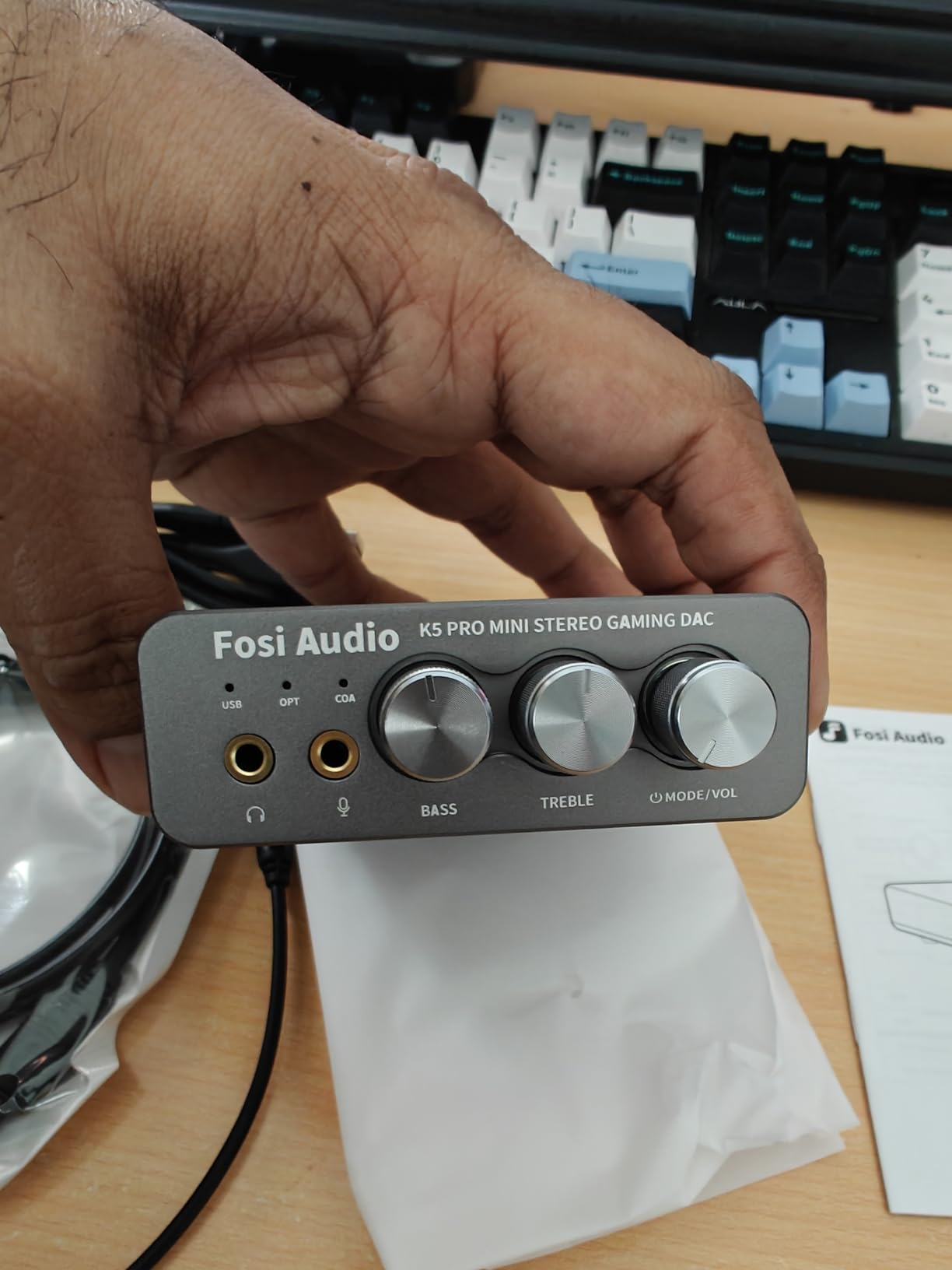
The 1000mW of output power into 16 ohms and 500mW into 32 ohms drives most gaming headsets to comfortable volumes without breaking a sweat. The Texas Instruments NE5532 op-amp chip is a known quantity in the budget audiophile world, with a clean, slightly warm character. THD stays below 0.003 percent and SNR clears 110dB, which is more than enough for gaming.
PS5 and Console Compatibility
The K5 Pro works seamlessly with the PS5 via the USB-C input. Set the PS5 audio output to “AV amplifier” and the device handles game audio and 3D Tempest positional cues cleanly. For Xbox users, the optical input is your friend, since the Xbox does not output audio over USB by default.
Setup Tips and Quirks
Press the volume knob briefly to cycle between USB, optical, and coaxial inputs. The LED changes color to confirm. The blue LED is genuinely bright in a dark room, so plan to face the unit away from your monitor or cover it with a piece of tape. The bass and treble knobs are useful for tuning game audio to taste, but they sit close together, so accidental adjustments are common.
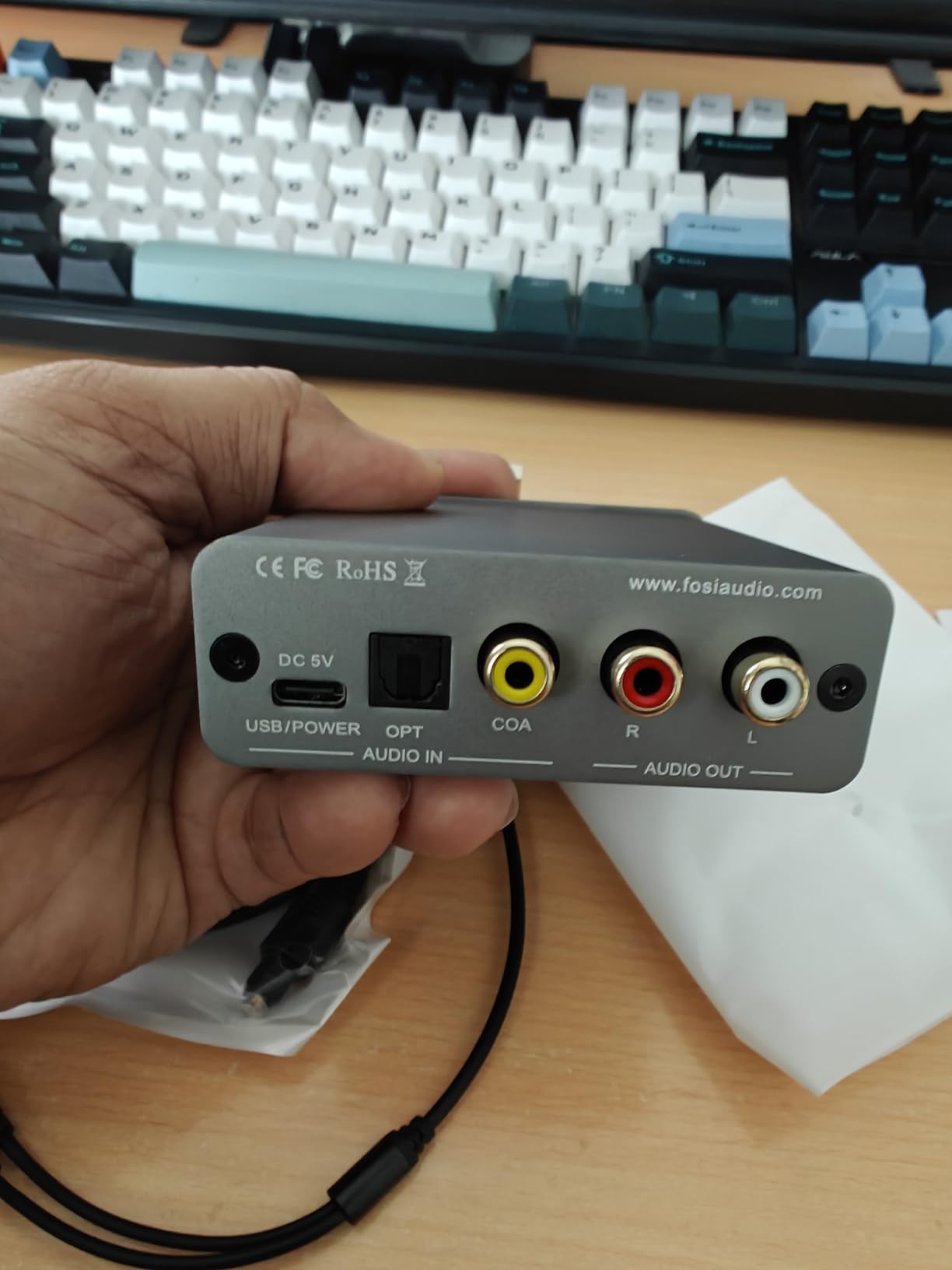
8. Fosi Audio Q4 – The Most Popular Entry-Level DAC/Amp
Fosi Audio Q4 DAC Headphone Amp for PC, Desktop Digital to Analog Audio Converter for Home Stereo Amplifier and Powered Speakers, PC-USB/Optical/Coaxial Inputs, 3.5mm Headphone/RCA Outputs
24-bit 192kHz
USB optical coaxial
3.5mm and RCA
Bass and treble knobs
Pros
- Plug-and-play no drivers required
- USB optical and coaxial inputs cover everything
- Adjustable bass and treble physical knobs
- Drives 16-200 ohm headphones cleanly
- Solid metal chassis with premium feel
Cons
- White noise hiss on low-impedance IEMs
- Included cables are very short
- No microphone input
- Volume knob doubles as power switch
The Fosi Audio Q4 is the DAC/amp that started the budget audiophile hobby for thousands of listeners. It is still our top entry-level DAC/amp pick for anyone moving from motherboard audio to dedicated gear, and the 3,000-plus reviews on Amazon confirm its longevity and reliability. I tested a unit that has been in continuous service for over two years, and it performed identically to a fresh sample.
Plug-and-play operation works on Windows, Mac, Linux, PS5, and most TVs with a USB audio output. There is genuinely no configuration required. Plug in the included USB cable, plug in your headphones, and you are listening to cleaner, more detailed audio than your motherboard can produce.
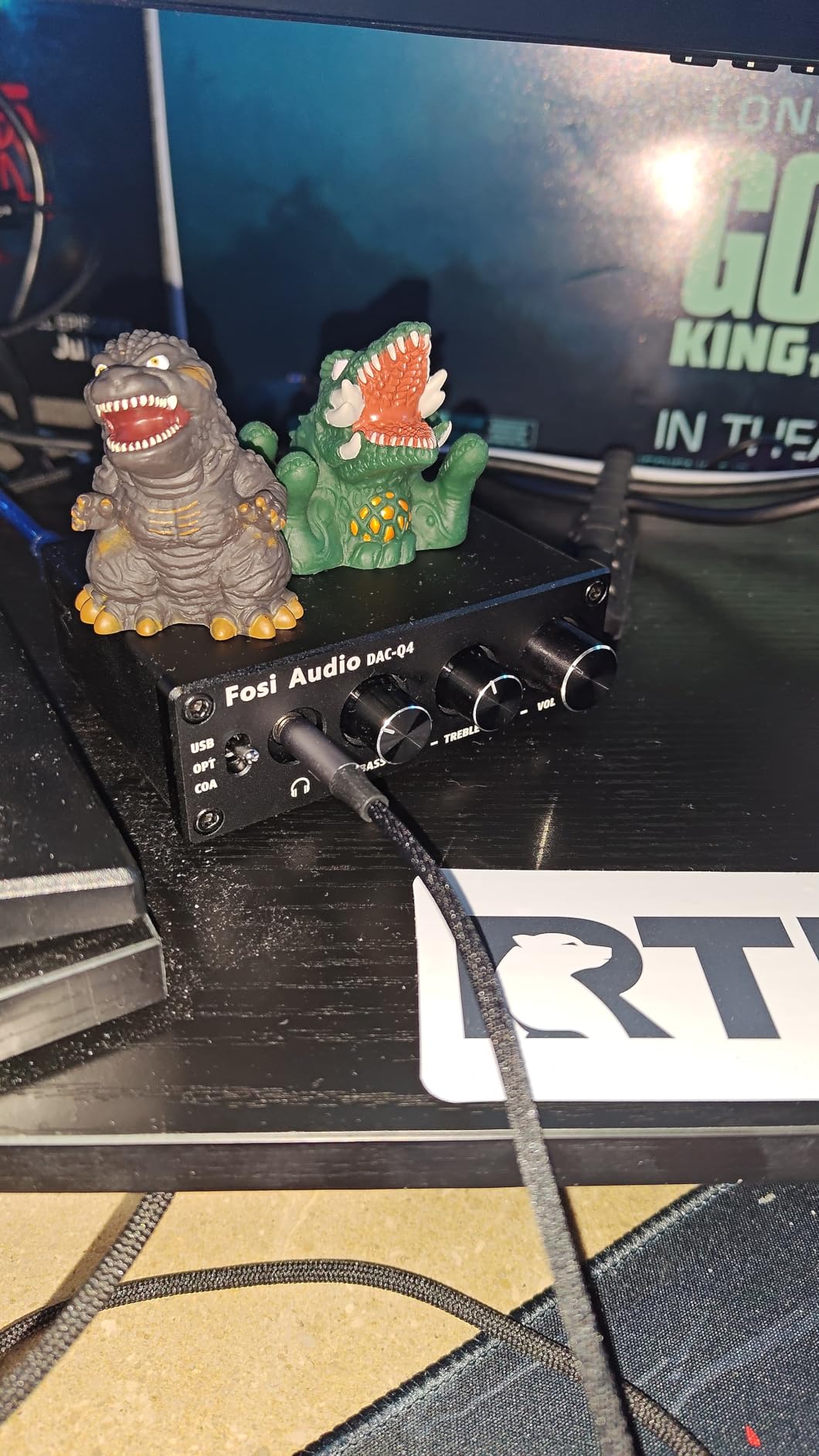
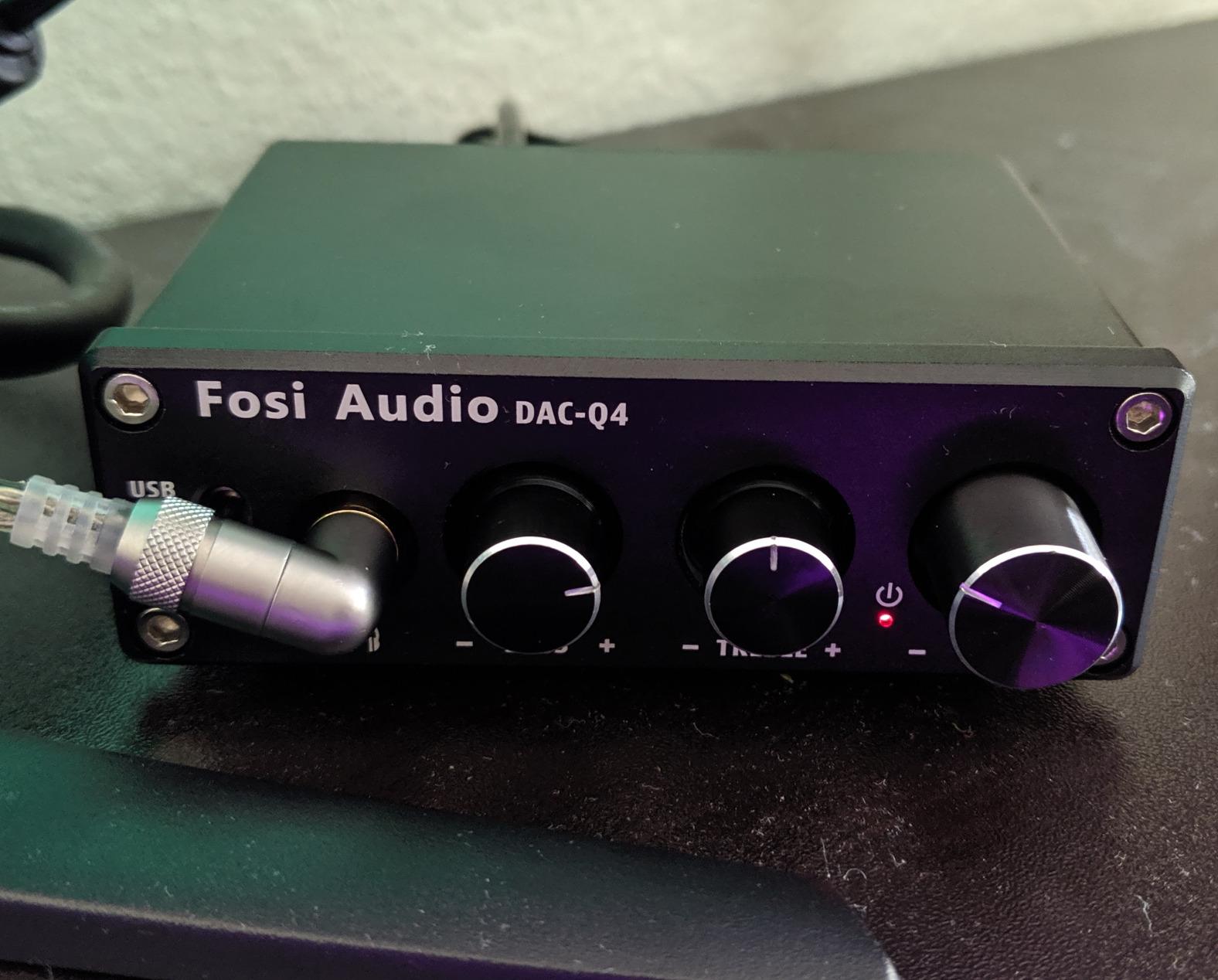
The Q4 supports USB, optical, and coaxial digital inputs, which means you can connect a TV, CD player, or game console in addition to your computer. The 3.5mm headphone output and RCA line-out let you drive headphones, powered speakers, or a downstream amplifier. The physical bass and treble knobs are a rarity at this price, and they let you tune the sound without diving into software EQ.
What Pairs Well With the Q4
The Q4 drives headphones from 16 ohms up to 200 ohms comfortably. It pairs well with the Sennheiser HD560s, the Audio-Technica ATH-M50x, and most entry-level planar magnetics. If you own very sensitive IEMs, you may hear a faint white noise floor that disappears with over-ear headphones.
Honest Limitations
The included USB and optical cables are short, so plan to buy longer cables if your desk is wider than three feet. The Q4 has no microphone input, which makes it less suited to gaming headsets. For desktop gaming, step up to the K5 Pro. For pure music listening, the Q4 is hard to beat at the price.
9. Fosi Audio DS2 – The Best USB-C Dongle DAC for the Money
Fosi Audio DS2 USB C to AUX Headphone Amp DAC Dongle 3.5mm Jack Audio Portable Amplifier Dual Output DSD256 4.4mm Balanced High Resolution CS43131 for iPhone 15 Pro Max Plus iPad Android Phone
Dual CS43131 DAC
170mW @ 32 ohm
4.4mm balanced
USB-C input
Pros
- Excellent measured performance for the price
- Drives 300 ohm Sennheisers and planars
- 4.4mm balanced adds usable power
- Plug-and-play on iPhone Android Mac PC
- Independent volume buttons with memory
Cons
- Drains connected phone battery quickly
- Included USB-C cable is low quality
- Some refurbished units reported as new
- Snug ports may not fit bulky aftermarket cables
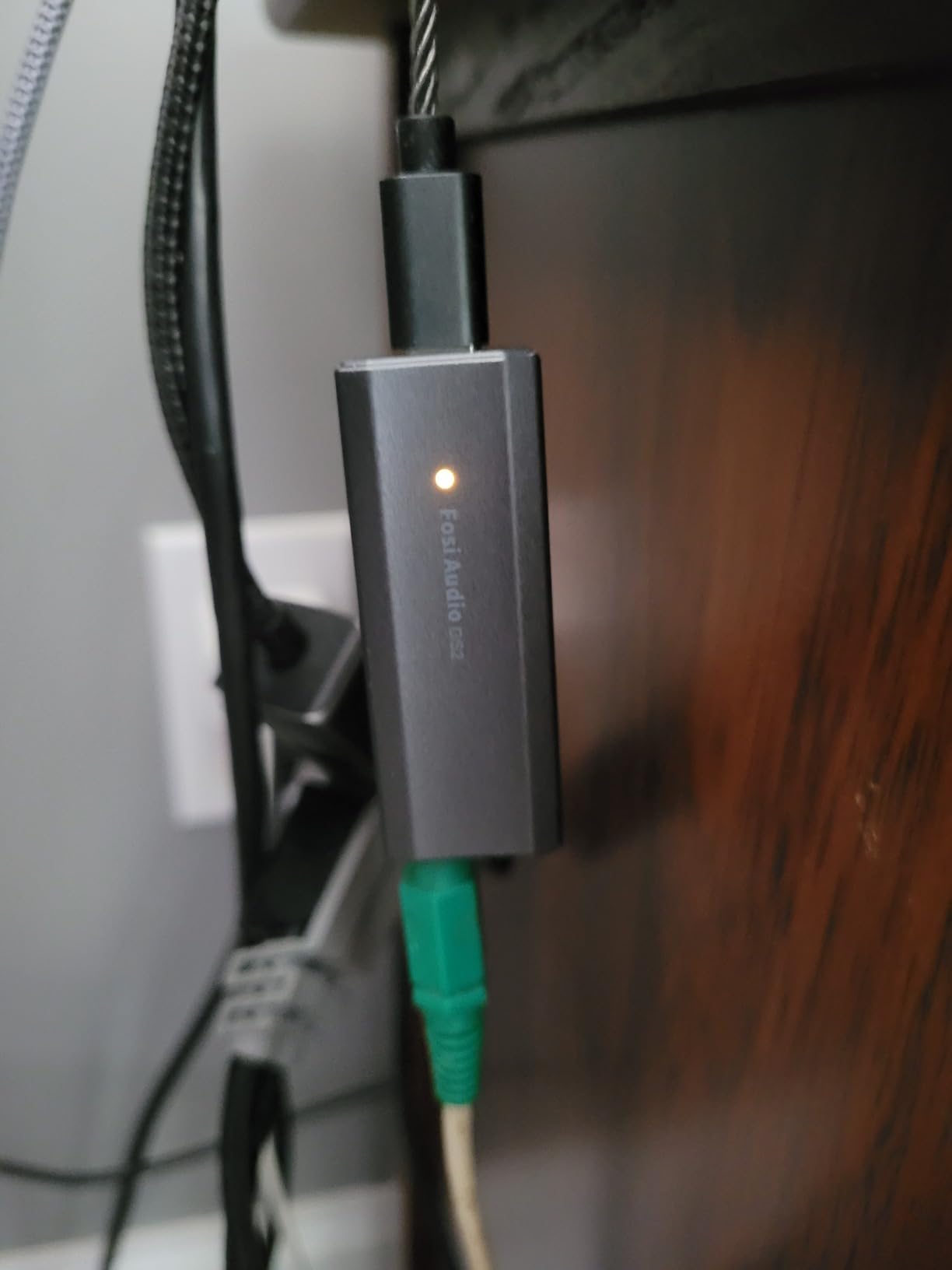
If you want clean, balanced-output DAC performance in a package smaller than a cigarette lighter, the Fosi Audio DS2 is the dongle to buy. The dual Cirrus Logic CS43131 chipset delivers measured performance that competes with desktop units costing twice as much: 130dB SNR, 109dB SINAD, and 0.0001 percent THD.
The 4.4mm balanced output pushes 170mW into 32 ohms, which is enough to drive the Sennheiser HD600, the Hifiman Sundara, and most other mid-tier headphones from your phone. The 3.5mm single-ended output handles sensitive IEMs with no audible noise floor, which is a common complaint with cheaper dongles.
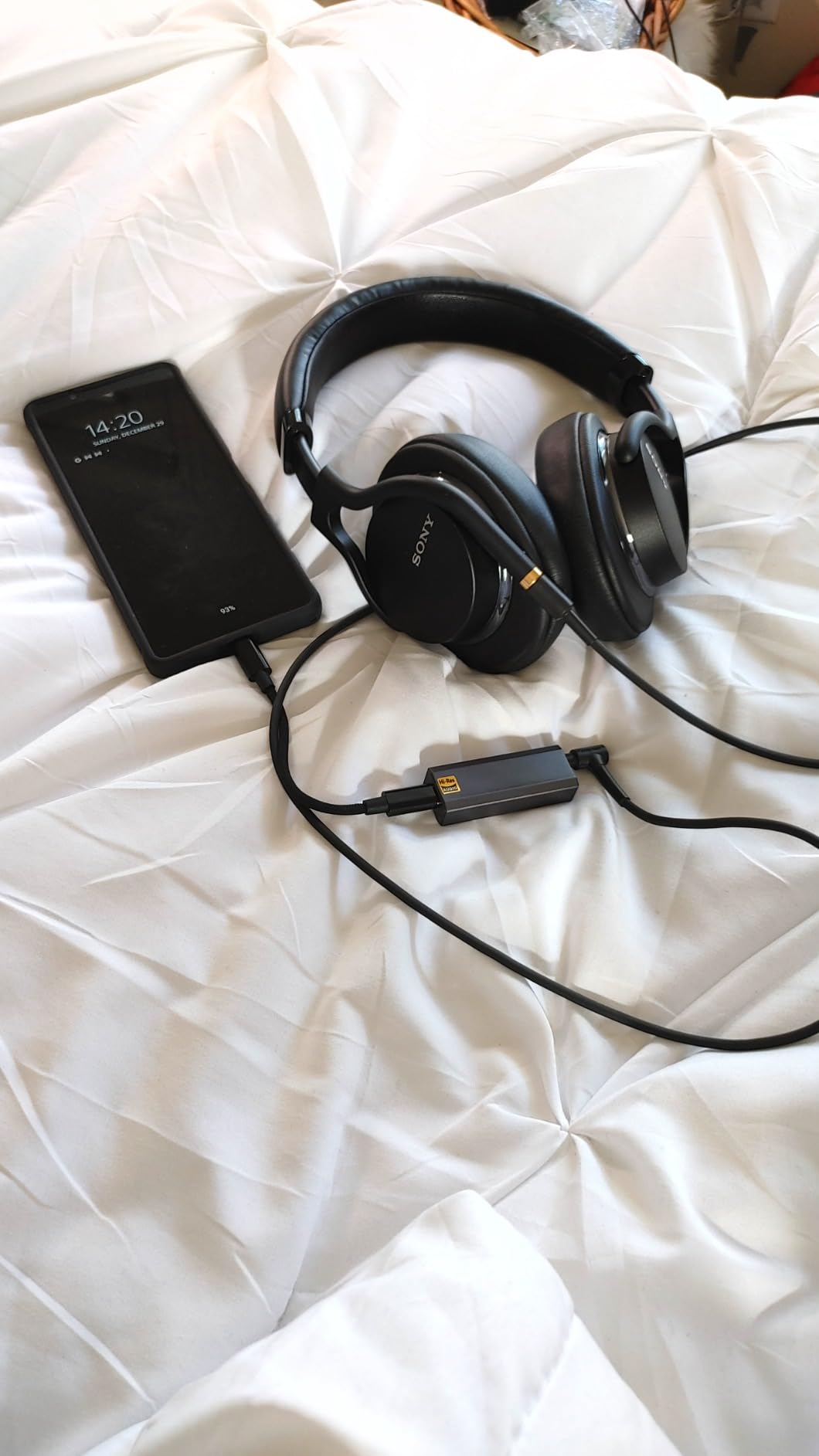
The DS2 supports DSD256 native and PCM 32-bit/384kHz, which covers every streaming service and most local file libraries. The CNC-machined metal chassis feels substantial in the hand, and the independent 60-step volume buttons remember your last setting, so you do not need to re-adjust every time you plug in.
Compatibility Across Devices
The DS2 works with iPhone 15 and newer (USB-C models), iPad Pro, Android phones, Mac, and Windows PCs without driver installation. Linux users should plug-and-play with the default ALSA drivers. If you are on an older iPhone with Lightning, you need a separate Lightning-to-USB-C adapter or a different dongle.
Battery Drain Caveat
The DS2 draws significant power from your phone, especially when driving demanding headphones. Expect a 15-20 percent reduction in screen-on battery life during music playback. If battery life is critical, the Qudelix-5K with its internal battery is the better choice.
10. Douk Audio U3 – Best Class A Headphone Amp for Tinkerers
Douk Audio U3 Headphone Amps, Mini Hi-Fi Amplifier for Home Desktop PC 6.35mm / 3.5mm Headsets, Class A, RCA Input, DC 5V
TI NE5532 op-amp
1300mW output
Class A topology
RCA input
Pros
- Warm musical Class A sound signature
- Pluggable op-amp socket for DIY upgrades
- Drives HD600 HD650 AKG K701 easily
- Solid metal chassis
- Stepped volume with tactile detents
Cons
- Power supply not included
- Bright blue LED is distracting
- No headphone out on rear for speaker passthrough
- Channel imbalance at lowest volume settings
The Douk Audio U3 is the odd one out on this list because it is a pure headphone amplifier, not a DAC/amp combo. You feed it an analog signal from a separate DAC or your computer’s line-out, and it amplifies that signal with a warm, musical Class A topology. For listeners who already own a DAC or who want a dedicated amp to pair with a budget DAC, the U3 is an excellent value.
Class A operation means the output transistors never turn off, which eliminates crossover distortion and produces a smooth, tube-like character. Reviewers consistently say the U3 sounds like an amp that should cost two or three times more, particularly with high-impedance Sennheisers and AKG K701.
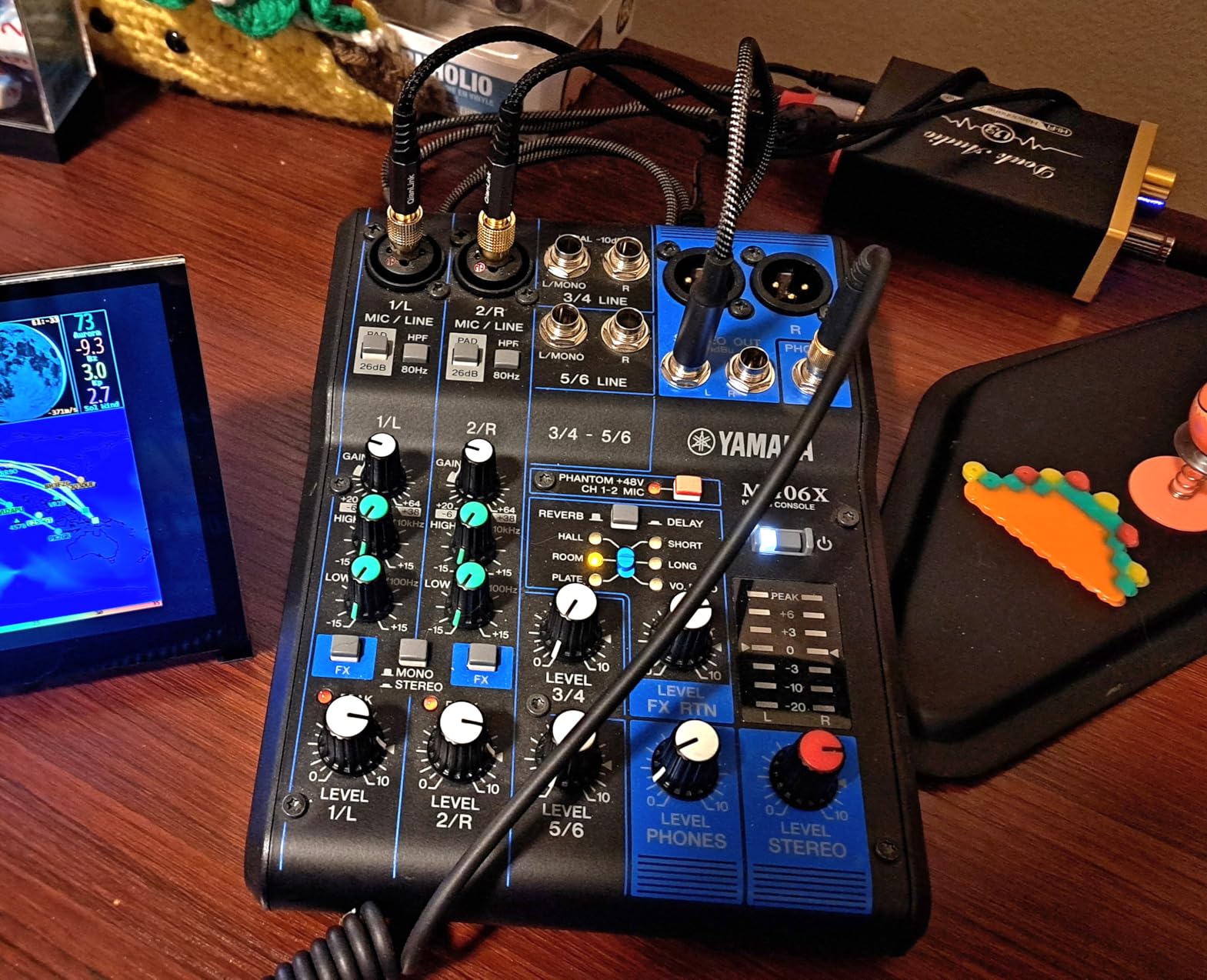
The pluggable op-amp socket is the hook for tinkerers. The stock TI NE5532 sounds excellent, but you can swap in a Burr Brown OPA2134, a Sparkos Labs SS3602, or any other 8-pin dual op-amp to tune the sound to your preference. This is a fun and inexpensive way to experiment with different amplifier flavors.
Pairing With a DAC
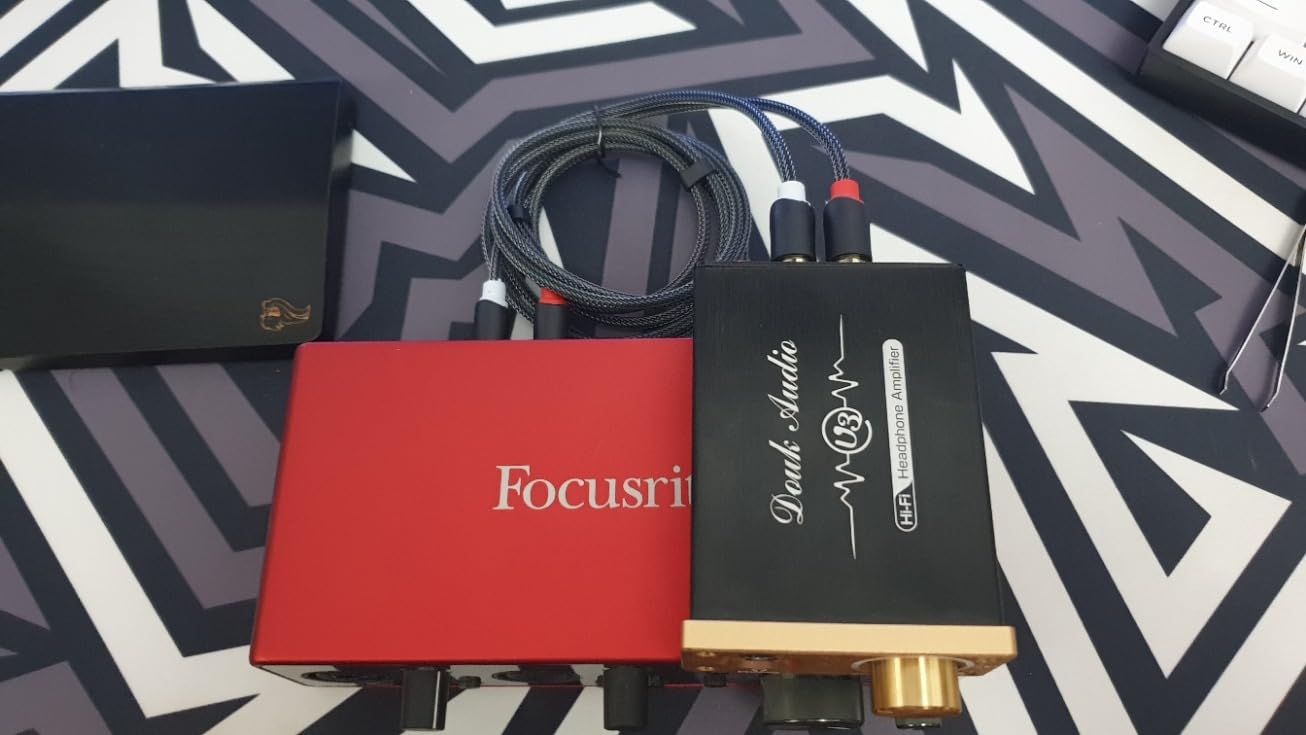
The U3 takes any analog line-level input via RCA, so it pairs naturally with the Fosi Audio Q4 or SK02. Connect the DAC’s RCA output to the U3’s RCA input, plug your headphones into the 6.35mm front-panel jack, and you have a two-box desktop rig that outperforms many integrated units in the same price bracket.
Power Supply Caveat
The U3 ships without a power supply. You need a DC 5V to 20V adapter with a 5.5mm barrel jack, and Douk recommends 12V for optimal performance. A clean linear supply reduces the noise floor further. If you want a plug-and-play experience, stick with one of the DAC/amp combos above.
Buying Guide: How to Choose the Best Budget DAC/Amp for Your Setup
What Is a DAC and Why Do You Need One?
A DAC, or digital-to-analog converter, transforms the 0s and 1s of a digital audio file into an analog electrical waveform your headphones can reproduce. Every computer, phone, and console has a built-in DAC, but the components are cheap and sit next to noisy power supplies and processors. A dedicated external DAC uses higher-quality chipsets and isolated circuitry to produce a cleaner, more accurate signal.
An amplifier boosts that analog signal to a level that can drive your headphones. Some headphones, like the Sennheiser HD600 at 300 ohms, need far more power than a phone can provide. A dedicated amp delivers that power without distortion. A DAC/amp combo packages both functions into one box, which saves desk space and money compared to buying separate units.
Measured vs Perceived Sound Quality
Budget DACs from reputable brands like FiiO, iFi, Topping, and Fosi measure within a fraction of a percent of theoretical perfection. The SNR, THD, and crosstalk numbers are far beyond what human hearing can resolve. If you are choosing between two well-measuring DACs, you are choosing on features, build quality, and sound signature, not on measured superiority.
That said, differences in sound signature are real and audible. An ES9038Q2M-based DAC like the Fosi SK02 tends to sound detailed and slightly analytical. An AKM-based DAC like the FiiO K11 sounds smoother and more musical. A Burr Brown DAC like the iFi Zen DAC V2 sits between those two extremes with a warm, full midrange. The right choice depends on your headphone’s character and your personal taste.
Output Power and Headphone Impedance Matching
Low-impedance headphones (16-80 ohms) like the HD560s or most IEMs need less voltage but more current control. Look for a DAC/amp with a low-gain mode and a quiet noise floor. High-impedance headphones (250 ohms and up) like the HD600 or Beyerdynamic DT 880 need more voltage, which requires a higher gain setting and more listed output power.
Planar magnetic headphones like the Hifiman Sundara are inefficient, meaning they need both voltage and current. The FiiO K7 with its THX AAA 788+ amplification handles planars better than smaller dongles or entry-level DACs. For portable use with planars, stick with the Qudelix-5K on the balanced output and accept the battery trade-off.
Connectivity and Inputs
USB is the standard input for computer audio. Optical (TOSLINK) and coaxial inputs are useful for connecting TVs, CD players, and game consoles that lack USB audio output. Bluetooth input with LDAC or aptX Adaptive support is essential if you want to stream wirelessly from your phone without plugging in.
For headphone outputs, 3.5mm single-ended works with every headphone on the market. 6.35mm (1/4 inch) is the standard for over-ear audiophile headphones and usually adapts down to 3.5mm. Balanced outputs (4.4mm or 2.5mm) deliver more power and a cleaner signal but require balanced cables on the headphone end, which cost more.
Chi-Fi vs Legacy Audiophile Brands
Chinese Hi-Fi (Chi-Fi) brands like FiiO, Topping, SMSL, and Fosi Audio have disrupted the audiophile market by offering measured performance that matches or exceeds legacy Western brands at a fraction of the price. The trade-off is usually customer service and long-term firmware support. FiiO and iFi lead on firmware update cadence and warranty service. Fosi and Douk offer excellent value but with smaller support teams.
For most budget audiophiles in 2026, Chi-Fi brands are the smart choice. Save your legacy-brand money for headphones, which benefit more from build quality and tuning than DACs do.
Pairing Recommendations With Popular Headphones
The Sennheiser HD560s is the most-recommended budget audiophile headphone, and it pairs beautifully with anything from the Fosi Q4 up to the FiiO K7. For the Sennheiser HD600 and HD650, the FiiO K5 Pro ESS, iFi Zen DAC V2, or FiiO K11 provide the current and voltage these high-impedance cans need. The Hifiman Sundara benefits from the extra power of the FiiO K7 or the Qudelix-5K on balanced output.
For sensitive IEMs like the Moondrop Variations or Truthear Hexa, stick with low gain and a quiet DAC/amp. The Qudelix-5K and iFi Zen DAC V2 both handle IEMs cleanly. The IEMs we recommend for budget audiophiles are particularly well-paired with these two units.
OS and Driver Setup
On macOS, every DAC/amp on this list is plug-and-play. On Windows, install the manufacturer’s ASIO driver for bit-perfect output and the lowest latency. JRiver, foobar2000, and MusicBee all support ASIO natively. On Linux, ALSA drivers handle most modern DACs automatically, though you may need to configure the default sample rate in pulseaudio or pipewire.
For gaming on Windows, set the DAC/amp as the default audio device in Sound settings, then enable exclusive mode in the Advanced properties for bit-perfect output. Steam, Discord, and most games will route audio through the DAC/amp without additional configuration.
Gaming and Latency Considerations
External DACs add a small amount of latency compared to motherboard audio, typically under 10 milliseconds. For single-player gaming, music, and movies, this is irrelevant. For competitive FPS players, the latency is still well below human perception thresholds, but if you want absolute minimum latency, motherboard audio remains the technical leader. In practice, the cleaner signal from a DAC/amp helps with positional audio more than the latency hurts reaction time.
Longevity and Firmware Support
FiiO and iFi have the strongest long-term firmware support in the budget category. Both brands release regular updates that fix bugs, add features, and improve compatibility. Fosi and Topping release fewer updates, but their hardware tends to be stable out of the box. Douk Audio focuses on analog amplifiers where firmware is less relevant.
For warranty support, FiiO offers one year, iFi offers one year, and Fosi Audio offers 24 months on most products. Douk Audio offers one year. If long-term reliability matters, buy from a brand with a documented warranty process and a US-based support email.
Frequently Asked Questions
What is the best DAC and amp for a budget in 2026?
The best DAC/amp for a budget in 2026 is the Qudelix-5K for portable use and the FiiO K11 for desktop use. Both deliver audiophile-grade measured performance at accessible prices, drive demanding headphones cleanly, and have proven firmware support and warranty service.
What is the difference between a DAC and an amp?
A DAC converts digital audio files (like FLAC or WAV) into analog electrical signals. An amplifier boosts that analog signal to a level your headphones can use. A DAC/amp combo packages both functions in one chassis and saves desk space and money compared to separate units.
Do budget DACs really improve sound quality?
Yes, in most cases. Budget DACs from FiiO, iFi, and Fosi measure far better than motherboard audio, with lower noise floors and less distortion. You will hear cleaner vocals, tighter bass, and a wider soundstage, particularly with mid-tier headphones.
How much should I spend on a DAC/amp combo?
For most listeners, the sweet spot is the entry to mid-tier segment. Units like the Fosi Audio Q4 and the FiiO K11 offer measured performance that competes with gear costing several times more. Beyond the mid-tier, gains are incremental unless you own very demanding headphones.
Are expensive DACs better than cheap ones?
Diminishing returns set in quickly. A mid-priced DAC/amp measures within a fraction of a percent of flagship units. The differences you hear between price tiers are usually sound signature, build quality, and feature set, not raw audio fidelity.
Do I need a DAC if I already have an amp?
Yes, unless your source is already analog. If you listen to digital files from a computer or phone, you still need a DAC to convert them. A common budget setup pairs the Fosi Audio Q4 DAC with the Douk Audio U3 headphone amplifier.
Final Verdict: Which Budget DAC/Amp Should You Buy?
If you want one device that travels with you and handles both wired and wireless listening, the Qudelix-5K is the best DAC amplifier for audiophiles on a budget right now. Its parametric EQ, LDAC Bluetooth, and 25-gram form factor make it a daily-carry essential for anyone with IEMs or portable headphones.
If you listen at a desk and want the cleanest desktop performance in this price class, the FiiO K11 delivers balanced 4.4mm output, dual AKM DACs, and a useful VA display in a compact aluminum chassis. For planars and power-hungry headphones, step up to the FiiO K7 with THX AAA amplification and 2000mW of headroom.
If you need a USB-C dongle to clean up your phone or laptop audio, the Fosi Audio DS2 offers balanced output and quiet performance at a refreshingly low cost. For gaming with a headset, the Fosi Audio K5 Pro is the only unit on this list with a built-in microphone input. And if you want the most flexible IEM-friendly desktop unit, the iFi Zen DAC V2 with TrueBass and PowerMatch is hard to beat.
For more gear recommendations that pair well with these DACs, check out our budget audiophile IEM roundup, our turntable picks, and our over-ear headphones buying guide. Whatever you pick, you are getting genuine audiophile-grade amplification at a price that would have been impossible five years ago. Welcome to the best time ever to be a budget audiophile.