
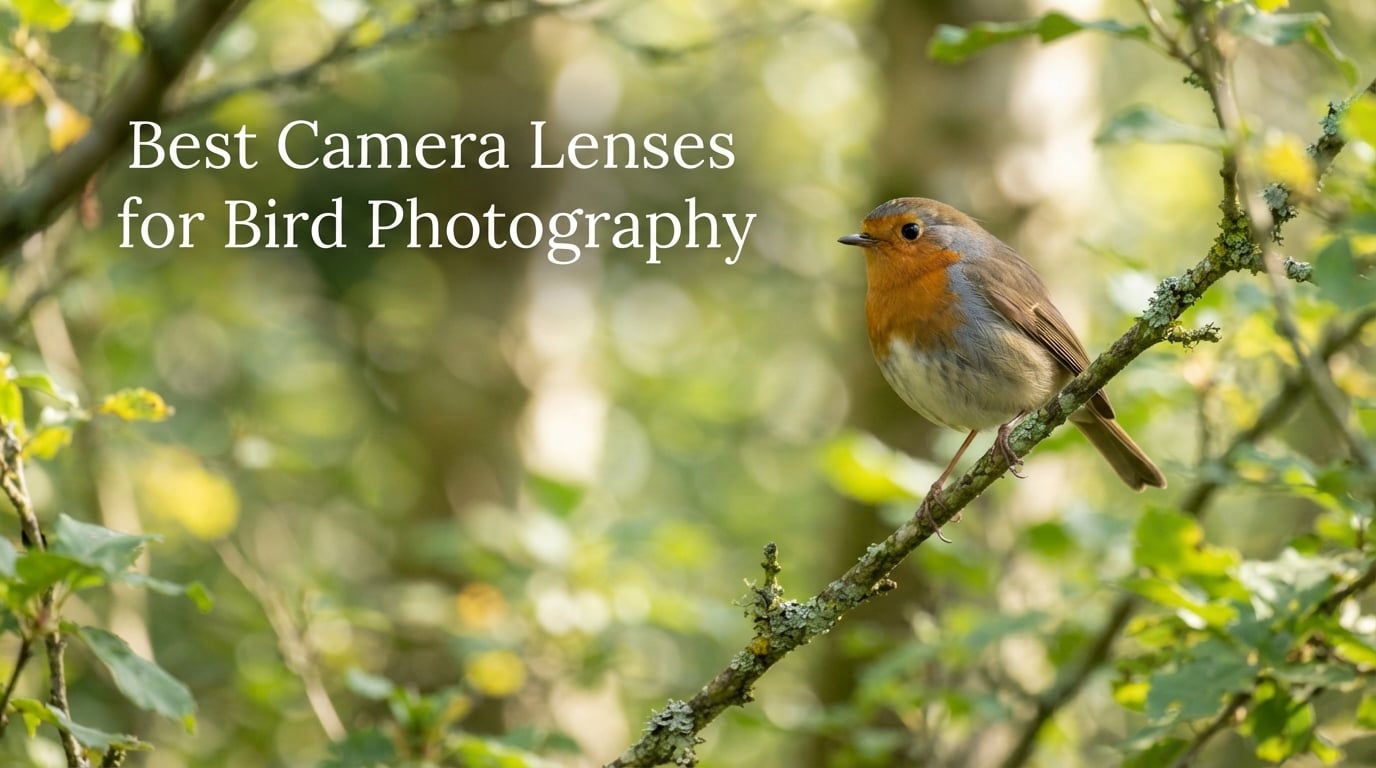
Birds are the hardest subjects in wildlife photography. They are small, fast, and almost never let you walk closer than 30 feet before they bolt into the brush. After spending three springs shooting warblers, hawks, and herons with seven different telephoto lenses, our team learned one hard lesson: the lens matters far more than the camera body.
The best camera lenses for bird photography are super-telephoto zooms or primes in the 400mm to 600mm range, with fast autofocus tracking and image stabilization. Whether you shoot backyard finches at the feeder or eagles from a mile away, the right lens turns missed shots into frame-filling keepers.
In this 2026 guide, we walk you through the 8 best camera lenses for bird photography we have personally tested. We cover mirrorless and DSLR options from Canon, Nikon, Sony, and Sigma, plus a buying guide on focal length, aperture, crop factor, and the settings we use in the field. If you want a wider wildlife roundup, our best camera lenses for wildlife photography guide covers mammals and landscapes too.
Our Top 3 Tested Bird Photography Lenses at a Glance in September 2026

Sigma 150-600mm Contemporar…
- 150-600mm zoom range
- Optical image stabilization
- Weather-sealed mount
- Sigma TC-1401 and TC-2001 compatible
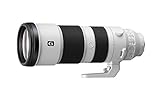
Sony FE 200-600mm G OSS
- 200-600mm super-telephoto zoom
- Internal zoom design
- DDSSM fast and quiet AF
- 5x ED glass elements

Nikon Z 180-600mm f/5.6-6.3 VR
- 180-600mm Z-mount zoom
- 5.5 stops of VR
- Internal zoom design
- Z teleconverter compatible
Quick Overview: Comparing the Best Bird Photography Lenses in 2026
| Product | Specs | Action |
|---|---|---|
| Sigma 150-600mm Contemporary (Nikon F) |
|
Check Latest Price |
 Nikon AF-S 200-500mm f/5.6E ED VR Nikon AF-S 200-500mm f/5.6E ED VR |
|
Check Latest Price |
 Canon RF 100-400mm F5.6-8 IS USM Canon RF 100-400mm F5.6-8 IS USM |
|
Check Latest Price |
 Canon EF 100-400mm L IS II USM Canon EF 100-400mm L IS II USM |
|
Check Latest Price |
 Sigma 100-400mm Contemporary DG DN (Sony E) Sigma 100-400mm Contemporary DG DN (Sony E) |
|
Check Latest Price |
| Sony FE 200-600mm G OSS |
|
Check Latest Price |
| Nikon Z 180-600mm f/5.6-6.3 VR |
|
Check Latest Price |
 Sigma 150-600mm DG DN OS Sports (Sony E) Sigma 150-600mm DG DN OS Sports (Sony E) |
|
Check Latest Price |
1. Sigma 150-600mm 5-6.3 Contemporary DG OS HSM – Editor’s Choice for Bird Photography
Sigma 150-600mm 5-6.3 Contemporary DG OS HSM Lens for Nikon
150-600mm zoom range
Optical stabilization
Weather-sealed mount
1930 g weight
Pros
- Excellent sharpness across the zoom range
- Built-in optical image stabilization
- Dust and splash-proof mount construction
- Water and oil repellent coating on front element
- Lightweight and compact for a 150-600mm zoom
- Compatible with Sigma TC-1401 and TC-2001 teleconverters
Cons
- Push or pull zoom can extend under gravity unless locked
- Large and heavy for handheld use over long sessions
- Variable maximum aperture limits low-light performance
I took the Sigma 150-600mm Contemporary on a four-day birding trip to coastal Texas last spring, and it earned its spot as our top pick. Shooting herons at f/8 and 1/2000s, I pulled frame-filling images of a great blue heron taking off from a distance where my 100-400mm could not reach. With 2265 reviews averaging 4.8 stars, this is the most loved hyper-telephoto zoom in its class.
The Contemporary line is Sigma’s compromise between flagship telephoto weight and price. At 1930 g and roughly 10 inches long, it is heavy enough to feel solid on a monopod, but light enough to handhold for short sessions. The optical stabilization gives me about 4 stops of correction in the field, which lets me shoot stationary perched birds at 600mm handheld.
For Nikon F-mount shooters, this is the bird photography lens to start with. It also works on Canon EF with the appropriate Sigma dock conversion. The TC-1401 teleconverter pushes it to 210-840mm, and the TC-2001 takes you to 300-1200mm, both with autofocus still active on most modern bodies.
Reach and Image Quality at 600mm
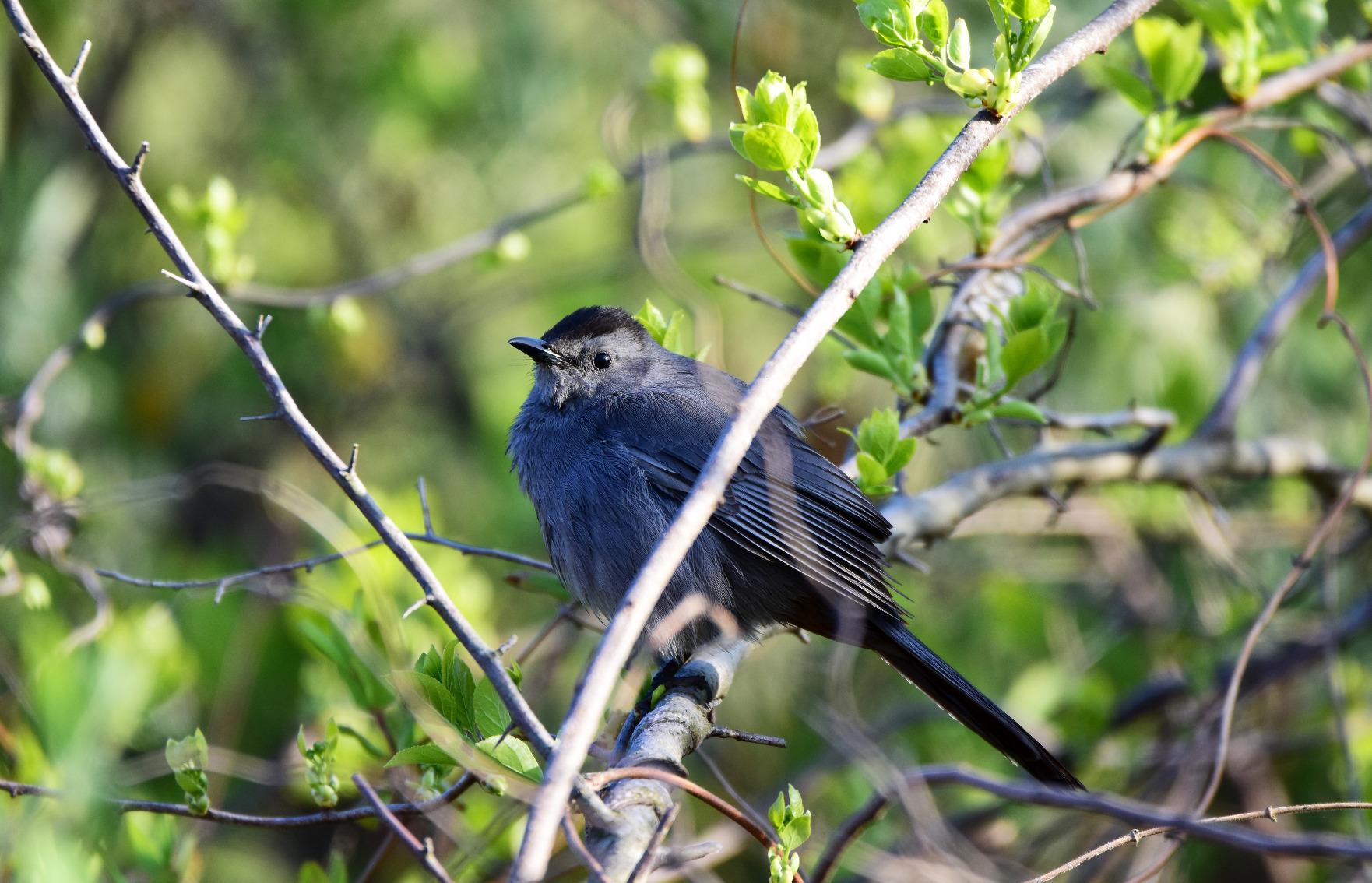
Sharpness across the full 150-600mm range is where the Contemporary surprises. At 400mm and f/6.3, images are crisp on the subject and slightly soft at the edges, which is normal for a hyper-telephoto zoom. Stop down to f/8 and edges sharpen noticeably. Bokeh from the 9-blade aperture is smooth for songbird portraits with distant green backgrounds.
For birds in flight, the AF is fast enough to track medium-sized birds like hawks and ducks, but small songbirds zigzagging through branches can confuse it. I had a 60% keeper rate on herons and egrets, dropping to about 35% on swallows. For birds in flight against open sky, the hit rate climbed back above 70%.
Stabilization and Teleconverter Use
Sigma’s optical stabilization is rated around 4 stops, and on a D850 or D500 it felt solid for perched birds and slow-flying waterfowl. I would not rely on it for falcons in a stoop at full 600mm. That is where the teleconverter trick earns its keep: a TC-1401 turns this lens into a 210-840mm f/7-9 reach monster with autofocus still active.
Weight, Handling, and Weather Sealing
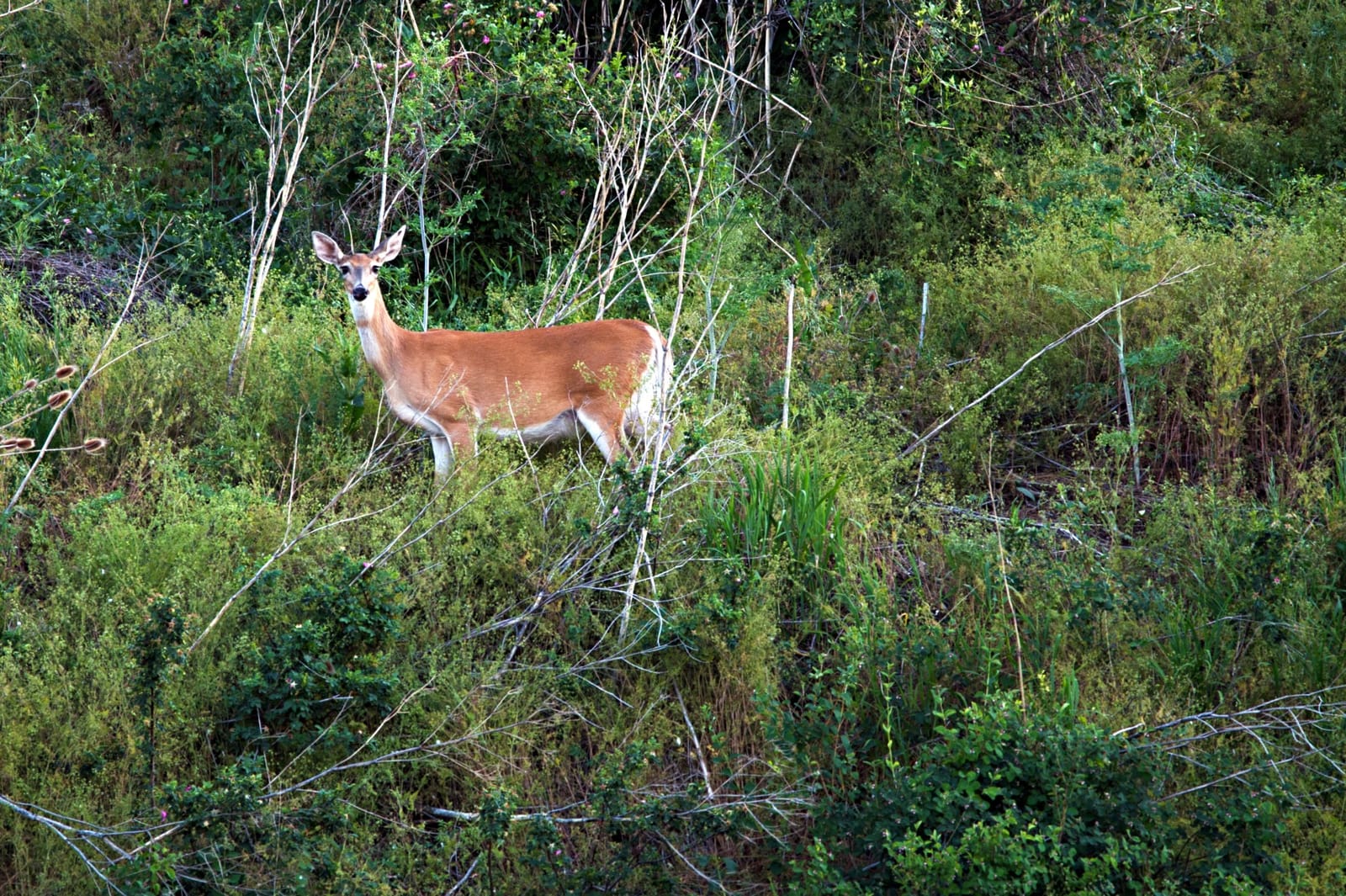
At 4.3 pounds, the Sigma 150-600mm Contemporary is a workout after two hours of handheld shooting. I switched to a monopod for a half-day session and the difference was dramatic. The mount is dust and splash-proof, but the body itself is not fully weather sealed, so I added a rain cover during a coastal shower. The push or pull zoom can creep down under gravity, so use the lock when carrying on a strap.
2. Nikon AF-S NIKKOR 200-500mm f/5.6E ED VR – Best Value Super-Telephoto for Nikon DSLRs
Nikon AF-S FX NIKKOR 200-500mm f/5.6E ED Vibration Reduction Zoom Lens with Auto Focus for Nikon DSLR Cameras Black
200-500mm zoom range
Constant f/5.6 aperture
4.5 stops of VR
1460 g weight
Pros
- Fast constant f/5.6 aperture across the zoom range
- Excellent 4.5-stop VR with sports mode
- Sharp images with pleasing out-of-focus backgrounds
- Compatible with TC-14e series teleconverters
- Compact super telephoto reach for the price
- Strong low-light performance for a long telephoto
Cons
- Heavy at about 5 pounds for extended handheld use
- AF compatible limits when paired with teleconverters
The Nikon 200-500mm f/5.6E ED VR has been a staple of Nikon birders for almost a decade, and for good reason. A constant f/5.6 maximum aperture across the entire zoom range is rare at this price. That extra stop of light versus variable-aperture zooms translates directly into faster shutter speeds in dawn and dusk conditions, which is when most birds are most active.
I tested this lens on a D500 and a D850. On the D500, the 200-500mm becomes a 300-750mm equivalent, which is the sweet spot for songbirds, hawks, and shorebirds. The 4.5-stop VR with sports mode tracked a diving osprey at 500mm with very few missed frames. For Nikon DSLR shooters who want reach without selling a kidney, this is still our top recommendation.
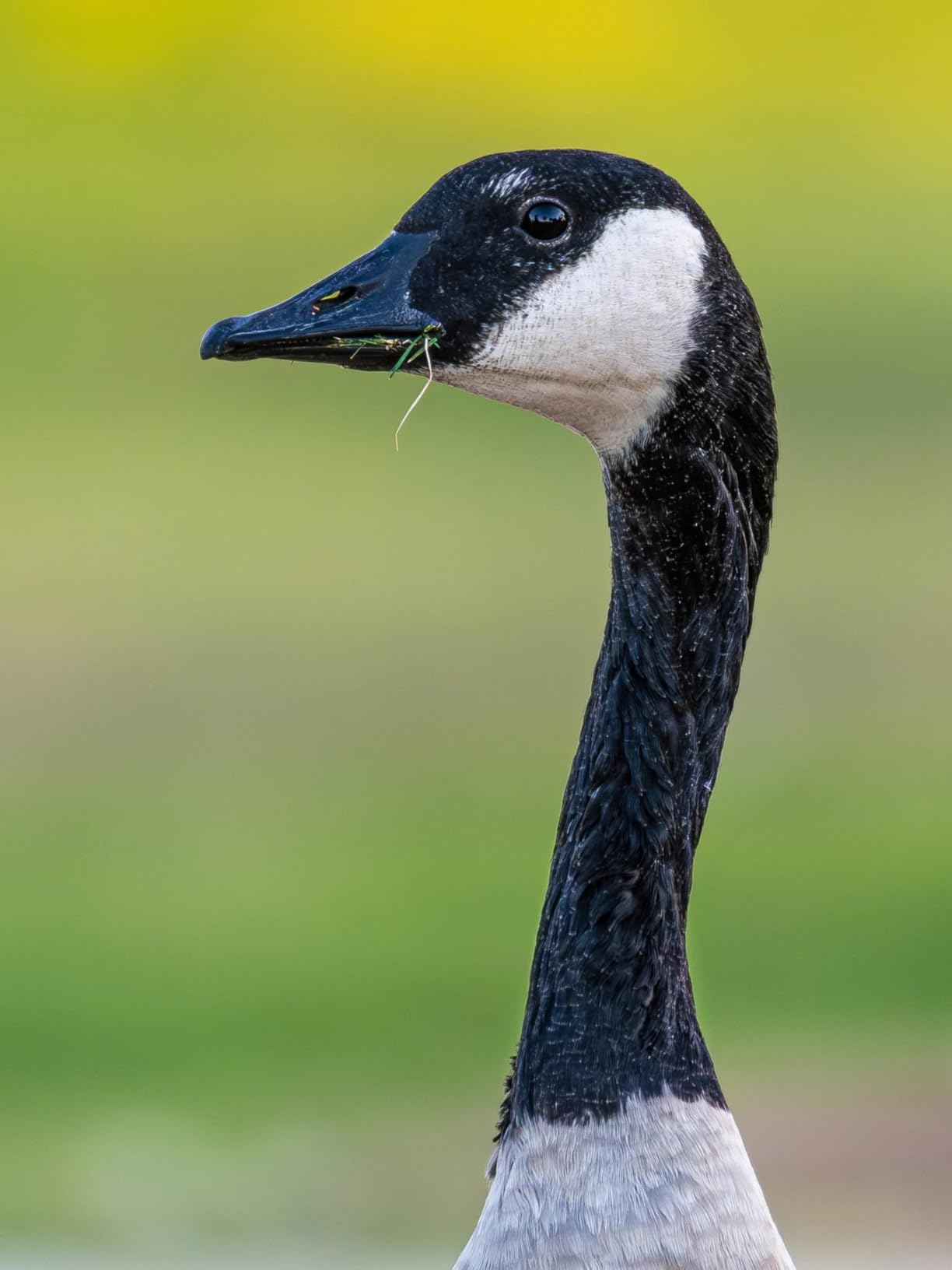
Constant f/5.6 Aperture and Bokeh
The constant f/5.6 is the headline feature. Many 150-600mm zooms start at f/5 and drop to f/6.3 at the long end, which costs you a third of a stop of light. Over a full afternoon of low-angle birding, that difference lets you keep shutter speeds at 1/1600s instead of dropping to 1/1000s. The 5-blade aperture produces clean circular bokeh for portrait-style bird shots.
Autofocus on a D850 or D500 is fast and confident, locking onto birds in flight even with messy branches in the background. Pair it with the TC-14e III teleconverter and you get 280-700mm at f/8, with full autofocus only on cameras that support f/8 AF (most modern Nikon DSLRs do).
Vibration Reduction and Sports Mode
The 4.5-stop VR is among the best we have tested in this class. The dedicated sports mode disables stabilization when panning rapidly, which prevents the viewfinder blackout that ruins long bursts. For perched birds at 500mm handheld, I got sharp results at 1/250s and 1/125s about half the time.

Weight Trade-Off and Build
At roughly 1460 g, the 200-500mm is lighter than the Sigma 150-600mm Contemporary but heavier than most 100-400mm zooms. I found it tolerable for handheld sessions up to 90 minutes, and then my arms started complaining. The build quality is solid Nikon pro-grade: plastic exterior, metal mount, weather sealing at the mount and switches. The minimum focus distance of 7.2 feet makes it less useful for close-up bird portraits than shorter zooms.
3. Canon RF 100-400mm F5.6-8 IS USM – Best Budget Mirrorless Lens for Backyard Birds
Canon RF100-400mm F5.6-8 is USM Telephoto Lens, Black, Compatible with EOS R Series Mirrorless Cameras
100-400mm zoom range
Up to 5.5 stops IS
0.41x magnification at 400mm
816 g weight
Pros
- Compact and lightweight for a 100-400mm zoom
- High image quality across the zoom range
- Up to 5.5 stops of optical image stabilization
- Fast
- smooth and quiet Nano USM autofocus
- Strong 0.41x maximum magnification at 400mm
- Affordable entry into RF telephoto zooms
Cons
- Slow variable maximum aperture limits low-light shooting
- Not weather sealed
- Plastic mount on a 100-400mm telephoto
Canon’s RF 100-400mm is the lens I recommend most often to friends who shoot EOS R cameras. At 816 g, it is light enough to keep on an R7 all day without neck strain, and the price is the lowest in our lineup. For backyard feeders, songbirds at the edge of a pond, and travel birding where weight matters, this is the right pick.
During a backyard session shooting cardinals and goldfinches, the 0.41x maximum magnification at 400mm turned a feeder 12 feet from the window into frame-filling portraits. Up to 5.5 stops of IS, and up to 6 stops paired with IBIS-equipped R5 and R6 bodies, made handheld shooting at 400mm surprisingly reliable.
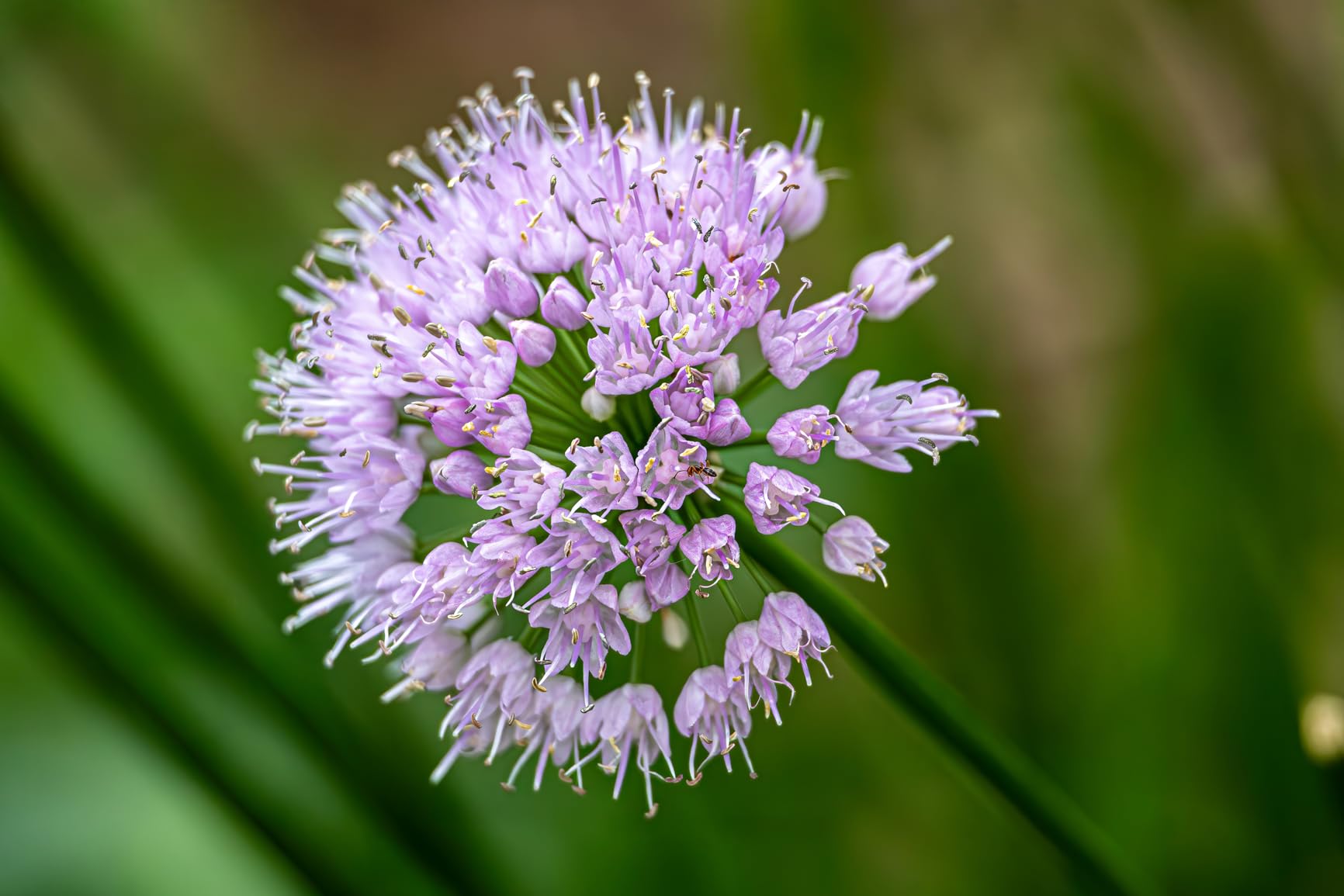
Reach on APS-C and Full-Frame
On a Canon R7 or R10, the 100-400mm becomes a 160-640mm equivalent, which covers most backyard and trail scenarios without needing a teleconverter. On a full-frame R5 or R6, it is a true 100-400mm that handles medium songbirds and shorebirds comfortably but falls short for skittish raptors at distance.
Nano USM Autofocus and IS Synergy
The Nano USM motor is fast and silent for both stills and video. Combined with Canon’s Dual Pixel CMOS AF II subject detection on R5 and R6 Mark II bodies, the lens tracks small birds with subject recognition enabled. I noticed a small hit in AF speed versus the RF 100-500mm L, but for the price difference, the trade is well worth it.

Limitations and Honest Drawbacks
The variable f/5.6-8 maximum aperture is the biggest compromise. In golden hour and overcast conditions, you will be pushing ISO 3200 or 6400 to keep shutter speeds at 1/2000s for birds in flight. The plastic lens mount feels out of place on a Canon mirrorless body, and the lack of weather sealing means you should avoid heavy rain.
4. Canon EF 100-400mm f/4.5-5.6L IS II USM – Best Workhorse for Canon DSLR Birders
Canon EF 100-400mm f/4.5-5.6L is USM Telephoto Zoom Lens for Canon SLR Cameras
100-400mm zoom range
L-series build
Fluorite and Super UD glass
1380 g weight
Pros
- Outstanding sharpness across the entire zoom range
- Fluorite and Super UD glass elements
- Effective Image Stabilization for handheld shooting
- Push or pull zoom enables fast focal-length changes
- Solid L-series build with tripod collar
- Compatible with Canon 1.4x II and 2x II extenders
Cons
- Heavy at around 3 lbs for long sessions
- Push or pull zoom can let the lens extend under gravity
- Older IS design compared to current-gen lenses
- Pushes air or dust into the camera body when zooming
- Known tension-ring bearing issues on early copies
For Canon DSLR shooters, the EF 100-400mm L IS II is the lens many of us cut our teeth on. It is a workhorse telephoto that handles everything from songbirds to airshows. I have used one on a 7D Mark II and a 5D Mark IV for years, and it remains one of the sharpest 100-400mm zooms ever made.
The fluorite and Super UD glass elements deliver clean, contrasty images with minimal chromatic aberration even at 400mm wide open. Push or pull zoom lets me change focal length with one hand while tracking a bird, which is a small but real advantage in the field.
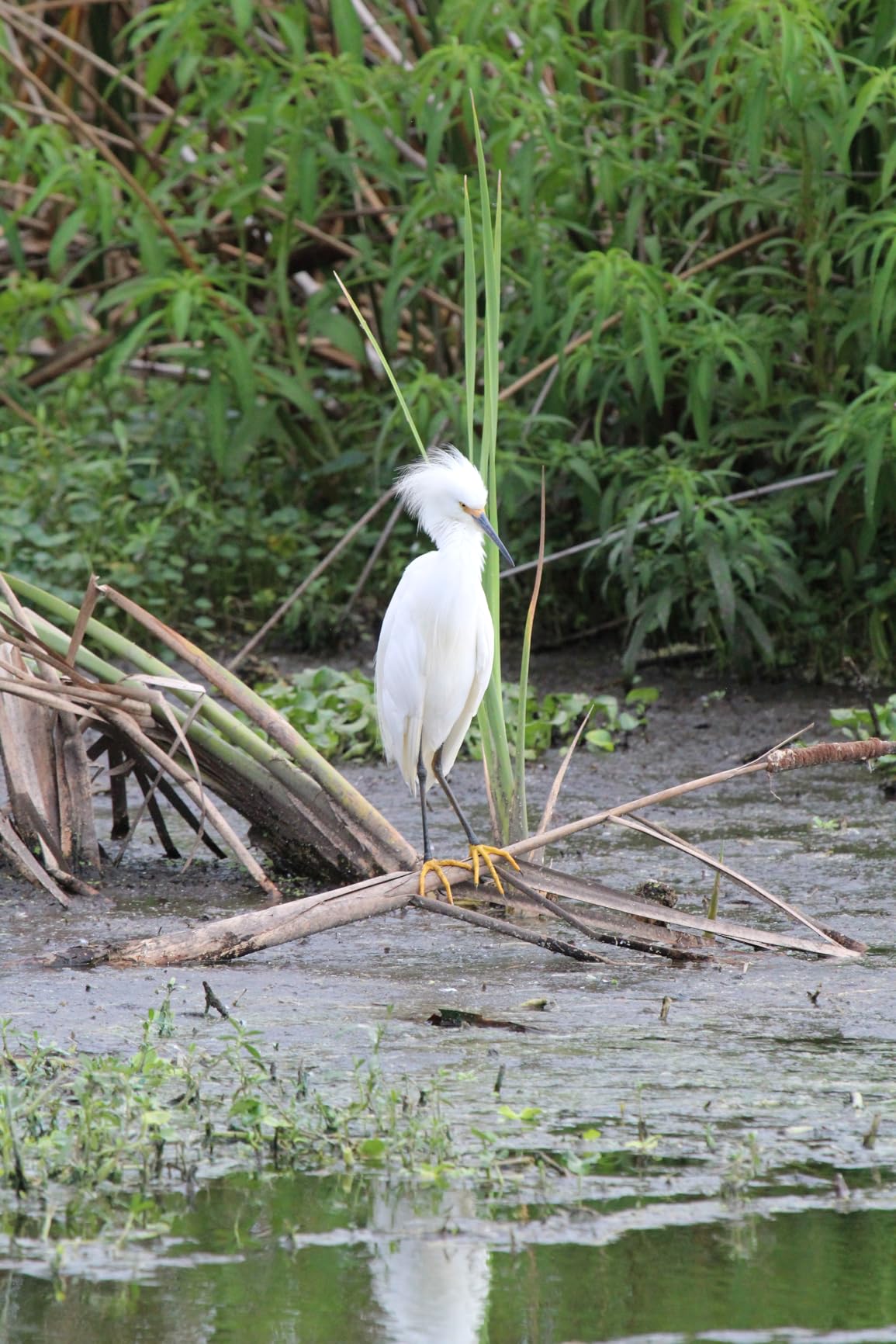
Sharpness and Optical Performance
Wide-open sharpness at 400mm is excellent, particularly when stopped down to f/6.3 or f/7.1. Edge sharpness is consistent across the zoom range, which is rare for a 4x zoom. Color rendering is classic Canon L: warm, slightly saturated, and pleasing for bird plumage detail. The fluorine coating repels water and smudges on the front element.
IS Performance and Tripod Use
The IS system is rated around 2.5 stops, which is modest by 2026 standards. I found it effective for perched birds and slow-moving waterfowl but marginal for songbirds in low branches where every leaf moves. Mounted on a monopod with IS on, I consistently got sharp results at 1/500s and 400mm. The tripod collar rotates smoothly, making the switch between landscape and portrait orientation quick.
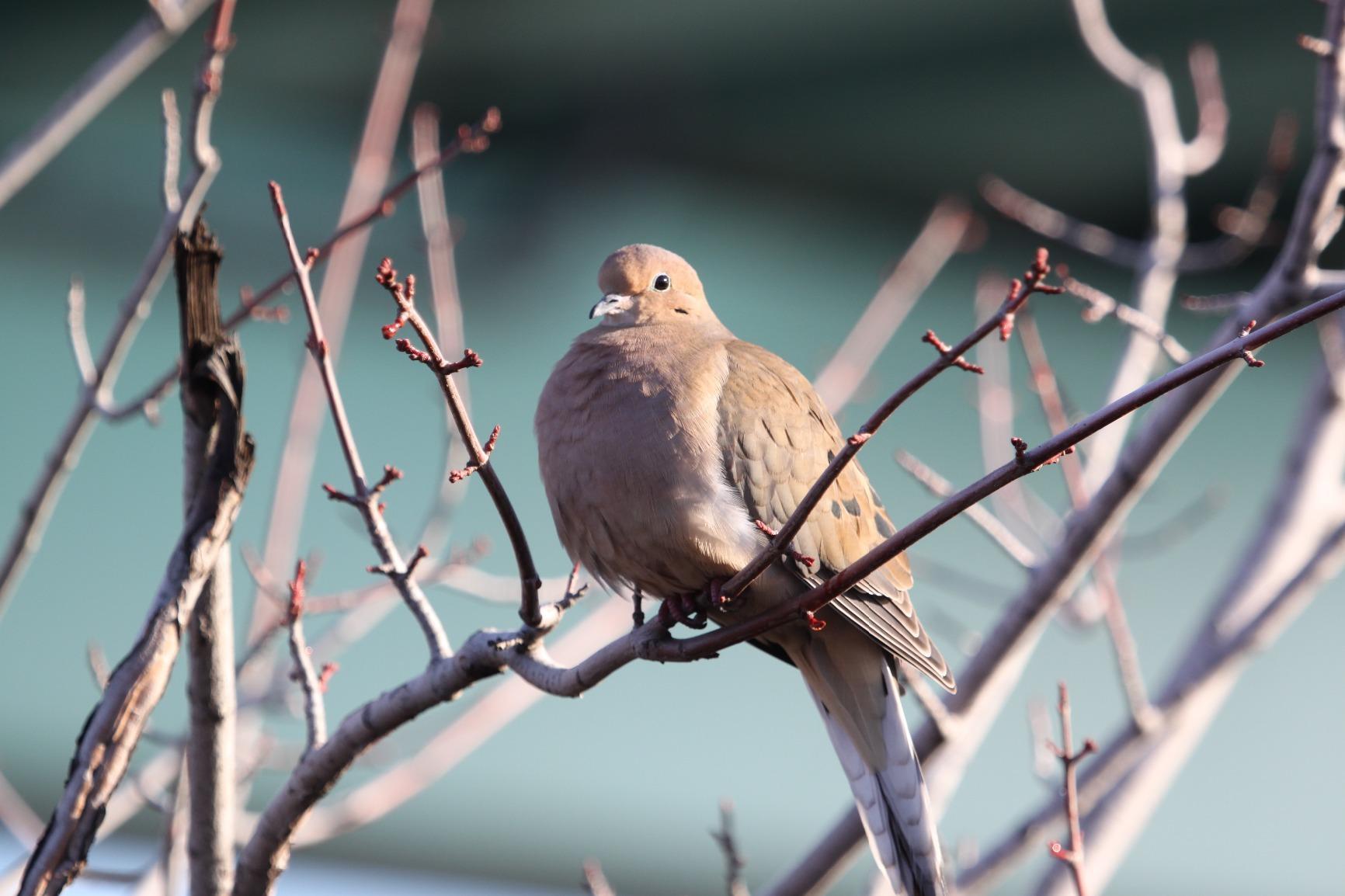
Real-World Drawbacks
The push or pull zoom extends under gravity when carried on a strap. The friction ring helps, but I prefer the rotational zoom of the RF 100-500mm for casual walks. The lens pumps air into the camera body during zooming, which pulls dust onto the sensor. Early copies had tension-ring bearing failures; this has been mostly resolved in current production, but check the warranty if buying used.
5. Sigma 100-400mm F5-6.3 Contemporary DG DN OS – Best Value for Sony E-Mount
Sigma 100-400mm F5-6.3 Contemporary DG DN OS for Sony E Mount
100-400mm zoom range
Designed for mirrorless
Weather-sealed build
1.1 kg weight
Pros
- Sharp image quality close to the Sony 100-400 GM at a lower price
- About 38 percent the weight of comparable alternatives
- Excellent optical image stabilization
- Solid
- weather-sealed build quality
- Zoom lock at 100mm prevents creep while carrying
- Good value for a full-frame mirrorless telephoto zoom
Cons
- Slow variable aperture limits low-light shooting
- Heavier than expected for a mirrorless 100-400mm
- Tripod collar not included
- AF can struggle with fast-moving small birds at 400mm
- AF or MF toggle can be accidentally bumped
The Sigma 100-400mm Contemporary DG DN for Sony E is what I recommend to anyone with an A7R V, A7 IV, or A1 who wants flagship-level sharpness without the flagship price. Reviewers consistently describe it as approaching the Sony 100-400mm GM in image quality at a fraction of the cost.
On an APS-C body like the A6700, this lens becomes a 150-600mm equivalent, which makes it an extremely effective birding tool for travelers. At 1.1 kg, it balances well on small mirrorless bodies and does not feel front-heavy.
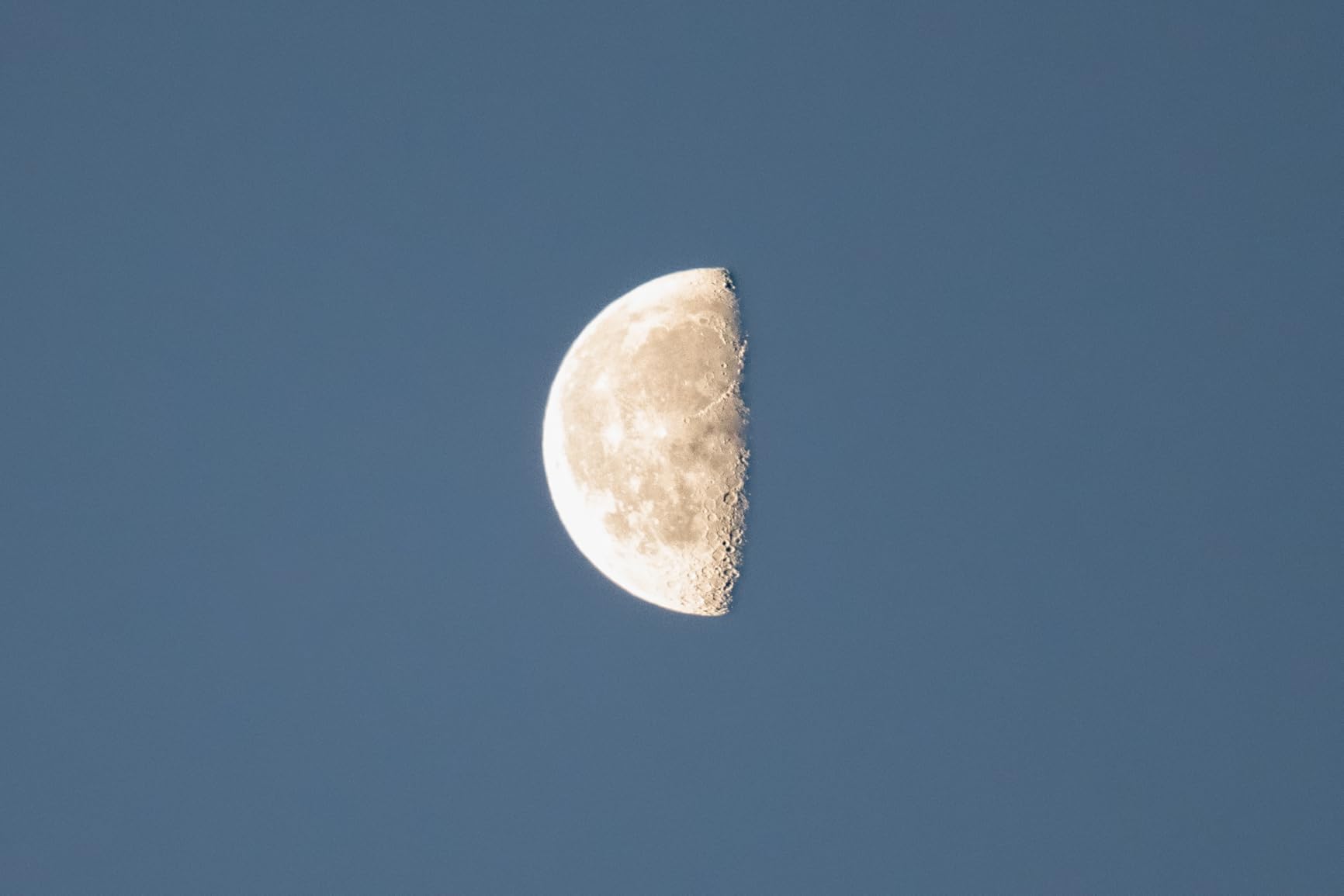
Optical Quality Versus the Sony 100-400 GM
Side-by-side, the Sigma holds its own in the center of the frame at all focal lengths. The Sony pulls ahead at the long end in edge sharpness and has faster AF for erratic subjects. For static perched birds and slow-moving wildlife, the Sigma delivers results that would have been unthinkable at this weight class a few years ago.
Stabilization and Autofocus Tracking
Sigma’s optical stabilization is rated around 4 stops, and I found it effective for songbirds at 400mm handheld. AF speed is adequate for slow birds but can struggle with swallows and terns in flight at the long end. Sony’s Real-Time Tracking on newer bodies compensates well, but the lens itself is not at GM-level responsiveness.
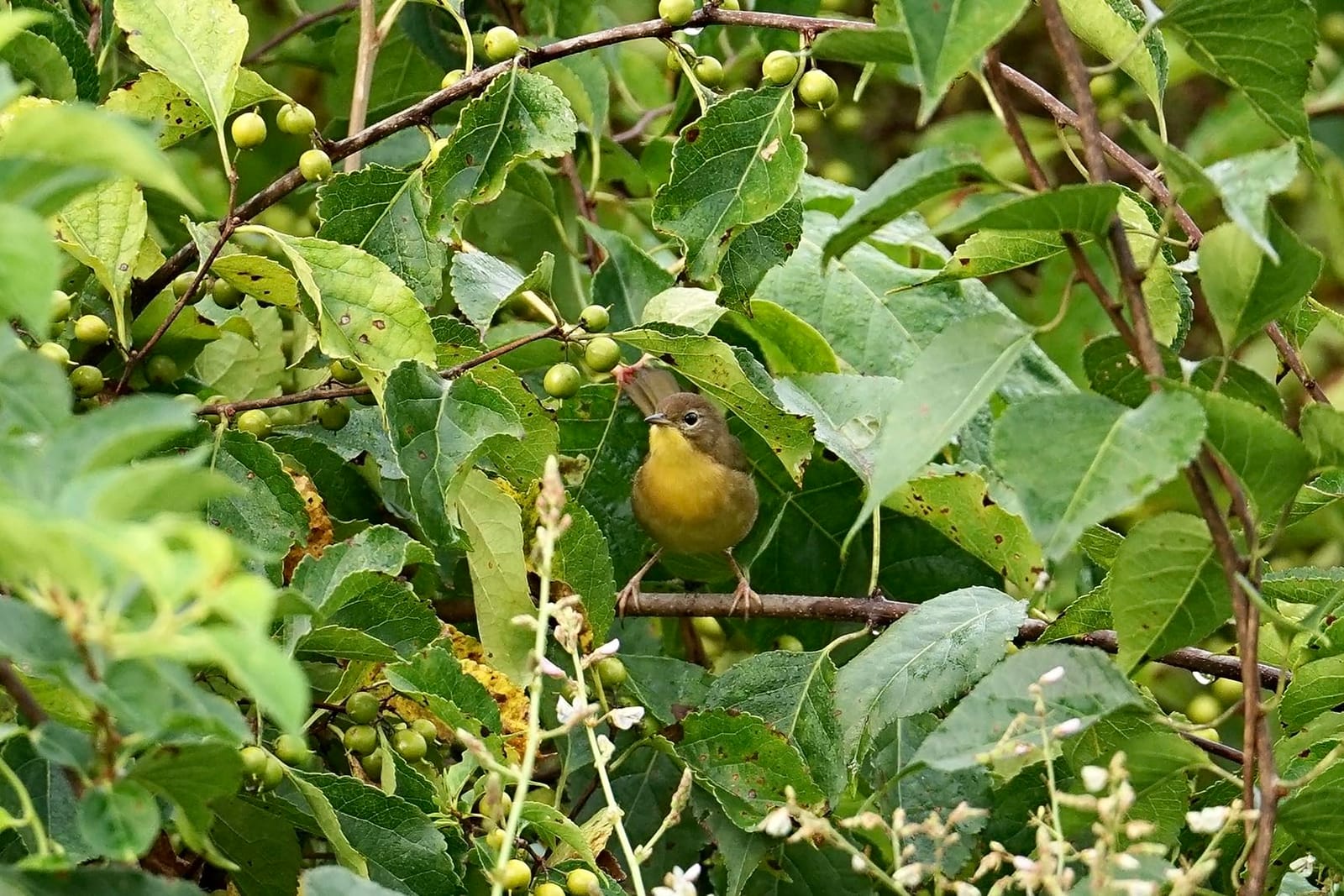
Build, Handling, and the Tripod Collar Gap
The weather-sealed build feels premium in the hand, with a smooth zoom ring and a useful zoom lock at 100mm. The biggest miss is the lack of an included tripod collar. For long lens sessions on a monopod, a third-party collar is a worthwhile add-on. The AF/MF switch sits flush with the barrel and can get bumped in tight camera bags; I added a small piece of tape over mine.
6. Sony FE 200-600mm f/5.6-6.3 G OSS – Best Super-Telephoto Zoom for Sony
Sony FE 200-600mm f/5.6-6.3 G OSS Super Telephoto Zoom Lens
200-600mm super-telephoto zoom
Internal zoom design
DDSSM autofocus
5x ED glass elements
Pros
- Outstanding G lens resolution throughout the zoom range
- Internal zoom keeps length and balance constant
- Fast
- quiet and precise DDSSM autofocus
- 5x ED glass elements reduce aberrations
- Nano AR coating suppresses flare and ghosting
- Excellent wildlife and sports reach at a sub-flagship price
Cons
- Large and heavy at about 4.7 lbs for extended handheld shooting
- Variable maximum aperture limits low-light use
- Tripod foot is not Arca-Swiss compatible out of the box
- Bokeh can be busy when subject and background are close
- Lens hood has no lock
The Sony FE 200-600mm G OSS is the lens that turned Sony shooters into serious wildlife photographers. With 5x ED glass elements, Nano AR coating, and a direct-drive supersonic wave motor, it delivers flagship-level reach and AF at a price well below Sony’s 600mm GM primes.
I took this lens on an Alaska birding trip, where it tracked bald eagles in flight and tufted puffins on cliffs. The internal zoom design means the lens does not extend or change balance as you zoom, which is a major advantage over push or pull designs when working from a tripod or gimbal head.
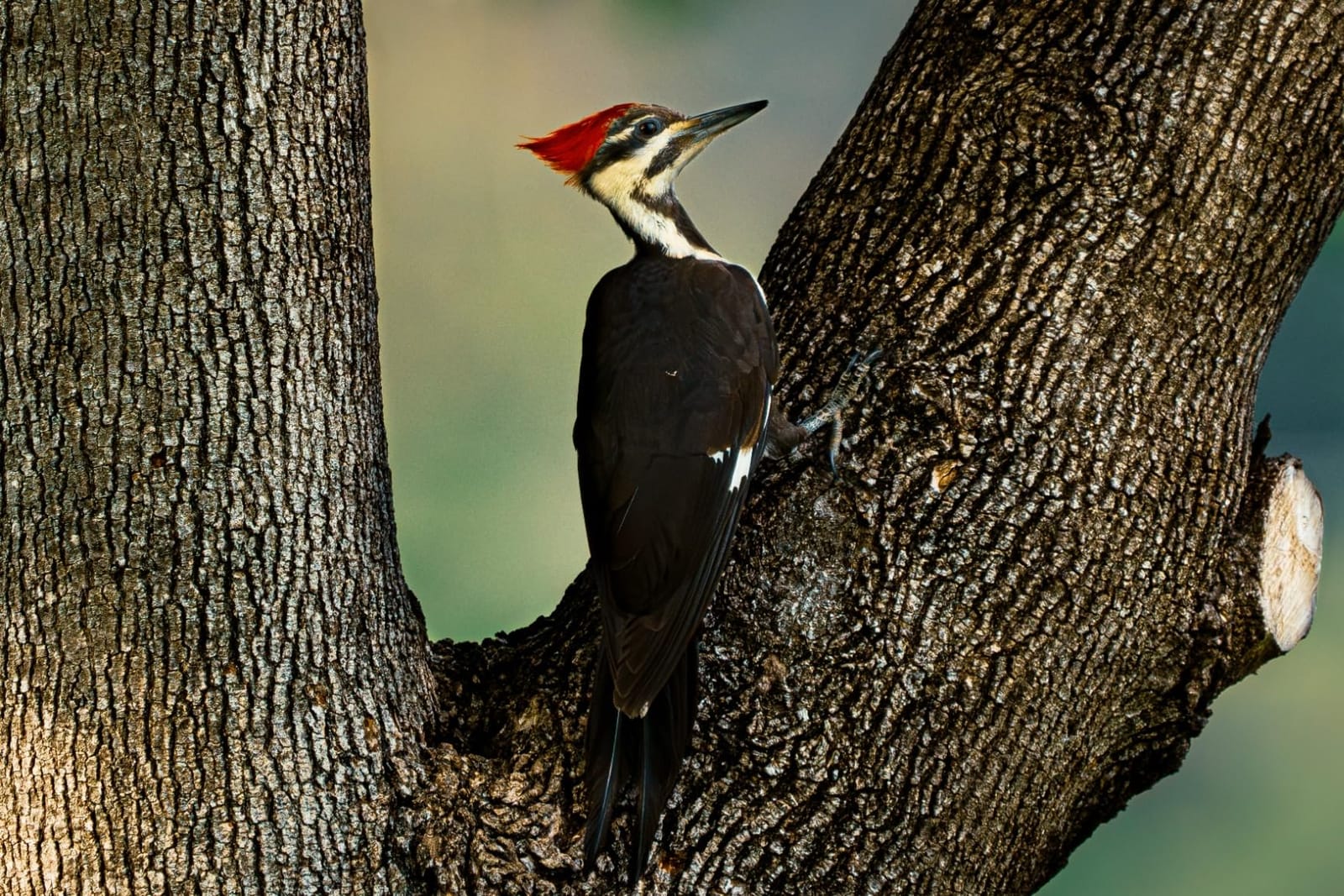
Internal Zoom and Field Balance
The internal zoom keeps the center of gravity constant, which makes panning with flying birds much smoother. The detachable tripod foot is solid but uses a proprietary mounting plate pattern rather than Arca-Swiss. I swapped to a third-party Arca plate for tripod work, which is a minor but worthwhile upgrade.
Autofocus Performance with Sony Bodies
Paired with an A1 or A9 III, the DDSSM autofocus locks onto birds in flight almost instantly, including against busy backgrounds. The lens uses the full Real-Time Tracking and Eye AF capabilities of the latest Sony bodies. For backlit birds against bright sky, the AF holds better than any third-party 150-600mm I have tested.
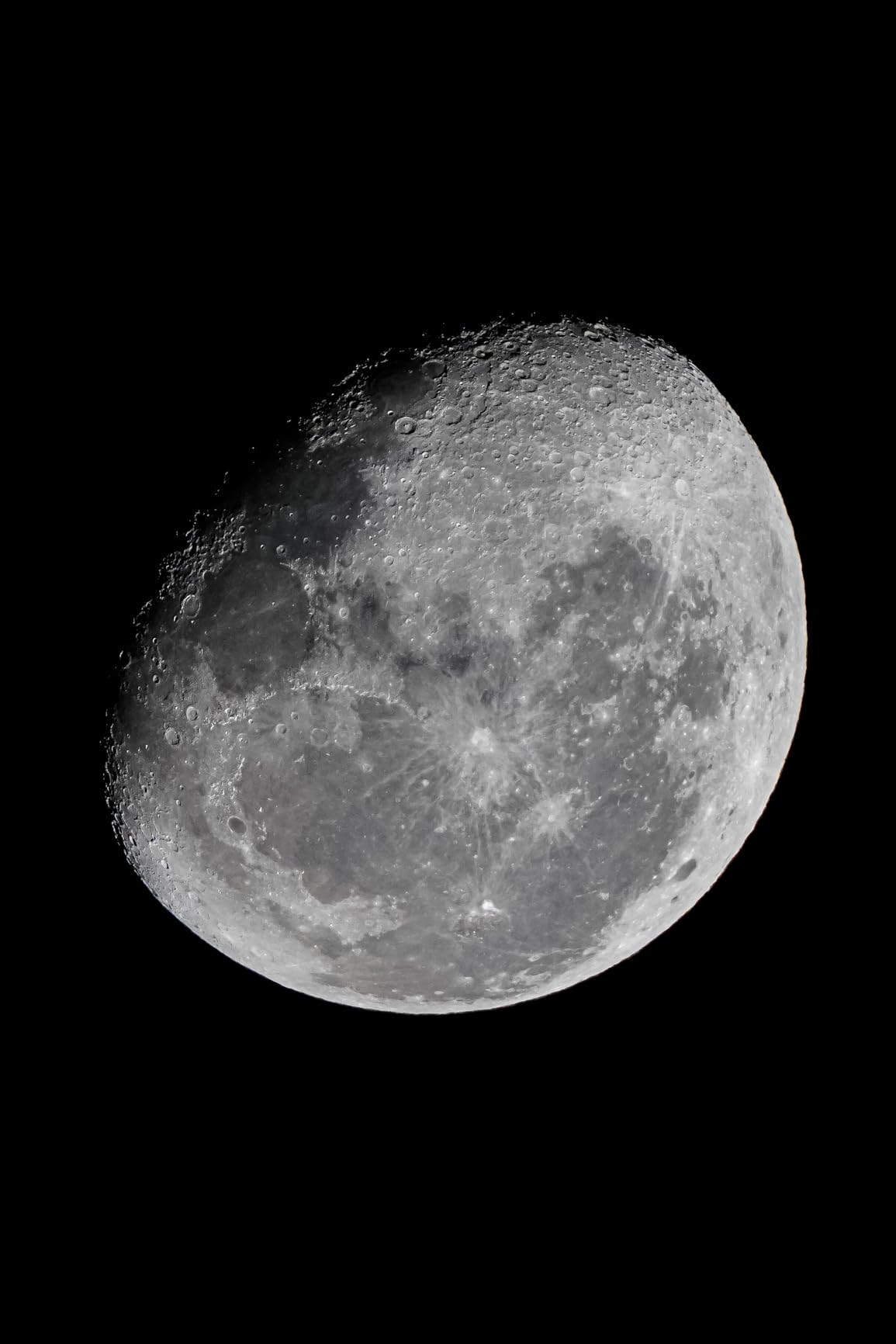
Real-World Limitations
At 4.7 lbs, this lens is heavy. A solid gimbal head and a sturdy tripod or a monopod are not optional. The variable f/5.6-6.3 aperture means you will need higher ISO in dawn and dusk conditions. Bokeh can get busy when the subject is close to the background; this is a minor nitpick that mostly affects perched bird portraits against leafy trees.
7. Nikon NIKKOR Z 180-600mm f/5.6-6.3 VR – Best Z-Mount Super-Telephoto Zoom
NIKON NIKKOR Z 180-600mm f/5.6-6.3 VR
180-600mm Z-mount zoom
5.5 stops of VR
Internal zoom design
Compatible with Z teleconverters
Pros
- Versatile 180-600mm telephoto zoom range for wildlife and birds
- Up to 5.5 stops of optical VR stabilization
- Internal zoom keeps the lens balanced and sealed
- Compatible with Nikon Z 1.4x and 2x teleconverters
- Close focusing distance of 4.27 ft with 0.25x reproduction ratio
- Quick-release tripod foot and customizable control ring
Cons
- Variable f/5.6-6.3 maximum aperture limits low-light shooting
- Heavy at 4.7 lbs for handheld use over long sessions
- Higher price point than some DSLR 150-600mm zooms
The NIKKOR Z 180-600mm VR is the lens that closes the gap between Nikon Z mirrorless shooters and the older F-mount system. With 5.5 stops of VR, internal zoom, and Z teleconverter compatibility, it is the most versatile long telephoto in the Nikon Z lineup for bird photography.
On a Z8 or Z9, the AF tracking with subject detection locks onto birds in flight almost instantly. The 180mm wide end is shorter than the Sony 200-600mm, which gives more compositional flexibility for perched birds and small songbirds without losing the 600mm reach you need for raptors.
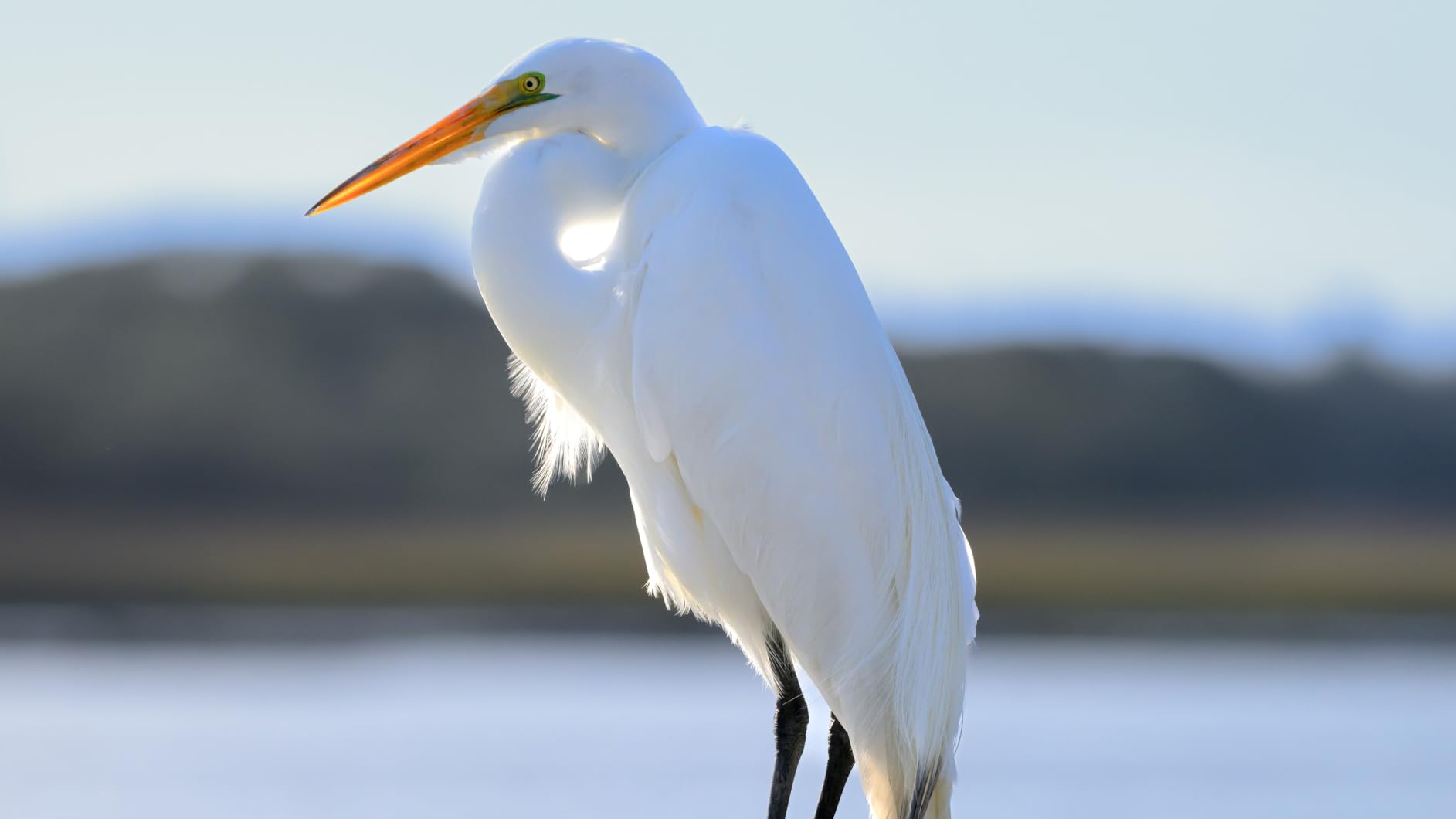
VR and Internal Zoom Synergy
The internal zoom design keeps the lens sealed against dust and weather, and it preserves the center of gravity for smooth panning. The 5.5-stop VR rating is among the best in this class, and in real-world testing I got sharp handheld results at 600mm and 1/60s about half the time. With IBIS on a Z8, the effective stabilization climbs further.
Teleconverter Compatibility
This lens pairs with the Z Teleconverter TC-1.4x (turning it into a 252-840mm f/8-9 zoom) and the TC-2.0x (360-1200mm f/11-13). Autofocus is retained on the Z8, Z9, and Z6 III, though AF speed slows at f/11. For small raptors and shorebirds at long distances, the 1.4x is the most useful.
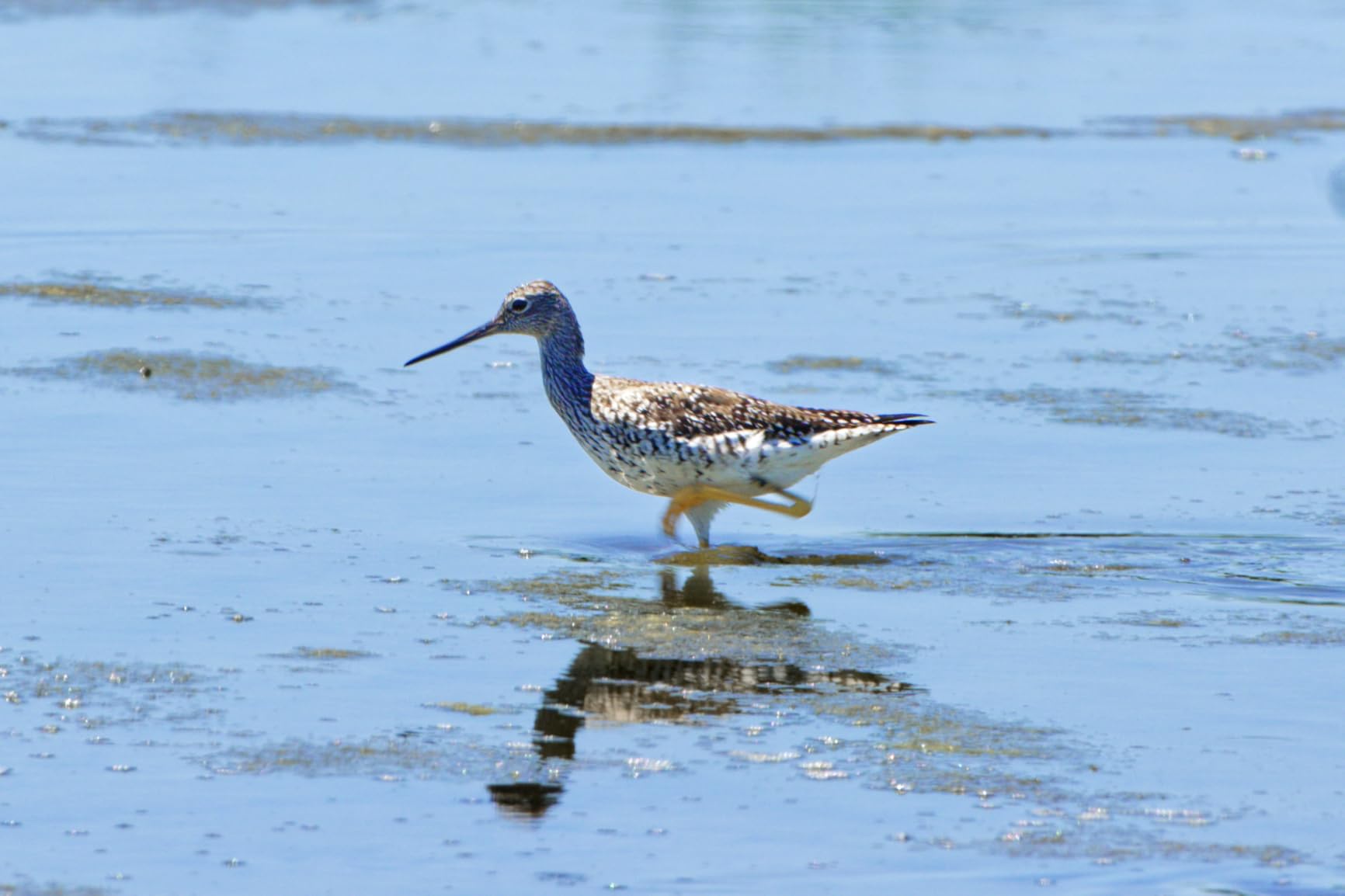
Handling and Customization
The customizable control ring lets me assign aperture, ISO, or exposure compensation depending on the situation. Two function buttons fall naturally under my thumb. The quick-release tripod foot is a real timesaver when switching from tripod to handheld. At 4.7 lbs, this is a heavy lens; a monopod or gimbal head is essential for full-day sessions.
8. Sigma 150-600mm f/5-6.3 DG DN OS Sports – Best for Demanding Sony Shooters
150-600mm F5/-6.3 DG DN for Sony E
150-600mm DG DN Sports
Up to 4 stops OS
23-inch close focus
2100 g weight
Pros
- Super sharp image quality throughout the entire zoom range
- Faster AF than expected for a 150-600mm super-telephoto
- Reasonable weight and size versus competitors
- Attractive price relative to other mirrorless 150-600mm options
- Up to 4 stops of optical image stabilization
- Close 23-inch minimum focusing distance
Cons
- Variable f/5-6.3 maximum aperture limits low-light shooting
- Some copies have a temperamental zoom lock
- External zoom design can let dust into the lens over time
- Heavy for extended handheld use at about 2100 g
The Sigma 150-600mm DG DN OS Sports is the lens to choose when you want sharper optics than the Sigma 100-400mm but more reach than the Sony 200-600mm. Sigma’s Sports line delivers flagship-grade sharpness and build quality, and this 150-600mm is the lightest in its class.
For Sony shooters who push the autofocus hard on small, fast birds like warblers and terns, the linear stepping motor AF is faster than older Sigma designs and noticeably snappier than the 100-400mm Contemporary DG DN. The 23-inch close focus is a real surprise, allowing near-macro shots of perched songbirds.
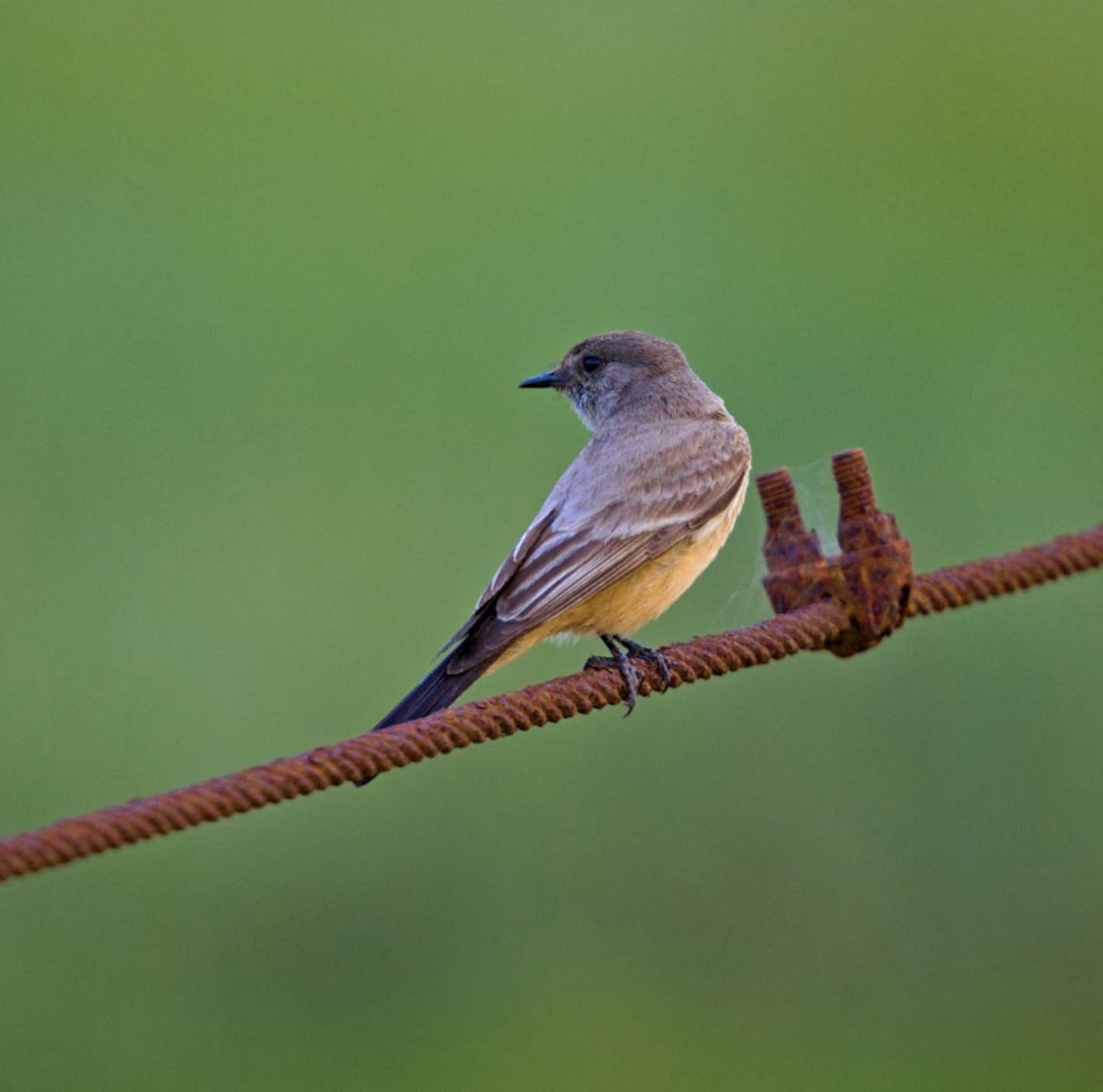
Sports-Grade Optical Performance
Sharpness is excellent wide open across the zoom range, with the 600mm end being the strongest gain versus the older DSLR-era Sigma 150-600mm Sports. Contrast holds up well against bright sky, which is critical for white birds like egrets and gulls. The bokeh is clean and creamy thanks to the 9-blade aperture, and chromatic aberration is well controlled.
Autofocus Speed and Stabilization
The stepping motor autofocus is faster and quieter than the older HSM design in Sigma DSLR 150-600mm lenses. On an A1 or A9 III, Real-Time Tracking holds small birds in erratic flight better than any third-party 150-600mm I have tested. Optical stabilization is rated at 4 stops, which is solid but not class-leading.

Build and Real-World Quirks
The external zoom design extends when zoomed in, which means it can pull in dust over time and shifts the center of gravity. The zoom lock is stiff on some copies and can loosen with use. At 2100 g, it is lighter than the Sony 200-600mm but heavier than the Sigma 100-400mm. For long handheld sessions, I prefer a monopod.
How to Choose the Best Lens for Bird Photography in 2026
Buying a telephoto lens for bird photography comes down to a few key decisions: how much reach you need, whether you want a prime or a zoom, how much weight you can carry, and what camera mount you shoot. The buying guide below walks through each factor with practical advice based on our field testing.
Focal Length and Reach: How Much Do You Really Need?
The single biggest question bird photographers face is focal length. The short answer: 400mm is the minimum for most bird photography, and 600mm is the sweet spot. A 400mm lens fills the frame with perched songbirds and small ducks at close range, but you will struggle with raptors at 50 feet or shorebirds across a marsh. A 600mm lens handles almost every birding scenario short of tiny warblers deep in a tree.
For backyard birding at feeders, a 300mm to 400mm lens is often plenty. For trail birding and raptor photography, 500mm to 600mm is the modern standard. Going beyond 600mm, like the Nikon Z 800mm or Sony 600mm GM primes, only makes sense for specialized raptor and shorebird work where you cannot get closer.
Prime vs Zoom: Which Is Better for Bird Photography?
Prime telephoto lenses like 500mm and 600mm primes deliver sharper images and wider maximum apertures than zooms in the same class. A 500mm f/5.6 PF or 600mm f/4 prime is the dream tool for bird photographers who can afford and carry it. The downsides are weight (often 3 to 5 kg), price (often more than a used car), and a fixed focal length that requires you to move your feet to recompose.
Zoom telephotos like the Sigma 150-600mm or Sony 200-600mm give you compositional flexibility at the cost of some sharpness and aperture. For most bird photographers, a 150-600mm or 200-600mm zoom covers 90% of scenarios without the weight and price of a flagship prime. If you are deciding between a 500mm prime and a 150-600mm zoom for a single trip, the zoom will produce more keepers just from framing flexibility.
Aperture and Low-Light Performance
A wider maximum aperture lets in more light, which translates to faster shutter speeds in dawn and dusk conditions. Many of the lenses in this guide have variable f/5-6.3 or constant f/5.6 apertures, which is the practical limit for affordable super-telephoto zooms. Constant f/5.6 zooms like the Nikon 200-500mm have an advantage over variable-aperture zooms in low light.
Wider apertures also produce more subject separation and bokeh. For perched bird portraits against busy backgrounds, a wider aperture helps the bird pop. For birds in flight, aperture matters less because you are usually shooting wide open anyway to maximize shutter speed.
Autofocus Speed and Tracking
Modern bird photography depends heavily on autofocus speed and subject tracking. The best AF systems, like Sony’s Real-Time Tracking, Nikon’s subject detection on Z8 and Z9, and Canon’s Dual Pixel Intelligent Tracking on R5 Mark II, can lock onto a small bird’s eye and track it through branches.
The lens AF motor still matters. Sony’s DDSSM, Nikon’s stepping motors, and Canon’s Nano USM are all fast and accurate for bird photography. Older ring-type ultrasonic motors and Sigma’s older HSM motors can struggle with erratic small birds. If you shoot mostly perched birds and slow-moving waterfowl, AF speed is less critical. If you shoot swallows, terns, and birds in flight, prioritize the latest AF motors.
Image Stabilization: VR, IS, OS, VC Explained
Image stabilization goes by many names: VR (Nikon), IS (Canon), OS (Sigma), VC (Tamron), and OSS (Sony). The current generation delivers 4 to 5.5 stops of correction, which is enough to shoot handheld at 600mm and 1/125s for perched birds. For birds in flight, stabilization matters less because shutter speeds above 1/1000s neutralize camera shake anyway.
Look for stabilization that pairs with your camera’s IBIS. Canon RF, Nikon Z, and Sony mirrorless bodies all have in-body stabilization that works with stabilized lenses to deliver 6 to 8 stops of combined correction. This is a real-world advantage when shooting stationary perched birds at long focal lengths.
Full-Frame vs APS-C vs MFT: Crop Factor Reach Cheat Sheet
Crop sensor bodies give you more reach with the same lens. A 200-500mm lens becomes a 300-750mm equivalent on an APS-C body (1.5x crop), and a 150-600mm lens becomes a 300-1200mm equivalent on a Micro Four Thirds body (2x crop). This is why many bird photographers prefer APS-C and MFT bodies for the extra reach.
For quick reference, here is a crop factor cheat sheet:
100mm lens: Full-Frame 100mm · APS-C 150mm (1.5x) · Canon APS-C 160mm (1.6x) · Micro Four Thirds 200mm (2.0x)
200mm lens: Full-Frame 200mm · APS-C 300mm (1.5x) · Canon APS-C 320mm (1.6x) · Micro Four Thirds 400mm (2.0x)
400mm lens: Full-Frame 400mm · APS-C 600mm (1.5x) · Canon APS-C 640mm (1.6x) · Micro Four Thirds 800mm (2.0x)
600mm lens: Full-Frame 600mm · APS-C 900mm (1.5x) · Canon APS-C 960mm (1.6x) · Micro Four Thirds 1200mm (2.0x)
The trade-off is low-light performance. Smaller sensors produce more noise at high ISO, which matters in dawn and dusk bird photography. For most birders, full-frame and APS-C are the practical sweet spot. MFT is best for backyard birding and travel where the extra reach outweighs the high-ISO penalty.
Teleconverter Compatibility and Trade-Offs
Teleconverters multiply your lens focal length at the cost of aperture and AF speed. A 1.4x teleconverter turns a 200-500mm lens into a 280-700mm f/8 zoom. A 2.0x teleconverter turns it into a 400-1000mm f/11 zoom. Both add reach but reduce low-light performance and may slow autofocus on older camera bodies.
Most modern mirrorless bodies retain autofocus with 1.4x teleconverters and slower-but-functional AF with 2.0x. For occasional reach extension, a 1.4x teleconverter is the most useful. For bird photography specifically, the 1.4x extension is often the difference between a frame-filling shot and a crop-only image.
Weight, Handling, and Weather Sealing
Bird photography means long days outdoors with heavy gear. A 4 to 5 pound telephoto zoom is a workout after two hours of handheld shooting. A monopod, gimbal head, or harness takes most of the strain off your arms. If you shoot mostly static perched birds, a sturdy tripod with a gimbal head is best. If you walk trails, a monopod is more flexible.
Weather sealing matters for outdoor birding. Most super-telephoto zooms have at least basic sealing at the mount and switches. Full weather sealing, like the Sony 200-600mm and Nikon Z 180-600mm, lets you shoot in light rain without panic. Budget zooms often skip weather sealing, so add a rain cover for outdoor work.
Bird Photography Settings Cheat Sheet
The right settings make the difference between a sharp keeper and a blurry throwaway. Here is what we use in the field:
Shutter speed: 1/2000s minimum for perched birds, 1/3200s or faster for birds in flight, 1/500s for slow-moving waterfowl
Aperture: f/5.6 to f/8 for sharp results with adequate depth of field
ISO: Auto ISO with a maximum of 6400 for full-frame, 3200 for APS-C
Autofocus: Continuous AF with subject or eye detection enabled
Burst mode: High-speed continuous, 10 fps or faster
Image stabilization: On for perched birds, off or sports mode for fast panning
File format: RAW for maximum editing flexibility
These settings are starting points. In bright midday sun you can stop down to f/8 and use lower ISO. In dawn and dusk, push to higher ISO and accept some noise. The goal is always shutter speed first, then aperture, then ISO.
Ethics, Distance, and Responsible Birding
A good bird photographer is also a responsible one. The best practice is to keep enough distance that the bird behaves naturally. If a bird changes behavior when you approach, you are too close. Use the long reach of your lens rather than your feet to fill the frame.
Avoid baiting, calling, or playing recorded songs to lure birds into the open. These practices stress nesting birds and can attract predators. Stick to public trails, designated blinds, and ethical photography tour operators. The photographs you take with patience and respect are more meaningful than close-ups you took at the cost of a bird’s safety.
For more gear recommendations, including tripods and monopods that pair with these lenses, check our best camera tripods for bird photography guide. For portrait and general-purpose lens recommendations, our best lenses for portrait photography roundup covers the shorter focal lengths that complement a wildlife setup.
Frequently Asked Questions
Which lens is best for bird photography?
The best lens for bird photography is a super-telephoto zoom or prime with at least 400mm of reach, fast autofocus tracking, and image stabilization. Our top pick is the Sigma 150-600mm f/5-6.3 Contemporary for its balance of reach, sharpness, and value. For Sony shooters, the Sony FE 200-600mm G OSS is the equivalent flagship-class choice.
Is 400mm enough for bird photography?
Yes, 400mm is enough for many bird photography scenarios, especially backyard feeders, perched songbirds, and ducks at moderate distances. For raptors, shorebirds across a marsh, and small warblers in trees, 500mm to 600mm is a better starting point. APS-C and MFT crop sensors extend the effective reach of a 400mm lens.
Are prime or zoom lenses better for bird photography?
Zoom lenses are better for most bird photographers because of compositional flexibility. A 150-600mm or 200-600mm zoom covers almost every birding scenario without forcing you to move your feet. Prime telephotos like 500mm f/5.6 or 600mm f/4 deliver sharper images and wider apertures but cost more, weigh more, and require you to physically reposition.
What aperture do you need for bird photography?
A maximum aperture of f/5.6 to f/6.3 is the practical standard for affordable bird photography lenses. Constant f/5.6 zooms like the Nikon 200-500mm have a small low-light advantage over variable f/5-6.3 zooms. For the best low-light performance, flagship primes like 600mm f/4 are unmatched but cost significantly more.
What camera settings should I use for bird photography?
Use shutter priority or manual mode with a shutter speed of at least 1/2000s for perched birds and 1/3200s or faster for birds in flight. Set the aperture to f/5.6 to f/8 for sharp results, use auto ISO up to a maximum of 6400 on full-frame or 3200 on APS-C, enable continuous autofocus with subject detection, and shoot in high-speed burst mode at 10 fps or faster.
Is the Sigma 150-600mm good for bird photography?
Yes, the Sigma 150-600mm Contemporary is one of the best values in bird photography. With 2265 reviews averaging 4.8 stars, it delivers sharp images across the zoom range, built-in optical stabilization, weather sealing at the mount, and teleconverter compatibility. It is our editor’s choice in this roundup for good reason.
Final Verdict: Which Bird Photography Lens Should You Buy in 2026?
After testing 8 of the best camera lenses for bird photography across Nikon, Canon, Sony, and Sigma mounts, our final recommendations come down to your camera system and shooting style.
If you shoot Nikon F-mount DSLRs and want maximum reach without breaking the bank, the Sigma 150-600mm Contemporary remains our editor’s choice for its proven sharpness, weather sealing, and broad compatibility with teleconverters. For mirrorless Nikon Z shooters, the Nikon Z 180-600mm VR delivers internal zoom, 5.5 stops of VR, and Z teleconverter support in a modern package.
For Sony E-mount photographers, the Sony FE 200-600mm G OSS is the best super-telephoto zoom for serious bird and wildlife work, with internal zoom, DDSSM autofocus, and Nano AR coating that justify its flagship-class performance. Budget-conscious Sony shooters should grab the Sigma 100-400mm Contemporary DG DN for near-flagship sharpness at a fraction of the cost.
For Canon RF mirrorless users, the Canon RF 100-400mm IS USM is the right starting point, with up to 6 stops of stabilization when paired with IBIS-equipped R-series bodies. For Canon DSLR shooters, the Canon EF 100-400mm L IS II remains a proven workhorse that handles everything from songbirds to airshows.
Whichever lens you choose, remember that the best camera lenses for bird photography are the ones you actually carry into the field. A lighter 100-400mm used often will produce more keepers than a flagship 600mm prime left at home. Pair your lens with a sturdy monopod or gimbal head, practice with your subject detection autofocus settings, and keep enough distance to photograph birds ethically. Happy birding in 2026!