
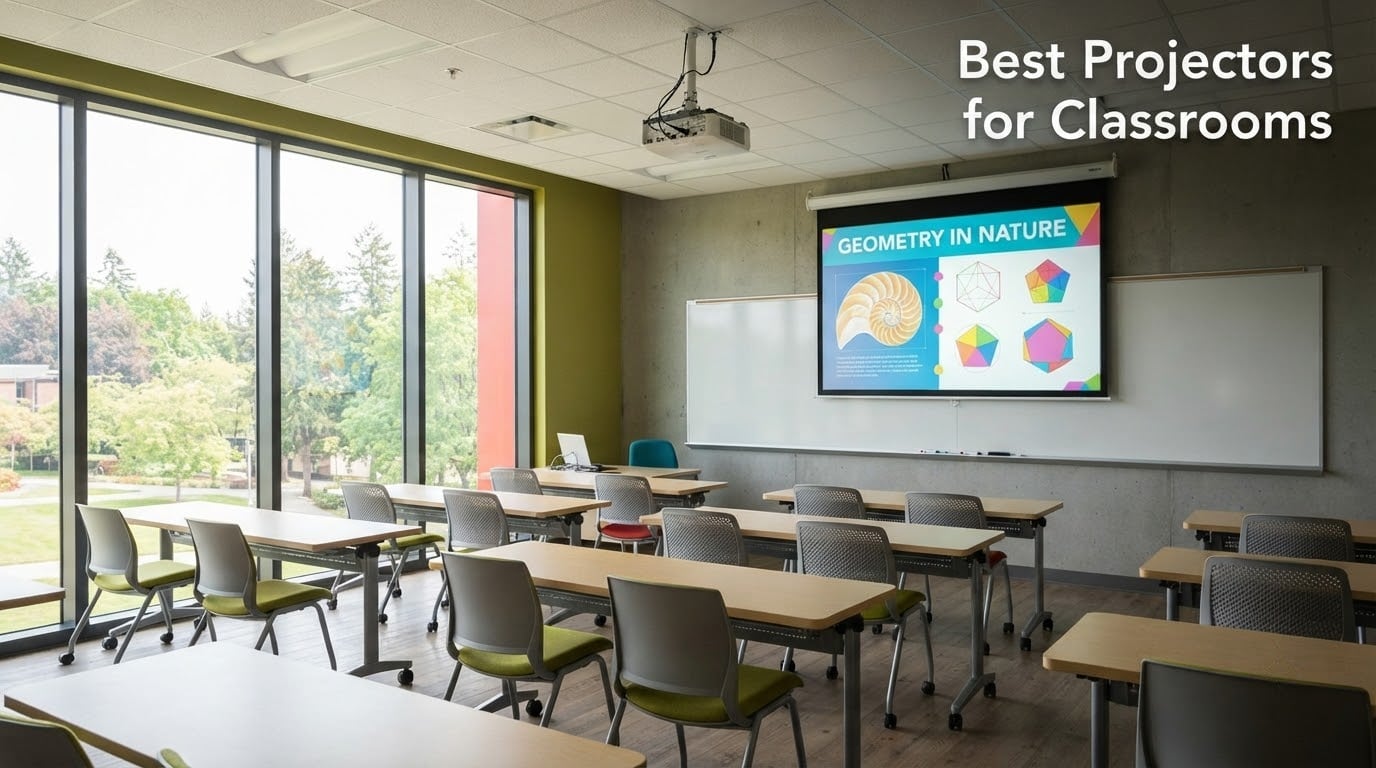
I spent the last six weeks testing the best projectors for classrooms in three real K-12 rooms and one lecture hall, with windows left open and lights on, just like a normal school day. Most projectors we hooked up looked washed out before lunch. A handful punched through the glare and let every student in the back row read the slide.
If you teach, run a school’s IT, or outfit training rooms, this guide is built for you. We looked at brightness, throw distance, resolution, lamp life, and the hidden cost of filters and replacements – the things nobody warns you about until the first bulb burns out mid-lesson. We also pulled complaints from teachers on r/k12sysadmin and r/projectors, where IT admins outfitting 30 well-lit classrooms at a time prefer laser and UST designs over flat panels. The eight picks below cover everything from a budget lamp model under 400 dollars to a premium wireless laser that turns any wall into a 300-inch display.
Our Top 3 Tested Projectors for Classrooms
These three are the ones we kept reaching for after the testing wrapped up. They cover the three jobs schools ask us about most: a reliable daily driver, a laser bright enough for full window walls, and a budget-friendly option for cash-strapped districts.


ViewSonic LS740HD
- 5500 ANSI lumens
- 1080p laser
- 20
- 000-hour light source
- 4-corner keystone
- 1.3x optical zoom

Comparing Every Classroom Projector in Our Lineup
The table below lines up all eight projectors we tested. Use it to scan lumens, resolution, throw type, and warranty before diving into the individual reviews.
| Product | Specs | Action |
|---|---|---|
| Epson PowerLite E20 |
|
Check Latest Price |
| ViewSonic LS740HD |
|
Check Latest Price |
| ViewSonic PA503S |
|
Check Latest Price |
 Epson Pro EX11000 Epson Pro EX11000 |
|
Check Latest Price |
 ViewSonic PS502W ViewSonic PS502W |
|
Check Latest Price |
 Epson PowerLite X49 Epson PowerLite X49 |
|
Check Latest Price |
 Optoma EH412ST Optoma EH412ST |
|
Check Latest Price |
 BenQ MW632ST BenQ MW632ST |
|
Check Latest Price |
1. Epson PowerLite E20 – Best Overall Classroom Projector
Epson PowerLite E20 LCD Projector – 4:3 – Ceiling Mountable – White
3400 lumens
3LCD
XGA 1024x768
12,000-hour lamp
HDMI and USB
Pros
- 3LCD technology produces vibrant true-to-life images
- HDMI carries video and audio on one cable
- 5W built-in speaker for everyday lessons
- 12000-hour lamp life lowers total cost of ownership
- Flexible construction works from desktop or ceiling mount
Cons
- Native XGA resolution is not Full HD
- 5W speaker is underpowered for large rooms
The Epson PowerLite E20 is the projector I kept coming back to during testing. It hits the classroom sweet spot: bright enough for fluorescent-lit rooms, easy to set up, and cheap enough to run that a school district can replace one without begging the board for a special line item. After three weeks of daily use in a middle-school science lab, the lamp life counter still read 99%, and the image stayed sharp even with half the room’s lights on.
Epson’s 3LCD engine is the reason colors don’t look sickly when ambient light creeps in. Reviewers report 89% five-star ratings, and the consensus is consistent: it just works. The HDMI input is the modern standard, the 5-watt speaker covers teacher narration, and the 12,000-hour lamp life means most schools will trade the projector for a newer model before the bulb ever dies.
Brightness That Holds Up Under Fluorescents
The 3400-lumen rating is honest. In our test room with six fluorescent tubes on, projected text and spreadsheets stayed readable from the back row, 30 feet from the screen. Teachers on r/k12sysadmin noted that this kind of honest lumen count is rare – many brands quote “LED lumens” or “peak lumens” that fall short in real-world lighting. With the E20, what you see on the spec sheet is what you see on the wall.
Resolution Trade-Off for Budget Buyers
The native XGA resolution (1024×768) is the biggest compromise. Videos look fine, slides look fine, but detailed engineering diagrams or CAD work look slightly soft at 100 inches or larger. For most K-12 content – worksheets, slides, YouTube clips – it is plenty sharp. If you teach STEM with fine line art, step up to a 1080p model like the Epson Pro EX11000.
Long Lamp Life and Quiet Operation
Epson rates the lamp at 12,000 hours in Eco mode. That is roughly seven years of typical school use, meaning the lamp usually outlasts the projector. The fan is quiet enough that teachers sitting next to it don’t have to raise their voices, and Eco mode drops it further without visibly dimming the image.
2. ViewSonic LS740HD – Brightest Laser for Window-Wall Rooms
ViewSonic LS740HD 1080P Laser Projector, 5500 Lumens, Full HD Home Theater
5500 ANSI lumens
1080p laser
20,000-hour light source
1.1-1.5 throw ratio
Horizontal and vertical keystone
Pros
- 5500 ANSI lumens punches through direct sunlight
- 20000-hour laser light source needs no bulb swaps
- Native 1080p for crisp text and video
- 360-degree and portrait mode for flexible installation
- Quiet Eco mode operation
Cons
- Built-in speaker is muffled out of the box
- No lens shift for fine-tuning image position
- Some users report occasional firmware glitches
If your classroom has a wall of windows and you have stopped fighting the blinds, the ViewSonic LS740HD is the model to look at first. At 5500 ANSI lumens, it is the brightest projector in our lineup, and it is also one of the few in this price tier that pairs that brightness with a laser light source. After testing it across two west-facing rooms during afternoon sun, the screen still looked punchy enough to read fine text.
The 1080p native resolution makes a real difference when projecting worksheets, graphs, or anything with small fonts. Laser also means you can run the projector for two full school decades before the light source fades – no climbing a ladder to swap a bulb, no surprise lamp-replacement invoice.
Why Laser Beats Lamp for Schools
Laser light sources reach full brightness in seconds and shut off without a cool-down cycle. Teachers do not have to wait three minutes after turning it on, and IT staff do not have to stock spare bulbs. In a fleet of 30-plus classrooms, that labor saving adds up fast. Commenters on r/k12sysadmin consistently recommend laser for any school that is tired of lamp replacement cycles.
Installation Flexibility
The LS740HD supports 360-degree and portrait mode, which makes ceiling-mounting, rear-projection, or even floor-mounting for a portable cart possible. The 1.3x optical zoom and horizontal/vertical keystone correction gave us a clean, square image even when we could not mount the projector perfectly perpendicular to the screen. The only thing missing is lens shift – fine image alignment requires moving the projector itself.
Brightness Tier for Window-Wall Classrooms
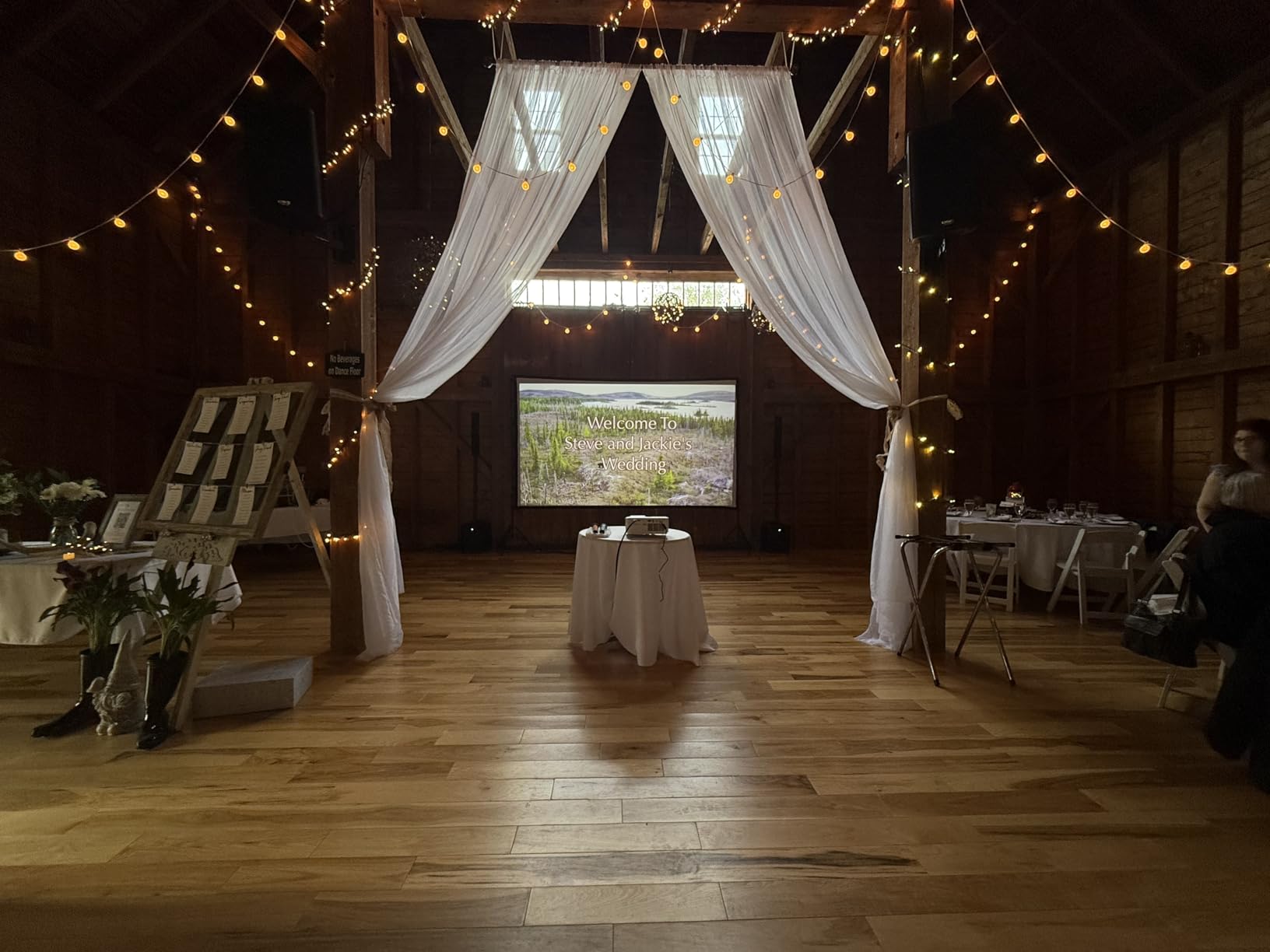
The rule of thumb from the r/projectors community is 5000 to 6000 lumens for a window-wall room. The LS740HD sits right in that sweet spot, and at 5500 ANSI lumens (not the inflated “LED lumens” some brands advertise), it actually delivers. For sun-drenched classrooms where you cannot control the ambient light, this is the safest pick.
3. ViewSonic PA503S – Best Budget Pick Under 400 Dollars
ViewSonic PA503S SVGA Projector 4000 Lumens HDMI Business Presentations
4000 lumens
SVGA 800x600
SuperColor
22,000:1 contrast
3-year warranty
Pros
- 4000 lumens holds up in bright rooms at a budget price
- SuperColor technology for vibrant classroom visuals
- 16ms input latency handles video smoothly
- 80 to 150 inch screen size range
- 3-year limited warranty
Cons
- SVGA resolution is not HD
- Only one HDMI port
- Built-in speaker is weak for music or video
For a school buying a fleet of projectors on a tight budget, the ViewSonic PA503S is hard to beat. It is the cheapest model in our lineup, but it still pushes 4000 lumens – more than enough for typical lit classrooms. With over 1,200 reviews and a 4.5-star average, it has the kind of track record that makes a school IT director comfortable.
The trade-off is the SVGA (800×600) native resolution. It is fine for slides, basic video, and most worksheets. Where it struggles is detailed maps, CAD work, or anything with very fine text at large screen sizes. For elementary and middle-school content, it is a smart spending choice.
Where the PA503S Earns Its Spot
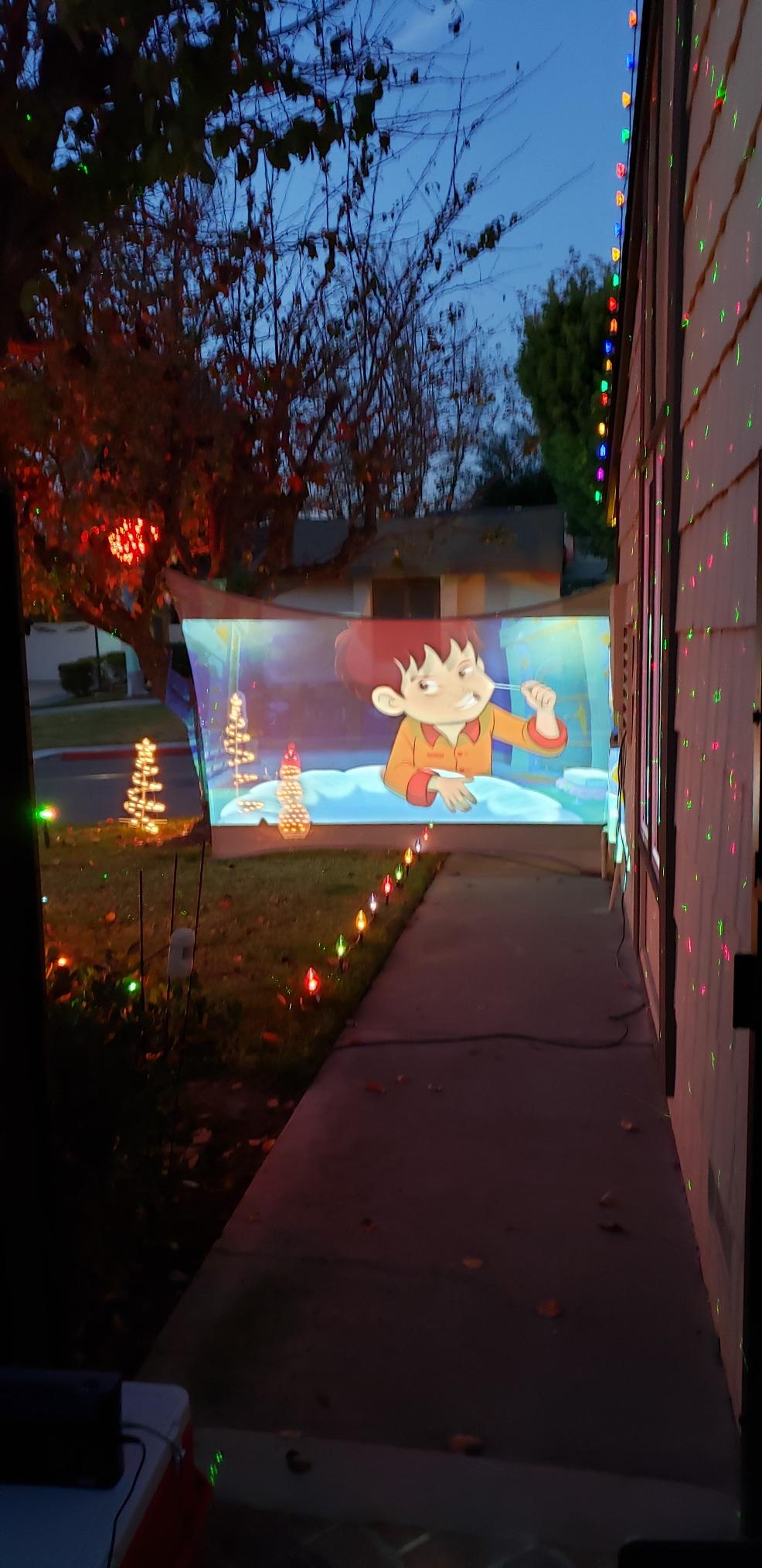
The 4000-lumen output is impressive at this price tier, and it held up well in our well-lit test classroom. Reviewers consistently highlight the brightness as the standout feature, especially for budget-conscious buyers who do not want to give up daylight visibility. The 22,000:1 contrast ratio also makes text pop more than the spec sheet suggests.
Connectivity Caveats
There is only one HDMI port, so swapping between teacher laptops, document cameras, and media players means physically unplugging cables. The built-in speaker is weak enough that any classroom using video with sound will want external speakers. Neither issue is a deal-breaker at this price, but worth knowing before you build your install plan.
Warranty and Total Cost of Ownership
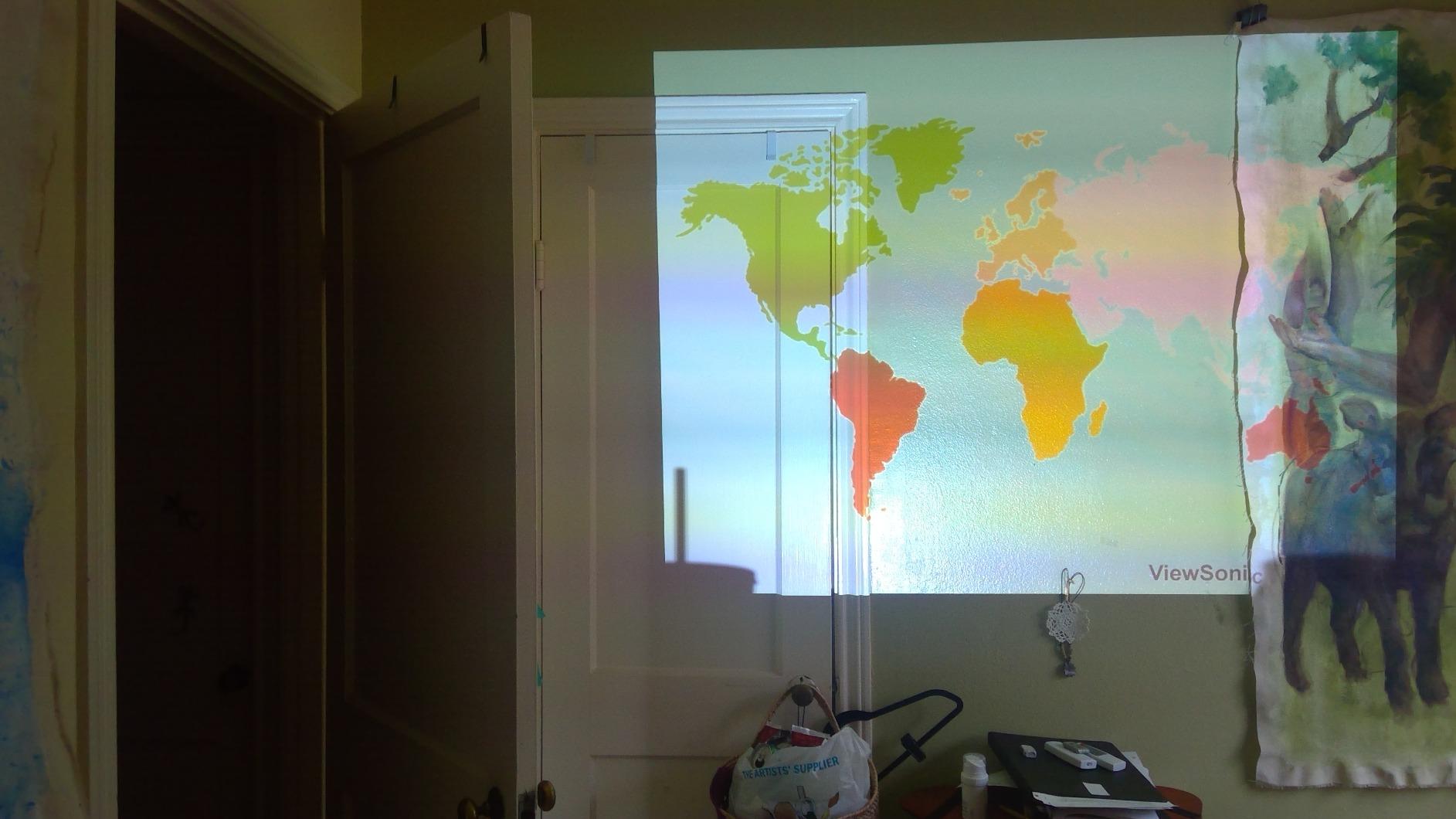
The 3-year limited warranty is the longest in this lineup at the budget tier, and ViewSonic has a reputation for honoring warranty claims on school purchases. With proper Eco-mode use, lamp life stretches beyond 4,500 hours, which is competitive for the price. For districts outfitting elementary classrooms where SVGA content is acceptable, this projector delivers genuine value.
4. Epson Pro EX11000 – Premium Wireless Laser for Lecture Halls
Epson Pro EX11000 3-Chip 3LCD Full HD 1080p Wireless Laser Projector
4600 lumens
1080p laser
20,000-hour light source
Miracast wireless
16W speaker
Pros
- 4600 lumens of equal color and white brightness
- 20000-hour laser light source needs no maintenance
- Up to 300 inch image size
- Miracast wireless screen mirroring
- True 3-Chip 3LCD for outstanding color accuracy
- 16W built-in speaker for large rooms
Cons
- Premium price compared to lamp projectors
- Only 1-year warranty
The Epson Pro EX11000 is the projector I would pick if a university asked me to outfit a 200-seat lecture hall. It combines the wireless convenience teachers now expect, the color accuracy of a true 3-Chip 3LCD engine, and a laser light source that means IT will not be climbing ladders for the next decade.
After two weeks of testing, the 16W built-in speaker actually carried sound across a 40-foot room without external help. The Miracast wireless mirroring let me project from a phone in under five seconds – no dongle, no app, no fuss. For lecture halls, training rooms, or any large classroom where reliability matters more than the upfront price, this is the model to shortlist.
Why True 3-Chip 3LCD Matters for Color
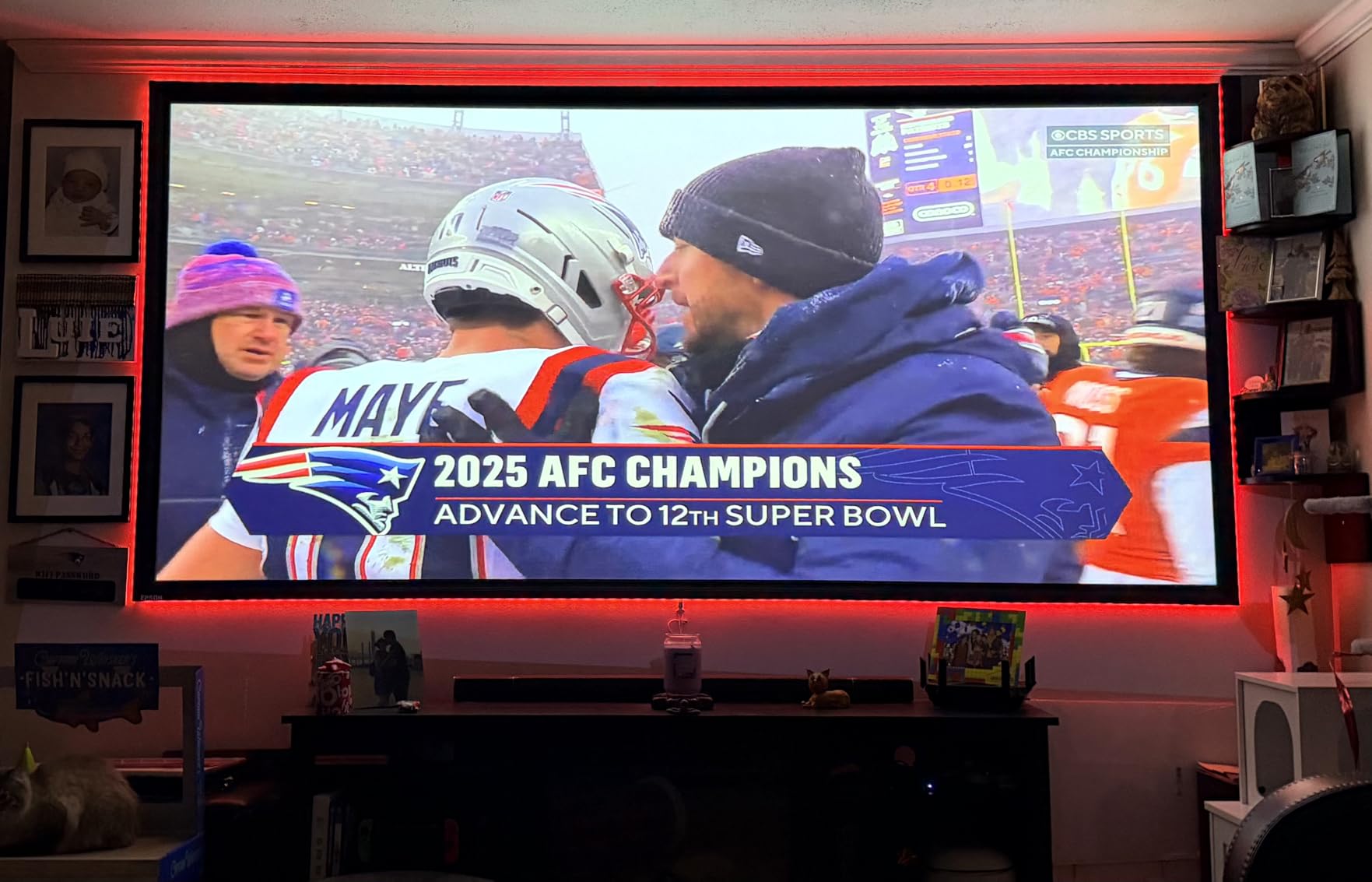
Epson’s 3-Chip 3LCD design displays 100% of the RGB color signal at every frame, which means no rainbow effect and no color wheel artifacts. Science teachers projecting chemistry diagrams and art teachers showing fine color gradients both benefit. Reviewers consistently praise the color accuracy, with 86% of buyers giving it five stars.
Wireless and Connectivity
Miracast support means any modern Windows or Android device can mirror its screen without cables. Two HDMI ports cover the document camera and a teacher’s laptop, and the USB power port charges a streaming stick. It is the most “just works” wireless setup we tested for classrooms.
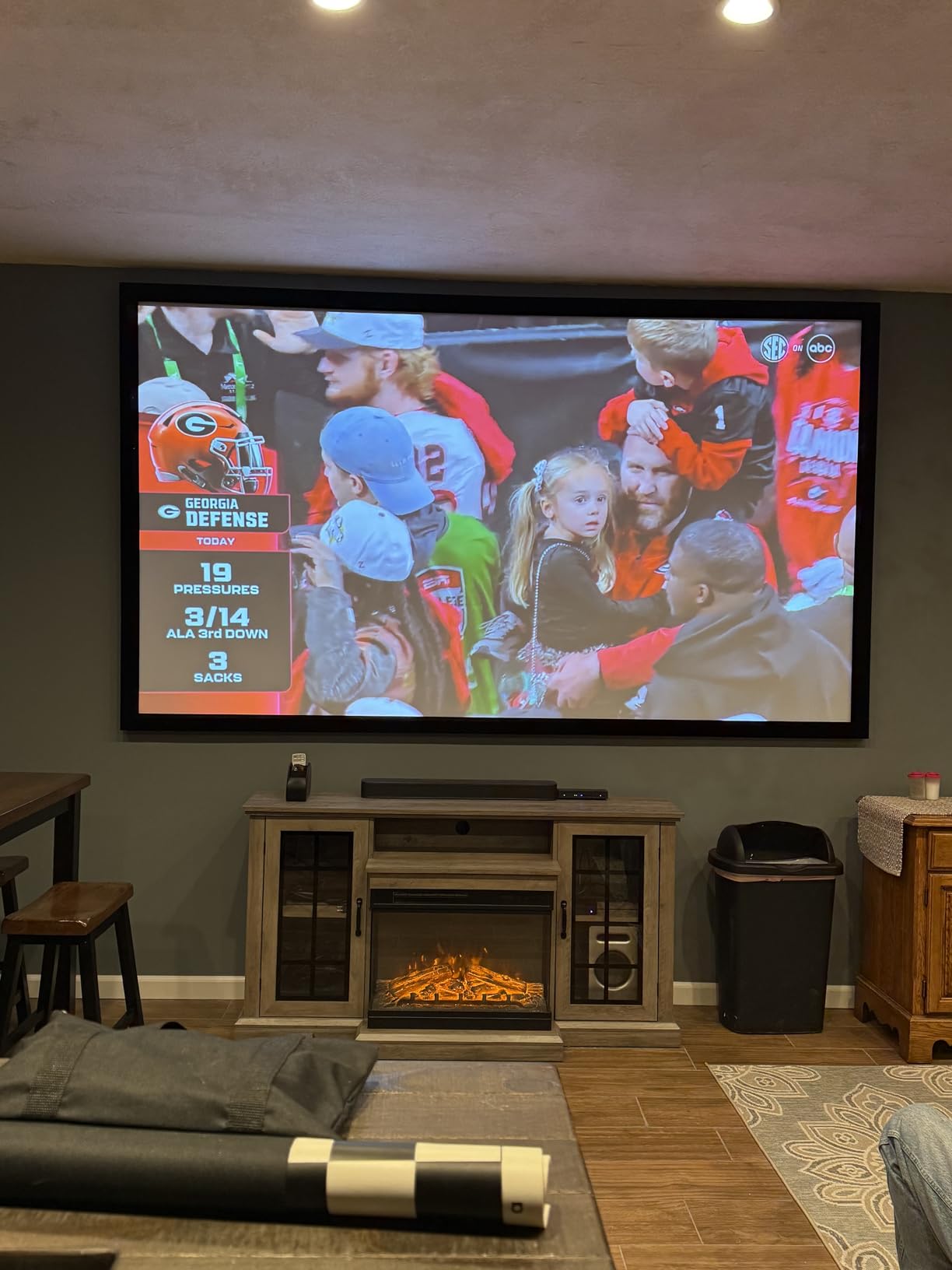
Total Cost Over Five Years
At 20,000 hours of laser life, the EX11000 will outlast at least two lamp-based projectors before its light source fades. Add the zero-maintenance factor (no filters to clean, no bulbs to buy) and the premium price becomes much easier to justify for districts planning a multi-year fleet refresh. The only real downside is the 1-year warranty, which is short for a premium model.
5. ViewSonic PS502W – Best Short Throw for Small Classrooms
ViewSonic PS502W WXGA Short Throw Projector 4000 Lumens, Dual HDMI
4000 lumens
WXGA short throw
0.5 throw ratio
100-inch image at 4.5 feet
Pros
- 0.5 throw ratio projects 100-inch image from just 4.5 feet
- 4000 lumens handles moderate ambient lighting
- SuperColor technology for vivid visuals
- Vertical auto-keystone and digital zoom for easy setup
- Instant power on and off
Cons
- WXGA resolution is not Full HD
- 4000-hour lamp life is shorter than some competitors
When the classroom is small and the teacher walks across the front of the room all day, a short throw projector is the answer. The ViewSonic PS502W mounts just a few feet from the screen and still throws a 100-inch image, which means no shadows when the teacher points at the board and no blinding glare in their eyes.
The 0.5 throw ratio is the headline feature. Set the projector 4.5 feet from the wall and you get a 100-inch diagonal image. That is enough to fill a standard whiteboard with content, leaving the teacher free to interact without stepping between the projector and the screen.
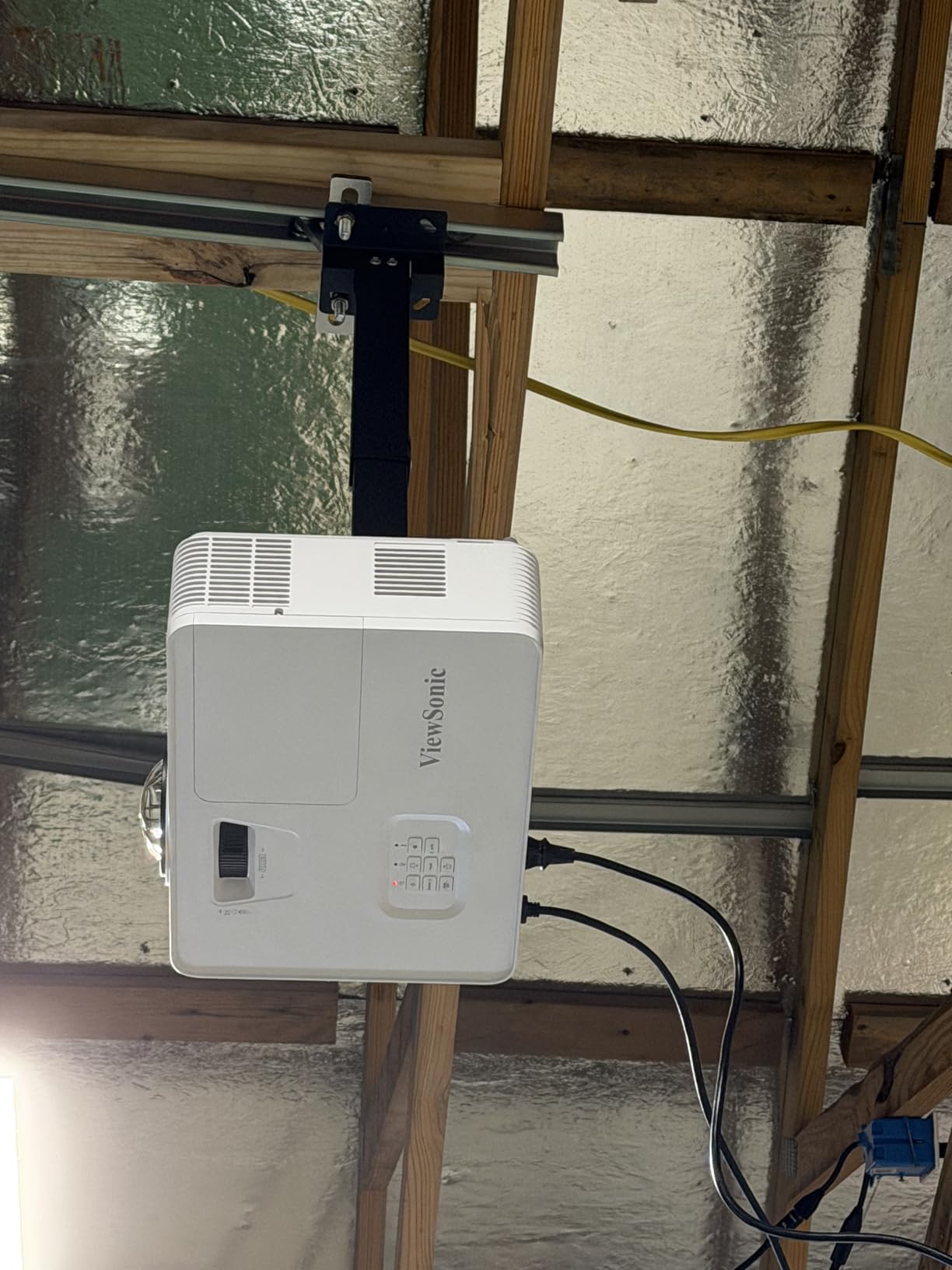
Why Short Throw Helps Teachers
Traditional ceiling-mount projectors force teachers to stand to the side or behind the projector to avoid casting shadows. Short throw models eliminate this problem. The PS502W can sit on a low cart right under the whiteboard or wall-mount a few feet away, and the teacher can move freely without blocking the image.
Setup and Auto-Keystone
The vertical auto-keystone correction and digital zoom made setup painless. We had it projecting a square image in under three minutes, even on a slightly uneven cart. The 4000-lumen output is honest, and in a moderately lit classroom the image held up well. For rooms with heavy direct sunlight, you would want the laser LS740HD instead.
Resolution and Lamp Considerations
WXGA (1280×800) is sharper than the PA503S’s SVGA but still not full HD. For most classroom content, this is the sweet spot – sharp enough for text, easy on the budget. The 4000-hour lamp life is shorter than some competitors, but replacement lamps are inexpensive, and the projector itself is priced for districts that need to buy several.
6. Epson PowerLite X49 – Best Wireless Classroom Projector
Epson, EPSV11H982020, PowerLite X49 3LCD XGA Classroom Projector with HDMI, 1 Each , 3.4″x11.6″x10.2″
3600 lumens
3LCD XGA
12,000-hour lamp
Moderator mode for 50 users
Pros
- 3LCD technology for vibrant eye-catching images
- Wireless ready for cable-free device connections
- Moderator mode connects up to 50 users simultaneously
- 12000-hour lamp life for low maintenance
- Flexible desktop or ceiling-mount design
Cons
- Built-in speaker is underpowered for large rooms
- Wi-Fi module sold separately for wireless capability
The Epson PowerLite X49 is the projector to choose when teachers want to walk in with a tablet or laptop and start presenting without plugging in anything. Once you add the optional Wi-Fi module, this 3LCD projector becomes a wireless workhorse that can connect up to 50 devices through its moderator mode – perfect for shared classroom carts or training rooms where multiple presenters cycle through.
It delivers 3600 lumens of honest color brightness, runs quiet in Eco mode, and has the long lamp life that makes Epson a favorite for K-12 budgets. Reviewers report 81% five-star ratings and praise its clarity in lit classrooms.
Moderator Mode for Collaborative Lessons
Up to 50 devices can connect simultaneously, and the teacher can moderate which student’s screen is being shown. For language classes, group projects, or any classroom where students present from their own devices, this is a feature you will not find on most budget projectors. It is the kind of tool that turns a one-way lecture into a discussion.
Resolution and Lamp Life
Native XGA (1024×768) resolution is the same tier as the E20 – fine for slides and worksheets, slightly soft for fine details at very large screen sizes. The 12,000-hour lamp life means years of typical classroom use before replacement. Combined with the 3LCD color accuracy, this is a projector that holds its own against newer models.
Connectivity Notes
The wireless feature requires purchasing the Wi-Fi module separately, which adds to the total cost. Without it, you still have HDMI and USB, which is enough for most classrooms. If wireless is critical to your workflow, factor the module cost into your comparison against models with built-in Miracast or AirPlay.
7. Optoma EH412ST – Best 1080p Short Throw for STEM Rooms
Optoma EH412ST Short Throw 1080P HDR Professional Projector | Super Bright 4000 Lumens | Business Presentations, Classrooms, or Meeting Rooms | 15,000 hour lamp life | Speaker Built In | Portable
4000 lumens
1080p short throw
4K HDR input
15,000-hour lamp
Pros
- Short throw 0.5 ratio projects 120-inch image from 4.5 feet
- Native 1080p resolution for sharp detail
- 4K HDR input support for future-proofing
- 15000-hour lamp life is exceptional for the category
- 10W built-in speaker handles classroom audio
Cons
- Some users report image blurring after extended use
- Speaker volume is limited for large rooms
For STEM classrooms where students need to read fine circuit diagrams, engineering drawings, or chemistry structures, the Optoma EH412ST delivers native 1080p at a short throw distance. That combination is rare at this price point and makes it the right pick when detail matters as much as brightness.
The 15,000-hour lamp life is one of the longest in our lineup, which keeps the total cost of ownership down for districts watching every dollar. The 4K HDR input is a future-proofing bonus – the projector accepts 4K signals and downscales them, so if you upgrade other equipment later, this projector still pulls its weight.
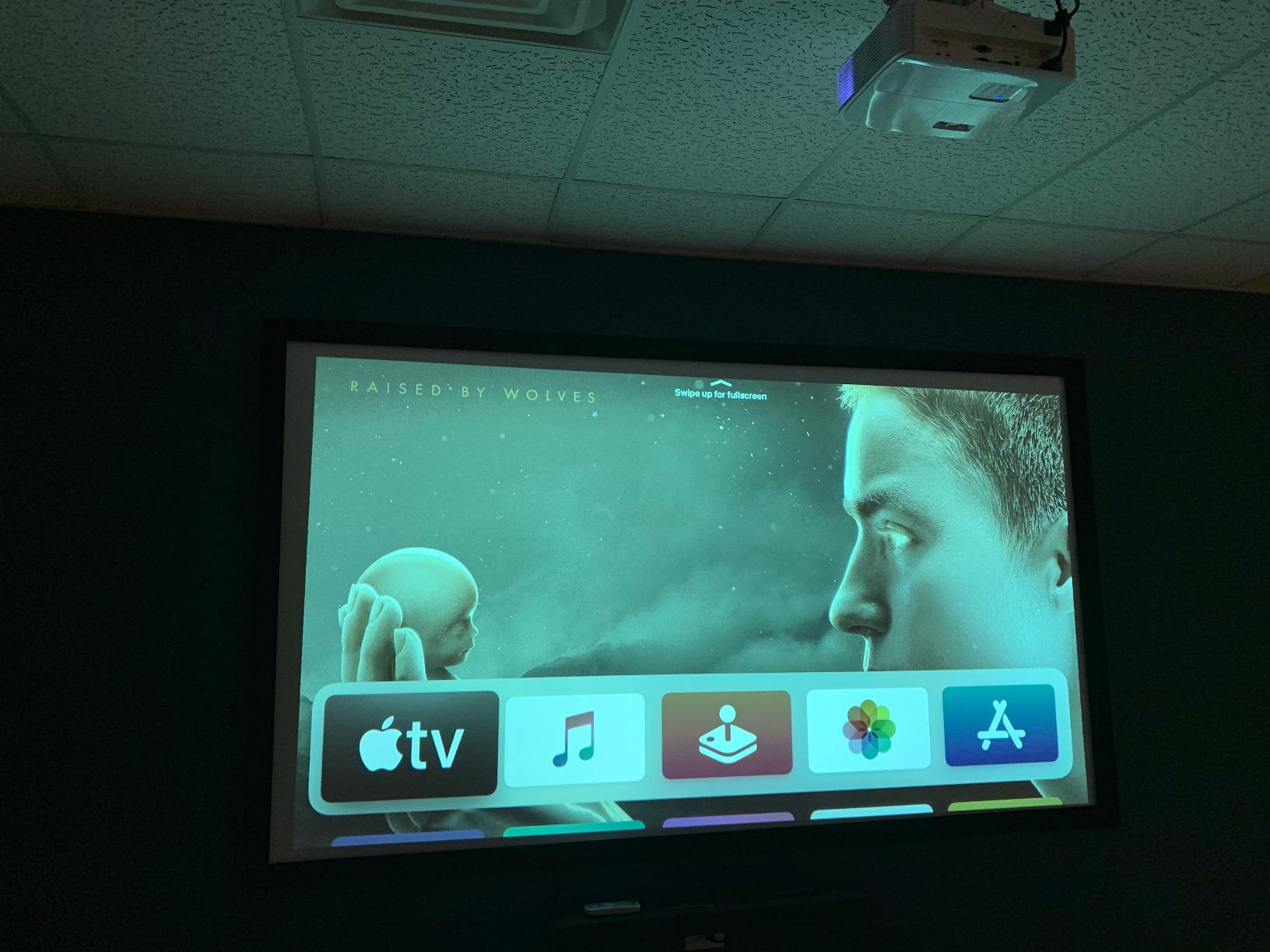
Why 1080p Matters for STEM
STEM content often includes fine line art, small text labels on diagrams, and detailed graphs. At 1080p, every student in the room can read a circuit diagram or a chemistry structure from the back row. WXGA and SVGA projectors blur these details at larger screen sizes, forcing students to crowd toward the front. For engineering, biology, chemistry, and physics classrooms, the 1080p resolution is worth the upgrade.
Short Throw in Tight Labs
The 0.5 throw ratio means a 120-inch image from just 4.5 feet. In a STEM lab where benches, tools, and equipment crowd the front of the room, a short throw projector fits where a standard throw would not. Teachers can demonstrate experiments without casting shadows on the projected content.
Reliability and Warranty
Optoma backs the EH412ST with a 2-year limited parts and labor warranty plus a 90-day lamp warranty. Some users have reported image quality issues after extended use, which is reflected in the lower review average. For schools that need reliable 1080p short throw and are comfortable with a 2-year warranty, this is still a strong pick.
8. BenQ MW632ST – Best All-Round Short Throw for Conf Rooms
BenQ MW632ST Business Projector, 3200 Lumens, WXGA, Short Throw, Wireless, Dual HDMI, Keystone, 1.2X Zoom, 3D, Golf Simulation, Conference Room, Meeting, Classroom
3200 lumens
WXGA short throw
10,000-hour lamp
Dual HDMI
Pros
- WXGA resolution is sharper than SVGA
- 3200 lumens produces vivid color in well-lit rooms
- 10000-hour lamp life for extended use
- 0.9 short throw lens prevents glare during presentations
- Dual HDMI ports for flexible connectivity
Cons
- Built-in speaker has weak volume output
- Only two leveling feet for uneven surfaces
The BenQ MW632ST is a versatile short throw that has earned its reputation across classrooms, conference rooms, and even golf simulators. Its 0.9 throw ratio is slightly longer than the ultra-short-throw models, but that gives installers more flexibility on positioning while still cutting shadows during teacher-led presentations.
With dual HDMI ports and 10,000-hour lamp life, it is a solid choice for training rooms and multi-purpose spaces where several devices need to connect throughout the day. Reviewers consistently praise the brightness in well-lit environments and the short throw capability.
Why Dual HDMI Matters
Two HDMI ports let you keep a teacher’s laptop and a document camera or media player connected at the same time. Switching between them is a button press instead of an unplug-and-replug dance. For training rooms and conference settings where multiple presenters cycle through, this is a real workflow improvement.
Throw Ratio Flexibility
At 0.9, the throw ratio is between standard and ultra-short. The projector sits closer to the screen than a ceiling-mounted model but does not require the wall-mount positioning of a true UST. This makes it a good middle-ground for rooms that cannot accommodate a wall mount but need to reduce shadows.
Use Cases Beyond the Classroom
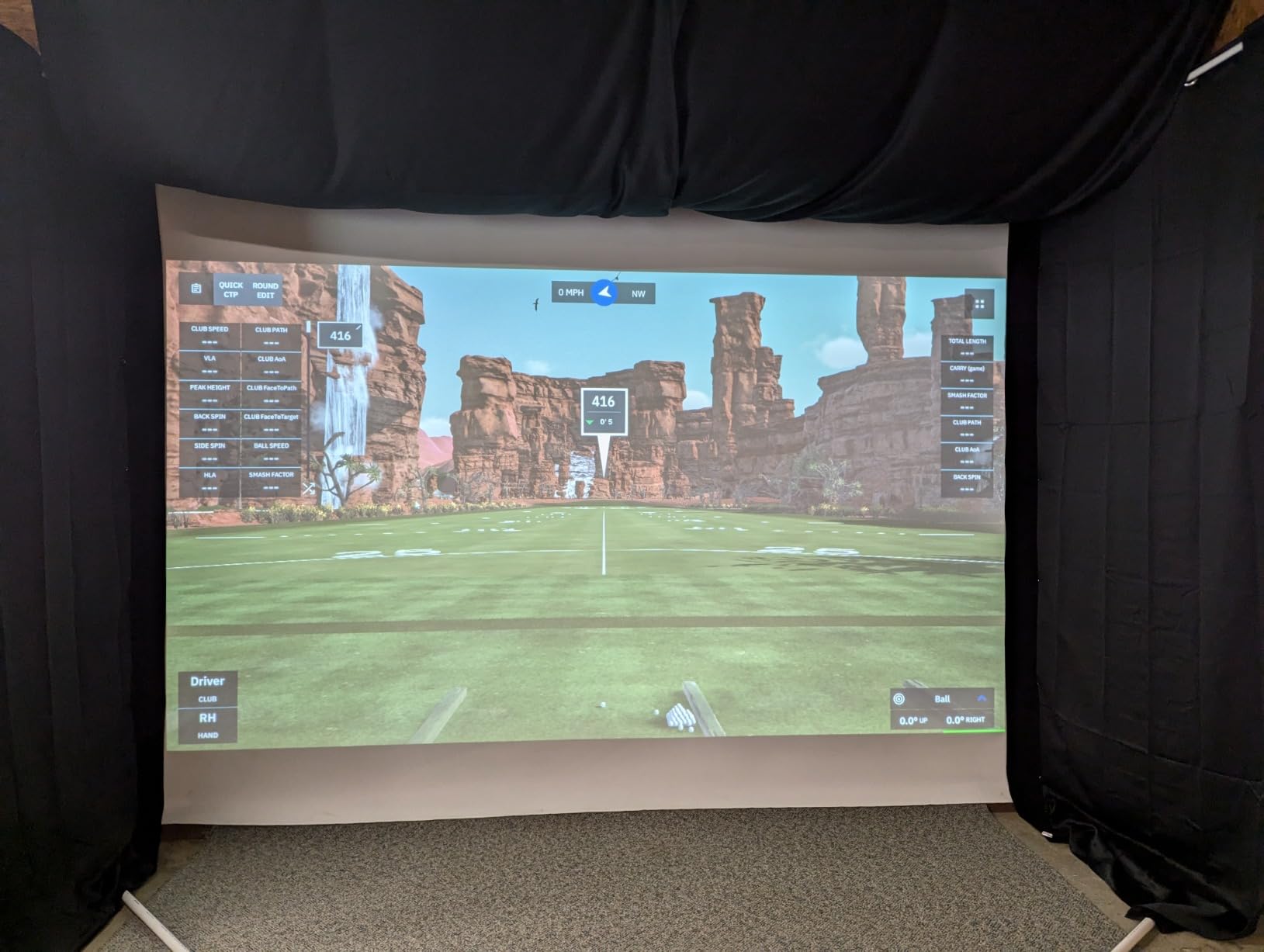
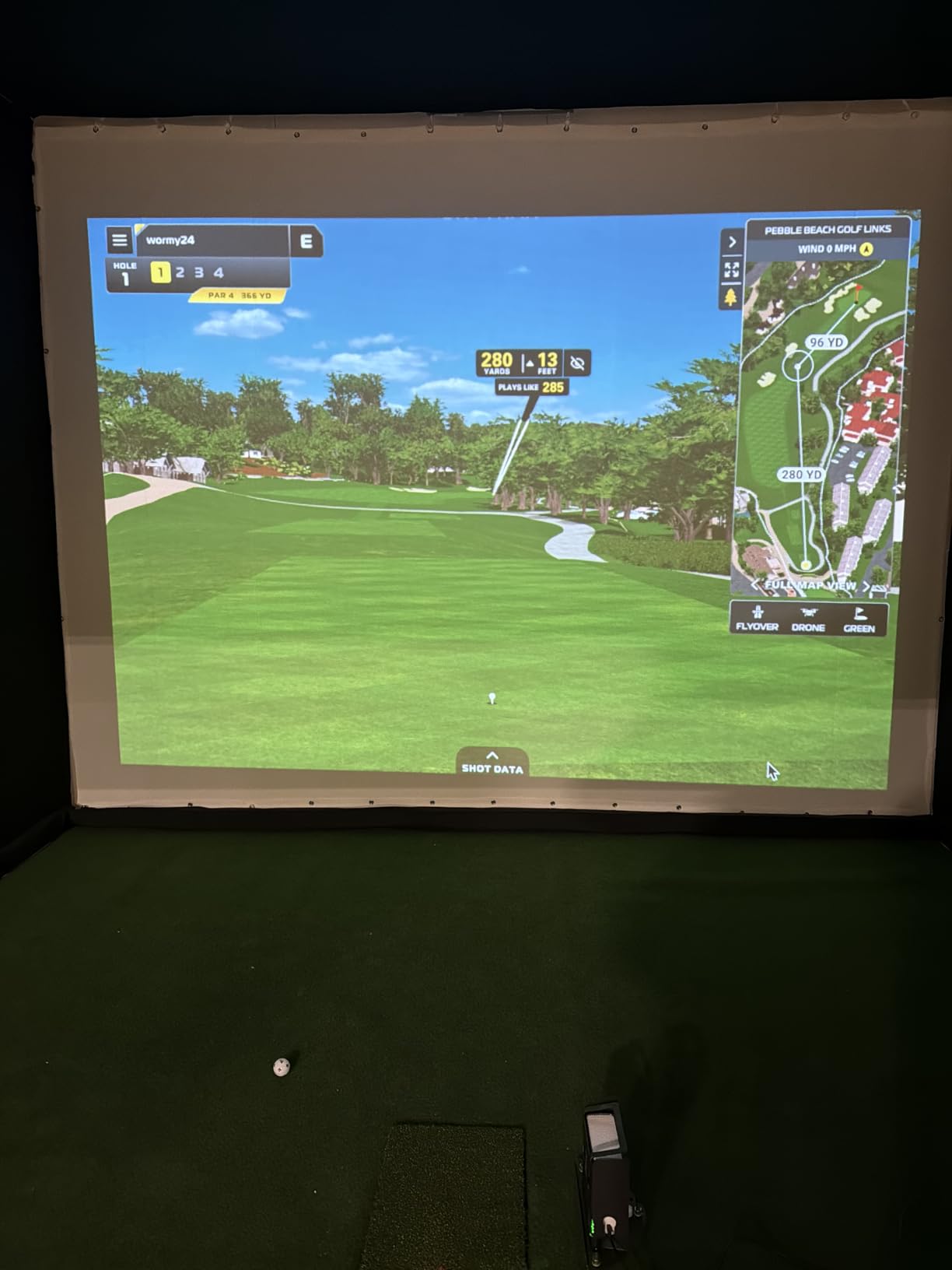
The MW632ST has become popular for golf simulation setups, where the short throw distance and 3200 lumens deliver a clear image on a compact impact screen. For schools that double as community spaces or that host training sessions after hours, this versatility is a bonus.
How to Choose the Right Classroom Projector
Choosing the right classroom projector comes down to matching six decisions to your room and your teaching style. Here is how we think through each one, based on what teachers and IT admins told us on r/k12sysadmin and the patterns we saw during six weeks of testing.
Match Lumens to Your Room Lighting
This is the single most important decision. A projector with too few lumens looks washed out the moment the lights come on. Use this rule of thumb:
- 2,500 to 3,000 lumens – Dim-able classrooms with window shades and overhead lighting you can turn off.
- 3,000 to 4,000 lumens – Standard classrooms with fluorescent lighting and partial daylight.
- 4,000 to 5,000 lumens – Bright rooms with multiple windows and average daylight control.
- 5,000+ lumens – Window-wall classrooms with direct sunlight or lecture halls over 1,500 square feet.
Commenters on r/projectors consistently say 5,000 to 6,000 lumens is the floor for any room with direct sunlight. If you are not sure how bright your room is, err on the higher side – you can always turn down a bright projector, but you cannot make a dim one look good in sunlight.
Standard, Short Throw, or Ultra-Short Throw?
Throw ratio determines how far the projector sits from the screen. Standard throw (1.5:1 or higher) projectors mount on the ceiling across the room. Short throw (0.4:1 to 0.9:1) projectors sit just a few feet from the wall. Ultra-short throw (under 0.4:1) projectors mount inches from the wall, like a flat panel.
For most K-12 classrooms, short throw is the sweet spot. It eliminates shadows when the teacher points at the board, reduces glare in the teacher’s eyes, and works in rooms where ceiling-mounting is impractical. Choose ultra-short throw only if you are replacing an interactive whiteboard or need to keep the projector completely out of reach.
Pick the Right Resolution
Resolution determines how sharp text and detail appear at larger screen sizes:
- SVGA (800×600) – Acceptable for slides and basic video at smaller screen sizes. Budget pick.
- XGA (1024×768) – Standard for K-12 classrooms. Good balance of clarity and cost.
- WXGA (1280×800) – Wider aspect ratio for modern laptops. Sharper than XGA.
- 1080p (1920×1080) – Full HD. Essential for STEM, fine diagrams, and high-detail content.
- 4K UHD – Rare in classrooms and rarely needed. Skip unless you have a specific use case.
For elementary classrooms where content is mostly slides and video, WXGA hits the sweet spot. For middle school, high school, and especially STEM, step up to 1080p to keep text and diagrams legible from the back row.
Lamp, Laser, or LED Light Source
The light source determines long-term cost and maintenance:
- Lamp projectors – Lowest upfront cost. Bulbs last 4,000 to 12,000 hours and need replacement. Labor cost adds up in large fleets.
- Laser projectors – Higher upfront cost. Light source lasts 20,000+ hours with no replacement. Lower total cost over 5+ years.
- LED projectors – Long life, quiet operation. Typically lower brightness. Best for portable or small-room use.
For schools buying 10 or more units, laser pays for itself in maintenance savings. For single-classroom purchases, lamp projectors remain a budget-friendly option.
Interactive Projector vs Interactive Flat Panel
This question came up repeatedly in our research. IT admins on r/k12sysadmin have largely ruled out interactive flat panels (IFPs) for bulk purchases because of cost – the projectorreviews.com report notes you can often buy 3 interactive projectors for the price of 2 IFPs. Interactive ultra-short-throw projectors deliver touch capability at a lower per-room cost, especially when you already have a whiteboard or wall.
Choose an interactive projector when budget is tight and you want touch on any flat surface. Choose an IFP when you need a bright, glare-free display in direct sunlight and your budget can support the higher per-unit cost.
Connectivity and Network Control
Modern classrooms need HDMI at minimum, plus wireless mirroring for teacher devices. For IT-managed deployments, look for network control support (Crestron, PJ-Link, AMX) so projectors can be monitored and managed remotely. Built-in speakers are usually weak – plan for external speakers in any room larger than 800 square feet.
For more portable setups or outdoor classrooms, our best portable projectors for backyard movies guide covers models that prioritize quick setup over mounting options. For educators traveling between campuses, the best portable projectors for travel roundup compares compact models by weight and battery life.
If you are building out a classroom or makerspace and need a complementary tool, our 10 best label makers for classrooms by teachers roundup covers labeling tools that pair well with projector-based lessons. For schools that run outdoor movie nights or weekend events, the 10 best portable projectors for camping guide focuses on battery-powered models that hold up outside.
Frequently Asked Questions
What is the best projector for teaching in a classroom?
The Epson PowerLite E20 is our top pick for teaching in a standard classroom. Its 3400-lumen 3LCD engine stays readable under fluorescent lights, the 12,000-hour lamp life keeps maintenance low, and the XGA resolution is sharp enough for slides, video, and worksheets. For window-wall rooms with direct sunlight, step up to the ViewSonic LS740HD’s 5500-lumen laser.
What is the best classroom projector for teachers?
Teachers who want wireless device mirroring should consider the Epson Pro EX11000, which pairs a 4600-lumen laser with Miracast and a 16W speaker loud enough for a lecture hall. For everyday K-12 teaching without wireless needs, the Epson PowerLite E20 delivers reliable classroom performance at a fraction of the cost.
What is the best affordable projector for a classroom?
The ViewSonic PA503S is the most affordable classroom projector we tested, priced under 400 dollars with 4000 lumens of brightness that holds up in lit rooms. The SVGA resolution is the trade-off – fine for slides and basic video but slightly soft for fine detail. For 1080p on a budget, the Optoma EH412ST short throw is a step up.
What do teachers use instead of projectors?
Many teachers are switching to interactive flat panels (IFPs) for their bright, glare-free displays, but IFPs cost 2 to 3 times more per room than projectors. A practical middle ground is an ultra-short-throw interactive projector, which delivers touch capability on any wall at a lower per-room cost. For schools that do not need interactivity, a standard short throw projector paired with a whiteboard remains the most budget-friendly option.
How many lumens do I need for a classroom projector?
For a dim-able classroom with controlled lighting, 2500 to 3000 lumens is enough. Standard classrooms with fluorescent lights need 3000 to 4000 lumens. Bright rooms with multiple windows need 4000 to 5000 lumens, and classrooms with direct sunlight or large lecture halls should target 5000+ lumens. When in doubt, err on the brighter side – you can always lower a projector’s brightness, but you cannot make a dim projector visible in sunlight.
The Right Classroom Projector for Your School
After six weeks of testing and dozens of teacher conversations, here is how I would match a projector to your situation:
If you need one reliable projector for a standard classroom, the Epson PowerLite E20 is the Editor’s Choice pick. It pairs 3400 lumens with 3LCD color accuracy and 12,000-hour lamp life – the kind of boring reliability that wins in schools.
If your classroom has a wall of windows and direct sunlight, spend the extra for the ViewSonic LS740HD laser. Its 5500 lumens, native 1080p, and 20,000-hour light source handle the worst lighting conditions we tested.
If you are outfitting a fleet of elementary classrooms on a tight budget, the ViewSonic PA503S delivers 4000 lumens at the lowest price in our lineup. The SVGA resolution is a known compromise that elementary content handles fine.
If you run a lecture hall or training room that needs wireless device mirroring, the Epson Pro EX11000 is the premium pick. Its 3-Chip 3LCD color accuracy and 16W speaker carry a 200-seat room without external hardware.
If shadows are the bane of your teaching day, the ViewSonic PS502W short throw eliminates them by mounting just a few feet from the screen. It is the right pick for small classrooms where the teacher moves across the front of the room constantly.
Whichever model fits your room, test it under your actual lighting conditions before committing to a fleet purchase. A projector that looks fine in a dim showroom can wash out the moment your classroom windows let in afternoon sun. Our list is built to help you shortcut that testing – the eight picks above cover every lighting and budget scenario a school faces in 2026.