
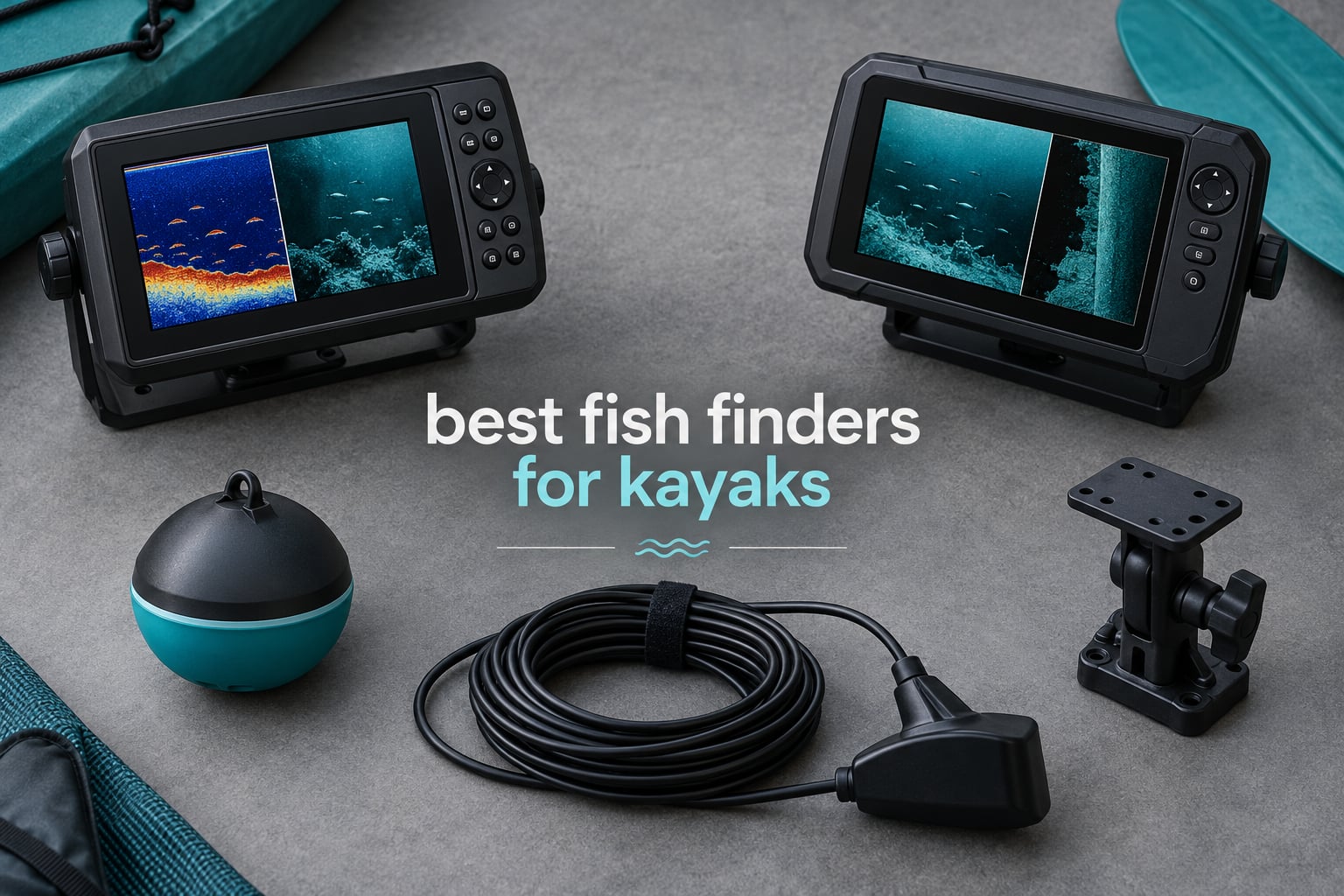
Quick answer: the Garmin Striker 4 is the best fish finder for kayaks in 2026 because it pairs CHIRP sonar with a built-in GPS in a 3.5 inch, 8 ounce package that mounts anywhere on a sit-on-top. The Garmin STRIKER Vivid 4cv is the pick if you want color detail, and the Humminbird PiranhaMAX 4 is the value option when dual beam sonar is enough.
Four of the top organic results for this query are kayak fishing forum threads, not roundups. That tells you something useful: anglers keep asking the same handful of questions because written guidance never answers them.
The recurring questions are about mounting, battery life, and whether a phone can stand in for a real screen. Our team read the current owner reviews on all eight fish finders below, cross-checked the published specifications, and mapped every answer back to what anglers actually reported on forums like bassresource.com and forums.paddling.com.
Owners on r/kayakfishing are consistent about the criterion that matters most. One verified owner of the Striker 4 put it plainly: apart from the fish finder function you can see depth and water temperature, and you can actually see. Ease of use and readable data beat feature lists in this category.
Another angler on bassresource.com made the same case from a different angle, saying he picked up a Garmin Striker Plus 4 for his yak and was very happy with the ease of use. On a small boat you are paddling, fighting a current, and holding a rod with one hand. A menu you have to study is a menu you will not use.
What follows covers eight units spanning the real decision range, from a handheld depth finder to a seven inch color display with wireless connectivity. Every model here is currently sold, which separates this guide from roundups still recommending discontinued Raymarine Dragonfly and Lowrance HOOK2 hardware.
Our Top 3 Fish Finder Picks for a Kayak in 2026

Garmin Striker 4
- CHIRP traditional sonar
- Built-in GPS with waypoint map
- 3.5 inch LCD
- IPX7
- 8 ounces

Garmin STRIKER Vivid 4cv
- CHIRP ClearVu scanning sonar
- 4 inch color display
- Quickdraw Contours
- GT20 transducer
- 11.2 ounces

Humminbird PiranhaMAX 4
- Dual beam sonar
- 4.3 inch LCD
- Transom transducer included
- 600 ft depth
- 1-year warranty
Comparing the 8 Best Fish Finders for Kayaks in 2026
| Product | Specs | Action |
|---|---|---|
| Garmin Striker 4 |
|
Check Latest Price |
| Garmin STRIKER Vivid 4cv |
|
Check Latest Price |
| Humminbird PiranhaMAX 4 |
|
Check Latest Price |
 Lowrance Eagle 4 Sonar Lowrance Eagle 4 Sonar |
|
Check Latest Price |
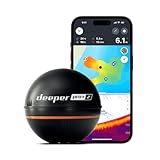 Deeper PRO+ 2 Deeper PRO+ 2 |
|
Check Latest Price |
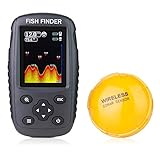 Venterior Portable Wireless Venterior Portable Wireless |
|
Check Latest Price |
 LUCKY FFC1108 LUCKY FFC1108 |
|
Check Latest Price |
 Garmin Striker Vivid 7cv Garmin Striker Vivid 7cv |
|
Check Latest Price |
Here is the short version of the whole list. Every product below has a section further down.
- Garmin Striker 4 – Best overall. CHIRP sonar, built-in GPS, and the easiest install in this group.
- Garmin STRIKER Vivid 4cv – Best for color detail. CHIRP ClearVu scanning sonar on a 4 inch color screen with Quickdraw Contours.
- Humminbird PiranhaMAX 4 – Best value. Dual beam sonar and a transom transducer in the box, no GPS required.
- Lowrance Eagle 4 Sonar – Best for direct sun. IPS screen readable through polarized sunglasses, plus auto-tuning sonar.
- Deeper PRO+ 2 – Best for mapping. Castable wireless sonar that builds bathymetric maps and saves them to the app.
- Venterior Portable Wireless – Best budget self-contained option. A color screen in your hand with no phone required.
- LUCKY FFC1108 – Best for beginners. A handheld depth and bottom finder that mounts through the hull.
- Garmin Striker Vivid 7cv – Best for a big screen. Seven inches of color with Wi-Fi, at a size you have to plan the mount around.
1. Garmin Striker 4 – The Best Overall Fish Finder for a Kayak
Garmin 010-01550-00 Striker 4 with Transducer, 3.5″ GPS Fishfinder with Chirp
3.5 inch LCD
CHIRP traditional sonar
Built-in GPS waypoint map
IPX7
8 ounces
Pros
- Readable in full sunlight
- Simple keyed buttons
- Accurate depth and water temperature
- Mounts without drilling
- Among the lightest full-featured displays
Cons
- Thin battery leads need securing
- Signal cuts out at higher speeds
- Bundled documentation is thin on power hookup
The Striker 4 is the unit I keep coming back to because it does the three things a kayak angler actually needs and refuses to add much else. It finds bottom, it shows depth and water temperature, and it holds a GPS position well enough to mark a brush pile and come back to it tomorrow.
Weighing 8 ounces, it is also among the lightest displays in this group. On a sit-on-top kayak that matters more than any specification, because every gram in the cockpit is a gram you are paddling with.
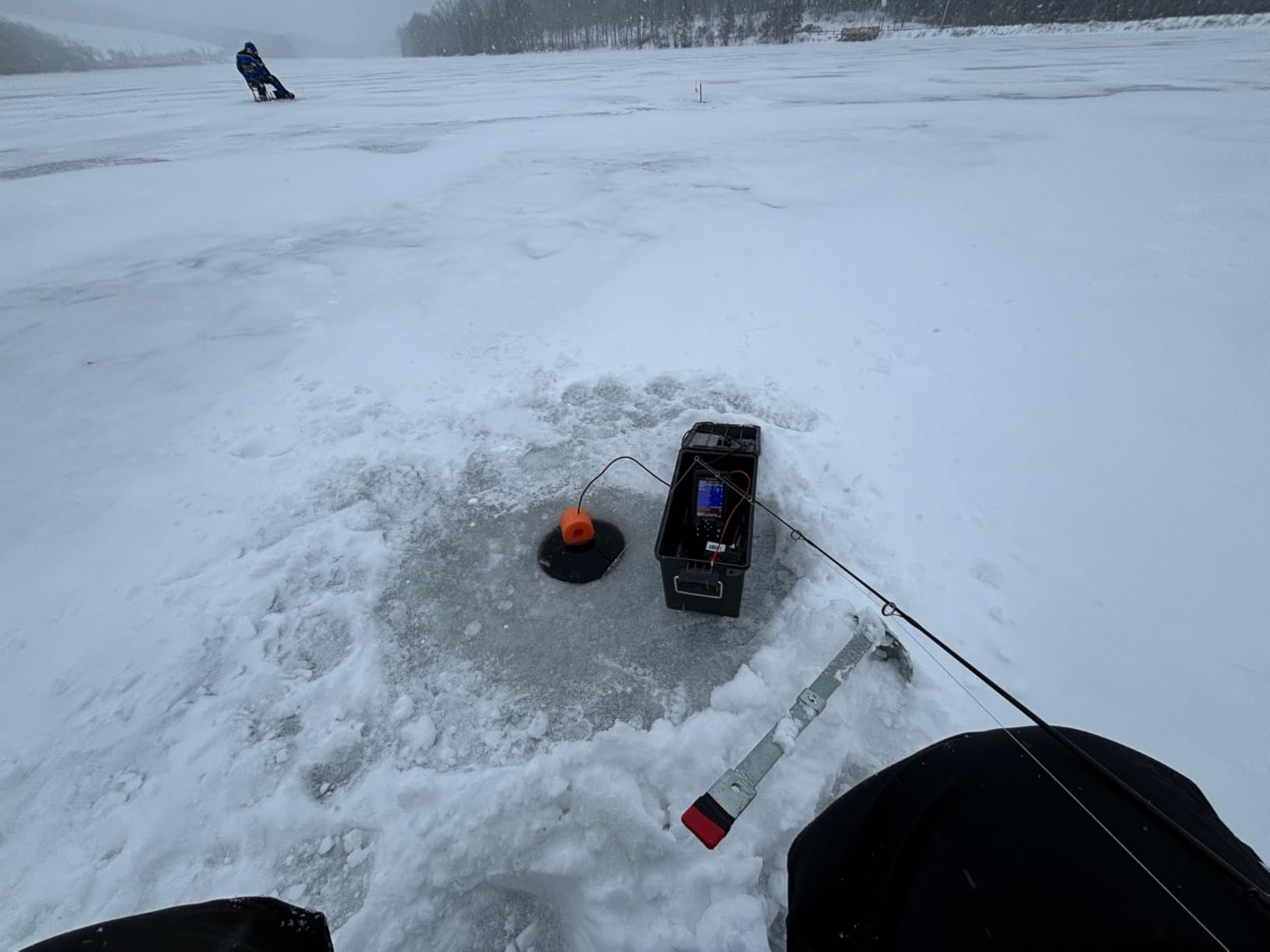
Owner reviews are unusually unanimous for a product with this many reviews. The most common praise is a screen that stays readable in direct sun, followed closely by a keyed interface that people describe as simple to learn. Nobody is writing about feature discovery because there is nothing to discover.
The Garmin waypoint map is the feature that separates it from every other option near it. You can mark a stump, a dock, or a productive drop-off, and the unit will show you a line back to it. On a lake you cannot see from shore, that turns a wasted morning into a repeatable spot.
CHIRP sonar in a 3.5 inch screen: what you actually see
CHIRP is a continuous sweep of frequencies rather than a single fixed tone, and the practical result is crisper fish arches with better target separation. On the Striker 4, that means you can pick a small fish holding near a piece of structure apart from the structure itself instead of seeing one thick blob.
The ClearVu scanning sonar is higher frequency, so it is tuned for detail in shallower water rather than raw depth. Maximum depth is rated at 1,600 feet in freshwater and 750 feet in saltwater, which is far more than any kayak will ever need, but the shallow end is where the image quality matters and it is strong there.
The screen itself measures 1.9 by 2.9 inches, 3.5 inches diagonal, with an LCD panel. That is small by boat standards and exactly right for a cockpit. Current draw at 12 volts is listed at 0.23 amp, so a small sealed battery will carry a full day.
Waypoint mapping on a hull with no bow
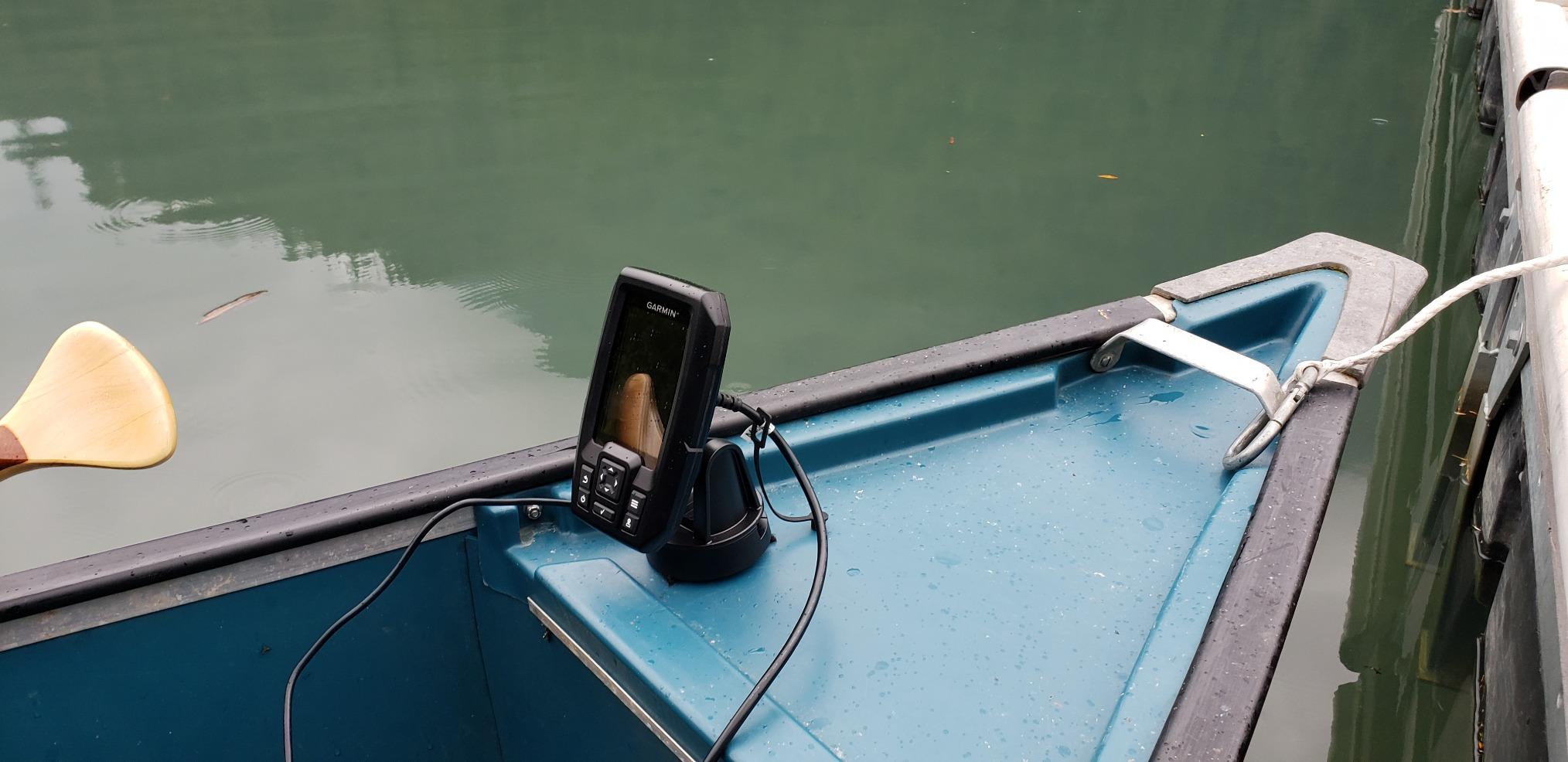
The tilt and swivel mount in the box handles the display, and the transom and motor mounts included handle the transducer. On a kayak the usual approach is a RAM ball on the forward deck rail or the console, which lets you angle the screen away from sun glare in seconds.
The one mounting complaint that repeats in reviews is about the power leads rather than the display. Owners note that the battery hookup leads are thin and need securing, so plan a wrap or a clip at the connection. The bundled documentation is also thin on power connection detail, so budget a few minutes with a multimeter or a known-good battery before you launch.
How it holds up when you paddle
Here is the honest limitation: reviewers report that the sonar signal cuts out at higher speeds. That matters if you plan to troll from the kayak at pace, because a blanked screen at speed is the moment you most wanted the reading. At paddling and low trolling speeds the picture is stable.
A small number of buyers reported power issues that required an exchange. The unit is covered by a 1-year limited warranty, so a faulty box is a support call rather than a loss.
If you are deciding between this and the Garmin STRIKER Cast, the answer is simple. The Cast is a castable puck with no screen of its own, and it wins only if you want zero hull wiring and already trust your phone in a waterproof case. If you want a display you can glance at without unlocking anything, the Striker 4 is the safer buy.
2. Garmin STRIKER Vivid 4cv – Best Fish Finder for Color Sonar Detail
Garmin Striker Vivid 4cv Fishfinder with Transducer – 4-inch LCD Display – Easy-to-Use Scanning Sonar – Color Palettes, 11.2 Ounces (010-02550-00)
4 inch color LCD
CHIRP traditional and ClearVu
Quickdraw Contours
GT20-TM transducer
Pros
- Color separates fish from structure
- GT20 transducer handles both CHIRP modes
- Quickdraw Contours included
- Compact 4 inch footprint
- Two year limited warranty
Cons
- No Wi-Fi on this model
- No built-in charts or C-MAP
- Needs a separate power and data connection
This is the highest rated display in the group, averaging 4.7 across more than 1,800 reviews, and the reason is color. The Vivid scanning sonar palettes let you assign different colors to different bottom densities, so a rocky ledge and a soft sand flat look different before you even read the depth line.
Compared with the Striker 4, the 4cv adds a larger panel, the GT20 transducer, Quickdraw Contours, and a two-year limited warranty instead of one. It is the same core experience with a sharper image, which is why it takes slot two rather than slot one.
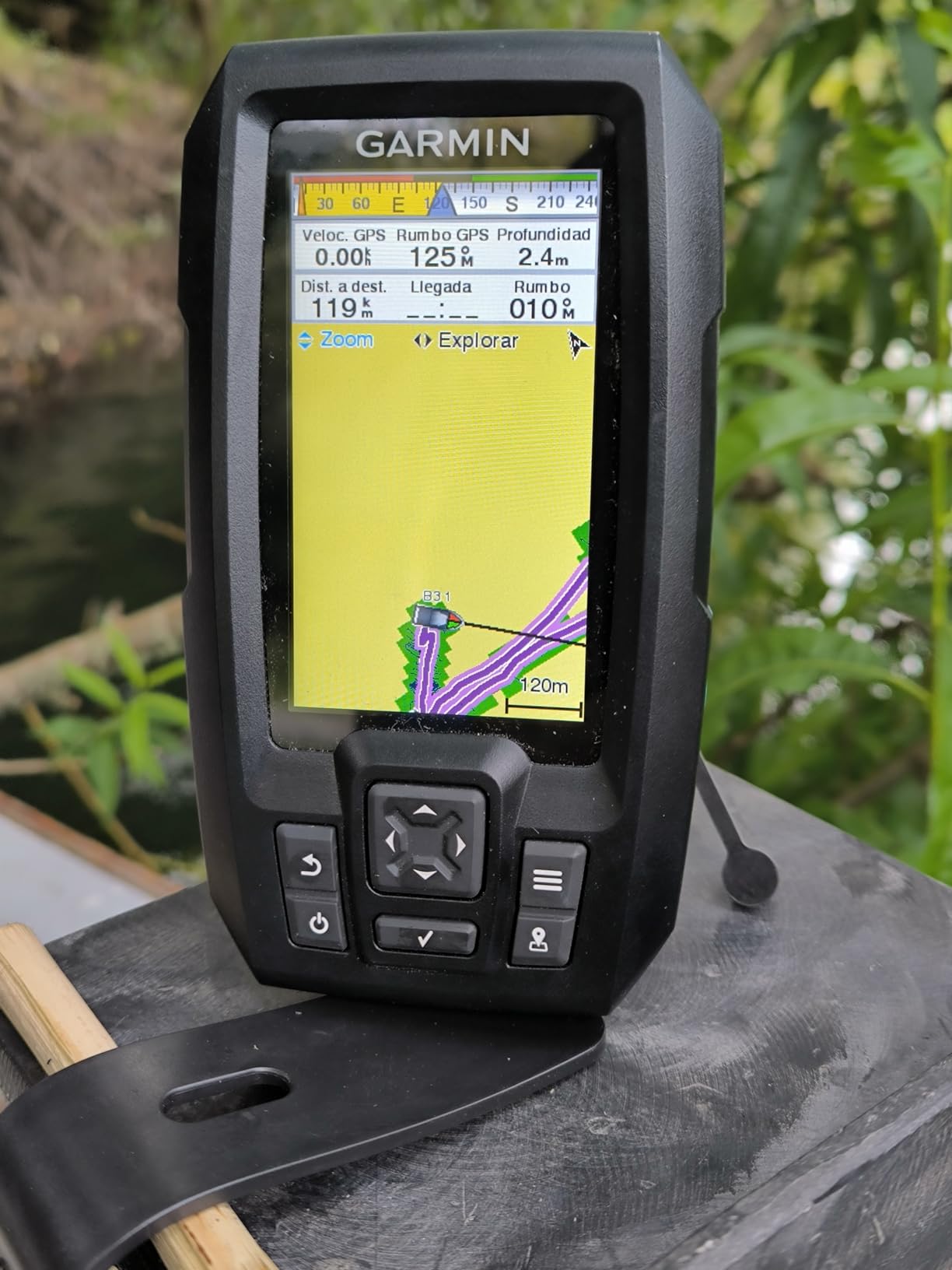
Owner reviews point at the color palettes more than anything else. Buyers describe being able to distinguish fish from structure more easily, and several note that the included GT20 transducer supports both CHIRP traditional sonar and CHIRP ClearVu scanning sonar out of the box, so there is nothing extra to buy.
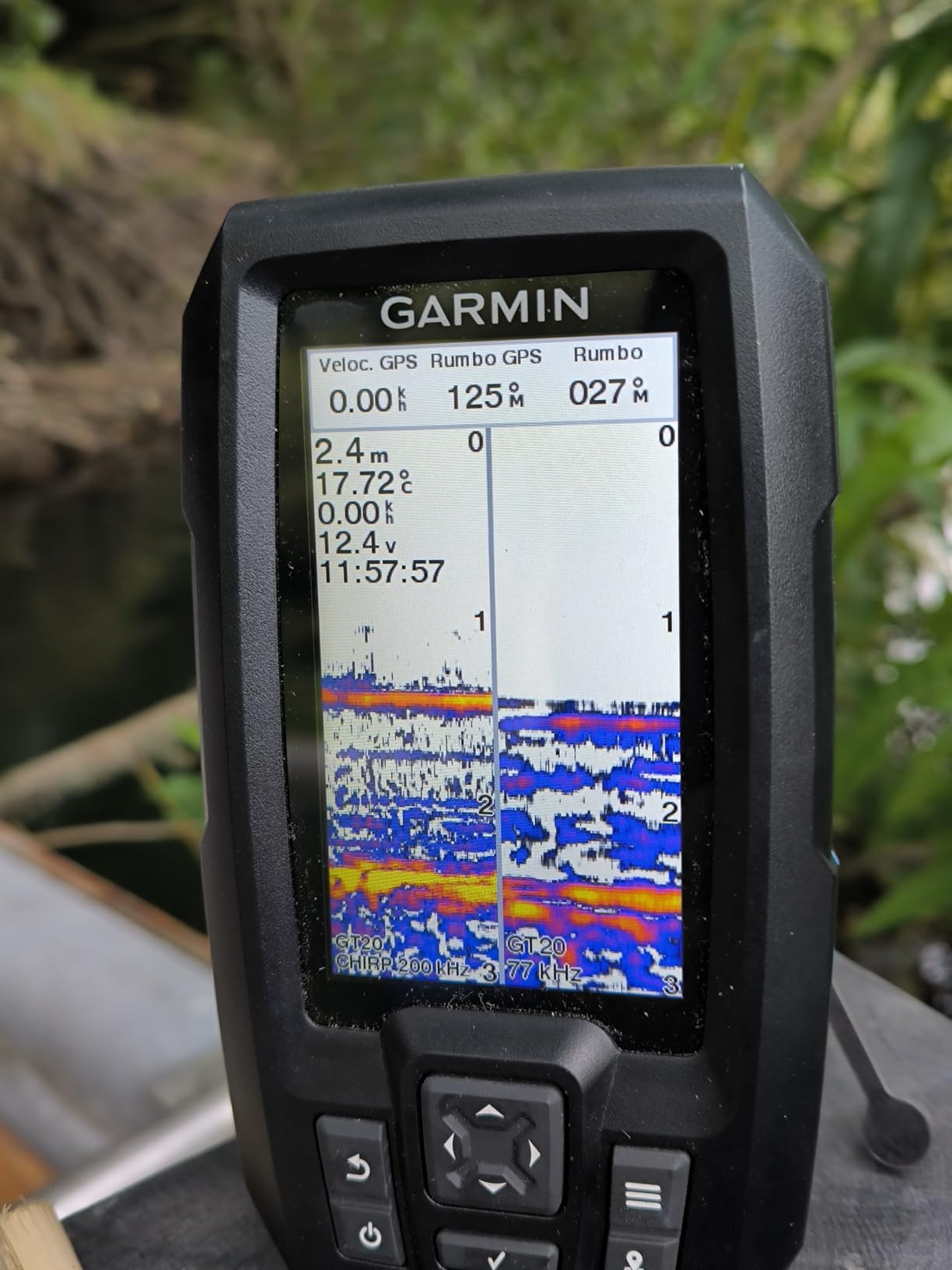
Quickdraw Contours is the quiet winner for lake anglers. It is built in, it costs nothing to use, and it records depth contours as you paddle. Run the same route twice and you get a depth map of the areas you have already covered, which is how most kayak anglers find structure without a chart subscription.
CHIRP ClearVu on a 4 inch panel
Both CHIRP modes come from a single included transducer, which keeps the install simple. The traditional mode gives you the classic arch and contour view with a flasher-style display if you prefer it, and ClearVu paints a photo-like image of structure and fish in the same frame.
At 4 inches the panel is still small enough for a cockpit, and at 11.2 ounces the whole display is light. Compared with the 8 ounce Striker 4, you gain 12 ounces of hardware for noticeably better fish and structure separation, which is a trade most anglers on structure will happily make.
Reviewers who compared this to other brands at the same tier repeatedly favored the image quality. That is consistent with what we see across the Garmin line in this roundup: the sonar image is the reason people stay in the ecosystem.
Quickdraw Contours versus a chart subscription
Quickdraw Contours is not a shoreline chart. It is a depth recorder. If you want to know where the ledge is, it will show you. If you want a coastal chart with roads and hazards, you will need something else, and this model does not include built-in charts or C-MAP support.
For a kayak on a lake you have already learned, that distinction rarely matters. The GPS is high sensitivity, so you can mark waypoints, create routes, and view your boat speed, and on a small watercraft the speed readout alone is worth the screen real estate.
Where the 4cv stops short
There is no Wi-Fi on this model, so you cannot transfer waypoints to a phone or receive smart notifications. Owners who came from larger Garmin systems notice this most, because the 7-inch model in this roundup does have wireless connectivity.
It also requires a separate power and data connection to function. Like the Striker 4, plan your power lead length and strain relief before the first launch rather than in the parking lot.
If your cockpit can accept a seven inch panel and you want the wireless features, the Striker Vivid 7cv is the version of this idea with more screen. If you want the color image without the size, the 4cv is the right stopping point.
3. Humminbird PiranhaMAX 4 – Best Value Fish Finder for a Kayak
Humminbird PiranhaMAX 4 Fish Finder with Transducer, Dual Beam Sonar
4.3 inch LCD
Dual beam sonar
XNT 9 28 T transducer
600 ft max depth
1-year warranty
Pros
- Dual beam gives detail and coverage
- Transom transducer in the box
- Tilt and swivel mount adjusts quickly
- 4.3 inch screen for a budget system
- Long owner review history
Cons
- No GPS or mapping
- No CHIRP or down imaging
- Heavier at 2 pounds than compact rivals
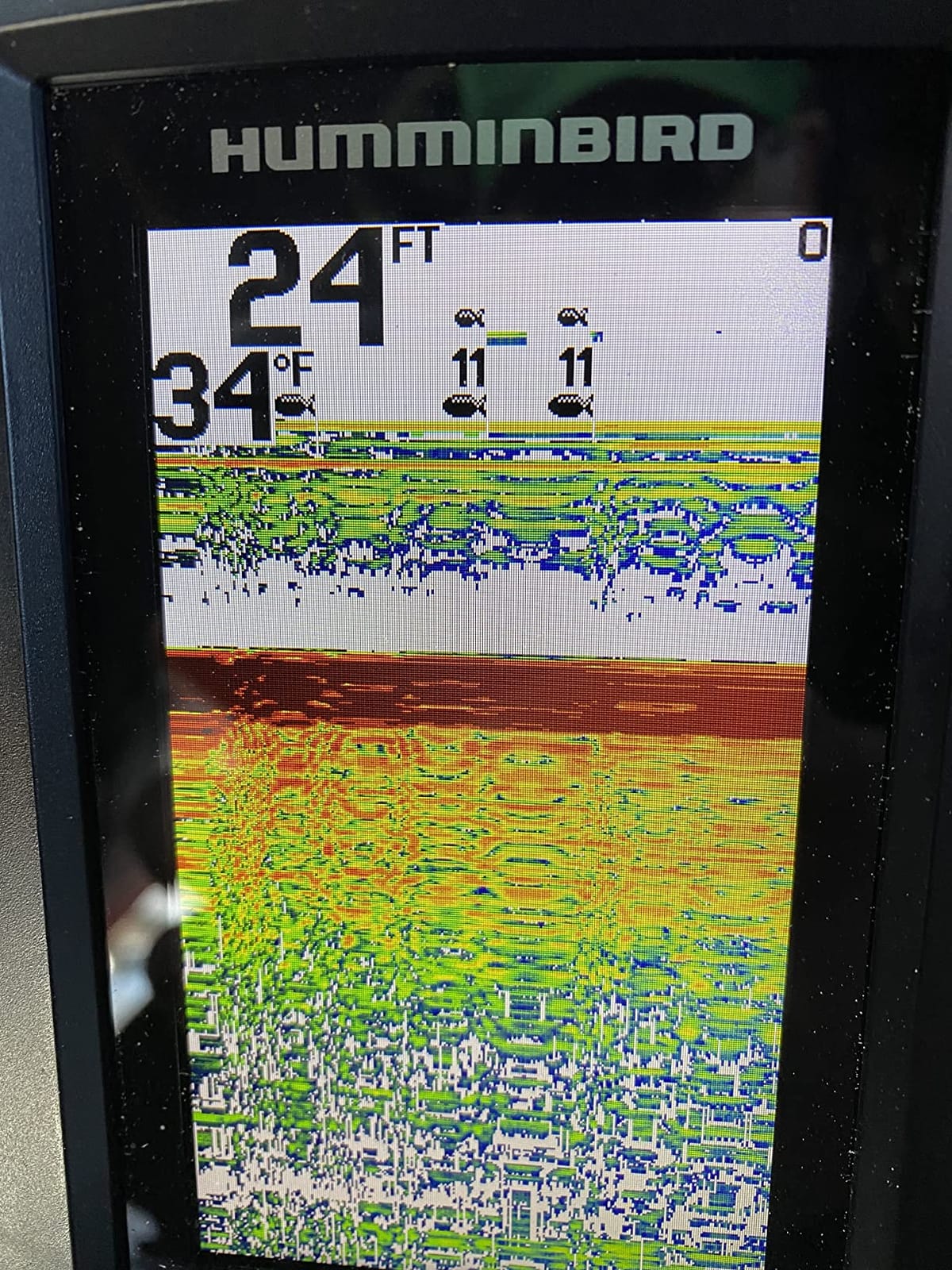
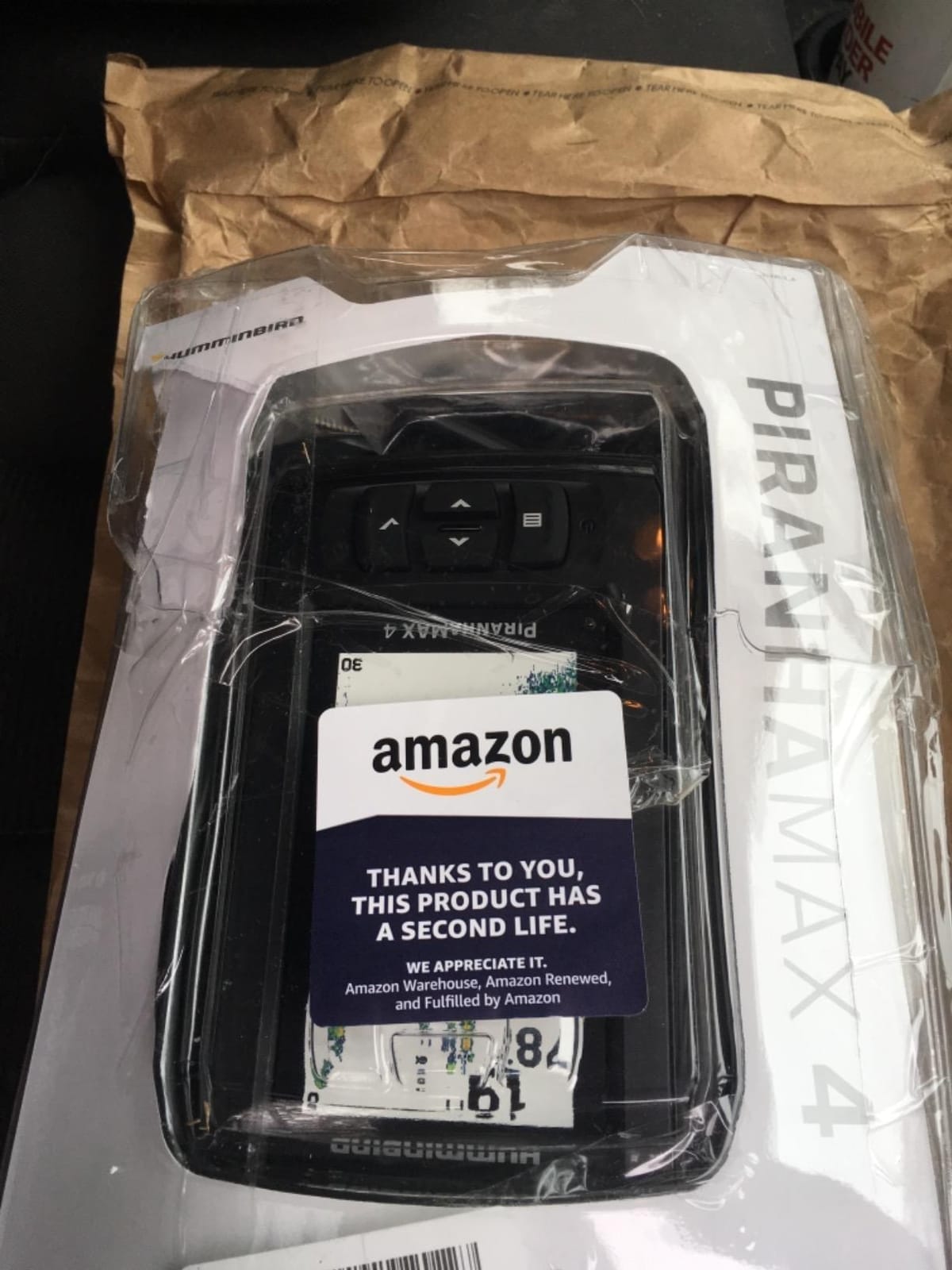
The PiranhaMAX 4 is the straightforward answer for an angler who wants a real screen and does not need to mark a single waypoint. It is a dual beam sonar display with a transom-mount transducer in the box, a tilt and swivel bracket, and a 4.3 inch screen, and it just works.
Reviewers rate it at 4.6 across more than 1,300 reviews with 77 percent five-star ratings. That is a long track record for a simple device, and it is why this model still shows up in kayak threads years after launch.
The consensus on forums.paddling.com frames the PiranhaMAX tier as the best for the money option, with reviewers noting the series sits well below the premium compact units while still giving a usable picture. The same thread emphasizes compactness over screen size, which is a point the 4.3 inch panel happens to hit well.
Dual beam sonar in plain English
Dual beam means the transducer sends two sonar cones at once. A narrow beam gives you detail on a specific target, and a wider beam gives you broad coverage of everything in front of the kayak. Having both on one screen means you can scan a wide area and then zoom your attention without changing settings.
It is not CHIRP, and it is not side imaging or down imaging. You are choosing it because the classic arch and contour view is what you actually fish, not because the specification sheet is long.
Maximum depth is rated at 600 feet, which covers any lake, reservoir, or nearshore saltwater run a kayak will realistically work. Water temperature is one of the readouts anglers mention most often, and it comes through the same transducer.
Mounting a transom transducer on a kayak
The XNT 9 28 T transom-mount transducer is the standard stick-on puck style. On a kayak it can sit on a strip of deck behind the cockpit, secured with a RAM ball or a suction cup, and the cable runs aft to the display at your feet.
Keep the puck in clear water at all times, which sounds obvious but is the most common installation mistake. Anything that interrupts the cone, including a hull, a deck strap, or a heavy coil of cable, shows up as a dead band on the display. Route the cable along the deck line and away from your paddle path so a stroke cannot snag it.
What you give up by skipping GPS
There is no GPS and no mapping on this model. That is the single biggest difference from the Garmin units in this roundup, and it is why the PiranhaMAX 4 is not the first pick despite matching the Striker 4 rating.
Owners who bought it without GPS tend to be satisfied because the job it does is narrow: show depth, show temperature, show fish arches and bottom contour. If your water is a lake you know or a river you run repeatedly, the missing GPS is a feature you will not use.
At 2 pounds, it is also the heaviest display of the three units in our top picks. On a sit-on-top that is noticeable. Budget for a light RAM mount rather than a suction cup if you are covering distance.
4. Lowrance Eagle 4 Sonar – Best Fish Finder for Direct Sunlight
Lowrance Eagle 4X Fish Finder with Bullet Transducer
4 inch IPS portrait
Auto-Tuning sonar
200 kHz 44 degree beam
500 ft depth
Twist-lock
Pros
- Readable in sun and through polarized glasses
- Auto-tuning removes manual setup
- 44 degree beam suits kayaks
- Twist-lock install and removal
- Portrait shape fits tight spaces
Cons
- Fish size readings are not precise
- Fewer owner reviews on this listing
- Sonar-only version has no C-MAP or GPS mapping
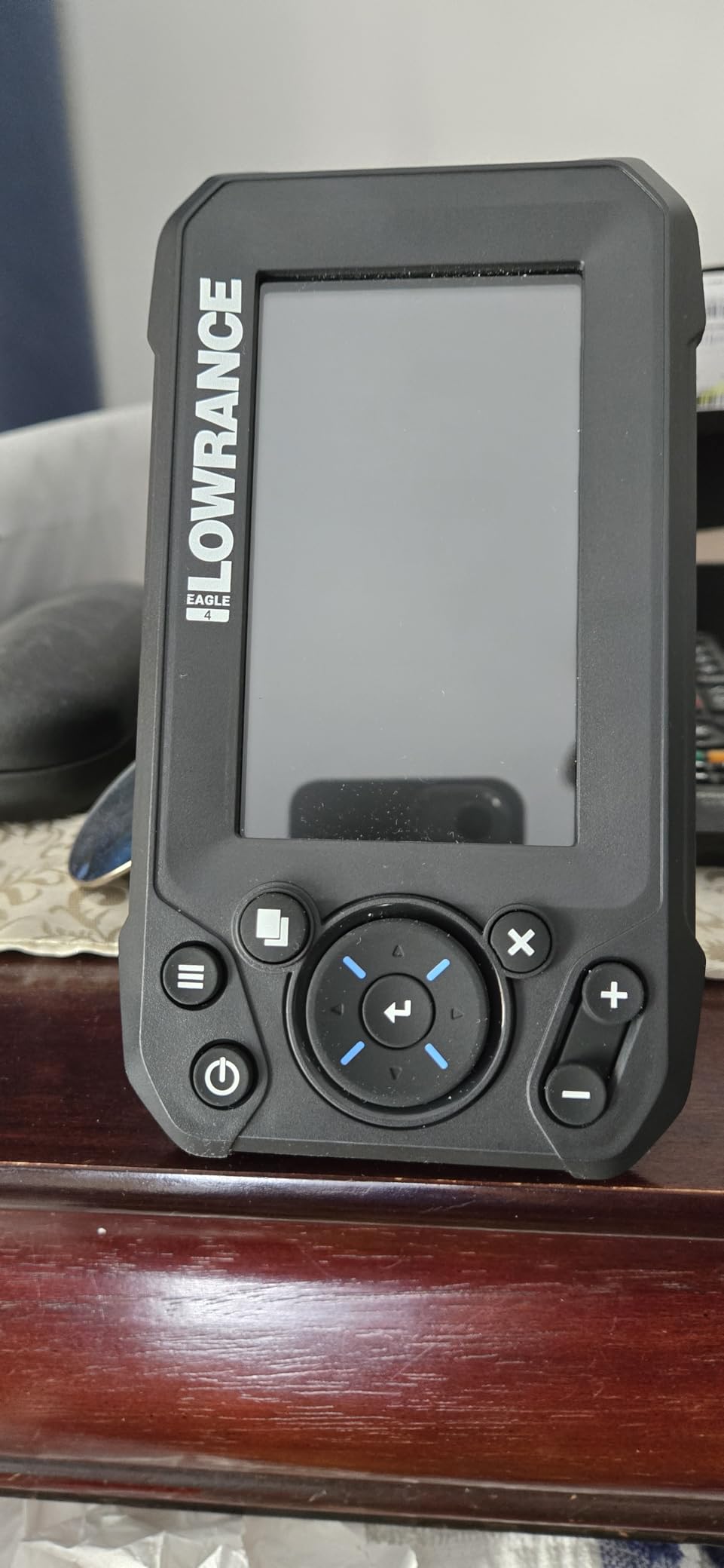
The Eagle 4 exists to solve one problem that every owner of a cheaper display has hit: a screen that washes out when the sun is behind you. The 4 inch IPS panel stays clear in bright light, from wide viewing angles, and through polarized sunglasses, which is a real advantage on an open lake at midday.
The second thing it solves is effort. Auto-Tuning Sonar sets the optimized settings for you, so there is no sensitivity dial to fiddle with on a moving kayak while you are holding a paddle in one hand.
Why an IPS panel matters more than resolution
Brightness and viewing angle decide whether you can read a screen at all. IPS panels hold their contrast and color at angles where a standard LCD washes to gray, and the listed performance holds up when the sun is high and your eyes are behind polarized lenses.
On a kayak you constantly change your seating angle, paddle side, and line of sight. A panel that only reads straight on becomes unreadable the moment you look down to check your line of sight while drifting over a ledge.
Auto-Tuning sonar and a 44 degree beam
The included 200 kHz Bullet Skimmer transducer puts out a broad 44 degree beam, and Lowrance specifies it for kayaks and small boats. A wider beam covers more water per paddle stroke, which is exactly what you want when you are searching rather than targeting.
Fish icons appear with depth, and you can zoom in for a closer look. Owners do caution that the fish size identification is not precise, so treat the icon as a cue to look, not a measurement to trust.
Maximum depth is 500 feet. That is short of the Striker 4 and the PiranhaMAX 4, but it is far deeper than any kayak-fished water, so depth rating is not where this unit should be judged.
Portrait mounting and the twist-lock connector
The portrait form factor is a deliberate space decision. It is taller than it is wide, which suits a kayak track or a bow-mounted RAM arm better than a landscape unit competing for the same deck area.
The twist-lock connector makes connecting and removing the display simple, so you can take the whole thing off at the launch and stow it in a dry bag when you are done. The box also includes locking collars, a fuse and fuse holder, and the bracket hardware, which is more than most rivals include.
Be aware of the tradeoff before you buy. This is the sonar-only version, so there is no C-MAP charting or GPS mapping, and owner reviews on this listing are thin at 116 with a 4.3 average. Several buyers also report inconsistent performance, so factor in the 1-year warranty and keep your purchase receipt.
5. Deeper PRO+ 2 – Best Castable Fish Finder for Mapping Spots
Deeper PRO+ 2 Sonar Fish Finder – Portable Fish Finder and Depth Finder For Kayaks, Boats and Ice Fishing with GPS Enabled | Castable Deeper Fish Finder with FREE User Friendly App
Castable wireless sonar
Wide, mid, narrow beams
330 ft accuracy
GPS bathymetric mapping
Pros
- No installation
- just cast it
- Built-in GPS builds bathymetric maps
- Three beam modes
- Just over 3 ounces
- Works from shore dock or ice
Cons
- Phone or tablet is the display
- Wi-Fi pairing and drop-outs reported
- One-star reviews focus on battery and connection
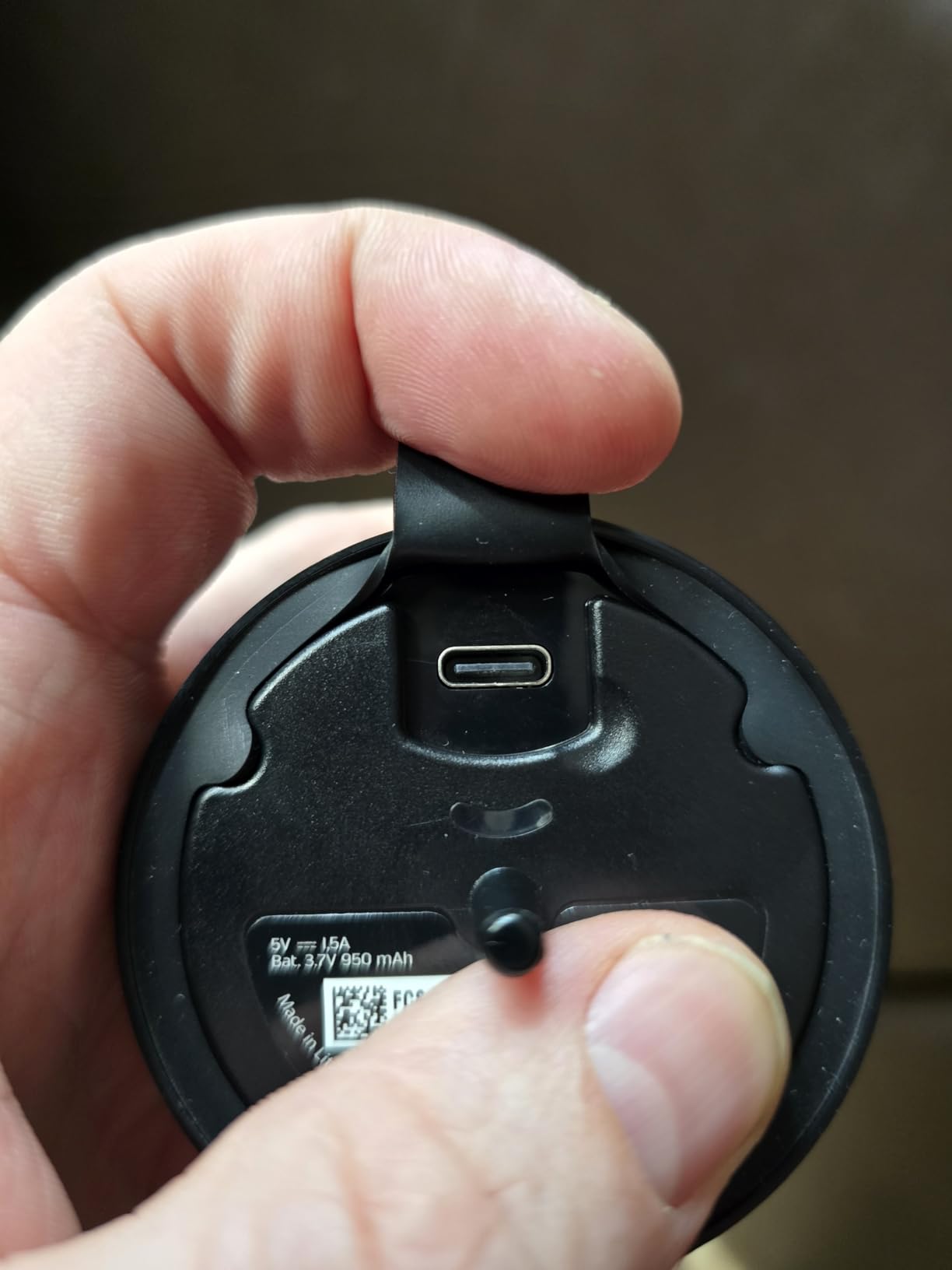
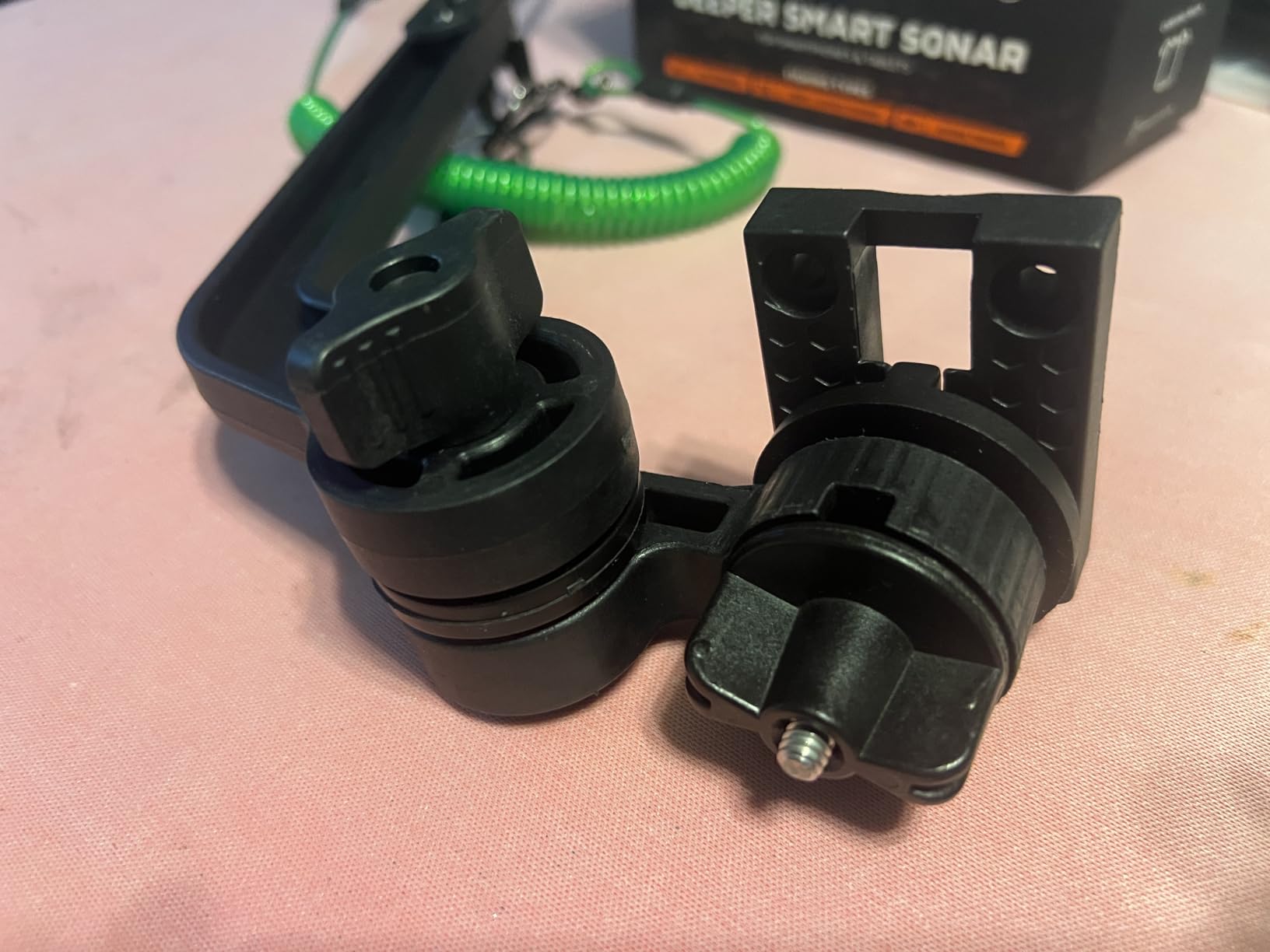
The Deeper PRO+ 2 inverts the usual logic. There is no hull wire, no mount, and no screen on the device. You charge it, cast it, and the picture appears on your phone through the Fish Deeper app over Wi-Fi.
That design makes it the most flexible option in this roundup. It works from a kayak, a boat, a dock, a shoreline, and on ice, and at just over 3 ounces it disappears into a tackle box.
Owner reviews praise the built-in GPS most, because it turns a castable puck into a mapping tool. You can create bathymetric maps from shore, dock, or bank, and the app saves them for later. On water you have never fished, that is a genuine scouting advantage.
The beam selection is the second strength. Wide, mid, and narrow modes let you cover a large area quickly or drill into a specific spot, and the narrow beam delivers target separation of 0.4 inch, which is precise enough to track a small lure when vertical jigging.
Accuracy, depth, and target separation
Accuracy is rated at up to 330 feet, which covers most kayak-fished water. The wide and mid beams give target separation of 1 inch, still tight enough to distinguish a fish from a branch.
The practical difference from a fixed-mount unit is that the transducer stays wherever you put it. Cast ahead of the kayak, let it sink, and you are reading the exact spot you are about to fish rather than the two feet in front of the hull.
Building bathymetric maps from the app
The built-in GPS logs your position while the sonar logs depth, and the app combines them into a map you can save and revisit. Anglers use this to map a shallow bay from the shoreline before launching, or to record a creek channel while working upstream.
On r/bassfishing, anglers treat castable units as a legitimate first step rather than a compromise, naming the Deeper PRO+ 2 alongside the Garmin STRIKER Cast as viable purchases. That matches our own read of the reviews: the capability is real, the interface is different.
Where the phone-as-screen setup breaks down
Reliance on a phone or tablet is the main drawback, and reviewers are blunt about it. The phone has to be visible in direct sun, protected from spray, and running the app, which means a waterproof case is part of the real cost of this setup.
Wi-Fi pairing and drop-outs are the second issue. A portion of one-star reviews cluster around connection failures and battery complaints, and 12 percent of reviews are one-star. A dropped connection at the moment you see a fish arch is the frustration that turns people back to a dedicated display.
Phone battery drain is worth planning for. Run the screen at full brightness on a hot day and you will be looking for a charging cable mid-session, which is a real problem on a small watercraft with nowhere to plug in.
The 2-year limited manufacturer warranty is a genuine plus on a wireless device with no water ingress concerns. Accuracy is rated at up to 330 feet, but if your water is deeper than that or you need a picture while you paddle, a fixed display is the better tool.
6. Venterior Portable Wireless Sonar – Best Budget Pick With No Phone Required
Venterior Portable Rechargeable Fish Finder Wireless Sonar Sensor Fishfinder Depth Locator with Fish Size, Temperature, Bottom Contour, Color Display
2.6 inch color TFT
Wireless sensor, 262 ft range
105 degree beam
2-year warranty
Pros
- Sensor needs no hull drilling
- Works out of the box
- Color screen with switchable background
- Reports depth temperature and contour
- Two-year warranty
Cons
- Battery drains in cold and pulls the handheld
- 105 degree beam is weak through ice
- False signals when dragged fast
The Venterior VT-FF005 gives you what most castable units do not: a screen you hold in your hand. The 2.6 inch color TFT display shows depth, temperature, fish size, fish depth, and bottom contour, and it connects to a wireless sensor you cast or tow.
No phone, no app, no Wi-Fi. That single decision removes the most common complaint about castable sonar, and it is why this system keeps drawing owners at 1,100 reviews and a 4.3 average.
A self-contained screen you can hold
The display offers two selectable screen backgrounds, black and white, and the manufacturer recommends switching to white in bright sunlight. That sounds trivial until you have squinted at a dark screen on a windy lake at noon, at which point it is the difference between usable and not.
The handheld also has work and simulation modes, and you can convert both depth and temperature units. The unit works from a kayak, a boat, from shore, and on ice, which makes it a genuine four-season tool rather than a single-purpose depth meter.
Range, beam width, and what the wide cone costs you
The maximum distance between the sensor and the handheld is 262 feet, or 80 meters, so you can cast well ahead of the kayak and still get a reading. The sonar beam angle is 105 degrees, which is very wide.
That width is a real trade-off. A wide beam covers more water but reduces accuracy, and owners report that the wide cone performs poorly through an ice hole where a narrow beam would give a usable reading. On open water from a kayak, the coverage is the trade you want.
Depth range is listed as 2.6 to 164 feet, and reviewers caution that readings are not accurate beyond roughly 120 feet. For structure fishing on a reservoir or nearshore saltwater, that is enough. For deep offshore water, it is not.
Cold weather, speed, and honest limitations
Battery life is where this setup is most vulnerable. Reviews specifically flag a drop in cold conditions, and the sensor also drains the handheld receiver. Plan a spare charge for the sensor in winter, and expect less from both in freezing water.
Second limitation is speed. Owners report false signals when the sensor is dragged behind a moving boat, so slow trolling is fine and fast trolling is not. A kayak rarely moves fast, which makes this a smaller problem here than it would be on a boat.
Fish size readings are categorized as small, medium, or big, and reviewers note these are subjective rather than measured. Treat them as a relative cue. The weight is 15 ounces for the whole package, which is heavier than a castable puck but includes a screen you are not carrying separately.
The 2-year warranty with responsive brand support is worth noting, because budget electronics more often carry a single year.
7. LUCKY FFC1108 – Best Handheld Fish Finder for a Tight Cockpit
LUCKY Kayak Portable Fish Depth Finder Water Handheld Fish Finder Sonar Castable Kayak Boat Fishfinder Transducer Fishing LCD Display FFC1108
2 inch handheld LCD
Through-hull transducer
3 to 328 ft depth
Backlit display
Pros
- Entry-level working depth finder
- Through-hull mounting matches open water readings
- One hand carry with neck strap
- Backlight reads in sun or dark
Cons
- No fish size separation
- Fiberglass hulls block the signal
- Not usable from shore alone
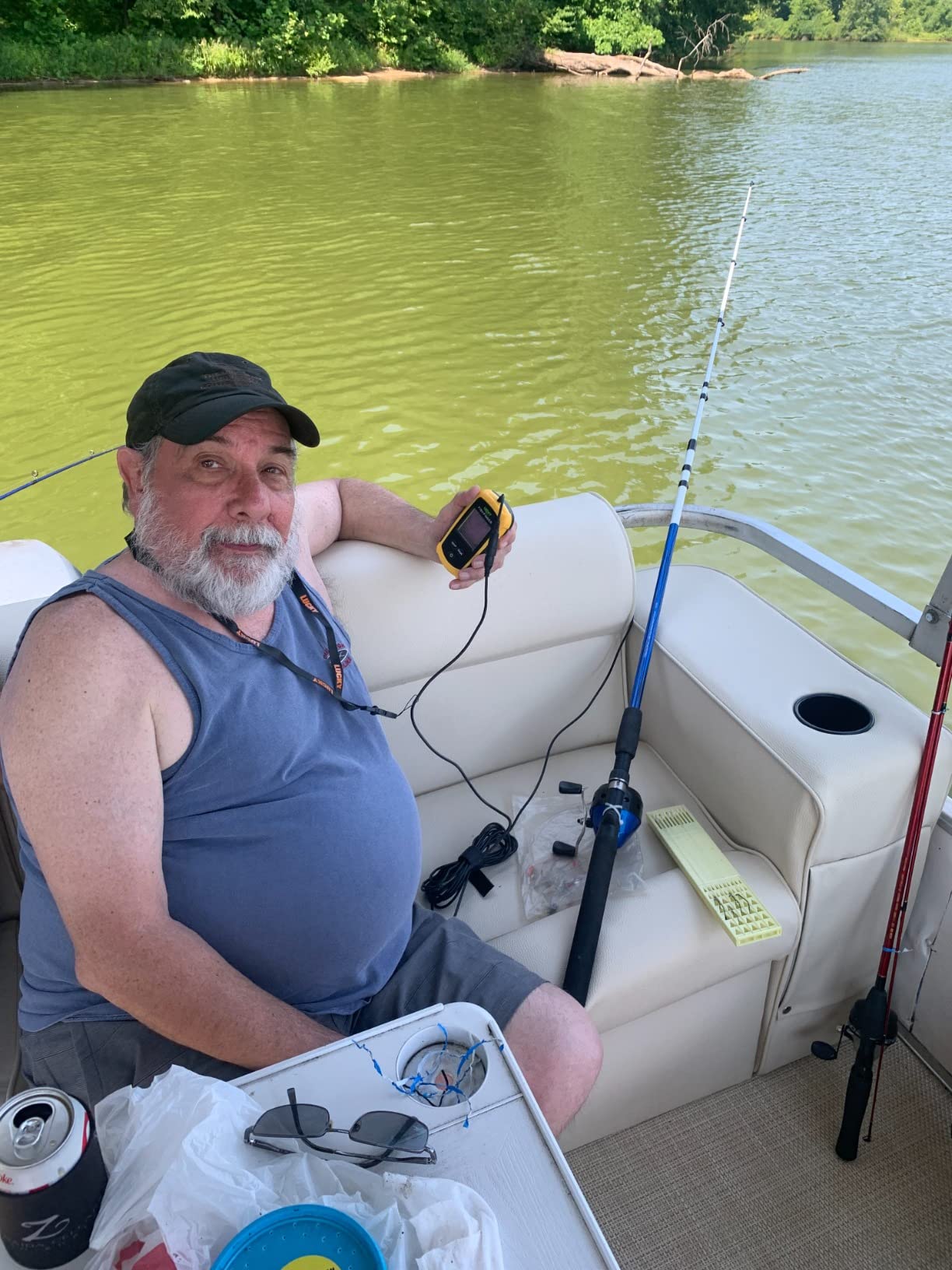
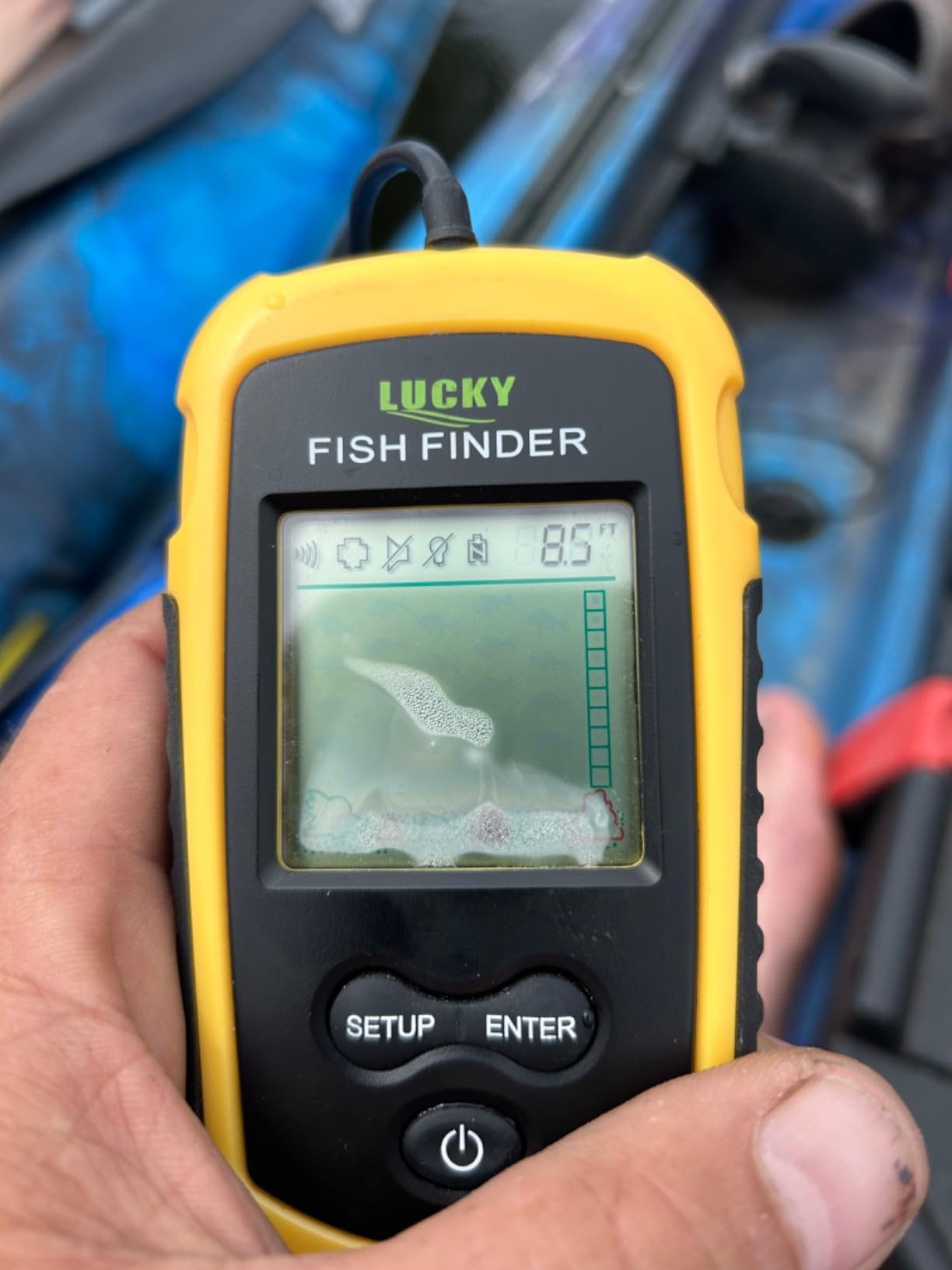
The LUCKY FFC1108 is the honest entry point. It is a handheld depth and bottom finder with a small backlit LCD, a neck strap, and a sonar transducer that can be mounted through the hull of a kayak or towed behind it.
With more than 3,200 reviews it is one of the most widely used cheap sonar systems, and owners treat it accurately: this is a depth and bottom-structure tool, not a fish identification machine.
On r/bassfishing, anglers asked directly whether cheap models are worth buying, and the answer on those threads is that they are considered viable rather than embarrassing. The LUCKY is the reason that is a fair position. It will tell you how deep the water is and what the bottom is made of.
Through-hull mounting that matches a tossed transducer
The transducer can be attached to the hull of a kayak or boat so the reading updates as you move. Kayak owners report that through-hull mounting produces the same readings as a tossed transducer, which is the useful result here.
The important caveat is hull material. Reviews note the unit does not read through a fiberglass hull, so on a fiberglass kayak you need a tossed or towed transducer instead. On a rotomolded polyethylene sit-on-top, the through-hull install is straightforward and stays out of the way.
Depth detection runs from 3 feet to 328 feet when the transducer is fully immersed, and the unit switches between feet and meters freely.
Sensitivity levels and bottom type readout
Five levels of sensitivity let you work clear water or turbid water, which is more control than most displays at this level offer. Beyond fish depth and water depth, the display reports short and tall weeds, sand, and rocks, so you can tell a productive bottom from bare ground.
The backlight makes the screen visible in sunshine or darkness. The neck strap lets you wear the display around your neck when your hands are busy, which on a kayak is most of the time.
There is also a fish and fish school alarm that sounds when targets pass by. Because the unit does not separate fish by size, it fires on small baitfish as readily as on anything you want.
The limits of a handheld depth finder
Fish size is not differentiated, so the unit picks up minnows and small baitfish as readily as anything you want. The reading is also approximate rather than precise, and it is not usable from shore without a boat, since the display has no wireless link to the sensor.
Runtime is listed at 4 to 5 hours of continuous use with new batteries, longer in battery save mode. A small minority of buyers report boxes that failed to power on shortly after arrival, which is the most common one-star theme alongside the missing fish size separation.
With a 4.1 average across more than 3,200 reviews, it is the lowest rated product here, and the rating is fair. Use it as a depth and bottom finder, and upgrade when you need to know what is holding on that bottom.
8. Garmin Striker Vivid 7cv – Best Big-Screen Fish Finder for a Kayak
Garmin Striker Vivid 7cv, U.S. with GT20-TM Transducer – Easy-to-Use 7-inch Color Fishfinder and Sonar Transducer, Vivid Scanning Sonar Color Palettes (010-02552-00)
7 inch color LCD
CHIRP traditional and ClearVu
Wi-Fi ActiveCaptain
GT20-TM transducer
Pros
- Readable in direct sun on a large panel
- Produces sonar as soon as you launch
- Color palettes separate fish and structure
- Wireless waypoint transfer and notifications
- Complete kit with transducer included
Cons
- No pre-installed maps or charts
- Feature set takes study time
- Heaviest option here at 4.4 pounds
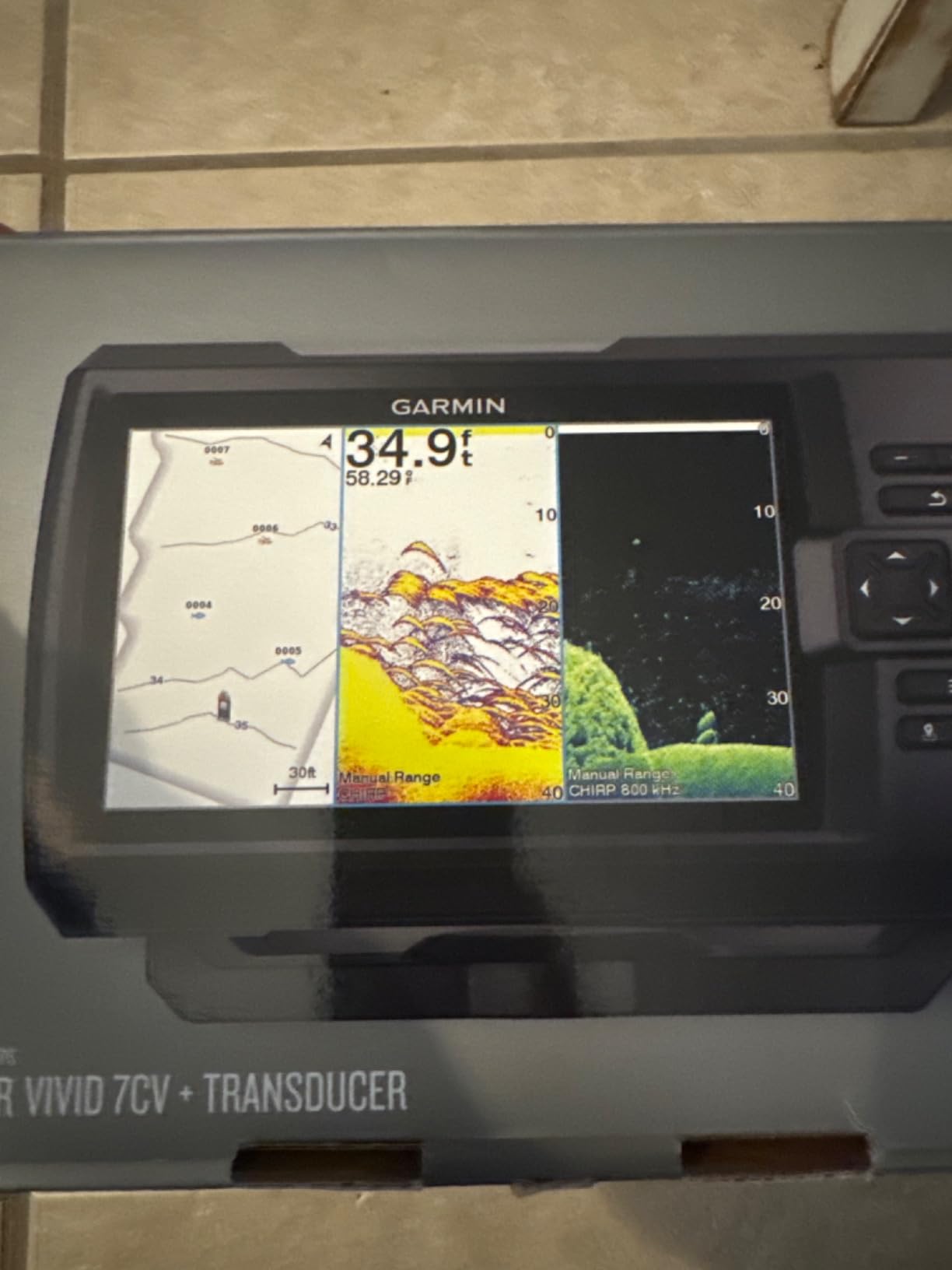
The seven inch Striker Vivid 7cv is the screen size anglers keep asking about. Owners on norcalkayakanglers.com reached a consensus that seven inches and smaller is the practical limit on a kayak, with a nine inch display as the point where mounting problems start. This is the unit that occupies that ceiling.
Reviewers rate it 4.5 across more than 570 reviews, and the recurring note is that it starts producing sonar as soon as the kayak launches. The big color screen stays readable in direct sun and the vivid palettes give good fish and structure separation.
Seven inches in a kayak cockpit
A 7 inch panel is 11.4 by 8.9 by 8.2 inches and weighs 4.4 pounds, which is the heaviest option in this roundup by a wide margin. That is not a criticism so much as a fact you have to design around: the weight belongs on a deck, not in your hands.
The tilt and swivel bailmount bracket is included, and the practical mount is a rigid RAM arm off the deck rail or console. A suction cup will not hold this much mass in a current. The upside of the size is that the screen is readable in direct sun without crouching over it, which is the entire argument for buying it.
Wi-Fi and ActiveCaptain waypoint transfer
This is where the 7cv separates from the 4cv. Wi-Fi connectivity lets you connect the ActiveCaptain app to a compatible smartphone to transfer waypoints, receive smart notifications including software update notices, and access the Garmin Quickdraw Community.
Combined with the built-in Quickdraw Contours, that gives you a mapped trip rather than a device. High-sensitivity GPS marks waypoints, creates routes, and shows boat speed, and Quickdraw Contours is included with no subscription.
There are no pre-installed maps or charts on this model. Owners who want shoreline cartography still need another source, so treat this as a sonar and contour instrument with navigation features rather than a chartplotter.
Weight, menus, and the learning curve
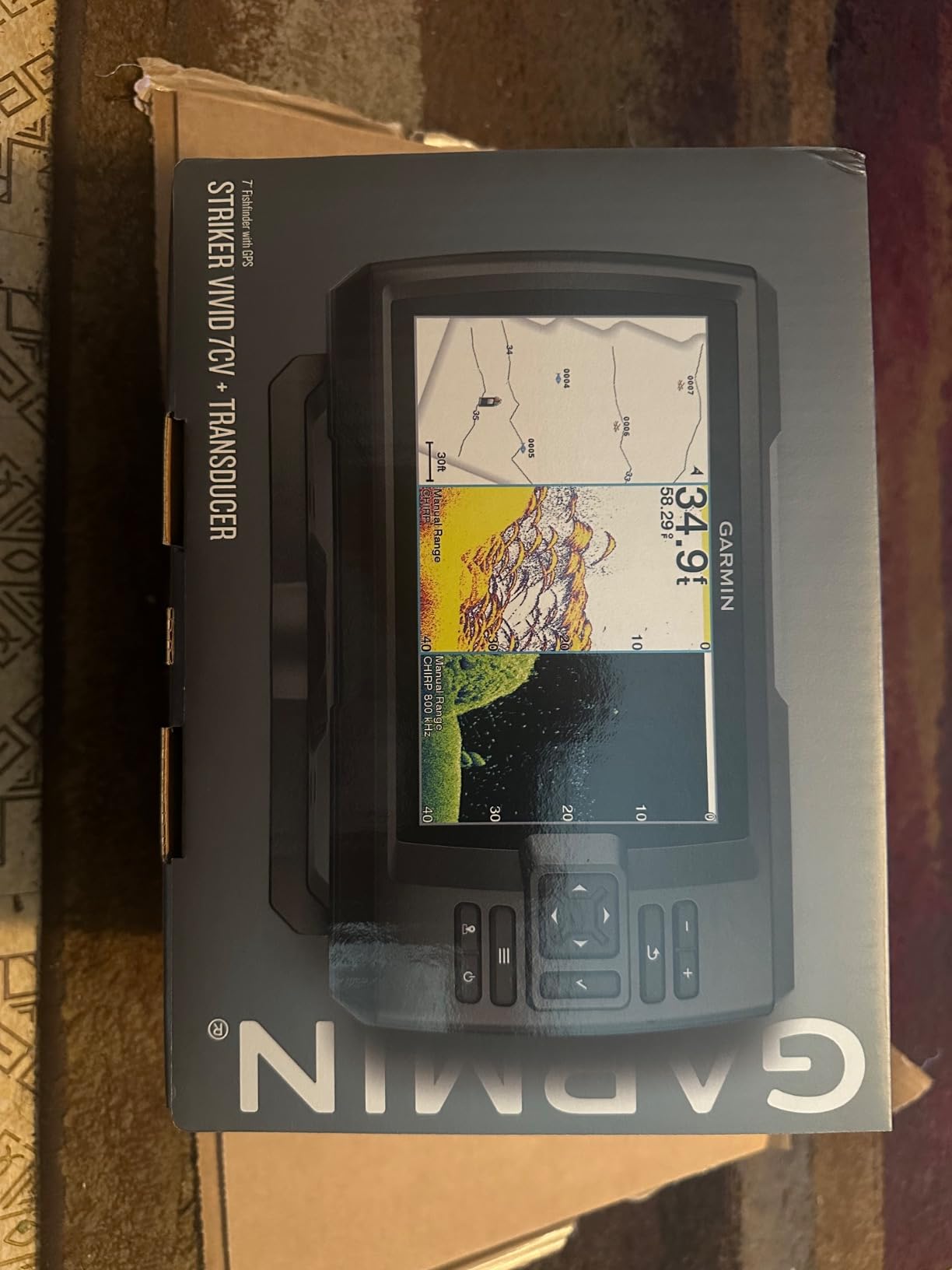
The feature set takes study time to master, and that is the second most common complaint after the missing maps. The menu becomes intuitive with time, but it is not a keyed-button simplicity like the Striker 4, and you will be learning it on the water unless you sit with it first.
The 4.4 pound weight also changes how you move. On a sit-on-top, every pound on the deck affects tracking and paddle efficiency over a full day, and a 7 inch screen also competes for mounting space near the console or the bow hatch.
Our take: buy this if you fish big water, cover a lot of ground, and want to read structure without leaning forward. If your trips are shorter and your water is more familiar, the 4cv gives you most of the sonar quality at 11.2 ounces and 4 inches.
One more note from the ownership reviews. Forum owners with larger Garmin systems on their boats value the mapping ecosystem but reject oversized displays on a kayak, which is exactly the tension this model resolves as far as the hardware goes.
How to Mount a Fish Finder on a Kayak
Mounting is the number one question on every kayak fishing forum thread about this equipment, and it is the one no roundup answers. Here is the install we would run on a sit-on-top, in the order that avoids rework.
- Pick the display position first. The console in front of the seat is the default because it puts the screen in your eyeline while paddling. On a kayak with a bow hatch, the bow is the alternative and it is better for reading structure ahead of you.
- Choose a rigid mount. A RAM ball on a deck rail or a RAM clamp on the console is the right answer for anything with a screen larger than 4 inches. Suction cups work for handheld units and small displays, and adhesives are a last resort because you cannot adjust the angle once it cures.
- Position the transducer in clear water. For a transom or stick-on puck, mount it aft of the cockpit or on the bow deck where nothing interrupts the sonar cone. A suction cup on the hull near the waterline works on a sit-on-top that gets wet on the bottom.
- Route the cable along the deck line. Run the transducer cable forward under a deck bungee or along a gear track, never across your paddle path. A cable that moves with the current will pull the puck off the hull mid-cast.
- Build the power connection with slack. Use the supplied power and data cable, connect it to a sealed lead-acid or lithium battery, and secure the thin leads where owners of the Striker 4 most often report trouble. A fuse and fuse holder are worth adding on any install.
- Test before you launch. Put the unit in simulation or on the dock, confirm the depth reading matches a paddle, then check the reading while moving at your planned paddling or trolling speed. Any sonar in this roundup can cut out at speed.
- Seal and stow everything you can. A dry bag for the display on an inflatable kayak, and drip loops on every connection, are the difference between a season of use and a season of corrosion.
For castable units like the Deeper PRO+ 2, skip all seven steps. That is the entire argument for a wireless puck: no mount, no cable, no connector to fail.
Garmin vs Humminbird vs Lowrance vs Deeper: Which Brand to Buy
Garmin versus Humminbird: Garmin wins on this page for sensor quality and connectivity, with CHIRP scanning sonar, waypoint mapping, and Quickdraw Contours across the range. Humminbird wins on simplicity and on the simplicity of its entry systems, and owners on stripersonline.com argue that Humminbird picture quality leads Lowrance at the same tier.
Garmin versus Lowrance: Garmin gives you CHIRP ClearVu, larger screens, and wireless on the 7 inch model. Lowrance competes hardest on display quality at the entry level, and the Eagle 4 IPS panel is the one screen here rated explicitly for readability through polarized sunglasses.
Deeper versus the big three: Deeper is the only castable option here and the only one that maps from a phone. It wins on flexibility and loses on screen reliability, because the display is whatever you already own and can get wet.
Our read across owner reviews is that Garmin dominates the kayak forum consensus for a reason. Ease of use and a readable picture in the sun were the two things owners named most often, and that is precisely where the Striker line sits.
How to Choose a Fish Finder for a Kayak: Buying Guide
Sonar frequency and CHIRP in plain English
A transducer sends a sound pulse into the water and waits for the echo. Fish, structure, and the lakebed return that echo at different times and strengths, and the unit draws the differences as arches, contours, and depth numbers.
Frequency is the trade. Higher frequency, around 200 kHz, gives near photographic detail but shallower reach. Lower frequency, in the 50 to 83 kHz range, punches deeper but blurs fine detail. CHIRP improves on any single frequency by sweeping a band of them continuously, which produces cleaner arches and better target separation.
For kayak work, the practical rule is that you will be reading 3 to 40 feet of water. Any unit in this roundup covers that. Choose on image clarity and interface, not on maximum depth, because the 600 foot and 1,600 foot ratings are not decisions you are making.
Transducer types and which one suits a kayak
Three types cover this category. A transom-mount puck sticks to the stern and is the easiest to install, which is why the PiranhaMAX 4 and both Garmin STRIKER Vivid models include one. A thru-hull transducer screws through the hull for a permanent low-profile install, and it is the cleanest option on a rotomolded kayak that will not be dragged. A castable sonar is a wireless puck you toss, which needs no install at all.
On a sit-on-top, the transom puck on a RAM or suction mount is the sweet spot. It is removable, serviceable, and easy to reposition if you switch between trolling and paddling. On an inflatable, a castable is usually the only realistic answer.
Screen size, brightness, and glare
The consensus from kayak anglers is that 7 inches and smaller is workable and 9 inches is where mounting problems begin. Our read of the eight products here agrees, with one nuance: a 4 inch IPS panel can outperform a larger standard LCD in direct sun, which is why the Lowrance Eagle 4 earns its place despite a smaller screen.
Consider three things. Sunlight readability, which favors the IPS panel and the switchable Venterior background. Mount rigidity, because a large screen on a soft suction cup vibrates. And cockpit space, since a display that blocks your view of the water behind you is a safety issue in a current, not just an annoyance.
Battery life and power for a full day
Plan on 8 hours of runtime as the real target. The Garmin Striker 4 draws 0.23 amps at 12 volts, so a small sealed battery covers a full day easily. The LUCKY FFC1108 is rated at 4 to 5 hours of continuous use, longer in battery save mode, and the castable sensors are the weak point in cold weather.
Cold water is where budget systems fail first. Reviewers of the Venterior unit specifically report battery life dropping in cold conditions, and the Deeper PRO+ 2 draws complaints about battery and connection performance. If you fish through winter, carry a spare charge for any wireless sensor.
GPS, waypoints, and mapping
GPS is what turns a sonar reading into a repeatable location. Mark a brush pile, a ledge, or a drop-off, and you can return to it without re-finding it by memory. The Striker 4, STRIKER Vivid 4cv, STRIKER Vivid 7cv, and Deeper PRO+ 2 all have built-in GPS.
Quickdraw Contours on the two STRIKER Vivid models records depth as you paddle and saves it, so a second pass over the same water fills in the map. It is not shoreline cartography, and no product in this roundup includes pre-installed charts. If you navigate unfamiliar water, that is a separate purchase or a different category of unit entirely.
Phone or tablet as the display
Using your phone as a screen is genuinely viable, and the Deeper PRO+ 2 is built for it. Four practical caveats apply. The phone must be in a waterproof case in a splash-prone cockpit. The screen must stay readable in direct sun, which modern phone glass handles well. The phone battery will drain, so bring a power bank. And the connection can fail at the worst moment, which is the single most common complaint in the Deeper reviews.
Forum threads asking whether to run a dedicated unit or a tablet with an app tend to converge on the same answer. If you already carry a phone and want zero installation, go wireless. If you want a picture every time you glance down without unlocking anything, buy a display.
Who Should Not Buy a Fish Finder at All
If your water is shallower than about 10 feet and you can see the bottom, you can also see the fish. On a pond, a small lake you know well, or a shallow river, looking down from the kayak is faster than reading a screen, and the electronics will not put more fish in the boat.
Peer advice on kayak forums points the same direction. The recurring comment is that shallow-water anglers do not need a fish finder, and they are right. The units in this roundup earn their cost on structure, drop-offs, deep water, and unfamiliar lakes where you are searching rather than seeing.
There is also a skill consideration. A sonar screen is a tool for reading structure, and reading structure takes practice. Buying a display before you know what a ledge looks like on the water means buying a device that shows you a lot of lines without knowing which ones matter. Start on familiar water, learn the screen, then expand.
Frequently Asked Questions
What is the best portable fish finder for kayak fishing?
The Garmin Striker 4 is the best portable fish finder for kayak fishing because it combines CHIRP traditional sonar with a built-in GPS waypoint map in a 3.5 inch, 8 ounce display that mounts without drilling. If you want color and more detail in the same footprint, the Garmin STRIKER Vivid 4cv adds CHIRP ClearVu scanning sonar, a 4 inch color screen, and Quickdraw Contours at 11.2 ounces. For pure portability with no wiring at all, the Deeper PRO+ 2 casts anywhere and maps from your phone.
Which fish finder is best for a kayak?
For most kayak anglers the Garmin Striker 4 is the best choice, because built-in GPS lets you mark a productive spot and return to it, and the keyed interface needs no learning. Anglers who fish structure all day in sun often prefer the Garmin STRIKER Vivid 4cv for its color separation. Anglers who never need to mark a location are better served by the Humminbird PiranhaMAX 4, which includes a transom transducer and a tilt and swivel mount in the box.
What is the best small fish finder for a kayak?
The Garmin Striker 4 at 3.5 inches and 8 ounces is the best small fish finder for a kayak cockpit. If glare is your problem rather than size, the Lowrance Eagle 4 has a 4 inch IPS portrait screen that stays readable in bright sunlight and through polarized sunglasses. If you want the smallest possible footprint, the LUCKY FFC1108 is a handheld unit with a 2 inch backlit LCD and a neck strap.
What is the best-rated portable fish finder?
Among the units in this roundup, the Garmin STRIKER Vivid 4cv holds the highest average rating at 4.7 across more than 1,800 reviews, and the Garmin Striker 4 follows at 4.6 with a far larger review base of more than 9,300. A high rating on a small review base tells you less than a high rating on thousands of reviews, which is why the Striker 4 is our overall pick rather than the highest-rated display.
Do I need a fish finder for kayak fishing?
You need one if you fish water deeper than roughly 10 feet, on larger lakes, reservoirs, or coastal saltwater, especially when you are trolling or targeting structure. You do not need one on shallow water or a pond where you can see the bottom and the fish by looking down. A sonar screen is also only as useful as your ability to read structure, so learning a familiar lake matters more than the unit you buy.
Is Humminbird or Garmin better?
Garmin is the better buy for kayak anglers who want sensor quality, waypoint mapping, and wireless connectivity, since the Striker line covers CHIRP sonar, Quickdraw Contours, and Wi-Fi on the 7 inch model. Humminbird is the better buy for simplicity and value, with the PiranhaMAX 4 including a transom transducer and dual beam sonar in a package with a 4.3 inch screen. At the same tier, owners frequently report that Humminbird image quality leads competing units.
Is Garmin or Lowrance better?
Choose Garmin for sonar capability, larger screen options, and the wider feature range, including CHIRP ClearVu and Wi-Fi ActiveCaptain connectivity on the STRIKER Vivid 7cv. Choose Lowrance at the entry level for display quality, because the Eagle 4 IPS screen is rated explicitly for readability in bright sun and through polarized glasses, and its auto-tuning sonar removes setup entirely. The Garmin units also carry more owner review history, which matters for support and resale.
How do you mount a transducer on a kayak?
Mount the display at the console or bow, then secure the transducer puck in clear water aft of the cockpit or on the bow deck using a RAM ball, a suction cup on the hull, or a through-hull install on a rotomolded kayak. Route the cable along a deck line or gear track, never across your paddle path, and leave slack at the power connection. Test the depth reading on the dock and again while moving at your planned paddling or trolling speed before you fish.
Can you use your phone as a fish finder display?
Yes, and the Deeper PRO+ 2 is built for it, casting a wireless sonar that sends data over Wi-Fi to the Fish Deeper app. You need a waterproof case, a phone or tablet that stays readable in direct sun, and a charged battery or a power bank, because the screen is running all session. Owners also report the occasional pairing failure or drop-out, so keep a backup method if you are relying on it for a whole day.
How long does a kayak fish finder battery last?
Plan on a full day of fishing from a sealed battery, since the Garmin Striker 4 draws only 0.23 amps at 12 volts. Budget handheld systems are shorter, with the LUCKY FFC1108 rated at 4 to 5 hours of continuous use and longer in battery save mode. Wireless castable sensors drain fastest of all, and owners of the Venterior and Deeper units report noticeably shorter runtimes in cold water, so carry a spare charge if you fish in winter.
The Best Fish Finder for a Kayak in 2026: Our Final Verdict
If you want one answer, buy the Garmin Striker 4. CHIRP sonar, a built-in GPS waypoint map, a screen you can read in full sun, and 8 ounces on the deck is the combination that works on more kayaks and more water than anything else we looked at in 2026.
Fish structure all day in bright sun and you will want the color separation: choose the Garmin STRIKER Vivid 4cv. Trolling or covering big water and you need wireless waypoint transfer and a bigger panel: the Garmin STRIKER Vivid 7cv earns its extra weight, and only if your mount can carry it.
Never mark a location and just want depth, temperature, and fish arches: the Humminbird PiranhaMAX 4 is the value pick. Fighting glare, choose the Lowrance Eagle 4 for its IPS screen. Want zero installation and maps you can save: the Deeper PRO+ 2. Want a screen with no phone in cold water: the Venterior. Just learning what a sonar screen shows you: start with the LUCKY FFC1108 and upgrade once you can read structure.
Before you buy anything, measure your cockpit, plan the cable route, and confirm your power lead reaches. Those ten minutes decide whether the install is a ten-minute job or a wet afternoon.