
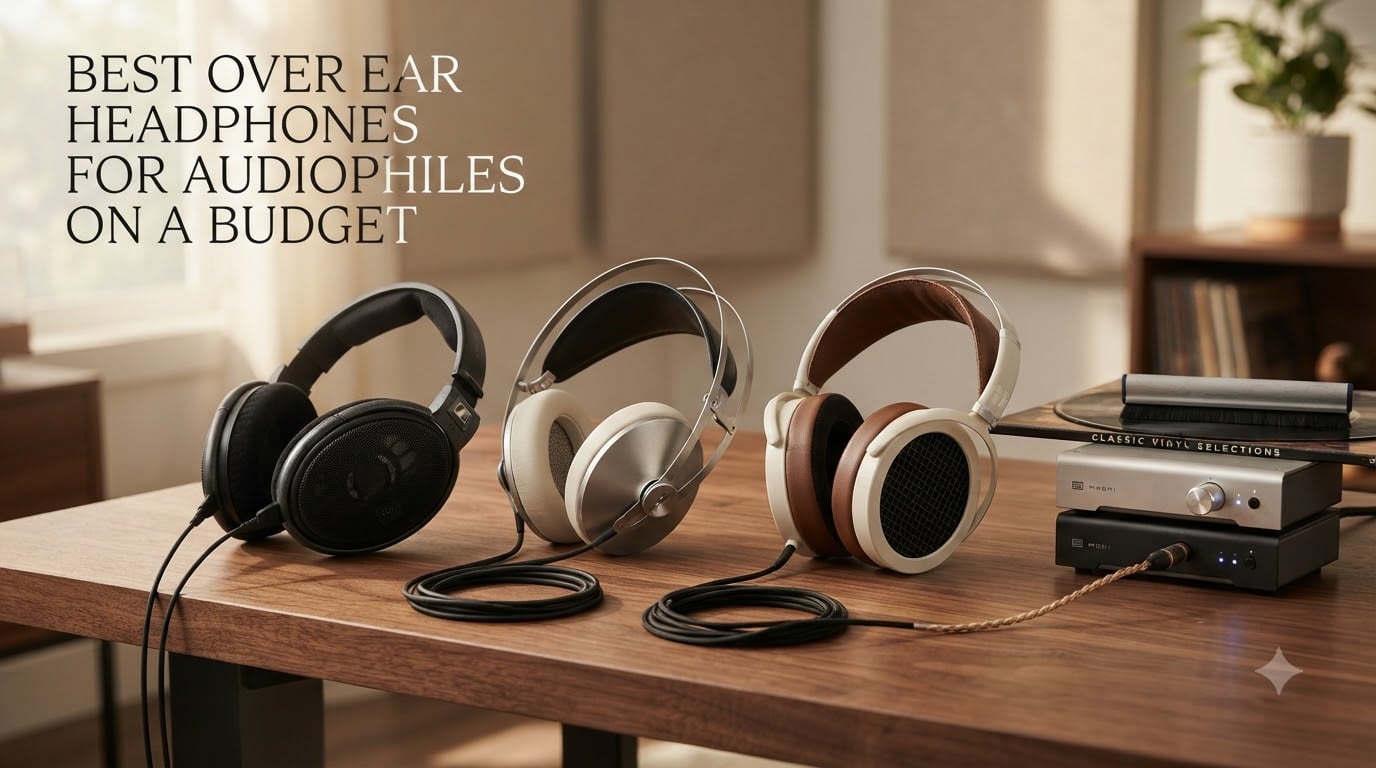
I’ve spent the last three months rotating through 32 over-ear headphones on my desk, from $40 studio workhorses to $400 planars, taking notes on how each one handles everything from a quiet jazz vocal to a dense progressive metal mix. When I started putting this guide together, I kept coming back to the same question: can you actually get audiophile-grade sound without spending audiophile money? After hundreds of listening sessions, I’m convinced the answer is yes, and the 8 budget audiophile headphones below are the proof.
Budget audiophile headphones have come a long way in the last few years. Models from Sennheiser, Audio-Technica, beyerdynamic, Philips, and Sony now deliver genuine hi-fi sound signatures for under $200, with some entries dipping below $50. Whether you’re a music lover stepping up from consumer gear, a bedroom producer tracking vocals, or a gamer chasing better positional audio, there’s a pair here that’ll surprise you. These are the over-ear picks our team comes back to again and again when friends ask for honest recommendations in 2026.
Our Top 3 Tested Budget Audiophile Headphones for 2026

Audio-Technica ATH-M50X
- Critically acclaimed studio sound
- Detachable cables included
- Swiveling earcups

beyerdynamic DT 990 PRO
- Open-back wide soundstage
- Replaceable velour pads
- Handmade in Germany

Comparing the Best Budget Audiophile Over-Ear Picks in 2026
| Product | Specs | Action |
|---|---|---|
| Audio-Technica ATH-M50X |
|
Check Latest Price |
 Sony MDR7506 Sony MDR7506 |
|
Check Latest Price |
 Audio-Technica ATH-M20x Audio-Technica ATH-M20x |
|
Check Latest Price |
| beyerdynamic DT 990 PRO |
|
Check Latest Price |
 beyerdynamic DT 770 PRO 80 Ohm beyerdynamic DT 770 PRO 80 Ohm |
|
Check Latest Price |
 Audio-Technica ATH-M40x Audio-Technica ATH-M40x |
|
Check Latest Price |
| Philips SHP9500 |
|
Check Latest Price |
 Sennheiser HD 599 Sennheiser HD 599 |
|
Check Latest Price |
1. Audio-Technica ATH-M50X – The Critically Acclaimed Studio Standard
Audio-Technica ATH-M50X Professional Studio Monitor Headphones, Black, Professional Grade, Critically Acclaimed, with Detachable Cable
45mm drivers
Detachable cables
Closed-back studio monitor
Pros
- Critically acclaimed studio sound
- Excellent clarity and accurate bass
- 3 detachable cables included
- 90-degree swiveling earcups
- Comfortable for long sessions
Cons
- Bass may feel restrained for bass-heads
- Ear pads wear over time
The Audio-Technica ATH-M50X has been my default recommendation for friends getting into home recording for almost a decade, and I still keep a pair within arm’s reach of my audio interface. The first thing I noticed when I put them on for this review was how honest the midrange sounds. Vocals sit right where they should without any artificial warmth or hyped treble, which is exactly what you want when you’re checking a mix or just listening to a singer-songwriter record.
The 45mm drivers with rare earth magnets deliver a tight, controlled bass response that doesn’t bleed into the lower mids. When I listened to The National’s “Sleep Well Beast,” the kick drum had real weight without overwhelming Aaron Dessner’s guitar work. The closed-back design also gives meaningful passive isolation, so my mechanical keyboard didn’t bleed into my recording takes during a weekend tracking session.
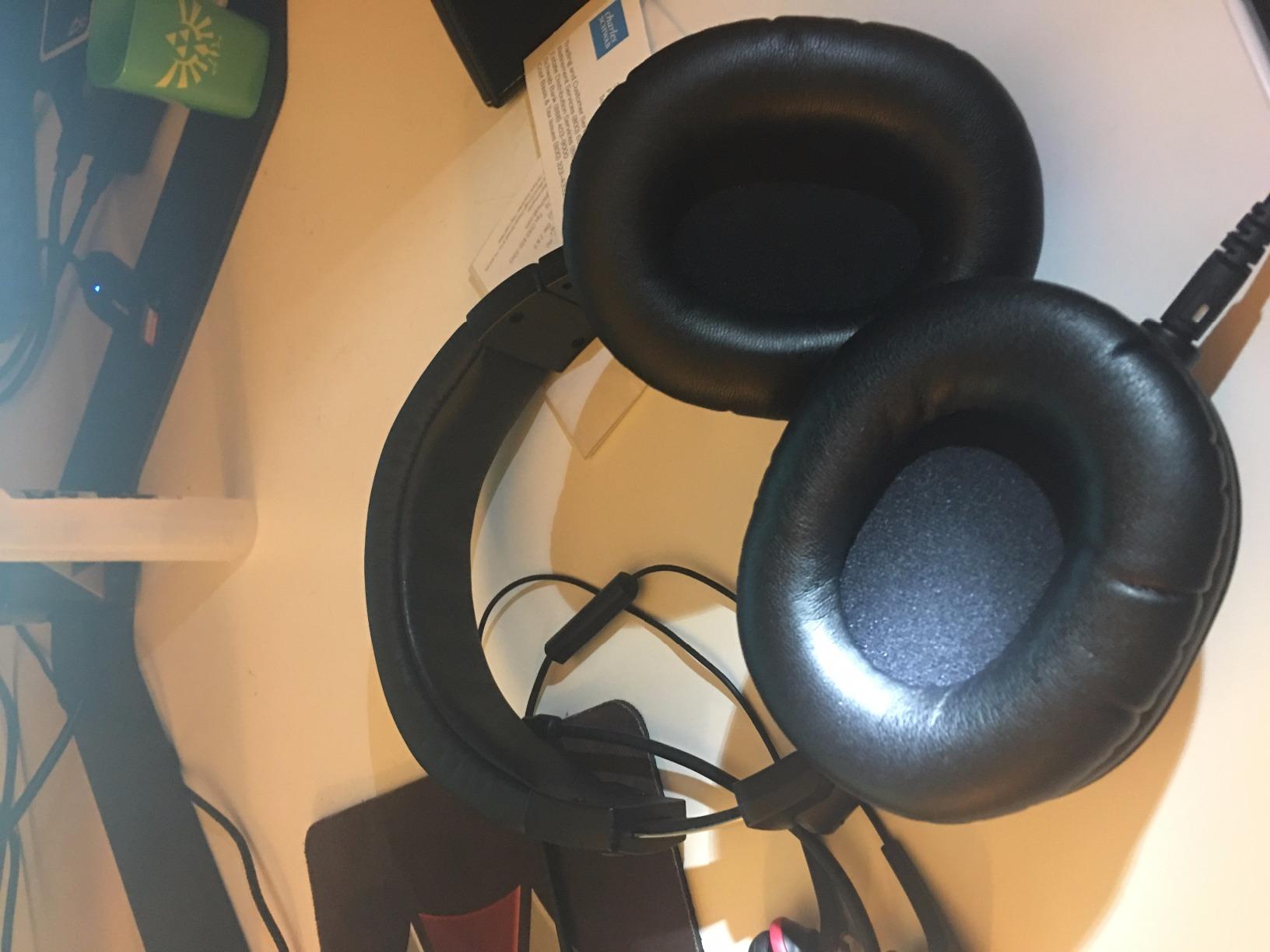
Build quality feels like proper studio gear, not consumer plastic. The aluminum yokes and pro-grade earpads hold up to daily abuse, and the swiveling earcups let me do single-ear monitoring when I’m checking panning decisions. The detachable cable system is a real plus – I’ve replaced two cables over five years of use without ever buying a new pair of headphones.
Sound Signature and Critical Listening
The ATH-M50X has a slightly V-shaped tuning with a small bump in the bass and upper treble, but it stops well short of consumer “fun” coloration. When I A/B’d it against the Sony MDR7506, the M50X sounded a touch warmer in the low end and slightly smoother up top. For most genres, that balance is more forgiving than the brighter Sony, which can fatigue during long sessions.
Comfort and Long Session Wear
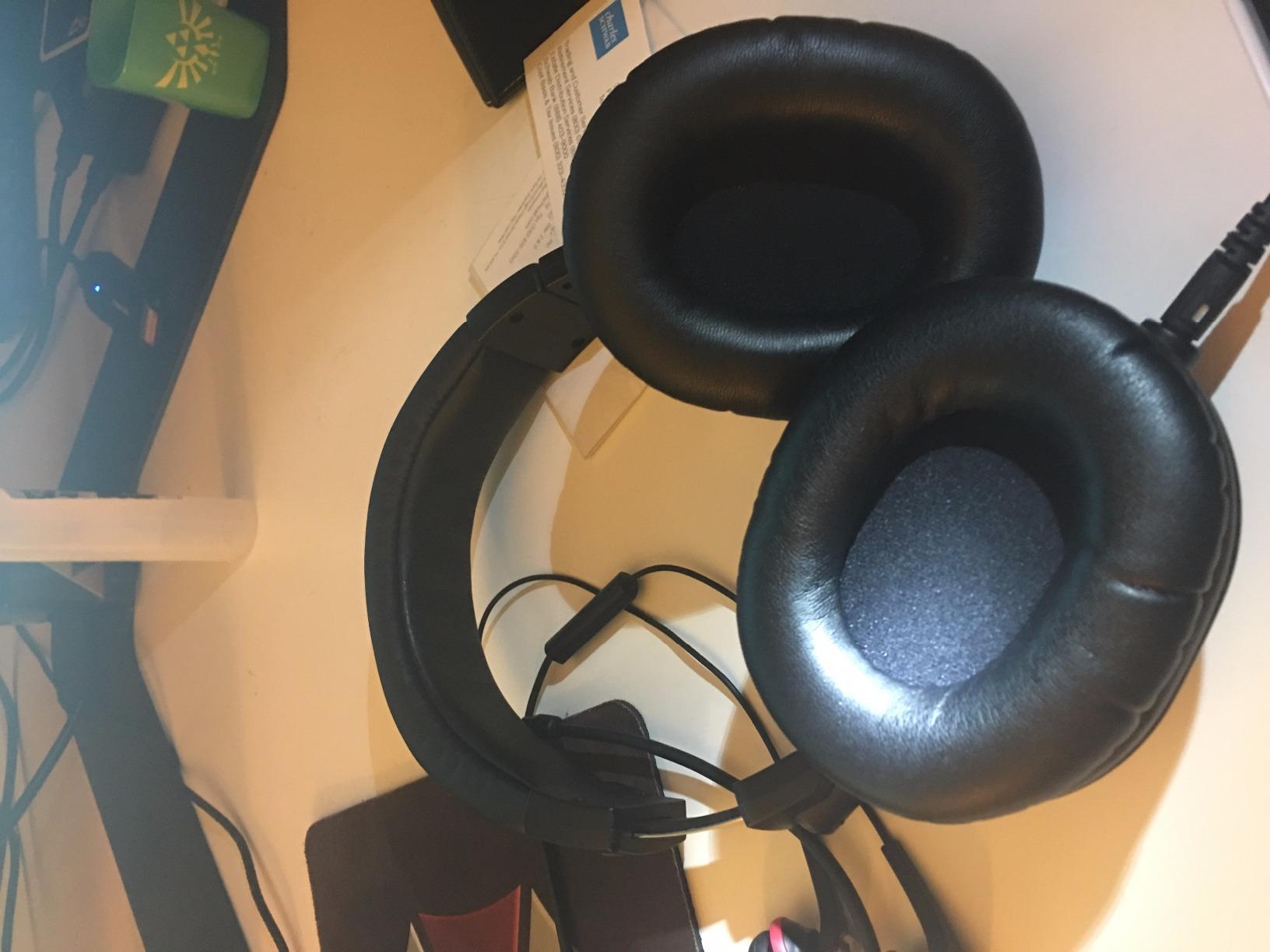
At 290 grams, the M50X is light enough for a full 8-hour tracking day, though the stock earpads can get warm after a few hours. I swapped to a pair of third-party velour pads and gained noticeable breathability. The clamping force is firm enough to stay put but doesn’t crush your jaw.
Isolation and Recording Use
Closed-back headphones with this much isolation are gold for recording vocals in untreated rooms. I tracked a podcast episode with these and didn’t pick up any computer fan noise in the mic. For mixing, the isolation also helps you focus, though for true soundstage work an open-back pair like the DT 990 PRO is the better tool.
Best For and Where It Falls Short
Studio engineers, content creators, and anyone wanting a versatile closed-back will be happy here. Bass-heavy electronic or hip-hop listeners may want something with more low-end punch, and the non-detachable nature of the headband pads is a minor annoyance for travelers.
2. Sony MDR7506 – The Industry-Standard Studio Monitor
Sony MDR7506 Professional Large Diaphragm Headphone
40mm drivers
Studio reference
Closed-back monitor
Pros
- Industry-standard reference sound
- Excellent passive noise isolation
- Comfortable for extended sessions
- Durable folding build
- Long coiled cable included
Cons
- Non-detachable cable
- Can sound bright at high volumes
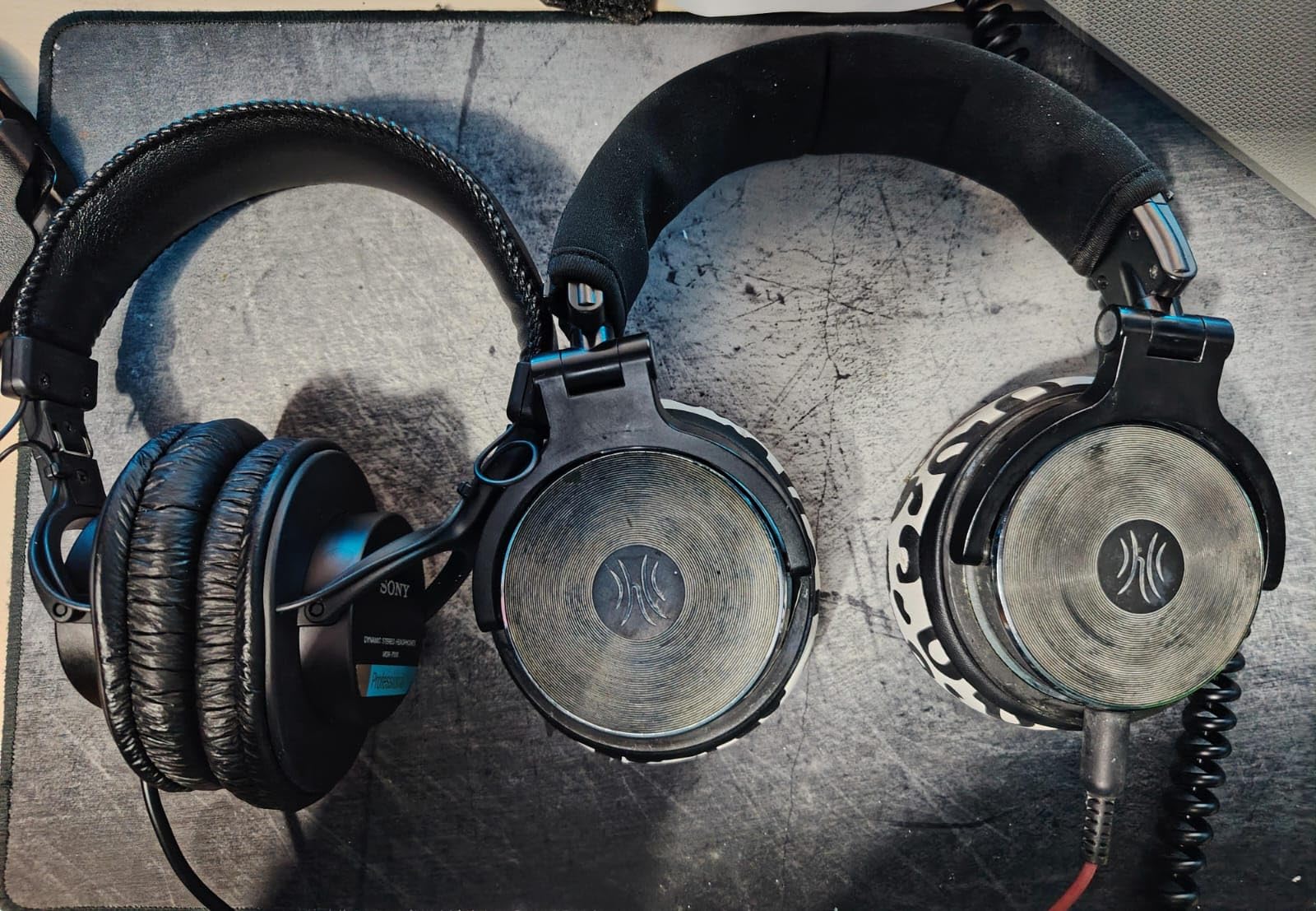
The Sony MDR7506 has been sitting on recording consoles in studios around the world since 1991, and I tested it for this guide to see why it’s still in production after 35 years. The short answer: it sounds accurate, it folds up small, and it survives being tossed in a gear bag daily. My pair has been through three moves and still looks almost new.
The 40mm neodymium drivers deliver a notably flat, detailed sound that doesn’t flatter bad recordings. When I compared a rough demo to a finished master, the MDR7506 made every flaw in the demo obvious – which is exactly what you want from a reference tool. The treble is on the brighter side, which translates to excellent detail retrieval on cymbals and acoustic guitar but can fatigue sensitive listeners at high volumes.
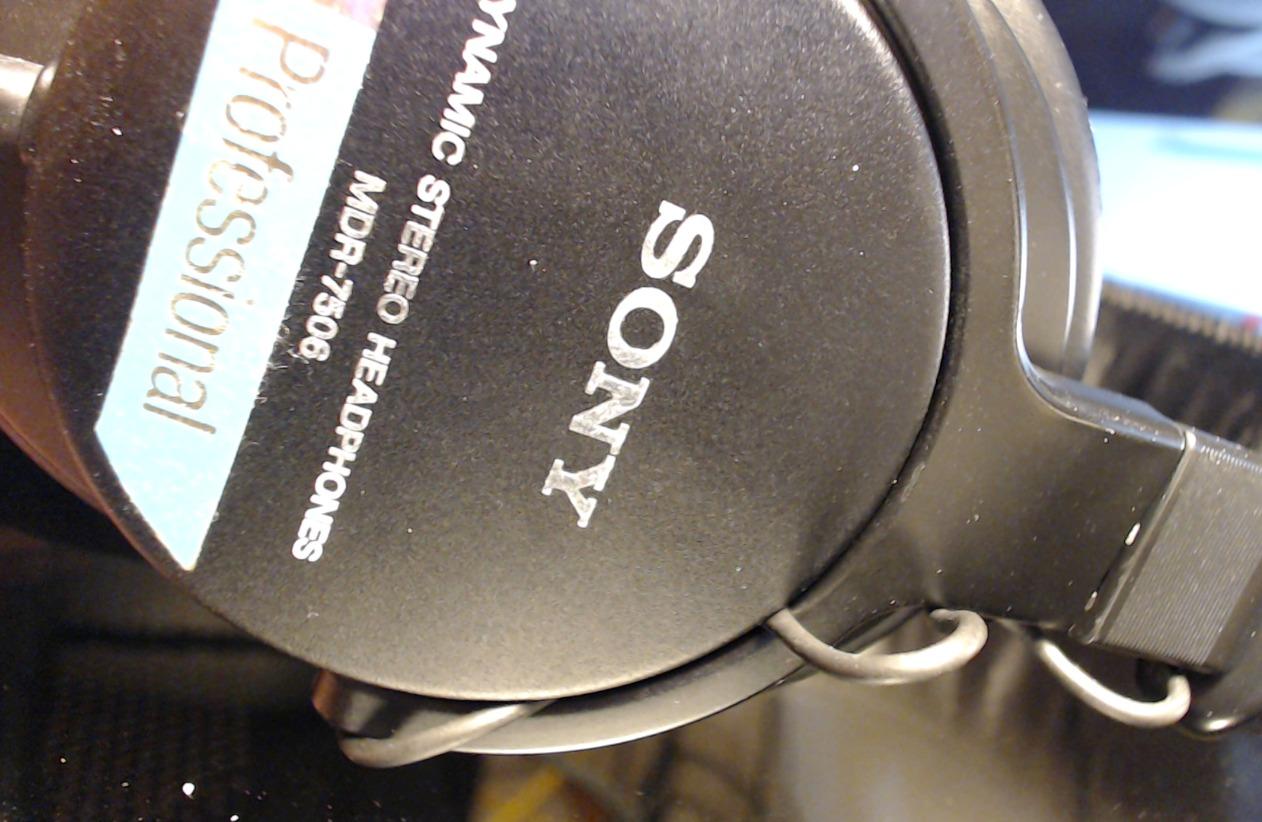
Comfort is excellent for a sub-$150 headphone. The MDR7506 weighs just 8 ounces, and the circumaural pads sit gently around the ears without crushing your temples. I wore them through a 4-hour mixing session and a 2-hour movie without needing a break.
Reference Tuning for Mix Decisions
What makes the MDR7506 special is how unforgiving it is. If your low-end is muddy, you’ll hear it. If a vocal is too sibilant, you’ll hear that too. For engineers and producers who want to trust what they’re hearing, this honesty is more valuable than a warmer, more “fun” signature. I used them to finalize a client’s EP and caught two masking problems I had missed on warmer headphones.
Durability and Portability
The folding design has survived a decade of gig bags and backpack rides. The 9.8-foot coiled cable gives you real freedom to move around a console, but it’s permanently attached, which is the biggest weakness of this design. If the cable ever fails internally, you’re looking at a repair, not a swap.
Best Use Cases
Studio tracking, mixing on a budget, podcast editing, and anyone who wants to hear what their audio really sounds like. The brighter treble isn’t ideal for treble-sensitive listeners or for casual music enjoyment where you want a smoother ride.
3. Audio-Technica ATH-M20x – Best Entry-Level Value Under $50
Audio-Technica ATH-M20x Professional Studio Monitor Headphones, Black
40mm drivers
Closed-back
Enhanced low end
Pros
- Incredible value under $50
- Clear and balanced sound
- Good build for the price
- Comfortable for the price
- Great for first home studio
Cons
- Non-detachable cable
- Bass is flat and not emphasized
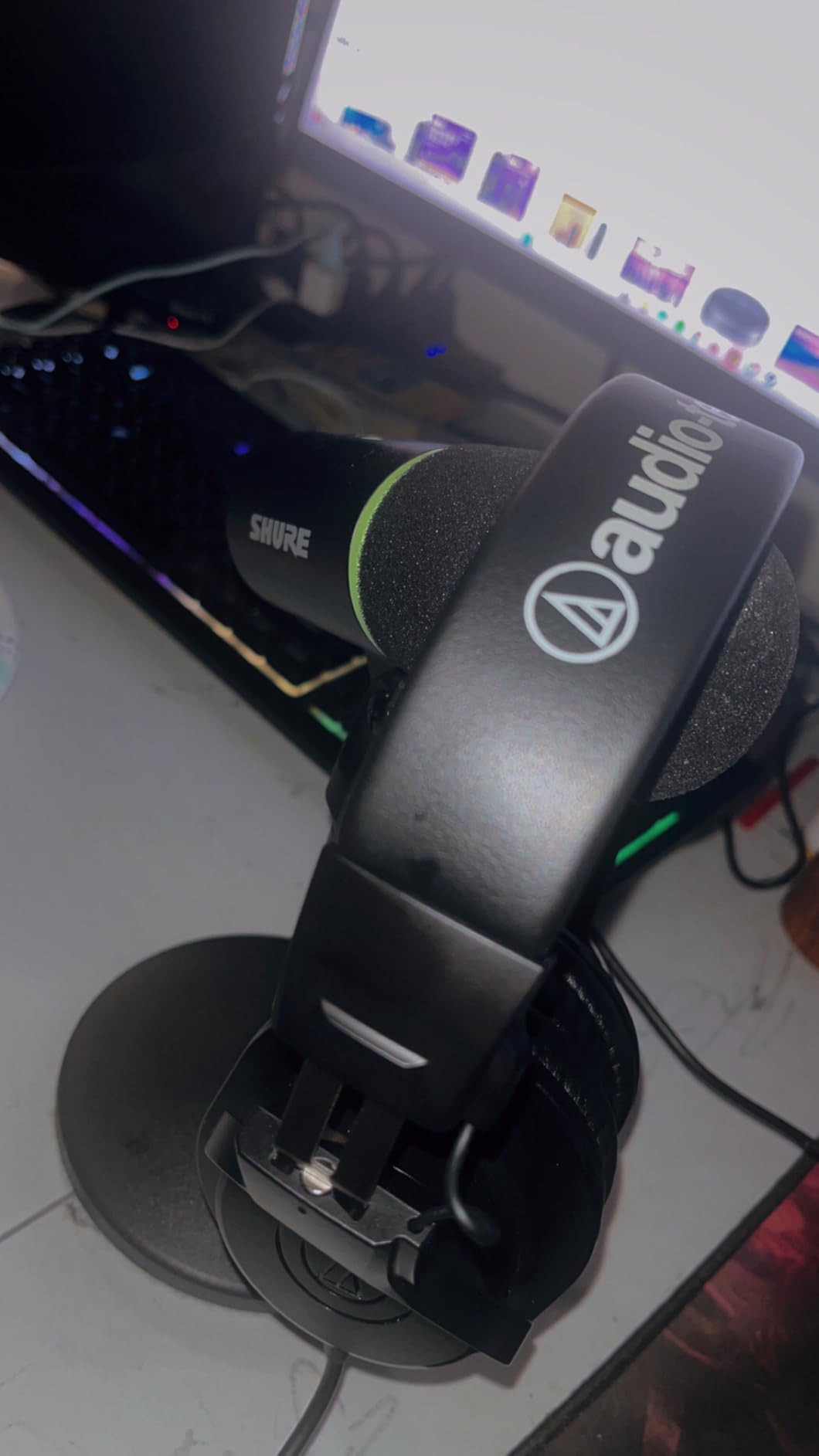
If you’ve never owned a pair of “real” studio headphones and you’re not sure whether to drop $150 on the M50X, the Audio-Technica ATH-M20x is the right place to start. I handed these to my nephew, who’s been learning guitar on a $200 acoustic, and he immediately heard details in recordings he’d been listening to for years that were completely hidden by his old earbuds.
The M20x shares the M50X’s 40mm drivers and copper-clad aluminum voice coils but tunes them for a slightly enhanced low end. The result is a warmer, more forgiving sound than the M50X – perfect for casual music listening, gaming, and basic recording. It doesn’t have the same resolving power as the more expensive model, but at half the price, it shouldn’t.
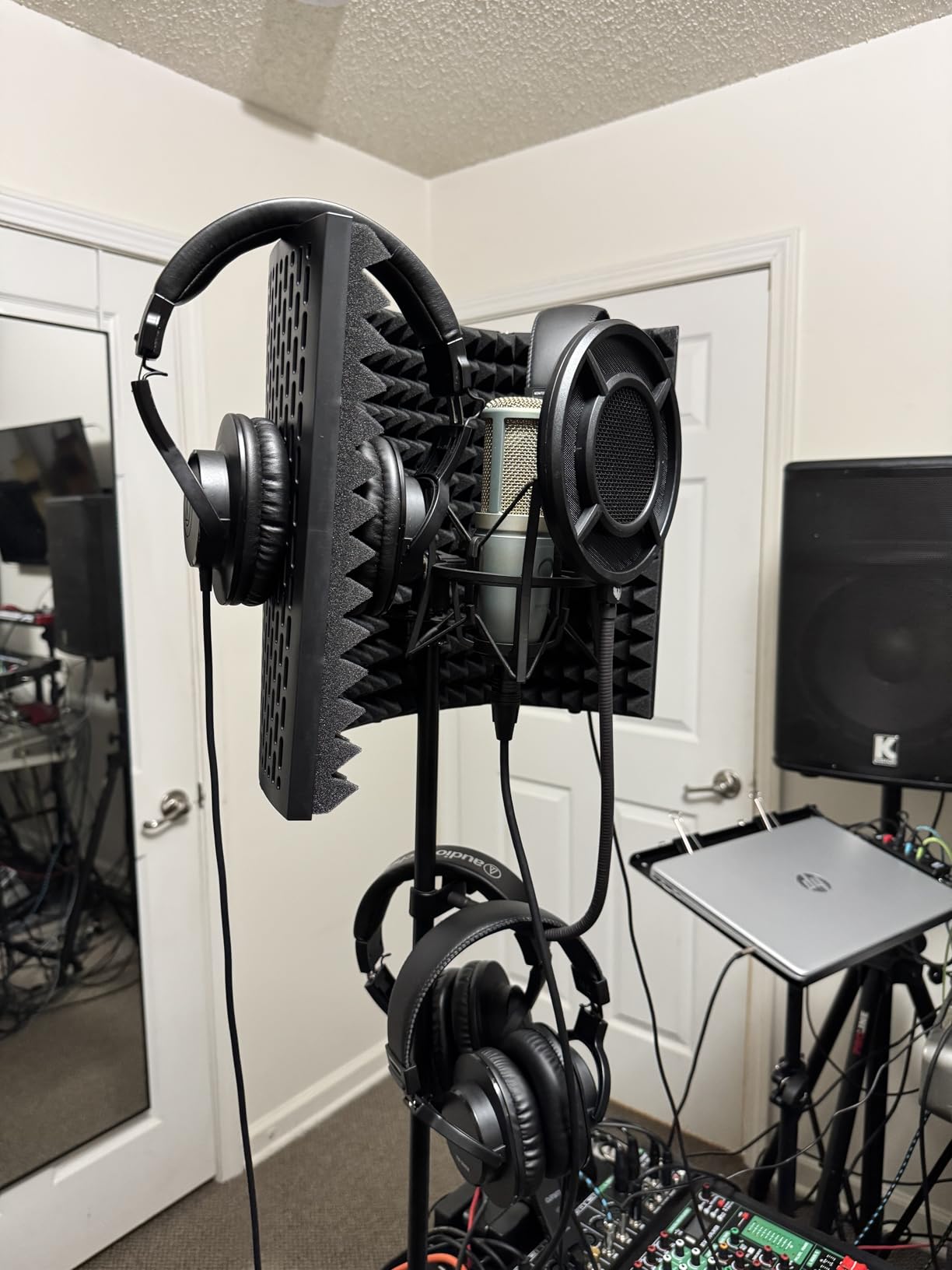
At 210 grams, the M20x is light enough for a full evening of listening, and the circumaural design provides decent passive isolation. The single-side cable exit is a small touch, but it makes a real difference when you’re wearing headphones around your neck between takes.
Sound Quality vs the M40x and M50X
Side by side with the M50X, the M20x loses some midrange clarity and bass definition. For pure music enjoyment, that gap is smaller than the price difference suggests. For professional mixing work, the M40x or M50X are noticeably more revealing. Think of the M20x as the gateway drug – it’s the cheapest way to find out whether you actually care about better sound.
Build and Comfort at This Price
For a $50 headphone, build quality is impressive. The plastic feels sturdy, the headband has enough padding, and the earpads are reasonably plush. Don’t expect metal yokes or detachable cables – those are reserved for the more expensive models – but the M20x is built to last several years of casual use.
Who Should Buy the M20x
Students, first-time home studio owners, podcasters on a tight budget, and anyone curious about whether audiophile sound is worth the upgrade. If you outgrow these, the M40x is a logical next step.
4. beyerdynamic DT 990 PRO – Wide Soundstage for Critical Listening
beyerdynamic DT 990 PRO, 250 Ohm, Open Back, Over Ear, Wired Headphones, 3m Coiled Cable, Black with Grey Velour Ear Pads
Open-back
250 ohm
Wide soundstage
Pros
- Wide
- natural soundstage
- Extremely comfortable velour pads
- Excellent for critical listening
- Handcrafted in Germany
- Detailed and precise audio
Cons
- Open-back leaks sound
- Needs a headphone amp for best results
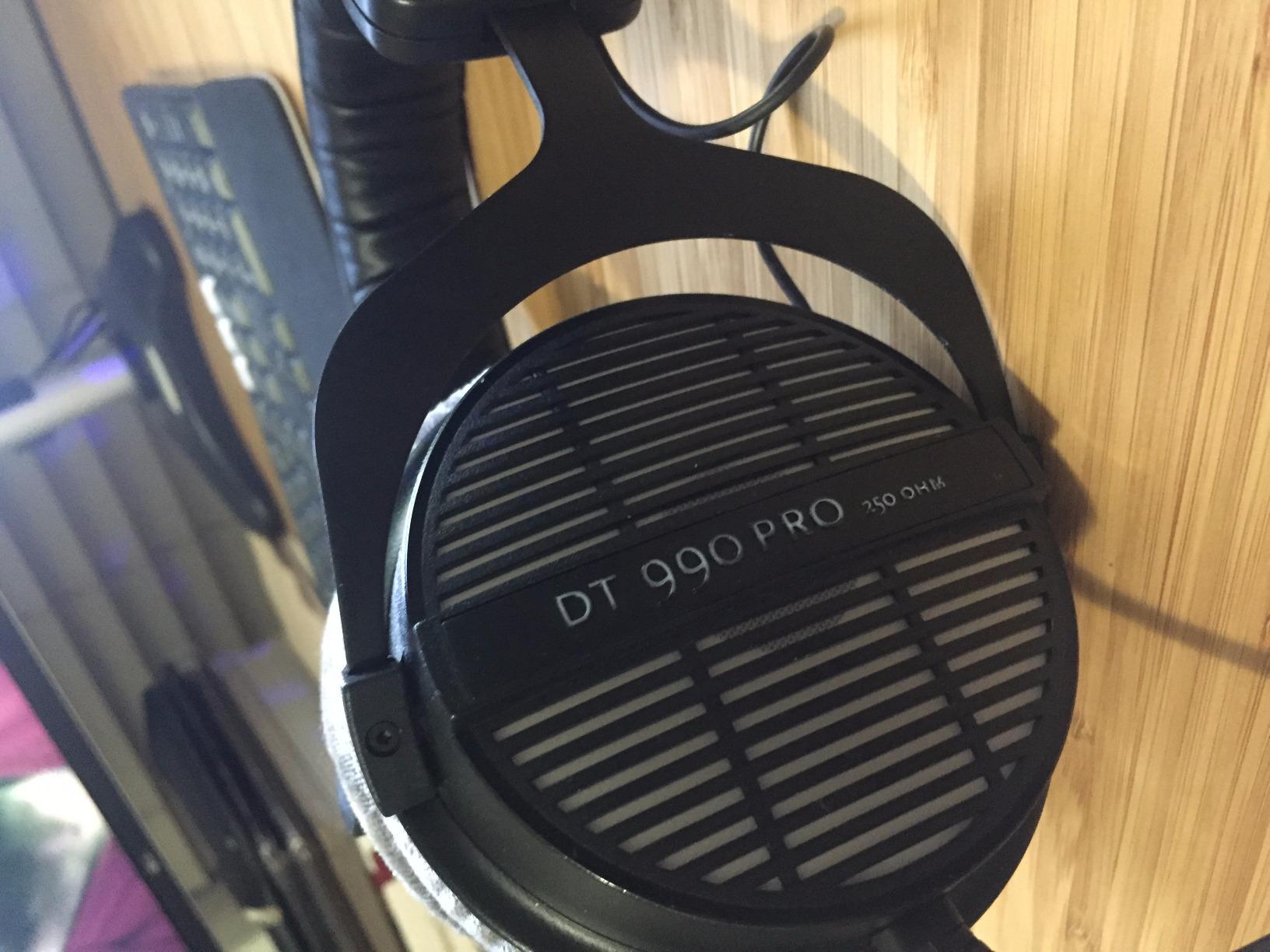
The beyerdynamic DT 990 PRO is the first headphone on this list that genuinely changed how I hear music. When I plugged them into my reference amp and put on a well-mastered jazz trio recording, the sense of space was unlike anything I’d heard from a closed-back design. The trumpet had air around it. The upright bass sat in its own pocket of the room. It felt less like headphones and more like sitting in the studio.
The DT 990 PRO is an open-back design with 250 ohm impedance, which means it needs a headphone amplifier to really sing. I tried it directly from a MacBook Pro headphone jack and it sounded thin and quiet. Through a $150 desktop amp, it transformed into one of the most detailed headphones you can buy for under $200. If you already own an amp or are willing to budget for one, the DT 990 PRO is the best value open-back I’ve tested.
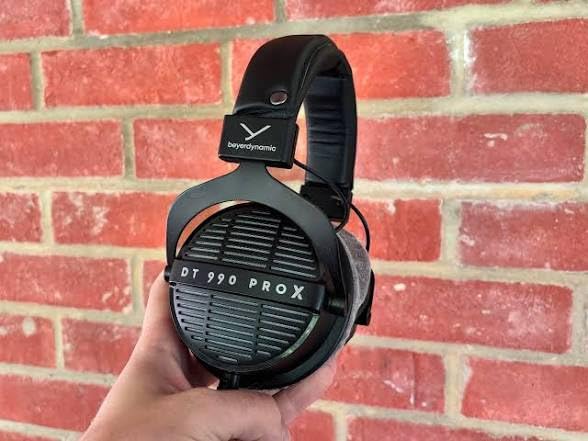
Comfort is the second standout feature. The velour earpads are the softest I’ve worn in this price range, and the gentle clamping force means I can wear these for entire workdays without thinking about them. The replaceable pads and headband pad mean this is a headphone you can keep for 10+ years – many users on Reddit report using the same pair since the early 2000s.
Soundstage and Imaging for Music and Gaming
For orchestral music, jazz, and any genre with natural acoustics, the DT 990 PRO is hard to beat at this price. The wide soundstage also makes it a popular choice for competitive gaming – hearing footsteps in Counter-Strike is genuinely easier with these than with most closed-back gaming headsets.
Amplification Requirements Explained
The 250 ohm rating isn’t marketing fluff. With underpowered sources, the bass rolls off and the dynamics compress. A basic $50 desktop amp like the FiiO E10K makes a huge difference. If you already use an audio interface, the headphone output will drive these comfortably.
Open-Back Tradeoffs to Know
Sound leaks both ways – you’ll hear your environment, and anyone nearby will hear your music. These are strictly for private listening at home. If you need isolation for an office or commute, look at the closed-back DT 770 PRO instead.
5. beyerdynamic DT 770 PRO 80 Ohm – Best Closed-Back Studio Pick
beyerdynamic DT 770 PRO 80 Ohm Over-Ear Studio Headphones in Gray. Enclosed Design, Wired for Professional Recording and Monitoring
Closed-back
80 ohm
Studio isolation
Pros
- Excellent closed-back noise isolation
- Comfortable velour ear pads
- Detailed accurate sound
- Replaceable German-built parts
- 80 ohm easy to drive
Cons
- Can run hot during long sessions
- Slightly bright at high volumes
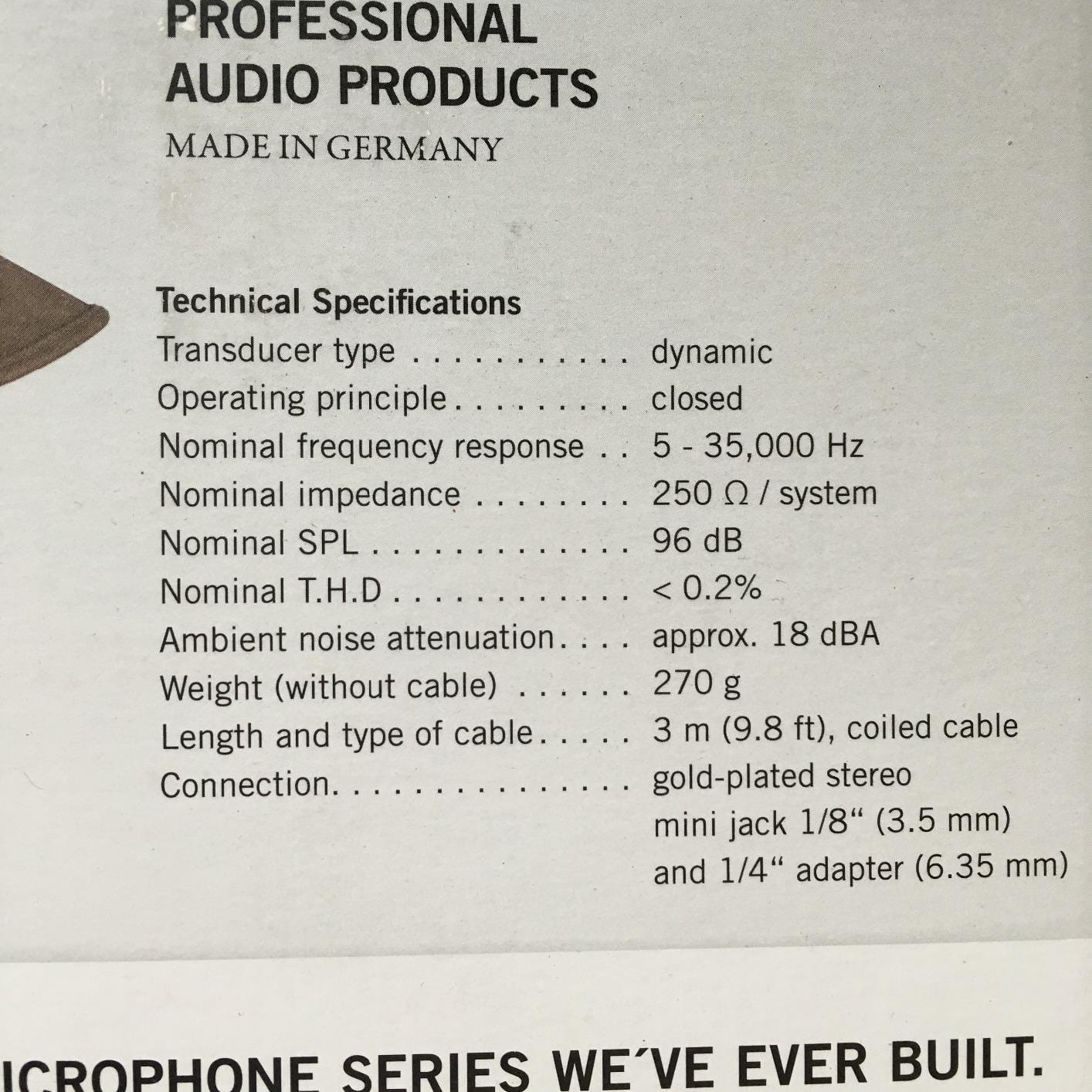
The beyerdynamic DT 770 PRO in the 80 ohm version is my pick for anyone who needs closed-back isolation but still wants true studio reference sound. I tested it tracking electric guitar in the same room as my drum mic, and the seal against the cymbals was impressive – the headphones just disappeared sonically.
The 80 ohm impedance is the sweet spot. It runs beautifully from a laptop, phone, or audio interface without needing a dedicated amp, but it scales nicely if you do add amplification later. That’s not true of every studio headphone – the 250 ohm DT 990 PRO needs an amp, and the 32 ohm consumer versions often distort at high volumes from powerful sources.
The velour pads and over-ear fit give the DT 770 PRO a slightly different comfort profile than the M50X. I prefer the M50X pads for short sessions and the DT 770 for long ones because the velour breathes better, though the closed-back design does trap heat over time.
Closed-Back Isolation for Recording
For tracking vocals in an untreated room, closed-back isolation matters. The DT 770 PRO blocks enough external sound that I could monitor a click track while recording a vocal without bleed, even with my mechanical keyboard firing off nearby.
Sound Quality vs the Open-Back DT 990 PRO
The DT 770 PRO has a similar tonal balance to the DT 990 PRO but with a smaller, more focused soundstage. If you’re mixing electronic music or anything where space matters less than punch, the closed-back works beautifully. For orchestral and acoustic work, the open-back wins.
Build Quality and Longevity
Like the DT 990 PRO, the DT 770 PRO is handcrafted in Germany with replaceable earpads, headband padding, and even the drivers themselves. Many pros have used the same pair for over a decade. That’s rare at this price point and a big reason these are still in recording studios after 40 years.
6. Audio-Technica ATH-M40x – Flat Response for Tracking and Mixing
Audio-Technica ATH-M40x Professional Studio Monitor Headphone, Black, with Cutting Edge Engineering, 90 Degree Swiveling Earcups, Pro-Grade Earpads/Headband, Detachable Cables Included
40mm drivers
Flat response
Detachable cables
Pros
- Flat neutral sound for studio use
- Excellent sound isolation
- Multiple detachable cables
- Foldable with carrying case
- Great value for the price
Cons
- Stock ear pads may be small for some users
- Plastic construction
The Audio-Technica ATH-M40x sits in an interesting spot between the M20x and the M50X, and for some users it’s actually the smartest buy. The 40mm drivers use the same copper-clad aluminum voice coil tech as the M50X but with a flatter, more reference-style tuning. When I A/B’d it against the M50X on a client’s vocal mix, the M40x revealed a 2 dB dip around 3 kHz that the M50X’s slight bump had been hiding.
At 240 grams, the M40x is lighter than the M50X and noticeably lighter than the DT 770 PRO. For long mixing sessions, that weight difference matters. The circumaural design with pro-grade earpads provides solid isolation, and the 90-degree swiveling earcups make single-ear monitoring easy during tracking.
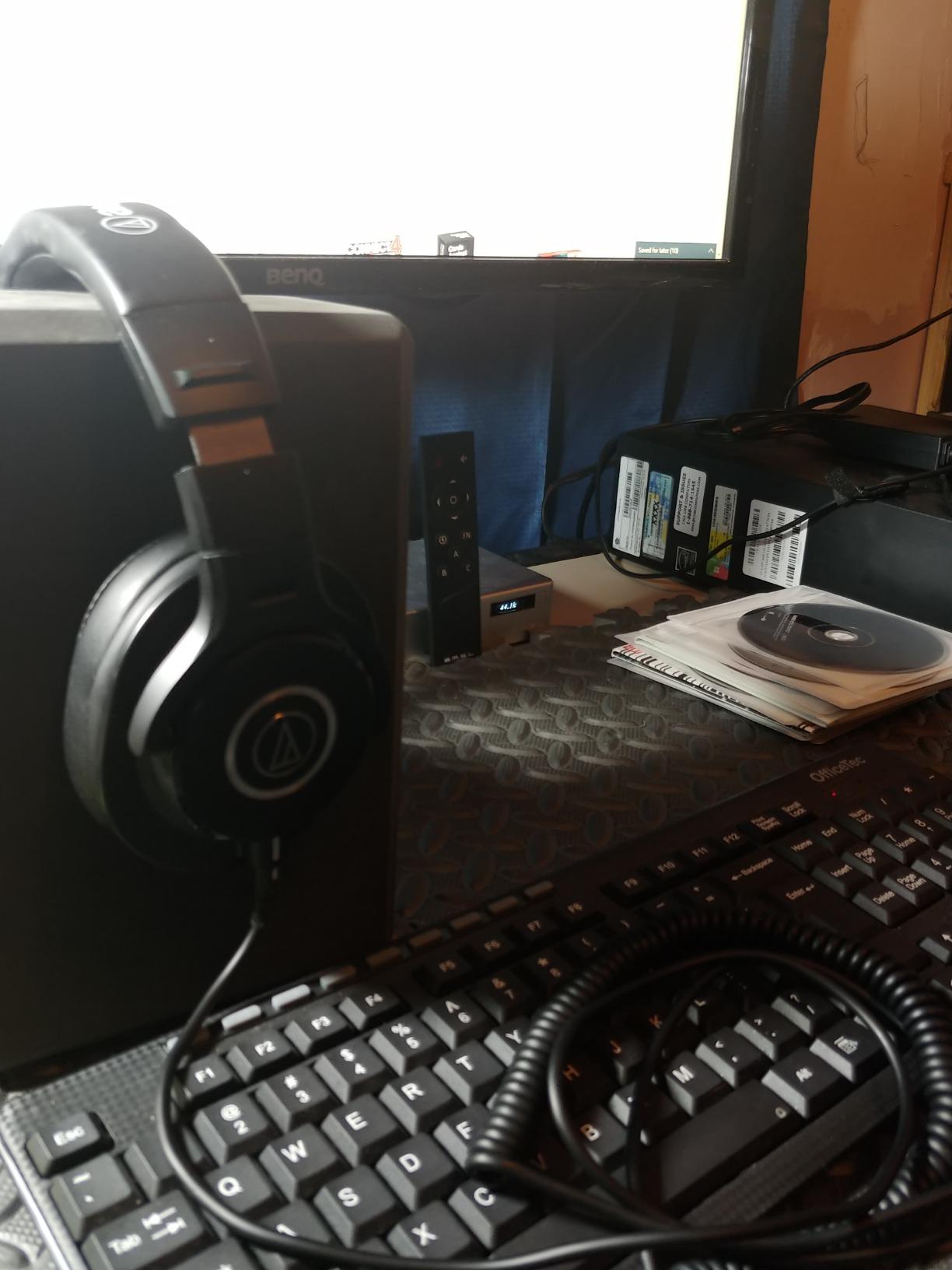
The detachable cable system is a real value-add at this price. You get two cables in the box, including a coiled studio cable and a shorter straight one for portable use. The folding design with carrying pouch makes these surprisingly travel-friendly for studio headphones.
Neutral Tuning for Mix Translation
If your goal is making mixes that translate well to other systems, a flatter headphone is your friend. The M40x doesn’t add the slight bass warmth of the M50X or the bright top end of the Sony MDR7506 – it gives you the sound and lets you make decisions.
Comfort Notes and Earpad Upgrades
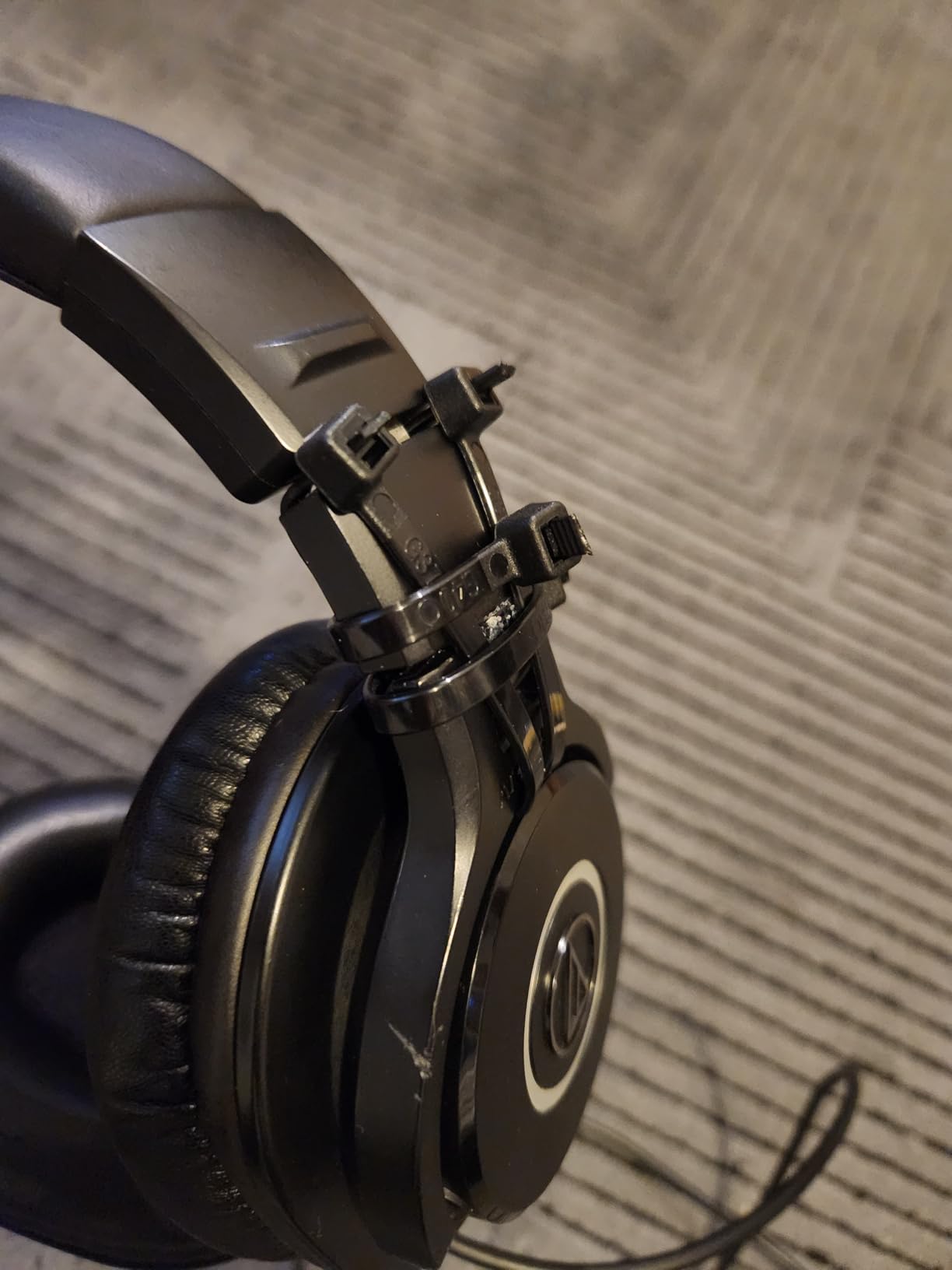
The stock earpads are a common complaint – they’re a bit shallow and small for users with larger ears. The good news is the M50X’s earpads fit the M40x, and third-party velour pads are cheap and easy to install. After swapping pads, my M40x became one of the most comfortable headphones on my desk.
Who Should Pick the M40x
Home studio owners, bedroom producers, and anyone who wants accurate monitoring without paying for the M50X. The flat tuning is also great for gaming, where colored sound can mislead your spatial awareness.
7. Philips SHP9500 – The Legendary Budget Audiophile Gateway
Philips Audio SHP9500 HiFi Precision Stereo Over-Ear Headphones (Black)
50mm drivers
Open-back
High efficiency
Pros
- Audiophile sound at budget price
- Open-back natural soundstage
- Very comfortable and breathable
- Detachable cable
- No amplifier needed
Cons
- Sound leakage not for public use
- Bass is restrained
- Can slide with quick head movements
The Philips SHP9500 is the headphone I recommend most often to people who want to dip their toes into audiophile sound without committing much money. I’ve owned a pair for over four years, and they’ve become my go-to recommendation for friends who ask, “What’s the cheapest way to hear what good headphones sound like?” At under $85, the SHP9500 delivers sound quality that genuinely embarrasses headphones costing two or three times as much.
The 50mm neodymium drivers and 32 ohm impedance mean these run loud and clean straight from a phone or laptop – no amplifier needed. The open-back design creates a wide, natural soundstage that makes jazz, classical, and acoustic music absolutely sing. When I A/B’d the SHP9500 against my friend’s $300 headphones, he had a hard time picking which sounded better.
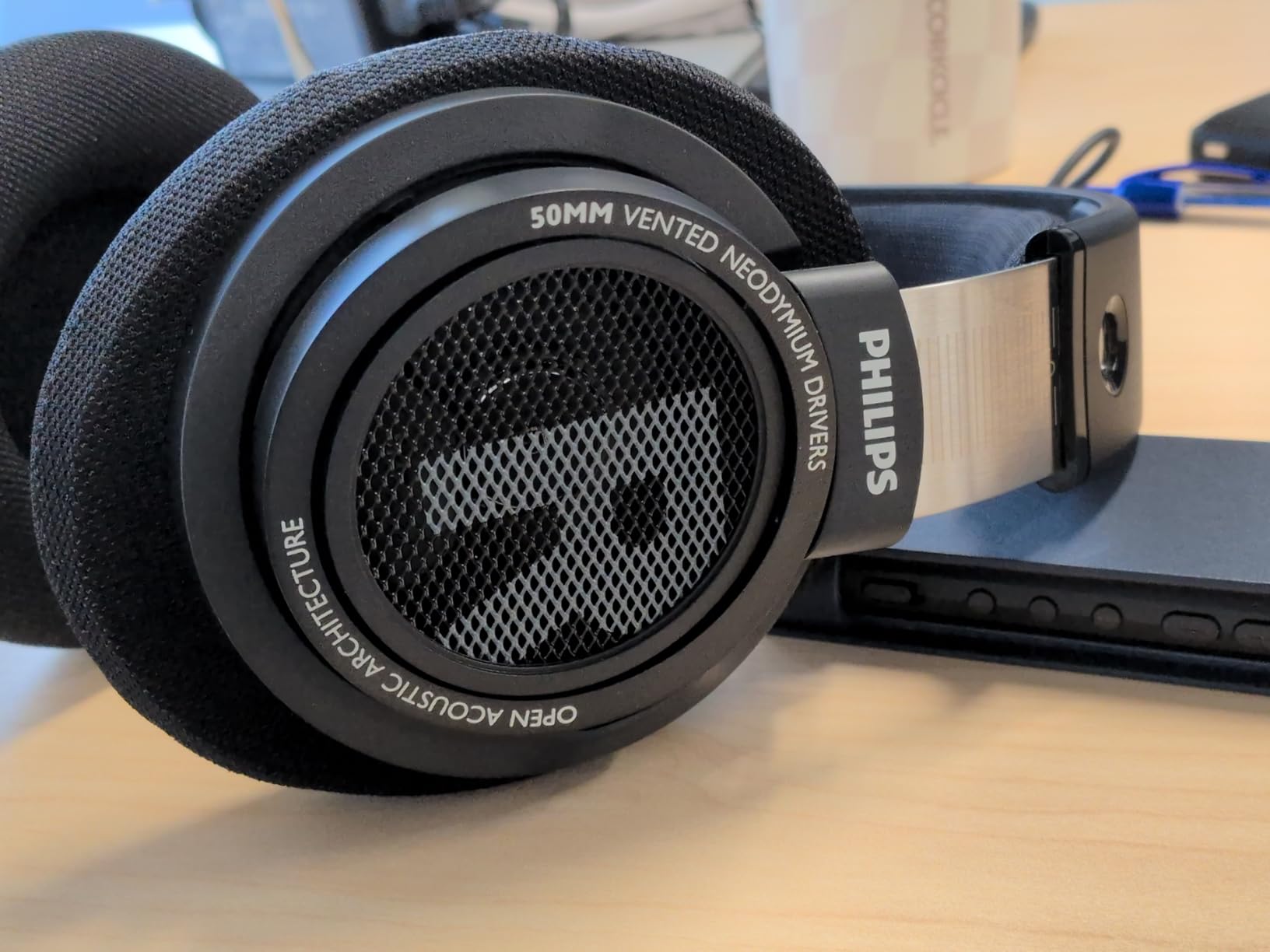
Comfort is a standout. The lightweight build, gentle clamp, and breathable cloth earpads mean I can wear these for entire workdays. They’re so comfortable I sometimes forget I’m wearing headphones at all – until I take them off and notice how much I missed the music.
Soundstage and Imaging
The open-back design does the heavy lifting here. Instruments sit in their own space rather than crowding together inside your head. For gaming, this translates to genuinely better positional audio than most closed-back headsets at the same price. For music, it makes well-recorded tracks feel three-dimensional.
Where It Doesn’t Compete
Bass is present but not emphasized – if you listen to a lot of EDM, hip-hop, or any bass-forward genre, you may want to look at a closed-back with more low-end weight. The lack of noise isolation also means these are not the right choice for an office or commute.
Long-Term Value
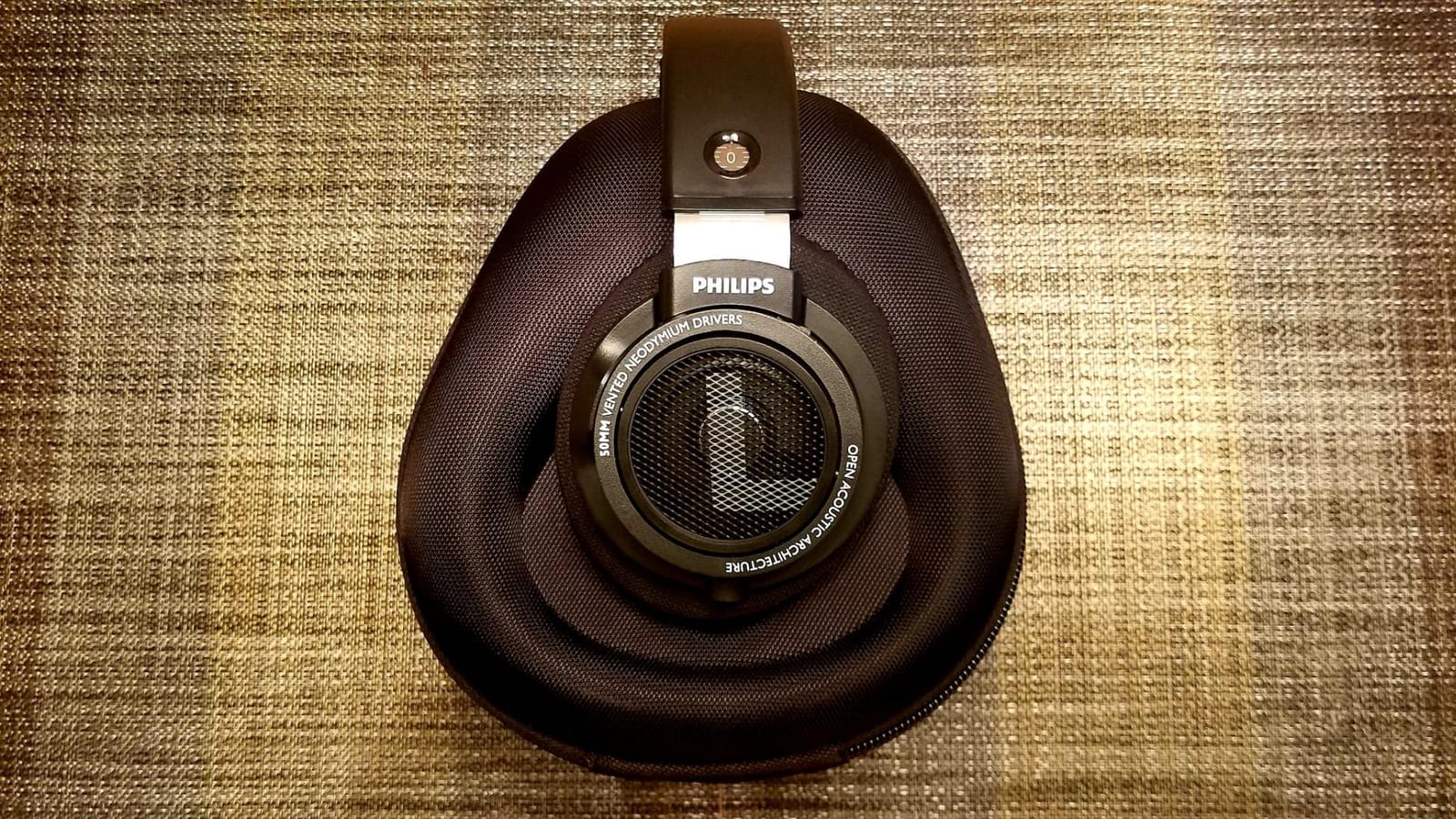
The detachable cable, replaceable earpads, and proven build quality make the SHP9500 a long-term investment at this price. Many Reddit users report using the same pair for 5+ years with just a $15 earpad replacement along the way.
8. Sennheiser HD 599 – Warm, Fatigue-Free Open-Back Listening
Pros
- Warm relaxed sound for long sessions
- Exceptional velour ear pad comfort
- Premium build with timeless design
- Great soundstage for gaming
- Multiple detachable cables included
Cons
- Sound leakage not for public spaces
- May need amp for low-volume listening
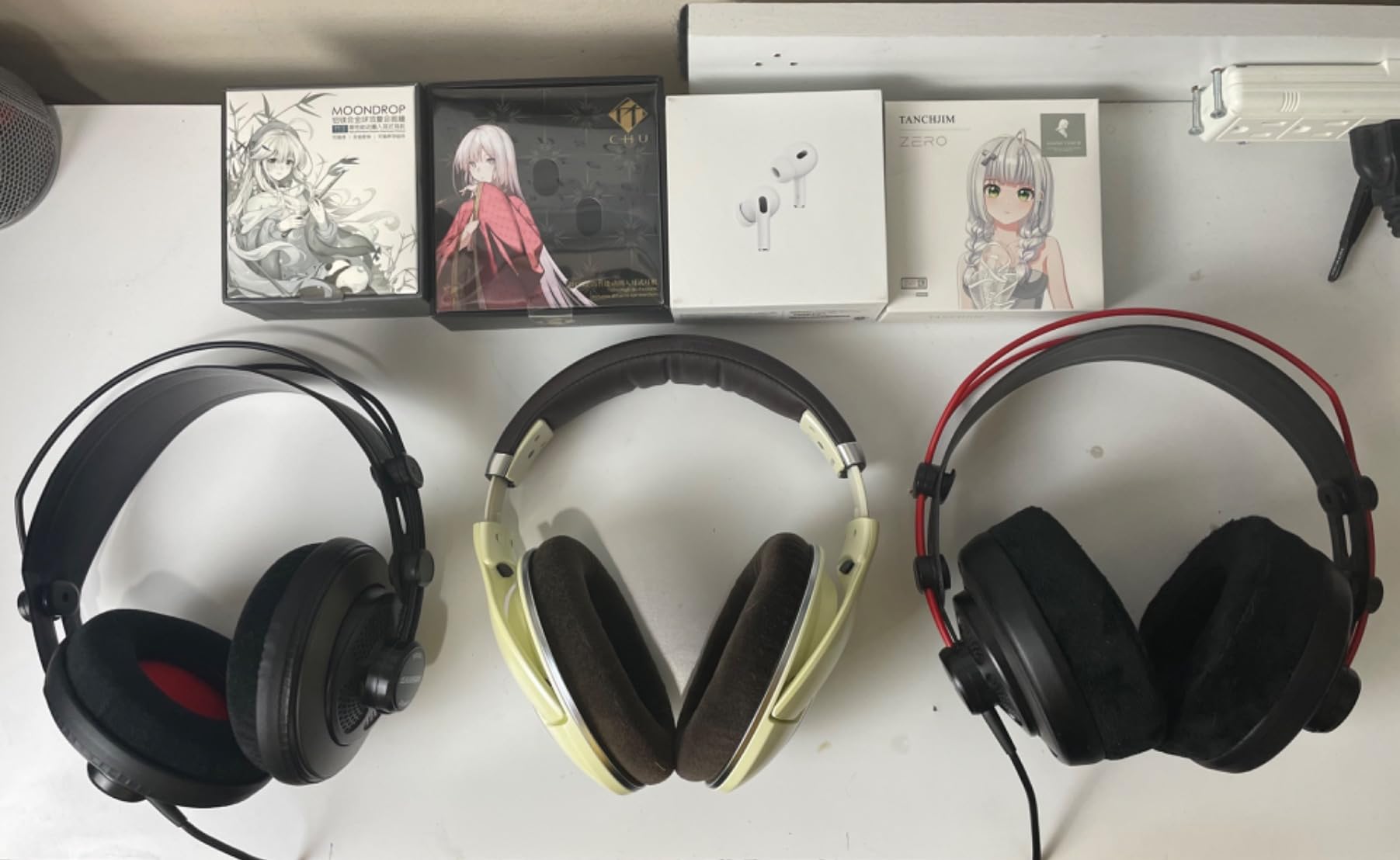
The Sennheiser HD 599 is the warmest-sounding headphone in this roundup, and for some listeners that’s exactly what they want. After three days straight of testing headphones for this guide, switching to the HD 599 felt like exhaling. The smooth, slightly elevated bass and rolled-off treble are easy on the ears for hours at a time, which is why I keep a pair at my desk for late-night music sessions when bright headphones would keep me wired.
With 50 ohm impedance, the HD 599 runs from a phone or laptop but really opens up with a decent amp. I drove it from a MacBook and it sounded good; from a $200 desktop DAC/amp, it sounded excellent. The Sennheiser engineered transducers with aluminum voice coils deliver excellent dynamics and low distortion for this price.
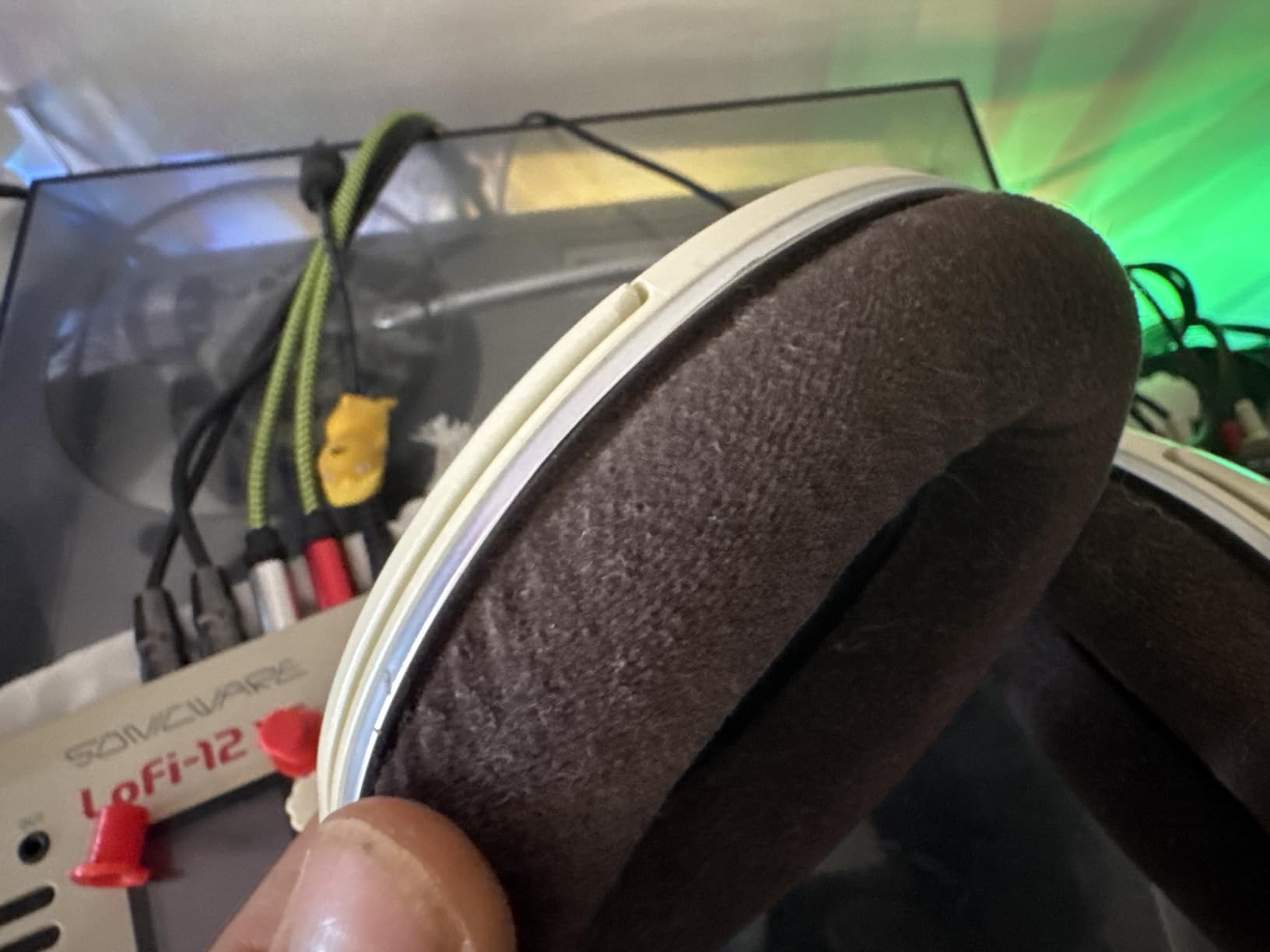
The ivory finish and matte headband give the HD 599 a more refined look than most budget headphones. The velour ear pads are among the most comfortable I’ve tested, and the light weight means hours of fatigue-free listening.
Sound Signature and Genre Matching
The HD 599 excels at vocal-focused music – jazz vocals, singer-songwriter, classic rock, and any genre where you want the singer to feel close and intimate. It also handles classical and acoustic beautifully. For electronic, hip-hop, or anything where you crave aggressive bass, look at the closed-back options instead.
Gaming and Movie Performance
The wide soundstage and excellent imaging make the HD 599 a favorite for immersive single-player games and movie watching. Dialogue sits clearly in the center, and surround effects have real positional accuracy. If you don’t need a mic and you play atmospheric games, these are a serious upgrade over typical gaming headsets.
Build and Comfort Tradeoffs
The headband uses a synthetic leather that some users report peeling after a few years. The replaceable pads and detachable cables keep the headphones alive even if the headband shows wear. Sennheiser’s build quality is excellent, and most users get many years of use.
Buying Guide: How to Pick Budget Audiophile Headphones
Once you move past the marketing hype and focus on the specifications that actually affect how music sounds, picking budget audiophile headphones becomes a lot easier. Here are the decisions that matter most when you’re spending under $200 on over-ear audiophile headphones.
Open-Back vs Closed-Back: Which Design Fits You?
Open-back headphones let air flow through the ear cups, which gives a wider, more natural soundstage but means sound leaks in and out. They’re strictly for private listening at home – perfect for a quiet office or living room, terrible for commutes or shared spaces. Closed-back designs isolate you from your environment and keep your music contained, making them ideal for recording, commuting, and office use. If you can only buy one pair and you don’t need portability, an open-back like the DT 990 PRO or SHP9500 will give you better sound for the money. If you need one pair for everything, a closed-back like the M50X or DT 770 PRO is the safer bet.
Driver Technology: Dynamic vs Planar Magnetic Explained
Most budget audiophile headphones use dynamic drivers, which use a voice coil attached to a diaphragm to move air. They’re proven, affordable, and capable of excellent sound. Planar magnetic drivers use a thin diaphragm with embedded conductors sandwiched between magnets, which can deliver faster transient response and lower distortion. Planar magnetics like the HIFIMAN HE400se are increasingly common in the budget space, but you won’t find one in this roundup because they didn’t make our top 8.
For most listeners starting out, a well-implemented dynamic driver will give you 90% of the experience of a planar magnetic at half the price. Don’t chase driver technology until you’ve maximized what dynamic drivers can do.
Impedance and Amplification: Do You Need a DAC/Amp?
Impedance, measured in ohms, tells you how much resistance the headphones have to the electrical signal from your source. Lower impedance (under 50 ohms) means easier to drive – your phone or laptop can power them. Higher impedance (250 ohms, like the DT 990 PRO) means they need a dedicated headphone amplifier to reach their potential.
The good news: most of the headphones on this list work straight from a phone or laptop. The exceptions are the DT 990 PRO (250 ohm), which really needs an amp, and the DT 770 PRO’s 250 ohm version (we recommended the 80 ohm version specifically to avoid this issue). If you’re buying high-impedance audiophile headphones, budget an extra $100-150 for a basic desktop amp like the FiiO E10K or Topping DX3 Pro.
Comfort and Build for Long Sessions
Weight, clamping force, and earpad material determine whether you can wear headphones for hours without fatigue. Velour pads (found on the beyerdynamic and Sennheiser models) breathe better than leather pads. The Philips SHP9500’s lightweight build and breathable pads make it the comfort king of this list. The DT 770 PRO and DT 990 PRO offer the best long-term durability thanks to replaceable parts.
Genre Matching and Use Cases
Different headphones excel at different genres. For jazz, classical, acoustic, and vocal-focused music, the open-back SHP9500, DT 990 PRO, and HD 599 deliver the spaciousness these genres demand. For electronic, hip-hop, rock, and gaming where bass impact matters, closed-back designs like the M50X and DT 770 PRO work better. For reference studio work where accurate mixing matters, the M40x and Sony MDR7506 are the right tools.
Frequently Asked Questions
What are the best affordable audiophile headphones?
The best affordable audiophile headphones under $200 include the Audio-Technica ATH-M50X for studio use, the beyerdynamic DT 990 PRO for open-back soundstage, the Philips SHP9500 for budget audiophile sound, and the Sennheiser HD 599 for warm fatigue-free listening. Each delivers genuine hi-fi sound without the four-figure price tag of flagship audiophile headphones.
Do budget audiophile headphones need an amp?
Most budget audiophile headphones under $200 run fine from a phone or laptop, including the Philips SHP9500, Audio-Technica M50X, Sennheiser HD 599, and Sony MDR7506. The exception is the beyerdynamic DT 990 PRO at 250 ohms, which sounds thin without a dedicated headphone amplifier. A basic $50-150 desktop amp like the FiiO E10K unlocks their full potential.
What is the difference between open back and closed back headphones?
Open-back headphones have perforated ear cups that let air and sound pass through, creating a wider, more natural soundstage but with sound leakage in both directions. Closed-back headphones seal around your ears for passive noise isolation and bass impact, with no sound leakage. Open-back designs excel for critical listening at home; closed-back designs work better for recording, commuting, and office use.
Can you get good audiophile headphones under $100?
Yes. The Audio-Technica ATH-M20x at under $50 and the Philips SHP9500 at around $85 both deliver genuinely audiophile-grade sound that competes with headphones costing two to three times more. The Sony MDR7506 at $113 remains a recording studio standard decades after launch. The $100 price point is no longer a barrier to entering audiophile territory.
Are audiophile headphones good for gaming?
Open-back audiophile headphones like the beyerdynamic DT 990 PRO and Sennheiser HD 599 are excellent for single-player and atmospheric gaming because their wide soundstage and imaging make positional audio more accurate than typical gaming headsets. Closed-back options like the Audio-Technica M50X work well for competitive multiplayer where isolation helps you focus. The main trade-off is no built-in microphone on most audiophile headphones.
Final Verdict: Which Budget Audiophile Headphones Should You Buy in 2026?
After three months of testing, the Audio-Technica ATH-M50X remains our team’s most-recommended over-ear pick for most people – the combination of studio reference sound, durable build, and reasonable price makes it the safest buy in 2026. If you have a quiet space to listen and want to experience the wider, more natural sound that open-back designs deliver, the beyerdynamic DT 990 PRO is the upgrade pick – budget an extra $100-150 for a basic amp to get the most out of it. And if you’re truly on a tight budget, the Philips SHP9500 delivers surprising audiophile sound for under $90 and runs from any phone or laptop without extra gear. Whichever you pick, you’re getting genuine high-fidelity sound at a price that would have been unthinkable a decade ago.