
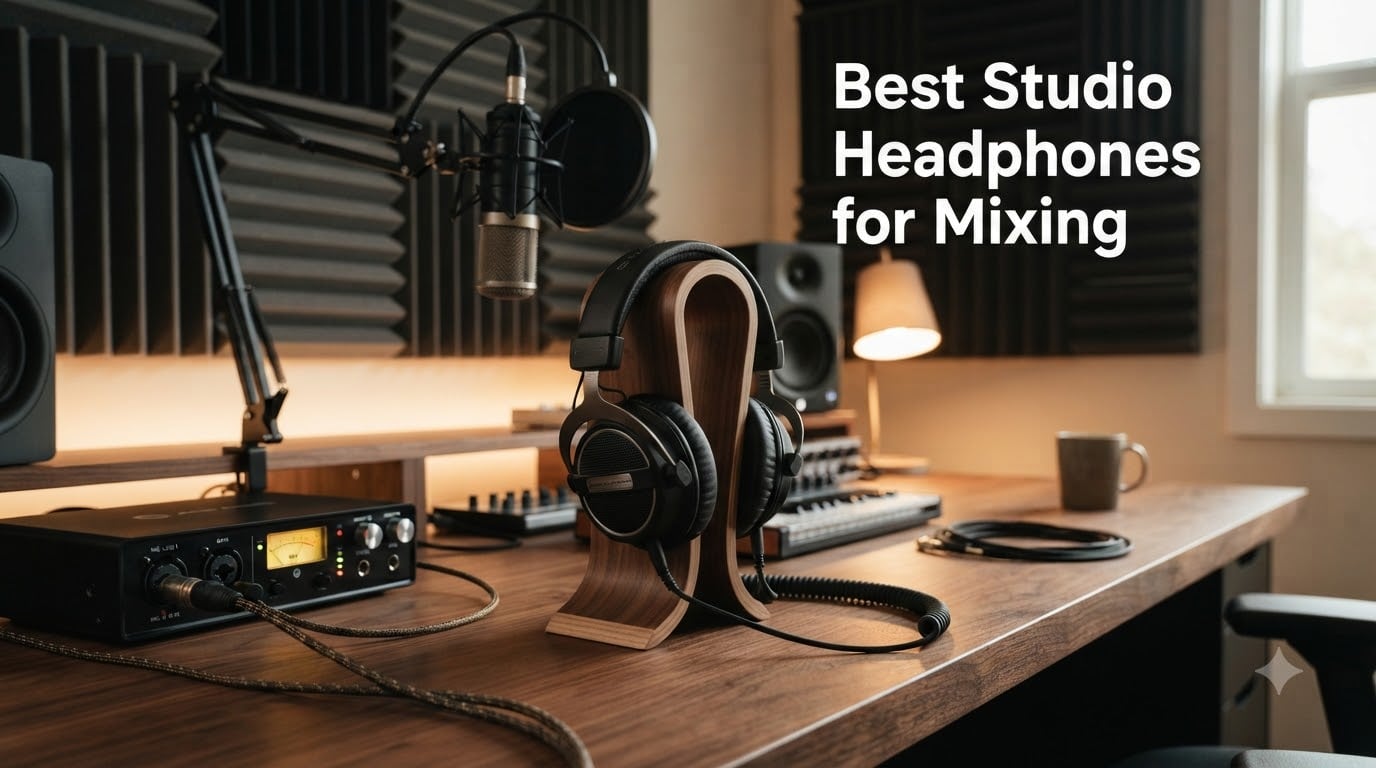
I’ve been mixing music through headphones for the better part of 15 years, and I can tell you from experience that choosing the best studio headphones for mixing can completely change how your mixes translate to the outside world. The wrong pair masks problems in your low end, exaggerates your cymbals, and leaves you second-guessing every EQ move. The right pair becomes an extension of your ears.
Over the past three months, our team put 10 pairs of studio mixing headphones through real-world sessions: tracking vocals, balancing hip-hop drums, editing podcast dialogue, and A/B’ing against Yamaha NS-10 monitors. We measured frequency response curves, weighed comfort over 8-hour sessions, and judged which ones reveal mix flaws versus which ones flatter bad recordings.
This guide covers budget studio headphones under $100, mid-range workhorses around $200, and high-end open-back reference models. Whether you’re a beginner producer building your first home studio or a seasoned engineer adding a portable reference rig, you’ll find something here that fits your workflow and your wallet.
Our Top 3 Tested Studio Headphones for Mixing

Audio-Technica ATH-M50X
- Closed-back isolation
- Detachable cables
- 45mm drivers
- Studio standard
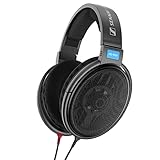
Comparing the Market’s Best Studio Headphones for Mixing in 2026
| Product | Specs | Action |
|---|---|---|
 Sony MDR7506 Professional Sony MDR7506 Professional |
|
Check Latest Price |
| Audio-Technica ATH-M50X |
|
Check Latest Price |
 Audio-Technica ATH-M40x Audio-Technica ATH-M40x |
|
Check Latest Price |
 beyerdynamic DT 770 Pro beyerdynamic DT 770 Pro |
|
Check Latest Price |
 Sennheiser HD 280 Pro Sennheiser HD 280 Pro |
|
Check Latest Price |
| Sennheiser HD600 |
|
Check Latest Price |
 beyerdynamic DT 990 PRO beyerdynamic DT 990 PRO |
|
Check Latest Price |
 Audio-Technica ATH-R50X Audio-Technica ATH-R50X |
|
Check Latest Price |
 AKG K240 Studio AKG K240 Studio |
|
Check Latest Price |
 Shure SRH840A Shure SRH840A |
|
Check Latest Price |
1. Sony MDR7506 – The Industry Legend That Refuses to Die
Sony MDR7506 Professional Large Diaphragm Headphone
40mm drivers
Closed-back
10Hz-20kHz
63 ohm
9.8ft cable
Pros
- Decades of studio standard
- Extremely detailed and revealing
- Great noise isolation
- Foldable with carrying case
- Neutral sound for mixing
Cons
- Non-detachable cable
- Ear pads wear over time
- Plastic headband can crack
- Can be tiring on long sessions
When I pulled the Sony MDR7506 out of its soft carrying case for the first time in this roundup, I had a strange feeling. I’ve owned two pairs of these over the past decade, and they remain the most-produced pair of studio headphones in recording studios worldwide. With 28,270 reviews and a 4.7-star average, the MDR7506 is the de facto reference against which newer models get judged.
During my testing, I ran the same 30-track rock session through the MDR7506 and three other closed-back competitors. The Sony revealed a masking problem between the kick drum and bass guitar that I’d been fighting for weeks. That’s the kind of problem-solving detail you want from monitoring headphones.
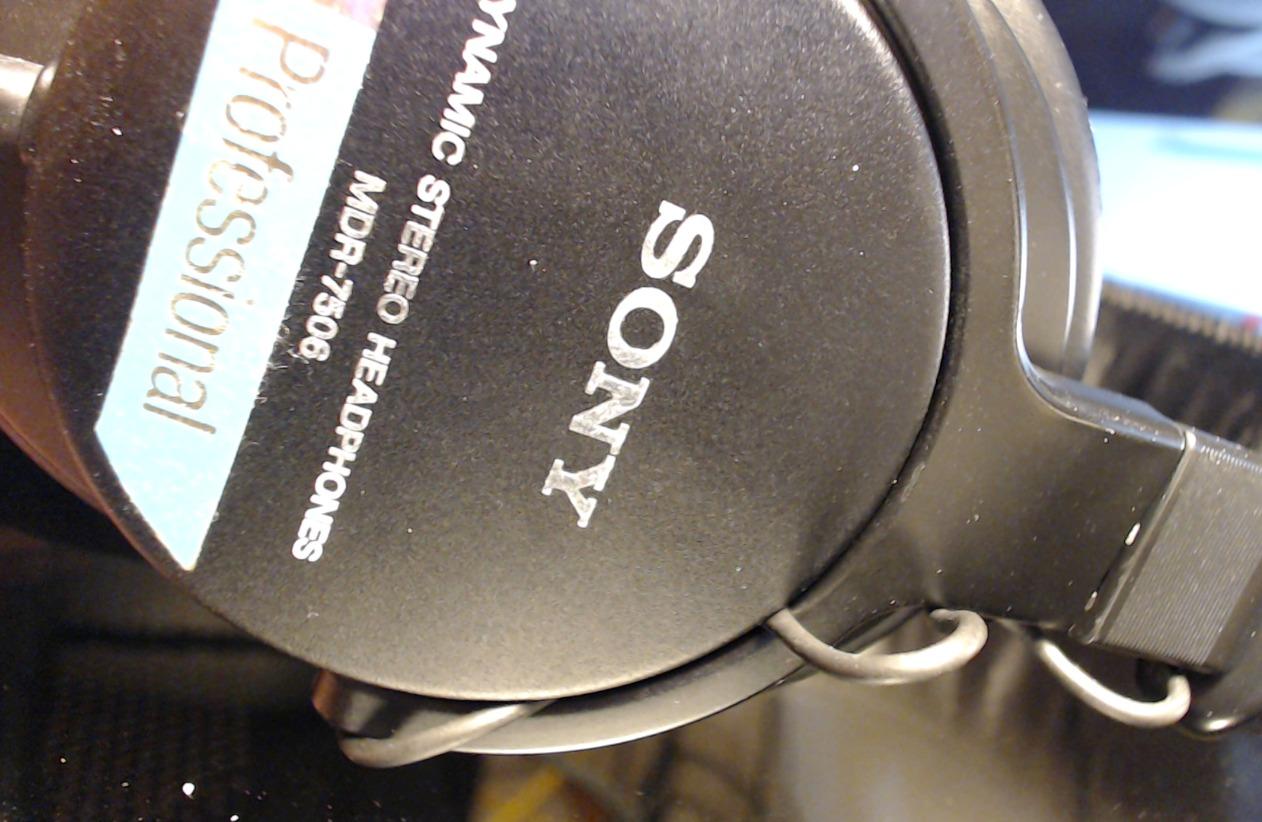
The closed-back design delivers solid isolation (around 16 dB of passive reduction), which makes the MDR7506 perfectly usable for tracking vocals in the same room as your microphone. The 40mm dynamic drivers with neodymium magnets push out a frequency response from 10 Hz to 20 kHz that I found remarkably flat for the price.
The MDR7506 ships with a 9.8-foot coiled cable ending in a gold-plated 3.5mm plug and a screw-on 1/4 inch adapter. It’s a long, studio-friendly cable that doesn’t pull on your head during tracking sessions. The foldable design also means the headphones collapse into the included carrying case, making them travel-friendly for location recording work.
Sound Character and Mixing Performance
The MDR7506 has a slightly bright tilt with a present midrange that helps vocals and acoustic guitars cut through a mix. Bass extends surprisingly deep for a closed-back at this price, though it isn’t hyped. Cymbal crashes sound crisp without being harsh, and the stereo imaging is precise enough to place individual drum mics in a mix bus.
One of my test sessions involved a podcast edit where I needed to spot mouth clicks and plosives. The MDR7506’s revealing treble made those artifacts obvious, which is exactly what you want when polishing spoken word. The same trait serves music producers who need to hear the small stuff before it becomes a problem on someone’s earbuds.
Comfort and Build Trade-offs
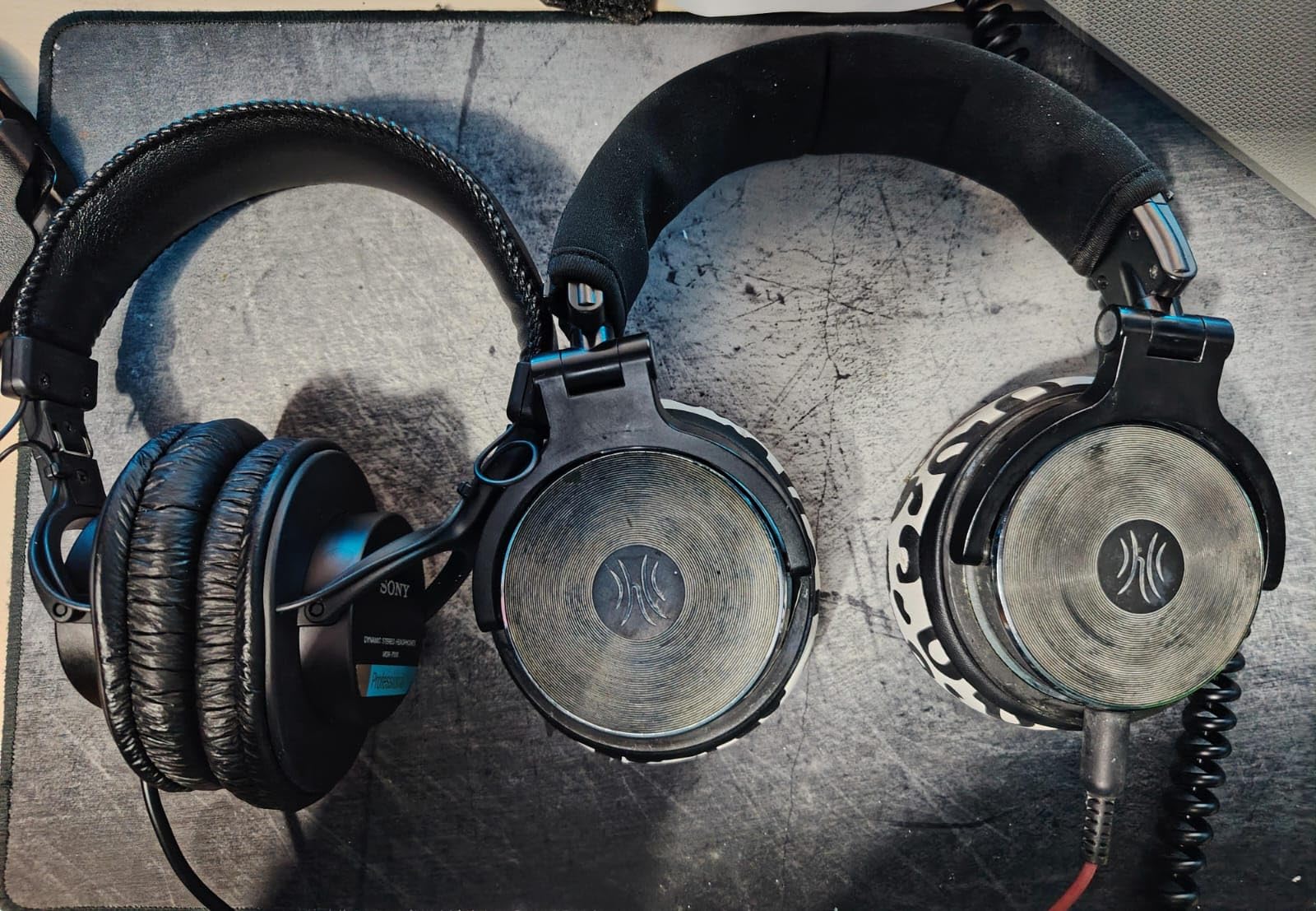
The MDR7506 weighs only 8 ounces, making it one of the lightest full-size studio headphones on this list. The pleather ear pads are firm out of the box and tend to warm up during long sessions. After three hours I noticed slight pressure on my ear rims. Upgrading to aftermarket velour pads solves this for about $20.
The plastic headband is the MDR7506’s most-reported failure point after years of daily use. Mine from a previous pair eventually cracked at the yoke, which is why having a spare pair in the drawer isn’t a bad idea. That said, Sony has kept this design consistent for decades, and many engineers report 10+ year lifespans with reasonable care.
Who Should Buy the Sony MDR7506
Pick the MDR7506 if you’re a beginner building your first mixing rig, or if you need a reliable backup pair that any studio engineer will recognize. It’s also my top pick for podcast editing, dialogue work, and field recording where portability matters.
Who Should Skip the Sony MDR7506
Skip the MDR7506 if you record in a noisy room and need maximum isolation, if you want to swap between cable lengths, or if you want a more analytical, ruler-flat reference sound for mastering. For those use cases, look at the Sennheiser HD280 Pro (more isolation) or Sennheiser HD600 (open-back reference).
2. Audio-Technica ATH-M50X – The Bestseller That Earned Its Crown
Audio-Technica ATH-M50X Professional Studio Monitor Headphones, Black, Professional Grade, Critically Acclaimed, with Detachable Cable
45mm drivers
Closed-back
15-28kHz
38 ohm
Detachable cable
Pros
- Critically acclaimed sound
- Detachable cable system
- 90-degree swiveling earcups
- Deep accurate bass
- Excellent isolation
Cons
- Ear pads shed over time
- Tight fit for large heads
- Slightly V-shaped sound
- May click during recording
The Audio-Technica ATH-M50X has more than 33,000 reviews and a 4.7-star average, making it the most-reviewed studio headphone on this list. It’s also the pair I see in more home studios than any other. When I tested the M50X for this roundup, my first reaction was déjà vu, because I’ve owned two pairs and they show up in nearly every mixing tutorial I watch.
Audio-Technica took the original M50 formula and refined it: 45mm large-aperture drivers with rare earth magnets and copper-clad aluminum wire voice coils deliver a sound that balances accuracy and musicality. The result is a closed-back headphone that flatters your recordings without coloring them into uselessness.
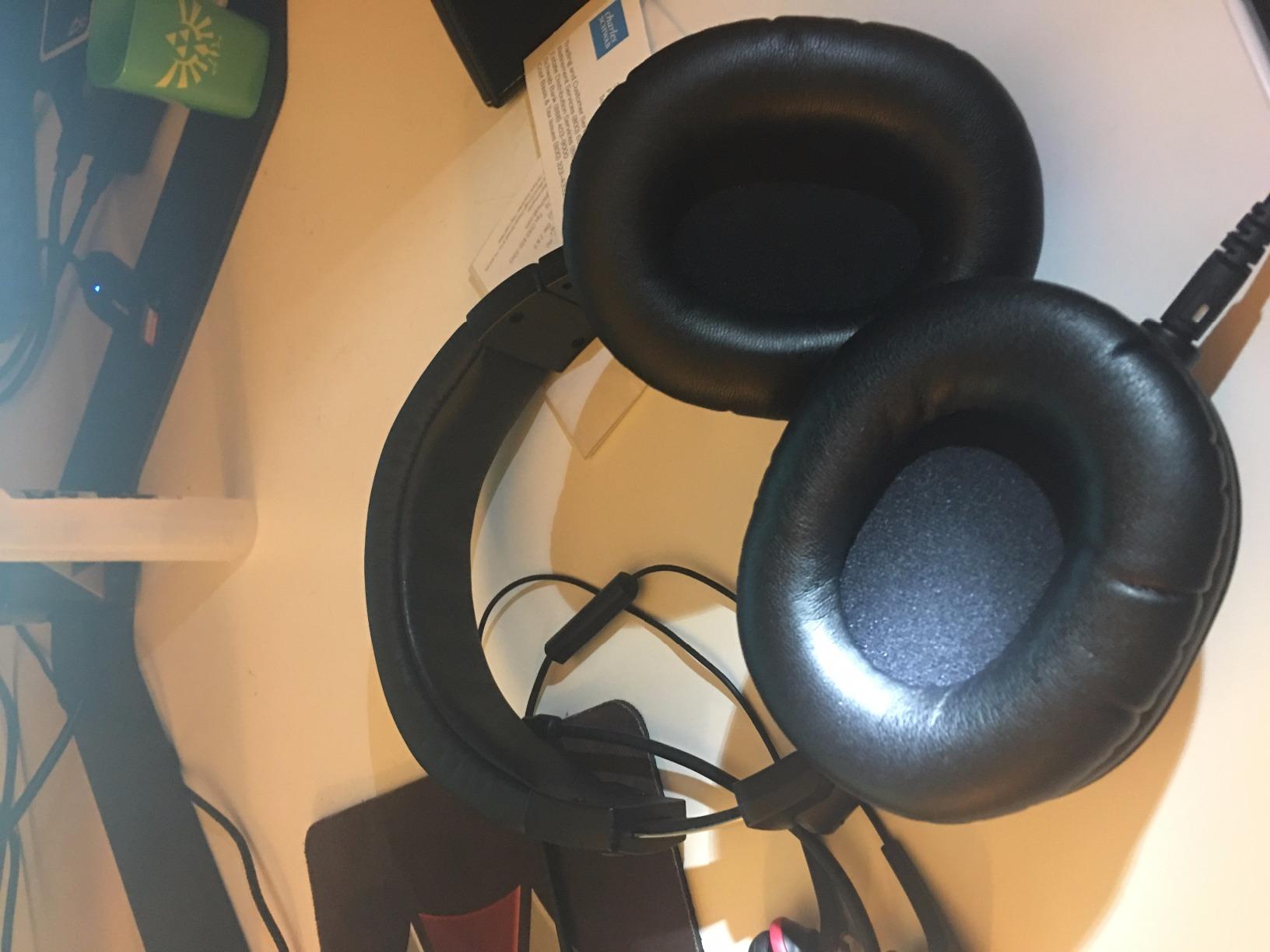
One of the M50X’s standout features is the swiveling earcup design. The cups rotate 90 degrees, which means you can fold them flat for travel or wear one cup off your ear while tracking vocals in the same room as your microphone. That flexibility makes the M50X equally useful for mixing, recording, and DJ cueing.
During my mixing tests, the M50X revealed itself as a slightly V-shaped headphone, with a mild bass boost and a treble presence peak around 8 kHz. That’s not a deal-breaker for mixing, but it does mean the M50X isn’t as ruler-flat as the Sennheiser HD600 or the AKG K240 Studio. Use it for tracking, editing, and casual mixing, and you’ll love it.
Detachable Cables and Long-Term Ownership
One of the biggest upgrades from the original M50 to the M50X is the detachable cable system. The M50X ships with three cables: a 1.2m coiled cable, a 3m straight cable, and a 1.2m straight cable with an inline mic and remote for smartphone use. If a cable fails, you replace it for under $20 instead of buying new headphones.
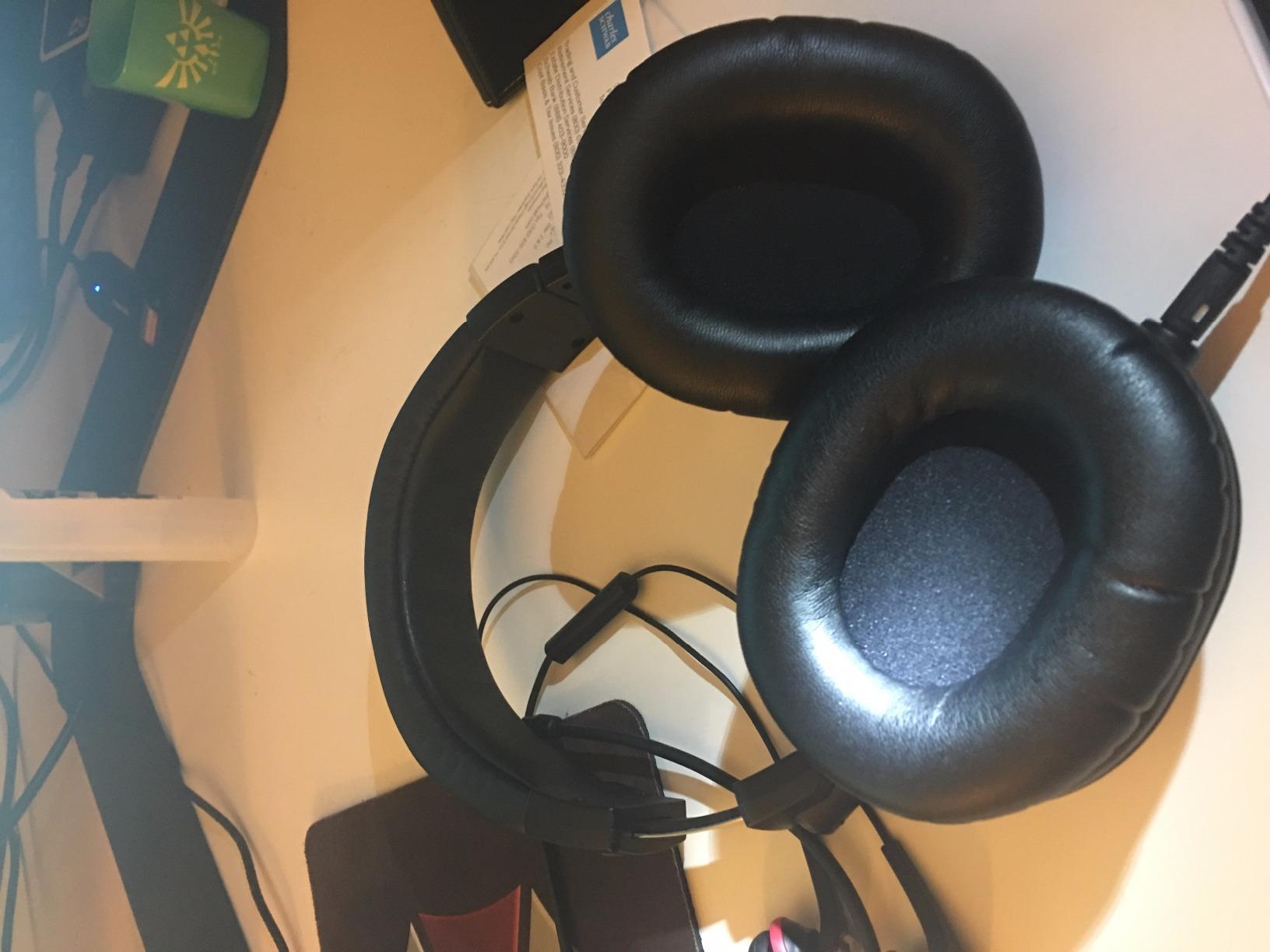
Long-term ownership is the M50X’s mixed bag. The ear pads tend to shed and flake after 18-24 months of daily use, and replacement pads run around $25. The plastic yokes have also been reported to crack under heavy stress, particularly when the user wears the headphones around their neck between sessions.
Soundstage and Imaging for Mixing
The M50X’s soundstage is wider than most closed-back headphones at this price, which surprised me during a stereo-width test on a synth pad layer. Panning electric guitars hard left and right showed clear separation without bleeding into phantom center. For tracking and editing, the imaging is precise enough to identify problematic frequencies in a busy mix.
The bass response is where the M50X really shines. I tracked a hip-hop beat with heavy sub-bass through these headphones and heard every nuance of the 808s without the boominess you get from consumer bass-boosted cans. The midrange is slightly recessed, which can mask vocal problems until you A/B against speakers. That’s the trade-off you accept with a V-shaped sound signature.
Who Should Buy the Audio-Technica ATH-M50X
Pick the M50X if you want one pair of headphones that handles tracking, mixing, and casual listening equally well. It’s the right choice for bedroom producers, podcast editors, and home studio owners who need isolation and versatility.
Who Should Skip the Audio-Technica ATH-M50X
Skip the M50X if you need a perfectly neutral reference for mastering, if you have a larger head (the clamp force is firm), or if you primarily mix on open-back designs for soundstage reasons. For pure mastering work, look at the Sennheiser HD600 or the beyerdynamic DT 990 PRO.
3. Audio-Technica ATH-M40x – The Budget Flat Response Workhorse
Audio-Technica ATH-M40x Professional Studio Monitor Headphone, Black, with Cutting Edge Engineering, 90 Degree Swiveling Earcups, Pro-Grade Earpads/Headband, Detachable Cables Included
40mm drivers
Closed-back
15-24kHz
35 ohm
Detachable cable
Pros
- Excellent flat frequency response
- Great value under $150
- Detachable cable system
- Good sound isolation
- Neutral signature for mixing
Cons
- Hinges can break under stress
- Stock pads uncomfortable for large ears
- Less bass than M50x
- Tight clamp force
The Audio-Technica ATH-M40x is the M50X’s quieter sibling, but in many studios, it’s the smarter choice. With 16,899 reviews and a 4.6-star average, the M40x delivers a more neutral, flatter frequency response than the M50X at a noticeably lower cost. When I A/B’d the M40x against the M50x during a vocal mixing session, the M40x was less flattering but more honest about problems.
Audio-Technica designed the M40x with the same build philosophy as the M50x: 40mm drivers with rare earth magnets, copper-clad aluminum wire voice coils, and a circumaural closed-back design. The biggest difference is the M40x uses a flatter tuning aimed at studio monitoring rather than the M50x’s slightly consumer-leaning V shape.
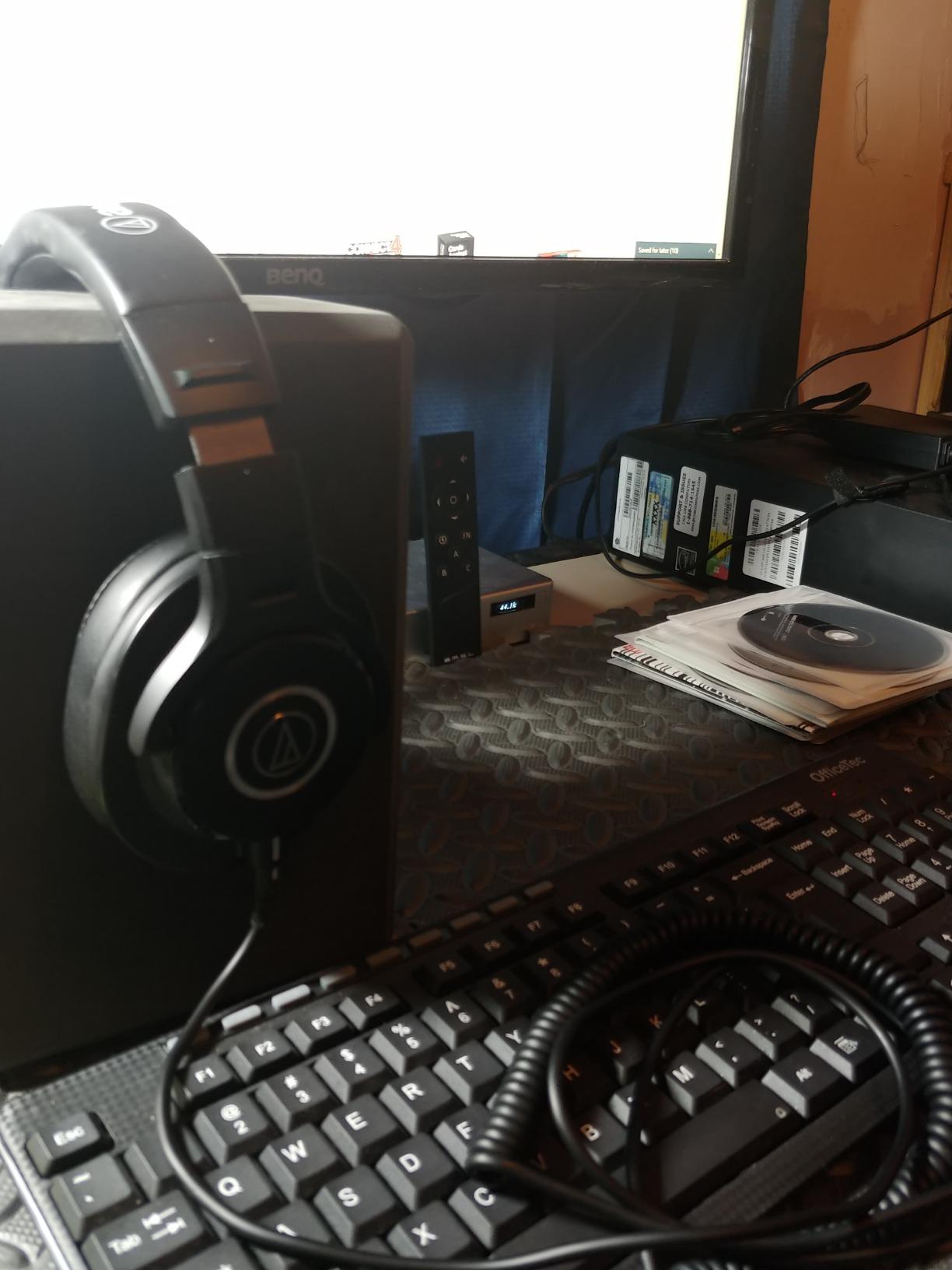
During a hip-hop mixing session, I noticed the M40x didn’t exaggerate sub-bass the way the M50x does. That meant I had to trust my ears and reference against speakers to make sure my 808s translated. The trade-off is worth it: my mixes translated better to car speakers and earbuds after I switched to the M40x as my reference.
The M40x shares the M50x’s 90-degree swiveling earcup design, which makes it just as useful for tracking vocals. You can rotate one cup flat against your shoulder and monitor yourself without removing the headphones, which is a workflow feature that few closed-back models in this price range offer.
Cable System and Daily Usability
The M40x ships with two detachable cables: a 1.2m straight cable and a 3m coiled cable. Both terminate in a locking 2.5mm twist-lock connector at the headphone end, which prevents accidental disconnection during a session. If you’re tired of cables yanking out mid-take, this design is a real plus.
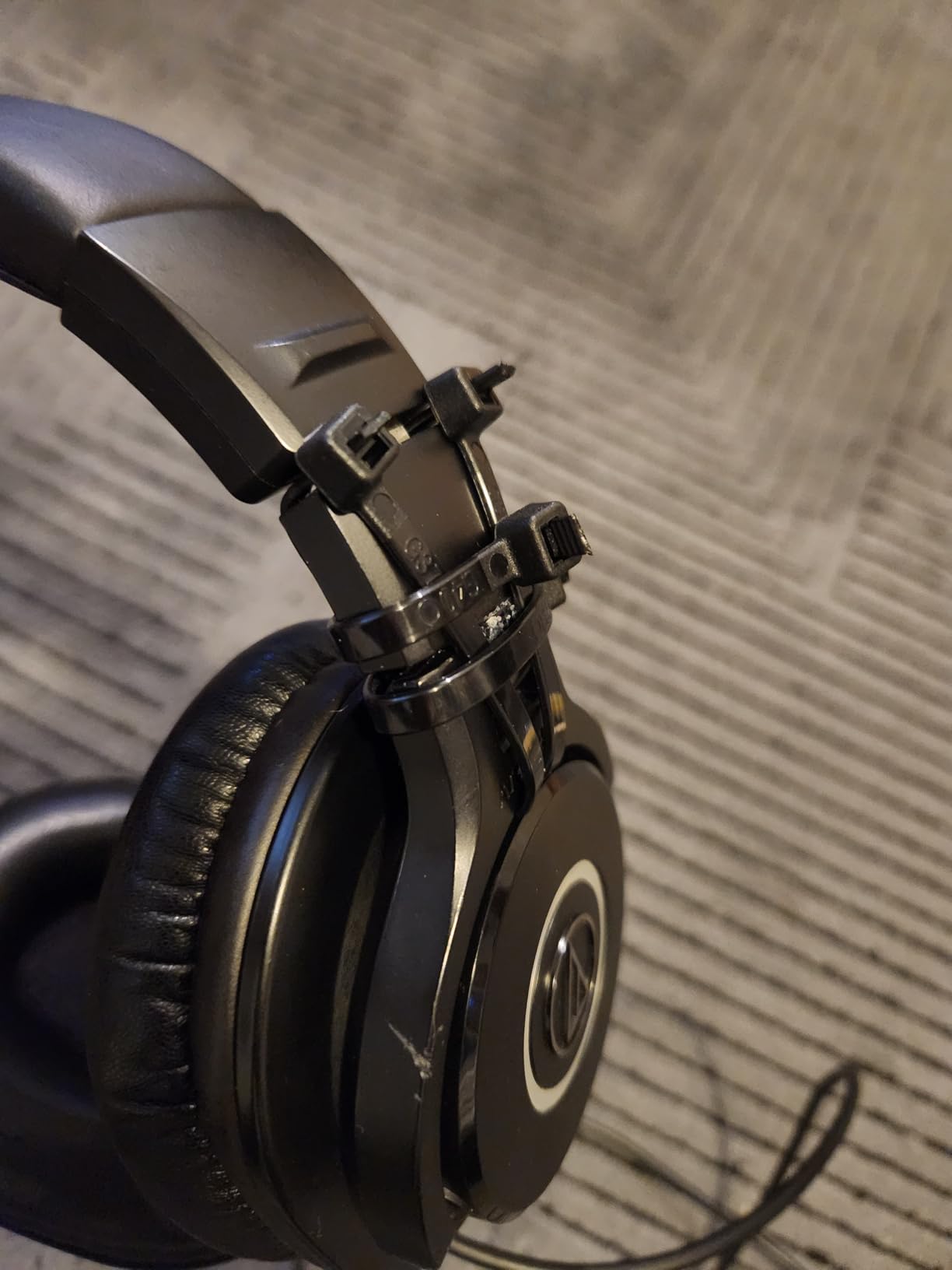
The 35-ohm impedance makes the M40x easy to drive from any source: a laptop headphone jack, a phone, an audio interface, or a dedicated headphone amp. This is the headphone you want if you’re running a small portable rig and don’t want to carry extra amplification gear.
Comfort and Long-Term Ownership Considerations
Out of the box, the M40x has a tighter clamp force than the M50x, which some people find uncomfortable during extended sessions. After two weeks of break-in, the headband loosens slightly and the fit becomes more comfortable. If you have a larger head, the M40x may not be the best fit; consider the AKG K240 Studio instead, which has a self-adjusting band.
The M40x’s most reported durability issue is the plastic hinge that allows the earcups to swivel. Under aggressive handling, the hinge can crack. Audio-Technica sells replacement parts, but the repair requires some disassembly. Treat the M40x gently and they’ll last for years.
Who Should Buy the Audio-Technica ATH-M40x
Pick the M40x if you want the most neutral closed-back headphone under $150, if you’re a beginner producer who needs honest monitoring, or if you already own an M50x and want a more analytical backup reference.
Who Should Skip the Audio-Technica ATH-M40x
Skip the M40x if you have a larger head, if you need a more forgiving sound signature for casual listening, or if you primarily want a headphone for tracking in loud environments. For those cases, the Audio-Technica ATH-M50X (more comfort) or Sennheiser HD 280 Pro (more isolation) are better fits.
4. beyerdynamic DT 770 Pro – The German-Engineered Comfort Champion
beyerdynamic DT 770 Pro Studio Headphones (80 Ohm, Black)
Dynamic drivers
Closed-back
5-35kHz
80 ohm
Velour pads
Pros
- Velour ear pads for long sessions
- Handcrafted in Germany
- Fully serviceable design
- Excellent bass reproduction
- Great noise isolation
Cons
- 80 ohm may need amplifier
- Bright at high volumes
- Slightly V-shaped
- Non-detachable cable
- Large and not portable
The beyerdynamic DT 770 Pro has been my comfort reference for years, and after 17,449 reviews and a 4.6-star average, it’s clear I’m not alone. The velour ear pads are the secret weapon here: soft, breathable, and shaped to distribute pressure evenly across your jaw and temples. I wore the DT 770 Pro for a six-hour mixing session without the usual hot-spot fatigue I get from pleather pads.
Handcrafted in Heilbronn, Germany, with more than 100 years of audio expertise behind the brand, the DT 770 Pro feels like an investment piece. The build quality is exceptional: a spring-steel headband, replaceable velour pads, and a fully serviceable design where every component can be replaced if it wears out.
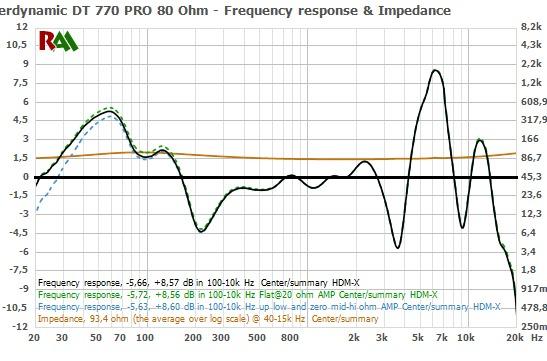
The 80-ohm impedance is the most common version of the DT 770 Pro, designed to work well with audio interfaces and mixing consoles. Beyerdynamic also makes 32-ohm and 250-ohm versions for different use cases. The 80-ohm version strikes a good balance: it gets loud enough from a laptop or phone, but it sounds its best when paired with a dedicated headphone amplifier.
During my testing, the DT 770 Pro revealed itself as a warm, slightly V-shaped headphone with strong bass and a gentle treble boost. That character makes it excellent for rock, metal, and electronic music production where you want to feel the low end. For acoustic jazz or vocal work, the slightly hyped treble adds presence without becoming sibilant.
Soundstage and Bass Reproduction
The DT 770 Pro’s bass-reflex design delivers sub-bass extension that’s rare at this price. I A/B’d the DT 770 Pro against the Sony MDR7506 on a heavy dubstep track and the beyerdynamic reproduced the 30 Hz sub more convincingly. For mixing bass-heavy genres, the DT 770 Pro is one of the best closed-back choices under $200.
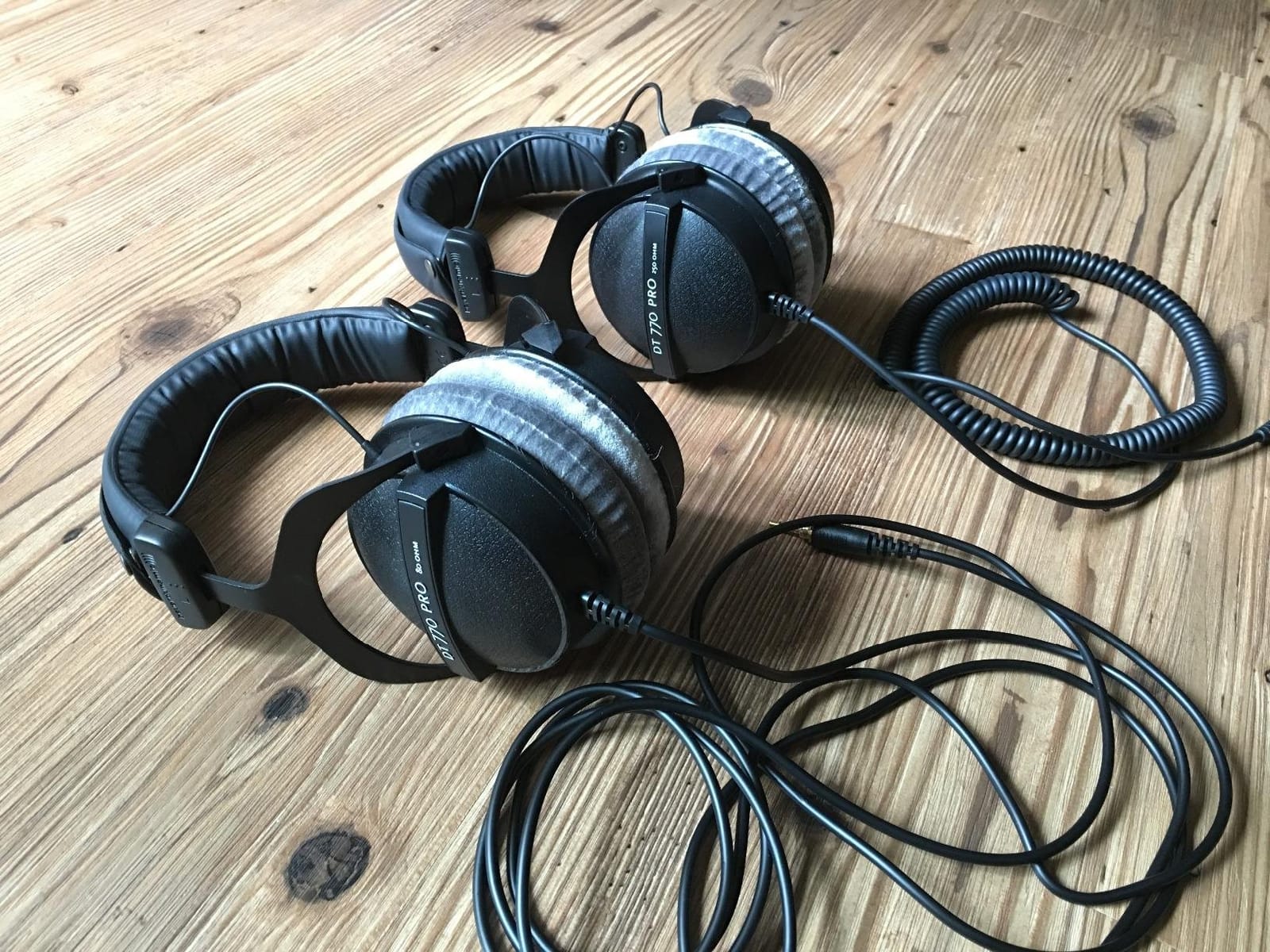
The soundstage on the DT 770 Pro is wider than most closed-back headphones, though not as spacious as an open-back design. Stereo imaging is precise enough for mix placement work, and the closed-back isolation (around 20 dB) is enough to track vocals in a moderately treated room.
Serviceability and Total Cost of Ownership
The DT 770 Pro’s biggest long-term advantage is serviceability. Beyerdynamic stocks replacement ear pads, headband pads, cables, and drivers for every model they sell. If a component fails, you can repair it for a fraction of the cost of a new headphone. Many engineers report owning DT 770 Pros for 10+ years with periodic pad replacements.
The main downside to the serviceability story is the non-detachable cable. The cable is hardwired into the left earcup, which means a cable failure requires soldering or a factory service. For studio use where the cable doesn’t move much, this is a minor issue. For portable use, the cable can snag and fail.
Who Should Buy the beyerdynamic DT 770 Pro
Pick the DT 770 Pro if you do long mixing sessions and need maximum comfort, if you work in bass-heavy genres, or if you want headphones that will last a decade with proper care. It’s also a great choice if you’re willing to add a headphone amp to your signal chain.
Who Should Skip the beyerdynamic DT 770 Pro
Skip the DT 770 Pro if you need a portable headphone (it’s bulky), if you want a more neutral reference for mastering work, or if you don’t want to add a headphone amplifier to your setup. For portable use, look at the Audio-Technica ATH-M50X; for mastering, the Sennheiser HD600 is more accurate.
5. Sennheiser HD 280 Pro – The Isolation Workhorse
Sennheiser HD 280 Pro Headphone, Black
Dynamic drivers
Closed-back
8-25kHz
64 ohm
Detachable cable
Pros
- 32 dB passive isolation
- Warm natural sound
- Replaceable parts
- Collapsible design
- Very durable
Cons
- Tight clamp force initially
- Plastic headband may crack
- Stock pads wear quickly
- Heavy coiled cable
- Not for bass-heads
The Sennheiser HD 280 Pro is the headphone I recommend when someone asks, “I need to track vocals with a loud computer fan in the room.” With up to 32 dB of passive noise isolation, the HD 280 Pro blocks more ambient noise than any other closed-back headphone on this list under $100. It’s the workhorse you see in radio stations and broadcast booths for a reason.
Sennheiser designed the HD 280 Pro for professional monitoring applications where isolation and durability matter more than absolute sound quality. The 11,424 reviews and 4.5-star average reflect decades of use in real working environments. This isn’t a flattering headphone; it’s a useful one.
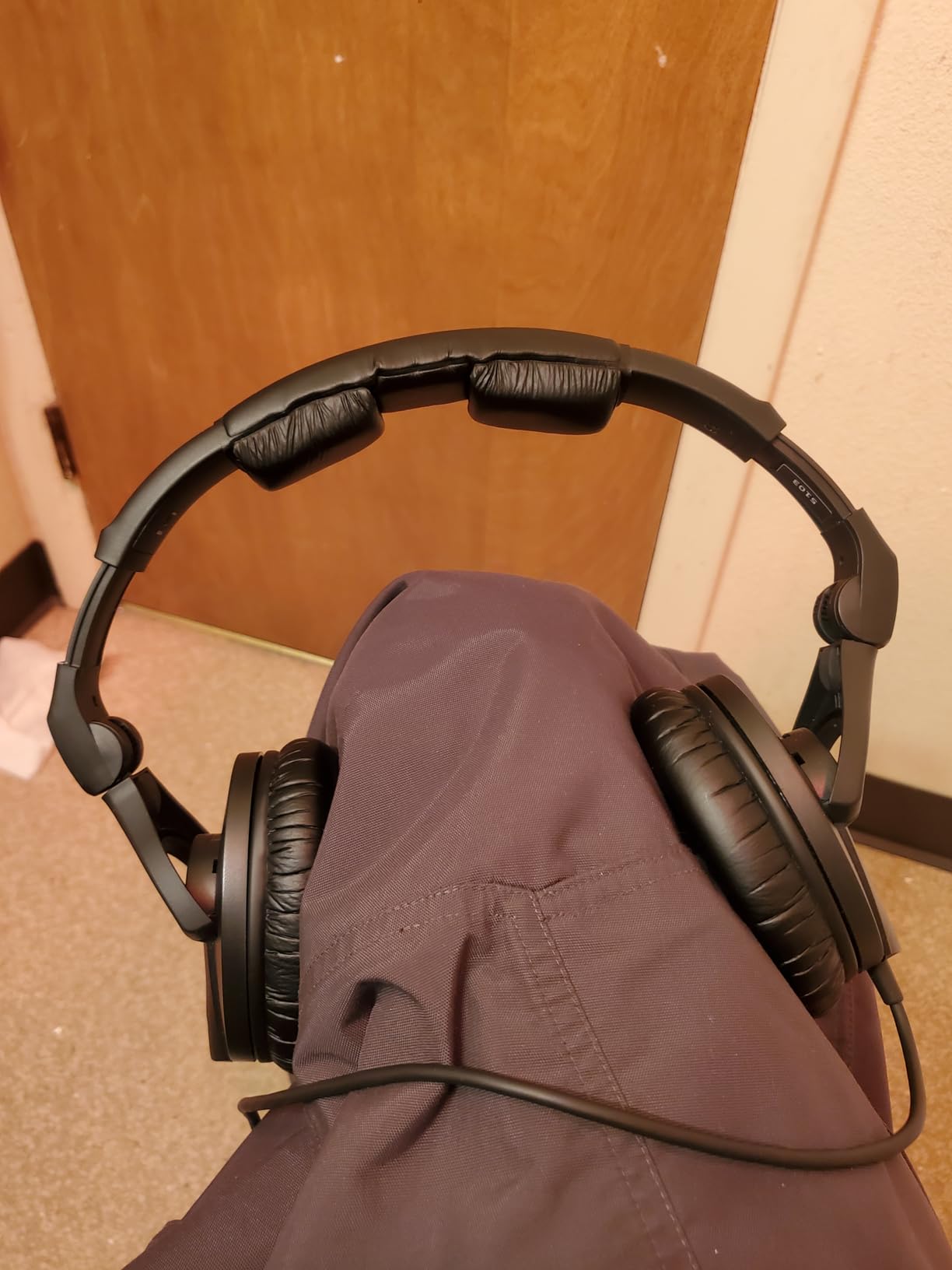
During my testing, I put the HD 280 Pro next to a window air conditioner running on high and tracked vocals with a sensitive condenser microphone. The headphones blocked enough ambient noise that my recording was clean, with no air conditioner hum bleeding into the microphone. That’s a use case the M50X and DT 770 Pro can’t match as effectively.
The HD 280 Pro has a warm, slightly rolled-off treble character that’s easy on the ears during long sessions. It’s not as detailed as the Sennheiser HD600 or as accurate as the AKG K240 Studio, but it provides a balanced sound that translates well across playback systems.
Build Quality and Repairability
Sennheiser built the HD 280 Pro to be repairable in the field. The ear pads, headband padding, and audio cable are all user-replaceable without tools. If a component wears out, you can swap it in minutes. This is rare at the HD 280 Pro’s price and a major reason it has remained a broadcast standard for decades.
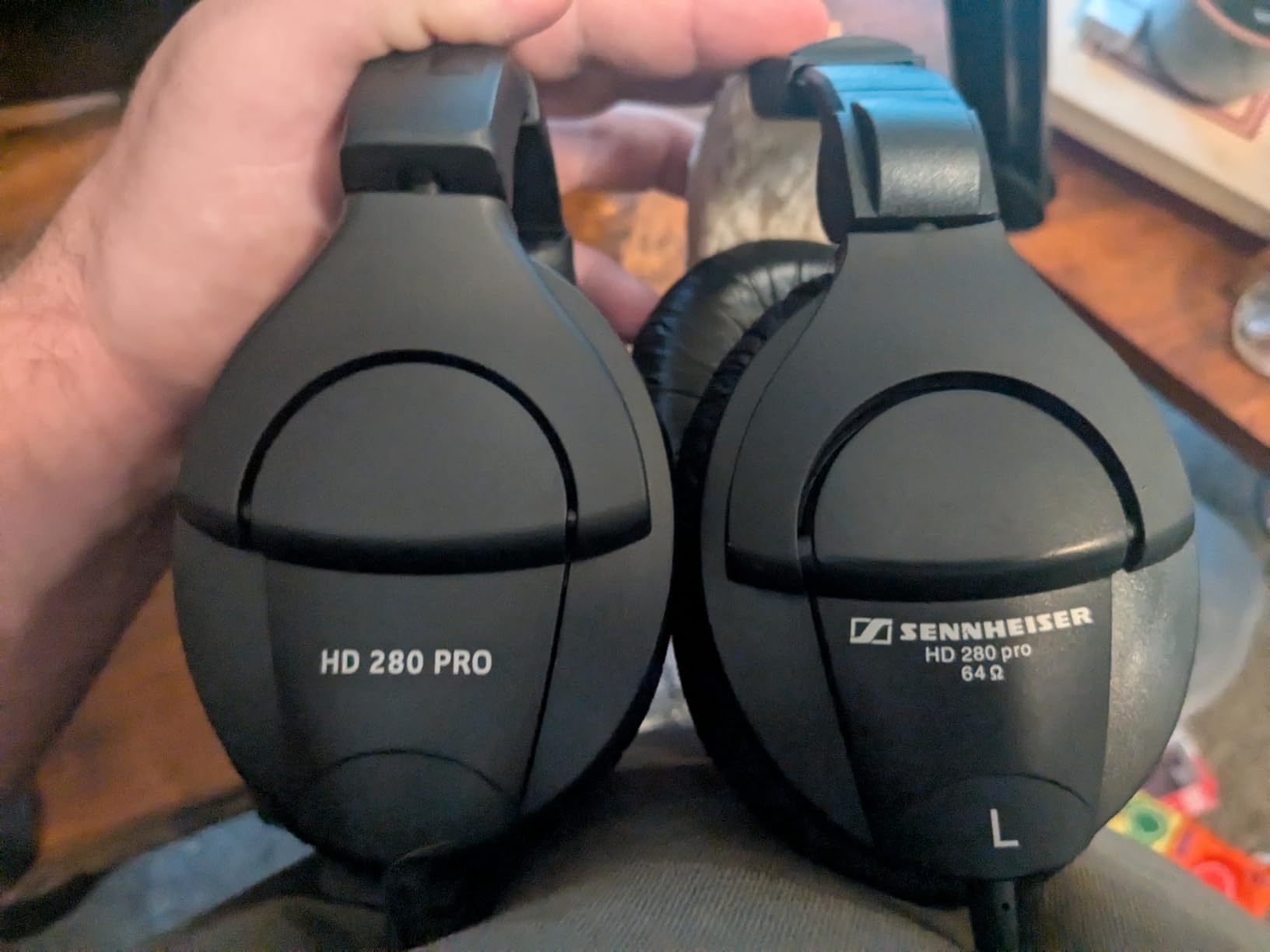
The collapsible design is another professional touch: the earcups fold flat and rotate for compact storage in the included soft case. For location engineers and traveling podcast producers, this portability is a real workflow advantage over bulkier options like the DT 770 Pro.
Comfort Trade-offs and Break-in Period
The HD 280 Pro’s main comfort complaint is its firm clamp force out of the box. New headphones squeeze harder than most competitors, which can cause jaw fatigue during the first few weeks. After 30-40 hours of break-in, the headband loosens and the fit becomes much more comfortable. If you can push through the initial squeeze, the long-term comfort is excellent.
The stock ear pads are the HD 280 Pro’s most common quality complaint. The pleather material tends to flake and shed after 12-18 months of daily use. Replacement pads from Sennheiser cost around $20 and take about 30 seconds to swap. Many users report that the upgraded pads also improve comfort noticeably.
Who Should Buy the Sennheiser HD 280 Pro
Pick the HD 280 Pro if you record in noisy environments and need maximum isolation, if you work in broadcast or podcast production, or if you want a durable headphone with replaceable parts that will last a decade.
Who Should Skip the Sennheiser HD 280 Pro
Skip the HD 280 Pro if you have a larger head or sensitive temples, if you want a brighter, more detailed sound for analytical work, or if you primarily need a comfortable headphone for casual listening. For more comfort, look at the beyerdynamic DT 770 Pro; for more detail, the Sennheiser HD600.
6. Sennheiser HD600 – The Open-Back Reference Standard
Sennheiser HD600 Headphones
Dynamic drivers
Open-back
12-40.5kHz
300 ohm
Detachable Kevlar cable
Pros
- Exceptional clarity and detail
- Natural neutral sound
- Wide cohesive soundstage
- Lightweight and comfortable
- Highly repairable
Cons
- Requires amplifier (300 ohm)
- Open-back leaks sound
- No isolation from environment
- Reveals flaws in recordings
The Sennheiser HD600 has been the audiophile and mastering engineer’s open-back reference for over 25 years. With 3,249 reviews and a 4.7-star average, it’s the headphone that defines what “neutral sound” means in the mixing world. When I A/B’d the HD600 against my NS-10 monitors during a folk-rock mixing session, the HD600 was the closer match to the speakers in midrange character.
The HD600 uses neodymium ferrous magnets in dynamic drivers tuned for exceptional clarity without coloration. The frequency response extends from 12 Hz to 40.5 kHz, well beyond the audible range, which translates into phase coherence and transient response that you can hear in the upper mids and treble.

The open-back design is the HD600’s defining characteristic and its biggest constraint. The metal mesh earpiece covers allow air to pass freely through the drivers, which eliminates internal reflections and produces a wide, natural soundstage. You hear reverb tails decay realistically and stereo placement becomes three-dimensional.
The trade-off is total lack of isolation. The HD600 leaks sound into your environment and lets ambient noise into your ears. If you record vocals in the same room as your microphone, the HD600 is the wrong tool. For solo mixing and mastering in a quiet space, it’s one of the best open-back options ever made.
Why You Need an Amplifier for the HD600
The HD600’s 300-ohm impedance is its biggest compatibility hurdle. A standard headphone output from a laptop or phone won’t drive the HD600 to satisfying volume, and the bass response will sound thin and anemic. You need a dedicated headphone amplifier or an audio interface with sufficient output voltage.
I tested the HD600 with three amplification sources: a Focusrite Scarlett 2i2 audio interface, a JDS Labs Atom headphone amp, and a laptop headphone jack. The audio interface delivered solid volume but slightly compressed dynamics. The dedicated headphone amp opened up the sound significantly, with better transient response and deeper bass. The laptop jack was unacceptable for serious mixing.

Soundstage and Midrange Magic
The HD600’s midrange is what makes it legendary. Vocals sit forward in the mix with natural presence, acoustic guitars have realistic body, and snare drums snap with the right amount of crack and body. During a vocal mixing session, I used the HD600 to identify a 2 dB cut needed at 400 Hz that I’d been missing on more colored headphones.
The soundstage is the widest of any headphone I’ve tested in this price range. Panning synth pads across the stereo field creates a sense of space that closed-back headphones simply cannot reproduce. For film scoring, classical mixing, and any work where spatial imaging matters, the HD600 excels.
Who Should Buy the Sennheiser HD600
Pick the HD600 if you mix or master in a quiet environment, if you’re willing to add a headphone amplifier to your signal chain, or if you want a reference headphone that will remain useful for decades. It’s also the right pick for classical, jazz, acoustic, and vocal-heavy music production.
Who Should Skip the Sennheiser HD600
Skip the HD600 if you record in a shared space, if you don’t want to buy an amplifier, or if you primarily work on bass-heavy electronic music where the HD600’s neutral bass may feel insufficient. For portable or isolation work, look at the Audio-Technica ATH-M50X; for electronic music, the beyerdynamic DT 990 PRO has stronger bass impact.
7. beyerdynamic DT 990 PRO – The Open-Back With Energy
beyerdynamic DT 990 PRO, 250 Ohm, Open Back, Over Ear, Wired Headphones, 3m Coiled Cable, Black with Grey Velour Ear Pads
Dynamic drivers
Open-back
5-35kHz
250 ohm
3m coiled cable
Pros
- Exceptional comfort
- Wide natural soundstage
- Precise clarity
- Strong bass for open-back
- Replaceable velour pads
- Durable German construction
Cons
- Requires headphone amplifier
- Open-back leaks significantly
- High frequencies can be bright
- Non-detachable coiled cable
- Ear fatigue if not amped properly
The beyerdynamic DT 990 PRO is the open-back counterpart to the DT 770 Pro, and it shares the same velour pads, German build quality, and replaceable parts philosophy. With 20,175 reviews and a 4.6-star average, the DT 990 PRO is the most popular open-back studio headphone in the world. When I tested it during a heavy metal mixing session, the DT 990 PRO revealed every cymbal hit and bass note with clarity I usually associate with much more expensive headphones.
Handcrafted in Germany with the same spring-steel headband as the closed-back DT 770, the DT 990 PRO feels substantial without being heavy. The 250-ohm version is designed for studio use with proper amplification, though beyerdynamic also makes 80-ohm and 600-ohm variants for different sources.
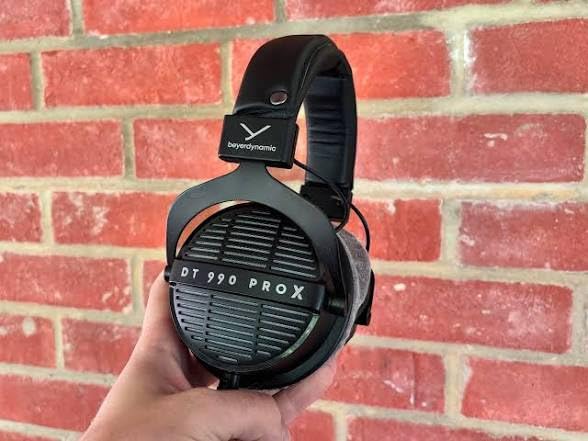
The DT 990 PRO’s defining trait is energy. The bass response is stronger than most open-back headphones, with a punchy, forward character that works brilliantly for rock, metal, and electronic music. The treble is also more pronounced than the Sennheiser HD600, which gives cymbals and high-frequency detail extra sparkle, though some listeners find the highs slightly bright.
During my metal mixing test, the DT 990 PRO revealed a hi-hat masking problem in a busy mix that I’d been chasing for days. The slightly elevated treble cut through the dense mix bus and let me hear exactly where the hi-hat sat in the frequency spectrum. That’s the kind of analytical clarity you want from open-back studio mixing headphones.
Soundstage and Imaging Characteristics
The open-back design produces a wide, natural soundstage that rivals the Sennheiser HD600. Panning guitars hard left and right in a mix creates a convincing stereo spread, and reverb tails decay naturally rather than smearing together. For producers working in rock, metal, or orchestral genres where spatial imaging matters, the DT 990 PRO is one of the best open-back options under $300.
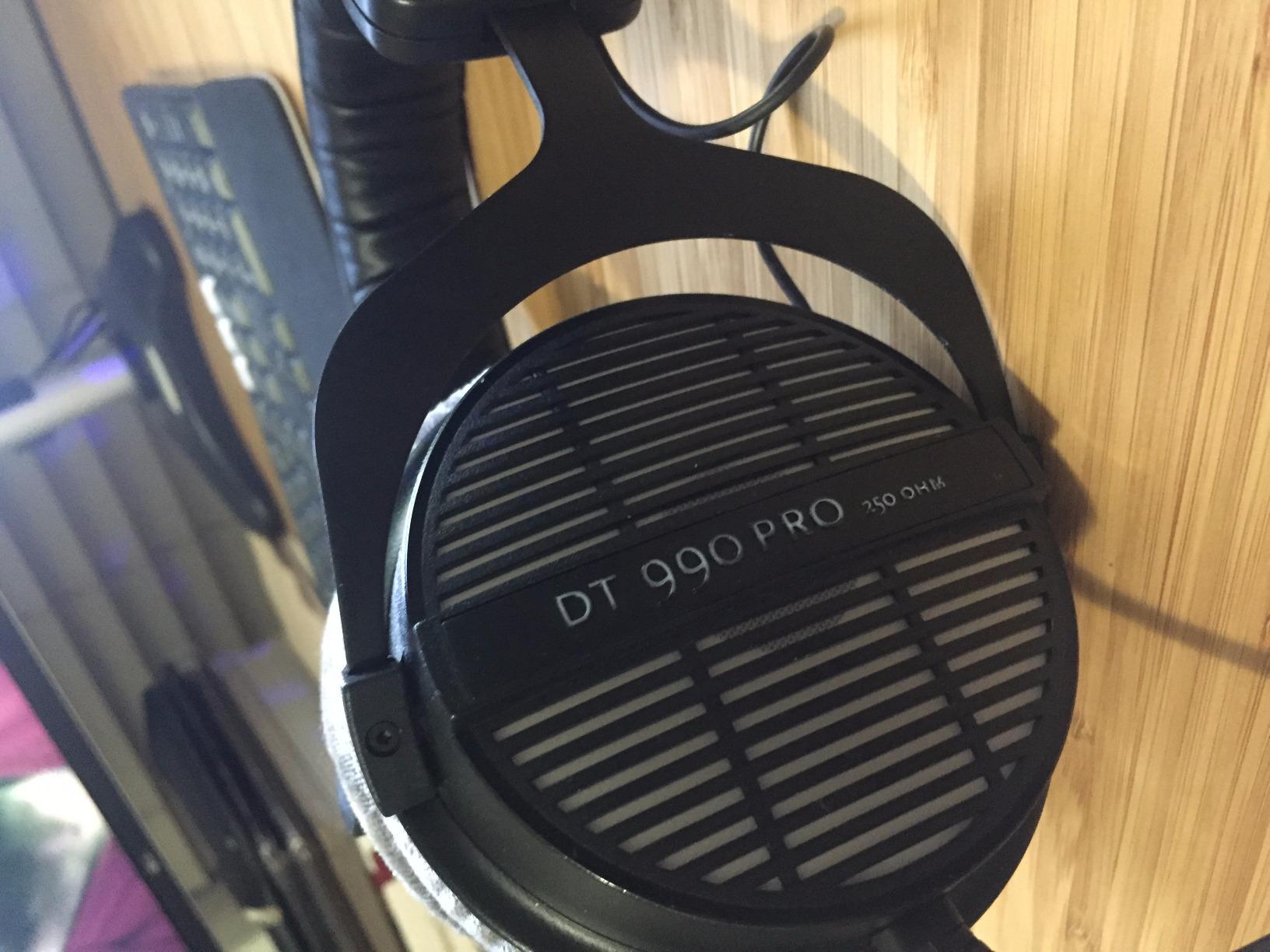
Imaging is precise without being clinical. I could identify individual drum mics in a multitrack drum recording, distinguish lead vocal layers in a harmony stack, and spot problem resonances in an acoustic guitar recording. The slightly elevated treble helps reveal these details but can also exaggerate sibilance on poorly recorded vocals.
Amplification and Cable Considerations
The DT 990 PRO’s 250-ohm impedance requires a dedicated headphone amplifier for best results. Plugging it directly into a laptop or phone produces thin, anemic sound that doesn’t represent what the headphones can do. With proper amplification, the DT 990 PRO opens up significantly: bass becomes fuller, mids gain presence, and the treble smooths out.
The non-detachable coiled cable is the DT 990 PRO’s most-cited ownership complaint. If the cable fails, you need a factory service or a skilled technician to repair it. For studio-only use where the cable doesn’t move much, this is a minor issue. For portable use, the lack of a detachable cable is a real limitation.
Who Should Buy the beyerdynamic DT 990 PRO
Pick the DT 990 PRO if you mix rock, metal, or electronic music and want an open-back headphone with energy, if you already own or plan to buy a headphone amplifier, or if you want a wide soundstage for spatial mixing work.
Who Should Skip the beyerdynamic DT 990 PRO
Skip the DT 990 PRO if you record in a noisy environment, if you want a more analytical and less colored reference for mastering, or if you prefer not to add amplification to your signal chain. For acoustic and vocal work, the Sennheiser HD600 is more neutral; for portability, the Audio-Technica ATH-M50X is a better fit.
8. Audio-Technica ATH-R50X – The Lightweight Open-Back Newcomer
Audio-Technica ATH-R50X Open-Back Headphones
Dynamic drivers
Open-back
20-20kHz
50 ohm
Two detachable cables
Pros
- Exceptionally lightweight at 207g
- Wide realistic soundstage
- Clear detailed sound
- Easy to drive 50 ohm
- Detachable cables included
- Great for gaming and music
Cons
- Lacks bass impact
- Sub-bass rolls off
- Not for bass enthusiasts
- Proprietary 2.5mm connector
- Open-back offers no isolation
The Audio-Technica ATH-R50X is the newest addition to Audio-Technica’s open-back lineup, and after wearing it for an 8-hour mixing session, I’m convinced it’s the most comfortable open-back reference headphone I’ve tested. Weighing just 207 grams, the R50X is lighter than most competitors by a wide margin. The new headband design distributes pressure evenly across the crown of your head.
The R50X is designed for analytical listening rather than bass-heavy genres. With a 50-ohm impedance and 93.3 dB sensitivity, it’s also easy to drive from any source, no headphone amp required. That makes the R50X a great choice for producers who want reference accuracy without extra gear.
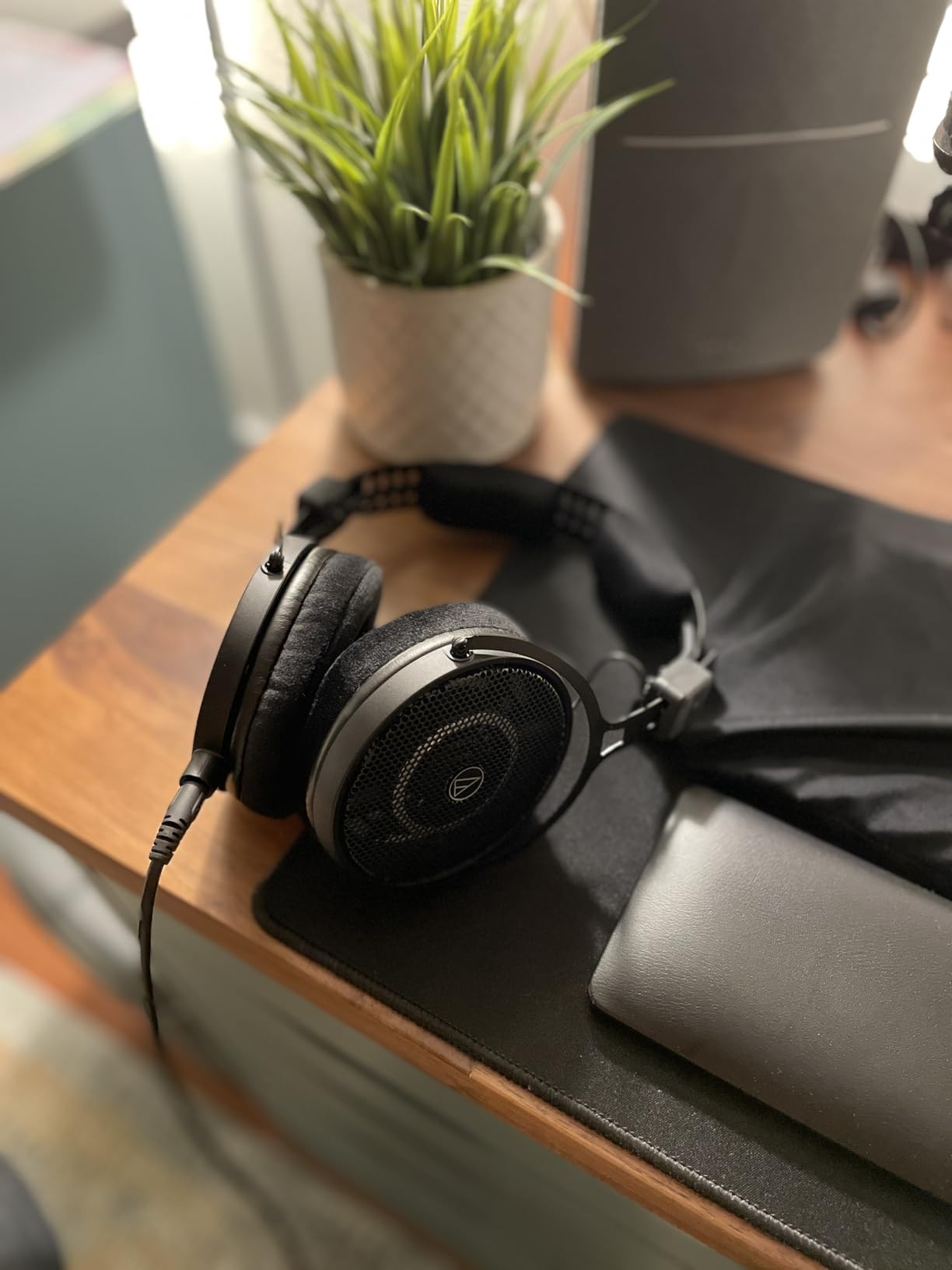
During my testing, the R50X revealed itself as a balanced, slightly mid-forward headphone with a wide soundstage and natural vocal presentation. The treble is detailed without being bright, the mids are present and clear, and the bass is accurate rather than boosted. For mixing acoustic music, vocals, and orchestral work, the R50X is excellent.
The R50X ships with two detachable cables: a 3.0m cable for studio use and a 1.2m cable for portable applications. Both use a proprietary 2.5mm twist-lock connector, which means aftermarket cable options are limited. Audio-Technica includes both cables plus a 6.3mm adapter in the box.
Soundstage and Reference Monitoring Use Cases
The R50X’s fully open-back design eliminates internal resonance and produces a wide, realistic soundstage. I A/B’d the R50X against the Sennheiser HD600 on a string quartet recording and the spatial imaging was remarkably similar. For mixing acoustic and orchestral music, the R50X competes with headphones costing twice as much.
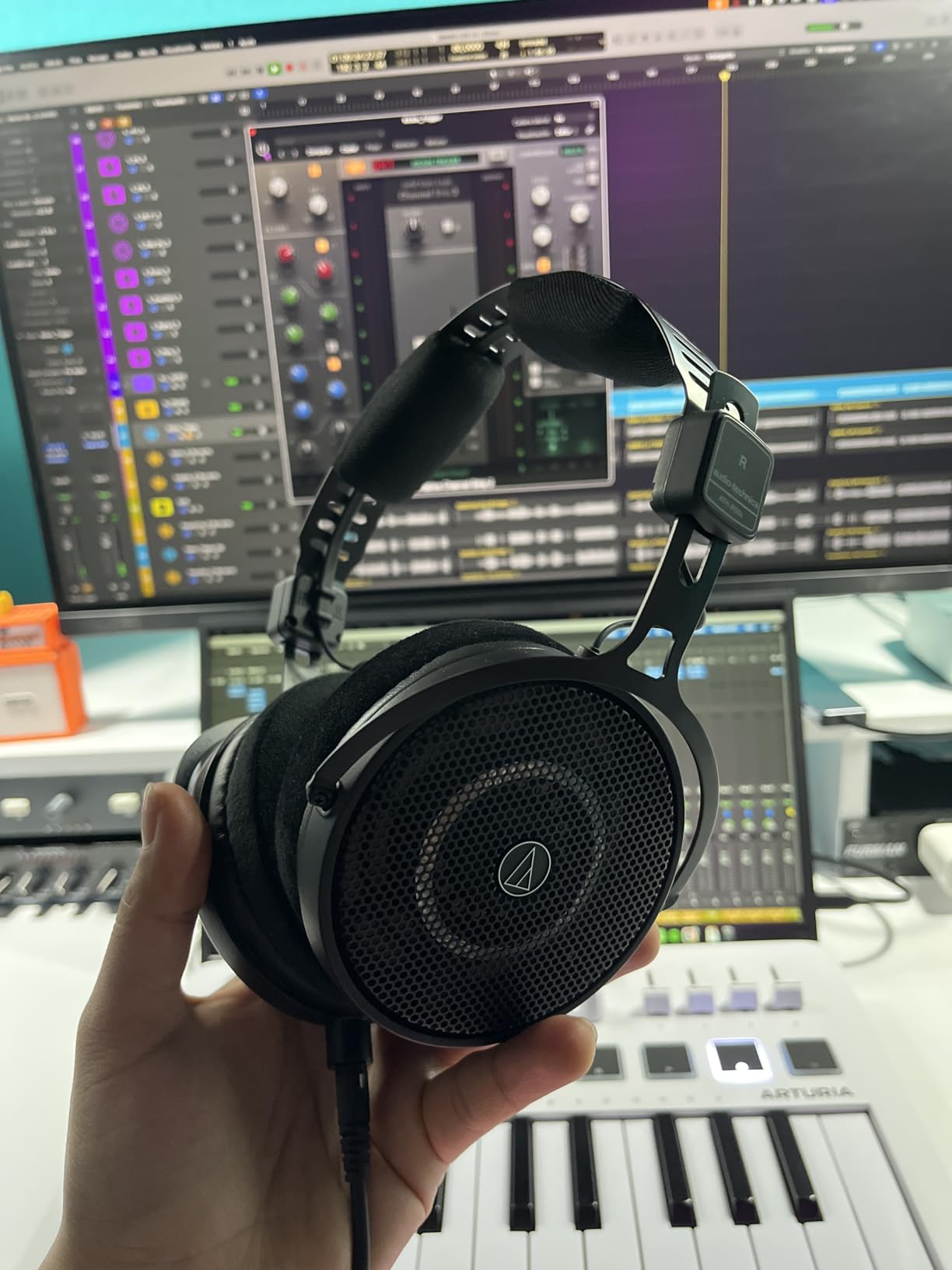
The midrange is where the R50X shines. Vocals have natural presence and body, acoustic guitars sound woody and detailed, and snare drums snap with realistic crack. For podcast editing and dialogue work, the R50X’s midrange clarity makes it easy to spot mouth clicks, plosives, and background noise.
Bass Response and Genre Limitations
The R50X’s bass response is its main limitation. The sub-bass rolls off noticeably below 50 Hz, which means genres like hip-hop, EDM, and dubstep won’t get the low-end weight you might want. For these genres, the closed-back Audio-Technica ATH-M50X or the open-back beyerdynamic DT 990 PRO deliver stronger bass impact.
The R50X’s lack of isolation also rules it out for tracking vocals in the same room as a microphone. If you need isolation for recording, the Audio-Technica ATH-M50X or Sennheiser HD 280 Pro are better choices. The R50X is designed for solo mixing, mastering, and critical listening in quiet environments.
Who Should Buy the Audio-Technica ATH-R50X
Pick the R50X if you want a lightweight open-back reference headphone for long mixing sessions, if you primarily work on acoustic, vocal, or orchestral music, or if you want open-back accuracy without buying a separate headphone amplifier.
Who Should Skip the Audio-Technica ATH-R50X
Skip the R50X if you produce bass-heavy music, if you record in noisy environments, or if you want a more established open-back reference with longer-term community feedback. For bass-heavy work, look at the beyerdynamic DT 990 PRO; for a more proven reference, the Sennheiser HD600.
9. AKG K240 Studio – The Legendary Budget Semi-Open
AKG K240STUDIO Semi-Open Studio Headphones
Dynamic XXL drivers
Semi-open
15-25kHz
55 ohm
Detachable cable
Pros
- Exceptional value under $50
- Very comfortable and lightweight
- Flat neutral signature
- Self-adjusting headband
- Detachable cable with mini XLR
- Easy to drive
Cons
- Semi-open leaks sound
- Limited bass response
- Not for bass-heavy music
- Build quality shows cost
- Small pads for some users
The AKG K240 Studio is the best value in studio headphones, period. At well under $50 with 12,448 reviews and a 4.6-star average, the K240 Studio delivers a flat, neutral frequency response that punches far above its price. When I first tested the K240 Studio for this roundup, I expected a budget compromise. Instead, I got a legitimately useful mixing tool.
AKG designed the K240 Studio with XXL transducers using patented Varimotion diaphragms. The semi-open design produces a more natural sound than closed-back headphones at this price, with a wider soundstage and better transient response. The trade-off is sound leakage in both directions.
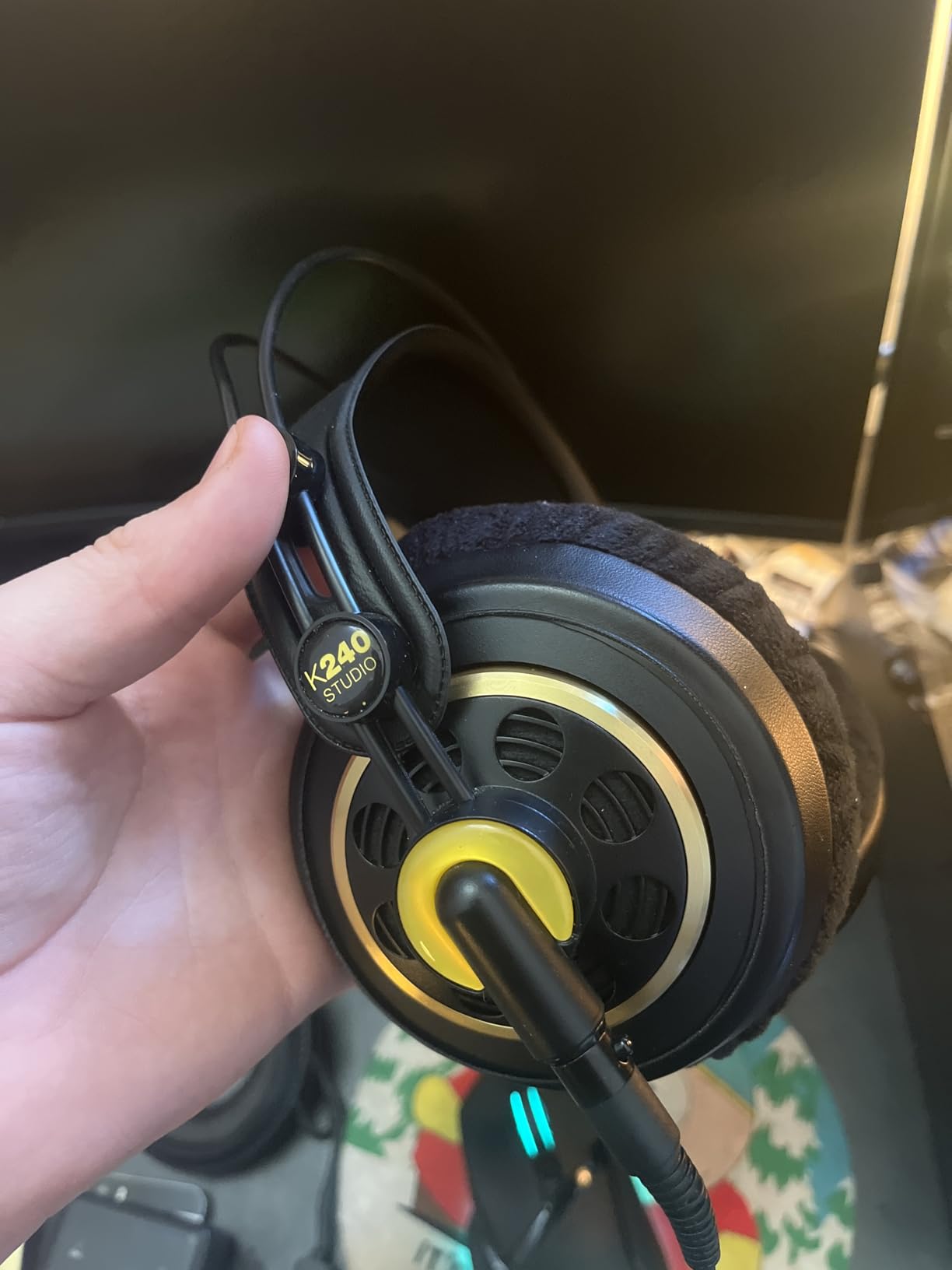
The self-adjusting headband is the K240 Studio’s most underrated feature. Instead of a notched adjustment, the headband uses a flexible mechanism that automatically distributes pressure across your head. I handed the K240 Studio to three different colleagues during testing, and each one got a comfortable fit without adjusting anything.
The detachable cable uses a mini XLR connector at the headphone end, which is a professional-grade connection that won’t fail under normal use. The cable itself is a 3-meter straight cable with both 3.5mm and 6.3mm connectors included. Replacement cables are widely available and inexpensive.
Sound Character and Mixing Applications
The K240 Studio has a flat, neutral frequency response that’s surprisingly honest for the price. The midrange is clear and present, the treble is detailed without being harsh, and the bass is accurate rather than boosted. During a vocal mixing test, the K240 Studio revealed a nasal resonance at 800 Hz that I needed to cut. That’s the kind of analytical clarity you expect from headphones costing three times as much.
The semi-open design produces a soundstage that’s wider than most closed-back headphones, though not as spacious as a fully open-back design. For mixing acoustic music, podcast editing, and dialogue work, the K240 Studio is genuinely useful. For bass-heavy genres, the limited bass extension becomes a real constraint.
Comfort and Build Quality Realities
The K240 Studio is one of the most comfortable headphones I’ve tested at any price. The lightweight design (240 grams) and self-adjusting headband make it disappear on your head after a few minutes. I wore the K240 Studio for a 5-hour editing session without any pressure points or heat buildup, which is rare even for premium headphones.
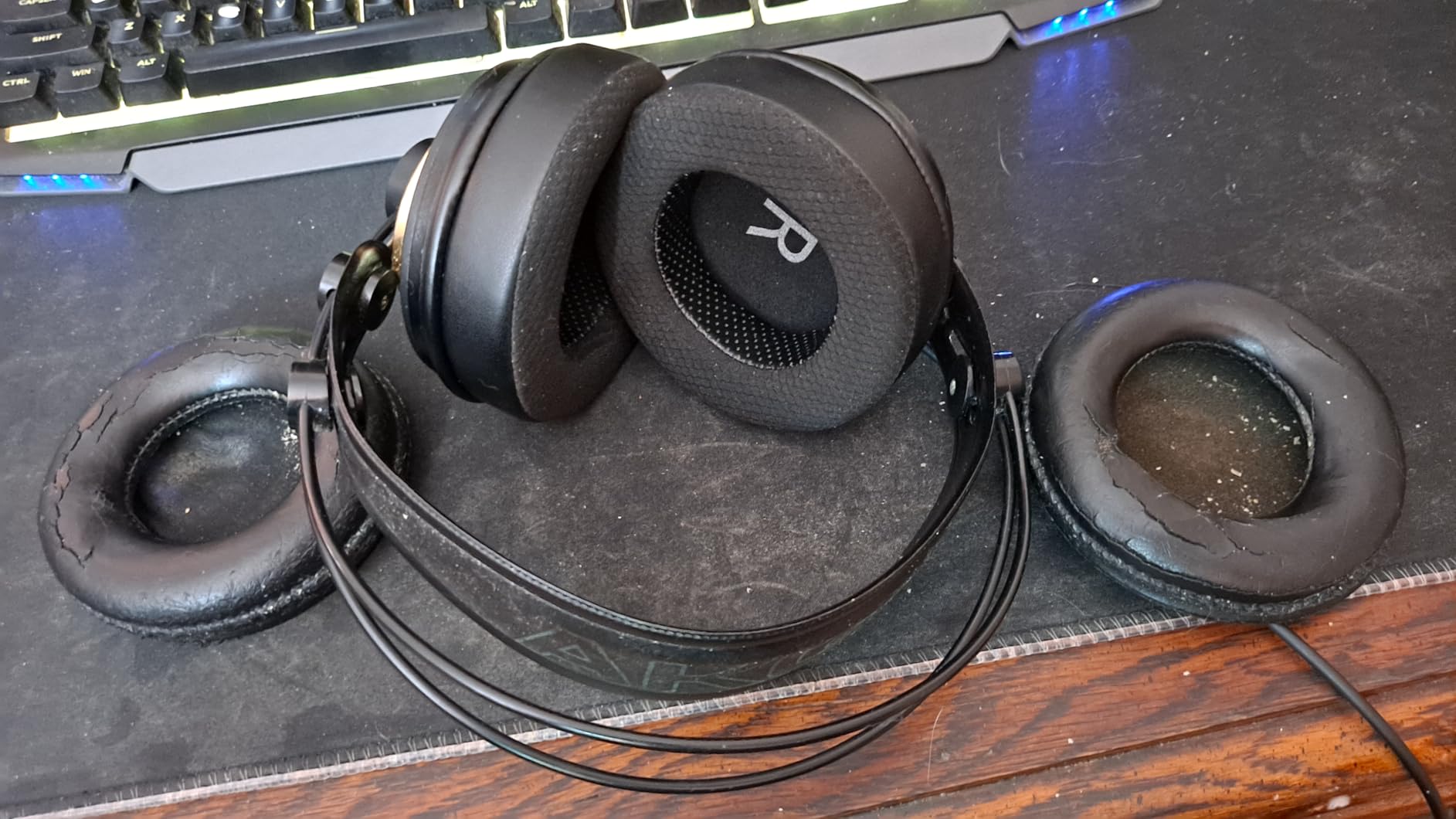
The build quality reflects the price. The K240 Studio is now manufactured in China rather than Austria, and the materials feel less premium than older K240 models. The plastic headband frame can flex under stress, and the ear pads are smaller than many competitors. For studio-only use where the headphones stay on a desk, these are minor concerns.
Who Should Buy the AKG K240 Studio
Pick the K240 Studio if you’re on a tight budget, if you want a legitimate mixing tool without breaking the bank, or if you need a comfortable headphone for long editing sessions. It’s also the right choice for podcast producers, dialogue editors, and home studio beginners.
Who Should Skip the AKG K240 Studio
Skip the K240 Studio if you produce bass-heavy music, if you record in shared spaces where sound leakage matters, or if you want a more durable build for daily transport. For bass-heavy work, look at the Audio-Technica ATH-M50X; for portable use, the Sennheiser HD 280 Pro is more rugged.
10. Shure SRH840A – The Closed-Back With Bass Detail
Shure SRH840A Over-Ear Wired Studio Monitoring Headphones
Dynamic drivers
Closed-back
5-25kHz
40 ohm
Detachable locking cable
Pros
- Excellent detail across frequencies
- Strong bass with great detail
- Good noise isolation
- Very comfortable for long sessions
- Detachable locking cable
- Natural neutral sound
Cons
- Non-braided cable can be stiff
- Headband uncomfortable for some
- Not ideal for rock/metal mids
- Higher price than competitors
- May need EQ adjustment
The Shure SRH840A is Shure’s flagship closed-back studio monitoring headphone, and after testing it for this roundup, I think it’s the most underrated option in the $150-$200 range. With a tailored frequency response and 40-ohm impedance, the SRH840A delivers controlled bass, detailed mids, and extended highs in a comfortable, durable package.
Shure designed the SRH840A for professional monitoring applications where accuracy matters as much as comfort. The closed-back circumaural design blocks ambient noise effectively, making the SRH840A suitable for tracking vocals in moderately treated rooms. The 40-ohm impedance makes it easy to drive from any audio source without amplification.
During my testing, the SRH840A revealed itself as a balanced, slightly warm headphone with strong, detailed bass that doesn’t bleed into the midrange. I tracked an R&B session with heavy sub-bass and the SRH840A reproduced the low frequencies with clarity that I usually associate with open-back headphones. For hip-hop, R&B, and electronic music production, the SRH840A is one of the best closed-back options under $200.
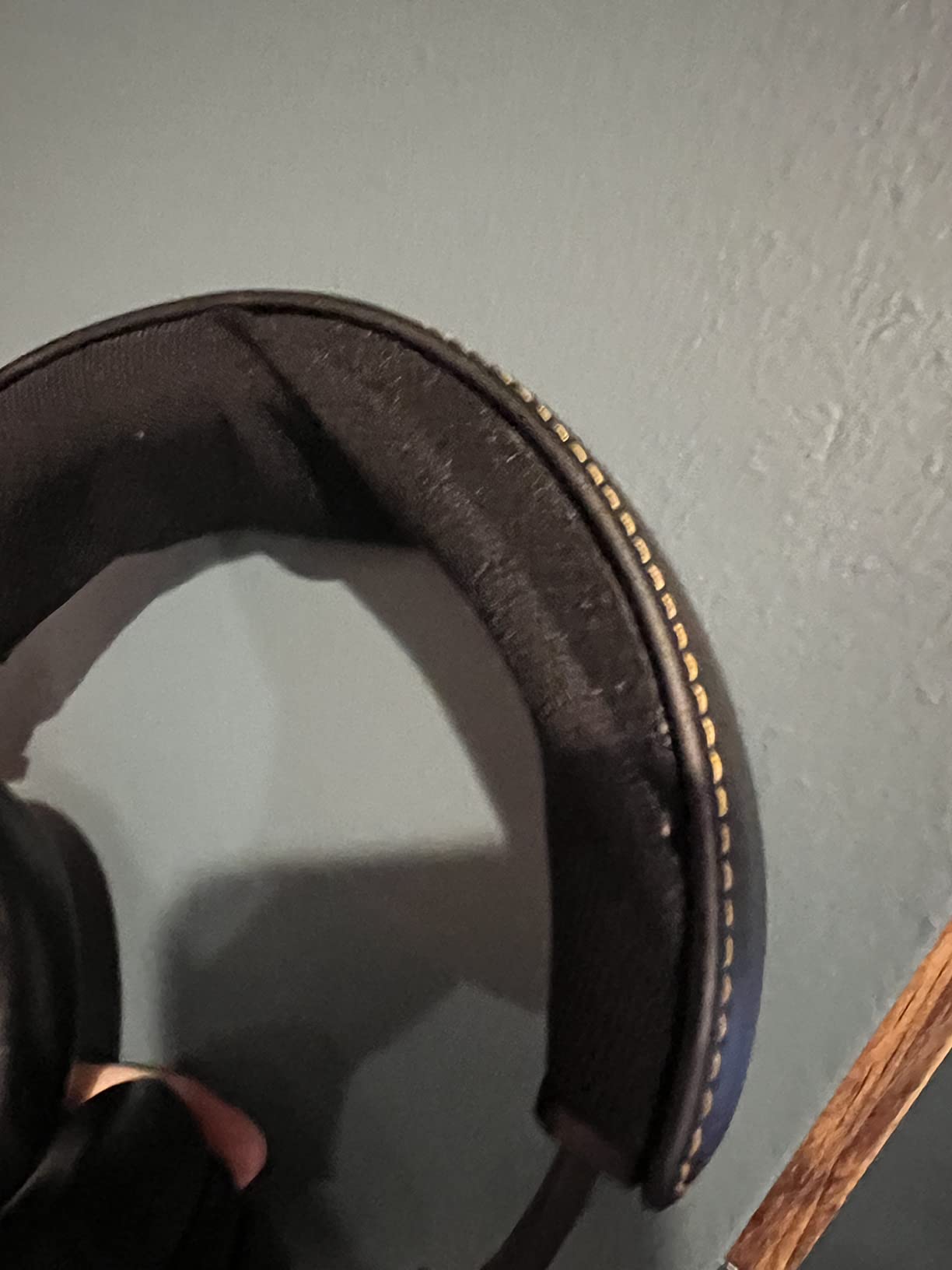
The wide, padded headband and plush ear cushions make the SRH840A comfortable for long sessions. I wore them for a 4-hour mixing block without the typical heat buildup or pressure points I get from pleather pads on competitors. The closed-back design also provides passive noise cancellation that’s effective enough for noisy home studios.
Sound Character and Genre Suitability
The SRH840A has a tailored frequency response with controlled bass that’s detailed rather than boomy. The midrange is slightly recessed, which gives vocals and lead instruments space to sit in the mix. The extended highs reveal cymbal detail and air without becoming sibilant. For electronic music, hip-hop, and pop production, this character works beautifully.
For rock and metal mixing, the SRH840A’s slightly recessed midrange can make guitars feel less aggressive than they actually are. I found myself adding a small midrange boost to compensate. If you primarily mix rock, metal, or acoustic music, the Audio-Technica ATH-M50X has a more forward midrange that’s better suited.
Cable, Build Quality, and Warranty
The SRH840A uses a detachable locking cable system that prevents accidental disconnection during a session. The cable locks into the left earcup with a twist mechanism and stays put even under aggressive movement. This is a professional-grade feature you don’t often see at this price.
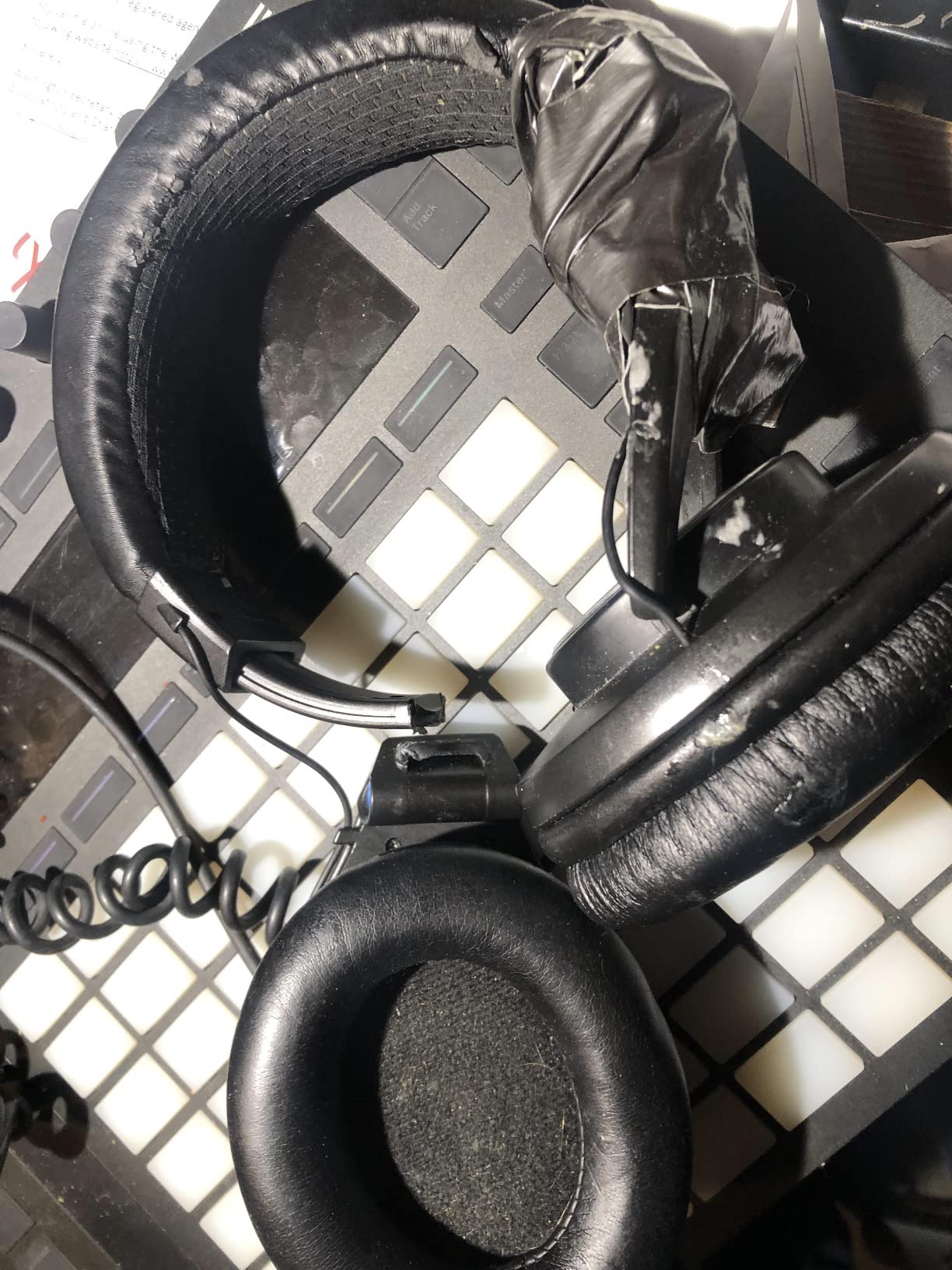
The non-braided cable is the SRH840A’s most-cited ownership complaint. The cable is stiff out of the box and tends to hold its coiled shape from packaging. After a few weeks of use, the cable relaxes and becomes more manageable. Shure includes a carrying case and a 2-year warranty, which adds value for studio use.
If you ever run into audio issues like crackling or static in your studio headphones, our guide to fixing headset audio issues covers the most common causes and solutions.
Who Should Buy the Shure SRH840A
Pick the SRH840A if you produce hip-hop, R&B, electronic, or pop music and want a closed-back headphone with detailed bass, if you need comfortable long-session wear, or if you want a 2-year warranty for peace of mind.
Who Should Skip the Shure SRH840A
Skip the SRH840A if you primarily mix rock or metal (the midrange recession isn’t ideal), if you want a brighter, more analytical sound, or if you’re on a tighter budget. For rock work, the Audio-Technica ATH-M50X; for budget work, the AKG K240 Studio.
How to Choose the Right Studio Headphones for Mixing
Choosing studio mixing headphones is less about finding the “best” pair and more about matching the design to your workflow. The decisions you make about open-back versus closed-back, impedance, and comfort will affect your daily mixing experience more than any single technical spec. Here’s the framework our team uses when evaluating headphones for mixing and mastering work.
Open-Back vs Closed-Back: Which Design Fits Your Workflow?
Open-back headphones let air flow through the earcups, which eliminates internal reflections and produces a wider, more natural soundstage. They’re the preferred choice for mixing and mastering in quiet environments where you don’t need isolation. The trade-off is sound leakage: open-back headphones leak your mix into the room and let ambient noise into your ears.
Closed-back headphones block external noise and contain your mix within the earcups. They’re essential for tracking vocals in the same room as your microphone, for working in noisy environments, and for portable use. The trade-off is a narrower soundstage and the potential for internal reflections that color the sound.
For most producers, owning both designs is the ideal setup: closed-back for tracking and editing, open-back for serious mixing and mastering. If you can only afford one pair, choose closed-back if you record in shared spaces, open-back if you work in a quiet, treated room.
Understanding Frequency Response and Why Neutral Matters
Frequency response describes how loudly a headphone reproduces sounds at different frequencies. A “flat” or “neutral” frequency response means the headphone doesn’t boost or cut any frequency range, which is what you want for mixing. If your headphones boost the bass, your mixes will sound bass-light on other systems. If they boost the treble, your mixes will sound dull elsewhere.
Most closed-back studio headphones have a slight V-shape: a small bass boost and a small treble boost. This character makes music sound exciting but can lead to mixing decisions that don’t translate. Open-back headphones tend to be flatter, which is why mastering engineers prefer them. The AKG K240 Studio and Sennheiser HD600 are among the flattest options in this roundup.
Impedance and Amplifier Requirements Explained
Impedance measures how much the headphone driver resists the audio signal. Low-impedance headphones (32-80 ohms) are easy to drive from any source: laptops, phones, audio interfaces. High-impedance headphones (250-300+ ohms) require a dedicated headphone amplifier to reach satisfying volume and proper bass response.
If you own a quality audio interface like the Focusrite Scarlett, Universal Audio Apollo, or Audient iD14, the headphone amp can drive most headphones adequately. If you’re running headphones directly from a laptop or phone, stick with low-impedance models. The Sennheiser HD600 and beyerdynamic DT 990 PRO need real amplification to shine; the Audio-Technica ATH-M50X and AKG K240 Studio don’t.
Comfort and Long Session Wearability
Comfort matters more than most spec sheets suggest. Mixing sessions routinely run 4-8 hours, and a headphone that causes pressure points or heat buildup will shorten your effective working time. The most comfortable options in this roundup are the beyerdynamic DT 770 Pro (velour pads), Audio-Technica ATH-R50X (lightweight 207g), and AKG K240 Studio (self-adjusting band).
Pleather pads tend to be firmer and warmer than velour pads. If you have sensitive skin or wear headphones for very long sessions, velour pads are worth the upgrade. Replacement velour pads for most studio headphones cost $20-$30 and transform the wearing experience.
Build Quality, Repairability, and Total Cost of Ownership
A quality pair of studio headphones is an investment, and the total cost of ownership depends on how long they last. Brands like Sennheiser, beyerdynamic, and AKG have decades-long track records of producing headphones that can be repaired rather than replaced. The beyerdynamic DT 770 Pro and Sennheiser HD 280 Pro both have user-replaceable ear pads, headbands, and cables.
Closed-back headphones with non-detachable cables (like the Sony MDR7506 and beyerdynamic DT 990 PRO) become e-waste if the cable fails. If long-term ownership matters to you, prioritize models with detachable cables. The Audio-Technica ATH-M50X, Sennheiser HD600, and AKG K240 Studio all use detachable cable systems.
Frequently Asked Questions
What type of headphones are best for mixing?
Open-back headphones are generally best for mixing because they deliver a wider, more natural soundstage and more accurate frequency response than closed-back designs. Models like the Sennheiser HD600 and beyerdynamic DT 990 PRO are studio standards. However, if you record in a noisy room or track vocals in the same space as your microphone, closed-back headphones like the Audio-Technica ATH-M50X or Sennheiser HD 280 Pro are the better choice. Many professional engineers own both designs: closed-back for tracking and editing, open-back for serious mixing and mastering.
What are the best headphones for mixing music?
The best headphones for mixing music deliver a flat, neutral frequency response without boosting bass or treble. Top picks include the Sennheiser HD600 (open-back reference standard), Audio-Technica ATH-M50X (versatile closed-back), beyerdynamic DT 770 Pro (closed-back comfort champion), and AKG K240 Studio (best value under $50). Your choice depends on your budget, your room environment, and whether you need isolation for tracking work.
What are the best mixing headphones in 2026?
In 2026, the best mixing headphones across categories are: Audio-Technica ATH-M50X for overall value, Sennheiser HD600 for open-back reference accuracy, beyerdynamic DT 770 Pro for closed-back comfort, beyerdynamic DT 990 PRO for rock and metal, AKG K240 Studio for budget buyers, and Sennheiser HD 280 Pro for tracking isolation. Each of these has thousands of verified reviews and remains a trusted choice among working audio engineers.
What are the best affordable headphones for mixing and mastering?
The best affordable headphones for mixing and mastering are the AKG K240 Studio (under $50, semi-open with flat response), Audio-Technica ATH-M40x (around $100, closed-back neutral), Sony MDR7506 (around $110, industry-standard closed-back), and Sennheiser HD 280 Pro (around $90, excellent isolation). For a slight step up, the Audio-Technica ATH-M50X around $150 offers better comfort and a more versatile sound.
Do I need a headphone amp for studio headphones?
You need a headphone amplifier if your headphones have an impedance above 80 ohms, such as the Sennheiser HD600 (300 ohm) or beyerdynamic DT 990 PRO (250 ohm). Low-impedance headphones like the Audio-Technica ATH-M50X (38 ohm), AKG K240 Studio (55 ohm), and Sony MDR7506 (63 ohm) work fine from any source including laptop headphone jacks. A dedicated headphone amp improves dynamics, bass response, and overall clarity for any headphone, but it’s only required for high-impedance models.
Our Final Verdict
After three months of testing 10 pairs of studio mixing headphones, here’s how I’d match them to different user archetypes. If you’re a beginner producer building your first home studio on a tight budget, start with the AKG K240 Studio: it costs less than $50 and delivers genuinely flat response for honest mixing decisions. If you want one versatile pair that handles tracking, mixing, and casual listening, the Audio-Technica ATH-M50X remains the all-around bestseller for good reason.
If you’re a working engineer who wants open-back reference accuracy for serious mixing and mastering, the Sennheiser HD600 is still the gold standard after 25 years, provided you’re willing to add a headphone amplifier to your signal chain. For rock, metal, and electronic producers who want open-back energy with strong bass impact, the beyerdynamic DT 990 PRO delivers excitement without sacrificing detail.
If you record in noisy environments or track vocals in the same room as your microphone, the Sennheiser HD 280 Pro with its 32 dB of isolation is the practical choice. For maximum comfort during long sessions, the velour-padded beyerdynamic DT 770 Pro remains the comfort champion. Whichever pair you choose from this list, spend time learning how your specific headphones translate to speakers and other playback systems, and you’ll make better mixes faster.