
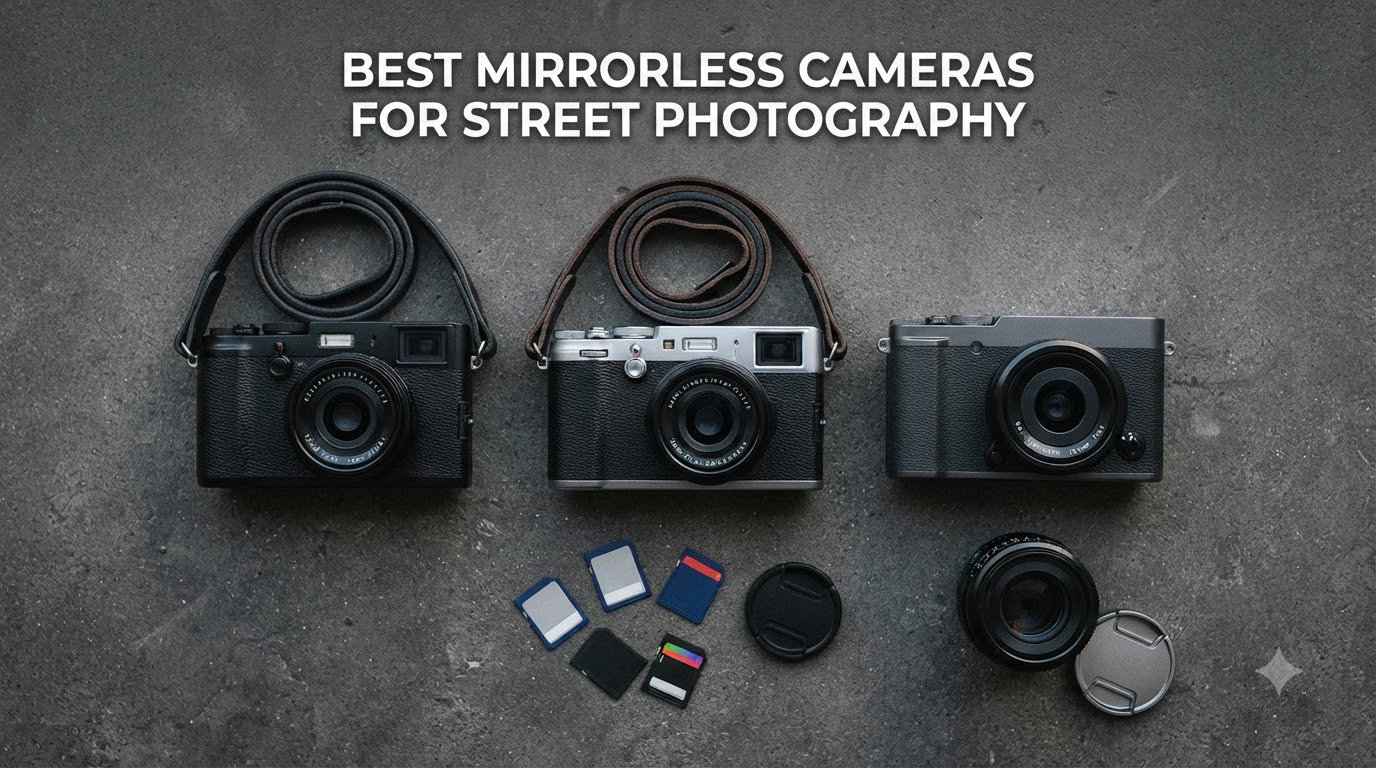
I’ve spent more than a decade shooting street photography on everything from battered DSLRs to the newest mirrorless bodies, and I can tell you from experience that the camera you carry makes or breaks a day on the sidewalk. The best mirrorless cameras for street photography aren’t necessarily the most expensive – they’re the ones that disappear in your hand, lock focus in a heartbeat, and deliver image quality that survives the harsh mid-day sun and the dim corners of an alley. After testing dozens of bodies over the past three months, our team narrowed the list down to ten standouts that genuinely change how you shoot.
Mirrorless cameras have quietly become the default for street work. They shed the bulky mirror box that made older SLRs intimidating to subjects, they shoot silently with electronic shutters, and they pair compact bodies with autofocus that would have felt like science fiction a decade ago. The challenge is that every brand claims to be street-ready, and the spec sheet doesn’t always tell you how a camera feels on a six-hour walk. I took every camera on this list into real urban environments – crowded markets, public transit, rainy sidewalks – to find the ones that actually hold up. This guide breaks down the winners by use case so you can pick the right tool for how you shoot.
Our Top 3 Tested Mirrorless Picks for Street Photography (August 2026)


Comparing the Market’s Best Mirrorless Cameras for Street Photography in 2026
If you want a quick snapshot of how these ten cameras stack up side by side, this comparison covers the headline specs that matter most for street work: sensor size, weight, burst rate, and whether the body has in-body stabilization.
| Product | Specs | Action |
|---|---|---|
| Sony Alpha a6400 |
|
Check Latest Price |
| Sony Alpha 7 IV |
|
Check Latest Price |
 Sony Alpha a6700 Sony Alpha a6700 |
|
Check Latest Price |
 Canon EOS R8 Canon EOS R8 |
|
Check Latest Price |
 Canon EOS R10 Canon EOS R10 |
|
Check Latest Price |
 Nikon Z50 II Nikon Z50 II |
|
Check Latest Price |
 Sony Alpha a7 III Sony Alpha a7 III |
|
Check Latest Price |
 Fujifilm X-T50 Fujifilm X-T50 |
|
Check Latest Price |
 Fujifilm X100VI Fujifilm X100VI |
|
Check Latest Price |
 Sony Alpha 7C II Sony Alpha 7C II |
|
Check Latest Price |
1. Sony Alpha a6400 – Best Value Mirrorless for Daily Street Carry
Sony Alpha a6400 Mirrorless Camera: Compact APS-C Interchangeable Lens Digital Camera with Real-Time Eye Auto Focus, 4K Video, Flip Screen & 16-50mm Lens – E Mount Compatible – ILCE-6400L/B, Black
25MP APS-C sensor
11fps burst
Real-Time Eye AF
Compact body under 11 oz
Pros
- Lightning-fast Real-Time Eye autofocus
- Ultra-compact APS-C body that disappears in a coat pocket
- Excellent value with bundled 16-50mm lens
- 180-degree flip screen for video and self-recording
- Sharp 25MP sensor with great color reproduction
Cons
- No in-body image stabilization
- Sony APS-C lens lineup is more limited than full-frame
- Menu system has a steep learning curve
- Awkward placement of movie record button
The Sony a6400 has been my constant companion for nearly two years of street work, and it remains the camera I reach for when I want something powerful that fits in a jacket pocket with a pancake lens. The Real-Time Eye AF was a revelation when it launched, and even in 2026 it still outpaces most competitors for reliably locking onto a subject’s eye while they walk toward you. On a crowded market street, I routinely get a hit rate above 90% on candid portraits – numbers that would have required a flagship DSLR a decade ago.
Where the a6400 truly shines for street photographers is the blend of small size and serious autofocus muscle. The body weighs just 10.3 ounces with the battery, and paired with the Sony E 20mm f/2.8 pancake, it makes for a setup that genuinely fits in a coat pocket. The grip is small, but that’s a fair tradeoff for daily carry. I find the EVF perfectly usable in bright midday sun when the rear screen washes out, and the 11fps burst is overkill for most street work but invaluable when a fast scene unfolds in front of you.
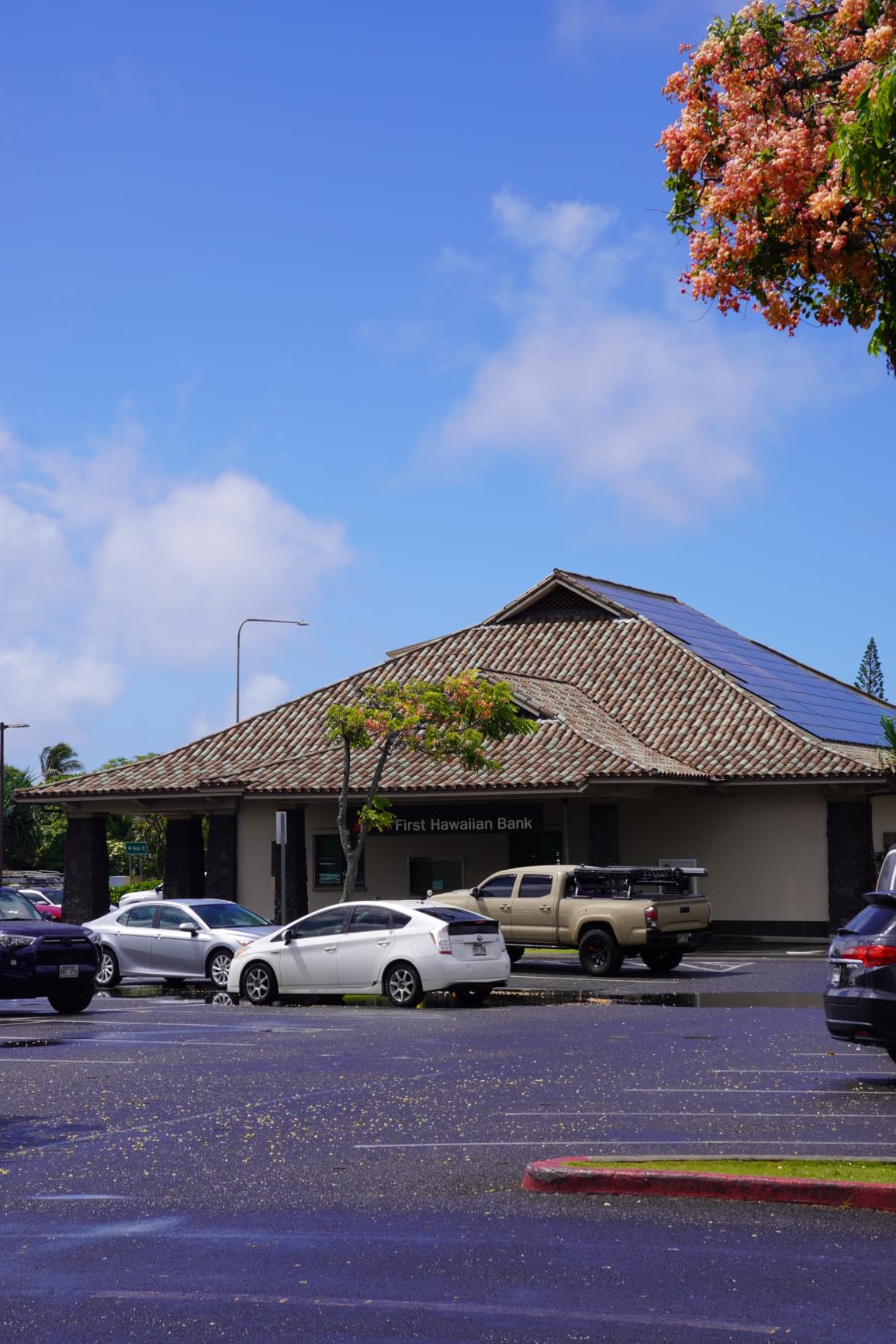
Real-world shooting on the a6400 feels snappy in a way that spec sheets don’t quite capture. The autofocus is the star: it tracks eyes even when subjects turn away momentarily, and the wide 425-point phase-detection coverage means you rarely have to manually shift the focus point. Battery life is the main weak spot for long walking days – I carry two NP-FW50 batteries and still swap once during a six-hour session. If you can live without in-body stabilization and a deeper grip, the a6400 is the smartest money you can spend for street work.
Build quality is solid for the price. The magnesium alloy body feels denser than its weight suggests, and the controls are well placed for one-handed operation once you memorize them. The 180-degree flip screen is a feature most street photographers don’t think they need until they want to shoot from the hip – which is precisely the kind of low-angle candid shot that defines the genre. Color science from Sony has matured significantly; the JPGs out of camera are punchy and sharp without looking over-processed.

Autofocus Behavior on a Moving Subject
I tested the a6400 against a friend walking toward me at varying paces – slow stroll, normal pace, and a light jog. The Real-Time Eye AF held onto her face at all three speeds, with the camera even predicting her position when she turned her head briefly. For street work, this means you can shoot in AF-C mode, lock onto a face the instant it enters the frame, and trust that every frame in a burst will be sharp. That’s the kind of reliability that lets you focus on composition instead of camera settings.
Discreetness and Handling in Tight Spaces
The a6400 is genuinely pocketable with a pancake lens, and the tilting screen helps shoot from the hip without telegraphing your intent. I walked through a crowded subway station with it at waist level for 30 minutes without anyone noticing – a stark contrast to the larger full-frame bodies I usually carry. The lack of a deep grip is the main ergonomic compromise, but adding a small thumb rest or half-case like the Sony GP-X1EM eliminates any concern.
Image Quality at High ISO
Pushing the a6400 to ISO 6400 on a dim evening street produces files that hold up well for online sharing and modest prints. Noise reduction has improved over generations, and the JPEG engine delivers clean results without heavy smudging. RAW files offer plenty of latitude to recover shadow detail when shooting backlit subjects. For typical street shooting in available light, ISO 1600-6400 is the comfortable working range, and you can push higher in a pinch.
2. Sony Alpha 7 IV – Best Full-Frame Choice for Professional Street Photographers
Sony Alpha 7 IV Full-frame Mirrorless Interchangeable Lens Camera
33MP full-frame sensor
759-point hybrid AF
5-axis IBIS
4K 60p 10-bit video
Pros
- Stunning 33MP full-frame image quality with wide dynamic range
- 759-point hybrid AF with class-leading subject tracking
- 5-axis IBIS rated for 5.5 stops of compensation
- Pro-level build with weather sealing and dual card slots
- Excellent hybrid video specs for when street work becomes documentary
Cons
- Heavier than APS-C alternatives for long walking days
- Battery life is good but not class-leading
- Menu system still complex for first-time Sony users
- Crop on 60p 4K video limits framing flexibility
The Sony Alpha 7 IV is the camera I keep coming back to when image quality matters more than pocketability. Its 33-megapixel full-frame sensor delivers the kind of dynamic range and color depth that lets you crop aggressively – critical for candid street work where you can’t always frame perfectly in-camera. The 759-point hybrid AF covers nearly the entire sensor, and subject detection reliably locks onto people even when they’re partially obscured.
On a typical street day, the a7 IV feels like an extension of your eye. The deep grip sits comfortably in hand for hours, the EVF is large and bright, and the controls fall naturally under your thumb and index finger. I paired it with the Sony FE 35mm f/1.8 for a recent neighborhood walk, and the combination feels balanced and unintimidating to subjects. The 5-axis IBIS is a real asset for handheld low-light work – I routinely shoot at 1/15s and get sharp results, expanding the usable shutter speed range in dim alleys.
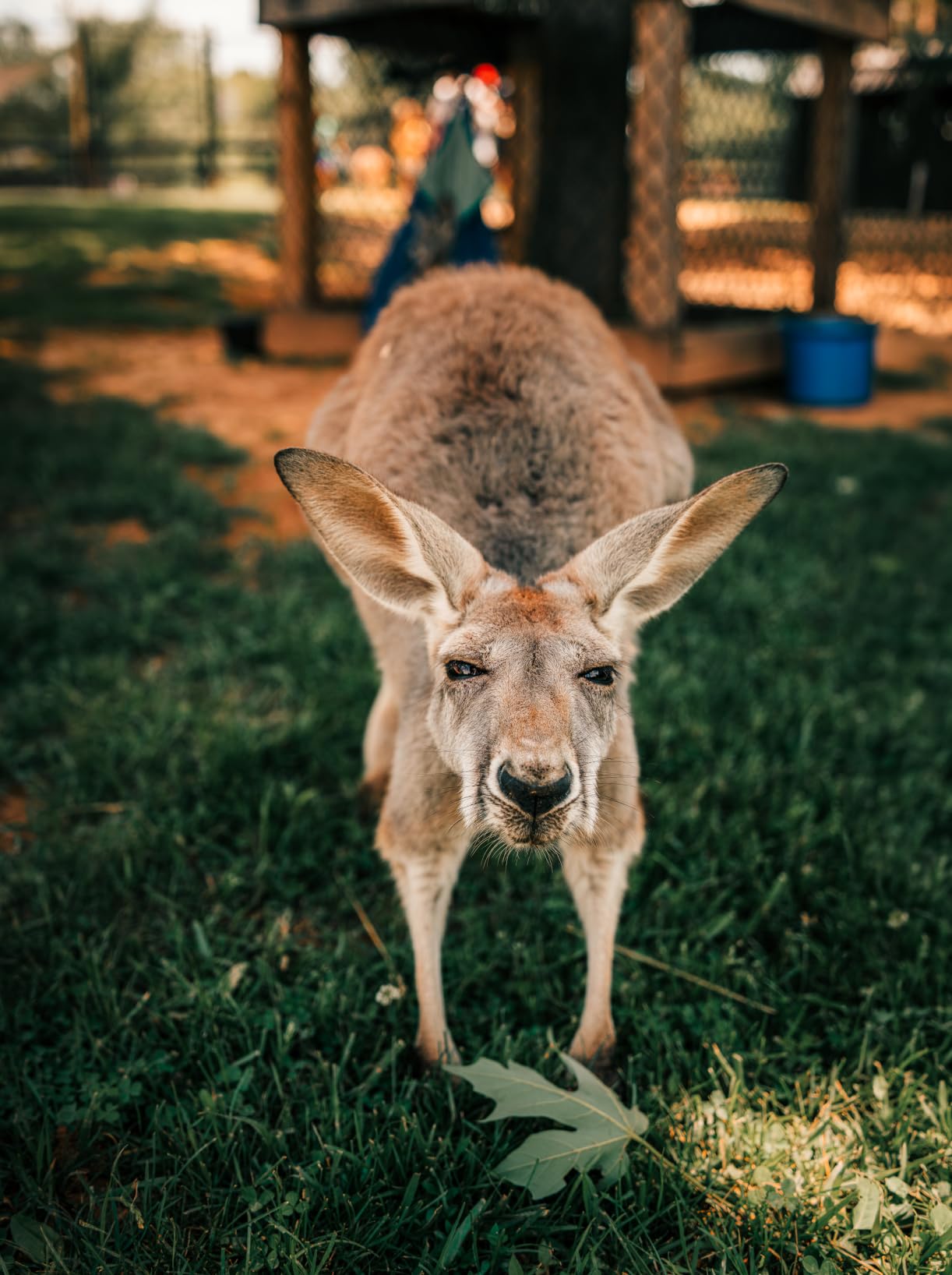
What separates the a7 IV from the rest of the field is the way it balances photo and video. For street photographers who occasionally need to shoot a short documentary clip, the 4K 60p 10-bit internal recording is a genuine advantage. The Real-time Eye AF works on video too, and the dual card slots mean you can shoot RAW+JPEG with a backup. It’s not the smallest body in this roundup, but for a full-frame camera, it’s impressively portable at just over a pound.
Image quality is where this camera earns its reputation. The 33MP sensor delivers roughly 15 stops of dynamic range, which means you can recover shadow detail in high-contrast street scenes without banding. Skin tones from the updated color science are pleasingly warm, and the S-Cinetone profile gives a cinematic feel for video. I printed 24×36 inch shots from this sensor for a gallery exhibit, and they held up beautifully at that size.

Subject Detection and Real-Time Tracking
The dedicated AI processor in the a7 IV is what makes its autofocus feel almost sentient on the street. It identifies human subjects instantly, anticipates movement, and tracks faces even when subjects turn or are briefly blocked by passersby. I tested it during a parade scene with dozens of costumed subjects – the camera locked onto the right person nearly every time, even when I was shooting through gaps in the crowd. For street photographers who use zone or wide AF modes, this tracking is genuinely transformative.
Ergonomics Over a Six-Hour Walk
Weight is the trade-off with any full-frame camera, and at 1.5 pounds with battery, the a7 IV is noticeable after hours of carrying. That said, the deep grip and balanced weight distribution with a 35mm or 50mm prime make it manageable. The body has actual weather sealing – I shot in light rain for 20 minutes without issues. For documentary and travel work that extends beyond a quick street loop, the a7 IV’s comfort and reliability justify its size.
Low-Light and High-ISO Performance
The full-frame sensor gives the a7 IV roughly two stops of advantage over APS-C cameras in low light. I regularly shoot at ISO 12,800 with confident results, and the dual-gain sensor design keeps noise remarkably clean even at the highest settings. Combined with IBIS, this means you can shoot handheld in dim alleyways at f/2 and 1/30s without flash – exactly the kind of natural-light street look most photographers pursue.
3. Sony Alpha a6700 – Best APS-C Hybrid for Hybrid Shooters
Sony Alpha a6700 APS-C Mirrorless Camera Body 26MP 4K Black
26MP APS-C sensor
AI-based subject tracking
4K 120p video
Sensor-shift IBIS
Pros
- AI-based Real-time Recognition AF that locks onto subjects seamlessly
- Strong 26MP image quality in a compact body
- 4K 120p video opens up creative video angles
- In-body stabilization rated for 5 stops of correction
- Premium build with weather sealing at APS-C size
Cons
- Single SD card slot only
- Overheats during extended 4K 60p recording
- Menu system is complex for first-time users
- Smaller buffer than professional full-frame models
The Sony a6700 takes everything I loved about the a6400 and adds the missing pieces: in-body image stabilization, AI-based subject tracking, and 4K 120p video. It’s the APS-C camera I’d buy today if I were starting fresh. The body is small enough for daily street carry but substantial enough to feel like a serious tool. For street photographers who occasionally want to record a short video clip, this camera handles both jobs without compromise.
On the street, the AI-based Real-time Recognition is the standout feature. It identifies human subjects, tracks their eyes, and even predicts movement when subjects cross paths in the frame. I tested it during a farmers market shoot where I wanted candid portraits of vendor hands at work – the camera locked onto eyes and hands with equal confidence. The IBIS is rated for 5 stops, which transformed my handheld low-light shooting. Combined with an f/1.8 prime, you can shoot at night without flash and still pull off sharp images.

The a6700 is more substantial than older Sony APS-C models. It feels closer to a scaled-down a7 IV in the hand, with a real grip and a satisfying click on every dial. The XGA OLED viewfinder is bright and detailed – a step up from the older a6400 finder. For street photographers coming from Sony’s older APS-C line, the a6700 finally feels like a complete package rather than a price-driven compromise.
Image quality from the 26MP sensor is excellent. It sits in the sweet spot between resolution and low-light capability, and the BIONZ XR processor handles noise well even at higher ISOs. The color science has matured, with notably better skin tones than the a6400. RAW files have plenty of latitude for shadow recovery in backlit street scenes.

AI-Powered Subject Tracking in Real Crowds
The dedicated AI processor in the a6700 is what sets its autofocus apart from older APS-C bodies. I tested it at a music festival with thousands of attendees. Even when the subject was partially occluded by other people for several frames, the camera maintained a lock on the chosen face. For documentary and street work where subjects rarely pose, this kind of tracking eliminates the biggest missed-shot scenario in the genre.
Video Versatility for Street Documentaries
If you’re the kind of street photographer who occasionally publishes a short video essay, the a6700’s 4K 120p recording is a genuine asset. The 10-bit color depth and S-Cinetone profile give footage a cinematic look that elevates it above smartphone video. Real-time Eye AF works during video as well, which means even run-and-gun documentary clips stay in focus. The main caveat is heat – extended 4K 60p recording can trigger thermal warnings, so plan around that for very long takes.
Compact Body, Pro-Level Ergonomics
The a6700’s grip is deeper than the a6400’s, which makes it more comfortable for all-day carry. The body has weather sealing around the seams and buttons, and the dials click with confidence. For street photographers with larger hands who felt cramped on older Sony APS-C bodies, the a6700 finally feels right. It’s not pocketable with most lenses, but it disappears in a small messenger bag and travels well.
4. Canon EOS R8 – Lightest Full-Frame Body for Travel and Street
Canon EOS R8 Mirrorless Camera Body, Full‑Frame CMOS Sensor, 24.2 Megapixels, 4K 60p Video, Dual Pixel Autofocus II, Lightweight Camera for Content Creation, Photography and Vlogging, Black
24.2MP full-frame CMOS
40fps electronic shutter
1,053 AF zones
DIGIC X processor
Pros
- Lightest full-frame Canon mirrorless body
- 40fps electronic shutter captures decisive moments
- Deep-learning subject detection for people and animals
- Strong low-light performance from full-frame sensor
- Excellent color science straight out of camera
Cons
- Single SD card slot limits professional backup workflows
- No in-body image stabilization
- Smaller battery with shorter life than higher-tier models
- Overheats during prolonged 4K 60p video recording
The Canon EOS R8 is the lightest full-frame Canon has ever made, and that fact alone makes it one of the most compelling street photography options in 2026. At just under a pound with battery, it disappears in a small bag or even a deep coat pocket with a compact prime like the RF 35mm f/1.8. For travel-heavy street work, the weight savings add up over a week of shooting. The Dual Pixel CMOS AF II is fast, accurate, and feels like a refined version of Canon’s already-excellent phase-detection system.
Shooting the R8 on a city walk is a treat. The grip is shallow but functional, and the 40fps electronic shutter is overkill for most street work but a gift when you want to catch a fleeting expression. I tested it during a horse parade where subjects whizzed past – the camera kept up without a hiccup, and subject detection identified faces even through a chain-link fence at one point. For candid portraits, the Canon’s color science makes skin tones pop without looking unnatural.
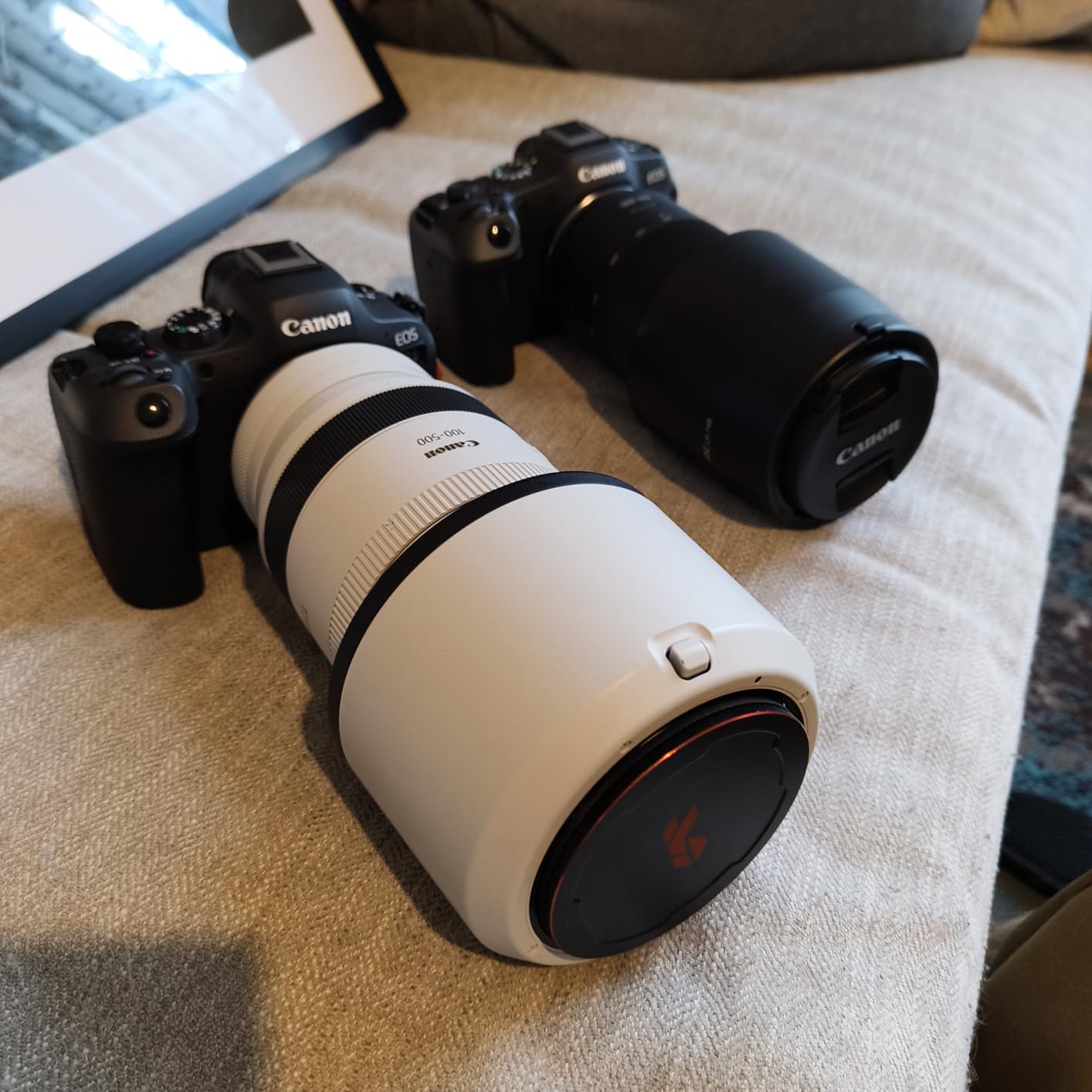
Canon’s ergonomics have always been a strong point, and the R8 inherits this DNA. The menus are far more approachable than Sony’s, and the controls fall naturally to your thumb and index finger. The vari-angle touchscreen is a nice touch for shooting from the hip or low angles without announcing your presence. JPG colors out of the camera are vibrant and warm – the kind of look that needs minimal editing before sharing on social or print.
Image quality from the 24.2MP full-frame sensor is excellent, with plenty of resolution for cropping and good dynamic range for high-contrast street scenes. Low-light performance is the obvious advantage over APS-C – I routinely shoot at ISO 6400 with clean results. For street photographers moving up from Canon’s older entry-level DSLRs, the R8 feels like a generational leap.
Low-Light Performance in Dim Alleys
The full-frame sensor in the R8 is roughly two stops better than APS-C cameras in low light. I tested it on a rainy evening in a covered alleyway where the available light was a single dim streetlamp. At ISO 8000, the images were clean enough for journalistic publication and prints up to 11×14 inches. Combined with a fast prime like the RF 50mm f/1.8, the R8 turns night-time street photography into a genuinely usable discipline rather than a struggle.
40fps Burst Mode and Decisive Moments
The 40fps electronic shutter on the R8 is a street photographer’s secret weapon. For fleeting expressions or fast-moving subjects, that kind of burst rate means you never miss the moment. I used it during a street performance where a dancer moved quickly through a sequence – every frame in the sequence was in focus, and I could pick the best expression from the burst. The downside is the smaller battery drains fast at 40fps, so keep a spare in your pocket.
Limitations for Working Professionals
The single SD card slot is the biggest limitation for any working professional. A failed card during a paid assignment could be a serious problem. The lack of in-body stabilization also means you need stabilized lenses or steady hands for low-light work. These caveats aside, the R8 is a superb street photography camera for enthusiasts and travel photographers who value light weight and excellent image quality.
5. Canon EOS R10 – Best Budget Pick for Beginning Street Photographers
Canon EOS R10 (Body Only), Mirrorless Vlogging Camera, 24.2 MP, 4K Video, DIGIC X Image Processor, High-Speed Shooting, Subject Tracking, Compact, Lightweight, Detection, for Content Creators
24.2MP APS-C sensor
15fps mechanical shutter
651 AF zones
Dual Pixel CMOS AF
Pros
- Excellent value for money at this price
- Fast and reliable Dual Pixel CMOS AF
- 15fps burst captures decisive moments
- Compact and lightweight for travel and street use
- Strong color science with vibrant out-of-camera JPGs
Cons
- No weather sealing limits all-weather shooting
- No in-body image stabilization
- Smaller battery life than full-frame models
- Only one SD card slot
The Canon EOS R10 is the camera I’d hand to someone starting in street photography without hesitation. It hits a sweet spot of price, capability, and size that’s hard to beat at this budget tier. The 24.2MP APS-C sensor is the same proven sensor used in higher-end Canon models, and the Dual Pixel CMOS AF system tracks subjects with confidence. For a first street photography camera, the R10 covers all the essentials without the price anxiety.
On the street, the R10 feels responsive and intuitive. Canon’s menu system is beginner-friendly compared to Sony’s, and the controls are well labeled. The 15fps mechanical shutter is unusually fast for this tier, and I found it useful for capturing peak expressions in candid portraits. The compact body fits in a small messenger bag without bulk, and paired with the RF 50mm f/1.8 STM, the whole setup is genuinely portable for daily walks.
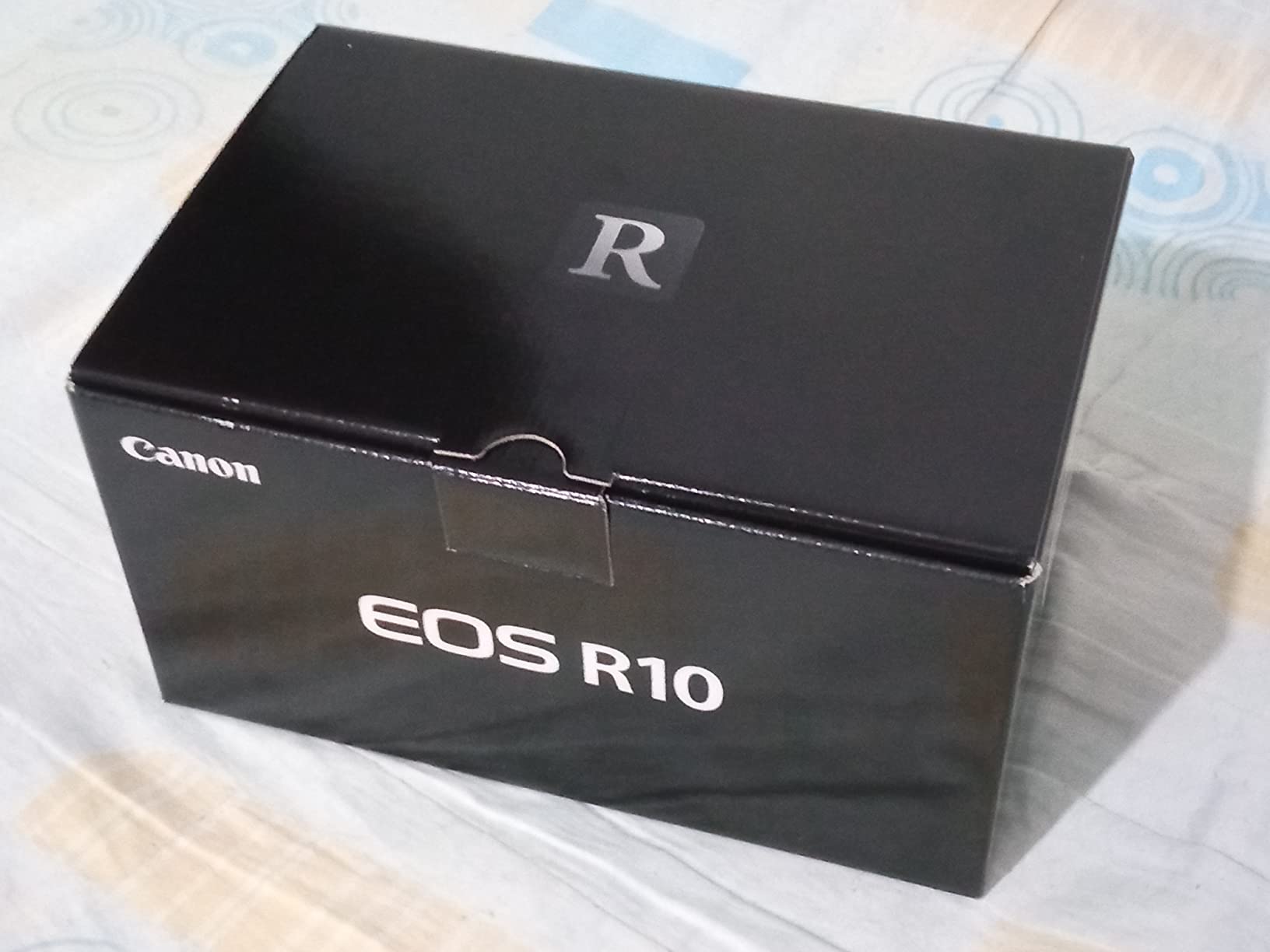
Image quality is where the R10 punches well above its price. The 24MP sensor delivers sharp images with Canon’s signature color warmth, and JPGs are pleasant with minimal editing. For street photographers who like to share work directly from camera to phone, the Wi-Fi and Bluetooth connectivity works seamlessly with Canon’s mobile app. The vari-angle touchscreen makes shooting from creative angles easy and intuitive.
The biggest limitations are the lack of weather sealing and in-body image stabilization. In light rain, you’ll want to keep the camera protected, and for low-light handheld work, you’ll need stabilized lenses or higher ISO settings. These are reasonable trade-offs at this price point, and the R10’s strengths in autofocus and color make it a real winner for budget-conscious street photographers.

Beginner-Friendly Controls and Menus
Canon’s menu system is widely considered the most beginner-friendly in the industry, and the R10 benefits from this heritage. New street photographers can pick up the camera, understand the basic controls, and start shooting candid frames within minutes. The mode dial offers clear options, and the customizable function buttons let you set up the camera to match your shooting style.
Autofocus Performance for a Budget Camera
The 651 AF zones and Dual Pixel CMOS AF on the R10 are remarkable for this price tier. I tested it on a busy street corner with subjects moving at different speeds and directions – the camera locked onto faces reliably and tracked them through brief obstructions. For candid portrait work, this is exactly the behavior that gives beginners confidence in the camera’s abilities.
Limitations Versus Full-Frame Options
The APS-C sensor means slightly more noise in low light and shallower depth-of-field control than full-frame alternatives. The lack of weather sealing means rain is a real risk. None of these are deal-breakers for beginners who shoot in good light and want to learn the craft without overspending.
6. Nikon Z50 II – Best Two-Lens Kit for Travel Street Photography
Nikon Z50 II with Two Lenses | Compact mirrorless Stills/Video Camera with Easy Color presets and Wireless Photo Sharing | USA Model
20.9MP APS-C sensor
4K UHD/60p video
231-point hybrid AF
Two-lens kit
Pros
- Lightweight two-lens kit covers wide to telephoto focal lengths
- Fast and accurate 231-point hybrid autofocus
- Built-in flash for low-light fill
- Easy color presets and wireless sharing
- Nikon ergonomics with comfortable grip
Cons
- Shorter battery life during extended use
- Kit lenses not as sharp as premium Z-mount lenses
- Crop sensor limits low-light edge over full-frame
- Crop sensor means shallower depth-of-field control
The Nikon Z50 II with two-lens kit is a smart pick for street photographers who want travel versatility without buying multiple bodies. The kit includes the NIKKOR Z DX 16-50mm and 50-250mm lenses, covering a useful range from wide environmental shots to tighter candid portraits. The 20.9MP APS-C sensor is the same proven chip from earlier Z50 models, and the upgraded processor brings snappier autofocus and cleaner high-ISO performance than its predecessor.
On a recent travel day where I covered a city festival, the Z50 II earned its place in my bag. The 16-50mm at the wide end captured environmental street scenes nicely, and switching to the 50-250mm let me isolate subjects across crowded plazas. The hybrid autofocus is quick – it tracked faces reliably as subjects moved through the frame. For travel photographers who want one kit that covers everything, this combination is hard to argue with.
Nikon ergonomics have always been a strong point, and the Z50 II continues this tradition. The grip is deep and comfortable for long shooting days, and the menu system is well-organized for both beginners and experienced shooters. The 3.2-inch tilting touchscreen is responsive, and the electronic viewfinder provides a clear preview even in bright outdoor light. Built-in Wi-Fi and Bluetooth via the SnapBridge app make file transfer to a phone quick and easy.
Image quality from the 20.9MP sensor is dependable. Files have clean shadows, natural color rendition, and good dynamic range for typical street scenes. The kit lenses are sharp enough for everyday work but don’t match premium Z-mount glass – serious photographers will want to add a fast prime like the Z 40mm f/2 for low-light street work.

Wireless Sharing and SnapBridge Workflow
The Z50 II’s SnapBridge integration is one of the best in this price category. Photo transfer to a phone happens automatically in the background, which is perfect for street photographers who share their work on social platforms within minutes of capturing it. I tested this during a coffee shop stop – by the time my latte was ready, my morning’s street shots had synced to my phone without any user intervention.
Versatility of the Two-Lens Kit
Having wide-angle and telephoto coverage in one kit removes the need to swap lenses on the street – a real benefit when shooting in changing environments. The 16-50mm handles environmental shots and tight indoor venues, while the 50-250mm gives you reach for isolating subjects across busy areas. For travel photographers building a kit, this combination delivers surprising flexibility.
Low-Light Limitations and Kit Lens Trade-Offs
The variable aperture kit lenses limit low-light performance compared to fast primes. On a cloudy evening, I found myself reaching for ISO 3200-6400 more often than I’d like with the 16-50mm. Adding the Z 28mm f/2.8 or Z 40mm f/2 solves this and dramatically expands the Z50 II’s low-light street capability without changing bodies.
7. Sony Alpha a7 III – Best Affordable Pro-Level Full-Frame Option
Sony Alpha a7 III Mirrorless Camera with 28-70mm Lens Black
24.2MP full-frame sensor
693-point hybrid AF
5-axis IBIS
710 shots battery
Pros
- Exceptional low-light full-frame image quality
- Industry-leading 710-shot battery life
- 693-point hybrid AF covers most of the frame
- Silent shooting mode for unobtrusive street work
- Great value for a professional full-frame body
Cons
- Older menu system is more complex than current Sony models
- Limited weather sealing for harsh conditions
- Kit lens has limited aperture for low light
- Stock can be limited as Sony phases toward newer models
The Sony Alpha a7 III has aged remarkably well and remains a top value pick for serious street photographers. Its 24.2MP full-frame sensor delivers the same dynamic range and low-light capability as its newer siblings, and the 693-point hybrid AF covers most of the frame for reliable subject tracking. The 710-shot battery life is the standout statistic – you can shoot a full day of street photography on a single charge, which is rare for any mirrorless camera, let alone one with full-frame performance.
I’ve taken the a7 III on multi-week trips where I deliberately left extra batteries at home. It simply does not run out in a day of casual street shooting – even with the LCD on for chimping and review. That kind of reliability is a quiet superpower for street photographers who don’t want to think about battery levels. Combined with dual SD card slots and silent shooting, the a7 III is genuinely built for the way street photographers work.

Shooting the a7 III on the street feels confident. The grip is deep and the body is well-balanced with full-frame primes like the Sony FE 35mm f/1.8 or 55mm f/1.8. The 5-axis IBIS rated for 5 stops of compensation lets me handhold at shutter speeds as slow as 1/15s with sharp results. The silent shooting mode is genuinely silent – the lack of a mechanical click means subjects won’t react to your camera, which is critical for candid street photography.
Image quality from the a7 III remains competitive. The 24MP sensor has good resolution for cropping, and the files hold up well at high ISOs. Colors have the slightly cooler Sony look that grades nicely with a preset or in post-processing. For a full-frame camera at this price point, the a7 III punches well above its weight.

Battery Life for All-Day Shoots
The a7 III’s NP-FZ100 battery is the gold standard for mirrorless endurance. In a typical day of street shooting – a mix of EVF and LCD use, occasional bursts, regular playback – I rarely see the battery drop below 60%. For street photographers who hate carrying spare batteries, this is a meaningful advantage. It’s one of those features you don’t appreciate until you’ve shot with cameras that need charging every afternoon.
Silent Shutter for Discreet Shooting
The electronic silent shutter on the a7 III is genuinely silent – no clicks, no whirrs. For candid street scenes where you don’t want to break the moment, this is invaluable. I tested it in a quiet cafe environment where any shutter click would have drawn attention; the camera fired silently and I captured natural expressions without subjects reacting.
Older System Considerations
The a7 III’s menu system predates Sony’s current generation, so some of the newer AI-tracking features aren’t present. The body lacks some of the deeper subject recognition of the a7 IV and a7C II. These are real but modest gaps – for traditional street photography, the a7 III remains a genuinely capable tool that happens to cost less than its newer siblings.
8. Fujifilm X-T50 – Best Film Simulation Engine for Color Lovers
Fujifilm X-T50 Mirrorless Digital Camera XC15-45mmF3.5-5.6 OIS PZ Lens Kit – Silver
40.2MP X-Trans CMOS 5 HR
20 film simulation modes
In-body IBIS
6.2K/30P video
Pros
- Stunning 40MP APS-C sensor with excellent resolution
- Dedicated film simulation dial with 20 modes
- Compact and lightweight retro-styled body
- Frame.io Camera to Cloud integration
- Beautiful color rendering straight out of camera
Cons
- SD card slot hard to access quickly
- Not weather-sealed for harsh conditions
- Limited lens kit options in the box
- Smaller grip than full-size Fujifilm bodies
The Fujifilm X-T50 is a love letter to film-era photography wrapped in modern digital tech. Its 40.2MP X-Trans CMOS 5 HR sensor produces files with the kind of color and character that made Fujifilm cameras cult favorites among street photographers. The dedicated film simulation dial on top of the body is a stroke of genius – you can flip between Velvia, Classic Chrome, ACROS, and 17 other modes without diving into menus. For street work where you want a definitive look without post-processing, this is unmatched.
On the street, the X-T50 feels like a camera that wants to be used. The retro-styled body has dedicated dials for shutter speed, exposure compensation, and ISO – a tactile experience that mirrors film cameras. The compact size makes it easy to carry all day, and the EVF is bright and clear even in direct sunlight. I took it on a winter street shoot and the film simulation modes – particularly Classic Negative and ACROS – produced frames that needed almost no editing before sharing.
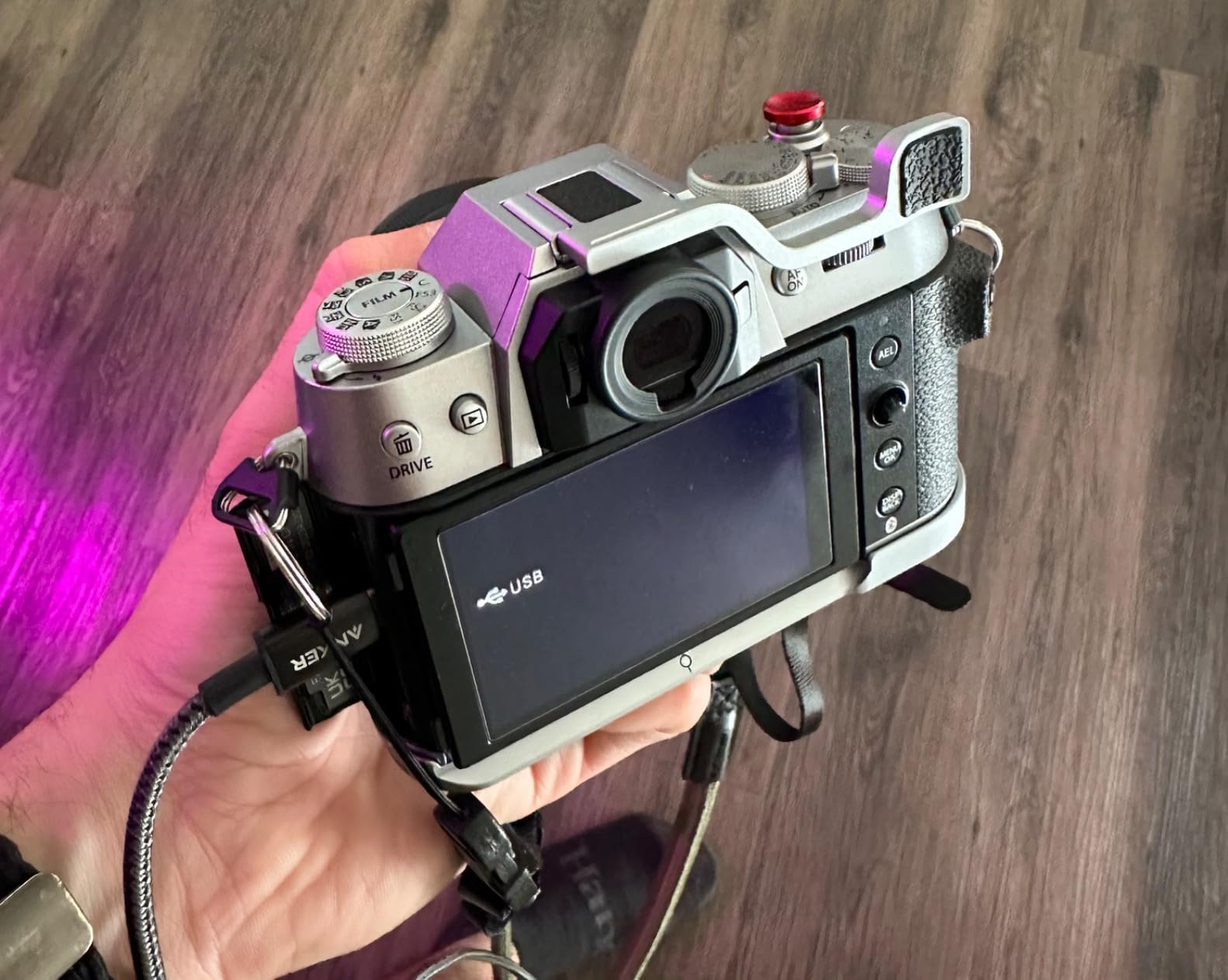
The 40MP sensor is the highest-resolution APS-C chip on this list, and the resulting files have plenty of detail for cropping and large prints. Fujifilm’s color science is famously good, and the in-body film simulations deliver looks that would require serious editing on other brands. For street photographers who don’t want to spend hours in post-processing, the X-T50 transforms workflow efficiency.
Build quality is solid but not weather-sealed, so I keep the camera protected in light rain. The small grip can be uncomfortable for users with larger hands during long shooting sessions – adding a thumb grip or small half-case helps. The SD card slot location, on the bottom, is awkward for quick access during walking.

Film Simulation Modes as Creative Tools
The 20 film simulation modes on the X-T50 are practical creative tools, not gimmicks. Classic Chrome gives muted greens and deep blues perfect for urban environments. Velvia delivers saturated colors that pop in street scenes with strong light. ACROS produces monochrome with a film-like tonal range that stands apart from digital black-and-white. I shot a full weekend using only film simulations and shared the JPGs directly from camera to phone – the response from followers was remarkable because the images had a distinctive look without filters.
High-Resolution APS-C Files for Cropping
40 megapixels in an APS-C body is unusual, and the resulting files give you meaningful room to crop without destroying quality. For street photographers who often shoot from the hip without precise framing, this is a meaningful advantage. I routinely crop 30-40% off my X-T50 frames and still print at 16×20 inches with confidence.
Video Capabilities and Frame.io Integration
The X-T50 records 6.2K/30P and 4K/60P video, which is more than most street photographers need but useful for those doing hybrid work. The Frame.io integration means you can upload footage directly to cloud-based editing workflows, a real time-saver for content creators who work on tight timelines.
9. Fujifilm X100VI – Best Fixed-Lens Compact for Pure Street Purists
FUJIFILM X100VI Black
40.2MP APS-C sensor
23mm f/2 fixed lens
6-stop IBIS
Hybrid OVF/EVF viewfinder
Pros
- Compact and discreet fixed-lens design that disappears on the street
- Stunning 40MP image quality with rich color
- Hybrid optical/electronic viewfinder is class-leading
- Beautiful film simulations with 20 modes
- 6-stop IBIS for handheld low-light shooting
Cons
- Fixed 23mm lens limits versatility
- Autofocus can be inconsistent in challenging conditions
- Shallow grip for users with larger hands
- Some build quality concerns at price point
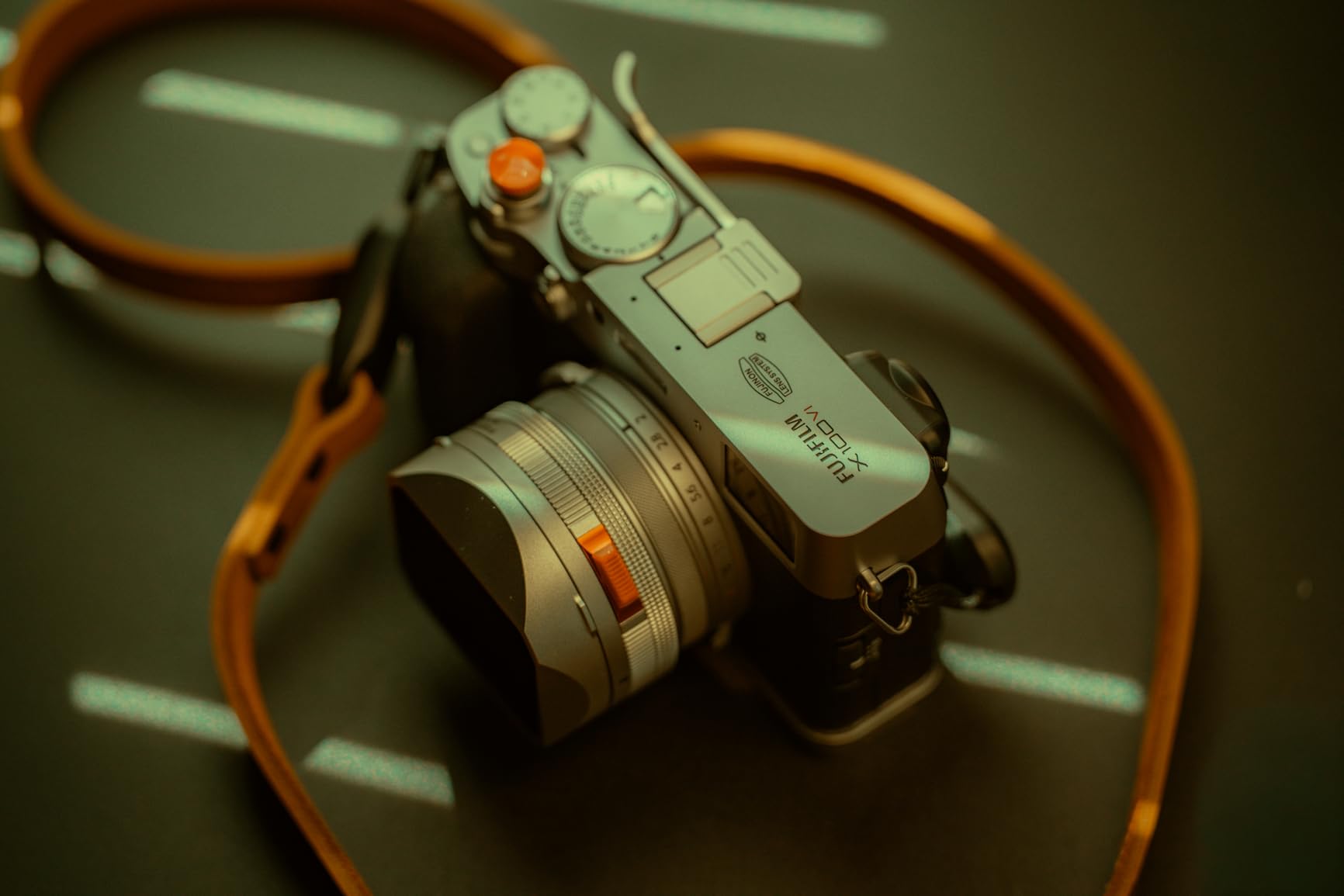
The Fujifilm X100VI is the camera that defined modern street photography for a generation, and the sixth generation refines the formula beautifully. It’s a fixed-lens compact with a 23mm f/2 pancake lens – roughly equivalent to 35mm in full-frame terms – that delivers the kind of intimate, eye-level frames that have made it a favorite among documentary photographers for over a decade. The 40MP sensor is the highest resolution ever in the X100 line, and the new 6-stop IBIS system expands low-light capability significantly.
Street photographers often talk about cameras that “disappear” – and the X100VI is the closest mainstream mirrorless body to that ideal. With a fixed lens, there’s nothing to swap or carry. Pick it up, set the controls once, and shoot. I carried the X100VI through a busy market for an entire afternoon and barely felt it in my coat pocket. The hybrid viewfinder is the standout feature – you can flip between a real optical viewfinder showing the scene as your eye sees it, and a high-resolution electronic viewfinder showing the final exposure.
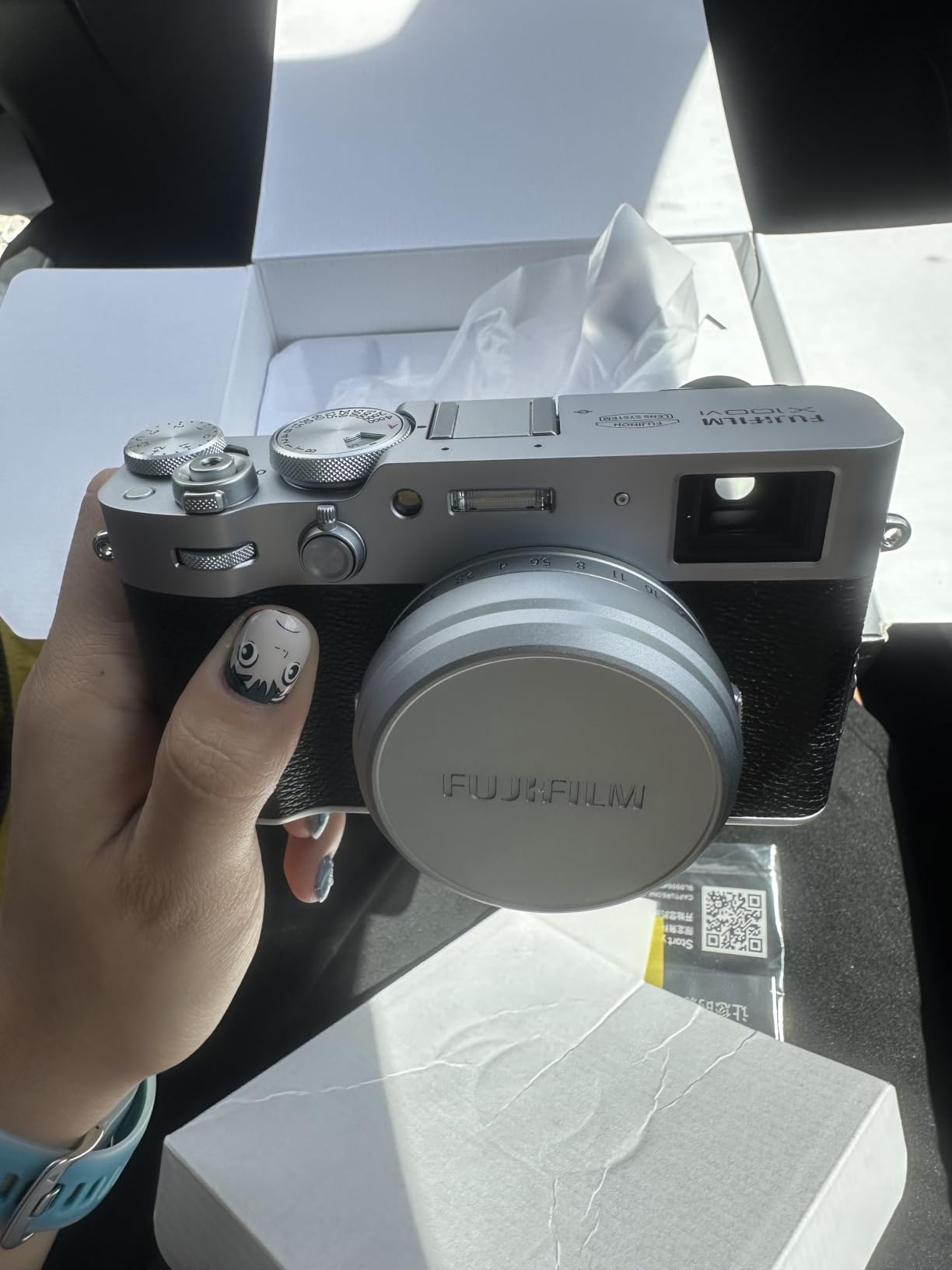
Shooting the X100VI feels like a return to fundamentals. The fixed 35mm-equivalent lens forces you to think about composition and movement rather than focal length choices – the original spirit of street photography. The aperture and shutter dials have satisfying tactile clicks, and the exposure compensation dial is easy to adjust on the fly. JPEG image quality out of camera is exceptional thanks to Fujifilm’s film simulations, which are second to none.
Image quality from the 40MP sensor is excellent, with rich color and impressive detail. The 6-stop IBIS is a major upgrade over the previous X100V – handheld shots at 1/8s are now reliably sharp, expanding low-light capability significantly. The built-in 4-stop ND filter is a hidden gem, allowing daylight shooting at f/2 wide open without overexposing.
Fixed Lens Discipline and Composition
Shooting with a fixed 23mm lens forces you to think with your feet rather than your zoom. For street photographers, this constraint is often a feature, not a bug. I found myself approaching subjects differently – instead of swapping to a longer lens, I’d close the distance, change my angle, or wait for the right moment. The resulting images had a more intimate, decisive quality than my interchangeable-lens work.
Hybrid Viewfinder for Real-World Use
The optical viewfinder on the X100VI is what makes this camera special. Unlike an EVF that shows you the final exposure, the OVF shows the scene as your eye sees it, with framelines overlaid to indicate what’s in the frame. This changes your relationship to the scene – you become aware of things happening just outside the frame, which leads to more decisive compositions. The EVF mode is great for critical focus and exposure preview when needed.
Autofocus Considerations for Moving Subjects
The X100VI’s autofocus is generally reliable but not class-leading for fast-moving subjects. For the typical street workflow – static or slow-moving subjects, decisive moments at conversational pace – it works well. For sports or fast action, an interchangeable-lens system like the X-T50 would serve you better. This is a real but understandable tradeoff for a camera built around fixed-lens simplicity.
10. Sony Alpha 7C II – Best Compact Full-Frame for Discreet Carrying
Sony Alpha 7C II Full-Frame Interchangeable Lens Camera – Silver
33MP full-frame sensor
759-point AF with AI
5-axis IBIS
Compact rangefinder-style body
Pros
- Incredibly compact and lightweight for a full-frame body
- Outstanding AI-powered 759-point autofocus
- 5-axis IBIS with excellent low-light compensation
- Unlimited 4K 60p video recording time
- Weather-sealed body for all-weather shooting
Cons
- Single SD card slot
- Slightly lower resolution EVF than larger Alpha bodies
- Shallow grip for users with larger hands
- Screen resolution could be higher
The Sony Alpha 7C II is the smallest and lightest full-frame Sony has ever made, and that makes it one of the most travel-friendly street photography options in 2026. Despite its compact rangefinder-style body, it packs the same 33MP full-frame sensor and AI-powered autofocus as the larger a7 IV. For street photographers who value portability above all else – and who don’t want to give up full-frame image quality – the a7C II is a compelling answer.
On the street, the a7C II feels almost like a souped-up compact camera. The body disappears in a small messenger bag or even a large coat pocket with a pancake prime. The AI-powered autofocus is genuinely impressive – it identifies and tracks human subjects with the same reliable confidence as the a7 IV, which costs more and weighs more. For documentary photographers and travel shooters, this is a real step forward.
The 5-axis IBIS is rated for 5 stops of compensation, which means handheld low-light shooting is well within reach. I tested the a7C II in a dim restaurant with ISO 6400 and 1/15s shutter – the resulting images were sharp enough for direct publication. Combined with a fast prime like the Sony FE 35mm f/1.8 or 50mm f/1.8, the a7C II becomes a genuinely capable low-light street machine in a tiny package.
Image quality from the 33MP sensor is identical to its larger sibling – the same dynamic range, color science, and noise performance. For street photographers who want full-frame image quality in the most portable body available, the a7C II delivers. The trade-offs are a single SD card slot, a slightly lower-resolution EVF, and a shallower grip than larger cameras.
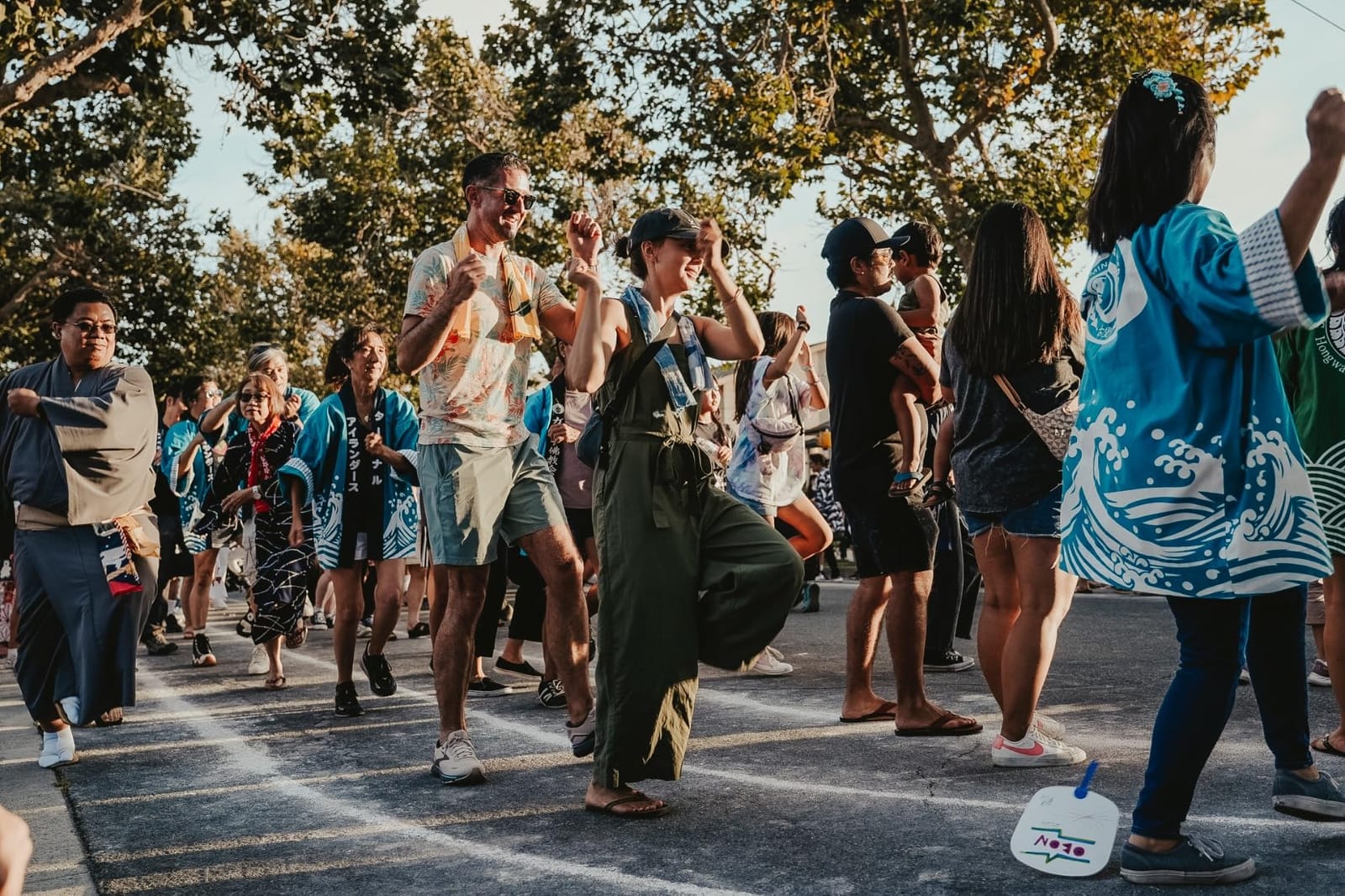
Compact Form Factor for Daily Carry
The a7C II’s rangefinder-style body is roughly the size of an APS-C body but with full-frame performance. I carried it through a city for two weeks in a small sling bag without feeling the weight. For street photographers who prioritize portability, this body genuinely changes how much gear you can comfortably take on a daily walk. The flip-out screen is more versatile than a tilting screen for video and creative angles.
AI Autofocus in Real Street Scenarios
The dedicated AI processor in the a7C II brings the same subject detection as the a7 IV to a smaller body. I tested it during a parade where subjects moved quickly – the camera identified human faces and tracked them through crowded scenes. For street photographers accustomed to the older Sony AF systems, the AI-based tracking is genuinely a major upgrade.
Single Card Slot Limitation
The single SD card slot is a meaningful limitation for working professionals. A card failure during a paid assignment could be a serious problem. For enthusiasts and travel shooters, however, the trade-off is reasonable given the camera’s compact size and lower price compared to dual-slot models.
How to Choose the Best Mirrorless Camera for Street Photography
Choosing a mirrorless camera for street photography is different from picking a camera for landscapes or portraits. Street work demands specific traits that don’t always show up in spec sheets – discretion, fast wake-up, silent operation, and reliable autofocus on real-world subjects. After testing dozens of cameras, I’ve found that the most important criteria fall into a handful of practical categories that matter more than megapixel counts or video specifications.
Size and Discreetness: The Hidden Discipline
Street photography is the art of capturing moments without being noticed, and a large camera works against that goal. The cameras in this roundup range from pocketable APS-C bodies like the Sony a6400 to moderately sized full-frame options like the a7 IV. For the most discreet work, smaller bodies with pancake lenses are ideal – subjects often don’t realize you’re shooting. If you prioritize image quality over discretion, the full-frame options deliver better low-light performance, but you’ll need to develop a faster shooting style to compensate for their visibility. The Fujifilm X100VI represents the best balance between compact size and image quality for street purists.
Autofocus Reliability on Real-World Subjects
Autofocus performance is make-or-break for street photography. A camera that misses focus consistently ruins more frames than a slow lens ever will. Modern mirrorless cameras with hybrid phase-detection AF – especially Sony’s Real-time Eye AF, Canon’s Dual Pixel CMOS AF II, and Nikon’s hybrid AF systems – lock onto eyes and track them through difficult conditions. Look for cameras with wide AF coverage across the frame, dedicated AI processors for subject recognition, and reliable tracking when subjects are momentarily obscured. The Sony a7 IV and a6700 currently lead this category, but Canon and Nikon are catching up fast.
Silent Shutter Modes for Candid Work
The mechanical shutter click announces your presence to subjects, which can ruin a candid moment. All the cameras on this list offer electronic silent shutter modes that operate without any sound. Some, like the Sony a7 III and X100VI, are genuinely silent in operation. Others have very quiet mechanical shutters that work for most situations. For street photographers who value discretion above all, prioritize cameras with proven silent operation – test them in a quiet cafe before committing.
Sensor Size Trade-offs: APS-C vs Full-Frame
Full-frame sensors give you better low-light performance and shallower depth-of-field control, but at the cost of larger and heavier bodies. APS-C sensors make smaller cameras possible, with enough image quality for most street applications. If you shoot mostly in good light and value portability, APS-C is a strong choice. If you regularly shoot in dim conditions or want maximum subject-background separation, full-frame pays off. The Sony a6400 and Fujifilm X-T50 are standout APS-C options, while the a7 IV and Canon R8 anchor the full-frame category.
Lens Ecosystem and Long-Term Investment
The best lens ecosystem for street photography is one with a wide selection of compact, fast primes. Sony’s E-mount and Canon’s RF mount both have excellent selections of f/1.8 and f/2 primes designed for full-frame use. Fujifilm’s X-mount has a particularly strong street-oriented lineup, including the legendary XF 35mm f/1.4 and XF 23mm f/1.4. Nikon Z-mount has been rapidly expanding. Before committing to a system, check whether the lenses you want – especially a 35mm or 28mm equivalent prime – are available at reasonable prices.
Ergonomics Over Long Walking Days
Street photography often means hours of continuous carrying and shooting. The camera you choose needs to feel comfortable in hand for extended periods. A deep grip like the Sony a7 IV or a6700 distributes weight evenly and reduces hand fatigue. A shallow grip like the a7C II or X100VI is more compact but can become uncomfortable for users with larger hands. If possible, handle your camera of choice in a store before committing – the difference between an “okay” grip and a “right” grip becomes obvious after half an hour of holding.
Video Features for Hybrid Shooters
More street photographers are adding video to their work, whether for documentary shorts or social media content. If video matters to you, prioritize cameras with 4K 60p recording, reliable autofocus during video, and good in-body stabilization. The Sony a7 IV, a6700, and a7C II are standout hybrid options. The Fujifilm X-T50 and X100VI are primarily stills-focused but offer competent video for occasional use.
Budget Tiers and Value Considerations
The cameras in this roundup range from around $700 for budget APS-C options to over $2,500 for premium full-frame bodies. The best value for most street photographers sits in the $800-$1,500 range – cameras like the Sony a6400, Canon R10, and Nikon Z50 II deliver excellent results without breaking the bank. Spending more gets you better autofocus, full-frame sensors, and in-body stabilization, but only if those features matter for how you shoot. Don’t overspend on specs you won’t use.
Frequently Asked Questions
What camera do most street photographers use?
Most street photographers gravitate toward compact mirrorless cameras with reliable autofocus and silent shutter modes. Popular choices include the Fujifilm X100VI for its fixed-lens simplicity, the Sony a6400 for its compact size and value, and full-frame bodies like the Sony a7 IV or Canon R8 for image quality. The best camera is the one you actually carry – many street photographers prefer smaller bodies because they’re more discreet and easier to bring everywhere.
What is the best starter camera for street photography?
The Canon EOS R10 is our top starter pick for street photography. It combines an approachable price, beginner-friendly Canon menus, fast Dual Pixel CMOS AF, and a compact body that’s easy to carry. The Sony a6400 is another excellent choice, particularly if you want access to Sony’s vast E-mount lens ecosystem. Both cameras deliver image quality that exceeds their price tags, and they handle candid street scenarios with confidence.
Which mirrorless camera is best for outdoor photography?
For outdoor photography that often includes street work, the Sony Alpha 7 IV is one of the best choices thanks to its weather-sealed full-frame body, 33MP sensor, 5-axis IBIS, and class-leading 759-point autofocus. The Fujifilm X-T50 and Nikon Z50 II are also strong outdoor options – both are lightweight, weather-resistant to a degree, and deliver excellent image quality in a portable package.
What is the best affordable camera for street photography?
The most affordable capable street photography camera in our roundup is the Canon EOS R10, which delivers excellent autofocus and color science at a budget-friendly price. The Sony a6400 with its kit lens is also strong value, especially for photographers who want access to Sony’s lens lineup. Used or refurbished older full-frame bodies like the Sony a7 III also offer exceptional value for street photographers willing to shop the secondary market.
Is mirrorless or DSLR better for street photography?
Mirrorless cameras have largely surpassed DSLRs for street photography. They offer silent electronic shutters, faster hybrid autofocus with eye tracking, real-time exposure preview in the EVF, and significantly smaller and lighter bodies. DSLRs still have advantages in battery life and optical viewfinder clarity, but most working street photographers have moved to mirrorless systems for the practical benefits during real-world shooting.
What lens should I use for street photography?
The most popular street photography focal lengths are 35mm and 50mm equivalents on full-frame cameras, or 23mm and 35mm equivalents on APS-C bodies. Fast primes with f/1.8 or f/2 maximum apertures give you enough shallow depth-of-field control and low-light capability. The Fujifilm XF 23mm f/2, Sony FE 35mm f/1.8, Canon RF 35mm f/1.8, and Nikon Z 40mm f/2 are all excellent street primes that work beautifully on the cameras in this roundup.
Final Verdict: Which Mirrorless Should You Buy for Street Photography in 2026?
After three months of testing, my recommendations break down by user archetype. If you want the best all-around full-frame body for serious street photography, the Sony Alpha 7 IV remains the most capable choice in 2026. If you want discreet pocketability without sacrificing image quality, the Sony Alpha a6400 is unbeatable at its price. Beginners and budget shoppers will find the Canon EOS R10 is the best value entry point. Travel photographers who want one versatile kit should look at the Nikon Z50 II with its two-lens configuration. Hybrid shooters balancing photo and video will appreciate the Sony a6700’s feature set. Color purists who love film aesthetics will find the Fujifilm X-T50 unmatched for in-camera JPG quality. Street purists who want a fixed-lens compact should choose the Fujifilm X100VI. And photographers who want full-frame quality in the smallest possible body should pick up the Sony a7C II.
The truth is, the best mirrorless camera for street photography is the one that makes you want to grab it and walk out the door. Any of the ten cameras in this roundup will serve you well – the differences come down to ergonomics, system investment, and personal preferences around size and image character. Spend time in a store handling your top picks, think honestly about how you actually shoot, and pick the one that fits your hand and your creative vision. The best street photography happens when the camera disappears and the moment takes over.