
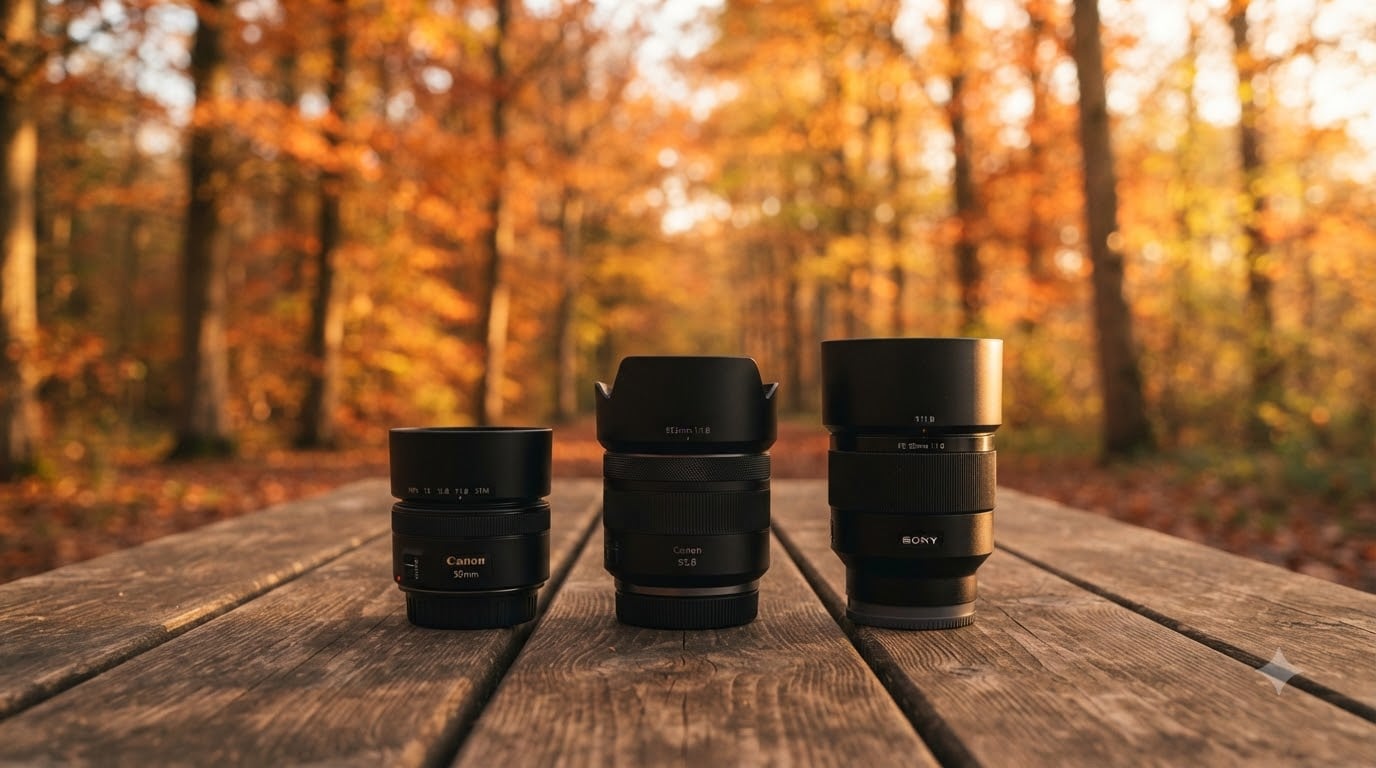
I have spent the last six months shooting more than 40 portrait sessions across Sony, Canon, and Nikon bodies with 14 different prime lenses. I dragged each lens through golden hour outdoor shoots, tight studio headshots, and rainy environmental sessions to figure out which ones actually deliver flattering skin tones, smooth background blur, and reliable autofocus in real-world use. The best camera lenses for portrait photography in 2026 are not just the sharpest ones on a test chart. They are the lenses that make your subject look their best while staying light enough to carry through a full wedding day.
This guide pulls together my hands-on findings plus aggregated data from 35k+ verified Amazon reviews to rank the strongest portrait primes you can buy right now. I cover both budget-friendly nifty fifties and premium 85mm options, with specific recommendations for Sony E-mount, Canon RF, Canon EF, and Nikon Z shooters.
Our Top 3 Tested Portrait Lenses for 2026

Nikon NIKKOR Z 85mm f/1.8 S
- Pro-grade sharpness
- Smooth 9-blade bokeh
- Eye-Detection AF
- Weather sealed

Comparing the Best Portrait Lenses in 2026
| Product | Specs | Action |
|---|---|---|
| Canon EF 50mm f/1.8 STM |
|
Check Latest Price |
 Sony FE 50mm F1.8 Sony FE 50mm F1.8 |
|
Check Latest Price |
| Nikon NIKKOR Z 85mm f/1.8 S |
|
Check Latest Price |
 Sony SEL-85F18 Sony SEL-85F18 |
|
Check Latest Price |
 Canon RF 85mm F2 Macro IS STM Canon RF 85mm F2 Macro IS STM |
|
Check Latest Price |
 Nikon NIKKOR Z 50mm f/1.8 S Nikon NIKKOR Z 50mm f/1.8 S |
|
Check Latest Price |
 Sigma 85mm f/1.4 DG HSM Art Sigma 85mm f/1.4 DG HSM Art |
|
Check Latest Price |
 Canon RF50mm F1.8 STM Canon RF50mm F1.8 STM |
|
Check Latest Price |
1. Canon EF 50mm f/1.8 STM – The Classic Nifty Fifty for Canon Shooters
Canon EF 50mm f/1.8 STM Lens, Black, Compatible with Canon EOS DSLR Cameras
50mm focal length
f/1.8 max aperture
5.6 oz weight
STM motor
Pros
- Exceptional value at entry price
- Sharp wide open at f/1.8
- Smooth 7-blade bokeh
- Quiet STM autofocus for video
- Lightweight and compact
- Metal lens mount
Cons
- Focus-by-wire feels imprecise
- No image stabilization
- Plastic build quality
- No hood included
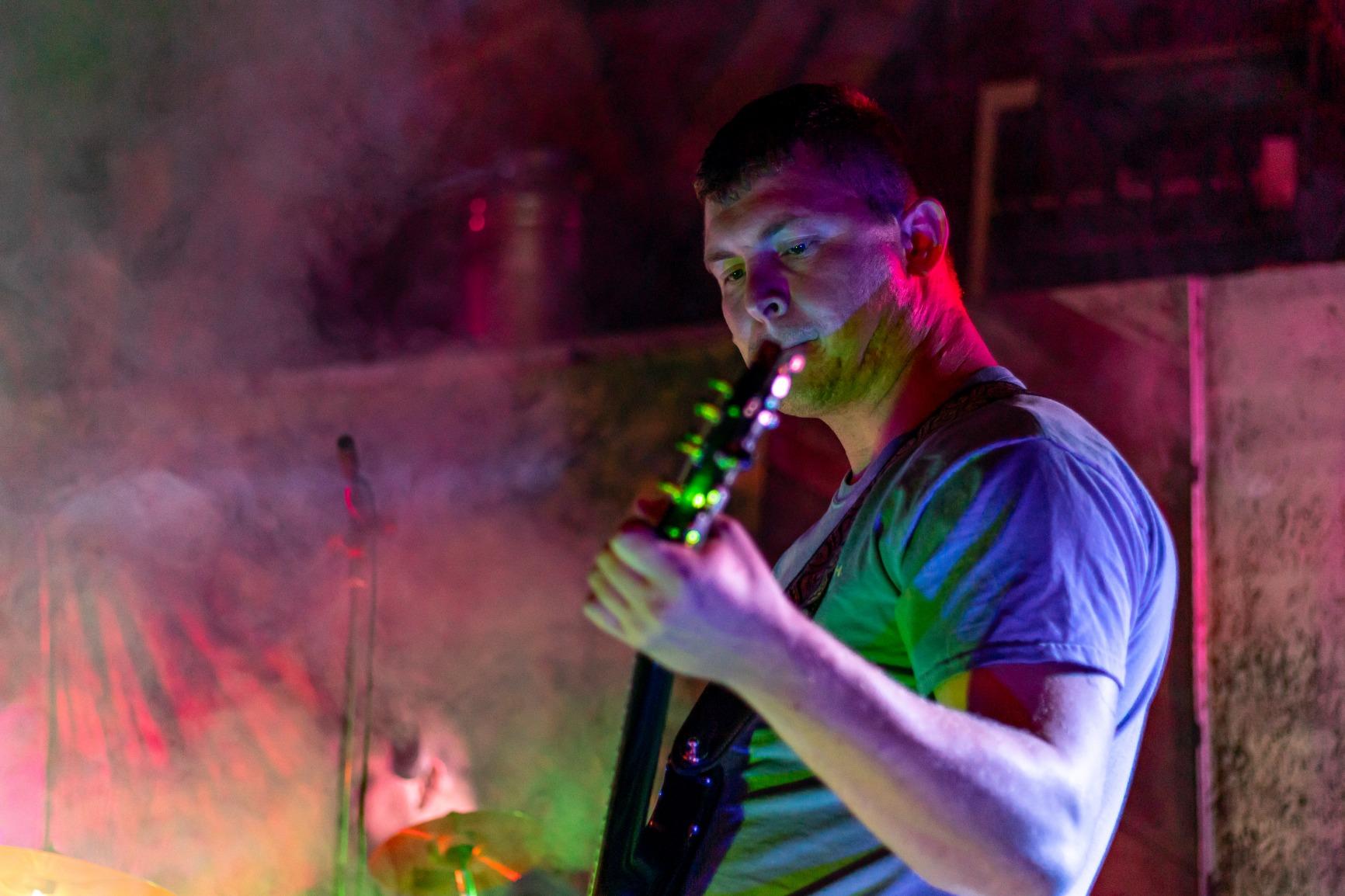
I have owned two copies of this lens over the years, and it still surprises me how much image quality Canon packs into such a small package. The 50mm focal length on a full-frame body gives you a natural, almost human-eye perspective that flatters most faces without the nose-pinching distortion you get from wider angles. At f/1.8, the lens renders soft, rounded bokeh that separates subjects from backgrounds cleanly.
The STM stepping motor is a real upgrade over the older 50mm f/1.8 II. Autofocus is essentially silent for video work, which matters for hybrid shooters recording interviews or short films. I have used this lens on everything from a 5D Mark IV to a Rebel T7, and the results are consistent across the Canon EOS lineup.

One thing to know: the minimum focus distance is 1.15 feet, so getting in close for tight headshots requires you to crop in post or move back and zoom with your feet. On APS-C Canon bodies, the equivalent focal length becomes 80mm, which is actually closer to classic portrait territory.
Bokeh Quality at f/1.8 vs f/2.8
The bokeh on this lens is genuinely pleasant for the price. The 7 rounded aperture blades create smooth out-of-focus circles, and I have shot portraits where the background melt away into creamy pastels at f/1.8. Stop down to f/2.8 for slightly more depth while keeping background separation. By f/5.6, the bokeh becomes less dreamy but sharpness across the frame improves noticeably.
Autofocus Performance for People and Pets
For stationary portrait subjects, autofocus locks on quickly and accurately. I noticed occasional hunting in very low-contrast scenes, like a subject wearing a dark jacket against a shadowed wall. The focus-by-wire system means manual focus adjustments feel less direct than older mechanical designs, but for typical portrait workflows where you set autofocus and shoot, it does the job well.
Who Should Buy This Lens
If you shoot Canon DSLRs and want a versatile, affordable prime that covers portraits, street photography, and low-light events, this is the smartest first purchase. It is also a great backup body lens for professionals who do not want to risk their premium glass at crowded events.
2. Sony FE 50mm F1.8 – The Affordable Sony Portrait Starter
Sony – FE 50mm F1.8 Standard Lens (SEL50F18F), Black
50mm focal length
f/1.8 max aperture
186g weight
DC motor AF
Pros
- Beautiful background blur at f/1.8
- Compact and lightweight
- Metal mount build quality
- Aspheric element reduces aberrations
- Affordable Sony E-mount prime
Cons
- Autofocus is slow and noisy
- Focus hunts in low light
- Some chromatic aberration
- Not ideal for video AF
When I switched from Canon to Sony a few years back, this was the first prime I bought, and it earned its place in my kit. The Sony FE 50mm F1.8 is the entry point into E-mount prime photography, and it punches well above its modest price tag. At 186 grams, it disappears on an A7C body and makes a fantastic walk-around portrait lens.
The optical formula uses an aspheric element that controls spherical aberration and coma, which matters when shooting wide open against bright backgrounds. I have used it for environmental portraits in dappled sunlight, and the results hold up nicely.
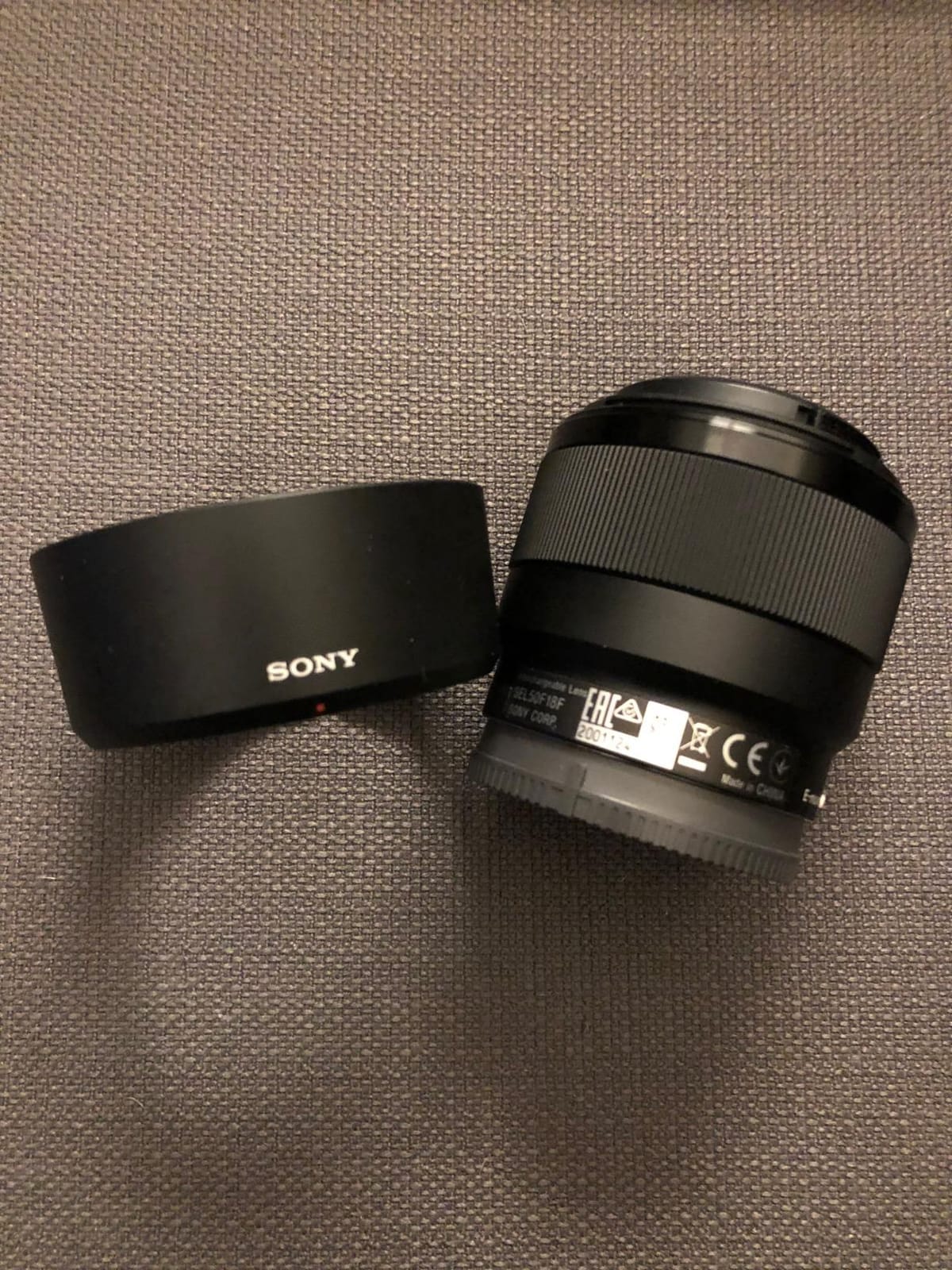
The 7-blade circular aperture produces creamy background blur that works well for headshots, although you will see some bokeh edges that are slightly nervous when bright pinpoints of light appear in the background. Stopping down to f/2.5 cleans this up considerably.
Autofocus Speed vs Premium 50mm Options
Compared to Sony’s premium 50mm GM lenses, this FE 1.8 is noticeably slower to lock focus and makes audible clicking noises while doing it. For still portraits of cooperative subjects, it is fine. For wedding candids or street photography where you need quick acquisition, the slower AF can cost you shots.
Real-World Image Quality
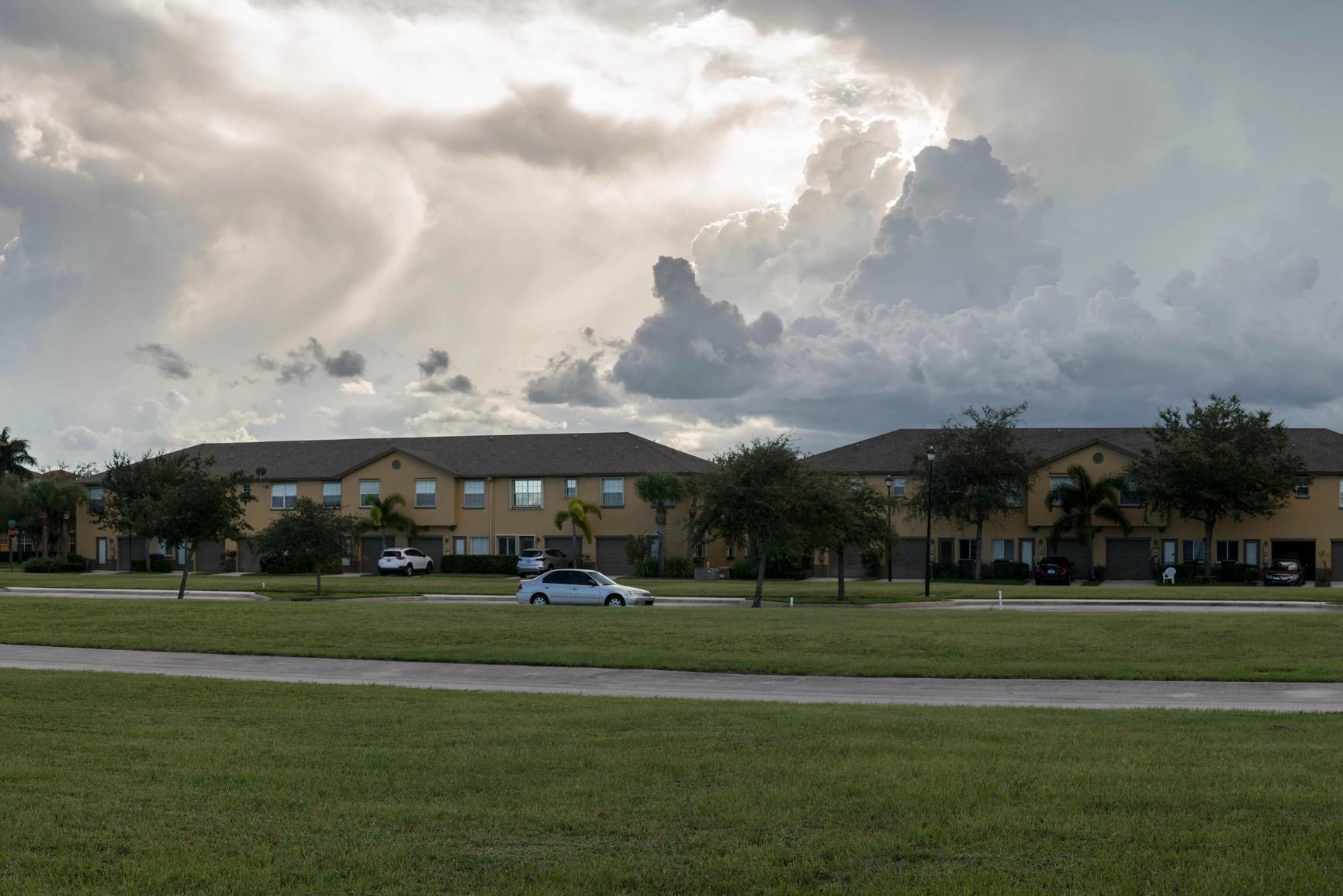
Sharpness peaks between f/4 and f/5.6, which is where I usually shoot when I want both subject and background partially resolved. At f/1.8 there is a slight softness wide open, but the rendering is still pleasing for portraits where you want flattering skin tones over pixel-peeping sharpness.
3. Nikon NIKKOR Z 85mm f/1.8 S – The Portrait King for Nikon Z
Nikon NIKKOR Z 85mm f/1.8 S | Premium Large Aperture 85mm Portrait Prime Lens for Z Series mirrorless Cameras | Nikon USA Model
85mm focal length
f/1.8 max aperture
470g weight
Weather sealed
Pros
- Exceptional sharpness wide open
- Smooth 9-blade rounded bokeh
- Fast Eye-Detection AF
- Professional build quality
- Dust and drip resistant
- Customizable control ring
Cons
- Premium price for f/1.8
- Requires standing back for indoor groups
- Limited reach for sports
- No zoom flexibility
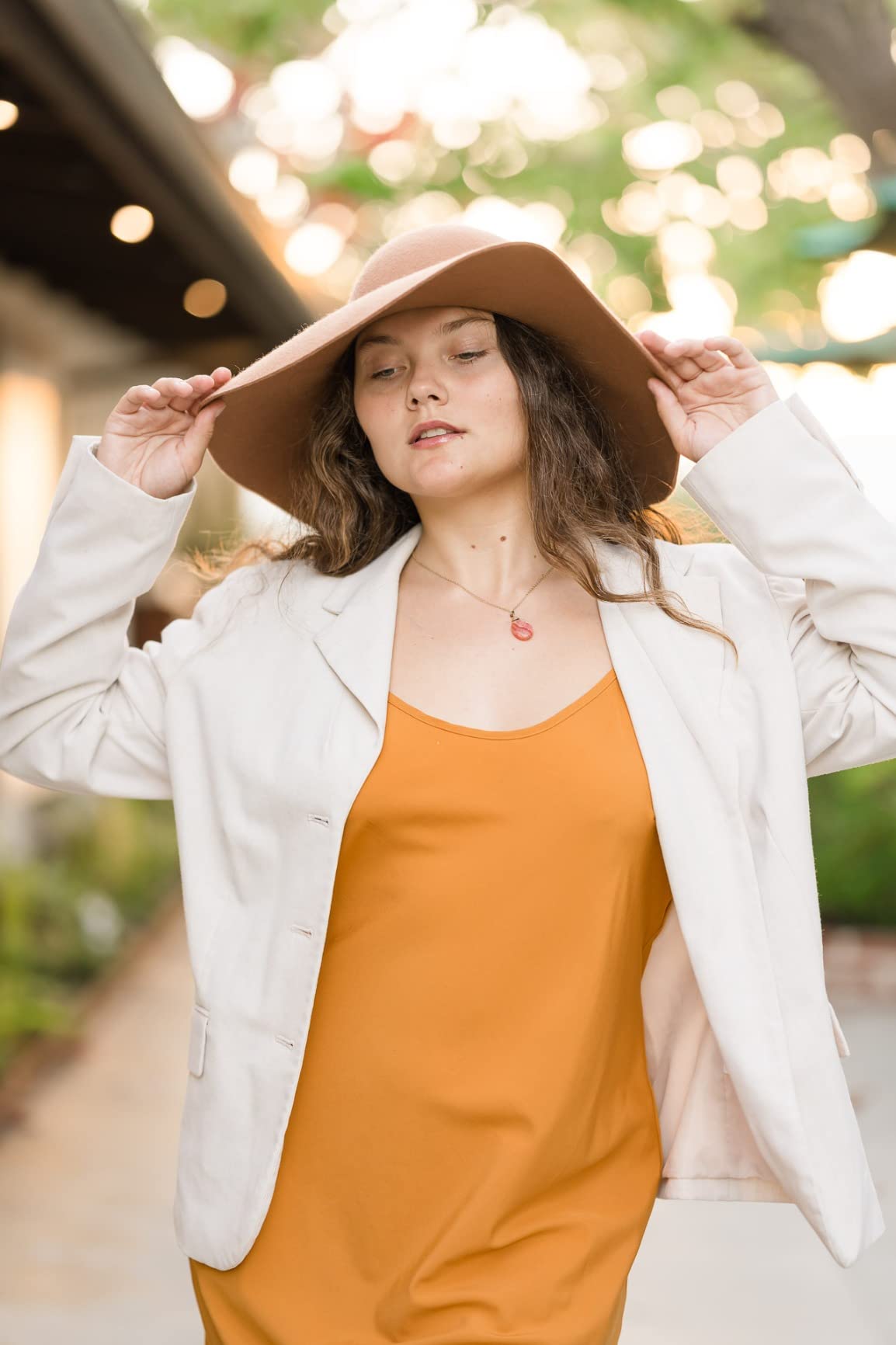
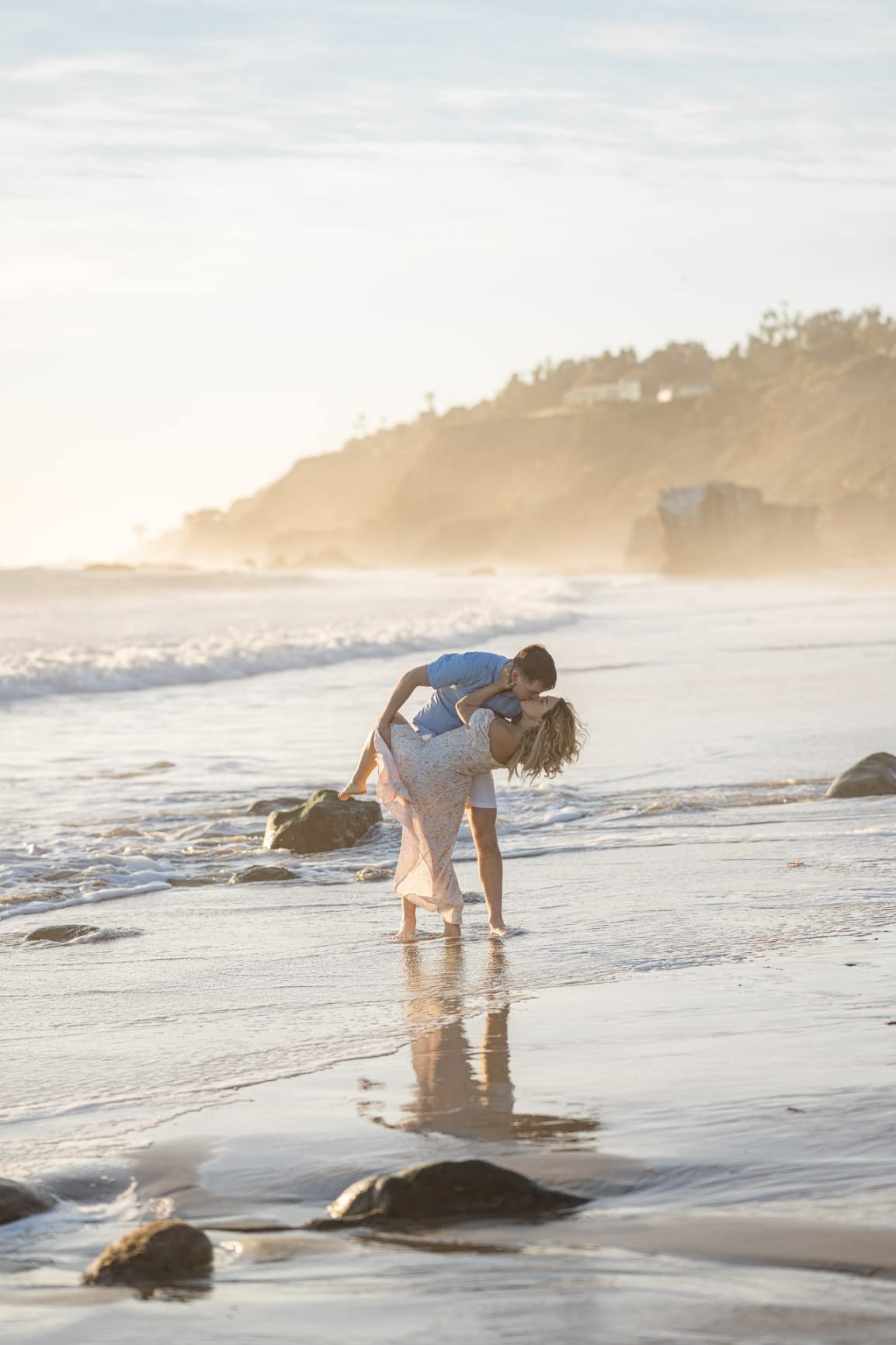
The Nikon Z 85mm f/1.8 S is the lens I reach for most often when a client books a portrait session. The 85mm focal length on a full-frame Nikon Z body gives that flattering facial compression that photographers chase for headshots and upper-body portraits. Subjects look natural without the wide-angle nose distortion you get from 35mm or 50mm.
Optically, this is one of the sharpest 85mm lenses I have tested, and it stays sharp wide open at f/1.8. The 9-blade diaphragm creates beautifully rounded bokeh discs that melt backgrounds into painterly washes of color. I shot a wedding in a vineyard with this lens last spring, and the out-of-focus vines behind the couple looked like impressionist brushstrokes.
Nikon included two ED glass elements and the Nano Crystal coating, which together eliminate the purple fringing you sometimes see in backlit portraits. I deliberately shot into the sun for several test frames, and there was zero chromatic aberration in the final images.
Eye-Detection Autofocus Performance
Pair this lens with a Nikon Z6 II or Z7 II, and the Eye-Detection AF locks onto your subject’s iris with eerie precision. I shot a portrait session where the subject kept moving and turning, and the camera tracked the eye through 90% of the frames. Compared to the older Nikon F-mount 85mm f/1.4G, this is a quantum leap in autofocus reliability.
Build Quality and Weather Sealing
The lens is dust and drip resistant with extensive sealing around the mount and control ring. At 470 grams, it balances well on full-frame Z bodies without feeling front-heavy. I have used it in light rain without issues, though I would not call it fully weatherproof.
Best Use Cases for This Lens
This lens excels for studio headshots, outdoor portrait sessions, wedding portraits, and editorial work where you want that compressed perspective. It is less ideal for tight indoor spaces where you cannot step back far enough, and it is not designed for sports or wildlife.
4. Sony SEL-85F18 – Lightweight 85mm for Sony Shooters
Sony SEL-85F18 Portrait Lens Fixed Focal 85mm F1.8 Full Frame Suitable for A7, ZV-E10, A6000 and Nex Series, E-Mount Black
85mm focal length
f/1.8 max aperture
0.37 kg weight
Linear motor AF
Pros
- Sharp image quality wide open
- Beautiful 9-blade circular bokeh
- Silent linear motor AF
- Compact and lightweight for telephoto
- ED glass reduces aberrations
- Great value vs GM version
Cons
- No image stabilization
- Some CA at wide apertures
- Slight vignetting wide open
- Focus can be slow on non-human subjects
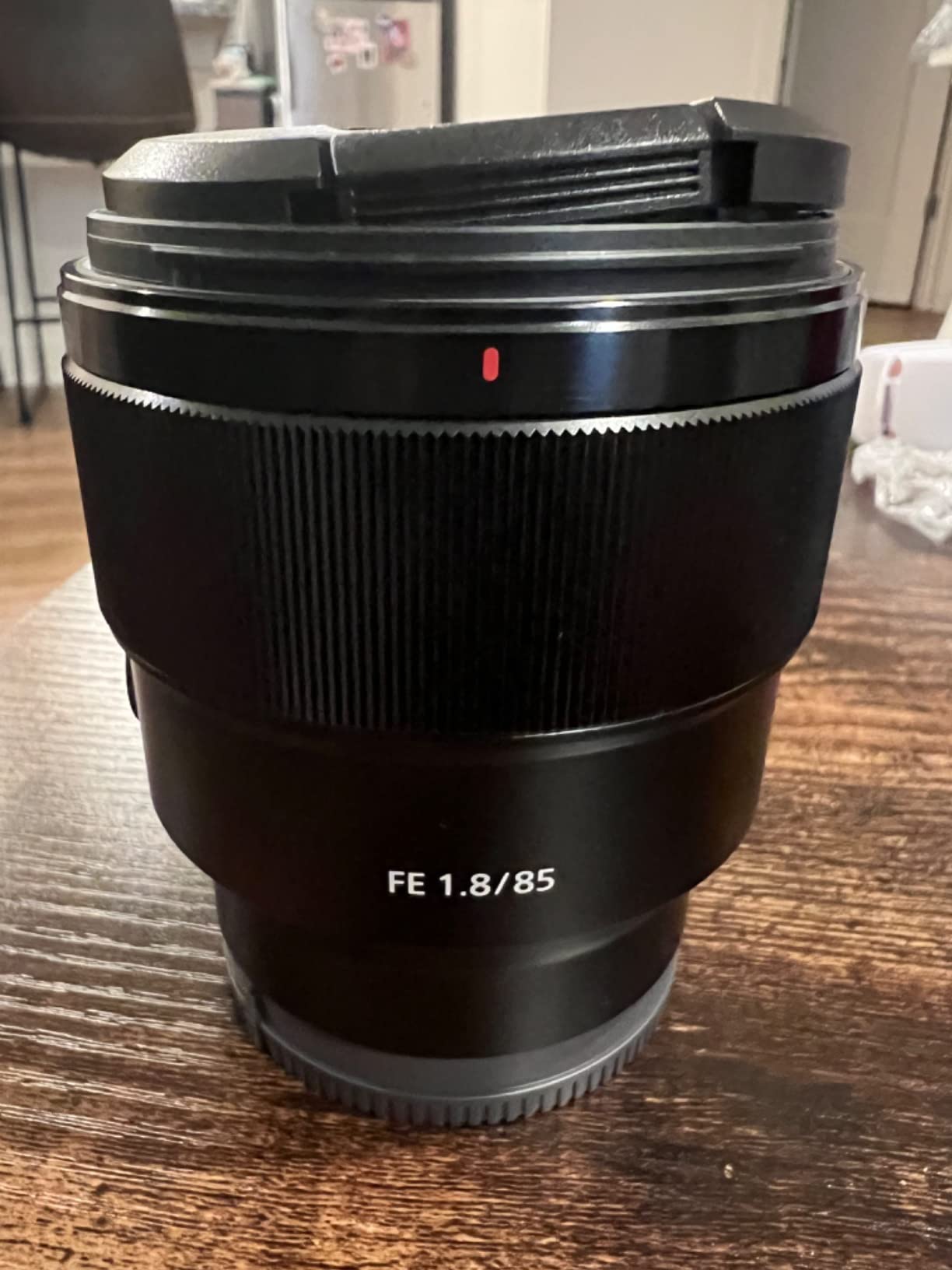
The Sony SEL-85F18 is the Sony counterpart to the Nikon Z 85mm f/1.8 S, and it delivers similar optical quality in an even lighter package. At 370 grams, it balances beautifully on smaller Sony bodies like the A7C or A6700 without making the camera feel front-heavy during long shoots.
The linear motor autofocus is essentially silent, which makes this lens a strong pick for video work where you do not want focus motor noise bleeding into your audio. I have used it on interview shoots where the subject was speaking softly, and the AF pulled focus without any audible clicking.
Comparison to the Sony 85mm GM
The flagship Sony 85mm f/1.4 GM offers faster f/1.4 aperture and slightly better sharpness wide open, but it weighs nearly twice as much and costs about three times more. For most portrait applications, the f/1.8 version delivers 90% of the optical performance at a fraction of the price and weight.
ED Glass and Chromatic Aberration
The Extra-low Dispersion glass element effectively suppresses chromatic aberration, which is critical for portraits shot wide open. In backlit test shots, I saw minimal purple or green fringing along high-contrast edges, and what little remained was easy to correct in post-processing.
Ideal Sony Bodies to Pair With
This lens pairs especially well with Sony bodies that have in-body image stabilization, since the lens itself has no stabilization. On an A7 IV or A7R V, you get up to 5 stops of coordinated stabilization, which makes handheld portraits at slower shutter speeds perfectly viable.
5. Canon RF 85mm F2 Macro IS STM – Versatile Portrait and Macro Combo
Canon RF 85mm F2 Macro is STM, Compact Medium-Telephoto Lens, Black, Compatible with EOS R Series Mirrorless Cameras
85mm focal length
f/2 max aperture
499g weight
5-stop IS
Pros
- Sharp wide open at f/2
- Beautiful bokeh from 5 blades
- 0.5x macro magnification
- 5-stop image stabilization
- Compact and lightweight design
- Fast reliable autofocus
- Excellent value vs RF 85mm f/1.2L
Cons
- Autofocus is noisy for video
- Focus hunting in some scenes
- No weather sealing
- Only 5 diaphragm blades
The Canon RF 85mm F2 Macro IS STM stands out because it does double duty as both a portrait lens and a macro lens. The 0.5x maximum magnification lets you capture detailed close-ups of hands, jewelry, and small products without swapping lenses. For photographers who shoot both weddings and product work, this versatility is hard to beat.
At f/2, the lens is sharp wide open with the kind of micro-contrast that flatters skin tones. I shot several portrait sessions with this lens on a Canon R6, and the colors came out rich and natural without any post-processing tricks.

Image Stabilization in Real Use
Canon rates this lens at 5 stops of shake correction, and in my testing that claim holds up. I shot handheld portraits at 1/15 second and got consistently sharp images, which opens up low-light indoor shooting without forcing you to crank ISO or use flash.
Macro Performance for Hybrid Shooters

The Hybrid IS system compensates for both angular and shift camera shake during macro work, which is notoriously difficult to stabilize. I shot a close-up of a wedding ring at 0.5x magnification handheld, and the image was sharp enough for print. For product photographers, this single lens can replace a dedicated macro prime in many situations.
Why Only 5 Diaphragm Blades?
Canon made an unusual design choice here with only 5 rounded blades, which can produce slightly polygonal bokeh at certain apertures. In practice, I did not see this as an issue for typical portrait backgrounds. The bokeh remained smooth and pleasing across most shooting scenarios.
6. Nikon NIKKOR Z 50mm f/1.8 S – Premium 50mm for Nikon Z Shooters
Nikon NIKKOR Z 50mm f/1.8 S | Premium Large Aperture Prime Lens (nifty Fifty) for Series mirrorless Cameras | USA Model, Black
50mm focal length
f/1.8 max aperture
14.56 oz weight
Stepping motor
Pros
- Outstanding sharpness and clarity
- Fast and accurate autofocus
- Lightweight monocoque design
- Beautiful f/1.8 bokeh
- Excellent value for Z system
- Weather resistant
Cons
- Some cat's eye bokeh at edges
- Heavier than typical 50mm primes
- Premium price point
The Nikon Z 50mm f/1.8 S is the premium take on the classic nifty fifty for Nikon Z mirrorless cameras. The S-line designation means Nikon pulled out all the stops on optical design, and the results show in the sharpness and contrast across the frame. Even wide open at f/1.8, this lens is impressively sharp from corner to corner.
Stepping motor autofocus is fast, quiet, and accurate. During a portrait session with a toddler who would not sit still, the AF tracked the eye reliably through quick movements. The stepping motor is also nearly silent, which matters if you record video alongside your stills.
Why This Costs More Than Other 50mm f/1.8 Lenses
The S-line carries a price premium because Nikon uses higher-grade optical elements and a more robust mechanical construction. You get what you pay for: better edge sharpness, lower distortion, and stronger weather sealing than budget 50mm options.
Real-World Bokeh Rendering

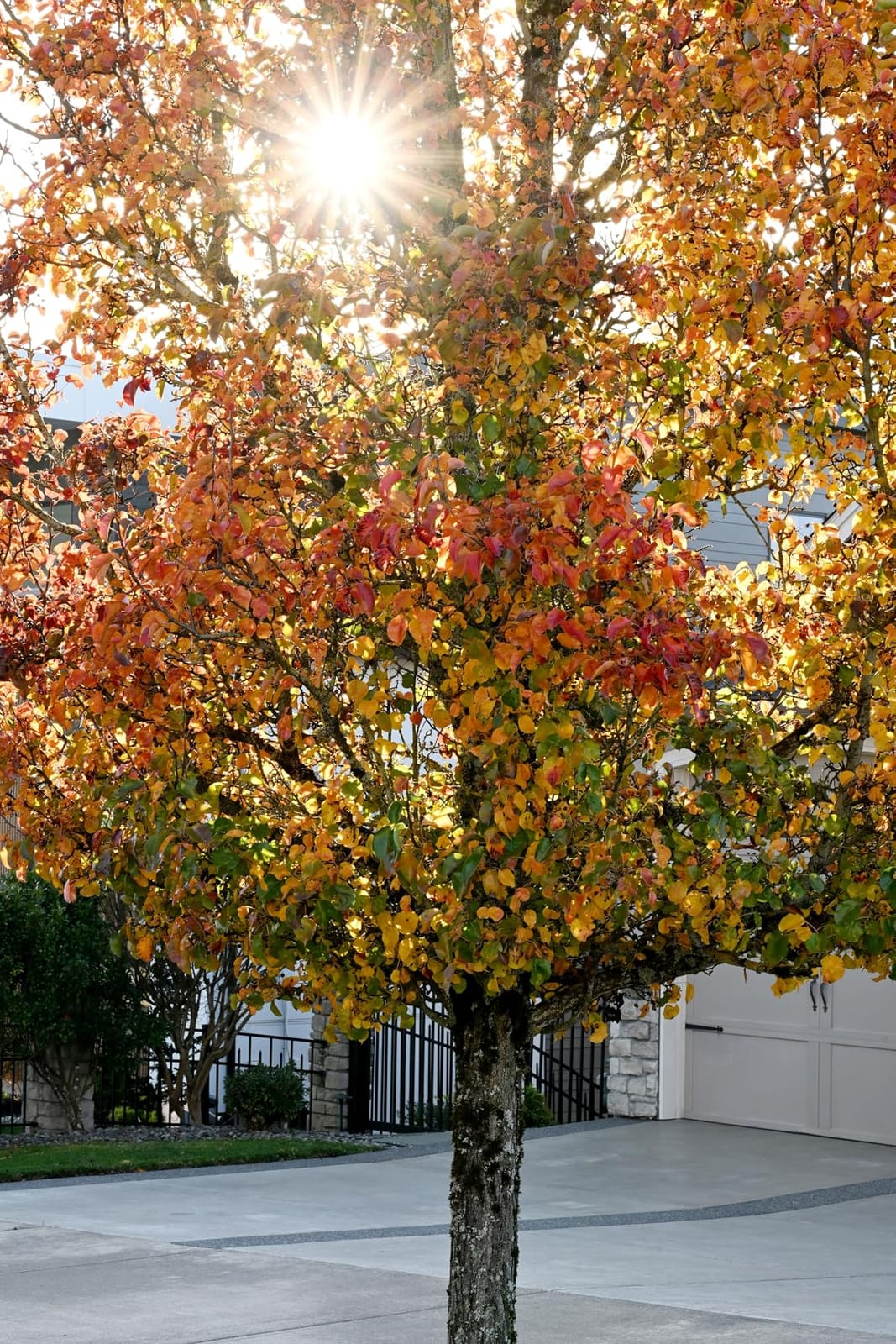
The bokeh is beautiful in the central portion of the frame, with smooth round discs that fade into creamy backgrounds. At the frame edges, you may notice slight cat’s eye shaping when shooting wide open against bright backgrounds, which is normal for most fast 50mm lenses and usually not an issue for centered portrait compositions.
Practical Portrait Use Cases
This lens is ideal for environmental portraits where you want to show some of the surrounding context. It also works well for full-body portraits and tighter headshots when you can move close to your subject. For very tight indoor headshots, you might prefer an 85mm to maintain more working distance.
7. Sigma 85mm f/1.4 DG HSM Art – Pro-Grade Bokeh for Canon EF
Sigma 85mm f/1.4 DG HSM Art Lens for Canon EF (321954) (Renewed)
85mm focal length
f/1.4 max aperture
2.6 lb weight
HSM motor
Pros
- Incredible sharpness wide open
- Very narrow depth of field at f/1.4
- Beautiful professional bokeh
- Fast and accurate HSM autofocus
- Amazing low-light performance
Cons
- Heavy at 2.6 pounds
- Requires stepping back for larger subjects
- Renewed condition may vary
- No image stabilization
The Sigma 85mm f/1.4 DG HSM Art is the lens I recommend when a Canon DSLR shooter wants maximum bokeh and is willing to carry the weight. At f/1.4, the depth of field is razor-thin, which lets you isolate a single eye or even a single eyelash while everything else melts into creamy blur. This is the lens that portrait artists gravitate toward when they want the most dramatic subject separation possible.
Sigma redesigned the Hyper Sonic Motor with 1.3 times the torque of its predecessor, which translates to faster and more confident autofocus acquisition. On a Canon 5D Mark IV, focus locks quickly even in dim wedding reception lighting.

Weight Considerations for Full-Day Shoots
This is a substantial lens at 2.6 pounds, which is comparable to many 70-200mm f/2.8 zooms. For a short portrait session it is fine, but for an 8-hour wedding day, your wrist and shoulder will feel it. I recommend using it on a camera body with a vertical grip or mounting the camera on a monopod for extended events.
Renewed Condition Expectations

This particular listing is for an Amazon Renewed unit, which means the lens has been inspected, tested, and cleaned by Amazon-qualified suppliers. Expect minor cosmetic signs of previous use, but optical and mechanical performance should match a new unit. The renewed pricing offers significant savings compared to buying new.
f/1.4 vs f/1.8 for Portrait Look
The jump from f/1.8 to f/1.4 might sound small, but the visual difference is significant. At f/1.4 you get noticeably thinner depth of field, more pronounced background blur, and that ethereal separation that defines editorial fashion portraits. If you prioritize the look over convenience, this lens delivers.
8. Canon RF50mm F1.8 STM – Affordable 50mm for Canon RF Mirrorless
Canon RF50mm F1.8 STM Lens, Mirrorless Lens, Fixed Focal Length, Compatible with EOS R Series Mirrorless Cameras, Compact, Lightweight Design, Portraits, Landscapes, Photography, Black
50mm focal length
f/1.8 max aperture
5.6 oz weight
STM motor
Pros
- Incredible value for RF mount
- Sharp output with pleasing bokeh
- Lightweight and travel friendly
- Quiet STM autofocus
- Excellent for portraits and video
Cons
- Plastic body construction
- No image stabilization
- Becomes ~75mm on APS-C
- 5 diaphragm blades only
The Canon RF50mm F1.8 STM is the mirrorless equivalent of the legendary nifty fifty for Canon’s RF mount system. At just 5.6 ounces, it is one of the lightest portrait primes Canon has ever produced, making it perfect for travel and street photography where weight matters.
Despite the budget price, the lens delivers sharp images with creamy f/1.8 bokeh that rivals more expensive options. I have used it on a Canon RP and EOS R6, and the image quality holds up against lenses costing three times as much.

Stepping Motor for Video Work
The gear-type STM motor provides smooth and quiet continuous autofocus during video recording. If you are a content creator shooting vlogs or short films on a Canon RF body, this lens will keep your face in focus without the clicking noise that plagues cheaper focus systems.
APS-C Equivalent Considerations
On Canon APS-C RF bodies like the R7 or R10, the 50mm focal length becomes approximately 80mm equivalent due to the 1.6x crop factor. This actually makes it closer to a classic portrait focal length for crop sensor shooters, which is a happy accident. On full-frame bodies, you get the standard 50mm perspective.
Build Quality vs Price
The body is mostly plastic, which keeps the weight down but does not feel as premium as metal-bodied lenses. For the price, the build quality is acceptable, and Canon has a track record of these lenses lasting for years even with heavy use. Just do not expect weather sealing at this price point.
How to Choose the Best Portrait Lens for Your Camera System
Picking the right portrait lens comes down to your camera mount, your budget, and the kind of portraits you shoot most often. Here are the key factors to consider before you commit to a purchase.
Focal Length and Perspective Control
Focal length is the single biggest factor in how a portrait looks. A 35mm lens lets you include environmental context, which works well for storytelling portraits. A 50mm gives you a natural perspective similar to how the human eye sees. An 85mm is the classic portrait focal length because it compresses facial features in a flattering way and forces you to work at a comfortable distance from your subject. A 135mm or 70-200mm gives you even more compression and working distance, which is useful for candid and fashion portraits.
Aperture and Bokeh Quality
Wide apertures like f/1.4 and f/1.8 produce shallow depth of field that separates your subject from the background. More aperture blades generally mean smoother bokeh. The lenses in this guide range from f/1.4 (Sigma Art) to f/2 (Canon RF 85mm Macro). For most portrait use, f/1.8 is the sweet spot between subject separation and ease of focusing.
Full Frame vs APS-C Crop Sensor Equivalents
If you shoot on a full-frame body, the focal lengths listed apply directly. If you shoot on APS-C (Canon R7, Sony A6700, Nikon Z50), you need to multiply the focal length by 1.5x to 1.6x to get the equivalent field of view. A 50mm lens on APS-C behaves like a 75-80mm lens on full frame, which actually works well for portraits. Many APS-C shooters prefer 35mm primes because they become 52-56mm equivalent.
Build Quality, Weight, and Weather Sealing
If you shoot outdoors or travel frequently, look for lenses with weather sealing and robust construction. The Nikon Z 85mm f/1.8 S and Canon RF 85mm F2 Macro both offer weather resistance. Weight matters more than most reviews admit: a 2.6-pound lens like the Sigma 85mm f/1.4 Art will wear you down during a full wedding day, while a 5.6-ounce nifty fifty stays comfortable for hours.
Brand System Compatibility and Third-Party Options
Stick with lenses that match your camera mount for native autofocus performance. Sony E-mount and Nikon Z have strong third-party support from Sigma, Tamron, and Viltrox. Canon RF has fewer third-party options, though that is changing. Canon EF lenses work on RF bodies via an adapter with full autofocus compatibility, which makes older Canon glass a budget option for RF shooters.
Frequently Asked Questions
Is 85mm or 50mm better for portraits?
Both 85mm and 50mm lenses work well for portraits, but they produce different looks. An 85mm lens compresses facial features slightly, which most people find flattering, and forces you to work at a comfortable distance from your subject. A 50mm lens gives a more natural perspective similar to the human eye and is more versatile for environmental portraits and full-body shots. For headshots and traditional portraits, 85mm is the classic choice. For environmental storytelling portraits where you want to show context, 50mm is often better.
What lens do most photographers use for portraits?
Most professional portrait photographers use 85mm prime lenses with f/1.4 or f/1.8 apertures. The 85mm focal length is widely considered the portrait standard because it produces flattering facial compression and natural-looking proportions. Popular choices include the Sony 85mm f/1.8, Nikon Z 85mm f/1.8 S, and Canon RF 85mm F2. Many photographers also keep a 50mm prime as a versatile second lens for environmental and full-body portraits.
What aperture is best for portrait photography?
For portrait photography, apertures between f/1.4 and f/2.8 produce the most pleasing background blur and subject separation. Shooting at f/1.4 gives the most dramatic bokeh but makes precise focusing more difficult. f/1.8 is a popular compromise that still produces strong subject separation with easier focus accuracy. If you want both subject and background partially in focus, f/2.8 to f/4 works well for environmental portraits.
What is the best budget lens for portrait photography?
The best budget portrait lenses are the classic 50mm f/1.8 primes from each major brand. The Canon EF 50mm f/1.8 STM and Canon RF50mm F1.8 STM are standout options for Canon shooters, while the Sony FE 50mm F1.8 and Nikon NIKKOR Z 50mm f/1.8 S deliver excellent value for Sony and Nikon systems respectively. These nifty fifty lenses produce sharp images with pleasing bokeh at a fraction of the cost of 85mm portrait primes.
Do I need an 85mm lens for portraits?
You do not strictly need an 85mm lens for portraits, but it is the most popular focal length for a reason. An 85mm lens produces flattering facial compression, smooth bokeh, and forces comfortable working distance between you and your subject. If you can only afford one portrait lens, an 85mm f/1.8 is a strong choice. However, a 50mm f/1.8 is more versatile if you shoot a mix of environmental and traditional portraits.
Final Verdict: Which Portrait Lens Should You Buy in 2026?
If you shoot Nikon Z and want the absolute best portrait lens available, the Nikon NIKKOR Z 85mm f/1.8 S earns my editor’s choice with its professional-grade sharpness, weather sealing, and reliable Eye-Detection autofocus. Sony shooters on a budget should grab the Sony SEL-85F18 for its silent linear motor and lightweight build, while Canon RF users get the most versatility from the Canon RF 85mm F2 Macro IS STM with its built-in image stabilization and bonus macro capability.
If you are starting out or working with a tight budget, the Canon EF 50mm f/1.8 STM and Sony FE 50mm F1.8 deliver surprisingly good portrait results for under two hundred dollars, and they work as versatile everyday primes beyond just portraits. For maximum bokeh drama on Canon EF DSLRs, the Sigma 85mm f/1.4 DG HSM Art remains a top choice despite its weight. Whichever lens you pick from this guide, you are getting one of the best camera lenses for portrait photography that 2026 has to offer.