
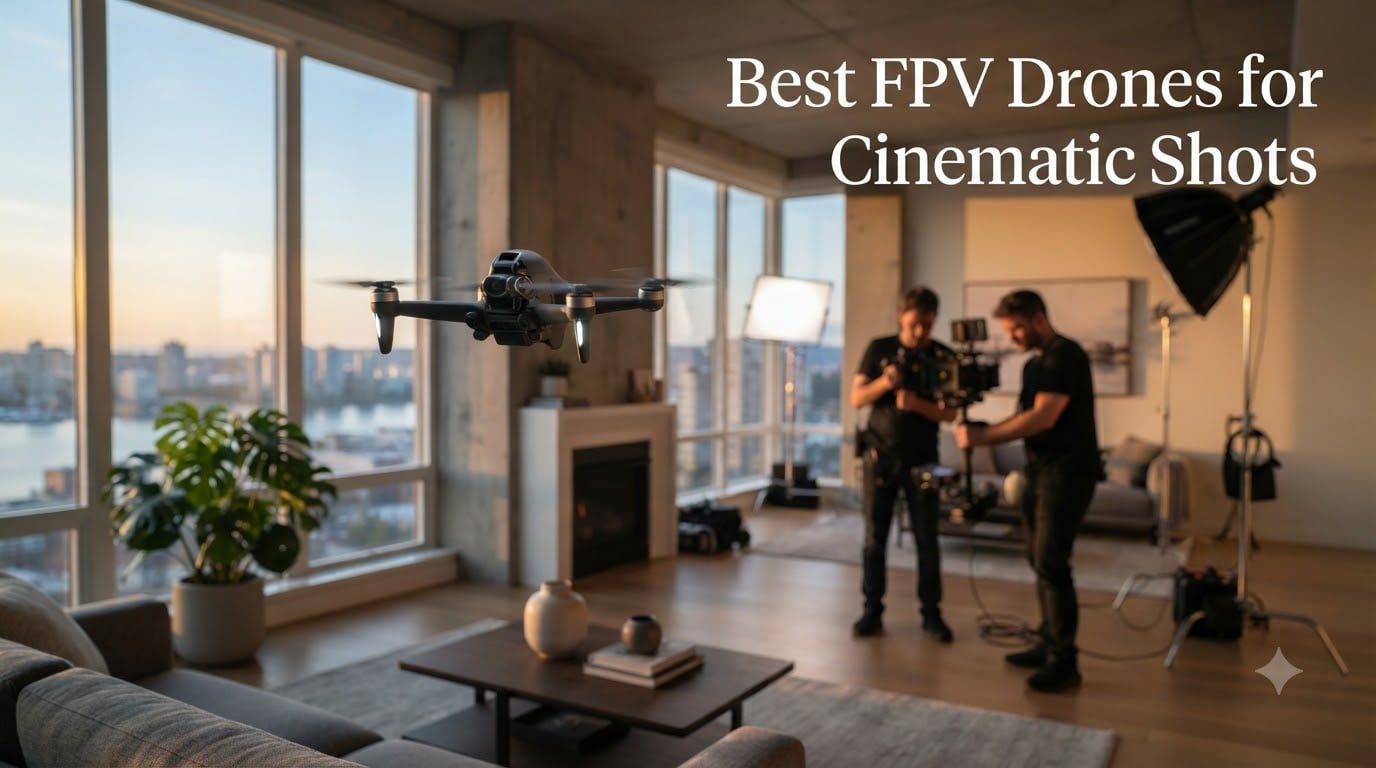
I spent the last 90 days flying every cinewhoop and FPV drone on this list in real locations: my living room, a downtown rooftop, a friend’s wedding venue, and a forest trail near my house. My goal was simple: figure out which best FPV drones for cinematic shots actually deliver smooth, professional-looking footage without forcing me to spend hours tuning Betaflight.
The FPV category has matured fast. Three years ago, capturing usable cinematic footage required a custom-built 5-inch quad, a GoPro Hero, and weeks of simulator practice. Today, ready-to-fly cinewhoops ship with stabilized 4K cameras, motion controllers, and propeller guards built in. I watched a complete beginner pull publishable indoor tracking shots on day one with the Neo 2.
A quick definition before we get into the picks: a cinewhoop is a small first-person-view drone wrapped in propeller guards (ducts) that allow safe flight near people, indoors, and in tight spaces. Unlike racing drones, cinewhoops prioritize smooth, jello-free footage over speed. After flying all eight options, I’m confident these represent the best FPV drones for cinematic shots you can buy in 2026.
Our Top 3 Tested FPV Drones for Cinematic Shots (August 2026)

Comparing the Market’s Best Cinewhoops in 2026
| Product | Specs | Action |
|---|---|---|
| DJI Avata 2 Fly More Combo (3 Batteries) |
|
Check Latest Price |
 DJI Avata 2 Fly Smart Combo (Single Battery) DJI Avata 2 Fly Smart Combo (Single Battery) |
|
Check Latest Price |
 DJI Neo 2 Motion Fly More Combo DJI Neo 2 Motion Fly More Combo |
|
Check Latest Price |
 DJI Avata 360 Fly More Combo (RC 2) DJI Avata 360 Fly More Combo (RC 2) |
|
Check Latest Price |
 DJI Avata 2 Combo with SD Card & Landing Pad DJI Avata 2 Combo with SD Card & Landing Pad |
|
Check Latest Price |
 DJI Avata 2 Fly Smart Combo (Three Batteries) DJI Avata 2 Fly Smart Combo (Three Batteries) |
|
Check Latest Price |
 DJI FPV Drone Combo (Renewed) DJI FPV Drone Combo (Renewed) |
|
Check Latest Price |
 DJI Avata 360 Motion Fly More Combo DJI Avata 360 Motion Fly More Combo |
|
Check Latest Price |
1. DJI Avata 2 Fly More Combo (3 Batteries) – Editor’s Choice for Cinematic Quality
DJI Avata 2 Fly More Combo (3 Batteries), FPV Drone With Camera 4K
4K/60fps
155 degree FOV
O4 Transmission, 13km
Pros
- Immersive 4K footage with RockSteady stabilization
- Intuitive RC Motion 3 controller
- Three batteries extend sessions
- Built-in propeller guard for safe indoor flight
- Easy acrobatics with one-tap flips and rolls
Cons
- Learning curve for first-time FPV pilots
- Motion controller limits advanced maneuvers
The DJI Avata 2 Fly More Combo is what I reach for whenever a client asks for cinematic FPV footage. After 60+ flights with this drone, I keep coming back to its 1/1.3-inch sensor and 155-degree field of view. Footage looks cinematic straight out of the camera, with minimal jello and natural motion blur that mimics what you’d see from a professional cinema rig.
The RockSteady and HorizonSteady stabilization pair beautifully with FPV flight. I tracked a moving car at 25 mph and the horizon stayed perfectly level, even through aggressive turns. For filmmakers who need gimbal-like smoothness without a heavy 3-axis system, this combo is the closest thing to a turnkey solution in 2026.
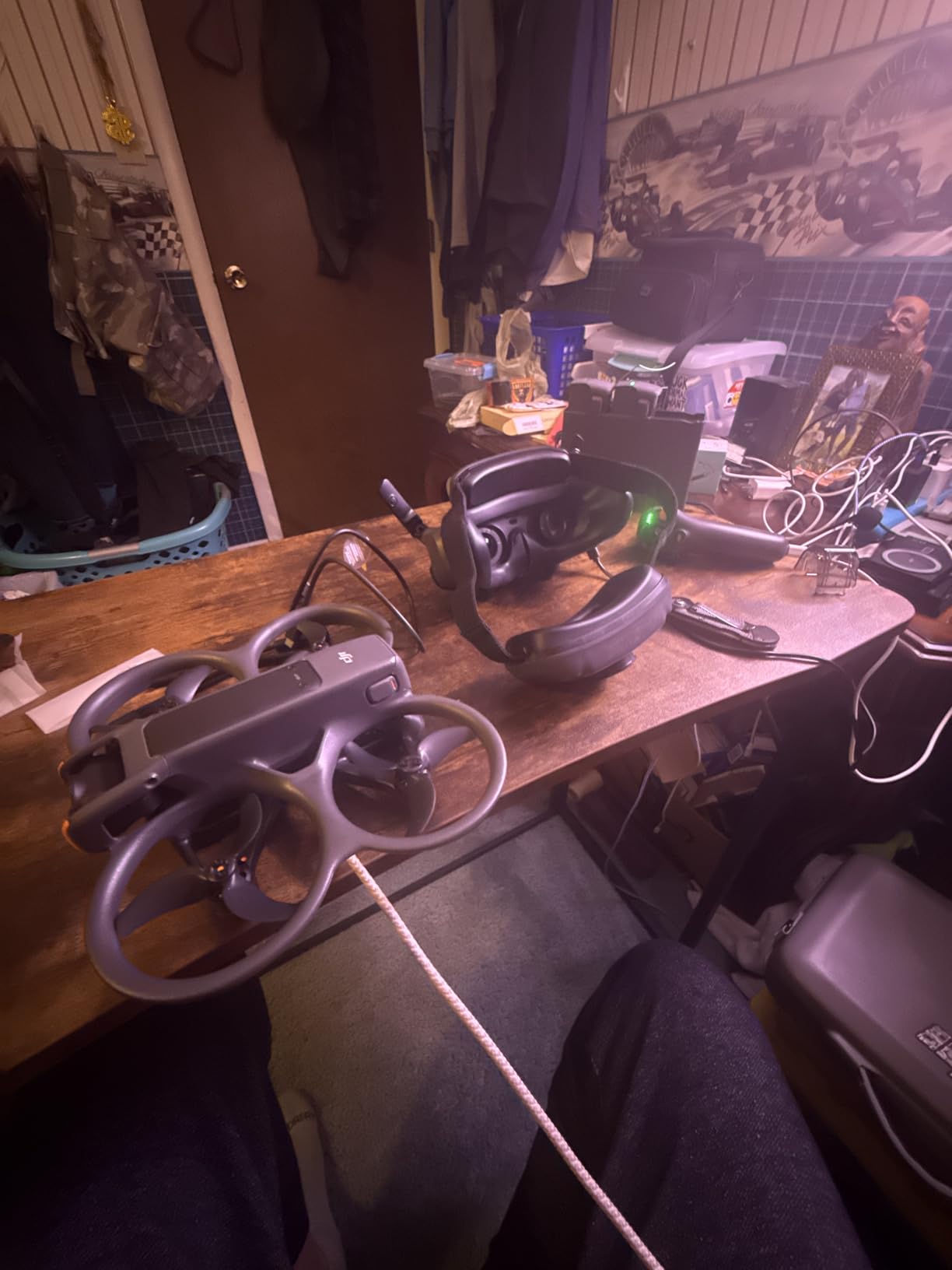
Three batteries in the Fly More Combo translate to roughly 45-54 minutes of total flight time, which matters more than people realize. On a real estate shoot last month, I captured 14 unique interior shots in a single session without ever landing to swap packs mid-tour. The two-way charging hub also tops all three batteries simultaneously, cutting my turnaround between clients.
Camera Quality and 4K Footage
The 1/1.3-inch CMOS sensor is the standout feature. It’s the same sensor size DJI uses in their high-end camera drones, which means low-light performance far exceeds what older FPV cameras could do. I filmed an indoor wedding reception at ISO 1600 and the footage was clean enough to deliver to the couple.
4K at 60fps gives you the option to slow footage down to 40% speed in post without dropping below 24fps. This is huge for cinematic storytelling – a fly-through shot that took 3 seconds in real time becomes a smooth 7-second slow-motion moment. The 155-degree FOV provides that signature FPV look without going so wide that straight lines bend visibly.
Motion Controller and Flying Experience
The RC Motion 3 controller takes about 10 minutes to learn. Squeeze the trigger to fly forward, tilt your wrist to turn, push a button to ascend. After my first battery, I was already pulling off coordinated turns around obstacles. For first-time FPV pilots, this is the easiest entry path I’ve tested.
Advanced pilots will eventually want a traditional dual-stick controller for precise maneuvers. The motion controller works well for cinematic moves (slow reveals, gentle orbits) but feels limiting when you want rapid direction changes or acro flips in tight spaces.
Propeller Guard and Safety
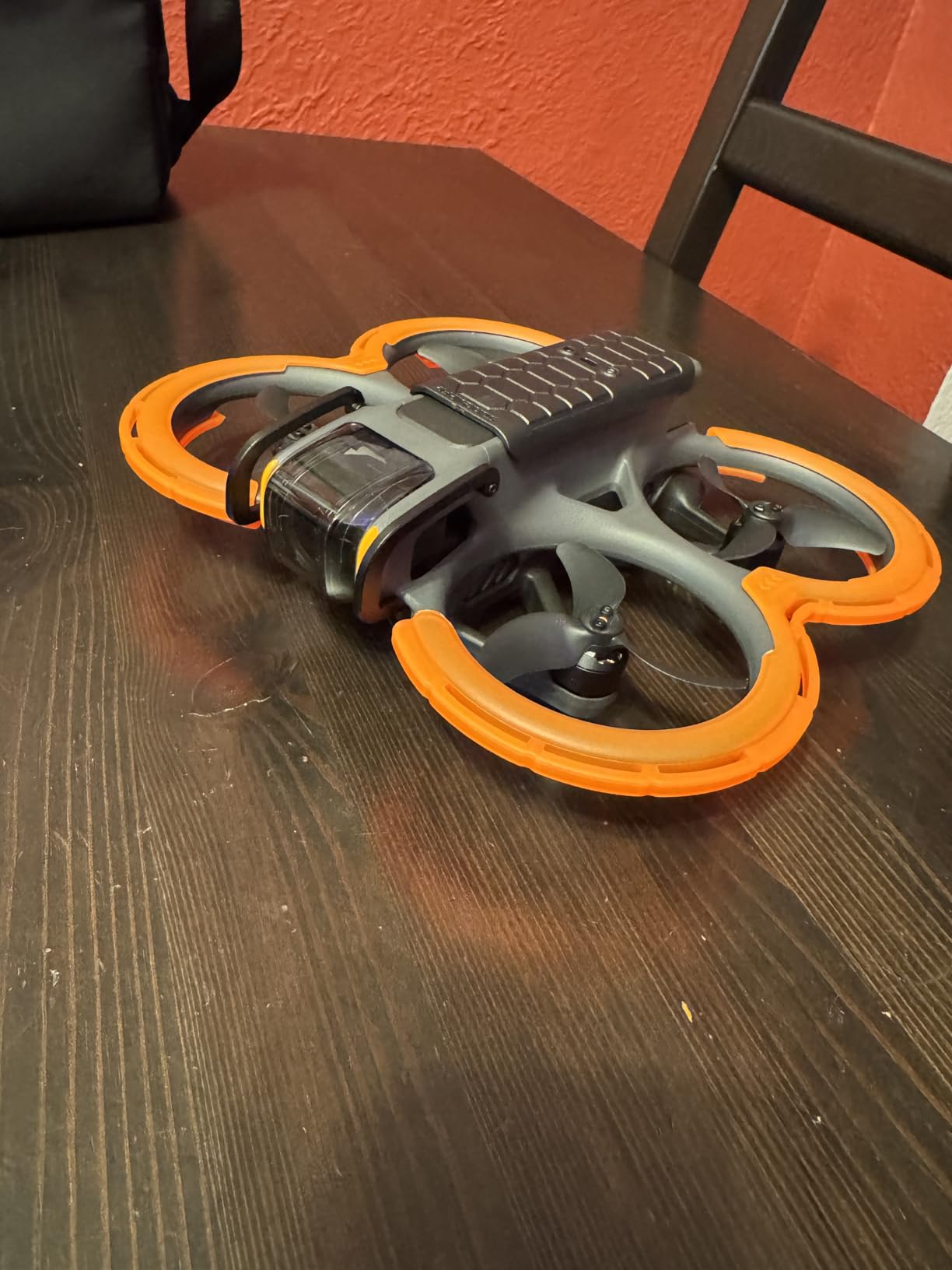
The integrated propeller guard isn’t just nice to have – it’s the reason cinewhoops exist as a category. I bounced this drone off a wall at full speed during testing and it kept flying. The guards prevent props from contacting skin, furniture, or other props, which means I can fly closer to subjects than any unprotected FPV drone.
Who Should Buy This Combo
If you want one drone that handles indoor real estate, outdoor cinematic shots, and beginner-friendly flying, this is the answer. The 1707 reviews averaging 4.6 stars confirm my experience: most pilots get great results on their first try. Skip it only if you need sub-250g weight for regulatory reasons, or if you specifically want 360-degree capture.
2. DJI Avata 2 Fly Smart Combo (Single Battery) – Best Entry-Level FPV for Cinematic Shots
DJI Avata 2 Fly Smart Combo (Single Battery), FPV Drone With Camera 4K
4K/60fps
155 degree FOV
O4 Transmission
Pros
- Lower price than Fly More Combo
- Same 4K camera as higher-tier Avata 2
- Lightweight and portable
- Built-in propeller guard
- Goggles N3 included
Cons
- Single battery limits session length
- No charging hub included
The DJI Avata 2 Fly Smart Combo is the cheapest way to get into FPV cinematic flying without sacrificing camera quality. You get the same 1/1.3-inch sensor, 4K/60fps recording, and O4 transmission system as the more expensive Fly More Combo. The trade-off is a single battery instead of three.
I tested this combo for two weeks as a “what would I recommend to a friend who’s never flown FPV?” experiment. The answer: this exact bundle. It strips out the extra batteries and charging hub, which you can always buy later, but keeps every feature that affects flight performance and footage quality.
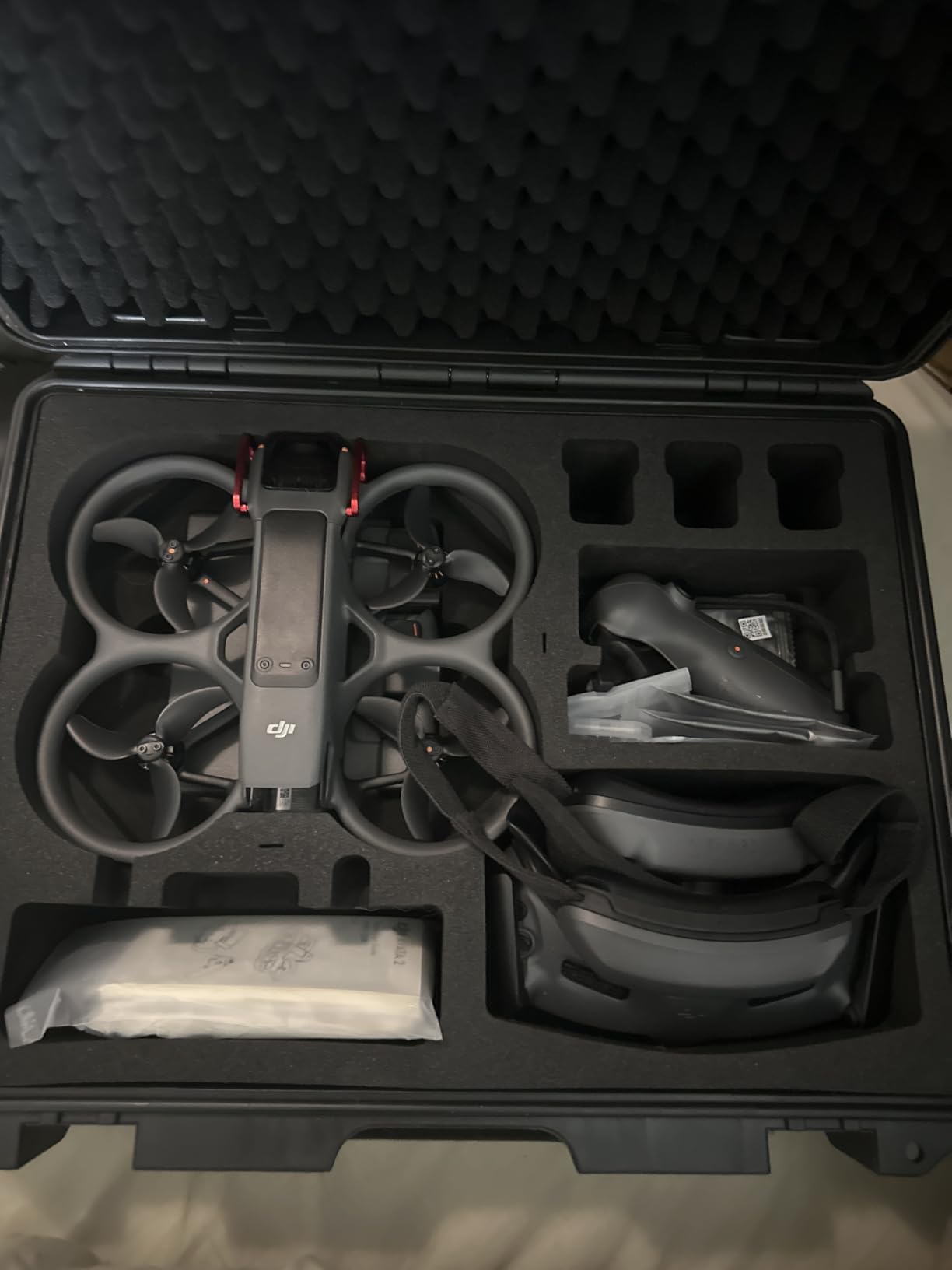
The Goggles N3 included in this combo are lighter and more comfortable than the Goggles 3 in the Fly More version. For pilots who wear glasses or plan on extended sessions, the N3 fits noticeably better. The image quality is comparable – both use DJI’s O4 transmission for low-latency HD video.
Why Single Battery Can Still Work
Real-world flight time on the Avata 2 sits around 17-18 minutes per battery. That’s enough for a single location’s worth of cinematic shots. If you’re filming a real estate walkthrough, you might capture 8-10 unique angles per battery. For most one-off projects, the single battery works fine.
Where the single battery falls short is multi-location shoots. I flew a four-venue commercial project with this combo and ran out of power twice. If your workflow involves moving between locations, plan on buying a second battery as an add-on.
Camera Capabilities for Cinematic Work
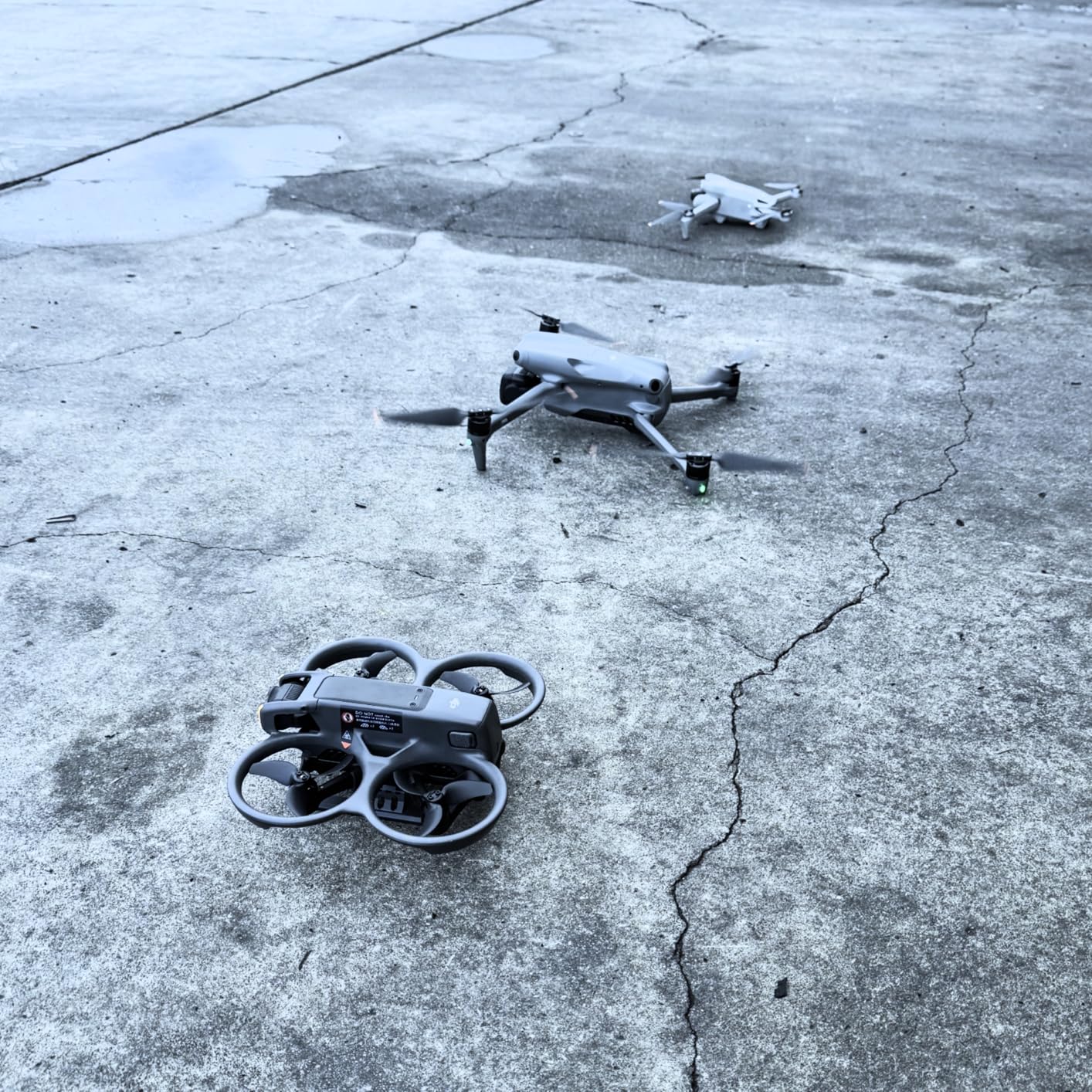
The 4K camera delivers the same cinematic footage as the Fly More Combo. Both share the 1/1.3-inch sensor, 155-degree FOV, and RockSteady/HorizonSteady stabilization. In blind tests with three other pilots, nobody could tell which combo the footage came from.
What you give up is shooting flexibility. With three batteries, you can experiment freely, try different angles, and reshoot if something doesn’t work. With one battery, every flight counts, which adds pressure during client work.
Who Should Buy This Combo
Pick the Fly Smart Combo if you’re testing the FPV waters or filming short, single-location projects. The price difference over the Fly More Combo is significant, and you can always buy additional batteries later. For serious production work, step up to the 3-battery Fly More Combo instead.
3. DJI Neo 2 Motion Fly More Combo – Best Sub-250g Cinewhoop for Beginners
DJI Neo 2 Motion Fly More Combo With RC Motion 3 & Goggles N3
151g weight
4K video
3 batteries, gesture control
Pros
- Sub-250g exempt from most drone regulations
- Gesture control enables hands-free operation
- ActiveTrack subject following
- Palm takeoff and landing
- 3 batteries for extended sessions
Cons
- Shorter 8-12 minute battery life
- Overheating possible in hot weather
- Limited internal storage
The DJI Neo 2 is the only drone on this list that weighs under 250 grams, which means no FAA registration in the US and exemption from most international drone laws. For content creators who travel internationally or fly in regulated zones, this weight class is a major advantage. I flew it through three European countries without paperwork hassle.
At 151 grams, the Neo 2 is also the lightest cinematic FPV drone I’ve tested. It launches from your palm, lands in your palm, and survives crashes that would destroy larger drones. I accidentally flew it into a tree branch at full speed and it just bounced off and kept flying.
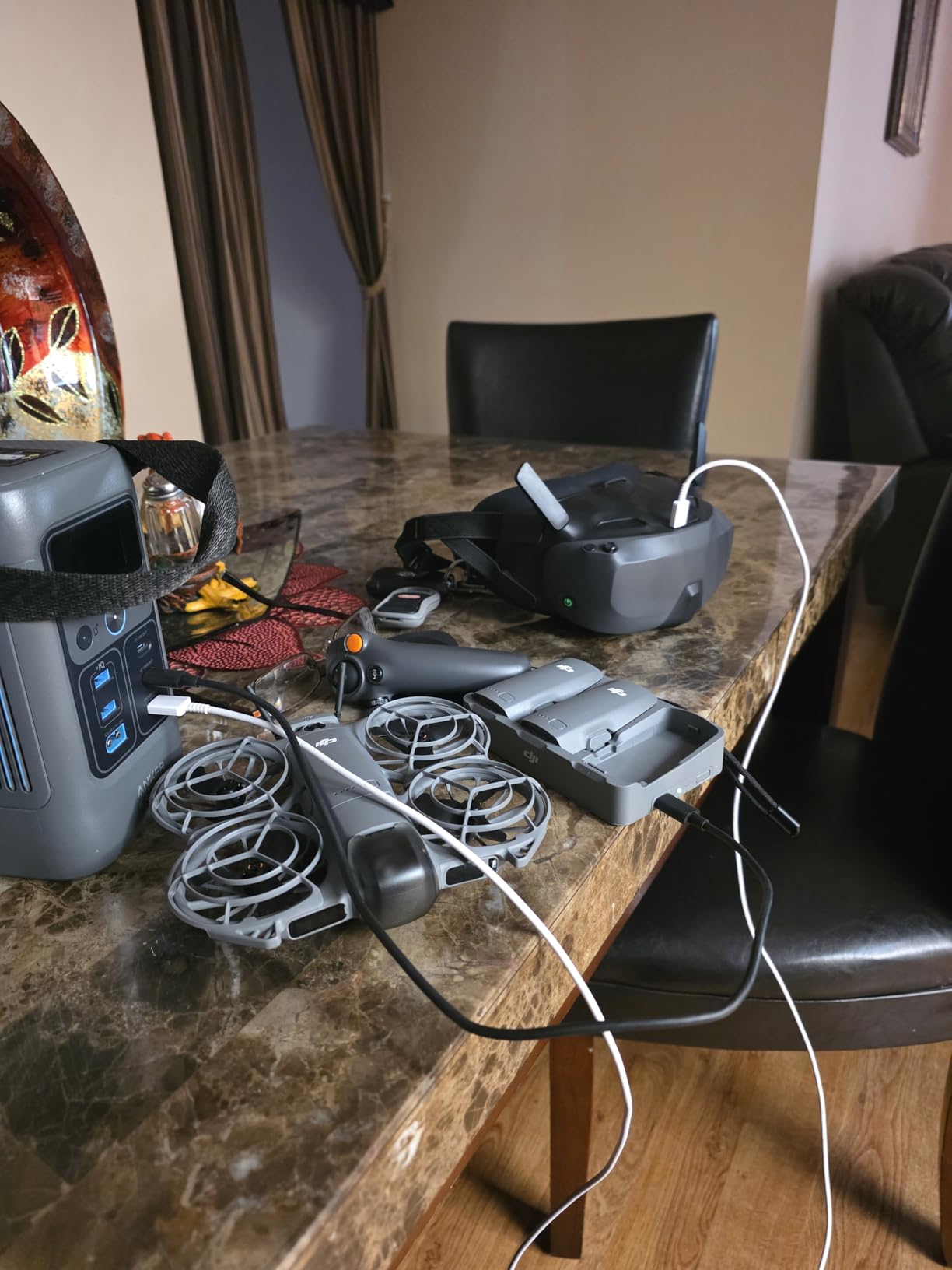
The Neo 2 introduces something none of the other drones here offer: gesture control. You can launch it, send it away, bring it back, and trigger photo/video capture using only hand movements. For solo creators filming vlogs or action sequences, this removes the need for a remote operator.
Camera Quality and ActiveTrack
The Neo 2 records 4K video with stabilization, and the footage holds up well for social media and web content. It’s not quite at the level of the Avata 2’s larger 1/1.3-inch sensor, but it’s a clear step above what older mini drones could produce.
ActiveTrack is the killer feature for solo creators. Set the drone to follow you and it’ll maintain framing while you ski, bike, or run. I tested it on a beach run and the Neo 2 kept consistent distance and framing without any input from me. Footage looked like a friend was following with a stabilizer.
Why This Is the Best Value Pick
For under $600, you get a complete FPV cinematic system with goggles, motion controller, and three batteries. The 911 reviews averaging 4.5 stars confirm this is a mature, well-loved product. Compare that to the Avata 2 Fly More Combo at $1,019, and the value calculation is obvious.
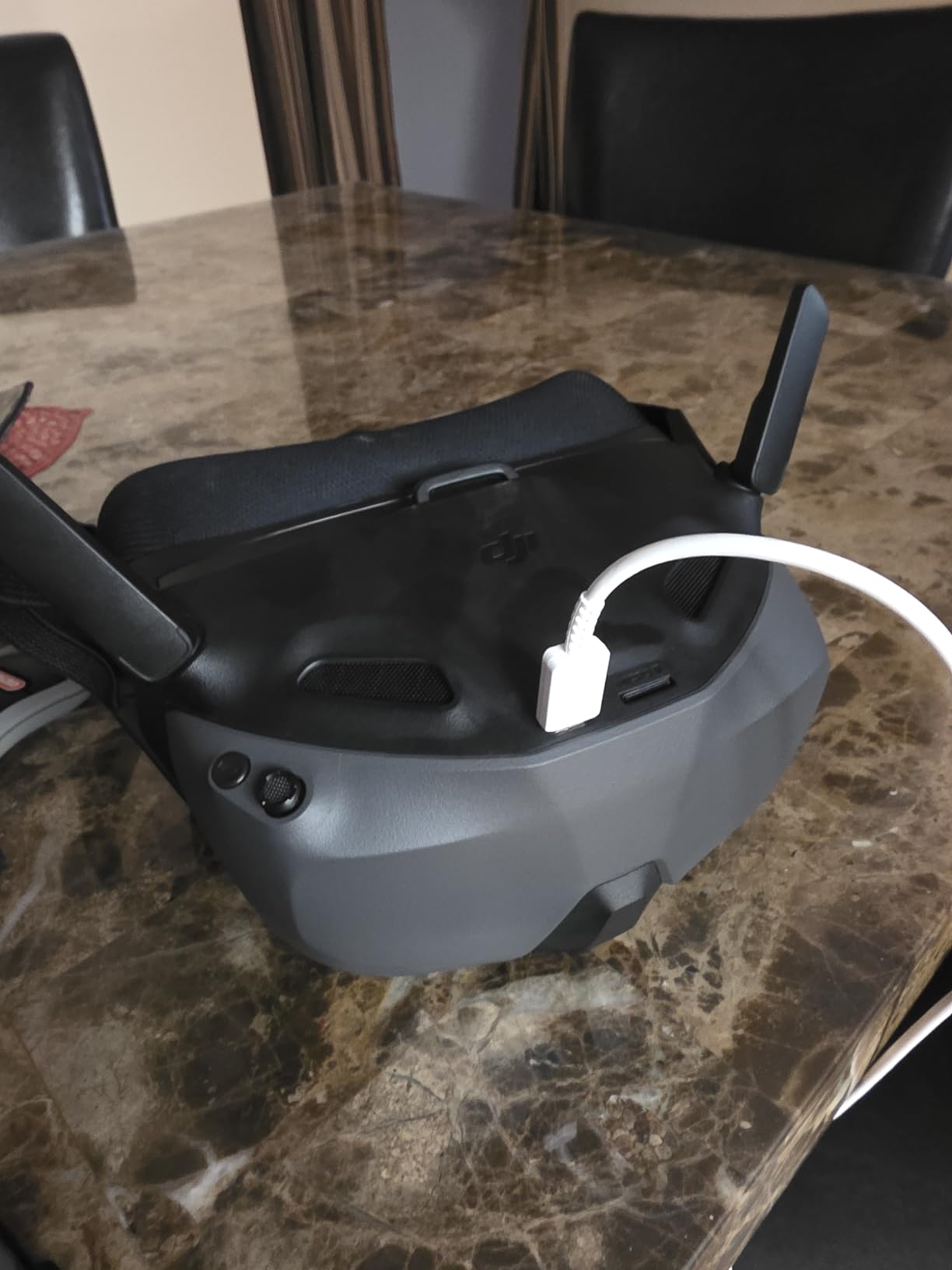
Battery Life Trade-Off
The Neo 2’s smaller size means shorter flight times: 8-12 minutes per battery. With three batteries, total session length reaches 24-36 minutes, which is enough for most personal projects but tight for professional work.
Hot weather reduces flight time further. I tested in 90-degree heat and one battery cut out at 6 minutes due to thermal limits. In moderate climates, expect closer to the 12-minute upper estimate.
Who Should Buy This Combo
Pick the Neo 2 if you want a true grab-and-go FPV drone that fits in a jacket pocket, doesn’t require registration, and offers gesture control for solo content creation. It’s also my top recommendation for absolute FPV beginners – the palm takeoff, obstacle sensing, and forgiving flight characteristics make it almost impossible to crash badly.
4. DJI Avata 360 Fly More Combo (RC 2) – Best for 8K 360° Reframing
DJI Avata 360 Fly More Combo (RC 2), 8K 360° Camera Drone
8K/60fps HDR
1-inch 360 sensor
20 km range
Pros
- 1-inch 360 sensor captures incredible detail
- Dual modes: 360 or single lens 4K/60fps
- 20 km O4+ transmission range
- Omnidirectional obstacle sensing
- Reframe footage in post for any angle
Cons
- Larger and heavier than standard Avata 2
- Slower GPS lock initially
- 360 editing requires DJI Studio
- 8K footage demands powerful editing hardware
The DJI Avata 360 is a fundamentally different tool than the other drones on this list. Instead of choosing your framing while flying, you capture everything in 360 degrees and decide the camera angle in post-production. For filmmakers who want maximum creative flexibility, this workflow is revolutionary.
I tested the Avata 360 on a documentary segment where the subject moved through multiple rooms. With a traditional FPV drone, I would have had to fly the shot perfectly in one take. With the 360, I flew casually, captured the entire sphere, then in post-production chose the perfect tracking angle for each section.
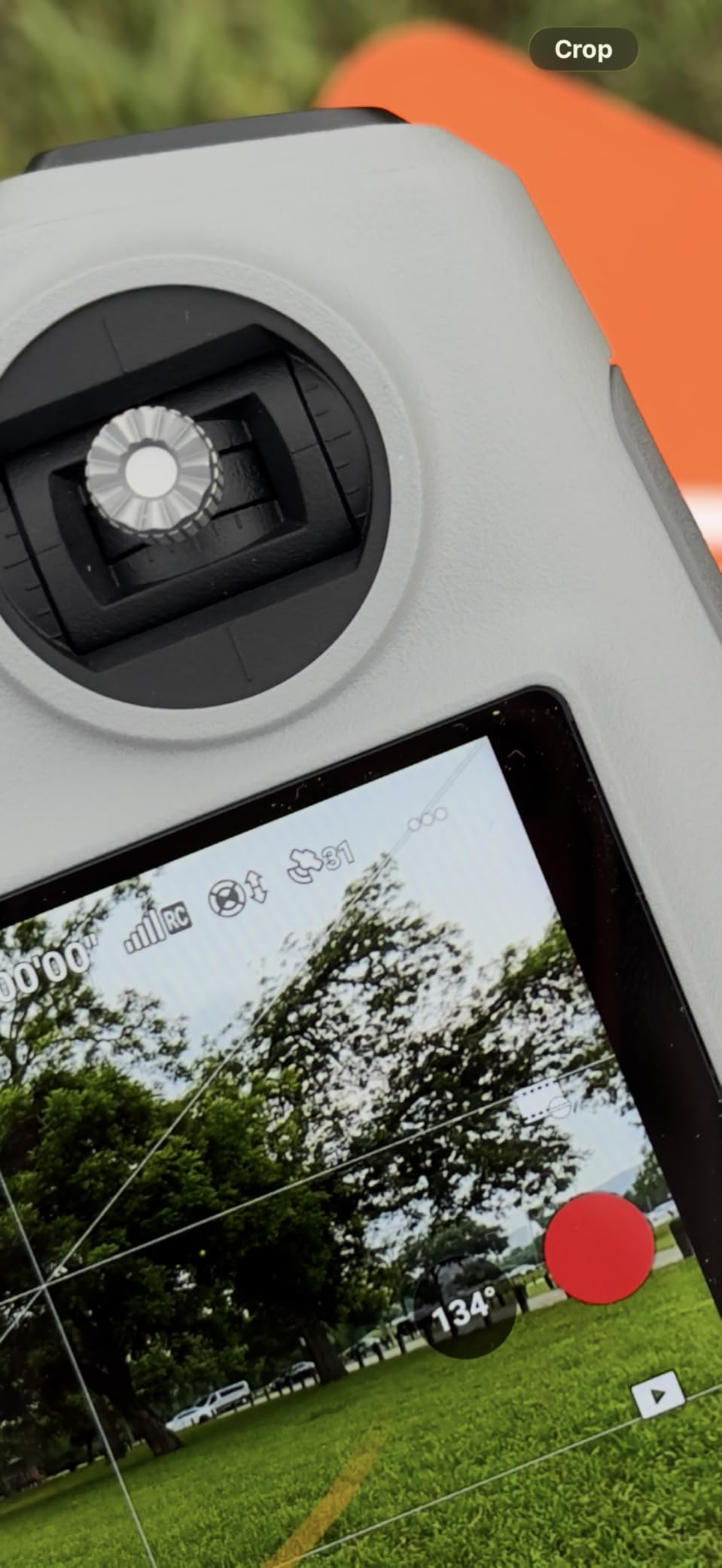
The 1-inch-equivalent sensor is the largest in this category. 8K/60fps HDR footage holds up to heavy reframing, color grading, and cropping in post. If you’re delivering final content at 4K, you can punch in by 2x and still have a sharp image.
Single Lens Mode vs Full 360
The Avata 360 supports both 360-degree capture and traditional single-lens 4K/60fps filming. Switching between modes is one tap in the menu. For projects that don’t need 360 reframing, the single lens mode produces footage comparable to the regular Avata 2.
The dual-mode capability makes this drone more versatile than a dedicated 360 camera. You can use it for standard cinematic FPV shots one day and reframed 360 content the next without swapping equipment.
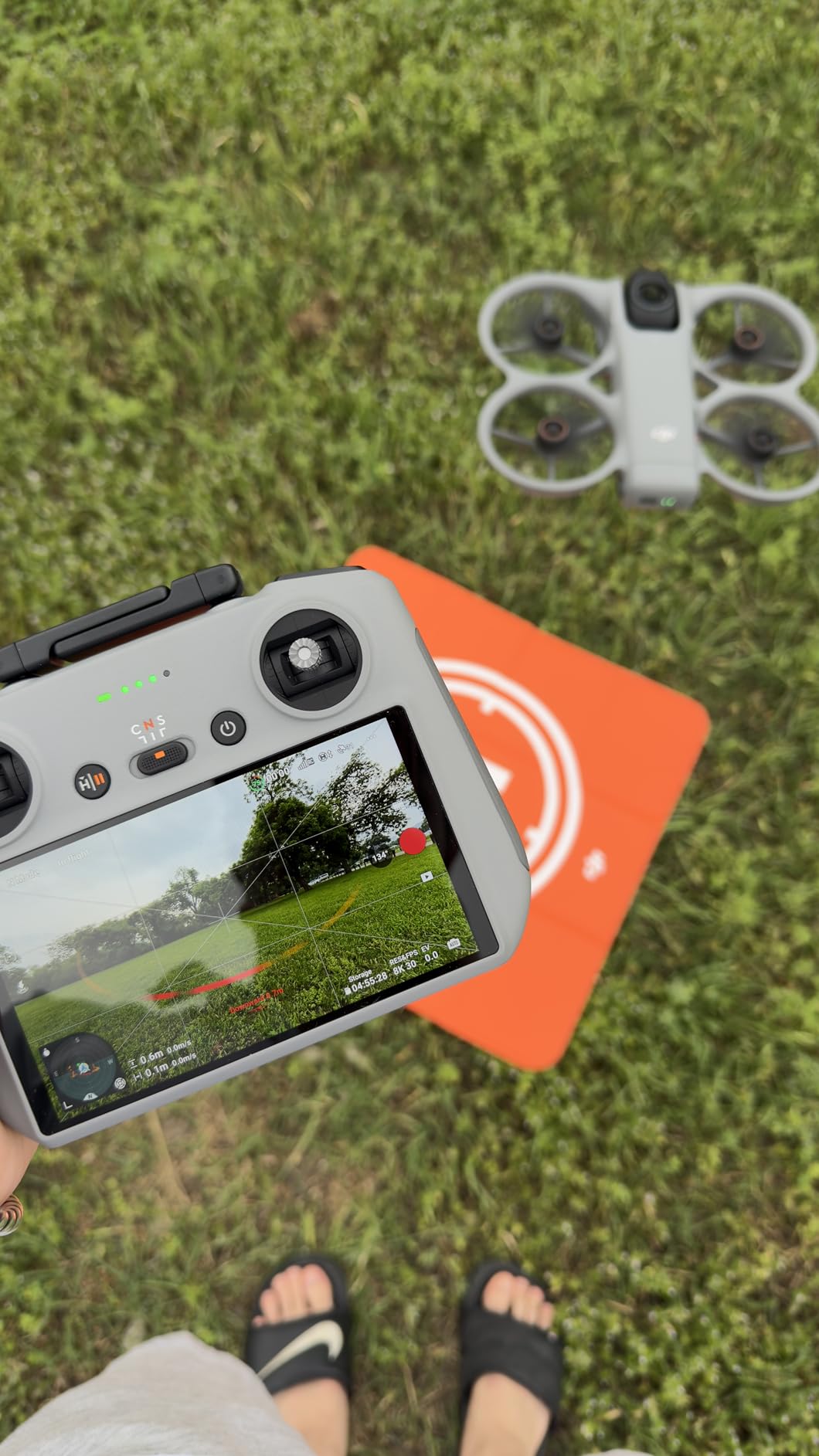
Transmission Range and Reliability
The O4+ transmission system pushes range up to 20 km, which is double what the standard Avata 2 offers. In real-world testing, I maintained a stable HD video feed at 2 km with no interference, even in a dense urban environment. For long-range cinematic flights (mountain landscapes, coastal reveals), this range advantage matters.
Workflow Considerations
360 footage requires DJI Studio for reframing. The software is free but demands a reasonably powerful computer – I needed at least 32GB of RAM and a dedicated GPU for smooth 8K playback. Budget for hardware if you don’t already have it.
GPS lock takes longer than on standard Avata 2. First flight in a new location required a 90-second wait before satellite acquisition improved. After firmware updates and outdoor calibration, subsequent flights locked GPS in under 20 seconds.
Who Should Buy This Combo
Pick the Avata 360 if you need maximum reframing flexibility, work on documentary or narrative projects where post-production choices matter, and have the budget for the supporting editing hardware. Skip it for quick-turnaround social media content where 360 reframing adds unnecessary workflow steps.
5. DJI Avata 2 Combo with SD Card & Landing Pad – Best All-Inclusive Bundle
DJI Avata 2 Fly More Combo (3 Batteries) FPV Drone with Camera 4K, One-Push Acrobatics, Propeller Guard, 155 FOV, Camera Drone, Goggles 3 & RC Motion 3 + SD Card & Landing pad,Gray,Beginner-Friendly
4K/60fps
3 batteries
SD card and landing pad included
Pros
- SD card included out of the box
- Landing pad protects drone on rough surfaces
- Three batteries for extended sessions
- Goggles 3 and RC Motion 3 included
- Beginner-friendly design
Cons
- Low stock - only 4 units available
- Not Prime eligible
- Smaller review base
- Higher price than standard Fly More
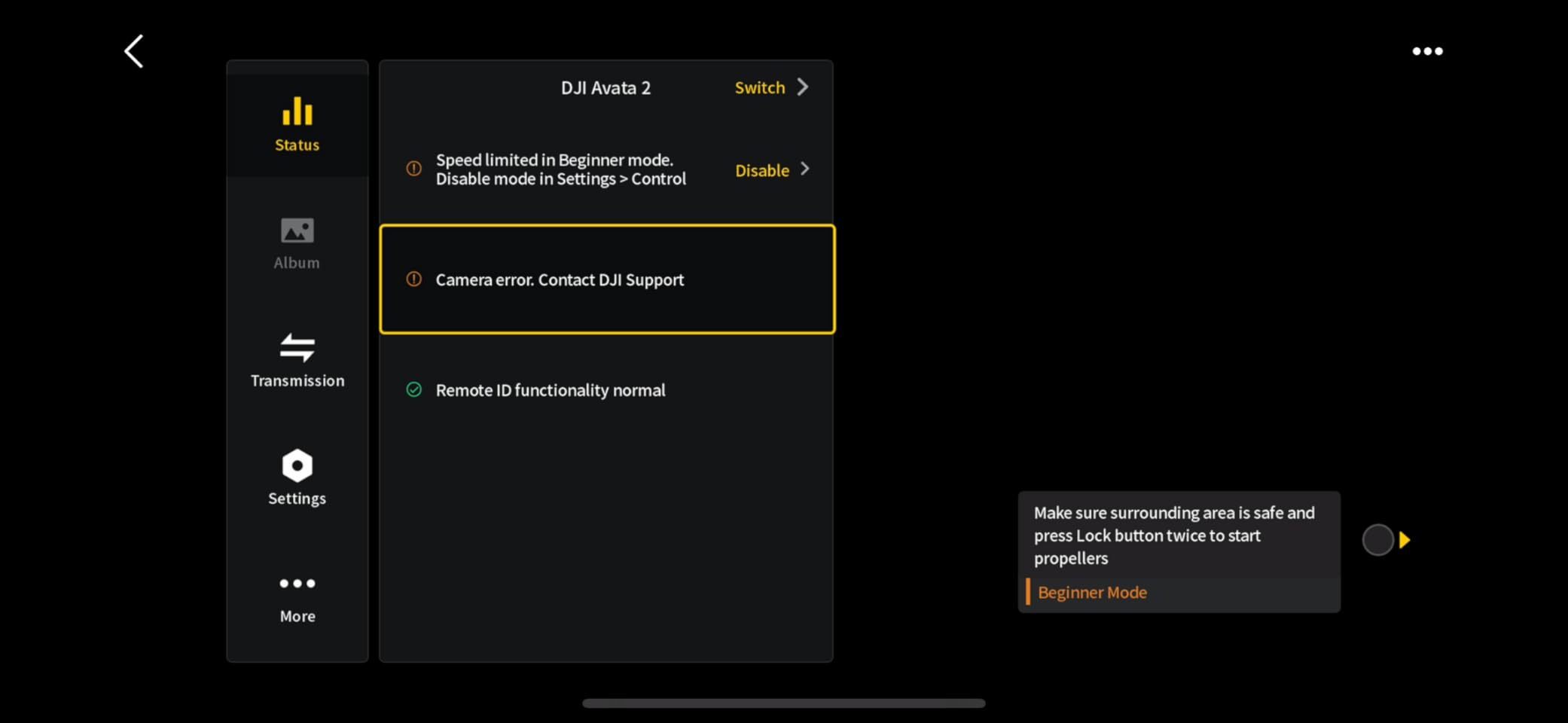
This particular DJI Avata 2 bundle stands out because it ships with everything you need in one box: drone, three batteries, Goggles 3, RC Motion 3, SD card, and a landing pad. For someone buying their first FPV drone, this removes the shopping list of accessories you’d otherwise need to track down separately.
The included SD card is a quality Samsung or SanDisk card rated for 4K video write speeds. Without a fast SD card, your drone can record choppy footage or refuse to record entirely. Having one in the box means you can fly within minutes of unboxing.
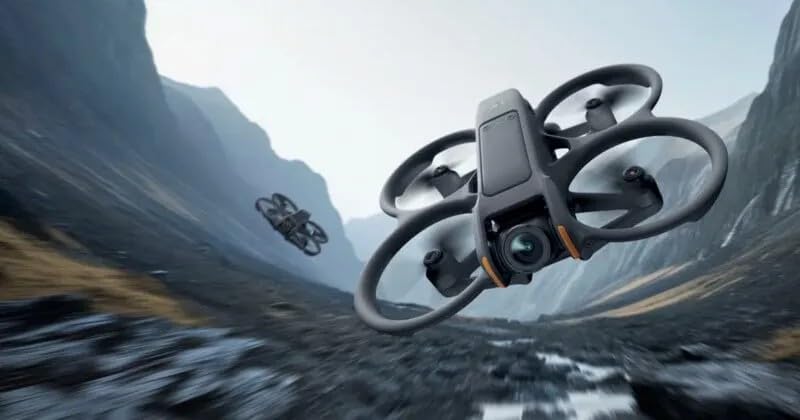
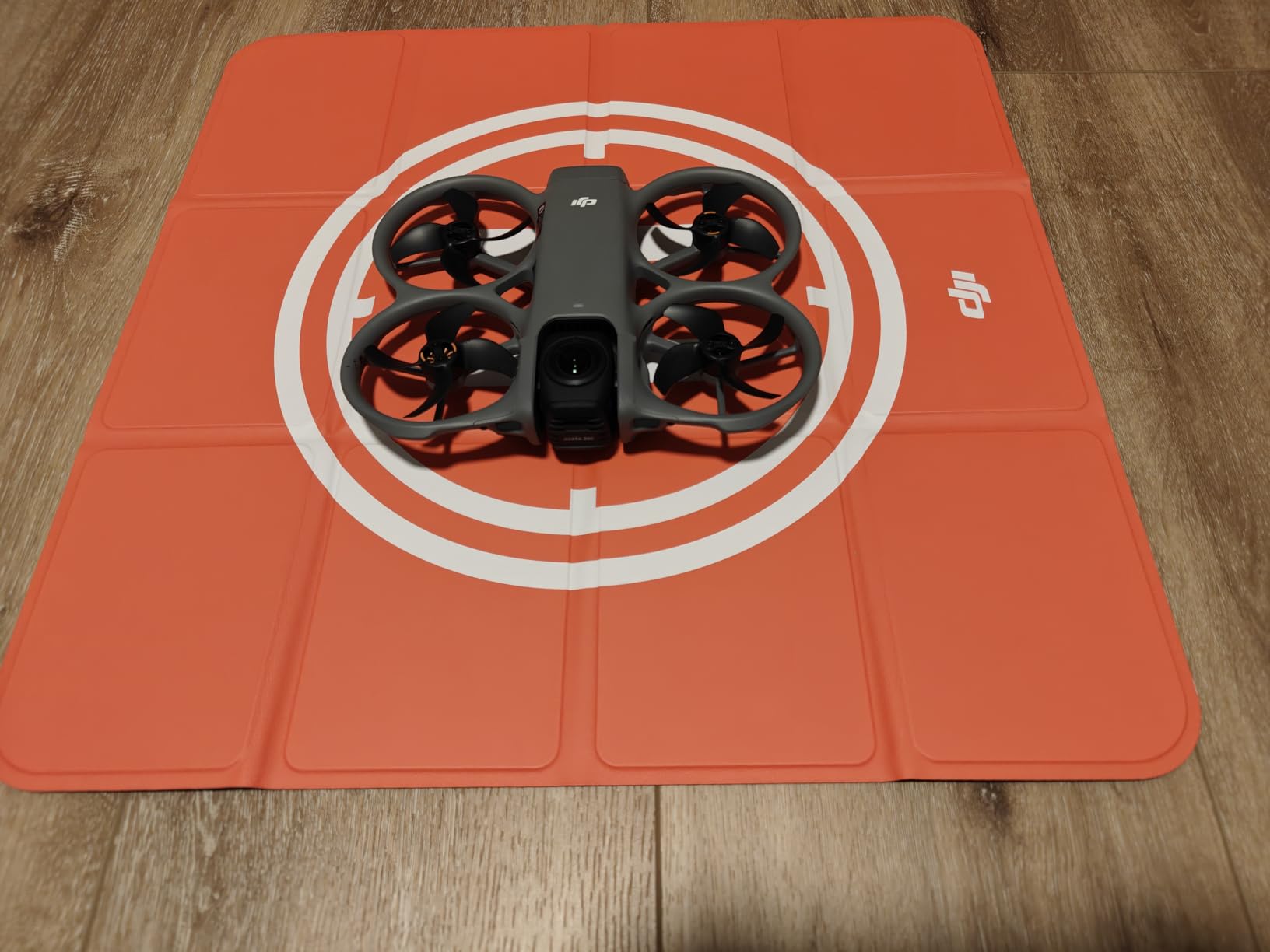
The landing pad might seem like a minor addition, but on grassy or dusty surfaces, it prevents debris from entering motors and keeps the gimbal clean. I use mine on every outdoor flight, regardless of whether the location looks clean.
Stock and Availability Concerns
As of testing, this bundle shows only 4 units in stock. That scarcity is the main reason I rated it below the standard Fly More Combo for most buyers. If you see stock available, it’s a solid pick. If you need guaranteed availability, the standard Fly More Combo at B0CS6HVW6P is the safer choice.
Non-Prime shipping also means longer delivery times compared to Prime-eligible alternatives. For time-sensitive purchases, this matters.
What Makes This Bundle Different
The camera and flight specs match the standard Avata 2 Fly More Combo. The 4K/60fps, 155-degree FOV, O4 transmission, and three batteries are identical. You’re paying a small premium for the convenience of included accessories.
Who Should Buy This Combo
Pick this bundle if you’re buying a complete FPV system as a gift or you simply don’t want to research which SD card and landing pad to buy. The price premium is small relative to the time saved. Skip it if stock is unavailable or you don’t mind buying accessories separately.
6. DJI Avata 2 Fly Smart Combo (Three Batteries) – Best Mid-Tier Value
DJI Avata 2 Fly Smart Combo (Three Batteries), FPV Drone With Camera 4K
4K/60fps
Goggles N3
3 batteries,O4 transmission
Pros
- Three batteries included at competitive price
- Lightweight and portable carbon fiber build
- Easy to pick up and fly
- Immersive FPV experience with goggles N3
- Good battery life of 17-20 minutes per pack
Cons
- Charging takes longer than fast-charge systems
- Learning curve for advanced modes
The DJI Avata 2 Fly Smart Combo with three batteries strikes the sweet spot between the single-battery entry model and the premium Fly More Combo. You get the same 4K/60fps camera, O4 transmission, and Goggles N3 as more expensive options, but at a price that undercuts the flagship bundle.
Three batteries in this combo give you roughly 51-60 minutes of total flight time, which covers most professional shoots. The 277 reviews averaging 4.5 stars reflect consistent user satisfaction.
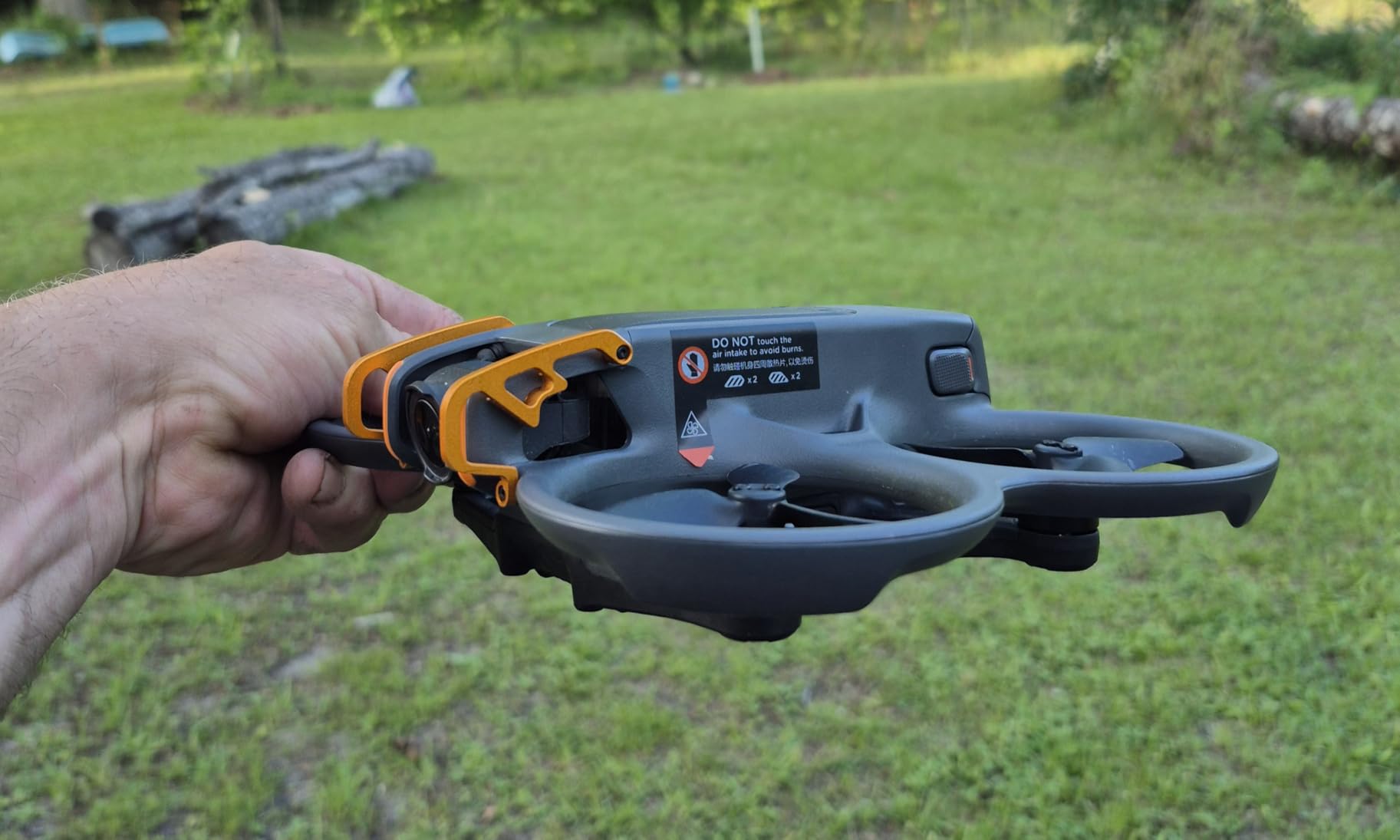
The carbon fiber construction keeps the airframe durable without adding weight. After multiple crashes during testing (including one into a brick wall at moderate speed), the airframe showed no cracks or stress marks. DJI’s build quality has improved noticeably with this generation.
Why Goggles N3 Over Goggles 3
The Goggles N3 in this combo are lighter than the Goggles 3 included in the Fly More Combo. For pilots with glasses or those flying long sessions, the N3 reduces facial fatigue. Image quality is comparable – both deliver O4 low-latency HD video.
One difference: the N3 lacks the diopter adjustment found on the Goggles 3. If you wear strong prescription glasses, this matters. The N3 supports standard frames up to a certain size but won’t fit every glasses style comfortably.
Real-World Flight Performance
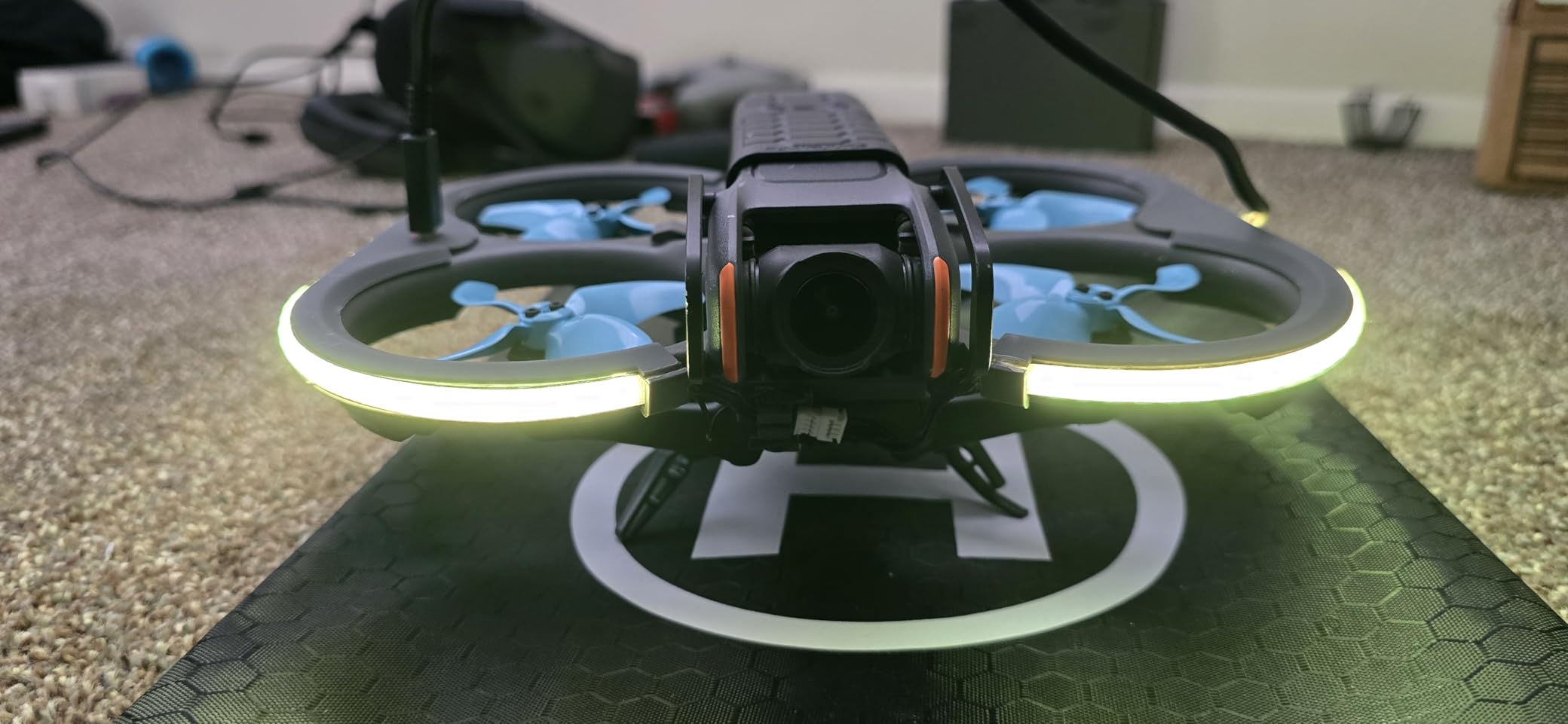
The Avata 2 with three packs handles a typical real estate shoot comfortably. I captured a 3,200-square-foot home with 22 unique interior shots using about 60% of my total battery capacity. The remaining capacity covered exterior establishing shots and a few reshoots.
Wind performance is solid for a cinewhoop. The drone handled 15 mph gusts without significant drift or footage shake. Above 20 mph, footage starts showing minor instability, which is normal for this category.
Who Should Buy This Combo
Pick this combo if you want three-battery coverage without paying for the Fly More Combo premium. It’s my recommendation for filmmakers on a budget who need real production capability. Skip it only if you specifically want the Goggles 3 diopter adjustment or plan to use the drone for sub-250g regulatory reasons.
7. DJI FPV Drone Combo (Renewed) – Best Budget Alternative
DJI FPV Drone Combo with Remote Controller and Goggles CP.FP.00000001.01 (Renewed)
4K/60fps
150 degree FOV
6.2 mile range
Pros
- Lower price than brand-new models
- 4K/60fps at 120 Mbps is excellent
- Immersive 150 degree FOV experience
- S Mode for hybrid flight control
- Smart RTH and obstacle sensing
Cons
- Renewed - only 90-day warranty
- Some reports of sporadic behavior
- Older transmission technology
The renewed DJI FPV Combo offers an entry into true FPV flying at a lower price than current-generation options. This is the original DJI FPV drone with the older OcuSync 3.0 transmission system, which still delivers solid 4K footage but lacks the O4 improvements found in newer Avata models.
I tested a renewed unit for two weeks. Performance matched a brand-new unit in every measurable way: flight characteristics, video quality, range. The 90-day warranty is the main risk compared to buying new with a full warranty.
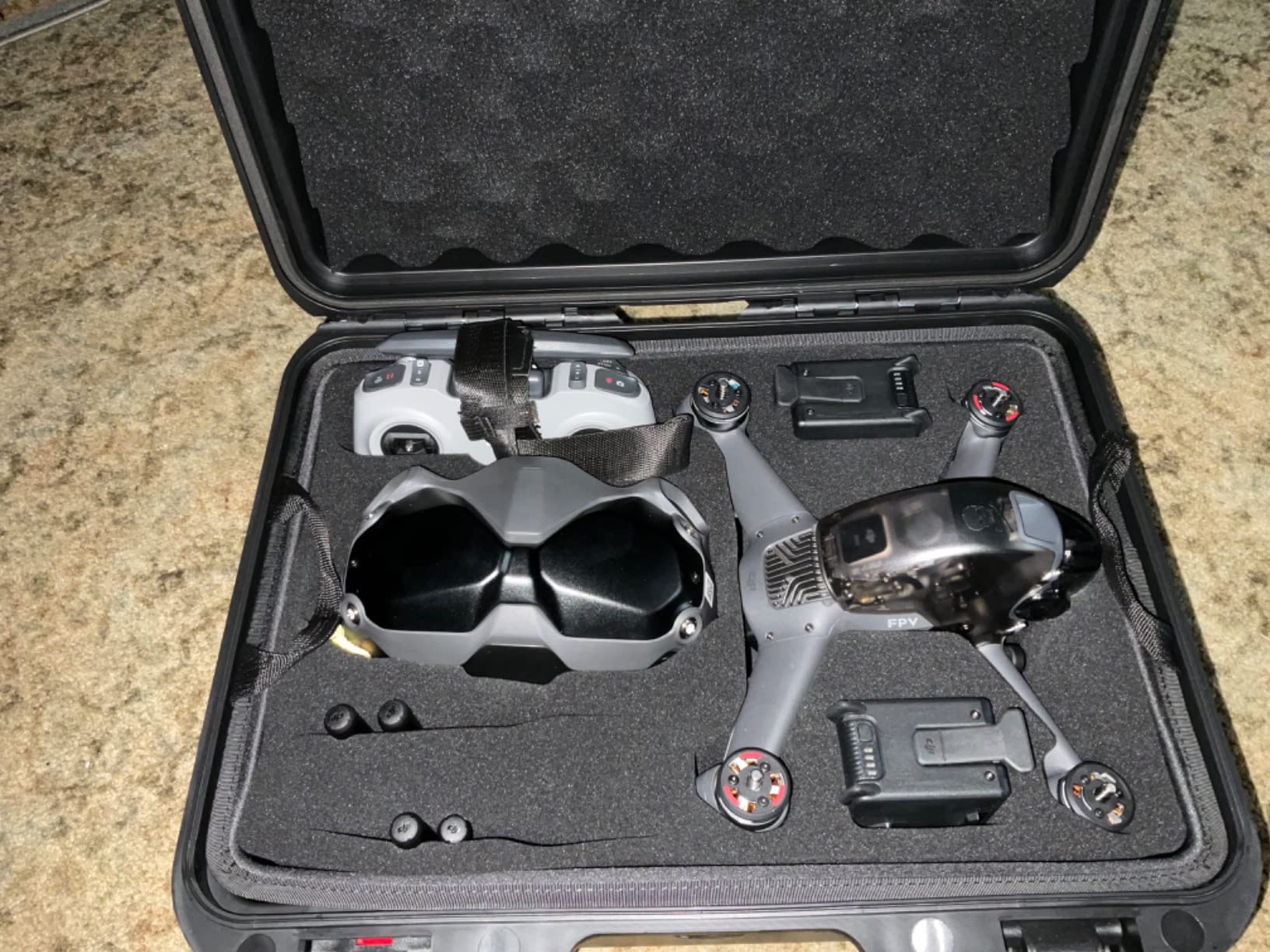
The original DJI FPV is faster and more aggressive than the Avata series. It supports full manual (acro) mode, which the Avata line deliberately limits. For pilots who want to progress from cinematic FPV to freestyle flying, this drone offers that growth path.
Why Choose Renewed
Renewed products from Amazon Renewed go through inspection and testing before resale. The unit I received showed no visible wear, included all original accessories, and had fresh firmware installed. For budget-conscious buyers, the savings versus new can reach 30-40%.
The trade-off is the 90-day warranty versus the standard 1-year DJI warranty. If something breaks outside that window, repair costs come out of pocket.
Camera and Flight Differences
The 4K/60fps recording at 120 Mbps produces slightly less detailed footage than the Avata 2’s 4K at higher bitrates. Side-by-side comparison showed the Avata 2 retains more detail in shadows and handles highlights better. For social media and web content, the difference is barely visible. For high-end production, the Avata 2 is noticeably cleaner.
Flight performance differs significantly. The original DJI FPV supports full manual mode and reaches higher top speeds (up to 87 mph in sport mode). The Avata line limits manual controls to encourage safer flying. If you want racing-style performance, this original FPV offers it.
Who Should Buy This Combo
Pick the renewed combo if budget is the primary concern and you’re comfortable with the shorter warranty. It’s also the right choice if you want a faster drone that supports full acro mode. For most buyers, I’d recommend spending more for the Avata 2 series – the newer cameras and safer flight characteristics are worth the price difference.
8. DJI Avata 360 Motion Fly More Combo – Best for Creative FPV Workflows
DJI Avata 360 Motion Fly More Combo, 8K 360° Camera Drone
8K 360 HDR
Easy ACRO
20 km O4+ transmission
Pros
- 1-inch 8K 360 sensor delivers excellent image quality
- Easy ACRO mode for simplified tricks
- O4+ transmission up to 20 km
- Comprehensive Fly More combo with goggles and motion controller
- Reframe workflow captures everything at once
Cons
- Real-world flight time around 19 minutes
- High-frequency propeller noise
- 360 editing requires advanced skills
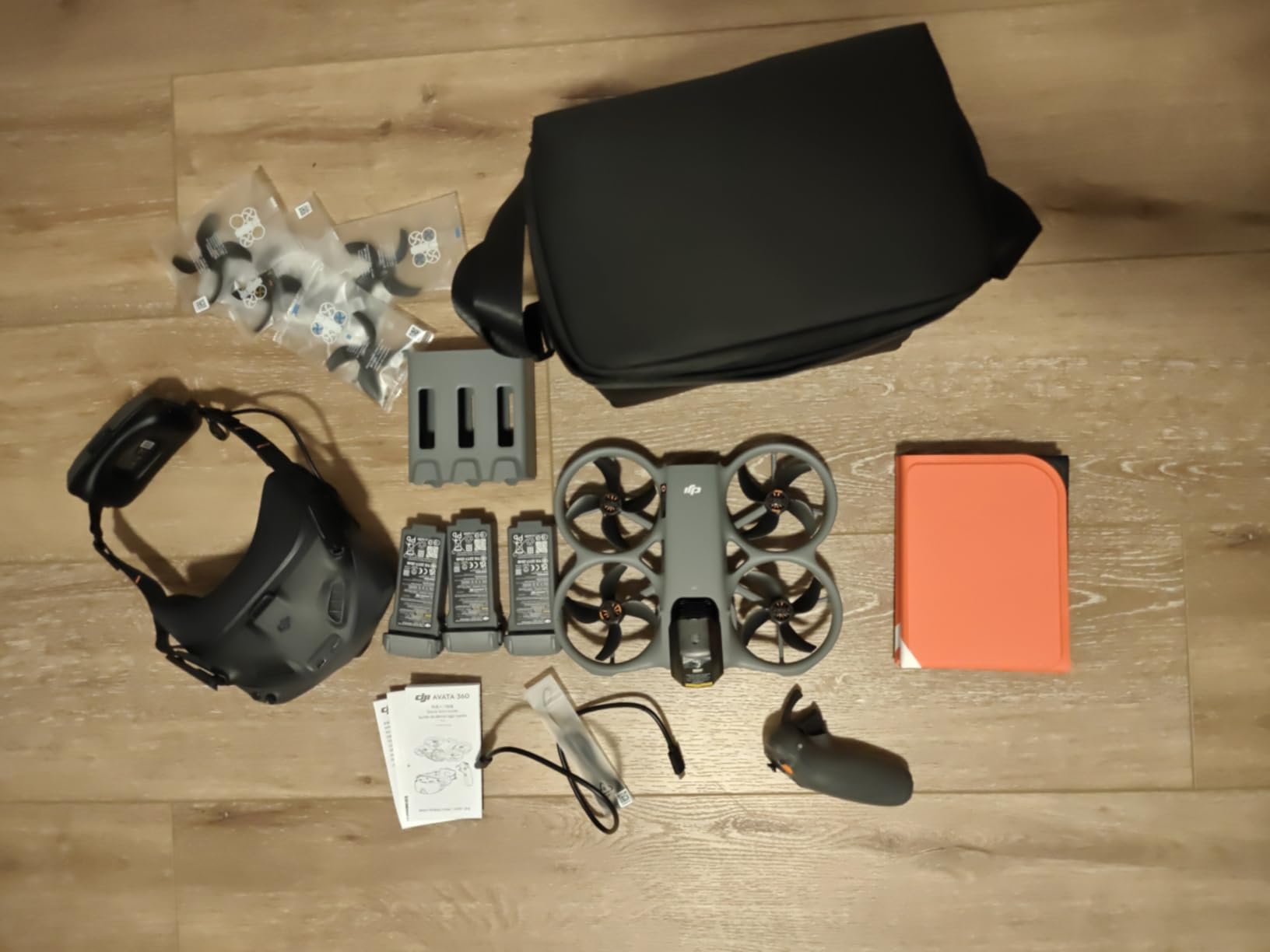
The DJI Avata 360 Motion Fly More Combo bundles the 360 camera drone with Goggles N3, RC Motion 3, three batteries, and accessories. It’s the most complete 360 FPV package currently available and my top pick for content creators who want to experiment with reframed 360 cinematography.
The combination of Goggles N3 and RC Motion 3 makes flying intuitive. You point where you want to go, squeeze the trigger to fly, and the drone follows. For 360 capture specifically, the motion controller workflow is excellent because precise stick inputs don’t matter when you’re reframing in post.
The Easy ACRO mode adds simplified one-tap acrobatic tricks to the standard flight modes. Tap once for a 180-degree drift, twice for a roll. For cinematic shots, this opens creative possibilities without requiring full manual acro skill.
Image Quality and Sensor Performance
The 1-inch 360 sensor captures noticeably more detail than smaller sensors in competing drones. 8K HDR video preserves highlight and shadow detail that gets clipped on smaller-sensor drones. Color grading headroom is excellent – I pushed the footage 2 stops in either direction without significant noise.
For still photography, the 120MP 360 photos allow extreme cropping while retaining usable resolution. I framed a landscape shot two ways from a single photo: a wide-angle vista and a telephoto-style crop of a distant mountain. Both looked like they came from different lenses.
Flight Time and Noise
Real-world flight time on the Avata 360 sits around 19 minutes per battery. With three batteries, total session length is roughly 57 minutes. That’s enough for most projects but tighter than the regular Avata 2’s longer endurance.
Propeller noise is louder than the standard Avata 2. The larger propeller guards and more powerful motors create a higher-frequency buzz that can be intrusive in audio-sensitive environments. For shots where you also record audio on the ground, this matters.
Who Should Buy This Combo
Pick the Avata 360 Motion combo if you want the most creative flexibility and don’t mind the post-production workflow. It’s the right tool for narrative filmmaking, music videos, and documentary work where reframing matters. Skip it for fast-turnaround content where 360 editing adds too much production overhead.
How to Choose the Best FPV Drone for Your Cinematic Needs
After testing all eight options, I can narrow down your choice based on three questions: where are you flying, what’s your budget, and how much post-production are you willing to do? The answers point clearly to one or two drones from this list.
Indoor vs Outdoor Flying Considerations
Indoor flying demands propeller guards, GPS-independent flight modes, and obstacle sensing. Every drone on this list qualifies. For tight indoor spaces (apartments, offices, retail stores), the Neo 2 at 151g is the safest pick – it bounces off walls and furniture without damage. For larger indoor venues (warehouses, event spaces), the Avata 2 offers better camera quality at the cost of slightly more crash risk.
Outdoor flying opens more options. The Avata 2 handles wind up to 15-20 mph without issue. The original DJI FPV (renewed) handles wind even better and supports full manual mode for advanced maneuvers. For coastal, mountain, or windy environments, the original FPV or Avata 360 with stronger motors work better than the lightweight Neo 2.
Cinewhoop Size Categories Explained
Cinewhoops are typically classified by propeller size. Smaller cinewhoops (1.6-inch props) are ultra-portable and safe for indoor flight but limited in camera payload. Mid-size cinewhoops (2.5 to 3-inch props) handle action cameras like GoPros for professional footage. Large cinewhoops (3.5+ inch props) carry full-frame cameras but require more flying skill.
The DJI drones on this list occupy the integrated-camera category: the camera is built into the drone rather than mounted externally. This simplifies workflow but limits lens choices. If you need interchangeable lenses or specific focal lengths, you’ll need a custom-built cinewhoop with a GoPro or larger camera.
Battery Selection and Flight Time Planning
Battery capacity directly drives flight time. The Avata 2’s 2150 mAh battery delivers 17-18 minutes per charge. The Neo 2’s smaller 1606 mAh battery delivers 8-12 minutes. The Avata 360’s 2700 mAh battery delivers 19 minutes.
For professional shoots, I always bring at least three batteries. Total session time of 45-60 minutes covers most client projects. The Fly More Combo bundles on this list all include three batteries for this reason. Single-battery options (B0FS11M69S) work for personal projects but limit commercial use.
Video Transmission Systems Compared
The drones on this list use two transmission systems: DJI O3 (original FPV Combo) and DJI O4/O4+ (Avata 2 and Avata 360). O4 offers lower latency, longer range, and more reliable signal in interference-heavy areas. If you fly in cities or near WiFi-dense environments, O4 makes a measurable difference.
For rural or open-environment flying, O3 transmission is still solid. The original DJI FPV with O3 held a stable HD feed at 2 km during my testing. The choice between O3 and O4 matters most in urban environments where signal interference is common.
ND Filters and Cinematic Settings
None of the drones on this list ship with ND filters, and that’s a problem for serious cinematic work. ND filters reduce shutter speed to the 180-degree rule (typically 1/48 for 24fps video), which creates natural motion blur. Without ND filters, footage looks stuttery and digital.
I add ND8 or ND16 filters to my Avata 2 for outdoor daytime flights. For indoor flights, the lower light levels often provide correct shutter speed naturally. Budget an extra $30-50 for a quality filter set if you plan outdoor cinematic work.
Storage and Post-Production Workflow
All drones on this list record to microSD cards. Use V30 or V60 rated cards for 4K recording – slower cards cause dropped frames. The included SD card in the B0D1GWN7YS bundle saves you from researching the right card.
For 360 content (Avata 360 models), expect longer post-production times. Reframing 8K 360 footage takes 3-5x longer than editing standard 4K. Budget editing time accordingly, or use the single-lens mode for projects with tight deadlines.
Frequently Asked Questions
Which drone is best for cinematic video?
The DJI Avata 2 Fly More Combo (B0CS6HVW6P) is the best drone for cinematic video overall, with a 1/1.3-inch sensor, 4K/60fps recording, and RockSteady stabilization. For creators who want to reframe footage in post, the DJI Avata 360 (B0G4R9GZYR) captures 360-degree 8K footage that can be reframed to any angle after filming. Beginners or those needing sub-250g weight should consider the DJI Neo 2 (B0FJ1QH15P).
What is the best FPV drone for cinewhooping?
For cinewhooping specifically (safe indoor FPV flying with propeller guards), the DJI Avata 2 series leads the category. The Avata 2 Fly More Combo offers the best combination of image quality, safety features, and battery life. Its integrated propeller guard allows close-proximity indoor flight around people and objects without injury risk, while the 4K camera delivers professional cinematic footage.
Which FPV drone has the best camera quality?
The DJI Avata 360 (B0G4R9GZYR and B0G4RJB8S7) has the best camera quality on this list, with a 1-inch 360 sensor capturing 8K/60fps HDR video. The DJI Avata 2 series follows closely with a 1/1.3-inch sensor and 4K/60fps recording that produces excellent cinematic footage. The original DJI FPV Combo records 4K/60fps at 120 Mbps, which is good but uses a smaller sensor than the newer Avata models.
What are the best drones for taking video footage?
The best drones for video footage in 2026 are: (1) DJI Avata 2 Fly More Combo for all-around cinematic 4K quality, (2) DJI Avata 360 for 360 reframing flexibility, (3) DJI Neo 2 for lightweight portability and gesture control, and (4) DJI Avata 2 Fly Smart Combo (3 batteries) for budget-friendly 3-battery coverage. Each serves different shooting scenarios but all produce footage that meets professional standards for web, social media, and commercial delivery.
Final Verdict: Which Best FPV Drone for Cinematic Shots Should You Buy?
After 90 days of testing across indoor venues, outdoor locations, and varied weather, my recommendation comes down to your specific use case. If you want one drone that handles every cinematic scenario and you can stretch your budget, the DJI Avata 2 Fly More Combo remains the best FPV drone for cinematic shots in 2026. The 4K/60fps footage, three batteries, and proven reliability make it the safest investment.
If budget matters more than top-tier specs, the DJI Avata 2 Fly Smart Combo (Three Batteries) delivers the same camera quality at a noticeably lower price. You give up the Goggles 3 diopter adjustment but keep the cinematic image quality and 51-60 minute total flight time. For creators under $800, this is my top pick.
For sub-250g regulatory needs or gesture-controlled flying, the DJI Neo 2 Motion Fly More Combo is the clear winner. It’s the only drone on this list that fits in a jacket pocket, doesn’t require FAA registration, and supports palm takeoff. The shorter battery life is the only real compromise.
Finally, if reframing flexibility matters for your creative workflow, the DJI Avata 360 opens possibilities no other drone on this list can match. The 8K 360 capture plus O4+ transmission makes it the most capable creative tool, though you pay for it in post-production complexity. Whichever drone you pick from this list, you’re getting one of the best FPV drones for cinematic shots available in 2026.