
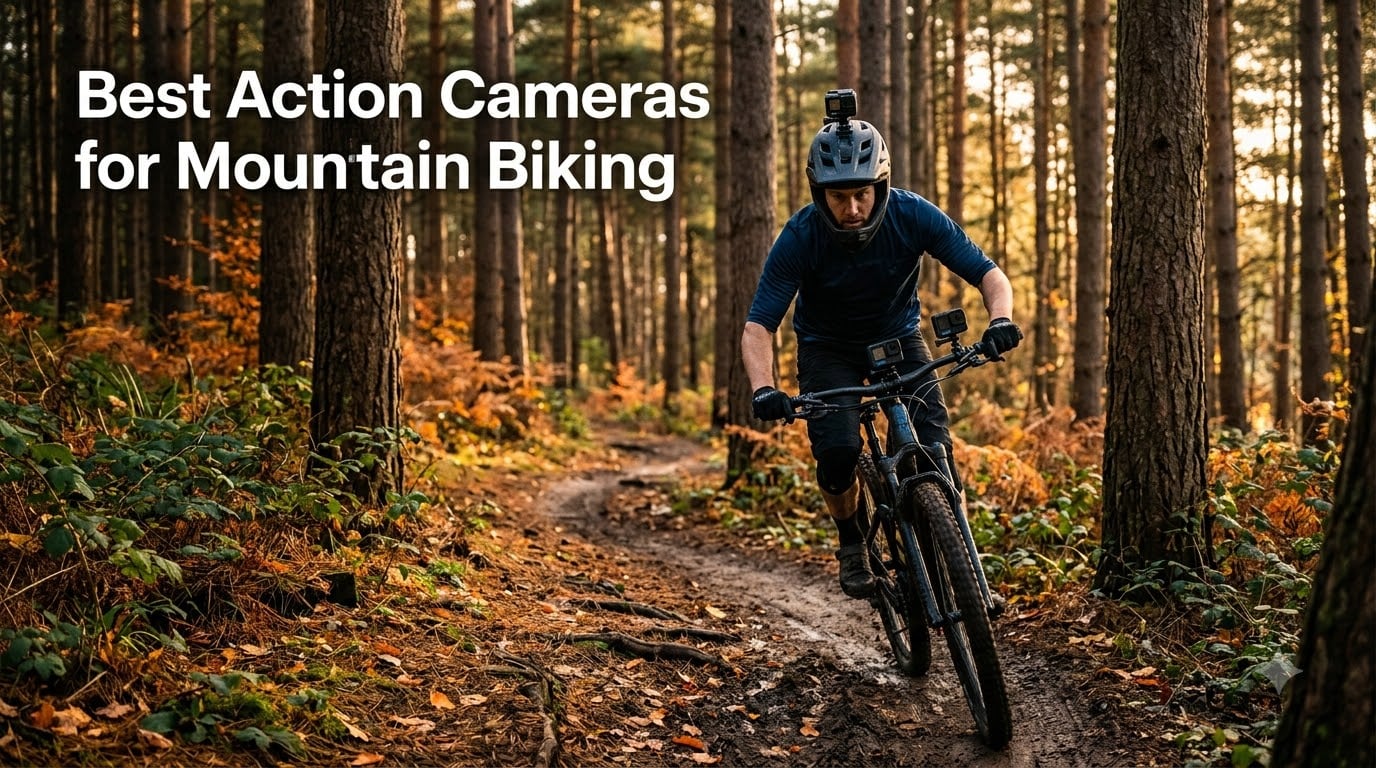
When I choose a mountain bike action camera, I look past the headline resolution and judge how the footage survives roots, rock gardens, fast transitions, and sudden shade. The best action cameras for mountain biking combine effective stabilization, a wide field of view, weather sealing, secure mounting, and enough battery life to finish a proper ride.
I compared eight models across those trail-specific demands, weighing the specs and owner feedback rather than relying on marketing claims alone. My quick answer is the DJI Osmo Action 5 Pro for most riders, the DJI Osmo Action 4 for value, and the GoPro HERO13 Black for riders who value the GoPro mount system and lens ecosystem.
Our Top 3 Tested Action Cameras for Mountain Biking in 2026
Comparing Eight Mountain Bike Cameras at a Glance
| Product | Specs | Action |
|---|---|---|
 DJI Osmo Action 5 Pro DJI Osmo Action 5 Pro |
|
Check Latest Price |
 DJI Osmo Action 4 DJI Osmo Action 4 |
|
Check Latest Price |
 AKASO Brave 4 AKASO Brave 4 |
|
Check Latest Price |
 Insta360 X3 Insta360 X3 |
|
Check Latest Price |
 DJI Osmo Action 6 DJI Osmo Action 6 |
|
Check Latest Price |
 Insta360 Ace Pro 2 Insta360 Ace Pro 2 |
|
Check Latest Price |
 GoPro HERO13 Black GoPro HERO13 Black |
|
Check Latest Price |
 AKASO EK7000 Pro AKASO EK7000 Pro |
|
Check Latest Price |
1. DJI Osmo Action 5 Pro – The Best Overall MTB Camera
DJI Osmo Action 5 Pro Essential Combo, Waterproof Action Camera
4K/120fps
1/1.3-inch sensor
240-minute battery
Pros
- Excellent low-light video
- RockSteady+ stabilization
- 47GB built-in storage
Cons
- App activation required
- Photo quality trails video
The DJI Osmo Action 5 Pro is the camera I would mount for a technical forest descent where shade, roots, and vibration arrive together. Its 1/1.3-inch sensor produces the strongest low-light case in this group, while RockSteady+ keeps the horizon controlled when the trail changes direction quickly.
Trail footage is crisp at 4K/120fps, and the dual OLED touchscreens make it easy to frame a helmet or handlebar angle without guessing. A 240-minute stated runtime is unusually generous, while 47GB built-in storage is a real safety net when I forget the card or need space for a long transfer.
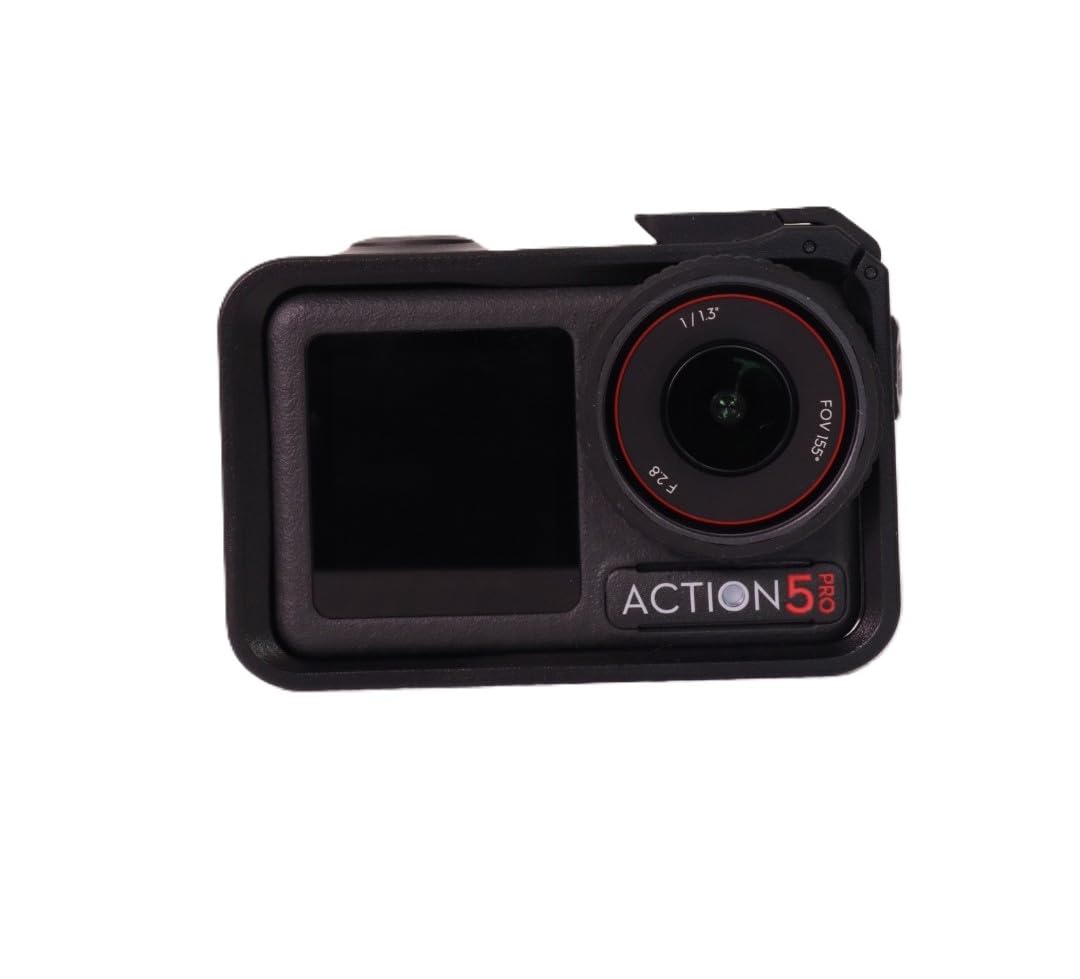
The 155-degree field of view gives a close, immersive view without making every line look excessively stretched. HorizonSteady is useful on fast singletrack, although it does not make a poor mount disappear: I still use a secondary tether on rough jumps.
Why stabilization works on technical trails
RockSteady+ handles the small, rapid corrections that make handlebar footage tiring to watch. I would choose a 4K frame rate that gives the processor room to crop, rather than chasing the highest resolution for every descent.
HorizonBalancing is a good compromise when I want to correct pitch and roll but retain more of the original view. HorizonSteady locks the horizon harder, which helps chase-cam shots but can feel less natural on a steep trail.
Battery and weather confidence
The IP68 rating supports underwater use to 20m, and the 1950mAh battery is rated up to 240 minutes. Cold weather, continuous high frame rates, and wireless use can shorten that figure, so I carry a spare for full-day rides.
Its 146g weight stays comfortable on a helmet, but the magnetic system is proprietary. I would keep the correct DJI adapter and a tether on hand, especially when the camera is mounted above shoulder level.
Low-light and storage advantages
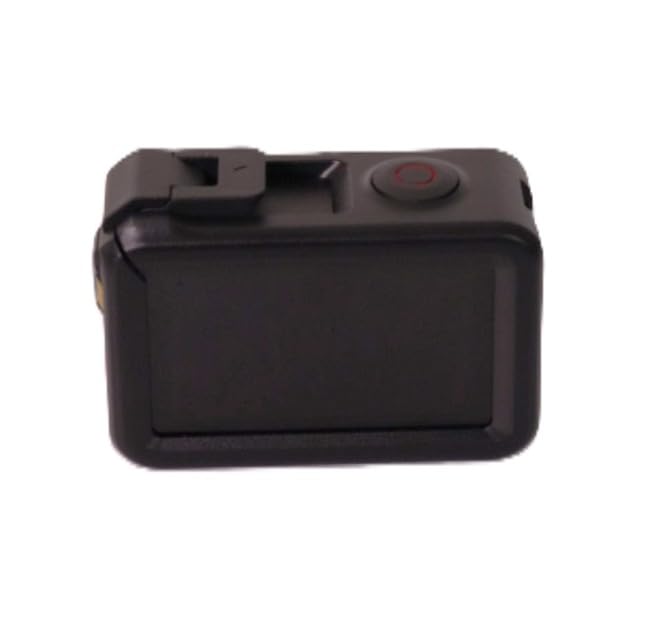
The larger sensor and 2.4µm pixels preserve more detail as the light drops under trees. That matters for night laps and late autumn rides, where smaller sensors can make mud, bark, and moving branches look muddy.
Built-in 47GB storage complements the microSD slot rather than replacing it. I use the internal space for emergency clips and a UHS-II U3/V90 card for normal 4K recording.
2. DJI Osmo Action 4 – Strong Trail Performance at a Better Value
DJI Osmo Action 4 Essential Combo, Waterproof Action Camera Vlogging Camera
4K/120fps
1/1.3-inch sensor
160-minute battery
Pros
- 10-bit D-Log M
- Good low-light imaging
- RockSteady+
Cons
- Shorter runtime than newer models
- 10MP photos
The DJI Osmo Action 4 remains a convincing choice for riders who want flagship-style trail footage without paying for the newest body. Its 1/1.3-inch sensor and 4K/120fps recording are still excellent, especially in the dim light common beneath a tree canopy.
RockSteady+ makes rough descents watchable, and the 155-degree lens keeps the bars and trail visible. Dual touchscreens, waterproofing to 18m, and a cold-resistant battery add practical confidence for year-round riding.
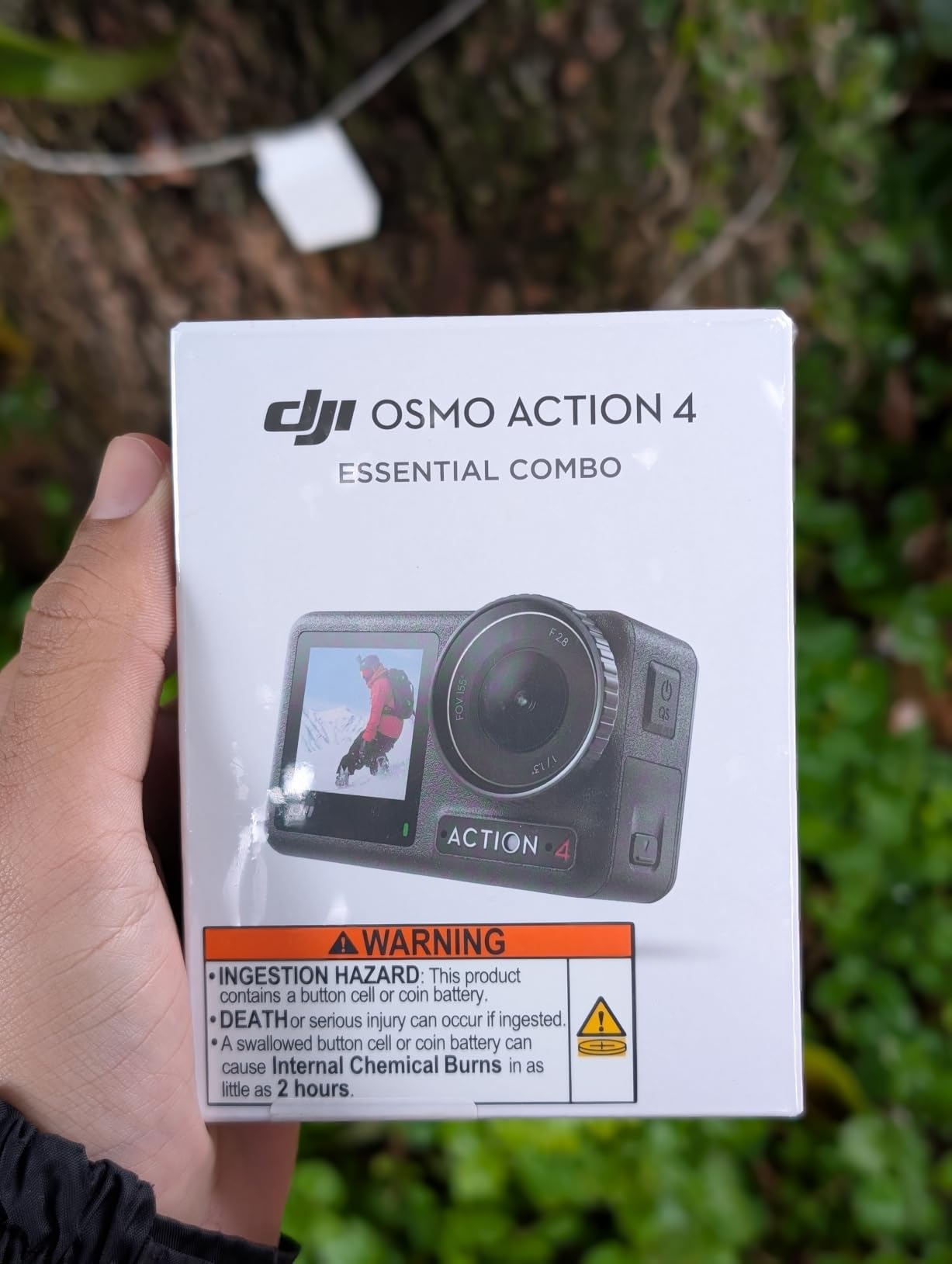
It is not the longest-lasting camera here, but the Essential Combo is easier on a budget. I would plan around the 160-minute rating and bring a second battery for an all-day shuttle day or a cold-weather session.
Color control for mountain bike edits
10-bit D-Log M gives me more room to grade contrast, foliage, and trail dust after a ride. It is more demanding than a standard color profile, so I use it when the final edit will receive a color pass.
For a quick social clip, the default color is simpler and still delivers good detail. The wide field of view also helps hide small camera shakes, although secure mounting remains essential.
Mounting and cold-weather use
The magnetic quick-release system makes moving the camera from a chest harness to a bike mount quick. I still tighten the joint by hand and use a tether because a crash can twist a loose joint before the magnet releases.
The stated cold resistance to -20°C is useful for winter trails, but real runtime depends on the selected mode and battery temperature. Keeping the spare cell in an inside pocket helps it retain usable capacity.
What the newer model improves
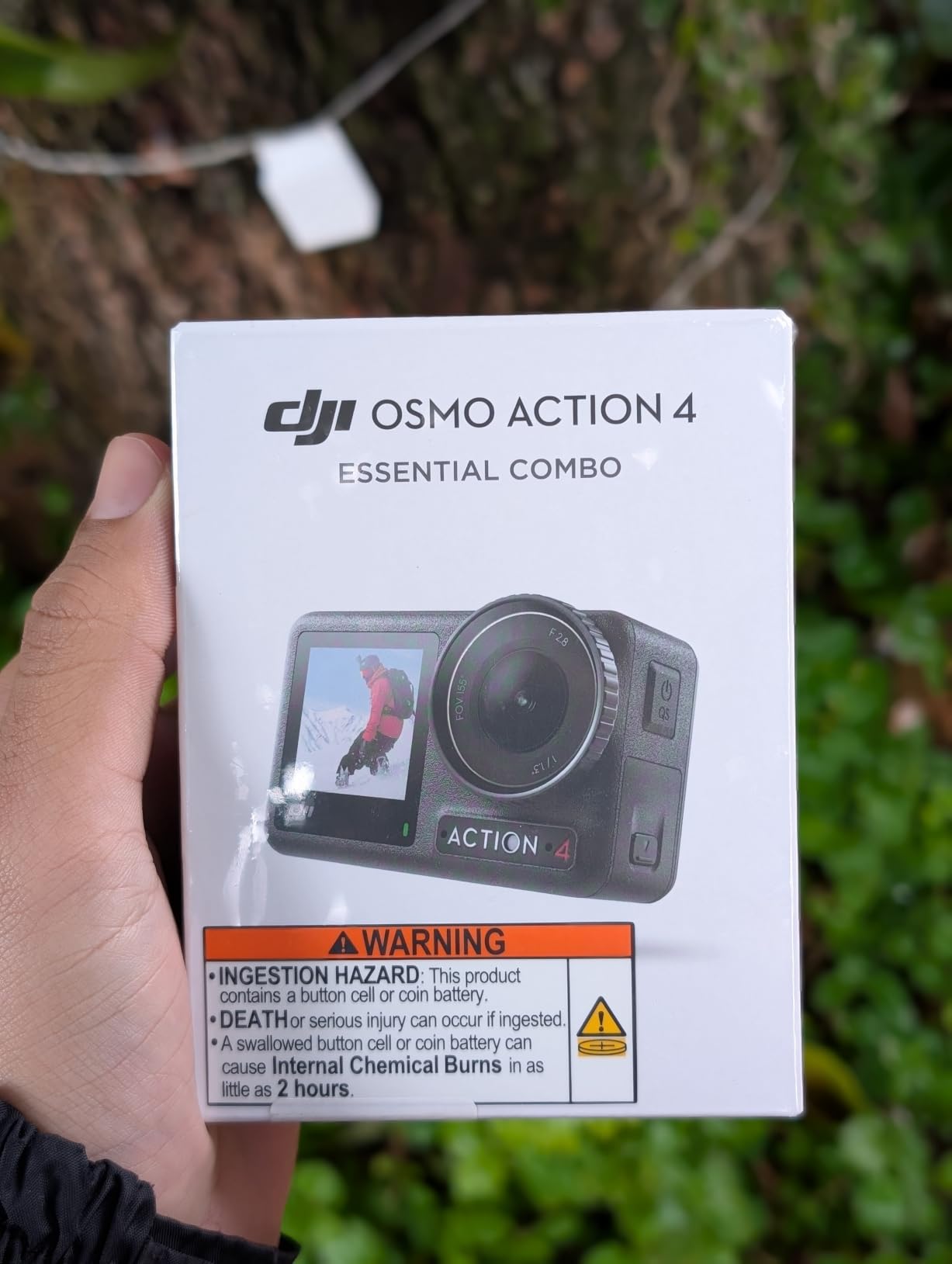
The Action 5 Pro improves runtime, internal storage, low-light processing, and headline video flexibility. The Action 4 answers a more focused need: dependable 4K/120fps, D-Log M, and proven stabilization for riders who do not need those extras.
For ordinary trail videos, the difference is smaller than the specifications suggest. For long rides and frequent low-light recording, the newer model is worth the upgrade.
3. AKASO Brave 4 – A Simple Budget Camera for Casual Rides
AKASO Brave 4 Action Camera 4K30 Ultra Hd Waterproof Underwater Camera
4K/30fps
170-degree FOV
90-minute battery
Pros
- Low entry cost
- Two batteries included
- Adjustable field of view
Cons
- Less effective stabilization
- Some accessory quality varies
The AKASO Brave 4 is the model I recommend for a first camera, a family setup, or a rider who wants a simple record of a local loop. Its 4K/30fps footage is suitable for casual viewing, but it will not match the detail or motion handling of the premium options.
Electronic image stabilization helps on gravel and moderate trails, while the adjustable 170-degree, 140-degree, 110-degree, and 70-degree views let me reduce fisheye distortion when I want a cleaner scene. The two-battery package is especially useful when I am learning where to mount the camera.
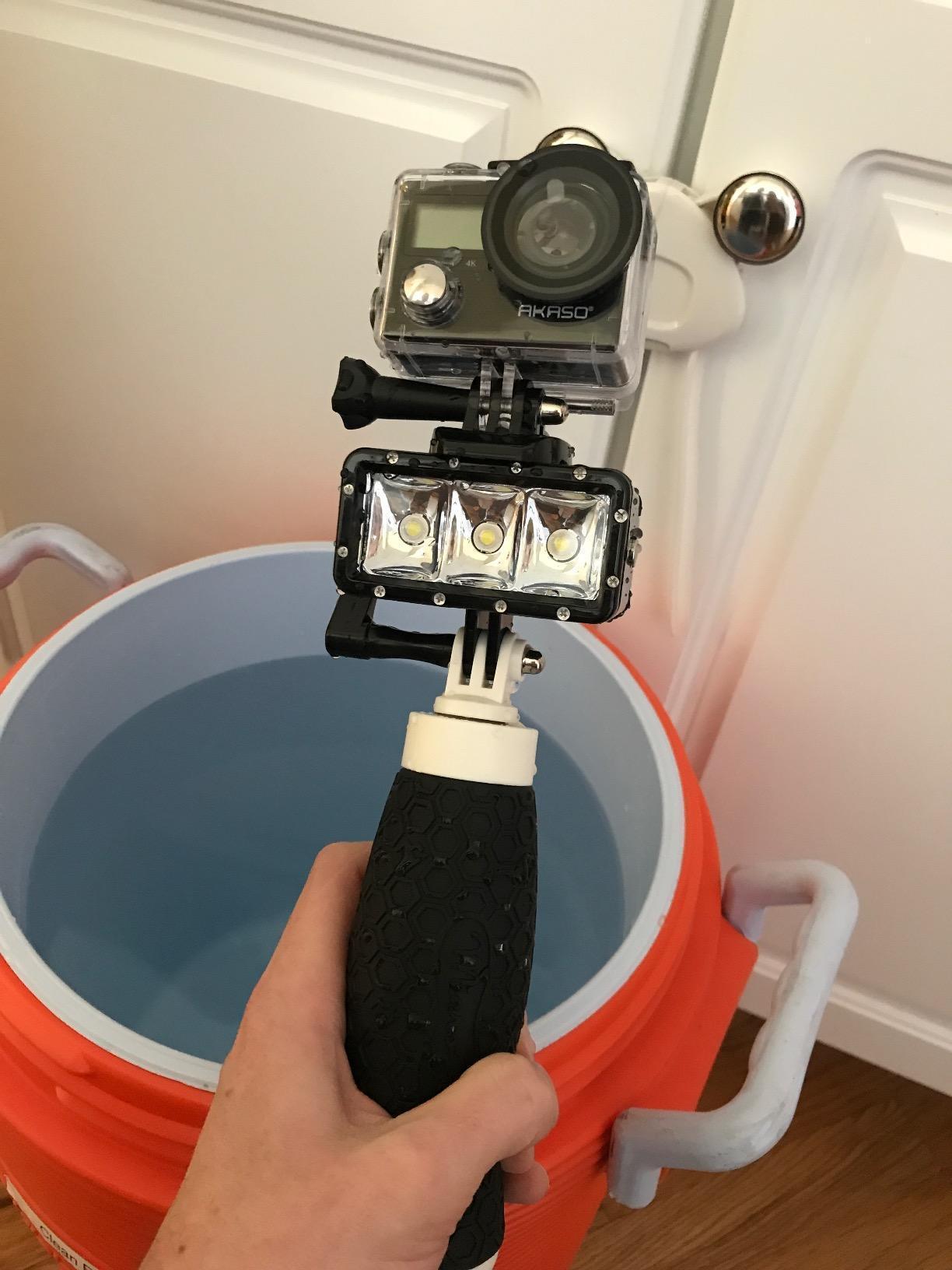
The included case provides 40m waterproof protection, and the accessory kit includes a remote and bicycle helmet hardware. I would check the mount screws before every ride because the included accessories are not all built to the same standard.
When the Brave 4 makes sense
At 159g, it is still light enough for a helmet, but its 4K mode tops out at 30fps. Fast downhill footage can look less fluid, so I would test the available lower-resolution high-frame-rate modes for the most important sections.
The camera works best when the goal is documentation rather than polished production. I use a moderate field of view and stabilization in good light, then keep the lens clean before each ride.
Battery and accessory trade-offs
Each battery is rated around 90 minutes, and the dual charger helps limit downtime. Cold conditions and Wi-Fi transfer can reduce practical runtime, so I keep both cells charged and the card formatted.
Its f/2.0 lens is adequate in daylight but less forgiving at dusk. Wind noise and the underwater housing can also affect audio, so I would use an external microphone only if the chosen mounting setup keeps it protected.
Best uses for this budget pick
It is a good choice for a helmet cam for beginners, a backup camera, or a rider documenting technique. It is less suitable for a professional edit that relies on sharp 4K slow motion, broad dynamic range, or clean low-light imagery.
The main advantage is that the full kit gets a rider recording immediately. I would spend the remaining budget on a reliable tether, a faster U3 card, and a stronger adhesive mount before upgrading every accessory.
4. Insta360 X3 – Best for 360-Degree MTB Footage
Insta360 X3-360 Action Camera with 5.7K 360 Active HDR Video, 4K Single-Lens Camera, Waterproof, FlowState Stabilization, 2.29″ Touchscreen, AI Editing, for Motorcycle, Wintersports and Vlogging
5.7K 360 video
FlowState stabilization
81-minute battery
Pros
- Capture every angle
- Reframe in editing
- Waterproof to 10m
Cons
- 200g weight
- Editing workflow required
- 81-minute battery
The Insta360 X3 is the right choice when the story matters more than the smallest possible camera. Its 5.7K 360 capture records the trail, the rider, and the group, then lets me choose the angle later in the app.
FlowState stabilization and Horizon Lock are especially valuable for a 360 camera because the viewer can see movement in every direction. The four microphones and wind-noise reduction also help, although I still expect a separate wind guard on a fast open descent.
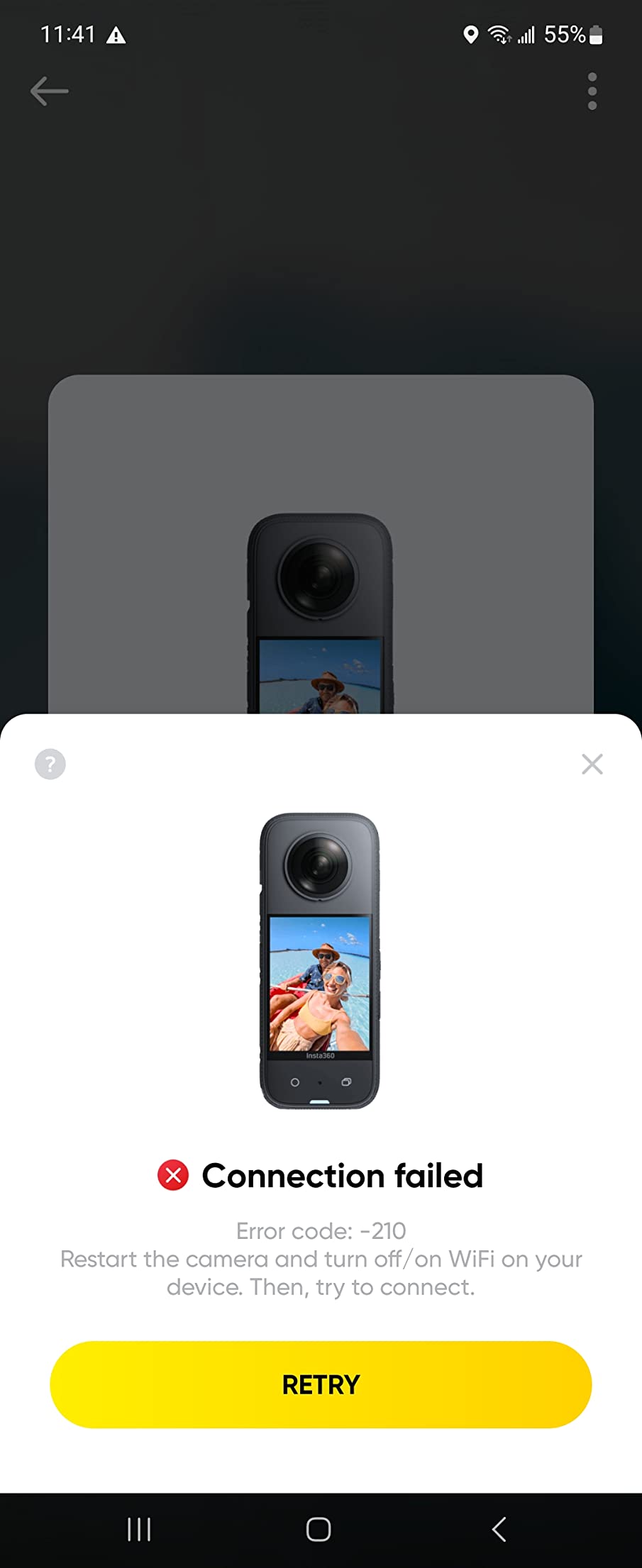
Its 200g weight is noticeably higher than the single-lens options, so I prefer a handlebar or chest position for long rides. The 4K single-lens mode is useful when I know the framing before I start, but it gives up some of the creative freedom that makes the X3 distinctive.
Reframing changes the riding edit
A 360 clip is not ready to publish immediately. I mark a key point, choose a crop, and then export a conventional 16:9 or vertical view; the workflow takes practice but produces angles a fixed camera cannot capture.
For a short descent, I can hide the extension pole and create a floating follow shot, or keep the bike visible for a technique clip. That flexibility is worth the editing time for a rider who posts regularly.
Battery, heat, and mounting
The stated 81-minute runtime applies to 5.7K/30fps recording, so 4K modes and high-refresh settings can change the plan. I carry a power bank and avoid leaving the X3 in direct midday sun between runs.
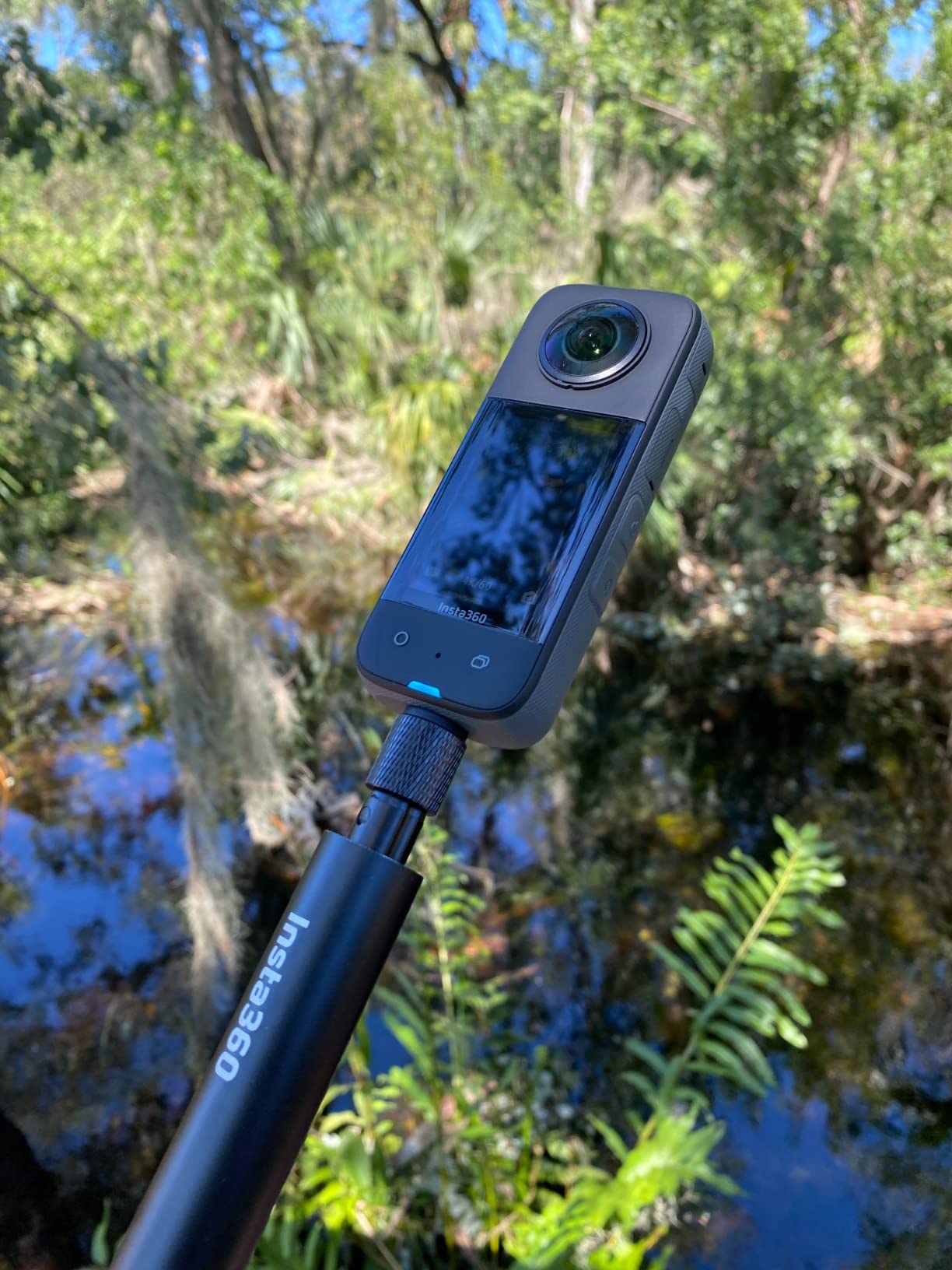
It is waterproof to 10m, but the large body and exposed lens make a careful mount important. A rigid extension pole and tether are safer than relying on a lightweight selfie stick when the camera is extended outside the bike.
Who should buy the X3
I would choose it for group rides, bike-park lines, and content creators who want to reframe footage afterward. Riders who want one-click, ready-to-share 4K clips may find the single-lens cameras easier.
Its 1-inch-plus sensor alternatives may offer cleaner conventional video, but the X3 remains appealing when capturing the entire scene is the priority.
5. DJI Osmo Action 6 – Premium Features for Riders Who Want 8K
DJI Osmo Action 6 Enhanced Combo, 8K Waterproof Action Camera
8K video
1/1.1-inch sensor
Variable f/2.0-f/4.0
Pros
- Large square sensor
- Variable aperture
- 50GB built-in storage
Cons
- Large 8K files
- App activation required
- External mic recommended
The DJI Osmo Action 6 is the most feature-packed conventional camera in this list. Its 1/1.1-inch square sensor, variable f/2.0-f/4.0 aperture, and 8K recording are designed for riders who want more control over detail and exposure than a basic action cam provides.
On a trail, the variable aperture lets me open the lens in shade and stop it down in bright conditions, while RockSteady+ and HorizonSteady handle rapid movement. The 149g body remains manageable on a chest or helmet mount.
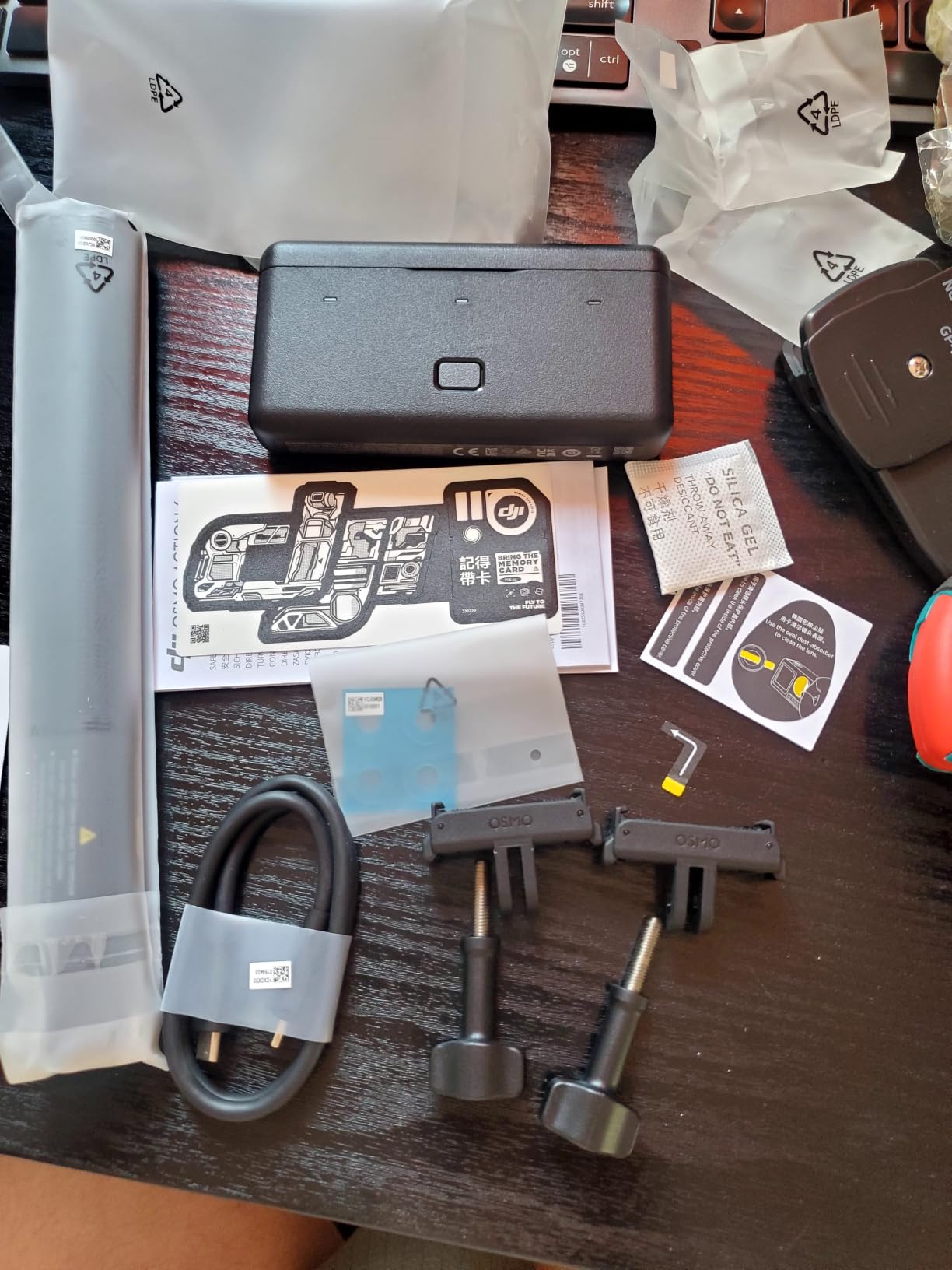
The Enhanced Combo adds two 1950mAh batteries, a battery case, and a 1.5m extension rod. That kit is useful for a full day, although 8K files are large and require more storage and editing power than 4K clips.
When 8K is useful on a bike
8K is valuable when I need room to crop, stabilize, or punch into a distant section of a line. It is less valuable for ordinary screen viewing, where proper exposure, color, and stabilization matter more than extra pixels.
I would record 4K for most trail days and switch to 8K for a controlled feature or a shot I plan to reframe heavily. This keeps card space and editing time under control.
Low-light control and audio
The larger sensor and adjustable aperture are meaningful advantages in forest shade and at dusk. I would test f/2.0 against f/4.0 rather than assuming the brightest setting is always best, because too much light can wash out snow or bright rock.
Direct DJI Mic 2 and Mic Mini connectivity is a plus for post-ride commentary, but an external mic is still the best answer for clean trail sound. I mount it away from turbulent airflow and secure the cable.
Who should pay for the premium
This is the pick for a content creator who wants a conventional wide camera, 8K flexibility, and a generous accessory bundle. A rider who mostly wants smooth 4K clips can save money with the Action 5 Pro or Action 4.
Its 50GB internal storage and 20m waterproof rating make it capable, but neither removes the need for a tether, a suitable card, and a thoughtful mount position.
6. Insta360 Ace Pro 2 – Strong Low-Light Video in a Familiar Action-Cam Shape
Insta360 Ace Pro 2 Dual Battery Bundle – 8K Waterproof Action Camera Co-Engineered with Leica, 1/1.3″ Sensor, Dual AI Chip, Leading Low Light, Superior Audio
8K/30fps
1/1.3-inch sensor
4K60 Active HDR
Pros
- Strong low-light mode
- FlowState stabilization
- Flip touchscreen
Cons
- Mandatory app activation
- MicroSD removal can be awkward
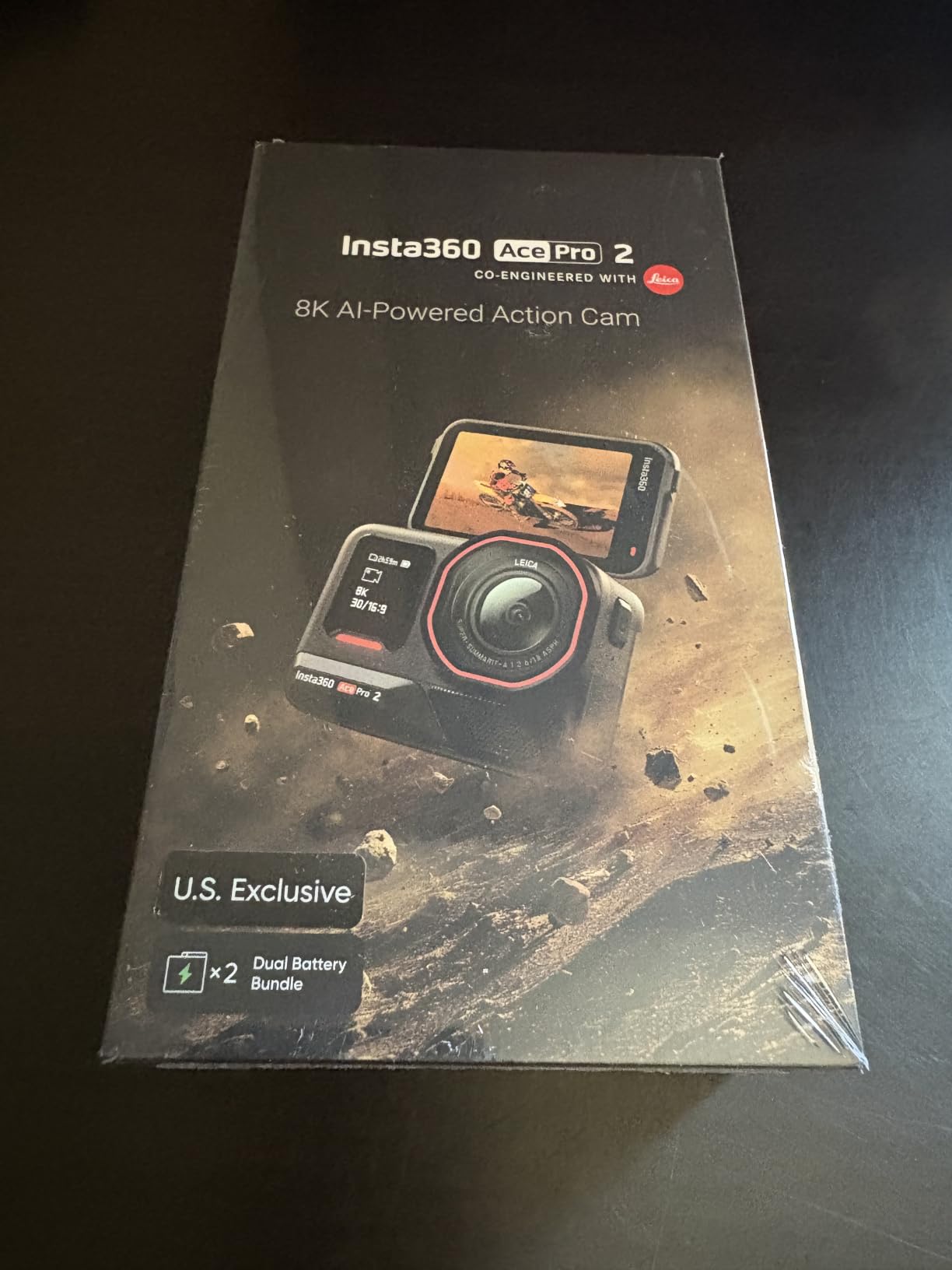
The Insta360 Ace Pro 2 combines a 1/1.3-inch sensor with 8K/30fps recording and 4K/60fps Active HDR, making it a strong conventional alternative to the DJI models. I would reach for it when forest shade, low-light trails, and flexible framing are central to the ride.
The 157-degree field of view is slightly less wide than some rivals, which helps keep the trail readable while preserving an immersive perspective. The flip-up 2.5-inch touchscreen is convenient for checking a low or inward-facing mount, and the dual-battery bundle supports longer days.
FlowState stabilization is effective on rough ground, while the removable wind guard gives better control over audio. The main setup concern is mandatory app registration and activation, which is worth completing before leaving the trailhead.
Low-light and HDR trail footage
PureVideo mode is the feature I would test first on an evening ride. It is designed to reduce noise and retain detail when the camera moves between open sky and dark trees, although aggressive AI processing can make some footage look artificial.
Active HDR is useful for scenes with bright sky and dark trail, but it is not a substitute for choosing the right exposure. I use a lower frame rate when the light falls so the camera can gather a cleaner image.
Screen, audio, and mount ergonomics
The flip screen is more useful than a fixed front display for self-filming and checking whether the bike is framed. The 157-degree lens is wide enough for a handlebar, but a helmet view benefits from careful placement to avoid showing the rider’s helmet edge.
The magnetic mount is quick, yet this model lacks a direct 1/4-inch thread on the bottom. I use the correct adapter and add a tether before riding technical terrain.
Value and compromises
It is a compelling option for riders who want strong low-light performance and a flip screen, but the activation requirement is more involved than a camera that works immediately. I would also plan for a V90 microSD card and enough storage for 8K files.
Compared with the DJI Action 5 Pro, the Ace Pro 2 trades some ecosystem simplicity for a different screen design and low-light processing approach. I would choose it if its handling and image character match the rider’s editing style.
7. GoPro HERO13 Black – Best for GoPro Mounts and Lens Compatibility
GoPro HERO13 Black Action Camera with 3 Enduro Batteries, Dual Charger, 64GB SD, 5.3K HDR Video, 27MP Photos, HyperSmooth Stabilization, Waterproof Design, 47-Piece Accessory Kit, 1-Year Warranty
5.3K/60fps
HyperSmooth 6.0
Three Enduro batteries
Pros
- 5.3K HDR video
- Strong HyperSmooth 6.0
- HB-series lens support
Cons
- High-resolution battery drain
- Bundle accessory quality varies
The GoPro HERO13 Black is the choice for riders already invested in GoPro’s ecosystem. It records 5.3K at 60fps and 4K at 120fps, while HyperSmooth 6.0 with Horizon Lock keeps fast, rocky footage controlled.
The bundle includes three Enduro batteries, a dual charger, a 64GB card, and a large accessory kit. That is convenient for a rider who wants a complete setup, but I would replace any questionable third-party adhesive or buckle rather than trust a camera to it.
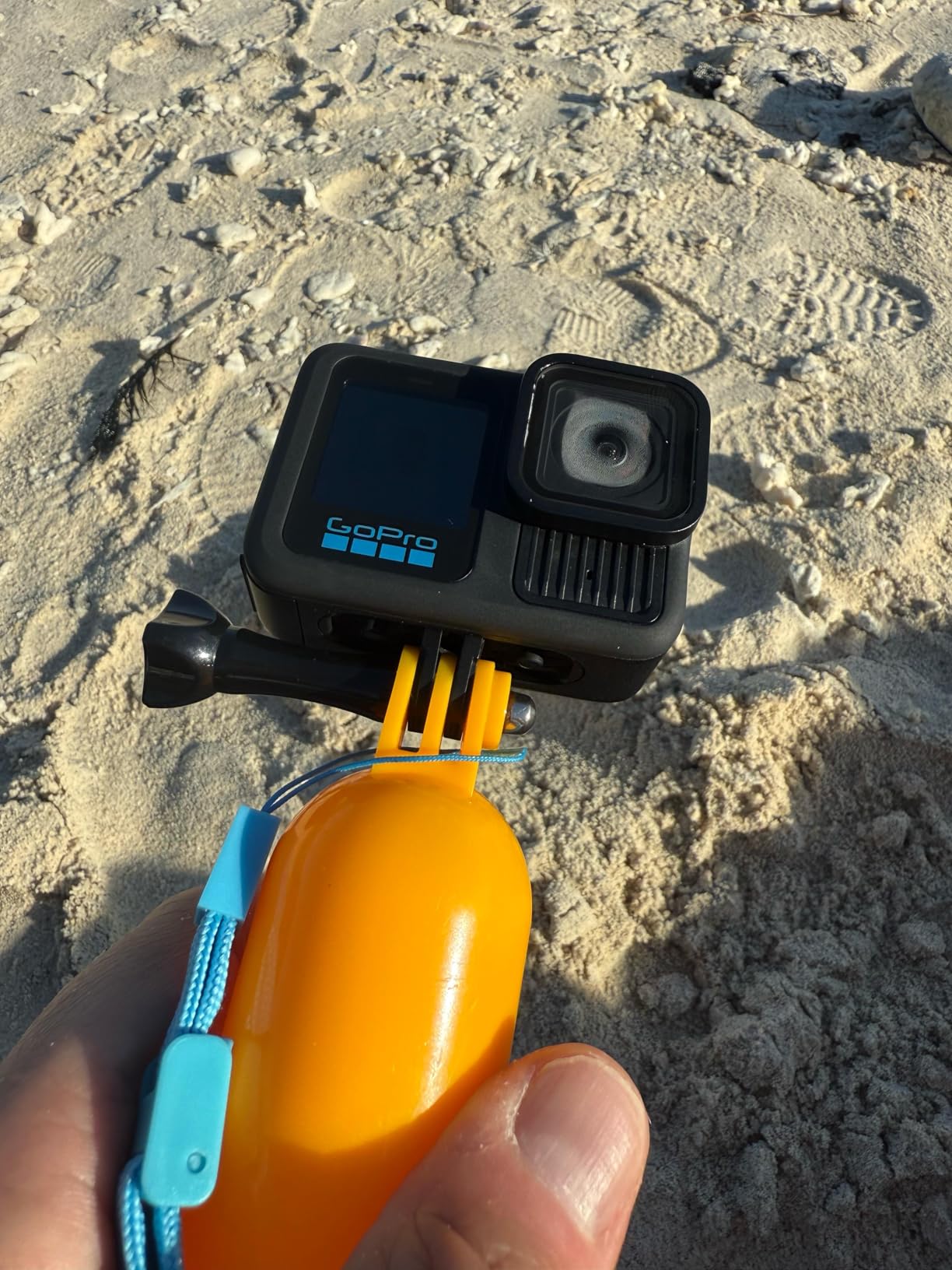
The 5.3K detail and 27MP stills make it a strong all-around action camera, and the 156-degree field of view is familiar. At high resolutions, the battery lasts around 1.5 hours in the supplied review context, so a full-day plan needs power management.
HyperSmooth on rough descents
HyperSmooth 6.0 is the reason many riders choose GoPro for MTB footage. I still mount the camera with a short, rigid link and check the hinge because stabilization cannot correct a camera that rotates in its socket.
Horizon Lock is helpful when the camera is angled, but I would use a standard stabilization mode for a more natural trail perspective. The extra processing can make turns look unusually locked-off.
Battery, weather, and lens options
Three 1900mAh Enduro batteries reduce charging pressure, and the camera is waterproof to 10m. In cold weather, I keep spare batteries warm and swap them before the camera shuts down unexpectedly.
HB-series lens compatibility is a real advantage for riders who want a different field of view. I would treat the optional lens as a separate investment and keep the protective cover on when the camera is not recording.
Who should buy the HERO13
I would choose it for existing GoPro users, riders who need the broadest mount selection, or creators who value 5.3K capture and the HB lens system. The supplied bundle is a useful starting point, but battery planning and mount inspection remain essential.
At more than 1.5 hours of high-resolution use, the camera can outlast a short ride but not necessarily a full day. The DJI Action 5 Pro has a longer stated runtime, while GoPro’s ecosystem is the HERO13’s strongest argument.
8. AKASO EK7000 Pro – The Lowest-Cost Way to Record a Ride
AKASO EK7000 Pro 4K30fps Action Camera with Touch Screen EIS 131ft Waterproof Underwater Camera Remote Control 5X Zoom with Helmet Accessories Kit (Standalone)
4K/30fps
170-degree FOV
140 minutes per battery
Pros
- Two batteries included
- Lightweight 61g body
- Large accessory kit
Cons
- Audio muffled in case
- Small 1/3-inch sensor
- No true optical zoom
The AKASO EK7000 Pro is the budget choice for riders who mainly want proof that they completed a trail or captured a technique tip. It offers 4K/30fps, 20MP photos, a 170-degree lens, and a remarkably complete accessory kit for the money.
The 61g camera is light on a helmet, and two 1350mAh batteries are rated for up to 140 minutes each. The tradeoff is a smaller 1/3-inch sensor, basic electronic stabilization, and weaker low-light detail than the DJI and GoPro models.

The waterproof housing reaches 40m, but it can muffle audio and adds bulk. I use it for wet conditions and accept the sound compromise, or leave the housing off when the weather is dry and the trail is not exposed to spray.
Where the EK7000 Pro works well
It is a sensible first mountain bike camera and a good spare for a group ride. The 2-inch touchscreen and remote make it approachable, while the included helmet accessories help a new rider start quickly.
I would avoid relying on the advertised 5X digital zoom for trail details, because digital zoom crops rather than adding optical information. Moving the camera closer is the better solution.
Stabilization and image quality
Electronic image stabilization can smooth moderate vibration, but it is less effective on rock gardens and fast descents. Recording in bright daylight produces the cleanest result, with a moderate field of view reducing the most obvious fisheye look.
The 20MP photo specification sounds competitive, but the smaller sensor and compression are more noticeable in shade. I would use the camera for motion and documentation rather than high-end stills.
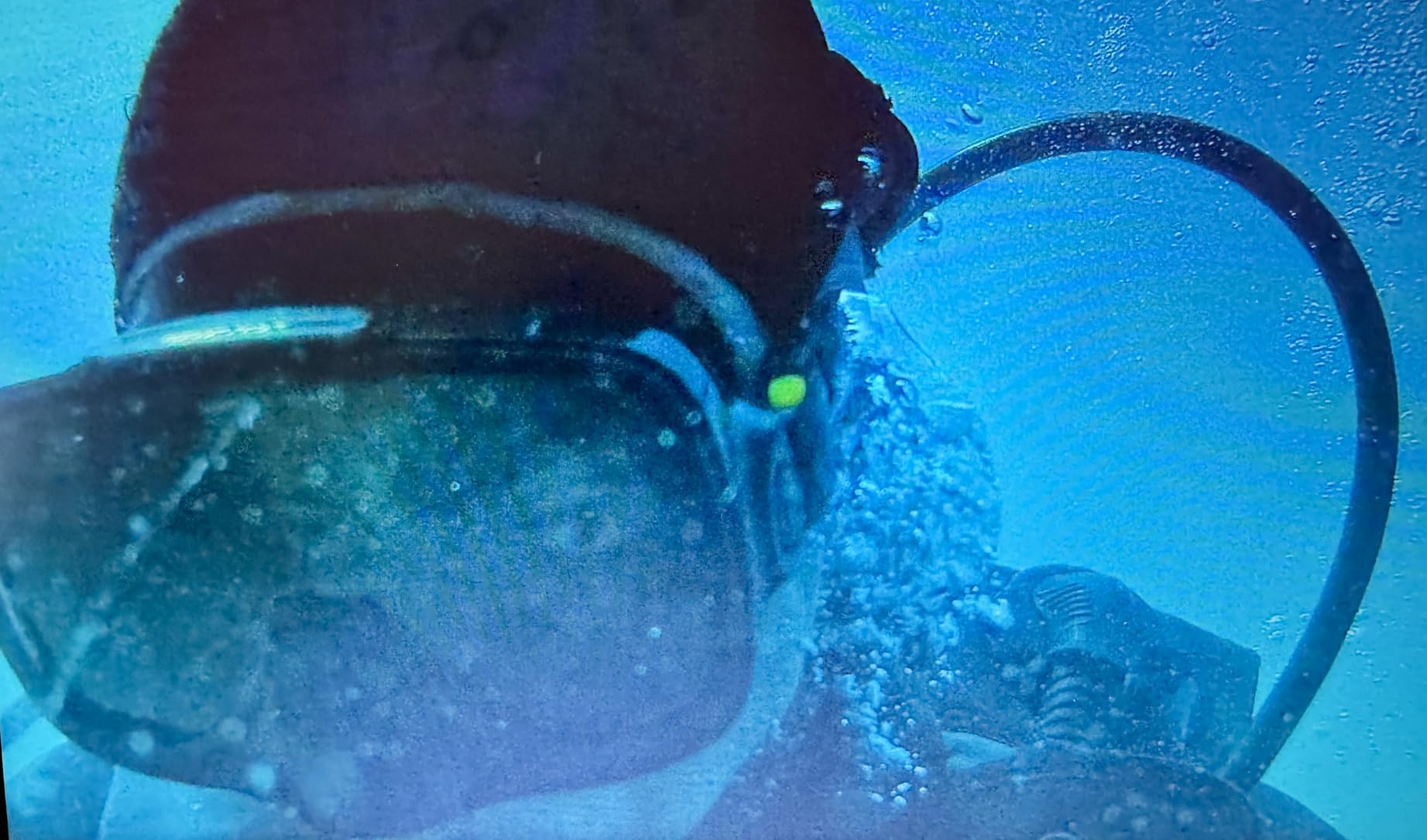
Setup and reliability considerations
I format the microSD card in the camera, confirm the date and time, and test Wi-Fi transfer before a ride. A waterproof case can block the microphone and controls, so I review the first clip rather than assuming the mount and angle are correct.
The camera’s 40m rating applies with the housing, not as a bare-camera claim. I also check the housing seal, latch, and included accessories before relying on it around mud, rain, or water crossings.
How to Choose the Best Mountain Bike Action Camera
Prioritize stabilization over maximum resolution
On a mountain bike, a smooth 4K clip is usually more useful than a shaky higher-resolution file. I look for tested electronic stabilization, horizon correction, and a mount system that does not introduce wobble in the first place.
Stabilization consumes processing power and can reduce the usable field of view. I test my chosen mode on a short descent before committing to a full day of recording.
Match low-light performance to your local trails
Forest shade, changing exposure, and fast movement punish small sensors. The DJI Action 5 Pro, DJI Action 4, DJI Action 6, and Insta360 Ace Pro 2 have the strongest low-light hardware in this group, while the AKASO models are best reserved for daylight or casual recording.
I avoid turning on every enhancement at once. A clean exposure and moderate frame rate usually produce more usable footage than aggressive noise reduction or HDR that smears fast branches.
Plan runtime and cold-weather battery behavior
Published battery claims are a guide, not a guarantee. High frame rates, cold temperatures, Wi-Fi, GPS, and bright displays all reduce practical runtime, so I carry at least one charged spare for a trail day.
The Action 5 Pro and Action 6 provide the longest stated runtime in this group, while the Ace Pro 2 bundle and GoPro HERO13 bundle help by supplying multiple batteries. I keep spares warm in cold conditions and stop recording before storage becomes the only remaining limitation.
Choose the mount before the camera
A handlebar mount gives a stable chase view, but vibration and impact can affect a lightweight bar or an unprotected hinge. I use a rigid clamp, a short extension if needed, and a tether to a secure point.
A chest mount feels the bike and rider’s inputs, while a helmet mount gives a more natural point of view but moves with head checks and can show the rider’s helmet edge. A chin mount is a useful middle ground for riders who want a low, centered view without the weight of a chest harness.
Decide whether you need 360 capture
The Insta360 X3 captures everything and lets me reframe later, which is excellent for group rides, jumps, and creative edits. It is heavier and requires more post-production than a conventional camera.
If I want one ready-to-share angle, I choose a single-lens camera. If I want to preserve every possibility, I choose the X3 and budget time for editing, storage, and battery management.
Check weather sealing, storage, and audio
Waterproof ratings are useful, but a case, seal, lens cover, and tether all matter on a muddy ride. I inspect the mounting interface after a fall and keep the lens dry and clean before the next run.
Built-in storage is valuable when I forget a card or need a backup, but a fast microSD card remains the practical main storage for 4K and 8K files. Wind noise is a common forum complaint, so I mount the camera away from turbulent airflow or use a compatible external microphone.
Frequently Asked Questions
What is the best action camera for mountain biking?
The DJI Osmo Action 5 Pro is the best overall choice for most mountain bikers because its 1/1.3-inch sensor, 4K/120fps recording, RockSteady+ stabilization, 240-minute stated battery life, and 47GB built-in storage handle technical trails well.
Which GoPro is best for mountain biking?
The GoPro HERO13 Black is the best GoPro in this list for mountain biking. Its 5.3K/60fps video, HyperSmooth 6.0 with Horizon Lock, waterproof design, and HB-series lens support make it especially appealing to riders already using GoPro mounts.
What is the best action camera for bike riding?
For most bike riders, the DJI Osmo Action 5 Pro is the strongest all-around option. Riders on a tighter budget should consider the DJI Osmo Action 4, while the Insta360 X3 is better for capturing 360-degree footage that can be reframed later.
What is the best action cam for cyclists?
The best action cam for cyclists depends on the mount and footage goal. A chest or chin mount gives an immersive POV, a handlebar mount gives a stable chase view, and a 360 camera like the Insta360 X3 gives the most framing flexibility.
Conclusion: Pick the Camera That Matches Your Trail
For most riders, the DJI Osmo Action 5 Pro is the most balanced choice in 2026. Choose the DJI Osmo Action 4 when value matters most, the GoPro HERO13 Black when its mount and lens ecosystem is the priority, and the Insta360 X3 when capturing every angle is worth the extra editing.
The AKASO Brave 4 and EK7000 Pro make sense for casual documentation and first-time riders, while the DJI Action 6 and Insta360 Ace Pro 2 target creators who want higher resolution and more exposure control. I would choose one, fit it with a secure tether, and test the exact mode I plan to use before the next descent.