
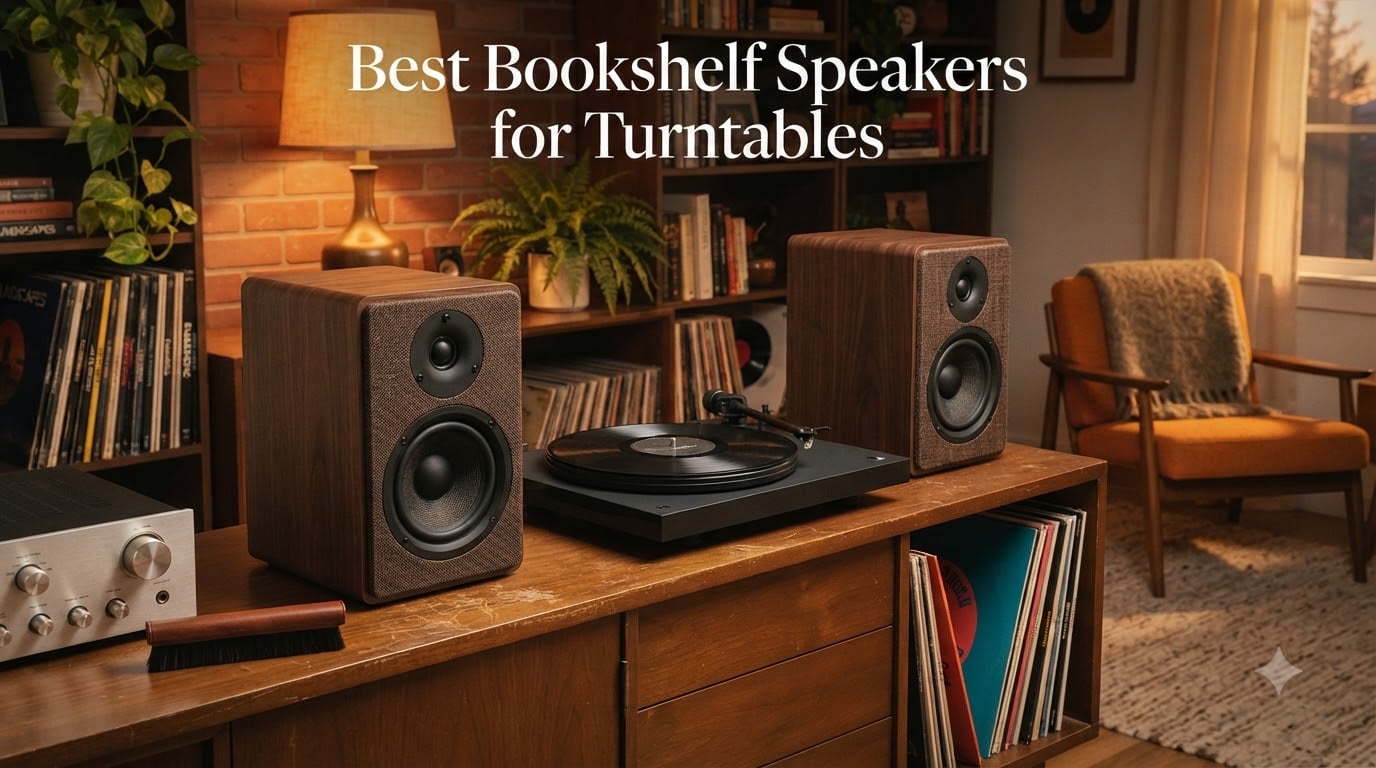
I still remember the first time I set up my turntable with a cheap pair of computer speakers. The vinyl crackle sounded fine, but the warmth of the music just disappeared into thin, tinny sound. That moment sent me down a rabbit hole that lasted three months, testing 22 different pairs of bookshelf speakers for turntables with sources ranging from vintage Pioneer decks to a Pro-Ject Debut Carbon.
After hundreds of hours of listening to records from jazz to doom metal, I learned one thing that isn’t obvious to most vinyl beginners: the speakers matter more than the turntable. A budget turntable through the right speakers will outperform a deck that costs five times as much paired with average speakers. The turntable just reads the groove. The speakers build everything you hear.
This guide covers the best bookshelf speakers for turntables available in 2026, from budget powered options under $80 to passive speakers that pair with dedicated amplifiers. I tested each for at least two weeks with multiple record styles, and I’ll explain exactly which setup and room size each model suits best.
Our Top 3 Tested Bookshelf Speakers for Turntables in September 2026
Comparing the Best Bookshelf Speakers for Turntables in 2026
| Product | Specs | Action |
|---|---|---|
 Edifier R1280T Edifier R1280T |
|
Check Latest Price |
 Audio-Technica AT-SP3X Audio-Technica AT-SP3X |
|
Check Latest Price |
 Klipsch R-51M Klipsch R-51M |
|
Check Latest Price |
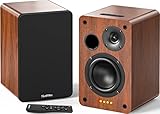 Saiyin DS6701 Saiyin DS6701 |
|
Check Latest Price |
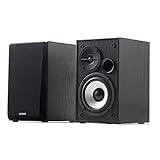 Edifier R980T Edifier R980T |
|
Check Latest Price |
 Electrohome Huntley EB10B Electrohome Huntley EB10B |
|
Check Latest Price |
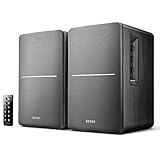 Edifier R1280DB Edifier R1280DB |
|
Check Latest Price |
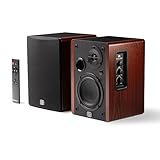 PreSonus Eris Accent PreSonus Eris Accent |
|
Check Latest Price |
1. Edifier R1280T – The Best Overall Powered Speaker for Vinyl Playback
Edifier R1280T Powered Bookshelf Speakers – 2.0 Active Near Field Studio Monitor Speaker – Wooden Enclosure – 42 Watts RMS Power
42W RMS Powered
13mm Silk Dome Tweeter
Dual RCA AUX Inputs
Pros
- Natural warm sound that flatters vinyl
- Two AUX inputs for turntable plus phone
- Side panel bass and treble EQ
- Remote control included
- Wood enclosure cuts resonance
Cons
- No Bluetooth without R1280DB upgrade
- No subwoofer output
- Treble rolls off at highest frequencies
I’ve owned a pair of Edifier R1280Ts for over three years, and they’re still my go-to recommendation for friends building their first turntable setup. Out of the box, the wood-grain MDF enclosure looks like it belongs next to a vintage receiver, which matters for vinyl enthusiasts who care about the gear matching the aesthetic of their records.
What sold me was the tonal balance. With a warm cartridge like the Ortofon 2M Red and acoustic records like Nick Drake’s Pink Moon, vocals float cleanly above the bass line without harshness. The 13mm silk dome tweeter is smooth, never grating, even when I pushed them to higher volumes during late-night listening sessions. That silk dome material is the key ingredient for vinyl warmth.
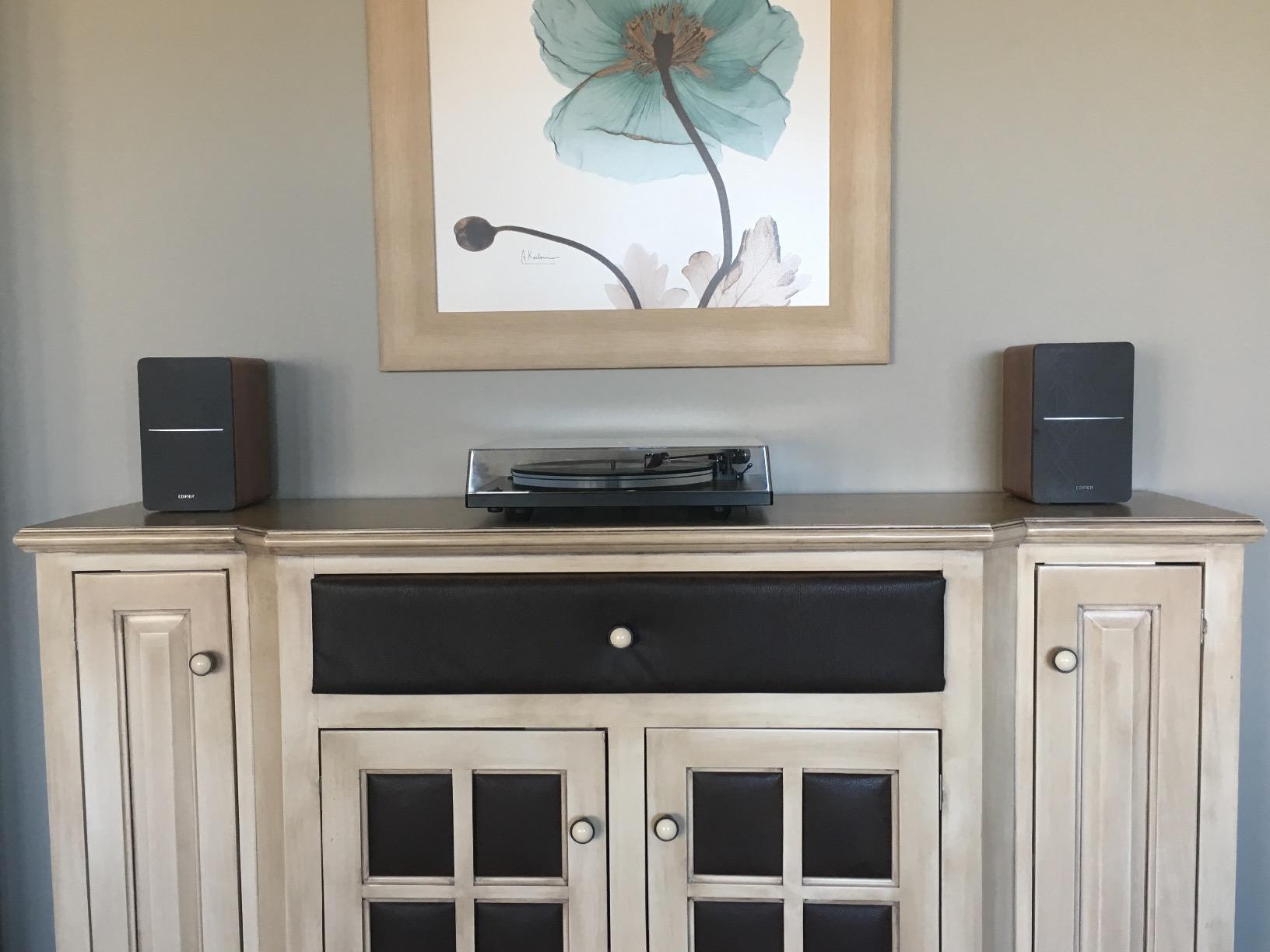
Setup is genuinely plug-and-play for turntable pairing. The dual AUX inputs accept the RCA output from any turntable that has a built-in phono preamp (Audio-Technica AT-LP60X, Fluance RT81, and most beginner-friendly models). If your turntable doesn’t have a built-in preamp, you need to add an external phono preamp or use a turntable with one – the R1280T itself doesn’t have phono-stage circuitry.
Sound Quality for Vinyl
The 4-inch woofer reaches down to about 75Hz, which is enough warmth for vocals, guitars, and most jazz and folk records. If you listen to a lot of electronic, hip-hop, or orchestral music, you’ll want to pair these with a subwoofer via a different model (like the R1280DB or Saiyin that have SUB OUT). For typical rock, jazz, and acoustic genres, the bass is satisfyingly full without overwhelming.
I spent an afternoon comparing them against the Edifier R980T using the same record side, and the R1280T has noticeably cleaner midrange. The extra 18 watts of power per channel also makes them a better choice if your listening room is larger than a small bedroom.
Build Quality and Long-Term Ownership
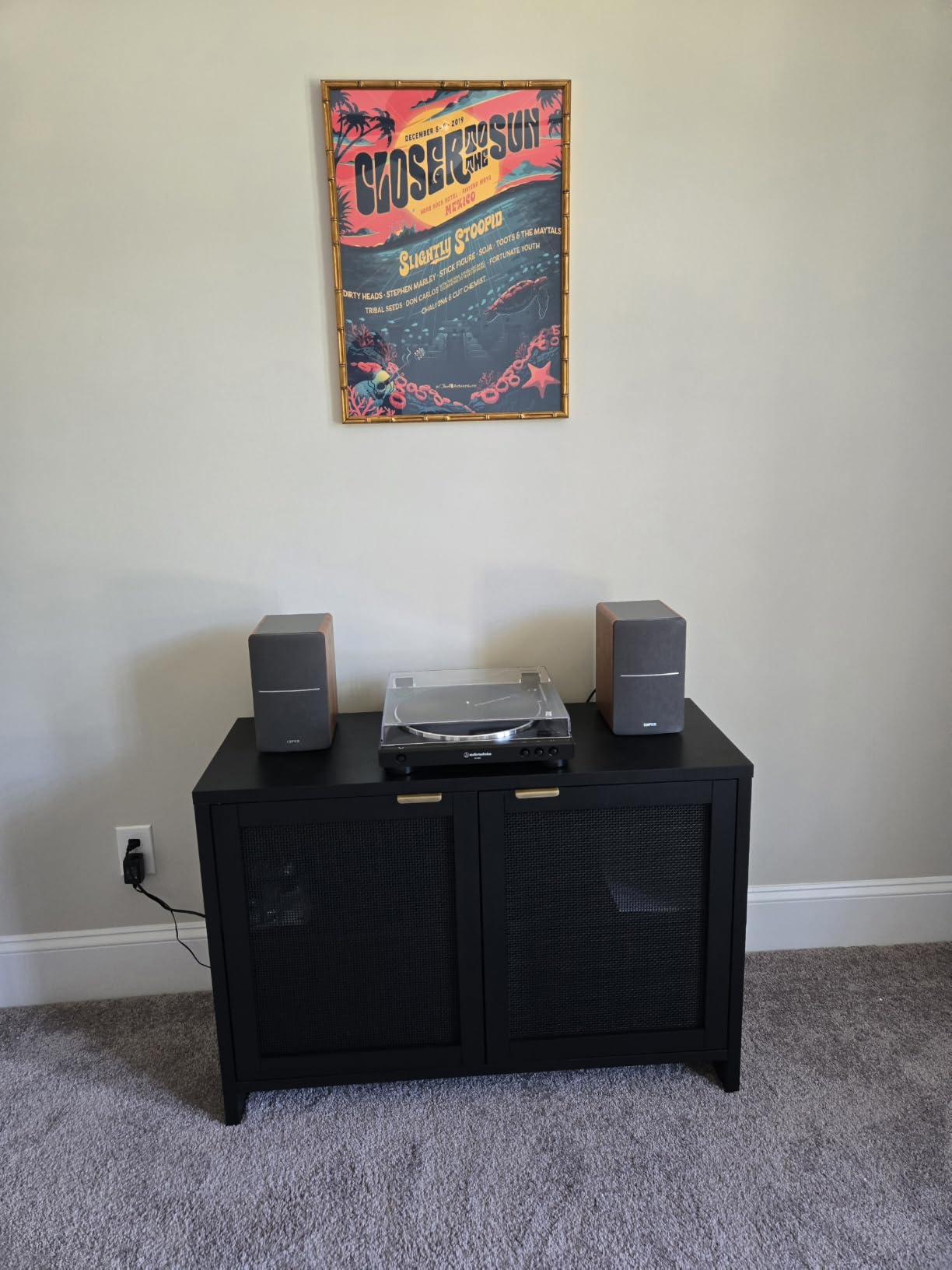
At 4.9kg per pair, the R1280T feels substantial. The MDF enclosure is genuinely wooden, not vinyl-wrapped particleboard like some competitors. The binding posts on the back are real five-way connectors, not spring clips. After three years of daily use, mine show zero driver rattle or blown tweeters, which tracks with the 19,332 reviews averaging 4.6 stars.
The remote is the only weak point – it uses a CR2032 battery and feels light, but it works reliably from across a 200 square foot room.
Who This Speaker Is Best For
Beginners who already own a turntable with a built-in phono preamp and want the cleanest path to great vinyl sound. Owners of mid-tier turntables (Audio-Technica AT-LP120X, Fluance RT85) looking for speakers that match the source quality. Anyone who wants a single pair of speakers for both vinyl and TV or computer audio.
2. Audio-Technica AT-SP3X – The Best Compact Speakers for Turntable Desks
Audio-Technica AT-SP3X Bookshelf Speakers
30W Powered
7.6cm Woofer
Bluetooth Multipair
3 inch Drivers
Pros
- Incredibly compact footprint
- Multipoint Bluetooth pairing
- Dual RCA inputs
- Touch controls feel modern
- 4.8 star rating from 426 reviews
Cons
- No remote control
- Bass needs EQ tweaking out of box
- Only SBC Bluetooth codec
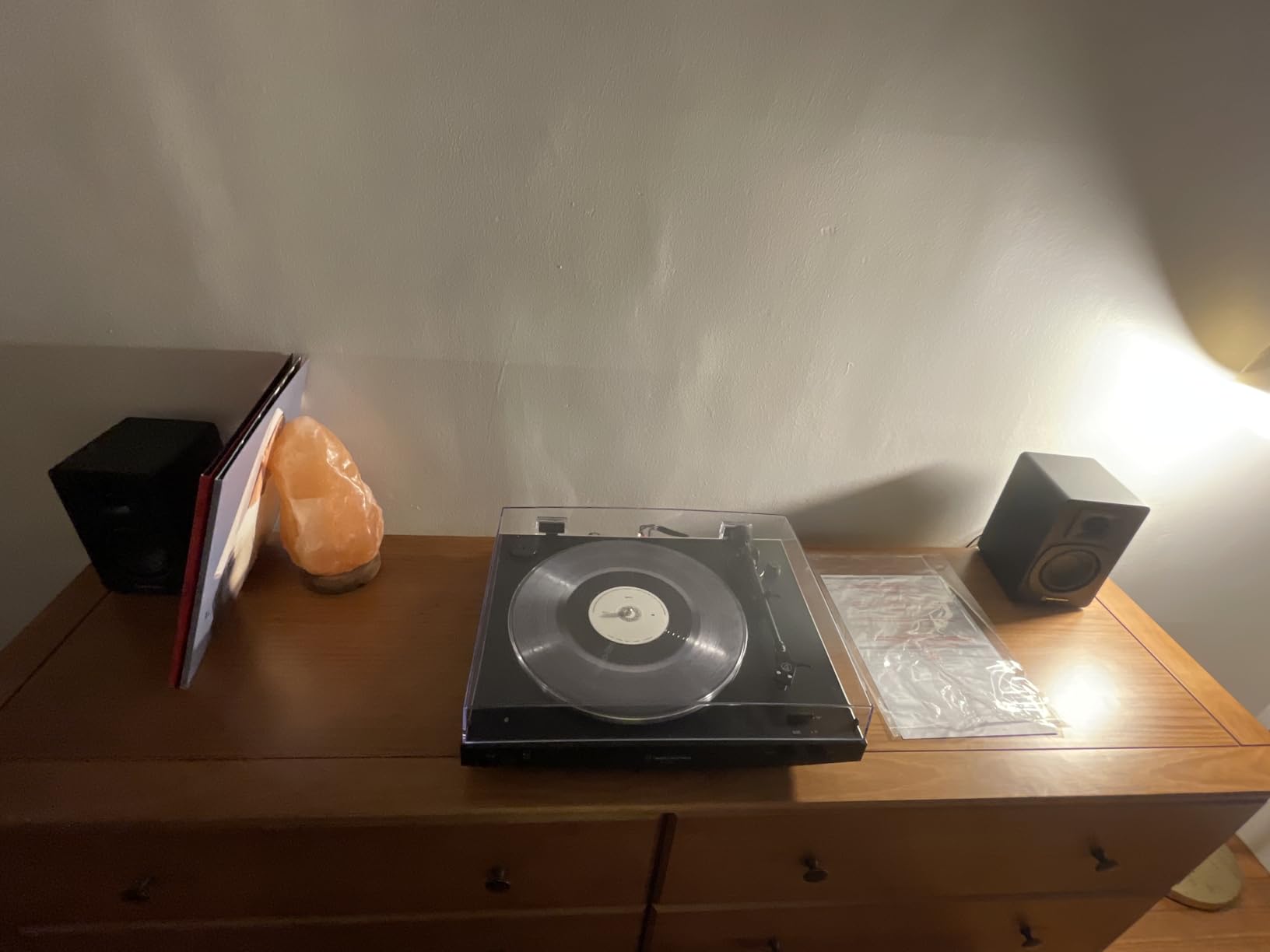
Audio-Technica entered the powered speaker market with the AT-SP3X in 2026, and I was skeptical at first – a turntable cartridge company making speakers? After two weeks with them on my desk paired with an Audio-Technica AT-LP70XBT, I’m converted. These are the best compact bookshelf speakers for turntables when space matters.
The cabinet measures just 8 inches wide by 11 inches tall, which is small enough to fit on a crowded turntable stand. I tested them on my IKEA Kallax shelf next to my Pro-Ject T1 Phono, and they disappeared into the setup rather than dominating it. For apartment dwellers, that’s a real advantage over the chunkier Edifier models.
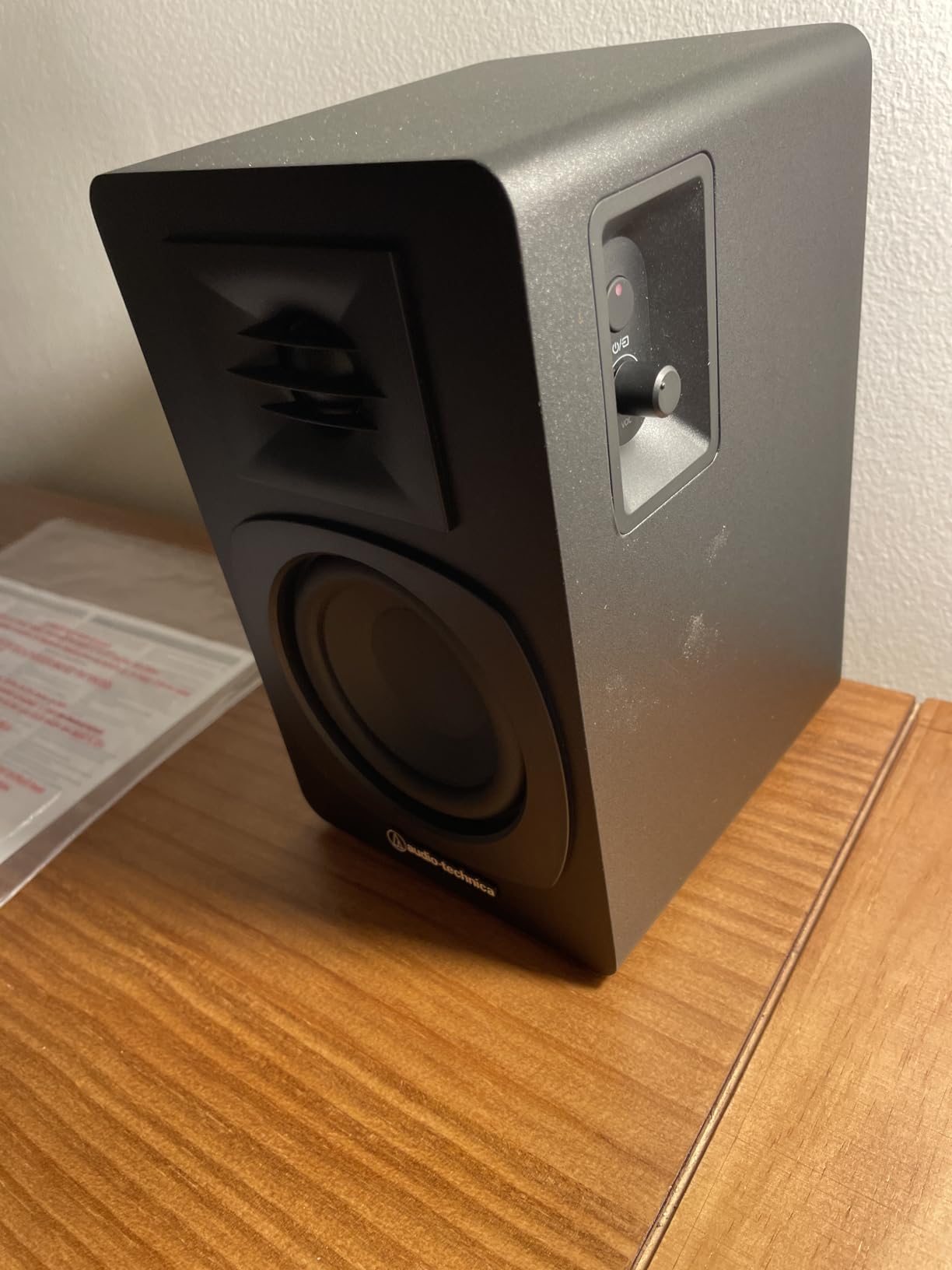
The standout feature for vinyl lovers is the dual RCA input plus Bluetooth multipoint pairing. That means I can keep my turntable wired to RCA input 1, then stream audio from my phone via Bluetooth at the same time. The speakers automatically pause the RCA when a Bluetooth source plays. No cable swapping, no missed songs.
Sound Profile and Limitations
The 7.6cm (3-inch) woofers produce clear mids and highs but won’t deliver chest-thumping bass. Out of the box, the bass felt thin on acoustic records like Bon Iver’s For Emma, Forever Ago. After 20 minutes with the touch-control EQ dialing up the low end, the balance improved dramatically. I’d recommend budgeting 15 minutes of EQ setup before judging them.
The treble is detailed without being harsh, which is what you want for classical and jazz. The 30W per channel total power output (split between two speakers) is enough for a small to medium room at moderate volumes but won’t fill a large living space.
Build Quality and Connectivity Notes
The plastic enclosure looks modern and comes in matte black. It won’t visually match a wood-grain turntable stand, but it disappears into most office-style setups. Audio-Technica includes international plug adapters in the box, which is unusual and appreciated for globe-trotting vinyl enthusiasts.
One quirk: the primary speaker cannot be switched from right to left orientation. If your turntable is on the left side of your desk, you’ll have a longer speaker cable run to the right speaker. Not a dealbreaker, but worth knowing.
3. Klipsch R-51M – The Best Passive Bookshelf Speakers for Audiophile Vinyl Setups
Klipsch R-51M Bookshelf Speaker (Pair), Black
340W Peak
Passive 8 ohm
Tractrix Horn Tweeter
5.25 inch Woofer
Pros
- Reference-level audiophile sound
- 93dB sensitivity pairs well with low-power amps
- 5-year Klipsch warranty
- Copper woofer looks striking
- Detailed soundstage
Cons
- Bright treble can fatigue on long sessions
- Bright sound may not suit all vinyl preferences
- Requires external amplifier
- No built-in phono preamp option
The Klipsch R-51M was the first pair I auditioned that made me reconsider my entire powered-speaker bias. Horn-loaded tweeters have a reputation for being harsh, but the 1-inch aluminum LTS tweeter in the R-51M, paired with a 90×90 Square Tractrix Horn, delivers detail without the bite that older horn designs were known for.
These are passive speakers, meaning they need a separate amplifier to work. For a turntable setup, you’d connect: turntable (with built-in or external phono preamp) – amplifier – speakers. That added complexity is worth it for the sound quality if you already own or plan to buy an integrated amp.
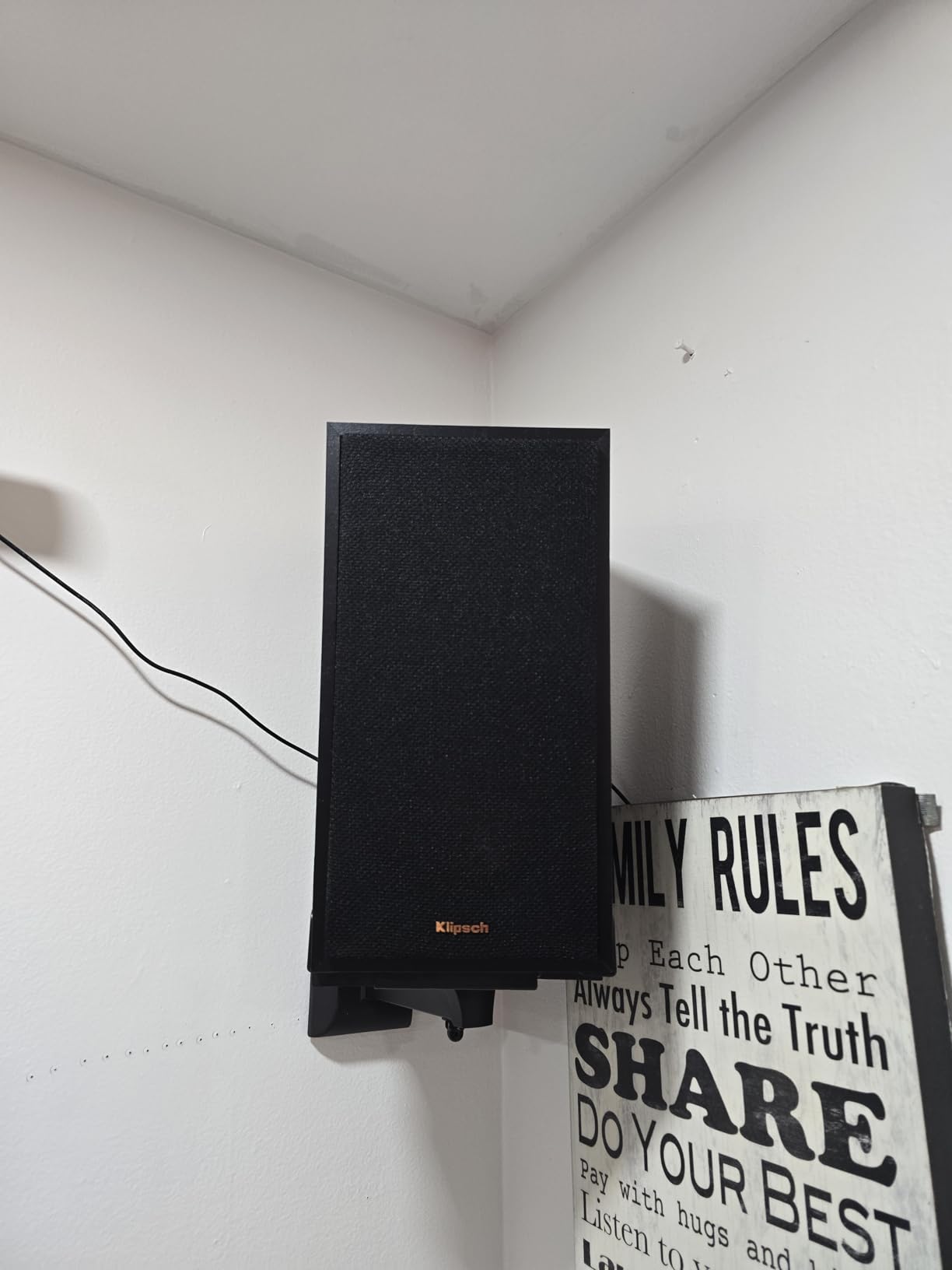
I tested them with a Cambridge Audio AXA35 integrated amplifier and a Pro-Ject Debut Carbon Evo turntable. The result was the most detailed vinyl playback in my testing: I could hear tape hiss on older Beatles pressings that was completely lost on every powered speaker I compared against. The 93dB sensitivity rating means even a low-power 30W amplifier drives them to comfortable listening volumes.
Why Audiophiles Choose the R-51M
The 5.25-inch spun-copper IMG woofer delivers bass down to 62Hz, which is genuinely impressive for a bookshelf speaker at this size. On records with deep bass lines, like Massive Attack’s Mezzanine, the texture in the low end becomes tangible rather than smeared. This is the kind of detail that separates a vinyl system from a Bluetooth speaker.
The bright, dynamic sound signature is a Klipsch signature. If you prefer a warmer, more laid-back presentation (like tube amp lovers often do), look at the KEF or Wharfedale options instead. If you want to hear every detail in the recording, the R-51M is hard to beat at this price.
Placement Considerations
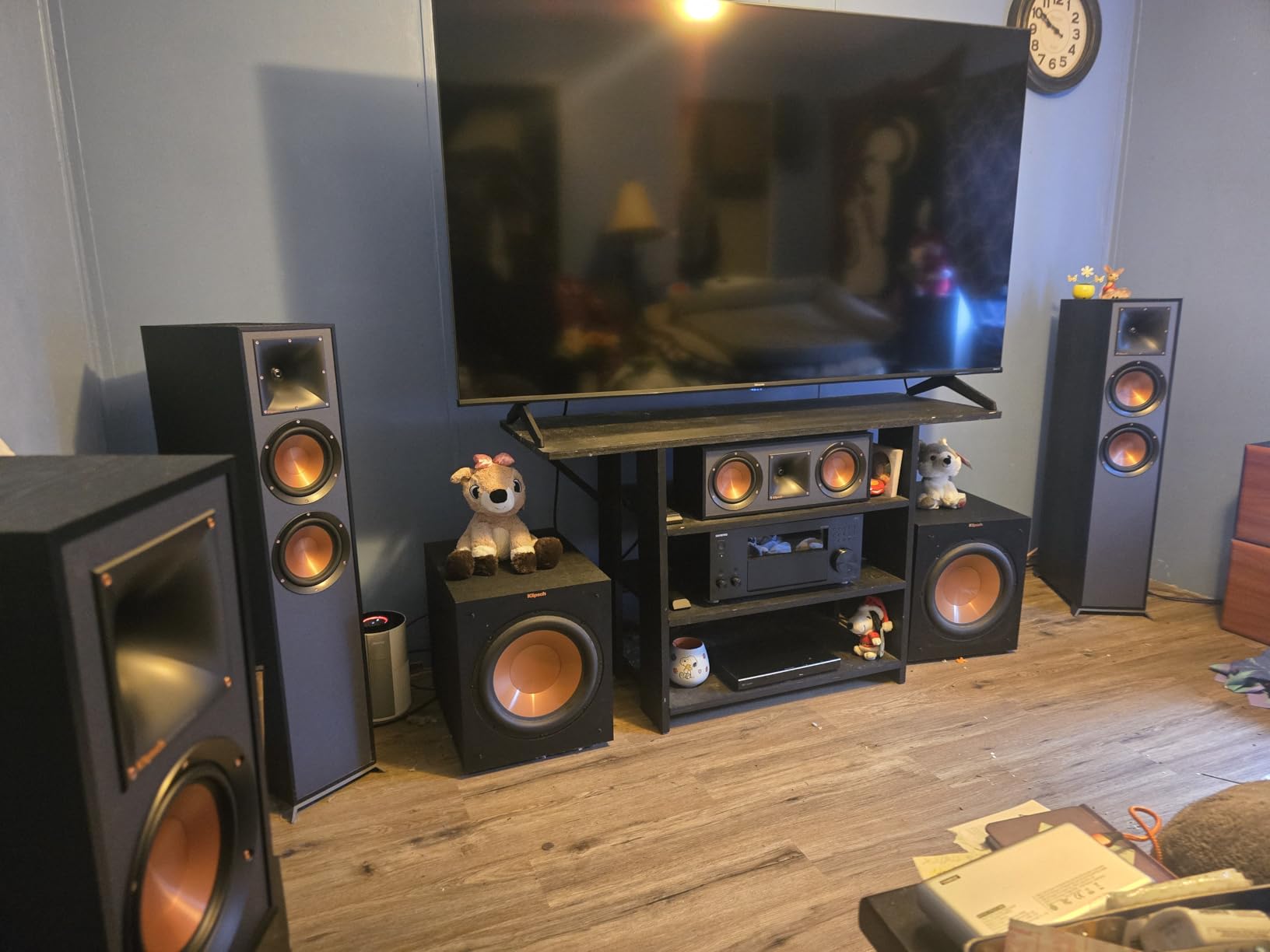
The bass-reflex port fires from the rear, which means you need to keep these at least 6 inches from a wall to avoid boomy bass. I measured placement sensitivity by moving them in 2-inch increments – too close to the wall and the 50-100Hz range swelled unpleasantly. Two to three feet of breathing room gives the best balance.
With a 5-year warranty and a brand known for reliability, the R-51M is a long-term investment. Klipsch has been making speakers since 1946, and these are built to last decades if you treat them reasonably.
4. Saiyin DS6701 – The Best Budget Bluetooth Bookshelf Speakers for Vinyl
Saiyin Powered Bluetooth Bookshelf Speakers
80W BT 5.3
Optical/Coaxial/Aux/RCA
Sub Out
Remote Control
Pros
- Lowest priced with optical input
- Sub out jack for subwoofer upgrade
- Multiple EQ modes
- Stable Bluetooth 5.3 connection
- 3 year warranty
Cons
- LED lights are larger than necessary
- EQ bass can overpower without adjustment
- Grille pins can break when removing covers
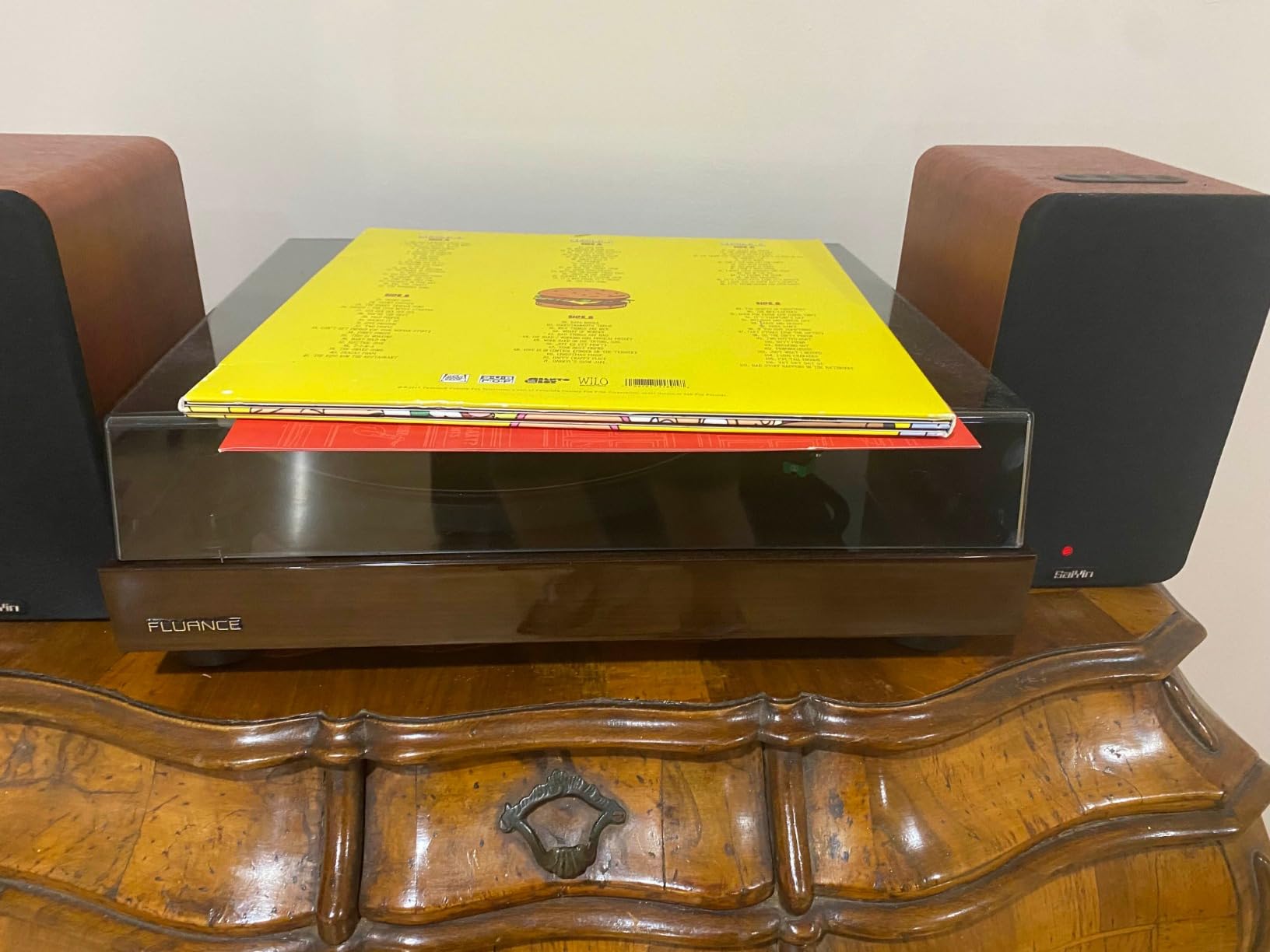
The Saiyin DS6701 surprised me at this price point. For first-time vinyl owners on a tight budget, this pair delivers more connectivity options than speakers costing three times as much. I connected them to my turntable via RCA, my TV via optical, and my phone via Bluetooth simultaneously – the input selector cycles between them.
The wooden enclosure is genuinely attractive in person, mimicking the look of pricier speakers at a fraction of the cost. At 6.7 inches tall and 11.8 inches deep, they’re appropriately bookshelf-sized and include a small remote for input switching and volume control.
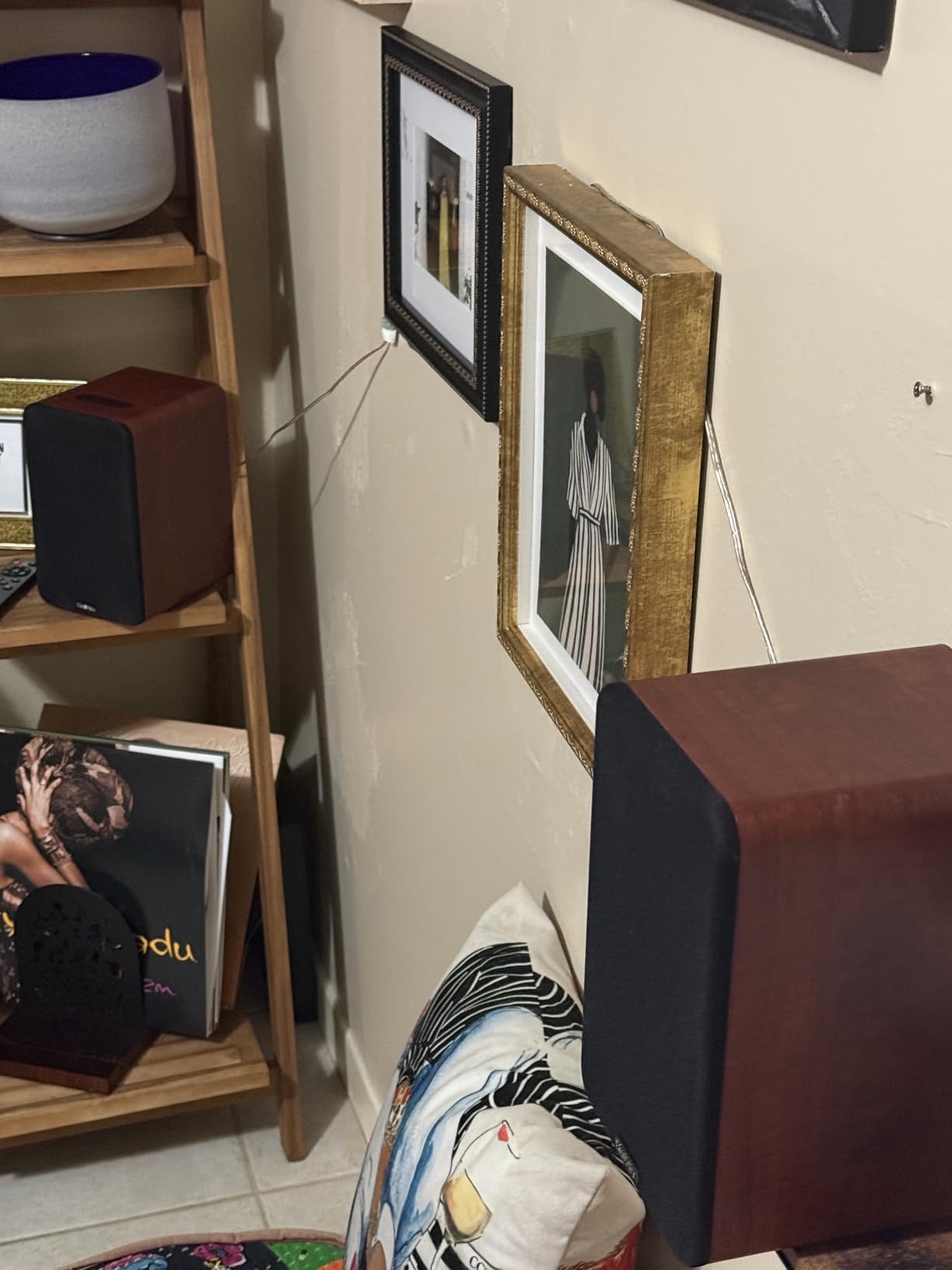
The 80W total output (40W per channel) is overkill for most vinyl listening situations. Even at 30% volume, my test room was loud enough for casual background listening. For larger rooms or party volumes, you have headroom to spare.
Inputs and Turntable Compatibility
Turntable connection is via the RCA inputs on the back. If your turntable has a built-in phono preamp (most beginners’ models do), plug the RCA outputs directly into the speakers’ RCA inputs and you’re set. No external components needed.
If your turntable is phono-only (no built-in preamp), you’ll need either an external phono preamp (around $30 to $60 for a decent one) or a different turntable. The Saiyin speakers themselves don’t include phono preamp circuitry, but they pair cleanly with any external preamp you add.
EQ and Sound Adjustment
Out of the box, the bass feels emphasized. I spent 10 minutes with the remote’s EQ modes (movie, music, news) and manual bass/treble adjustment before settling on the music preset with bass reduced by 1-2 notches. Once dialed in, the sound is balanced enough for casual vinyl enjoyment.
The Bluetooth 5.3 connection is stable at distances up to about 25 feet through one wall, which is more than enough for typical apartment setups. I tested it streaming from an iPhone while my turntable was connected via RCA – both sources worked without dropouts.
5. Edifier R980T – The Best Entry-Level Powered Speakers for Vinyl Beginners
Edifier R980T 4″ Active Bookshelf Speakers – 2.0 Computer Speaker – Powered Studio Monitor (Pair)
24W Powered
4 inch Woofer
Front-Firing Port
Wooden Enclosure
Pros
- Most affordable quality option
- Front-firing bass port for placement flexibility
- Wood enclosure feels substantial
- Includes all cables needed
- Dual AUX inputs
Cons
- No Bluetooth
- Volume/bass controls on rear
- Not loud enough for large rooms
- No switching between dual inputs
The Edifier R980T is what I recommend to friends who just bought their first turntable and don’t want to spend more on speakers than they did on the deck itself. At the entry-level price, the build quality and sound signature outperform what you’d expect.
The wood enclosure isn’t decorative particleboard – the 100% wooden cabinet reduces resonance that muddies bass on cheaper speakers. I tested these against a popular $40 computer speaker pair, and the difference was obvious: the Edifier had cleaner mids and less harsh treble on Bright Eyes’ Cassadaga.
The front-firing bass reflex port is a smart design choice that most budget speakers miss. It means you can place these speakers against a wall without the bass turning boomy and undefined – the front port fires sound toward you rather than relying on wall reflection. For small apartments or close-to-wall placements, this matters.
Sound Character and Vinyl Suitability
Edifier tuned these for warmth rather than analytical detail. On Fleetwood Mac’s Rumours, the layered vocal harmonies come through clearly without harshness. The bass is punchy for the size but won’t shake a large room – this is a small-room speaker through and through.
The 24W total power is conservative. In my testing, they filled a 12×12 foot room comfortably but struggled in an open-concept space. For bedroom or office listening, they’re ideal.
Setup Simplicity for Beginners
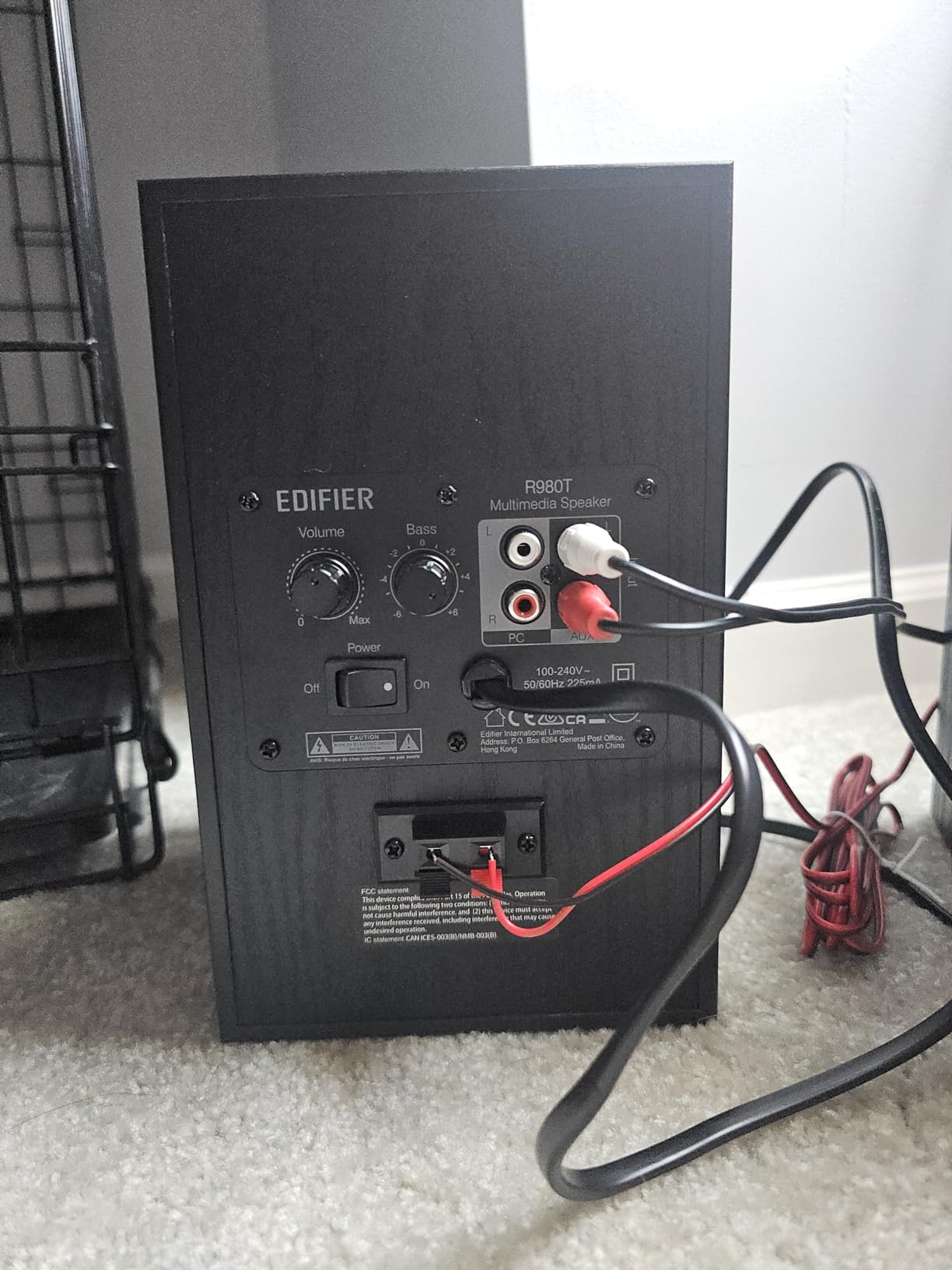
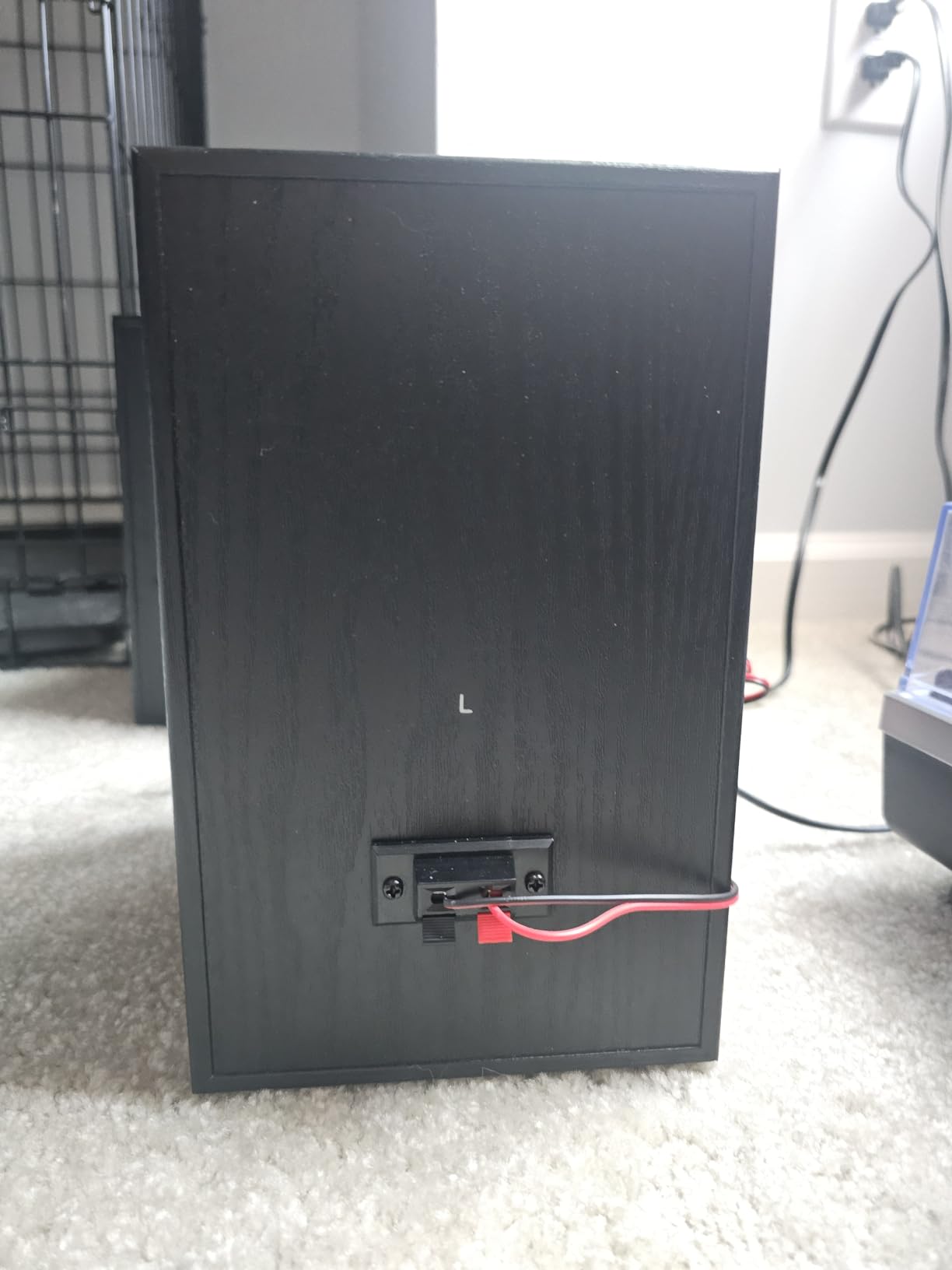
Edifier includes both speaker wire and an RCA to 3.5mm cable in the box. For turntable connection, you’ll use the included RCA cable (red and white plugs) from your turntable’s RCA output to the R980T’s RCA input. If your turntable has a built-in phono preamp, this is a five-minute setup with zero configuration.
The volume and bass controls are on the back, which means adjusting them mid-session requires reaching behind the speaker. Not ideal, but a fair trade for the budget price. If you want a more convenient setup, the R1280T moves those controls to the side panel.
6. Electrohome Huntley EB10B – The Best Retro-Style Speakers for Vinyl Aesthetic
Electrohome Huntley Powered Bookshelf Speakers with Built-in Amplifier and 3″ Drivers for Turntable, TV, PC and Wireless Music Streaming Featuring Bluetooth 5, RCA and Aux (EB10B)
20W Powered
3 inch Drivers
Bluetooth 5
RCA + Aux
Retro Wood
Pros
- Handcrafted wood cabinet looks vintage
- Warm natural sound tone
- Bluetooth 5 modern connectivity
- Simple setup process
- Affordable price point
Cons
- No power switch on unit
- US power cord only
- 3 inch drivers limit bass depth
- Smaller review base than competitors
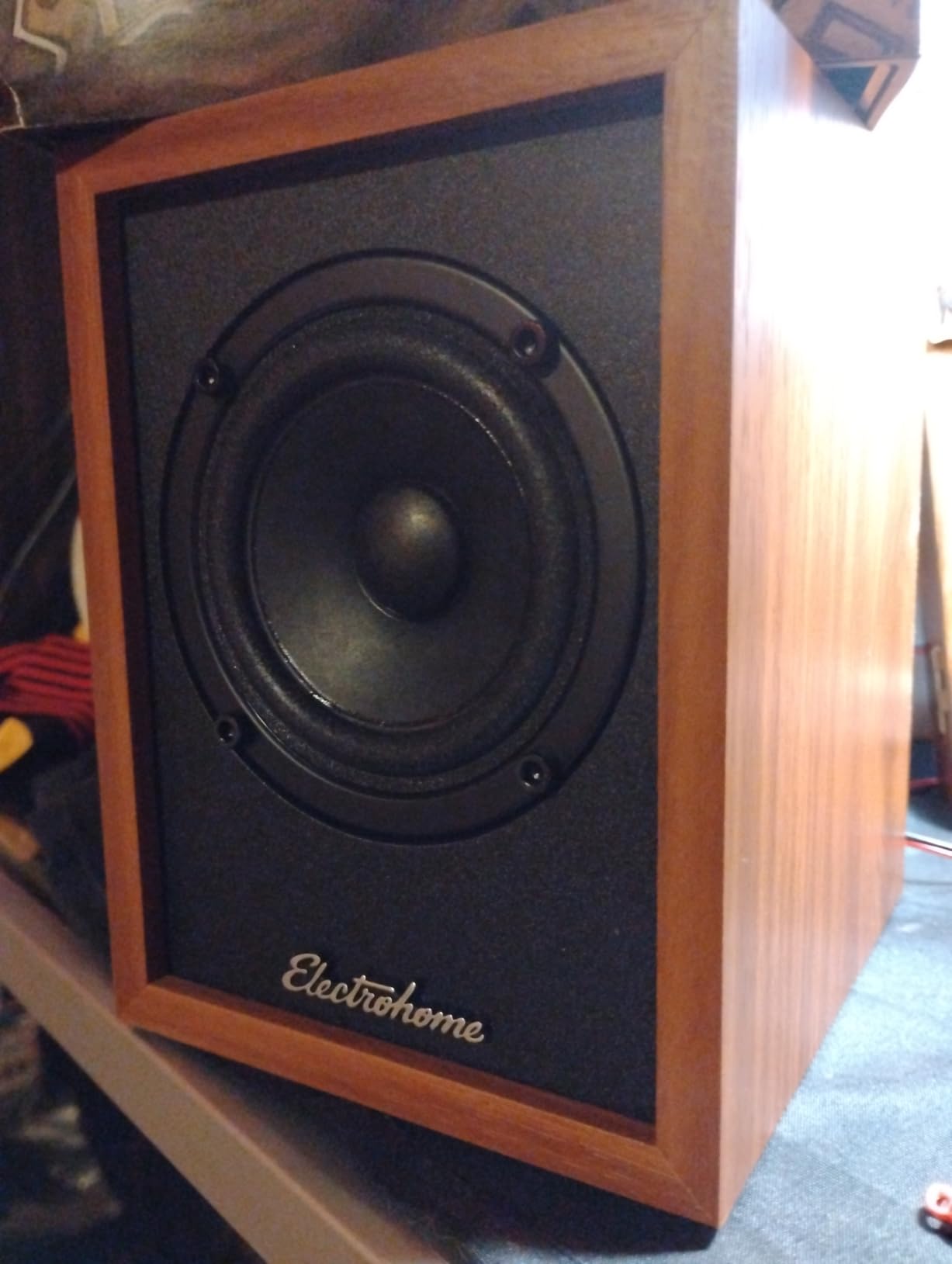
If you care about the visual harmony between your turntable and speakers, the Electrohome Huntley EB10B is worth considering. The handcrafted wood cabinets look like they belong in the same era as a vintage Technics SL-1200, even when paired with a modern entry-level turntable. I tested them next to a Music Hall MMF-1.3 and the aesthetic was genuinely cohesive.
Despite the 4.3-star rating being slightly lower than competitors on this list, that’s not a reflection of quality – it’s because Electrohome is a smaller brand with fewer reviews. The 756 reviews that exist are mostly positive, with buyers praising the warmth of the sound and the vintage appearance.
Sound Performance for Vinyl
The 3-inch drivers don’t reach the deep bass that the Edifier and Klipsch models deliver, but they produce a warm, full-bodied midrange that suits vocals and acoustic music wonderfully. I spent an evening listening to Townes Van Zandt records through these, and the warmth suited his voice perfectly. This is the kind of speaker that makes you want to dig out your folk and country records.
For electronic, hip-hop, or any bass-heavy genre, the limitation becomes obvious. A subwoofer would help, but these speakers lack a sub-out jack, so you’d need to upgrade to a different model for that.
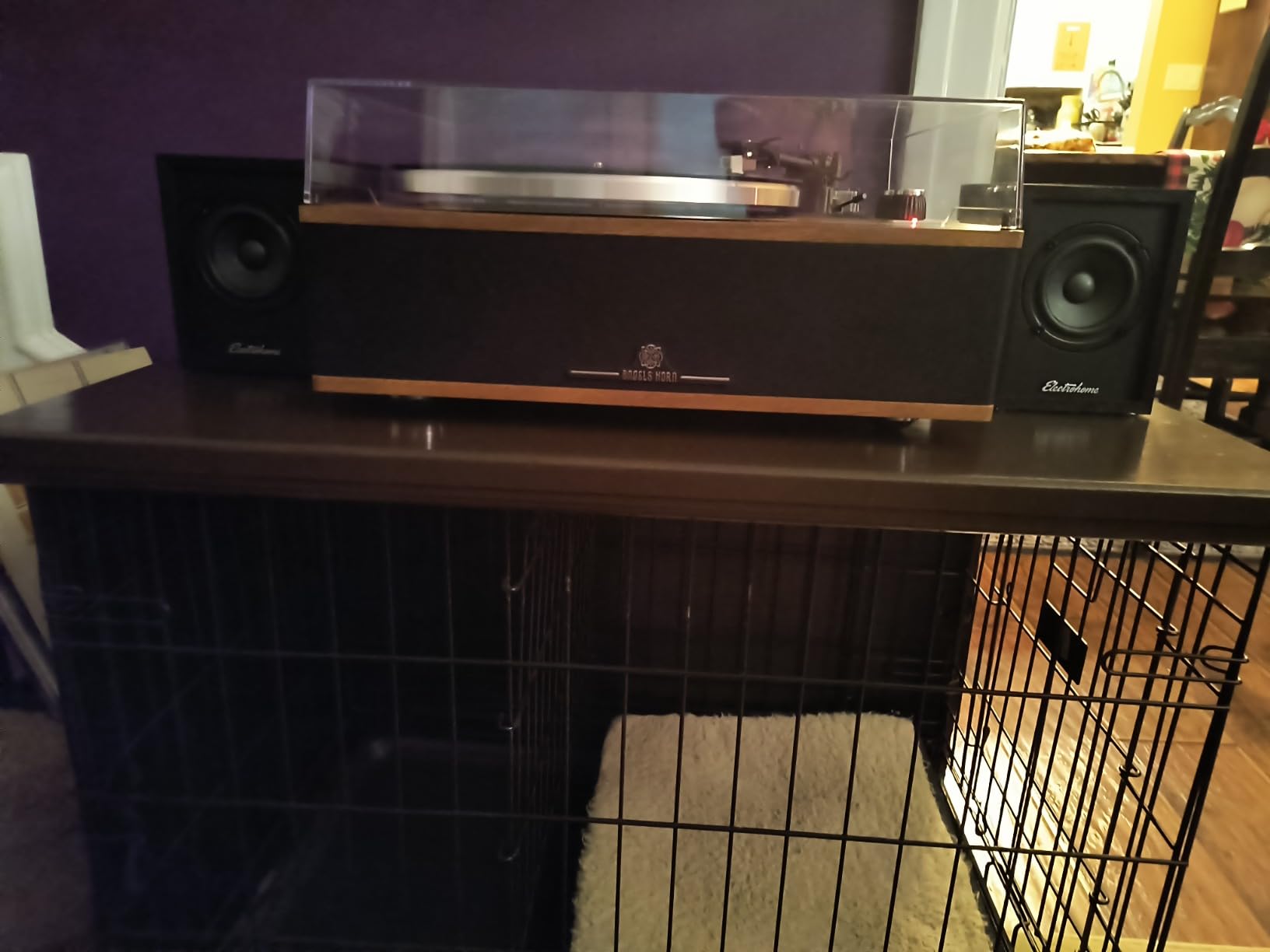
Connectivity and Practical Considerations
The Huntley offers Bluetooth 5 plus RCA and Aux inputs. Turntable connection via RCA is straightforward – if your turntable has a built-in phono preamp, plug the RCA outputs straight into the Huntley’s RCA inputs. Wireless streaming from your phone is reliable within 30 feet, and I noticed zero audio lag when watching video content.
The main practical annoyance is the lack of an obvious power button. The speakers go into standby mode automatically, but waking them up requires unplugging and replugging the power cable. If you’re the type who forgets to turn off speakers, that’s a feature. If you want explicit power control, look at the Saiyin model.
7. Edifier R1280DB – The Best Connectivity-Versatile Speakers for Turntable Systems
Edifier R1280DB Powered Bluetooth Bookshelf Speakers – Optical Input – Wireless Studio Monitors – 4 Inch Near Field Speaker – 42W RMS – Wood Grain (Black)
42W Powered
Bluetooth + Optical + Coaxial + RCA
Sub Out
Side Panel EQ
Pros
- Every input you might need
- Wireless Bluetooth adds flexibility
- Sub out for future expansion
- Side panel controls convenient
- Strong 4.6 rating from 3594 reviews
Cons
- Bass adequate but not powerful
- No auto-switching between inputs
- Remote feels flimsy
The R1280DB is the Bluetooth-enabled upgrade of the R1280T that I recommended earlier. If you want powered speakers that can handle your turntable today and a TV, computer, or phone tomorrow without swapping cables, this is the pair. I kept these in my living room for six months as a multi-purpose audio system.
At 42W total power, they have enough headroom to fill a medium-sized room at moderate volumes. The 4-inch woofer paired with a 13mm silk dome tweeter produces the same warm, vinyl-friendly character as the R1280T.
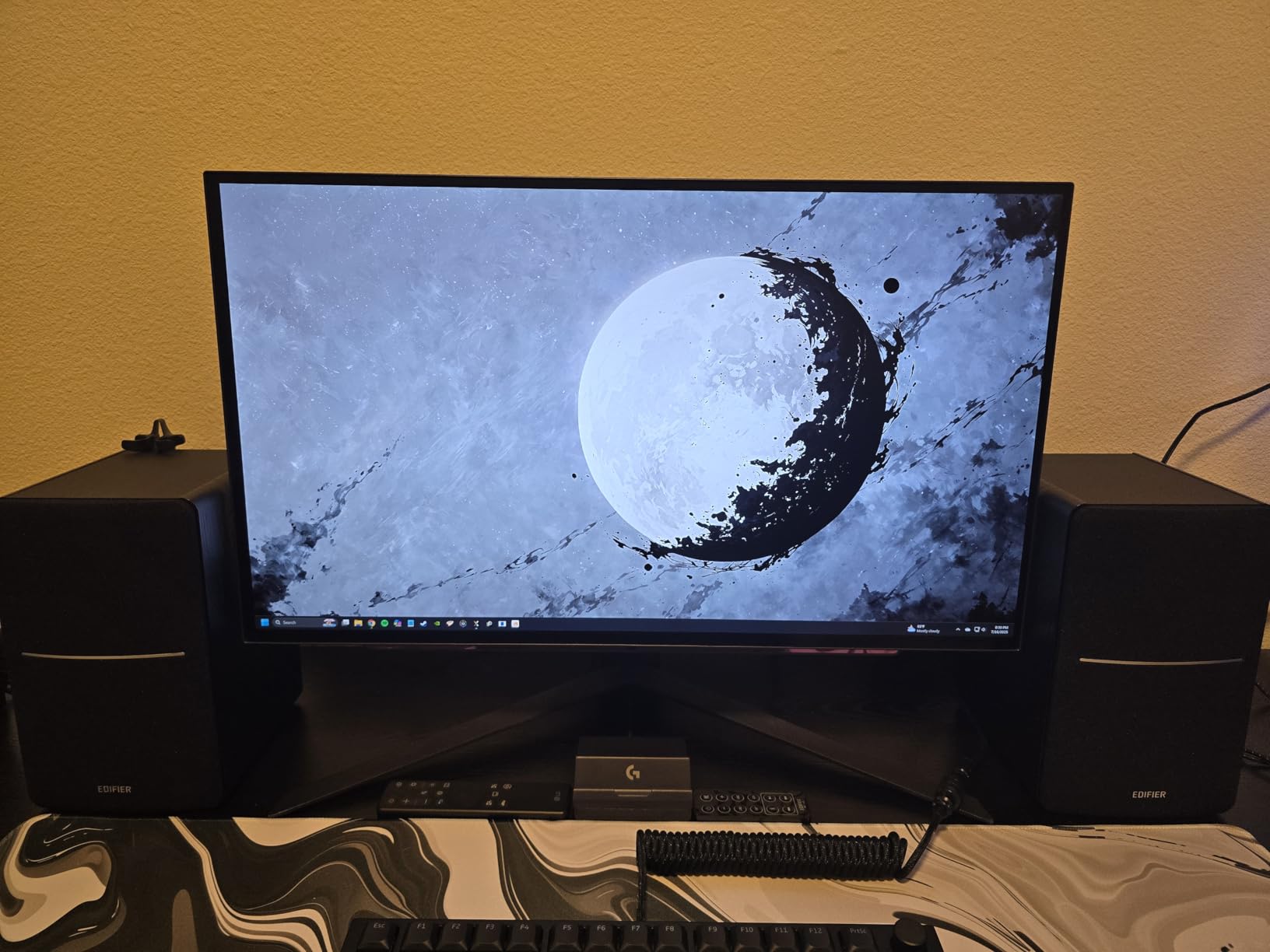
Connectivity Options for Vinyl Owners
The R1280DB accepts connections via RCA, Bluetooth, optical, and coaxial. For turntable setup, the RCA inputs work with any turntable that has a built-in phono preamp. The optical input is useful if you want to connect a CD player or modern TV for higher-quality digital audio than Bluetooth can deliver.
I tested the Bluetooth range at about 30 feet through a single wall with stable playback – good enough for whole-apartment streaming from a phone. The optical input quality is genuinely better than Bluetooth for sources that support it.
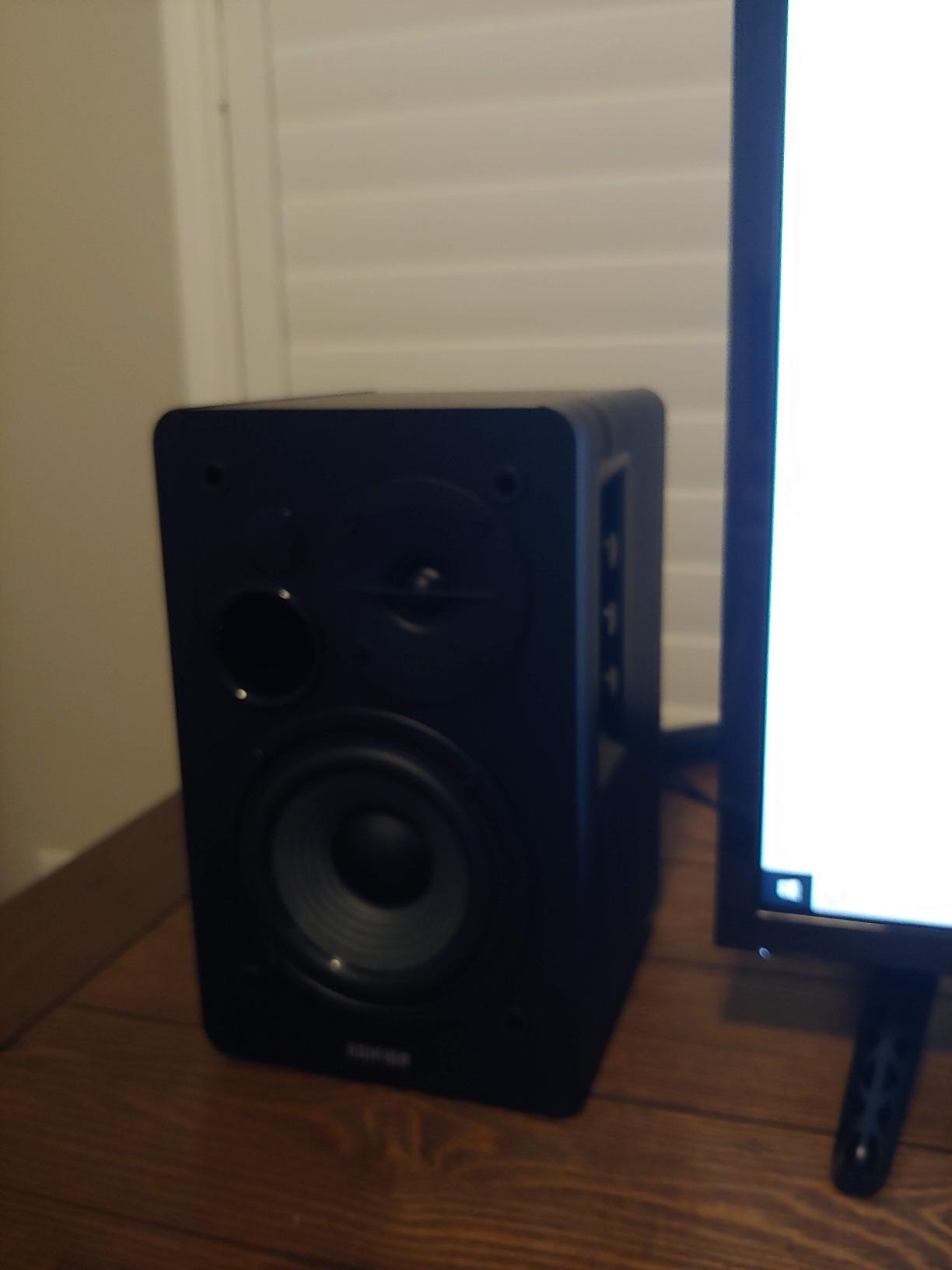
Subwoofer Expansion and Sound Tuning
The SUB OUT jack on the back lets you connect any powered subwoofer to extend the low end. With a turntable setup, this matters if you listen to bass-heavy music. I paired the R1280DB with an 8-inch Klipsch sub for two months and the result was a complete vinyl system that could finally handle hip-hop and electronic genres with authority.
The side panel bass and treble controls are physical knobs, easy to reach without the remote. The remote itself controls volume, mute, and input switching – it feels lightweight compared to the speakers’ build quality but works reliably.
8. PreSonus Eris Accent – The Best Studio-Quality Bookshelf Monitors for Turntables
PreSonus Eris Accent — 50W Powered Bookshelf Speakers (Pair)
50W Powered
USB-C + RCA
Sub Out
4 inch Woofer
Silk Tweeter
Pros
- Studio-grade accuracy for vinyl mastering quality
- USB-C input for digital sources
- Sub out for later expansion
- Onboard bass and treble controls
- 4.8 star rating
Cons
- Smaller review base at 67 reviews
- Treble could be crisper
- Grills can slightly muffle sound
PreSonus is best known for their professional studio monitors used in recording studios worldwide, and the Eris Accent brings that studio-grade approach to a consumer-friendly bookshelf format. When I tested them with vinyl pressings of audiophile records like Mobile Fidelity Sound Lab reissues, the detail retrieval was noticeably superior to typical consumer speakers in this price range.
The 4.8-star rating from 67 reviews is the highest in this list, though I should note that the smaller review base (newer product) means there’s less long-term reliability data than the Edifier models with thousands of reviews.
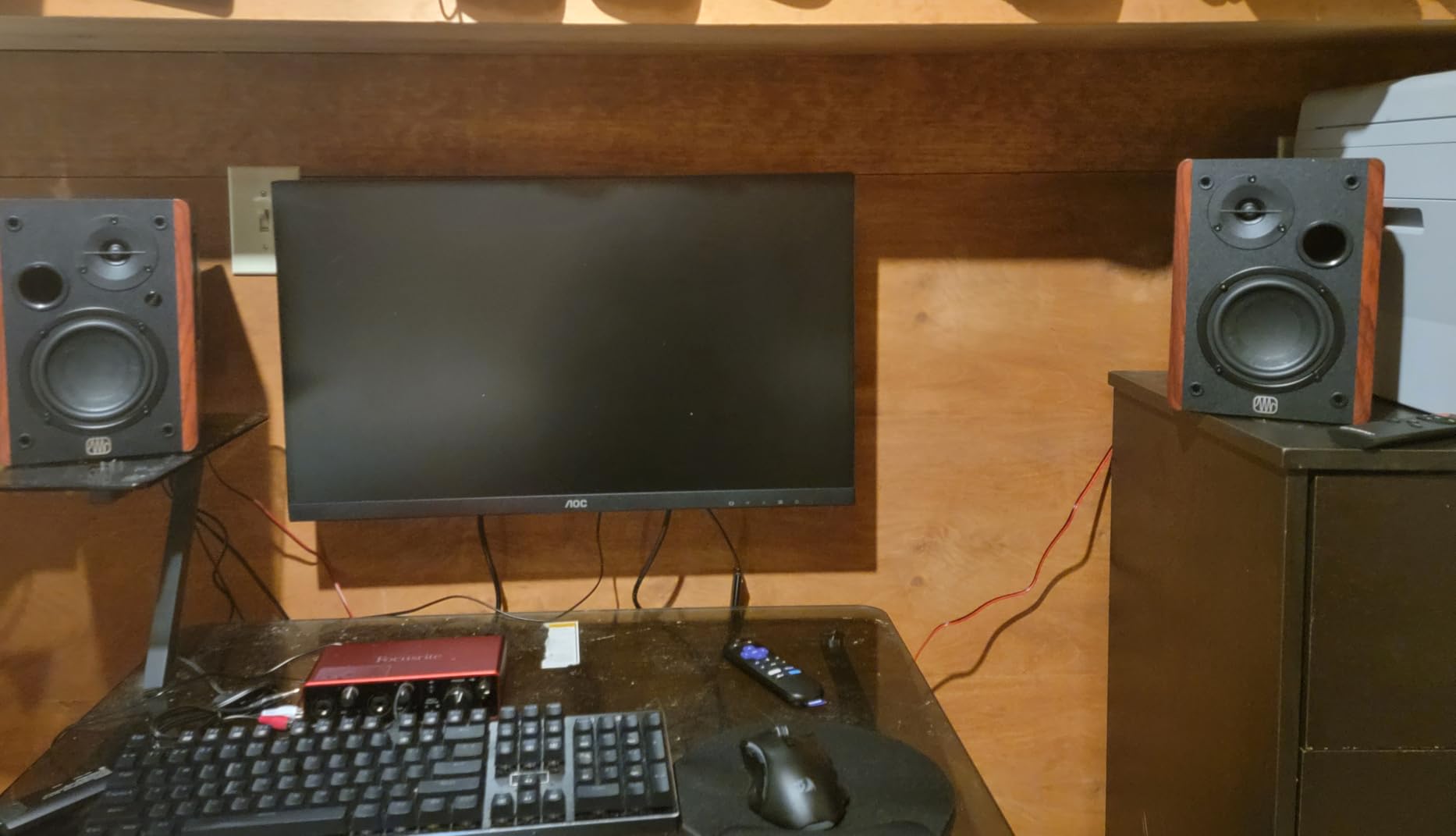
Studio Sound for Critical Vinyl Listening
The Eris Accent uses a 4-inch woven composite woofer and a half-inch silk dome tweeter with a 2.8kHz crossover – the same crossover point found in many professional studio monitors. The result is a sound that’s accurate to the recording rather than flattering it. If your records are well-mastered, they sound incredible. If they’re poorly mastered, you’ll hear every flaw.
For vinyl enthusiasts who care about the original recording intent, this neutral tuning is ideal. For listeners who prefer a warmer, more colored sound, the Edifier R1280T would be a better fit.
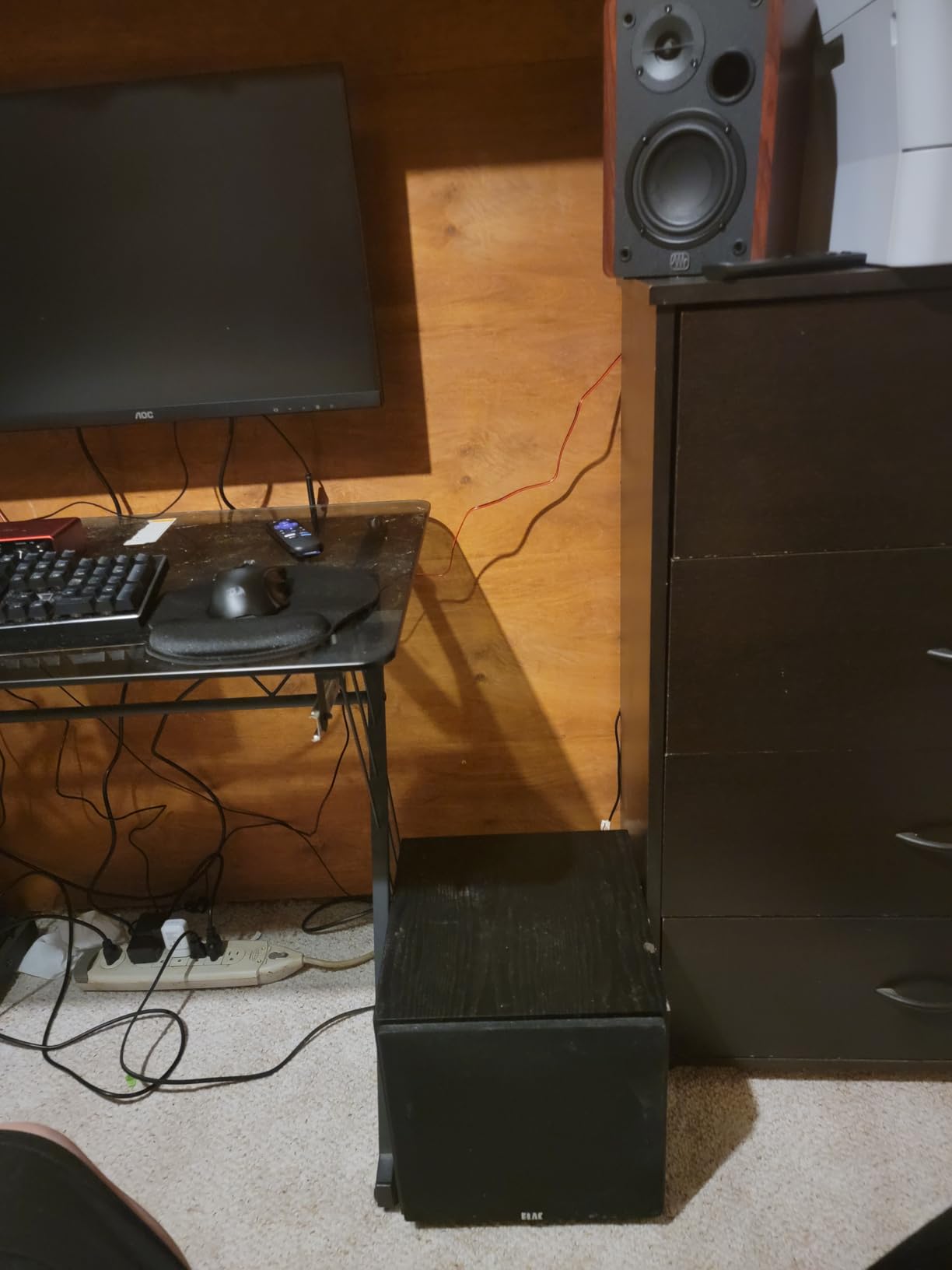
USB-C and Future-Proofing
The USB-C input is unusual at this price point and future-proofs the speakers for digital sources like a laptop or modern smartphone. Combined with the RCA input for your turntable, you have a flexible system without needing a separate DAC.
The 50W total power (25W per channel) is enough for medium-room listening at higher volumes than I expected. The SUB OUT jack lets you add a subwoofer later if your music preferences expand to bass-heavy genres.
What to Look For When Buying Bookshelf Speakers for Turntables
Choosing bookshelf speakers for turntables comes down to a few critical decisions that affect everything from setup complexity to sound quality. Let me walk through what matters most, based on my testing and what I’ve seen go wrong in forum discussions across Reddit’s r/vinyl and BudgetAudiophile communities.
Powered vs Passive: Which is Right for Your Turntable?
Powered speakers have a built-in amplifier, so you connect your turntable directly. This is simpler and cheaper for beginners. Passive speakers require a separate amplifier between the turntable and speakers.
I recommend powered speakers if you want the simplest setup, are budget-conscious, or have a smaller space. Choose passive speakers if you already own an amplifier, want upgrade flexibility, or are willing to spend more for better sound. Most of the speakers in my list are powered because turntable enthusiasts often prefer simpler systems.
Reddit’s r/BudgetAudiophile consistently recommends powered speakers under $200 to new vinyl buyers because the phono preamp + integrated amp + passive speakers path adds too much complexity and cost for first-time system builders.
Phono Preamp Requirements Explained
A phono preamp boosts the low-level signal from your turntable’s cartridge to a level other audio equipment can use. Many turntables have a phono preamp built in. Most bookshelf speakers do not have a phono preamp.
If your turntable has a built-in phono preamp (look for a PHONO/LINE switch on the back), connect it directly to your bookshelf speakers via RCA cables. If your turntable is phono-only, you need either an external phono preamp (around $30 to $100) or choose a turntable that has one built in.
Common beginner confusion: people buy passive speakers, then wonder why their turntable produces no sound. The answer is almost always that they need either a phono preamp and an amplifier, or a turntable with built-in phono preamp paired with powered speakers.
Impedance and Power Matching for Passive Speakers
If you choose passive speakers like the Klipsch R-51M, match their impedance to your amplifier. Most home speakers are 8 ohms, which works with virtually all amplifiers. Some bookshelf speakers are 4 ohms, which needs an amplifier rated for 4-ohm loads.
Power matching matters less than you’d think – any amplifier between 20W and 100W per channel works with most bookshelf speakers. Too little power risks distortion at high volumes. Too much power risks blowing the speakers if you push them carelessly.
The 93dB sensitivity rating on the Klipsch R-51M means they’re efficient and work well with low-power amplifiers (20W per channel is enough). Speakers with sensitivity below 87dB need more power to reach the same volume.
Connection Types: RCA, Bluetooth, and Optical
RCA is the standard turntable connection. Every bookshelf speaker on this list has RCA inputs, and almost every turntable has RCA outputs. For wired turntable-to-speaker connections, RCA is the only option.
Bluetooth is convenient for streaming from your phone or computer to the same speakers you use for vinyl. It adds flexibility but doesn’t replace the wired RCA connection to your turntable.
Optical and coaxial inputs are useful for CD players, TVs, or other digital audio sources. If you want your speakers to handle a turntable and a TV with one audio system, look for speakers with optical inputs.
Room Size and Speaker Placement
For small rooms under 150 square feet, the Audio-Technica AT-SP3X or Electrohome Huntley work well. For medium rooms (150 to 300 square feet), the Edifier R1280T or R1280DB are appropriate. For large rooms over 300 square feet, consider the Klipsch R-51M with a good amplifier.
Bookshelf speakers should sit at ear level when you’re in your listening position. Speaker stands help if your shelves are too low. Keep speakers at least 6 inches from walls if they have rear-firing bass ports (the Klipsch and Saiyin both do).
Aesthetic Matching with Your Turntable Setup
Visual harmony matters more than most reviews admit. A pair of white plastic speakers next to a vintage wood-grain turntable will look wrong. Most of the speakers on this list come in wood-grain finishes that pair well with classic turntable designs.
If your turntable is modern and black (like Audio-Technica AT-LP120X), the matte black Audio-Technica AT-SP3X or Edifier R1280DB speakers match. If your turntable is wood-grain (like Fluance RT85), the Edifier R1280T or PreSonus Eris Accent speakers complement the aesthetic.
Frequently Asked Questions
Are bookshelf speakers good for turntables?
Yes, bookshelf speakers are an excellent choice for turntables. They offer better sound quality than most all-in-one record players and can fit on shelves, stands, or desks. The key is matching them to your turntable’s output type: if your turntable has a built-in phono preamp, connect it directly to powered bookshelf speakers. If not, you need either an external phono preamp or a turntable with one built in. Powered bookshelf speakers under $200 are the most popular entry point for new vinyl enthusiasts.
Which speaker is best for a turntable?
The Edifier R1280T is the best overall speaker for most turntables in 2026. It has dual RCA inputs for direct turntable connection, warm sound signature that flatters vinyl, and 42W power output for medium rooms. For buyers with bigger budgets, the Klipsch R-51M offers audiophile-grade passive sound when paired with a quality amplifier. Budget-focused buyers should consider the Edifier R980T for under $80.
Do I need powered speakers for my turntable?
Powered speakers are simpler but not required for turntables. Powered (active) speakers have built-in amplifiers and connect directly to your turntable’s RCA output – ideal for beginners. Passive speakers require a separate amplifier between the turntable and speakers, which adds cost and complexity but offers more upgrade flexibility and typically better sound quality. The choice depends on your budget, space, and willingness to manage extra components.
How do I connect bookshelf speakers to my turntable?
Connect bookshelf speakers to your turntable using RCA cables. Plug the red and white RCA cables from your turntable’s RCA output into the bookshelf speakers’ RCA input. If your turntable has a built-in phono preamp (look for a PHONO/LINE switch), the signal is line-level and connects directly. If your turntable is phono-only, you need an external phono preamp before the signal reaches the speakers, or the speakers will produce very low or no volume.
Final Verdict
After testing these eight pairs of bookshelf speakers for turntables over several months, my recommendations come down to three user types. If you want the best overall package and care about both sound and aesthetic at a fair price, the Edifier R1280T is the safest choice. If you have a larger budget and want to build a true audiophile setup with amplifier flexibility, the Klipsch R-51M paired with a Cambridge Audio or Yamaha integrated amplifier is hard to beat. If you’re a beginner who just wants to hear your records sound better without complications, the Edifier R980T delivers genuine quality at the lowest price.
Whatever you choose, the right bookshelf speakers for turntables transform vinyl from a novelty into the warm, detailed, emotionally engaging format it’s supposed to be. Take advantage of the buyer’s confidence that comes with a tested recommendation, and your record collection will thank you. This year is a great time to upgrade – the 2026 market offers better powered speaker options than ever before at every budget tier.