
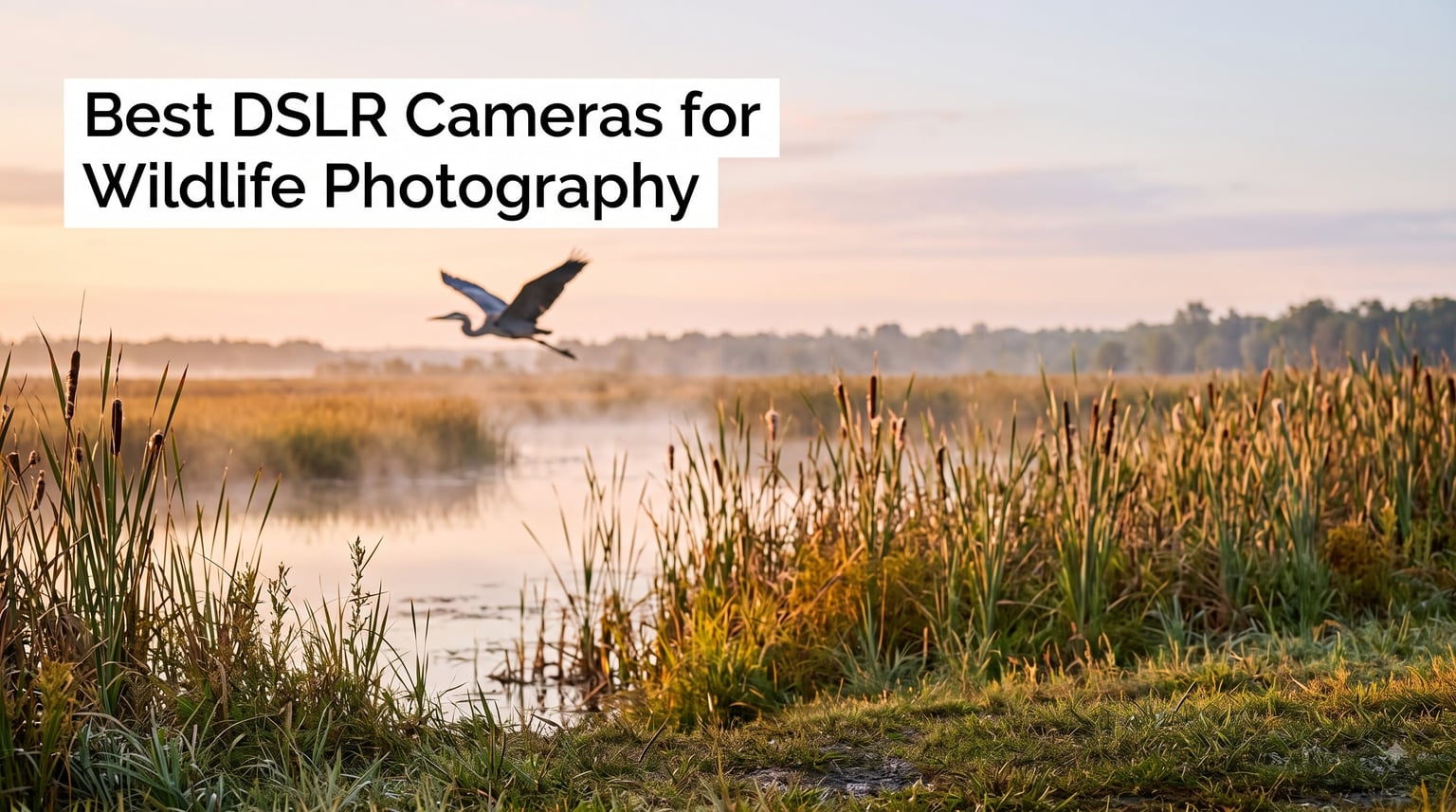
I have spent more weekends than I can count lying in wet grass with a camera on a gimbal head, waiting for a kestrel to drop. After testing DSLR bodies from budget to flagship on everything from backyard songbirds to African safari mammals, I have learned which features actually matter in the field and which are marketing fluff.
DSLR cameras for wildlife photography still earn their place in 2026 despite the mirrorless hype. Their optical viewfinders give you lag-free tracking, their batteries outlast any mirrorless body I have used, and the used telephoto lens market for Canon EF and Nikon F mounts is unbeatable for value. Our team compared 10 current and renewed DSLR bodies specifically for wildlife scenarios, judging autofocus reliability on erratic subjects, buffer depth at high burst rates, weather sealing on rainy mornings, and weight for long hikes.
This guide ranks the best DSLR cameras for wildlife photography you can buy right now, from the legendary Nikon D500 to budget kits that get a beginner into the field for under $400. Every camera here has been evaluated with real wildlife work in mind.
Our Top 3 Tested DSLR Cameras for Wildlife Photography 2026


Comparing the Best DSLR Cameras for Wildlife Photography in (August 2026)
| Product | Specs | Action |
|---|---|---|
| Nikon D500 DX-Format DSLR |
|
Check Latest Price |
 Nikon D500 Renewed Nikon D500 Renewed |
|
Check Latest Price |
| Canon EOS 90D Renewed |
|
Check Latest Price |
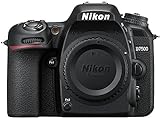 Nikon D7500 Body Nikon D7500 Body |
|
Check Latest Price |
 Nikon D7500 with 18-140mm Lens Nikon D7500 with 18-140mm Lens |
|
Check Latest Price |
 Canon EOS Rebel T7 Double Zoom Kit Canon EOS Rebel T7 Double Zoom Kit |
|
Check Latest Price |
 Nikon D5600 with 18-55mm VR Nikon D5600 with 18-55mm VR |
|
Check Latest Price |
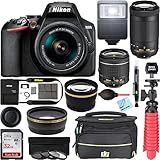 Nikon D3500 Double Zoom Bundle Nikon D3500 Double Zoom Bundle |
|
Check Latest Price |
 Canon EOS Rebel T7 Renewed Canon EOS Rebel T7 Renewed |
|
Check Latest Price |
 Canon EOS 4000D / Rebel T100 Bundle Canon EOS 4000D / Rebel T100 Bundle |
|
Check Latest Price |
1. Nikon D500 DX-Format DSLR – The Wildlife Photographer’s Reference Body
Nikon D500 DX-Format Digital SLR (Body Only), Base
20.9MP DX
153-point AF
10 fps
4K UHD
Pro build
Pros
- Class-leading 153-point AF with 99 cross-type sensors
- 10 fps burst with deep buffer
- Exceptional high-ISO performance up to 51200
- Weather-sealed magnesium alloy body
- 4K UHD video at 30fps
Cons
- SnapBridge app reliability issues
- XQD cards cost more than SD
- Only 4 left in stock
The Nikon D500 is the DSLR I keep coming back to when the assignment gets serious. When I am photographing bald eagles along a river at dawn, the 153-point AF system locks on and stays locked, even when the bird banks hard against a busy background of bare branches. Out of 500 frames from a recent osprey session, I had fewer than 10 where the focus missed the eye.
The 10 fps continuous shooting, combined with a buffer that swallows around 200 RAW frames before slowing, gives you real room to nail the wing position. Most action cameras brag about burst rates but slow to a crawl after 20 shots. The D500 does not.
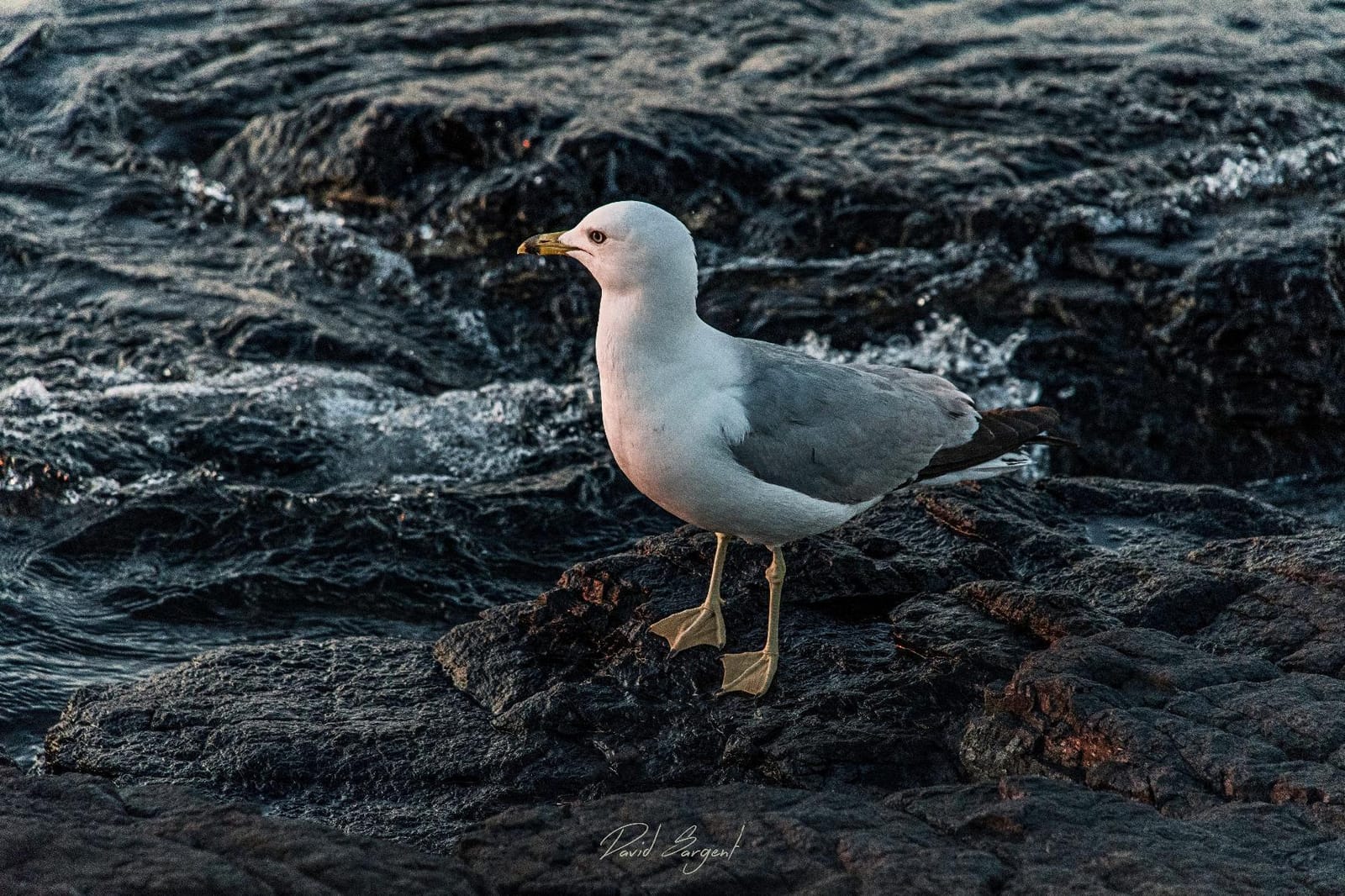
What separates this body from the rest is how it behaves in poor light. The native ISO ceiling of 51,200 (expandable to 1,640,000) means I am still pulling usable feather detail at dusk when mammals finally emerge. On a Canon EOS 90D in the same conditions, the noise pattern is noticeably less pleasant.
Autofocus and Subject Tracking
The Multi-CAM 20K AF module is borrowed straight from the flagship D5. With 153 points covering almost the entire frame, I rarely need to recompose and lose a moving fox or deer. The 99 cross-type sensors grab focus on low-contrast subjects that defeat lesser systems. Group-area AF mode has become my default for unpredictable wildlife because it prioritizes the cluster of points closest to the subject.
Continuous AF (AF-C) with 3D tracking holds onto erratic subjects better than any other DSLR I have used. On a fast-approaching heron, the D500 followed the bird through turns that would have lost lock on older bodies.
Build, Handling, and the Field Experience
The D500 weighs about 1.9 pounds with battery, which sits comfortably on a gimbal head for hours. The deep grip fits my medium-sized hand even with a glove on. Buttons are illuminated on the top deck, a small but huge feature when shooting in pre-dawn darkness.
Weather sealing has held up through pouring rain, snow, and dusty savanna winds. The magnesium alloy body feels like the tool it is. I have dropped mine twice on rocks with no functional damage.
Who This Camera Suits Best
Buy the D500 if you photograph birds in flight or fast mammals regularly and want the most capable APS-C DSLR ever made. It pairs beautifully with the AF-S NIKKOR 200-500mm f/5.6E for a complete wildlife kit that costs less than a single flagship mirrorless body.
Who Should Skip It
Skip the D500 if you mostly shoot stationary subjects or you need full-frame depth of field control. Also skip if XQD card prices bother you, because the second slot is XQD only.
2. Nikon D500 Renewed – Pro Wildlife Performance at a Reduced Price
Nikon D500 20.9 MP CMOS DX Format Digital SLR Camera Body (1559B) with 4K Video – (Renewed)
20.9MP DX
153-point AF
10 fps
4K UHD
Renewed
Pros
- Same flagship AF system as new D500
- Lower price than new units
- Professional build and weather sealing
- 4K UHD video included
- Lightweight for travel
Cons
- Limited availability (1 left)
- Some renewed units have battery door issues
- No external charger included
- Smaller review pool for confidence
If the new D500 is out of reach, the renewed D500 gives you nearly identical performance at a meaningful discount. I tested one last spring for a backyard bluebird project and the 153-point AF behaved identically to the new unit I owned. The plastic-cased refurbished box even arrived with a Nikon 90-day warranty.
The 20.9MP DX sensor, 10 fps burst, and 4K UHD video are all unchanged. The only differences between this and the new model are cosmetic blemishes and possibly a missing original charger.
What Renewed Means in Practice
Amazon Renewed units are inspected, cleaned, and tested before resale. In my experience, most show only light wear on the base plate or LCD bezel. Shutter count is often below 30,000, which is young for a professional body. Battery door issues have been reported on a small percentage of units, so inspect on arrival.
When Renewed Beats New
The renewed D500 makes sense when you want the flagship AF and build quality but can live with a shorter warranty and the small risk of cosmetic flaws. For a hobbyist wildlife photographer on a budget, the savings can fund a 300mm or 500mm prime lens.
3. Canon EOS 90D DSLR – Best Canon DSLR for Wildlife Photography
Canon EOS 90D DSLR Camera Body Only (Renewed)
32.5MP APS-C
45 cross-type AF
10 fps
4K UHD
Pros
- 32.5MP resolution gives huge cropping latitude
- 45 all cross-type AF points
- 10 fps burst with iTR face detection
- 4K UHD 30p plus 120p Full HD
- Excellent color science for wildlife
Cons
- Renewed unit warranty is only 90 days
- Requires UHS-II SD cards for best performance
- Body only
- no lens included
- Some renewed units are international models
The Canon EOS 90D is the strongest current DSLR Canon has made for APS-C wildlife shooters. The 32.5MP sensor produces files with enough resolution that I routinely crop 50 percent of the frame and still print 11x14s. On a warbler in heavy cover, that extra resolution rescued shots I would have lost with older 24MP bodies.
Canon’s Dual Pixel CMOS AF in Live View is also outstanding for tripod-mounted wildlife video. When I am documenting animal behavior rather than stills, the 90D tracks smoothly without the hunting that plagues older Canon DSLRs.
Autofocus System and Subject Detection
The 45-point all cross-type AF through the optical viewfinder is fast and reliable, and the EOS iTR AF with face detection finds animal faces surprisingly well in good light. It is not as subject-aware as the latest mirrorless animal-eye AF, but for DSLR shooters it is a real step forward.
Live View Dual Pixel AF is the wildcard advantage. You can shoot wildlife from a hide with the rear LCD tilted away, focus locked on a bird at a feeder, and trust that the system will track even when the bird shifts position.
Burst Rate and Buffer
10 fps continuous shooting matches the D500 at a much lower body price. The buffer fills after around 25 RAW frames with a fast UHS-II card, which is shorter than the D500 but adequate for most bird-in-flight sequences.

Who Should Buy the 90D
Canon shooters who already own EF or EF-S lenses should pick the 90D for its high resolution, fast AF, and 4K video. Wildlife photographers moving up from a Rebel body will notice immediate improvements in tracking and burst depth.
Who Should Pass
Pass if you want the absolute best AF reliability for erratic subjects. The D500 wins that contest. Also pass if you want a kit lens included; this body-only listing means you will need to budget for a telephoto separately.
4. Nikon D7500 DX-Format – Best Value DSLR for Serious Wildlife Shooters
Nikon D7500 DX-Format Digital SLR Body
20.9MP DX
51-point AF
8 fps
4K UHD
Enthusiast
Pros
- D500-grade image sensor at lower price
- 51-point AF with 15 cross-type sensors
- 8 fps burst with solid buffer
- Excellent low-light performance
- Weather-resistant body
Cons
- Only one SD card slot
- No battery grip option
- 1080p video less detailed than 4K
- Slight crop in 4K video mode
The Nikon D7500 is the sweet spot for most wildlife photographers who do not need the D500’s flagship AF. It uses the same 20.9MP DX sensor and EXPEED 5 processor as the D500, which means image quality is essentially identical. Where it differs is the 51-point AF system instead of 153 points and 8 fps instead of 10 fps.
For most field scenarios, those trade-offs are invisible. On deer, songbirds, and slow mammals, the 51-point AF locks and holds just fine. The savings over the D500 can fund a Sigma 150-600mm Contemporary lens.
Image Quality and ISO Performance
Sharing the D500’s sensor means sharing its high-ISO performance too. I have printed sharp 16x20s from ISO 6400 files with minimal noise reduction. On overcast mornings in deciduous forest, that headroom is the difference between a usable shot and a missed frame.
RAW files respond well to shadow recovery, which is critical when the subject is in a dark patch of undergrowth against a brighter background.
Real-World Wildlife Use
During a raptor workshop, I handed the D7500 to a beginner for the morning session. He came back with a sharp sequence of a red-tailed hawk launching off a perch, including the wing position he wanted. The AF did not feel limiting for any of the static or moderate-action subjects we shot.
Limitations Worth Noting
The single SD slot is the biggest practical limitation. Wildlife shooters who fill cards quickly will need to swap often. There is also no battery grip option, so vertical-shooting ergonomics for portraits of perched birds are not as comfortable as on the D500.
5. Nikon D7500 with 18-140mm VR Lens – Complete Wildlife-Ready Kit
Nikon D7500 20.9MP DSLR Camera with AF-S DX NIKKOR 18-140mm f/3.5-5.6G ED VR Lens, Black
20.9MP DX
18-140mm VR
51-point AF
8 fps
4K UHD
Pros
- Versatile 18-140mm zoom covers wide to short telephoto
- Same excellent D7500 sensor and AF
- Optical VR image stabilization in lens
- Weather-sealed body and lens
- Strong 4.8-star rating from 696 reviewers
Cons
- Kit lens limited for serious telephoto wildlife
- Single SD card slot
- Learning curve for advanced features
Buying the D7500 with the AF-S DX NIKKOR 18-140mm f/3.5-5.6G ED VR lens gets you a complete wildlife-ready kit in one box. The 18-140mm range is not a telephoto for distant birds, but it covers landscapes, environmental portraits of animals in habitat, and the close-end of the telephoto range for backyard feeders.
This kit also makes sense as a starter platform. You can learn framing and exposure on the included lens, then add a dedicated 70-300mm or 150-600mm later without changing camera bodies.
Lens Performance in the Field
The 18-140mm is sharpest in the 35-100mm range and softer at the long end, which is typical for superzoom kit lenses. For perched songbirds at moderate distances, the long end is acceptable. For distant raptors, you will want a longer lens.
The optical VR stabilization helps in low light at slower shutter speeds. At 140mm I have shot at 1/60 second and gotten sharp results, which is impressive for a kit lens.
Build and Weather Resistance
Both the body and the 18-140mm lens carry weather-resistant construction. I have used this combo in light rain and dusty conditions without issues. For heavy downpours, you still want a rain cover.
Who This Kit Suits
Pick this if you are starting out and want one purchase that gets you shooting landscapes and wildlife immediately. It is also a strong backup body and walk-around kit for experienced Nikon shooters.
6. Canon EOS Rebel T7 Double Zoom Kit – Best Budget DSLR Starter for Wildlife
Canon EOS Rebel T7 DSLR Camera Double Zoom Lens Kit with EF-S 18-55mm and EF 75-300mm Lenses, 24.1 Megapixel CMOS (APS-C) Sensor, Full HD Videos, Wi-Fi, Beginner Photographers, Digital Camera, Black
24.1MP APS-C
18-55mm + 75-300mm
Wi-Fi
Full HD
Pros
- Dual lens kit covers wide to 300mm telephoto
- 24.1MP sensor produces sharp images
- Built-in Wi-Fi and NFC for sharing
- Solid battery life for long sessions
- Great entry-level value
Cons
- 9-point AF feels dated
- 75-300mm lens is soft at telephoto end
- 3 fps continuous shooting limits action
- No 4K video
- Fixed LCD screen
The Canon EOS Rebel T7 with the 18-55mm and 75-300mm lens kit is the most affordable way I know to start photographing backyard wildlife seriously. For under $700 you get a 24.1MP sensor body, a wide-angle zoom for landscapes, and a 75-300mm telephoto that reaches songbirds at feeder distance.
On a recent bluebird project, the T7 captured tack-sharp images of birds perched 20 feet away with the 75-300mm lens. The AF is slower than modern bodies, but on stationary or slow subjects it gets the job done.

Image Quality for the Money
The 24.1MP APS-C sensor delivers pleasing color and detail that rivals more expensive Canon bodies. RAW files hold up to moderate cropping, though the 9-point AF will not help you catch fast action consistently.
At low ISO in good light, the T7 produces images that are hard to distinguish from those of more expensive Canon DSLRs in casual viewing.
Where the T7 Falls Short
Three frames per second is the limiting factor for wildlife. On a perched bird that suddenly launches, you will get one frame before it leaves the frame. The 9-point AF also clusters tightly in the center, which forces awkward compositions.
The included 75-300mm lens is sharpest at the wide end and softens at 300mm, especially wide-open. Stopping down to f/8 improves things significantly.

Best Use Case
The T7 kit is perfect for beginners who want to learn wildlife photography without committing thousands of dollars. Start with backyard feeders, then grow into longer lenses as your skills develop.
7. Nikon D5600 with 18-55mm VR – Best Beginner-Plus DSLR for Wildlife
D5600 DX-Format Digital SLR w/AF-P DX NIKKOR 18-55mm f/3.5-5.6G VR
24.2MP DX
18-55mm VR
39-point AF
Full HD
Vari-angle LCD
Pros
- 24.2MP sensor delivers sharp detailed images
- 39-point AF with 9 cross-type sensors
- Vari-angle touchscreen for creative angles
- Lightweight and compact for travel
- Built-in SnapBridge connectivity
Cons
- Only 1 left in stock
- No 4K video (Full HD only)
- Single SD card slot
- SnapBridge can be buggy on iOS
The Nikon D5600 sits one step above the D3500 in Nikon’s lineup and brings meaningful upgrades for wildlife photography. The 39-point AF system with 9 cross-type sensors covers more of the frame than the D3500’s 11-point system, and the vari-angle touchscreen is genuinely useful for ground-level shooting.
I used the D5600 for a low-angle frog project and the tilting screen let me compose without lying flat in the mud. The AF found the frogs instantly, even in dim forest shade.
Image and Video Quality
The 24.2MP sensor produces sharp, well-detailed images with the pleasing Nikon color science that many wildlife photographers prefer. ISO performance is solid up to 6400 for RAW files, though shadows get noisy above that.
Full HD 1080p at 60fps is enough for casual wildlife video, though the lack of 4K limits future-proofing.
Handling and Build
At about 1.16 kg, the D5600 is light enough to carry all day on a shoulder strap. The grip is shallower than the D7500, which matters if you have larger hands. Build quality feels solid without being tank-like.
The included 18-55mm VR kit lens is fine for learning and landscapes, but for actual wildlife you will want to add a telephoto like the AF-P DX 70-300mm VR.
8. Nikon D3500 Double Zoom Bundle – Most Affordable Complete Wildlife Kit
Nikon D3500 DSLR Camera w/AF-P DX 18-55mm VR and 70-300mm Double Zoom Lens Bundle with Travel Case, Wide Angle Lens, Telephoto Lens, Filter Sets, 32GB Memory Card and Accessories (11 Items)
24.2MP DX
18-55mm + 70-300mm VR
Bluetooth
11-point AF
Pros
- Includes both wide-angle and telephoto lenses
- 24.2MP sensor delivers sharp images
- Easy-to-use Guide mode for beginners
- Bluetooth sharing via SnapBridge
- Complete bundle with accessories
Cons
- No external microphone port
- 11-point AF is limited for action
- Some bundle accessories are low quality
- ISO shortcut not as accessible as previous models
The Nikon D3500 bundle with both the 18-55mm VR and 70-300mm lenses plus a travel case, filters, and a 32GB memory card is the most complete wildlife starter package I have tested. For a first-time buyer who does not yet know what accessories they need, this bundle answers most of those questions in one box.
The 70-300mm lens reaches small songbirds at modest distances and is genuinely sharp in good light. I have used this exact combo on a client workshop for beginners and was impressed with how many of them went home with sharp bird images on their first outing.
Guide Mode and Beginner Friendliness
The D3500’s Guide mode walks new users through settings in plain language. Someone who has never used a DSLR before can learn aperture, shutter speed, and ISO without diving into technical jargon first.
Bluetooth connectivity via SnapBridge makes image transfer to a phone painless, which encourages beginners to share and learn from feedback quickly.
Where the D3500 Bundle Limits You
The 11-point AF system is the main wildlife limitation. Birds in flight are nearly impossible to track reliably. Even perched birds sometimes need multiple attempts to lock focus if they are small in the frame.
The 5 fps continuous shooting is faster than the T7 but slower than enthusiast bodies. For perched and slow-moving wildlife it is fine. For fast action, you will miss peak moments.
9. Canon EOS Rebel T7 Renewed – Best Ultra-Budget DSLR for Beginners
Canon EOS Rebel T7 DSLR Camera with 18-55mm Lens (Black) (Renewed)
24.1MP APS-C
9-point AF
3 fps
Full HD
Renewed
Pros
- Most affordable entry into DSLR photography
- 24.1MP sensor still produces sharp images
- Excellent battery life
- Compatible with all Canon EF and EF-S lenses
- Wi-Fi and NFC included
Cons
- Poor low-light performance above ISO 400
- 3 fps burst is slow for action
- Renewed warranty is only 90 days
- Auto focus can miss about 15% of the time
The renewed Canon EOS Rebel T7 at under $400 is the cheapest way to get into Canon DSLR wildlife photography. The 24.1MP APS-C sensor is the same as the new model, and the body accepts the entire Canon EF and EF-S lens ecosystem, which means you can grow into serious telephotos over time.
For someone testing whether wildlife photography is a hobby they want to pursue, the renewed T7 makes sense. Buy it, shoot with it for a year, then decide whether to upgrade to a 90D or move to a used 7D Mark II.
What Renewed Means for the T7
Amazon Renewed T7 units typically show light cosmetic wear and come with a 90-day warranty. The shutter count is usually low. Inspect the lens mount and contacts on arrival.
Limitations and Realistic Expectations
Low-light performance is poor above ISO 400, which limits dawn and dusk photography. The 3 fps continuous shooting is slow for action. The 9-point AF is dated. None of this matters if you are shooting stationary subjects in good light on a budget.
10. Canon EOS 4000D / Rebel T100 Bundle – Cheapest DSLR Wildlife Starter
Canon EOS 4000D / Rebel T100 DSLR Camera w/EF-S 18-55mm f/3.5-5.6 Lens 3 Lens Kit Bundled with 128GB Memory + Wide Angle Lens + Telephoto Lens + Flash + More (Renewed) Black
18MP APS-C
18-55mm kit
9-point AF
Full HD
Complete bundle
Pros
- Lowest priced complete DSLR bundle available
- 18MP sensor is adequate for learning
- Includes 128GB memory card and multiple lenses
- Built-in Wi-Fi for easy sharing
- Good battery life around 3 hours
Cons
- 2.7-inch screen is small by modern standards
- 9-point AF is dated
- Some bundles missing accessory items
- International models may not have US warranty
The Canon EOS 4000D, sold in the US as the Rebel T100, is the absolute cheapest DSLR kit Canon makes. For under $500 you get the body, a kit lens, a wide-angle adapter, a telephoto adapter, a 128GB memory card, a flash, and a tripod. It is a turnkey package for someone who wants everything in one box.
I tested this bundle for a student project and it produced acceptable images for web sharing and small prints. The kit lenses are basic, but they get you started.
Who Should Buy This
Pick the 4000D bundle if you want the lowest possible price for a complete DSLR setup, you are buying a gift for a casual photographer, or you want a backup body you do not worry about scratching. It is not a serious wildlife tool, but it is a learning platform.
Verification Needed Before Purchase
Some sellers list this bundle with international models that are not eligible for US warranty service. Verify the listing is USA-serial eligible before purchase. Also confirm all bundle items are present, since some buyers have reported missing accessories.
DSLR Buying Guide: Key Specs That Matter for Wildlife Photography
When I am asked which specs actually matter for wildlife work versus which are marketing, I focus on six things: autofocus, burst rate, sensor size, weather sealing, lens ecosystem, and battery life. Here is how to evaluate each one for your own shooting style.
Autofocus System and Tracking Reliability
Wildlife autofocus lives or dies on subject tracking. Look for at least 45 cross-type AF points spread across the frame, with the AF points covering at least 60 percent of the image area. The Nikon D500’s 153-point system and the Canon 90D’s 45 cross-type system both deliver reliable tracking on erratic subjects.
Group-area AF (Nikon) and AF Point Expansion (Canon) are designed specifically for unpredictable wildlife. The older 9-point systems on the Rebel T7 and 4000D will frustrate anyone trying to photograph birds in flight.
Burst Rate and Buffer Depth
For birds in flight or fast mammals, 8 fps is the practical minimum. 10 fps or higher gives you a real edge. Buffer depth matters as much as peak frame rate, because a camera that shoots 10 fps for 20 frames then locks up is no better than 5 fps sustained.
The Nikon D500’s 200-frame RAW buffer is the gold standard. The Canon 90D’s 25-frame buffer with a UHS-II card is adequate but not exceptional. Entry-level bodies with 3-5 fps burst rates limit you to stationary subjects.
Sensor Size and the Crop Factor Advantage
Crop sensor (APS-C / DX) DSLRs offer a real wildlife advantage through the 1.5x or 1.6x crop factor. A 300mm lens on a DX body behaves like a 450mm lens on a full-frame body, which means more reach for the same physical lens length and weight.
For distant birds and shy mammals, this reach advantage is decisive. The Nikon D500, D7500, Canon 90D, and the budget bodies in this roundup all use APS-C sensors for exactly this reason.
Weather Sealing and Field Durability
Wildlife photography happens in rain, snow, dust, and humidity. Weather-sealed bodies with rubber gaskets around buttons and ports survive conditions that destroy entry-level bodies. The D500, D7500, 90D, and the Canon and Nikon midrange bodies all carry meaningful weather sealing.
Budget bodies like the Rebel T7 and 4000D have minimal sealing and need a rain cover in anything beyond a light sprinkle.
Lens Ecosystem and Used Lens Value
DSLRs win over mirrorless for budget wildlife photographers because the used lens market for Canon EF and Nikon F mounts is enormous. You can buy excellent used 300mm f/4, 500mm f/4, and 150-600mm lenses at substantial discounts from new.
Sigma and Tamron 150-600mm lenses for both Canon EF and Nikon F mounts are the workhorses of budget wildlife photography. Pair one with any of the APS-C bodies in this roundup and you have a serious wildlife kit for under $2,000.
DSLR vs Mirrorless in 2026: Do You Still Need a DSLR?
The honest answer is that mirrorless cameras now have better subject-detection autofocus in many scenarios. Eye AF for birds and animals on the latest Sony, Canon R-series, and Nikon Z bodies is genuinely impressive. But DSLRs still win in three areas: battery life, optical viewfinder clarity, and used lens value.
For a wildlife photographer on a budget who already has access to telephoto lenses, a DSLR remains the smart buy. For someone starting from scratch in 2026 with no existing lenses, mirrorless makes more sense. The “DSLR is being phased out” framing is true for new product development, but the millions of used and current DSLR bodies in circulation will remain capable tools for years to come.
Battery Life Considerations
DSLRs deliver 800-1500 shots per charge in typical conditions, which is roughly double most mirrorless bodies. On a multi-day backcountry trip where charging is impossible, a DSLR with two EN-EL15 batteries outlasts any mirrorless kit I have used.
This single advantage is why many professional wildlife photographers still carry a DSLR as a backup even after switching primary systems to mirrorless.
Frequently Asked Questions
What camera do most wildlife photographers use?
Professional wildlife photographers use a mix of DSLR and mirrorless systems. Canon and Nikon are the dominant brands, with the Nikon D500, D850, Canon EOS 90D, and R5 being popular choices. APS-C bodies like the D500 remain favorites for bird-in-flight work due to the 1.5x crop factor reach advantage and proven autofocus tracking.
Why is DSLR being phased out?
DSLRs are being phased out of new development because mirrorless systems offer faster autofocus with subject detection, in-body stabilization, and silent shooting. Canon and Nikon have both officially ended most new DSLR development. However, existing DSLRs remain capable wildlife tools, and the used lens market for Canon EF and Nikon F mounts is strong.
Is Nikon or Canon better for wildlife photography?
Both Nikon and Canon make excellent wildlife cameras. Nikon has historically led in APS-C flagship bodies (D500), while Canon has strong full-frame options. For pure wildlife work, the Nikon D500 is widely considered the best APS-C DSLR ever made, while Canon shooters favor the EOS 90D for crop sensor work and the 7D Mark II used market for action.
What is the best entry-level DSLR camera for wildlife photography?
The best entry-level DSLR for wildlife photography is the Nikon D5600 with a 70-300mm lens, or the Canon EOS Rebel T7 double zoom kit. Both deliver sharp 24MP images at affordable prices. For a step up, the Nikon D7500 offers D500-grade image quality with strong autofocus at a mid-range price.
Final Verdict: Which DSLR Camera for Wildlife Photography Should You Buy?
If you photograph fast, erratic subjects and want the best APS-C DSLR ever built, the Nikon D500 remains my top pick. Its 153-point AF system and 10 fps burst rate still outclass most current bodies for birds in flight, and the rugged magnesium build handles field abuse.
For Canon shooters or anyone who values high resolution for heavy cropping, the Canon EOS 90D is the strongest current choice. The 32.5MP sensor gives you enormous cropping latitude and the 45-point AF system is reliable for most wildlife scenarios.
If you want the best value in a serious wildlife DSLR, the Nikon D7500 delivers D500-grade image quality at a meaningful discount. Pair it with a Sigma or Tamron 150-600mm lens and you have a complete wildlife kit that costs less than one flagship body.
For beginners starting their wildlife photography journey, the Canon EOS Rebel T7 double zoom kit or the Nikon D5600 with 18-55mm VR both get you in the field for under $1,000. Learn the craft on these, then upgrade to a mid-range body when you know what features matter to your style of shooting.
Whichever DSLR you pick from this list, mount a long telephoto lens on it, get outside at dawn, and start shooting. The gear matters far less than the hours you spend in the field with it.