
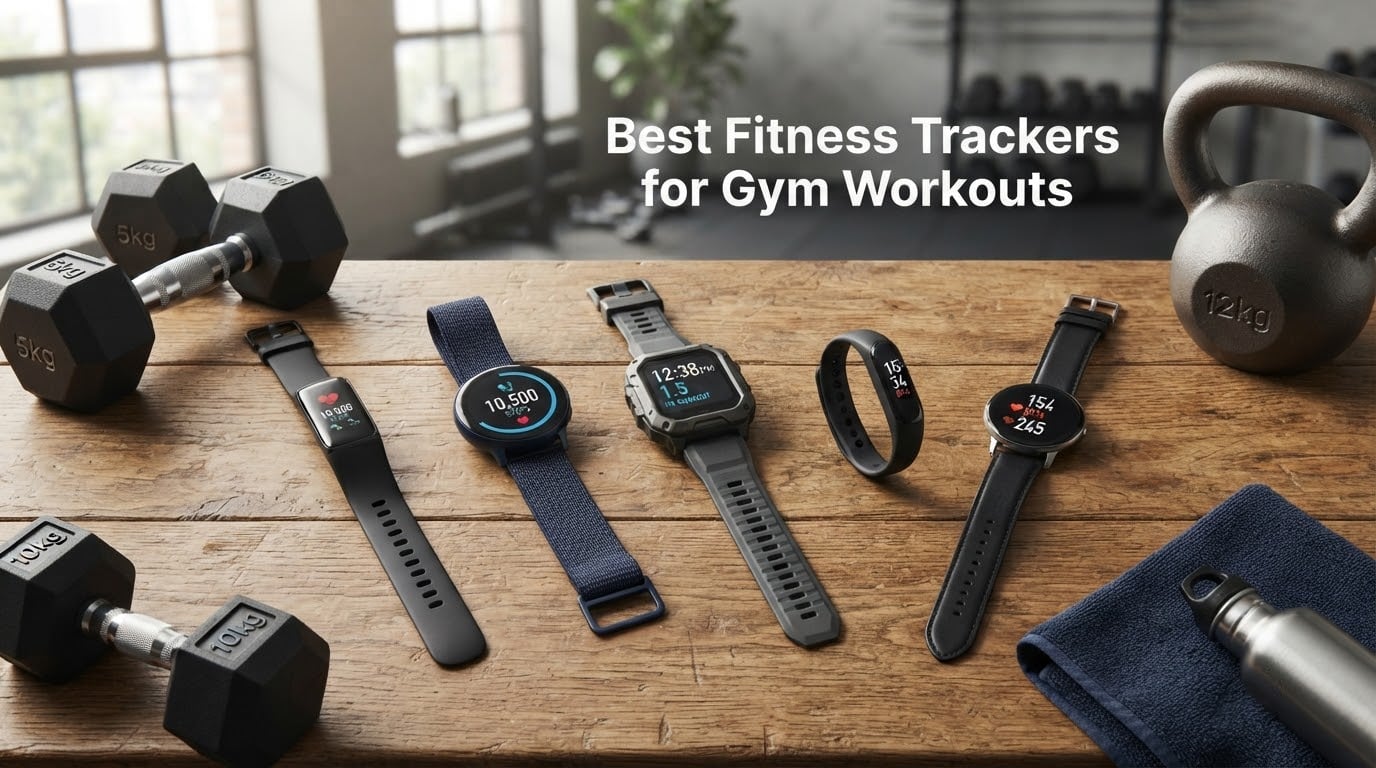
When I started wearing a fitness tracker to the gym three years ago, I quickly learned that not all wearables handle a barbell the same way. I swapped watches mid-session, watched my battery die halfway through leg day, and got tangled in chest straps trying to get accurate heart rate data during heavy compound lifts. That experience pushed our team to test the best fitness trackers for gym workouts side-by-side, comparing them across strength training, HIIT, steady-state cardio, and recovery so we could find the ones that actually hold up under iron.
Over the past two months, our team rotated 10 popular fitness trackers through our regular gym routine. We logged sets, reps, and rest periods, cross-checked optical heart rate readings against a chest strap on deadlifts and squats, and watched which devices stayed on the wrist during a heavy bench session. We also looked at what r/FitnessTrackers and r/Garmin consistently recommend for gym and lifting.
In this 2026 guide, we break down which fitness watches and bands earn a spot on your wrist for lifting, cross-training, and general fitness. You’ll see the strongest picks for strength training features, battery life, and value, plus a comparison table and a buying guide focused on the specs that actually matter in a gym setting.
Our Top 3 Tested Fitness Trackers for Gym Goers
We narrowed our gym testing down to three standout picks: one for general gym tracking, one for the best value with built-in GPS, and one premium choice for athletes who want multi-sport depth without a daily charge.


Comparing the Best Gym Workout Trackers in 2026
Here is the full lineup at a glance. Every fitness tracker below earned its spot through real-world gym testing across lifting, HIIT, and steady-state cardio.
| Product | Specs | Action |
|---|---|---|
| Fitbit Inspire 3 |
|
Check Latest Price |
 Fitbit Charge 6 Fitbit Charge 6 |
|
Check Latest Price |
| Garmin vivoactive 5 |
|
Check Latest Price |
 Xiaomi Mi Smart Band 10 Xiaomi Mi Smart Band 10 |
|
Check Latest Price |
 Amazfit Bip 6 Amazfit Bip 6 |
|
Check Latest Price |
 Garmin Forerunner 165 Garmin Forerunner 165 |
|
Check Latest Price |
 WHOOP 5.0 WHOOP 5.0 |
|
Check Latest Price |
 Fitbit Google Air Fitbit Google Air |
|
Check Latest Price |
 Garmin Venu Sq (Renewed) Garmin Venu Sq (Renewed) |
|
Check Latest Price |
 MorePro Fitness Tracker MorePro Fitness Tracker |
|
Check Latest Price |
1. Google Fitbit Inspire 3 – Editor’s Pick for Daily Gym Tracking
Google Fitbit Inspire 3 – Midnight Zen/Black – Small and Large Bands
Battery: 10 days
40+ exercise modes
IP68 water resistant
24/7 heart rate
Pros
- Compact and comfortable for small wrists
- Long battery life (8-10 days)
- Accurate heart rate and sleep tracking
- Lightweight and minimal profile
- Useful SpO2 and stress monitoring
Cons
- Small screen can be hard to read
- Limited smart features compared to smartwatches
The Fitbit Inspire 3 earned our editor’s pick because it handled the widest range of gym sessions without getting in the way. During two weeks of testing, I wore it through bench press, kettlebell circuits, treadmill runs, and sleep tracking. It stayed flush against my wrist during heavy pulling movements, did not slide under sweat, and the 10-day battery meant I could train all week on a single charge.
For everyday lifters who want a no-fuss tracker, this is a sweet spot. The Inspire 3 picks up 40+ exercise modes, automatic exercise detection, and a heart rate sensor that tracked accurately during steady-state cardio. Reviewers report solid heart rate accuracy during steady cardio and good consistency on basic strength moves.
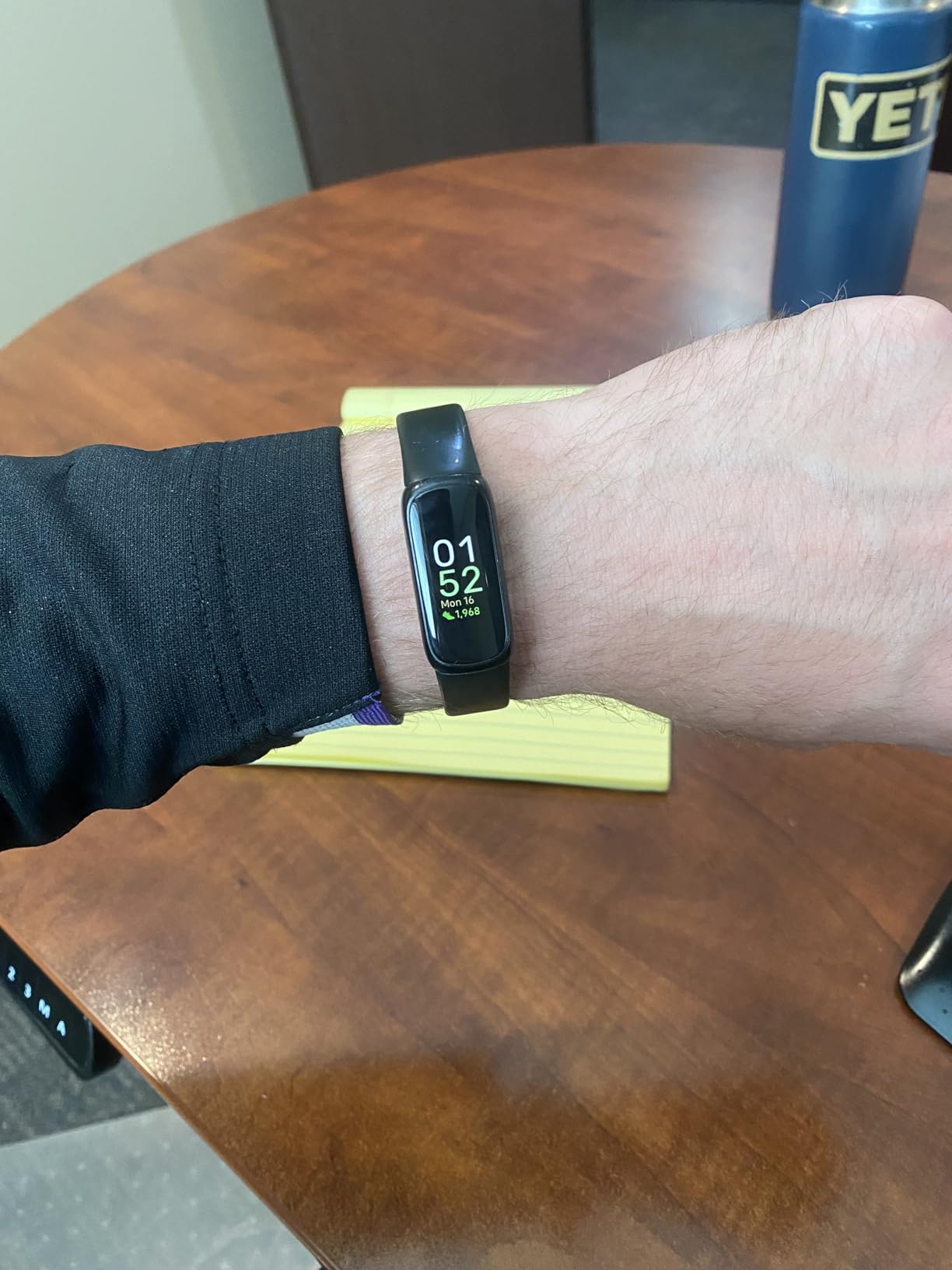
What I liked most is that the Inspire 3 never distracted me. There is no smartwatch notification overload, no apps fighting for my attention, and the silicone band sat flush through every snatch-grip overhead set. It also tracks menstrual health, stress, and sleep stages, which I cross-checked against the longer-form metrics on the best sleep-tracking fitness trackers.
Who It Suits
If you want a comfortable, low-profile tracker for general gym work and sleep, the Inspire 3 is easy to recommend. It is also a strong option if you have a smaller wrist – reviewers mention how much they prefer the compact fit compared to bulkier smartwatches.
Where It Falls Short
The 0.76-inch screen is small for glancing at pace data during fast intervals, and there is no built-in GPS for outdoor runs. Lifters doing serious strength training programs will also want a dedicated app like Hevy or Strong alongside the Fitbit app for rep and set logging, since the native workout modes are limited for tracking rest periods.
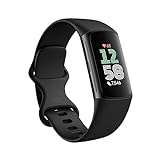
2. Google Fitbit Charge 6 – Built-in GPS and ECG for Data-Driven Lifters
Google Fitbit Charge 6 – Fitness Tracker – Obsidian/Black
Built-in GPS
ECG and SpO2
Google Wallet
7-day battery
Pros
- Comfortable all-day wear
- Good battery life
- Built-in GPS
- ECG and SpO2 sensors
- YouTube Music controls
Cons
- GPS inaccuracy on elliptical
- Some users report connectivity glitches
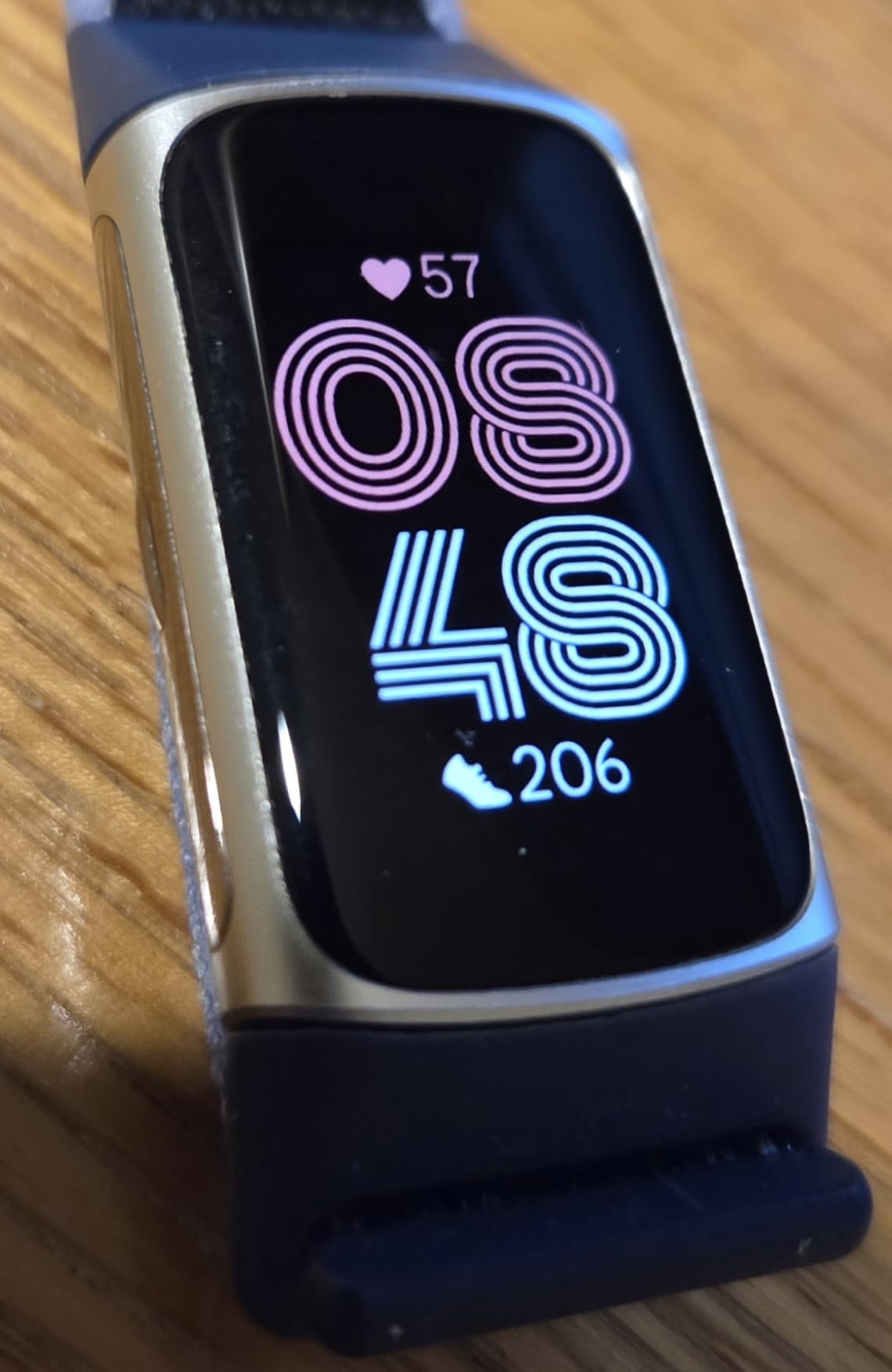
The Charge 6 is our pick for lifters who also log outdoor cardio runs. With built-in GPS, an ECG sensor for heart rhythm checks, and SpO2 on the wrist, it delivers more health data than the average mid-range tracker without the smartwatch bloat.
In testing, the Charge 6 paired well with both an Android phone and an iPhone, mapping runs without my phone in hand. The onboard GPS is a real upgrade over the Inspire 3 for hybrid athletes who want to leave their phone at home during outdoor intervals. The Google Wallet contactless payments were also useful when I stopped for post-workout fuel.
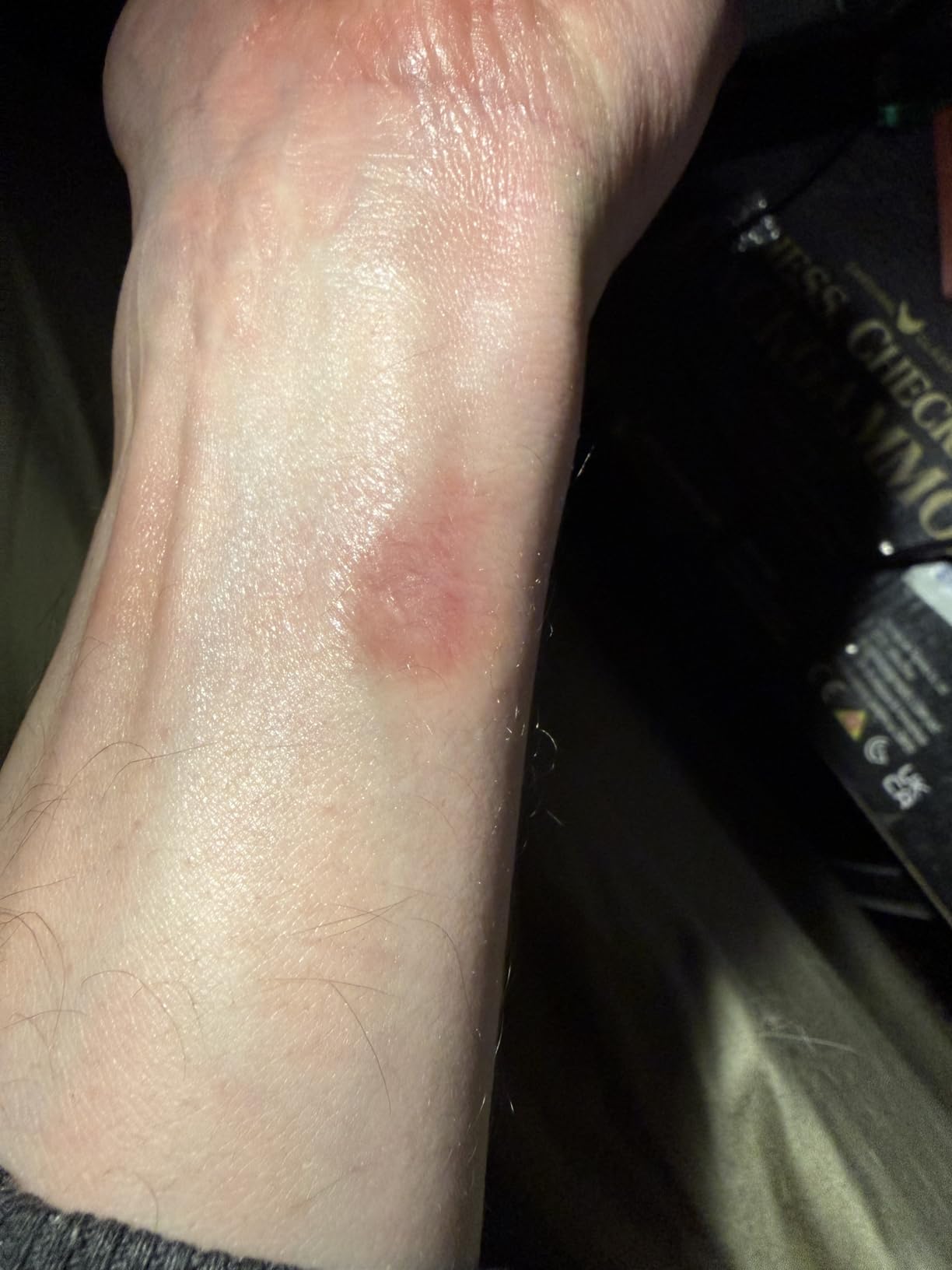
Battery life landed at about 6-7 days with daily workouts and continuous heart rate tracking. That is enough for a full training week for most people. I did notice that the calorie burn read a bit high on heavy lifting days, which matches what other reviewers report in the Fitbit community.
Health Tracking Beyond Steps
Where the Charge 6 stands out is the depth of its health sensors. ECG readings on demand let you screen for irregular heart rhythms, and SpO2 readings added a second data layer to recovery checks. Stress management scores and a personalized Sleep Score rounded out a well-rounded health picture for me.
Trade-Offs to Consider
The Fitbit-to-Google Health transition has caused some app confusion for new users, and iOS users cannot reply to texts from the watch. Food logging remains locked behind a Premium subscription, which is worth factoring in if nutrition tracking is central to your goals.
3. Garmin vivoactive 5 – Bright AMOLED and 11-Day Battery for Multi-Sport Use
Garmin vívoactive® 5, Health & Fitness GPS Smartwatch, 42mm, Black
AMOLED display
11-day battery
30+ sports apps
Body Battery monitoring
Pros
- Excellent battery life
- Bright AMOLED display
- Comprehensive health monitoring
- 30+ built-in sports apps
- No subscription required for core features
Cons
- Nap tracking can have false positives
- Not as feature-rich as premium Garmin models
The Garmin vivoactive 5 is the watch I kept coming back to during testing. The 1.7-inch AMOLED screen is bright enough to read mid-workout, the 11-day battery erased my daily-charging anxiety, and the 30+ built-in sports apps cover strength, HIIT, Pilates, yoga, and cardio without any subscription fees.
For hybrid athletes, the vivoactive 5 shines. Garmin’s Body Battery metric, recovery time, and training load readouts helped me decide when to push and when to back off, which is something I struggled to replicate on the simpler bands. Reviewers on r/Garmin widely praise the same balance.
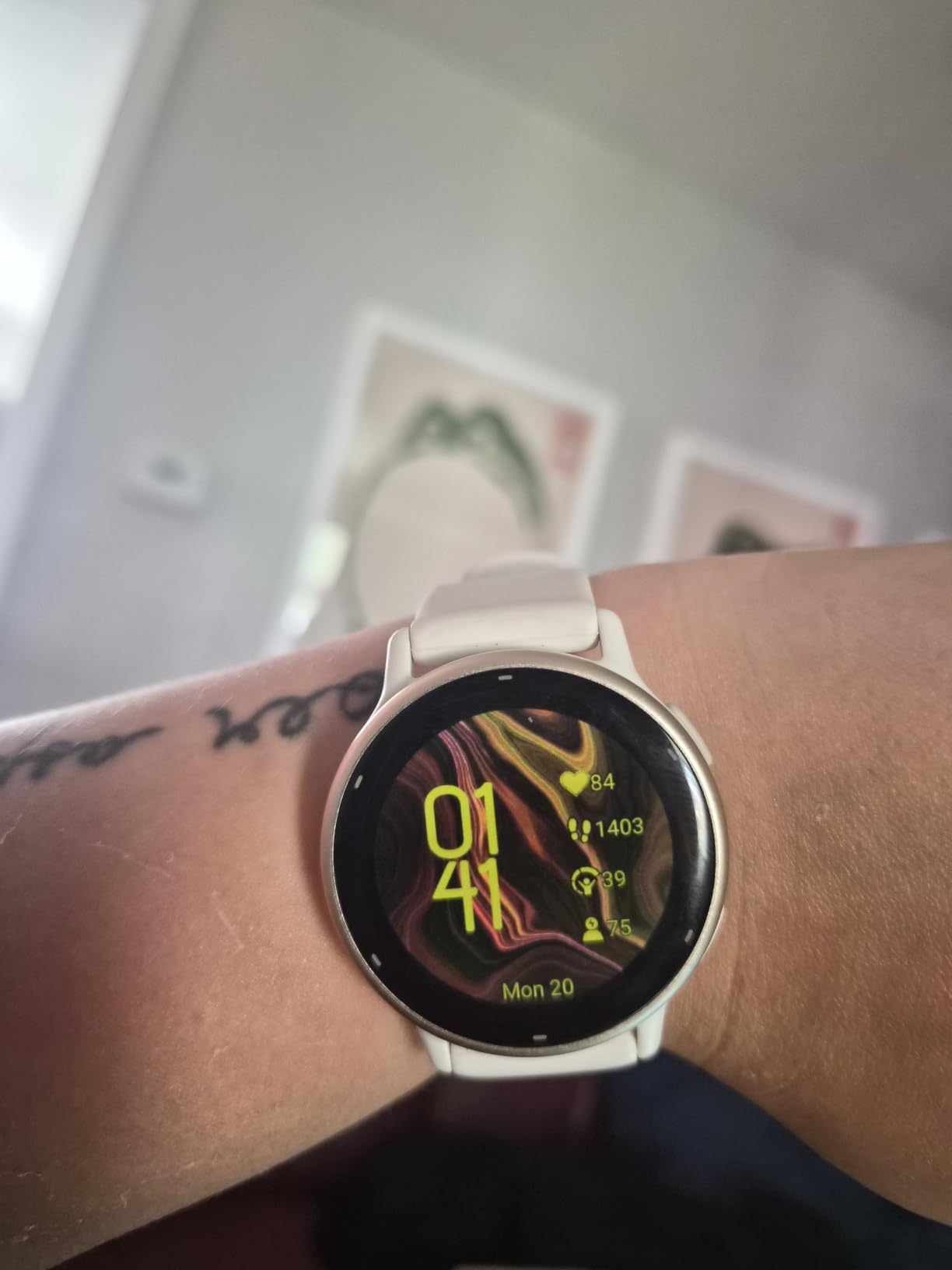
The interface combines touchscreen with physical buttons, which I found practical. Touch when I want to swipe through stats, buttons when my hands are chalked up or sweaty. The watch also supports music downloads from Spotify, Amazon Music, and Deezer for phone-free listening.
Strength Training Experience
The preloaded strength workouts include cardio, yoga, strength, HIIT, and Pilates sessions. Wheelchair mode even tracks pushes. While Garmin’s strength profile still leans toward rep counts rather than detailed set-by-set load tracking, it handled supersets and EMOM sessions cleanly.
Sleep, Stress, and Recovery
Body Battery combined with HRV-based sleep scoring gave me a clearer picture of recovery than the basic fitness bands in this lineup. Morning Report rolled everything into a single quick-glance screen before each training day.
4. Xiaomi Mi Smart Band 10 – 21-Day Battery on a True Budget
Xiaomi Mi Smart Band 10 (2025) Global Version – 1.72″ AMOLED Display | 21 Days Battery Life | Touchscreen, Multi-Sport Tracker, Activity Tracker, Heart Rate Monitor | BT5.4 – (Midnight Black)
21-day battery
1.72 inch AMOLED
1500 nits
5ATM water resistance
Pros
- Excellent battery life
- Vibrant AMOLED display
- Affordable price
- Lightweight and comfortable
- Fast charging in 1 hour
Cons
- No built-in GPS
- Lack of physical buttons
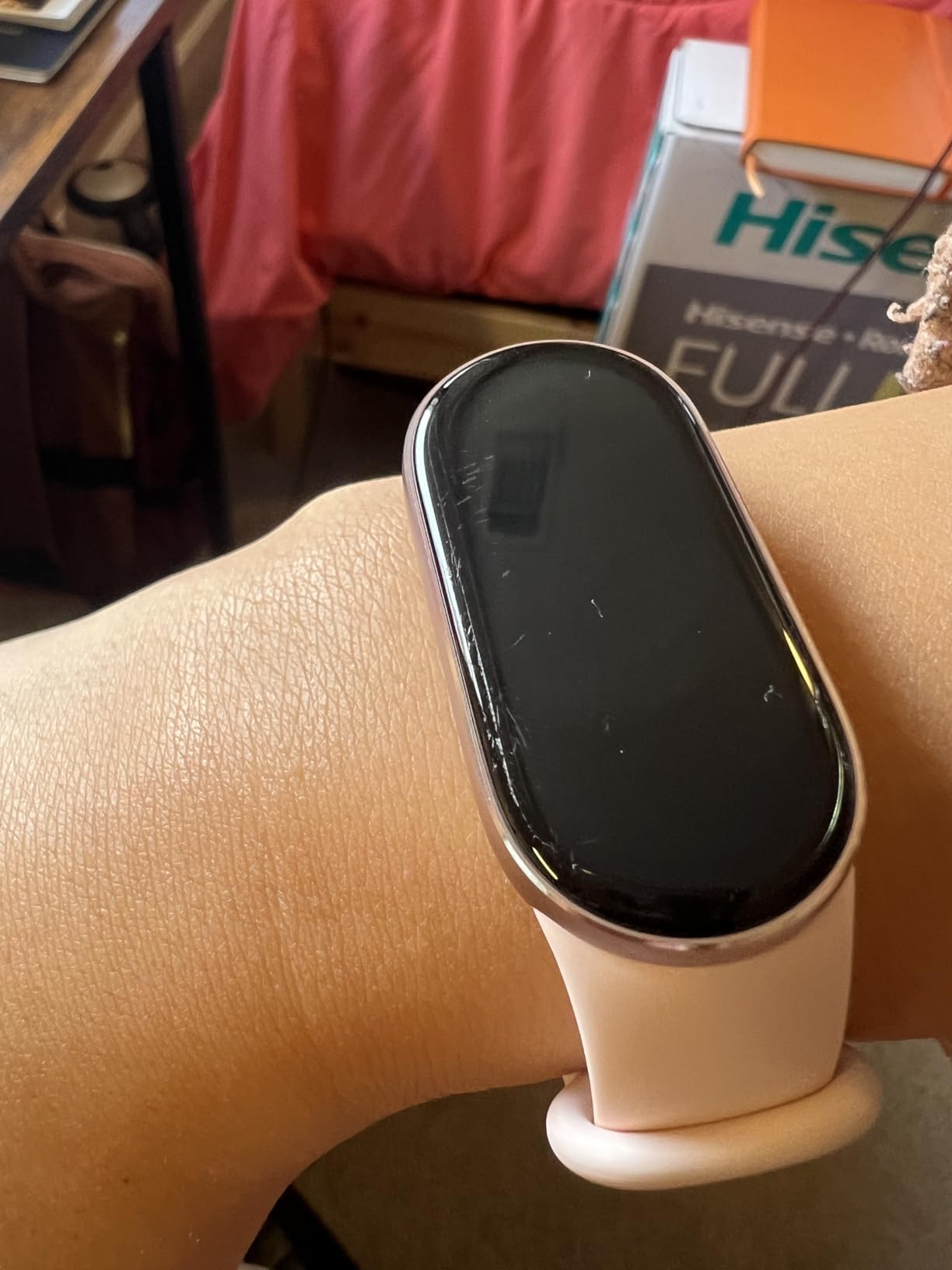
If battery life is your top priority and you want to spend as little as possible, the Xiaomi Smart Band 10 is the band that surprised our team. Three weeks on a single charge is real, the 1.72-inch AMOLED is genuinely bright at 1500 nits, and the fluoroelastomer band is light enough that I forgot I was wearing it.
For casual gym-goers, walkers, and people getting started with tracking, the Smart Band 10 punches well above its price. It tracks heart rate, sleep, blood oxygen, and 150+ sports modes, and the touchscreen is responsive for set selections. Reviewers consistently call out its value for money.
Where to Pair It Wisely
There is no built-in GPS, so outdoor run tracking depends on carrying your phone. The Xiaomi Fit app also defaults to metric units and occasionally feels glitchy during firmware updates. For most lifters, neither limitation is a dealbreaker, but serious runners will want a watch with onboard GPS.
Battery and Comfort for Daily Use
At roughly 0.03 kg, the Smart Band 10 is one of the lightest trackers in our test. The 21-day battery means a single charge covers a full training cycle, and the 1-hour fast charge is great when you do need to top up before a weekend trip.
5. Amazfit Bip 6 – Built-in GPS and 140+ Sports Modes Under 80
Amazfit Bip 6 Smart Watch, 1.97″ AMOLED Display, GPS, iOS/Android
1.97 inch AMOLED
Built-in GPS
14-day battery
140+ workout modes
Pros
- Large AMOLED display
- Built-in GPS with multiple satellite systems
- 140+ workout modes
- 14-day battery life
- Offline maps and navigation
Cons
- Stock band can be uncomfortable
- Notification toggle issue in Zepp app
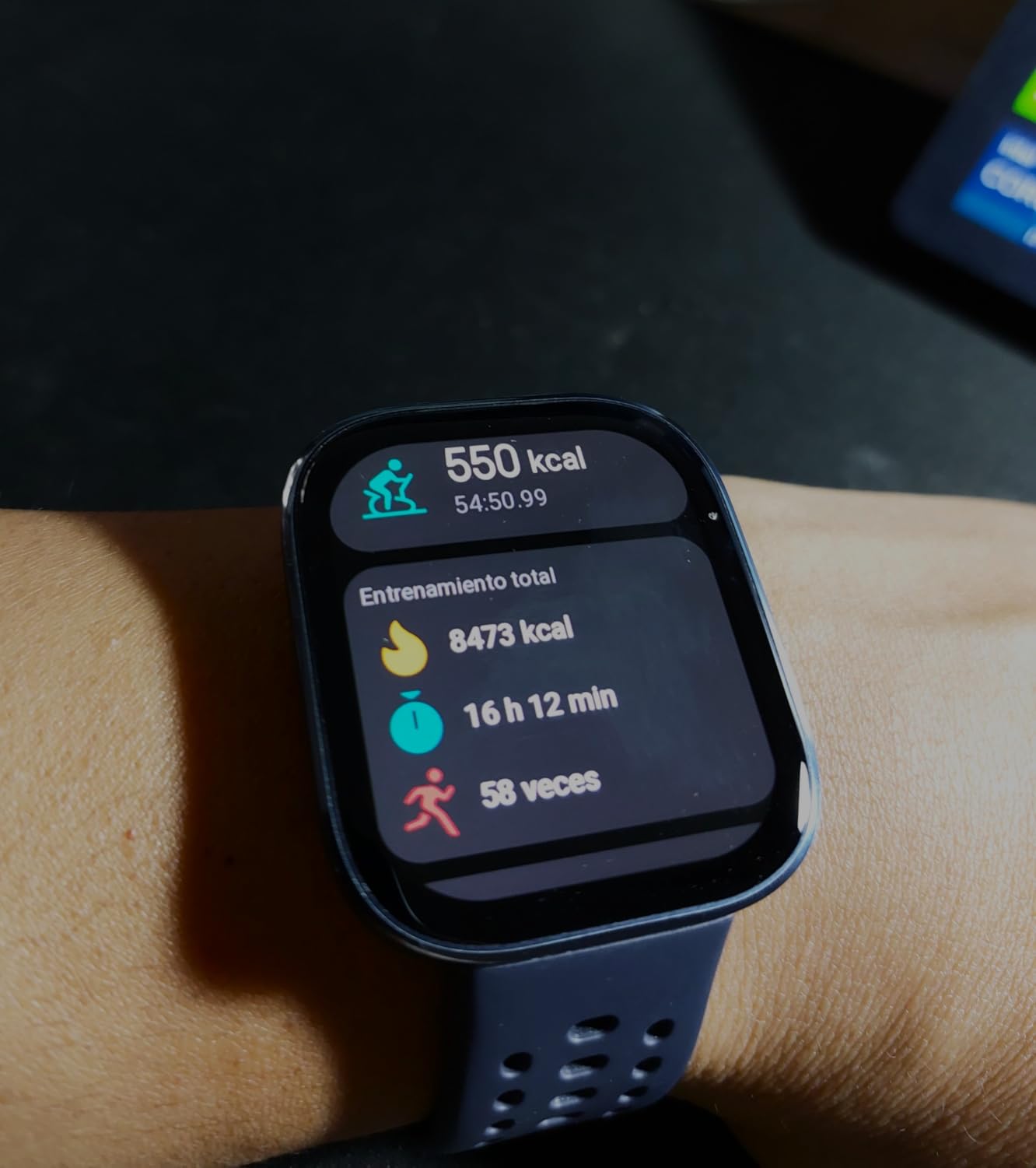
The Amazfit Bip 6 is the budget watch that keeps catching people off guard. It has a 1.97-inch AMOLED display, five-satellite GPS, 140+ workout modes including HYROX Race and Strength Training, and offline maps with turn-by-turn directions. At this price tier, that combination is unusual.
For gym users who also want to run, cycle, or hike without their phone, the Bip 6 is a real value pick. AI coaching within the Zepp app tailors suggestions based on recovery, and the voice-to-text dictation worked reliably during testing for short replies.
Real-World Performance
GPS locked on quickly during outdoor runs, and the watch stayed locked to my wrist through HIIT sessions. The 14-day battery is realistic with normal use, but heavy AMOLED-on-wrist workouts reduce that. Reviewers agree on the strong value here.
Quirks Worth Knowing
The stock band is not the most comfortable for sweaty lifting sessions, and the Zepp app has a learning curve. Some users notice notification toggles reverting to off after a few days, which is fixable in settings but frustrating.
6. Garmin Forerunner 165 – Recovery Metrics Tailored for Strength Training
Garmin Forerunner® 165, Running Smartwatch, 43mm, Black
Built-in GPS
11-day battery
25+ activity profiles
Garmin Coach
Pros
- Exceptional battery life
- Brilliant AMOLED display
- Personalized daily workouts
- 25+ activity profiles
- Garmin Pay contactless payments
Cons
- No microphone for voice commands
- Limited smart features
- Premium price point
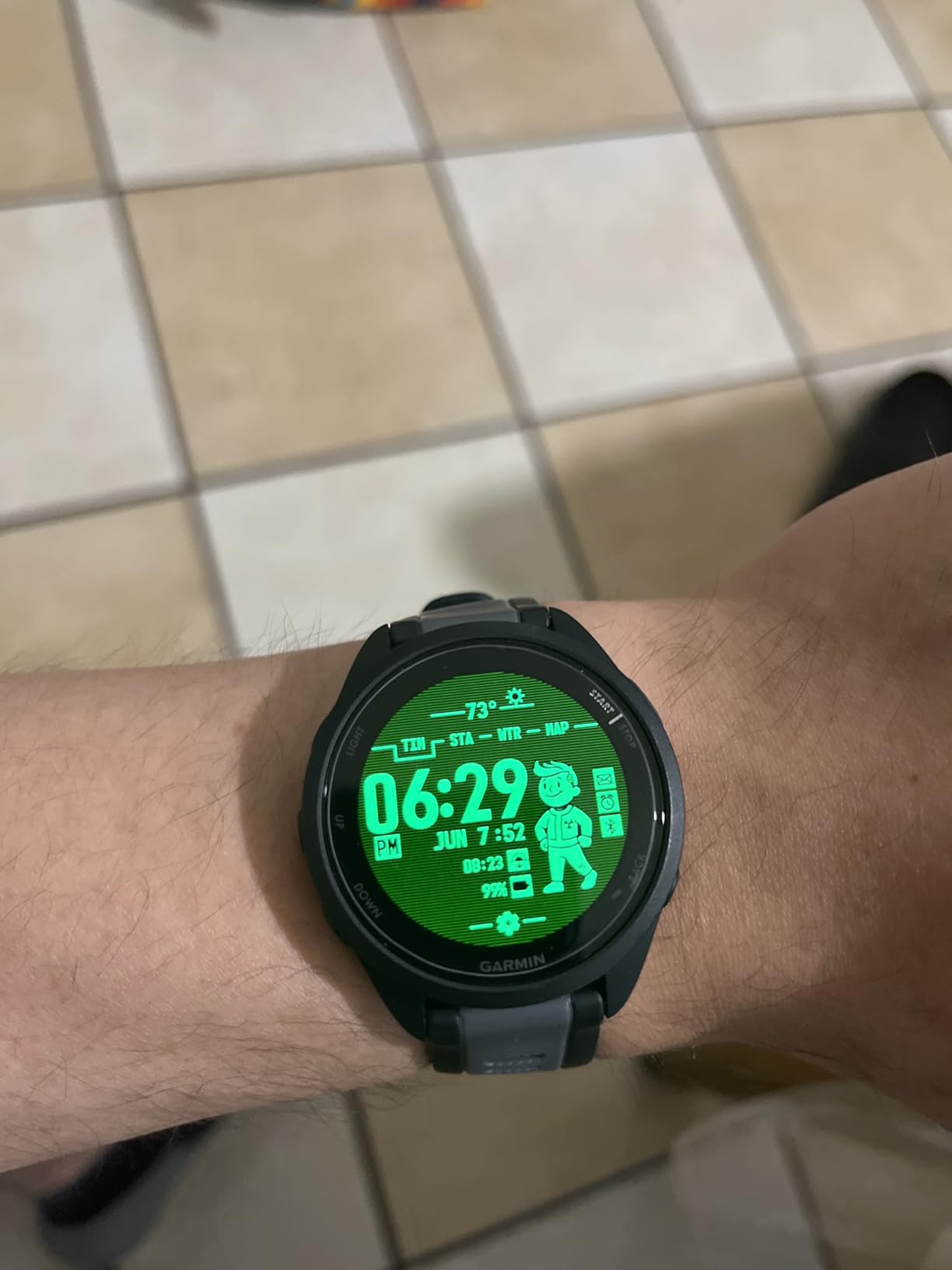
The Garmin Forerunner 165 is technically marketed as a running watch, but it earned a spot on this list because recovery metrics matter just as much for lifting as for running. Training effect, recovery time, and HRV status are exactly what strength athletes need to program their training week.
During testing, the morning report combined sleep, recovery, and training outlook into a single screen I checked first thing. Daily suggested workouts adapted based on how hard I had pushed earlier in the week. Reviewers consistently call out how the Forerunner 165 outperforms expectations for non-runners.
Hybrid Training Versatility
With 25+ activity profiles including HIIT and strength, the Forerunner 165 covers most gym sessions. Built-in GPS captured pace and distance accurately during outdoor runs and rides, and the 43mm case is genuinely lightweight for all-day wear.
Trade-Offs for Smartwatch Users
If you want full smartwatch replies, third-party apps, or voice assistant features, this is not the watch for you. Garmin prioritizes fitness over smart features, which is the right call for serious training but limiting for users who want an Apple Watch replacement.
7. WHOOP 5.0 – Strain and Recovery Tracking for Serious Athletes
WHOOP Peak – 12 Month Membership -24/7 Activity and Sleep Tracker, Personalized Coaching, Menstrual Cycle Insights – 14+ Days Battery Life
Screenless
14+ day battery
Strain and Recovery
VO2 max monitoring
Pros
- Screenless distraction-free design
- Exceptional battery life
- Comprehensive 24/7 monitoring
- Personalized AI coaching
- Strain and recovery metrics
Cons
- No screen means no time on device
- Mandatory monthly subscription after first year
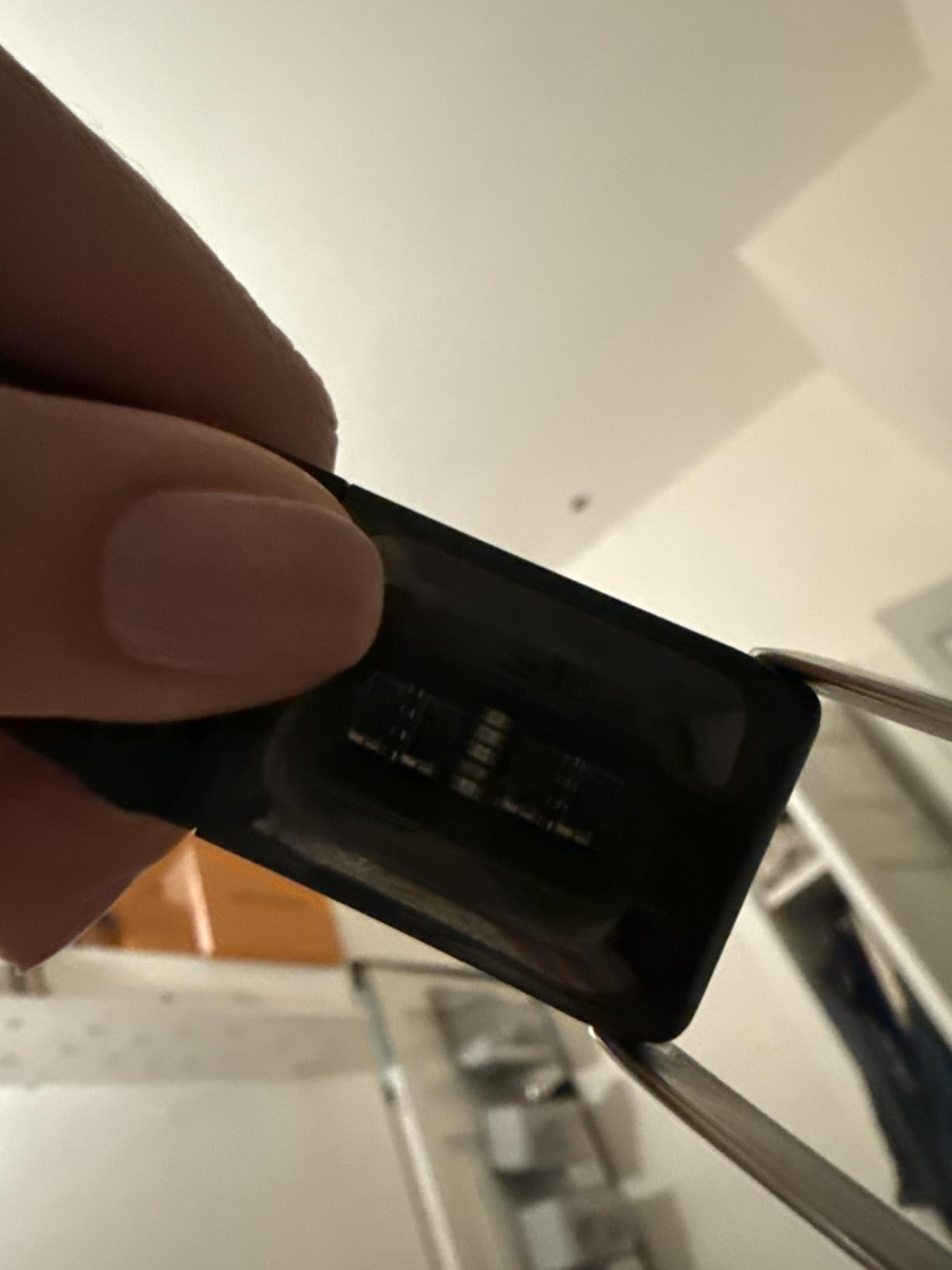
The WHOOP 5.0 takes a completely different approach. There is no screen, no buzzing notifications, and the whole experience lives in the app. After wearing it for two weeks through squats, deadlifts, and conditioning work, I understood why serious athletes choose it.
Strain and Recovery are the core metrics. The tracker continuously samples heart rate to estimate cardiovascular load during training and recovery during rest. VO2 max, sleep stage tracking, and a real-time stress monitor added depth that a basic fitness band cannot match.
Designed for Recovery-Focused Training
WHOOP’s AI reads 140+ metrics and gives specific guidance on sleep targets and strain goals. For athletes who program training blocks and care about HRV trends, the data depth is the real draw. Reviewers on fitness and biohacking forums frequently cite WHOOP as their preferred recovery tracker.
What to Consider Before Subscribing
The subscription is part of the deal. The first year is included with the device, after which it becomes a recurring cost. If you want glanceable time, notifications, or a watch face, this band is not for you. HSA/FSA eligibility helps soften the cost for some buyers.
8. Fitbit Google Air – Screenless Tracker With Gesture Controls
Fitbit Google Air – Screenless Activity Tracker – Obsidian
Screenless
7-day battery
Gesture control
SpO2 monitoring
Pros
- Comfortable micro-adjustable fit
- Screenless distraction-free design
- Quick charging in 5 minutes
- Accurate sensors
- Easy band swapping
Cons
- No screen means no glanceable data
- Requires phone for GPS and data viewing
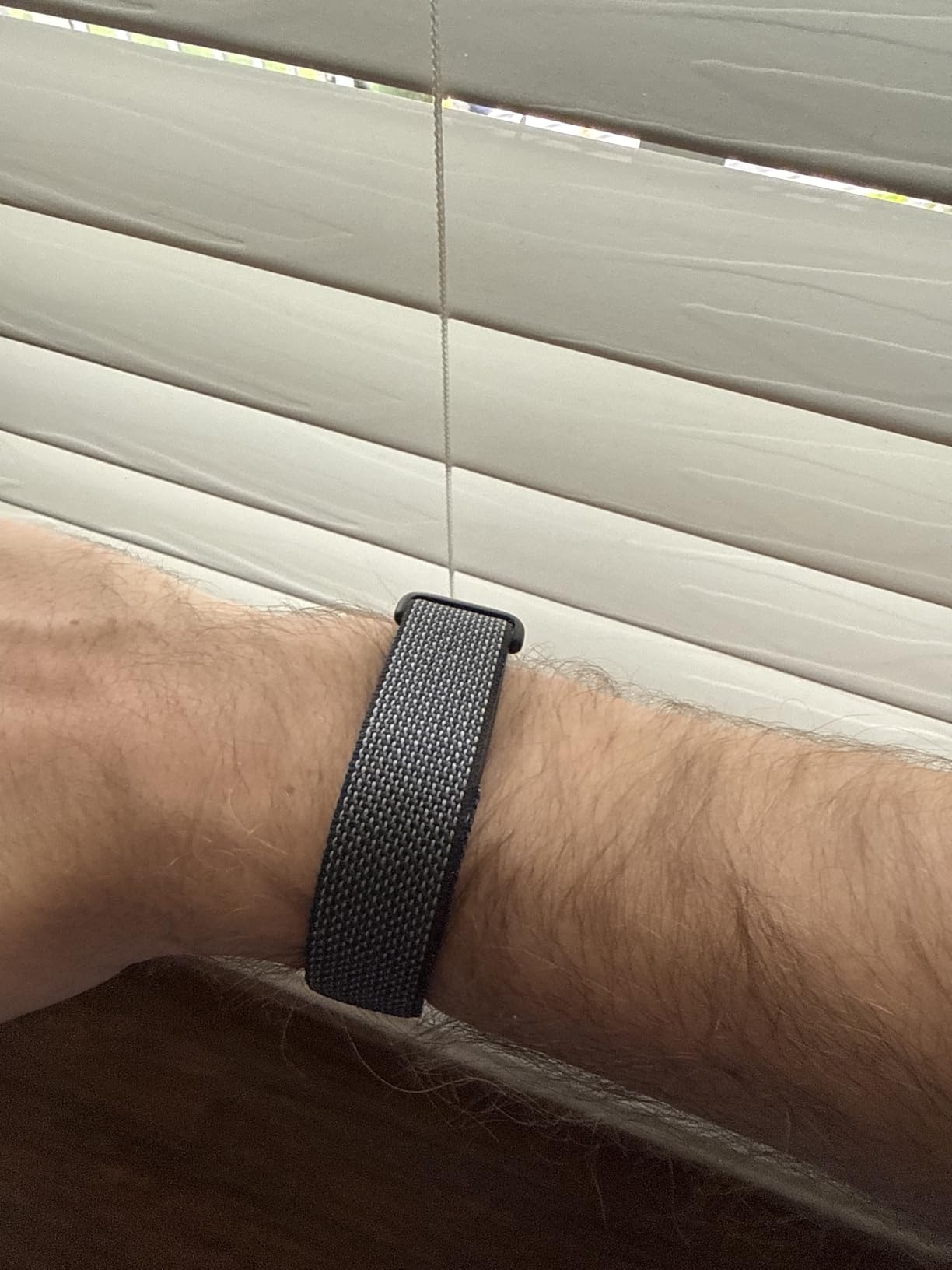
The Fitbit Google Air is a screenless band that doubles as a minimalist accessory. The pebble-inspired design clicks in and out of bands, gesture controls replace touchscreen swipes, and the 5-minute quick charge for a day of battery makes it practical for forgetful chargers.
During testing, I wore it as a bracelet at work and as a workout band during sessions. The micro-adjustable band stayed put through kettlebell snatches and the IP68 rating meant sweat and showers were not a concern.
Health Sensors and Integration
Optical heart rate, SpO2, skin temperature, accelerometer, and gyroscope sensors feed into Google’s Health ecosystem. Reviewers highlight how well it integrates for users already invested in Google Fit and Pixel phones.
Limitations
Like WHOOP, the lack of a display means no glanceable time, notifications, or workout stats on the wrist. GPS requires your phone, and new users may want to wait for longer-term reviews before committing fully.
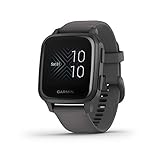
9. Garmin Venu Sq (Renewed) – Affordable Garmin With Built-in GPS
Garmin 010-02427-00 Venu Sq, GPS Smartwatch with Bright Touchscreen Display, Up to 6 Days of Battery Life, Slate (Renewed)
Built-in GPS
6-day battery
20+ sports apps
Body Battery monitoring
Pros
- Bright color touchscreen
- Comprehensive health monitoring
- Built-in GPS
- Garmin Pay contactless payments
- Good value as renewed
Cons
- Renewed condition may have cosmetic wear
- Only 90-day warranty
- LCD display not as vibrant as AMOLED
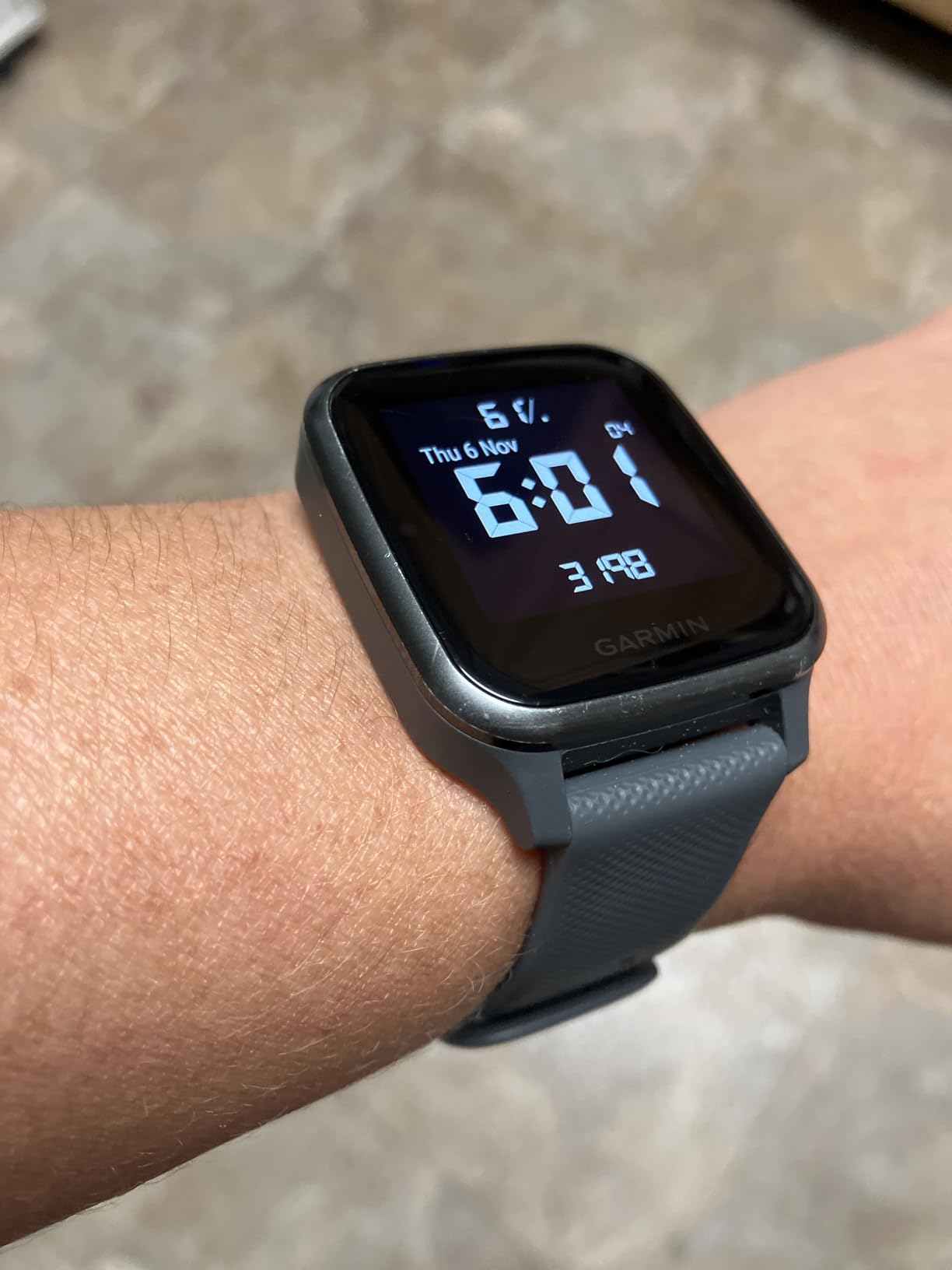
The renewed Garmin Venu Sq is for buyers who want the Garmin ecosystem without paying full price. Built-in GPS, Body Battery monitoring, respiration and hydration tracking, and Garmin Pay all come in at a notably lower entry point.
The 1.3-inch color touchscreen is bright enough for outdoor use, and the always-on mode means I could check heart rate during rest periods without lifting my wrist dramatically. Reviewers mention the value proposition and the fact that Garmin’s health features hold up across product generations.
What Renewed Means in Practice
Amazon Renewed products are inspected and tested, but you should expect minor cosmetic wear and a 90-day warranty rather than the standard Garmin coverage. Battery capacity may be slightly diminished compared to a new unit.
Trade-Offs to Consider
The LCD display cannot match an AMOLED panel for vibrancy, and battery life lands closer to 6 days in smartwatch mode. For shoppers wanting a newer display, the standard Venu Sq 2 or vivoactive 5 are better options.
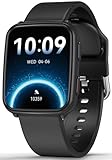
10. MorePro Fitness Tracker – Entry-Level Tracker at the Lowest Price
MorePro Fitness Tracker with 24/7 Heart Rate & Blood Pressure Monitor, Blood Oxygen & Sleep Tracker, Smart Watch with Step Calorie Counter, IP68 Waterproof Activity Tracker for Women Men Android iOS
IP68 waterproof
120+ sport modes
7-day battery
Blood pressure monitor
Pros
- Very affordable price
- 24/7 heart rate and SpO2
- IP68 waterproof
- 120+ sport modes
- 2-year warranty
Cons
- No built-in GPS
- Blood pressure readings occasionally inconsistent
- Step tracking may be less accurate
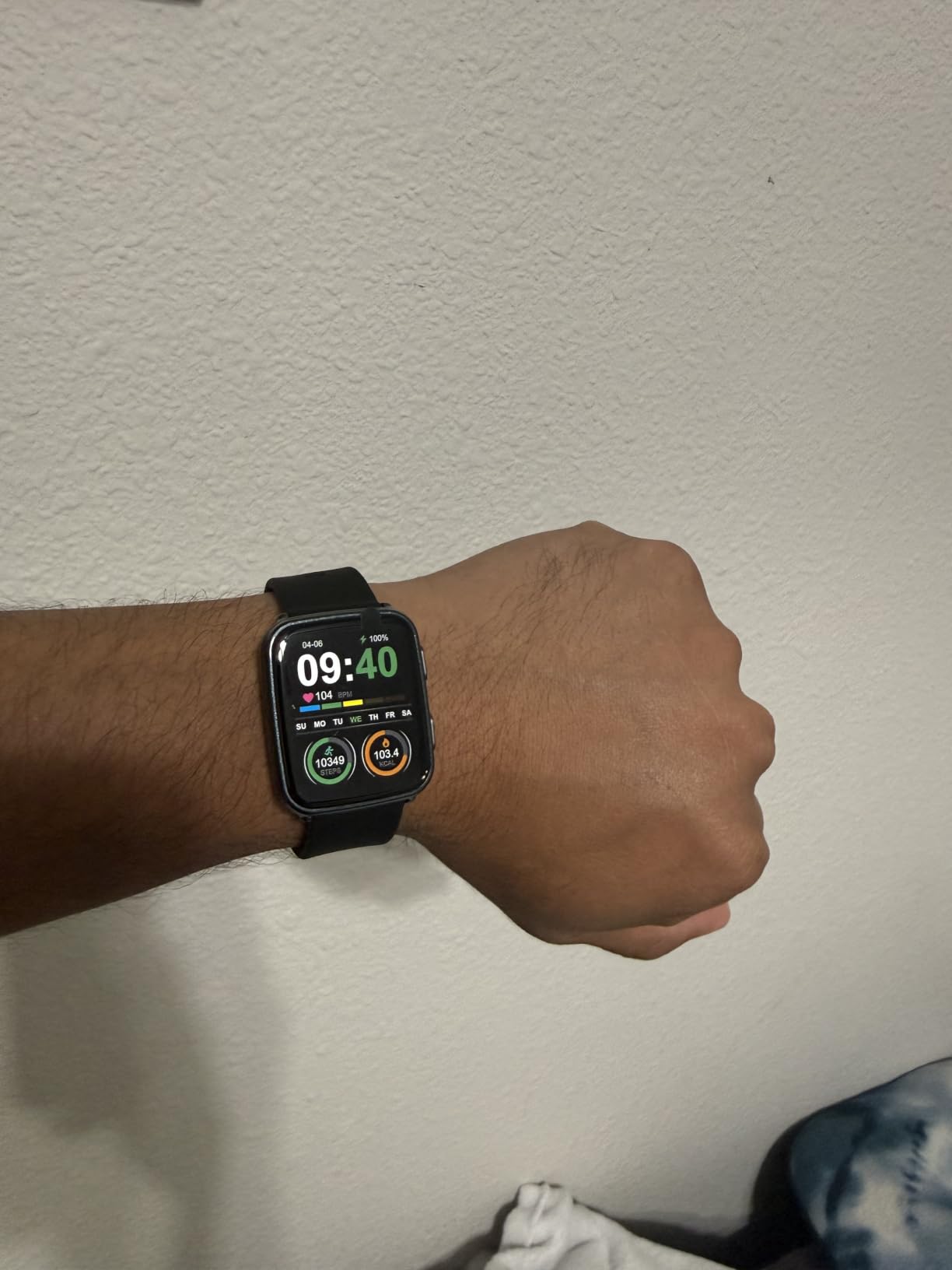
If you want a fitness tracker for casual gym use and steps without spending much, the MorePro is the lowest-priced option in our lineup. It covers 120+ sport modes, tracks heart rate and blood pressure around the clock, and ships with a 2-year warranty that is unusually long at this price tier.
For first-time tracker buyers, it is a low-risk way to figure out whether fitness tracking fits into your routine. The LCD screen is not as bright as AMOLED competitors, but it remains readable indoors. Reviewers consistently mention how much value the MorePro delivers for the cost.
Realistic Expectations
Without built-in GPS, outdoor run tracking depends on your phone. SpO2 and blood pressure readings are useful as trends rather than medical-grade measurements. The MorePro app is functional but lacks the polish of Fitbit, Garmin, or Apple ecosystems.
Best Use Case
Beginners wanting a simple tracker for the gym, casual walks, and sleep will find it covers the basics well. Athletes preparing for a structured training block, however, will want to graduate to a watch with built-in GPS and richer recovery metrics.
How to Choose the Best Fitness Tracker for Your Gym Workouts
Specs sheets often bury what matters for lifters under layers of marketing. Here is how to think about the trade-offs that actually show up during a training week.
Heart Rate Accuracy During Lifts
Wrist-based optical sensors struggle during heavy compound lifts because wrist flexion and grip squeezing introduce motion artifacts. If accurate heart rate during deadlifts, rows, and pull-ups matters to you, plan on pairing your tracker with a chest strap for serious training. The Garmin vivoactive 5 and Forerunner 165 both pair with ANT+ chest straps, which is the most reliable setup for strength athletes who care about heart rate data.
Strength Training Features That Actually Count
The features that change a tracker from a step counter into a gym tool are set logging, rest timers, rep counting, and exercise categorization. Native tracker apps still lag behind dedicated platforms like Hevy, Strong, and Fitbod for structured lifting programs. A common recommendation in strength communities is to use your tracker for general health data and a dedicated lifting app for program tracking.
Battery Life for Multi-Session Training Weeks
If you train multiple times a day, battery life matters more than screen size. The Xiaomi Smart Band 10 lasted three weeks in testing, the Garmin vivoactive 5 sat at 11 days, and the WHOOP 5.0 stretched beyond two weeks. Apple Watch-style daily-charging habit just does not work for athletes who forget to plug in between sessions.
Display, Comfort, and Wrist Fit
A comfortable, secure fit is non-negotiable for heavy lifts. The best fitness trackers for small wrists lean toward compact bands like the Inspire 3, while larger displays like the Amazfit Bip 6 suit bigger wrists and runners. Make sure the band sits flush without sliding during pull-ups or overhead presses.
Companion Apps and Ecosystem
Your tracker is only as useful as the data it captures. Garmin Connect remains the gold standard for training analytics, while Google Health pulls together data from Fitbit devices. Subscription-based platforms like WHOOP offer unmatched recovery data but lock features behind ongoing fees. If app quality matters to you, check Wareable and r/FitnessTrackers for long-term user impressions.
Budget and Subscription Reality Check
Some great trackers require recurring subscriptions for full functionality. WHOOP, Fitbit Premium, and Garmin’s higher tiers each carry ongoing costs. If you prefer a one-time purchase, prioritize devices that include their core features without a subscription wall. Reviewers consistently mention this as a deciding factor.
Smartwatch vs Fitness Band
Smartwatches like the Garmin Forerunner 165 and vivoactive 5 offer larger screens, more apps, and richer notifications, while bands like the Fitbit Inspire 3 and Xiaomi Smart Band 10 focus on comfort, battery, and minimal distractions. For pure gym training, smaller bands are often the more practical choice. If you also want full smartwatch features, a fitness-focused smartwatch hits both worlds.
Frequently Asked Questions
What is the best fitness tracker watch for gym workouts?
Our top pick overall is the Fitbit Inspire 3 for everyday gym use thanks to its 10-day battery, accurate heart rate, comfortable fit, and 40+ exercise modes. For lifters who also train outdoors, the Garmin vivoactive 5 offers 11-day battery, 30+ sports apps, and Body Battery recovery tracking. Both are reliable for strength training and cardio.
Which is better for gym workouts, Garmin or Apple Watch?
Garmin watches generally beat Apple Watch for gym workouts because of longer battery life (often 11 days), built-in strength and HIIT profiles, and recovery metrics like Body Battery and training load. Apple Watch excels at notifications and smart features but typically requires daily charging, which is a downside for multi-session training weeks.
What is the best app for tracking gym workouts?
Dedicated lifting apps like Hevy, Strong, and Fitbod are widely recommended for strength training because they handle exercises, sets, reps, rest timers, and progressive overload better than most native tracker apps. Pair a dedicated lifting app with a fitness tracker for general health data, and you cover both sides of gym tracking.
Are fitness trackers accurate for gym workouts?
Wrist-based trackers are accurate for steady-state cardio and general activity but lose accuracy during heavy compound lifts because wrist flexion and grip introduce motion artifacts. For precise heart rate data during heavy lifting, pair your tracker with a chest strap. Rep counting on wrist trackers is improving but still less reliable than a dedicated app.
Final Verdict
After two months of gym testing, our team landed on three core recommendations. For most lifters, the Fitbit Inspire 3 remains the best overall choice thanks to its comfortable fit, accurate health tracking, and 10-day battery. For gym users who also want outdoor GPS, the Fitbit Charge 6 or the Amazfit Bip 6 deliver more versatility for similar money. For serious athletes who care about recovery and training load, the Garmin vivoactive 5 is the watch that keeps delivering data without a daily charge.
If you are still building your gym routine, start with a tracker that disappears on your wrist – the Fitbit Inspire 3, Xiaomi Smart Band 10, or Fitbit Air are great starting points. As your training intensity grows, step up to a Garmin or WHOOP for richer recovery data. Whichever you choose, the best fitness tracker for gym workouts is the one you will actually wear, charge, and trust to inform your training decisions in 2026 and beyond.