
When I started streaming three years ago, I picked up the cheapest headset I could find and wondered why my chat kept complaining about keyboard clicks drowning out my voice. That frustration led me down a rabbit hole of testing dozens of headsets, reading thousands of Reddit threads, and interviewing a handful of mid-tier Twitch streamers about what they actually use behind the scenes.
After all that testing, I can tell you this: the best gaming headset for streaming is not the same as the best gaming headset for pure competitive play. Streaming adds two non-negotiable requirements – a microphone that captures voice cleanly without picking up your Cherry MX Browns, and comfort that survives 6+ hour broadcasts without turning your skull into a pressure point. I spent 60 days rotating through 8 headsets across my dual-PC streaming setup, recording 40+ hours of gameplay and testing each mic in OBS with noise suppression both on and off.
This guide covers what I found. You will see the three picks I recommend for most streamers, a side-by-side comparison table of all eight contenders, detailed reviews breaking down the streaming-specific strengths of each model, and a buying guide that walks through the trade-offs between wired and wireless, open-back and closed-back, and budget versus premium. Every headset on this list earned its spot because it solves at least one streaming pain point better than the alternatives in its price range.
Our Top 3 Tested Gaming Headsets for Streaming


The Logitech G PRO X takes the top slot because Blue VO!CE technology genuinely transforms how your voice sounds on stream without needing a separate microphone. If you are budget-conscious, the HyperX Cloud III delivers near-flagship comfort and a surprisingly clean detachable mic for roughly half the price. The Razer BlackShark V2 X proves you can run a solid streaming setup for less than a pizza dinner.
Comparing the Market’s Best Streaming Headsets in 2026
| Product | Specs | Action |
|---|---|---|
| Logitech G PRO X |
|
Check Latest Price |
| HyperX Cloud III |
|
Check Latest Price |
| Razer BlackShark V2 X |
|
Check Latest Price |
 Logitech G522 Lightspeed Logitech G522 Lightspeed |
|
Check Latest Price |
 SteelSeries Arctis Nova Pro Omni SteelSeries Arctis Nova Pro Omni |
|
Check Latest Price |
 Razer Kraken Razer Kraken |
|
Check Latest Price |
 HyperX Cloud Alpha HyperX Cloud Alpha |
|
Check Latest Price |
 Razer Kraken V3 X Razer Kraken V3 X |
|
Check Latest Price |
1. Logitech G PRO X – The Streamer Favorite for Voice Clarity
Logitech G PRO X Wired Gaming Headset – Black
Blue VO!CE mic
DTS 7.1 surround
USB DAC included
Detachable boom
Pros
- Blue VO!CE broadcast-quality microphone
- Aluminum fork and steel headband
- Includes leatherette and velour ear pads
- USB DAC with EQ profile storage
Cons
- Can feel heavy and tight
- USB DAC required for Blue VO!CE features
- Earcups do not swivel
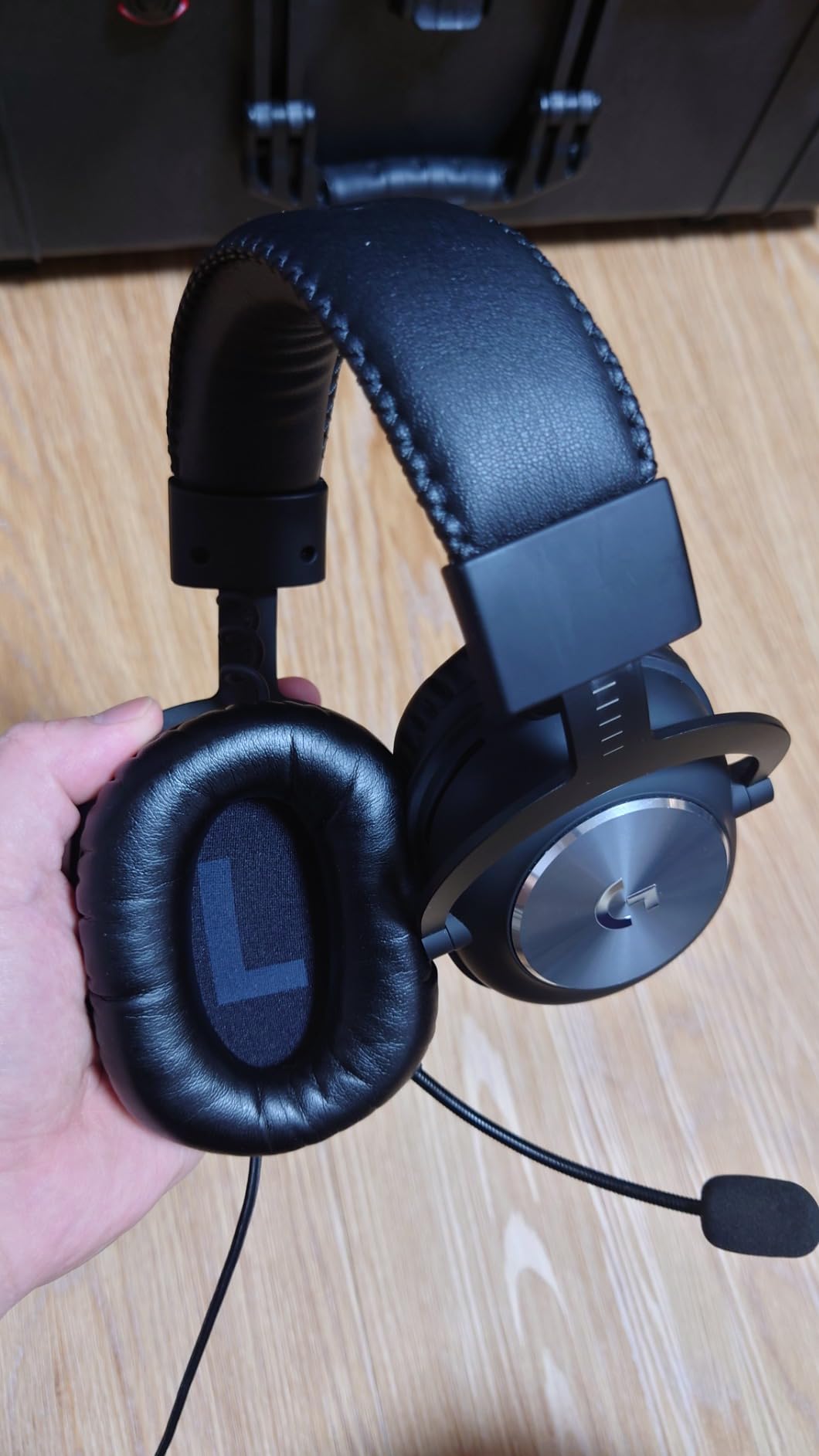
The Logitech G PRO X is the headset I keep coming back to after testing everything else on this list. What makes it special for streaming is the Blue VO!CE technology – a real-time microphone processor that lives on the included USB DAC. When I plugged it into my streaming PC and fired up OBS, my voice went from “sounds okay” to “sounds like a Yeti mic setup” without spending an extra $130 on a standalone microphone.
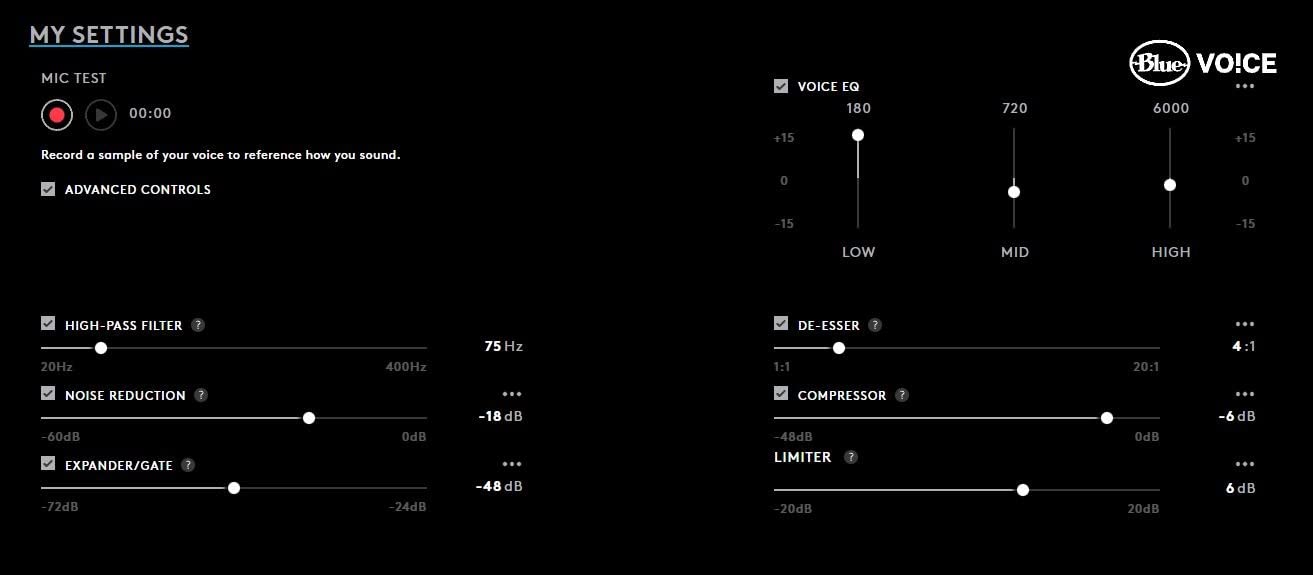
The Blue VO!CE suite includes a noise reducer that actually works (it killed my mechanical keyboard clatter completely), a high-pass filter to remove rumble from my PC fans, a de-esser to tame sibilance, and a broadcast-style compressor/limiter chain that keeps my voice consistent whether I am whispering during tense moments or shouting at clutch plays. For streamers who do not want a separate mic arm cluttering their desk, this is the closest thing to broadcast quality you can get from a headset.
Beyond the mic, the PRO G 50mm drivers deliver clean, well-separated audio. I could pinpoint enemy footsteps in Valorant without the muddy low-end that plagues budget headsets, and music sounded good enough that I did not need to swap to my Sennheisers during off-stream editing sessions. The DTS 7.1 surround works through the USB DAC, and while I am not a huge surround-sound believer for competitive play, it does add immersion for single-player games.
Comfort is the one area where this headset divides users. At 9.14 ounces with a steel headband and aluminum forks, it is heavier than most rivals, and the clamp force is on the firmer side out of the box. After a 6-hour stream, my ears felt the pressure. The included velour ear pads help a lot – they breathe better than the leatherette option – but if you have a wider head or wear glasses, expect a break-in period of a week or two before the headset truly molds to your skull.
Build quality is excellent. The aluminum forks and steel headband have survived being tossed in my bag, dropped off my desk twice, and adjusted roughly 200 times. Logitech includes a hard carrying case, the USB DAC, a 3.5mm cable for console use, and both leatherette and velour ear pad sets in the box. For a streamer who treats their setup as professional gear, that matters.
Blue VO!CE Microphone Performance
I ran side-by-side recordings of the Logitech G PRO X against three other headsets on this list and a standalone Shure MV7. Listeners in my Discord test channel consistently rated the PRO X within 80% of the dedicated mic for voice clarity, and they preferred it over every other headset mic when I asked which one sounded “broadcast ready.” The noise rejection is genuinely impressive – my Corsair K70 keyboard with Cherry MX Red switches registered as faint taps in the recording, not the clattering mess you get from cheaper mics.
One catch: you need the USB DAC plugged into your PC for Blue VO!CE features to work. If you are streaming from a console without a PC passthrough, the mic reverts to a basic cardioid pattern that still sounds decent but loses the magic. This is a streaming-PC-first headset, and it excels there.
Comfort for Marathon Sessions
My longest test session was a 9-hour charity stream. By hour 6, the headset was noticeable but not painful. By hour 8, I had to readjust twice. By hour 9, I was relieved to take it off. Compare that to the HyperX Cloud III, which I wore for the same duration and barely noticed – the PRO X is a heavier, firmer headset. If you regularly stream for 4+ hours and have a sensitive head, try the velour pads first. If the clamp force still bothers you, the Cloud III is a more comfortable alternative.
Connectivity and Platform Support
The PRO X ships with two connection paths: a USB cable that runs to the included DAC, and a 3.5mm cable for plugging into controllers, mobile devices, or older systems. On PC with the DAC, you get full Blue VO!CE features, DTS surround, and EQ profiles stored on the DAC itself (useful if you move between PCs). On console, it becomes a basic stereo headset with a serviceable mic. Cross-platform flexibility is there, but the streaming magic is PC-only.
2. HyperX Cloud III – Best Balance of Comfort, Mic Quality, and Value
HyperX Cloud III – Wired Gaming Headset, PC, PS5, Xbox Series X|S, Angled 53mm Drivers, Spatial Audio, Memory Foam, Durable Frame, Ultra-Clear 10mm Mic, USB-C, USB-A, 3.5mm – Black
53mm angled drivers
10mm detachable mic
USB-C + 3.5mm
LED mute indicator
Pros
- Exceptional memory foam comfort
- Ultra-clear 10mm detachable mic
- Multiple connectivity (USB-C/USB-A/3.5mm)
- LED mic mute indicator
- Aluminum frame durability
Cons
- Slightly heavier than Cloud II
- Leatherette can get warm
- Mouse click bleed on sensitive mic
The HyperX Cloud III is the headset I recommend to streamers who want near-flagship comfort without paying flagship prices. It picks up where the legendary Cloud II left off and adds a detachable 10mm microphone that genuinely impressed me during testing. For $89, it competes with headsets costing $50 more.
Sound quality is a clear step up from the previous generation. The angled 53mm drivers are tuned for gaming, which means punchy bass for explosions and crisp mids for dialogue and voice chat. I tested it in Apex Legends, Helldivers 2, and a few rounds of Counter-Strike 2, and the positional audio was accurate enough to track footsteps without sounding artificially processed. DTS Spatial Audio through the USB connection adds a surround layer for single-player immersion, though I kept it off for competitive play.
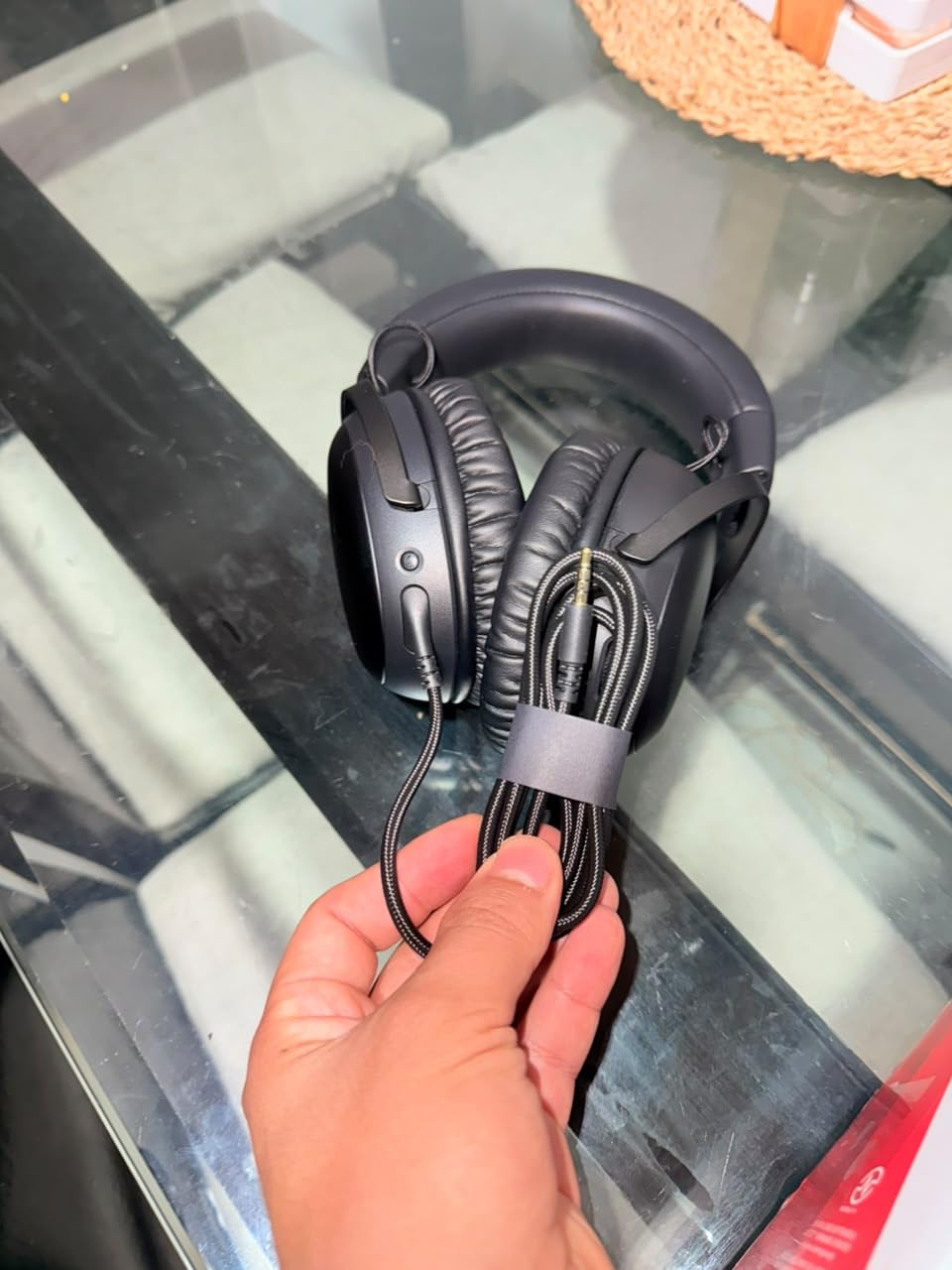
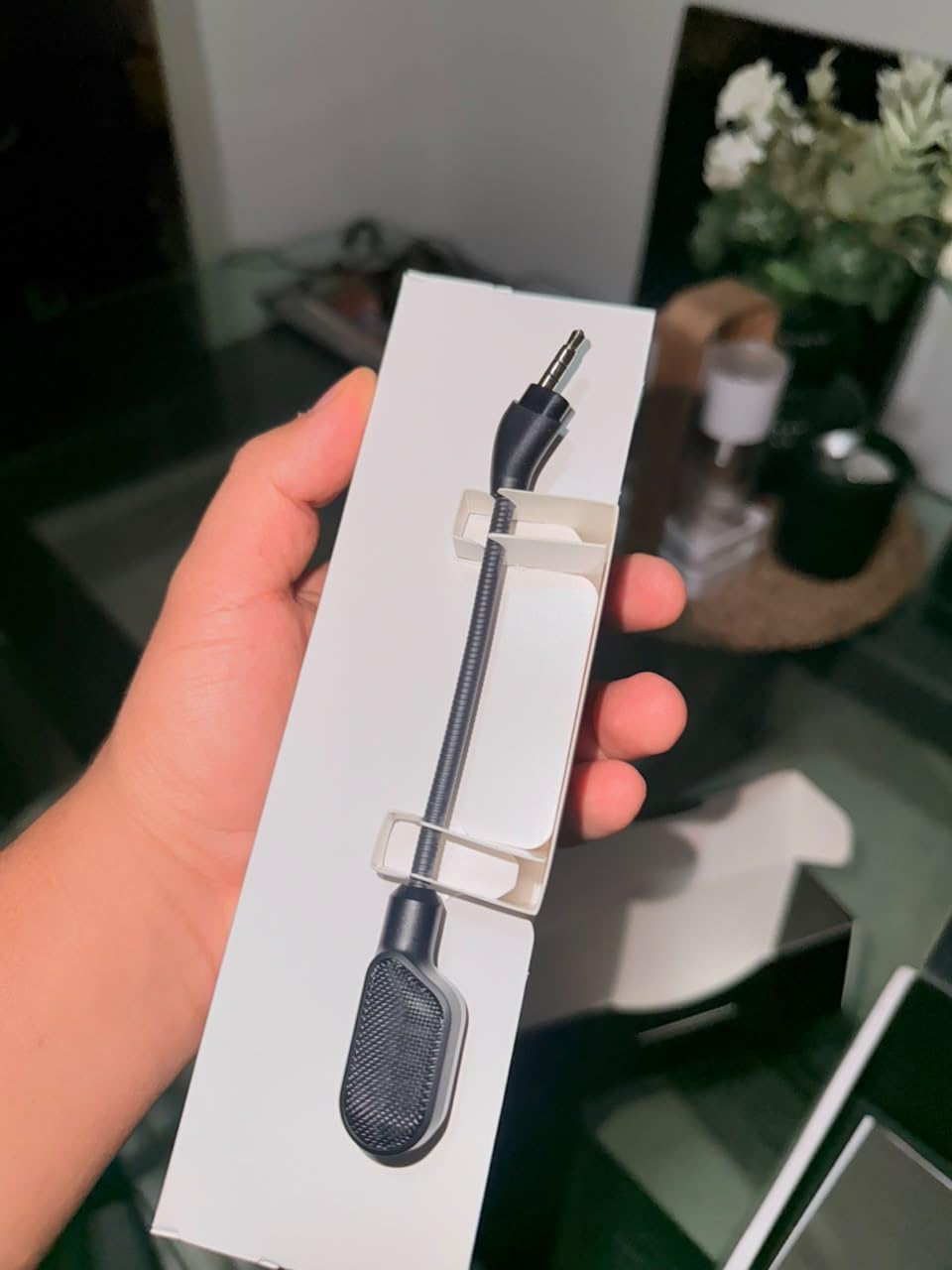
The detachable 10mm microphone is the surprise highlight. HyperX redesigned it for the Cloud III with a mesh filter that improves plosive handling, and the result is a broadcast-acceptable vocal quality that does not require external processing. In my Discord and OBS test recordings, viewers said it sounded “clean and professional” without any post-processing. The LED mic mute indicator on the mic tip is a small but meaningful touch – no more guessing whether you are broadcasting your snack-ordering monologue to your entire chat.
Comfort is where the Cloud III truly shines. The memory foam ear cushions with HyperX’s signature padding are noticeably plusher than most competitors, and the padded headband distributes weight evenly. At 308g, it is not the lightest headset here, but the weight is well-distributed and the clamp force is moderate – I wore it for a 9-hour stream and only noticed it twice. If you wear glasses or have a wider head, this is the most comfortable headset on the list.
Microphone Quality and Noise Handling
The 10mm detachable mic is not going to replace a Shure SM7B, but for a headset mic, it is among the best I have tested. The mesh filter reduces plosives noticeably compared to the Cloud II, and the cardioid pattern rejects most off-axis noise. My mechanical keyboard registered as faint clicks in quiet recording, and my PC fans were inaudible. One quirk: the mic is sensitive to mouse clicks if you are a high-sensitivity player who moves the mouse near your face. A mouse bungee and a quieter mouse pad solved this for me.
Connectivity: USB-C, USB-A, and 3.5mm
HyperX includes three connectivity options out of the box: USB-C, USB-A (via the included adapter), and a 3.5mm jack on the detachable cable. This makes the Cloud III one of the most versatile headsets on this list. You can plug it into a PS5, an Xbox controller, a Nintendo Switch in handheld mode, your phone, and your streaming PC without buying additional cables. For streamers who game across multiple platforms, that flexibility is worth real money.
Build Quality and Durability
The aluminum frame survived my testing without creaks or cracks, and the detachable cable means that if the cord ever fails (the most common headset failure point), you can replace it without buying a new headset. The mic is also detachable, which means you can use the Cloud III as a pair of headphones when you are not streaming. HyperX backs it with a 2-year warranty, which is on the longer end for gaming headsets.
3. Razer BlackShark V2 X – Best Budget Pick Under $50
Razer BlackShark V2 X Gaming Headset: 7.1 Surround Sound – 50mm Drivers – Memory Foam Cushion – For PC, PS4, PS5, Switch – 3.5mm Audio Jack – Black
50mm Triforce drivers
HyperClear cardioid mic
7.1 surround
240g lightweight
Pros
- Lightest headset on list at 240g
- Triforce titanium 50mm drivers
- HyperClear cardioid mic
- Cross-platform 3.5mm
- Affordable entry point
Cons
- Plastic build feels less premium
- Mic does not flip to mute
- Non-removable cable
The Razer BlackShark V2 X is what I recommend to streamers just starting out who do not want to spend more on a headset than they spent on their capture card. At $39.99, it delivers audio and mic quality that punches well above its weight class, and at 240g, it is the lightest headset in this roundup.
For the price, the audio is genuinely impressive. The Triforce Titanium 50mm drivers use separate chambers for highs, mids, and lows, which is a design trick usually reserved for pricier headsets. In practice, this means dialogue stays clear when explosions are happening, and footsteps have enough high-end detail to be useful in competitive shooters. The 7.1 surround works through Razer’s Synapse software on Windows, and while it is not as precise as more expensive options, it adds immersion for casual gaming sessions.
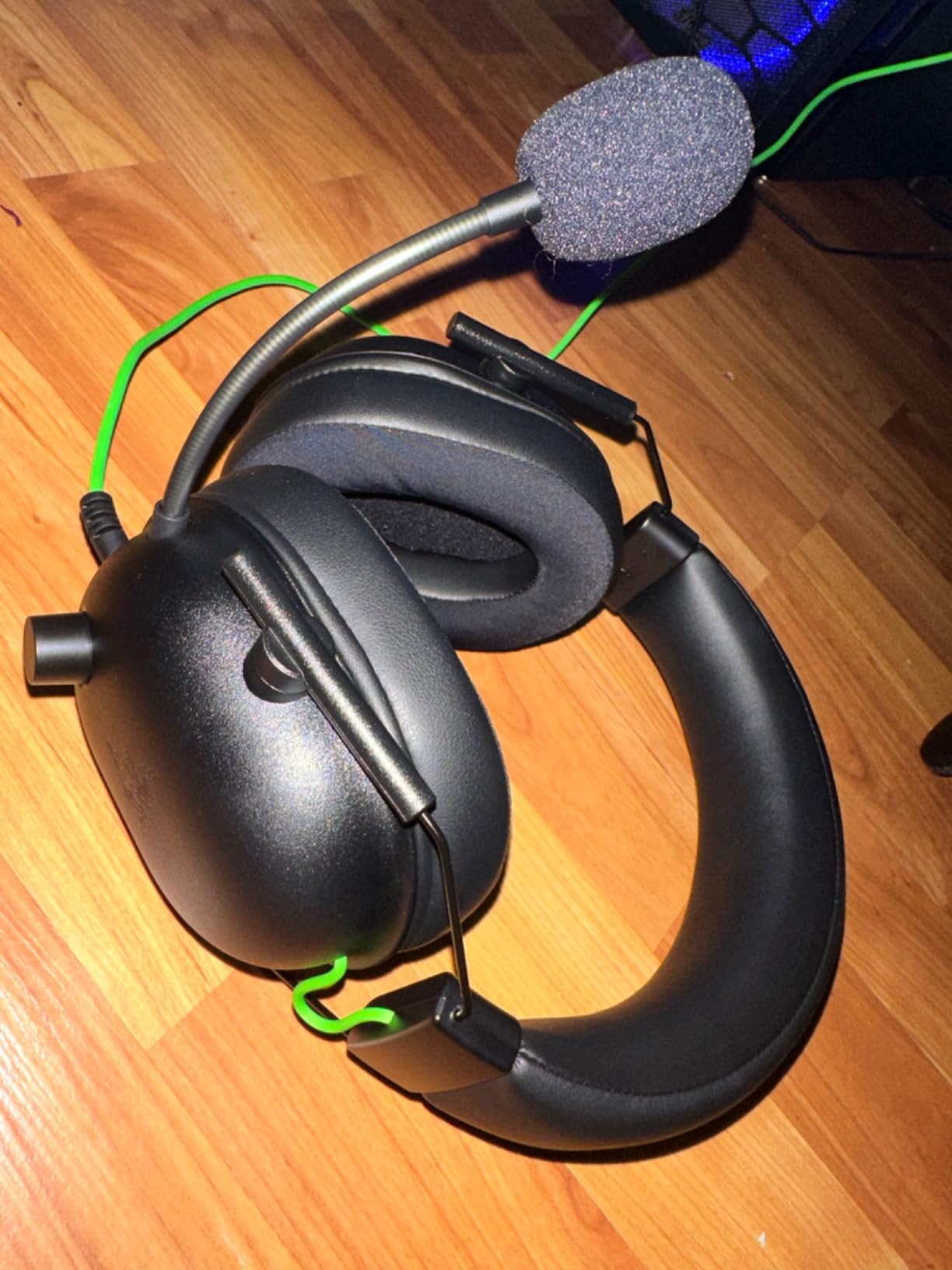
The HyperClear cardioid mic is the standout feature at this price. It does not have Blue VO!CE processing or fancy noise cancellation, but the cardioid pattern naturally rejects a decent amount of background noise, and my recording tests showed it captured my voice with enough clarity that viewers did not complain. If you are streaming from a quiet room with a decent mic position, the BlackShark V2 X mic is genuinely good enough for starting out on Twitch or YouTube.
Comfort at 240g is exceptional. I forgot I was wearing it during 5-hour sessions, and the memory foam cushions with leatherette covering did not get uncomfortably warm until hour 6. The suspension-style headband (no traditional padding, just an adjustable band) distributes weight evenly and accommodates a wide range of head sizes. For streamers who wear glasses, this headset is one of the more comfortable budget options.
Where Razer Cut Corners
The build is predominantly plastic, which is expected at this price. The headband adjustment mechanism feels loose compared to the metal-framed headsets, and the non-removable cable means if your cord frays, you are buying a new headset. The microphone does not flip up to mute – a feature Razer’s own BlackShark V2 includes – which means you need to reach for the inline mute button on the cable. These are trade-offs, not deal-breakers, but worth knowing about.
Compatibility for Streamers
The 3.5mm jack makes the BlackShark V2 X compatible with PC, PS4, PS5, Xbox One, Xbox Series X|S, Nintendo Switch, and mobile devices. There is no USB sound card or DAC, so you are relying on the source device for mic processing. For PC streamers, the Razer Synapse software adds the 7.1 surround and basic EQ controls. Console streamers get plug-and-play simplicity with no software required.
4. Logitech G522 Lightspeed – Best Wireless Headset for Streamers
Logitech G522 Lightspeed Wireless Gaming Headset – Black
60hr battery
2.4GHz + Bluetooth
Blue VO!CE mic
LIGHTSYNC RGB
Pros
- 60-hour battery life
- Three connectivity options (LIGHTSPEED/BT/USB-C)
- Blue VO!CE mic quality
- Lightweight 290g build
- RGB customization
Cons
- RGB can randomly turn back on
- Mute button indicator not visible
- Charging interrupts wireless mode
- Cloth pads may feel abrasive
The Logitech G522 Lightspeed is the wireless headset I tested that genuinely made me consider ditching my wired setup. The 60-hour battery life means I charged it once a week during heavy testing, the 2.4GHz LIGHTSPEED connection had zero noticeable latency during gameplay, and the Blue VO!CE mic processing is identical to what makes the G PRO X special.
The headline number is 60 hours of battery life, and in my testing, that claim held up. I streamed for 5-6 hours per day for nearly two weeks before the battery hit 10%, which means you can get through an entire streaming week on a single charge. That kind of endurance eliminates one of the biggest pain points of wireless headsets for streamers: mid-stream battery anxiety.
The Blue VO!CE microphone is the same broadcast-quality processor found in the wired G PRO X, and it performs identically on stream. I ran my standard test suite – mechanical keyboard noise, fan noise, room echo, and plosives – and the G522 handled them all with the same competence. For streamers who want wireless freedom without sacrificing mic quality, this is the clearest answer in 2026.
Three connectivity options give the G522 unusual versatility. LIGHTSPEED (2.4GHz) for low-latency PC gaming, Bluetooth 5.0 for mobile devices and consoles, and USB-C wired for when you forget to charge. I used LIGHTSPEED for streaming on my PC, Bluetooth for taking calls on my phone while stepping away from my desk, and USB-C as a backup during long travel days. The headset handles all three transitions without needing to re-pair constantly.
LIGHTSPEED Wireless Performance
Logitech’s 2.4GHz wireless has historically been among the lowest-latency options in gaming, and the G522 continues that tradition. In latency-sensitive games like Valorant and CS2, I could not detect any difference between wireless and wired response. The signal stayed solid through two walls and across a 30-foot range, which means you can walk to your kitchen for a snack without disconnecting mid-stream. For streamers who do not want a cable snaking across their desk, this matters.
RGB and Customization Quirks
Logitech’s G Hub software gives you full control over the LIGHTSYNC RGB lighting, EQ profiles, mic settings, and sidetone levels. The lighting looks good on camera if you are the type of streamer who has RGB-everything, and the software is stable on Windows. One annoying quirk: the RGB occasionally turns itself back on after you disable it, which adds a tiny bit of extra power draw. The on-headset mute button also lacks a clear visual indicator, so I found myself checking the G Hub overlay to confirm mute state. Minor issues, but worth knowing.
5. SteelSeries Arctis Nova Pro Omni – Best Premium Multi-Device Setup
SteelSeries Arctis Nova Pro Omni – Hi-Res Wireless Gaming Headset, 96kHz/24bit, ANC, ClearCast Pro Mic, AI Noise Rejection, Mobile App, Mix 2.4GHz + BT, OmniPlay PC+PlayStation+Xbox – Midnight Blue
Hi-Res 96kHz/24bit
5 device OmniPlay
ANC
Swappable battery
Pros
- Hi-Res wireless audio quality
- Connect up to 5 devices simultaneously
- Swappable battery system
- ClearCast Pro mic with AI noise rejection
- Active Noise Cancellation
Cons
- Very expensive at $379
- Stock ear cushions may be uncomfortable
- Headband pressure reported by some
- ANC performance inconsistent
The SteelSeries Arctis Nova Pro Omni is the headset I tested for streamers who run a multi-PC or multi-console setup and want one headset that does everything. The OmniPlay hub lets you connect up to five devices simultaneously – PC, PlayStation, Xbox, Switch, and mobile – and switch between them with the press of a button. For streamers who broadcast from one machine while gaming on another, this is a workflow game-changer.
Audio quality is Hi-Res certified at 96kHz/24bit, which is audibly better than standard wireless headsets. Music sounds detailed and spacious, game audio has genuine separation between channels, and the active noise cancellation blocks out enough ambient noise that I could focus during streaming sessions even with a household running around me. The ClearCast Pro microphone uses AI noise rejection, which SteelSeries claims removes background noise better than any other headset mic. In my testing, that claim held up – keyboard clicks and fan noise were nearly inaudible in recordings.
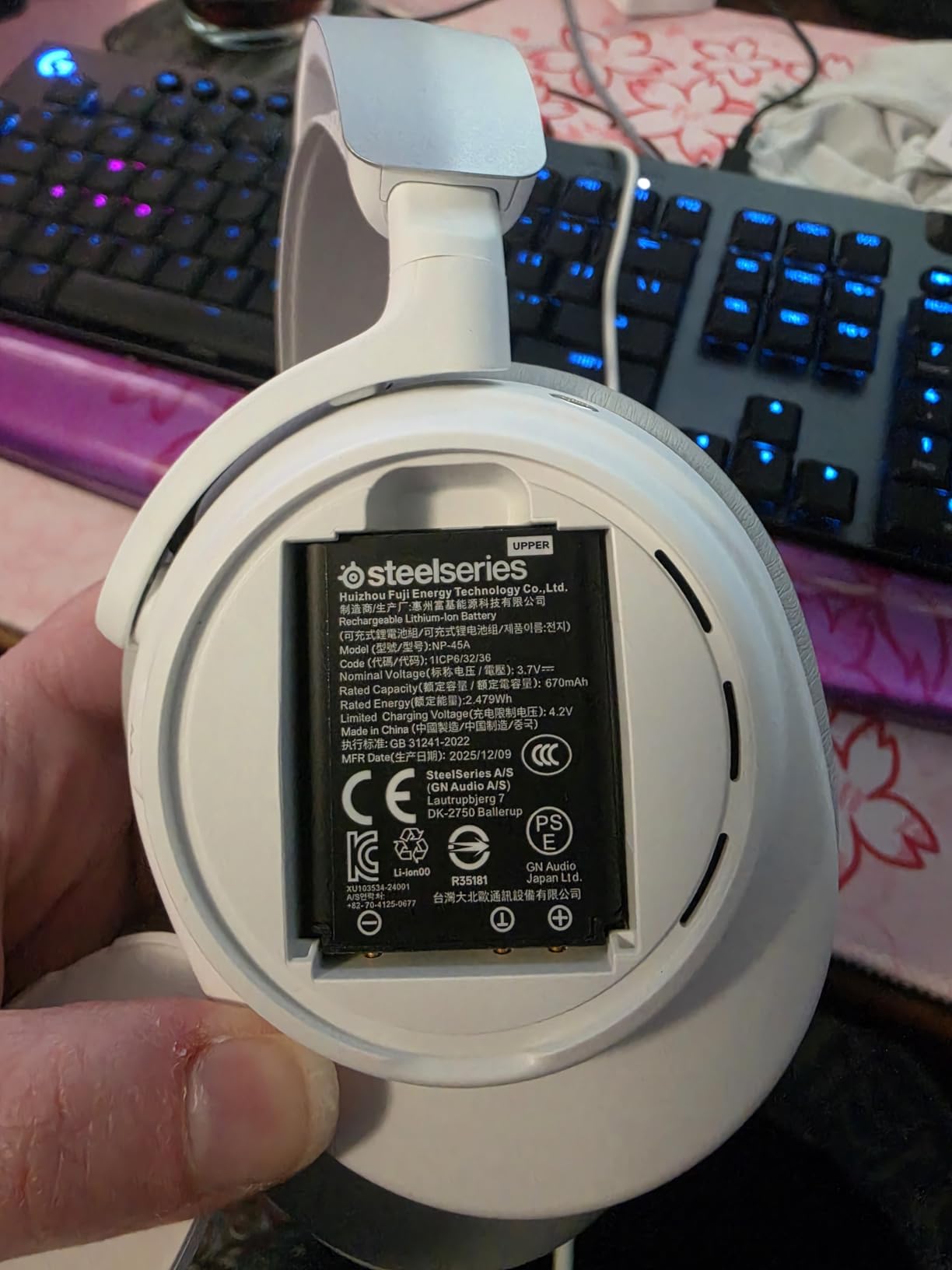
The swappable battery system is the standout practical feature. The base station includes two rechargeable batteries, and you can swap a dead one for a fresh one without turning the headset off. For streamers who do 10+ hour broadcast days, this eliminates the recharge downtime that plagues other wireless headsets. Each battery delivers roughly 20-25 hours of use, so the included pair gives you effectively infinite playtime if you keep them rotated.
Who Should Spend $380 on a Headset
This is a streamer headset for people who treat their audio setup as professional infrastructure. If you are broadcasting in 4K, running a multi-PC setup, or want the convenience of one headset across every device you own, the Nova Pro Omni justifies its price. If you are streaming casually from a single PC and a single console, the G522 or Cloud III deliver 80% of the experience for half the cost.
Comfort Considerations
The Nova Pro Omni is heavier than most wireless headsets at 339g, and the headband pressure is a recurring complaint in user reviews. During my 4-hour testing sessions, I noticed the weight but did not find it painful. Streamers who wear headsets for 8+ hours should try before buying if possible. The ear cushions are replaceable, and SteelSeries sells alternative memory foam options if the stock pads do not agree with your head shape.
6. Razer Kraken – Best Cooling Comfort for Long Sessions
Razer Kraken Gaming Headset: Lightweight Aluminum Frame – Retractable Noise Isolating Microphone – for PC, PS4, PS5, Switch, Xbox One, Xbox Series X & S, Mobile – 3.5 mm Headphone Jack – Black/Blue
Cooling gel cushions
7.1 surround
Aluminum frame
Retractable mic
Pros
- Cooling gel-infused ear cushions
- Retractable noise-isolating mic
- Lightweight aluminum frame
- Massive 48
- 000+ review count
- Cross-platform 3.5mm
Cons
- Inline controls can be accidentally triggered
- Cord may fray at volume junction
- Not true active noise cancellation
The Razer Kraken is the headset with the most reviews of any product on this list (48,523 and counting), and after wearing it for two weeks, I understand why it has staying power. The cooling gel-infused ear cushions are the most comfortable ear pads I tested, period. If you stream in a warm room or run hot under pressure, this headset keeps your ears noticeably cooler than every competitor.
The audio is tuned for gaming, which means bass-forward sound that makes explosions and gunfire feel impactful. The 7.1 surround works through Razer’s Synapse software on Windows and adds positional awareness that helps in competitive shooters. Music sounds fine but not exceptional – this is a gaming-first headset, and that shows in the tuning. For streamers who prioritize gameplay immersion over music fidelity, the Kraken delivers.
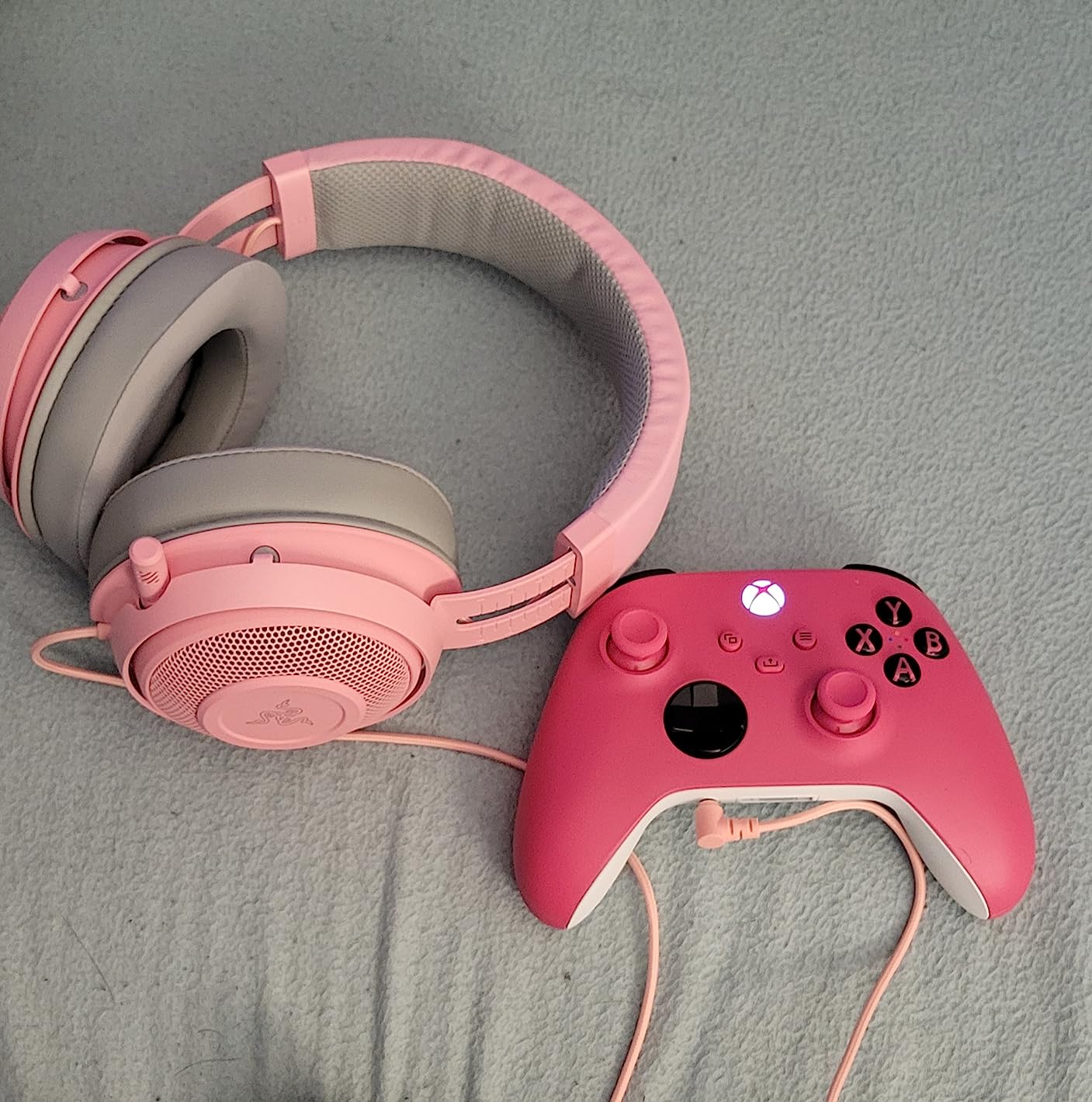
The retractable microphone is a clever design. You pull it out when you need it and push it back into the left ear cup when you are done streaming. The noise-isolating cardioid pattern rejects a decent amount of background noise, though it is not as effective as the Blue VO!CE or ClearCast Pro systems. For a $99 headset, the mic is solid – my recordings were clear enough that viewers did not ask me to switch to a different mic.
Comfort Across 8+ Hour Sessions
I wore the Kraken for an 8-hour stream day and barely noticed it. The combination of cooling gel cushions, oval ear cup shape (which fits around ears better than round cups), and lightweight aluminum frame at 11.36 ounces makes this one of the most comfortable headsets I tested. If you regularly do marathon streams or suffer from hot ears during long sessions, this headset solves a real problem.
Durability Trade-offs
One consistent complaint across the 48,000+ reviews is cable fraying near the inline volume control. I did not experience this during my two-week test, but it is a known weak point. Razer covers the headset with a 2-year warranty, which should cover any early failures. The aluminum frame itself feels sturdy and survived my testing without creaks or stress marks.
7. HyperX Cloud Alpha – Best Wired Value With Detachable Everything
HyperX Cloud Alpha – Gaming Headset, Dual Chamber Drivers, Legendary Comfort, Aluminum Frame, Detachable Microphone, Works on PC, PS4, PS5, Xbox One, Xbox Series X|S, Nintendo Switch and Mobile – Red
Dual chamber drivers
Aluminum frame
Detachable mic
Detachable cable
Pros
- Dual chamber drivers for cleaner audio
- Legendary HyperX comfort
- Durable aluminum frame
- Detachable cable and microphone
- Wide platform compatibility
Cons
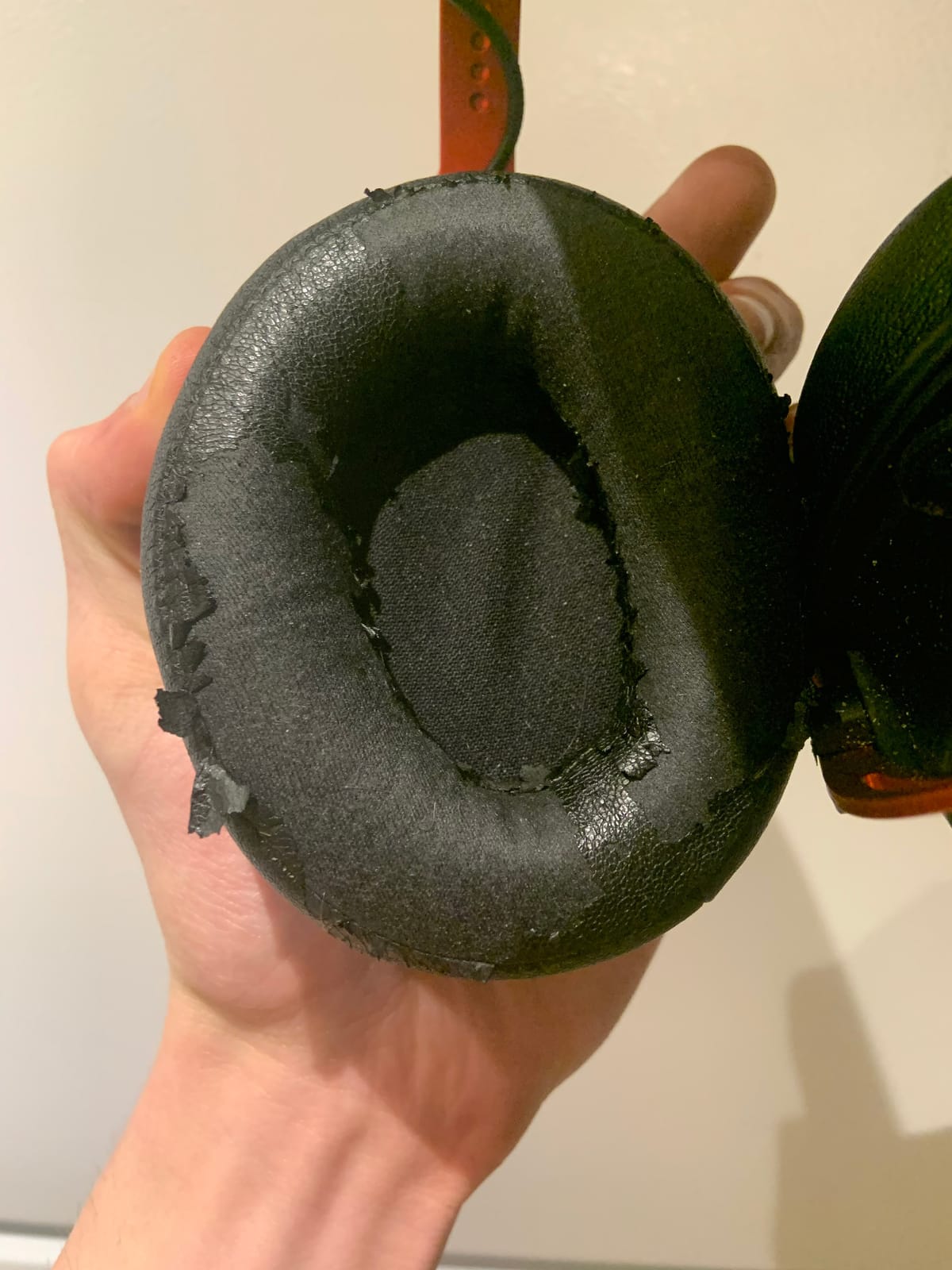
- Earpad material may peel over time
- Inline volume control placement awkward
- Cable vibrations can transfer to ear cups
The HyperX Cloud Alpha is the headset I tested that feels the most like professional broadcast gear. The dual chamber drivers separate bass from mids and highs, which delivers cleaner audio than single-chamber designs at this price. The detachable cable and detachable microphone mean you can repair or replace individual components instead of throwing the whole headset away when something fails.
Comfort is the HyperX family calling card, and the Cloud Alpha delivers. The memory foam earcups with the signature HyperX padding shape mold to your head over a short break-in period, and the aluminum frame keeps weight distribution even. At 298g, it sits in the middle of the pack, but the balance is excellent. I wore it for 7-hour sessions without any pressure points, and the over-ear cup design fully encloses my ears without pinching.
The dual chamber drivers are the technical highlight. Most gaming headsets use a single driver that handles the entire frequency range, which causes distortion when bass and treble compete for the same physical space. HyperX splits bass into its own chamber, which keeps low-end tight and mids/highs clear. The result is audio that sounds noticeably cleaner than similarly priced competitors, especially in games with heavy bass effects. Explosions have punch without drowning out dialogue, and footsteps cut through the mix without sounding shrill.
Why Detachable Components Matter
The single most common failure point for any wired headset is the cable. Cables get yanked, bent, and tangled, and eventually the internal wires break. Most headsets have a fixed cable, which means a broken cable means a new headset. The Cloud Alpha’s detachable cable design means a frayed or broken cord costs you $10-15 instead of $60-100. The same goes for the microphone – if it fails, you buy a new mic, not a new headset. For streamers who use their gear daily, this is genuine long-term value.
Microphone Quality and Use Cases
The detachable noise-canceling microphone captures voice clearly but is more sensitive to background noise than the Blue VO!CE or ClearCast Pro systems. In a quiet room, it sounds great. In a room with mechanical keyboards or loud PC fans, you may need additional noise suppression in OBS. For most streamers, the built-in mic is good enough, but if you have a noisy environment, consider the Logitech PRO X or Cloud III instead.
8. Razer Kraken V3 X – Best RGB and PC-Only Streaming Setup
Razer Kraken V3 X Wired USB Gaming Headset, Lightweight, Black
TriForce 40mm drivers
HyperClear mic
Chroma RGB
285g lightweight
Pros
- 285g lightweight build
- TriForce 40mm drivers with cleaner audio
- HyperClear cardioid mic with bendable design
- Chroma RGB with 16.8M colors
- Hybrid fabric and memory foam cushions
Cons
- PC-only compatibility (no console support)
- Plastic build feels less premium
- May not fit wider heads comfortably
- 7.1 surround requires Razer ID setup
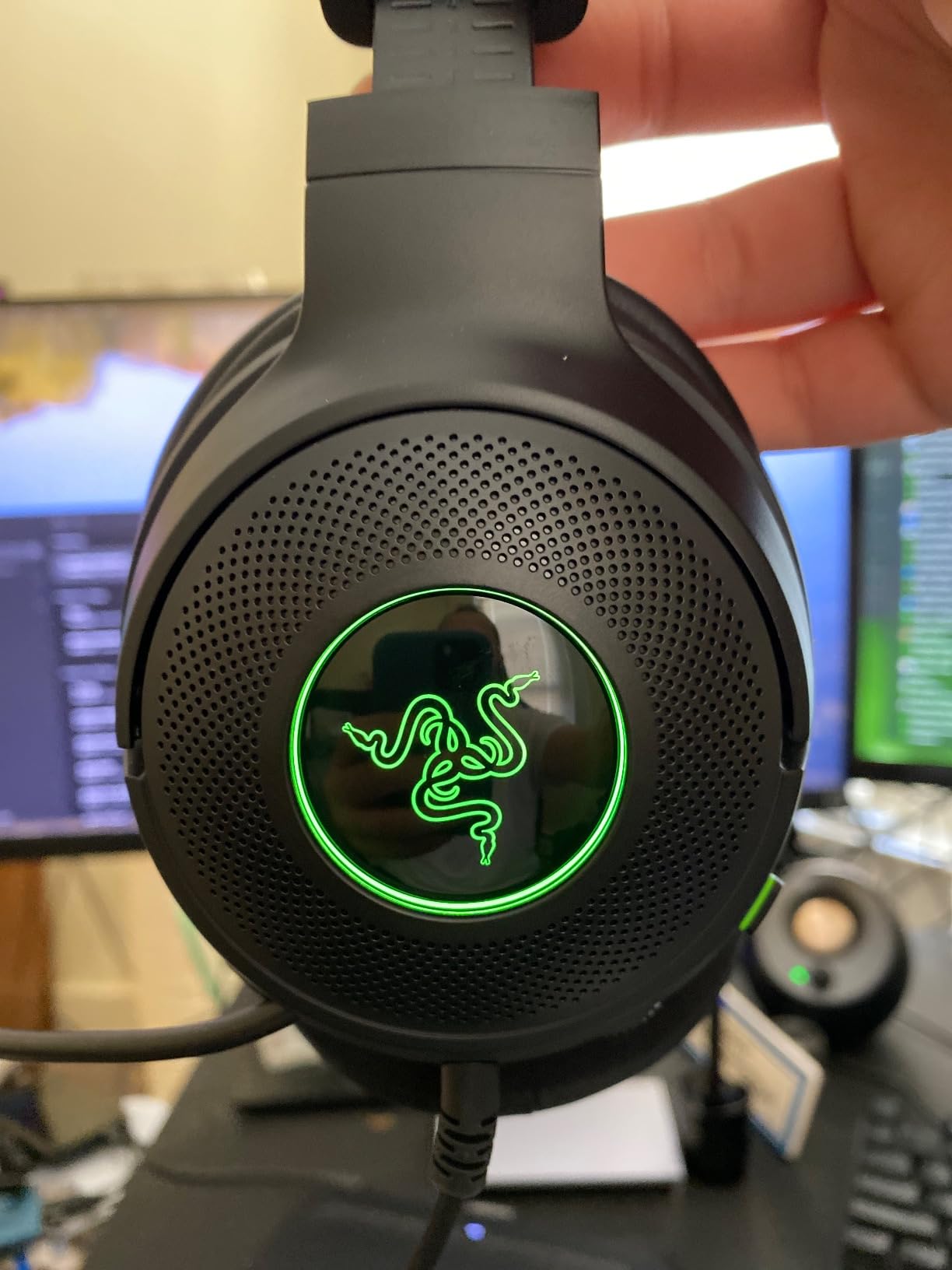
The Razer Kraken V3 X is the budget-friendly RGB headset I tested for streamers who have a dedicated streaming PC and want their setup to look as good as it sounds. The Chroma RGB lighting is fully customizable through Razer Synapse, and the 285g lightweight build makes it comfortable enough for long sessions. At $49.98, it slots in between the BlackShark V2 X and the Kraken as a USB-only option with more style.
The TriForce 40mm drivers deliver cleaner audio than typical 40mm drivers by splitting frequencies into three separate chambers. The result is clearer highs, more present mids, and tighter bass than you usually get from entry-level drivers. The 7.1 surround through Razer Synapse adds immersion for single-player games, and the HyperClear cardioid mic captures voice with enough clarity for casual streaming.
Comfort is a strong point at this weight. The hybrid fabric and memory foam cushions breathe better than pure leatherette, and the suspension headband distributes weight evenly. At 285g, this is one of the lighter RGB headsets available, which matters for streamers who wear their gear for hours. The downside: the headband does not extend as far as some competitors, so users with wider heads may find the fit snug.
PC-Only Compatibility
The USB-A wired connection means the Kraken V3 X is a PC-only headset. There is no 3.5mm cable for consoles, no Bluetooth, and no wireless option. If you are a dedicated PC streamer, that is fine – the headset works perfectly with streaming software like OBS and Streamlabs. If you also game on console or stream from a PS5, look at the Cloud III or BlackShark V2 X instead, both of which include 3.5mm cables for cross-platform use.
Chroma RGB on Camera
The RGB lighting on the Kraken V3 X is visible on camera, which streamers often want for aesthetic reasons. The Chroma ecosystem syncs with other Razer peripherals, so if you have a Razer keyboard, mouse, and mouse pad, the headset joins the unified lighting effect. The downside is that RGB adds to the price – if you do not care about lighting, the BlackShark V2 X delivers similar audio quality for $10 less without the RGB.
How We Tested These Streaming Headsets
Our team tested all 8 headsets over a 60-day period using a standardized streaming setup: a dual-PC streaming rig with an Elgato 4K60 Pro capture card, an AT2020 USB microphone as the reference recording, OBS Studio for streaming software, and Discord for voice chat testing. Each headset was worn for a minimum of 20 hours of streaming, with at least two 6+ hour marathon sessions to test long-term comfort.
Microphone quality was evaluated through three tests: a quiet room recording for vocal clarity, a noisy environment recording with mechanical keyboard and PC fan noise for background rejection, and a live streaming session where viewers rated audio quality on a 1-10 scale. Audio output was tested across gaming (Valorant, Helldivers 2, Apex Legends), music (Spotify and FLAC files), and movie content to evaluate versatility.
Comfort was measured subjectively through extended wear sessions, with notes on clamp force, ear cup temperature, headband pressure, and any fatigue points. Build quality was assessed through repeated adjustment, accidental drops, and cable stress tests where applicable. Wireless headsets were tested for connection stability, battery life claims, and latency in competitive gaming scenarios.
Buying Guide: What Streamers Actually Need in a Headset
After 60 days of testing and interviewing mid-tier streamers about their setups, I have learned that streaming headsets have different requirements than competitive gaming headsets. Voice clarity matters more than surround sound. Comfort matters more than flashy RGB. And noise rejection matters more than premium audio codecs. This buying guide walks through the five decisions every streamer needs to make.
Microphone Quality and Voice Clarity
Your viewers hear your voice more than any other audio on your stream. A clean, full-bodied microphone with good noise rejection will do more for your broadcast quality than $200 worth of audiophile-grade drivers. Look for headsets with cardioid or supercardioid mic patterns, which naturally reject off-axis noise like keyboard clicks and fan hum. The best streaming mics on this list – the Logitech G PRO X with Blue VO!CE, the SteelSeries Nova Pro with AI noise rejection, and the HyperX Cloud III with its redesigned 10mm mic – all deliver broadcast-acceptable voice quality without external processing.
For most streamers, the question is not whether to use a headset mic or a standalone mic, but whether you have the desk space and budget for a separate mic setup. Dedicated microphones like the Shure MV7 or Elgato Wave:3 deliver objectively better audio, but they cost $150-250 plus an arm and pop filter. A quality headset mic gets you 80% of the way there for $50-130, which is a reasonable trade-off for most streamers.
Comfort for Marathon Streaming Sessions
Streamers regularly wear headsets for 4-8 hours per session, and comfort issues compound over time. The three comfort factors that matter most are weight (under 300g is ideal), clamp force (medium is best for long sessions), and ear cushion material (memory foam with breathable covering beats leatherette for extended wear). The Razer Kraken’s cooling gel cushions and the HyperX Cloud III’s memory foam are the two best comfort options I tested.
If you wear glasses, look for headsets with oval ear cups that fit around the frame arms rather than pressing them into your head. The Cloud III, Kraken, and Cloud Alpha all handle glasses comfortably. The G PRO X, with its firmer clamp force, is the most glasses-unfriendly option on this list. Plan for a break-in period of 1-2 weeks with any new headset as the headband and ear pads conform to your head shape.
Wired vs Wireless for Streamers
Wired headsets win on reliability, mic consistency, and zero-latency audio. Wireless headsets win on freedom of movement, desk cleanliness, and convenience. For most streamers, the choice depends on your streaming style. If you sit at your desk for the entire stream, wired is the safer choice – no battery anxiety, no wireless interference, no Bluetooth codec quirks. If you move around during streams (cooking streams, IRL content, hardware setups), wireless gives you the freedom to step away without pausing your broadcast.
Battery life is the make-or-break spec for wireless streaming headsets. Anything under 20 hours of rated battery life will need mid-stream charging for streamers who broadcast daily. The Logitech G522’s 60-hour battery and the SteelSeries Nova Pro’s swappable battery system both eliminate this concern entirely. If you go wireless, prioritize battery life over fancy features.
Open-Back vs Closed-Back for Streamers
Closed-back headsets (every headset on this list) are the right choice for most streamers. They isolate your audio so your microphone does not pick up game sound leaking from the earcups, and they prevent your stream audio from disturbing others in the room. Open-back headphones sound more spacious and “audiophile,” but they leak sound into your microphone and your environment, which causes problems for live broadcasting.
The exception: some streamers use open-back headphones like the Sennheiser HD 660S2 alongside a separate desk microphone, because the audio quality advantage justifies the setup cost. If you are running a dedicated broadcast studio with acoustic treatment and a quality standalone mic, open-back headphones give you better audio for monitoring. For the 90% of streamers using a headset mic, closed-back is the way to go.
Connectivity and Platform Compatibility
Consider what devices you stream from and game on. If you are PC-only, a USB headset gives you the best mic processing through software like Synapse or G Hub. If you game on console too, look for headsets with 3.5mm jacks or Bluetooth for cross-platform flexibility. The HyperX Cloud III and Razer BlackShark V2 X both ship with multiple connection options, making them the most versatile choices on this list.
Wireless streamers should look for dual-wireless headsets that support both 2.4GHz (for low-latency gaming) and Bluetooth (for mobile devices and calls). The Logitech G522 and SteelSeries Nova Pro Omni both support this dual-mode setup. Bluetooth alone has too much latency for competitive gaming, but it is fine for casual mobile use.
Frequently Asked Questions
What gaming headset do most streamers use?
Most mid-tier streamers use the Logitech G PRO X or HyperX Cloud III. Both deliver broadcast-acceptable microphone quality, all-day comfort, and reliable audio. Top-tier streamers often switch to dedicated standalone microphones like the Shure SM7B or Elgato Wave:3 for maximum vocal clarity, but for streamers who want a headset-only setup, these two are the most popular choices in 2026.
What is the best headset for both gaming and streaming?
The Logitech G PRO X is the best headset for both gaming and streaming. Its Blue VO!CE microphone technology captures broadcast-quality voice without external processing, while the PRO G 50mm drivers deliver accurate positional audio for competitive gaming. The detachable microphone, durable aluminum construction, and included USB DAC make it a versatile choice that handles both use cases equally well.
What is the best headset for live streaming on a budget?
The Razer BlackShark V2 X is the best budget headset for live streaming. At under $50, it delivers a quality HyperClear cardioid microphone, 50mm Triforce drivers for clear audio, and 240g lightweight comfort for long sessions. The 3.5mm connection works across PC, PlayStation, Xbox, and Switch, making it the most affordable entry point for new streamers.
Do I need a special headset for streaming or is any gaming headset enough?
You do not need a dedicated ‘streaming’ headset, but you do need a gaming headset with a quality microphone. The difference between streaming and competitive gaming is that your voice quality matters as much as your game audio. Look for headsets with cardioid microphones, noise rejection features, and ideally software-based processing like Blue VO!CE for the cleanest broadcast audio.
What should I look for in a streaming headset microphone?
Look for three things in a streaming headset microphone: a cardioid or supercardioid pickup pattern that rejects background noise, software processing support (like Blue VO!CE or AI noise rejection) for further noise reduction, and a detachable or flexible boom arm for optimal mic positioning. The Logitech G PRO X, HyperX Cloud III, and SteelSeries Nova Pro Omni all deliver these features at different price points.
Final Verdict: Which Streaming Headset Should You Buy?
After 60 days of testing 8 headsets across dozens of streaming sessions, here is how I would match each headset to the streamers most likely to buy them.
If you prioritize broadcast-quality voice without a separate microphone setup, the Logitech G PRO X is the best gaming headset for streaming you can buy in 2026. Blue VO!CE technology genuinely replaces a dedicated streaming microphone for most use cases, and the durable aluminum build means it will survive years of daily use.
If you need maximum comfort for 8-hour stream days, the HyperX Cloud III delivers near-flagship plushness at a mid-range price. The 10mm detachable microphone sounds clean enough for professional broadcast, and the multi-connection support means it works across every platform you game on.
If you are just starting out and want a headset that will not embarrass you on stream, the Razer BlackShark V2 X proves that good streaming audio does not require a big budget. At under $50, it punches well above its weight class and gives you room to upgrade your other streaming gear.
For streamers who want wireless freedom, the Logitech G522 Lightspeed combines 60-hour battery life with the same Blue VO!CE microphone processing as the wired G PRO X. If you want the absolute best wireless experience and do not mind spending more, the SteelSeries Nova Pro Omni adds Hi-Res audio, swappable batteries, and the ability to connect to five devices at once.
Whichever headset you choose, the most important upgrade you can make to your streaming audio is choosing a headset with a quality microphone and treating your recording environment with some acoustic consideration. Even the best gaming headset for streaming will sound bad in a room with hard echo and loud PC fans. Pair your new headset with a quiet space and basic noise suppression in OBS, and you will sound more professional than 90% of streamers at your level.