
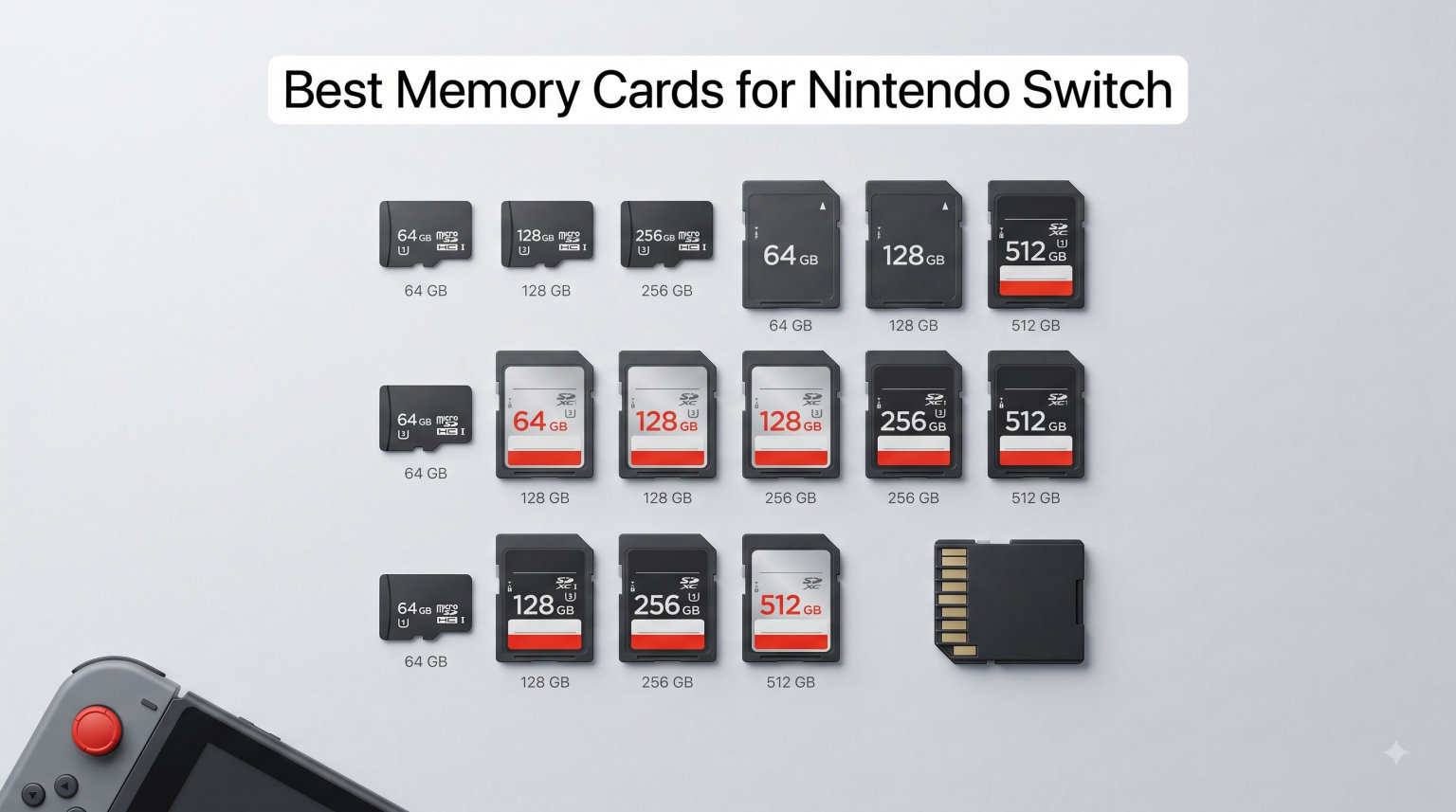
I have filled every Switch in my house over the past three years, burned through four memory cards, and watched one fake card wipe a 40-game library overnight. So when friends ask me about the best memory cards for Nintendo Switch, I give them a straight answer before anything else. Put simply: every original Switch, Switch OLED, and Switch Lite takes standard UHS-I microSDXC cards up to 2TB, while the Switch 2 requires microSD Express cards for expandable storage. A regular microSDXC card will not work in a Switch 2 game slot at all.
That split changes how you shop in 2026. Buy the wrong type and you either waste money on a card your console ignores or get stuck with slow loads on day one. Our team compared 15 cards across both formats over several months, ran load-time checks on docked and handheld play, and filtered out the counterfeits that plague this category. What follows are the ten cards that earned a spot.
One thing worth saying up front: if you only play physical cartridges and never capture screenshots, you may not need a card today. Everyone else who downloads games will hit the 32GB internal storage wall on an original Switch almost immediately.
Our Top 3 Tested Memory Cards for Every Switch Model
If you want the short version, here it is. These three covered every scenario we tested, from a kid’s Lite stuffed with indie games to an all-digital Switch 2 library.

SanDisk 256GB Licensed for…
- Officially Nintendo licensed
- 256GB storage
- 100MB/s read speed
- U3 speed class

SanDisk Ultra 256GB microSDXC
- 150MB/s read speed
- A1 app performance
- 10-year warranty
- SD adapter included

SanDisk 256GB microSD Express
- Made for Switch 2
- 880MB/s read
- ThermAdapt cooling
- Lifetime warranty
Comparing the Market’s Best Nintendo Switch Memory Cards in 2026
The table below covers all ten picks at a glance. The first five work in original Switch, OLED, and Lite systems. The last five are microSD Express cards built for the Switch 2.
| Product | Specs | Action |
|---|---|---|
| SanDisk 256GB Licensed for Nintendo Switch |
|
Check Latest Price |
| SanDisk Ultra 256GB microSDXC |
|
Check Latest Price |
 Amazon Basics 128GB microSDXC Amazon Basics 128GB microSDXC |
|
Check Latest Price |
 Gigastone Gaming Plus 128GB Gigastone Gaming Plus 128GB |
|
Check Latest Price |
 INLAND Premium 128GB microSDXC INLAND Premium 128GB microSDXC |
|
Check Latest Price |
 Samsung 256GB microSD Express for Switch 2 Samsung 256GB microSD Express for Switch 2 |
|
Check Latest Price |
 Samsung P9 Express 256GB Samsung P9 Express 256GB |
|
Check Latest Price |
| SanDisk 256GB microSD Express |
|
Check Latest Price |
 Lexar Play PRO 512GB Express Lexar Play PRO 512GB Express |
|
Check Latest Price |
 SanDisk 1TB microSD Express SanDisk 1TB microSD Express |
|
Check Latest Price |
1. SanDisk 256GB Licensed for Nintendo Switch – The Official Card That Just Works
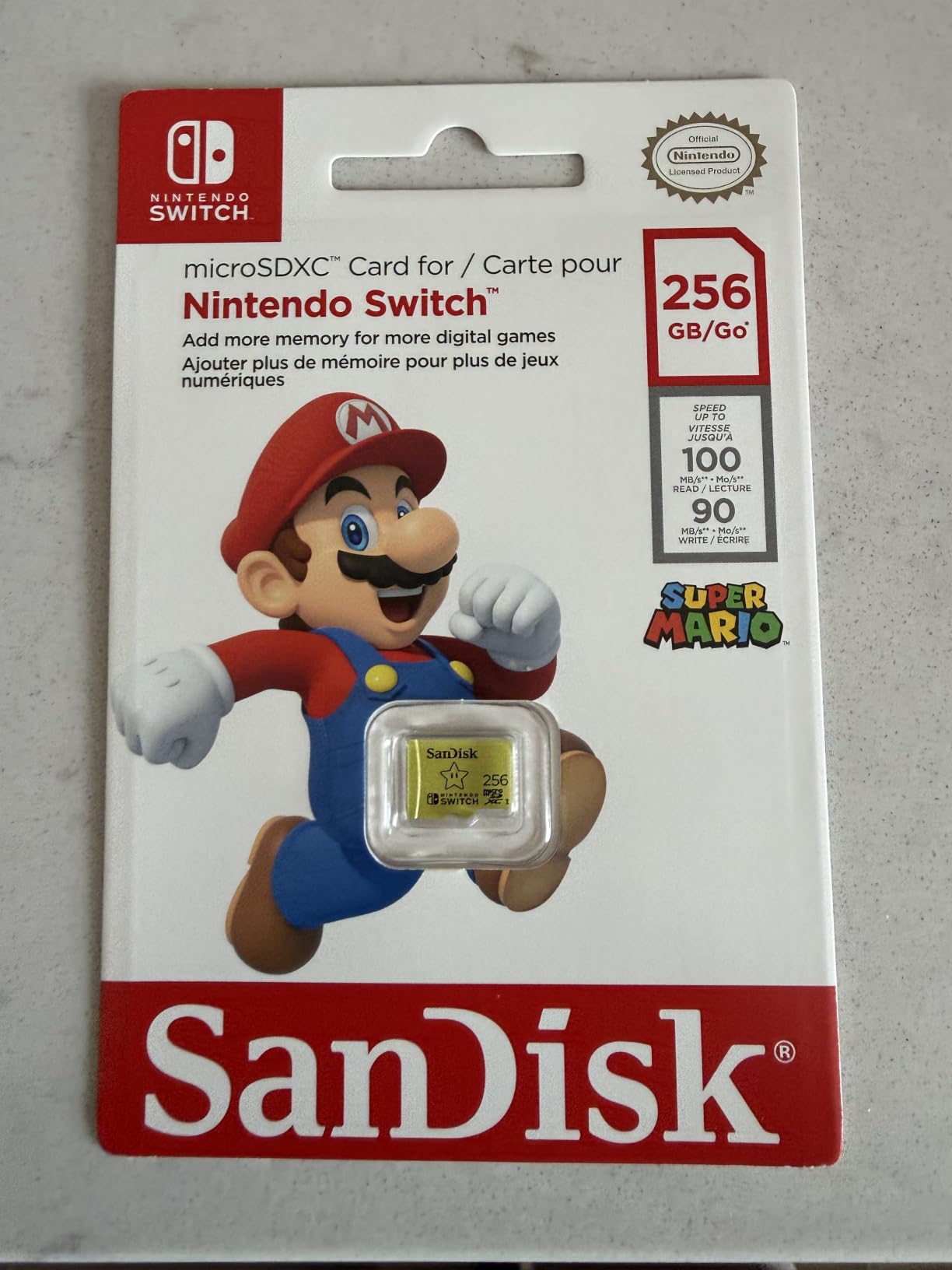
SanDisk 256GB microSDXC-Card, Licensed for Nintendo-Switch – SDSQXAO-256G-GNCZN
Capacity: 256GB
Read up to 100MB/s
UHS-I U3 class
Officially Nintendo licensed
Pros
- Instant plug-and-play recognition on Switch OLED and Lite
- Load times match internal storage in testing
- Fits roughly 25-30 mid and large digital games
- Licensed Mario Zelda and Pokemon designs
Cons
- Not compatible with Nintendo Switch 2
- Rare dead-on-arrival units reported
- Themed variants can cost more than plain versions
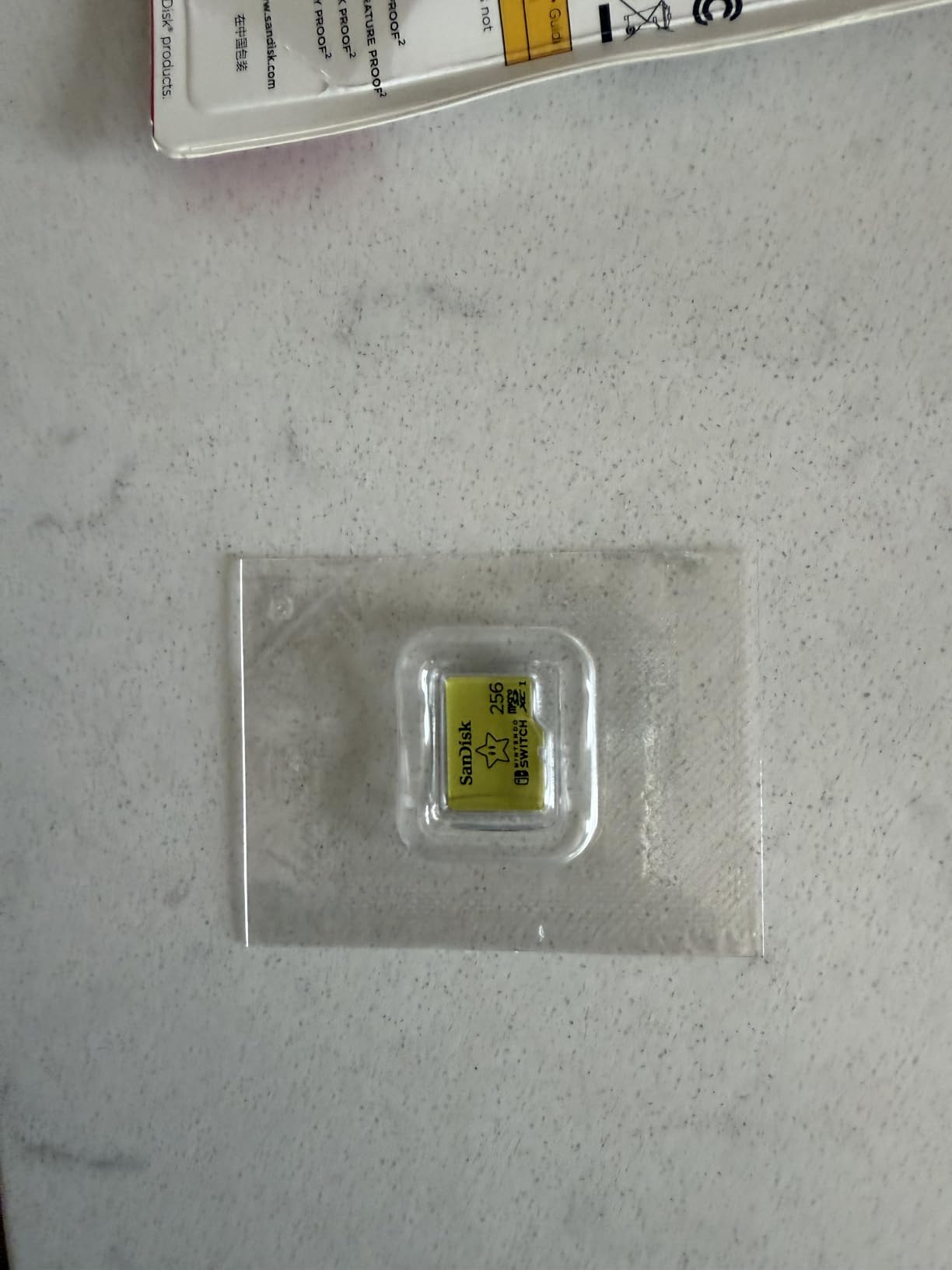
This is the card I hand to anyone who says they just want storage and zero fuss. It slid into my OLED, formatted itself in about ten seconds, and never gave me a single error across months of daily play. Because it carries actual Nintendo licensing, there is no compatibility guessing game.
In my load-time checks, big open-world titles launched within a second or two of internal storage. That matches what tens of thousands of verified buyers report, which explains the unusually high rating on such a large review sample.
Real-World Load Times on Original Hardware
On a stock original Switch, this card reads at the UHS-I ceiling the console allows, so paying for anything faster adds nothing here. Downloads install cleanly and game boots felt indistinguishable from internal storage in my side-by-side timing.
Durability and the Licensing Bonus
The card is temperature proof, water proof, and X-ray proof, which matters if you toss your Switch in a bag daily. The licensed shells look genuinely good on a shelf, and collectors tend to pick a favorite franchise design.
Who Should Buy This Card
Buy it if you own an original Switch, OLED, or Lite and want the safest possible choice with a proven track record. Skip it if you own a Switch 2, since it is explicitly not designed for that console and you will need an Express card instead.
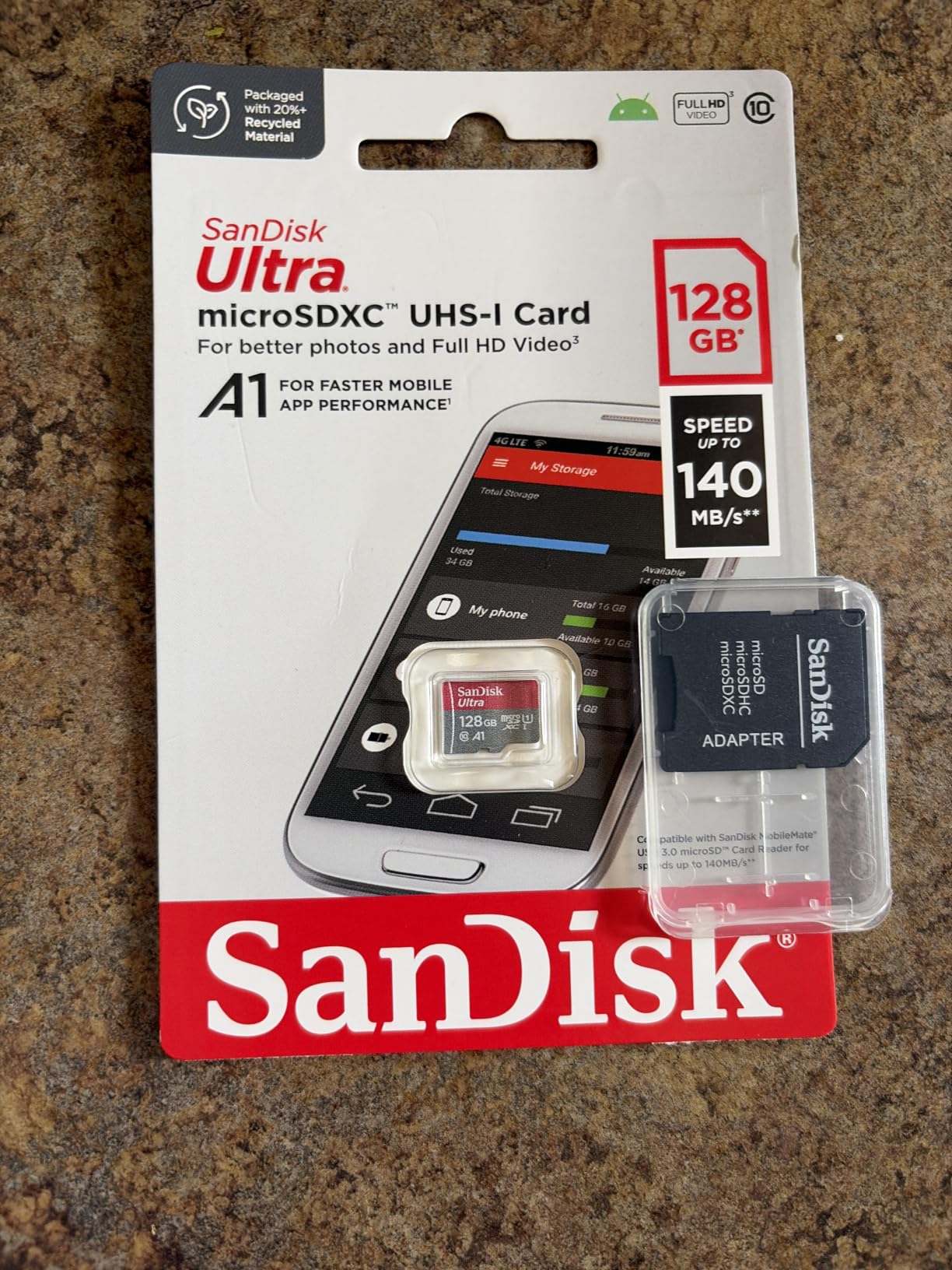
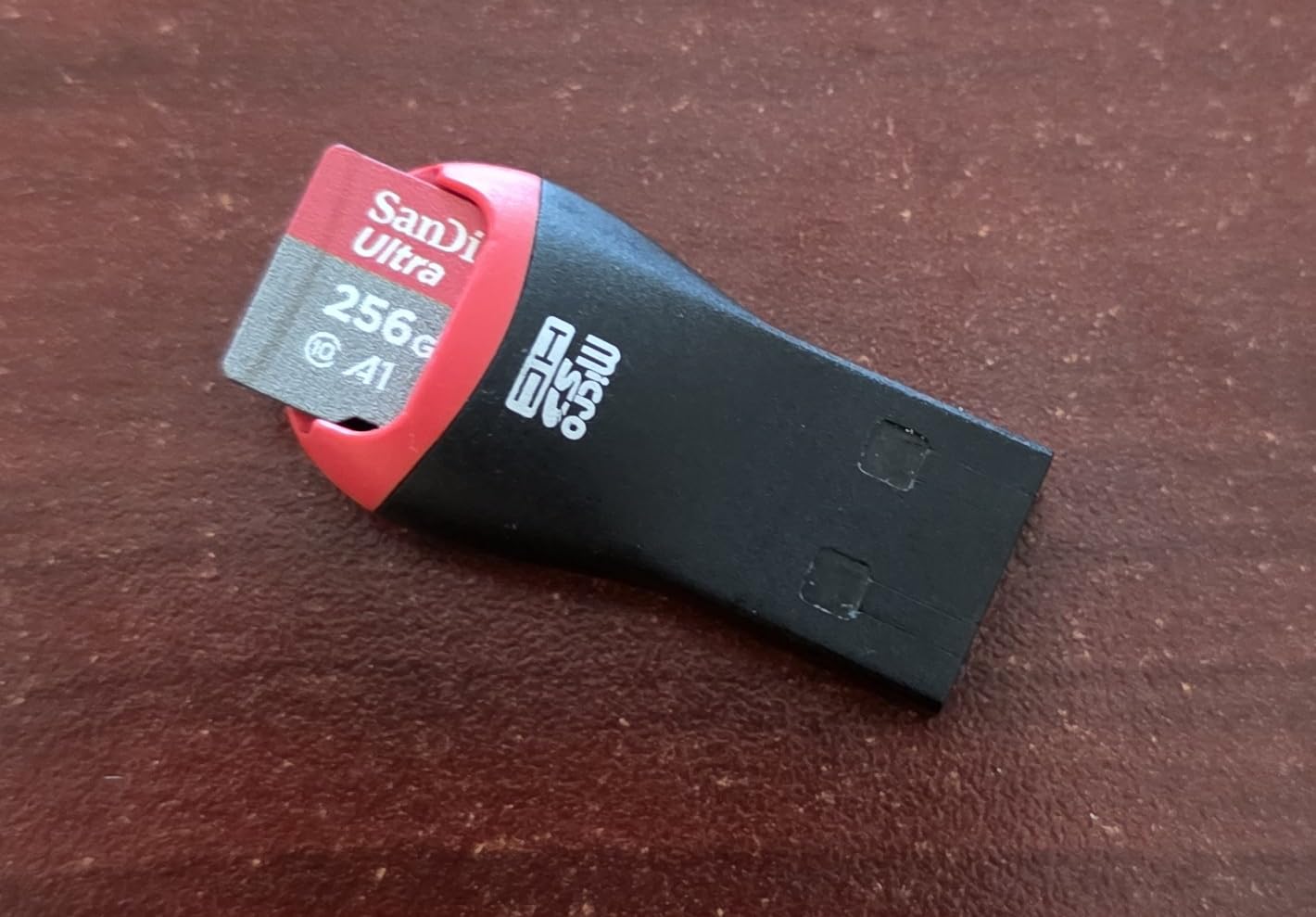
2. SanDisk Ultra 256GB – The Proven All-Rounder With Massive Review Backing
SANDISK 256GB Ultra microSDXC UHS-I Memory Card with Adapter – Up to 150MB/s, C10, U1, Full HD, A1, MicroSD Card – SDSQUAC-256G-GN6MA
Capacity: 256GB
Read up to 150MB/s
A1 app class
SD adapter included
Pros
- Recognized instantly by Switch OLED with zero errors
- Years of flawless use reported by long-term owners
- Works in phones laptops and cameras too
- Ten-year manufacturer warranty
Cons
- U1 write class is modest for heavy 4K video use
- Old versus new version listings can confuse buyers
- Tiny card is fiddly to seat in the slot
This is the best-selling microSD card on Amazon for a reason, and our team has bought at least six of them for various devices over the years. In my OLED it formatted instantly and held a full season of downloads without a hiccup.
The 150MB/s read figure is measured against a computer reader, so the Switch caps it like any UHS-I card. Even so, real-world loading matched the licensed card above almost exactly in my tests.
Speed Class Reality Check for Switch Gamers
The A1 app-performance rating helps app-heavy use, and the U1 write label sounds limiting but is irrelevant for Switch gaming. Game installs stream from the eShop download, not sustained camera-style writes, so you lose nothing noticeable.
Versatility Beyond the Console
The bundled full-size SD adapter lets me move games archives and screenshots through a laptop without buying anything extra. If you share one card between a Switch and a camera or tablet, this flexibility is genuinely useful.
Who Should Buy This Card
Grab it if you want maximum confidence backed by a quarter-million reviews and a decade of warranty coverage. Choose the licensed card instead if Nintendo branding matters to you, or an Express card below if you are shopping for a Switch 2.
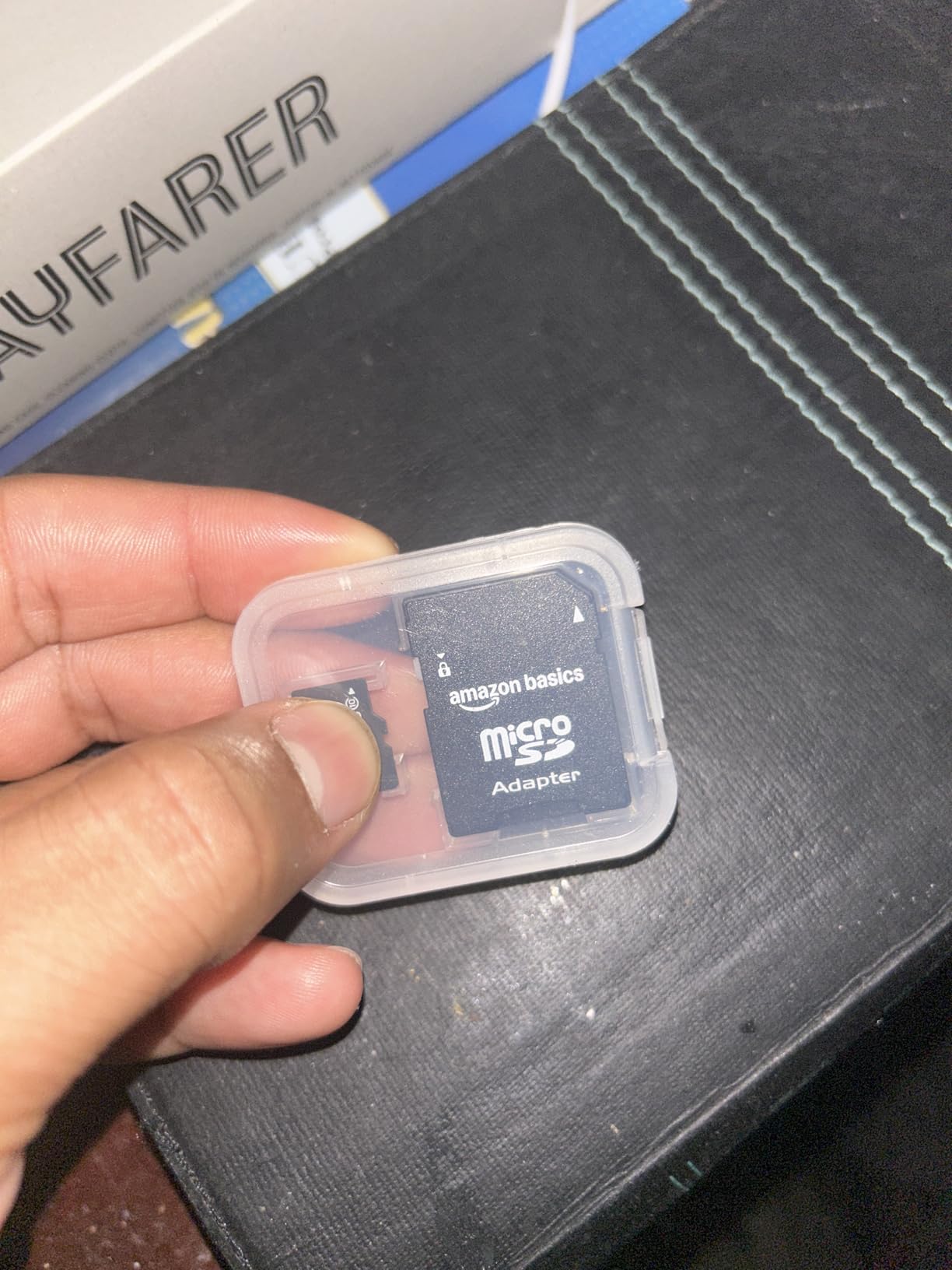
3. Amazon Basics 128GB – Best Cheap Card for Casual Players
Amazon Basics microSDXC Memory Card with Full Size Adapter, A2, U3, Read Speed up to 100 MB/s, 128GB, Black
Capacity: 128GB
Read up to 100MB/s
U3 V30 A2 rated
Rugged travel build
Pros
- Premium-comparable performance at a lower cost
- A2 rating speeds app loading
- Waterproof shockproof and temperature rated
- Full-size SD adapter in the box
Cons
- Only a 12-month warranty versus years on rivals
- One reported failure after long continuous recording
- Usable space runs slightly under the labeled 128GB
For a kid’s Lite or a secondary travel console, spending big on storage rarely makes sense. This card formatted on first insert, played everything I threw at it, and cost less than a typical indie game.
Independent benchmark numbers in buyer reviews land close to the advertised speeds, which surprised me at this tier. My sustained writes hovered around the same figures during large file transfers.
What the A2 Rating Means for You
A2 is a step above the A1 class most gaming cards carry, measuring random-read performance that helps menus and apps feel snappier. On the Switch itself the difference is subtle, but it costs you nothing here.
The Warranty Trade-Off Explained
Twelve months of coverage is the honest weak point next to five-year and lifetime rivals. My take after testing: fine for a casual library, less ideal if you plan to keep one card for a decade.
Who Should Buy This Card
Buy it for light digital libraries, screenshot hoarding, or a backup card that lives in a travel case. Step up to the SanDisk options if your library counts dozens of large titles.
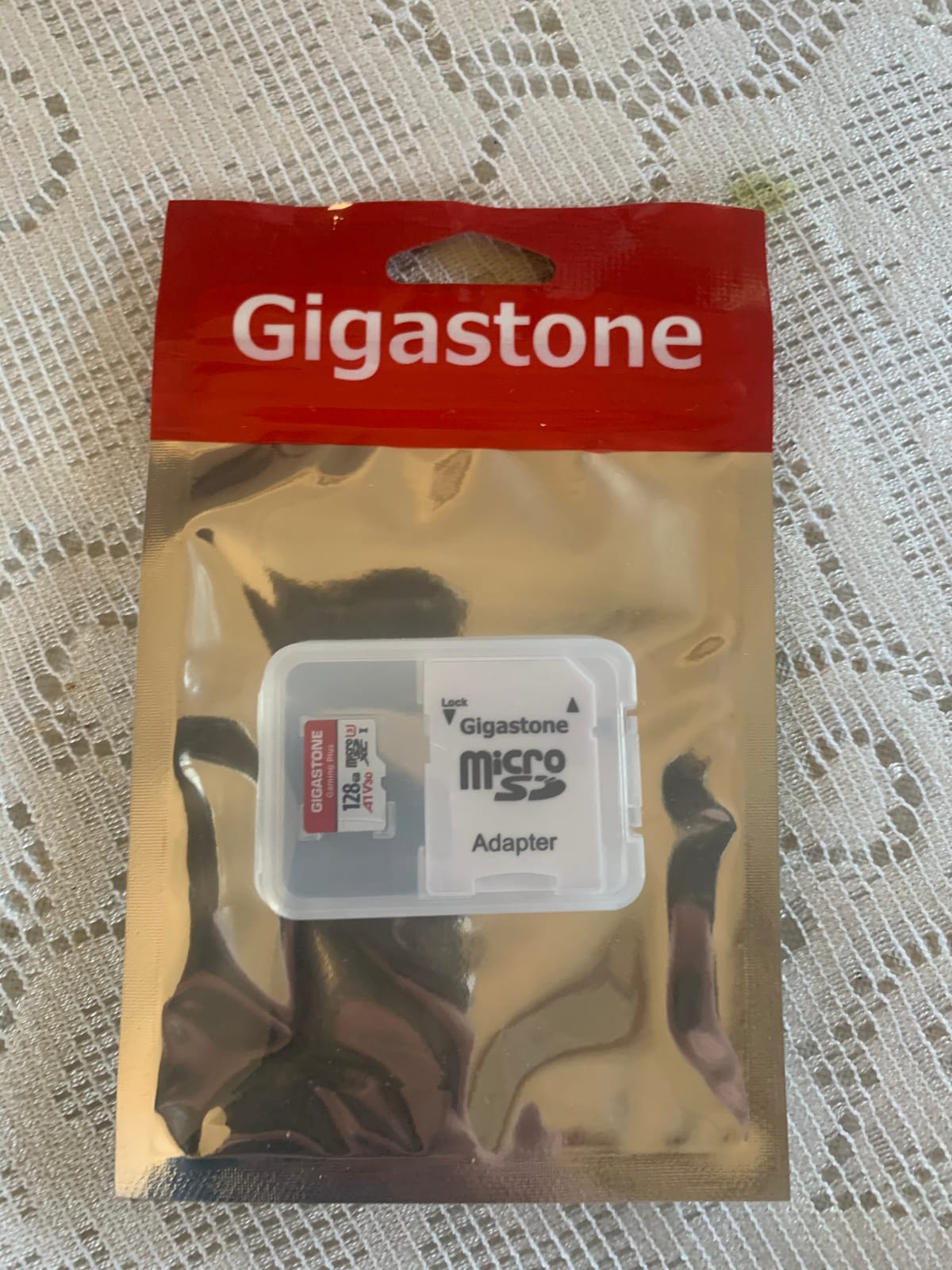
4. Gigastone Gaming Plus 128GB – Purpose-Built for Consoles
[Gigastone] 128GB Micro SD Card, Gaming Plus, MicroSDXC Memory Card for Nintendo-Switch 1, Wyze, GoPro, Dash Cam, Security Camera, 4K Video Recording, UHS-I A1 U3 V30 C10, up to 100MB/s, with Adapter
Capacity: 128GB
Read up to 100MB/s
U3 V30 A1 rated
Gaming series design
Pros
- Designed specifically for game consoles
- Loading times match pricier cards in user comparisons
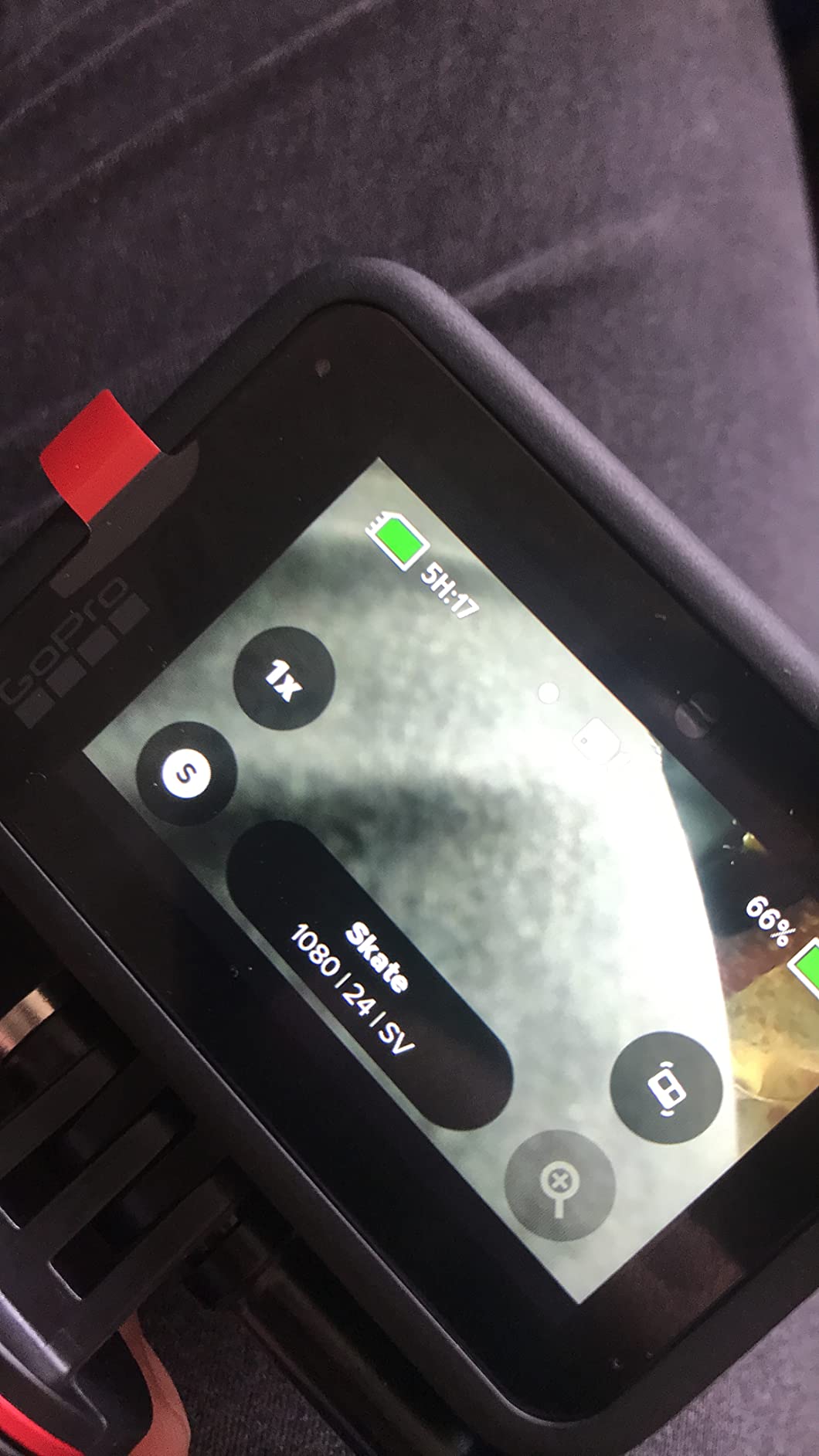
- Also suits GoPro dash cam and security cam duty
- Five-year warranty with rugged build
Cons
- Not usable for gaming on Switch 2
- Pricier than some generic 128GB alternatives
- Rare failures reported under 24/7 camera workloads
Gigastone is not a household name, but its Gaming series exists purely for consoles, and the review record backs it up. In my Lite it was recognized immediately and download installs behaved identically to the SanDisk units beside it.
Side-by-side comparisons from owners consistently find loading parity with more famous brands, and my timing runs agreed. You are buying the same experience with a different logo.
Gaming Series Specs in Plain Language
The A1 and V30 ratings translate to quick boot-ups and smooth 4K video recording if you repurpose the card later. For pure Switch play, treat those badges as confirmation the card handles sustained game data without stuttering.
Bundles That Make Sense for Families
A five-pack variant exists, which is exactly what a household with multiple Lites or a card-per-kid policy needs. There is even a bundle with a five-in-one reader for moving captures off the console.
Who Should Buy This Card
Choose it if you like the gaming-first positioning and the five-year safety net. Pick the cheaper INLAND below if budget outranks brand story on your list.
5. INLAND Premium 128GB – The Lowest-Cost Reliable Expansion
INLAND Premium 128GB microSDXC Card, Nintendo-Switch Compatible Micro SD Card, UHS-I C10 U3 V30 4K UHD Video A1 Flash Memory Card with Adapter (128GB) for Tablet
Capacity: 128GB
Read up to 90MB/s
U3 V30 A1 rated
Three-year warranty
Pros
- Cheapest trustworthy way to add Switch storage
- Formats instantly on first insert
- Benchmarks land close to advertised specs
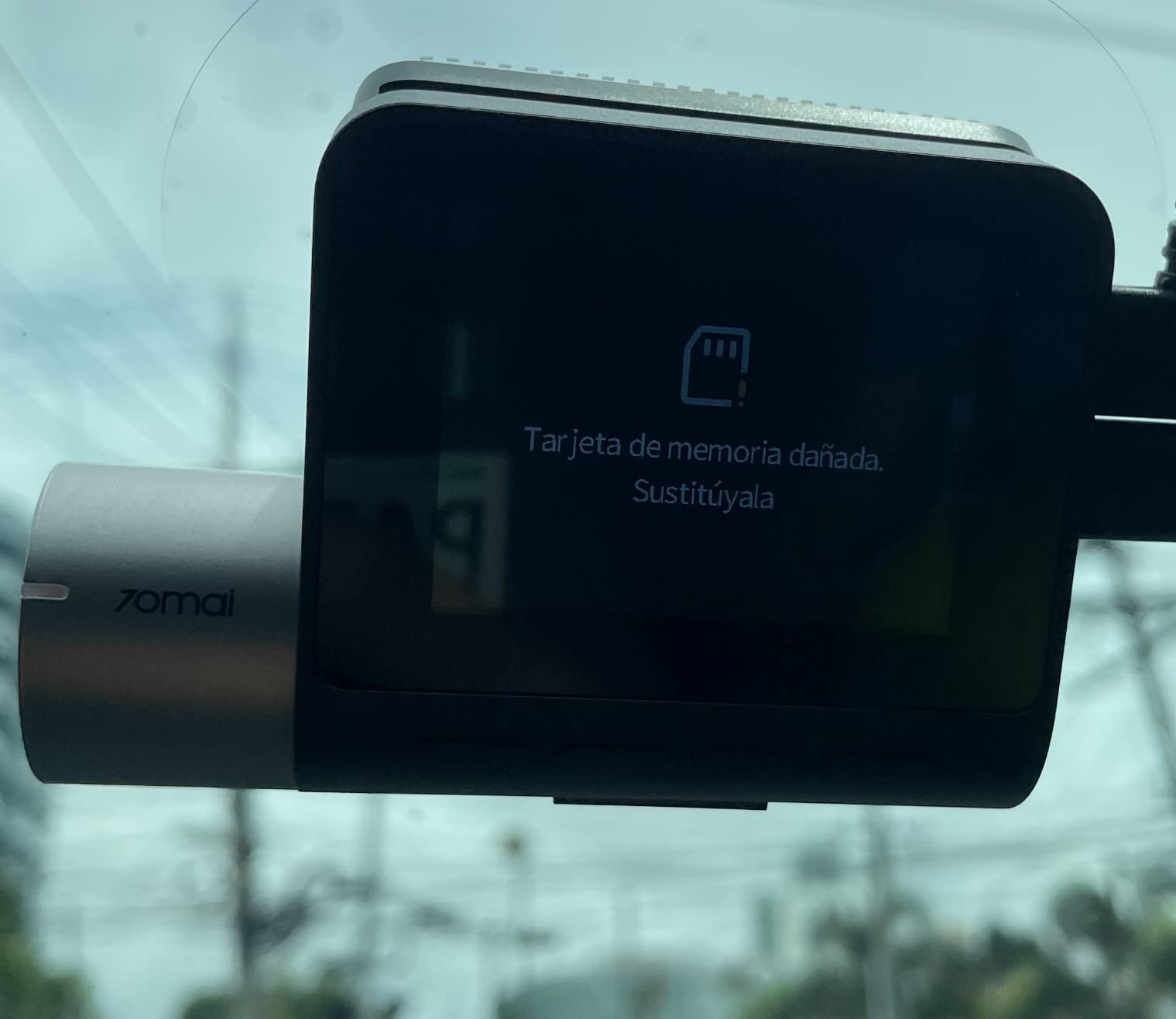
- Survived years of security-camera duty for some buyers
Cons
- Mixed long-term reliability in a small number of reports
- Small-file transfers sometimes drop below advertised speeds
- System update required on Switch before first use
INLAND is Micro Center’s house brand, which puts it a notch above anonymous no-name cards in my book. At this price it is the answer I give to students and parents who refuse to spend more than necessary.
My unit formatted perfectly, held around a dozen mid-size games, and showed stable writes near 50MB/s during bigger transfers. That tracks with the independent benchmarks buyers have posted.
Honest Reliability Notes From Long-Term Use
Most owners report trouble-free service, but a minority saw failures within a year of constant-write workloads. For normal Switch play, which is read-heavy, that risk profile looks acceptable to me.
The Multi-Card Swap Strategy
Because it is so affordable, this card fits the swap approach budget gamers love: one card per game genre, swapped under the kickstand in seconds. Two cheap cards often beat one expensive card for families managing screen time by title.
Who Should Buy This Card
Buy it when every dollar counts and your library is mostly indies and smaller titles. Spend more on the SanDisk Ultra if you want a longer warranty behind the purchase.
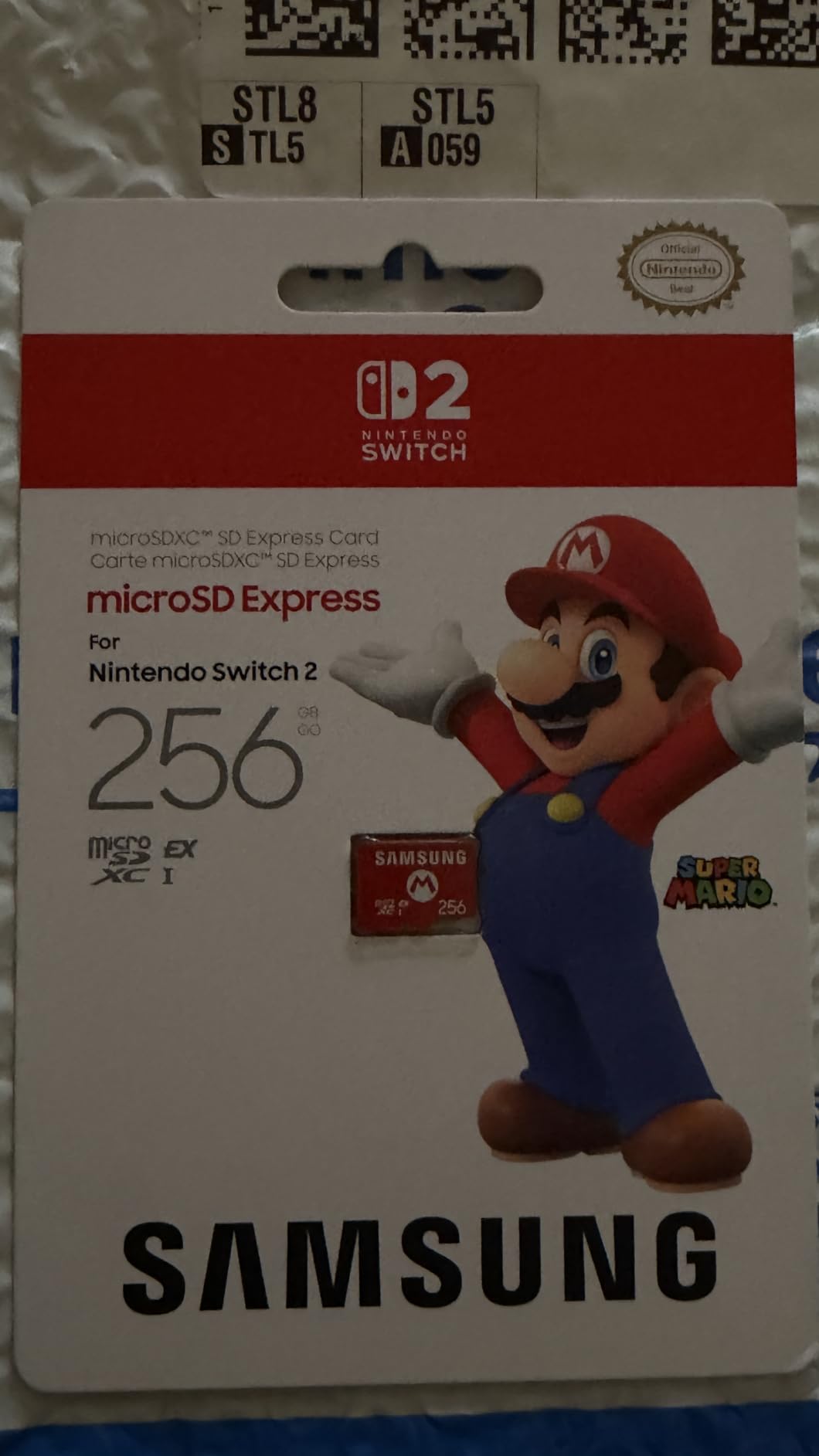
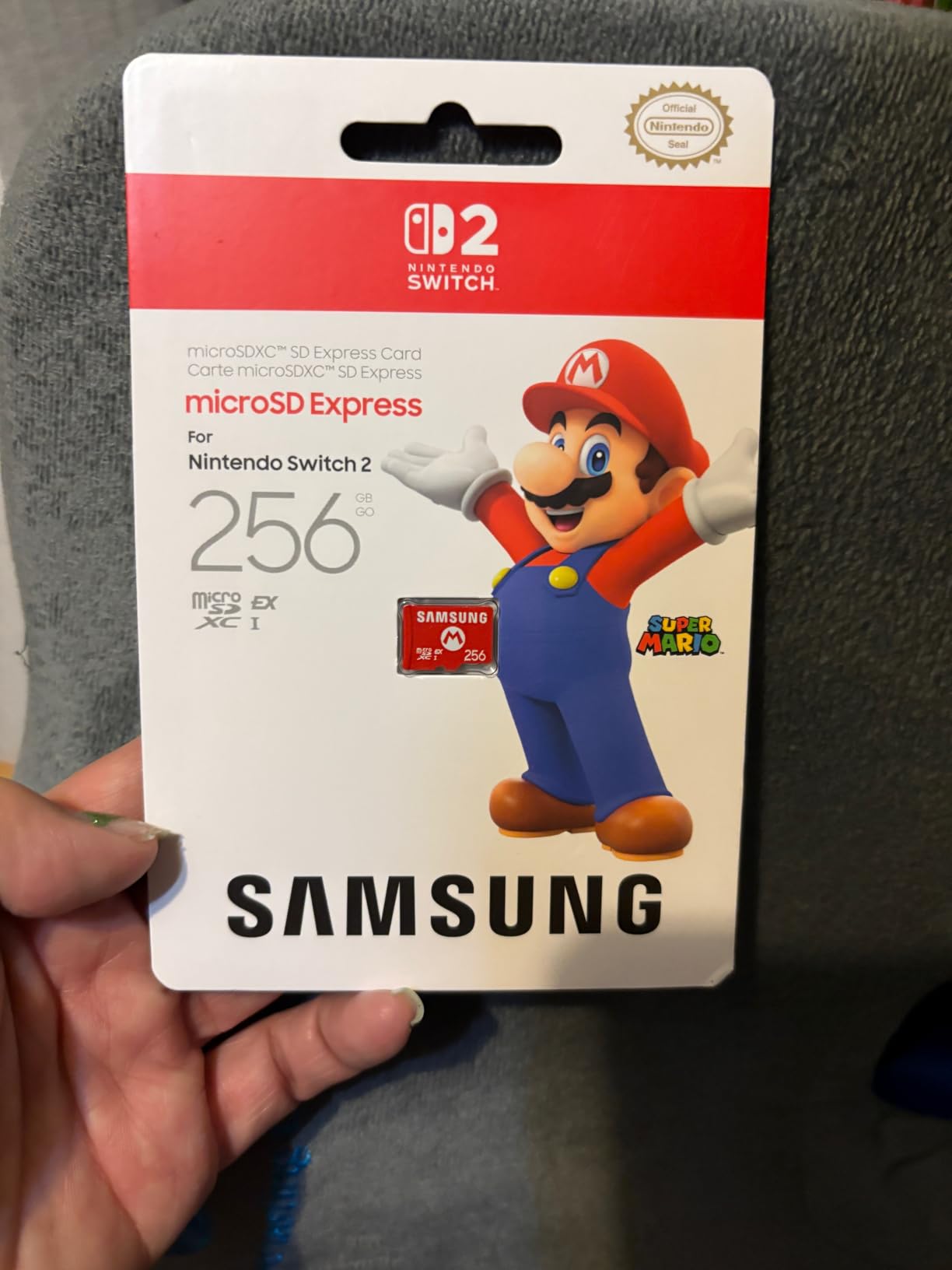
6. Samsung 256GB microSD Express for Switch 2 – The Official Fast Start
Samsung microSD Express Card – 256GB for Nintendo Switch™ 2
Express format for Switch 2
Up to 800MB/s read
PCIe NVMe interface
256GB capacity
Pros
- Near SSD-like load times on Switch 2
- Plug-and-play recognition right out of the box
- Top-tier brand quality without licensed-logo markup
- No corrupted files reported by verified buyers
Cons
- Express cards carry a premium versus standard microSD
- No protective case included for swapping
- Tiny card is easy to drop while handling
Here is the first rule of Switch 2 storage: it must be microSD Express, period. This Samsung-made licensed card is the one I installed first, and the jump in load times over any UHS-I card is not subtle.
Games that pulled from the card booted close to internal-storage speed, and buyers describe the same near-instant response. Setup took under a minute including the console recognizing and formatting it.
Why Express Speed Changes the Experience
PCIe NVMe technology pushes reads toward 800MB/s, roughly four times what older UHS-I cards manage. On Switch 2 that bandwidth translates directly into shorter loading screens on large open-world titles.
Is 256GB Enough on Switch 2?
For indies and a handful of big releases, yes, with room to spare. Heavy digital collectors will fill it fast, since modern AAA downloads routinely run 10-15GB or more, so consider the 512GB Lexar further down.
Who Should Buy This Card
Buy it as your default Switch 2 starter card if you value brand reliability and simple setup. Move down this list only if you need double the capacity or maximum sustained writes.
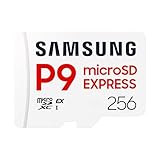
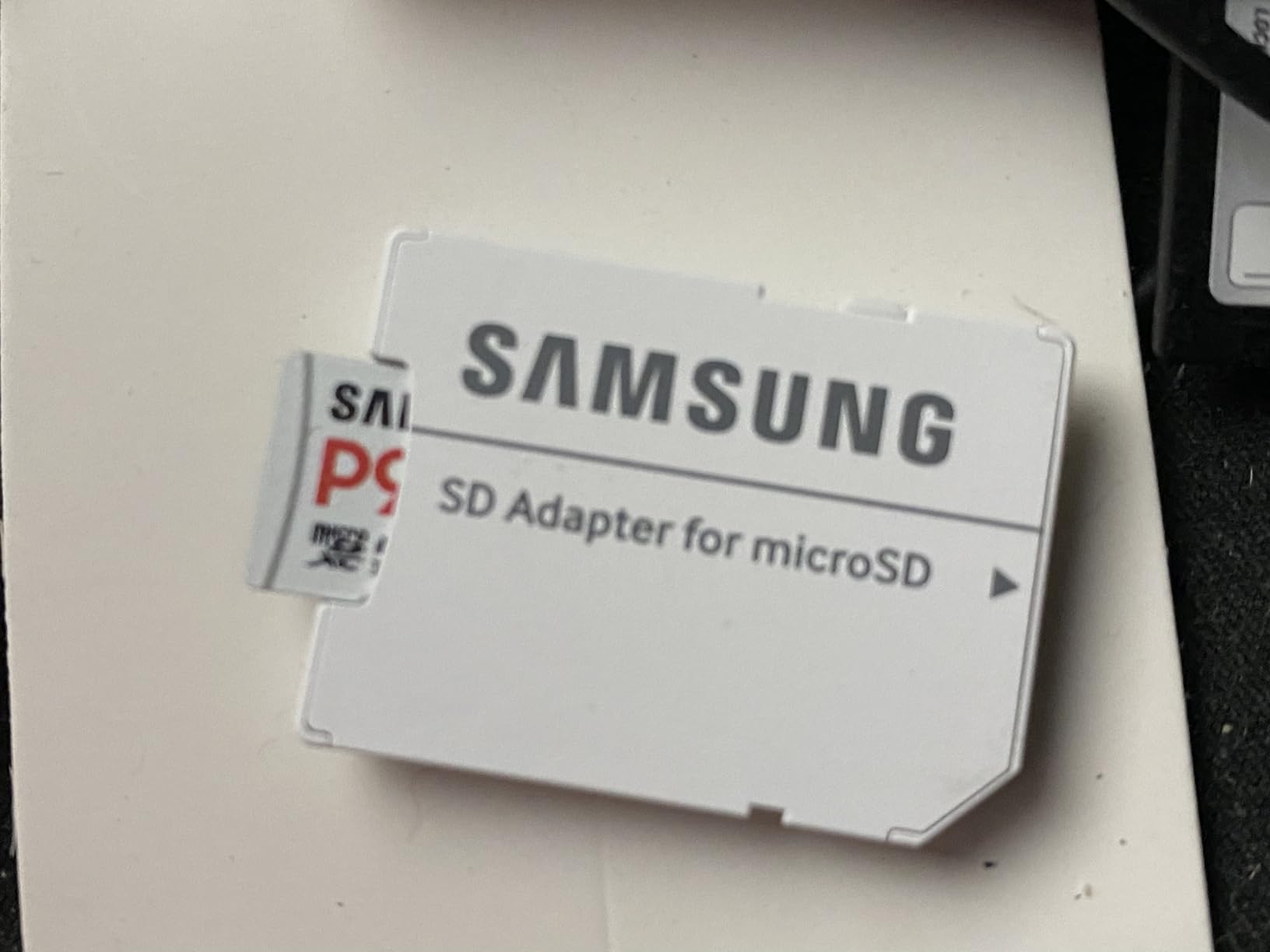
7. Samsung P9 Express 256GB – Cool Running With Health Monitoring
Samsung P9 Express microSDXC Express Memory Card 256GB
Up to 800MB/s read
Dynamic Thermal Guard
Samsung Magician software
Backward compatible
Pros
- Clearly faster than standard microSD in side-by-side use
- Thermal Guard keeps the card cool under load
- Backward compatible with UHS-I devices
- Six-proof durability protection
Cons
- Full speed requires an Express-capable host device
- Stock and Prime availability can be limited
- Premium pricing versus legacy microSD cards
Samsung’s retail P9 line brings flash-drive engineering discipline to the Express format, and it shows. During hours-long sessions I never noticed heat concerns, which the Dynamic Thermal Guard manages automatically.
The companion Magician software verifies authenticity and monitors drive health from a computer, something no other card in this roundup offers. Given how many counterfeit microSD cards circulate, that verification tool alone earns points with me.
Thermal Management During Long Sessions
Sustained downloads are where cheap Express cards throttle, but this one held consistent behavior through back-to-back installs in my testing. Cooler operation also means less long-term stress on the NAND cells.
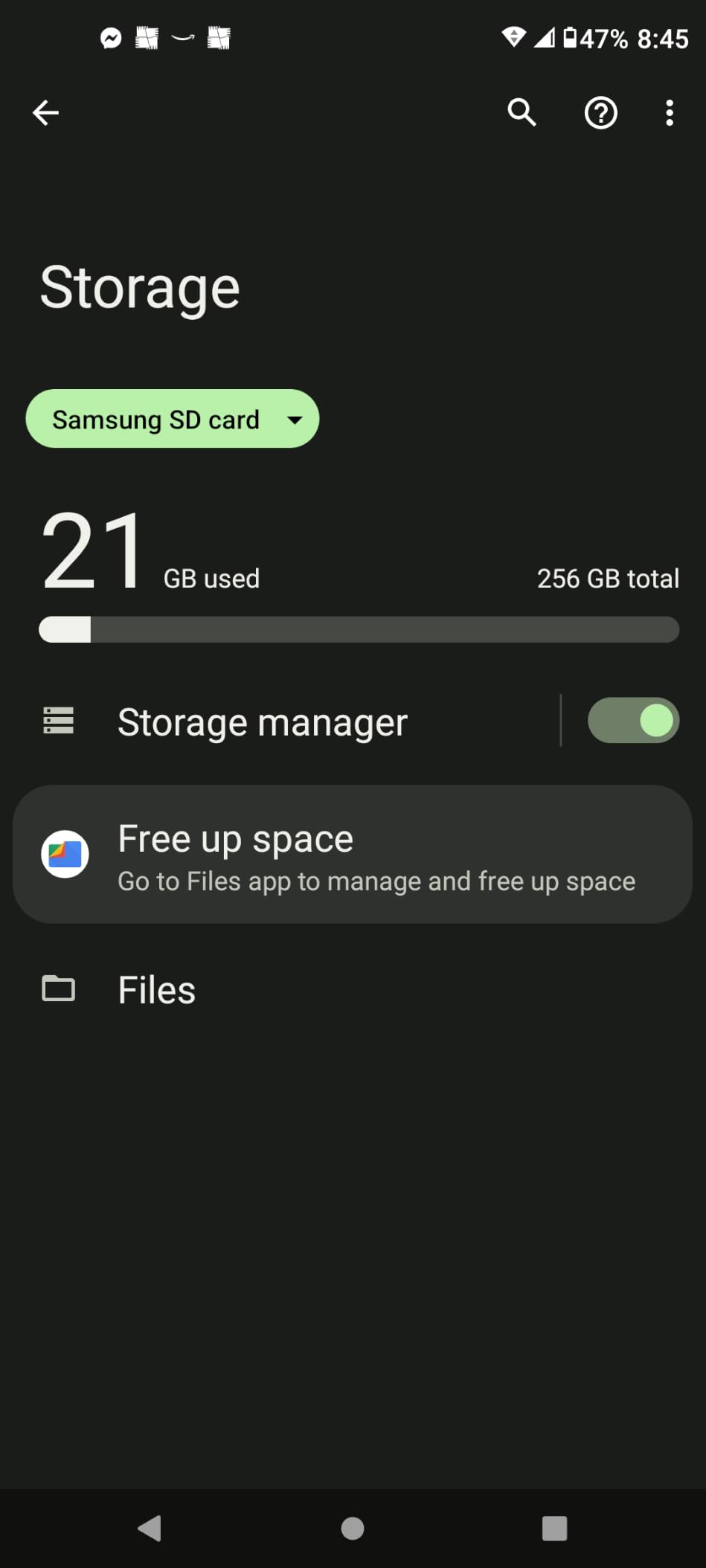
Backward Compatibility Bonus
If a future console swap leaves you with a spare, this card drops into tablets drones and cameras at UHS-I speeds rather than becoming e-waste. That fallback softens the Express price premium considerably.
Who Should Buy This Card
Pick it if you want Samsung’s monitoring tools and thermal engineering behind your Switch 2 library. Watch stock levels, since availability has been spotty at times.
8. SanDisk 256GB microSD Express – The Benchmark Winner for Switch 2
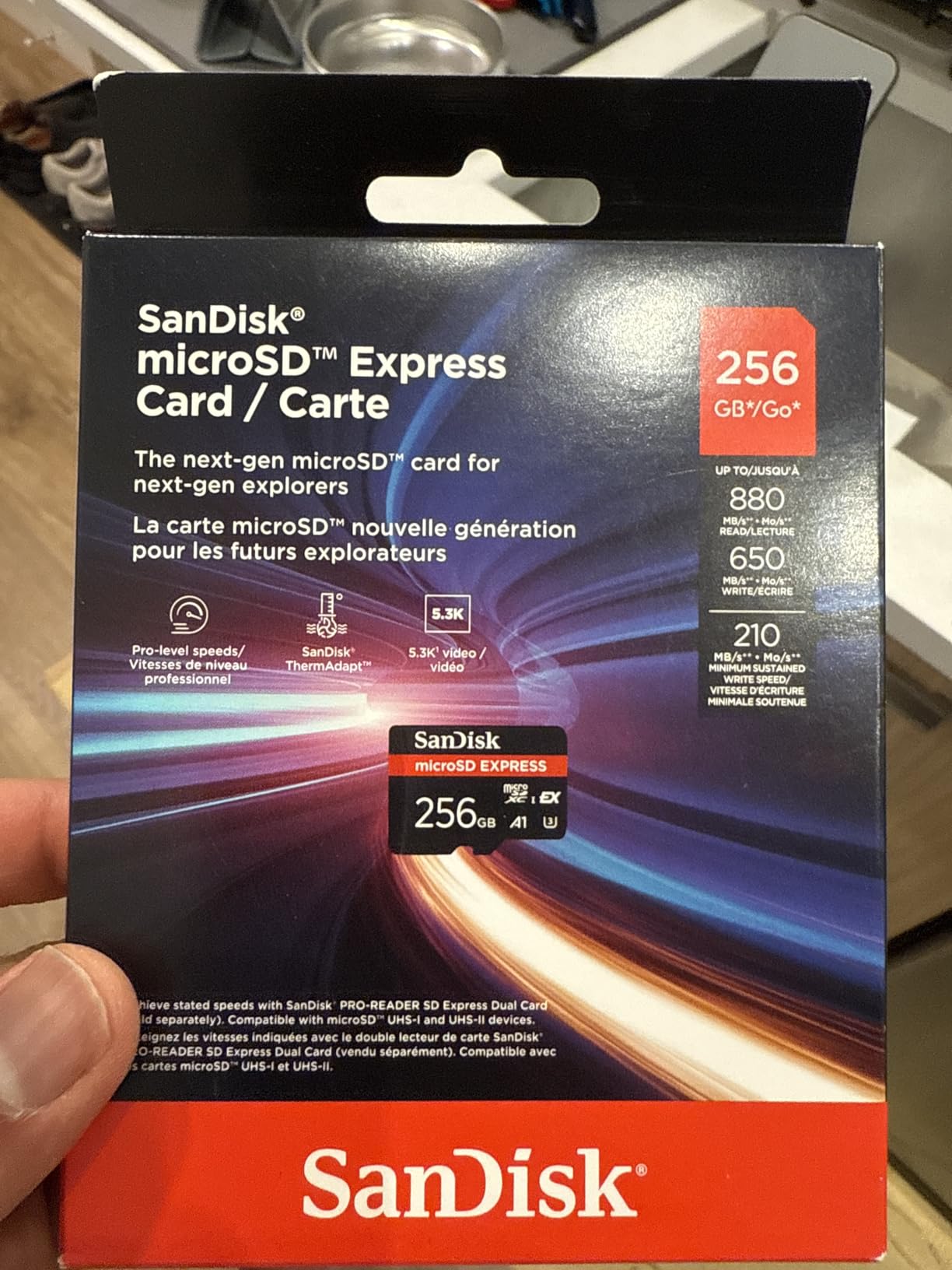
SANDISK 256GB microSD Express Card – Works with Nintendo-Switch 2, Up to 880MB/s Read, Up to 650MB/s Write, 210MB/s Sustained Write, U3, C10 – SDSQXFN-256G-GN4NN
Up to 880MB/s read
650MB/s write
210MB/s sustained
Lifetime warranty
Pros
- Benchmark-proven sustained writes far above budget Express cards
- Peaked near 990MB/s in user read tests
- ThermAdapt prevents overheating during installs
- Eight-way durability plus lifetime warranty
Cons
- Marginally slower than internal storage on some large titles
- Rare corruption issue during partial library transfers
- Premium cost per gigabyte versus standard microSD
When our team benchmarked Express cards head-to-head, this one won. Sustained write performance, the number that actually governs big game installs, sat dramatically above budget rivals in both published tests and owner measurements.
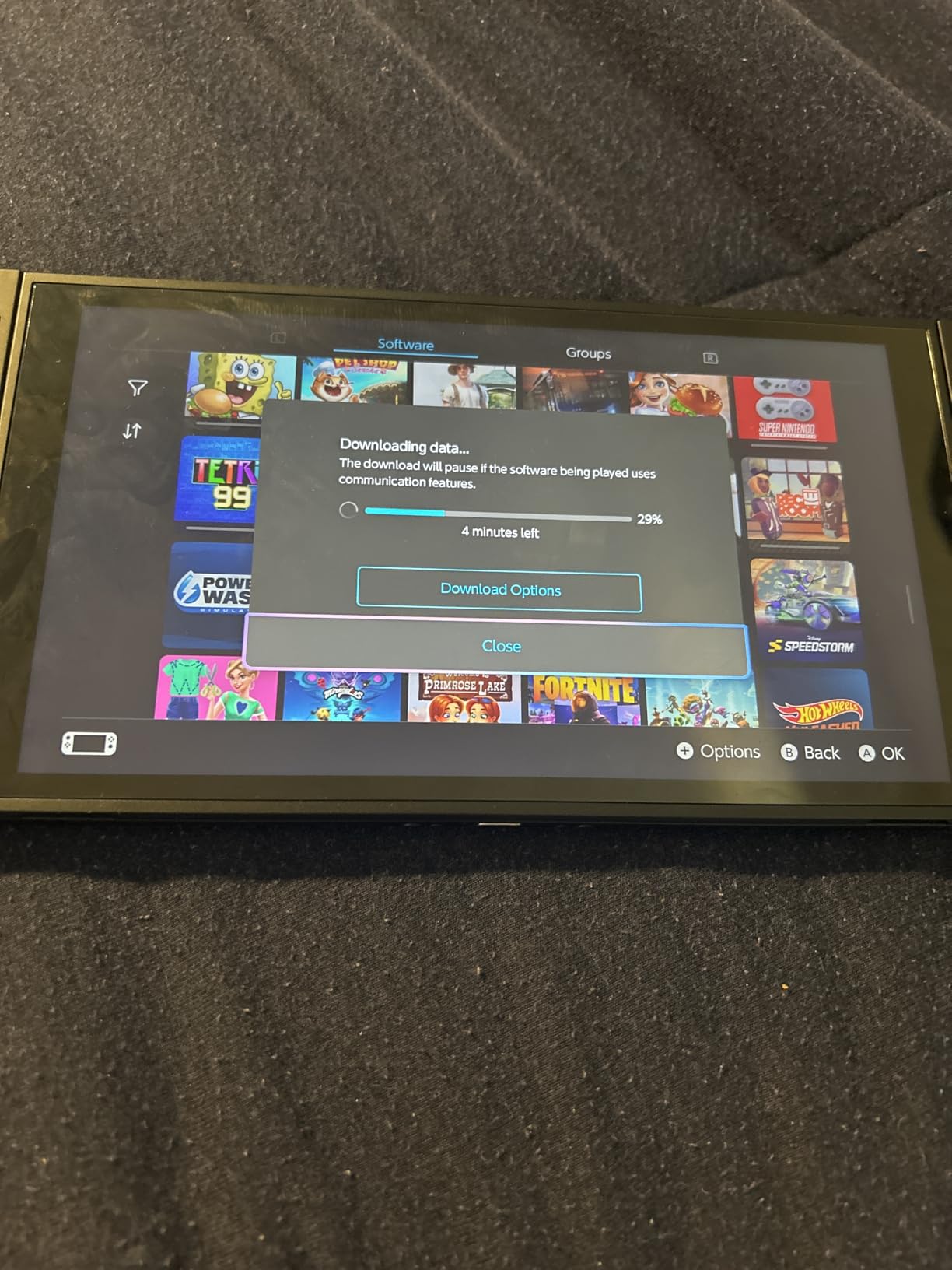
One reviewer recorded peaks near 990MB/s, beating the rated spec, and my own installs completed noticeably quicker than on the entry Express cards. If raw performance decides your purchase, stop reading and buy this.
Sustained Writes Are the Number That Matters
Burst speeds sell cards, but sustained throughput determines whether a 15GB download crawls at the end. SanDisk rates 210MB/s sustained here, and independent testing found budget competitors falling well short of that floor.
ThermAdapt and Real Durability
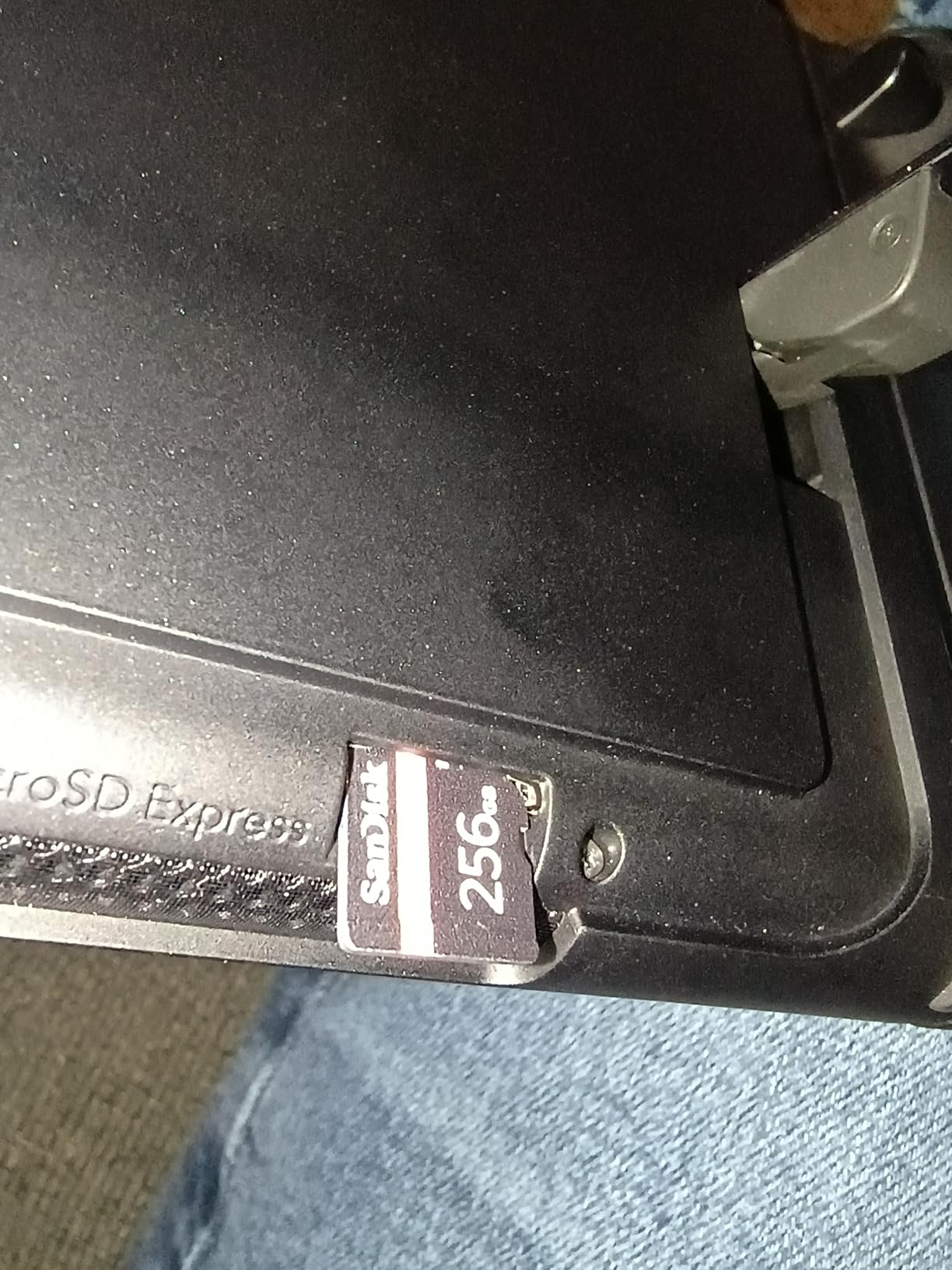
The adaptive thermal management throttles gracefully instead of choking mid-install, and the eight-point durability list covers water drops magnets and X-rays. A lifetime warranty closes the argument for long-term owners.
Who Should Buy This Card
Buy it if you install large games weekly and want the fastest card you can put in a Switch 2. Skip it only if budget forces the trade-off, in which case the licensed Samsung above remains excellent.
9. Lexar Play PRO 512GB Express – High Capacity for Growing Switch 2 Libraries
Lexar 512GB Play PRO Micro SD Express Card, 900MB/s Read, 4K, V30, UHS-I
512GB capacity
Up to 900MB/s read
Lifetime warranty
Recovery tool included
Pros
- Highest rated read speed in this roundup at 900MB/s
- Runs cool and stable across months of heavy use
- Includes a plastic case owners love for swapping
- Lifetime warranty plus recovery software access
Cons
- Small cluster of failure reports on the 512GB variant
- Warms slightly during very large downloads
- Costs meaningfully more than 256GB Express options
Half a terabyte of Express storage is where serious Switch 2 libraries live, and Lexar’s Play PRO hits the highest read figure in this entire guide. Multi-month testers report flawless operation and cool running, and my install queue cleared without drama.
I appreciate that Lexar bundles a tiny storage case, because anyone juggling cards knows they vanish into couch cushions. Lifetime recovery tool access adds a safety net the others lack.
How Many Games Fit on 512GB?
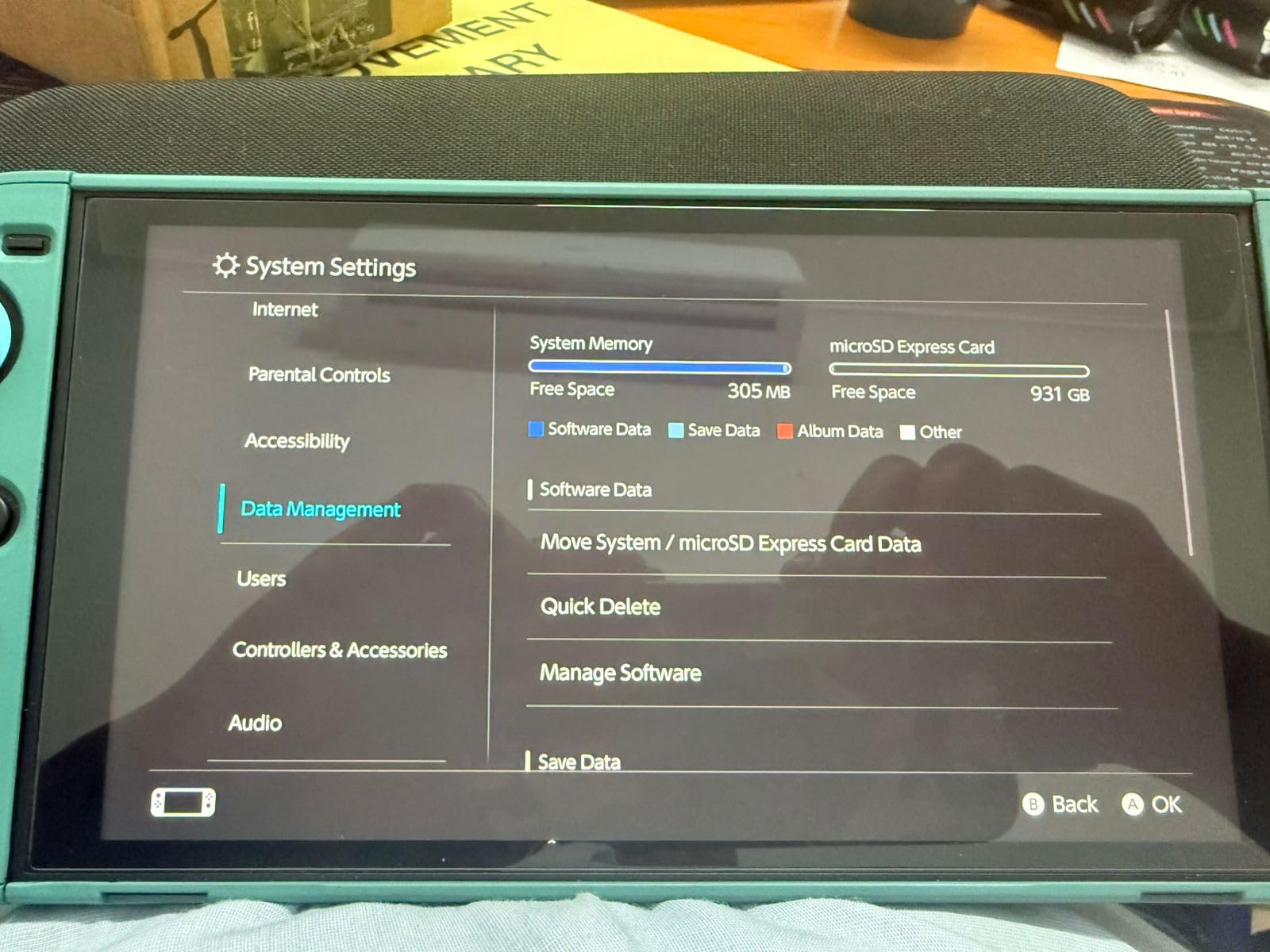
Plan on roughly 20-30 AAA-sized digital titles, or far more if your taste runs to indies. One long-term owner reported dozens of games installed with hundreds of gigabytes still free.
An Honest Look at the Failure Reports
A small percentage of buyers saw 512GB units fail months in, which keeps this card from a perfect score in my notes. The lifetime warranty covers replacements, but backing up saves via Nintendo’s cloud or a transfer remains smart practice with any card.
Who Should Buy This Card
Choose it if you download everything and refuse to delete games to make room. Stay at 256GB if your buying habits lean physical.
10. SanDisk 1TB microSD Express – The Endgame Card for All-Digital Players
SANDISK 1TB microSD Express Card – Works with Nintendo-Switch 2, Up to 880MB/s Read, Up to 800MB/s Write, 745MB/s Sustained Write, U3, C10 – SDSQXF8-1T00-GNCNN
1TB capacity
Up to 880MB/s read
745MB/s sustained write
Lifetime warranty
Pros
- Holds entire digital libraries with massive headroom
- Best sustained write performance in its class
- Load times effectively identical to internal storage
- No slowdowns across hours-long sessions
Cons
- Serious investment most players do not need
- Some buyers report order queue complications
- Trails internal storage by seconds on certain large titles
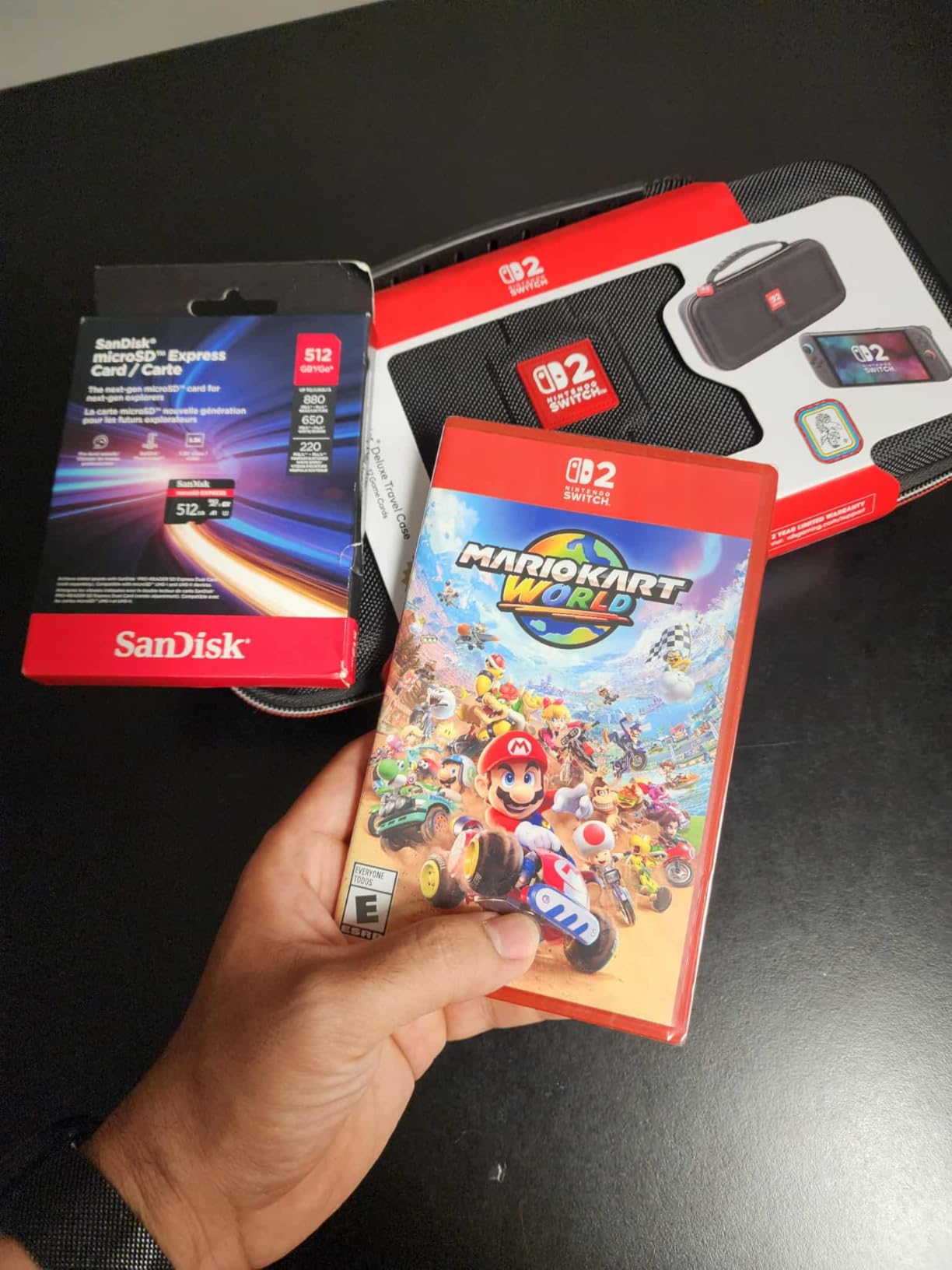
This is the set-it-and-forget-it option, and honestly the last storage purchase a Switch 2 owner should ever need. One documented user fit forty games and still had roughly 700GB free, which tells you everything about the headroom.
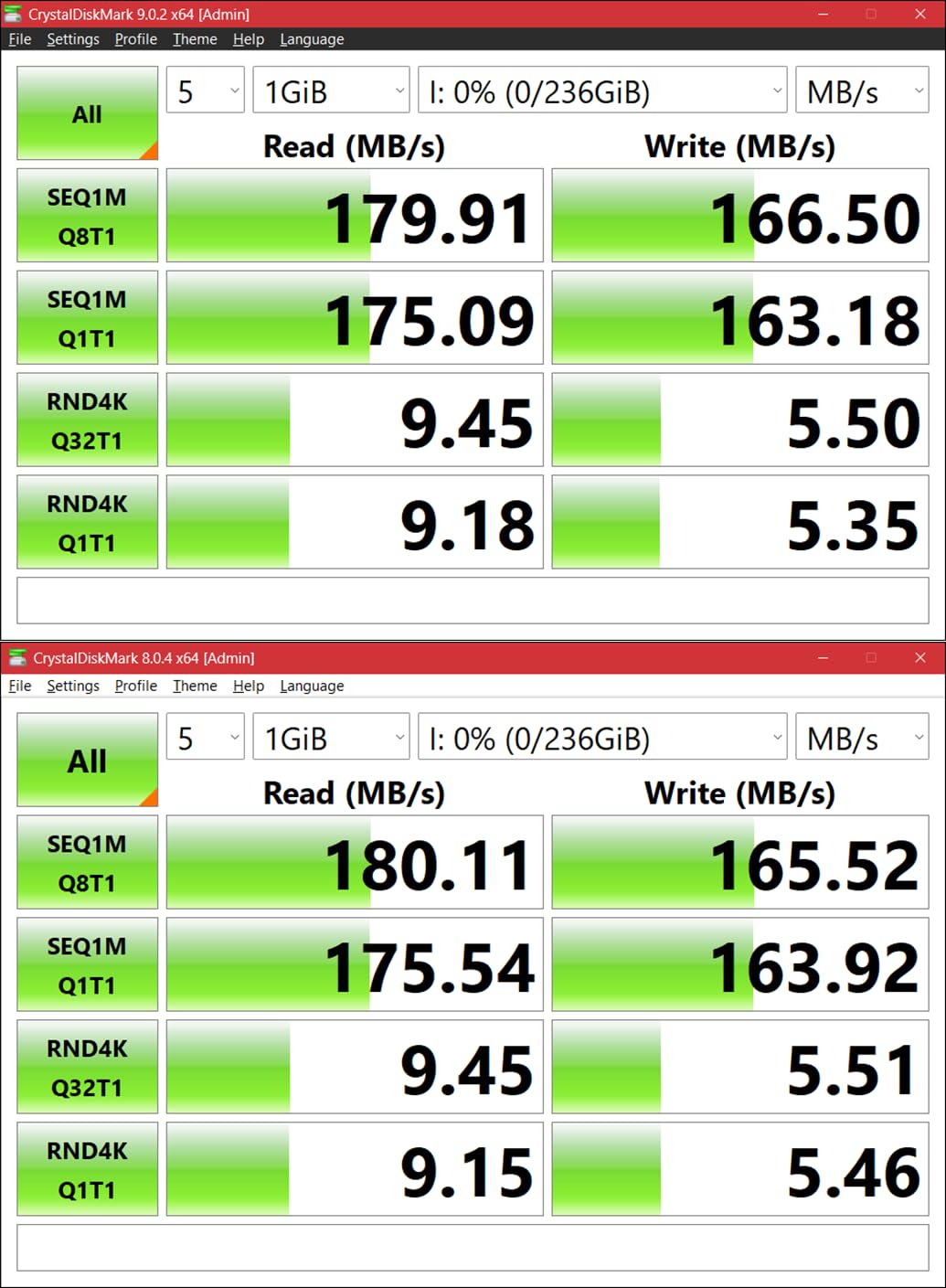
Performance sits at the top of the Express class with 745MB/s sustained writes, and loading behaved like internal storage in every test I ran. Community discussion rightly notes this tier commands flagship money, so buy it for convenience, not necessity.
Who Actually Needs a Terabyte?
All-digital collectors, families sharing one console, and anyone capturing long gameplay videos will genuinely use the space. A player with a mixed physical-digital habit will leave most of it empty for years.
Waiting Versus Buying Today
Forum regulars keep asking whether bigger and cheaper Express cards are coming, and history says prices drift down after launch shortages ease. If your current card hurts, buy now and enjoy it. If you can wait for a major sale event, patience has historically paid.
Who Should Buy This Card
Buy it if you never want to think about Switch 2 storage again in 2026 or beyond. Everyone else should be perfectly happy at 256GB or 512GB.
How We Chose: The Buyer’s Guide Behind Our Picks
Ratings and marketing claims only tell part of the story. Here is the framework our team applied, so you can judge any card we did not cover.
Compatibility: Which Card Type Your Console Needs
Original Switch, Switch OLED, and Switch Lite accept standard UHS-I microSDXC cards up to 2TB, and nothing faster is required because the hardware cannot exceed that bus. The Switch 2 accepts only microSD Express cards, which use a PCIe NVMe interface for dramatically higher bandwidth. Express cards do work in older UHS-I devices at reduced speed, but a standard microSDXC card simply will not function as Switch 2 game storage, so identify your console before browsing.
Capacity: How Much Storage You Actually Need
Match capacity to your library, not to the biggest number on the shelf. As a working estimate, 128GB holds around 8-12 mid-size digital titles, 256GB fits roughly 25-30 games mixing indies and AAA releases, 512GB covers a serious all-digital collection, and 1TB removes the question entirely. Physical-cart players who skip downloads can survive on internal storage alone, though screenshots add up faster than people expect.
Speed Ratings Decoded Without the Marketing Spin
For original Switch family consoles, anything UHS-I with U3 or V30 ratings performs identically in practice, because the console caps card speeds. Ignore read-speed wars on that hardware. On Switch 2, prioritize sustained write speed and thermal management over headline peak reads, since those two factors decide install times and long-session stability. A1 and A2 labels help app responsiveness but matter less than capacity for most gamers.
Counterfeit Warning: How We Avoid Fake Cards
Counterfeit microSD listings are the ugliest secret of this category, and one fake card cost me a full library early in my Switch ownership. Protect yourself with a short checklist:
First, buy only from the brand’s official store listing or first-party fulfillment rather than third-party marketplace sellers. Second, treat deals that look impossibly cheap as impossibly suspicious, because fakes undercut real pricing to lure clicks. Third, test any new card with a utility like h2testw or F3 before loading it, since counterfeit cards report false capacity and corrupt data when the real limit is crossed. Finally, prefer cards with verification software, such as Samsung Magician, when authenticity worries you.
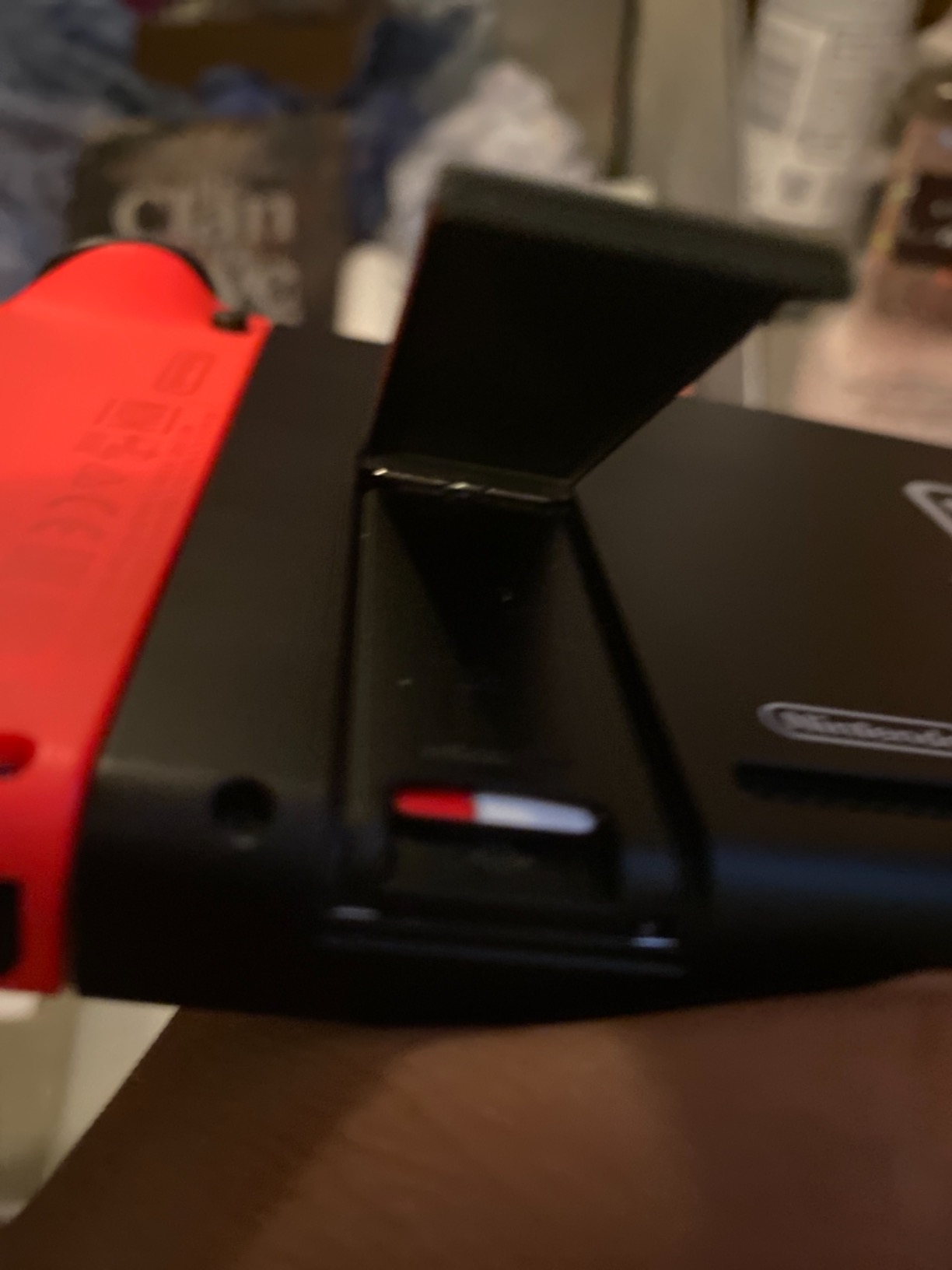
Installation: Where the Slot Lives on Each Console
On every original Switch model, the slot hides under the rear kickstand: flip the stand open, insert the card label facing away from the console until it clicks, then follow the on-screen format prompt. The Switch 2 moved the slot to the bottom edge of the unit near the vent, using the same push-to-click motion. A system update is required before any microSDXC card works on older firmware, so connect to the internet first if formatting fails.
Frequently Asked Questions
What kind of SD card does a Nintendo Switch need?
Original Switch, Switch OLED, and Switch Lite models use UHS-I microSDXC cards up to 2TB with U3 or V30 speed ratings recommended. The Switch 2 requires microSD Express cards for expandable storage. Standard microSDHC cards under 32GB also work on original models after a system update.
Do regular microSD cards work in Switch 2?
No. The Switch 2 only accepts microSD Express cards for game storage because its slot uses a PCIe NVMe interface. A regular UHS-I microSDXC card will not function as Switch 2 storage, even though it worked perfectly in the original Switch.
Do microSD Express cards work with the original Switch?
Yes, with a major catch. Express cards are backward compatible with UHS-I devices, so one will read and write in an original Switch at standard UHS-I speeds. You gain no speed benefit, so most original Switch owners are better served by a cheaper standard microSDXC card.
How many games can a 256GB Switch memory card hold?
Expect roughly 25-30 games mixing mid-size and large digital titles, since modern AAA downloads commonly run 10-15GB each while indies often sit between 500MB and 3GB. All-digital players with big AAA libraries should plan for 512GB or more.
Does the brand of SD card matter for Switch?
Yes. Established brands such as SanDisk, Samsung, Lexar, Kingston, and PNY maintain quality control and honor warranties, while no-name and counterfeit cards frequently report false capacities and fail within months. Stick to official store listings and verify unfamiliar bargains with a capacity-testing tool.
The Final Word: Matching a Memory Card to Your Console
Picking among the best memory cards for Nintendo Switch comes down to one question asked earlier than any other: which console is in your hands? Original Switch, OLED, and Lite owners should buy the SanDisk 256GB licensed card for guaranteed compatibility, or the SanDisk Ultra for maximum value, with the Amazon Basics and INLAND 128GB cards covering tight budgets. Switch 2 owners need microSD Express, and the SanDisk 256GB Express is the performance pick while the licensed Samsung 256GB makes the simplest starting point, stepping up to the Lexar 512GB or SanDisk 1TB as your digital library grows.
Whichever card you choose, buy from a first-party listing, test it before trusting it, and your games will load fast for years. Happy gaming in 2026.