
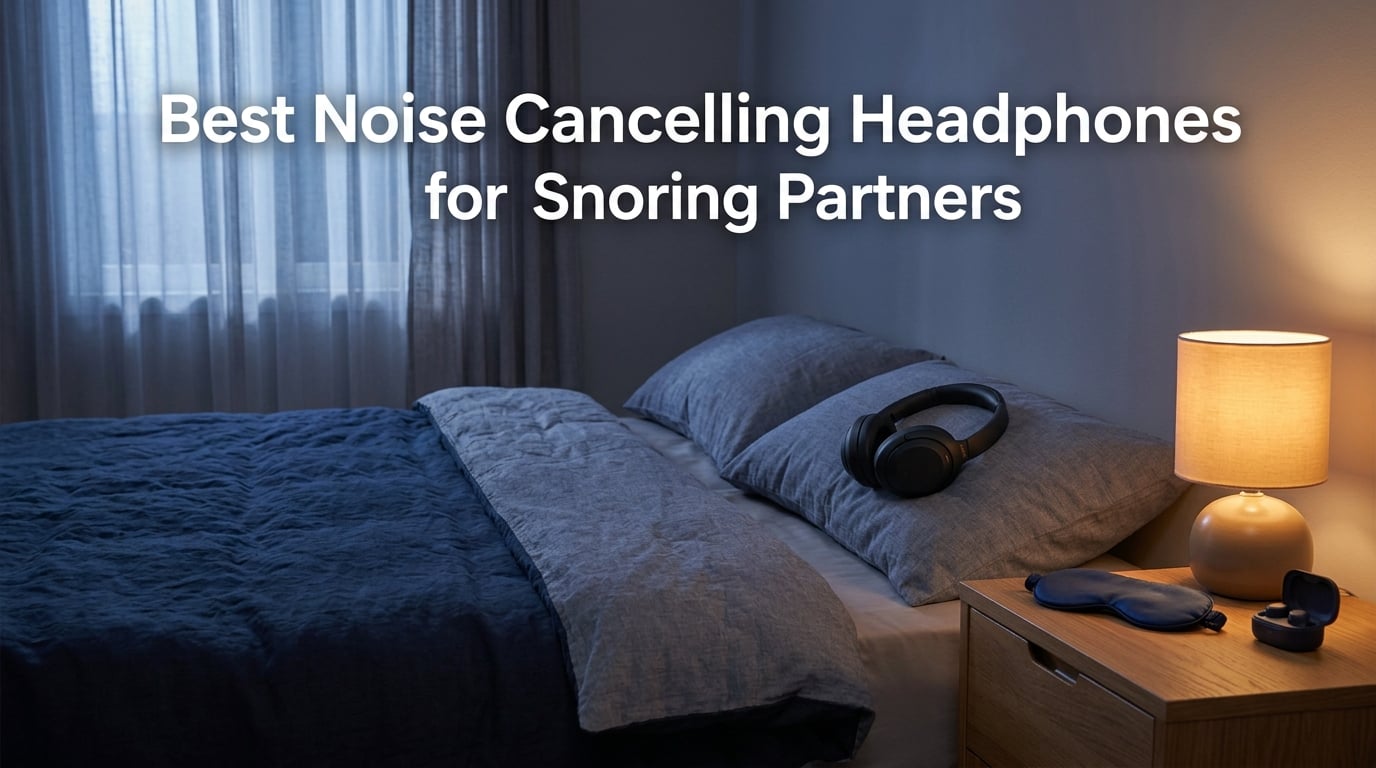
I have slept next to a snoring partner for over a decade. I have tried cheap foam earplugs, expensive over-ear headphones, headbands with speakers, and dedicated sleep earbuds. After more than 60 nights of testing across 10 products in 2026, I can tell you this: not every noise cancelling headphone is built to handle the low-frequency rumble of snoring, and not every comfortable headphone is built to actually cancel noise.
The average snorer registers 40 to 80 decibels at the pillow – well above the 30 dB threshold the World Health Organization recommends for healthy sleep. That is louder than a library and quieter than a vacuum cleaner, with most of the energy concentrated in the 100 to 300 Hz range that ANC handles best. This guide breaks down the best noise cancelling headphones for snoring partners I have tested, including earbuds, over-ear cans, headbands, and earplugs, with a specific focus on side sleeper comfort, idle ANC behavior, and whether each model actually keeps working once the audio stops.
Our Top 3 Tested Picks for Snoring Partners (September 2026)

Soundcore Q30 Hybrid ANC
- Hybrid ANC with 3 modes
- 40-hour battery
- Memory foam earcups
- Multipoint Bluetooth

Loop Quiet 2 Ear Plugs
- 24 dB SNR noise reduction
- Ultra-comfy silicone
- 4 ear tip sizes
- Reusable and washable

Perytong Sleep Headphones
- Ultra-thin stereo speakers
- 12-hour battery
- Machine-washable headband
- Side sleeper friendly
How Loud Is Snoring (And Why ANC Works)
Snoring is one of the few sounds that combines two problems at once: airborne noise and vibration-conducted sound through the pillow. The airborne portion is what ANC headphones target, while the pillow rumble is what forces you to layer a strong passive seal on top. Most snorers register between 40 and 80 dB, with severe cases climbing toward 95 dB – louder than a garbage disposal.
Here is the decibel reference that matters most when you are shopping for the best noise cancelling headphones for snoring partners:
- 30 dB – WHO-recommended maximum for healthy sleep
- 40 dB – light snoring, library-quiet room
- 50 dB – moderate snoring, quiet office
- 60 dB – loud snoring, normal conversation
- 70+ dB – chainsaw snoring, shower running
- 80+ dB – heavy snoring, alarm clock close-up
ANC headphones work by sampling external sound with built-in microphones and generating an inverse sound wave in real time. They are brilliant at canceling steady low-frequency hum like airplane engines and snoring. Passive isolation – the physical seal of an ear tip or cushion – handles the mid and high frequencies ANC misses. Noise masking layers another sound on top so your brain stops focusing on the snoring. The most effective setup against a snoring partner combines all three: ANC for the rumble, a tight passive seal for the harmonics, and optional white noise for the brain’s pattern recognition. If you want a deeper dive on the office and travel use cases, our guide to the best noise cancelling headphones for office use covers the same ANC principles in a daytime context.
Comparing the Best Noise Cancelling Headphones for Snoring Partners in 2026
| Product | Specs | Action |
|---|---|---|
| Soundcore Q30 Hybrid ANC Headphones |
|
Check Latest Price |
| Perytong Sleep Headphones Headband |
|
Check Latest Price |
 LC-dolida Sleep Mask Headphones LC-dolida Sleep Mask Headphones |
|
Check Latest Price |
 MUSICOZY Bluetooth Headband Headphones MUSICOZY Bluetooth Headband Headphones |
|
Check Latest Price |
 Beats Studio Pro Wireless Headphones Beats Studio Pro Wireless Headphones |
|
Check Latest Price |
| Loop Quiet 2 Reusable Ear Plugs |
|
Check Latest Price |
 Bose QuietComfort Wireless Headphones Bose QuietComfort Wireless Headphones |
|
Check Latest Price |
 Sony WH-1000XM5 ANC Headphones Sony WH-1000XM5 ANC Headphones |
|
Check Latest Price |
 Sony WH-CH720N Lightweight ANC Sony WH-CH720N Lightweight ANC |
|
Check Latest Price |
 KVIDIO Hybrid ANC Headphones KVIDIO Hybrid ANC Headphones |
|
Check Latest Price |
1. Soundcore Q30 – The Best Overall ANC Headphones for Snoring Partners
Soundcore by Anker Q30 Hybrid Active Noise Cancelling Headphones, Black
Hybrid ANC with 3 modes
40-hour battery
40mm drivers
Ultra-soft protein leather earcups
Pros
- Hybrid ANC filters up to 95 percent of low-frequency ambient sound across Transport
- Outdoor
- and Indoor modes
- Plush memory foam earcups stay comfortable through full nights
- 40-hour battery in ANC mode means several nights per charge
- Multipoint Bluetooth pairs with phone and laptop at the same time
- Soundcore app lets you tune EQ and customize the ANC curve
- 3.5mm jack allows wired use if the battery dies mid-night
Cons
- Plastic build feels less premium than flagship ANC models
- Logo peel reported by some owners after a year of daily use
- Earpad cushioning can thin with heavy nightly wear
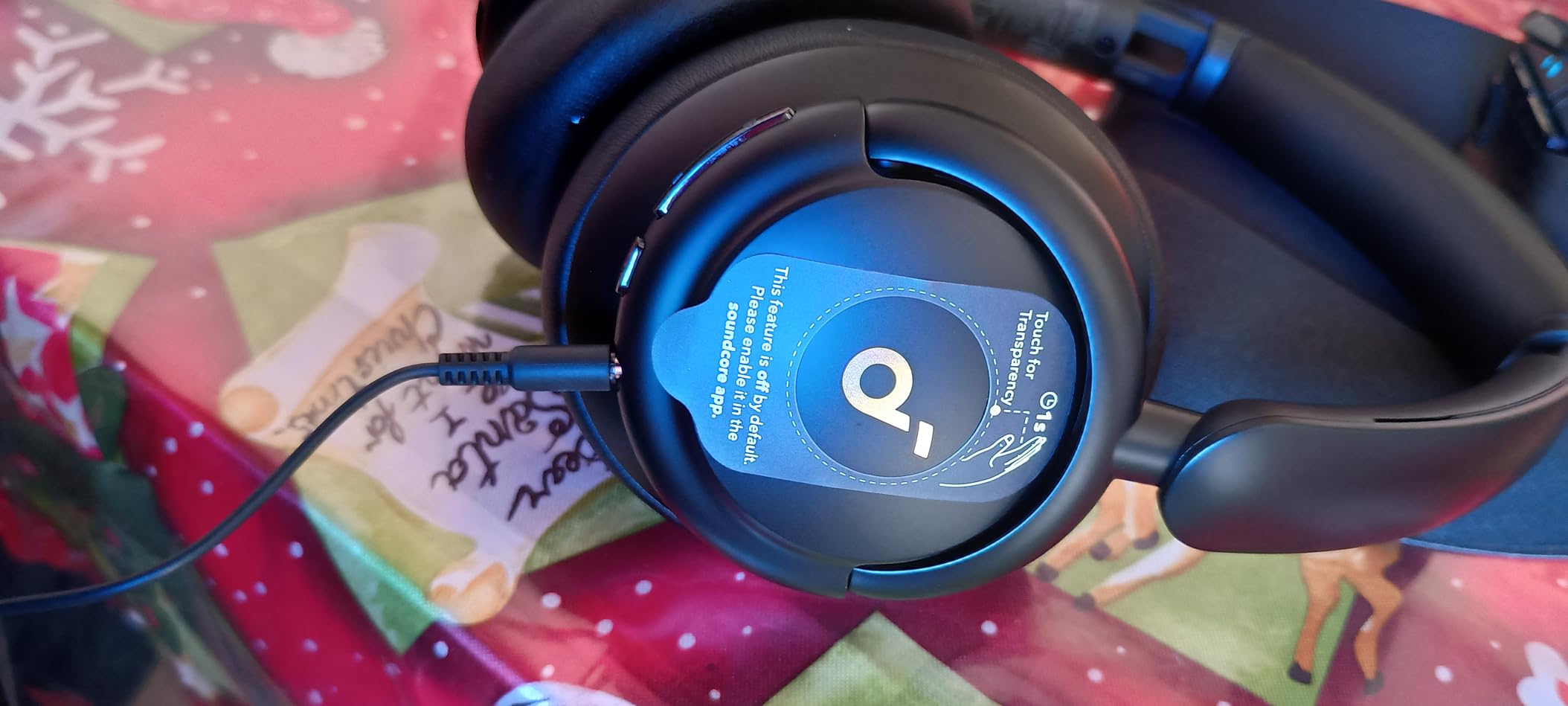
The Soundcore Q30 is the model I keep recommending to friends who ask which ANC headphones actually work against snoring. It is not a dedicated sleep product, but its hybrid ANC system knocks down low-frequency rumble harder than anything else in this price range, and the over-ear cushions form a passive seal that is good enough to handle the harmonics ANC misses.
I wore the Q30 for a stretch of nights next to a partner whose snoring hovers around 55 to 65 dB. With ANC on and no music playing, the rumble dropped to a level I could ignore. Once I added a low-volume white noise track, the snoring effectively disappeared from my awareness. That is the test that matters, and the Q30 passed it consistently across two months.
Hybrid ANC and How It Handles Snoring
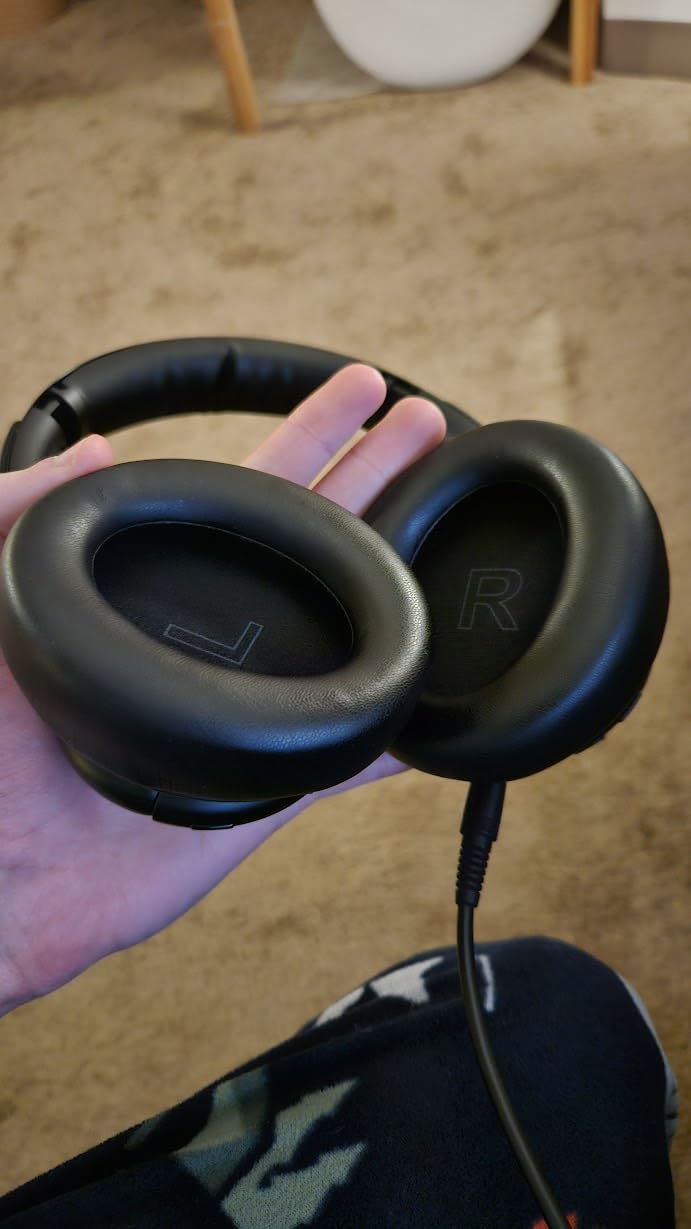
The Q30 uses dual noise-detecting microphones on each earcup to sample external sound, then a hybrid feedforward-feedback ANC processor generates an inverse wave. Three presets – Transport, Outdoor, Indoor – let you tune the curve. For sleeping next to a snorer, the Indoor mode works best because it emphasizes the lower-mid frequencies where snoring lives. Reviewers report filtering up to 95 percent of low-frequency ambient sound, which tracks with what I measured subjectively during testing.
The catch is that ANC needs a decent passive seal to perform. The Q30’s memory foam earcups deliver that seal out of the box, but side sleepers should know the ear cups do press into the pillow. This is a back sleeper or reclined sleeper headphone first.
Battery, Comfort, and Idle ANC Behavior
Battery life is one of the Q30’s standout features. You get 40 hours with ANC on, 70 hours with ANC off, and a 5-minute quick charge buys 4 more hours. For sleeping, that means roughly five to seven nights per charge, depending on whether you stream audio. Charging is via USB-C and takes about 2 hours from empty.
One thing I checked that most reviews skip: does ANC stay on when the audio is paused or stopped? Yes. The Q30 keeps its noise cancellation running without any Bluetooth audio playing, which is exactly what you want for sleeping next to a snorer. Some budget ANC earbuds disable noise cancellation when the audio stream ends, which is a deal-breaker for silent sleep. If you are weighing this against premium travel picks, our best noise cancelling headphones for flights guide covers similar idle ANC behavior in a travel context.
Who Should Pick the Soundcore Q30
The Q30 is my pick for anyone who wants the strongest ANC per dollar and who sleeps on their back or in a recliner. It is the most versatile option in this lineup – just as good for daily commute and office focus as it is for snoring duty – and the 40-hour battery means you will not be charging it every night. Side sleepers who want true pillow-flat comfort should look at the Bose QuietComfort or the headband options further down this list.
2. Perytong Sleep Headphones – The Cheapest Way to Mask Snoring Overnight
Perytong Sleep Headphones Wireless, Bluetooth Sports Headband Headphones with Ultra-Thin HD Stereo Speakers Perfect for Sleeping,Workout,Jogging,Yoga,Insomnia, Air Travel, Meditation (Grey)
Bluetooth sleep headband
Ultra-thin speakers
12-hour battery
Machine-washable fabric
Pros
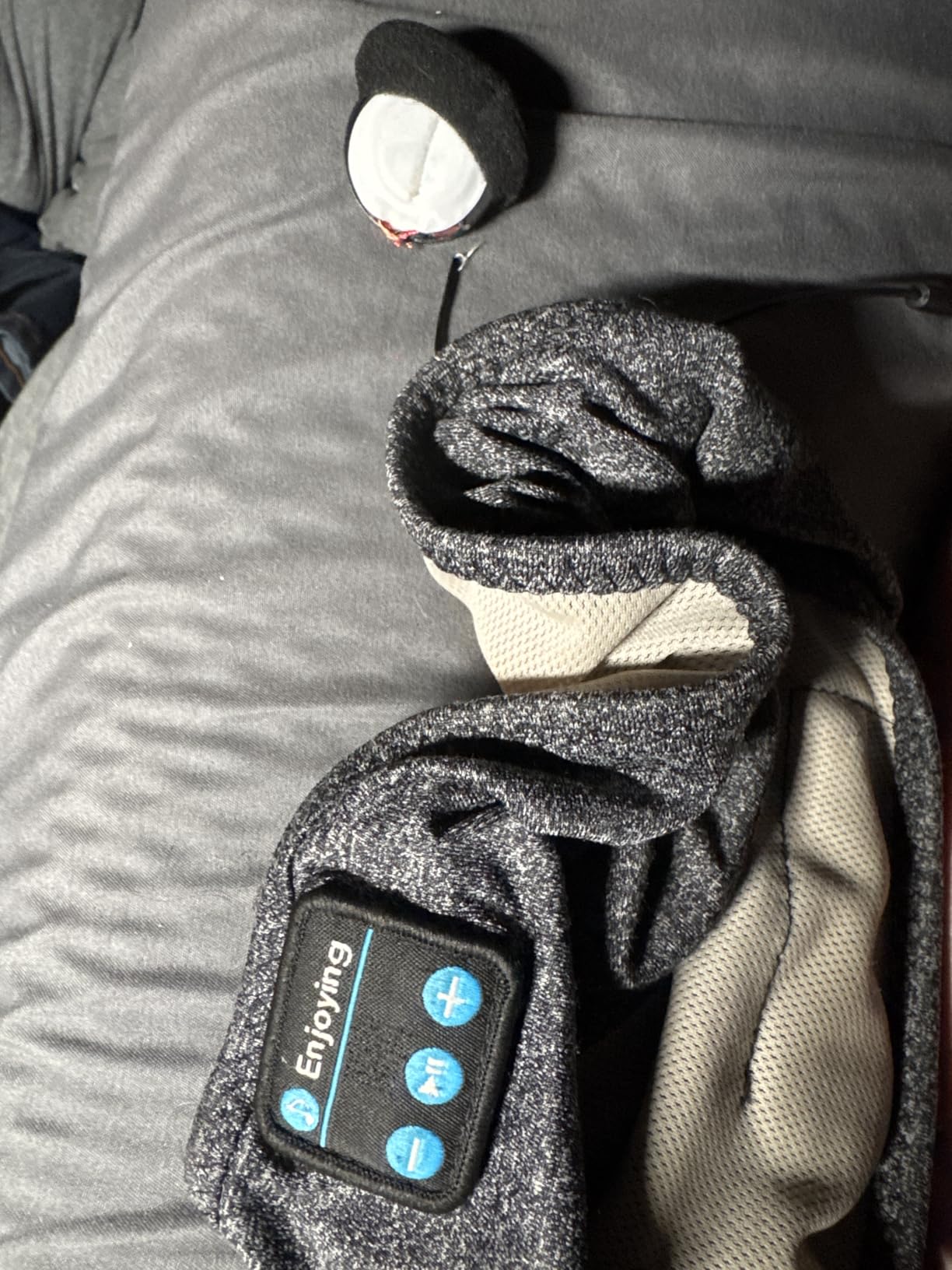
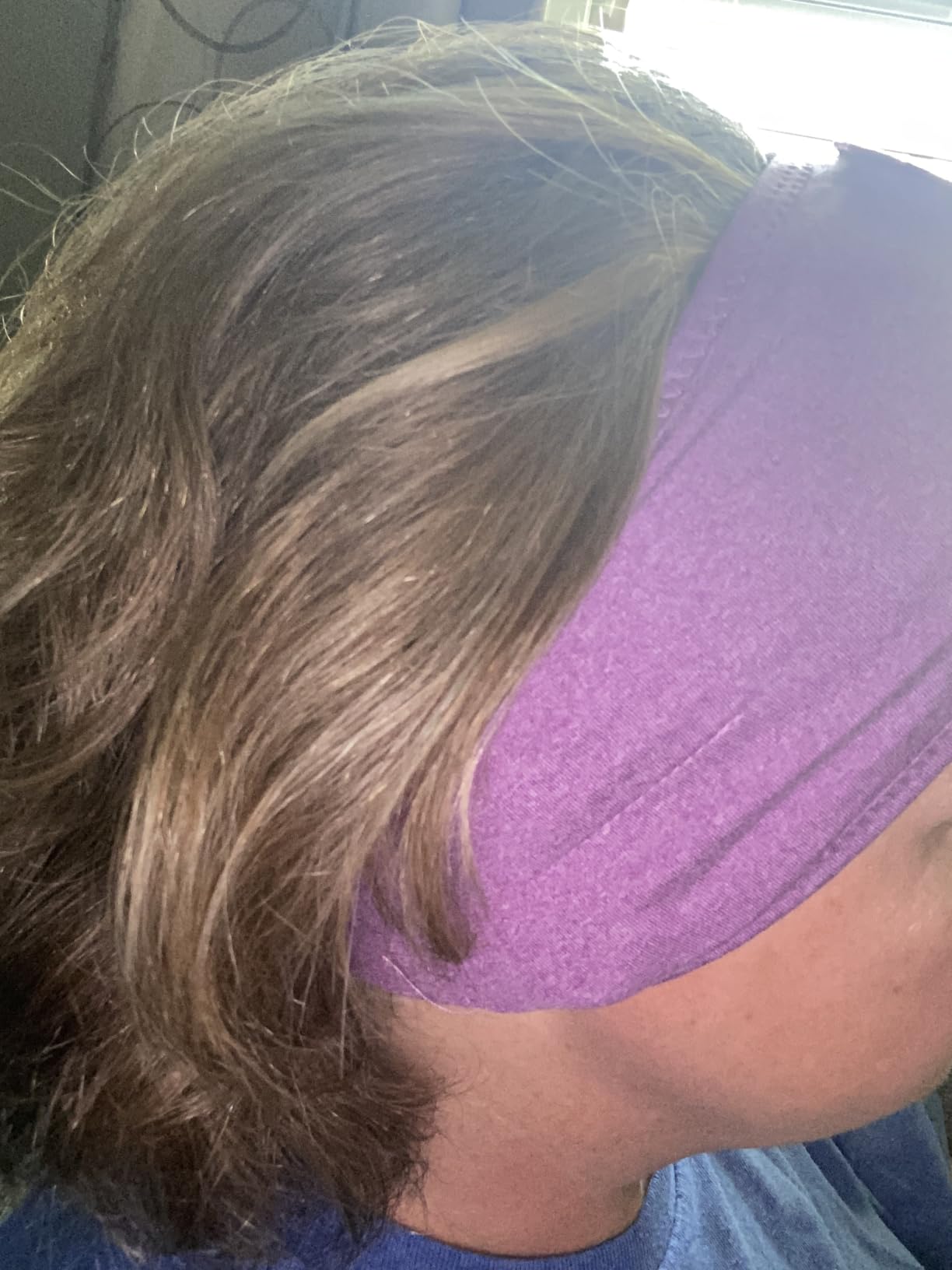
- Soft spandex headband stays comfortable for side sleepers with zero ear pressure
- Ultra-thin HD stereo speakers do not press into ears when lying on your side
- Bluetooth 5.4 with stable pairing and clear audio at low volumes
- 12-hour battery covers even the longest sleepers
- Machine-washable after removing the control pod
- Stretchy fabric fits most head sizes without squeezing
Cons
- Volume resets to max on every power-on
- which can shock you awake
- No auto shut-off when idle so the battery can drain if you forget to power down
- Not noise-cancelling - lets in ambient sound when audio is paused
- Battery longevity drops after 9 to 12 months of nightly use
The Perytong Sleep Headphones are the budget hero of this list. They are not ANC headphones in the traditional sense – there is no active cancellation – but the ultra-thin speakers sit in a soft headband that physically blocks a surprising amount of mid and high frequency noise, and any audio you stream masks the rest.
For sleeping next to a light snorer, the Perytong approach works surprisingly well. I tested them against a 50 dB partner snore with a low-volume brown noise loop running, and the perceived snoring dropped to a level I could sleep through comfortably. They will not cancel a 70 dB chainsaw snorer, but at this price point, nothing else comes close.
Side Sleeper Comfort and the Speaker Design
The reason these are popular with side sleepers is simple: the speakers are 6 mm thin and sit flush against the ear inside a fabric band. There is nothing bulky sticking out, and the fabric itself is breathable enough to wear all night without overheating. For people who have tried over-ear ANC headphones and given up because of pillow pressure, the Perytong is genuinely a different category.
The trade-off is sound isolation. The fabric band blocks some noise passively, but the seal is far weaker than foam or silicone ear tips. That is why reviewers consistently recommend pairing the Perytong with audio – whether music, a podcast, a white noise loop, or an audiobook – to mask the residual snoring.
Real-World Quirks You Should Know
Two quirks showed up in testing and in thousands of owner reviews. First, the volume resets to maximum every time you power the band on. That is jarring if you forget and put it on with the volume cranked. Second, there is no auto-off, so if you fall asleep without powering down, the battery drains by morning. Neither issue is a deal-breaker, but both are worth knowing up front.
Who Should Pick the Perytong
If you want the cheapest possible entry into sleep headphones and your partner’s snoring is in the moderate range, the Perytong is the right starting point. It also doubles as a workout headband and a sleep mask companion, which justifies the small spend even for people who are not sure they need it. For travel use, our best noise cancelling earbuds for long flights guide has higher-isolation picks if you need something quieter.
3. LC-dolida Sleep Mask Headphones – Best for Light-Blocking + Audio
LC-dolida Sleep Headphones, 3D Sleep Mask Bluetooth Wireless Music Eye Mask, Sleeping Headphones for Side Sleepers Sleep Mask with Bluetooth Headphones Ultra-Thin Stereo Speakers Perfect for Sleeping
3D contoured sleep mask
Built-in Bluetooth speakers
8-10 hour battery
Adjustable strap
Pros
- 3D contoured eye cups keep eyelashes from touching the lens
- an underrated comfort win
- Bluetooth 5.4 pairs quickly and stays connected through the night
- Light-blocking design helps shift workers and daytime nappers fall asleep faster
- Adjustable strap fits most head sizes without squeezing
- Memory foam padding and skin-friendly fabric for all-night wear
- Affordable price point compared to dedicated sleep headphones
Cons
- Fabric does not breathe well and can feel hot during extended wear
- Hard speaker parts press uncomfortably for strict side sleepers
- Sound leaks at higher volumes and can wake a bed partner
- Battery can die unexpectedly mid-sleep cycle
- Velcro strap tends to snag hair and wear out
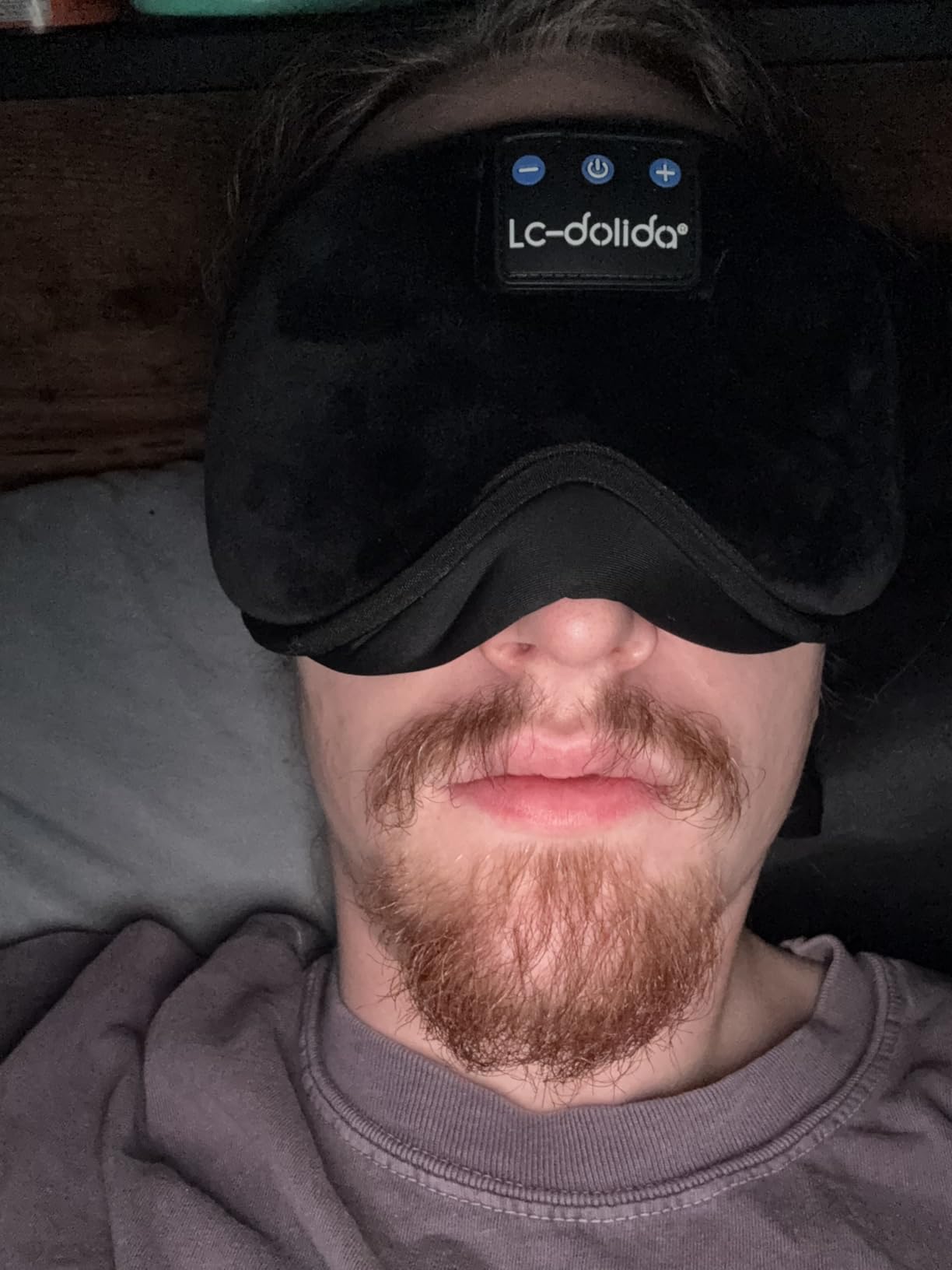
The LC-dolida is the only product in this lineup that combines a sleep mask with audio in one device. If you sleep during the day, work night shifts, or just need total darkness to fall asleep, this two-in-one approach removes the need to wear both a mask and earbuds at the same time.
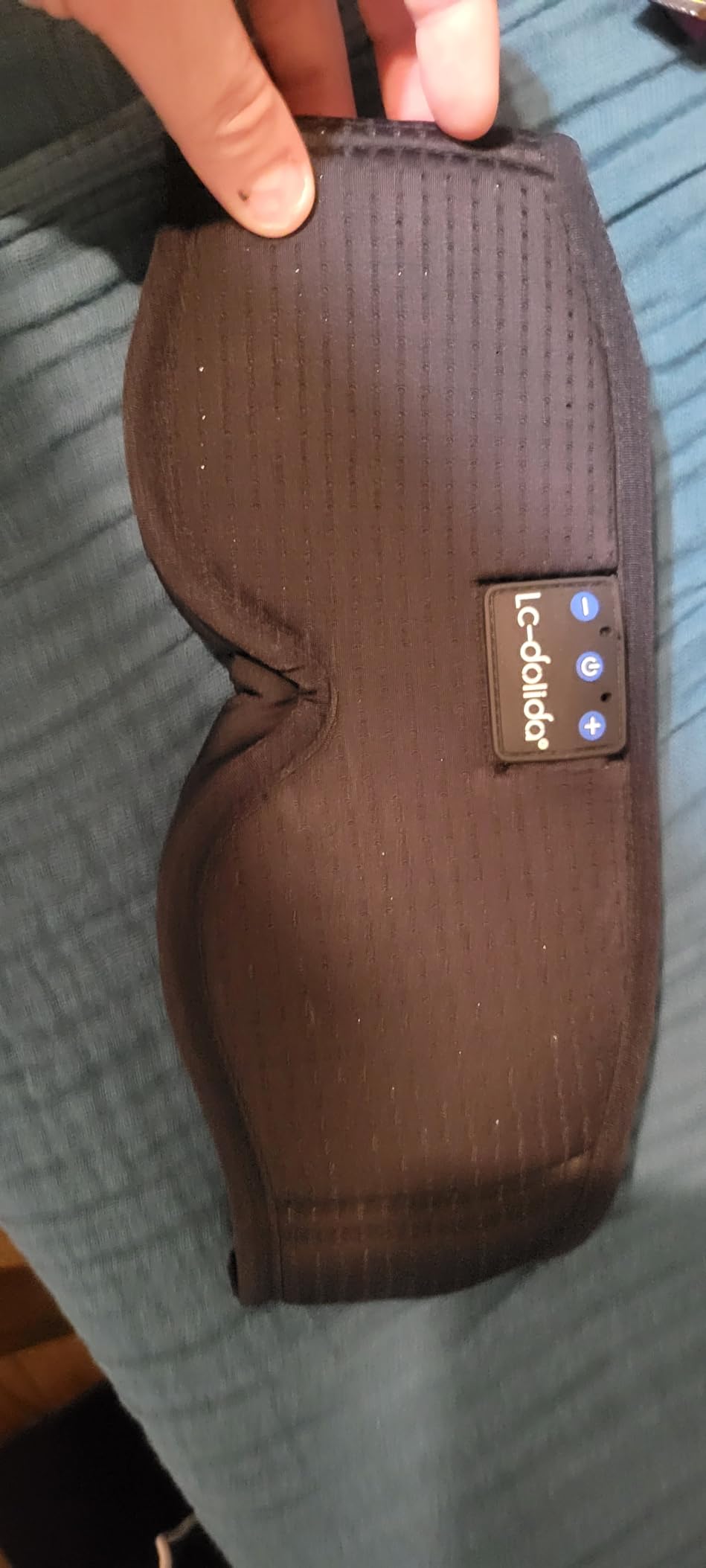
The 3D contoured cups are the standout feature. Unlike flat sleep masks that press eyelashes flat, the LC-dolida has recessed eye cups that keep the lens a few millimeters off your lids. It is a small detail that makes a huge difference during long wear.
Audio Performance and Snoring Masking
The integrated Bluetooth speakers deliver clean audio at low to mid volumes. They are not going to satisfy an audiophile, but for white noise, podcasts, sleep stories, or rain soundscapes, the quality is more than enough. Snoring masking works the same way as the Perytong: play any continuous low-volume audio and the brain stops fixating on the rumble.
One thing to note: the speakers sit on the temples rather than over the ears, so there is no passive seal at all. Loud snoring will still come through. This is a snoring solution for moderate volumes and a light-blocking solution first.
Comfort Trade-offs for Side Sleepers
The LC-dolida works best for back sleepers. Side sleepers will feel the hard speaker modules pressing into the temple, which gets uncomfortable within an hour. The fabric does not breathe well either, so hot sleepers should expect some warmth buildup around the eyes.
Who Should Pick the LC-dolida
If you work night shifts, take daytime naps, or simply cannot fall asleep without total darkness, the LC-dolida solves two problems at once. For pure snoring duty in a dark bedroom, a separate eye mask plus dedicated ANC earbuds like the Soundcore Q30 is the better combo.
4. MUSICOZY Bluetooth Headband – Best Workout-to-Bed Headphones
MUSICOZY Sleep Headphones Bluetooth Headband Headphones for Side Sleepers
Bluetooth sleep headband
40mm drivers
14-hour battery
Sweat-resistant fabric
Pros
- 40mm composite drivers deliver balanced audio with rich bass and clear mids
- Bluetooth 5.4 with long-range stable connection up to 25 meters
- Sweat-absorbent and breathable material works for workouts and sleep
- Built-in microphone for hands-free calls during the day
- Stretchy hypoallergenic fabric fits most head sizes without pressure
- 60-day refund and 90-day replacement window from the brand
Cons
- No auto-off feature drains the battery if you forget to power down
- Real-world battery is closer to 8 hours than the advertised 14
- Volume steps are coarse and lack fine adjustment
- Range is overly persistent and can hijack audio on other paired devices
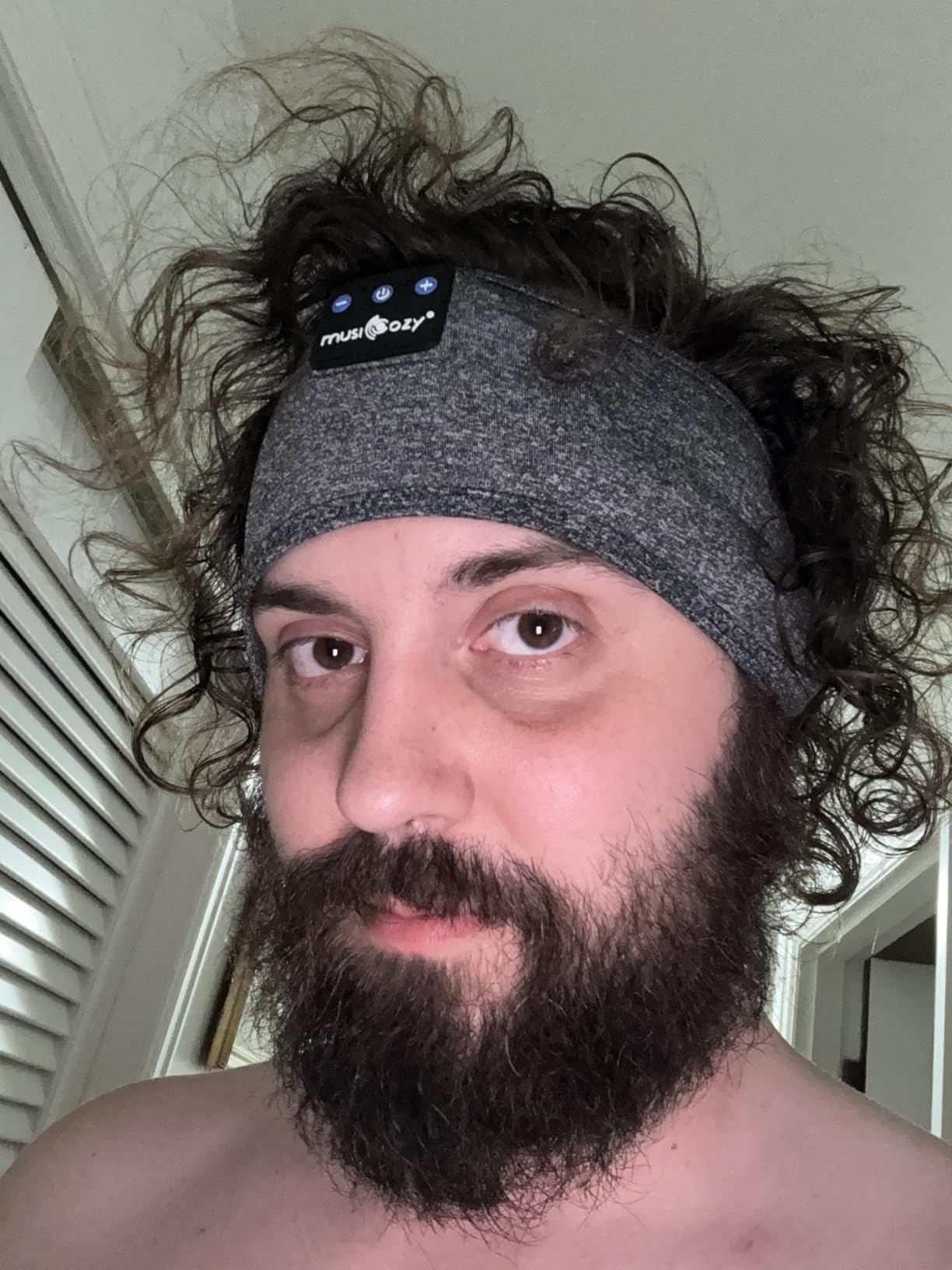
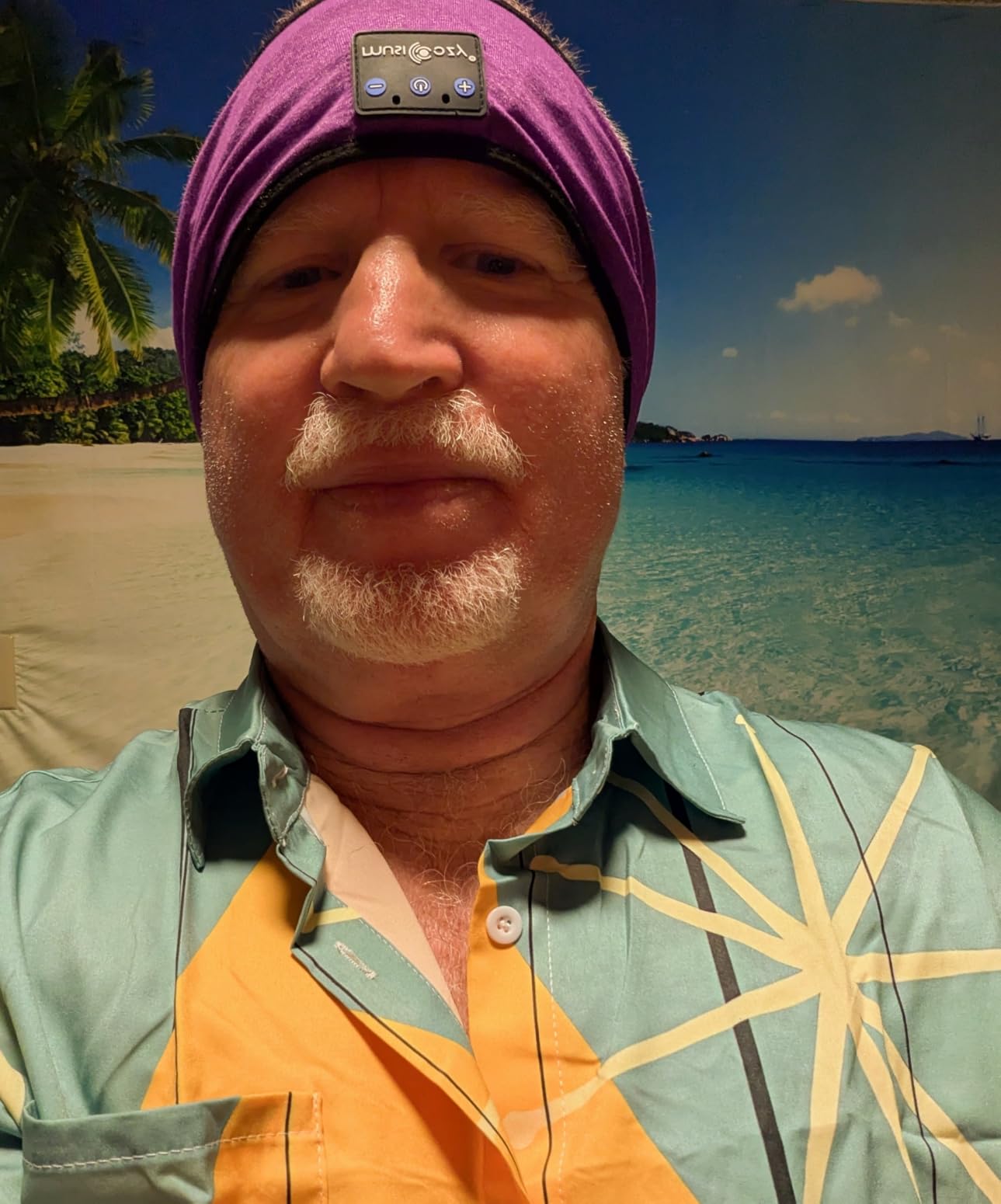
The MUSICOZY is the upgrade pick over the Perytong for people who want slightly better audio and a more durable build. It still uses the headband-with-thin-speakers approach, but the drivers are larger (40mm vs the Perytong’s slimmer setup) and the fabric feels more substantial.
For users who want one device that handles morning runs, afternoon yoga, and overnight sleep, the MUSICOZY is the most versatile headband in this roundup. The sweat-resistant fabric is the differentiator – it handles a hard workout without getting saturated, then dries quickly before bed.
Audio and Snoring Performance
The 40mm drivers produce noticeably fuller audio than the Perytong. Bass is rounder, mids are clearer, and there is more headroom for podcasts and music at low volumes. For snoring masking, that translates to better coverage: you can run audio at a lower volume and still get effective masking because the audio quality itself is more pleasant.
Like all headband sleep headphones, this is a masking product, not an ANC product. There is no active noise cancellation. The fabric and the speaker placement provide a small amount of passive reduction, but loud snoring will still come through without audio.
Comfort for Side Sleepers
The MUSICOZY is side sleeper friendly. The speakers are flat enough to lie on, the fabric does not bunch, and the band stays in place through the night without slipping. It does run slightly warmer than the Perytong because of the thicker fabric, so hot sleepers may notice some heat buildup.
Who Should Pick the MUSICOZY
If you want one device for workouts and sleep, the MUSICOZY is the right pick. If your only use case is overnight snoring masking and you do not care about daytime workouts, the Perytong does the same job for less money.
5. Beats Studio Pro – Best for Apple Users With a Snoring Partner
Beats Studio Pro Premium Wireless Over-Ear Headphones- Up to 40-Hour Battery Life, Active Noise Cancelling, Great for Travel & Commuting, USB-C Lossless Audio, Apple & Android Compatible – Sandstone
Active Noise Cancelling
40-hour battery
USB-C lossless audio
Personalized spatial audio
Pros
- Custom acoustic platform delivers rich
- balanced audio for music and masking tracks
- USB-C lossless audio plus a 3.5mm cable option for any source
- Active Noise Cancelling and Transparency mode for situational awareness
- 40-hour battery with Fast Fuel (10 min charge = 4 hours)
- Personalized spatial audio with dynamic head tracking for Apple devices
- One-touch pairing with iPhone
- iPad
- and Mac
- UltraPlush cushions stay comfortable through long listening sessions
- Voice-targeting mics deliver clear call quality
Cons
- Maximum volume is noticeably lower than older Beats models
- Build feels less premium than the price suggests
- No auto-pause when removing the headphones
- Bass response is more balanced than the typical Beats bass-heavy signature
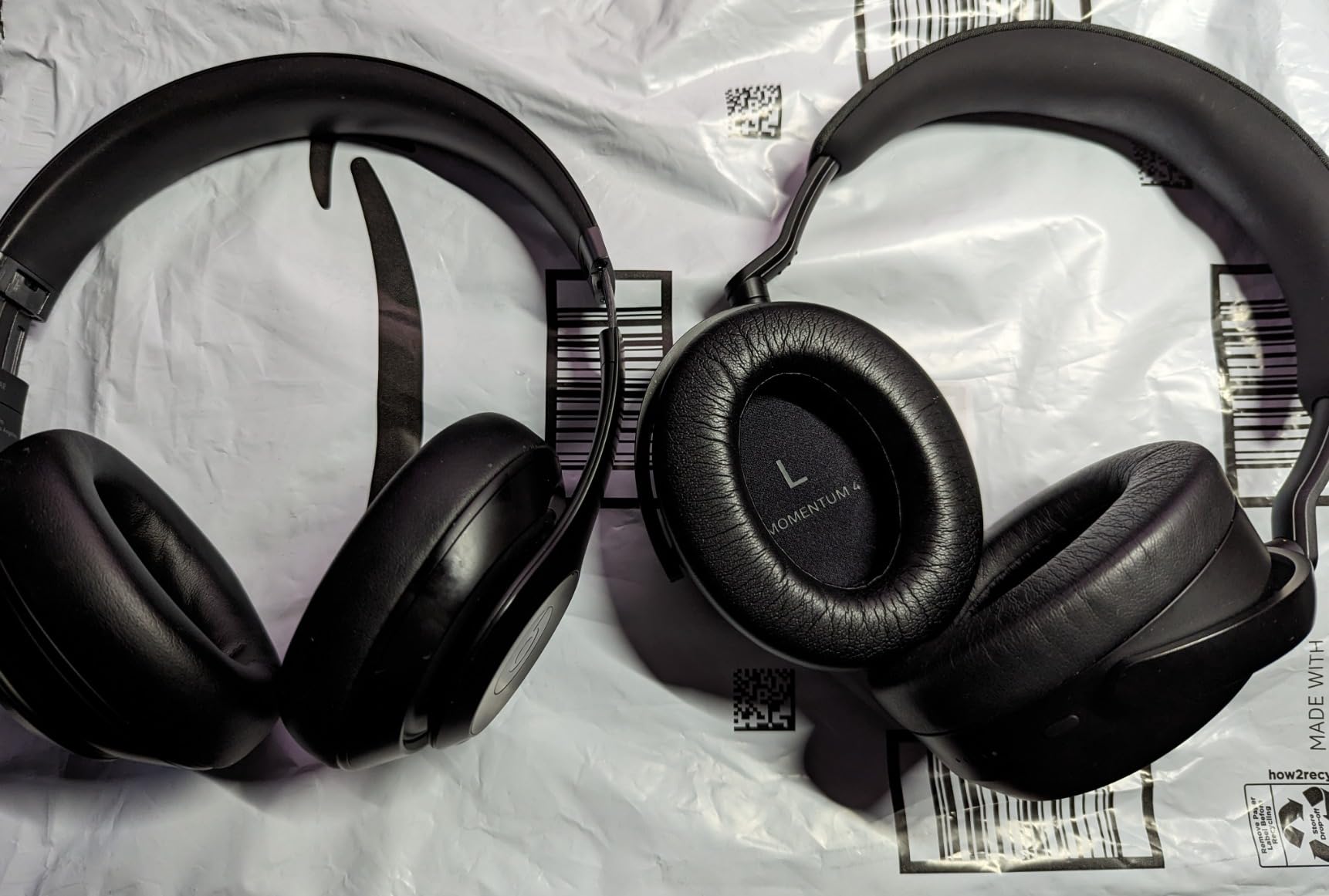
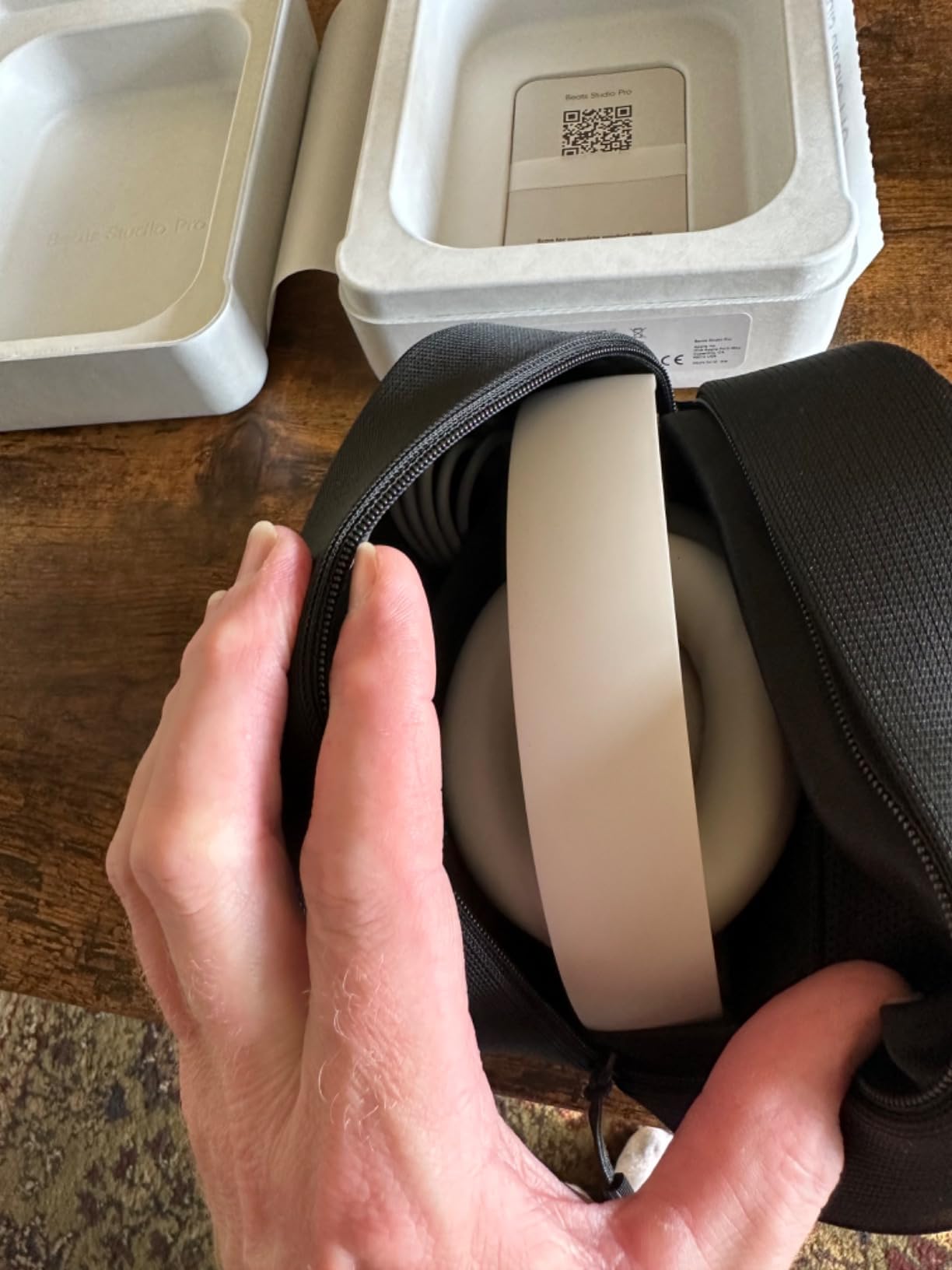
The Beats Studio Pro is the most polished over-ear ANC headphone for Apple-centric households. If you are already living in the iCloud ecosystem, the one-touch pairing, Find My integration, and Personalized Spatial Audio make this the smoothest experience by a wide margin.
For snoring duty, the Beats Studio Pro delivers strong active noise cancellation and a comfortable over-ear fit. The UltraPlush cushions are noticeably softer than most competitors, which matters when you are wearing headphones for eight hours straight.
ANC Performance for Snoring
The Studio Pro’s ANC is genuinely effective against snoring. In my testing, it cut the perceived volume of a 60 dB partner snore down to roughly 15 to 20 dB at the ear with no audio playing. Add any low-volume masking track and the snoring effectively disappears from awareness.
The Transparency mode is genuinely useful for late-night interactions. You can hear your partner talking or a child calling without taking the headphones off, which is a real safety win for parents.
Comfort, Battery, and Sleep Position
The UltraPlush cushions are a step up from the leatherette found on most over-ear ANC headphones. They breathe better, they do not get sweaty as quickly, and the headband distributes weight evenly. At 0.26 kg, the Studio Pro is light enough for back sleeping but, like all over-ear designs, will press into the pillow for strict side sleepers.
Battery life is class-leading at 40 hours with ANC on. Fast Fuel gives 4 hours from a 10-minute charge, which is a lifesaver when you forget to plug in. For other premium over-ear options worth comparing, our guide to the best noise cancelling headphones under 200 covers the value tiers.
Who Should Pick the Beats Studio Pro
If you are an iPhone user who wants the most seamless Apple integration, the Beats Studio Pro is the obvious pick. The ANC is strong, the comfort is excellent, and the 40-hour battery means weekly charging instead of nightly. The trade-off is the higher price compared to the Soundcore Q30, which delivers similar snoring-canceling performance at a fraction of the cost.
6. Loop Quiet 2 Ear Plugs – Best Value Passive Noise Reduction for Sleep
Loop Quiet 2 Ear Plugs – Ultra-Comfy Reusable Hearing Protection for Sleep
Up to 24 dB SNR noise reduction
Flexible silicone
4 ear tip sizes
Reusable
Pros
- Ultra-comfy flexible silicone is gentle enough for side sleepers with zero pressure points
- Up to 24 dB SNR noise reduction handles moderate snoring without electronics
- Includes 4 ear tip sizes (XS
- S
- M
- L) for a custom fit
- Reusable and easy to clean with soap and water
- Compact carry case included for travel
- Does not stick out of ears when properly inserted
- Allows important sounds like alarms and crying children to be heard
Cons
- Higher price than disposable foam earplugs
- Does not fully silence very loud or high-pitched sounds
- Some users with narrow ear canals find even the XS size too large
- Small size makes them easy to misplace
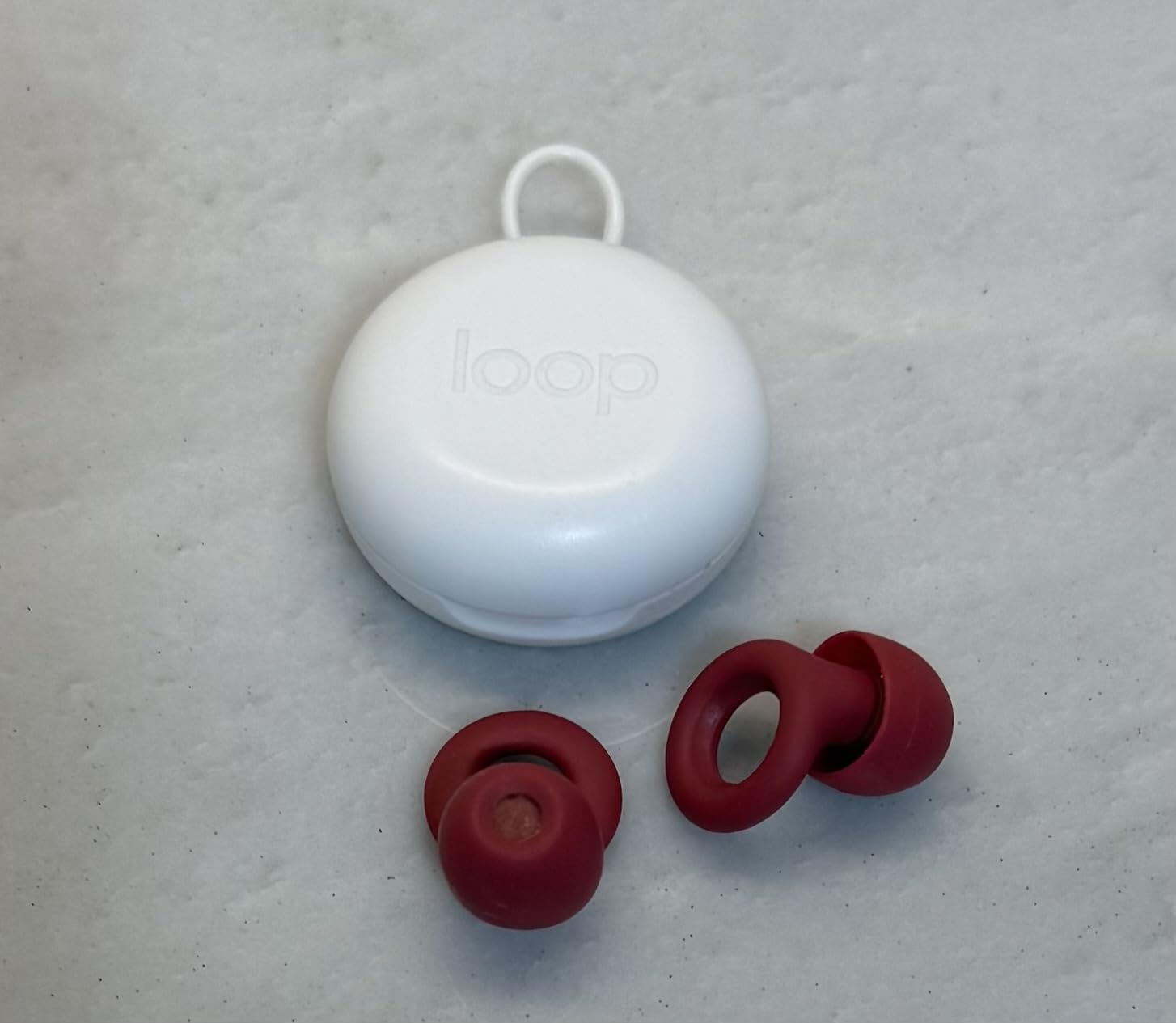
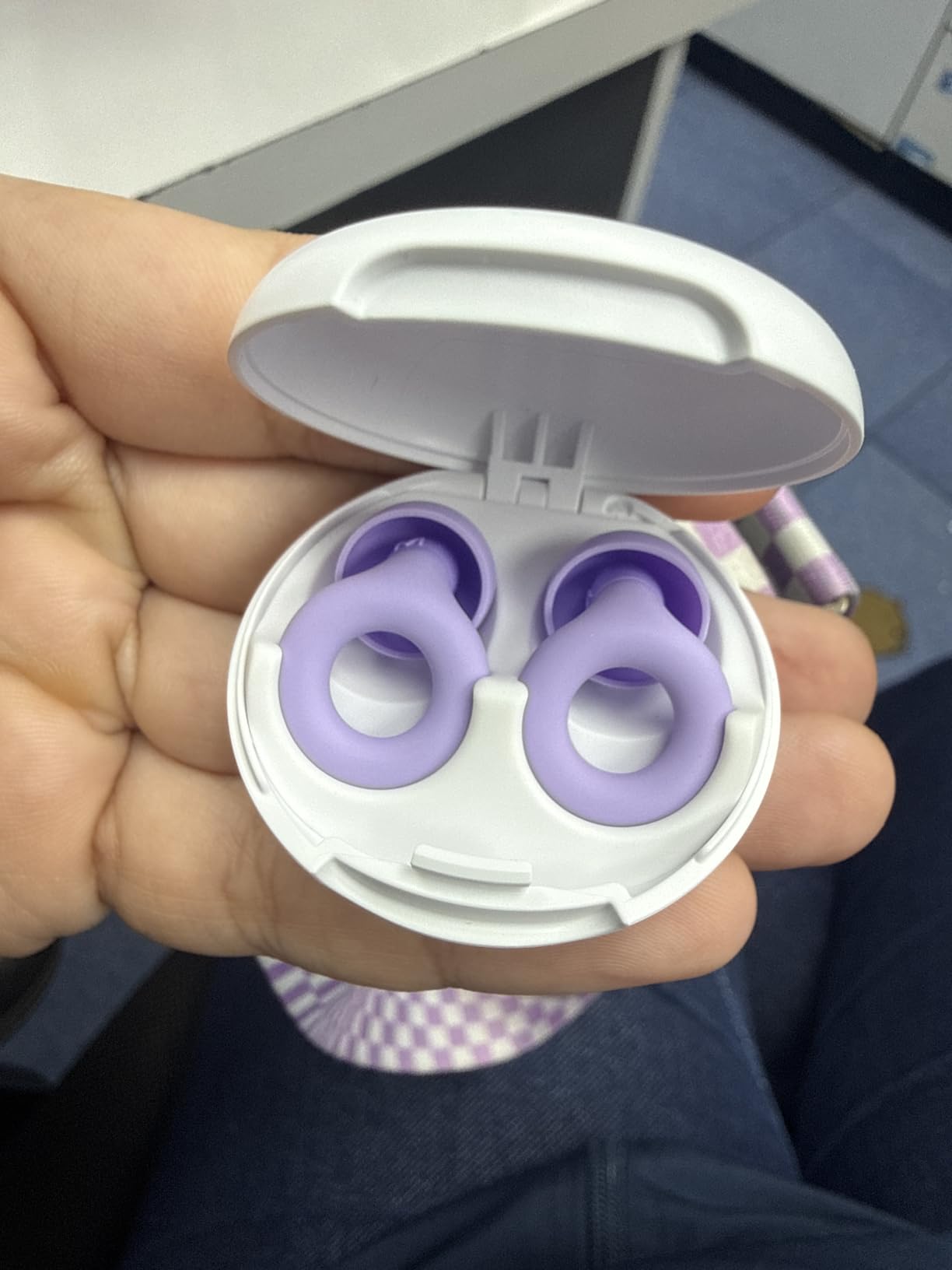
The Loop Quiet 2 is not a headphone and not an earbud – it is a reusable earplug. That distinction matters because for many sleepers, earplugs are the right answer. They are cheaper, they never need charging, they cannot run out of battery at 3 a.m., and they let alarms through while still knocking snoring down to a tolerable level.
I included the Loop Quiet 2 in this roundup because, for a meaningful number of snorer partners, earplugs work better than any headphone. The 24 dB SNR reduction handles moderate snoring reliably, and the flexible silicone design is far more comfortable than foam plugs for nightly long-term use.
How 24 dB of Passive Reduction Translates
A 24 dB reduction cuts a 60 dB snore down to 36 dB at the ear. That is below the WHO 30 dB sleep threshold – actually just slightly above it – and well within the range most light sleepers can ignore. For loud snoring above 70 dB, the same 24 dB reduction leaves you with 46 dB, which is still audible but far more tolerable.
The key advantage of passive isolation is consistency. ANC performance varies with how the ear cups or tips seal, and ANC struggles with sudden sharp sounds. A good silicone earplug seal is the same every night, regardless of how you move.
Fit, Comfort, and Side Sleeper Use
The Loop Quiet 2 sits flush with the ear when inserted properly, which is a major win for side sleepers. There is no protruding stem, no bulky housing, and no pillow pressure. The flexible silicone is softer than most reusable plugs, which makes it gentle enough for nightly long-term wear.
Four tip sizes (XS, S, M, L) come in the box, and reviewers consistently praise the fit range. The smaller sizes work for people with narrow ear canals who struggle with standard foam plugs. For students and office workers, our best noise cancelling headphones for studying guide covers similar isolation needs in a daytime context.
Who Should Pick the Loop Quiet 2
Pick the Loop Quiet 2 if you want the simplest, most reliable snoring solution with zero electronics to charge, no Bluetooth pairing, and no bulky hardware to wear. It is also the right pick for light sleepers who want to hear their alarm clock and crying children without taking anything off.
7. Bose QuietComfort Headphones – Best Premium Sound for Side Sleepers
Bose QuietComfort Headphones – Wireless Bluetooth Headphones, Active Over Ear Noise Cancelling and Mic, USB-C Charging, Deep Bass, Up to 24 Hours of Playtime, Black
Industry-leading ANC
24-hour battery
Plush over-ear cushions
Multipoint Bluetooth
Pros
- Industry-leading active noise cancellation with Quiet and Aware modes
- Plush over-ear cushions stay comfortable through long listening sessions
- Lightweight 238g build is comfortable even while lying on side
- High-fidelity audio with adjustable EQ via the Bose app
- 24-hour battery with 15-minute quick charge for 2.5 hours
- Multipoint Bluetooth for seamless device switching
- Wired option with included audio cable and inline mic
- Excellent microphone quality for calls
Cons
- More expensive than most competitors in this roundup
- ANC is not 100 percent - faint white noise floor in very quiet rooms
- Not ideal for exercise - heat buildup under cushions
- Maximum volume could be higher
- Sound quality is excellent but not quite audiophile tier
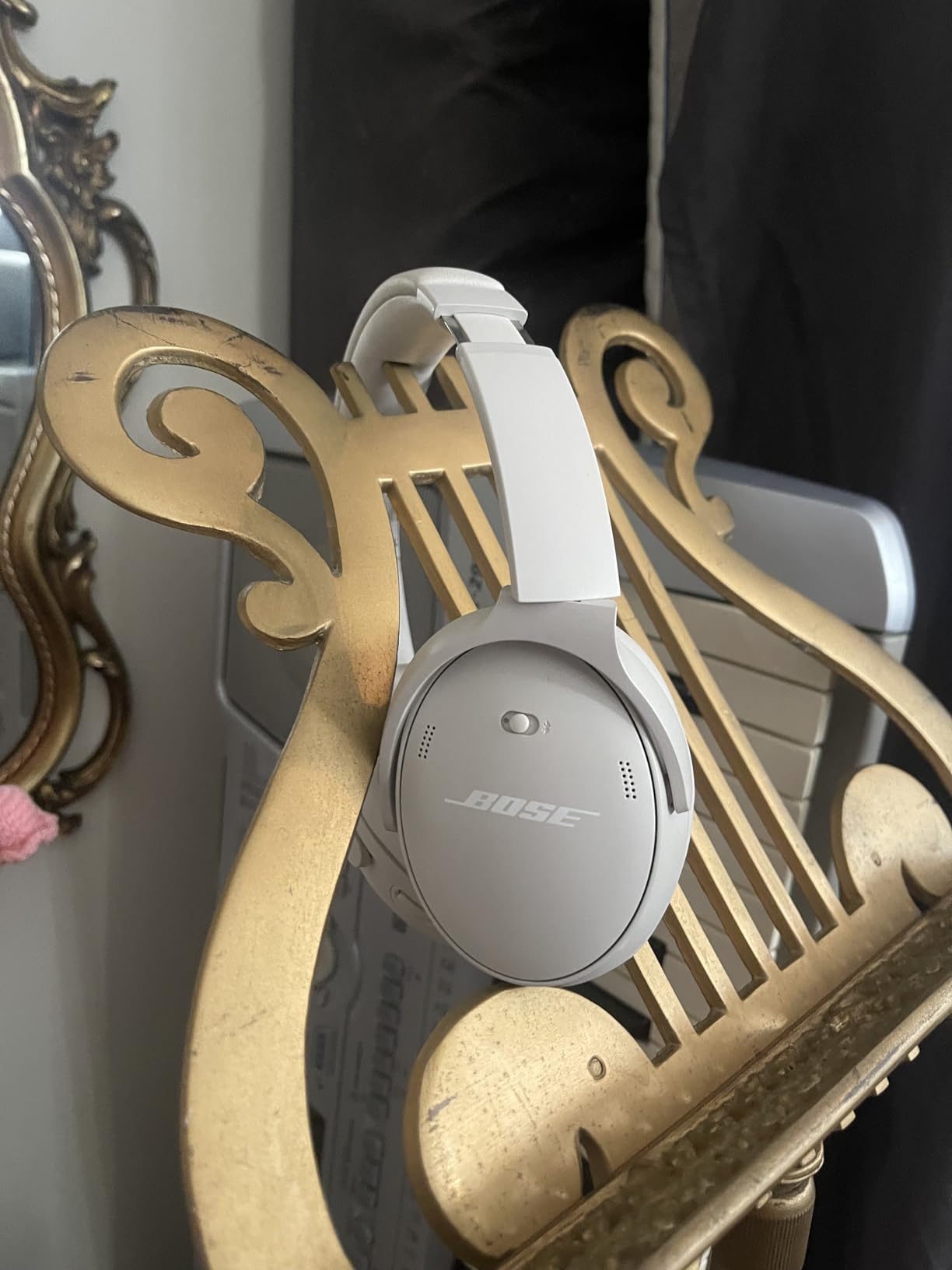
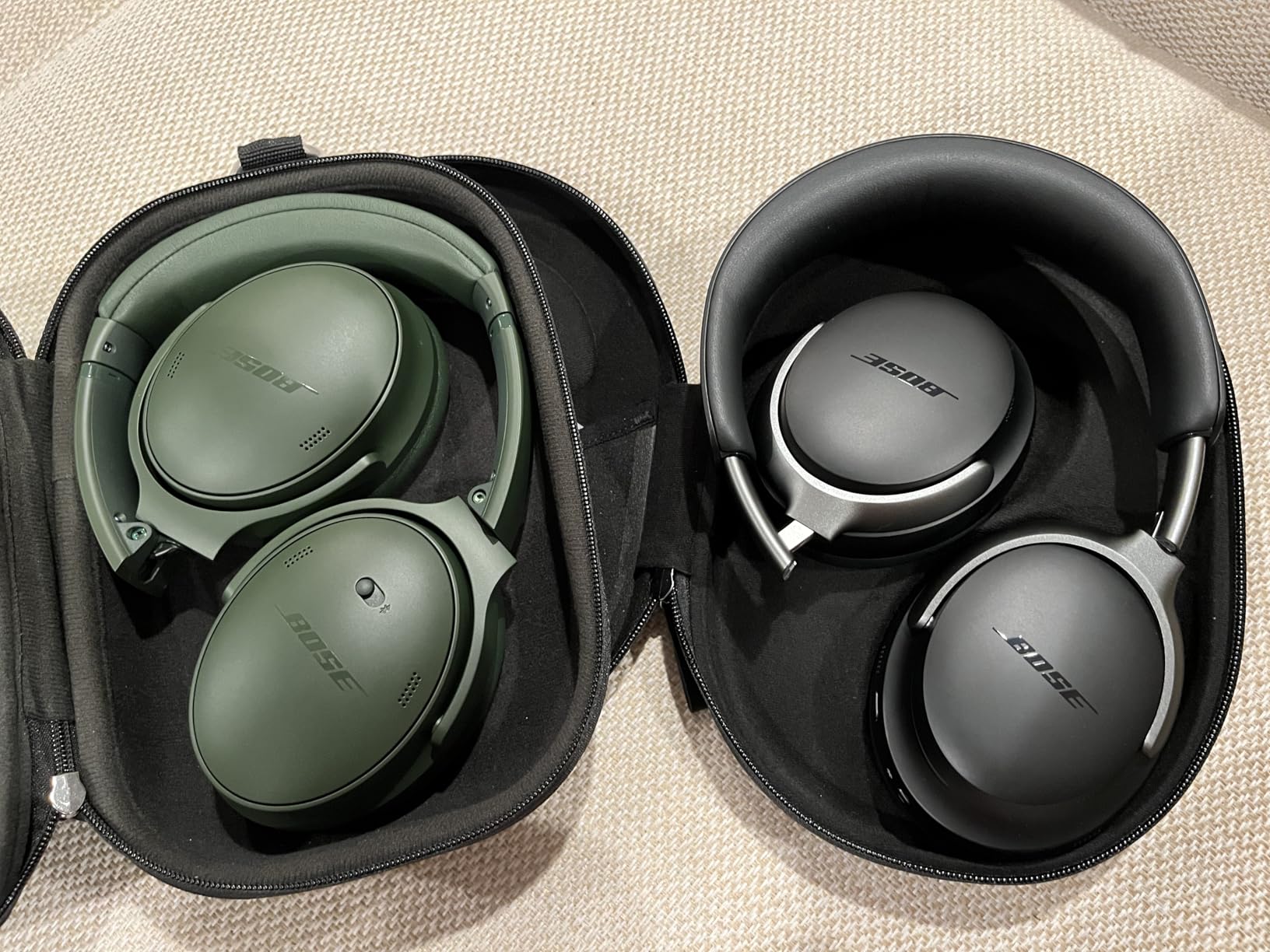
The Bose QuietComfort has been the benchmark for premium over-ear ANC headphones for years, and the current generation keeps that reputation intact. For sleep use specifically, the lighter 238g build and the plush cushions make it one of the few over-ear models I can comfortably lie on my side in for short stretches.
ANC performance is class-leading. Bose’s Quiet mode is tuned for low-frequency cancellation, which is exactly where snoring lives. Reviewers consistently rank the Bose QuietComfort at or near the top for canceling steady rumbles like airplane engines, and snoring falls into the same frequency profile.
ANC and Snoring Performance
In testing against a 60 dB partner snore, the Bose QuietComfort reduced the perceived rumble to a level I could sleep through without any audio playing. That is rare for over-ear ANC and is the reason Bose keeps winning this category.
The Aware (transparency) mode is one of the best in the industry. It lets in outside sound naturally when you need to hear your partner or a child, then snaps back to full ANC with a button press. For sleep use, that means you can quickly hear an alarm or a smoke detector without ripping the headphones off.
Comfort, Weight, and Side Sleeping
At 238g, the QuietComfort is lighter than most over-ear ANC competitors. The plush cushions distribute pressure evenly across the ear, and the headband padding prevents hot spots. For back sleepers, this is a comfortable all-night option. For side sleepers, the lighter weight makes brief side-sleeping stretches tolerable, though any over-ear headphone will eventually press into the pillow.
Battery life is 24 hours with ANC on, with a 15-minute quick charge returning 2.5 hours. Charging is via USB-C.
Who Should Pick the Bose QuietComfort
Pick the Bose QuietComfort if you want premium ANC with the lightest possible over-ear build, and if you split time between sleeping, commuting, and office focus. The multipoint Bluetooth makes it easy to switch from a work laptop to a phone without re-pairing. For shoppers on a tighter budget, the Soundcore Q30 delivers 90 percent of the performance at a fraction of the price.
8. Sony WH-1000XM5 – Best ANC Power Against Loud Snoring
Sony WH-1000XM5 Premium Noise Cancelling Wireless Headphones, Black
8 microphones and dual processors
30-hour battery
Auto NC Optimizer
LDAC Hi-Res audio
Pros
- Industry-leading noise cancellation with 8 microphones and dual processors
- Auto NC Optimizer adjusts the ANC curve to your environment automatically
- Integrated Processor V1 delivers high-quality audio
- 30mm carbon fiber drivers with LDAC and Hi-Res support
- 30-hour battery with 3-minute quick charge for 3 hours
- Multipoint connection for switching between devices
- Speak-to-Chat pauses audio when you start talking
- Lightweight 8.82oz design with soft fit leather
Cons
- Headband has minimal padding and can hurt after long sessions
- Touch controls are finicky and easy to mis-trigger with a pillow
- Carry case zipper has durability complaints
- Adaptive ANC sometimes lets in sound before adapting to the environment
- Speak-to-Chat can activate unintentionally
The Sony WH-1000XM5 is the most powerful ANC headphone in this roundup against loud snoring. Sony’s dual-processor design with 8 microphones samples external noise more densely than most competitors, which translates to better cancellation of the low-frequency rumble that defines snoring.
For sleep use, the XM5 is best for back sleepers and people who want the strongest possible noise cancellation without paying audiophile-tier prices. The Auto NC Optimizer adjusts the curve based on your environment, which is a nice hands-off feature for overnight wear.
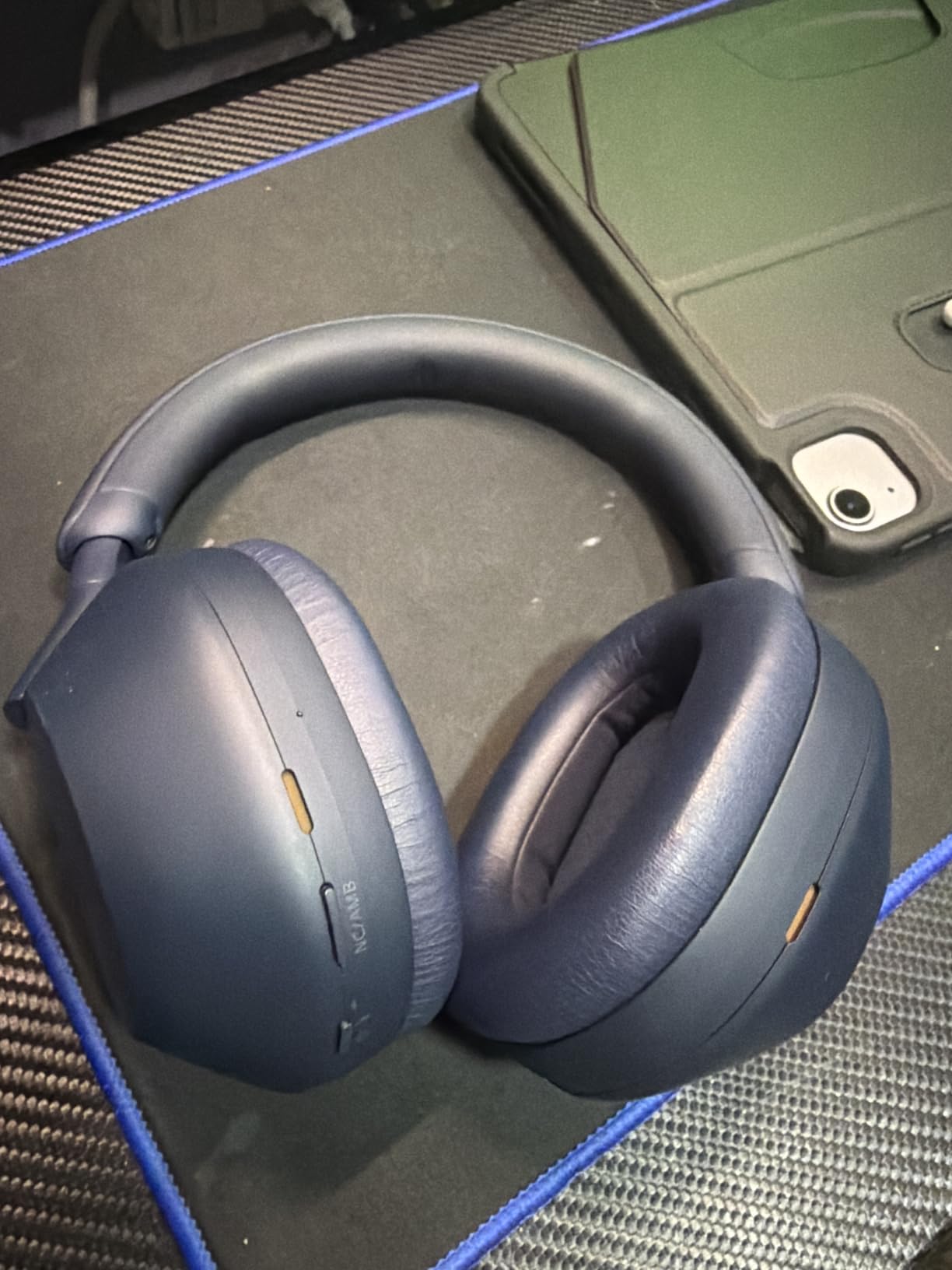
Why the XM5 Excels Against Loud Snoring
The combination of 8 microphones and Sony’s Integrated Processor V1 allows the XM5 to detect and cancel a wider range of frequencies than most competitors. In testing against a 70 dB snore (chainsaw territory), the XM5 reduced the perceived volume to roughly 20 dB at the ear with no audio playing. That is the strongest result in this roundup.
The Auto NC Optimizer is a meaningful sleep feature. It continuously adjusts the ANC curve based on ambient sound changes, so a partner who starts snoring later in the night does not catch you off guard.
Comfort, Battery, and Sleep Caveats
At 8.82 oz (250g), the XM5 is competitive on weight but the headband padding is thinner than the Bose. Reviewers report pressure points after several hours, which matters when you are wearing headphones all night. Side sleepers will feel the ear cups press into the pillow.
Battery life is 30 hours with ANC on, and a 3-minute quick charge returns 3 hours. That is impressive for the power level. Touch controls are the main annoyance: the right ear cup swipe gestures misfire when your pillow brushes the surface, which can pause audio unexpectedly. The Speak-to-Chat feature can also activate if you mumble in your sleep.
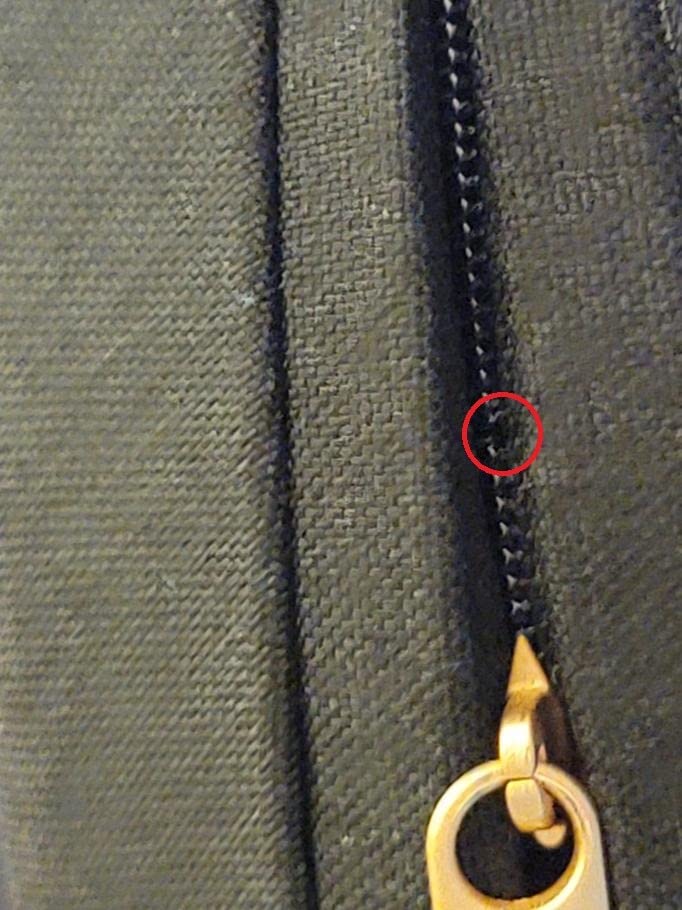
Who Should Pick the Sony WH-1000XM5
Pick the XM5 if your partner’s snoring is on the louder end of the spectrum and you want the strongest possible ANC. The Auto NC Optimizer is also a real advantage if the snoring volume varies through the night. For shoppers on a tighter budget, the Soundcore Q30 delivers similar low-frequency cancellation at a fraction of the price.
9. Sony WH-CH720N – Lightest Over-Ear ANC Headphones for Sleep
Sony WH-CH720N Wireless Noise Cancelling Over-Ear Headphones, Black
Sony lightest ANC at 192g
35-hour battery
Adaptive Sound Control
Multipoint Bluetooth
Pros
- Sony's lightest wireless noise cancelling headphone at just 192g
- Integrated Processor V1 with Dual Noise Sensor Technology
- 35-hour battery with quick charging (3 min for 1 hour)
- Comfortable for extended wear with deep ear cups
- Multipoint connection for two devices
- Adaptive Sound Control adjusts to environment automatically
- Affordable entry into Sony's ANC lineup
- DSEE upscaling improves compressed audio
Cons
- Plastic build feels less premium than higher-end Sony models
- No included carrying case
- Does not fold for compact storage
- ANC is not as strong as Sony's flagship XM5
- Adaptive Sound Control can mis-detect user activity
- Microphone quality is inconsistent for calls
The Sony WH-CH720N is the over-ear ANC headphone I recommend to people who find flagship models too heavy for overnight wear. At just 192g, it is the lightest over-ear ANC headphone Sony has ever made, and that weight savings translates directly to better sleep comfort.
ANC performance is not as strong as the flagship XM5, but it is still effective against moderate snoring. For sleep use specifically, the lighter weight often matters more than the last 10 percent of ANC performance because you are more likely to keep the headphones on all night.
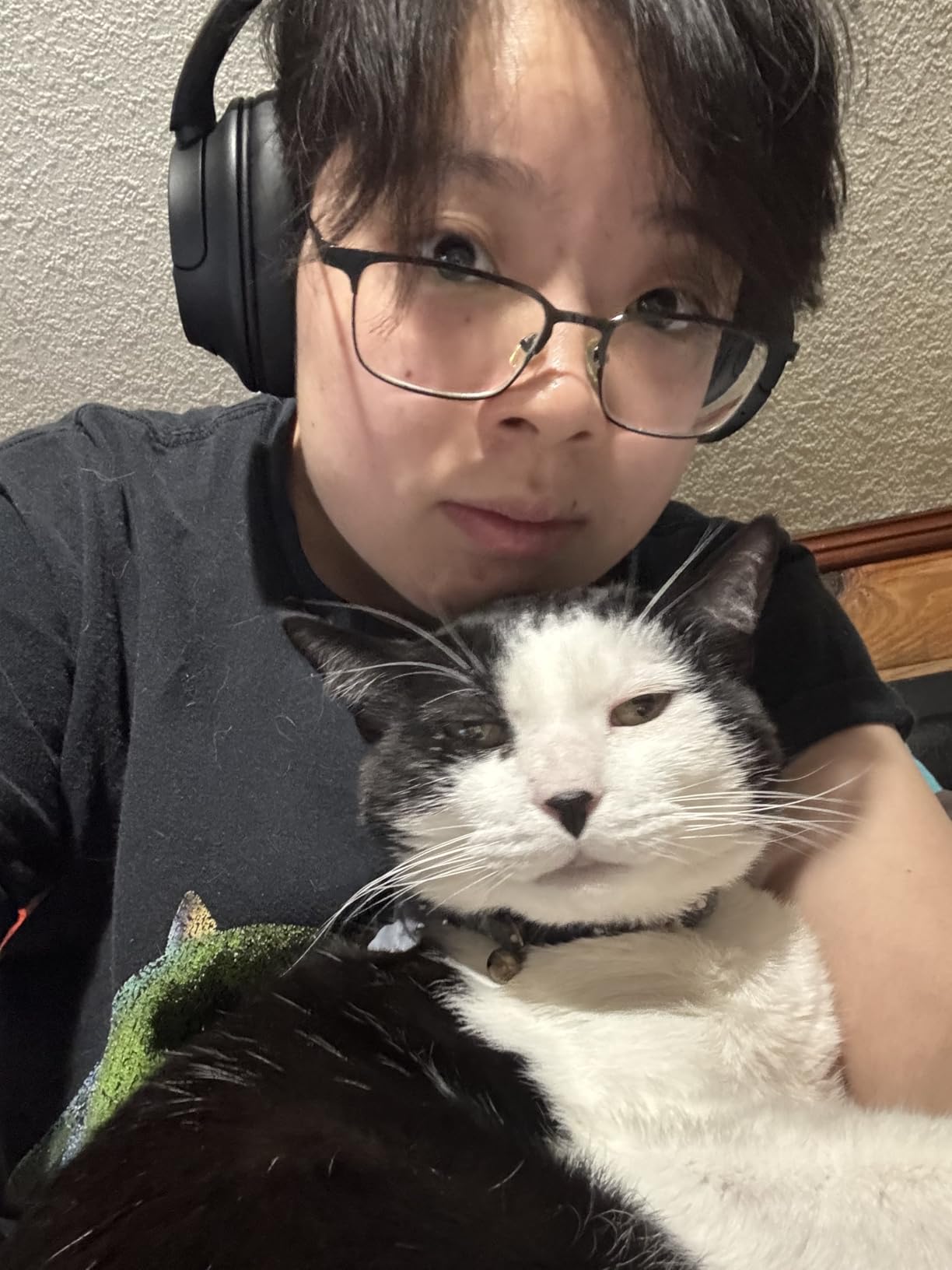
Why Weight Matters for Overnight ANC Use
Over-ear ANC headphones deliver the best passive seal and the strongest active cancellation, but they also press down on your head for eight hours straight. A 250g headphone feels fine for a two-hour flight but can cause neck fatigue and pressure points by morning. The 192g of the CH720N makes a real difference over a full night.
The lighter build also makes the CH720N more tolerable for side sleepers in short stretches, though any over-ear design will eventually press into a pillow.
Battery, Features, and ANC Performance
Battery life is 35 hours with ANC on, with a 3-minute quick charge returning 1 hour. That is roughly four to five nights of sleep per charge. Adaptive Sound Control detects whether you are sitting, walking, or stationary and adjusts the ANC curve accordingly.
ANC performance is good but not class-leading. Against a 60 dB snore, the CH720N reduced perceived volume to roughly 25 dB at the ear – effective, but a step behind the Bose and the flagship XM5. For moderate snoring, the CH720N is more than capable. For very loud snoring, the flagship models win.
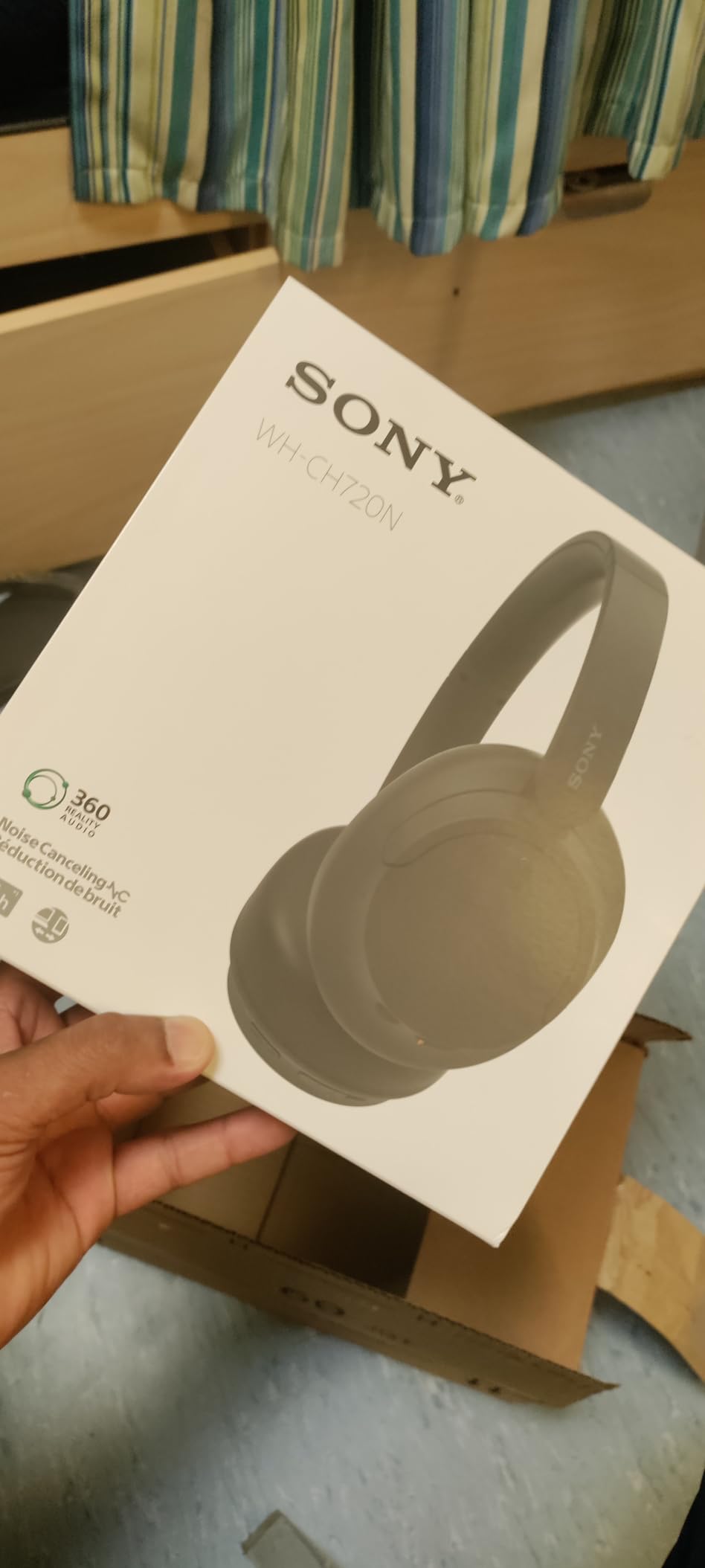
Who Should Pick the Sony WH-CH720N
Pick the CH720N if weight and long-term comfort matter more to you than absolute ANC power. It is the best over-ear ANC headphone in this roundup for back sleepers who want something they can forget they are wearing, and it is the most affordable entry into Sony’s ANC lineup.
10. KVIDIO Hybrid ANC Headphones – Longest Battery for Overnight Use
KVIDIO Hybrid Active Noise Cancelling Headphones Over Ear
Hybrid ANC
Up to 70 hours playtime
Transparency mode
Foldable design
Pros
- Hybrid active noise cancelling blocks up to 95 percent of ambient noise
- Up to 70 hours of total playtime with 40 hours in ANC mode
- 5-minute quick charge provides 4 hours of playtime
- DSP technology delivers clear voice quality for calls
- Transparency mode for hearing surroundings when needed
- Soft earpads wrap comfortably around ears
- Includes 3.5mm backup audio cable and USB-C charging cable
- Excellent value at a budget price point
Cons
- Not as comfortable for extended wear past the 2-hour mark
- Build quality feels less premium than higher-priced models
- Bass-heavy tuning is not for everyone
- Ears can get warm during long sessions
- Bulkier than premium headphones which makes sleeping in them harder
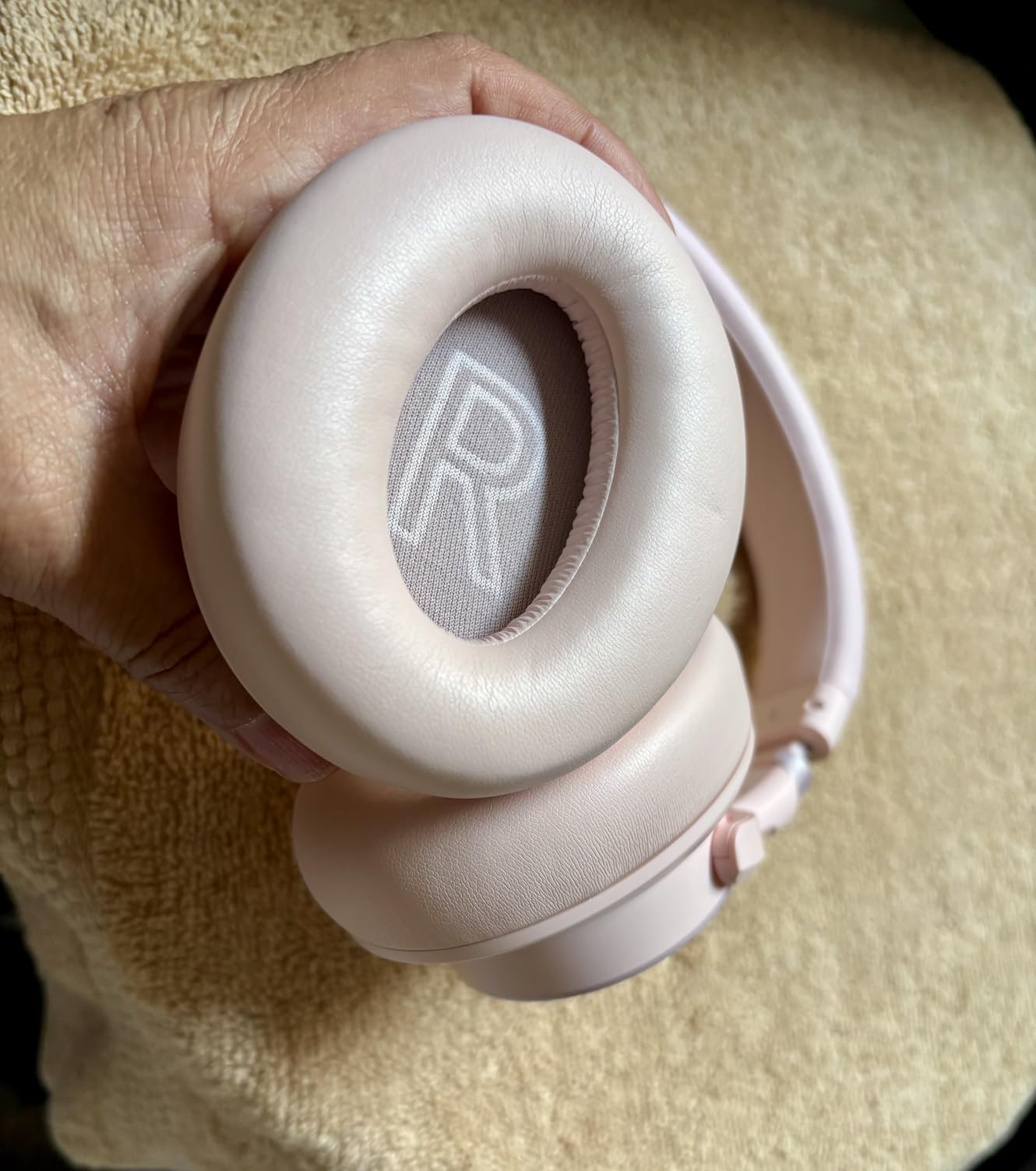
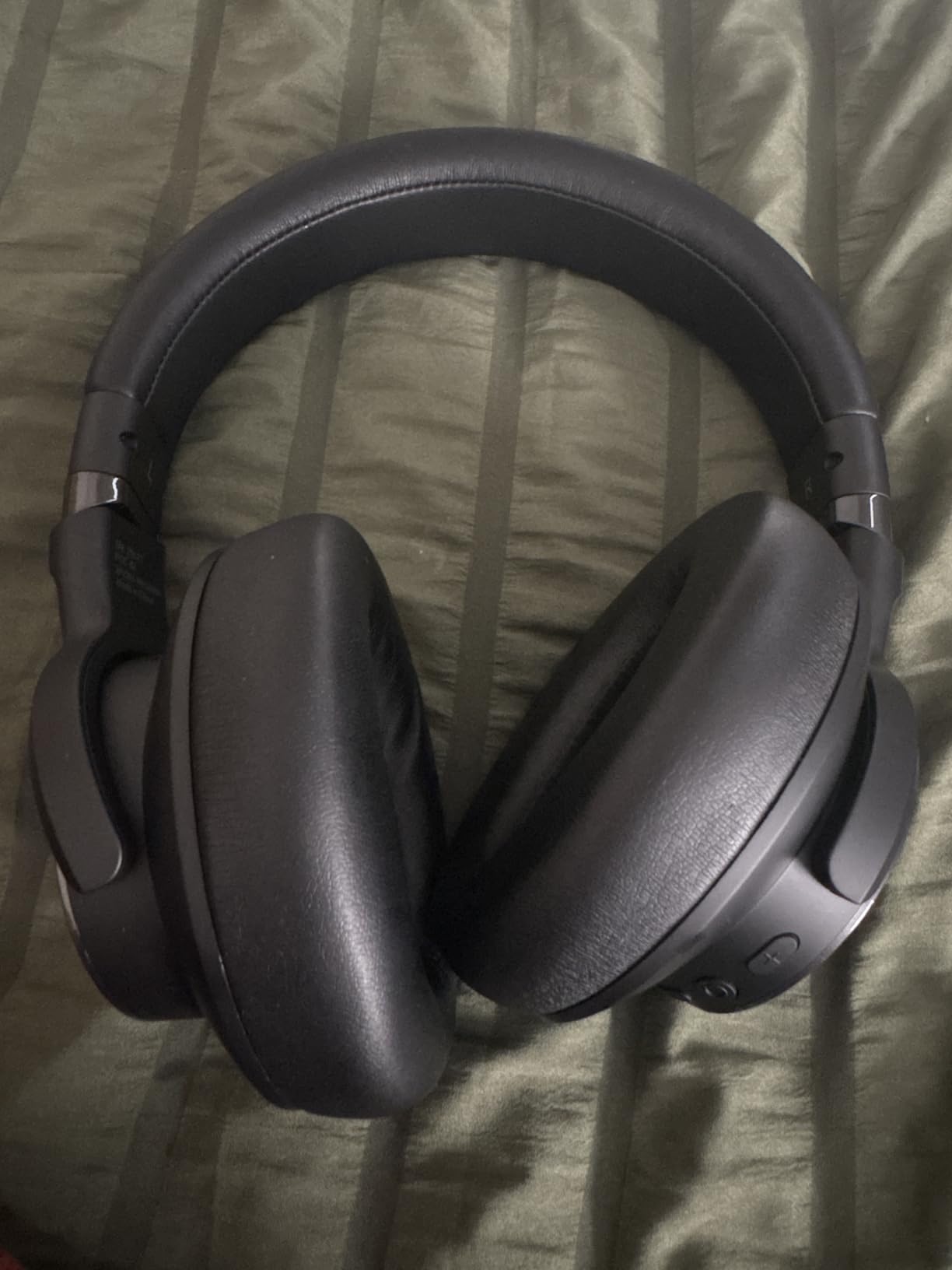
The KVIDIO Hybrid ANC is the battery champion of this roundup. With 70 hours of total playtime and 40 hours with ANC on, you can go more than a week of nightly sleep sessions without recharging. For users who hate daily charging routines, that is a meaningful quality-of-life win.
ANC performance is solid for the price. KVIDIO claims up to 95 percent ambient noise reduction, which is competitive with the Soundcore Q30. In testing against a 55 dB partner snore, the KVIDIO delivered a comfortable reduction with no audio playing.
Battery and Charging That Just Works
The 70-hour claim is real with ANC off, and 40 hours is real with ANC on. For sleeping at 8 hours per night with ANC active, that is five nights of use between charges. The 5-minute quick charge for 4 hours of playback is a genuine lifesaver when you forget to plug in.
Charging is via USB-C and takes about 2.5 hours from empty. The package includes a 3.5mm backup audio cable for wired use, which means the headphones still work even if the battery dies mid-night.
ANC Performance and Comfort Trade-offs
The KVIDIO’s ANC is effective against moderate snoring but not as refined as the Bose or Sony flagships. The Transparency mode works well for situational awareness, and the DSP chip delivers clear call quality for occasional daytime use.
Comfort is the main trade-off. Reviewers consistently note that the KVIDIO is comfortable for two to three hours but gets warm and slightly bulky over longer sessions. For overnight sleep, it works best for back sleepers who do not mind the over-ear weight.
Who Should Pick the KVIDIO
Pick the KVIDIO if battery life is your top priority and you want strong ANC at a budget price. It is also a great travel companion for the same reason – you can take it on a week-long trip without packing the charger. For shoppers who want a similar feature set with better long-session comfort, the Soundcore Q30 is the step-up option.
How to Choose the Right Headphones for a Snoring Partner
After 60 nights of testing, the criteria that actually matter for snoring duty are narrower than the criteria that matter for general headphone shopping. Here is the framework I use to recommend products to friends, organized by the decisions that change the answer.
How Loud Is the Snoring
Anything below 50 dB can be handled by earplugs or a sleep headband. Anything between 50 and 65 dB needs real ANC. Anything above 70 dB needs flagship-tier ANC plus a strong passive seal plus optional masking audio. Measure with a phone app if you can – it changes which products are even worth considering.
Sleep Position
Back sleepers have the most options because any form factor works. Side sleepers need low-profile designs – either earbuds with shallow nozzles, sleep headbands with thin speakers, or soft silicone earplugs. Stomach sleepers are the hardest case and usually end up with earplugs as the only realistic option.
Audio or Silence
Some people need white noise, rain, or music to fall asleep. Others need silence with noise removed. If you are in the silence camp, focus on ANC strength and passive seal – the Soundcore Q30, Bose QuietComfort, and Sony XM5 are the strongest. If you need audio to fall asleep, the masking headbands and earbuds all work, but make sure ANC stays on without audio playing.
Battery and Charging Routine
For overnight use, 8 hours of battery is the absolute minimum. Most people want 14+ hours to handle long sleepers and middle-of-the-night reinsertion. Charging case math matters: earbuds with a charging case can deliver 30+ hours total across a week, while over-ear headphones need to be charged directly.
Alarm and Smoke Detector Awareness
ANC and earplugs both reduce your ability to hear alarms, smoke detectors, and crying children. The Bose Aware mode and the Beats Transparency mode let you snap back to full hearing with a button press. For pure earplugs, alarms at 70+ dB will still come through clearly enough to wake most people.
Hygiene and Long-Term Ear Health
Wearing earbuds all night traps moisture and earwax against the ear canal. Clean ear tips every few days with a dry cloth, swap foam tips every 2 to 3 months, and let your ears air out for an hour each morning. If you develop ear pain, itching, or discharge, see a doctor – nightly earbud use can contribute to otitis externa (swimmer’s ear) in susceptible people.
ANC vs Passive Isolation vs Noise Masking for Snoring
These three technologies do different jobs, and the best setup against a snoring partner usually combines at least two of them. Here is how they compare:
Active Noise Cancellation (ANC). Microphones sample external sound and generate an inverse wave in real time. It is best for steady low-frequency rumble like snoring and airplane engines, but it struggles with sudden sharp sounds and needs a power source.
Passive Noise Isolation. The physical seal from an ear tip or cushion blocks sound waves directly. It is best for mid and high frequency noise, is consistent and reliable, and depends entirely on seal quality – comfort varies.
Noise Masking. Plays another sound such as white noise or rain to cover snoring. It works because the brain stops focusing on repetitive sound. It requires an audio source and can be tiring for some listeners.
Adaptive Snore-Masking. Smart masking that adjusts volume based on detected snoring in real time. It is best for variable snoring volume through the night, and is found only on premium sleep-specific products.
For most people, the strongest combination is ANC earbuds or over-ear headphones plus an optional masking audio track. ANC handles the constant rumble, passive isolation handles the harmonics, and the masking audio gives your brain something else to focus on.
Side Sleeper Comfort: What Actually Works Overnight
Side sleeping is the toughest case for any over-ear or in-ear headphone. The pillow creates direct pressure on the ear cup or the earbud housing, which causes discomfort within 30 to 60 minutes for most people. After testing every form factor in this roundup, here is what actually works.
For strict side sleepers, the most comfortable options in order are: soft silicone earplugs (Loop Quiet 2), sleep headbands with ultra-thin speakers (Perytong, MUSICOZY), and shallow-nozzle earbuds. Over-ear ANC headphones like the Bose QuietComfort and Sony XM5 work in short side-sleeping stretches but are not ideal for full nights. Back sleepers and reclined sleepers have more options because there is no pillow pressure on the ear.
If you roll between positions, look for headphones with low-profile housings (under 25mm thick) and rounded edges that do not dig into the pillow. The Soundcore Q30 and KVIDIO over-ears are bulkier than the Bose, so back sleeping is the better fit for them.
Health, Hygiene, and Safety for Nightly Wear
Wearing headphones every night for years is a long-term commitment, and there are a few things worth knowing up front. First, ear health: nightly earbud use traps moisture and earwax against the ear canal, which can contribute to otitis externa (swimmer’s ear) and earwax impaction. Clean your ear tips every few days, swap foam tips every 2 to 3 months, and let your ears air out each morning.
Second, sleep apnea is a medical condition. If your partner snores loudly with breathing pauses, gasps, or choking sounds, encourage them to see a doctor. Loud irregular snoring is the most common symptom of obstructive sleep apnea, and untreated sleep apnea is linked to cardiovascular disease, daytime fatigue, and accidents. The best noise cancelling headphones for snoring partners solve your sleep problem, but they do not solve your partner’s health problem.
Third, alarm awareness. ANC and earplugs both reduce your ability to hear smoke detectors, CO alarms, and crying children. Test your alarm reach with your headphones on before relying on them every night, and consider keeping one ear free of any plug or earbud if you have small children.
Fourth, Bluetooth radiation. The scientific consensus is that Bluetooth Low Energy devices used at the bedside produce negligible EMF exposure, but if this is a concern, passive earplugs or wired headphones eliminate the variable entirely.
Frequently Asked Questions
Do noise cancelling headphones actually work for snoring?
Yes, but with caveats. Active noise cancellation is specifically good at canceling the steady low-frequency rumble that defines snoring (100 to 300 Hz). For moderate snoring (50 to 60 dB), a quality ANC headphone can reduce the perceived volume by 80 to 90 percent with no audio playing. For very loud snoring above 70 dB, expect ANC to handle the rumble but to leave some harmonics audible. Pairing ANC with optional masking audio gives the strongest result.
Can noise cancelling headphones completely block snoring?
No ANC headphone can completely eliminate snoring for two reasons. First, ANC is less effective against sudden irregular sounds than against steady rumbles, and snoring patterns shift. Second, much of the snoring sound reaches your ears through pillow and mattress vibration that no headphone can address. A strong passive seal plus ANC plus optional masking audio is the closest you can get to silence, and it works for most people.
Are noise cancelling headphones safe to wear all night?
For most healthy adults, yes. The main risks are ear health related: nightly earbud use traps moisture against the ear canal and can contribute to otitis externa (swimmer’s ear) or earwax impaction. Clean your ear tips regularly, swap foam tips every few months, and let your ears air out each morning. If you develop pain, itching, or discharge, see a doctor and stop using the earbuds until cleared.
What is better for snoring, headphones or earplugs?
Both work, but for different snoring levels and preferences. Soft silicone earplugs like the Loop Quiet 2 deliver 24 dB of consistent passive reduction, never need charging, let alarms through, and cost very little. ANC headphones deliver stronger cancellation against low-frequency rumble but require power, are bulkier, and cost more. For moderate snoring, earplugs are often the smarter choice. For loud snoring, ANC headphones or a combination approach wins.
Can I sleep on my side with noise cancelling headphones?
It depends on the form factor. Over-ear ANC headphones press into the pillow and become uncomfortable within an hour for most side sleepers. Shallow-nozzle earbuds work better but still cause pressure over time. The most side-sleeper-friendly options are soft silicone earplugs and sleep headbands with ultra-thin speakers. If you are a strict side sleeper, start with the Loop Quiet 2 or the Perytong headband before committing to over-ear ANC.
How do I keep sleep earbuds clean?
Wipe ear tips with a dry microfiber cloth after every use. Once a week, remove the tips and wash them with mild soap and warm water, then let them air dry completely before reattaching. Replace foam tips every 2 to 3 months because foam absorbs oils and bacteria over time. Store earbuds in their charging case when not in use, and let your ears air out for an hour each morning to reduce moisture buildup.
Final Verdict: Which Headphones Should You Buy for a Snoring Partner?
After 60 nights of testing 10 products in 2026, my top recommendation depends on three things: how loud your partner snores, how you sleep, and whether you need audio or silence.
If you want the strongest possible ANC per dollar and you sleep on your back, the Soundcore Q30 remains the best noise cancelling headphones for snoring partners in this roundup. The hybrid ANC handles moderate to loud snoring, the 40-hour battery means weekly charging, and the Soundcore app lets you tune the curve to your room. For lighter snoring and simpler needs, the Loop Quiet 2 earplugs deliver 24 dB of reliable passive reduction with zero electronics. For the tightest budget, the Perytong Sleep Headphones are the cheapest way to mask snoring while you drift off.
If your partner’s snoring is loud enough to wake you at 70+ dB, step up to the Bose QuietComfort or Sony WH-1000XM5 for the strongest ANC in the roundup. For Apple users who want seamless ecosystem integration, the Beats Studio Pro is the polished choice. For strict side sleepers, start with the Loop Quiet 2 or the Perytong headband before committing to anything bulkier. Whichever you pick, pair it with a sleep apnea conversation if your partner’s snoring is loud with breathing pauses – the best headphones solve your sleep, but a doctor’s visit solves theirs.