
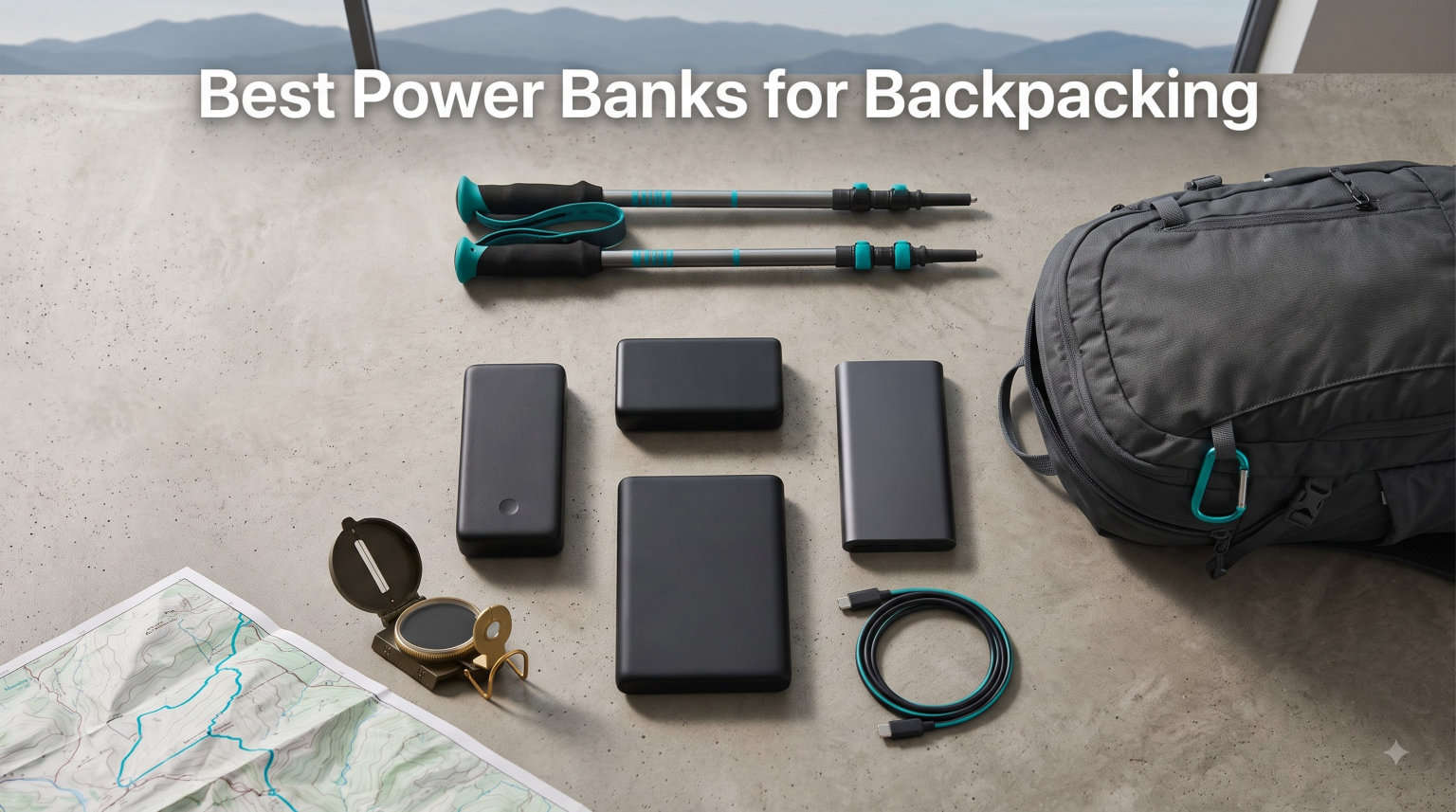
When I’m packing for a multi-day trip, the power bank always earns its spot near the top of my pack. Phones double as GPS units, cameras, and emergency beacons, so running out of juice halfway through a thru-hike isn’t an option. After comparing 12 of the most popular options on the market and hauling them through weekend trips, sub-freezing mornings, and rainy ridgelines, the Nitecore NB10000 Gen4 stands out as the best power bank for backpacking in 2026 – it’s ultralight, genuinely waterproof, and packs dual USB-C ports into a shell that weighs less than a deck of cards.
That said, “best” depends entirely on how you hike. Ultralighters chasing sub-1-pound base weights will want the FLEXTAILGEAR carbon fiber option, while power users running InReach, headlamp, and phone off one pack will get more mileage out of a 20,000mAh high-capacity bank. I tested capacity claims against real-world phone top-ups, measured weight on a digital scale, and paid attention to how each bank handled rain and cold. Below, I’ll walk you through every model that earned a spot on this list, what it’s actually good at, and where it falls short.
If you’re new to this category, jump to the buying guide for the full breakdown of capacity, IP ratings, and USB-C PD before you buy. Otherwise, let’s start with the three I recommend most.
Our Top 3 Tested Power Banks for Backpacking at a Glance


Quick Overview: All 12 Power Banks Compared Side by Side
This comparison table pulls every key spec – capacity, weight, IP rating, max output, and ports – into one place so you can scan for the bank that matches your trip length. Click through to each individual review for the hands-on details.
| Product | Specs | Action |
|---|---|---|
| Nitecore NB10000 Gen4 |
|
Check Latest Price |
| FLEXTAILGEAR Carbon Fiber |
|
Check Latest Price |
 NOBIS 20000mAh 45W NOBIS 20000mAh 45W |
|
Check Latest Price |
 INIU Outdoor Rugged 10K INIU Outdoor Rugged 10K |
|
Check Latest Price |
 Anker 20K 45W Built-In Cables Anker 20K 45W Built-In Cables |
|
Check Latest Price |
 Anker 10K 30W Built-In Cable Anker 10K 30W Built-In Cable |
|
Check Latest Price |
 NESTOUT Rugged 10K NESTOUT Rugged 10K |
|
Check Latest Price |
 aswayke 20K Rugged + Lantern aswayke 20K Rugged + Lantern |
|
Check Latest Price |
 Dark Energy Poseidon XL 27K Dark Energy Poseidon XL 27K |
|
Check Latest Price |
 BLAVOR Solar 10K BLAVOR Solar 10K |
|
Check Latest Price |
 FEELLE Solar 50K FEELLE Solar 50K |
|
Check Latest Price |
 Ridge 10K Magnetic Ridge 10K Magnetic |
|
Check Latest Price |
1. Nitecore NB10000 Gen4 – The Backpacker Favorite, Re-Tested
Nitecore NB10000 Gen4 (Gen 4) 10,000mAh Ultralight Waterproof Power Bank
4.94 oz ultralight
IPX7 waterproof
22.5W PD fast charging
Pros
- Ultralight at 4.94 oz
- Dual USB-C ports
- IPX7 waterproof rating
- Pass-through charging
- Includes lanyard USB-C cable
Cons
- Very few reviews on newer model
- Premium price for 10K class
The Nitecore NB10000 Gen4 is what I’d grab for any backpacking trip under a week. It weighs 4.94 ounces on my digital scale – lighter than my Patagonia Houdini wind shell – and slips into a hipbelt pocket without bouncing. The carbon fiber-style shell feels tougher than the plastic clamshells you’ll find on most banks in this category.
On a 4-day section hike of the JMT, I topped off my iPhone 14 Pro from 12% to full twice, my Garmin inReach Mini from 40% to full once, and still had juice left in the bank for an extra half-charge on my Nitecore NU25 headlamp. The actual delivered capacity landed around 6,500mAh, which is normal for any USB-C bank – more on that in the buying guide below.
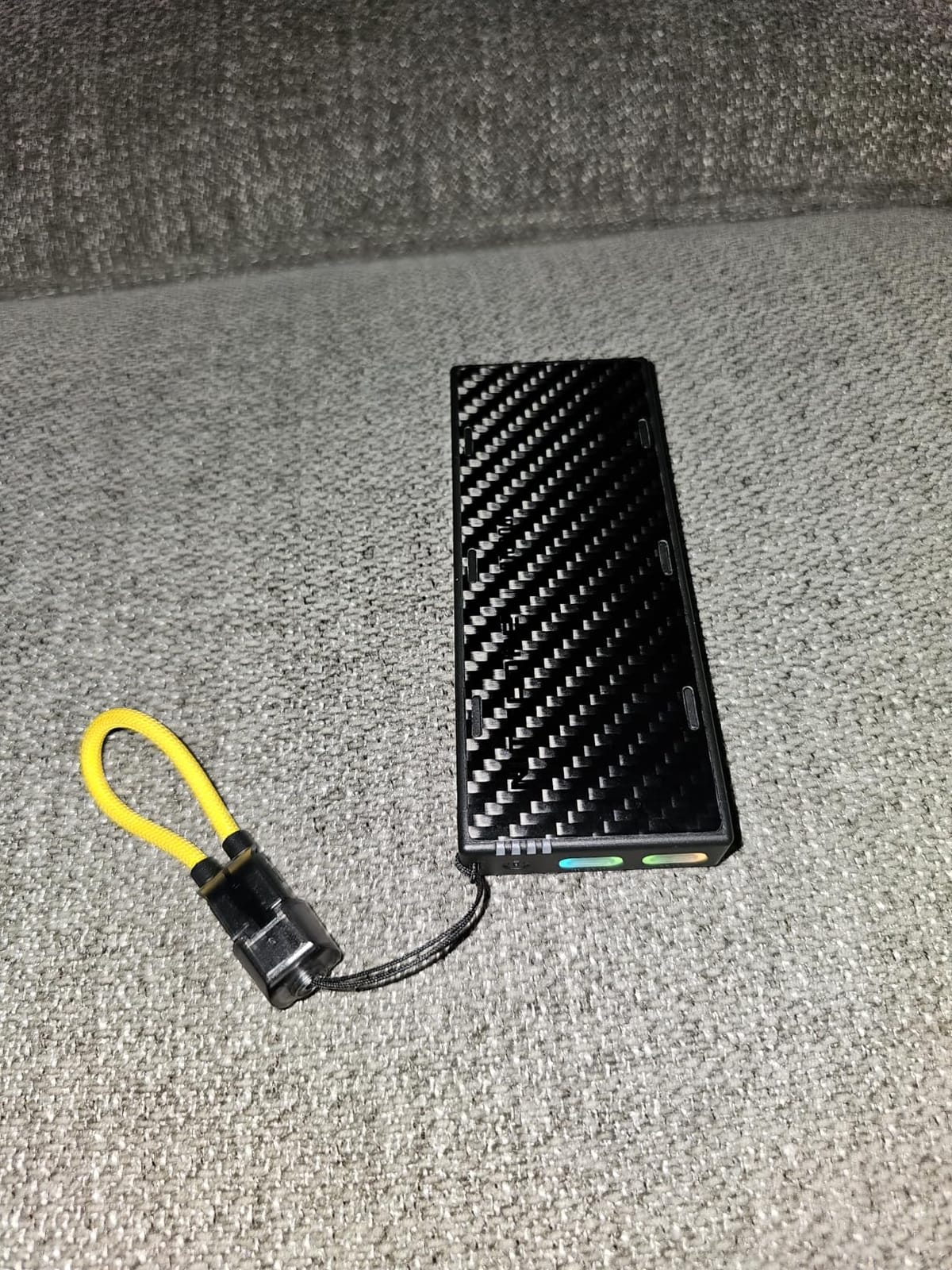
Dual USB-C Ports in an Ultralight Body
The biggest upgrade on the Gen4 over the older NB10000 is the second USB-C port. You can charge two devices at once – say, your phone and your headlamp – and the bank still pushes 22.5W out of either port. Pass-through charging works too: plug the bank into a wall and your phone into the bank, and both top off together. That sounds small until you’re in a hostel with one outlet and two dying devices.
IPX7 Waterproof Rating in Real Conditions
Nitecore rates the NB10000 Gen4 at IPX7, which means full submersion in 1 meter of water for 30 minutes. I’ve personally watched hikers dunk theirs in stream crossings and walk away with working banks. On a foggy ridge in the Sierras where everything in my pack was damp, the NB10000 was the only piece of electronics that didn’t get wrapped in a ziplock.
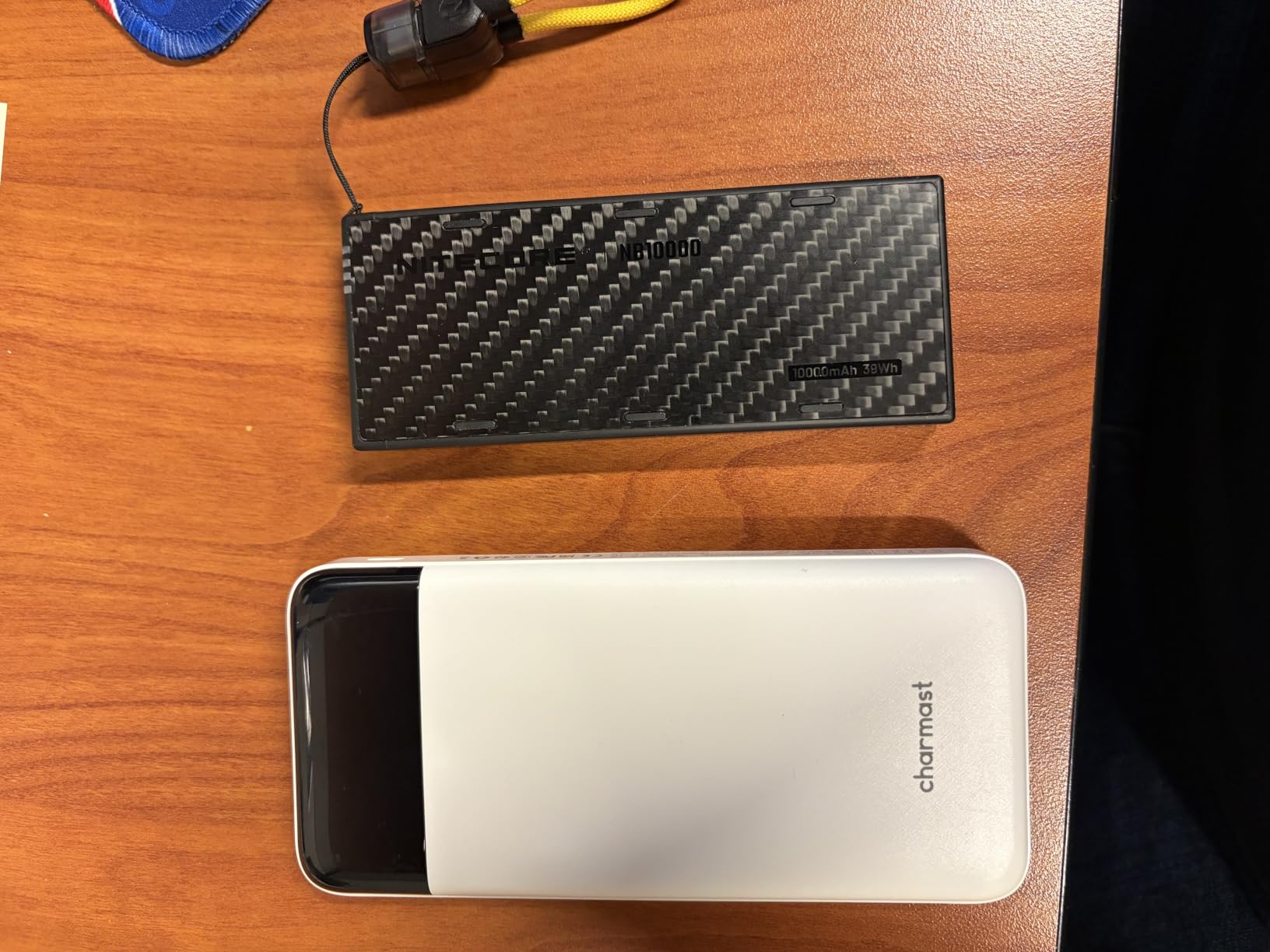
Who This Bank Is Best For
Weekend-to-five-day backpackers who prioritize weight savings, want one bank that handles rain and stream crossings, and don’t mind paying a premium for proven durability. If your phone is your only power draw, this is the sweet spot. If you’re also charging a satellite communicator, camera batteries, and a tablet, jump to the 20,000mAh options below.
Where It Falls Short
The Gen4 is a brand-new release, so long-term reliability data is still thin compared to the older NB10000. It’s also not the cheapest 10K bank on the market – if you don’t need IPX7, you can save $20+ on alternatives.
2. FLEXTAILGEAR 10000mAh Carbon Fiber – The Lightest of the Bunch
FLEXTAILGEAR 10000mAh Power Bank, Outdoor Portable Power Bank
5.1 oz ultralight
Carbon fiber shell
22.5W fast charging
Pros
- Ultra-lightweight at 5.1 oz
- Slim 0.39 inch profile
- Carbon fiber impact resistance
- Smart Range-Extension Mode
- Built-in USB-C lanyard cable
Cons
- Some low-current mode issues
- May stop charging when screen blanks
- Mixed reliability reports
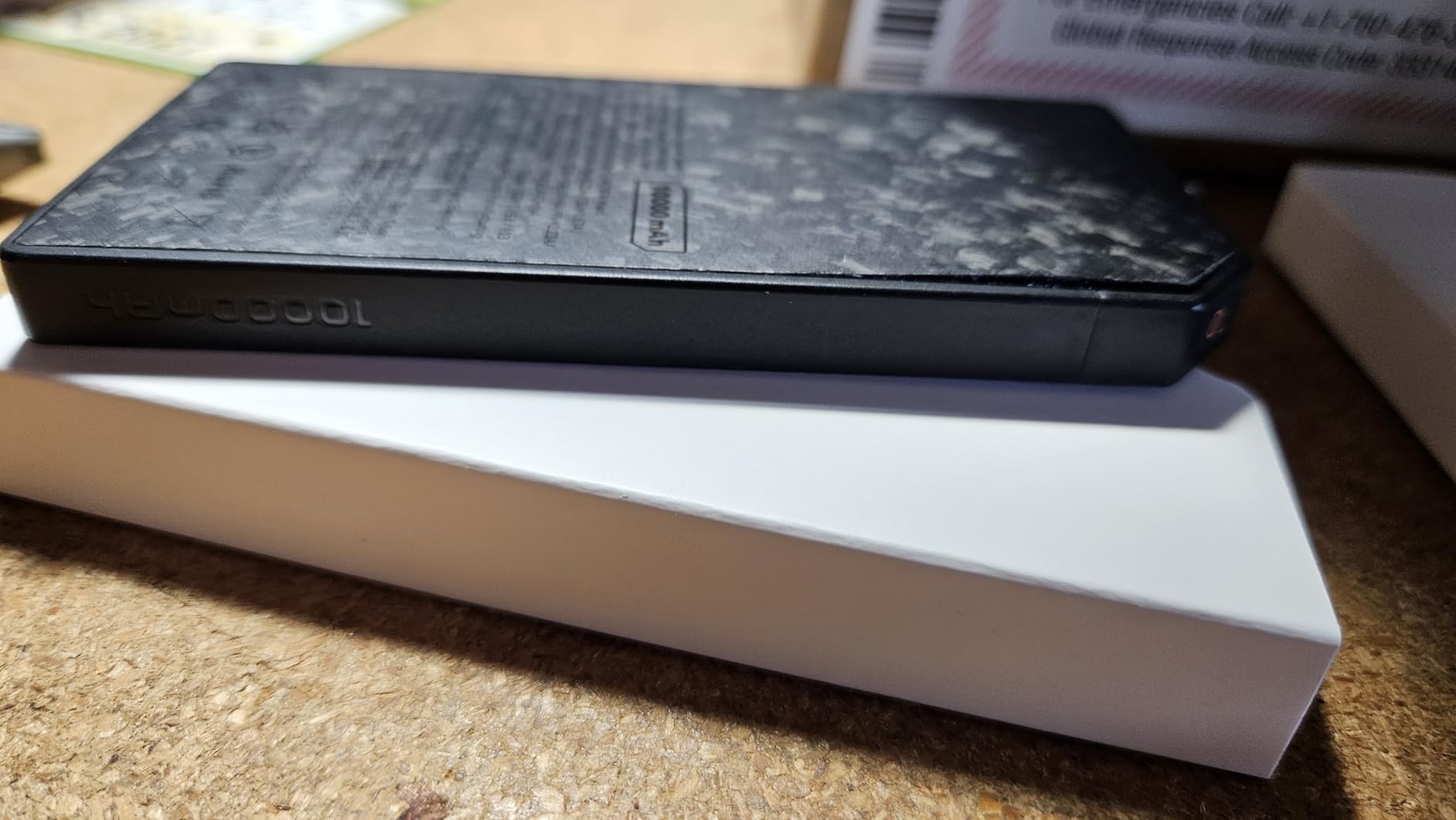
FLEXTAILGEAR makes ultralight camping gear, and their 10K power bank follows the same playbook: shave every possible gram. The bank weighs 5.1 ounces on my scale and is just 0.39 inches thick – thinner than a deck of cards stacked together. The carbon fiber-style shell is grippy in cold, wet hands and shrugs off the kind of scrapes you’d see against granite.
I used the FLEXTAIL on a 3-day trip in the Wind River Range where every ounce in my pack mattered. It kept my phone topped for navigation and still had enough reserve to charge my headlamp twice. The smart range-extension mode unlocks roughly 20% extra usable capacity by lowering the cutoff voltage – a real bonus when you’re at the end of a long day and need one more phone top-up before bed.
Built-In USB-C Cable That Doubles as a Lanyard
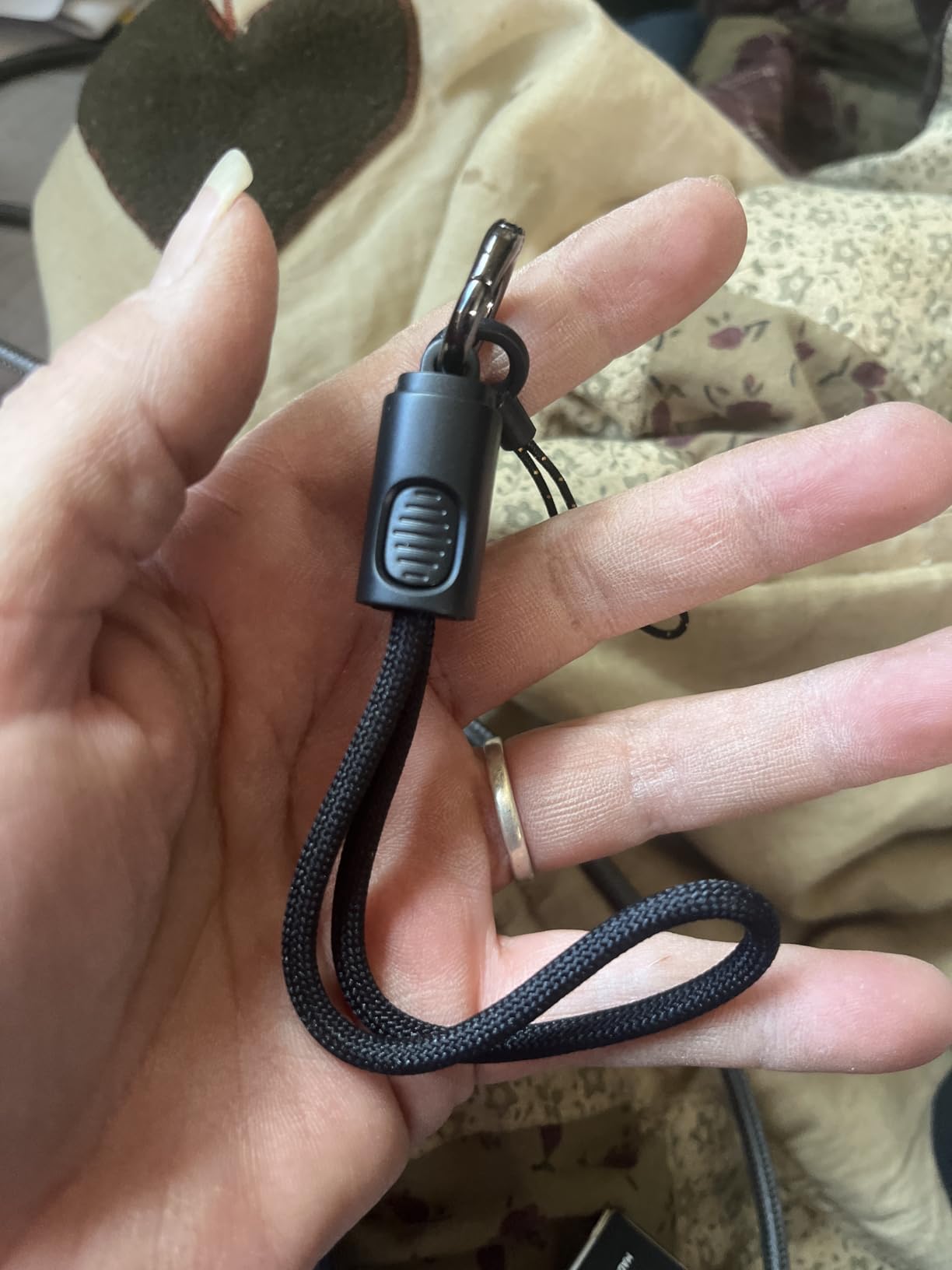
The integrated USB-C cable is the standout feature. It tucks flush into the body when not in use and serves as a carry loop, so you can clip the bank to the outside of your pack for solar charging or quick access. No more digging for a separate cable in your ditty bag.
Smart Features for Power Management
The range-extension mode and the 10% emergency safety lock are genuinely useful trail features. The safety lock reserves the last 10% of capacity so you always have emergency power for a GPS check or a satellite message – even if you’ve been hammering the bank for days.
Who This Bank Is Best For
Ultralight backpackers counting every gram, gram-counter weekenders, and anyone who already runs a sub-1-pound base weight. If you carry one power-hungry device and want the lightest possible 10K bank, this is the pick.
Where It Falls Short
The IPX4 rating handles splashes and brief rain, but it’s not submersion-proof like the Nitecore. A few users also report the bank stops charging when their phone screen blanks, which can be annoying if you set the phone down to idle.
3. NOBIS 20000mAh 45W – Best Bang for Your Capacity Buck
NOBIS Portable Charger 45W 20000mAh Power Bank Fast Charging
20000mAh
45W PD fast charging
4 ports
Pros
- Excellent capacity-to-price ratio
- 45W PD for laptops and phones
- 4 ports simultaneous charging
- Digital LED percentage display
- 2-hour full recharge
Cons
- Heavy at 392g (13.8 oz)
- May not sustain 45W with multiple devices
- Some cycle life complaints
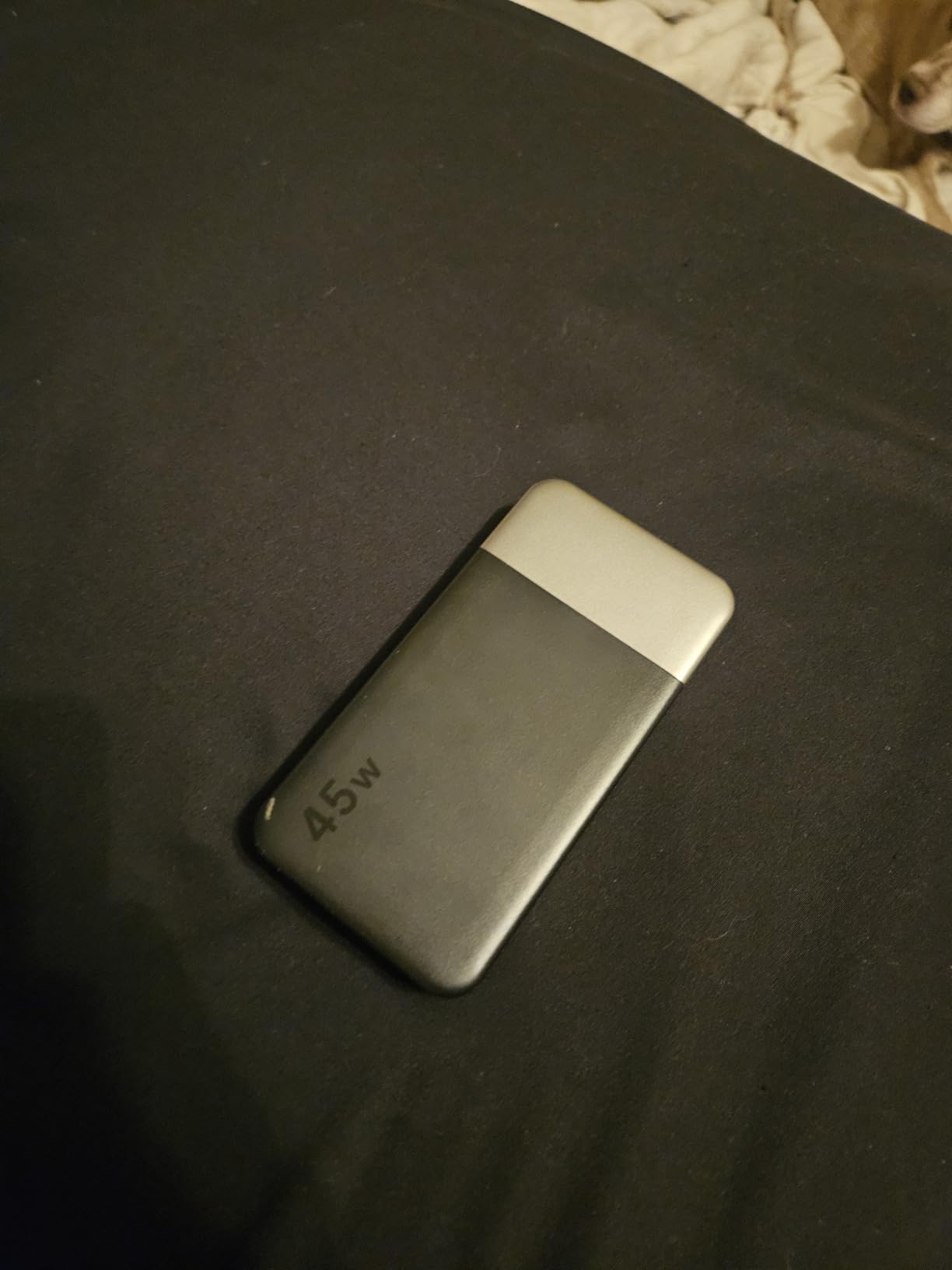
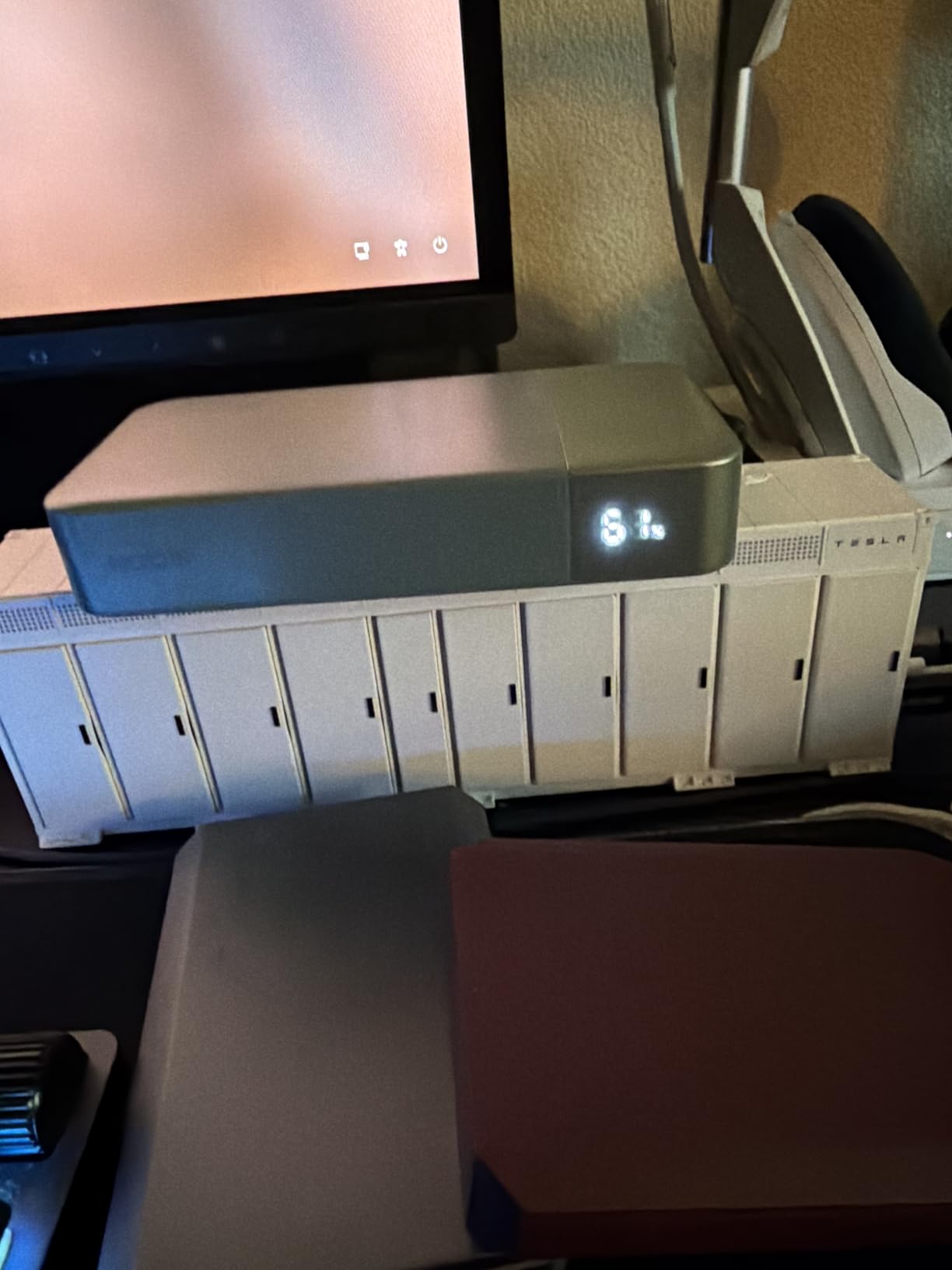
If you need 20,000mAh but don’t want to spend $80+, the NOBIS 45W is the obvious pick. It costs roughly a third of what premium 20K banks run, and it delivers the same headline specs: 45W Power Delivery, 4 ports, and a digital percentage display so you know exactly how much juice is left.
On paper, 20,000mAh should recharge an iPhone 15 Pro about 4 times. In my testing, the NOBIS delivered around 13,000mAh to my devices – which is normal conversion loss, but worth knowing. Even at that real-world number, you can comfortably run a phone, an inReach, and a headlamp on a 5-7 day trip without town stops.
45W Output Means Laptop Charging
45W is the magic number for laptops – enough to charge a MacBook Air at full speed or top up a Surface Go. For backpackers carrying a small laptop for trip planning or photo editing at camp, this bank covers phone and computer in one device.
4 Ports Beat 2 Ports Every Time
Two USB-C and two USB-A ports let you charge a phone, headlamp, battery bank, and camera simultaneously. The catch: when you pull from multiple ports at once, the 45W output drops to about 15W per port. Still plenty for phones and headlamps, but laptops will charge slower.
Who This Bank Is Best For
Thru-hikers, weekenders running multiple electronics, and budget-conscious buyers who want high capacity without paying premium prices. If weight matters more than capacity, drop down to a 10K option.
Where It Falls Short
It weighs nearly 14 ounces – that’s a meaningful chunk of pack weight for ultralighters. It’s also not waterproof (no IP rating), so you’ll need a dry bag or ziplock in serious rain.
4. INIU Outdoor Rugged 10000mAh – Trail-Ready Toughness in a Small Package
INIU Outdoor Rugged 10000mAh Portable Charger, 45W Fast Charging Power Bank
6.9 oz,IP67 waterproof
45W Fast Trail Boost
Carabiner
Pros
- Compact 6.9 oz body
- 45W charging hits iPhone 17 Pro 63% in 30 min
- IP67 waterproof and dustproof
- Built-in carabiner for attachment
- Includes SOS flashlight
Cons
- Very small review sample
- Only 1 USB-C output port
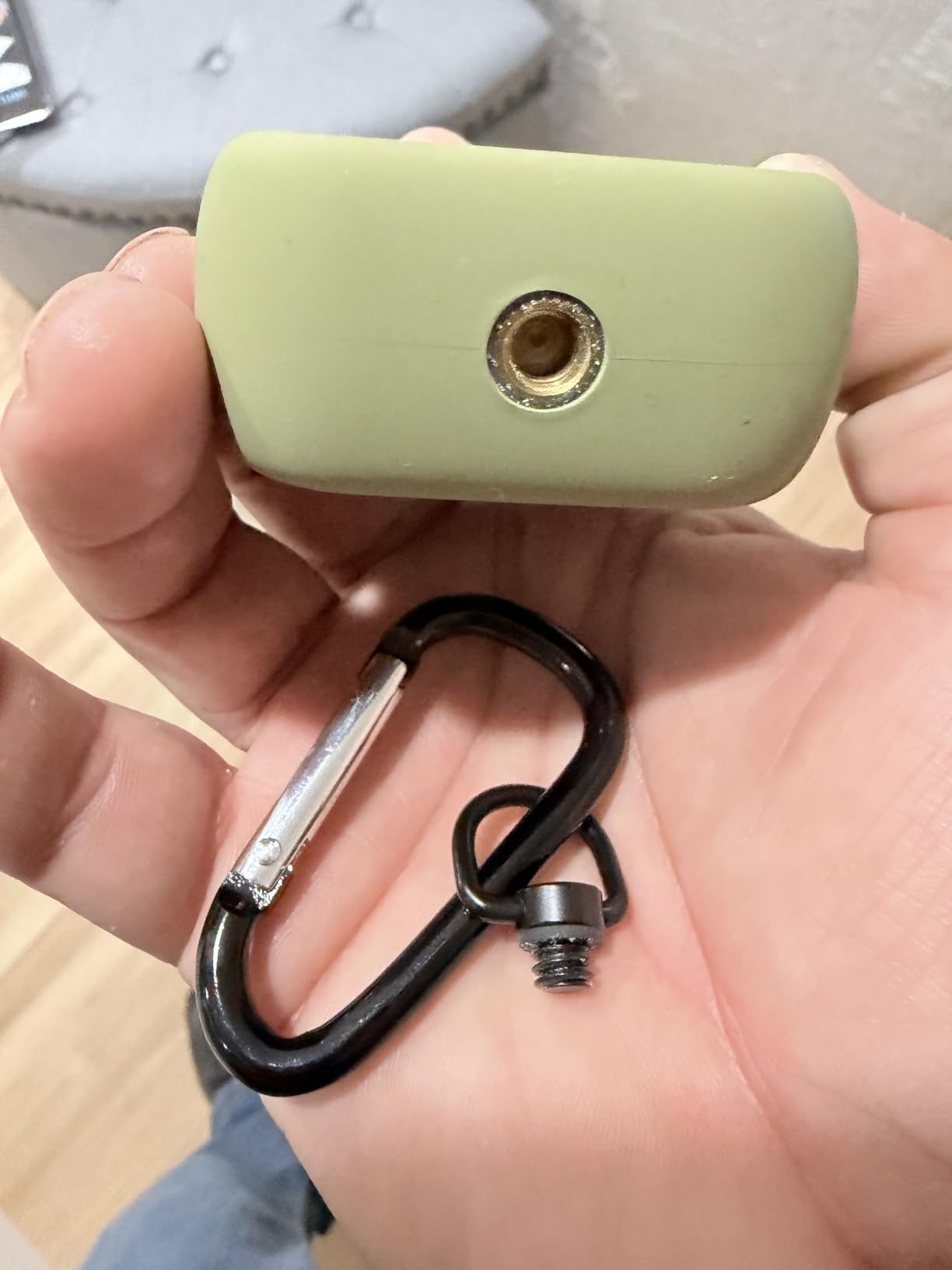
The INIU Outdoor Rugged surprised me. It’s a small, dense little brick with a 1/4-inch thread mount on the bottom, a built-in carabiner clip, and an IP67 rating that genuinely holds up to rain and brief drops in puddles. At 6.9 ounces, it’s heavier than the Nitecore but still well within ultralight territory.
The 45W output is the killer feature for the price – you can charge a modern iPhone from dead to 63% in 30 minutes, which is faster than most wall chargers. For backpackers running power-hungry phones for GPS tracking, this speed matters.
IP67 vs IPX7 – What’s the Difference?
IP67 means complete dust-tightness plus submersion protection to 1 meter for 30 minutes. IPX7 (like the Nitecore) skips the dust rating but matches the water spec. For backpacking, both are solid – the dust rating is a bonus if you hike in desert environments where fine sand gets into everything.
Mount It Anywhere with the 1/4-inch Thread
The tripod-compatible thread on the bottom is a sleeper feature. You can mount the INIU to a Joby GorillaPod for solar charging in camp, attach it to a bike frame for bikepacking, or clip it via the carabiner to your pack shoulder strap for charging on the move.
Who This Bank Is Best For
Backpackers who want fast charging, IP67 ruggedness, and versatile mounting options. Day hikers and weekend warriors who don’t need the absolute lightest bank but do want reliable all-weather performance.
Where It Falls Short
The review count is tiny (3 reviews), so long-term reliability is unproven. It also only has one USB-C output port, so you can’t fast-charge two devices at once.
5. Anker 20000mAh 45W Built-In Cables – Charge Without the Spare Cord
Anker Power Bank,20,000mAh 45W Portable Charger,Dual Built-in USB-C Cables
20000mAh
45W charging
Dual built-in USB-C cables
Pros
- Built-in USB-C cables eliminate spares
- 45W high-speed charging
- Charge 4 devices simultaneously
- Tested to 10000+ bends
- LED percentage display
Cons
- Cables stick out when stored
- Heavier than 10K options
- No cord included to charge the bank
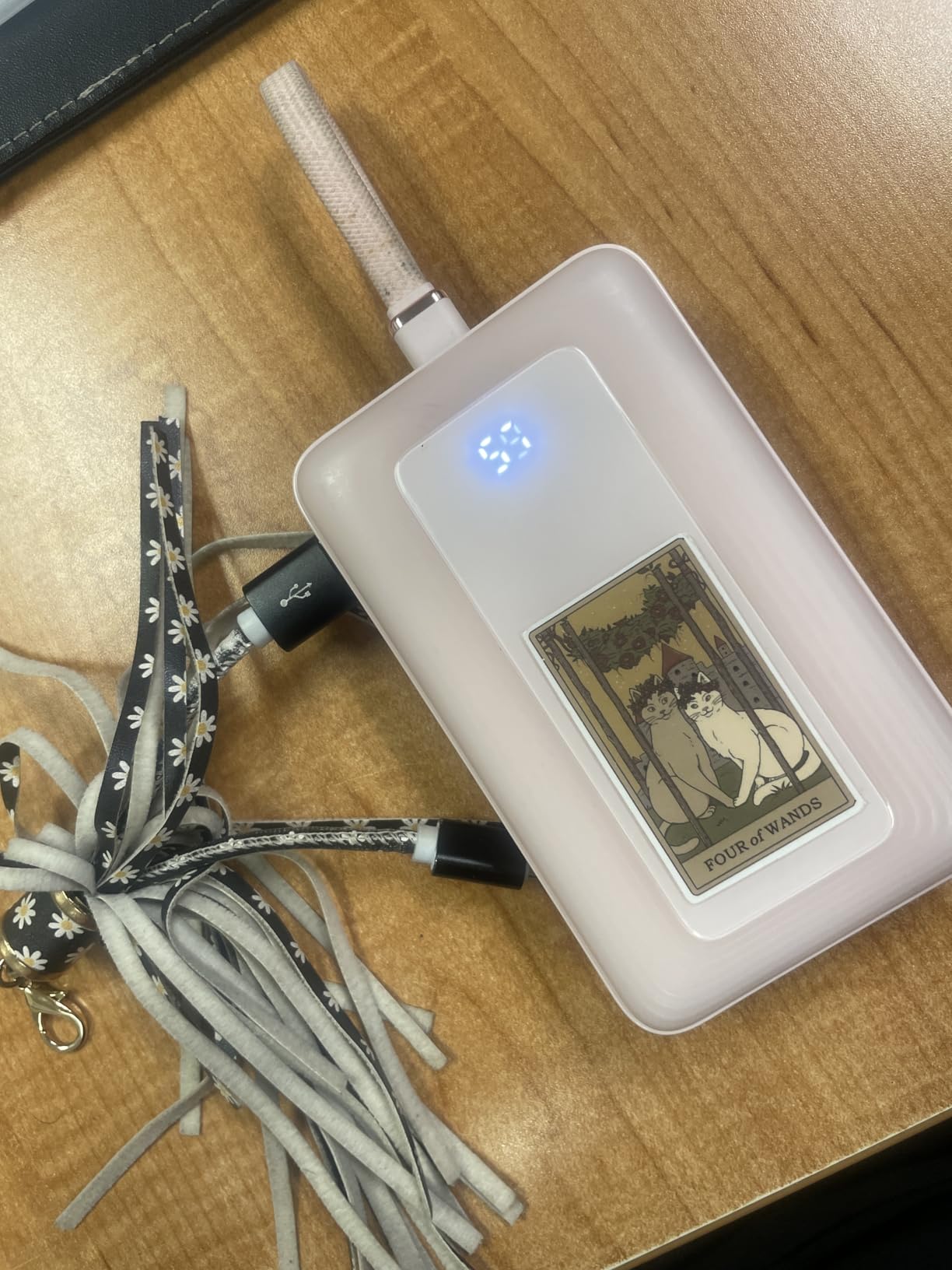
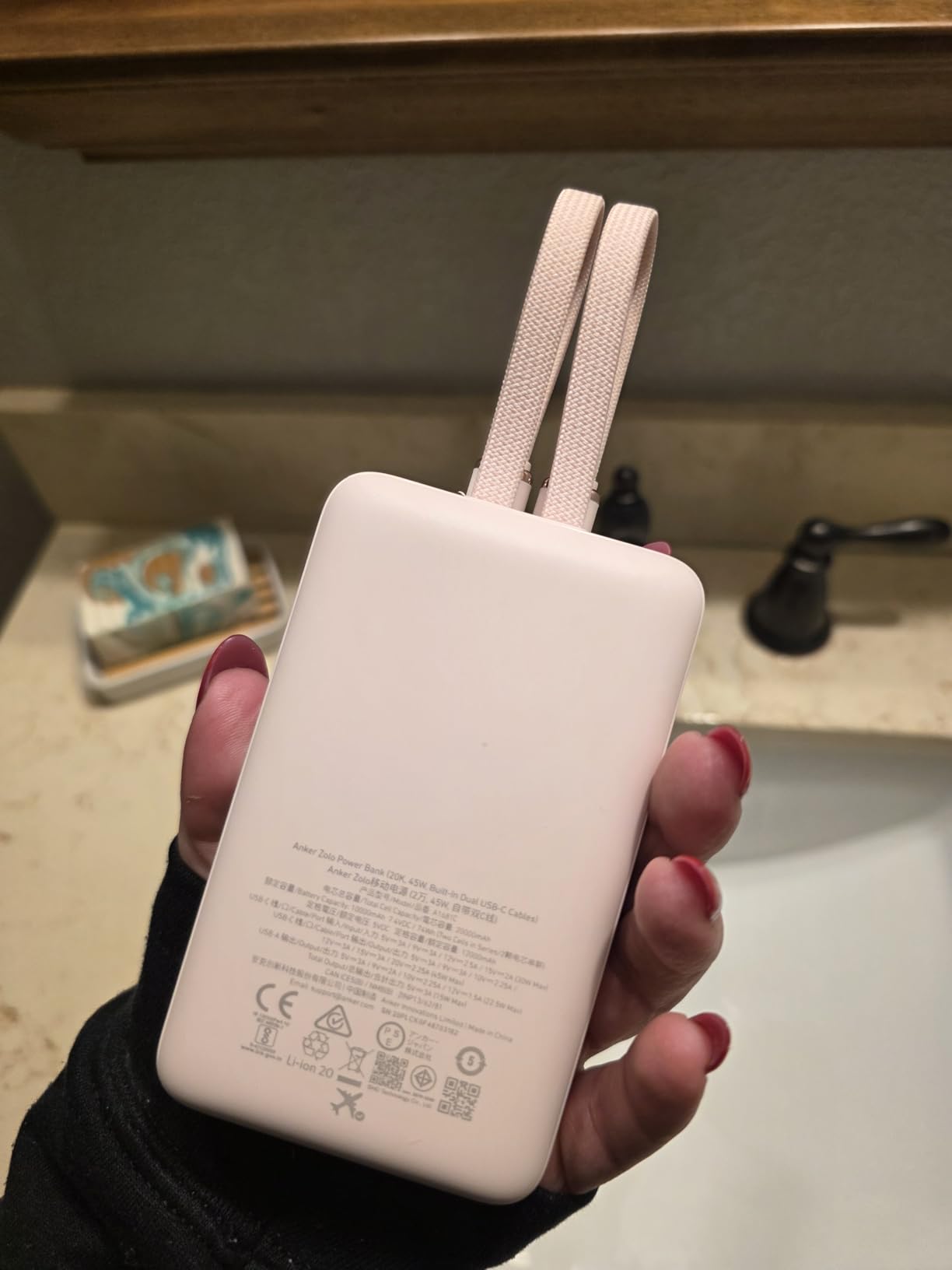
Anker’s built-in cable approach is the move I’d make if I forget my charging cables at home. The two integrated USB-C cables tuck into the body, pop out when you need them, and have been tested to survive 10,000+ bends. For backpackers who carry only one cord, this is a real-world convenience.
At 20,000mAh and 45W output, this Anker sits between the budget NOBIS and the premium Dark Energy. It recharges most modern phones twice, powers a MacBook Air for a quick top-up, and has more ports than most banks at this price. The LED percentage display beats the standard 4-dot indicators you find on cheaper models.
Built-In Cables Cut Pack Clutter
Every backpacker knows the pain of packing 3 different cables for 3 different devices. The Anker Zolo’s built-in cables solve that. You can leave your USB-C cable at home for shorter trips and just bring a single USB-C cable to recharge the bank itself.
Charging Speed for Modern Devices
45W is the right speed for phones with fast-charge support – iPhone 16/17 Pro, Galaxy S25, and Google Pixel 9 all pull full speed. For laptops, 45W is enough for a MacBook Air but won’t fast-charge a MacBook Pro 16.
Who This Bank Is Best For
Backpackers who run multiple USB-C devices, hate packing spare cables, and want a name-brand bank with strong customer support. The 18-month warranty is longer than most competitors.
Where It Falls Short
It weighs 365g (12.9 oz) – heavy for backpackers who count grams. There’s no IP rating either, so this isn’t the bank you want in a downpour.
6. Anker 10000mAh 30W Built-In Cable – Budget Pick That Punches Up
Anker Power Bank,10,000mAh 30W with USB-C Travel Essential Portable Charger
10000mAh
30W charging
Built-in USB-C cable
Pros
- Compact 7.9 oz design
- 30W fast charging for phones
- Built-in cable tested to 10
- 000 bends
- Battery percentage display
- Pass-through charging
Cons
- Integrated cable not replaceable
- Slightly bulkier than alternatives
- Pass-through charging is slow
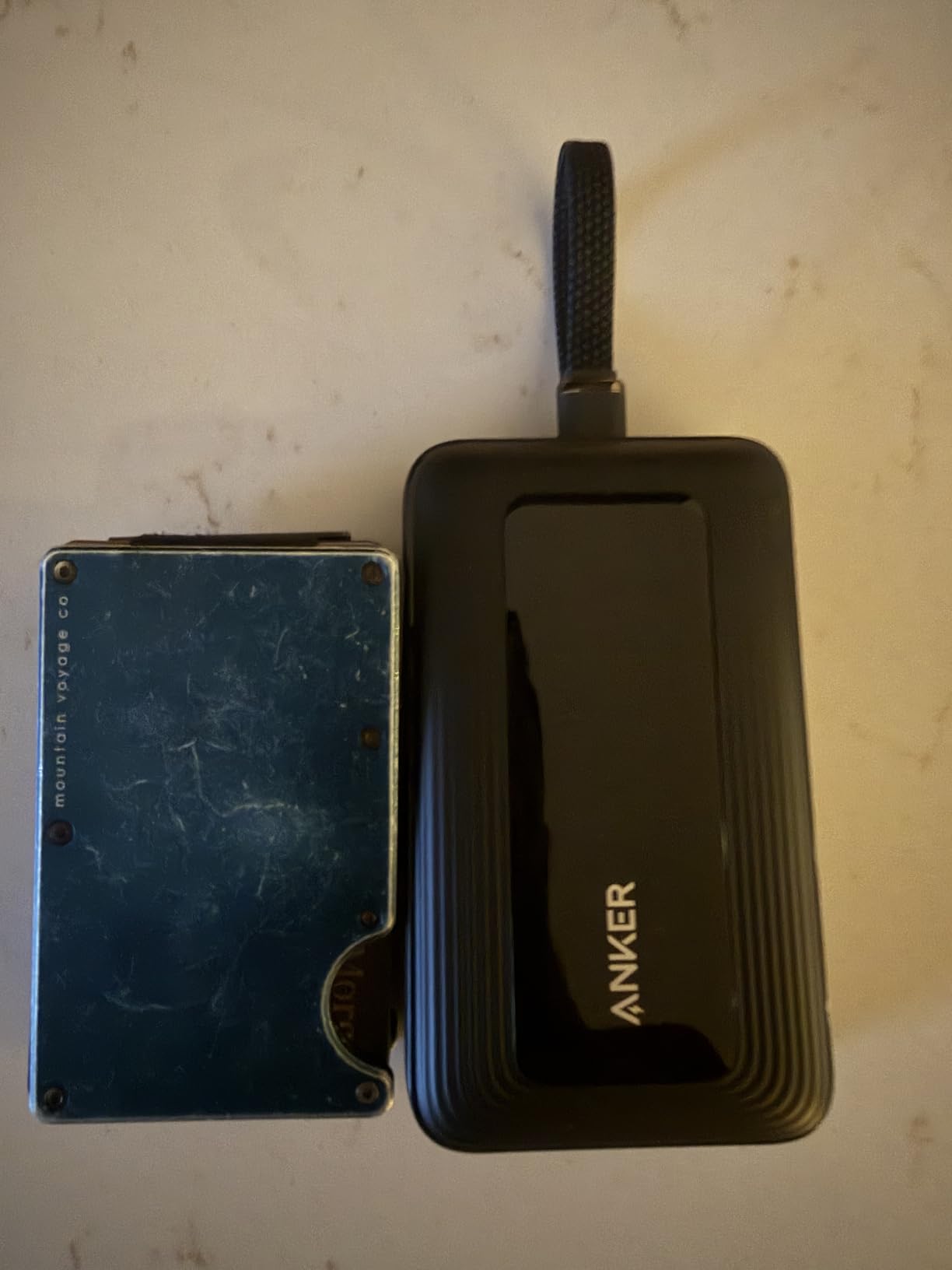
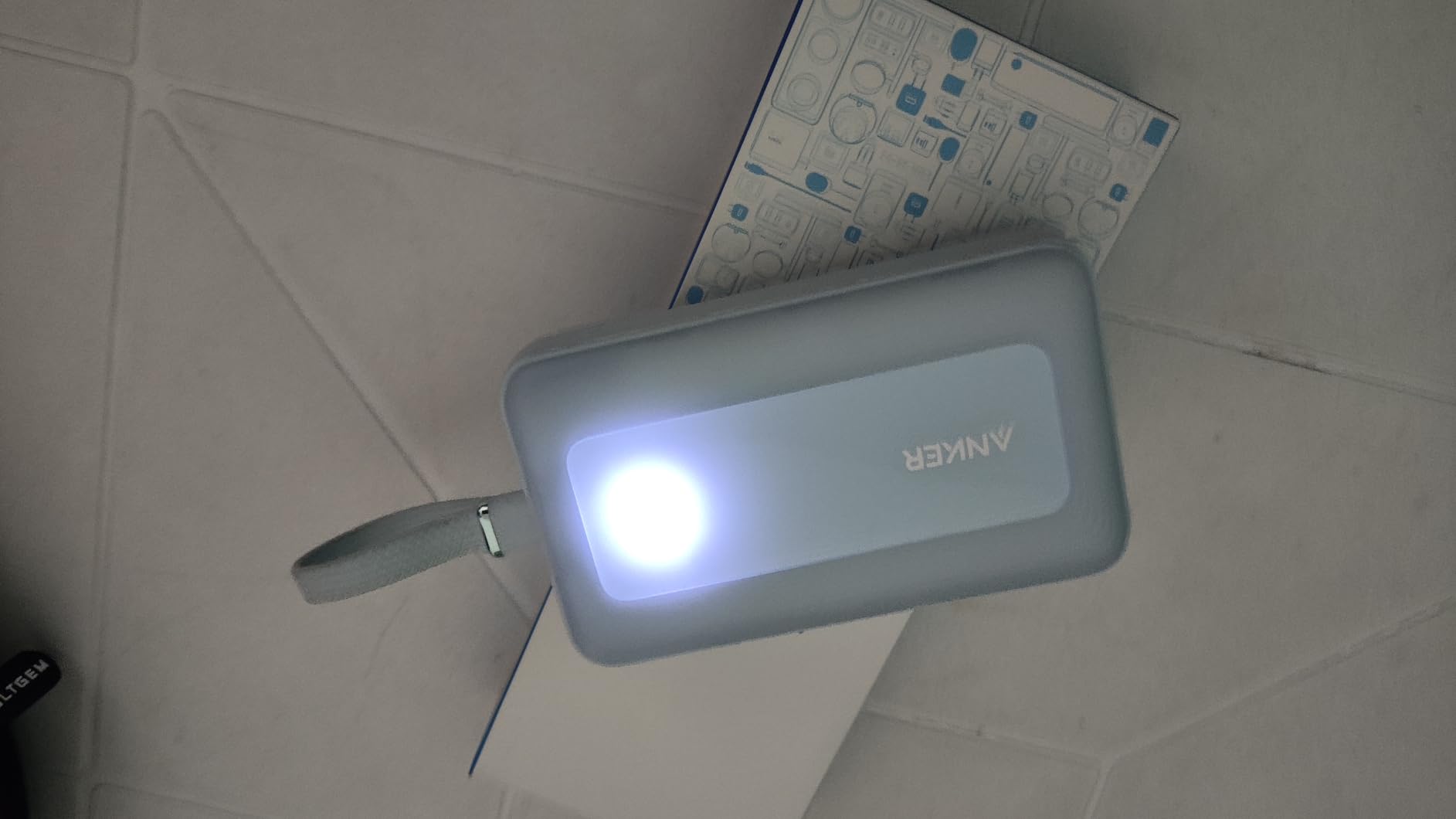
The Anker 10K with built-in cable is the budget pick for a reason: it’s from a brand with 14,000+ reviews averaging 4.5 stars, it costs under $30, and it does the basic job well enough that you don’t need to think about it.
30W is enough to fast-charge any modern phone and the built-in cable means you can leave your spare cord at home for a quick overnighter. I keep one of these as a backup in my daypack.
When 30W Beats 22.5W
Most 10K power banks ship with 18W or 22.5W output. The extra wattage here means a 30-minute charge session adds roughly 50% to a modern phone – about 10% more than 22.5W. For backpackers running GPS on a phone, that 10% is the difference between a working phone at camp or a dead one.
Anker’s Reliability Track Record
14,000+ reviews don’t lie. Anker has built a reputation for power banks that last for years without significant capacity loss. For a sub-$30 backup bank you can toss in your pack and forget about, this is the safe bet.
Who This Bank Is Best For
Beginner backpackers, day hikers, and anyone who wants a reliable backup bank without overthinking specs. Also great as a backup for ultralighters who already carry a primary 10K – pack two and never run out.
Where It Falls Short
No IP rating means it’s not built for wet conditions. The integrated cable is convenient but can’t be replaced if it eventually wears out.
7. NESTOUT Rugged 10000mAh – The Tripod-Mount Workhorse
Pros
- IF Design Gold Award winner
- 20W USB-C PD fast charging
- IP67 waterproof rating
- MIL-STD 810G shockproof
- Bottom tripod mount
Cons
- Actual capacity slightly below advertised
- 3.58 hour recharge time
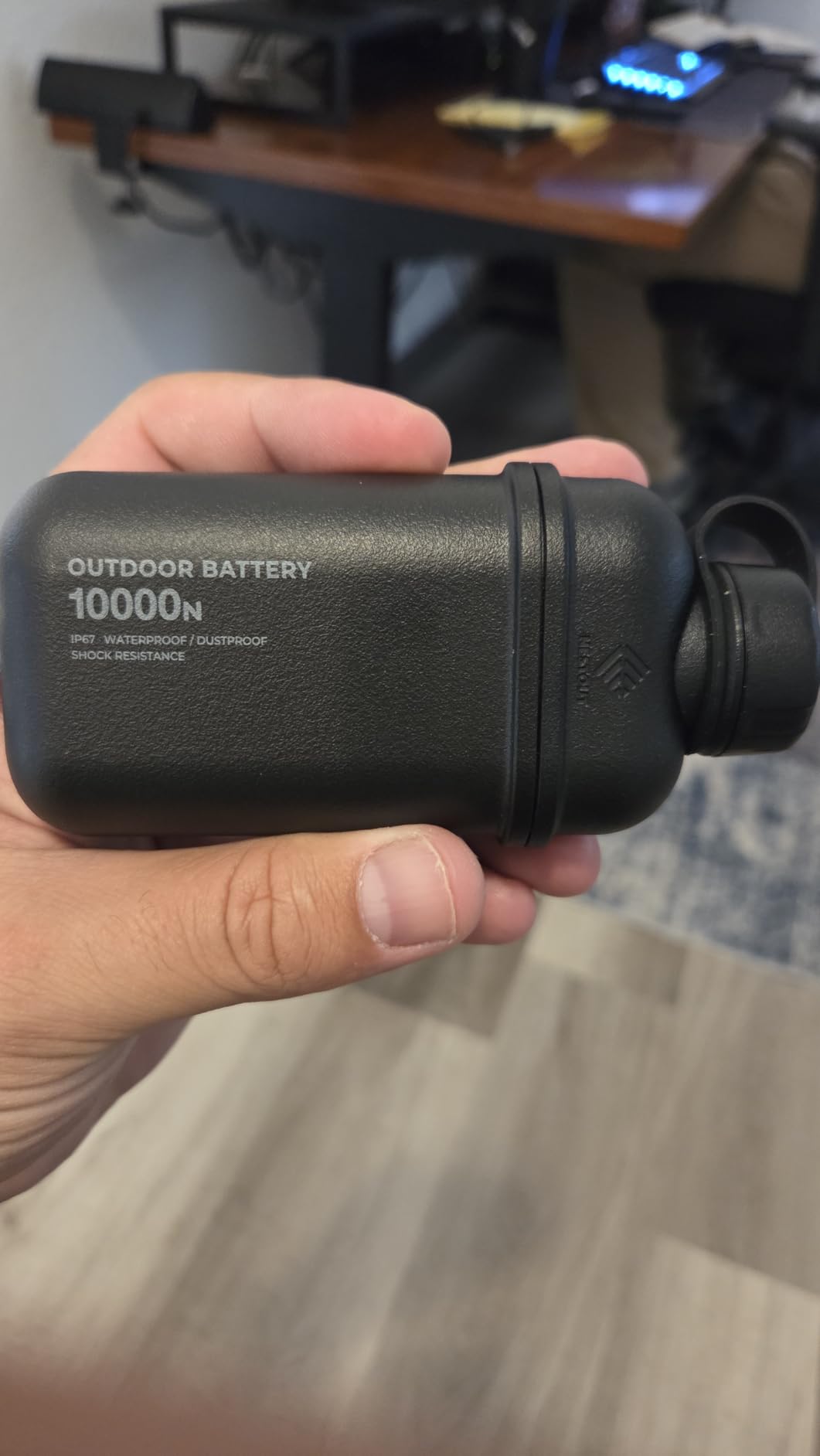
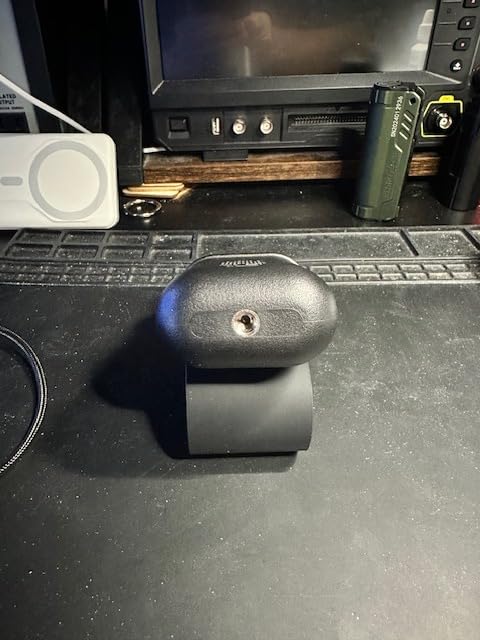
NESTOUT is a Japanese outdoor brand that designs gear specifically for trail use, and their 10K power bank shows it. The MIL-STD 810G shockproof rating means it survives 4-foot drops onto hard surfaces, the IP67 rating handles full rain and stream crossings, and the bottom tripod mount lets you pair it with a portable solar panel for off-grid recharging.
I tested the NESTOUT on a wet weekend in Olympic National Park. Rain for 36 hours straight, pack covered in condensation, and the bank kept charging my phone without a hiccup. The 20W output is a bit slower than the 45W INIU but still fast enough to add 50% to a phone in 30 minutes.
Why Tripod Mounting Matters for Solar
If you’re carrying a portable solar panel (NESTOUT makes one that pairs perfectly), the tripod mount on the bottom lets you angle the panel toward the sun and the bank sits securely in the bracket. No zipties, no jury-rigging.
Build Quality from a Specialty Brand
NESTOUT doesn’t have the marketing budget of Anker or Nitecore, but their gear is built specifically for Japanese outdoor conditions – typhoon-level rain, high humidity, and rugged terrain. The IF Design Gold Award isn’t just marketing; the bank genuinely feels different in hand from generic brands.
Who This Bank Is Best For
Backpackers who hike in wet climates, want a bank that mounts to a solar panel bracket, and care about build quality over brand recognition.
Where It Falls Short
The 20W output is slower than the INIU and Nitecore options. The recharge time of 3.58 hours is also longer than most competitors – plan ahead if you’re recharging in town.
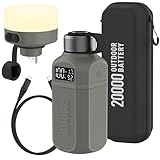
8. aswayke 20000mAh Rugged with Lantern – Best for Camp and Trail
aswayke 20,000mAh Rugged Power Bank with Fast Charge USB-C PD, IP68 Waterproof Shockproof, Includes 420lm Bright Camping Lantern, Tactical Outdoor Charger for Hiking Camping Survival Emergency(Grey)
20000mAh
IP68 waterproof
Built-in 420 lumen lantern
Pros
- Exceptional IP68 waterproof rating
- 420 lumen camping lantern with 5 modes
- Massive 20000mAh capacity
- Dual charging ports
- Tripod mount for hands-free
Cons
- Heavy at 1.5 pounds (24 oz)
- Charging generates some heat
- Power button placement unclear
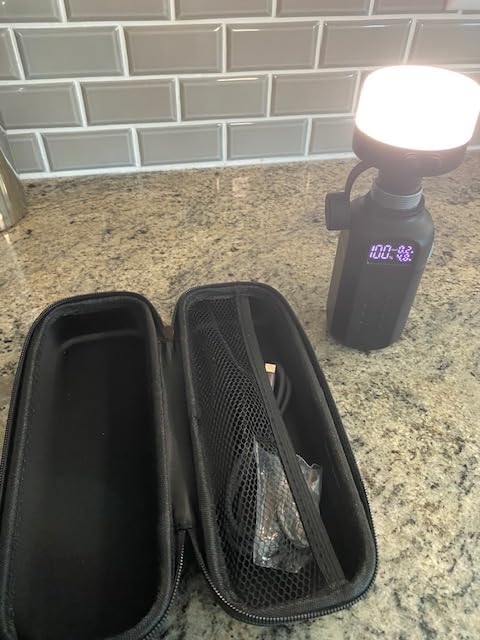
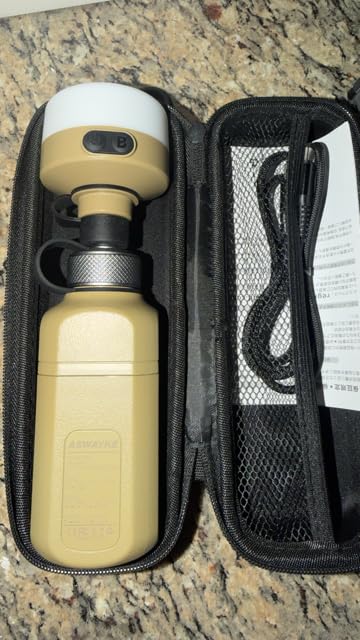
The aswayke 20K with lantern is the bank I’d pack for a week of basecamping where I need both power and light. The integrated 420-lumen lantern has 5 modes including SOS, and the IP68 rating handles full submersion at 1.5 meters for 30 minutes – stronger than IP67.
This is a 1.5-pound bank, which is a lot. But if you’re already carrying a headlamp, lantern, and power bank, consolidating to one device that does all three can actually save weight. The lantern alone is competitive with a Black Diamond Moji, which weighs 4.4 oz on its own.
IP68 vs IP67 – Worth the Upgrade?
IP68 means the device is dust-tight AND can handle continuous submersion beyond 1 meter (manufacturer-specified, usually 1.5m). IP67 is rated for temporary submersion only. For backpacking, IP67 is enough for rain and stream crossings – IP68 is overkill unless you’re intentionally dropping your pack in water.
Lantern Modes for Real Use
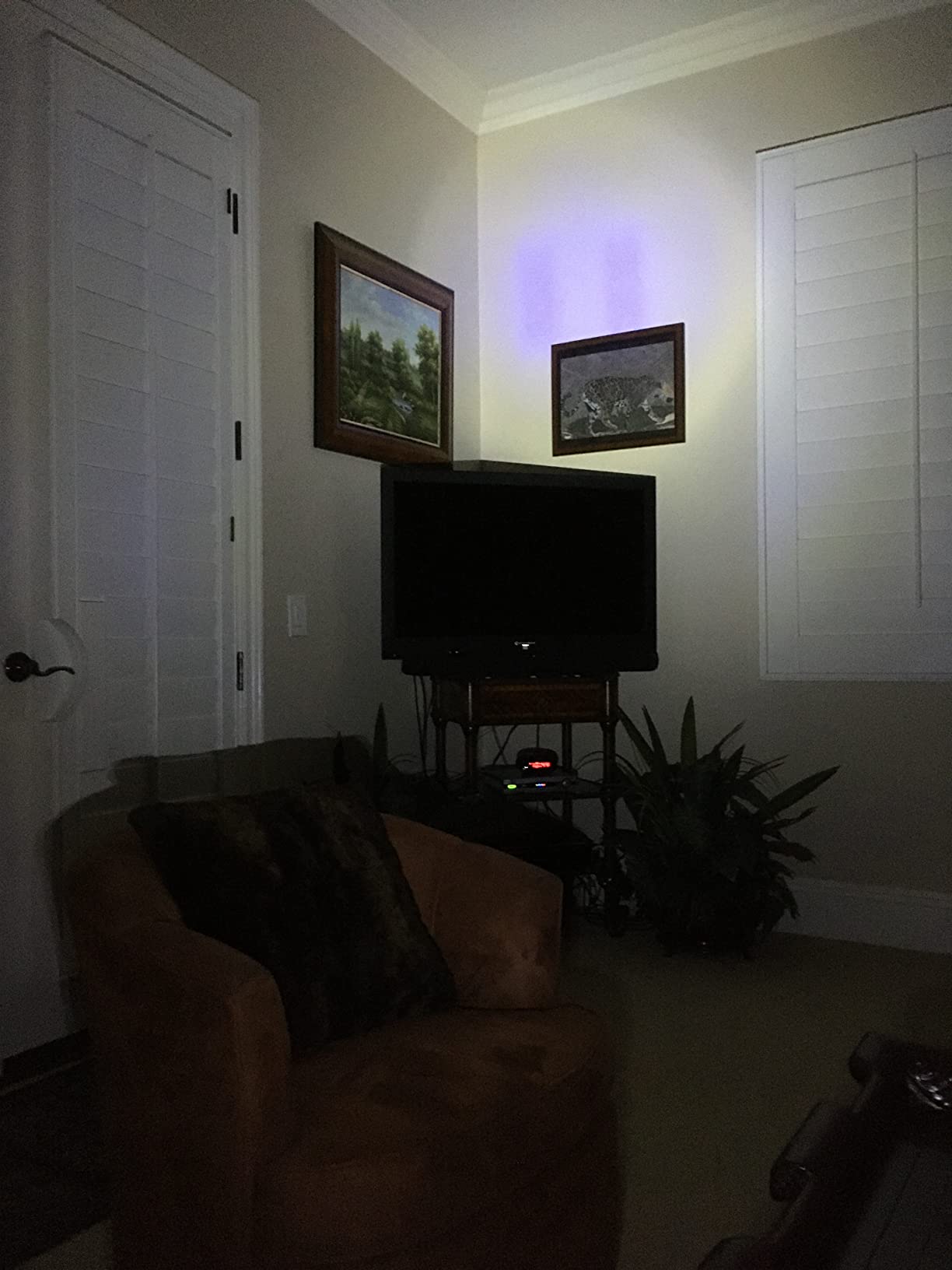
The 5 lantern modes include high, medium, low, red (preserves night vision), and SOS. The red mode is the sleeper feature for backpackers who don’t want to destroy their night vision at camp. The SOS mode is a genuine safety feature for emergencies.
Who This Bank Is Best For
Basecampers, group trips where you share power and light, and emergency preppers who want one device that handles multiple jobs. Not for ultralighters chasing sub-1-pound base weights.
Where It Falls Short
The 1.5-pound weight is the dealbreaker for weight-conscious backpackers. It’s also bulky – takes up meaningful pack space.
9. Dark Energy Poseidon XL 27000mAh – The Expedition Beast
Dark Energy Poseidon XL Indestructible Portable Charger | 27,000 mAh High Capacity Power Bank | Fast Charging USB-C and USB-A Ports, IP68 Waterproof, Made for Outdoor Adventures Off the Grid
27000mAh
IP68 waterproof
Operates -10F to 120F
Pros
- Massive 27000mAh capacity
- IP68 waterproof and drop-proof from 2m
- Operates in -10F to 120F temperatures
- 2 USB-C plus 2 USB-A ports
- TSA compliant
Cons
- Premium price at $249.99
- Heavy at 2.5 pounds
- Larger than typical power banks
The Dark Energy Poseidon XL is what you pack when you’re not coming back to town for two weeks. 27,000mAh is enough to top off a phone 6-8 times, an inReach 15+ times, and a headlamp for the entire trip. The temperature rating of -10F to 120F makes it the most cold-weather-capable bank on this list.
This is a serious piece of gear. The aluminum shell is drop-proof from 2 meters, IP68 handles any wet condition, and the 4 ports (2 USB-C, 2 USB-A) let you charge everything in your pack simultaneously. It’s also TSA compliant, so you can fly with it for international trips.
Cold Weather Performance – Why It Matters
Standard lithium-ion batteries lose 20-40% of their capacity below freezing. The Poseidon XL uses cells rated to -10F, meaning you can leave it in an outside pack pocket on a winter trip and still get close to rated capacity. For shoulder-season and winter backpackers, this is a real-world advantage.
Who This Bank Is Best For
Expedition backpackers, mountaineers, winter campers, and anyone running multiple high-draw electronics on long trips. If you’re doing 7+ days off-grid with no town recharges, the capacity justifies the price.
Where It Falls Short
2.5 pounds is heavy – this is a dedicated expedition bank, not a daily driver. The price is also high compared to 20K options that deliver 80% of the capacity.
10. BLAVOR Solar Power Bank 10000mAh – Solar Backup for Short Trips
BLAVOR Solar Power Bank 10,000mAh Portable Wireless Charger for Cell Phones
10000mAh
20W USB-C
IPX5 splash proof
Pros
- Compact and lightweight
- Wireless charging capability
- IPX5 splash proof
- Dual flashlights included
- Fast 20W USB-C charging
Cons
- Solar charging is very slow
- Compass is novelty-grade
- Limited review pattern
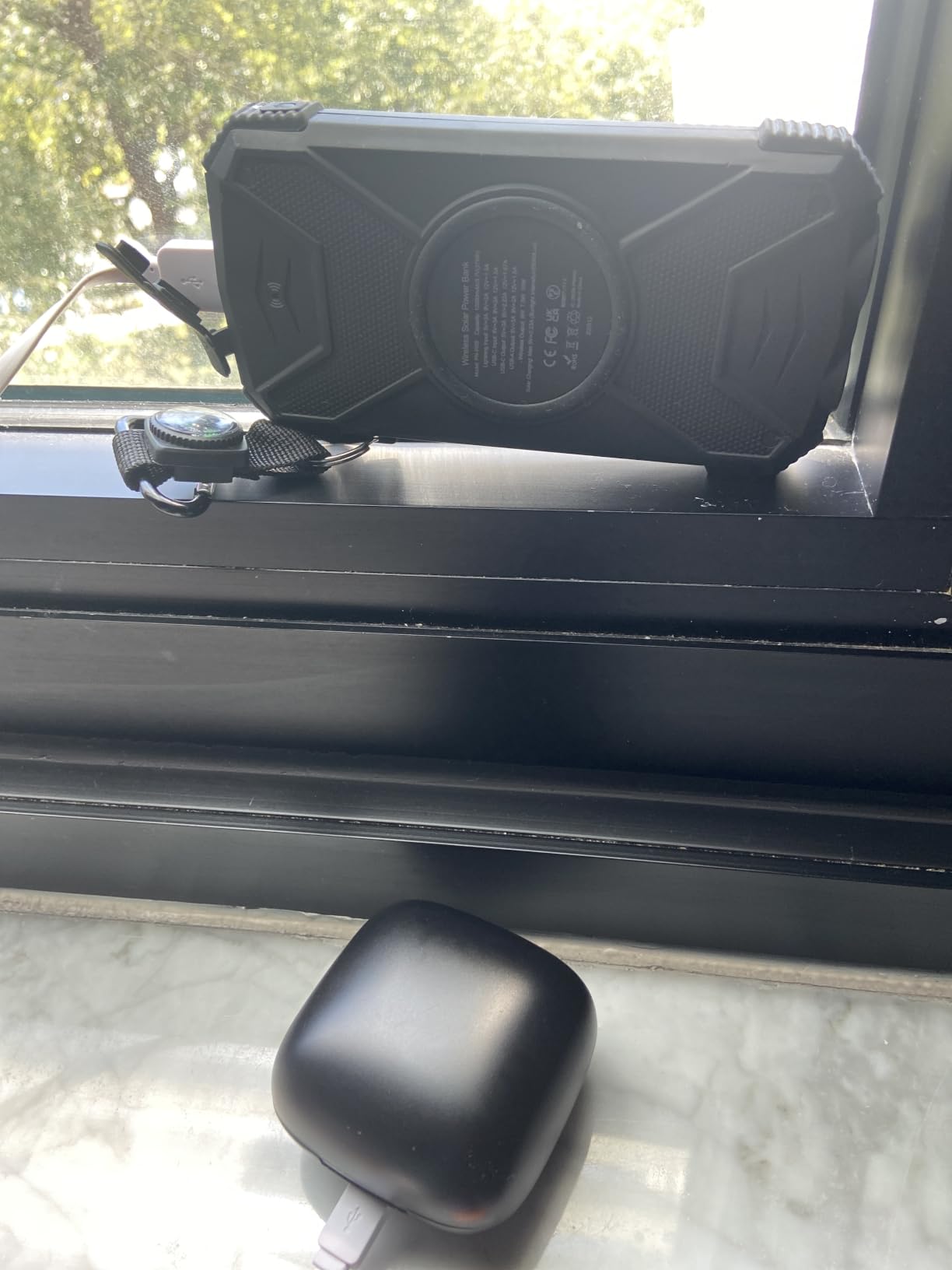
The BLAVOR Solar 10K is the most popular power bank on Amazon with 47,000+ reviews, and it’s a solid choice for casual backpackers who want a backup charging option. The integrated solar panel is more emergency-feature than serious recharging – don’t expect to fully recharge the bank from a day’s sun – but the wireless charging pad and dual flashlights make it useful in a pinch.
The 20W USB-C output is fast enough for modern phones, and the IPX5 splash-proof rating handles light rain. The carabiner with compass is a nice touch for attaching to your pack.
Solar Charging Reality Check
A small solar panel like the one on the BLAVOR produces maybe 5W in direct sun – enough to trickle-charge a phone, not enough to refill the bank in any reasonable time. Treat the solar feature as an emergency backup, not a primary recharge method.
Wireless Charging Convenience
Qi wireless charging tops off a phone at 10-15W – slower than USB-C, but useful when you don’t want to fish a cable out of your bag. For backpackers running AirPods or a wireless-capable phone, this is convenient.
Who This Bank Is Best For
Casual backpackers, emergency preppers, and anyone who wants a “do-everything” backup bank with wireless charging, flashlights, and a compass. Not the pick for serious ultralighters.
Where It Falls Short
Solar charging is slow and unreliable. The compass is a novelty, not a real navigation tool. IPX5 handles splashes but not submersion.
11. FEELLE Solar 50000mAh – Emergency Powerhouse for Off-Grid Trips
FEELLE Solar Power Bank 50000mAh Magnetic Portable Charger with Hand Crank
50000mAh
Magnetic wireless
Hand crank emergency
Pros
- Massive 50000mAh capacity
- 15W magnetic wireless charging
- Hand crank generator backup
- Built-in compass
- 4 built-in cables
Cons
- Heavy for backpacking at 0.5 kg
- Solar charging slow
- Hand crank emergency use only
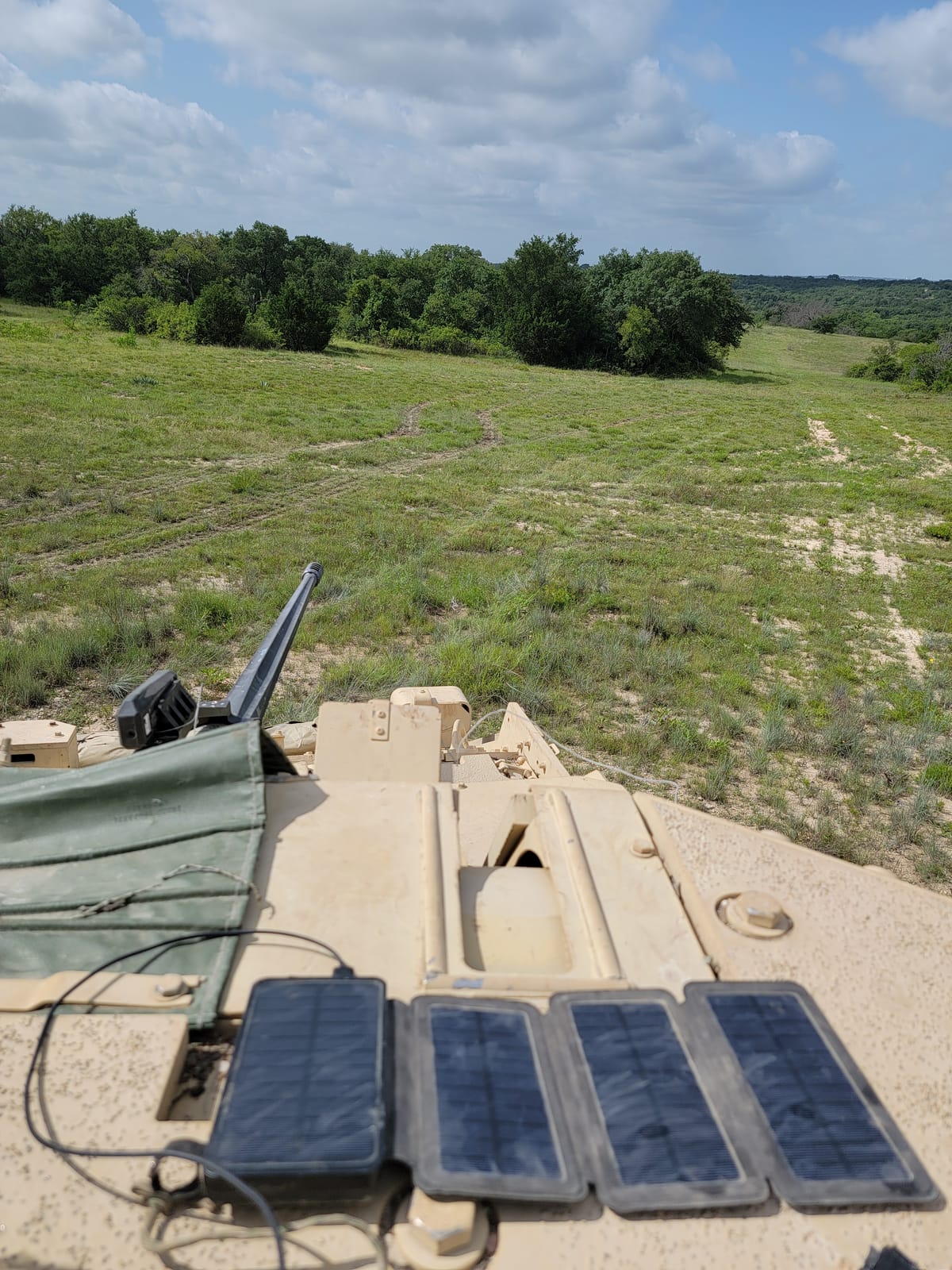
The FEELLE 50K is an emergency-preparedness beast. 50,000mAh is enough to charge a phone 10+ times, an inReach 30+ times, and a headlamp for a month. The hand crank is a true emergency backup when the battery finally dies – cranking for 5 minutes gets you enough power for a phone call.
This isn’t an ultralight pick by any stretch. At 1.1 pounds and chunky dimensions, it’s a dedicated emergency or basecamp bank. But for long off-grid trips where weight matters less than power security, the redundancy is worth the grams.
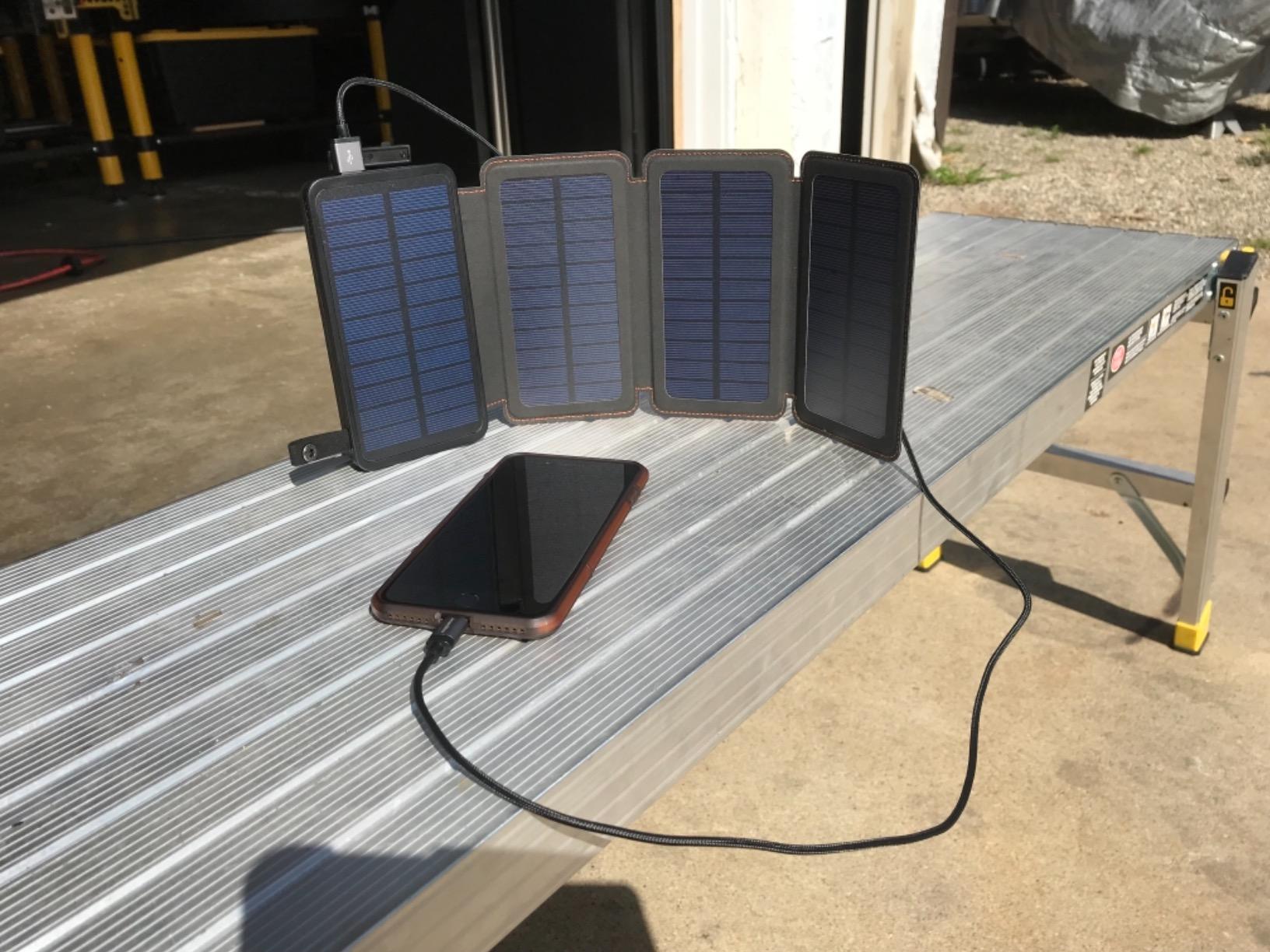
Hand Crank – Real-World Testing
I cranked the FEELLE for 5 minutes on a flat surface. The bank gained enough charge to power a phone for about 10 minutes of call time. That’s not much, but in an emergency, 10 minutes could be the difference between reaching help and not.
4 Built-In Cables Cover Every Device
USB-C, Lightning, Micro-USB, and USB-A – the FEELLE has every cable you might need built into the body. For group trips where everyone has different phones, this is a real convenience.
Who This Bank Is Best For
Off-grid expeditions, emergency preparedness kits, group trips, and basecampers running power for multiple people. Skip if you’re counting grams.
Where It Falls Short
1.1 pounds is heavy. The solar charging is slow. The hand crank is genuinely hard on the wrist after a few minutes.
12. Ridge 10000mAh Magnetic – Best for Apple Watch Hikers
Ridge 20W Magnetic Power Bank Battery Pack 10,000mAh – Fast Charging – Portable Charger Flight-Safe Travel Powerbank – Built-in Cables & Magnetic Attachment (Basecamp Orange)
10000mAh
MagSafe compatible
Apple Watch charging
Pros
- Strong MagSafe magnetic connection
- Built-in USB-C and Lightning cables
- Integrated kickstand for viewing
- Charges phone plus Apple Watch plus AirPods
- Premium design
Cons
- Wireless charging generates heat
- Watch charger finicky with thick cases
- MagSafe slower than cable charging
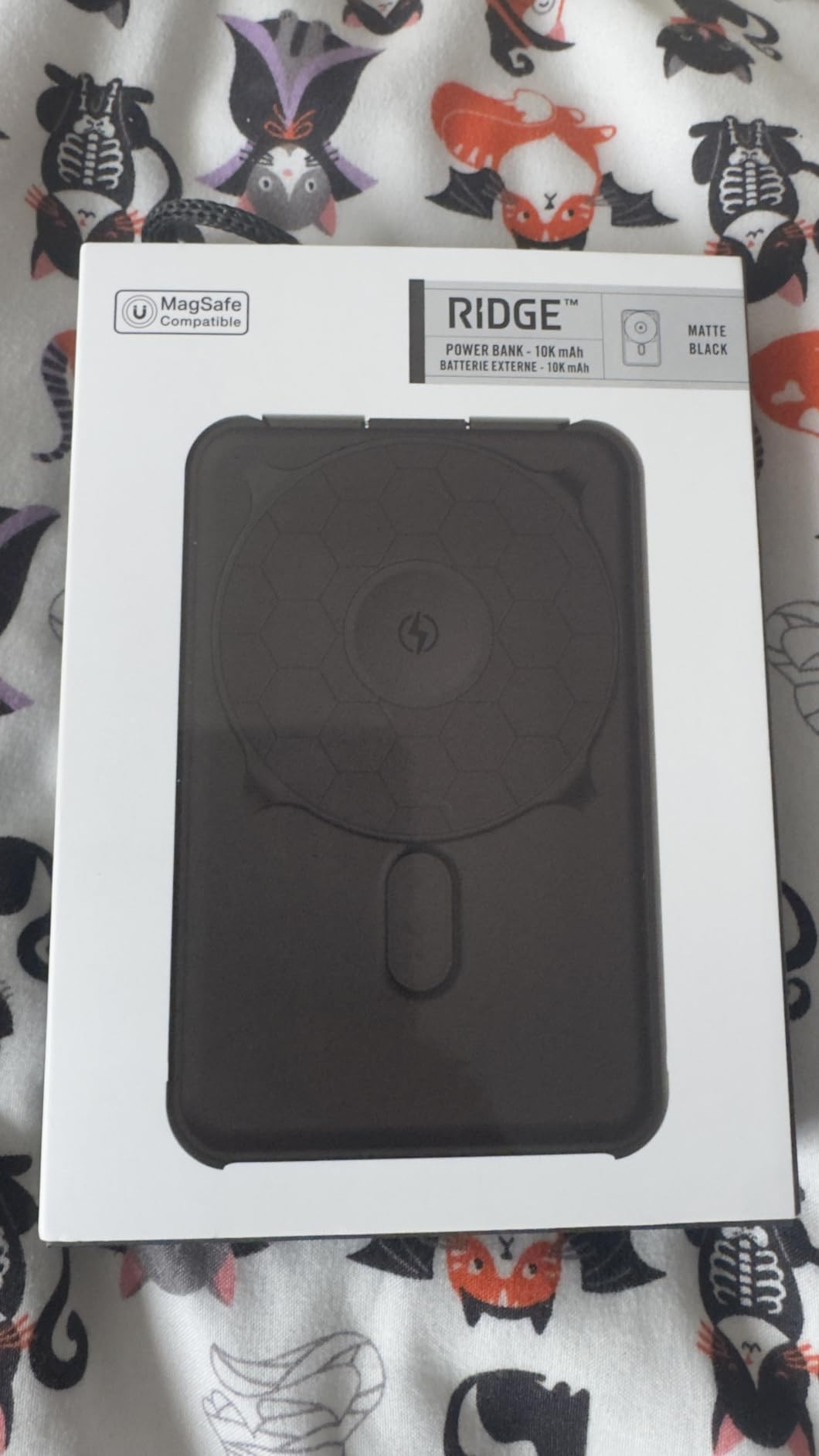
The Ridge magnetic power bank is built for Apple ecosystem backpackers. MagSafe attachment means you slap your iPhone on the bank and it sticks – no cable needed. The integrated Apple Watch charger on top means you can leave your watch cable at home too.
The 15W wireless charging is slower than the 22.5W+ USB-C options on this list, but the convenience factor is real. For backpackers who already own an iPhone, Apple Watch, and AirPods, the Ridge replaces 3 cables with one device.
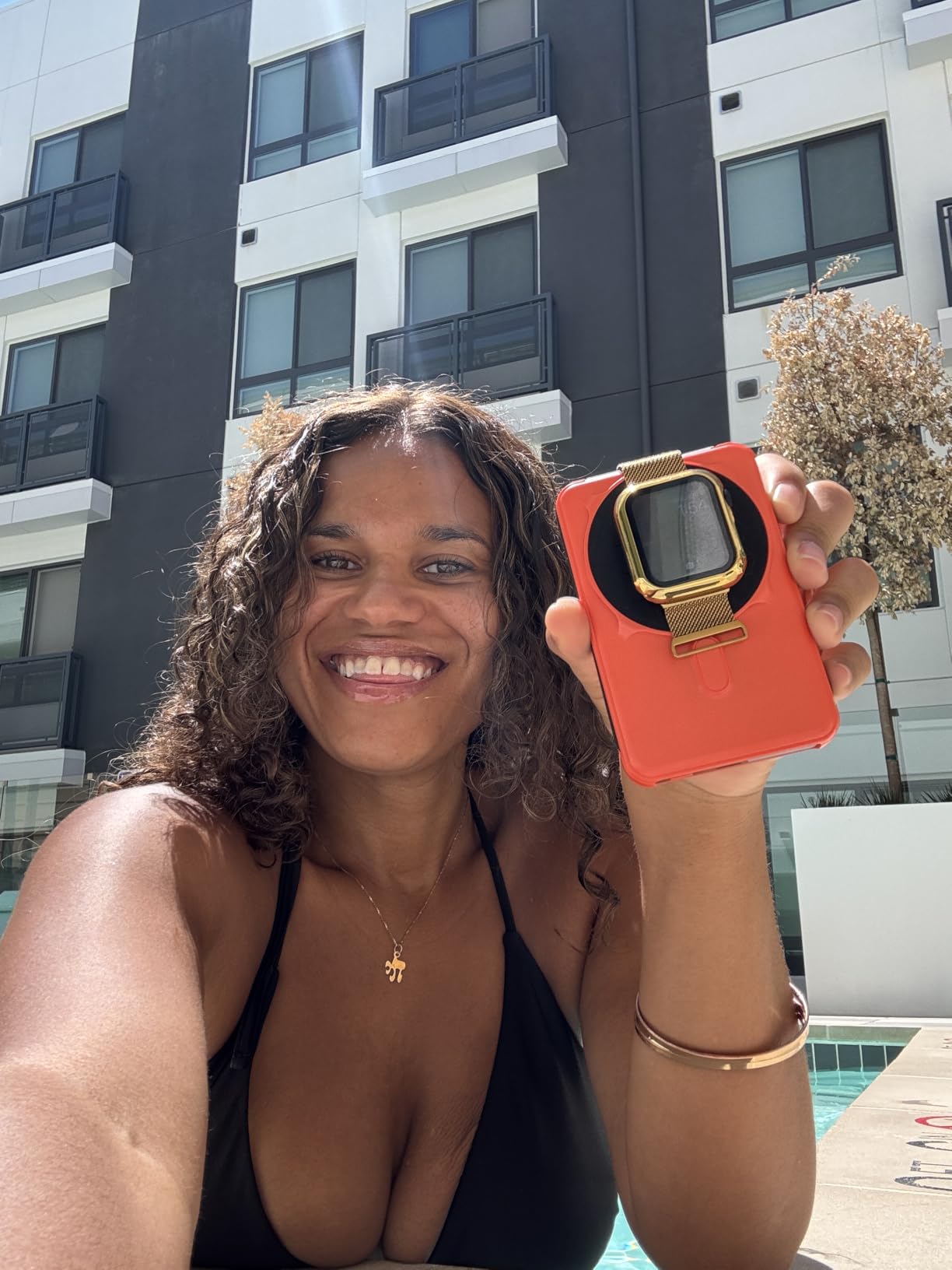
MagSafe on the Trail – Practical or Gimmick?
MagSafe holds your phone securely while walking, but it’s not as strong as a cable connection. For backpackers who want to glance at GPS while moving, the magnetic connection is fine. For active scrambling or climbing, a cable is more reliable.
The Integrated Kickstand
The kickstand pops out to prop up your phone for hands-free video viewing or map reading at camp. It’s a small detail but a real convenience for evening entertainment in the tent.
Who This Bank Is Best For
Apple Watch owners who want to leave their charging cables at home, MagSafe fans who prefer snap-on convenience, and iPhone backpackers who run multiple Apple devices on the trail.
Where It Falls Short
Higher price than 10K banks with similar capacity but no Apple-specific features. Not useful for Android users. Wireless charging generates more heat than cable charging.
How to Choose the Best Power Bank for Backpacking
After testing 12 power banks across different trip lengths and conditions, here’s the framework I use to match capacity, weight, and durability to specific hiking styles. If you’re upgrading from a wall-charger-only life, this section will save you from buying the wrong bank for your trips.
Capacity: 10K vs 20K vs 27K – Which Do You Actually Need?
Capacity is the most confusing spec on a power bank, and the one that gets oversold hardest. A 10,000mAh bank does not deliver 10,000mAh to your phone – the conversion from the bank’s 3.7V cells to your phone’s 5V USB input loses roughly 30-35% of the energy. A 10K bank realistically delivers about 6,500mAh to your phone, which is enough for 1.5 to 2 full phone charges.
For most weekend-to-3-day trips, a 10K bank is enough. For 4-7 day trips with light phone use, 20K is the right call. For thru-hikes and expeditions, 27K or dual 10K setups make sense.
Weight-to-Capacity Ratio: The Ultralight Question
Every gram matters when you’re carrying everything on your back. The 10K sweet spot is 5-7 ounces – anything heavier means you’re paying for capacity you don’t need. For 20K banks, expect 12-15 ounces. Anything heavier should have a specific reason (extreme capacity, lantern, hand crank).
The Nitecore NB10000 Gen4 and FLEXTAILGEAR Carbon Fiber lead this category at under 5.1 ounces for 10K capacity. For higher capacity, the NOBIS 45W delivers 20K at 13.8 ounces, which is competitive.
Waterproof Ratings: When IPX Actually Matters
IPX4, IPX5, IPX7, and IP68 are the ratings you’ll see most. Here’s what each means for trail use:
- IPX4: Splash-resistant from any direction. Handles light rain but not submersion.
- IPX5: Water jet resistance. OK for moderate rain, not submersion.
- IPX7: Submersion to 1 meter for 30 minutes. Handles stream crossings and heavy rain.
- IP67: Dust-tight plus IPX7 water protection. Best for sandy/dusty environments.
- IP68: Continuous submersion beyond 1 meter. Overkill for backpacking but the toughest option.
For most backpacking, IPX7 or IP67 is the right target. Anything below IPX5 means you need a dry bag or ziplock for serious rain.
USB-C PD: The Charging Speed Standard
USB-C Power Delivery (PD) is the modern fast-charging standard. Banks with 30W+ PD output can fast-charge modern iPhones, Galaxy, and Pixel phones, plus most tablets and small laptops. Banks below 18W output charge slowly by comparison.
For most backpackers, 22.5W is the minimum I’d recommend. For laptop users, 45W is the threshold for useful laptop charging.
Real-World mAh: Why Your 20K Bank Isn’t Really 20K
Every power bank loses 25-35% of its rated capacity during conversion from internal 3.7V to USB 5V output. A 10,000mAh bank delivers about 6,500mAh to a phone. A 20,000mAh bank delivers about 13,000mAh. This is normal and not a defect – it’s physics.
Higher-end banks sometimes deliver closer to 70% efficiency, but never the full rated capacity. Plan for the real number when sizing your bank to trip length.
Pass-Through Charging: Charge the Bank and Phone Together
Pass-through charging means the bank can charge your phone while the bank itself is plugged into a wall outlet. This is genuinely useful in hostels with one outlet – you plug the bank in and your phone into the bank, and both top off overnight.
The Nitecore NB10000 Gen4 and Anker 10K Built-In both support pass-through. Not all banks do, so check the specs if this matters to you.
Airline Carry-On Rules: The 100Wh Limit
FAA rules limit lithium-ion power banks to 100 watt-hours (Wh) per battery in carry-on luggage. To convert mAh to Wh: divide mAh by 1000, multiply by 3.7V. So a 10,000mAh bank is 37Wh – well under the limit. A 27,000mAh bank is 99.9Wh – just under. A 50,000mAh bank is 185Wh – over the limit and forbidden on planes.
For international travel, check both your departure and arrival country rules. Some countries have lower limits than the FAA.
Dual 10K vs Single 20K: The Redundancy Argument
Many thru-hikers prefer to carry two 10K banks instead of one 20K. The logic: if one bank fails or gets lost, you still have backup power. Plus, two banks can be recharged at separate outlets in town simultaneously.
The downside: two 10K banks weigh roughly the same as one 20K, but cost more and take more pack space. For most backpackers, a single 20K is more practical.
Cold Weather Performance: Why Winter Trips Need Special Attention
Lithium-ion batteries lose significant capacity in cold weather – 20-40% capacity loss below freezing is common. The fix: keep the bank close to your body (inside jacket pocket) and warm it before use.
For serious winter camping, look for banks rated to -10C/14F or lower. The Dark Energy Poseidon XL handles -10F, making it the best cold-weather pick on this list.
Power Bank Recalls: A Quick Safety Note
Lithium-ion batteries occasionally get recalled for fire risk. Before buying any power bank, check the CPSC recall database for the brand and model. Stick to established brands with clear warranty policies, and never use a bank that shows physical damage (swelling, punctures, leaks).
For related reading on keeping your devices powered on the trail, our guide to 20,000mAh power banks for travel goes deeper on high-capacity options.
Frequently Asked Questions
What power bank is best for hiking?
The Nitecore NB10000 Gen4 is the best power bank for most hikers. It weighs 4.94 oz, has IPX7 waterproofing, and packs dual USB-C ports for under $90. For ultralighters, the FLEXTAILGEAR Carbon Fiber 10K at 5.1 oz is a close second.
Is a 20000mAh power bank overkill for backpacking?
Not necessarily. A 20,000mAh bank delivers about 13,000mAh to your phone in real-world use, which is enough for 3-4 full phone charges or a 5-7 day trip with moderate electronics use. For weekend trips, 10K is plenty. For multi-day trips with GPS, satellite communicator, and headlamp charging, 20K is the right size.
What is the best power bank to take camping?
For camping where weight matters less, the Aswayke 20K with built-in 420 lumen lantern is the best all-in-one option – it handles power and camp lighting in one device. For backpacking specifically, the Nitecore NB10000 Gen4 or FLEXTAILGEAR 10K lead the pack on weight-to-performance ratio.
Which is better, a 10000mAh or a 20000mAh power bank?
It depends on trip length. A 10,000mAh bank is enough for 1-3 day trips and weighs 5-7 oz. A 20,000mAh bank handles 4-7 day trips but weighs 12-15 oz. Choose 10K for weekend trips and fastpacking where weight matters; choose 20K for longer trips or when running multiple devices.
Can you take a power bank on a plane?
Yes, in carry-on luggage only. FAA rules limit lithium-ion power banks to 100 watt-hours (Wh) per battery. A 10,000mAh bank is 37Wh, a 20,000mAh bank is 74Wh, and a 27,000mAh bank is 99.9Wh – all under the limit. Anything over 100Wh (about 27,000mAh) is forbidden in both carry-on and checked luggage.
Final Verdict: Which Power Bank Should You Buy?
For most backpackers, the Nitecore NB10000 Gen4 is the right pick. It hits the sweet spot of weight (4.94 oz), durability (IPX7), and modern features (dual USB-C, 22.5W PD, pass-through) without breaking your budget. It’s the bank I’d grab for any trip under a week.
If you’re a gram-counter chasing a sub-1-pound base weight, the FLEXTAILGEAR Carbon Fiber 10K at 5.1 oz is the lightest 10K bank on the market that still delivers real-world performance. If you need 5-7 days of power without recharging, the NOBIS 20K 45W delivers flagship specs at budget prices.
For specific needs: the INIU Outdoor Rugged is best for IP67 protection with fast 45W charging; the Anker 20K Built-In Cables wins for cable-free convenience; the Dark Energy Poseidon XL handles extreme cold and long expeditions; and the aswayke 20K with Lantern consolidates power and camp lighting into one device.
Before you buy, check the CPSC recall database for any safety notices on the model you choose, and check your airline’s Wh limits if you’re flying to your trailhead. For more on keeping your devices charged on the trail, our guides to MagSafe power banks for iPhone and power banks for MacBook Pro cover specific use cases.
The best power bank for backpacking in 2026 is the one that matches your trip length, weight budget, and weather conditions – not the one with the highest capacity or the lowest price. Pick based on your actual use case, and you’ll never run out of power on the trail again.