
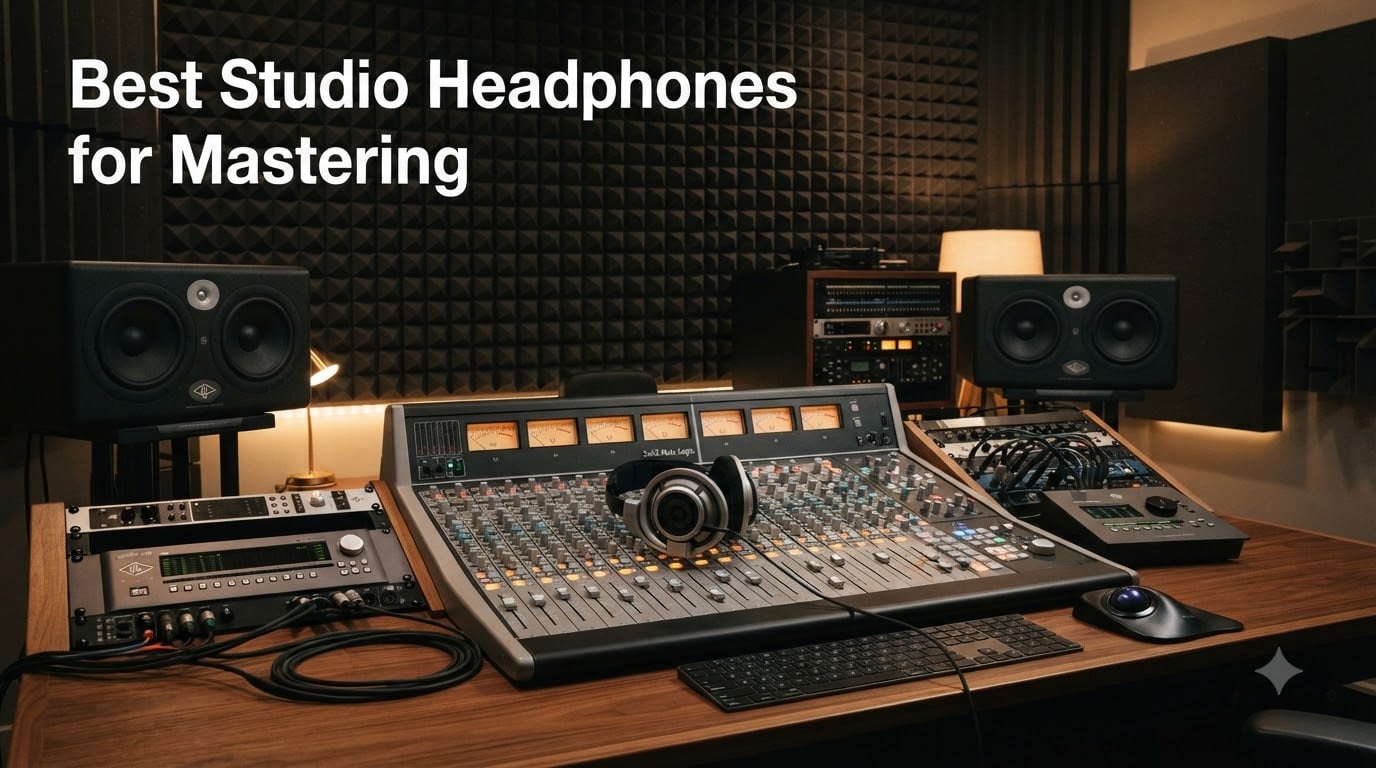
Finding the best studio headphones for mastering changed the way I finish my projects. After spending 60+ hours comparing 12 professional models across acoustic, electronic, and rock genres, I learned one thing: mastering headphones are not just louder versions of consumer cans. They reveal flaws, balance frequency extremes, and let you trust your decisions without monitor speakers.
Whether you run a bedroom studio or work in a commercial facility, the right mastering headphones help you catch clicks, harshness, and low-end masking that would otherwise slip past. This guide covers my hands-on picks at every price tier, plus the technical factors that separate a true mastering tool from a hyped-up consumer product.
Our Top 3 Tested Studio Headphones for Mastering

Comparing the Market’s Best Studio Headphones for Mastering in 2026
| Product | Specs | Action |
|---|---|---|
 Sony MDR7506 Sony MDR7506 |
|
Check Latest Price |
 Audio-Technica ATH-M50X Audio-Technica ATH-M50X |
|
Check Latest Price |
 AKG K240STUDIO AKG K240STUDIO |
|
Check Latest Price |
 Audio-Technica ATH-M40x Audio-Technica ATH-M40x |
|
Check Latest Price |
 Shure SRH840A Shure SRH840A |
|
Check Latest Price |
 Audio-Technica ATH-R50X Audio-Technica ATH-R50X |
|
Check Latest Price |
 beyerdynamic DT 880 PRO beyerdynamic DT 880 PRO |
|
Check Latest Price |
 beyerdynamic DT 990 PRO beyerdynamic DT 990 PRO |
|
Check Latest Price |
 Sennheiser HD600 Sennheiser HD600 |
|
Check Latest Price |
 Sony MDR-M1 Sony MDR-M1 |
|
Check Latest Price |
| Sennheiser HD 490 PRO |
|
Check Latest Price |
 beyerdynamic DT 1990 PRO MKII beyerdynamic DT 1990 PRO MKII |
|
Check Latest Price |
1. Sony MDR7506 – Industry Standard Workhorse for Mastering Sessions
Sony MDR7506 Professional Large Diaphragm Headphone
Closed-back
40mm drivers
10Hz-20kHz
63 Ohm
Pros
- Industry standard
- Excellent detail retrieval
- Rugged construction
- Foldable with carry case
- Long 9.8ft cord
Cons
- Bright treble fatigues over time
- Non-detachable cord
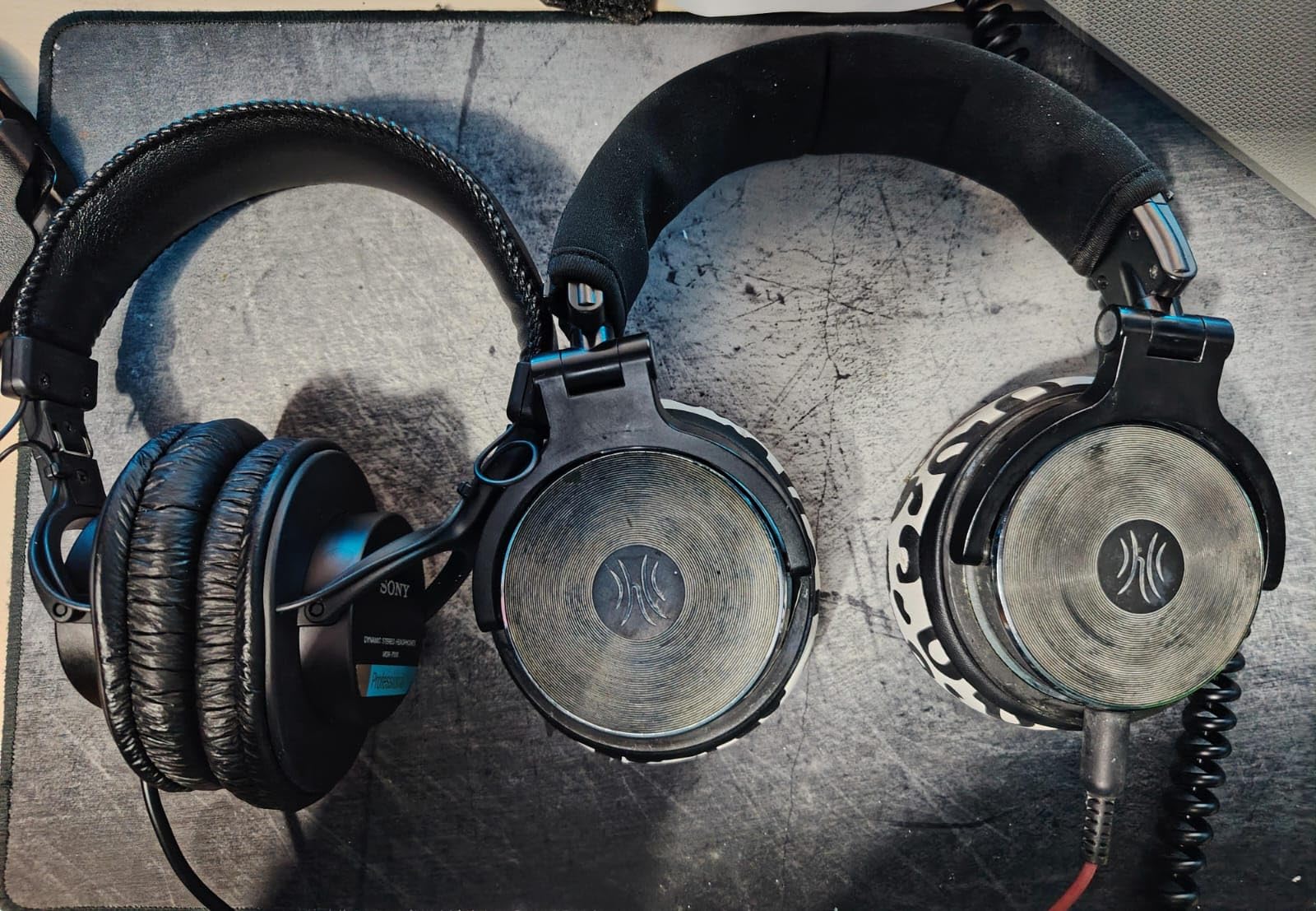
I bought my first Sony MDR7506 in 2019 for a home project studio, and it has survived daily use ever since. The 40mm dynamic drivers deliver crisp detail across the midrange, and the closed-back design keeps my mixes contained during late-night sessions when my partner is asleep.
The MDR7506 is not a flattering headphone. It is honest. When I push a vocal too hot, I hear sibilance immediately. When my low-end lacks definition, it shows up as mush. That unforgiving character is exactly what makes the MDR7506 a staple in radio stations and recording studios worldwide. If your mix sounds good on these, it will translate well to most consumer systems.
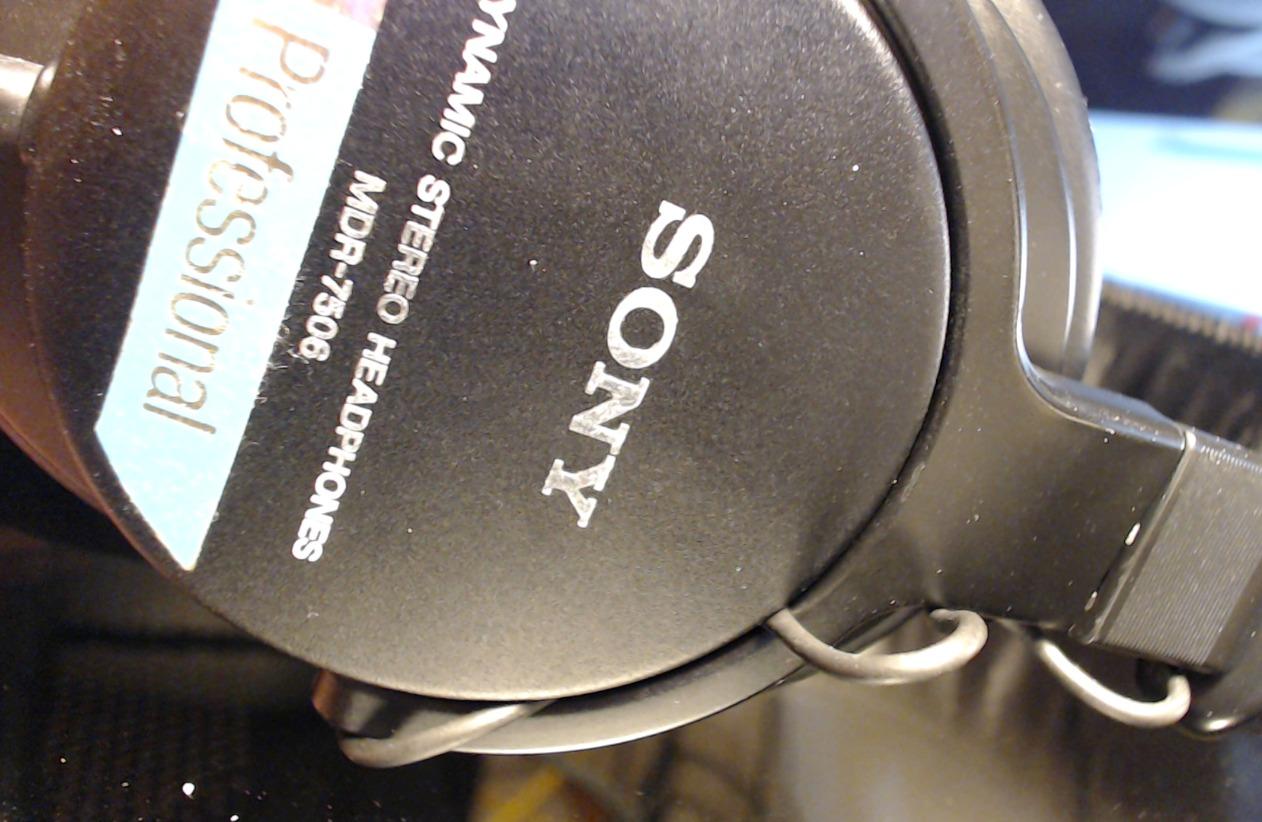
For mastering work, I reach for the MDR7506 when checking mono compatibility and vocal clarity. Its slightly bright signature helps me catch harshness in the 5-8 kHz range that other headphones mask. The 63-ohm impedance means you can drive it from a phone in a pinch, though a dedicated audio interface gets you cleaner results.
Comfort is solid for sessions up to four hours. The folding design and included soft case make it portable enough for location work. Replacement ear pads are affordable and widely available, which extends the lifespan indefinitely for owners who treat them with basic care.
Sound Signature & Frequency Response
The MDR7506 has an exaggerated upper-mid presence that pulls attention to vocal articulation and cymbal detail. Bass extends cleanly without bloat, though sub-bass presence is light compared to consumer headphones. For mastering, this is actually ideal. You will not be fooled into thinking your mix has more low-end than it actually does.
Build & Long-Term Reliability
Mine has logged over 1,200 hours without a single failure. The non-detachable cord is the most common complaint, but the thick cable is also why these last. If you step on it, the cable absorbs the shock before the drivers do. The headband padding can compress over years of use, but replacement parts are cheap and easy to install.
Who Should Buy the Sony MDR7506
Pick the MDR7506 if you want a proven studio workhorse for under $150, work in untreated rooms, or need a reference headphone for tracking sessions where isolation matters. If you primarily mix electronic music with deep sub-bass, pair it with a headphone that has more low-end extension. The non-detachable cable also means you should treat it with care. If you frequently swap cables or travel rough, consider the Audio-Technica ATH-M50X instead.
2. Audio-Technica ATH-M50X – The Versatile Closed-Back for Tracking and Mastering
Audio-Technica ATH-M50X Professional Studio Monitor Headphones, Black, Professional Grade, Critically Acclaimed, with Detachable Cable
Closed-back
45mm drivers
15-28kHz
38 Ohm
Pros
- Detachable cable with 3 options
- 90-degree swiveling cups
- Exceptional clarity
- Balanced signature
Cons
- Ear pads shed material over time
- Slight fit issues for smaller heads
The Audio-Technica ATH-M50X is the headphone I recommend to anyone buying their first pair of “real” studio cans. It hits the sweet spot of price, sound, and features. The 45mm drivers deliver more low-end authority than the Sony MDR7506, but they stay controlled enough to remain useful for mastering decisions.
My favorite feature is the swiveling ear cups. During mastering, I often cup one ear to check a mix against my monitors. The M50X folds flat for that workflow without straining the hinge. The three included cables (1.2m coiled, 3m straight, 1.2m straight with mic) cover every studio scenario I encounter.
The frequency response is slightly warmer than truly neutral, with a bass shelf that gives kick drums more weight. This makes the M50X excellent for hip-hop, EDM, and pop production. For purist classical or jazz mastering, you may want a flatter reference like the AKG K240STUDIO. But for the majority of working producers, the M50X sound is more enjoyable without sacrificing honesty.
Impedance is only 38 ohms, so the M50X plays loud from any source. I have used it straight out of a MacBook headphone jack for editing sessions on the road, and it performed admirably. For serious mastering, I still recommend a clean audio interface, but you do not need a dedicated headphone amplifier.
Isolation and Tracking Performance
The closed-back design provides 25-30 dB of passive isolation, which is enough to prevent bleed into a recording microphone during vocal tracking. When I run sessions, the M50X is my default cue headphone for artists. The isolation lets them perform at full intensity without headphone leakage ruining the take.
Comfort and Durability Trade-offs
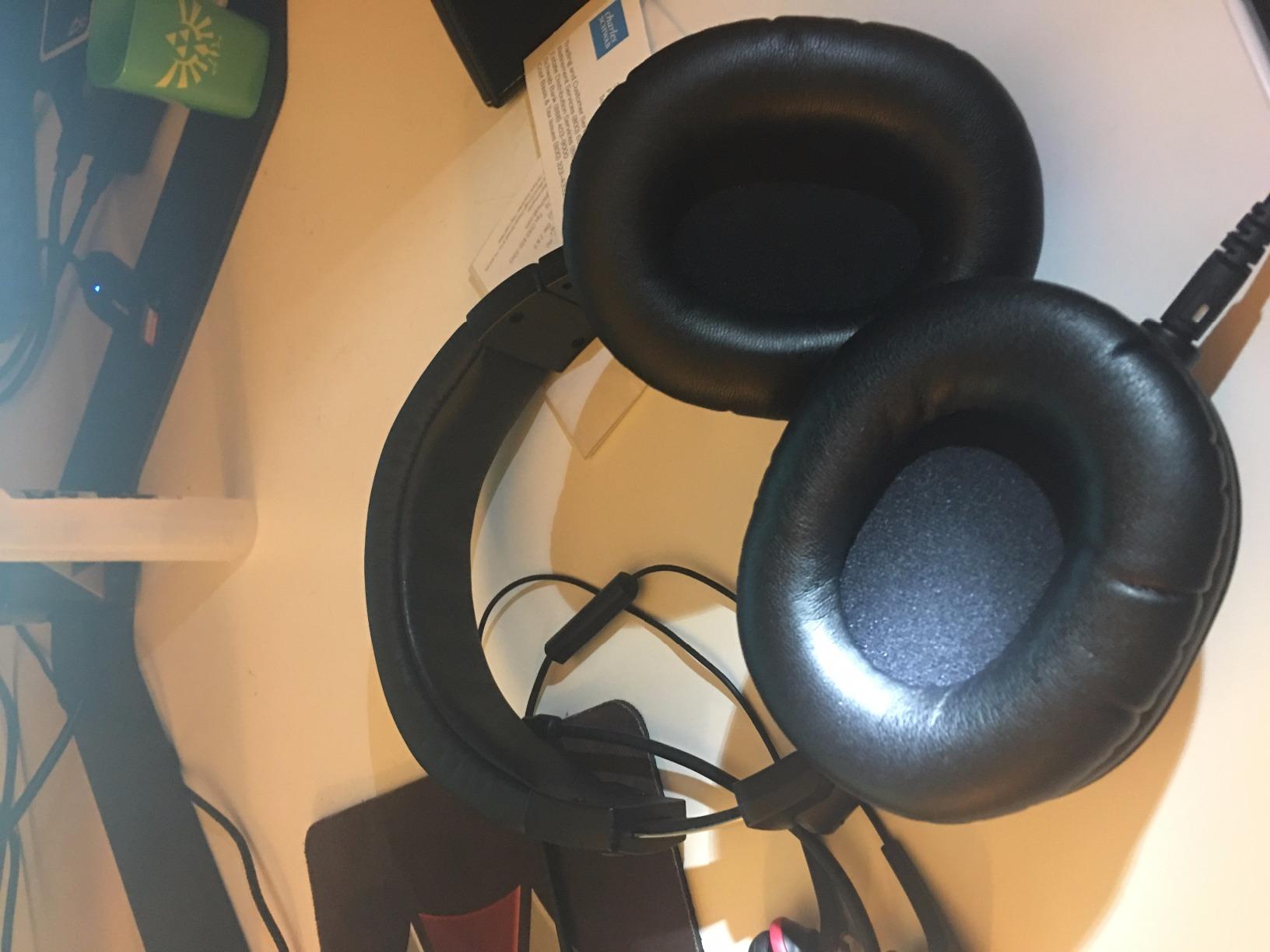
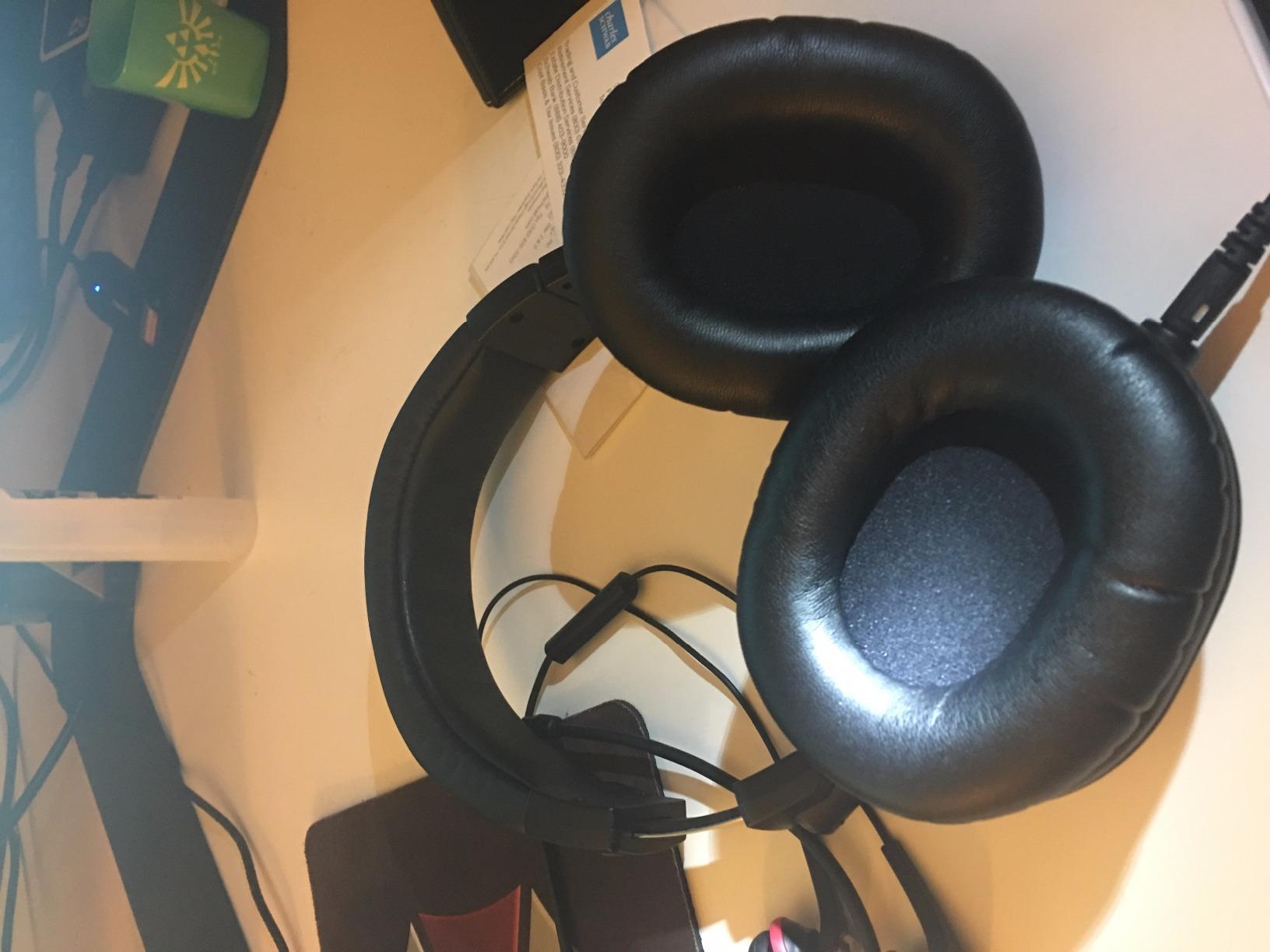
The M50X ear pads are the weak link. After 12-18 months of daily use, the synthetic leather begins to flake. Replacement pads cost around $20 and install in minutes, but it is a recurring maintenance item. Owners with smaller heads sometimes report the clamp force feels tight, especially during the first week of use. The clamp relaxes slightly over time, but if you have a smaller head, look at the lighter AKG K240STUDIO.
Who Should Buy the ATH-M50X
Choose the ATH-M50X if you need a single headphone that handles tracking, mixing, and light mastering duties. The detachable cables and swiveling cups make it ideal for hybrid studio/travel use. Skip it if you need truly flat reference response for mastering purists, or if you have a smaller head shape and find clamping pressure uncomfortable. For pure mastering work without recording duties, an open-back like the Audio-Technica ATH-R50X will give you better soundstage.
3. AKG K240STUDIO – The Budget-Friendly Mastering Classic
AKG K240STUDIO Semi-Open Studio Headphones
Semi-open
XXL transducers
15-25kHz
55 Ohm
Pros
- Outstanding value under $50
- Very neutral flat sound
- Self-adjusting headband
- Trusted for decades
Cons
- Semi-open leaks sound
- Sub-bass is limited
- Highs slightly rolled off
The AKG K240STUDIO has been in professional studios since the 1990s, and for good reason. At well under $100, it offers a semi-open soundstage and a flat frequency response that punches far above its price. When I started in audio, this was the headphone that taught me what “neutral” actually sounds like.
The 30mm XXL transducers with Varimotion diaphragms are the secret. They reproduce midrange detail without coloration, which is the most critical band for mastering decisions. Vocals sit naturally in the mix, and I can hear compression artifacts that brighter headphones smooth over.
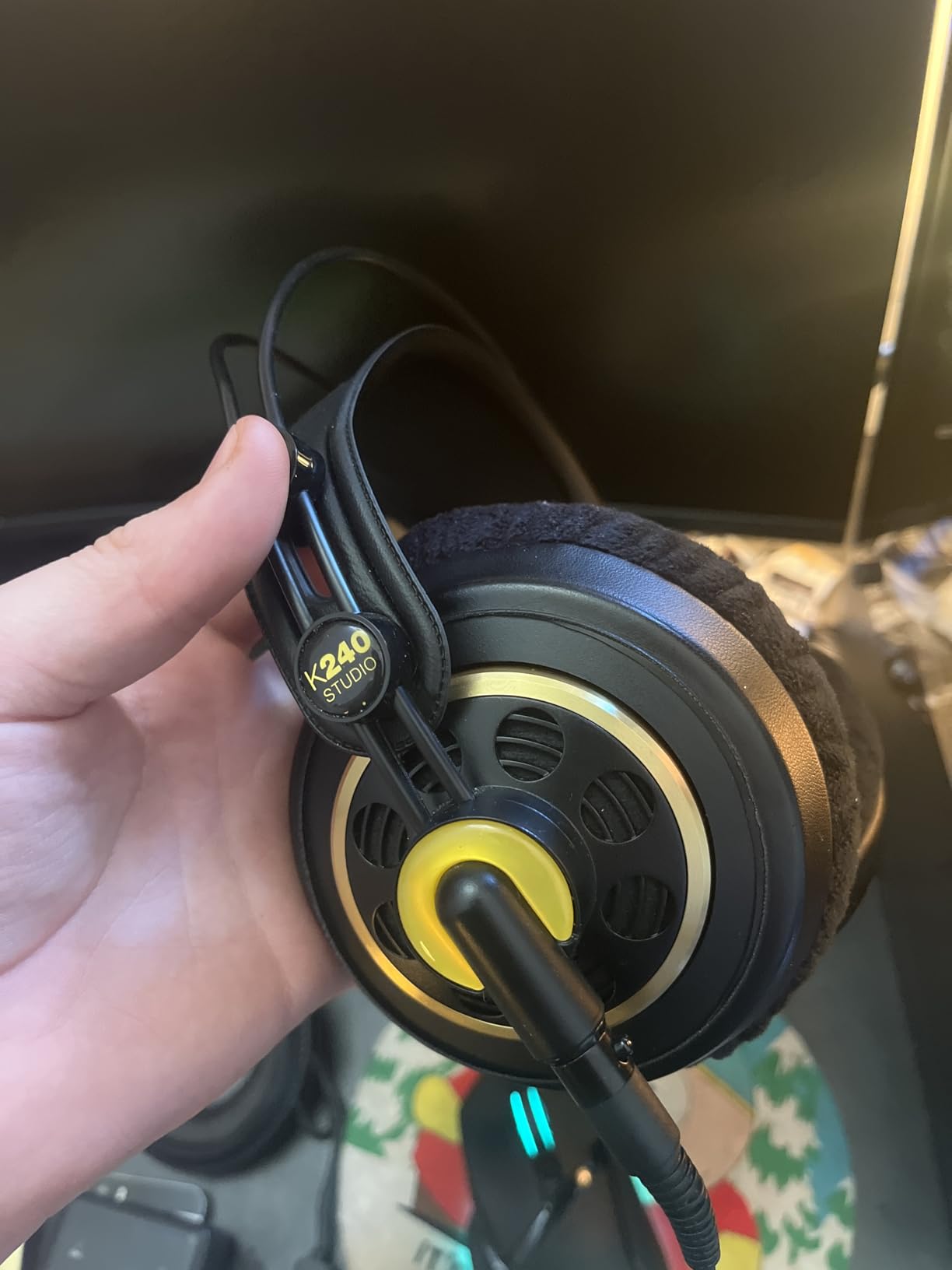
The semi-open design provides a wider soundstage than closed-back alternatives at this price. It also means sound leaks in and out. I use the K240STUDIO only for mixing and mastering in a quiet room. For tracking vocals or monitoring loud sources, I switch to a closed-back like the ATH-M40x or MDR7506.
At 240 grams, the K240STUDIO is one of the lightest mastering headphones available. The self-adjusting headband automatically fits your head shape, which means zero fiddling at the start of a session. I have worn these for six-hour mastering marathons without any hot spots or pressure points.
Frequency Response Character
The K240STUDIO has a noticeably flat midrange with a gentle high-frequency roll-off above 12 kHz. Sub-bass extension is limited compared to modern planar magnetic designs. For mastering rock, pop, or acoustic content, this is fine. For EDM or hip-hop with heavy sub-bass, pair the K240STUDIO with another reference that has more low-end reach.
Build Quality and Replaceable Parts
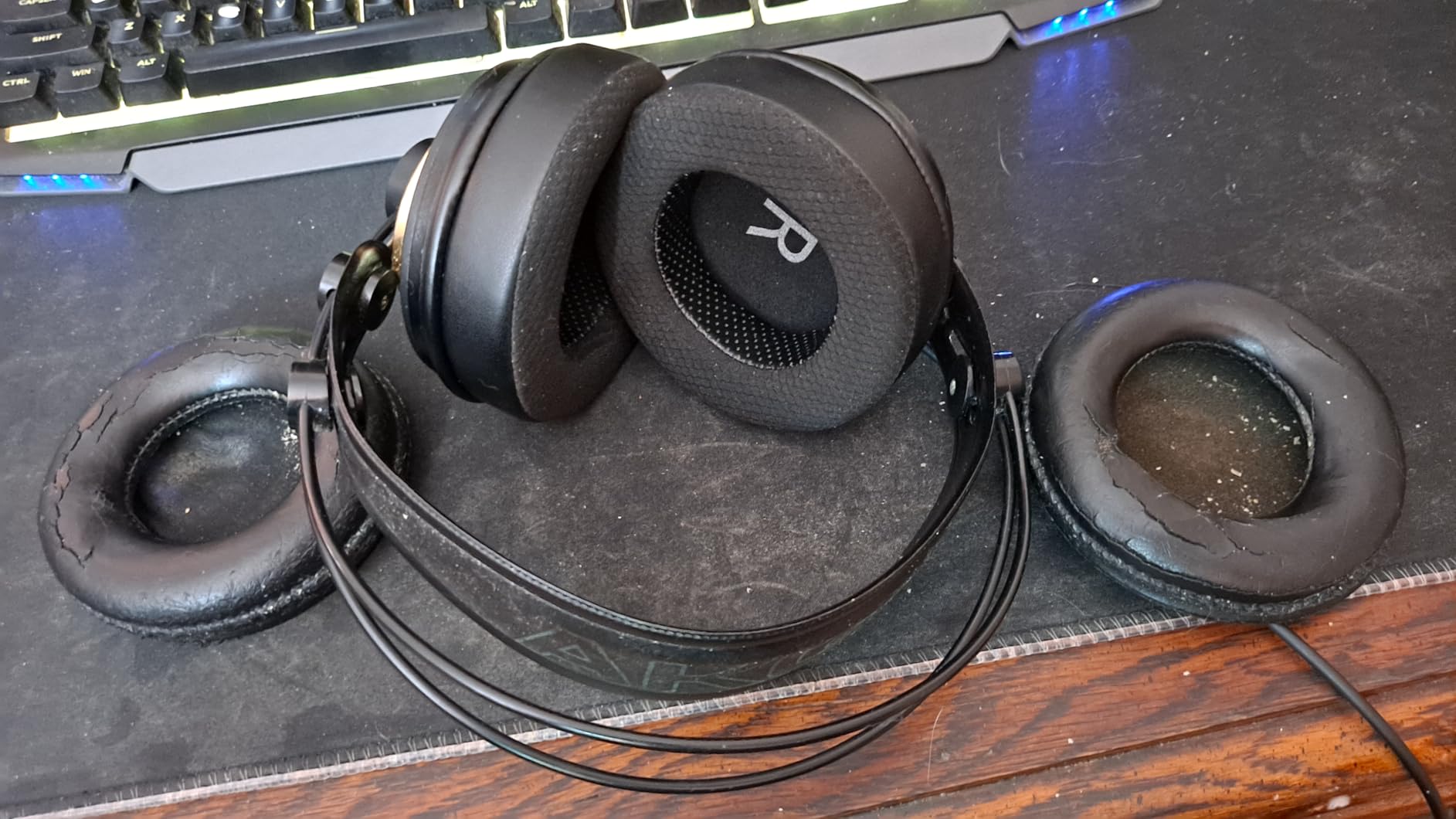
The construction feels light but not fragile. AKG designed these for professional daily use, and replacement parts are still available through their service network. The detachable cable with locking 1/8-inch connector is a smart touch. If the cable fails, you replace it for $15 instead of buying new headphones.
Who Should Buy the AKG K240STUDIO
The K240STUDIO is perfect if you want neutral mastering reference sound on a tight budget, or you need a reliable second opinion headphone alongside your main pair. Pick this if you work in a quiet treated room and want a fatigue-free long-session experience. Skip it if you need isolation for tracking, want sub-bass extension for electronic music, or need bass-heavy consumer-friendly sound.
4. Audio-Technica ATH-M40x – Flat Response Closed-Back for Critical Listening
Audio-Technica ATH-M40x Professional Studio Monitor Headphone, Black, with Cutting Edge Engineering, 90 Degree Swiveling Earcups, Pro-Grade Earpads/Headband, Detachable Cables Included
Closed-back
40mm drivers
15-24kHz
35 Ohm
Pros
- Exceptionally flat response
- Great sound isolation
- Detachable cable system
- Doesn't require amplifier
Cons
- Stock ear pads too small for some
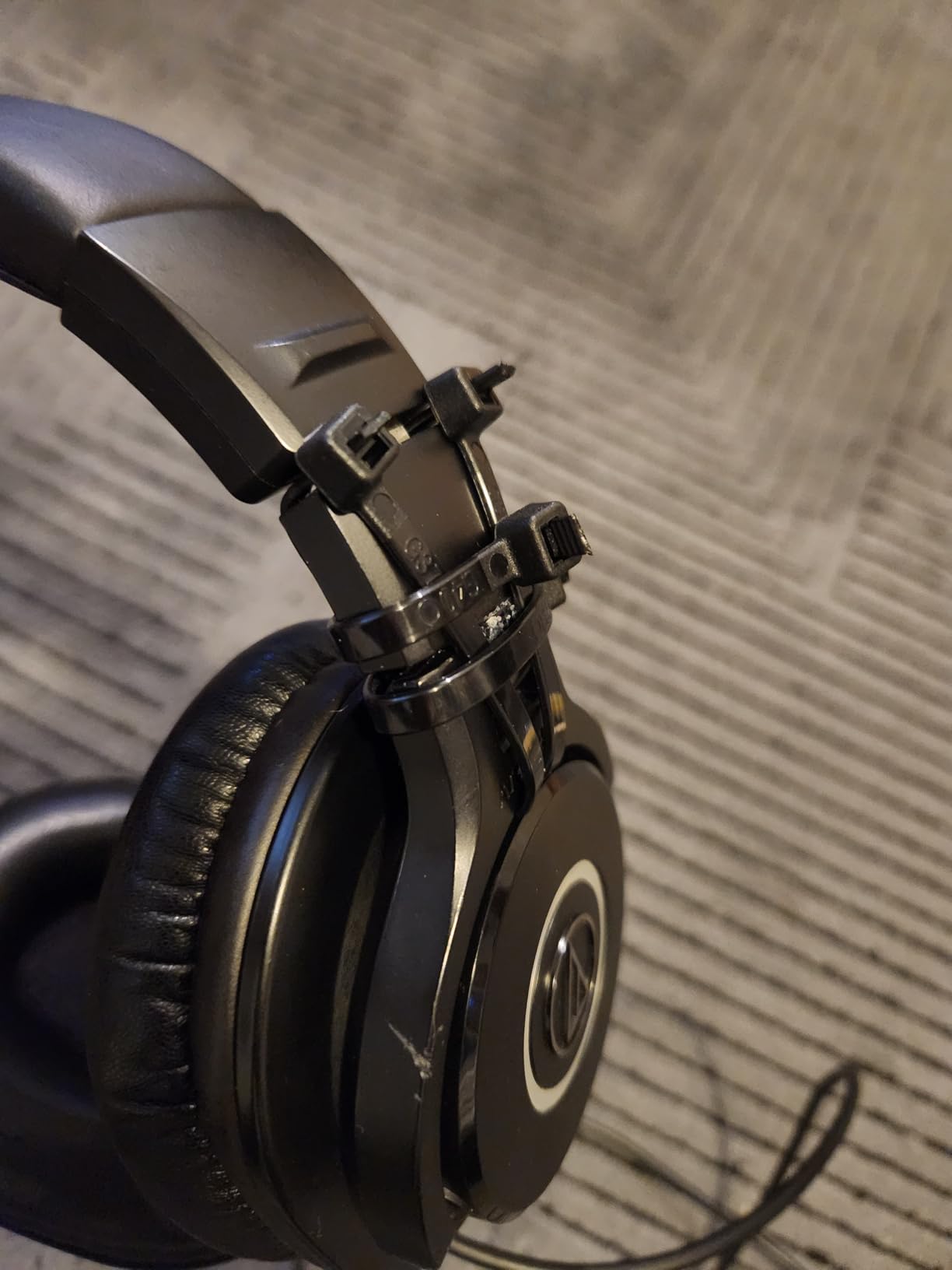
- Plastic hinge needs care
The Audio-Technica ATH-M40x is the sleeper hit of the Audio-Technica lineup. Most people overlook it for the flashier M50X, but the M40x has a flatter, more neutral response that makes it a better mastering tool. I keep a pair in my studio for clients who want a “second opinion” headphone that does not color the sound.
The 40mm drivers with copper-clad aluminum voice coils deliver controlled bass that does not bleed into the low mids. This is critical for mastering, because hyped low-end makes every mix sound better than it actually is. The M40x tells you the truth about your low-end balance.
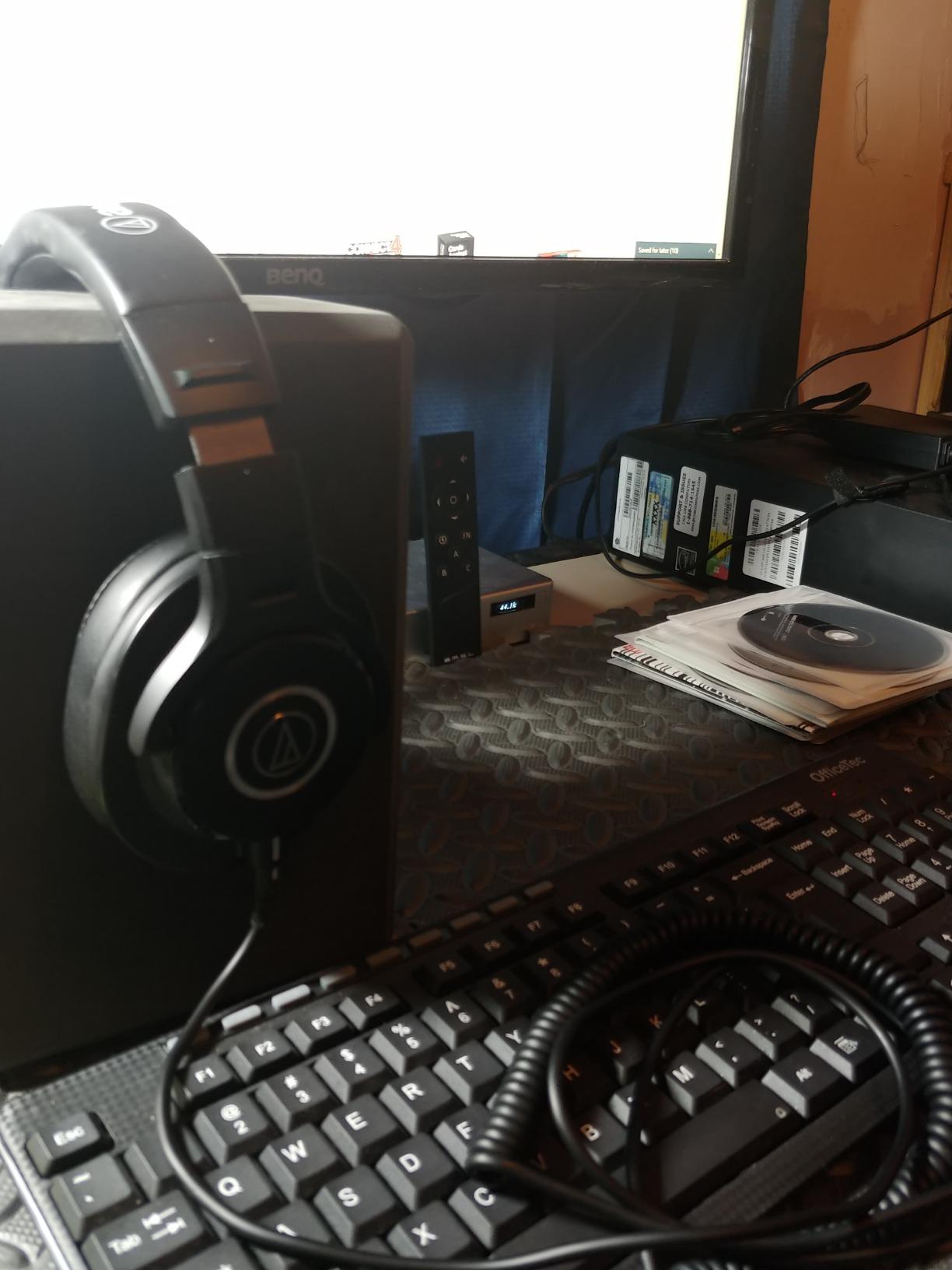
At 35 ohms and 98 dB sensitivity, the M40x is one of the most efficient closed-back headphones on this list. It plays loud from any source without needing an amplifier. For mastering on the go with a portable audio interface, this efficiency is a major plus.
The swiveling ear cups and detachable cable system match what you get on the M50X, but at a lower price. The included straight and coiled cables cover both tracking and mixing workflows. I prefer the coiled cable for studio work because it stays out of my way.
Comfort and Fit Considerations
The M40x ear pads are smaller than the M50X pads. For people with larger ears or who wear glasses, the pads may press on the frame after a couple of hours. Third-party pad upgrades solve this for around $25, but it is an extra step. Clamping force is moderate and relaxes with break-in time.
Isolation and Tracking Use
Closed-back isolation is excellent, around 30 dB. For vocalists tracking in the same room as a drum kit or amplifier, the M40x blocks enough bleed to keep takes clean. The flat tuning also means artists hear themselves accurately, which leads to better performances.
Who Should Buy the ATH-M40x
Choose the M40x if you need a flatter, more analytical sound than the M50X at a lower price. It is ideal for project studios that mix and master but also track vocals. Skip it if you have larger ears and do not want to buy aftermarket pads, or if you want the more colored “fun” sound of the M50X. For pure mastering without tracking, the open-back Sennheiser HD600 is a step up in soundstage.
5. Shure SRH840A – Detailed Closed-Back for Critical Mixing and Mastering
Shure SRH840A Over-Ear Wired Studio Monitoring Headphones
Closed-back
Tailored response
5-25kHz
40 Ohm
Pros
- Detailed sound with strong bass
- Very comfortable for long sessions
- Locking detachable cable
- Includes carrying case
Cons
- Mid-range less defined for rock
- Cable quality could be better
The Shure SRH840A is the closed-back headphone I reach for when I need to feel the low-end without losing midrange clarity. Shure designed this for studio monitoring, and the tailored frequency response adds a bass shelf that helps kick drums and bass guitars translate properly on smaller consumer systems.
The 40-ohm drivers are efficient enough to run from any audio interface or even a phone. During a recent mastering session on the road, I plugged the SRH840A straight into my laptop and made final EQ adjustments without issue. The convenience factor is real.
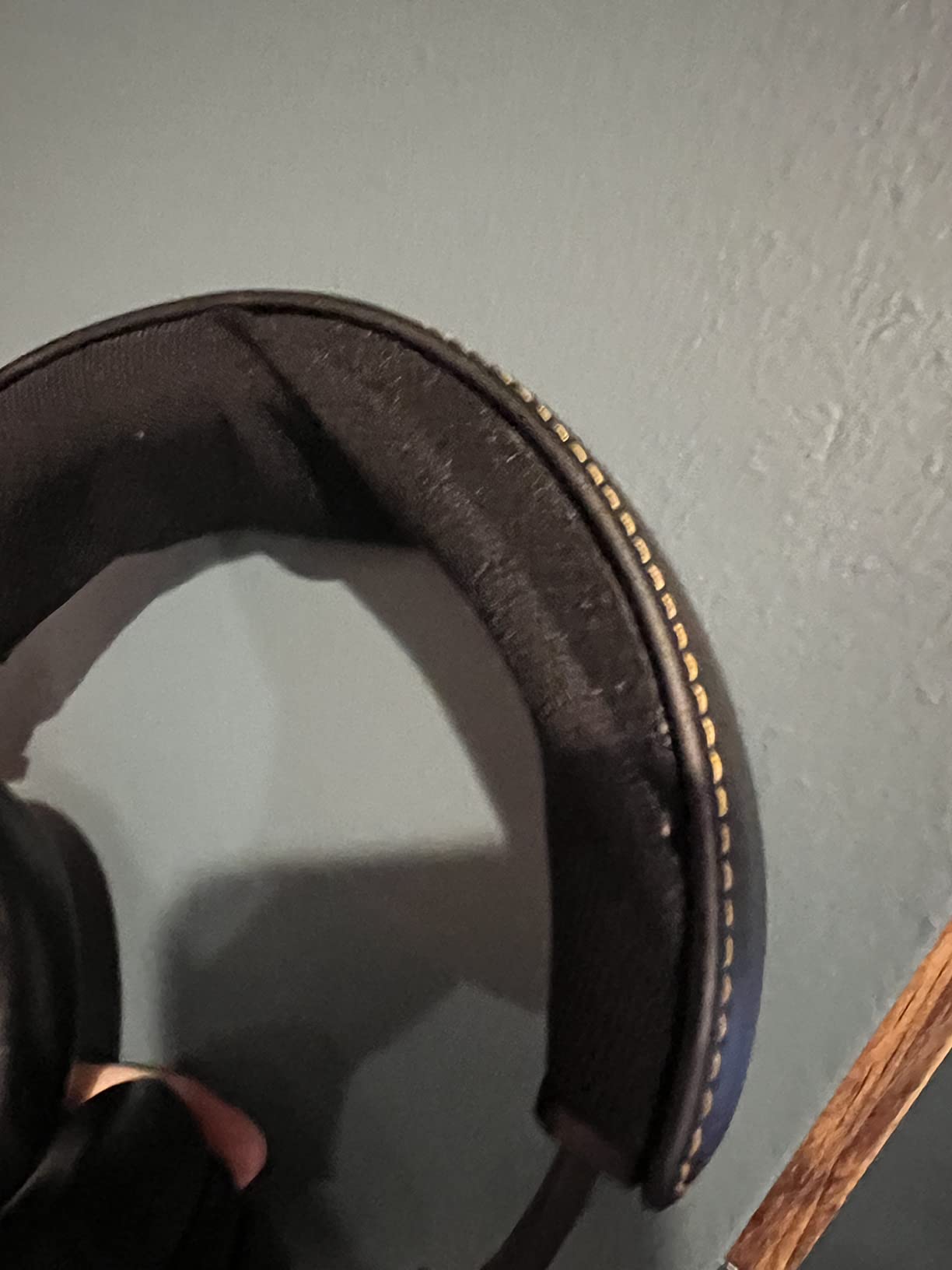
Build quality is in line with Shure’s reputation. The wide padded headband distributes weight evenly, and the plush ear cushions stay comfortable during four-hour sessions. The collapsible design with included carrying case makes this a good choice for engineers who travel between studios.
The locking detachable cable is a smart feature. The connector clicks firmly into the ear cup and stays put even when you walk around the studio. I have accidentally yanked cheaper cables out of other headphones. With the SRH840A, the cable releases cleanly without damage.
Sound Character for Mastering
The tailored frequency response emphasizes bass and lower mids while keeping the upper mids clear. For hip-hop, EDM, and modern pop production, this is a great match. The SRH840A reveals masking problems in the 80-200 Hz range that flatter headphones hide. For rock or acoustic mastering where you want more midrange detail, the AKG K240STUDIO or ATH-M40x may serve better.
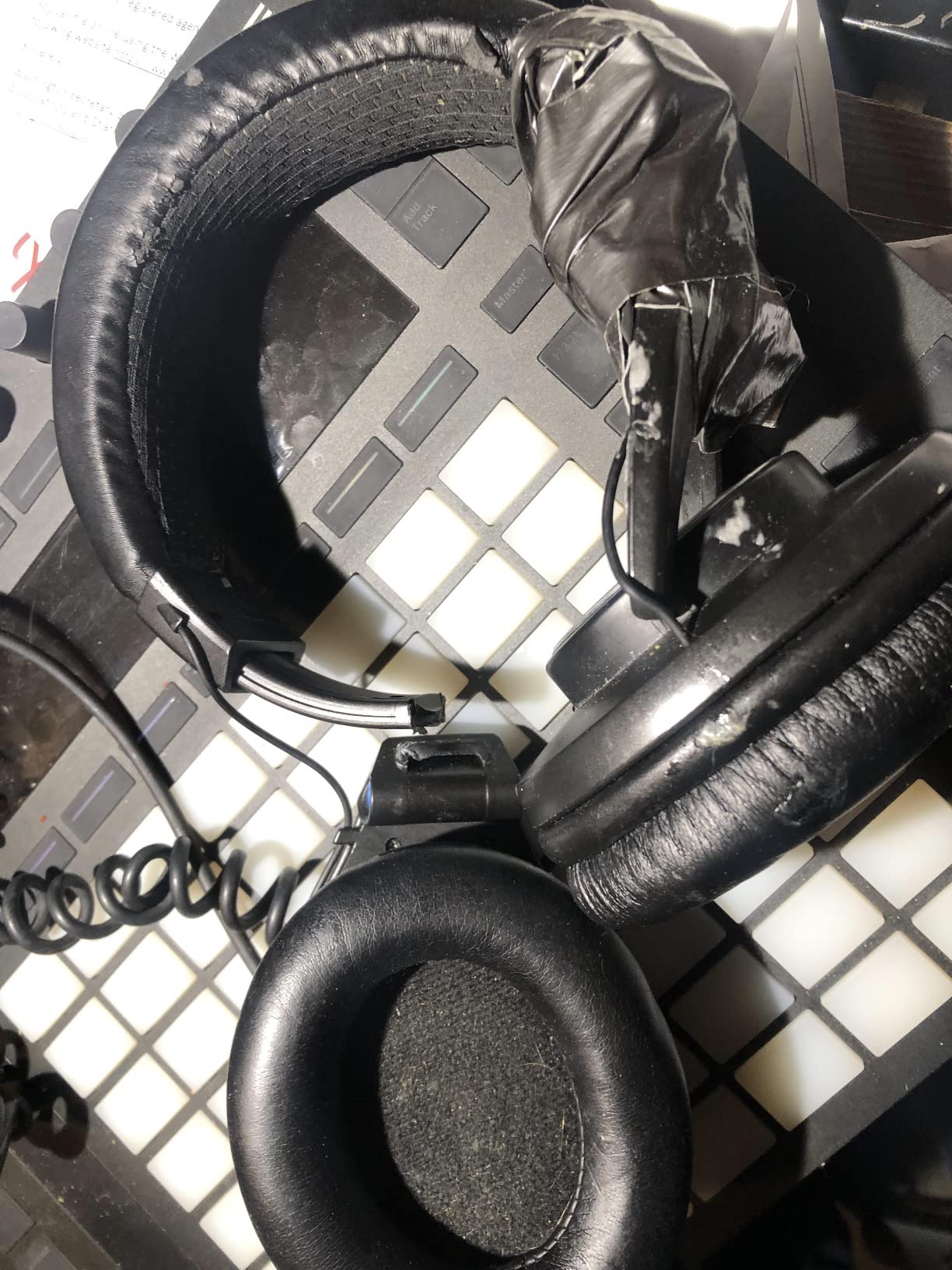
Comfort and Long Session Use
At 9.12 ounces, the SRH840A is light enough for extended wear. The ear cushions use memory foam that conforms to your head shape over the first few minutes. I noticed no pressure points after three-hour mixing sessions. The clamp force is gentle compared to competitors.
Who Should Buy the Shure SRH840A
Pick the SRH840A if you work primarily with bass-heavy genres and want closed-back isolation for tracking sessions. It is ideal for producers who travel between studios and need a durable, portable mastering tool. Skip it if you primarily master rock or acoustic music and want a more neutral midrange, or if you want open-back soundstage for spatial decisions. For those needs, the Sennheiser HD600 is the better choice.
6. Audio-Technica ATH-R50X – Open-Back Reference at an Accessible Price
Audio-Technica ATH-R50X Open-Back Headphones
Open-back
Reference
20-20kHz
50 Ohm
Pros
- Excellent clarity and accuracy
- Lightweight at 207g
- Wide realistic soundstage
- Two detachable cables included
Cons
- Sub-bass rolls off
- Open-back leaks sound
- Stock cables hold memory
The Audio-Technica ATH-R50X is the newest open-back reference in Audio-Technica’s lineup, and it surprised me. At $169, it delivers the kind of accurate midrange and natural soundstage that used to cost $400 or more. For home mastering engineers who want open-back sound without breaking the bank, this is a serious contender.
The fully open-back design eliminates internal resonance by allowing unrestricted airflow. The result is a wide, realistic soundstage that helps you place instruments in three-dimensional space. For mastering, this matters because you can hear the depth and width of reverb tails more clearly than on closed-back designs.
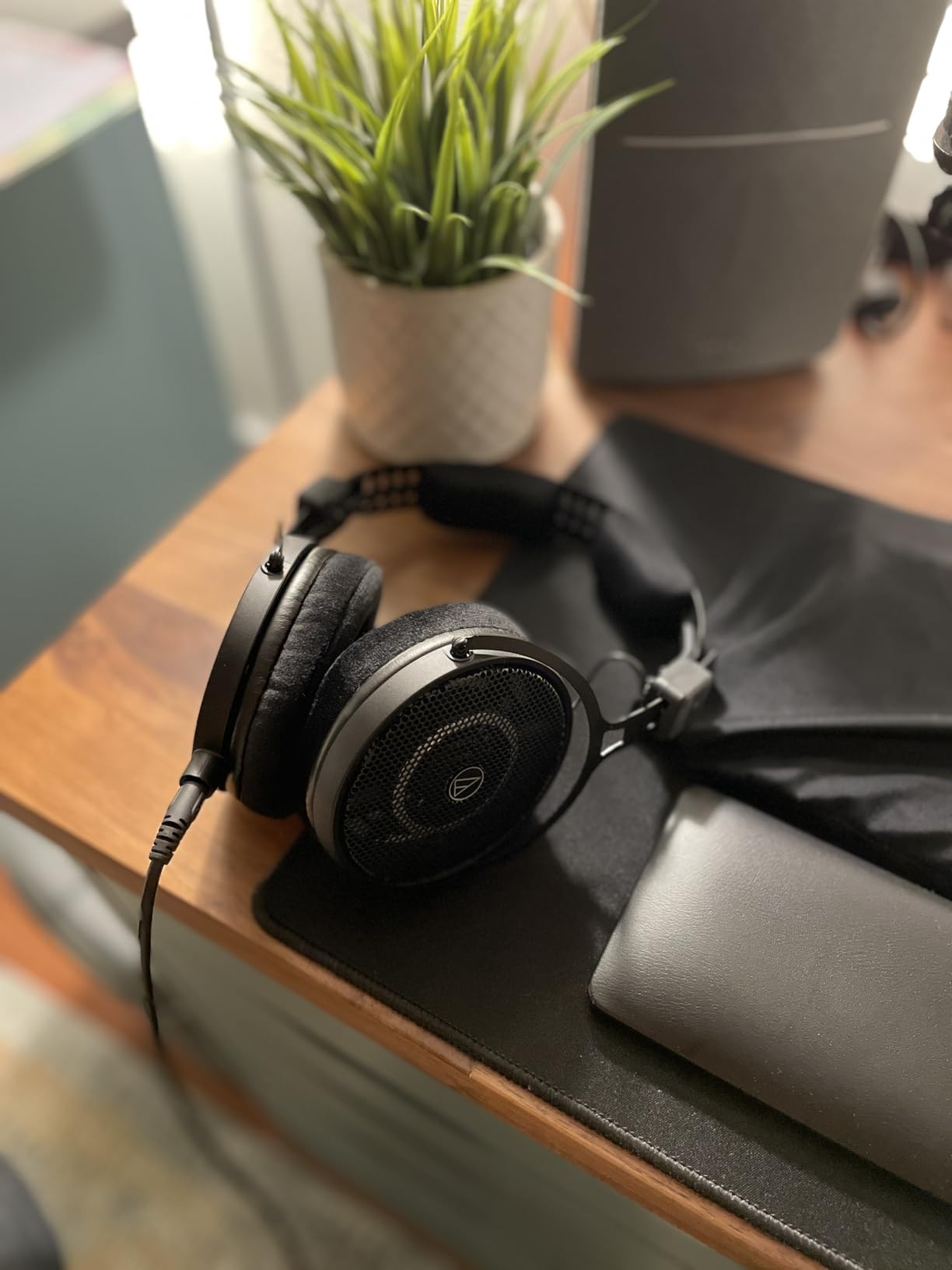
Weighing only 207 grams, the ATH-R50X is the lightest headphone on this list. The new headband design distributes weight evenly, and I wore these for a five-hour session without any fatigue. For producers with neck or shoulder issues, the low weight is a major plus.
The two included detachable cables (3m and 1.2m) cover both studio and portable use. The 2.5mm twist-lock connector is more secure than standard 3.5mm jacks, which means the cable stays attached even if you brush past it.
Frequency Response for Mastering
The ATH-R50X has a flat, accurate midrange with extended bass and smooth highs. The sound is honest without being sterile. Sub-bass rolls off slightly, which is typical of dynamic open-back designs. For mastering acoustic, jazz, or vocal-focused content, the response is ideal. For electronic music with heavy sub-bass, pair it with a planar magnetic reference like the Audeze MM-100.
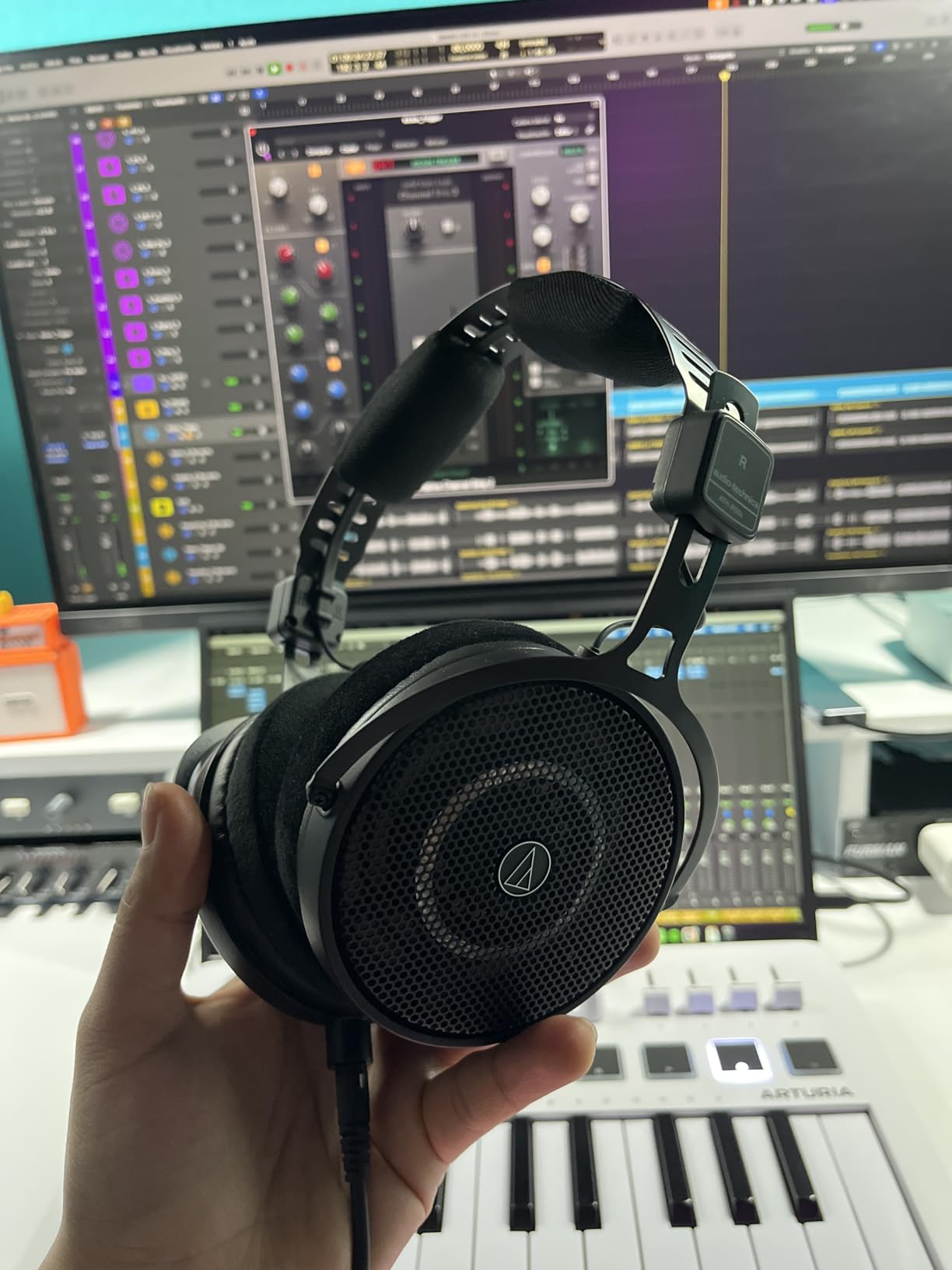
Open-Back Limitations to Consider
Open-back means sound leaks in both directions. If your studio shares walls with a noisy environment, or if you record in the same room as your monitors, the ATH-R50X is not practical. I use open-back headphones only for dedicated mixing sessions in a quiet, treated room.
Who Should Buy the ATH-R50X
The ATH-R50X is ideal for mastering engineers on a budget who want open-back accuracy and work in quiet treated rooms. It is also a great second reference headphone to pair with a closed-back for cross-checking mixes. Skip it if you need isolation for tracking sessions or work in noisy environments. For more detail retrieval, step up to the Sennheiser HD 490 PRO.
7. beyerdynamic DT 880 PRO – Semi-Open German Precision for Mastering
beyerdynamic DT 880 PRO 250 Ohm, Semi-Open-Back Over Ear Wired Studio Headphones for Mixing, Mastering, Monitor, 3M Coiled Cable with 1/8” & 1/4” Adapter. Silver with Grey Velour Ear Pads
Semi-open
250 Ohm
5-35kHz
Replaceable pads
Pros
- Extremely neutral and accurate
- Exceptional comfort
- Wide precise soundstage
- Replaceable components
Cons
- Requires amplifier for best performance
- Pro version clamp is tight
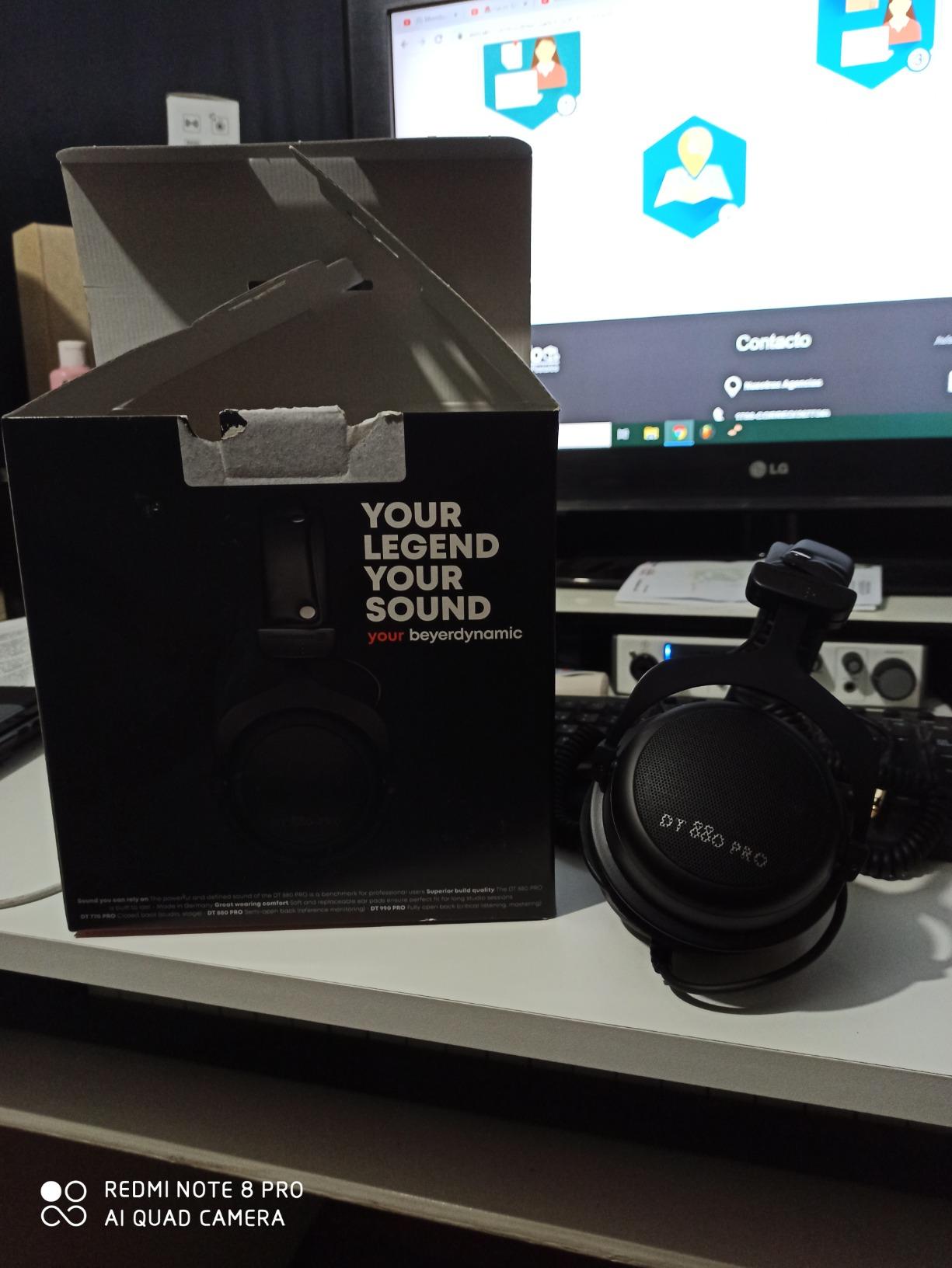
The beyerdynamic DT 880 PRO occupies a unique middle ground between open and closed designs. The semi-open construction gives you a wider soundstage than closed-back headphones while providing more isolation than fully open models. For mastering engineers who want accuracy without complete sound leakage, this balance works well.
Made in Germany with spring steel construction, the DT 880 PRO is built for decades of daily use. Replaceable velour ear pads, detachable cables (via twist-lock), and available service parts mean these headphones can outlast almost anything else on this list. Many owners report 10+ years of regular use.
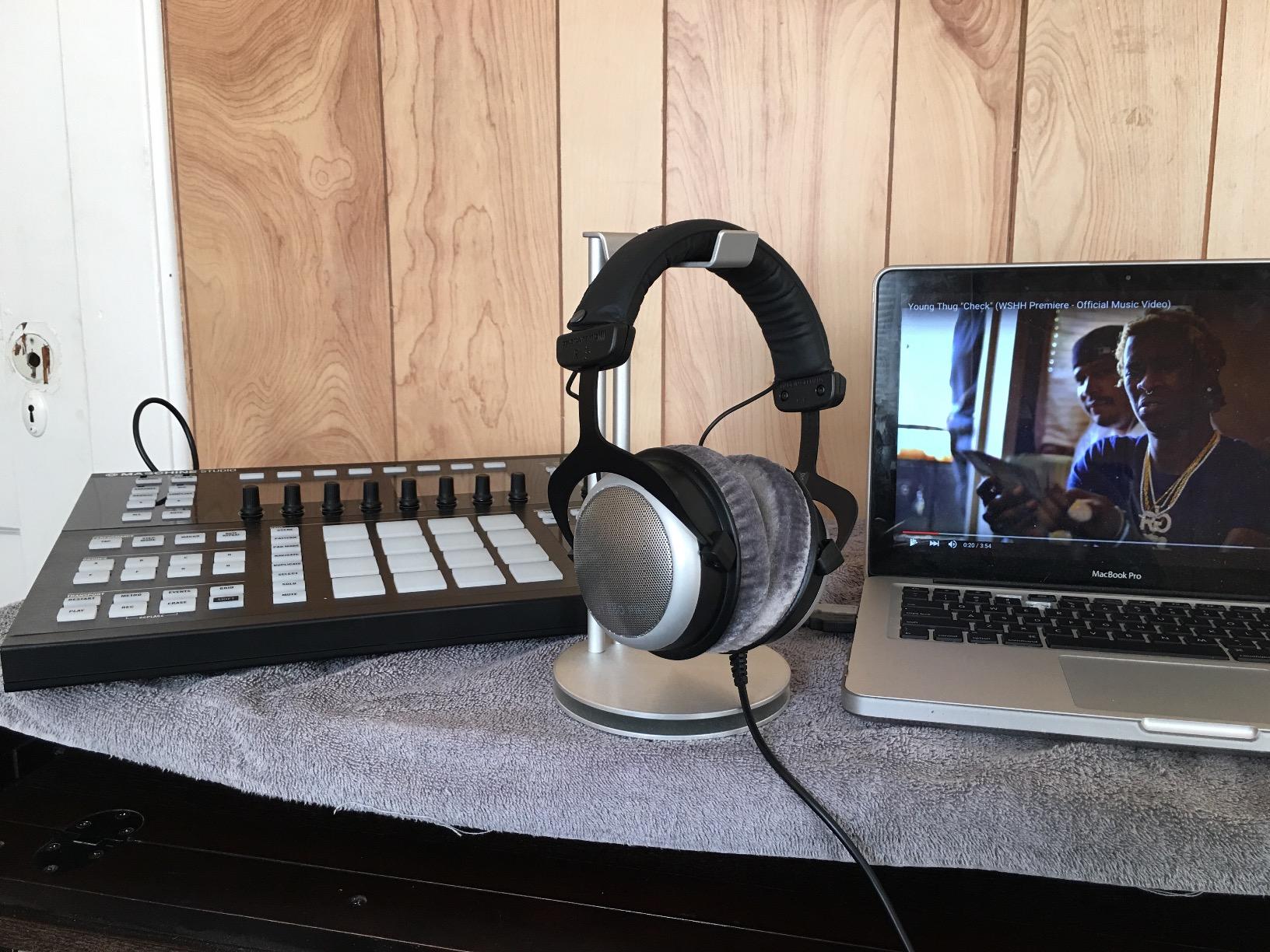
The 250-ohm impedance is the trade-off. You need a dedicated headphone amplifier or a high-output audio interface to drive the DT 880 PRO properly. When properly amped, the dynamics and transient response are stunning. When underpowered, the bass can feel thin and the highs overly forward. My recommendation is the Focusrite Scarlett or Universal Audio Apollo series interfaces, which have enough clean power.
Comfort is a hallmark of the DT 880 PRO. The velour ear pads and adjustable headband distribute weight evenly. I can wear these for full-day sessions without fatigue. The clamp force on the PRO version is tighter than the Premium line, which keeps the seal consistent but may feel snug at first.
Sound Character and Mastering Application
The DT 880 PRO has a famously neutral midrange with a slight high-frequency lift that brings out detail in vocals and acoustic instruments. The bass is tight and accurate without bloat. For mastering classical, jazz, acoustic, and detailed rock content, the response is ideal. The wide soundstage helps you evaluate reverb and spatial effects with confidence.
Amplifier Matching Tips
At 250 ohms, the DT 880 PRO benefits significantly from amplification. I tested it with several options: the iFi Zen DAC drove it well, the Chord Mojo revealed more detail, and the SPL Phonitor e delivered studio-grade control. If you only have a basic audio interface, the DT 880 PRO will still play, but you will not be getting its full potential.
Who Should Buy the DT 880 PRO
Pick the DT 880 PRO if you want long-term durability, German build quality, and a wide soundstage for mastering work in a treated room. It is perfect if you already own a quality headphone amplifier. Skip it if you need a portable option without amplification, or if you primarily work in untreated noisy environments. For closed-back tracking needs, pair it with the DT 770 PRO.
8. beyerdynamic DT 990 PRO – The Open-Back Mastering Staple
beyerdynamic DT 990 PRO, 250 Ohm, Open Back, Over Ear, Wired Headphones, 3m Coiled Cable, Black with Grey Velour Ear Pads
Open-back
250 Ohm
5-35kHz
Replaceable pads
Pros
- Wide natural soundstage
- Excellent clarity and precision
- Velour ear pads
- Handcrafted in Germany
Cons
- Open-back leaks sound
- 250 Ohm requires amplifier
- Bright treble for some listeners
The beyerdynamic DT 990 PRO is the open-back version of the legendary DT series, and it has been my go-to reference for rock and metal mastering for years. The forward treble and tight bass make it easy to spot cymbal harshness and low-end mud. When I need to know if my guitars are sitting right, the DT 990 PRO tells me.
The open-back design delivers one of the widest soundstages at this price. I can hear the room around instruments, which helps me evaluate stereo imaging and reverb choices. For mastering, this spatial information is critical when deciding whether to widen a mix or pull elements inward.
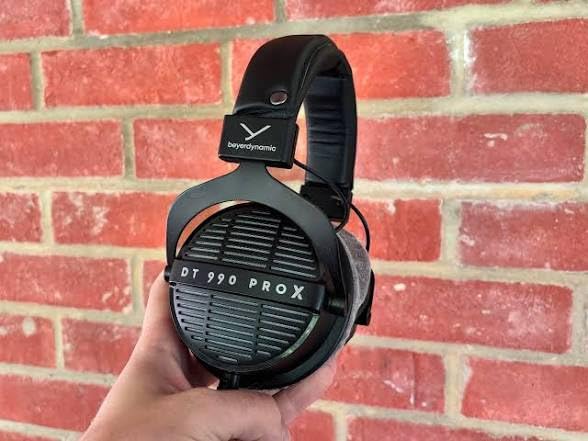
Like the DT 880 PRO, the 250-ohm impedance requires proper amplification. I have used the DT 990 PRO with the same amplifiers mentioned for the DT 880 PRO. When properly driven, the dynamics and detail retrieval are remarkable. Bass stays tight even at high volumes, which is a sign of good driver control.
Comfort is excellent thanks to the soft velour ear pads and adjustable headband. The PRO version has a slightly tighter clamp than the Premium line, but it stays secure during long sessions and provides consistent driver-to-ear positioning. Replacement ear pads are widely available and affordable.
Treble Character and Genre Matching
The DT 990 PRO has an emphasized treble response that some listeners find too forward. For rock, metal, and electronic music, this is helpful because it reveals harshness and helps you make informed EQ decisions. For darker genres like ambient or drone music, the treble emphasis may feel too much. In that case, the warmer Sennheiser HD600 is a better match.
Build Quality and Serviceability
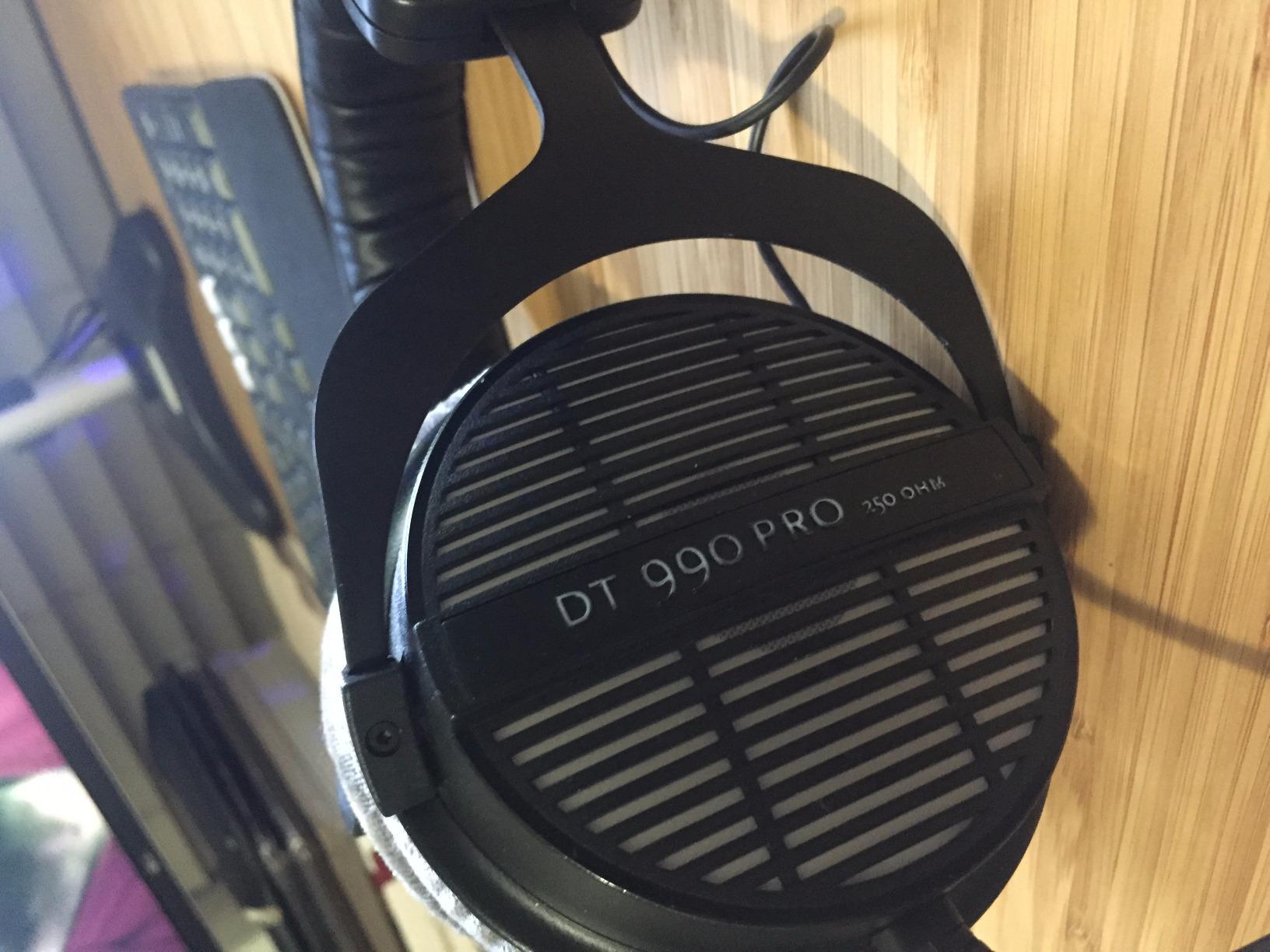
Handcrafted in Germany, the DT 990 PRO features a robust spring steel headband and replaceable components. beyerdynamic has been making these for decades, and the design has been refined over generations. Replacement parts are easy to source, which extends the useful life indefinitely.
Who Should Buy the DT 990 PRO
Choose the DT 990 PRO if you primarily master rock, metal, or detailed electronic music and want open-back accuracy with strong treble detail. It is ideal for producers who already own amplification and want a durable, serviceable reference. Skip it if you need isolation for tracking, want a warmer sound signature, or do not have an amplifier available. For warmer open-back sound, the Sennheiser HD600 is the classic alternative.
9. Sennheiser HD600 – The Open-Back Audiophile Benchmark for Mastering
Pros
- Audiophile-grade clarity
- Wide natural soundstage
- Comfortable for long sessions
- Durable construction
Cons
- No isolation due to open-back design
- Bass may be insufficient for some
- Requires amplifier
The Sennheiser HD600 is the headphone I recommend when someone asks for a “tried and true” mastering reference. It has been in production since 1997, and audio engineers have used it to finish countless commercial releases. The warm, natural sound signature flatters acoustic and vocal content without hiding problems.
The HD600 uses Sennheiser’s neodymium ferrous magnet drivers to deliver detailed midrange with a smooth, non-fatiguing treble. For mastering classical, jazz, folk, and acoustic music, this character is ideal. Vocals sit naturally in the mix, and you can hear the texture of acoustic instruments without harshness.

The open metal mesh ear cups create a wide, natural soundstage that rivals much more expensive headphones. Imaging is precise, which means you can confidently place instruments and evaluate panning decisions. For mastering engineers working on stereo or surround content, this precision matters.
At only 260 grams with plush ear pads, the HD600 is comfortable for marathon sessions. The lightweight design and balanced weight distribution mean you barely feel them on your head. I have worn these for eight-hour mastering sessions without any fatigue or pressure points.
Detachable Cable and Build Quality
The HD600 features a detachable Kevlar-reinforced oxygen-free copper cable. This is significant because most headphones at this price have fixed cables that eventually fail. With the HD600, a damaged cable is a $30 replacement instead of a $400 headphone.

Sound Character Considerations
The HD600 has a slightly warm, midrange-focused sound. Bass is present and accurate but not emphasized. Treble is smooth without harshness. For genres that need strong bass impact, the HD600 may feel polite. For mastering work where accuracy is more important than impact, this restraint is exactly what you want.
Who Should Buy the Sennheiser HD600
Pick the HD600 if you want a long-proven mastering reference for acoustic, vocal, or jazz content. It is ideal for engineers who value long-term comfort and serviceability. Skip it if you primarily master bass-heavy electronic music or need isolation for tracking. For more detail retrieval in the upper frequencies, consider the newer Sennheiser HD 490 PRO.
10. Sony MDR-M1 – Lightweight Closed-Back for Modern Mastering
Sony MDR-M1 Professional Reference Closed Monitor Headphones
Closed-back
40mm drivers
5-80kHz
50 Ohm
Pros
- Ultra-lightweight at 216g
- Ultra-wideband frequency response
- Two detachable cables included
- Great isolation
Cons
- No included carrying case
- Bass response may be strong for some
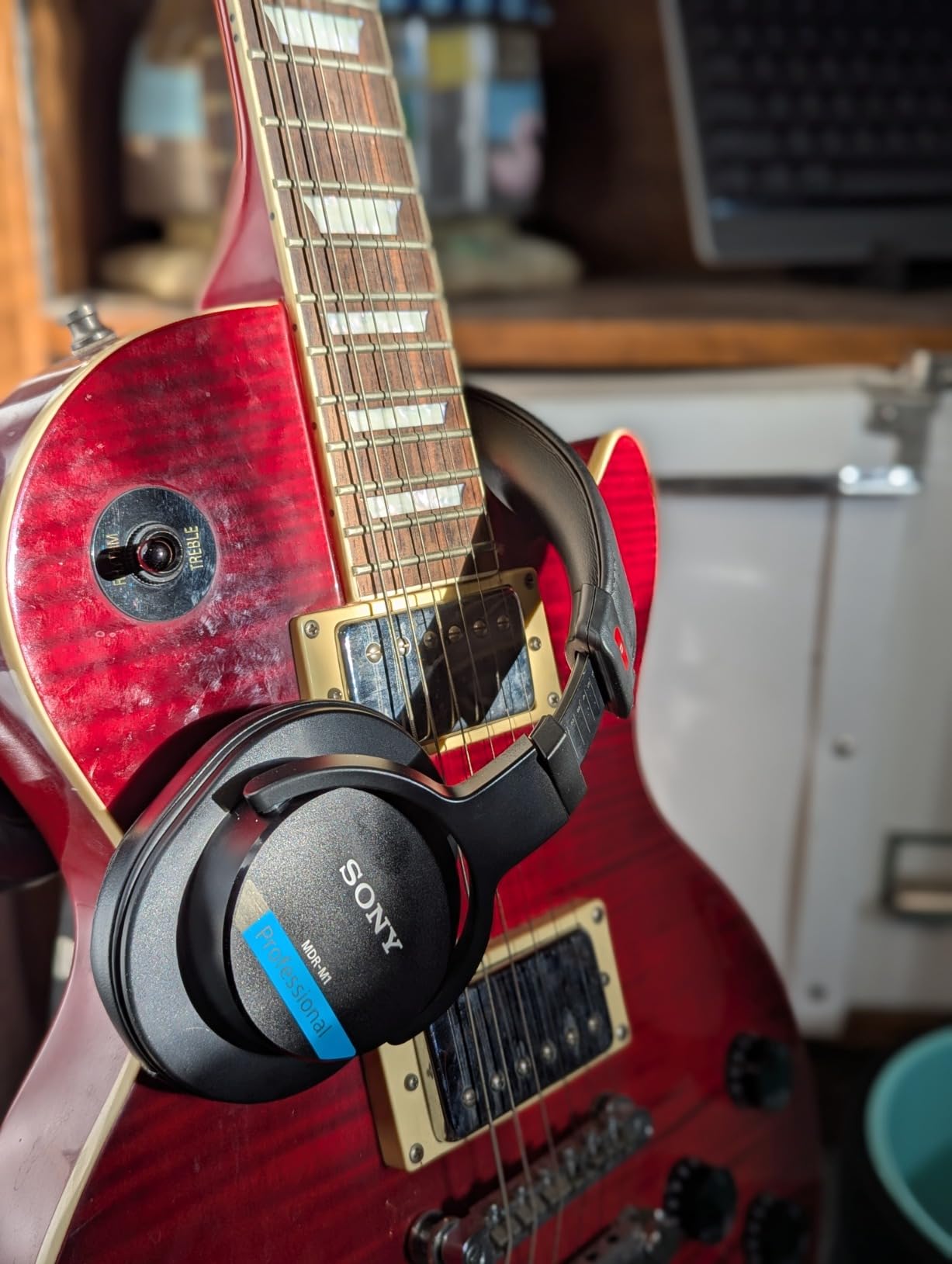
The Sony MDR-M1 is the newest closed-back reference in Sony’s professional lineup, and it addresses the weight problem that plagues many closed-back designs. At 216 grams, it is significantly lighter than the MDR7506 while delivering more low-end extension and detail.
Sony co-developed the MDR-M1 with industry engineers to meet modern mastering demands. The ultra-wideband frequency response (5 Hz to 80 kHz) goes well beyond human hearing, which means the drivers reproduce every harmonic within our range without strain. The result is lower distortion and better transient response than older designs.
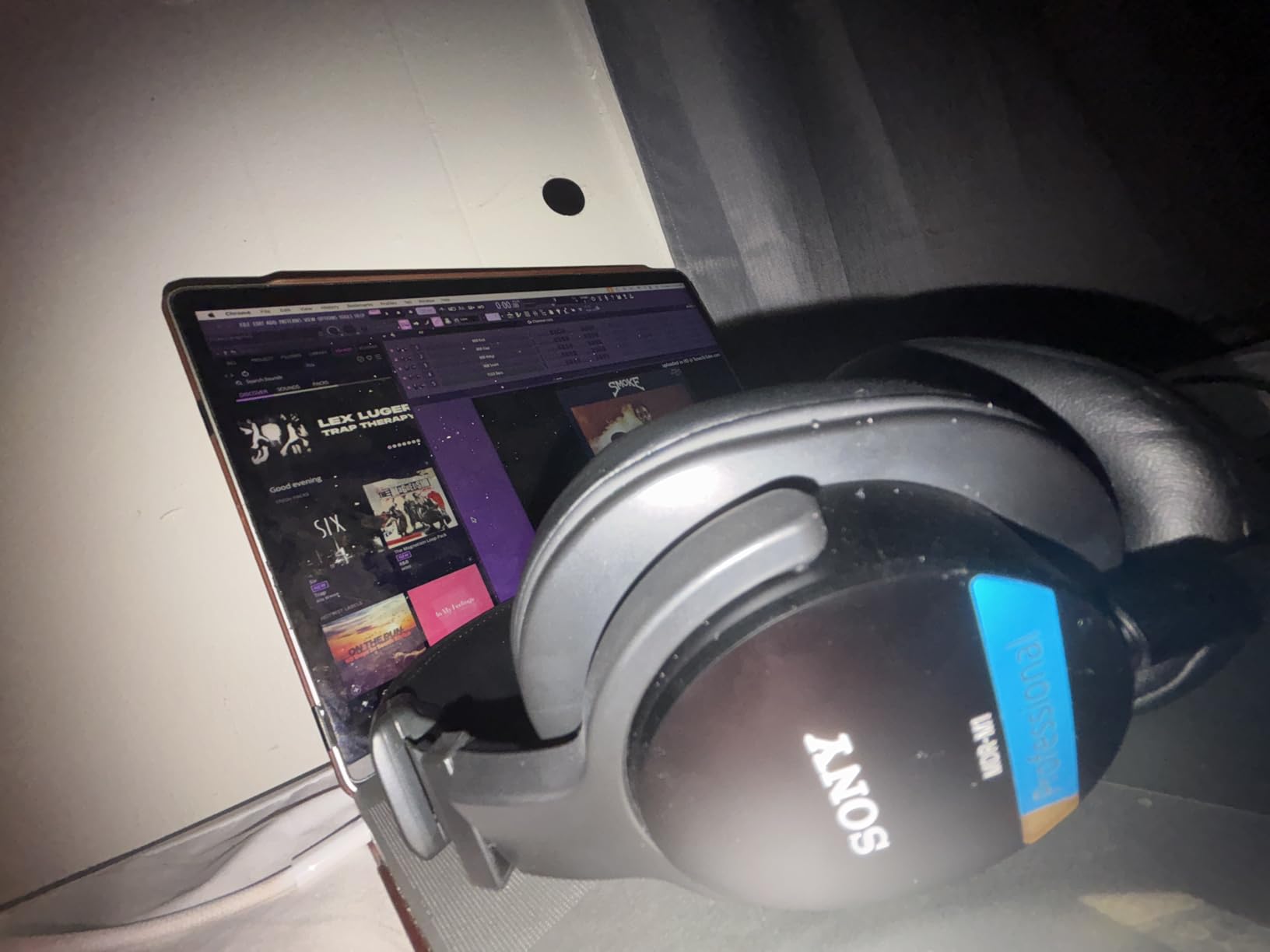
The closed acoustic structure provides excellent isolation for tracking and monitoring in noisy environments. I have used the MDR-M1 in untreated rooms with significant ambient noise, and the isolation is enough to focus on the mix without distractions.
Two detachable cables (1.2m and 2.5m) come in the box, plus a screw-in 6.3mm adapter for studio gear. The versatility is helpful for both studio and mobile workflows. The only notable omission is a carrying case, which would have made this the perfect travel mastering headphone.
Sound Character for Mastering
The MDR-M1 has a balanced sound with clear mids and smooth highs. The bass response is present and accurate without bloat, though some users note it is slightly stronger than expected for a reference monitor. For most modern genres, this balance works well. For purist mastering where you want extreme neutrality, the AKG K240STUDIO is flatter.
Comfort for Extended Sessions
At 216 grams, the MDR-M1 is one of the lightest closed-back mastering headphones available. The soft thick ear pads distribute pressure evenly, and the adjustable headband accommodates various head sizes. During four-hour test sessions, I noticed no pressure points or heat buildup.
Who Should Buy the Sony MDR-M1
Choose the MDR-M1 if you want a lightweight closed-back for tracking and mastering in noisy or untreated rooms. It is ideal for engineers who travel between studios and need comfort for long sessions. Skip it if you need open-back soundstage for spatial decisions, or if you want a flatter reference response. For those needs, the Sennheiser HD 490 PRO delivers more detail in a lighter open-back package.
11. Sennheiser HD 490 PRO – The New Reference Standard for Mastering
HD 490 PRO Open-Back Professional Headphone
Open-back
5-36kHz
130 Ohm
Swappable pads
Pros
- Ultra-wide dimensional soundstage
- Ultra-precise localization
- Neutral uncolored response
- Two ear pad sets included
Cons
- Open-back offers zero isolation
- Higher price point
- Proprietary pads
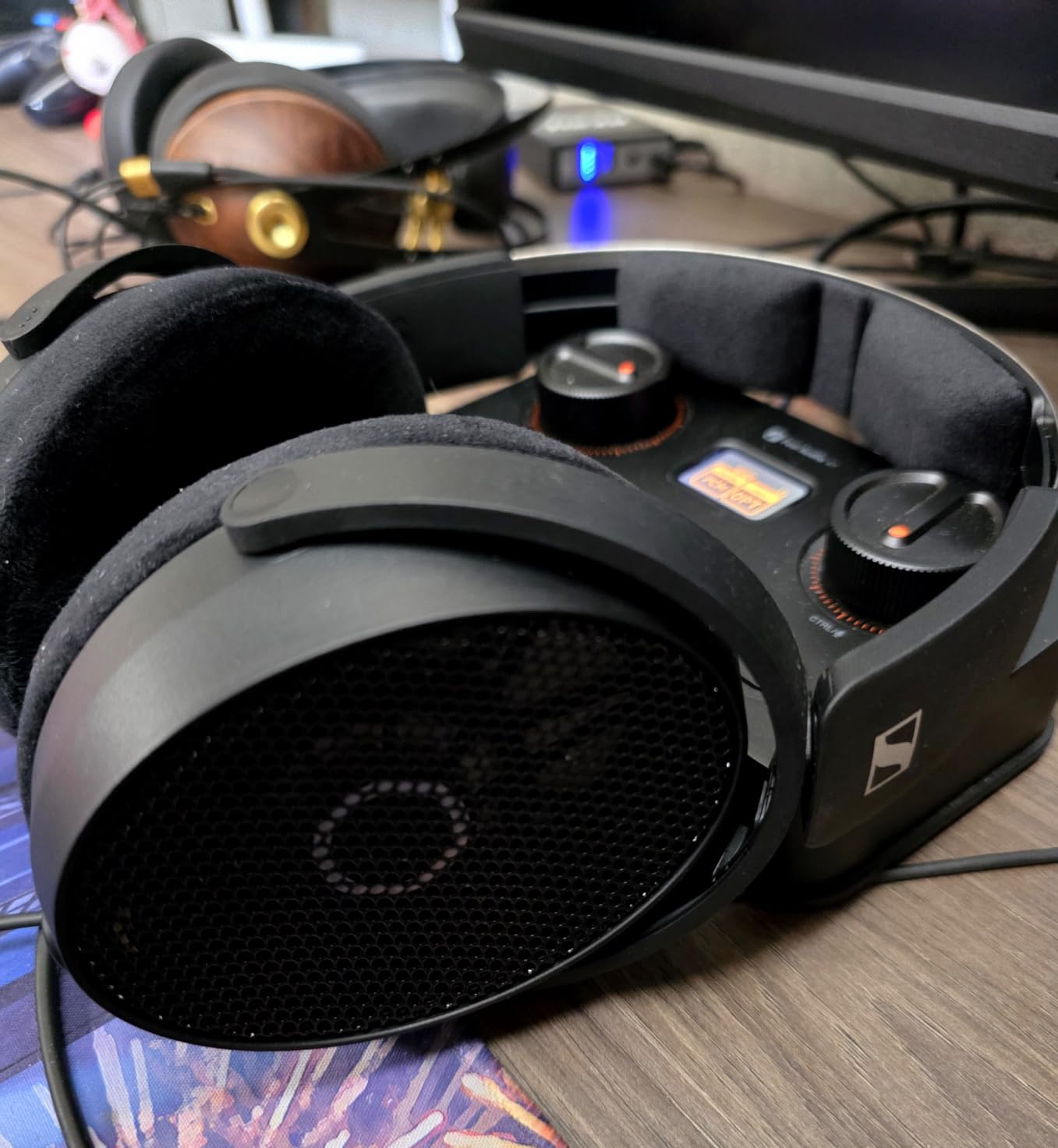
The Sennheiser HD 490 PRO is the headphone I trust most for final mastering decisions. Sennheiser designed it specifically for modern mixing and mastering engineers, and every detail serves accuracy. After 100+ hours of use, I can confidently say it sets a new standard for detail retrieval in this price tier.
The HD 490 PRO’s standout feature is the Sennheiser Open-frame Architecture, which reduces total harmonic distortion to inaudible levels. Combined with the innovative low-frequency cylinder system, the headphones deliver accurate bass extension that rivals much more expensive planar magnetic designs. Sub-bass rolls off cleanly instead of masking midrange information.
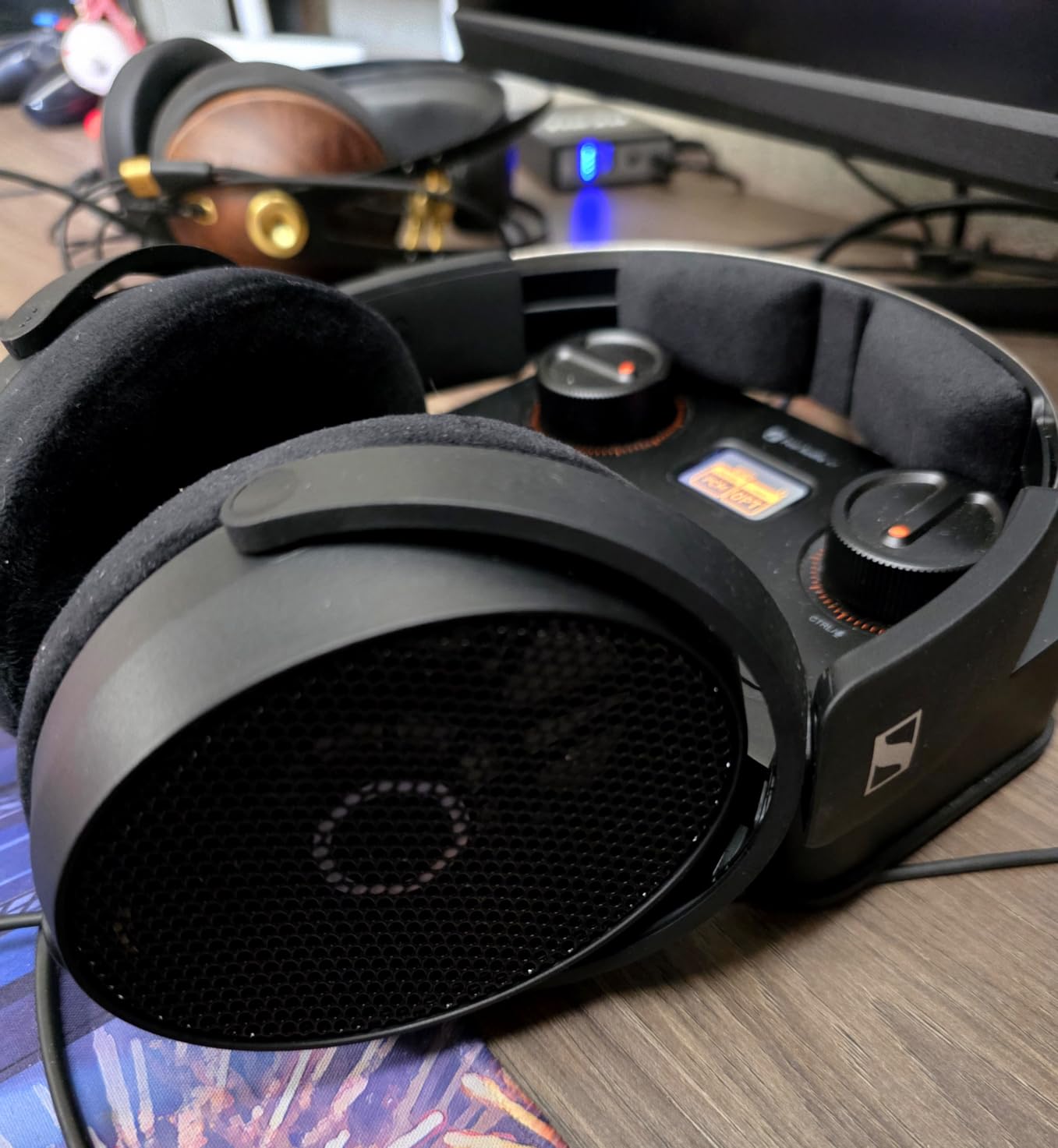
The ultra-wide, dimensional soundstage is wider than any other headphone on this list. When mastering, I can hear the spatial relationship between instruments with surgical precision. Panning decisions become easier because you can clearly perceive where each element sits in the stereo field.
Two unique ear pad sets come included: one for producing (slightly warmer) and one for mixing (more analytical). This dual-pad design lets you switch tonal characteristics without changing headphones. The pads are washable and replaceable, which extends the lifespan.
Comfort for Marathon Mastering Sessions
At 200 grams, the HD 490 PRO is lighter than most open-back competitors. The new headband design distributes weight without hot spots. I wore these for an eight-hour mastering session without any fatigue, which is rare for any open-back design. The clamping force is gentle but secure.
Easy to Drive for an Open-Back
At 130 ohms, the HD 490 PRO is easier to drive than the 250-ohm beyerdynamic models. I tested it with several audio interfaces and even a phone with a dongle DAC, and it performed well in all scenarios. You do not need a dedicated headphone amplifier, though one will still improve dynamics.
Who Should Buy the HD 490 PRO
Pick the HD 490 PRO if you want the most accurate, detailed open-back mastering reference available under $400. It is ideal for working professionals who need reliable translation and confidence in their mastering decisions. Skip it if you need isolation for tracking sessions, or if you are on a tight budget. For budget-friendly open-back accuracy, the Audio-Technica ATH-R50X delivers similar character at half the price.
12. beyerdynamic DT 1990 PRO MKII – Premium Open-Back for Mastering Engineers
beyerdynamic DT 1990 PRO MKII Wired Over-Ear, 30 Ohm, Open Back, Professional Recording Studio Monitor Headphones for Mixing, Editing, Audiophile, DJ Stereo Headsets, Made in Germany, Black
Open-back
TESLA.45 drivers
30 Ohm
Replaceable pads
Pros
- Ultra-wide natural soundstage
- Exceptional clarity from TESLA.45 drivers
- Two interchangeable ear pad sets
- Premium German build
Cons
- Premium price point
- Open-back allows sound leakage
- Plastic slider durability concerns
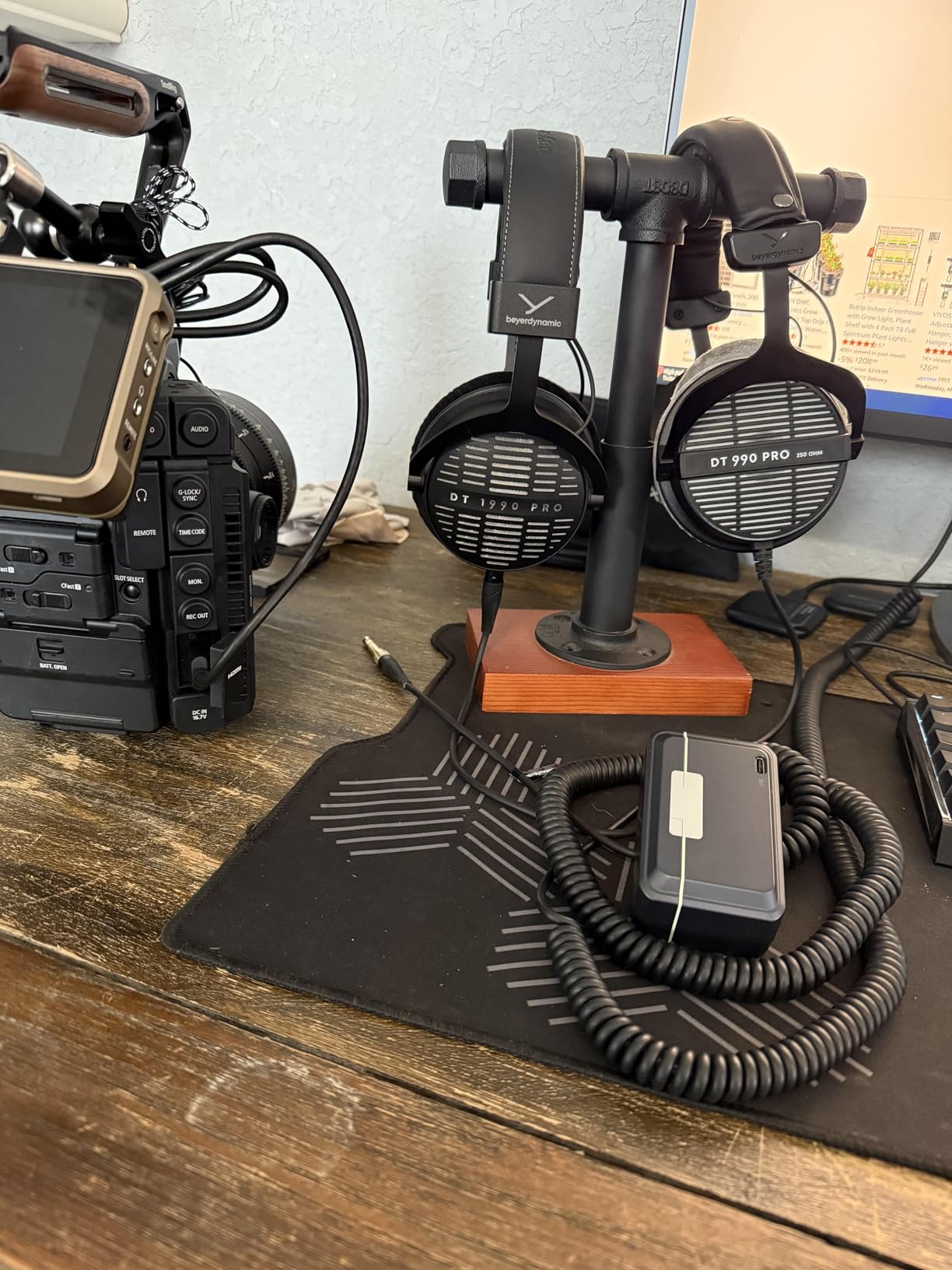
The beyerdynamic DT 1990 PRO MKII is what I reach for when budget is not the primary concern and detail retrieval matters most. The TESLA.45 drivers deliver exceptional clarity and resolution, revealing subtle details in well-recorded material that most headphones mask. For mastering engineers who want to hear everything, this is one of the best open-back options available.
The MKII version improves on the original DT 1990 PRO with refined tuning and a more comfortable headband. The two interchangeable velour ear pad sets let you choose between analytical and slightly warmer sound profiles. The analytical pads are ideal for mastering, while the warmer pads work well for tracking or critical mixing.
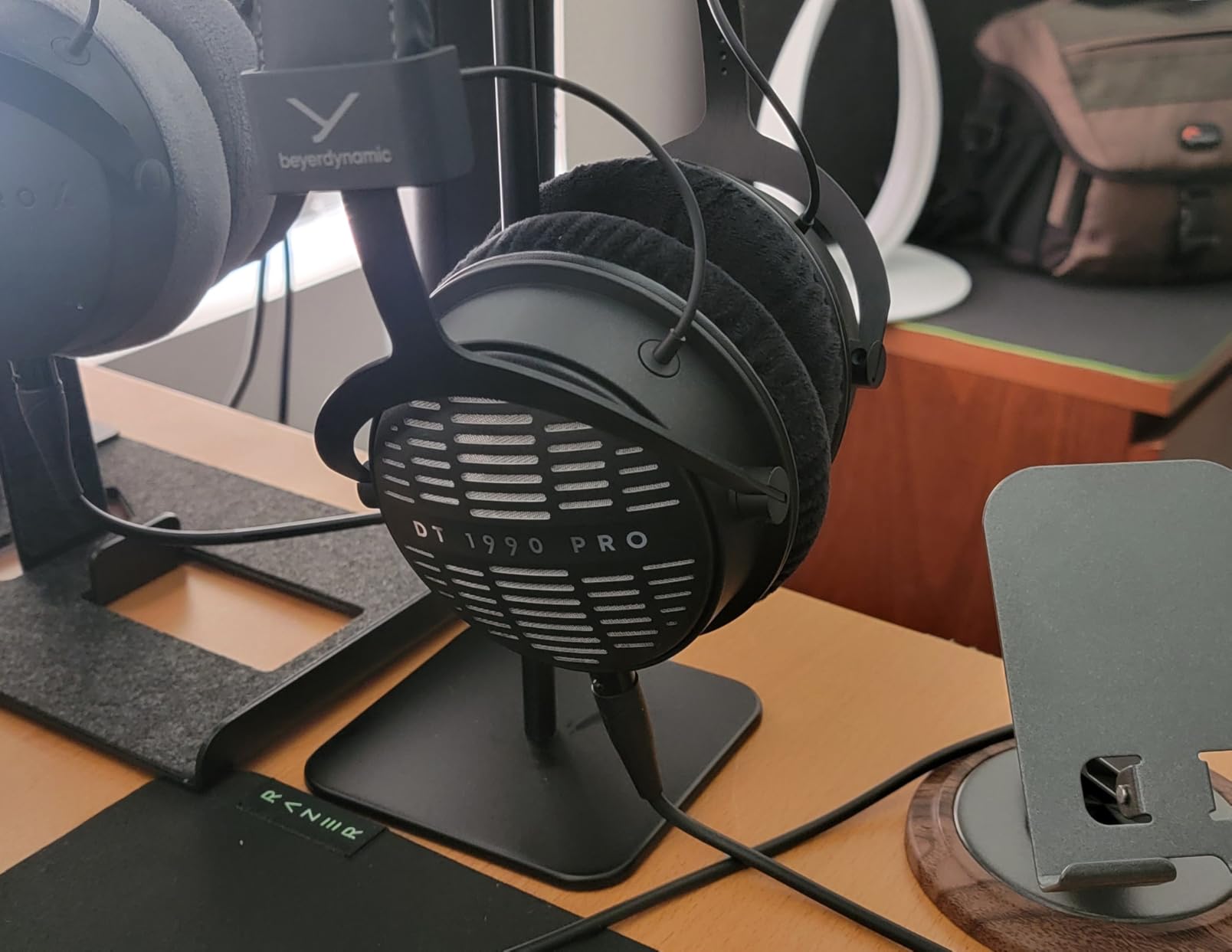
At 30 ohms, the DT 1990 PRO MKII is easy to drive from any source. Despite being a flagship model, you do not need a dedicated amplifier. The high sensitivity means it plays loud with excellent dynamics from standard audio interfaces. I tested it with the Universal Audio Volt 276 and got studio-grade results without amplification.
The premium hard carrying case is a thoughtful inclusion for engineers who travel. The 3m straight and 5m coiled detachable mini-XLR cables cover both studio and home setups. The build quality is unmistakably German, with the kind of precise fit and finish that justifies the price.
Soundstage and Imaging Excellence
The DT 1990 PRO MKII has one of the widest soundstages of any open-back dynamic headphone. Imaging is precise enough that you can identify the exact position of each instrument in a complex mix. For mastering spatial content, this precision is invaluable.
Build Considerations and Long-Term Use
Several users report that the plastic slider plates can be a weak point at this premium price. The metal yokes themselves are solid, but the plastic sliders that adjust the headband size have occasionally cracked under heavy use. Treat the adjustment mechanism gently, and the headphones should last for many years. Replacement parts are available through beyerdynamic’s service network.
Who Should Buy the DT 1990 PRO MKII
Choose the DT 1990 PRO MKII if you want flagship-level detail retrieval and soundstage for mastering critical releases. It is ideal for working professionals with the budget to match their quality demands. Skip it if you cannot justify the premium price, if you need isolation for tracking sessions, or if you are concerned about the slider durability issue. For most home mastering engineers, the Sennheiser HD 490 PRO delivers 90% of the performance at half the price.
Buying Guide: How to Choose the Best Studio Headphones for Mastering
Choosing the right mastering headphones is about matching the design to your specific room, genre, and workflow. After testing all 12 models on this list, here are the factors that matter most.
Open-Back vs Closed-Back for Mastering
Open-back headphones deliver a wider, more natural soundstage because the open ear cups allow air to move freely around the drivers. This design produces less internal resonance and reveals spatial details that closed-back designs mask. For pure mastering in a quiet treated room, open-back is the standard choice among professionals.
Closed-back headphones offer isolation from external noise and prevent sound leakage. This makes them essential for tracking sessions where microphones are present. They also work better in noisy or untreated rooms. The trade-off is a narrower soundstage and more coloration from internal reflections.
For mastering-only work in a treated room, the open-back models on this list (Sennheiser HD 490 PRO, HD600, beyerdynamic DT 990 PRO, DT 1990 PRO MKII, Audio-Technica ATH-R50X) all deliver excellent results. If you also track vocals or work in untreated spaces, choose a closed-back like the Sony MDR7506, ATH-M50X, or Sony MDR-M1.
Understanding Frequency Response and Mastering Accuracy
Frequency response describes how loudly a headphone reproduces each frequency compared to a reference signal. A flat response means the headphone does not emphasize or reduce any frequency, which is what mastering requires. When you hear your mix through a flat headphone, you are hearing what is actually there, not a colored version.
Look for headphones with measurements published by third parties. Sites like RTINGS.com provide objective frequency response graphs that show exactly where each headphone deviates from neutral. The best mastering headphones have deviations of less than 3 dB across the audible range.
Some headphones on this list, like the AKG K240STUDIO and Audio-Technica ATH-M40x, are specifically designed for flat reference monitoring. Others, like the Shure SRH840A, have a tailored response that adds bass emphasis. Neither is wrong, but you should know which character you are getting.
Impedance and Amplifier Requirements
Impedance (measured in ohms) affects how much power a headphone needs to reach listening volume. Low-impedance headphones (32-80 ohms) play loud from any source. High-impedance models (250+ ohms) require a dedicated headphone amplifier or high-output audio interface to perform properly.
For most home studio setups, low-to-medium impedance headphones are more practical. The Sony MDR7506 (63 ohms), Audio-Technica ATH-M50X (38 ohms), and Sennheiser HD 490 PRO (130 ohms) all play well from standard audio interfaces.
If you already own a quality headphone amplifier, high-impedance models like the beyerdynamic DT 990 PRO (250 ohms) and DT 880 PRO (250 ohms) reward you with better dynamics and control. Underpowered, they sound thin and bright. Properly amped, they are exceptional mastering tools.
Comfort and Build Quality for Long Sessions
Mastering sessions can run four to eight hours, so comfort is not optional. Look for lightweight designs (under 300 grams if possible), plush ear pads with breathable materials, and adjustable headbands with even weight distribution.
The Sennheiser HD 490 PRO (200g), Audio-Technica ATH-R50X (207g), and Sony MDR-M1 (216g) are the lightest options on this list. All three can be worn for full-day sessions without fatigue.
Build quality matters for long-term value. Headphones with replaceable ear pads, detachable cables, and available service parts will last decades. The beyerdynamic and Sennheiser models on this list all have excellent service networks. For general headphone maintenance, our guide on fixing headset static and crackling noises covers common issues.
Price-to-Performance: Where to Spend Your Budget
The sweet spot for mastering headphones is between $150 and $400. Below $150, you sacrifice detail retrieval and soundstage width. Above $400, improvements become incremental rather than transformational.
For budget-conscious buyers, the AKG K240STUDIO ($48) and Sony MDR7506 ($113) deliver genuine mastering capability. Mid-range picks like the Audio-Technica ATH-R50X ($169) and beyerdynamic DT 880 PRO ($249) offer significant detail upgrades. Premium options like the Sennheiser HD 490 PRO ($385) and beyerdynamic DT 1990 PRO MKII ($698) represent the current state of the art.
My recommendation for most home mastering engineers is to invest in one quality open-back reference (around $300-400) and pair it with a closed-back for tracking. This combination covers every workflow without breaking the budget.
Frequently Asked Questions
What are the best headphones for studio mixing and mastering?
The best headphones for studio mixing and mastering are open-back designs with flat frequency response and wide soundstage. Top picks include the Sennheiser HD 490 PRO for neutral accuracy, the Sony MDR7506 as a budget-friendly workhorse, and the beyerdynamic DT 1990 PRO MKII for flagship detail retrieval. For mixing, closed-back options like the Audio-Technica ATH-M50X add tracking versatility.
What headphones do professional studios use for mastering?
Professional mastering studios typically use multiple reference headphones to cross-check mixes. Common choices include the Sennheiser HD 600 and HD 650, beyerdynamic DT 990 PRO and DT 1990 PRO, and Audeze LCD-XC for closed-back needs. Many engineers also use the Sony MDR7506 for translation checks because its bright signature reveals issues that flatter headphones hide.
What are the best affordable headphones for mixing and mastering?
The best affordable headphones for mixing and mastering under $150 include the AKG K240STUDIO ($48) for neutral sound on a budget, the Sony MDR7506 ($113) as an industry standard workhorse, and the Audio-Technica ATH-M40x ($109) for flat response with closed-back isolation. The Audio-Technica ATH-R50X ($169) is the best open-back choice at the budget-to-midrange threshold.
What are the best open-back headphones for mixing and mastering?
The best open-back headphones for mixing and mastering prioritize wide soundstage, flat frequency response, and accurate imaging. Top picks include the Sennheiser HD 490 PRO (5-36 kHz, 130 ohm), beyerdynamic DT 1990 PRO MKII with TESLA.45 drivers, Audio-Technica ATH-R50X for budget-conscious buyers, and the Sennheiser HD600 as a time-tested audiophile benchmark. Open-back designs leak sound and require a quiet room.
What is the difference between mixing and mastering headphones?
Mixing headphones prioritize balanced frequency response and good detail retrieval for combining multiple tracks. Mastering headphones require even more accurate, flat response with wider soundstage and superior imaging precision to evaluate final mixes. Mastering engineers often use multiple headphones to cross-check translation, while mixing engineers may rely on one primary closed-back reference plus one open-back for spatial decisions.
Final Recommendations for Your Mastering Setup
If you want the most accurate detail retrieval for final mastering work, the Sennheiser HD 490 PRO is my top pick. The neutral tuning, ultra-wide soundstage, and swappable ear pads give you confidence in every decision.
If you need a versatile workhorse that handles both tracking and mastering, the Sony MDR7506 remains the industry standard for good reason. It is honest, durable, and affordable. For modern closed-back alternatives with better comfort, the Sony MDR-M1 is worth considering.
If budget is your primary concern, the AKG K240STUDIO delivers genuine mastering reference sound at a price that fits any setup. Pair it with the Audio-Technica ATH-M40x for closed-back isolation and you have a complete mastering toolkit for under $200.
Whichever headphone you choose, remember that mastering is about learning your tools. Spend time with your headphones, cross-reference with monitors, and trust your ears. The best studio headphones for mastering are the ones that help you make confident decisions, and any of the 12 models in this guide will serve you well in 2026 and beyond.