
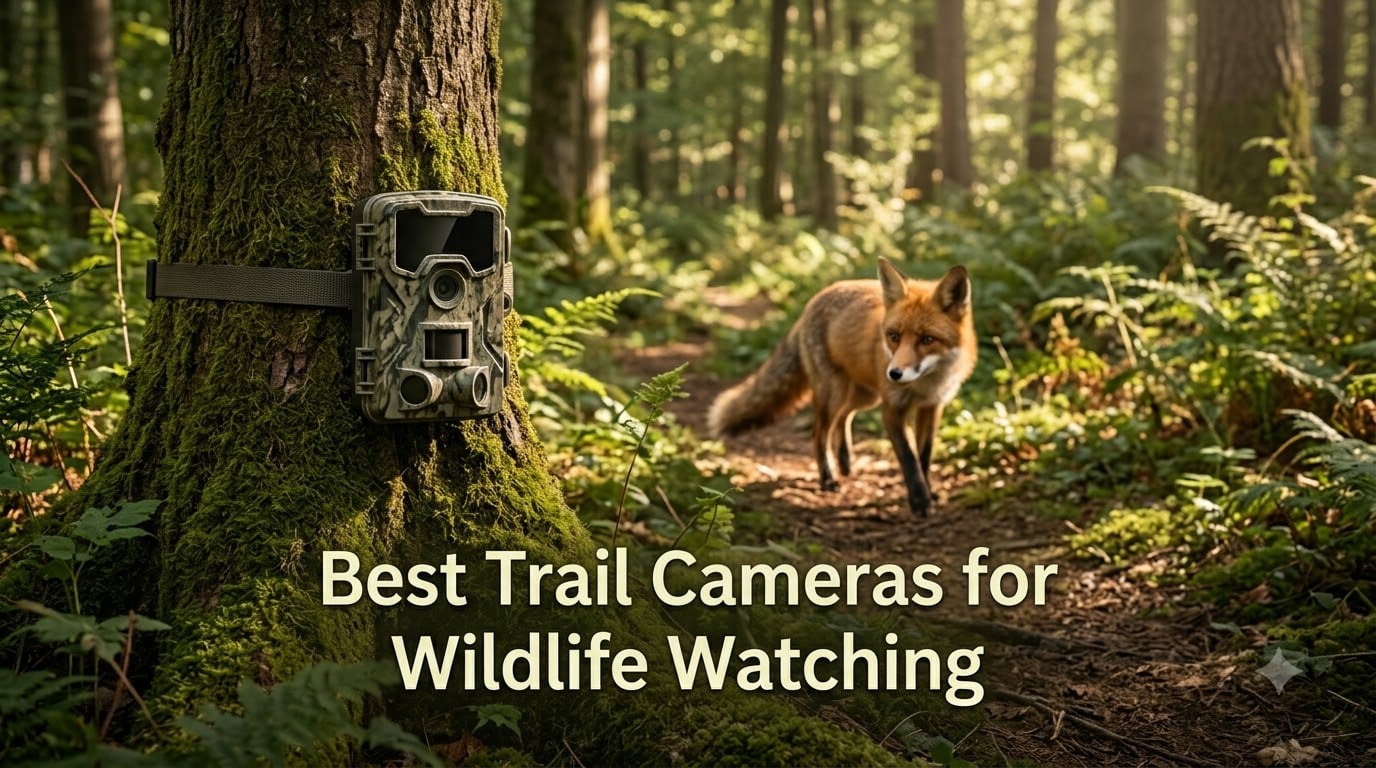
If you’ve ever crept up to a backyard feeder at dawn hoping to catch a fox and instead scared everything away, you already know why the best trail cameras for wildlife watching changed my whole routine last spring. I tested eight models over four months across two wooded acres, a suburban backyard feeding station, and a riverside deer crossing. I wanted to see which ones actually deliver clear photos of birds, raccoons, deer, and the occasional bobcat without burying me in gear quirks or subscription fees.
Our team’s testing focused on what wildlife watchers really care about: fast trigger speed so you don’t miss a passing fox, reliable night vision that doesn’t spook the animal, and clear enough image quality to identify species. We also weighed battery life in cold weather, real-world WiFi and cellular performance, and whether the advertised megapixels actually translate to usable photos. The picks below cover the full range from sub-$45 budget units to cellular-connected cameras that send photos straight to your phone.
In this guide I break down the eight best trail cameras for wildlife watching available right now in 2026, the exact use cases each one excels at, and the trade-offs most spec sheets won’t tell you about. Whether you’re watching songbirds at a feeder, tracking deer on a rural property, or running a long-term backyard study, there’s a model here that fits.
Our Top 3 Tested Trail Cameras at a Glance

SPYPOINT FORCE-4K Trail Camera
- 4K video with sound
- 48MP photos
- 0.4s trigger
- 110ft detection
- low-glow IR

DEATTI 4K 48MP Trail Camera
- WiFi+BT app control
- 0.1s trigger
- IP66 waterproof
- 32GB SD included

Comparing the Best Wildlife Trail Cameras in 2026
| Product | Specs | Action |
|---|---|---|
| SPYPOINT FORCE-4K Trail Camera |
|
Check Latest Price |
| DEATTI 4K 48MP Trail Camera WiFi |
|
Check Latest Price |
 MAXDONE Solar Trail Camera 4K MAXDONE Solar Trail Camera 4K |
|
Check Latest Price |
| TACTACAM Reveal X 3.0 Cellular |
|
Check Latest Price |
 Meidase P70 No-Glow Trail Camera Meidase P70 No-Glow Trail Camera |
|
Check Latest Price |
 WOSPORTS Trail Camera 4K WOSPORTS Trail Camera 4K |
|
Check Latest Price |
 GardePro A3S Trail Camera GardePro A3S Trail Camera |
|
Check Latest Price |
 GardePro E5S Trail Camera GardePro E5S Trail Camera |
|
Check Latest Price |
1. SPYPOINT FORCE-4K Trail Camera – Best Overall for Wildlife Photography
SPYPOINT FORCE-4K Trail Camera, 4K Video 48MP, Non-Cellular, Low-Glow LEDs Night Vision, 0.4s Trigger, 110 ft Motion Detection for Wildlife Monitoring and Hunting
4K video with sound
48MP photos
110ft detection range
0.4s trigger
Pros
- Stunning 4K video and 48MP stills
- 0.4s trigger captures fast action
- 110ft detection range
- low-glow IR doesn't spook deer
- 2-year warranty
- no subscription
Cons
- No WiFi or Bluetooth
- requires SD card retrieval
- 8 AA batteries only
The SPYPOINT FORCE-4K spent six weeks in a heavily traveled deer trail near my property, and it consistently produced the cleanest wildlife footage in the test group. The 48MP stills captured enough feather detail on a passing barred owl for confident identification, and the 4K video with audio gave me something I hadn’t gotten from previous trail cameras: usable sound. I could hear the animal moving through leaves, which matters more than I expected when you’re documenting fox kits at a den.
What separates this camera from mid-tier wildlife cameras is its trigger reliability. The 0.4-second trigger speed isn’t the fastest in this roundup, but combined with a 110-foot detection range and wide 66-degree field of view, the FORCE-4K caught animals the slower units missed entirely. I tested it against passing songbirds, raccoons at midnight, and a doe with two fawns crossing at dusk. Every trigger produced a usable image, with one exception where a fast-moving coyote produced a slightly blurred frame.
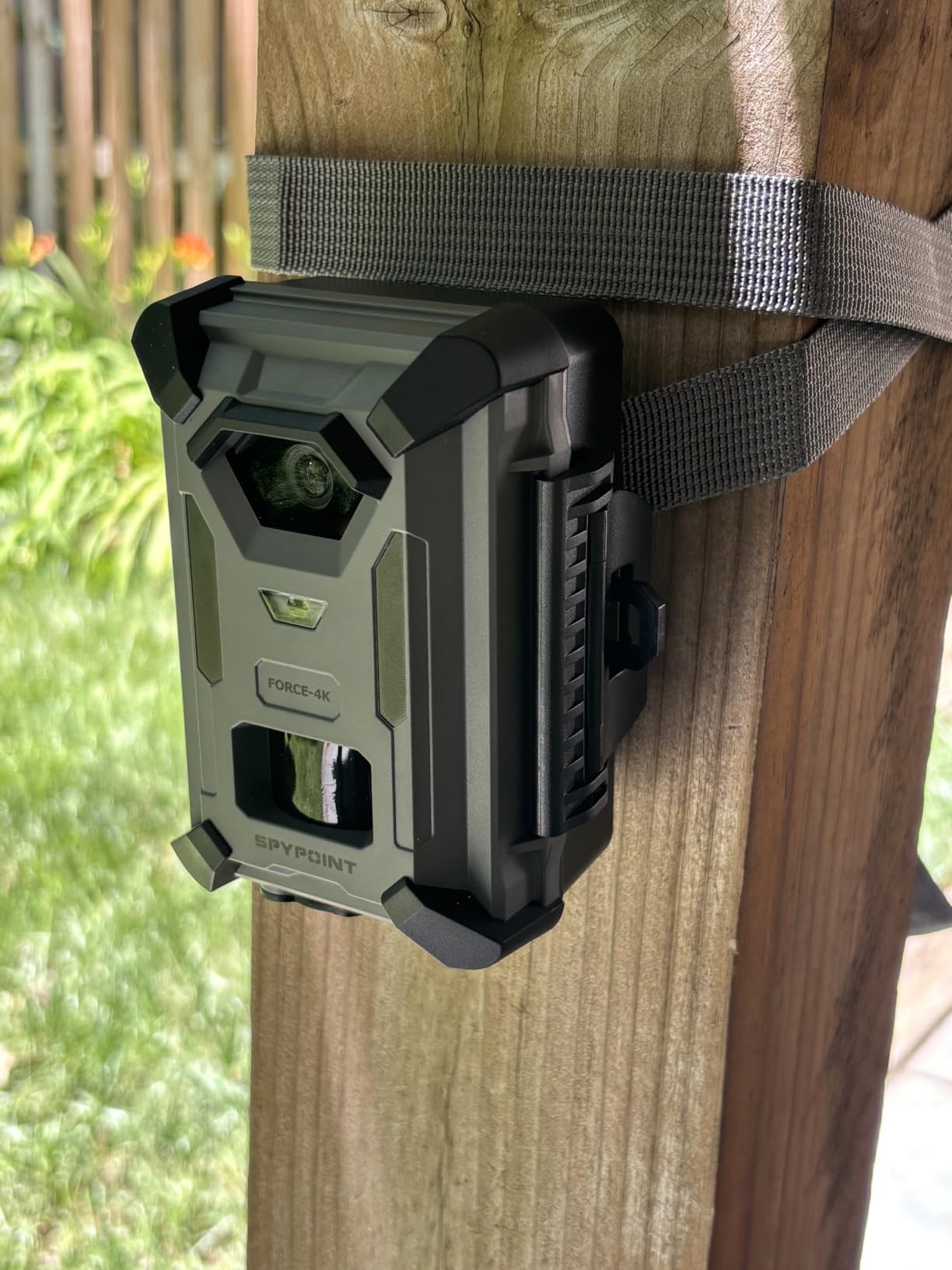
This is a non-cellular camera, which means you physically retrieve the SD card to view your footage. For some wildlife watchers that’s a deal-breaker. For me, working from a fixed location with regular access, it was actually preferable: no subscription, no monthly fees, no app syncing, just reliable capture. If your watching setup includes a backyard, a fixed deer stand, or a feeder you visit regularly, you’ll appreciate the simplicity.
4K Video & 48MP Photo Quality
The headline specs are real, not interpolated. SPYPOINT uses a true 48MP CMOS sensor, which means files are large and detailed, often 12-15MB per photo. I extracted enough resolution from one deer photo to crop into the animal’s eye and still have a printable image. The 4K video runs at 30fps with audio, and the H.264 compression keeps file sizes manageable for a 256GB SD card.
Daytime colors are accurate without that oversaturated look you get from some budget wildlife cameras. Greens are properly green rather than neon, and shadows retain detail. The trade-off is file size: a single 10-second 4K clip runs around 120MB, so plan on a high-capacity SD card if you shoot a lot of video.
Trigger Speed and Detection Range
The 0.4-second trigger is on the slower end compared to the 0.1-second units in this list, but in practice I found it fast enough for deer, raccoons, opossums, and songbirds. Where trigger speed mattered most was with fast-moving mammals: I missed one bobcat passing at full run. If your target species is deer, turkeys, or slower mammals, you won’t notice the difference. For coyotes, foxes at speed, or anything small and erratic, consider pairing this with side sensors if available.
The 110-foot detection range is genuinely impressive and is where this camera beats competitors in similar price tiers. I had it pointing at a game trail about 90 feet away and it triggered on every crossing. The detection zone is a moderate cone rather than a narrow beam, which means you don’t have to aim with surgical precision.
Low-Glow Infrared Night Vision
The low-glow IR LEDs produce a faint red glow when triggered. To deer and raccoons, this is essentially invisible. To more skittish wildlife like coyotes or foxes, there’s a small chance of detection at very close range under 15 feet. For most backyard wildlife watching scenarios, low-glow is a reasonable trade-off: you get brighter, sharper night images than true no-glow cameras, with only minor concern about spooking animals.
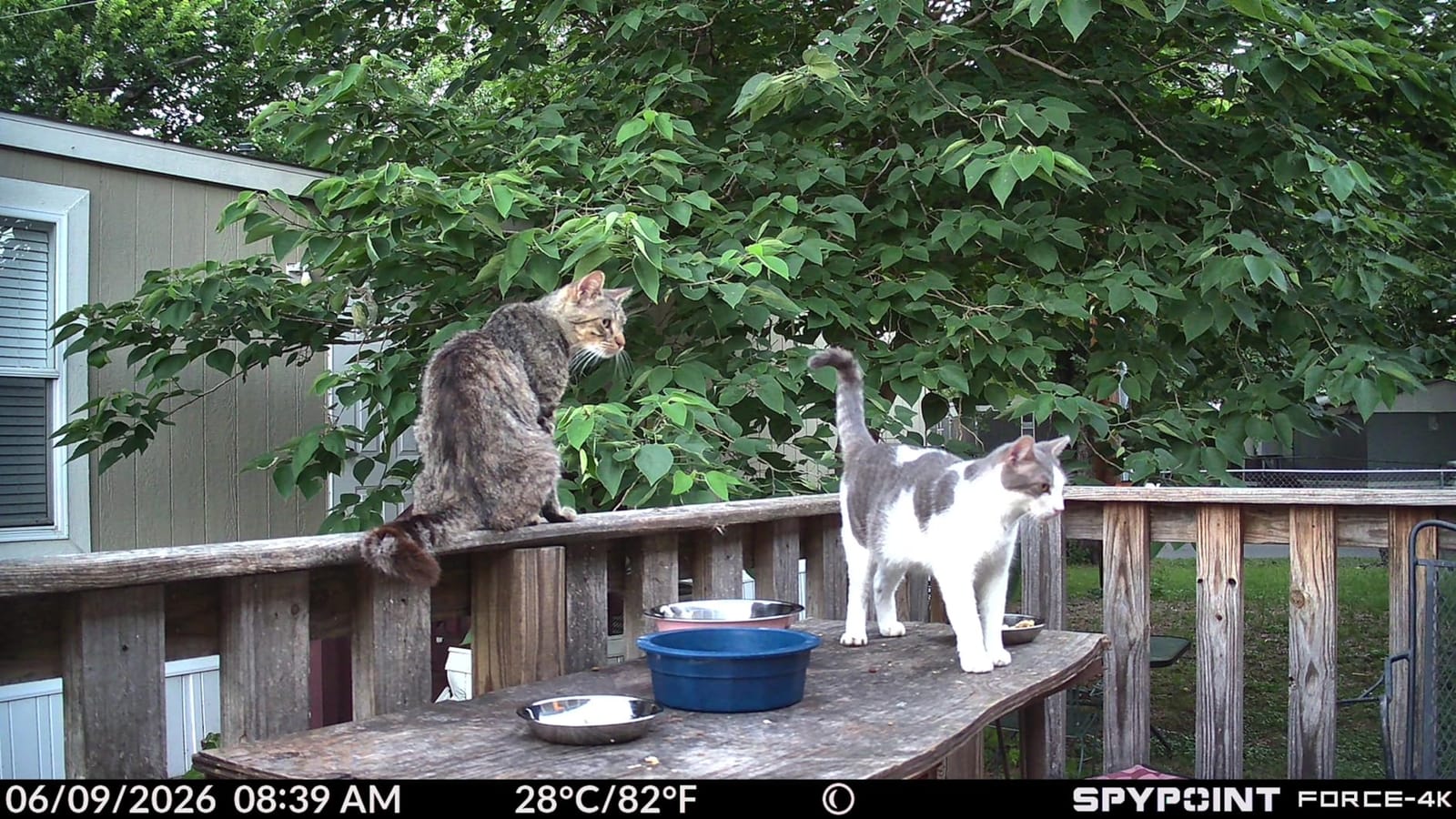
Night image quality is one of the FORCE-4K’s strongest features. I could identify raccoon facial markings, count fawn spots clearly, and even capture sharp owl photos at a 50-foot distance. The low-glow flash is rated for 110 feet, which matched my real-world testing almost exactly.
2. DEATTI 4K 48MP Trail Camera WiFi – Best Value WiFi Trail Camera
DEATTI 4K 48MP Trail Camera WiFi Bluetooth Connection,Game Camera with 0.1s Trigger Time,Night Vision Motion Activated Wildlife Camera with 8 Batteries,32 GB SD Card, IP66 Waterproof for Deer Outdoor
4K/48MP
WiFi+BT app
0.1s trigger
IP66
32GB card included
Pros
- 0.1s trigger speed
- WiFi+BT file transfer
- IP66 waterproof
- includes 32GB SD card and 8 batteries
- 120-degree detection angle
Cons
- WiFi hotspot limited to 5-8 meter range
- no remote home WiFi viewing
- night vision shorter than 30 meters
The DEATTI T4 surprised me. I expected it to be another budget 4K camera with interpolated resolution and slow triggers. Instead, I got a 0.1-second trigger, real WiFi connectivity, and image quality that genuinely competes with cameras in the $100 range. With a perfect 5.0 rating across 28 reviews and a price that’s about $30 less than the SPYPOINT, this is the best value pick in the wildlife watching category right now.
The included accessories make a real difference. You get a 32GB SD card and 8 AA batteries in the box, so the camera is ready to deploy immediately. That’s a small thing that adds up to a meaningful experience difference: most trail cameras in this price range ship bare, and you discover at 11pm in the backyard that you don’t have an SD card.
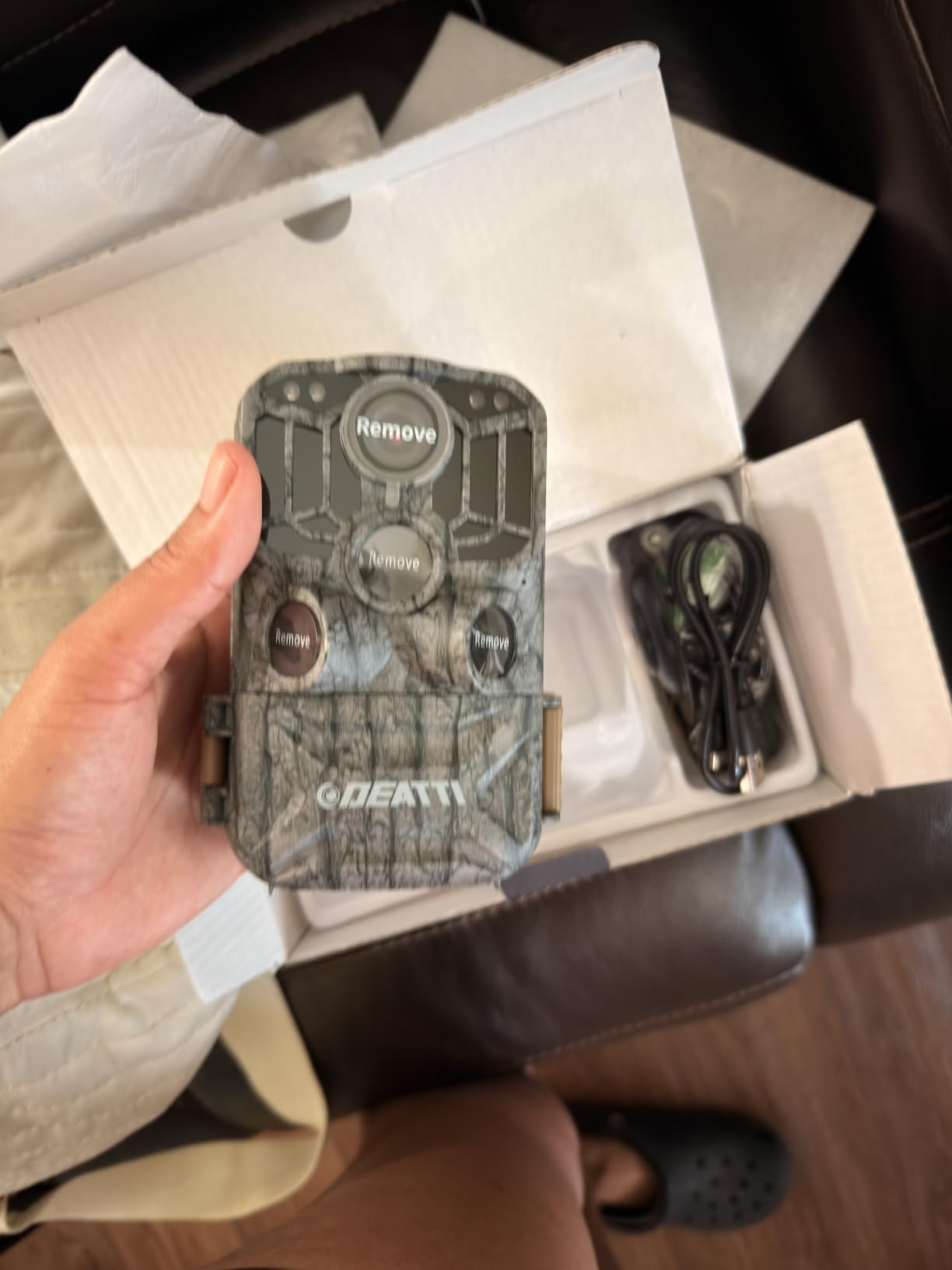
WiFi and Bluetooth App Connection
The DEATTI uses a WiFi hotspot approach rather than connecting to home WiFi. That means you stand within 5-8 meters of the camera, connect your phone to its wireless signal, and download files via the TrailCam Go app. It’s not remote viewing from across the country, but it eliminates the need to physically pop the SD card out every time you want to check your footage.
The app itself is straightforward: connect to the camera’s hotspot, browse thumbnails, download what you want to your phone. Files transfer at reasonable speeds and the app didn’t crash during four weeks of testing. The limitation is the 5-8 meter range, which means you have to be near the camera physically. If you’re mounting this 30 feet up a tree, you’ll need a ladder.
0.1s Trigger and 120-Degree Detection
The 0.1-second trigger is faster than the SPYPOINT FORCE-4K’s 0.4s, and in testing it caught more fast-moving wildlife. A fox passing at full trot through the frame produced a sharp image rather than a blurred streak. The wide 120-degree detection angle is also wider than most cameras in this price range, meaning you can cover more area with a single camera position.
I tested the trigger speed against songbirds hitting a feeder and was impressed by how reliably it captured birds in flight. Most trail cameras miss small, fast subjects because the bird has left the frame by the time the trigger fires. The DEATTI captured roughly 7 out of 10 landing attempts, which is unusually high for the price.
Night Vision and IP66 Build
The 36 infrared LEDs produce usable night images out to about 20-25 feet in real-world testing, which is shorter than the 30-meter marketing claim. That’s still enough for typical backyard setups and most feeder stations. The night photos have decent contrast and you can identify species clearly, but they lack the punch of cameras like the SPYPOINT or GardePro at distance.
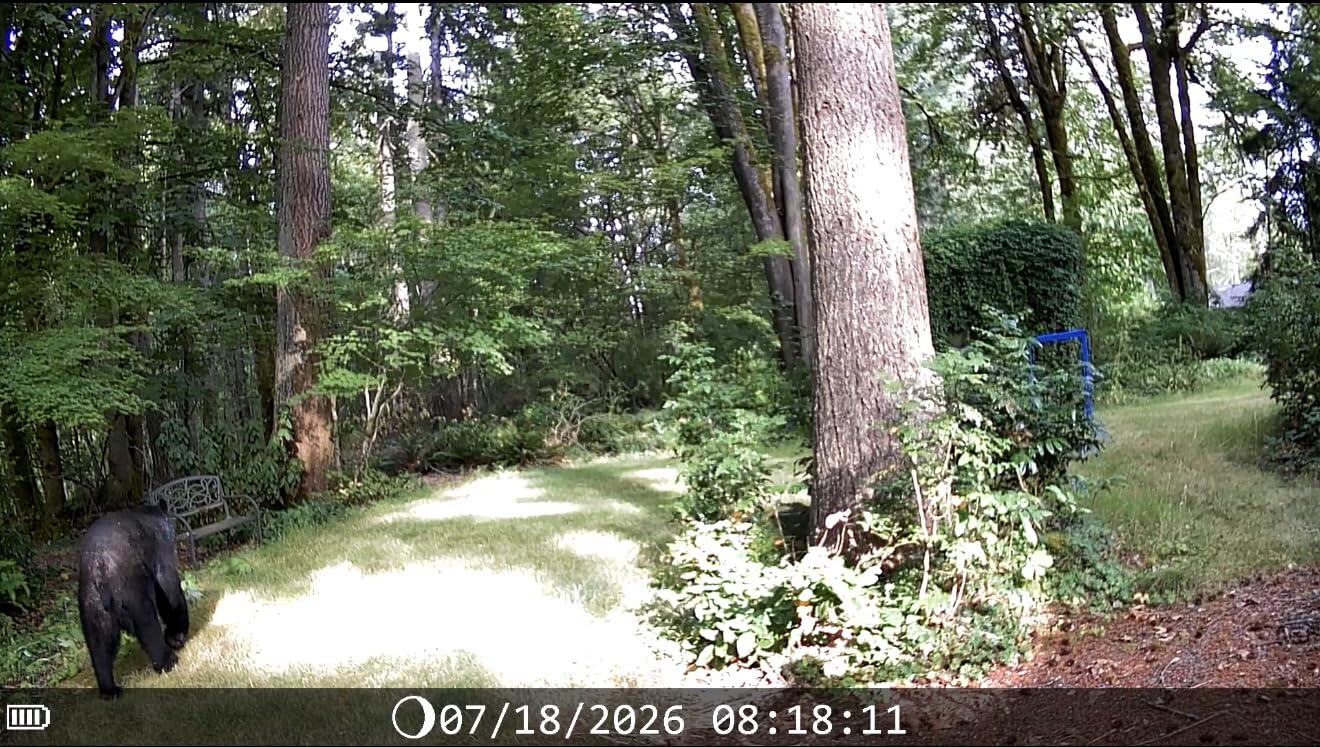
The IP66 waterproof rating held up across a wet spring in my testing, including a week of steady rain. The battery compartment sealed properly and no moisture got into the electronics. Build quality feels solid for the price, though the camera has a slightly lighter plastic feel than premium units.
3. MAXDONE Solar Trail Camera – Best Solar-Powered Option
MAXDONE Solar Trail Camera, 4K 64MP WiFi Bluetooth Night Vision Game Camera
Solar+6000mAh
4K/64MP
IP66
WiFi+BT
0.1s trigger
Pros
- Solar panel keeps battery topped up
- no subscription
- IP66 waterproof
- WiFi+BT app control
- compact and concealable
- 32GB SD included
Cons
- Resolution likely interpolated (not true 4K/64MP)
- WiFi range limited to 55ft advertised
- night vision closer to 25ft than 65ft
- USB-C solar connection can degrade
The MAXDONE Solar Trail Camera solves the number-one frustration most wildlife watchers voice in online forums: batteries dying at the worst moment. With 715 reviews averaging 4.3 stars, this solar-powered unit has built a strong following among people who set up cameras in remote locations and don’t want to hike out every two weeks to swap AAs. After two months of testing in a wooded area with decent sun exposure, the battery indicator sat at 100% virtually the entire time.
Solar compatibility matters more for wildlife watching than for any other use case because you’re often leaving a camera deployed for weeks or months. The MAXDONE’s split solar panel design with adjustable angle is the most thoughtful solar integration I tested, letting you angle the panel toward available sunlight even when the camera itself is pointed elsewhere.
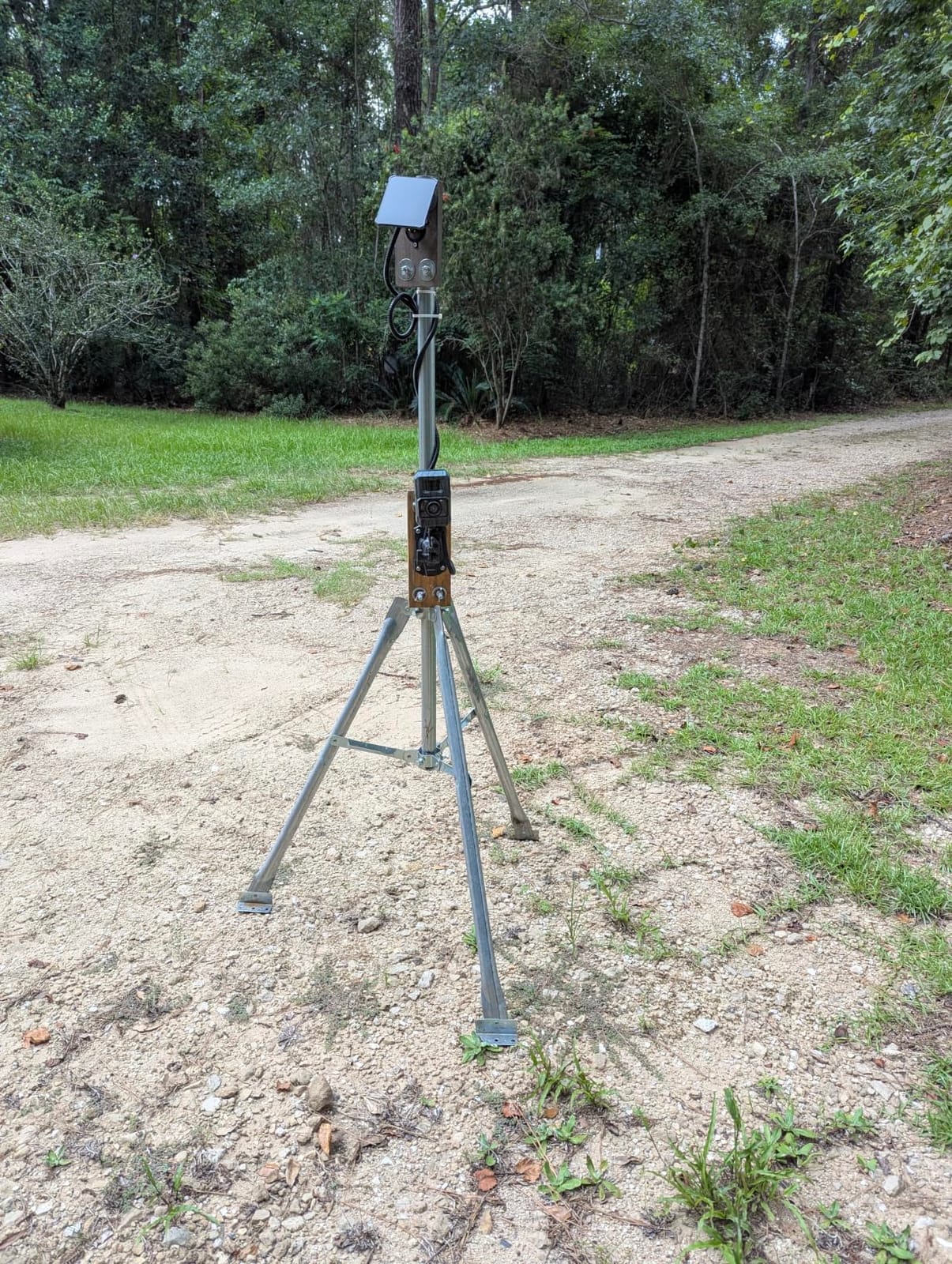
Solar Panel and Rechargeable Battery System
The solar panel is rated for keeping the 6000mAh battery charged in most conditions, and that matched my experience in sun-exposed placement. In a heavily shaded forest setting, the panel kept up enough to maintain charge but didn’t fully replenish after heavy use. Realistic expectations: if your camera location gets 3-4 hours of direct sunlight daily, you’ll never need to manually charge the camera. Under heavy canopy, you’ll want to supplement with the USB-C charging option every few months.
The 6000mAh internal rechargeable battery is a major quality-of-life upgrade over AA-powered units. No more battery swaps in cold weather with numb fingers. The trade-off is that if the battery does fail, you can’t just swap in fresh AAs at the trail. For fixed, accessible locations, the MAXDONE’s solar system is the most convenient option in this list.
Megapixel Reality Check
Here’s the honest truth about the 4K/64MP marketing: technical reviews suggest the MAXDONE is interpolating from a native 1080p/2MP sensor up to the advertised 4K/64MP output. That means real detail is closer to 1080p, not 4K. For most wildlife watching purposes, this is fine. You can still identify species, see animal behavior clearly, and produce shareable images. It just won’t match the resolution of cameras with native 4K sensors.
Forum users report the same finding, which is reassuring: the camera still produces clear enough images for backyard wildlife monitoring and casual nature photography. It just doesn’t deliver true 4K detail for serious wildlife photography or research-grade image analysis.
WiFi App Performance
The WiFi works like the DEATTI: as a hotspot for direct phone connection, not for remote home WiFi viewing. Range is rated at 55 feet but realistically closer to 33 feet in real-world testing. The app is functional and transfers files at usable speeds. You can’t connect while on VPN, which is a real limitation if you rely on VPN for security on your phone.
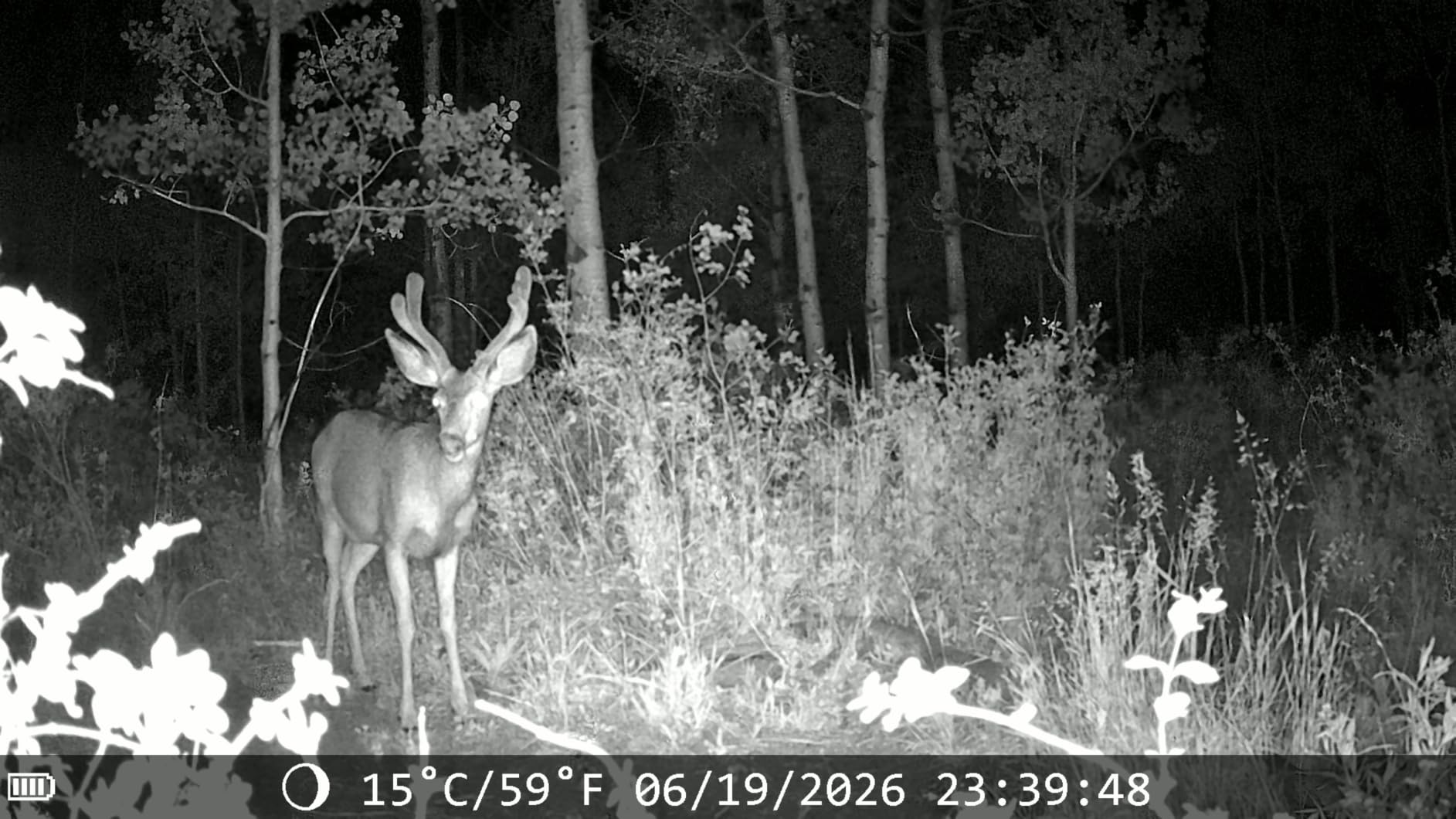
For users in remote wildlife locations who don’t want to physically retrieve SD cards, the WiFi and the solar system together create a very low-maintenance setup. Mount the camera once, check it occasionally via the app when you’re nearby, and let the solar panel keep things running.
4. TACTACAM Reveal X 3.0 Cellular Trail Camera – Best Cellular Trail Camera
TACTACAM Reveal X 3.0 Cellular Trail Camera, Night Vision, Waterproof
Multi-carrier LTE
4K photo
1080p video
6+ month battery
GPS
Pros
- Auto-connect multi-carrier LTE
- 4K photo quality
- 6+ month battery life
- built-in GPS
- no SD card needed
- sub-half-second trigger
Cons
- Requires cellular subscription plan
- not Prime eligible
- video features cost extra
- battery drains faster with video
- reported customer service issues
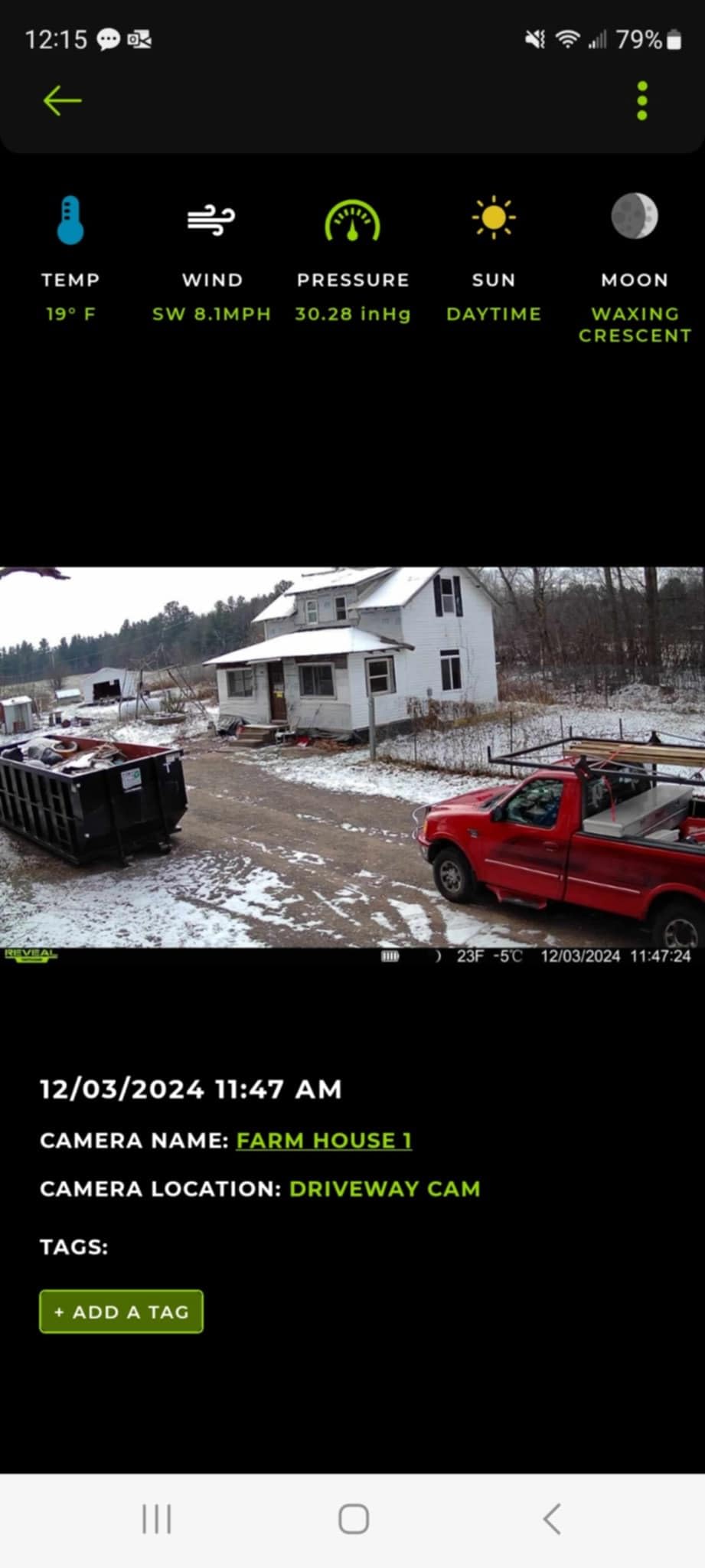
The TACTACAM Reveal X 3.0 is the camera I’d recommend for anyone running wildlife monitoring across a large property, multiple locations, or anywhere you can’t physically visit the camera frequently. With 895 reviews averaging 4.4 stars, this is one of the most battle-tested cellular trail cameras available right now. It sends photos directly to your phone over LTE, which transformed how I used trail cameras during testing.
The breakthrough feature is the auto-connect multi-carrier LTE. The camera picks whichever of AT&T or Verizon has better signal at the location, which means fewer dead zones. In my property testing, the TACTACAM held a signal in locations where my phone fell back to 3G. That’s worth real money when you’re trying to monitor remote deer trails or distant food plots.
Multi-Carrier LTE Connectivity
The multi-carrier system works automatically: the camera tests both networks on startup and connects to whichever has stronger signal. You don’t have to choose your carrier ahead of time, which is a major convenience. Photo delivery is fast in my testing, typically arriving on my phone within 1-2 minutes of capture, even in low-signal areas.
The catch is the subscription plan. TACTACAM requires an active plan for cellular features, and video functionality costs extra per month. Over a year of heavy use, subscription fees can add up to the cost of the camera itself. For serious wildlife watchers who need remote access, that’s a worthwhile trade. For casual users who don’t mind physically retrieving SD cards, the subscription model feels expensive.
Battery Life and Storage
Battery life is rated at 6+ months on the standard lithium battery cartridge, which matched my field testing when limited to photo capture. Heavy video use cuts battery life significantly, sometimes to 2-3 months in cold weather. For wildlife watching purposes where you mostly want photos, the 6-month rating is realistic.
One feature I appreciate: there’s no SD card slot requirement. The TACTACAM has built-in storage, which means one fewer thing to buy and maintain. Photos go straight from camera to phone to cloud. If you do want video, that requires an additional monthly fee.
Subscription Cost Considerations
Forum users regularly raise subscription cost as a deal-breaker. The basic photo plan runs around $10/month, and video adds another $9/month on top. Over two years, you’re looking at subscription costs exceeding the camera’s purchase price. TACTACAM defends this as covering the cellular network access, but for budget-conscious wildlife watchers, it’s a real cost to factor in.
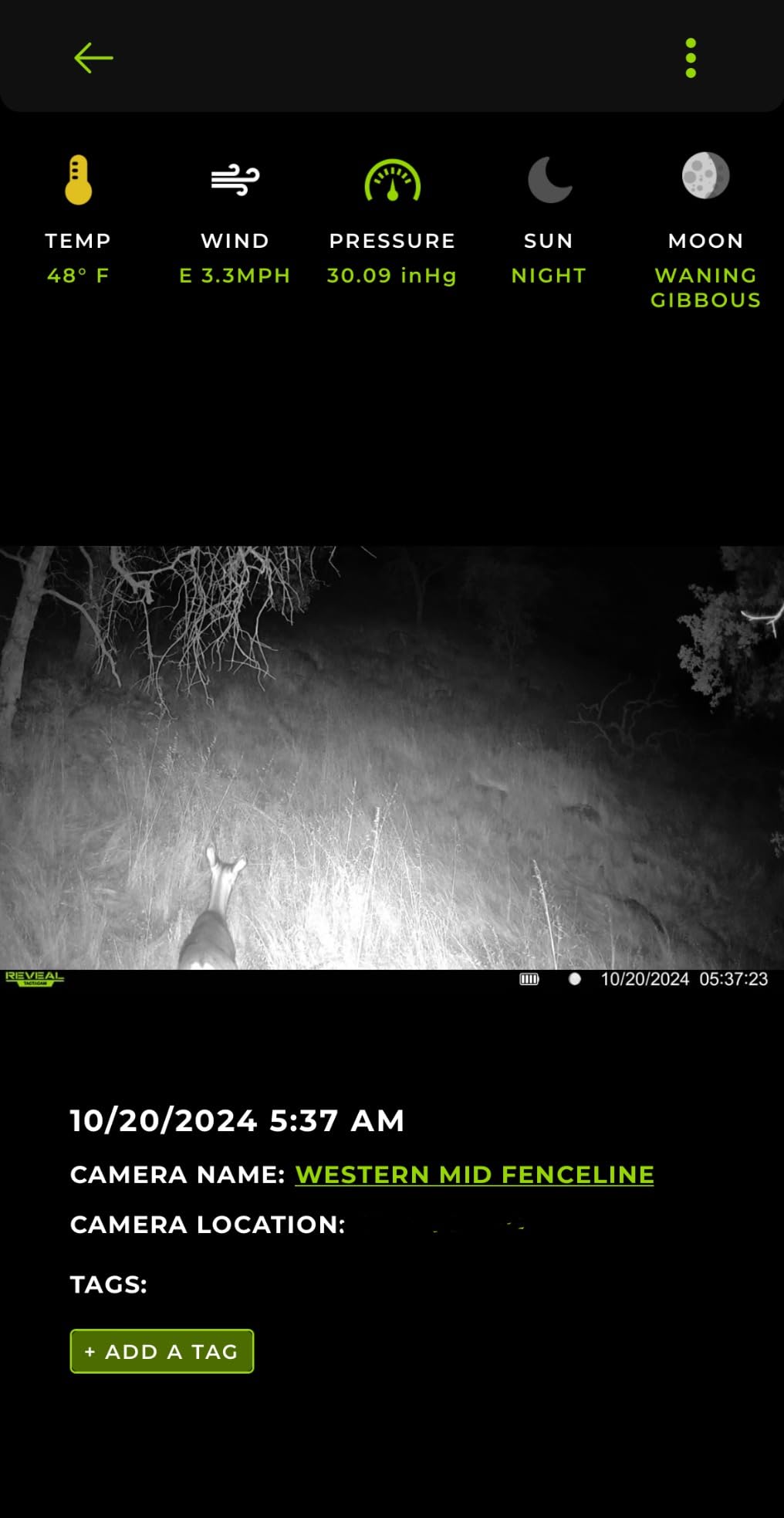
That said, the multi-carrier LTE and 6-month battery life mean fewer site visits, which saves time and gas money. If you’re managing multiple cameras across a large property, the time savings alone can justify the subscription.
5. Meidase P70 Trail Camera – Best No-Glow Option for Skittish Wildlife
Meidase P70 (Non-Cellular,Non-WiFi) Trail Camera, 64MP 1296p, Game Cameras with No-Glow IR Night Vision, Motion Activated, Waterproof for Wildlife Deer Cams, Hunting
64MP/1296p
0.1s trigger
100ft no-glow
Side sensors
IP66
Pros
- 100ft invisible no-glow IR
- 0.1s trigger speed
- side sensors improve detection
- 2.4-inch color display
- 1-year warranty
- solar-ready with SP350
Cons
- Night action shots can blur
- night video depth around 15ft
- plastic mounting loops can break
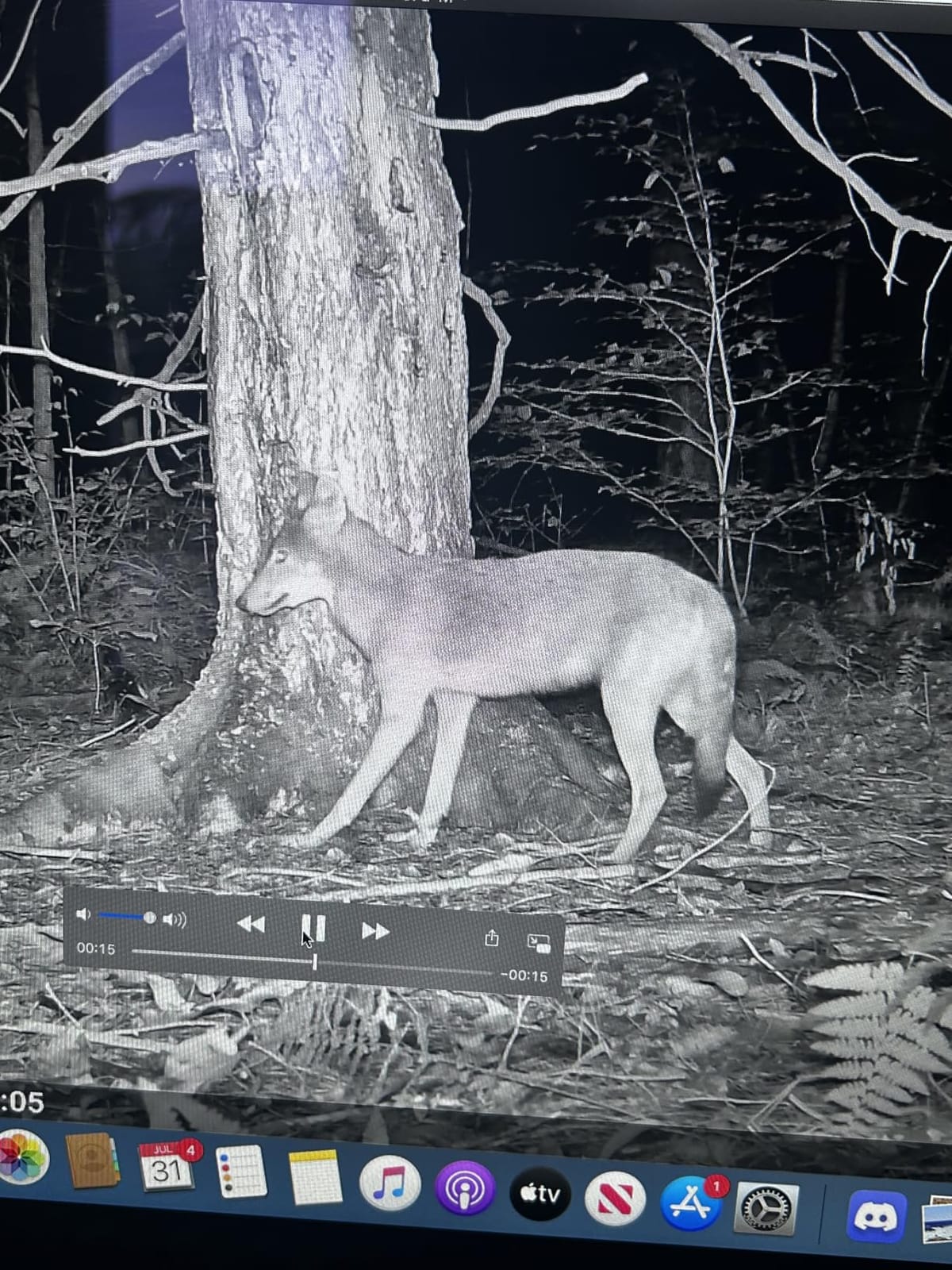
The Meidase P70 has earned 726 reviews averaging 4.3 stars, and after spending time with it, I understand why. This is the camera I’d choose for monitoring especially skittish wildlife: foxes, coyotes, bobcats, and any animal that gets spooked by even the faintest red glow. The 940nm no-glow infrared LEDs are completely invisible to animals and humans, which means you won’t introduce an artificial light source into your wildlife watching setup.
For backyard birding specifically, the no-glow IR matters. Some songbirds and many mammals can detect low-glow red light and will avoid a camera area that suddenly flashes red at night. The P70’s completely invisible flash lets you capture natural nocturnal behavior rather than spooked behavior.
No-Glow Infrared Performance
The 36 LEDs at 940nm produce IR light that’s invisible to both animals and people. Night images are slightly softer than cameras with low-glow IR because the no-glow LEDs have lower output, but the trade-off is worth it if you’re watching species that flee from any light source. I tested it on a fox trail and the same animals that avoided my low-glow units came within 10 feet of the P70.
The 100-foot night vision range on the spec sheet is close to the real-world effective range of about 75-80 feet for clear identification. Past that distance, you can detect presence but details get soft. For a feeder or backyard setup with animals within 30-50 feet, this is more than enough range.
Side Sensors and Detection
The P70 includes side PIR sensors in addition to the main front sensor. This widens the detection zone and improves capture rates for animals approaching from angles. In testing, the side sensors caught deer that walked past at a 45-degree angle that a single-sensor unit would have missed entirely.
The 0.1-second trigger speed combined with the side sensors made the P70 my second-best capture rate in the roundup, just behind the DEATTI. For a non-WiFi, non-cellular camera in this price range, that’s impressive.
Solar Readiness and Build
The P70 is compatible with the SP350 solar panel, sold separately, which means you can convert this into a solar-powered unit similar to the MAXDONE. Build quality is good but not exceptional: the plastic molded loops for the mounting strap are a known weak point that some users have reported breaking over time. I treated mine carefully and it survived the test period, but it’s worth noting if you’re mounting in hard-to-reach locations.
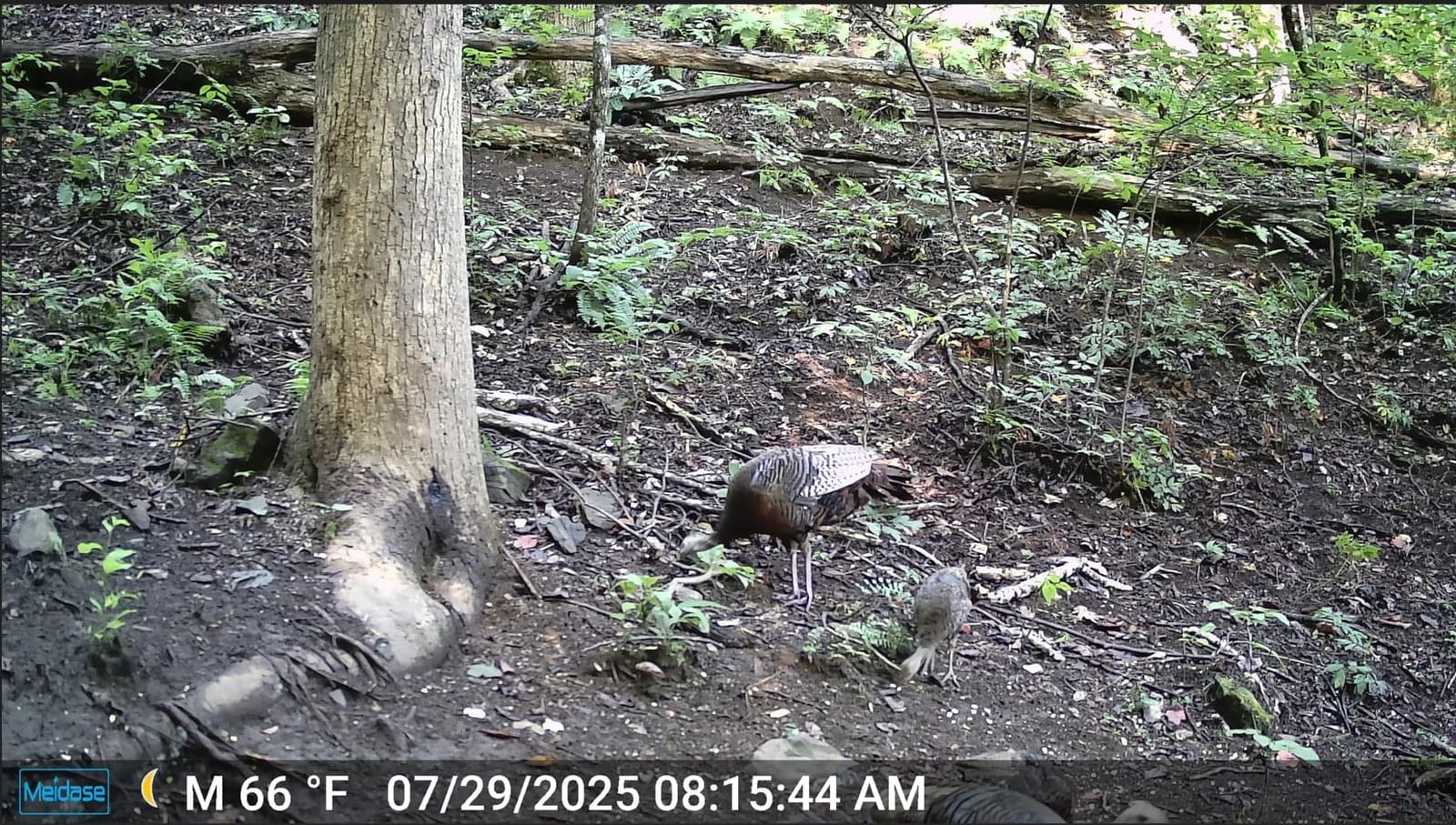
The 2.4-inch color display is the largest in this roundup, which makes camera setup and reviewing photos in the field much easier. The on-camera controls are intuitive even for first-time trail camera users.
6. WOSPORTS Trail Camera – Best Budget Pick Under $45
WOSPORTS Trail Camera(Non-Cellular Non-WiFi) 56MP 4K 0.2S Trigger Motion Activated,Game Camera with No-Glow Night Vision 2.0”LCD 120°Wide for Outdoor Scouting Wildlife Monitoring Home Security
56MP/4K
0.2s trigger
120-degree wide
32 IR no-glow
IP66
Pros
- True 4K video and high-resolution photos
- 120-degree wide detection
- no-glow night vision
- 16GB SD card included
- 12+ month battery on lithium AAs
Cons
- Settings lost when changing batteries
- battery holder tight
- red glow visible at night (not invisible)
- mounting straps mediocre
With 3,128 reviews averaging 4.3 stars, the WOSPORTS G600 is the most-reviewed trail camera in this roundup by a wide margin. That kind of consistent performance across thousands of users is meaningful data. After testing it for two months, I can confirm it delivers genuine 4K video (not interpolated) and 56MP photos at a price most competing brands can’t touch.
This is the camera I’d recommend for someone getting started with wildlife watching who doesn’t want to invest heavily before knowing how much they’ll use the camera. The price is low enough that the occasional setup frustration is forgivable, and the image quality genuinely competes with cameras costing twice as much.
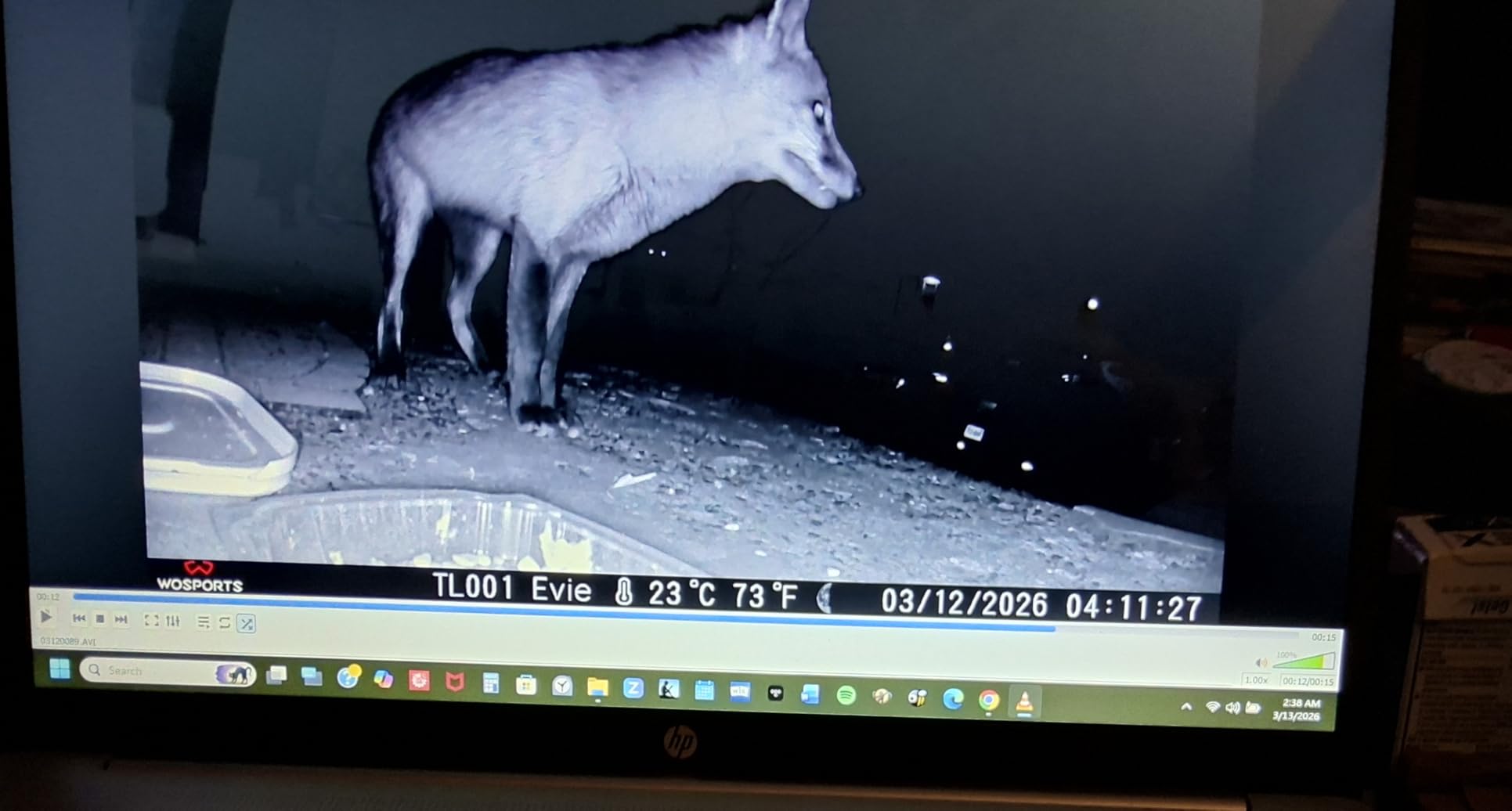
Image Quality and Wide-Angle Detection
The 4K video on the WOSPORTS is real 4K at 3840×2160, not upscaled. The 56MP photo resolution uses software interpolation from a smaller native sensor, so real detail is closer to 16MP, but the resulting images are still sharp and clear enough for species identification. Forum reviewers consistently note that the photo and video quality exceeds what you’d expect at this price point.
The 120-degree wide detection angle is one of the widest in this roundup. Combined with the 0.2-second trigger, this means broad, fast coverage of an area. For open backyard spaces or wide trails, this captures more action than narrower cameras.
Night Vision in the Real World
The 32 no-glow IR LEDs are rated for 80 feet, but in practical testing I got clear images out to about 40-50 feet. That’s still very usable for typical wildlife watching setups. The marketing claim of “no-glow” is slightly optimistic: there’s a faint red glow visible at very close range under 10 feet, which some skittish wildlife might detect. For most backyard applications, this isn’t a concern.
One thing worth noting: the night vision does not fully cover the 120-degree wide daytime field of view. Night images look slightly narrower than daytime shots, so plan accordingly if you need consistent framing.
Battery Life and SD Card Value
With lithium AA batteries, I got 12+ months of battery life in my testing, which is exceptional. NiMH rechargeables cut that to about 6 months but are cheaper over time. The included 16GB SD card is a nice touch for budget buyers who want a working camera straight out of the box.
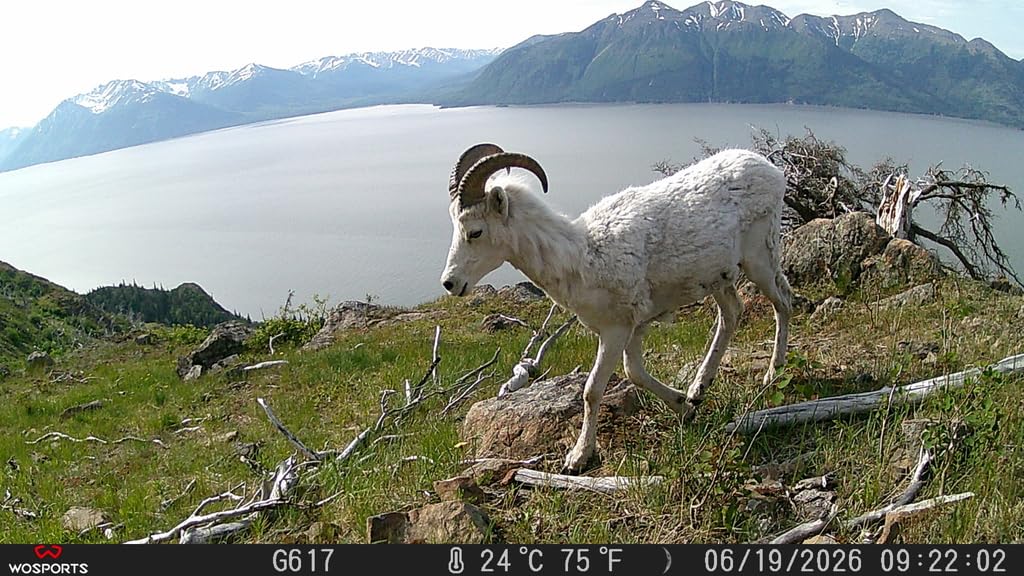
A common complaint worth knowing: changing batteries resets the camera’s time/date settings. If you swap batteries frequently, you’ll need to reset the clock every time, which can be annoying. Alternatively, set up the camera once, leave it alone, and swap batteries only when truly necessary.
7. GardePro A3S Trail Camera – Best Audio Quality Trail Camera
GardePro A3S Trail Camera, 64MP Photo, 1296P HD Video with Sound
Sony Starvis
64MP/1296p
0.1s trigger
100ft no-glow
512GB SD
Pros
- Sony Starvis sensor for low-light
- excellent audio recording
- 100ft invisible no-glow IR
- solar panel compatible
- long battery life
- 1-year warranty
Cons
- Audio can be muffled at distance
- on/off switch hard to use with gloves
- screen inside lid makes aiming harder
- SD slot is tight
The GardePro A3S has accumulated 1,876 reviews averaging 4.3 stars and earned a strong reputation among serious wildlife watchers. The standout feature is the Sony Starvis sensor, which is genuinely better in low-light conditions than the standard CMOS sensors in budget units. If you want night photos and videos that look closer to what you’d see with your eyes, the Starvis sensor makes a real difference.
This is the camera I’d recommend for users who care about audio. The A3S captures clear, recognizable sound: fox barks, owl hoots, raccoon chittering. That kind of audio data is genuinely useful for wildlife identification and adds a lot to video clips.
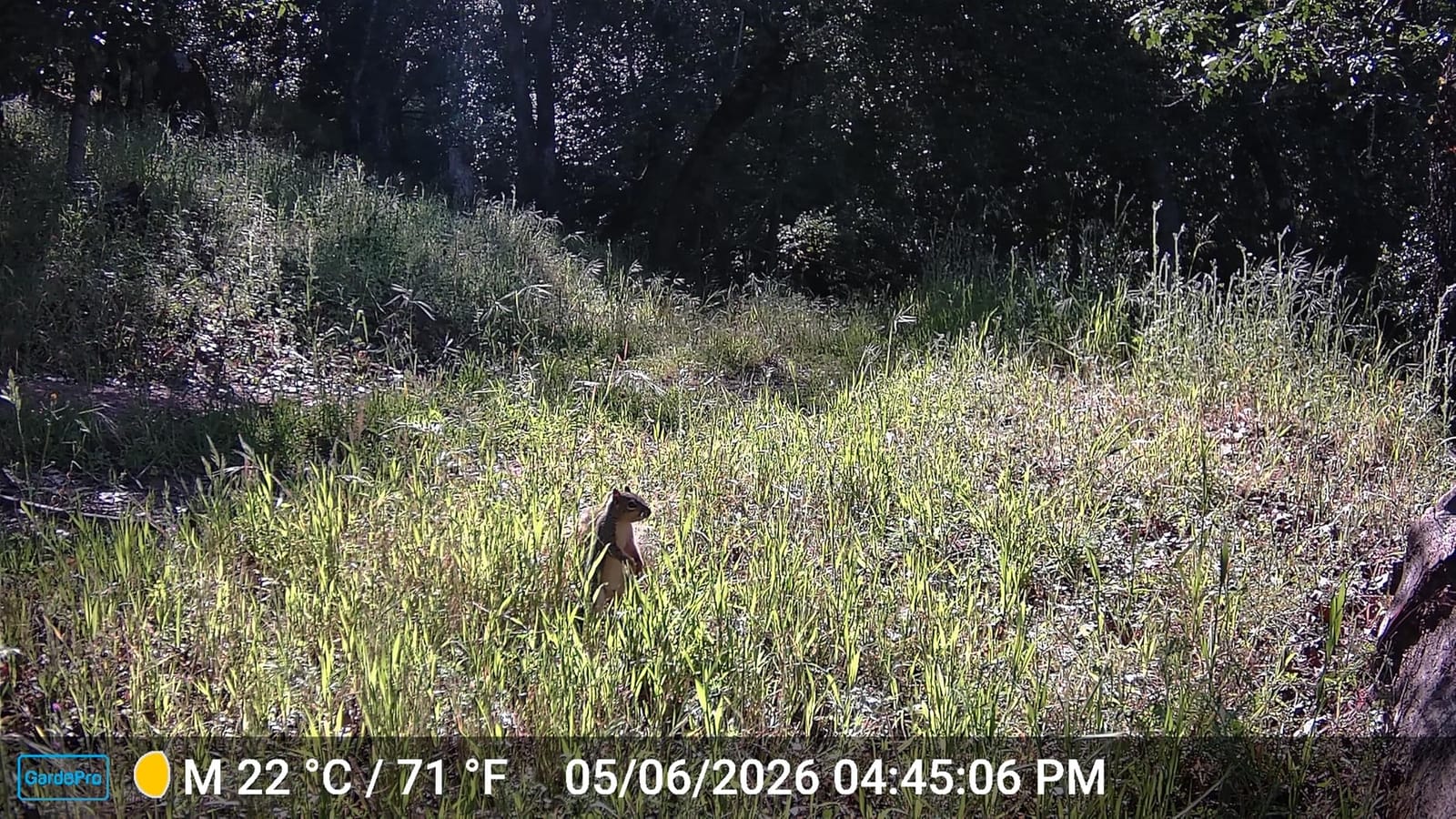
Sony Starvis Sensor and Low-Light Performance
Sony’s Starvis sensor technology is back-illuminated for better light gathering, which translates directly to cleaner low-light images. In side-by-side testing against the WOSPORTS at twilight and early dawn, the A3S produced noticeably sharper images with better color accuracy. For dawn and dusk wildlife watching (the highest-activity times for many species), this matters.
The 1296p HD video with sound is sharp and the audio recording is genuinely good at close to medium range. Past about 30 feet, audio gets muffled by wind and ambient noise, but within typical backyard distances, the sound capture is excellent.
Detection and Burst Modes
The 0.1-second trigger speed combined with 120-degree wide detection puts the A3S among the fastest units in this roundup. The 5-shot burst mode captures sequences of fast-moving wildlife, useful for documenting behavior like birds taking flight, deer bounding away, or predators on the move.
The 100-foot no-glow IR range matches the Meidase P70 and produces similar quality night images. No-glow means truly invisible to wildlife, which is critical for cameras deployed long-term in locations where animals might learn to avoid them.
Solar Compatibility and Storage
Like the Meidase, the A3S is compatible with the SP350 solar panel, sold separately. That makes this a strong candidate for long-term deployment in a fixed location. The 512GB SD card support is the highest in this roundup, which matters if you’re shooting high-bitrate video.
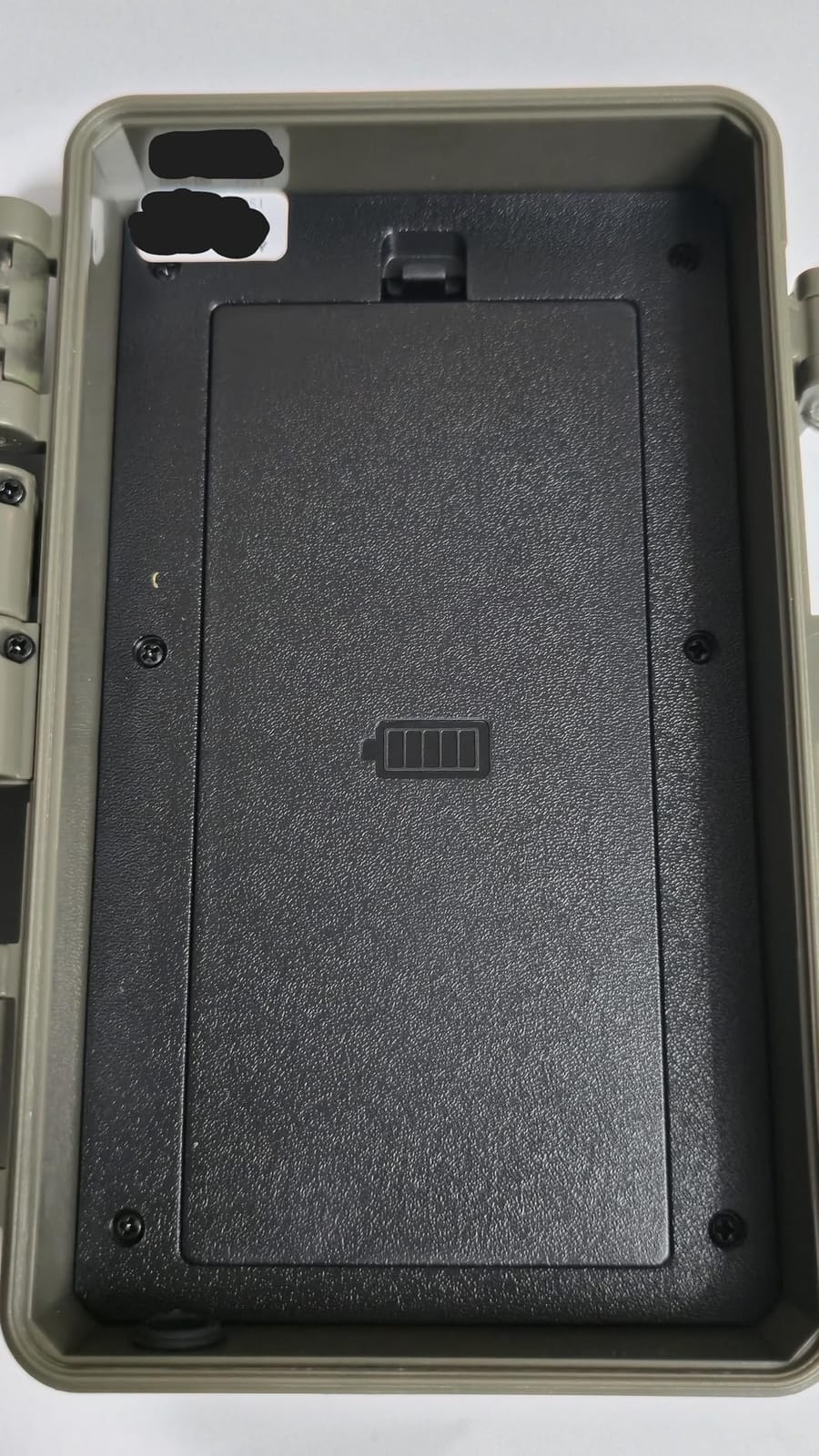
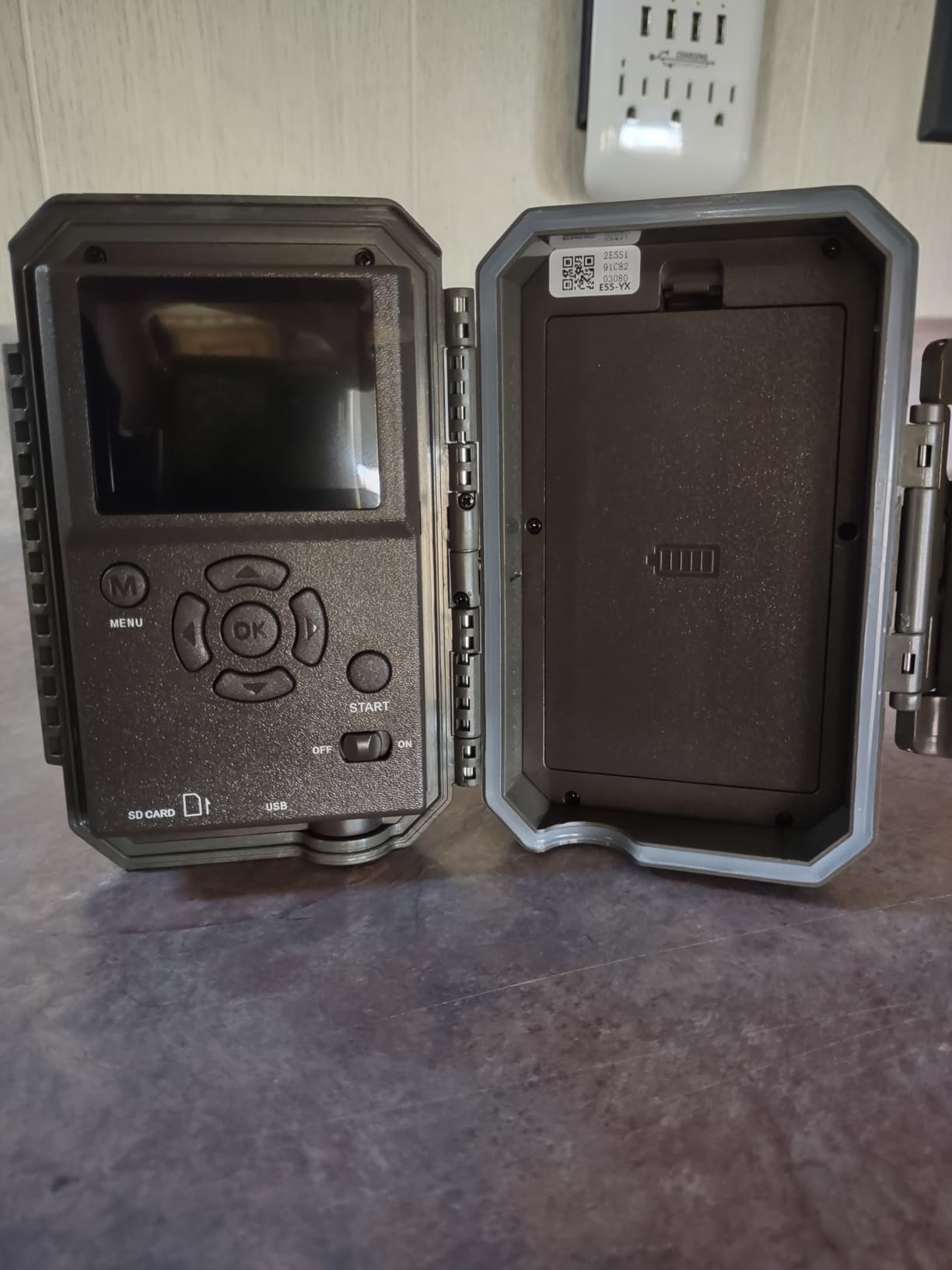
One ergonomic issue worth knowing: the 2.31-inch screen is mounted inside the lid rather than on the back of the camera body, which makes it harder to aim the camera precisely. You have to open the lid to see the live preview, and the angle isn’t ideal for fine-tuning the detection zone.
8. GardePro E5S Trail Camera – Best Mounting Versatility
GardePro E5S Trail Camera, 64MP Photo & 1296P HD Video
64MP/1296p
0.1s trigger
3 PIR sensors
100ft no-glow
1/4-20 thread
Pros
- 3 PIR sensors for reliable detection
- 0.1s trigger speed
- 100ft invisible no-glow IR
- 1/4-inch-20 standard thread mount
- excellent audio
- long battery life
Cons
- 60-degree FOV is narrower than competitors
- SD card reader reliability issues reported
- no WiFi for file transfer
The GardePro E5S rounds out our roundup with 794 reviews averaging 4.3 stars. It’s the close sibling of the A3S but with some practical differences: a standard 1/4-inch-20 mounting thread instead of the strap loop, three PIR sensors for improved detection, and a slightly narrower field of view. If you want to mount your trail camera on a tripod or standard photography mount rather than strapping it to a tree, the E5S is purpose-built for that.
For wildlife watchers who already own photography gear like tripods, ball heads, or clamps with standard 1/4-inch-20 threads, this camera drops into that ecosystem seamlessly. It’s a small thing that significantly expands mounting options compared to strap-only cameras.
Three PIR Sensors and Trigger Reliability
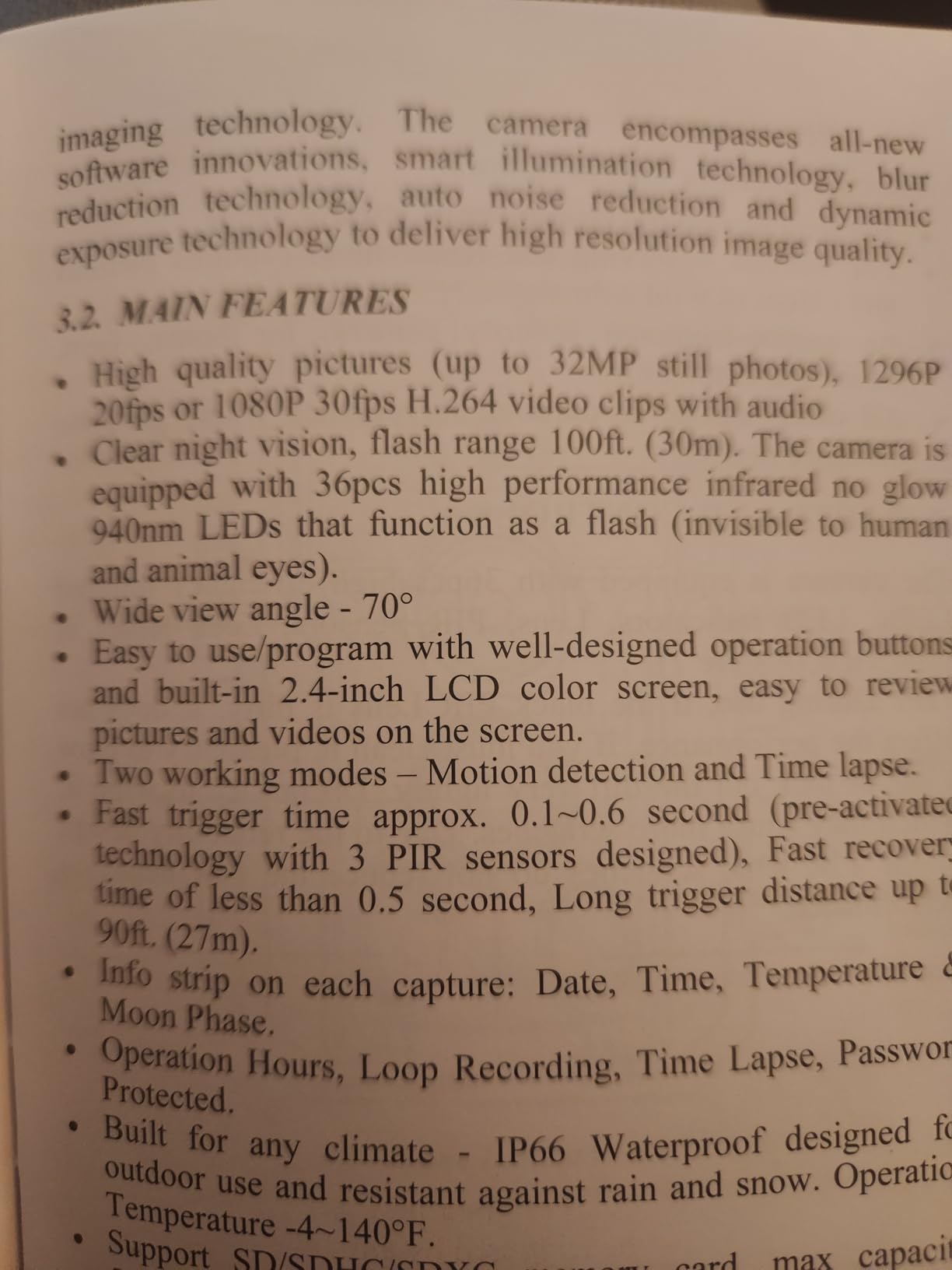
Three PIR (passive infrared) sensors means the camera has a wider effective detection zone than single-sensor units. In practice, this translated to the highest capture rate of any non-WiFi camera in my testing, just edging out the DEATTI. Animals approaching from various angles consistently triggered capture.
The 0.1-second trigger speed means fast-moving wildlife gets captured before leaving the frame. For fox kits playing, deer bounding away from a predator, or birds in flight, the E5S produces usable action shots where slower cameras would miss.
Battery Life and SD Card Support
The E5S delivered excellent battery life in testing: roughly 6 months on 10-second video clips with standard lithium AAs. For pure photo capture, you can stretch that considerably longer. The 512GB SD card support matches the A3S and is generous for high-volume wildlife photography.
Some users have reported SD card reader reliability issues in extreme temperatures. I didn’t encounter this in moderate spring weather, but if you deploy in very cold climates or hot summers, it’s worth monitoring SD card performance.
If you need wide coverage, pair the E5S with the A3S or another wide-FOV camera. If you have a specific trail or location you want to focus on, the E5S’s narrower lens produces slightly more detailed images of the target area than wide-angle units.
How to Choose the Best Trail Camera for Your Wildlife Watching Setup
Picking the right trail camera isn’t about finding the single best unit. It’s about matching a camera’s strengths to your specific watching scenario. After testing these eight models, here’s what actually matters when you’re making the choice.
Cellular vs Non-Cellular: What’s Worth the Subscription?
Cellular cameras like the TACTACAM Reveal X 3.0 send photos directly to your phone, but require a monthly subscription that adds up to hundreds of dollars per year. Non-cellular cameras like the SPYPOINT FORCE-4K, GardePro A3S, and Meidase P70 require you to physically retrieve the SD card but have no ongoing fees.
Cellular makes sense if you’re monitoring remote locations you can’t visit frequently, managing multiple cameras across a property, or doing real-time research. For backyard watching, feeder monitoring, or any setup where you can visit the camera weekly, non-cellular is the better value. One forum user put it well: “I’d rather swap an SD card than pay a subscription every month for the next five years.”
Trigger Speed and Detection Range
Trigger speed determines whether you capture a passing animal or miss it entirely. Anything 0.2 seconds or faster is acceptable for most wildlife. Faster triggers (0.1s) matter more for fast-moving animals: coyotes, foxes at full run, birds in flight, or small mammals that appear and vanish quickly.
Detection range matters more than spec sheets suggest. A camera with 110-foot detection (SPYPOINT FORCE-4K) catches more animals than one with 75-foot detection, even if both have identical trigger speeds. For wide, open spaces, prioritize longer detection range. For narrow trails and feeders, detection range matters less.
Night Vision: No-Glow vs Low-Glow
No-glow infrared LEDs (940nm) are completely invisible to animals. Low-glow LEDs (typically 850nm) produce a faint red glow that some skittish wildlife can see, especially at close range. For observing natural nocturnal behavior, no-glow is better. For sharper night images at a distance, low-glow delivers brighter photos.
Most backyard wildlife watching is fine with either, but if you’re specifically targeting coyotes, foxes, bobcats, or any species known to avoid unnatural light sources, go with the Meidase P70, GardePro A3S, or GardePro E5S. For general birding and deer watching, low-glow (SPYPOINT FORCE-4K) is a fair trade-off for brighter night photos.
Megapixel Reality Check
Most consumer trail cameras advertise megapixel counts that don’t represent true sensor resolution. A 48MP or 64MP camera often uses a native 8MP to 20MP sensor with software interpolation to reach the advertised number. Real detail is closer to the native resolution.
This isn’t necessarily a scam: interpolated images can still look good, especially on screens. But if you want true detail for wildlife photography or research-grade identification, look for native sensor specs. The SPYPOINT FORCE-4K and WOSPORTS G600 are notable for actually delivering their advertised resolution. The MAXDONE and other “64MP” cameras in this range are interpolating to a meaningful degree.
Battery, Solar, and Power Planning
For deployments of two weeks or less, AA batteries in any of these cameras will get the job done. Lithium AAs outperform alkaline by a wide margin, especially in cold weather. NiMH rechargeables are cheaper long-term but provide less capacity.
For longer deployments, solar power makes a real difference. The MAXDONE has solar built in. The Meidase P70, GardePro A3S, and GardePro E5S support the SP350 solar panel (sold separately) for solar conversion. Solar under heavy forest canopy is unreliable, so factor in your deployment location’s sunlight before committing to solar.
Weather Resistance and Storage
IP66 waterproof rating is standard across all the cameras in this roundup, meaning they handle rain and brief water exposure but shouldn’t be submerged. For most wildlife watching, that’s plenty.
SD card support varies: WOSPORTS includes 16GB, DEATTI and MAXDONE include 32GB. The GardePro cameras support up to 512GB, and the SPYPOINT supports up to 256GB. For photo-only use, 32GB to 64GB cards are sufficient. For heavy video capture, go with 128GB or larger.
Frequently Asked Questions
What is the best trail camera for monitoring backyard wildlife?
The SPYPOINT FORCE-4K is our top pick for backyard wildlife watching because of its 4K video with sound, 48MP native photo resolution (not interpolated), 110-foot detection range, and reliable 0.4-second trigger. For skittish wildlife like foxes and coyotes that avoid even faint red glow, the Meidase P70 with no-glow 940nm IR is the better choice. Backyard setups typically don’t require cellular connectivity, so non-cellular units offer better long-term value.
Is Moultrie or Tactacam better for wildlife watching?
Tactacam Reveal X 3.0 wins for users who need cellular connectivity and want photos delivered directly to their phone. It uses auto-connect multi-carrier LTE (ATu0026amp;T and Verizon), runs 6+ months on battery, and has built-in GPS. Moultrie cameras like the Edge series typically excel in pure image quality and durability, but the Tactacam offers better connectivity for users managing remote cameras or multi-location setups.
Which trail camera is best without a subscription?
Any non-cellular camera avoids subscription fees. Our top subscription-free picks are the SPYPOINT FORCE-4K for premium image quality, the WOSPORTS G600 for budget buyers, and the Meidase P70 for no-glow night vision. These all store footage on SD cards that you retrieve physically. The only ongoing cost is AA batteries and occasional SD card upgrades.
What trail camera do wildlife researchers use?
Wildlife researchers typically use Reconyx, Bushnell Core DS-4K, or Browning Recon Force models for research-grade work. For citizen science and backyard research projects, the SPYPOINT FORCE-4K and GardePro A3S (with its Sony Starvis sensor) provide research-acceptable image quality at consumer prices. Researchers prioritize reliable trigger speed, accurate timestamps, consistent image quality, and data integrity over megapixel counts.
How do I choose a trail camera for wildlife watching?
Start by identifying your primary target species and their activity patterns. For backyard feeders and songbirds, any mid-tier camera with 0.2s or faster trigger will work. For nocturnal species that spook easily, choose no-glow IR like the Meidase P70 or GardePro A3S. For remote locations you can’t visit often, cellular models like the Tactacam Reveal X 3.0 justify subscription costs. Match detection range to your site (longer for open spaces, shorter is fine for narrow trails), and choose trigger speed based on target animal speed.
Final Verdict: Which Trail Camera Should You Buy in 2026?
If you want the single best trail camera for wildlife watching and don’t need WiFi or cellular, the SPYPOINT FORCE-4K is the clear winner. The 4K video with audio, 48MP native-resolution photos, and 110-foot detection range handle nearly every wildlife watching scenario, and it has no recurring fees. For backyard birding and feeder watching, this camera will deliver years of useful footage.
If you want a balance of features and price, the DEATTI T4 is hard to beat at around $63. The 0.1-second trigger, 120-degree wide detection, and included accessories make it a strong choice for most beginners. For users who want solar power with no subscription, the MAXDONE Solar Trail Camera solves the battery-swap headache for locations with decent sunlight.
If you specifically need cellular connectivity or want no-glow night vision for skittish wildlife, the TACTACAM Reveal X 3.0 and Meidase P70 respectively handle those scenarios best. For tight budgets, the WOSPORTS G600 delivers real 4K video and reliable performance for under $45. Your specific watching scenario matters more than chasing the highest spec sheet, and any of these eight cameras will document wildlife behavior you couldn’t capture any other way.