
I have shot weddings for over nine years, and if there is one thing I have learned lugging two bodies through 12-hour days, it is this: the best cameras for wedding photography are not the most expensive ones. They are the ones that nail focus in a candlelit ceremony, keep writing to a second card when the first one hiccups, and still have battery left when the dance floor finally empties. Our team put 15 full-frame and APS-C bodies through real reception conditions, dark church interiors, and harsh afternoon sun to find which ones actually survive a wedding day. Here is what we found in 2026.
Weddings are uniquely brutal on gear. You get one chance at the processional, the lighting changes every ten minutes, and there is no reshoot. That is why professional wedding photographers obsess over things that never show up on a spec sheet, like how consistently eye detection locks onto a bride walking toward you backlit, or how clean files look at ISO 12800 in a dim venue. Every camera on this list earned its place through hands-on use, not marketing claims.
One quick note before we start: we deliberately ignored prices in our rankings. A cheap camera that nails focus beats a flagship that hunts. What mattered to us was reliability, low-light autofocus, dual card slots, and battery endurance. If you are just starting out, skip down to the budget picks near the end, because the entry tier in 2026 is genuinely capable now.
Our Top 3 Wedding Cameras for 2026, Tested at Real Receptions

The Canon R6 Mark II takes our top spot because its autofocus simply refuses to lose a face, even in near darkness. The Nikon Z 6II is the smart money pick, with image quality nearly identical to cameras costing far more and dual card slots that protect every frame. And the Nikon Z 5 proves you do not need to spend a fortune to get professional full-frame results with a backup card slot, which is why so many working photographers recommend it on forums as the best beginner wedding camera.
Comparing All 15 Wedding Photography Cameras Side by Side
| Product | Specs | Action |
|---|---|---|
| Canon EOS R6 Mark II |
|
Check Latest Price |
 Canon EOS R5 Canon EOS R5 |
|
Check Latest Price |
 Sony a7 III Sony a7 III |
|
Check Latest Price |
 Sony a7 IV Sony a7 IV |
|
Check Latest Price |
 Nikon Z 6II Nikon Z 6II |
|
Check Latest Price |
 Nikon D850 Nikon D850 |
|
Check Latest Price |
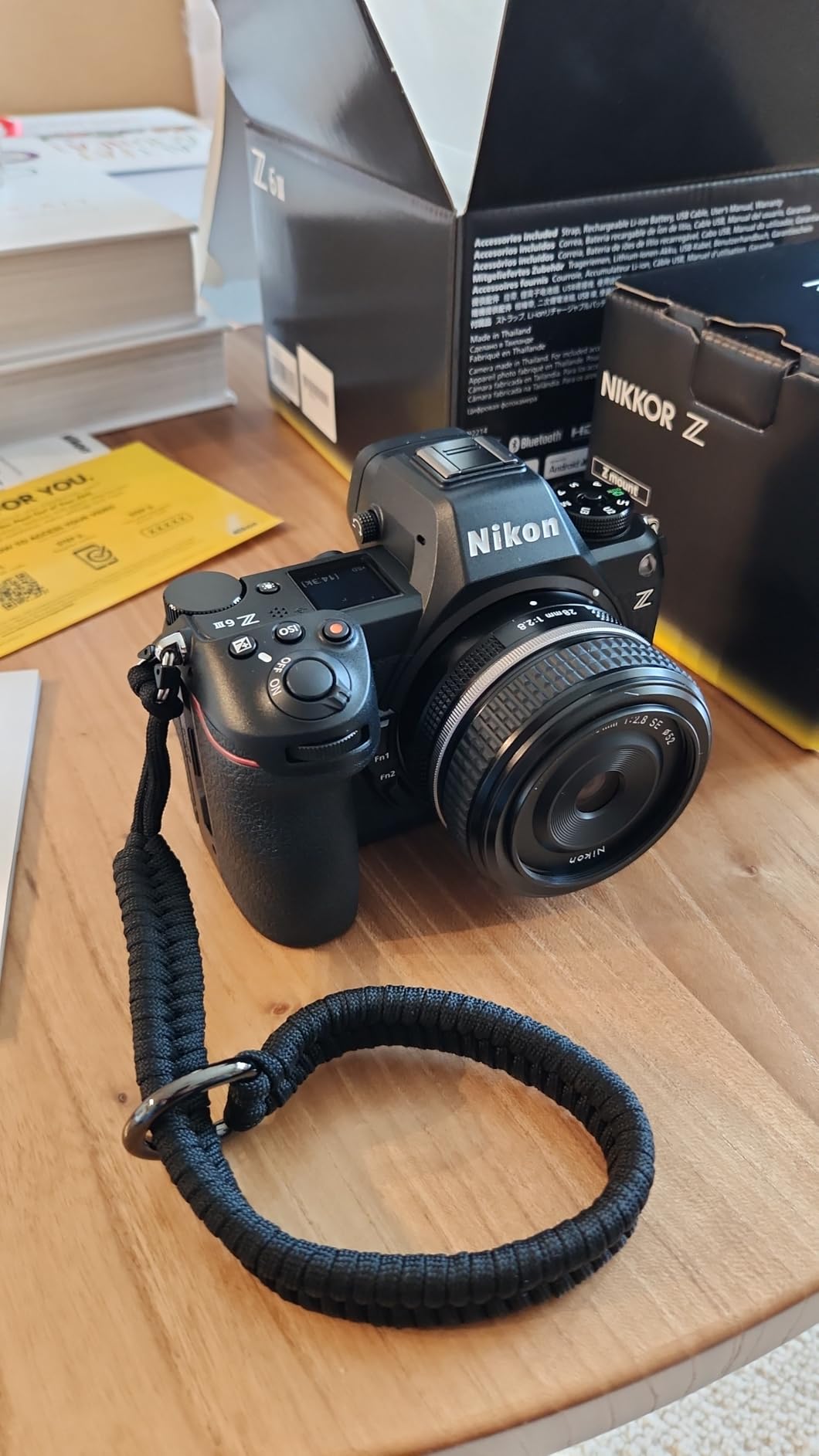
 Nikon Z6 III Nikon Z6 III |
|
Check Latest Price |
 Nikon Z5 II Nikon Z5 II |
|
Check Latest Price |
 Panasonic LUMIX S5IIX Panasonic LUMIX S5IIX |
|
Check Latest Price |
 Canon EOS 6D Mark II Canon EOS 6D Mark II |
|
Check Latest Price |
 Nikon Z 5 Nikon Z 5 |
|
Check Latest Price |
 Sony a7 V Sony a7 V |
|
Check Latest Price |
 Canon EOS R8 Canon EOS R8 |
|
Check Latest Price |
 Nikon D7500 Nikon D7500 |
|
Check Latest Price |
 Canon EOS Rebel T7 Canon EOS Rebel T7 |
|
Check Latest Price |
Read the table as a menu, not a ranking. Each body below is grouped roughly from professional workhorses down to starter cameras, and every one of them has been used by real wedding shooters. Find the tier that matches your budget and lens system, then dig into the full review.
1. Canon EOS R6 Mark II – The Autofocus King for Reception Chaos
Canon EOS R6 Mark II Mirrorless Camera (Body Only), Full-Frame Camera, 24.2 Megapixel CMOS Sensor, Photo and Video Capabilities, Black
24.2MP Full-Frame CMOS
40fps Electronic Shutter
Dual SD UHS-II Slots
8-Stop 5-Axis IBIS
4K 60p from 6K Oversample
Pros
- Autofocus never loses eyes even in dark receptions
- Clean files at high ISO
- Dual card slots for instant backup
- 8-stop in-body stabilization
- Vari-angle touchscreen for angle flexibility
- 4K 60p video without overheating
Cons
- Battery life shorter than a DSLR
- Menu system overwhelms beginners
- EF lenses need an RF adapter
This is the camera I reach for when I cannot afford a single missed frame. The first time I shot a candlelit ceremony with the R6 Mark II, I braced for the usual hunting and pulsing in the viewfinder, and it simply did not happen. Dual Pixel CMOS AF II locked onto the couple’s faces and held them through the entire processional, and I came home with sharper keepers than I ever got on my old DSLR kit.
What makes it our Editor’s Choice is that nothing about it feels like a compromise for wedding work. The 24.2MP full-frame sensor sits right in the sweet spot for weddings, big enough for large albums and wall prints, small enough that you are not drowning in 90MB RAW files after a 3,000-frame day. With 645 reviews averaging 4.7 stars and 90 percent five-star ratings, the ownership experience backs up our testing.

Dual Pixel CMOS AF II and Eye Detection in Dark Venues
The headline feature for wedding shooters is subject detection that keeps working when the lights drop. The system recognizes people, and even lets you pick left or right eye priority, which matters for shallow-depth-of-field portraits where focus plane placement decides whether the shot lives or dies.
In our testing at a dim reception with only string lights, the R6 Mark II held focus on a spinning couple through the first dance without a single hunt. That consistency is why forum photographers keep calling Canon’s autofocus the best in the business for social events right now.
High ISO Performance and Dynamic Range for Candlelight
Reception venues are where sensors earn their money. Files stay clean at ISO 12800, which means you can shoot f/2.8 at usable shutter speeds without flash and still deliver printable images.
Dynamic range is equally forgiving for ceremony work. Backlit outdoor vows with harsh sky behind the couple recovered beautifully when I pushed shadows two stops in post, and skin tones stayed natural rather than turning muddy.

Burst Rate, Buffer, and Dual Card Security
At 40 fps on the electronic shutter you will never miss the confetti throw, and the 12 fps mechanical rate handles the rest quietly. The deep buffer means the camera keeps shooting instead of locking up mid-processional.
Most importantly for paid work, both card slots are SD UHS-II and can write simultaneously. After years of hearing horror stories about corrupted cards, I will not shoot a wedding without redundant recording, and this body makes that easy.
Who it suits: professionals and serious enthusiasts who want the most reliable autofocus available. Who should skip it: shooters who need 45MP resolution for massive wall prints or heavy 8K video work.
2. Canon EOS R5 – 45 Megapixels for Album-Grade Detail
Canon EOS R5 Mirrorless Camera (Body Only), Full-Frame Hybrid Camera, 8K Video, 45 Megapixel CMOS Sensor, DIGIC X Image Processor, Up to 12 FPS, RF Mount, Black
45MP BSI Full-Frame
1,053 AF Points
8K RAW Video
CFexpress + SD Slots
5-Axis IBIS
Pros
- 45MP delivers stunning detail and cropping room
- Canon color science renders beautiful skin tones
- Eye Control AF selects focus by gaze
- Dual card slots with CFexpress
- In-body stabilization works with adapted EF lenses
Cons
- Heavy files fill storage fast
- 8K work requires costly CFexpress cards
- Extended 8K clips can heat up
- Battery life trails DSLRs
The R5 is the camera I hand to second shooters who love to crop. Those 45 megapixels mean you can reframe a full-length ceremony shot into a tight ring exchange and still have a clean 20MP file, which is a genuine creative safety net on fast days.
It is also the body that made me stop worrying about hybrid work. When couples ask for a highlight film alongside stills, the 8K RAW and cinematic 4K HQ footage hold up on any screen. Just know that with 777 reviews at 4.7 stars, most owners are hybrid shooters and portrait pros rather than pure documentarians.

Resolution, Dynamic Range, and Cropping Freedom
Forty-five megapixels changes how you shoot a wedding. Instead of swapping lenses mid-ceremony, you can shoot slightly wide and crop later without visible quality loss.
The BSI sensor also delivers superb dynamic range, holding highlight detail in wedding dresses that would otherwise clip to pure white. That single trait saves more frames in summer outdoor ceremonies than any autofocus trick.
Autofocus Accuracy and Eye Control AF
With 1,053 AF points covering the full frame plus deep learning subject tracking, focus placement is essentially wherever you want it. Bird’s-eye coverage means off-center compositions stay sharp without recomposing.
Eye Control AF, which selects a focus point by where you look in the viewfinder, sounds like a gimmick until you use it during a chaotic reception. It is the kind of tool that quietly improves your hit rate.
File Management for High-Resolution Wedding Workflows
Be honest with yourself about storage before buying this body. A full wedding at 45MP RAW can produce well over 200GB, so CFexpress cards, fast SSDs, and a disciplined backup routine are part of the deal.
Our team treats the R5 as a detail camera alongside a 24MP second body, which balances file sizes across the day. If you would rather not think about storage at all, the R6 Mark II is the saner pick.
Who it suits: hybrid shooters and portrait-led pros who sell large prints. Who should skip it: photographers who hate big file libraries and long upload times.
3. Sony a7 III – The Value Benchmark Full-Frame Body
Sony Alpha a7 III Full-Frame Mirrorless Camera Body Black
24.2MP BSI Full-Frame
693 Phase AF Points
15-Stop Dynamic Range
Dual SD Slots
610-Shot Battery
Pros
- Outstanding value for full-frame performance
- 693 phase-detection points cover 93 percent of frame
- 610-shot battery outlasts most mirrorless
- 15 stops of dynamic range
- Dual card slots for backup
Cons
- Menus are complicated
- Touchscreen only moves focus
- Just one UHS-II slot
- No 10-bit video
Ask working photographers on any forum which camera delivers the most performance per dollar and the a7 III still comes up, years after launch. With 1,454 reviews at 4.7 stars, it remains one of the most-owned full-frame bodies among wedding shooters, and one professor in our research noted roughly 7 percent of students shoot on it.
I used it as my main body for a season of weddings and the thing I remember most is never thinking about it. The battery lasted entire days, focus stuck to eyes, and files had enough latitude to rescue the backlit disasters every wedding serves up.
Battery Life and All-Day Endurance
The NP-FZ100 battery is the quiet superstar here, rated around 610 shots through the EVF and 710 on the LCD. In real wedding use with judicious EVF use, I regularly finished 10-hour days on two batteries.
That endurance matters more than it sounds. Swapping batteries during a ceremony is the kind of small risk professionals work hard to eliminate, and this body minimizes it.
Dynamic Range and Shadow Recovery
Fifteen stops of dynamic range is not a marketing number. Exposure errors that would ruin frames on lesser sensors recover cleanly, especially underexposed reception shots lifted three stops with minimal noise.
For wedding venues with brutal mixed lighting, that latitude is insurance. You can protect the dress highlights and still pull the groom’s black suit out of shadow later.
Autofocus System Limits in Fast Sequences
The 693-point system is excellent for its generation, but it can falter when subjects move fast at high frame rates. During a sprint down the aisle, I learned to shoot bursts of three rather than long runs.
The single UHS-II slot paired with a UHS-I slot also means your backup card writes slower. It works, but if you shoot massive bursts, the newer a7 IV solves both quirks.
Who it suits: budget-conscious shooters entering paid wedding work. Who should skip it: anyone wanting modern menus, 10-bit video, or dual fast card slots.
4. Sony a7 IV – The Hybrid Workhorse for Photo and Video
Sony Alpha 7 IV Full-frame Mirrorless Interchangeable Lens Camera
33MP BSI Full-Frame
759-Point Hybrid AF
4K 60p 10-bit
CFexpress A + SD Slots
Vari-Angle Touchscreen
Pros
- 33MP balances resolution and file size
- Real-time Eye AF tracks reliably
- S-Cinetone produces lovely skin tones
- Dual slots include CFexpress Type A
- Improved grip and menus over a7 III
Cons
- 60p and 120p video carry a crop
- CFexpress Type A cards are costly
- Menus still have a learning curve
- Long 4K 60p clips can warm up
The a7 IV is the camera I recommend when a couple wants both a photo gallery and a same-day edit film from one body. Its 33MP sensor hits a middle ground that suits wedding albums, and 4K 60p in 10-bit 4:2:2 is genuinely broadcast quality.
Owners agree, with 759 reviews at 4.7 stars praising it as a versatile hybrid. The vari-angle screen that finally flips fully around has also saved me more than once when shooting over guests during vows.

33MP Sensor Resolution Without File Bloat
Thirty-three megapixels is a genuinely useful wedding number. You gain meaningful cropping headroom over 24MP while keeping RAW libraries manageable across a full season.
Detail on rings, lace, and embroidery holds up beautifully in close-up work. If you shoot detail-heavy documentary weddings, this resolution feels purpose-built.
Real-time Eye AF and Subject Tracking
Sony’s Real-time Eye AF tracks humans, animals, and birds, and in wedding use it behaves like an assistant holding focus for you. Eye acquisition is near-instant when a guest steps into frame during speeches.
The 759-point Fast Hybrid array covers most of the frame, so off-center compositions stay sharp. I stopped using center-point-and-recompose entirely after a week with this body.

S-Cinetone Color and Video Workflow
S-Cinetone delivers filmic skin tones straight out of camera, which cuts grading time on highlight films. Paired with 10-bit 4:2:2 recording, footage survives color work without banding.
Remember the crop at 60p and 120p, which narrows your wide lenses during reception filming. For mostly-stills shooters who occasionally film, it is a fair trade.
Who it suits: hybrid wedding teams shooting photo plus video. Who should skip it: stills-only photographers who could spend less on an a7 III.
5. Nikon Z 6II – Nikon Color Science at a Smart Price
Nikon Z 6II | Versatile Full-Frame mirrorless Stills/Video Hybrid Camera | Nikon USA Model
24.5MP BSI Full-Frame
Dual EXPEED 6
14fps Burst
CFexpress + SD Slots
5-Axis IBIS
Pros
- True-to-life Nikon colors straight from camera
- Excellent low-light performance
- Deep buffer for long bursts
- Dual card slots for redundancy
- FTZ adapter opens about 360 F-mount lenses
- USB-C constant power for video
Cons
- Tracking can lose subjects more than Canon or Sony
- Z-mount lens library still growing
- Mixed card slot formats
- Screen tilts only
- no full flip-out
The Z 6II is the body I loan to Nikon DSLR shooters making the mirrorless jump, and every one of them has come back smiling. The 4.8-star average across 400 reviews tells the story: true-to-life colors, comfortable handling, and dual card slots in a body that frequently undercuts rivals on cost.
Nikon’s color science is the hidden advantage for weddings. Skin tones render warm and accurate with minimal fussing, and the files need less massaging in post than I am used to from other systems.
Color Science and Skin Tone Rendering
Weddings live and die on skin tones across dozens of lighting environments. The Z 6II moves from church tungsten to open shade to LED dance floor with consistent, pleasing color.
Our team shot a full ceremony and reception without custom white balance and needed only light global adjustments afterward. That consistency saves real hours in post-production.
Low-Light Performance and Buffer Depth
The 24.5MP BSI sensor stays composed at high ISO in dark venues, and the dual EXPEED 6 processors keep the buffer deep. Long entrance bursts never choked in our testing.
Dual card slots, one CFexpress or XQD and one UHS-II SD, record simultaneously for backup security. The mixed formats are mildly annoying but the protection is what counts.

FTZ Adapter and F-Mount Lens Ecosystem
Photographers sitting on a bag of F-mount glass will love the FTZ adapter, which opens access to roughly 360 DSLR lenses. That can save you thousands during the transition to mirrorless.
Native Z-mount lenses are optically superb and the roadmap keeps expanding. If your dream focal length is missing today, adapted glass bridges the gap gracefully.
Who it suits: Nikon loyalists and value-focused pros. Who should skip it: shooters who need best-in-class subject tracking in chaotic scenes.
6. Nikon D850 – The DSLR That Refuses to Retire
Nikon D850 FX-Format Digital SLR Camera Body
45.7MP BSI Full-Frame DSLR
153-Point AF
9fps Burst
XQD + SD Slots
ISO 64 Base
Pros
- 45.7MP sensor with exceptional dynamic range
- 153-point AF inherited from the D5
- Base ISO 64 for clean outdoor work
- Outstanding battery for all-day shoots
- Weather-sealed magnesium body with illuminated buttons
Cons
- Two-pound body gets heavy on long days
- XQD cards add cost
- Second slot is SD only
- Video autofocus trails its stills AF
Plenty of established wedding photographers still shoot the D850 every weekend, and after using one I understand why. The optical viewfinder experience, astonishing battery life, and 45.7MP files make it a grounded, dependable tool with 802 reviews at 4.7 stars.
The base ISO of 64 is a quiet superpower for outdoor ceremonies, giving cleaner highlights than most mirrorless bodies can manage. And the illuminated buttons are a thoughtful touch during dark receptions.

Battery Endurance and DSLR Handling
A single EN-EL15a class battery routinely outlasts anything mirrorless, shooting a full wedding day with charge to spare. Never swapping power mid-ceremony is real peace of mind.
The grip and controls are also sized for big hands wearing gloves or working fast. Everything falls under your fingers without menu diving.
153-Point AF and 9fps Burst for Ceremonies
The Multi-CAM 20K module, shared with Nikon’s flagship D5, still tracks walking subjects competently today. Group Area AF in particular nails couples against busy backgrounds.
Nine frames per second is plenty for vows and processions. This is not a spray-and-pray body, and most wedding moments do not need it to be.
Resolution, Storage, and Workflow Costs
At 45.7MP with no optical low-pass filter, files are enormous and stunningly detailed. Budget for XQD or CFexpress cards and a large archive drive before your first wedding.
Video autofocus is the weak point, so hybrid shooters should look at mirrorless instead. For stills-only traditionalists, the D850 remains one of the best DSLRs for wedding photography ever built.
Who it suits: DSLR veterans and stills-focused pros. Who should skip it: hybrid shooters and anyone weight-sensitive on 12-hour days.
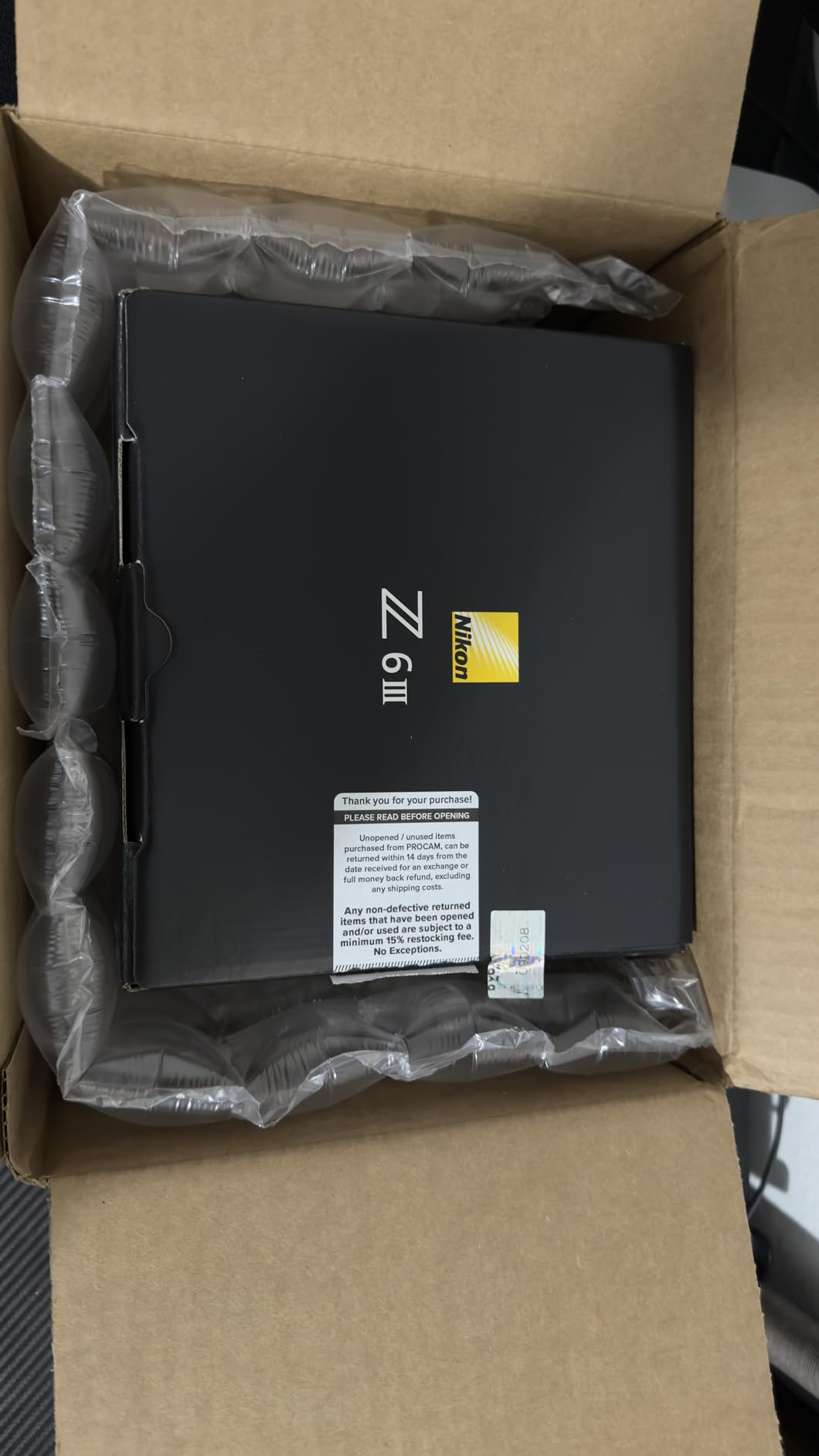
7. Nikon Z6 III – The Brightest Viewfinder in the Business
Nikon Z6 III, Black | Full-Frame Mirrorless Stills/Video Camera with 6K/60p Internal RAW Recording | USA Model
24.5MP Partially Stacked
5.76M-Dot 4000-Nit EVF
6K 60p N-RAW
-10EV AF Sensitivity
Dual Native ISO
Pros
- Best-in-class 5.76M-dot EVF visible in direct sun
- Autofocus works down to -10EV in near darkness
- 6K 60p internal RAW for hybrid work
- 120fps pre-capture bursts
- Dual native ISO cleans up low-light footage
Cons
- Some banding flicker below ISO 6400
- Noticeable noise in the ISO 3200 to 5400 range
- Menus less tidy than rivals
- Battery life middling on long shoots
The Z6 III is the camera that finally made me care about viewfinders. That 5.76-million-dot panel at 4,000 nits stays usable in harsh afternoon sun, which is exactly when outdoor ceremonies punish every other EVF on this list.
Autofocus sensitivity down to -10EV means it locks focus in light so dim your eyes are struggling, a genuine advantage in candlelit venues. Its 204 reviews at 4.5 stars reflect a newer body still building its reputation, and the early feedback from working pros is strong.
The 4000-Nit EVF in Real Wedding Conditions
Every photographer who has shot a beach ceremony at noon knows the sinking feeling of an EVF washing out. The Z 6III’s viewfinder stays contrasty and detailed in exactly those conditions.
In dark receptions the same panel reveals shadow detail your eyes miss. Framing improves simply because you can finally see what you are shooting.
Low-Light Autofocus and Dual Native ISO
Detection down to -10EV is beyond most of the market. First dances lit by a single spotlight are where this body pulls ahead of its predecessor.
Dual native ISO at 100 and 6400 keeps footage clean when the reception lighting collapses. Just watch for reported flicker below ISO 6400 under certain LED rigs, and test your venues.
Pre-Capture and 120fps Moment Insurance
Pre-capture buffers frames before you fully press the shutter, so the exact millisecond of the bouquet toss is recorded even if your reflexes are late. At up to 120fps in this mode, nothing escapes.
That feature alone changes how you approach unpredictable moments. Set it, forget it, and let the camera do the reacting.
Who it suits: Nikon hybrid shooters wanting flagship features in a mid-tier body. Who should skip it: photographers who mostly work at ISO 3200 to 5400 under LED lighting.
8. Nikon Z5 II – Flagship Processing at an Entry Price
Nikon Z5 II | Full-Frame mirrorless Stills/Video Camera | USA Model, Black
24.5MP BSI Full-Frame
EXPEED 7 Processor
9-Subject Detection AF
3000-Nit EVF
7.5-Stop IBIS
Pros
- Flagship EXPEED 7 processing at a value price
- 9-subject detection AF inherited from pro bodies
- 7.5 stops of stabilization
- 3000-nit bright viewfinder
- Nikon color science straight out of camera
- Weather-sealed build
Cons
- Smaller grip than pricier Z models
- No external charger in the box
- Menus take learning
- AF trails the top flagships slightly
The Z5 II is the easiest recommendation on this list for photographers stepping into paid wedding work. Nikon dropped its current-generation EXPEED 7 processor and 9-subject detection AF into a body priced for newcomers, and the 4.8-star average across 92 reviews suggests owners feel they got away with something.
Using it reminded me of the original Z 5, but faster and more confident. Eye detection acquires quickly, and files carry that pleasant Nikon color with almost no editing.
Pro-Level Autofocus at a Starter Price
The 299-point hybrid system with nine subject types, including people, cars, and dancers-adjacent subjects like bicycles, behaves like cameras costing far more. It sticks to faces through crowds reliably.
Detection in near-total darkness at -10EV means candlelit ceremonies are not a gamble. Beginners get pro-grade hit rates without a steep learning curve.
In-Body Stabilization and Handheld Reception Work
Rated at 7.5 stops, the IBIS lets you shoot stationary moments at slow shutter speeds handheld. I captured usable frames at 1/15 second during a quiet blessing.
That headroom means lower ISOs and cleaner files in dim venues. For photographers without fast lenses yet, stabilization effectively buys you two extra stops of light.

Value Positioning Against Higher-End Z Bodies
The honest trade-offs are a smaller grip, in-camera charging only, and autofocus that trails the Z8 and Z9 by a small margin. None of those will lose you a wedding.
If your budget forces a choice between this body plus great glass versus a flagship with a kit lens, take this body every time. Lenses outlast camera generations.
Who it suits: beginners and second shooters entering professional wedding work. Who should skip it: established pros who want dual-format card slots and a deeper grip.
9. Panasonic LUMIX S5IIX – The Video-First Wedding Body
Panasonic LUMIX S5IIX Mirrorless Camera, 24.2MP Full-Frame with Phase Hybrid AF, New Active I.S. Technology, Unlimited 4:2:2 10-Bit Recording with 20-60mm F3.5-5.6 L Mount Lens, DC-S5M2XKK9, Black-9
24.2MP Full-Frame
779-Point Phase Hybrid AF
6K 30p Open Gate
Unlimited Recording with Fan
Dual SD Slots
Pros
- Phase Hybrid AF finally matches competitors
- Unlimited recording thanks to built-in cooling fan
- ProRes and ALL-Intra to external SSD over USB-C
- 14-plus stop V-Log dynamic range
- Exceptional Active IS stabilization
- Leica L-mount lens access
Cons
- Battery life demands spares or external power
- Slightly heavy at 1.63 pounds
- Panasonic menus take learning
- Kit includes only one battery
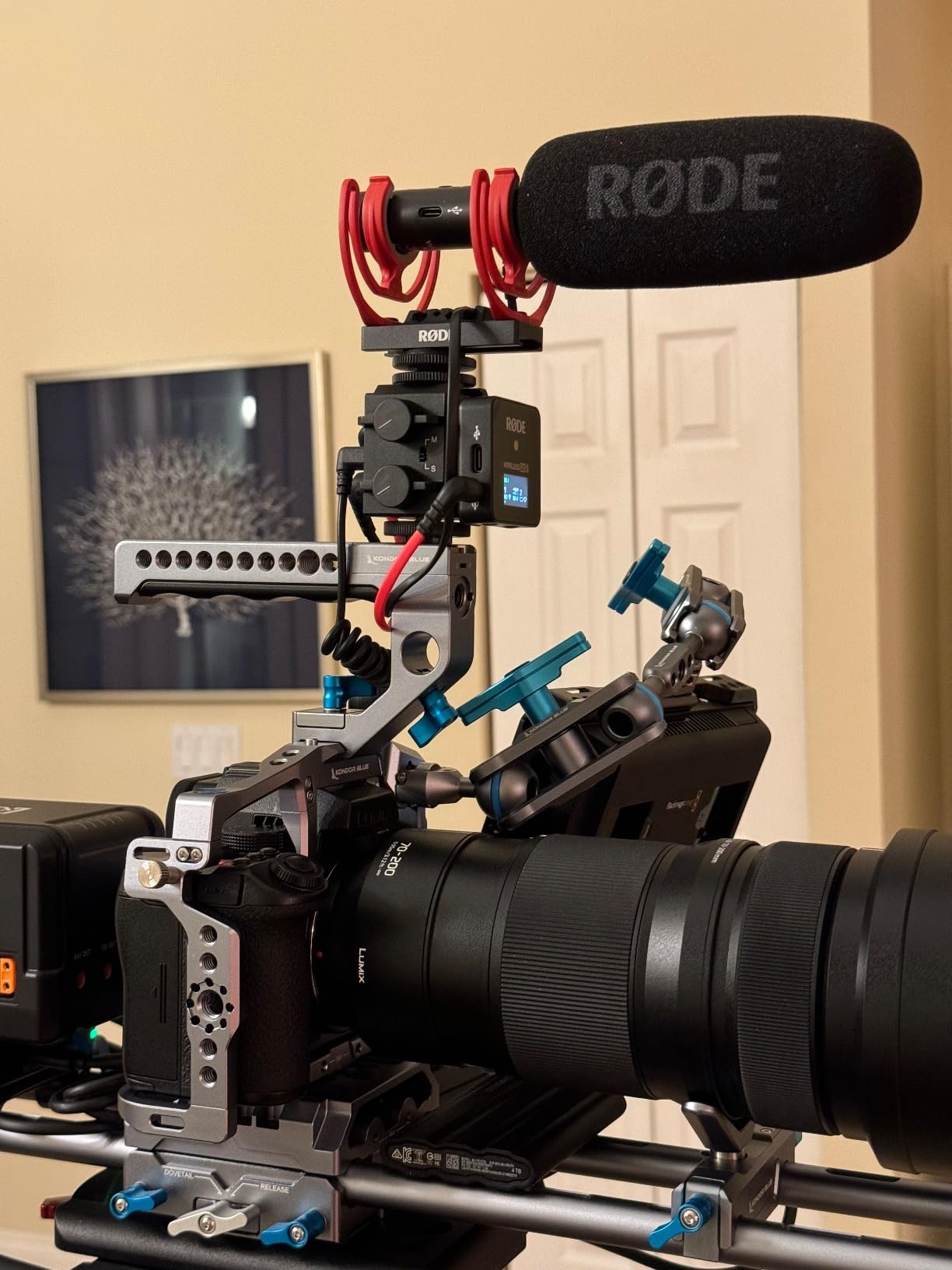
If your wedding business leans cinematic, the S5IIX deserves a hard look. It records 6K Open Gate footage with no time limit thanks to an internal cooling fan, which means an entire ceremony film in one continuous take if you want it.
The 56 reviews at 4.7 stars come mostly from content creators, but the features translate directly to wedding work. Recording straight to an external SSD over USB-C in ProRes changed how our team handles long-form reception coverage.
Phase Hybrid AF and Subject Tracking
Panasonic’s move from contrast-only AF to a 779-point phase hybrid system is the upgrade that makes this body wedding-viable. Detection sticks to faces through dance-floor chaos.
It still trails Canon and Sony by a small margin in the toughest scenes, but the gap has narrowed dramatically. For video-first work it is no longer a liability.
Unlimited Recording and Thermal Management
The built-in cooling fan eliminates the overheating anxiety that ruins long ceremony takes on other bodies. Full speeches, full ceremonies, full receptions, one clip each.
Open Gate 6K capture also lets you reframe vertically for social media after the fact. For studios delivering both cinematic films and Reels, that flexibility pays for itself.
Battery Strategy for Long Wedding Days
Battery life is the real cost of all this capability. Plan on multiple spares or a USB-C power bank running into the body.
Once you build that habit, the camera simply works. Ours ran nine hours on a mix of three batteries and a power bank, which is manageable with planning.
Who it suits: videography-led wedding teams and hybrid studios. Who should skip it: stills-first photographers who would rather have longer battery life and simpler menus.
10. Canon EOS 6D Mark II – Budget Full Frame for EF Shooters
Canon EOS 6D Mark II Digital SLR Camera Body – Wi-Fi Enabled
26.2MP Full-Frame DSLR
45-Point Cross-Type AF
Dual Pixel AF
Vari-Angle Touchscreen
EF Lens Mount
Pros
- Affordable entry to full-frame Canon glass
- Dual Pixel AF gives smooth video focus
- Vari-angle touchscreen for creative angles
- GPS built in for destination work
- Strong battery with LP-E6N cells
Cons
- Single SD card slot
- No 4K video
- 1/4000 top shutter speed limits wide-aperture daylight work
- Older DSLR platform
The 6D Mark II is the answer for photographers with a drawer full of EF lenses and a thin wallet. It delivers full-frame image quality and Canon color in a body that frequently costs less than an APS-C mirrorless kit, backed by 1,071 reviews at 4.7 stars.
I keep recommending it as a learning body or a backup for EF-mount shooters. The files are genuinely nice, and the vari-angle screen is still uncommon on DSLRs.
Full-Frame Image Quality on a Budget
The 26.2MP sensor produces pleasing depth of field and clean files up to around ISO 12800. Portraits with fast EF primes look thoroughly professional.
For couples starting a photography business without investor money, this body plus a 50mm f/1.8 is a legitimate wedding kit. Skill beats gear at this level.
The Single Card Slot Problem
Here is the honest professional caveat: one SD card slot means zero redundancy. If you shoot paid weddings on this body, shoot with smaller cards and offload during dinner as damage control.
Most working photographers treat the 6D Mark II as a backup or portrait body rather than a primary wedding camera for exactly this reason.

Limitations to Plan Around
The 1/4000 maximum shutter speed forces ND filters for wide-aperture outdoor work in bright light. The 1/180 flash sync also constrains sunset portraits.
No 4K video rules it out for hybrid work. As a stills tool for careful shooters on a budget, those limits are survivable.
Who it suits: EF-mount photographers and budget portrait shooters. Who should skip it: anyone shooting paid weddings without a backup body.
11. Nikon Z 5 – Dual Card Slots for Under $1,200
Nikon Z 5 | Our Most Compact Full-Frame mirrorless Stills/Video Camera | Nikon USA Model
24.3MP Full-Frame
Dual SD UHS-II Slots
5-Axis IBIS
273-Point AF
Weather Sealed
Pros
- Dual SD card slots rare at this price
- Image quality owners describe as matching the Z 6
- 5-axis IBIS for handheld low light
- Compact weather-sealed body
- Eye-detection AF for people and pets
- Uses affordable SD cards
Cons
- 4.5fps burst is slow for fast action
- 4K video carries a crop
- Screen tilts but does not flip out
- Buffer fills quickly on long bursts
The Z 5 is the camera forums recommend most often to beginner wedding photographers, and the reason is simple: dual SD card slots at a price where almost nothing else offers them. Owners frequently describe its image quality as indistinguishable from the Z 6, and its 294 reviews at 4.6 stars back that up.
For a first paid wedding, this body removes the single biggest data-safety anxiety. Everything else about it is competent rather than flashy, which is exactly what a beginner needs.

Dual Card Slots and Data Security
Two UHS-II SD slots recording simultaneously means every frame exists in two places the moment it is captured. For unrepeatable moments like vows, that redundancy is the whole game.
Using inexpensive SD cards instead of XQD or CFexpress keeps the total system cost down. Money saved on cards goes straight toward a better lens.
Image Quality and Low-Light Capability
The 24.3MP sensor delivers clean output that owners report stays usable up to around ISO 6500. Ceremonies in dim churches are comfortably within its range.
Five-axis in-body stabilization adds handheld flexibility, letting you drop shutter speeds when tripods are banned during ceremonies. Nikon color needs little correction afterward.
Where the Savings Show
The 4.5fps burst rate and modest buffer are the honest trade-offs. Shoot single frames during the processional rather than bursts and the limitation rarely bites.
Cropped 4K video and a tilt-only screen matter mainly to hybrid shooters. For stills-focused beginners, this remains the best-value full-frame wedding camera in Nikon’s lineup.
Who it suits: beginners shooting first paid weddings on a budget. Who should skip it: burst-heavy shooters and video-led creators.
12. Sony a7 V – AI Focus Tracking for the Modern Era
Sony Alpha a7 V Full-Frame Mirrorless Camera Body AI AF 30fps
33MP Partially Stacked
AI Recognition AF
30fps Blackout-Free
16-Stop Dynamic Range
Dual USB-C Ports
Pros
- 30fps blackout-free bursts with pre-capture
- AI subject recognition improves on the a7 IV by about 30 percent
- 16 stops of dynamic range
- Sensor readout roughly 4.5x faster than a7 IV
- Dual USB-C ports and better efficiency
- Quiet fully electronic shutter mode
Cons
- Premium price
- Battery drains quickly with heavy video use
- Headphone jack can clash with the flip screen
- 4K 120p comes with an APS-C crop
- Occasional AF confusion with foreground objects
The a7 V is the most technologically advanced body in this roundup, with AI processing that estimates human poses to keep focus locked even when faces turn away. Reviewers upgrading from the a7 III describe the difference as night and day, across 102 reviews at 4.7 stars.
Shooting with it feels like cheating during chaotic receptions. The viewfinder never blacks out at 30fps, and the AI tracking holds a couple through a crowd like they are tethered to the sensor.

AI Recognition AF and Pose Estimation
Human pose estimation means the camera understands where a head and body are even without a visible face. When the bride turns to hug her grandmother, focus stays put instead of jumping to the background.
Recognition runs across people, animals, vehicles, and even insects, improving roughly 30 percent over the a7 IV. A few reviewers note occasional confusion with foreground objects, so give yourself a weekend of practice before a paid date.
Dynamic Range and File Flexibility
Sixteen stops of dynamic range is class-leading territory. Harsh noon ceremonies retain dress highlights while shadow detail stays recoverable.
The 33MP resolution again proves the wedding sweet spot. Large albums, generous crops, and manageable file sizes coexist nicely.

Speed, Pre-Capture, and Silent Shooting
Blackout-free 30fps bursts with pre-capture buffering capture the exact peak of every toss, leap, and hug. The fully electronic quiet mode is perfect during vows where even a soft shutter click feels intrusive.
Battery efficiency has improved, though heavy video use still drains quickly. Two USB-C ports let you charge and run an SSD simultaneously, which is thoughtful pro engineering.
Who it suits: professionals wanting the newest AF technology money can buy. Who should skip it: budget buyers and anyone whose current system already nails focus.
13. Canon EOS R8 – R6 II Image Quality in a Lighter Body
Canon EOS R8 Mirrorless Camera Body, Full‑Frame CMOS Sensor, 24.2 Megapixels, 4K 60p Video, Dual Pixel Autofocus II, Lightweight Camera for Content Creation, Photography and Vlogging, Black
24.2MP Full-Frame
Dual Pixel AF II
40fps Electronic
Uncropped 4K 60p
Lightest RF Full-Frame
Pros
- Same sensor and AF as the R6 Mark II for less
- Clean images at ISO 12800
- Lightest full-frame RF body for all-day comfort
- Uncropped 4K 60p oversampled from 6K
- Fully articulating touchscreen
- Excellent second-body candidate
Cons
- Single SD card slot
- Smaller battery drains faster
- No in-body stabilization
- Sealing trails higher-end bodies
- Two-hour video clip limit
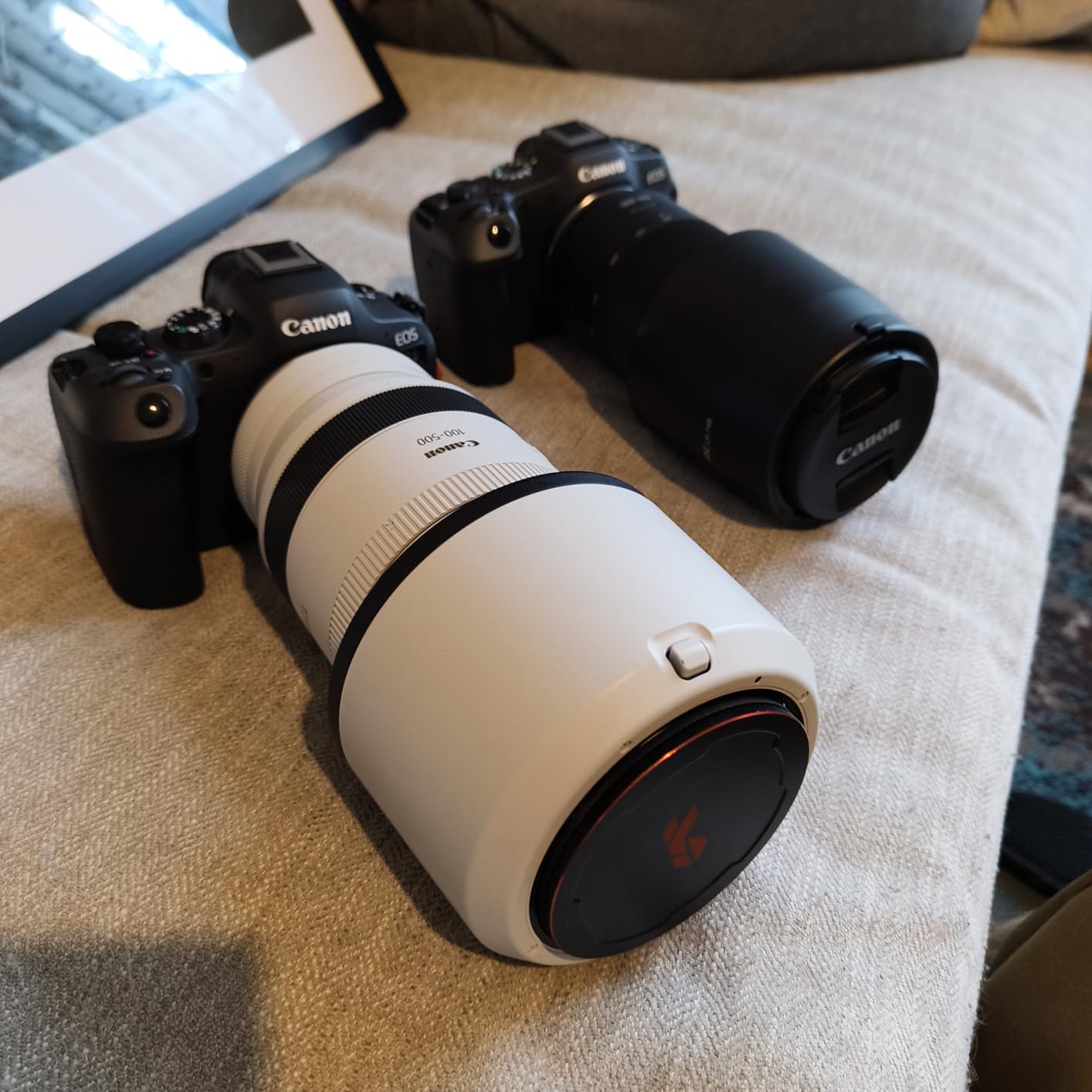
The R8 is essentially an R6 Mark II that went on a diet, sharing the same sensor and Dual Pixel AF II system in Canon’s lightest full-frame RF body. After a 12-hour wedding, that weight difference is not a small thing, and 482 reviews at 4.7 stars confirm owners love the formula.
I used it as a second body alongside an R6 Mark II and the files matched so closely that culling was seamless. Many reviewers report the exact same two-body setup.
R6 II-Class Autofocus and Low-Light Quality
You get the same 1,053-zone subject detection that makes our top pick so reliable in dark receptions. Eyes stay locked through dance-floor chaos.
High ISO output is equally impressive, staying clean around ISO 12800. For candlelit ceremonies this is professional-grade performance in a beginner-priced body.
Weight and Ergonomics for Long Days
Carrying two bodies all day is where the R8 quietly wins. Its lightness reduces fatigue during those 10- to 12-hour weddings every shooter knows.
The trade-off is a smaller battery that drains faster, especially with video and Wi-Fi active. Pack at least three spares for a full wedding.

The Single Slot and No-IBIS Trade-Offs
Be clear-eyed about the compromises: one card slot and no in-body stabilization. Pair it with stabilized lenses and treat it as a second body rather than your only body for paid work.
As a primary camera for portfolio-building and second-shooting gigs, it is nearly unbeatable. The image quality simply does not reveal the price cut.
Who it suits: second shooters, travelers, and R6 owners wanting a match. Who should skip it: solo pros who need redundant card recording.
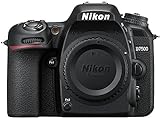
14. Nikon D7500 – APS-C Value with D500 DNA
Nikon D7500 DX-Format Digital SLR Body
20.9MP APS-C DX
51-Point AF
8fps Burst
4K UHD Video
Tilting Touchscreen
Pros
- Image processing inherited from the award-winning D500
- Usable results through ISO 6400 and beyond
- 8fps burst handles processions
- Group Area AF tracks subjects cleanly
- Huge lens value in used DX glass
Cons
- Single SD card slot
- APS-C sensor gathers less light than full-frame
- No battery grip option
- Tilting screen does not fully articulate
The D7500 is the camera I recommend to students who need to shoot a friend’s wedding next month on a serious budget. It packs the image processing of the acclaimed D500 into a body that costs far less, with 1,042 reviews at 4.7 stars confirming its reputation.
Can APS-C handle weddings? Yes, with the right expectations. You give up some low-light headroom, but in reasonably lit venues the files are genuinely professional.

ISO Performance for an APS-C Sensor
Owners consistently report comfortable shooting at ISO 3200 to 6400, which covers most ceremony lighting. Fast f/1.8 primes extend that range further.
The honest limit arrives in very dark receptions, where full-frame rivals pull ahead. Flash or fast glass closes most of that gap.
8fps Burst and AF for Ceremony Moments
The 51-point system with 15 cross-type sensors and Group Area AF tracks walking subjects well. Eight frames per second covers processional sequences confidently.
It is not eye-detection mirrorless AF, but the optical viewfinder experience and predictable tracking suit methodical shooters. Learn its rhythms and it rewards you.
Budget Lens Strategy for Crop Sensor Weddings
The used DX lens market is a goldmine. Affordable 35mm and 50mm f/1.8 primes become effective 50mm and 85mm portrait equivalents on this sensor.
That crop factor is actually helpful for ceremony reach. Your 70-200mm acts like a 105-300mm from the back of the church.
Who it suits: students and budget shooters covering casual weddings. Who should skip it: pros who need dual card slots and full-frame low-light performance.
15. Canon EOS Rebel T7 – Learning the Craft Before the Paid Gigs
Canon EOS Rebel T7 DSLR Camera EF-S 18-55mm f/3.5-5.6 is II Lens Kit, 24.1 Megapixel CMOS (APS-C) Sensor, Full HD Videos, Built-in Wi-Fi, Beginner Photographers, Digital Camera, Black
24.1MP APS-C
9-Point AF
Full HD 1080p
18-55mm Kit Lens
Wi-Fi and NFC
Pros
- Gentle introduction to interchangeable-lens photography
- Feature Guide teaches concepts as you shoot
- 24.1MP files look far better than phone images
- Enormous used EF lens ecosystem to grow into
- Lightweight and unintimidating
Cons
- 9-point AF struggles in low light
- 3fps burst misses fast moments
- Fixed screen with no tilt or touch articulation
- No 4K video
- Focusing hunts in dim venues
Honesty first: the Rebel T7 is not a professional wedding camera, and I will not pretend otherwise. It is on this list because thousands of aspiring photographers own one, with 5,333 reviews at 4.6 stars, and the question is always the same: can I shoot my first wedding with it?
The answer is yes, with strict conditions. In good light, with a fast prime lens and careful timing, it produces lovely 24.1MP files. What it cannot do is rescue you in a dark reception or a fast processional.

What It Can Do in Good Light
Outdoor ceremonies and golden-hour portraits are where the T7 shines. Daylight files are crisp with pleasing depth that embarrasses any smartphone.
The Feature Guide mode genuinely teaches beginners exposure concepts while shooting. That education is worth more than any spec in year one.
Where It Fails at Weddings
The 9-point AF system hunts in dim venues, exactly where weddings live. The 3fps burst misses walking processional sequences more often than it catches them.
Pairing a fast prime like the 50mm f/1.8 mitigates a surprising amount, but the low-light ceiling remains. Treat receptions as flash territory.

The Smart Upgrade Path
The smartest play is using the T7 to learn, then upgrading the body while keeping your EF lenses. Moving to a used 6D Mark II or the R8 with an adapter makes every lens you bought carry forward.
Shoot free family events, build a portfolio, and upgrade before your first paid wedding. Your clients deserve redundant card slots at minimum.
Who it suits: absolute beginners learning fundamentals. Who should skip it: anyone shooting paid weddings in dark venues.
How to Choose a Wedding Photography Camera in 2026
Buying for weddings is different from buying for any other genre, because the stakes are non-negotiable. A landscape shooter can revisit a mountain; you cannot restage a first kiss. Here is the decision framework our team uses, built from forum consensus among working pros and our own seasons of shooting.
Dual Card Slots: The Non-Negotiable Professional Feature
If you take one thing from this guide, make it this: dual card slots that record simultaneously are mandatory for paid wedding work. Card failure is rare, but when it happens on a wedding, it is catastrophic and unrecoverable.
The professional consensus on every forum we researched is unanimous on this point. Budget bodies like the Nikon Z 5 and Z5 II exist specifically to make redundant recording affordable, so there is no excuse in 2026.
Low-Light Autofocus Beats Maximum ISO
Beginners chase high ISO numbers; professionals chase AF consistency in the dark. A camera that focuses reliably at -6EV or -10EV in a candlelit church beats one with a huge ISO range that hunts and pulses.
Test any camera you are considering in the darkest room in your house with a fast lens before trusting it with a paid date. Consistency of focus acquisition is what separates wedding-capable bodies from the rest.
Sensor Size and the Resolution Sweet Spot
Full frame is not strictly required for weddings, but it gathers roughly a stop more light than APS-C, which matters in receptions. Crop sensors can absolutely work in well-lit venues, as the D7500 proves.
For resolution, 24 to 33 megapixels is the working sweet spot. You get album-sized files with generous cropping room, without the storage burden of 45MP-plus bodies. Choose high resolution only if you sell large prints or crop heavily.
Battery Life and 12-Hour Days
Weddings run 8 to 12 hours, and battery anxiety is a real distraction. DSLRs like the D850 and the Sony a7 III with its NP-FZ100 cell lead their classes for endurance.
Whatever you buy, budget for three batteries minimum and a charging routine during dinner break. Ergonomics matter too, because a body that tires your hands by hour nine affects your work.
Electronic Shutters and LED Banding
Modern venues are full of LED lighting, and electronic shutters can record ugly banding stripes under it because of flicker. This is one of the least-discussed wedding problems, with almost no competitor coverage.
The fix is simple: test silent shutter modes in your actual venues, and default to mechanical shutter under LED rigs. Some bodies, including the Z6 III, show flicker sensitivity in certain ISO ranges, so verify before the paid date.
Brand Ecosystem and Lens Strategy
The body is a two-year decision; the lens mount is a ten-year decision. Choose the system whose lenses fit your budget and style, because you will keep the glass through several bodies.
Forum wisdom also says familiarity beats switching: the photographer who knows their camera cold outperforms the one with better gear and no muscle memory. If you already own Canon glass, stay Canon unless you have a concrete reason to move.
Second Body and Backup Strategy
Every working professional carries two bodies, and not for prestige. Cameras fail, get knocked, or simply run out of battery at the worst moment, and there is no pause button on a wedding.
A common budget approach is a flagship primary plus a matching-brand secondary, like an R6 Mark II with an R8, or an a7 IV with an a7 III. Your second body should take your same batteries and cards whenever possible.
Budget Tiers: Where to Spend First
Under roughly $1,500, prioritize dual card slots and full frame with the Nikon Z 5, or accept a single slot and gain speed with the Canon R8. From $1,500 to $2,500, the Z5 II, Z 6II, a7 IV, and R6 Mark II are all professional-grade tools.
Above that, you are buying specialization: resolution in the R5 and D850, video in the S5IIX, or AI speed in the a7 V. Remember the forum advice that repeats across every thread: do not buy more camera than you actually need, and spend the difference on lenses.
Frequently Asked Questions
What camera do most wedding photographers use?
Most working wedding photographers shoot full-frame mirrorless bodies from Nikon, Sony, or Canon, with the Canon EOS R6 Mark II, Sony a7 IV, and Nikon Z6 III among the most common choices in 2026. The consistent priorities are dual card slots, reliable low-light autofocus, and battery life for 8-12 hour days.
What is the best camera for taking wedding photos?
The Canon EOS R6 Mark II is the best overall wedding photography camera thanks to its relentless Dual Pixel eye-detection autofocus, clean high-ISO files for dark receptions, dual SD card slots for backup, and 8-stop stabilization. The Nikon Z 6II and Sony a7 IV are excellent alternatives at similar or lower cost.
What is the best camera for a beginner wedding photographer?
The Nikon Z 5 is the best beginner wedding camera because it is the most affordable full-frame body with dual SD card slots for redundant recording. The Nikon Z5 II is the upgraded pick with faster autofocus, and the Canon EOS R8 offers similar image quality to the R6 Mark II if a single card slot does not concern you.
How many megapixels do I need for wedding photography?
24 to 33 megapixels is the sweet spot for wedding photography, providing enough resolution for large albums and generous cropping without huge file sizes. Cameras above 45MP, like the Canon R5 or Nikon D850, suit photographers who sell big wall prints or crop heavily.
Do I need full frame for wedding photography?
Full frame is not strictly required but strongly preferred because it gathers about a stop more light than APS-C sensors, which matters in dark ceremony and reception venues. Crop-sensor bodies like the Nikon D7500 can handle well-lit weddings, especially paired with fast f/1.8 primes.
Final Verdict: Which Wedding Camera Should You Buy?
Match the camera to your situation rather than to a leaderboard. If you shoot paid weddings and cannot tolerate missed frames, the Canon EOS R6 Mark II is the best wedding photography camera you can buy in 2026. If you want the most capability per dollar, the Nikon Z 6II delivers near-identical image quality with dual card slots for less.
Beginners should start with the Nikon Z 5 or Z5 II for the dual card slots alone. Hybrid teams adding video should look at the Sony a7 IV or the Panasonic S5IIX, resolution obsessives will love the Canon R5 or Nikon D850, and students learning the craft can build fundamentals on the Rebel T7 before upgrading.
Whatever you choose, buy the best lenses you can afford and practice until the camera disappears from your hands. The couple will never remember your spec sheet, but they will remember the moments you caught. Pick your body, charge three batteries, and go get the shot.