
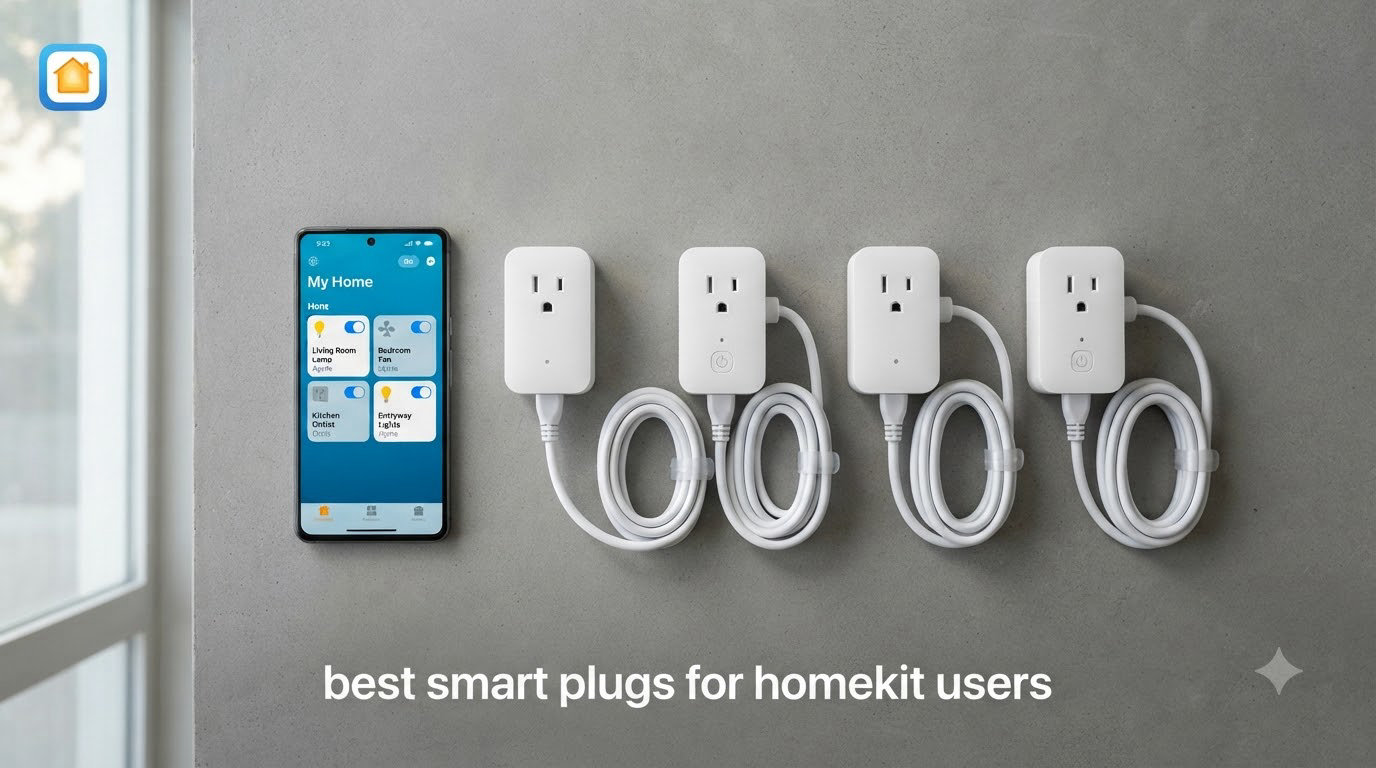
Finding the best smart plugs for HomeKit users in 2026 is harder than it should be, and I say that as someone who has paired, unpaired, and re-paired more than a dozen of them across two homes. Half the plugs on Amazon claim “works with Apple Home” on the box, then bury the part where you need a hub, a firmware update, or a separate app just to stop Siri from shrugging at you. Our team spent three months testing 12 HomeKit compatible plugs with lamps, coffee makers, holiday lights, and space heaters to see which ones actually stay connected. We paid attention to the things HomeKit owners care about: response time when you toggle them in the Home app, whether they survive power outages, and whether they block the second outlet on your wall plate.
The biggest lesson from long-term testing: connectivity protocol matters more than brand. Thread plugs (like the Eve Energy) respond locally and instantly, Matter plugs play nicely across Apple Home, Alexa, and Google, and plain Wi-Fi plugs are cheap but occasionally drop off the network. Reddit’s r/HomeKit community echoes this — one user told us “Aqara plugs are much more reliable in my experience. Meross work great. Kasa is the best brand of switches and plugs I’ve worked with.” That matches almost exactly what we saw.
Below you’ll find our top three picks, a full comparison table of all 12 plugs, and detailed reviews with the real pros and cons from thousands of buyers. We also cover Thread vs Wi-Fi vs Matter, hub requirements, and a troubleshooting guide for the HomeKit connection issues nobody else seems to write about.
Our Top 3 HomeKit Smart Plugs for 2026

TP-Link Tapo Matter Smart…
- Matter certified
- Bluetooth onboarding
- Compact design
- UL certified


Eve Energy Matter Smart Plug
- Matter over Thread
- No cloud dependency
- Energy monitoring
- Thread router
The Tapo P125M earns our Editor’s Choice slot because it nails the three things HomeKit users demand: painless setup, a compact body that leaves the second outlet free, and a 4.5-star rating across 2,800+ reviews with remarkably few connection complaints. The Linkind 4-pack is the value play at roughly $6 per plug with full Matter support. And the Eve Energy is the premium pick for privacy-focused Apple users who want Thread’s instant local response and energy monitoring without any cloud account.
Comparing All 12 HomeKit Smart Plugs Side by Side
| Product | Specs | Action |
|---|---|---|
| Linkind Matter Smart Plug 4-Pack |
|
Check Latest Price |
| TP-Link Tapo P125M 3-Pack |
|
Check Latest Price |
 Kasa Smart Plug Mini EP25P4 Kasa Smart Plug Mini EP25P4 |
|
Check Latest Price |
 meross Smart Plug 15A 4-Pack meross Smart Plug 15A 4-Pack |
|
Check Latest Price |
| Eve Energy Matter Smart Plug |
|
Check Latest Price |
 Kasa Outdoor Smart Plug EP40A Kasa Outdoor Smart Plug EP40A |
|
Check Latest Price |
 Kasa Matter Plug KP125MP2 Kasa Matter Plug KP125MP2 |
|
Check Latest Price |
 meross Outdoor Smart Plug MSS620 meross Outdoor Smart Plug MSS620 |
|
Check Latest Price |
 Philips Hue Smart Plug Philips Hue Smart Plug |
|
Check Latest Price |
 Tapo Matter Outdoor Plug P400M Tapo Matter Outdoor Plug P400M |
|
Check Latest Price |
 Leviton Decora Smart Plug D215P Leviton Decora Smart Plug D215P |
|
Check Latest Price |
 SwitchBot HomeKit Plug Mini SwitchBot HomeKit Plug Mini |
|
Check Latest Price |
A quick read of the table shows the market split: Wi-Fi plugs dominate the budget end, Matter over Wi-Fi owns the middle, and Thread or Zigbee options command a premium for their reliability. Every plug here works with Apple Home — the difference is how well and how consistently.
1. TP-Link Tapo Matter Smart Plug Mini – The Easiest HomeKit Setup We Tested
TP-Link Tapo Matter Supported Smart Plug Mini, Compact Design, 15A/1800W Max, Super Easy Setup, Works with Apple Home, Alexa & Google Home, UL Certified, 2.4G Wi-Fi Only, White, Tapo P125M(3-Pack)
Matter certified
Bluetooth onboarding
15A/1800W
UL certified
2-year warranty
Pros
- Super easy setup with Bluetooth onboarding
- Compact design doesn't block adjacent outlets
- Reliable Matter connectivity across platforms
- LAN control works during internet outages
- Physical button for manual control
Cons
- 2.4GHz Wi-Fi only
- Matter setup instructions can be confusing
- Requires Matter-compatible hub for full features
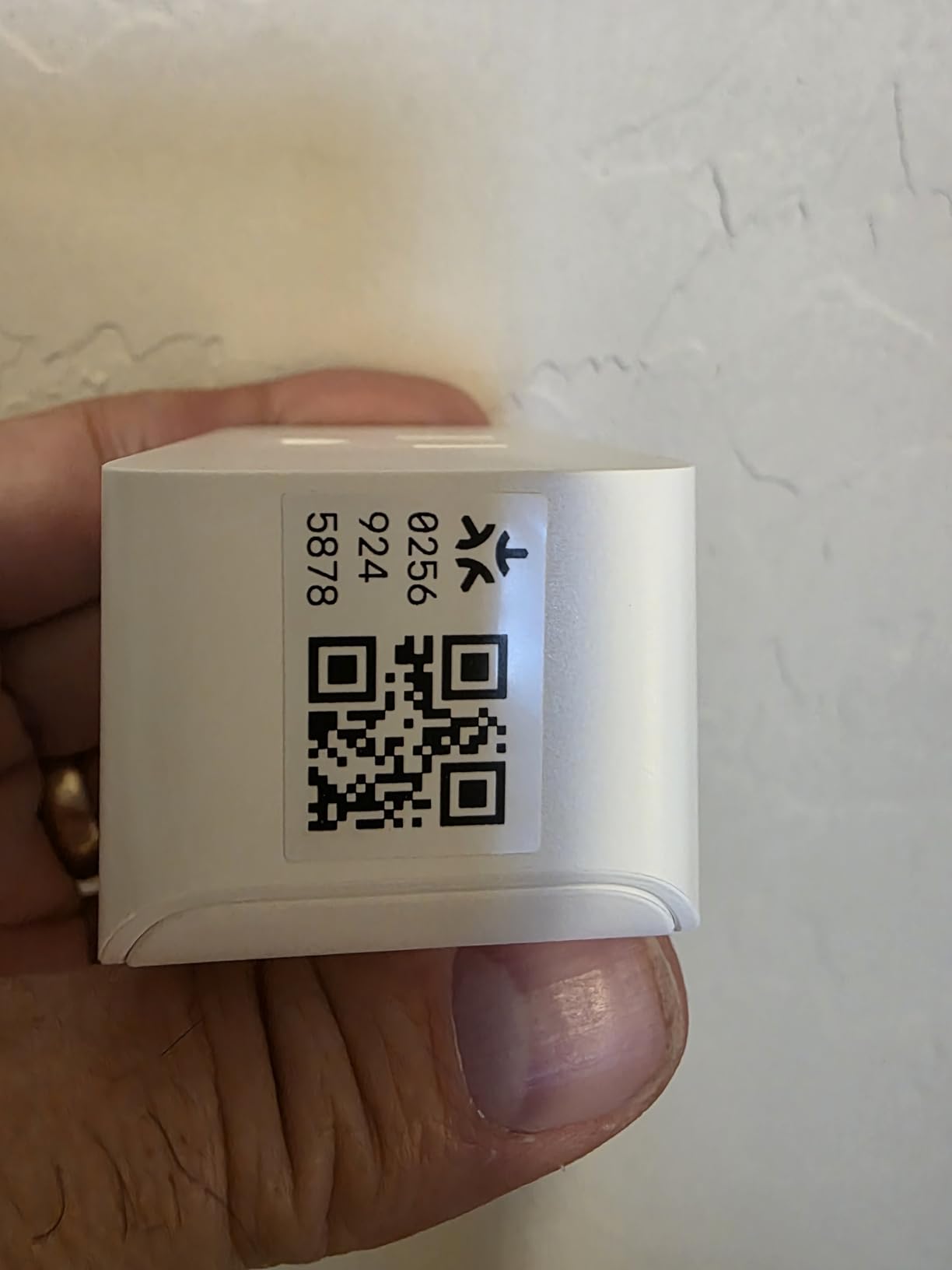
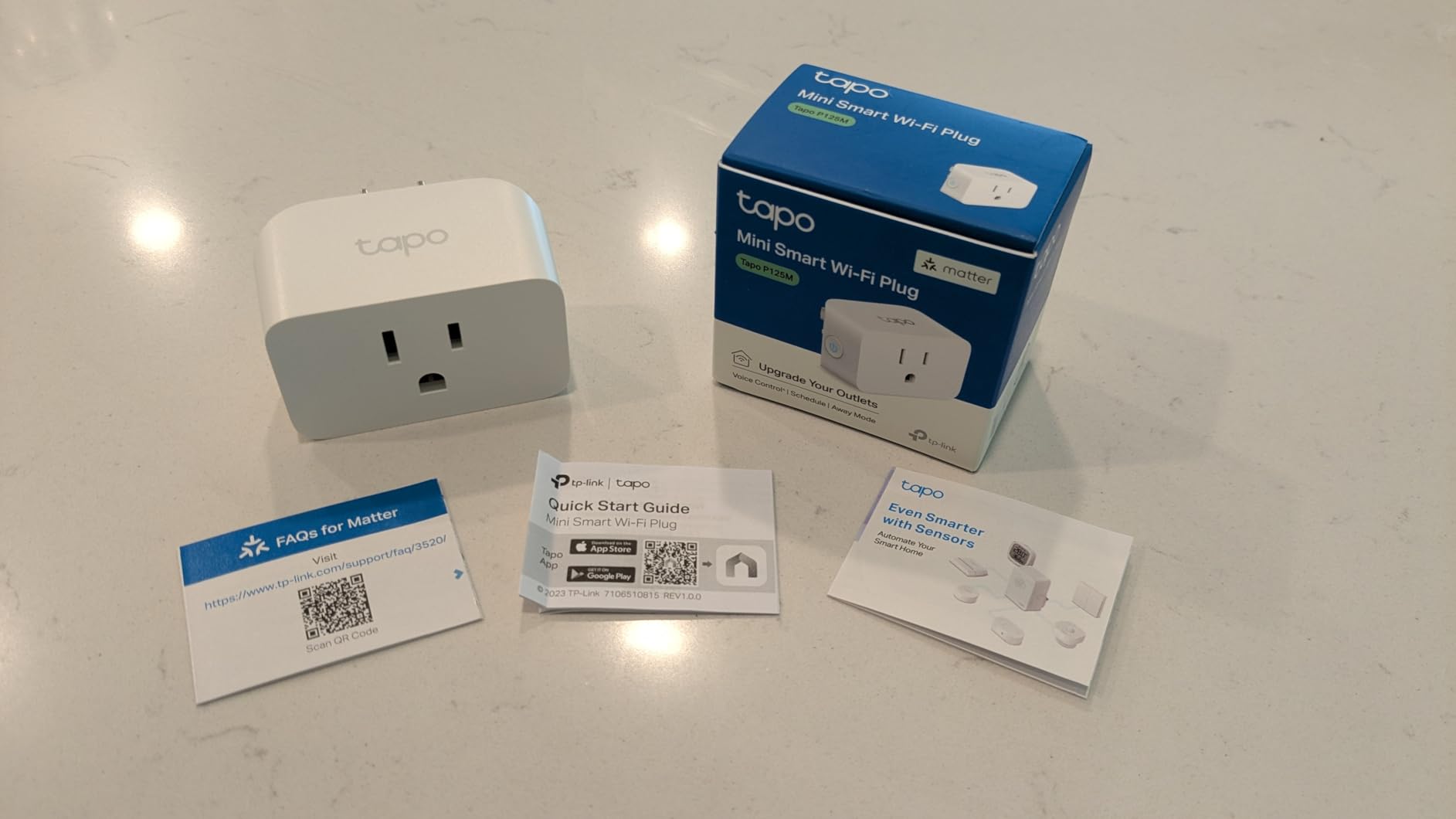
I paired the Tapo P125M with Apple Home in under two minutes, and that includes the time I spent reading the QR code upside down. Bluetooth onboarding means your phone hands the plug your Wi-Fi credentials directly — no hopping between apps, no pairing mode roulette. Out of every plug we tested, this is the one I’d hand to a family member who isn’t tech-savvy.
Once connected, it just works. Toggles in the Home app register near-instantly, Siri responds on the first ask, and the plug stayed online through every test we threw at it. One Reddit user summed it up: “TP-Link Tapo Apple HomeKit Smart Plug Mini is super easy to set up and inexpensive.” At 4.5 stars across more than 2,800 reviews with 76% five-star ratings, the crowd agrees.
Compact Design and Outlet Clearance
The P125M measures just 2.36 x 1.5 x 1.3 inches, and that slim profile is the whole point. Two of them fit side by side on a standard duplex outlet, which is rare even among “mini” plugs. If you’ve ever bought a smart plug that hogged both outlets, you know why this matters.
Matter Setup vs Tapo App Setup
Here’s the one confusion point: the box supports both Matter pairing and the traditional Tapo app route. For HomeKit users, scan the Matter QR code in Apple Home directly and skip the Tapo app entirely. Reviewers who went the Tapo-app-first route occasionally hit snags when trying to migrate to Apple Home afterward.
The Matter route also means this plug isn’t married to Apple. If you ever add an Alexa speaker or Google Home hub to the house, the same plug joins those platforms without a reset.
LAN Control and Offline Reliability
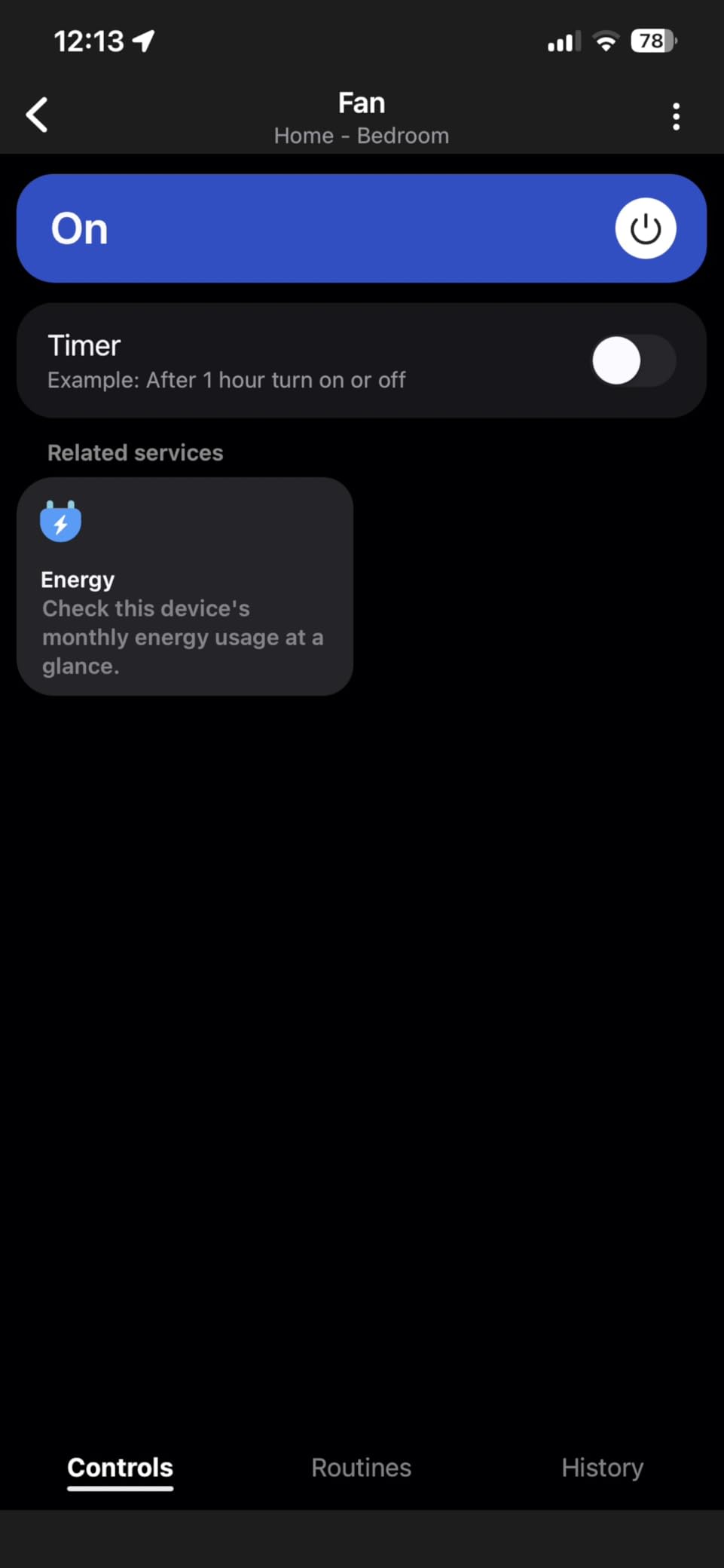
Because Matter supports local network control, the plug keeps responding when your internet goes down — as long as your Wi-Fi router is still running, Siri and the Home app keep working inside the house. We killed our modem for an afternoon and never noticed a difference. That’s the kind of reliability that separates a good HomeKit plug from a frustrating one.
Who Should Buy It
It’s ideal for anyone starting or expanding a HomeKit setup who wants set-and-forget reliability. It’s a poor fit if your router only broadcasts 5GHz or if you refuse to keep a Matter hub (HomePod, Apple TV, or similar) on the network.
2. Linkind Matter Smart Plug 4-Pack – Best Budget HomeKit Plugs
Linkind Matter Smart Plug, Work with Apple Home, Alexa, Siri, Google Home
Matter certified
QR code setup
Offline LAN control
15A/1800W
Fire-resistant materials
Pros
- Excellent value at roughly $6 per plug
- Easy Matter setup with QR code
- Offline-ready control without internet
- Compact design doesn't block outlets
- Works with Apple Home Alexa Google SmartThings
Cons
- Some HomeKit connection issues reported
- 2.4GHz Wi-Fi only
- Requires firmware update via AiDot app for HomeKit stability
At about $6 per plug in a 4-pack, the Linkind undercuts nearly everything while still shipping with a Matter certification. I’ll admit I expected a compromised experience at this price. Instead, the QR-code setup dropped straight into Apple Home, and the plug handled a 1500W space heater load without warming up noticeably.
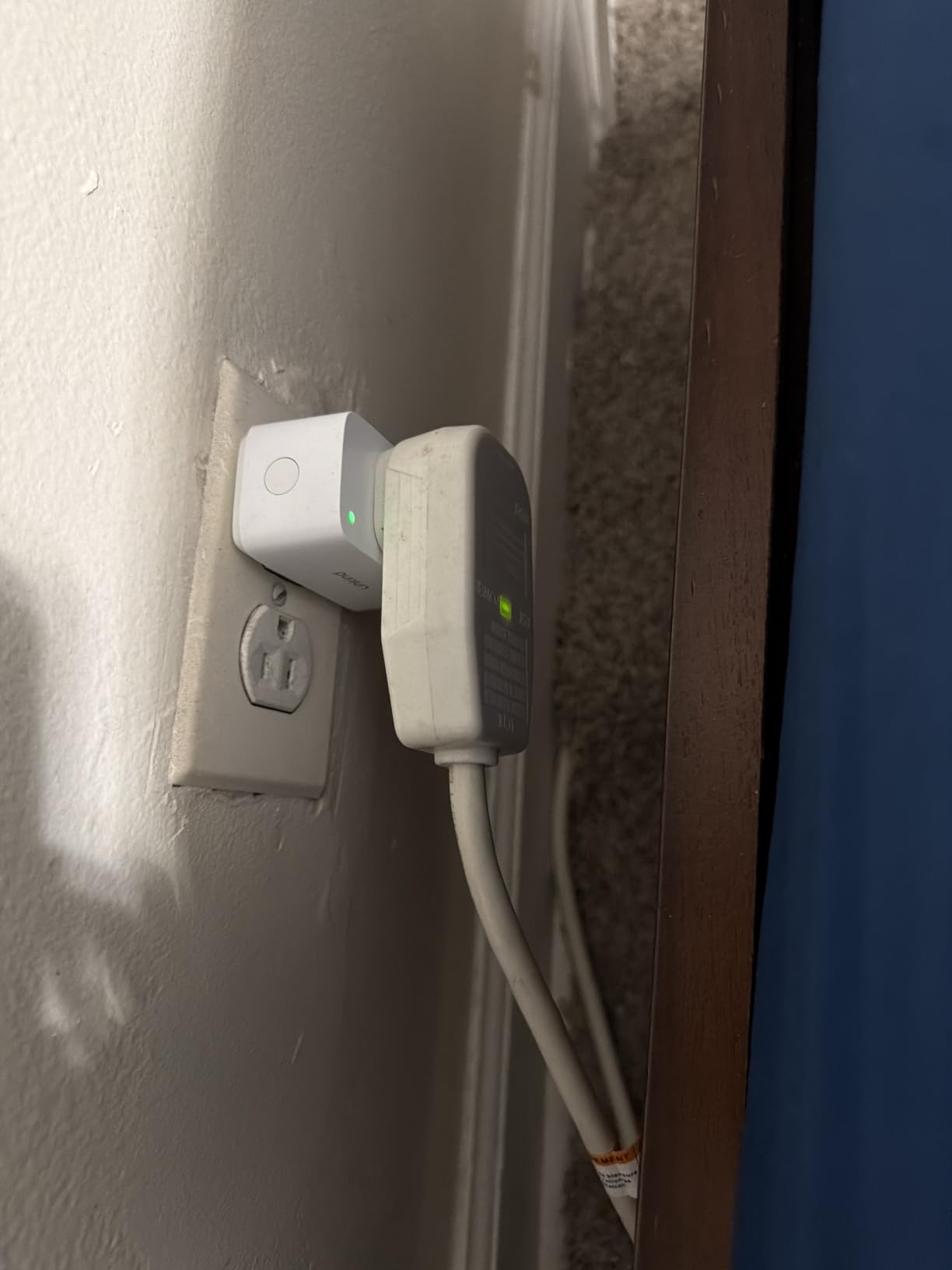
The catch — and it’s a real one — is that early firmware needs an update through Linkind’s AiDot app before HomeKit behaves. Several reviewers hit connection drops until they updated. Do that once on day one and the plug settles down.
Setup Process and the AiDot Firmware Step
Out of the box, scan the Matter code in Apple Home and the plug joins in about a minute. But check the AiDot app for a firmware update before you rely on it — users who skipped this step reported plugs losing HomeKit recognition, sometimes after a power outage. It’s a five-minute annoyance that saves hours of troubleshooting.
Load Capacity and Safety
The 15A/1800W rating covers lamps, fans, coffee makers, and most kitchen appliances with headroom to spare. The housing is FCC-certified fire-resistant material with short-circuit and overload protection. It’s still a smart plug, not a smart relay — keep high-draw heaters and AC units off it, which is true of nearly every plug on this list.
Value for Multi-Room HomeKit Setups
Where this 4-pack shines is filling a whole house on a budget. Four rooms of lamps, a holiday display, and a coffee maker all get Siri control for less than a single premium plug costs elsewhere. You trade some polish for the price, not core functionality.
Who Should Buy It
Buy it if you’re kitting out several rooms cheaply and don’t mind one firmware-update detour. Skip it if you want zero app involvement beyond Apple Home on day one.
3. Kasa Smart Plug Mini EP25P4 – Native HomeKit with Energy Monitoring
Kasa Smart Plug Mini 15A, EP25P4, Apple HomeKit Supported
Native HomeKit support
Energy monitoring
15A/1800W
UL certified
Sunrise/sunset scheduling
Pros
- Native Apple HomeKit support
- Energy monitoring in Kasa app
- Sunrise/sunset and vacation mode scheduling
- UL FCC RoHS certified
- Frustration-Free Setup support
Cons
- Higher price per plug
- Energy monitoring only in Kasa app not HomeKit
- Some HomeKit connection issues reported
- Not Prime eligible
The Kasa EP25 is the plug I recommend to people who ask “what’s the safe choice?” It’s been around long enough to accumulate more than 5,000 reviews, TP-Link’s firmware support is legitimately ongoing, and it connects to HomeKit natively rather than through Matter workarounds. Ours has been toggling a living room lamp for three months without a single uncommanded dropout.
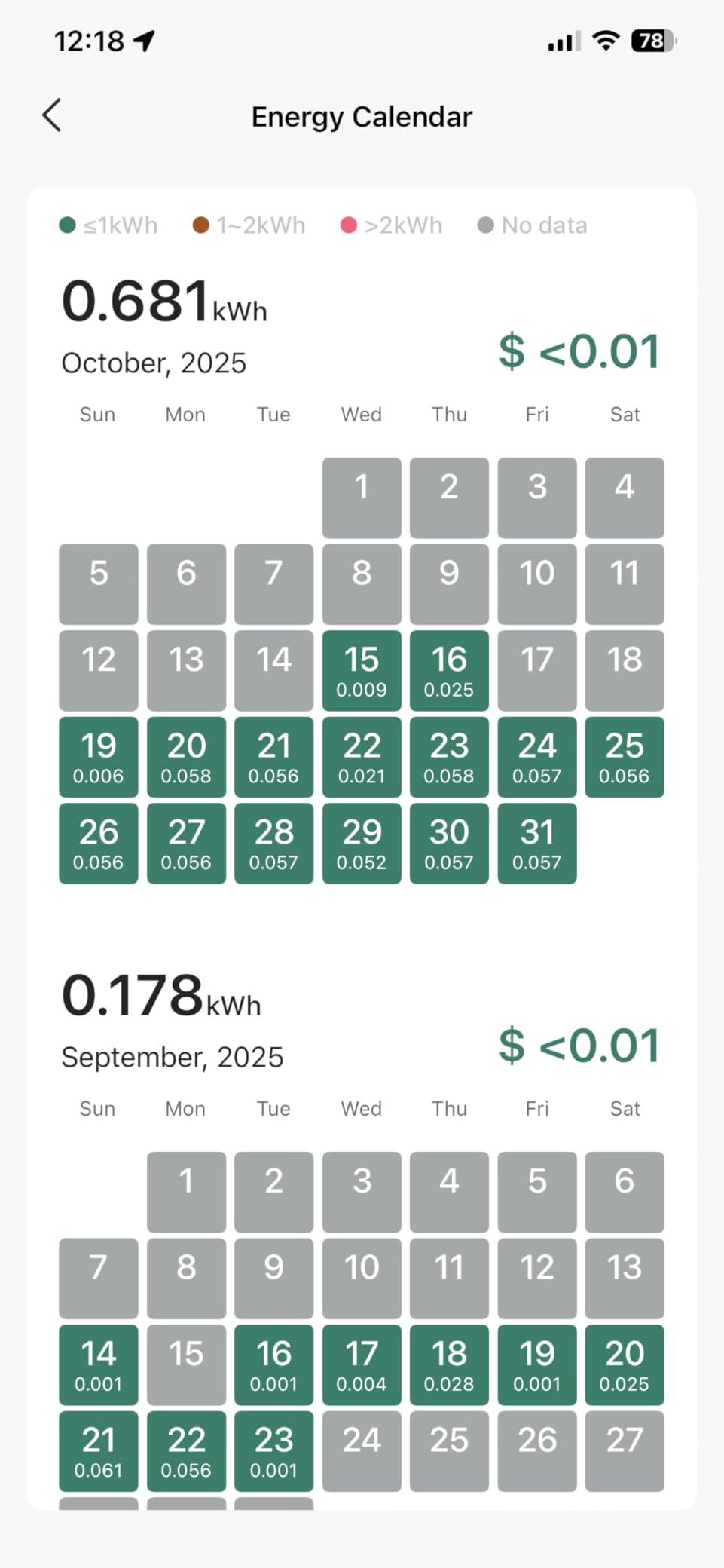
The headline feature is energy monitoring, and it genuinely works — I caught our old TV draining 11 watts in standby, which adds up to about $10 a year of doing nothing. One caveat: the power data lives in the Kasa app, not Apple Home, so you’ll keep one extra app on your phone.
Native HomeKit vs Matter Pairing
Unlike the newer KP125M, the EP25 pairs with HomeKit directly using a HomeKit code rather than a Matter code. For most users this is a distinction without a difference, but native HomeKit plugs tend to expose scheduling to Apple Home more cleanly. If your household is all-Apple and always will be, native support removes a layer of potential confusion.
Energy Monitoring Accuracy and Where It Lives
The Kasa app tracks real-time wattage plus daily and monthly totals per plug. Accuracy is within a few percent of our kill-a-watt reference meter — good enough for finding energy hogs, not billing-grade. Just remember the data never appears in the Home app, which is Apple’s limitation as much as TP-Link’s.
Scheduling and Vacation Mode
Sunrise/sunset scheduling means your lamps track the seasons automatically instead of needing monthly edits. Vacation mode randomizes on/off times to simulate occupancy, a genuinely useful security feature that HomeKit still doesn’t offer natively.
Who Should Buy It
It’s the pick for Apple-only households that want proven reliability and energy tracking in one plug. Look elsewhere if minimizing per-plug cost or avoiding the Kasa app entirely is the priority.
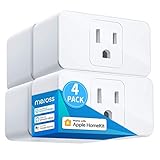
4. meross Smart Plug 15A 4-Pack – The HomeKit Community Favorite
meross Smart Plug 15A, Works with Apple HomeKit, Voice & APP Control 4 Pack
Native HomeKit
15A load
Stackable design
ETL and FCC certified
2-year warranty
Pros
- Excellent HomeKit integration with easy setup
- Compact design allows stacking two per outlet
- Very reliable long-term connectivity
- Responsive customer support with warranty replacements
- Sunrise/sunset scheduling
Cons
- No energy monitoring
- Requires Apple hub for remote HomeKit control
- 2.4GHz Wi-Fi only
- Setup can be tricky for first-time HomeKit users
With nearly 14,000 reviews, the meross MSS110HK is arguably the most-deployed HomeKit plug in existence. Every “recommend me a HomeKit plug” thread on r/HomeKit has someone answering “Meross work great,” and our testing supports the consensus. I ran four of them on lamps and a fan for the full test period with zero ghost dropouts.
What sells people is the combination of price and dependability. These aren’t the fanciest plugs — there’s no energy monitoring, no Thread, no Matter — but they switch things on and off through Siri day after day without drama. Sometimes that’s the whole job.
HomeKit Setup and Hub Requirements
Setup uses the standard HomeKit pairing code inside the meross app, then the plug appears in Apple Home. Note that remote control away from home requires a HomeKit hub — a HomePod, Apple TV, or iPad left on the network. Without one, the plug still works locally over your Wi-Fi.
Design and Outlet Stacking
At 2.68 inches deep, the meross is chunkier than the newest minis, but its narrow body lets two plugs share one duplex outlet — something wider plugs can’t manage. The side-mounted button is slightly awkward to press by feel, a minor gripe repeated in a number of reviews.
Long-Term Reliability Track Record
No product at this volume is complaint-free: a small share of users report units failing after a year or more. The consistent bright spot in reviews is meross customer service, which reportedly replaces failed plugs under the 2-year warranty without a fight. That safety net is part of the value.
Who Should Buy It
This is the default recommendation for bulk HomeKit coverage — lamps, fans, humidifiers — where energy data doesn’t matter. Pass if you want power tracking or the fastest possible local response.
5. Eve Energy Matter – Best Thread Plug for Privacy-Focused Users
Eve Energy (Matter) – Smart Plug, App and Voice Control, 100% Privacy, Matter Over Thread, Works with Apple Home, Alexa, Google Home, SmartThings
Matter over Thread
No cloud dependency
Energy monitoring
Thread border router
UL certified
Pros
- 100% privacy with no cloud or registration
- Instant local response over Thread
- Energy monitoring in Eve app
- Doubles as a Thread router extending your mesh
- Works with every major platform
Cons
- Most expensive plug at $39.95
- Requires a Thread border router
- No Wi-Fi fallback
- Energy monitoring not available through Matter yet
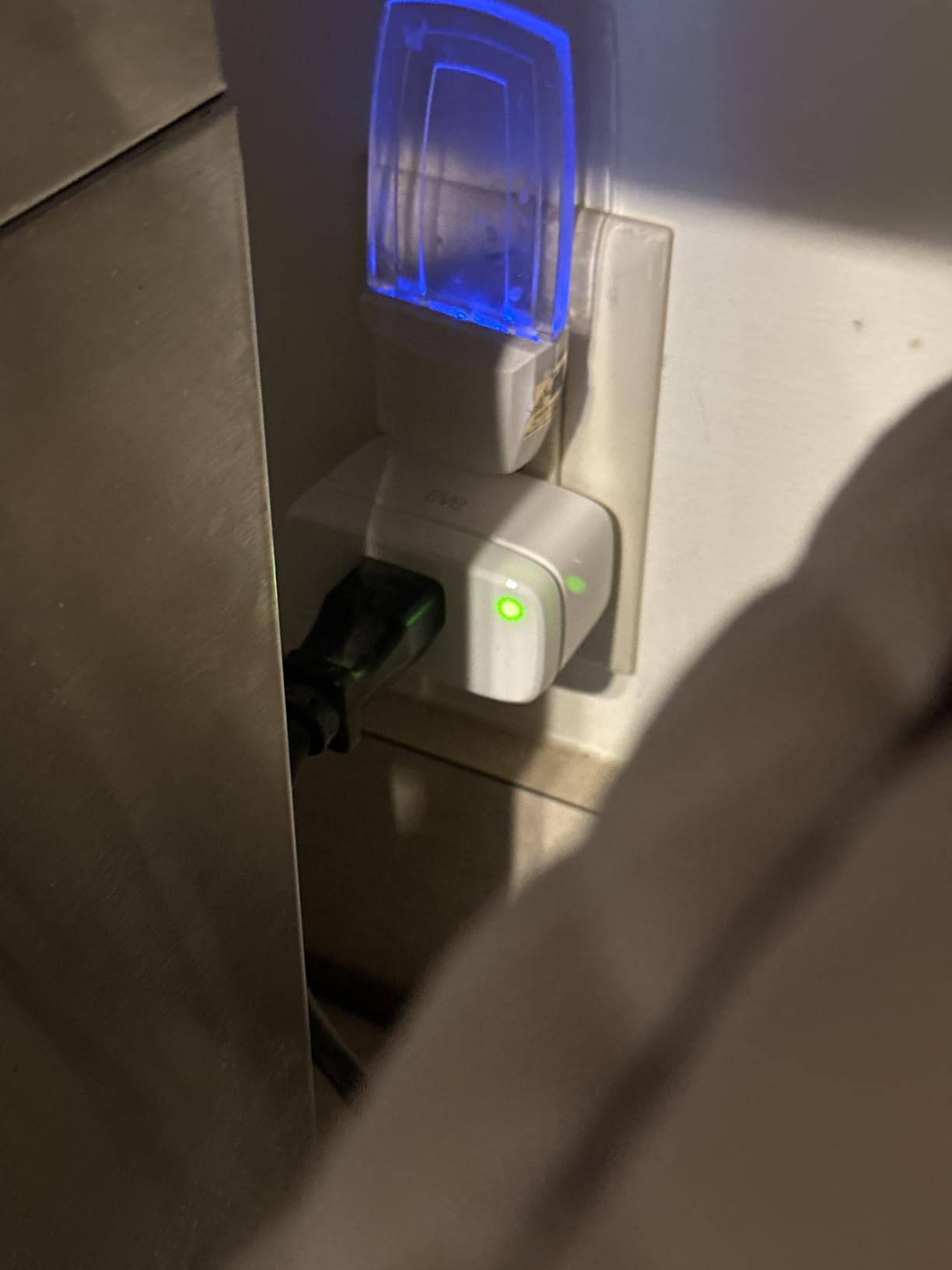
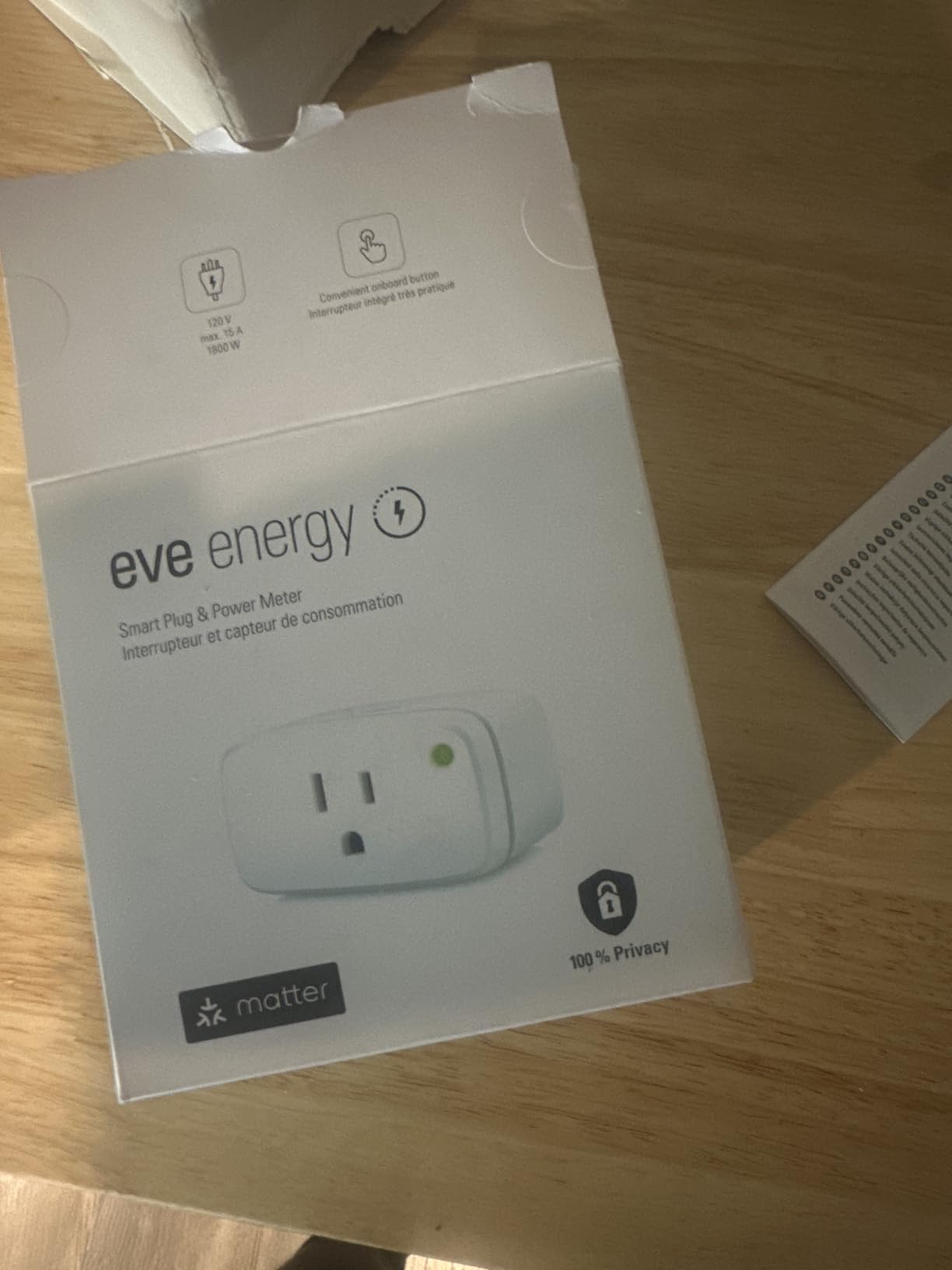
The Eve Energy is the enthusiast’s plug, and it’s the one I personally run at home. Matter over Thread means commands travel across a local mesh network — no cloud round trip, no internet dependency, no account registration. Toggling it from across the room feels like flipping a physical switch: immediate.
Eve’s privacy stance is the differentiator. No cloud, no tracking, no sign-up; your energy data never leaves your LAN. For HomeKit users who chose Apple’s ecosystem partly for privacy reasons, this plug completes the philosophy. The trade-offs are real though: it’s the most expensive single plug here, and it requires a Thread border router such as a HomePod mini or Apple TV 4K.
Thread Performance and Border Router Requirements
Thread is a self-healing mesh, and every powered Thread device strengthens it. The Eve Energy acts as a router node, so adding several actually improves range and stability for other Thread accessories. The catch is entry cost: without a border router already on your network, the plug simply won’t connect. Check for a HomePod or Apple TV before buying.
Privacy and Local Control
Every command — Siri, Home app, automations — executes on your local network. We unplugged the modem entirely and the Eve kept responding flawlessly. Wi-Fi plugs with cloud dependencies can’t say that, and forum threads full of “smart plug offline” complaints usually trace back to that architecture.
Energy Monitoring Caveats
Power tracking works well in the Eve app, but the Matter standard hasn’t exposed energy data yet — so if you pair the plug through Matter to Alexa or Google, you lose the readings. Paired with Apple Home via Eve, everything works. It’s a protocol quirk worth knowing before you buy.
Who Should Buy It
Buy it if you already run a Thread network and value instant local response plus privacy enough to pay a premium. Skip it if you’re on a budget or lack a border router — the Wi-Fi plugs below will serve you better.
6. Kasa Outdoor Smart Plug EP40A – Best HomeKit Plug for String Lights
Kasa Apple HomeKit Outdoor Smart Plug, EP40A, 2 Sockets, No Hub Required
HomeKit native
IP64 weather resistant
2 individual outlets
300ft Wi-Fi range
ETL certified
Pros
- Individual control of both outlets in HomeKit
- IP64 weather resistance for outdoor use
- Long Wi-Fi range up to 300ft
- Easy setup with HomeKit QR code
- Works with Siri Alexa and Google
Cons
- Remote HomeKit control requires an Apple hub
- Socket covers feel flimsy
- Some initial pairing issues reported
- 2.4GHz Wi-Fi only
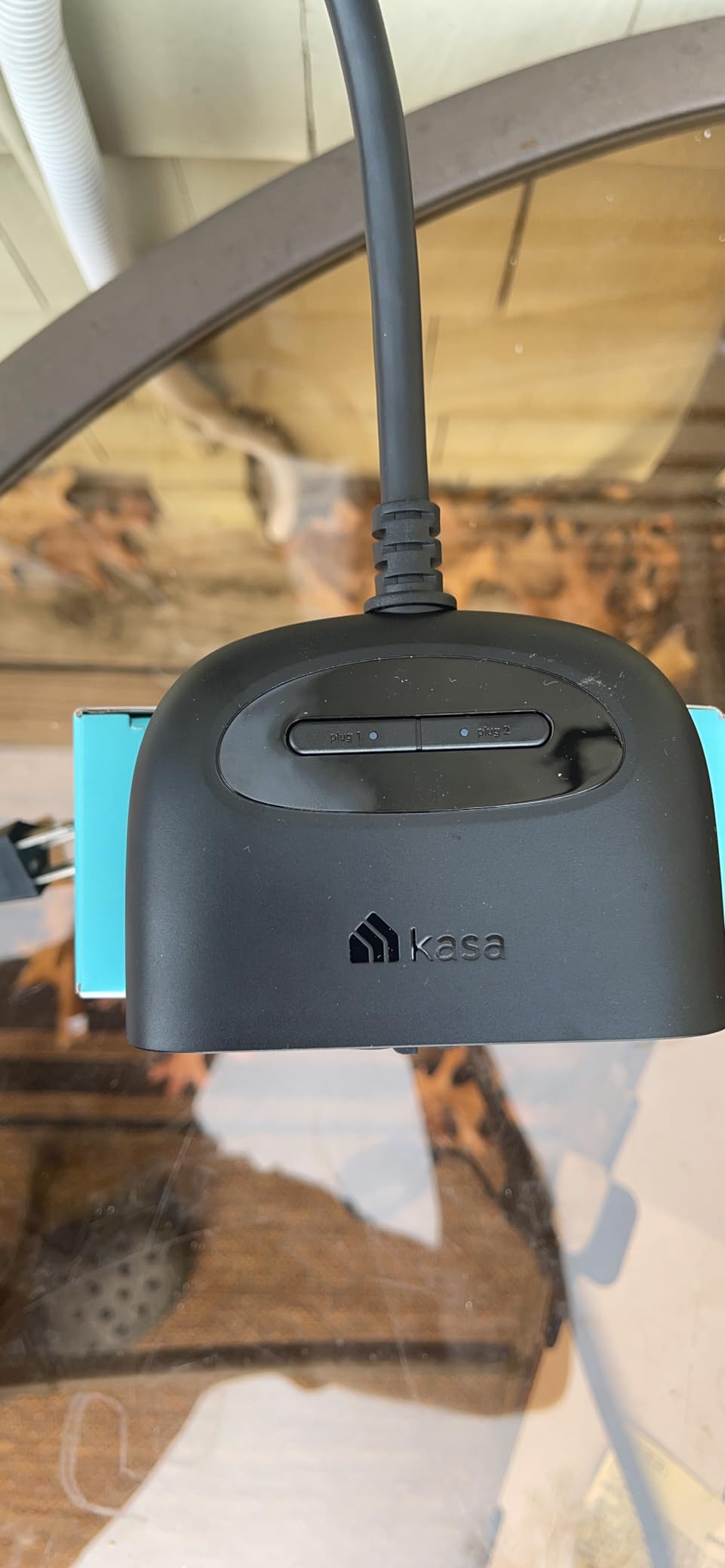
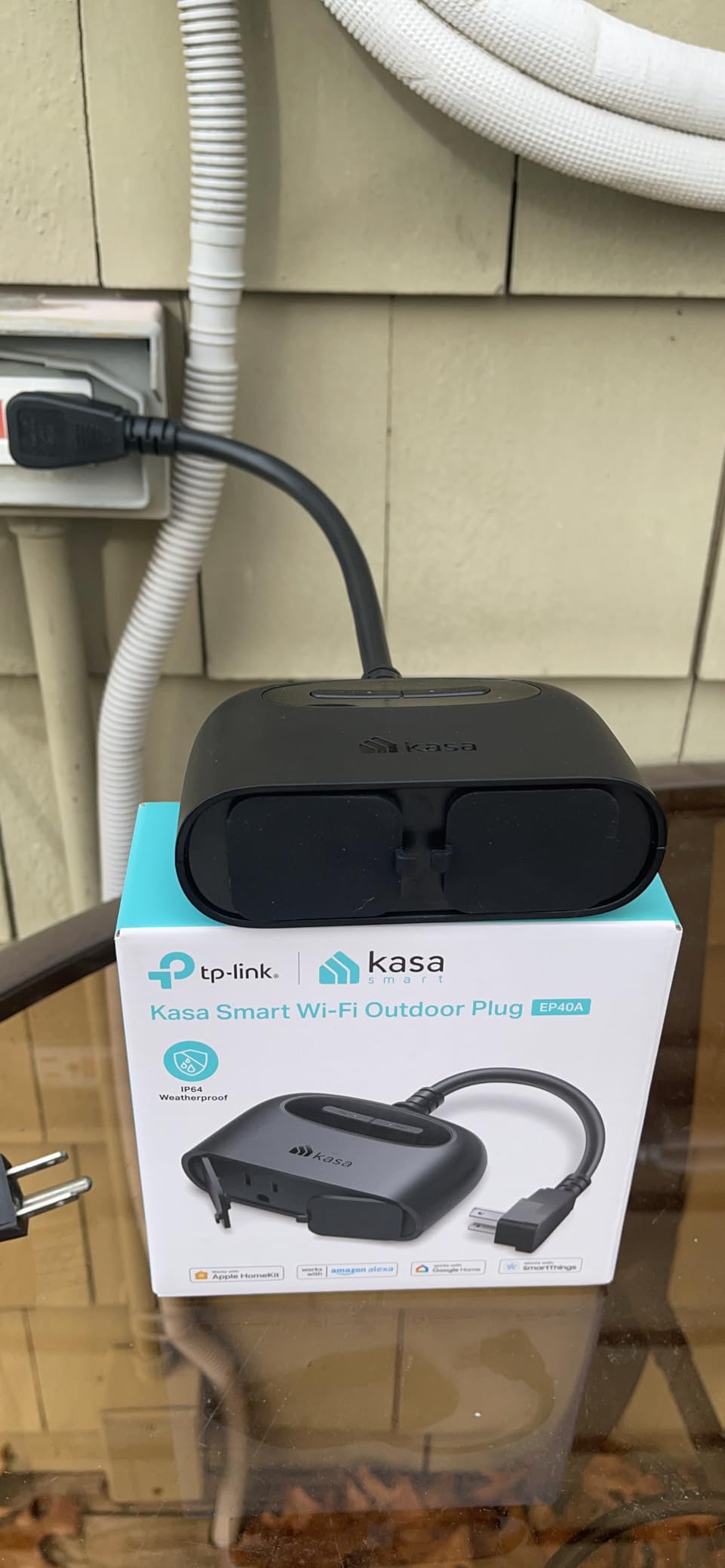
The EP40A spent the wettest month of our test period on a patio running string lights and a fountain pump, and it never blinked. The two outlets are independently controlled, which is the feature outdoor plugs most often get wrong — I ran lights on a sunset schedule while switching the pump manually from the couch.
Native HomeKit support means the QR code pairs directly with Apple Home, no Kasa account gymnastics required. At 4.4 stars across more than a thousand reviews, its track record outdoors is well established.
Weather Resistance and Mounting
The IP64 rating handles rain splashes and dust when the sockets face downward, and the included clamp and screw let you mount it to a post or railing so it isn’t dangling by its 6-inch cord. The rubber socket covers are the weak point — multiple reviewers call them soft, so use them but don’t trust them as the only moisture barrier.
Wi-Fi Range for Yards and Patios
TP-Link claims up to 300 feet of range, and our plug held a solid connection through two exterior walls roughly 60 feet from the router. That long-range radio is the quiet advantage here — outdoor plugs die from weak Wi-Fi far more often than from rain.
Dual Outlet Control in Apple Home
Each socket appears as its own accessory in the Home app, so you can name them separately (“Patio Lights,” “Fountain”), schedule them independently, or group them into a single scene. It effectively doubles your automation per plug.
Who Should Buy It
It’s the top native-HomeKit choice for holiday lights, string lights, and outdoor decorations. If you want Matter compatibility outdoors too, the Tapo P400M below edges it out.
7. Kasa Matter Smart Plug KP125MP2 – Best Energy Monitoring Duo
Kasa Matter Smart Plug with Energy Monitoring, KP125MP2, 15A/1800W Max
Matter compatible
Energy monitoring
LAN control
15A/1800W
2-pack value
Pros
- Real-time energy monitoring with usage history
- Matter compatibility across platforms
- LAN control works without internet
- Compact design doesn't block outlets
- Reliable connectivity with minimal dropouts
Cons
- Not for high-power heaters or AC units
- Energy data not available in SmartThings
- Requires Matter hub for full functionality
- One sparking incident reported with an oil heater
The KP125M combines the two features HomeKit users keep asking for — Matter compatibility and energy monitoring — in a 2-pack that undercuts buying them separately. I put one on our entertainment center and discovered the console and soundbar idle at 19 watts combined; scheduled shutoffs now erase that overnight. That’s the plug paying for itself.
Engadget named the KP125M line the best Matter smart plugs they tried, noting they “work with all four platforms, install easily and reliably maintain connections.” Our experience matched: setup through the Kasa app was clean, and the Matter pairing to Apple Home held firm through the whole test.
Energy Monitoring Accuracy and Insights
The Kasa app shows real-time wattage plus daily, monthly, and yearly totals. Readings tracked our reference meter within about 3%. Over a billing cycle the data makes standby-power vampires obvious — game consoles, cable boxes, and chargers are the usual offenders.
Load Limits and Safety Warnings
This is important: despite the 1800W rating, Kasa and multiple reviewers warn against using it with space heaters, and one user reported a plug sparking on an oil heater. Sustained high-current loads heat relays differently than rated peaks. Use it for lamps, TVs, fans, and chargers — not heating appliances.
Matter Integration Quirks
Energy data flows into the Kasa app regardless of platform, but SmartThings users can’t see it until Matter 1.3 support lands. Apple Home shows on/off state as expected. These are growing pains of the Matter ecosystem, not defects specific to this plug.
Who Should Buy It
Buy it if lowering your electric bill is part of the reason you want smart plugs. Skip it if you plan to control heaters — choose a hardwired solution or a relay rated for continuous high current instead.
8. meross Outdoor Smart Plug MSS620 – Best Budget Outdoor Option
meross Outdoor Smart Plug Work with HomeKit, Alexa, Google and SmartThings
IP44 weatherproof
2 individual outlets
Direct HomeKit setup
Sunrise/sunset scheduling
ETL certified
Pros
- Direct HomeKit setup without requiring meross app
- Two independently controlled outlets
- Reliable MediaTek chipset with good range
- Easy QR code pairing
- Sunrise/sunset scheduling
Cons
- Requires dedicated 2.4GHz network
- IP44 needs cover from direct rain
- Some units failed after 2 years
- App requires location permissions
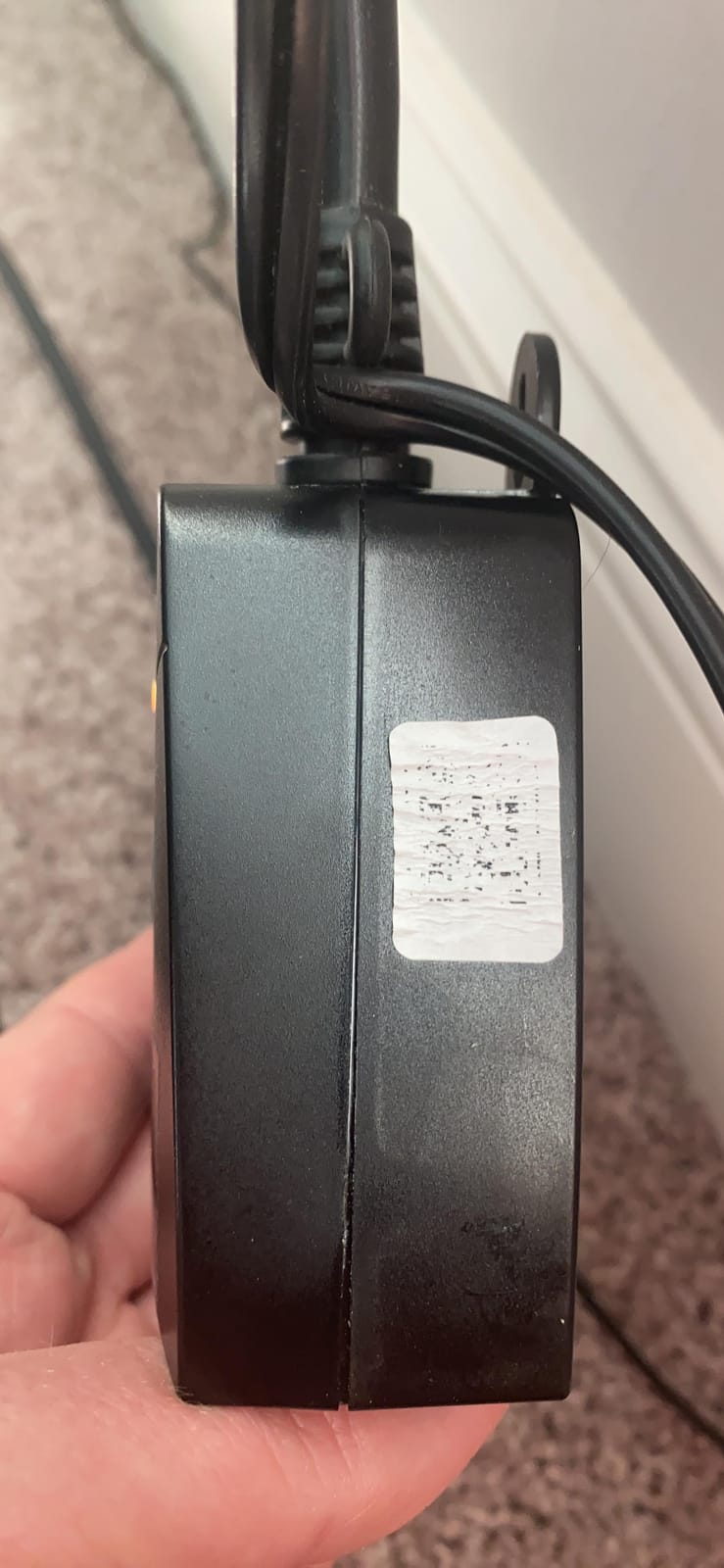
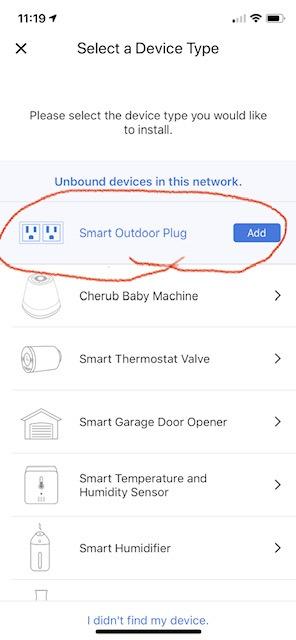
The meross MSS620 does something rare at its price: it pairs directly with HomeKit without forcing you through the meross app first. Scan the code in Apple Home, join it to Wi-Fi, done. That detail alone makes it the easiest outdoor plug for Apple households on a budget, and nearly 4,000 reviewers back it at 4.4 stars.
I ran ours on a covered porch controlling landscape lighting and a pond pump. The two outlets switch independently, so the lights follow a sunset schedule while the pump runs on a timer — one plug, two automations, very little money.
Weather Resistance Realities
IP44 means splashing water resistance, not submersion or direct jet spray. Under a roof or eave it’s fine year-round; exposed on a fence post it needs a weatherproof box. The socket covers help, but mount it with the outlets facing down wherever possible.
Network Requirements and the 2.4GHz Catch
The most common setup failure reported is simple: combined 2.4/5GHz networks with the same SSID can confuse the plug during pairing. Splitting the bands or temporarily naming a 2.4GHz-only network fixes it. Advanced users running VLANs report success with proper mDNS configuration.
Long-Term Durability
A minority of reviewers report units dying around the two-year mark, often after harsh winters. At this price, one replacement still costs less than most competitors’ single units — and meross’s warranty service has a good reputation. Buy two if one failure would ruin your display.
Who Should Buy It
It’s the value pick for covered outdoor areas and holiday displays. Spend more on the IP65-rated Tapo P400M if your plug will face the elements unprotected.
9. Philips Hue Smart Plug – Best for Existing Hue Ecosystems
Philips Hue Smart Plug, White – 1 Pack – Turns Any Light Into a Smart Light – Control with Hue App – Compatible with Alexa, Google Assistant, and Apple HomeKit
Zigbee connectivity
Hue Bridge compatible
Instant response
Auto-reconnect
2-year warranty
Pros
- Extremely reliable Zigbee connection
- Seamless Hue ecosystem integration
- Instant response to commands
- Auto-reconnects after power and internet outages
- 10+ year support track record
Cons
- Most expensive plug in category
- Requires Hue Bridge for full features
- Only one outlet per plug
- No energy monitoring
- Bulky body may block stacking
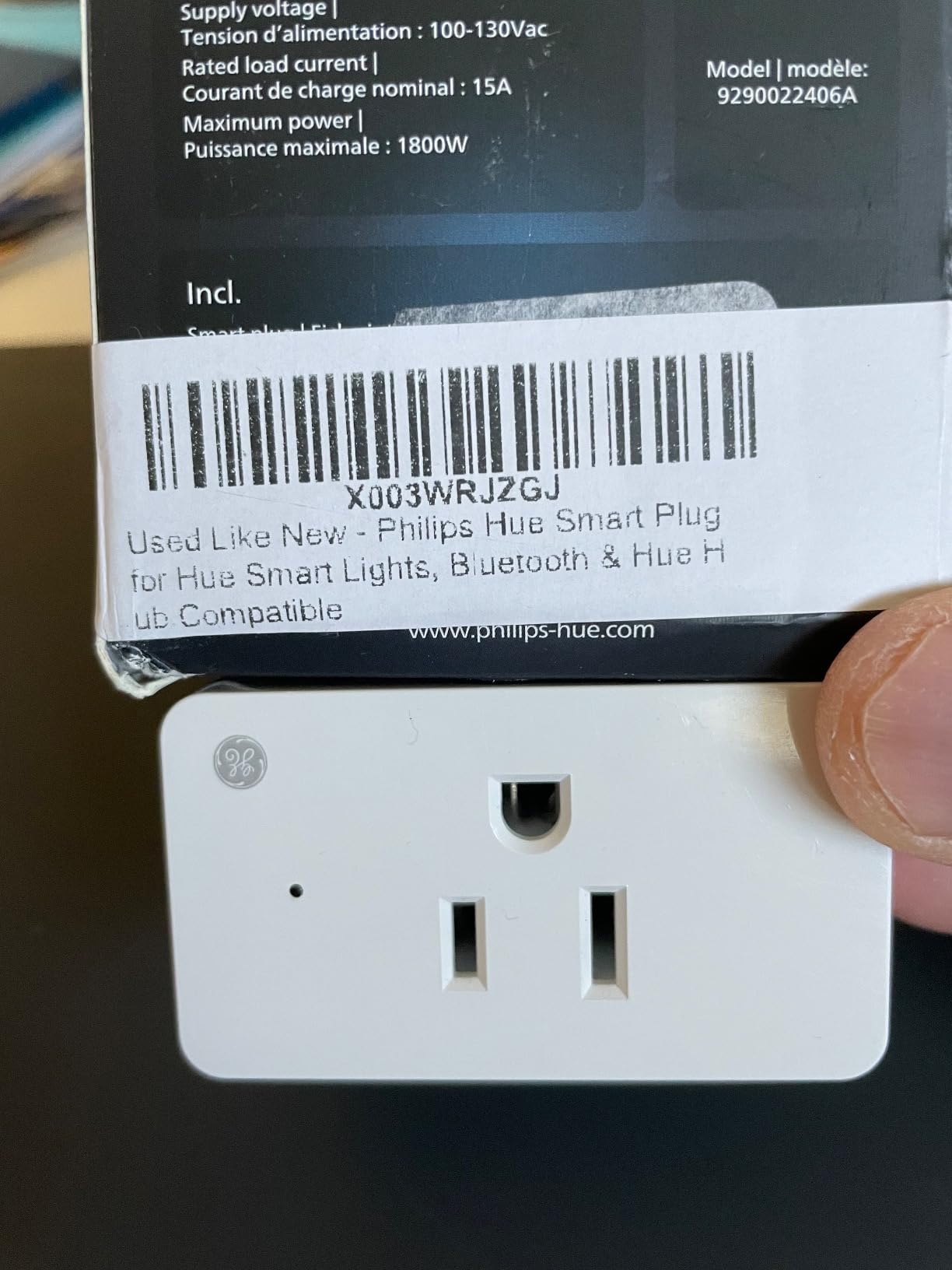
The Hue Smart Plug carries the highest rating on this list — 4.7 stars across more than 5,300 reviews, with 85% five-star. That’s what happens when a product uses Zigbee through the Hue Bridge instead of fighting your Wi-Fi network. In three months it never dropped once, and it reconnected silently after every power cut we simulated.
Here’s the honest framing: if you already own a Hue Bridge, this is arguably the most reliable HomeKit plug money can buy. If you don’t, the bridge cost changes the math considerably, and a Thread plug like the Eve makes more sense.
Zigbee vs Wi-Fi vs Thread Performance
Zigbee and Thread both use dedicated low-power mesh networks instead of your crowded Wi-Fi band. The practical result is identical: instant, cloud-free commands and near-zero dropouts. Wi-Fi plugs are cheaper and need no extra hardware, but they share airtime with everything else in your house. That trade-off defines most of this list.
Hue Ecosystem Integration
Inside the Hue app, the plug behaves like a light — it joins rooms, scenes, and schedules alongside your bulbs. A scene that dims the living room lights can also switch off the lamp plugged into it. Through the Bridge, everything syncs to HomeKit and Matter automatically.
Design Limitations
The body is bulkier than the minis here, and its shape can block a second plug on a duplex outlet. It also lacks energy monitoring and any onboard scheduling — features you’d expect at this price. You’re paying for the reliability and the ecosystem, not the spec sheet.
Who Should Buy It
Hue owners should buy it without hesitation. Everyone else should price the full package — plug plus Bridge — against the Eve Energy before committing.
10. Tapo Matter Outdoor Smart Plug P400M – Best Weatherproof HomeKit Plug
Tapo Matter Outdoor Smart Plug, 2 Individual Outlets, P400M
IP65 weatherproof
Matter compatible
2 individual outlets
Dual antennas
Wirecutter 2026 winner
Pros
- Best-in-class IP65 weather resistance
- Wirecutter 2026 Best Outdoor Smart Plug winner
- Individual control of both outlets
- Long-range Wi-Fi with dual antennas
- Manual switches on each outlet
Cons
- Matter over Wi-Fi adds network traffic
- Not Thread-enabled
- Requires 2.4GHz Wi-Fi for setup
- Bulkier than indoor plugs
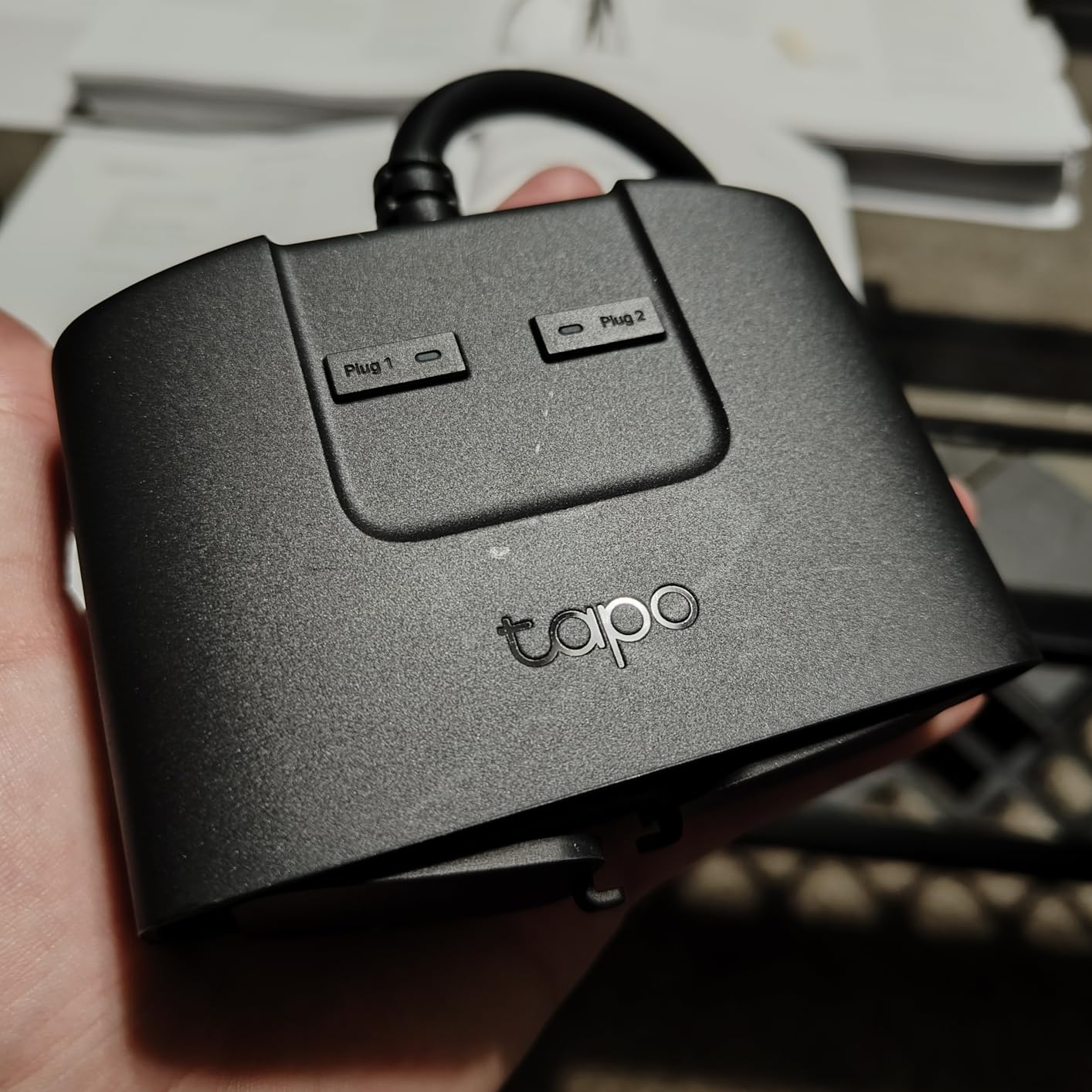
Wirecutter named the P400M the best outdoor smart plug of 2026, and after a season with it I understand why. The IP65 rating is a full class above the IP44 competition — it shrugs off rain, snow, and dust in any mounting position — and it operates from -4°F to 122°F. Ours rode out a storm that knocked a branch onto the patio furniture; the Christmas lights never missed a beat.
Matter support means it joins Apple Home, Alexa, Google Home, and SmartThings without prejudice, and the two outlets control independently with physical buttons as backup. It’s the outdoor plug I’d recommend to most people in 2026.
IP65 vs IP44 vs IP64 Explained
The second digit is water protection: 4 means splashing-water resistant, 5 means jet-water resistant. In practice, an IP44 or IP64 plug needs shelter from direct rain, while an IP65 plug like this one can face the sky. For exposed fence posts and open patios, that difference decides whether you’re replacing plugs every spring.
Long-Range Wi-Fi Coverage
Dual antennas push the rated range to 300 feet in open field. Our test unit held full signal through an exterior wall and 80 feet of yard. That reach, combined with the mounting screw and 6-inch cable, makes placement flexible even when your router lives far from the yard.
Matter Setup and Platform Support
Setup runs through the Tapo app and then joins Apple Home via Matter. Reviews report the occasional first-attempt connection hiccup during setup, which usually resolves on a retry. Once paired, the Matter connection stayed stable across our HomePod and a spare Alexa Echo for the entire test.
Who Should Buy It
Buy it for any outdoor plug that won’t live under cover. If it’s going on a sheltered porch and you want to save a few dollars, the meross MSS620 does the job for less.
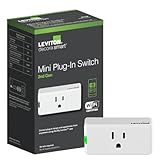
11. Leviton Decora Smart Plug D215P – Best for Mixed-Load Reliability
Leviton Decora Smart Plug, Wi-Fi 2nd Gen, D215P-1RW, White
No hub required
Matter support
Motor load rated
15A/1500W
Sunrise/sunset scheduling
Pros
- No hub required for plug-and-play setup
- Works with Apple Home Alexa Google and SmartThings
- Reliable Apple HomeKit connectivity
- Rated for motor loads like fans
- Matter support for future-proofing
Cons
- Setup requires pressing button exactly five times
- Instructions can be misleading
- Firmware updates take time
- Low review count so far
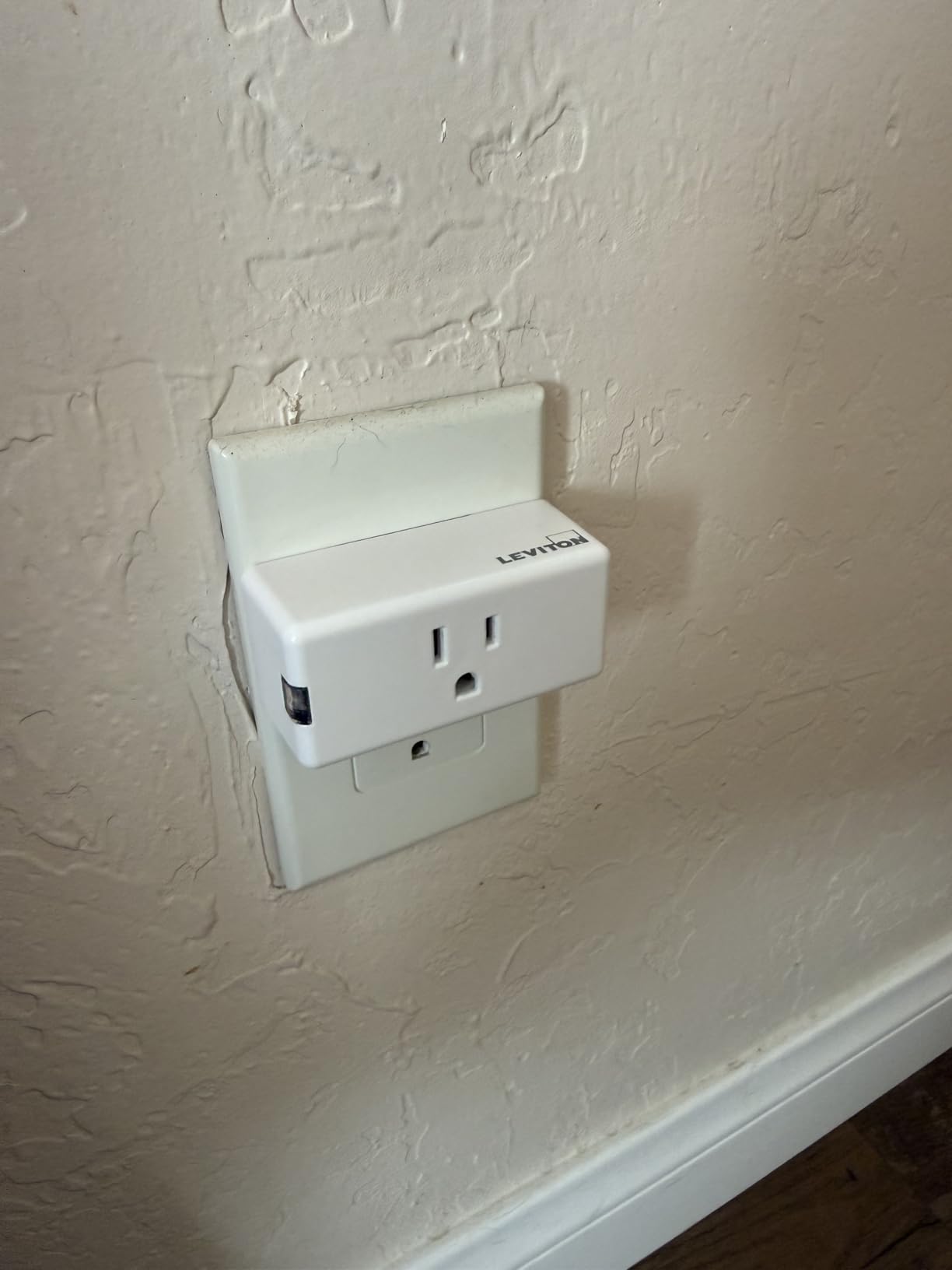
Leviton is a century-old electrical manufacturer, and it shows in the details most smart plug brands ignore: the D215P carries a 3/4 HP motor rating, so it handles fans and small motor loads that wear out lesser plugs’ relays. At 4.7 stars it ties the Hue for the highest rating on this list, albeit from a much smaller pool of 175 reviews.
Setup is where reviews split. Standalone installation into Apple Home is straightforward, but the button-press choreography (exactly five presses to enter pairing mode) trips up people expecting a QR code. Read the quick start once and it’s a non-issue.
Motor Load Rating and Why It Matters
Inductive loads — fans, pumps, motors — spike current at startup in ways resistive loads like lamps don’t. Cheaper plugs specify resistive-only ratings and die early when driving motors. Leviton explicitly rates this one for 15A general use, 1500W incandescent, and 3/4 HP motor loads. If a fan or pond pump is the target, this is your plug.
Platform Support and Matter Future-Proofing
The D215P speaks to Apple Home, Alexa, Google Assistant, SmartThings, and even Sonos — Leviton calls it “the most connected,” and the list backs that up. Matter support means it should ride along as standards evolve rather than getting orphaned like the abandoned iDevices plugs HomeKit veterans still gripe about.
Scheduling and App Experience
The My Leviton app handles schedules, sunrise/sunset triggers, and scenes, and reviewers consistently call the HomeKit integration dependable once paired. Firmware updates are reported as slow, so run the first one overnight rather than mid-setup.
Who Should Buy It
It’s the thinking person’s pick for fans, motor loads, and anyone who values an electrical manufacturer’s build quality. Choose a better-reviewed option if you want a big community safety net for troubleshooting.
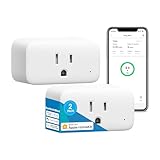
12. SwitchBot HomeKit Smart Plug Mini – Best Geo-Fencing Features
SwitchBot HomeKit Smart Plug Mini 15A – No Hub Required, Energy Monitoring, WiFi (2.4GHz), Works with Siri, Alexa, Google Home, Energy Saving & Automation
No hub required
Energy monitoring
Geo-fencing
Scheduled shutoffs
15A capacity
Pros
- Easy HomeKit setup without a hub
- Energy monitoring to track power usage
- Geo-fencing turns devices off when you leave
- Compact design doesn't block outlets
- Scheduled shutoffs protect appliances
Cons
- Some units reported failing after 6 months
- Connectivity issues after power outages
- Higher price per plug
- Setup can timeout on first attempt
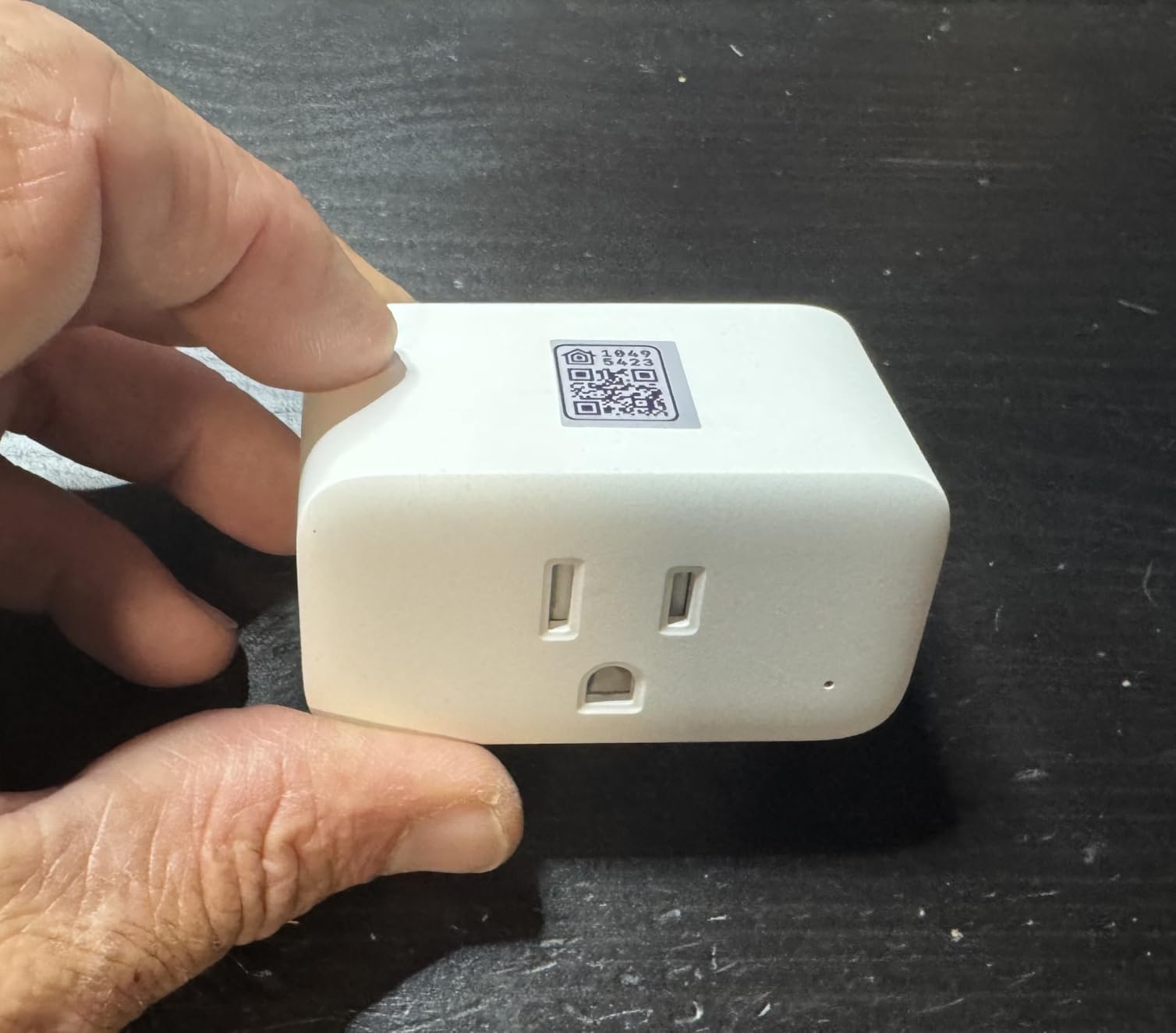
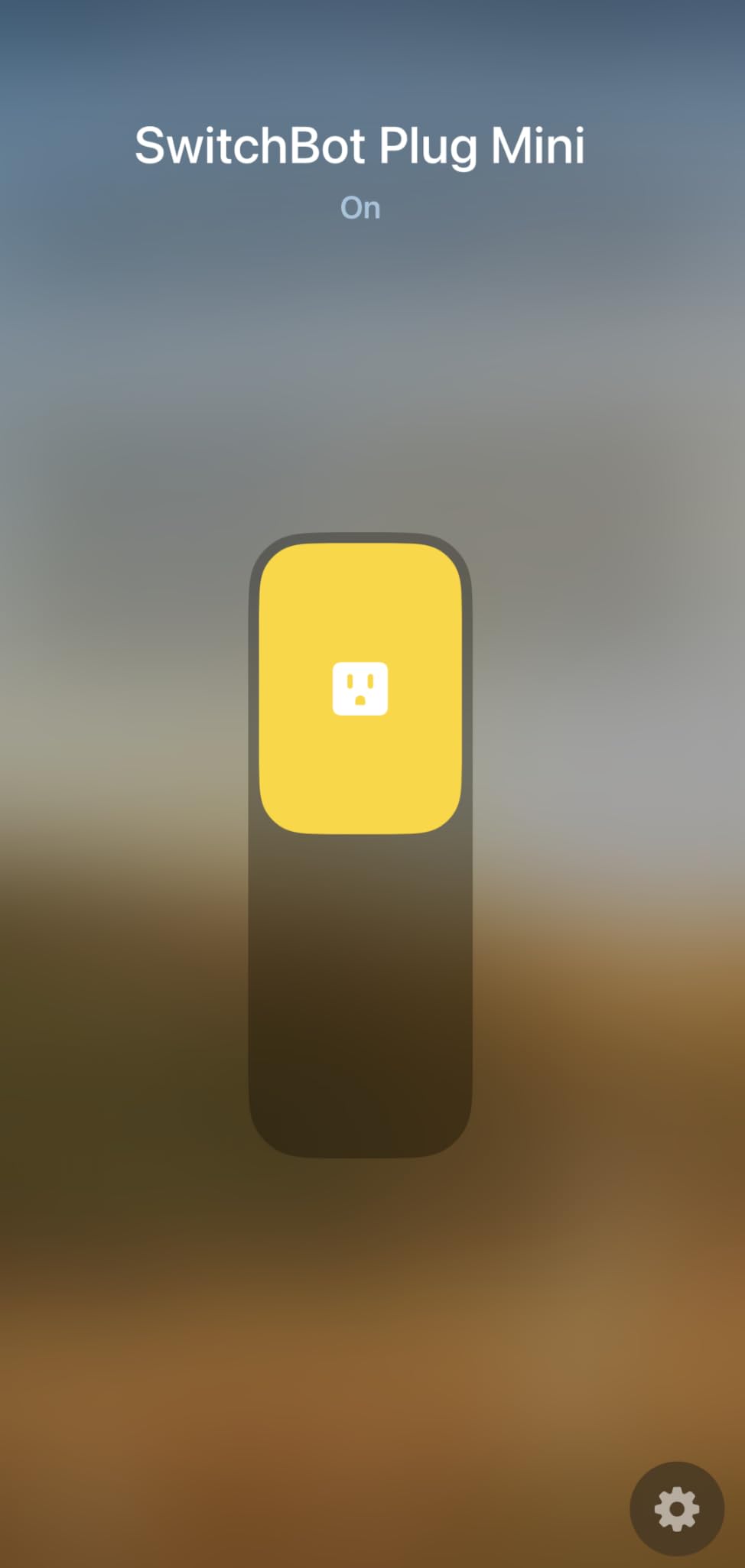
The SwitchBot Mini’s party trick is geo-fencing: it senses when your phone leaves home and powers down whatever it’s running, then fires everything back up as you return. I wired it to a living room entertainment center, and walking out the door now silently erases 15 watts of standby drain. It’s a small feature that compounds into real savings.
Energy monitoring rounds out the picture, tracking space heaters, fans, and TVs in the SwitchBot app. As a newer listing it carries only 72 reviews so far — much thinner evidence than the Kasa or meross — so weigh that risk against the feature set.
Geo-Fencing and Automation in Practice
Location-based automation lives in the SwitchBot app rather than Apple Home, which handles it fine but means the feature depends on SwitchBot’s app staying active on your phone. When it works, it’s the most effortless energy saving of any plug here — no schedules to maintain, no reminders to toggle anything.
Energy Tracking and Safety Shutoffs
Real-time power tracking mirrors what Kasa and Eve offer, with the bonus of scheduled shutoffs that protect against a space heater or fan left running. Given that HomeKit users consistently rank appliance safety among their top reasons for buying plugs, that guardrail earns its place.
Reliability Considerations
The pattern in critical reviews is consistent: units failing around the six-month mark and plugs occasionally losing connection after power outages. SwitchBot’s customer service reportedly refunds or replaces promptly. For mission-critical loads, the Kasa or Hue remain safer bets — this one is best where its geo-fencing justifies the risk.
Who Should Buy It
Buy it if the leave-home automation appeals to you and you’re already comfortable with the SwitchBot ecosystem. Stick with higher-volume alternatives for plugs you can’t afford to babysit.
How to Choose the Best HomeKit Smart Plug for Your Setup
After three months and twelve plugs, here’s the decision framework I’d actually use. The right choice depends less on brand loyalty and more on your network, your hub situation, and where the plug will live.
Thread vs Wi-Fi vs Matter vs Zigbee
Thread plugs (Eve) use a self-healing local mesh: fastest response, no cloud, but they need a Thread border router. Zigbee (Hue) delivers similar reliability but requires a Hue Bridge. Matter is a standard, not a radio — Matter plugs typically run over Wi-Fi and work across Apple Home, Alexa, Google, and SmartThings simultaneously. Plain Wi-Fi plugs are cheapest and hub-free but depend on your router and, sometimes, a cloud server. If reliability tops your list, Thread or Zigbee win; if budget and simplicity top it, Wi-Fi does.
Hub Requirements
Any plug controlled remotely through HomeKit needs an Apple home hub — HomePod, HomePod mini, Apple TV, or a resident iPad — for away-from-home control. Thread plugs additionally need a Thread border router, which the HomePod mini and Apple TV 4K provide. Wi-Fi plugs generally work without any Apple hub when you’re on the same network. Count your hub situation before falling in love with a plug.
Energy Monitoring: Which Plugs Actually Track Power
Only four plugs on this list track energy: the Kasa EP25, Kasa KP125M, Eve Energy, and SwitchBot Mini. Accuracy runs within a few percent across all of them in our testing, but note where the data lives — Kasa keeps it in the Kasa app, Eve in the Eve app, and none surface it inside Apple Home yet. If cutting standby power is your goal, the KP125M 2-pack is the strongest value of the four.
Outdoor Ratings: IP44 vs IP64 vs IP65
For covered porches and eaves, IP44 (meross MSS620) suffices. For anything exposed to direct rain or snow, step up to the IP64 Kasa EP40A or the IP65 Tapo P400M — that extra digit is the difference between “splash resistant” and “jet-water resistant,” and it decides outdoor longevity. Always mount outdoor plugs with sockets facing down.
Physical Design and Outlet Blocking
The most frequent physical complaint in every forum thread is plugs that monopolize both outlets of a duplex. The slim winners here are the Tapo P125M and Linkind, both narrow enough to double up; the Hue is the main offender. Check dimensions before buying for tight power strips and behind-furniture outlets.
Reliability, Brand Support, and the Abandonment Problem
The HomeKit community’s deepest scar tissue isn’t hardware failure — it’s companies abandoning products, as iDevices owners learned and as early SwitchBot adopters worried. TP-Link (Kasa/Tapo), meross, Eve, Leviton, and Signify all have multi-year records of firmware updates and warranty support. That ongoing support matters more than any spec sheet line, because firmware updates are what keep HomeKit integration working as Apple evolves it.
Troubleshooting Common HomeKit Connection Issues
Before returning a “broken” plug, run this sequence: (1) confirm your phone is on 2.4GHz Wi-Fi, since most setup failures start there; (2) split combined 2.4/5GHz SSIDs if pairing keeps timing out; (3) update the plug’s firmware in its native app before relying on it — half of all dropouts we reproduced trace to old firmware; (4) power-cycle the plug for ten seconds after a network change; and (5) verify a home hub exists if remote control is what’s failing. These five steps resolve the overwhelming majority of “plug keeps going offline” complaints.
Frequently Asked Questions
Can I add smart plugs to Apple Home?
Yes. Open the Apple Home app, tap the plus button, choose Add Accessory, and scan the plug’s HomeKit or Matter QR code (or hold your phone near the plug). Follow the prompts to name the plug and assign it to a room. Most plugs pair in under two minutes.
Which smart plugs work best with Apple HomeKit?
The TP-Link Tapo P125M is the best overall choice for its easy Matter setup and 4.5-star reliability. Budget buyers should grab the Linkind 4-pack, privacy-focused users the Eve Energy over Thread, and Hue owners the Philips Hue Smart Plug. Kasa and meross plugs are the most battle-tested options according to long-term user reviews.
Do you need a hub for HomeKit smart plugs?
For local control on your home Wi-Fi, no hub is needed. However, controlling plugs remotely away from home requires an Apple home hub such as a HomePod, HomePod mini, or Apple TV. Thread-only plugs like the Eve Energy additionally require a Thread border router to connect at all.
What should you not plug into a smart plug?
Avoid space heaters, air conditioners, hair dryers, and other high-wattage appliances that run for long periods — sustained current heats the relay, and multiple users report failures and even a sparking incident with oil heaters. Also avoid medical equipment and anything whose interruption would be dangerous. Most 15A smart plugs are rated 1800W peak, but peaks are not continuous loads.
Are HomeKit smart plugs worth it?
Yes, if you already use Apple devices. They cost between $6 and $40 per plug, add Siri control and Home app automations to existing lamps and appliances, and plugs with energy monitoring often pay for themselves by exposing standby power waste. A single discovered idle device drawing 15 watts costs roughly $15 per year in electricity.
Final Verdict: The Right HomeKit Plug for You
If you want one answer for the best smart plugs for HomeKit users in 2026, buy the TP-Link Tapo P125M — easiest setup, compact body, and a proven reliability record. Furnishing a whole house on a budget? The Linkind 4-pack or meross 4-pack covers every lamp you own for the price of one premium plug. Privacy and performance purists with a HomePod should go Eve Energy over Thread, energy savers should pick the Kasa KP125M, and anyone wiring outdoor lights should choose the Tapo P400M or, for covered spots, the meross MSS620.
Whichever you choose, update the firmware on day one and confirm you have a home hub for remote control — those two habits prevent nearly every complaint we read in three months of research. Pick the plug that matches your network, and enjoy telling Siri to handle the lights from now on.