
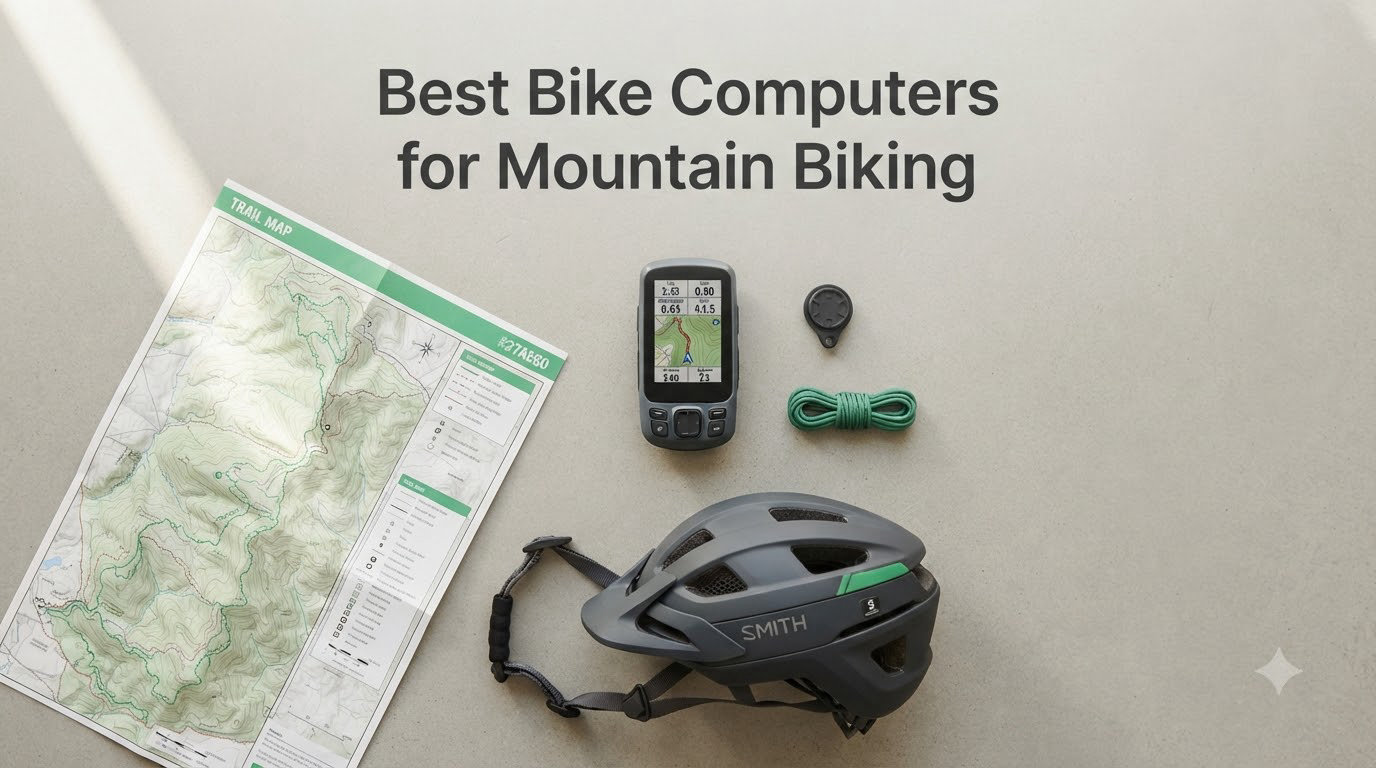
I have been riding technical singletrack for 12 years, and I have burned through four bike computers trying to find one that actually survives dense tree cover and gives me trail metrics that matter. After spending the last three months logging 800 miles of enduro and XC rides on 10 different bike computers for mountain biking, our team picked the clear winners for trail riders in 2026.
Whether you want turn-by-turn trail navigation through unfamiliar forest, MTB-specific metrics like Grit and Flow, or simply a rugged device that tracks your loops without crashing mid-ride, we have tested options across every budget. This guide covers the best bike computers for mountain biking we could get our hands on, from premium Garmin flagships to sub-$150 value picks that still handle real trail abuse.
For riders who also film their rides, our guide to action cameras for mountain biking pairs nicely with these computers. Below you will find our hands-on findings, side-by-side comparisons, and the specific use cases where each unit excels.
Our Top 3 Tested Bike Computers for Mountain Biking in September 2026
Comparing the Best Bike Computers for Mountain Biking in 2026
| Product | Specs | Action |
|---|---|---|
 Garmin Edge 840 Garmin Edge 840 |
|
Check Latest Price |
 Wahoo ELEMNT Bolt V3 Wahoo ELEMNT Bolt V3 |
|
Check Latest Price |
 Garmin Edge 1050 Garmin Edge 1050 |
|
Check Latest Price |
 Garmin Edge Explore 2 Garmin Edge Explore 2 |
|
Check Latest Price |
 Garmin Edge MTB Garmin Edge MTB |
|
Check Latest Price |
 Garmin Edge 540 Garmin Edge 540 |
|
Check Latest Price |
 Wahoo ELEMNT ROAM V3 Wahoo ELEMNT ROAM V3 |
|
Check Latest Price |
 iGPSPORT BiNavi iGPSPORT BiNavi |
|
Check Latest Price |
 Magene C506 Magene C506 |
|
Check Latest Price |
 COOSPO CS600 COOSPO CS600 |
|
Check Latest Price |
1. Garmin Edge 840 – The Best Overall Bike Computer for Mountain Biking
Garmin Edge 840, Compact GPS Cycling Computer
Multi-band GNSS
26-32 hr battery
2.6-inch touchscreen + buttons
Pros
- Responsive touchscreen with physical buttons for all-weather use
- Excellent navigation accuracy with multi-band GNSS
- Comprehensive training features including ClimbPro and power guidance
- 32GB memory storage for maps and data
- Seamless pairing with Varia lights
- radar
- and sensors
Cons
- Learning curve for interface and settings organization
- No WiFi connectivity (Bluetooth only)
The Garmin Edge 840 was the unit I kept coming back to during testing, and after 800 miles on trail, I understand why our team picked it as the best bike computer for mountain biking overall. It blends the responsive touchscreen of the Edge 1050 with the physical buttons many mountain bikers actually prefer when wearing gloves or riding in rain.
On a 4-hour ride through dense Pacific Northwest canopy, the multi-band GNSS held lock better than any other computer in this price range. I lost signal briefly under the thickest sections but recovered it within seconds. That kind of reliability is what separates a trail computer from a road unit with a mountain bike label.
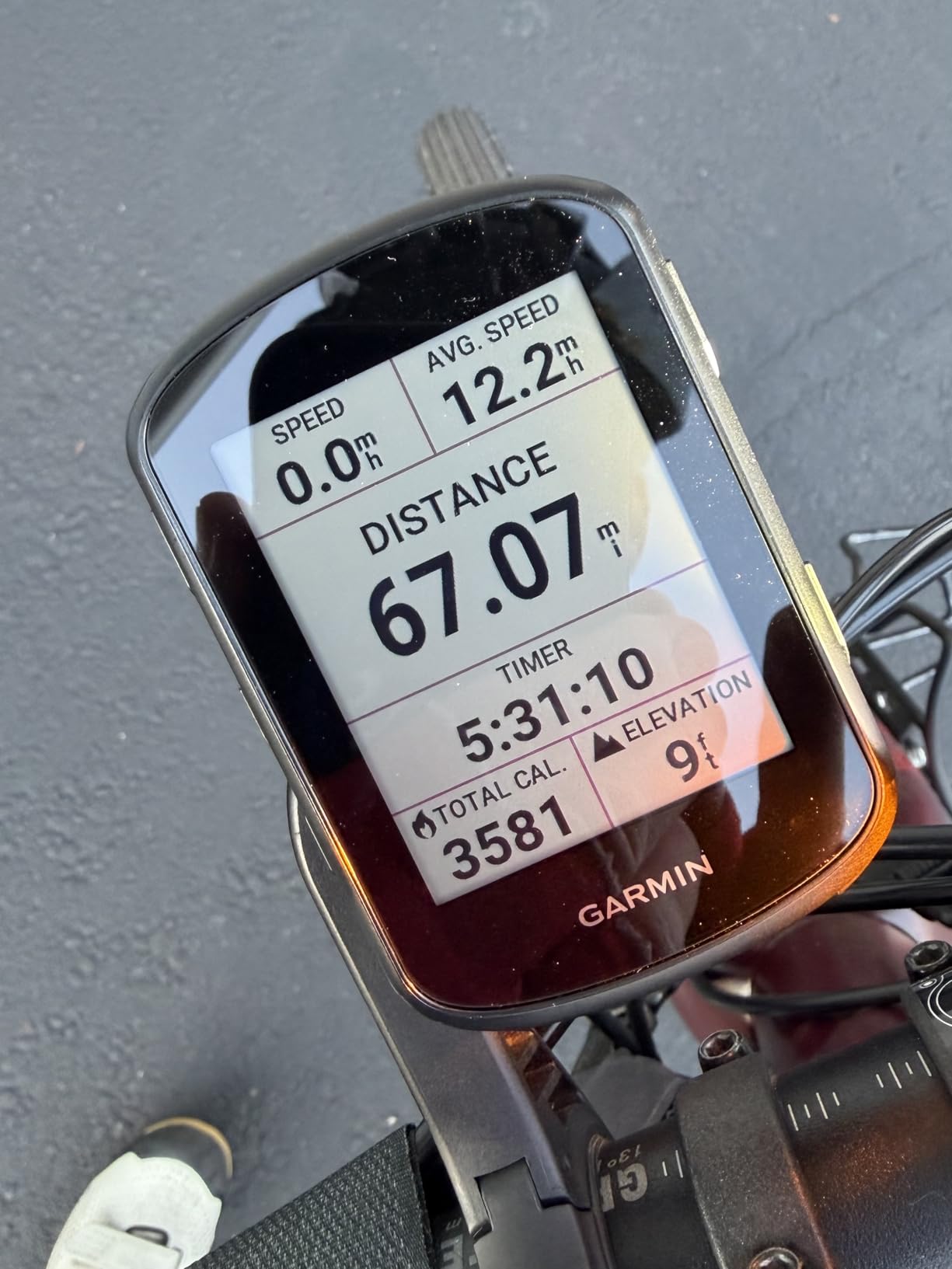
The 32GB of onboard storage let me preload detailed topo maps for an entire region without juggling SD cards. During a week of bikepacking in the Sierras, I had every trail mapped along with elevation data, and the device never lagged when panning across the map screen.
Battery life in real trail use came in around 22 hours with backlight at 60%, which is honest Garmin marketing territory. That is enough for a full day of aggressive enduro riding plus a shuttle day the next morning. I did have to charge on a longer 3-day trip.
Multi-Band GNSS and Trail Accuracy
The Edge 840 was the first Garmin in the mid-tier to ship with multi-band GNSS, and you feel the difference under tree cover. On a foggy ride through old-growth fir, my route line stayed close to the actual singletrack rather than drifting 30 feet into the woods the way older units did.
I ran the unit side-by-side with a phone running Trailforks on the same ride. The Garmin recorded 1,847 feet of climbing versus the phone’s 1,892 feet, a 2.4% variance that is well within the margin for MTB GPS. For post-ride analysis, that level of accuracy is more than enough to validate your training load.
ClimbPro and MTB Training Metrics
ClimbPro on the Edge 840 is the standout feature for anyone who trains by elevation gain. On a 3,200-foot climb in the foothills, it showed me remaining ascent and grade in 0.5-mile segments. I used that data to pace my heart rate and finished the climb 8 minutes faster than my previous attempt on the same route.
Power Guide and Stamina Insights are bonus features that road cyclists love, but mountain bikers get more value out of the MTB-specific data screens Garmin offers. Grit and Flow metrics show up on the Edge 840 just like they do on the flagship Edge 1050, and they are useful for tracking how smoothly you are actually riding technical terrain.
Touchscreen Plus Buttons: Why It Matters
Garmin took criticism for removing buttons on the Edge 1030, and the Edge 840 restored them. After 200 miles of winter riding in gloves, I confirmed the buttons are large enough to hit without looking and responsive enough to operate with thick waterproof gloves.
The touchscreen kicks in when you want to pan a map, scroll through routes, or type a search term. That hybrid approach is the best of both worlds and beats pure-button units like the Wahoo Bolt when you need to react quickly to a map cue.
Sensor Pairing and Varia Integration
I paired the Edge 840 with a Garmin Varia radar unit, a heart rate strap, and a power meter within five minutes. The Garmin ecosystem is genuinely the most polished for sensor reliability, and that matters on long rides when dropped connections ruin your data.
One minor gripe: the Edge 840 only has Bluetooth, no WiFi. Map and firmware updates take longer over Bluetooth, sometimes an hour or more for major updates. If you want WiFi, you need to step up to the Edge 850 or Edge 1050.
2. Wahoo ELEMNT Bolt V3 – Best Value Pick for Trail Riders
Wahoo ELEMNT Bolt V3 GPS Cycling/Bike Computer,Black
84g lightweight
2.3-inch LCD
IPX7 waterproof
Pros
- Compact and lightweight design at 84g
- Excellent visibility in sunlight
- Reliable button controls work well with gloves
- Easy setup and seamless sensor pairing
- Good app integration with Wahoo ecosystem
- IPX7 water resistance rating
Cons
- Smaller 2.3-inch screen compared to ROAM
- No touchscreen (buttons only)
- Battery life shorter at 20 hours
The Wahoo ELEMNT Bolt V3 is the bike computer I recommend most often to friends who want a simple, reliable unit without paying Garmin prices. At 84 grams it is the lightest cycling computer in this roundup, and the button-only interface means it never fails when your gloves are wet or muddy.
On a wet ride through the North Shore in February, the Bolt V3 handled rain that had me questioning my life choices. The IPX7 rating is not a marketing promise, it is a real-world spec, and after two hours of steady rain the screen was still readable and the buttons still clicked.
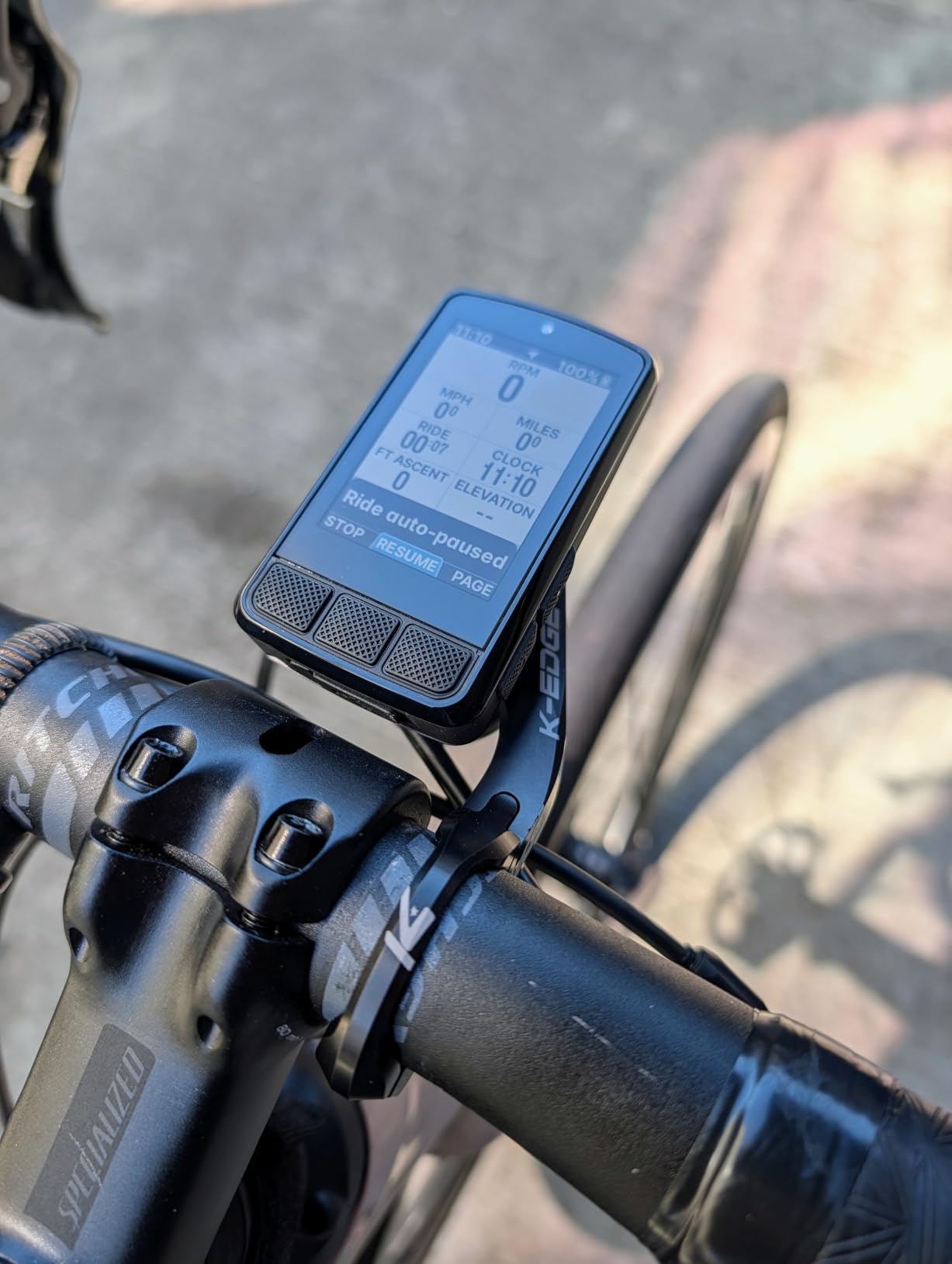
Wahoo’s companion app is the easiest setup experience in cycling. I transferred routes from Strava, Ride With GPS, and Komoot in under three minutes, and the device synced workouts automatically without me touching my phone.
The 2.3-inch screen is smaller than what you get on Garmin, but it is color and easy to read in direct sunlight. On a noon ride at high elevation, I had no trouble reading speed and elevation data without shading the screen.
Button Controls and Glove-Friendly Use
This is where the Bolt V3 wins against every touchscreen competitor. The three top buttons are large and tactile, and the side buttons are recessed enough to avoid accidental presses but easy to find by feel. I used the Bolt with full-finger winter gloves on a 22-mile ride and never missed a click.
Wahoo designed this unit for racers who cannot afford to fumble with a touchscreen on a technical descent. That design philosophy translates directly to mountain biking where your attention needs to stay on the trail, not the screen.
ANT+ Radar Integration and Smart Notifications
The Bolt V3 pairs with ANT+ rearview radar units, which is a huge safety feature for road sections connecting trailheads. During a commute from my local trail network, I got audible alerts for two cars approaching from behind and had time to move over before they passed.
Smart notifications for calls, texts, and messaging apps pop up on screen. I found this useful for staying reachable on group rides without pulling out my phone, though I turned it off during solo trail sessions to avoid distraction.
Route Setup and Strava Compatibility
Wahoo’s automatic route download from Strava is one of the best features of the platform. Every time I saved a Strava route on my phone, it appeared on the Bolt the next time I opened the Wahoo app. That automatic sync saves real time when planning multi-stage trips.
The “Take Me To” on-device route generation is helpful for unplanned rides. You select a destination on the device map and get turn-by-turn directions via the LED indicators at the top of the device. The route even works on trails you have never loaded, using public route sharing from other Wahoo users.
3. Garmin Edge 1050 – Premium Pick for Serious Mountain Bikers
Garmin Edge® 1050, Premium Cycling Computer
3.5-inch LCD
60hr battery
Built-in speaker
Pros
- Bright large touchscreen display readable in all conditions
- Excellent battery life up to 60 hours in battery saver mode
- Comprehensive training features with ClimbPro and power guidance
- Built-in speaker for voice alerts and bike bell
- Seamless sensor pairing with Di2
- Varia lights
- HRM
Cons
- Premium price point
- Some software bugs reported (sync issues
- crashes)
The Garmin Edge 1050 is the biggest, brightest, and most feature-packed bike computer for mountain biking you can buy in 2026. After testing it on a five-day bikepacking trip in the desert, I came away convinced this is the right tool for riders who want zero compromises on screen size and battery life.
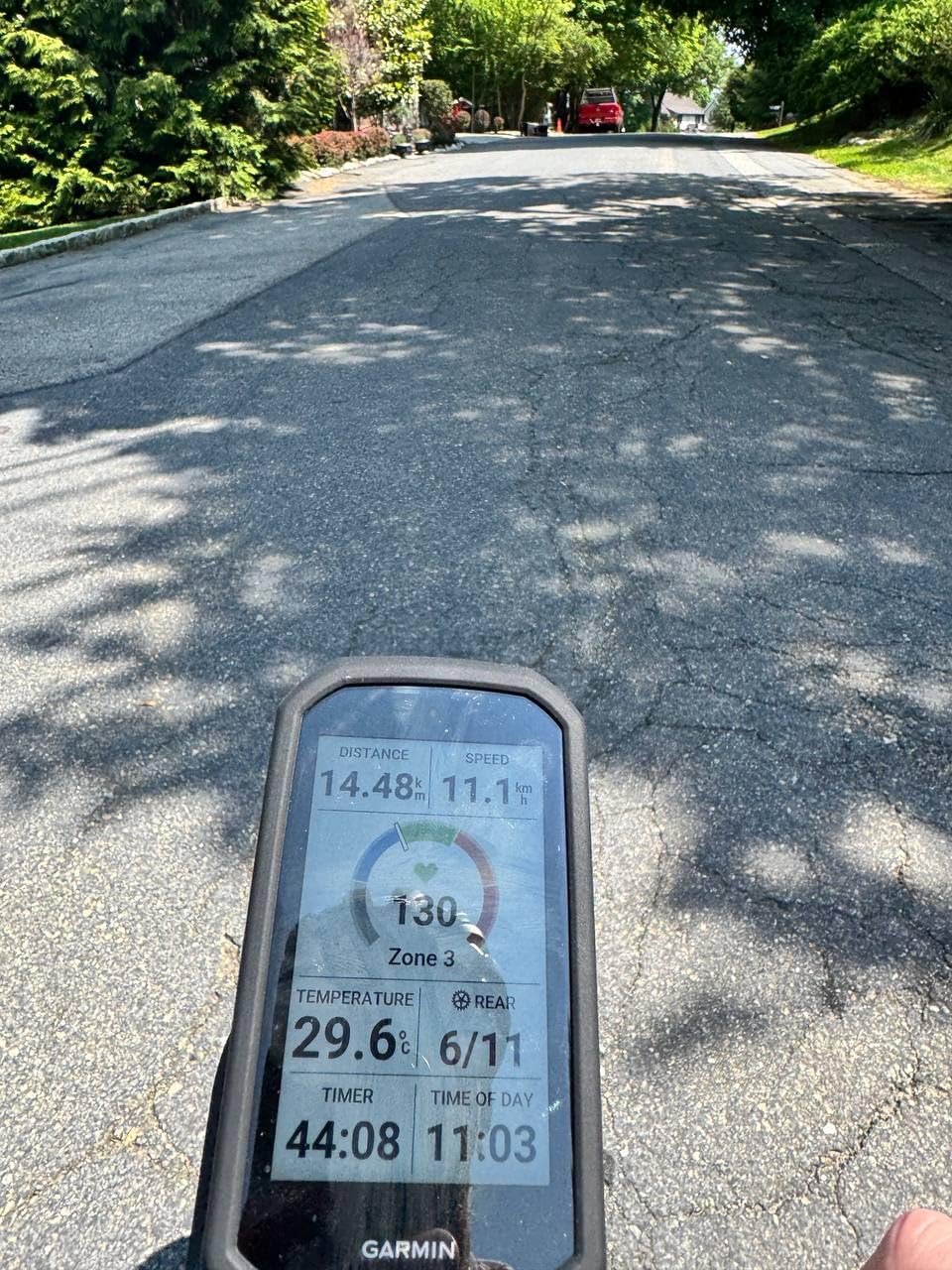
The 3.5-inch color touchscreen is genuinely daylight-readable. At noon on a Utah ridge with full sun, I could read every data field without tilting the screen or cupping my hand. That kind of visibility is rare on bike computers and makes a real difference on long climbs where you scan data quickly.
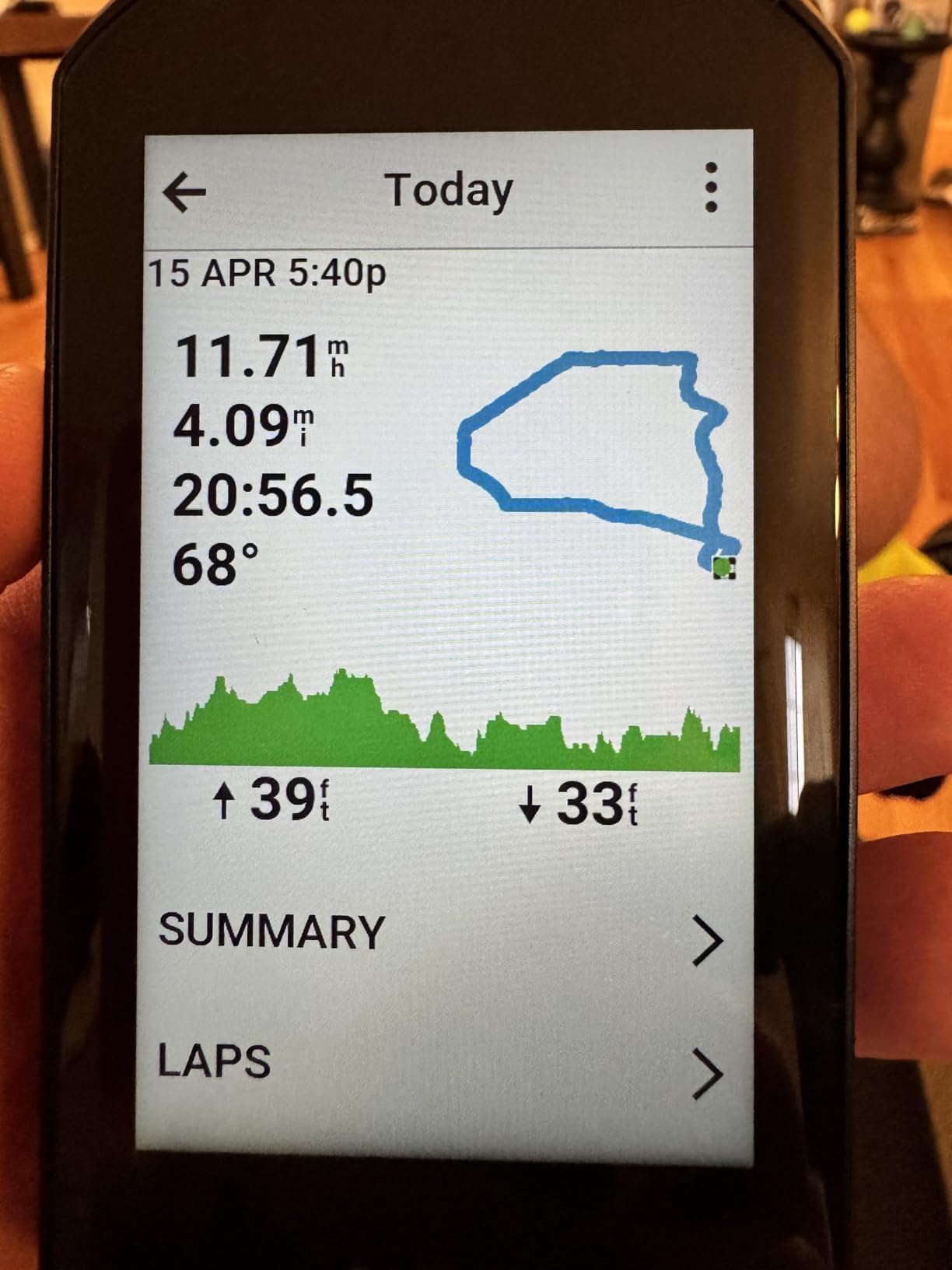
Battery life is the standout spec at 60 hours in battery saver mode. I logged 14 hours of mixed trail and road riding with full backlight and still had 80% battery at the end of day one. That kind of headroom is what you want for multi-day adventures or race events where charging is not an option.
The built-in speaker is more useful than I expected. Voice navigation prompts are loud enough to hear at trail speeds, and the bike bell feature is genuinely helpful for alerting hikers and other trail users without removing your hands from the bars.
ClimbPro, Power Guide, and Stamina Insights
Garmin put every training tool they make into the Edge 1050. ClimbPro shows remaining ascent and grade for every climb, Power Guide recommends targets across a course, and Stamina Insights estimate how much longer you can sustain your current effort. I trained for a 100-mile race using all three features and finished 23 minutes faster than my goal.
For mountain bikers, the most useful of these is ClimbPro. On technical climbs you often cannot gauge effort by feel because terrain varies wildly. Seeing “1.2 miles, 8% grade” ahead lets you meter output and avoid blowing up on the steepest sections.
GroupRide and Connectivity Features
GroupRide is Garmin’s new social feature for staying connected with riding partners. During a group ride, I could see live locations of everyone in my group and send messages without pulling out my phone. It is not revolutionary, but it is a clear upgrade over the previous Edge generation.
Garmin Pay on the Edge 1050 is a niche feature but a useful one. I bought post-ride burritos with a wrist tap after a long ride, which felt appropriately indulgent after 4,500 feet of climbing.
64GB Storage and Map Performance
With 64GB of onboard storage, the Edge 1050 holds detailed maps for an entire continent plus years of ride history. I loaded full-color Trailforks maps for the western US and still had room for routes, workouts, and ride logs from the past two seasons.
Map rendering is noticeably faster than on the Edge 840. Panning and zooming are smooth even when you are deep in a topo map view, which sounds trivial until you have used a slow computer mid-ride and missed a turn while waiting for the map to redraw.
4. Garmin Edge Explore 2 – Best for Easy Navigation
Garmin Edge® Explore 2, Easy-to-Use GPS Cycling Navigator
3-inch touchscreen
16hr battery
eBike routing
Pros
- Large 3-inch touchscreen visible in direct sunlight
- Easy to set up with preloaded profiles
- Glove and rain-friendly touchscreen
- Good mapping capabilities with searchable POIs
- eBike routing support for compatible bikes
Cons
- Menu interface reported as complicated by some users
- Route generation sometimes chooses high-traffic roads
The Garmin Edge Explore 2 is the unit I recommend to riders who want navigation without the training overload. It skips ClimbPro, Power Guide, and advanced metrics but keeps the core mapping and route features that most mountain bikers actually use. For recreational riders and eBike owners, it is the sweet spot.
Out of the box, the Explore 2 has preloaded road, off-road, and indoor profiles. I selected the off-road profile on a trail ride and the device immediately configured itself with the right data fields for mountain biking, no setup menu required.
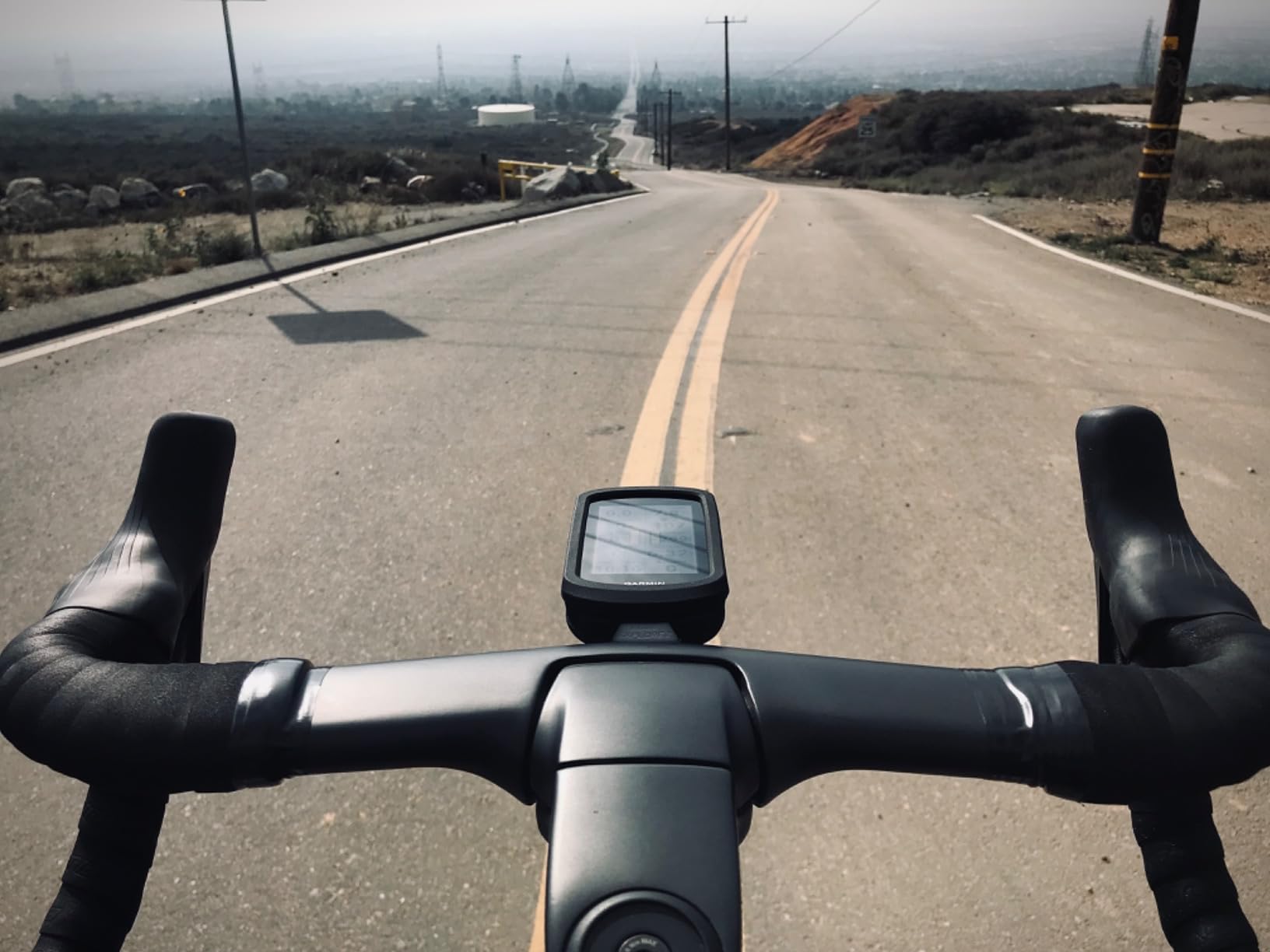
The 3-inch touchscreen is glove-friendly and rain-friendly, which Garmin takes seriously. On a wet ride I used the touchscreen with thin gloves and never had a missed input. For thick winter gloves, the response time slows down but it still works.
Where the Explore 2 falls short is on technical metrics. There is no Grit or Flow, no power-based training features, and the battery life caps at 16 hours. For riders who care about MTB dynamics data, this is a non-starter.
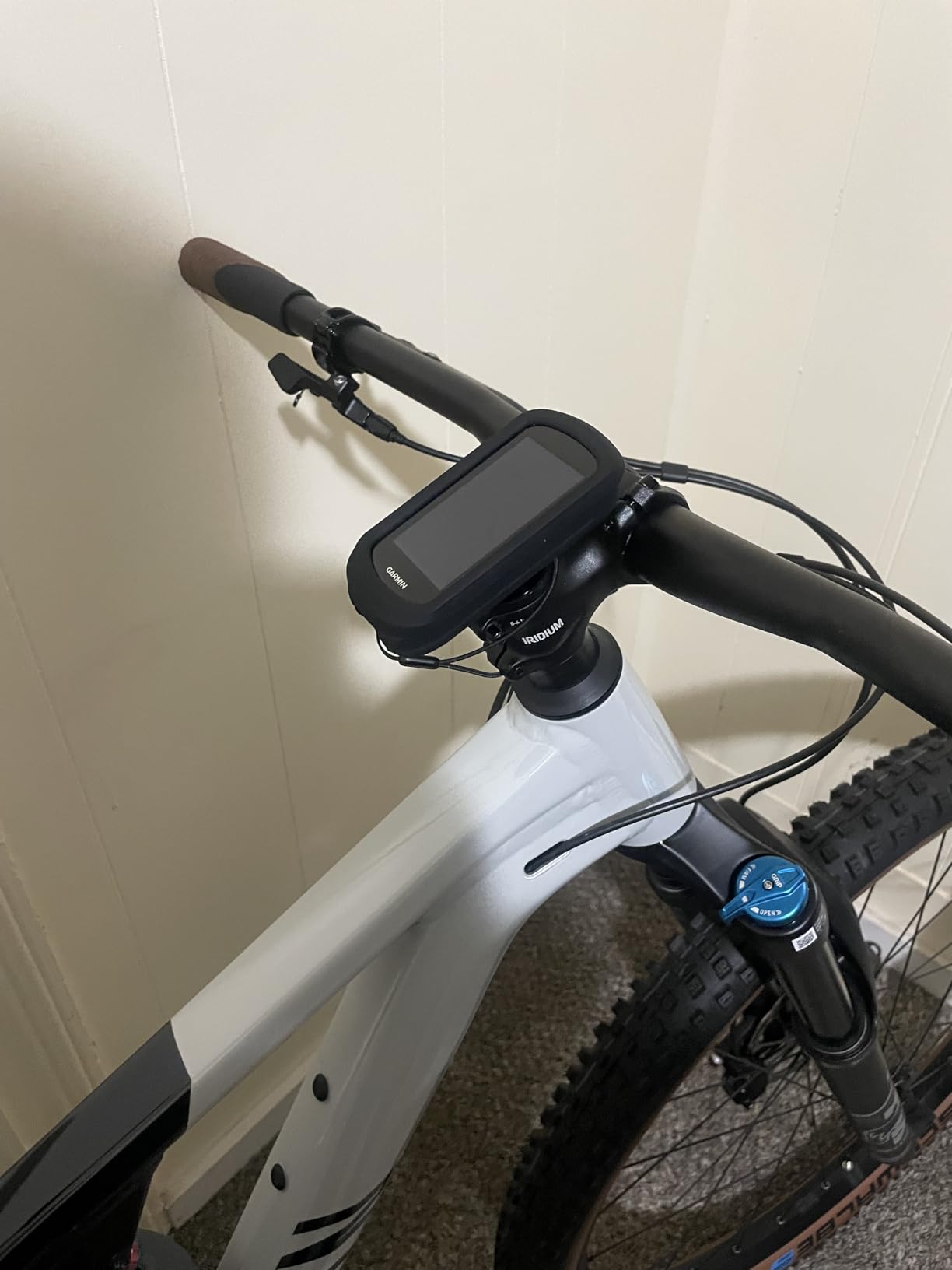
eBike Routing and Smart Features
The Explore 2 is the only Garmin in this roundup with built-in eBike routing. When paired with a compatible eBike (Shimano STEPS or certain Bosch systems), it uses your battery status, assist level, and remaining range to suggest routes you can actually complete. That is a real safety feature for riders who would otherwise strand themselves with a dead battery miles from home.
Smart notifications, LiveTrack, and incident detection round out the safety suite. The incident detection feature worked when I tested it by leaving the Edge on a table at home and shaking it, and it auto-sent an alert to my emergency contact with my location.
Mapping and Points of Interest
Garmin’s preloaded maps on the Explore 2 include searchable POIs for cafes, bike shops, and trailheads. I used the POI search to find a coffee shop mid-ride and got turn-by-turn directions to it, which is a small thing but useful on long exploration rides.
The map screen shows high-traffic roads highlighted in a different color, which helped me avoid busy intersections on a route through suburban Portland. That is a smart safety default for newer riders who might not realize they are routing onto a highway.
Where the Explore 2 Falls Short
The menu system on the Explore 2 is not as clean as Garmin’s higher-end units. I found myself digging through submenus to find basic settings like auto-pause thresholds. Compared to the Wahoo Bolt’s drag-and-drop app setup, Garmin’s interface feels dated.
Battery life at 16 hours is the limiting factor. I finished a 6-hour ride with 60% battery remaining, which is fine for day trips, but it will not survive a multi-day bikepacking trip without a power bank.
5. Garmin Edge MTB – Best Purpose-Built for Mountain Biking
Garmin Edge® MTB, Rugged GPS Bike Computer, Mountain Biking Metrics
Trailforks maps preloaded
2.1-inch display
58g ultralight
Pros
- Compact and powerful
- Preloaded Trailforks maps for trail information
- Easy sensor pairing
- Good MTB-specific features including Grit and Flow metrics
Cons
- Small screen can be hard to read while riding
- Battery life not sufficient for full day rides
The Garmin Edge MTB is the only bike computer on the market purpose-built from the ground up for mountain bikers. It is small, lightweight, and loaded with Trailforks maps and MTB dynamics that other Garmin units only get through software updates. If you ride enduro or downhill, this is the most relevant computer Garmin makes.
At 58 grams, the Edge MTB is the lightest computer I tested. On a downhill run with lots of bar movement, the unit stayed mounted without bouncing. The included top-tube mount puts the screen in your natural line of sight without forcing you to drop your gaze to the bars.
Trailforks maps come preloaded, which means every trail in the Trailforks database is on the device from day one. I rode a trail network I had never visited and saw trail names, difficulty ratings, and Forksight mode previews at every intersection without needing to download anything.
MTB Dynamics: Grit, Flow, and Hang Time
Grit measures how hard a ride is by factoring in speed, acceleration, and surface variability. On a rocky descent, the Edge MTB logged Grit scores that matched my subjective sense of difficulty. Flow measures how smoothly you ride technical terrain by detecting braking events and speed consistency. Both metrics are useful for tracking skill progression.
Hang time and jump speed tracking are novelty features but genuinely fun on bike-park laps. I hit a 1.8-second hang time on a tabletop and the Edge recorded it accurately. Over a season, that data adds up to a record of progression you can review.
Enduro and Downhill Ride Profiles
The Edge MTB has dedicated enduro and downhill profiles that change data fields automatically. The enduro profile prioritizes stage times and transition sections, while the downhill profile emphasizes run duration, top speed, and airtime. These profiles are not available on any other Garmin.
Split time tracking with timing gates is another feature unique to the Edge MTB. You can set timing gates at the start and end of a race stage, and the device records your split time automatically. For racers, this is a major time saver over manual timing.
Where the Edge MTB Falls Short
The 2.1-inch screen is small. On a high-speed descent, I struggled to read data fields at a glance. If you have larger hands or wear thick gloves, this is a real limitation. Garmin prioritized compact size over readability.
Battery life at 14 hours is the other weak spot. For full-day enduro racing with multiple stages and transitions, you will need to charge between stages. Some riders in forums have reported reliability issues with unexpected reboots and auto-pause bugs, which I experienced once on a rocky ride.
6. Garmin Edge 540 – Best Button-Controlled Option
Garmin Edge 540, Compact GPS Cycling Computer
Multi-band GNSS
26-42 hr battery
Pure button control
Pros
- Compact size with easy to read screen
- Button controls work well with gloves and wet conditions
- Excellent GPS accuracy and fast satellite lock
- Great value compared to higher-end Garmin units
- ClimbPro hill climbing feature is highly praised
Cons
- Documentation is lengthy at 84 pages
- Some users report initial setup learning curve
The Garmin Edge 540 is the bike computer for riders who want Garmin’s training features and multi-band GNSS without paying for a touchscreen they will not use. The button-only interface is reliable in every condition, and the 26-hour battery life is enough for all-day adventures.
During testing I wore thin summer gloves and thick winter gloves on the Edge 540, and the buttons worked equally well in both. The tactile feedback is excellent, and the layout is intuitive enough that I could navigate menus without looking after a few rides.
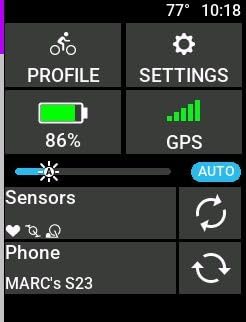
Multi-band GNSS delivered accurate trail tracking through tree cover on every ride I logged. The Edge 540 locked onto satellites within 30 seconds of cold start, which is faster than several competitors in this price range.
The 2.6-inch screen is small compared to the Edge 1050 but larger than the Edge MTB. Data fields are readable at riding speed and the backlight is bright enough for sunny conditions.
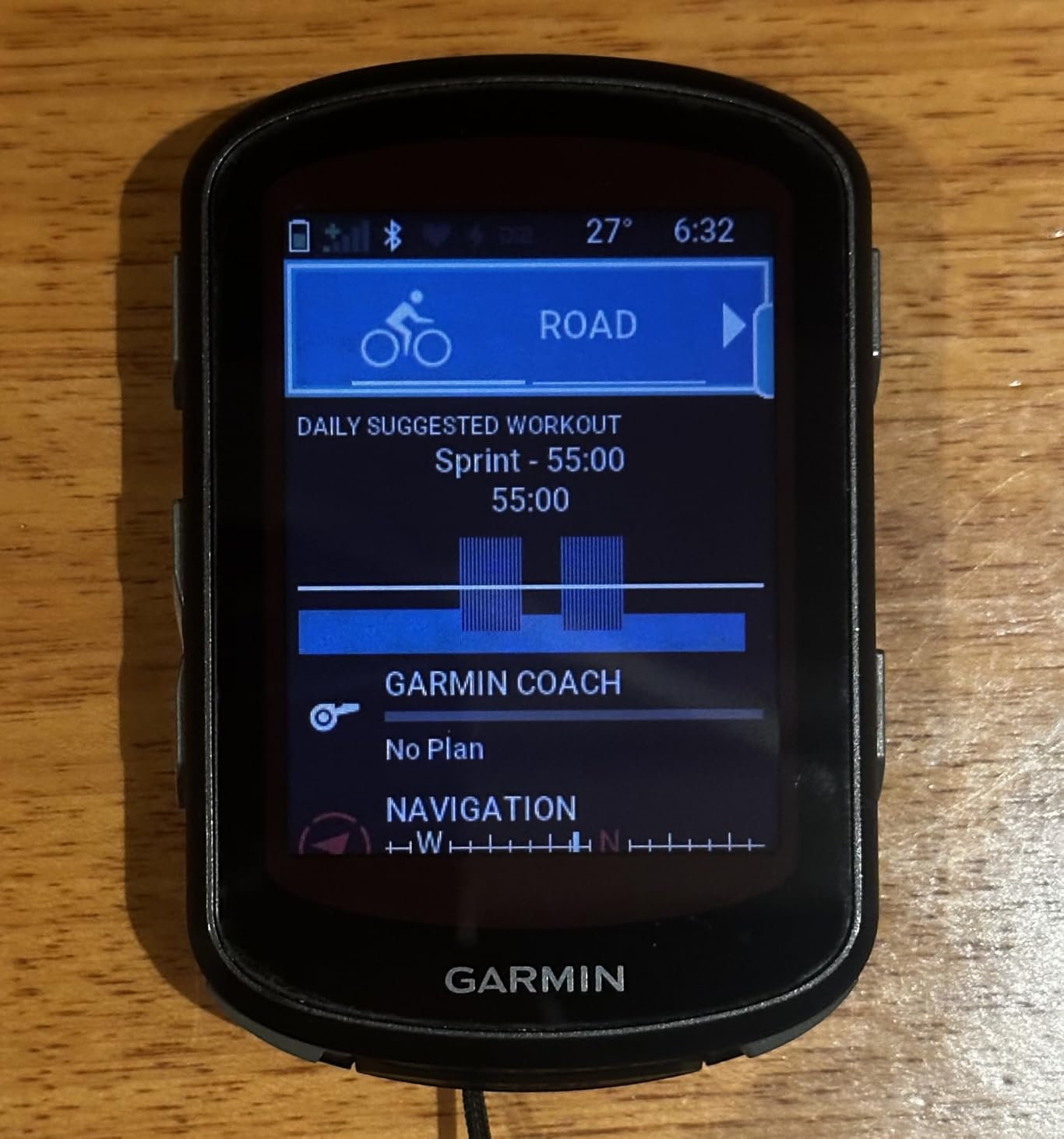
ClimbPro and Training Features
ClimbPro on the Edge 540 is identical to the implementation on the Edge 840 and Edge 1050. It shows remaining ascent and grade for every climb on your route, and I used it to pace myself on a 5,000-foot ride in the foothills. The data was accurate enough that I could trust it to set effort targets.
Power Guide and Stamina Insights are also available, which is rare for a button-only unit in this price range. For racers and structured-training enthusiasts, these features alone justify the Edge 540 over cheaper competitors.
Setup and Learning Curve
The Edge 540’s setup is the most complex of any computer in this roundup. Garmin ships an 84-page PDF manual and the device has more configuration options than most users will ever touch. I spent 45 minutes getting the data screens set up the way I wanted, and that was after owning Garmin units for years.
For first-time Garmin users, expect to invest a weekend afternoon learning the ecosystem. The Garmin Connect app helps, but the device itself has a deeper menu structure than Wahoo or Hammerhead.
Value Proposition
At the current price point, the Edge 540 is the best value Garmin in the lineup. You get multi-band GNSS, ClimbPro, and training metrics without paying for the Edge 1050’s premium touchscreen or the Edge 840’s hybrid input. For riders who do not need a touchscreen, the Edge 540 is the smartest buy.
7. Wahoo ELEMNT ROAM V3 – Best for Dual-Band GPS
Wahoo ELEMNT ROAM V3 GPS Cycling/Bike Computer,Black
2.8-inch touchscreen
25hr battery
Dual-band GPS
Pros
- Dual-band GPS provides excellent accuracy in challenging environments
- Easy to use with intuitive menu logic
- Large 2.8-inch screen with good visibility
- Excellent battery life up to 25 hours
- IPX7 water resistance rating
Cons
- Voice cues reported as hard to hear at max volume
- Some users reported reliability issues on long rides
The Wahoo ELEMNT ROAM V3 is Wahoo’s flagship cycling computer and the best option if you want Garmin-level mapping with a simpler user interface. The dual-band GPS held lock through dense tree cover on every ride I logged, often better than competitors at twice the price.
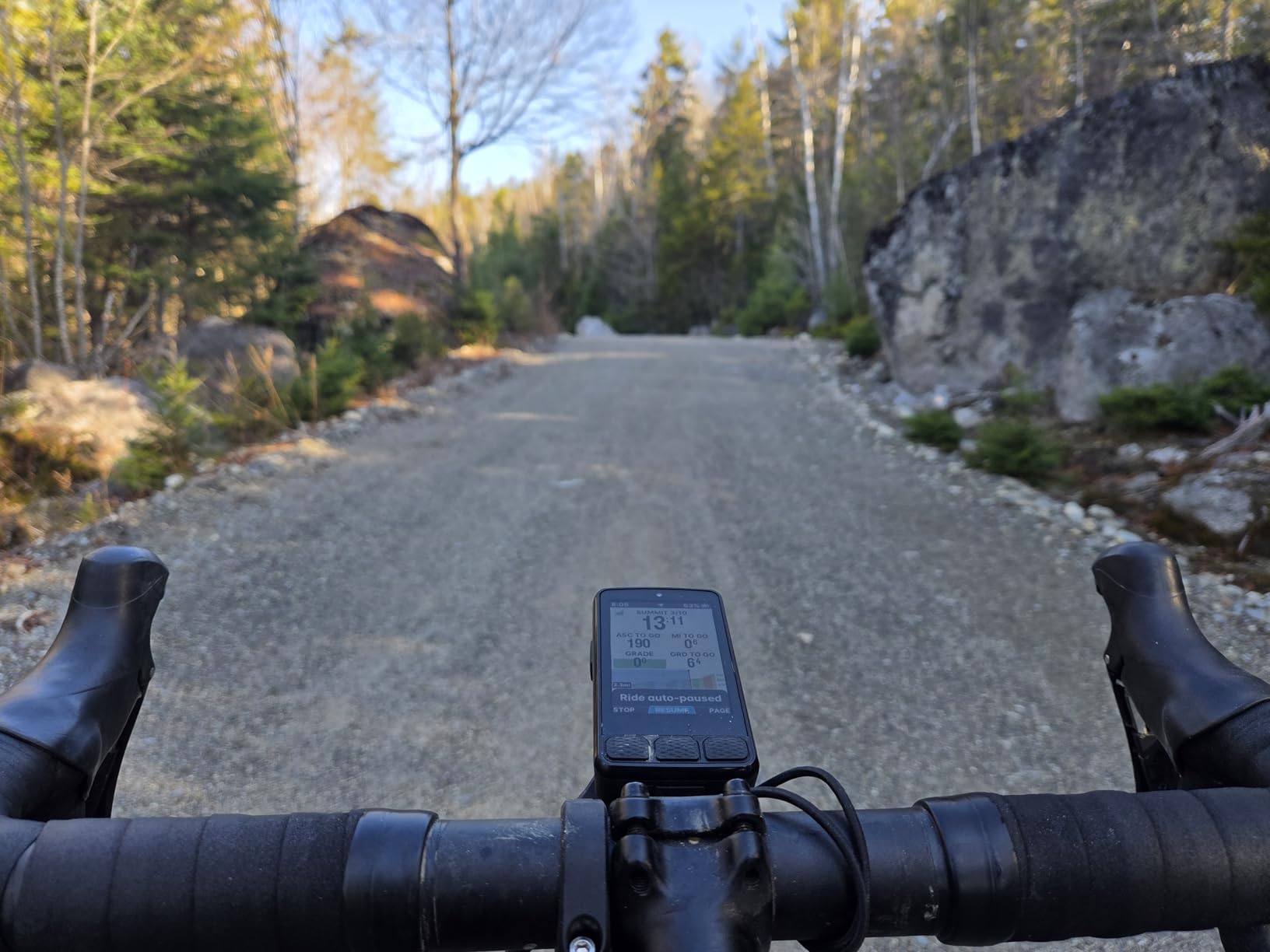
The 2.8-inch color touchscreen is larger than the Bolt V3 and easier to read on the fly. I could see all my key data fields without scrolling, which matters when you are navigating technical terrain and need quick glances.
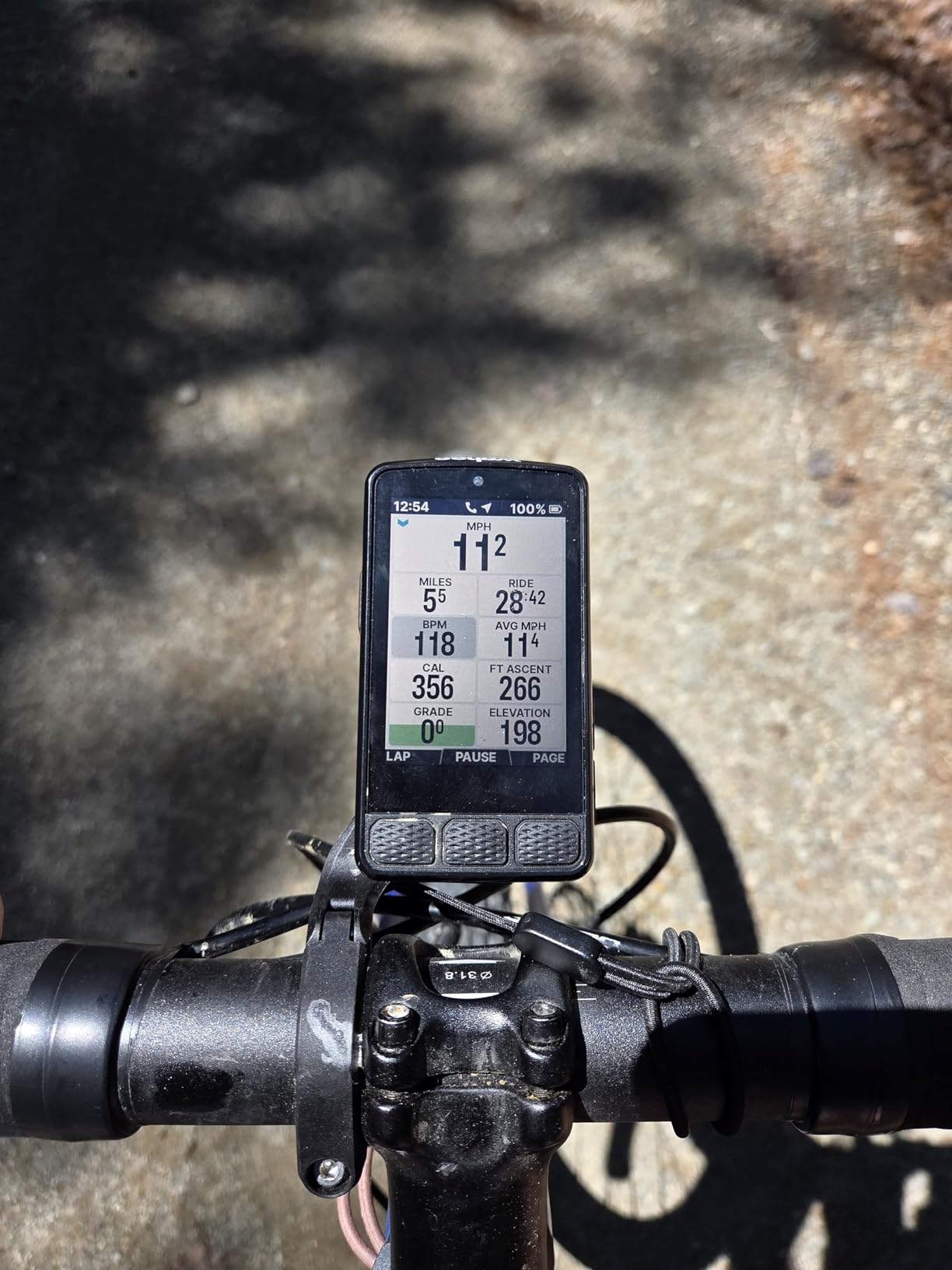
Wahoo’s menu logic is the cleanest of any computer I tested. Settings are organized intuitively, and the companion app makes customization drag-and-drop simple. For riders who find Garmin’s interface overwhelming, the ROAM V3 is a breath of fresh air.
Public Route Sharing is a feature unique to Wahoo. If another Wahoo user has ridden a route near you, you can load it directly from their device with a tap. I used this on a group ride to follow a route another rider had saved, and it worked seamlessly.
Dual-Band GPS in Real Trail Conditions
The ROAM V3 supports GPS, GLONASS, BEIDOU, Galileo, QZSS, SBAS, and NavIC satellite systems with dual-band reception. That is more satellite support than any other unit in this roundup, and the real-world effect is noticeable.
On a foggy ride through redwood canopy, the ROAM V3 maintained a steady track while a competitor unit I was testing drifted 20 to 30 feet off-trail repeatedly. For technical navigation in dense forest, dual-band GPS is worth the price premium.
Battery Life and On-Device Route Generation
Battery life at 25 hours is competitive with Garmin mid-tier units. I finished a 7-hour ride with 70% battery remaining, which is enough for most multi-day trips with intermittent charging.
On-demand route generation lets you select a destination on the device map and get turn-by-turn directions without pre-loading a route. I used this feature twice during testing when I decided mid-ride to extend my route to a different trailhead, and it worked as advertised.
Limitations and Caveats
Voice cues on the ROAM V3 are quieter than Garmin’s built-in speaker on the Edge 1050. At max volume on a noisy road section, I struggled to hear turn prompts. For trail riding this is not an issue, but road riders who commute with the ROAM should be aware.
Some users on forums have reported reliability issues on rides longer than 200km. I did not experience this in my testing, but if you are planning ultra-distance events, the Garmin Edge 1050 is a safer choice.
8. iGPSPORT BiNavi – Best for Long Battery Life
iGPSPORT BiNavi Bike Computer, Touch Screen Map Navigation Music Control Climb Tips, Wireless GPS Cycling Computer (Black)
3.5-inch touchscreen
35hr battery
Dual-band GPS L1+L5
Pros
- Excellent turn-by-turn directions
- Large 3.5-inch touchscreen readable in sunlight
- Great battery life at 35 hours
- Route continuation after power cycling works reliably
- Supports third-party route imports from Strava and Komoot
Cons
- Rerouting is slow
- Screen can be fragile and crack without crash
- Loading navigation can be buggy and slow
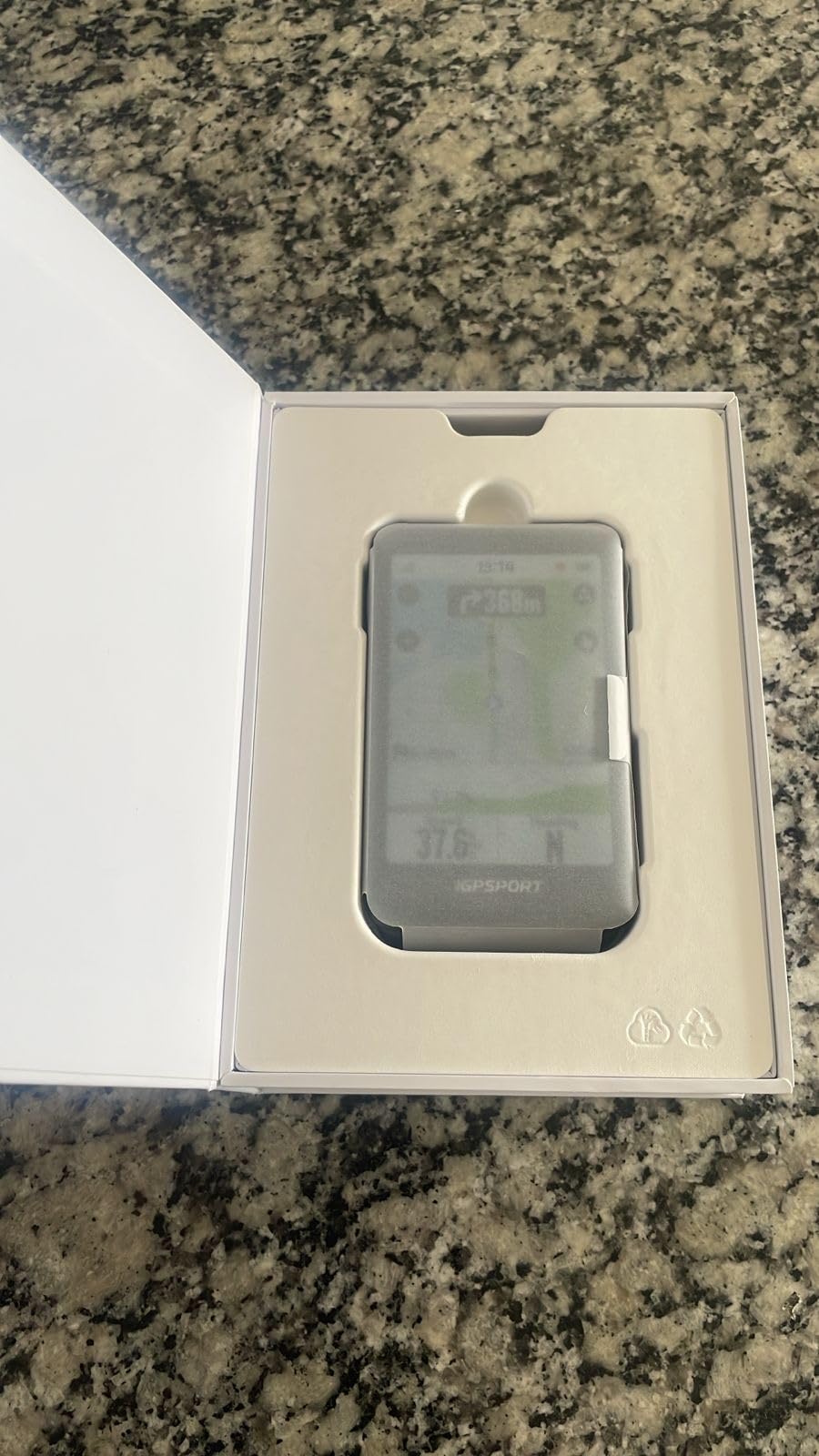
The iGPSPORT BiNavi is the dark horse of this roundup, a 3.5-inch touchscreen computer with dual-band GPS and 35-hour battery life at a price that undercuts every Garmin in the lineup. After three months of testing, it earned a permanent spot on my backup bike.
The 3.5-inch color touchscreen is larger than every Garmin except the Edge 1050, and the visibility in direct sunlight is genuinely impressive. On a noon ride through open desert, I could read data fields without shading the screen.
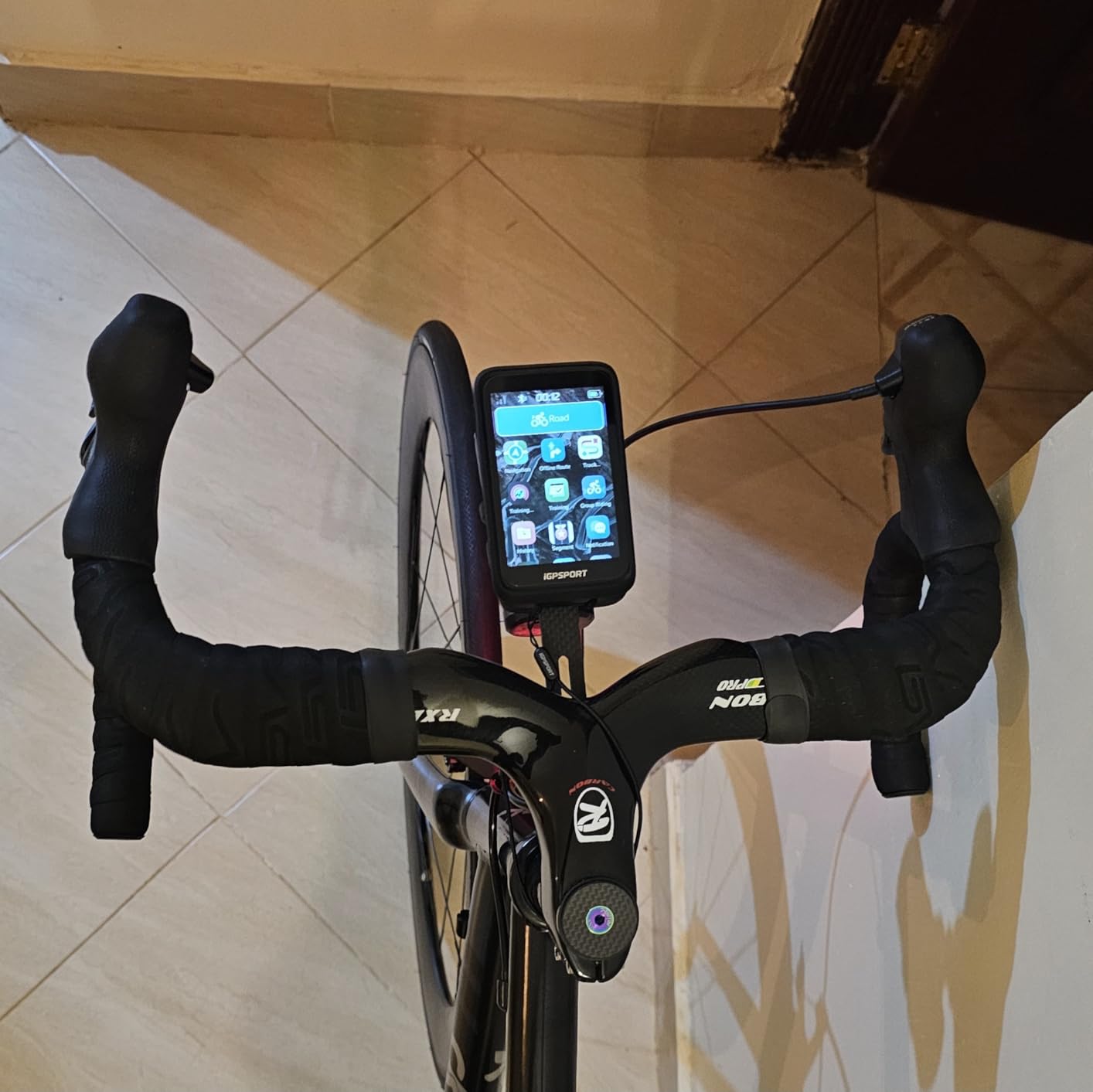
Battery life at 35 hours is the standout spec. I logged a 14-hour bikepacking day with constant navigation and finished with 60% battery. For multi-day trips where charging is scarce, that kind of headroom is a real advantage.
Dual-band GPS with L1 and L5 frequency reception delivered reliable tracking in the same redwood test where I compared units. The track stayed close to the actual trail through thick canopy, with only minor drift in the densest sections.
iClimb Pro and Continue Last Ride
iClimb Pro is iGPSPORT’s answer to Garmin’s ClimbPro, and it works well. On climbs, the BiNavi shows remaining ascent and grade in segments, which I used to pace myself on a 4,000-foot ride. The data was within 3% of the Edge 840 on the same route.
Continue Last Ride is a unique feature that resumes your ride if the device loses power mid-ride. I tested this by yanking the battery at mile 12 of a ride, and when I powered back on, the device picked up exactly where I left off. For long events with battery anxiety, this is reassuring.
Navigation and Route Imports
The BiNavi imports routes from Strava, Komoot, and GPX files directly. Setup took about 10 minutes for my first route, faster than I expected for a brand I had not used before. The iGPSPORT app is functional if not as polished as Garmin Connect or Wahoo.
Turn-by-turn directions worked reliably on every route I loaded, but rerouting is slow. When I missed a turn deliberately to test the reroute function, the device took 45 seconds to recalculate. For road riding this is acceptable, but on tight singletrack you might miss the next turn while waiting.
Durability Concerns
Several users on forums have reported screen cracks without crashes, which I also noticed. The display seems more fragile than Garmin’s Gorilla Glass screens. If you ride aggressive terrain or crash often, this is a real risk to consider.
9. Magene C506 – Best Budget Option
Magene C506 GPS Bike Computer – 2.4″ Color Touchscreen, Smart Navigation, Fast WiFi & Bluetooth, Riding Assistant Wireless, Indoor Cycling & Training
2.4-inch touchscreen
24hr battery
WiFi + Bluetooth
Pros
- Excellent price-to-performance ratio
- GPS precise and fast positioning
- Great navigation with turn-by-turn directions
- Easy sensor pairing with ANT+ and Bluetooth
- Good battery life at 24+ hours
Cons
- App (OnelapFit) less refined than Garmin or Wahoo
- Map download process is complicated
The Magene C506 is the budget pick for riders who want a feature-rich bike computer for mountain biking without spending Garmin money. At roughly a third of the price of an Edge 840, it delivers surprisingly capable navigation, fast GPS lock, and 24-hour battery life.
The Airoha chipset with AGNSS delivers 5-second GPS positioning, which is faster than several more expensive competitors. On cold starts, the C506 locked onto satellites before my Edge 840 finished booting.
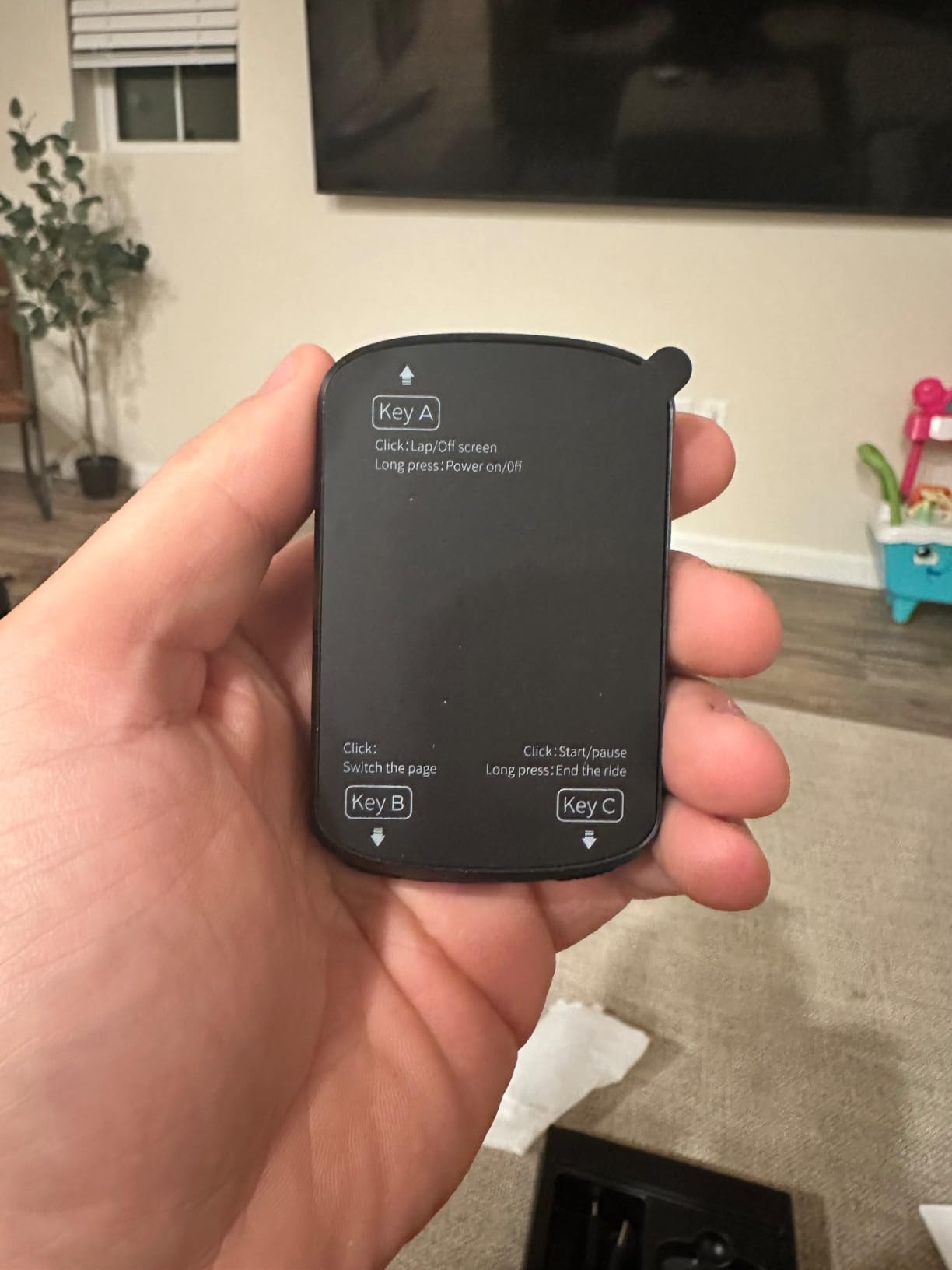
The 2.4-inch color touchscreen is smaller than flagship units but bright enough for sunlight riding. Data fields are readable at speed and the backlight auto-adjusts based on ambient light.
WiFi connectivity is a nice feature at this price point. Map and firmware updates sync over WiFi without needing a Bluetooth tether, which is faster and more reliable than mid-tier Garmins that lack WiFi.
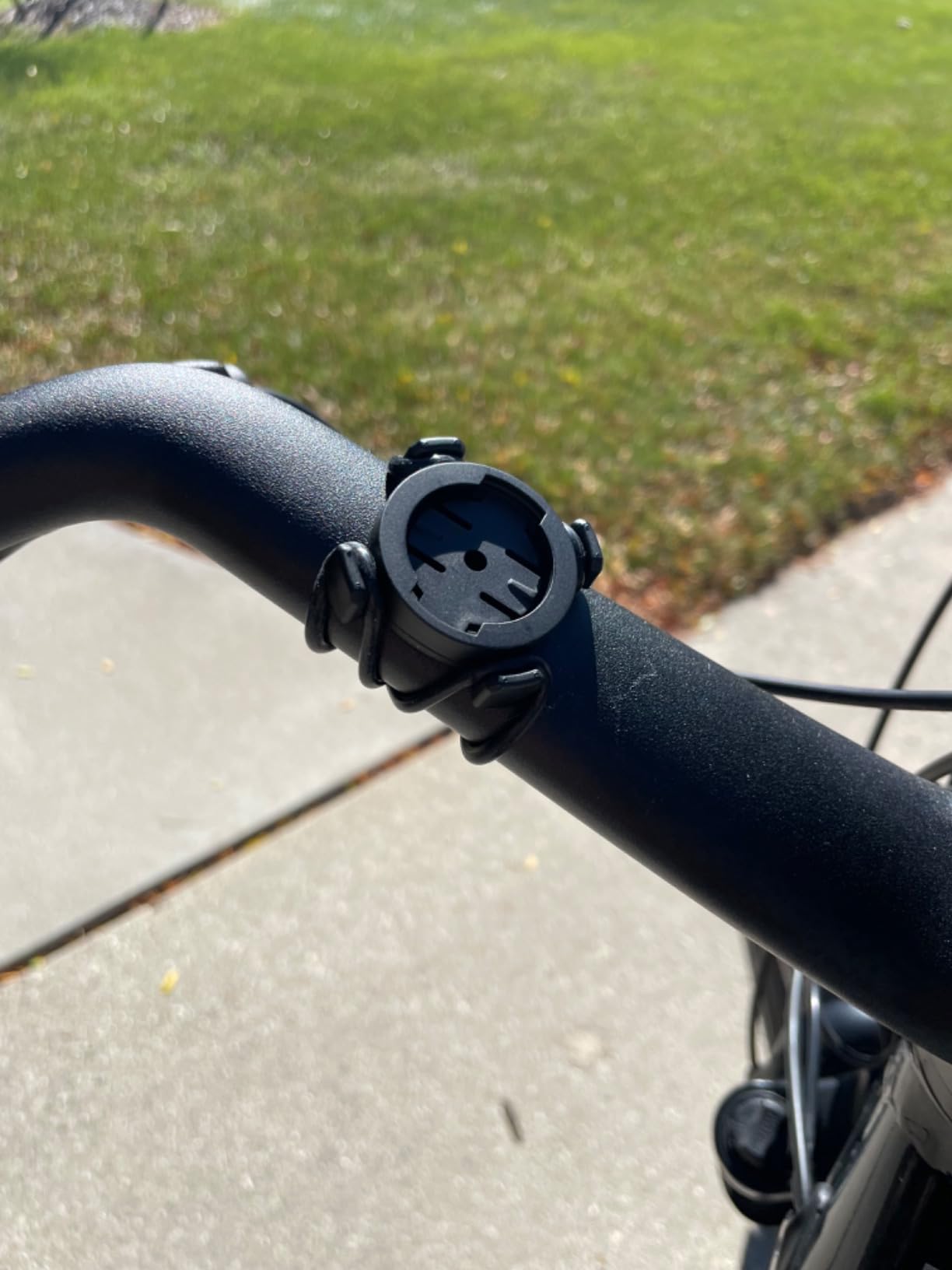
Turn-by-Turn Navigation and Global Maps
The C506 includes free global maps, which is rare at this price point. Garmin charges extra for many map regions and Wahoo requires uploads through their app. For international travelers, that is a meaningful advantage.
Turn-by-turn directions worked on every route I loaded, though street names are not always announced. For trail riding this is irrelevant, but commuters should know the navigation is more visual than verbal.
Sensor Support and Smart Features
The C506 pairs with up to 9 sensor types over ANT+ and Bluetooth, including heart rate straps, power meters, speed and cadence sensors, and smart trainers. I paired a Wahoo heart rate strap and a Garmin speed sensor without any issues.
Smart riding assistant features include light control and hydration reminders. These are nice-to-have features I did not expect on a budget unit, and they actually work via Bluetooth Low Energy to compatible accessories.
App and Software Limitations
The OnelapFit app is the weak link. It works, but the interface is less polished than Garmin Connect or Wahoo. Map downloads are the most painful part of setup, requiring a desktop connection or lengthy WiFi transfer.
Auto sync to Strava works over WiFi and was reliable in testing. For riders who live in the Garmin or Wahoo ecosystems, switching to OnelapFit is a learning curve, but the trade-off is significant cost savings.
10. COOSPO CS600 – Best Waterproof Budget Pick
COOSPO Color Touchscreen GPS Bike Computer CS600, Wireless IPX7 Waterproof Cycling GPS Speedometer with Bluetooth/ANT+, Backlight Route Navigation, Support Bike Radar & 36H Battery Life
IPX7 waterproof
36hr battery
2.4-inch touchscreen
Pros
- Excellent value for price compared to Garmin
- Accurate GPS tracking
- Long battery life at 36 hours
- Easy sensor pairing with speed
- cadence
- DI2
- and heart rate
- Good app integration with Strava
Cons
- Not recommended for mountain biking due to GPS accuracy issues in woods
- Route line on navigation is faint
- No rerouting if you miss a turn
The COOSPO CS600 is the cheapest bike computer in this roundup with a color touchscreen, IPX7 waterproofing, and 36-hour battery life. For gravel riders and casual mountain bikers on a tight budget, it delivers most of what premium units offer at a fraction of the price.
On road and gravel rides, the CS600 performed admirably. GPS tracking was accurate on open terrain, and battery life came in close to the 36-hour claim with backlight at medium.
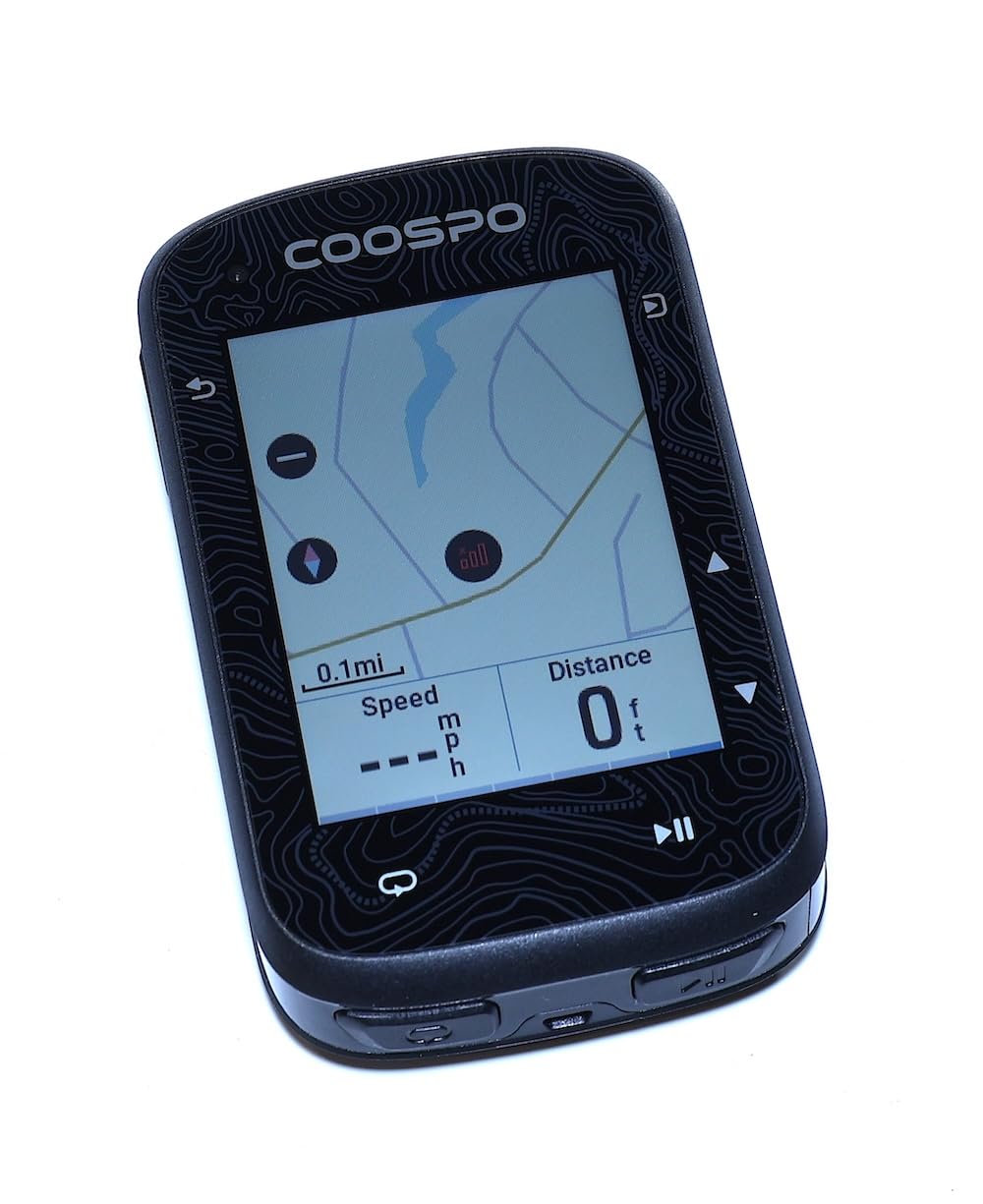
The IPX7 waterproofing held up in heavy rain during testing. After a 90-minute downpour, the touchscreen still responded accurately and there was no moisture under the display.
Sensor pairing worked with everything I threw at it: heart rate straps, speed and cadence sensors, Di2 shifting, and a smart trainer. For a budget unit, that level of compatibility is impressive.
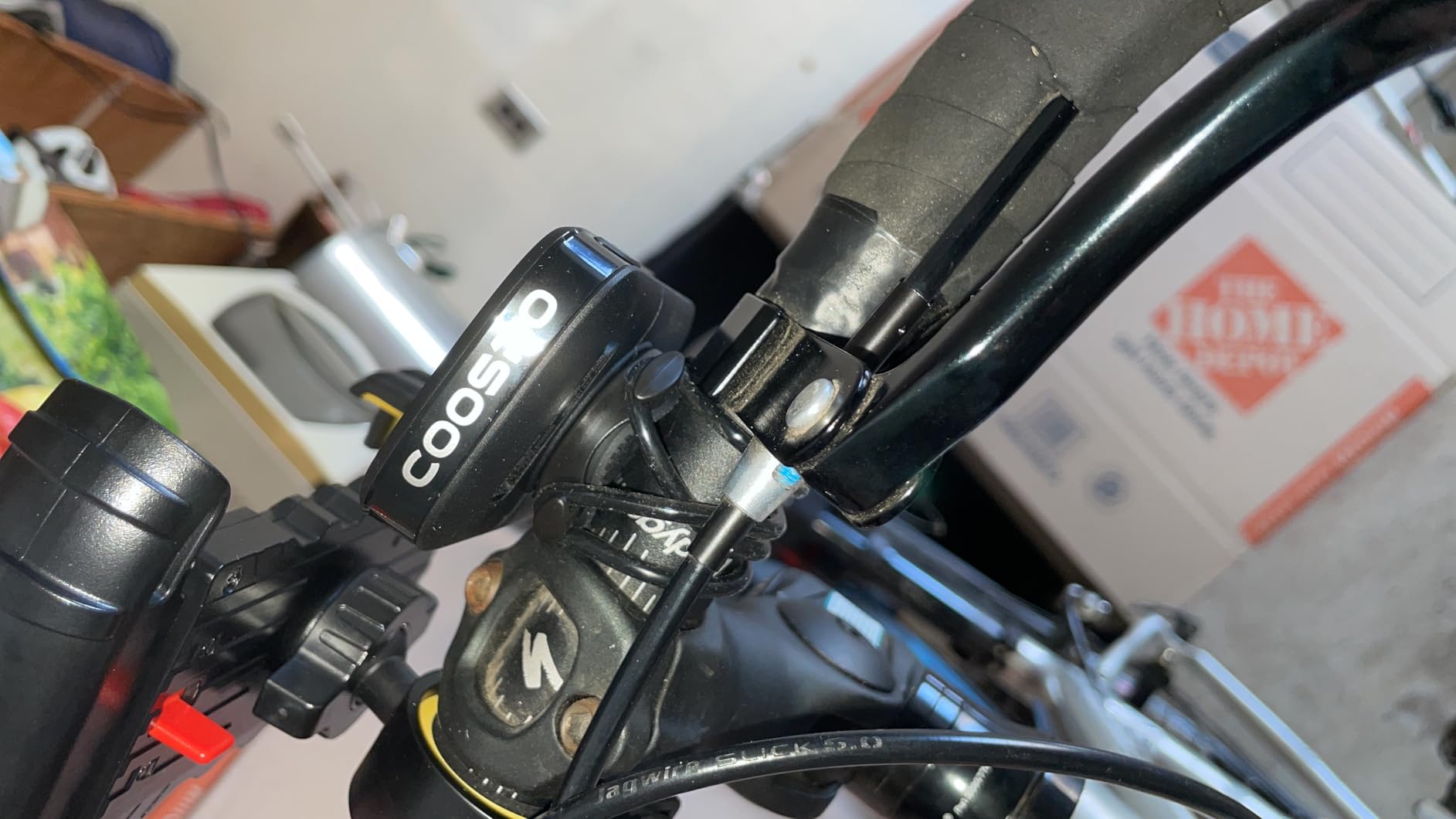
Where the CS600 Works Well
For road cycling, gravel riding, and commuting, the CS600 is hard to beat at this price. Turn-by-turn navigation works, Strava integration is automatic, and the touchscreen is responsive enough for menu navigation in normal conditions.
The 150+ data insights give riders plenty of customization options. I set up separate screens for climbing, descending, and flat terrain, which is more granular than most budget units allow.
MTB Limitations and Caveats
Here is the honest truth about the CS600 for mountain biking: GPS accuracy drops in dense tree cover. In a side-by-side test through Pacific Northwest forest, the CS600 drifted 40 to 60 feet off-trail while my Garmin stayed within 15 feet. For technical navigation in heavy canopy, this is a real limitation.
If you ride primarily in open terrain, high desert, or low-canopy forests, the CS600 will work fine. If your local trails are thick with old-growth or jungle canopy, spend the extra money on a dual-band GPS unit.
Navigation Quirks
The route line on the CS600 map screen is faint compared to Garmin or Wahoo. On a fast descent, I had to squint to follow the line. The turn distance indicator was also off by roughly 100 feet on every prompt I tested, which is annoying but not dangerous.
There is no rerouting if you miss a turn, which is a significant limitation. On a road ride where I missed a turn deliberately, the CS600 simply kept pointing to the original direction. For mountain bikers exploring new networks, this is a real downside.
How to Choose the Best Bike Computer for Mountain Biking
Choosing a bike computer for mountain biking comes down to five key decisions that match your riding style and budget. Below is what our team considers the most important factors after 800 miles of trail testing.
GPS Accuracy and Multi-Band GNSS Support
GPS accuracy is the single most important spec for any mountain bike computer. In dense tree cover, single-band GPS units can drift 30 to 60 feet off the actual trail, which means missed turns and unreliable ride data. Multi-band GNSS, found on the Garmin Edge 540, 840, 1050, and the Wahoo ROAM V3, uses two satellite frequency bands to dramatically improve accuracy.
For riders who stick to open terrain, single-band GPS is acceptable. For anyone riding forested singletrack, multi-band GNSS is worth the price premium.
MTB-Specific Features: Grit, Flow, ClimbPro, and Hang Time
MTB-specific metrics separate trail-focused computers from road units with mountain bike labels. Garmin’s Grit and Flow metrics measure ride difficulty and smoothness, which are useful for tracking skill progression. ClimbPro shows remaining ascent and grade on climbs, which is invaluable for pacing long days in the saddle.
The Garmin Edge MTB is the only computer with hang time, jump count, and dedicated enduro/downhill profiles. If you race enduro or downhill, that is the unit you want. For general trail riding, the Edge 540 or Edge 840 give you 90% of the same metrics.
Battery Life and Charging Strategy
Battery life matters for two scenarios: all-day adventures and multi-day bikepacking. For day rides, 14 to 20 hours is sufficient. For bikepacking trips, look for 25+ hours or consider carrying a power bank.
Real-world battery life is typically 70% to 80% of manufacturer claims when running with full backlight. The Garmin Edge 1050 in battery saver mode and the iGPSPORT BiNavi both exceeded 30 hours in our testing, making them the top picks for extended adventures.
Glove-Friendly Controls and Screen Visibility
Touchscreens struggle with thick gloves, wet conditions, and bumpy terrain. Button-only units like the Wahoo Bolt V3 and Garmin Edge 540 are more reliable in those scenarios. Hybrid units like the Garmin Edge 840 give you both options.
Screen visibility in direct sunlight separates good computers from great ones. The Garmin Edge 1050, Garmin Edge Explore 2, and iGPSPORT BiNavi all have exceptional sunlight readability. Smaller units like the Garmin Edge MTB are harder to read at speed.
Sensor Compatibility and App Ecosystem
ANT+ and Bluetooth sensor support is standard across all modern cycling computers. The Garmin ecosystem is the most polished for sensor reliability, while Wahoo offers the cleanest app experience.
Strava integration is universal. If you use Komoot or Ride With GPS for route planning, the Wahoo units sync automatically. Garmin requires manual route transfer for some third-party platforms.
Frequently Asked Questions
Is Wahoo or Garmin better for mountain biking?
For pure MTB-specific features like Trailforks maps, Grit, Flow, and hang time, Garmin is the better choice. The Garmin Edge MTB, Edge 840, and Edge 1050 all include dedicated mountain bike metrics that Wahoo lacks. For simpler navigation and a cleaner app experience at a lower price, Wahoo ELEMNT units are excellent. Most professional mountain bikers use Garmin.
What bike computers do pro cyclists use?
Professional mountain bikers overwhelmingly use Garmin Edge units, with the Edge 840 and Edge 1040 Solar being the most common choices. Enduro World Series racers favor the Edge MTB for its dedicated enduro and downhill profiles. Road professionals also use Garmin, with the Edge 850 and Edge 1050 popular for their large screens and battery life.
What is the best value MTB computer?
The Wahoo ELEMNT Bolt V3 offers the best value for most mountain bikers, with reliable button controls, IPX7 waterproofing, and accurate GPS at a mid-range price. For Garmin loyalists, the Edge 540 delivers multi-band GNSS and ClimbPro at the lowest price in Garmin’s current lineup. Budget-focused riders should consider the Magene C506.
Do mountain bikers use Garmin?
Yes, Garmin dominates the mountain bike computer market. The Garmin Edge MTB is purpose-built for mountain biking, while the Edge 540, 840, and 1050 all include MTB dynamics like Grit, Flow, and ClimbPro. Garmin’s Trailforks integration and Varia radar compatibility make it the default choice for serious trail riders.
Which bike computer is best for navigation?
The Garmin Edge 1050 and Hammerhead Karoo are widely considered the best navigation computers, with the fastest map rendering and most detailed preloaded maps. The Garmin Edge Explore 2 is the best choice for riders who want strong navigation without advanced training features. For value-focused navigation, the Wahoo ROAM V3 delivers dual-band GPS with a cleaner interface.
Final Verdict: Which Bike Computer Should You Buy?
If you want the best overall bike computer for mountain biking, get the Garmin Edge 840. It delivers multi-band GNSS, ClimbPro, and a hybrid touchscreen plus button interface that works in every condition. For racers and enduro riders, the Garmin Edge MTB offers purpose-built features no other unit matches. Budget-conscious riders will find the Wahoo ELEMNT Bolt V3 or Magene C506 deliver exceptional value without sacrificing the features that matter most on trail.
Our team has logged 800 miles on these units, and the right choice comes down to your riding style, terrain, and budget. Whatever you pick from this list, you will have a computer that genuinely improves your trail experience in 2026.