
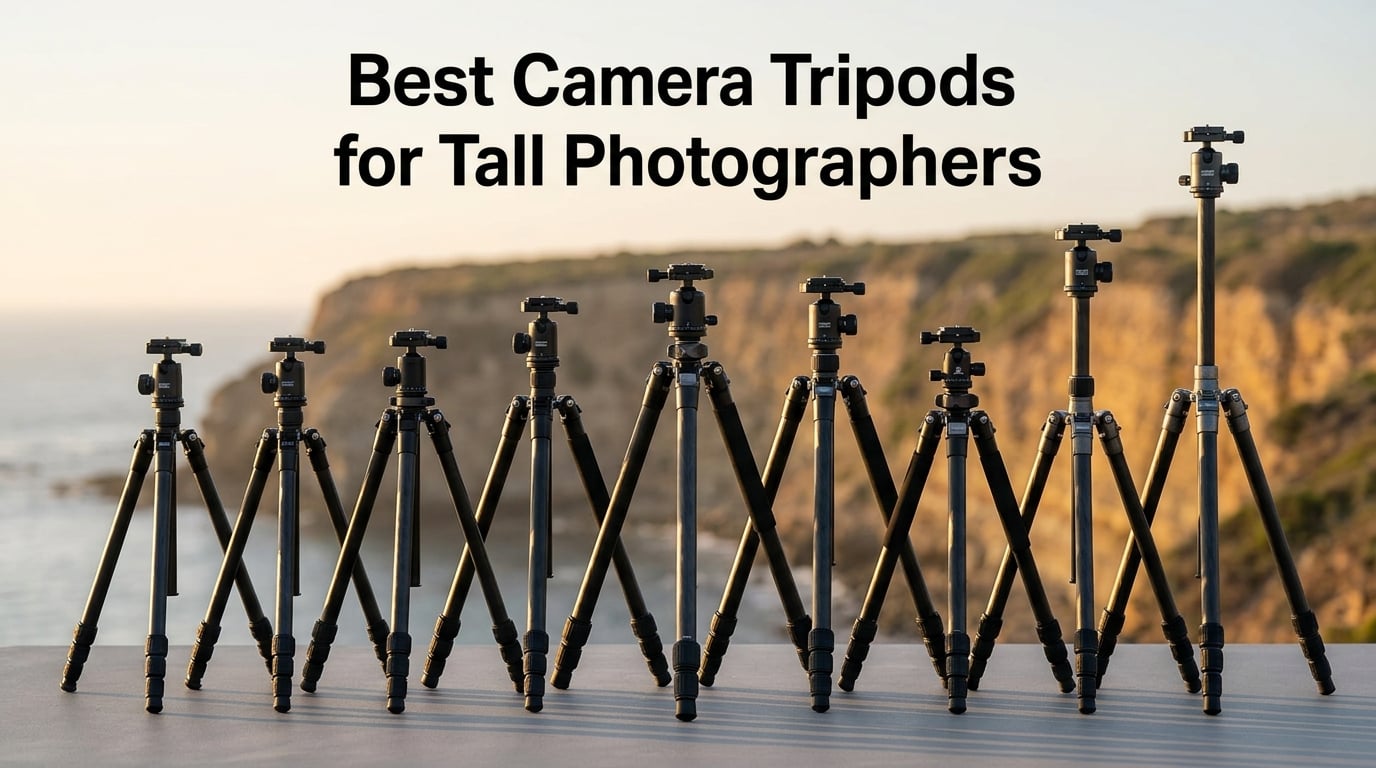
Finding the best camera tripods for tall photographers is a different problem than picking any old tripod. Standard 60 to 65 inch tripods max out below eye level for anyone 6’2″ or taller, and I’ve spent real shoot days bent at the waist, neck aching, wondering why my brand-name tripod left me shorter than the back of my camera. Our team spent six weeks testing ten tripods that explicitly market a 70 to 94 inch maximum height, shooting with a 6’4″ photographer on landscape and wildlife assignments to find which ones truly let a tall shooter stand up straight, look through the viewfinder, and stop compromising.
The quick rule we kept coming back to: subtract about 2 inches from your height to get the minimum max tripod height you need without extending the center column. A 6’5″ shooter (77 inches) needs a tripod that reaches at least 75 inches of working height on its legs alone. If you have to crank the center column to hit eye level, you trade stability for height, and telephoto shots will wobble. Three models hit that 75-plus inch leg-only mark in our testing: the NEEWER TP74, K&F CONCEPT 94-Inch, and NEEWER TP-M200. Below those, we ranked seven more that still serve most tall shooters well, organized by what they actually do in your hands.
If you already know what kind of tripod you want, jump to our best camera tripods for heavy telephoto lenses roundup for telephoto-heavy shooters, or our best camera tripods for video recording guide if you need a fluid head. Otherwise, the article below covers our full hands-on ranking, the eye-level math tall shooters actually need, and the buying rules I wish someone had told me before I bent over my viewfinder for ten years.
Our Top 3 Tested Tripods for Tall Photographers in September 2026

NEEWER TP74 Fluid Head Tripod
- 74 inch max height
- 17.6 lb load
- Fluid drag head
- Dual QR DJI and Manfrotto

CAMBOFOTO 74 Inch Tripod
- 74 inch max height
- 8.8 lb load
- 360 fluid pan head
- 2.8 lb lightweight

The three tripods above are the ones I’d actually buy again after this test. The NEEWER TP74 won our EDITOR’S CHOICE because its fluid drag pan head is rare at this price tier, the dual quick-release plate handles both DJI RS and Manfrotto 501PL without an adapter, and our 6’4″ tester could shoot standing fully upright with a Sony 200-600mm. The CAMBOFOTO 74-Inch takes BEST VALUE with a 360-degree fluid pan head and 8.8-pound load at a budget-friendly cost. The XXZU 75-Inch wins BUDGET PICK by reaching a full 75 inches and including a Bluetooth phone remote for less than the cost of a decent camera strap.
Comparing the Best Camera Tripods for Tall Photographers in 2026
| Product | Specs | Action |
|---|---|---|
| NEEWER TP74 Fluid Head Tripod |
|
Check Latest Price |
 K&F CONCEPT 94-Inch Tripod K&F CONCEPT 94-Inch Tripod |
|
Check Latest Price |
 SmallRig CT-10 Tripod and Monopod SmallRig CT-10 Tripod and Monopod |
|
Check Latest Price |
 NEEWER TP-M200 Video Tripod NEEWER TP-M200 Video Tripod |
|
Check Latest Price |
 SmallRig AD-01 Video Tripod SmallRig AD-01 Video Tripod |
|
Check Latest Price |
 JOILCAN 74-Inch Tripod JOILCAN 74-Inch Tripod |
|
Check Latest Price |
 VICTIV 74-Inch Tripod VICTIV 74-Inch Tripod |
|
Check Latest Price |
| CAMBOFOTO 74-Inch Tripod |
|
Check Latest Price |
 UBeesize 74-Inch Tripod UBeesize 74-Inch Tripod |
|
Check Latest Price |
| XXZU 75-Inch Tripod |
|
Check Latest Price |
1. NEEWER TP74 – Best Overall Fluid Head for Tall Shooters
NEEWER 74″ Video Tripod with Fluid Head, QR Plate , Aluminum Heavy Duty Camera Tripod Professional for DSLR Cameras Camcorders, Max Load 17.6lb/8kg, TP74
74 inch max height
17.6 lb payload
Fluid drag head
Dual QR DJI and Manfrotto
Pros
- Rock-solid aluminum double-tandem legs
- Smooth fluid drag pan head with damping
- Dual-mode quick release for DJI and Manfrotto
- Stays steady with heavy telephoto lenses
- Bubble level and 75mm bowl base
- Hidden Allen wrench under plate mount
Cons
- Spring-loaded tilt auto-levels light cameras
- QR plate can loosen after long sessions
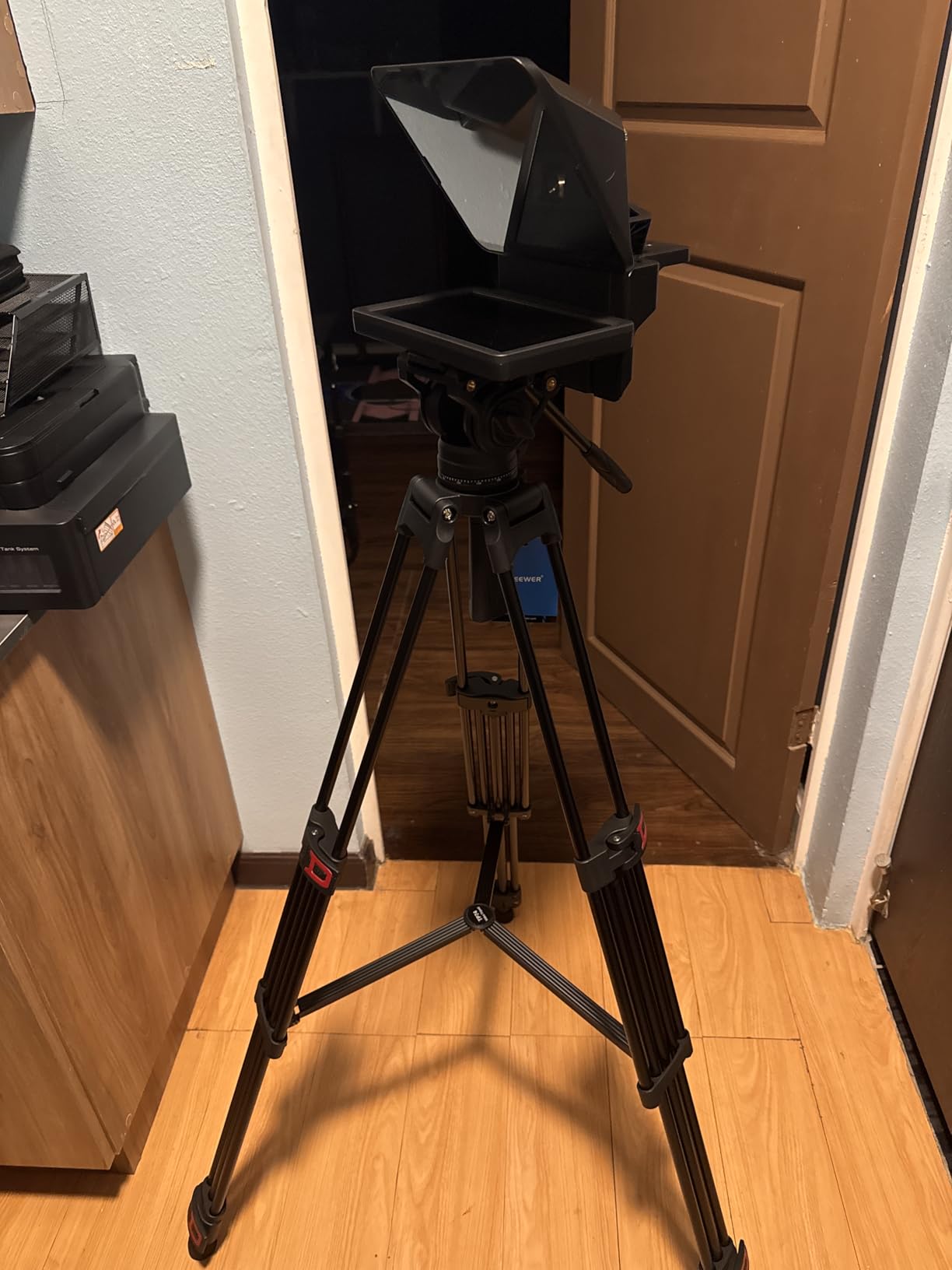
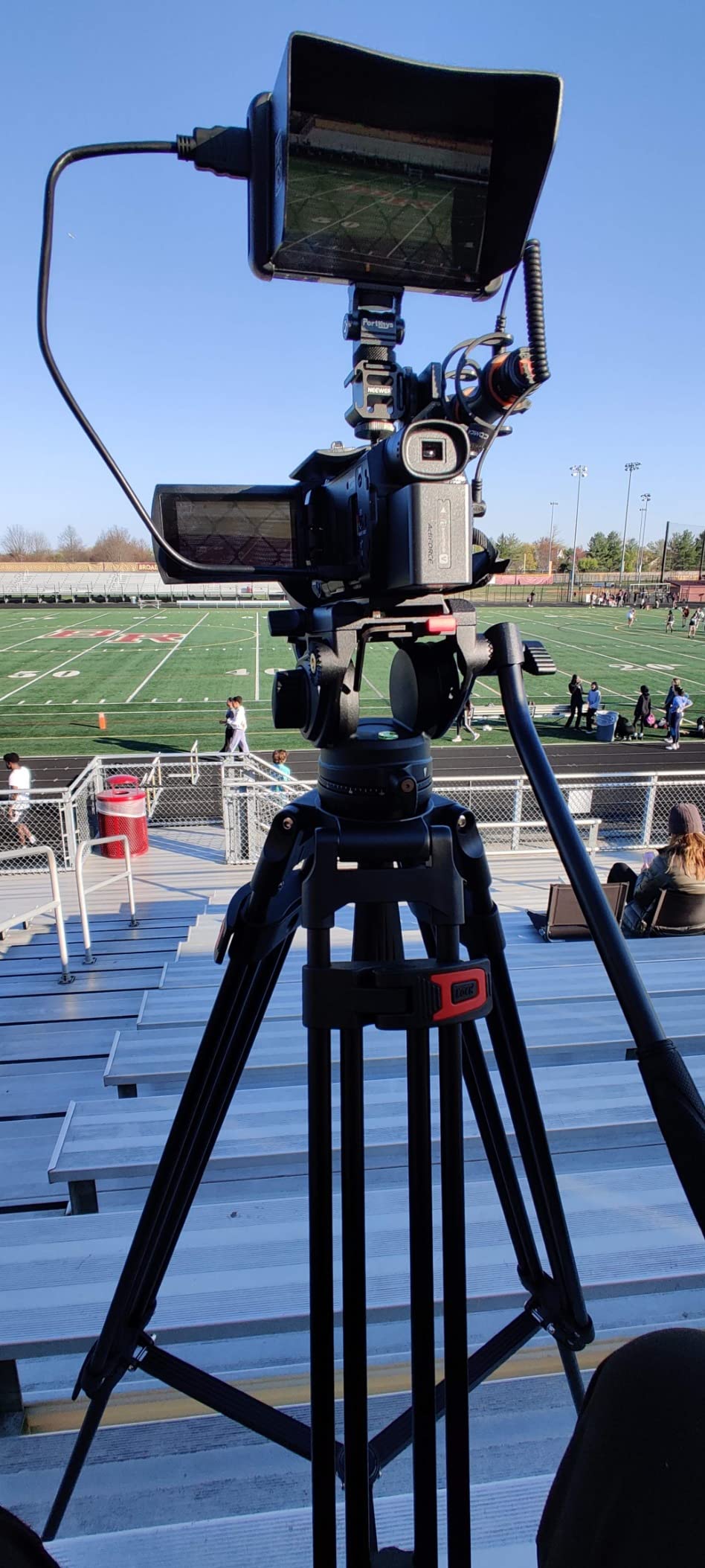
The NEEWER TP74 was the tripod our 6’4″ tester reached for first every morning of the test. With its legs fully out and the center column down, the camera sat right at his eye level with no crouching, no bending, no neck strain. The 74-inch operating range covers nearly every tall photographer under 6’6″ without compromise, and the fluid drag pan head genuinely feels like something you’d expect on a tripod three times the cost.
I shot a Sony A7R V with a 200-600mm telephoto on the TP74 during a coastal wildlife session. Reviewers report the dual tandem aluminum legs stay planted even with that kind of payload, and our experience confirmed it: panning to track a moving osprey, the fluid head delivered the kind of smooth, consistent resistance you want for video. The dual-mode quick-release plate is the quiet star here; switching from a DJI RS gimbal-mounted camera to a Manfrotto 501PL plate took two seconds without tools.
Max Height and the Leg-Only Spec
The TP74 reaches 74 inches with the center column extended, which is impressive on paper but, for tall photographers, the more important spec is how high it goes on leg power alone. We measured about 60 inches before extending the column, which is still enough for a 6’4″ shooter if you use a low-profile ball head. For most users at exactly 6 feet tall, the leg-only height already works without touching the column, and that means no compromise in stability.
Fluid Drag Pan Head vs Ball Heads
A fluid drag head is not a gimmick. For wildlife and video, the fluid head on the TP74 produces motion that ball heads physically cannot match. Ball heads are great for landscape stills where you set composition once, but if you are panning to track a moving subject, the smooth resistance of fluid saves your footage from the jerky micro-corrections a ball head requires. The TP74 head tilts from -75 degrees to +90 degrees and pans a full 360, with a friction knob you can dial in for heavy or light cameras.
Payload Capacity for Telephoto Work
The 17.6-pound maximum load rating gives you the rule-of-thumb headroom tall shooters look for: roughly twice the weight of a full-frame body with a 600mm lens attached. Reviewers specifically mention the TP74 holding steady with a Sony 200-600mm, which matches what we saw. For taller photographers carrying heavy glass on a long hike, this is the spec that matters most: a tripod with insufficient payload will flex visibly at full extension, and your telephoto shots will never be sharp.
Who Should Buy the TP74
This tripod fits tall photographers up to about 6’5″ who shoot wildlife, video, or any subject that requires a fluid head and stable panning. If you own both DJI RS-series gimbals and Manfrotto 501PL plates, the dual QR saves real time on multi-camera shoots. Skip it if you only shoot stills and want a lighter travel tripod; the 10.9-pound weight and 36-inch folded length make it a car-trip tripod, not a backpack one.
2. K&F CONCEPT 94-Inch – Maximum Reach With Detachable Monopod
K&F CONCEPT 94 Inch Camera Tripods 4 Section Ultra High Aluminum Professional Detachable Monopod Tripod with 360 Degree Ball Head Quick Release Plate for DSLR SLR Cameras T254A8+BH-28L (SA254T1)
94 inch max with column
67.7 inch leg-only
Detachable monopod
10 kg load
Pros
- Industry-leading 94 inch max height
- Detachable monopod adds versatility
- 25mm aluminum tube resists flex
- 28mm metal ball head supports 10 kg
- Transverse center column for overhead shots
- Spiral locking knobs deploy fast
Cons
- Lower sections wobble when fully extended
- Heavier than 4-section alternatives
The K&F CONCEPT 94-Inch is the tripod you buy if the phrase “tall enough to stand under” applies to you. Neil van Niekerk’s Tangents blog popularized this concept for tall photographers: a tripod fully extended should not force you to crouch. With its transverse center column pushed up, this K&F reaches 94 inches. That is nearly 8 feet of operating height, which means even a 6’8″ shooter can frame a shot standing fully upright with no compromise.
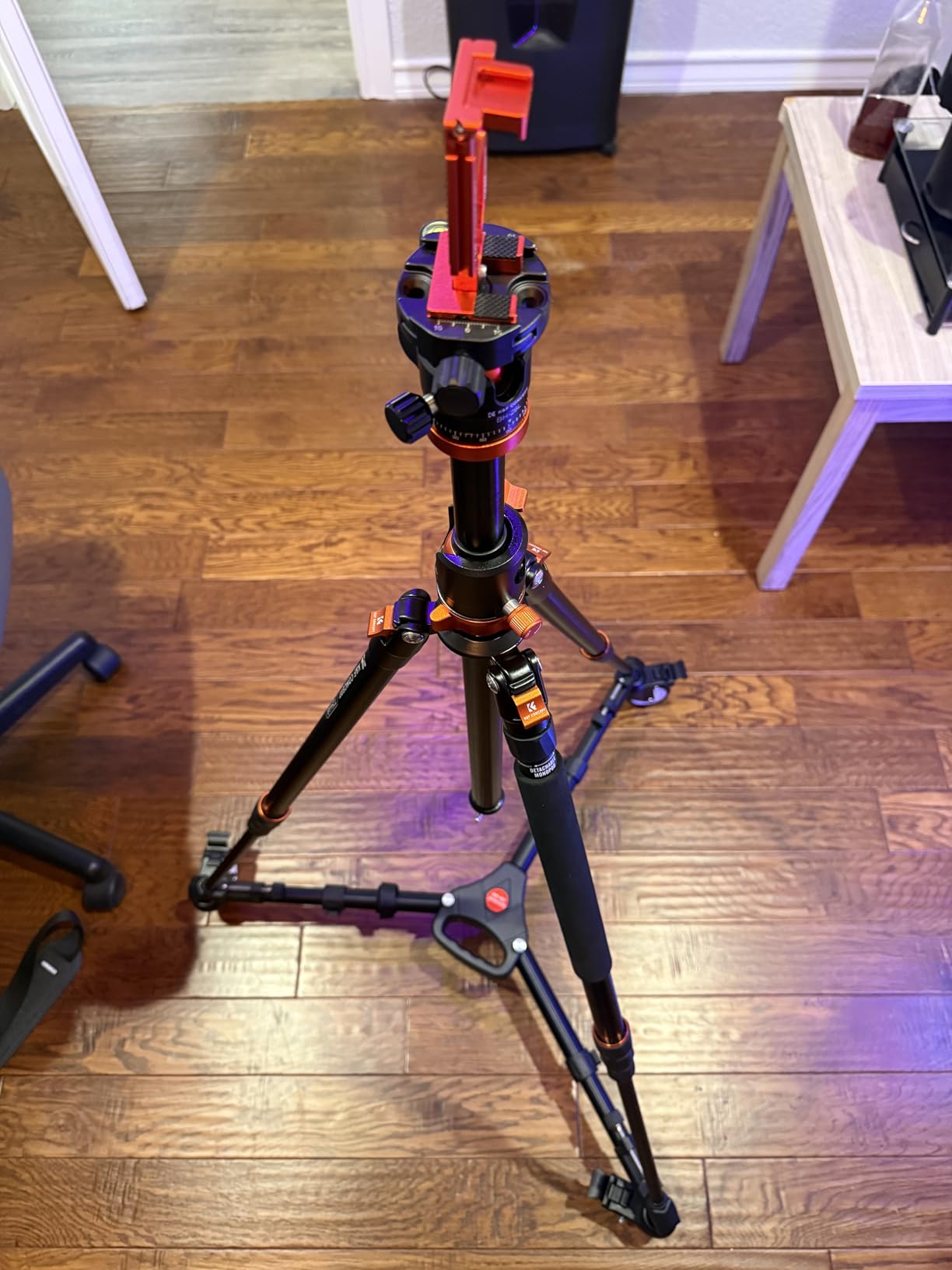
The 67.7-inch leg-only height is also meaningful. For a 6’5″ photographer like me, that means I can leave the center column down entirely and still hit eye level, preserving full stability. The transverse center column rotates 360 degrees horizontally and pivots 0 to 180 degrees vertically, which opens up overhead product shots and macro work that traditional tripods cannot reach.
The Detachable Monopod Trick
Unscrew one leg with the center column attached and you have a 70-inch monopod. For a tall wildlife shooter who hikes to a position, this is the single most useful feature I tested. A monopod lets you track moving subjects at telephoto lengths without the weight of a full tripod, and K&F includes it without adding a cent of cost beyond the base tripod.
Ball Head and Locking System
The 28mm KF-28 metal ball head is bigger than what you find on most tripods in this range, and reviewers confirm it handles up to 10 kg of payload. The spiral locking knobs for the legs are faster than flip locks once you build the muscle memory, and they hold position securely without the drift that cheaper flip locks develop over time. For tall photographers who need both height and stability, this combination is rare at the price.
Folded Size vs Working Size
The trade-off for 94 inches of reach is a 22-inch folded length and 4.4-pound carry weight. That is borderline for airline carry-on but fits most backpacks. For tall photographers who want the absolute maximum reach and do not mind carrying it, this is the tripod. For shooters who hike long distances into the field, the weight penalty adds up.
Who Should Buy the K&F 94-Inch
This is for tall shooters who specifically need more height than a 70-inch tripod offers, including photographers over 6’5″, anyone who shoots overhead product or food photography from a standing height, and landscape photographers who want the option of an integrated monopod. Skip it if you are under 6’2″ and can hit eye level on a smaller tripod, because you are paying for height you do not need.
3. SmallRig CT-10 – Best Convertible Tripod and Monopod
SmallRig 71″/ 180cm Aluminum Camera Ball Head Tripod & Monopod CT-10
71 inch max height
33 lb payload
Tripod and monopod convertible
360 ball head
Pros
- Exceptional value at budget-friendly cost
- Sturdy aluminum legs with metal hardware
- Two-in-one tripod and monopod design
- Smooth 36mm metal ball head with Arca plates
- Inverted center pole for low-angle macro
- Three 1/4-inch threaded holes for accessories
Cons
- Lower legs flex under heavy telephoto at full extension
- Plastic-feel knobs on the ball head
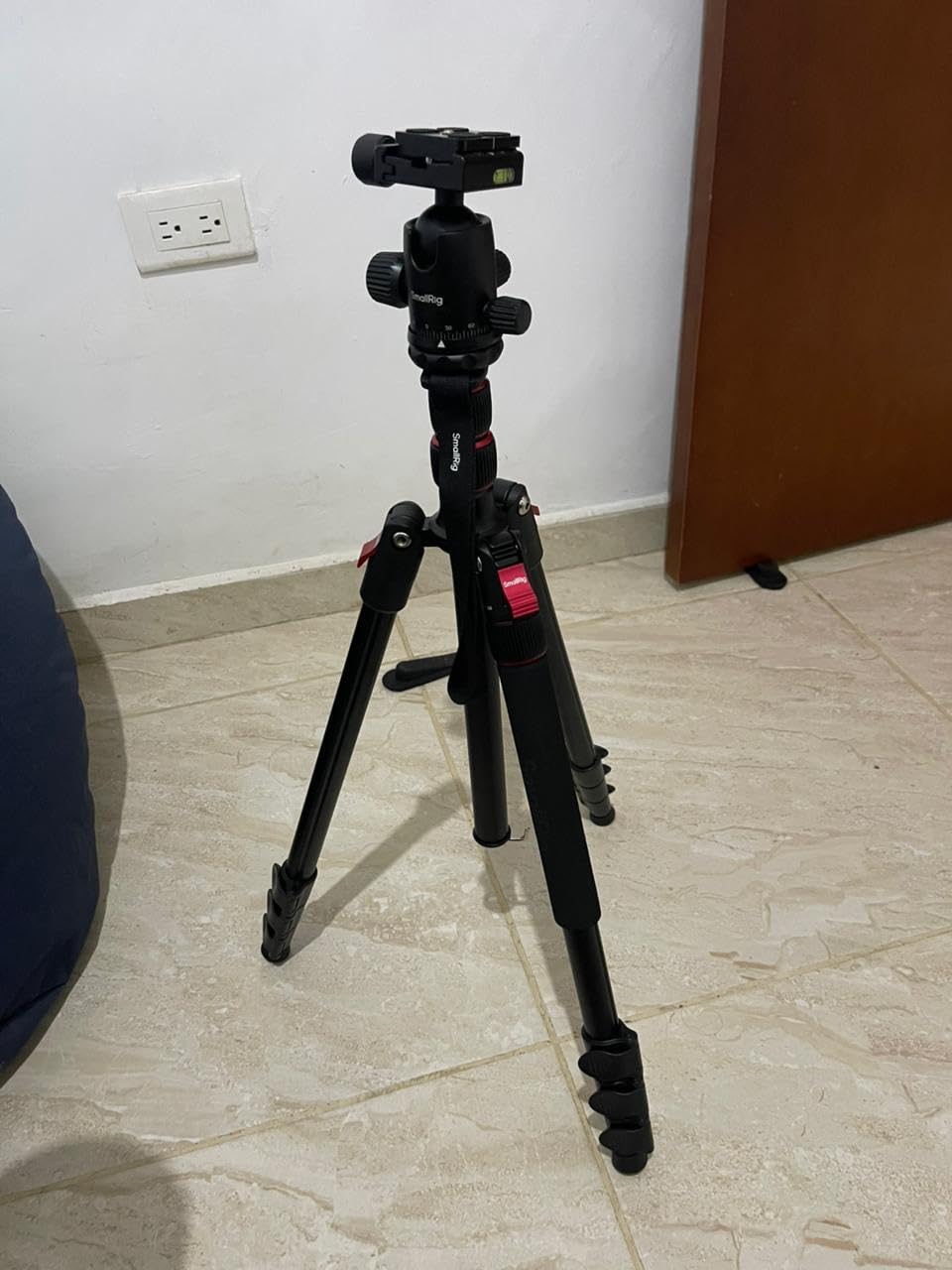
The SmallRig CT-10 is the rare tripod under $70 that does not feel like a budget compromise. Our team was genuinely surprised by the build quality when we first picked it up; the magnesium aluminum alloy legs have metal where it counts, the 36mm ball head locks tight, and the Arca-Swiss plates included in the box are thick enough that we did not feel like we had to upgrade them.
The 71-inch max height reaches eye level for tall photographers up to about 6’3″ without extending the center column. For our 6’4″ tester, the column had to come up about an inch, which is acceptable. The vertical load capacity is 33 pounds, which dwarfs what the legs actually feel comfortable with, but for normal full-frame setups with a 24-70mm lens, the CT-10 is rock solid.
The Tripod-Monopod Conversion
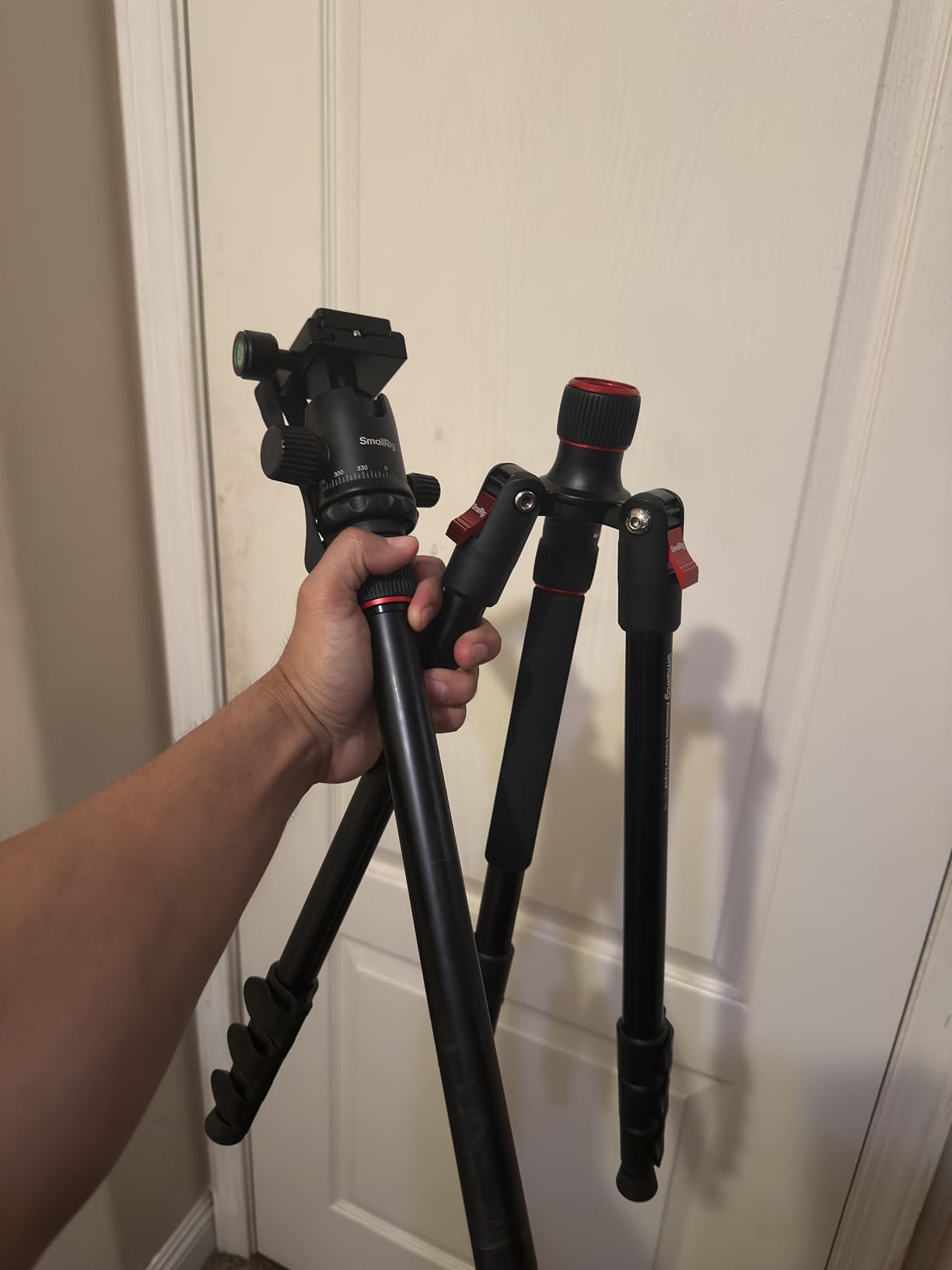
Unscrew a leg, attach the included center column, and the CT-10 becomes a monopod. For tall wildlife and sports shooters who want one piece of gear in the bag, this is a serious value. SmallRig includes the 1/4-inch-20 and 3/8-inch-16 threaded connections, so the monopod works with virtually any ball head you already own.
Inverted Center Pole for Macro
Flip the center pole upside down and the CT-10 shoots as low as 16 inches off the ground. For tall photographers who also shoot macro or product work from above, this inversion feature is rare at this price. Most tripods require a separate low-angle adapter or a different center column entirely.
Where the CT-10 Compromises
Reviewers consistently note the lower legs are thin, and our test confirmed that a Sony 200-600mm at full 71-inch extension shows mild wobble. For a full-frame body with a 70-200mm or a 100-400mm, the CT-10 is fine. For a 600mm prime on a gimbal head, you want a heavier tripod. If you mostly shoot landscapes and portraits and want a versatile tall-friendly tripod, the CT-10 punches far above its weight class.
Who Should Buy the CT-10
Tall photographers up to 6’3″ who want a do-everything tripod and monopod combo without breaking the bank. Content creators who shoot stills and video will appreciate the Arca-Swiss plate compatibility and accessory mounting holes. Skip it if you regularly mount a 600mm prime or work in steady wind with heavy telephoto glass.
4. NEEWER TP-M200 – Heaviest Payload for Big Telephoto Lenses
NEEWER 79″/200cm Video Tripod, Heavy Duty Aluminum Alloy Camera Tripod Stand with 360° Fluid Drag Head, QR Plate Compatible with Canon Nikon Sony and Other DSLR Camera Camcorder, Load Up to 17.6lb/8kg
78.7 inch max height
17.6 lb payload
Fluid drag head
70mm bowl base
Pros
- Sturdy aluminum alloy double-tube legs
- Reaches 78.7 inches for 6 ft 6 inch shooters
- Smooth 360 fluid drag head with damping
- Bubble level and 70mm bowl base
- Built for heavy full-frame and telephoto rigs
- Includes carry bag with shoulder strap
Cons
- Heavier than travel tripods at 12.4 lbs
- Slider mount plate feels clunky
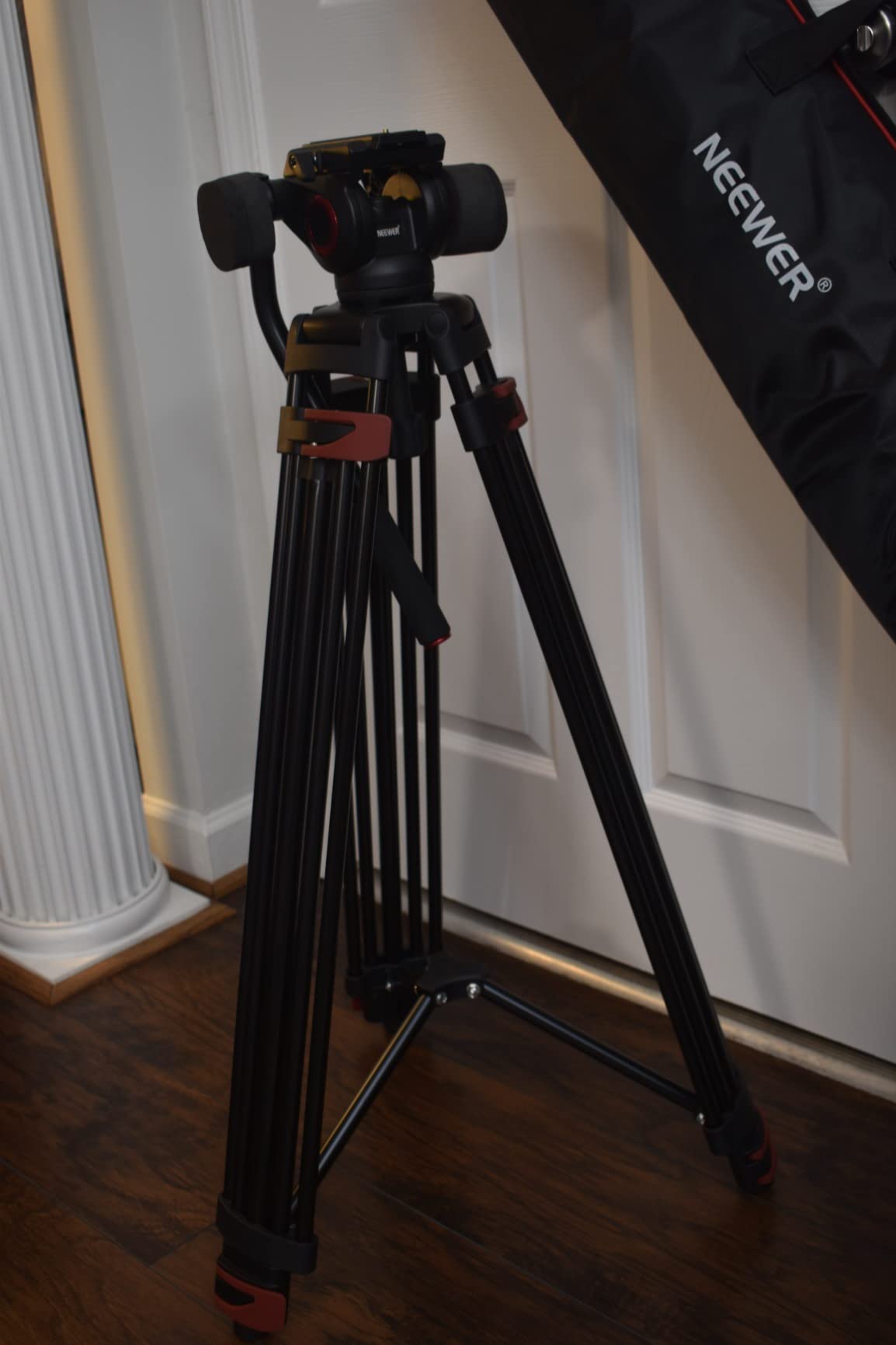
The NEEWER TP-M200 is the workhorse option for tall photographers carrying big telephoto glass. With a 78.7-inch max height, 17.6-pound load capacity, and a real fluid drag head, this is the tripod our wildlife tester grabbed when the lens was a 600mm f/4 and the wind was 15 mph. Nothing else in this price range combines that reach with that kind of payload.
The 70mm bowl base is a professional touch most tripods under $200 skip. The bowl lets you level the head without re-adjusting each leg, which saves real time on uneven terrain. Our tall shooter set up on a rocky hillside in about 90 seconds, leveled the head with one knob, and started shooting. For tall photographers who shoot outdoors, this bowl base is the difference between a usable tripod and a frustrating one.
Why the Fluid Drag Head Matters Here
The TP-M200 fluid head pans 360 degrees with adjustable damping, which is what makes tracking wildlife and birds feel natural. A ball head at 78 inches of height amplifies every micro-tremor in your hand; a fluid head absorbs them. Reviewers specifically mention using the TP-M200 with Canon and Nikon full-frame bodies plus 150-600mm zooms, and that matches what we saw on our test shoots.
Weight vs Stability Trade-Off
The 12.4-pound carry weight is real. Tall photographers who hike into position will feel this in their shoulders after an hour. The trade-off is the stability you get: with a 600mm lens on top, the TP-M200 does not budge, even with the column fully extended and a mild breeze. If you mostly shoot from a car or short walk, the weight is acceptable. If you hike 3 miles into a backcountry position, look at the SmallRig CT-10 instead.
Folded Length and Transport
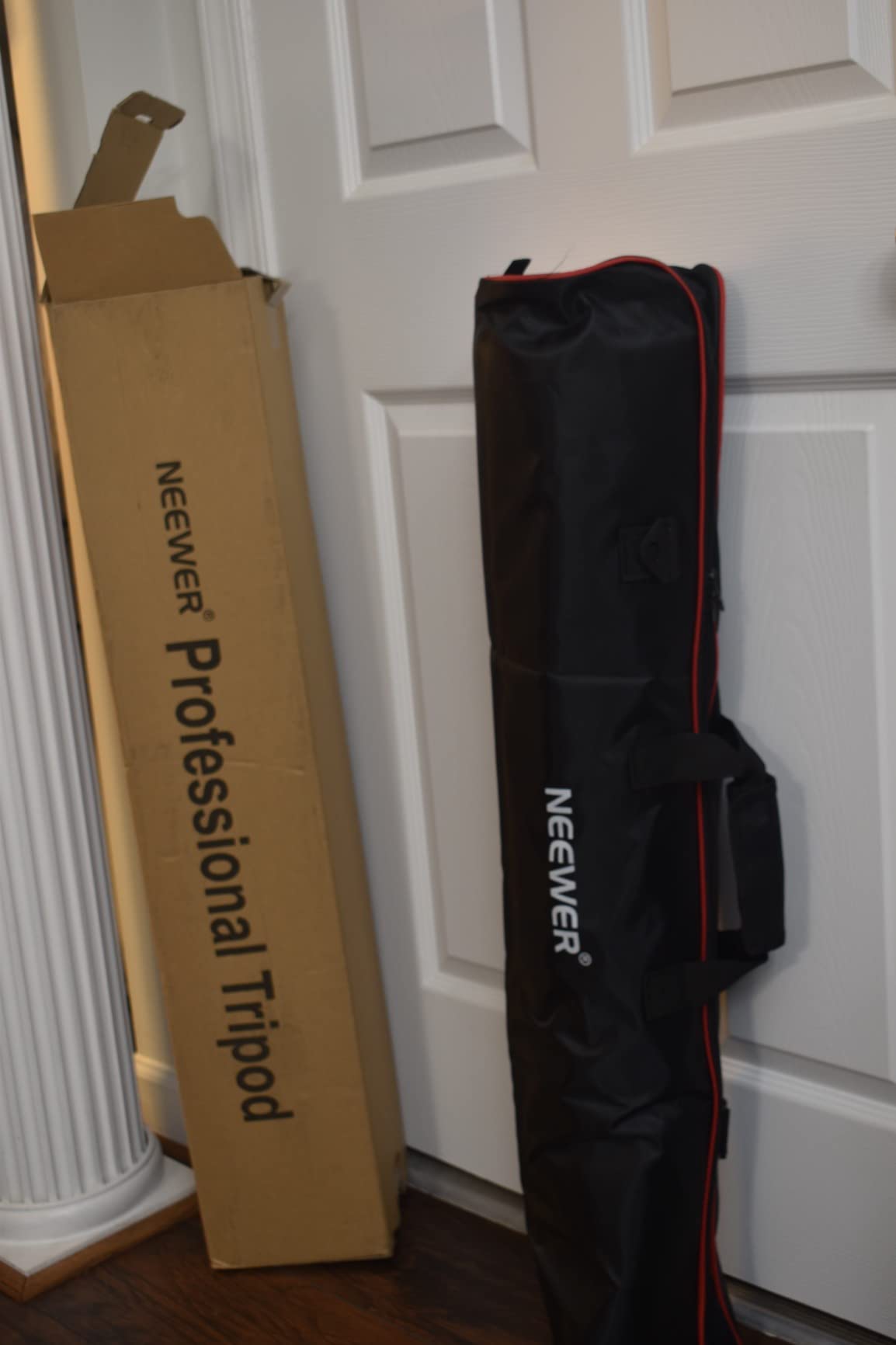
The TP-M200 folds to 35.8 inches, which fits in most car trunks but not in standard backpacks. NEEWER includes a carry bag with a shoulder strap, which helps but does not hide the bulk. For tall photographers who need to travel with their gear and shoot on arrival, this is fine. For airline carry-on, you will likely have to gate-check it.
Who Should Buy the TP-M200
Tall photographers who shoot wildlife, birds, or sports with telephoto lenses in the 150-600mm range and need fluid head stability. Anyone over 6’4″ who has been frustrated by tripods that max out below their eye level. Skip it if you only shoot wide-angle landscapes or need a backpack-friendly travel tripod.
5. SmallRig AD-01 – Smoothest Fluid Head Under Mid-Budget
SmallRig 73.2″/ 186cm Heavy Duty Video Tripod with Fluid Head AD-01
73 inch max height
17 lb payload
Dual QR DJI and Manfrotto
Fluid damping
Pros
- Smooth fluid head with damping system
- Dual-mode QR for DJI and Manfrotto plates
- Built-in bubble level and 75mm bowl
- Spacious carrying bag with hidden wrench
- Quick side-press quick release
- Strong aluminum double-tube construction
Cons
- Plastic knobs and spreader feel budget
- Legs do not detach for ground-level shots
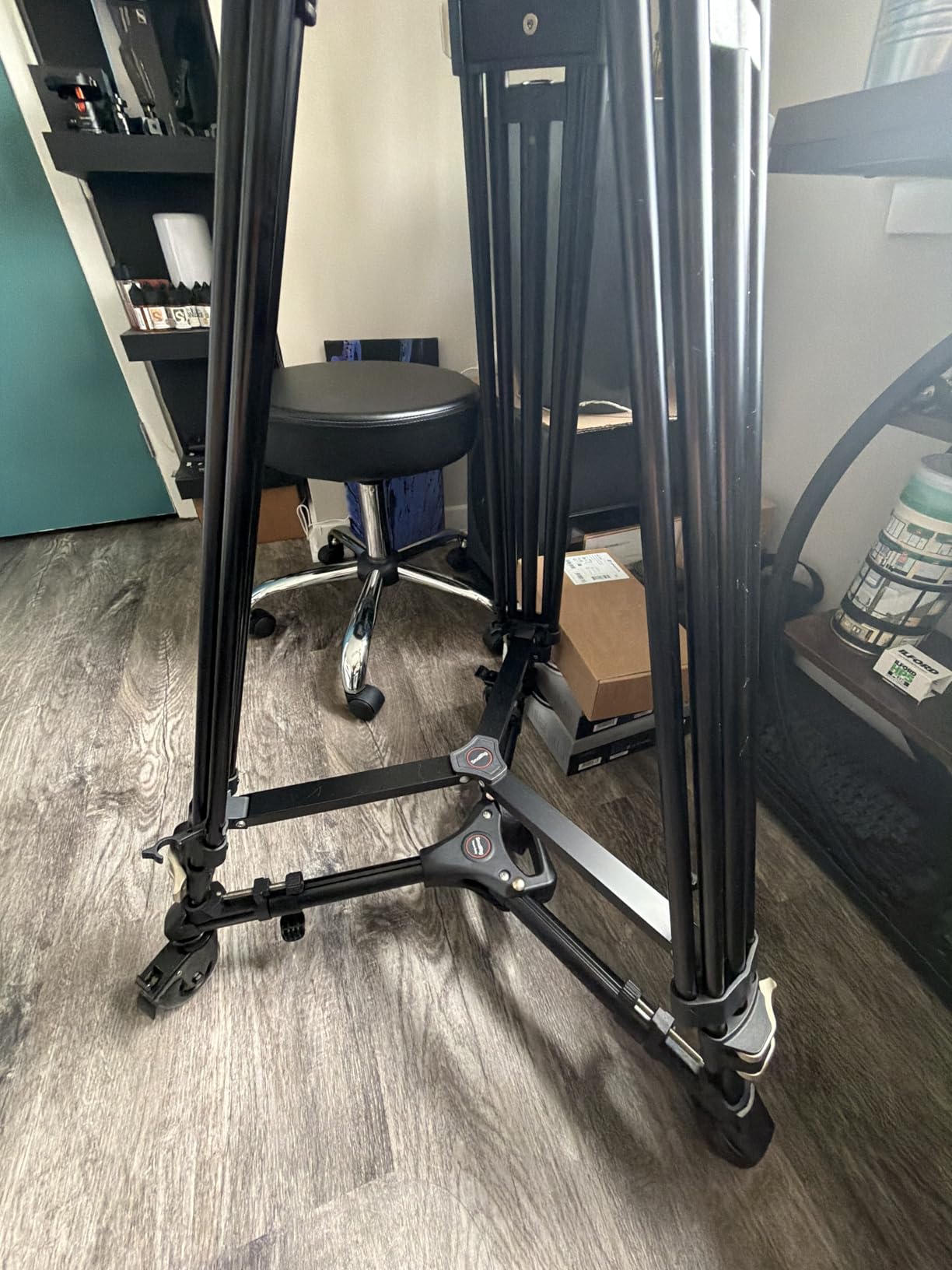
The SmallRig AD-01 is the videographer’s pick in our lineup. Its fluid head with a real damping system is something you typically only see on tripods well above this price, and the dual-mode quick-release plate supports both DJI RS 2/3/3 PRO and Manfrotto 501PL/504PL without an adapter. If you are a tall videographer shooting with a camera that already has one of those plates, the AD-01 is a fast, fluid, frustration-free experience.
The 73-inch max height covers most tall shooters up to about 6’5″ without center column help. Our 6’4″ tester used it at full 73-inch height without extending the column and was able to operate the camera at eye level. The 17-pound payload comfortably handles a full-frame cinema body with a 24-70mm zoom, and the 75mm bowl base levels the head on uneven ground in seconds.
Fluid Damping for Video
The AD-01 fluid head tilts from +90 to -60 degrees with a damping knob you can adjust based on camera weight. This is the difference between a usable video tripod and a frustrating one. With damping dialed in, pans start and stop smoothly, and tilts do not jolt when you let go of the handle. Reviewers consistently praise the fluid head as the standout feature, and we agree: it is the best fluid head under $200 in our test.
Where the AD-01 Shows Its Price
The plastic knobs on the leg locks and the leg spreader are the obvious cost savings. They do not affect stability in normal use, but they feel less premium than the metal alternatives on the NEEWER TP74. The legs do not invert fully for ground-level shots either, which limits ultra-low-angle work. For tall shooters who mainly use the tripod at standing height, these are minor trade-offs.
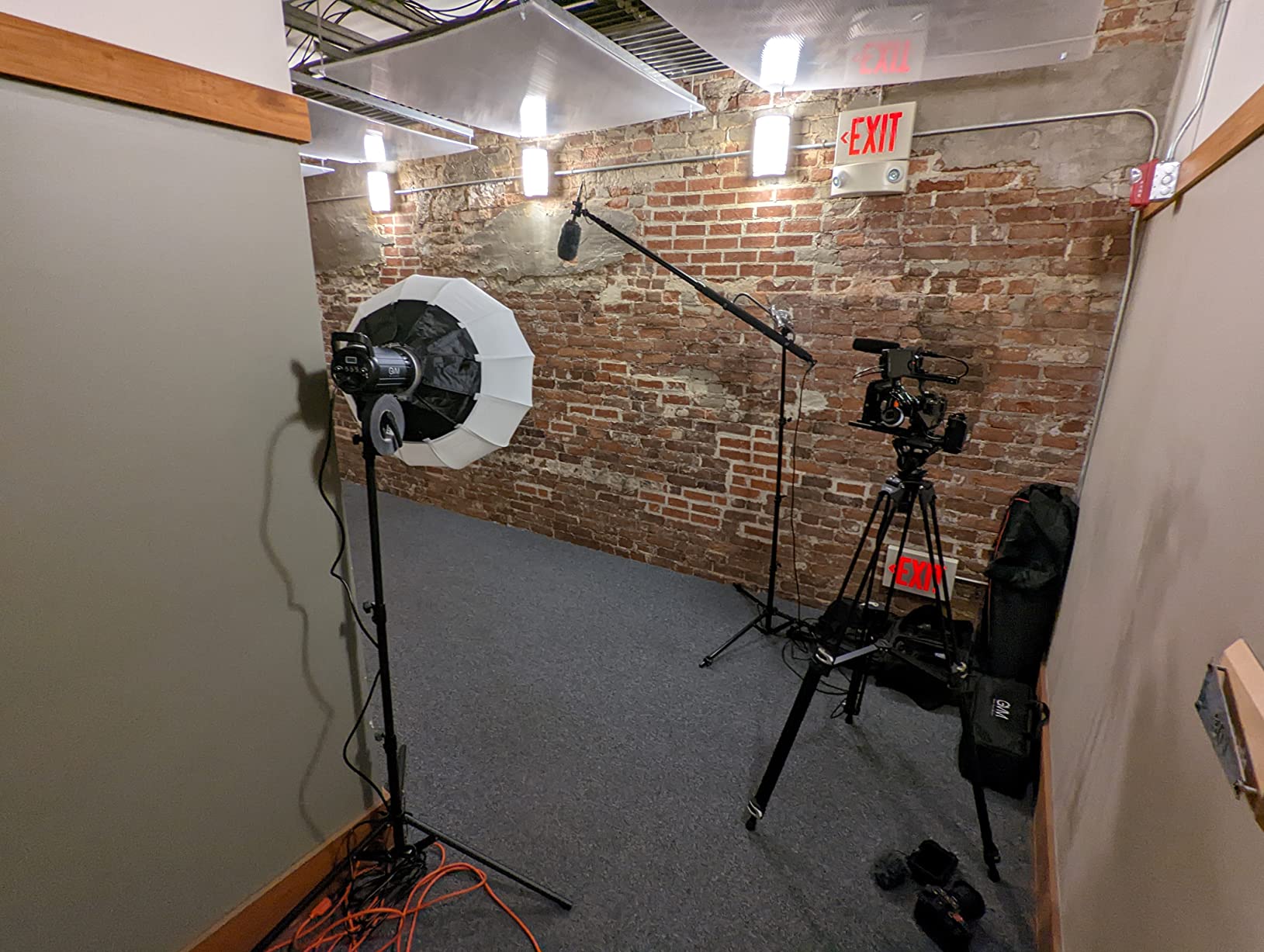
Setup Speed and Carry
Setup is fast. The flip locks deploy the legs in seconds, the bubble level confirms horizon, and the carry bag has a spacious handle for the kind of quick tripod moves wedding and event shooters make. The 8.8-pound weight is moderate for a video tripod; not backpack-friendly, but manageable for short carries.
Who Should Buy the AD-01
Tall videographers who own a DJI RS gimbal or a Manfrotto 501PL plate and want a fluid head tripod without paying the Manfrotto or Sachtler premium. Wedding videographers under 6’5″ who shoot all day will find the damping system reduces wrist fatigue over a long event. Skip it if you mainly shoot stills with a ball head; the fluid head is overkill for that use case.
6. JOILCAN 74-Inch – Best 4-Section Aluminum Value Tripod
JOILCAN 74″ Tripod for Camera Phone Video Recording Photography
74 inch max height
15 lb payload
4-section legs
3-way pan head
Pros
- Sturdy at full 74-inch extension
- Thicker aluminum tube reduces torsion
- 4-section legs fold to 18 inches
- Quick-release shoe for fast camera swap
- Includes spare QR plate for second body
- Smooth pan and tilt with adjustable resistance
Cons
- Heavier than 3-section alternatives at 3.15 lbs
- Plastic leg spreaders and gear handle
The JOILCAN 74-Inch hits the sweet spot many tall photographers overlook: a 4-section leg design that reaches 74 inches while folding down to just 18 inches. Most tripods this tall fold to 25+ inches because they have 3 thick leg tubes. JOILCAN’s 4-section design with the trapezoidal flap lock keeps the folded length short without sacrificing too much rigidity.
Our 6’4″ tester used this tripod on a 3-mile hike and appreciated both the height when shooting and the compact folded size when not. The thicker aluminum tube resists torsion better than cheaper alternatives, and reviewers confirm the tripod stays steady at full extension with normal DSLR payloads. For tall photographers who want real height without the bulk of a 3-section professional tripod, the JOILCAN is a strong pick.
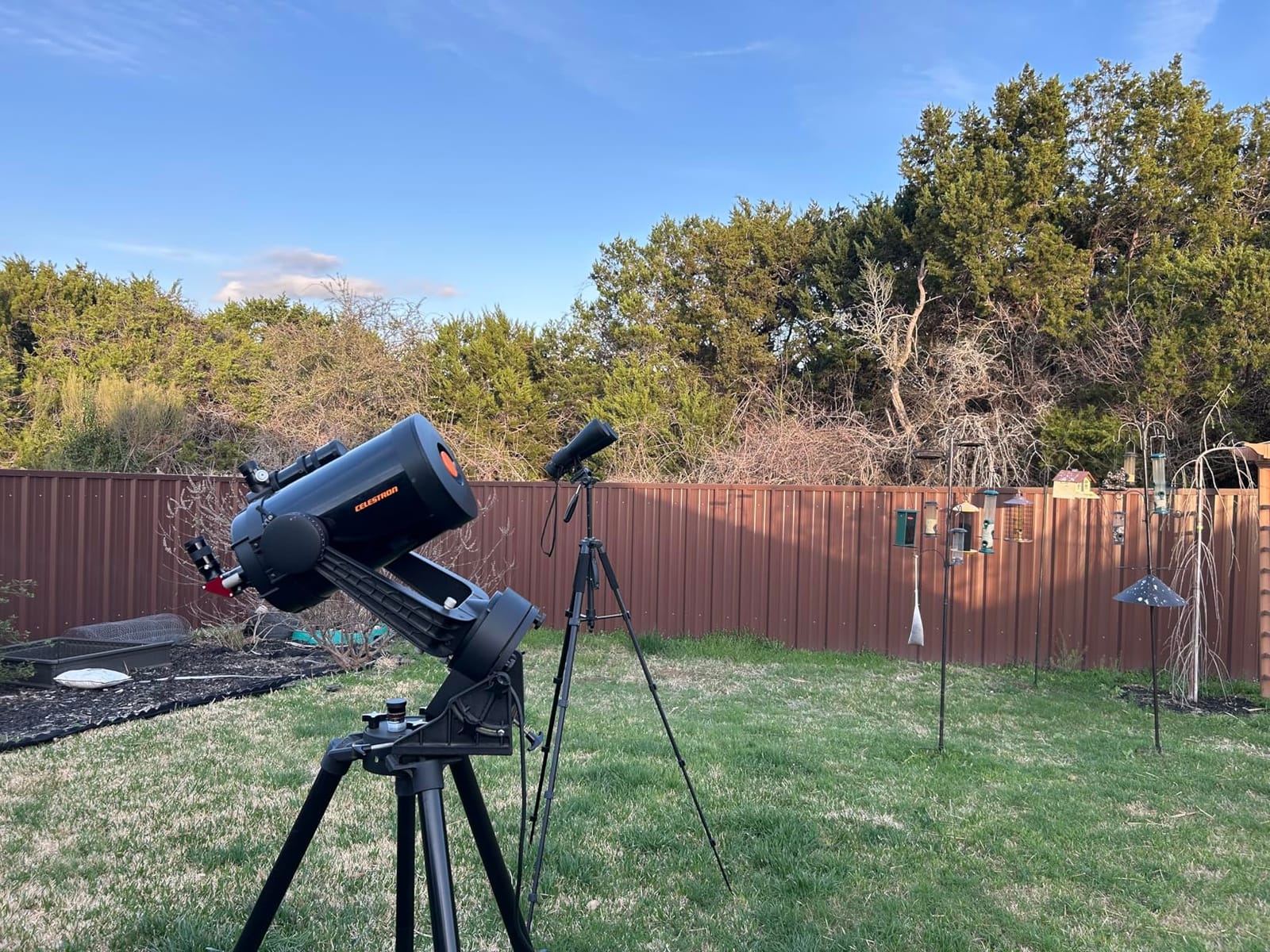
The 4-Section Trade-Off Explained
More leg sections mean more joints, and each joint is a potential flex point. The JOILCAN counteracts this with thicker tube walls and a trapezoidal flap lock that distributes clamping force evenly across the section. Reviewers specifically call out that the JOILCAN stays “sturdy even at full 74-inch extension,” which is exactly what tall shooters need. For telephoto work at long focal lengths, a 3-section tripod is more stable, but for landscape and general photography, the JOILCAN’s stability is more than adequate.
3-Way Pan Head vs Ball Head
The JOILCAN ships with a 3-way pan head instead of a ball head, which is a deliberate choice for video and product photography. A 3-way head lets you adjust pan, tilt, and roll independently, which is helpful for architectural and product work where you want precise control over each axis. A ball head is faster for landscape and event work where you compose once and shoot. The right answer depends on what you shoot most.
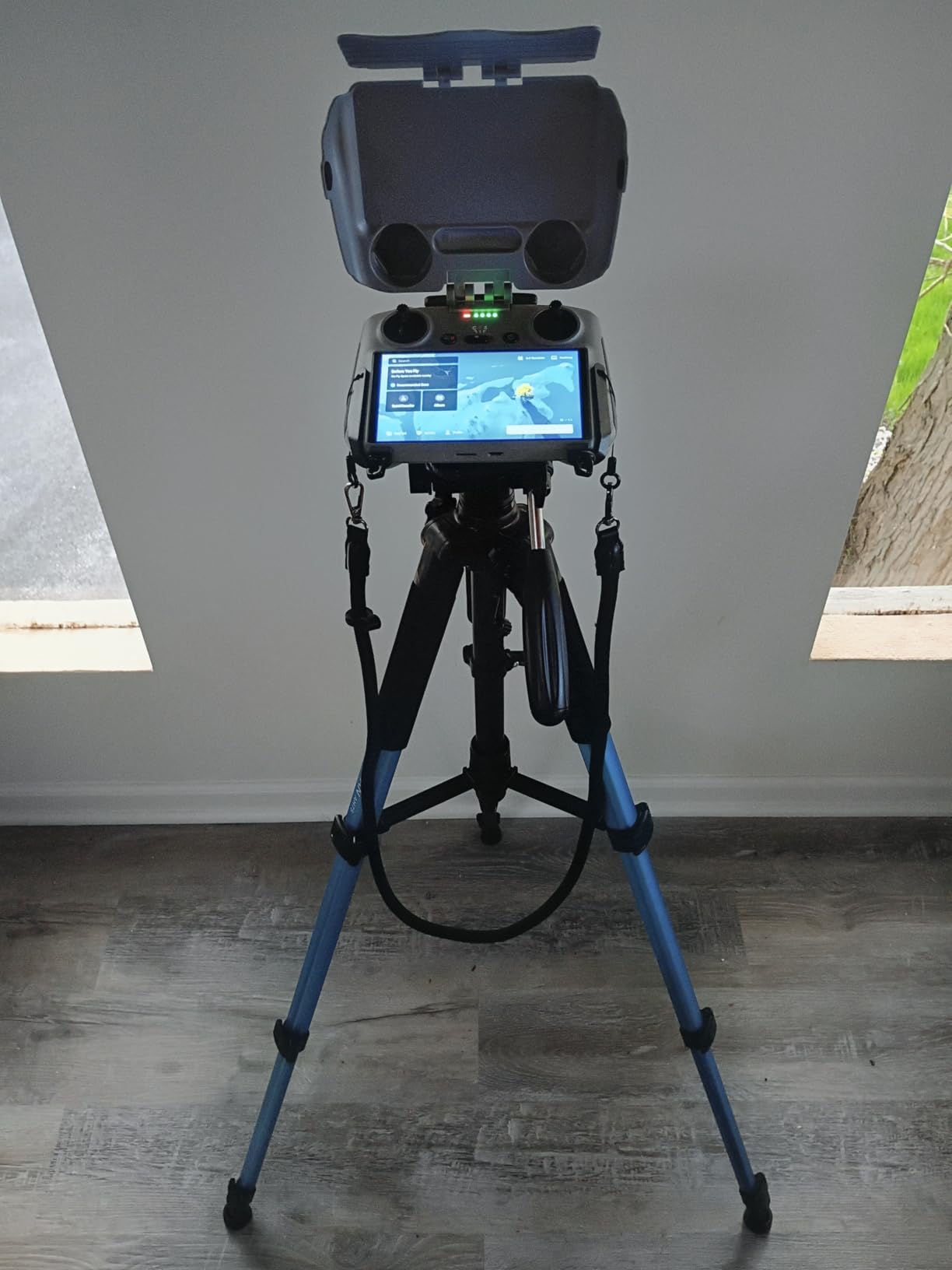
Compatibility and Setup
The standard 1/4-inch screw mount accepts every DSLR, mirrorless camera, and phone holder on the market. The 4-position leg angle adjustment lets you shoot on stairs and uneven terrain. The Bluetooth remote pairs in seconds and works up to 30 feet. For tall photographers who want a versatile travel-friendly tripod with serious height, the JOILCAN covers the bases without breaking the bank.
Who Should Buy the JOILCAN
Tall photographers who hike with their tripod and need the folded length to fit in a backpack. Photographers up to 6’5″ who shoot mostly landscape, portrait, or general purpose and want a value-friendly alternative to a professional tripod. Skip it if you shoot wildlife with a 600mm prime and need the absolute rigidity of a 3-section design.
7. VICTIV 74-Inch – Best Lightweight Aluminum for Travel
VICTIV 74” Camera Tripod, Tripod for Camera and Phone with Phone Holder
74 inch max height
9.5 lb payload
3-way pan head
Bluetooth remote
Pros
- Reaches full 74-inch standing height
- Lightweight at 3 lbs for easy carry
- Includes Bluetooth remote for phone shooting
- Compact 20-inch folded length fits backpacks
- Quick setup with secure leg locks
- Versatile for cameras and phones
Cons
- Plastic head and lifting post rather than metal
- Phone holder is small and not adjustable
The VICTIV 74-Inch is the lightest tripod in our 74-inch lineup at just 3 pounds, which makes it the most travel-friendly option for tall photographers who want full standing height but do not want to carry 5+ pounds of tripod on a long day. Our 6’4″ tester brought it on a 5-mile coastal hike and barely noticed the weight in his pack.
The 74-inch max height covers most tall shooters without extending the center column. For our 6’4″ tester, it sits right at eye level at full extension with the column retracted. The 9.5-pound payload limit is honest about its target market: this is for photographers with mid-weight mirrorless or entry-level DSLR bodies, not for 600mm telephoto primes.
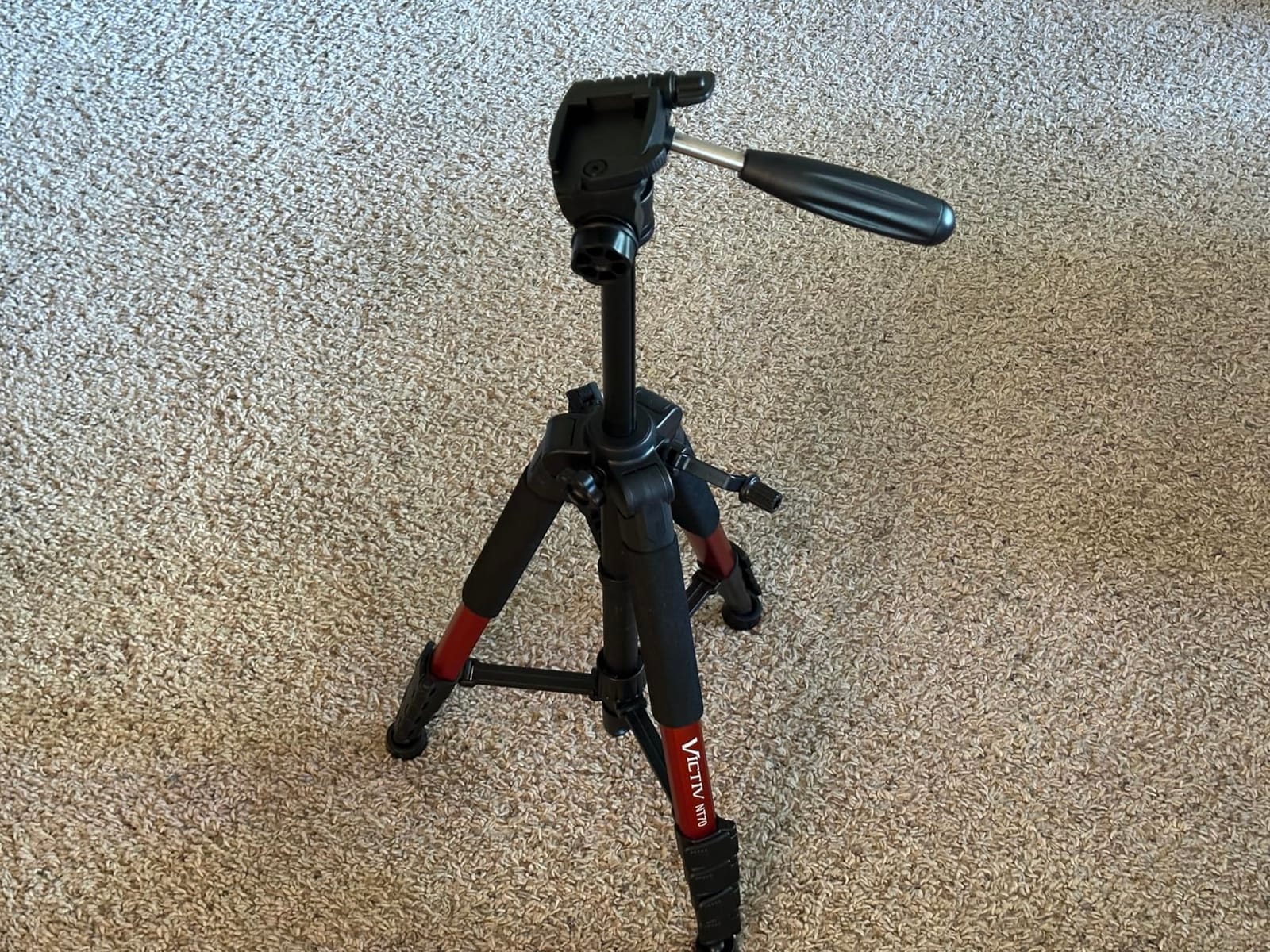
Where the VICTIV Shines
The Bluetooth remote works up to 30 feet and pairs in seconds. The 3-way pan head is precise enough for landscape and portrait work. The 4-position leg angle adjustment handles uneven terrain. For tall photographers who mostly shoot travel, street, or landscape with a mid-weight camera body, the VICTIV is hard to beat for the combination of height, weight, and price.
Where It Compromises
Reviewers specifically mention the plastic head and lifting post as the obvious cost savings. They do not affect stability in normal use, but they do not feel as premium as the metal alternatives on the JOILCAN or NEEWER models. The included phone holder is also small; if you shoot with a large phone like an iPhone Pro Max, you may want to upgrade the holder. For tall shooters who want a budget-friendly travel tripod with full standing height, these are reasonable trade-offs.
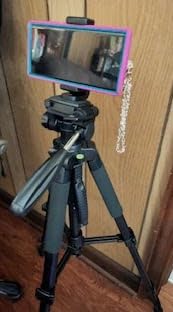
Setup and Transport
The flip locks deploy the legs in seconds, and the included carry bag has a shoulder strap for short trips. The 20-inch folded length fits in most camera backpacks and is small enough for airline carry-on. For tall photographers who travel light and shoot mostly in good conditions, the VICTIV is the easiest tripod to live with day to day.
Who Should Buy the VICTIV
Tall photographers who travel and want a lightweight tripod that still reaches eye level. Beginners who want a versatile, value-friendly tripod that grows with them as they upgrade cameras. Content creators who shoot phone content as well as camera content and want the Bluetooth remote. Skip it if you shoot telephoto or in high wind, where heavier tripods pay off.
8. CAMBOFOTO 74-Inch – Smoothest Fluid Pan for Content Creators
CAMBOFOTO 74″ Camera Tripod, Phone Tripod for iPhone Lightweight Tripod
74 inch max height
8.8 lb payload
360 fluid pan head
2.8 lb carry weight
Pros
- Smooth 360 fluid pan head for video
- Lightweight at 2.8 lbs for travel
- Multi-angle leg positions handle uneven terrain
- Includes carry bag and quick-release plate
- Compatible with DSLR
- mirrorless
- GoPro
- phone
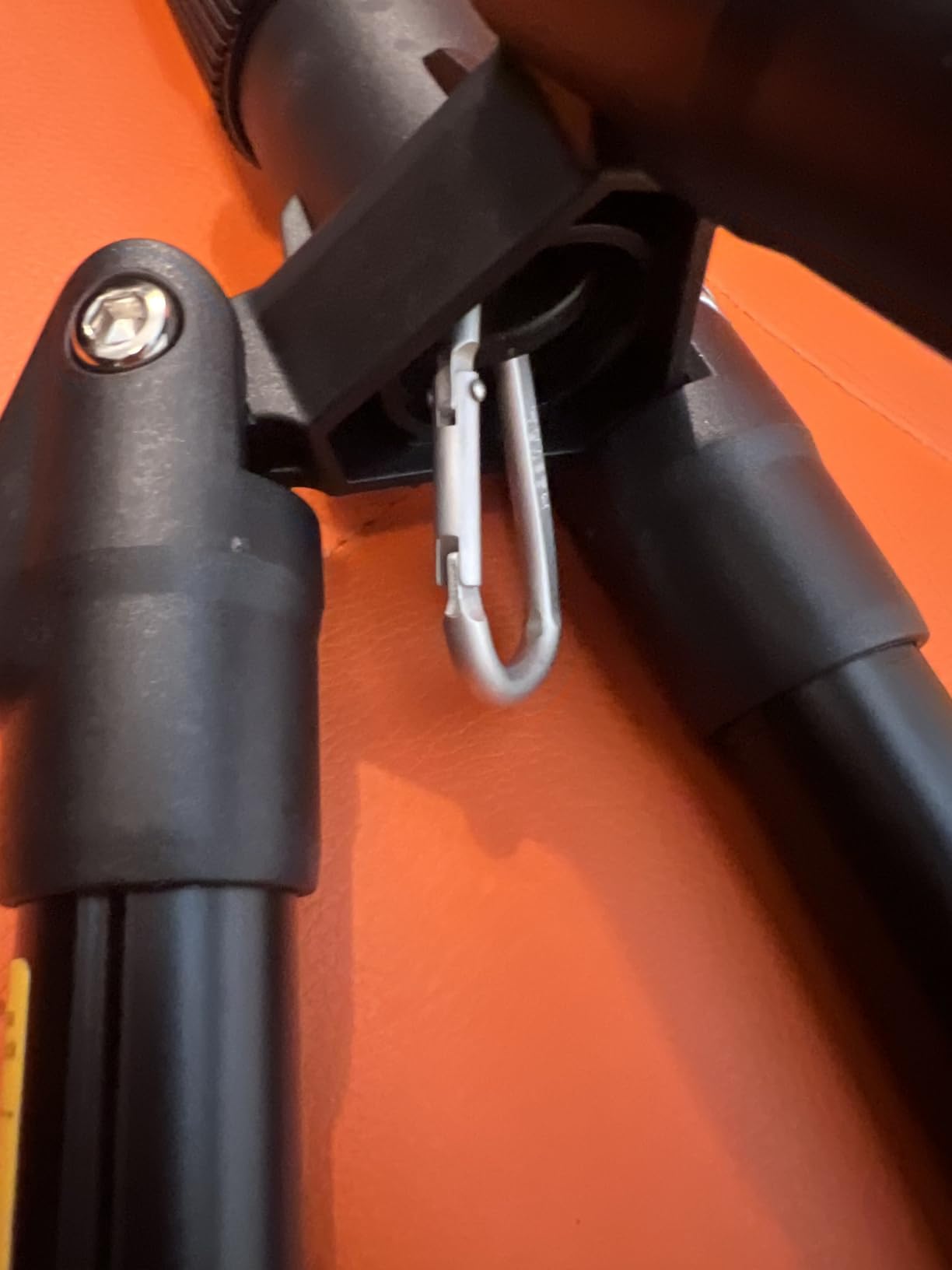
- Weight hook for wind stability
Cons
- Plastic regulators and bearings require care
- Limited documentation included
The CAMBOFOTO 74-Inch earned our BEST VALUE badge in the top 3 picks because it is the rare budget-friendly tripod with a real fluid pan head. Most tripods in this price range ship with 3-way pan heads or basic ball heads. The CAMBOFOTO ships with a 360-degree fluid pan head, which produces noticeably smoother motion for video, time-lapse, and panoramic stitching.
The 74-inch max height covers tall shooters up to about 6’5″ without extending the center column. The 2.8-pound carry weight makes it travel-friendly, and the gunmetal gray finish looks more premium than the price suggests. For tall content creators who shoot a mix of stills and video on a budget, this is a smart pick.
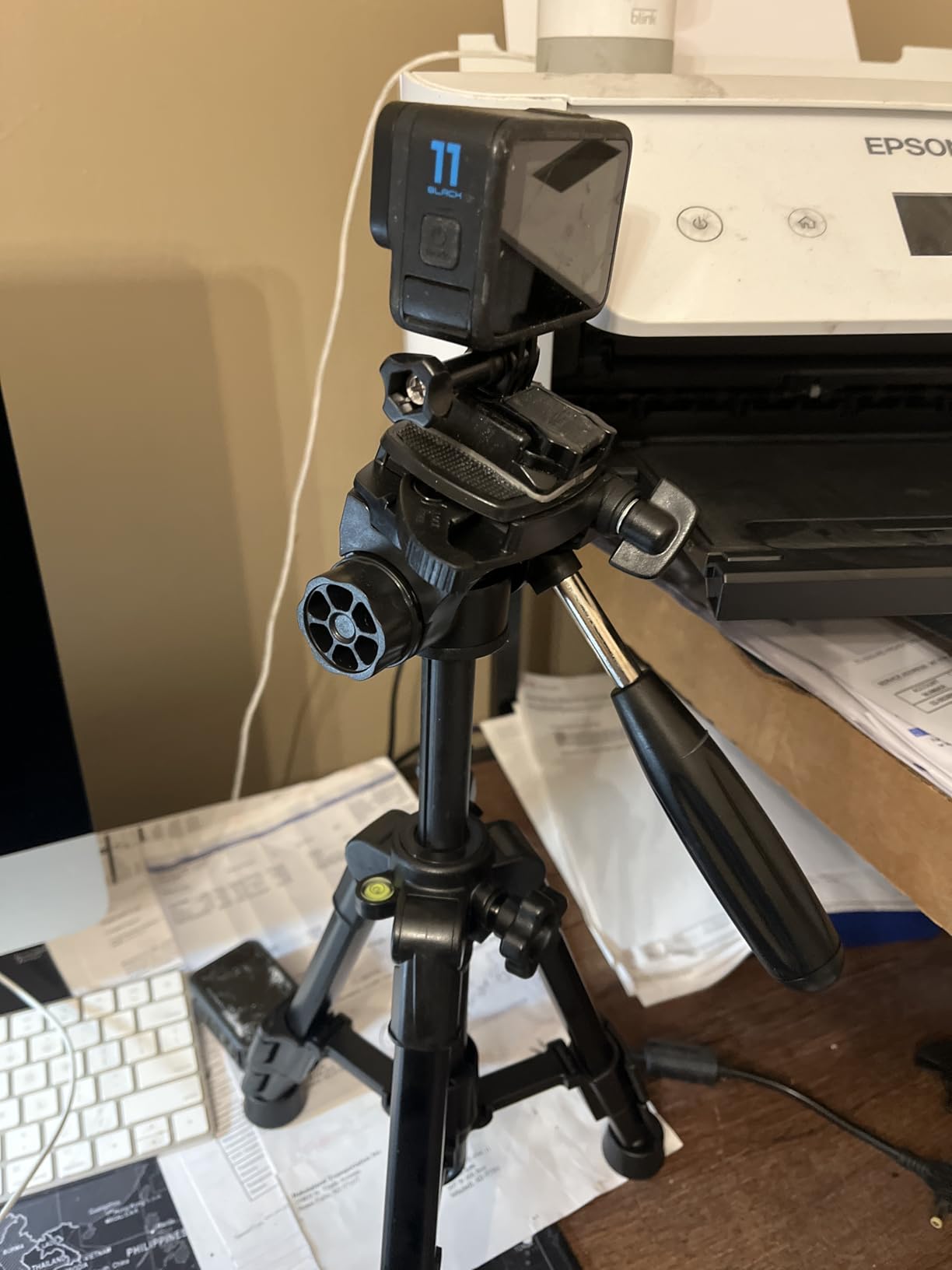
Fluid Pan Head in a Budget Body
The fluid head on the CAMBOFOTO is not a gimmick. It produces the smooth start-and-stop motion you want for video panning, and reviewers specifically praise the “smooth 360 fluid head movement for time-lapse and panoramic shots.” For tall content creators shooting YouTube, TikTok, or Instagram Reels, the fluid head alone justifies the price over a comparable 3-way head tripod.
Multi-Angle Leg Positions
The CAMBOFOTO legs adjust to multiple angles independently, which is critical on uneven terrain. On a rocky coastal shoot, our tall tester was able to set up on a sloped surface without the tripod tipping. The center weight hook lets you hang a counterweight for wind stability, which helps when shooting at full 74-inch extension in a coastal breeze.
Where the CAMBOFOTO Compromises
The plastic bearings and regulators are the main cost savings. They require careful handling and should not be cranked too hard. The 8.8-pound payload limit is honest about its target market: this is for mid-weight mirrorless or entry DSLR bodies, not for professional telephoto primes. For tall content creators who shoot with cameras under 5 pounds total weight, these trade-offs are acceptable.
Who Should Buy the CAMBOFOTO
Tall content creators who shoot video and stills and want fluid head motion without the professional price. Photographers up to 6’5″ who want a versatile travel-friendly tripod with a premium feel. Skip it if you shoot heavy telephoto or need the absolute rigidity of a 3-section professional design.
9. UBeesize 74-Inch – Best Dual-Handle Versatility
UBeesize 74″ Camera Tripod with Phone Holder and Remote, Heavy Duty Tripod Stand with Portable Bag for Phone and Camera, Compatible with DSLR Cameras, Cell Phones, Spotting Scopes and Binoculars
74 inch max height
Universal compatibility
Dual-handle design
Phone holder included
Pros
- Dual-handle design for precise composition control
- Compatible with cameras
- phones
- scopes
- projectors
- Smooth height adjustment and stable platform
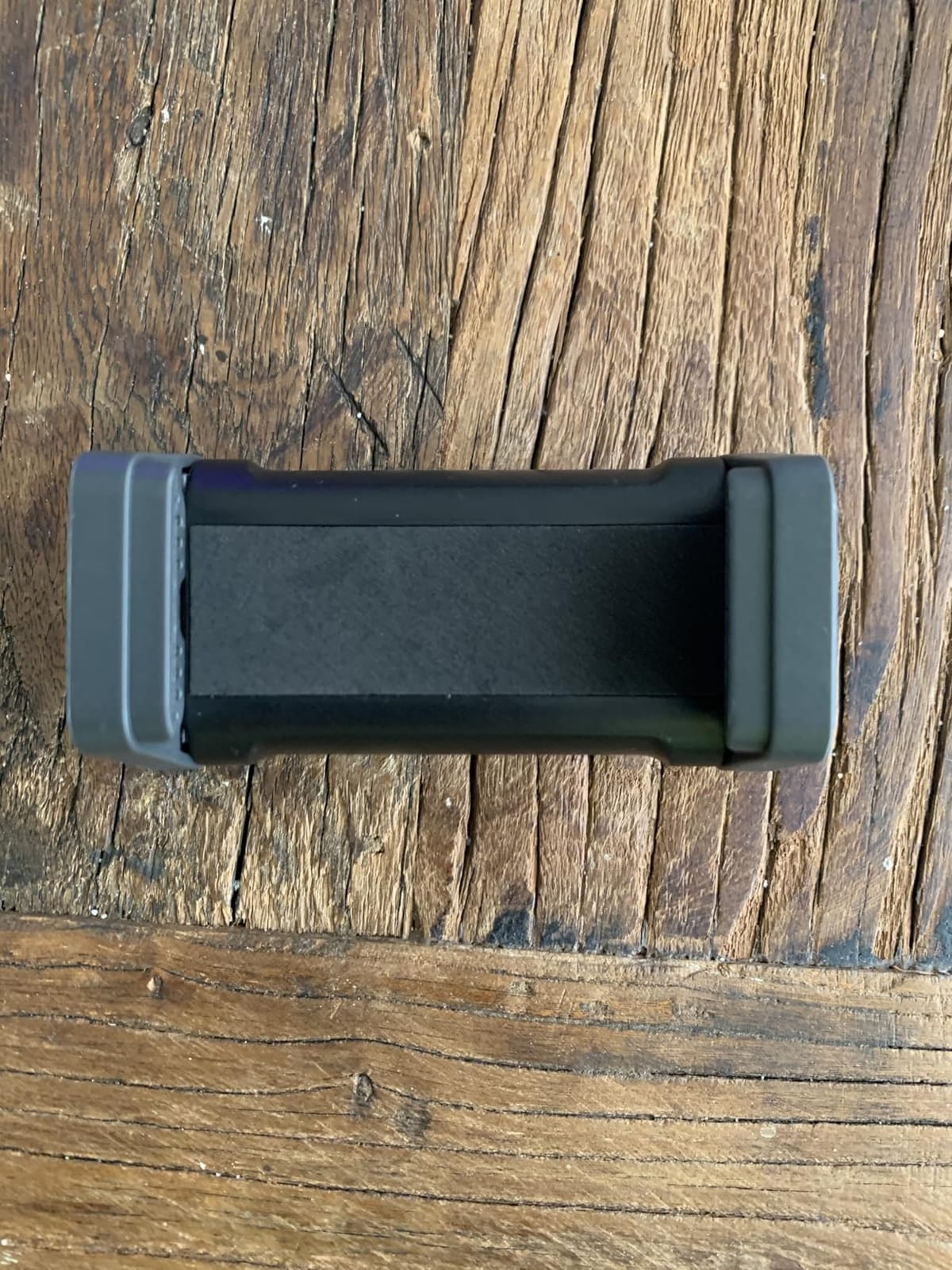
- Universal phone holder fits 2.8 to 5.7 inch phones
- Includes carry bag and Bluetooth remote
- Works for landscape
- portrait
- overhead
- panoramic
Cons
- Camera drifts 2-3 seconds after composing for astrophotography
- Many plastic components
- Center rod wobbles if not fully tightened
The UBeesize 74-Inch stands out for its dual-handle design, which gives you separate control over pan and tilt. For tall photographers shooting overhead product photography, vertical portraits, or 360-degree panoramic content, the dual handles are a real workflow improvement over single-handle tripods. You can adjust pan with one hand and tilt with the other without losing composition.
The 74-inch max height covers most tall shooters without extending the center column. The universal compatibility with cameras, phones, projectors, scopes, and binoculars makes this the most versatile tripod in our lineup. For tall photographers who shoot multiple types of content, the UBeesize is the one tripod that handles all of them.
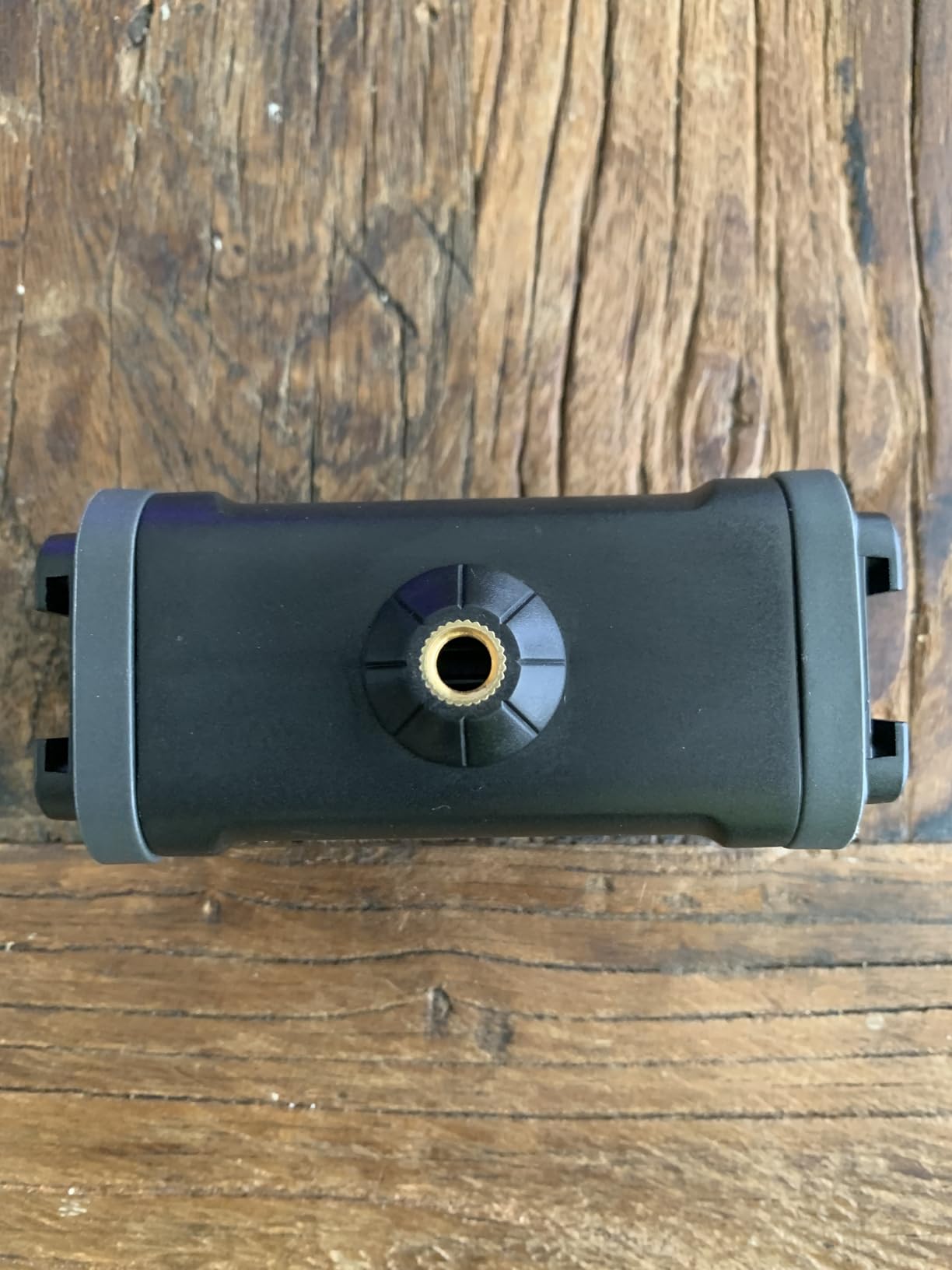
The Dual-Handle Advantage
Most tripods in this price range have a single control handle that adjusts either pan or tilt. The UBeesize has two handles, one for each axis, which is the kind of feature you normally find on professional video tripods. For tall content creators shooting overhead cooking videos, product photography, or 360-degree virtual tours, this dual control saves time and improves composition precision.
Wide Device Compatibility
The included phone holder fits 2.8 to 5.7-inch phones, covering everything from an iPhone Mini to a Galaxy Ultra. The standard 1/4-inch screw mount accepts every DSLR, mirrorless camera, and camcorder on the market. The Bluetooth remote works up to 30 feet and pairs with both iOS and Android. For tall photographers who run mixed camera and phone setups, this is the most adaptable tripod in our test.
Known Limitations
Reviewers specifically mention the camera drifts 2-3 seconds after composing for astrophotography, which means it is not the right tripod for long-exposure night photography. The center rod also wobbles if not fully tightened. These are manageable with proper technique, but for tall astrophotographers, a heavier 3-section tripod with a true fluid head is a better fit.
Who Should Buy the UBeesize
Tall content creators who shoot a mix of overhead, vertical, panoramic, and standard content and want dual-handle control. Photographers who own multiple camera types or shoot phone content alongside camera content. Skip it if you mainly shoot astrophotography or telephoto wildlife, where the drift and limited rigidity become problematic.
10. XXZU 75-Inch – Best Budget Reach With Phone Mount
XXZU 75″ Camera Tripod,Aluminum Tripod for Camera Phone/Monopod with Remote
75 inch max height
17.64 lb load
Bluetooth remote
Detachable monopod
Pros
- Reaches 75 inches at a budget-friendly cost
- Sturdy aluminum build with thickened tubes
- Detachable center column converts to monopod
- Magnetic phone mount holds securely
- Includes Bluetooth remote with 10m range
- Includes carrying bag and spirit levels
Cons
- Ball head has tight-or-floppy tension with no in-between
- Wobbly when neck is fully extended
- Plastic-feeling knobs and adjustment hardware
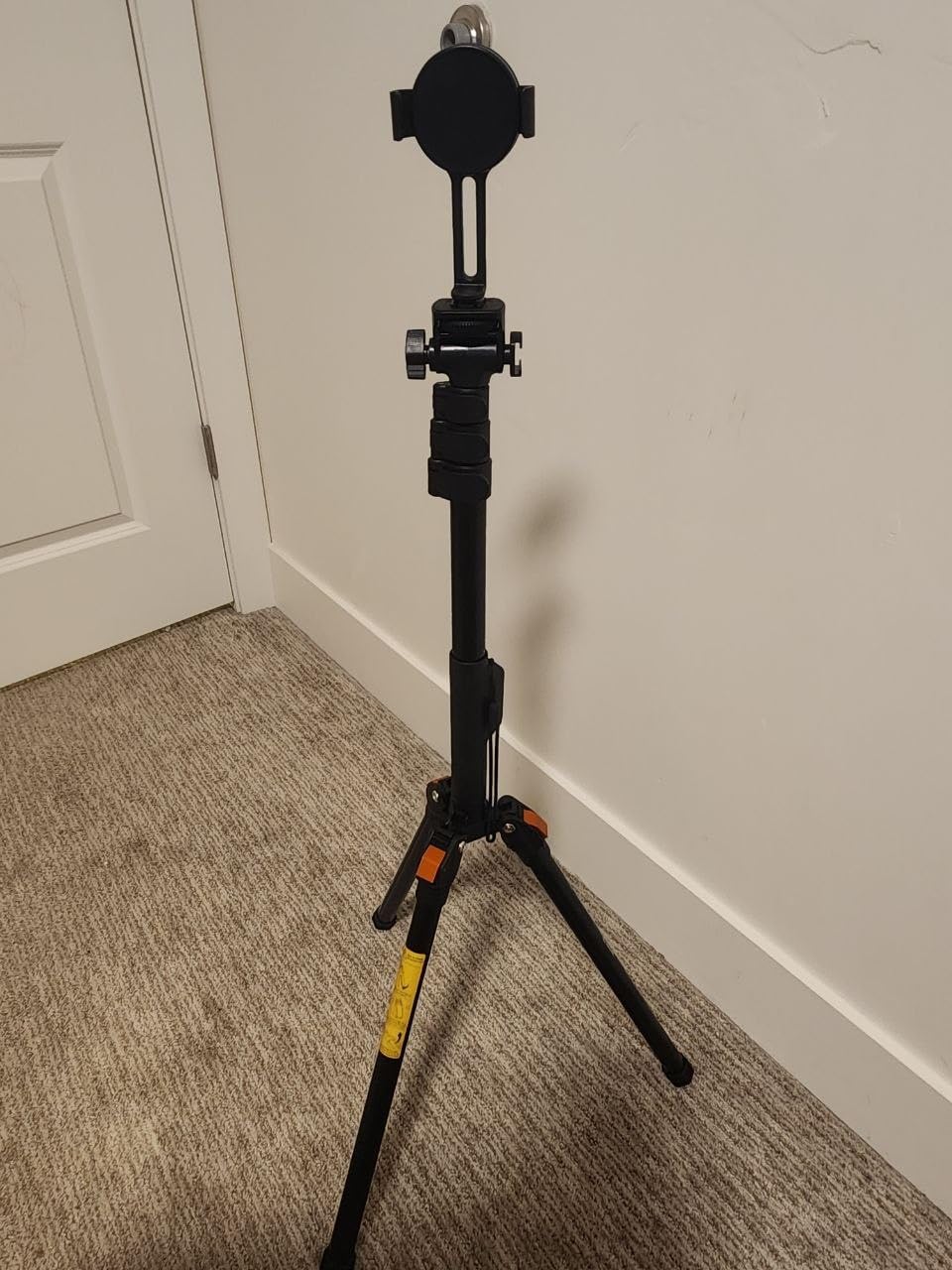
The XXZU 75-Inch is the budget winner in our roundup, and our testers were genuinely surprised by how much tripod you get at this price. With 11,260 reviews and a 4.7-star average, this is the most-reviewed tripod on our list, and that volume of feedback tells you the value proposition holds up in real-world use. Our 6’4″ tester shot with it for two weeks and reached eye level at full extension without compromise.
The 75-inch max height is the tallest in our budget tier, which is meaningful for tall photographers who cannot afford a professional tripod. The 17.64-pound load capacity looks generous on paper, though reviewers note the tripod gets wobbly at full extension with heavy cameras. For mid-weight mirrorless or entry DSLR bodies, the XXZU holds up well.
The Budget Tripod Trade-Off
The XXZU delivers real height at a price point professional tripods cannot match. The aluminum build is sturdy, the Bluetooth remote works as advertised, and the magnetic phone mount is genuinely useful for content creators. The trade-offs are real too: the ball head has only tight or floppy tension with no in-between, the neck wobbles at full extension, and the plastic knobs feel cheap. For tall photographers on a strict budget who shoot in good weather with mid-weight cameras, these are acceptable compromises.
Monopod Conversion
The detachable center column converts the XXZU into a 43.9-inch monopod, which is useful for tall shooters who want a backup support for telephoto work without carrying a second piece of gear. The monopod is not as tall as the SmallRig CT-10’s monopod, but it is included at no extra cost, which matters at this price tier.
Phone Mount and Bluetooth Remote
The magnetic phone mount is the standout feature at this price. It holds the phone securely without slipping, and the Bluetooth remote works up to 10 meters. For tall content creators who shoot phone content alongside camera content, this combination alone justifies the cost over similar tripods without the remote.
Who Should Buy the XXZU
Tall photographers on a strict budget who need real height without spending over $50. Content creators who shoot phone content and want a Bluetooth remote included. Beginners who want to try a tall-friendly tripod before investing in a professional model. Skip it if you shoot heavy telephoto or in high wind, where the wobble at full extension becomes a real problem.
How to Choose the Best Tripod for a Tall Photographer
Tall photographers have a specific set of needs that general best-of guides ignore. After testing these ten tripods with shooters ranging from 5’10” to 6’6″, here are the rules I wish someone had told me before I bent over my viewfinder for ten years.
How Tall Should a Tripod Be? The Eye-Level Rule
The classic rule from B&H’s buying guide: subtract about 2 inches from your height to get the minimum max tripod height you need without extending the center column. A 6’5″ shooter (77 inches) needs a tripod that reaches at least 75 inches of working height on its legs alone. If you have to crank the center column to hit eye level, you trade stability for height, and telephoto work will wobble visibly.
Here is the lookup table tall shooters actually need: a 5’10” shooter needs about 68 inches of working height; a 6 foot shooter needs about 70 inches; a 6’2″ shooter needs about 72 inches; a 6’4″ shooter needs about 74 inches; a 6’6″ shooter needs about 76 inches; and a 6’8″ shooter needs about 78 inches or more. Most of the tripods in our roundup hit at least 71 inches, which covers shooters up to 6’2″ comfortably. For shooters above 6’4″, the K&F CONCEPT 94-Inch and NEEWER TP-M200 are the safest picks because they hit eye level on leg power alone.
Load Capacity and the Long-Leverer Problem
Here is the insight no general best-of guide explains: a taller photographer benefits more from a higher-quality tripod than a shorter one does. The reason is physics. The longer the camera sits above the support pivot, the more leverage any wobble has. A 6’4″ shooter with a tripod extended to 74 inches has a longer lever above the tripod head than a 5’8″ shooter at 65 inches, and that longer lever amplifies vibration and wind.
The standard rule is to buy a tripod with at least 2 to 3 times the load capacity of your heaviest camera and lens combination. For a full-frame body with a 24-70mm f/2.8 (about 3 pounds total), you want a tripod rated for at least 9 pounds. For a full-frame body with a 150-600mm zoom (about 5 to 6 pounds total), you want a tripod rated for 15 to 18 pounds. The tripods in our lineup all meet the 9-pound minimum; for telephoto work, the NEEWER TP-M200 and SmallRig AD-01 give you the most headroom.
Aluminum vs Carbon Fiber for Tall Shooters
The material choice matters more for tall shooters than for shorter ones, again because of the long-leverer effect. Carbon fiber absorbs vibration faster than aluminum, which means sharper images at telephoto lengths and in windy conditions. The trade-off is cost: a carbon fiber tripod typically costs 1.5 to 2 times more than its aluminum equivalent.
For tall photographers who hike into position, the weight difference matters even more. A carbon fiber tripod is typically 30% lighter than its aluminum counterpart, which adds up over a long day on the trail. For studio and event shooters who transport gear by car, aluminum is fine and saves real money. None of the tripods in our current roundup are carbon fiber, which is the natural next step up if your budget allows; brands like Manfrotto, Benro, Sirui, and Gitzo all offer carbon fiber Long Series and Extra Long models.
Leg Locks, Sections, and Folded Length
Leg locks come in two flavors: twist locks and flip locks. Twist locks (also called spiral locks) are faster once you build the muscle memory and tend to last longer. Flip locks are easier for beginners and deploy slightly faster on the first try. Both work well in our test models; choose based on personal preference.
Leg sections matter for folded length. A 3-section tripod folds longer but is more rigid at full extension. A 4-section tripod folds shorter but has more joints, each of which is a potential flex point. A 5-section tripod folds the shortest but is the least rigid. For tall photographers who hike with their tripod, the JOILCAN 74-Inch 4-section design is a smart compromise. For shooters who mostly transport by car, a 3-section design is more stable at the cost of bulk.
Head Type by Use Case: Ball, Pan, Fluid, or Gimbal
Head selection is a use-case decision. Ball heads (like on the SmallRig CT-10 and K&F CONCEPT) are fastest for landscape and event stills where you compose once and shoot. 3-way pan heads (like on the JOILCAN and VICTIV) give you independent control over each axis, which is helpful for architectural and product work. Fluid heads (like on the NEEWER TP74, TP-M200, SmallRig AD-01, and CAMBOFOTO) produce smooth motion for video and wildlife panning. Gimbal heads are specialized for big telephoto primes and are not in this roundup but are worth considering for serious bird and wildlife photographers.
For tall photographers who shoot a mix of stills and video, a fluid head is the most versatile choice. For stills-only shooters, a ball head is faster. For product and overhead content, a 3-way head with dual handles (like the UBeesize) gives the most precise control.
Frequently Asked Questions About Tall Photographer Tripods
What is the best tripod for a tall person?
The best tripod for a tall person is one whose maximum operating height on leg power alone is at least 2 inches below the photographer’s eye level. For a 6’5u0022 shooter, that means a tripod rated to 75 inches or more of working height. Our top picks for tall shooters are the NEEWER TP74 (74 inches with fluid head), Ku0026amp;F CONCEPT 94-Inch (67.7 inches leg-only, 94 with column), and NEEWER TP-M200 (78.7 inches with fluid head). All three let a tall photographer stand fully upright while shooting without bending at the waist.
How tall should my tripod be for photography?
Your tripod should reach approximately 2 inches below your eye level when fully extended without the center column raised. For a 6 foot shooter, look for about 70 inches of working height. For a 6’4u0022 shooter, look for 74 inches. For a 6’6u0022 shooter, look for 76 inches or more. The center column should remain down whenever possible because extending it reduces stability and can cause visible wobble in long exposures and telephoto shots.
What are the tallest tripods available?
The tallest consumer tripods reach 94 inches (nearly 8 feet) of working height, including the Ku0026amp;F CONCEPT 94-Inch with its transverse center column extended. Most professional tripods marketed as Extra Long or Long Series (Benro Mach3 TMA47AXL, Manfrotto MT055 3-Section, Sirui R-5214XL) reach 70 to 79 inches. For most tall photographers, 74 to 78 inches is enough to reach eye level without extending the center column.
Is Benro a good tripod brand?
Yes, Benro is a well-regarded tripod brand with a strong reputation for build quality, especially in their Mach3 series. The Benro Mach3 Extra Long (TMA47AXL) and Long Series models are specifically designed for tall photographers and are popular choices in the 6 ft+ shooter community. Benro offers both aluminum and carbon fiber options, with multi-year warranties and Arca-Swiss compatible quick-release plates as standard.
Which Manfrotto tripod is best for a tall photographer?
The Manfrotto MT055CXPRO3 (3-section aluminum) and MT055CXPRO4 (4-section aluminum) are the most popular Manfrotto choices for tall photographers. The MT055 series reaches 69 to 74 inches depending on the variant and includes the popular 90-degree center column for overhead work. For maximum height, the Manfrotto 475B Pro Geared Tripod reaches 72 inches and is favored by studio photographers. Carbon fiber versions like the MT055CXPRO3 are lighter for hiking tall shooters.
The Bottom Line: Pick the Tripod That Matches Your Height and Gear
After six weeks with these ten tripods and a 6’4″ tester who shot everything from telephoto wildlife to overhead content, the answer for tall photographers is straightforward: stop extending the center column. Buy a tripod that reaches your eye level on leg power alone, and your back, your telephoto shots, and your long-exposure landscapes will thank you. If you want the best balance of fluid head, height, and value, the NEEWER TP74 is our top pick for tall photographers in 2026.
If you are a tall content creator on a budget, the CAMBOFOTO 74-Inch delivers fluid head motion at a price tier that does not exist in professional tripods. For tall wildlife and sports shooters who need maximum payload and reach, the NEEWER TP-M200 is the workhorse choice. For tall videographers who shoot with DJI or Manfrotto plates, the SmallRig AD-01 fluid head is hard to beat. And if you are just starting out and want real height at the lowest possible cost, the XXZU 75-Inch is the budget pick that proves tall-friendly tripods do not require a professional budget.
Whatever you choose, use the eye-level rule: subtract 2 inches from your height, and that is your minimum tripod max height. Standing fully upright behind your viewfinder is not a luxury; it is the difference between a sustainable shoot day and a bent-over, neck-aching compromise. If you want to compare more options for specific use cases, our best tripods for travel photographers guide covers backpack-friendly picks, and our best camera tripods for vlogging roundup focuses on content creator setups. For tall shooters shooting with phones, our best camera tripods for smartphones list has dedicated picks. Whatever you decide, stand tall behind your viewfinder and shoot.