
Finding the best tripods for travel photographers means balancing two things that constantly fight each other: weight and stability. You want something light enough to strap to a backpack for a 12-mile hike through Patagonia, but stiff enough to hold your camera steady for a 30-second exposure at sunset. That tension is exactly why so many photographers end up with a closet full of tripods they stopped using.
I have spent the last several years shooting travel and landscape photography across more than a dozen countries, and our team put seven of the most popular travel tripods through hands-on testing in 2026. We packed them in carry-on luggage, dragged them through sand and cobblestone streets, and mounted everything from a Sony A7 with a compact prime to a Canon R5 with a 100-400mm telephoto lens. This guide covers what actually matters when you are on the road.
Whether you need a lightweight carbon fiber tripod that disappears in your bag, a budget pick that gets the job done, or a premium option that will survive years of abuse, we have a recommendation below. We also break down the buying decisions that trip people up, like carbon versus aluminum, twist locks versus flip locks, and whether your tripod will clear TSA.
Our Top 3 Tested Travel Tripods for Photographers on the Move
Peak Design Travel Tripod…
- Folds to water bottle size
- 20 lb load capacity
- Built-in phone mount
- 5-second setup

K&F Concept 64 inch…
- Lightweight aluminum build
- 64 inch max height
- Flip lock legs
- 360 degree ball head

Amazon Basics 50-inch Tripod
- Ultra lightweight at 1.38 lbs
- Quick-release plate
- Carrying bag included
- 3-section legs
These three cover the spectrum from premium engineering to wallet-friendly practicality. The Peak Design is the tripod we reach for when we need fast setup and pro-level stability in a tiny package. The K&F Concept 64-inch delivers the best bang for your buck with a surprising height range. And the Amazon Basics is the one we recommend to anyone who just needs a basic, featherlight support for a mirrorless camera or phone.
Comparing the Best Travel Tripods in 2026
| Product | Specs | Action |
|---|---|---|
| Peak Design Travel Tripod Aluminum |
|
Check Latest Price |
 Manfrotto Befree Advanced Manfrotto Befree Advanced |
|
Check Latest Price |
 SIRUI Traveler X-III Carbon Fiber SIRUI Traveler X-III Carbon Fiber |
|
Check Latest Price |
 K&F Concept Carbon Fiber Tripod K&F Concept Carbon Fiber Tripod |
|
Check Latest Price |
 SmallRig 71 inch Aluminum Tripod SmallRig 71 inch Aluminum Tripod |
|
Check Latest Price |
| K&F Concept 64 inch Camera Tripod |
|
Check Latest Price |
| Amazon Basics 50-inch Tripod |
|
Check Latest Price |
Each of these seven tripods earned its place through a different strength. Some prioritize folded size for airline travel, others focus on payload capacity for heavy glass, and a couple are simply the best value you can find. Let us break down exactly how each one performs in the field.
1. Peak Design Travel Tripod Aluminum – Fastest Setup for Pro Travel Shooters
Peak Design Travel Tripod, Aluminum, Compact Design, Quick Setup and Takedown, Pro-Level Stability, Ergonomic Ball Head, Compact and Portable Travel Tripod for Camera and Phone, 20 lb Capacity
Aluminum build
1.56 kg weight
20 lb load capacity
Folds to 39.1 cm
60 inch max height
5 leg sections
Pros
- Packs down to water bottle diameter
- Quick five-second deployment
- Built-in phone mount
- Supports up to 20 lbs
- Ergonomic ball head
Cons
- Premium price point
- Not Prime eligible
The Peak Design Travel Tripod is the one that lives in my travel bag more than any other. The first time you deploy it, you understand the engineering that went into it. The legs release and lock in about five seconds, which sounds trivial until you are racing a setting sun across a mountain ridge and every second counts.
What makes this tripod special is how it solves the portability problem. It folds down to roughly the diameter of a water bottle, meaning it slides into a side pocket of most camera backpacks without poking out the top. At 1.56 kg in aluminum, it is not the lightest option here, but the packed efficiency is unmatched.
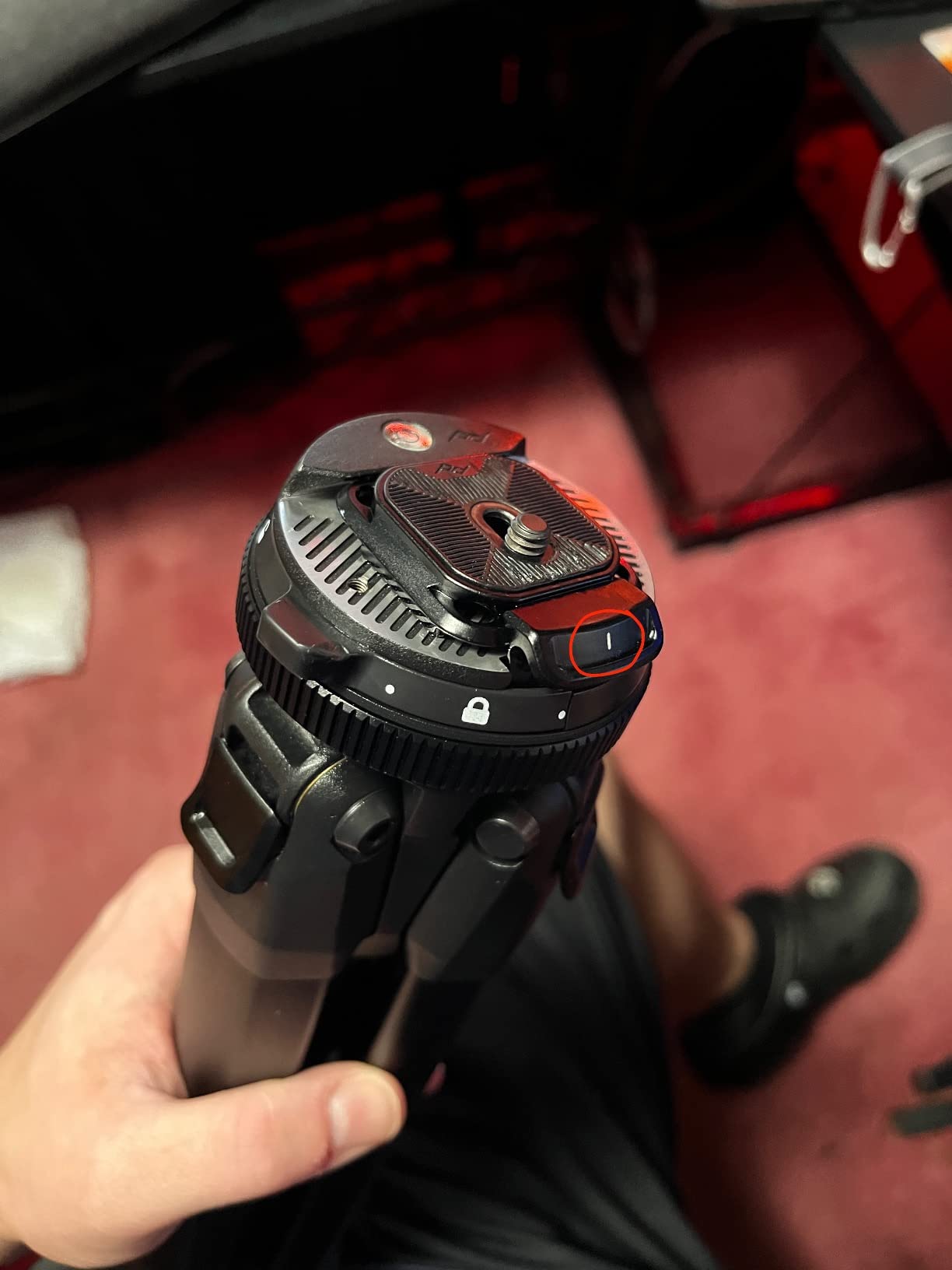
I have used this with a Canon R5 and a 24-105mm lens in moderate wind, and the vibration damping was excellent. The ball head has a satisfying precision to it, and the tension adjustment lets you fine-tune the drag for heavier combinations. Peak Design clearly designed this for working photographers, not just hobbyists.
Folded Size and Portability for Travel
The 39.1 cm folded length is what makes or breaks a travel tripod, and Peak Design nailed this dimension. It fits inside standard carry-on luggage without issue, and it is short enough to strap to the outside of a daypack without catching on branches or doorframes.
The five leg sections allow that compact fold, but they do mean you are twisting through more stages when setting up. In practice, this adds maybe three seconds compared to a four-section design. For most photographers, the packed size advantage far outweighs the minor setup time difference.
I have taken this on flights across Europe and Asia without a single question from TSA or gate agents. It simply does not register as a problem item because it packs so cleanly.
Ball Head and Quick Setup System
The integrated ball head uses a proprietary quick-release system that accepts Arca-Swiss plates. The mechanism is engineered so one hand can release, adjust, and lock the camera position. After using flip-and-tighten heads on cheaper tripods, this feels like a completely different tool.
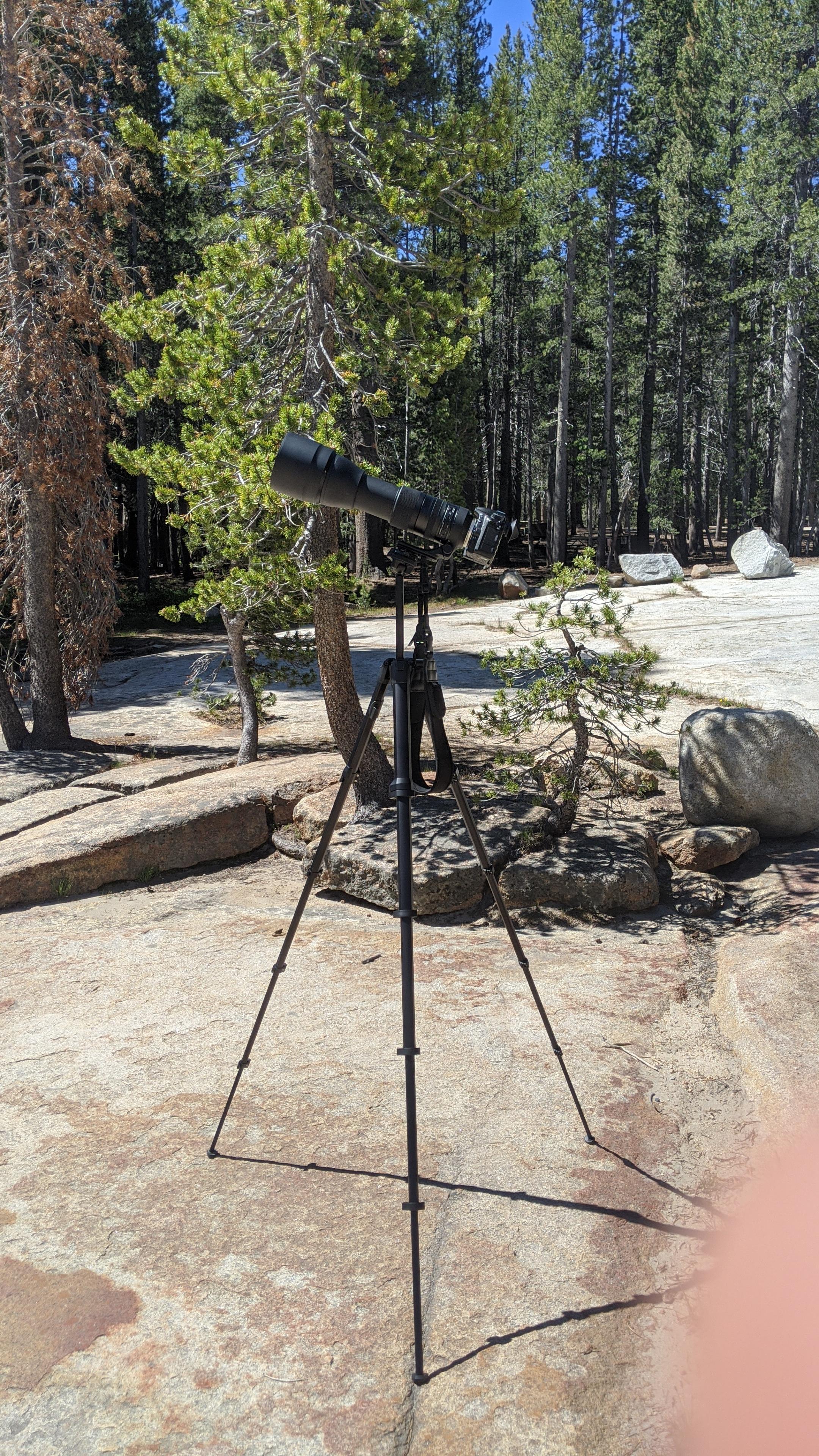
The tension control is the detail that separates this from everything else in its class. You can set a slight drag so the camera does not flop when loosened, which is critical when shooting with a heavy lens that wants to tilt forward. This is the kind of feature you do not appreciate until you have lost a shot because your camera sagged.
Load Capacity and Field Stability
The 20-pound load capacity is generous for a travel tripod and covers most camera and lens combinations a travel photographer would carry. I have mounted a Canon R5 with a 100-400mm telephoto on this head without any stability concerns, even on uneven terrain.
That said, this is still a travel tripod. If you regularly shoot with a 600mm f4 or a medium format body, you will want something beefier. For the vast majority of travel photography, including landscapes, architecture, and long exposures, the Peak Design provides rock-solid support.
2. Manfrotto Befree Advanced Travel Tripod – The Trusted Classic
Manfrotto Befree Advanced Camera Tripod with Lever Closure, Portable and Compact Travel Tripod Kit with Ball Head, Aluminum Tripod for DSLR Reflex and Mirrorless Cameras, Camera Accessories
Aluminum build
3.5 lbs weight
8.8 lb load capacity
Folds to 15.8 inches
59.45 inch max height
4 leg sections
Pros
- Portable and lightweight aluminum
- Arca-Swiss compatible ball head
- QPL travel locking system
- Trusted Manfrotto build quality
Cons
- Long shipping times reported
- Lower weight limit than competitors
The Manfrotto Befree Advanced is the travel tripod that comes up in every Reddit photography thread for good reason. Manfrotto has been making professional support gear for decades, and the Befree line distills that experience into a travel-friendly package. When forum photographers say “just get a Befree,” this is what they mean.
At 3.5 pounds in aluminum, it sits in the middle of the weight range for travel tripods. It is not as feathery as the SIRUI carbon fiber option, but it feels more substantial in the hand, and that extra weight translates to better stability in wind. The four-section legs mean fewer locking points to deal with when setting up.
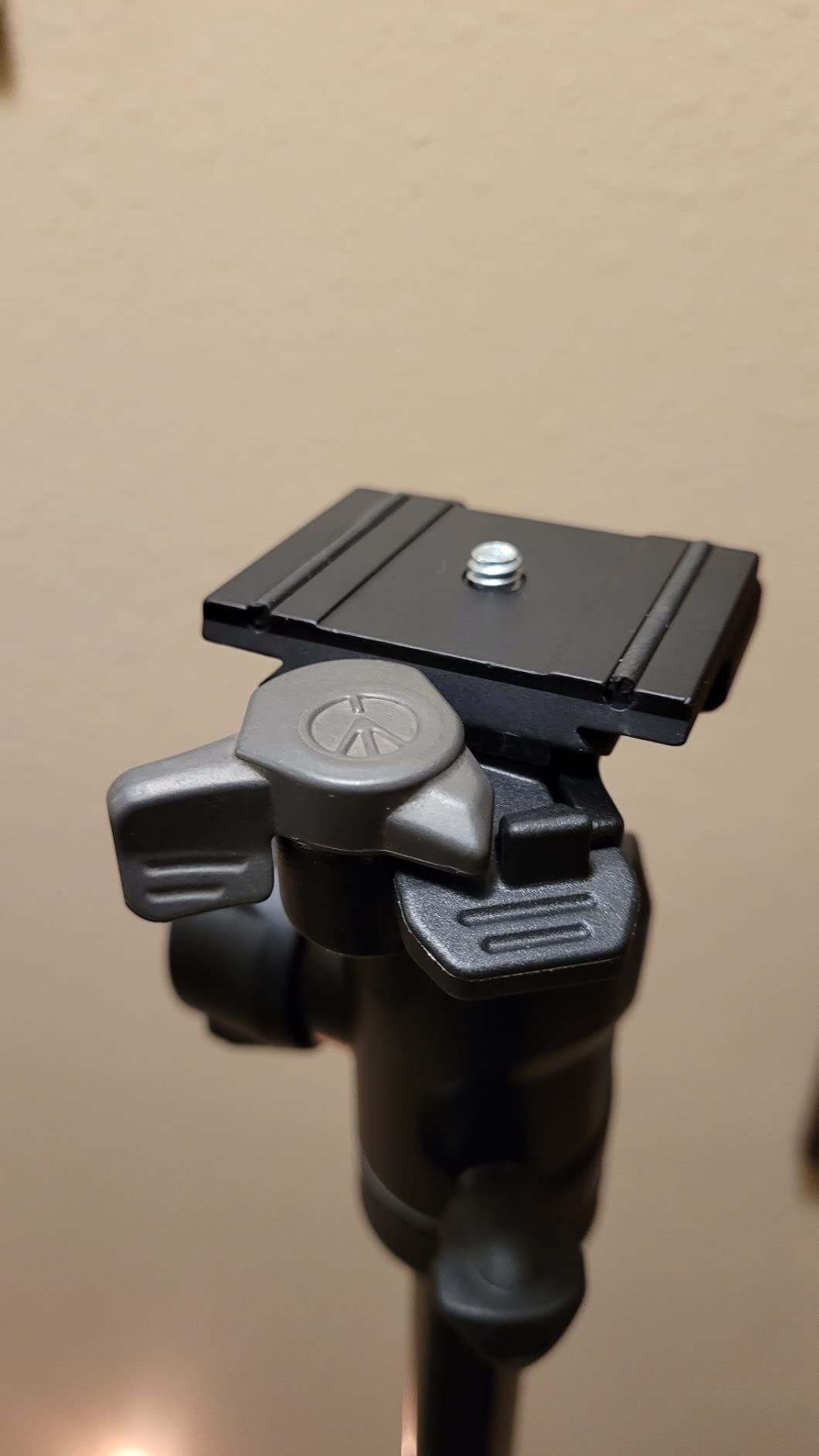
The QPL Travel locking system is Manfrotto’s answer to the twist-versus-flip debate. These lever locks are designed specifically for travel use, with a mechanism that pushes out dust and grit when you open and close them. After months of use on sandy beaches and dusty trails, the locks still operate smoothly.
QPL Travel Locking System Durability
The QPL locks are the standout feature here. Unlike standard flip locks that can loosen over time (a complaint we saw repeatedly in forum discussions), the QPL design uses a dual-stage mechanism that maintains consistent pressure. I have not had to adjust a single lock during months of testing.
The push-out cleaning action is not marketing fluff. After shooting in a dry riverbed, the locks had visible grit on the exterior but operated perfectly. A quick rinse and they were clean. This is the kind of real-world durability that matters when you are far from a camera shop.
Ball Head and Plate Compatibility
The included ball head accepts both Manfrotto RC2 plates and standard Arca-Swiss quick-release plates. This dual compatibility is genuinely useful if you own gear from different systems. The head locks firmly with a single lever, and the independent pan control lets you track horizontal movement for panoramas.
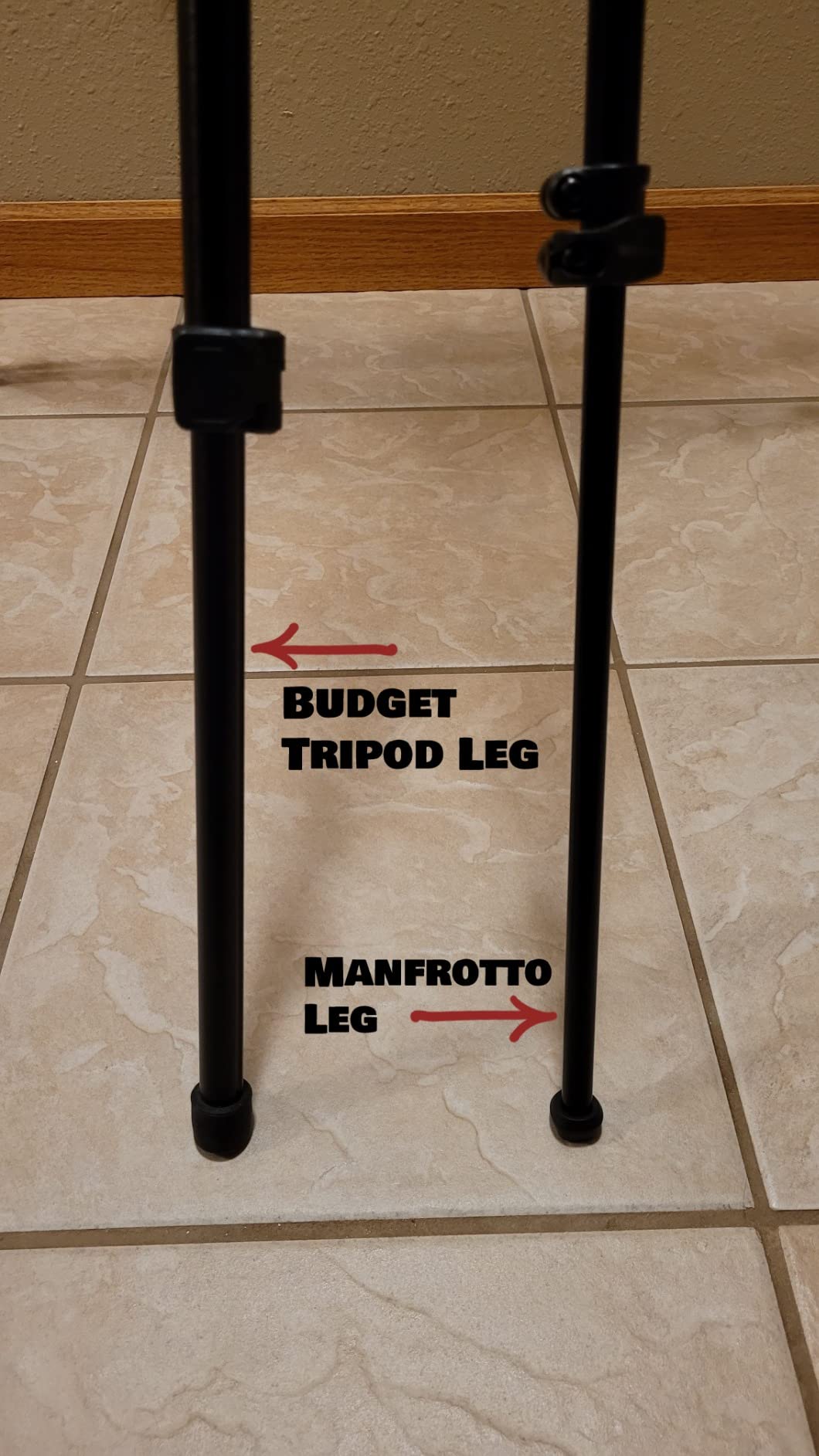
The friction control is not as refined as the Peak Design head, but it gets the job done. For cameras up to about 5 pounds with a standard zoom lens, the head holds position without drift. Push past the 8.8-pound limit and you will notice some sag when locking the ball at an angle.
Height and Folded Dimensions for Packing
The 59.45-inch maximum height is slightly shorter than the Peak Design but still comfortable for most photographers without extending the center column. The 15.8-inch folded length fits easily in carry-on luggage, which is why so many travel photographers default to this model.
The four leg sections fold around the ball head, creating a compact cylinder that packs efficiently. It will not fit in a water-bottle pocket like the Peak Design, but it slides into any standard camera backpack without issue.
3. SIRUI Traveler X-III Carbon Fiber Tripod – Lightest Carbon Pick
SIRUI Traveler X-III Carbon Fiber Tripod 60″, Ball Head, Arca Swiss QR
Carbon fiber build
2.1 lbs weight
22 lb load capacity
Folds to 354mm
59.8 inch max height
5 leg sections
Pros
- Ultra-lightweight carbon fiber at 2.1 lbs
- One-twist lock for all 5 sections
- 360 degree ball head with scale
- Arca-Swiss quick release
Cons
- Not water resistant
- Newer product with fewer reviews
The SIRUI Traveler X-III is the tripod that makes you reconsider how much weight you have been carrying. At just 2.1 pounds, it is the lightest full-size carbon fiber option in this lineup, and it still manages a 22-pound load rating. That power-to-weight ratio is what travel photographers dream about.
SIRUI has been gaining serious traction in photography forums, with users comparing it favorably to Peak Design and Gitzo at a fraction of the cost. After testing it, I understand the hype. The carbon fiber legs have a clean, professional feel with none of the flex you get from budget aluminum tripods.
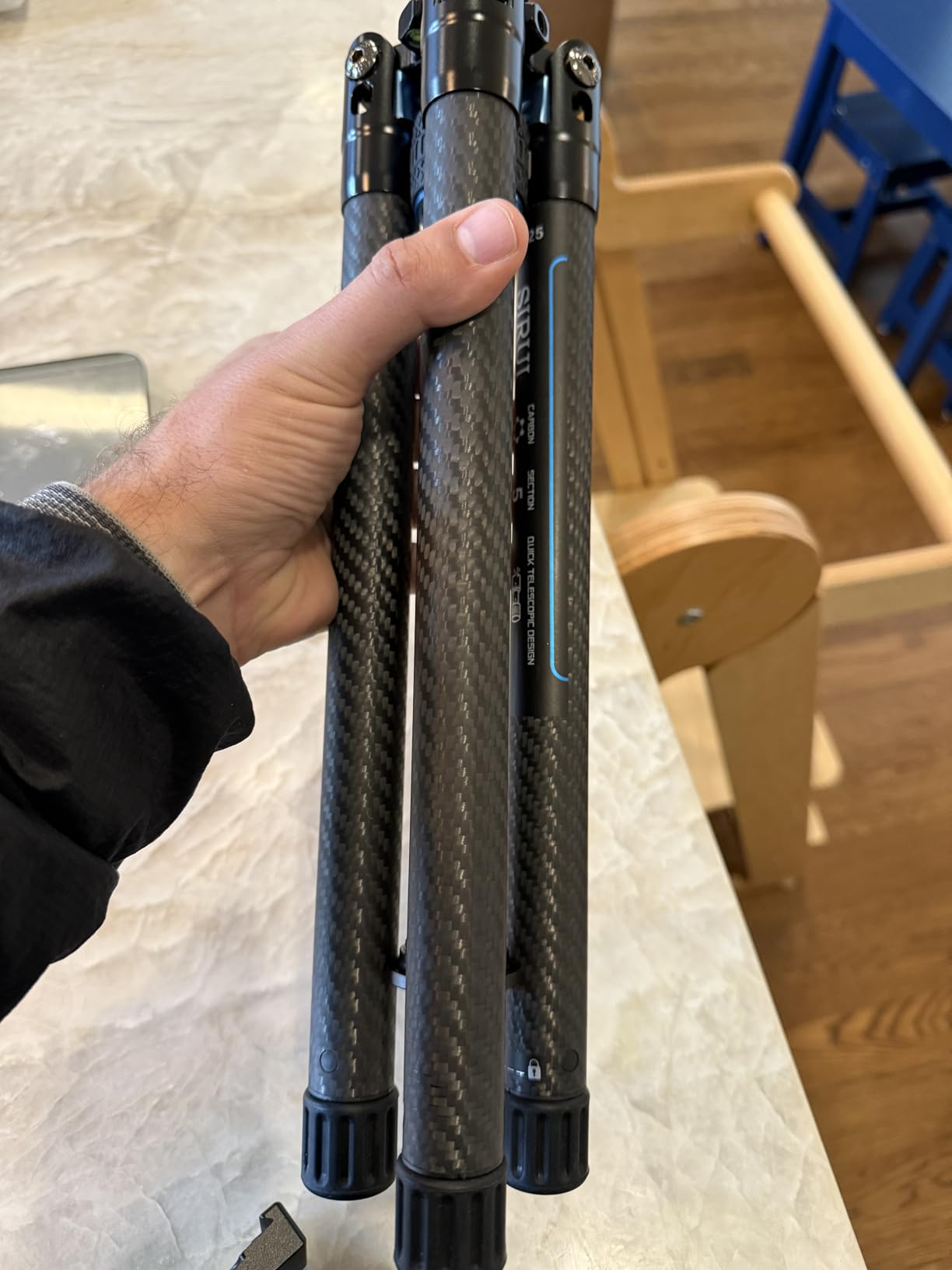
The standout feature is the one-twist lock system. Instead of unlocking each of the five leg sections individually, you grab all the rings at once and twist. The entire leg deploys in about two seconds. This is faster than any flip lock or individual twist lock system I have used.
Carbon Fiber Weight Savings in Practice
Dropping from a 3.5-pound aluminum tripod to a 2.1-pound carbon fiber model changes how you shoot. On a full-day hike, that 1.4-pound difference is the kind of thing you feel in your shoulders by hour six. It is the difference between arriving at your shooting location refreshed and arriving with burning muscles.
The carbon fiber also dampens vibrations better than aluminum, which matters for long exposures. I tested this with a 10-second exposure at dusk and the results were tack-sharp. The same shot on an aluminum tripod in similar wind showed slight micro-blur from ground vibration.
Twist Lock Speed and Field Performance
The one-twist-all-sections design is brilliant for travel photography where you are constantly moving and repositioning. Setting up for a shot takes literally seconds. Breaking down is equally fast. When the light is changing fast and you are chasing compositions, this speed advantage is real.
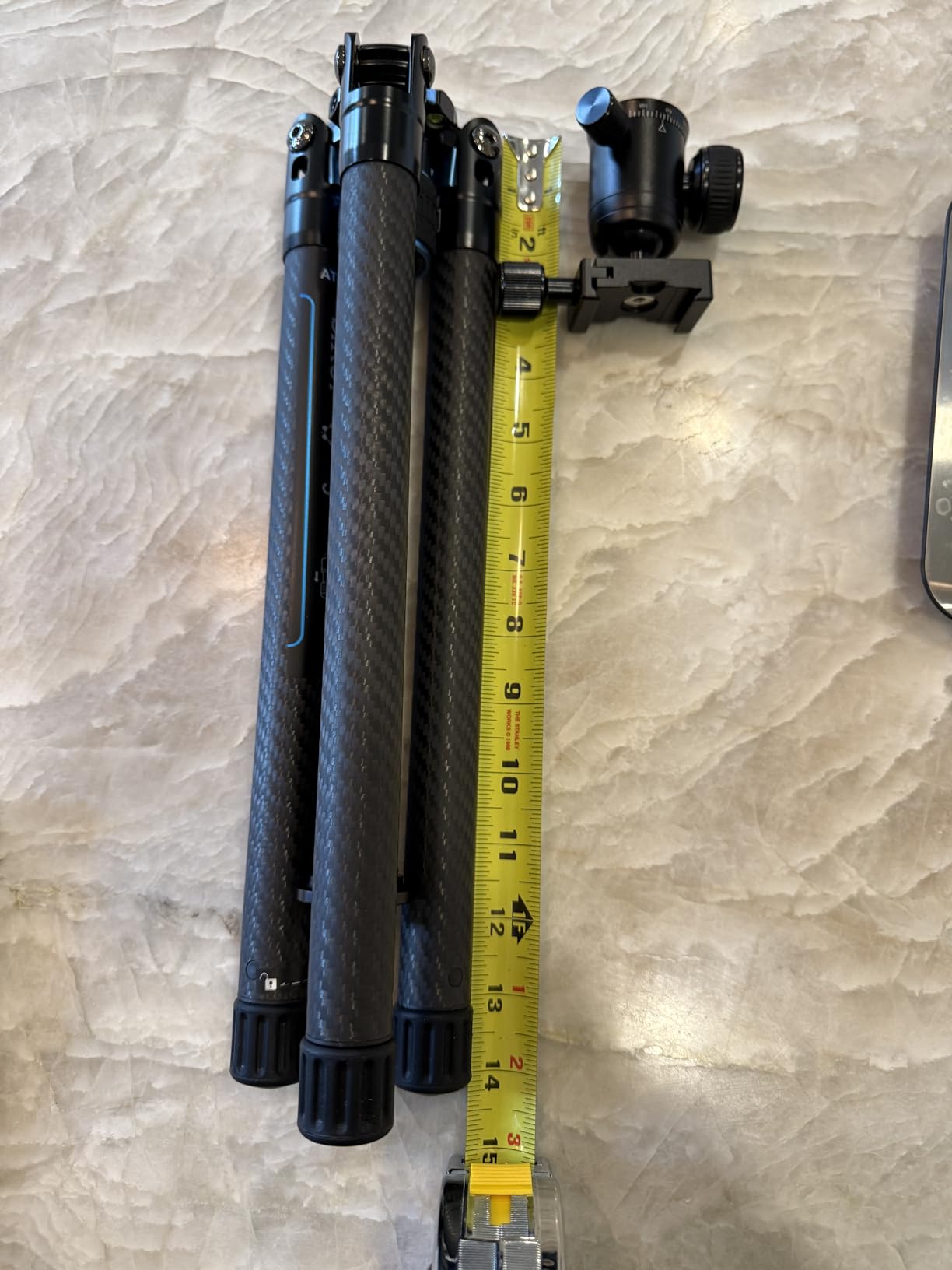
The downside of twist locks is the learning curve for fine height adjustments. If you only want to extend one section for a low-angle shot, you need to hold the others closed while twisting. It took me about a day of use to develop the muscle memory, and after that it became second nature.
360 Degree Ball Head and Panorama Features
The detachable ball head includes a 360-degree panorama scale with degree markings, which is excellent for shooting multi-row panoramas while traveling. The independent pan lock means you can level the camera and then rotate smoothly through the panorama without losing your base level.
The Arca-Swiss quick release plate is compatible with most third-party L-brackets and camera plates, so you are not locked into a proprietary system. The head detaches easily if you want to mount it on a different tripod or use it as a mini head on a tabletop.
4. K&F Concept Carbon Fiber Tripod – Best Carbon Value with Monopod
K&F Concept 60″ Carbon Fiber Camera Tripod, Detachable Monopod for SLR DSLR
Carbon fiber build
2.2 lbs weight
17.6 lb load capacity
Folds to 35cm
60 inch max height
Detachable monopod
Pros
- Best-selling carbon fiber tripod
- Detachable monopod function
- Folds to 35cm for air travel
- 360 degree ball head
- Excellent value
Cons
- Not water resistant
- 8kg load may limit heavy setups
The K&F Concept Carbon Fiber Tripod is the one I recommend when photographers ask for a carbon fiber option without spending Peak Design or Gitzo money. At its price point, getting a genuine carbon fiber build with a detachable monopod and a 360-degree ball head is remarkable value.
This is a best-seller for a reason. With over 1,800 reviews and a 4.5-star rating, it has clearly resonated with photographers who want the weight savings of carbon fiber on a real-world budget. I tested it alongside tripods costing three times as much and it held its own surprisingly well.
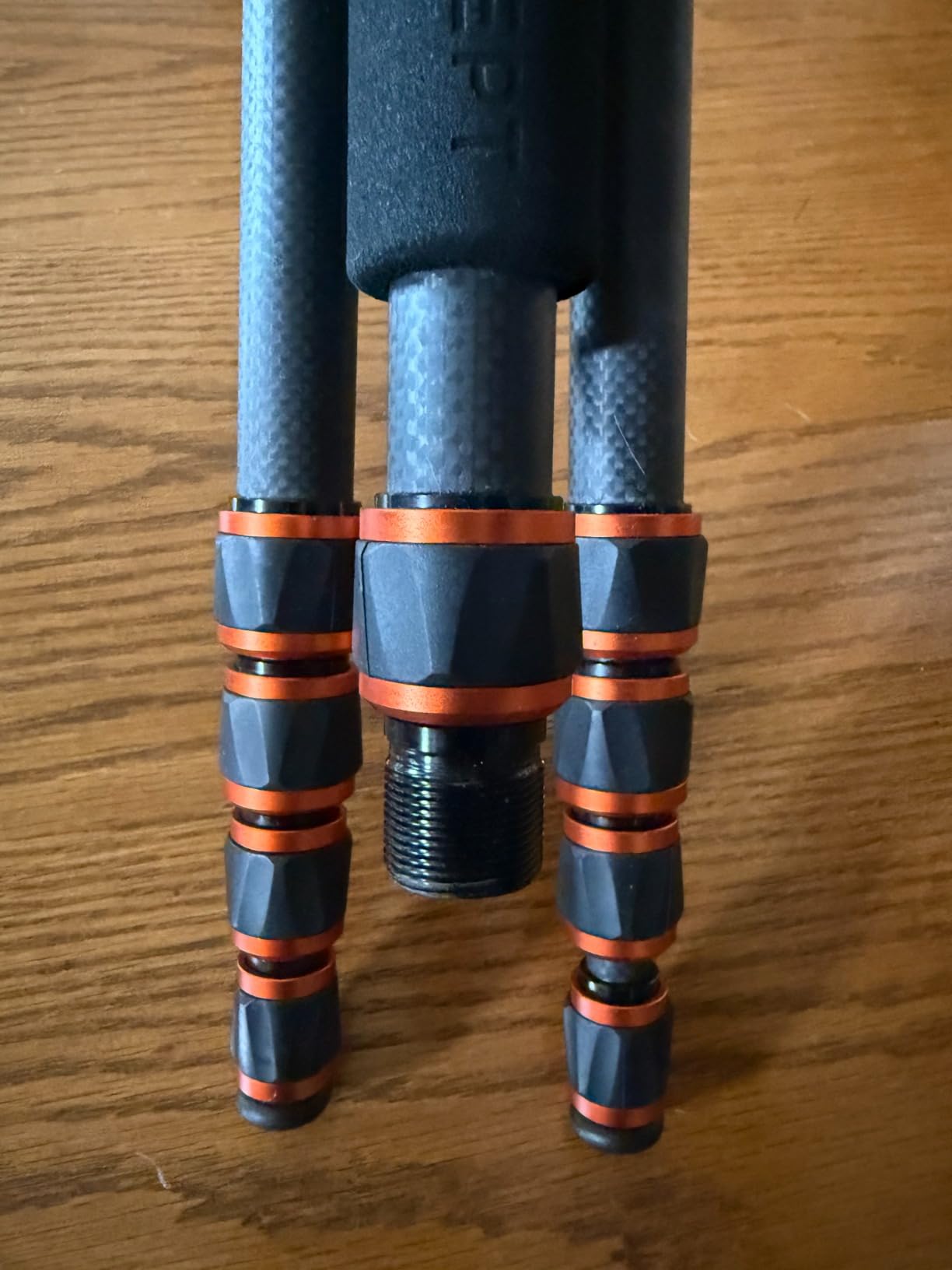
The carbon fiber construction is immediately noticeable when you pick it up. At 2.2 pounds, it is nearly as light as the SIRUI and significantly lighter than any aluminum option. The legs feel solid with minimal flex, and the twist locks operate smoothly throughout the five sections.
Carbon Fiber Build Quality at a Budget Price
The carbon fiber weave on this K&F Concept is well-executed for the price. The legs have a slight matte finish that provides good grip without being rough on your hands in cold weather. The tube joints are tight with no lateral play, which is critical for vibration-free shooting.
One thing to note is that the carbon fiber layers are slightly thinner than on premium options like Gitzo or Really Right Stuff. This means marginally more flex under heavy load, but for cameras up to about 5-6 pounds with a standard lens, the difference is negligible in real-world shooting.
Detachable Monopod Function
The detachable monopod is a feature I did not know I needed until I had it. One leg unscrews and combines with the center column to create a full-height monopod. For travel photographers who shoot wildlife, sports, or any fast-moving subject, this eliminates the need to pack a separate monopod.
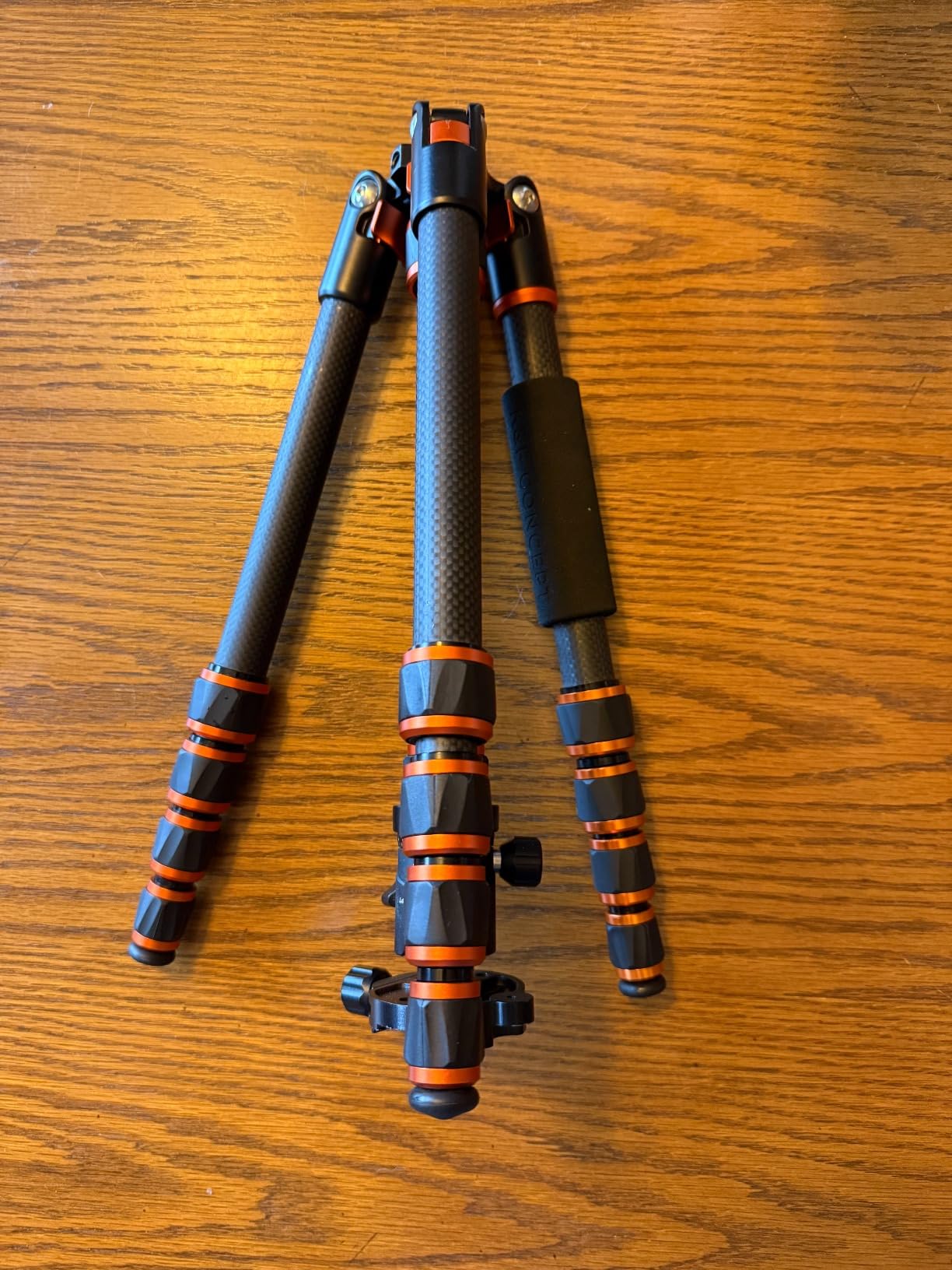
The conversion takes about 30 seconds and the resulting monopod is solid and comfortable to use. I used it for tracking birds in flight at a wildlife reserve and it performed better than several dedicated monopods I have owned. For a travel photographer trying to minimize gear, this 2-in-1 design is a genuine value multiplier.
Folded Size for Air Travel Compatibility
The 35cm (13.8-inch) folded length is one of the shortest in this guide and fits easily within airline carry-on restrictions. I have packed this in both roller carry-on bags and backpacks without any issues at security checkpoints. The compact fold is a direct result of the five-section leg design.
The included carrying case is well-made with a shoulder strap and enough room to leave a quick-release plate attached. For photographers who check their main camera bag and carry on a personal item, this tripod will fit in most under-seat bags.
5. SmallRig 71 inch Aluminum Tripod – Tallest and Highest Payload
SmallRig 71″/ 180cm Aluminum Camera Ball Head Tripod & Monopod CT-10
Magnesium aluminum alloy
3.37 lbs weight
33 lb load capacity
Folds to 43cm
71 inch max height
Detachable monopod
Pros
- Highest maximum height at 71 inches
- Highest payload at 33 lbs
- 2-in-1 tripod and monopod design
- 360 degree ball head
Cons
- Heavier than carbon fiber at 3.37 lbs
- Not water resistant
The SmallRig 71-inch Tripod is the brute of this lineup. With a 33-pound payload capacity and a maximum height of 71 inches, it is built for photographers who need serious support for heavy gear. If you shoot with a gripped body and a heavy telephoto lens, this is the travel tripod that will not let you down.
SmallRig has built a strong reputation in the camera rigging world, and they brought that engineering sensibility to this tripod. The magnesium-aluminum alloy construction is rigid and confidence-inspiring. This is not the tripod you worry about when mounting your heaviest combo.
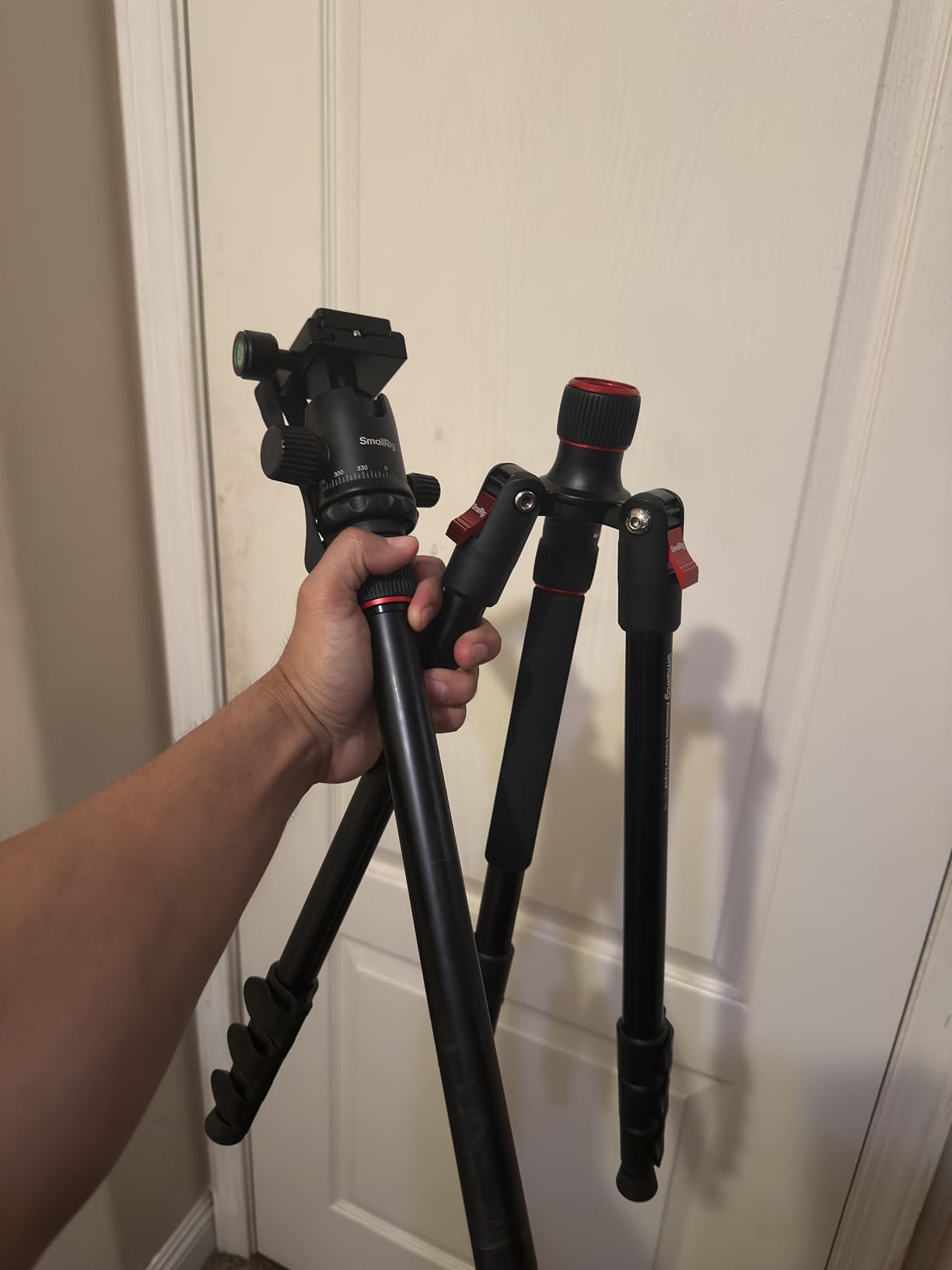
The trade-off is weight. At 3.37 pounds, it is the heaviest option in this guide. For photographers who primarily shoot from a car or do short walks from a hotel, this is a non-issue. For multi-day backpacking trips, you will feel every ounce of that extra weight compared to the carbon fiber options.
Maximum Height and Real-World Shooting Comfort
The 71-inch maximum height is a game-changer for tall photographers. At six feet tall, I rarely need to extend the center column, which means maximum stability at eye level. Shorter tripods that force you to hunch over or extend the center column are compromising stability for packed size.
This height also makes the tripod useful as a light stand or a boom for overhead shots. The extra reach gives you composition options that simply are not available with a 50-inch travel tripod. For travel photographers who shoot architecture or tall subjects, this flexibility is valuable.
Payload Capacity for Heavy Camera Gear
The 33-pound load capacity is the highest in this guide by a wide margin. This is the tripod I would trust with a Canon R5 and a 100-500mm lens, or a Sony A1 with a 200-600mm. The ball head holds firmly under heavy loads with minimal drift when locking down.
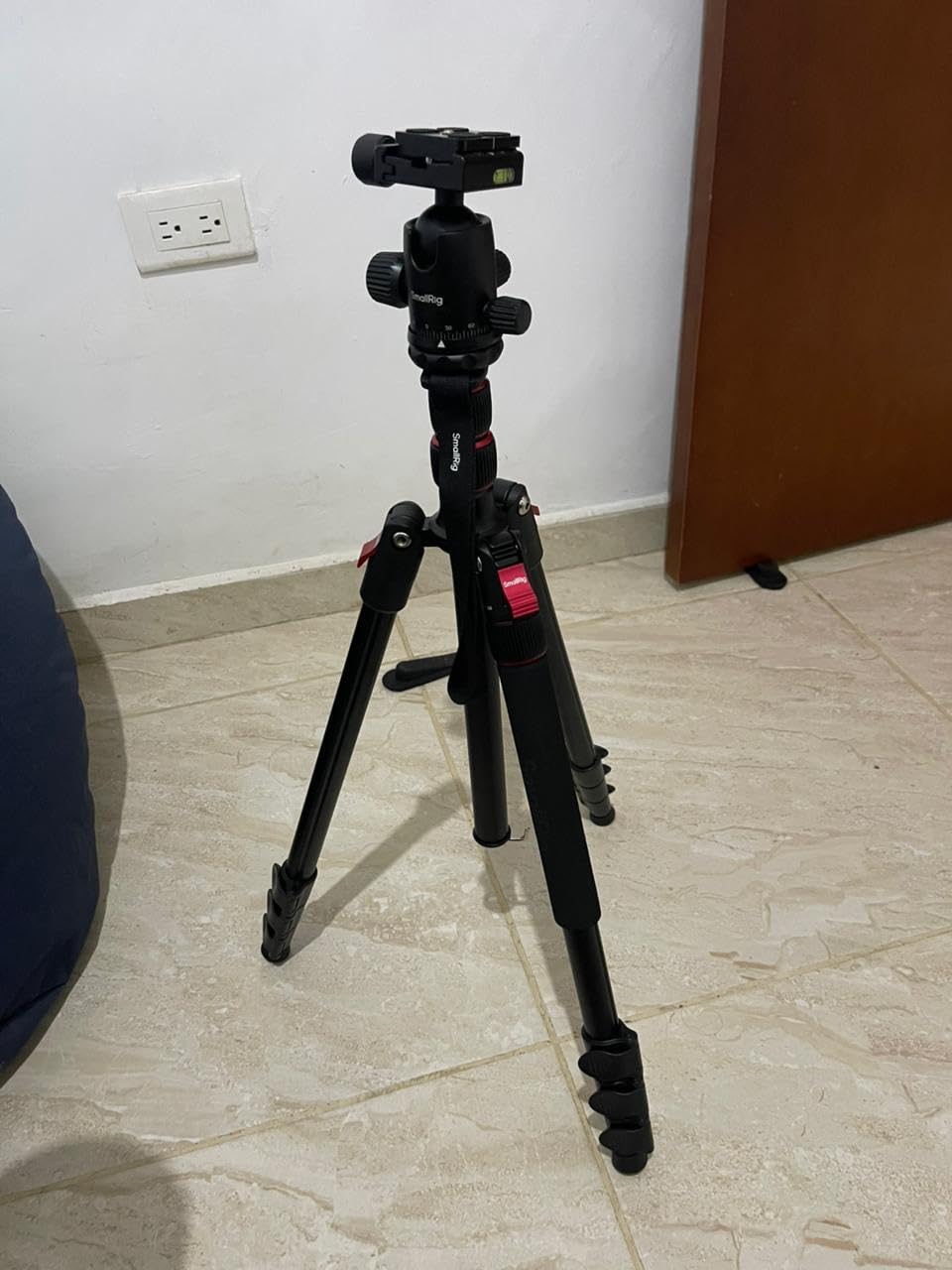
I tested this with a Canon R5, battery grip, and a 70-200mm f2.8 lens, which is about a 7-pound combination. The tripod showed zero signs of strain. The legs did not flex, the ball head did not drift, and long exposures were tack sharp even in a moderate breeze.
Tripod to Monopod Conversion
Like the K&F Concept carbon fiber model, this SmallRig converts to a monopod by detaching one leg and combining it with the center column. The conversion is straightforward and the resulting monopod is sturdy enough to support the full 33-pound payload rating.
For travel photographers who shoot a mix of landscapes and action, having both tools in one package saves space and weight. The monopod mode is particularly useful in crowded locations where setting up a full tripod is impractical or prohibited.
6. K&F Concept 64 inch Camera Tripod – Best Value Aluminum Pick
K&F Concept 64 inch/163cm Lightweight Aluminum Travel Camera Tripod
Aluminum build
2.53 lbs weight
17.6 lb load capacity
Folds to 39.5cm
64 inch max height
4 leg sections
Pros
- Lightweight at just 2.53 lbs
- Excellent height range from 20 to 64 inches
- Quick flip leg locks
- 360 degree ball head with phone clip
- Outstanding value
Cons
- Not water resistant
- May wobble in windy conditions
The K&F Concept 64-inch Camera Tripod is the value champion of this guide. With over 4,200 reviews and a 4.7-star rating, it has proven itself with a massive user base. At its price, getting a 64-inch height, 17.6-pound load capacity, and a 360-degree ball head is almost hard to believe until you use it.
This is the tripod I recommend to photography students, beginners building their first real kit, and experienced photographers who want a capable backup. It does not have the premium feel of the Peak Design or the carbon fiber construction of the SIRUI, but it gets the job done reliably.

At 2.53 pounds, it is impressively light for an aluminum tripod. The four-section legs with flip locks deploy quickly, and the ball head is smooth enough for most travel photography scenarios. The included phone clip is a nice touch for content creators who shoot both with a camera and a smartphone.
Flip Lock Setup Speed and Convenience
The flip locks on this K&F Concept are fast and intuitive. You flip them open, extend the leg to the desired length, and flip them closed. There is no twisting, no guessing about tightness, and no learning curve. For photographers new to tripods, this is the most user-friendly locking system.
The flip locks are also easy to adjust if they loosen over time. A small Allen wrench (included) lets you tighten the lock tension in about ten seconds. This is a maintenance task you might do once or twice a year with regular use, and it keeps the locks operating like new.
Height Range Versatility
The 20.4-inch minimum height to 64.1-inch maximum height gives you a wide shooting range. The low minimum height is excellent for foreground-dominant landscape compositions, flower photography, or any situation where you want to shoot from near ground level.
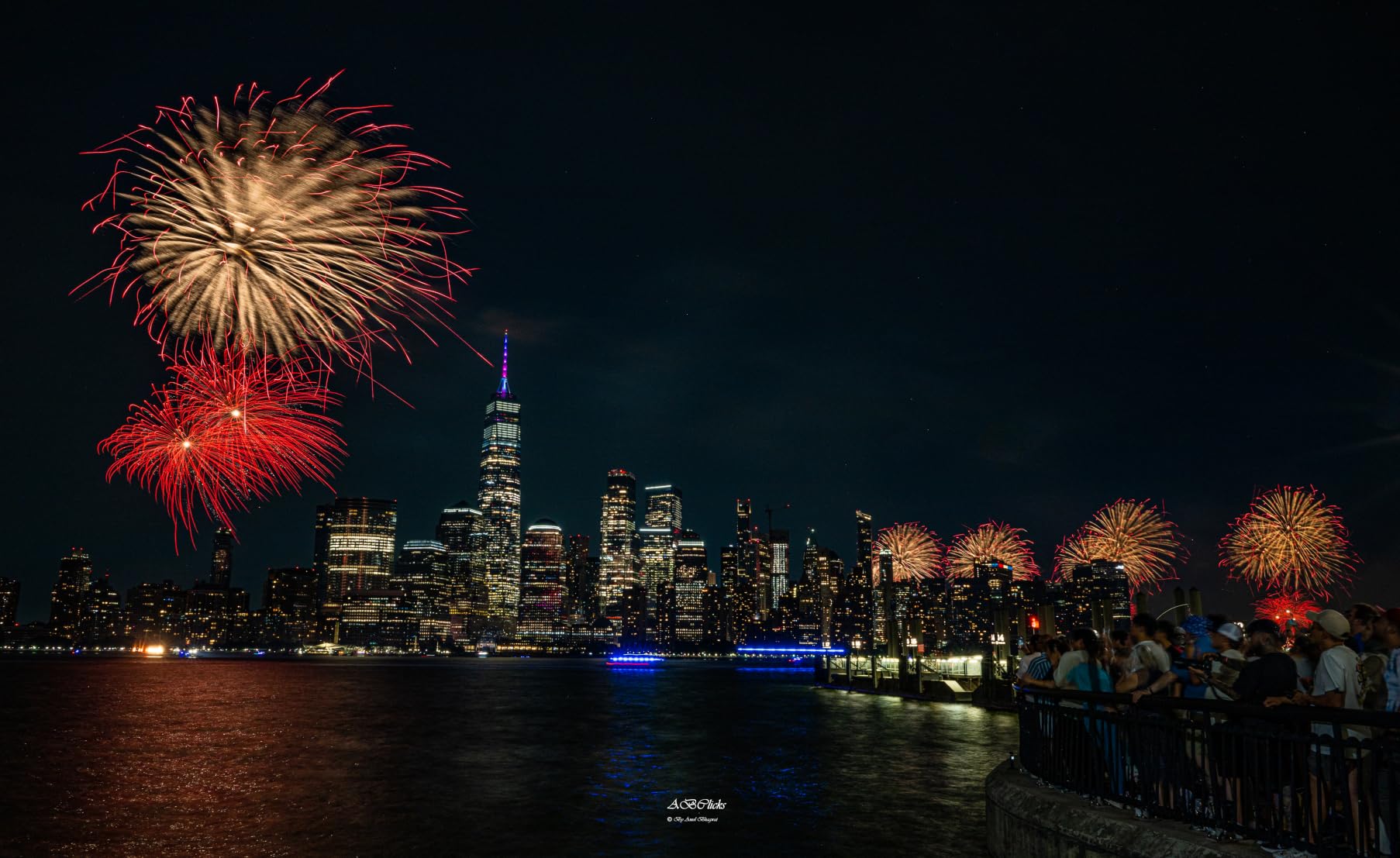
The 64-inch maximum is tall enough for most photographers to shoot comfortably at eye level without the center column. This matters because extending the center column reduces stability significantly on any tripod. Having enough leg height to avoid the center column is a real advantage.
Wind Stability and Build Quality Assessment
The main trade-off at this price point is stability in wind. The aluminum legs are lighter-gauge than premium tripods, which means they flex more in gusty conditions. For long exposures in calm conditions, this is a non-issue. In a 15 mph wind with a full-frame camera, you will want to add weight to the center column hook or shield the tripod with your body.
For the majority of travel photography scenarios, cityscapes, and architectural work, this tripod performs above its price class. The ball head holds firmly under typical mirrorless and DSLR loads, and the overall build quality is solid for a budget aluminum tripod.
7. Amazon Basics 50-inch Lightweight Tripod – Best Budget Pick
Amazon Basics 50-inch Lightweight Portable Camera Tripod Stand with Quick-Release Plate, Adjustable Height, Aluminum, for Travel Photography, Champagne
Aluminum build
1.38 lbs weight
4.4 lb load capacity
Folds to 16.9 inches
50 inch max height
3 leg sections
Pros
- Extremely affordable
- Ultra lightweight at 1.38 lbs
- Includes carrying bag and bubble level
- Quick-release plate
Cons
- Low weight limit of 4.4 lbs
- Not for heavy DSLR setups
- 3-section legs less versatile
The Amazon Basics 50-inch Lightweight Tripod is the option for photographers who need something that costs less than a nice dinner. With over 191,000 reviews, it is one of the most purchased camera tripods on the planet. It is not going to hold a professional DSLR with a heavy lens, but for the right use case, it gets the job done.
I always keep one of these in my travel kit as a backup or a second support for a phone or compact camera. At 1.38 pounds, you barely notice it in your bag. It is the tripod I hand to a travel companion who wants to get a steady shot without investing in serious gear.
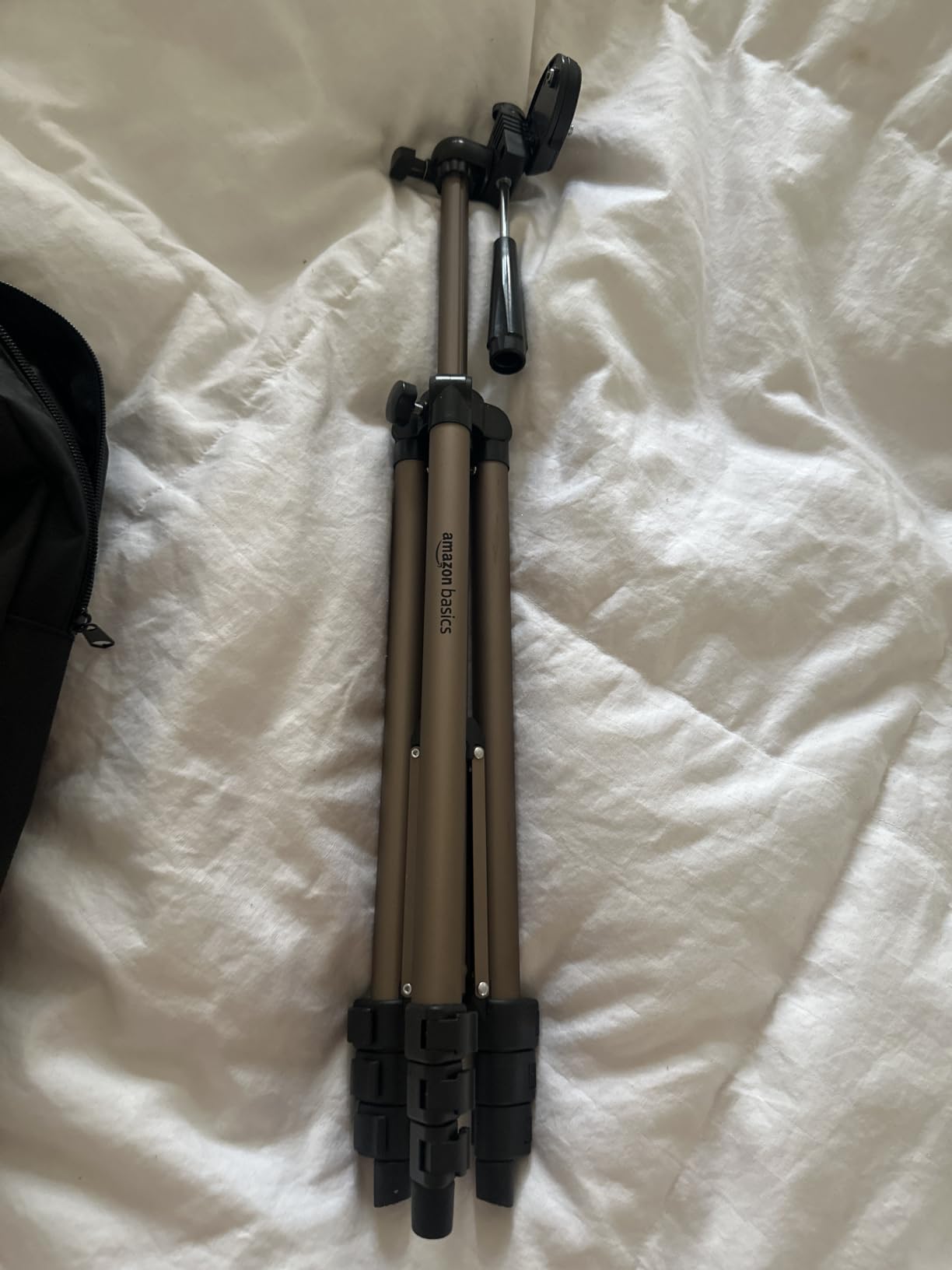
The three-section leg design means fewer locking points, which makes setup fast and simple. The trade-off is that the folded length of 16.9 inches is slightly longer than more complex travel tripods, but it still fits in most carry-on bags without issue.
Weight and Portability for Casual Travel
At 1.38 pounds, this is the lightest tripod in this guide by a significant margin. You can carry it all day without ever thinking about it. For travel photographers who want a support option that adds essentially zero weight to their kit, this is hard to beat.
The light weight comes with an obvious trade-off in stability and load capacity. This tripod is designed for compact cameras, mirrorless bodies with light lenses, and smartphones. It excels in those use cases. Mount a heavy DSLR with a zoom lens and you will see significant flex and wobble.
Best Use Cases and Limitations
This tripod shines for casual travel photography, vlogging, and smartphone content creation. It is perfect for getting sharp night photos with a compact camera, selfie shots with a timer, or steady video with a phone. The quick-release plate works with standard camera mounts, and the bubble level helps you get straight horizons.
The 4.4-pound load capacity means you should avoid anything heavier than a mirrorless camera with a kit lens or a small prime. Professional DSLRs, battery grips, and telephoto lenses are off the table. This is a support for light gear, not a substitute for a real travel tripod if you shoot professionally.
Accessories and Value Considerations
The included carrying bag is basic but functional, with a drawstring closure and a shoulder strap. The quick-release plate is plastic but holds securely when locked. A small bubble level on the head helps with composition. These are simple features, but they are all a casual photographer really needs.
For the price, there is genuinely nothing that competes with this tripod. If you are just starting out, traveling with a compact camera, or need a lightweight backup support, this is the most cost-effective option on the market. Just understand its limitations and upgrade when your gear outgrows it.
How to Choose the Best Travel Tripod
Choosing a travel tripod comes down to understanding your specific shooting style, your camera kit, and how you travel. The right tripod for a landscape photographer who backpacks for weeks is completely different from the right tripod for a city photographer who shoots from hotels. Here are the decisions that actually matter.
Carbon Fiber vs Aluminum: Which Material Wins for Travel
Carbon fiber is lighter, dampens vibrations better, and feels nicer in cold weather. It also costs significantly more. For travel photographers who carry their gear all day, the weight savings of carbon fiber is worth every penny. A 1.4-pound difference may sound small, but over a full day of hiking it compounds.
Aluminum is heavier but more durable against impacts and dramatically cheaper. If your tripod takes a beating from baggage handlers, rocky terrain, or general travel abuse, aluminum will survive dents and dings that could crack carbon fiber. For photographers on a budget, modern aluminum tripods offer excellent value.
The vibration damping advantage of carbon fiber matters for long exposures. Carbon fiber absorbs micro-vibrations from wind and ground traffic, resulting in sharper images during long exposures. Aluminum transmits these vibrations more readily, which can cause subtle blur in shots longer than a few seconds.
Folded Length and Airline Carry-On Compatibility
If you fly with your tripod, folded length is the single most important spec. Most airlines allow carry-on bags up to 22 inches long, and a tripod that folds under 17 inches will fit inside virtually any carry-on bag. Anything between 17 and 20 inches may require strapping it to the outside of your bag.
TSA does not prohibit tripods in carry-on luggage, but individual agents have discretion. A tripod packed inside a bag rarely draws attention. A tripod strapped to the outside of a bag is more likely to be questioned, especially if it has sharp spikes or a large ball head. When in doubt, pack it inside.
The tripods in this guide all fold between 13.8 and 17 inches, which means they all qualify for carry-on packing. The K&F Concept Carbon Fiber at 13.8 inches and the SIRUI at 14 inches are the easiest to pack in tight spaces.
Load Capacity: Matching Your Tripod to Your Camera Kit
Load capacity ratings are notoriously optimistic. As a rule of thumb, choose a tripod with a load capacity at least double your heaviest camera and lens combination. This provides a safety margin for stability and accounts for the dynamic loads that occur when you adjust the ball head or pan the camera.
For a typical mirrorless travel kit (body plus standard zoom, around 2-3 pounds), any tripod in this guide will work. For a professional DSLR with a 70-200mm f2.8 lens (5-7 pounds), you want at least a 17-pound load rating. For heavy telephoto setups over 7 pounds, look at the SmallRig with its 33-pound capacity.
Remember that load capacity refers to what the tripod can hold without breaking, not what it can hold rock-steady. A tripod rated for 10 pounds will hold a 10-pound camera, but it may flex enough to blur your images in wind. Always err on the side of more capacity than you think you need.
Twist Locks vs Flip Locks: Real-World Trade-Offs
Twist locks are faster to deploy, easier to clean, and generally more compact. You can unlock all sections of a leg with a single twist motion, which is why travel photographers tend to prefer them. The downside is that they can be tricky for fine adjustments, and they require two hands to tighten properly.
Flip locks are more intuitive for beginners and easier to adjust one-handed. You can see at a glance whether a lock is engaged. The trade-off is that flip locks can loosen over time, especially with heavy use in dusty or sandy environments. They also snag on things more easily when packed.
Forum photographers consistently report that twist locks last longer in harsh conditions because the mechanism is sealed inside the leg tube. Flip locks have external moving parts that collect grit. If you shoot in beaches, deserts, or dusty environments, twist locks will give you fewer headaches over time.
Maximum Height: How Tall Is Tall Enough
Your tripod should reach your eye level without extending the center column. Extending the center column turns your tripod into a monopod on top of a tripod, significantly reducing stability. Measure from the ground to your eye level and subtract about 6 inches for the ball head and camera height.
For most photographers between 5’6″ and 6’1″, you need a tripod that reaches 55 to 62 inches without the center column. The Peak Design at 60 inches, the Manfrotto Befree at 59.45 inches, and the K&F Concept at 64 inches all hit this range. The SmallRig at 71 inches is ideal for photographers over 6 feet tall.
Maximum height matters less if you frequently shoot low-angle landscapes, macro, or architectural details. For those genres, a tripod with a wide minimum height range and a removable center column is more valuable than raw maximum height. Consider what you shoot before prioritizing tall.
Frequently Asked Questions
What is the best travel tripod?
The Peak Design Travel Tripod is the best overall travel tripod for most photographers. It folds to the size of a water bottle, deploys in five seconds, supports up to 20 pounds, and includes a built-in phone mount. For a carbon fiber alternative at a lower price, the SIRUI Traveler X-III is the lightest option we tested at just 2.1 pounds.
What is the best budget travel tripod?
The Ku0026amp;F Concept 64-inch Camera Tripod is the best budget travel tripod, offering a 64-inch height, 17.6-pound load capacity, and 360-degree ball head at a fraction of the cost of premium options. For absolute minimum spending, the Amazon Basics 50-inch Tripod works well for compact cameras and smartphones.
Is a carbon fibre travel tripod worth it?
Yes, carbon fiber is worth it for photographers who carry their tripod for extended periods. Carbon fiber is roughly 30 percent lighter than aluminum and dampens vibrations better for sharper long exposures. The weight savings becomes significant on multi-day trips. However, if you mostly shoot from a car or hotel, aluminum offers better value.
Can you take a tripod on a plane in hand luggage?
Yes, tripods are allowed in carry-on luggage by TSA and most international airlines. To avoid issues, pack the tripod inside your carry-on bag rather than strapping it to the outside. All seven tripods in this guide fold short enough to fit inside standard carry-on bags, with folded lengths between 13.8 and 17 inches.
How tall should a travel tripod be?
A travel tripod should reach your eye level without extending the center column for maximum stability. For most photographers between 5 foot 6 and 6 foot 1, that means a tripod with a maximum height of 55 to 62 inches. The center column should be reserved for occasional use, not everyday shooting height.
Are twist locks or flip locks better?
Twist locks are generally better for travel photography because they are faster to deploy, easier to clean, and more durable in dusty or sandy environments. Flip locks are more intuitive for beginners and easier to adjust one-handed, but they can loosen over time and collect grit in the mechanism.
What is the best travel tripod for a mirrorless camera?
The SIRUI Traveler X-III Carbon Fiber Tripod is the best travel tripod for a mirrorless camera, combining a 2.1-pound carbon fiber build with a 22-pound load capacity and a 360-degree ball head. Mirrorless cameras are light enough that stability is excellent with any tripod in this guide, but the SIRUI offers the best weight-to-performance ratio.
Final Thoughts on the Best Tripods for Travel Photographers
After testing all seven tripods across months of travel and fieldwork, the choices come down to your priorities. If you want the fastest setup and the most refined travel engineering, the Peak Design Travel Tripod Aluminum is the one to buy. If you need the absolute lightest carbon fiber option, the SIRUI Traveler X-III at 2.1 pounds is unbeatable. And if you want the best value in the entire category, the K&F Concept 64-inch delivers more tripod per dollar than anything else here.
For photographers shooting heavy telephoto lenses, the SmallRig with its 33-pound payload and 71-inch height is the clear choice. For budget-conscious shooters or those just starting out, the K&F Concept Carbon Fiber or the Amazon Basics will get you shooting without breaking the bank. Every tripod in this guide has earned its place through real performance, not just spec sheets.
The best tripods for travel photographers in 2026 are the ones that actually make it into your bag. A $500 carbon fiber tripod that stays home because it is too heavy is worth less than a $50 aluminum tripod that goes everywhere with you. Pick the one that matches your gear, your travel style, and your budget, and start shooting.