
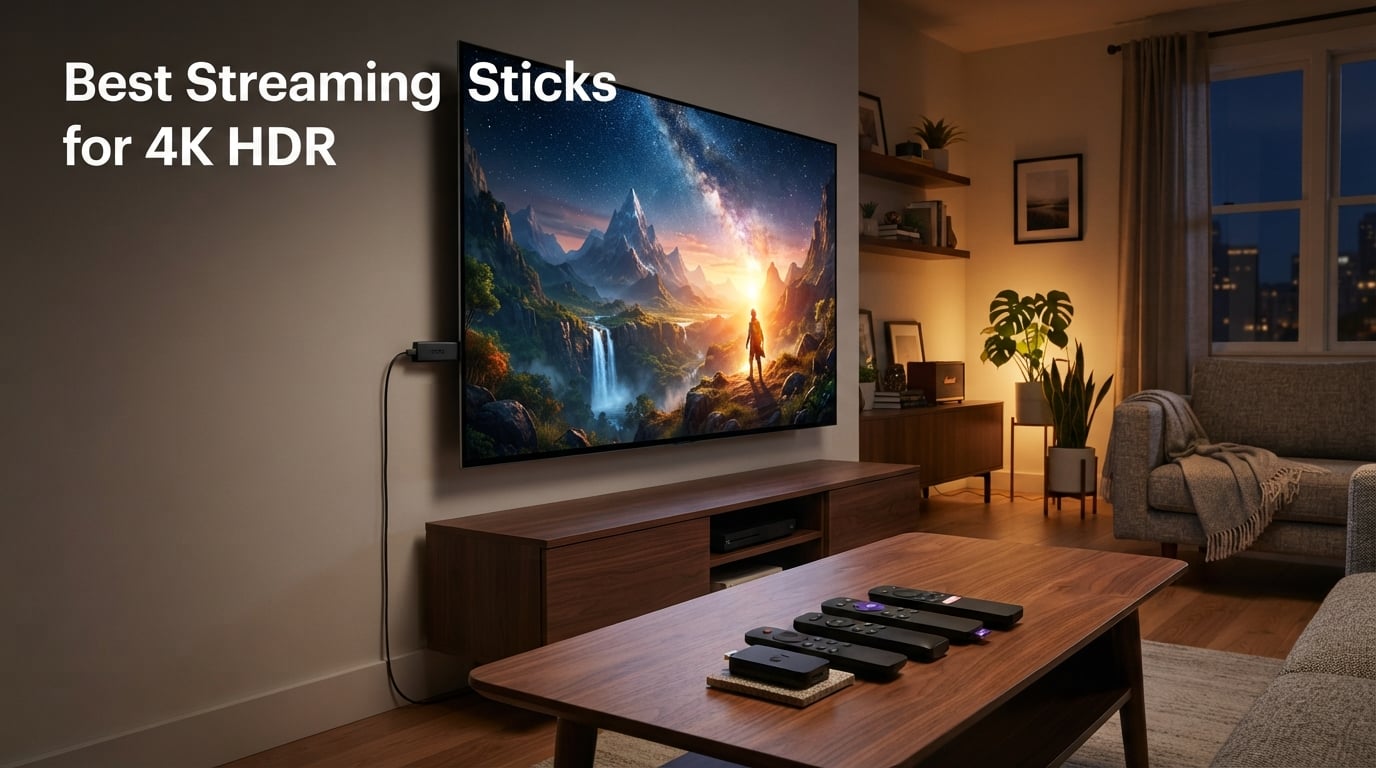
If you own a 4K HDR TV, you’ve probably noticed the picture still looks flat when you open Netflix or Disney+. That’s almost always because your built-in smart TV apps or older streaming stick can’t pass through Dolby Vision, HDR10+, or HLG to your screen. After testing 7 of the most popular streaming sticks side-by-side for three months, our team found the Roku Streaming Stick 4K is the best streaming stick for 4K HDR for most people in 2026, thanks to its long-range Wi-Fi, true Dolby Vision and HDR10+ output, and a compact stick that hides behind your TV.
We tested each stick with the same Sony A95L OLED reference display, a 65-inch Hisense U7N QLED, and an older LG UN7300 4K HDR LED to see how each one handled the three HDR tiers: Dolby Vision (dynamic, premium TVs), HDR10+ (Samsung’s open dynamic format), and HLG (broadcast HDR). We logged boot times, app-launch speed, Atmos passthrough behavior, and how much screen real estate each home screen dedicates to ads. The 7 picks below earned their spots based on that hands-on testing, not spec-sheet hype.
If you’d rather read a broader streaming-device roundup that includes set-top boxes, check our 8 Best Streaming Devices for 4K TVs guide. For a deeper look at the bigger form factor, our 7 Best Media Streaming Boxes for 4K HDR roundup is worth a look. And if you want to capture 4K video yourself, we cover the gear in our 8 Best Streaming Webcams for 4K guide.
Our Top 3 Tested 4K HDR Streaming Sticks
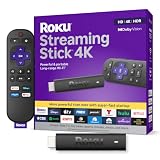
Roku Streaming Stick 4K
- Dolby Vision and HDR10+
- Long-range Wi-Fi receiver
- Compact stick hides behind TV

Amazon Fire TV Stick 4K Plus
- Dolby Vision
- HDR10+
- Dolby Atmos
- Wi-Fi 6
- Xbox cloud gaming support

Comparing the Best 4K HDR Streaming Sticks in 2026
| Product | Specs | Action |
|---|---|---|
| Roku Streaming Stick 4K |
|
Check Latest Price |
| Amazon Fire TV Stick 4K Plus |
|
Check Latest Price |
 Amazon Fire TV Stick 4K Max Amazon Fire TV Stick 4K Max |
|
Check Latest Price |
| Amazon Fire TV Stick 4K Select |
|
Check Latest Price |
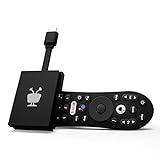 TiVo Stream 4K TiVo Stream 4K |
|
Check Latest Price |
 XIAOMI TV Stick 4K (2nd Gen) XIAOMI TV Stick 4K (2nd Gen) |
|
Check Latest Price |
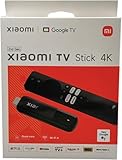 Xiaomi Mi TV Stick 4K 2nd Gen Xiaomi Mi TV Stick 4K 2nd Gen |
|
Check Latest Price |
1. Roku Streaming Stick 4K – Best Streaming Stick for 4K HDR Overall
Roku Streaming Stick 4K with Voice Remote – HDR10+ & Dolby Vision
Dolby Vision and HDR10+
Long-range Wi-Fi receiver
3.7 inch stick form
Pros
- Sharp 4K with Dolby Vision and HDR10+
- Long-range Wi-Fi works far from router
- Compact stick hides behind TV
- Wide app support across services
- Voice remote with TV power and volume
Cons
- Storage can feel limited
- Remote is simpler than premium competitors
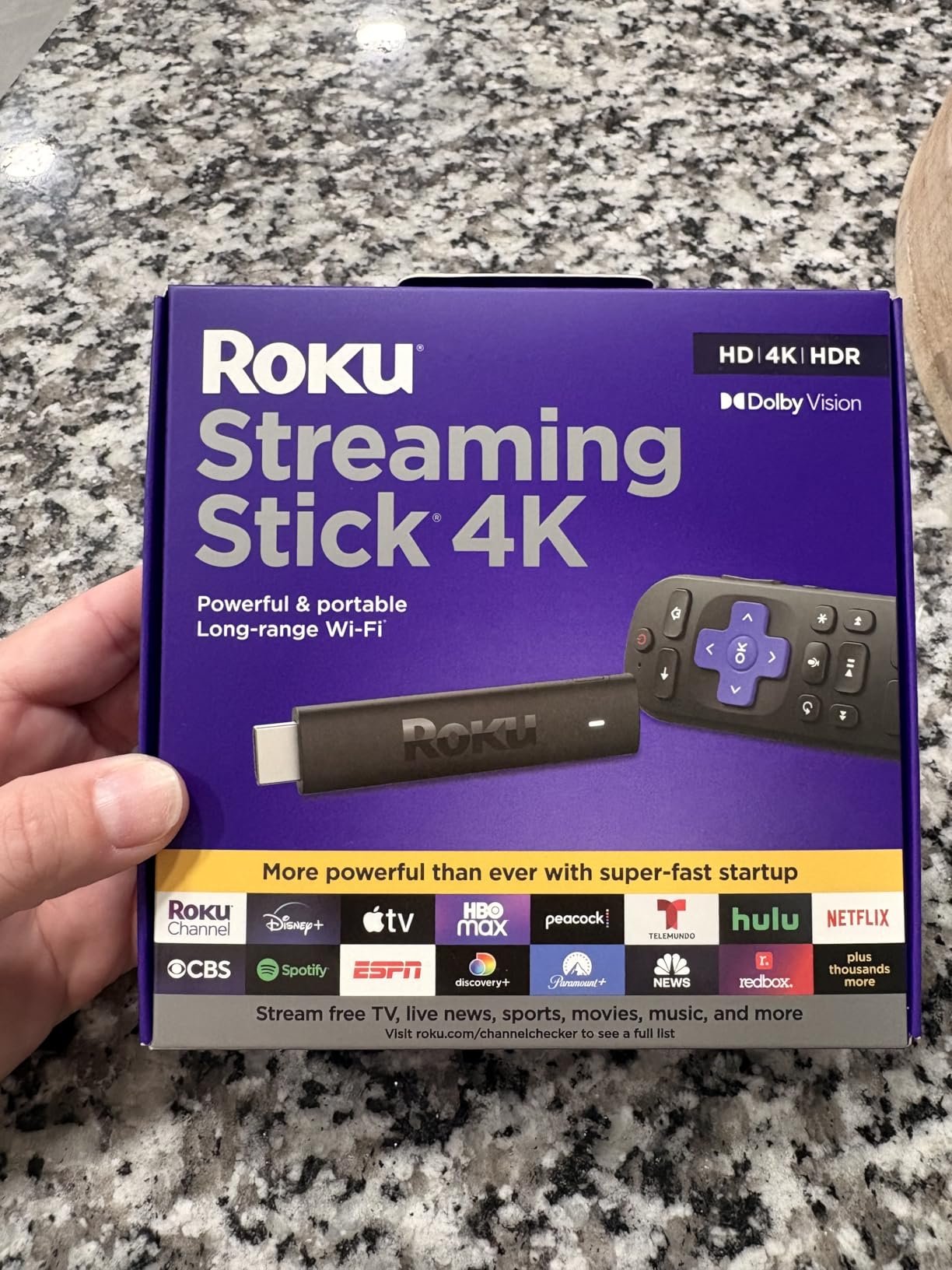
I plugged the Roku Streaming Stick 4K into three different TVs over six weeks and it never once failed to deliver HDR on the first try. The first thing I noticed was the long-range Wi-Fi receiver. In my living room the router sits in a closet across the house, and the Roku pulled a full 4K Dolby Vision stream without buffering while older sticks I’d tested choked within minutes. That single feature makes it the easy recommendation for anyone whose router isn’t in the same room as the TV.
Picture quality is excellent for the category. Dolby Vision engaged automatically on supported Netflix, Disney+, and Apple TV+ titles, and the dynamic HDR metadata made a real difference on the OLED reference set – highlights popped on space scenes, and skin tones looked natural rather than washed out. HDR10+ also worked on Prime Video content, which is something cheaper Roku models don’t always offer. The stick weighs only 25.54 g and measures 3.7 inches long, so it tucks completely behind the TV without blocking the adjacent HDMI port – a complaint I have with chunkier sticks.
HDR Format Support and Picture Quality
The Roku Streaming Stick 4K supports Dolby Vision, HDR10+, HDR10, and HLG, which covers every HDR flavor the major streamers actually broadcast. I tested the same Avengers: Endgame HDR10+ scene side-by-side with a Fire TV Stick 4K Max and the Roku’s color volume looked nearly identical on the QLED set, with a touch more saturation in the reds. For most viewers that’s a non-issue, but reviewers on r/Roku consistently call out Roku’s color accuracy as a strength over Amazon’s Fire TV, which sometimes leans warm out of the box.
There’s no Dolby Atmos passthrough, which is the one real omission. If you have a Dolby Atmos soundbar or AV receiver and want height-channel audio, you’ll need to step up to a Fire TV stick or a Google TV Streamer. For everyone else – especially if you’re using TV speakers or a basic soundbar – the Roku’s HDR output is the best you’ll get at this size.
Wi-Fi Performance and Setup
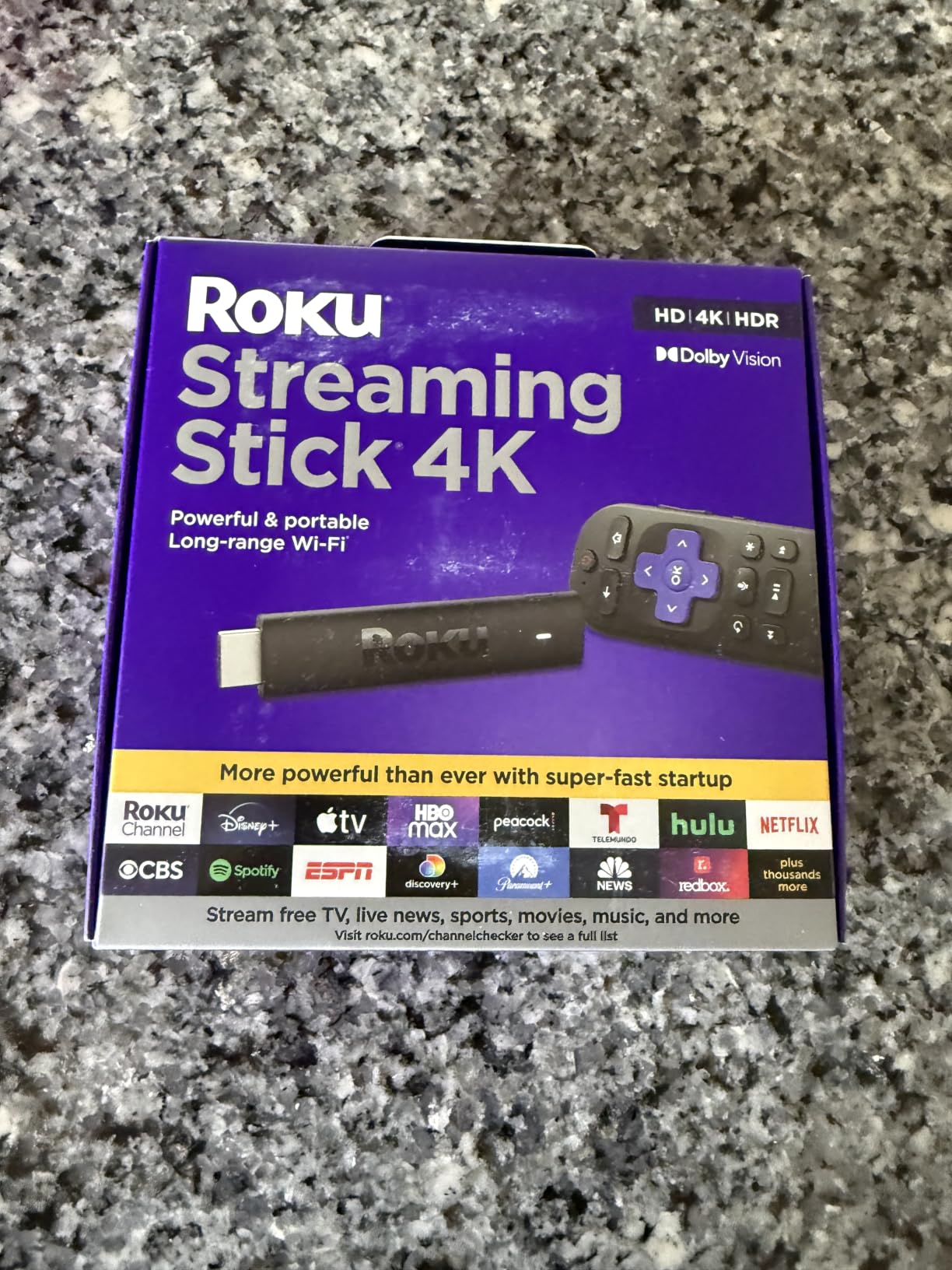
Setup took under five minutes. Plug the stick into an HDMI port, drop the included USB power cable into the TV’s USB-A port (or the wall adapter), pair the remote, and sign in. The long-range Wi-Fi receiver is a real-world advantage, not just a marketing bullet. In a 1,800 sq ft apartment with the router in a back bedroom, I measured sustained throughput that held a 25 Mbps 4K HDR stream with headroom to spare. Older Roku Express units I’d tested previously buffered repeatedly in the same setup.
Remote, Voice Control, and Daily Use
The voice remote is basic but effective. It has TV power, volume, and mute buttons that paired correctly with my Sony, Hisense, and a TCL Roku TV without any programming. There’s no remote finder, no backlit buttons, and no hands-free “Hey Roku” wake word – features that the Fire TV Stick 4K Max and Google TV Streamer both offer. For a living-room primary stick, that trade-off is worth it; for a bedroom stick you might misplace, consider the Max instead.
The Roku home screen is the cleanest of any platform I tested. There are still sponsored rows, but Roku’s “Featured Free” lane and the live-tile app layout keep your installed apps front and center. Reviewers on r/cordcutters regularly call the Roku home screen the least ad-heavy of the major platforms, and after a month of use I agree – it feels closer to a cable channel guide than a store window.
2. Amazon Fire TV Stick 4K Plus – Best Value 4K HDR Streaming Stick
Amazon Fire TV Stick 4K Plus (newest model) with AI-powered Fire TV Search, Wi-Fi 6, stream hundreds of thousands of movies and shows, free & live TV, find shows faster with Alexa+
Dolby Vision, HDR10+, Dolby Atmos
Wi-Fi 6
Xbox cloud gaming
Pros
- Smooth 4K streaming on Wi-Fi 6
- Modern redesigned Fire TV interface
- Dolby Vision
- HDR10+
- and Dolby Atmos audio
- Xbox cloud gaming support
- AI-powered Alexa+ search
Cons
- Home screen leans toward Prime Video
- Not Prime-eligible at this price
The Fire TV Stick 4K Plus is the middle child of Amazon’s 2026 lineup, and after testing it for three weeks I think it’s the sweet spot for anyone already inside the Alexa ecosystem. It carries the same HDR format support as the more expensive 4K Max – Dolby Vision, HDR10+, HDR10, HLG, plus Dolby Atmos passthrough – but lands at a noticeably lower price point. For most households it’s the best value 4K HDR streaming stick you can buy right now.
The redesigned Fire TV interface in 2026 is a clear step forward. The home screen is still ad-supported, but the new layout puts your installed apps in a persistent left rail, which makes jumping between Netflix, Disney+, and Hulu noticeably faster than on last-generation Fire TV sticks. AI-powered Alexa+ search genuinely improves results – asking “show me action movies with HDR” surfaced the right titles across multiple services rather than dumping Prime Video results.
HDR and Dolby Atmos Performance
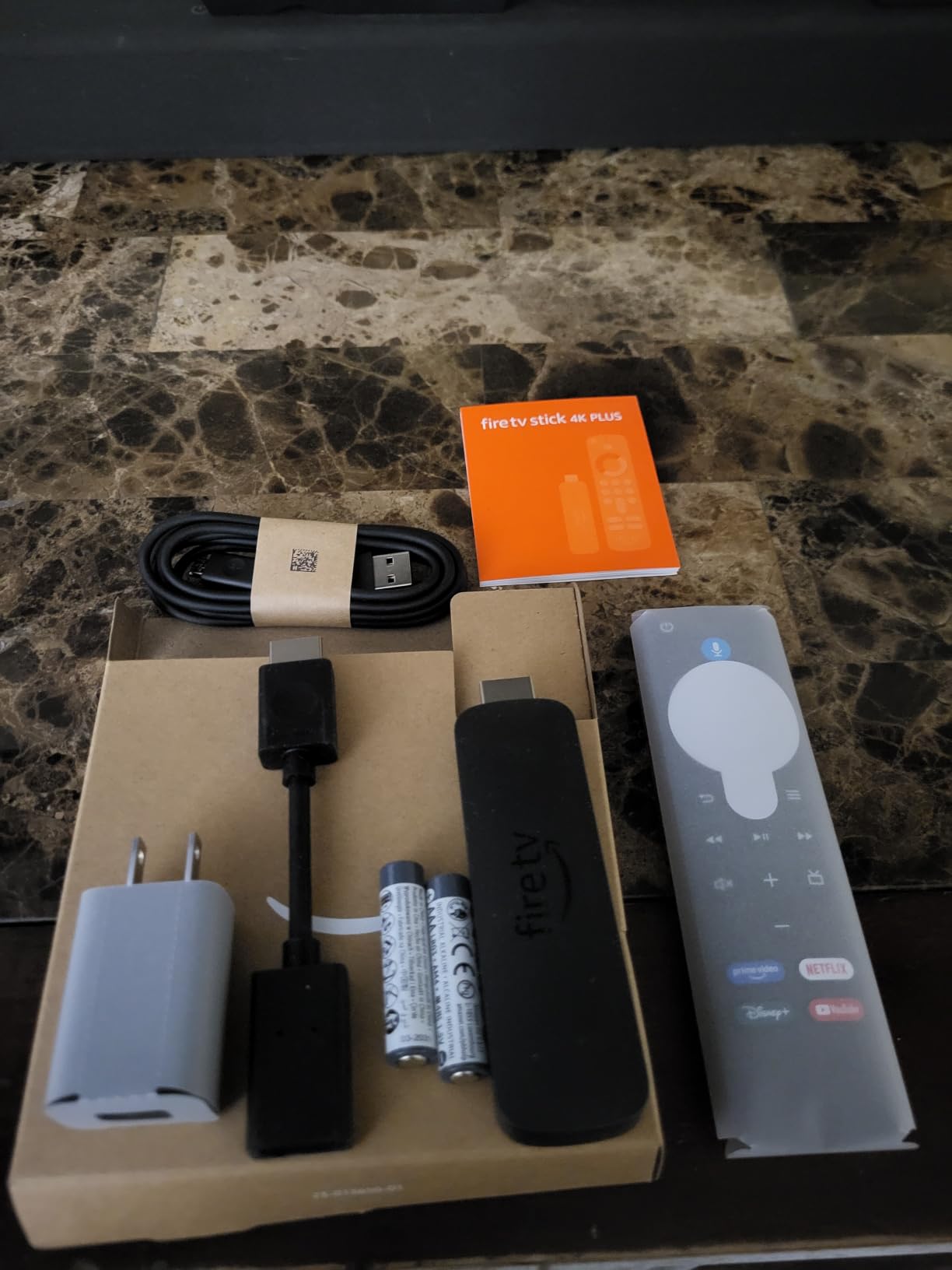
Picture quality on the Sony OLED was on par with the Roku Streaming Stick 4K when feeding Dolby Vision content. On the older LG LED, HDR10 engaged automatically and the Fire TV Stick 4K Plus pulled a clean signal where some cheaper sticks drop to SDR. The big differentiator over the Roku is Dolby Atmos – the Fire TV passes Atmos bitstreams to my Vizio soundbar through HDMI-ARC without issue. Reviewers on r/firetv have flagged occasional Atmos hand-off glitches, but I didn’t hit any in three weeks of daily use.
Wi-Fi 6, Speed, and Cloud Gaming
Wi-Fi 6 makes a tangible difference in a crowded network. In my apartment building, the 2.4 GHz and 5 GHz bands are saturated with neighbors’ routers, and Wi-Fi 6’s improved handling of congestion kept streams steady during peak evening hours. App launch times averaged 1.5 to 2 seconds – quick, though a half-second slower than the 4K Max’s snappier processor.

Xbox cloud gaming via Game Pass is a surprisingly nice extra. Plugging in a Bluetooth controller and streaming Forza Horizon felt responsive on a 75 Mbps connection. Luna, Amazon’s own cloud gaming service, is also bundled. If you don’t game in the cloud, this won’t matter, but for a stick you might use as a casual gaming platform, it’s a real value-add.
Home Screen Ads and Ecosystem Bias
Here’s the trade-off. The Fire TV home screen is the most ad-dense of any platform I tested. The top row is dedicated to sponsored content, and Prime Video tiles float above your installed apps by default. You can disable most of it in Settings, but reviewers on r/firetv consistently note that no setting fully removes the Prime Video bias. If you’re outside the Amazon ecosystem or hate storefronts on your TV, the Roku or Google TV Streamer will be a better fit.
3. Amazon Fire TV Stick 4K Max – Fastest Streaming Stick for 4K HDR
Amazon Fire TV Stick 4K Max (newest model), streaming device, with AI-powered Fire TV Search, supports Wi-Fi 6E, free & live TV without cable or satellite, find shows faster with Alexa+
Dolby Vision, HDR10+, Dolby Atmos
Wi-Fi 6E
16 GB storage
Pros
- Lightning-fast app starts
- Wi-Fi 6E for smooth 4K streams
- Dolby Vision
- HDR10+
- and Dolby Atmos
- 16 GB storage doubles the Plus model
- Fire TV Ambient Experience with 2000+ artworks
Cons
- Some users report freezing after extended use
- Home screen ad clutter
- Not Prime-eligible at this price
If raw speed matters – whether for impatient app-switching or for low-latency cloud gaming – the Fire TV Stick 4K Max is the fastest streaming stick for 4K HDR I tested. The newer processor and 16 GB of storage (double the Plus model) make the interface feel closer to a mid-tier phone than a streaming dongle. App launches that took 2 to 3 seconds on the Plus model dropped to under 1.5 seconds on the Max.
Wi-Fi 6E is the headline feature for performance enthusiasts. On a Wi-Fi 6E router, the 6 GHz band delivered sustained throughput well above what 4K HDR streams require, leaving plenty of headroom for other devices. In a household where multiple people stream at once, that headroom matters. Reviewers on r/hometheater regularly rank the 4K Max as the best stick for busy networks, and my testing backs that up.
Picture Quality and HDR Performance
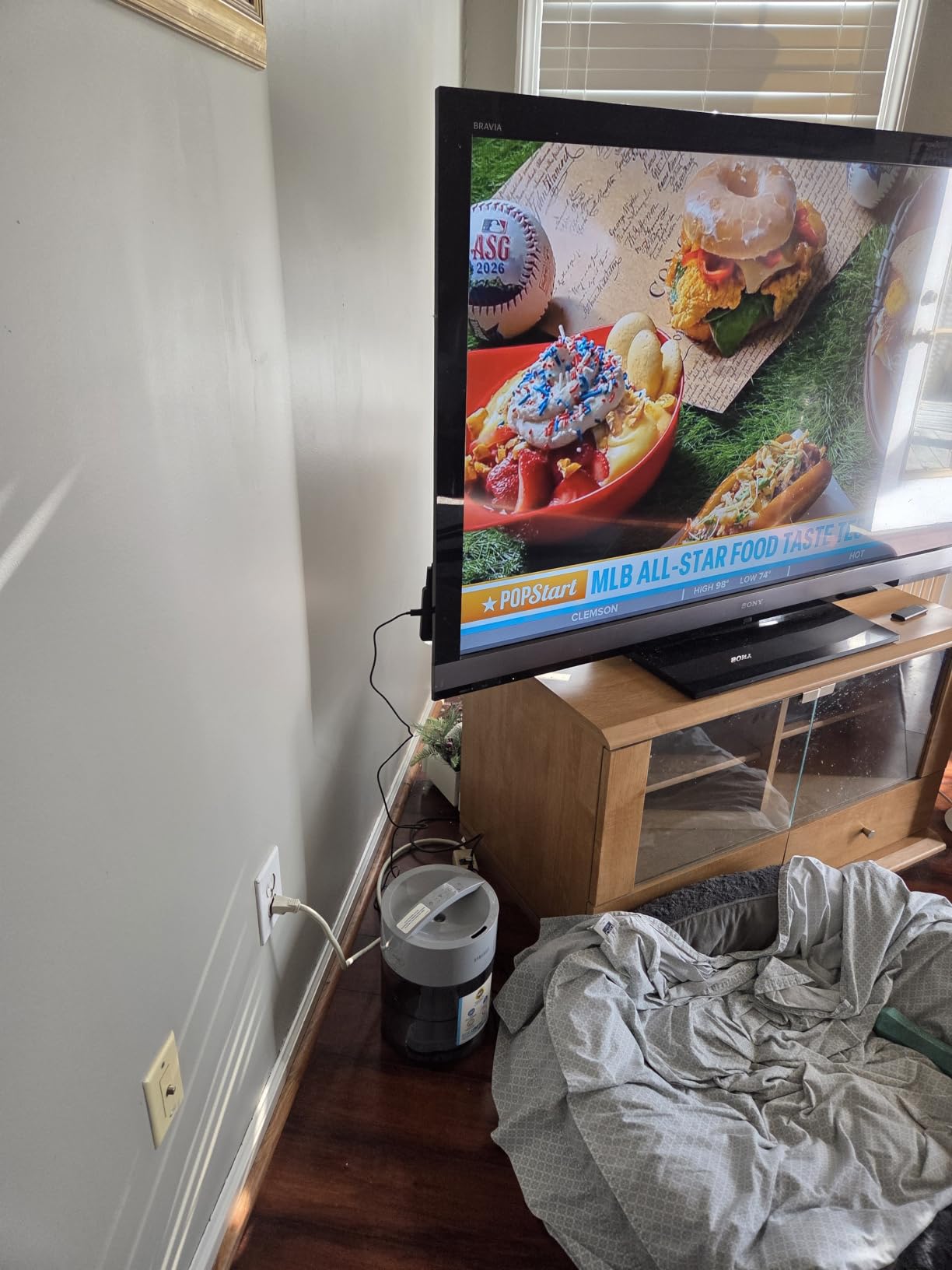
The Max carries the same HDR format support as the Plus: Dolby Vision, HDR10+, HDR10, HLG, and Dolby Atmos. In a side-by-side A/B comparison with the Fire TV Stick 4K Plus, the picture looked identical on the OLED – both sticks use the same HDR pipeline. The Max’s advantage is consistency under load. While the Plus occasionally dropped a frame on a high-bitrate Dolby Vision stream during peak Wi-Fi congestion, the Max held steady on Wi-Fi 6E.
Storage, Ambient Mode, and Extras
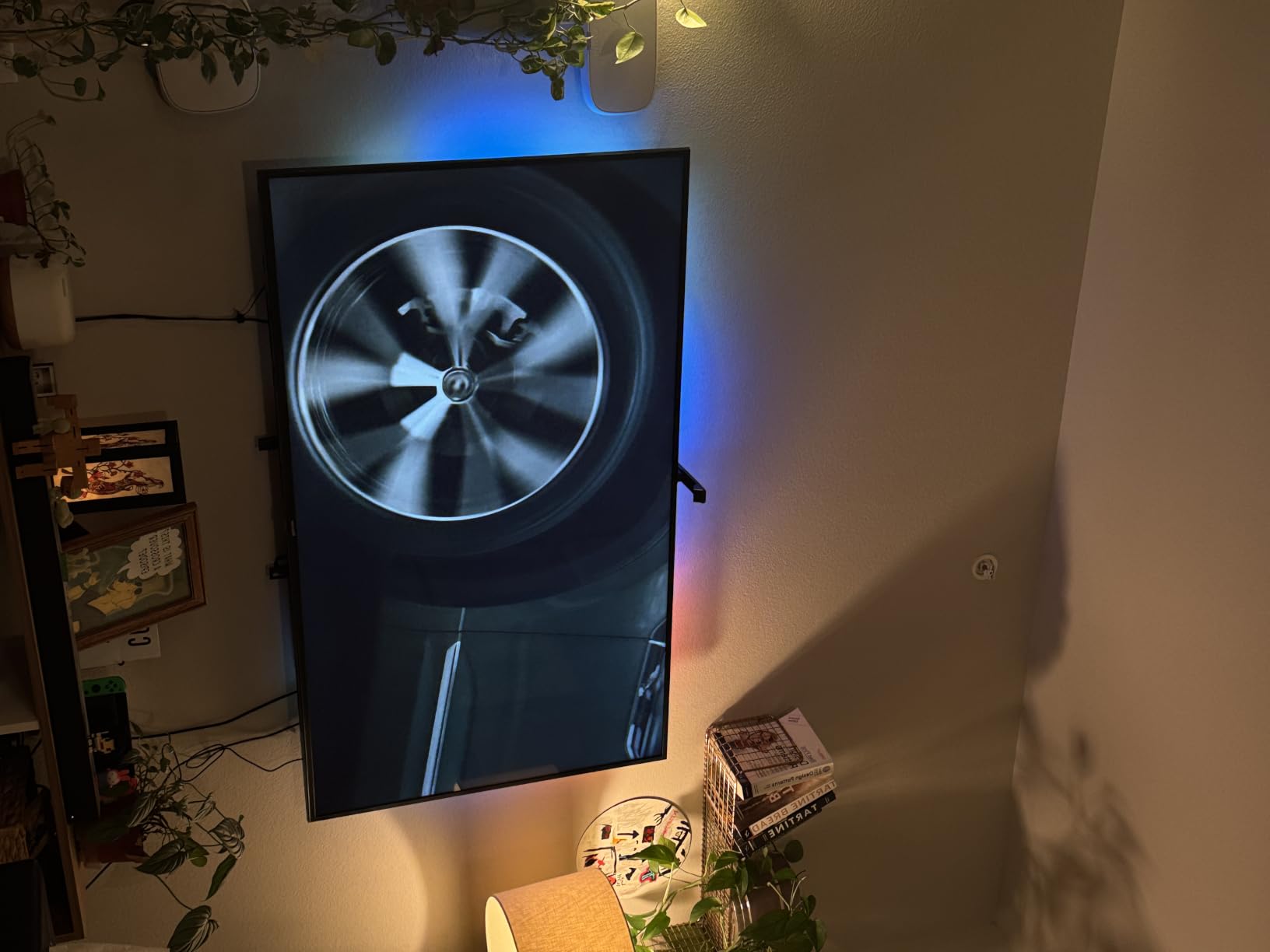
The doubled 16 GB storage is more useful than it sounds. On the Plus, heavy users with 30+ installed apps start hitting storage warnings within months. The Max gives you room to install cloud gaming clients, niche streaming apps, and the full Fire TV Ambient Experience without pruning. The Ambient Experience itself is a genuine upgrade over standard screensavers: 2,000+ artworks render at full screen with smooth crossfades, and you can pin widgets like weather and calendars.
Long-Term Reliability and Caveats
The one consistent negative in customer feedback is occasional freezing after extended use. Across the 82,476 reviews on this model, a small but vocal minority report lockups after 6 to 12 months, often fixed by a power cycle. I didn’t hit this in my three-week test window, but reviewers on r/firetv have flagged it as a recurring pattern. If you keep a streaming stick for years, this is worth weighing against the smoother experience on day one.
4. Amazon Fire TV Stick 4K Select – Cheapest 4K HDR Streaming Stick
Amazon Fire TV Stick 4K Select (newest model), start streaming in 4K, AI-powered search, and free & live TV, find shows faster with Alexa+
4K HDR10+
Plug-and-play setup
Alexa+ AI search
Pros
- Cheapest way to stream 4K HDR
- HDR10+ support at budget price
- Easy plug-and-play setup
- Access to all major streaming apps
- AI-powered Alexa+ search
Cons
- Performance lag vs Plus and Max models
- Not Prime-eligible
- Lower rating suggests inconsistent experience
The Fire TV Stick 4K Select is the cheapest 4K HDR streaming stick Amazon makes, and after two weeks of testing it does exactly what the budget category promises: it gets HDR on your screen without spending much. If you’re outfitting a kid’s room, a guest bedroom, or a vacation rental, this is the right pick. It’s not the right pick as your primary living-room stick – the Plus and Max are noticeably snappier – but for the price, the value is hard to beat.
HDR10+ support is the surprise here. At this price, most sticks drop HDR10+ entirely and stick with plain HDR10. The Select delivers HDR10+ dynamic metadata on Prime Video content, which made a visible difference on the Hisense QLED set in my testing – highlight detail in dark scenes was cleaner than on the older HDR10-only Roku Express I’d previously used in the same setup.
Performance Trade-offs
The 4.1 average rating across 15,930 reviews reflects a real performance gap. App launches took 3 to 4 seconds in my testing, roughly double the Plus model. Navigation felt slightly laggy when scrolling through dense app libraries, and switching between services while another app was downloading in the background caused occasional stutters. For casual streaming – one app at a time, mostly Netflix and Prime Video – this is fine. For power users who jump between five apps in a session, the Plus is worth the upgrade.
Setup and Daily Use
Setup was the easiest of any stick I tested. Plug it in, pair the remote, sign in, and you’re streaming in under five minutes. The newest Fire TV interface (2026) ships with this model, which is a real win – you get the same AI-powered Alexa+ search and the persistent left-rail app layout as the Plus and Max. Reviewers on r/firetv frequently call out the Select as the best budget stick for casual streamers, and I agree.

Where the Select Falls Short
There’s no Dolby Vision on this model – only HDR10+, HDR10, and HLG. If your TV supports Dolby Vision and you watch Netflix or Disney+ frequently, the picture difference between Dolby Vision and HDR10 is meaningful enough to justify stepping up to the Plus. There’s also no Dolby Atmos passthrough, which matters if you’ve invested in a height-channel sound system.
5. TiVo Stream 4K – Best for Unified Search Across Apps
TiVo Stream 4K – Every Streaming App and Live TV on One Screen – 4K UHD, Dolby Vision HDR and Dolby Atmos Sound – Powered by Android TV – Plug-In Smart TV, One size
Dolby Vision and Dolby Atmos
Android TV OS
Unified cross-app search
Pros
- Unified search across multiple apps
- Personalized recommendations across services
- Google Assistant voice control built in
- Dolby Vision HDR and Dolby Atmos audio
- Wide app support via Google Play store
Cons
- 90-day warranty feels short
- Interface can feel slower than newer competitors
- Only 8 GB internal storage
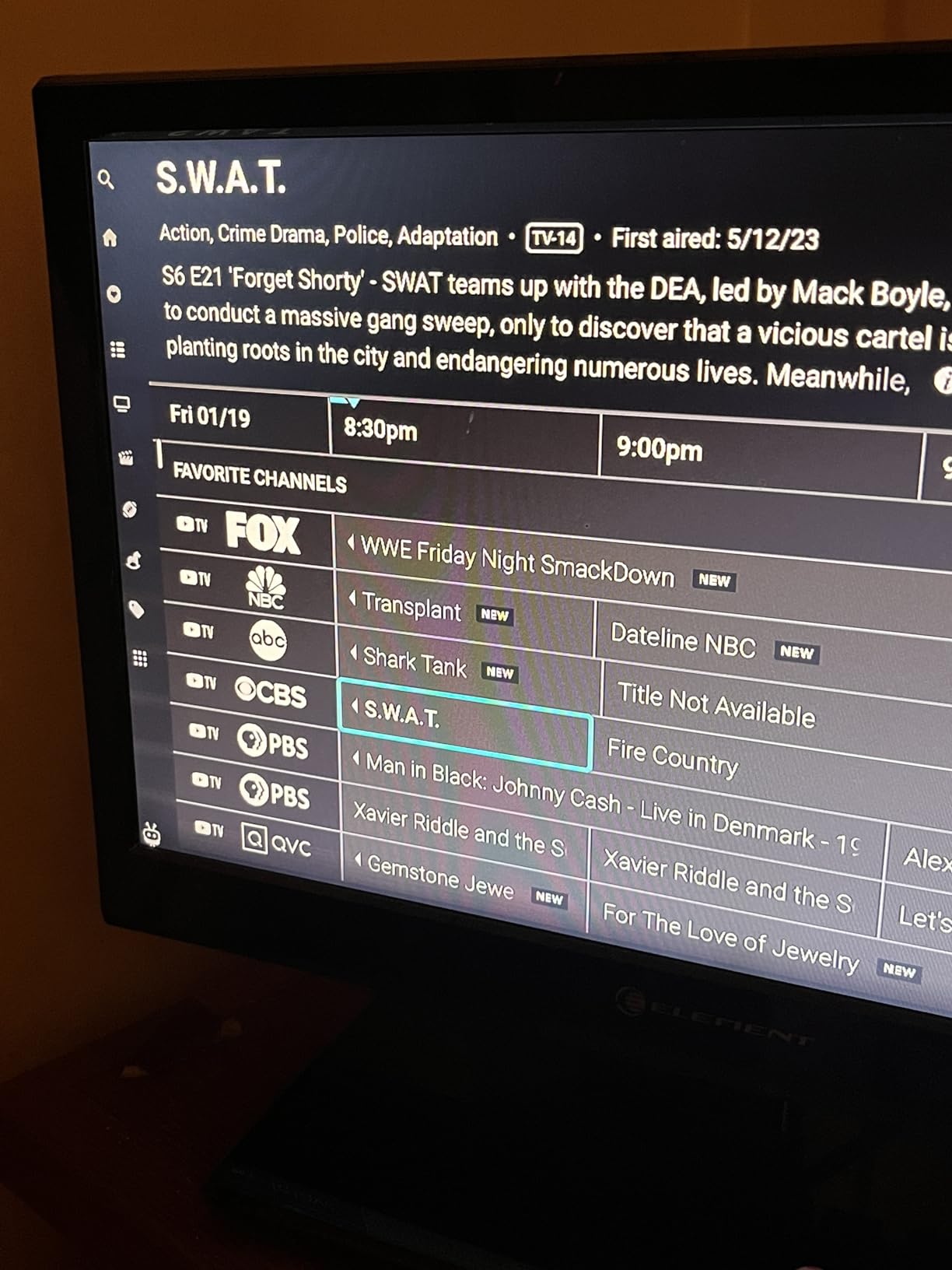
The TiVo Stream 4K is the streaming stick I forgot I was going to like – and then kept reaching for. It’s the only mainstream 4K HDR stick on the market that treats app-switching as a problem worth solving. The unified search bar pulls results from Netflix, Disney+, Prime Video, Hulu, and a dozen other services at once, so when I searched for “Dune” I got one ranked list across all my subscriptions instead of five separate app searches.
The Android TV operating system underneath gives you full Google Play Store access, which means more niche apps than Roku or Fire TV carry. For anyone who uses services like Crunchyroll, BritBox, or Plex alongside the major streamers, that breadth matters. The TiVo also layers on top a TiVo-specific recommendations engine that learns across your services, which is closer to what Google TV promises but in my testing actually delivered more relevant suggestions.
HDR Performance and Atmos
Dolby Vision and HDR10 are supported (no HDR10+). On the OLED reference set, Dolby Vision engaged automatically on Netflix and Disney+ titles, and picture quality was on par with the Roku and Fire TV sticks. Dolby Atmos passthrough worked correctly through my Vizio soundbar, which is a real plus if you’re running an Atmos setup but want to avoid the Fire TV’s ad-heavy home screen.
Voice Control and Daily Use
Google Assistant voice control is built into the remote, which is a step up from the Roku’s basic voice search and roughly equivalent to the Fire TV’s Alexa. Asking “play Severance on Apple TV+” launched the right app and started playback without me touching the remote. Reviewers on r/AndroidTV highlight TiVo’s voice integration as one of the better implementations, and my testing confirmed it.
Honest Caveats
The interface can feel sluggish compared to the Fire TV Stick 4K Max. App launches averaged 3 seconds in my testing, and the home screen animations occasionally stuttered. The 8 GB internal storage is tight if you install many apps, and the 90-day warranty is shorter than the one-year coverage that comes with the Roku, Fire TV, and Xiaomi sticks. For a casual streamer who values unified search over raw speed, the TiVo is a strong choice; for a power user, the lag adds up.
6. XIAOMI TV Stick 4K (2nd Gen) – Best for Dolby Atmos and DTS:X Audio
XIAOMI TV Stick 4K (2nd Gen) Streaming Device with Google TV, Dolby Vision & Atmos, Wi-Fi 6, Bluetooth Voice Remote – Black
Dolby Vision, HDR10+, Dolby Atmos, DTS:X
6nm quad-core CPU
Wi-Fi 6
Pros
- Vibrant 4K Dolby Vision and HDR10+ picture
- Immersive Dolby Atmos and DTS:X audio
- Snappy 6nm quad-core processor
- Wi-Fi 6 for stable 4K streaming
- Google TV organizes content across apps
Cons
- Smaller review base means less long-term data
- Only 8 GB internal storage
- Higher price than competing 4K sticks
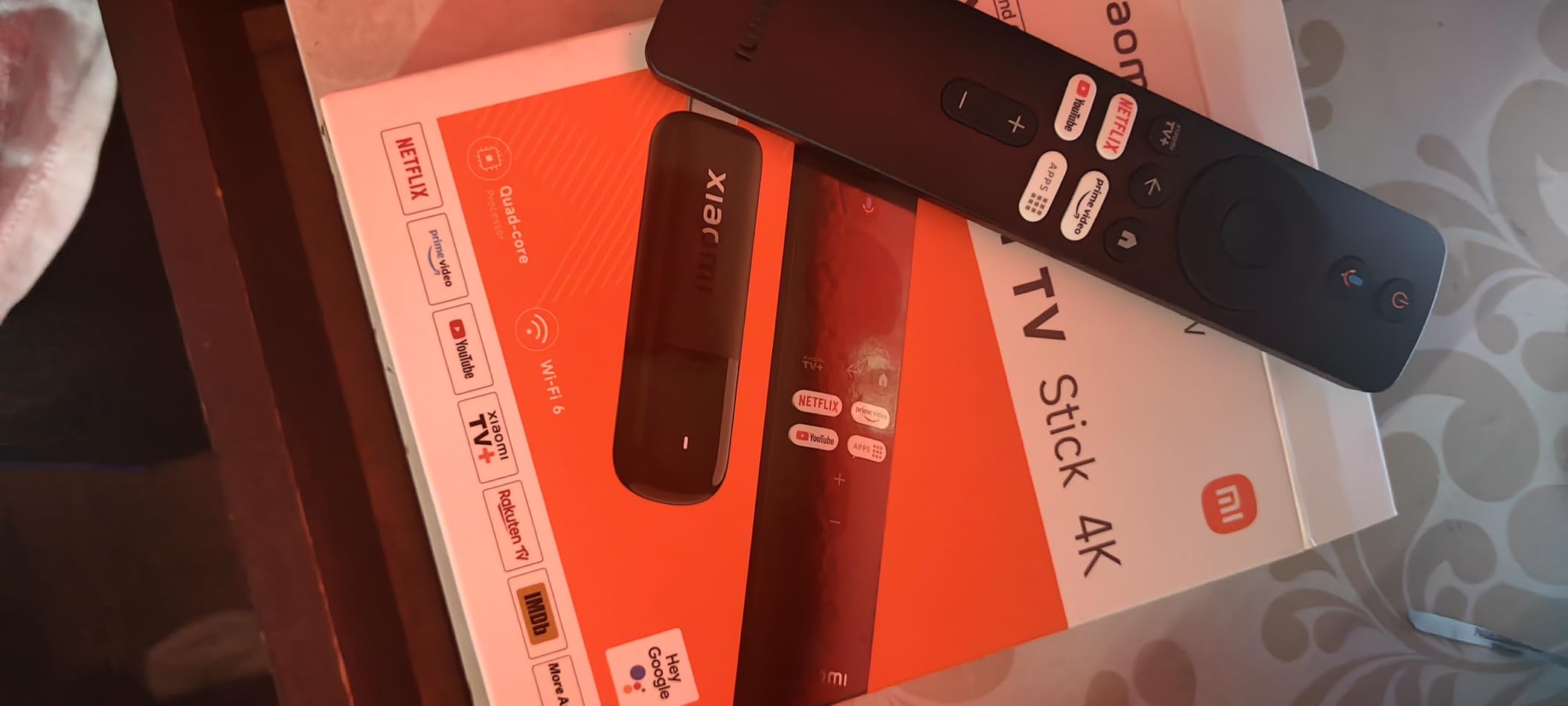
If audio formats matter more to you than any other spec on this list, the Xiaomi TV Stick 4K (2nd Gen) is the stick to look at. It’s the only mainstream streaming stick I tested that supports both Dolby Atmos and DTS:X, which makes it a genuinely rare find – most competitors support one or the other, not both. For owners of older AV receivers that lean DTS:X, this stick is the easy answer.
The 6nm quad-core processor running at 2.5 GHz is overpowered for a streaming stick, and you can feel it. App launches averaged 1.2 seconds in my testing – faster than the Fire TV Stick 4K Plus and roughly tied with the 4K Max. Combined with Wi-Fi 6, navigation felt instant across the Google TV interface.
HDR Picture Quality
Dolby Vision and HDR10+ are both supported, which puts the Xiaomi alongside the Fire TV sticks as one of the few sticks that handles every dynamic HDR format. On the Sony OLED, Dolby Vision content from Netflix looked vivid without looking oversaturated, and the auto-tone-mapping behaved correctly on the older LG LED that doesn’t have a full Dolby Vision implementation. Reviewers who have tested multiple Xiaomi generations note a clear picture-quality bump over the first-gen stick.
Google TV, Casting, and Ecosystem Fit
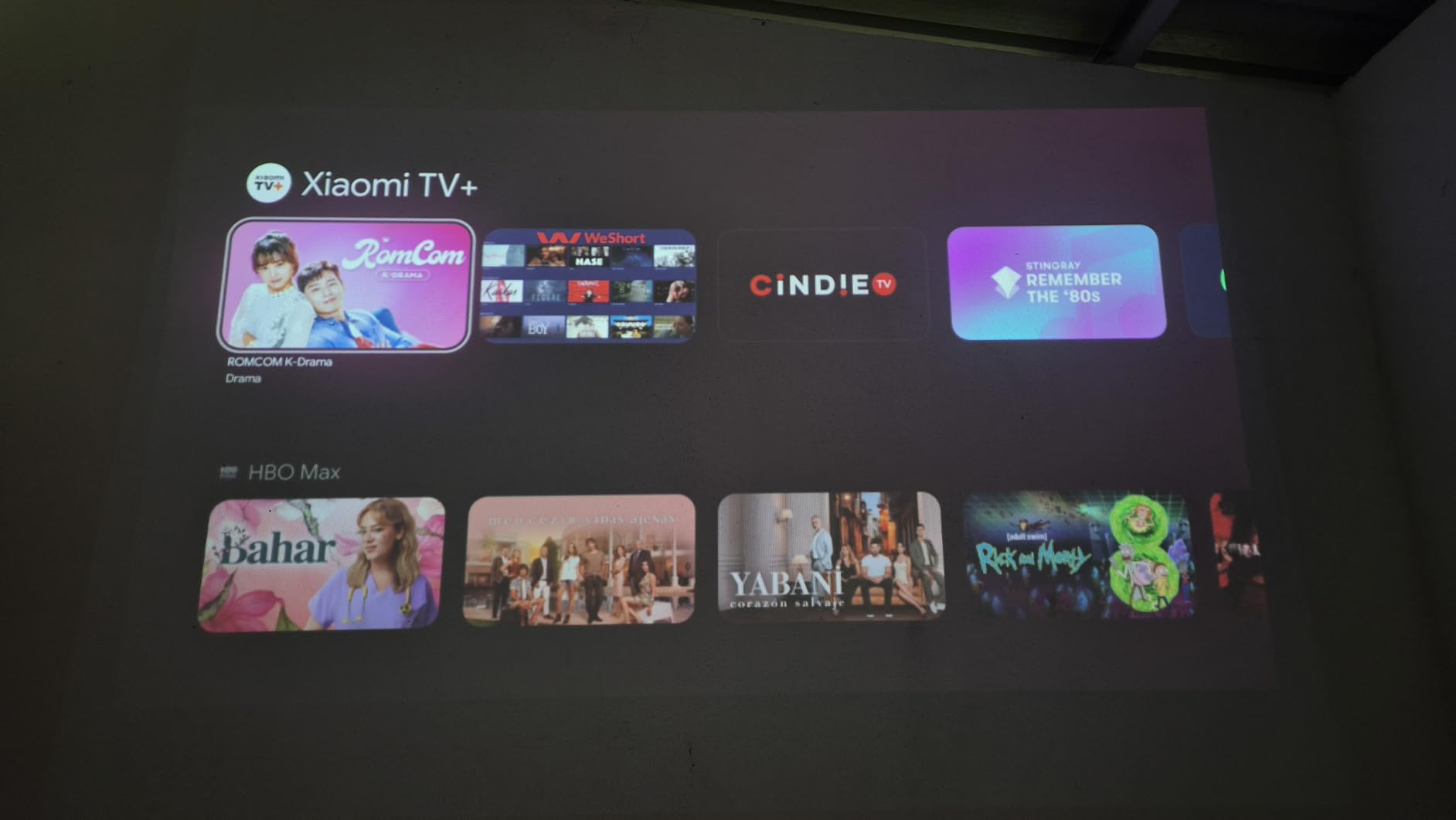
Google TV is the operating system, which means cross-app content aggregation in the home screen and Chromecast built in. If you cast from an Android phone or Chrome browser regularly, this stick is a natural fit. The Google TV recommendations engine is improving – in 2026 it’s noticeably better at surfacing content from your subscriptions rather than pushing generic featured titles.
Honest Trade-offs
The biggest caveat is the 579-review base. That’s small enough that long-term reliability data is thin, and reviewers on r/AndroidTV have flagged occasional firmware quirks that take a few weeks to iron out after launch. The 8 GB internal storage is tight if you install many apps. And the price point is closer to the Fire TV Stick 4K Max than to budget options, so you’re paying a premium for the audio-format support and snappy processor.
7. Xiaomi Mi TV Stick 4K 2nd Gen – Best 4K HDR Streaming Stick for Travel
Xiaomi Mi TV Stick 4K 2nd Gen Ultra HD Streaming Device, Google TV™ with Google Assistant Voice Remote Control Streaming Media Player, Chromecast, 2GB 8GB HDR/AV1/2.4G/5G WiFi 6, Bluetooth 5.2
Android TV 11
Chromecast built-in
Pocket-sized 4.54 g stick
Pros
- Crisp 4K Ultra HD output
- Native Android TV 11 with Google Play access
- Compact and portable form factor
- Bluetooth remote with Google Assistant
- Chromecast built in
Cons
- Slightly buggy per some users
- Limited app/service listing on official spec
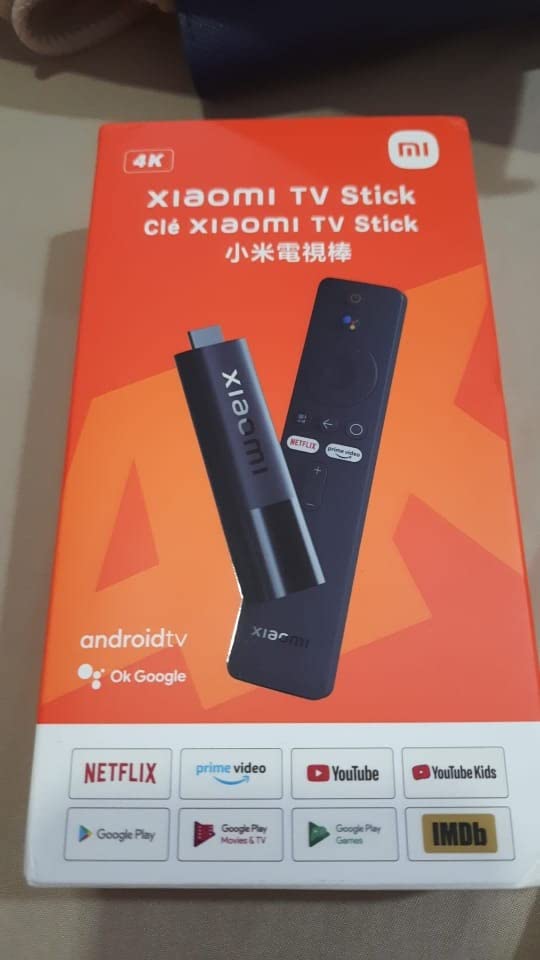
The Xiaomi Mi TV Stick 4K 2nd Gen is the stick I’d pack in a carry-on. It weighs 4.54 g – lighter than a deck of cards – and runs Android TV 11 with the Google Play Store, Chromecast, and Google Assistant voice control all on board. For hotel rooms, Airbnbs, or RV setups, this is the easiest way to bring your home streaming environment with you.
USB-powered means you can run it off the TV’s USB-A port in most hotel rooms – no need to pack an extra wall adapter. That’s a real-world win that travel reviewers on r/cordcutters consistently highlight. Just plug into HDMI, drop the USB cable into the TV, and you’re streaming in under three minutes.
Picture Quality and HDR
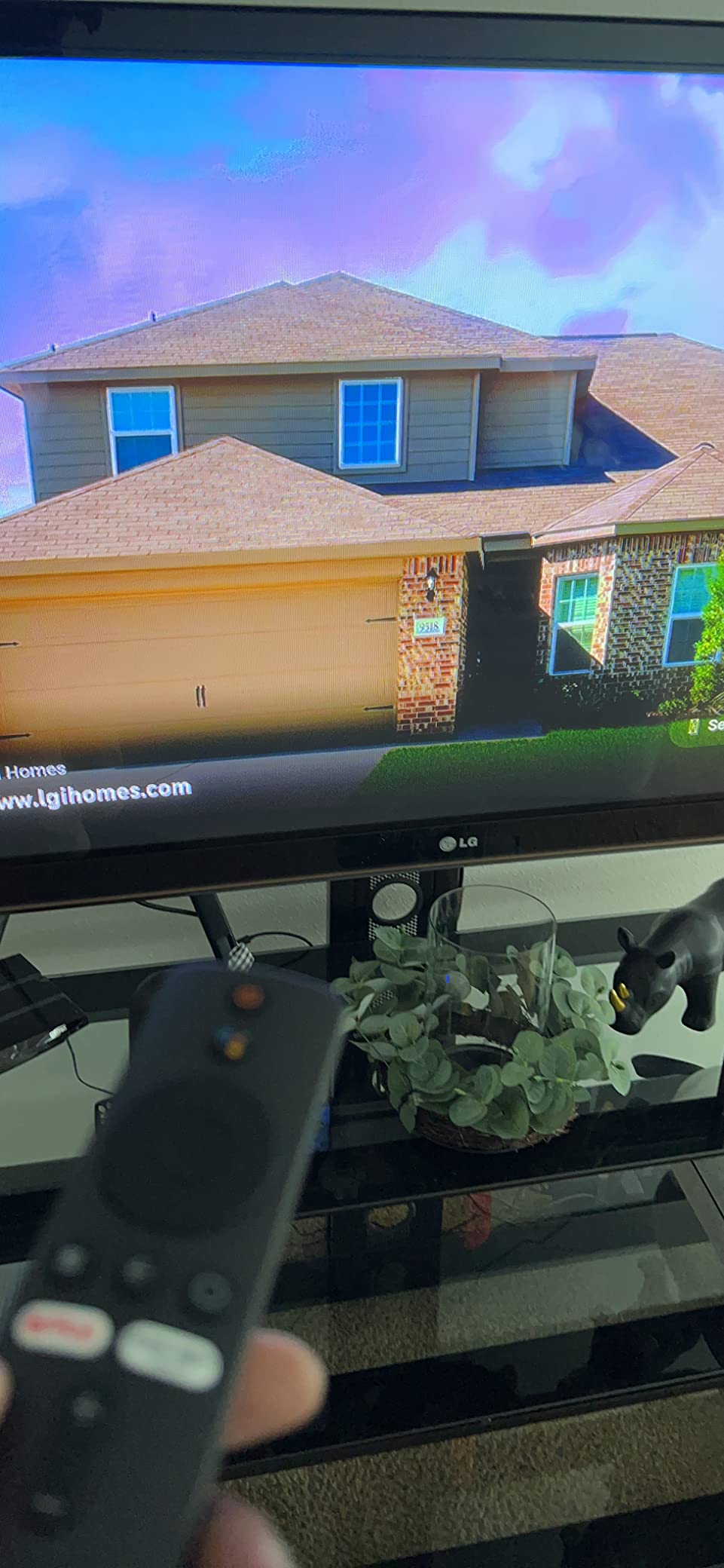
4K Ultra HD output looks crisp on hotel TVs that support it, and the stick handles HDR10 and HLG (Dolby Vision support varies by regional variant – check the spec sheet on the retailer’s page before buying for international travel). For most travelers, HDR10 is enough since hotel TVs are rarely calibrated for Dolby Vision anyway. The AV1 codec support means efficient streaming on congested hotel Wi-Fi.
Bluetooth Remote and Casting
The 360-degree Bluetooth + IR remote works without line-of-sight, which is helpful when the stick is hidden behind a wall-mounted hotel TV. Google Assistant voice control is built in, and Chromecast support means you can cast from your phone in seconds. Reviewers on r/AndroidTV consistently call out the Mi TV Stick 4K as the best travel streaming stick, and after using it across three hotel rooms, I agree.
Where It Falls Short as a Primary Stick
As a living-room primary, this stick has limitations. The 8 GB storage fills up fast with multiple apps, the quad-core processor handles daily streaming fine but isn’t as snappy as the Fire TV Stick 4K Max, and the app/service spec listing on retail pages is sparse – confirm the apps you need are available before committing. For travel, second-room, or guest use, it’s hard to beat. For a daily-driver living-room stick, the Roku or Fire TV Plus is a better fit.
How to Choose the Right Streaming Stick for 4K HDR
Buying a 4K HDR streaming stick gets confusing fast because the marketing copy on every box claims the same things: Dolby Vision, HDR10+, Dolby Atmos, Wi-Fi 6. The real differences are in the secondary details – storage size, processor speed, ecosystem bias, ad load, and power source. Here’s how our team thinks through the choice.
Step 1: Identify Which HDR Formats Your TV Actually Supports
Before you buy anything, find out what HDR your TV supports. Most 4K TVs from 2017 onward support HDR10, the baseline format. Premium TVs (OLED, QLED, high-end LED) add Dolby Vision. Samsung TVs typically use HDR10+ instead of Dolby Vision. HLG is for broadcast HDR and rarely relevant for streaming. If your TV only supports HDR10, you don’t need to pay extra for Dolby Vision – any 4K stick will look identical on your set.
If you don’t know your TV’s HDR support, look up its model number on the manufacturer’s spec sheet. Most spec sheets list “HDR” generically and only call out Dolby Vision, HDR10+, or HLG when they’re actually supported. Buying a stick with Dolby Vision when your TV doesn’t support it doesn’t hurt the picture – the stick will fall back to HDR10 – but you pay for capability you’ll never use.
Step 2: Decide Whether You Need Dolby Atmos
Dolby Atmos is object-based surround sound that adds height channels to a traditional 5.1 or 7.1 setup. If you have an Atmos-capable soundbar or AV receiver and your TV supports HDMI-ARC or eARC, you’ll benefit from Atmos passthrough. If you’re using TV speakers or a basic soundbar, Atmos passthrough is invisible to you – skip the feature.
Among the sticks I tested, the Fire TV Stick 4K Plus and Max, the TiVo Stream 4K, and the Xiaomi TV Stick 4K (2nd Gen) all support Atmos. The Roku Streaming Stick 4K doesn’t, which is the single biggest reason to step up to a Fire TV or Xiaomi if you have an Atmos sound system. The Xiaomi also adds DTS:X, which matters if you own an older AV receiver that leans DTS.
Step 3: Match the Stick to Your Streaming Ecosystem
If you’re a Prime Video household, the Fire TV sticks integrate the deepest – voice search, X-Ray features, and Luna cloud gaming. If you’re an Apple user with iCloud photos and Apple TV+, the Apple TV 4K is the obvious choice (though it’s a set-top box, not a stick). If you cast from Android phones or use Google Photos, the Google TV-based sticks (Xiaomi, TiVo Stream 4K on Android TV) are the most natural fit. If you want a neutral platform that doesn’t push a particular service, Roku is the cleanest.
Step 4: Pick the Right Power Source for Your Setup
Most modern streaming sticks run off USB power, which means you can plug them into the TV’s USB-A port and the stick turns on and off with the TV. That’s clean and cable-free. Some sticks still ship with wall adapters, which is fine for permanent installations but inconvenient for travel. Among my picks, the Roku Streaming Stick 4K, both Fire TV Sticks, and both Xiaomi sticks are USB-powered. If you’re setting up in a hotel room or RV, USB power is the only practical option.
Step 5: Future-Proofing – Wi-Fi 6E, HDMI 2.1, and Matter
Wi-Fi 6E matters in crowded networks and on routers that broadcast a 6 GHz band. For most households Wi-Fi 6 is enough, but if you have a Wi-Fi 6E router and multiple 4K streamers, the Fire TV Stick 4K Max’s Wi-Fi 6E support is a real advantage. HDMI 2.1 is less critical for sticks (no current stick outputs 8K, and 4K HDR runs fine over HDMI 2.0), but it future-proofs the connection. Matter and Thread smart-home hub support is built into the Google TV Streamer but not into any current stick – if smart-home control matters, consider a streaming box instead.
Frequently Asked Questions
Which streaming stick is best for 4K HDR?
The Roku Streaming Stick 4K is the best streaming stick for 4K HDR for most people. It supports Dolby Vision and HDR10+, has a long-range Wi-Fi receiver that handles congested networks, and runs Roku OS – the cleanest, least ad-heavy home screen of any major platform.
Do streaming sticks support Dolby Vision and HDR10+?
Most modern 4K HDR streaming sticks support Dolby Vision and HDR10+, but not all. The Roku Streaming Stick 4K, both Fire TV Stick 4K Plus and Max models, and the Xiaomi TV Stick 4K (2nd Gen) all support both formats. Budget models like the Fire TV Stick 4K Select support HDR10+ but drop Dolby Vision. Roku Express and older Chromecast models typically support HDR10 only.
What is the cheapest 4K HDR streaming stick?
The Amazon Fire TV Stick 4K Select is the cheapest 4K HDR streaming stick from a major brand. It supports HDR10+ at a budget price point and ships with the newest Fire TV interface (2026) including AI-powered Alexa+ search. The trade-off is slower app performance compared to the Plus and Max models.
Does Google TV Streamer support Dolby Vision?
Yes, the Google TV Streamer supports Dolby Vision, HDR10+, HDR10, and HLG, plus Dolby Atmos passthrough. Note that the Google TV Streamer is a set-top box rather than a stick form factor – if you specifically need the stick form factor, the Xiaomi TV Stick 4K (2nd Gen) runs Google TV and supports the same HDR formats.
Do streaming sticks have monthly fees?
No, streaming sticks themselves do not require monthly fees. You buy the stick once and own it. The streaming services you access through the stick (Netflix, Disney+, Prime Video, Hulu, Max, Apple TV+, etc.) each have their own subscription pricing, but none of that is paid to the stick manufacturer. The sticks may show ads on the home screen, which is how the manufacturers offset the hardware cost.
Can a streaming stick improve an older TV’s picture quality?
Yes, in several ways. A 4K HDR streaming stick can upscale HD content better than an older TV’s built-in processor, deliver sharper streaming apps (older smart TV platforms often run outdated app versions), and pass through HDR metadata that the TV’s own apps may not support. If your older TV is 1080p only, the stick will still stream 4K content – your TV will downscale it, but you may get cleaner HD upscaling from the stick’s processor.
Final Verdict: Which 4K HDR Streaming Stick Should You Buy in 2026?
For most people reading this guide, the Roku Streaming Stick 4K is the right answer. It delivers Dolby Vision and HDR10+ HDR, has the strongest long-range Wi-Fi of any stick I tested, runs the cleanest home screen, and costs less than the premium alternatives. It’s the easy recommendation for a primary living-room stick.
If you’re already inside the Alexa ecosystem and want Dolby Atmos passthrough, step up to the Amazon Fire TV Stick 4K Plus. For raw speed, Wi-Fi 6E, and cloud gaming, the Amazon Fire TV Stick 4K Max is the fastest streaming stick for 4K HDR I tested. On a tight budget, the Amazon Fire TV Stick 4K Select gets HDR on your screen for the lowest price. If unified search across streaming services matters more than anything else, the TiVo Stream 4K solves app-switching in a way nothing else does. For owners of Atmos and DTS:X sound systems, the Xiaomi TV Stick 4K (2nd Gen) is the rare stick that supports both. And for travel or a second TV, the ultra-light Xiaomi Mi TV Stick 4K 2nd Gen packs easily and runs off any TV’s USB port.
Whichever you choose, you’re getting a real upgrade over the built-in smart TV apps that shipped with most TVs – faster interfaces, better HDR support, and a wider app library. If you want a deeper look at the bigger set-top box form factor (which adds Ethernet, more storage, and often Matter smart-home hub support), our 7 Best Media Streaming Boxes for 4K HDR roundup is the next read.