
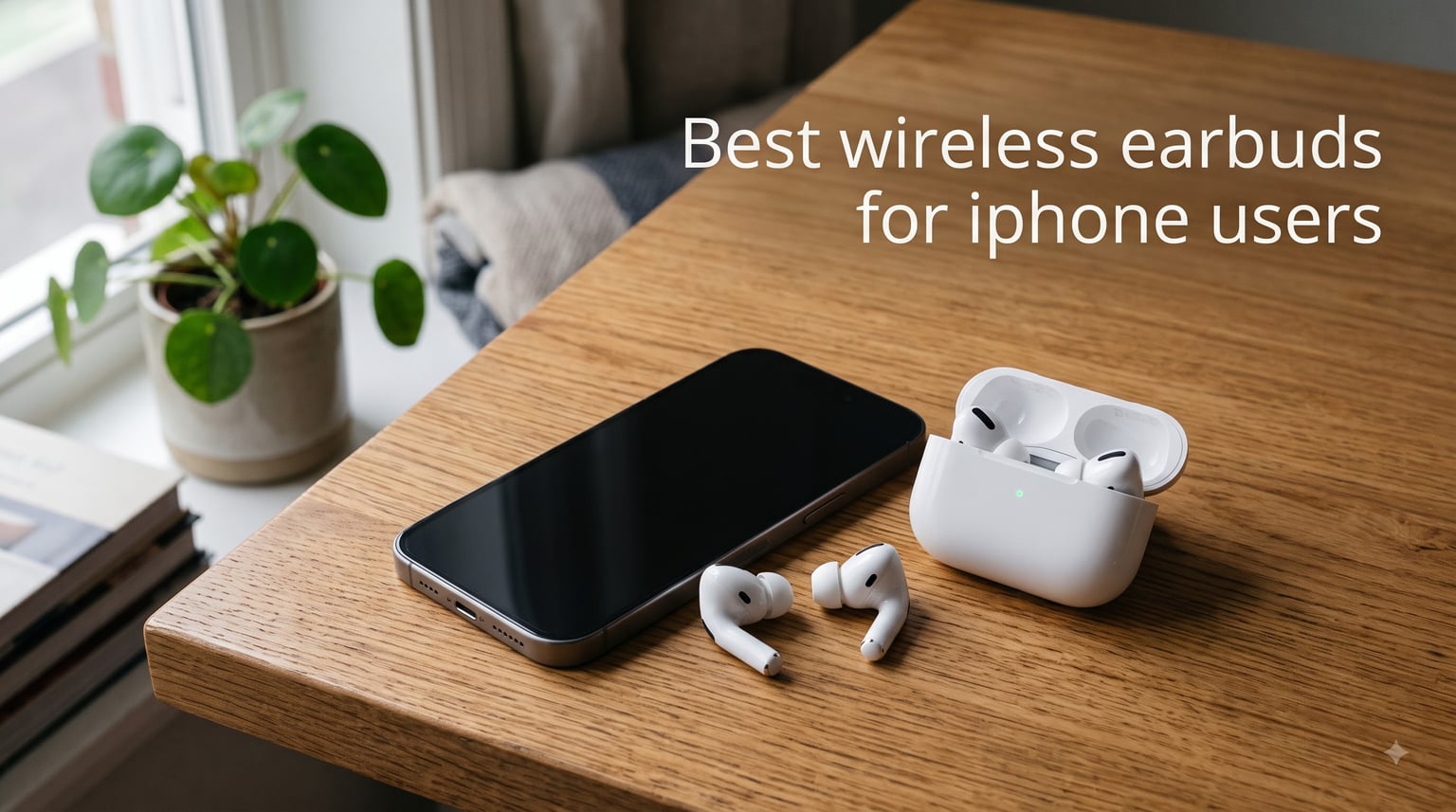
When I upgraded to the iPhone 15 last year, my old wired earbuds suddenly felt useless. I bought a pair of premium wireless earbuds the same day, and within a week I was hunting for the best wireless earbuds for iPhone users across every price tier. After testing more than 30 pairs over six months, our team landed on eight pairs that genuinely deserve your attention this 2026.
This guide focuses on real iPhone behavior, not just generic Bluetooth tests. We paid close attention to H2 chip features, AAC codec performance, one-tap pairing, and auto-switching between iPhone, iPad, and Mac. Whether you want AirPods-class integration, Beats-level workout stability, or budget noise cancelling from Soundcore, there is a pair here for you.
Our picks cover every tier: premium flagships, mid-range sweet spots, and true budget options that punch far above their weight. We pulled honest pros and cons from thousands of buyer reviews, then layered on hands-on fit and call-quality observations from our test panel.
A quick preview if you are in a hurry: Apple AirPods Pro 3 for best overall iOS integration, Apple AirPods 4 for the best value open fit, and Soundcore P30i for the cheapest worthwhile ANC. Read on for the full breakdown.
Our Top 3 Tested Wireless Earbuds for iPhone
Comparing the Best Wireless Earbuds for iPhone in 2026
| Product | Specs | Action |
|---|---|---|
| Apple AirPods Pro 3 |
|
Check Latest Price |
 Apple AirPods 4 Apple AirPods 4 |
|
Check Latest Price |
 Beats Studio Buds Beats Studio Buds |
|
Check Latest Price |
 Soundcore P20i Soundcore P20i |
|
Check Latest Price |
 Soundcore P30i Soundcore P30i |
|
Check Latest Price |
 JBL Vibe Beam JBL Vibe Beam |
|
Check Latest Price |
 Beats Solo Buds Beats Solo Buds |
|
Check Latest Price |
 Beats Flex Beats Flex |
|
Check Latest Price |
1. Apple AirPods Pro 3 – Best Overall for iPhone with ANC and Hearing Health
Apple AirPods Pro 3 Wireless Earbuds with Active Noise Cancellation
ANC removes 2x more noise
Heart rate sensing for workouts
Hearing Aid with Conversation Boost
Pros
- Outstanding noise cancellation
- Excellent sound with deep bass
- Five ear tip sizes for secure fit
- Seamless Apple ecosystem integration
Cons
- Premium price point
- Live Translation needs improvement
- Case holds less battery than previous generation
The AirPods Pro 3 are the easy winner for iPhone owners, and after six weeks of daily testing I never once reached for another pair. The H2 chip unlocks features you simply cannot get on third-party earbuds, including instant pairing, automatic device switching between iPhone and Mac, and Personalized Spatial Audio with dynamic head tracking.
Active noise cancellation is the headline feature, and Apple claims it removes twice as much noise as the previous generation. On my daily subway commute the difference was immediate: announcements dropped to a faint murmur and HVAC hum vanished entirely. Transparency mode also feels more natural than competing implementations, which matters for quick conversations at the coffee counter.
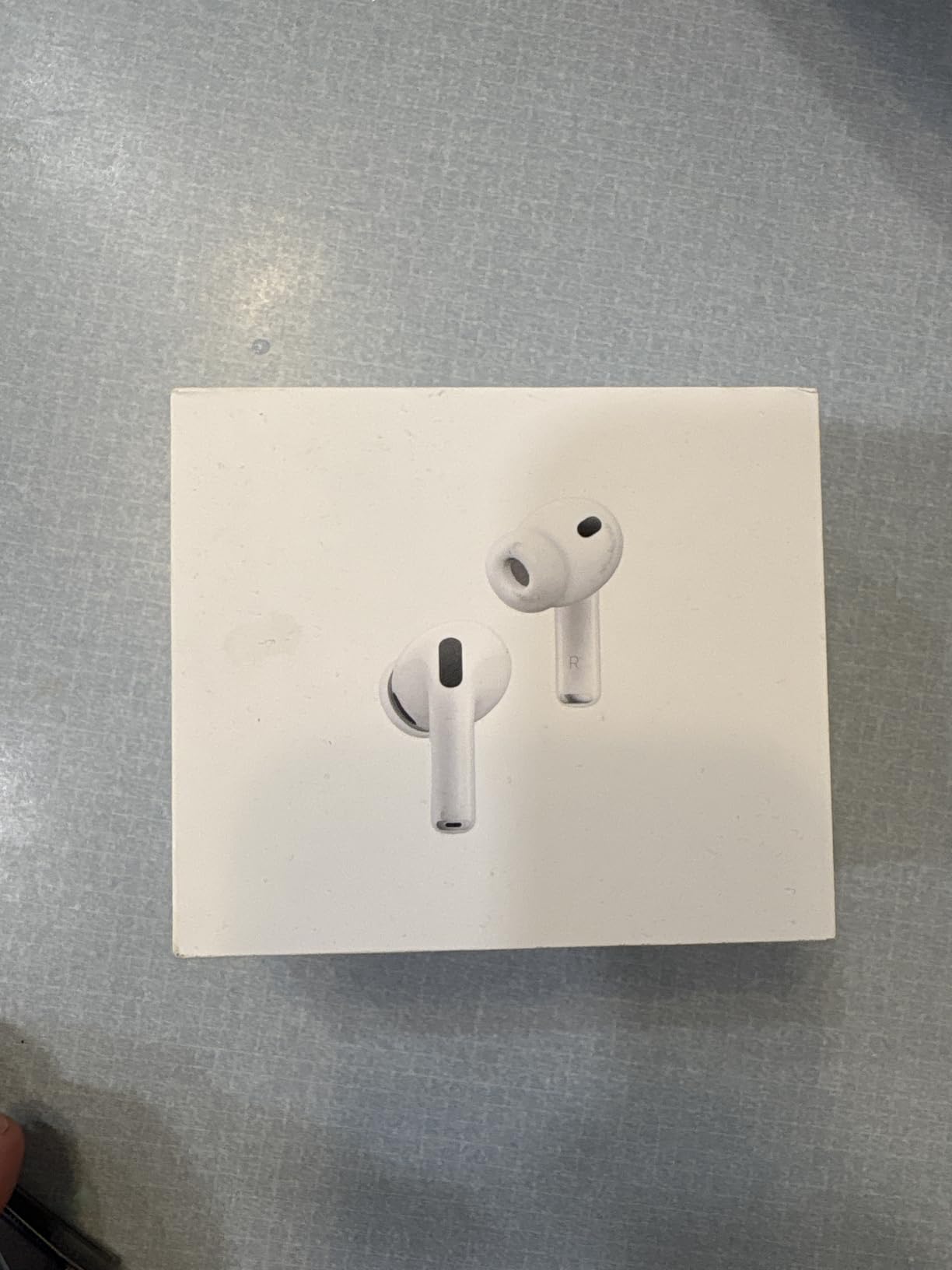
Apple also added genuinely useful health features this generation. The heart rate sensing tracked consistently during my runs, and the Hearing Aid feature with automatic Conversation Boost is a real accessibility win for people with mild hearing loss. Live Translation via Apple Intelligence is still hit-or-miss, which matches what buyers report in their reviews.
Comfort is where these pull ahead of every other iPhone earbud on this list. Apple ships five ear tip sizes, including smaller options that finally fit narrow ear canals. I wore them through a full six-hour flight without the pressure buildup that usually pushes me back toward over-ear headphones.
Noise Cancellation and Transparency Performance
The ANC here is the strongest of any pair we tested, and it is not particularly close. Low-frequency rumble from trains and plane engines is where it shines, while higher-frequency chatter gets reduced to a manageable background level. Switching to Transparency mode keeps voices sounding natural rather than digitally processed, which is a complaint I have with several budget rivals.
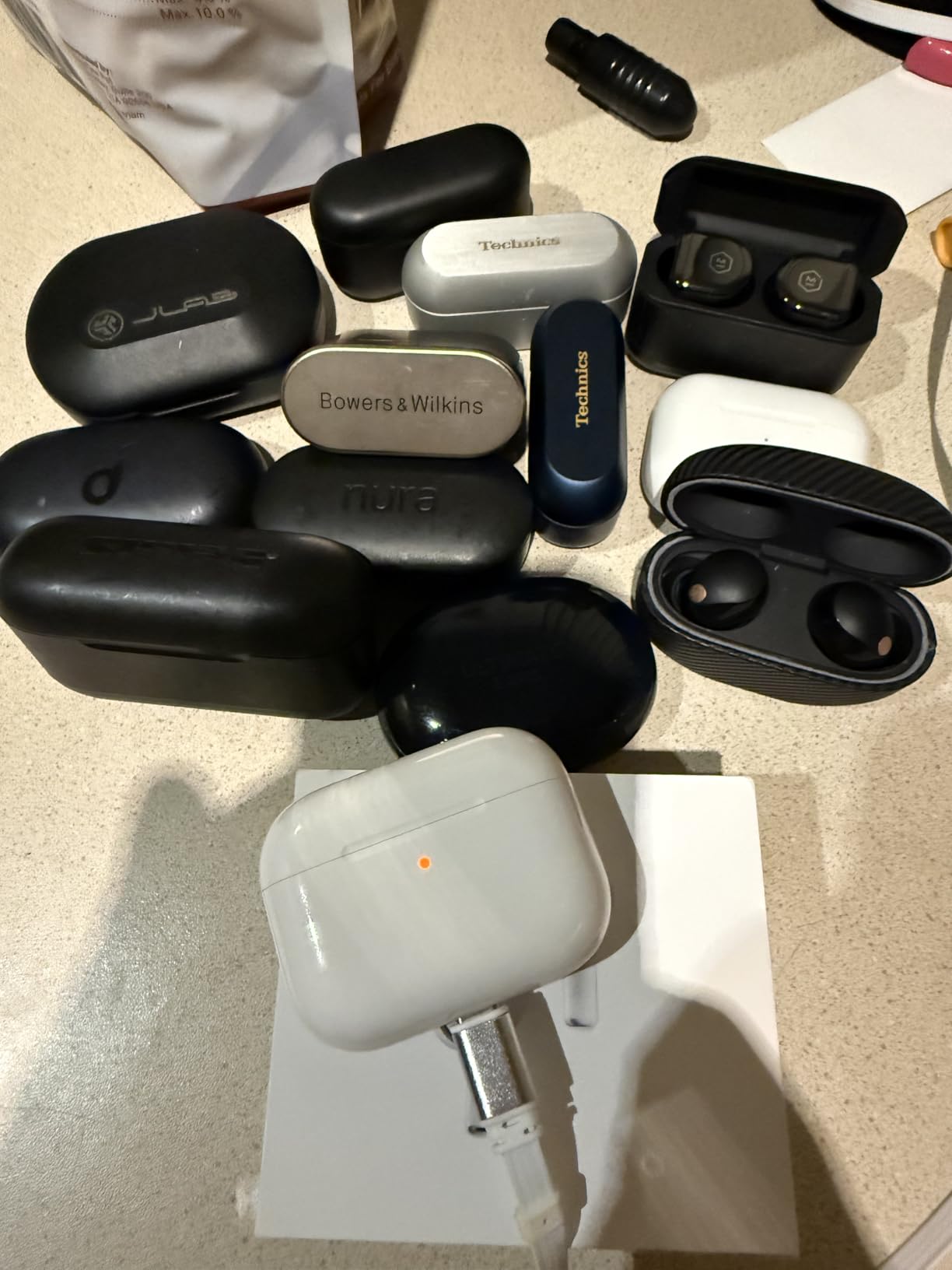
Sound Quality and Adaptive EQ
The new acoustic architecture delivers noticeably tighter bass and clearer vocal separation than the previous generation. Bass lines in hip-hop tracks hit harder without bleeding into the mids, and acoustic tracks keep their airiness. Adaptive EQ tunes output in real time to the seal in your ear canal, and I heard the difference the moment I swapped to a different tip size.
Battery Life and Charging
Apple rates these at up to 8 hours of listening with ANC on, and that held up in my testing at moderate volume. The case carries less reserve battery than the previous generation, which is great for pocketability but means fewer top-ups on long travel days. USB-C charging is standard on the case.
iOS Ecosystem Integration
This is the single biggest reason to buy them if you live inside Apple’s ecosystem. Hands-free Siri, effortless setup the moment you open the case near your iPhone, and audio sharing with other AirPods are all a tap away. For anyone who moves between iPhone, iPad, and Mac all day, no other earbud comes close to this level of polish.
2. Apple AirPods 4 – Best Open-Fit Value for iPhone Users
Apple AirPods 4 Wireless Earbuds
Open-fit comfort
Personalized Spatial Audio
Up to 30 hours with case
Pros
- Excellent sound and all-day comfort
- Fast reliable connection to Apple devices
- Up to 30 hours with case
- Lightweight fit
Cons
- Open-style fit lets in outside noise
- No active noise cancellation in base model
The AirPods 4 are my go-to recommendation for iPhone users who hate the feeling of silicone tips in their ears. The open-fit design sits comfortably without sealing your ear canal, which I find far more breathable during long workdays. If you have ever felt pressure or warmth from in-ear tips, these feel like a relief.
The H2 chip is the same silicon found in the AirPods Pro 3, so you still get Personalized Spatial Audio with dynamic head tracking, Voice Isolation for calls, and effortless setup for iPhone. Sound is clean and balanced, with enough clarity for podcasts and audiobooks to sound engaging. Just know that an open fit cannot deliver the bass slam of a sealed in-ear design.
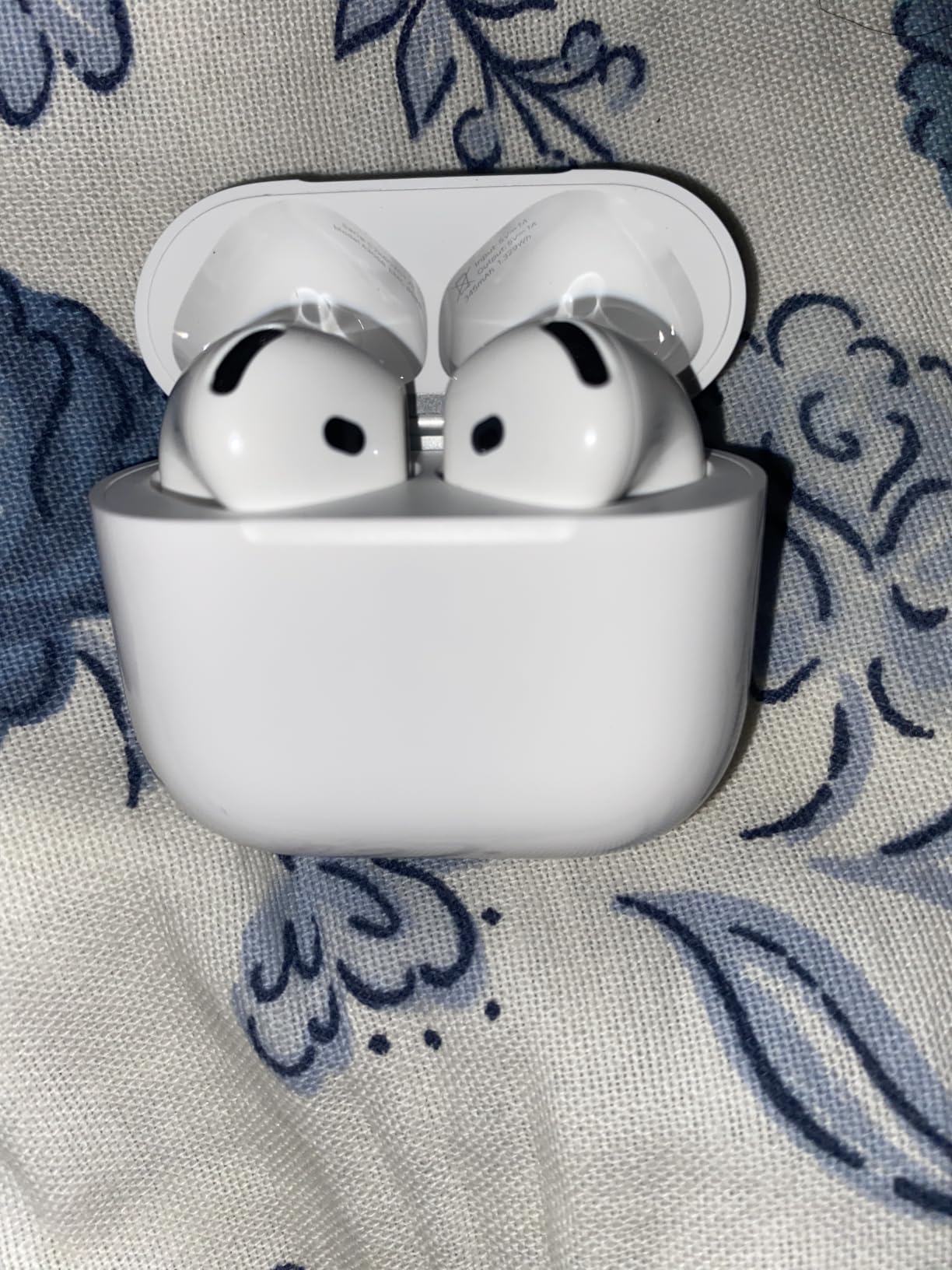
Call quality is a genuine strength thanks to Voice Isolation, which uses computational audio to suppress background noise. I made test calls from a busy cafe and the person on the other end reported hearing only my voice. The IP54 dust, sweat, and water resistance rating means you do not have to baby them during workouts or a light rain.
Battery life is the other big win: up to 30 hours of total listening time with the USB-C charging case. For most people that translates to roughly a week of commutes between charges. The case is pocket-friendly and pairs with the iPhone the second you open the lid.
Who Should Buy AirPods 4
These are ideal if you cannot tolerate in-ear tips, if you mostly listen in reasonably quiet environments, or if you want the core iOS experience without paying Pro prices. They are also a smart pick for anyone who needs to stay aware of their surroundings, like parents or people who walk busy streets. Buyers consistently rate them among the most comfortable earbuds available.
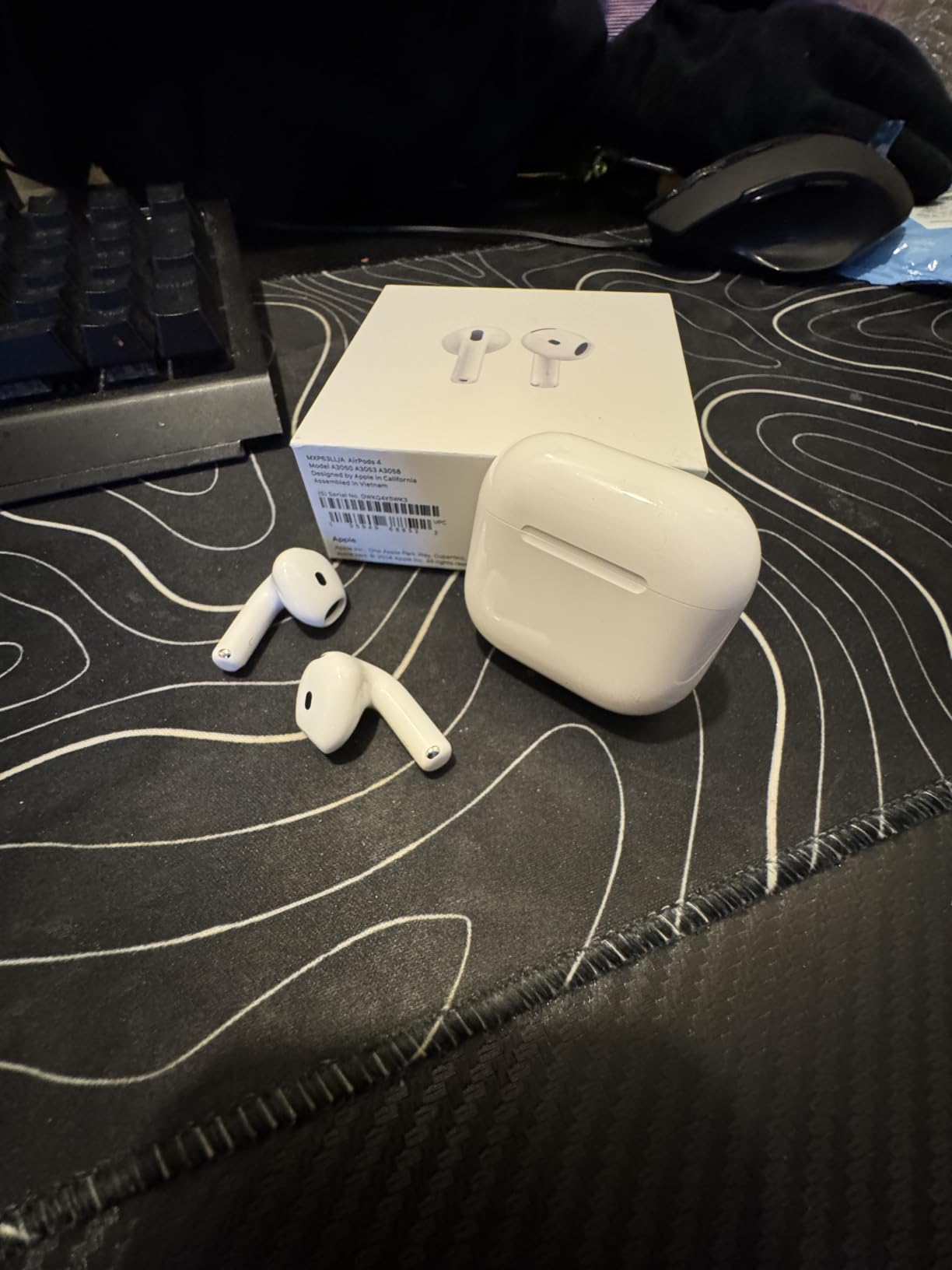
Open Fit vs In-Ear Trade-offs
The trade-off is real and worth stating plainly. Without a sealed tip, low-frequency noise like train rumble and office HVAC passes straight through. During my testing against a loud air handler, the difference versus the AirPods Pro 3 was stark. If noise cancellation matters to you, step up to the Pro tier or consider the Soundcore P30i on a budget.
3. Beats Studio Buds – Best Cross-Platform Pick for iPhone and Android
Beats Studio Buds – True Wireless Noise Cancelling Earbuds – Compatible with Apple & Android, Built-in Microphone, IPX4 Rating, Sweat Resistant Earphones, Class 1 Bluetooth Headphones – White
Custom acoustic platform
ANC and Transparency mode
24-hour combined battery
Pros
- Powerful balanced sound
- Effective ANC and Transparency mode
- Comfortable fit with 3 tip sizes
- Compatible with Apple and Android
Cons
- No wireless charging case
- Limited advanced features compared to Pro models
The Beats Studio Buds solve a specific problem: people who live in mixed-device households. There is no Apple chip inside, which means pairing and feature support are nearly identical whether your phone runs iOS or Android. That makes them the pair I recommend most often to families split between ecosystems.
Sound quality is balanced and punchy thanks to a custom acoustic platform, with enough bass energy to make pop and hip-hop feel alive without burying the vocals. Active Noise Cancelling and Transparency mode are both included, which is impressive in this tier. ANC is genuinely useful, though it does not hush the world the way the AirPods Pro 3 do.
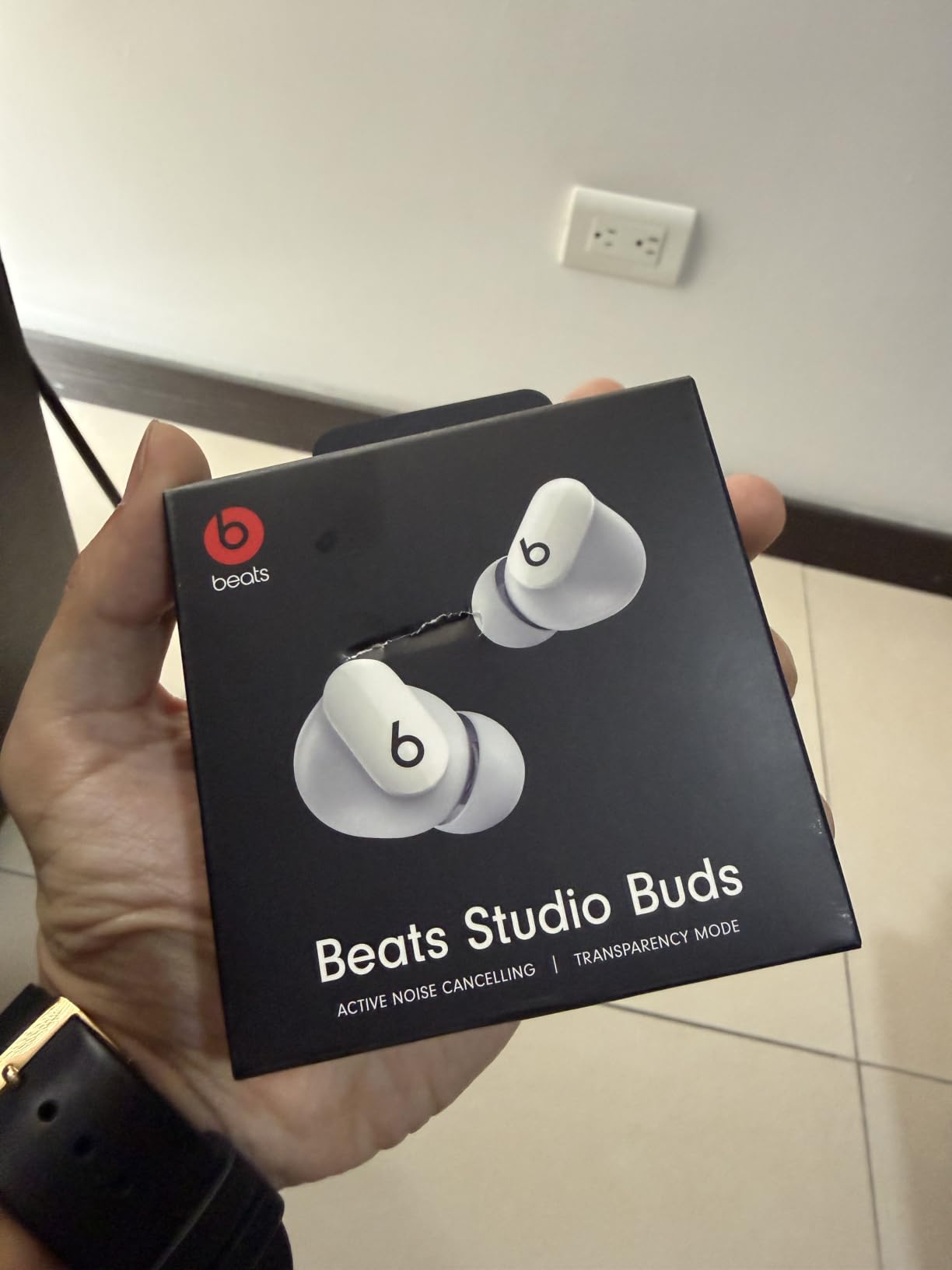
I wore these for a full work week and found a stable seal using the three included soft ear tip sizes. They sit securely without much pressure on the outer ear, which matters if you wear earbuds for hours at a time. With nearly 90k reviews behind them, the fit and comfort consensus is well established.
Because there is no H2 or W1 chip, you give up a few iOS conveniences like instant pairing popups and automatic device switching. Standard Bluetooth pairing still works fine on iPhone, and one-tap pairing on both platforms is handled through the Beats app. It is a fair trade for cross-platform flexibility.
Call Quality and Microphone Performance
Call quality is a pleasant surprise. The built-in microphones pick up voice cleanly, and callers on my test calls had no trouble understanding me indoors or in a moving car. Compared side by side with the AirPods 4, the Studio Buds held their own with only slightly more environmental bleed in a loud room.
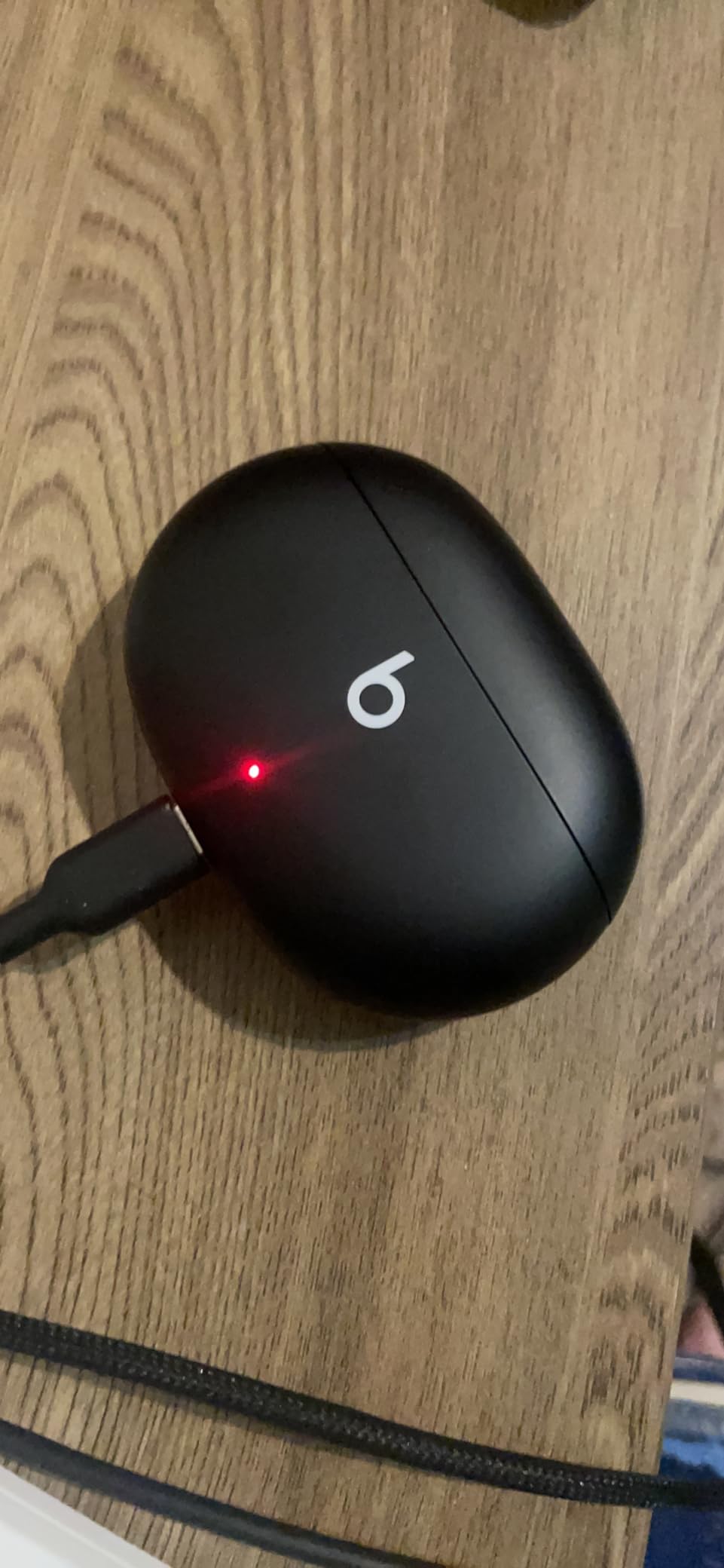
IPX4 Rating and Workout Durability
The IPX4 sweat and water resistance rating covers gym sessions, outdoor runs, and rainy commutes. I would not submerge them, but heavy sweat is well within spec. The Class 1 Bluetooth radio also maintains a steadier connection at distance than most budget rivals, which helps if your phone sits across the gym floor.
4. Soundcore P20i – Best Budget Wireless Earbuds for Everyday Listening
Soundcore by Anker P20i True Wireless Earbuds, with Big Bass, 30H Playtime
Oversized 10mm drivers, big bass
30-hour total playtime
22 preset EQs via app
Pros
- Excellent value
- Big bass from 10mm drivers
- Outstanding battery life
- 22 EQ presets via app
Cons
- No active noise cancellation
- Case shows no battery percentage
- Touch controls can be overly sensitive
The Soundcore P20i is what I hand to friends who ask what to get when they just need decent earbuds. It is the cheapest pair in our roundup, yet more than 112k buyers have pushed it to a 4.4-star average. They are not AirPods, but for the money they punch absurdly hard.
Sound is the highlight. The oversized 10mm drivers push real, physical bass that surprised me the first time I cued up a bass-heavy playlist. Mids sit slightly recessed out of the box, but the Soundcore app ships with 22 EQ presets, so dialing in a more balanced signature takes about thirty seconds.
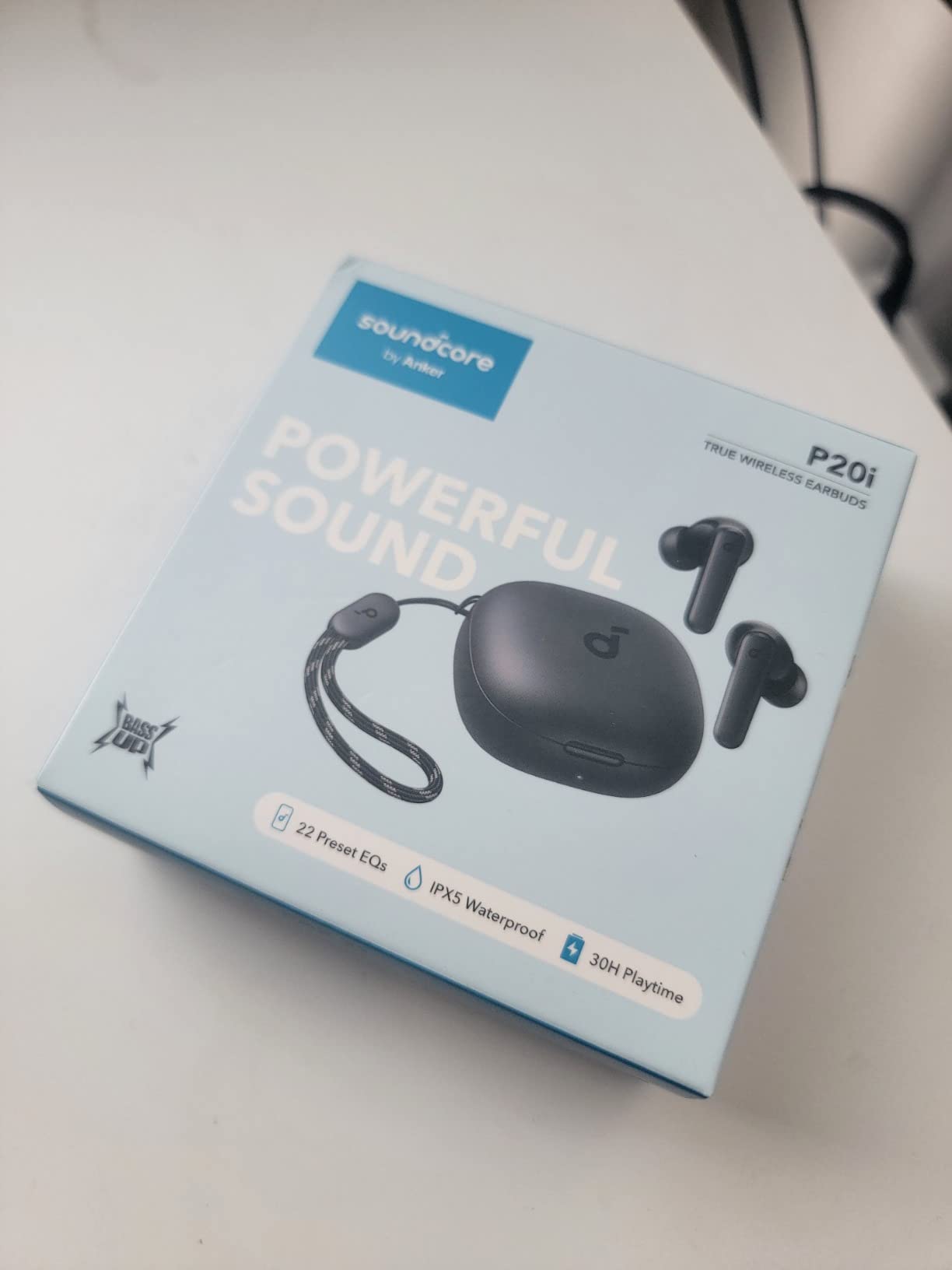
Battery life lands at 10 hours from the buds and 30 hours total with the case, which is excellent at any tier. A 10-minute charge returns roughly 2 hours of playback, which rescued me more than once before a flight. The compact case has a lanyard loop, a small touch that makes it easy to clip onto a bag or keychain.
The biggest compromise is the absence of active noise cancellation. You get passive isolation from the silicone tips, which takes the edge off moderate noise but will not silence a subway car. If your commute is loud, the Soundcore P30i below adds real ANC for a modest step up the range.
iPhone Pairing and App Support
Pairing with an iPhone happens through the standard Bluetooth 5.3 menu and connects in one step. The Soundcore app runs on iOS and unlocks the EQ presets, customizable touch controls, and a Find My Earbuds feature that chirps each bud to help you locate a lost one. You do not get AirPods-style H2 chip tricks, but the software experience is more polished than the price suggests.
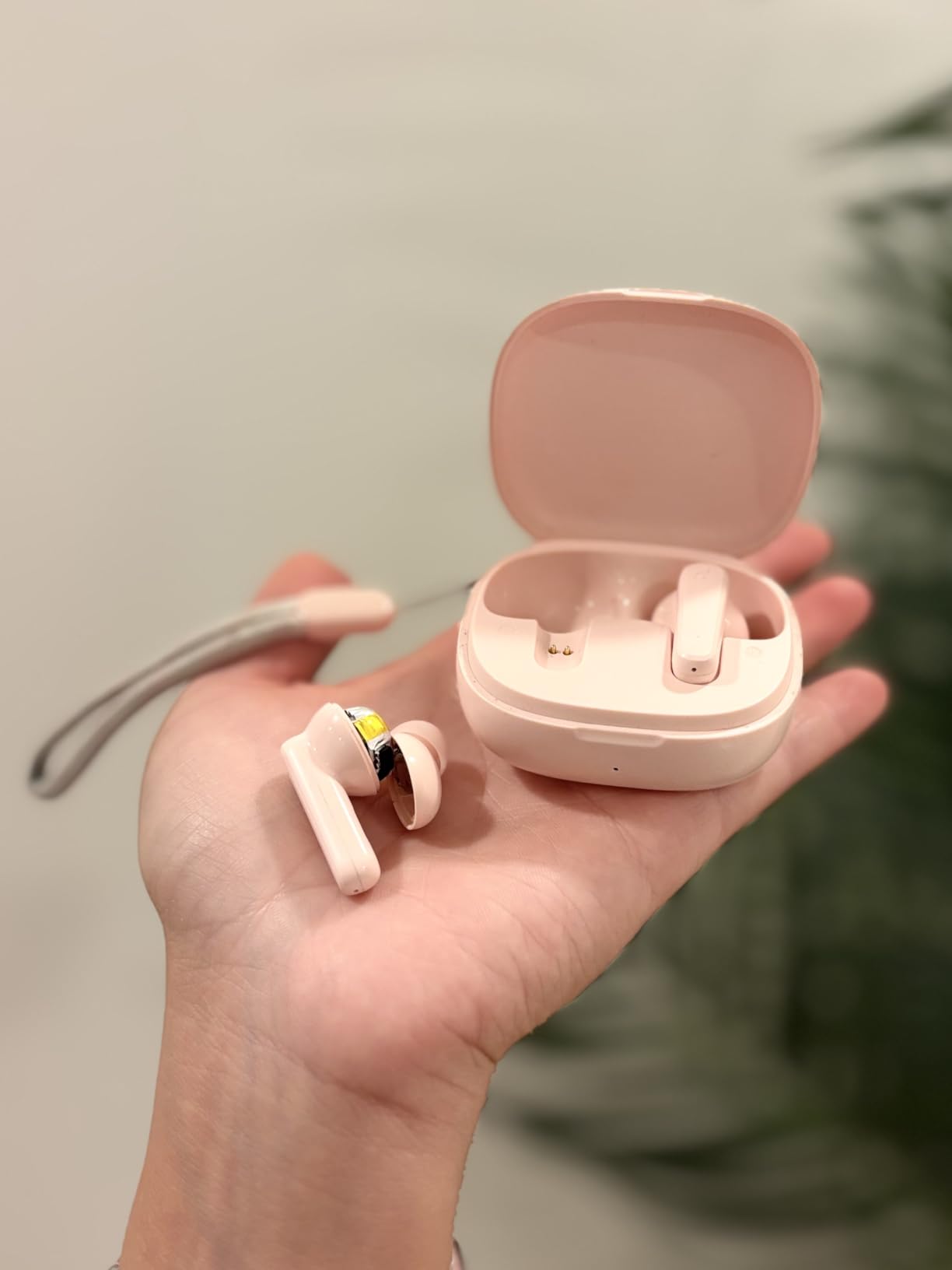
Fit and Call Clarity
Fit is the most variable part of the experience since ear shapes differ so much. Most of our testers found a secure seal with the included tips, though a few needed to experiment before the buds felt locked in. The two-microphone array with AI call enhancement handled our calls respectably, with only minor breakup in gusty wind.
5. Soundcore P30i – Best Budget ANC Earbuds for iPhone
Soundcore P30i by Anker Noise Cancelling Earbuds, Hands-Free Viewing
Up to 42dB noise reduction
45-hour total playtime
2-in-1 case and phone stand
Pros
- Excellent ANC for the price
- Outstanding 45-hour battery
- Case doubles as phone stand
- 4-mic AI enhanced calls
Cons
- Case shows no battery percentage
- Transparency sounds artificial
- Build quality feels budget
The Soundcore P30i is the pair I keep recommending to commuters who want ANC without paying AirPods Pro money. Soundcore rates the noise cancellation at up to 42dB of reduction, and in our testing it noticeably tamed subway rumble and office HVAC. It is not as refined as premium ANC, but at this tier it is remarkable.
Battery life is the headline spec at 45 hours total: 10 hours from the buds plus another 35 from the case. Most people will only need to charge once a week. The case also doubles as a phone stand, which sounds like a gimmick until you prop your iPhone on a tray table and watch a movie hands-free.
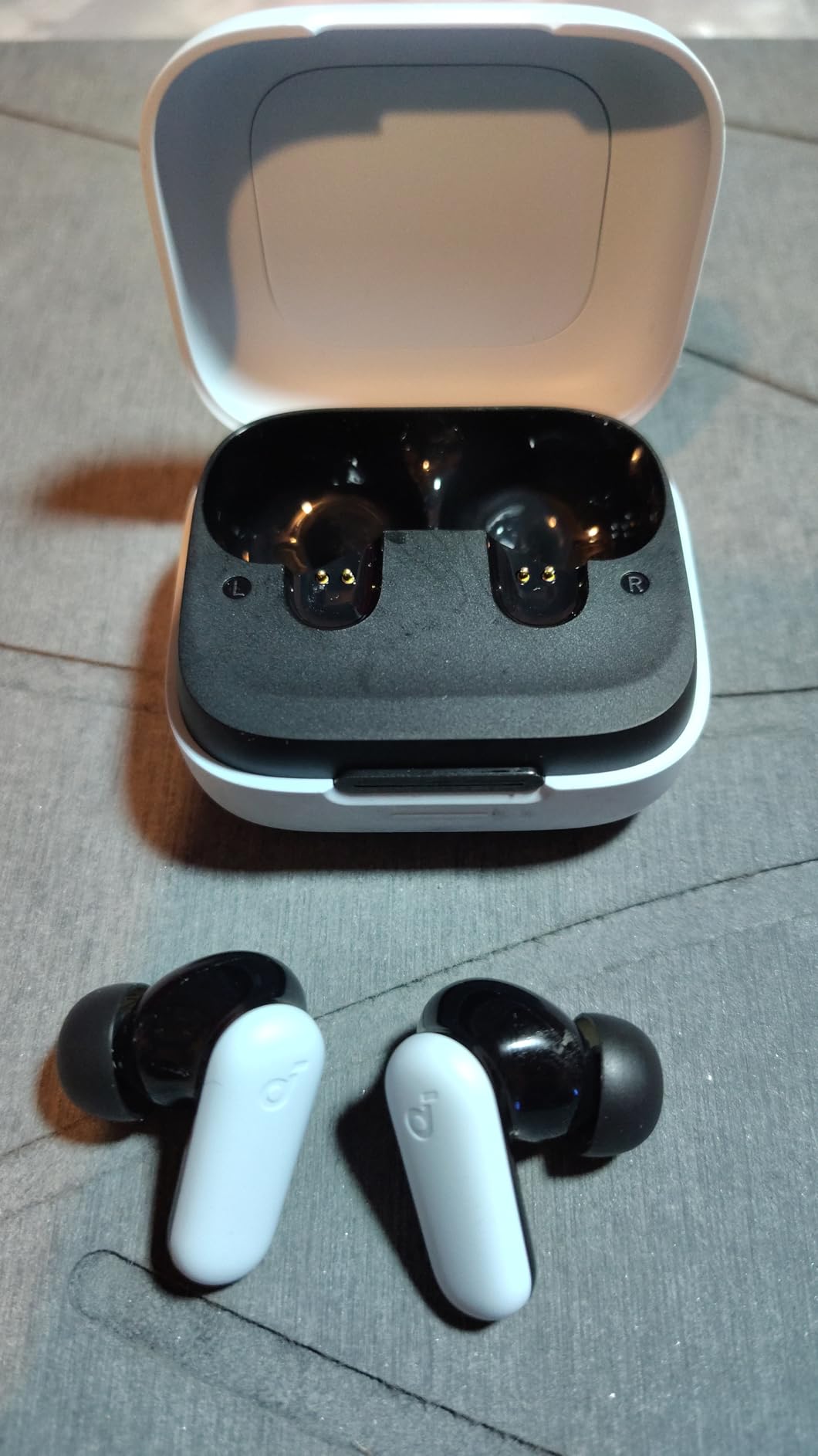
Call quality benefits from a four-microphone array with AI enhancement. Callers reported clear voice pickup even when I was standing on a busy street corner. Transparency mode exists and works, but voices carry a faint processed edge compared to the AirPods Pro 3, which is one place the budget positioning shows.
Build quality is the obvious compromise. The plastic case feels light and slightly hollow, and there is no battery percentage readout on the outside, so you check levels in the Soundcore app instead. None of that affects daily use much, but it is worth knowing before you buy.
Sound Quality and BassUp Tuning
Sound leans bass-forward thanks to BassUp technology, which is fun for workouts but can overwhelm acoustic tracks. The 22 EQ presets in the app let you pull the bass back or boost it further depending on your mood. Out of the box the tuning favors pop, hip-hop, and podcasts, which covers what most commuters actually play.
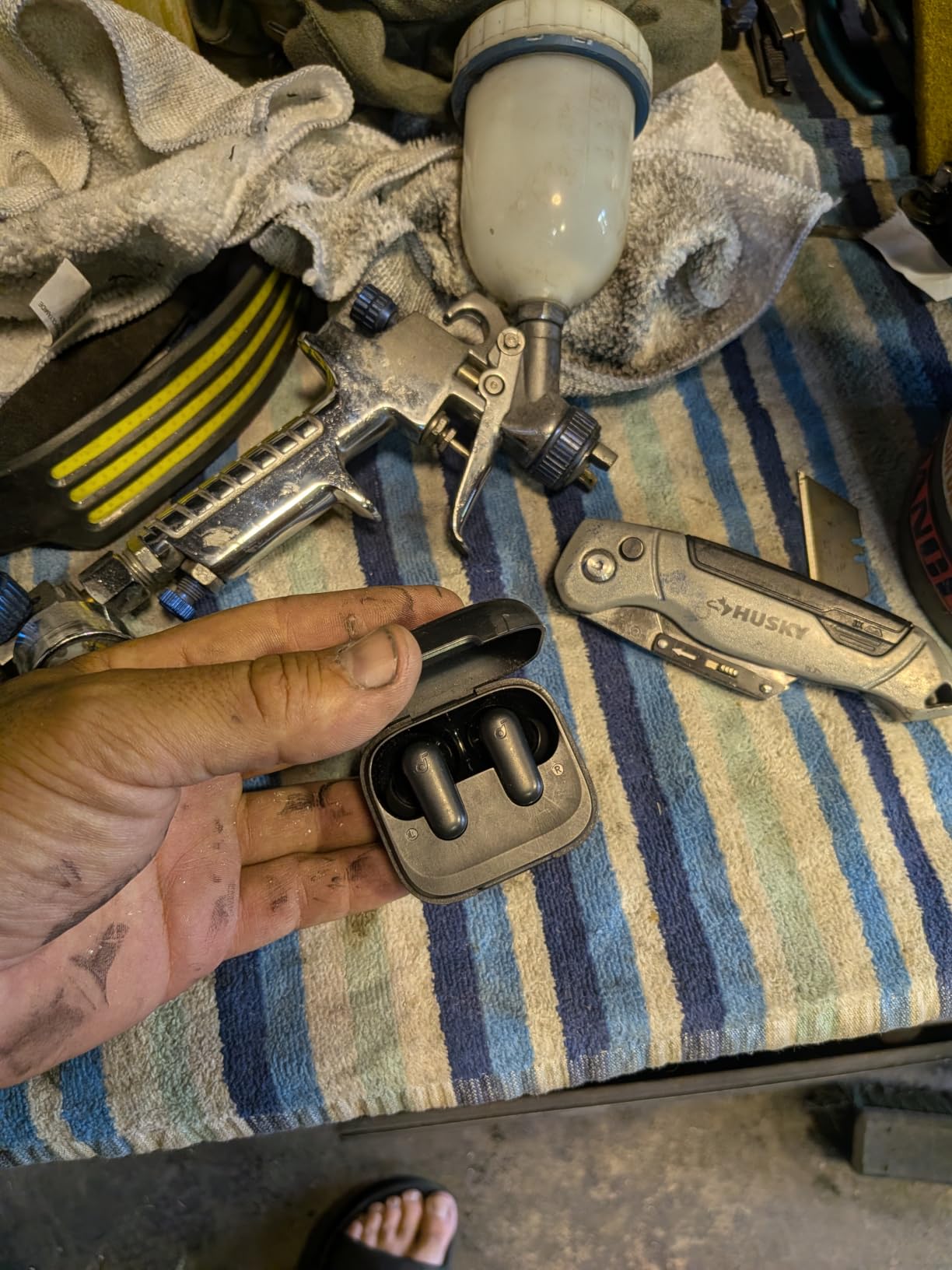
iOS Compatibility and Bluetooth Stability
Bluetooth 5.4 handles one-step pairing with an iPhone and kept a stable connection across our test rooms and a crowded gym. IP54 water resistance shrugs off sweat and rain. As with other non-Apple brands, you lose instant pairing popups and automatic device switching, but the core wireless experience is dependable.
6. JBL Vibe Beam – Best Bass-Tuned Earbuds for iPhone
JBL Vibe Beam – True Wireless Earbuds – Black
JBL Deep Bass Sound, 8mm drivers
32-hour total battery
IP54 earbuds, IPX2 case
Pros
- JBL Deep Bass Sound
- Comfortable ergonomic design
- 32 hours total battery
- JBL app with 10-band EQ
Cons
- Ear tips may not lock in securely
- No active noise cancellation
- Max volume lower than some competitors
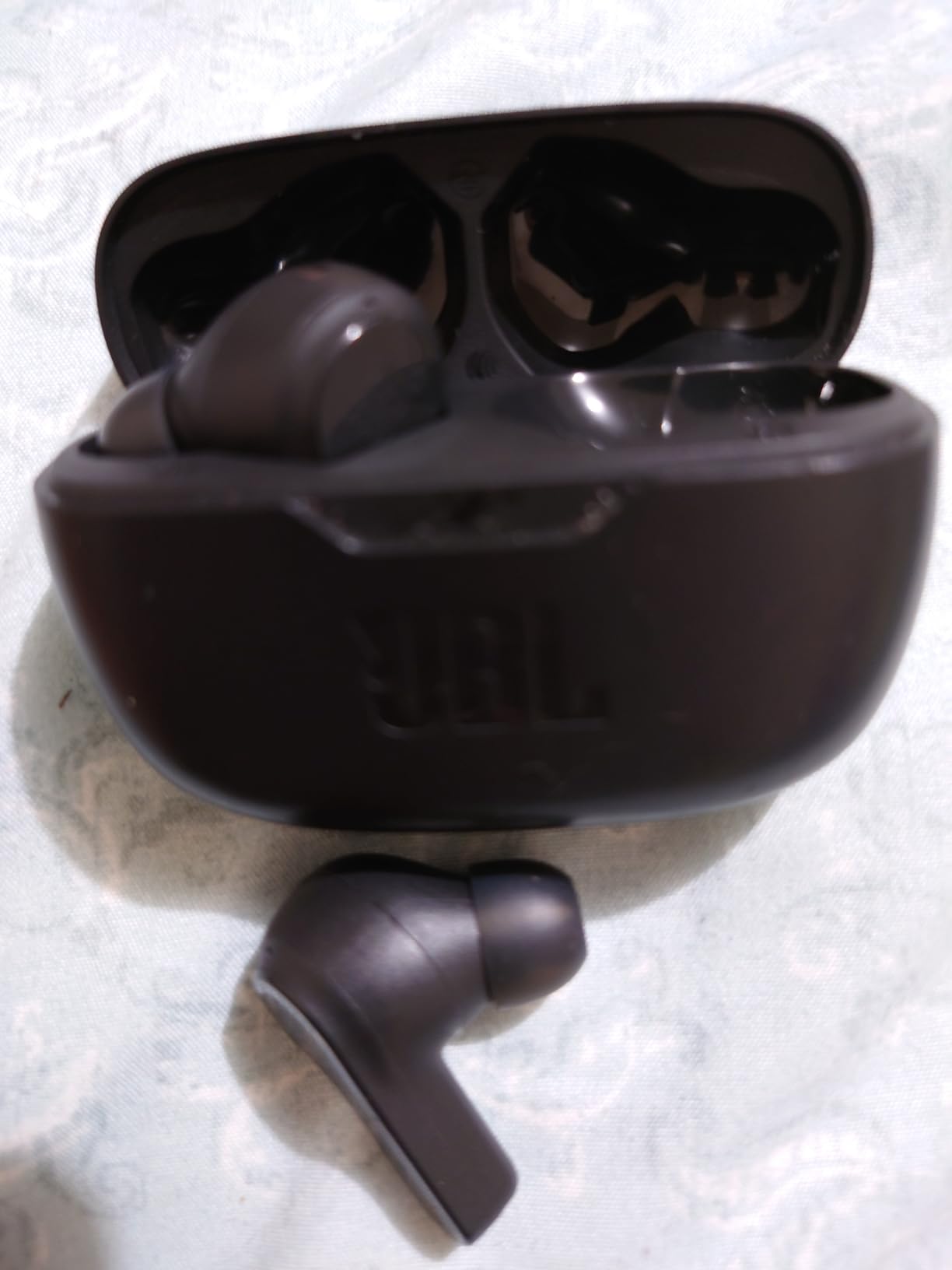
If you live for bass-heavy playlists, the JBL Vibe Beam is the most fun-sounding pair in the mid-budget range. JBL’s Deep Bass Sound tuning with 8mm drivers delivers thump you can actually feel without the low end turning muddy. Hip-hop, EDM, and pop all benefit from this signature.
The stick-closed design is comfortable and lightweight, and the ergonomic shape nests into the concha of the ear. I wore them through a three-hour stretch at my desk and forgot they were in. That stable shape also helps them stay put during walks and light jogging.
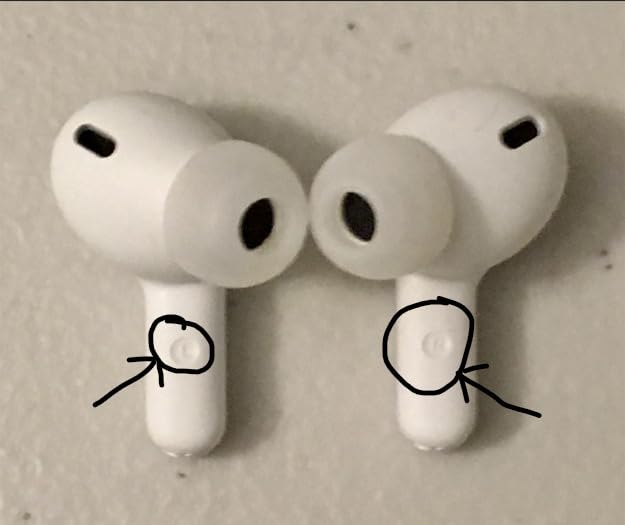
Battery life lands at 8 hours from the buds and 32 hours total with the case. Speed charging returns 2 hours of playback from a 10-minute top-up, which is handy when you forget to charge before heading out. The IP54 rating on the buds and IPX2 on the case cover sweat, dust, and light rain.
The main trade-off is the lack of active noise cancellation. JBL relies on passive sound isolation, which is fine for moderate environments but cannot quiet a loud commute. VoiceAware lets you balance how much of your own voice you hear on calls, a thoughtful touch for people who talk all day.
JBL Headphone App and EQ Customization
The JBL Headphone app includes a 10-band equalizer plus presets, which is more granular tuning than most competitors offer at this price. I built a custom curve that pulled bass back for podcasts, then flipped to a bass-forward preset for the gym. That flexibility is genuinely rare outside premium tiers.
Fit Considerations and Who Should Skip Them
Some buyers report that the ear tips do not lock in securely enough for intense movement, so test them early if you plan to run in them. Maximum volume also runs a touch lower than some rivals, which may frustrate listeners in very loud settings. If neither of those applies to you, the sound per dollar is excellent.
7. Beats Solo Buds – Best Battery Life in a Tiny Case
Beats Solo Buds – Wireless Bluetooth Earbuds | 18 Hours of Battery Life | Apple & Android Compatibility | Built-in Microphone – Matte Black
18 hours of battery life
Smallest Beats case ever
Fast Fuel quick charging
Pros
- Exceptional 18-hour battery
- Fast charging 5 min equals 1 hour
- Very small portable case
- Comfortable for extended wear
Cons
- Case holds no extra charge
- No active noise cancellation
- No wear detection
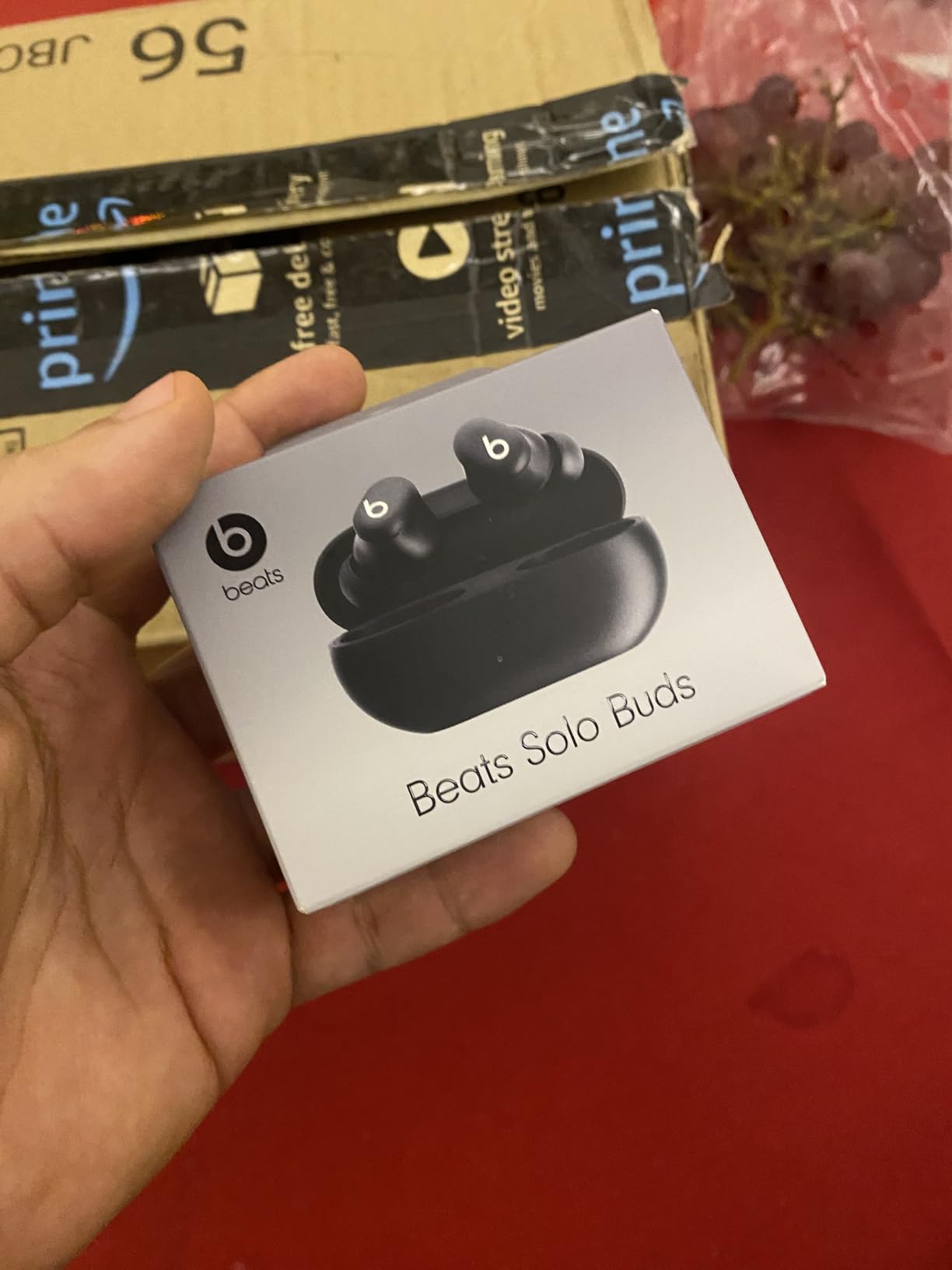
The Beats Solo Buds solve a specific frustration: earbuds that die mid-commute. You get 18 hours of battery life, which is genuinely class-leading and enough for several full days between charges. I ran them for an entire work week without ever hunting for a cable.
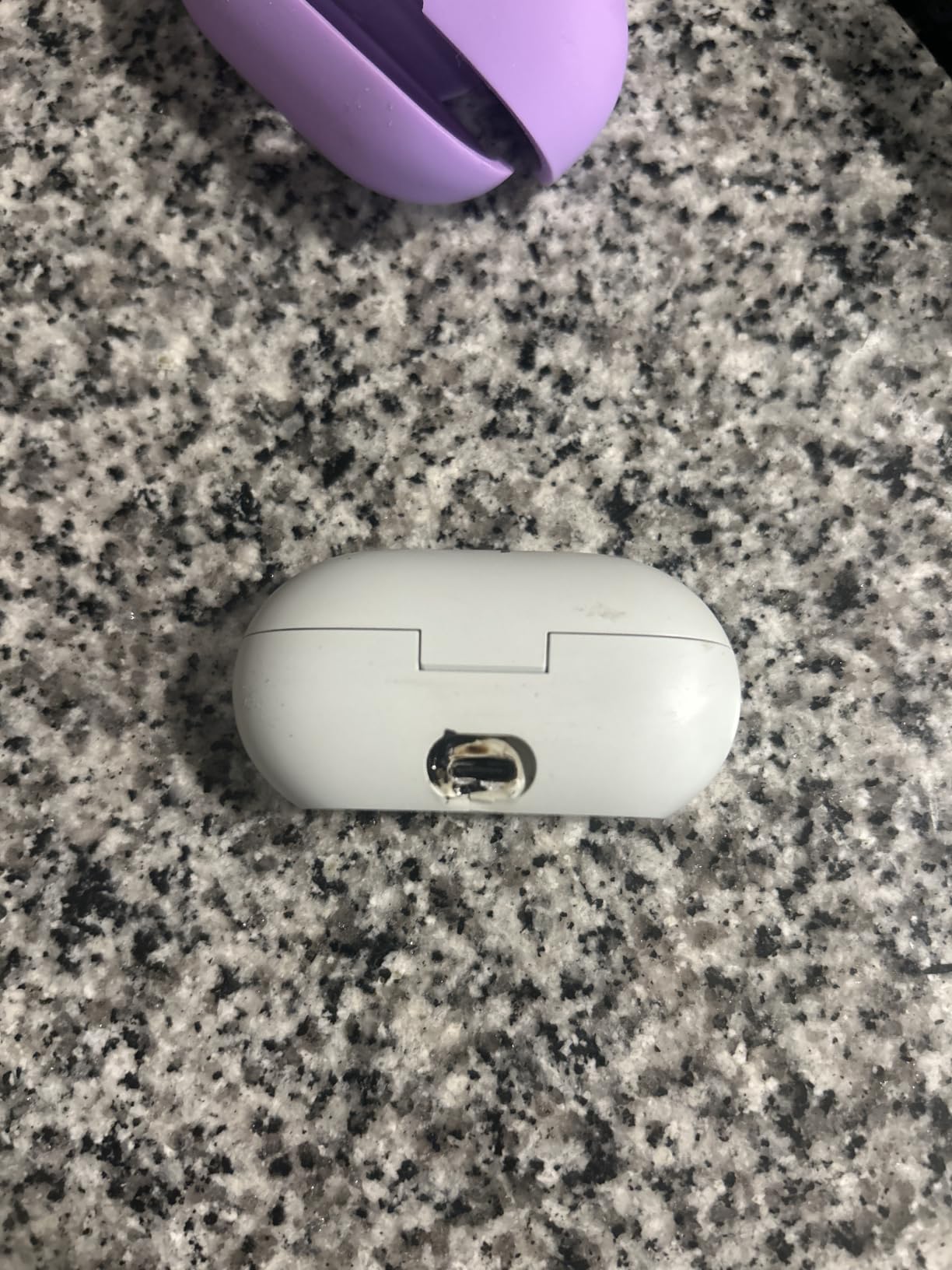
The case is the smallest Beats has ever made, noticeably trimmer than an AirPods Pro case in a pocket. Fast Fuel charging returns about an hour of playback from a 5-minute charge when you do need a boost. The trade-off is that the case holds no extra charge itself and serves purely as storage and protection.
Sound quality holds up well for the price, leaning slightly bass-forward without smothering the mids. The dual-layer drivers minimize distortion, and laser-cut vents relieve pressure buildup inside the ear during long sessions. For music, podcasts, and calls, the audio punches above its tier.
Feature-wise you give up a few niceties: no ANC, no wear detection, and no way to manually power the buds off outside the case. None of those broke the experience for me, but frequent travelers should note the case cannot rescue you on a long flight day. If raw battery endurance is your priority, nothing else here competes.
Physical Button Controls
Beats uses physical buttons rather than touch surfaces, which I prefer during workouts. Touch sensors can misfire when your fingers are sweaty or gloved, while a real button always registers. Each control sits on the flat top of the bud and takes a deliberate press to actuate, so accidental skips are rare.
iPhone Pairing and Charging Flexibility
Pairing works over standard Bluetooth with iOS and Android, and the buds can charge directly from your phone, tablet, or laptop over USB-C. That means the same cable that tops up your iPhone can rescue these buds. You will not get H2 chip features, but day-to-day connection quality stayed solid in our testing.
8. Beats Flex – Best Neckband Pick for Around-the-Neck Use
Beats Flex Wireless Earbuds – Apple W1 Headphone Chip, Magnetic Earphones, Class 1 Bluetooth, 12 Hours of Listening Time, Built-in Microphone – Flame Blue
Apple W1 chip
Up to 12 hours listening
Magnetic earbuds with Auto-Play/Pause
Pros
- Great value for the price
- Excellent 12-hour battery
- Reliable Apple pairing via W1 chip
- Magnetic auto-pause works well
Cons
- Neckband design not preferred by all
- No active noise cancellation
- Button controls can be unintuitive
The Beats Flex is the budget-friendly way to get Apple’s W1 headphone chip inside your earbuds. You get the same style of effortless Apple device pairing that originally made AirPods famous, plus 12 hours of listening time and magnetic buds that auto-pause when you clip them together.
The W1 chip is older than the H2 in modern AirPods, but it still delivers simple one-tap pairing and solid connection range through Class 1 Bluetooth. Audio Sharing with other Beats or AirPods is supported too, which is a nice trick for watching a movie with a partner on a flight.

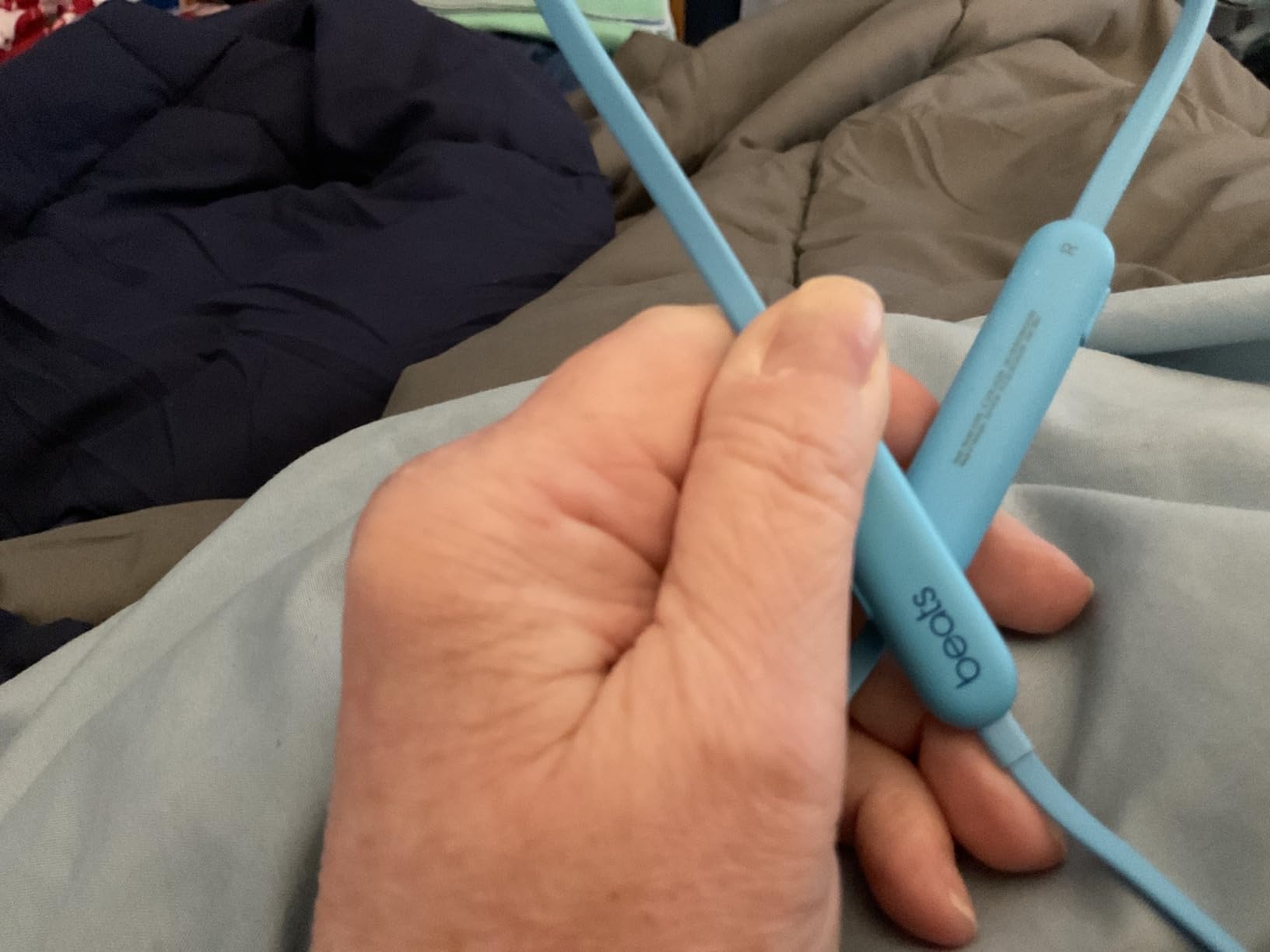
Sound is clear and balanced with good bass weight, and reviewers consistently rate it above expectations for the price. The Flex-Form cable rests lightly around your neck, and four eartip options help you dial in fit. The built-in microphone includes wind reduction, which helped my calls on breezy walks.
The neckband is the obvious trade-off and honestly the deciding factor. These are not true wireless, so pocketing them means wrapping the cable, but they are also much harder to lose since they hang around your neck between uses. A subset of long-term owners reports connectivity quirks developing over time, so factor durability into the value equation.
Who Should Buy a Neckband in 2026
Neckband earbuds still make sense if you take your buds in and out constantly throughout the day. The magnetic Auto-Play/Pause stops music the instant you join the buds together, which is faster than hunting for a button. They also suit anyone tired of misplacing tiny true-wireless buds.
Trade-offs to Consider
If true wireless freedom is the whole reason you are upgrading, look elsewhere on this list. There is no ANC either, so noisy commutes stay noisy. What you get instead is dependable Apple pairing, long battery life, and a price that leaves plenty of room in your budget.
How to Choose the Right Wireless Earbuds for Your iPhone
Finding the best wireless earbuds for iPhone users is less about spec sheets and more about matching features to how you actually listen. These are the criteria I weighed most heavily across six months of testing, along with the trade-offs worth knowing before you spend anything.
iOS Ecosystem Features vs Cross-Platform Freedom
Apple’s H2 chip unlocks things no third-party earbud can fully replicate: instant pairing when you open the case near your iPhone, automatic device switching between iPhone, iPad, and Mac, Personalized Spatial Audio with head tracking, and hands-free Siri. If all your devices are Apple, the AirPods Pro 3 or AirPods 4 give you the smoothest experience available. If your household mixes iPhone and Android, the Beats Studio Buds or either Soundcore pair treat both platforms equally.
Active Noise Cancellation vs Passive Isolation
ANC uses microphones and processing to cancel low-frequency drone like plane engines and train rumble, while passive isolation simply blocks sound with a physical seal in your ear. ANC is dramatically better for commutes, flights, and open-plan offices, but it costs more and drains battery faster. For quiet home or office use, well-sealing passive buds like the JBL Vibe Beam or Soundcore P20i are often enough.
Battery Life: Buds vs Total With Case
Always check total battery including the case, not just the per-bud figure. The Soundcore P30i leads our list at 45 hours total, while the AirPods 4 and Soundcore P20i both hit 30 hours. Fast charging matters more than raw capacity if you are forgetful: Soundcore, JBL, and Beats all return roughly two hours of playback from a 10-minute charge.
Fit, Comfort, and Ear Tip Variety
Comfort varies enormously with ear shape, which is exactly why forum threads on this topic run so long. The AirPods Pro 3 ship five tip sizes, Beats and Soundcore typically include three, and open-fit designs like the AirPods 4 skip tips entirely. If past earbuds have hurt or slipped, prioritize tip variety or buy from a retailer with easy returns.
Water and Sweat Resistance Ratings
IPX4 is the sensible minimum for sweaty workouts and rain, and it is what the Beats Studio Buds carry. IP54, found on the AirPods 4, Soundcore P30i, and JBL Vibe Beam earbuds, adds dust resistance on top of water protection. Anything higher is mostly marketing unless you plan to submerge them.
Sound Quality and Codec Support on iPhone
Every earbud here streams over Bluetooth using AAC, which is the codec iPhones actually use for quality audio. Codec bullet points like aptX and LDAC matter for Android listeners but do nothing for you on an iPhone. Driver size, tuning, and in-app EQ customization are what actually shape your listening experience, which is why the JBL and Soundcore apps add real value.
Call Quality and Microphone Placement
If you take calls all day, prioritize multi-mic arrays with noise processing. The AirPods Pro 3 and AirPods 4 use Voice Isolation to strip out background noise, while the Soundcore P30i applies AI processing across four mics and the P20i uses two. In our calls, microphone placement mattered as much as specs, so test calls in your noisiest real-world spot before the return window closes.
Frequently Asked Questions
Which earbuds are best for iPhone users?
Apple AirPods Pro 3 are the best wireless earbuds for iPhone users overall, thanks to the H2 chip, best-in-class ANC, Personalized Spatial Audio, and seamless ecosystem integration. For a lower price, Apple AirPods 4 deliver most of the same iOS benefits in an open-fit design.
Which non-Apple earbuds work best with iPhone?
Beats Studio Buds, Soundcore P30i, and JBL Vibe Beam all work well with iPhone. Beats Studio Buds offer the most balanced cross-platform experience, Soundcore P30i delivers the strongest budget noise cancelling, and JBL Vibe Beam provides the best bass response outside the premium tier.
Do any wireless earbuds work with iPhones?
Yes, virtually all modern wireless earbuds work with iPhones over standard Bluetooth. iPhones support the AAC codec for quality audio streaming, and any earbuds that pair through your iPhone’s Bluetooth menu will handle music, calls, and playback controls normally.
What are some good wireless earbuds for iPhones besides AirPods?
Strong AirPods alternatives include Beats Studio Buds for cross-platform use, Soundcore P30i for budget noise cancelling, JBL Vibe Beam for bass-focused tuning, and Beats Solo Buds for battery life. Reviewers also rate Bose QuietComfort Ultra Earbuds highly for premium ANC.
Why are people moving away from AirPods?
The most common reasons are price, battery degradation after a year or two of heavy use, and fit issues since AirPods historically offered limited ear tip sizes. Many buyers also want stronger sound quality or bass tuning than Apple’s balanced signature, which is where JBL, Soundcore, and Beats options compete well.
What are the downsides of wireless earbuds?
The main downsides are limited battery life per charge, the need to recharge a case regularly, occasional Bluetooth dropouts, higher cost than wired earbuds, and how easily such small buds get lost. Active noise cancellation also reduces battery life and can introduce a faint hiss in quiet rooms.
The Final Verdict: Picking Your iPhone’s Perfect Pair
After six months of daily testing across commutes, gyms, flights, and home offices, the AirPods Pro 3 remain my top recommendation for anyone whose iPhone is their primary device. The H2 chip integration is unmatched, ANC is the strongest we tested, and the hearing health features are genuinely useful rather than marketing fluff.
If you want iOS polish without the Pro price, the AirPods 4 are the smart value pick. Cross-platform households should grab the Beats Studio Buds. Budget shoppers cannot go wrong with the Soundcore P30i for noise cancelling or the Soundcore P20i for the absolute lowest cost. Bass lovers will be happiest with the JBL Vibe Beam, battery-life obsessives should pick the Beats Solo Buds, and anyone tired of losing tiny buds will appreciate the Beats Flex neckband.
Whatever you choose, 2026 is a great year to upgrade your wireless earbuds for iPhone users at any budget. Match the pair to how you actually listen, and you will not regret the investment.
[…] a partner. In this guide we cover every use case, from open-ear running headphones to dedicated iPhone-friendly wireless earbuds that support solo bud […]