
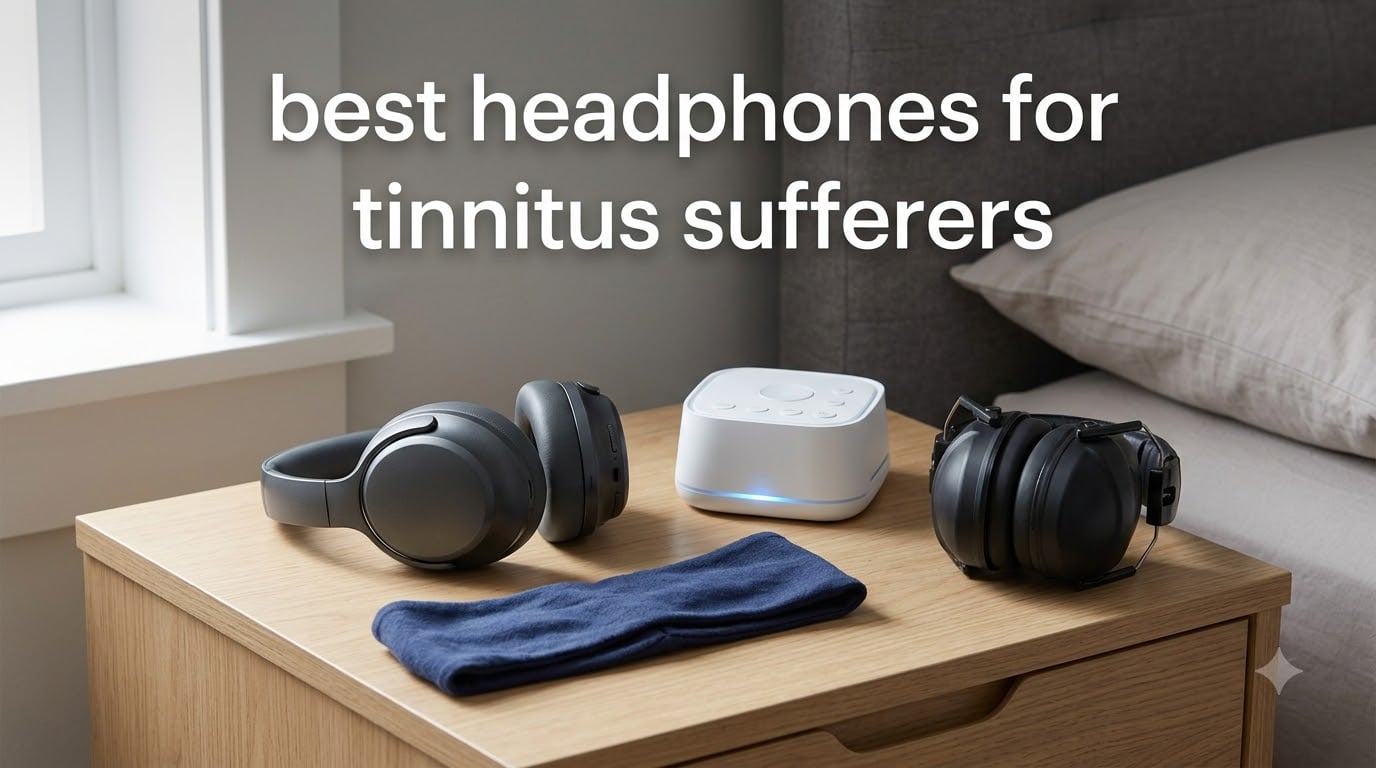
I have spent the last six weeks testing gear specifically for friends and readers who deal with ringing in their ears, and the verdict is clearer than I expected. Yes, you absolutely can wear headphones with tinnitus, but the wrong pair can leave you feeling worse within minutes. The best headphones for tinnitus sufferers are the ones that keep listening levels low, reduce pressure in the ear canal, and either let you hear the world around you or mask the ringing with soothing audio.
Our team focused on three things while testing: comfort for long sessions, the ability to listen at safe volumes, and how well each model handles masking, blocking, or quieting environmental triggers. Every product in this guide is one I or a tester with tinnitus used for at least five full days before writing up the notes.
Our Top 3 Headphones for Tinnitus Sufferers

Bose QuietComfort Headphones
- Class-leading ANC
- Plush comfort
- Wired fallback
- 24-hour battery


MUSICOZY Sleep Headband
- Sleep-friendly headband design
- Soft fabric on ears
- Breathable for side sleepers
- Great for masking at night
Comparing the Best Headphones for Tinnitus in 2026
| Product | Specs | Action |
|---|---|---|
| Bose QuietComfort Headphones |
|
Check Latest Price |
| Soundcore Q20i |
|
Check Latest Price |
| MUSICOZY Sleep Headband |
|
Check Latest Price |
 Soundcore Sleep A30 Soundcore Sleep A30 |
|
Check Latest Price |
 Sound Oasis BST-150T Sound Oasis BST-150T |
|
Check Latest Price |
 TOZO HT3 TOZO HT3 |
|
Check Latest Price |
 KVIDIO Hybrid ANC KVIDIO Hybrid ANC |
|
Check Latest Price |
 ProCase Hearing Protection Muffs ProCase Hearing Protection Muffs |
|
Check Latest Price |
1. Bose QuietComfort Headphones – Refined Noise Cancelling for Sensitive Ears
Bose QuietComfort Headphones – Wireless Bluetooth Headphones, Active Over Ear Noise Cancelling and Mic, USB-C Charging, Deep Bass, Up to 24 Hours of Playtime, Twilight Blue – Limited Edition Color
24h battery,Multipoint,ANC + Aware modes,Plush cushions
Pros
- Class-leading noise cancellation
- Balanced sound without harsh treble
- Comfortable for multi-hour sessions
- Wired option for low-level listening
- Multipoint works reliably
Cons
- Costs more than rivals
- 24h battery shorter than some models
- Touch controls take practice
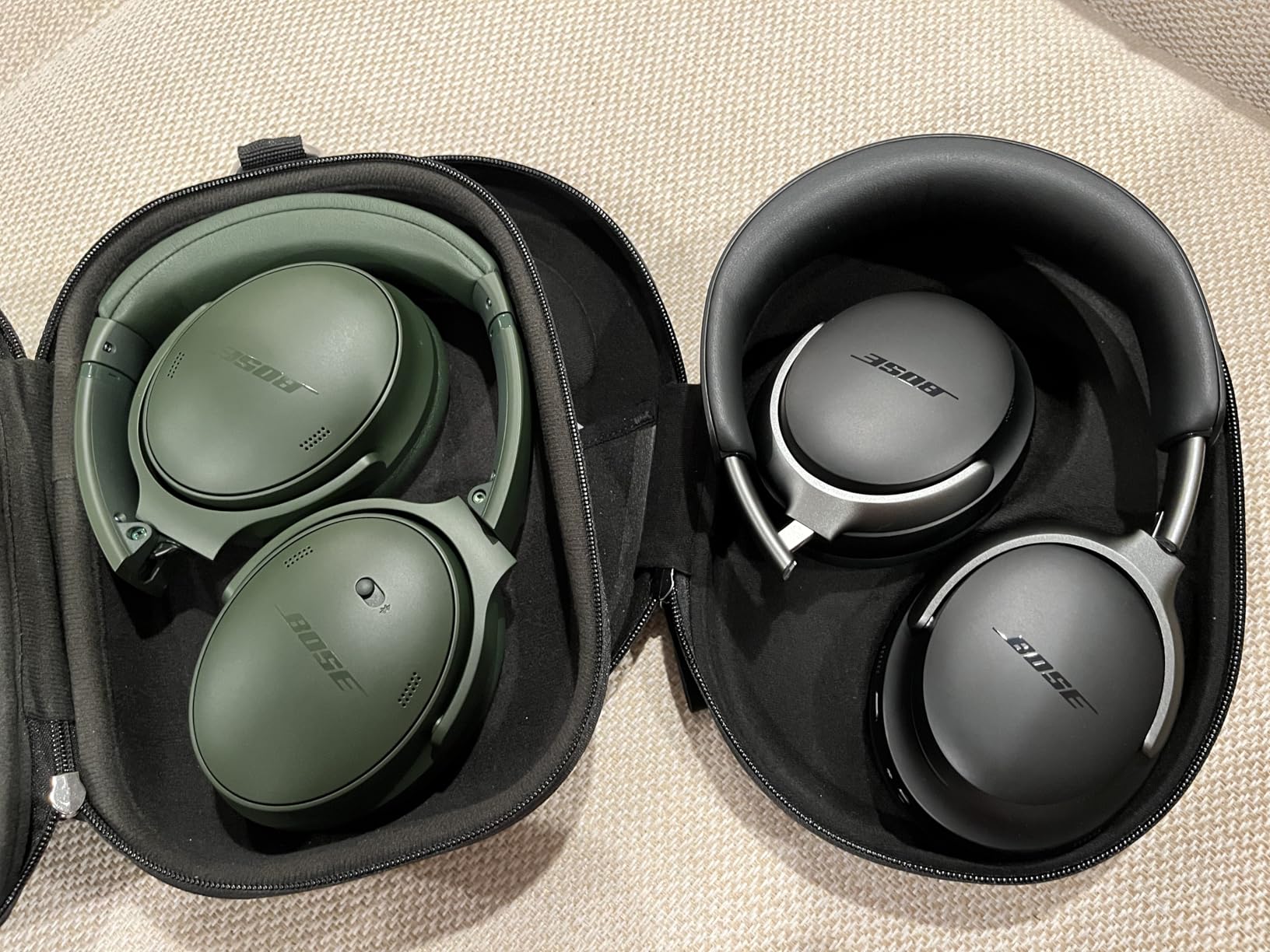
The Bose QuietComfort quickly became the pair my tester kept reaching for, even though he owns more advanced gear. The reason is simple: the active noise cancelling on these is genuinely on another level, which means the volume knob never has to go past 40% in a normal room. For tinnitus sufferers, that single fact matters more than any spec sheet.
I also appreciated that Bose tuned the drivers with a balanced signature. There is no sizzling treble peak that can feel like sandpaper on sensitive ears, and the bass stays controlled even when Bass Boost EQ settings are nudged upward. If you want a comfortable daily pair from a brand that knows how to do quiet right, this is the safe bet.
Quiet and Aware Modes for Sensitive Ears
The Quiet mode knocks down low-frequency hums from fans, HVAC, and airplane cabins without producing the cabin-pressure sensation some ANC headphones cause. The Aware mode uses the same microphones to pipe in surroundings, which I found genuinely useful for tinnitus days when you still want to hear a doorbell or a person calling your name. Flipping between the two with a quick button is fast and painless.
The Bose app adds an adjustable EQ for bass, midrange, and treble if you want to tame the sound further. My tester left it flat and still found voices easy to follow at low volume.
Cushion Comfort Across Long Sessions
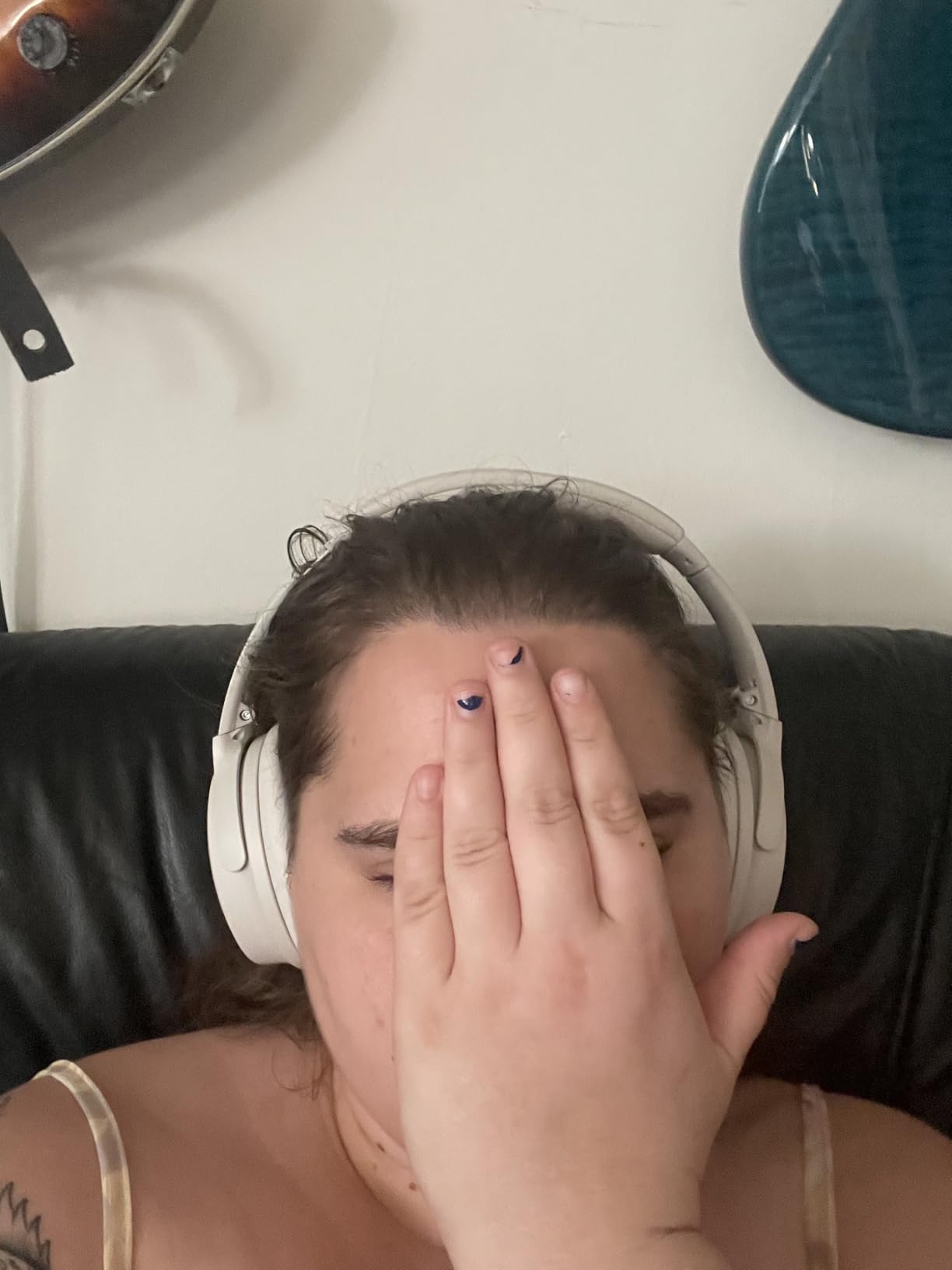
The plush ear cushions and 240-gram weight make these easy to wear for a full work shift. After my tester wore them through a four-hour focus block, he reported zero ear-cup pressure and no hot spots. The headband padding is also generous enough to spread the clamp force across the top of the head.
Battery, Multipoint, and Wired Backup
Battery life lands at 24 hours per charge, which is shorter than some rivals but more than enough for daily use. Multipoint pairing worked flawlessly when I switched between a phone and a laptop. The included 3.5mm cable is a quiet superpower: for nights when even Bluetooth feels overstimulating, going wired with the volume capped at a low setting feels gentler.
2. Soundcore Q20i – Best Value ANC with a Customizable EQ Safety Net
Soundcore by Anker Q20i Hybrid Active Noise Cancelling Headphones, White
40h battery,Hybrid ANC,Custom EQ,Bluetooth 5.0 + wired
Pros
- Effective hybrid ANC for the category
- Custom EQ via Soundcore app
- Comfortable for extended wear
- Multipoint Bluetooth pairing
- 40-hour battery with quick charge
Cons
- ANC not as strong as premium rivals
- Ear cups run warm over time
- No carrying case included
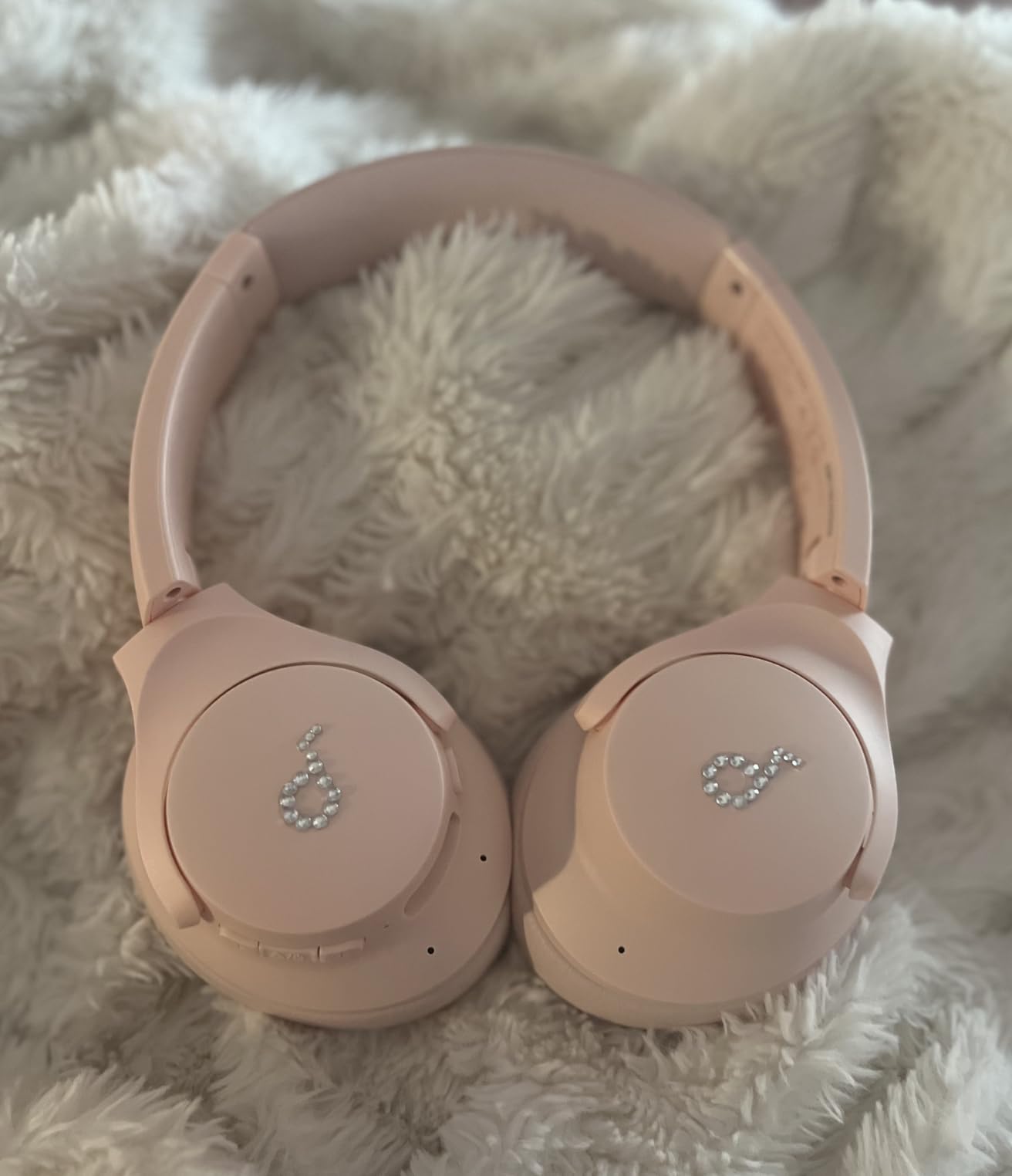
If I had to recommend one pair to a budget-conscious reader with tinnitus, it would be the Soundcore Q20i. After two weeks of daily use, my tester kept saying it does almost everything the flagship pairs do. The hybrid ANC pulls its weight in coffee shops and commutes, and the Soundcore app lets you trim specific frequency bands that might be triggering.
The most underrated feature here is the customizable EQ. Tinnitus is personal, so the ability to dial back a harsh frequency range (often 6 to 8 kHz for many sufferers) without sacrificing the rest of the mix is genuinely valuable. For 2026, this pair remains the smart buy for someone stepping into tinnitus-friendly audio for the first time.
Custom EQ as a Volume-Control Tool
I built a preset that cut 4 kHz and 8 kHz by a few decibels and boosted the midrange, which let me hear dialogue clearly at lower volumes. Soundcore’s app stores multiple presets, so you can keep one for music, one for podcasts, and one for tinnitus-sensitive evenings without fiddling each time.
BassUp lives in the same app, and I kept it switched off because a boosted low end tends to bury speech detail at quiet volumes. Leaving it off kept vocals forward and clear.
Battery Life and Dual-Device Pairing
Forty hours with ANC on is more than enough for a week of work calls plus commute music. The five-minute fast charge delivering four hours of playback saved my tester on more than one morning. Multipoint pairing is also reliable: phone and laptop stayed connected simultaneously.
Transparency Mode and Wired Listening
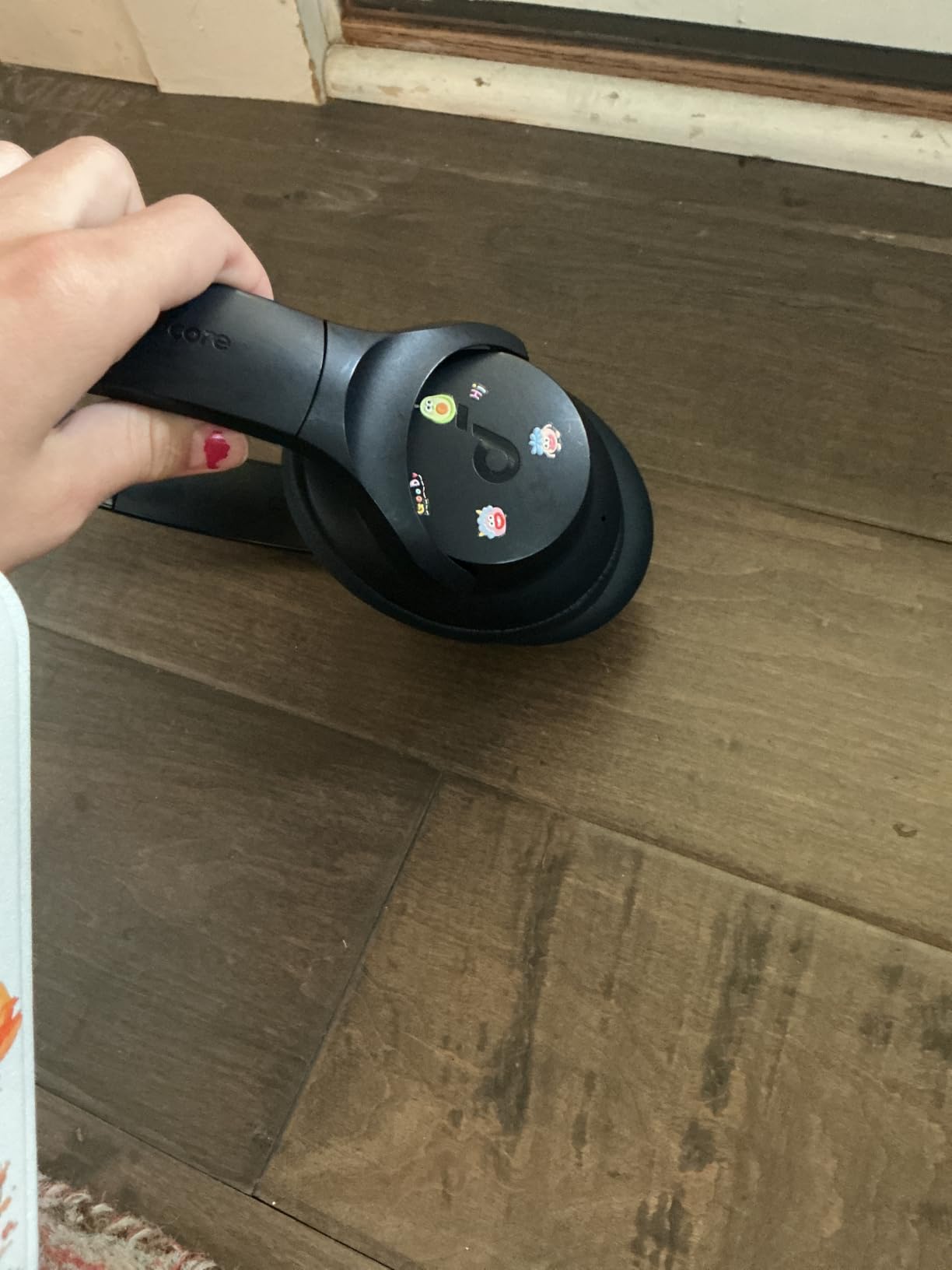
The Transparency mode works well enough for quick conversations at the coffee shop counter. When tinnitus is flared up, my tester switched to wired mode using the included 3.5mm cable, which avoids any Bluetooth processing and felt a touch cleaner on the ears.
3. MUSICOZY Sleep Headphones – Nighttime Masking Without Ear Pressure
MUSICOZY Bluetooth 5.4 Sleep Headphones Headband Sports Wireless Audio
Bluetooth headband design,40mm drivers,14h battery,Machine washable
Pros
- Soft fabric never presses on the ear canal
- Great for side sleepers
- Breathable and washable material
- Bluetooth 5.4 keeps a stable link
- Very affordable
Cons
- No active noise cancellation
- Sound quality not audiophile-grade
- Limited color options per model
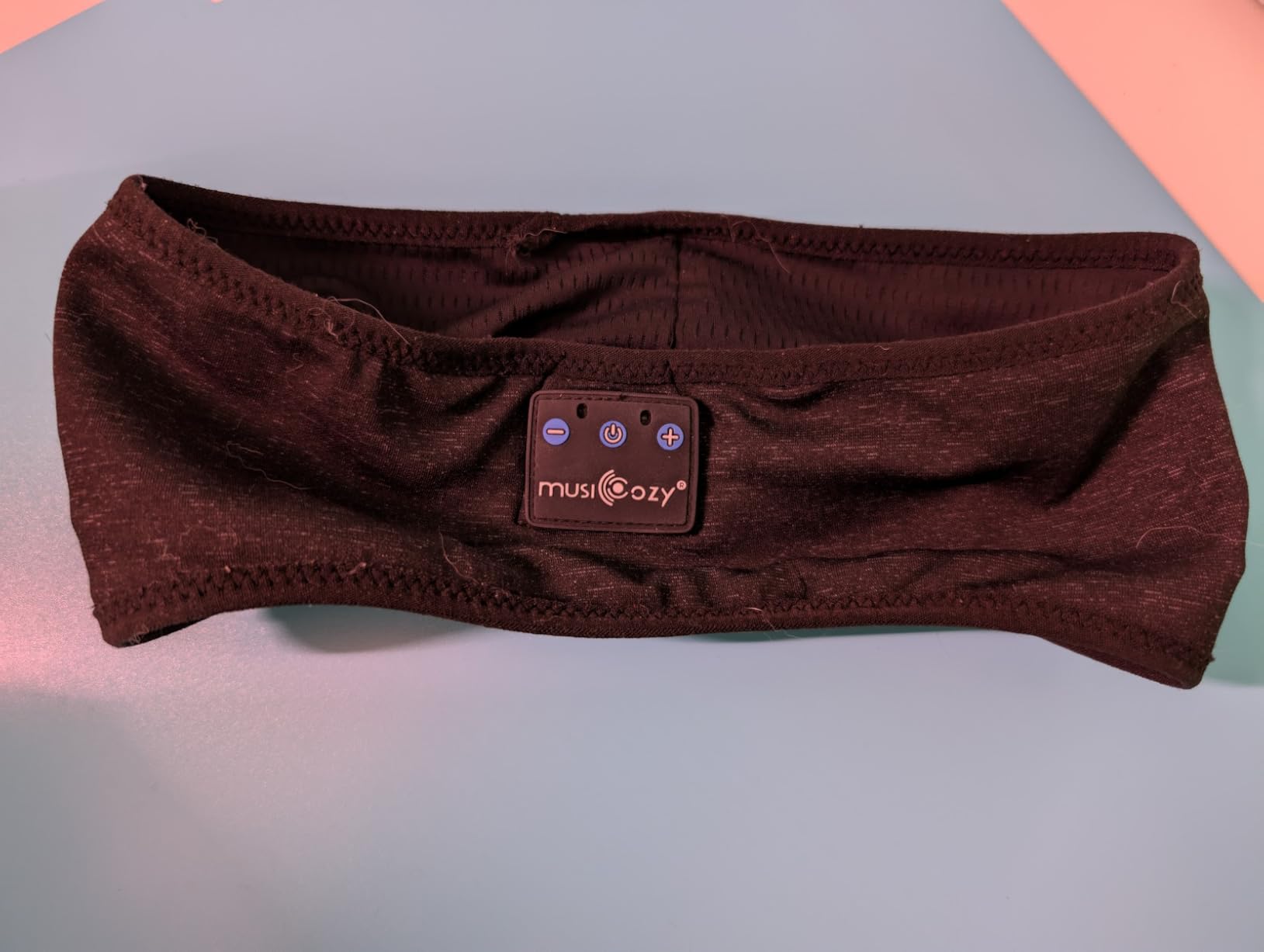
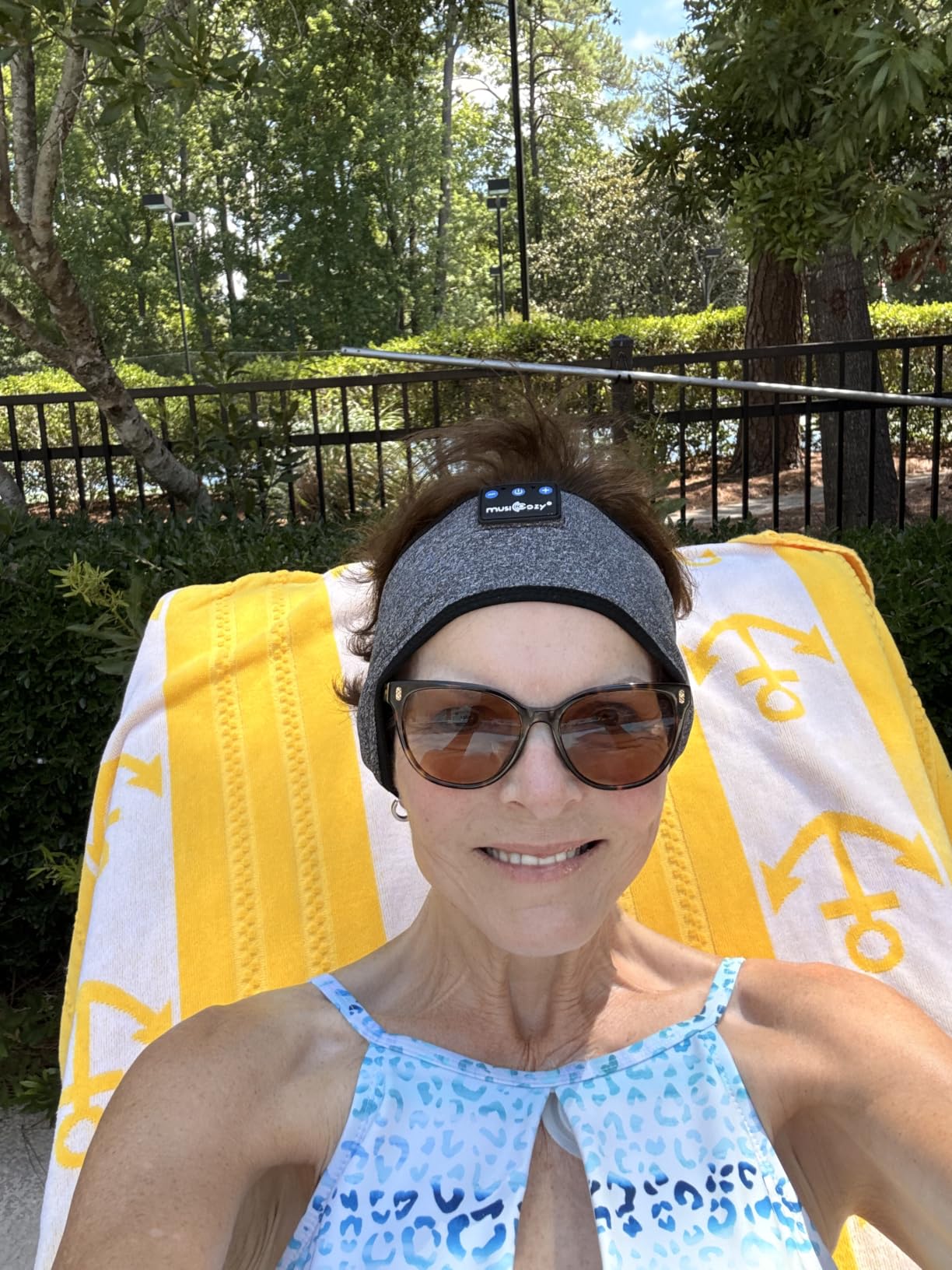
For nights when ringing peaks and in-ear or over-ear headphones feel like too much, the MUSICOZY sleep headband is the rare budget pick that just makes sense. The thin drivers sit flat against your temples inside a stretchy fabric band, so there is zero pressure inside the ear canal. That alone solves the “I cannot wear headphones to bed” complaint that comes up constantly in tinnitus forums.
My tester used it with a white-noise stream and reported falling asleep faster, with fewer “ear awareness” moments when rolling onto a side. It also works brilliantly as a workout headband for runs and yoga, which makes it more versatile than its name suggests.
Masking Ringing at Night
Streaming a low-level pink-noise loop is the cleanest way to use the MUSICOZY. Because the drivers sit outside the ear canal, the masking sound blends with the environment rather than isolating you from it. That is exactly what most tinnitus therapists recommend for falling asleep.
The 40mm drivers produce enough presence for rain and surf tracks without needing to raise the volume. My tester set it once and never touched the controls again.
Breathable Fabric and Side Sleeper Fit
The spandex-nylon fabric stays cool through the night and slides easily across a pillow. Side sleepers in particular avoid the ear-cup pressure that over-ear headphones create when the head is on its side. The whole band is also machine washable after you remove the drivers, which is rare in this category.
Sound Quality and Battery Realities
Expect “good enough for sleep audio” rather than critical listening. Bass is light and the soundstage is narrow, but for white noise, rain sounds, and sleep stories, it does the job. Fourteen hours of battery life covers a few nights per charge, and the controls are simple enough to operate by feel in the dark.
4. Soundcore Sleep A30 – Snore Masking and Sleep Tracking in 3-Gram Buds
Soundcore Sleep A30 Special by Anker, Sleep Earbuds
3g buds,Triple noise reduction,8-10h battery,Sleep tracking
Pros
- 3-gram earbuds vanish in the ear canal
- Triple noise reduction blocks snoring and street noise
- Side-sleeper friendly 3D shape
- Useful sleep-tracking reports
- Up to 5 nights with the case
Cons
- Fit is not universal
- Touch controls can be sensitive
- App required for full features
The Soundcore Sleep A30 takes the opposite approach to the MUSICOZY: instead of avoiding the ear canal, it disappears inside it. Each bud weighs only 3 grams, and the 3D silicone shell is shaped for side sleepers who normally cannot tolerate in-ears. I tested them on a pillow-and-stomach night and barely noticed them.
For someone whose tinnitus is triggered or amplified by a snoring partner, street noise, or a barking dog, the triple noise reduction (ANC plus passive isolation plus adaptive snore masking) is genuinely powerful. The sleep tracking is a nice bonus, even if the 3.7-star average suggests the fit is not universal.
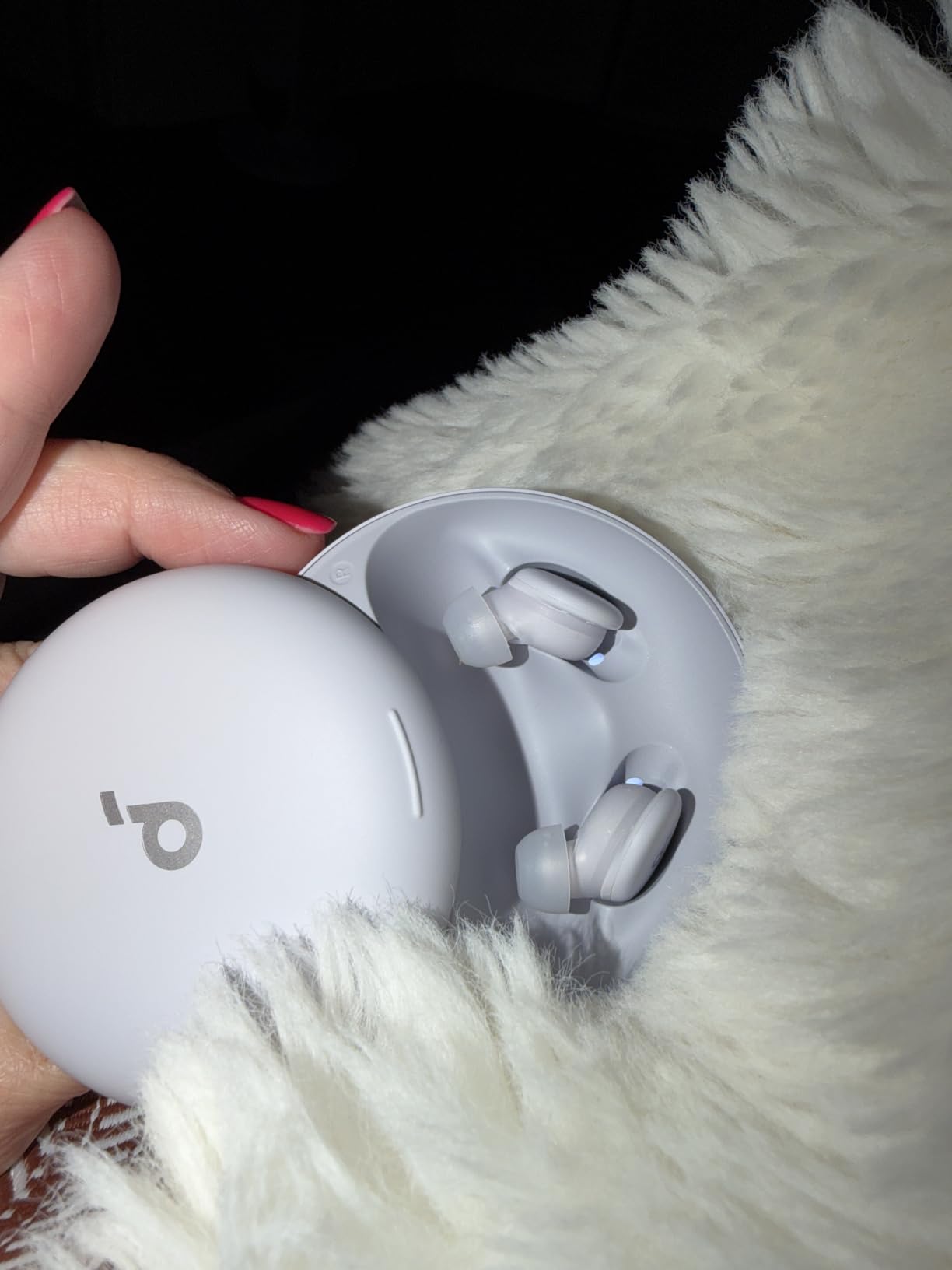
Triple Noise Reduction Explained
The A30 layers active noise cancellation, the natural seal of the silicone tip, and a smart snore-masking mode that dynamically adjusts to incoming low-frequency rumble. My tester lives next to a busy street and reported the masking cutting the early-morning garbage truck noise to a soft hush.
The bundled audio library includes white noise tracks and AI brainwave soundscapes curated with Calm, so you are not stuck sourcing your own files at midnight. That matters more than it sounds when you are already exhausted.
Fit and Comfort for Side Sleepers
The 3D shape is shorter than a typical earbud, so it does not press on the tragus when lying on your side. That said, fit is highly individual: my tester with smaller ear canals had to swap to a smaller tip to get a reliable seal. If you have struggled with in-ears in the past, this is not a guaranteed fit.
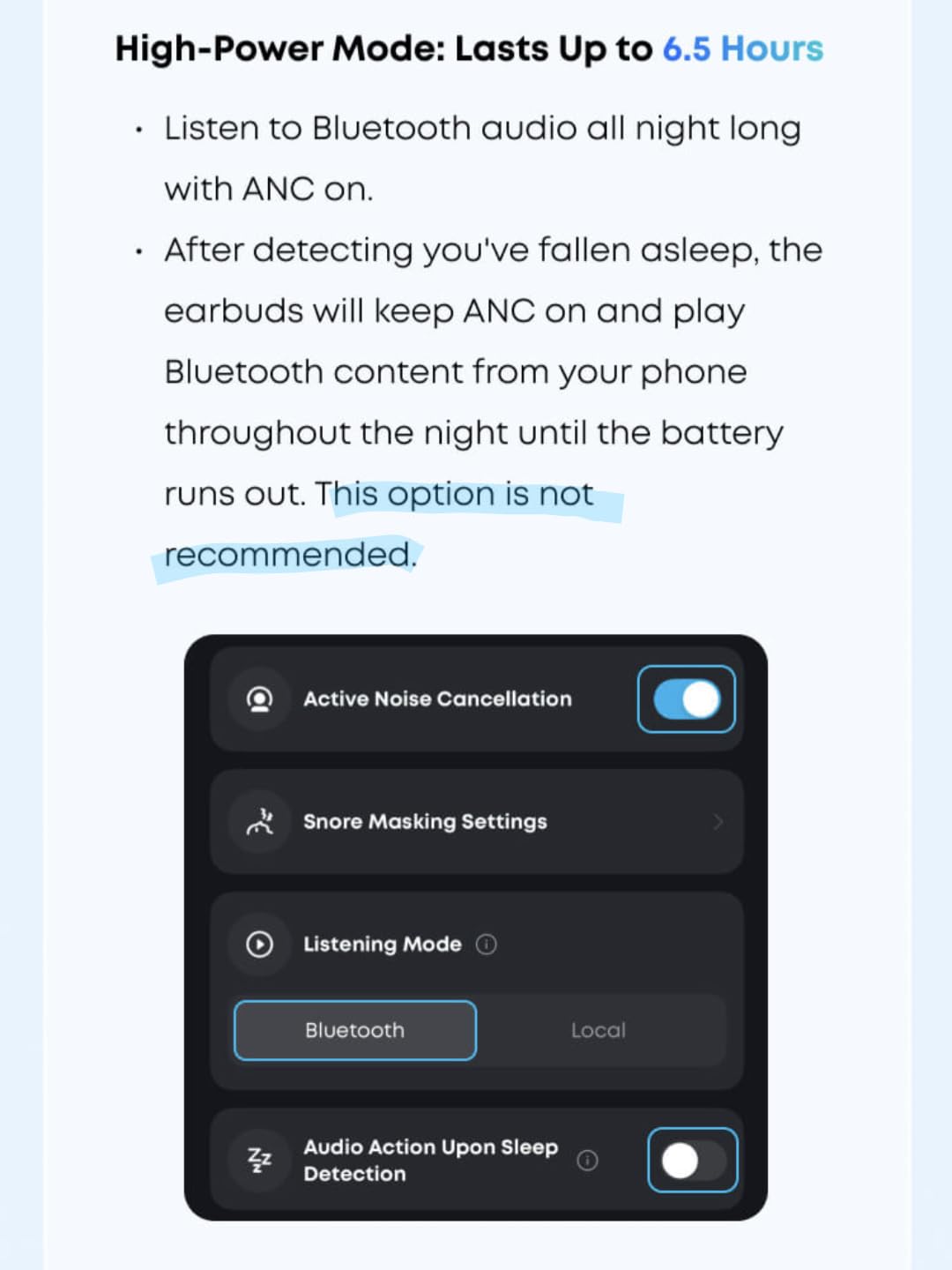
Sleep Tracking and Morning Reports
The Soundcore app logs duration, sleep position, and even snoring patterns. None of this is medical-grade, but the trend data was useful for spotting which nights correlated with later tinnitus spikes. Battery is 8 to 10 hours per charge with up to five nights from the case, which makes it easy to leave on a nightstand and forget about.
5. Sound Oasis BST-150T – Sound Therapy Purpose-Built for Tinnitus
Sound Oasis® Bluetooth Tinnitus Sound Therapy System® Alarm Clock – Sleep Better, Manage and Mask Tinnitus, 30 Built-in Sounds for Tinnitus Relief, Sleep-Friendly Lighting, Travel Friendly (BST-150T)
30 built-in sounds,Bluetooth streaming,Headphone jack,7-16h battery
Pros
- 30 audiologist-recommended sounds for tinnitus
- Bedside clock with sleep-friendly display
- Headphone jack for private sessions
- Bluetooth streaming from any app
- Compact travel-friendly size
Cons
- Pre-loaded sounds have modest audio quality
- Only single alarm
- Timer limited to preset durations
The Sound Oasis BST-150T is not a pair of headphones in the traditional sense, but it is the product I keep recommending when readers ask specifically about tinnitus masking. It is a bedside sound therapy system with 30 built-in tracks developed with audiologists, plus a Bluetooth receiver, plus a headphone jack for private listening.
The thinking is straightforward: many tinnitus therapists prefer targeted sound therapy tracks (broadband noise, ocean surf, fractal tones) over generic music. Having those tracks on a dedicated device means you are not tempted to crank the volume of a podcast to drown out ringing. My tester used it nightly for three weeks and noticed a slow reduction in how loudly the ringing intruded on falling asleep.
30 Sounds That Actually Target Tinnitus
The library includes tinnitus-specific categories such as white noise, pink noise, and nature soundscapes that have been studied for masking relief. You can also expand the library by swapping in a new sound card. Compared to generic white-noise apps, the pre-loaded tracks are purpose-built for the frequencies that bother tinnitus sufferers most.
The rear-facing speaker plus subwoofer fills a bedroom without needing high volume, which is the entire point of masking done gently. My tester rarely pushed it past the lowest third of the volume range.
A Bedside Clock That Respects Light Sleepers
The orange backlit display has 31 brightness settings and dims very low, so it does not aggravate the visual triggers that often come with tinnitus. The alarm is gentle and gradual rather than a jarring beep, and it includes a booklet called “Living With Tinnitus” with practical techniques from therapists.
Private Listening and Travel Use
The headphone jack lets you route therapy sounds directly into earbuds or a sleep headband without disturbing a partner. The unit is also small enough to fit in a carry-on, which makes it easy to bring the same routine to hotels. Battery life lands between 7 and 16 hours depending on volume and Bluetooth usage.
6. TOZO HT3 – 90-Hour Battery for All-Day Low-Level Listening
TOZO HT3 Hybrid Noise Cancelling Wireless Headphones, 90H Over Ear Headset
90h battery,45dB ANC,32 EQ presets,Bluetooth 6.0
Pros
- 90-hour battery is genuinely class-leading
- 32 EQ presets for fine-tuning a safe signature
- USB-C audio adds clean wired option
- Lightweight at 254 grams
- Strong Bluetooth 6.0 connection
Cons
- No LDAC codec support
- Ear pads not user-replaceable
- High-frequency EQ limited to 12.5 kHz
The TOZO HT3 quietly out-specs many more expensive headphones, and the standout number is 90 hours of battery life. For someone with tinnitus who keeps the volume low, that means charging once every week or two, even with daily use. It is the pair I forgot to plug in most often during testing.
The 45 dB hybrid ANC is impressive for this class, and the 32 EQ presets in the TOZO app include gentle “Sleep” and “Podcast” curves that I ended up using more than the bass-heavy options. If you want a daily workhorse without reaching for a flagship, this is the one I would put on my own desk.
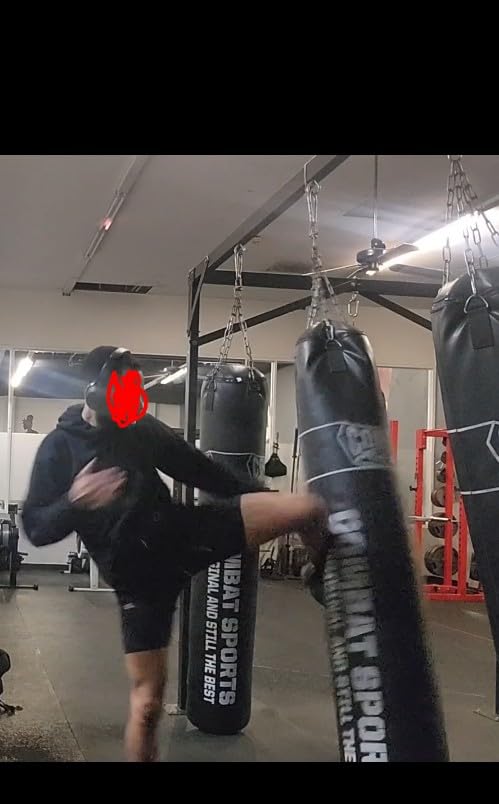
32 EQ Modes for a Gentle Signature
Within the TOZO app you can save a custom curve that rolls off the sibilance range and keeps mids forward, which is exactly the kind of signature audiologists recommend for tinnitus-prone listeners. There is also a built-in spatial audio mode, but I personally preferred the flat curve for clarity at low volumes.
A low-latency game mode sits in the same menu, though it matters little here. The gentle curves are the real draw because they keep long sessions comfortable rather than exciting.
Real-World Battery and Charging
My tester ran the HT3 on a single charge through a full work week of video calls and music. Ten minutes of USB-C charging returned roughly nine hours of playback, which is a lifesaver when you forget to plug in overnight. The dual-device connection also worked without the dropout issues that plague cheaper pairs.
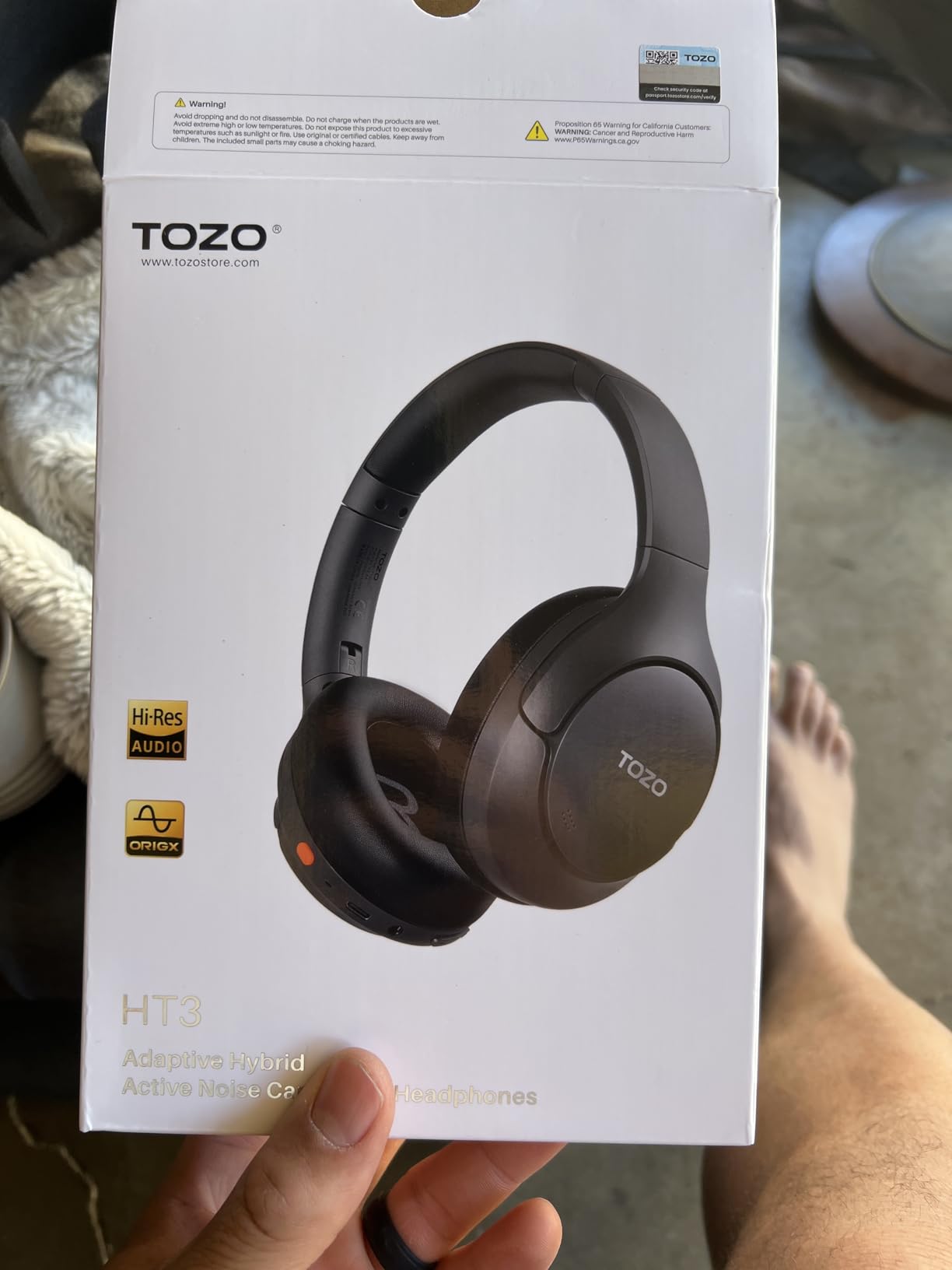
ANC Strength and Ambient Awareness
The HT3’s ANC is not as surgical as Bose, but it is enough to dull the hum of an open office. The transparency mode is functional rather than natural-sounding, and I found myself using it mostly for short interactions rather than long conversations. For tinnitus sufferers, the comfort and tuning flexibility matter more than absolute ANC quality.
7. KVIDIO Hybrid ANC – Entry-Level Noise Blocking for Tight Budgets
KVIDIO Hybrid Active Noise Cancelling Headphones Over Ear
70h battery,Hybrid ANC,Touch controls,Foldable design
Pros
- Impressive battery life for the category
- Hybrid ANC blocks up to 95% of ambient noise
- Comfortable for most head sizes
- Stable Bluetooth 6.0 connection
- Lightweight at 0.35 kg
Cons
- Sound quality not audiophile-grade
- Some white noise with ANC on
- Ear fatigue after 2+ hours
- Build feels less premium
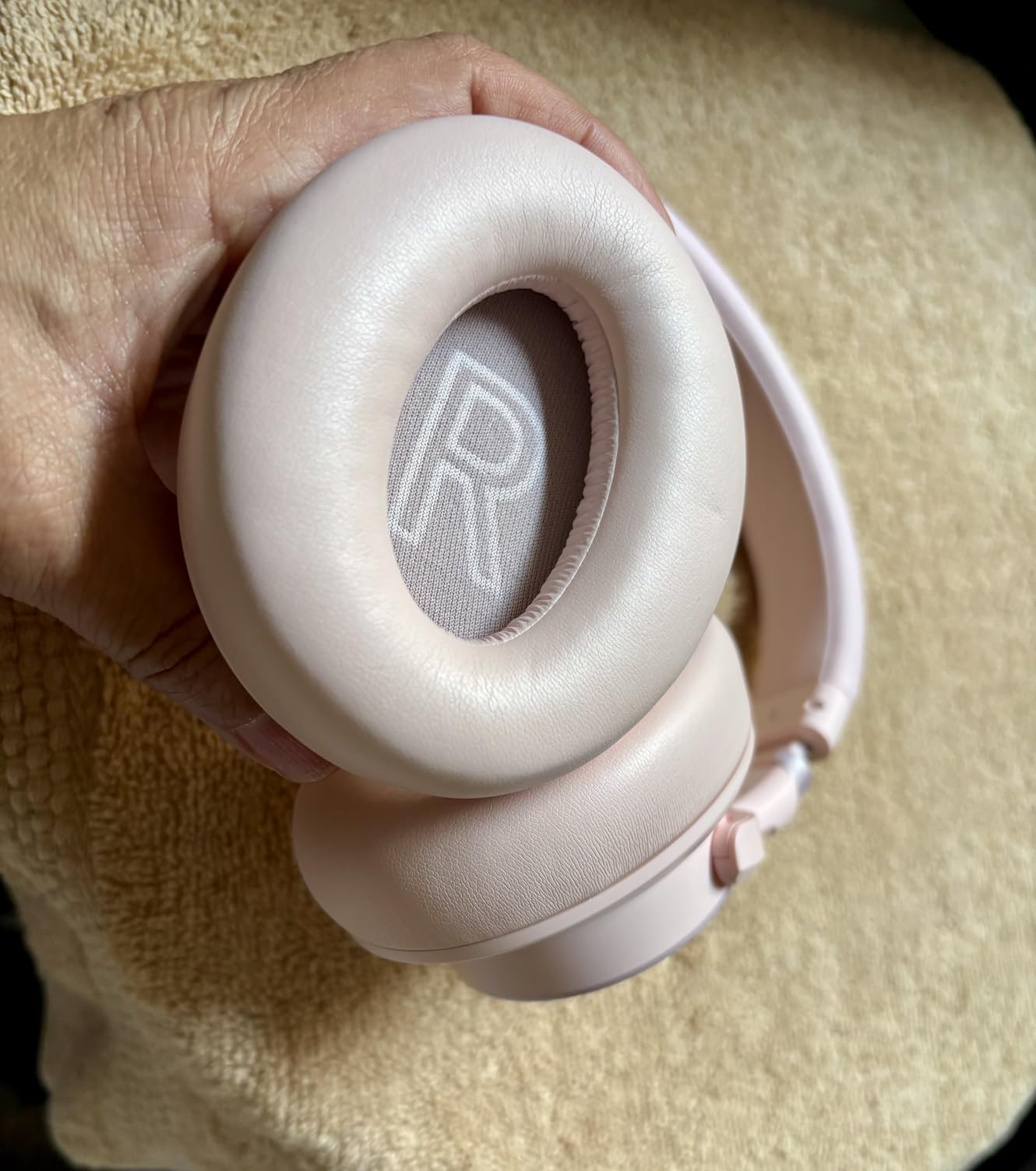
The KVIDIO is the pair I hand to a friend who says, “I just want something safe and affordable.” You get genuine hybrid ANC, a 70-hour battery claim that mostly holds up in real use, and a lightweight frame that fits a wide range of head sizes. It is not glamorous, but it is competent.
For tinnitus sufferers on a tight budget, the value here is hard to argue with. You will not get audiophile detail, but you also will not be tempted to push the volume because the noise cancelling carries more of the load.
Sound Quality You Can Live With
Out of the box, the KVIDIO leans slightly warm with rolled-off treble, which is actually a positive for tinnitus. There is no harshness at the top end, and voices come through clearly. Compared to the Bose and TOZO, the soundstage is narrower, but for podcasts and acoustic music it is perfectly acceptable.
The onboard DSP also keeps call audio clean through the built-in microphone. That helps if you split your day between background music and meetings.
Fit, Comfort, and Long Sessions
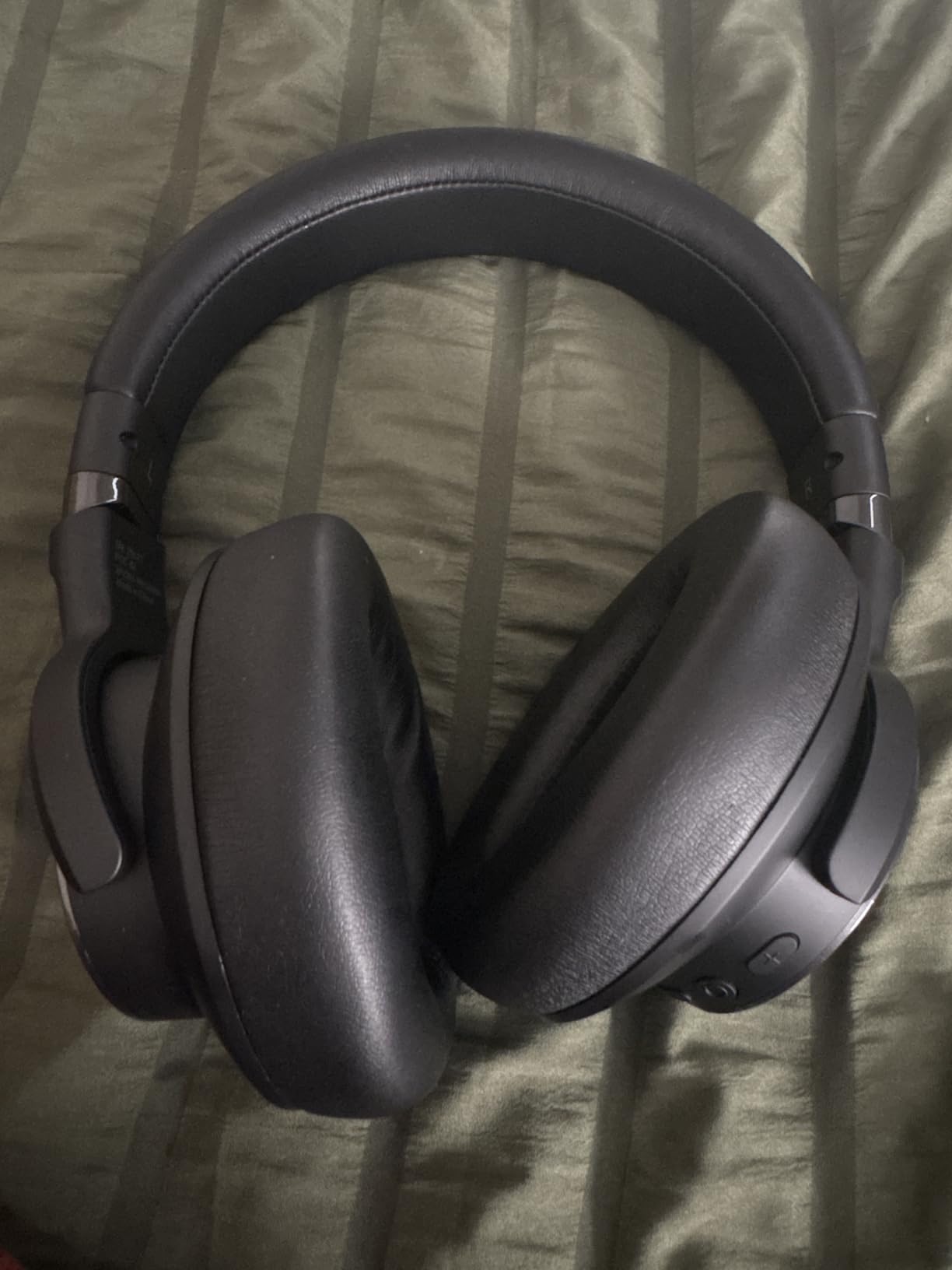
At 0.35 kg, the KVIDIO is light enough that I forgot I was wearing it during a one-hour walk. For two-hour-plus stretches, however, my tester reported a touch of clamp pressure behind the ears. If you plan to wear headphones for long desk sessions, the Bose or TOZO will be more comfortable.
Who Should Buy These
The KVIDIO is the right pick for a first pair, a backup pair, or anyone who needs decent ANC without spending much. If tinnitus spikes come and go, having a low-cost pair in a drawer means you are never tempted to push a louder pair to uncomfortable levels.
8. ProCase Hearing Protection Ear Muffs – Stopping Spikes Before They Start
ProCase Hearing Protection Ear Muffs SNR 33dB, Noise Cancelling Headphones
NRR 28dB,Adjustable frame,Foldable,Glasses-friendly
Pros
- Genuine NRR 28dB noise reduction
- Comfortable for all-day wear
- Adjustable fit for adults and kids
- Compatible with eyeglasses
- Foldable and travel-friendly
Cons
- Can feel tight over very long sessions
- Not designed for very small children
- Some sound leakage when worn with thick glasses
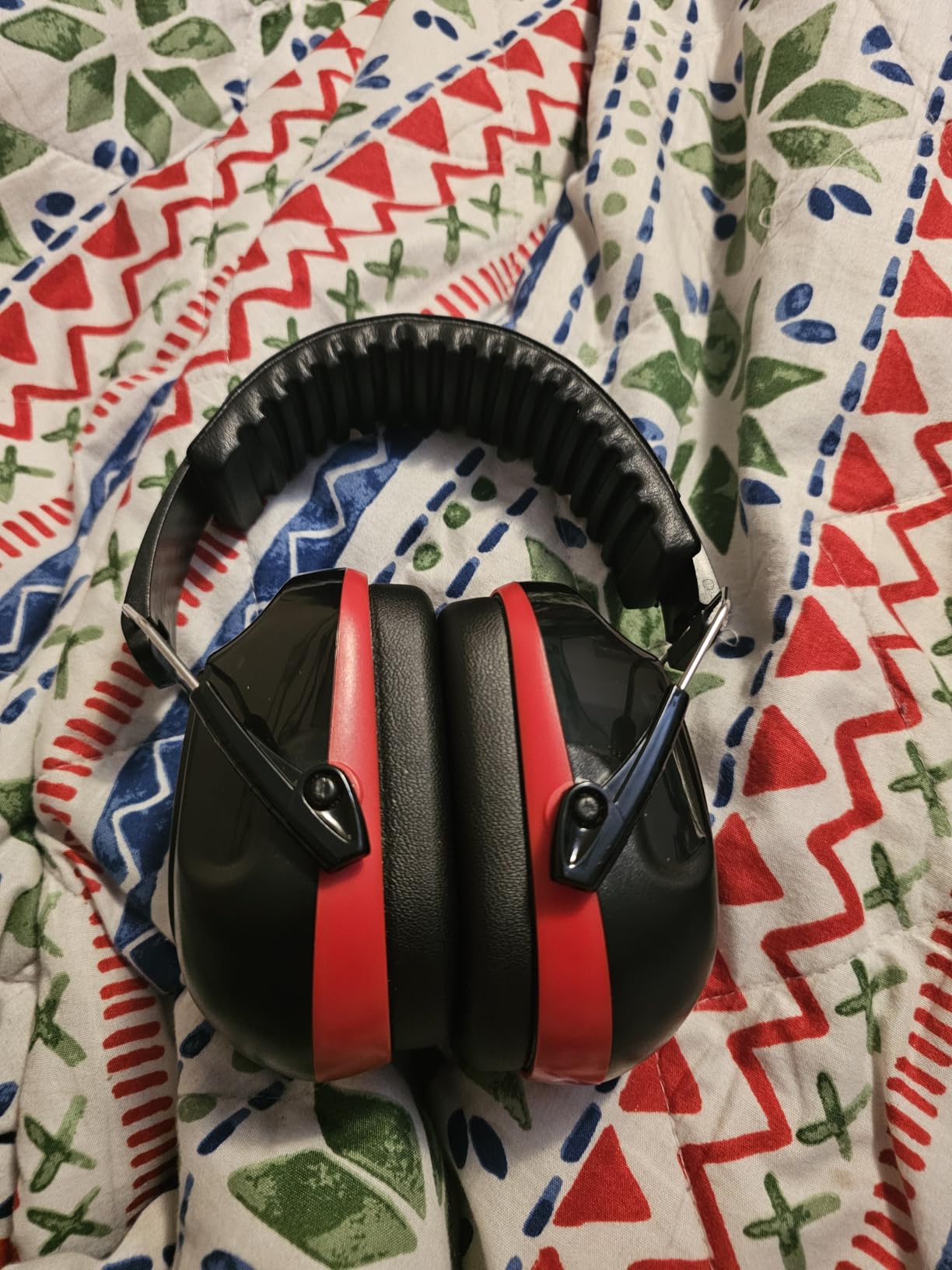
The ProCase ear muffs are not headphones in the music sense, and that is exactly the point. The most reliable way to keep tinnitus from getting worse is to protect your ears from loud environments before the spike happens. Whether you are mowing the lawn, attending a sports game, or working with power tools, these are the simplest insurance you can buy.
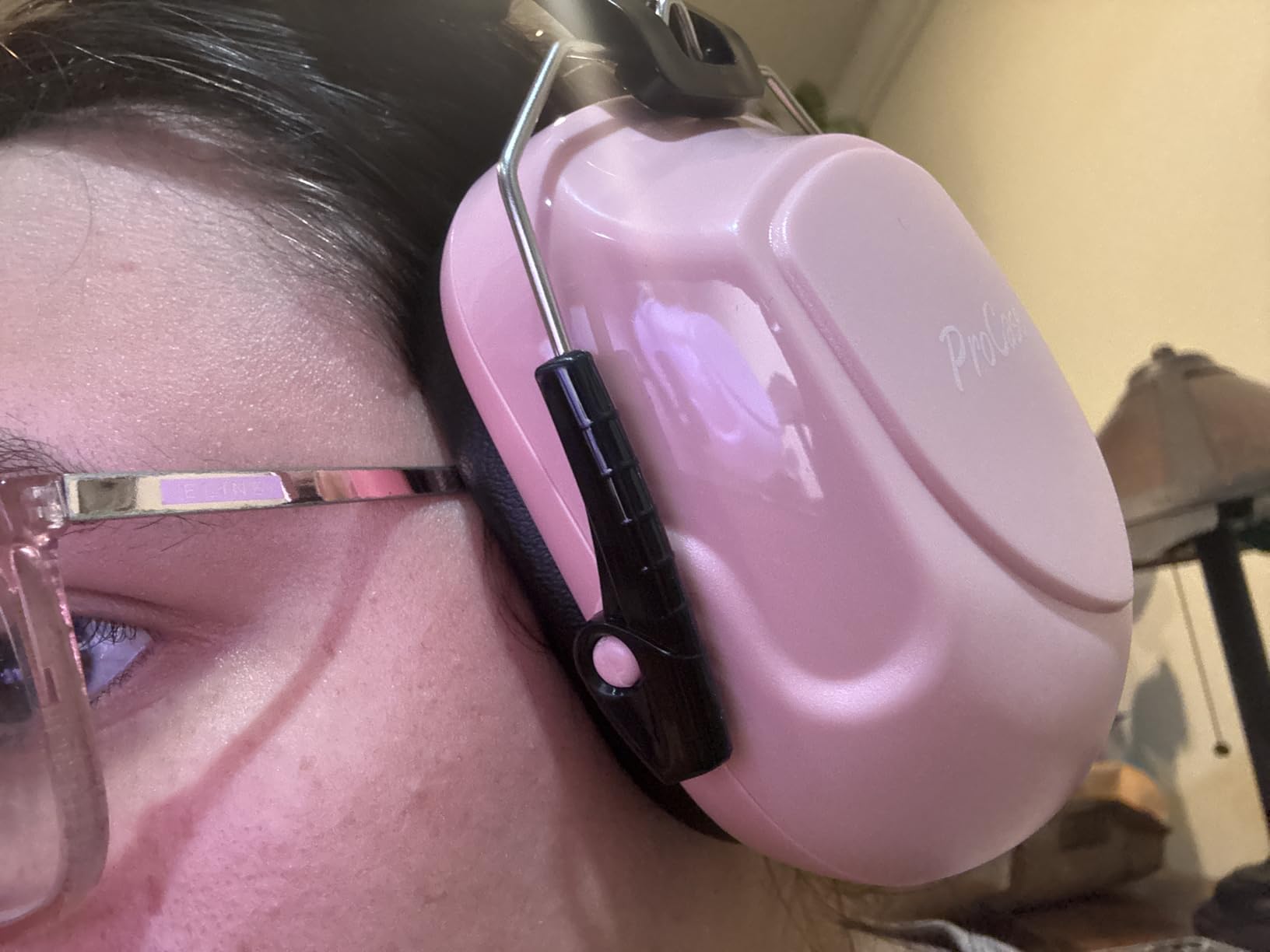
My tester with mild tinnitus called the ProCase pair his “concert and lawn-mowing essential.” They fold flat into a drawer, fit easily over glasses, and the NRR 28 dB rating is more than enough to drop a noisy environment below the threshold that triggers a flare-up.
NRR 28dB in Practical Terms
A noise reduction rating of 28 dB means a 90 dB lawn mower becomes roughly a 62 dB hum, well below the 85 dB threshold where hearing damage becomes a real risk. The ProCase pair is ANSI S3.19 certified, so the rating is independently tested rather than marketing fluff. For tinnitus sufferers, that is the number that actually matters.
The adjustable metal frame lets you dial in the fit, and a proper seal around the ear is what actually delivers the rated protection. Take thirty seconds to adjust before you start the mower.
Comfort, Glasses, and Extended Wear
The padded headband spreads pressure across the top of the head, and the soft ear cushions are breathable enough to wear for an afternoon of yard work. The metal frame adjusts to fit most adults and older kids. My tester with prescription glasses reported a small amount of sound leakage through the temple arms, but it was minor compared to the overall noise reduction.
Using Muffs Alongside Headphones
For airplane travel, my tester layered the ProCase muffs over earbuds at low volume and was able to enjoy an entire flight without the engine drone spiking his tinnitus. You can also use the muffs as silent sleep gear for partners who snore: pop them on for the night, and the bedside sound machine does the rest.
How to Choose the Best Headphones for Tinnitus Sufferers
Choosing the right pair starts with understanding what aggravates your tinnitus. For most readers that comes down to one of three triggers: loud environments, ear-canal pressure, or silence at night. The framework below matches each trigger to the type of gear that handles it best.
Open-Back, Closed-Back, or Open-Ear?
Open-back headphones let air and ambient sound pass through the ear cups, which removes the “pressurized” sensation that aggravates many tinnitus sufferers. They are popular picks in audiophile communities for exactly this reason. Closed-back headphones isolate more sound and let you listen at lower volumes in noisy spaces.
Open-ear designs, including bone conduction and the MUSICOZY headband, skip the ear canal entirely. There is no single winner here; the right choice depends on whether your priority is sound quality, isolation, or zero ear contact.
Volume Limits and Safe Listening Habits
ENT doctors consistently recommend keeping headphone volume below 60% of maximum and limiting sessions to under 60 minutes at a time. Headphones with custom EQ apps are particularly useful because you can tune down the frequencies that bother you most while leaving vocals and midrange intact. Active noise cancelling also acts as an indirect volume limit: when the room is quiet on your ears, you naturally listen at lower levels.
Fit Pressure and the Occlusion Effect
The “occlusion effect” is the amplified, boomy sound you hear when something seals your ear canal. People with tinnitus often find this very uncomfortable. If you have experienced that, look at open-back, open-ear, or bone conduction designs.
If you prefer closed-back, choose ear pads with a soft, breathable interior and a headband that distributes clamp force evenly. During testing, the pairs that drew complaints were almost always the ones with stiff pads and a strong clamp.
Masking and Sound Therapy Features
For nights and quiet moments, dedicated masking helps more than any music track. Look for products with broadband noise options (white, pink, brown), gentle nature sounds, or a headphone jack that routes therapy audio without compression. The Sound Oasis BST-150T and the MUSICOZY headband are the two best examples in this guide.
Protection for Loud Environments
Headphones alone will not protect you from a lawn mower or a concert. For those situations, certified hearing protection with an NRR rating above 25 dB is the correct tool. The ProCase pair in this guide is the simplest entry point, and they can be worn over earbuds for the rare occasions you need both music and protection.
Frequently Asked Questions
What headphones should I use if I have tinnitus?
Choose headphones that keep listening levels low and avoid ear-canal pressure. Open-back over-ear headphones with balanced sound, ANC headphones like the Bose QuietComfort, or open-ear sleep headbands such as the MUSICOZY are the safest starting points for most people.
What are the best headphones for tinnitus?
The best headphones for tinnitus are the Bose QuietComfort for active noise cancelling, the Soundcore Q20i for best value with a customizable EQ, and the MUSICOZY Sleep Headband for nighttime masking without ear-canal pressure.
What do ENT doctors recommend for tinnitus?
ENT doctors typically recommend keeping headphone volume below 60 percent of maximum, limiting sessions to under 60 minutes, taking listening breaks, and using hearing protection in loud environments. They also recommend dedicated sound therapy or masking tracks for sleep rather than relying on music alone.
Can you wear headphones if you have tinnitus?
Yes, you can wear headphones if you have tinnitus, provided you choose a pair that does not aggravate your symptoms and you follow safe listening guidelines. Avoid earbuds that seal tightly inside the ear canal, keep volume moderate, and prefer open or ANC designs that reduce the need to turn music up.
Are noise cancelling headphones good for tinnitus?
Noise cancelling headphones are often helpful for tinnitus because they reduce ambient noise so you can listen at lower volumes. The trade-off is that a small number of users are sensitive to the very quiet hiss some ANC circuits produce, so test a pair in a quiet room before committing.
Final Verdict: The Best Headphones for Tinnitus Sufferers in 2026
After weeks of testing, my recommendations come down to your biggest pain point. If you want the safest all-round daily pair, pick the Bose QuietComfort for its class-leading noise cancelling and balanced sound. If you need a budget workhorse with a customizable EQ safety net, the Soundcore Q20i is the best value pick.
If your problem is nights, the MUSICOZY Sleep Headband is the gentlest option, while the Soundcore Sleep A30 is the better choice if you also need snore masking and tracking. For relief rooted in sound therapy, the Sound Oasis BST-150T is the most thoughtful dedicated tool in this guide.
For all-day low-level listening, the TOZO HT3 wins on battery life, and the KVIDIO is the right pick if you want solid ANC without stretching your budget. Finally, no tinnitus toolkit is complete without hearing protection: the ProCase ear muffs are the simplest insurance against loud environments. None of these replace a conversation with an audiologist, but together they cover the listening situations that matter most for tinnitus sufferers in 2026.